
Gravel driveways are affordable, adaptable, and attractive, but loose stone can spread into lawns and planting beds without a dependable edge. The best gravel driveway curbing ideas solve that problem while giving the entire approach a cleaner, more intentional appearance. Your choice should complement the gravel color, driveway shape, home exterior, drainage pattern, and maintenance needs. Raised curbs provide strong containment, while flush borders create smoother transitions for lawn equipment, snowplows, and vehicle tires. Brick, concrete, metal, timber, cobblestone, and natural stone can all work when installed over a stable base. The complete designs below combine practical curbing with coordinated landscaping and architecture, helping you compare 20 Gravel Driveway Curbing Ideas.

1. Gravel Driveway With Brick Curbing
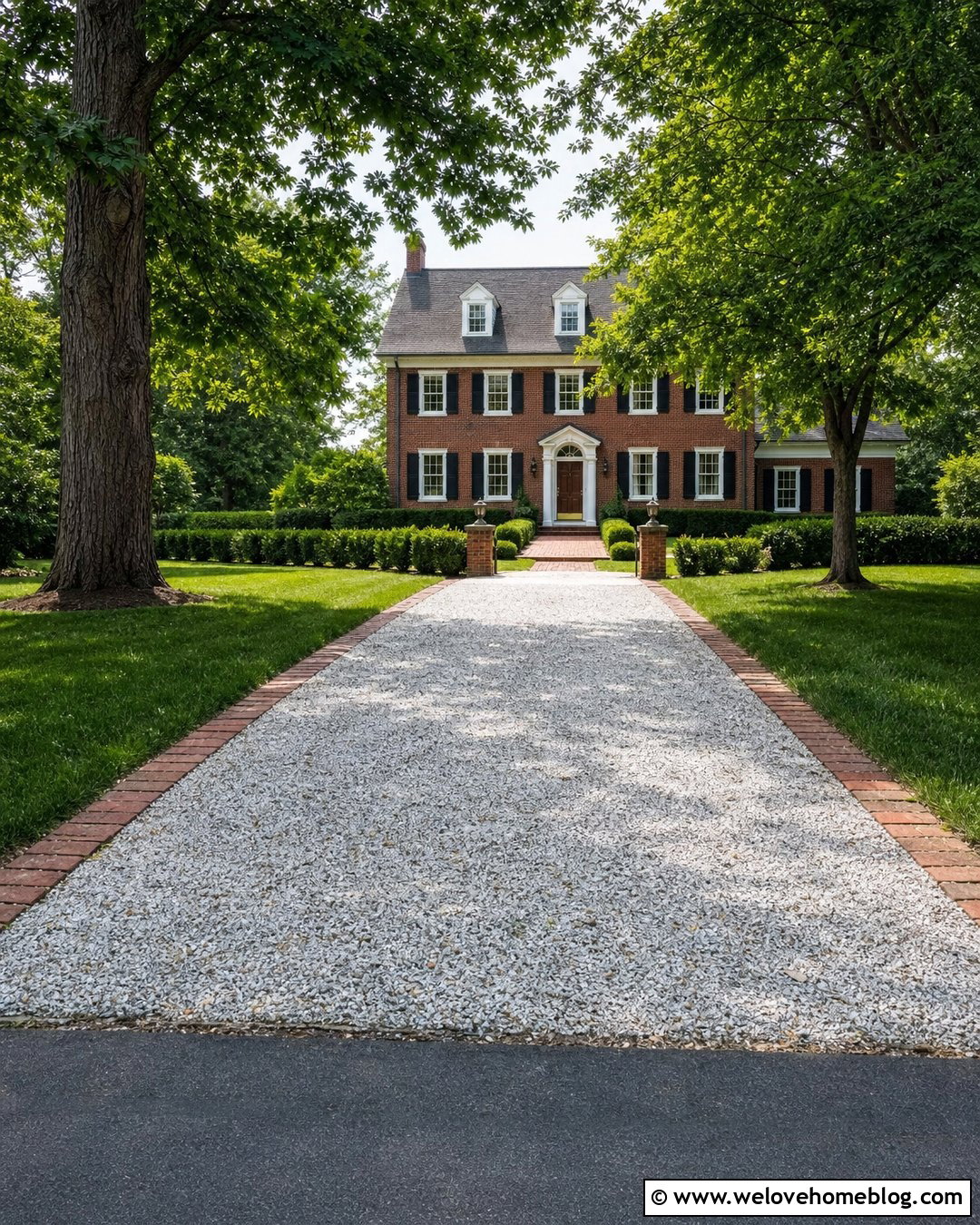
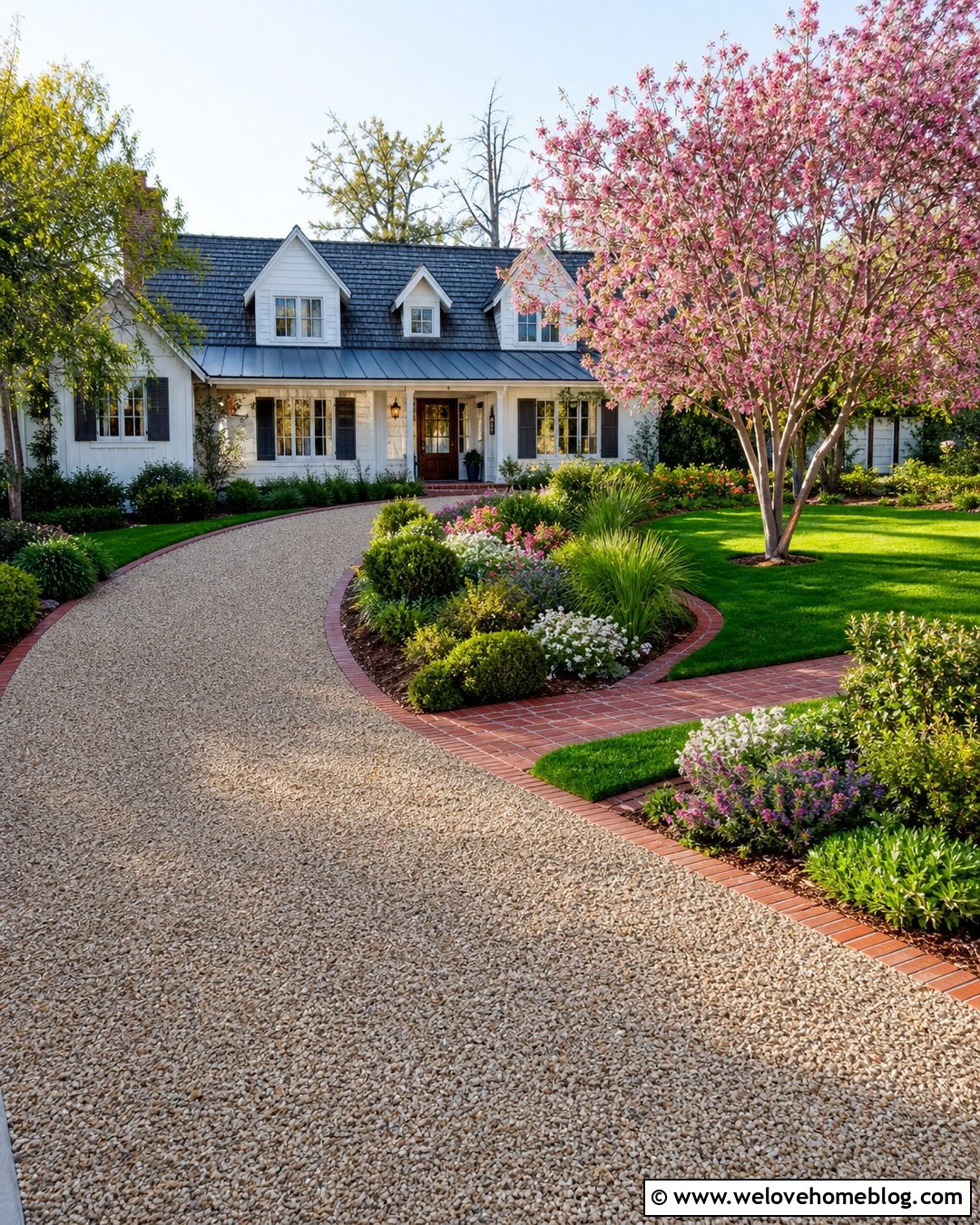
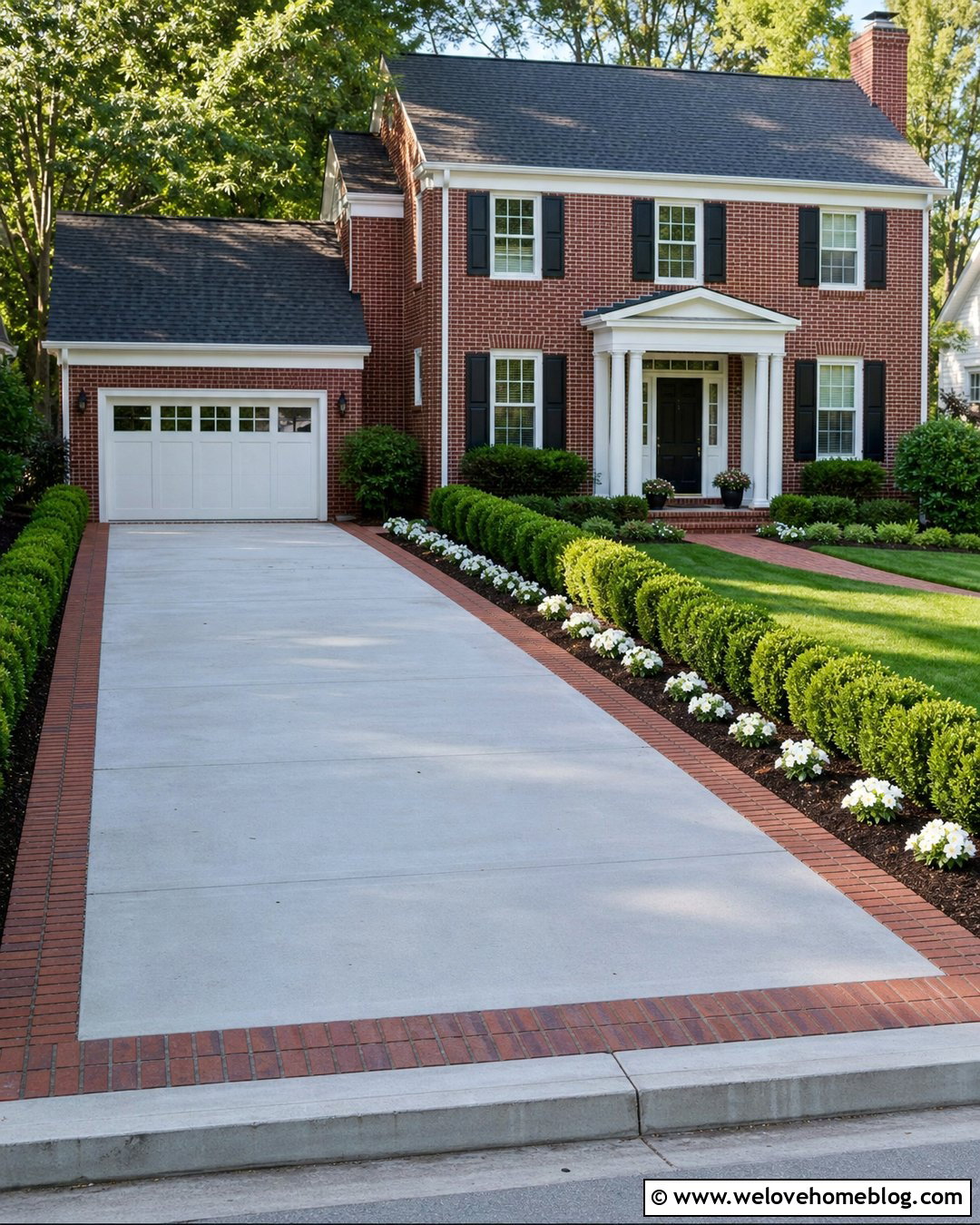
Warm red brick curbing gives a gravel driveway a traditional look that works especially well with Colonial, Cape Cod, and cottage homes. Pair the bricks with pale gray crushed stone so the color contrast remains clear from the street. A straight driveway can use a simple soldier-course border, while a curved layout looks polished with bricks carefully fitted around each bend. Install the curbing over a compacted aggregate base to reduce shifting, then secure the outer edge with concrete or a suitable paver restraint. Keep the bricks slightly raised to contain loose gravel. Low boxwoods, lawn, and a brick walkway can repeat the material elsewhere, making the driveway feel connected to the home rather than added as an afterthought.
2. Gravel Driveway With Cobblestone Curbing
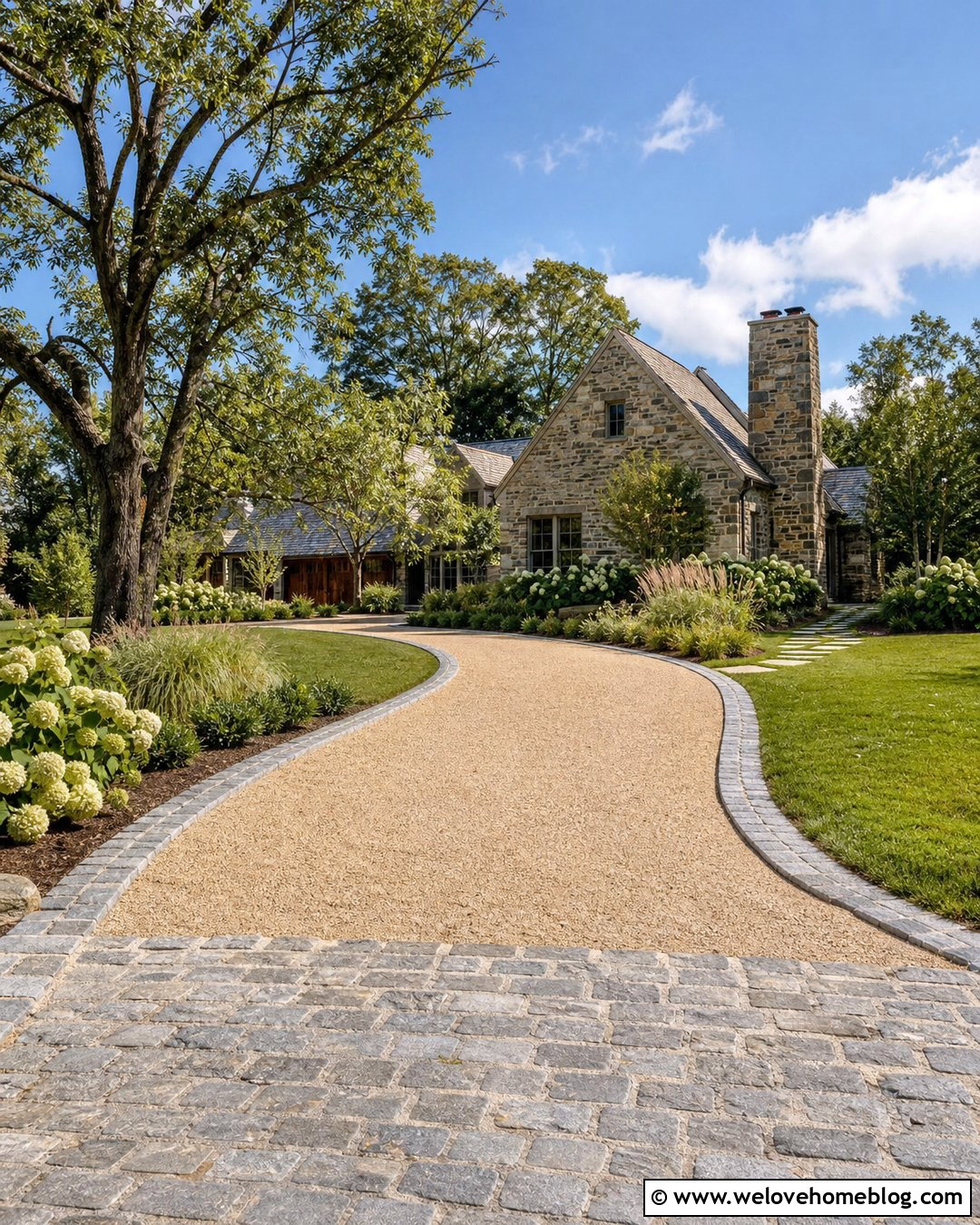
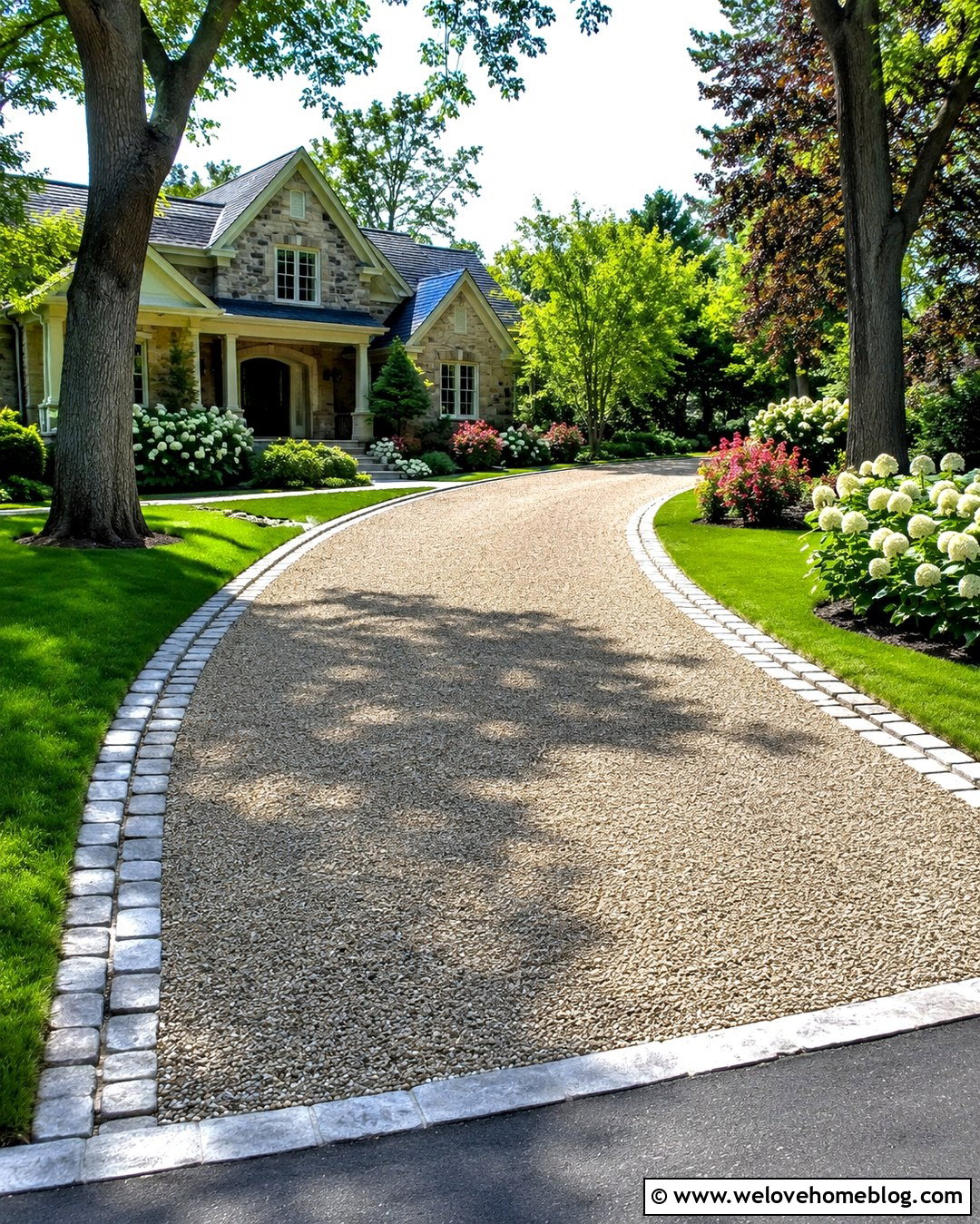
Cobblestone curbing creates a substantial boundary without making a gravel driveway look overly formal. The uneven texture pairs naturally with crushed granite, limestone, or tan gravel. For an inviting country-home approach, use a gently curved driveway bordered by one continuous row of dark gray cobblestones. Set each stone deeply enough to resist movement from tires and seasonal ground changes. A narrow planting bed filled with ornamental grasses, hydrangeas, or spreading ground cover can soften the outside edge. Near the street, widen the cobblestone border into a small entrance apron for stronger definition. This complete look suits stone houses, traditional farmhouses, and wooded properties where manufactured curbing might appear too smooth or visually sharp.
3. Gravel Driveway With Poured Concrete Curbing
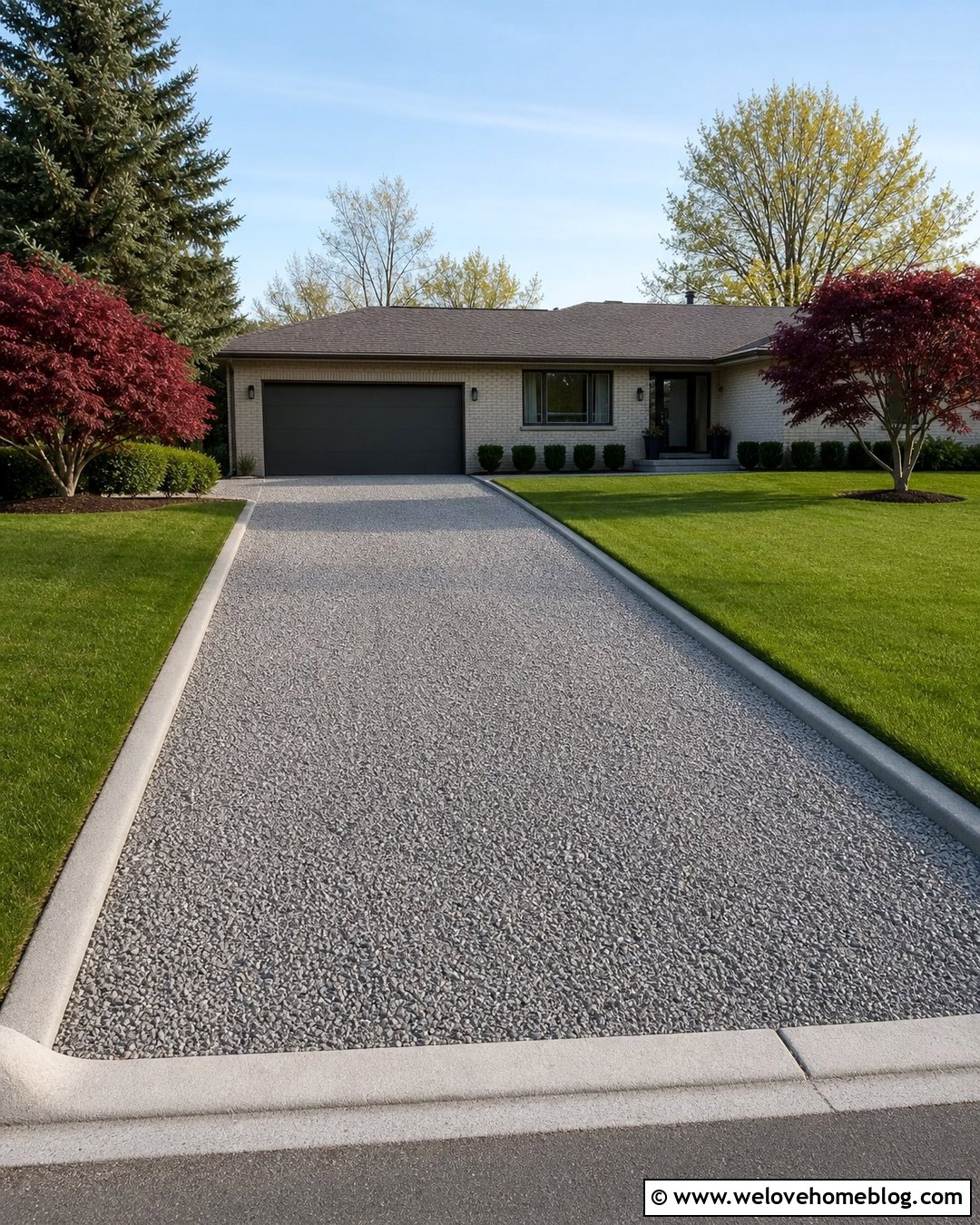
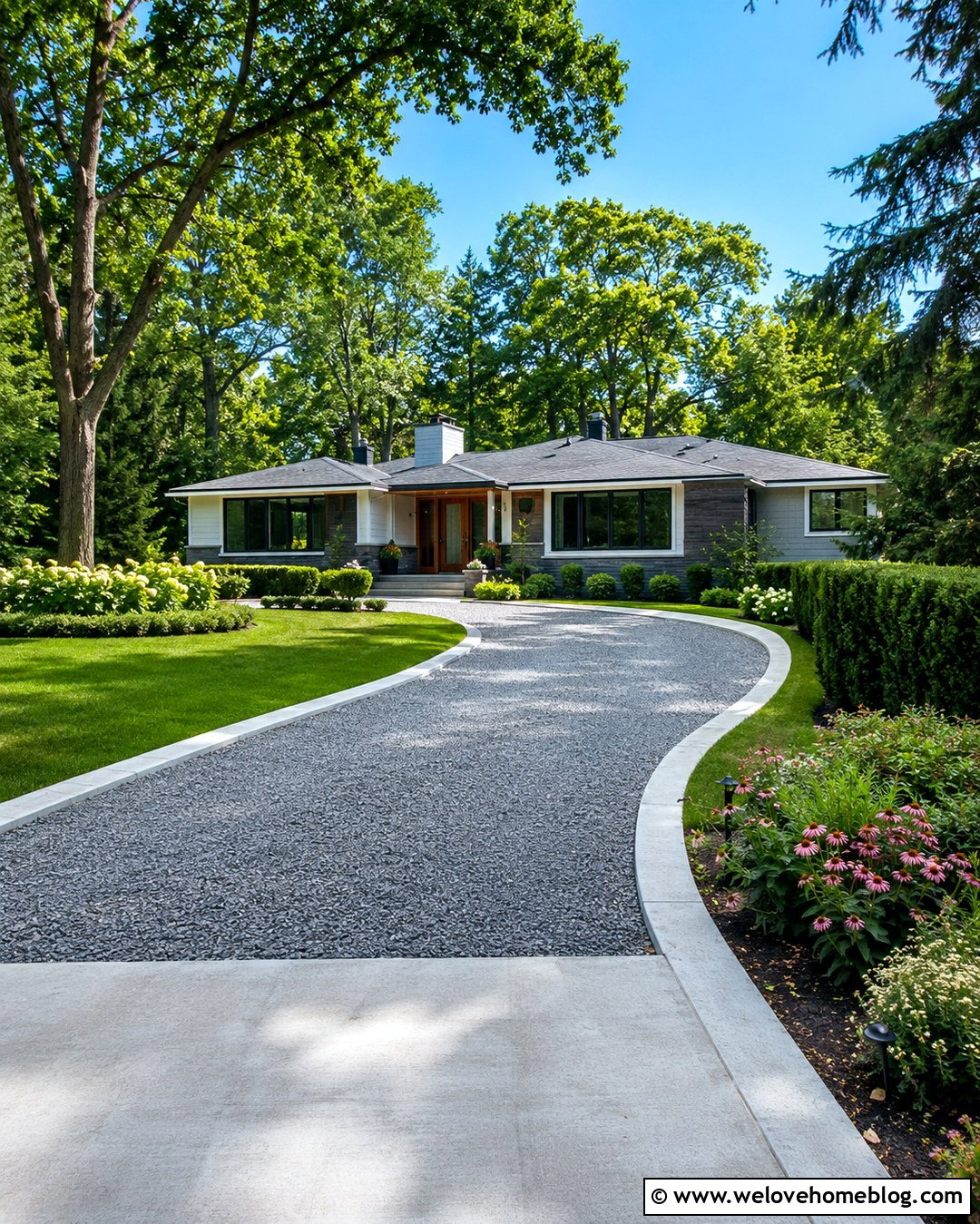
Continuous poured concrete curbing offers a crisp, durable edge for a frequently used gravel driveway. It is particularly useful along straight approaches where loose aggregate repeatedly moves toward the lawn. Choose natural gray concrete for an understated border, or tint it to coordinate with warm gravel and the home’s facade. A rounded or sloped curb profile feels residential and is less severe than a tall vertical curb. The driveway should still be properly graded so water moves away from the garage and does not collect behind the border. Pair the curb with evenly cut lawn edges, simple foundation shrubs, and a concrete front walkway. The result is clean, low-fuss curb appeal that complements ranch, contemporary, and suburban homes. ()
4. Gravel Driveway With Stamped Concrete Curbing
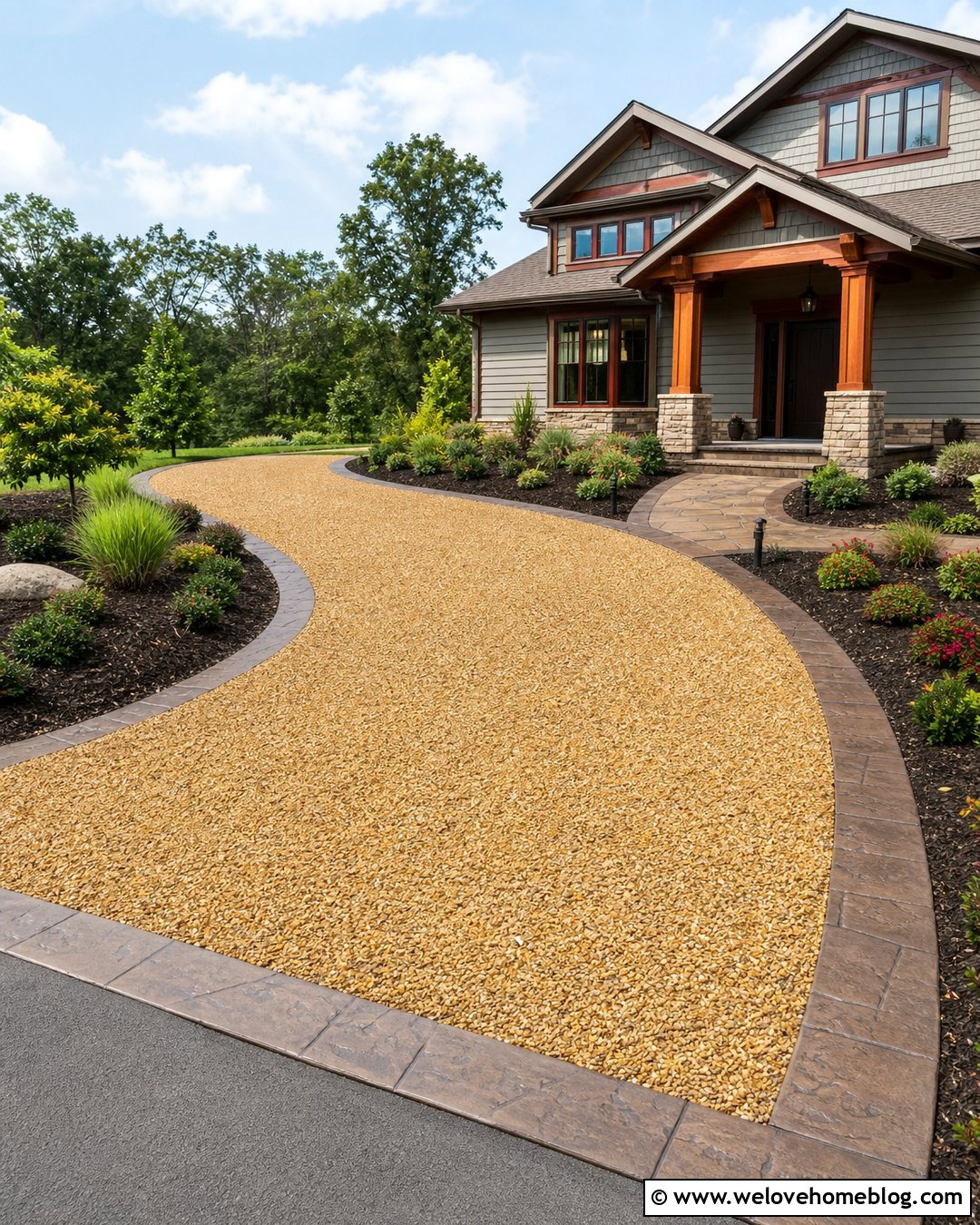
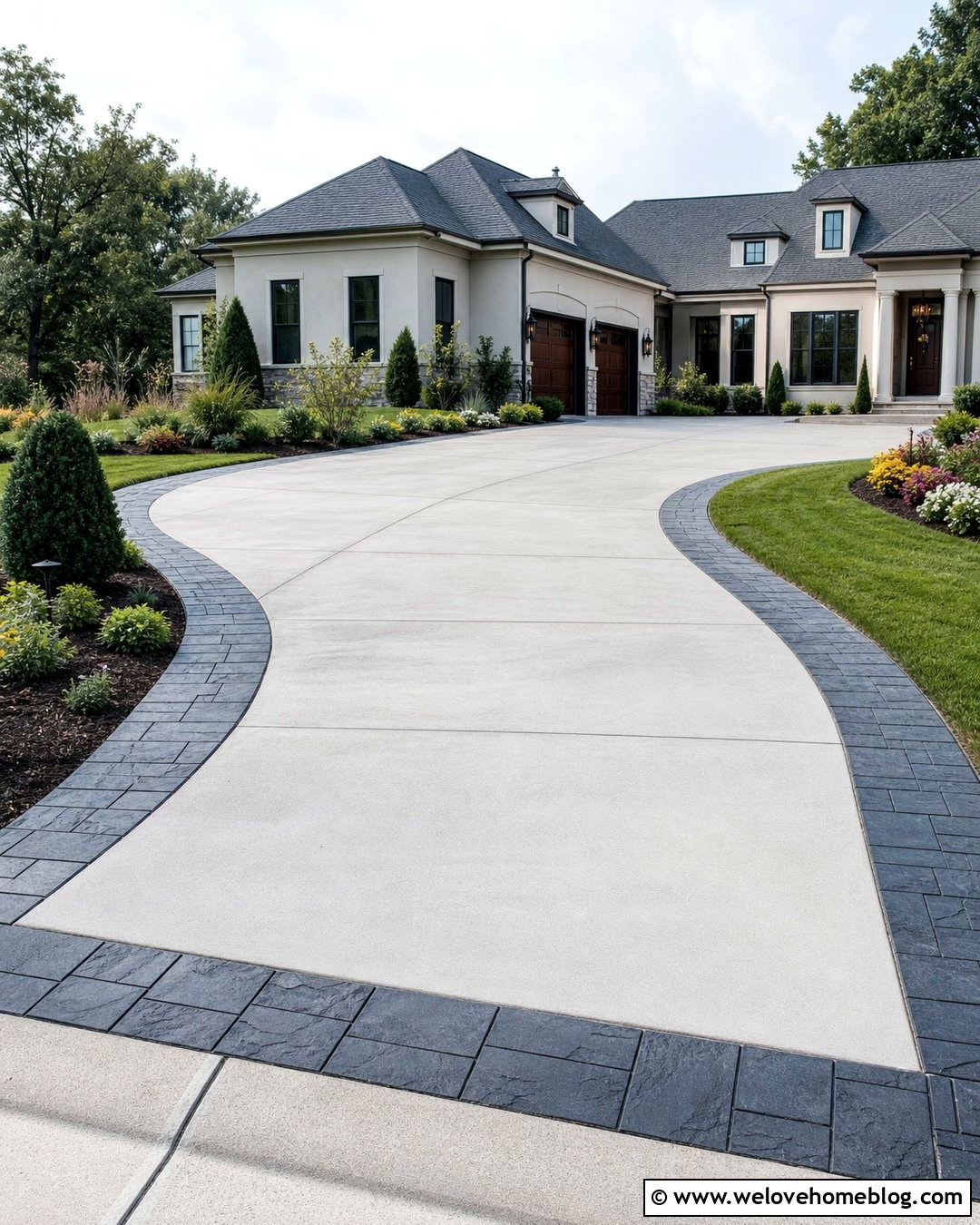
Stamped concrete curbing can deliver the appearance of stone or brick while forming one continuous gravel-retaining edge. Select a subtle slate, cobblestone, or running-brick pattern rather than an overly detailed finish. Charcoal-stained curbing looks striking beside light limestone gravel, while warm brown concrete works beautifully with golden crushed stone. Use the border around a curved driveway leading to a craftsman home, then repeat its color in the porch steps or walkway. Decorative curbing should remain secondary to the house, so keep nearby landscaping simple with structured shrubs and mulched beds. Control joints and an appropriate foundation are important because the curb follows the ground through temperature changes. A carefully selected finish can make practical containment look intentionally decorative.
5. Gravel Driveway With Belgian Block Curbing
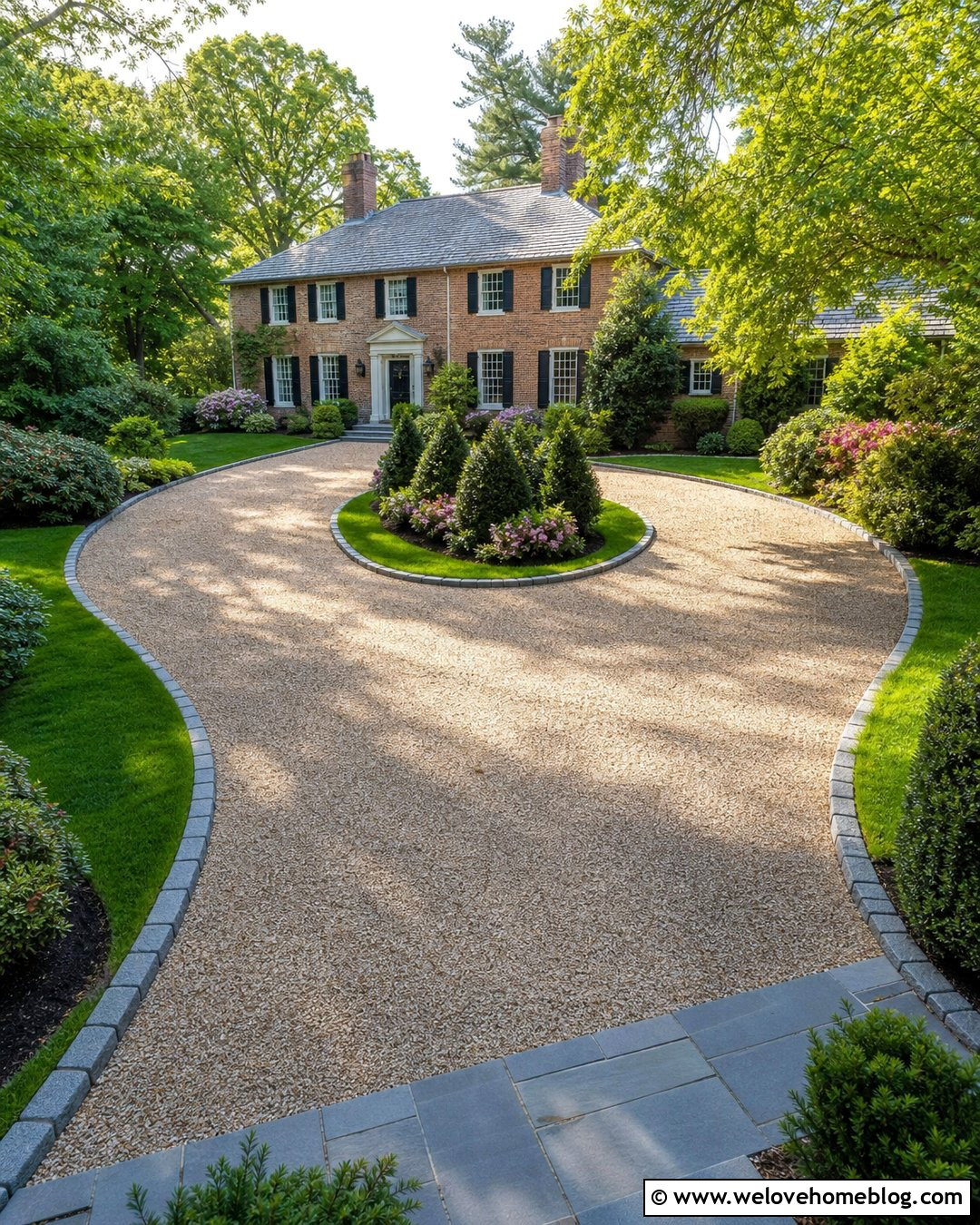
Belgian block curbing gives a gravel driveway a refined, weighty edge suitable for traditional and high-end residential landscapes. These rectangular stone blocks can be installed vertically for stronger containment or laid closer to grade for a more accessible transition. Dark granite blocks create a sharp outline around beige pea gravel or buff crushed stone. On a horseshoe driveway, carry the same block around the central island so the entire layout reads as one coordinated design. Add clipped evergreens, flowering shrubs, and a bluestone walkway for a balanced entrance. Because individual blocks must remain aligned, place them over a well-compacted base and support their outside edge. This border is especially effective where tires regularly approach the sides of the driveway.
6. Gravel Driveway With Steel Curbing
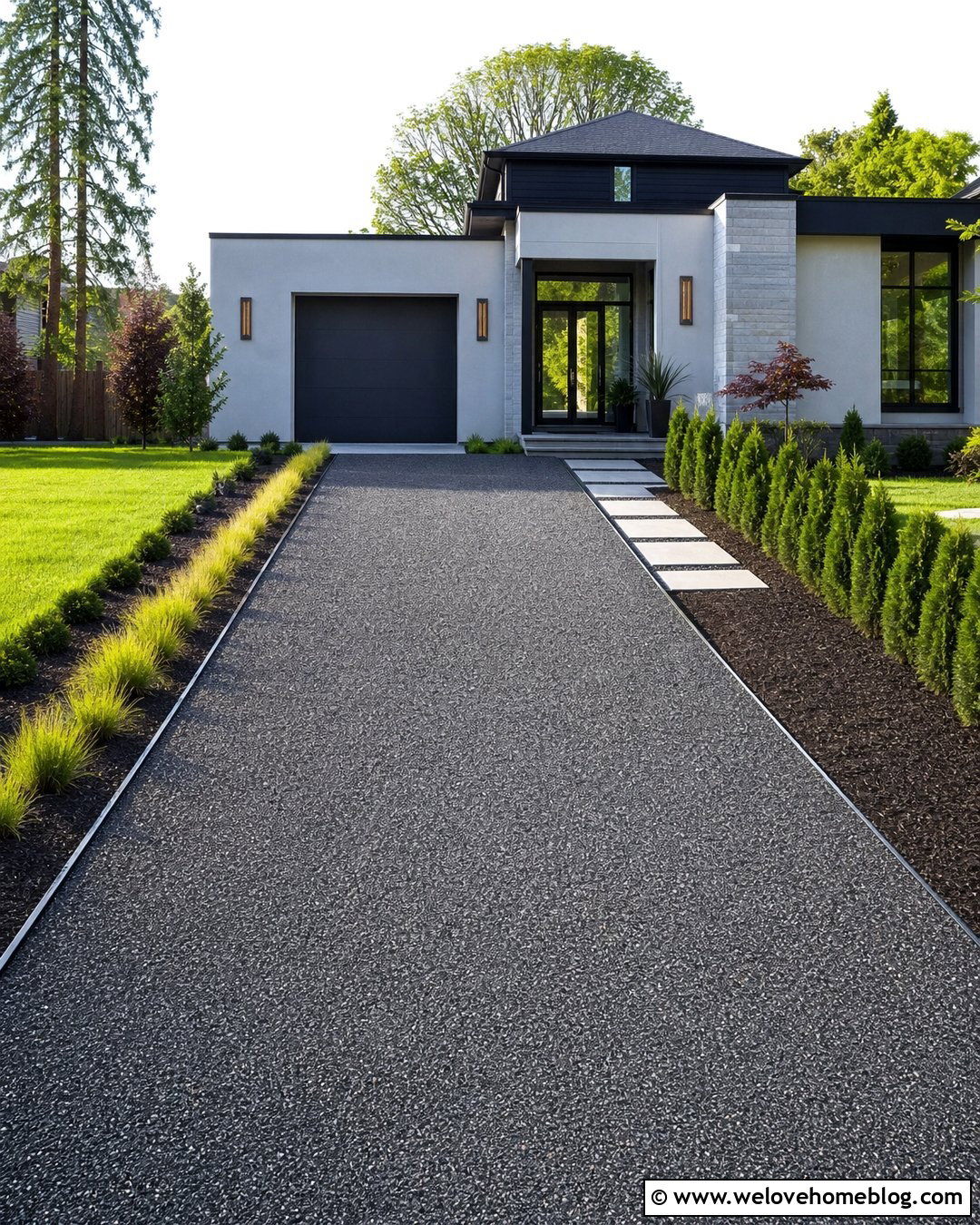
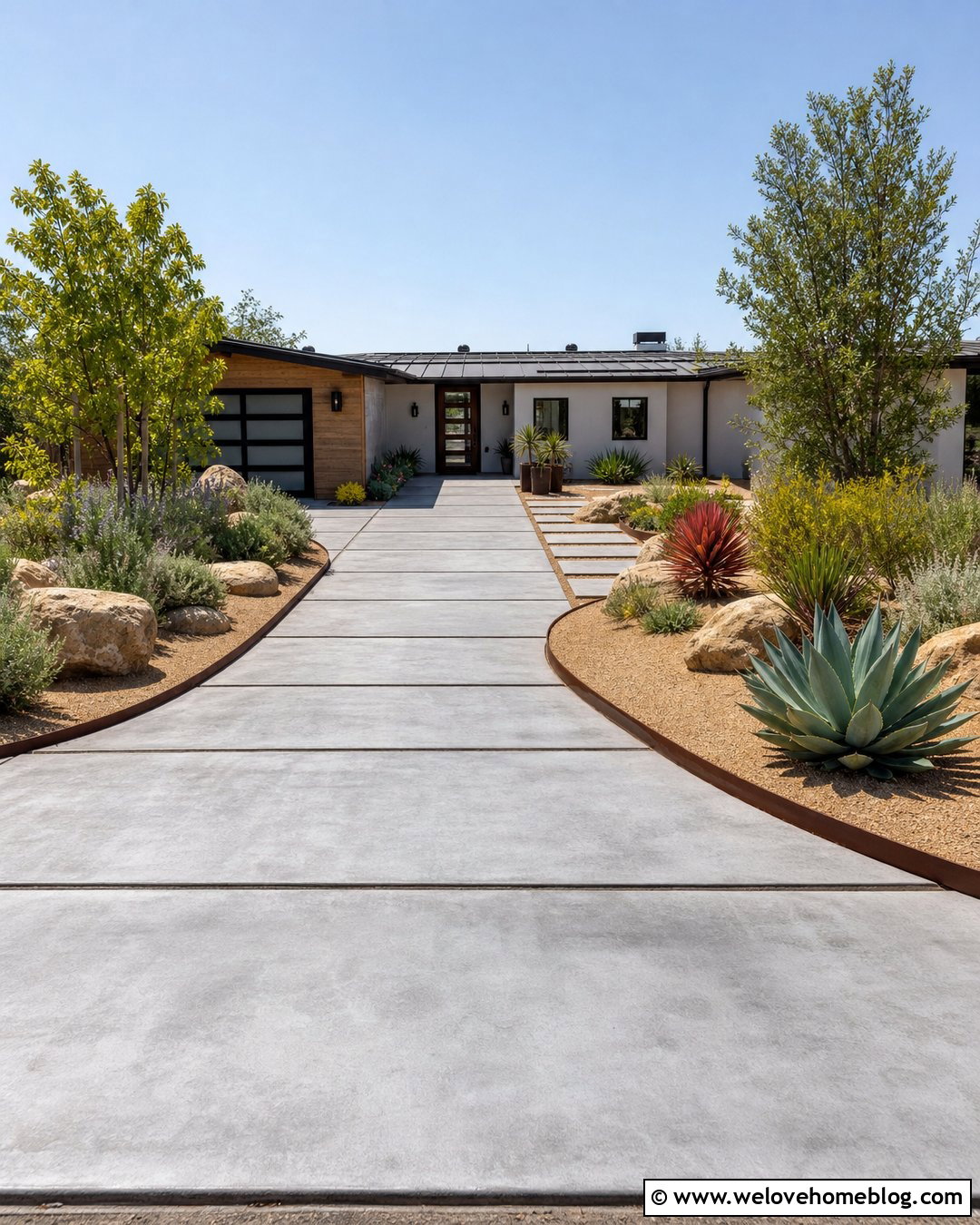
Steel curbing almost disappears into the landscape, making it a smart choice for modern gravel driveways. A dark powder-coated or weathered steel strip can follow straight lines, broad curves, and narrow planting beds without competing with the architecture. Use charcoal crushed granite for the driveway, then position the steel slightly above the finished surface to contain the stone. Along the outer edge, combine ornamental grasses, compact evergreen shrubs, and broad areas of mulch. The restrained palette works well with modern, midcentury, and contemporary farmhouse exteriors. Choose edging designed for demanding landscape applications rather than thin decorative strips that may bend under pressure. Secure it firmly with appropriate stakes, and make every exposed corner or transition smooth and safe. ()
7. Gravel Driveway With Aluminum Curbing
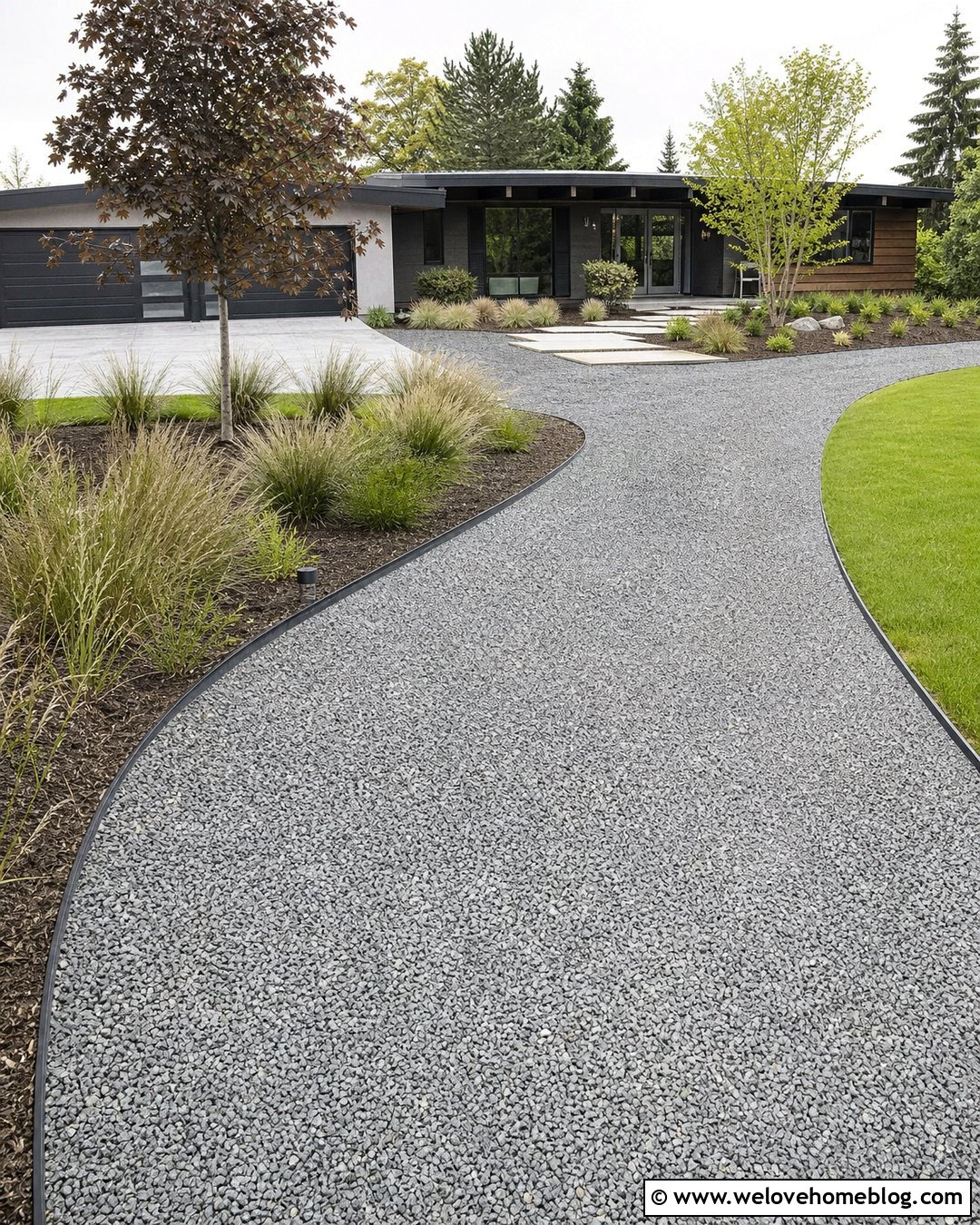
Aluminum curbing provides the clean appearance of metal without the rusty patina associated with unfinished steel. It works well on a curved gravel driveway because many landscape-grade systems can form smooth, gradual bends. Pair black or mill-finish aluminum with light gray angular gravel for a neat contemporary contrast. Keep the curbing close to the gravel surface where possible, especially beside lawns and pedestrian paths. A row of low native grasses can soften the driveway without hiding its defined outline. Near the garage, transition to a wider concrete or paver apron that handles turning tires and creates a finished threshold. This streamlined combination suits smaller suburban lots because the thin border preserves usable driveway width and does not visually crowd nearby planting areas.
8. Gravel Driveway With Landscape Timber Curbing
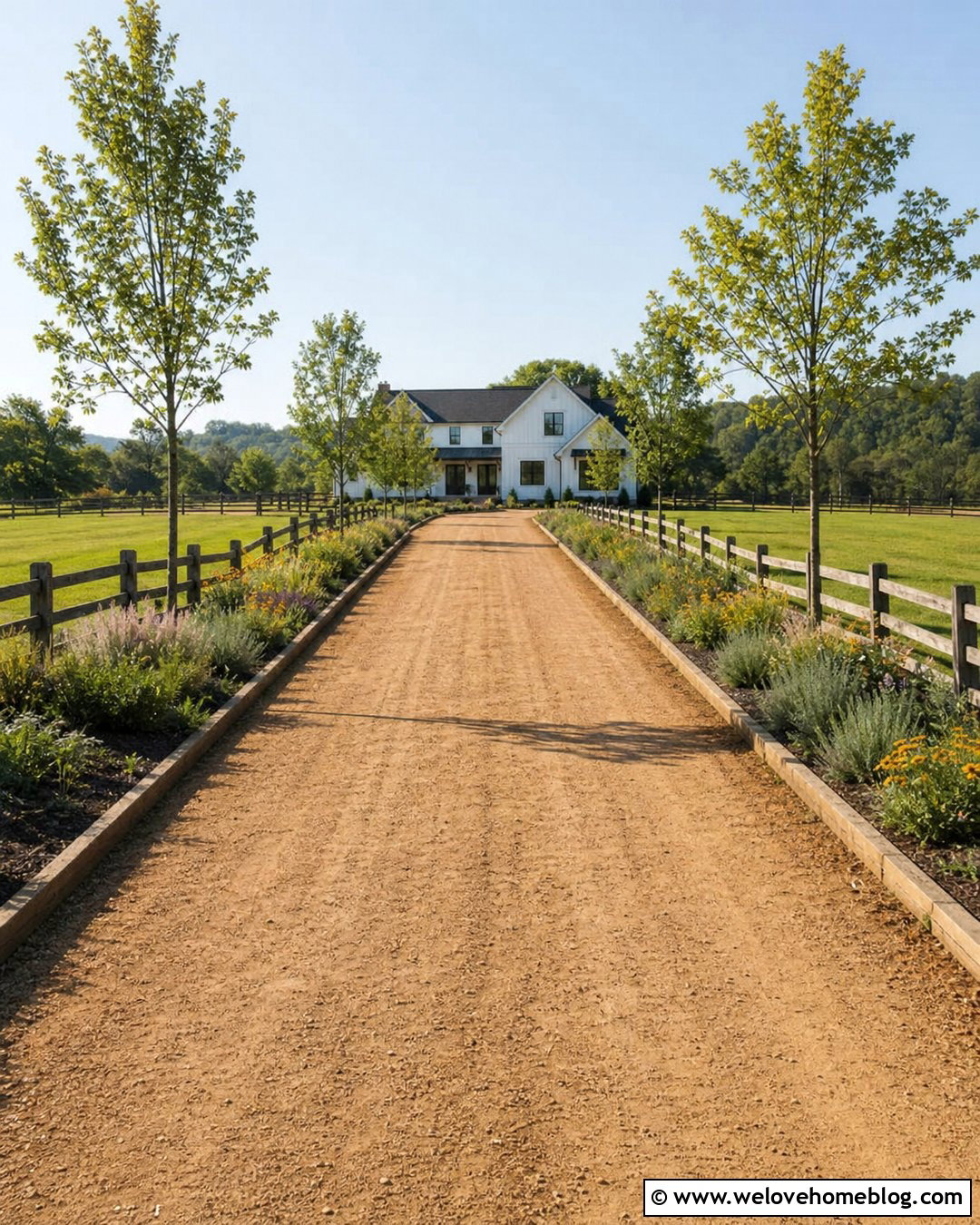
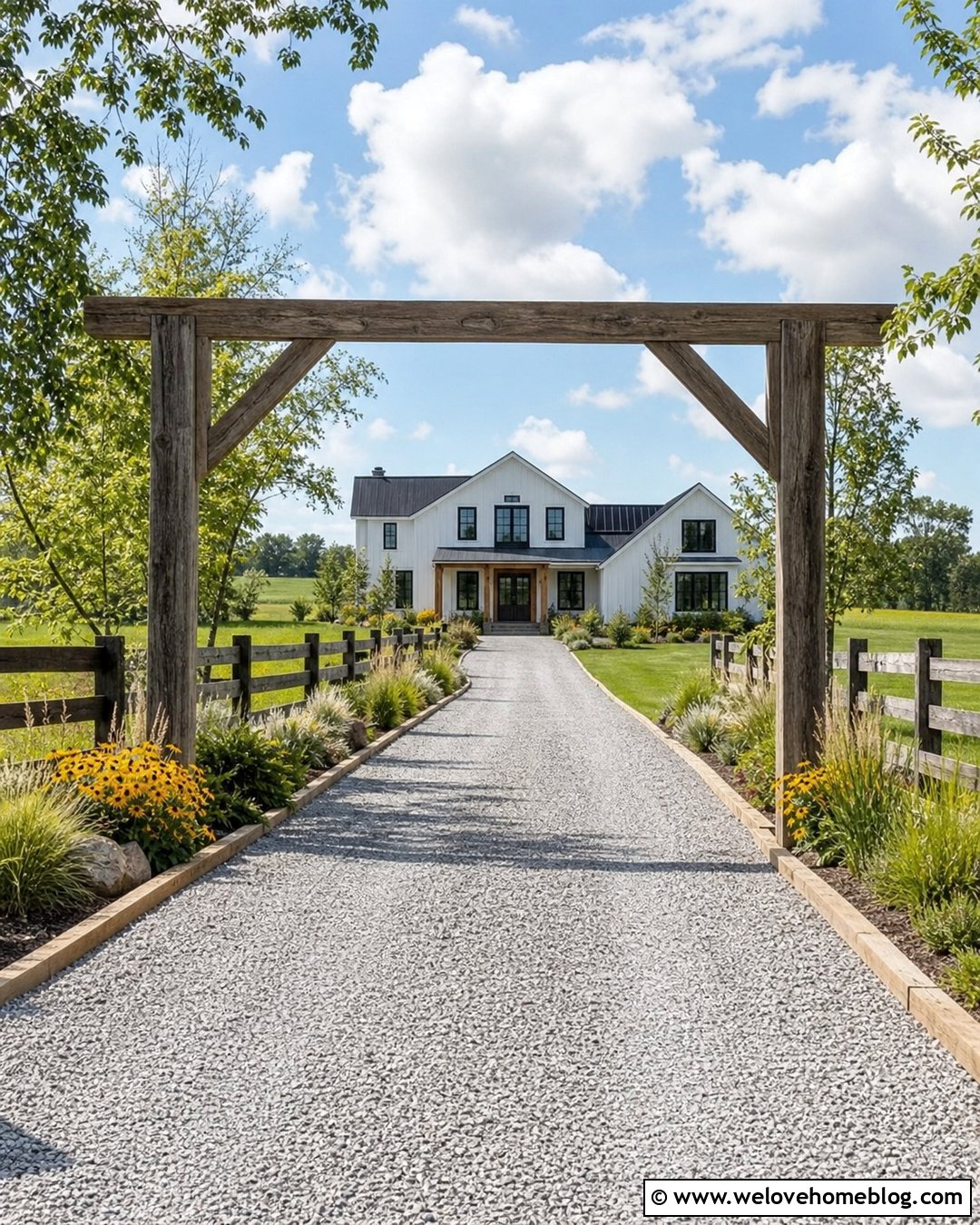
Landscape timber curbing gives a gravel driveway an approachable rustic character and can be practical for a budget-conscious project. Use straight, pressure-treated timbers along a long country driveway surfaced with compacted tan crushed gravel. Anchor the wood securely and keep joints tight so stones cannot escape through gaps. The top of the timber should sit high enough to retain gravel but low enough to avoid becoming a tripping or tire hazard. Native grasses, informal perennial beds, and split-rail fencing can continue the relaxed rural style. Wood will eventually weather and may require replacement, particularly in damp locations. Good drainage and ground-contact-rated material are essential. This design looks most cohesive beside cabins, ranch houses, barns, and casual modern farmhouses.
9. Gravel Driveway With Natural Stone Curbing
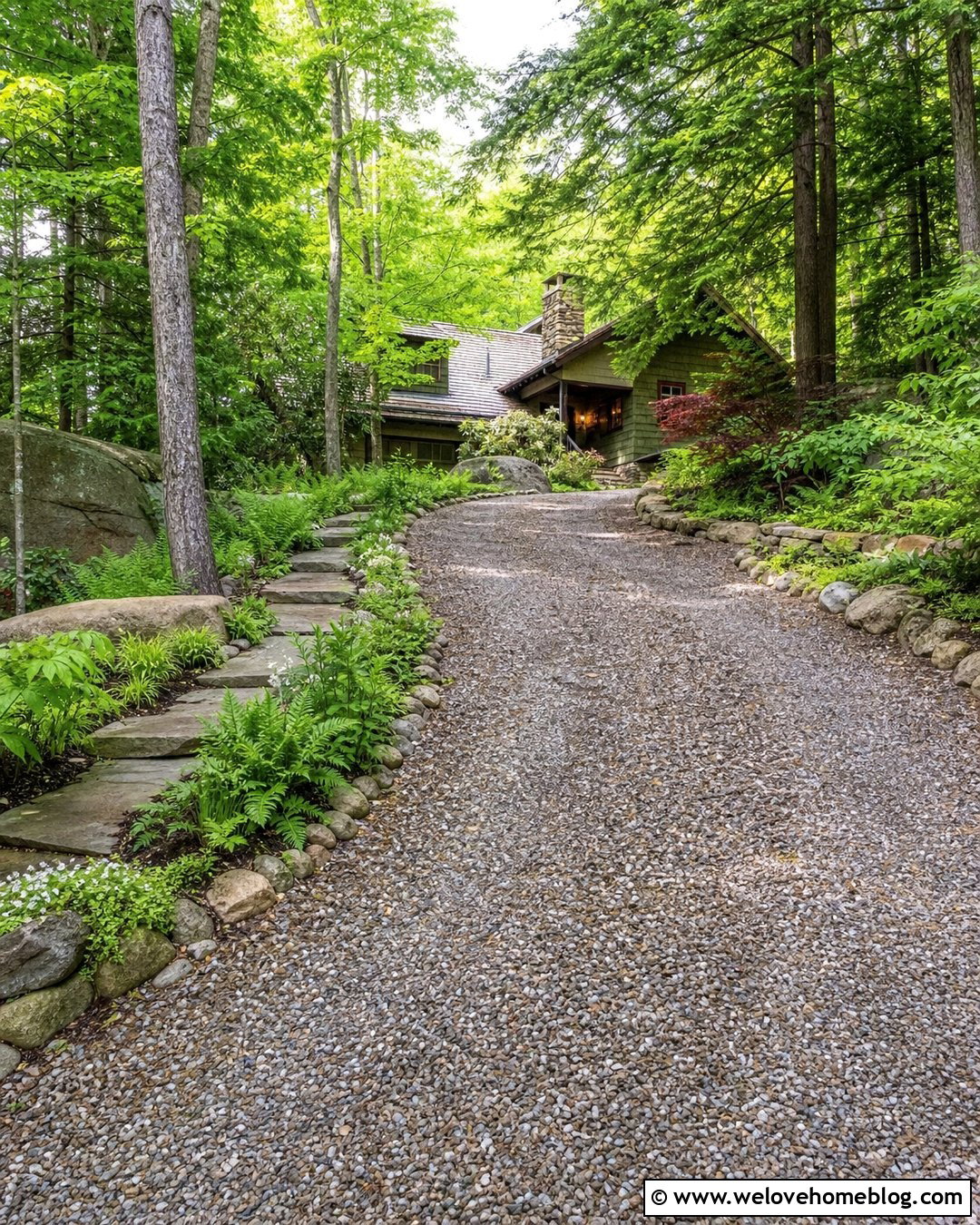
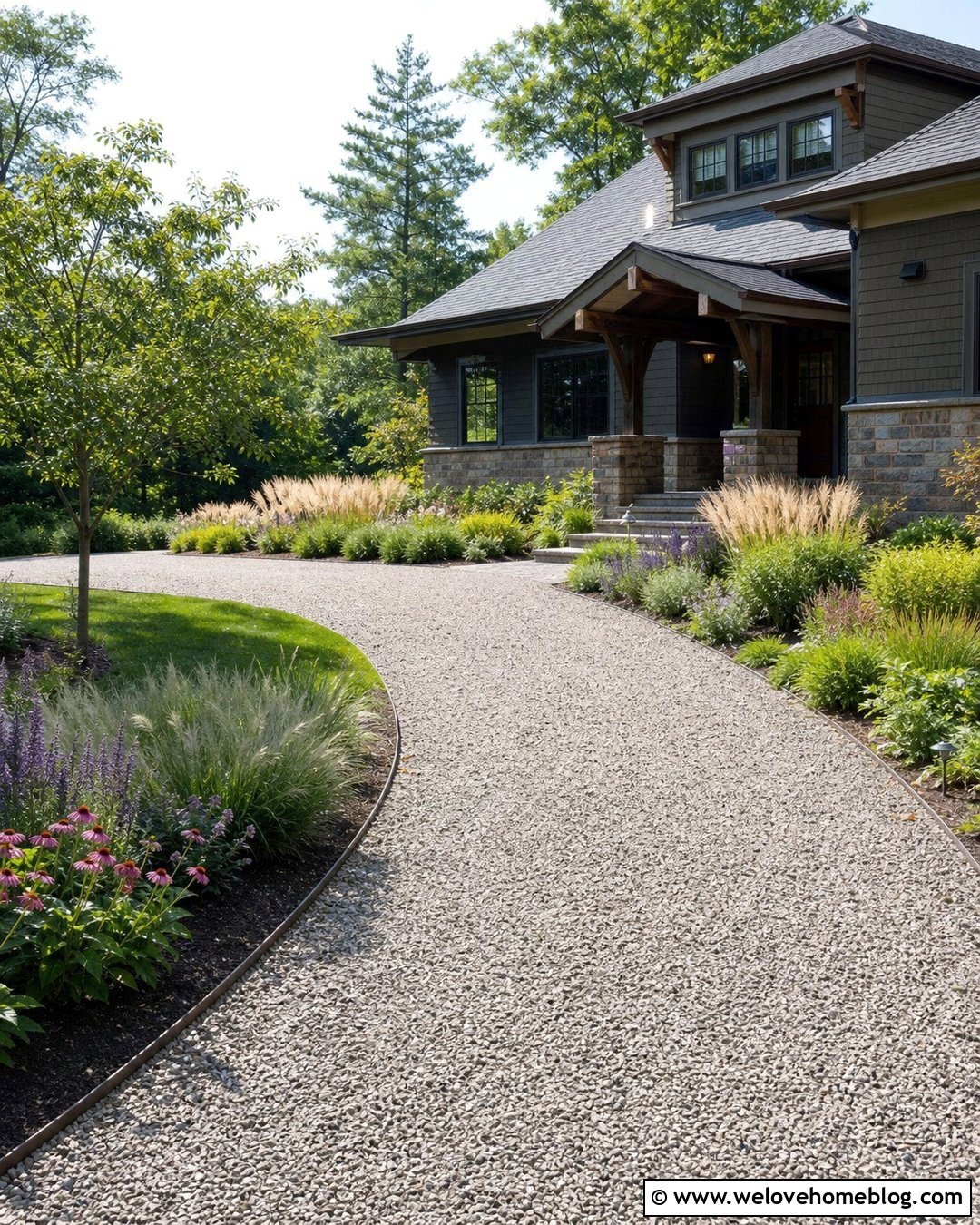
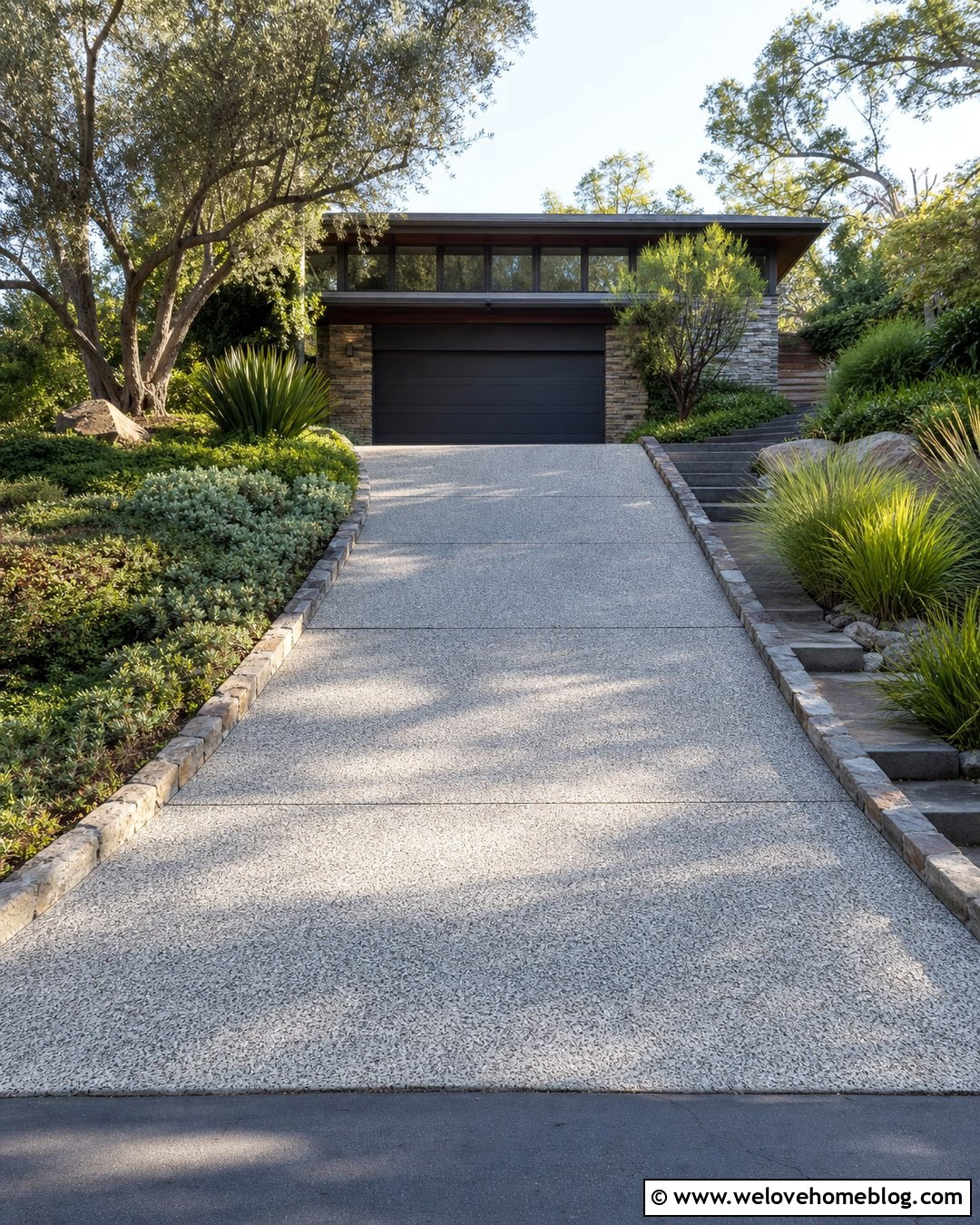
Natural stone curbing creates a soft, site-specific transition between a gravel driveway and the surrounding yard. Choose locally available stone in colors that relate to the home, retaining walls, or garden paths. Large, roughly rectangular pieces make a more dependable edge than scattered round rocks. Along a winding driveway, partially bury the stones in a prepared base and maintain a consistent top height. Fill the driveway with compacted gray or brown crushed stone, then plant ferns, sedges, flowering ground cover, and shade-tolerant shrubs outside the border. The irregular stones should appear natural without looking randomly placed. This complete design is ideal for wooded lots, mountain homes, rustic cottages, and landscapes where a perfectly uniform concrete curb would feel out of place.
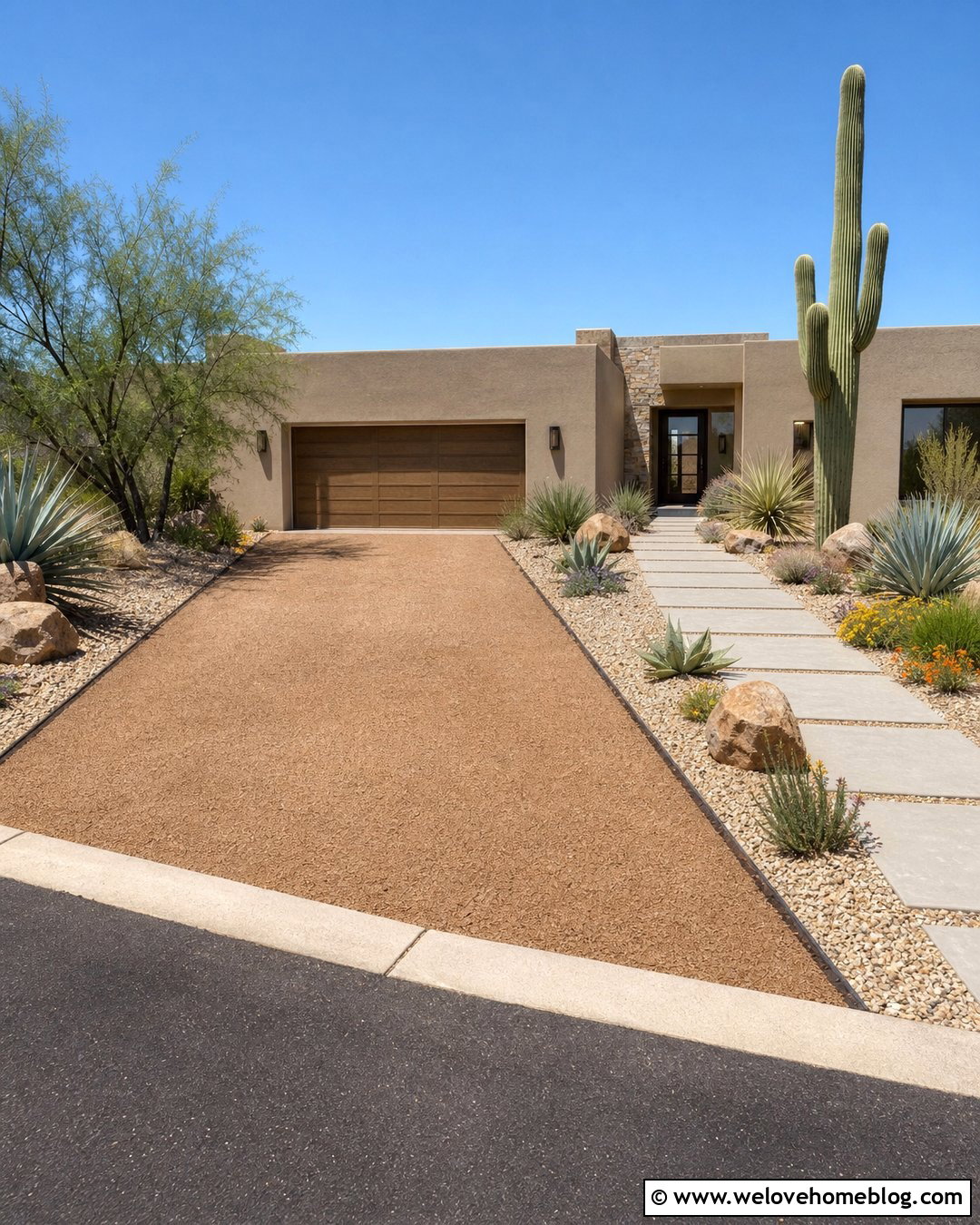
10. Gravel Driveway With Fieldstone Curbing
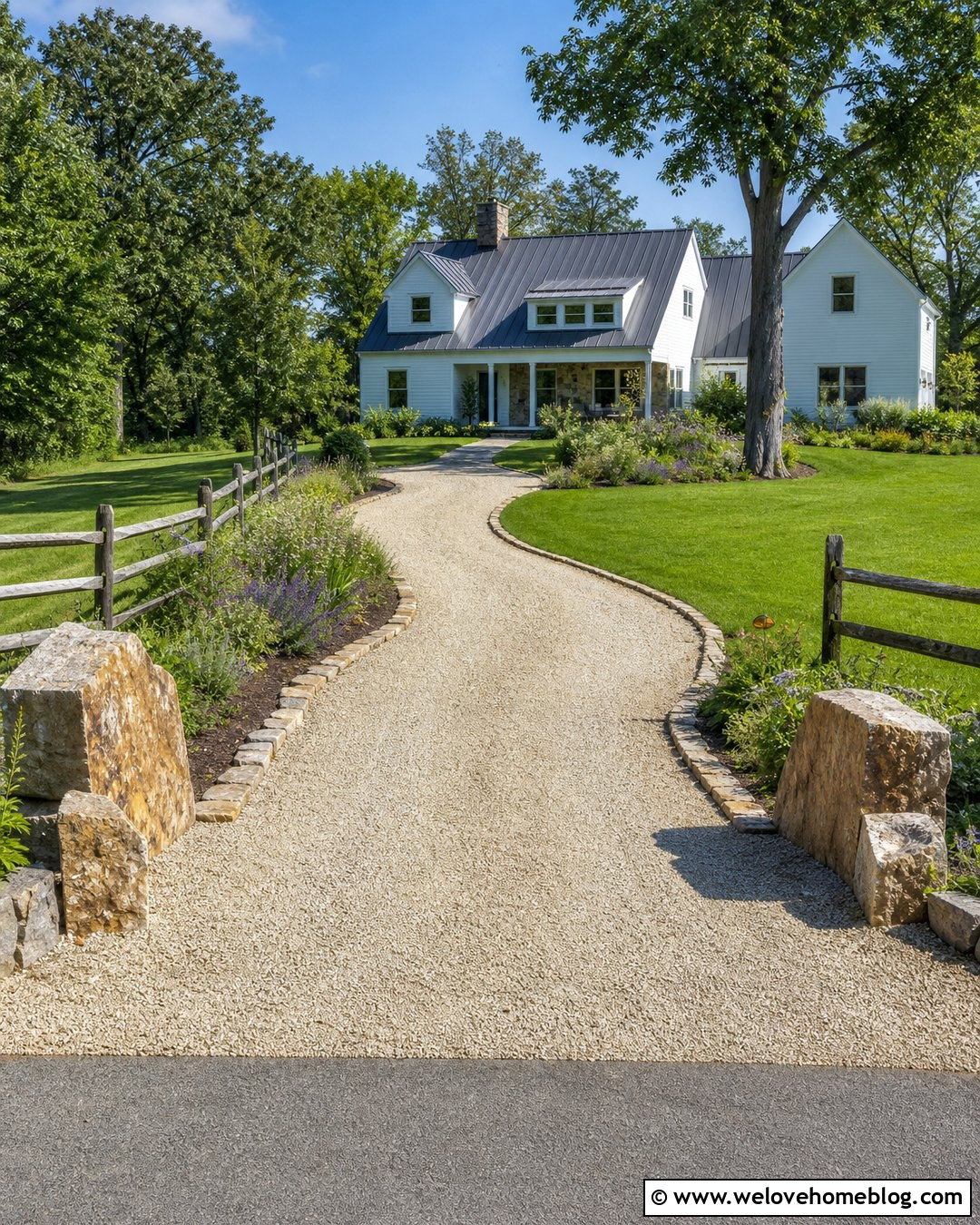
A fieldstone curb can turn a simple gravel driveway into a strong country-style entrance. Select stones with relatively flat faces, then arrange them as a low continuous border instead of leaving large openings between pieces. Warm fieldstone complements cream limestone or brown crushed gravel and pairs naturally with farmhouse siding, stone chimneys, and timber details. Follow a gentle curved layout through an open lawn, using mixed perennial beds near the house and simpler grass edges closer to the road. Larger stones can mark the entrance, while smaller pieces continue toward the garage. Avoid placing loose boulders where vehicle doors or tires may strike them. With thoughtful sizing and placement, fieldstone adds texture while keeping the complete driveway comfortably informal.
11. Gravel Driveway With Paver Ribbon Curbing
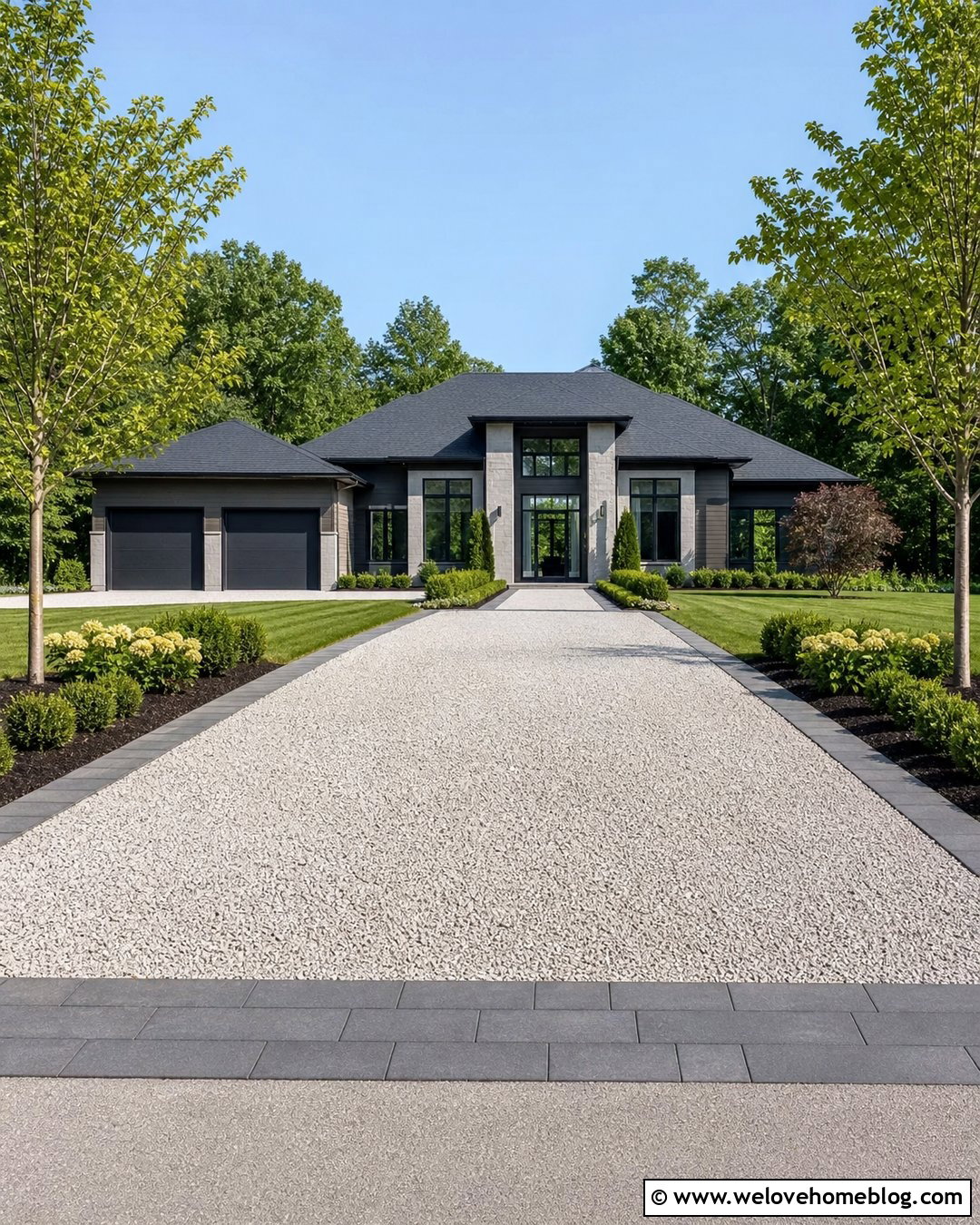
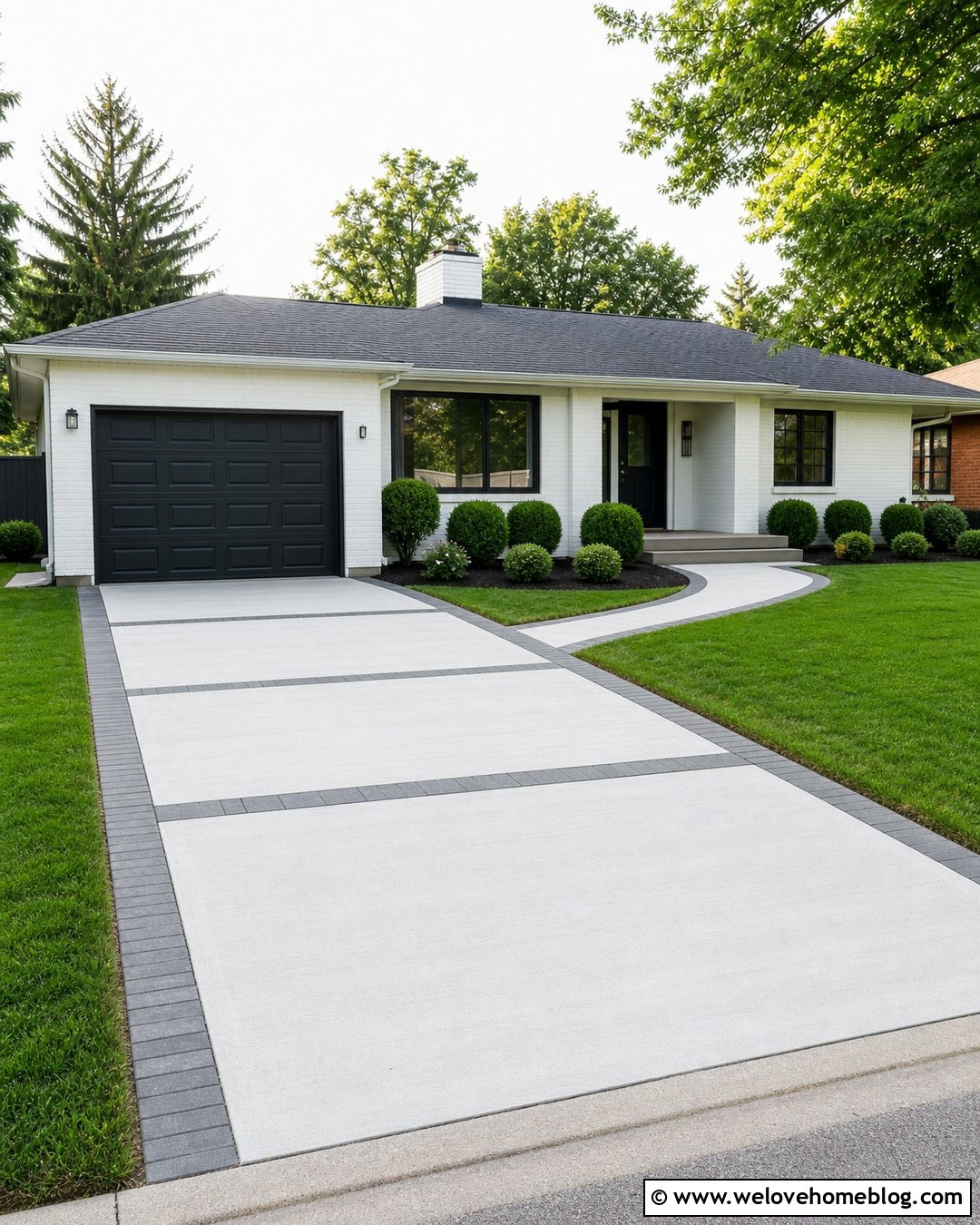
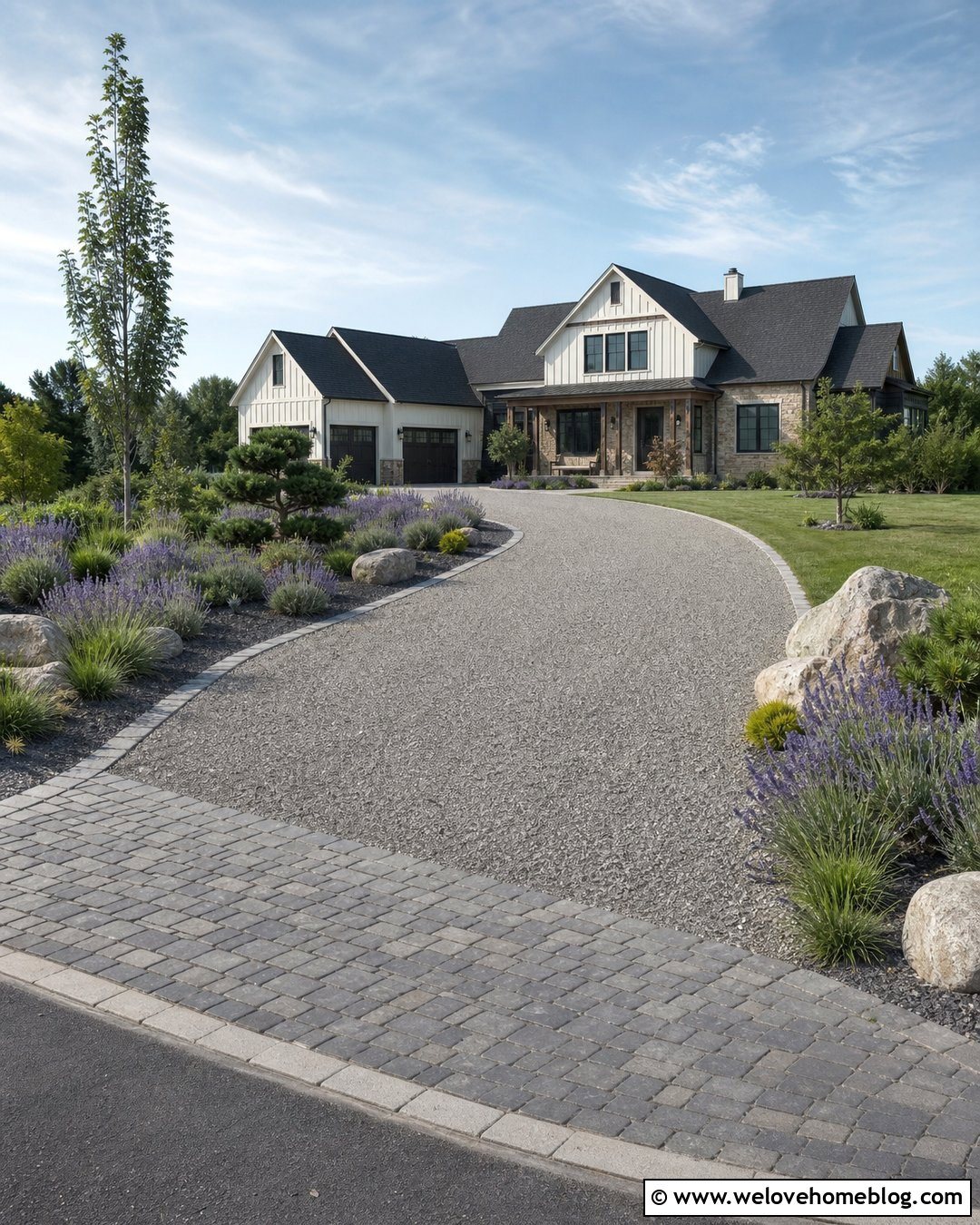
A flush paver ribbon creates a neat frame around gravel while providing a convenient surface for mower wheels and pedestrians. Use charcoal concrete pavers beside pale gray crushed gravel for a modern suburban driveway, or choose warm tumbled pavers for a traditional home. A double-width ribbon delivers stronger visual definition and creates a more forgiving edge near parking areas. Install the pavers over a compacted base with secure restraint on the lawn side, then keep the gravel just below their top surface. Continue the same pavers into the front walkway or garage apron to unify the design. Rectangular planting beds, low hedges, and a tidy lawn complete the look. This border feels polished without introducing a high curb beside the driving surface.
12. Gravel Driveway With Concrete Mow Strip Curbing
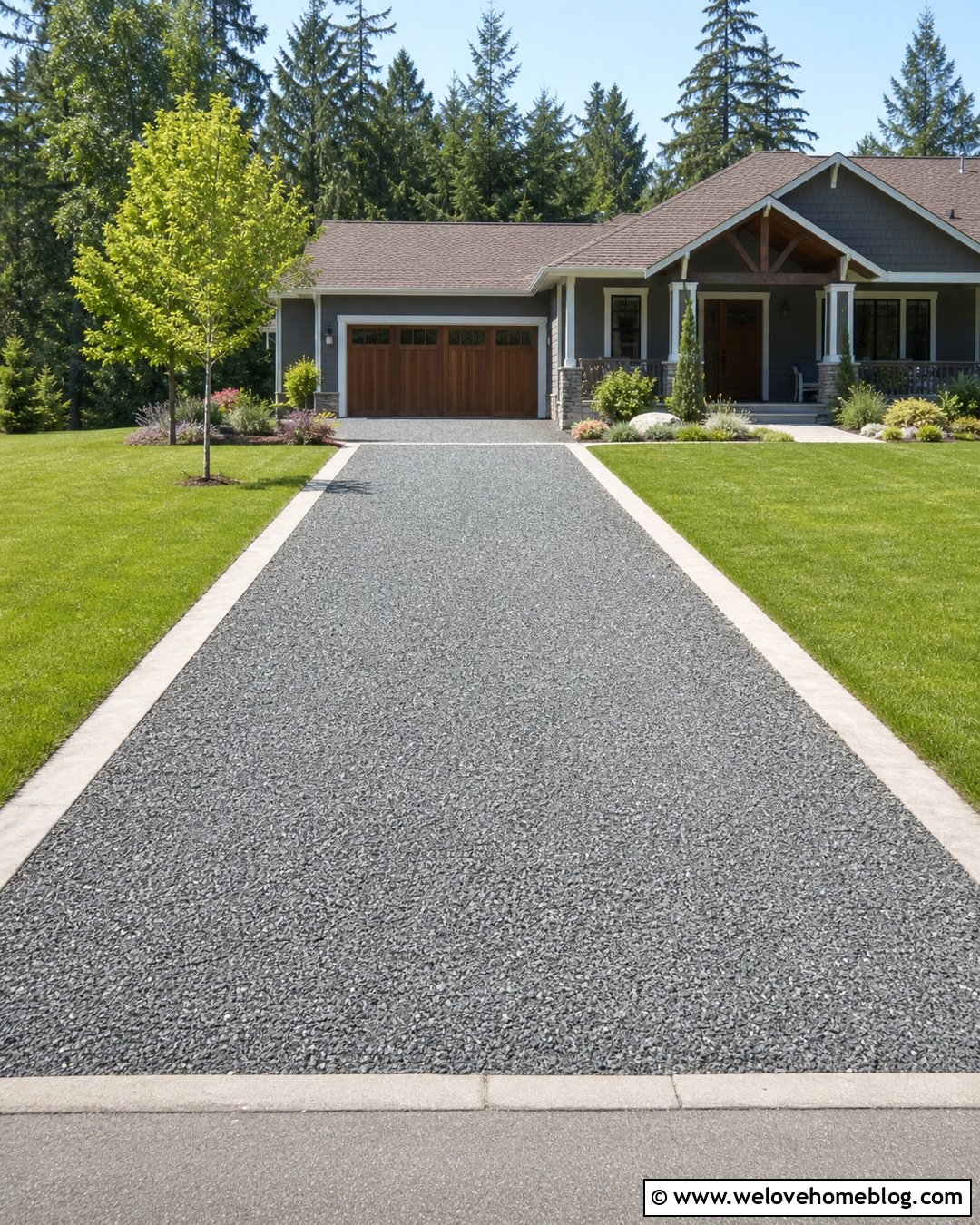
A concrete mow strip combines gravel containment with easier lawn maintenance. Unlike a narrow upright curb, the flat strip forms a practical band between the loose driveway surface and grass. Design it wide enough for a mower wheel while keeping the concrete visually proportional to the driveway. Medium gray crushed stone and natural concrete create a subtle combination for a ranch or craftsman home. On a straight approach, the two parallel strips emphasize clean geometry and guide the eye toward the garage. Add foundation shrubs, a paved front walk, and one small ornamental tree for balanced curb appeal. The gravel should finish slightly below the strip so it does not scatter across the lawn, while the driveway crown and drainage remain unobstructed.
13. Gravel Driveway With Granite Sett Curbing
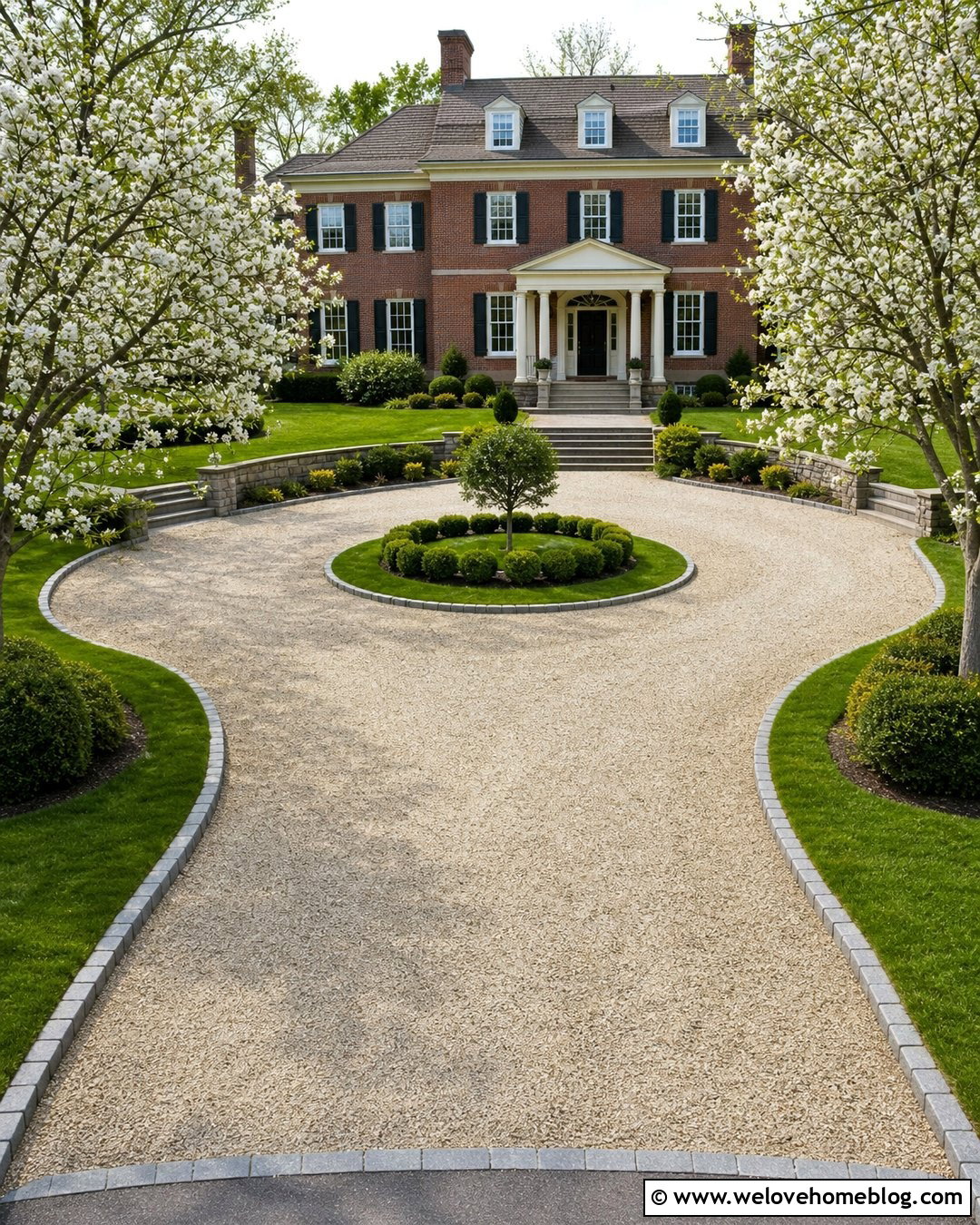
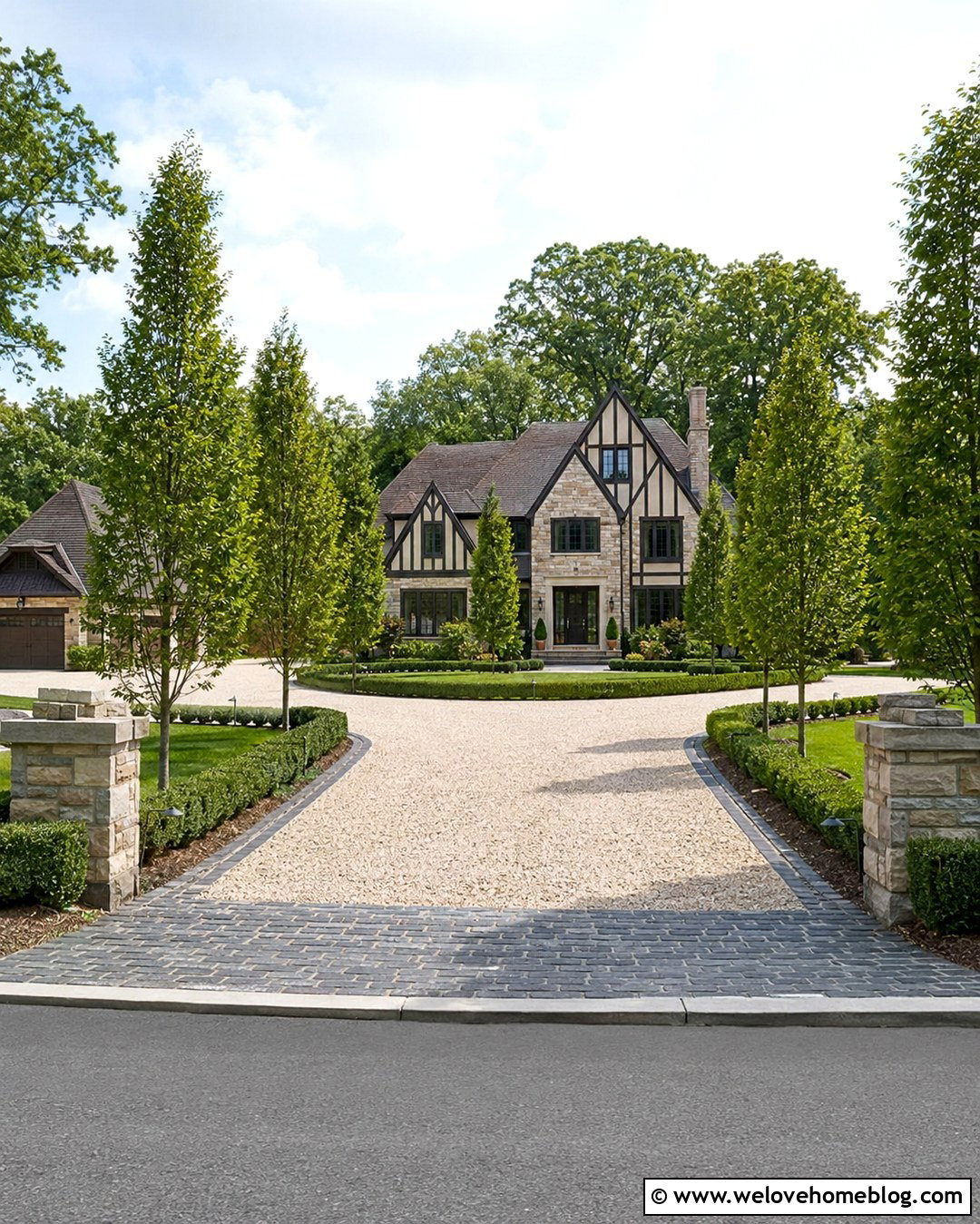
Granite setts bring the character of historic stone paving to a modern gravel driveway. Their compact rectangular shape allows them to follow curves more easily than long slabs. Use dark gray setts around a circular driveway filled with light-colored crushed granite, repeating the border around the center planting island. A formal arrangement of boxwoods, flowering trees, and symmetrical entrance beds reinforces the tailored appearance. The stones may be installed as a single raised row or a wider flush band, depending on the amount of containment required. Set them on a stable base and maintain consistent spacing for an orderly result. This complete driveway treatment pairs beautifully with brick Colonial homes, stone residences, and renovated properties that need a traditional border with lasting visual weight.
14. Gravel Driveway With River Rock Curbing

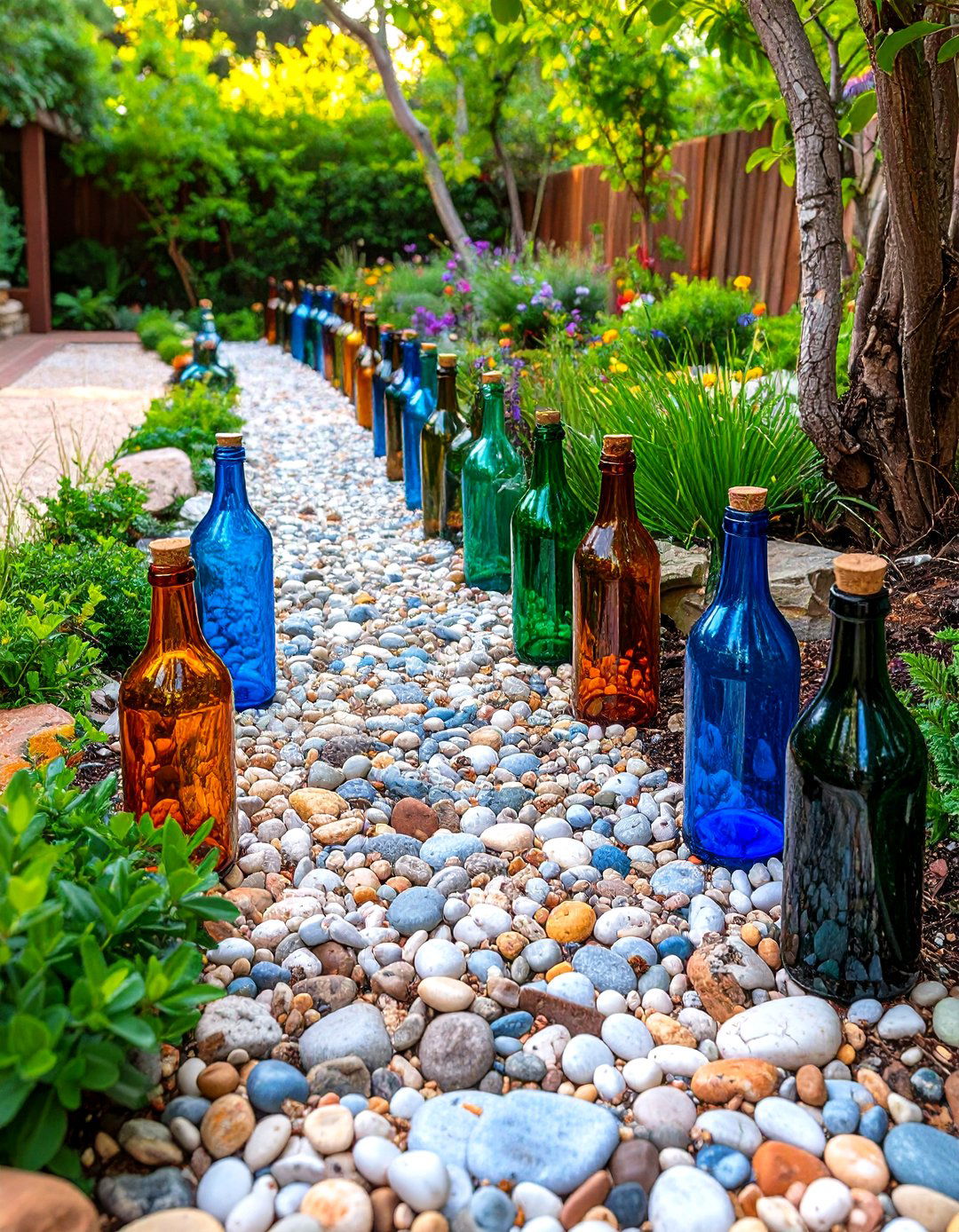
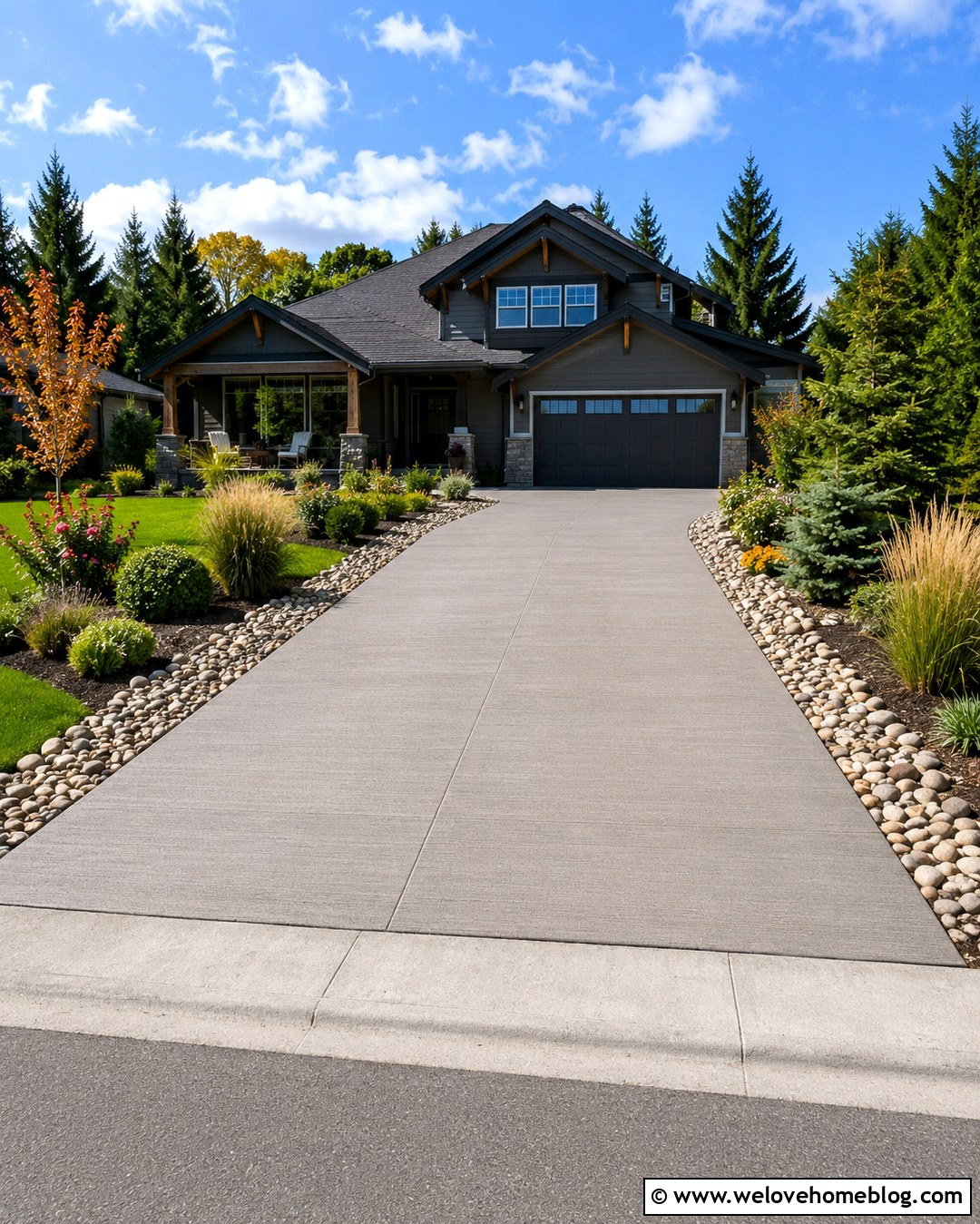
River rock can soften a gravel driveway, but it works best as part of a clearly structured border. Place rounded stones in a shallow decorative band outside a concealed metal or masonry restraint rather than relying on loose rocks alone for containment. Choose dark river rock beside buff crushed gravel to make the edge easy to see. A curved driveway leading to a craftsman home can feature this border alongside ornamental grasses, small boulders, and drought-tolerant shrubs. Keep the river rock band separate from active tire paths because rounded stones can roll more easily than angular aggregate. Used thoughtfully, the contrasting textures create a natural drainage-inspired look while the hidden structural edge maintains the driveway’s shape and reduces mixing between materials.
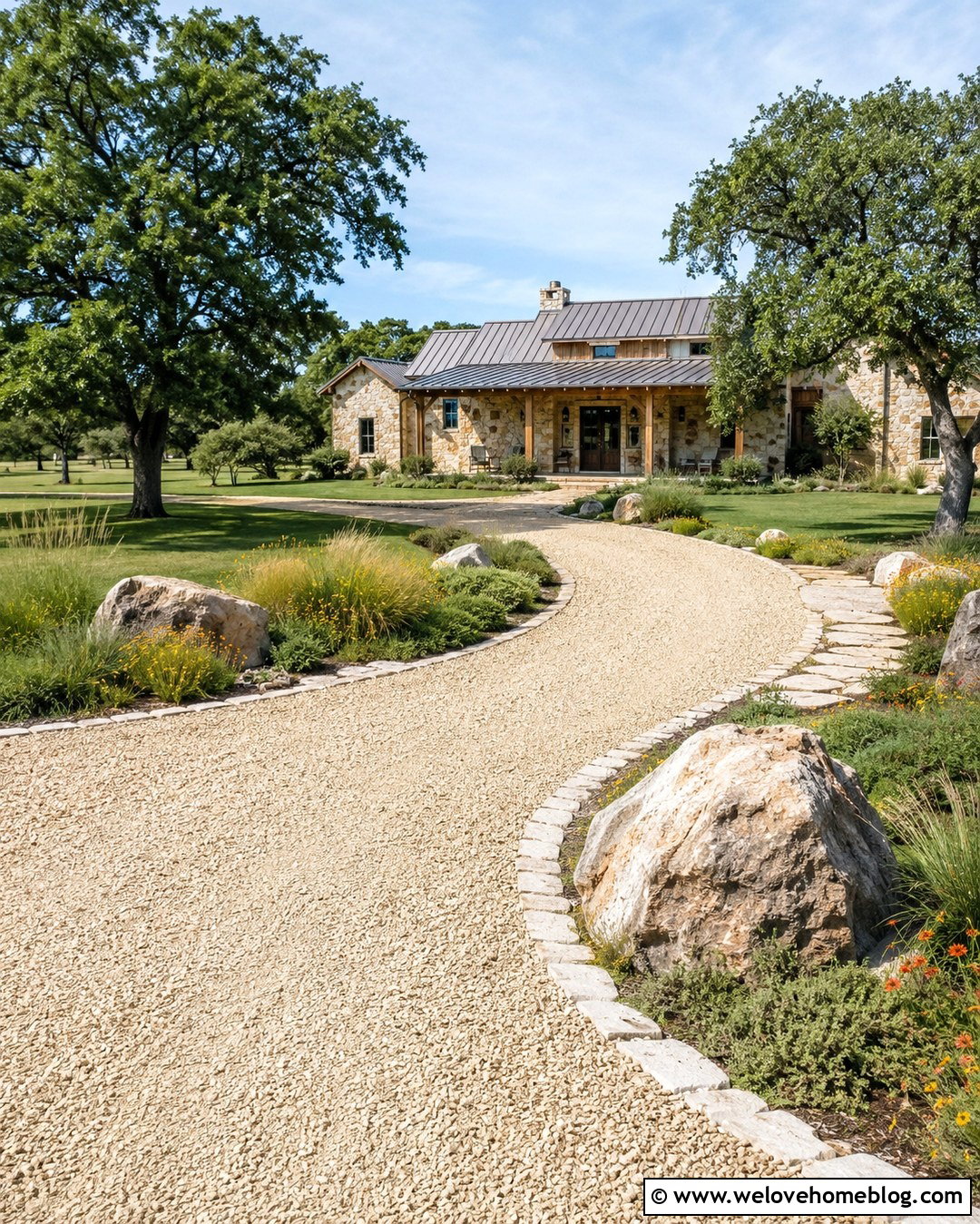
15. Gravel Driveway With Railroad Tie Curbing
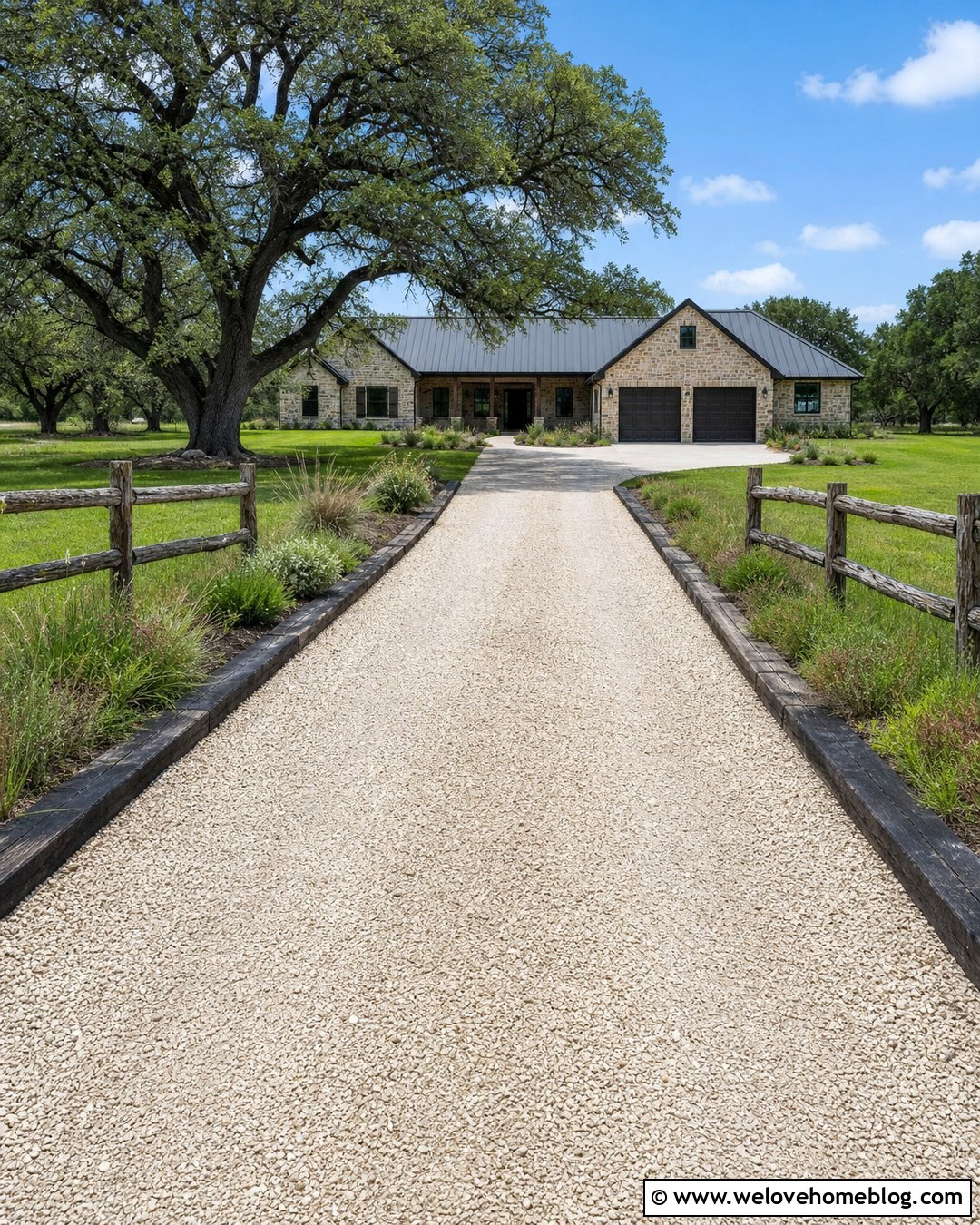
Railroad tie curbing creates a bold rustic boundary for wide gravel driveways and rural parking areas. The dark wood looks especially attractive beside pale crushed limestone or warm tan gravel. Lay the ties along a straight or gently angled driveway, anchor them firmly, and stagger joints where possible. Use new landscape timbers or products approved for residential landscaping rather than questionable reclaimed materials. A split-rail fence, native meadow planting, and broad lawn can support the country character without making the entrance look cluttered. At the garage and public road, transition to a flush apron so vehicles do not repeatedly cross the raised timbers. This substantial border is best suited to properties with enough space for its heavier scale and strong horizontal appearance.
16. Gravel Driveway With Low Stone Wall Curbing
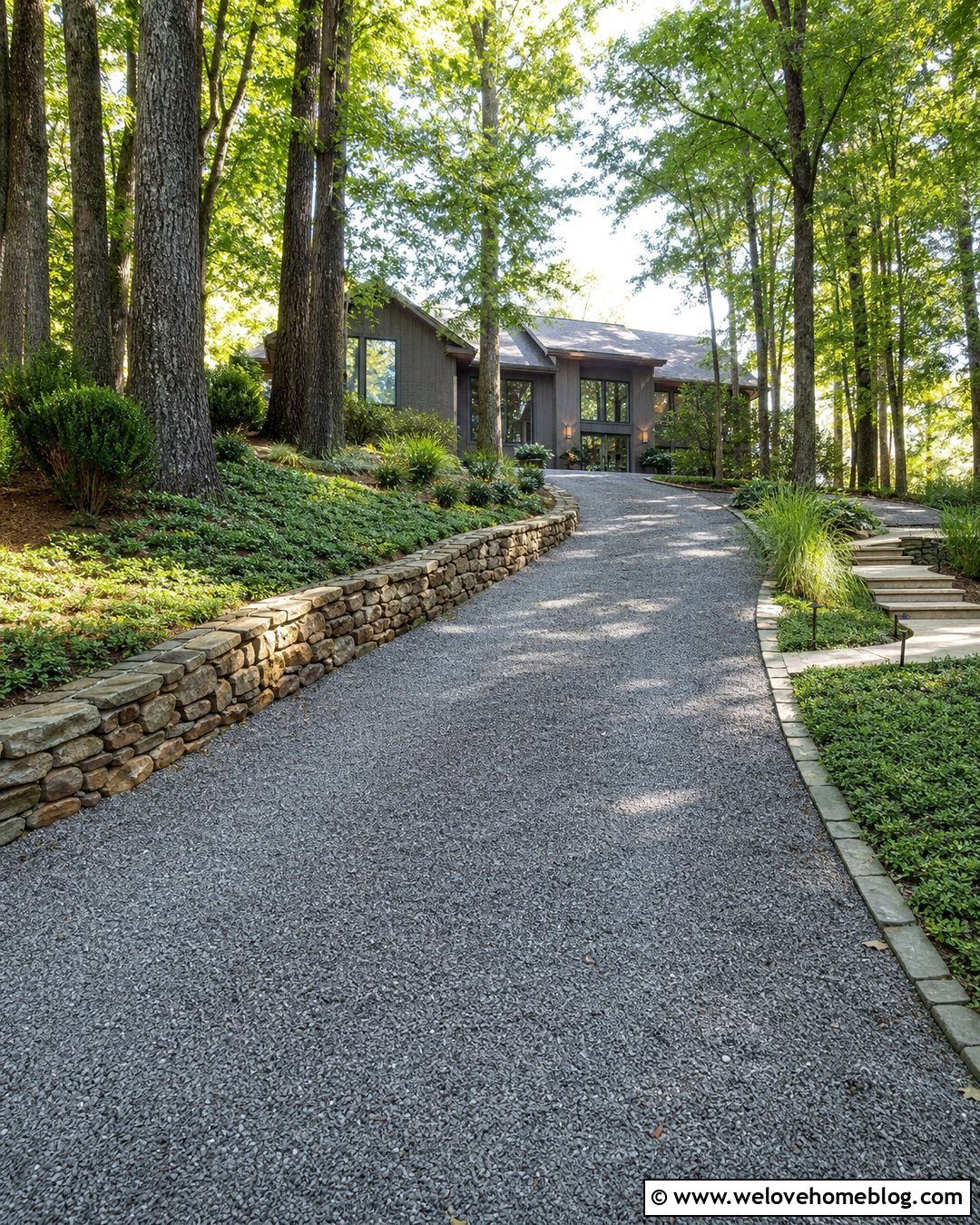
Where the yard sits above the driveway, a low stone wall can serve as both curbing and grade control. Pair a curved gray gravel driveway with a dry-stacked or mortared wall made from flat natural stone. The wall should remain low enough to preserve visibility near the street and driveway bends. Behind it, add a well-drained planting bed with compact shrubs, creeping ground cover, and ornamental grasses. On the lower side of the driveway, use a simpler flush stone border so water can move toward a planned drainage area. This asymmetrical treatment works beautifully on sloped lots and wooded properties. Professional guidance may be appropriate when the wall retains significant soil or sits near utilities, drainage structures, or heavily traveled sections.
17. Gravel Driveway With Grass And Hidden Curbing
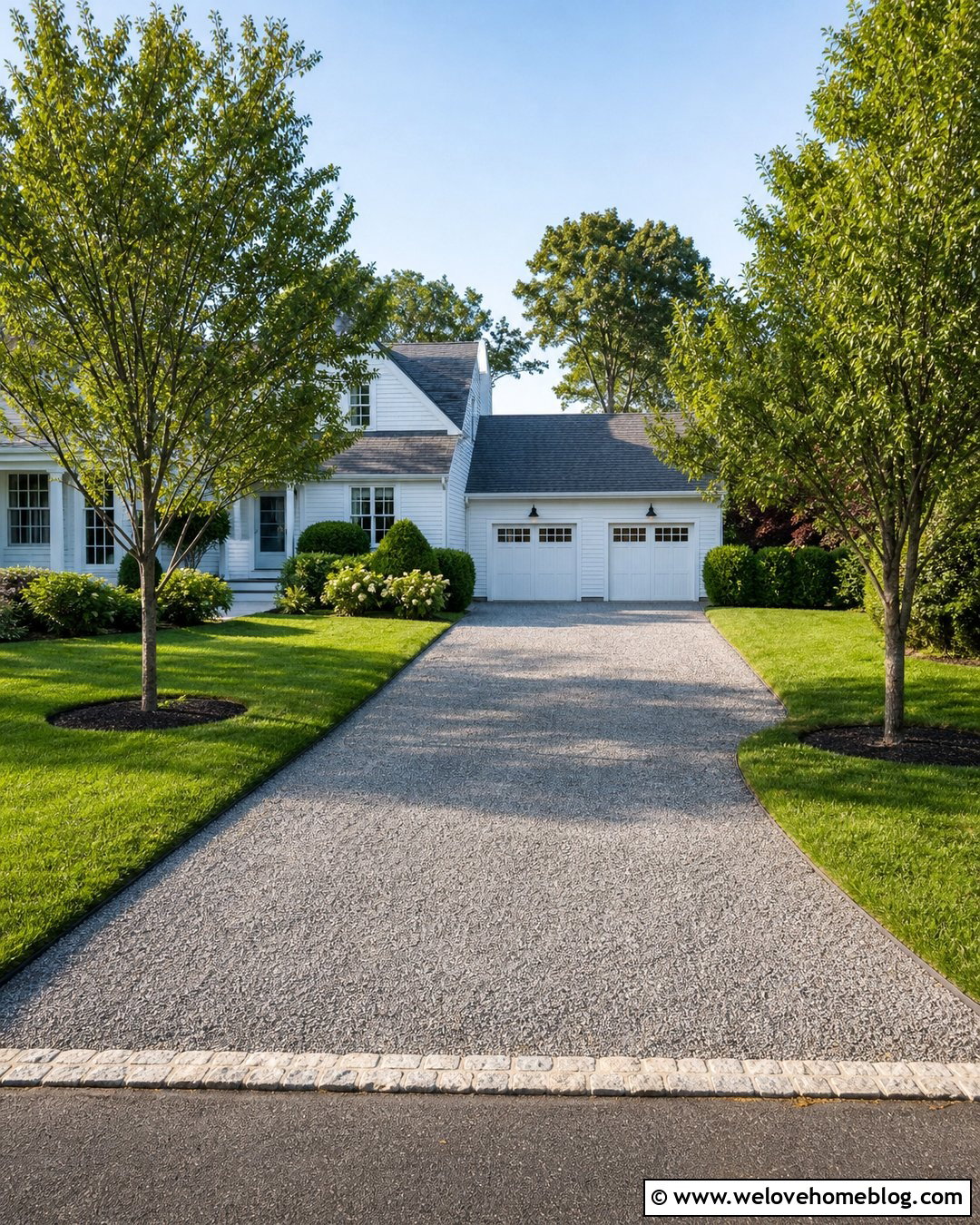
Do you prefer the look of gravel meeting a green lawn without an obvious border? A concealed steel or aluminum restraint can create that clean transition while helping the driveway retain its shape. Use finely crushed gray gravel on a straight driveway leading to a modest Cape Cod or ranch home. Position the hidden curb just below or slightly above the gravel surface, then maintain a sharply cut grass edge beside it. Keep soil and turf from creeping over the barrier, and rake displaced gravel before it becomes embedded in the lawn. A simple walkway, foundation shrubs, and two balanced ornamental trees are enough to complete the setting. The result feels natural and open, yet performs better than a completely unsupported grass edge. ()
18. Gravel Driveway With Mulch Bed Curbing
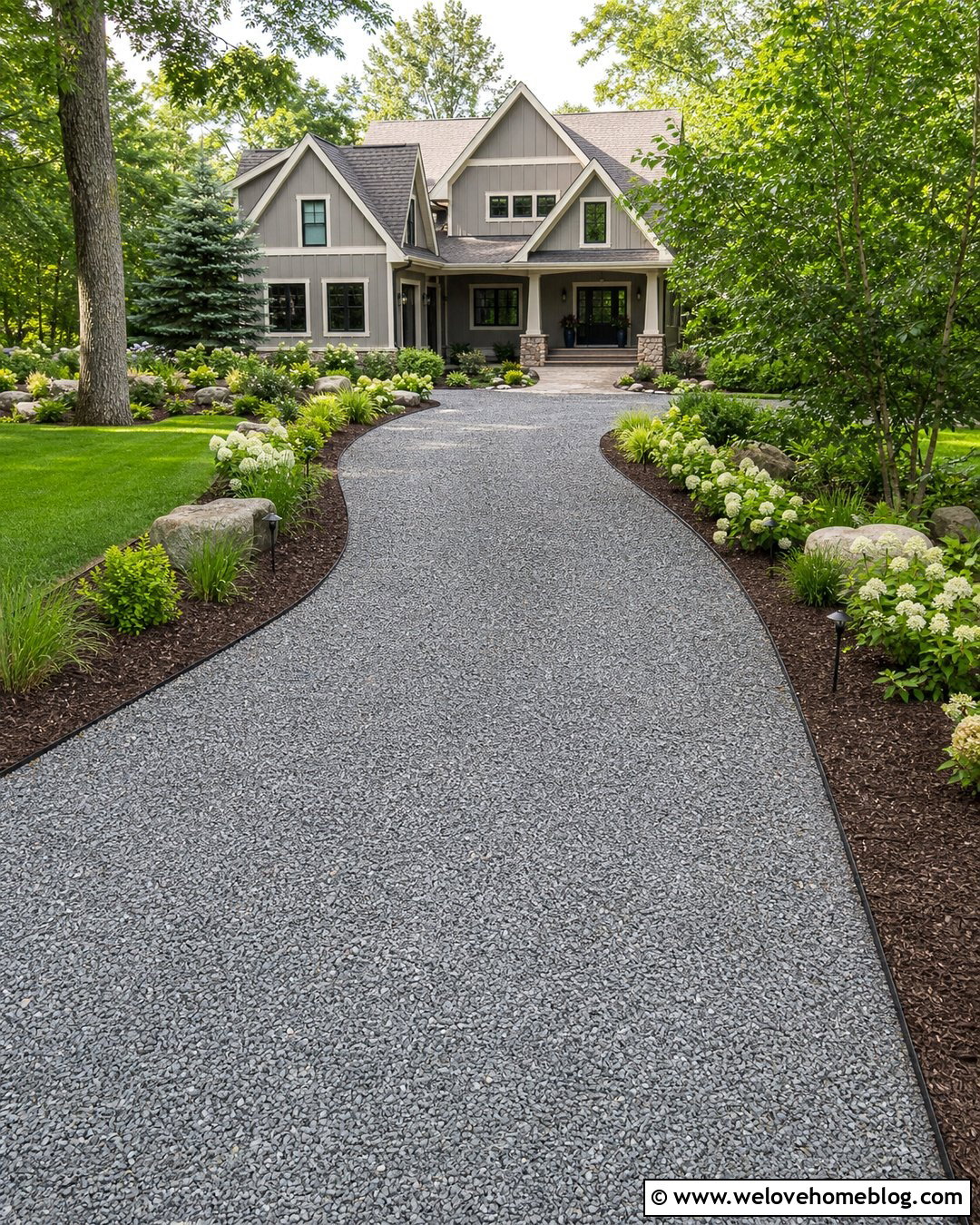
Mulched planting beds can frame a gravel driveway beautifully when a sturdy curb separates the two loose materials. Use black steel edging, concrete curbing, or a narrow paver border between compacted gravel and shredded bark mulch. A gently curved driveway with warm gray stone can lead toward a craftsman house surrounded by hydrangeas, dwarf evergreens, and ornamental grasses. Keep plants far enough from the driving area to prevent branches from scratching vehicles or blocking sightlines. The border should stop gravel from entering the mulch while also keeping soil and organic material away from the driveway surface. Repeat the same curbing around the front walkway for continuity. This layered design provides color, texture, and practical separation without requiring a large front yard.
19. Gravel Driveway With Drainage Curbing
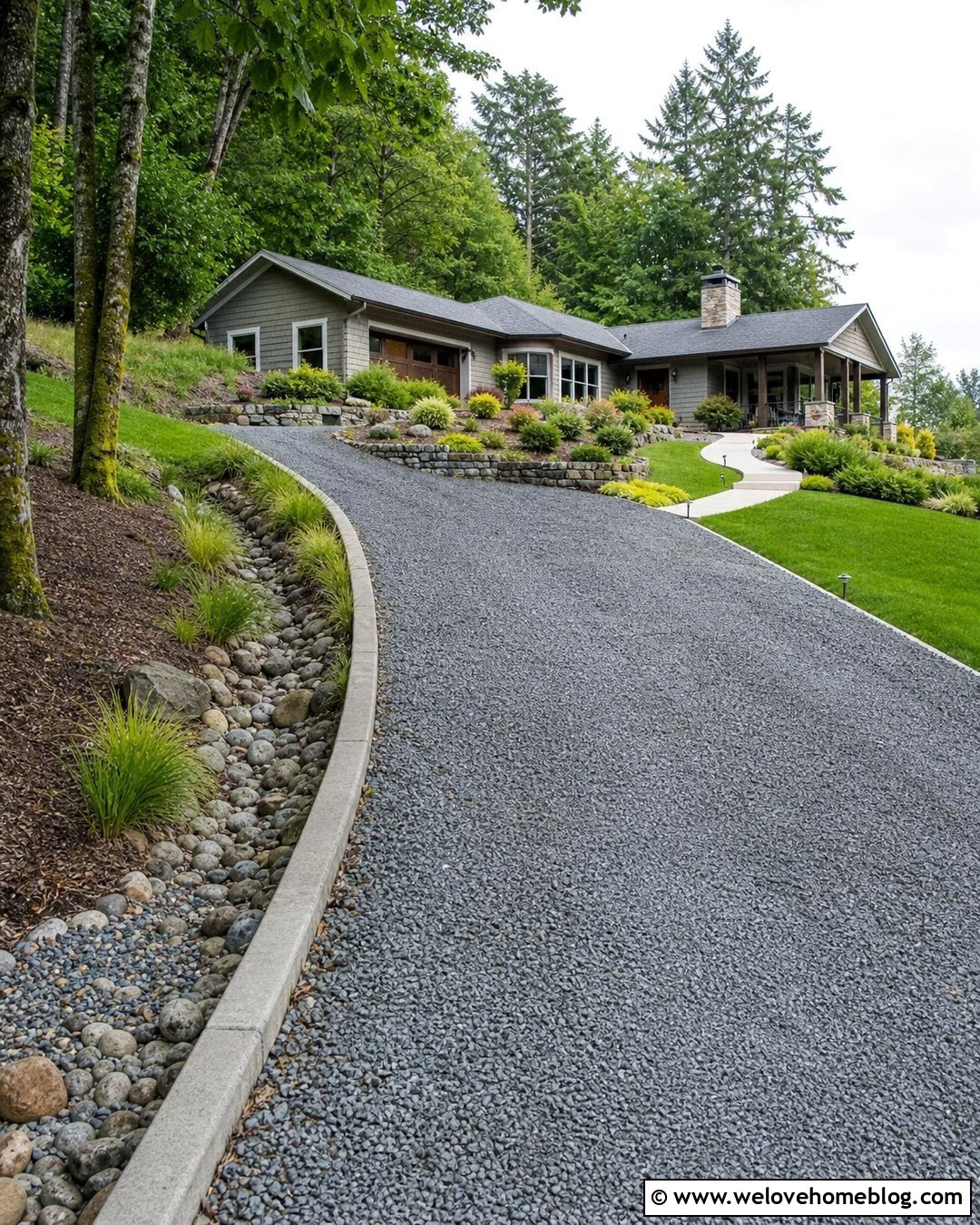
A well-designed curb should define a gravel driveway without trapping water against its edge. On a sloped property, combine compacted angular gravel with concrete or stone curbing on the uphill side and a shallow drainage swale on the lower side. Openings, channel drains, or planned low points may be needed where runoff must cross or leave the driveway. Use moisture-tolerant grasses and shrubs around the swale to blend the drainage feature into the landscape. A curved approach to a hillside ranch or contemporary home can make the functional layout feel intentional. Because drainage requirements depend on slope, soil, rainfall, and local rules, confirm the final grading before installing permanent borders. Proper water movement helps protect both the gravel surface and neighboring planting beds.
20. Gravel Driveway With Mixed Material Curbing
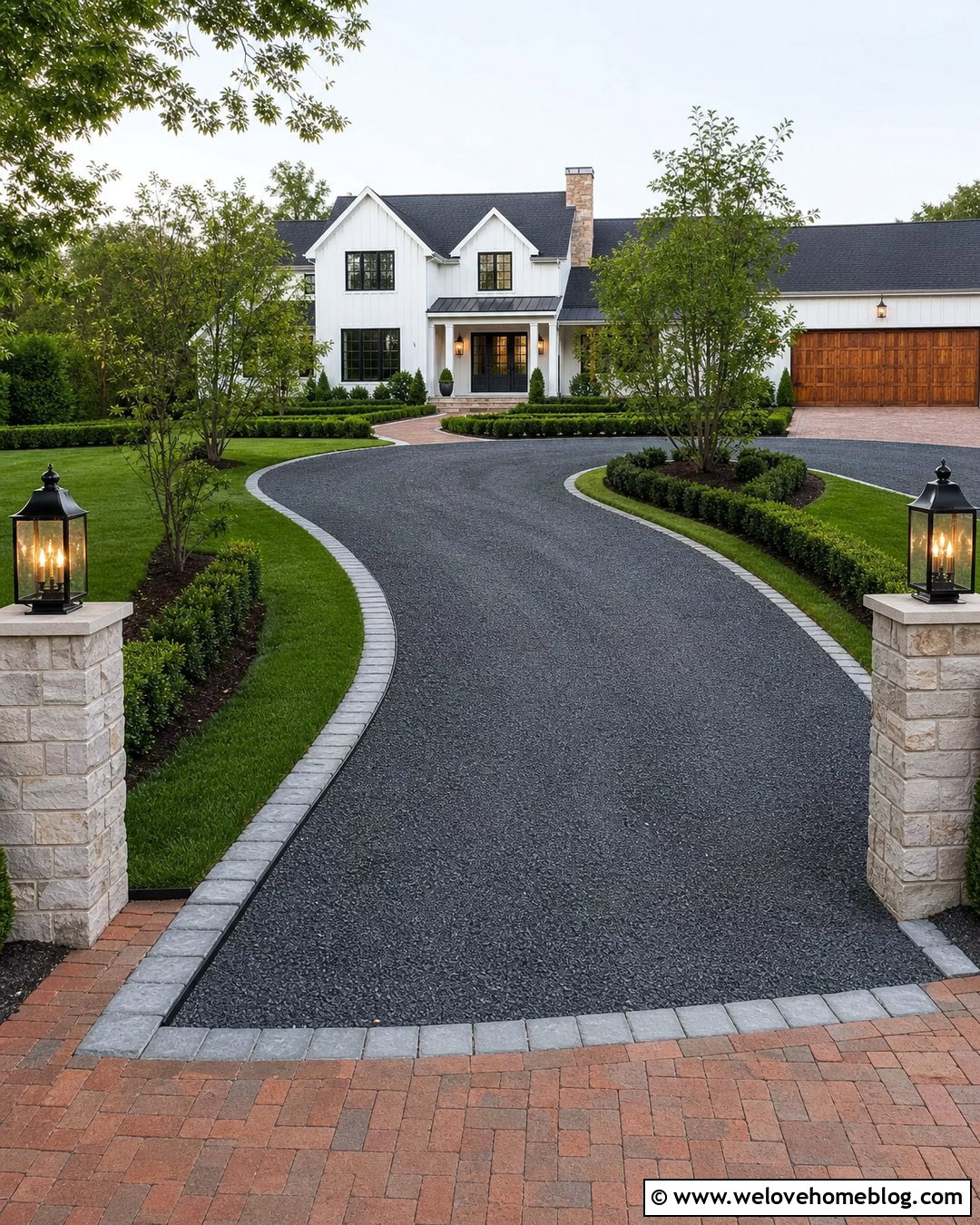
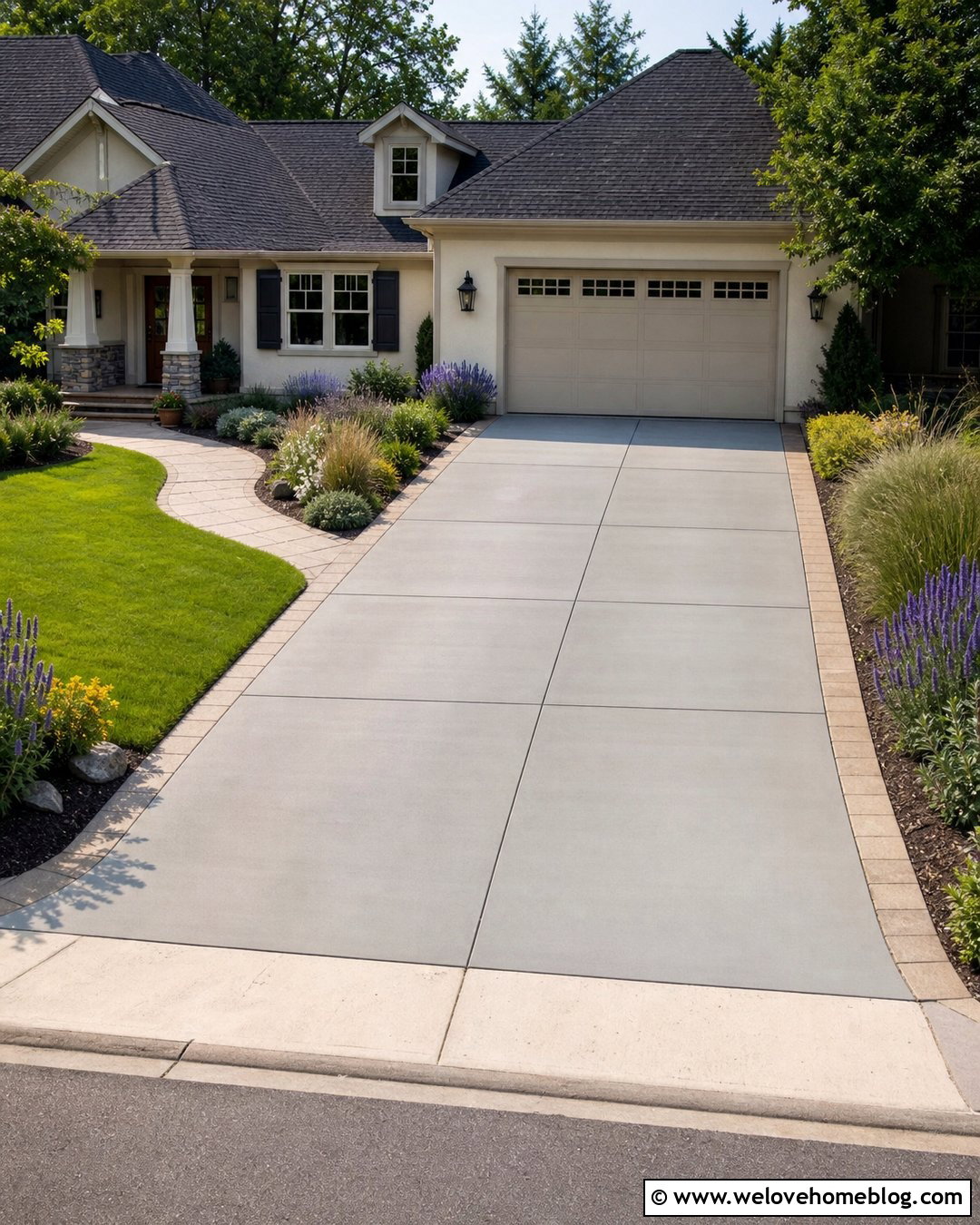
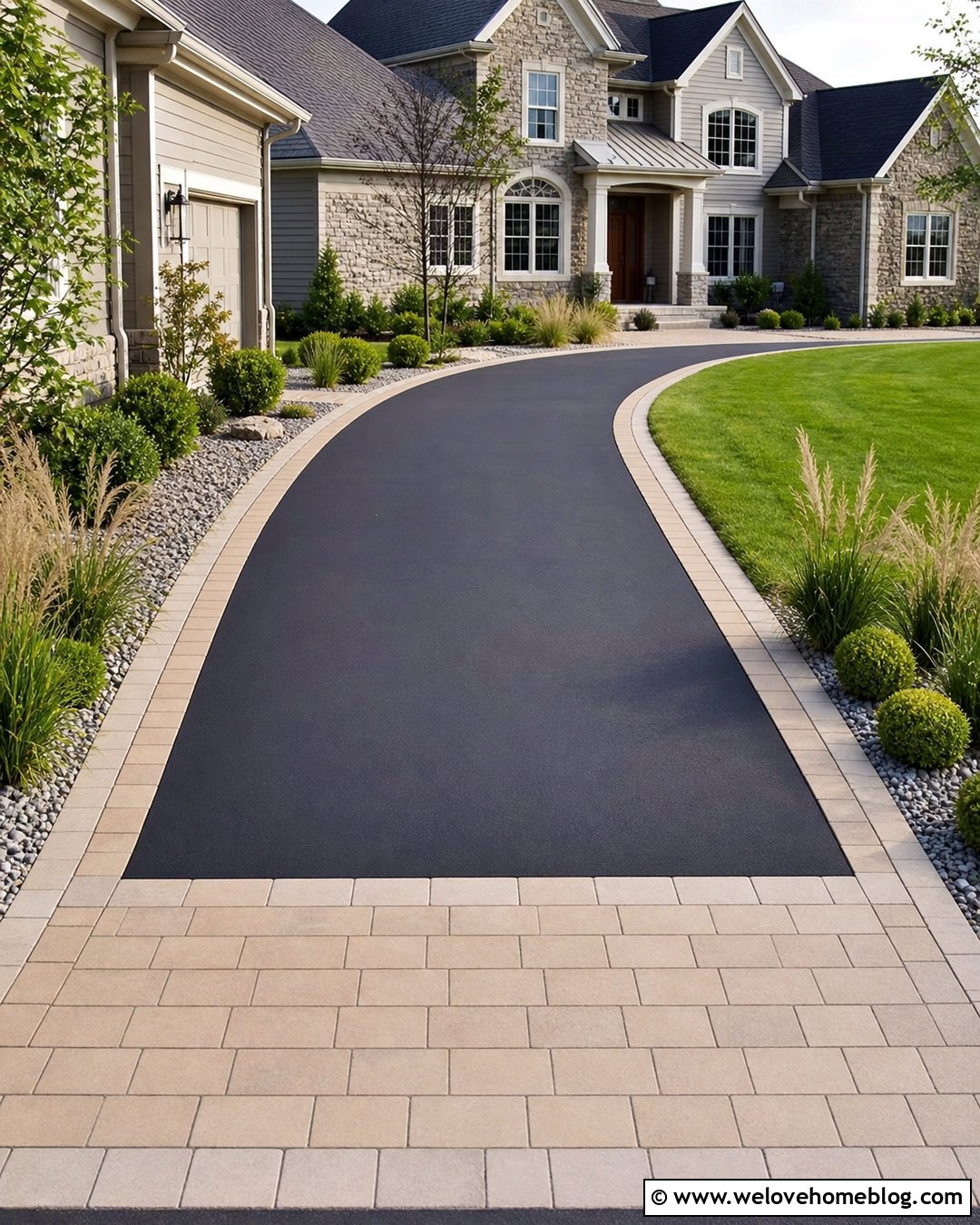
Mixed-material curbing works well when different parts of a gravel driveway face different demands. Frame the long central run with understated steel edging, use granite blocks around curves, and add a brick or concrete apron at the street and garage. Keep the color palette controlled so the materials look coordinated rather than pieced together. For example, charcoal gravel, dark metal, gray granite, and warm neutral brick can complement a modern farmhouse with black windows and natural wood details. Plant simple hedges along the straight section and create fuller beds near the entrance pillars. Each material should have a clear purpose, such as flexible shaping, stronger tire resistance, or a smoother transition. Repeating colors and consistent installation heights unite the complete driveway design.
Conclusion:
The strongest gravel driveway border is one that suits the driveway’s traffic, shape, drainage, setting, and maintenance routine. Concrete and stone provide substantial containment, while metal creates a slimmer, more understated line. Brick and pavers can connect the driveway with walkways or exterior masonry. Timber delivers rustic warmth but usually needs more maintenance over time. Whichever material you choose, support it with a compacted base, secure transitions, sensible grading, and landscaping that does not crowd vehicles. Consider how the curb will handle mower wheels, turning tires, runoff, and seasonal maintenance before installation. These 20 Gravel Driveway Curbing Ideas offer practical starting points for creating a cleaner, more cohesive, and welcoming residential entrance.

Related posts:
Leave a Reply