
Defining the edge of your pea gravel patio is essential for both function and style. The right edging keeps the small stones contained, preventing them from scattering into your lawn or garden beds, which simplifies maintenance. Beyond its practical role, edging acts as a frame, creating a clean, polished transition between your patio and the surrounding landscape. From sleek, modern metals to rustic, natural stones, the material you choose can dramatically influence the overall look and feel of your outdoor space. These ideas explore a wide range of options to help you find the perfect border for your pea gravel patio.
1. Modern Steel Edging for a Pea Gravel Patio
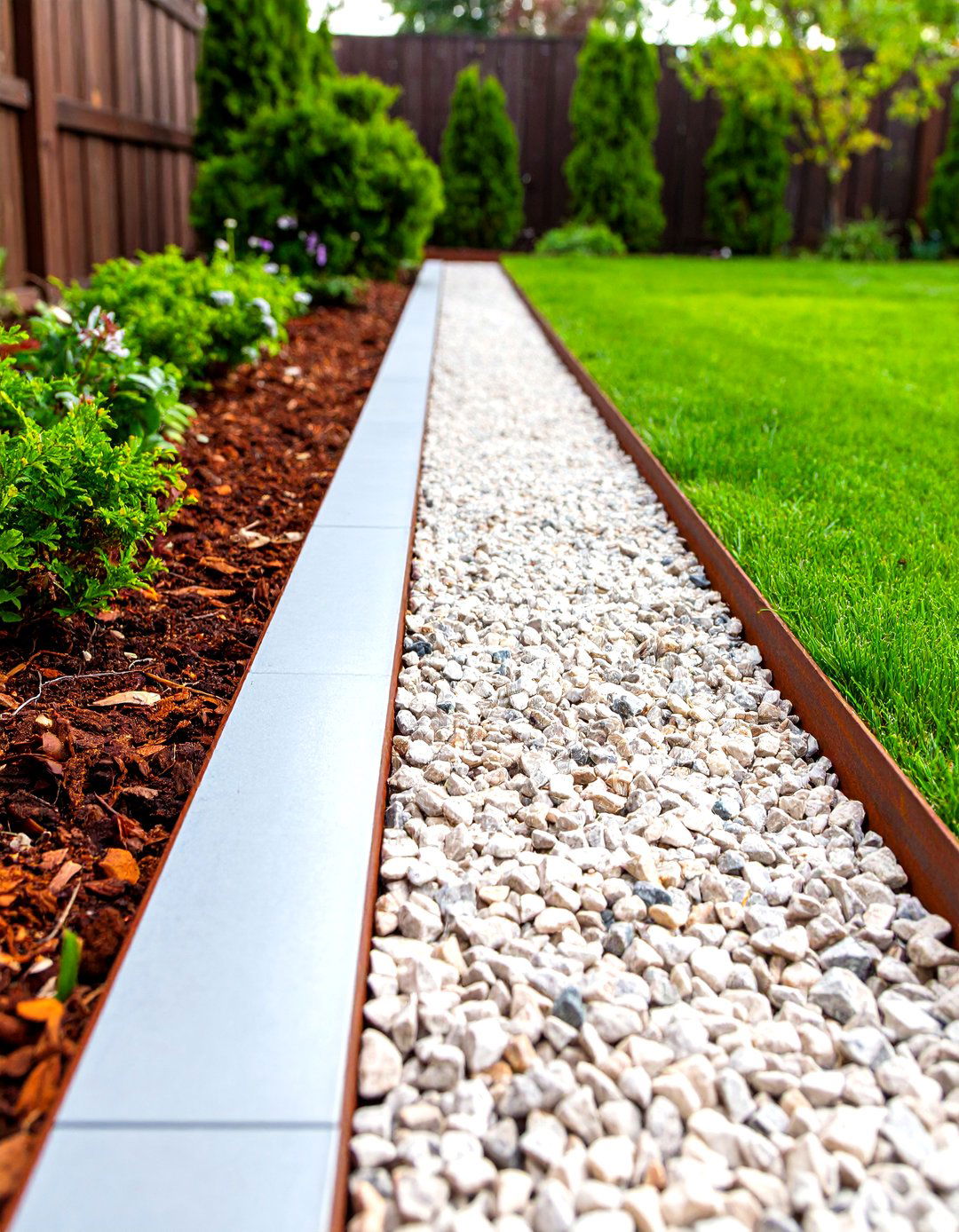
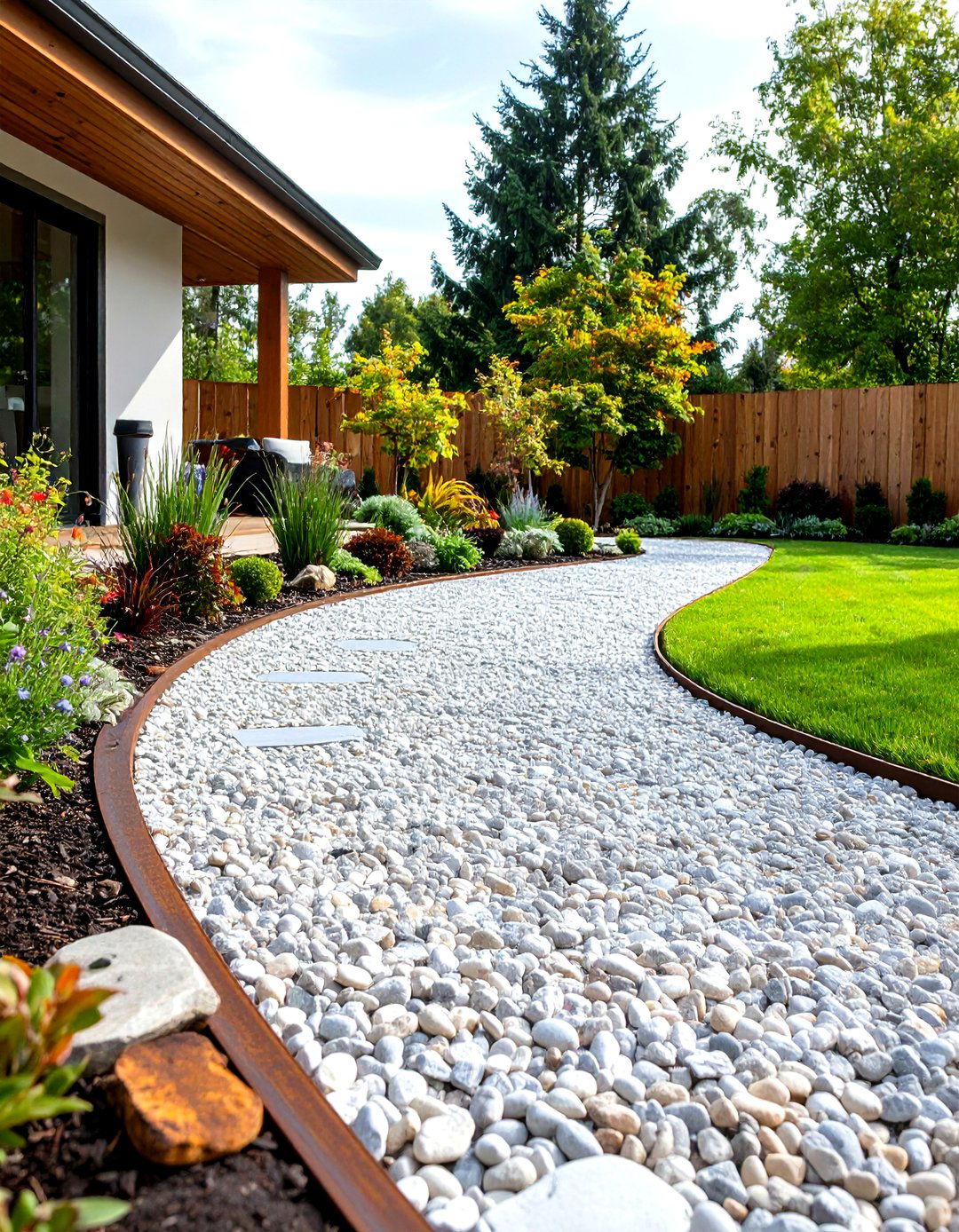
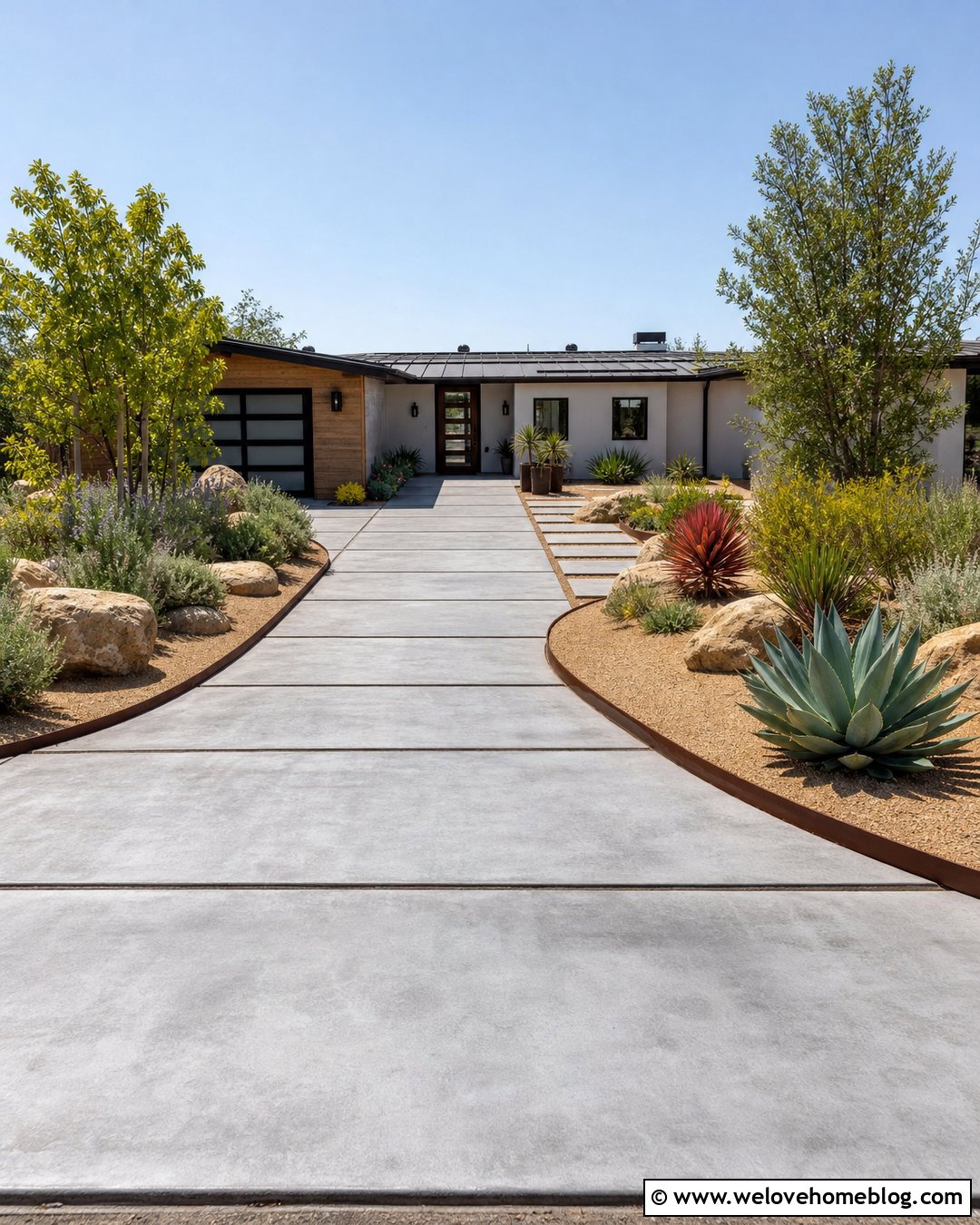
For a crisp, contemporary look, steel edging is an excellent choice to contain a pea gravel patio. Its thin profile creates a nearly invisible line that cleanly separates the gravel from adjacent grass or garden beds. This minimalist approach puts the focus squarely on the texture of the gravel and the surrounding plants. Available in finishes like Corten steel, which develops a stable, rust-like patina over time, or sleek black powder-coated options, it complements modern and industrial architectural styles. Installation is straightforward, as the strips are designed to be hammered into the ground, providing a durable and long-lasting border.
2. Classic Brick Edging for a Pea Gravel Patio
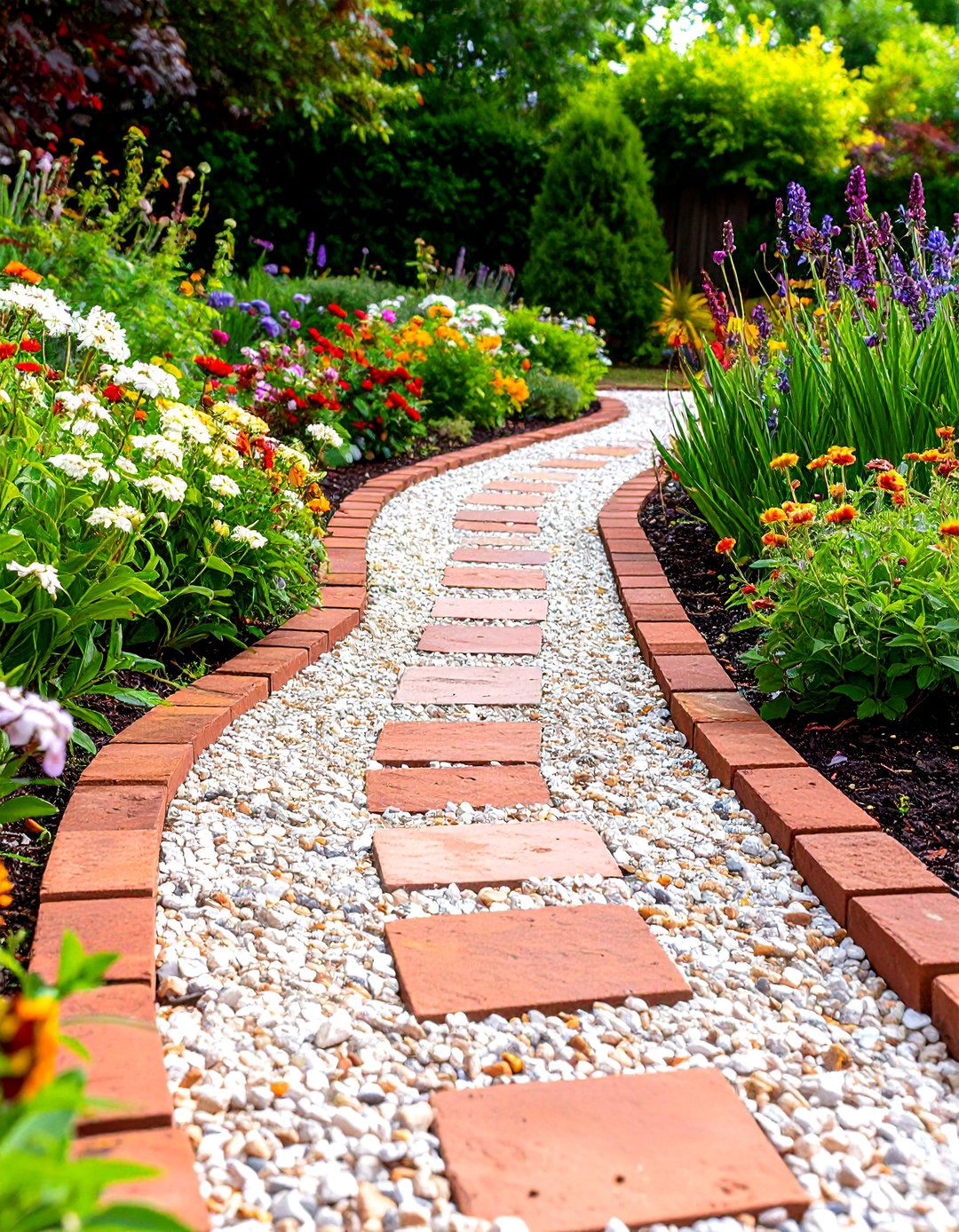
A classic brick border brings timeless charm and a sense of permanence to any pea gravel patio. Laying bricks in patterns like a simple soldier course (standing side-by-side) or a decorative sailor course (lying flat) adds texture and visual interest. The warm, earthy tones of red or tan bricks contrast beautifully with the varied colors of pea gravel, creating a defined and traditional look. This option is incredibly durable and versatile, fitting well with cottage, colonial, or rustic garden designs. Setting the bricks in a trench of sand or mortar ensures they remain stable and effective at holding the gravel in place for years.
3. Natural River Rock Edging for a Pea Gravel Patio
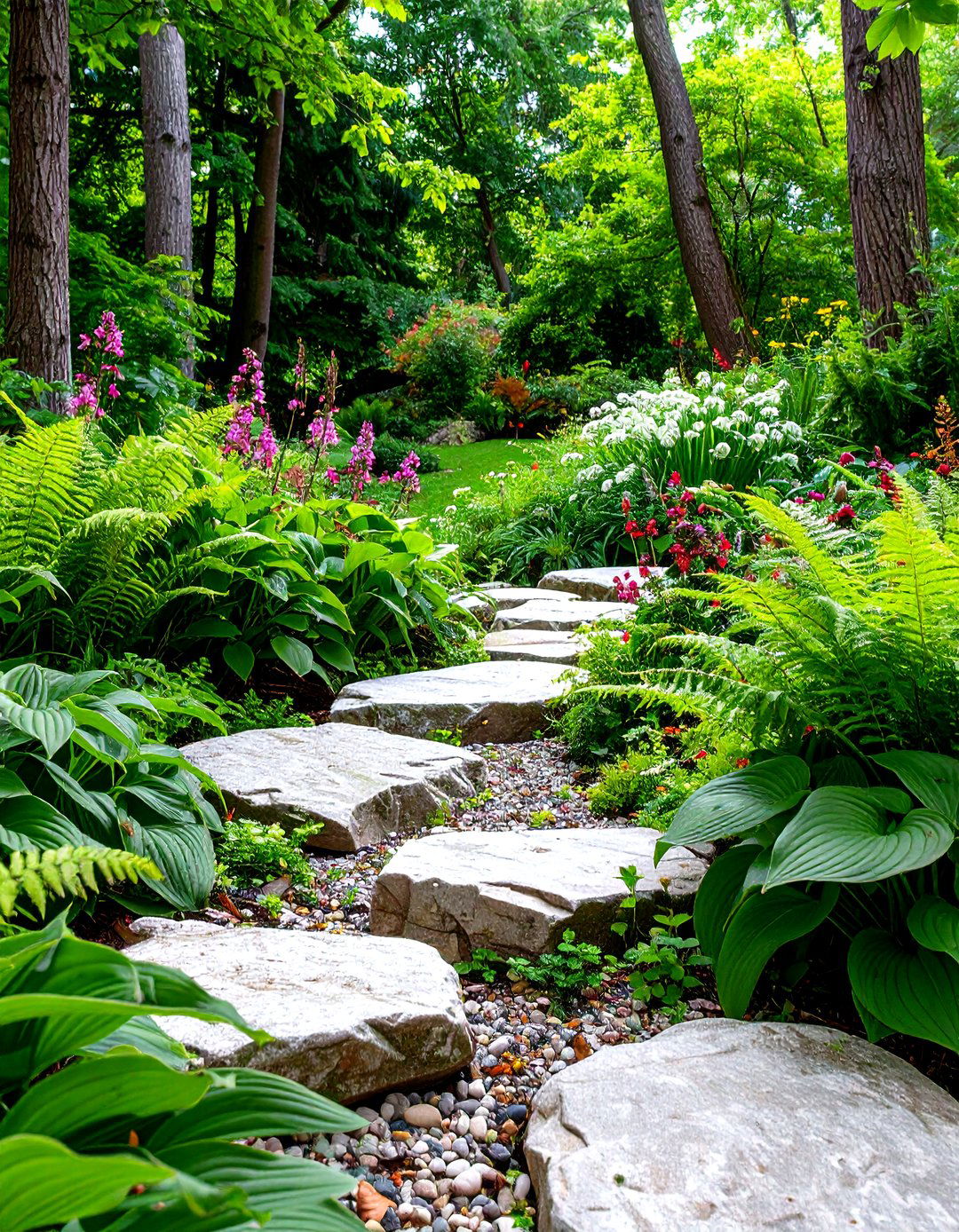
To create a seamless, organic transition from your pea gravel patio to the landscape, consider using larger river rocks as edging. These smooth, rounded stones echo the shape and texture of the smaller pea gravel, establishing a cohesive and naturalistic feel. Arranging a border of multi-sized river rocks creates an informal, creek-bed effect that is perfect for rustic, woodland, or Japanese-style gardens. This approach is not only aesthetically pleasing but also functional, as the weight and size of the rocks provide a substantial barrier to keep the gravel contained. It's a low-maintenance solution that blends beautifully with nature.
4. Pressure-Treated Wood Timber Edging for a Pea Gravel Patio
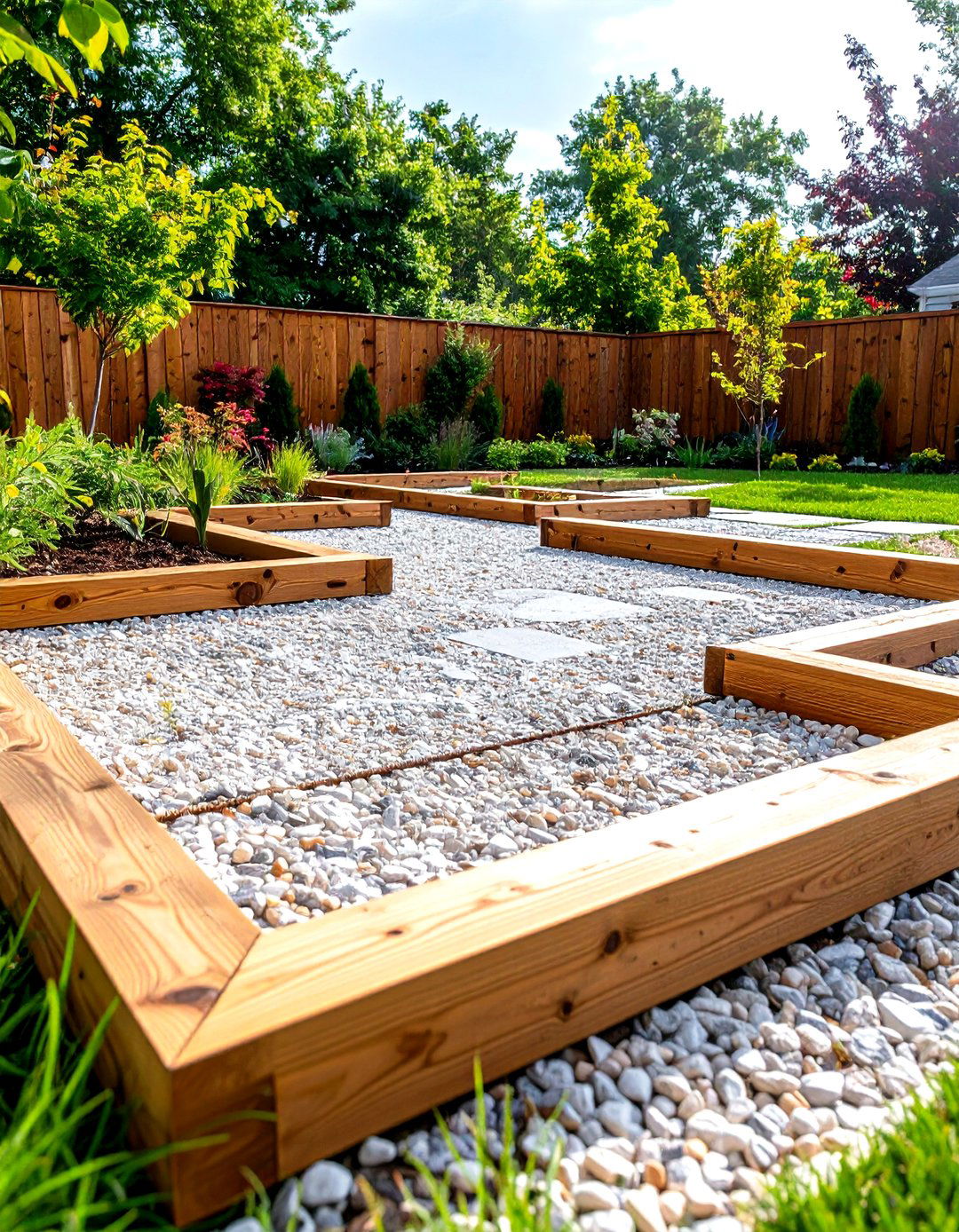
Using pressure-treated wood timbers provides a rustic yet structured border for a pea gravel patio. These substantial pieces of wood, often 4x4 or 6x6 inches, create a bold, clean line that works well in both traditional and contemporary settings. The natural look of the wood grain adds warmth and texture, contrasting nicely with the fine-grained pea gravel. Timbers can be laid directly on the ground and secured with rebar stakes, making installation a manageable DIY project. Over time, the wood will weather to a silvery gray, or it can be stained or sealed to maintain its original color and enhance longevity.
5. Irregular Flagstone Edging for a Pea Gravel Patio
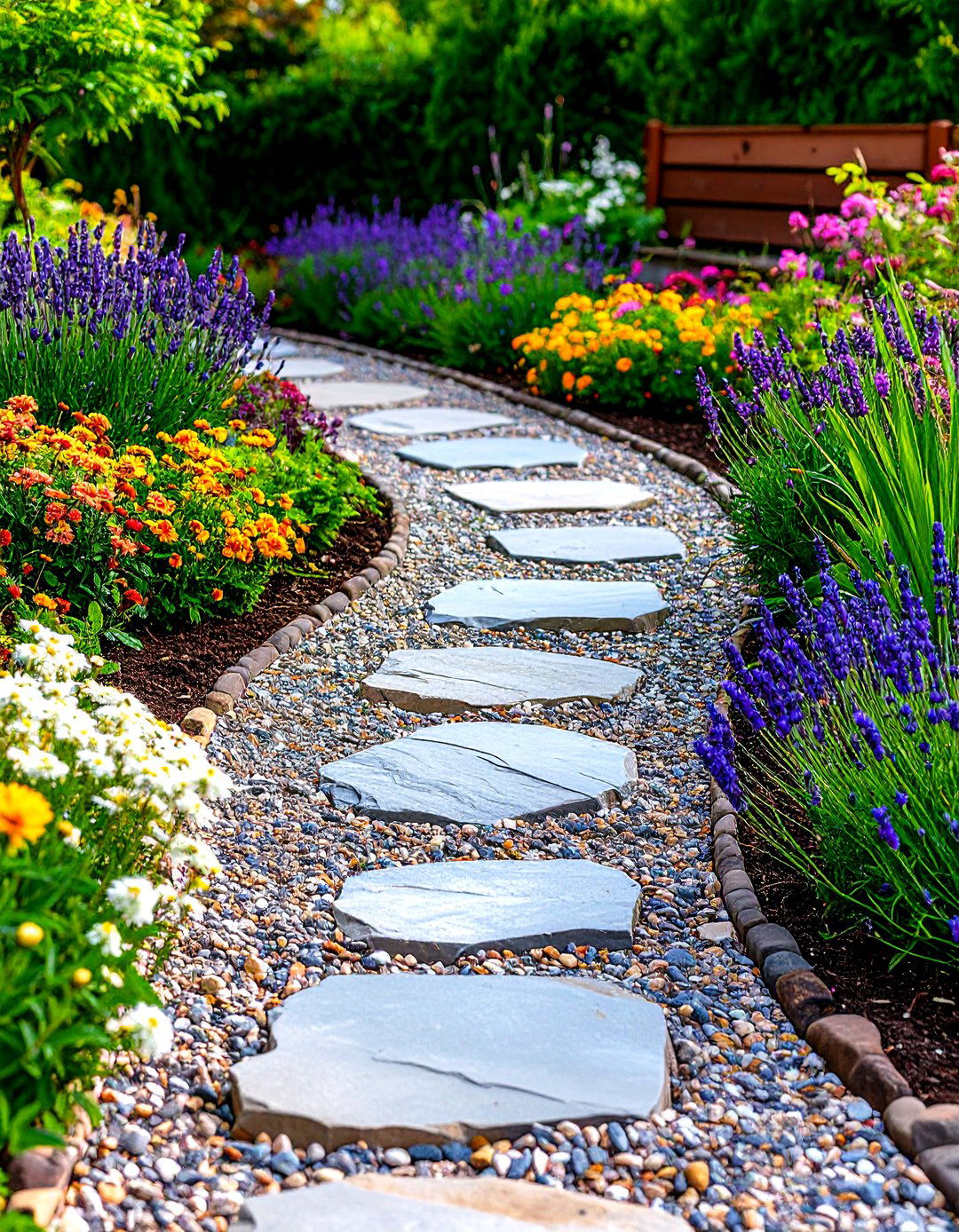
For an informal and picturesque border, irregular flagstone edging is an outstanding choice for a pea gravel patio. The unique, natural shapes of each stone piece create a rustic and charming boundary that looks as if it has always been part of the landscape. Setting the flagstones into the ground so their tops are level with the patio surface allows for easy mowing and a neat appearance. The cool grays, blues, and tans of flagstone pair beautifully with the multi-tonal pea gravel, enhancing the patio's organic feel. This style is particularly well-suited for cottage gardens and naturalistic landscape designs.
6. Poured Concrete Curb Edging for a Pea Gravel Patio
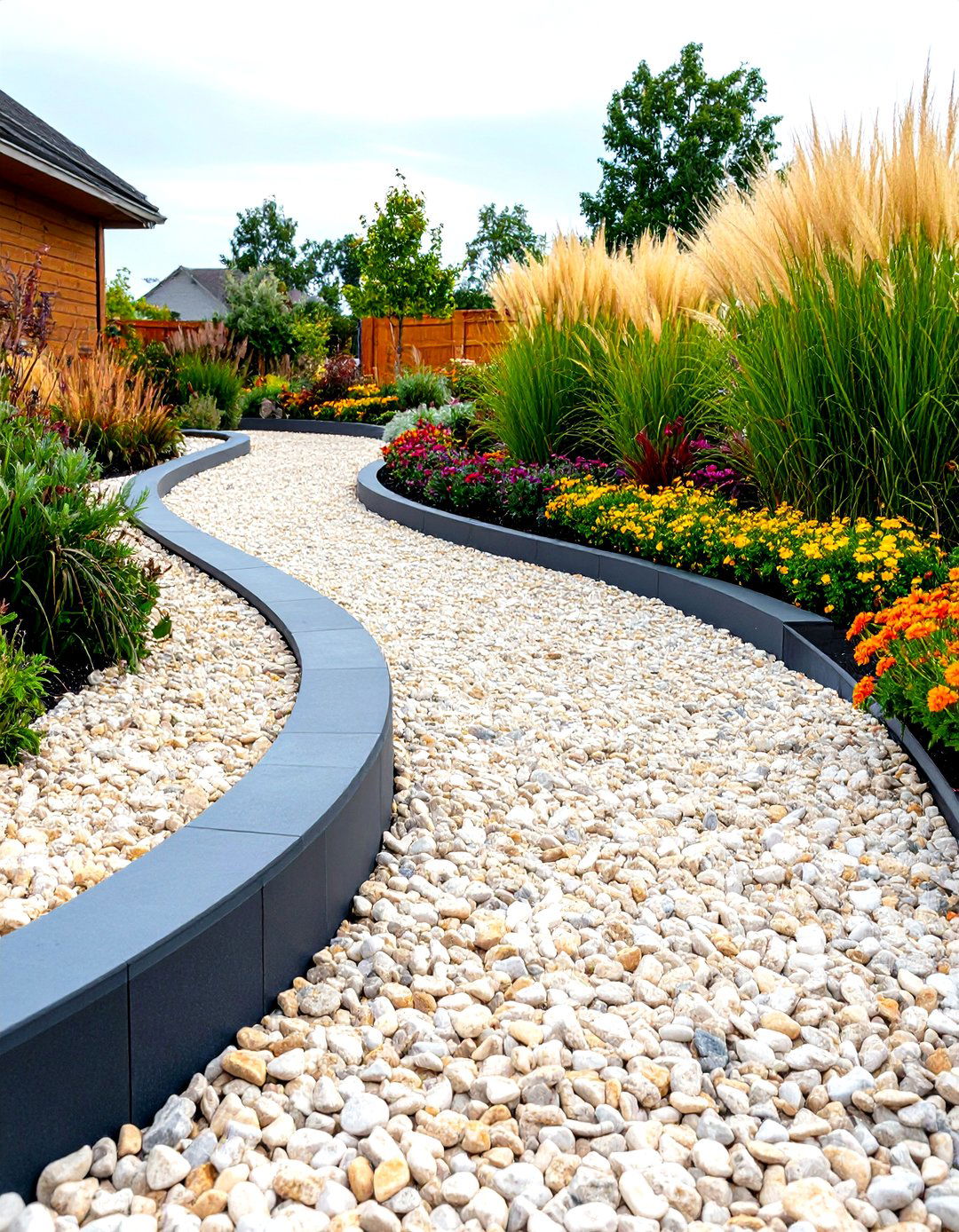
A poured concrete curb offers a highly durable and customizable edging solution for a pea gravel patio. This method allows you to create smooth, flowing curves or precise geometric lines that perfectly fit your landscape design. The concrete can be tinted to match or contrast with your home's exterior or the gravel itself, providing endless design possibilities. Its solid, continuous form creates a formidable barrier that effectively prevents gravel from escaping and stops grass roots from creeping into the patio area. While it may require more effort to install, the result is a clean, permanent, and professional-looking edge that requires virtually no maintenance.
7. Gabion Wall Edging for a Pea Gravel Patio
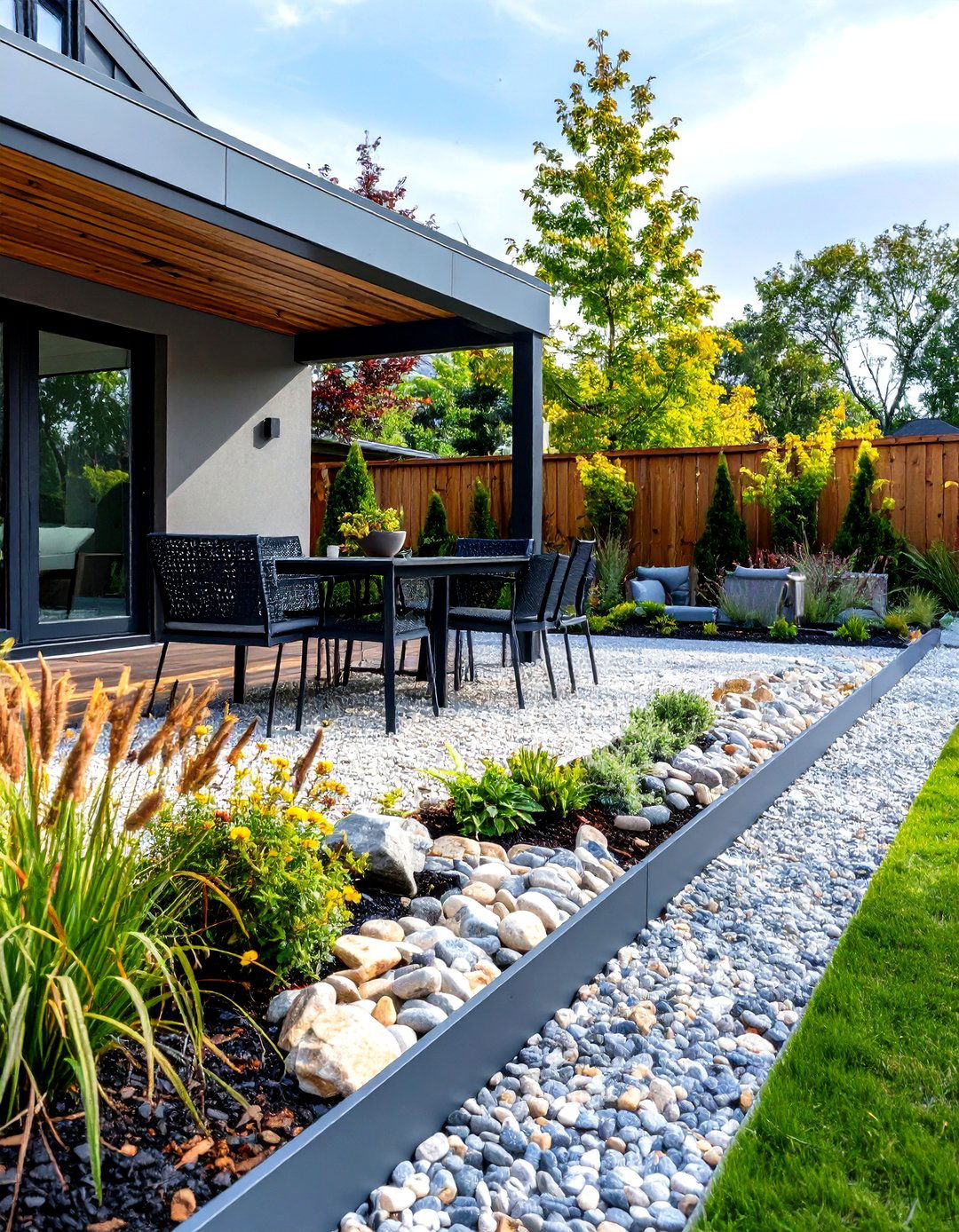
For a truly unique and industrial-chic look, consider using a low gabion wall as edging for your pea gravel patio. Gabions are wire mesh cages filled with rocks, creating a textured and substantial border. You can choose filler rocks that complement or contrast with the pea gravel for a customized appearance. This method not only provides excellent containment but also adds a strong architectural element to your outdoor space. A gabion edge can even double as informal seating if built wide and sturdy enough. This modern, robust solution is perfect for contemporary landscapes and offers a fantastic blend of texture, form, and function.
8. Cobblestone Edging for a Pea Gravel Patio
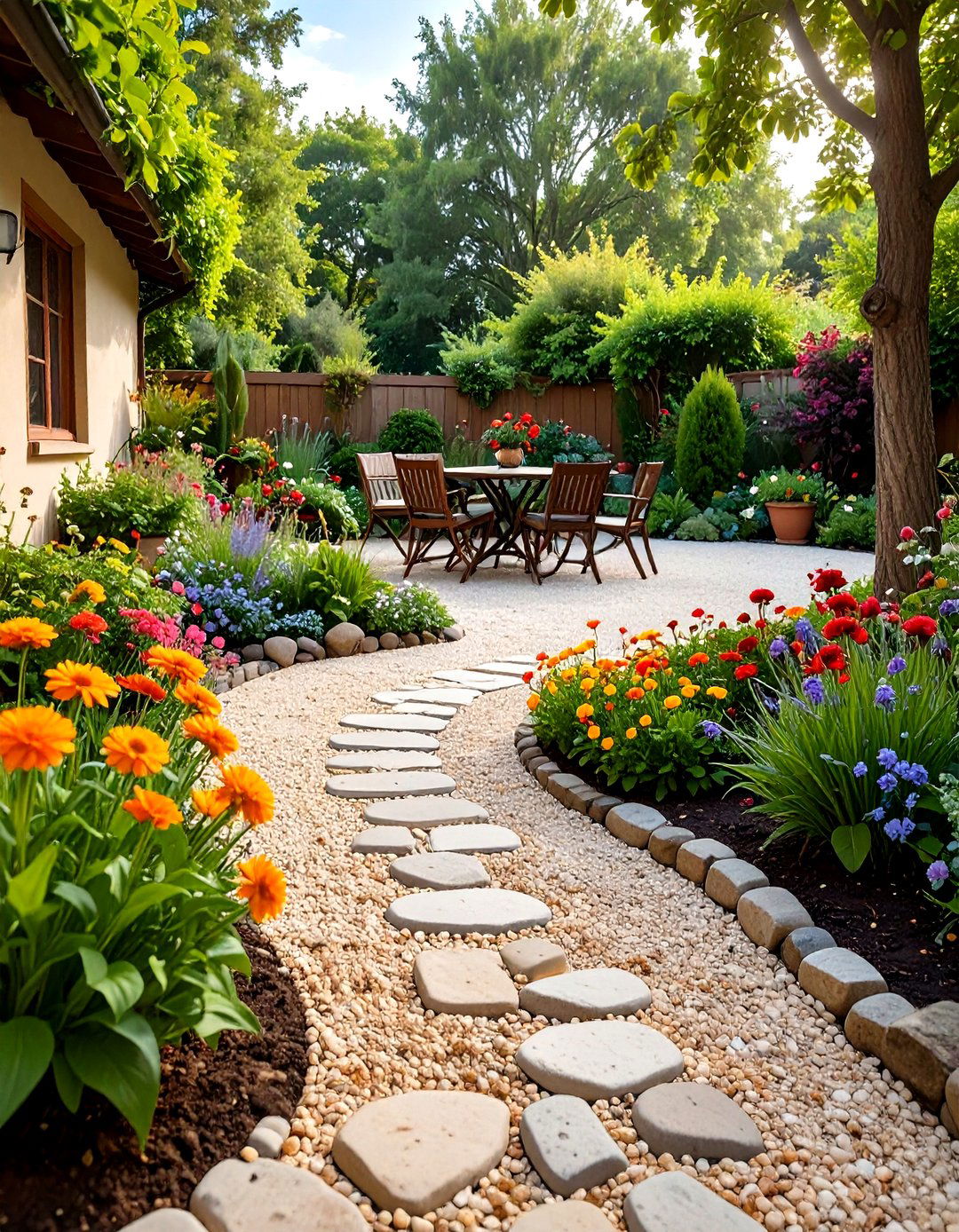
Evoke the charm of old-world European streets by using cobblestone edging for your pea gravel patio. These rounded, durable stones provide a classic and textured border that is both beautiful and highly effective at containing gravel. Whether set in a neat, uniform line or a more random, rustic pattern, cobblestones add a sense of history and permanence. Their varied gray and tan tones complement the pea gravel's natural palette, creating a cohesive look. Set the cobblestones in a bed of sand or mortar to ensure they remain tightly in place, providing a sturdy edge that will withstand the test of time.
9. Bender Board Edging for a Pea Gravel Patio
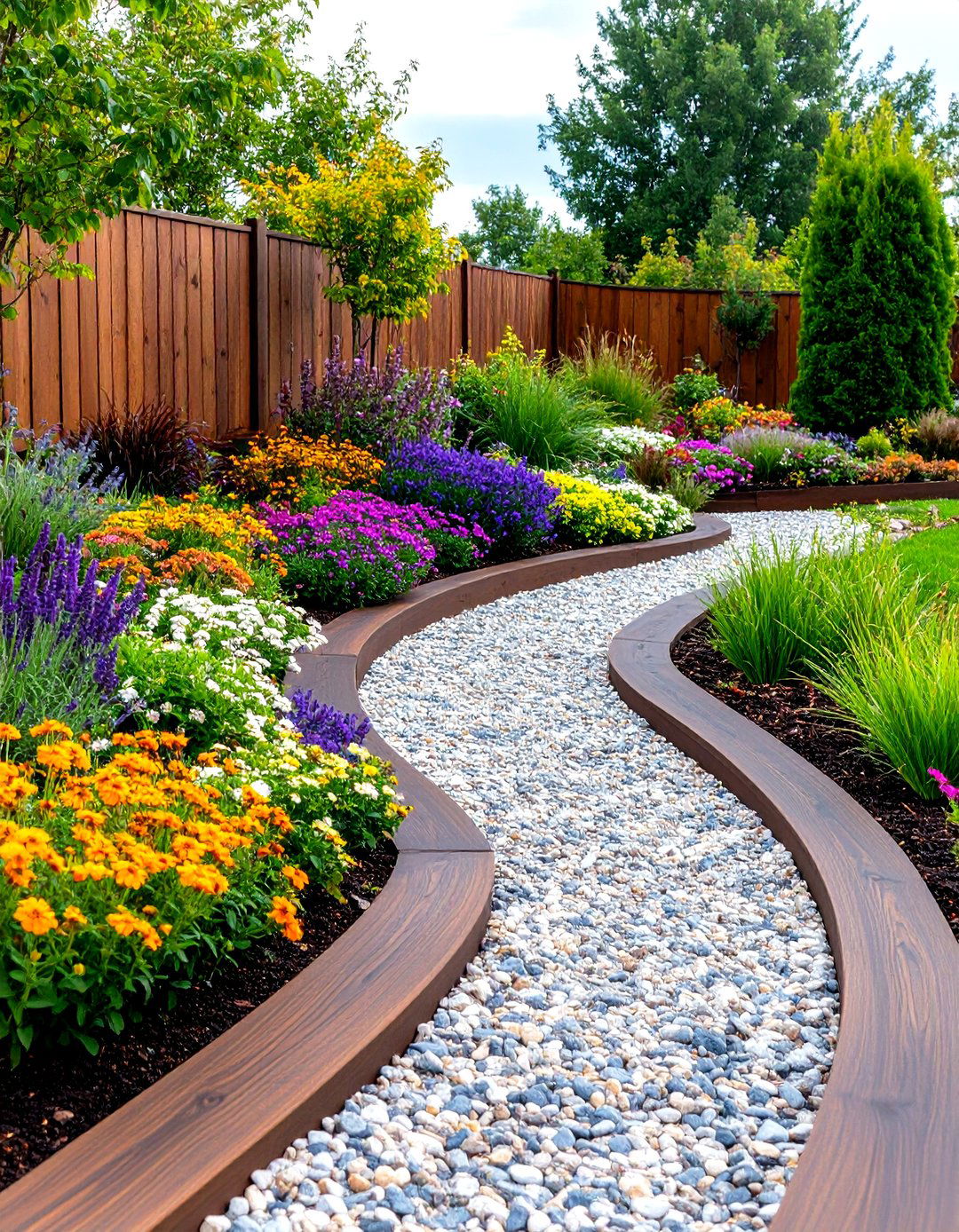
If your pea gravel patio design includes graceful curves and flowing lines, bender board is an ideal edging material. Typically made from recycled plastic or redwood, this flexible board can be easily shaped to follow any path you desire. It provides a subtle, low-profile edge that neatly separates the gravel from your lawn or garden beds without drawing too much attention. Bender board is an affordable and DIY-friendly option that is easy to install using stakes to hold it in place. Its simplicity makes it a versatile choice that works well with a variety of landscape styles, from modern to naturalistic.
10. Recycled Rubber Edging for a Pea Gravel Patio
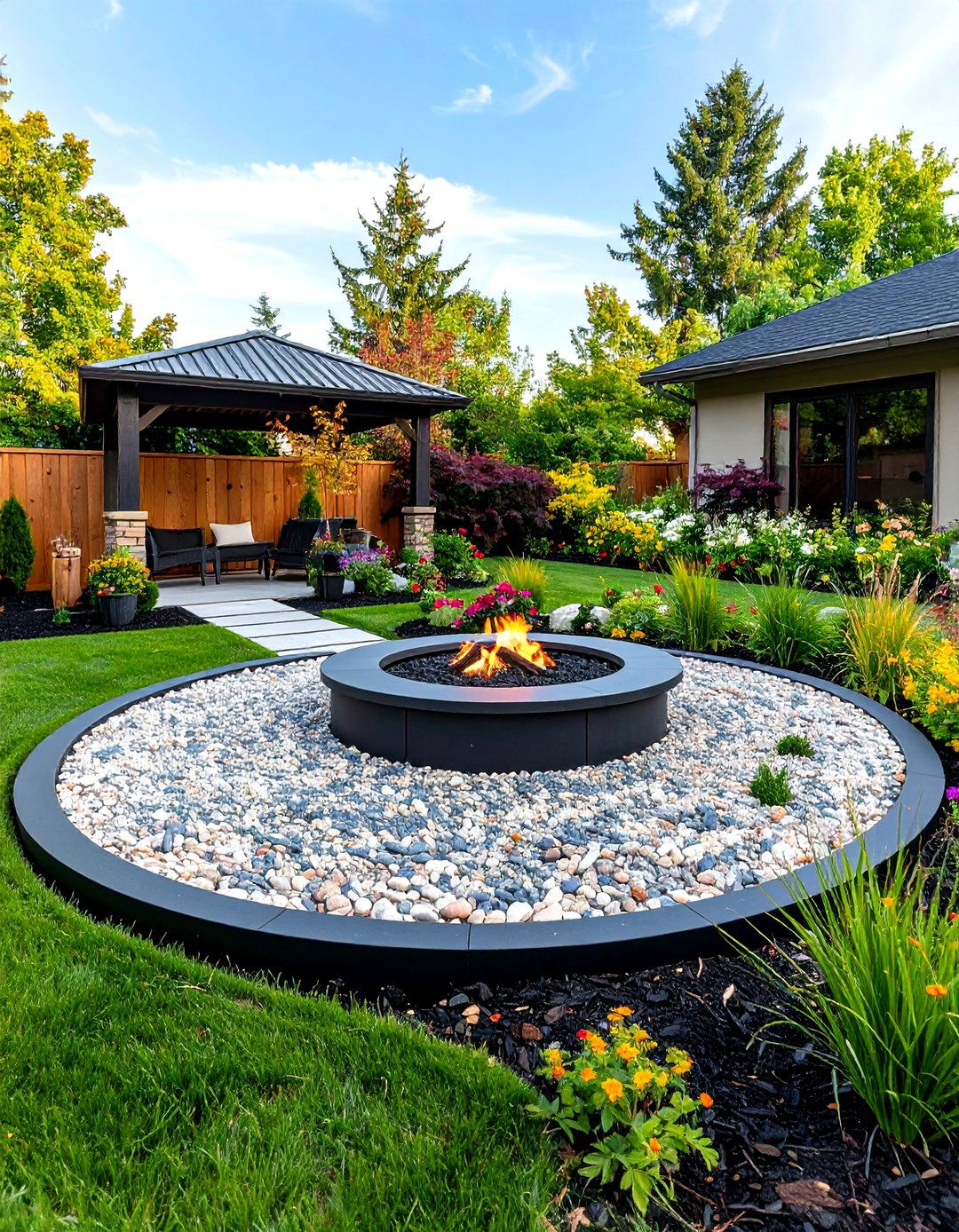
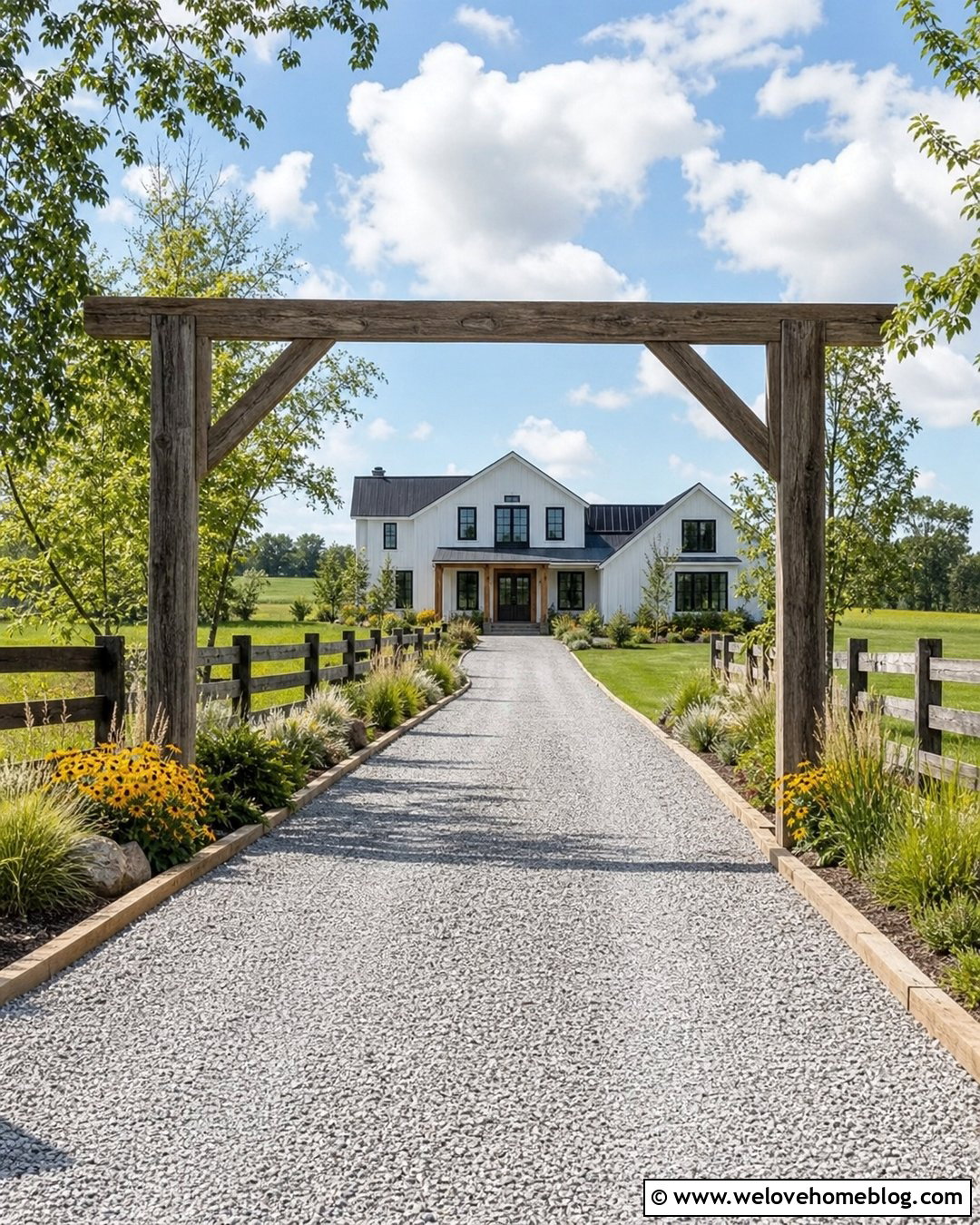
An eco-friendly and practical choice, recycled rubber edging offers durability and flexibility for a pea gravel patio. This material is tough enough to withstand mower and trimmer impacts and won't crack or rot over time. It often comes in long, flexible strips that are simple to install along straight or curved patio borders, making it a great project for homeowners. Available in colors like black, brown, or red, it can create a clean, subtle line that effectively holds the pea gravel in place. Its safety and resilience also make it a suitable option for patios that are adjacent to play areas.
11. Concrete Paver Edging for a Pea Gravel Patio
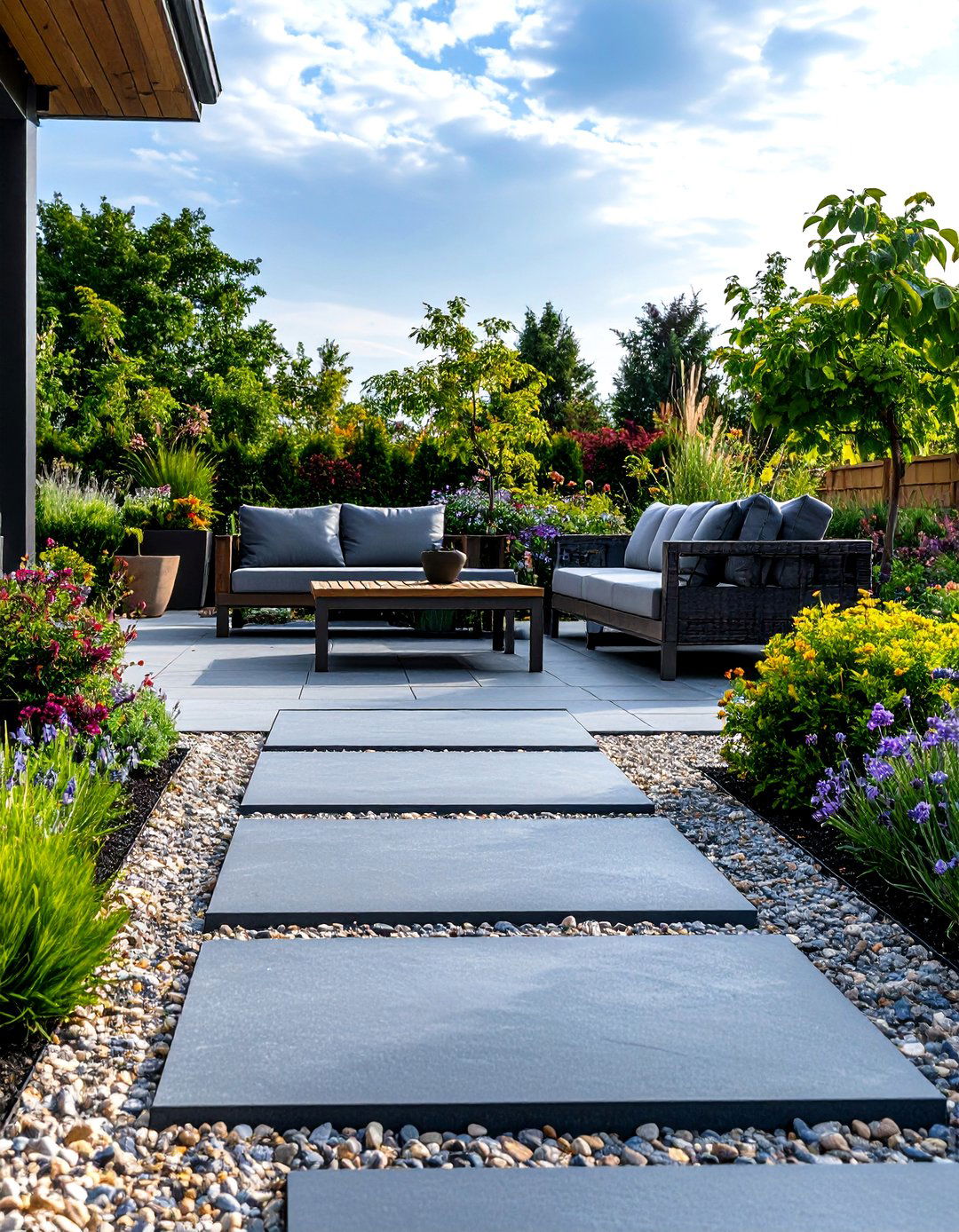
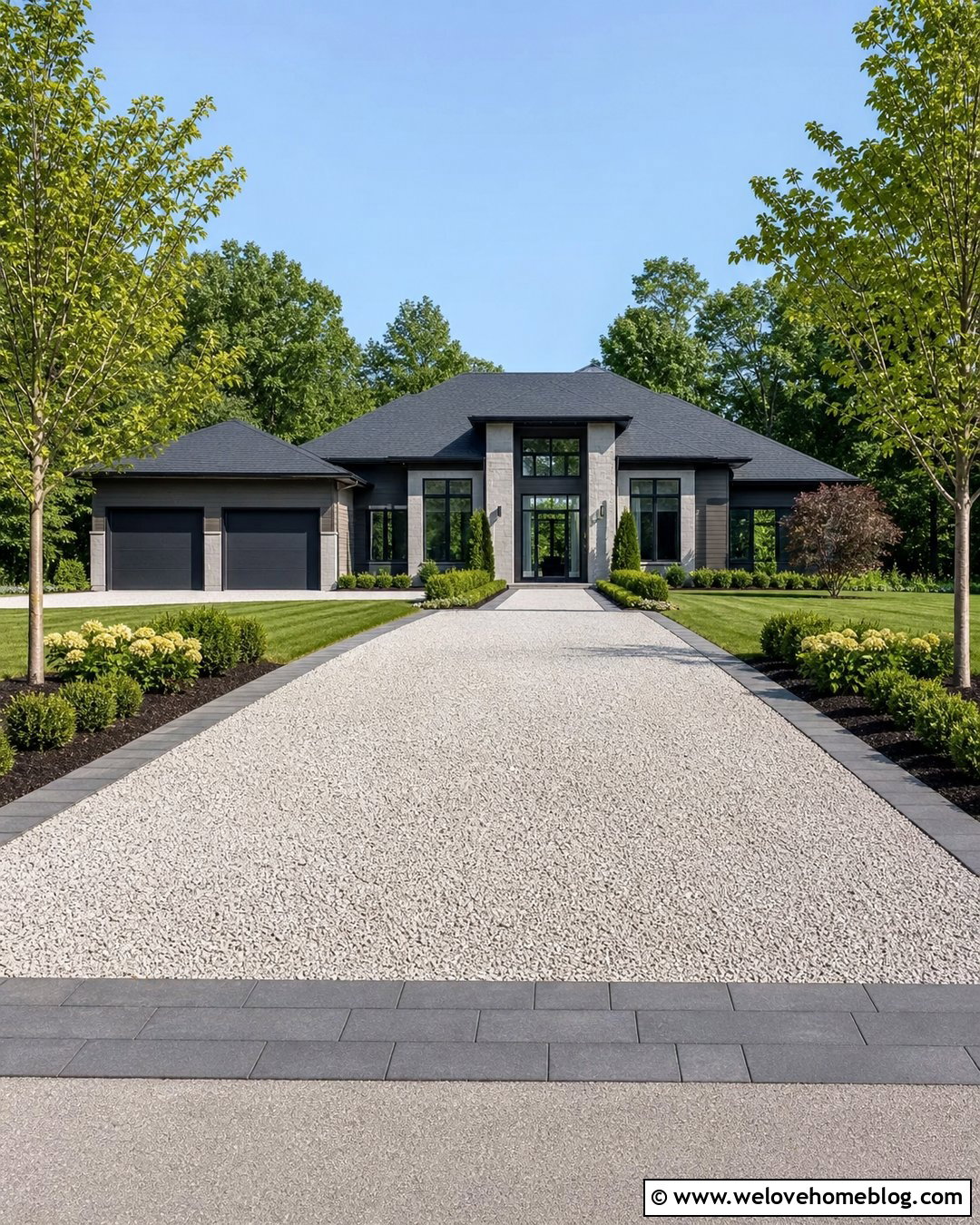
Using concrete pavers as edging provides a clean, uniform border for a pea gravel patio. Pavers come in a vast array of shapes, sizes, and colors, allowing for complete design control. You can lay them end-to-end for a simple border or create more intricate patterns, like a double row or a sawtooth design, for added visual appeal. This method creates a very stable and well-defined edge that prevents gravel spillage and grass encroachment. The sharp lines of concrete pavers offer a neat, tailored finish that complements both formal and contemporary garden styles, providing a durable and attractive frame for your patio.
12. Stacked Slate Edging for a Pea Gravel Patio
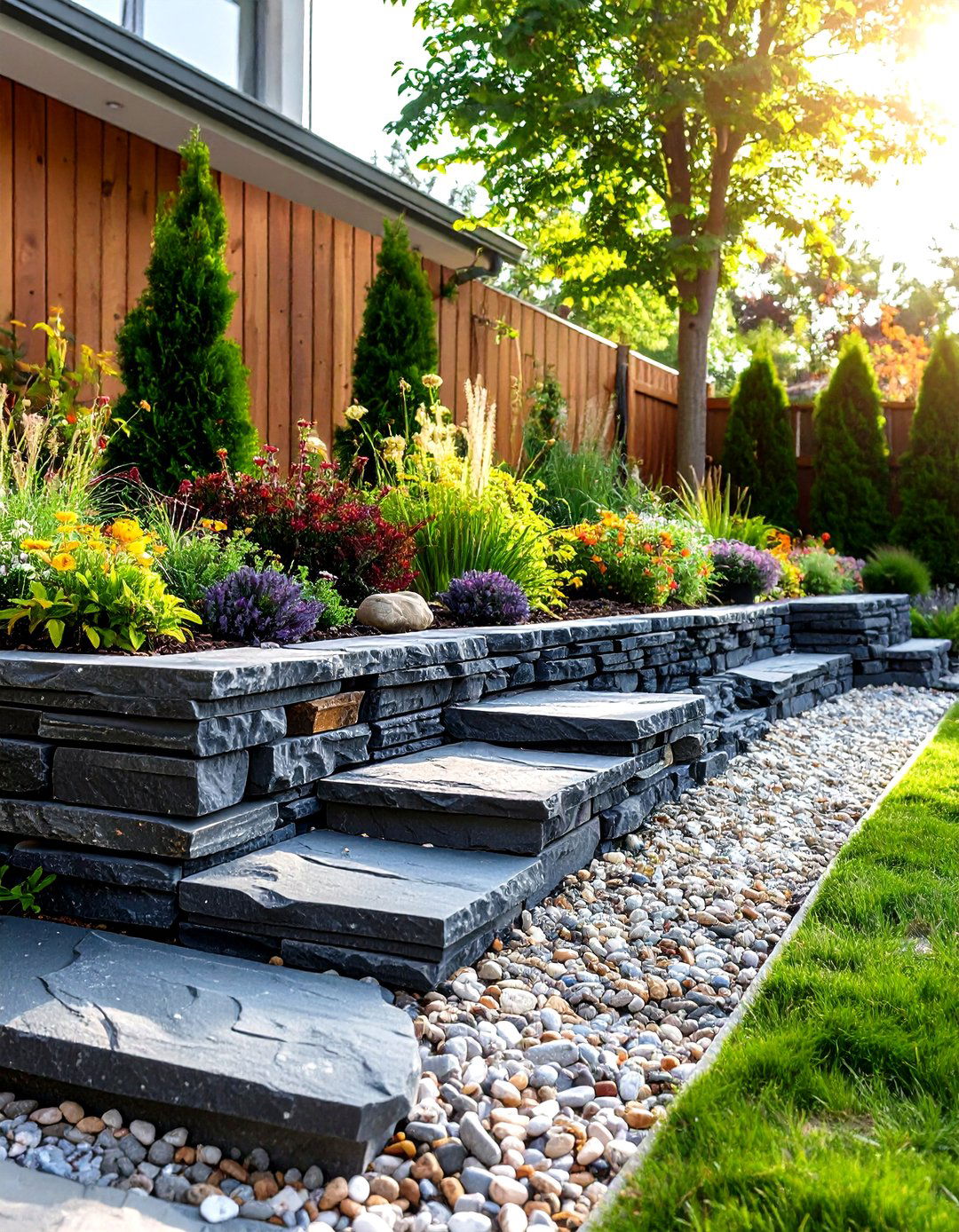
Create a dramatic and textural border for your pea gravel patio with stacked slate edging. This technique involves layering thin, flat pieces of slate to build a low wall, which provides an eye-catching, rustic look. The natural layers and dark, rich colors of the slate contrast beautifully with the lighter, rounded pea gravel, adding depth and dimension to the patio's edge. This type of border is especially fitting for hillside patios or gardens with varied elevations, as it can be built up to help retain soil. It’s a stunning choice that brings a unique, handcrafted feel to the landscape.
13. Terracotta Tile Edging for a Pea Gravel Patio
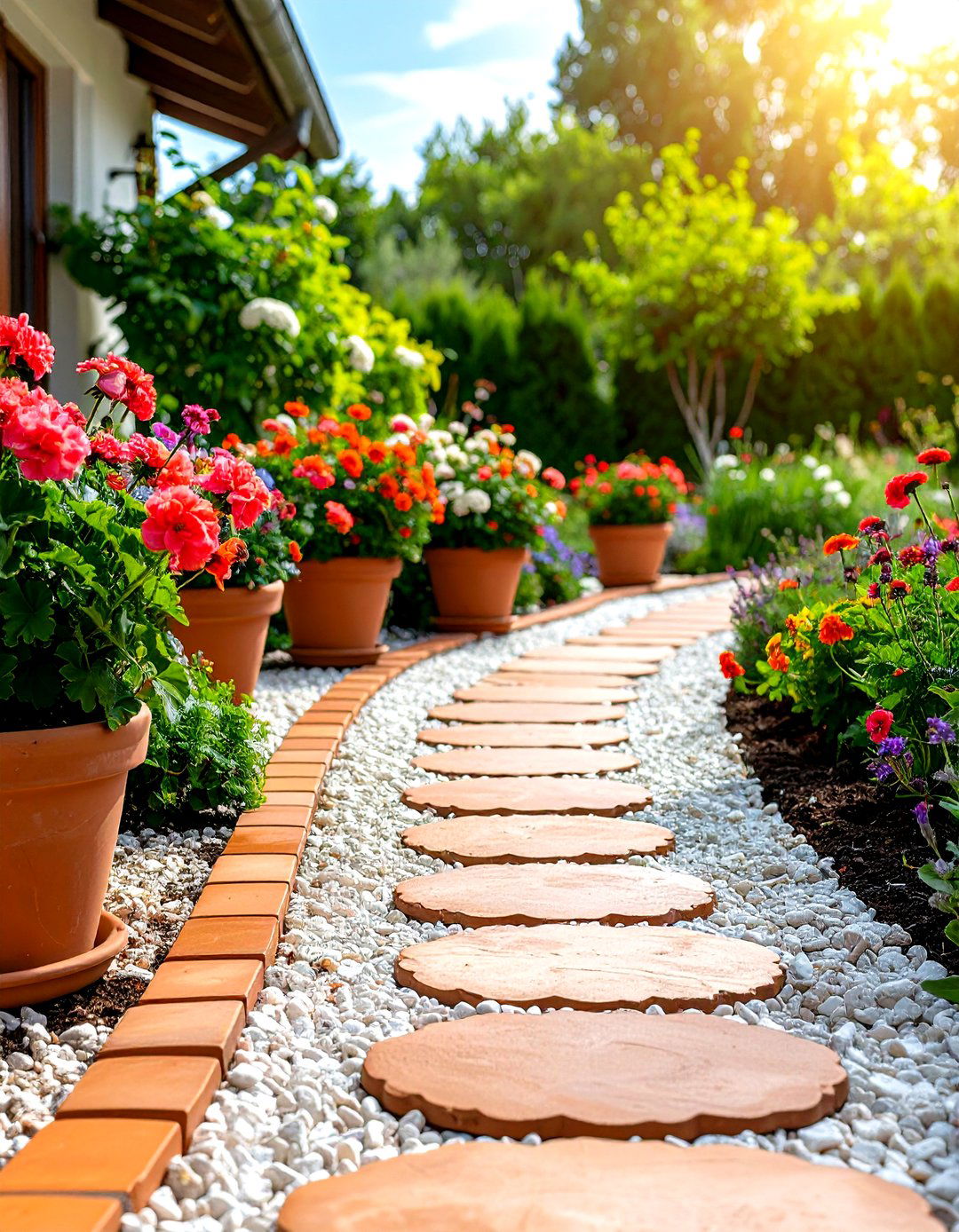
For a touch of Mediterranean warmth, consider using terracotta tiles as edging for your pea gravel patio. The rich, earthy orange-red hue of terracotta provides a vibrant contrast to the soft tones of the gravel and the green of surrounding foliage. You can use standard square tiles set at an angle to create a sawtooth pattern or opt for specialized scalloped edging tiles for a more decorative look. This choice infuses the space with a sunny, rustic charm that is perfect for Spanish, Southwestern, or cottage-style gardens. It's a colorful and distinctive way to frame your outdoor living area.
14. Cast Concrete Mower Strip Edging for a Pea Gravel Patio
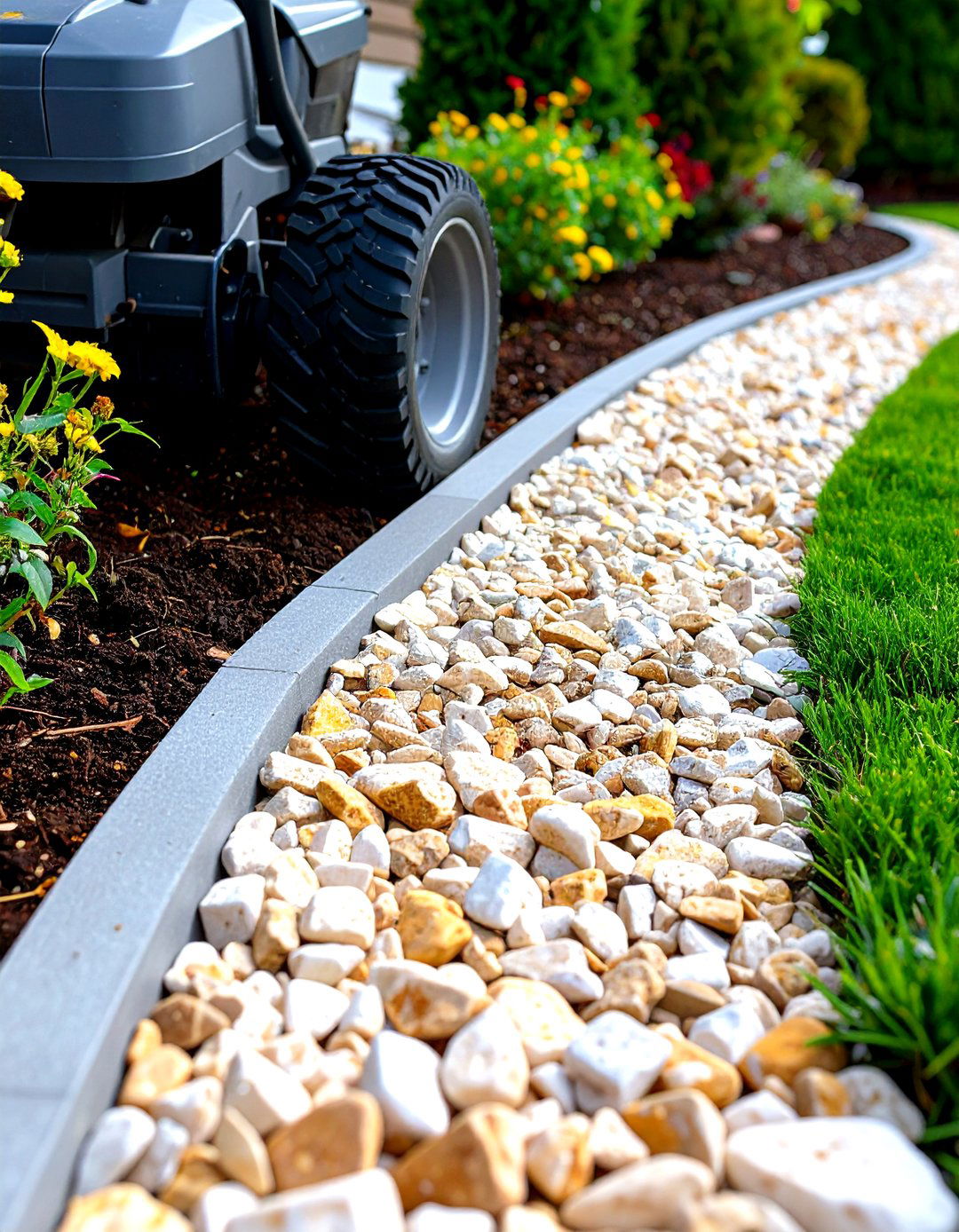
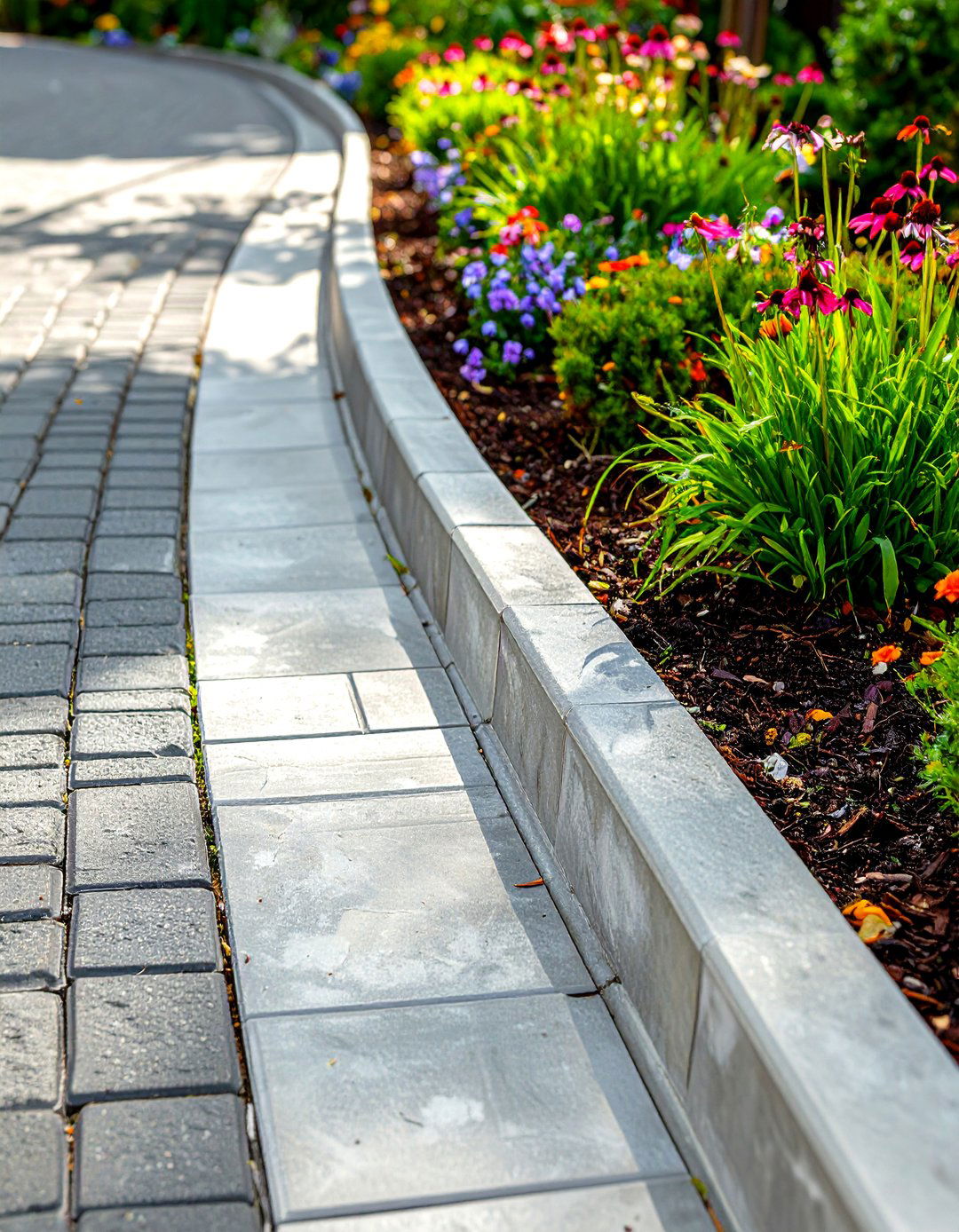
A cast concrete mower strip is a highly functional edging solution for a pea gravel patio that borders a lawn. This wide, flat concrete edge is installed level with the grass, allowing you to run one wheel of your lawnmower directly on it for easy, trim-free mowing. This practical design creates an exceptionally clean line and provides a solid barrier to keep the pea gravel contained. The concrete can be colored or stamped to mimic other materials like stone or brick, offering aesthetic versatility. It’s a low-maintenance, permanent solution that simplifies yard work while providing a crisp, professional finish.
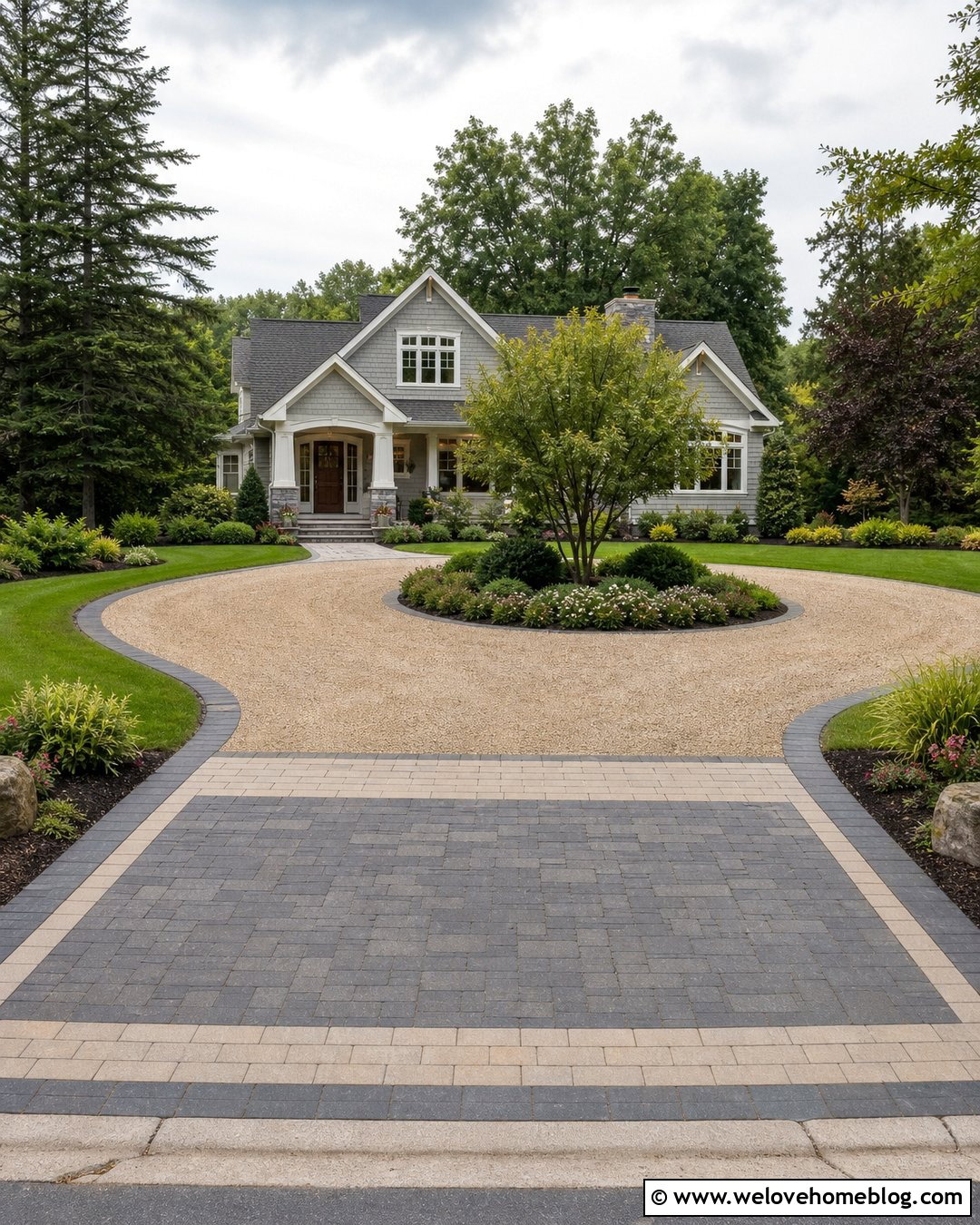
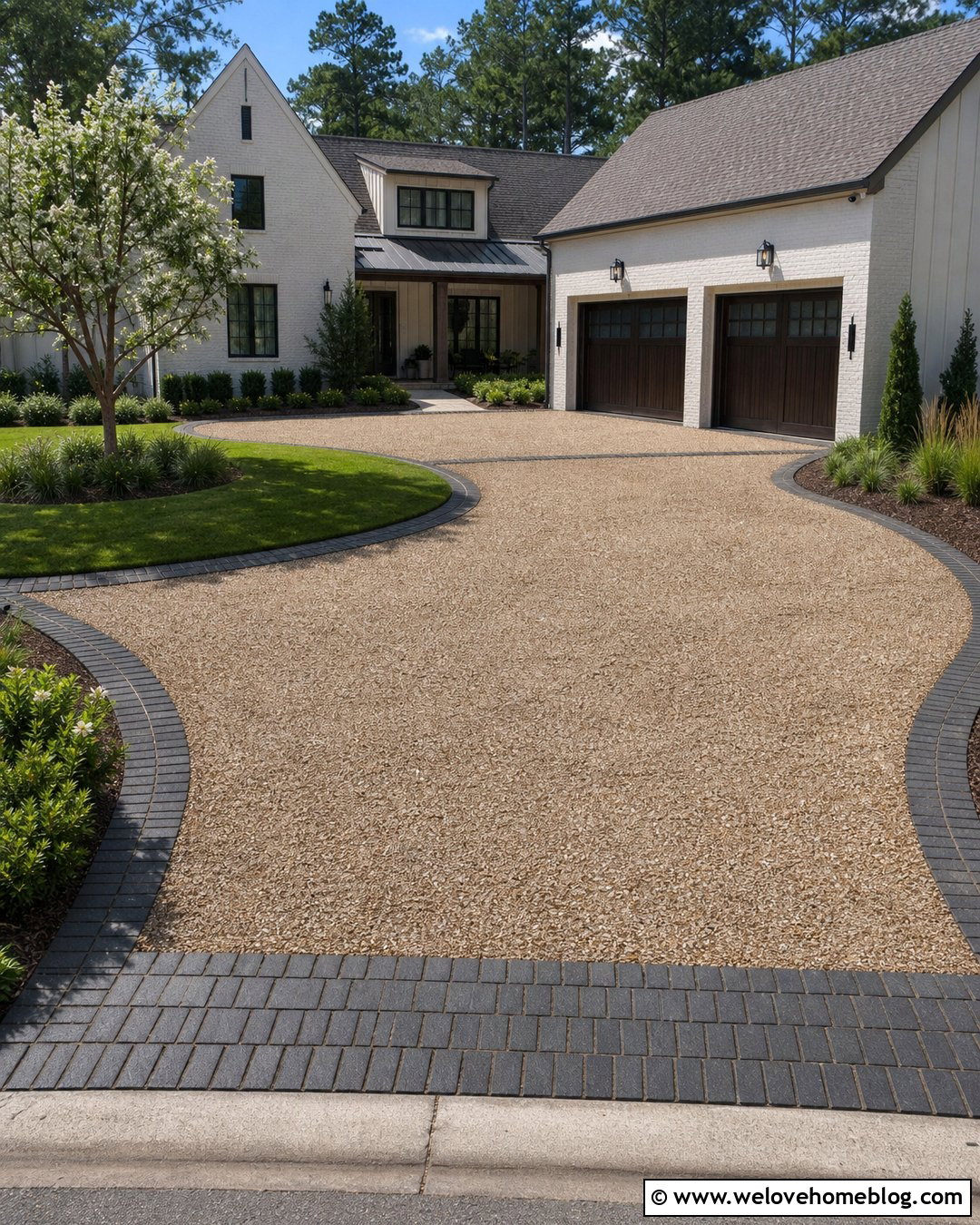
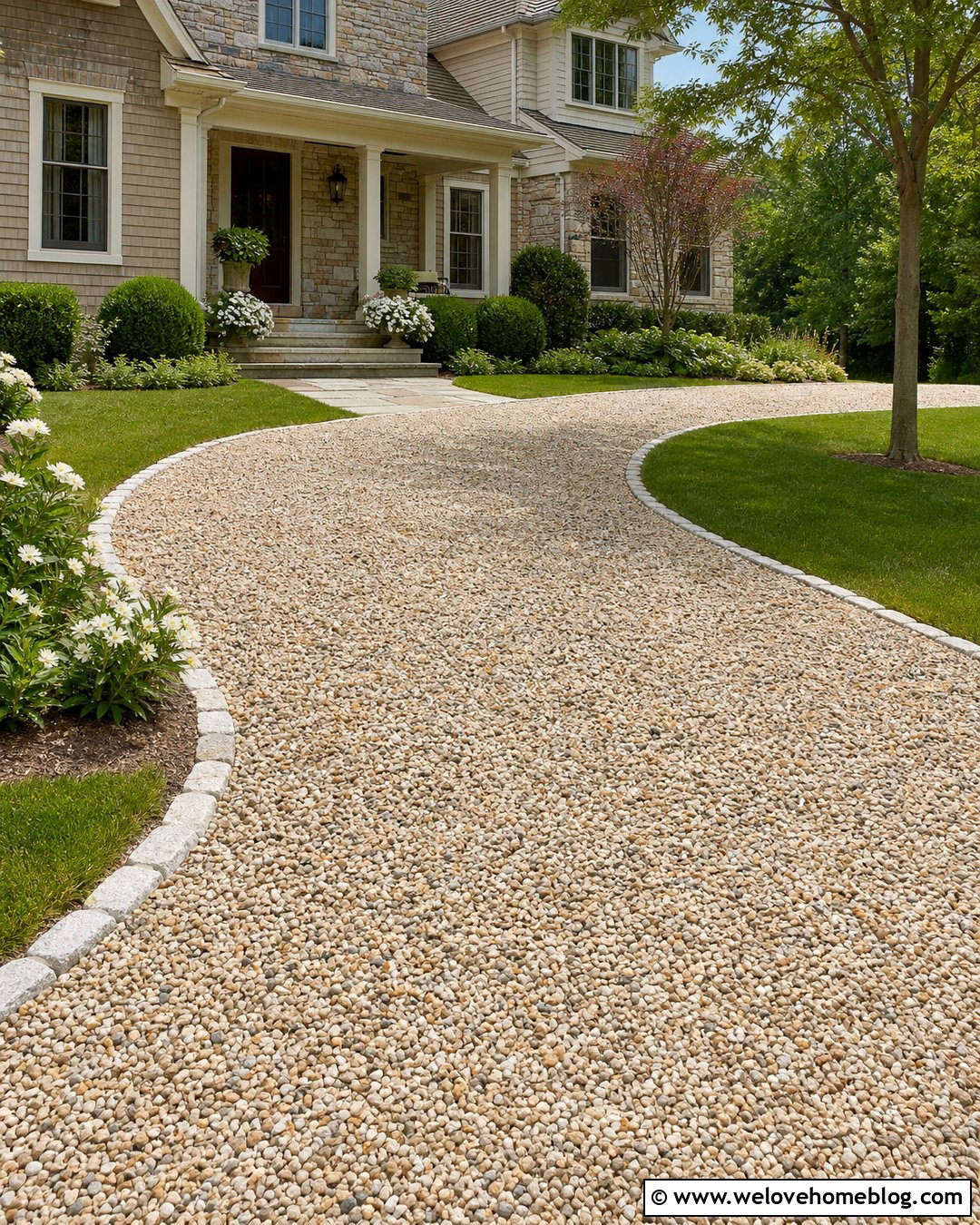

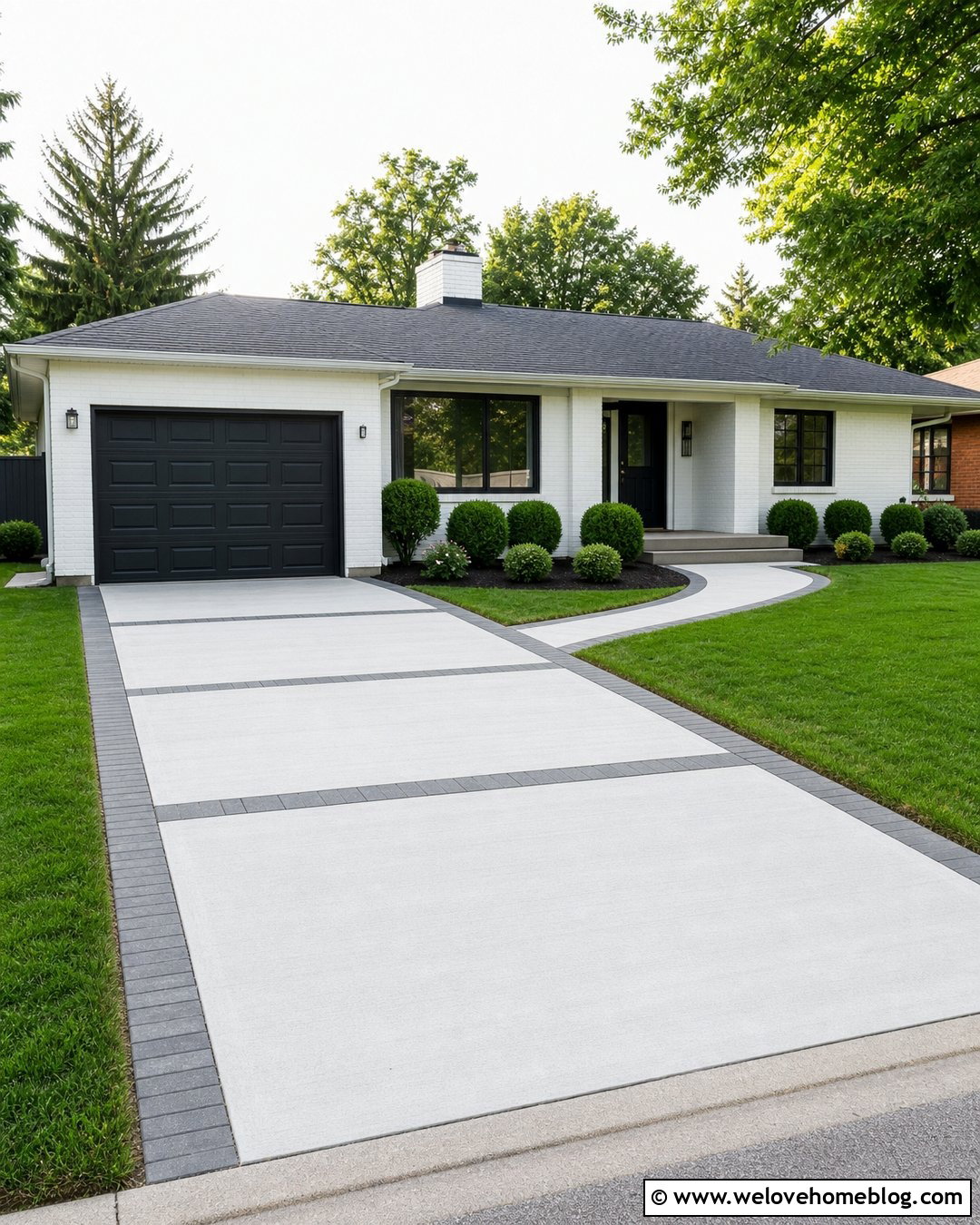
15. Landscape Block Edging for a Pea Gravel Patio
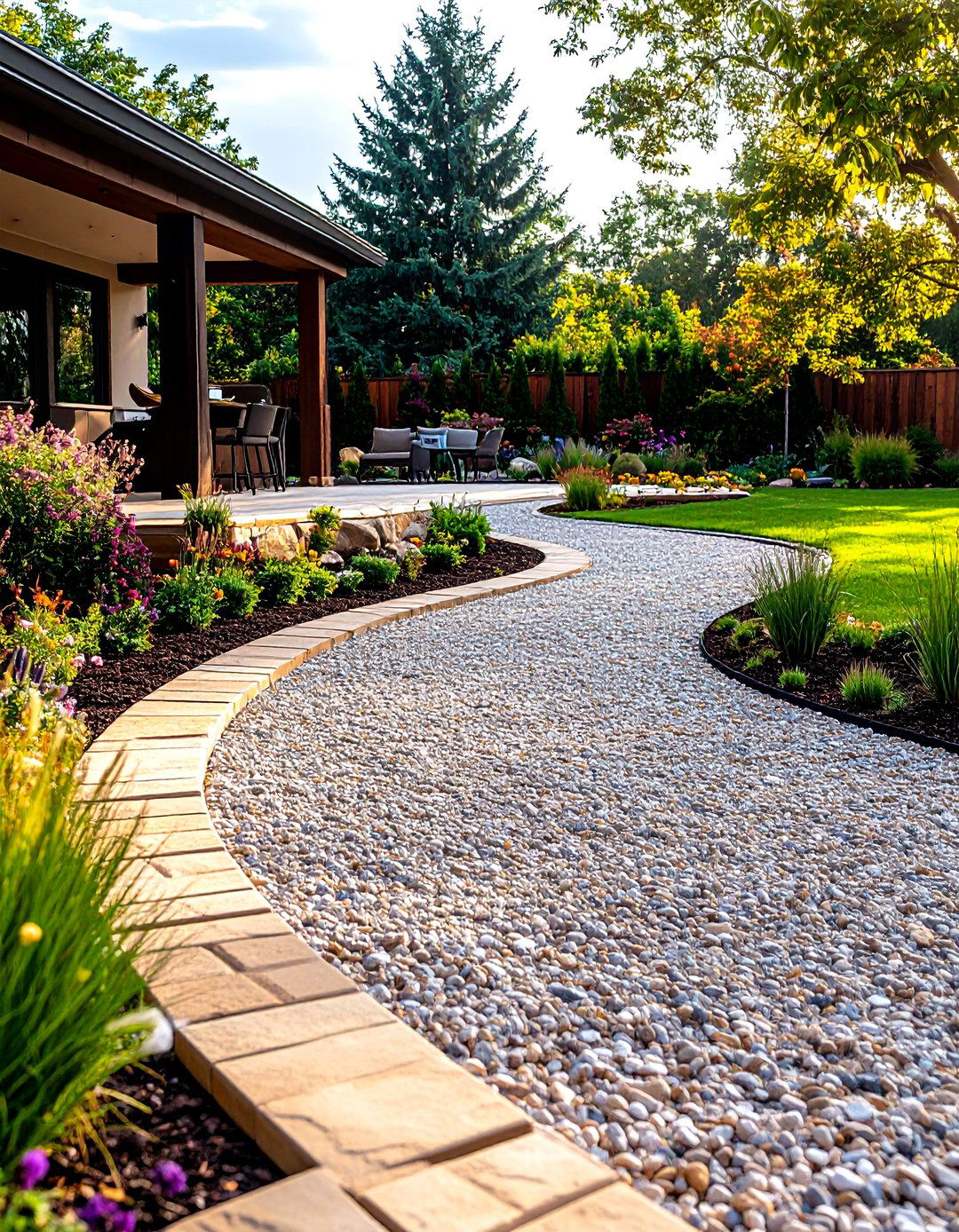
Using interlocking landscape blocks is a straightforward and popular method for edging a pea gravel patio. These concrete blocks are designed to fit together easily, allowing you to create straight or gently curving borders with minimal effort. Available in various colors, textures, and styles—from rustic split-face to modern smooth-face—they offer great design flexibility. The weight and interlocking nature of the blocks create a very stable and durable wall that effectively retains the pea gravel. This DIY-friendly option provides a polished, professional look and is robust enough to last for many years with little to no maintenance.
16. Natural Bamboo Edging for a Pea Gravel Patio
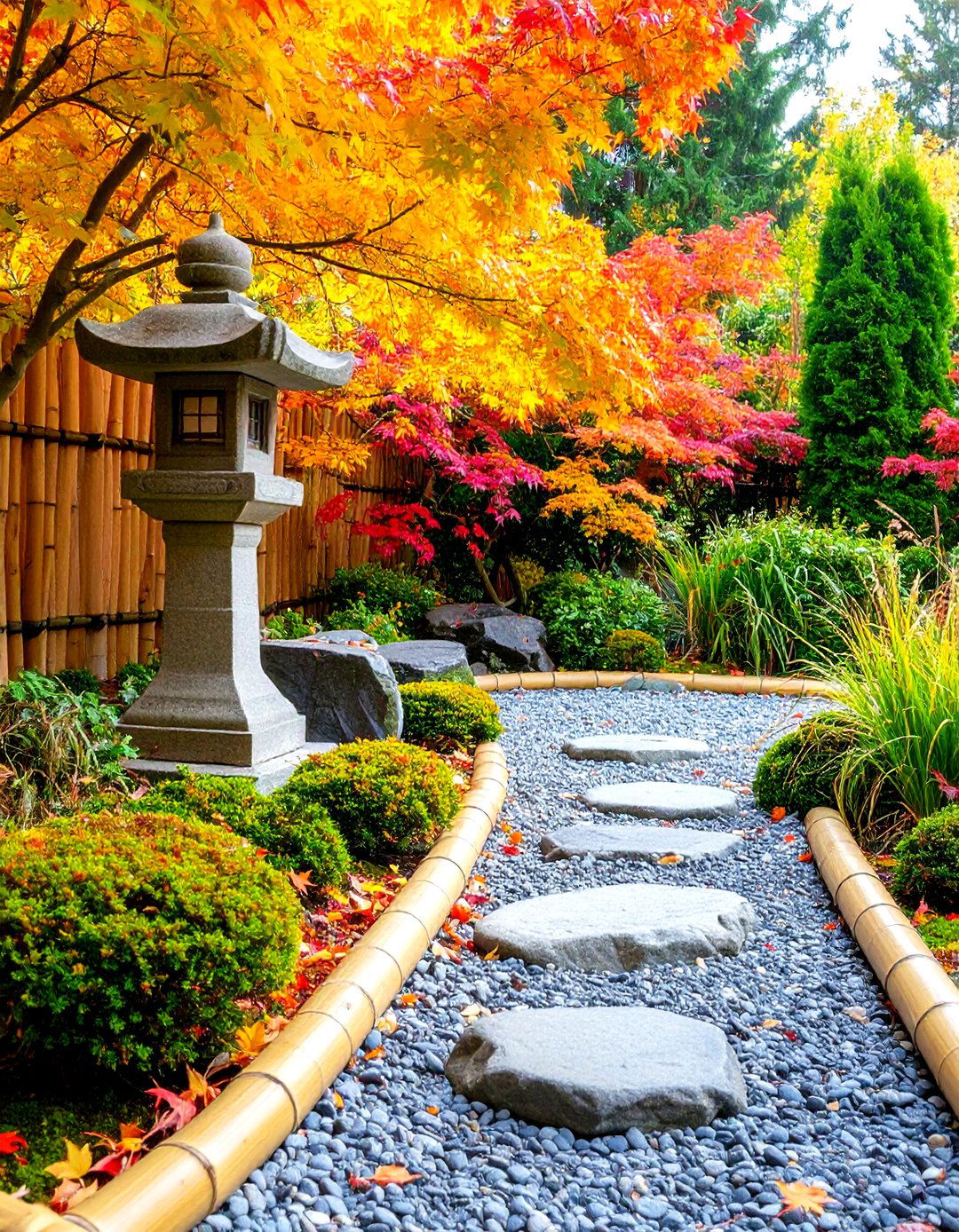
Introduce a touch of Zen or tropical flair to your pea gravel patio with natural bamboo edging. This eco-friendly option uses sections of bamboo poles linked together to form a flexible border. The light color and distinct segments of the bamboo create a unique, organic texture that pairs well with the simplicity of pea gravel. It’s an excellent choice for Asian-inspired gardens, tiki-themed patios, or any space where you want to add a natural, calming element. Bamboo edging is lightweight and easy to install, offering a stylish and sustainable way to define your patio space while adding character.
17. Rustic Log Edging for a Pea Gravel Patio
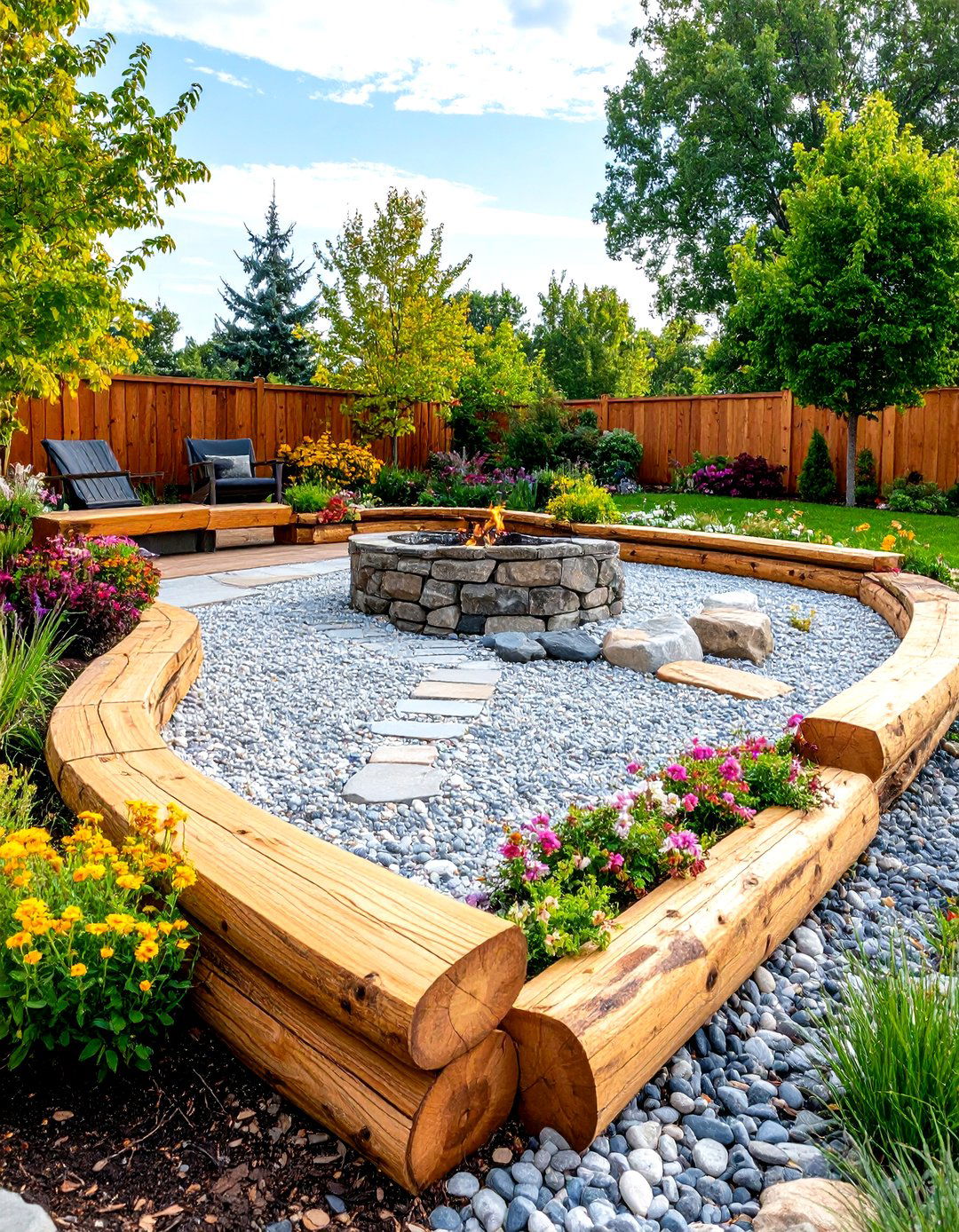
For a truly rustic and naturalistic border, log edging is a fantastic choice for a pea gravel patio. Using logs, either laid horizontally or installed vertically as short posts, creates a substantial and charming edge that blends seamlessly with a woodland or country-style garden. The texture and form of the wood provide a strong contrast to the fine pea gravel. You can use reclaimed logs for a more weathered look or purchase uniform landscape timbers. This method is not only visually appealing but also effective at containing the gravel, providing a durable and organic frame for your outdoor seating area.
18. Painted Cinder Block Edging for a Pea Gravel Patio
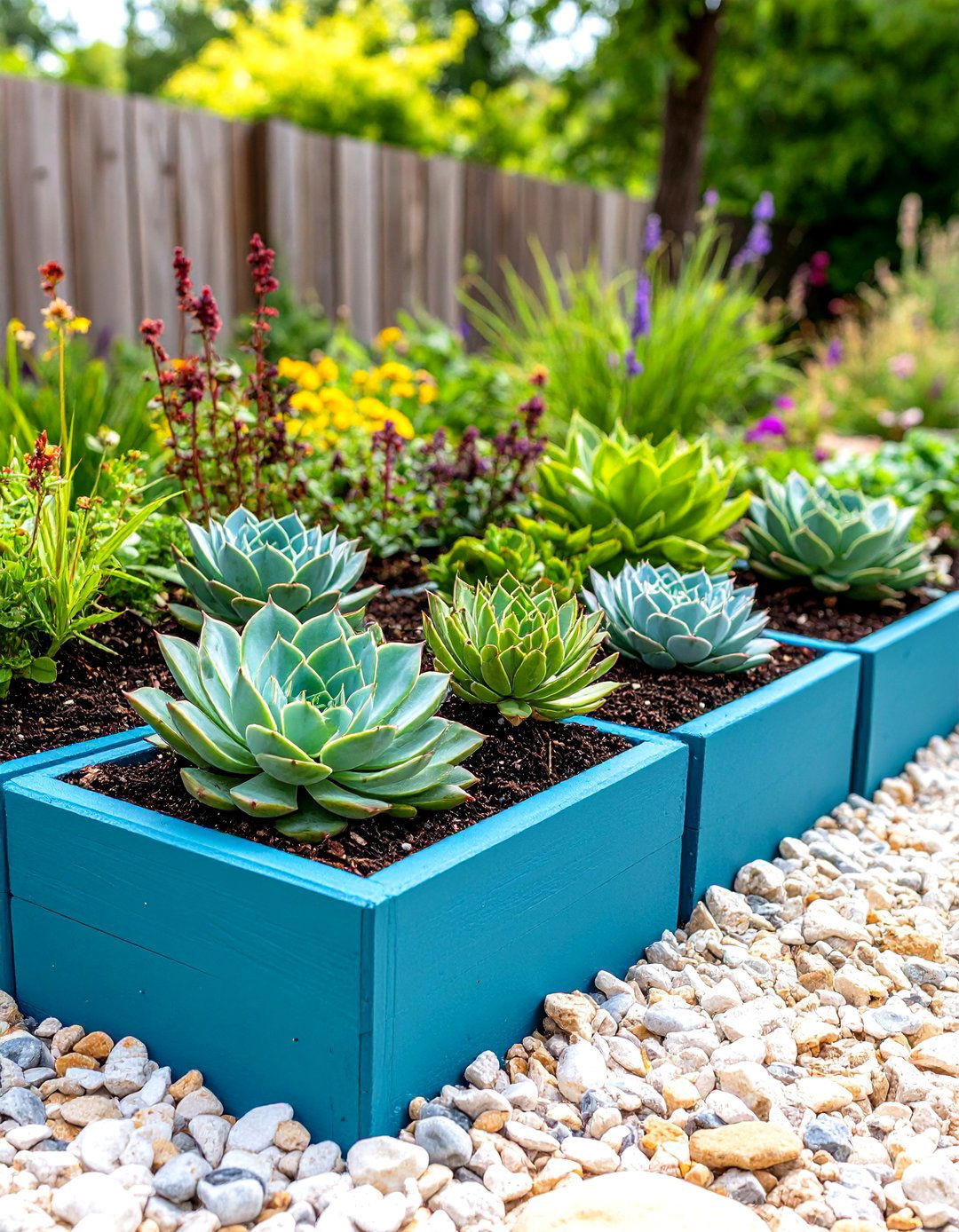
An affordable and highly customizable option is to use cinder blocks for your pea gravel patio edging. While plain cinder blocks can look industrial, painting them can completely transform their appearance. Choose a color that complements your home's exterior, your patio furniture, or the surrounding garden for a cohesive design. The open cells of the blocks can even be used as miniature planters for succulents or herbs, adding a touch of green to your patio border. This budget-friendly DIY project allows for creativity while providing a sturdy, effective barrier to keep your pea gravel neatly contained.
19. Scalloped Concrete Edging for a Pea Gravel Patio
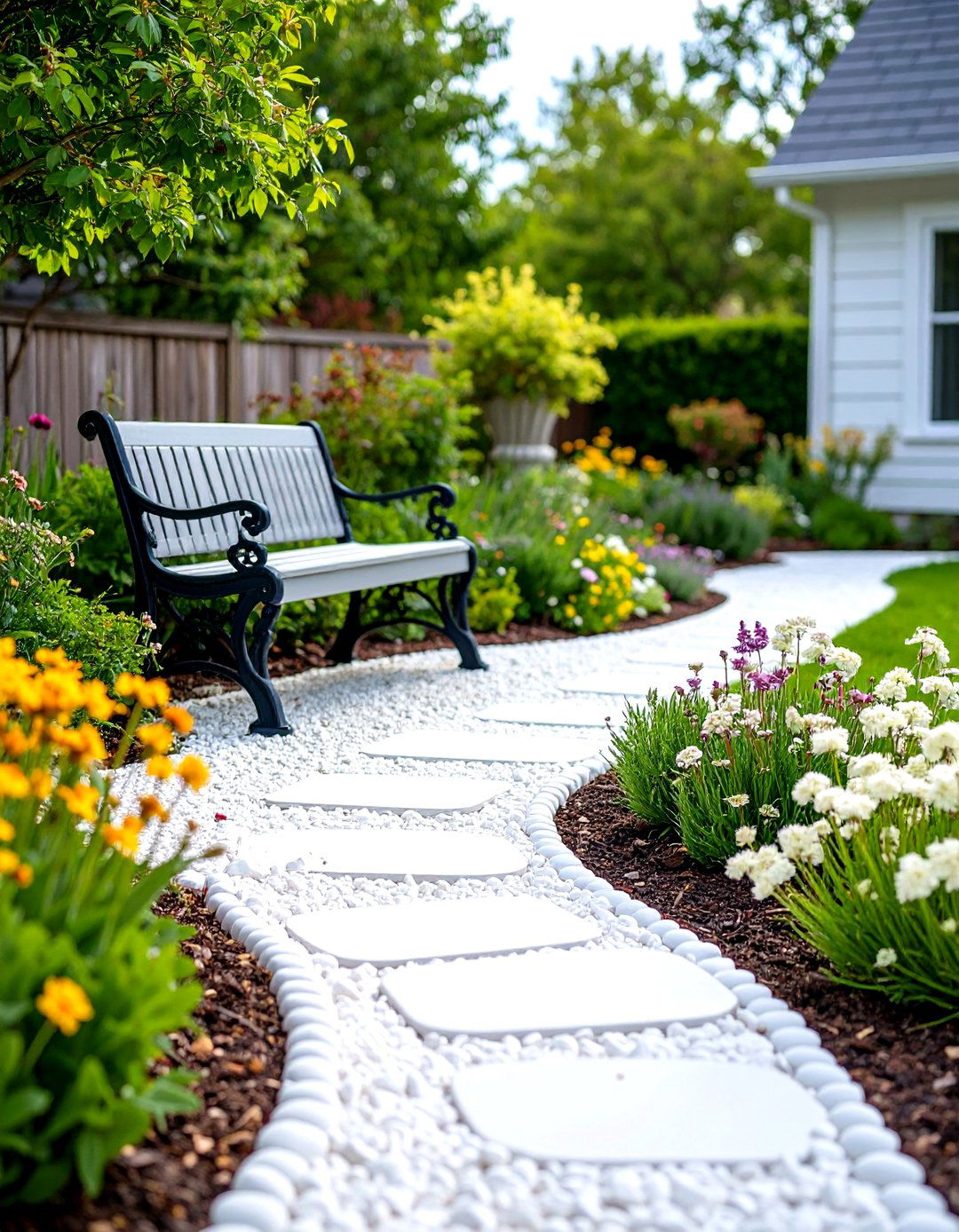
Bring a touch of nostalgic, cottage charm to your pea gravel patio with precast scalloped concrete edging. This classic, decorative border creates a soft, undulating line that adds a playful and traditional feel to the landscape. Its gentle curves are a lovely contrast to the texture of the pea gravel. This type of edging is widely available, affordable, and easy to install section by section. It provides a clean, well-defined edge that is effective at keeping gravel in and grass out, making it a popular choice for informal garden paths and patios where a bit of whimsical detail is desired.
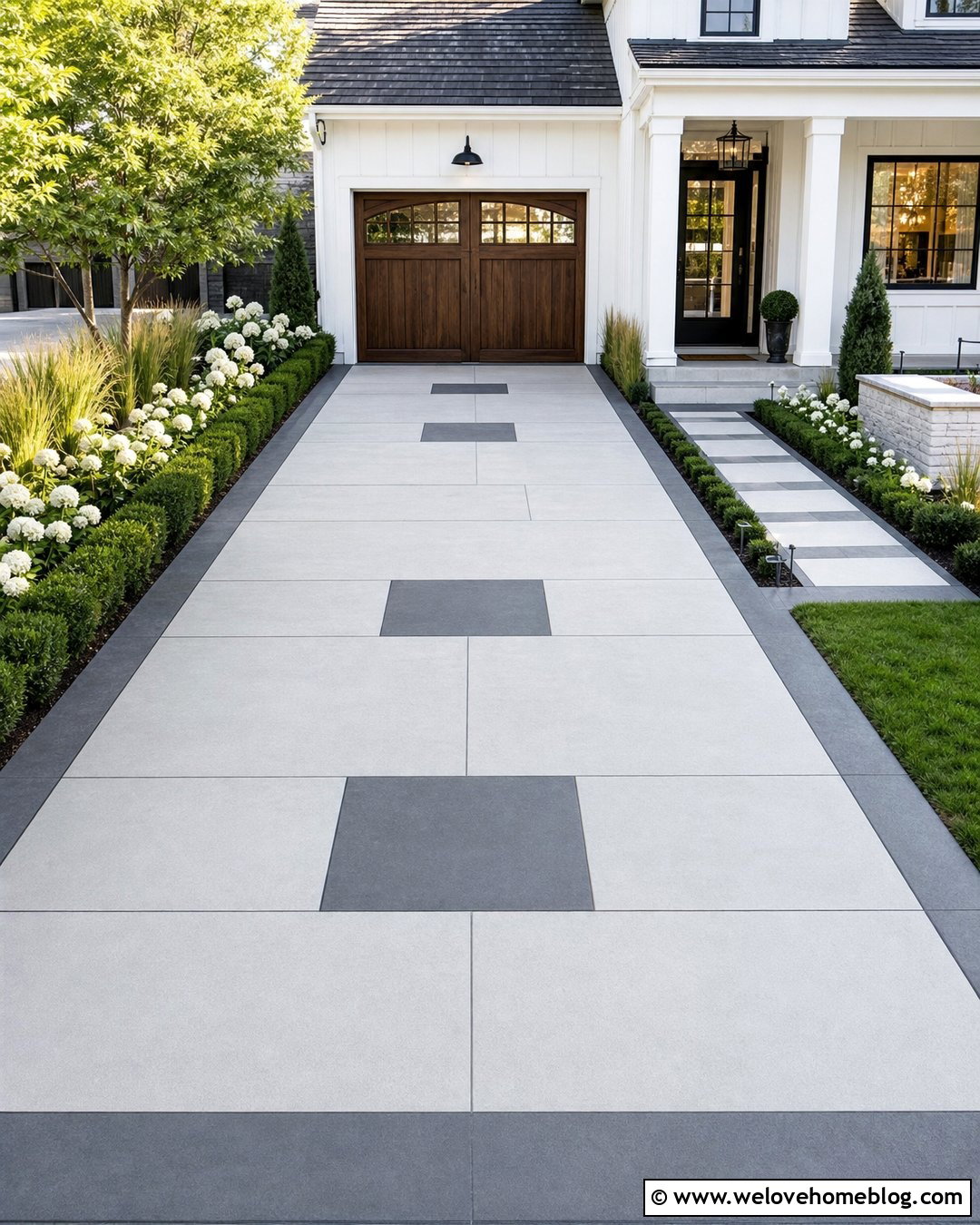
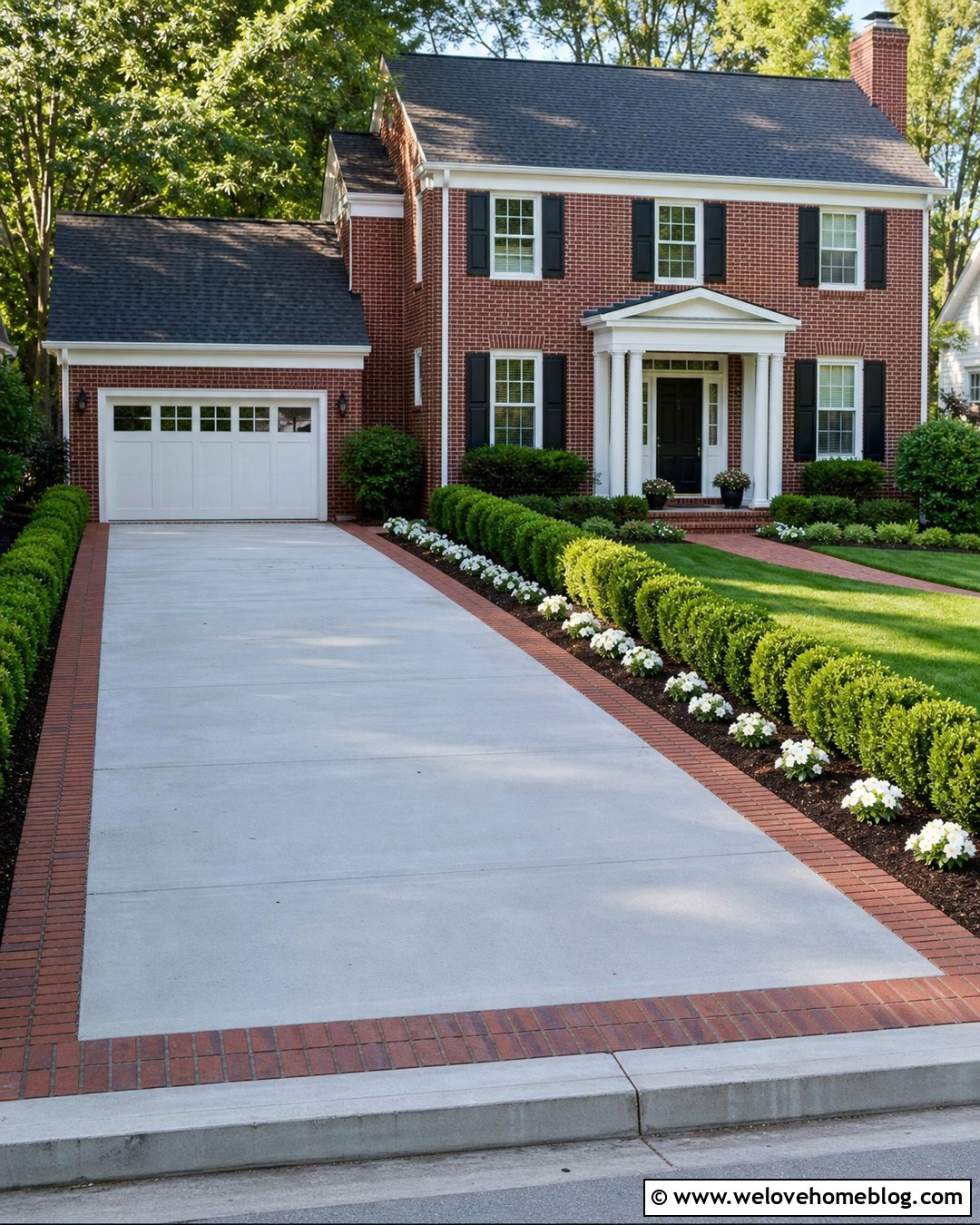
20. Sleek Aluminum Edging for a Pea Gravel Patio
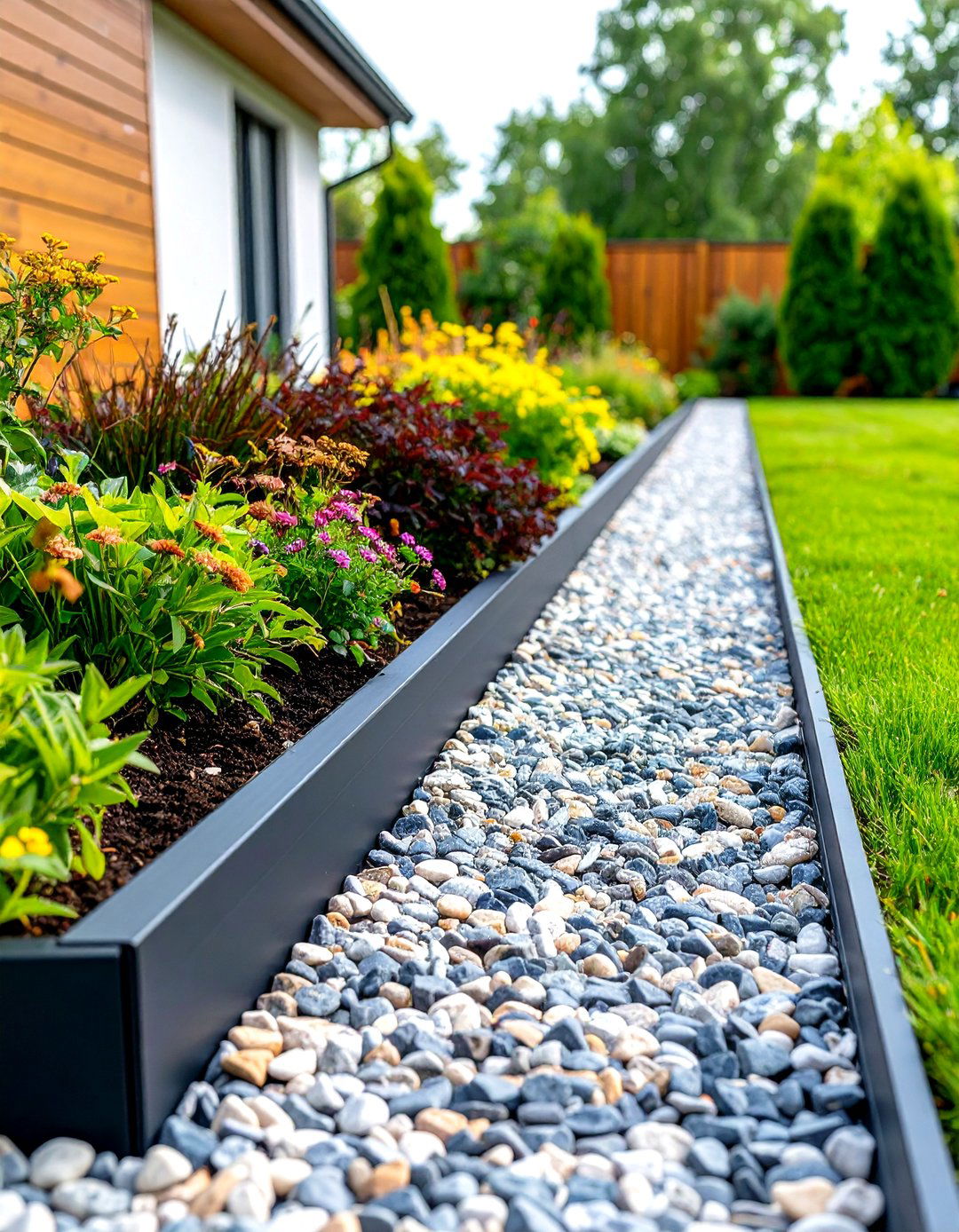
Similar to steel, aluminum edging provides a sharp, minimalist border for a pea gravel patio, but with the added benefit of being corrosion-resistant and lightweight. Its thin profile creates a discreet, clean line that is perfect for modern and contemporary designs where you want the focus to be on the plants and materials, not the edging itself. Aluminum edging is flexible enough to form smooth, sweeping curves or precise right angles. Installation is simple, typically involving interlocking sections and stakes, making it a great choice for a sleek, durable, and low-maintenance border that will not rust over time.
21. Composite Edging for a Pea gravel Patio
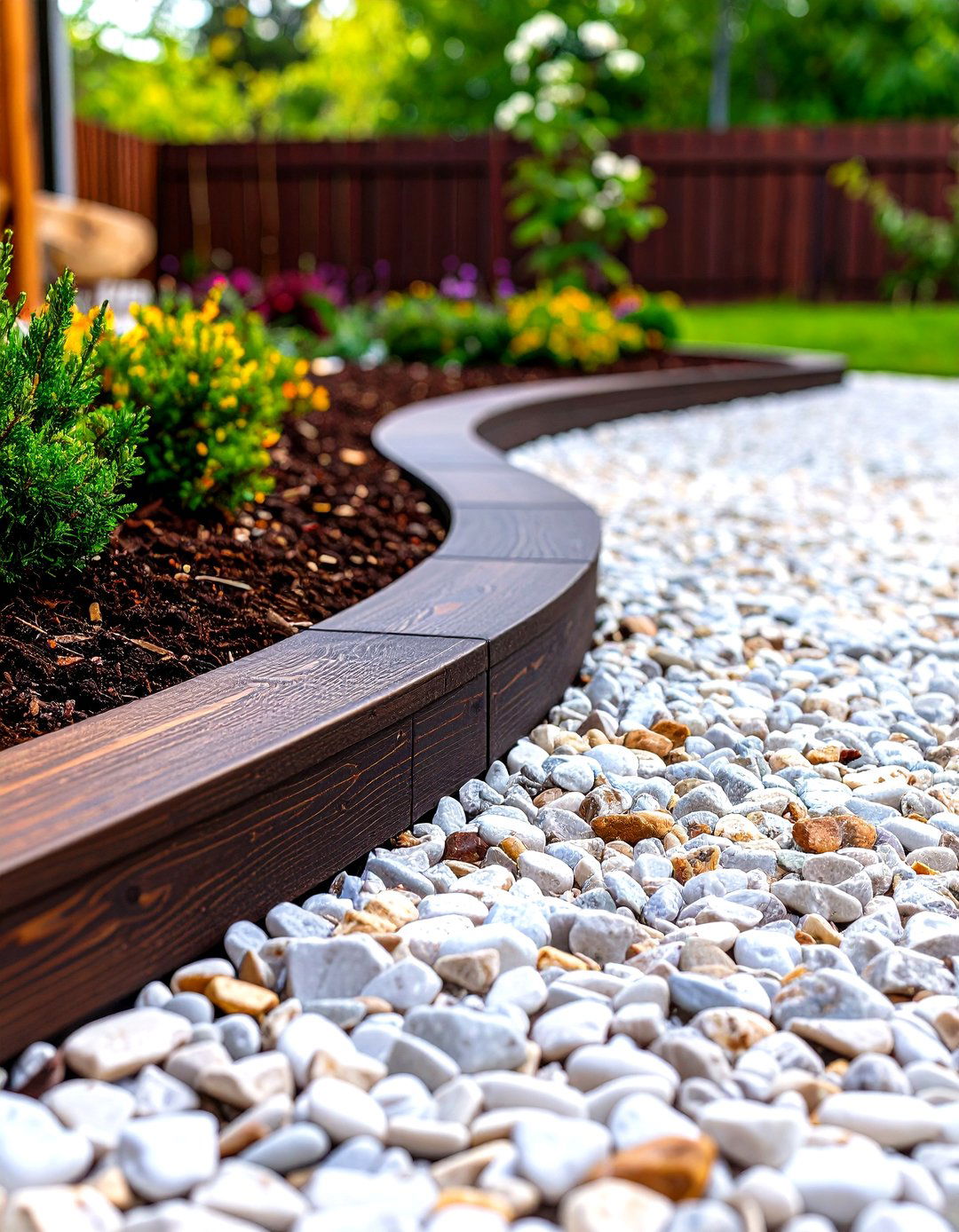
Composite edging, made from a mix of wood fibers and recycled plastic, offers the look of wood without the maintenance. This material is an excellent choice for a pea gravel patio as it will not rot, warp, or splinter, ensuring a long-lasting and attractive border. It's flexible enough to create gentle curves and is available in various wood-toned colors to match your desired aesthetic. This durable and eco-friendly option provides a stable barrier to contain the gravel and is easy to install. It’s a practical solution that combines the beauty of wood with the resilience of modern materials.
22. Natural Slate Chip Edging for a Pea Gravel Patio
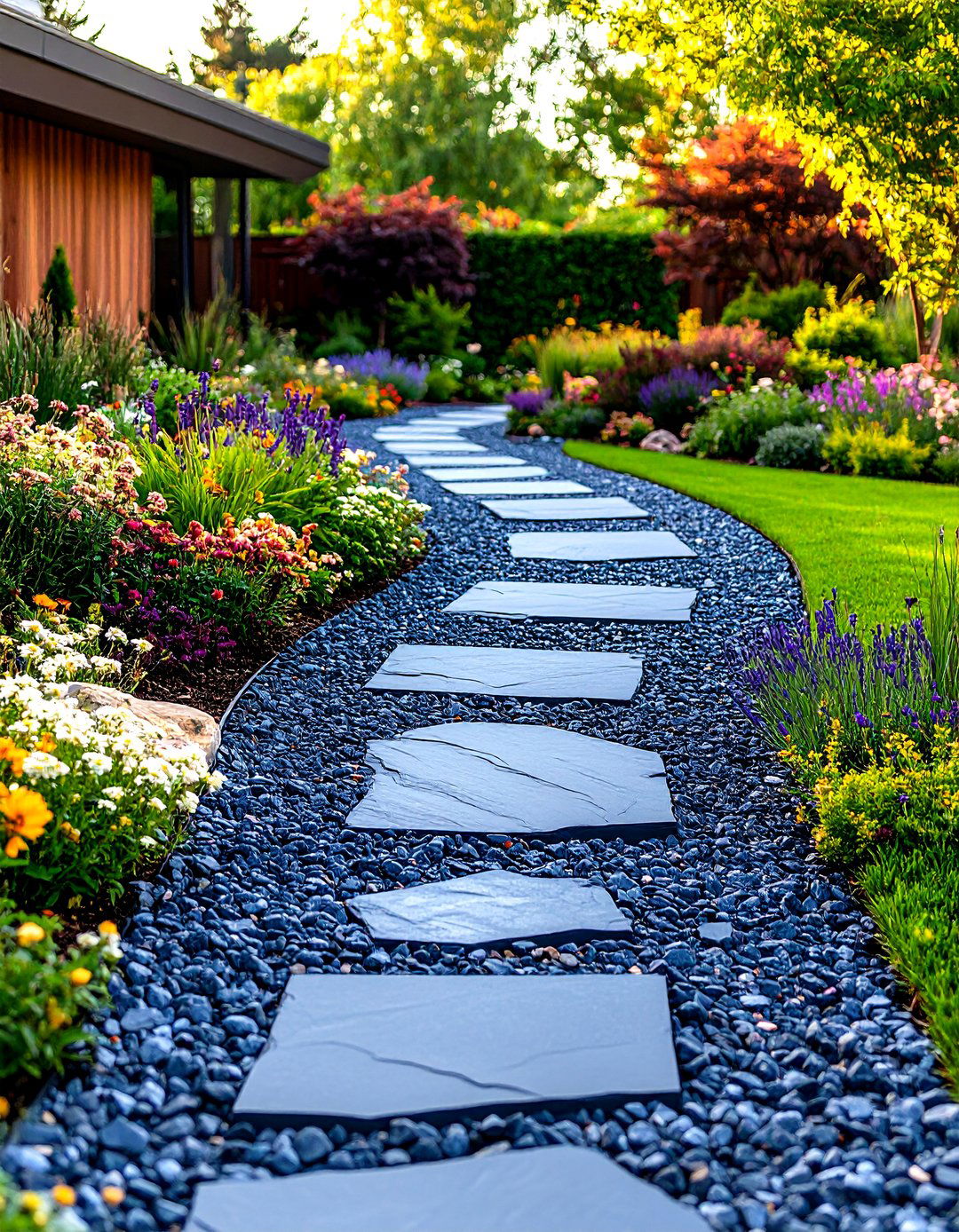
For a unique, textural transition, use a border of larger slate chips to edge your pea gravel patio. The flat, angular shapes and dark gray color of the slate create a striking contrast with the rounded, multi-toned pea gravel. This loose-fill edging method establishes a soft, natural-looking boundary that gradually blends from one material to another. It works particularly well in modern or minimalist gardens where texture and subtle color variations are key design elements. While it doesn't provide a hard physical barrier, a wide band of slate chips effectively defines the patio's edge in a visually interesting way.
23. Reclaimed Railway Tie Edging for a Pea Gravel Patio
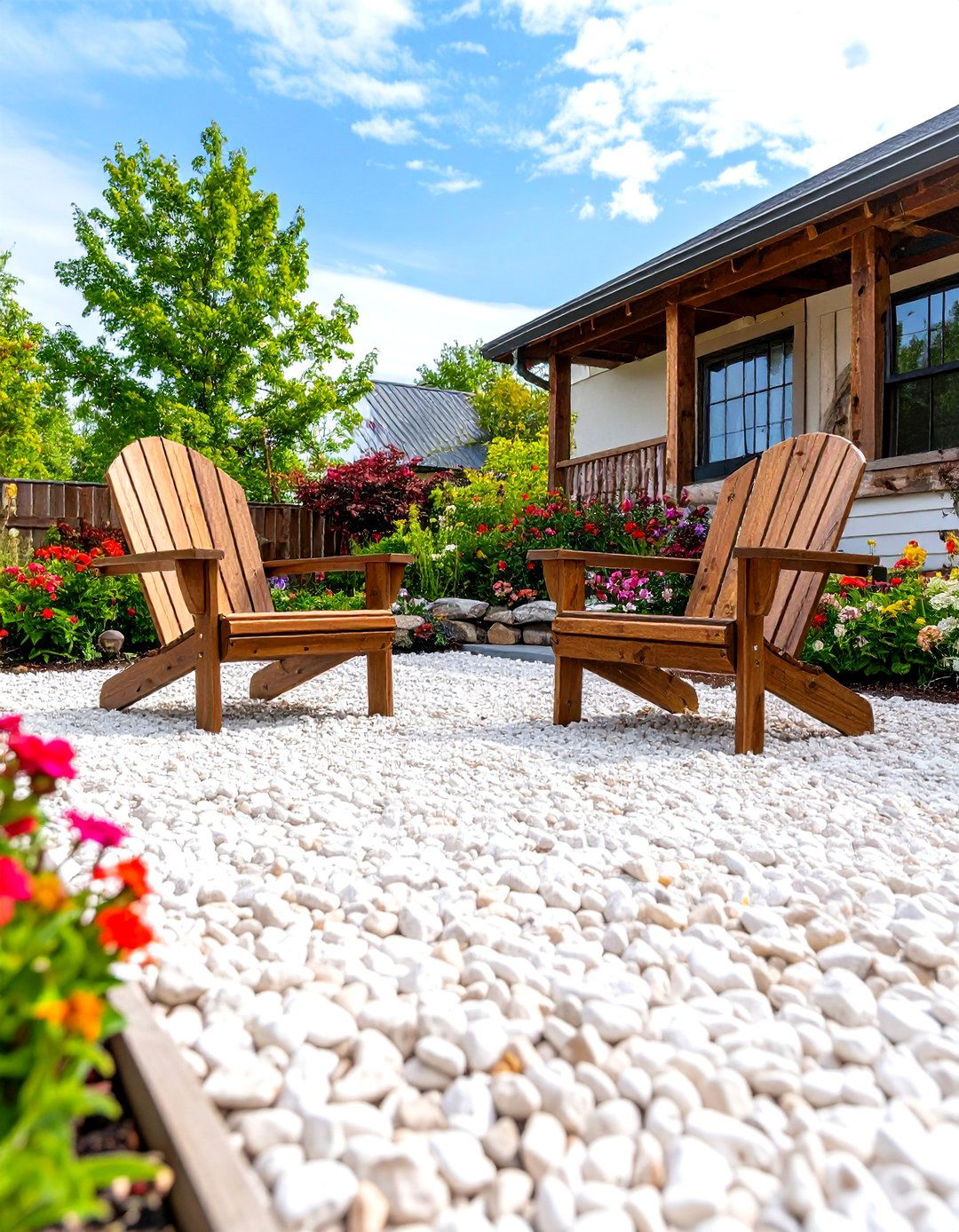
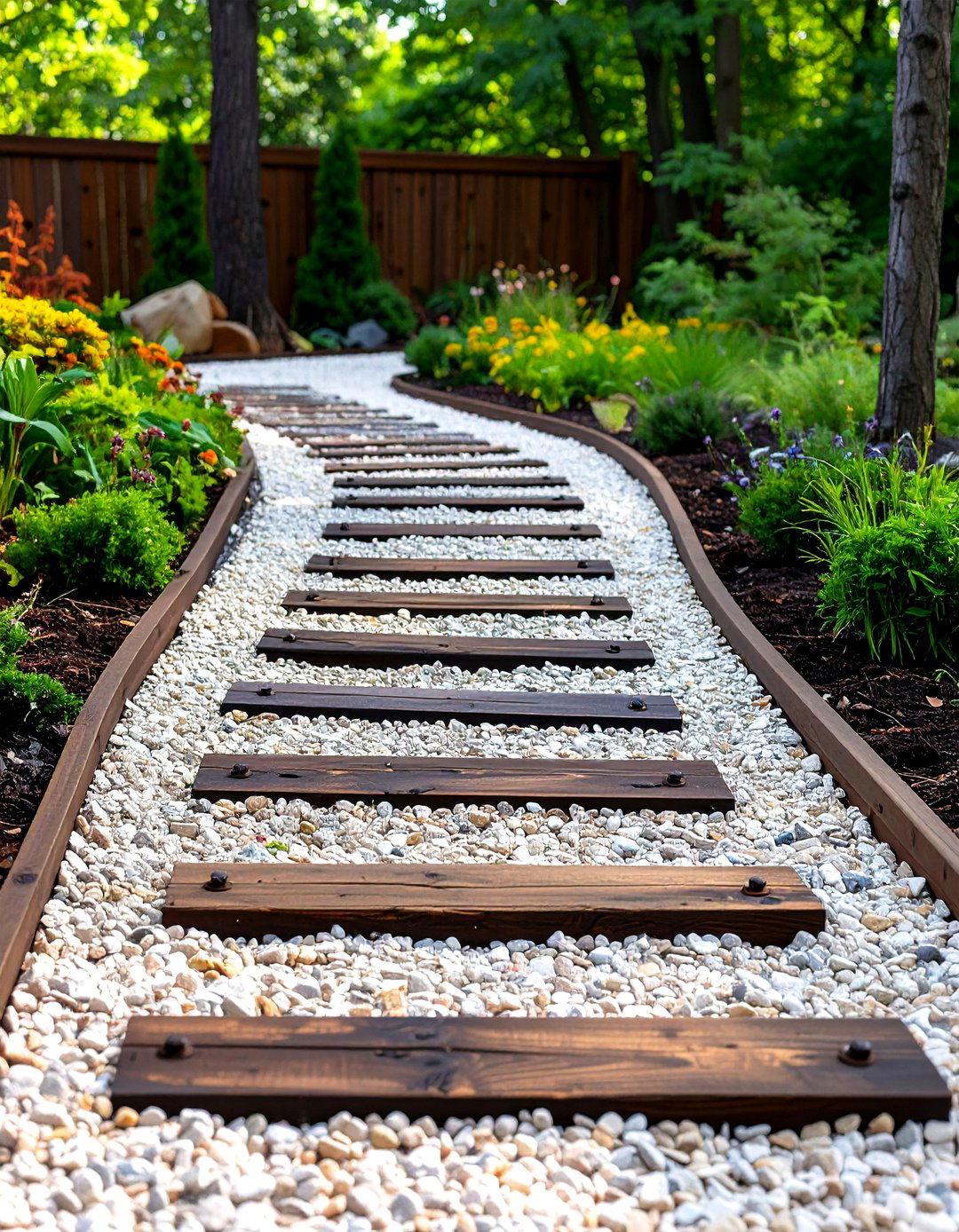
Using reclaimed railway ties (or landscape timbers that mimic them) as edging for a pea gravel patio creates a bold, rustic, and substantial border. These large, heavy pieces of wood add a sense of history and ruggedness to the landscape. Their sheer size makes them an excellent retainer for the gravel, and they can also function as informal seating. The weathered, dark wood provides a strong visual anchor for the patio and contrasts beautifully with both the gravel and surrounding greenery. This is a powerful choice for large-scale landscapes, country gardens, or any design needing a robust, architectural element.
24. Woven Wattle Edging for a Pea Gravel Patio
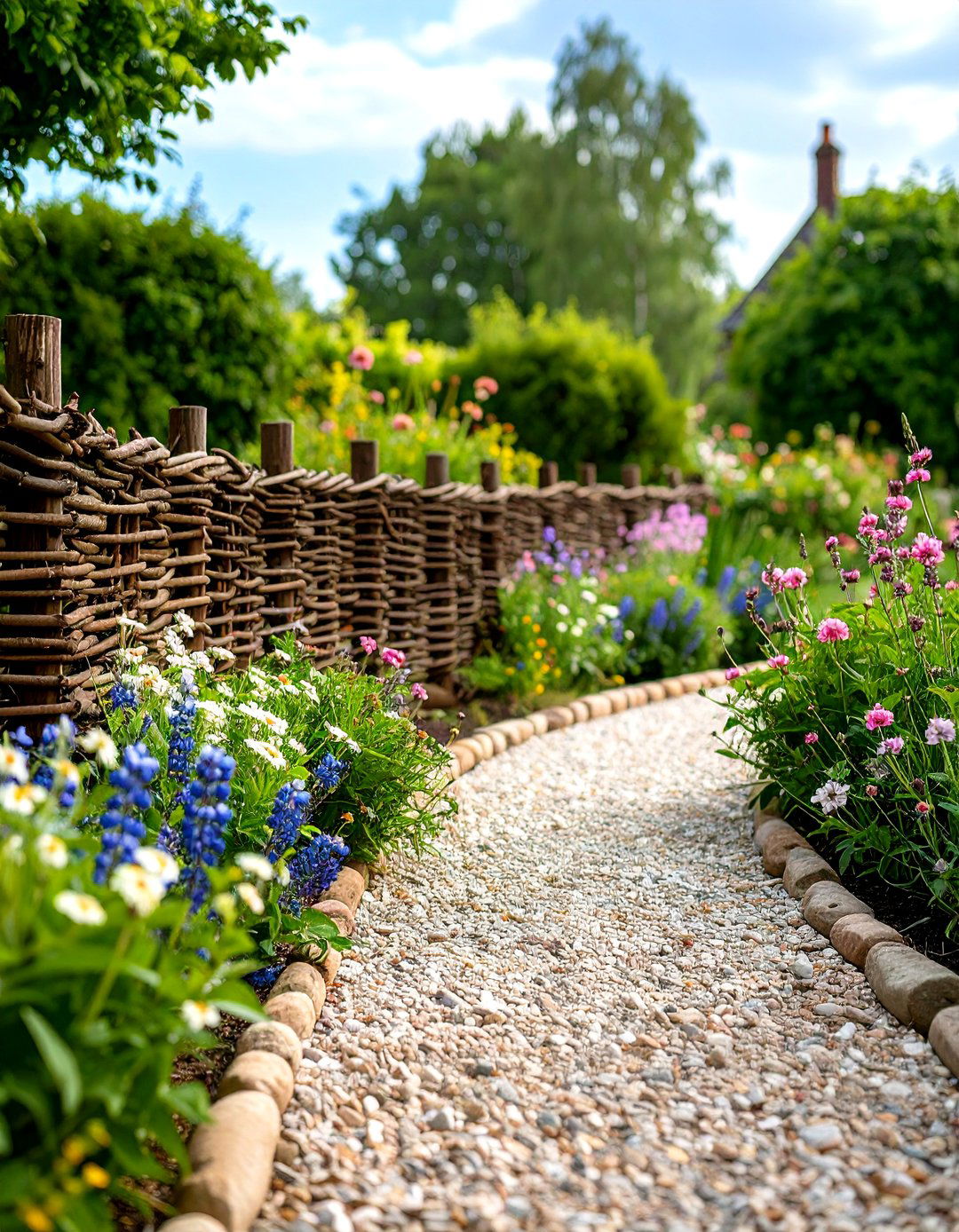
For a handcrafted, English cottage garden feel, woven wattle edging is a beautiful and natural choice for a pea gravel patio. This traditional technique involves weaving thin, flexible branches (like willow or hazel) between upright stakes to create a low, textured fence. The resulting border is charmingly rustic and organic, providing a soft, decorative edge that contains the gravel. Wattle edging adds a unique, artisanal touch to your garden design. While not as permanent as stone or concrete, it's an eco-friendly and visually appealing option that can be easily repaired or replaced, celebrating the beauty of natural materials.
25. Cut Stone Block Edging for a Pea Gravel Patio
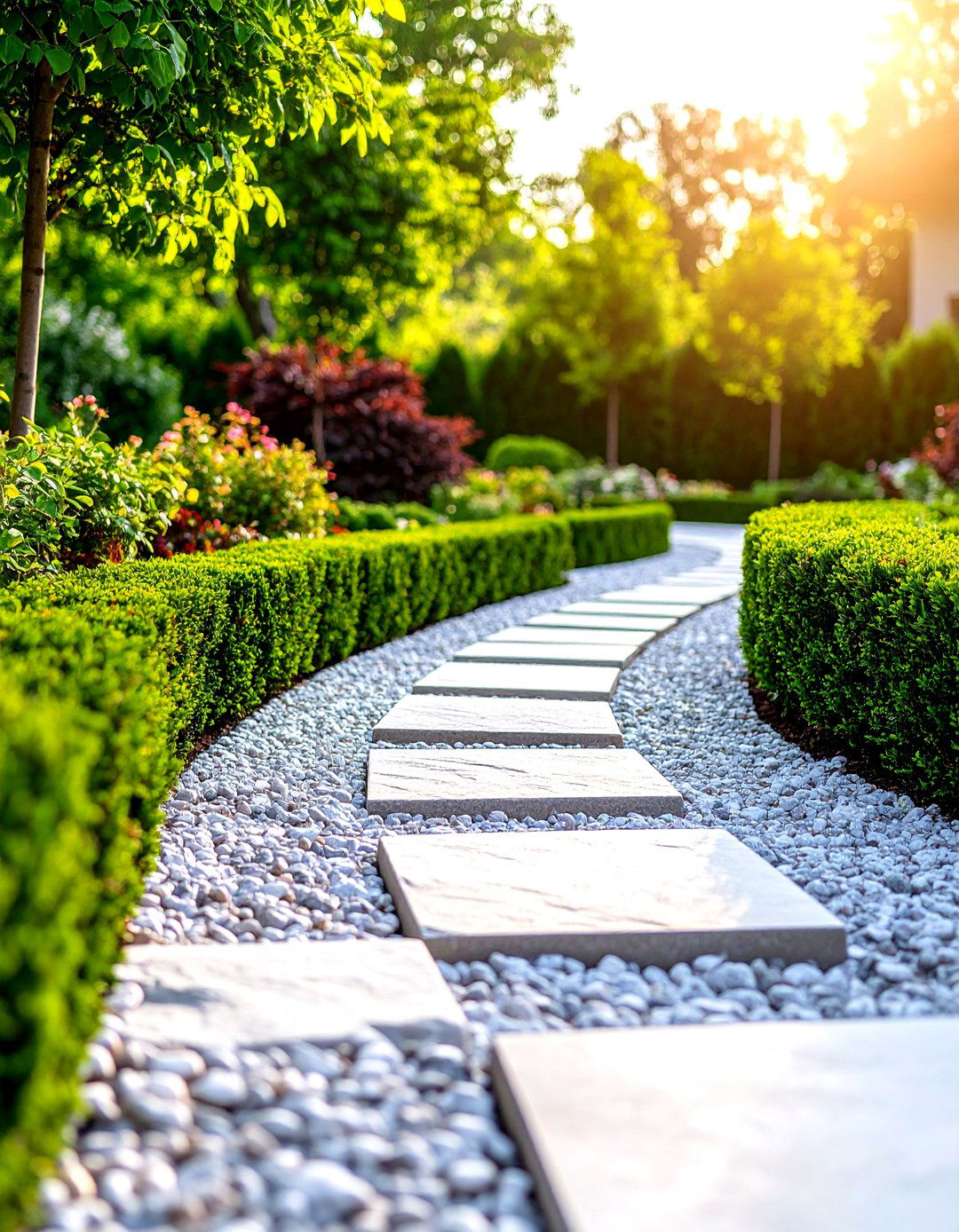
For a formal, elegant border, cut stone block edging provides a timeless and sophisticated finish for a pea gravel patio. Unlike irregular flagstone, these blocks are cut into uniform rectangular or square shapes, allowing for precise, clean lines. Materials like granite, limestone, or bluestone offer a range of colors and textures that can be chosen to complement your home's architecture. The weight and stability of cut stone make it an excellent material for retaining pea gravel. This high-end option creates a look of luxury and permanence, elevating the entire outdoor space with its classic, tailored appearance.
26. Coastal Sea Shell Edging for a Pea Gravel Patio
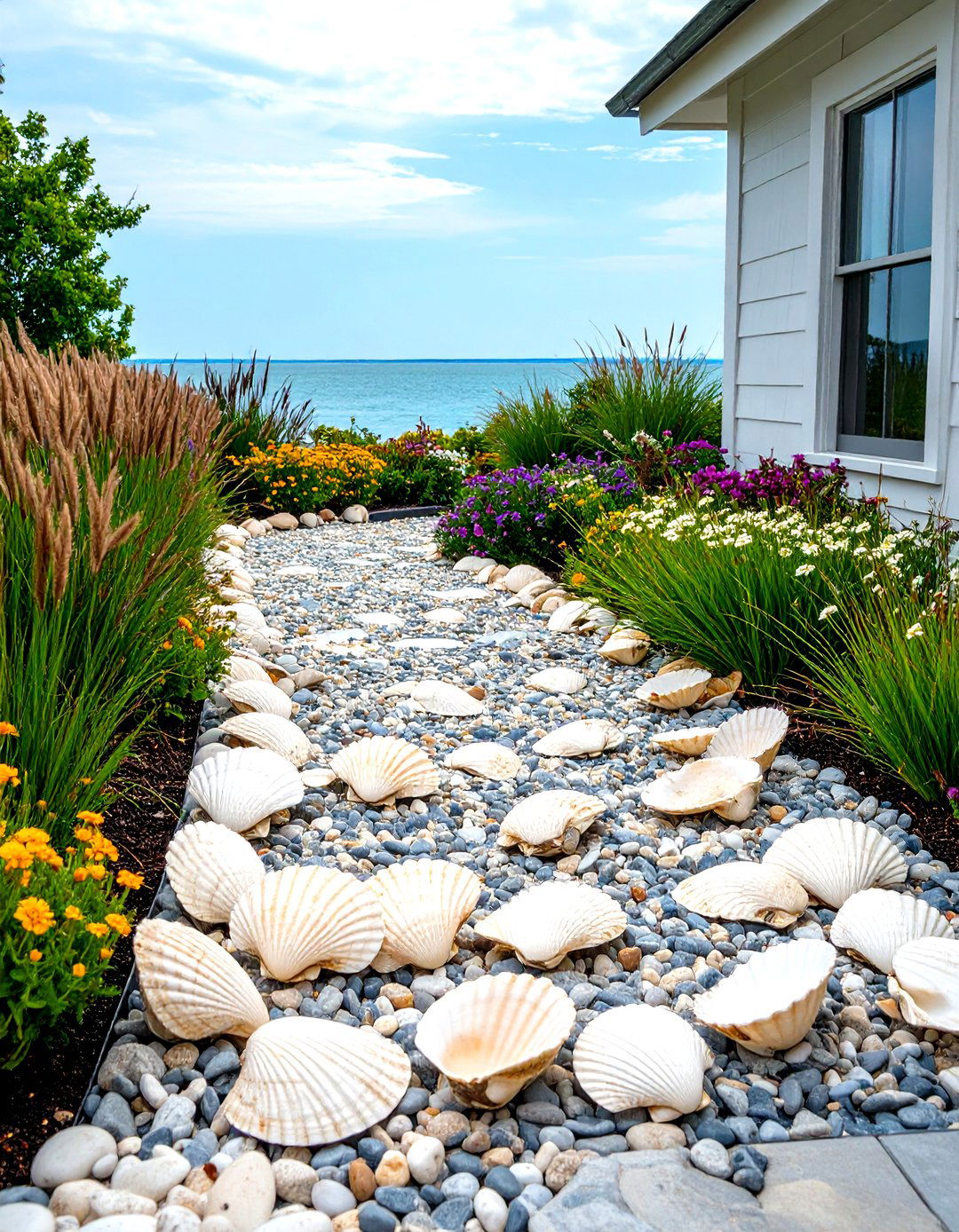
Capture a beachside vibe by using a border of larger sea shells to edge your pea gravel patio. This creative and whimsical option is perfect for coastal homes or anyone wanting to create a seaside-themed garden retreat. A wide band of shells, such as oyster or clam shells, provides a bright, textural contrast to the darker pea gravel. The glistening white and pearlescent tones catch the light beautifully. While this is more of a decorative, loose-fill border, it effectively defines the patio space and infuses it with a unique coastal character that evokes relaxing days by the ocean.
27. Inverted Glass Bottle Edging for a Pea Gravel Patio
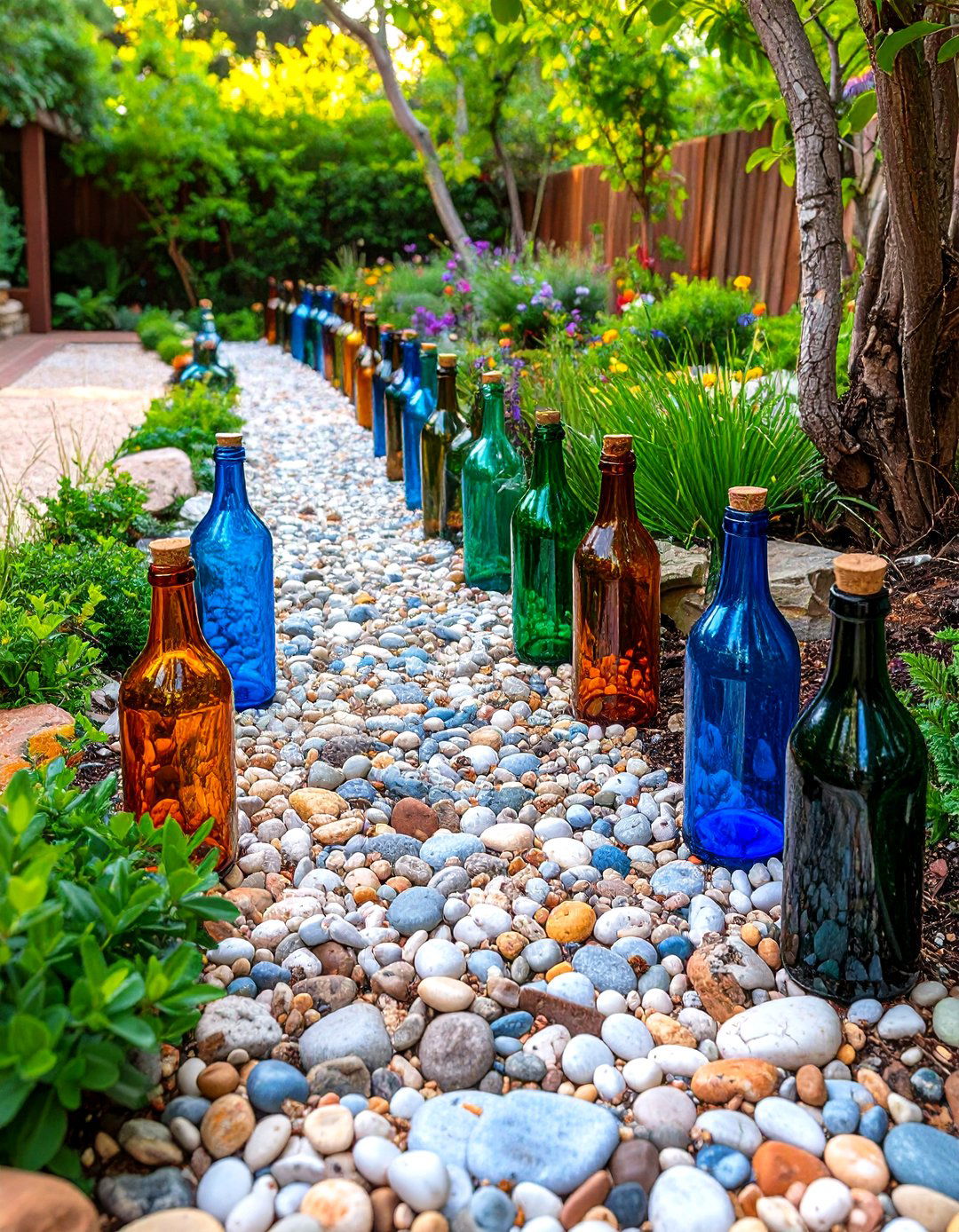
For a truly unique, eco-friendly, and colorful border, consider using inverted glass bottles for your pea gravel patio edging. By burying the necks of wine or beer bottles into the ground, you create a vibrant and quirky border with the colorful bases exposed. The light shining through the glass adds a jewel-like quality to the patio's edge. You can use bottles of all one color for a uniform look or mix and match for a more eclectic, bohemian vibe. This DIY project is a fantastic way to recycle and infuse your garden with personality and artistic flair.
28. Plant Border Edging for a Pea Gravel Patio
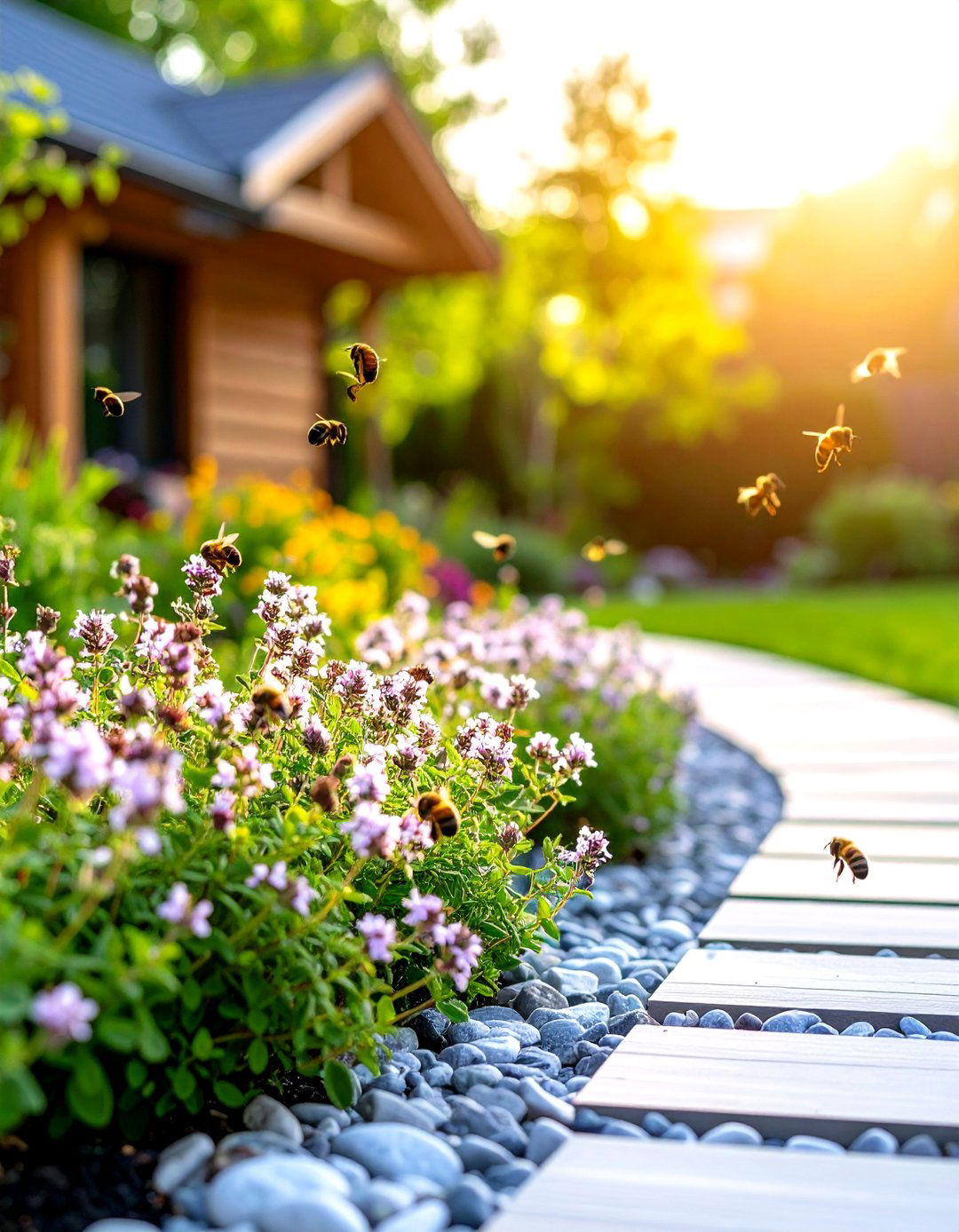
Soften the transition from your pea gravel patio to the garden by using a living border of low-growing plants. Hardy, dense plants like dwarf mondo grass, creeping thyme, or hardy geraniums can create a beautiful and effective edge. This living border contains the gravel while adding color, texture, and fragrance to your outdoor space. A plant edge helps to integrate the patio seamlessly into the landscape, blurring the hard lines and creating a lush, organic feel. Choose drought-tolerant groundcovers that can handle the conditions at the patio's edge for a beautiful, low-maintenance, and natural solution.
29. Corrugated Metal Edging for a Pea Gravel Patio
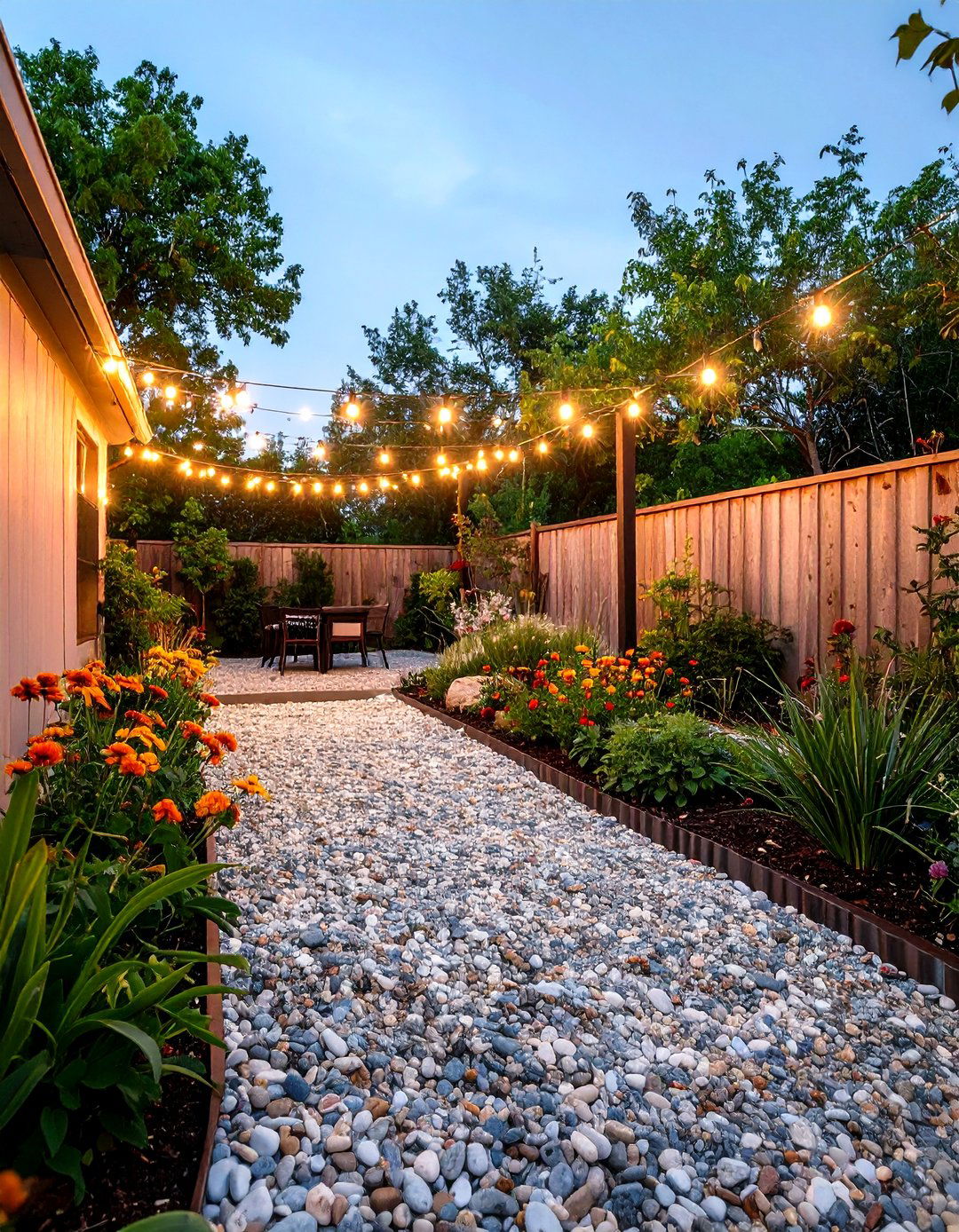
Introduce an industrial or modern farmhouse aesthetic to your pea gravel patio with corrugated metal edging. The distinctive wavy texture of the metal creates a visually interesting and robust border. You can use new galvanized steel for a bright, shiny look or opt for weathered or rusted panels for a more rustic, aged appearance. This durable material is effective at containing gravel and can be used to create straight lines or broad curves. It’s a bold and unconventional choice that adds a strong textural element and a touch of rugged style to the landscape design.
30. Mortared Stone Edging for a Pea Gravel Patio
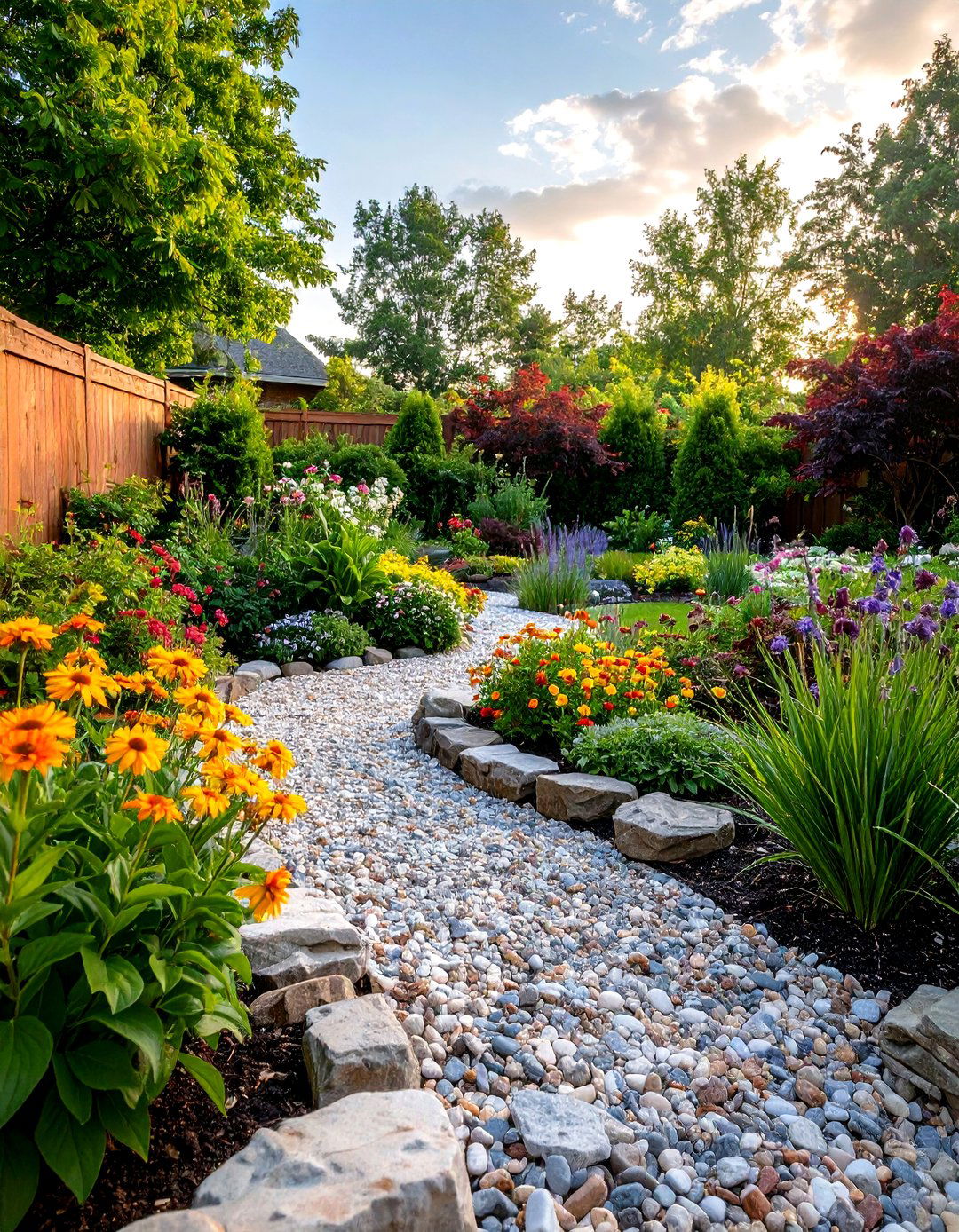
For the most permanent and stable natural stone border, create a mortared stone edge for your pea gravel patio. This method involves setting stones—whether they are river rocks, cobblestones, or fieldstones—into a concrete or mortar base. This creates a solid, low wall that completely locks the gravel in place and prevents any shifting or spillage. A mortared edge provides a clean, highly professional finish that looks established and timeless. While it is more labor-intensive than dry-laid stone, the result is an incredibly durable and maintenance-free border that will define your patio for decades to come.
Conclusion:
Choosing the right edging for your pea gravel patio is a crucial step that merges practicality with personal style. From the sleek, clean lines of modern steel to the timeless charm of brick and the organic beauty of natural stone, the options are vast. Each material offers a unique aesthetic and level of durability, allowing you to perfectly frame your outdoor space. A well-defined edge not only keeps your patio tidy by containing the gravel but also elevates the entire landscape design, creating a polished and inviting retreat for you to enjoy for years to come.

Related posts:
Leave a Reply