
A well-defined edge is the perfect finishing touch for any patio, creating a clean transition between your paved space and the surrounding landscape. Beyond aesthetics, patio edging prevents pavers or stones from shifting, keeps mulch and soil out of your seating area, and reduces weed growth along the border. From rustic natural stone to sleek modern metal, countless options exist to frame your outdoor living space. Choosing the right material can complement your home's architecture, reflect your personal style, and enhance your garden's overall design, turning a simple patio into a truly polished and intentional outdoor room.
1. Classic Red Brick Patio Edging
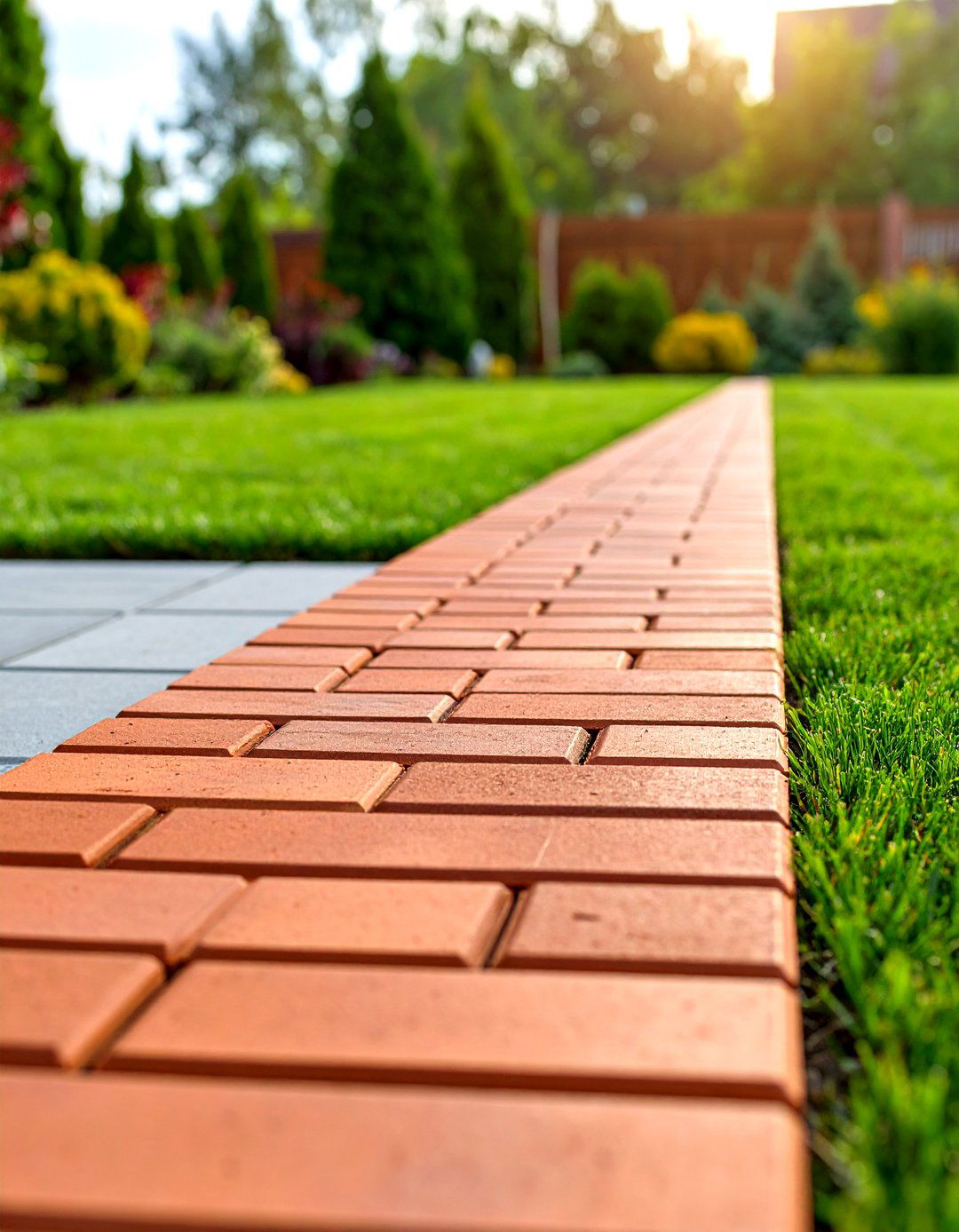
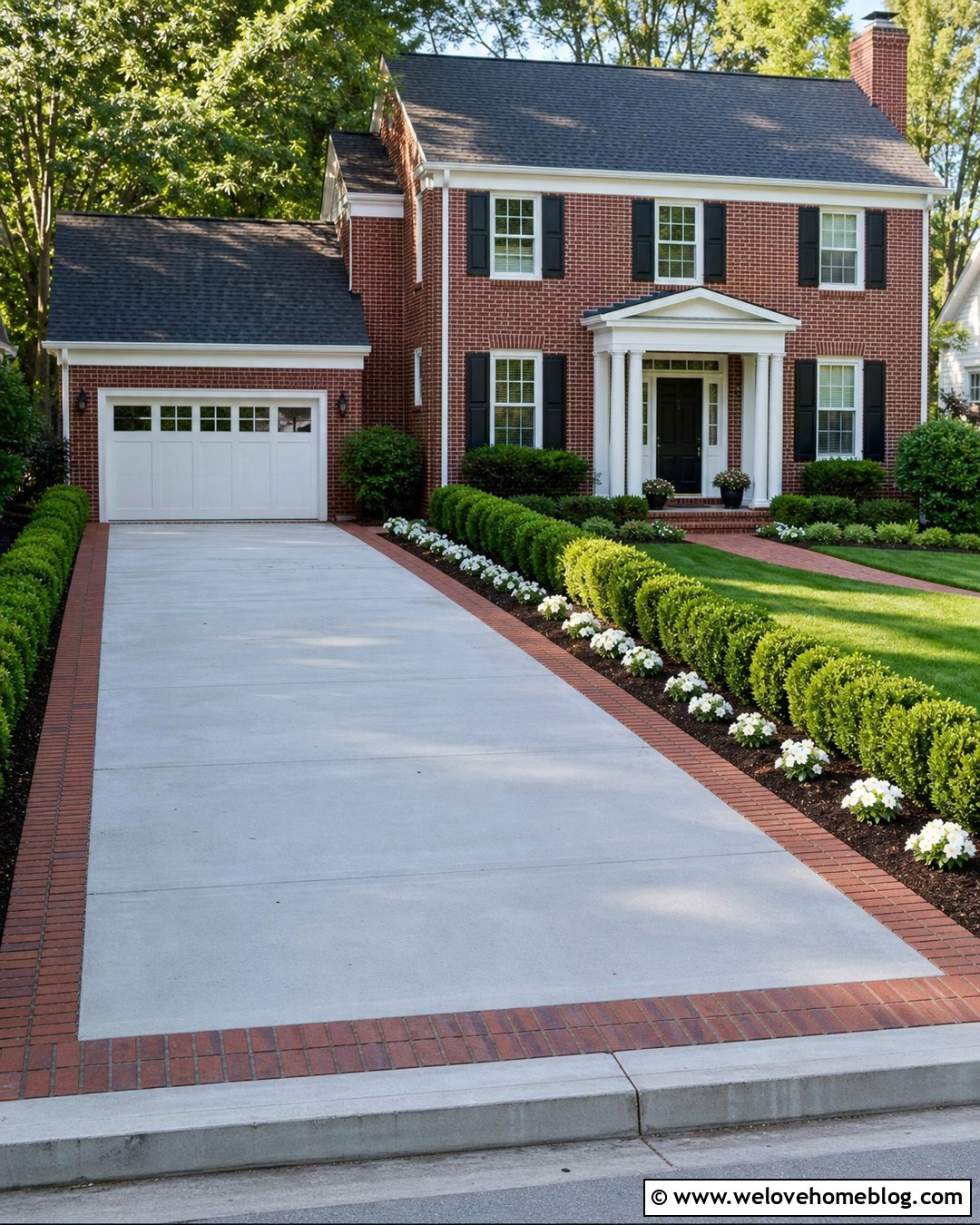
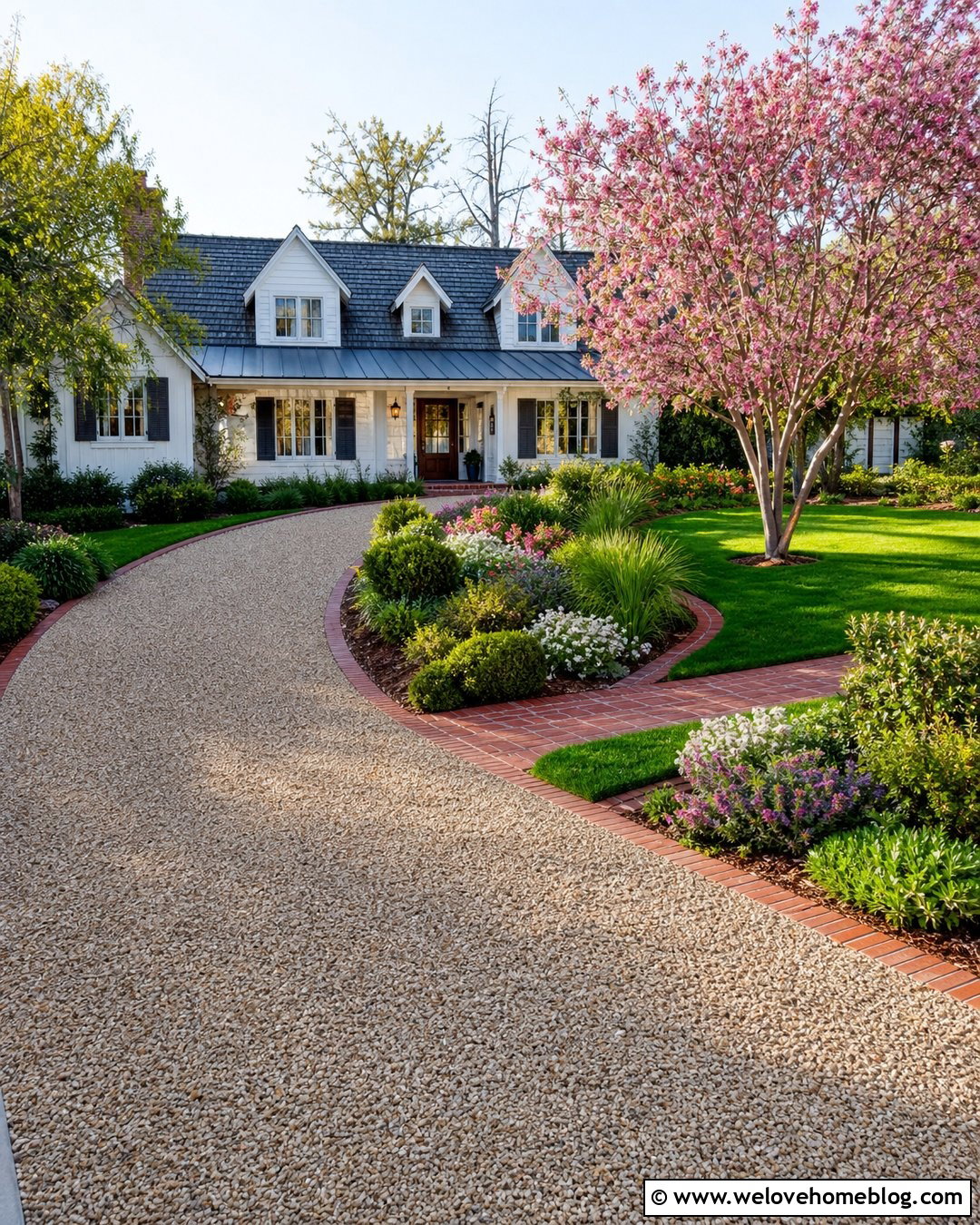
For a timeless and traditional look, classic red brick patio edging offers enduring appeal. Arranging the bricks in a soldier course, where they stand side by side vertically, creates a neat and uniform border that clearly defines the patio space. This method not only provides a sturdy barrier against encroaching grass and weeds but also adds a touch of rustic charm that pairs beautifully with both brick and stone pavers. The warm, earthy tones of red brick complement lush green lawns and vibrant flower beds, making it a versatile choice for various garden styles, from quaint cottages to more formal landscape designs.
2. Poured Concrete Curb Patio Edging
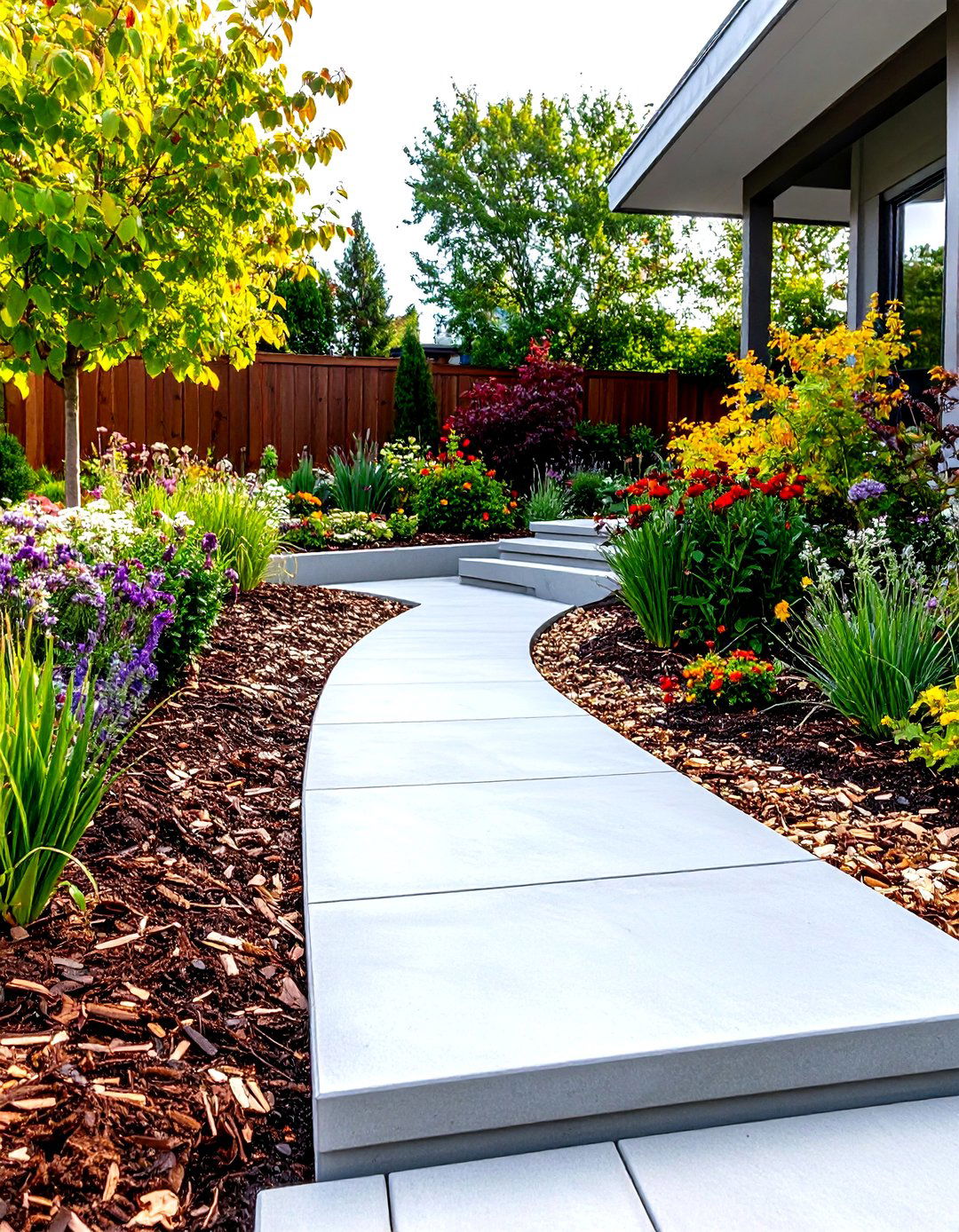
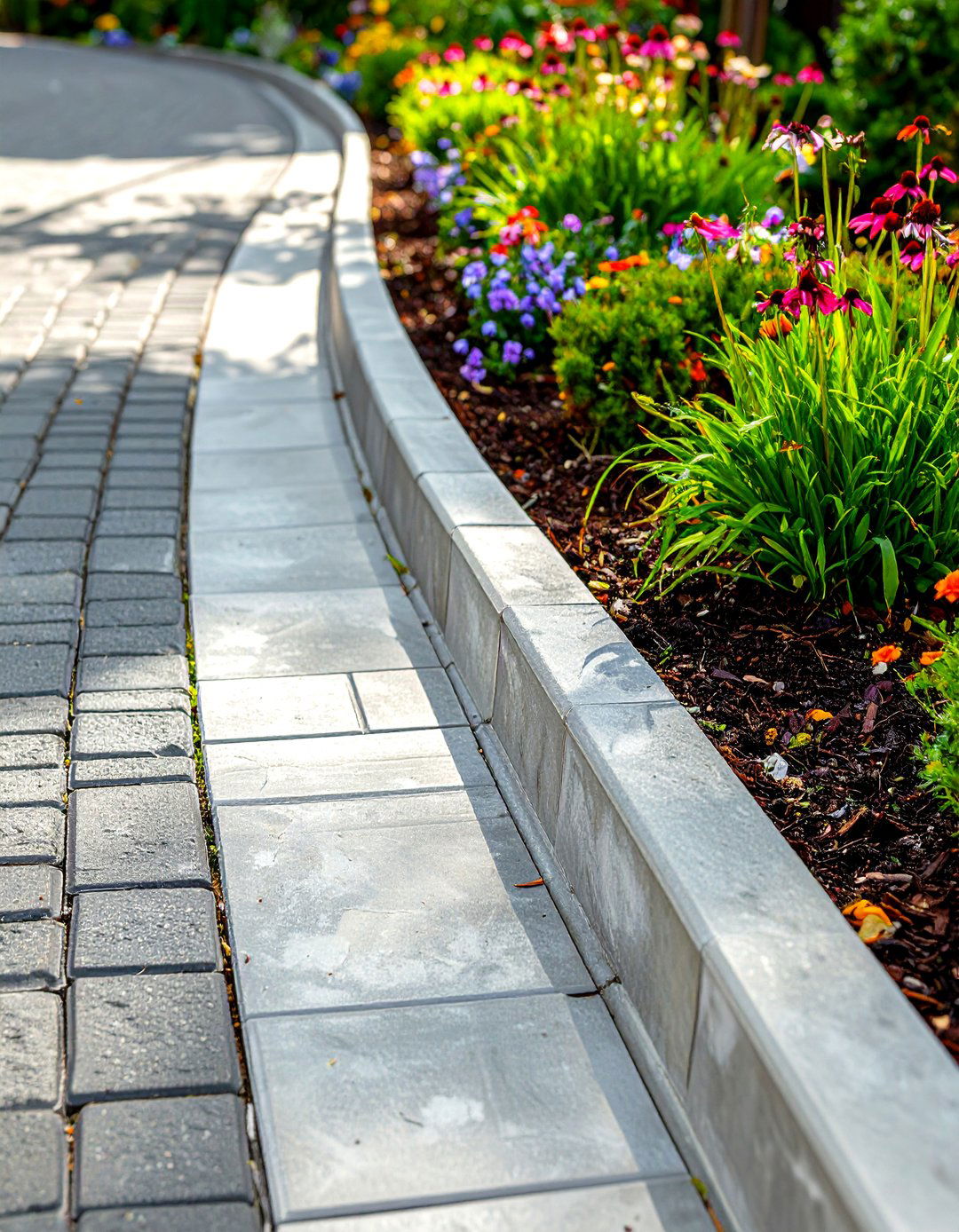
A poured concrete curb offers a seamless and highly durable patio edging solution. This custom-formed border provides a clean, modern line that can be straight or curved to match any patio shape perfectly. Unlike individual blocks or stones, a continuous concrete curb eliminates gaps where weeds could grow, ensuring a low-maintenance edge. You can also customize the concrete's color and finish, from a smooth, minimalist look to a stamped texture that mimics natural stone. Its solid construction ensures it won't shift over time, providing a permanent and stable frame for your paver or slab patio for years to come.
3. Natural Fieldstone Patio Edging
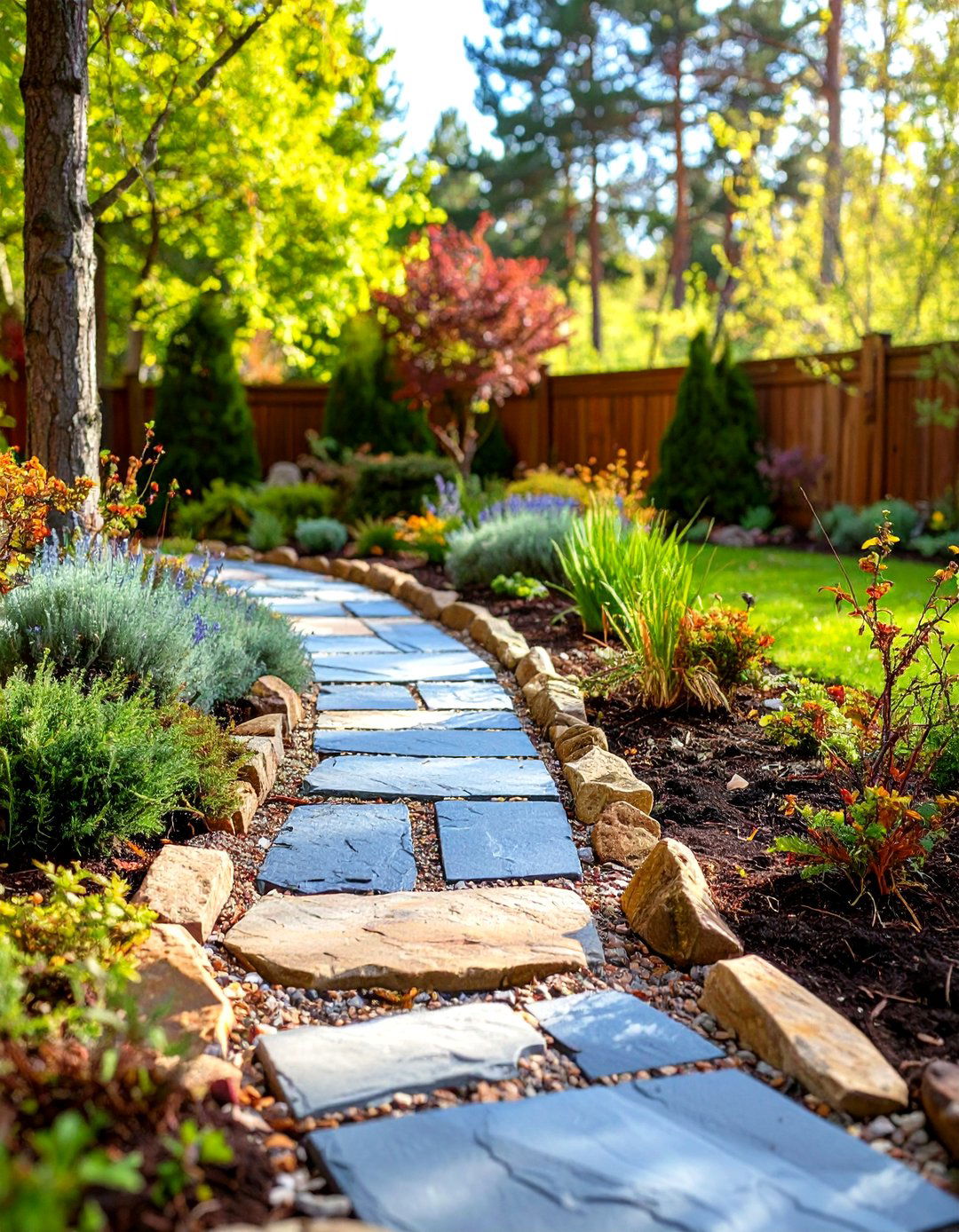
Using natural fieldstone for patio edging brings an organic, rustic texture to your outdoor space. These irregularly shaped stones, gathered from fields or quarries, create a border that feels integrated with the natural environment. Arranging them in a single, informal layer around your patio provides a gentle, flowing transition to your garden beds or lawn. The varied colors, shapes, and sizes of fieldstone add unique character and visual interest that manufactured materials often lack. This approach is ideal for cottage, woodland, or country-style gardens where a less formal, more relaxed aesthetic is desired, blending the patio seamlessly into the landscape.
4. Steel Strip Patio Edging
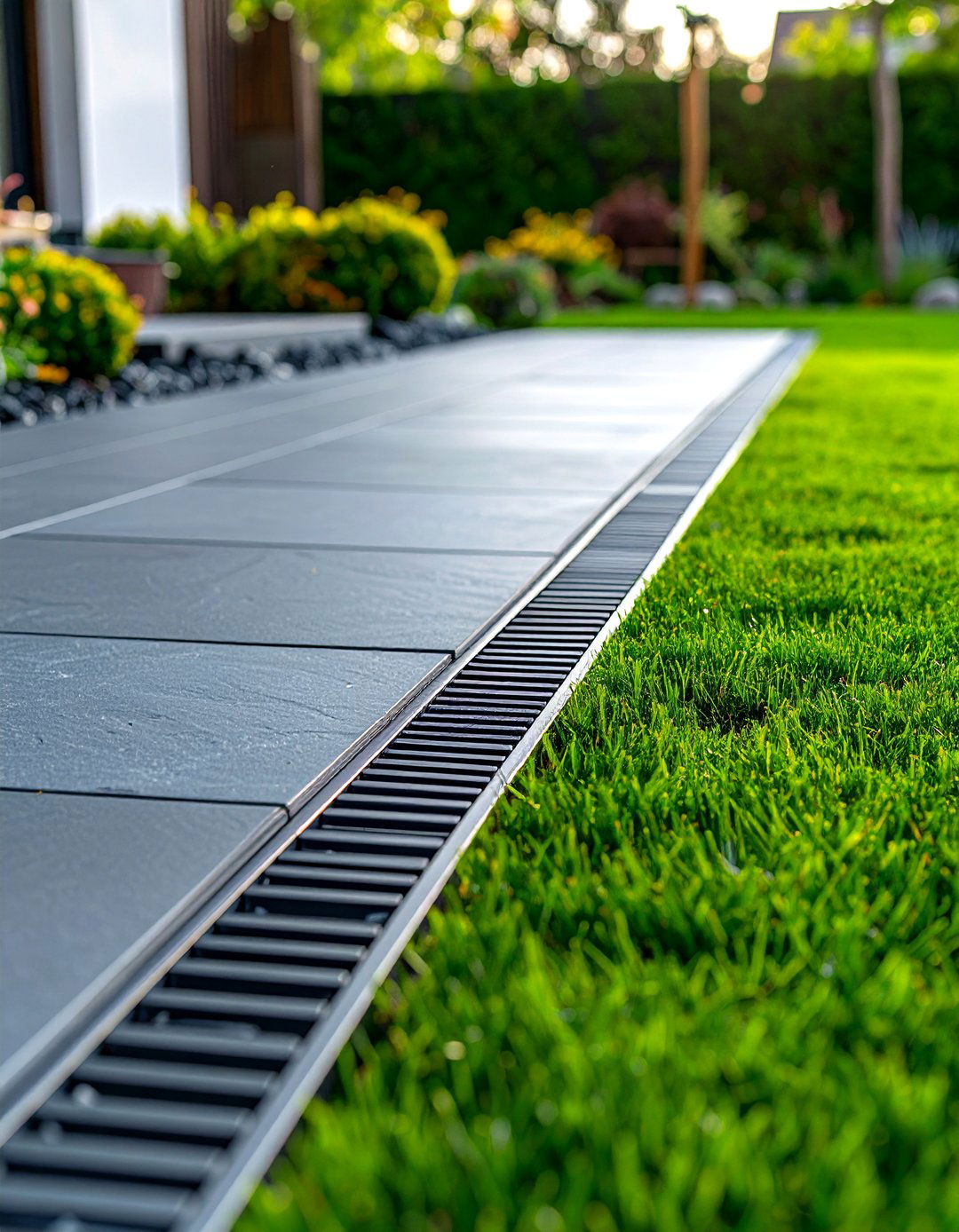
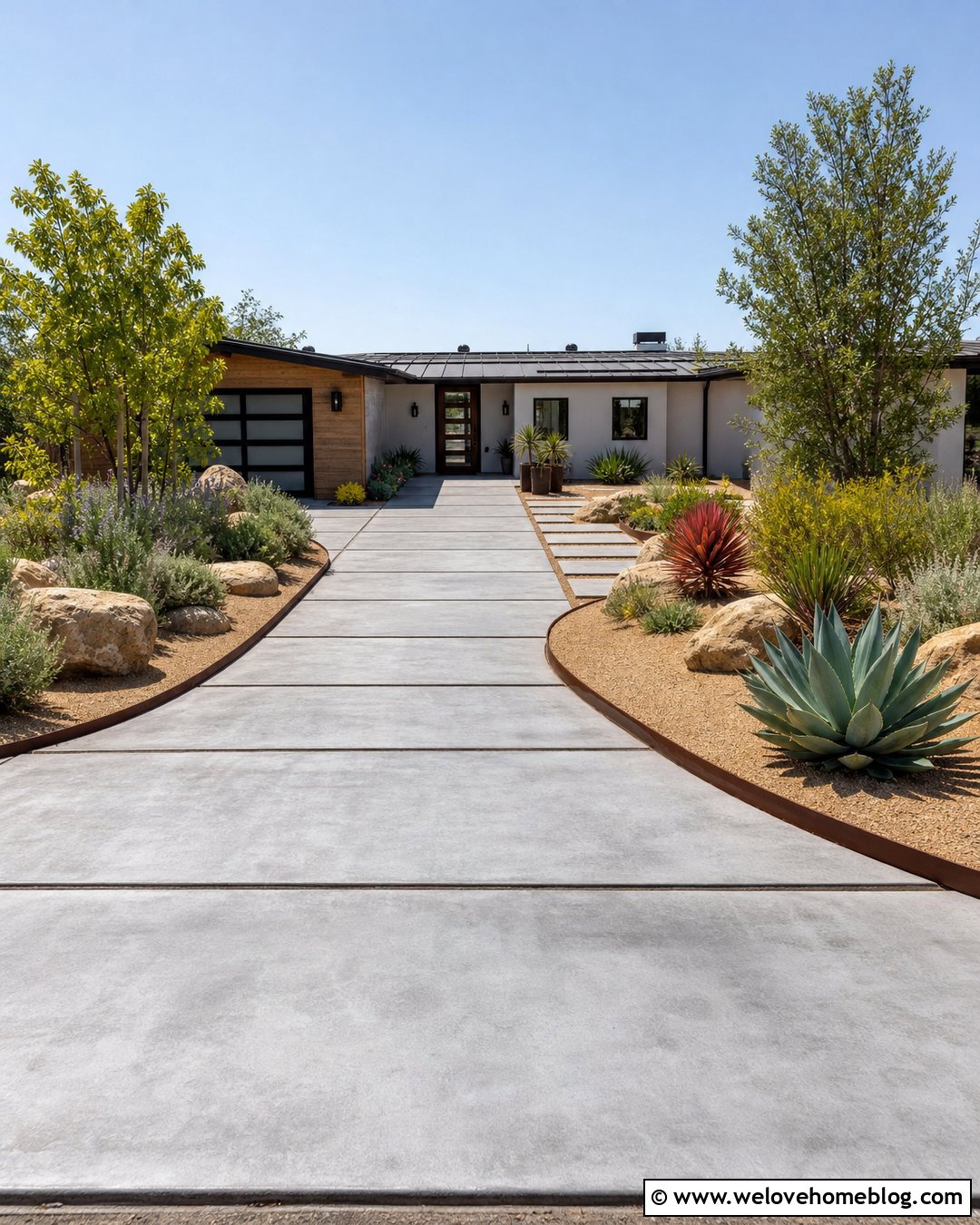
For a crisp, contemporary, and almost invisible border, steel strip patio edging is an excellent choice. This material provides a clean, sharp line between your patio and lawn or garden beds, offering a minimalist aesthetic that doesn't detract from the main paving material. Typically made from galvanized or weathering steel, it's incredibly durable and resistant to the elements. The thin profile of steel edging is perfect for creating precise curves or straight lines, and its strength effectively contains paver sand and gravel. It’s an ideal option for modern, formal, or industrial-inspired landscape designs where clean definition is key.
5. Recycled Rubber Patio Edging
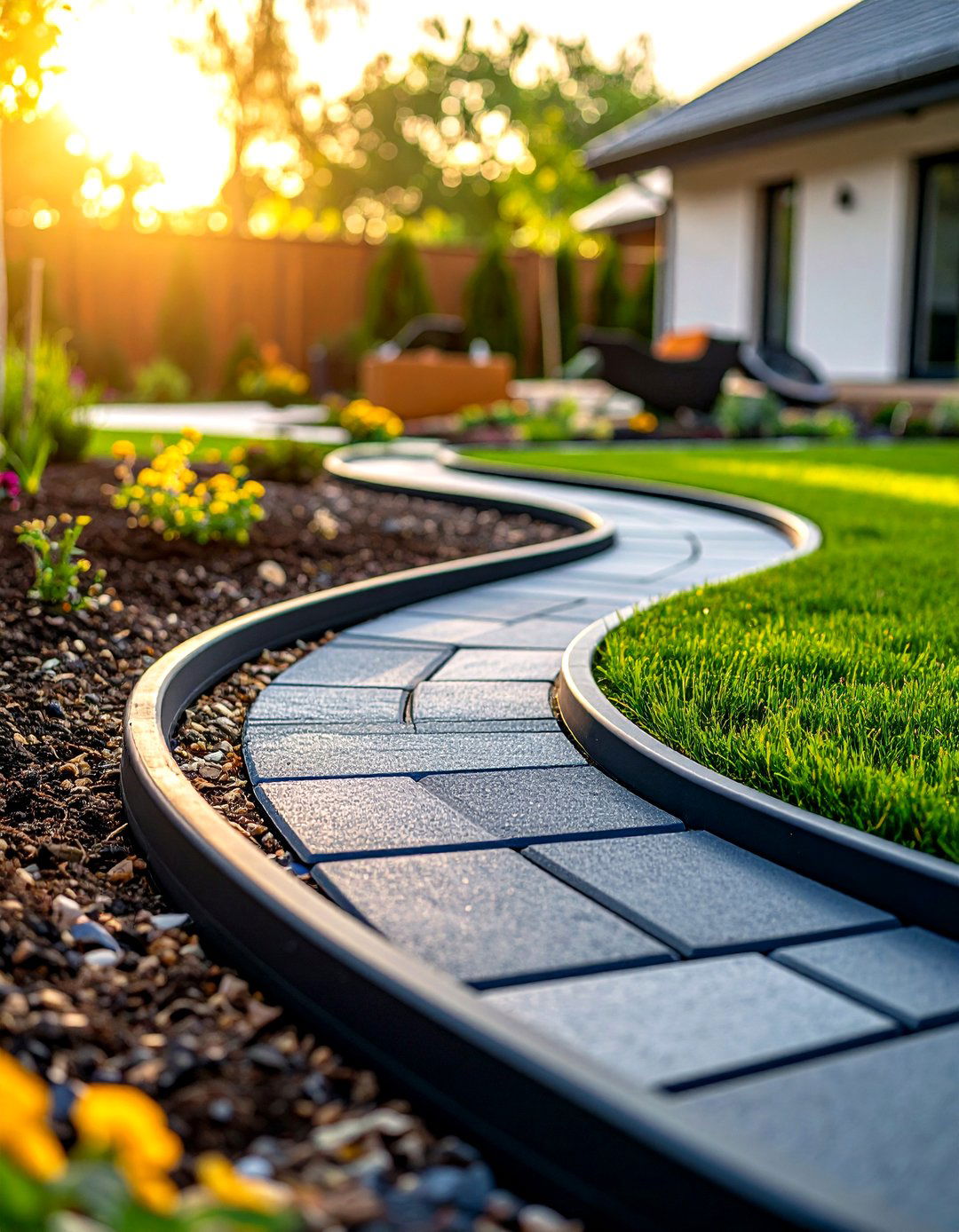
An eco-friendly and flexible option, recycled rubber patio edging is both practical and safe. Made from reclaimed tires, this material is incredibly durable, weather-resistant, and won't crack or chip like concrete or stone might. Its flexibility makes it perfect for creating smooth, flowing curves around irregularly shaped patios. Rubber edging is also lightweight and easy to install, often using stakes to secure it in place. It’s a great choice for family-friendly spaces as its soft surface can help reduce injuries from falls, providing a functional and sustainable border for any play area or casual outdoor setting.
6. Scalloped Concrete Block Patio Edging
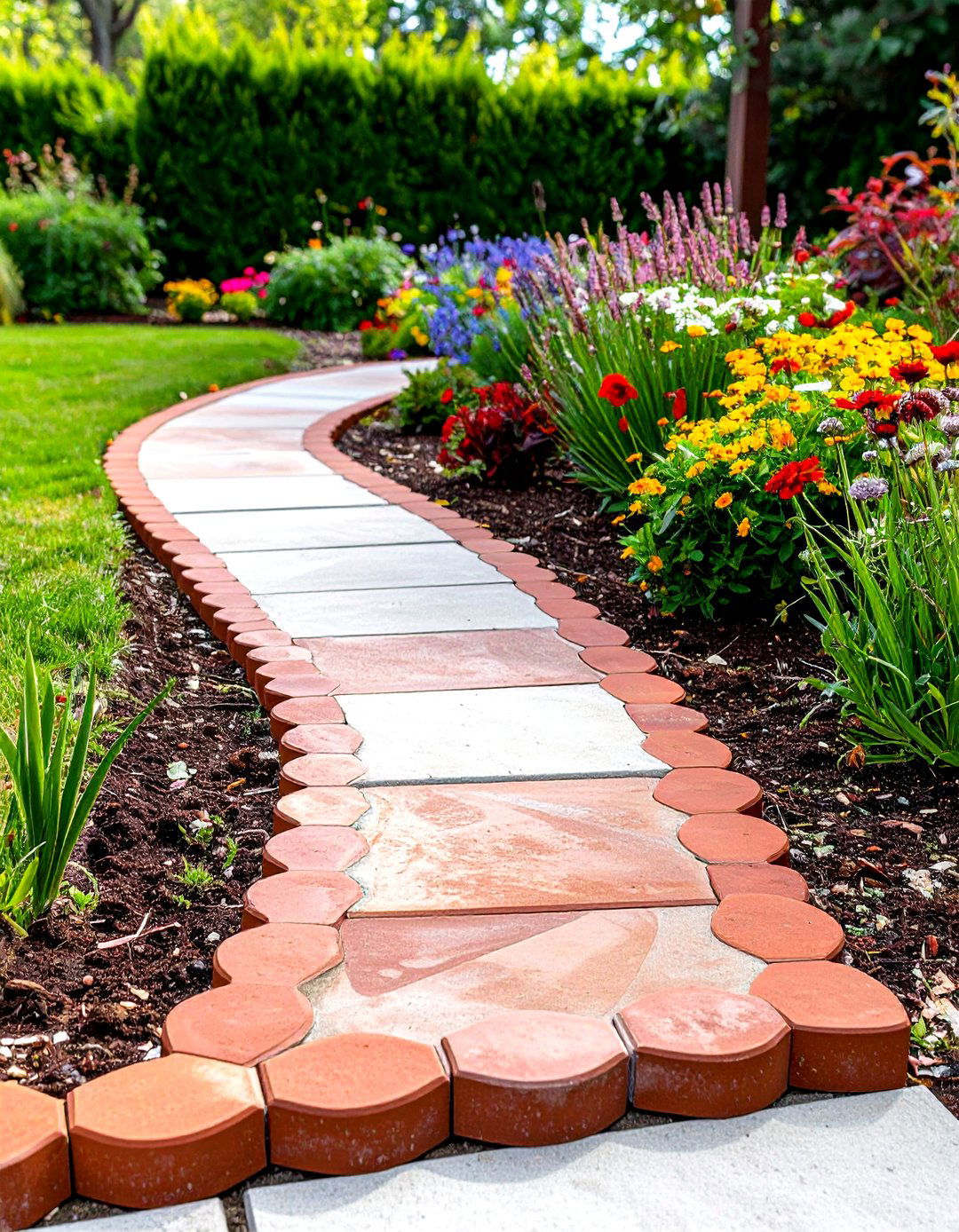
Scalloped concrete block edging offers a decorative and classic look that has been popular for decades. These precast concrete pieces feature a distinctive curved top, creating a gentle, repeating pattern along the patio border. They are easy to install, fitting together to form a neat and tidy edge that effectively separates the patio from the lawn or garden. Available in various colors like terracotta, gray, and buff, they can complement a wide range of paver styles. This type of edging provides a charming, slightly retro feel, perfect for cottage gardens or suburban homes seeking a traditional and polished finish.
7. Gabion Wall Patio Edging
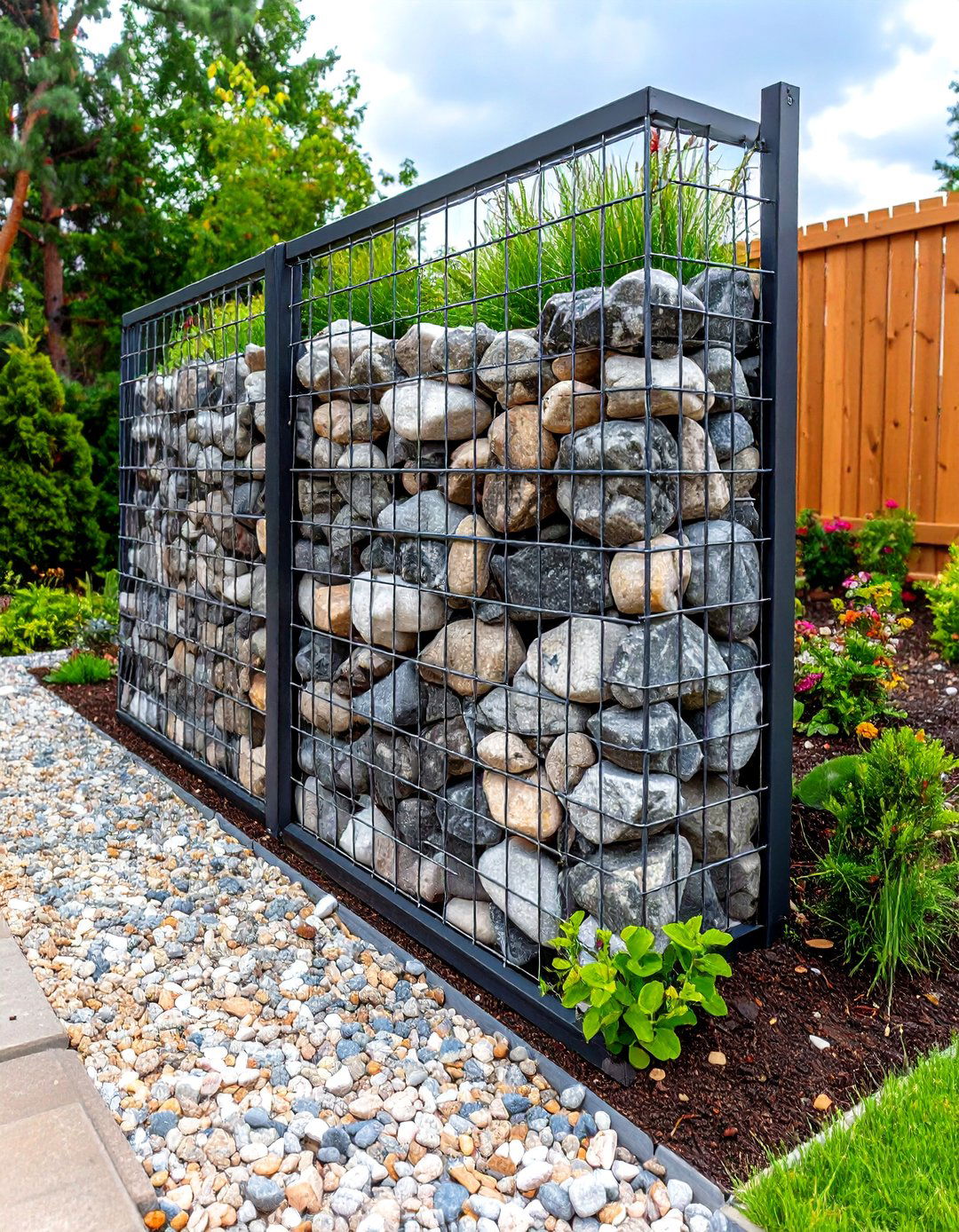
For a unique and industrial-chic statement, a gabion wall serves as a striking form of patio edging. Gabions are wire mesh cages filled with rocks, stones, or even recycled materials like broken concrete. This method creates a robust, semi-permeable retaining wall that offers both texture and modern appeal. The choice of fill material allows for customization—smooth river rocks for a soft look or jagged quarry stones for a more rugged feel. Gabion walls are not only visually interesting but also provide excellent drainage and stability, making them a functional and artistic way to define a patio, especially on a sloped landscape.
8. Timber Beam Patio Edging
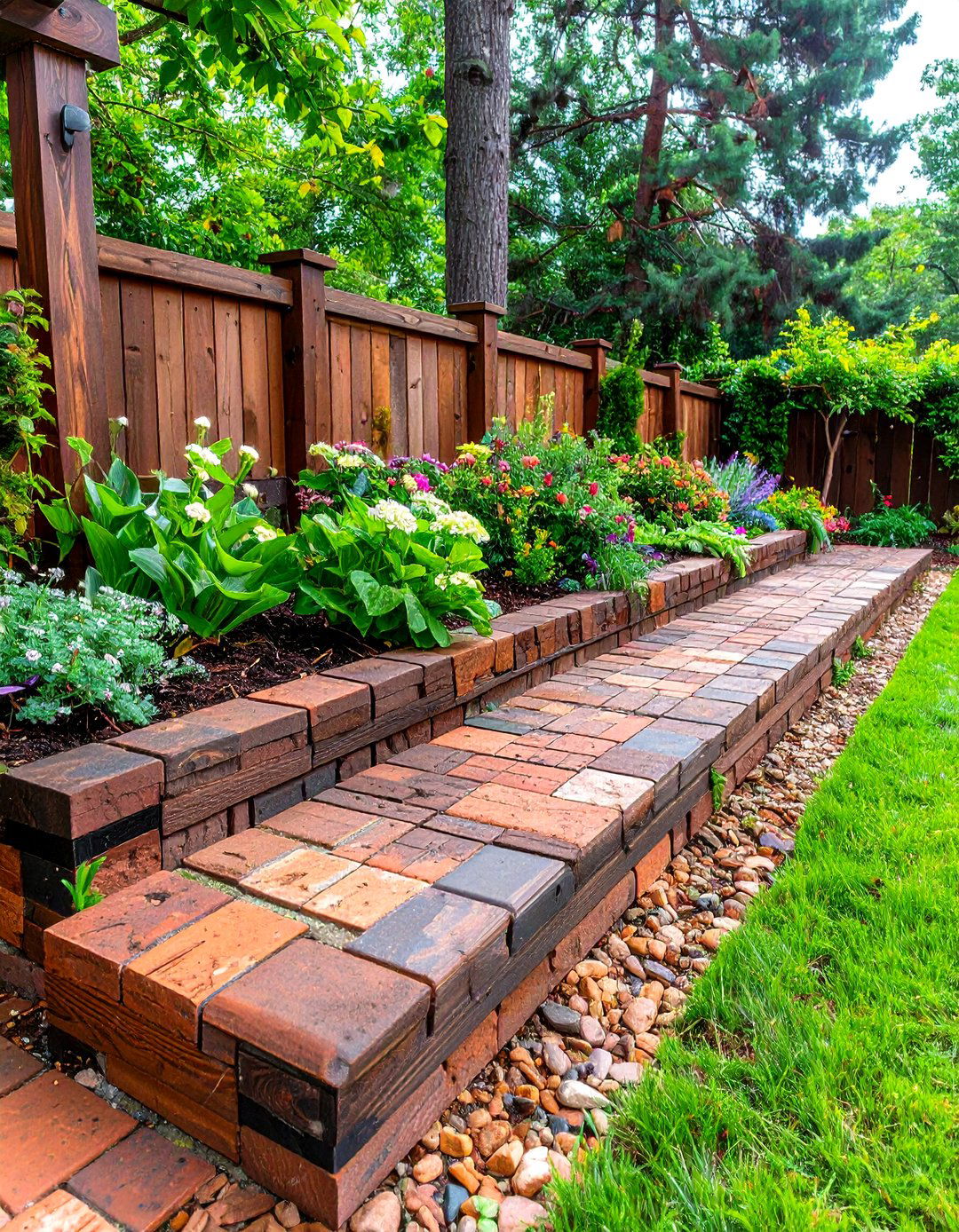
Using timber beams for patio edging adds a warm, rustic, and natural element to your outdoor design. Large wooden beams or railroad ties can create a substantial and defined border that works well with country, woodland, or rustic-themed patios. The wood's natural grain and texture contrast beautifully with stone or concrete pavers. For longevity, it's essential to use pressure-treated lumber or naturally rot-resistant woods like cedar or redwood. This type of edging can also be built up to create a short retaining wall or a raised edge that doubles as informal seating, adding both function and style.
9. Polished River Rock Patio Edging
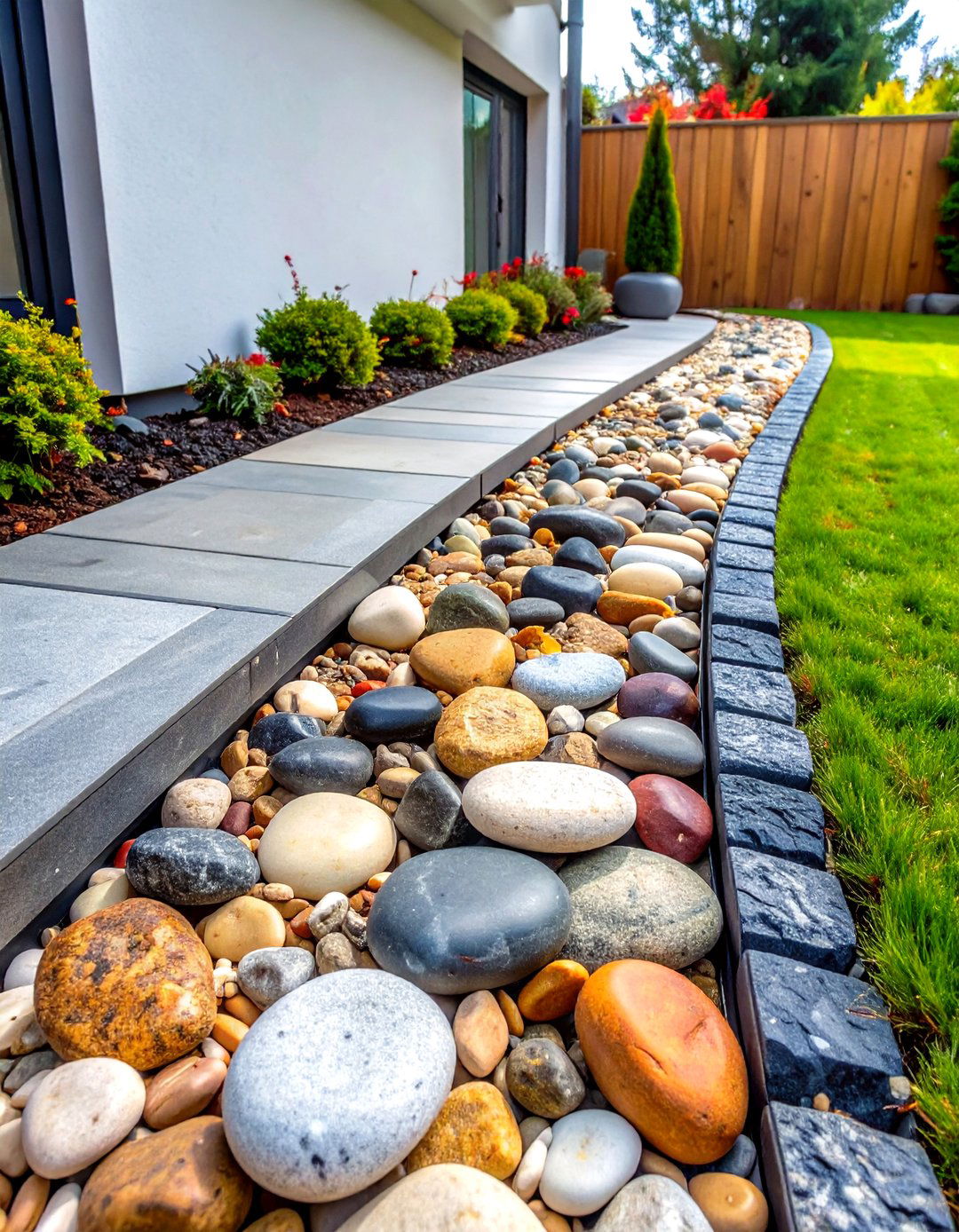
A polished river rock border provides a soft, natural, and serene edge for any patio. Creating a channel around the patio and filling it with smooth, rounded river rocks of various sizes and colors creates a beautiful textural transition. This style of edging is excellent for drainage and helps to suppress weeds when installed over landscape fabric. The soft shapes and muted tones of the stones complement both modern and traditional designs, evoking the feeling of a dry creek bed. It’s a low-maintenance, visually appealing option that adds a touch of zen-like tranquility to the garden landscape.

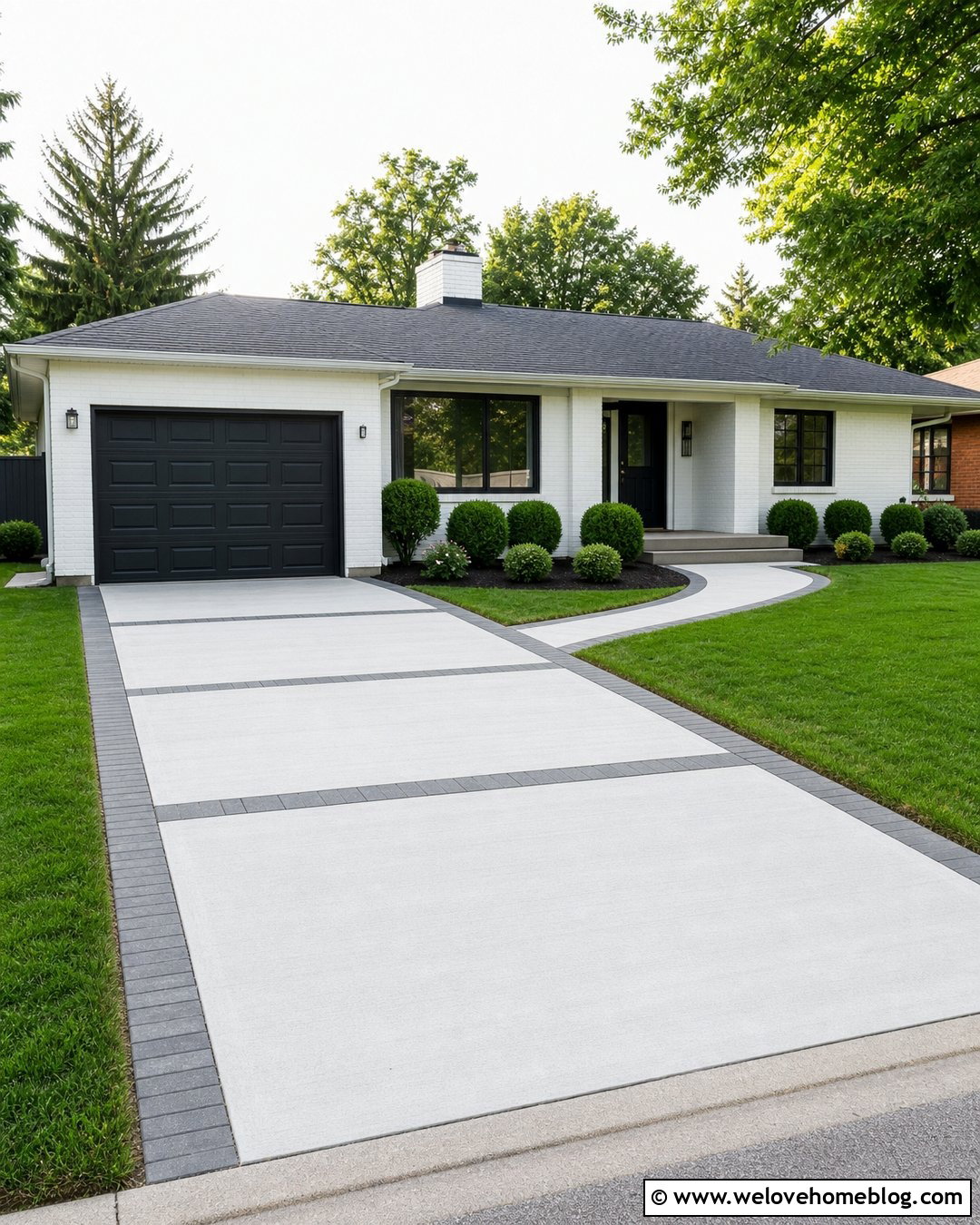
10. Upcycled Glass Bottle Patio Edging
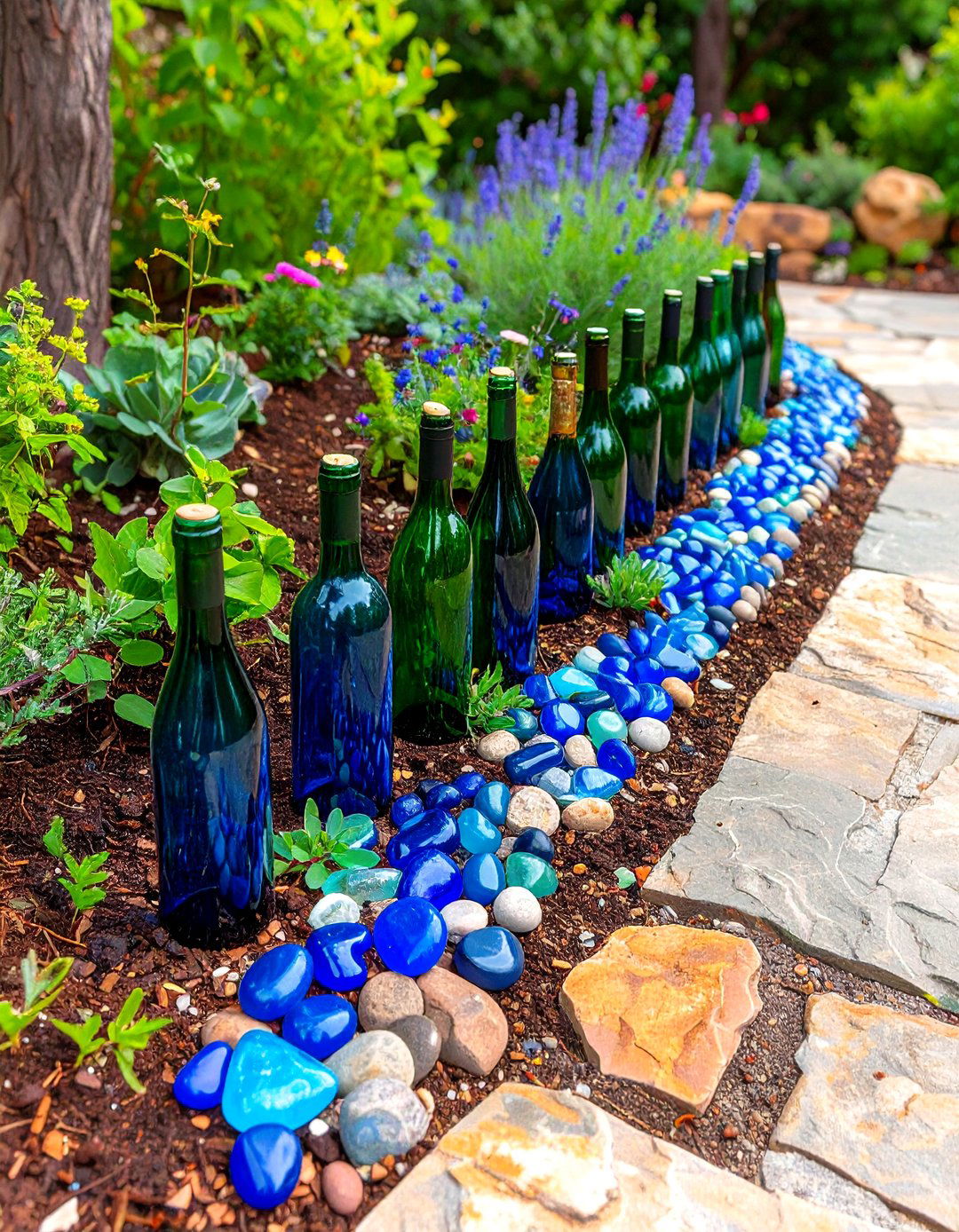
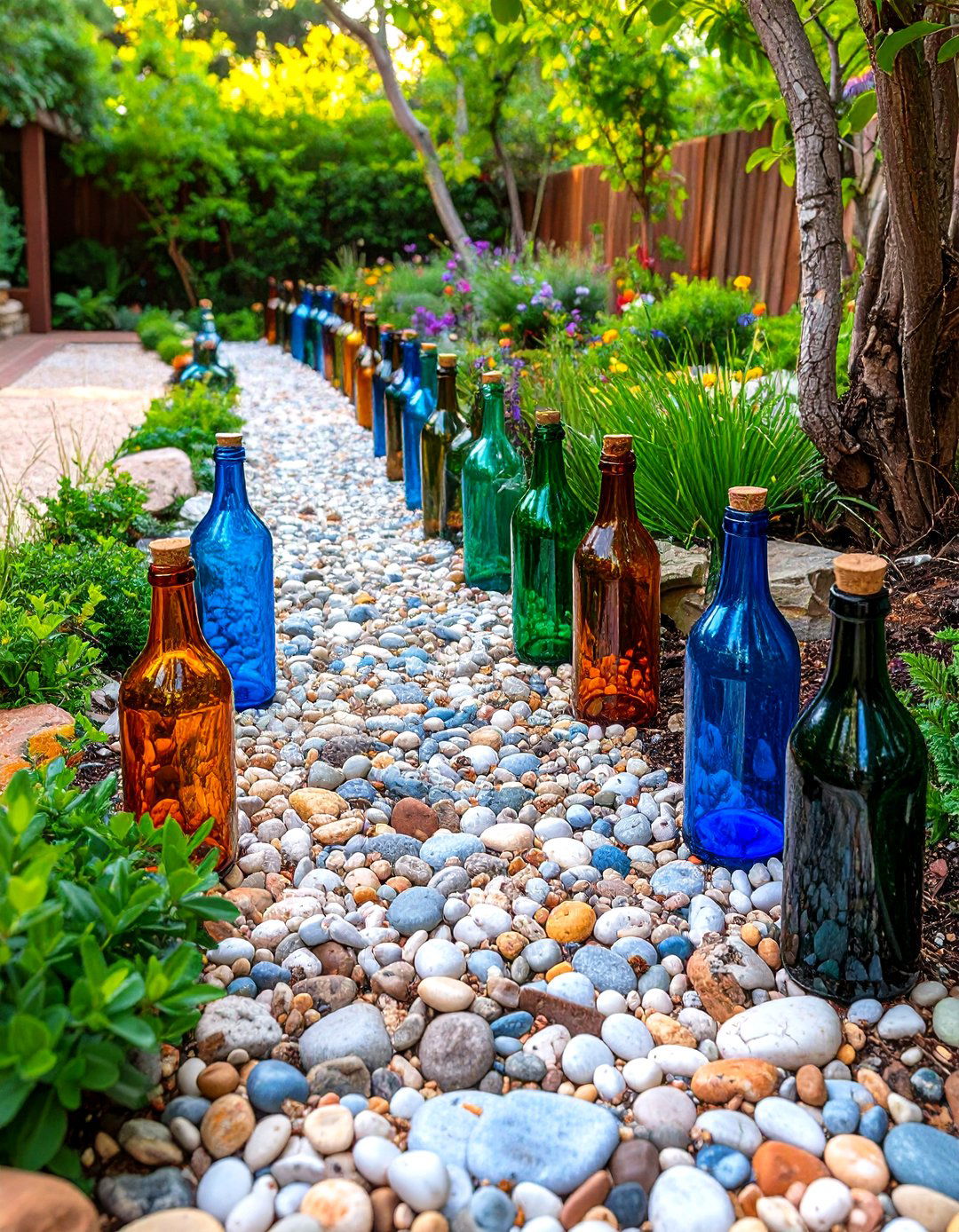
For a creative and eco-conscious patio border, upcycled glass bottles offer a splash of color and personality. By burying wine or beer bottles neck-down into the soil, you can create a unique and jewel-toned edge that catches the sunlight beautifully. Arrange them in a row for a uniform look or at slight angles for more dynamic texture. This DIY-friendly idea is not only a fantastic way to recycle but also adds a whimsical, artistic touch to your garden. The translucent quality of the glass creates a vibrant and eclectic border that is truly one-of-a-kind and reflects a commitment to sustainable living.
11. Rope Light Patio Edging
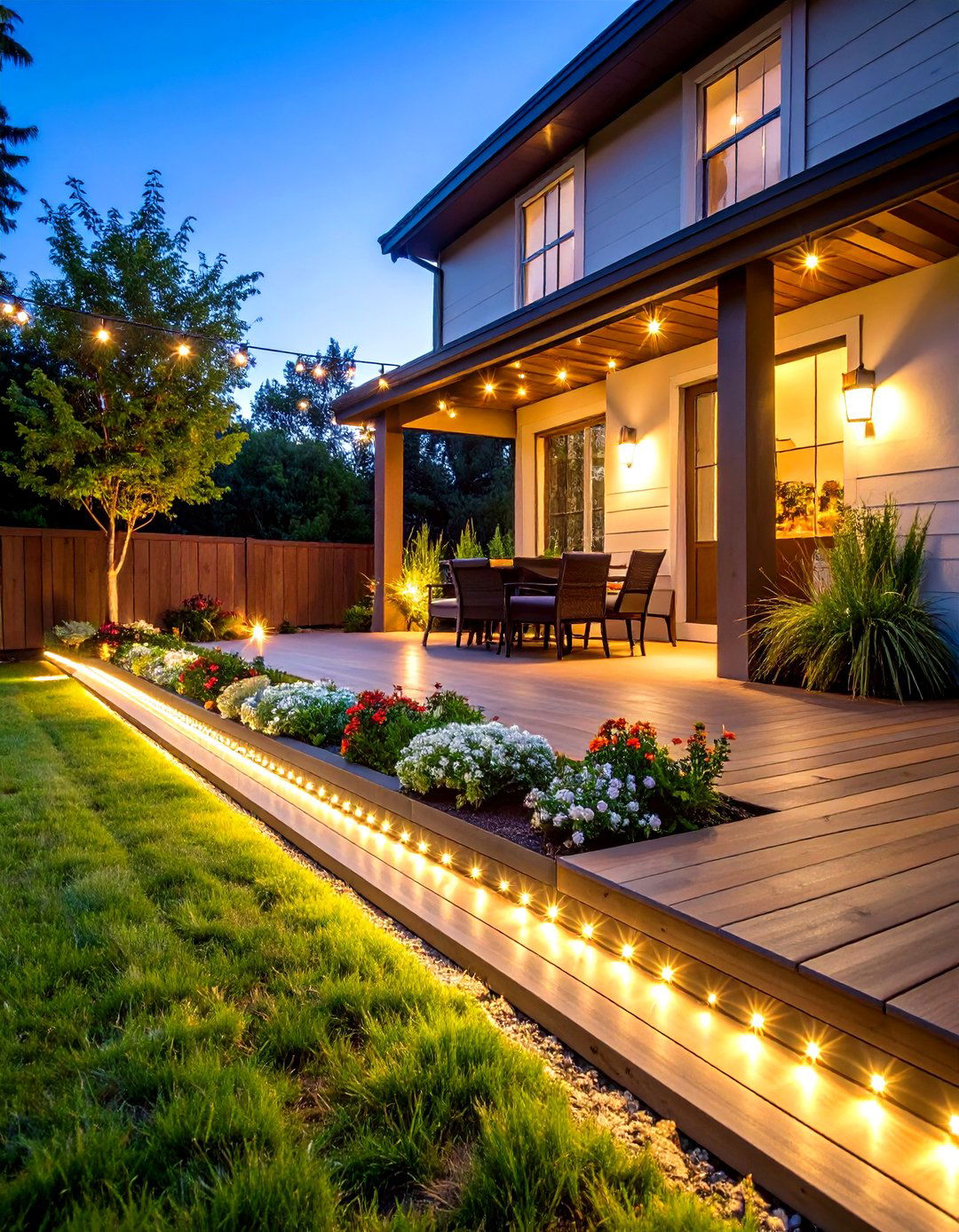
Integrating rope lighting into your patio edging provides both definition and ambient illumination for evening enjoyment. This can be achieved by securing flexible LED rope lights along a hard edge, such as concrete or wood, or by laying them within a gravel or rock border. The subtle glow not only enhances safety by marking the patio's perimeter in the dark but also creates a sophisticated and inviting atmosphere. It’s a modern solution that combines functionality with style, transforming your patio into a usable and magical space long after the sun goes down, perfect for entertaining or quiet relaxation.
12. Seashell Border Patio Edging
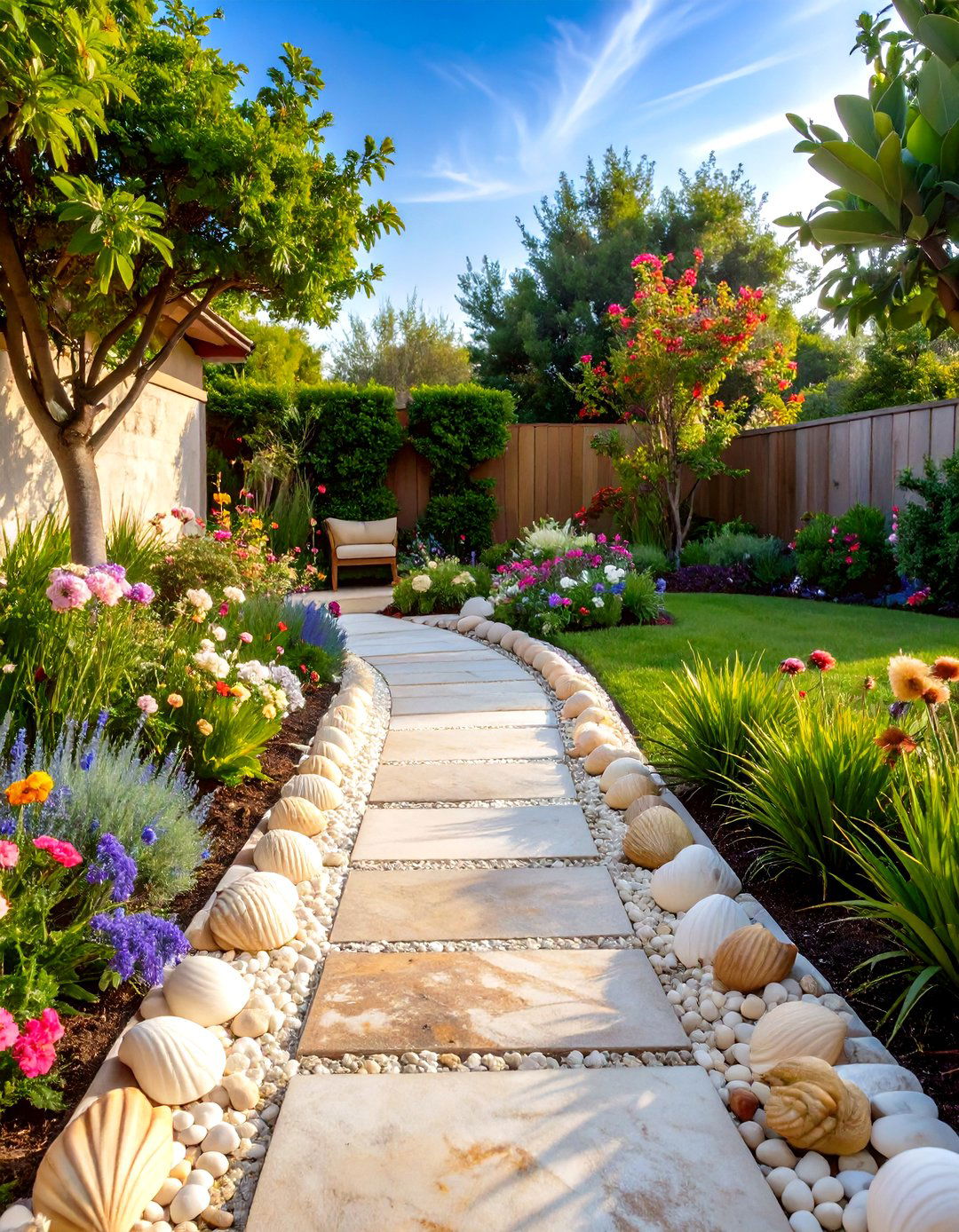
A seashell border is a perfect patio edging idea for coastal or beach-themed homes. Create a shallow trench around the patio and fill it with a collection of oyster, clam, or other types of seashells. The bright, pearlescent quality of the shells contrasts beautifully with darker pavers and surrounding greenery, evoking the feeling of a seaside retreat. Over time, the shells will break down slightly, creating a stable and unique ground cover. This natural and charming edging is not only visually appealing but also a great way to incorporate a personal touch if you enjoy collecting shells from your beach visits.
13. Stamped Concrete Patio Edging
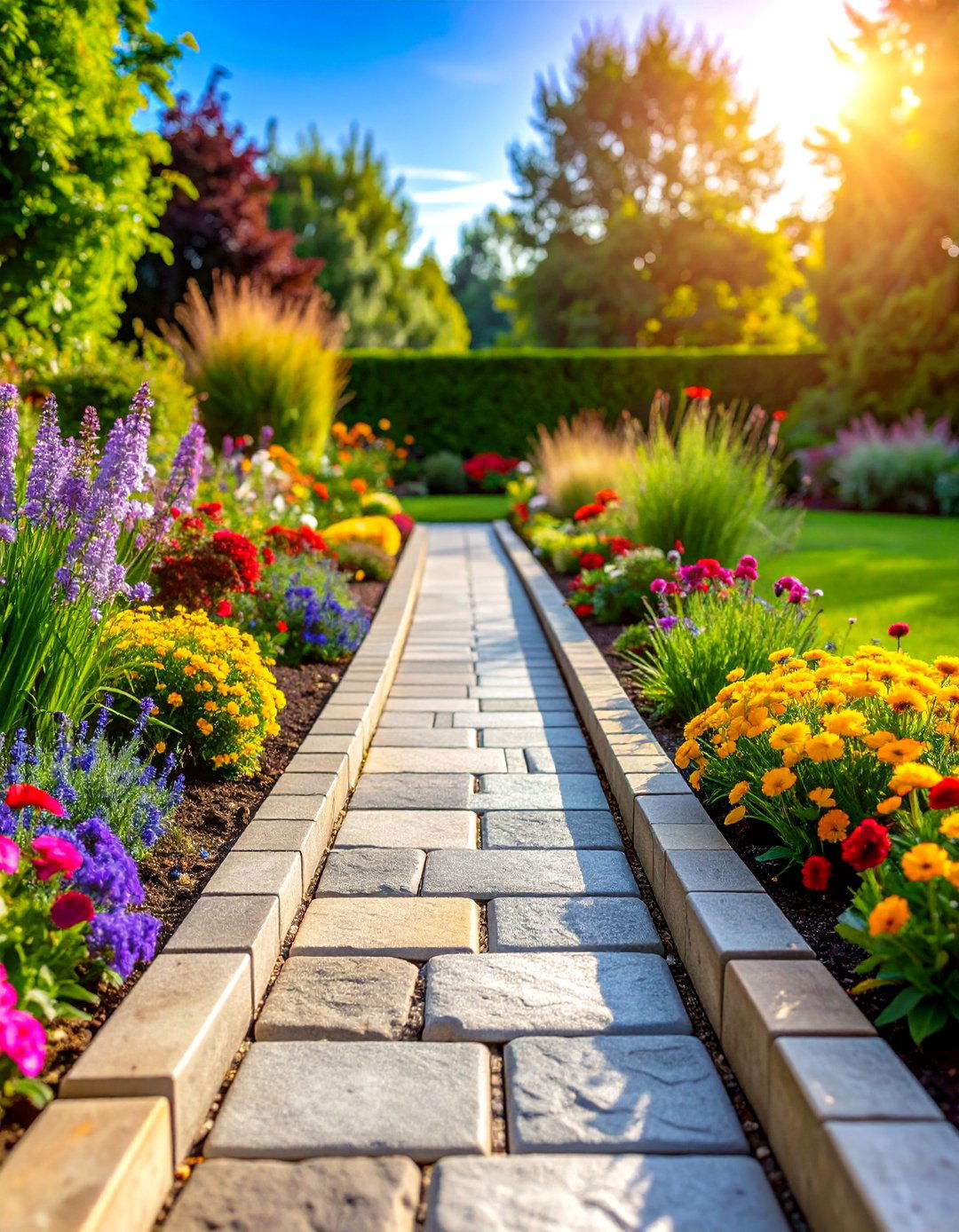
Stamped concrete edging offers the durability of poured concrete with the decorative appeal of natural materials. This technique involves stamping a pattern into freshly poured concrete to mimic the look of brick, slate, flagstone, or cobblestone. It provides a continuous, high-end border without the installation challenges and weed-prone gaps of individual units. With a wide array of patterns and colors available, you can create a custom look that perfectly matches your patio's surface or your home's exterior. This method delivers a sophisticated and cohesive finish that elevates the overall design of your outdoor living area.
14. Raised Planter Box Patio Edging
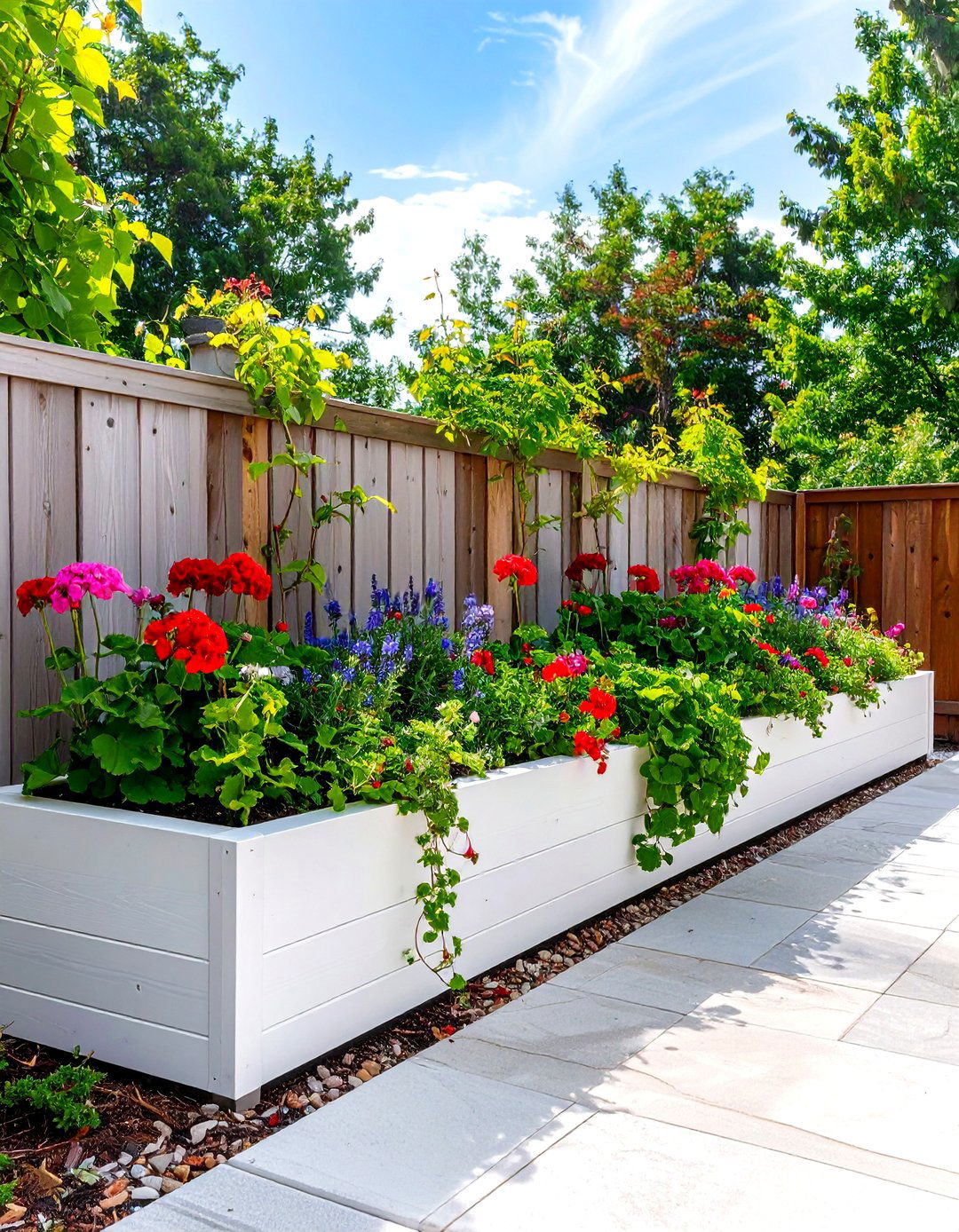
Combining functionality with beauty, raised planter boxes are a fantastic way to edge a patio. Constructing built-in planters from wood, stone, or composite materials creates a living border filled with your favorite flowers, herbs, or ornamental grasses. This approach not only clearly defines the patio space but also brings color, fragrance, and texture right to its edge. The raised height makes gardening more accessible and can also provide additional informal seating if the walls are wide enough. It’s a smart, space-saving solution that integrates the garden and seating area into one cohesive and productive design.
15. Cast Iron Decorative Patio Edging
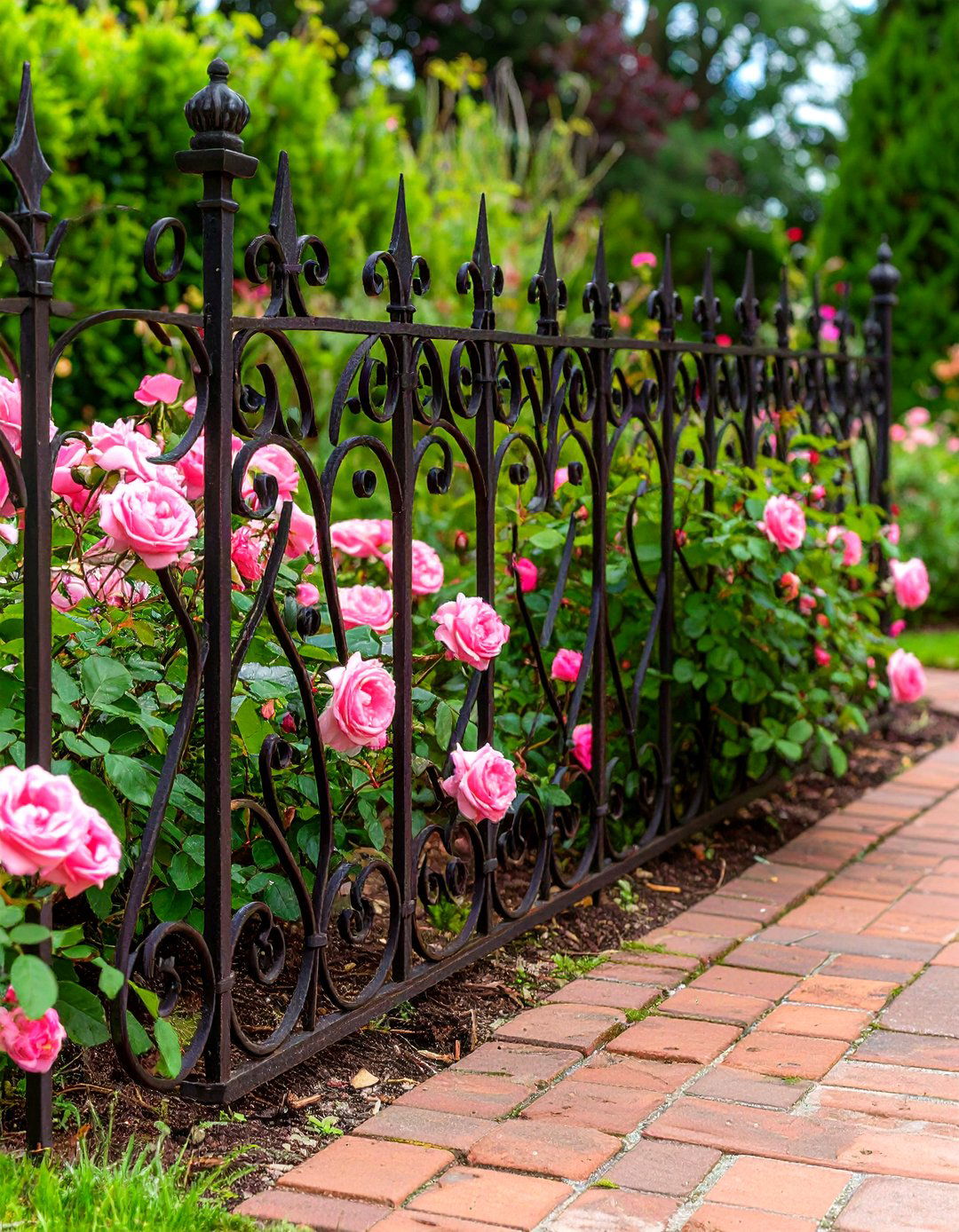
For a touch of Victorian elegance and intricate detail, cast iron decorative edging provides a beautiful, ornate border. These short, fence-like sections often feature classic fleur-de-lis, scrollwork, or arched designs that add a formal and historic feel to the garden. Typically pushed into the ground, they are easy to install and create a distinct separation between the patio and lawn. The dark finish of the cast iron contrasts sharply with vibrant green grass and colorful flowers, making it a striking feature. This type of edging is perfect for formal gardens, historic homes, or anyone wanting to add a sophisticated, vintage accent.
16. Vertical Slate Tile Patio Edging
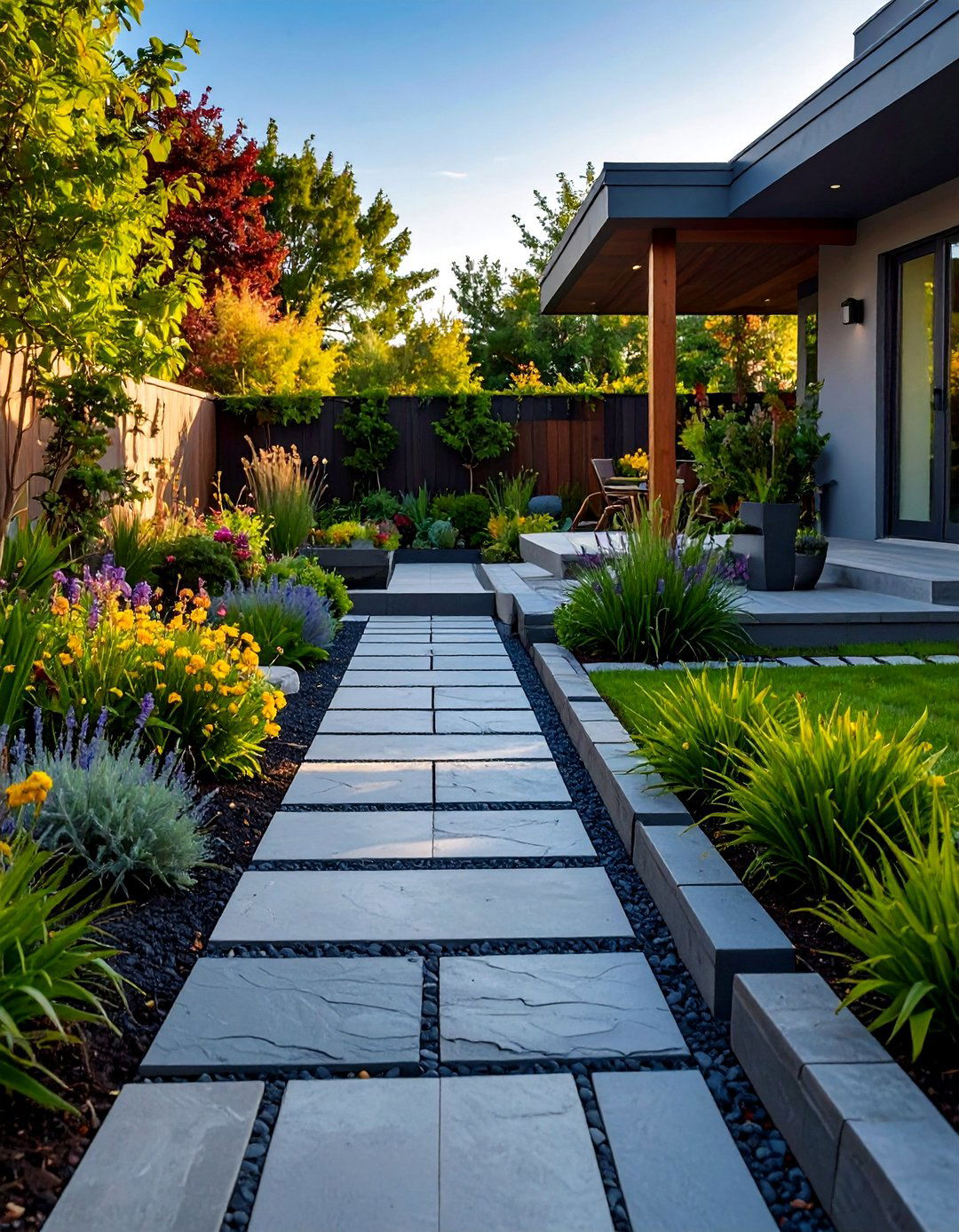
Using vertical slate tiles for patio edging creates a sleek, modern, and texturally rich border. By setting thin pieces of slate upright in a narrow trench filled with concrete or tightly packed soil, you achieve a unique, layered look. The natural cleft and varied tones of slate—ranging from dark charcoal to subtle greens and purples—add depth and sophistication. This method creates a clean, linear edge that is both durable and visually interesting. It's an excellent choice for contemporary or minimalist patio designs, providing a distinctive finish that complements natural stone or simple concrete pavers beautifully.
17. Terracotta Pot Patio Edging
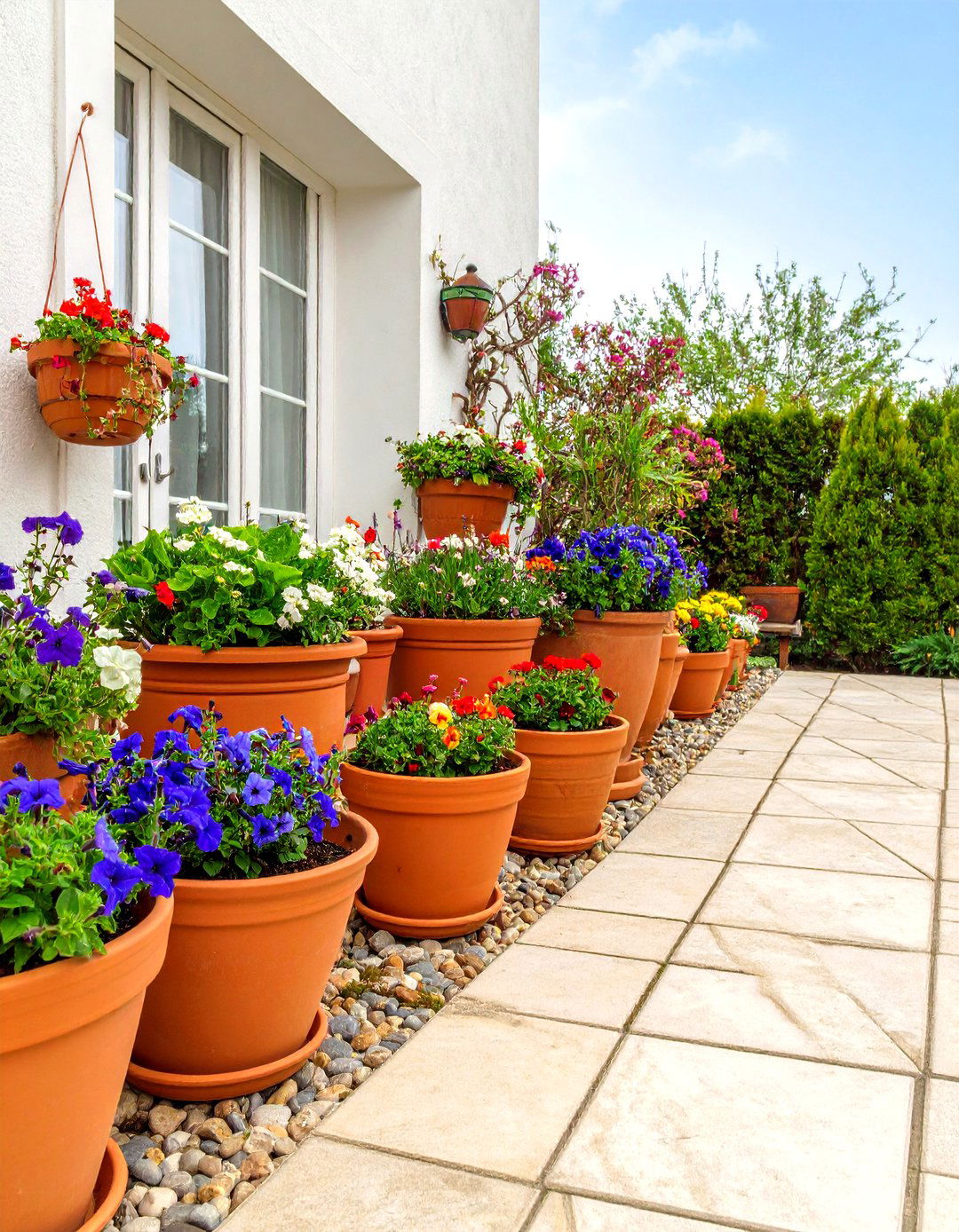
A terracotta pot border is a charming and versatile patio edging idea that allows for endless creativity. Simply line the edge of your patio with a series of terracotta pots of uniform or varying sizes. You can plant them with a consistent type of flower, like marigolds or geraniums, for a cohesive look, or mix herbs and colorful annuals for a more eclectic, cottage-garden feel. This method is not only beautiful but also practical, as you can easily change the plants with the seasons. It’s a flexible and low-commitment way to bring vibrant life and rustic warmth right to your patio’s edge.
18. Bamboo Pole Patio Edging
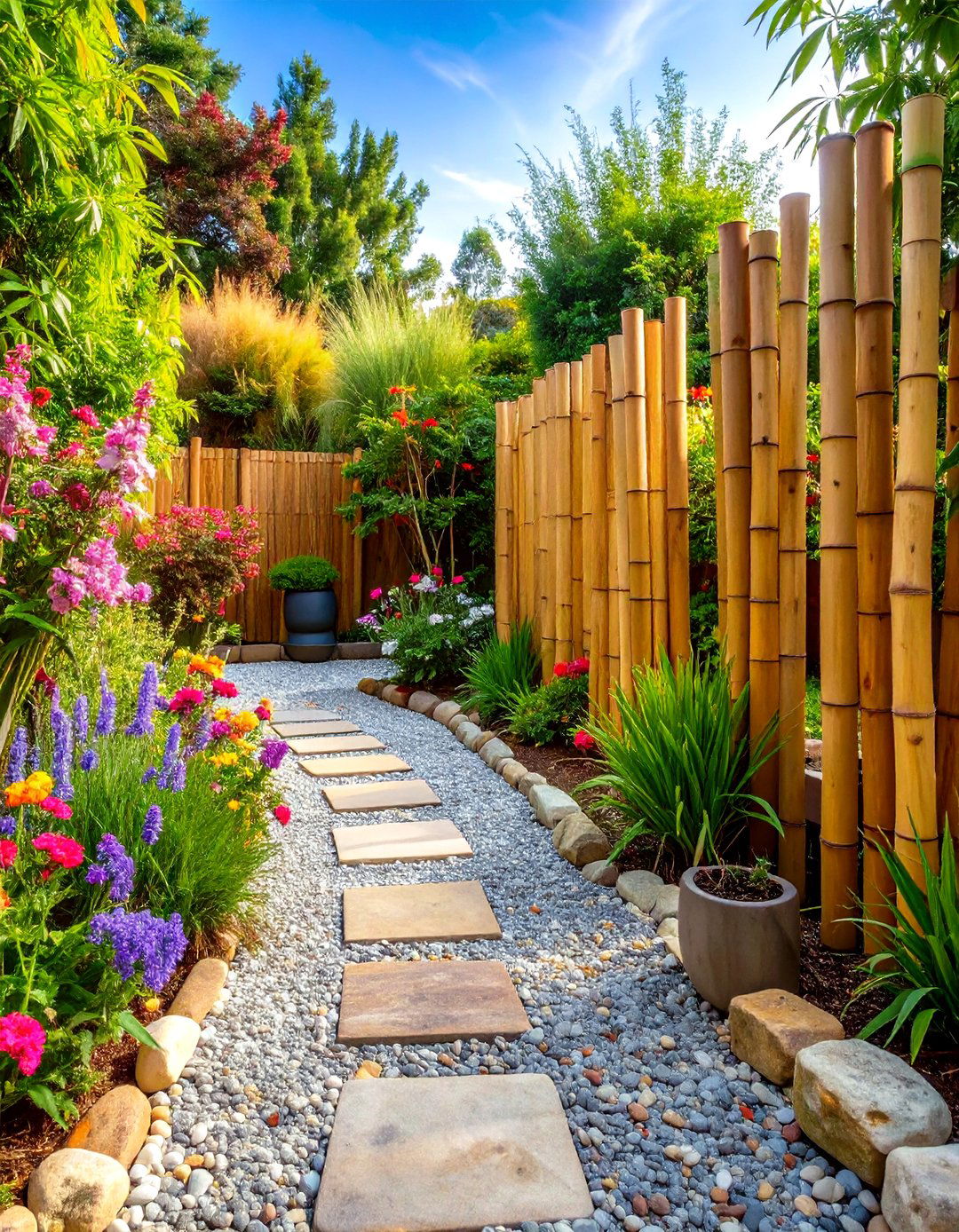
For a touch of zen or tropical flair, bamboo pole edging offers a natural and sustainable option. Laying bamboo poles horizontally and securing them with stakes creates a clean, linear border with an organic feel. Alternatively, cutting poles to varying heights and installing them vertically can produce a more dynamic, fence-like effect. The natural color and segmented texture of bamboo add a unique visual element that pairs well with minimalist or Asian-inspired garden designs. As a fast-growing resource, bamboo is an eco-friendly choice that brings a sense of tranquility and worldly style to your outdoor space.
19. Cobblestone Patio Edging
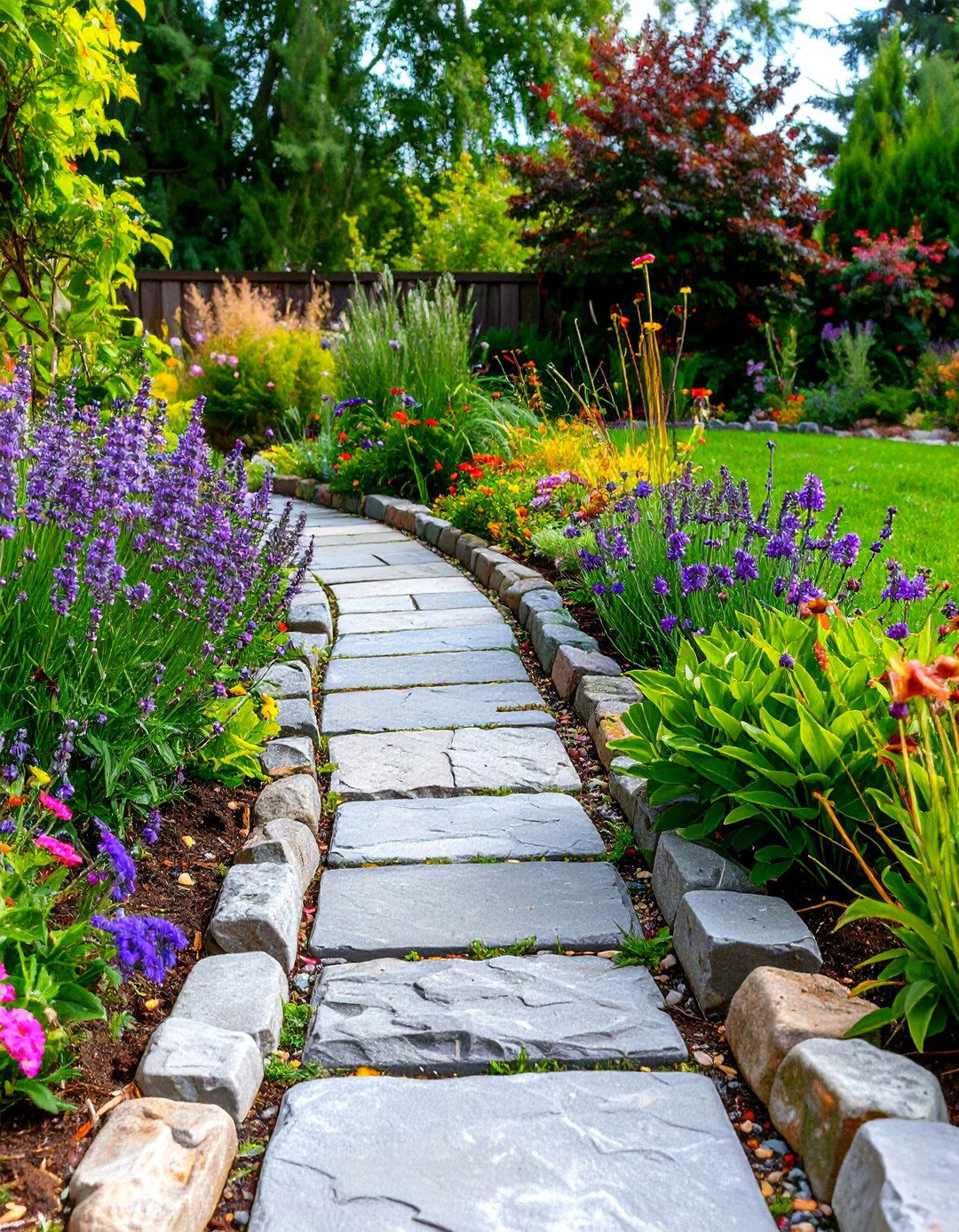
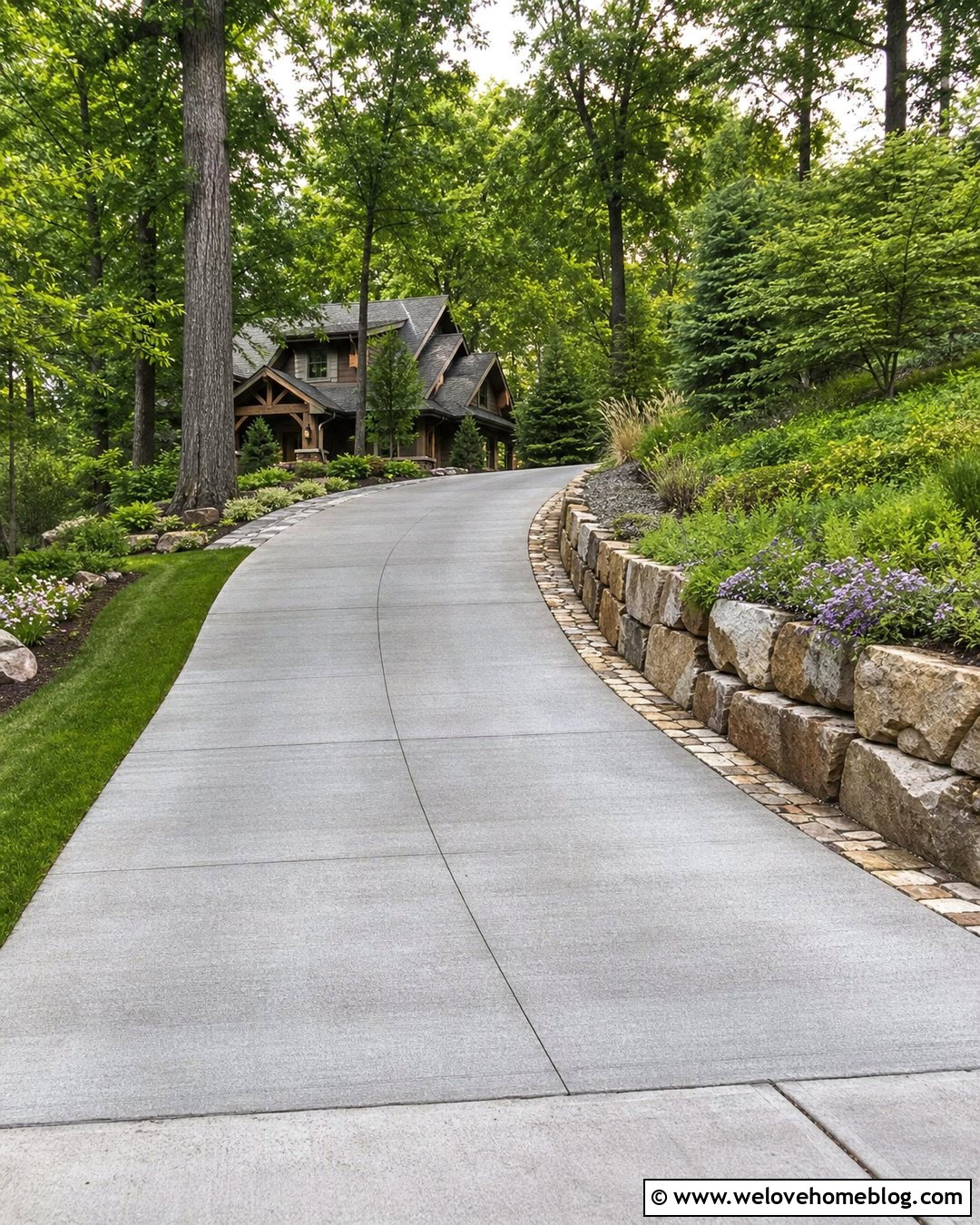
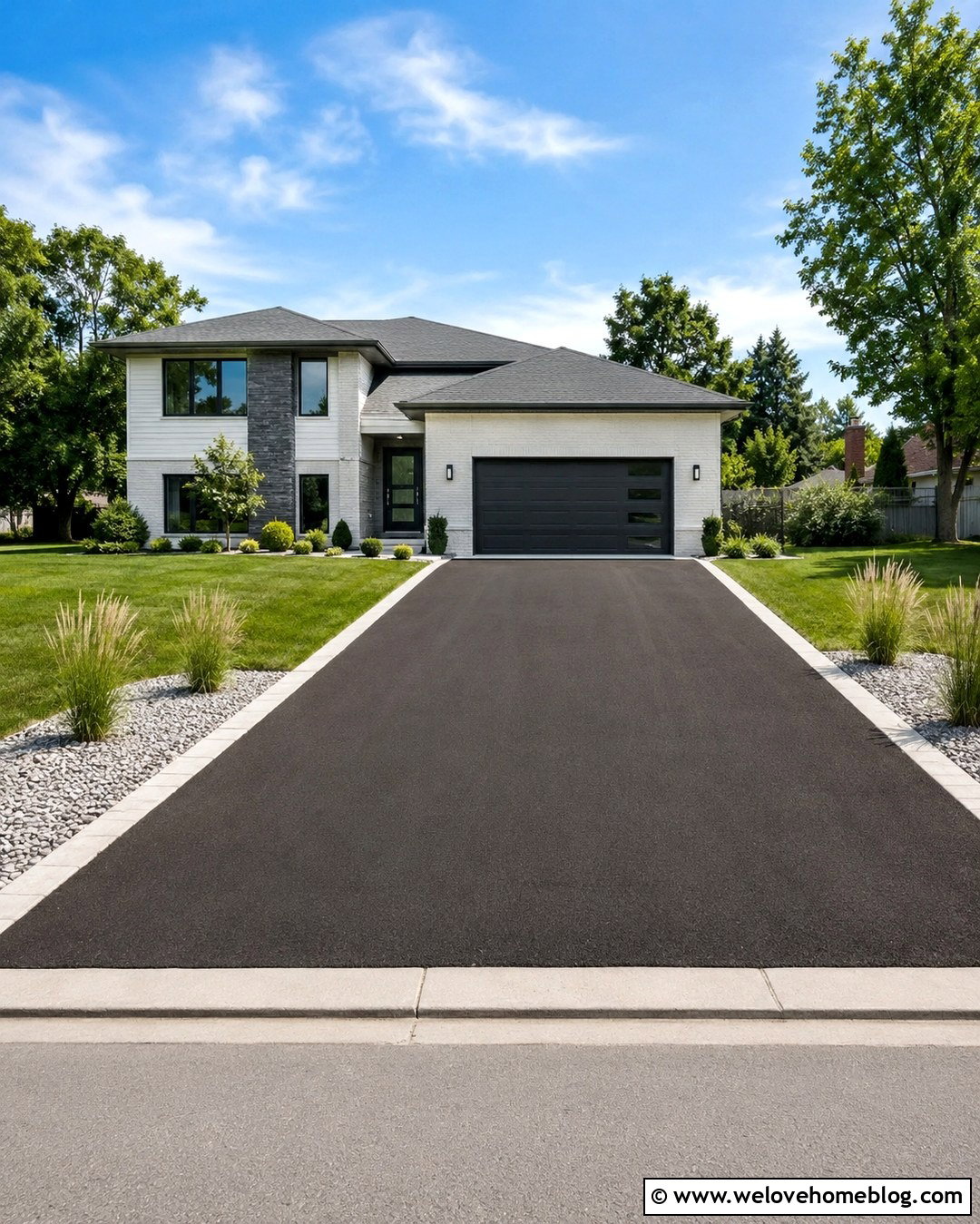
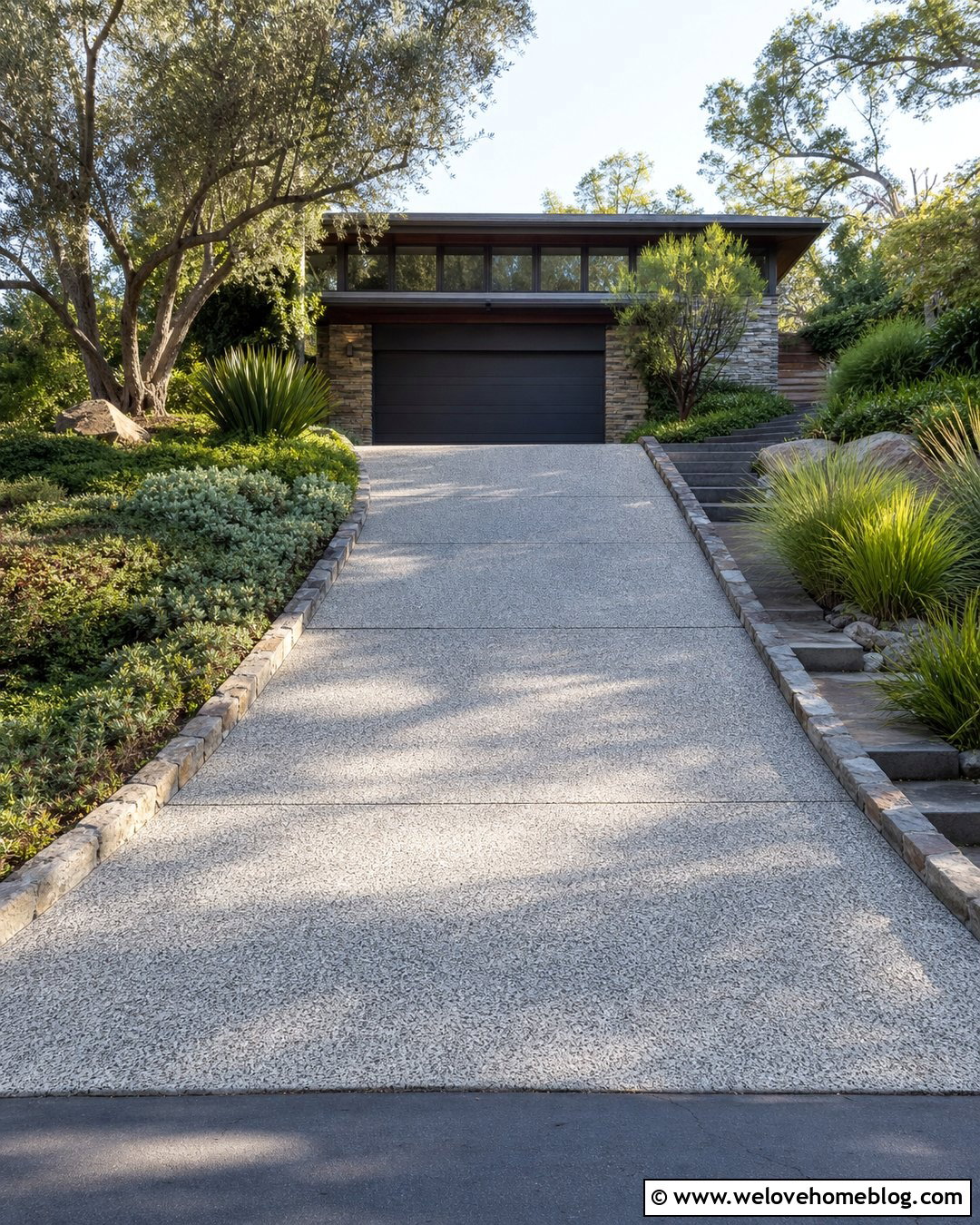
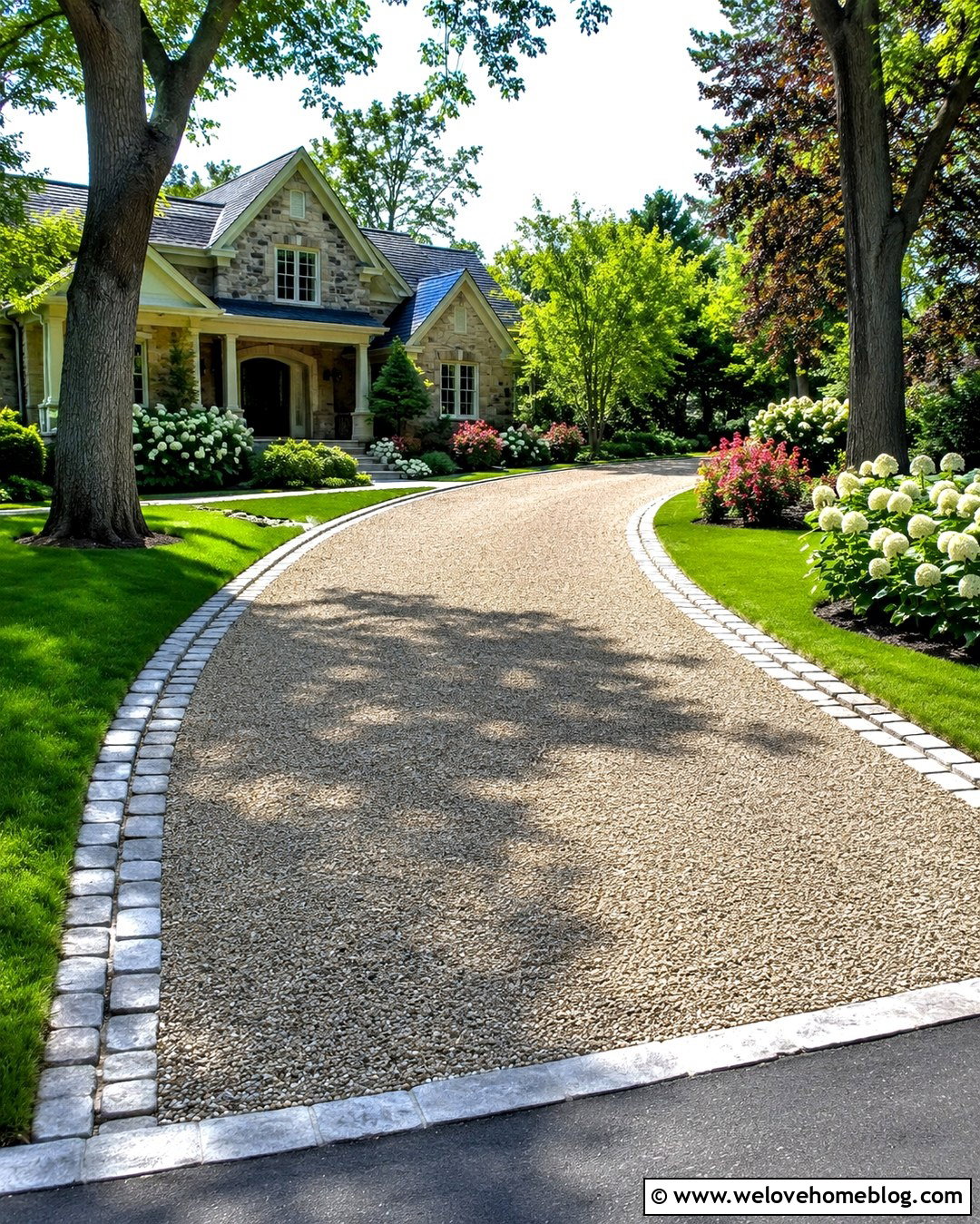
Cobblestone edging evokes a sense of old-world European charm and rustic durability. These rounded, naturally weathered stones are typically set in a sand or mortar base to create a sturdy and timeless border. Their irregular shapes and varied gray tones provide a rich texture that beautifully complements flagstone, brick, or concrete pavers. A cobblestone edge is incredibly long-lasting and effective at retaining the patio structure. This classic choice is perfect for cottage, country, or traditional home styles, adding a touch of historic character and handcrafted appeal that will endure for generations to come.
20. Corrugated Metal Patio Edging
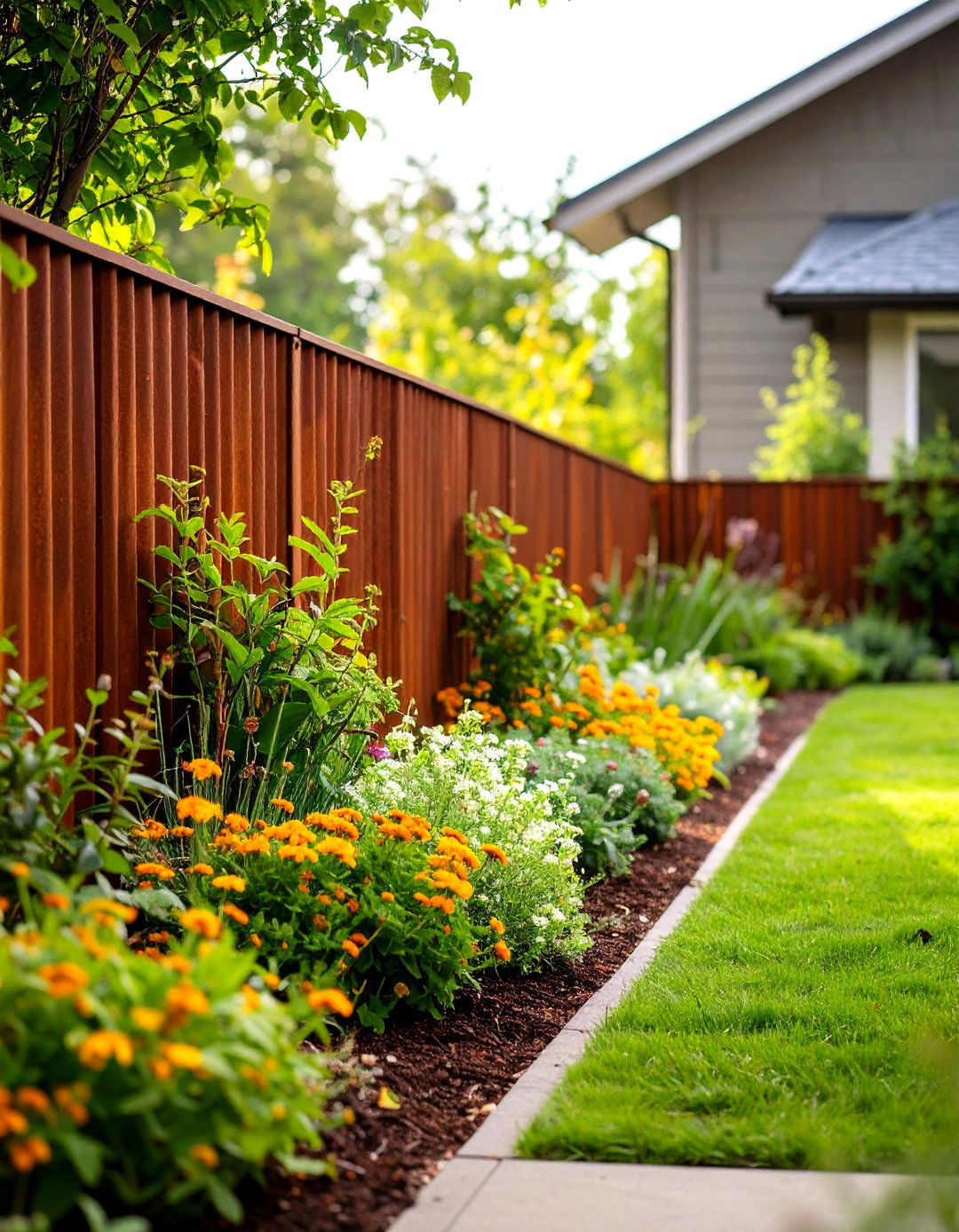
Corrugated metal offers an industrial, rustic, and surprisingly stylish option for patio edging. The wavy texture of the metal creates a unique visual rhythm and a modern, utilitarian aesthetic. It can be installed vertically to create a short, solid wall or laid horizontally for a more subtle border. Corten steel, which develops a stable rust-like patina over time, is a popular choice for its warm, earthy color and weather resistance. This unconventional material is durable, easy to install, and provides a strong, clean line that works well in contemporary, rustic, or eclectic garden designs.
21. Flat Flagstone Patio Edging
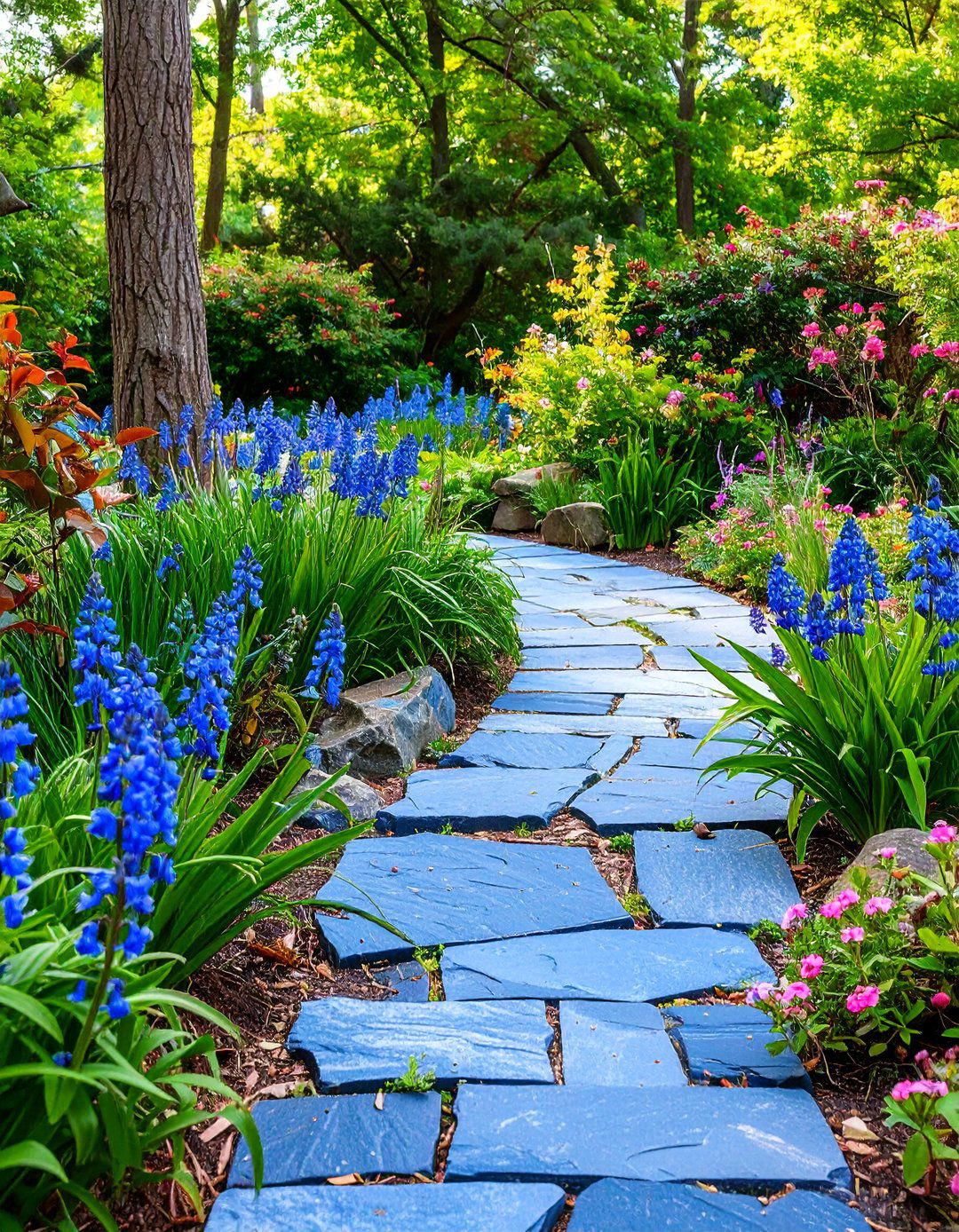
Using flat flagstone for patio edging provides a seamless transition when your patio is also made of flagstone. By selecting larger, more uniform pieces and laying them as a border, you create a cohesive and naturalistic look. The irregular edges of the flagstones offer an organic feel, preventing a harsh line between the patio and the garden. This method works well when set in mortar for stability or simply laid on a sand bed for a more rustic appearance. It’s an ideal choice for creating a patio that feels fully integrated with its natural surroundings, perfect for woodland or cottage-style landscapes.
22. Cinder Block Planter Patio Edging
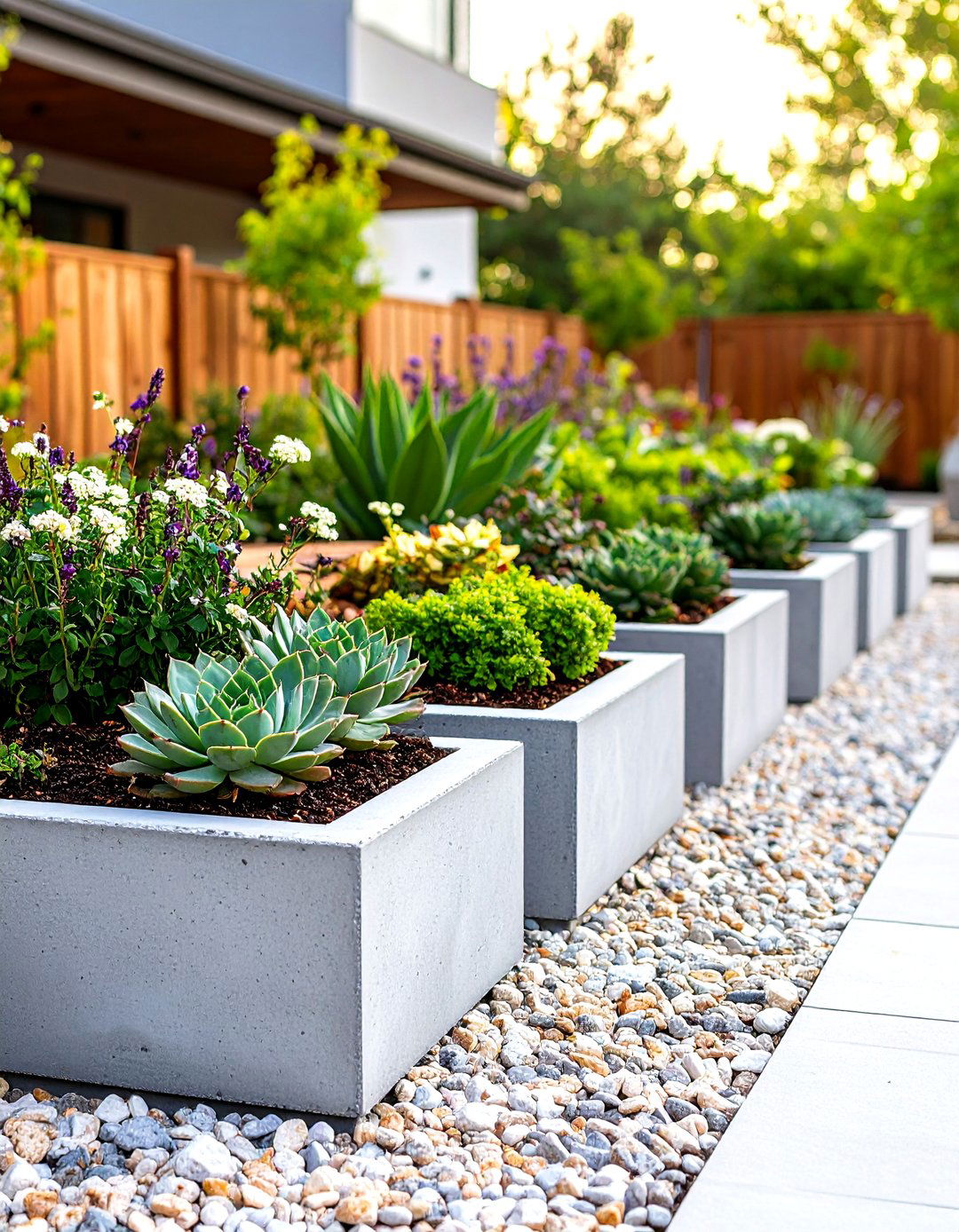
Cinder block edging offers a budget-friendly, functional, and modern industrial look. By laying standard concrete masonry units on their side, you can use the open cavities as individual mini-planters. This creates a unique living border where you can grow succulents, herbs, or small trailing flowers. Painting the blocks in a bold color can add a pop of personality, or you can leave them in their raw gray state for a minimalist aesthetic. This DIY-friendly approach is not only cost-effective but also cleverly combines a sturdy border with a vertical gardening opportunity, maximizing green space in a small area.
23. Log Section Patio Edging
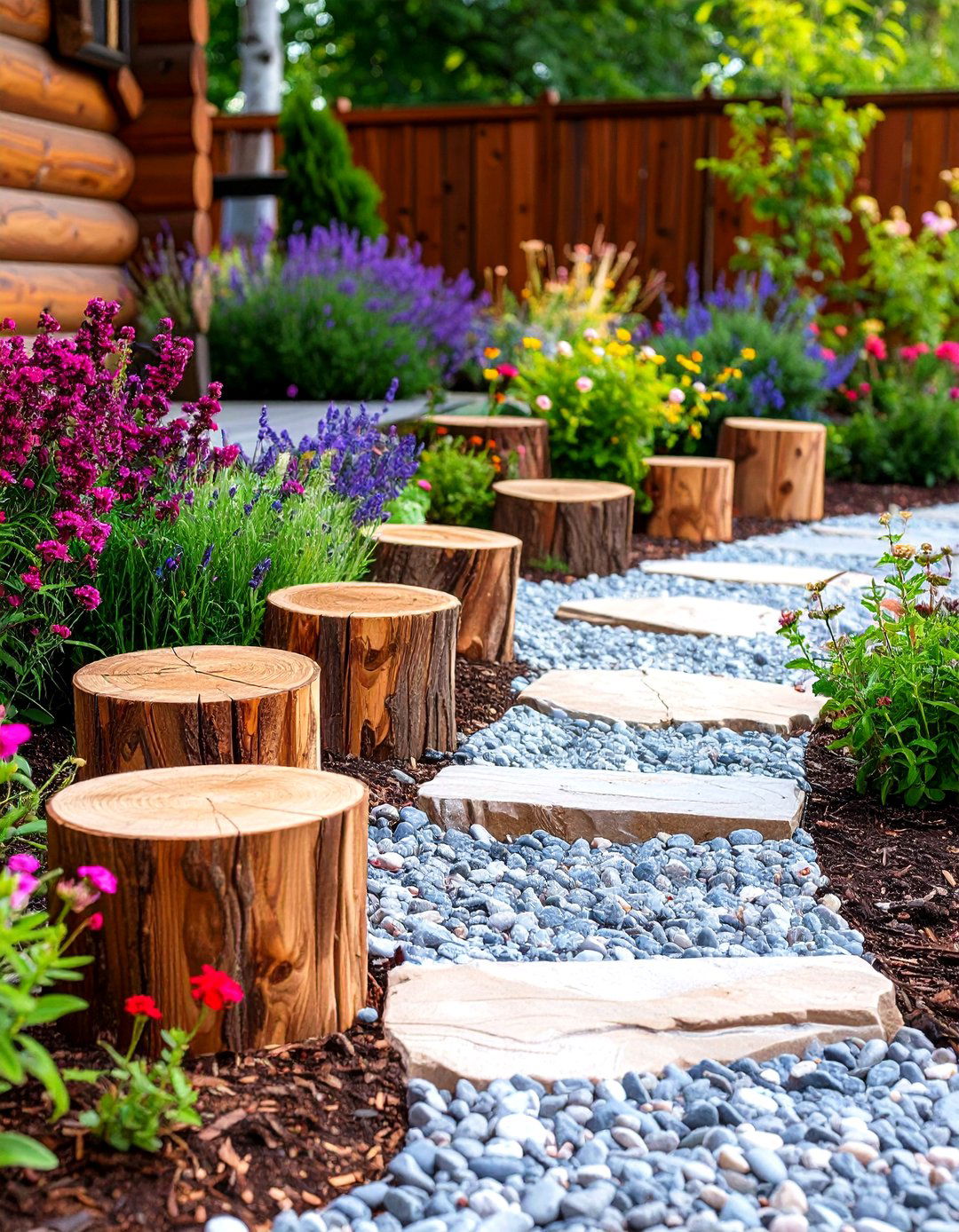
For a truly rustic and woodland-inspired border, using log sections as patio edging is a natural choice. By cutting logs into uniform or varied heights and setting them vertically into the ground, you can create a charming, palisade-style edge. Use rot-resistant wood like cedar or black locust for better longevity. The round shapes and natural wood grain add immense texture and character, blending the patio seamlessly with a forested or naturalistic landscape. This method is perfect for cabins, rustic homes, or anyone looking to create a garden that feels deeply connected to the surrounding nature.
24. Gravel Trench Patio Edging
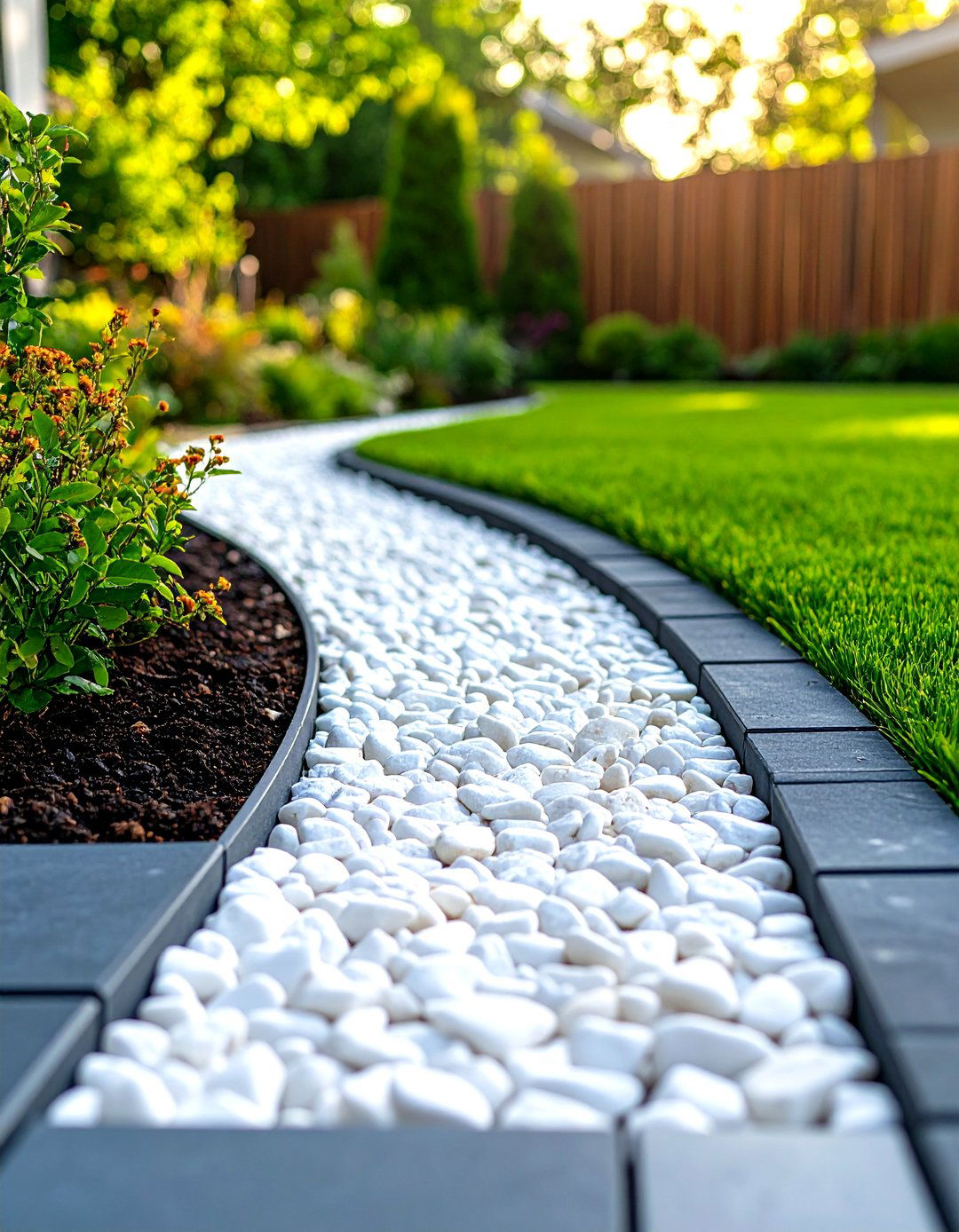
A gravel trench is a simple, effective, and modern patio edging solution. Dig a shallow trench, about four to six inches wide, around the patio perimeter, lay down landscape fabric to suppress weeds, and fill it with decorative gravel or pebbles. This creates a crisp, clean line that provides excellent drainage and a textural contrast to both the patio surface and the lawn. You can choose from a variety of gravel colors—from bright white marble chips to dark gray pea gravel—to complement your design scheme. It's a low-cost, low-maintenance option that delivers a sharp, contemporary finish.
25. Terra Cotta Tile Patio Edging
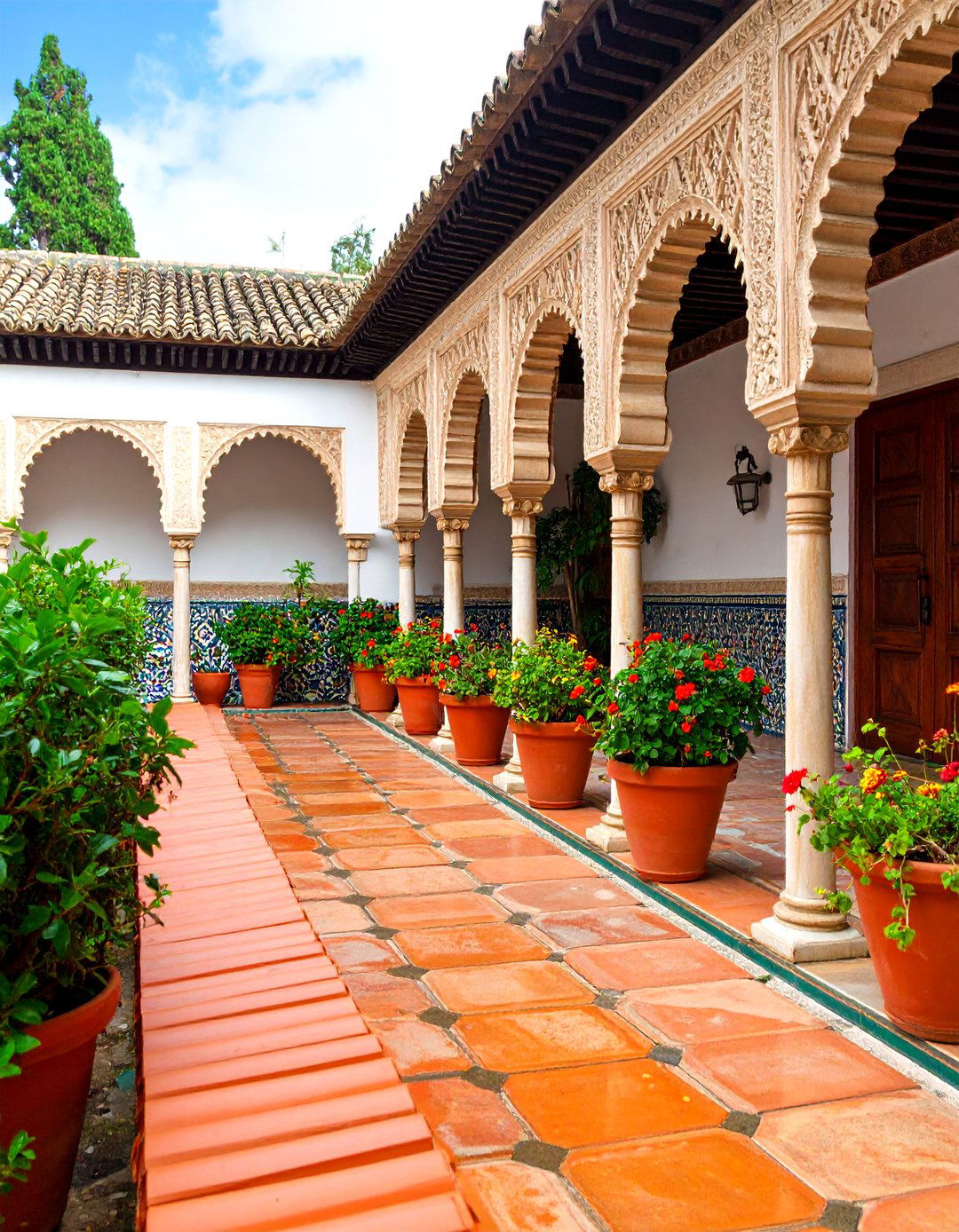
Using terra cotta tiles, like those used for roofing, creates a unique and Mediterranean-inspired patio edge. By setting curved Spanish roof tiles into the ground in an overlapping pattern, you form a distinctive scalloped border. The warm, earthy red of the terracotta adds a splash of rustic color that pairs beautifully with lush greenery and sun-drenched patios. This creative reuse of materials results in a durable and charming edge that evokes the feeling of a Spanish courtyard or a Tuscan garden. It’s a decorative choice that brings a ton of personality and a warm, inviting feel to your outdoor space.
26. Sawtooth Brick Patio Edging
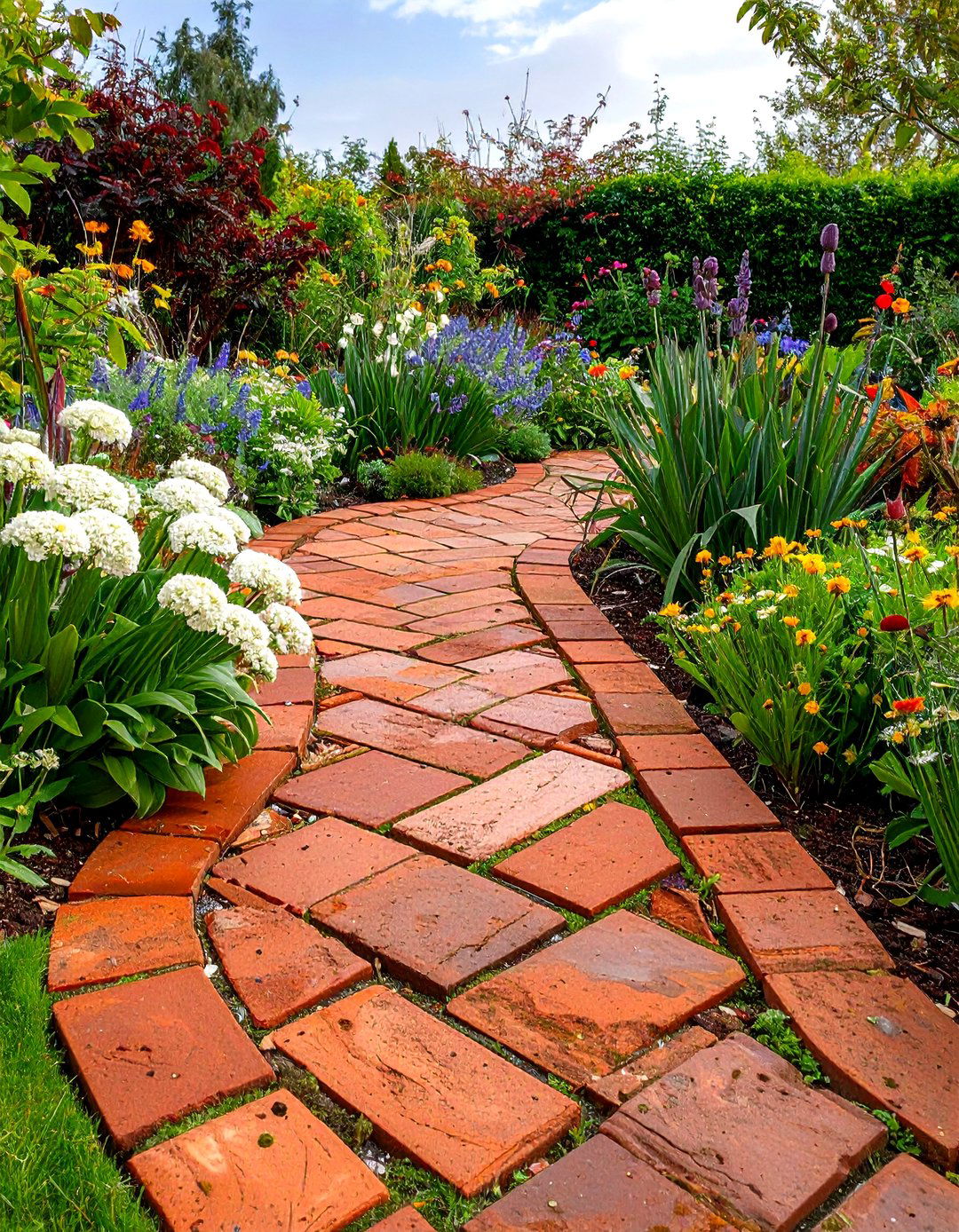
A sawtooth brick pattern offers a more dynamic and decorative alternative to a standard brick border. This design is created by setting bricks at a 45-degree angle, with their corners pointing up, creating a zigzag or "sawtooth" effect. This method provides a textured, visually interesting edge that effectively holds back soil and grass. It adds a touch of craftsmanship and detail to the patio perimeter, elevating it beyond a simple soldier course. This classic technique is perfect for adding character to traditional, colonial, or cottage-style gardens, providing a timeless yet distinctive finishing touch.
27. LED Paver Light Patio Edging
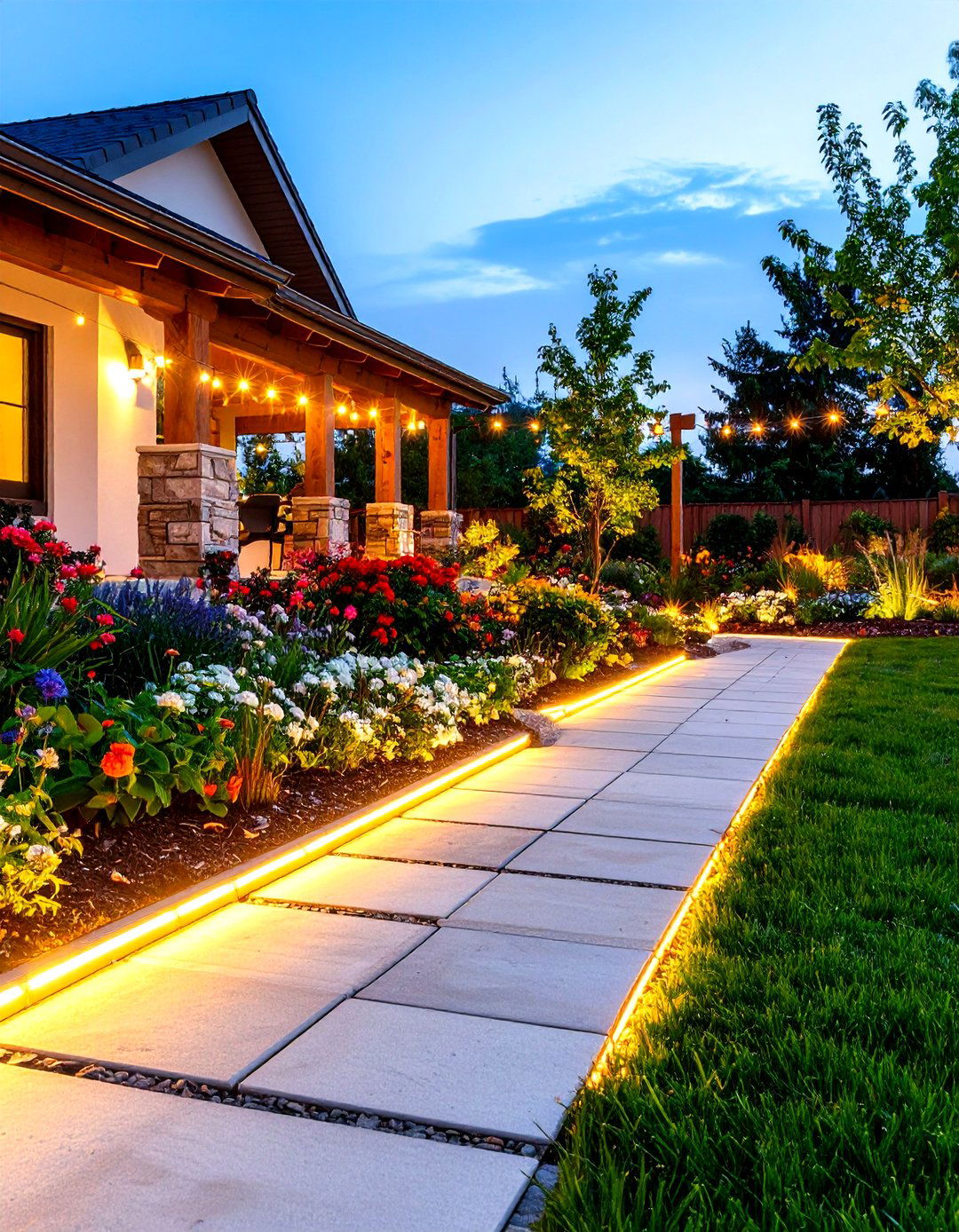
Integrating LED paver lights directly into your patio's edge is a sleek and sophisticated way to combine lighting and bordering. These specialized lights are designed to be the same size and shape as standard pavers, allowing them to fit seamlessly into the border course. They provide a beautiful, low-level wash of light across the patio surface, enhancing safety and ambiance without the need for separate fixtures. This creates a clean, built-in look that highlights the shape of your patio at night. It’s a high-end, modern solution for illuminating your outdoor space in an elegant and unobtrusive way.
28. Woven Wattle Patio Edging
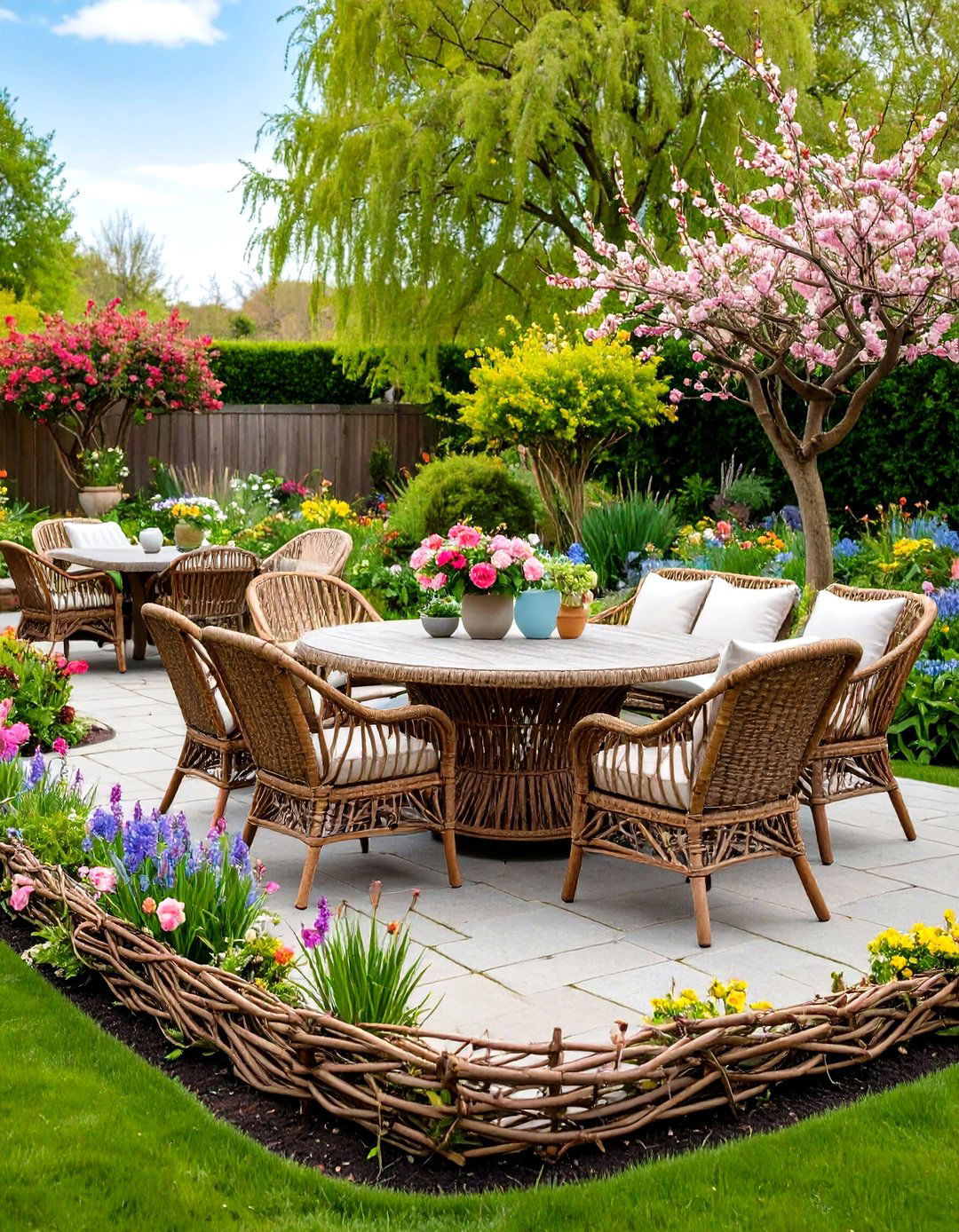
For a charming, handcrafted look inspired by ancient gardening traditions, woven wattle edging is a beautiful choice. This technique involves weaving thin, flexible branches—typically from willow, hazel, or dogwood—around sturdy upright stakes set into the ground. The result is a low, rustic fence with a beautiful, basket-like texture. Wattle edging is a natural and biodegradable option that perfectly suits cottage, rustic, and English country gardens. It adds a touch of bespoke craftsmanship and organic structure, defining the patio with a soft, handmade quality that is both eco-friendly and visually appealing.
29. Railroad Tie Patio Edging
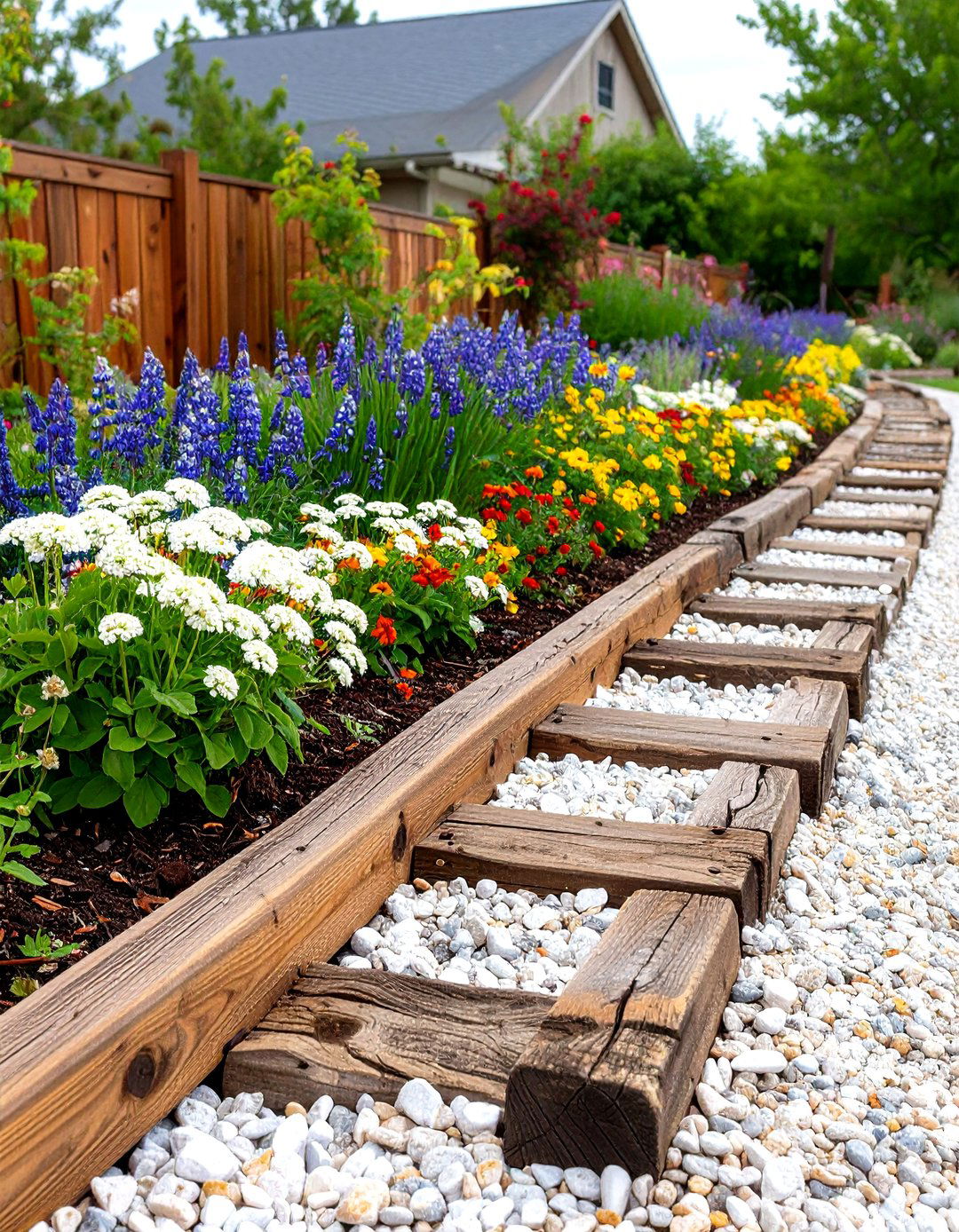
Railroad ties provide a bold, rustic, and substantial border for a patio. Their large scale and weathered appearance create a strong, defining line that works especially well for raised patios or as a short retaining wall. Laying them horizontally around the perimeter creates a simple yet powerful frame. Because authentic railroad ties are often treated with creosote, it’s best to use them away from edible gardens and consider modern, untreated landscape timbers for a similar look without the chemicals. This durable, heavy-duty option is ideal for large-scale landscapes, ranches, or rustic-industrial designs.
30. Mosaic Tile Patio Edging
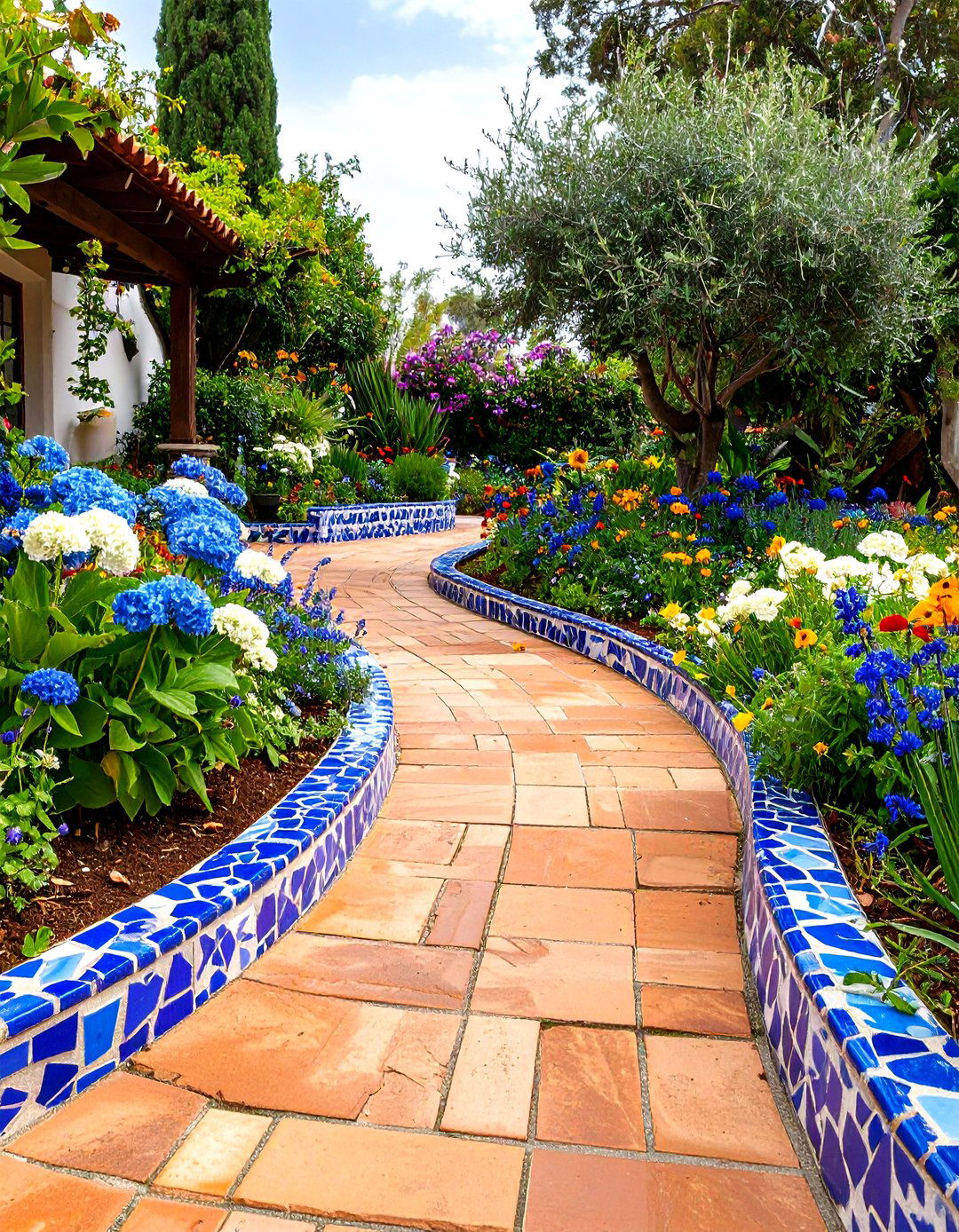
Creating a mosaic tile border is a truly artistic and personal way to edge your patio. By setting broken pieces of colorful ceramic tile, glass, or pottery into a concrete or mortar base, you can design a one-of-a-kind masterpiece. This allows for complete creative freedom in terms of color, pattern, and style—from intricate floral designs to abstract geometric shapes. A mosaic edge transforms a simple border into a stunning focal point of your garden. It’s a perfect project for DIY enthusiasts who want to infuse their outdoor space with vibrant personality and unique, handcrafted beauty.
Conclusion:
Ultimately, the best patio edging idea is one that complements your home’s style, suits your landscape, and meets your functional needs. From the clean lines of steel to the rustic charm of fieldstone or the creative flair of mosaic tiles, the options are vast. A well-chosen border not only prevents practical issues like shifting pavers and encroaching weeds but also provides that crucial finishing touch. It frames your outdoor living space, tying the entire design together and elevating your patio from a simple slab to a polished, intentional, and inviting retreat.

Related posts:


Leave a Reply