
A retaining wall is a fantastic way to add both function and beauty to your landscape. It can turn a steep, unusable slope into a series of level, plantable terraces, prevent soil erosion, and create defined outdoor living spaces. From natural stone to modern concrete blocks, the material and design choices are endless. Whether you want to build a lush, tiered garden, a cozy seating area, or an elegant water feature, a well-designed retaining wall can completely transform your yard. These structures offer a practical solution for managing tricky terrain while providing a canvas for your creative landscaping dreams.

1. Natural Stone Retaining Wall

A natural stone retaining wall offers a timeless and organic look that blends seamlessly with the surrounding environment. Using materials like fieldstone, limestone, or granite, this type of wall adds texture and rustic charm to any garden. Each stone is unique in shape and color, creating a one-of-a-kind structure that feels like a natural extension of the landscape. These walls are incredibly durable and can be built as dry-stacked walls without mortar for a more traditional feel, or with mortar for added strength and stability. They are perfect for creating raised garden beds or defining property lines with classic elegance.
2. Tiered Retaining Wall with Flower Beds
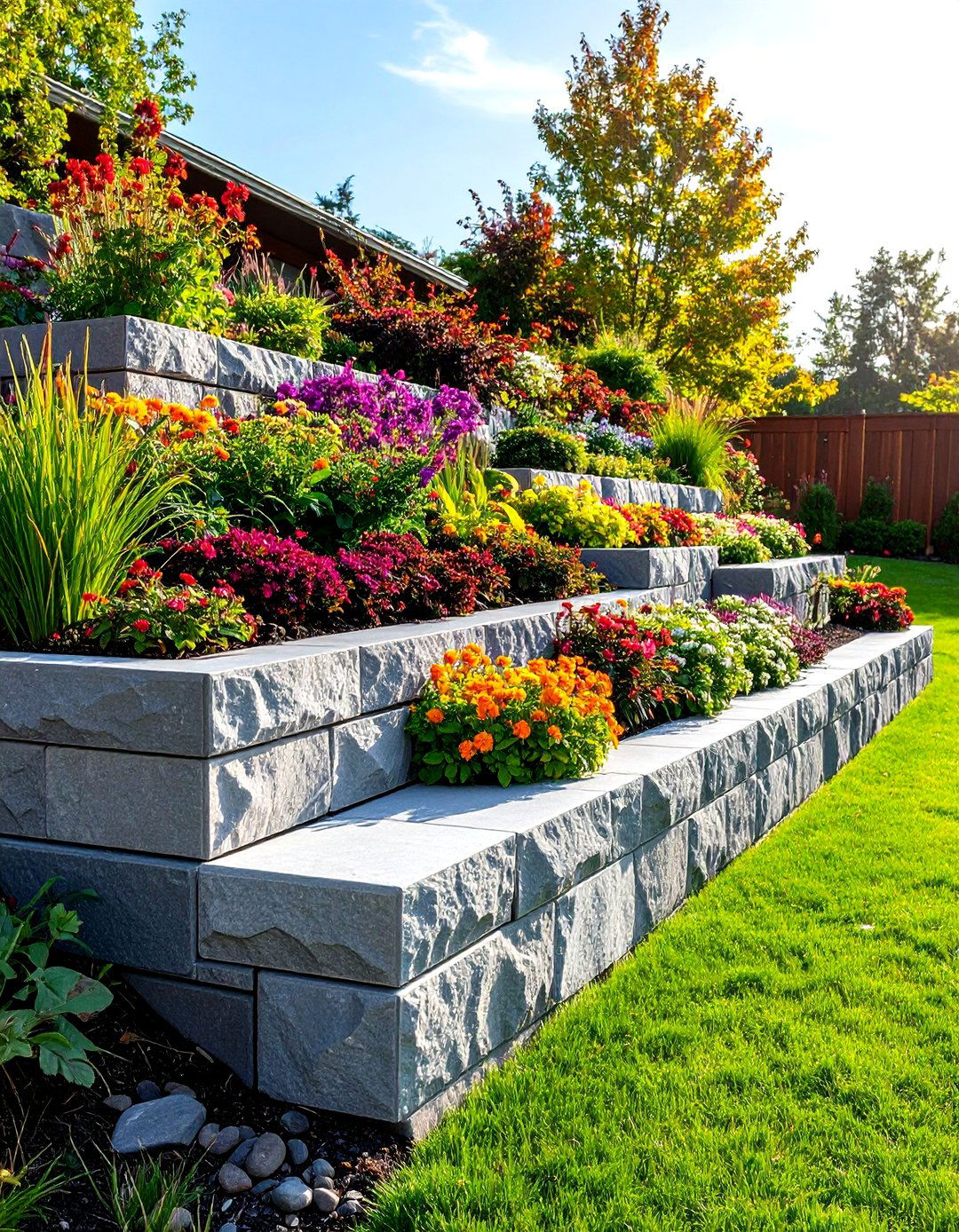
For properties with a significant slope, a tiered retaining wall system transforms the challenge into a stunning feature. By creating multiple, shorter walls instead of one tall one, you can establish a series of level terraces. Each level provides an ideal space for vibrant flower beds, allowing for a cascading display of colors and textures throughout the growing season. This design not only prevents soil erosion effectively but also makes gardening on a hillside much more manageable. You can plant different themes on each tier, such as a layer of annuals, a level for perennials, and another for small shrubs.
3. Retaining Wall with Integrated Bench Seating
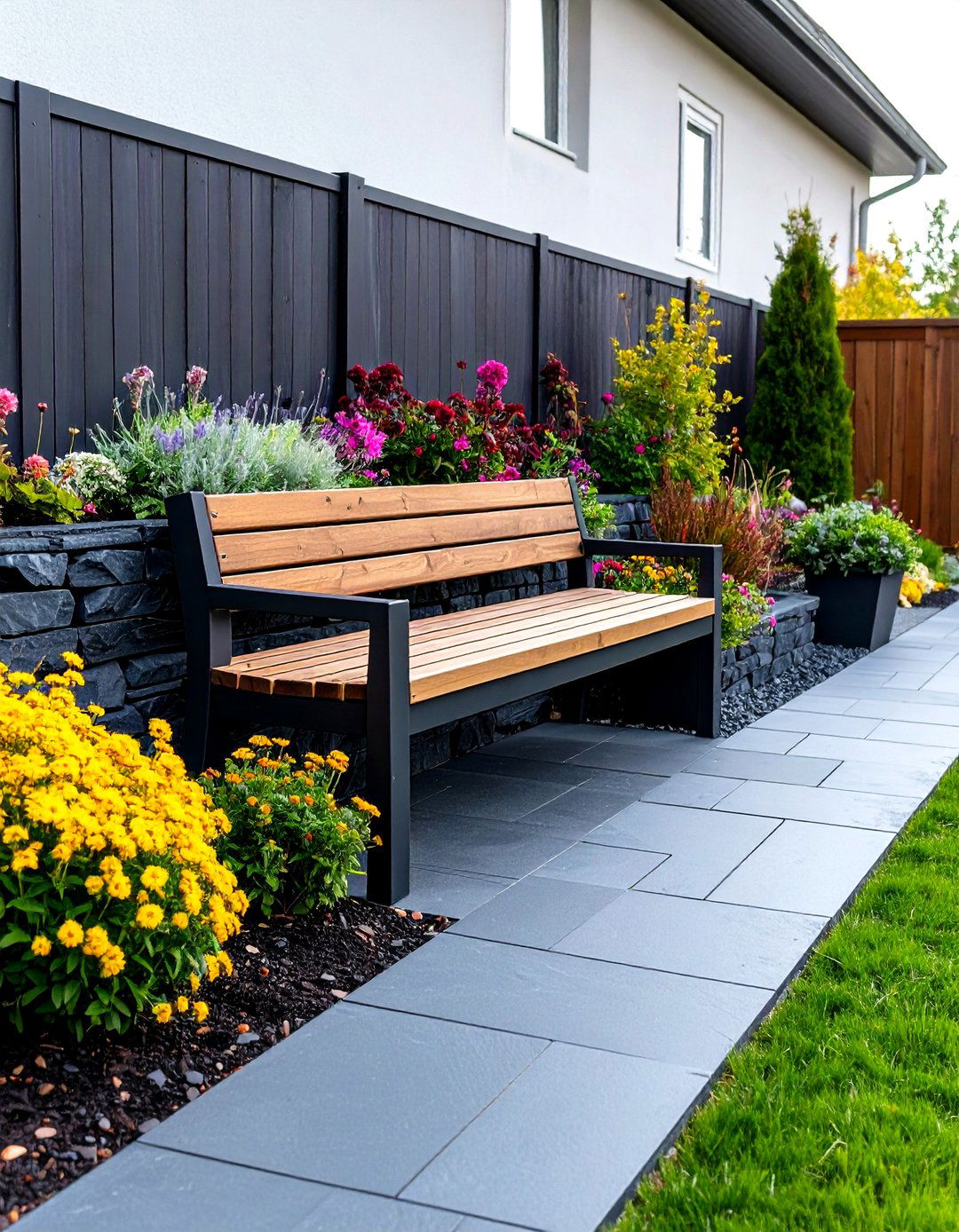
Maximize the functionality of your outdoor space by incorporating built-in bench seating directly into your retaining wall. This clever design provides a permanent, durable place for family and guests to relax without the need for additional furniture. Typically, a capstone or a smooth wooden top is placed over a section of a low-profile wall, creating a comfortable and stylish seating nook. This idea is perfect for patios, fire pit areas, or garden overlooks. It’s a space-saving solution that seamlessly merges hardscaping structure with practical, comfortable outdoor living, making your backyard more inviting and usable.
4. Concrete Block Retaining Wall

Concrete block retaining walls are a popular choice for their versatility, strength, and affordability. Available in a wide range of colors, textures, and sizes, these interlocking blocks make installation straightforward for both DIY enthusiasts and professionals. Their uniform shape allows for the creation of clean, straight lines or gentle curves, suiting modern and traditional landscapes alike. Many systems are engineered for easy stacking and stability, making them a reliable option for holding back soil on slopes or creating raised planters. Their consistent appearance provides a neat, organized look that complements various home exteriors and garden styles.
5. Gabion Basket Retaining Wall

A gabion basket retaining wall offers a unique, industrial-chic aesthetic that is both sturdy and permeable. This design involves filling wire mesh cages, or gabions, with rocks, stones, or even recycled concrete. The result is a highly durable and porous wall that allows for excellent drainage, preventing hydrostatic pressure buildup. Gabion walls are surprisingly versatile; you can use different colored and sized rocks to create patterns or a more uniform look. They are an eco-friendly choice, especially when filled with locally sourced materials, and provide a modern, textural element that works well in contemporary and rustic landscapes.
6. Curved Retaining Wall Design

Introducing curves into your landscape with a retaining wall can soften hard lines and create a sense of natural flow. A curved retaining wall guides the eye through the garden, adding visual interest and a dynamic quality that straight walls often lack. This design is particularly effective for enclosing circular patios, creating winding garden paths, or wrapping around existing trees and landscape features. Materials like smaller manufactured blocks or natural stones are ideal for constructing smooth, elegant curves. This approach helps to break up the monotony of a rectangular yard, introducing a graceful and organic element to your outdoor space.
7. Retaining Wall with Built-In Planters

Integrate green spaces directly into your hardscaping with a retaining wall that features built-in planters. These designated pockets are designed within the wall structure itself, creating perfect spots for showcasing feature plants, cascading flowers, or a convenient herb garden. This design breaks up the solid mass of the wall, adding texture, color, and life. It's a fantastic way to soften the appearance of a tall or long wall and bring greenery to patios or areas with limited planting space. The planters can be placed at various heights to create a multi-level garden effect, adding depth and dimension.
8. Wooden Timber Retaining Wall

For a warm and rustic appeal, a wooden timber retaining wall is an excellent choice. Using pressure-treated lumber, cedar, or redwood, these walls bring a natural, earthy feel to the landscape. They are particularly well-suited for creating straight-lined, geometric designs like raised garden beds or terraced vegetable patches. Timber walls are often more affordable and easier to install than stone or concrete, making them a popular DIY project. The wood complements a lush, green environment beautifully, and its appearance can be customized with stains or paints to match your home's exterior or other garden structures for a cohesive look.
9. Retaining Wall with Integrated Steps

When a retaining wall is used to manage a slope between two different levels of your yard, integrating steps is a practical and elegant solution. This creates a seamless transition, allowing for easy and safe movement between the upper and lower areas. The steps can be constructed from the same material as the wall for a cohesive look or a contrasting material to make them a standout feature. This design is perfect for connecting a patio to a lawn, a house to a garden, or different levels of a terraced landscape, turning a functional necessity into an attractive architectural element.
10. Retaining Wall Water Feature
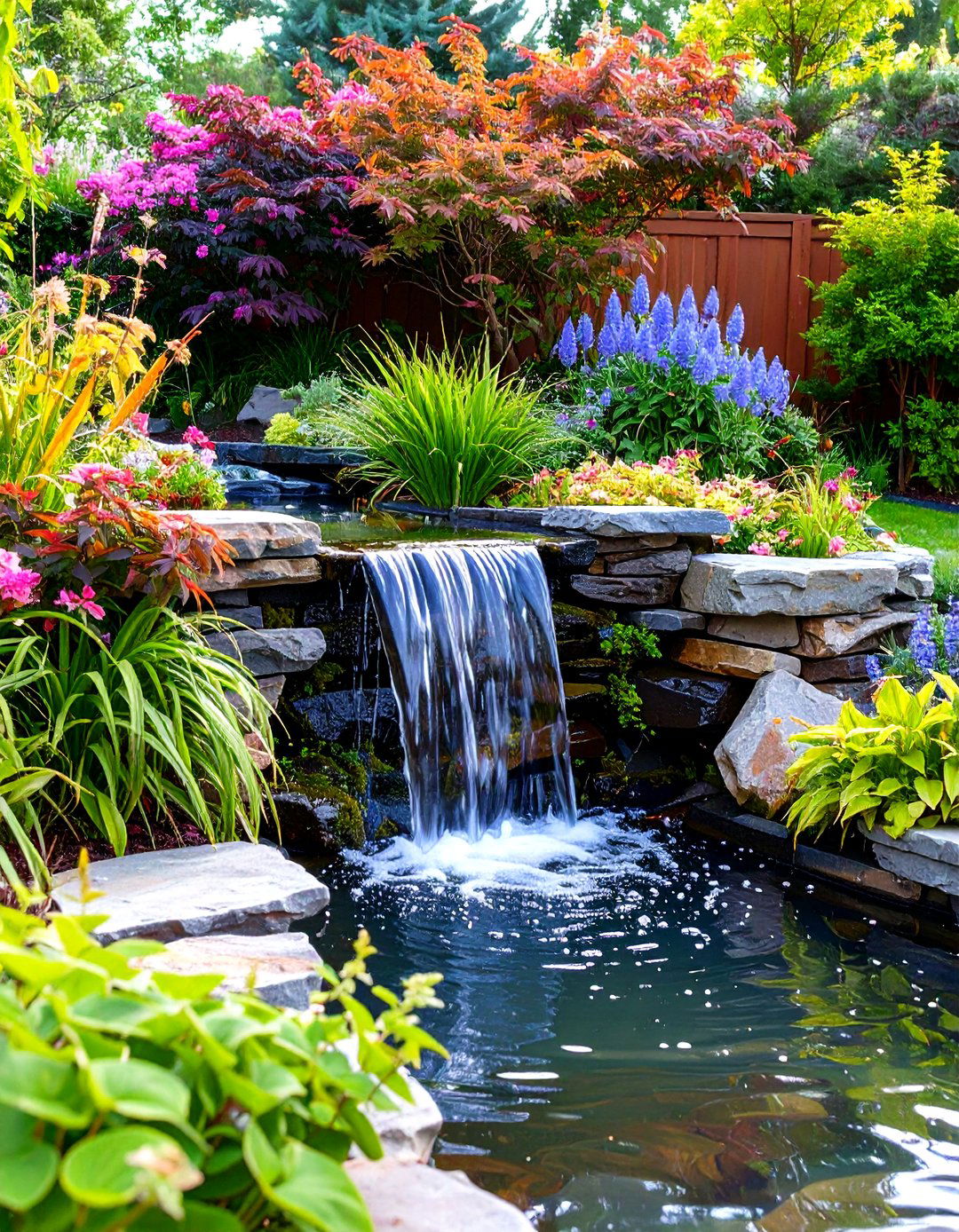
Transform your retaining wall into a captivating focal point by incorporating a water feature. A gentle cascade of water flowing over the stone or down a specialized spillway can add the soothing sounds and mesmerizing movement of water to your garden. This can range from a simple wall-mounted spout that empties into a basin to a more elaborate waterfall that pools at the base. Integrating a water feature not only enhances the aesthetic appeal but also creates a tranquil and relaxing atmosphere. It’s a luxurious touch that turns a purely functional structure into a piece of living art in your outdoor sanctuary.
11. Cinder Block Retaining Wall

A cinder block retaining wall is a cost-effective and highly practical option for landscaping projects. While the raw blocks have an industrial look, they can be easily customized to fit any aesthetic. You can paint them a color that complements your home, cover them with a stucco finish for a smooth, modern appearance, or attach a stone veneer for a more traditional look. The hollow cores of the blocks can also be used as individual planters for succulents or trailing plants, adding a unique touch of green. Their durability and straightforward construction make them a reliable choice for any homeowner.
12. Retaining Wall with Landscape Lighting

Incorporating lighting into your retaining wall design extends its beauty and functionality into the evening hours. Low-voltage LED lights can be installed under the capstones, within the wall structure, or along its base to cast a warm, ambient glow. This not only highlights the texture and form of the wall but also improves safety by illuminating pathways, steps, and changes in elevation. Landscape lighting creates a dramatic effect, turning the wall into a stunning nighttime feature. It enhances curb appeal and allows you to enjoy your outdoor living spaces long after the sun has set, creating a cozy and inviting atmosphere.
13. Short Retaining Wall for Garden Edging
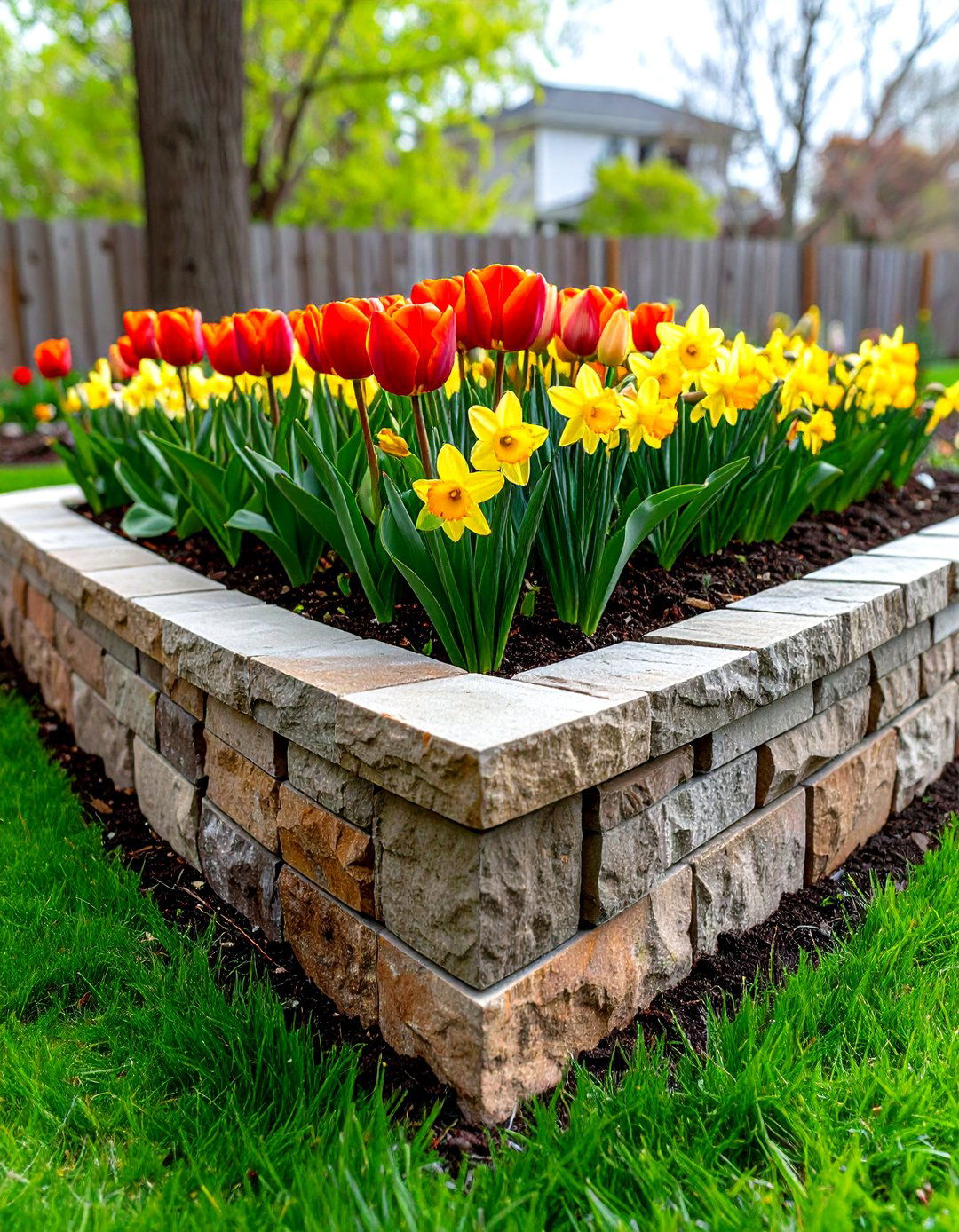
Even a short retaining wall can make a big impact when used as garden edging. A low wall, just one or two blocks high, creates a clean, defined border between your lawn and flower beds. This prevents grass from creeping into your garden and keeps mulch or soil neatly contained. Using materials like pavers, small boulders, or decorative concrete blocks adds a polished, professional finish to your landscape design. It’s a simple yet highly effective way to add structure and order to your garden, making maintenance easier and elevating the overall appearance of your yard with minimal effort.
14. Corten Steel Retaining Wall

For a sleek, modern, and artistic statement, a Corten steel retaining wall is an exceptional choice. Corten steel, also known as weathering steel, develops a stable, rust-like patina over time when exposed to the elements. This protective layer provides a beautiful, earthy orange-brown color and prevents further corrosion, making it incredibly durable and maintenance-free. Its thin profile allows for the creation of sharp, clean lines and dramatic curves that are difficult to achieve with other materials. This option is perfect for contemporary landscapes, adding a sculptural quality that contrasts beautifully with soft, green foliage.


15. White Retaining Wall for a Modern Look

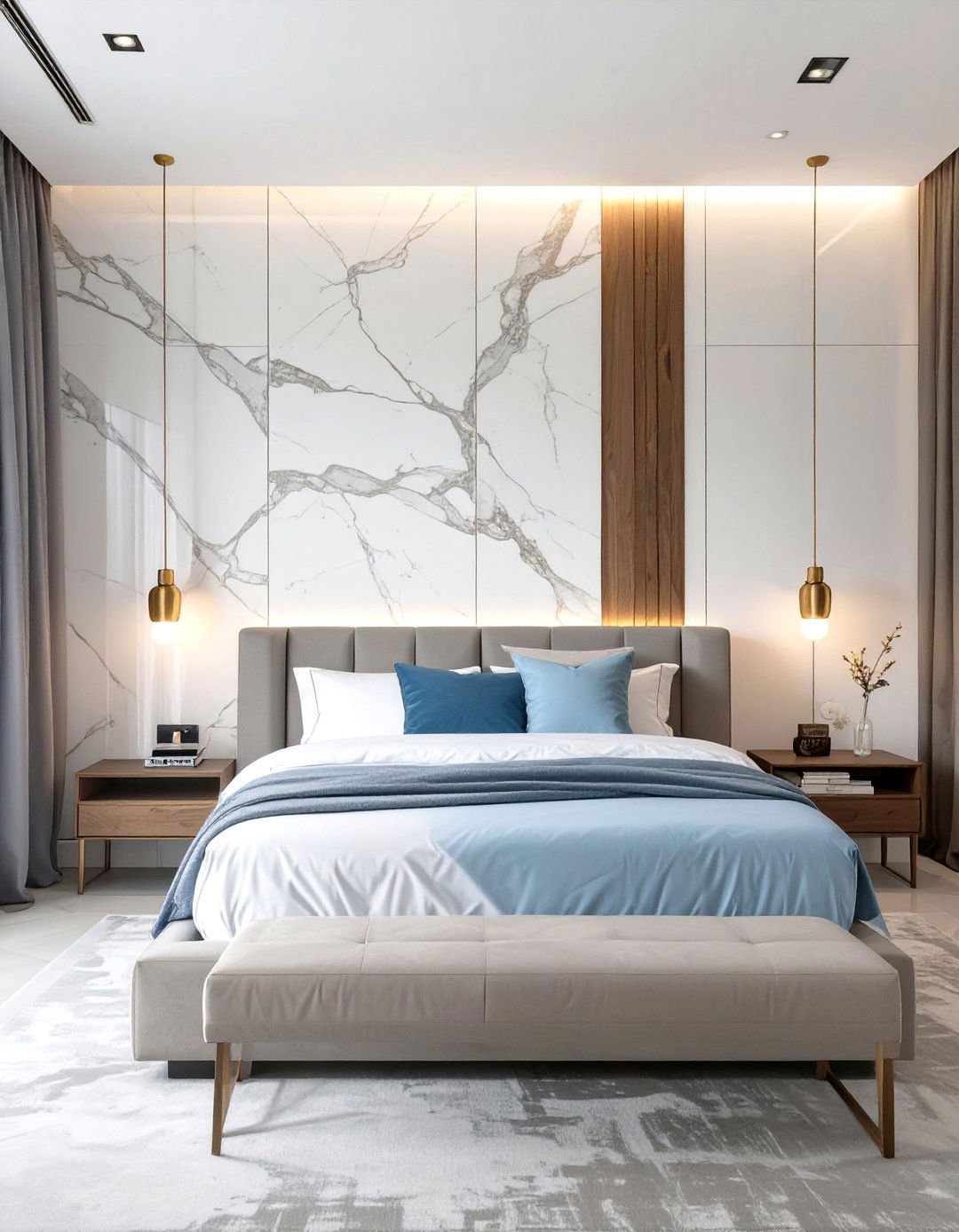
A white retaining wall can bring a crisp, clean, and sophisticated aesthetic to your outdoor space. Whether achieved by painting concrete blocks, using white stone, or applying a smooth stucco finish, a white wall creates a stunning contrast against lush green lawns and colorful plants. This look is particularly effective in modern and minimalist garden designs, as it brightens up the area and makes the space feel larger and more open. A white wall acts as a neutral backdrop, making the colors of your flowers and foliage pop. It’s a bold choice that delivers a chic and elegant finish.
16. Dry-Stack Stone Retaining Wall
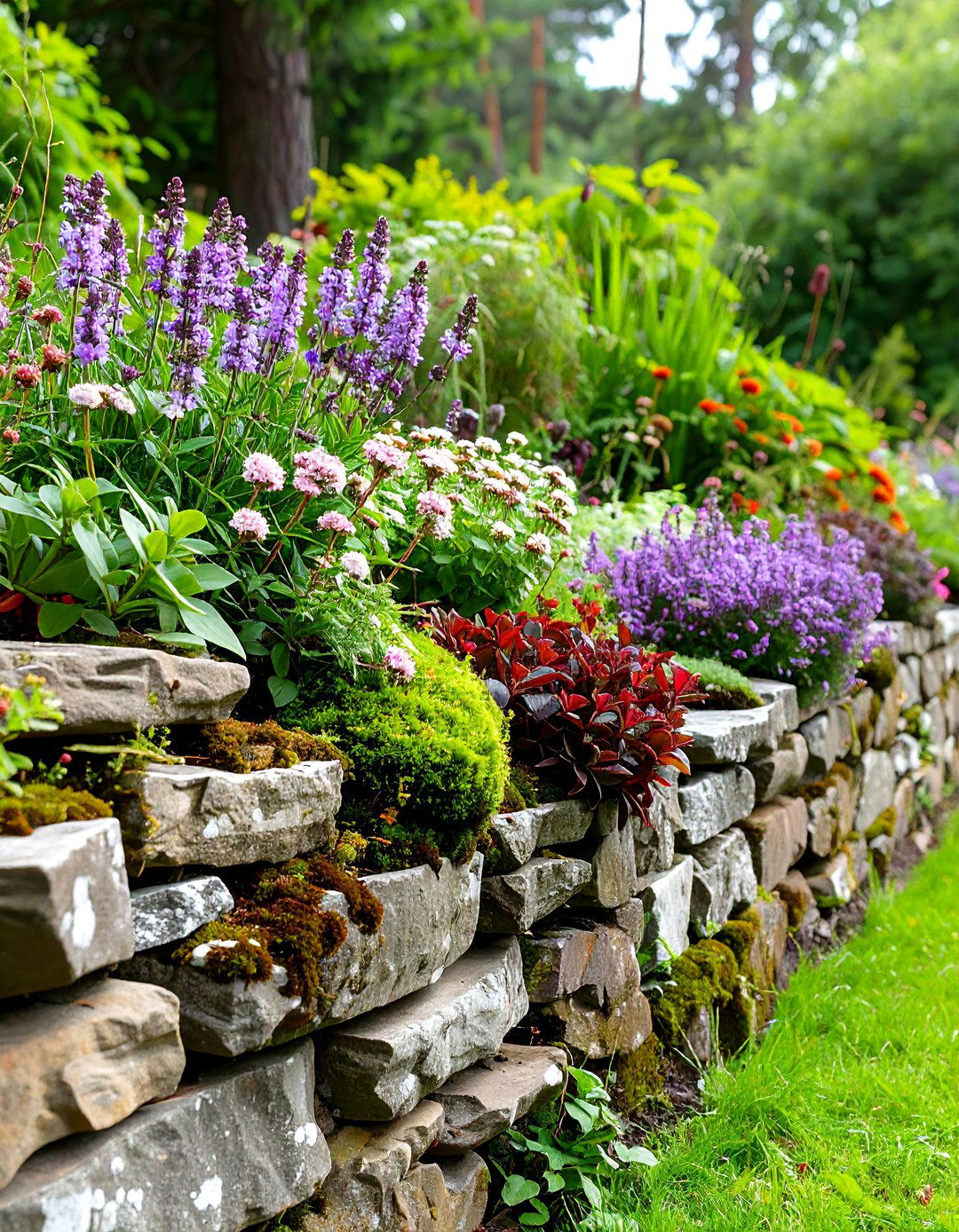
A dry-stack stone retaining wall is constructed without any mortar, relying on the careful placement and interlocking of stones, along with gravity, for its stability. This ancient technique creates a rustic and natural look that is full of character and charm. The small gaps between the stones allow for excellent drainage, which is ideal for preventing water pressure from building up behind the wall. These crevices also provide perfect little pockets for planting hardy succulents, moss, or alpine plants, softening the wall's appearance and integrating it further into the garden. It's a beautiful, timeless choice for a traditional landscape.
17. Retaining Wall Bordering a Driveway

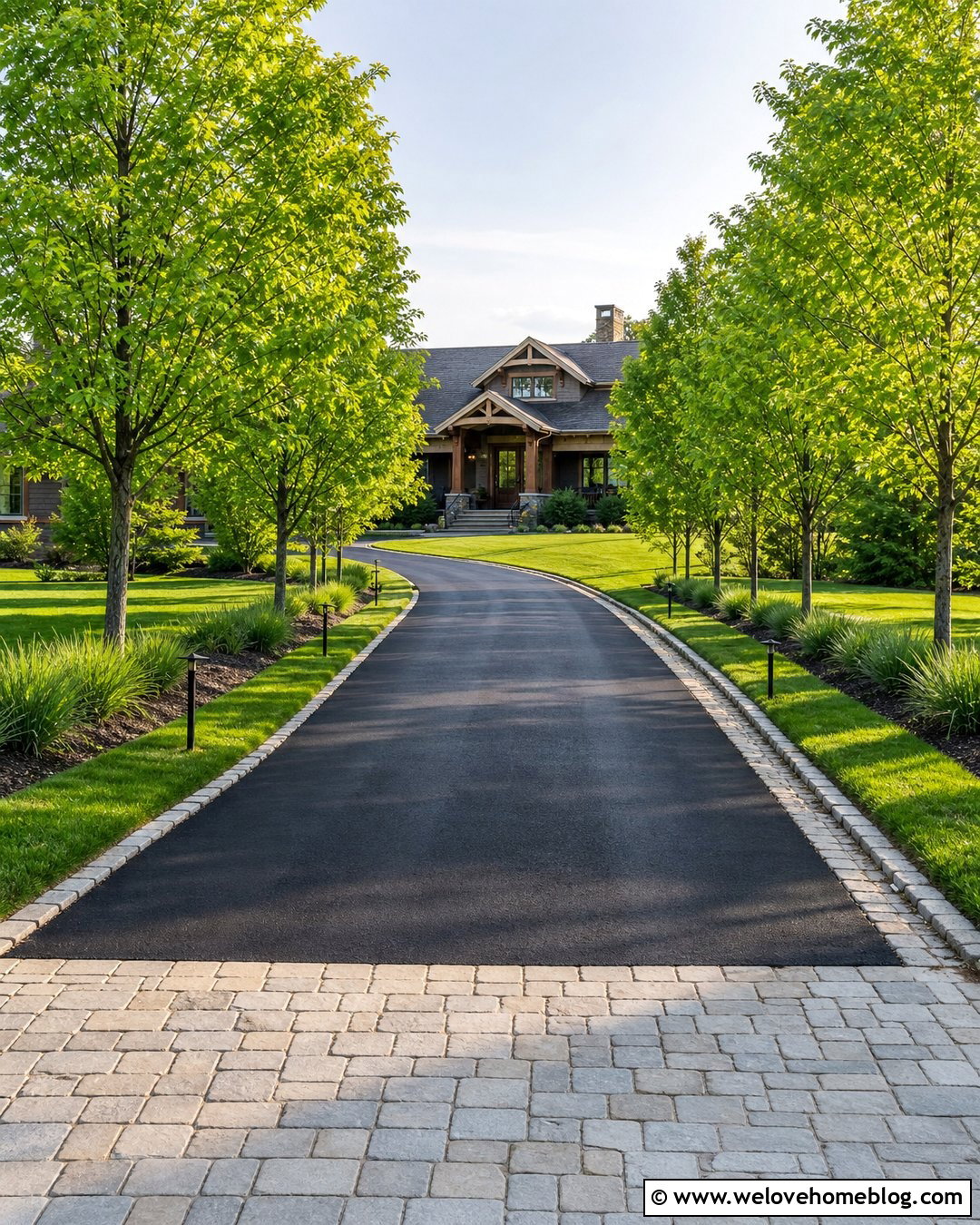
Using a retaining wall to border a driveway serves both aesthetic and practical purposes. It can create a clear, defined edge, preventing soil or mulch from washing onto the pavement during heavy rain. If your driveway is on a slope, a retaining wall can help level the surrounding area, providing more usable space or preventing erosion. Constructed from materials that complement your home's exterior, such as brick or decorative concrete blocks, it adds significant curb appeal. This creates a grand, formal entrance to your property while managing drainage and soil retention in a smart and attractive way.
18. Boulder Retaining Wall

For a truly natural and rugged look, a boulder retaining wall is unmatched. Constructed from large, often irregularly shaped boulders, these walls have a massive, permanent feel that makes a powerful statement in the landscape. They are incredibly effective at holding back large amounts of soil on steep hillsides and are extremely durable. The size and weight of the boulders mean they are often set into the slope rather than stacked vertically. The gaps and crevices between the boulders can be planted with tough, drought-tolerant plants to soften the look and blend the wall into the surrounding environment.
19. Brick Retaining Wall

A brick retaining wall offers a classic, traditional look that pairs beautifully with many architectural styles, especially colonial or historic homes. The uniform size and rich color of bricks create a sense of order and elegance. Bricks can be laid in various patterns, such as running bond or herringbone, to add textural interest. While typically requiring a concrete footing and mortar for stability, a well-built brick wall is incredibly durable and long-lasting. It’s an excellent choice for creating formal garden beds, elegant patio enclosures, or stately property borders that add timeless charm and sophistication to your landscape.

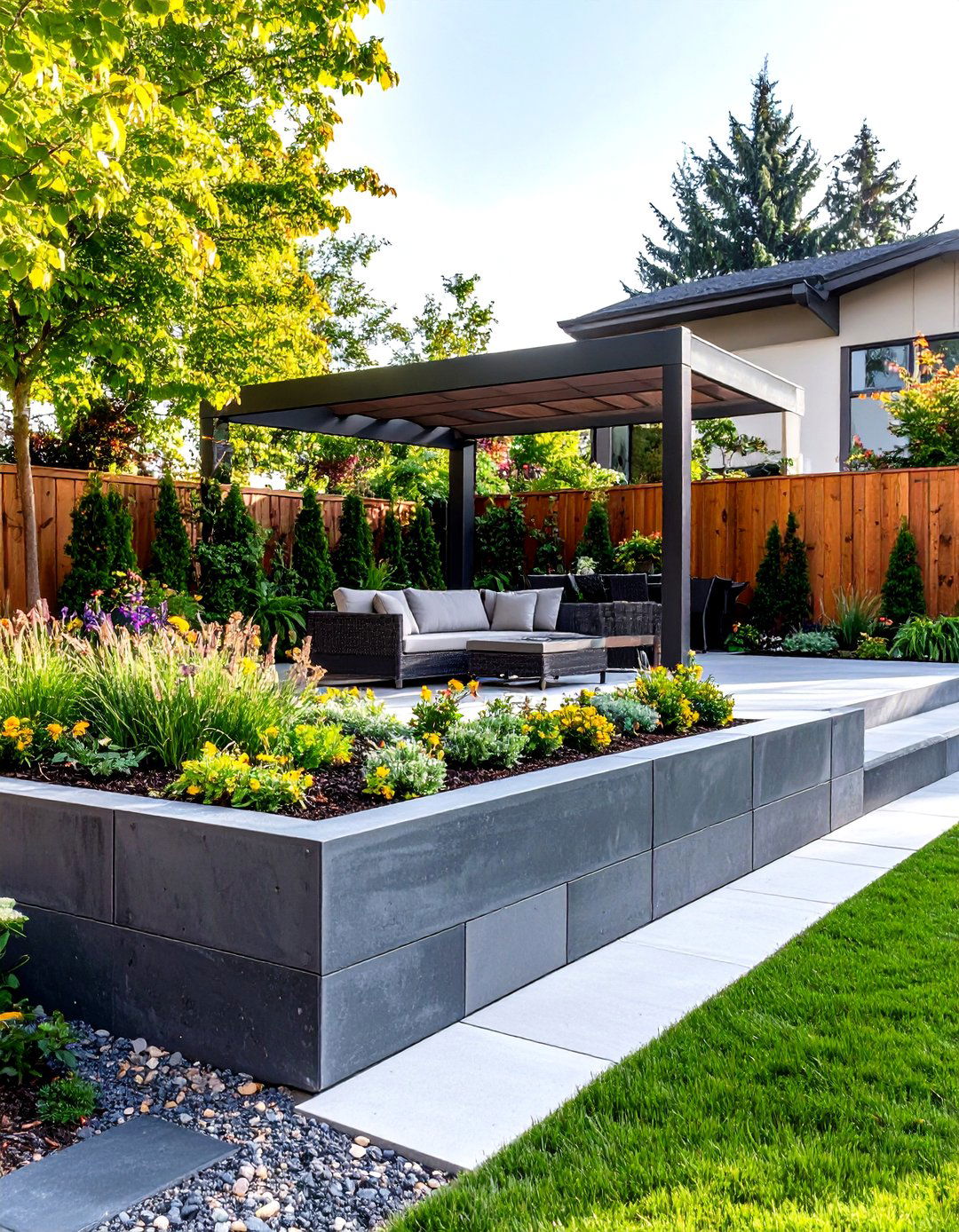
20. Retaining Wall for a Sunken Patio

Create a cozy and intimate outdoor room by enclosing a sunken patio with a retaining wall. This design technique carves out a secluded space that feels separate from the rest of the yard, offering privacy and protection from the wind. The surrounding walls provide an excellent opportunity for vertical gardening, built-in seating, or integrated lighting, further enhancing the sense of enclosure and ambiance. A sunken patio with a retaining wall is a perfect spot for dining, entertaining, or simply relaxing in your own private oasis, transforming a flat, uninspired area into a dynamic, multi-level living space.
21. Stucco Finish Retaining Wall

Applying a stucco finish to a concrete block or cinder block retaining wall is a fantastic way to achieve a sleek, seamless, and modern look. Stucco can be applied smoothly or with a texture and can be tinted to virtually any color, allowing for perfect coordination with your home's exterior or outdoor color scheme. This finish unifies the wall's surface, hiding joints and creating a clean, sophisticated appearance that works well in contemporary, Mediterranean, or Southwestern-style landscapes. It’s a durable and weather-resistant option that provides a high-end, custom look without the high cost of premium materials.
22. Retaining Wall for a Sloped Backyard

A retaining wall is the ultimate solution for a sloped backyard, turning a challenging incline into a series of usable, flat areas. By terracing the slope, you can create distinct zones for different activities, such as a level lawn for playing, a patio for entertaining, and garden beds for planting. This not only maximizes the functionality of your property but also critically prevents soil erosion and manages water runoff effectively. The choice of material—from rustic stone to modern concrete—allows you to set the stylistic tone for your entire landscape, making the most of your yard's unique topography.
23. Retaining Wall Around a Pool

A retaining wall around a pool area can help define the space, provide privacy, and manage changes in elevation. It can create a level deck area on a sloped yard, ensuring a safe and stable surface for lounge chairs and poolside activities. The wall itself can become a design feature, incorporating waterfalls that spill into the pool, built-in planters with tropical foliage, or lighting for nighttime swims. Using materials that complement the pool's coping and decking, like natural stone or smooth concrete, creates a cohesive and luxurious resort-like atmosphere right in your own backyard.
24. Retaining Wall with an Herb Garden

Turn a sunny section of your retaining wall into a productive and fragrant herb garden. By building the wall with integrated planting pockets or placing containers along a terraced level, you can create the perfect conditions for growing culinary herbs. The stone or block of the wall absorbs and radiates heat, which many herbs like rosemary, thyme, and oregano love. This design keeps the herbs neatly contained and at a convenient height for harvesting, making it easy to snip fresh flavors for your kitchen. It's a practical and beautiful way to combine hardscaping with edible landscaping.
25. Mixed-Material Retaining Wall

Create a dynamic and visually interesting landscape by constructing a retaining wall from a combination of materials. For example, you could build the main structure from concrete blocks and cap it with natural flagstone, or insert sections of wooden timbers into a stone wall. This approach adds texture, color, and a custom feel to the design. Mixing materials allows you to blend different styles, such as rustic and modern, and can also be a budget-friendly strategy by using more expensive materials as accents. The result is a unique, eye-catching feature that adds depth and personality to your garden.
26. Low-Profile Retaining Wall
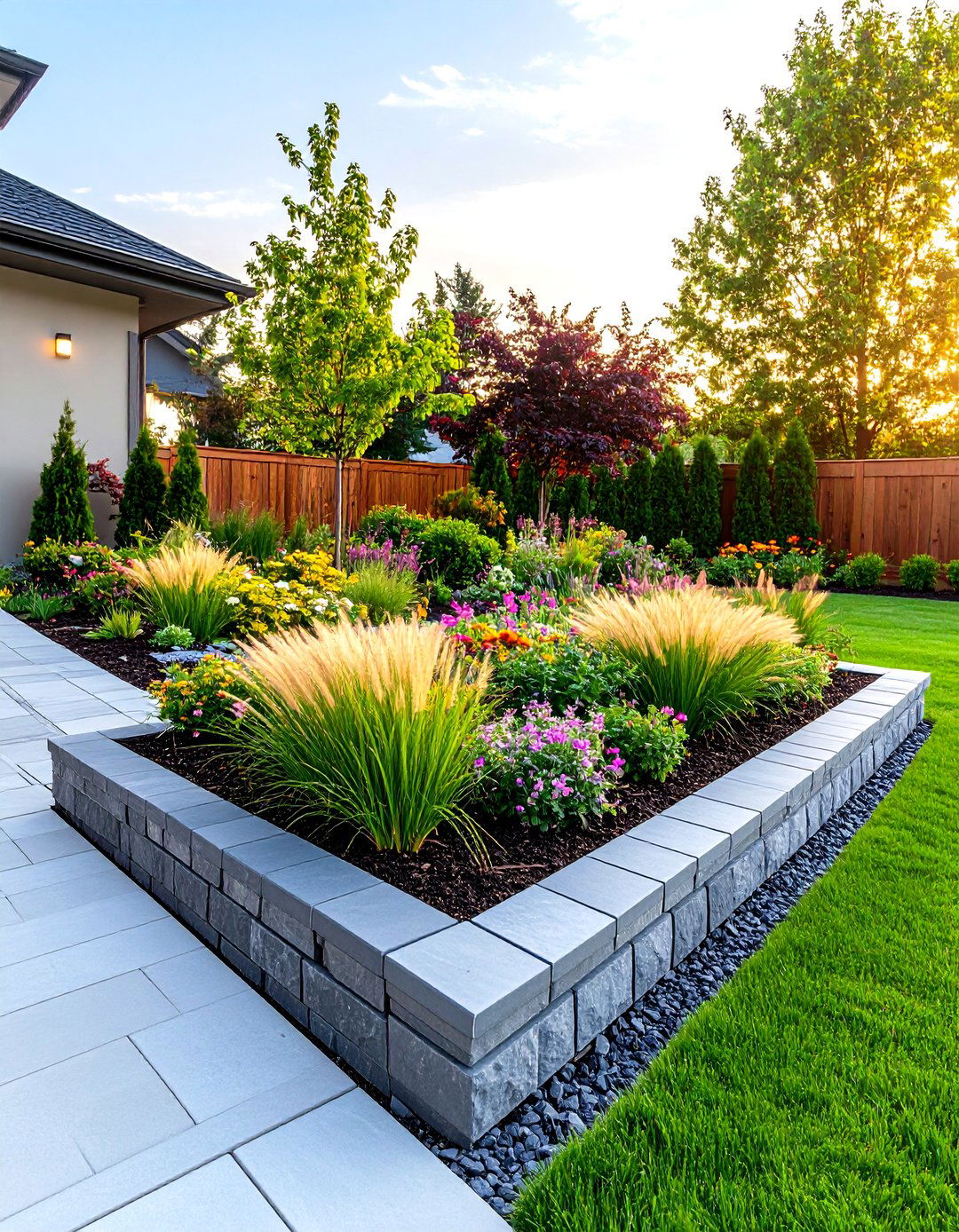
A low-profile retaining wall is a subtle yet powerful tool in landscape design. Often just a foot or two high, these small walls are perfect for creating slightly raised planting beds, cleanly separating a patio from the lawn, or managing a very gentle slope. They add a sense of structure and definition without overwhelming the space or obstructing views. Materials like sleek pavers or small, stacked stones work well for these understated designs. A low wall is an excellent way to introduce clean lines and a touch of architectural interest to your yard in a simple and elegant manner.
27. Retaining Wall with Espaliered Plants

Use your retaining wall as a backdrop for the ancient art of espalier, which is the practice of training trees or shrubs to grow in a flat plane. By installing a wire trellis system against the wall, you can guide the branches of fruit trees, like apples and pears, or ornamental shrubs into formal, two-dimensional patterns. This not only creates a stunning living sculpture but also saves space and can even increase fruit production by maximizing sun exposure. A south-facing wall is ideal as it retains heat, creating a favorable microclimate for the plants, turning a plain wall into a productive work of art.
28. Retaining Wall Accenting a Fire Pit

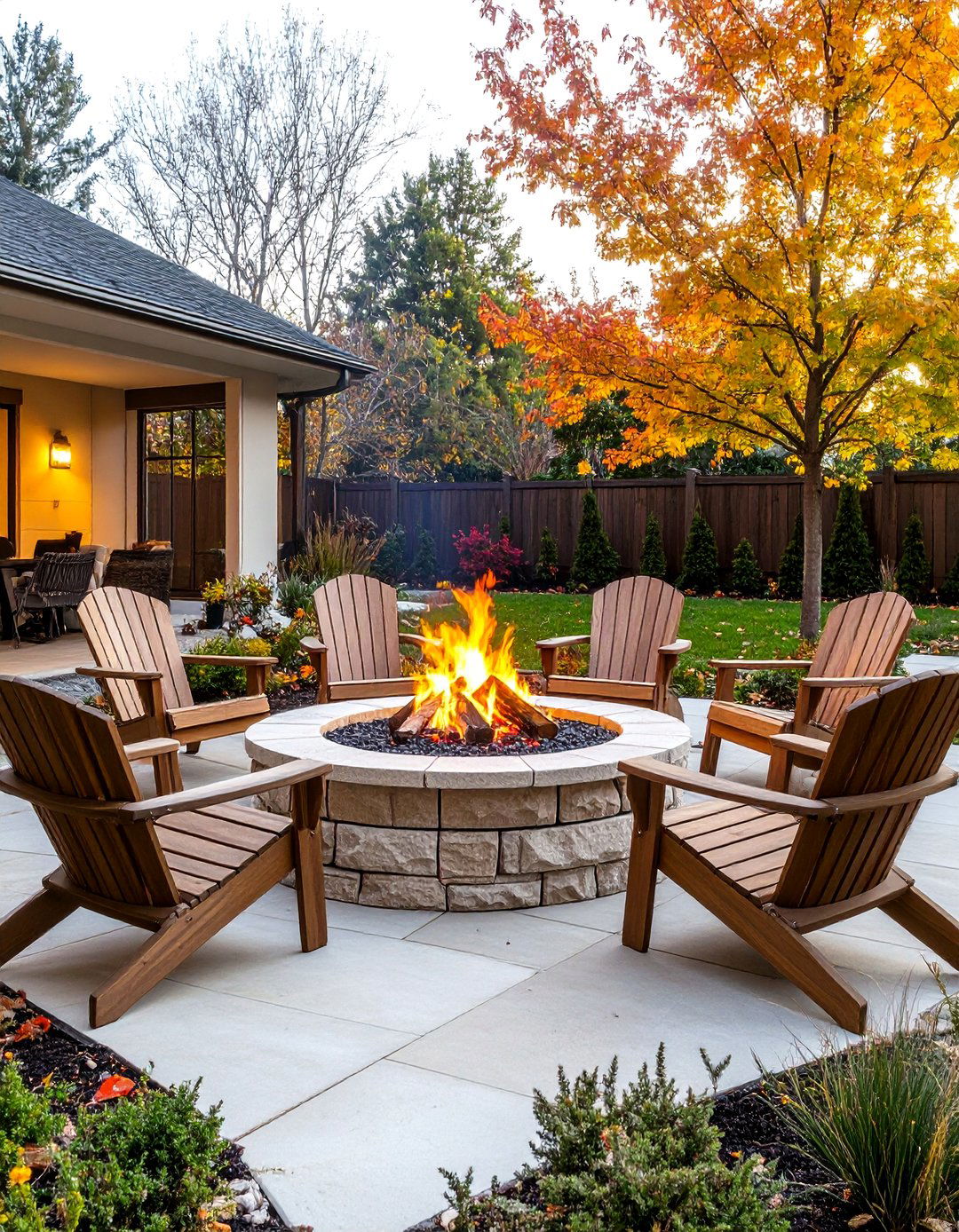
A retaining wall can be the perfect element to frame a fire pit area, creating a cozy, sunken-living-room feel. A low, curved wall built around the fire pit defines the space and provides built-in seating for gathering with friends and family on cool evenings. This design offers a sense of enclosure and intimacy, making the fire pit the undeniable focal point of your backyard. The wall material, whether rustic stone or modern concrete, can be chosen to complement the fire pit itself, creating a harmonious and inviting outdoor entertainment hub that encourages conversation and connection.
29. Railroad Tie Retaining Wall

For a rustic, robust, and cost-effective solution, a railroad tie retaining wall is a classic choice. These thick, heavy timbers create a strong and durable barrier, perfect for handling significant soil loads and creating terraced gardens. Their substantial size and weathered appearance lend a sense of history and rugged charm to the landscape. While new, treated landscape timbers are recommended, the look remains traditional. They are relatively easy to work with and can be stacked to create straight, geometric walls that are ideal for defining vegetable gardens or managing slopes in a more informal, country-style setting.
30. Mortared Stone Retaining Wall
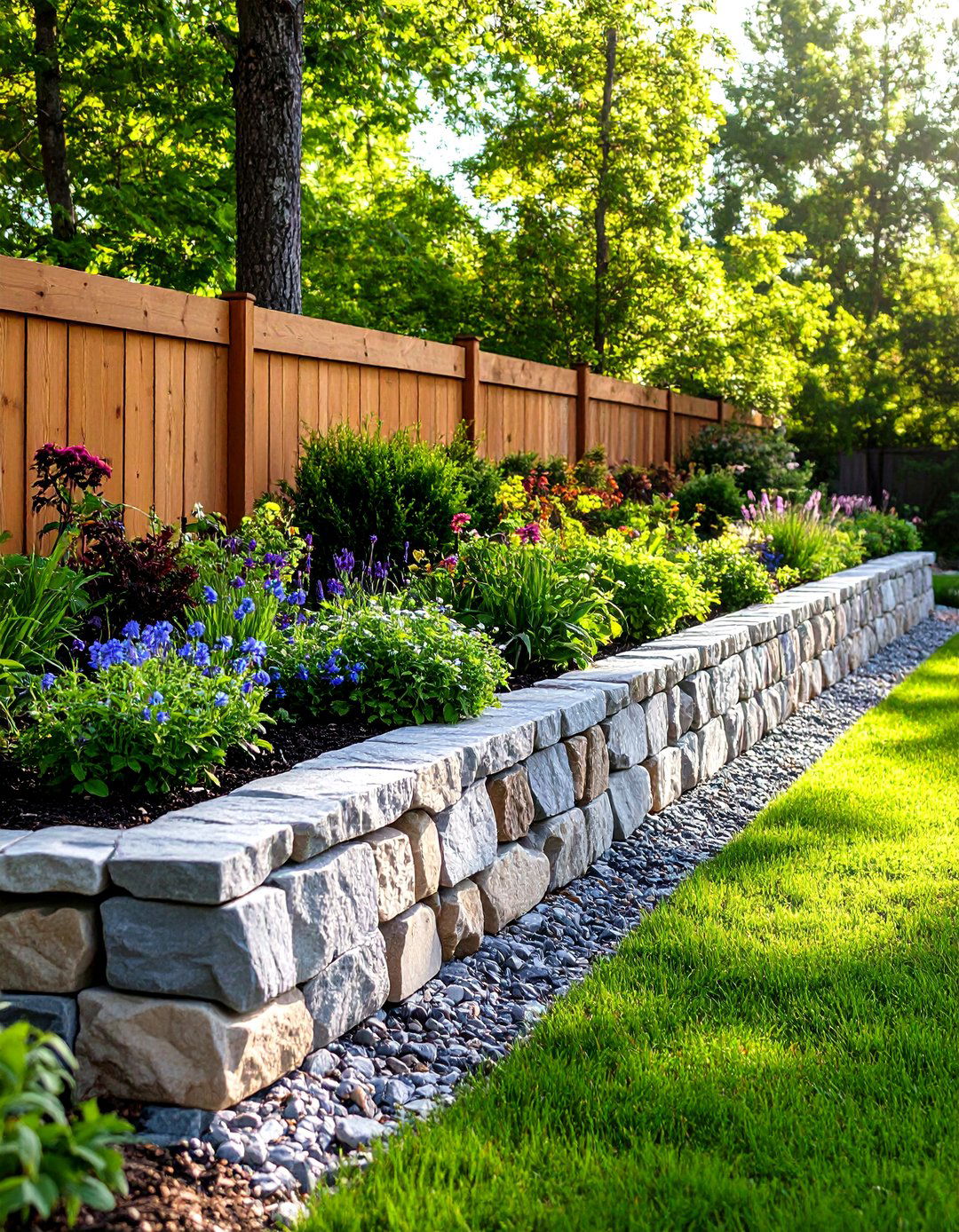
A mortared stone retaining wall offers the beauty of natural stone with the added strength and stability of mortar. This construction method allows for the use of a wider variety of stone shapes and sizes, as the mortar fills the gaps and bonds everything together into a solid, cohesive structure. The result is a more formal and finished appearance compared to a dry-stack wall. You can choose a mortar color that either contrasts with or complements the stones to create different visual effects. This type of wall is incredibly durable and long-lasting, perfect for creating permanent, elegant landscape features.
Conclusion:
Retaining walls are a versatile and essential element in landscape design, offering both practical solutions and aesthetic enhancements. From the rustic charm of dry-stacked stone to the sleek lines of Corten steel, there is a style to suit any home and garden. Whether you need to manage a steep slope, create defined outdoor rooms, or integrate features like seating and planters, a well-planned retaining wall can fundamentally transform your property. By choosing the right materials and design, you can add lasting value, functionality, and beauty to your outdoor living space for years to come.

Related posts:


Leave a Reply