
Retro interior design offers a nostalgic journey back to the bold styles of the mid-20th century, particularly the 1950s, '60s, and '70s. This design movement is all about embracing playful colors, organic shapes, and a sense of fun and optimism. It combines clean lines with funky patterns, creating spaces that feel both comfortable and charismatic. Whether you're looking to fully commit to a vintage-inspired look or just want to add a few nostalgic touches to your home, retro design provides a wealth of inspiration. It's a style that celebrates individuality and isn't afraid to make a statement with every curve and color choice.
1. Sunken Living Room Lounges
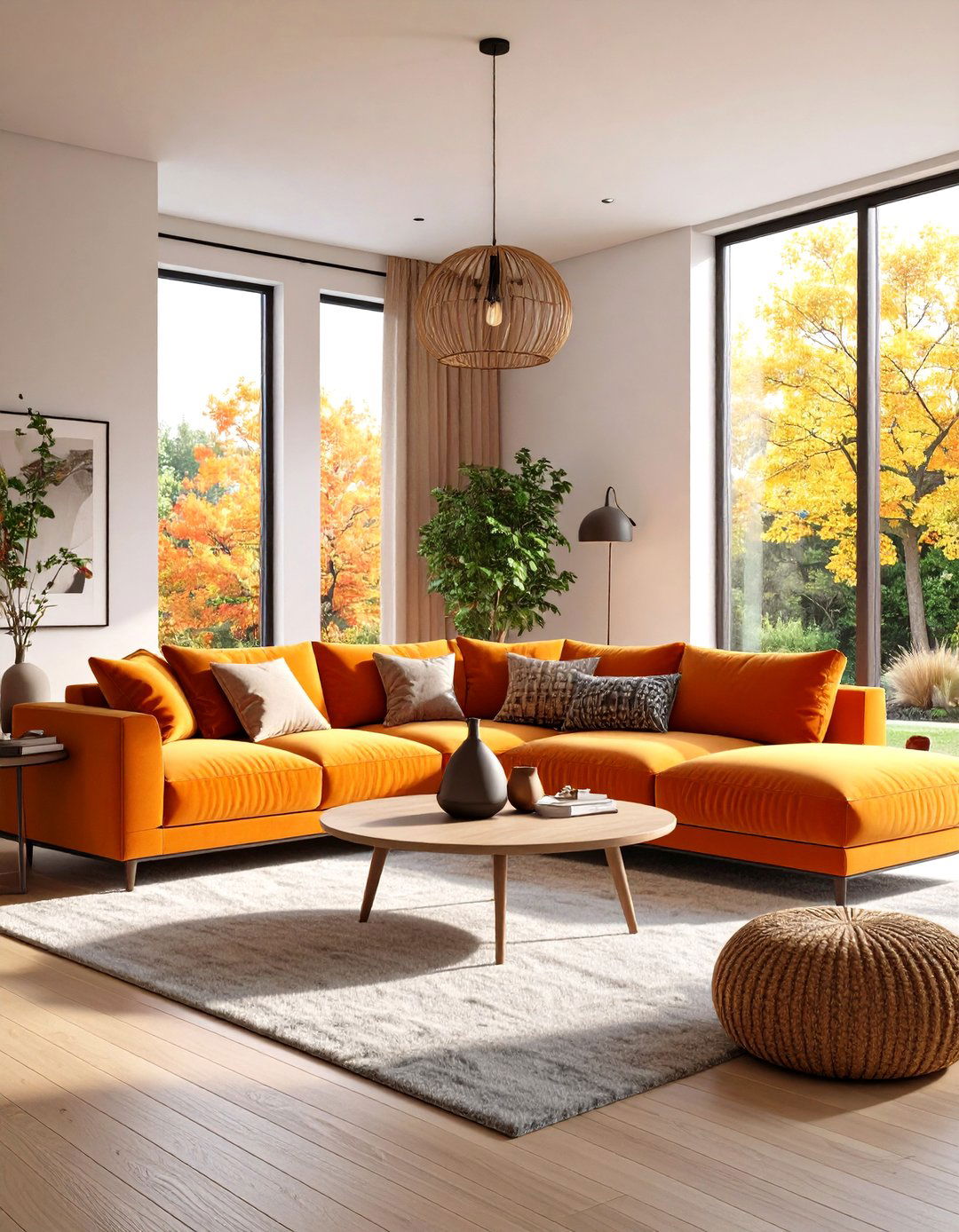
A sunken living room, often called a conversation pit, instantly creates a cozy and intimate gathering space reminiscent of the 1970s. This design feature lowers the central seating area, separating it from the rest of the room without using walls. Furnished with plush, built-in sectional sofas and soft shag carpeting, it becomes the ultimate spot for relaxation and socializing. The different levels add architectural interest and a unique dynamic to the home's layout. To enhance the vibe, consider adding floor cushions and a central, low-slung coffee table. This approach makes a large, open-plan space feel more connected and inviting.
2. Avocado Green Kitchen Cabinets
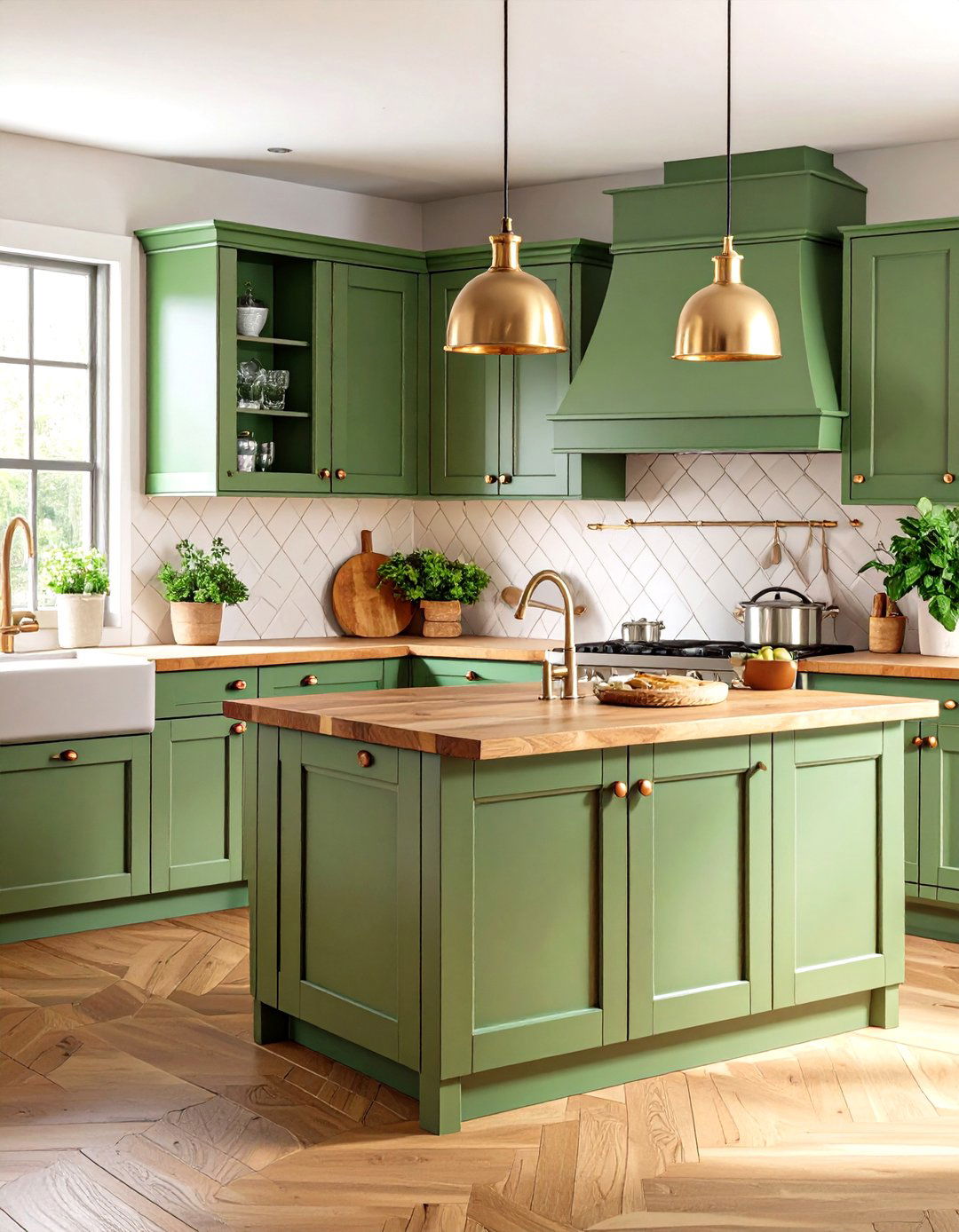
For an authentic touch of retro charm, consider painting kitchen cabinets in a classic avocado green. This earthy yet vibrant hue was a hallmark of 1960s and '70s kitchens, bringing a sense of nature indoors. When paired with warm wood countertops or a bold, patterned backsplash, the effect is both nostalgic and stylishly modern. To complete the look, opt for chrome or brass hardware, such as simple bar pulls or round knobs. This color choice works surprisingly well in various lighting conditions, creating a welcoming and cheerful atmosphere that feels both comforting and distinctly vintage, making the kitchen the true heart of the home.
3. Bold Geometric Patterned Wallpaper
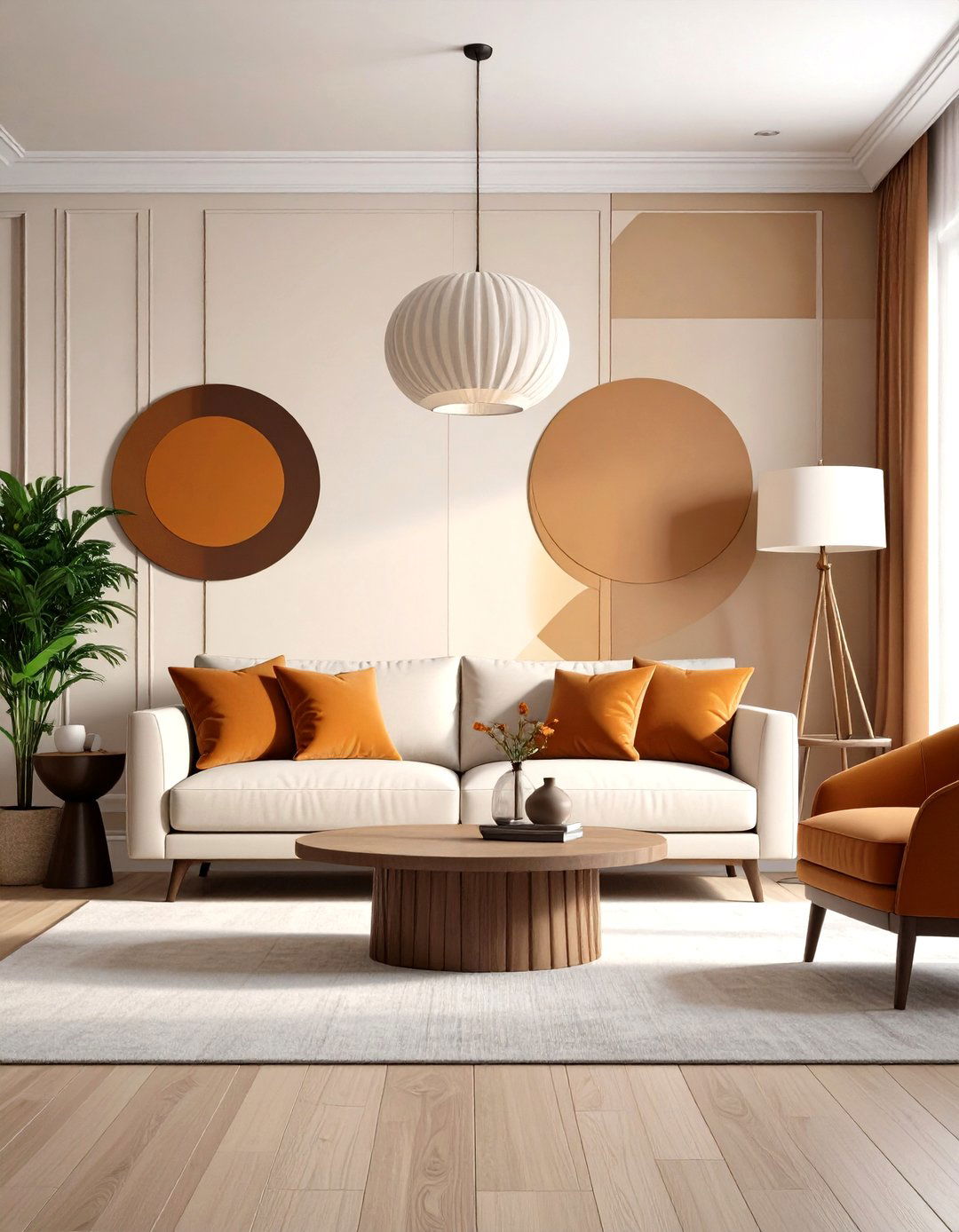
One of the most defining elements of retro design is the use of wallpaper with bold, geometric patterns. Think large-scale circles, interlocking squares, or vibrant zig-zags in high-contrast colors like orange, brown, and yellow. Using such a pattern on a single accent wall can serve as a powerful focal point in a living room or bedroom without overwhelming the space. The repetitive shapes and dynamic colors introduce a sense of energy and artistic flair. For a fully immersive experience, applying it to all four walls in a smaller room, like a powder room, creates a stunning, jewel-box effect that is purely retro.
4. Teak Wood Sideboards and Credenzas
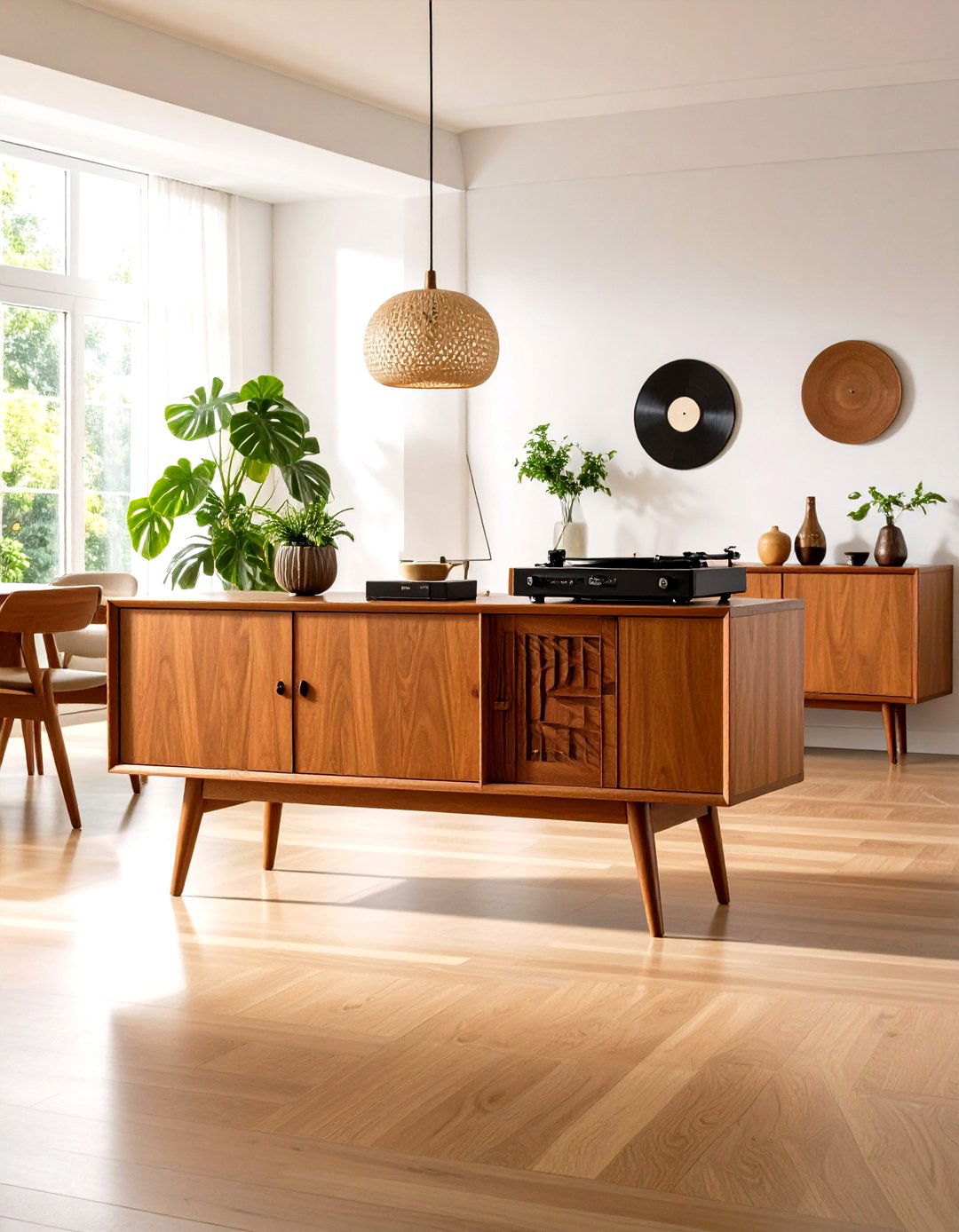
Teak wood furniture, especially sideboards and credenzas, is a cornerstone of mid-century retro style. Known for its warm, rich grain and exceptional durability, teak brings an element of natural elegance to any room. These pieces often feature clean, minimalist lines, tapered legs, and sleek, handle-less drawers or sliding doors. A credenza in the dining room can store dinnerware while providing a surface for serving, while a sideboard in the living room is perfect for housing a record player and vinyl collection. Its timeless appeal allows it to blend seamlessly with both vintage and contemporary decor, offering functional and stylish storage.

5. Shag Pile Carpeting
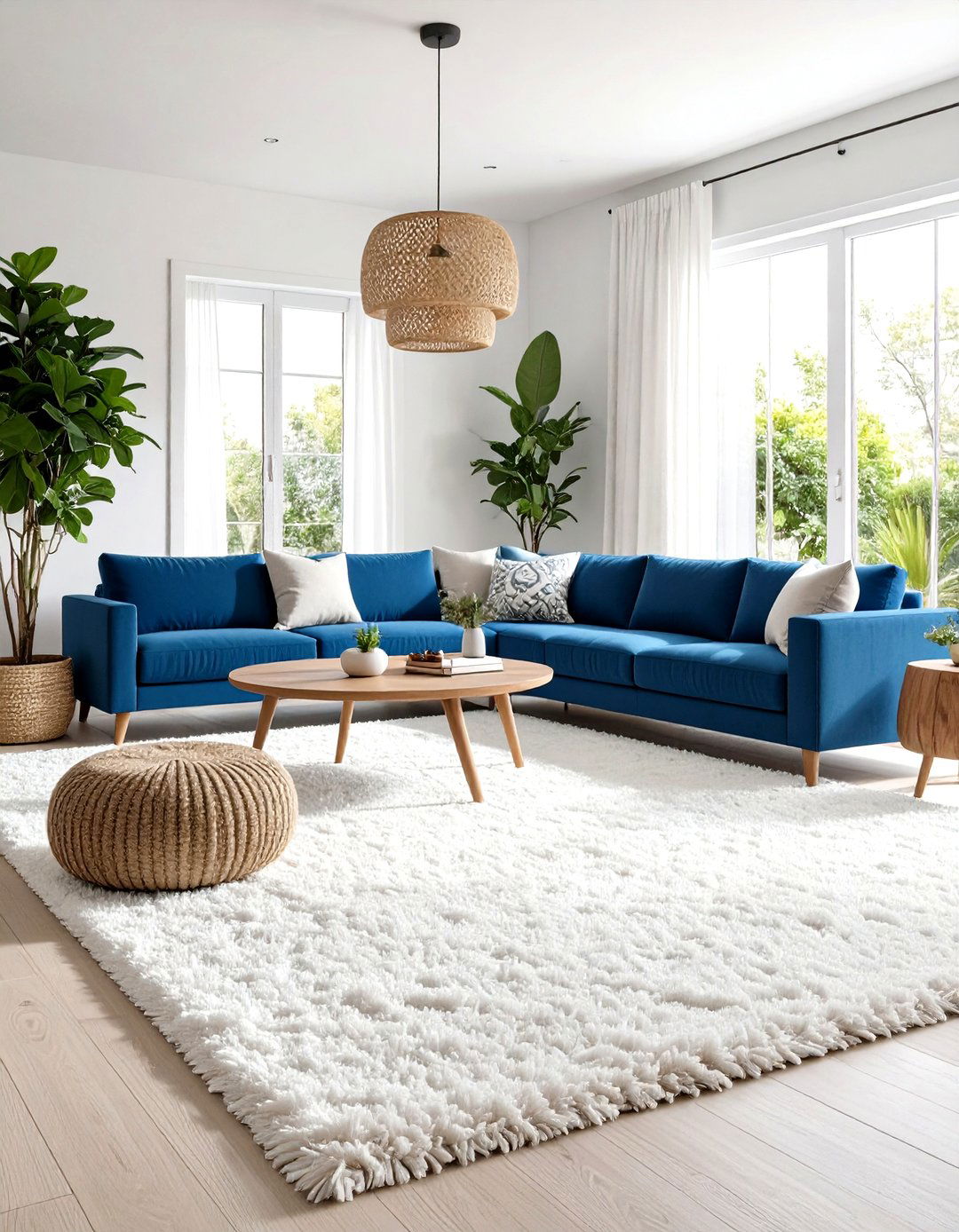
Nothing says 1970s retro quite like a deep, plush shag pile carpet. Available in a spectrum of colors from earthy browns and oranges to vibrant greens, a shag rug adds instant texture, warmth, and comfort underfoot. In a living room, a large area rug can define the seating area, while wall-to-wall shag carpeting creates a truly immersive vintage feel. Beyond its visual appeal, it also provides excellent sound insulation, making the room feel quieter and more serene. For a modern twist on this classic, choose a shag rug in a neutral color like cream or gray to add texture without overwhelming the space.
6. Curved and Low-Profile Sofas
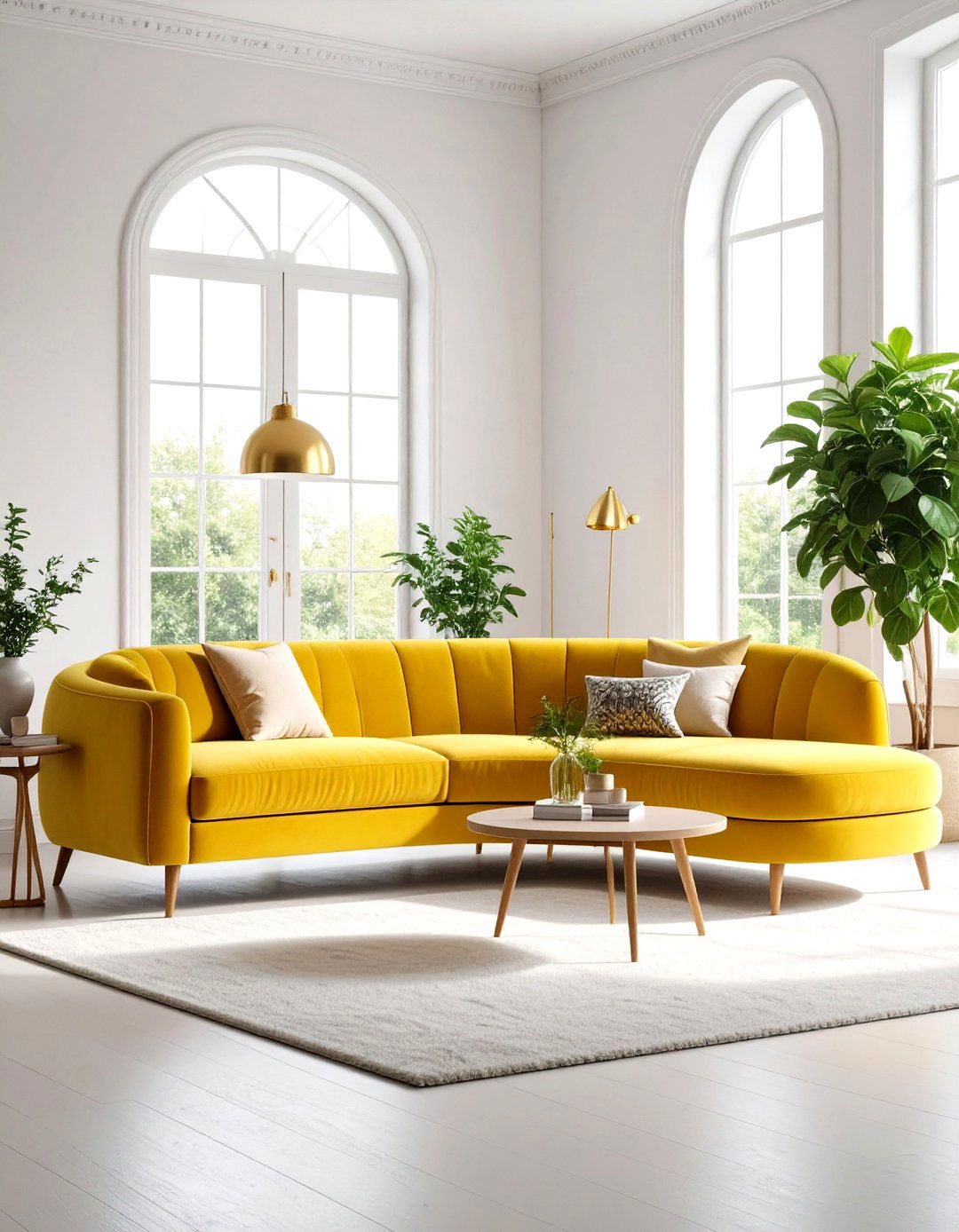
Curved sofas with a low-profile silhouette were a staple of retro-era living rooms, designed to encourage conversation and lounging. These pieces often feature soft, rounded edges and are upholstered in tactile fabrics like velvet, bouclé, or corduroy. The organic shapes break away from rigid, linear furniture, adding a sense of flow and softness to a space. A sinuous, serpentine sofa can become the dramatic centerpiece of a room, while a more subtly curved settee adds a touch of playful elegance. These sofas are not only comfortable but also make a strong stylistic statement about relaxed, informal living.
7. Terrazzo Flooring and Surfaces
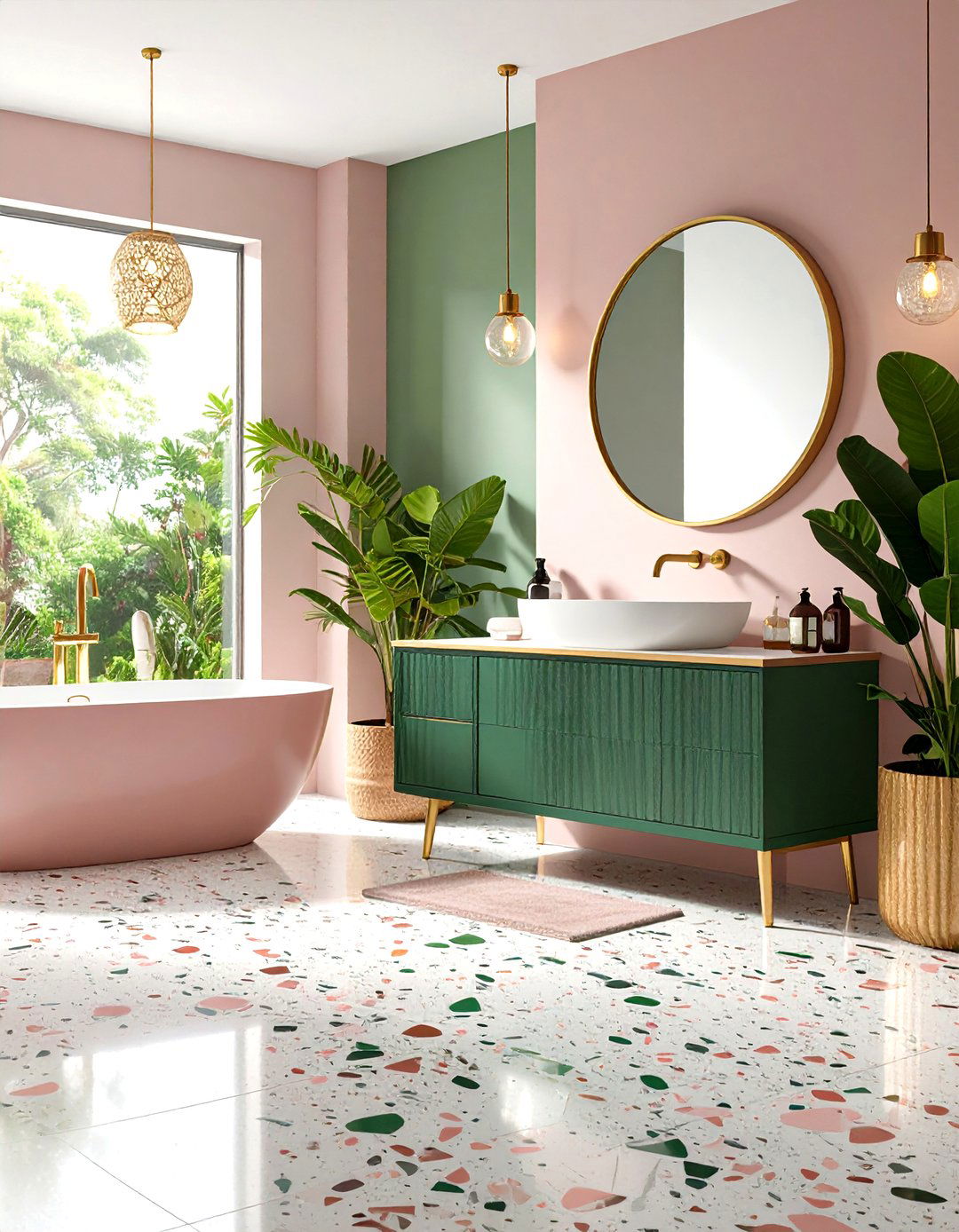
Terrazzo, a composite material made of marble, quartz, or glass chips set in cement, made a huge comeback from its Art Deco roots in the mid-century era. Its speckled, colorful appearance brings texture and personality to floors, countertops, and even backsplashes. The versatility of terrazzo allows for endless color and chip combinations, from subtle neutrals to bold, high-contrast palettes. It's incredibly durable and easy to maintain, making it a practical choice for high-traffic areas like kitchens and bathrooms. Using terrazzo is a fantastic way to introduce a playful yet sophisticated pattern that feels both vintage and contemporary.
8. Globe and Sputnik Chandeliers
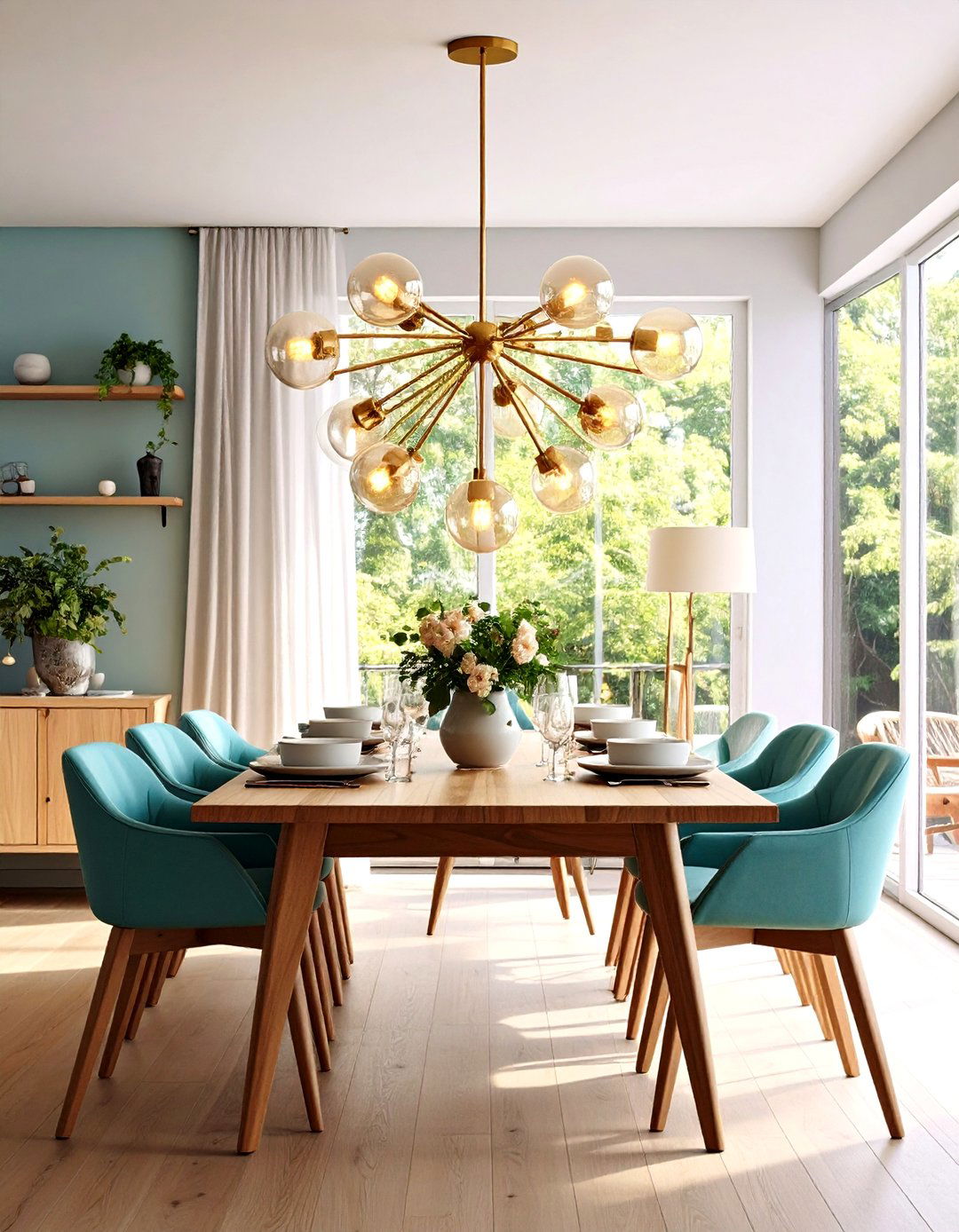
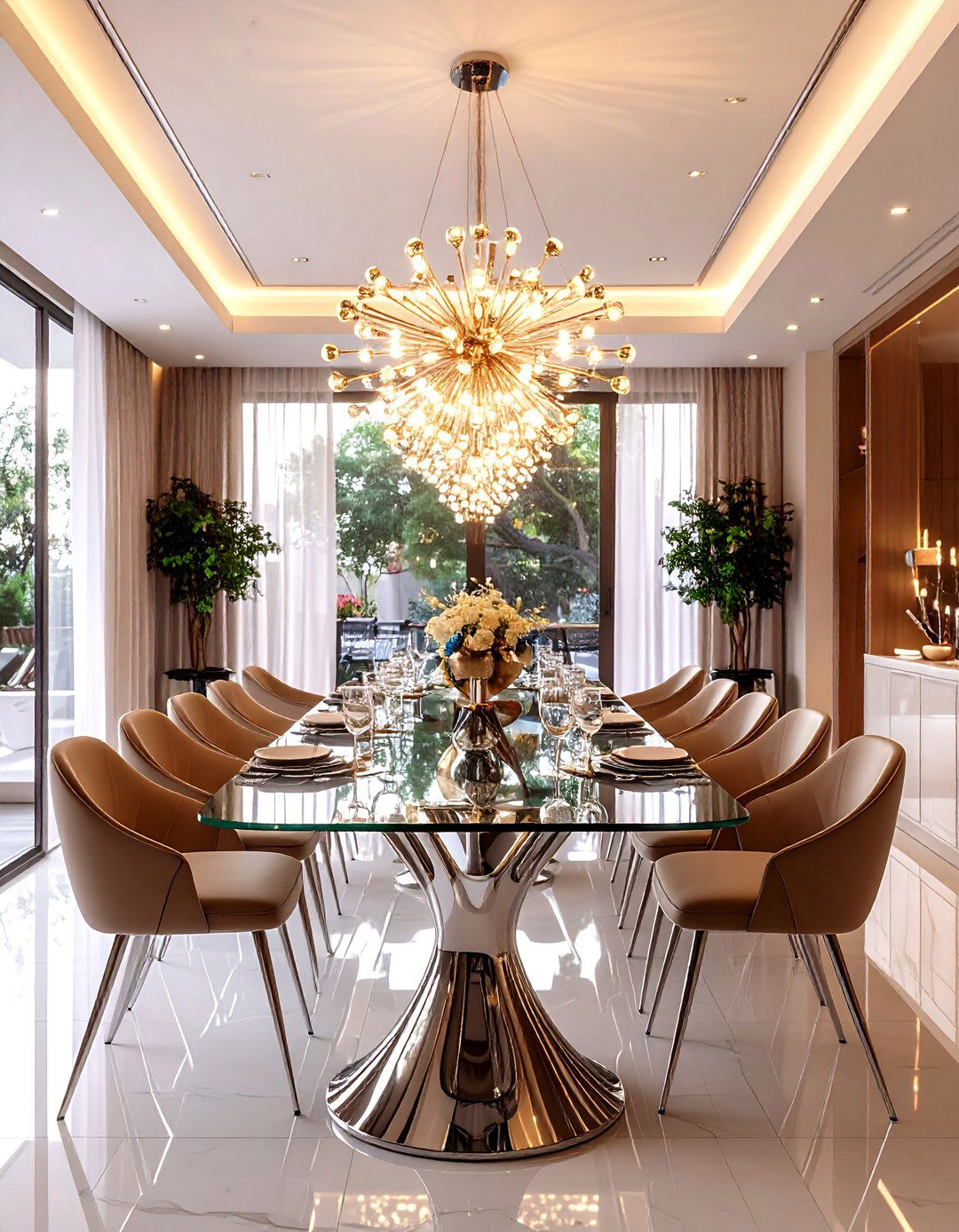
Lighting in retro design is often as much a sculpture as it is a source of light. Sputnik chandeliers, with their radiating arms and exposed bulbs, evoke the atomic age and the space race excitement of the 1950s and '60s. Globe pendants, whether hung individually or in clusters, offer a softer, more streamlined look. Often crafted from materials like brass, chrome, and smoked or colored glass, these fixtures create a dramatic focal point in a dining room, entryway, or living area. They cast a warm, ambient glow that enhances the inviting atmosphere of a retro-inspired space, adding both illumination and artistry.
9. Macramé Wall Hangings and Plant Hangers
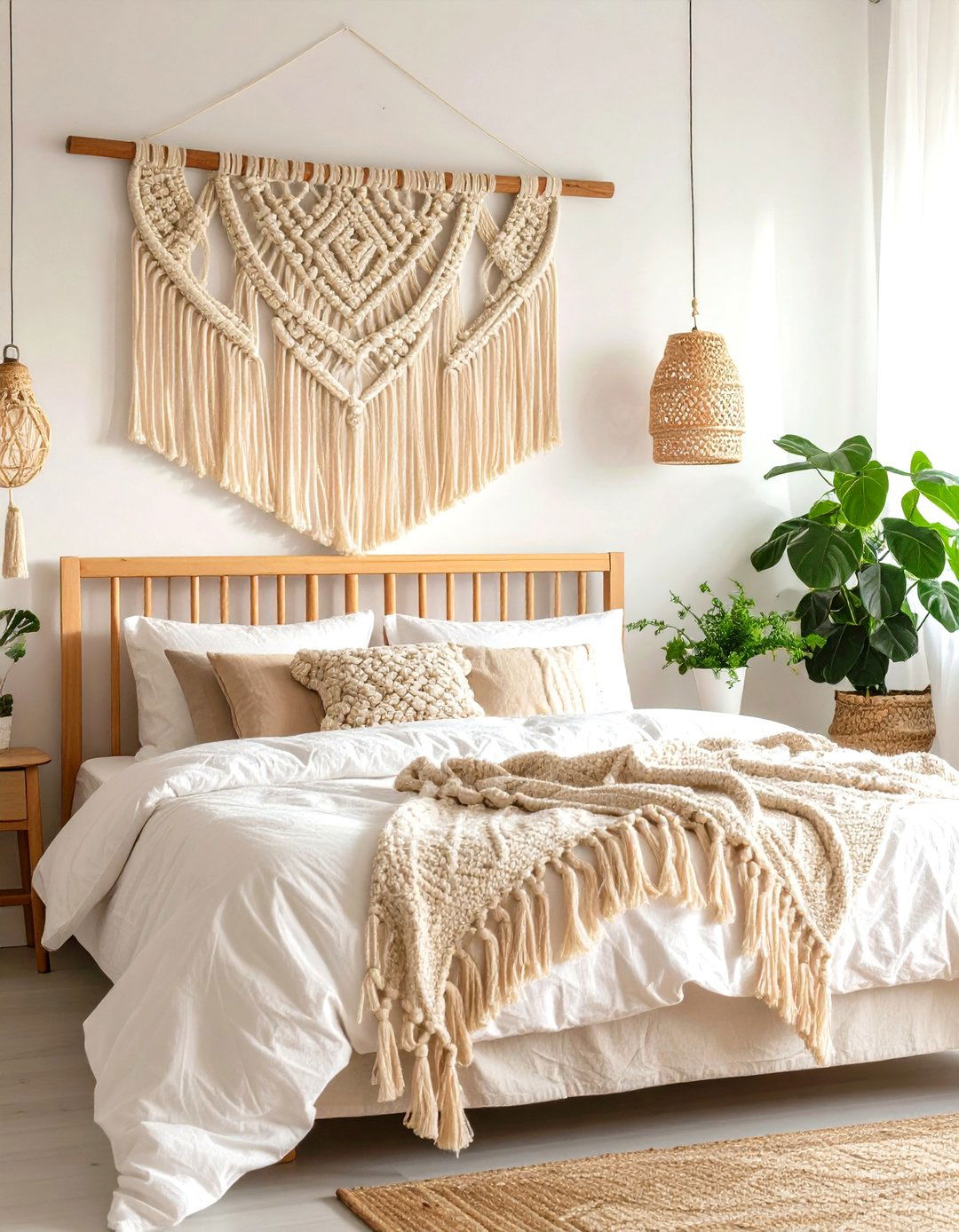
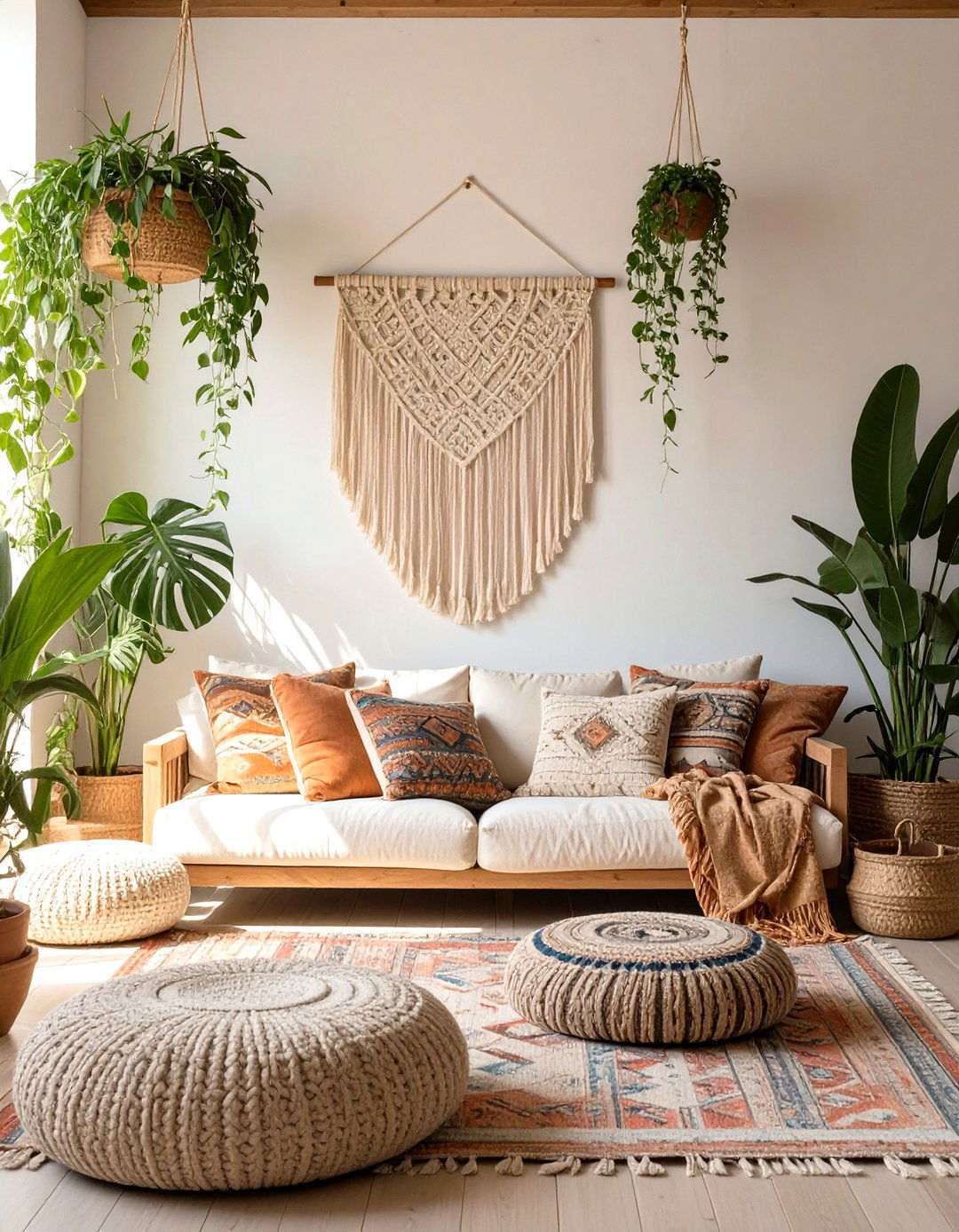
The bohemian and craft-revival movements of the 1970s brought macramé into homes everywhere. These knotted textiles, used as intricate wall hangings or practical plant hangers, introduce a handmade, organic texture to interior spaces. A large, elaborate macramé piece hung above a sofa or bed can serve as a soft, artistic focal point, while hanging planters bring greenery into the room at different heights, adding life and dimension. Made from natural fibers like cotton or jute, macramé complements wood tones and earthy color palettes perfectly, infusing the room with a laid-back, artisanal feel that is quintessentially retro.
10. Open-Concept Bookshelves and Room Dividers
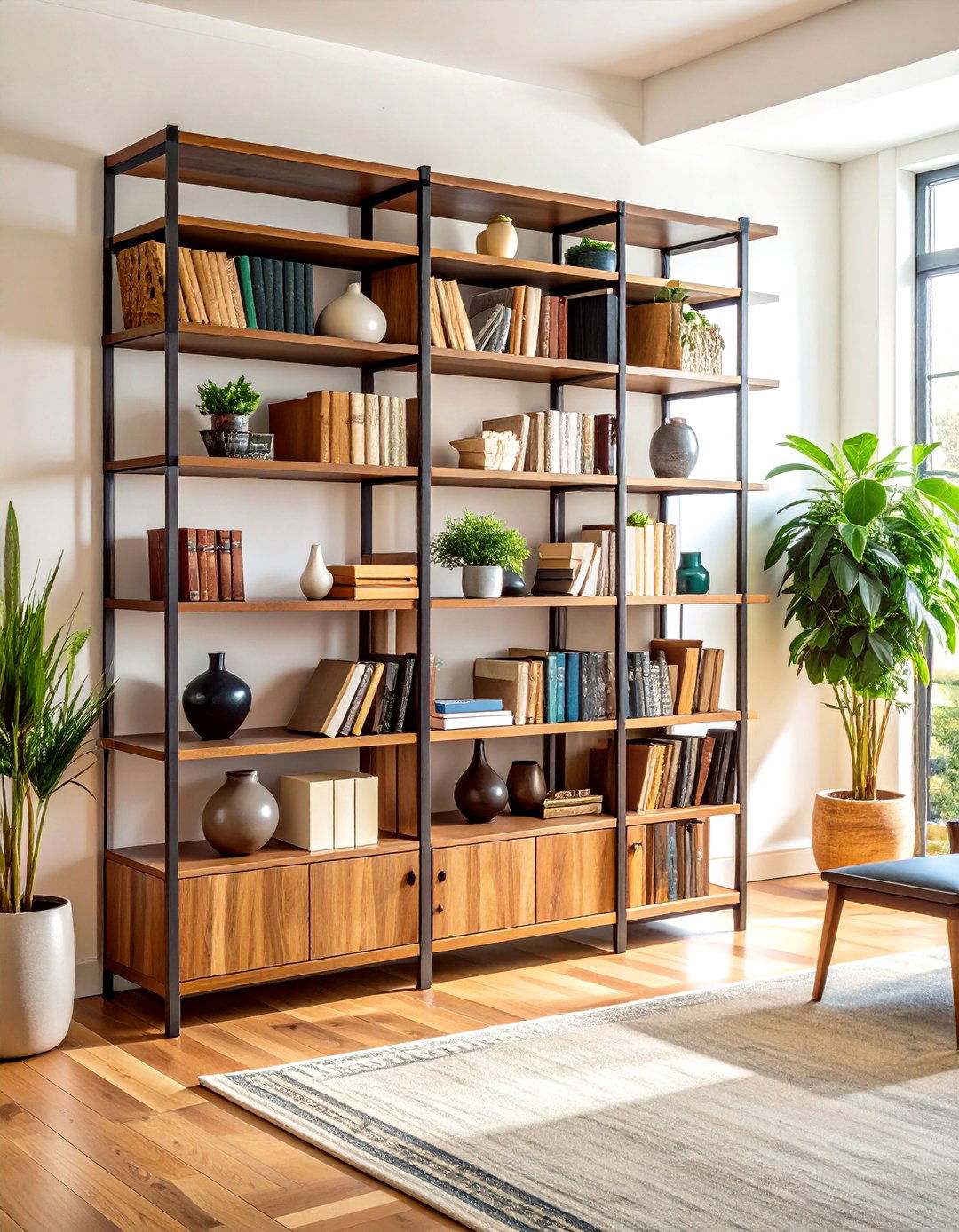
Open-concept shelving units were a popular feature in mid-century homes, often used as room dividers to create distinct zones within an open-plan layout. These structures, typically made of wood like teak or walnut with metal supports, maintain a sense of airiness and light while providing functional display space. They are perfect for showcasing collections of books, pottery, plants, and other decorative objects. By allowing sightlines to pass through them, these dividers define areas like a dining nook or reading corner without closing them off entirely, promoting a fluid and connected living environment that feels both organized and spacious.
11. Orange and Brown Color Palettes
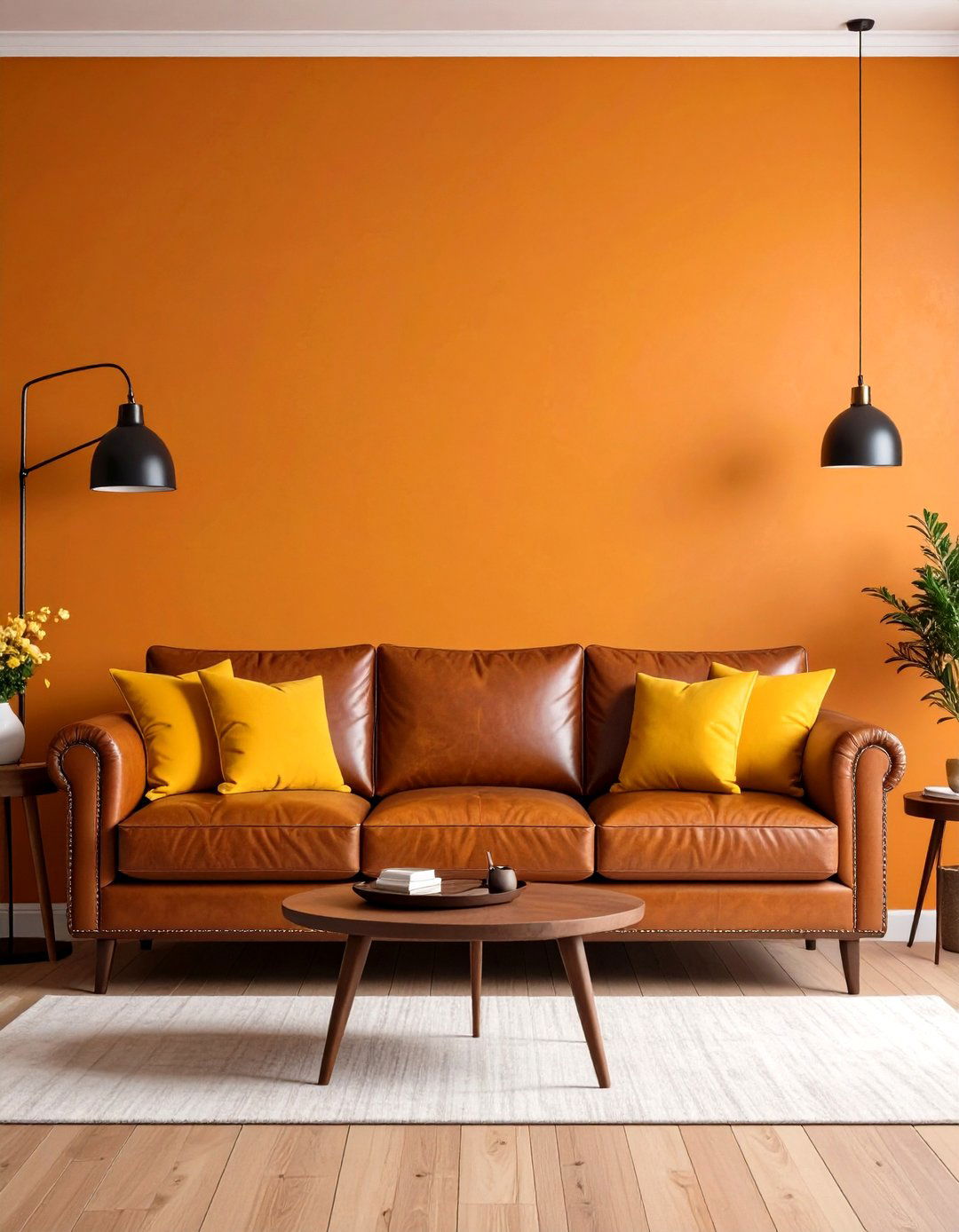
The quintessential retro color palette is dominated by warm, earthy tones, with burnt orange, mustard yellow, and chocolate brown taking center stage. This combination creates a cozy, inviting, and distinctly 1970s atmosphere. Using these colors on walls, upholstery, and accessories can instantly transport a room back in time. An orange velvet sofa paired with brown accent chairs and a mustard yellow shag rug is a classic retro statement. To keep the look from feeling dated, balance these bold colors with plenty of neutral elements like white walls or light wood floors, allowing the warm hues to pop.
12. Pod and Egg Chairs

Iconic and futuristic, pod and egg chairs are sculptural seating options that define the space-age optimism of the 1960s. These chairs, like Eero Aarnio's Ball Chair or Arne Jacobsen's Egg Chair, envelop the user, creating a private, cocoon-like space for reading or relaxing. Their unique, curvilinear forms make them a powerful statement piece in any living room or bedroom. Often featuring a swivel base and upholstered in bold colors or classic leather, they are both a comfortable seat and a work of art. Placing one in a corner creates an instant reading nook with a strong dose of retro personality.
13. Formica and Laminate Countertops
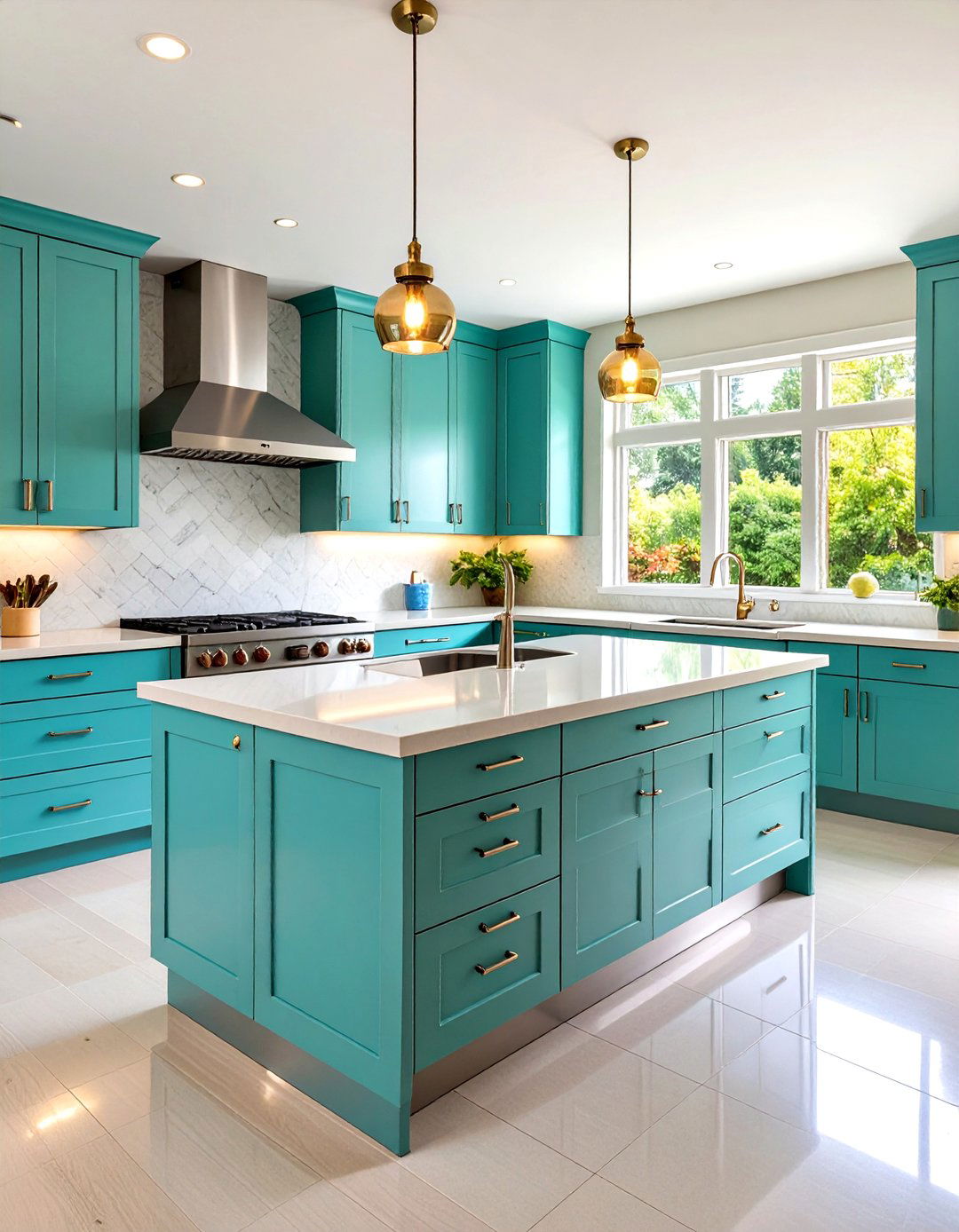
Formica and laminate were revolutionary materials in the mid-20th century, offering durable and affordable surfaces in a dazzling array of colors and patterns. For a truly retro kitchen or bathroom, consider countertops in a vibrant solid color like turquoise or pale yellow, or a fun pattern like boomerang or linen. These surfaces are easy to clean and highly resistant to stains and scratches, making them as practical today as they were then. Paired with flat-panel wood cabinets and chrome edging, laminate countertops perfectly capture the cheerful and unpretentious spirit of 1950s and '60s design, adding a playful, nostalgic touch.
14. Mushroom-Shaped Lamps
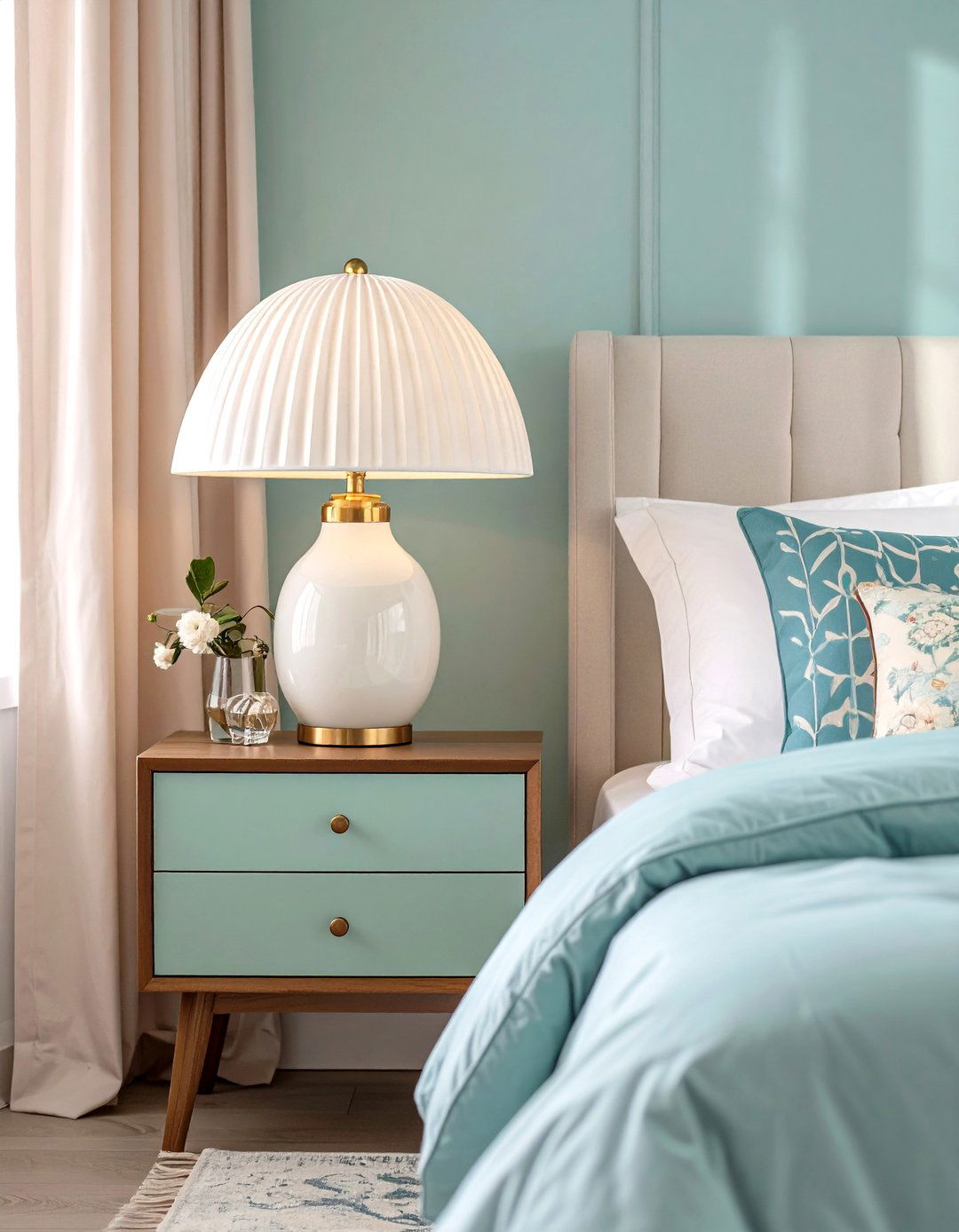
Mushroom-shaped lamps, with their domed shades and simple, curved bases, are an iconic lighting choice from the 1970s. These lamps, particularly designs like the Panthella or Atollo lamp, provide a soft, diffused downward glow that creates a warm and intimate ambiance. They work beautifully as table lamps on a sideboard or nightstand, or as a floor lamp in a cozy reading corner. Often made from materials like lacquered metal, acrylic, or Murano glass, they come in a range of colors from classic white to bold orange or chrome, adding a touch of whimsical, space-age charm to any room.
15. Sunburst Mirrors and Clocks
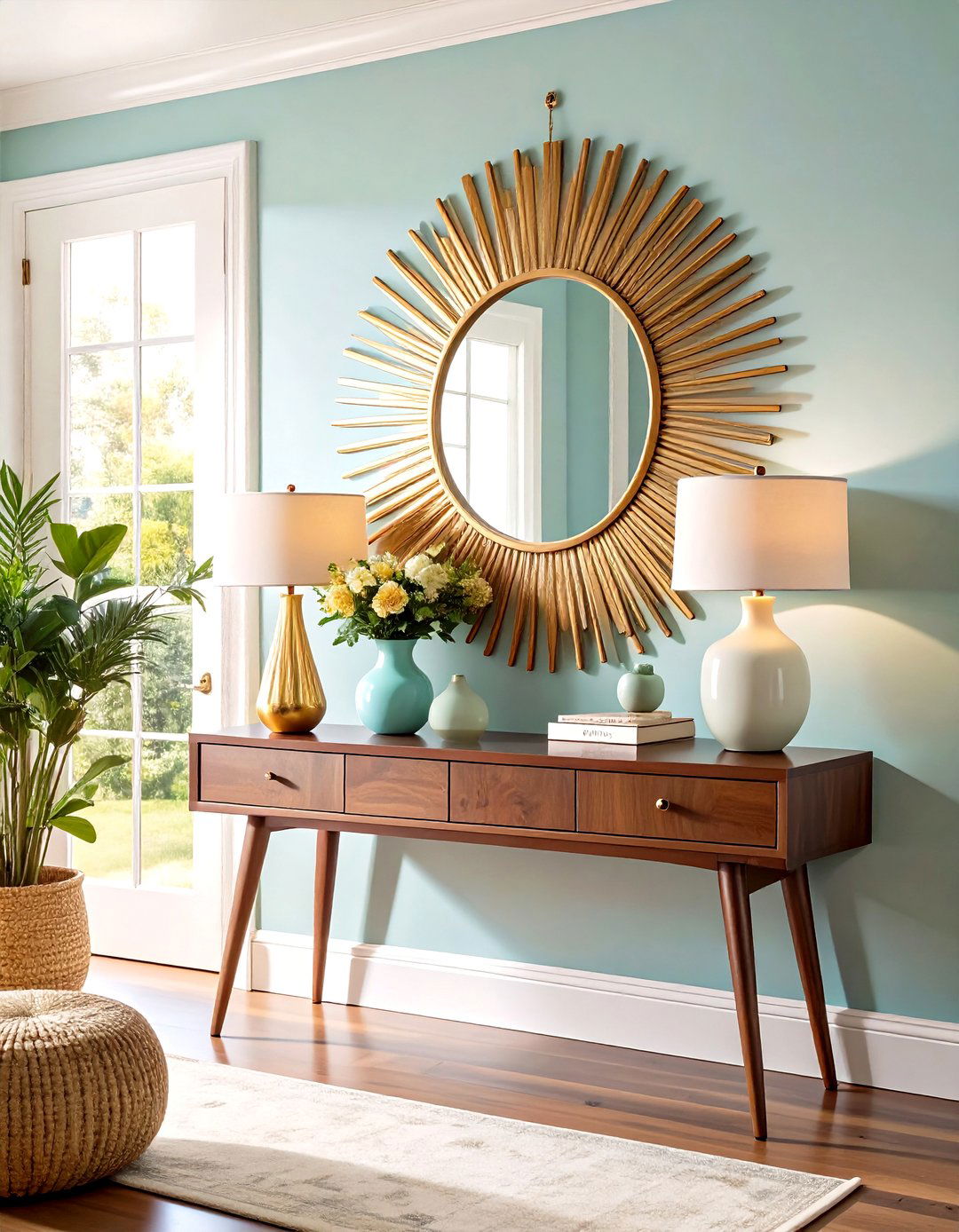
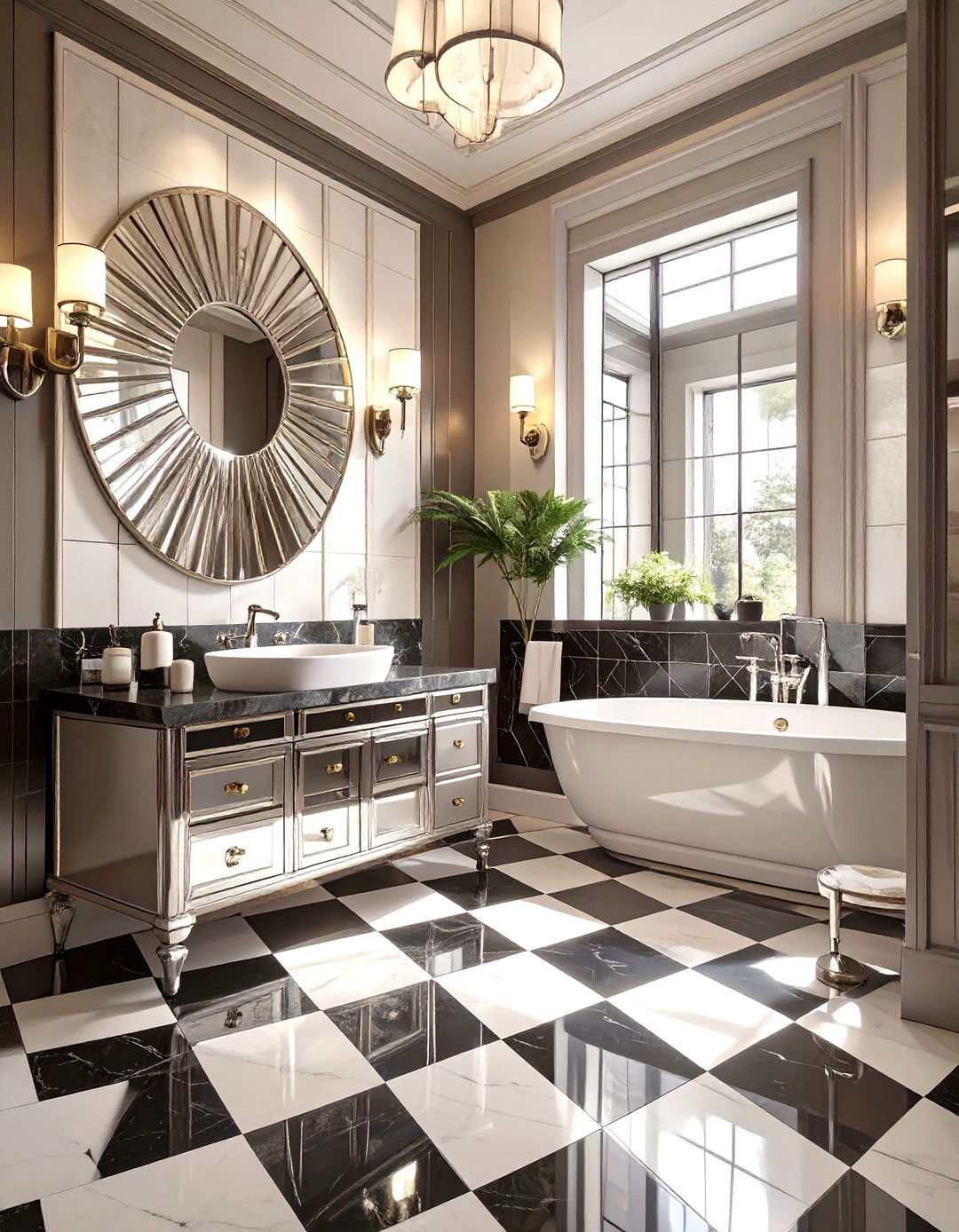
Reflecting the atomic age fascination with celestial forms, sunburst mirrors and clocks were a popular decorative element in mid-century homes. These pieces feature a central point—a mirror or clock face—with radiating "rays" made of materials like brass, teak, or gilded metal. Hung above a console table in an entryway or over a fireplace in the living room, a sunburst mirror adds a touch of glamour and makes the space feel larger and brighter. It serves as both a functional object and a striking piece of wall art, capturing the optimism and dynamic energy of the era.
16. Built-In Seating Nooks
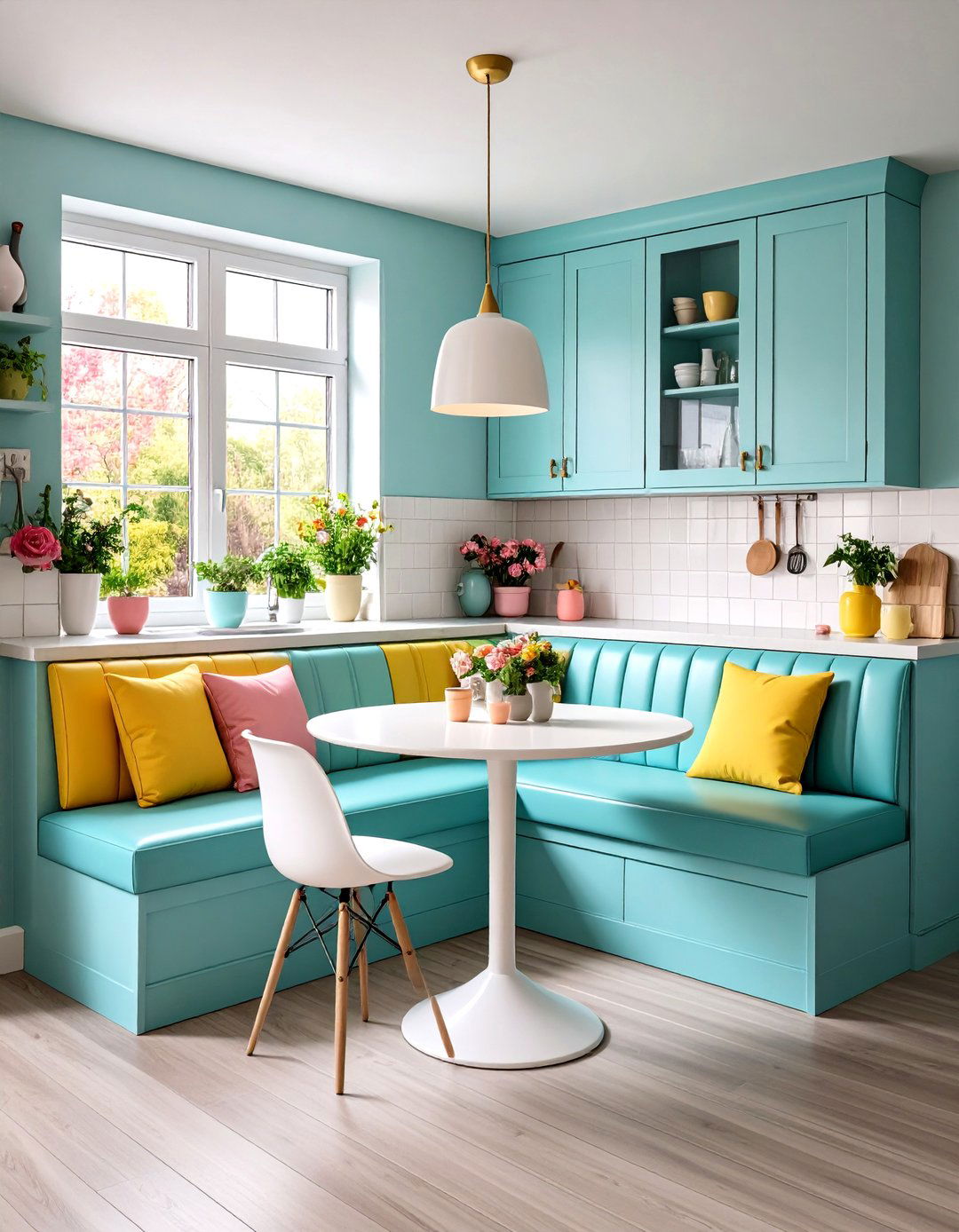
Built-in seating, such as a breakfast nook in the kitchen or a banquette in the dining area, offers a space-saving and charmingly retro solution. These nooks create a designated, cozy spot for meals or morning coffee, often upholstered in durable, patterned fabrics or colorful vinyl. The design maximizes space by tucking seating against a wall and often includes hidden storage underneath the benches. A tulip-style table paired with the built-in bench completes the look. This feature not only adds architectural character but also promotes a sense of togetherness, making the space feel more intentional and welcoming.
17. Exposed Brick Accent Walls
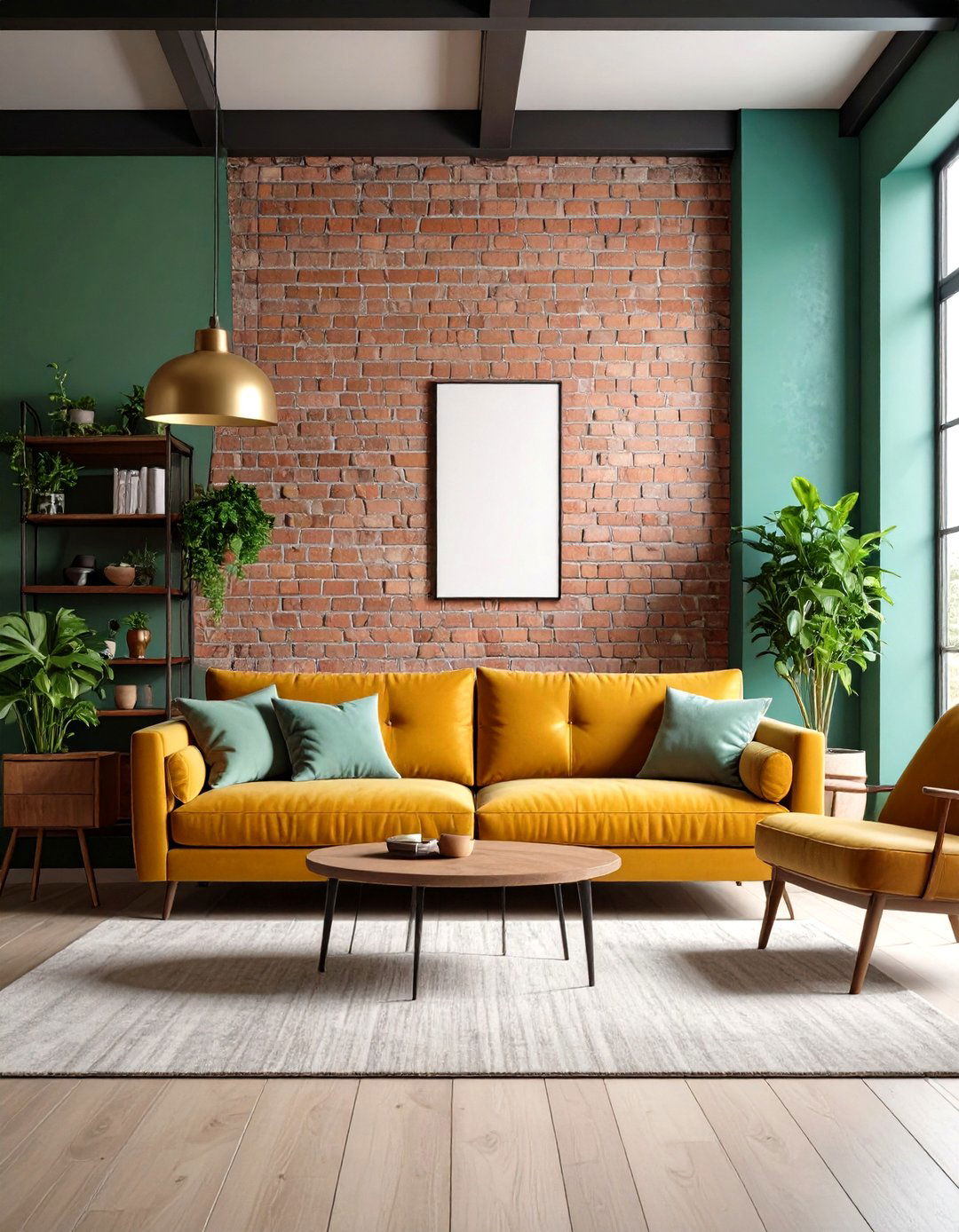
While often associated with industrial lofts, exposed brick walls were also a key feature in bohemian and eclectic retro interiors of the 1970s. The raw, textural quality of the brick provides a warm, earthy backdrop that contrasts beautifully with sleek, modern furniture or vibrant textiles. An exposed brick wall in a living room or kitchen adds character, depth, and a sense of history to the space. It pairs exceptionally well with other natural materials like wood and leather and provides the perfect canvas for displaying macramé hangings, vintage posters, or a collection of thriving houseplants for a complete look.
18. Vinyl Record Player Stations
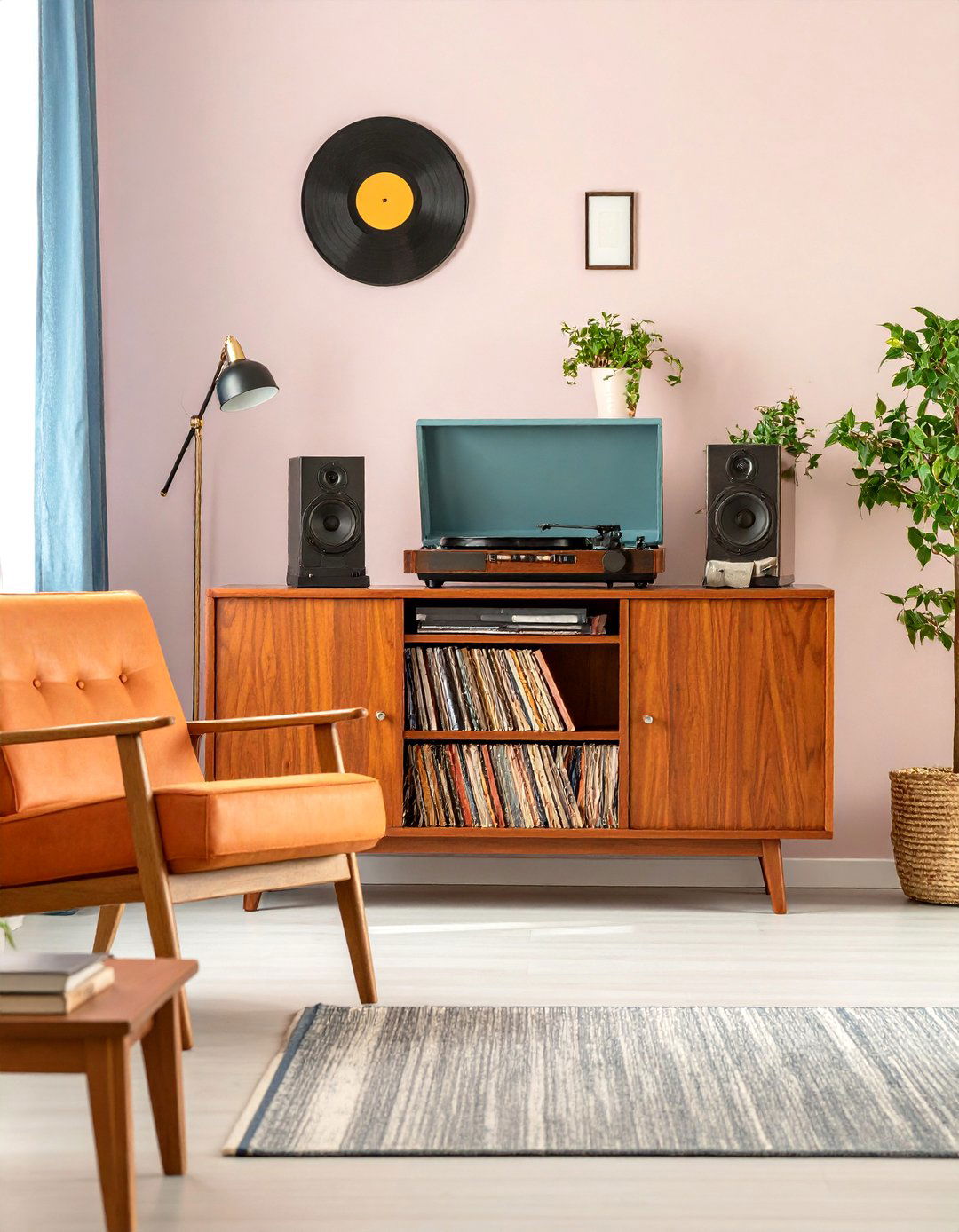
A dedicated station for a vinyl record player is a must-have for any retro-inspired interior. This isn't just about playing music; it's about celebrating the ritual of it. A low, sleek credenza or a specialized media cabinet made of teak or walnut is the perfect base. It should have enough surface area for the turntable itself and integrated shelving or cubbies below to stylishly store and display your record collection. Paired with a comfortable listening chair and some vintage-style headphones, this corner becomes a functional and stylish tribute to an era when analog sound reigned supreme.
19. Wicker and Rattan Furniture
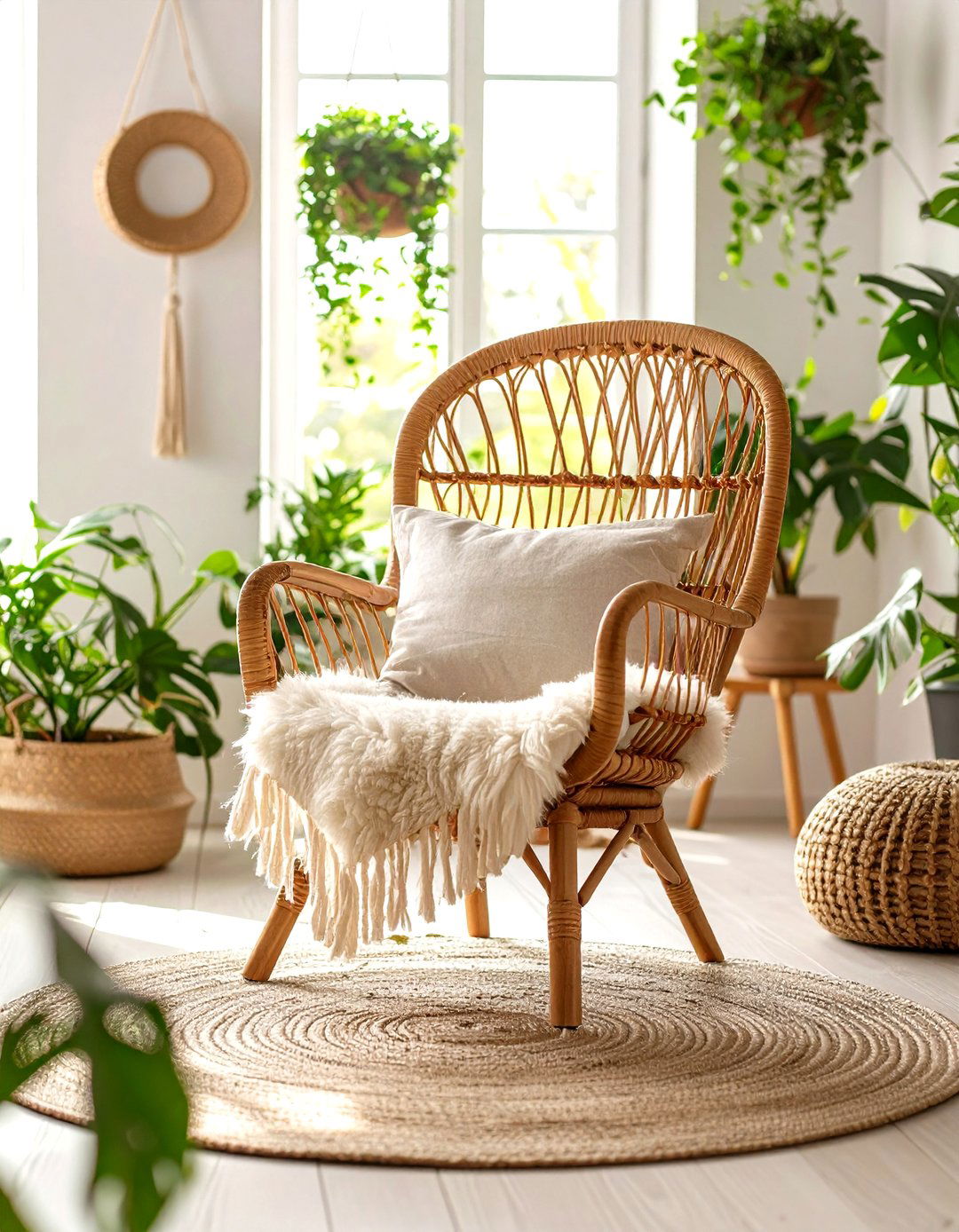
Bringing a touch of tropical, bohemian flair, wicker and rattan furniture were hugely popular in the 1970s. These natural, woven materials were used for everything from peacock chairs and hanging egg chairs to coffee tables and shelving units. The light, airy quality of wicker and rattan adds texture and a relaxed, organic feel to a room. A statement peacock chair can serve as a stunning focal point in a living room or bedroom corner. These pieces work beautifully when mixed with other styles, providing a laid-back, handcrafted counterpoint to the more structured forms of mid-century modern furniture.

20. Colorful Bathroom Fixtures
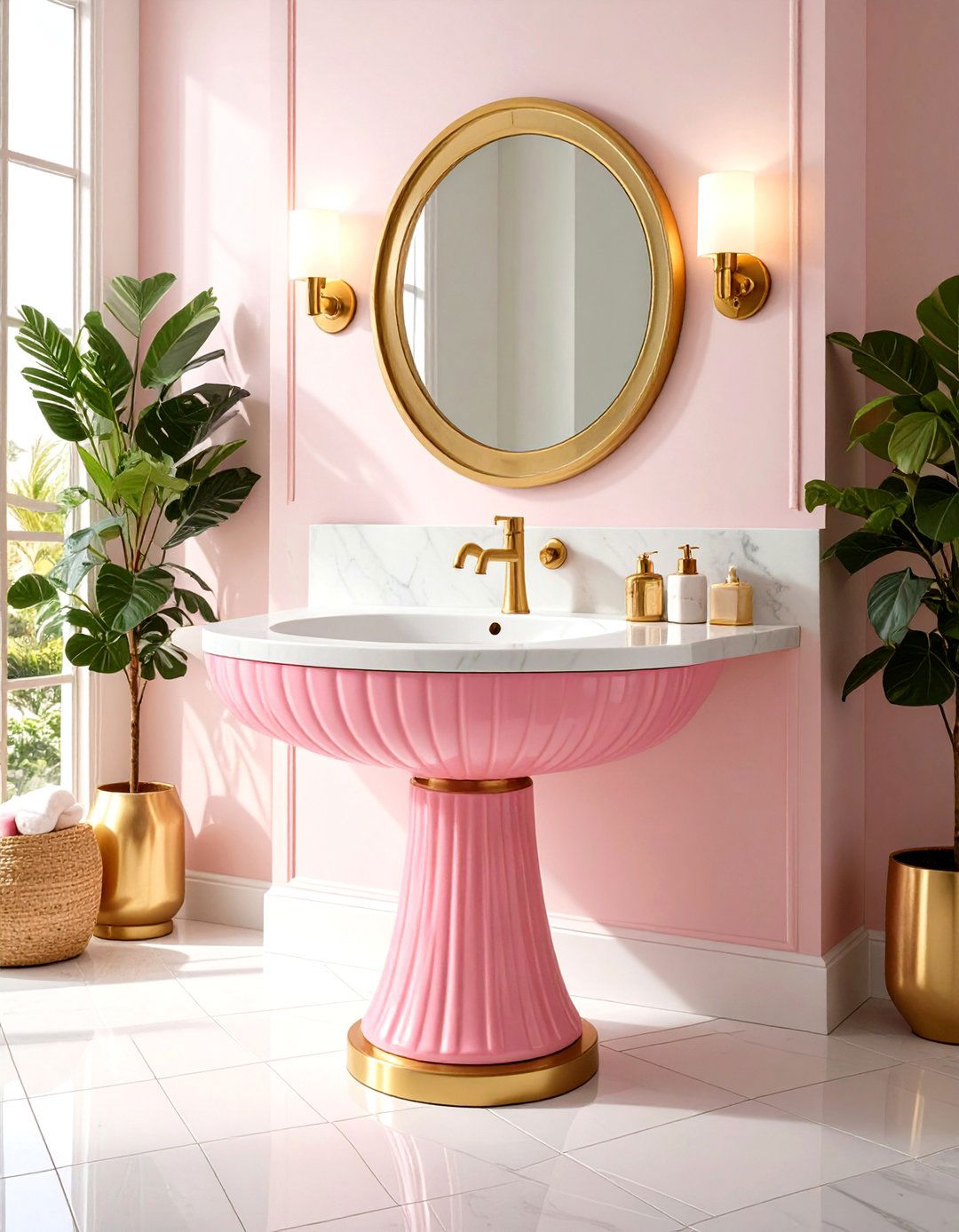
Step away from the standard white porcelain and embrace the colorful bathroom fixtures of the past. Sinks, toilets, and bathtubs in shades of avocado green, harvest gold, or flamingo pink were common in the 1950s, '60s and '70s. While a full matching set makes a bold statement, even a single colored sink can serve as a fun, unexpected focal point in a modern bathroom. Pair these fixtures with patterned floor tiles, a wood-framed mirror, and some funky wallpaper to create a bathroom space that is full of personality and nostalgic charm, proving that utility can be playful.
21. Tufted Upholstery
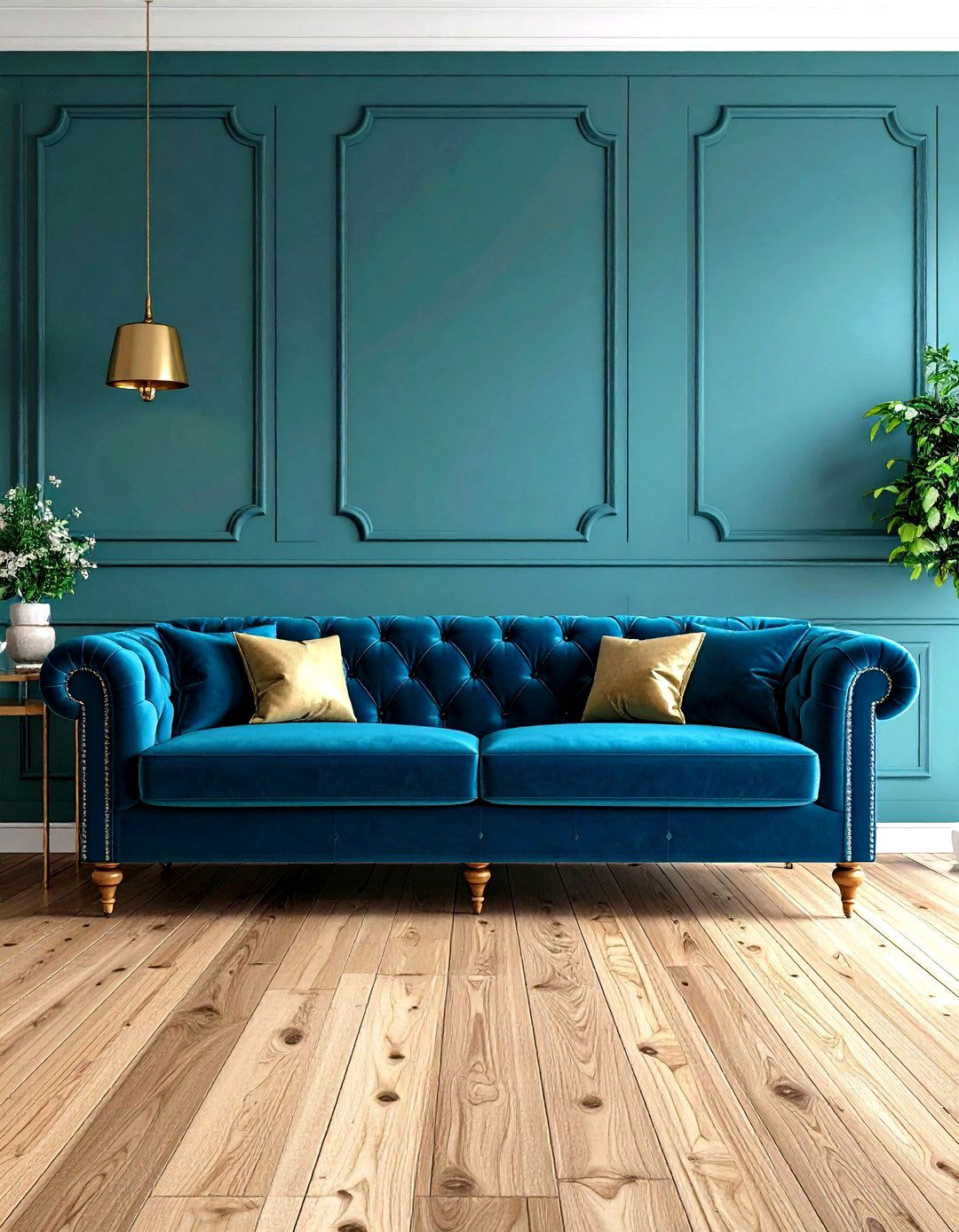
Tufted upholstery, characterized by buttons sewn through fabric to create a patterned indentation, adds a touch of classic sophistication to retro interiors. This detail was commonly seen on sofas, headboards, and ottomans, particularly in the 1950s and '60s. The tufting provides both visual texture and a sense of plush comfort. A Chesterfield sofa with deep button tufting in a rich leather or velvet instantly becomes a stately centerpiece. In the bedroom, a tufted headboard in a bright color like teal or mustard yellow can add a pop of vintage glamour and create a comfortable backrest for late-night reading.
22. Abstract and Pop Art Prints
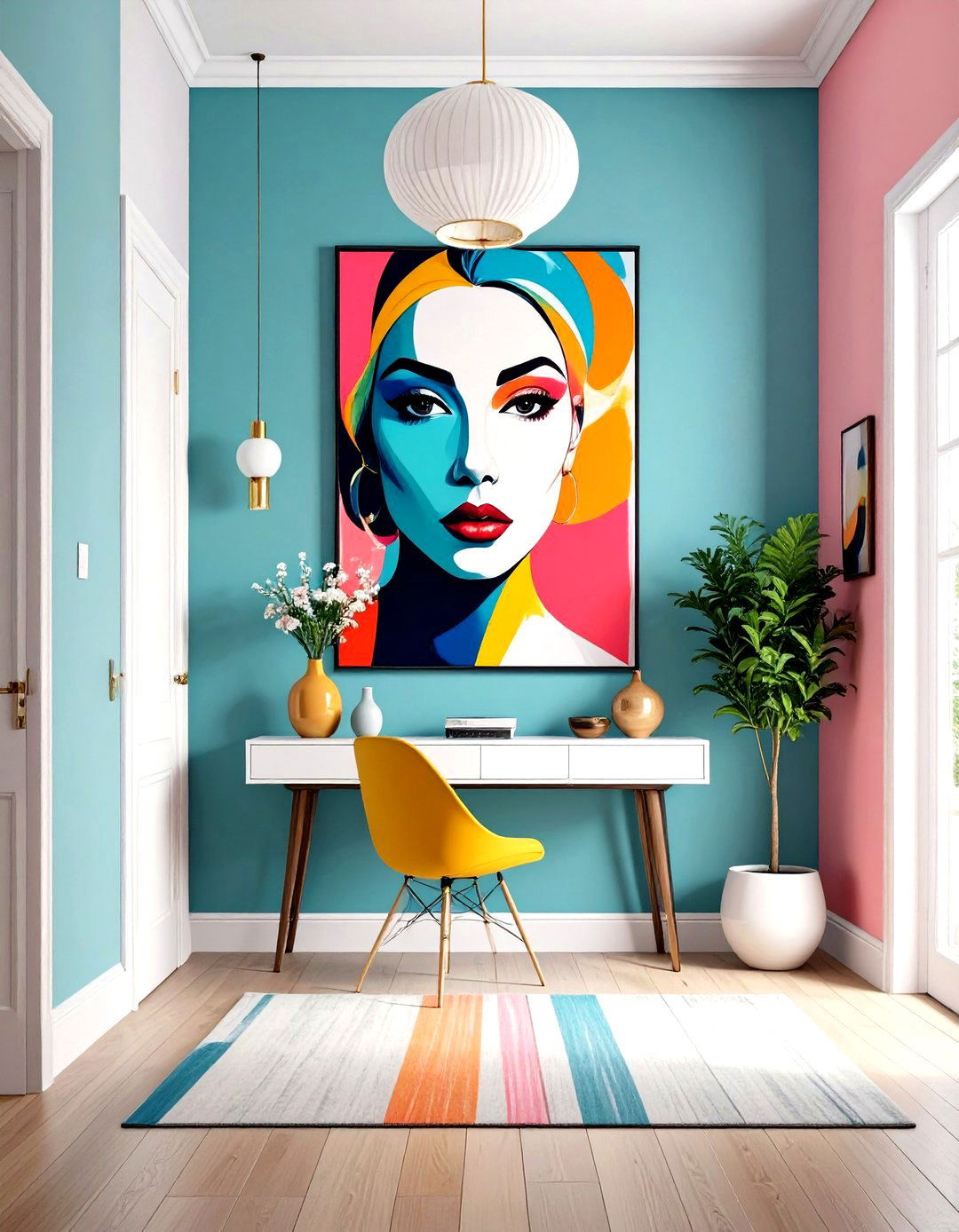
The art on the walls is crucial for capturing the retro spirit, with Pop Art and bold abstract prints being signature choices. Think Andy Warhol's colorful silk screens or large-scale abstract paintings with geometric shapes and dynamic lines. These artworks, often in bright, saturated colors, act as immediate focal points and inject a dose of energy and cultural relevance into the room. Grouping several smaller prints together can create a dynamic gallery wall, while a single, oversized piece can define the entire color scheme of a space, reflecting the era's celebration of creativity and mass culture.
23. Tiled Kitchen Backsplashes
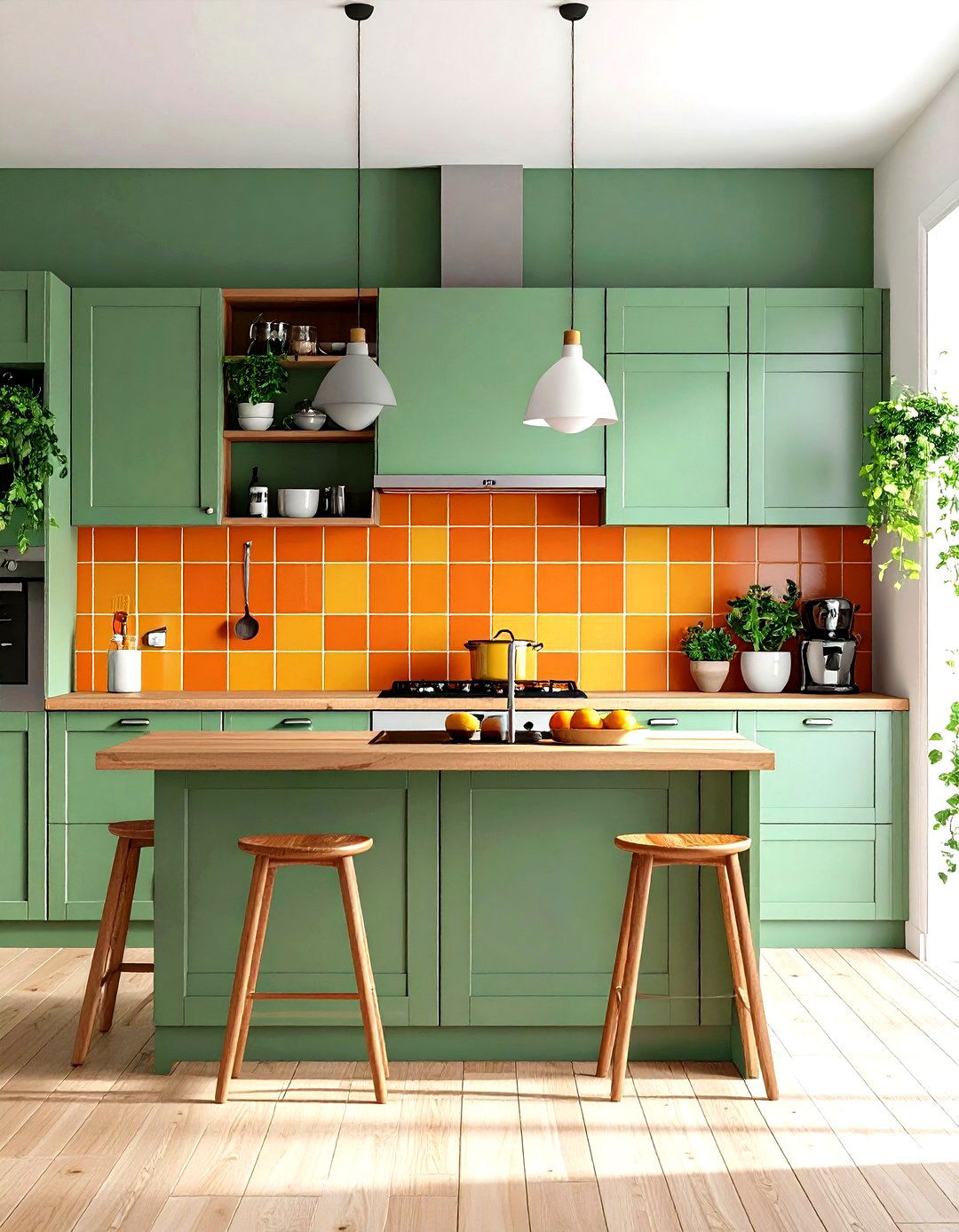
Patterned tile is a fantastic way to introduce color and retro flair into a kitchen. Backsplashes featuring geometric patterns, starburst motifs, or brightly colored subway tiles were common. Consider a backsplash of hand-painted tiles with a floral or abstract design for a touch of artisanal charm. Square ceramic tiles in shades of orange, green, or yellow, arranged in a simple grid, can also create a powerful and authentic vintage look. This is a relatively easy update that can completely transform the character of a kitchen, tying together cabinets, countertops, and appliances into a cohesive, retro-inspired whole.
24. Smoked Glass and Chrome Tables
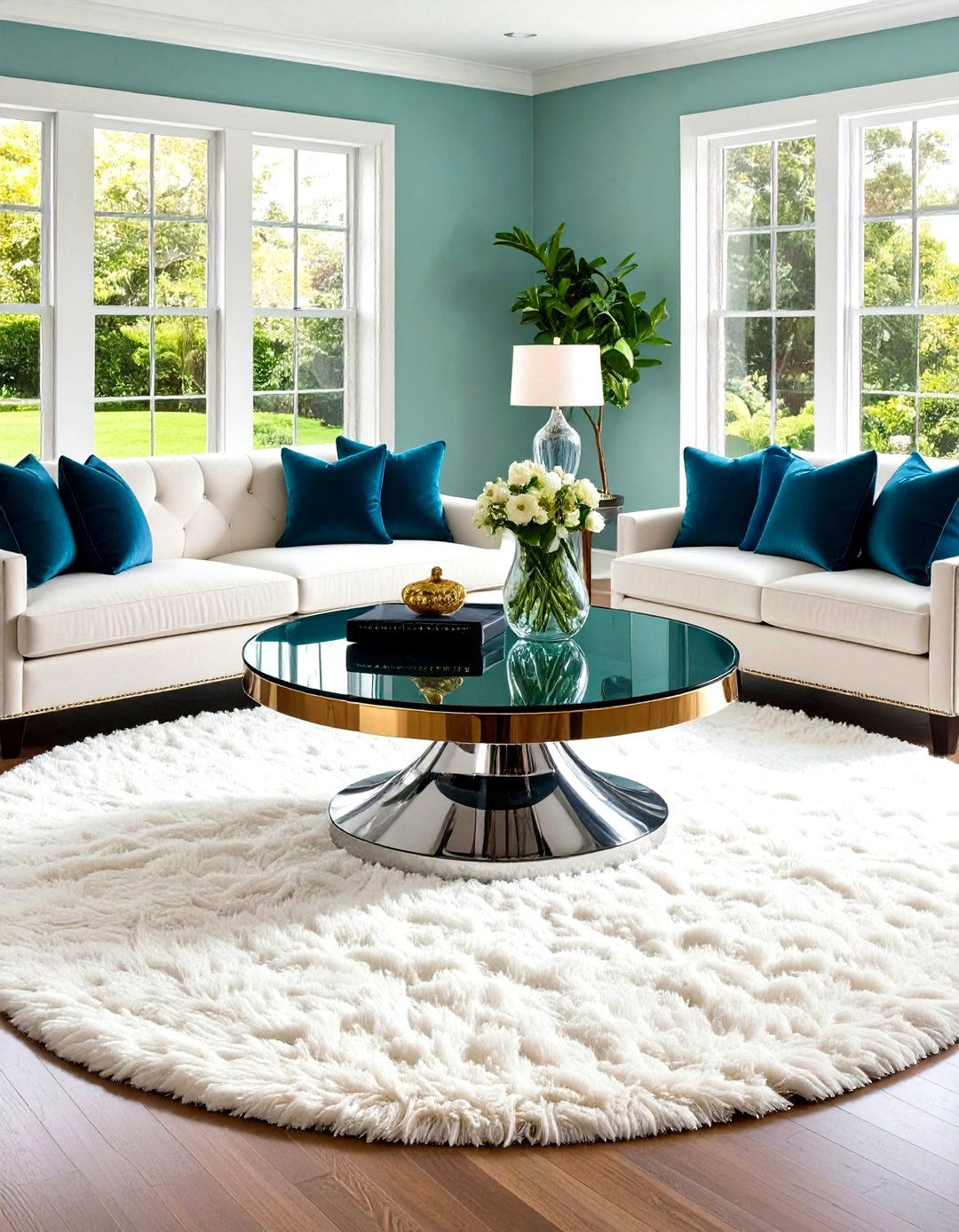
The combination of smoked glass and chrome was the epitome of sleek, futuristic design in the 1970s. Coffee tables, side tables, and dining tables featuring a smoked glass top and a chrome base add a touch of moody sophistication and glamour. The dark, translucent glass provides a sense of depth, while the reflective chrome legs bring a bit of shine and lightness to the piece. This pairing works exceptionally well in a living room, complementing plush velvet sofas and shag rugs. It’s a look that feels both luxurious and quintessentially of its time, adding a cool, sophisticated edge.
25. Freestanding Fireplaces
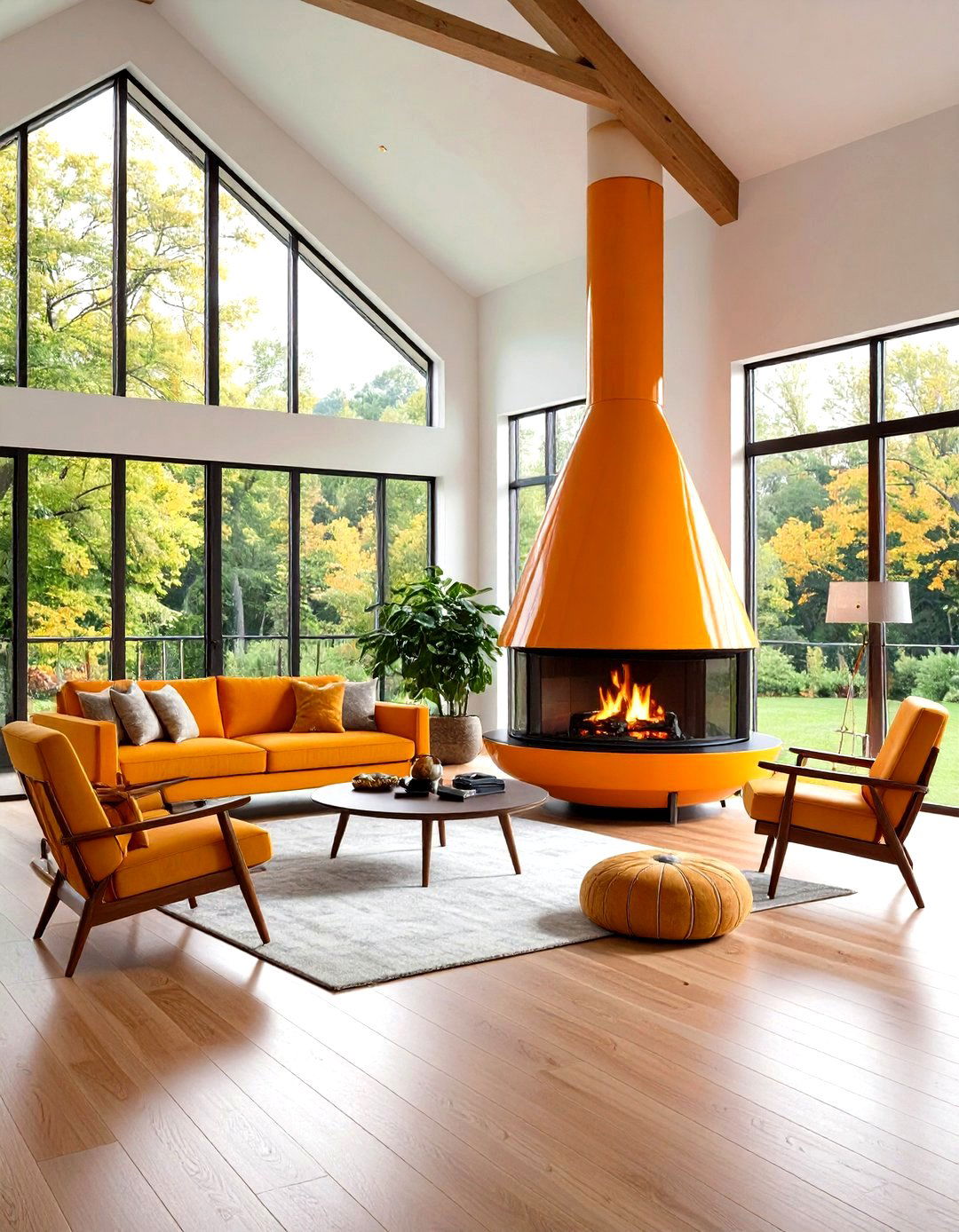
Forget traditional brick hearths; the retro era embraced freestanding fireplaces with futuristic shapes. Often made of metal in conical or circular forms, these fireplaces could be placed in the center of a room, serving as a sculptural focal point and a cozy gathering spot. Models like the Malm or Preway fireplaces, available in bright colors like red or orange, are design icons. They bring a unique architectural element and a warm, inviting glow to a living space. Placing one in a corner or as a centerpiece in a conversation pit perfectly captures the modern, forward-thinking spirit of mid-century design.
26. Beaded Curtains as Room Dividers
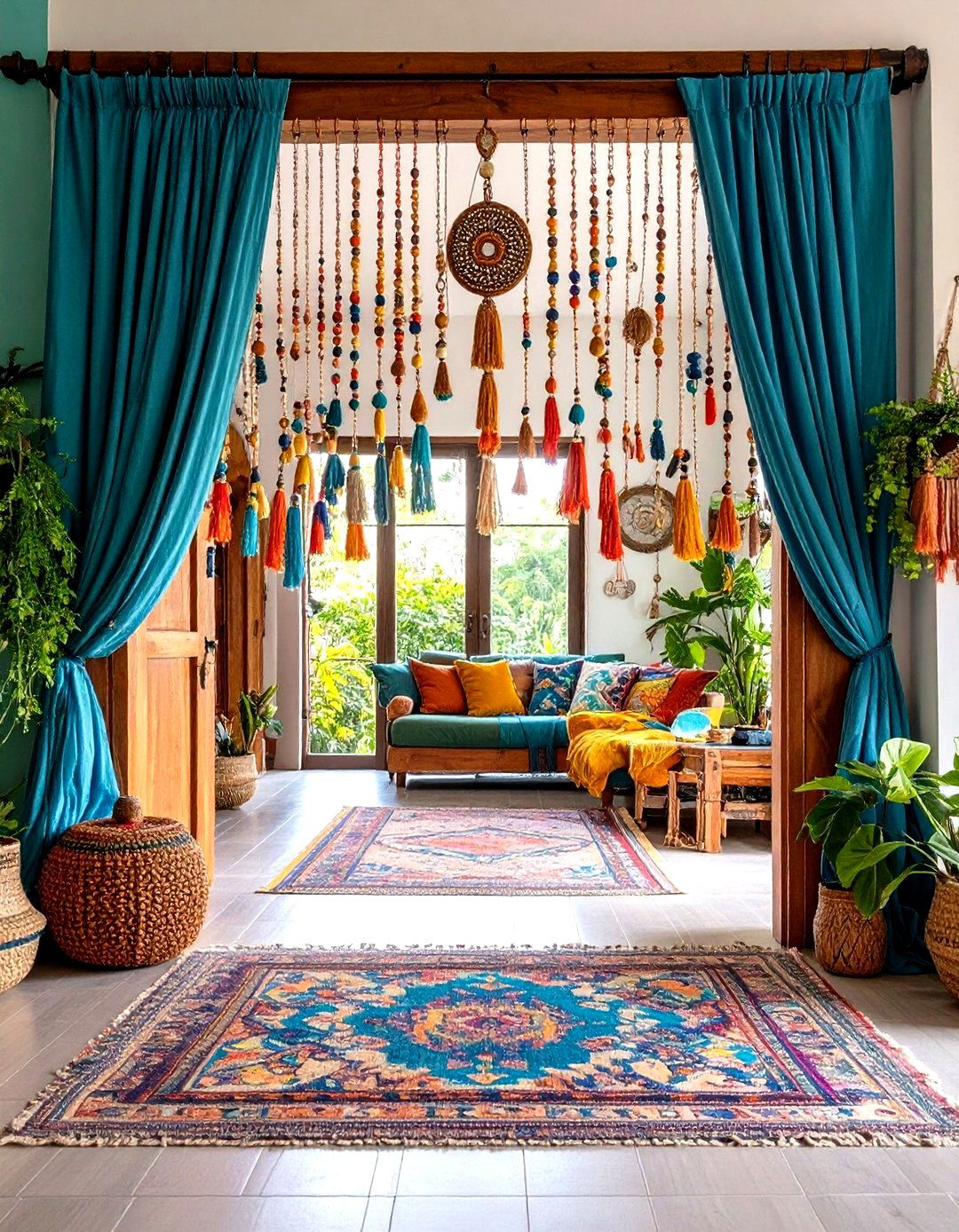
For a playful and quintessentially bohemian touch from the late '60s and '70s, use beaded curtains as doorways or room dividers. Made from wood, bamboo, or colorful plastic beads, they create a visual separation between spaces while allowing light and air to pass through. The gentle sound they make as you walk through them adds a sensory layer to the experience. A beaded curtain is a simple, non-permanent way to add a pop of color, texture, and whimsical charm to an entryway or to partition off a small nook, perfectly embodying the free-spirited and decorative nature of the era.
27. Conversation Pits
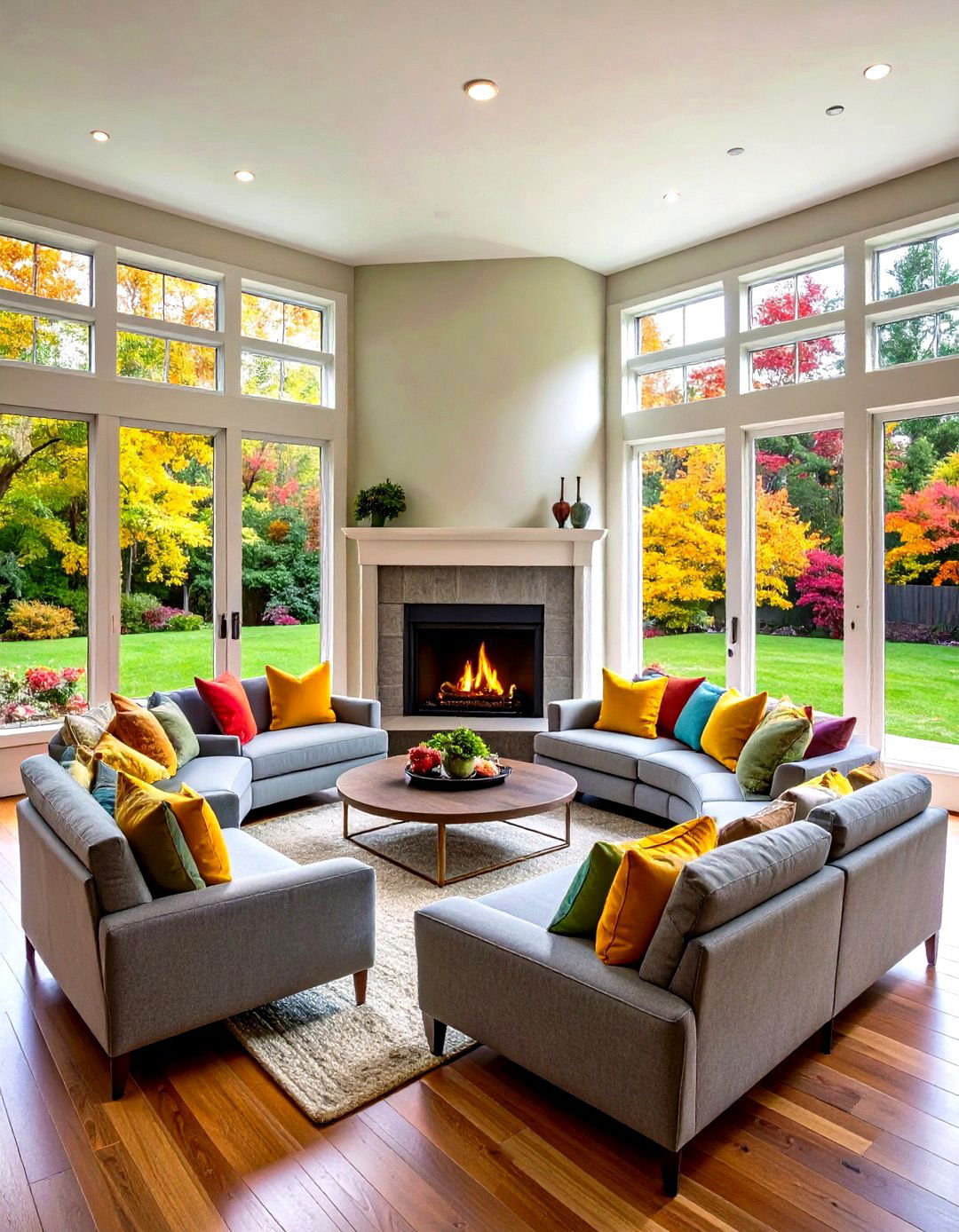
A hallmark of 1970s social architecture, the conversation pit is a sunken area in a living room designed to encourage face-to-face interaction. This architectural feature creates an immediate sense of intimacy and coziness, with built-in seating arranged in a square or circle. Upholstered in plush fabrics and filled with throw pillows, it becomes the ultimate destination for lounging and entertaining guests. A conversation pit is a bold design choice that makes a definitive statement about a home's focus on community and comfort, turning the living room into a unique and engaging social hub away from modern distractions.
28. Wood Paneled Walls
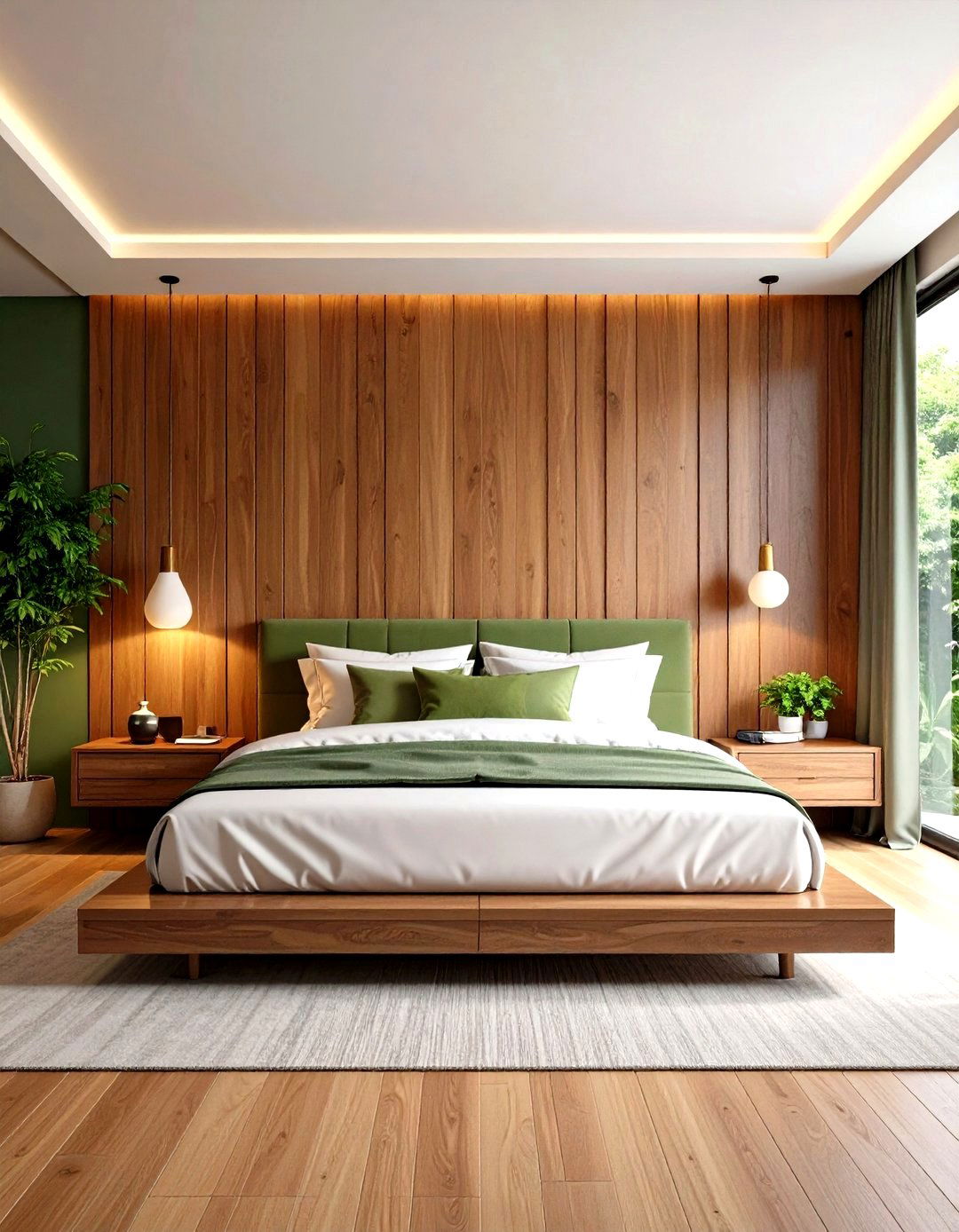
Wood paneling was a ubiquitous feature in mid-century homes, and it’s making a stylish comeback. Forget the dark, flimsy panels of the past; modern interpretations use high-quality wood like walnut, oak, or teak to create warm, textured accent walls. The vertical or horizontal lines of the panels can add visual height or width to a room. A wood-paneled wall behind a bed or a sofa creates a rich, organic backdrop that adds depth and character. This feature brings a natural, cabin-like coziness into the home, perfectly complementing the earthy tones and materials common in retro design.
29. String Art and Craft Decor
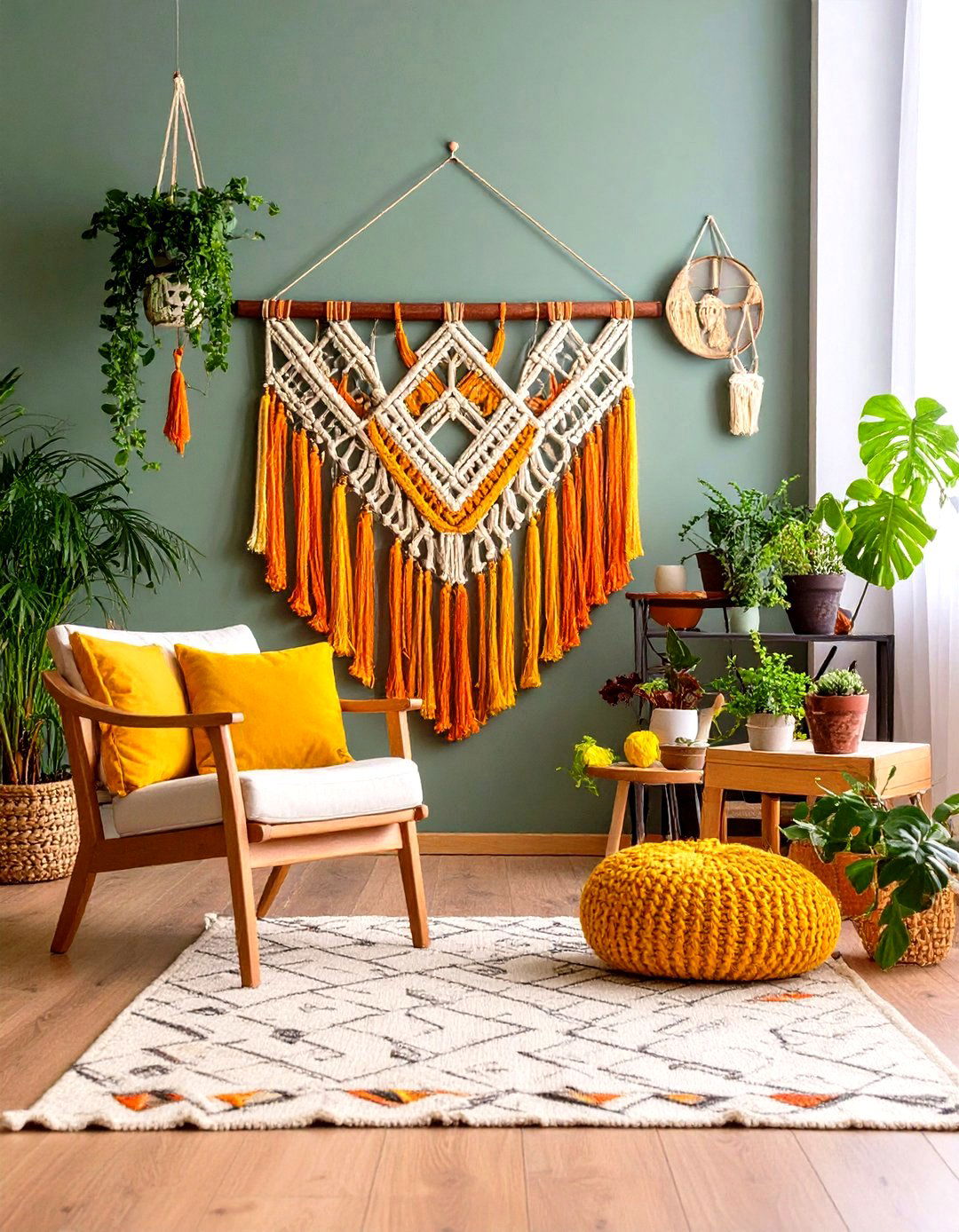
DIY and craft aesthetics were central to 1970s decor, and string art was a popular expression of this trend. These geometric or abstract designs, created by wrapping colorful thread or string around nails hammered into a board, served as unique, handmade wall decor. They introduce color, texture, and a personal touch to a space. Other craft elements, like chunky knit throws, latch-hook rugs, or handmade pottery, also fit perfectly. Incorporating these crafted items celebrates the value of handmade objects and infuses a room with the authentic, creative, and down-to-earth spirit of the retro era.
30. Bold Floral Prints
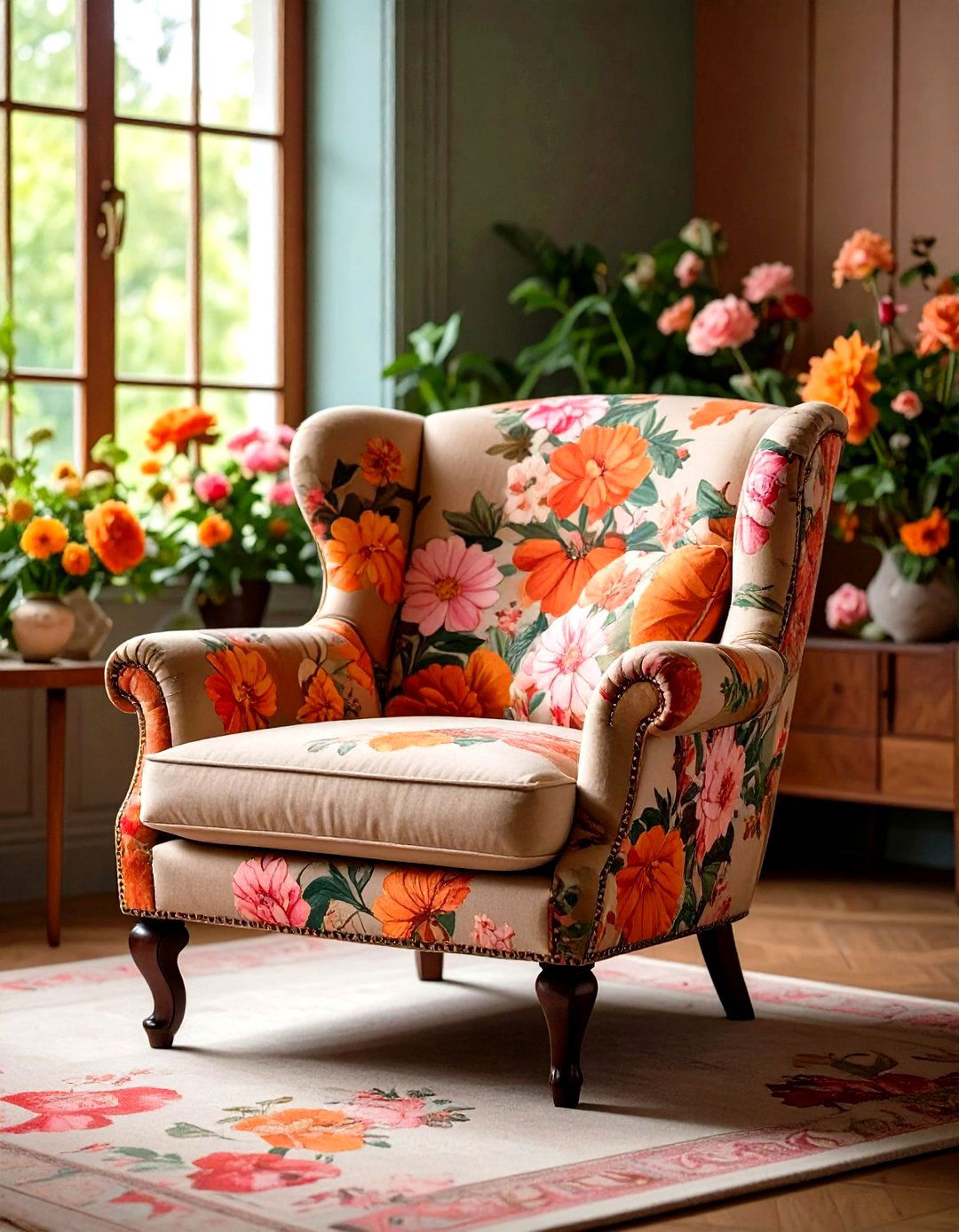
Large-scale, stylized floral prints, often called "supergraphics," were a vibrant part of retro design, especially in the late '60s and '70s. Unlike delicate, traditional florals, these patterns featured oversized, abstract flower shapes in bold, high-contrast colors like orange, pink, yellow, and brown. They were used liberally on everything from wallpaper and upholstery to bedding and curtains. Using a bold floral fabric for accent chairs or throw pillows can inject a dose of playful energy into a room. For a major statement, a wall covered in a supergraphic floral wallpaper creates an immersive and joyful retro environment.
Conclusion:
Embracing retro interior design is about more than just nostalgia; it's about celebrating a period of fearless creativity and optimism. From the architectural statement of a sunken lounge to the playful pop of avocado green cabinets, these ideas show the style's incredible diversity. By incorporating elements like bold patterns, organic curves, and rich textures, you can create a space that feels both unique and deeply personal. Whether you opt for a full-scale vintage makeover or simply add a few key pieces, retro design offers a timeless way to fill your home with warmth, character, and personality.

Related posts:



Leave a Reply