
Embarking on a journey to redefine your living space can feel both thrilling and world of interior design is vast, drawing inspiration from historical eras, cultural movements, and the ever-evolving landscape of modern exploration is not just about choosing colors or furniture; it's about crafting an environment that reflects your personality, supports your lifestyle, and brings a sense of harmony and function into your daily the raw, unfinished appeal of industrial lofts to the serene, nature-infused principles of biophilic design, the possibilities are master ideas offer complete, cohesive visions that transform a mere house into a personalized sanctuary, guiding you through holistic concepts that consider every detail, from layout to lighting.
1. Japandi Serenity Design
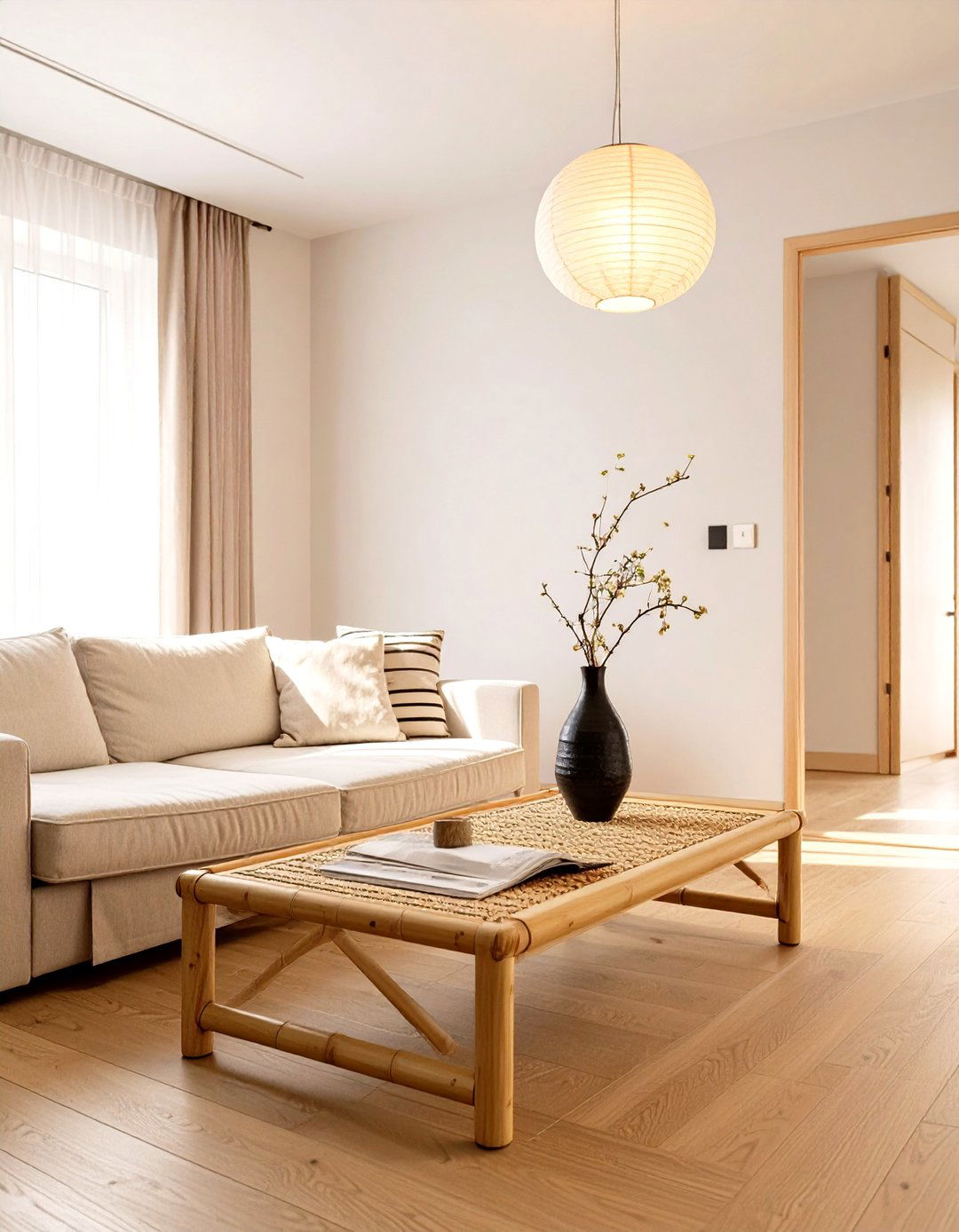
This style masterfully blends the smooth, modern lines of Scandinavian design with the timeless elegance of Japanese aesthetics to create a sanctuary of layout is open and uncluttered, emphasizing a mindful connection to the are natural and humble, featuring light woods like birch and oak, bamboo, rattan, and textured is low-profile and functional, with clean lines and a focus on is soft and layered, using paper lanterns and concealed fixtures to create a warm is minimal, with a focus on handmade ceramics, simple botanicals, and imperfectly beautiful objects.
2. Industrial Loft Conversion
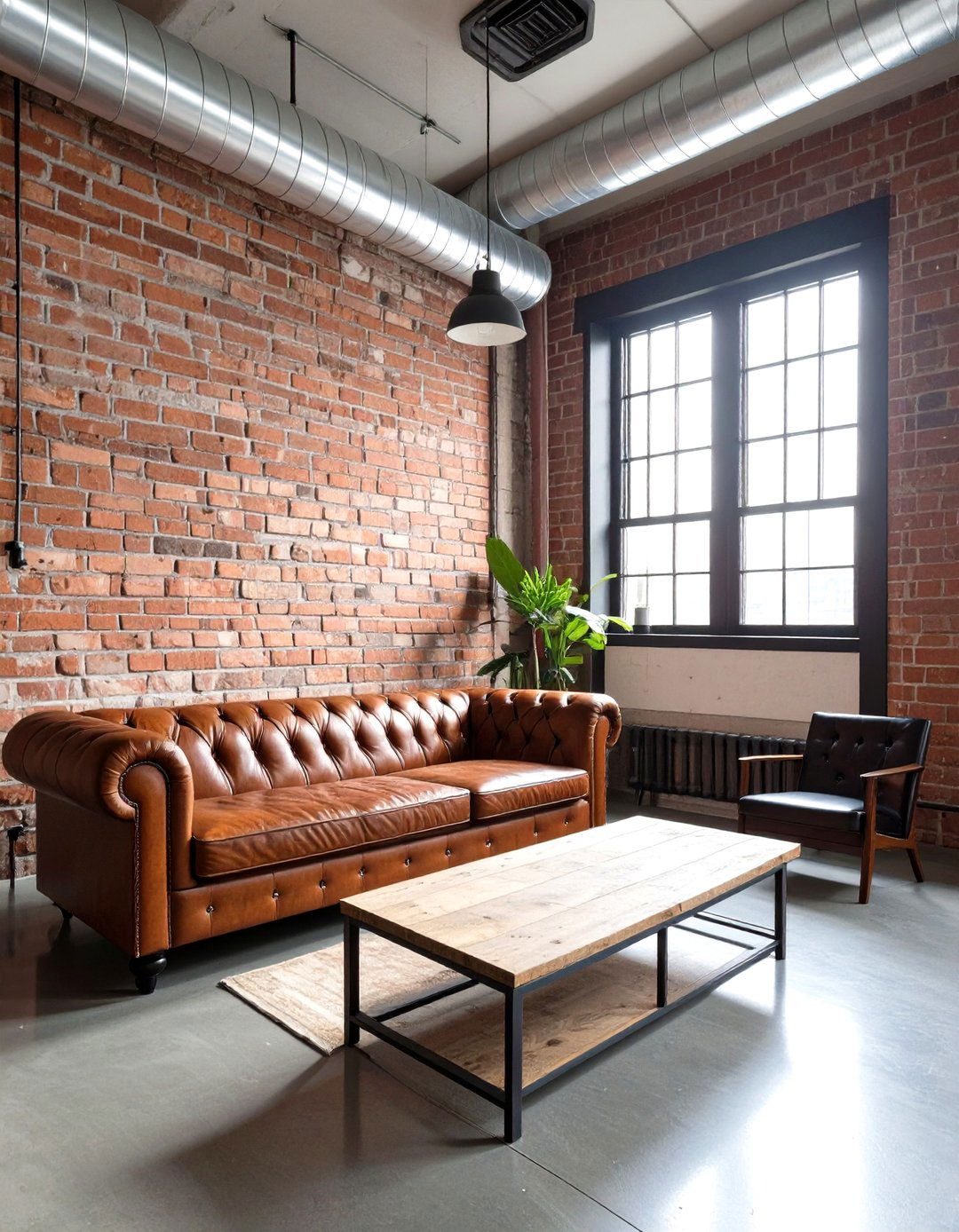
Imagine a space that celebrates raw, structural industrial loft conversion preserves the authentic character of former warehouses and factories, featuring exposed brick walls, visible ductwork, and polished concrete layout is typically open-plan, creating a vast, airy feel with high ceilings and large, metal-framed windows that flood the space with natural combines vintage leather sofas, reclaimed wood tables, and metal shelving is a key feature, with track lights, oversized metal pendants, and Edison bulbs enhancing the utilitarian yet stylish remains sparse, focusing on large-scale abstract art.
3. Biophilic Oasis Integration
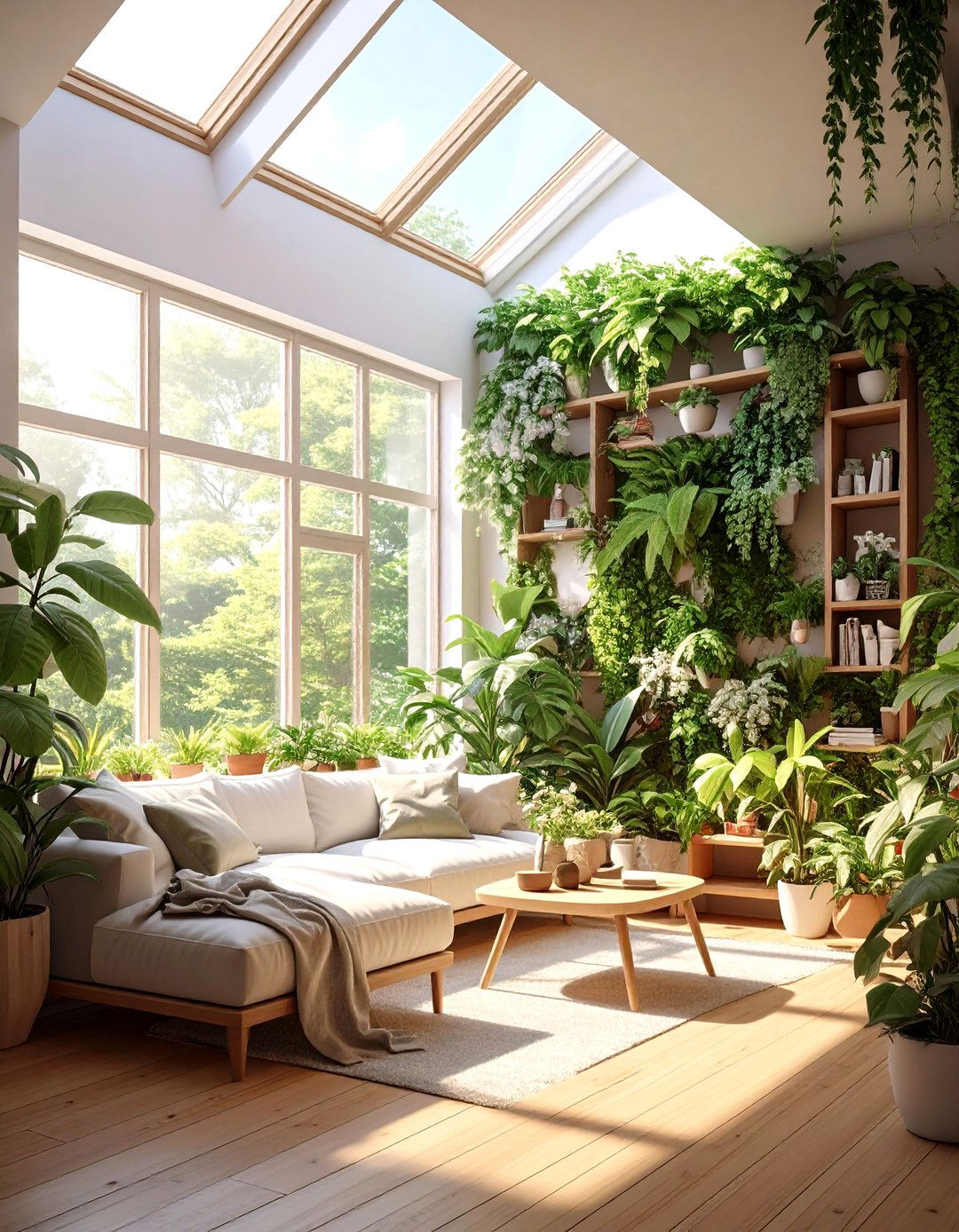
What if your home felt like a natural extension of the outdoors? A biophilic oasis integrates living, breathing nature into the very fabric of the concept prioritizes natural light and ventilation with large windows and are designed to maximize views of greenery, both inside and are organic and sustainably sourced, including reclaimed wood, stone, cork, and walls, indoor gardens, and abundant potted plants are central is made from natural materials with soft, organic goal is to create a calming, restorative environment that enhances well-being.
4. Modern Coastal Retreat
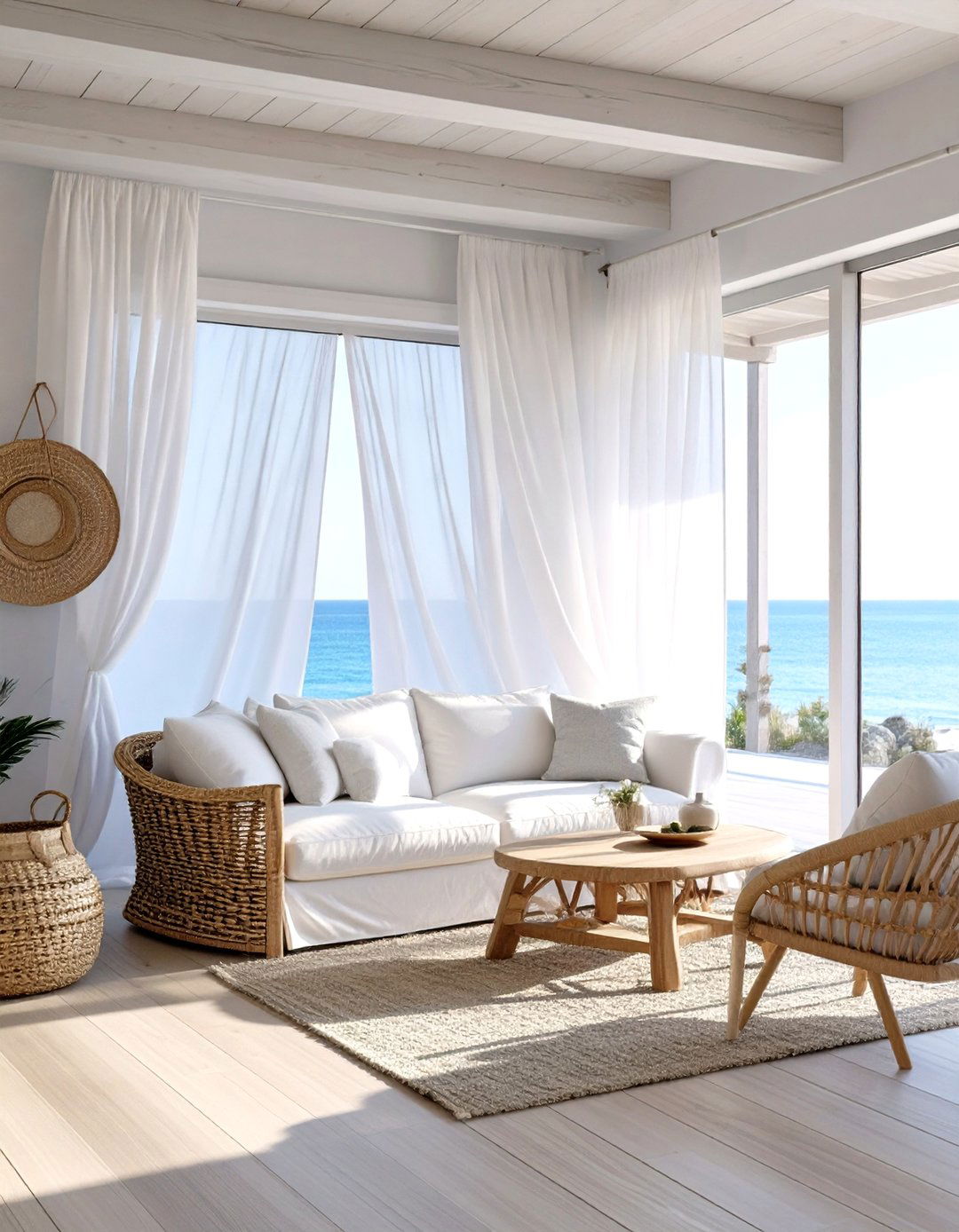
This design captures the breezy, relaxed spirit of the seaside without resorting to clichés. A modern coastal retreat uses a light and airy color palette of crisp whites, soft neutrals, and shades of blue and layout is open and flowing, designed to capture natural light and coastal like light-toned woods, rattan, jute, and linen create a textured yet simple is comfortable and casual, with slipcovered sofas, woven chairs, and weathered wood is subtle, referencing the coast through abstract art, natural objects like driftwood, and sheer, flowing curtains.
5. Art Deco Revival Glamour
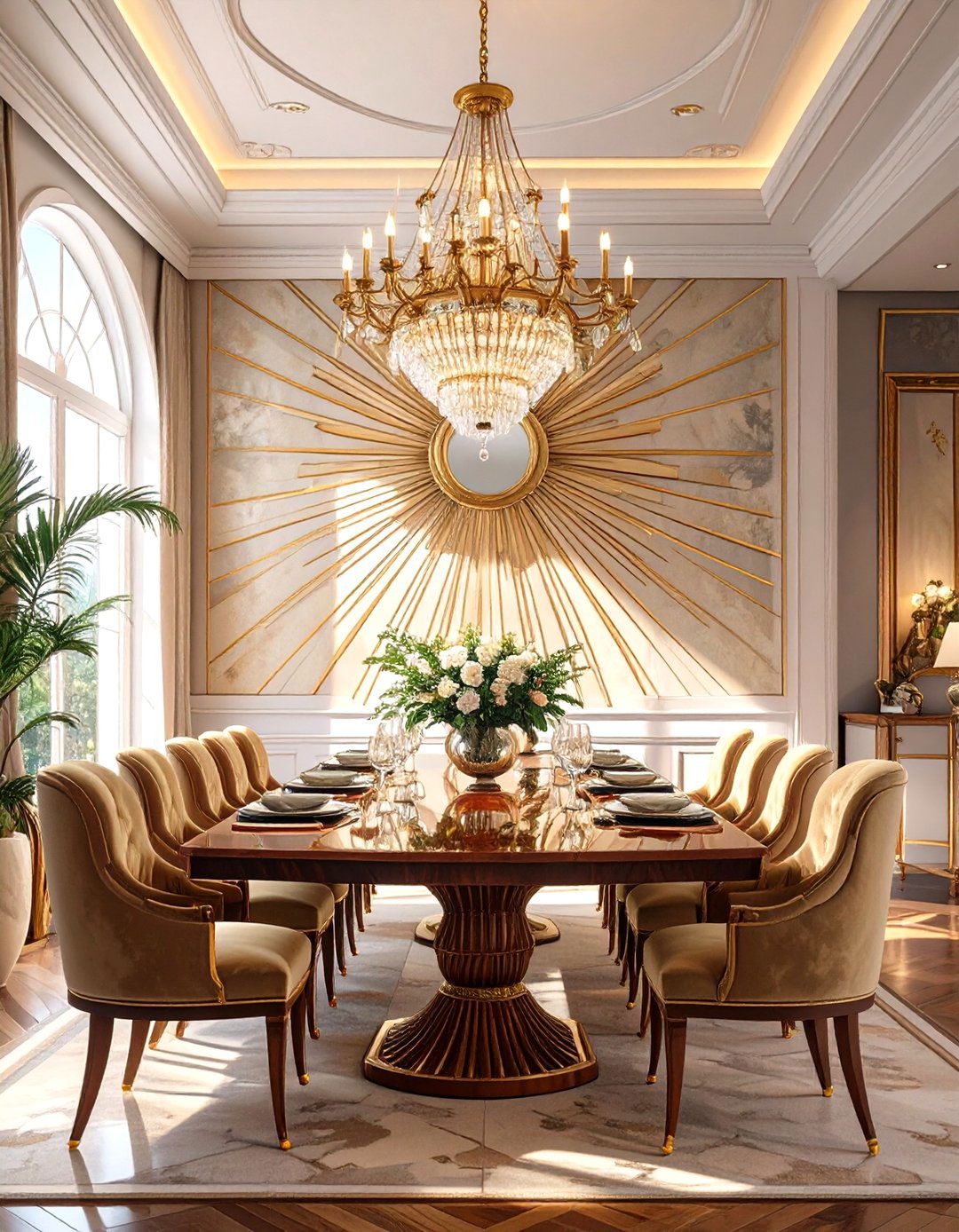
Step back into the Roaring Twenties with a design that exudes opulence and Art Deco revival is all about bold geometry, rich colors, and luxurious feature defined zones for entertaining, often with curved walls and stepped materials include polished marble, lacquered wood, brass, chrome, and is sculptural and grand, with channel-tufted sofas and geometric makes a statement with dramatic chandeliers and stylized patterns, sunburst motifs, and stylized animal prints on textiles and wallpaper complete this dramatic and glamorous look.
6. Mid-Century Modernism
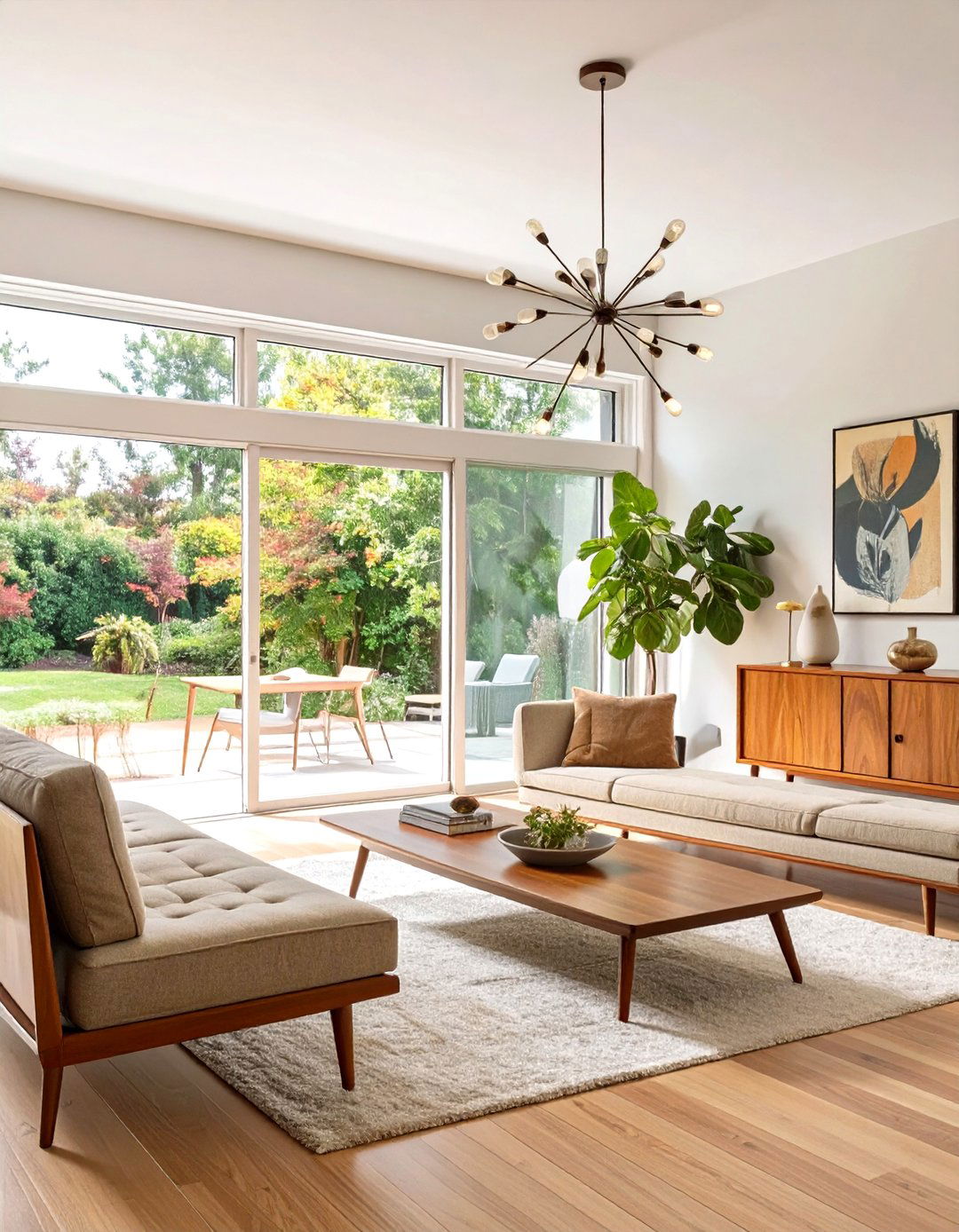
This enduring style celebrates clean lines, organic forms, and a seamless connection between indoors and outdoors. Mid-century modernism features open-plan layouts with large windows and sliding glass doors that blur the boundaries of the living material palette is warm and honest, showcasing teak, walnut, and rosewood alongside plastic and is iconic, with pieces defined by their functionality and minimalist aesthetic, like tapered legs and gentle is often sculptural, with sputnik chandeliers and arc is kept simple, with abstract art and graphic textiles adding personality.
7. Maximalist Curated Chaos
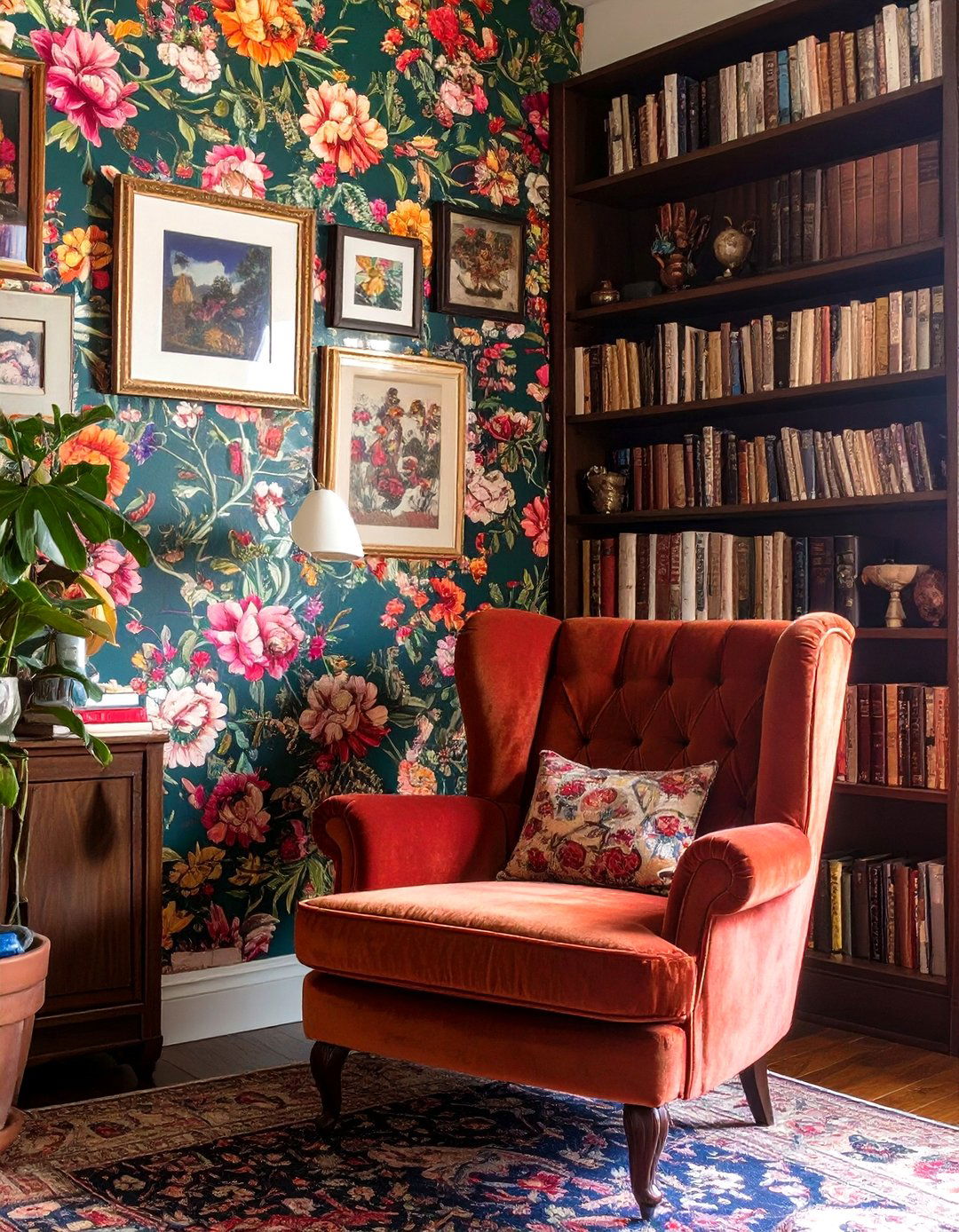
For those who believe more is more, maximalism is a celebration of pattern, color, and personal design is about layering textures, mixing styles, and filling a space with objects that tell a are no strict rules for layout; instead, it evolves organically around collections of art, books, and velvets, bold floral wallpapers, animal prints, and jewel-toned paints create a vibrant is an eclectic mix of periods and is ambient and varied, with fringed lampshades and ornate chandeliers adding to the theatrical, lived-in atmosphere.
8. Wabi-Sabi Imperfection
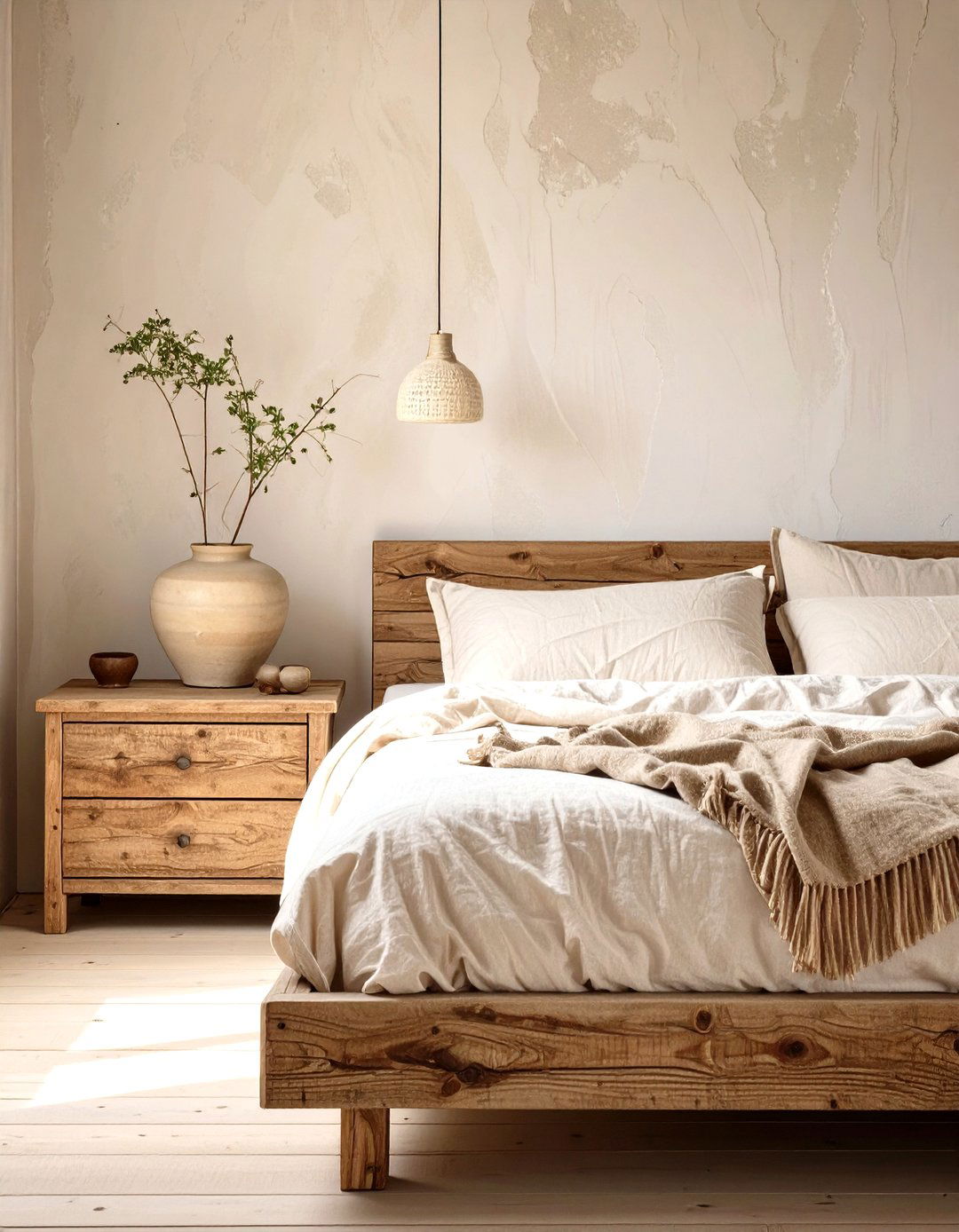
Finding beauty in imperfection is the heart of the Wabi-Sabi design approach creates a serene and authentic environment by embracing natural materials, asymmetry, and are uncluttered, allowing each object space to are humble and aged, such as weathered wood, handmade pottery, and textured is chosen for its character and history, often showing signs of wear and color palette is muted and drawn from nature — think earthy browns, soft grays, and muted is kept low and natural, creating a contemplative and peaceful mood.
9. Scandinavian Hygge Comfort
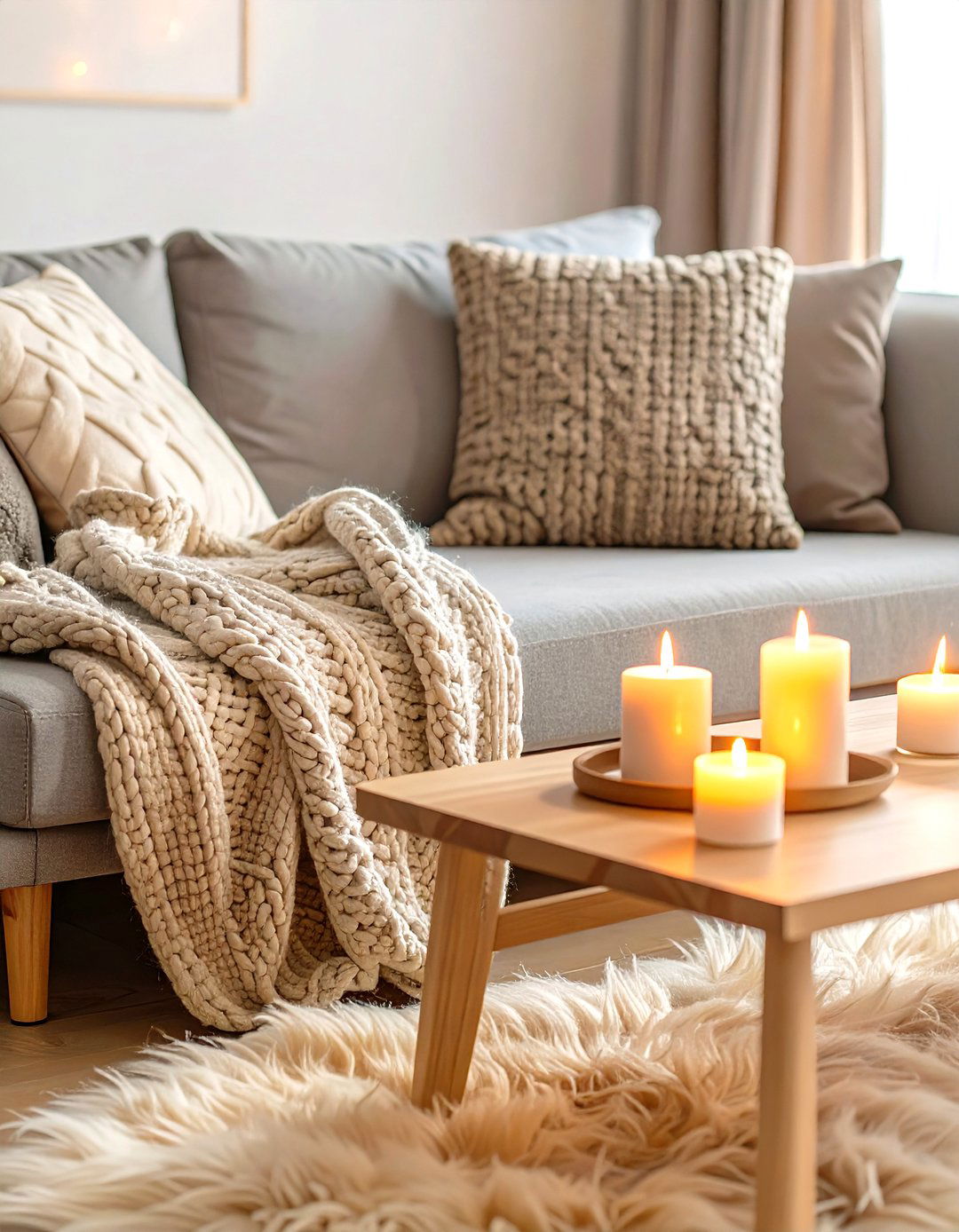
How do you create a space that feels like a warm hug? Scandinavian Hygge is the art of creating a cozy, contented design focuses on comfort, simplicity, and layout is functional and inviting, with designated nooks for reading and relaxing. A neutral color palette of whites, grays, and soft pastels is warmed by natural textures like chunky knit blankets, sheepskin rugs, and light-toned is simple, clean-lined, and lighting from candles, fairy lights, and dimmable lamps is essential for creating a soft, intimate glow.
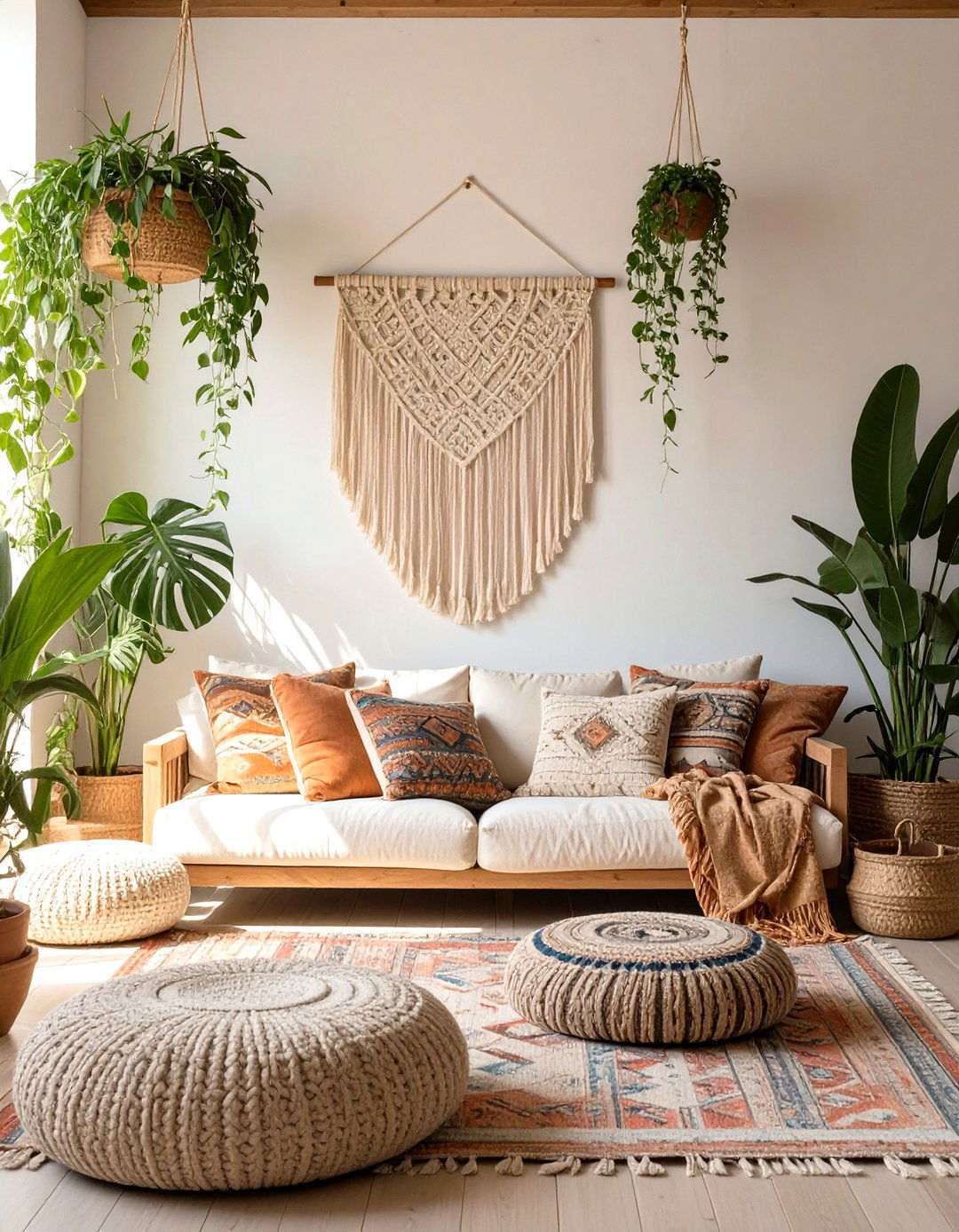
10. Bohemian Eclectic Free-Spirit
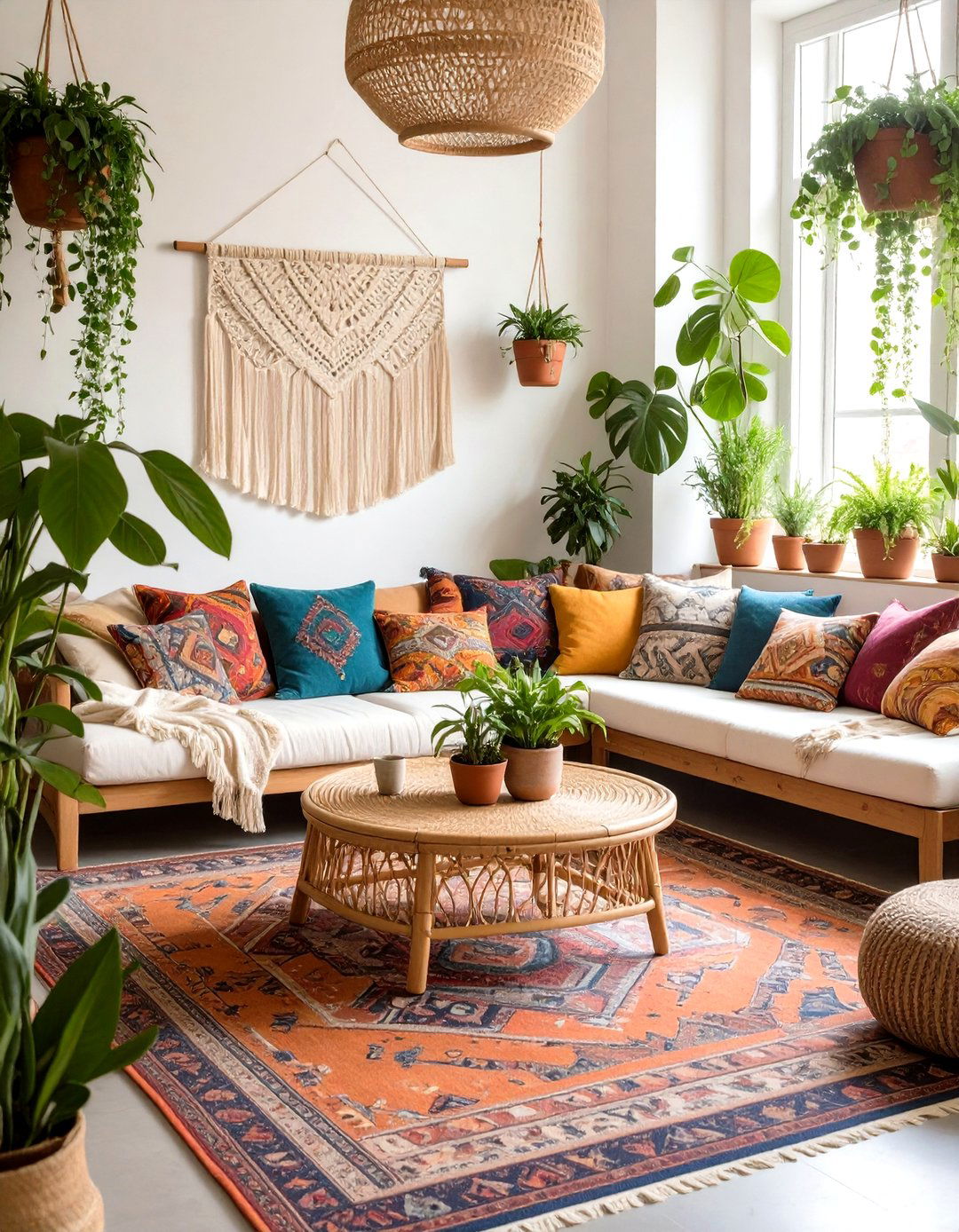
A Bohemian design is for the free-spirited traveler, artist, and dreamer. It’s a style that breaks conventions, mixing vibrant colors, global patterns, and diverse textures to create a rich, layered layout is relaxed and unstructured, encouraging casual lounging and social are natural and tactile, featuring macrame, crochet, rattan, and worn is a mix of vintage finds and low-level seating like floor cushions and space is filled with plants, souvenirs from travels, and handmade art, creating a deeply personal and unconventional home.
11. Modern Farmhouse Charm
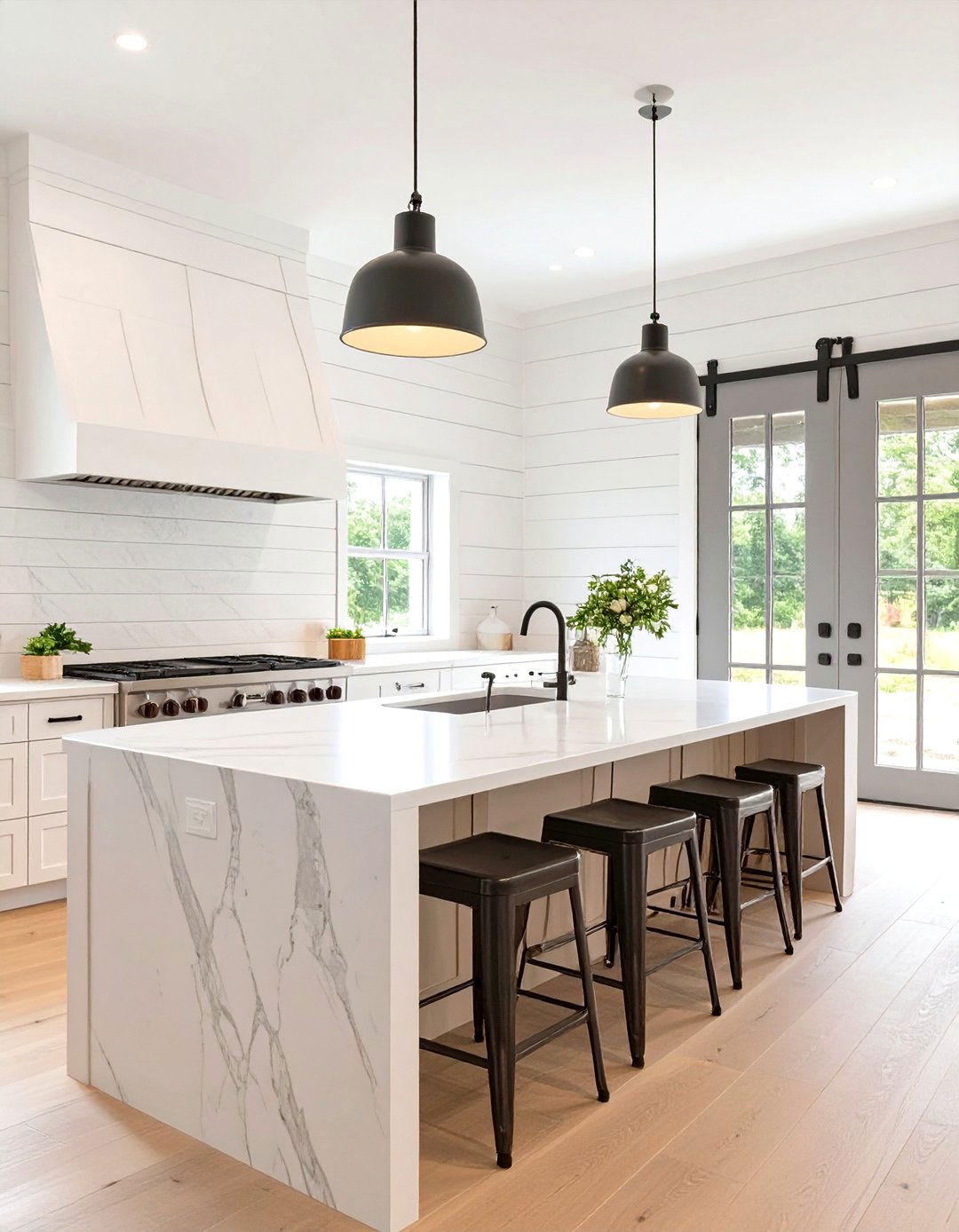
This popular style perfectly balances rustic character with modern simplicity and clean farmhouse design features open-concept layouts that are bright and airy, often with a central gathering space like a large kitchen materials include reclaimed wood, shiplap walls, and industrial metal accents in matte black or oil-rubbed is comfortable and practical, with oversized sofas and sturdy wood tables. A neutral color palette of whites, creams, and grays keeps the space feeling fresh and barn doors and apron-front sinks are iconic elements.
12. Hollywood Regency Splendor
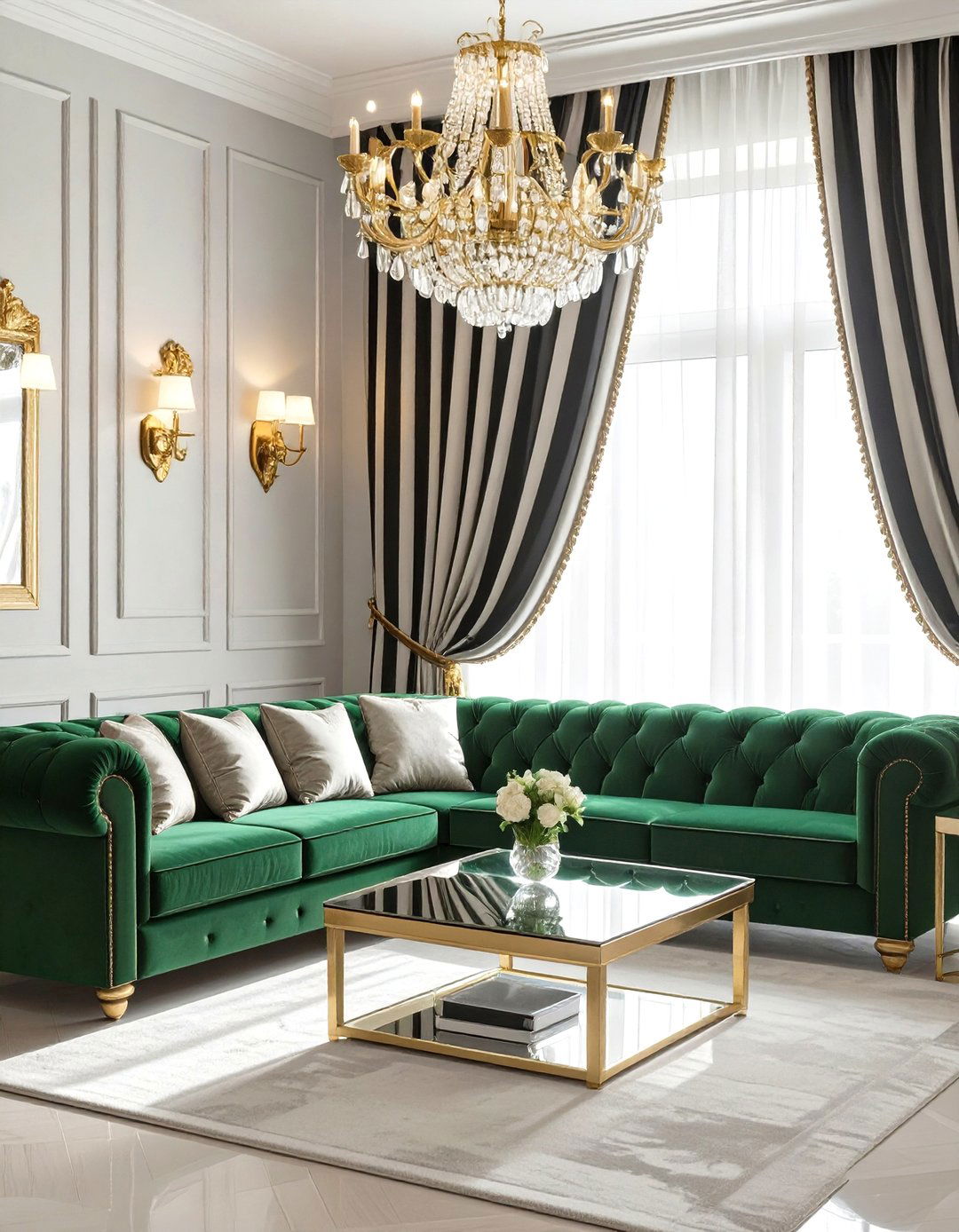
Evoke the golden age of cinema with a design that is unapologetically glamorous and Regency is defined by its dramatic flair, luxurious finishes, and bold use of color and are designed for entertaining, with a mix of intimate seating areas and open spaces. High-gloss lacquered surfaces, mirrored furniture, and metallic accents in gold and chrome are hallmarks of the fabrics like silk, satin, and velvet are used for upholstery and patterns, such as Greek key motifs and animal prints, add a layer of confident sophistication.
13. Minimalist Zen Retreat
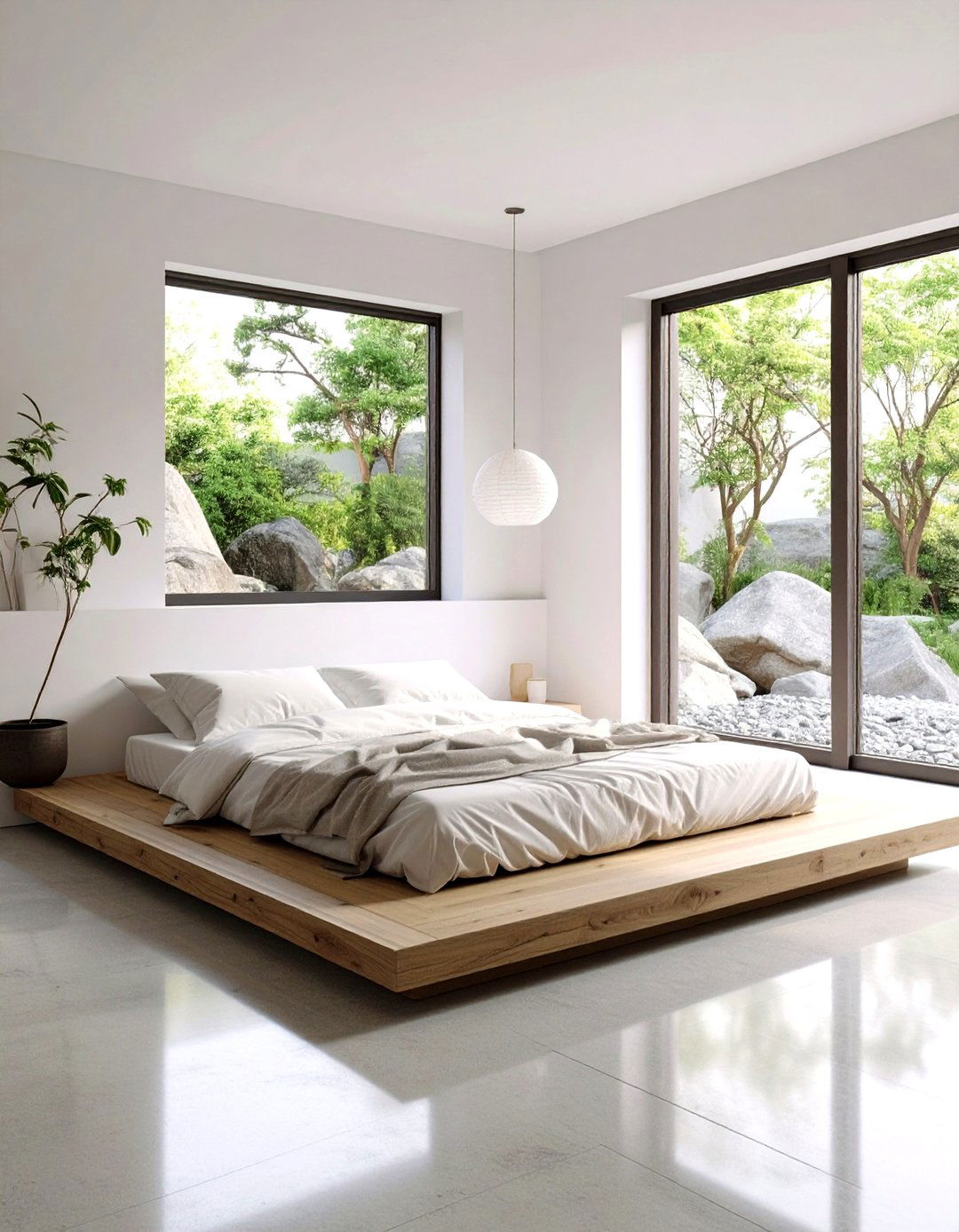
Could you live with less to gain more peace? A minimalist Zen retreat focuses on the principle that a calm mind requires a calm design strips everything down to its essential purpose, creating an environment of pure simplicity and are open and meticulously organized, with hidden storage to eliminate all color palette is strictly monochromatic or neutral, using shades of white, beige, and are high-quality and natural, such as smooth concrete, light wood, and is sparse, sculptural, and chosen for its perfect form.
14. French Countryside Elegance
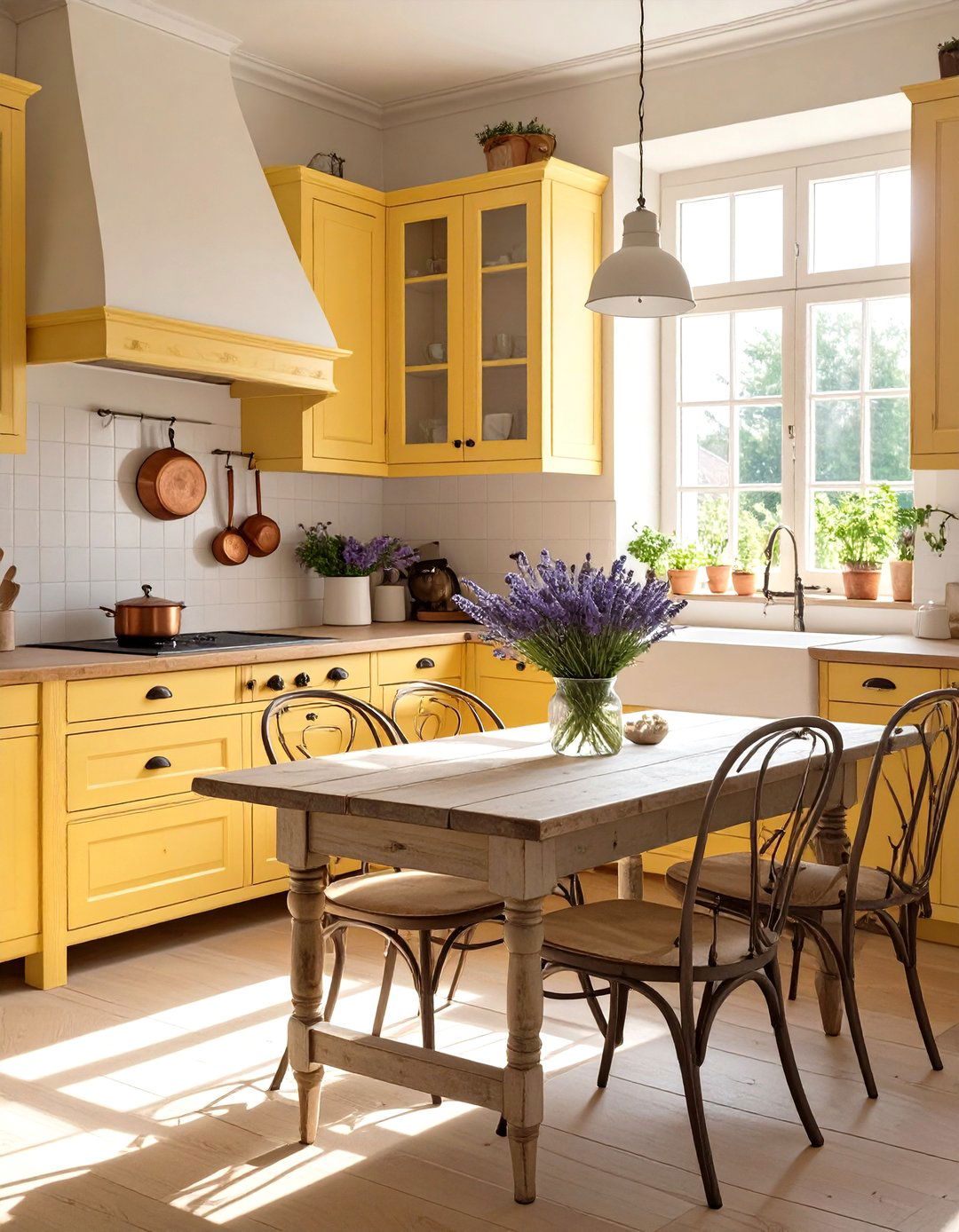
This style brings the rustic warmth and refined elegance of provincial France into the Countryside design creates a welcoming and lived-in atmosphere with a touch of often center around a farmhouse-style kitchen and dining material palette includes distressed wood, wrought iron, stone, and combines ornate, curved lines with a weathered, antique finish. Soft, warm colors like creamy whites, soft yellows, and muted blues are accented with toile and floral pots, fresh lavender, and ceramic roosters complete the charming, rustic aesthetic.
15. Transitional Timeless Appeal
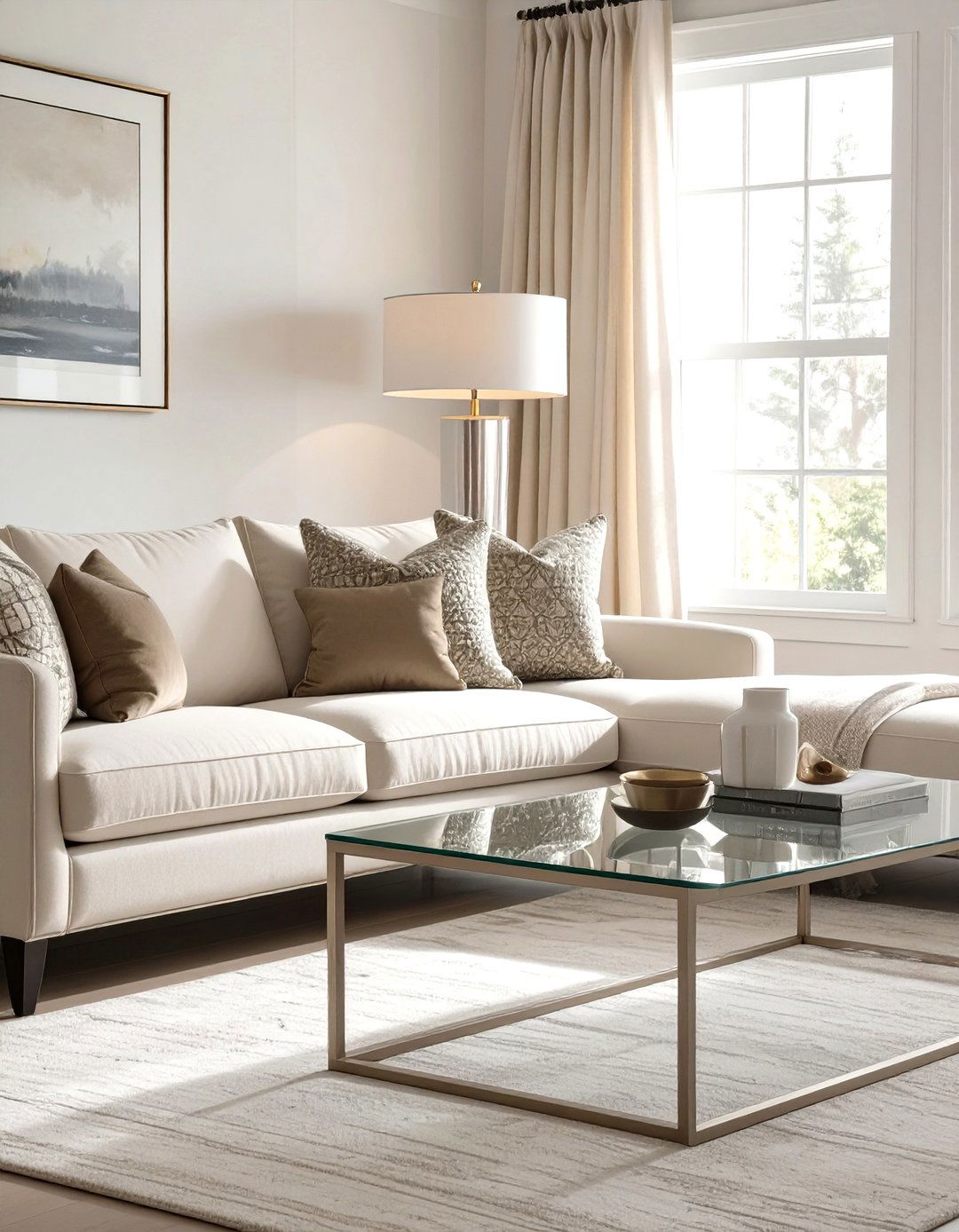
Blending the best of traditional and contemporary design, a transitional style offers a classic, timeless look that is both comfortable and approach balances clean lines with graceful curves, creating a space that feels fresh yet are simple and functional, avoiding excessive color palette is typically neutral and calming, allowing textures and materials like wood, glass, and metal to take center features classic silhouettes but with a more modern, streamlined result is an elegant, enduring space that is harmonious and uncluttered.
16. Rustic Cabin Getaway
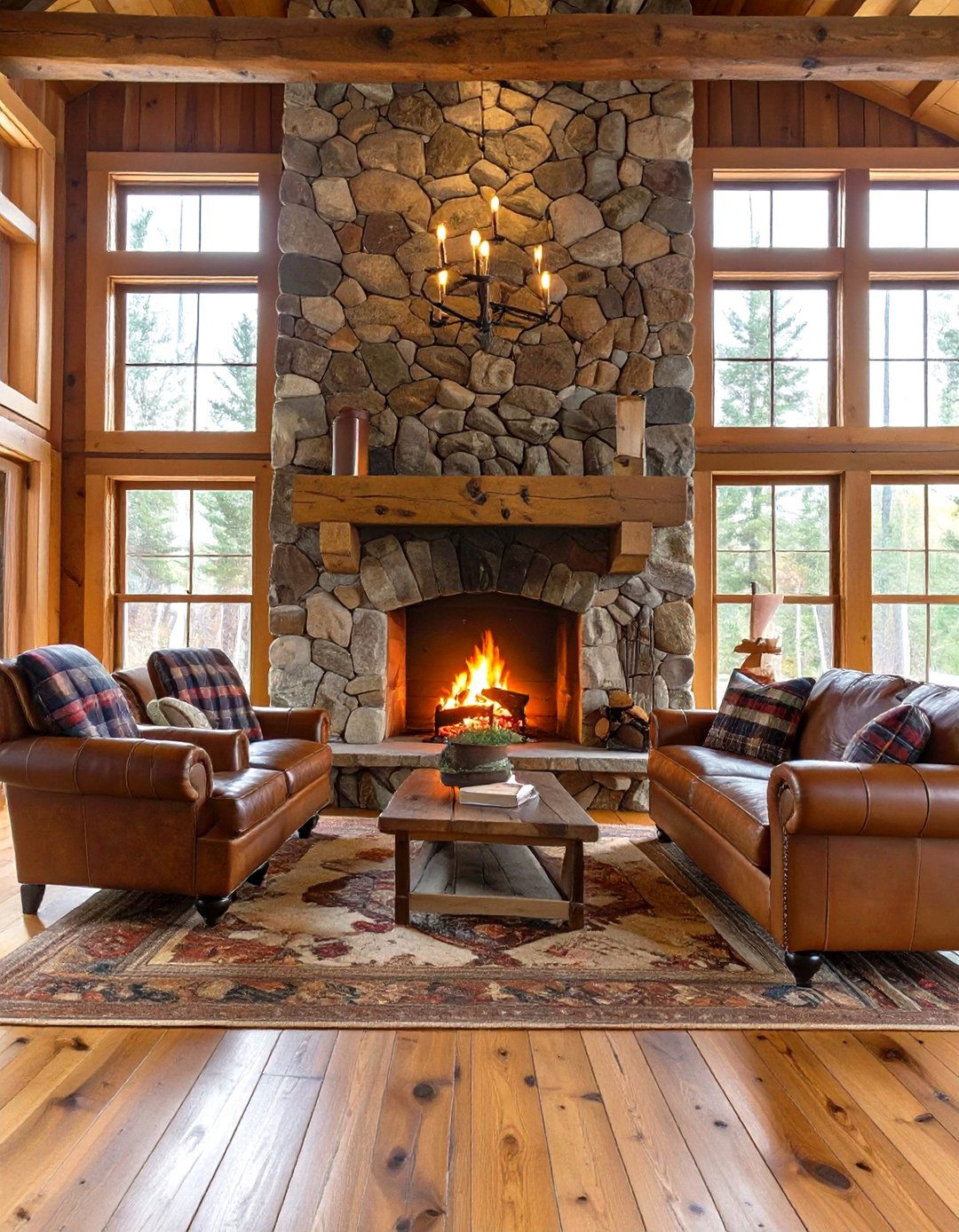
Imagine a cozy retreat nestled in the woods. A rustic cabin design brings the rugged beauty of the outdoors style emphasizes natural, unfinished materials like log walls, stone fireplaces, and wide-plank wood layout is warm and inviting, centered around a hearth that serves as the heart of the is sturdy and comfortable, often made from solid wood and upholstered in plaid, wool, or is warm and ambient, with wrought-iron fixtures and antler includes cozy textiles, vintage tools, and nature-inspired artwork.
17. Southwestern Desert Modern
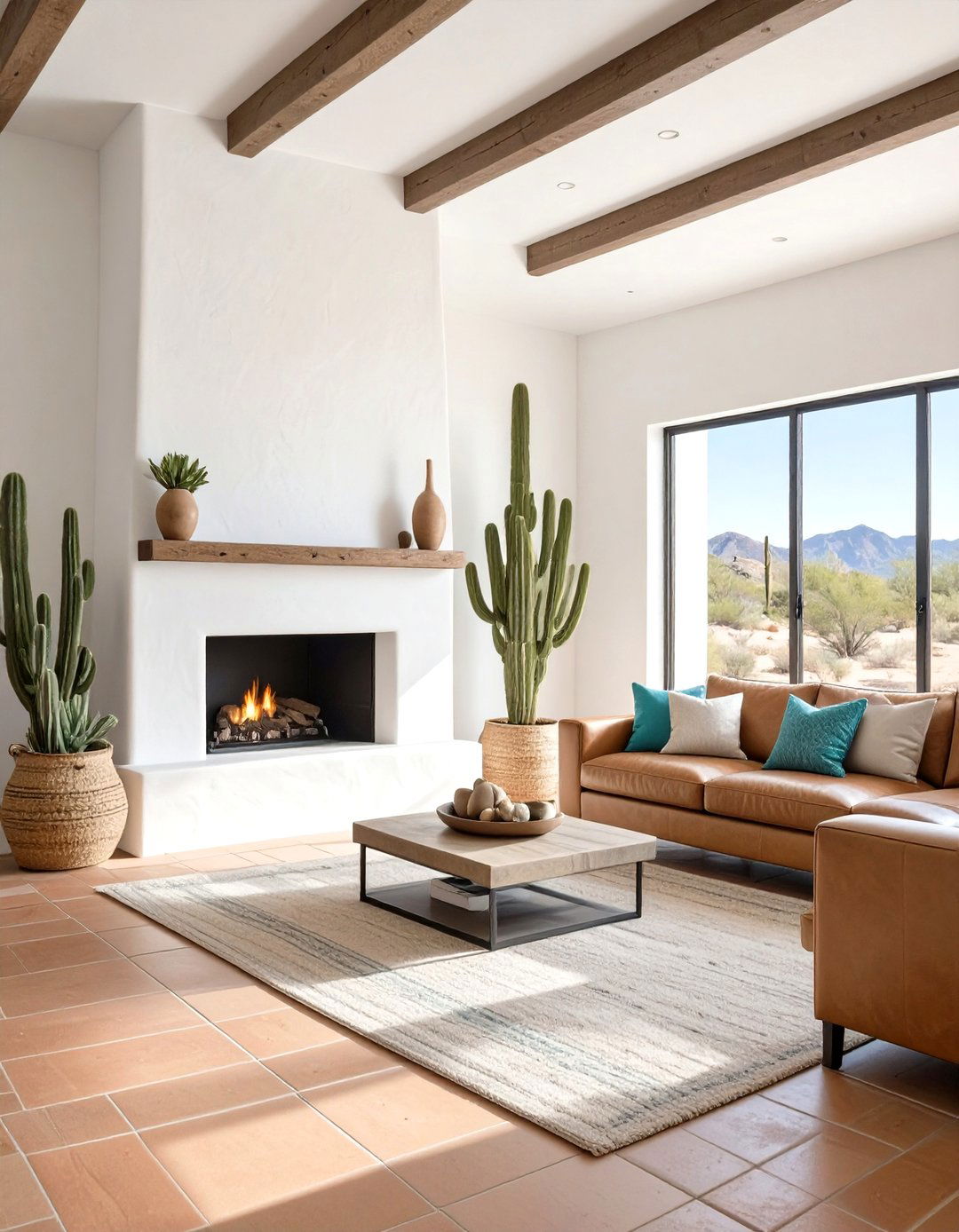
This design captures the earthy spirit and vibrant colors of the American Southwest with a clean, modern Desert Modern features open layouts that connect to outdoor patios, blurring the line between inside and material palette is inspired by the landscape, incorporating terracotta tiles, stucco walls, and exposed wood beams. A warm, neutral base is punctuated with bold accents of turquoise, rust, and is simple and low-profile, often featuring leather and woven textiles. Cacti, succulents, and handcrafted pottery add authentic, organic touches to the space.
18. Neoclassical Grandeur
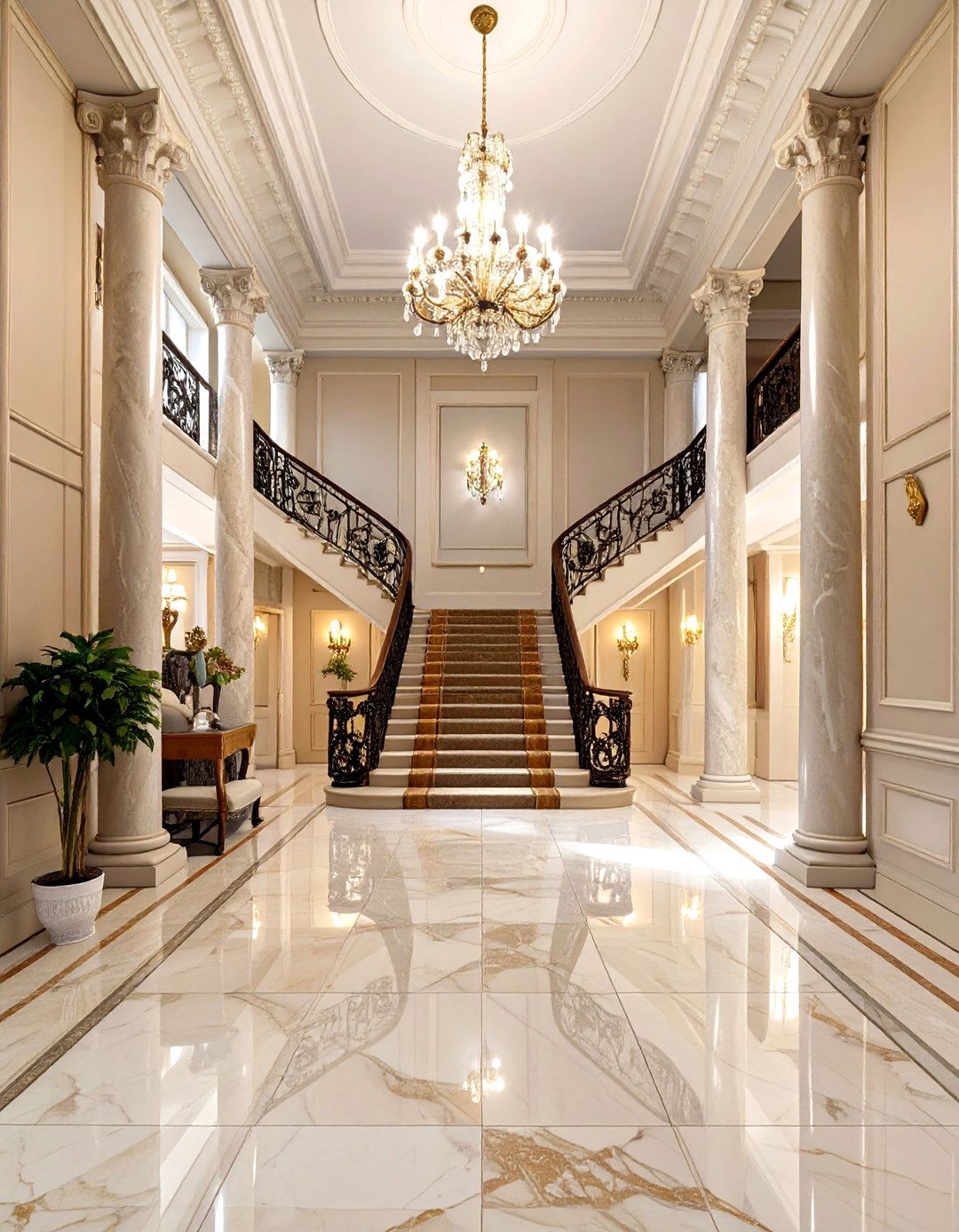
Drawing inspiration from the art and architecture of ancient Greece and Rome, neoclassical design is about order, symmetry, and understated style is characterized by its grand scale, with high ceilings, columns, and large, symmetrical are formal and color palette is often light and subtle, featuring whites, creams, soft grays, and pale is refined, with straight lines and geometric forms, often decorated with classical motifs like urns and laurel moldings, decorative friezes, and marble statues complete this timeless, sophisticated look.
19. Shabby Chic Vintage Romance
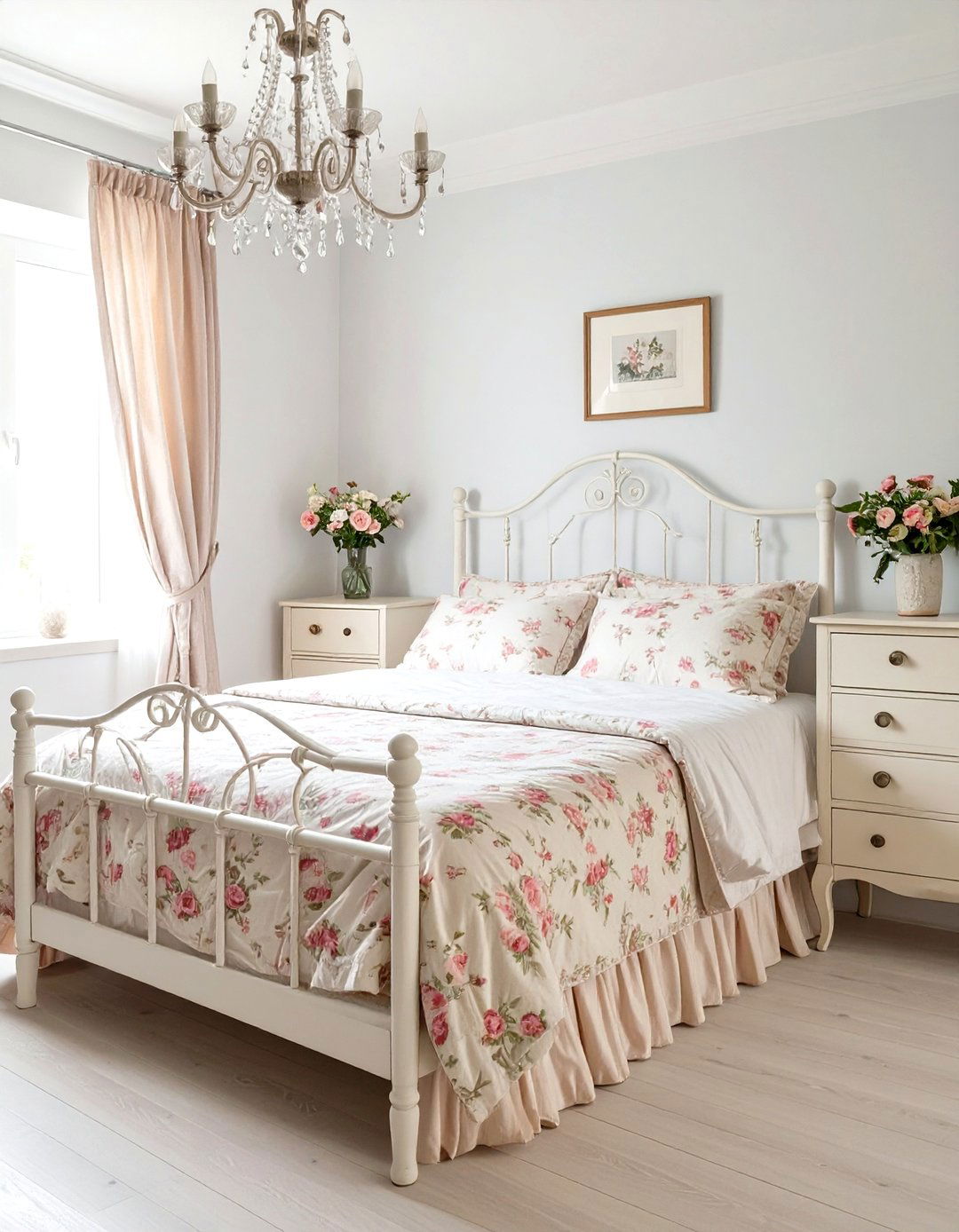
Does the charm of aged and well-loved items speak to your soul? Shabby chic design creates a soft, romantic, and comfortable atmosphere by embracing vintage style features furniture with a distressed, painted finish, revealing layers of history layout is relaxed and informal, filled with comfortable, overstuffed color palette is predominantly white, cream, and soft pastels. Floral-print fabrics, delicate lace, and crystal chandeliers add to the feminine, cottage-inspired feel. It’s a celebration of timeworn beauty, creating a space that feels both elegant and effortlessly lived-in.
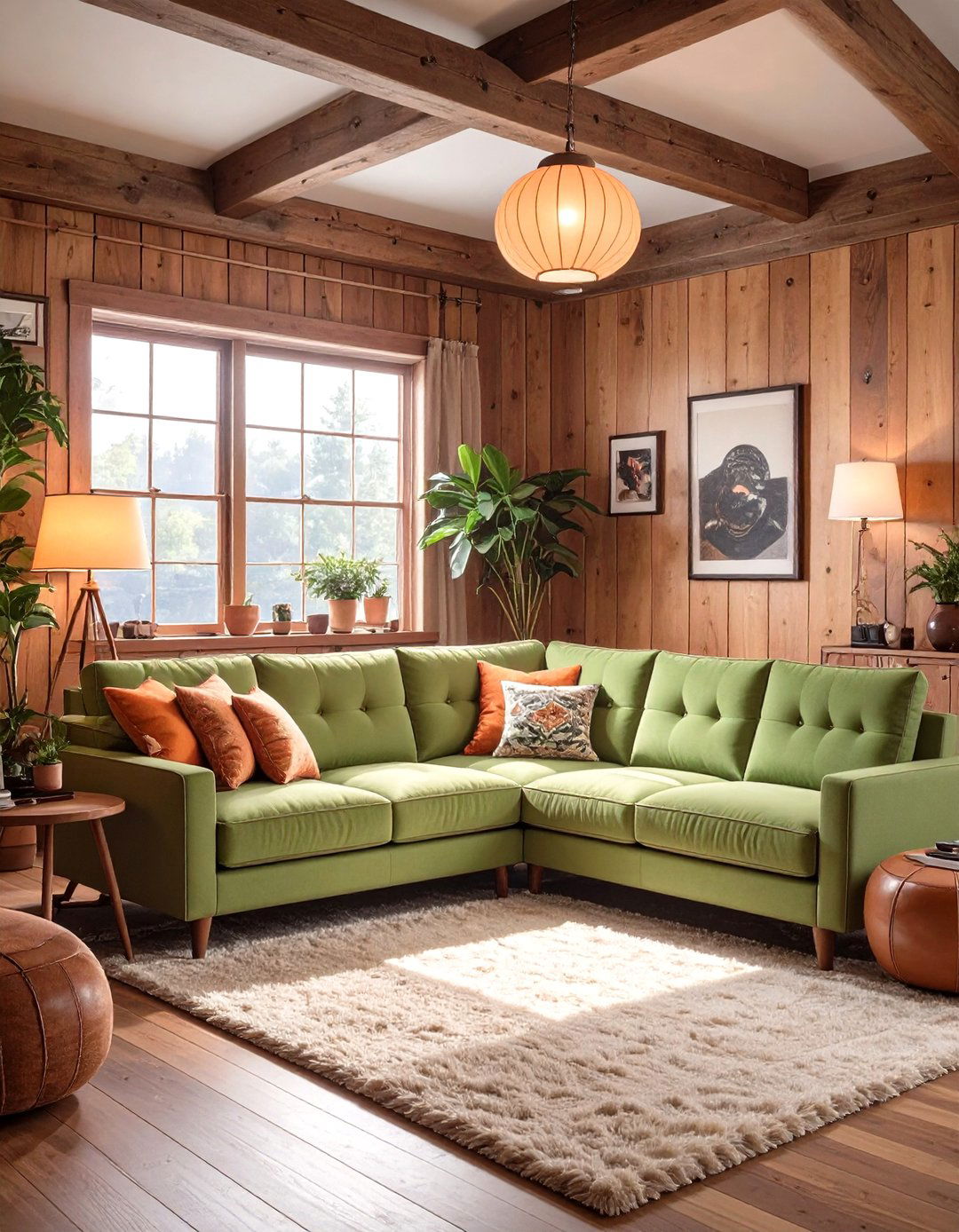
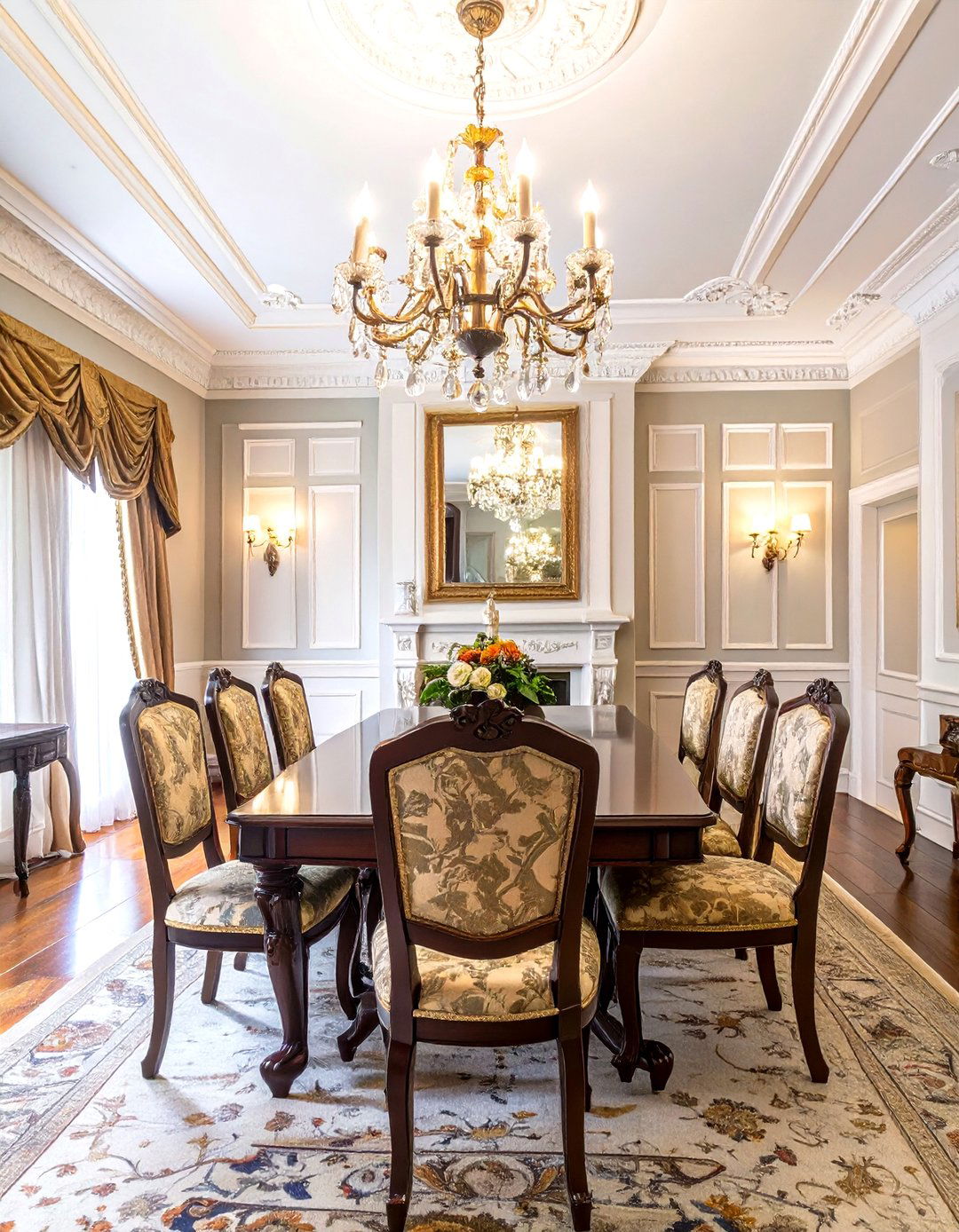
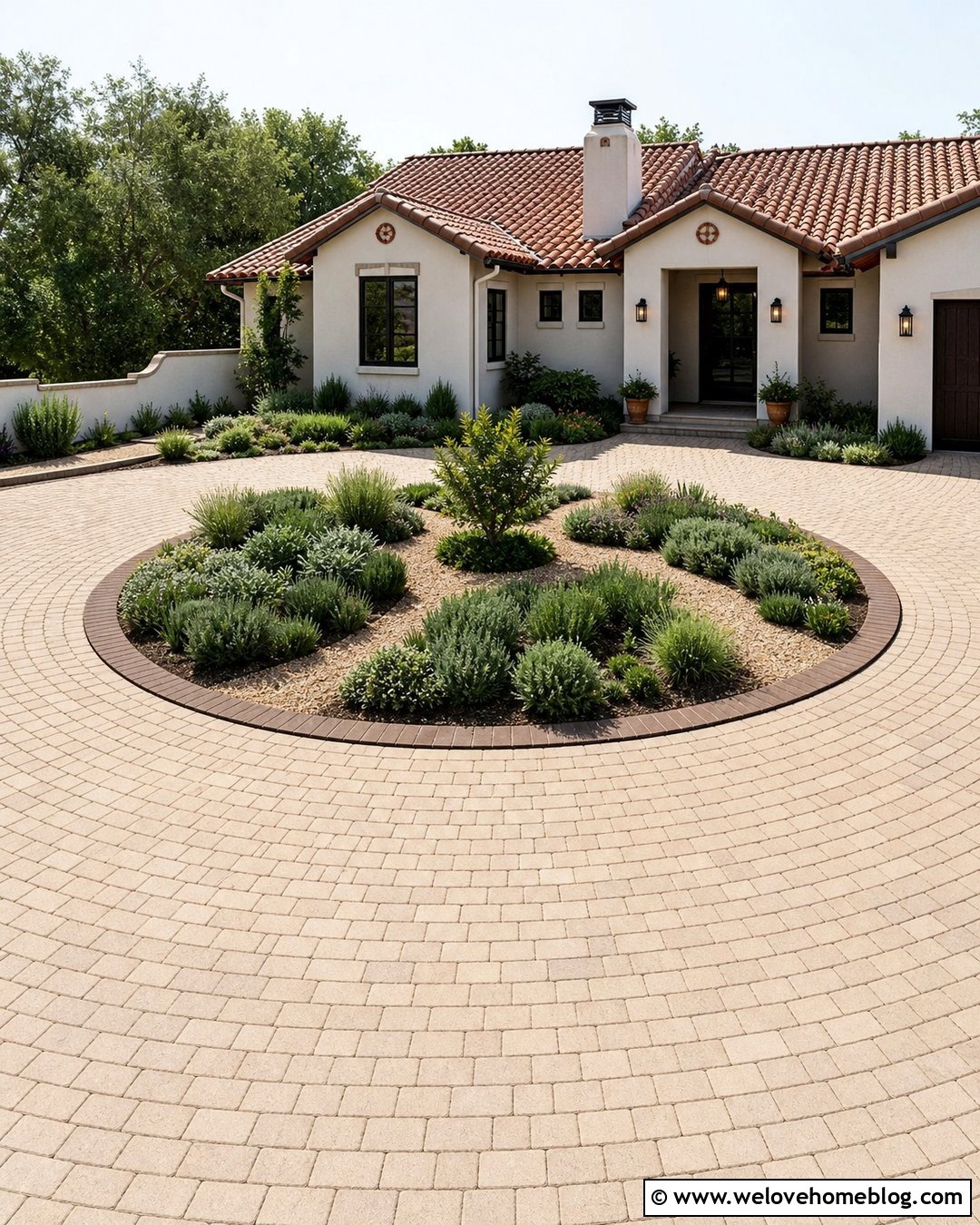
20. Brutalist Honesty in Materials
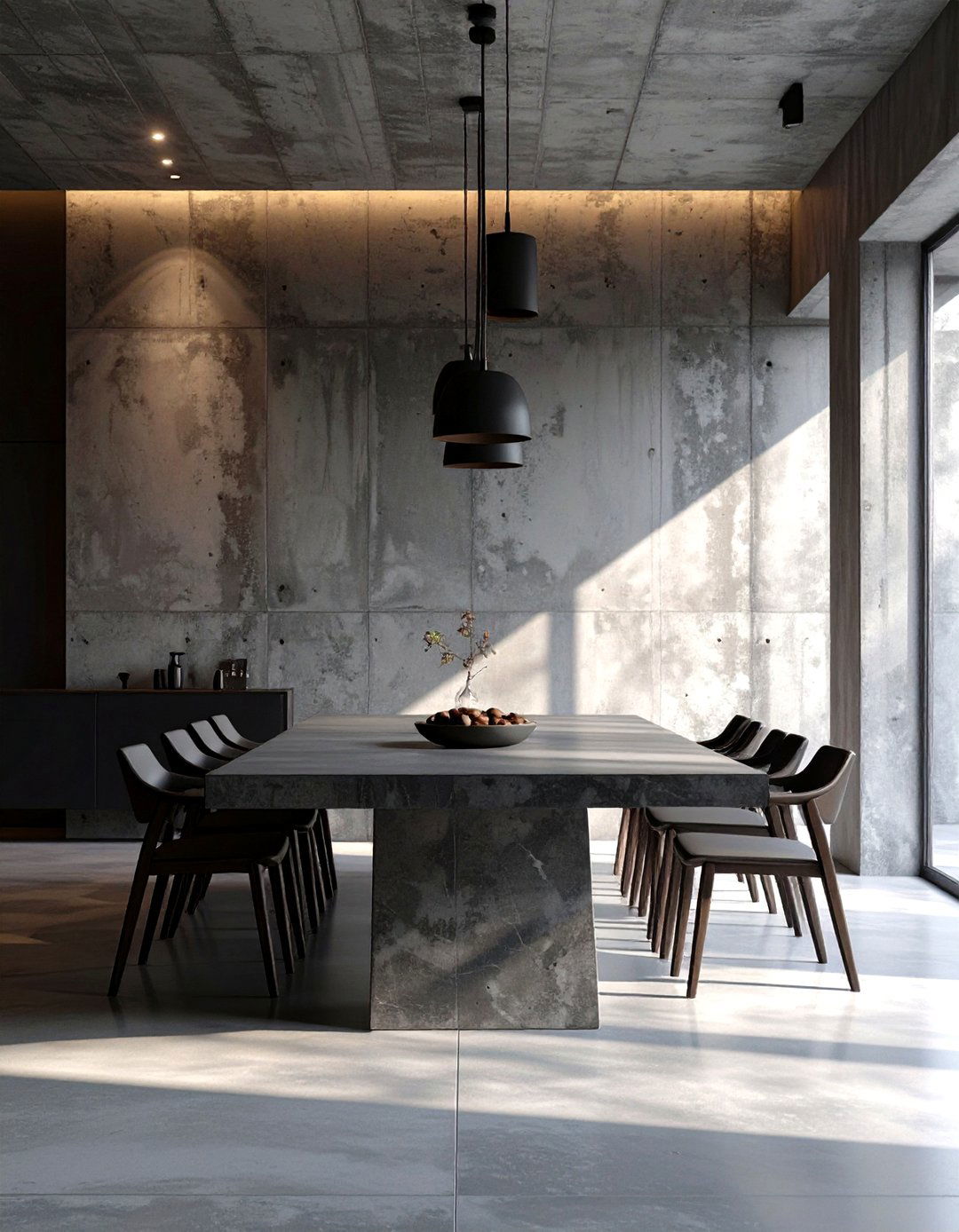
Brutalist design makes a powerful statement by showcasing raw, exposed materials in their purest style celebrates the rugged beauty of poured concrete, steel, and unfinished are often open and monumental, with a focus on structural form and color palette is inherently monochromatic, dictated by the materials is blocky, geometric, and substantial, often made from the same raw materials found in the is used strategically to highlight texture and create dramatic shadows, resulting in a space that is honest, imposing, and surprisingly soulful.
21. English Country House Comfort
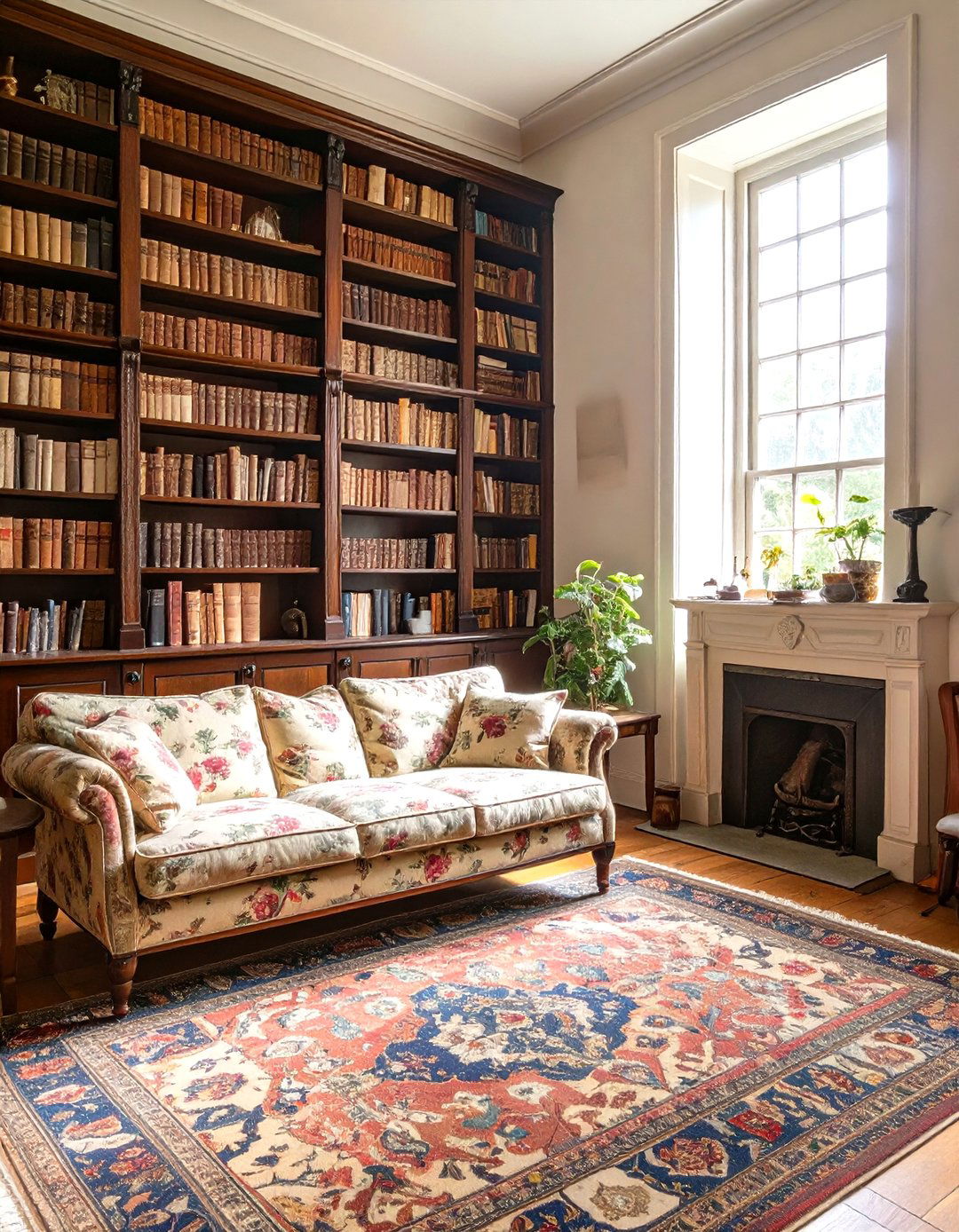
This design embodies a classic, lived-in comfort that feels as if it has evolved over English country house is all about cozy, layered interiors that are both elegant and feature distinct rooms filled with comfortable, slightly worn furniture like chintz-covered sofas and antique wood pieces. A rich mix of patterns, from florals to tartans, is used on wallpaper, curtains, and space is filled with personal collections, from books and paintings to family photographs. It’s a timeless style that prioritizes comfort, character, and a deep sense of home.
22. Moroccan Riad Intrigue
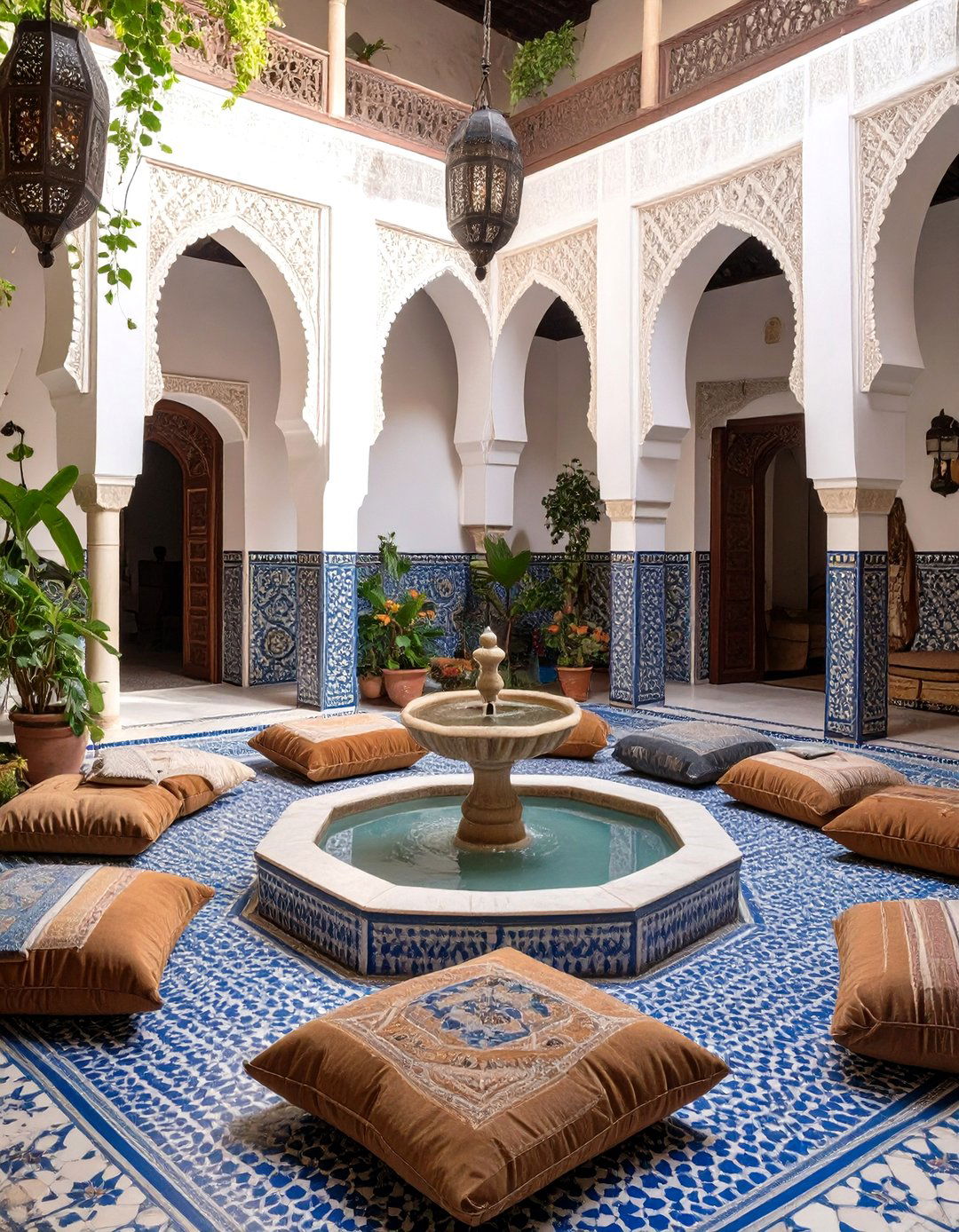
Transport yourself to a vibrant North African courtyard with a design inspired by a traditional Moroccan style is rich in color, pattern, and texture, creating an exotic and inviting layout often centers on an inner courtyard or living space, adorned with intricate tilework, known as features include arched doorways, carved wood screens (mashrabiya) , and plush, low-slung seating. A palette of jewel tones — cobalt blue, emerald green, and ruby red — is set against a backdrop of warm neutrals. Punched-metal lanterns cast intricate patterns of light, enhancing the magical ambiance.
23. Organic Modernism

This design philosophy seeks to create harmony between human habitation and the natural modernism, pioneered by architects like Frank Lloyd Wright, features designs that are integrated with their are open and flowing, with forms and structures that mimic are natural and locally sourced, including stone, wood, and glass, used in a way that highlights their inherent is often built-in or custom-designed to complement the windows and continuous planes between inside and outside create a seamless connection, fostering a sense of peace and belonging.
24. Steampunk Industrial Fantasy
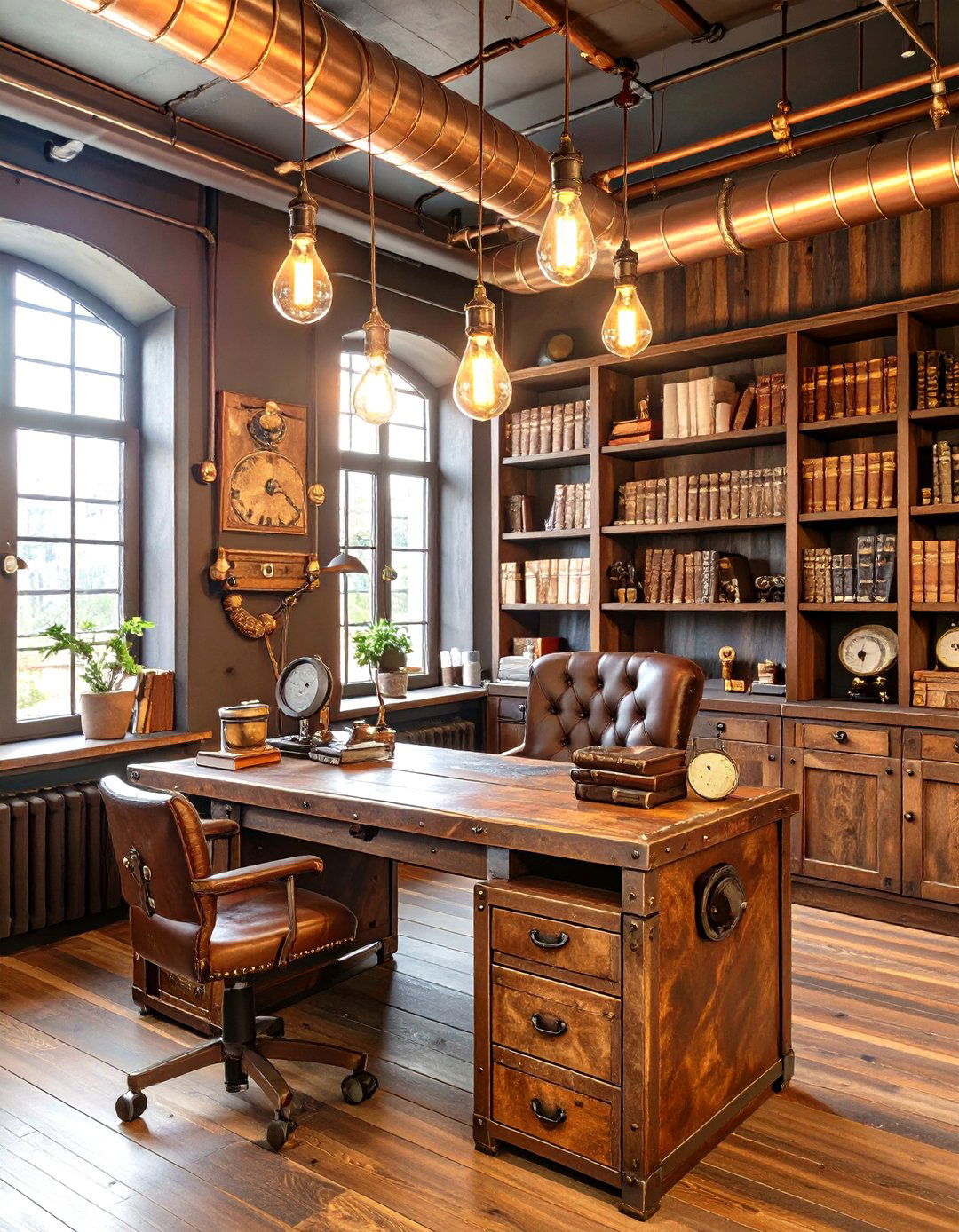
What if Victorian industrialism met science fiction? Steampunk design creates a fantastical world where history and imagination style is characterized by a dark, moody color palette and a focus on mechanical are filled with curiosities and repurposed include aged brass, copper, polished dark wood, and is a mix of antique Victorian pieces and industrial-style gears, pipes, gauges, and filament light bulbs are key decorative features, creating a space that feels like the workshop of a brilliant, eccentric inventor from another era.
25. Bauhaus Functionalism
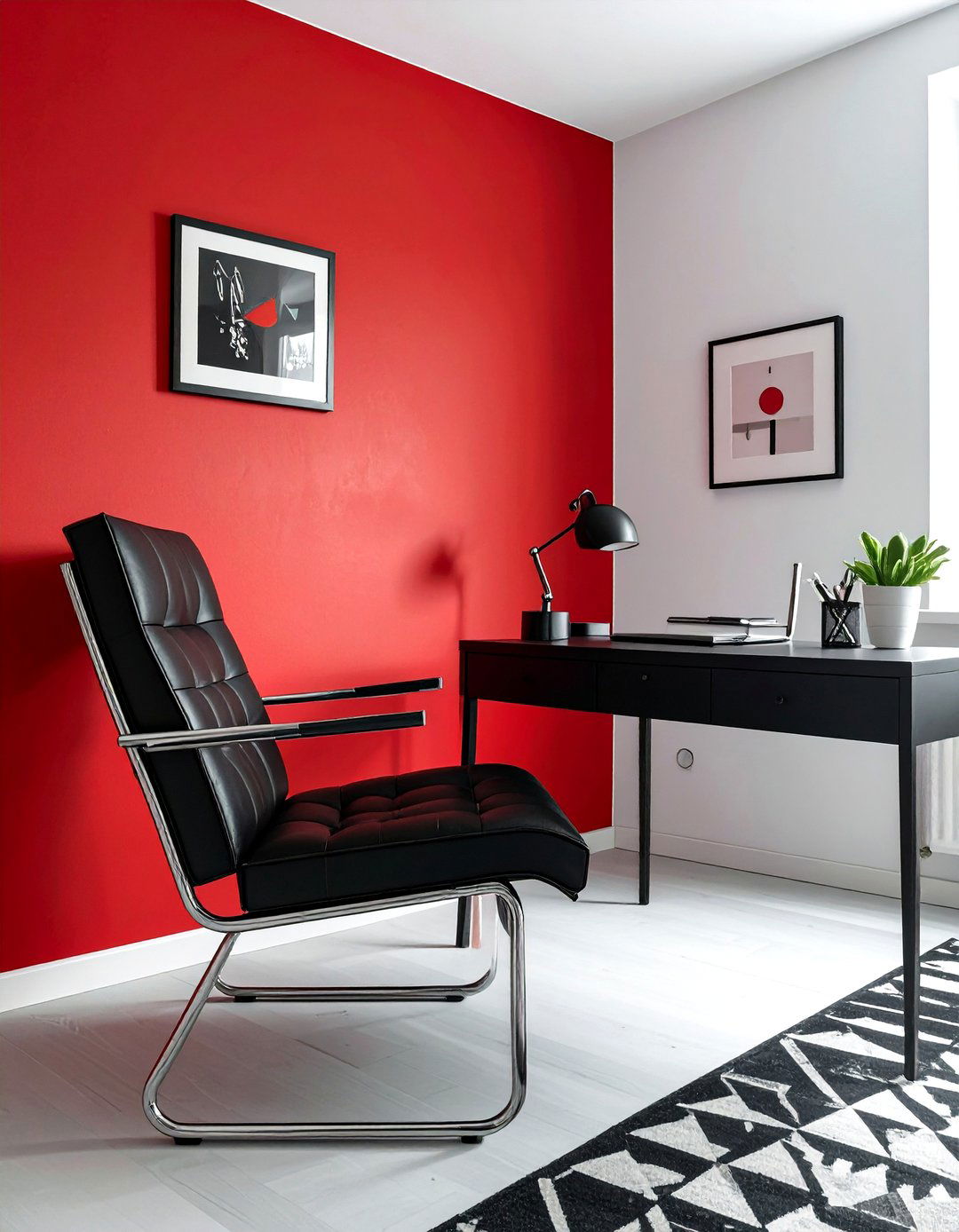
Rooted in the principle that form follows function, Bauhaus design is a study in efficiency and clean style rejects all unnecessary ornamentation in favor of pure are open and logical, designed for modern color palette often uses primary colors — red, yellow, and blue — as accents against a neutral background of white, gray, and are industrial, including tubular steel, glass, and is iconic, known for its minimalist forms and innovative use of result is a space that is rational, uncluttered, and timelessly modern.
26. Tropical Modernism
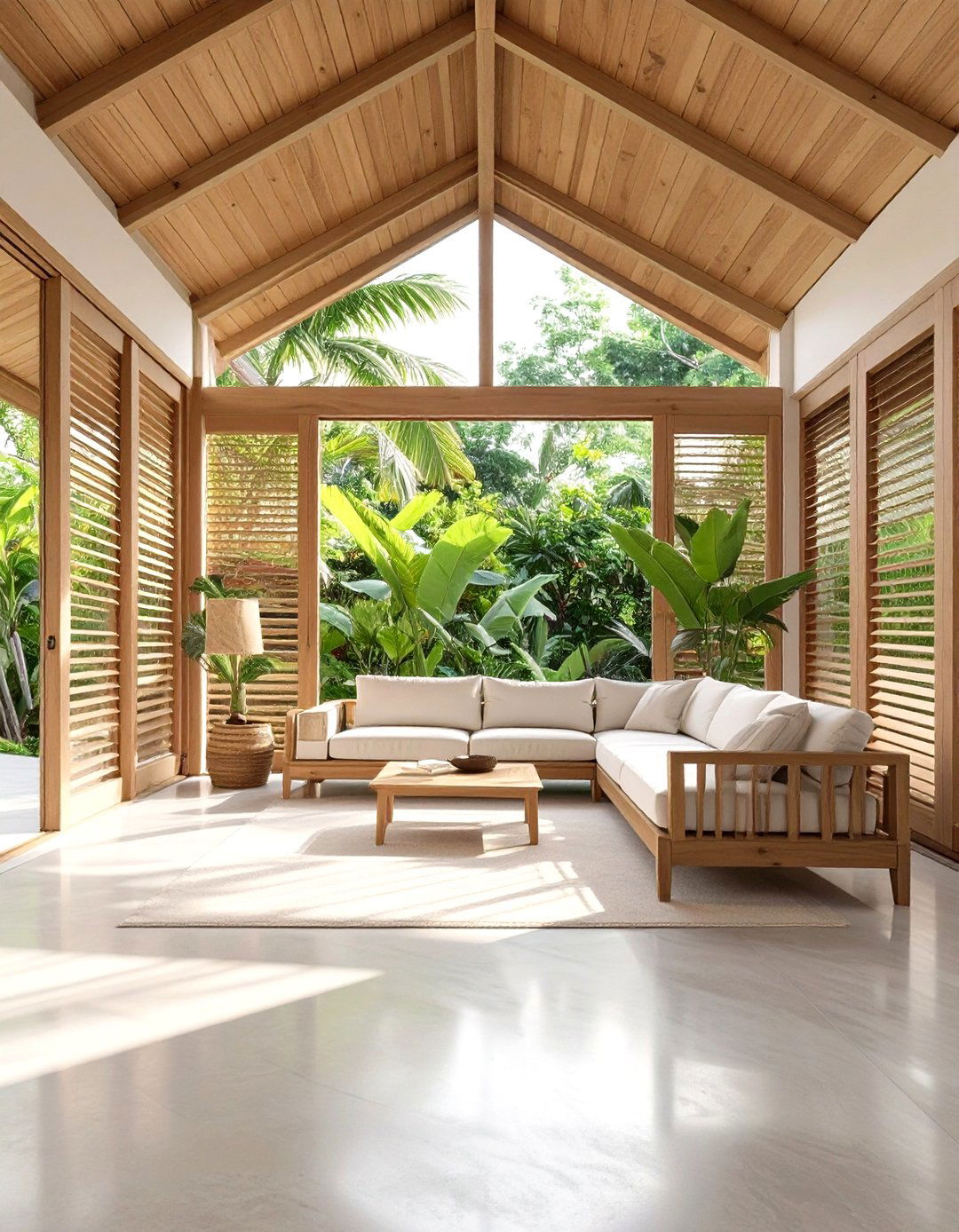
This design style adapts modern architectural principles to a tropical climate, creating spaces that are both stylish and modernism emphasizes natural ventilation and light, with open-plan layouts, high ceilings, and large, shaded are chosen for their durability and local availability, such as teak, bamboo, and polished concrete. A key feature is the seamless integration of indoor and outdoor living spaces, with lanais, courtyards, and lush aesthetic is clean and uncluttered, with a neutral color palette that allows the vibrant green of the surrounding landscape to stand out.
27. Gothic Revival Drama
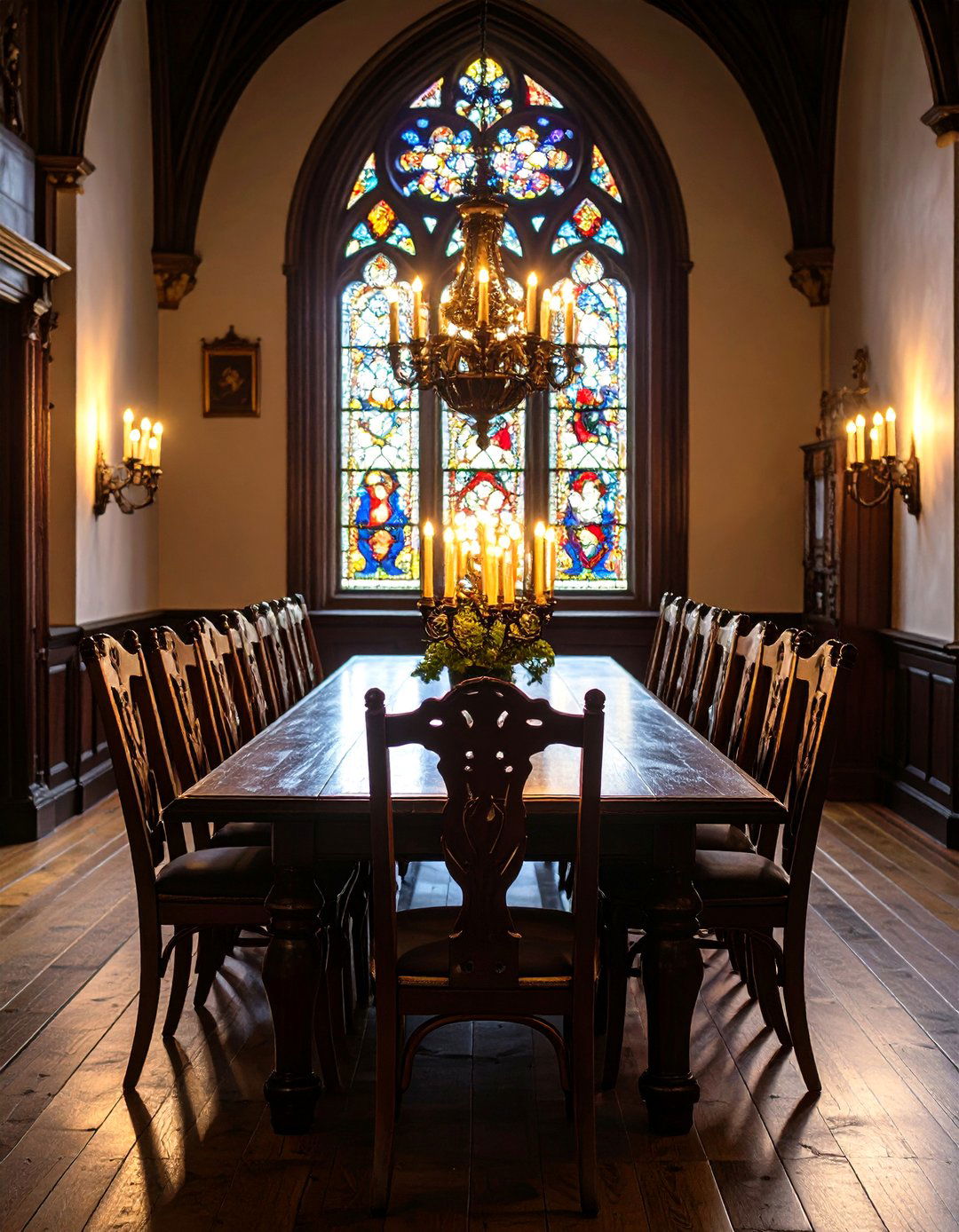
For a touch of historical romance and mystery, Gothic revival design offers a dramatic and atmospheric style is inspired by medieval architecture, featuring pointed arches, vaulted ceilings, and ornate can be grand and formal, with a focus on color palette is rich and dark, with deep reds, purples, and blacks accented by include dark, carved wood, stone, and wrought is heavy and elaborate, upholstered in luxurious fabrics like velvet and glass windows and candelabra-style lighting complete the moody, theatrical effect.
28. Memphis Design Playfulness
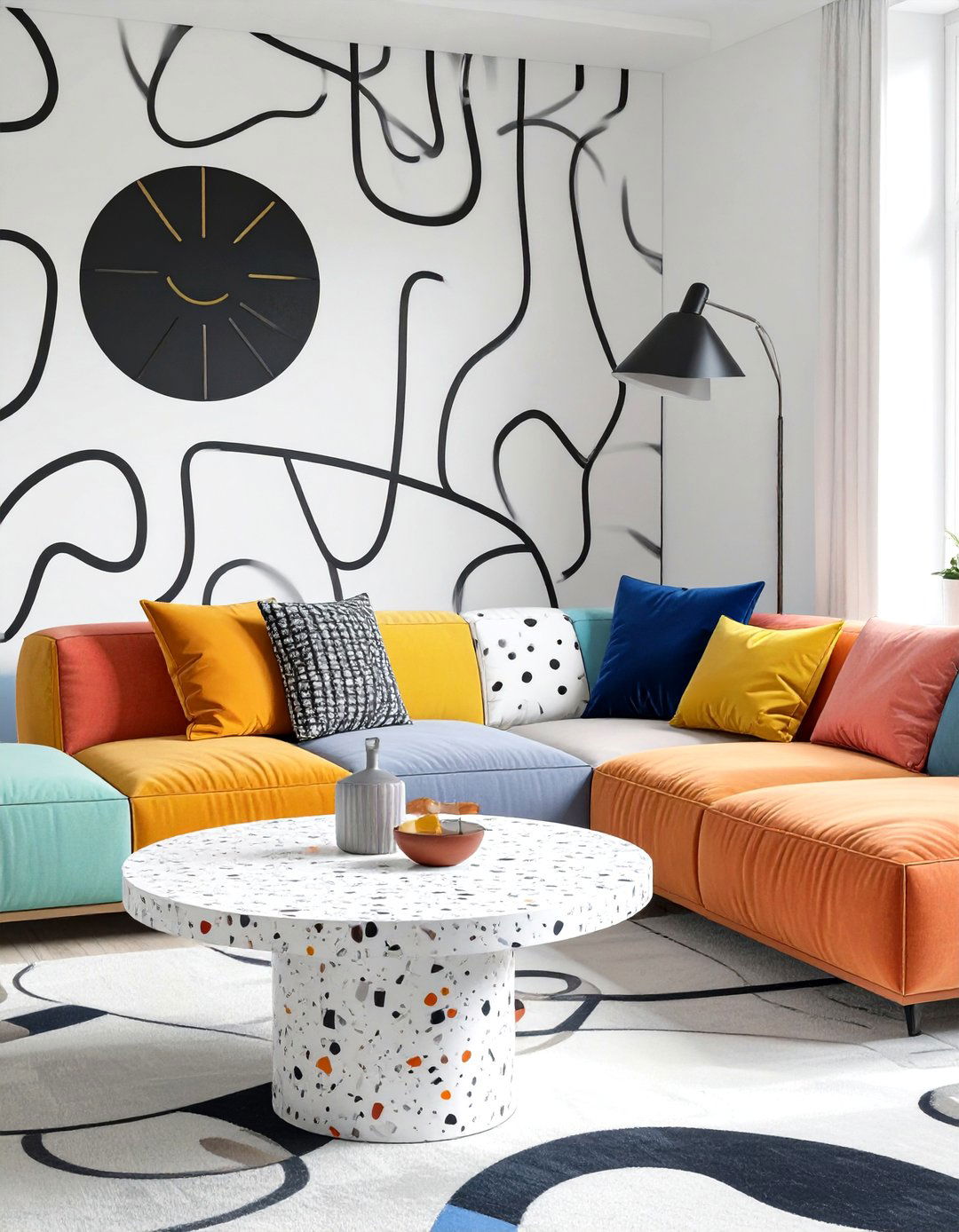
Break all the rules with the bold, unconventional spirit of Memphis in the 1980s, this style is a reaction against minimalism, embracing vibrant color, asymmetrical shapes, and playful are dynamic and aesthetic is defined by its use of bright, clashing colors and graphic patterns like squiggles, zigzags, and geometric include plastic laminate, terrazzo, and brightly colored is sculptural and whimsical, often looking more like art than functional objects. It’s a style that radiates energy, optimism, and a fearless sense of fun.
29. Arts and Crafts Honesty
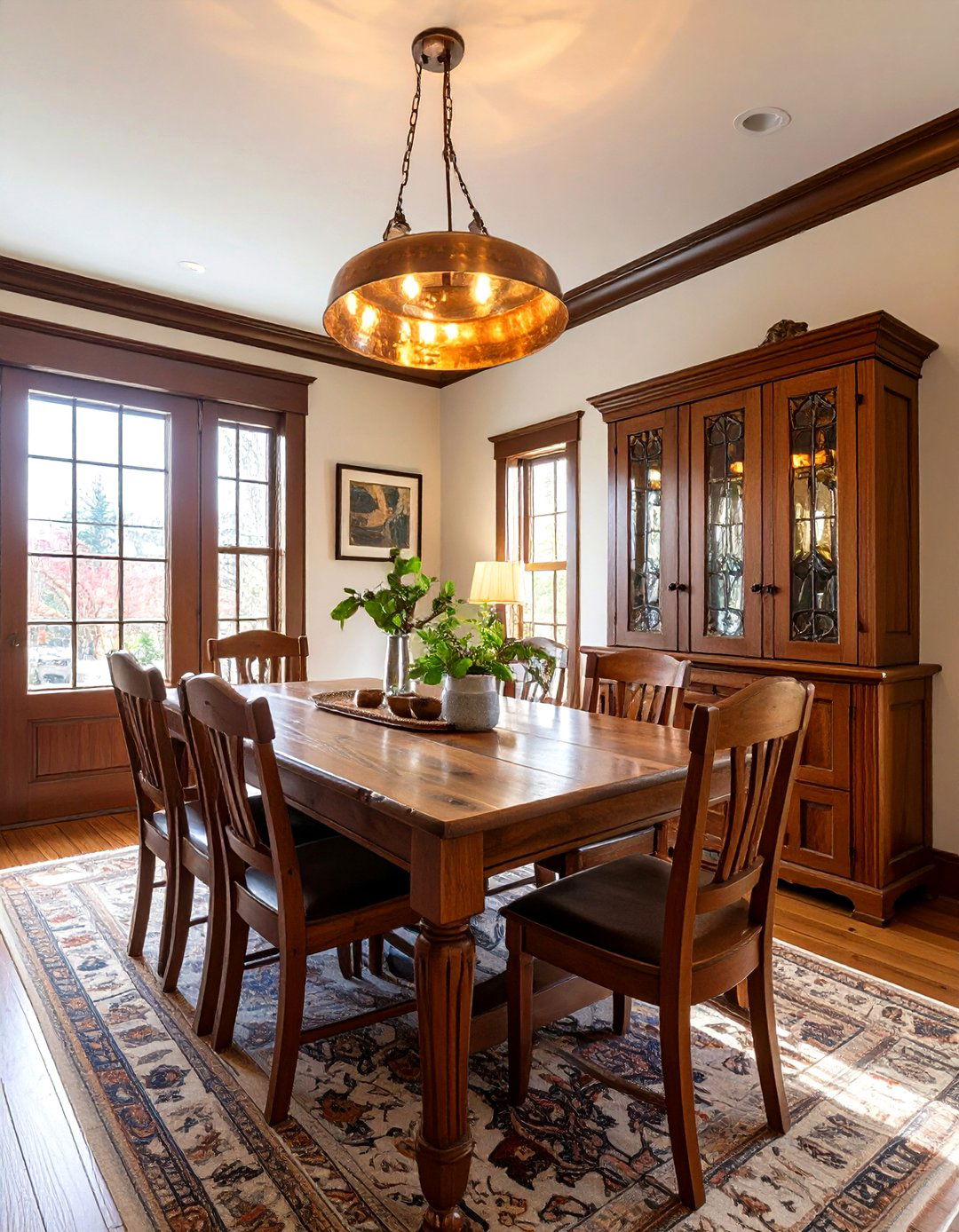
Championing craftsmanship, natural materials, and simplicity, the Arts and Crafts movement created homes with a strong sense of integrity and design emphasizes handcrafted quality over mass are functional and often feature built-in furniture like bookcases and window material palette is dominated by rich, dark wood, particularly oak, alongside handmade tiles and stained is sturdy, rectilinear, and shows its color palette is drawn from nature, with earthy greens, deep reds, and ochre yellows creating a cozy, harmonious environment.
30. Space Age Futurism
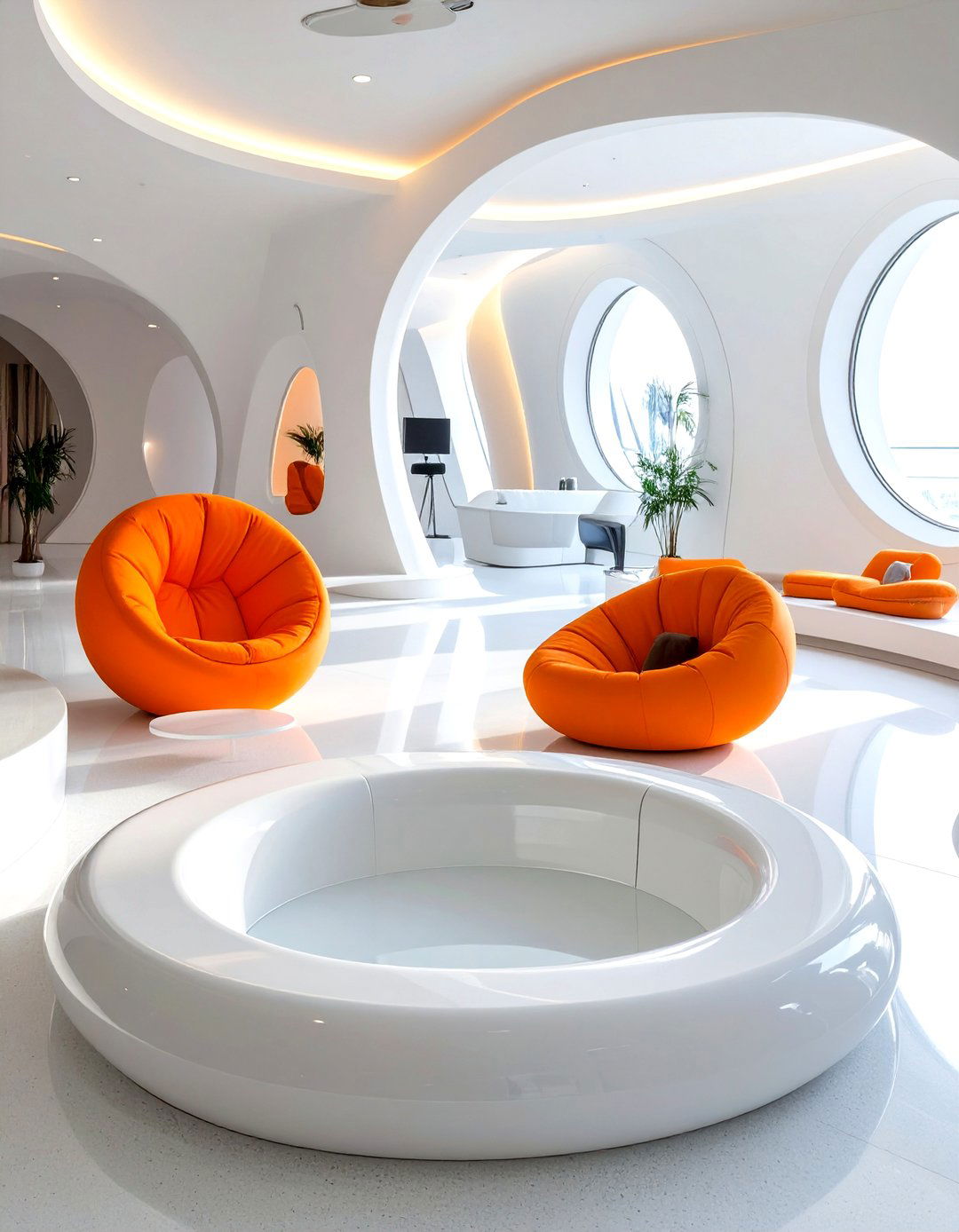
Step into the future with a design inspired by the optimism and technological wonder of the 1960s Space retro-futuristic style is defined by its fluid lines, pod-like shapes, and innovative use of are open and unconventional, often featuring modular, multi-functional dominant material is plastic, molded into organic, curving color palette is a mix of stark whites and bold, poppy colors like orange, red, and chairs, bubble chairs, and built-in conversation pits are iconic elements, creating a playful, imaginative, and forward-looking environment.
Conclusion:
Ultimately, the most compelling interior design is one that tells a personal diverse master ideas explored — from the serene simplicity of Japandi to the bold theatrics of Hollywood Regency — demonstrate that there are no rigid rules, only guiding you are drawn to the raw honesty of industrial lofts, the cozy embrace of Scandinavian Hygge, or the futuristic optimism of Space Age design, the goal remains the same: to create a space that is both beautiful and understanding these cohesive themes, you can move beyond trends and craft a home that is a true reflection of your identity and lifestyle.

Related posts:



Leave a Reply