
Interior design is a discipline that blends art and science to create aesthetically pleasing and functional indoor spaces. Understanding its core principles is the key to transforming any room from merely existing to truly thriving. These guidelines govern how we perceive and interact with our environment, covering everything from the arrangement of furniture to the interplay of light and color. By mastering these foundational concepts, you can develop a designer's eye, enabling you to make intentional choices that result in a cohesive, harmonious, and personalized home. This collection of 30 principles will serve as your guide to crafting spaces that are not only beautiful but also resonate with your lifestyle.
1. Establishing Symmetrical Balance
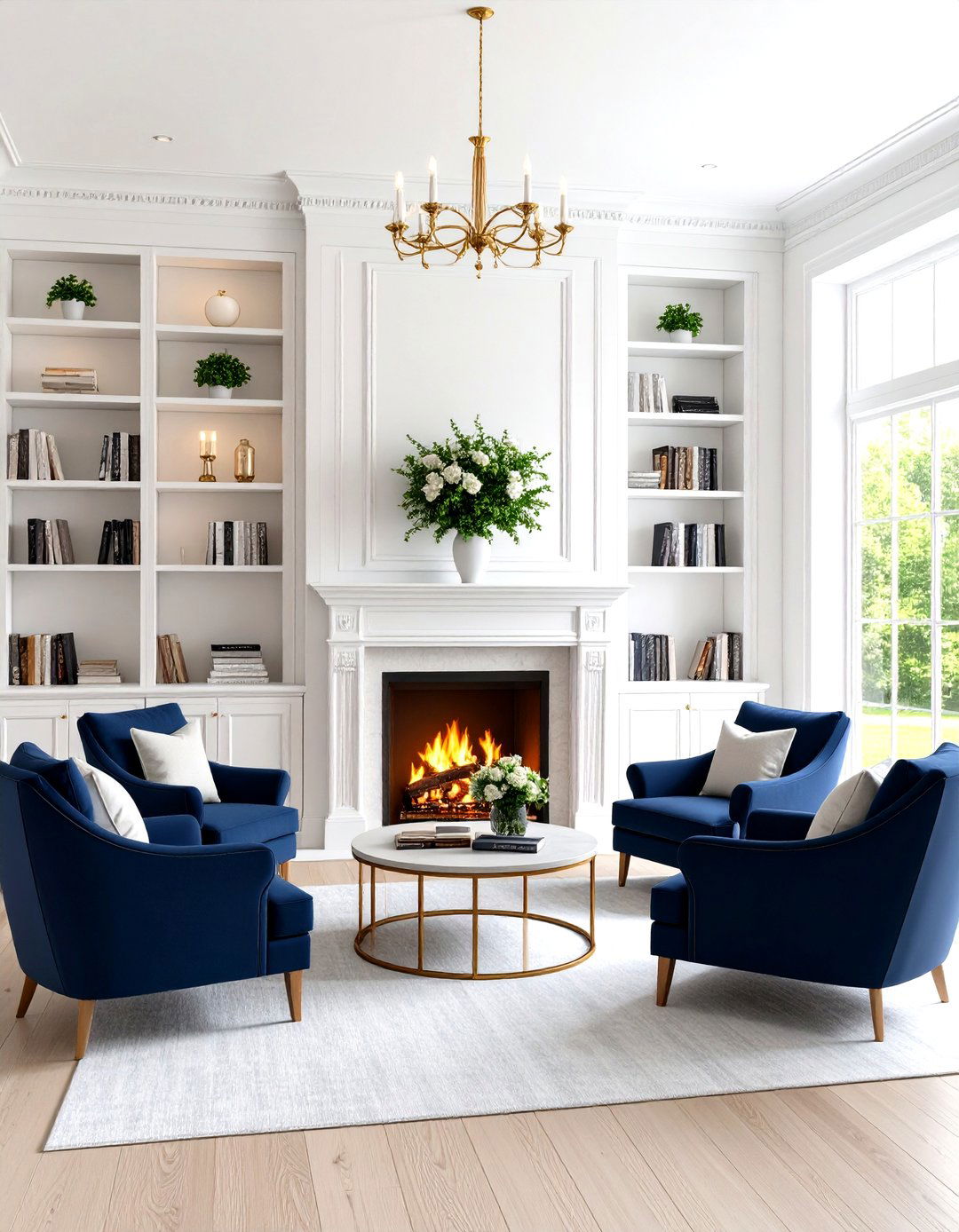
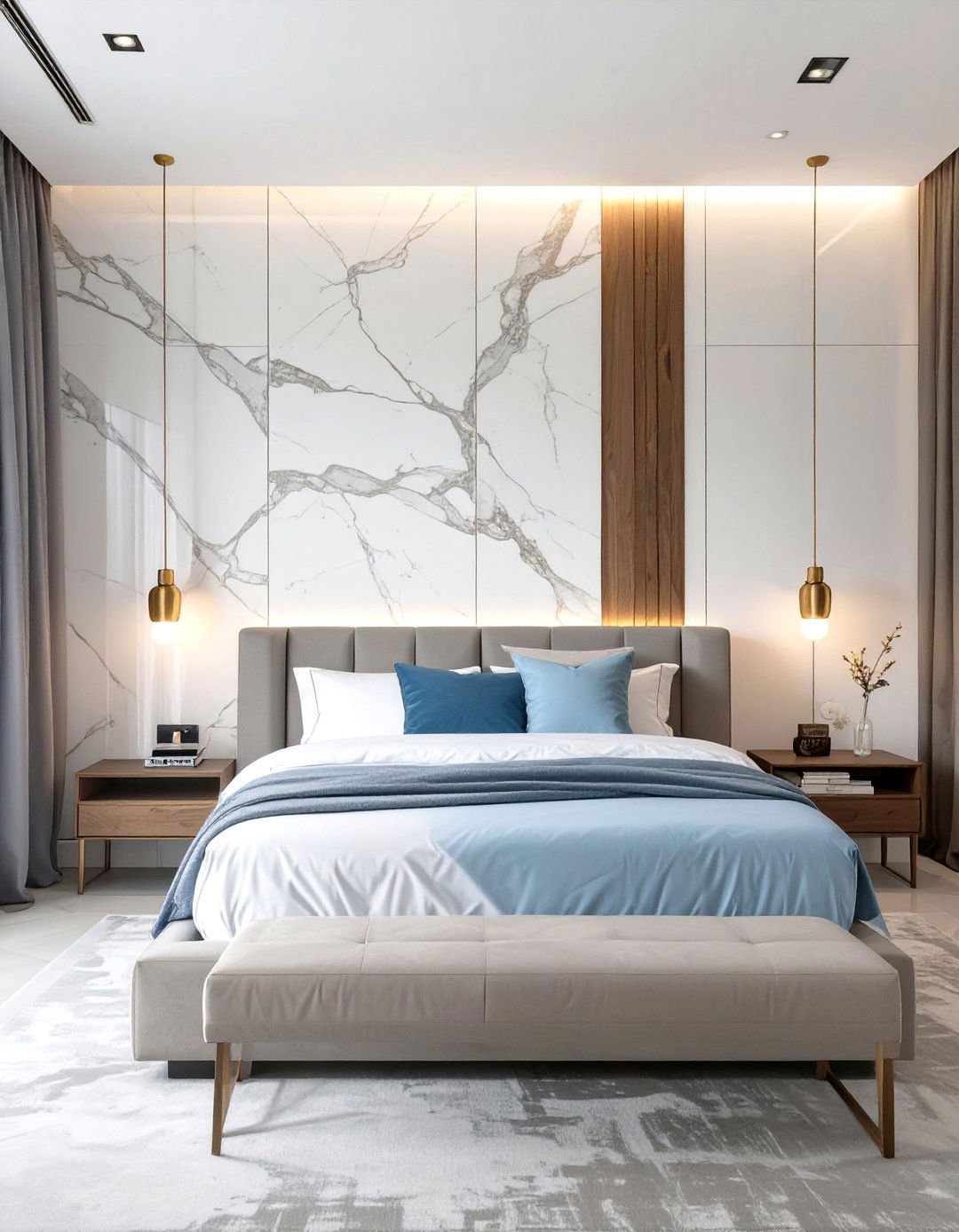
Symmetrical balance is achieved when a space is mirrored on either side of a central axis, creating a sense of order, formality, and tranquility. Imagine a line drawn down the middle of a room; the elements on one side are perfectly reflected on the other. This principle is often seen in traditional design, where a fireplace might be flanked by identical bookcases, or a sofa is centered between two matching end tables and lamps. To implement this, start by identifying the room's centerline and place your largest furniture piece there. Then, arrange smaller items in pairs on opposite sides to create that stable and predictable visual equilibrium.
2. Using Asymmetrical Balance for Visual Interest
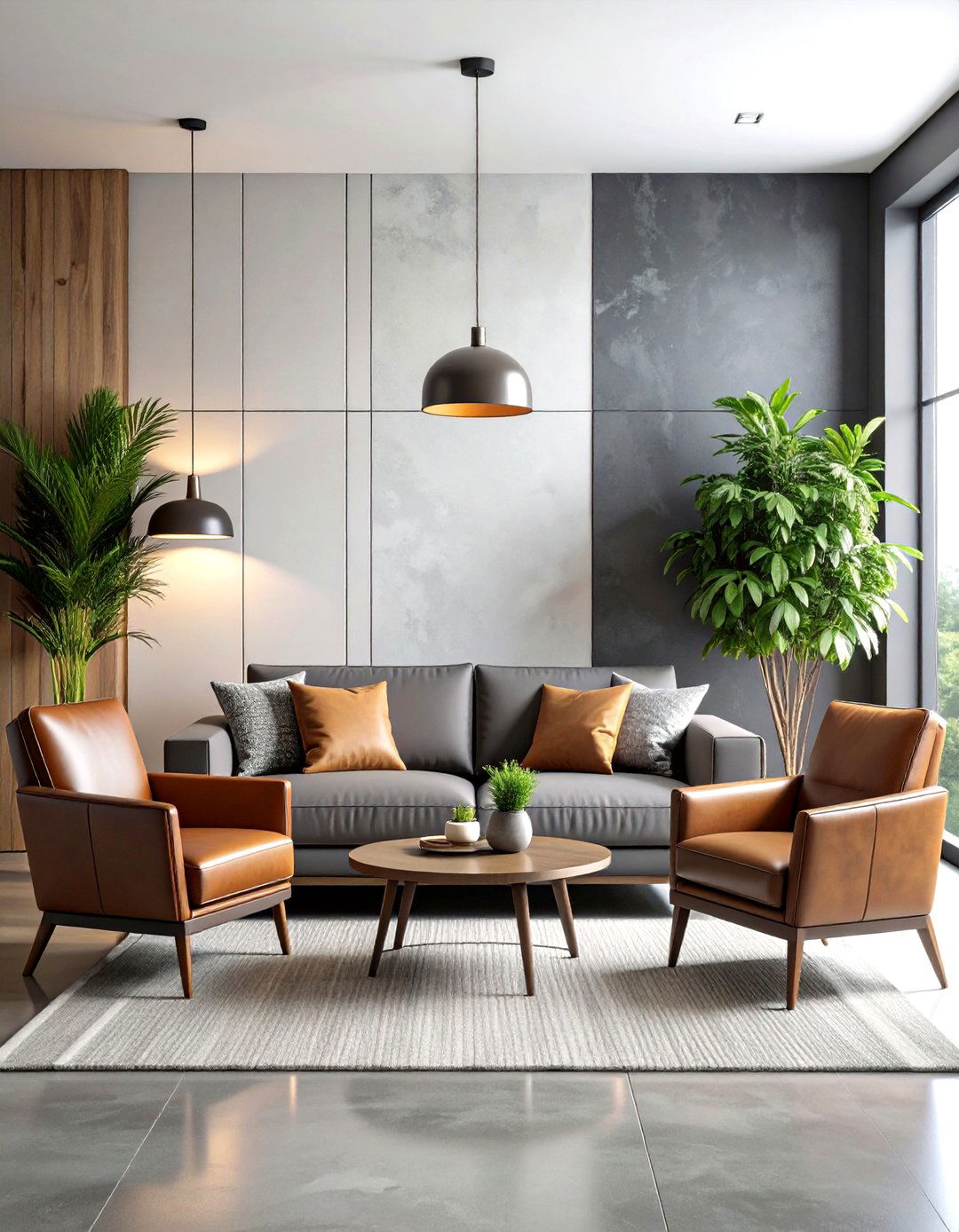
Unlike its formal counterpart, asymmetrical balance achieves equilibrium using objects of dissimilar visual weight. Instead of two identical sofas, you might balance one large sofa with two smaller armchairs and a side table on the opposite side. This approach creates a more dynamic, modern, and less rigid atmosphere. The key is to ensure that while the objects themselves are different, their visual weight feels equal. A large, dark piece of furniture can be balanced by several smaller, lighter-colored items. This principle encourages creativity and movement, making a space feel more casual and lived-in while still maintaining a sense of harmony.
3. Creating Rhythm Through Repetition
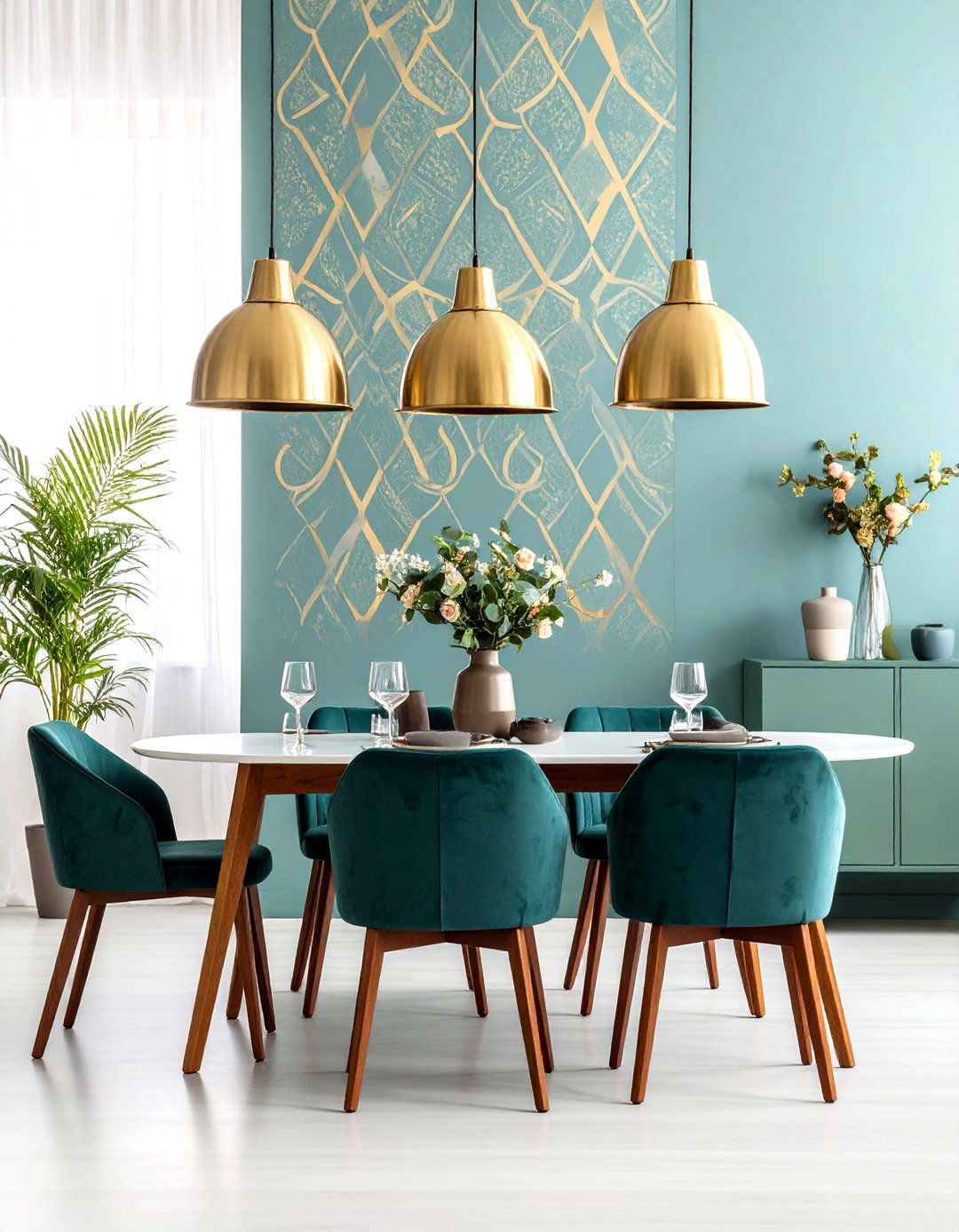
Rhythm in interior design guides the eye around a room, creating a sense of flow and cohesiveness. One of the simplest ways to achieve this is through repetition. This involves reusing a specific element—such as a color, pattern, shape, or texture—throughout the space. For instance, you could repeat a specific shade of blue in your throw pillows, a piece of art, and a vase. The repetition of geometric shapes in a rug, cushions, and light fixtures can also create a strong visual rhythm. This principle links different parts of a room together, making the overall design feel intentional and unified without being monotonous.
4. Achieving Harmony and Unity
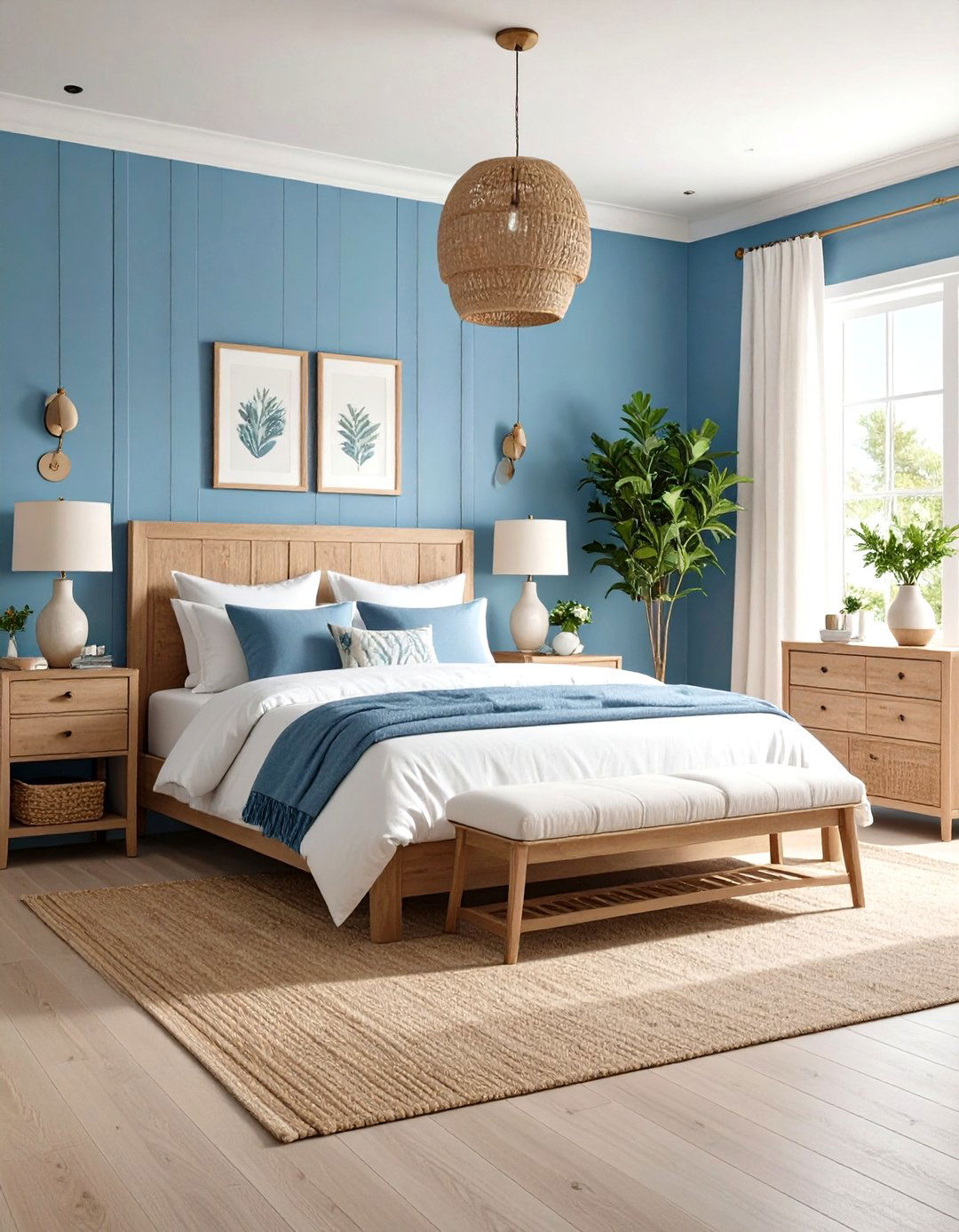
Harmony is the principle that ensures all elements in a room work together to create a cohesive and pleasing whole. When a space has unity, nothing seems out of place or jarring. This is achieved when the chosen colors, textures, patterns, and furniture styles all complement each other. For example, a room designed with a coastal theme would use a palette of blues and whites, natural textures like jute and linen, and light wood finishes. Every piece contributes to the overall theme, creating a unified message. The goal is to curate a collection of items that belong together, resulting in a serene and visually restful environment.
5. Designing a Clear Focal Point

Every well-designed room needs a focal point—a single element that immediately draws the eye and anchors the space. This could be a dramatic piece of art, a fireplace with an ornate mantel, a large picture window with a stunning view, or a bold accent wall. The rest of the room's design should support this main feature, not compete with it. Arrange furniture to face or frame the focal point to give it prominence. Without a clear point of emphasis, a room can feel chaotic and unfocused. By intentionally creating one, you provide a sense of direction and purpose to your design.
6. Applying Contrast to Add Drama

Contrast is the design principle that brings a room to life by placing opposite elements next to each other. This can be achieved in many ways: pairing black and white for a classic, high-impact look; combining a smooth, sleek metal table with a rough, nubby wool rug; or placing a modern, minimalist chair in a room with ornate, traditional molding. Contrast creates visual excitement and prevents a space from feeling flat or boring. It can be used to highlight a focal point, define different zones within a room, or simply add a layer of depth and sophistication to the overall design scheme.
7. Mastering Scale and Proportion
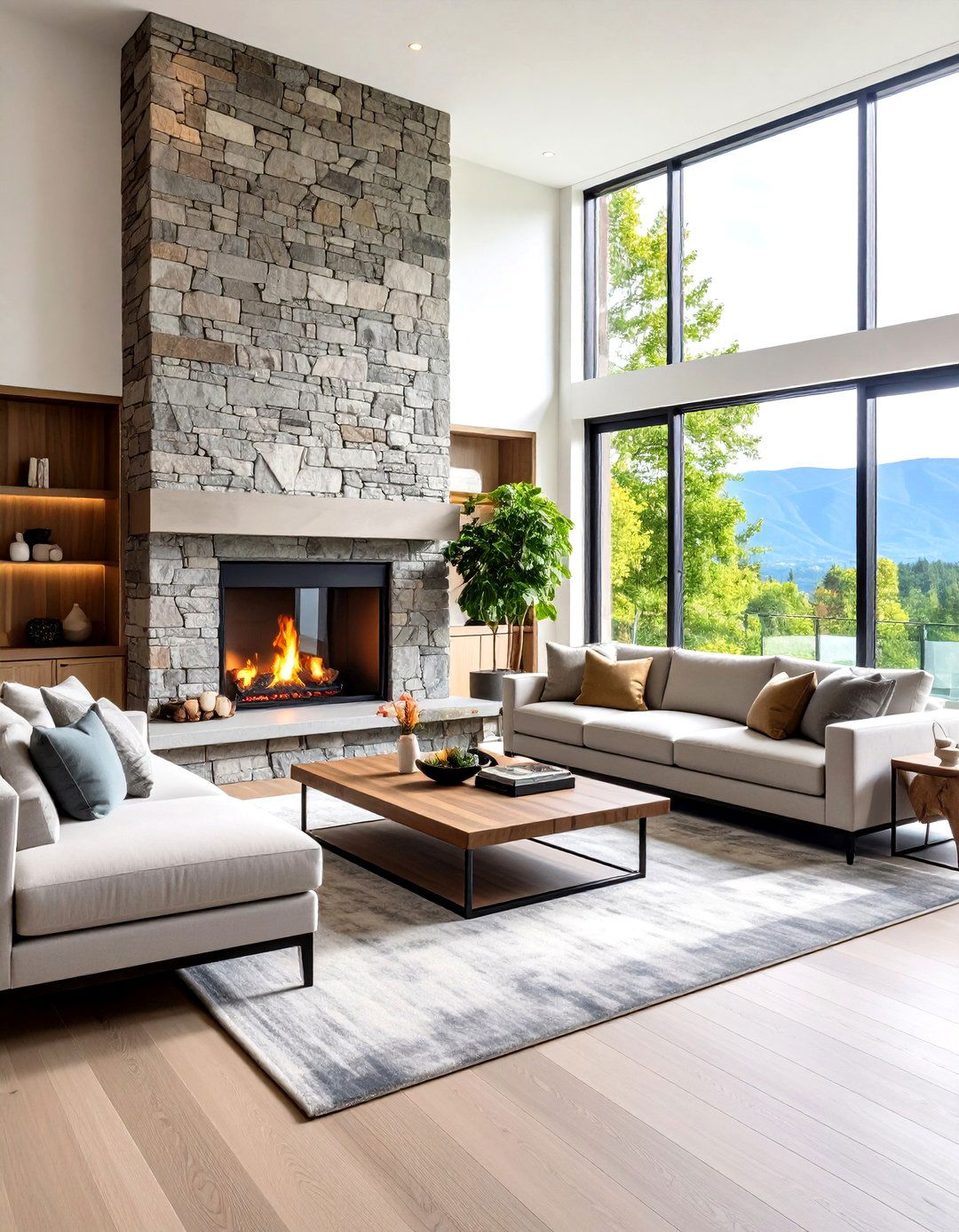
Scale refers to the size of one object in relation to another, while proportion relates to the size of parts within a whole. Getting these two principles right is crucial for a comfortable and visually pleasing space. For instance, a tiny rug in a large living room or an oversized sofa in a small den will feel awkward and out of place. It’s important to select furniture and decor that fit the scale of the room itself and are proportional to each other. A large, high-ceilinged room can handle substantial furniture, while a smaller space requires more delicate pieces to avoid feeling cramped.
8. Implementing the 60-30-10 Color Rule
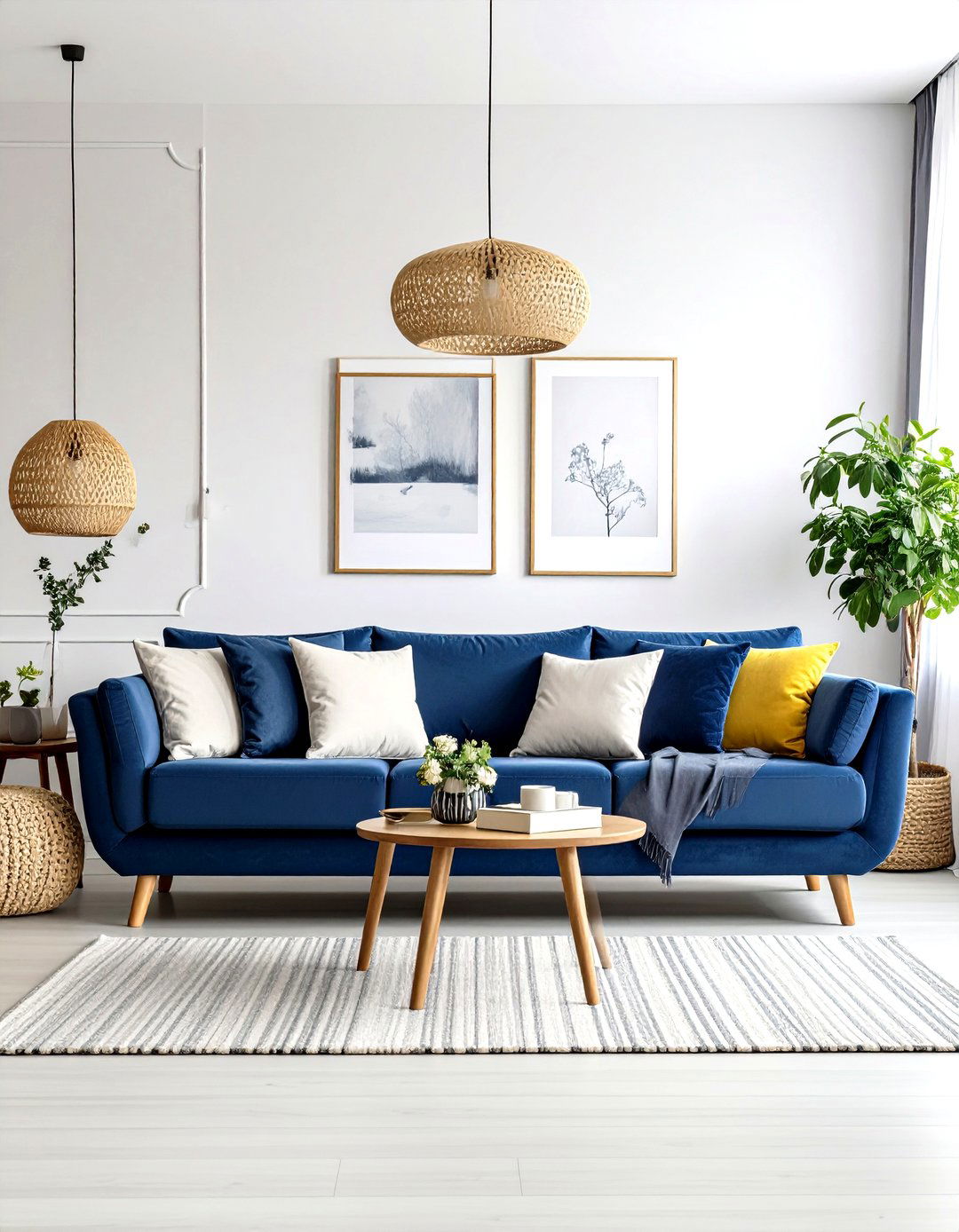
The 60-30-10 rule is a timeless decorating guideline that helps create a balanced color palette. It states that 60% of your room should be a dominant color, typically covering the walls. Then, 30% should be a secondary color, found in furniture, curtains, or an area rug. Finally, 10% should be an accent color, used in smaller doses through decorative accessories like throw pillows, artwork, or lamps. This formula provides a simple yet effective framework for distributing color throughout a space, ensuring the final look is harmonious and not overwhelming. It takes the guesswork out of color selection and leads to a professional finish.
9. Utilizing Negative Space
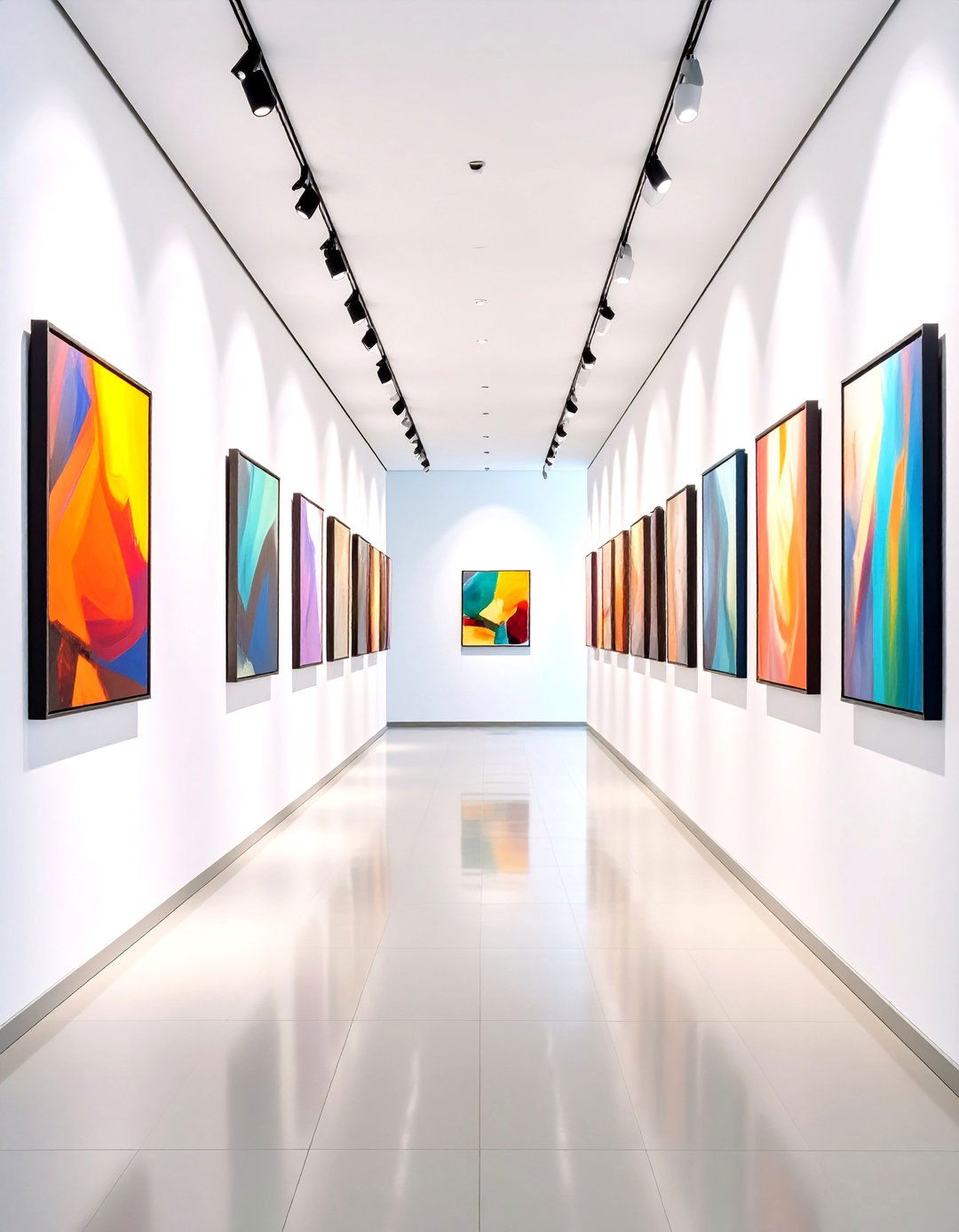
Negative space, or the empty space around and between objects, is just as important as the objects themselves. It gives elements room to breathe and prevents a space from feeling cluttered and overwhelming. In interior design, negative space can be the blank area on a wall, the floor visible around furniture, or the gap between two chairs. By strategically leaving some areas empty, you can enhance the importance of your chosen focal points and create a sense of calm and sophistication. A minimalist aesthetic heavily relies on this principle, proving that what you don't include is as crucial as what you do.
10. Layering Different Light Sources

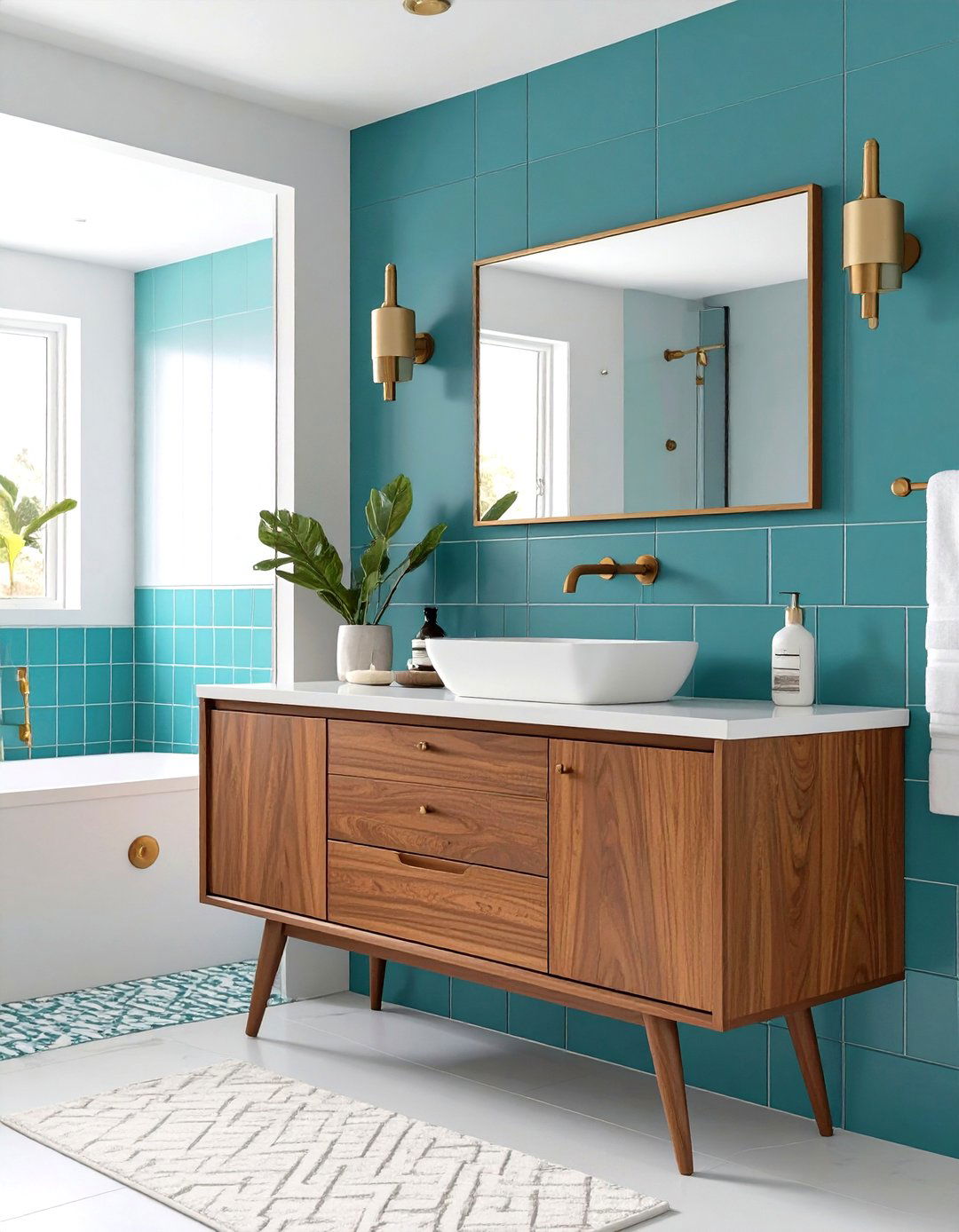
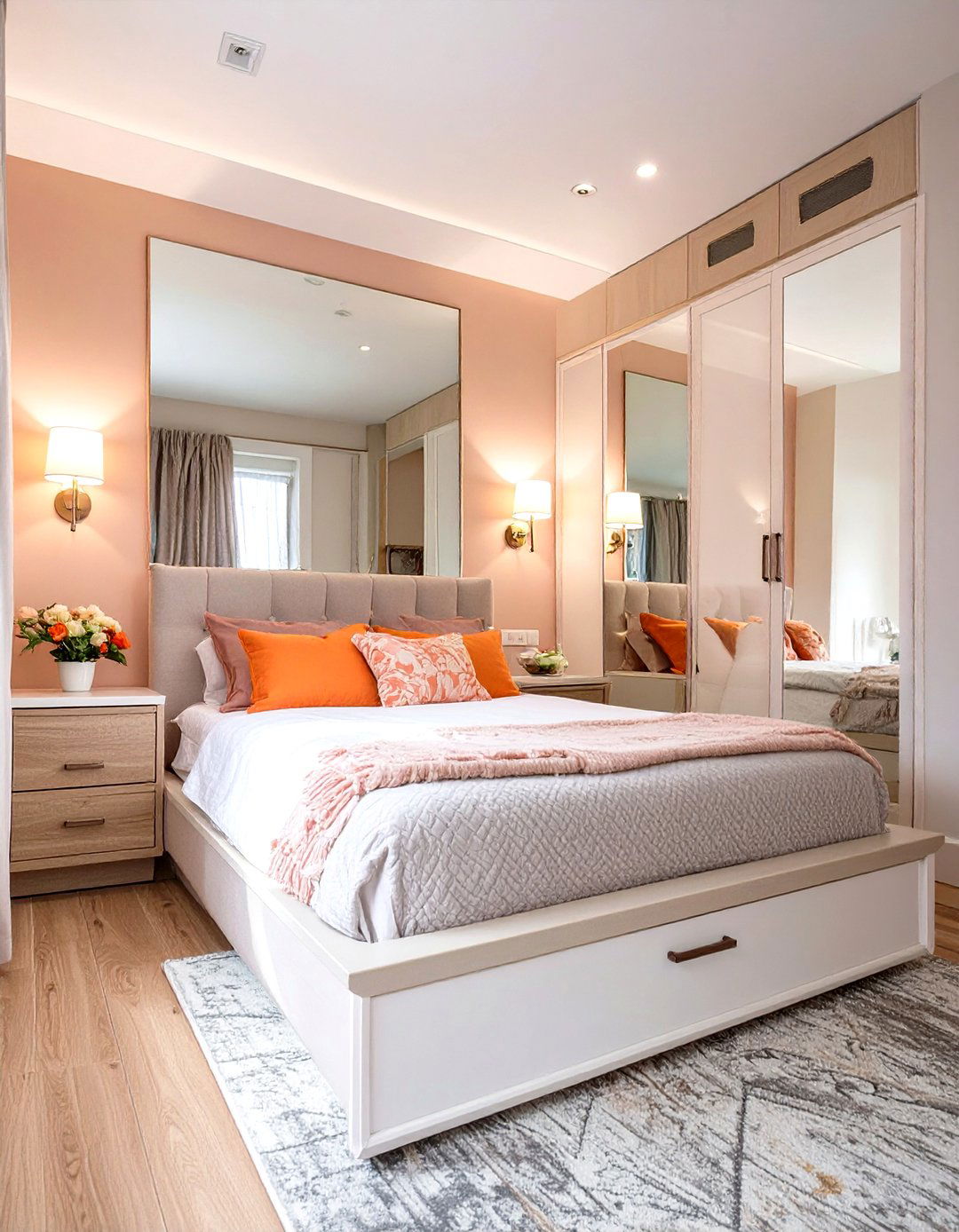
Lighting is one of the most powerful tools in interior design, and a well-lit room always includes three layers. The first is ambient lighting, which provides overall illumination and often comes from ceiling fixtures or recessed lights. The second is task lighting, which is focused on specific activities, such as a reading lamp by a chair or under-cabinet lights in a kitchen. The third is accent lighting, used to highlight architectural features or artwork, like a spotlight on a painting. Combining these three types of lighting creates a functional, flexible, and inviting atmosphere that can be adjusted for any mood or occasion.
11. Incorporating a Variety of Textures

Texture refers to the surface quality of a material and is crucial for adding depth and sensory interest to a room. A space that uses only smooth, flat surfaces can feel cold and one-dimensional. To create a rich, inviting environment, layer a variety of textures. Consider combining soft elements like velvet pillows and chunky knit throws with rougher materials like a jute rug or a reclaimed wood coffee table. Smooth surfaces like a glass vase or a metal lamp can provide a sleek counterpoint. This tactile variety engages more than just the eyes, making a room feel cozy, complex, and thoughtfully designed.
12. Strategically Applying Patterns

Patterns can inject personality, energy, and visual interest into a space, but they must be used thoughtfully. To successfully mix patterns, vary their scale. A common strategy is to combine a large-scale pattern, a medium-scale pattern, and a small-scale pattern. For example, you might pair a floral wallpaper (large), a striped rug (medium), and a geometric cushion (small). It's also helpful to stick to a consistent color palette across the different patterns to ensure they feel connected. Whether bold or subtle, patterns can break up solid blocks of color and add a dynamic layer to your design.
13. Understanding the Power of Lines
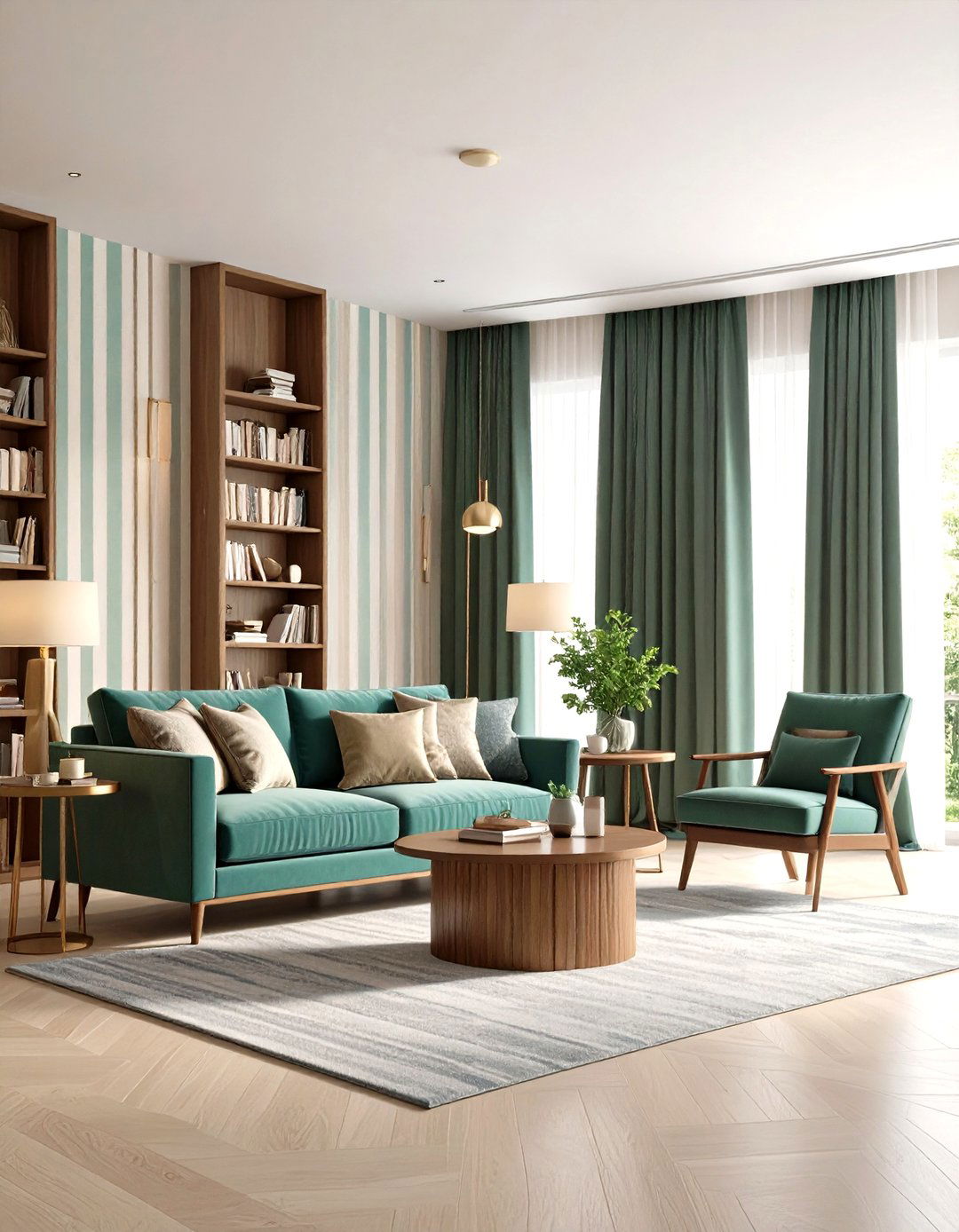
Lines are a fundamental element of design that can profoundly influence the feel of a room. Horizontal lines, found in tables and sofas, create a sense of stability and restfulness, making a room feel wider and more expansive. Vertical lines, seen in doorways, curtains, and tall furniture, draw the eye upward and convey a feeling of height, strength, and grandeur. Dynamic lines, such as diagonal or curved ones, create energy and movement, and are often found in staircases or unique furniture pieces. By understanding how these lines direct the eye, you can manipulate the perceived dimensions and mood of your space.
14. Prioritizing Flow and Circulation Paths
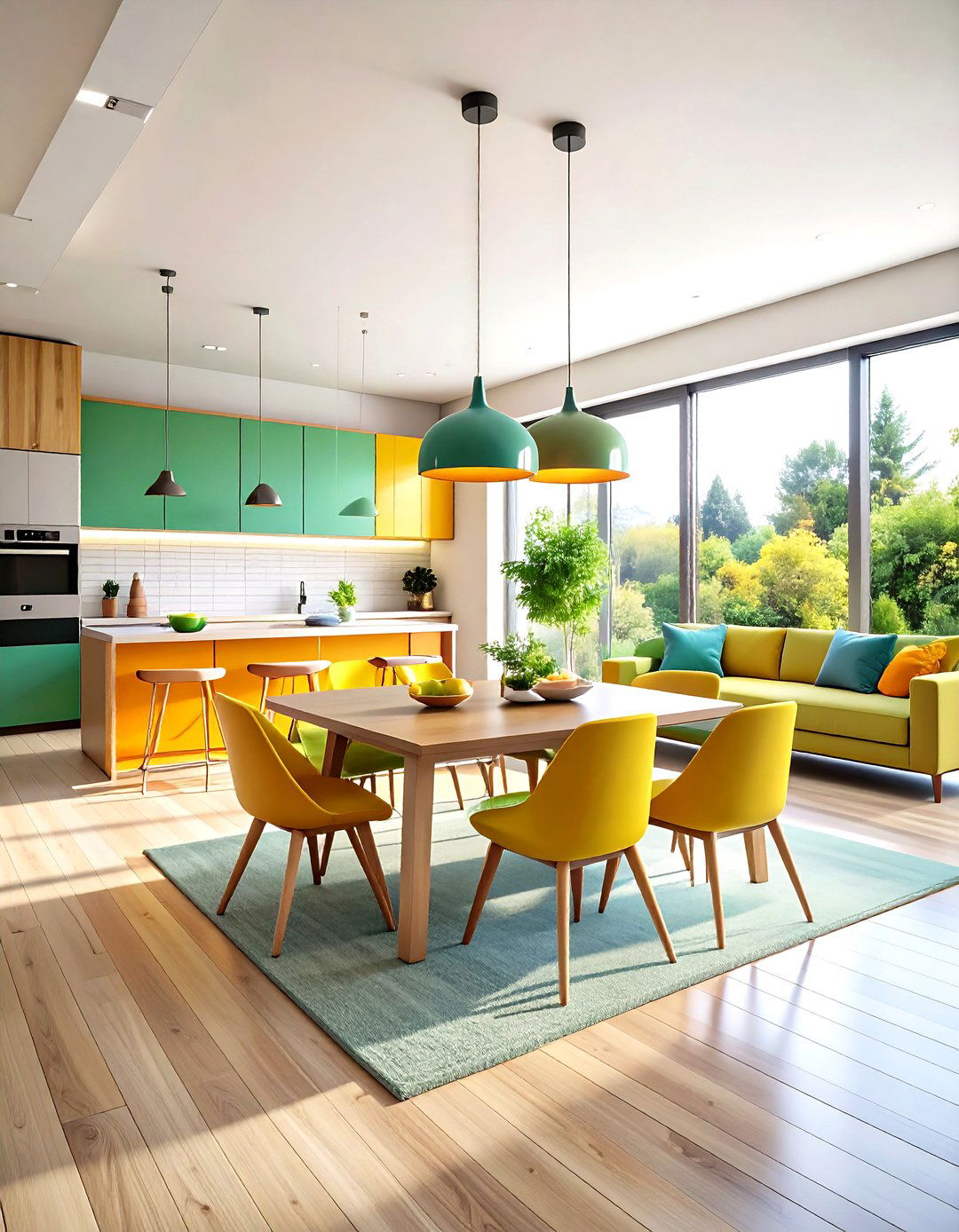
Flow, or circulation, refers to the way people move through a space. A well-designed room allows for easy and natural movement without obstruction. When arranging furniture, it's essential to create clear pathways, typically 30 to 36 inches wide, to navigate the room comfortably. Avoid placing furniture in a way that blocks doorways or forces people to take awkward routes. The layout should guide you logically from one area to another. Good circulation is the foundation of a functional layout, ensuring the room is not just beautiful to look at but also practical for everyday living.

15. The Principle of Grouping with Proximity

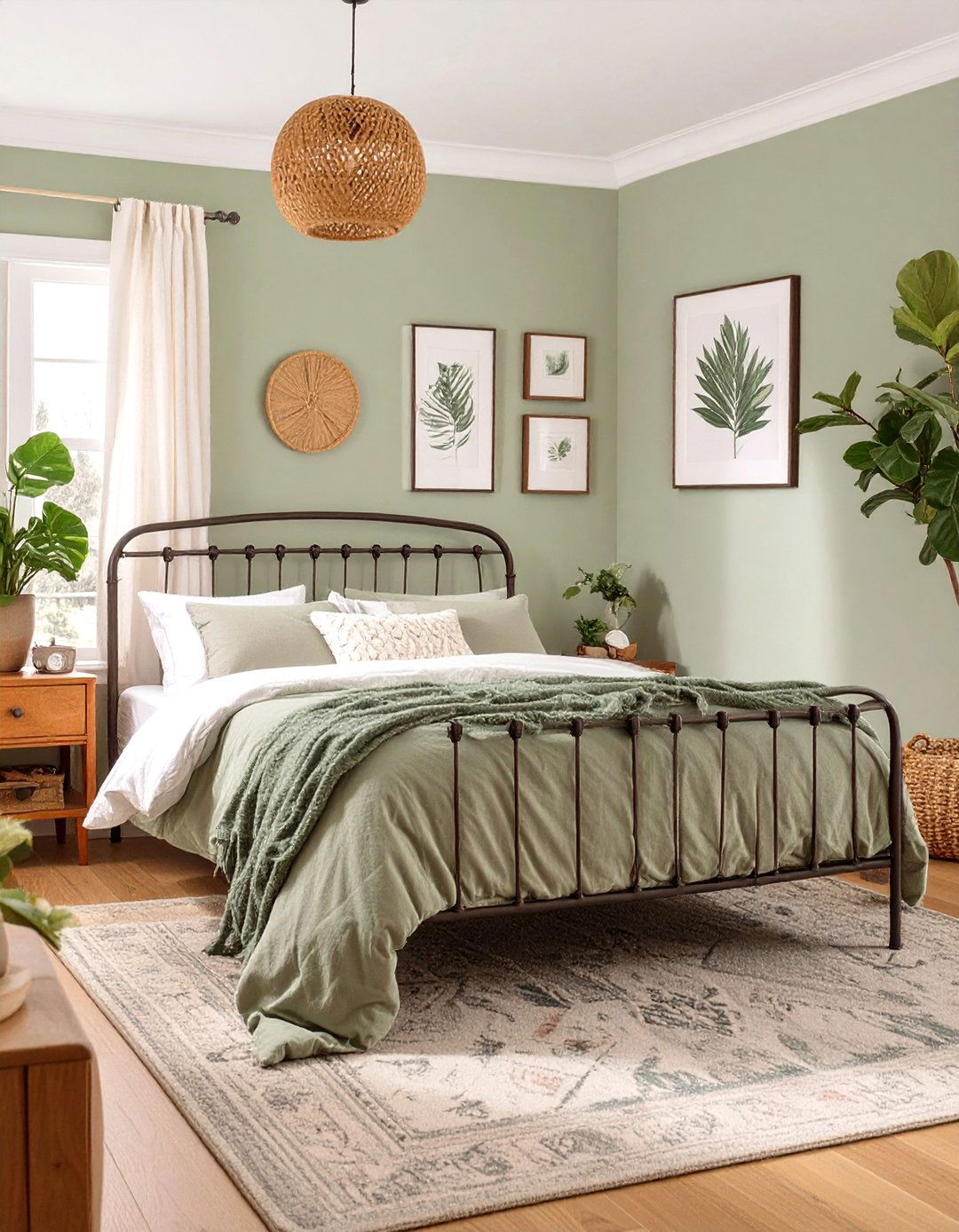
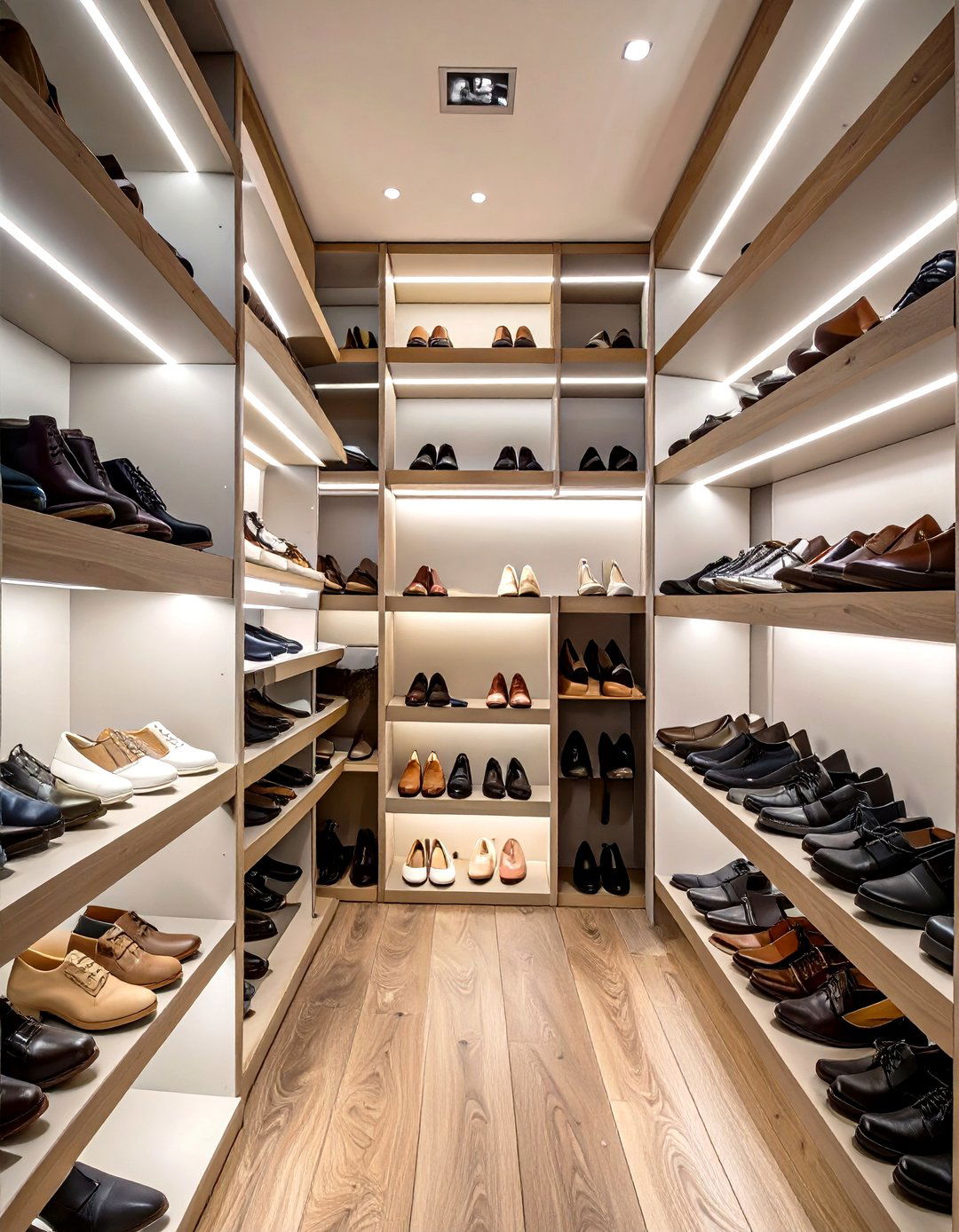
The principle of proximity suggests that we perceive objects placed close together as a single group. In interior design, this can be used to create organized, intentional arrangements. For example, instead of scattering several small picture frames across a large wall, group them together to form one cohesive gallery wall. Similarly, arranging a sofa, two chairs, and a coffee table in close proximity creates a defined conversation area. This technique reduces visual clutter and helps organize a room into functional zones, making the overall design feel more structured and easier to understand.
16. Creating Cohesion with Alignment
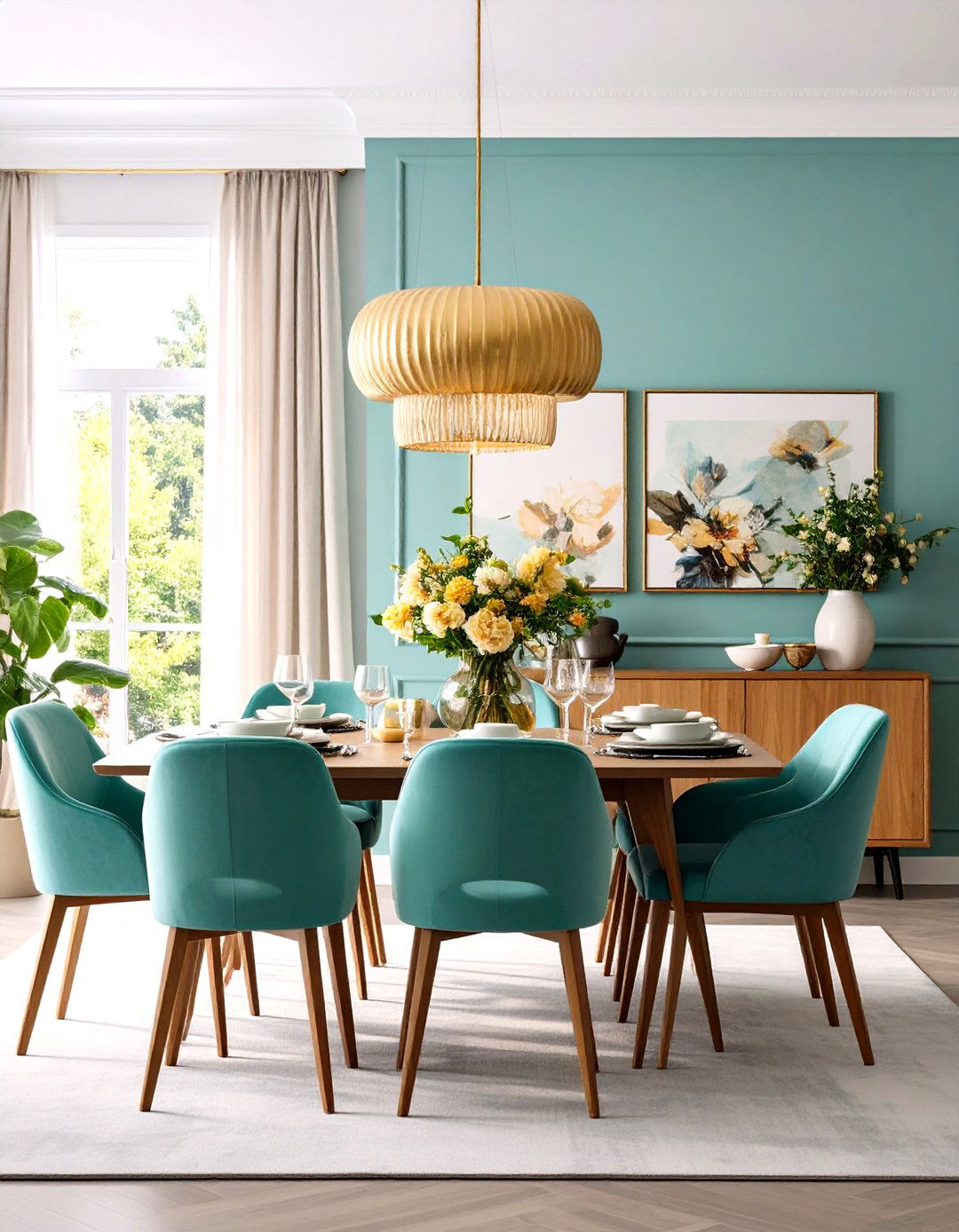
Alignment is the principle of placing items so their edges or centerlines line up. This creates a stronger, more cohesive visual connection between elements, even if they aren't close to each other. For instance, you could align the top of a picture frame with the top of a nearby doorway, or center a chandelier directly over the middle of a dining table. This creates a clean, orderly look and an invisible connection that brings a sense of calm and intention to the design. Poor alignment can make a space feel messy and disorganized, while strong alignment contributes to a polished, professional aesthetic.
17. Embracing Imperfection with Wabi-Sabi
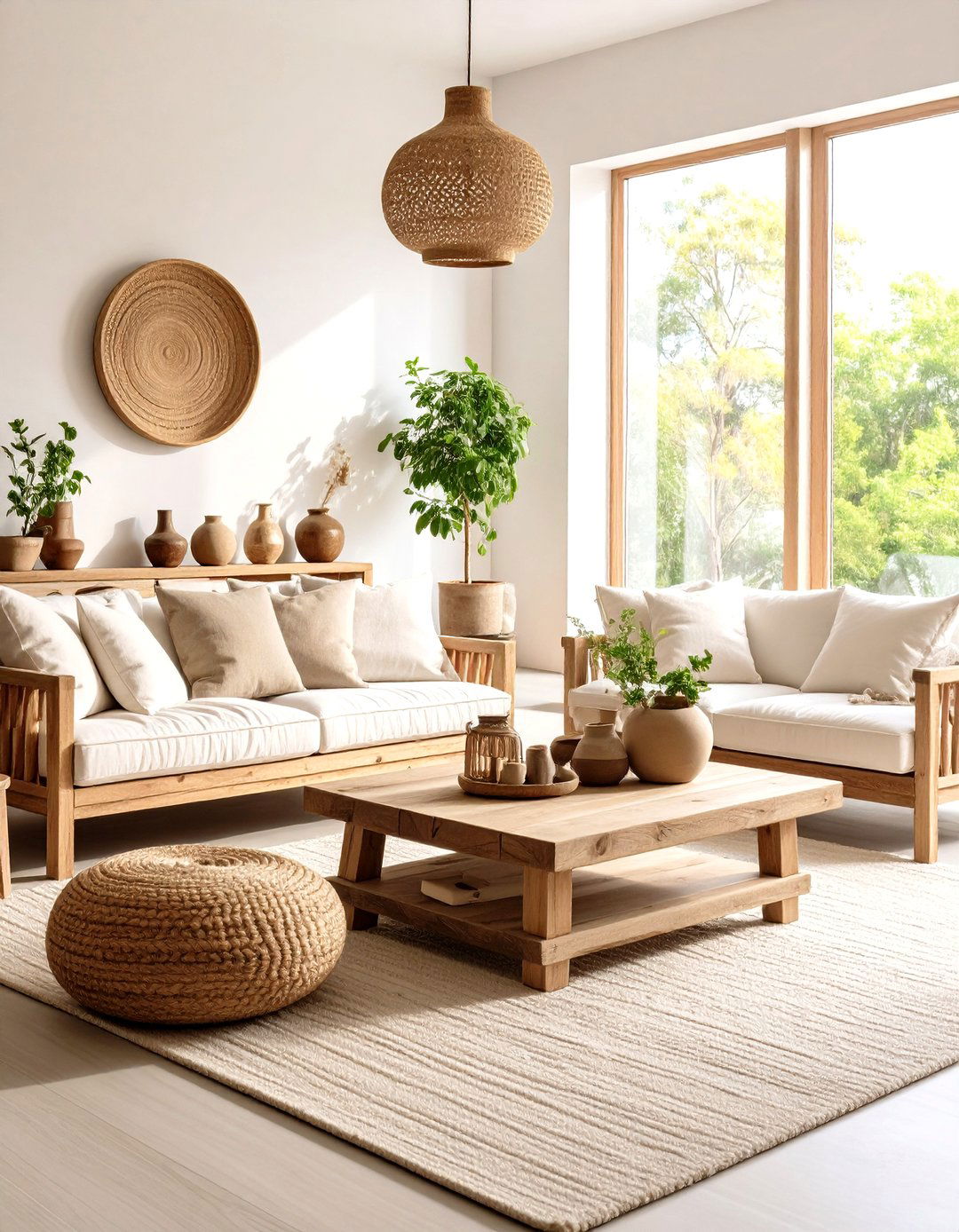
Wabi-sabi is a Japanese worldview centered on the acceptance of transience and imperfection. In interior design, this translates to embracing natural materials, asymmetry, and objects that show age or wear. It's about finding beauty in things that are humble, modest, and unconventional. Think of a handcrafted ceramic bowl with a slightly uneven glaze, a weathered wooden bench, or a linen throw that is naturally creased. This principle encourages a move away from mass-produced perfection and toward a more authentic, soulful, and serene living environment that celebrates the beauty of the imperfect and incomplete.
18. Cultivating Coziness with Hygge

Hygge, a Danish concept, is the feeling of cozy contentment and well-being derived from enjoying the simple things in life. To bring hygge into your home, focus on creating an atmosphere of warmth, comfort, and togetherness. This involves using soft lighting from candles and warm-toned lamps, layering plush textiles like wool blankets and faux fur rugs, and incorporating natural elements like wood and plants. The goal is to design a space that feels like a warm hug—a safe, inviting retreat from the outside world where you can relax and feel completely at ease.
19. Connecting with Nature Through Biophilic Design
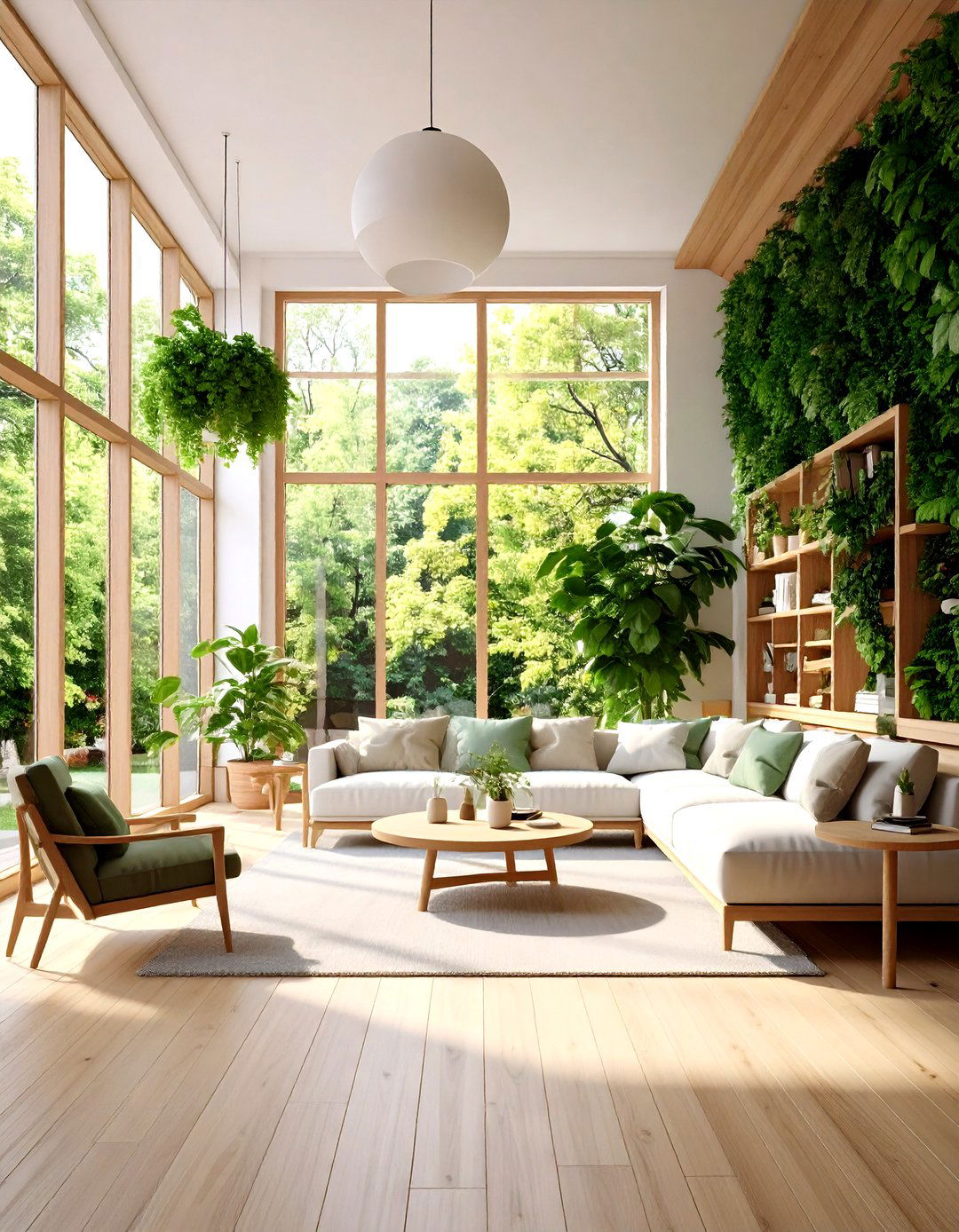
Biophilic design is a concept based on the idea that humans have an innate tendency to seek connections with nature. Incorporating this principle into your home can improve well-being and reduce stress. This goes beyond simply adding a few houseplants. It involves maximizing natural light, using natural materials like wood and stone, incorporating patterns and shapes that mimic nature, and providing views of the outdoors. You can also add water features for soothing sounds or use a color palette inspired by the earth. Biophilic design aims to create a calming, restorative environment that strengthens our link to the natural world.
20. Ensuring Comfort with Ergonomics

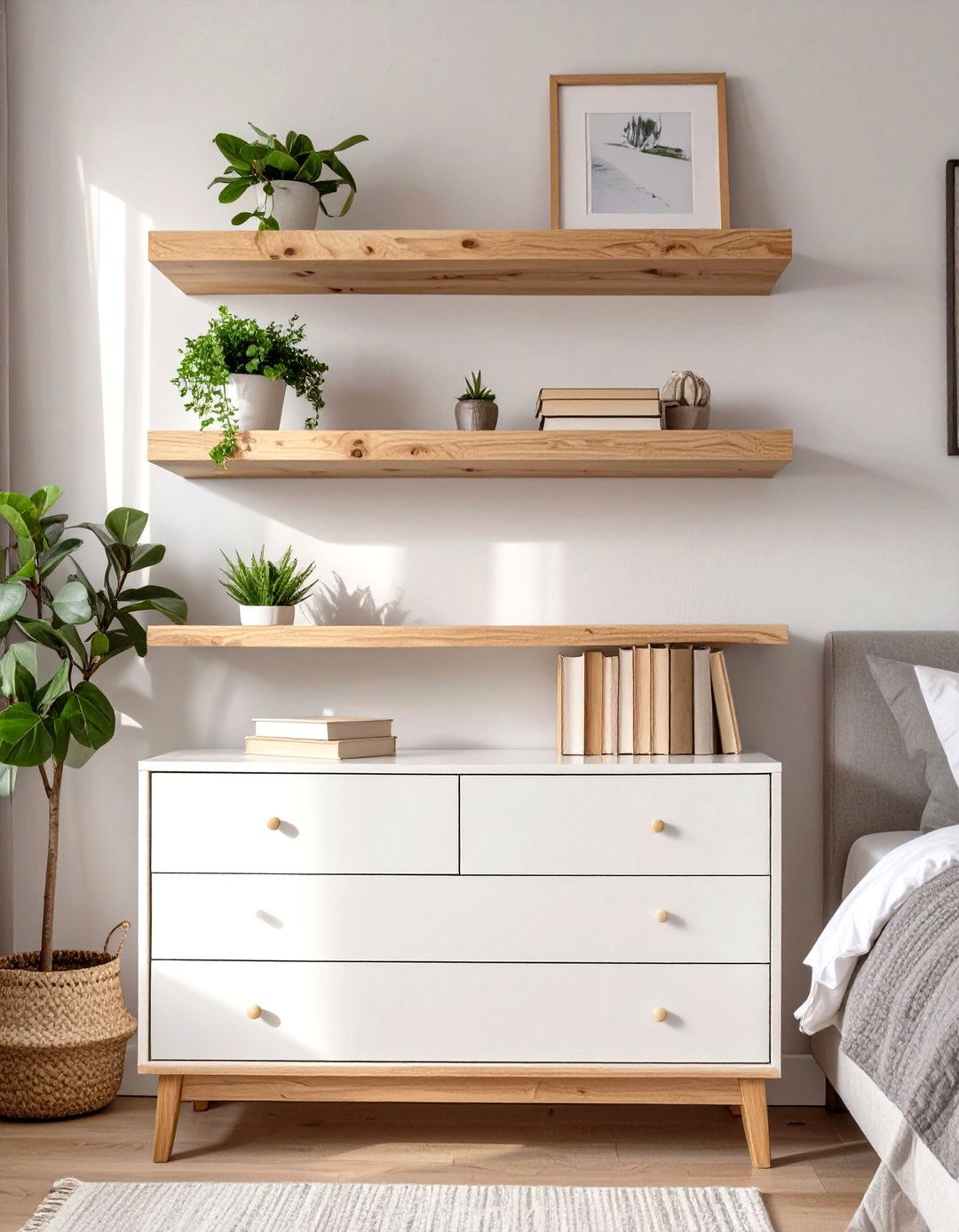
Ergonomics is the science of designing things to be efficient and comfortable for human use. In interior design, this principle is all about selecting furniture and planning layouts that support the human body and its functions. This means choosing a desk and chair that promote good posture, ensuring kitchen counters are at a comfortable height, and selecting a sofa with adequate support and depth. A room might look beautiful, but if it's uncomfortable to use, the design has failed. Prioritizing ergonomics ensures your space is not only visually appealing but also a joy to live in.
21. Planning for People with Anthropometry
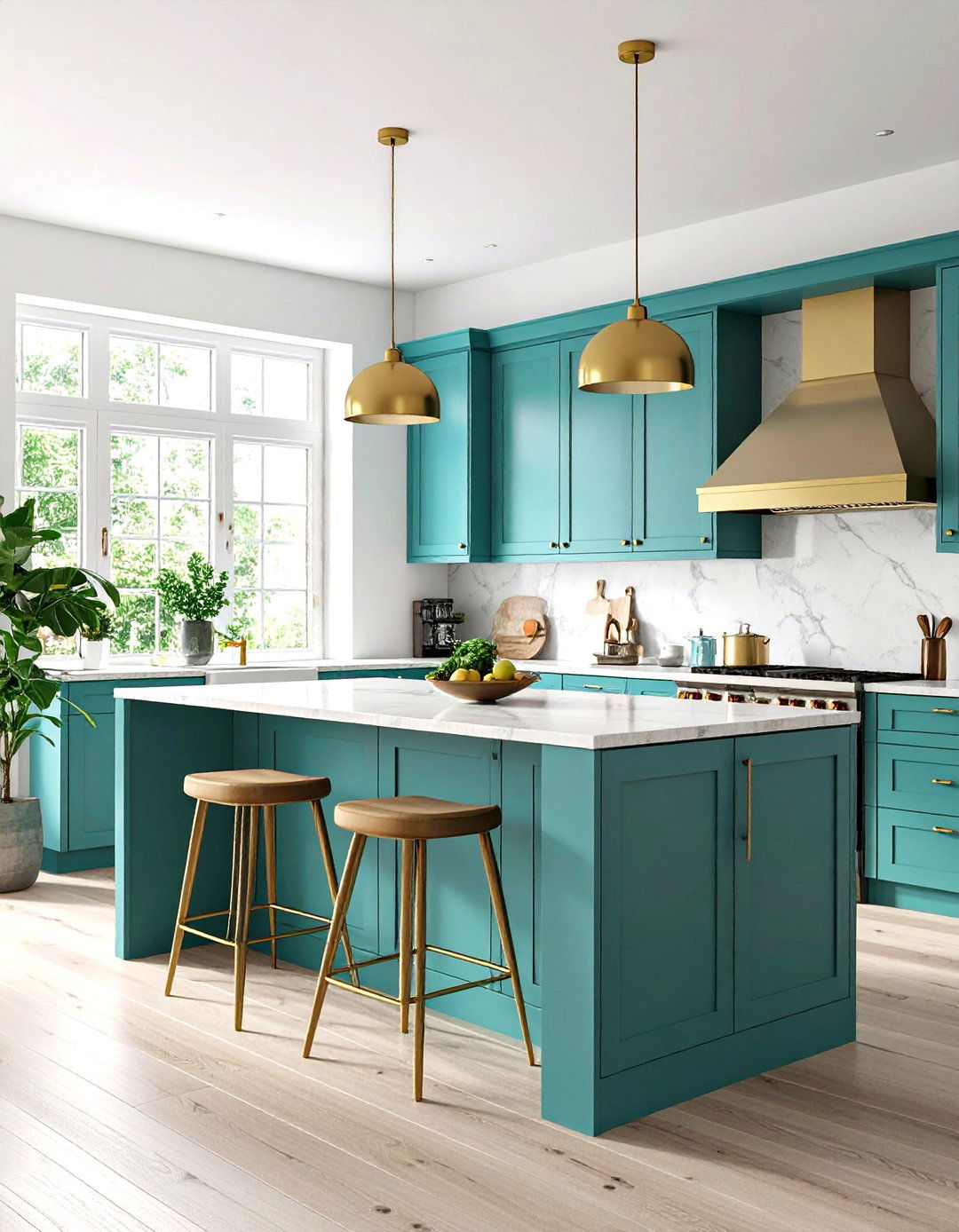
Anthropometry is the study of the measurements and proportions of the human body. In interior design, these measurements are used to create spaces that are functional and comfortable for people to move in and use. For example, anthropometric data determines the standard height of a dining table, the ideal depth of a kitchen counter, and the necessary clearance space around a bed. By designing with human dimensions in mind, you ensure that there is enough room to walk, sit, and work comfortably. This scientific approach to space planning is fundamental to creating a truly user-friendly environment.
22. Harnessing the Psychology of Color
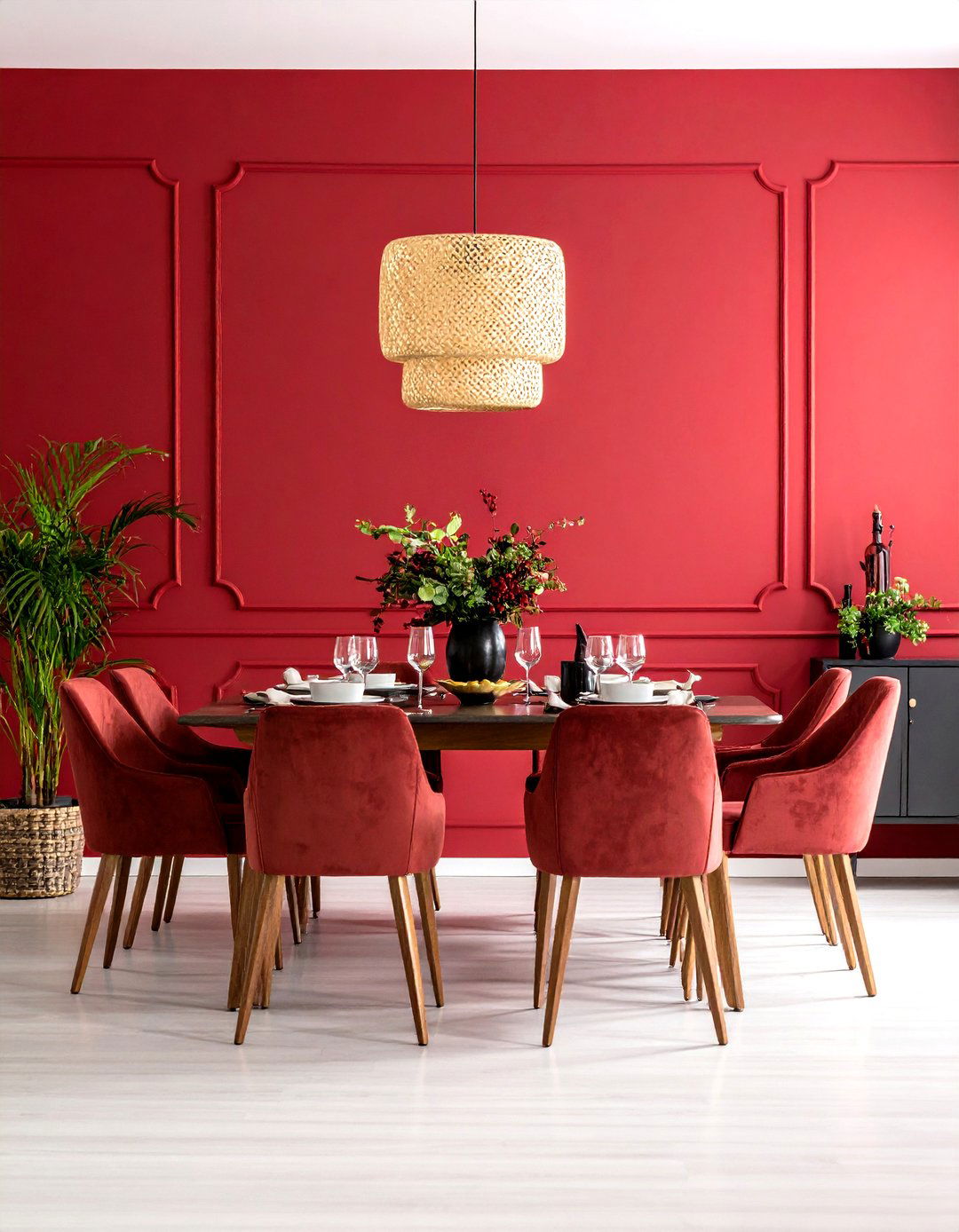
Colors have a powerful impact on our emotions and mood, and understanding color psychology is a key interior design principle. Warm colors like red, orange, and yellow are stimulating and can make a room feel energetic and inviting, making them great for social spaces like dining rooms. Cool colors such as blue, green, and purple create a sense of calm and relaxation, which is ideal for bedrooms and bathrooms. The intensity of the color also matters; muted tones are more soothing, while bright, saturated hues are more vibrant. Choosing colors intentionally can shape the entire emotional atmosphere of a space.
23. Balancing Visual Weight

Visual weight is the perceived heaviness of an object within a design. It's not about actual weight, but about how much an object attracts the eye. Elements that are large, dark, complexly patterned, or brightly colored have more visual weight than those that are small, light, and plain. A successful design distributes visual weight evenly throughout a room to create a sense of balance. If all the "heavy" items are clustered in one area, that part of the room will feel unbalanced and draw too much attention. Spread these elements out to guide the eye smoothly around the space.
24. Creating Smooth Visual Transitions
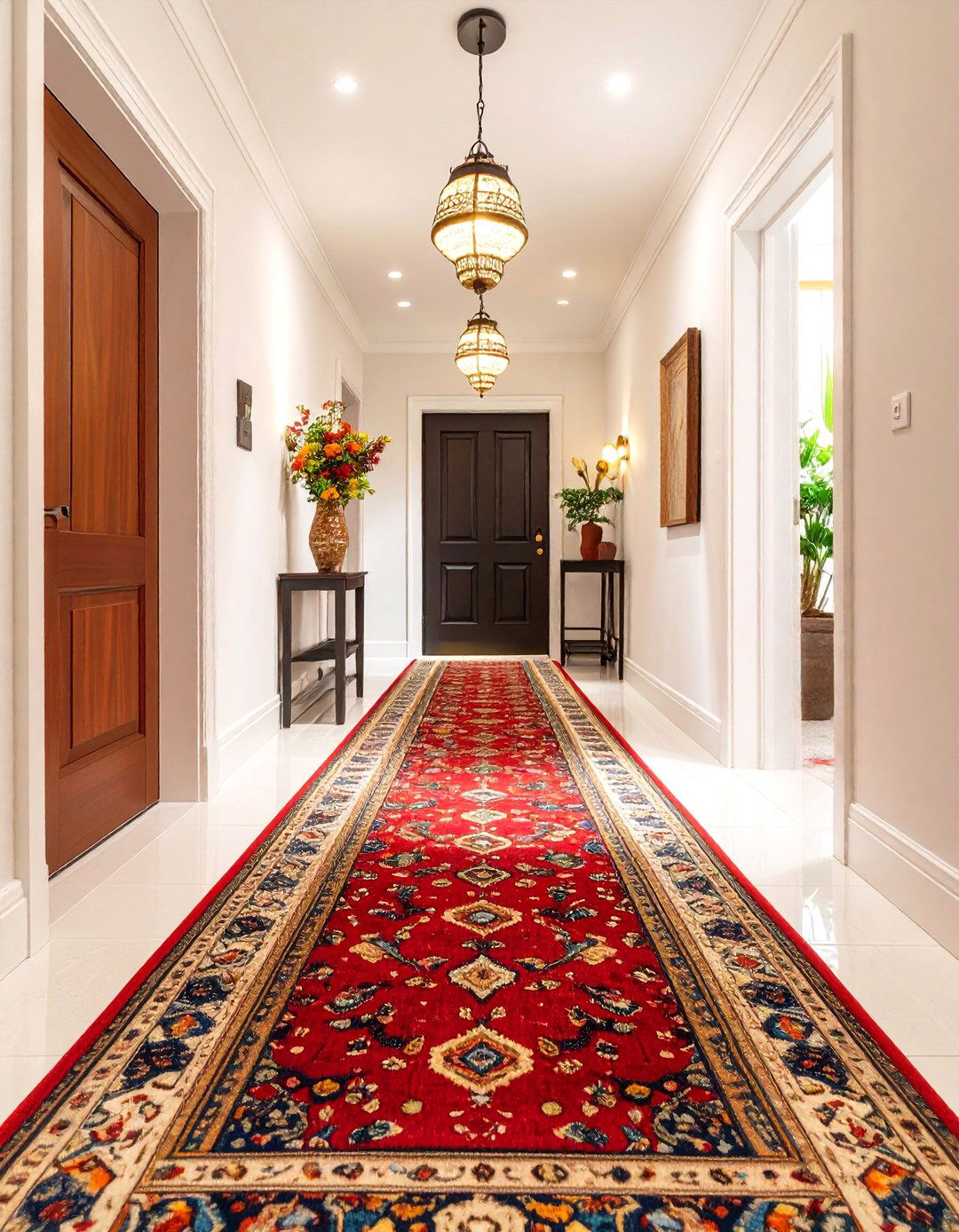
The principle of transition helps guide the eye gracefully from one area or element to another. This can be achieved using a continuous line, such as a curved archway or a winding path in a garden. It can also be created by repeating a color or material to connect different zones. For example, using the same flooring throughout an open-plan living and dining area creates a seamless transition between the two spaces. This principle ensures there are no abrupt or jarring changes in the design, resulting in a harmonious and integrated look that feels fluid and connected.
25. The Importance of Detail
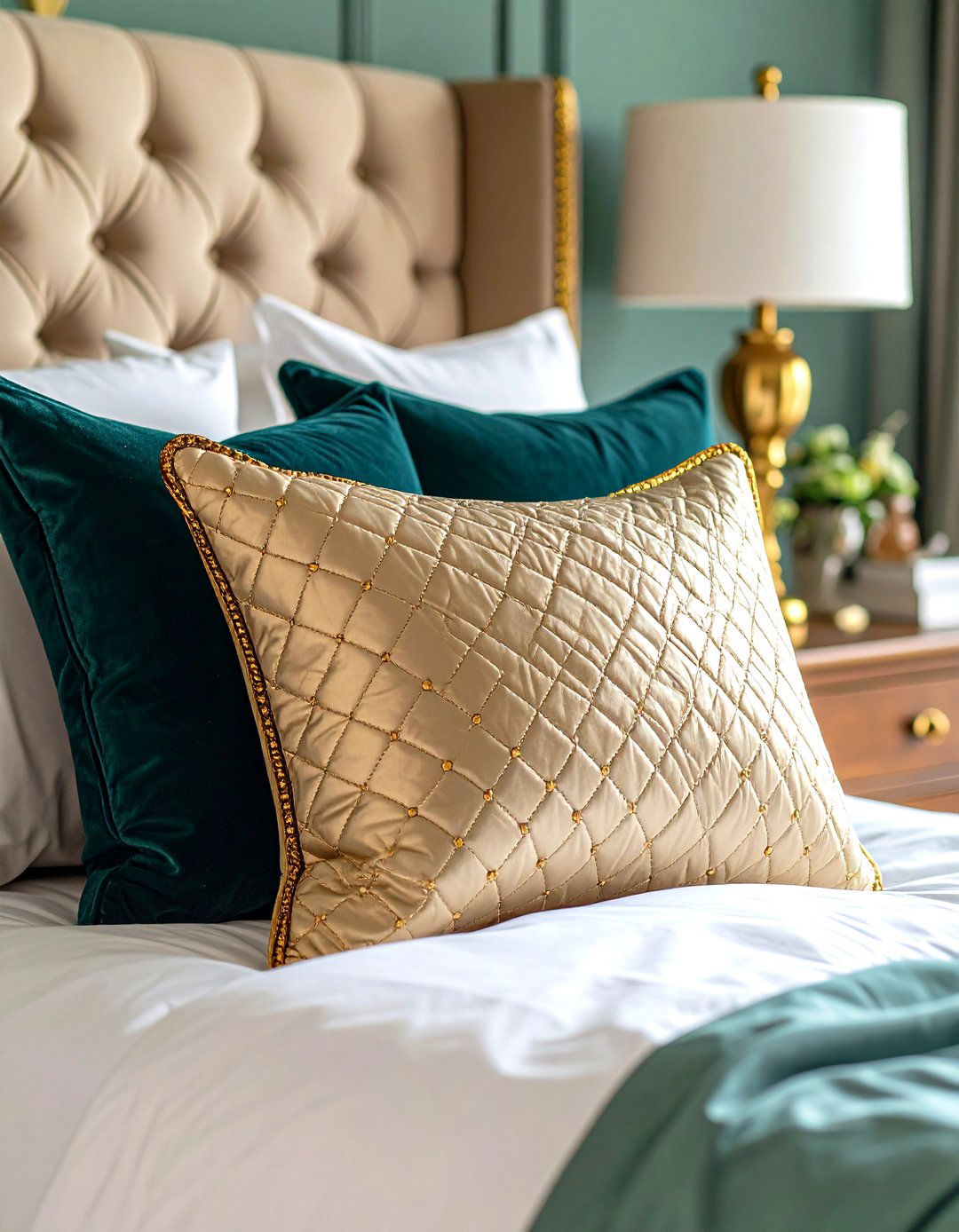
While principles like balance and scale govern the overall picture, the principle of detail focuses on the small elements that add character and quality. This includes things like the trim on a pillow, the hardware on a cabinet, the grain of a wood table, or the intricate carving on a mirror frame. These small touches are what elevate a design from ordinary to extraordinary. Paying attention to detail shows a level of thoughtfulness and craftsmanship that contributes to a rich, layered, and personalized space. These are the elements that you discover and appreciate over time, making a house truly feel like a home.
26. Achieving Variety within Unity

While unity is essential for a cohesive design, too much of it can lead to a room that feels boring and one-dimensional. The principle of variety is what injects life and interest into a unified space. This means introducing different shapes, textures, or shades of a color to prevent monotony. For example, in a room with a primarily neutral color palette (unity), you can add variety through different textures—a linen sofa, a wool rug, a metal lamp, and a wooden table. This creates a subtle complexity that is engaging without disrupting the overall sense of harmony.
27. Featuring a "Hero" Piece of Furniture
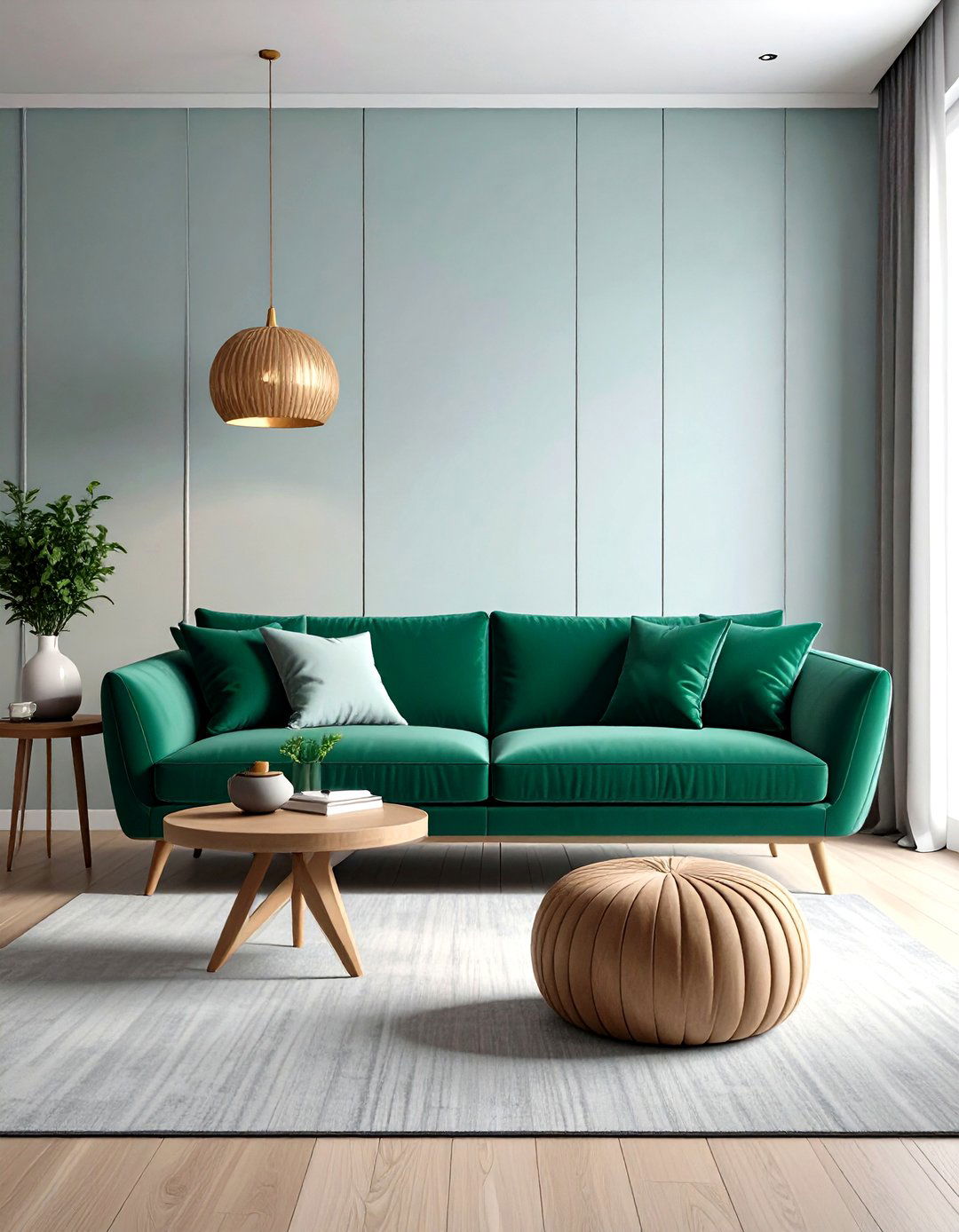
A "hero" piece is a standout item of furniture or decor that brings a unique personality and a "wow" factor to a room. It could be a vintage armchair with a bold pattern, a uniquely shaped coffee table, a dramatic, oversized light fixture, or a custom-built shelving unit. Unlike a focal point, which anchors the room's layout, a hero piece is more about character and style. It serves as a conversation starter and a reflection of your personal taste. Building a room around one such special piece is a great way to ensure your design is anything but generic.
28. Applying the Rule of Threes
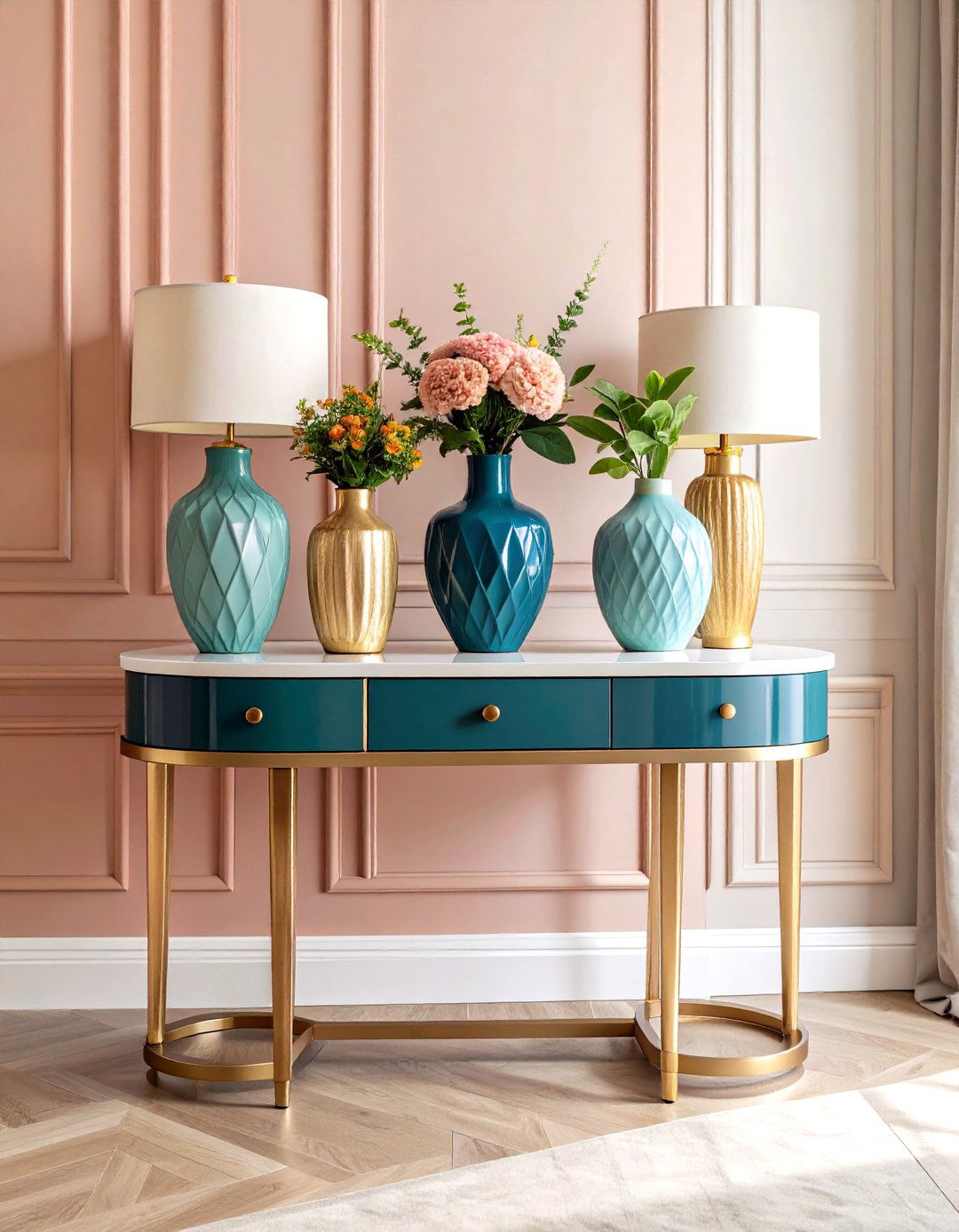
The rule of threes is a design guideline that suggests items arranged in odd numbers are more appealing, memorable, and effective than even-numbered groupings. This is because groups of three create a sense of natural movement and visual interest that a symmetrical, even-numbered arrangement lacks. You can apply this by grouping three vases of different heights on a console table, hanging three related art pieces together, or arranging a set of three throw pillows on a sofa. This simple but powerful principle helps create arrangements that feel dynamic and thoughtfully curated rather than static and rigid.
29. Guiding the Eye with Progression

Progression, or gradation, is a design principle that involves arranging elements in a sequence based on a specific attribute, such as size, color, or shape. This creates a sense of movement and can guide the eye toward a focal point. A classic example is a group of nesting tables, which progress from large to small. Another is a series of candles arranged by height, or a collection of objects that move from a light shade to a dark shade of the same color. This ordered sequence creates a subtle rhythm and a deliberate, organized feel within the design.
30. Designing with Functionality First

The principle of "form follows function" is a cornerstone of modern design, asserting that the aesthetic of a space or object should be dictated by its purpose. Before you consider colors or decor, think about how you will use the room. What activities will take place there? Who will be using it? A design must first and foremost serve the needs of its inhabitants. A beautiful kitchen with an impractical layout is a failure, as is a stunning living room that isn't comfortable for relaxing. By prioritizing functionality, you create a space that not only looks good but also works effortlessly for your lifestyle.
Conclusion:
Mastering the 30 principles of interior design provides a comprehensive toolkit for creating spaces that are both beautiful and practical. From the foundational concepts of balance, rhythm, and harmony to more nuanced ideas like wabi-sabi and biophilic design, each principle offers a unique lens through which to view and improve your home. By thoughtfully applying these guidelines—focusing on scale, layering light and texture, and always prioritizing functionality—you can move beyond fleeting trends. This knowledge empowers you to craft a cohesive, personalized, and deeply satisfying environment that truly reflects your style and supports your daily life.

Related posts:

Leave a Reply