
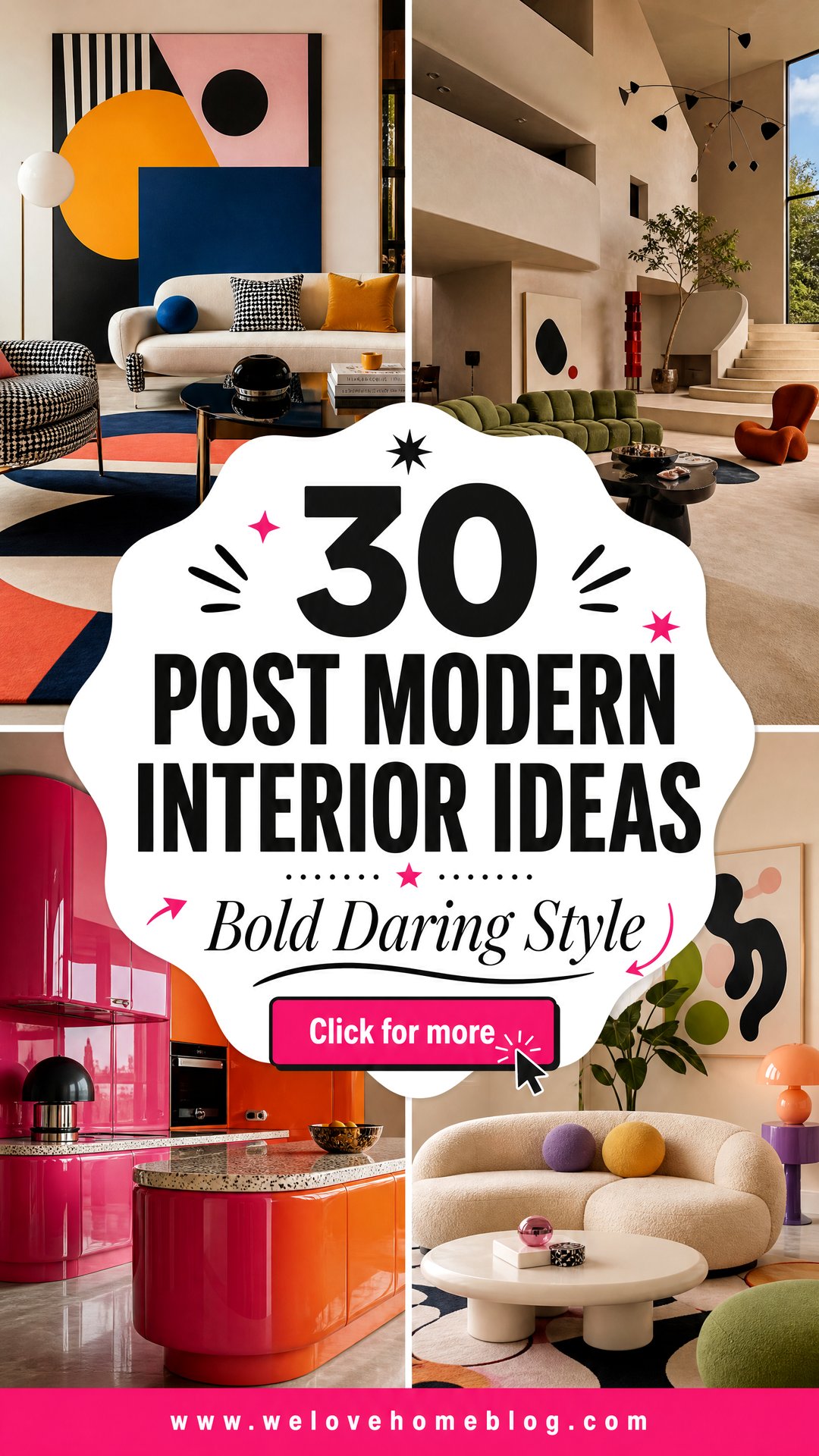
Postmodern interior design emerged as a playful and ironic reaction to the strict rules of modernism. This style champions eclecticism, color, and unconventional forms, rejecting minimalism in favor of personality and flair. It’s a design movement that celebrates the unconventional, mixing different historical styles, materials, and shapes to create spaces that are both thought-provoking and visually engaging. By embracing asymmetry, bold patterns, and sculptural furniture, postmodernism allows for a highly individualized and expressive home environment. It’s about breaking the mold and having fun with your decor, creating a space that feels uniquely you.
1. Sculptural and Asymmetrical Furniture
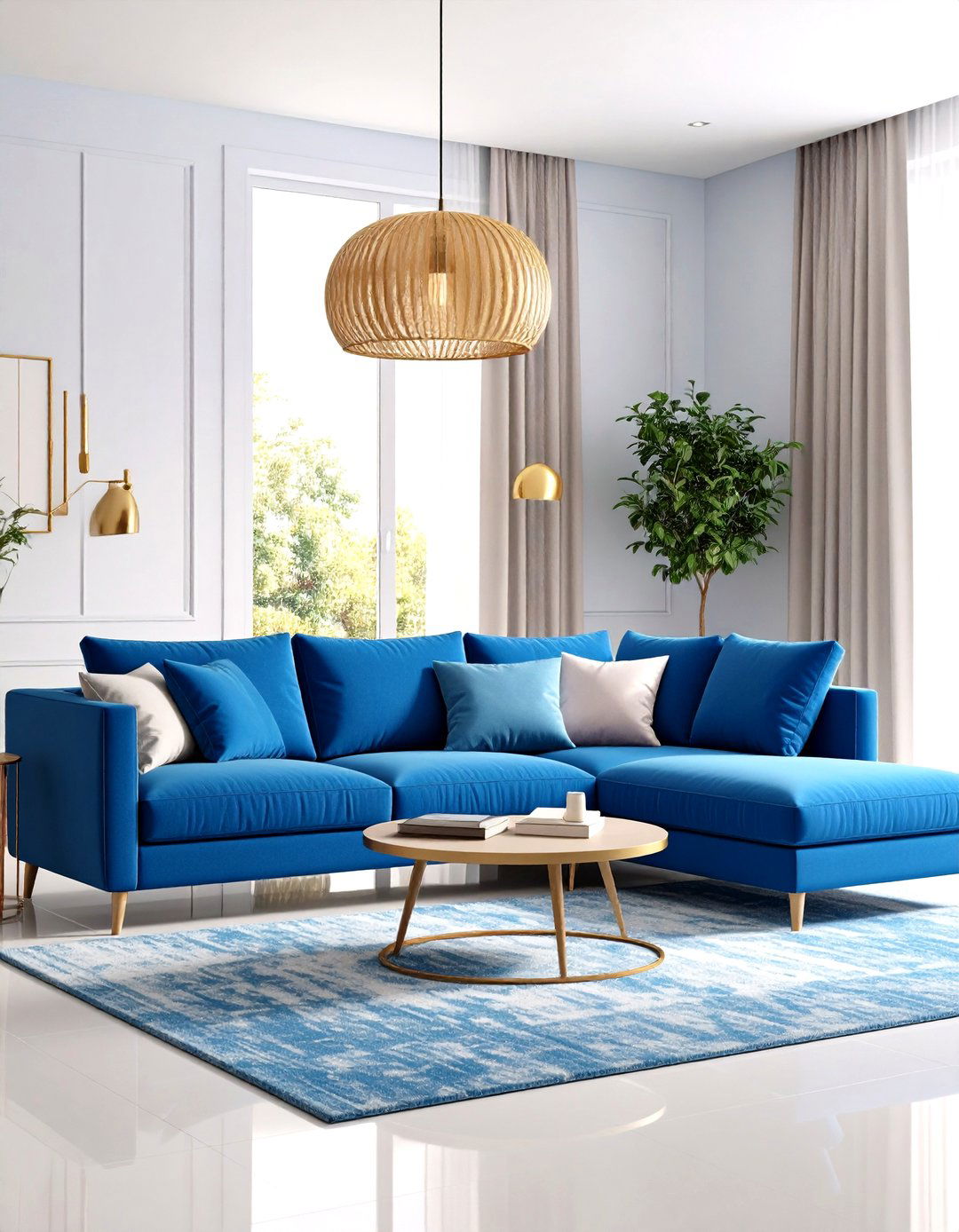
A defining feature of postmodernism is furniture that doubles as art. Consider pieces with irregular, unexpected shapes that challenge traditional notions of form and function. Sofas with undulating curves, chairs with mismatched legs, or coffee tables composed of stacked geometric solids introduce a dynamic, sculptural quality to a room. These items are not just for seating or storage; they are conversation starters that disrupt symmetry and add a sense of playful rebellion. By choosing furniture that prioritizes artistic expression over rigid conformity, you create a living space that feels curated and full of personality, moving beyond mere utility.
2. Bold and Clashing Color Palettes
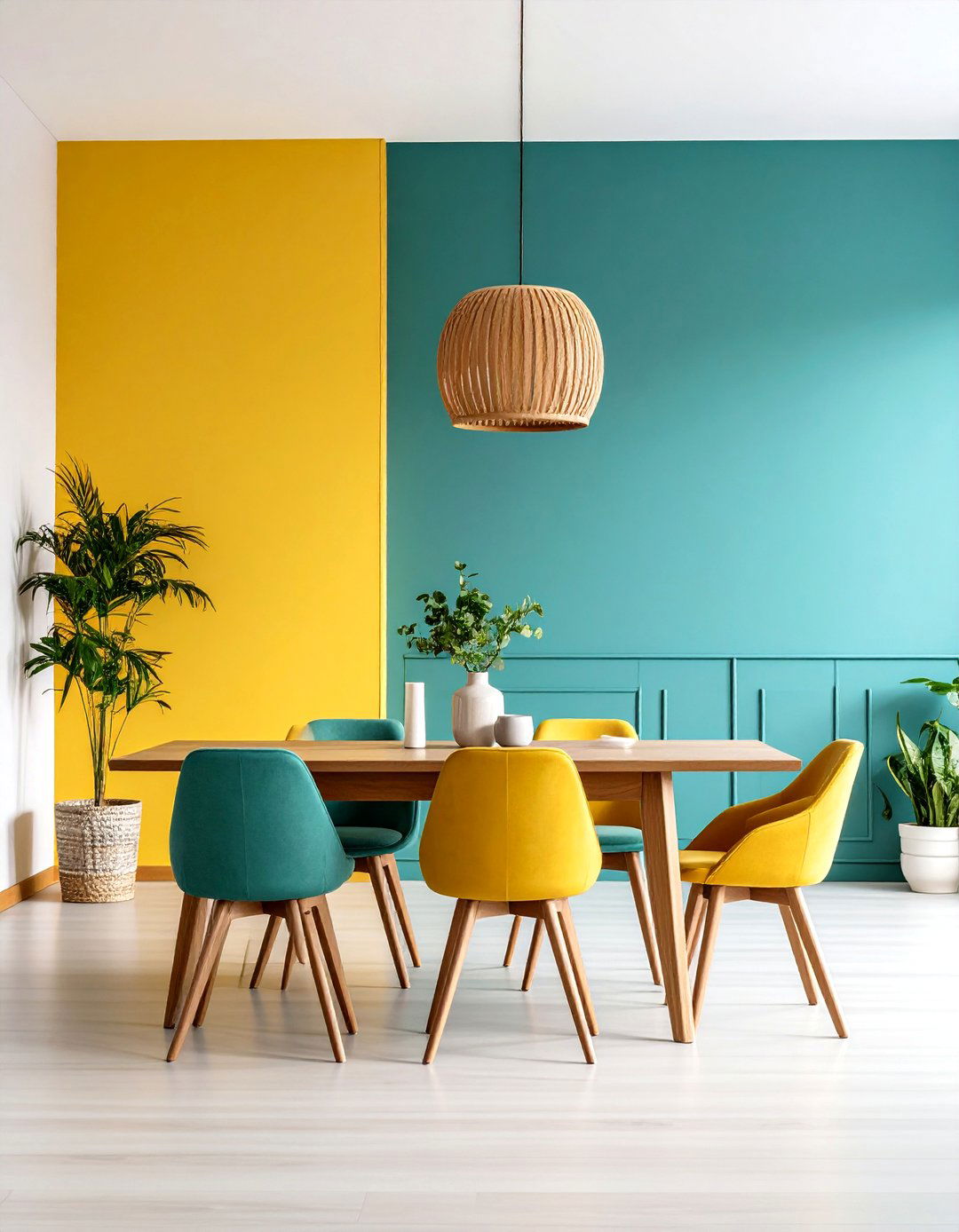
Forget subtle, muted tones; postmodern design thrives on vibrant and often clashing color combinations. Think electric blues paired with hot pinks, or sunny yellows set against deep teals. This approach uses color to evoke emotion and create a high-energy atmosphere. Walls, furniture, and decor items become canvases for audacious color choices. For a truly postmodern feel, apply these colors in large, confident blocks or through striking patterns. The goal isn't necessarily harmony but rather a deliberate and joyful disruption of conventional color rules, making the space feel alive and energetic. This fearless use of color is central to the style's expressive nature.
3. Memphis Design Influence
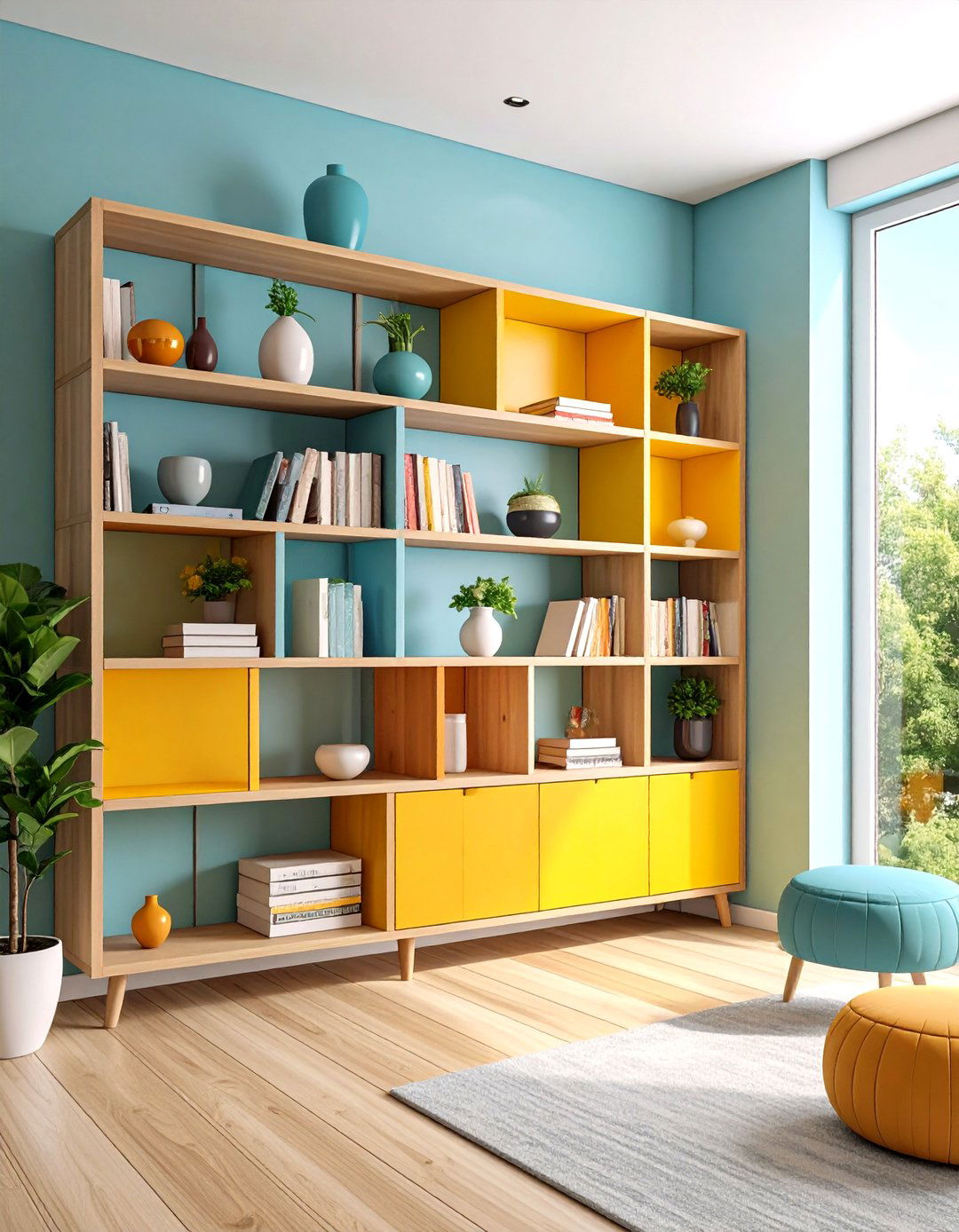
The Memphis Group, a design collective from the 1980s, is synonymous with postmodernism. To incorporate this influence, look for furniture and decor featuring bold geometric shapes, laminate surfaces, and whimsical patterns like squiggles and dots. Think bookcases with angled shelves, tables with spherical legs, and textiles with abstract graphics. The style is characterized by its playful, almost childlike aesthetic, combining bright, contrasting colors with black-and-white patterns. Bringing Memphis-inspired pieces into your home instantly injects a dose of irreverent fun and captures the optimistic, rule-breaking spirit of the postmodern era, creating a vibrant focal point.
4. Deconstructed Architectural Elements
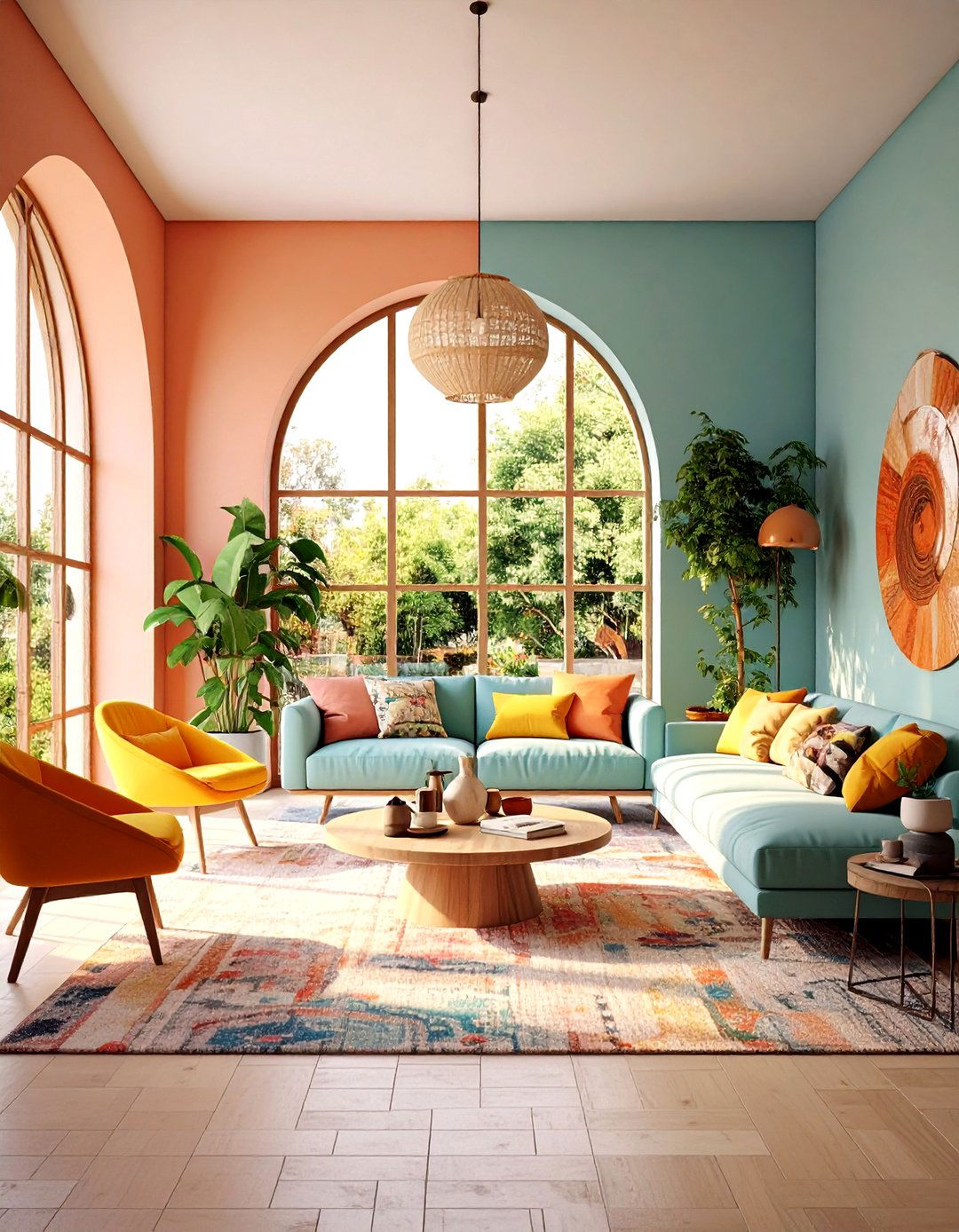
Postmodernism loves to expose and celebrate the inner workings of a space. This can be achieved through deconstructed architectural elements. Consider leaving ductwork exposed, showcasing unfinished concrete walls, or incorporating interior windows and cutouts in unexpected places. Another popular feature is the use of broken arches or fragmented columns that allude to classical forms but present them in a new, incomplete way. This approach adds a raw, industrial edge while also playing with historical references. It creates a layered, intellectually stimulating environment that questions what should be hidden and what should be displayed, adding depth and character.
5. Mix of High and Low Materials
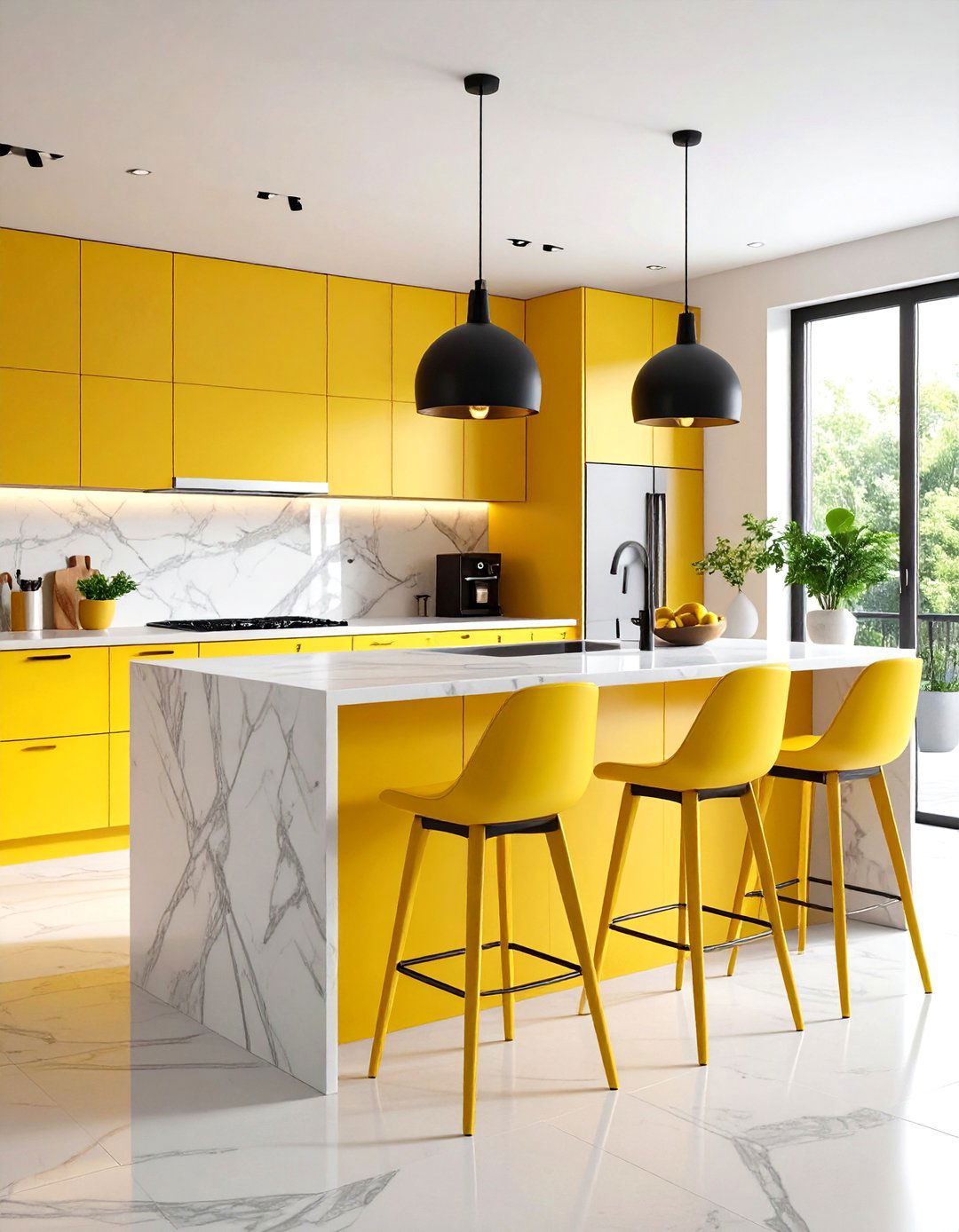
A key postmodern principle is the democratic blending of materials, erasing the line between luxurious and everyday. You can pair a marble tabletop with colorful plastic chairs or place a polished chrome lamp on a rough, unfinished wooden crate. This juxtaposition challenges traditional hierarchies of value and adds visual and textural interest. Using materials like laminate, vinyl, and Formica alongside more traditional ones like wood and stone is a hallmark of the style. This eclectic mix creates a space that is both sophisticated and approachable, reflecting a playful disregard for material snobbery and celebrating texture.
6. Playful and Ironic Accessories
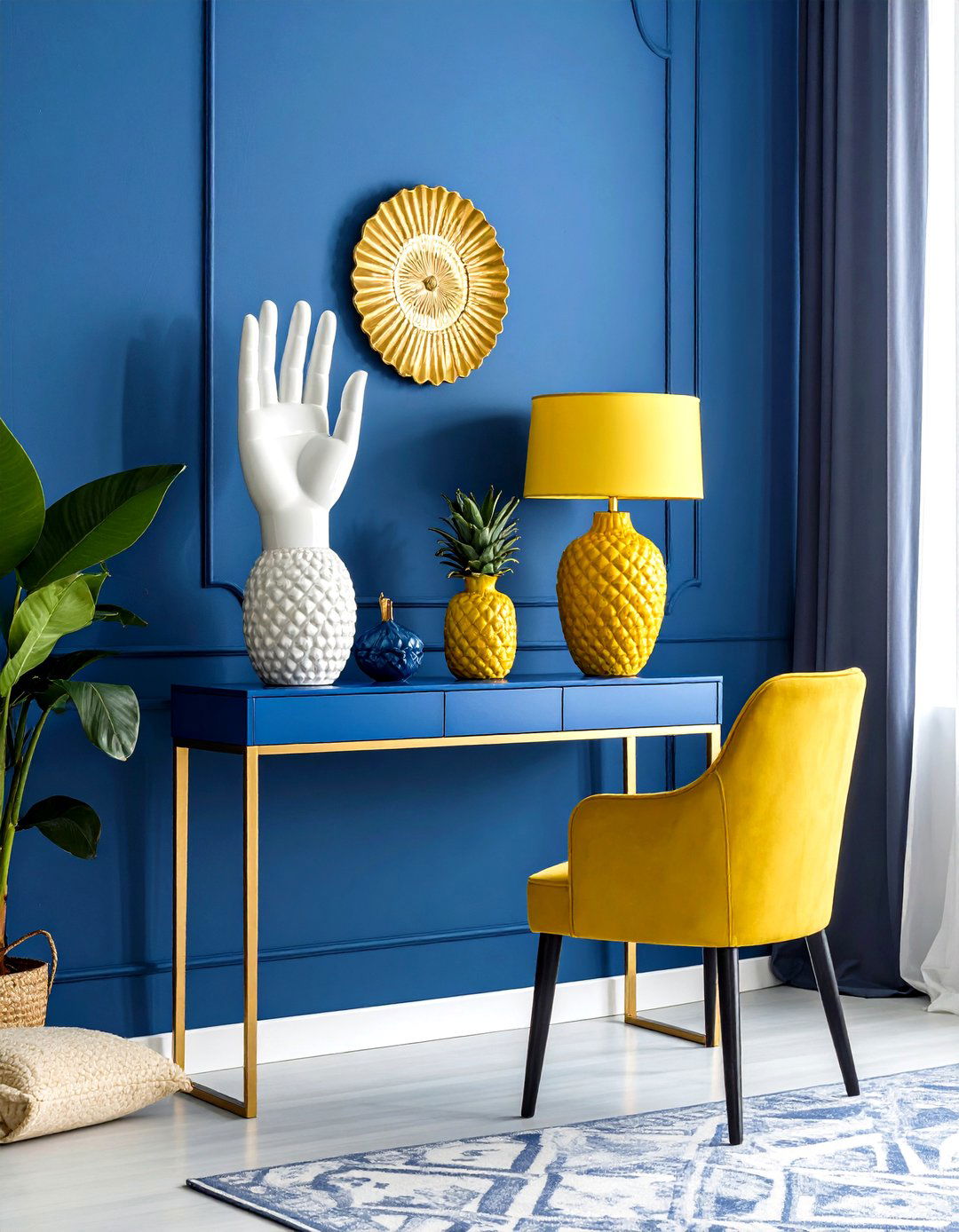
Accessorizing in a postmodern style is all about wit and irony. Look for decor objects that are humorous, oversized, or reinterpret everyday items in unusual ways. This could be a lamp shaped like a classical bust wearing sunglasses, a clock with its numbers jumbled, or a vase that looks like a crumpled paper bag. These pieces add a layer of intellectual fun to the space, encouraging viewers not to take design too seriously. The goal is to select accessories that spark curiosity and conversation. By incorporating these witty, often surreal objects, you infuse your home with a distinct personality.
7. Terrazzo Flooring and Surfaces
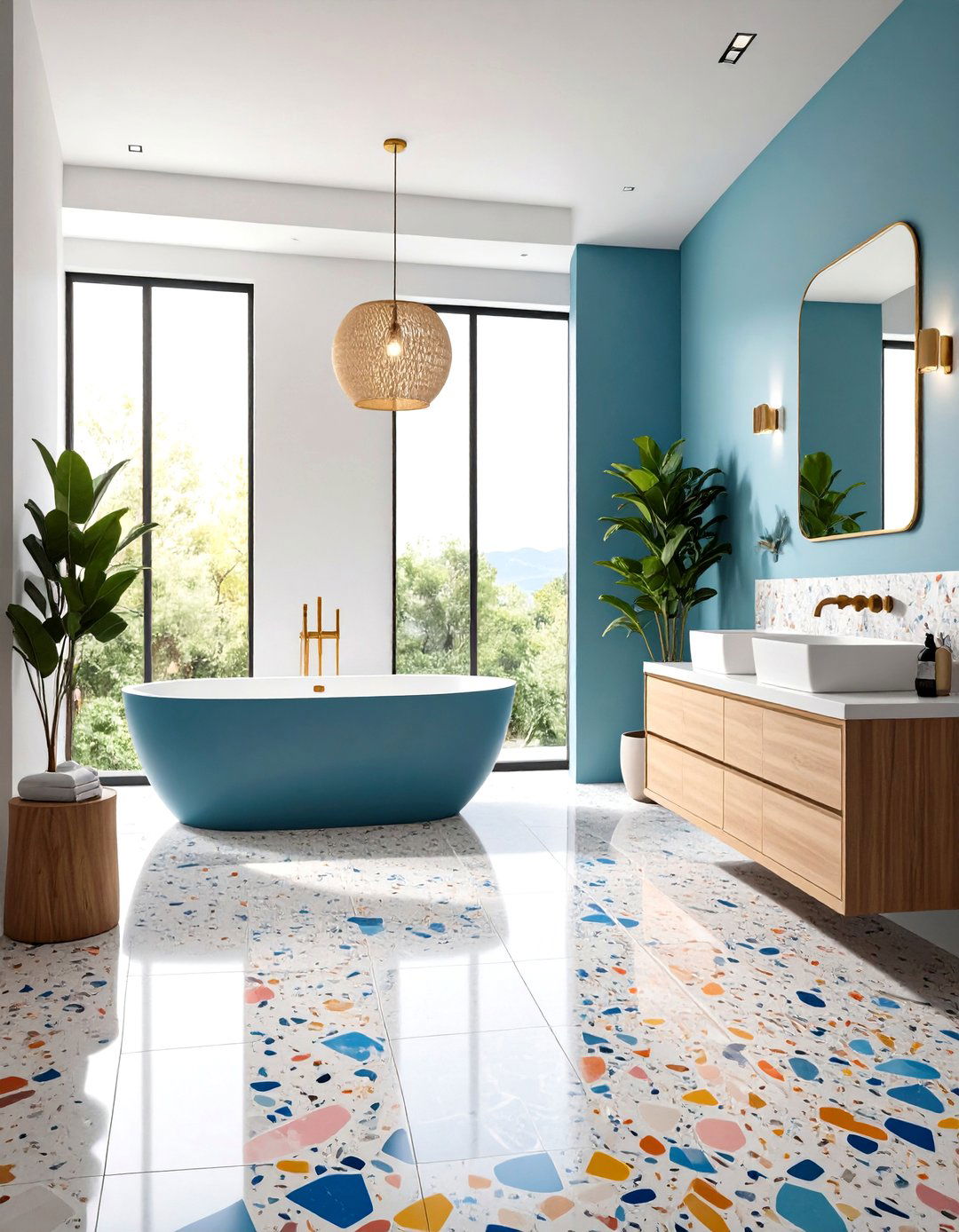
Terrazzo, a composite material featuring chips of marble, quartz, and glass, enjoyed a major revival in the postmodern era. Its speckled, confetti-like appearance perfectly aligns with the style's love for pattern and color. Use it for flooring to create a durable and visually dynamic foundation for a room. Terrazzo can also be applied to kitchen countertops, backsplashes, or even tabletops for a cohesive yet playful look. Available in a vast range of color combinations, from neutral to wildly vibrant, it offers a versatile way to introduce texture and a touch of 1980s nostalgia into your interior design scheme.
8. Neon Lighting and Signage
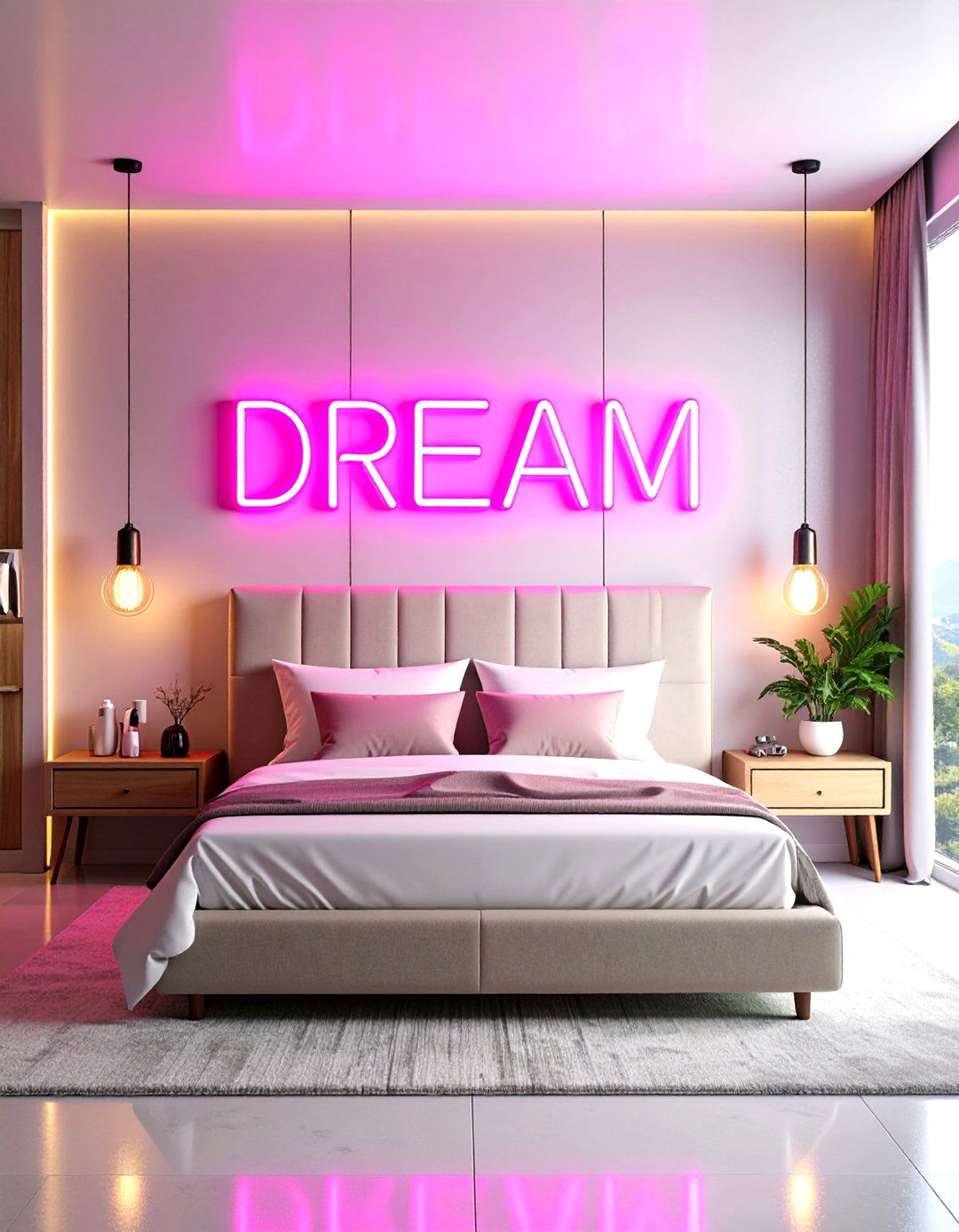
Embrace the vibrant glow of the 1980s with neon lighting. A custom neon sign featuring a witty phrase, an abstract shape, or a simple graphic can serve as a striking piece of wall art. It instantly adds a bold, urban, and slightly rebellious feel to any room. Neon can also be used more subtly, perhaps to backlight a shelf or frame a doorway, casting a colorful hue that transforms the atmosphere of the space. Whether used as a focal point or an ambient light source, neon lighting captures the energetic and commercial aesthetic that postmodern designers often played with, adding an edgy, artistic touch.
9. Trompe-l'œil Illusions
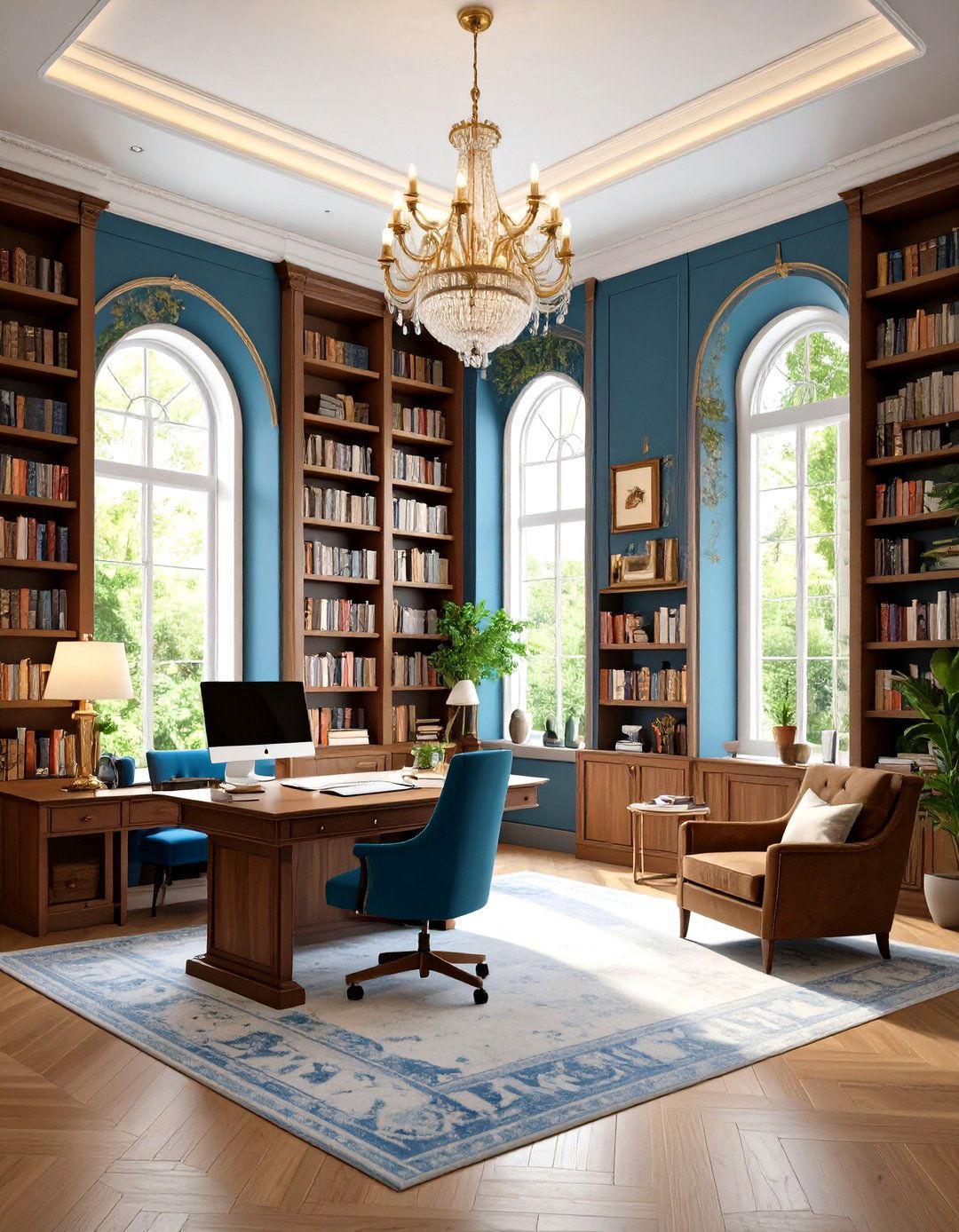
Trompe-l'œil, French for "deceive the eye," is a technique that uses realistic imagery to create optical illusions. In postmodern interiors, this can manifest as wallpaper that mimics a library of books, a mural depicting a non-existent window with a view, or a rug that appears three-dimensional. This element of trickery and illusion adds a layer of wit and sophistication to the design. It challenges perception and reality, making the space more interactive and engaging. By incorporating trompe-l'œil, you create a surprising and memorable feature that blurs the line between the real and the imagined, a core postmodern concept.
10. Abstract and Geometric Patterns
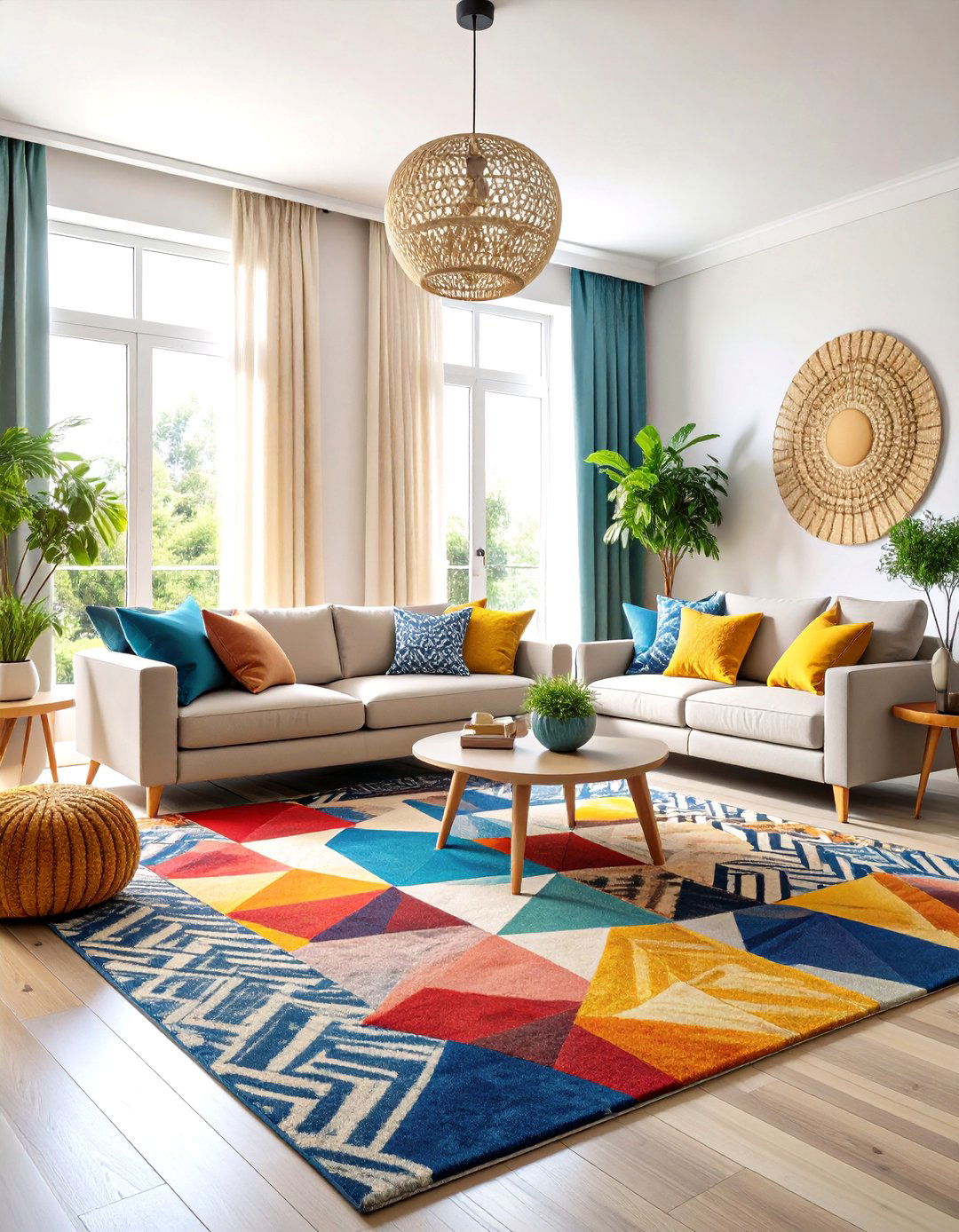
Postmodern design heavily relies on bold, graphic patterns to create visual energy. Move beyond simple stripes and florals to embrace abstract geometrics, asymmetrical grids, and playful squiggles. These patterns can be used on wallpaper, textiles like rugs and cushions, or even on furniture upholstery. The key is to be fearless in mixing and matching different patterns within the same space. A sofa with a bold checkerboard print can be paired with curtains featuring abstract shapes. This layered approach to pattern creates a rich, dynamic, and visually stimulating environment that is quintessentially postmodern in its exuberant expression.
11. Oversized Art and Decor
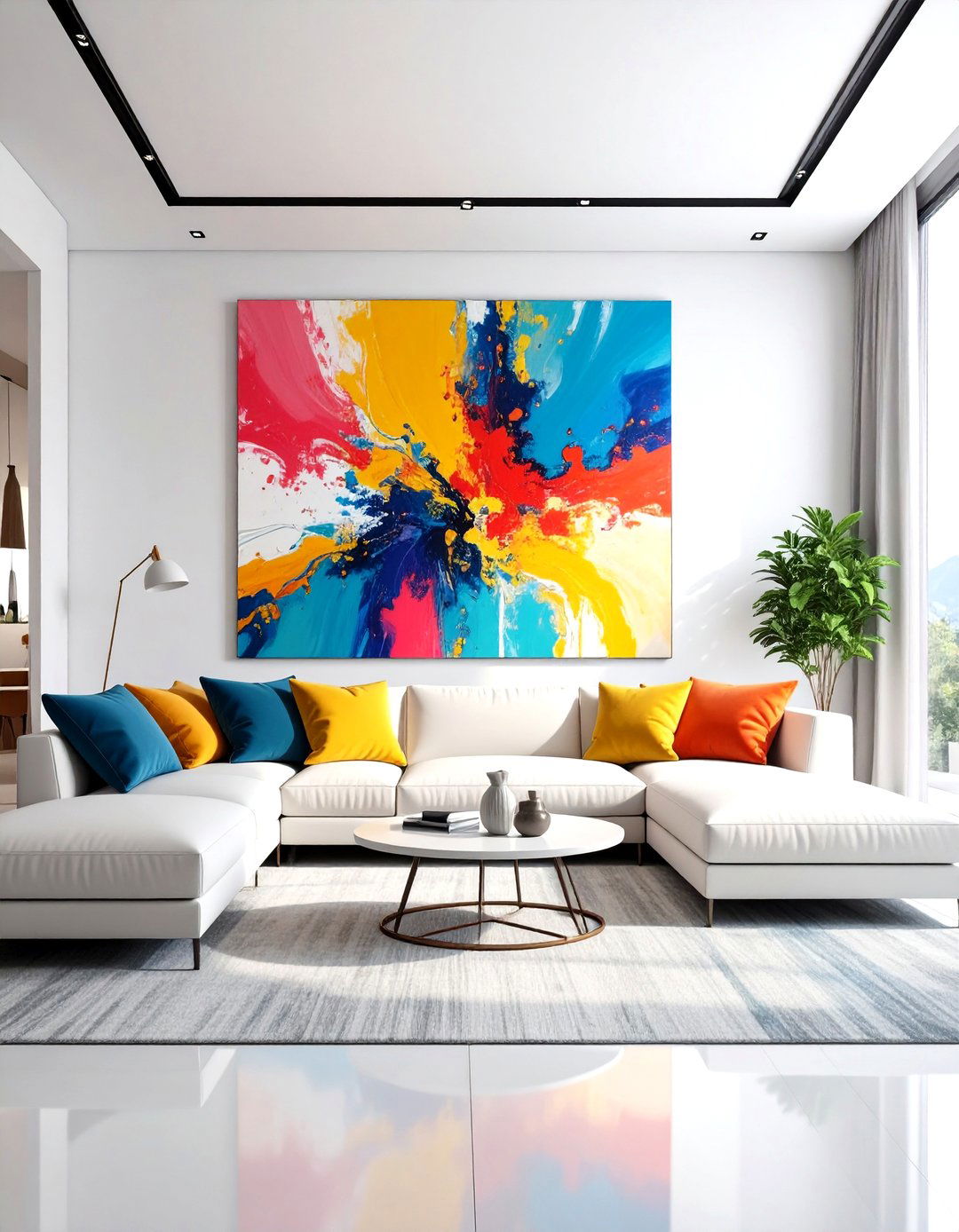
Proportion play is a central theme in postmodern design, often expressed through oversized art and decor. A massive, abstract canvas can dominate a wall, its scale making a powerful statement. Similarly, a single, dramatically large floor vase or an exaggeratedly tall floor lamp can act as a sculptural focal point. This technique disrupts the expected balance of a room, creating a sense of drama and grandeur with a hint of humor. By choosing a few select pieces and giving them ample space to breathe, their oversized nature becomes a deliberate and impactful design choice, adding a bold and confident touch.
12. Use of Reflective Surfaces
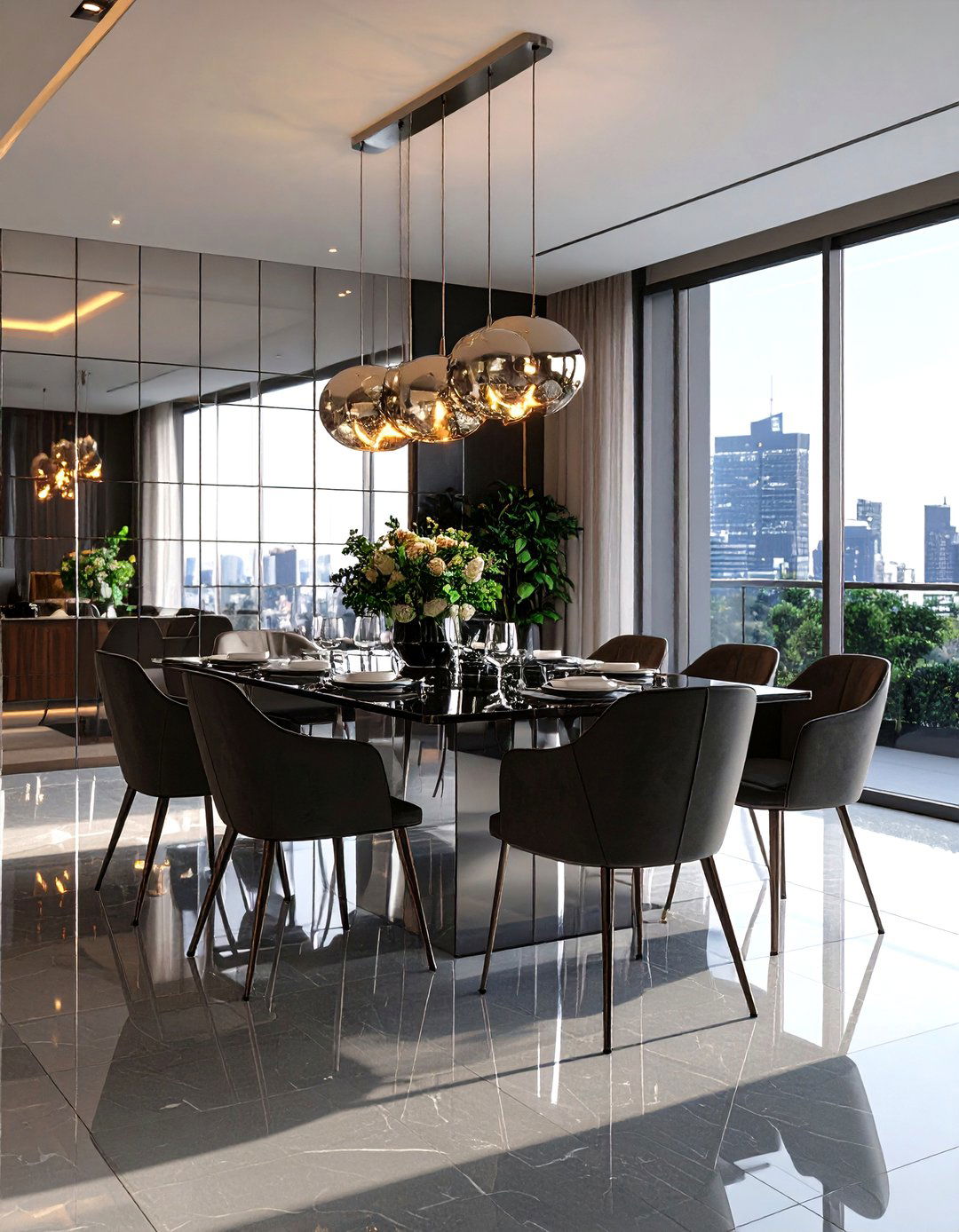
Mirrors and reflective materials are used in postmodern interiors to play with light, space, and perception. Think beyond a simple framed mirror and consider mirrored tiles to create a fragmented, pixelated reflection on a wall or ceiling. Polished chrome, high-gloss lacquer, and reflective acrylic furniture also contribute to this effect. These surfaces bounce light around the room, making it feel brighter and more dynamic. They also create distorted reflections that challenge our sense of reality, adding a layer of complexity and glamour to the space. This use of reflection adds a futuristic, almost disco-era vibe.
13. Classical Motifs Reimagined
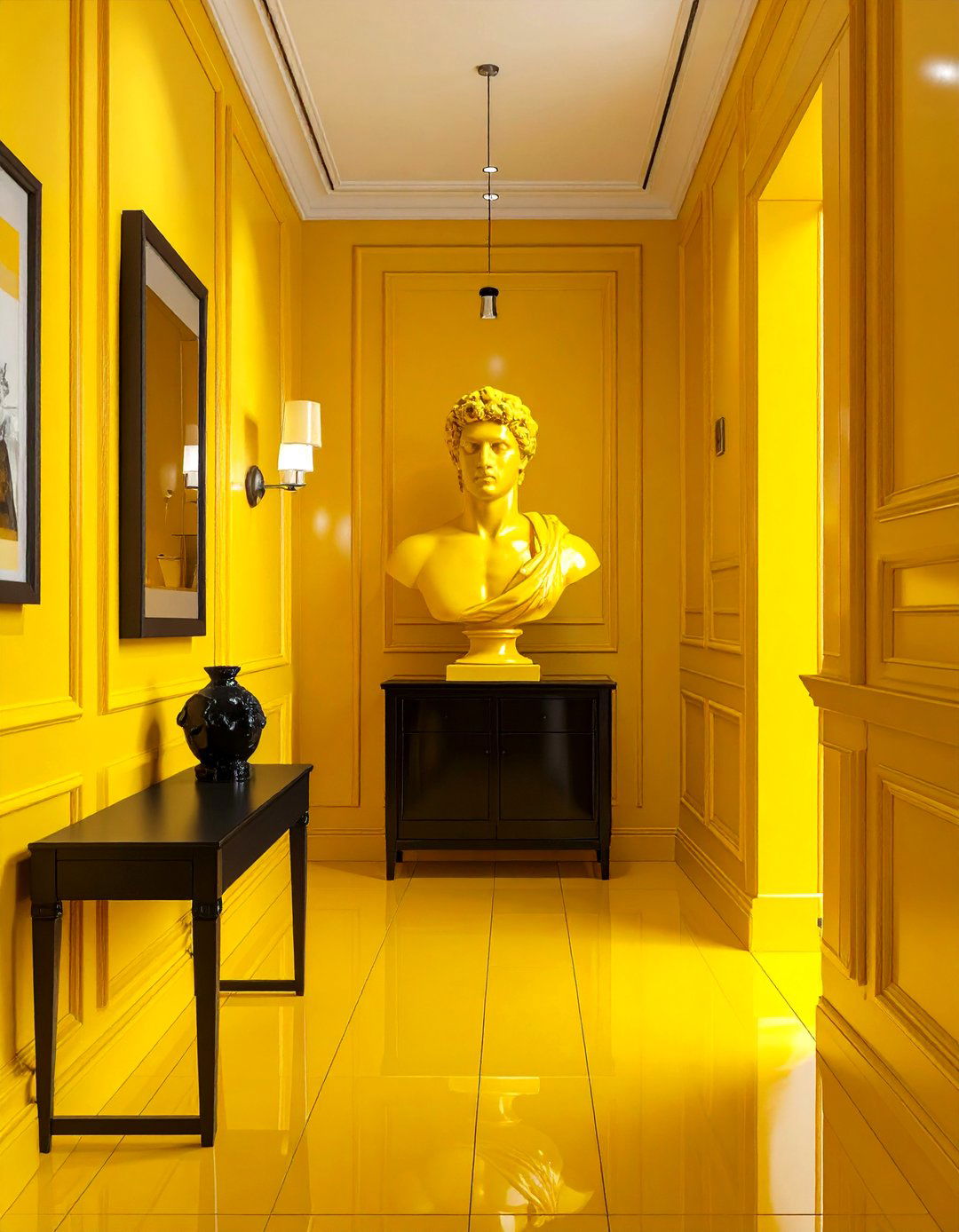
Postmodernism frequently borrows from history, but always with a twist. Incorporate classical motifs like columns, busts, and pediments, but present them in unconventional ways. A Roman-style bust might be painted in a bright neon color, or a classical column could be made from a modern material like acrylic or used as a table base. This reinterpretation of historical elements is often ironic and playful. It acknowledges the past while firmly rooting the design in the present, creating a dialogue between different eras. This approach adds an intellectual layer to your decor, blending timeless forms with contemporary irreverence.
14. Grid and Checkerboard Patterns
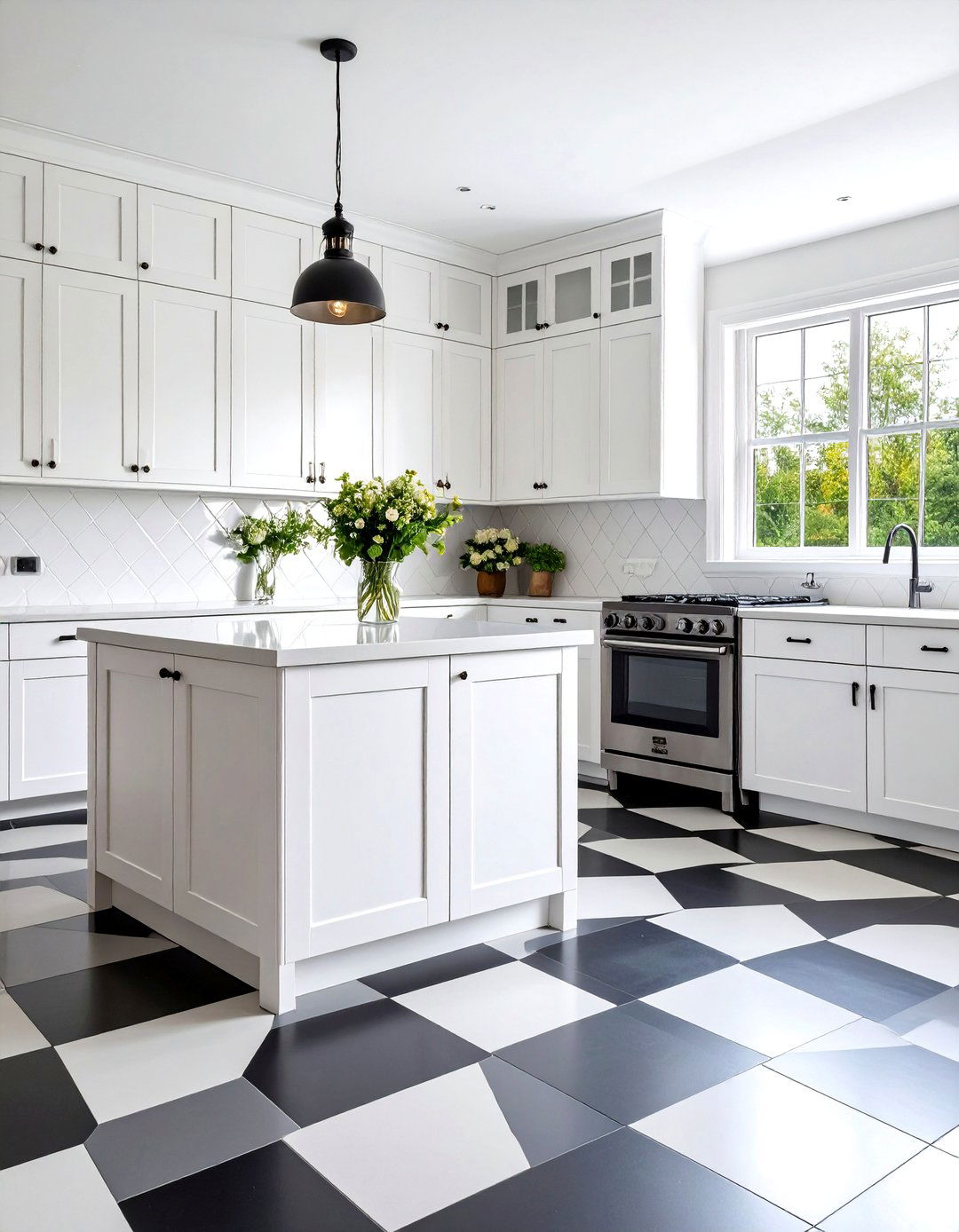
The simple yet bold grid or checkerboard pattern is a staple of postmodern design. Its graphic nature provides a sense of order that can then be playfully disrupted. Use it in a classic black and white on flooring for a high-impact, retro feel. Alternatively, opt for a checkerboard in unconventional color combinations, like pastel pink and mint green, for a softer take. This pattern can be applied to walls through paint or tiles, or introduced through textiles like area rugs and throw pillows. It’s a versatile pattern that can feel both nostalgic and modern, providing a strong graphic backbone.
15. Pop Art Influences
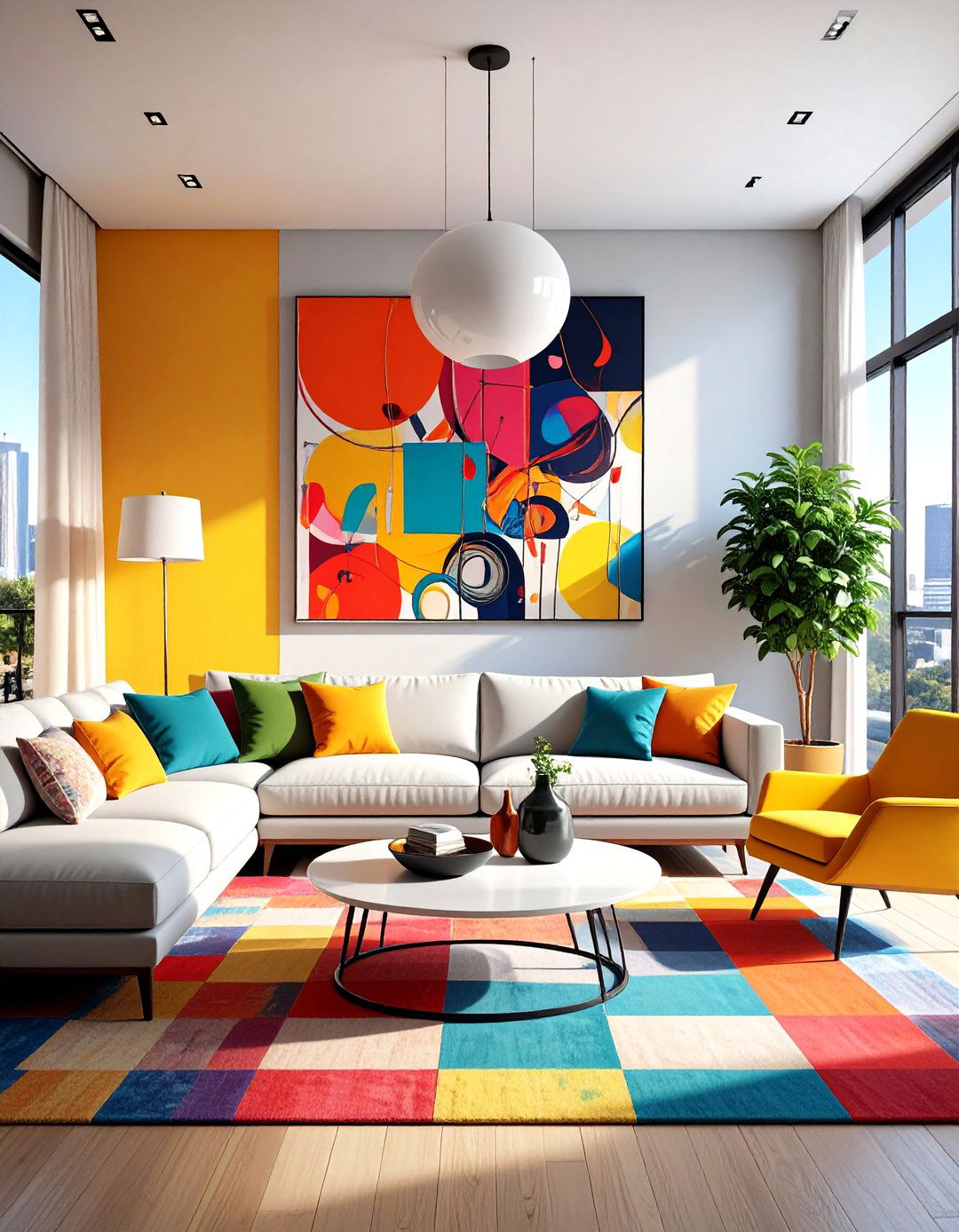
Drawing inspiration from the Pop Art movement, postmodern interiors often feature imagery from popular culture and advertising. This can be as direct as hanging a print by Andy Warhol or Roy Lichtenstein. Alternatively, incorporate furniture and decor that mimic the bold colors and graphic style of pop art. Think of a sofa upholstered in a comic-strip print or a rug that looks like a giant postage stamp. This approach brings a sense of fun, commercialism, and nostalgia into the home. It celebrates the everyday and turns mass-produced imagery into high art, a playful subversion that is central to postmodern thinking.
16. Layered Textures and Materials
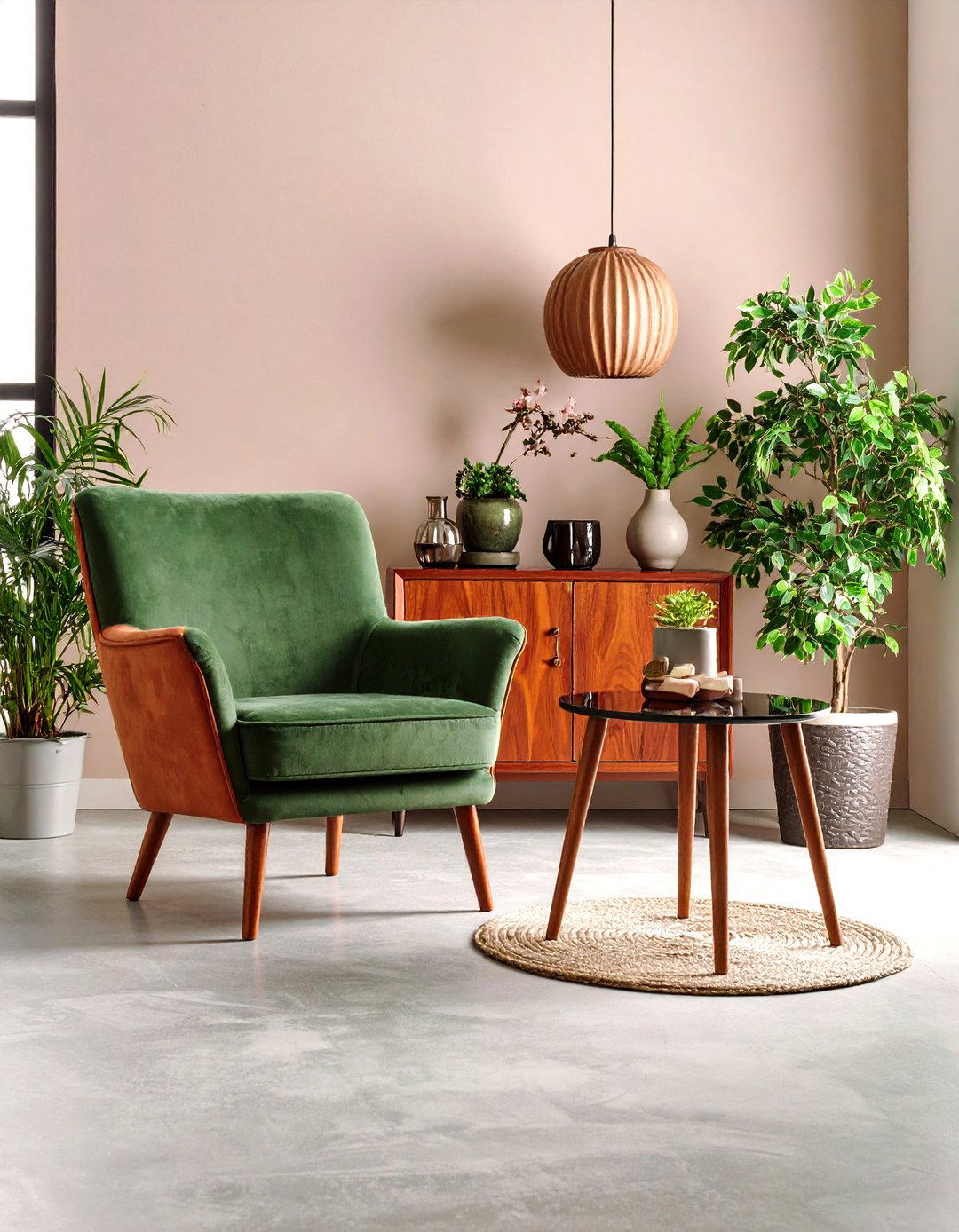
While modernism favors sleek, uniform surfaces, postmodernism delights in a rich tapestry of textures. Combine smooth with rough, soft with hard. For example, you could place a plush velvet sofa on a polished concrete floor or pair a glossy lacquered cabinet with a nubby, handwoven rug. This layering of different tactile surfaces makes a room feel more complex and inviting. It encourages touch and adds sensory depth to the visual experience. Mixing materials like metal, glass, plastic, and natural fibers creates a dynamic interplay that is both visually stimulating and comfortable, adding a cozy yet sophisticated dimension.
17. Asymmetrical Room Layouts
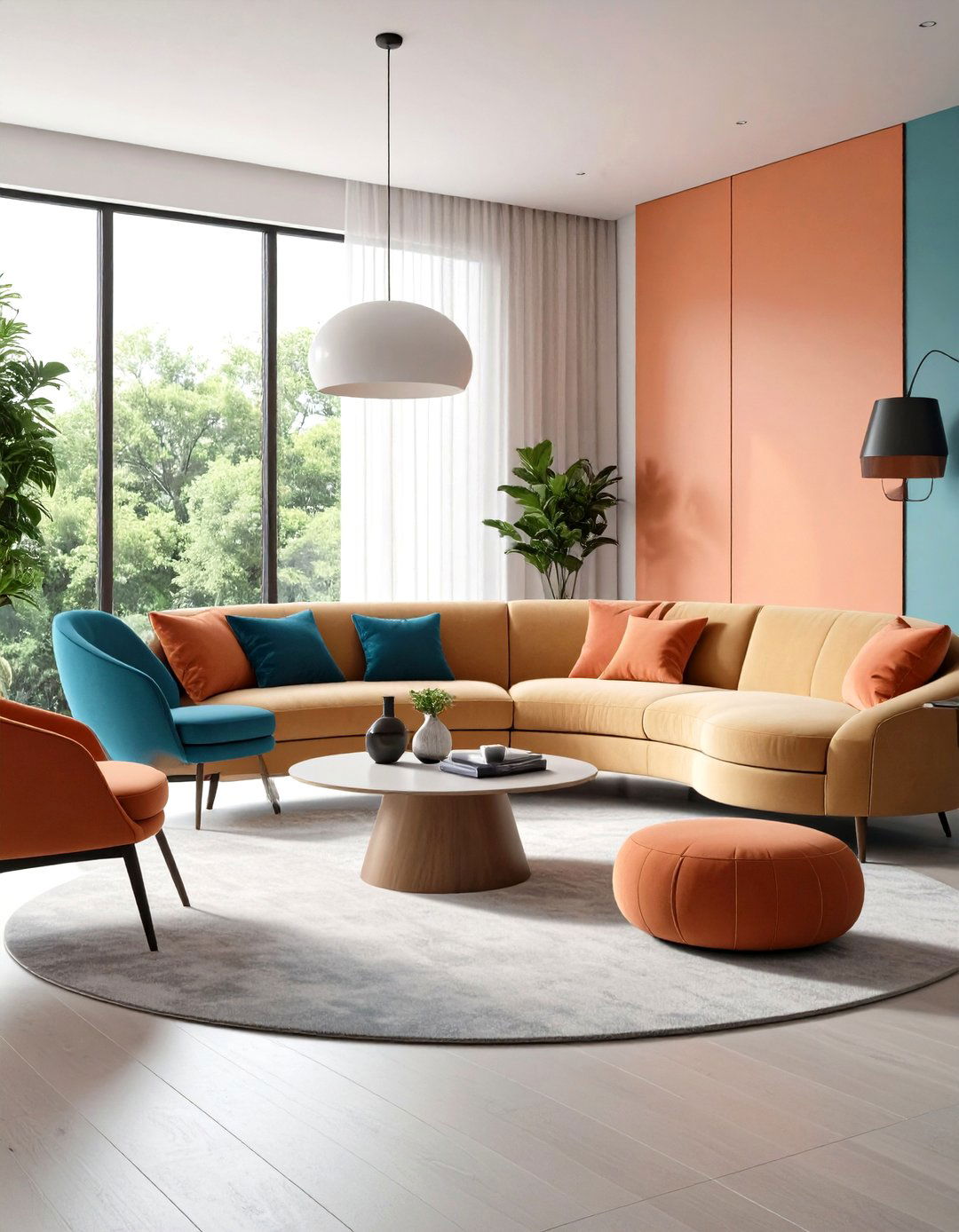
Reject the rigidity of symmetrical room arrangements. Postmodern design favors layouts that are deliberately off-balance and unpredictable. Arrange furniture in a way that creates interesting angles and unconventional conversation areas. Instead of a sofa flanked by two identical end tables, try one large table on one side and a tall floor lamp on the other. This approach creates a more dynamic and visually interesting flow through the space. Asymmetry keeps the eye moving and makes the room feel less formal and more energetic. It’s about creating a composition that is balanced in visual weight rather than perfect mirror images.
18. Exposed and Painted Pipes
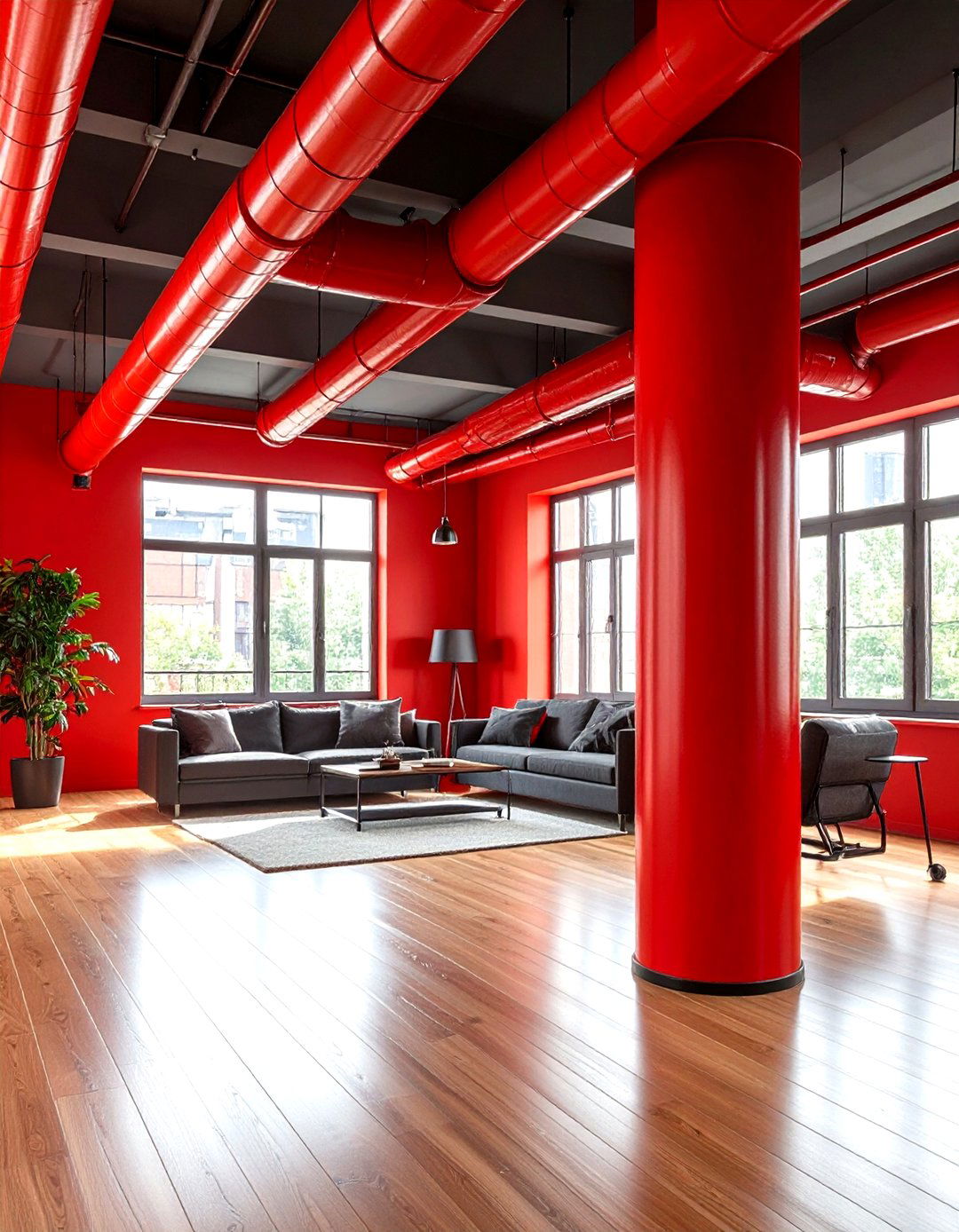
In a nod to industrial aesthetics and a desire to reveal a building's structure, postmodern design often features exposed pipes and ductwork. However, instead of leaving them in their raw state, they are frequently painted in bold, contrasting colors. A bright yellow pipe running across a blue ceiling, for example, turns a functional element into a deliberate decorative feature. This act of highlighting what is normally hidden is a classic postmodern gesture. It celebrates the utilitarian parts of a space by transforming them into colorful, graphic lines that draw the eye and add an element of surprise.
19. Fragmented and Layered Rugs
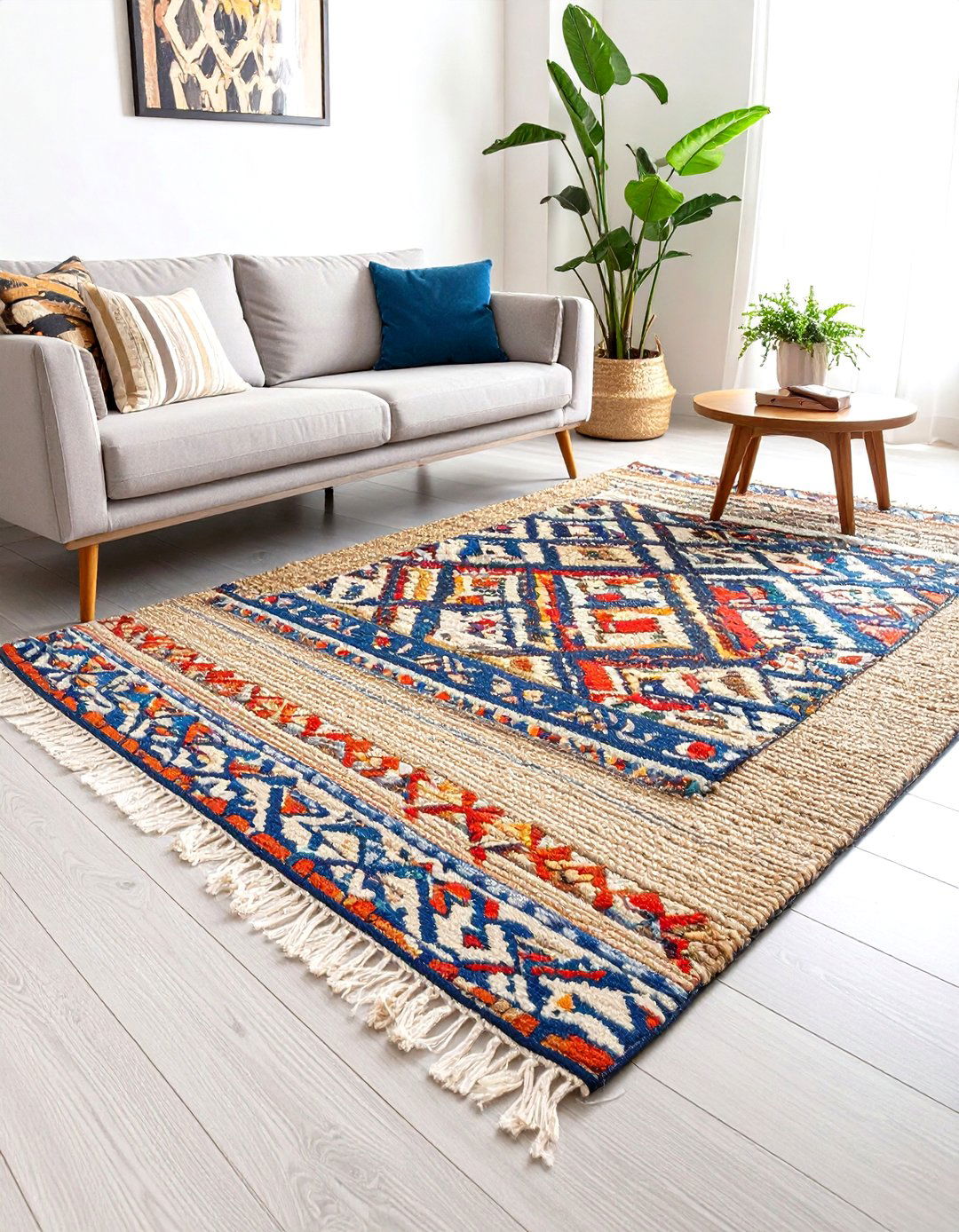
Why use one rug when you can use several? A postmodern approach to floor coverings involves layering multiple rugs of different sizes, shapes, and patterns. An angular, geometric rug might be placed over a larger, more organic-shaped one. This creates a collage-like effect on the floor, adding depth, color, and texture. This technique allows for a high degree of personalization and experimentation. It breaks up the floor plane and can be used to define different zones within an open-plan space. The result is a unique, richly textured foundation that feels curated and intentionally eclectic, challenging the idea of a single, uniform floor covering.

20. Whimsical Lighting Fixtures
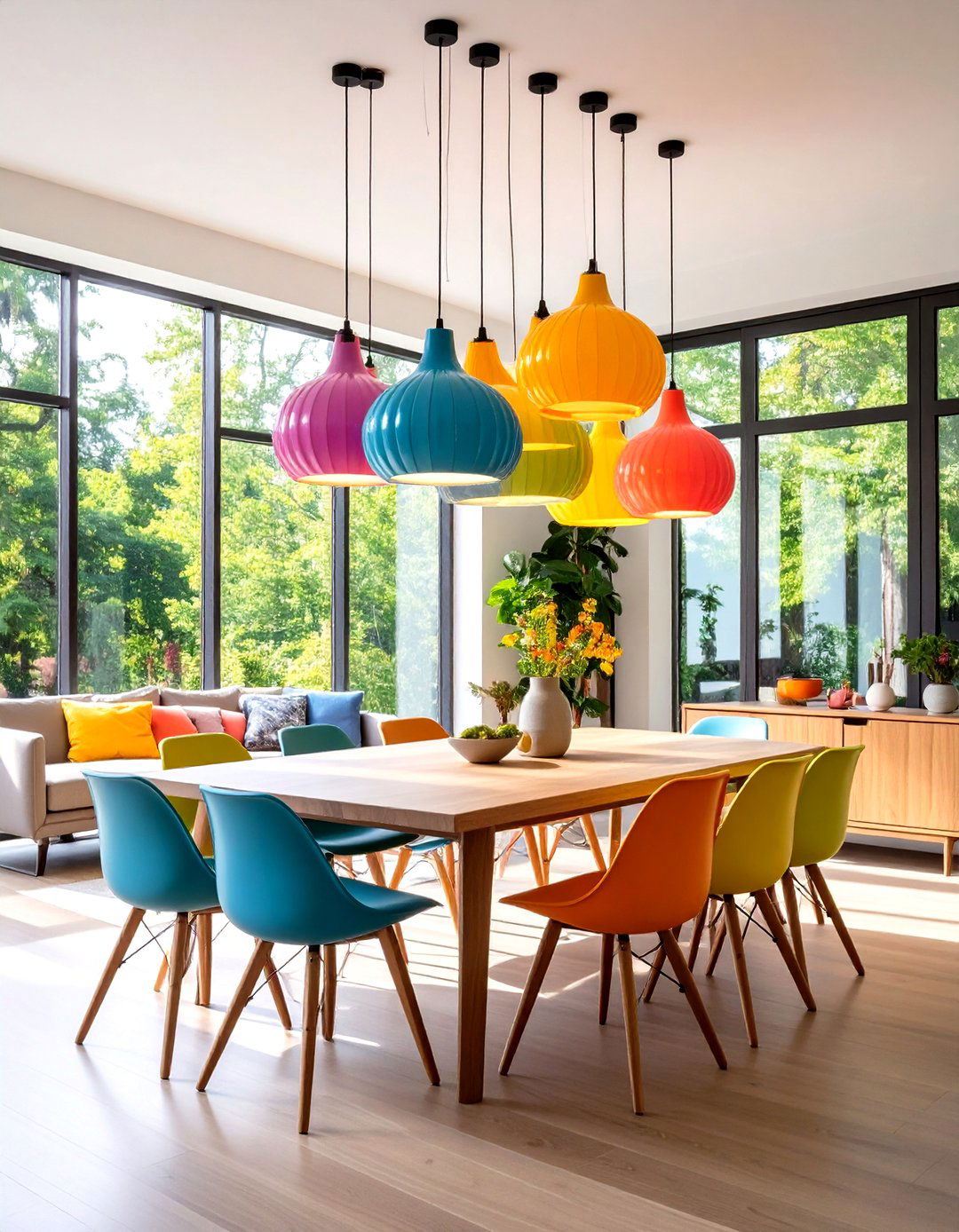
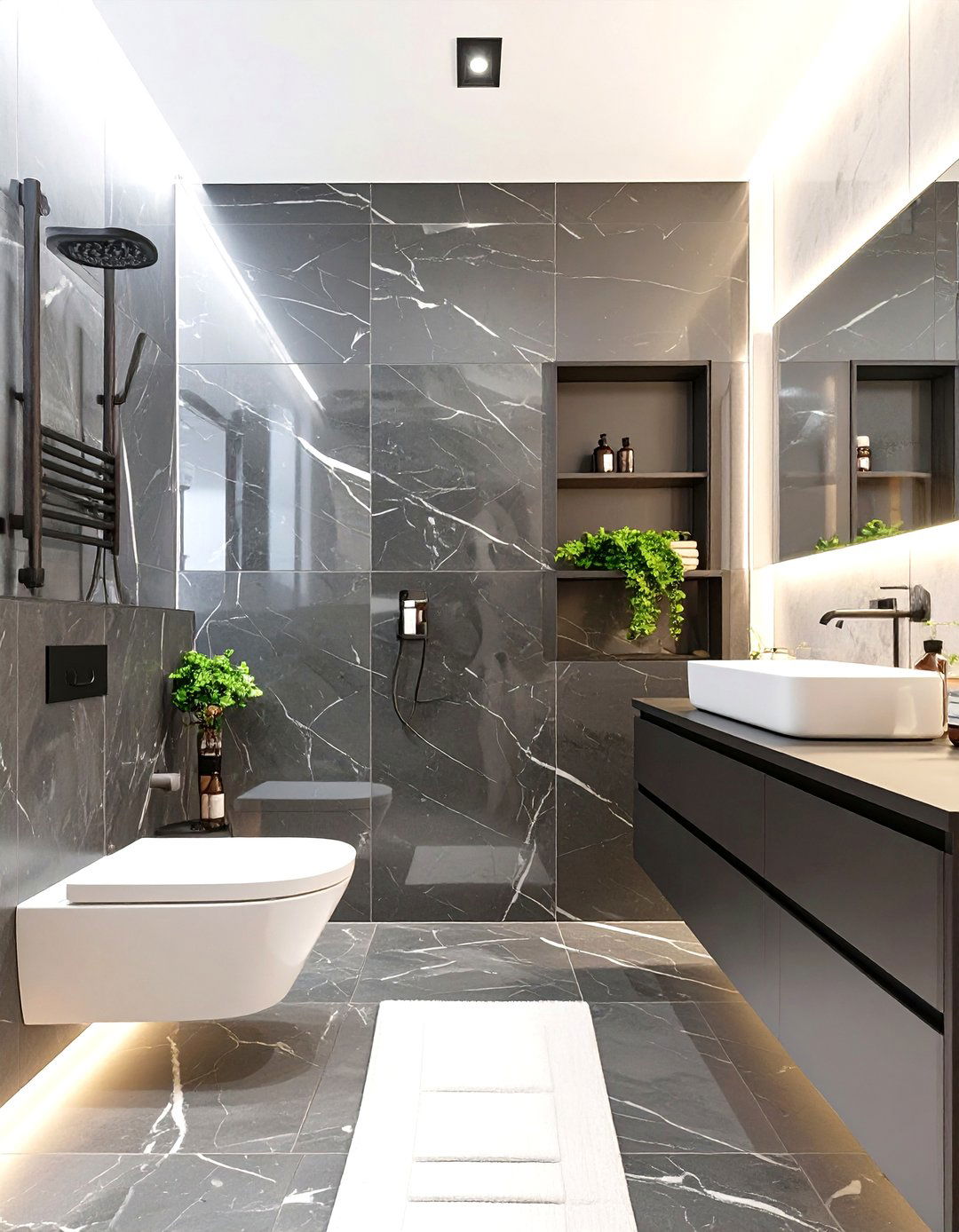
Lighting in a postmodern interior is an opportunity for artistic expression. Move away from standard fixtures and seek out lights that are sculptural, colorful, and whimsical. Look for pendants shaped like animals, table lamps with quirky bases, or chandeliers made from unconventional materials. The "Artichoke" lamp by Poul Henningsen or the "Arco" floor lamp by Achille Castiglioni, though technically mid-century, were embraced by postmodernists for their sculptural qualities. These fixtures are more than just sources of light; they are key decorative elements that contribute to the room's overall playful and artistic narrative, adding a unique personality.
21. Gallery Walls with Mismatched Frames
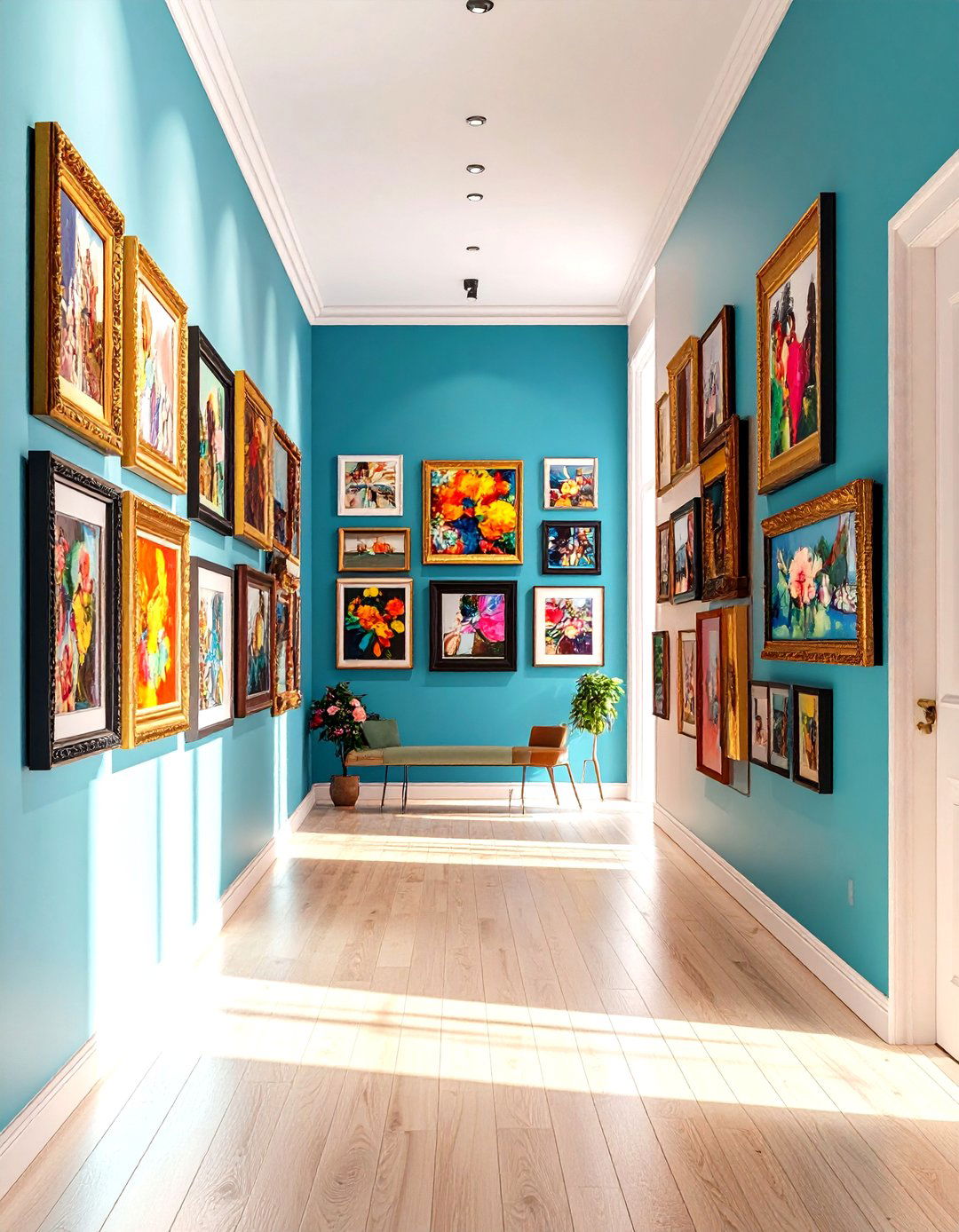
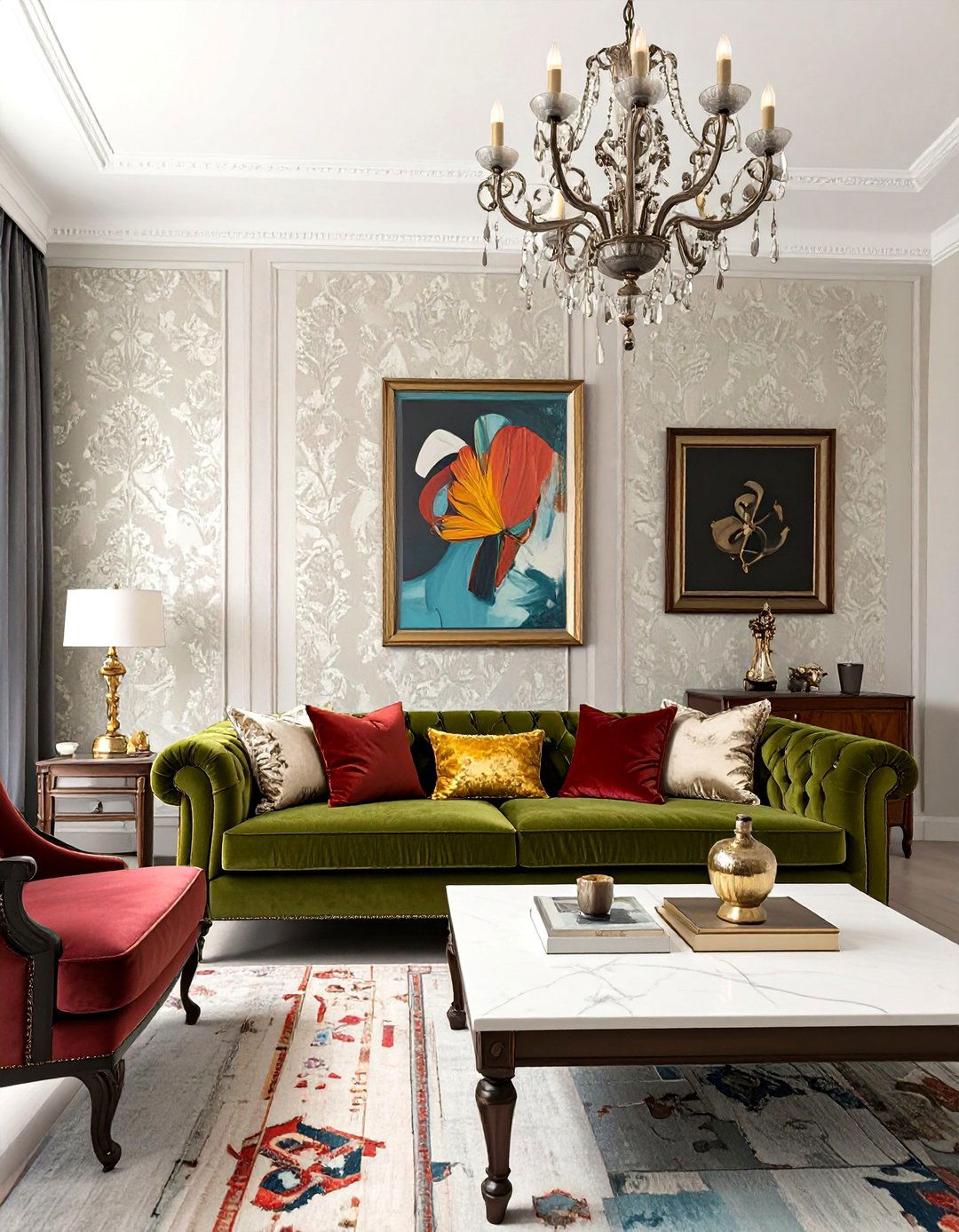
The gallery wall gets a postmodern update by embracing eclecticism and rejecting uniformity. Create a collection of art and prints, but display them in a wide variety of mismatched frames. Mix ornate, gilded frames with simple, modern ones. Combine different colors, materials, and sizes to create a dynamic and visually rich display. The arrangement itself should feel organic and slightly random rather than rigidly gridded. This approach reflects the postmodern love for collage and pastiche, showcasing a personal collection of images in a way that feels both curated and effortlessly assembled, celebrating individuality over conformity.
22. Color-Blocked Walls and Furniture
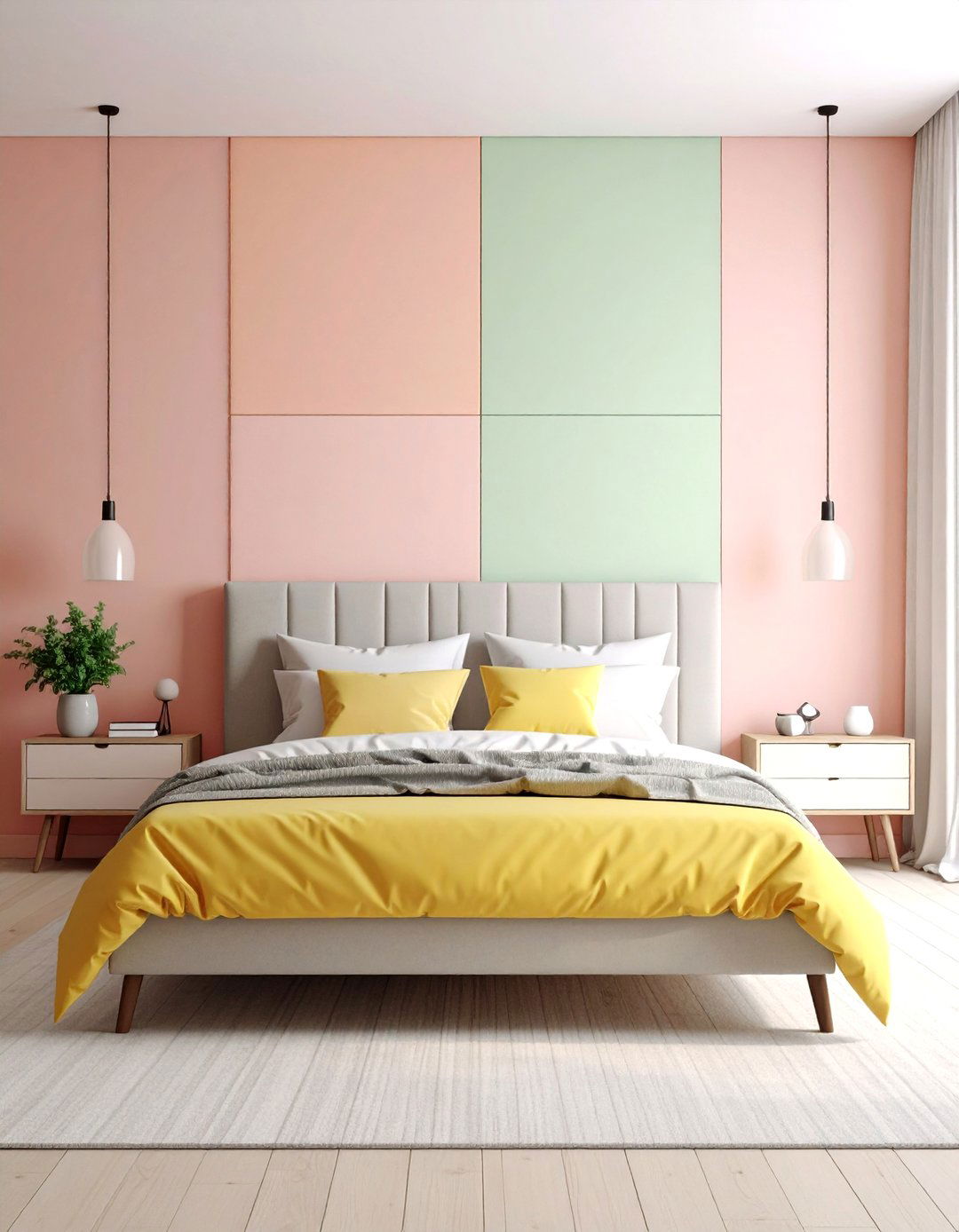
Color blocking is a technique where large, solid blocks of color are used to define spaces and create visual interest. Paint one wall a vibrant hue, or paint different sections of a single wall in contrasting colors to create a graphic, abstract composition. This concept can also be applied to furniture, such as a sideboard with each door painted a different color. Color blocking is a powerful tool for creating a bold statement without relying on pattern. It adds a sense of structure and architectural interest to a room while fully embracing the postmodern love for audacious, high-impact color palettes.
23. Concrete as a Finished Surface
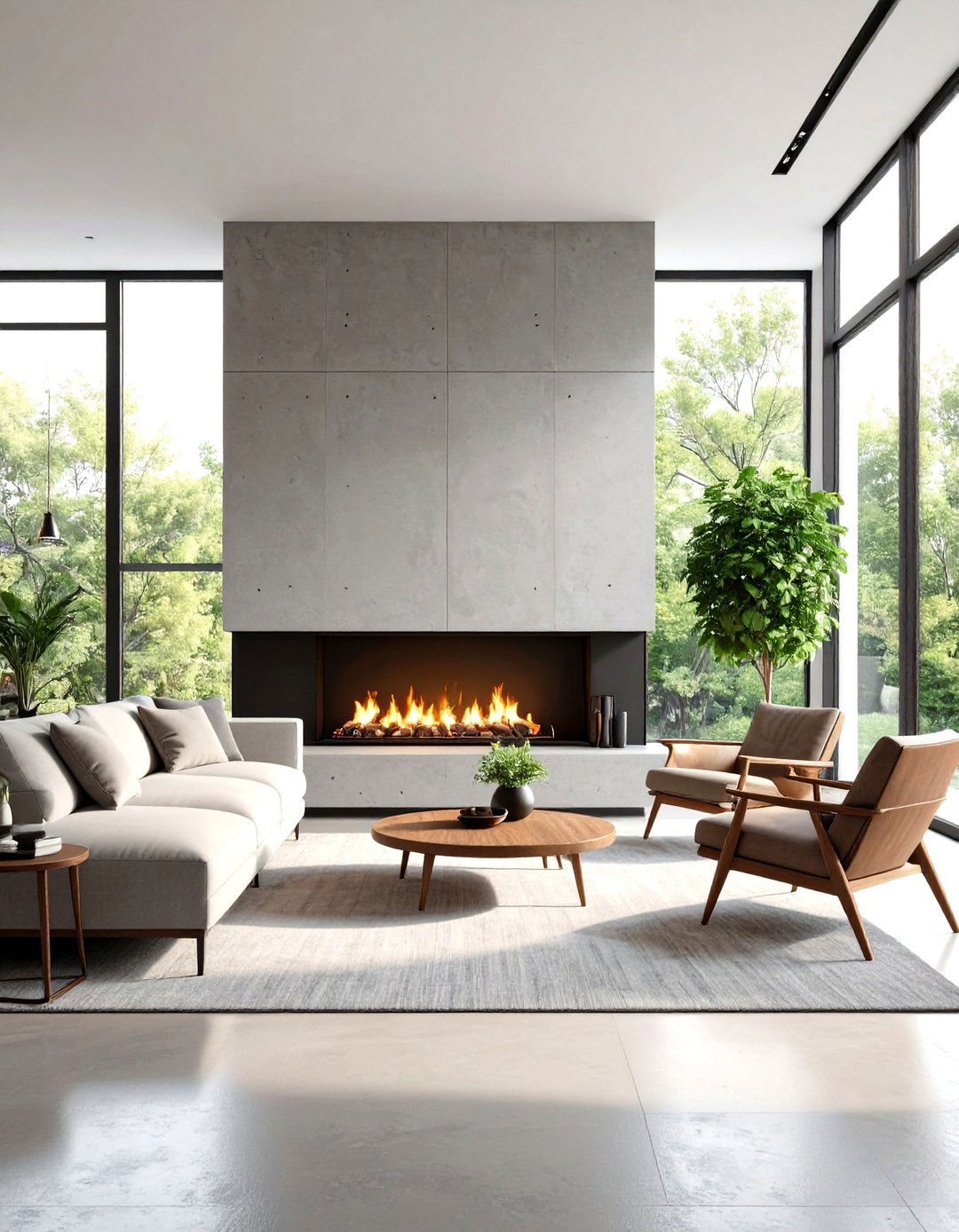
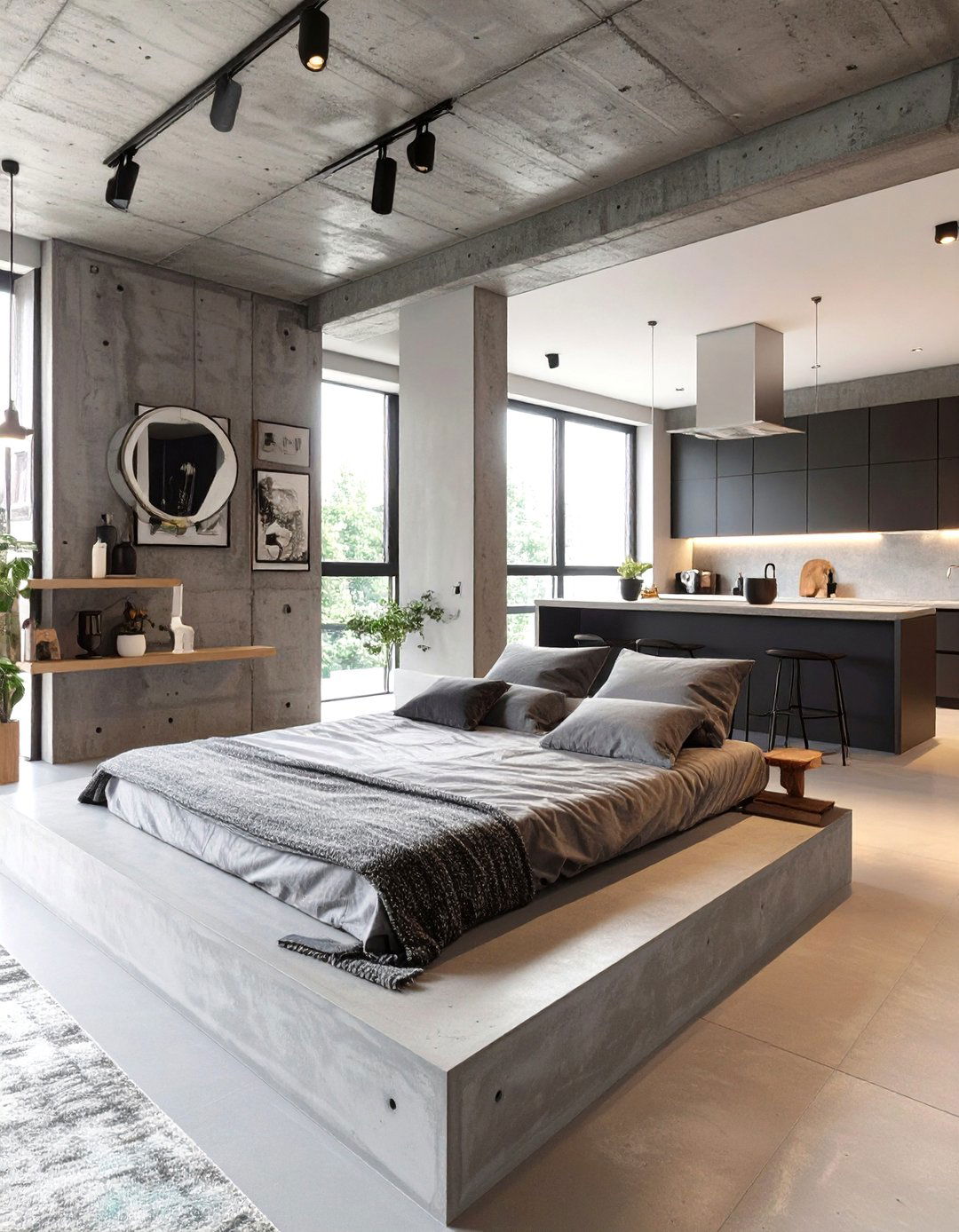
While often associated with brutalism, concrete was adopted by postmodern designers as a finished surface within interiors. Polished concrete floors provide a sleek, industrial-chic foundation that can be beautifully contrasted with soft, colorful furnishings. Concrete can also be used for kitchen countertops, built-in shelving, or even as a fireplace surround. Its raw, textural quality provides an interesting counterpoint to the more playful and colorful elements of postmodern design. Using this humble, industrial material in a refined domestic setting is a classic postmodern move, blurring the lines between construction and finishing, creating a sophisticated edge.
24. Unconventional Room Dividers
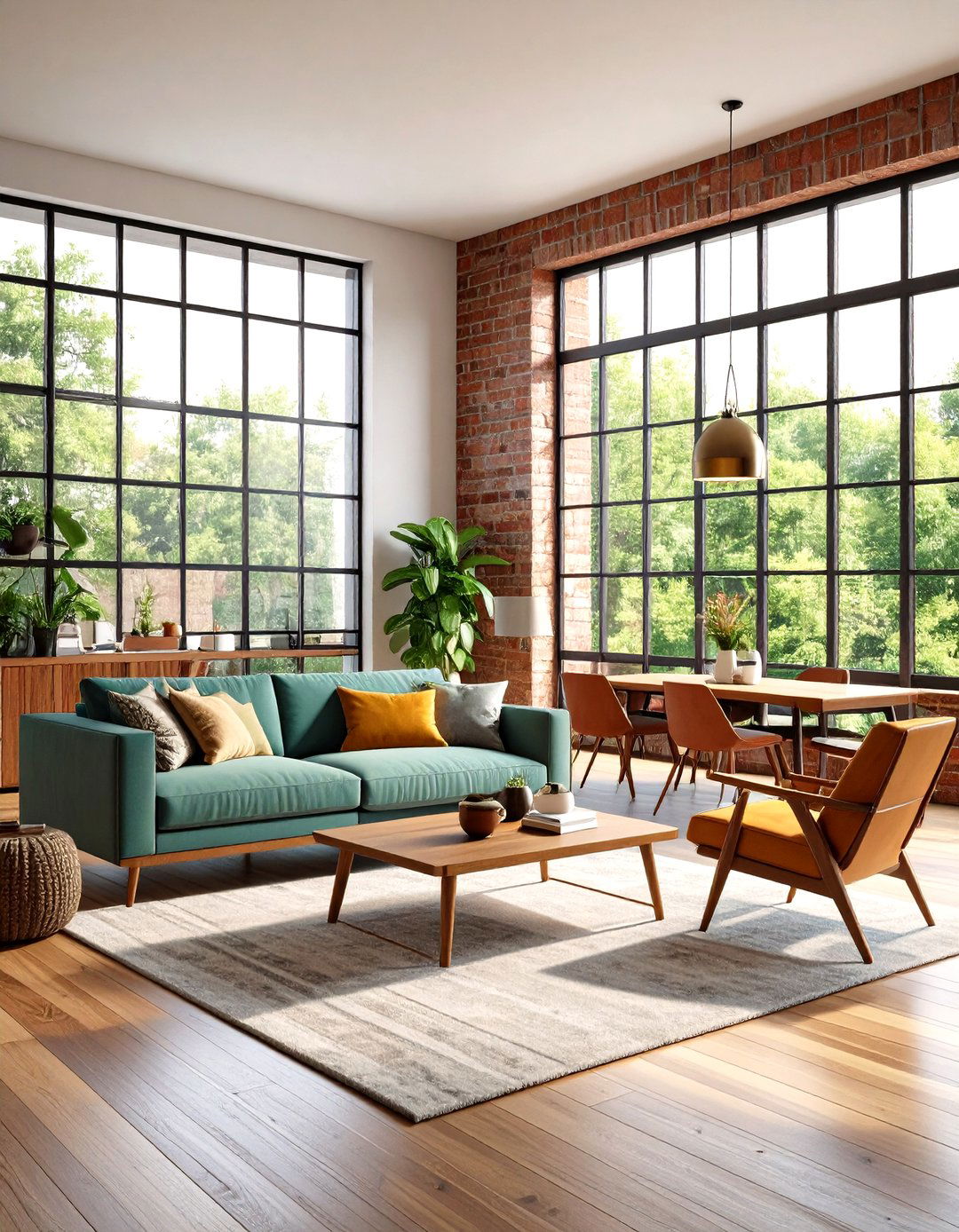
In open-plan spaces, postmodern design uses creative and unconventional dividers to define zones. Instead of a solid wall, consider a divider made from glass blocks, which allow light to pass through while providing a sense of separation and a distinct retro vibe. Other options include sculptural screens made from perforated metal, freestanding bookcases with asymmetrical shelving, or even a curtain made from colorful plastic discs. These dividers act as functional sculptures within the room, adding architectural interest and reinforcing the playful, rule-breaking ethos of the design style. They separate space without fully enclosing it.
25. Animal Prints and Motifs
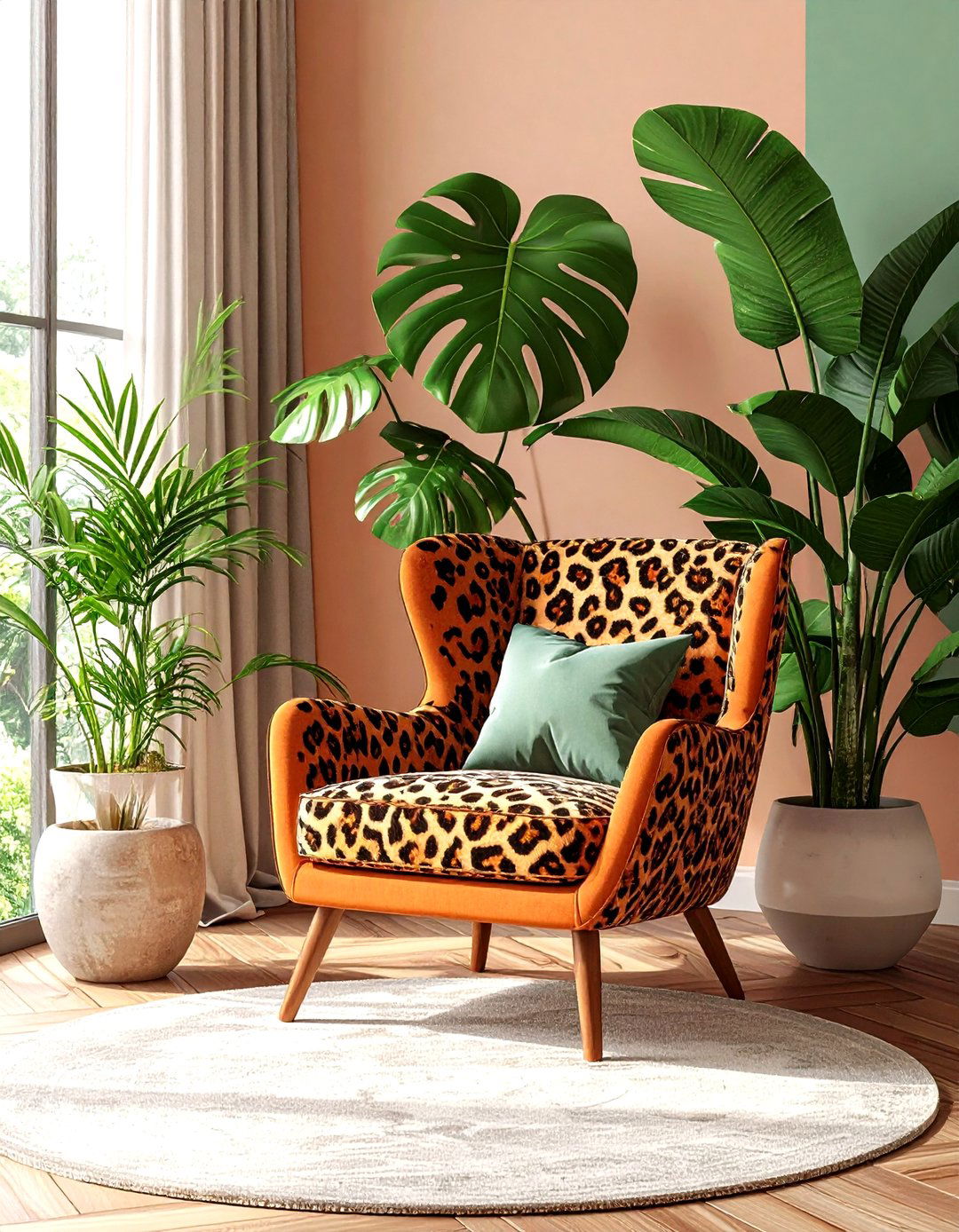
Animal prints, particularly in unnatural colors, are a fun and flamboyant element of postmodern decor. A zebra-print rug in hot pink and black or leopard-print upholstery on an accent chair adds a touch of wild, kitschy glamour. Beyond prints, animal motifs can appear in the form of sculptures or lamp bases—think a ceramic panther or a flamingo-shaped table lamp. This use of animal imagery adds a layer of exoticism and humor to the interior. It’s a bold choice that signals a confident and playful approach to decorating, rejecting subtlety in favor of a more-is-more philosophy that is unapologetically fun.
26. High-Gloss Lacquered Surfaces
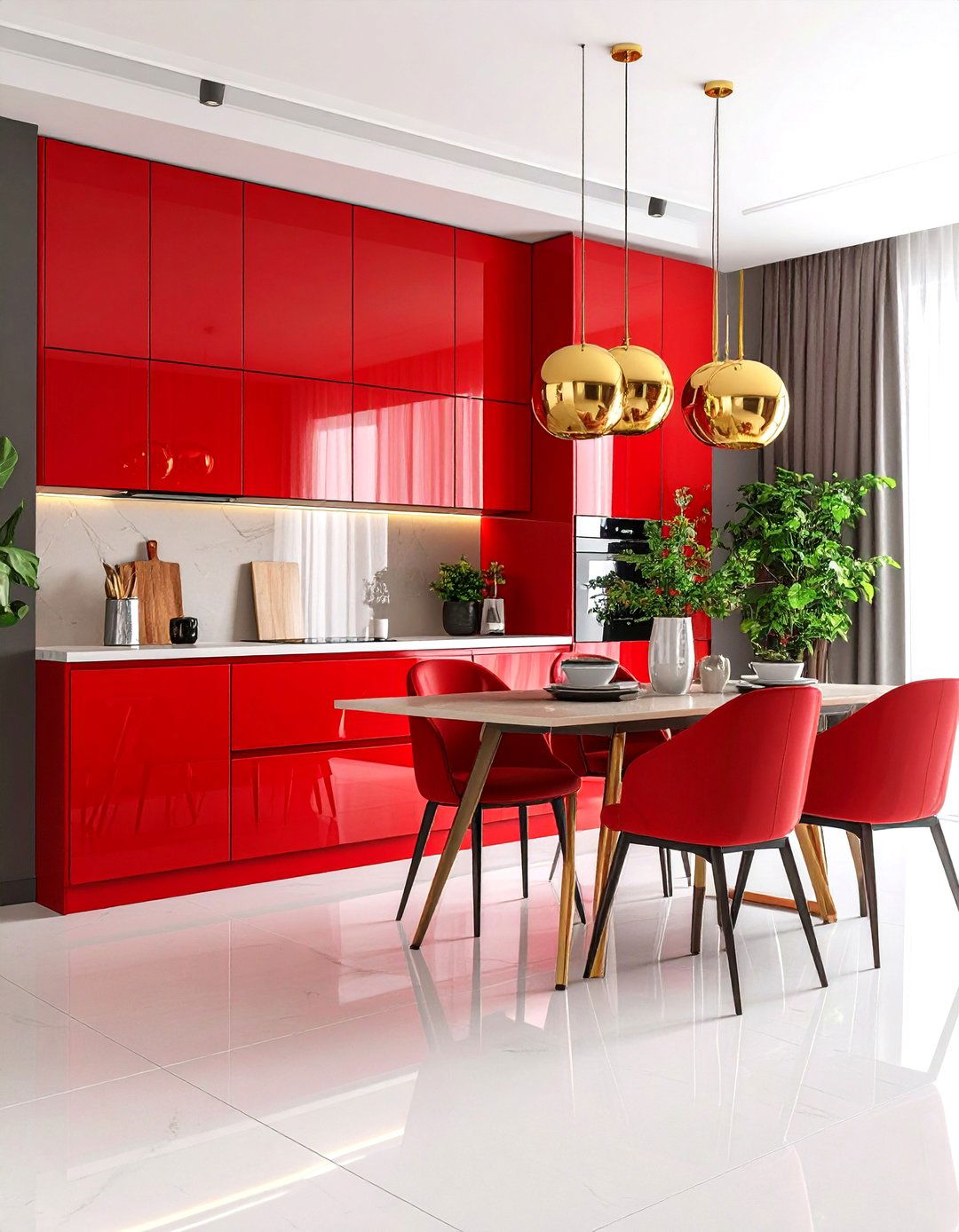
The slick, reflective quality of high-gloss lacquer was a favorite finish in the postmodern era. It brings a sense of glamour and modernity to any piece of furniture. Kitchen cabinets, sideboards, or coffee tables finished in a thick, shiny lacquer—often in a bold color like red, yellow, or cobalt blue—become immediate focal points. The mirror-like surface reflects light and color, enhancing the vibrancy of the space. This finish feels both luxurious and slightly artificial, a combination that perfectly captures the postmodern spirit. It contrasts beautifully with matte or textured surfaces, adding another layer of visual complexity.
27. Curved and Rounded Forms
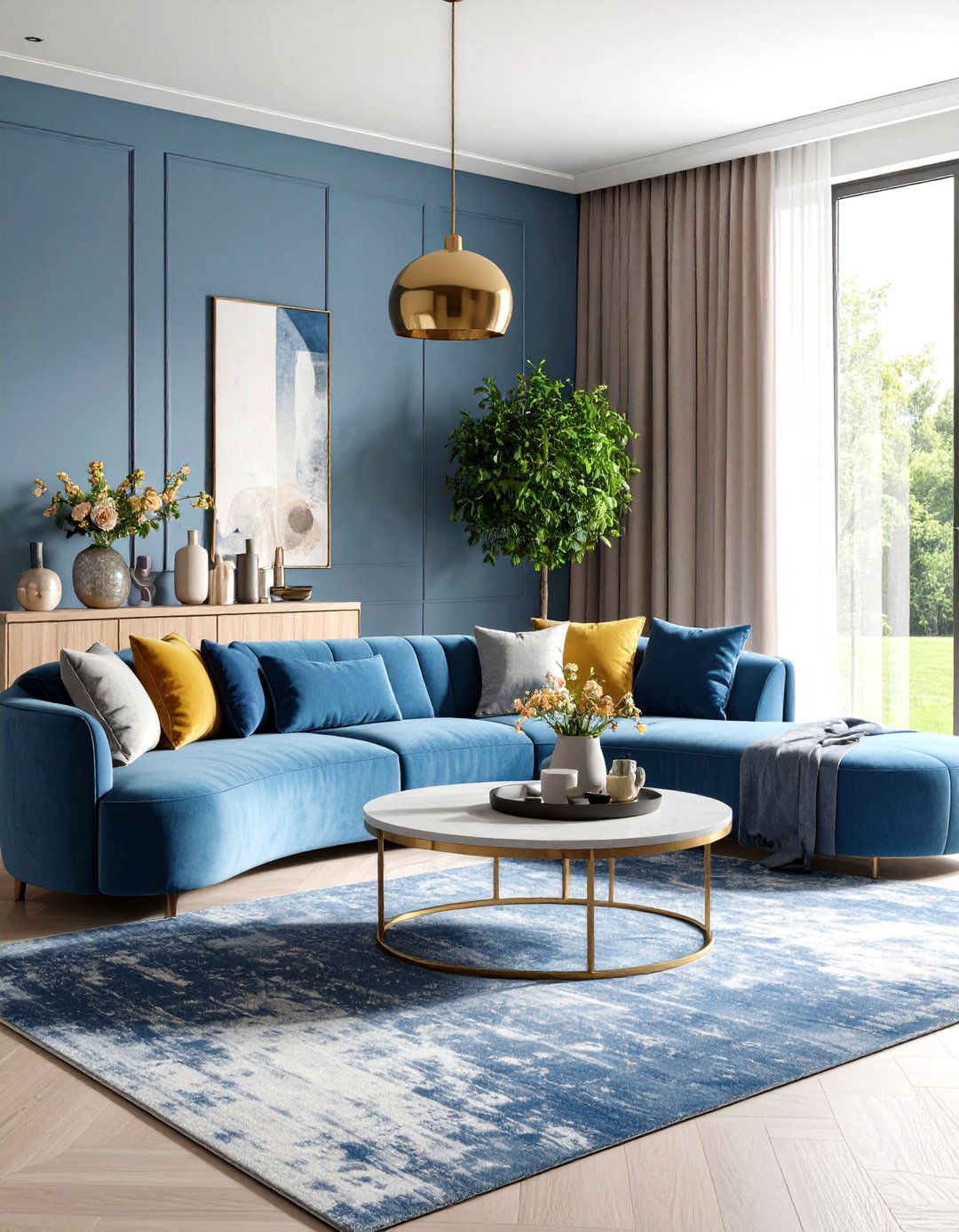
In reaction to the sharp, straight lines of modernism, postmodern design embraced the curve. Furniture, architectural details, and decor often feature soft, rounded edges and undulating forms. Think of sofas that curve in a semi-circle, arched doorways and windows, or round coffee tables. These shapes create a more fluid and organic feel in a room, encouraging movement and flow. Curved forms feel welcoming and visually interesting, breaking up the monotony of a boxy space. This emphasis on roundness contributes to the playful and approachable nature of the style, softening its more radical and angular elements.
28. Perforated Metal and Mesh
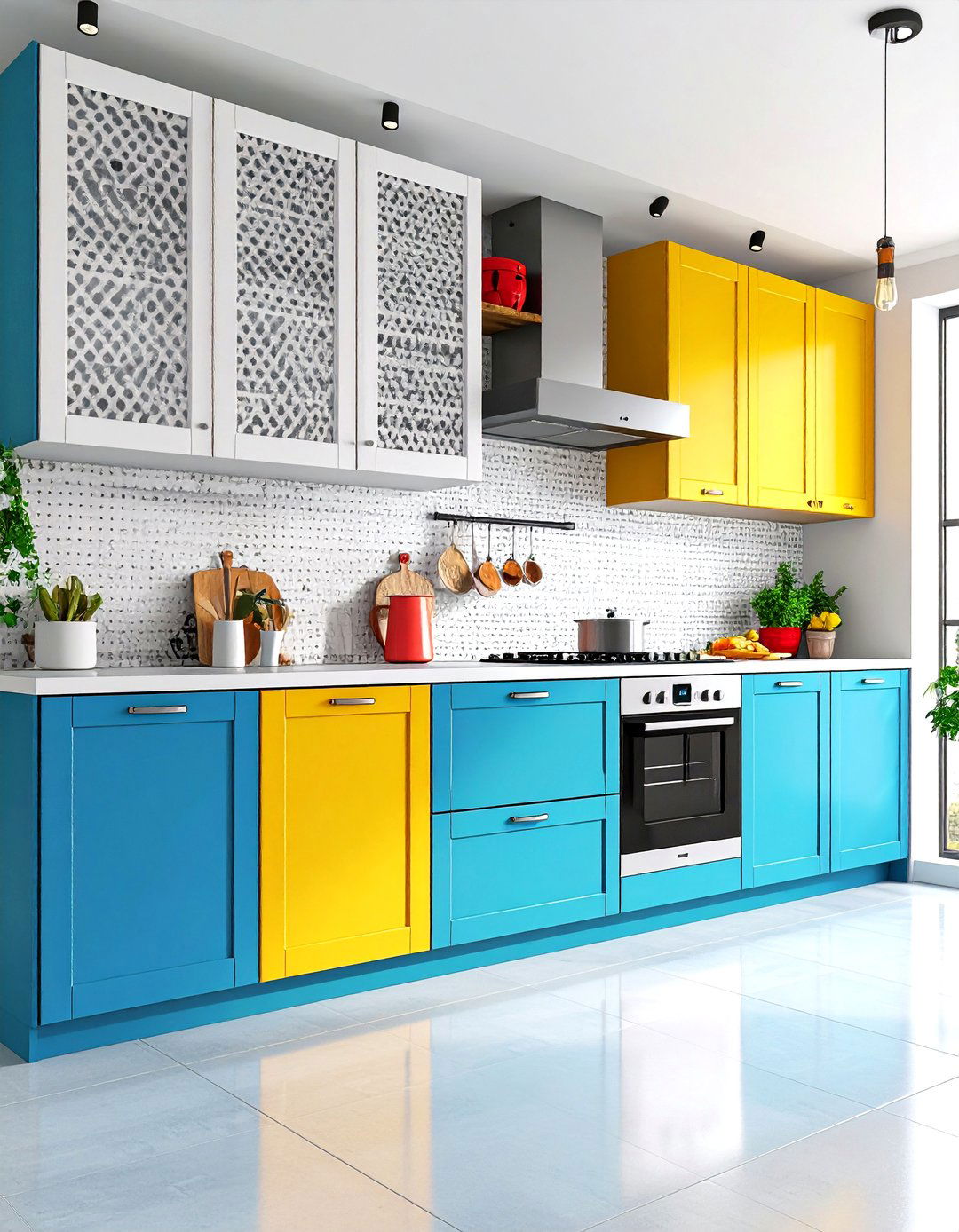
The use of industrial materials like perforated metal or wire mesh adds a textural and semi-transparent quality to postmodern interiors. This material can be used for cabinet doors, room dividers, or as a detail on furniture. It allows for a hint of what is behind it, creating a sense of layered depth. The geometric pattern of the perforations also aligns with the style's love for grids and graphics. Often finished in a bright color or left in its raw metallic state, perforated metal adds an urban, industrial edge that contrasts well with softer, more colorful elements in the room.
29. Pedestals and Columns as Decor
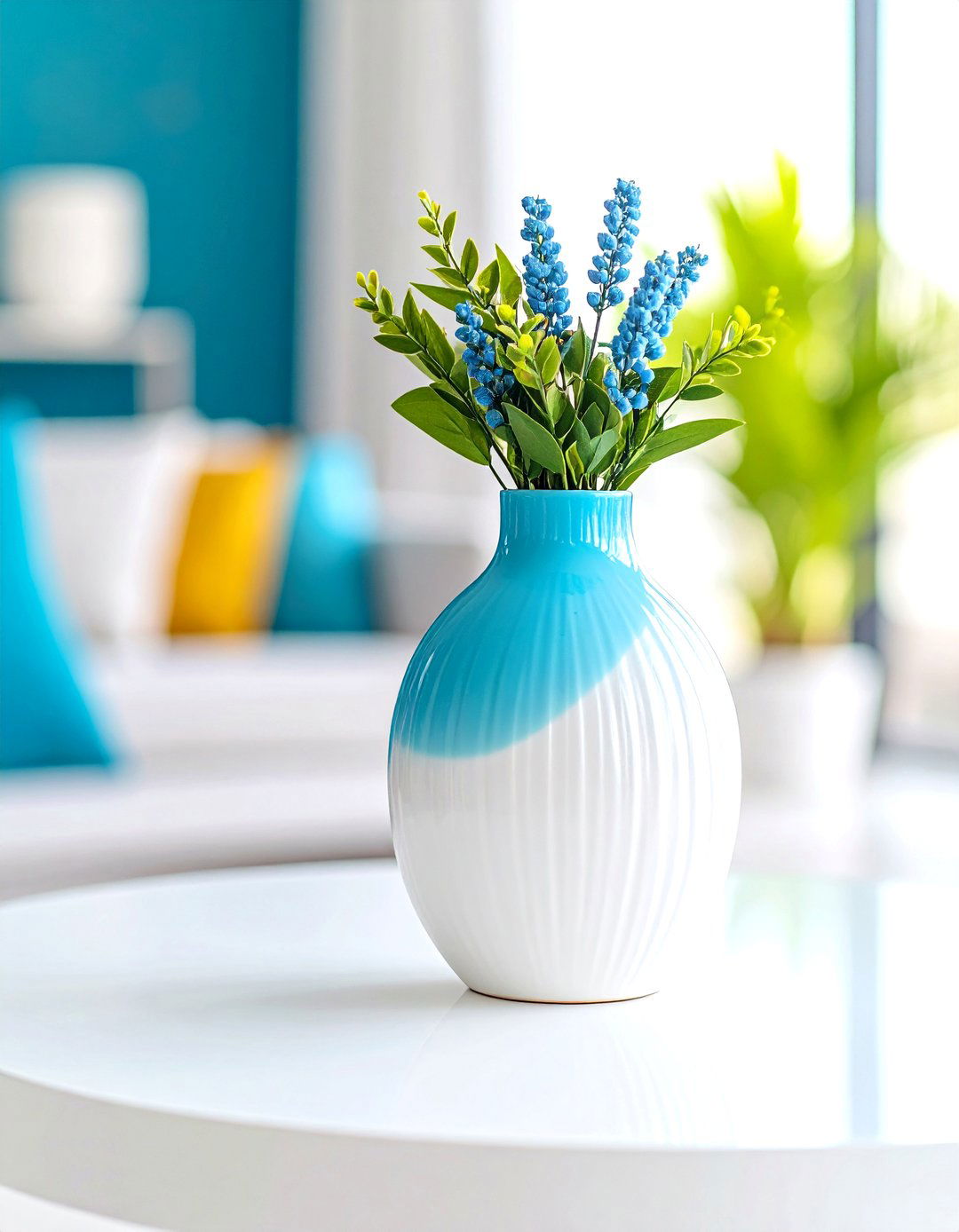
Drawing from classical architecture, postmodern design often uses pedestals and columns as purely decorative objects. A simple pedestal might be placed in a corner to display a single, ironic object like a colorful vase or a quirky sculpture. Columns, sometimes fragmented or made from unexpected materials, can be used to frame a space or simply stand alone as sculptural elements. This removes these architectural forms from their traditional structural context and treats them as art. It’s a witty and referential gesture that adds a sense of history and grandeur, but with a distinctly playful and non-functional twist.
30. Kitsch and Pop Culture Objects
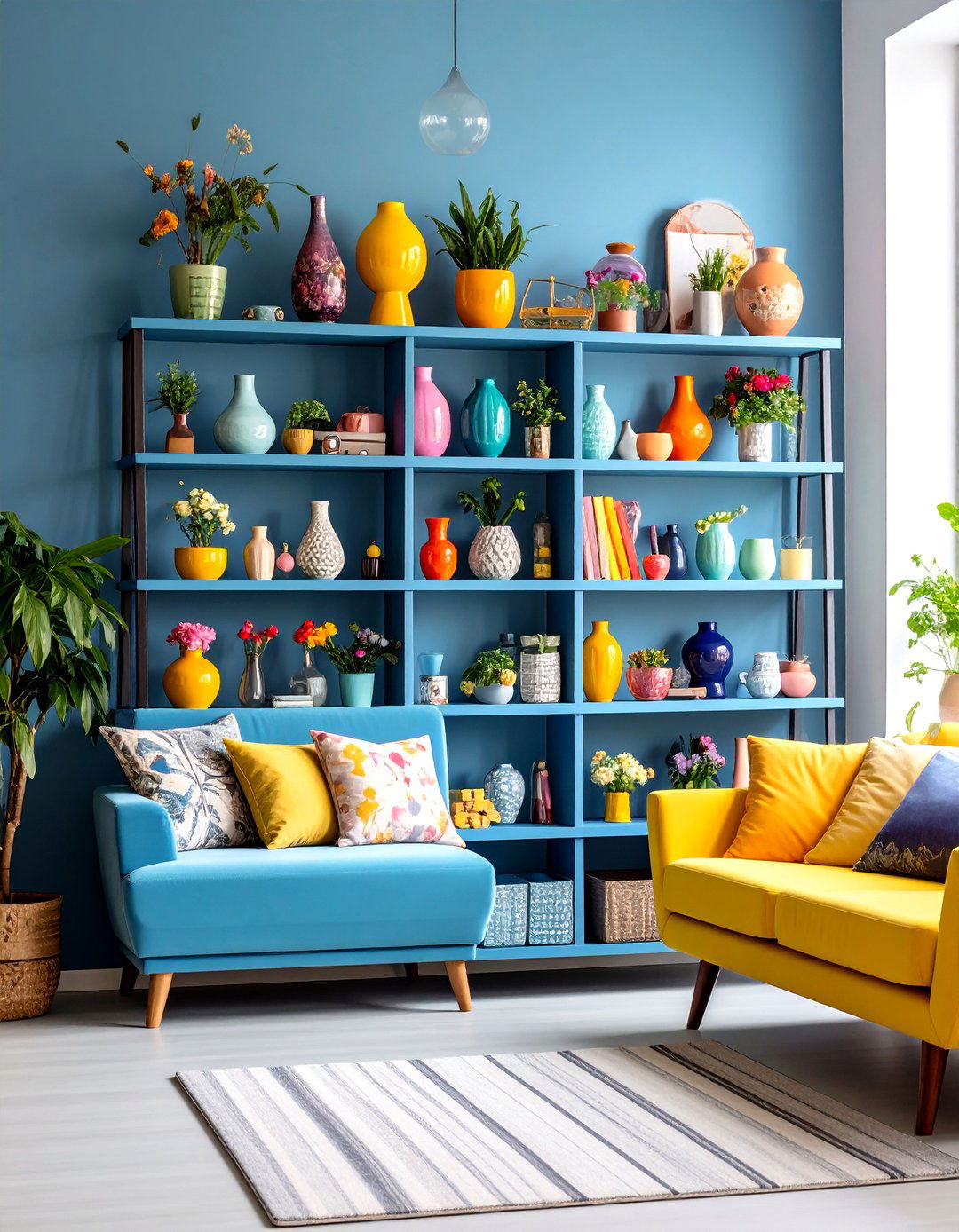
Embracing what might traditionally be considered "bad taste" is a hallmark of postmodernism. Kitsch objects—items that are sentimental, humorous, or mass-produced—are celebrated and displayed with pride. Think ceramic figurines, lava lamps, or memorabilia from old movies and advertisements. These items are chosen for their nostalgic or ironic value and are integrated into the decor to add personality and a sense of humor. Displaying kitsch is a way of rejecting design elitism and celebrating popular culture in all its forms. It ensures the space feels personal, unpretentious, and full of stories, making it uniquely livable.
Conclusion:
Postmodern interior design is a celebration of freedom, personality, and playful rebellion. By blending historical references with bold colors, sculptural forms, and a mix of materials, it creates spaces that are anything but boring. The style encourages you to break the rules, mix high and low, and fill your home with objects that are witty and meaningful to you. Whether through a single piece of Memphis-inspired furniture or a full commitment to clashing patterns and deconstructed elements, postmodernism offers endless ways to create an interior that is expressive, dynamic, and uniquely your own.

Related posts:


Leave a Reply