
The 1960s was a decade of radical change, and its interior design reflects that vibrant, rebellious away from the rigid conformity of the 50s, 60s homes became canvases for self-expression, filled with bold colors, futuristic shapes, and a playful sense of era embraced everything from the organic curves of nature to the sleek lines of the space race, creating a diverse and exciting aesthetic that continues to inspire designers the earthy tones of early-decade modernism to the psychedelic explosion of color in the late 60s, the design landscape was rich with was a time of open-plan living, where furniture became functional art and patterns clashed in glorious harmony.
1. The Sunken Living Room Lounge
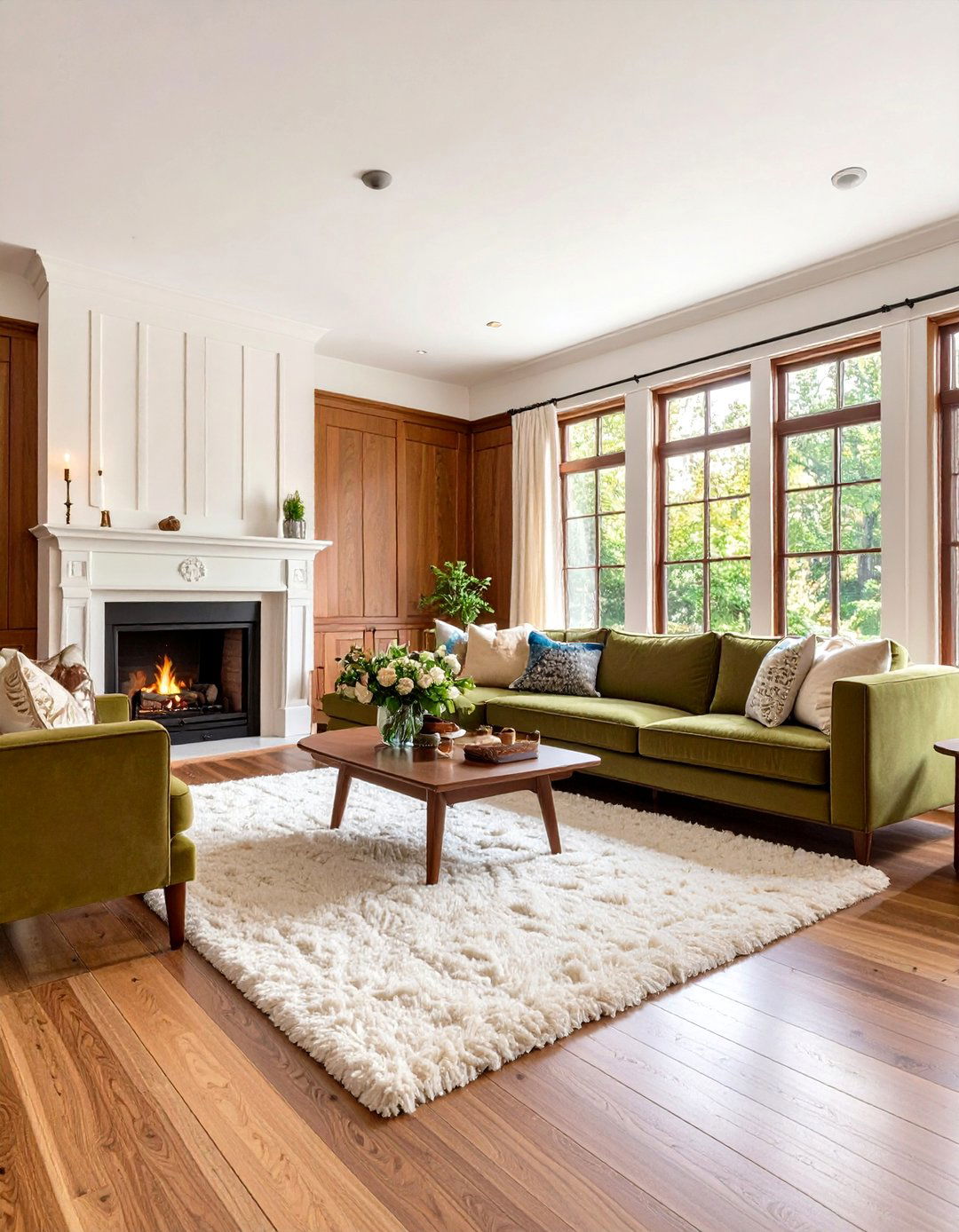
Imagine stepping down into a conversation pit, a hallmark of sophisticated 60s architecture that encouraged intimacy and social design centers around a built-in, multi-level seating area, often upholstered in rich, textured fabrics like tweed or velvet in shades of avocado green or burnt surrounding space features low-profile furniture, a shag rug underfoot, and perhaps a freestanding fireplace as a central focal wood paneling on the walls adds warmth, while large, unadorned windows connect the cozy interior with the outdoors, creating a seamless flow for both relaxation and entertaining.
2. Pop Art Inspired Kitchen
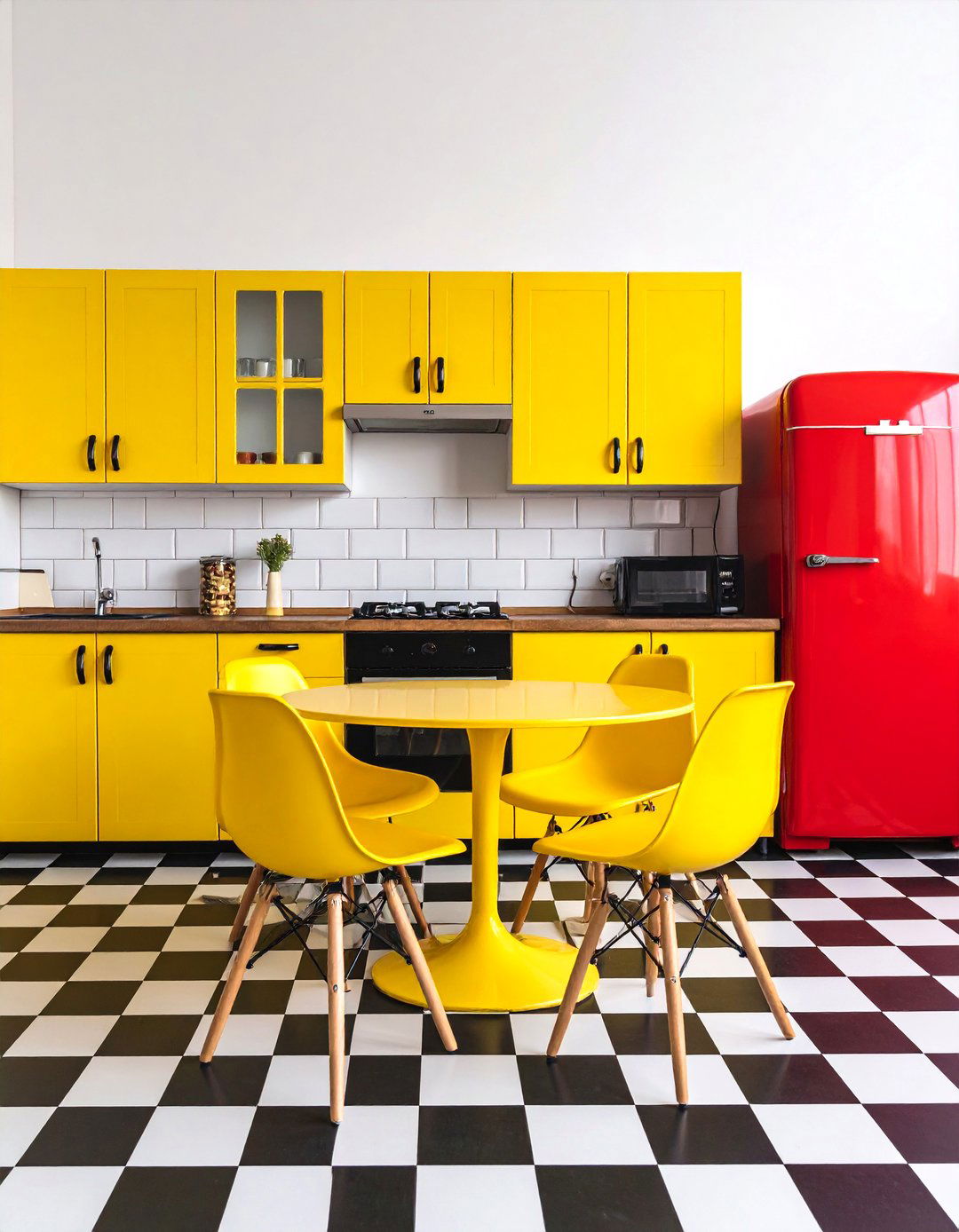
A kitchen bursting with the bold, graphic energy of Pop Art is a quintessential 60s cabinetry in high-gloss, primary colors like sunshine yellow or fire-engine red, contrasted with black-and-white checkerboard become design features, with rounded, retro-style refrigerators in candy backsplash might feature repeating geometric patterns or even a stylized comic book print. Simple, molded plastic chairs surround a laminate-topped tulip table, creating a space that feels both playful and functional, a true celebration of mass culture and vibrant design that makes every meal feel like an event.
3. The Psychedelic Bedroom Escape
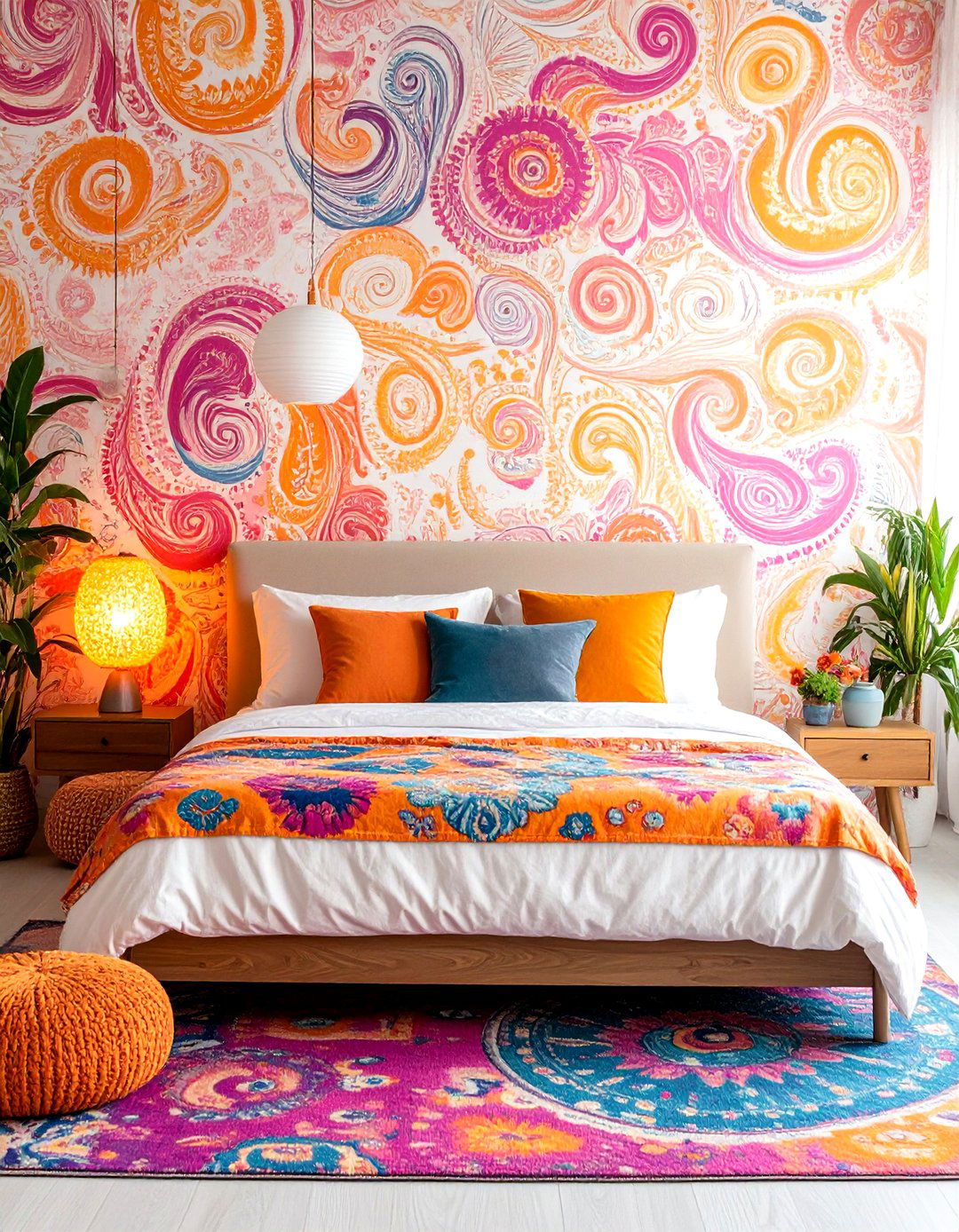
What if your bedroom was a portal to another dimension? This theme channels the late-60s counterculture with swirling, psychedelic patterns and a riot of clashing are adorned with paisley or tie-dye tapestries in hot pink, electric blue, and lime low-slung bed is covered in a vibrant, patterned bedspread, surrounded by floor cushions and bean bag chairs instead of traditional is key, with lava lamps casting a warm, undulating glow and colored light bulbs creating an immersive, otherworldly is a space designed for dreaming, introspection, and ultimate relaxation.
4. Scandinavian Modern Dining Room
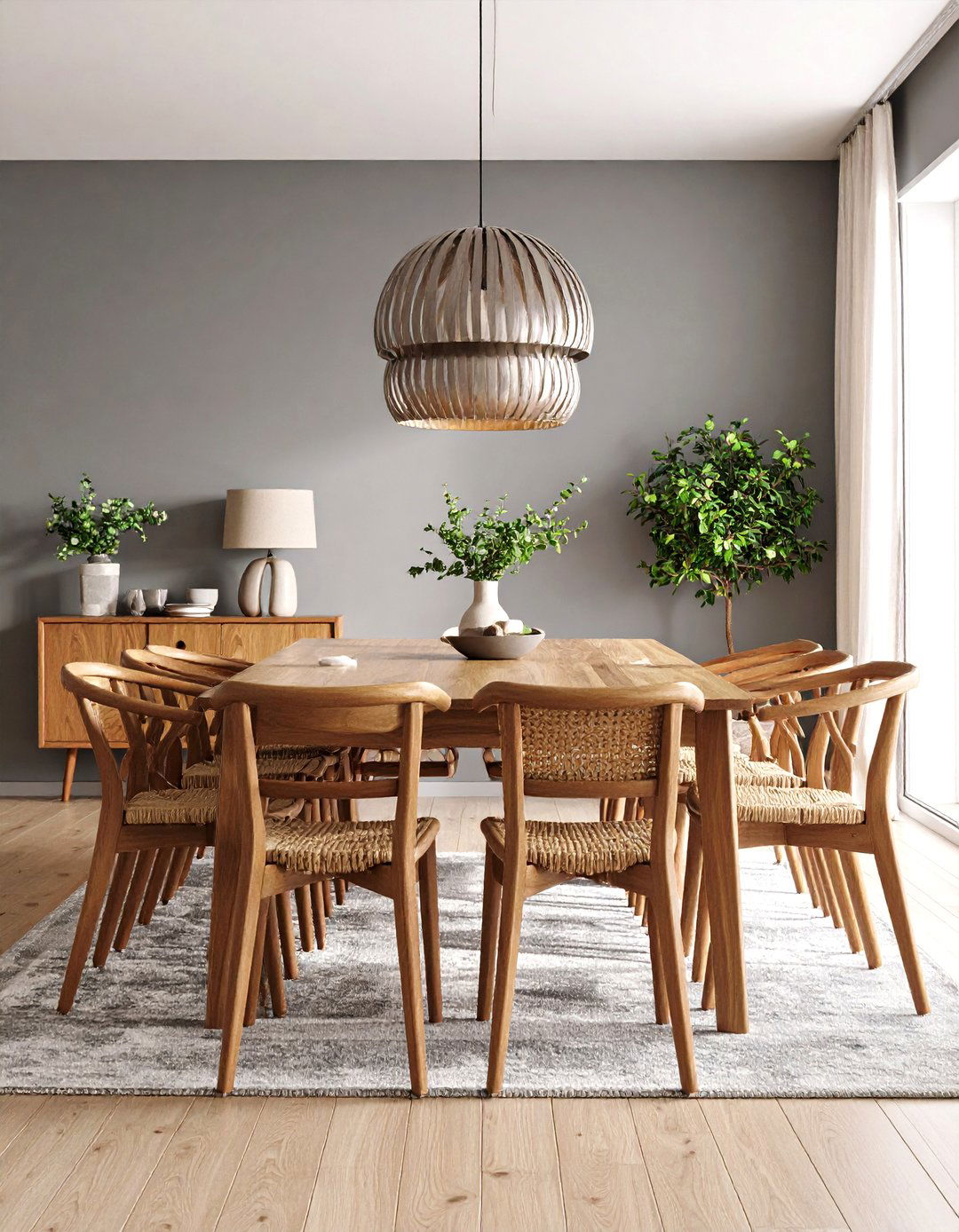
For a more restrained yet equally stylish 60s look, the Scandinavian modern dining room offers clean lines and natural aesthetic prioritizes functionality and simplicity, featuring a long, elegant teak or rosewood dining table with sleek, tapered accompanying chairs are iconic, showcasing organic curves and woven cord seats. A simple pendant light, perhaps a multi-layered metal design, hangs above the color palette is muted, with whites, grays, and soft blues dominating, accented by the warm tones of the wood. It’s a timeless look that feels both sophisticated and welcoming.
5. The Wood Paneled Home Office
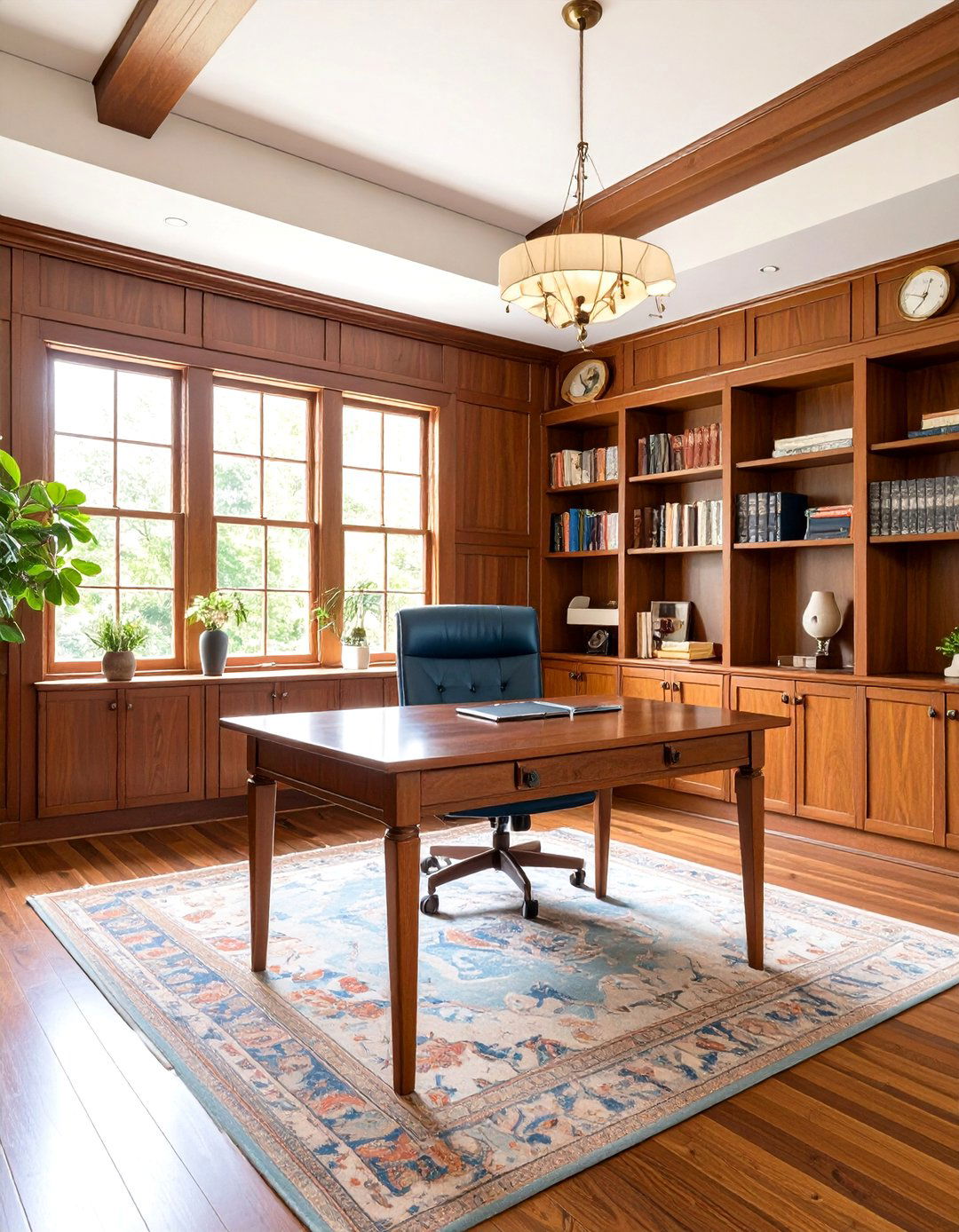
A home office from the 60s exudes a sense of distinguished warmth and focus, defined by rich wood clad in dark walnut or teak create a cozy, enveloping atmosphere perfect for centerpiece is a large, substantial desk with clean lines and minimal hardware, often paired with a sleek, ergonomic office chair in black are built-in, displaying collections of books and decorative is functional yet stylish, with a classic desk lamp providing task design creates a professional yet comfortable workspace that feels both grounded and inspiring.
6. Earthy Tones Living Space
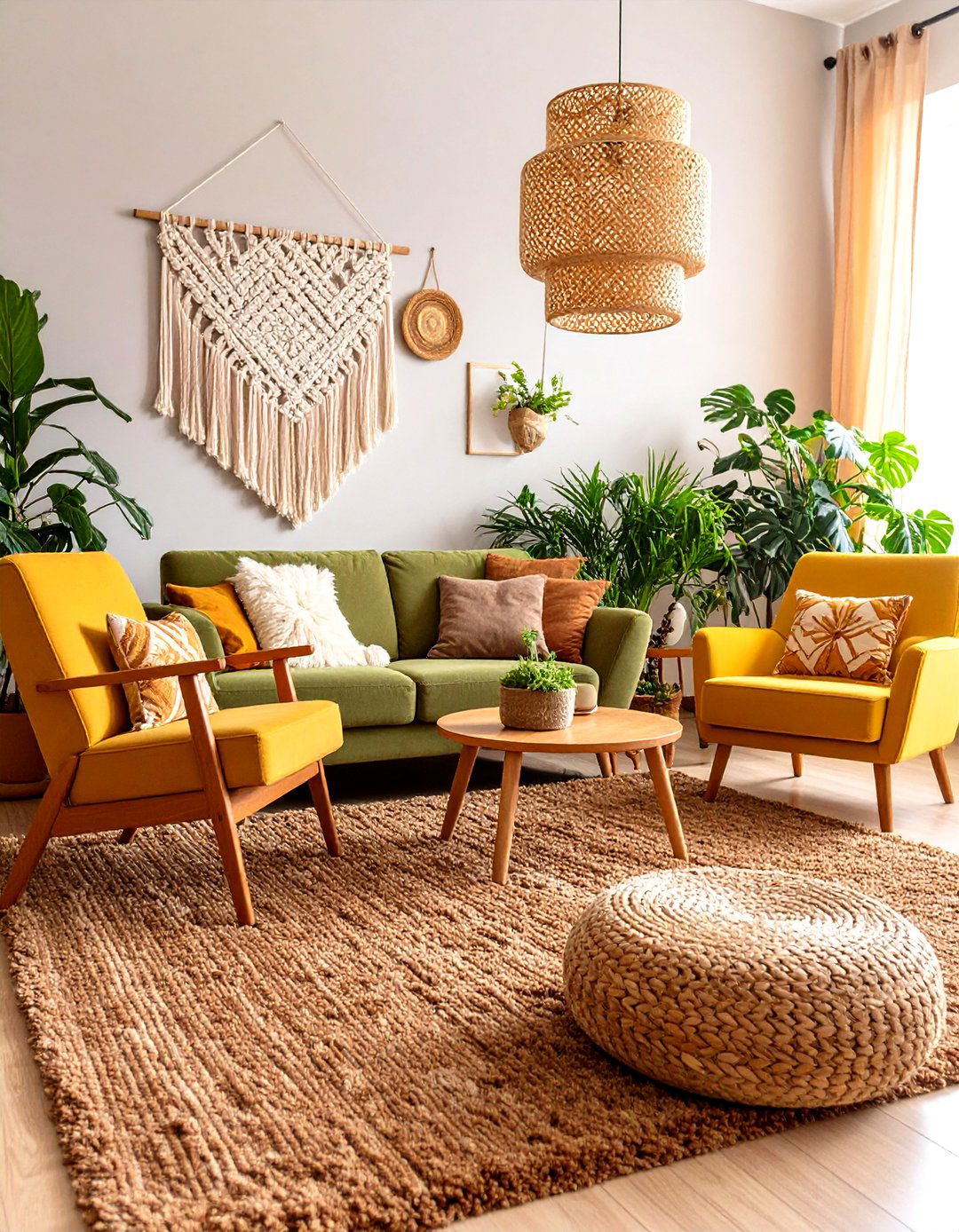
Early 60s design often embraced a more organic, earthy palette that feels incredibly calming and living space is centered around hues of avocado green, harvest gold, mustard yellow, and burnt orange. A comfortable, low-profile sofa upholstered in a textured fabric sets the tone, complemented by armchairs in a contrasting earthy carpeting in a deep brown or green adds texture and warmth include ceramic lamps with chunky bases, macrame wall hangings, and an abundance of houseplants, creating a seamless connection between the indoors and the natural world.
7. The Space Age Entertainment Room
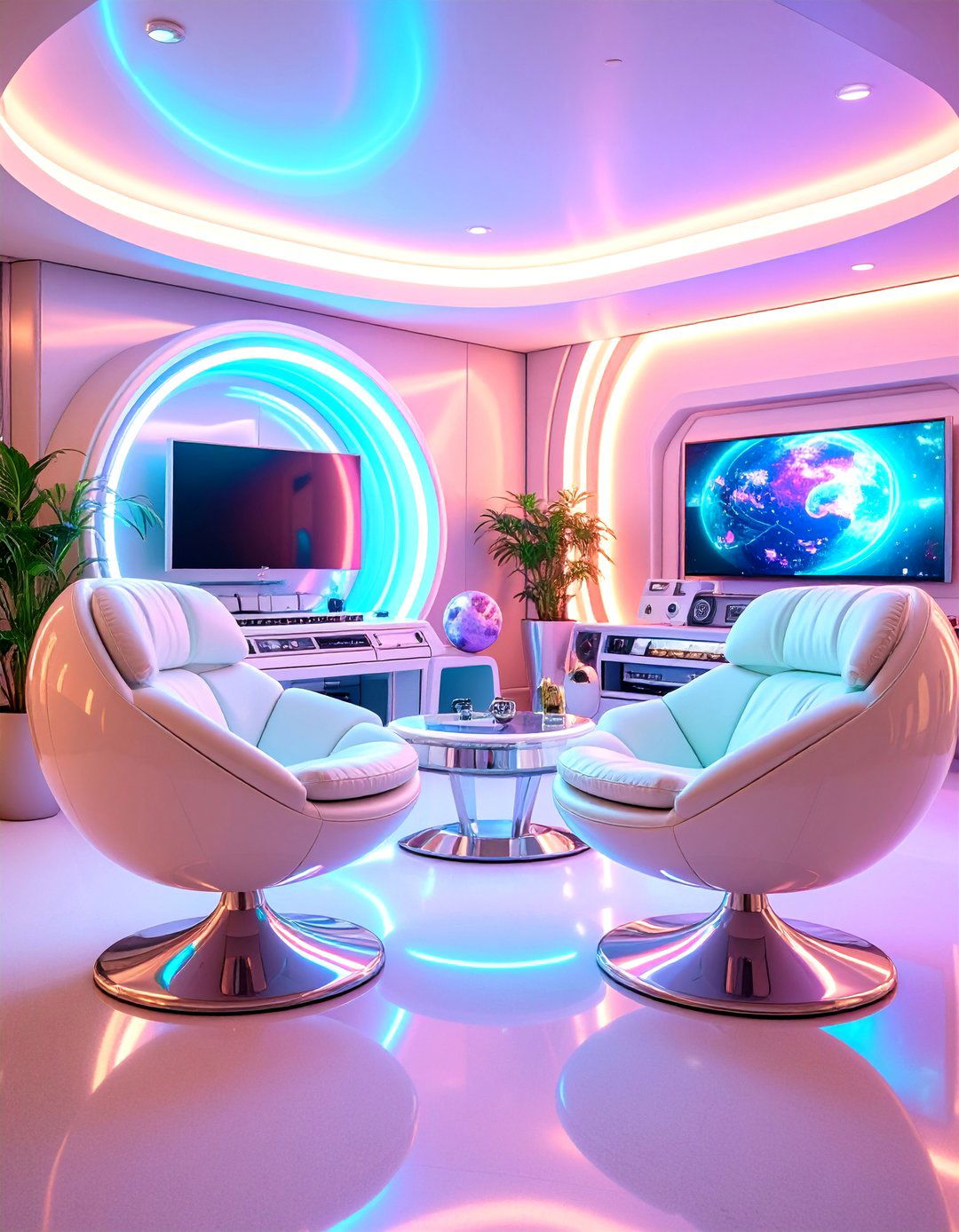
Fueled by the excitement of the space race, this design theme brings a futuristic vision into the features pod-like shapes, spherical designs, and materials like molded plastic, fiberglass, and of a ball chair or a transparent bubble chair suspended from the color palette is often a clean white and silver, punctuated by a bold accent color like orange or technology, like a state-of-the-art stereo console, is proudly displayed as a central is a sleek, optimistic design that captures the era's fascination with the future.
8. Geometric Patterned Bathroom
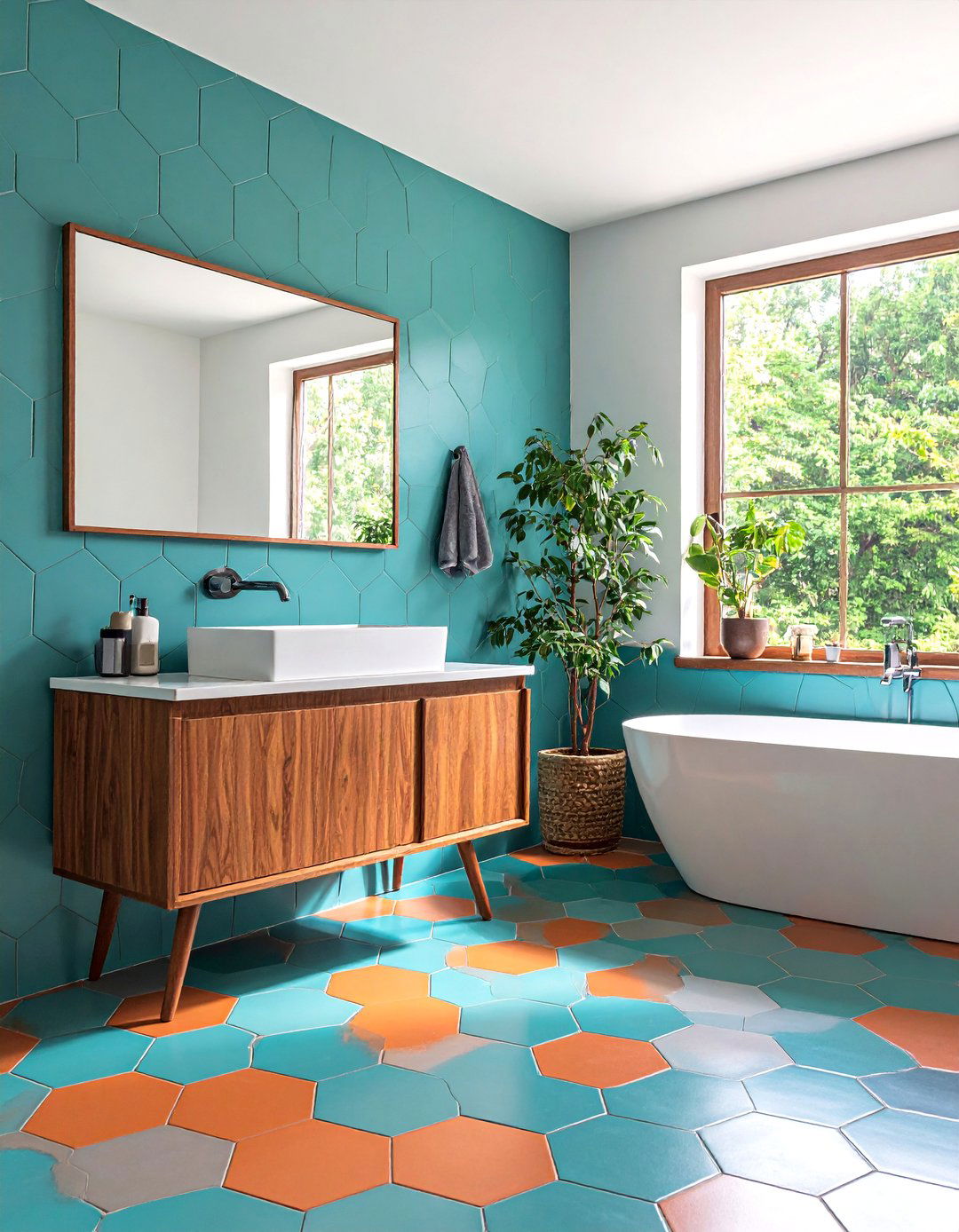
Why should bold patterns be limited to living areas? A 60s bathroom can be a canvas for stunning geometric concept involves tiling the floor, and perhaps a feature wall, in tiles with repeating graphic patterns — honeycombs, squares, or interlocking circles in colors like turquoise, orange, or vanity is simple and wall-mounted, with a laminate countertop. A large, frameless mirror enhances the sense of space, while chrome fixtures add a touch of sleekness. It’s a look that turns a purely functional room into a vibrant, design-forward statement.
9. The Open-Plan Family Hub
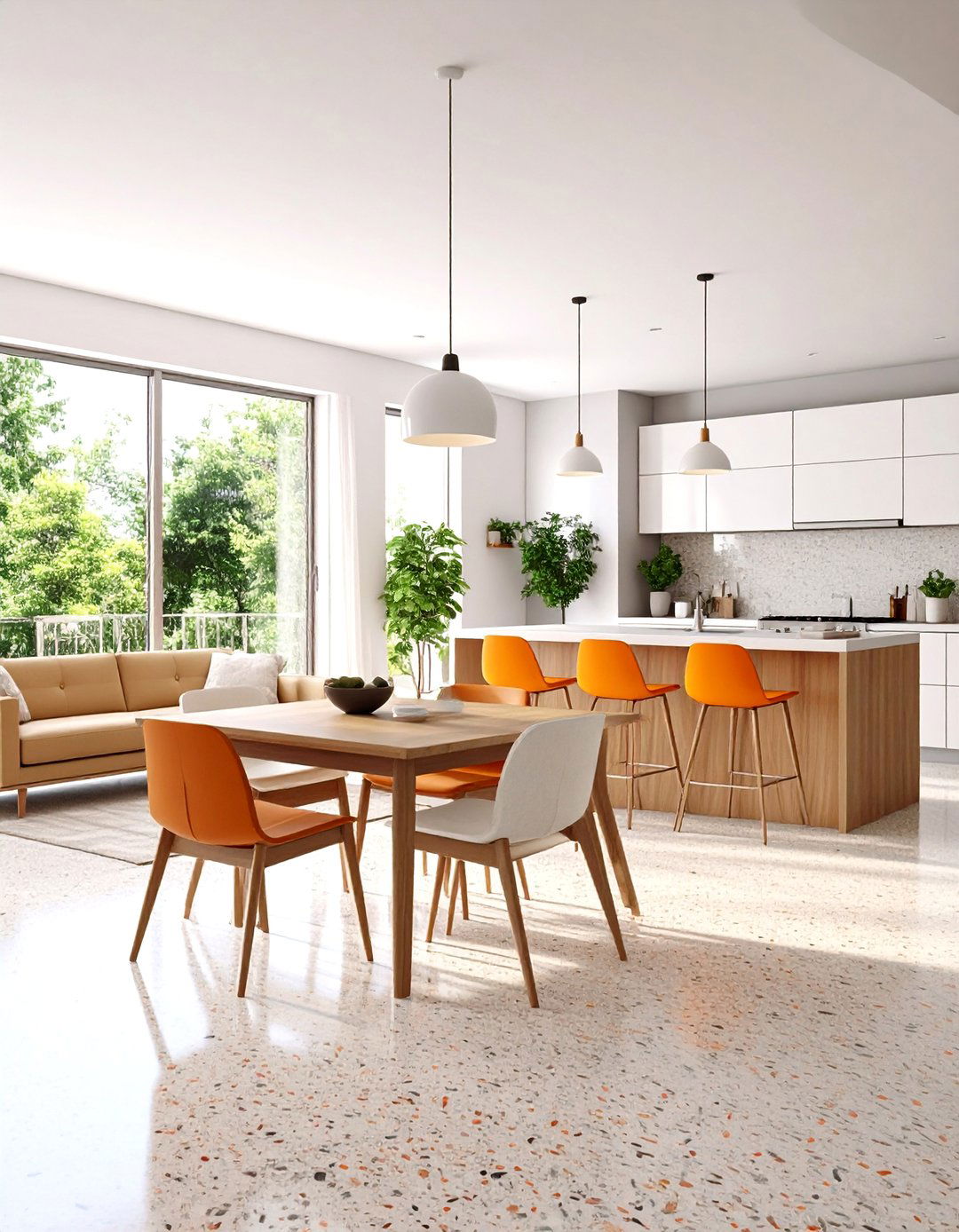
Reflecting a shift toward more casual living, the 60s championed the open-plan layout, combining the kitchen, dining, and living areas into one cohesive design uses furniture to delineate zones, such as a long, low credenza behind a sofa to separate the living and dining spaces. A consistent color palette and flooring material, like terrazzo or cork, unify the area. A kitchen island or peninsula with bar stools creates a social spot for casual meals and conversation, fostering a sense of togetherness and flow throughout the main living space of the home.
10. The Rattan and Wicker Sunroom
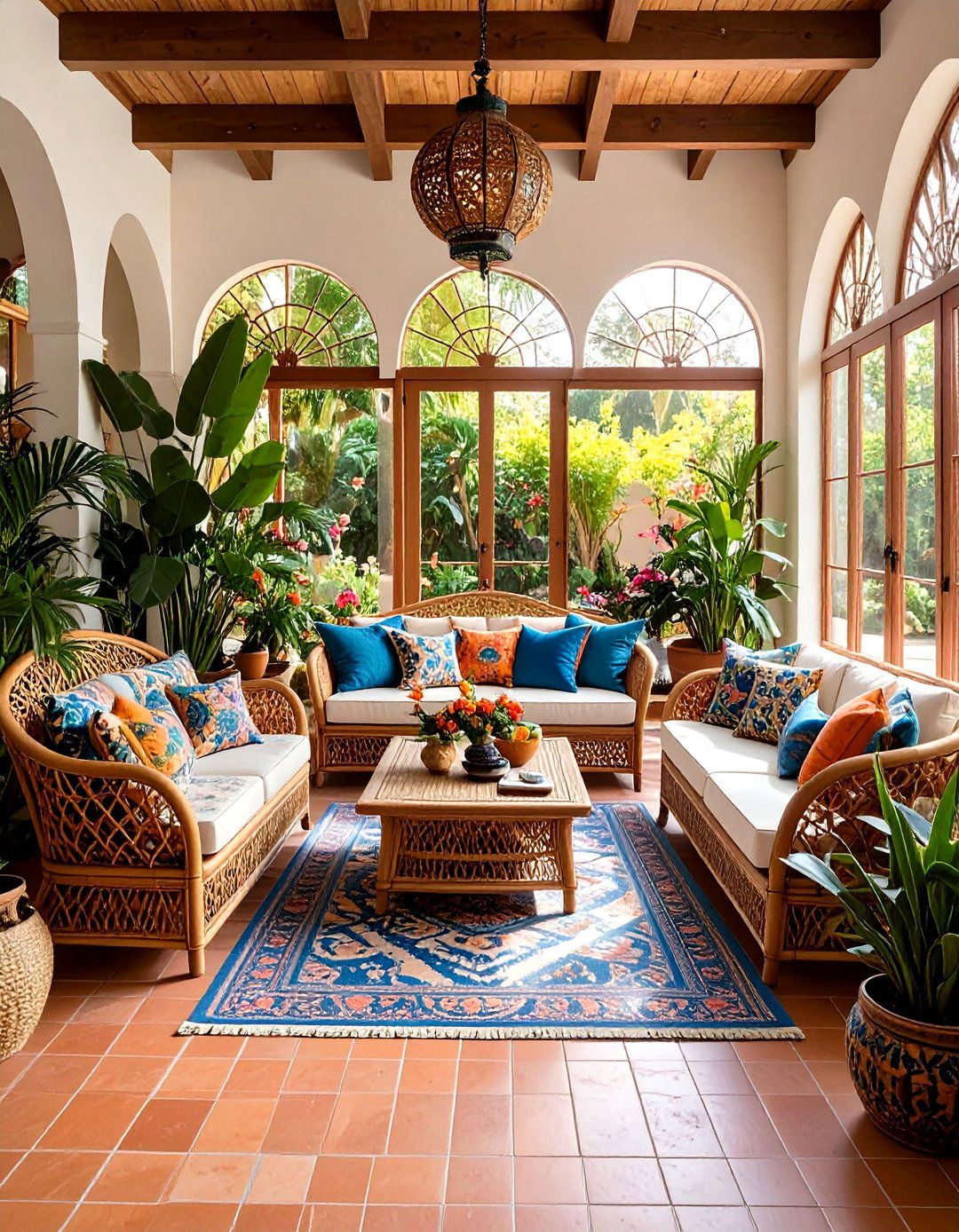
Bringing natural textures indoors was a key trend, and a sunroom filled with rattan and wicker furniture perfectly captures this bohemian a light-drenched room with peacock chairs, wicker side tables, and a comfortable rattan sofa piled high with patterned cushions. Large, leafy plants like fiddle-leaf figs and monsteras thrive in the bright light, enhancing the indoor-outdoor flooring might be simple terracotta tiles or a light-colored wood, keeping the focus on the organic textures of the furniture and the lushness of the greenery, creating a perfect relaxation oasis.
11. Minimalist Modern Bedroom
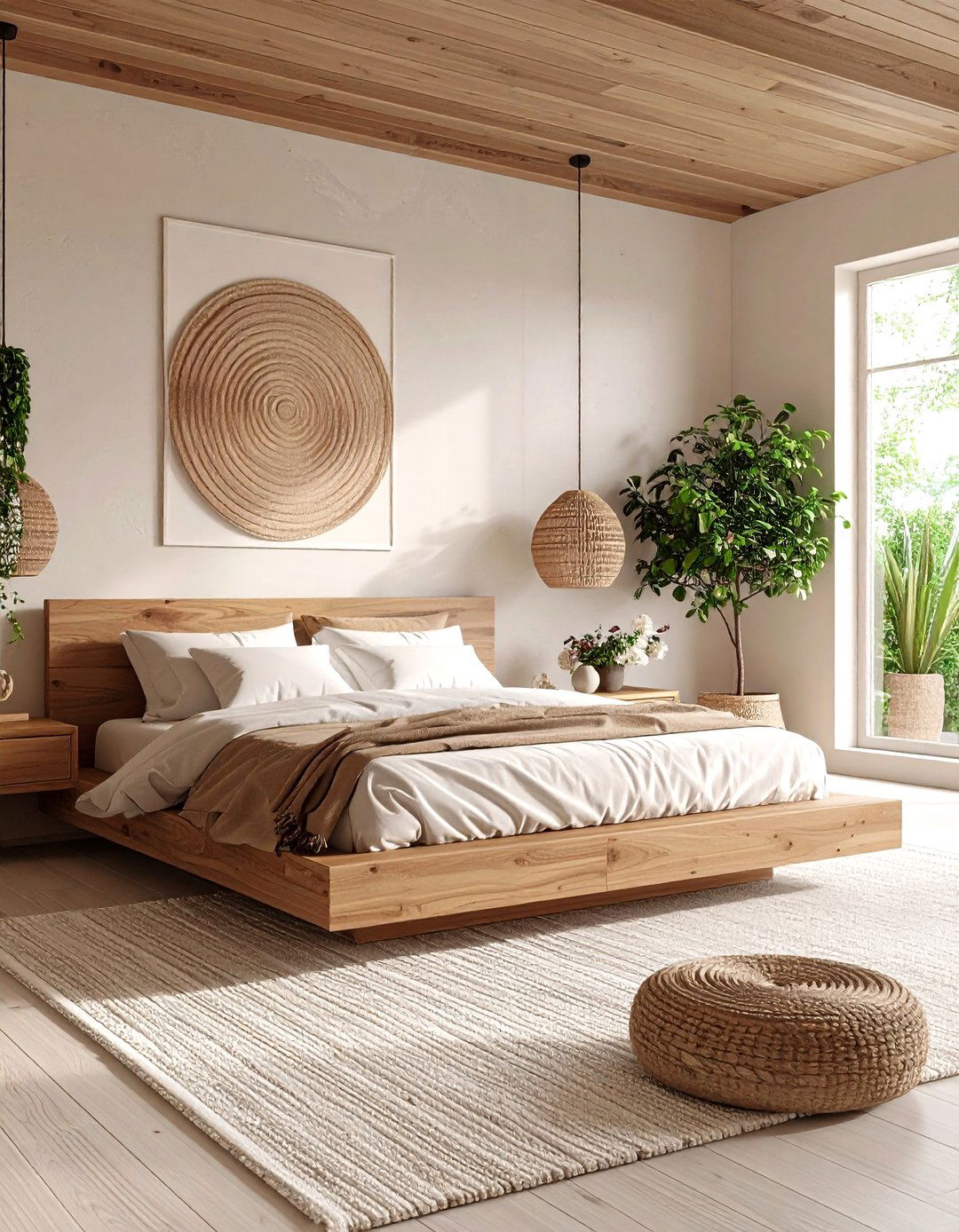
While the 60s are known for boldness, a more minimalist approach also had its place, focusing on form and bedroom design features a platform bed with a simple, low headboard, often made of teak or color palette is neutral, with shades of white, beige, and gray creating a serene is cleverly integrated into sleek, handle-less wardrobes and a long, low only decoration might be a single piece of abstract art or a classic mid-century sculpture, emphasizing the beauty of uncluttered space and clean, architectural lines.
12. The Bold Floral Entryway
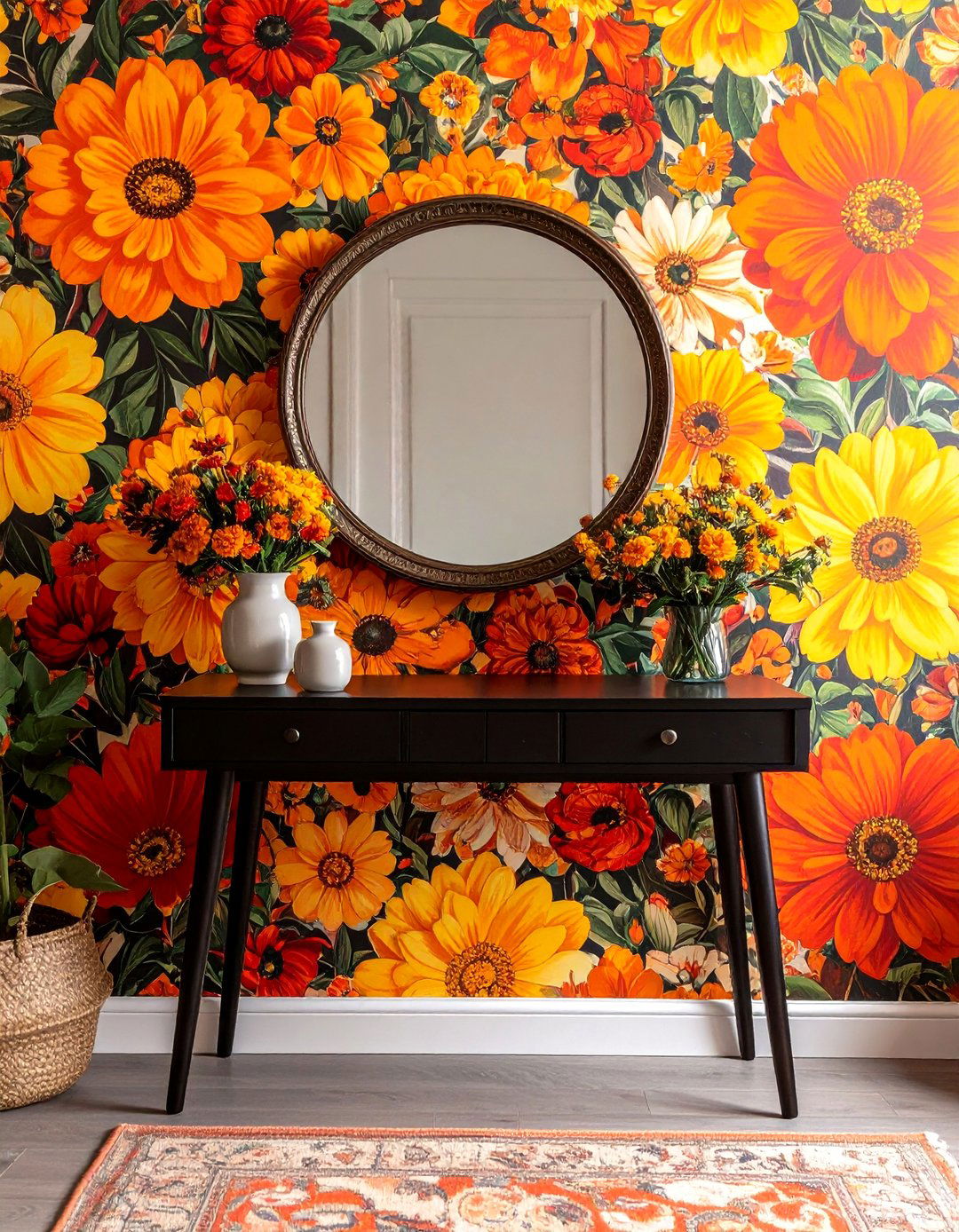
What better way to welcome guests than with an explosion of 60s floral power? This entryway design makes a powerful first impression with wallpaper featuring large-scale, stylized floral prints in vibrant colors like orange, yellow, and pattern covers all walls for a fully immersive is kept simple to let the wallpaper shine — perhaps a sleek console table in a contrasting solid color and a simple round bold choice immediately sets a playful and optimistic tone for the entire home, showcasing a fearless approach to pattern and color.
13. The Sleek Chrome and Glass Dining Area
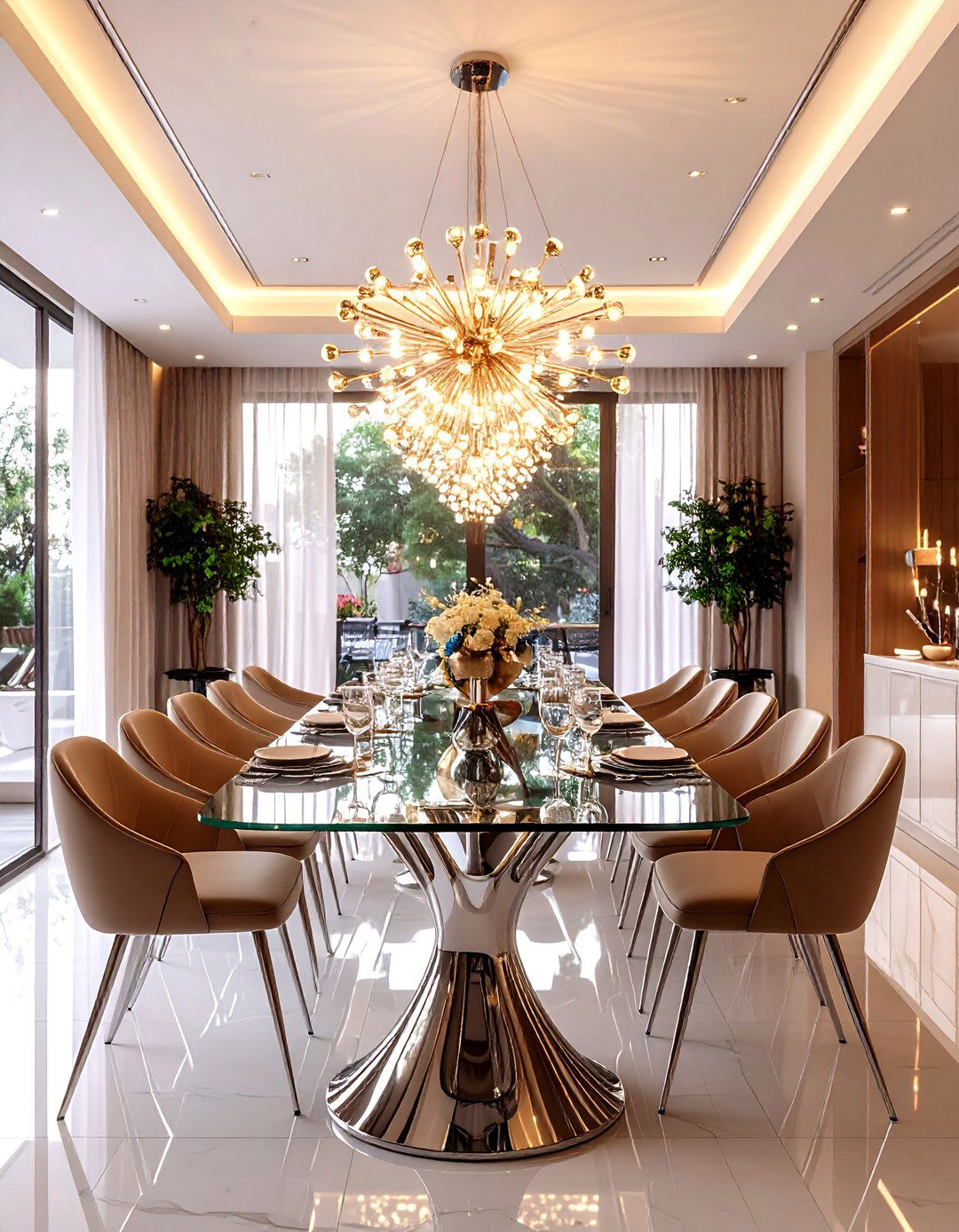
For a touch of futuristic glamour, a dining area centered around chrome and glass offers a sophisticated take on 60s focal point is a glass-topped dining table, often with a sculptural chrome base. It 's surrounded by iconic cantilevered chairs with chrome frames and vinyl or leather upholstery. A sputnik chandelier with multiple arms and exposed bulbs hangs overhead, casting a dramatic overall effect is light, airy, and ultra-modern, reflecting the era' s fascination with new materials and sleek, machine-age aesthetics for a truly polished look.
14. The Cozy Reading Nook
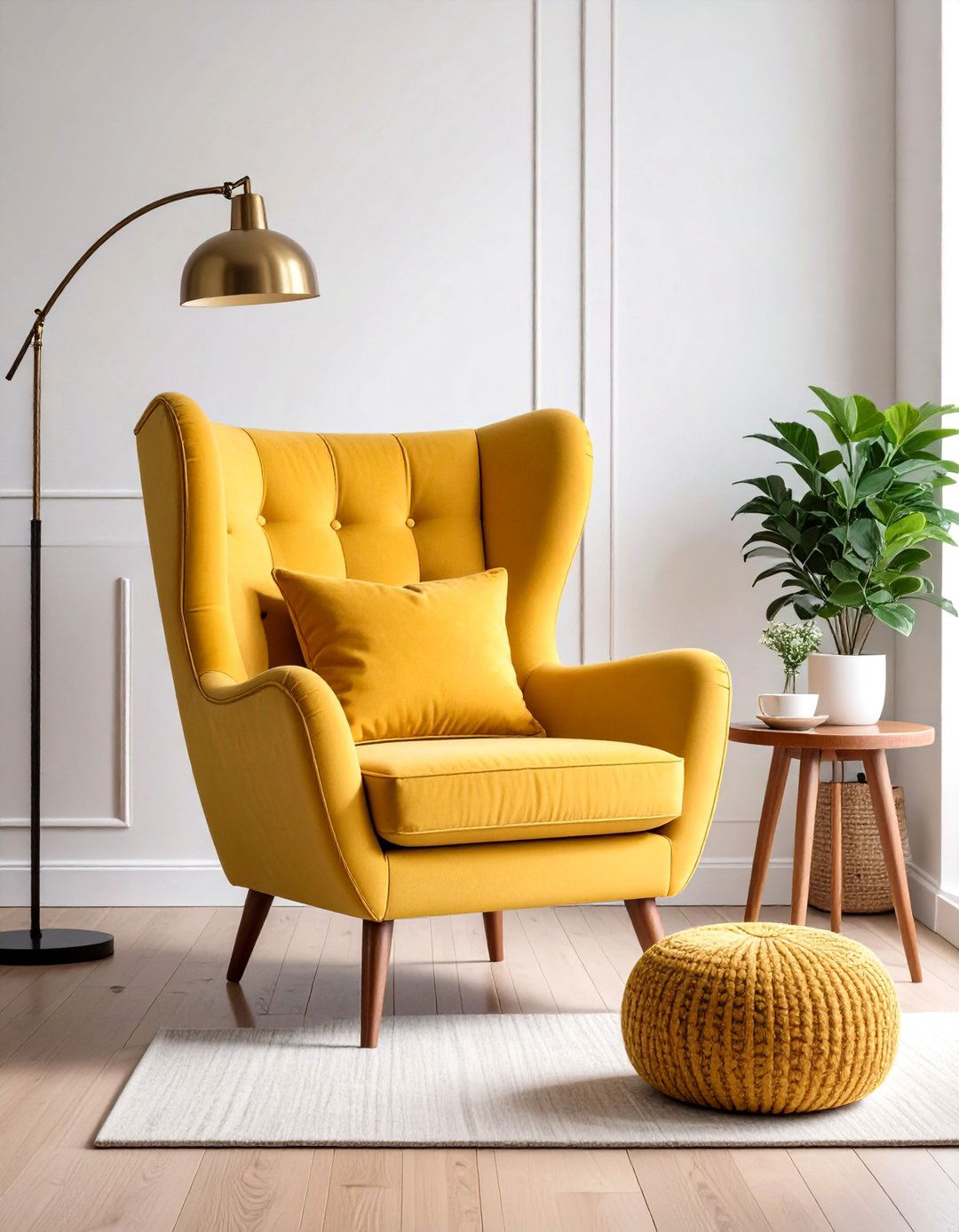
Every home needs a cozy corner for escape, and a 60s-inspired reading nook is the perfect into a corner, this space features a comfortable, high-backed armchair, perhaps an iconic wingback design upholstered in a textured fabric like bouclé. An arc floor lamp bends gracefully over the chair, providing focused light for reading. A small, round side table holds a cup of tea and a stack of backdrop could be a wall of built-in bookshelves or a richly colored accent wall, creating a warm, inviting, and stylish retreat.
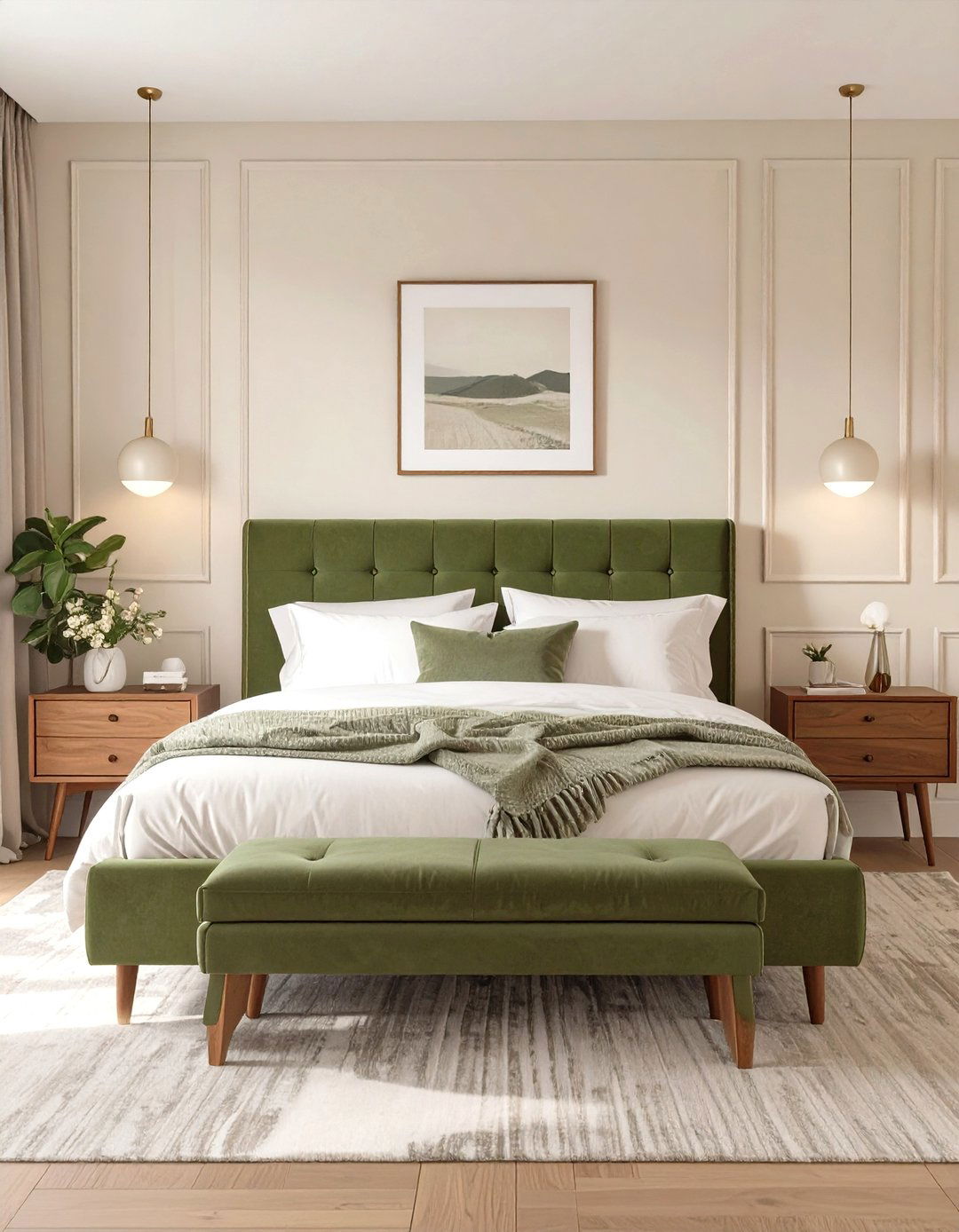
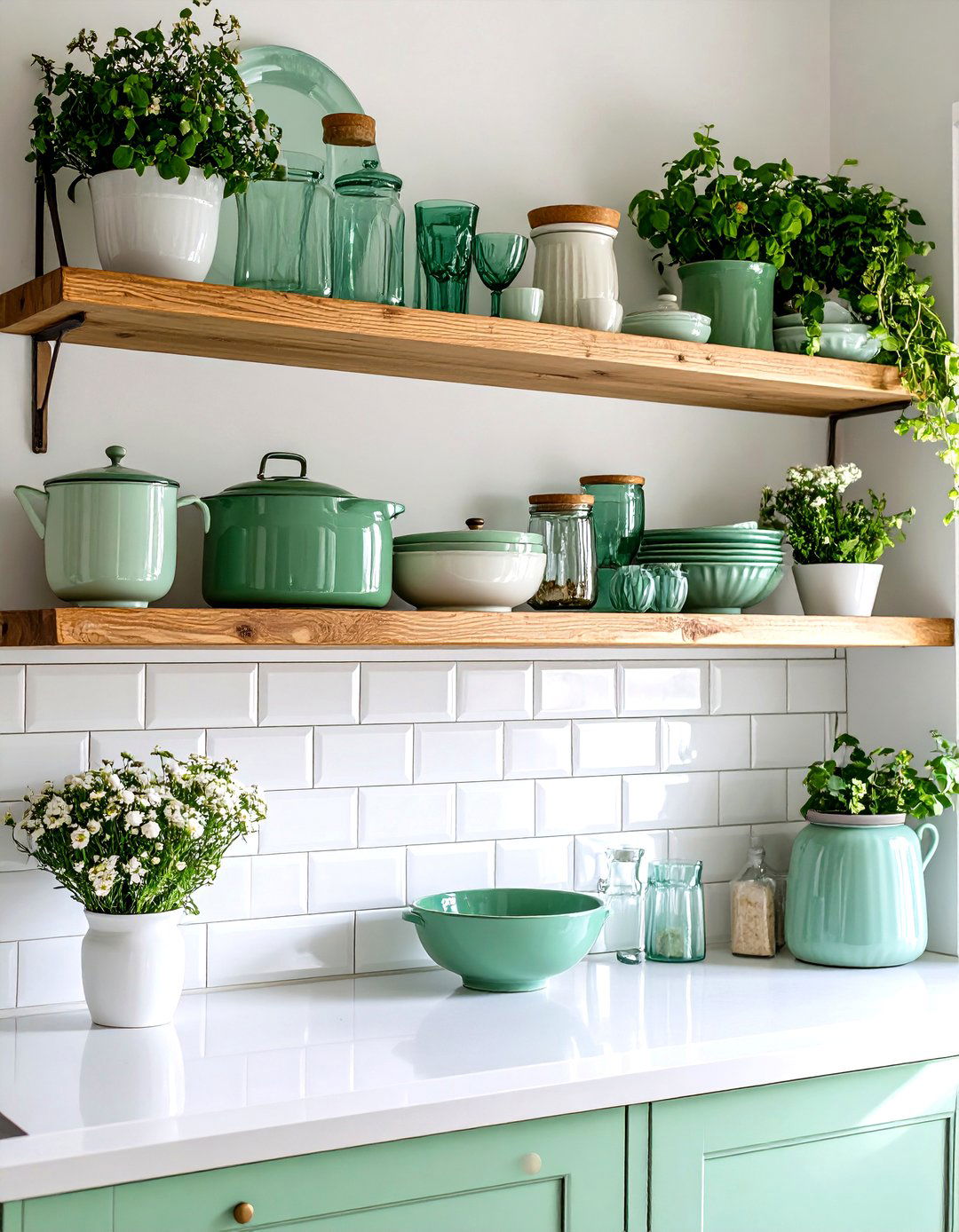
15. The Terrazzo Floored Kitchen
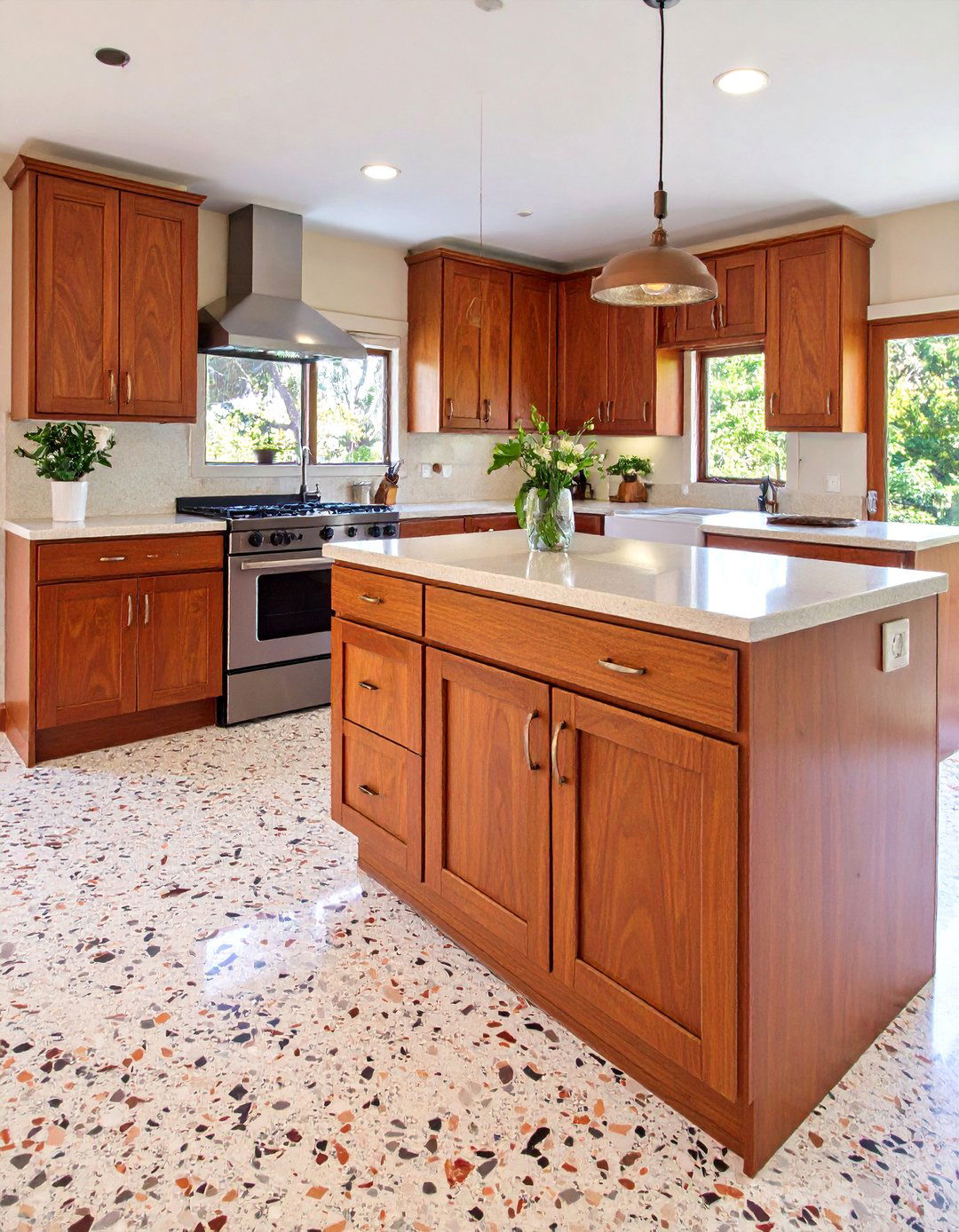
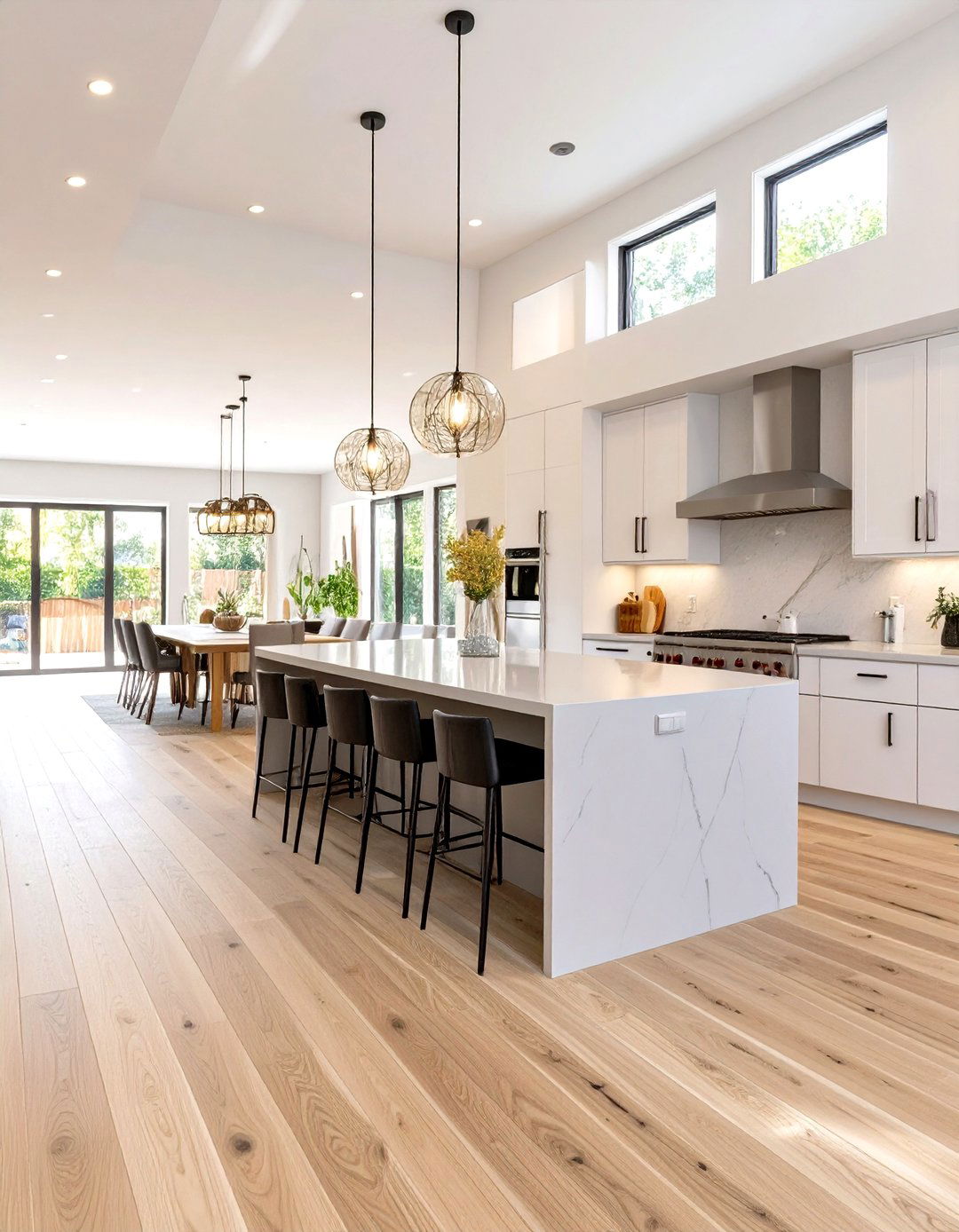
Terrazzo flooring makes a major comeback in this 60s kitchen design, providing a durable and visually interesting composite material, with its chips of marble, quartz, and glass, offers a subtle pattern and texture that complements flat-panel wood cabinets in teak or are a simple, solid-color layout is functional and open, perhaps with a peninsula for casual terrazzo connects the space with a sense of authentic mid-century style, creating a look that is both retro and remarkably current, blending durability with timeless design.
16. The Mod-Inspired Black and White Living Room
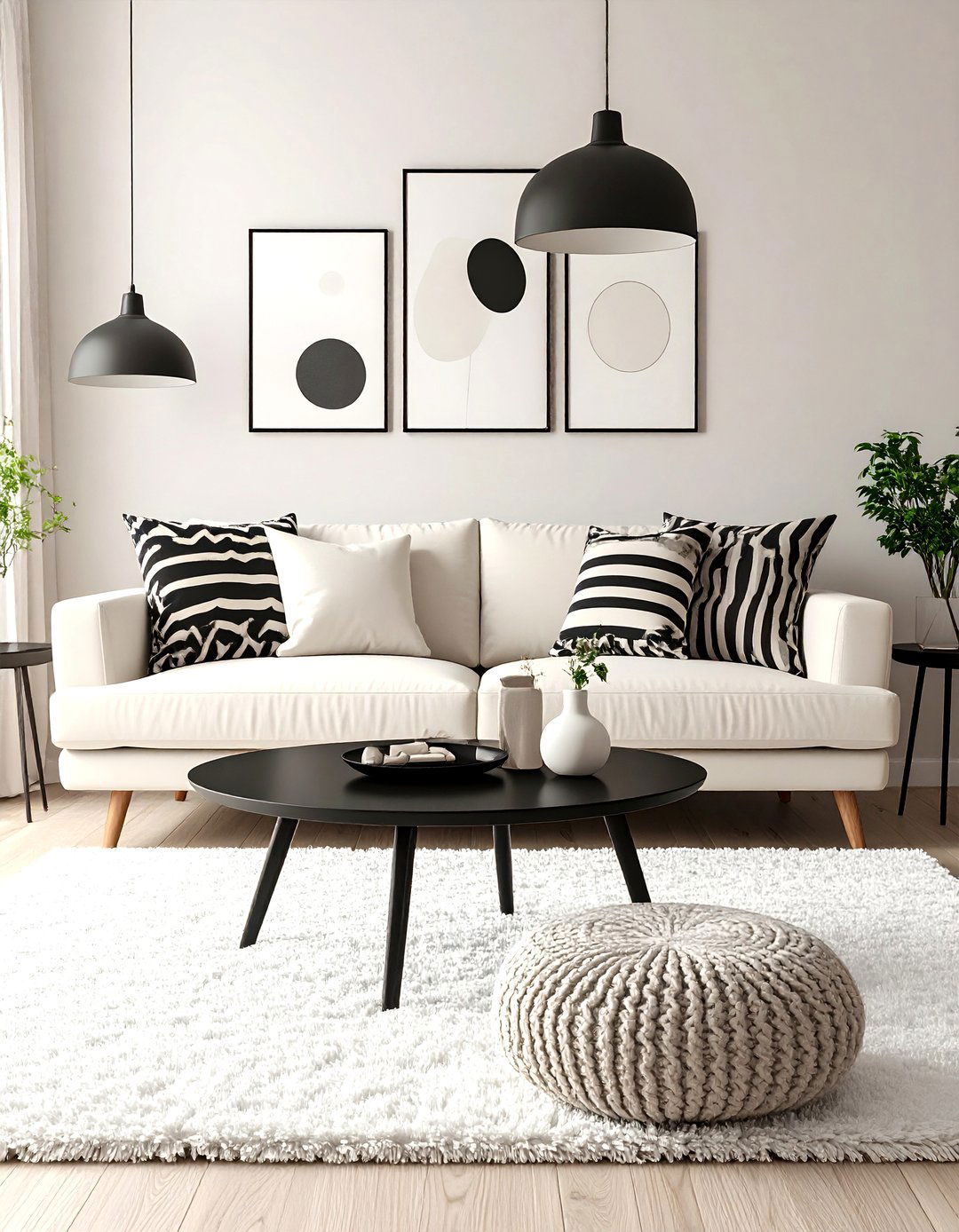
Drawing inspiration from the London Mod scene, this living room uses a strict black and white palette for a high-contrast, graphic impact. A white sofa might be accented with black-and-white striped or Op Art-patterned pillows. A glossy black coffee table sits on a fluffy white shag art is bold and abstract, sticking to the monochromatic of a single bright color, like red or yellow, can be introduced through small accessories for a dynamic design is sharp, sophisticated, and undeniably cool, capturing the youthful energy of the era.
17. The Freestanding Fireplace Lounge
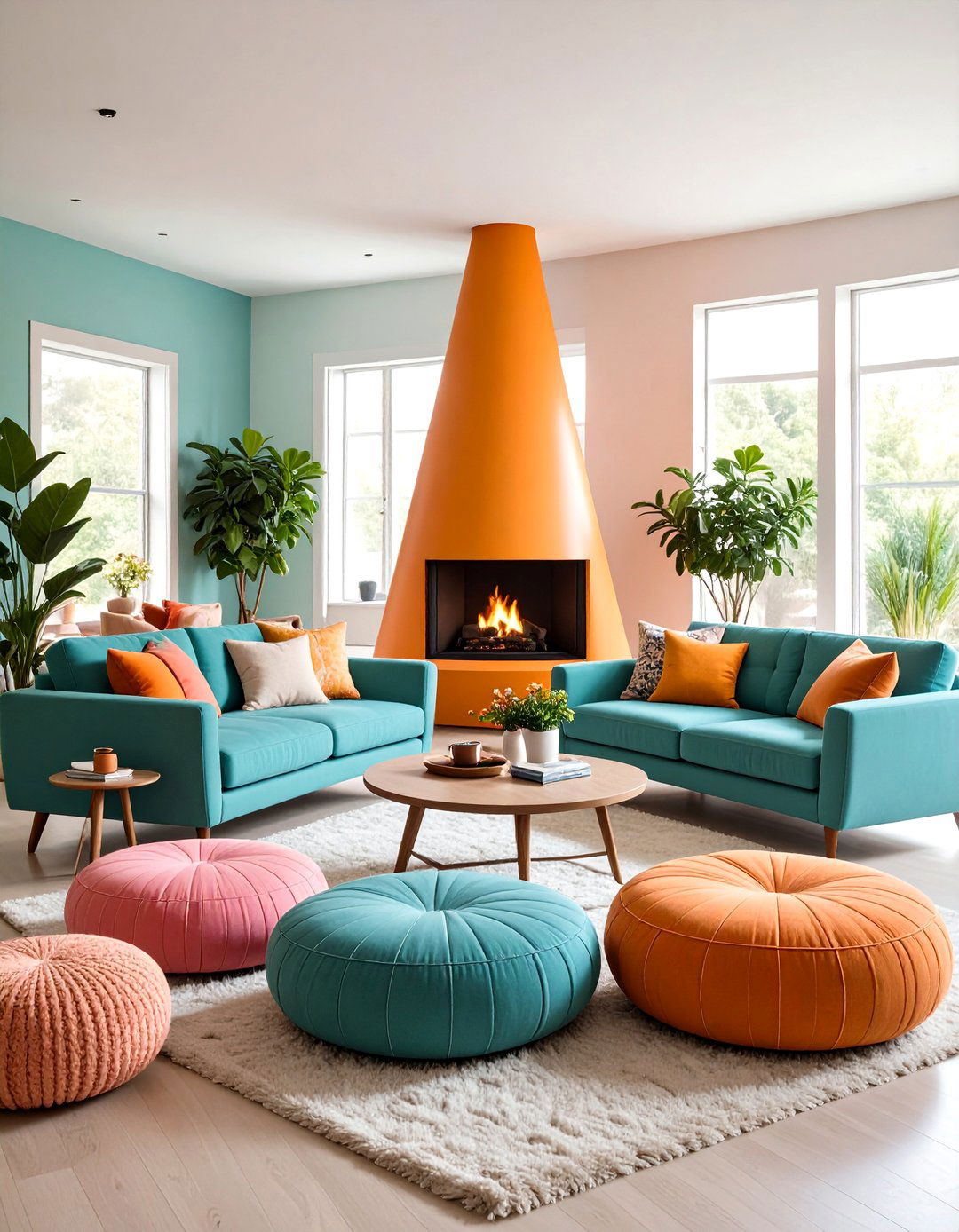
Could a fireplace be the ultimate statement piece? In the 60s, freestanding fireplaces in cone or sphere shapes became sculptural centerpieces in living design arranges seating around one of these iconic metal fireplaces, which might be finished in a bold color like orange, red, or classic black. Low-slung modular sofas and plush floor cushions create a relaxed, communal atmosphere perfect for gathering on a cold focus is entirely on the warmth and futuristic form of the fireplace, making it both a functional heater and a piece of art.
18. The Vinyl and Music Corner
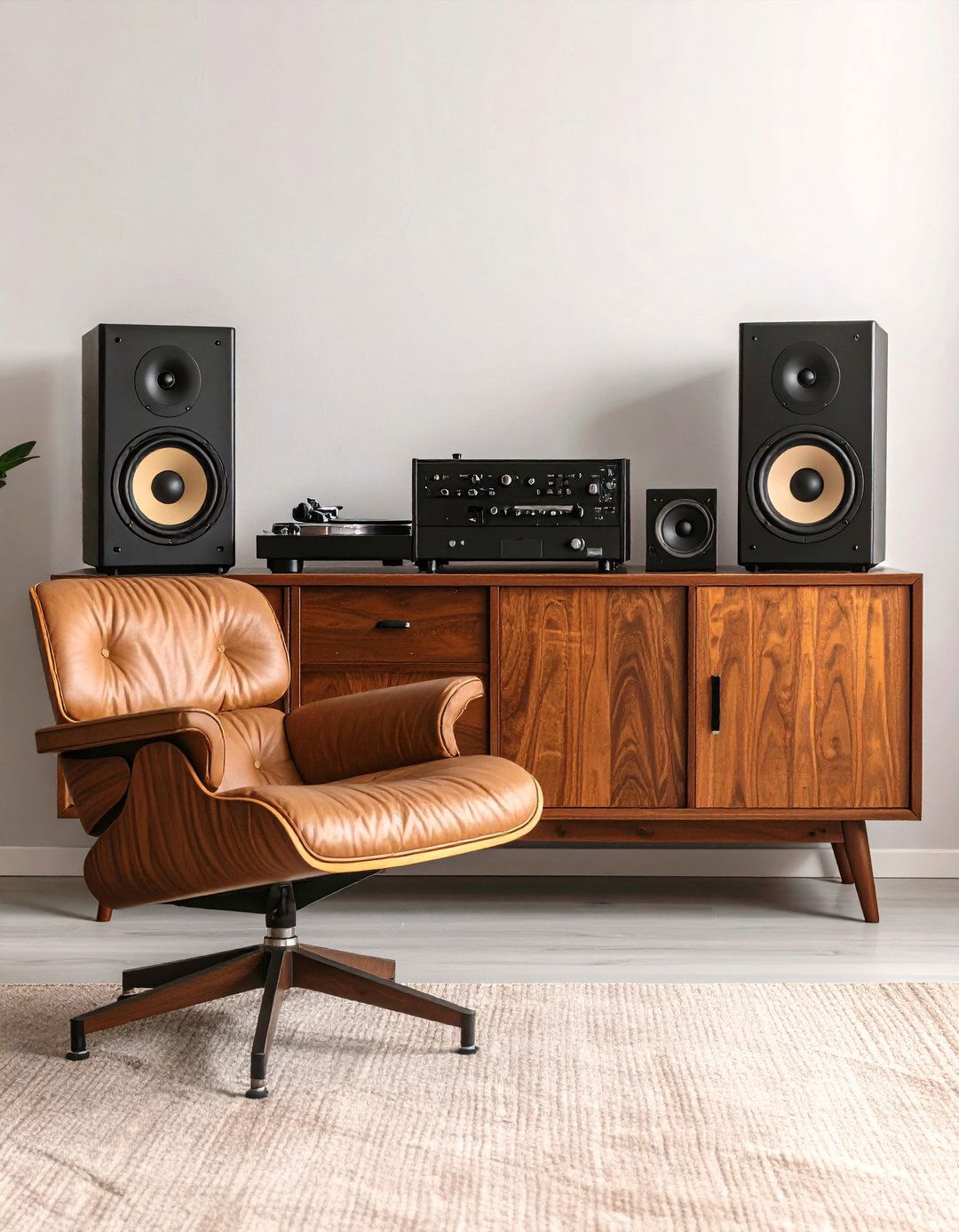
For the music lover, a dedicated corner celebrating the golden age of vinyl is a area features a long, low credenza or media console, specifically designed to house a turntable and a growing record collection. A comfortable listening chair, like a classic Eames Lounge Chair, is positioned perfectly between two large speakers for the ultimate stereo experience. Wall-mounted shelving can display favorite album covers as art. It’s a space designed for immersive listening, combining stylish mid-century furniture with a passion for the rich, warm sound of vinyl records.
19. The Avocado Green Bathroom Suite
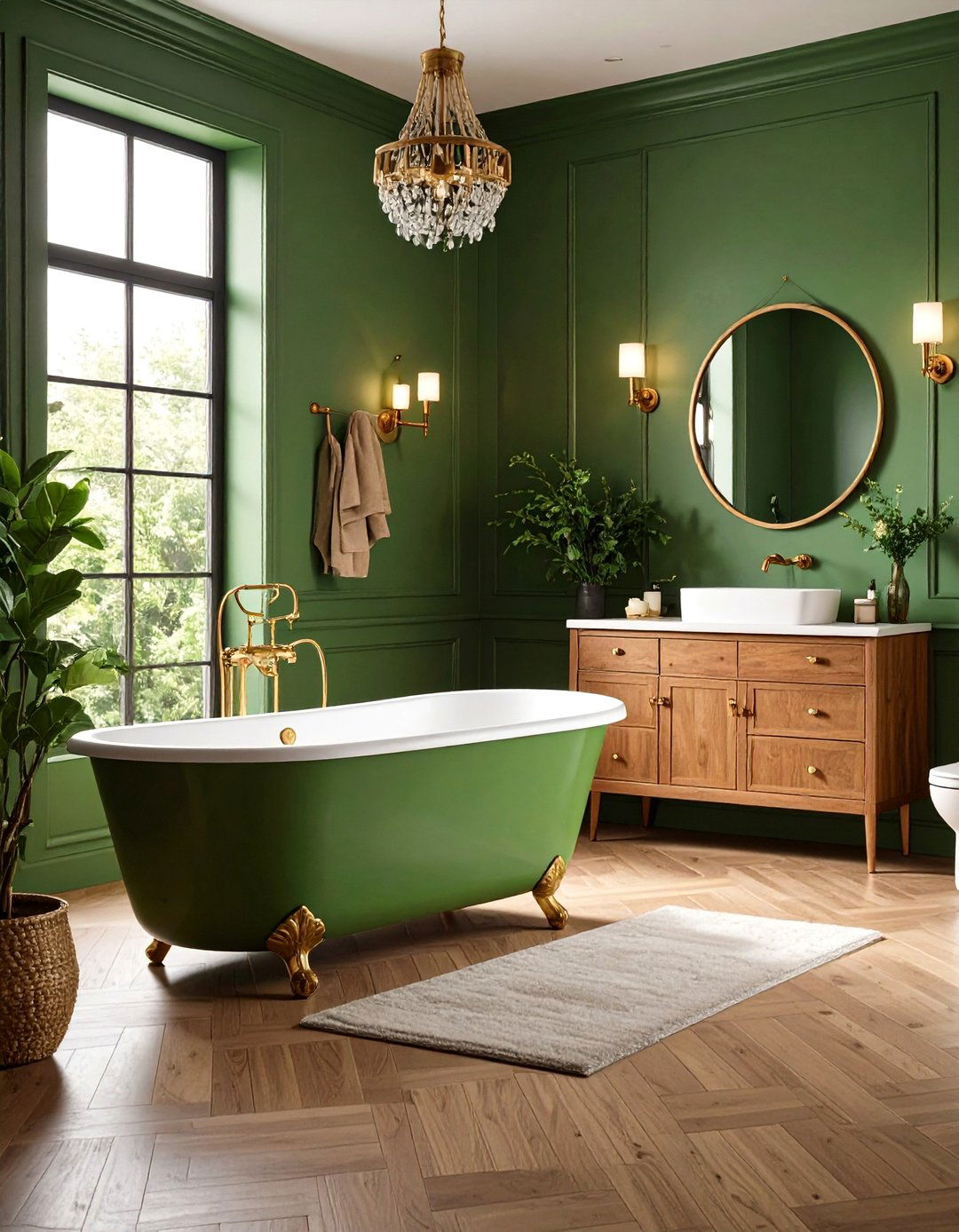
Embrace one of the decade 's most iconic colors with a full avocado green bathroom bold design choice features a matching bathtub, toilet, and sink all in that signature shade of color is balanced with warm wood tones in the vanity or shelving and contrasted with crisp white or patterned or brass fixtures add a touch of warmth and glamour to the it might seem daring today, this look is a perfect example of the 60s' fearless and playful use of color.
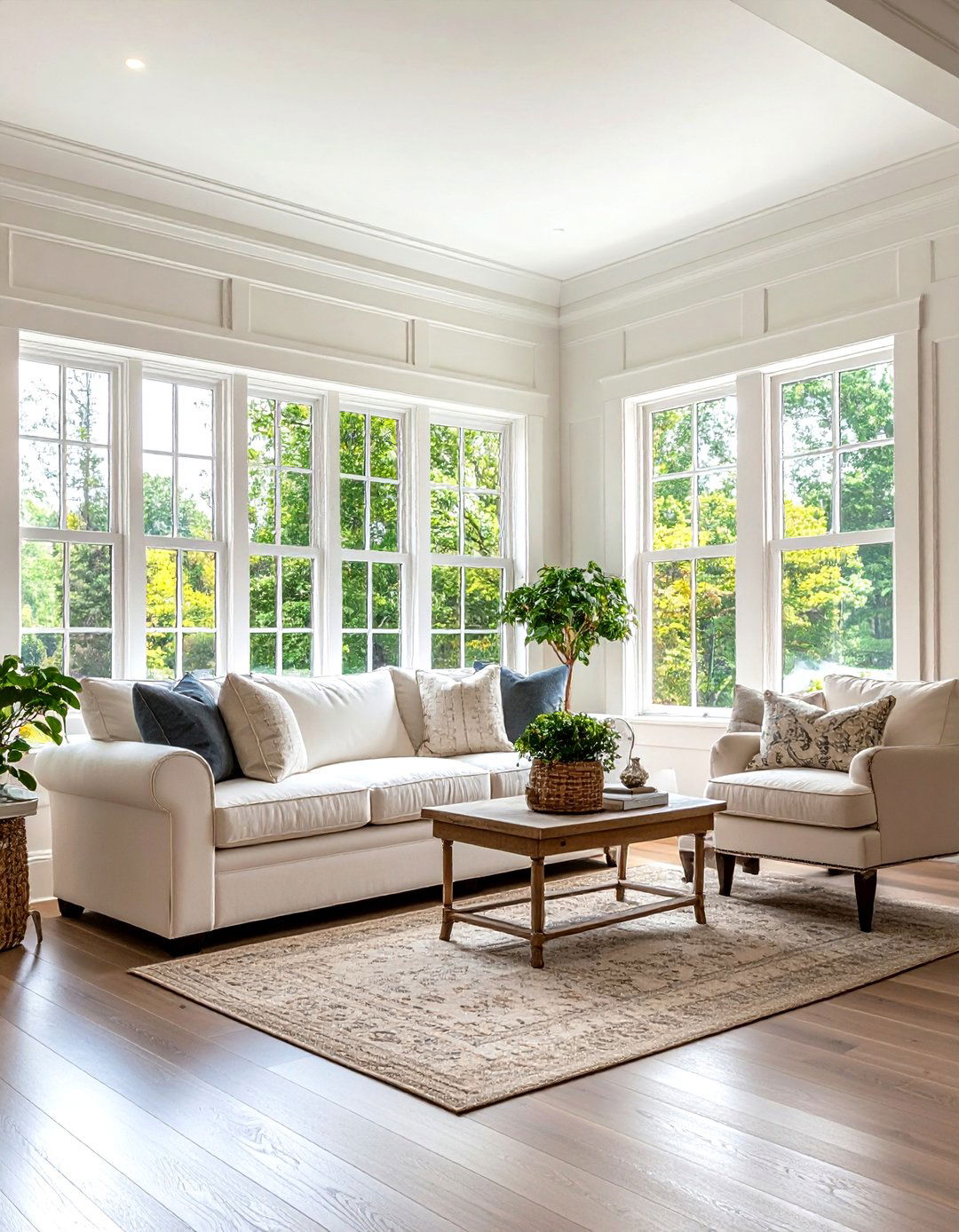
20. The Textured Wall Treatment Living Room
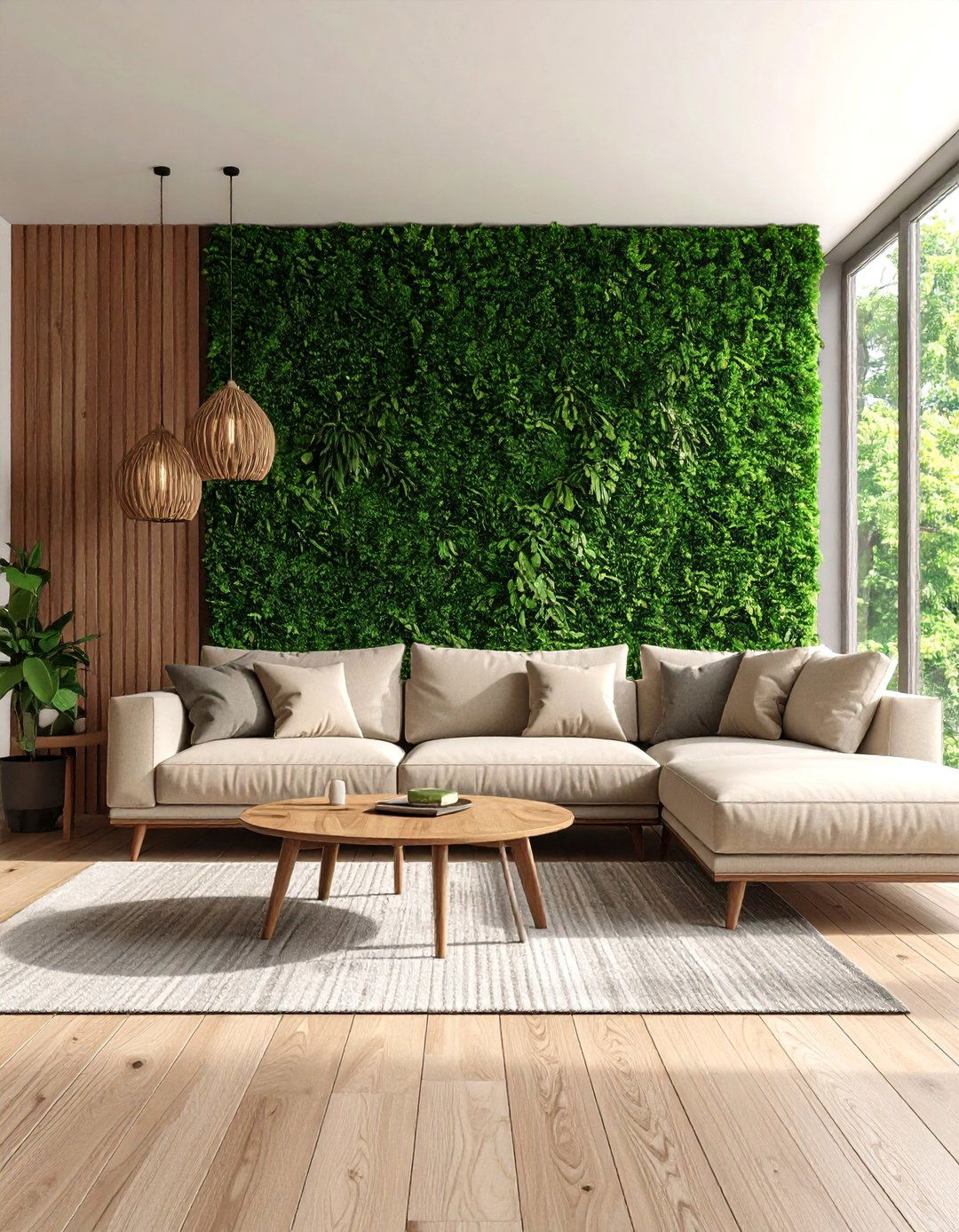
Moving beyond paint and wallpaper, 60s design embraced textured wall treatments to add depth and living room features a prominent accent wall covered in textured material like grasscloth, cork, or even sculpted tactile surface becomes the room's focal point, complemented by furniture with clean lines and smooth finishes to avoid overwhelming the color palette remains relatively simple, allowing the texture of the wall to provide the primary decorative element, creating a sophisticated and layered look that engages more than just the eyes.
21. The Home Bar and Lounge
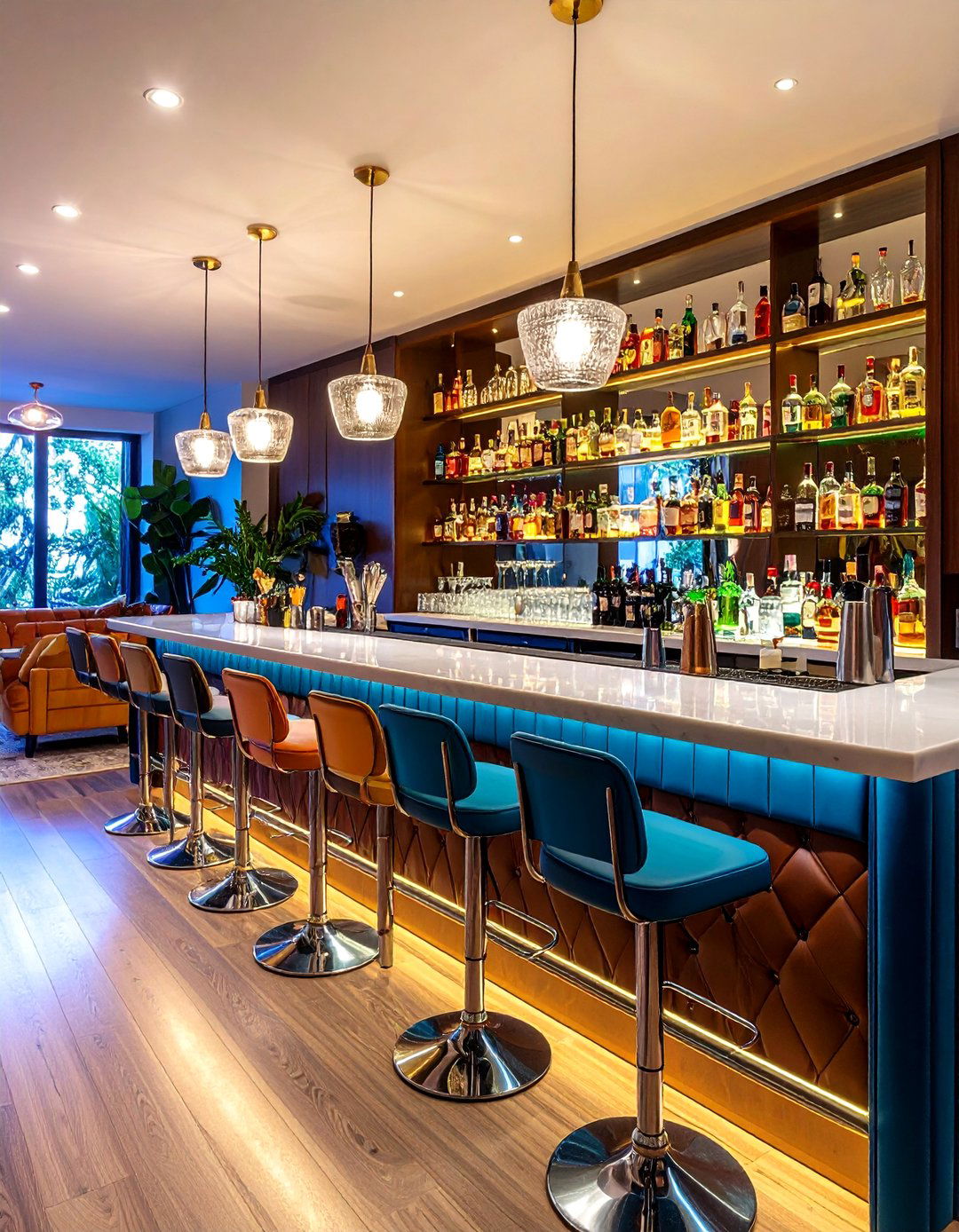
Entertaining at home was central to 60s social life, and a dedicated home bar was the epitome of design features a built-in or freestanding bar, often with a padded vinyl front and a laminate top. High-backed bar stools in chrome and vinyl provide wall behind the bar is fitted with glass shelves to display stylish glassware and lighting is kept low and moody, creating an intimate lounge atmosphere for hosting cocktail parties. It’s a stylish and functional addition that brings a touch of retro glamour.
22. The Spherical and Pod Furniture Room
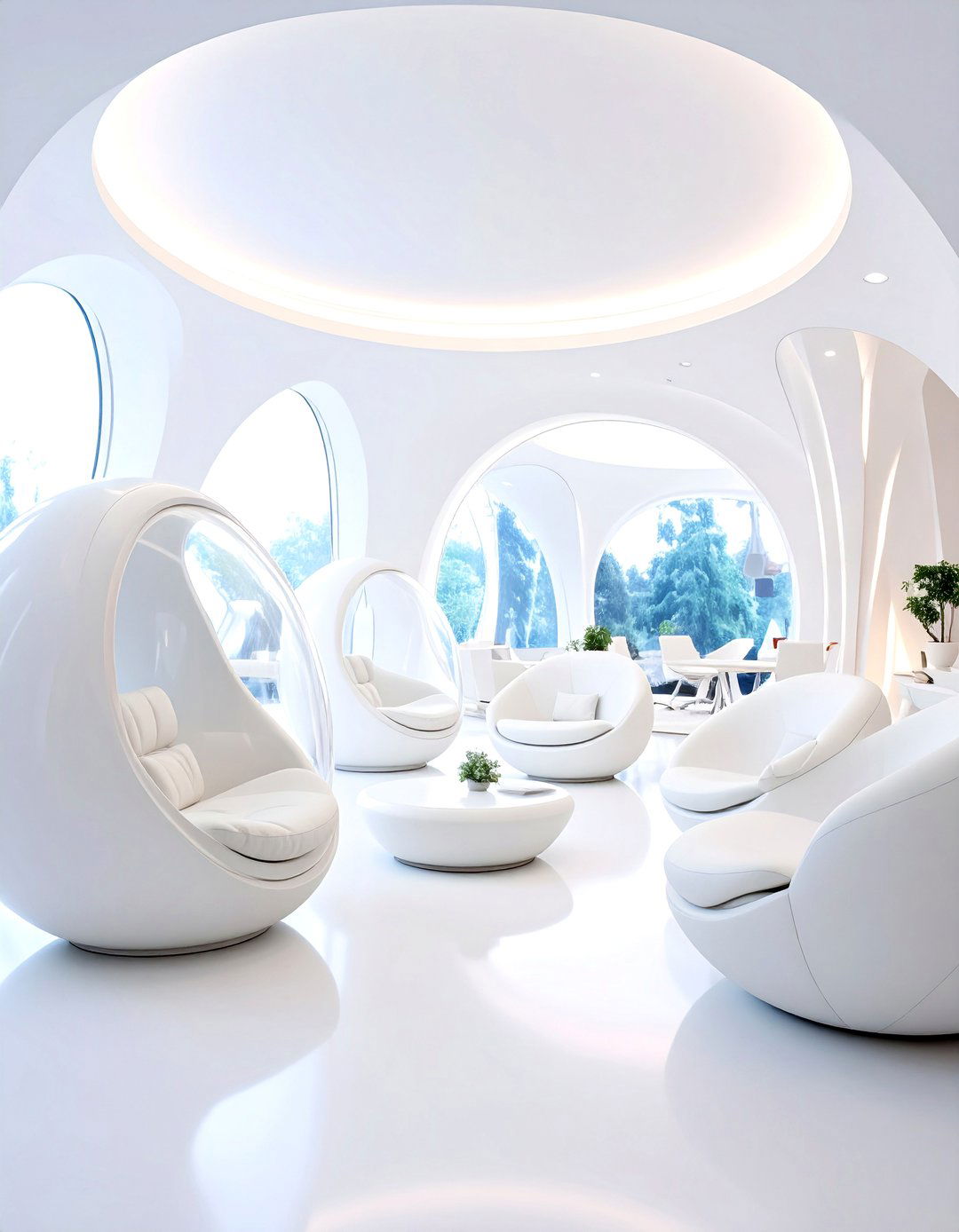
Why stick to straight lines when you can have curves? This room fully embraces the futuristic, organic shapes that defined Space Age space is populated with iconic pieces like Eero Aarnio 's Ball Chair or Henrik Thor-Larsen' s Ovalia Egg pod-like seats create cozy, personal zones within a larger color scheme is often simple, like white and silver, to let the sculptural forms of the furniture take center stage. It's a playful, imaginative design that feels like stepping into a science fiction film from the era.
23. The Abstract Art Gallery Wall
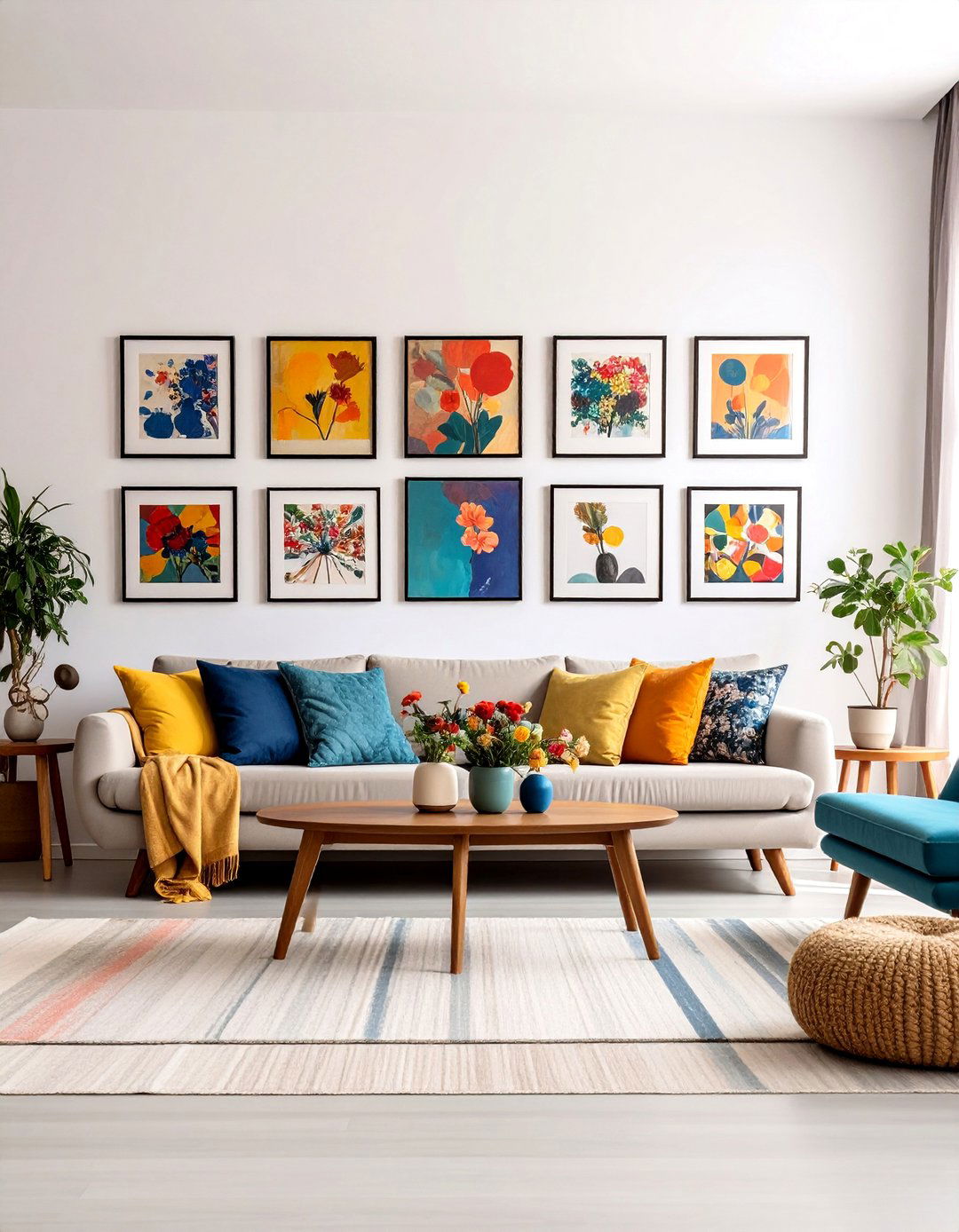
Art was an integral part of 60s interiors, moving away from traditional landscapes to bold, abstract design idea centers on creating a gallery wall as the main feature of a room. A collection of abstract prints, screenprints, and paintings in various sizes are arranged on a large, neutral-colored frames are simple and consistent, often thin black or natural furniture in the room is kept understated to allow the artwork to be the star, creating a space that feels personal, cultured, and visually dynamic.
24. The Shag Carpeted Den
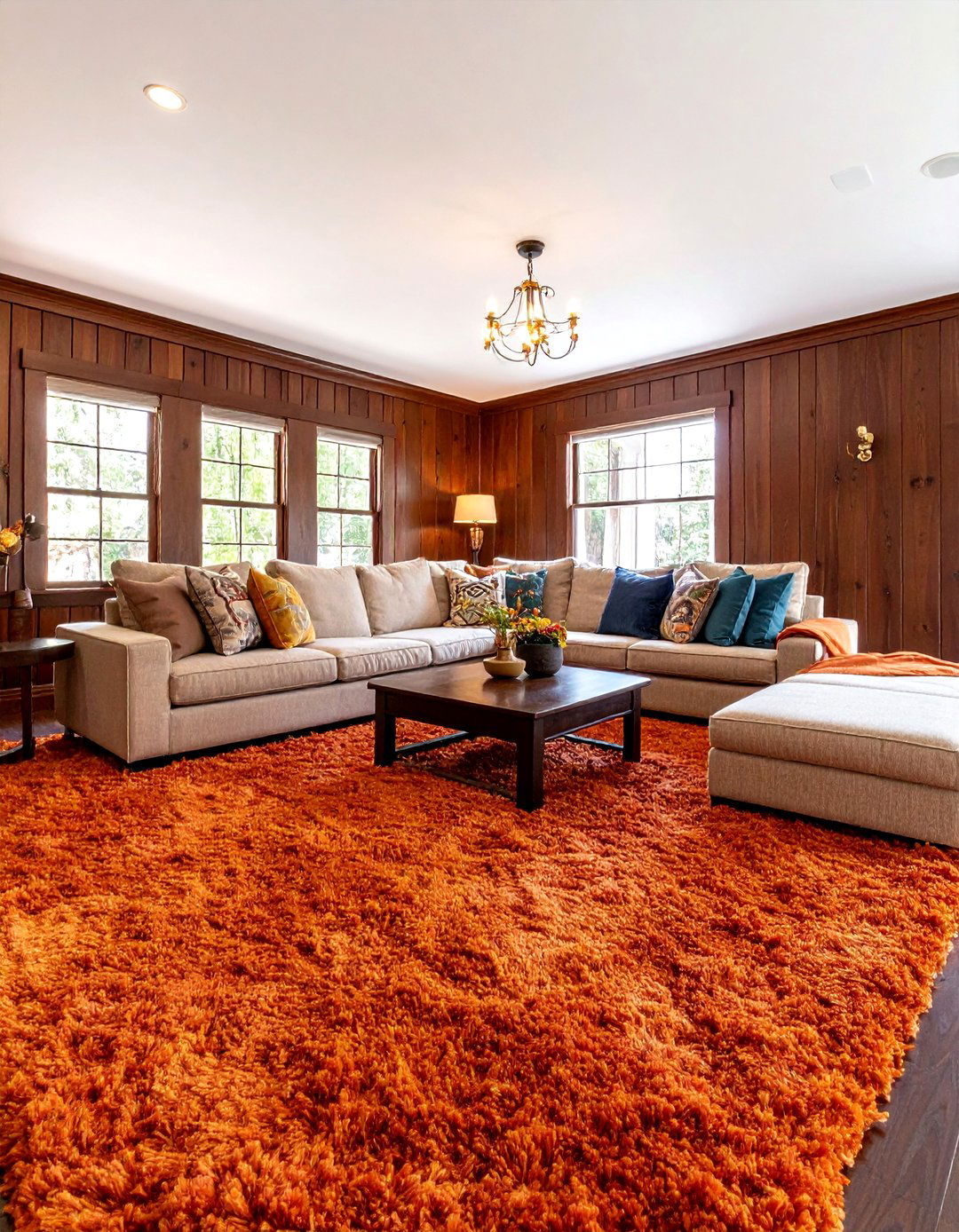
Is there anything that screams 60s comfort more than a deep-pile shag carpet? This design creates the ultimate cozy den by covering the entire floor in a thick, plush shag rug in a rich color like deep orange, brown, or furniture is low and comfortable, sinking into the of a large, modular sofa and oversized floor pillows for walls might be paneled in dark wood, enhancing the warm, cocoon-like feeling of the space. It’s a room designed for ultimate relaxation and informal gatherings.
25. The Pattern-Clashing Bedroom
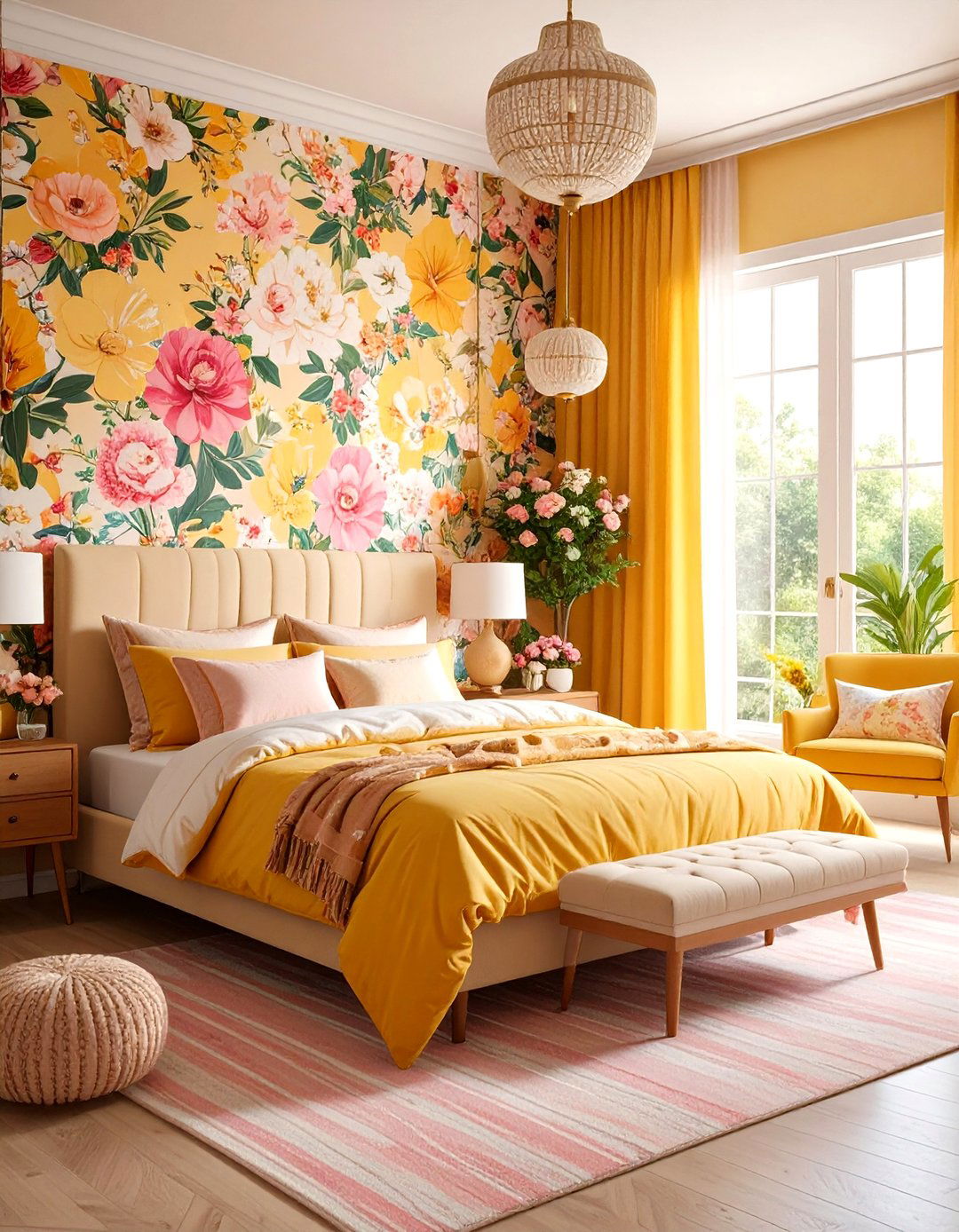
More is more in this daring bedroom design that celebrates the 60s love for clashing key is to mix different scales and types of prints within a cohesive color example, a large-scale floral wallpaper could be paired with a smaller geometric print on the duvet cover and striped trick is to have one or two shared colors that tie all the different patterns creates a look that is visually exciting, energetic, and full of personality, a true testament to maximalist 60s style.
26. The Teak and Walnut Kitchen
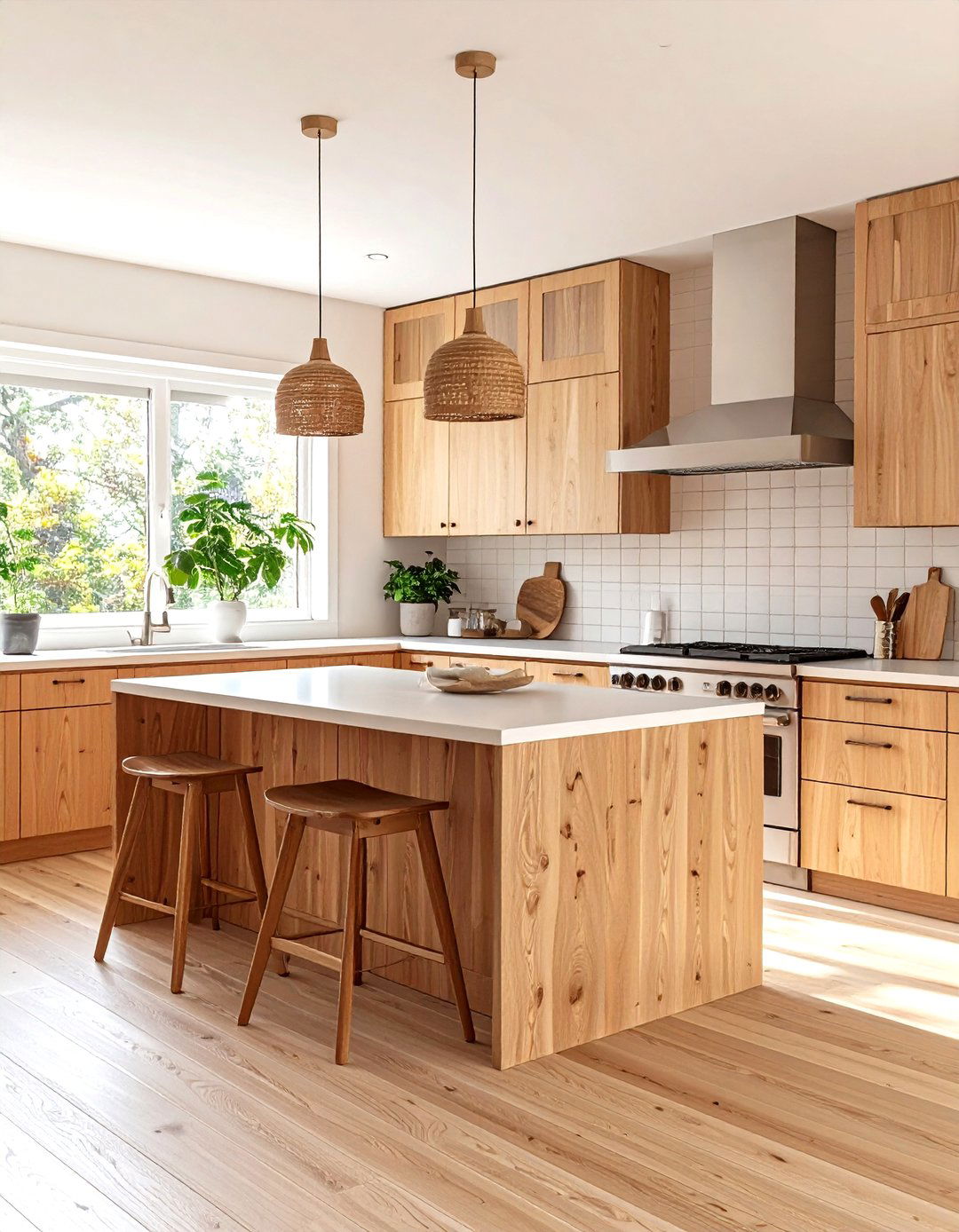
This kitchen design highlights the beauty of natural wood, a cornerstone of mid-century modern features flat-panel cabinets in warm, rich teak or walnut with distinctive wood hardware is minimal and discreet, keeping the focus on the material are often a durable laminate in a solid, light color to provide backsplash might be a simple ceramic tile in a stacked creates a kitchen that is warm, inviting, and timeless, showcasing the quality craftsmanship and organic appeal of the era.
27. The Suspended Seating Area
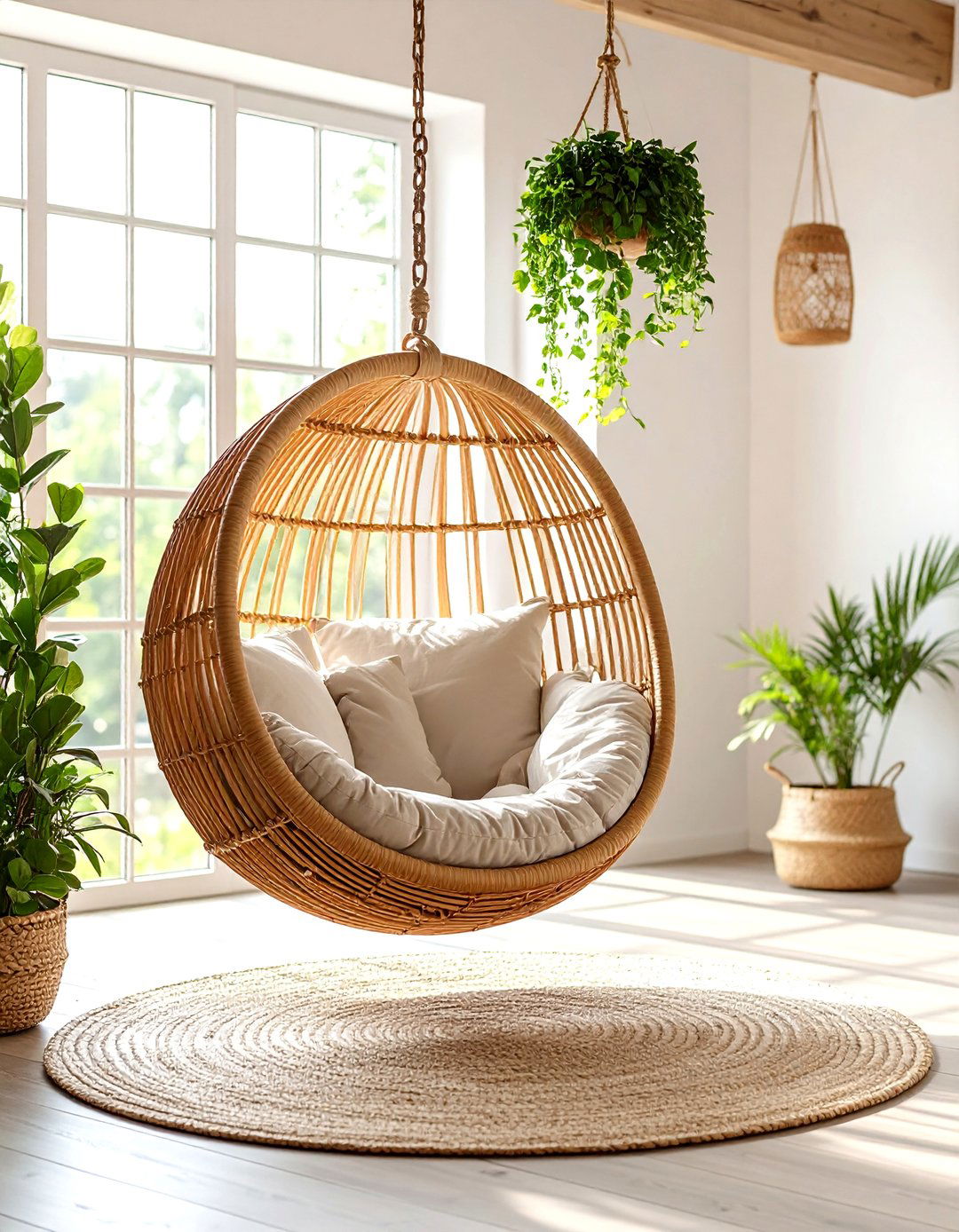
For a truly unique and playful design feature, consider incorporating suspended idea involves hanging a classic bubble chair or a wicker pod chair from a reinforced ceiling in a living room corner or a sunroom, it creates an instant focal point and a fun, floating seat for reading or transparent nature of a bubble chair keeps it from feeling bulky, while a wicker version adds a touch of bohemian texture. It’s an unexpected element that captures the innovative and free-spirited nature of the 60s.
28. The Pop of Orange Decor
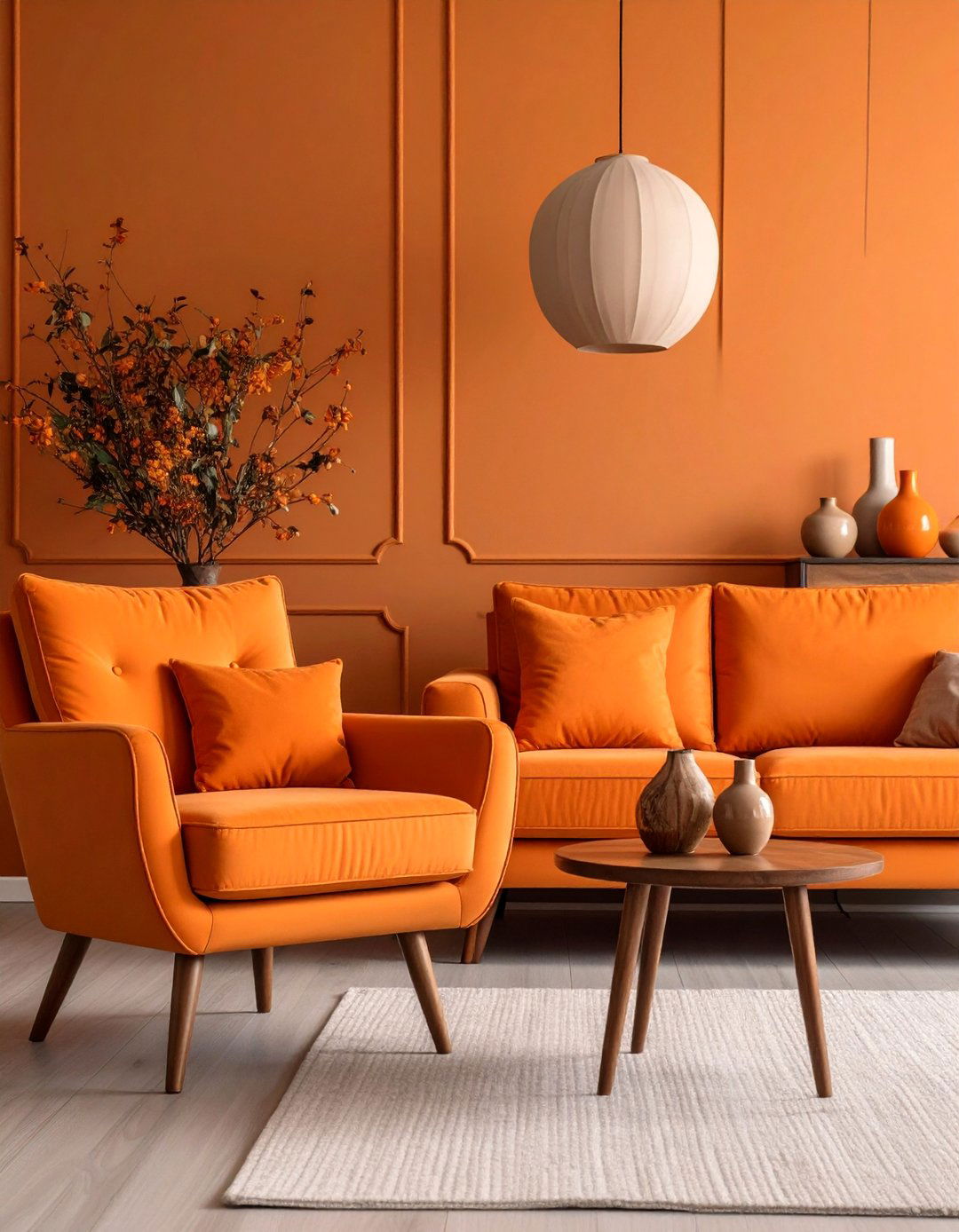
If a full room of bold color feels too overwhelming, this design uses a single, vibrant accent color to bring 60s energy to a neutral space. Orange, a quintessential color of the decade, is the star a backdrop of white walls and simple, modern furniture, pops of bright orange are introduced through throw pillows, a statement armchair, a piece of abstract art, or a collection of ceramic strategic use of color adds excitement and a clear design point of view without dominating the entire room.
29. The Built-in Storage Wall
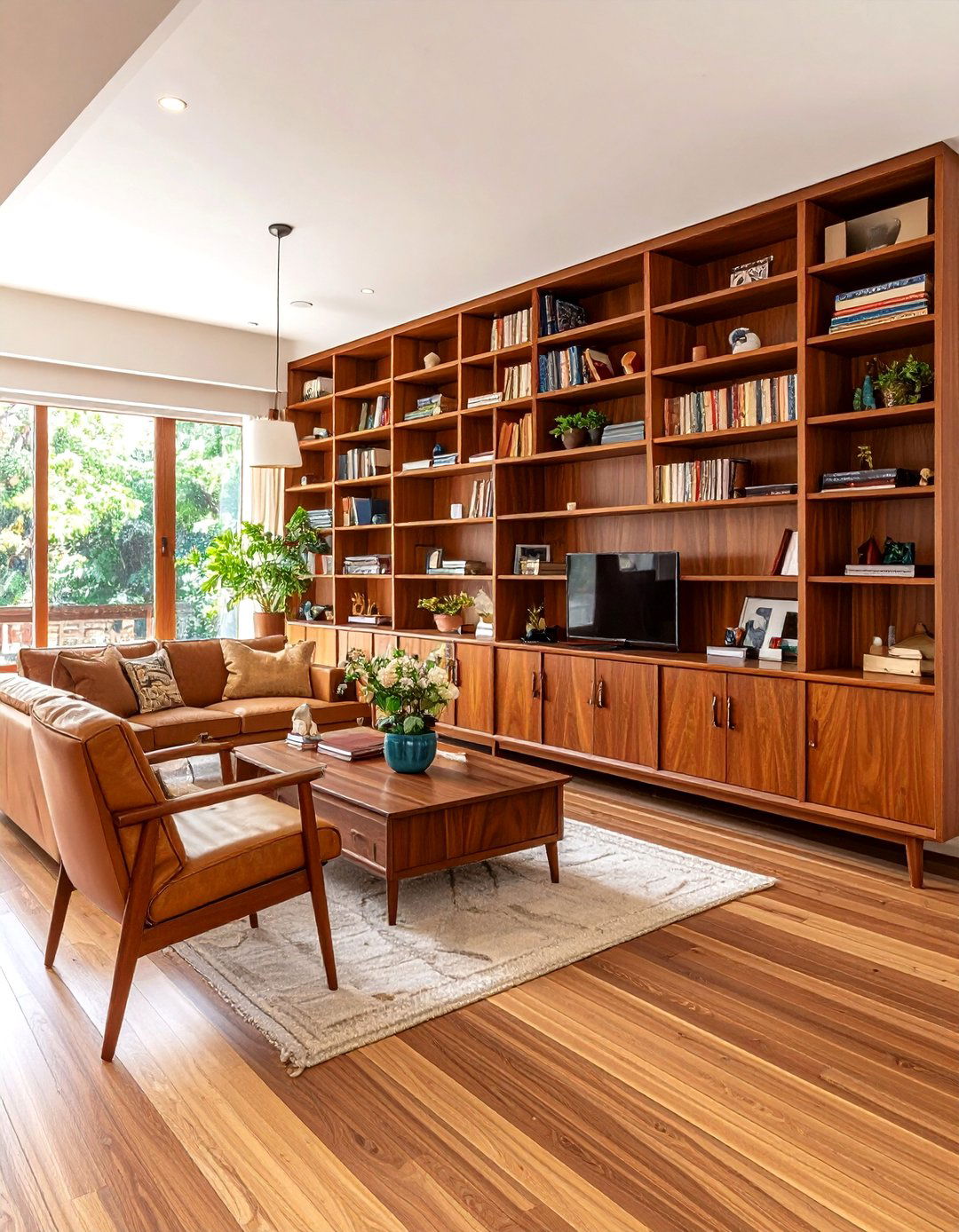
Functionality was key in 60s design, leading to the popularity of wall-to-wall built-in storage design features a system of shelves, cabinets, and even a drop-down desk, all integrated into one cohesive unit that covers an entire crafted from teak or walnut, these systems provided ample storage while maintaining a clean, uncluttered were perfect for displaying books, vinyl records, and decorative objects, combining form and function in a way that is both incredibly practical and stylishly modern, a hallmark of mid-century thinking.
30. The Graphic Curtain and Textile Room
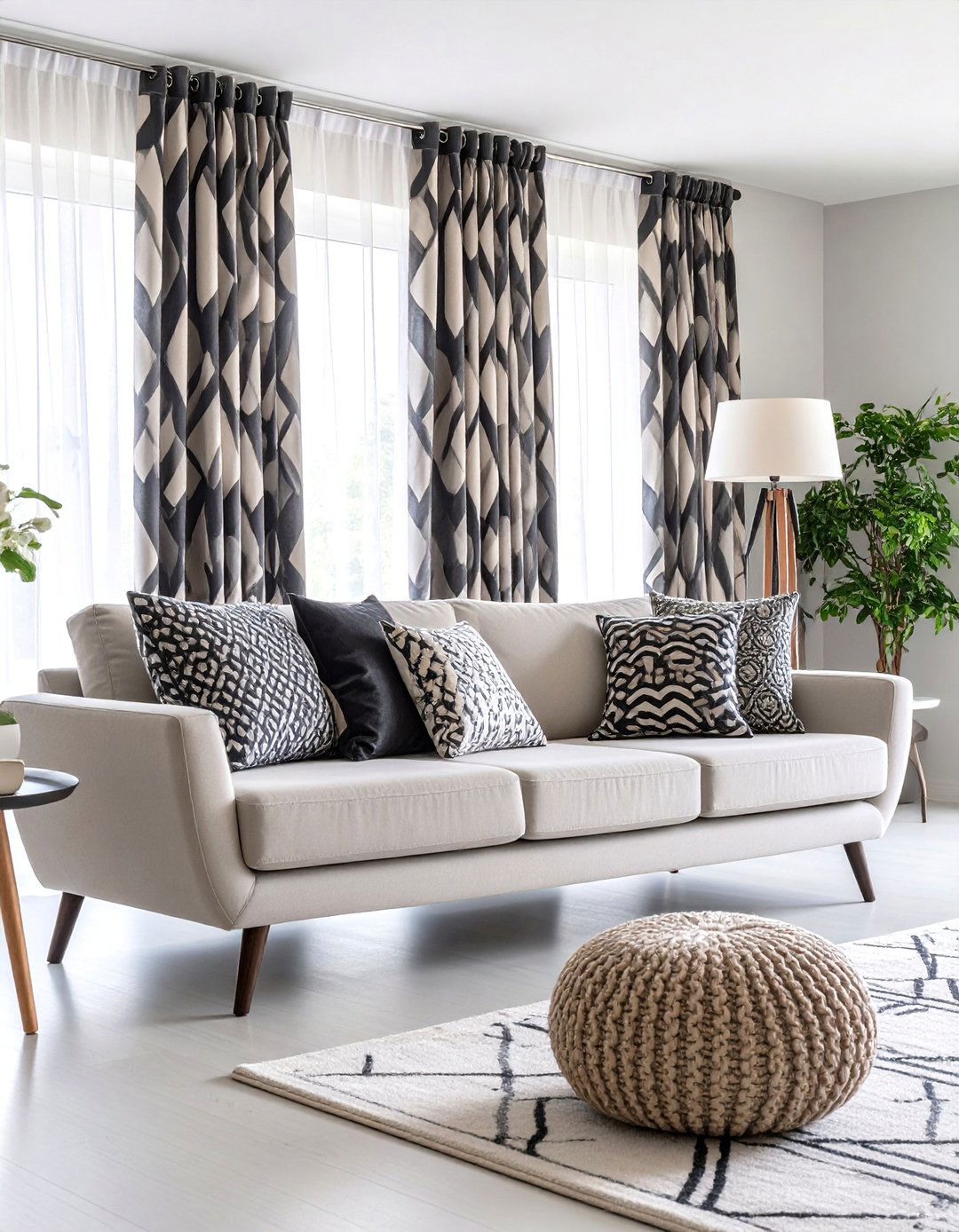
Textiles were a major vehicle for introducing pattern and color into 60s design idea focuses on using bold, graphic curtains as the main statement piece in a floor-to-ceiling drapes featuring large-scale geometric prints, abstract designs, or stylized florals in a high-contrast color pattern can be echoed in smaller doses on throw pillows or an area rug to create a cohesive furniture and walls are kept relatively simple, allowing the dramatic textiles to command attention and define the room's vibrant character.
Conclusion:
The interior design of the 1960s was a dynamic mix of optimism, rebellion, and the earthy, organic forms of mid-century modernism to the futuristic shapes of the Space Age and the vibrant explosion of Pop Art, the decade offered a style for every themes like open-plan living, bold color palettes, geometric patterns, and the integration of natural materials created homes that were not just places to live, but spaces for design principles, emphasizing both functionality and fearless aesthetics, continue to feel fresh and relevant, proving that the spirited creativity of the 60s remains a powerful source of inspiration.

Related posts:



Leave a Reply