
Landscaping a sloped yard presents unique challenges but also offers incredible opportunities for creating a dynamic, multi-dimensional garden. Instead of viewing an incline as a problem, consider it a canvas for innovative design. From practical solutions like retaining walls and terraced beds to aesthetic features like cascading water features and winding pathways, a slope can be transformed into a stunning and functional outdoor space. Embracing the natural topography of your land allows for the creation of visual interest, distinct garden "rooms," and beautiful vistas that a flat yard simply cannot offer. These ideas will help you conquer your hill.

1. Tiered Retaining Walls for Slopes

A classic solution for managing a steep incline involves building tiered retaining walls. These structures break up a long, continuous slope into a series of smaller, manageable flat levels. You can use various materials like natural stone, concrete blocks, or timber to match your home's aesthetic. Each terrace provides a new planting opportunity, allowing you to create distinct garden zones. For instance, one level could host a flower bed, another a vegetable patch, and a third a small seating area. This approach not only prevents soil erosion but also adds immense visual depth and architectural interest to your landscape.
2. Rock Gardens on a Slope

For a low-maintenance and visually striking slope, a rock garden is an excellent choice. This design mimics a natural alpine landscape, using a combination of large boulders, smaller rocks, and gravel to create texture and form. The rocks help stabilize the soil and retain heat, creating ideal microclimates for drought-tolerant plants like succulents, sedums, and alpine perennials. A well-designed rock garden requires minimal watering once established and provides year-round interest. Integrating different sizes and shapes of rocks creates a rugged, naturalistic feel that beautifully tames a challenging hillside while preventing soil erosion.
3. Winding Stone Staircases on a Slope

To provide safe and elegant access up and down your hillside, consider installing a winding stone staircase. Unlike a straight flight of stairs, a meandering path feels more organic and encourages a leisurely journey through the garden. Using natural materials like flagstone or fieldstone enhances the connection to the surrounding landscape. The curves of the staircase soften the severity of the slope and create opportunities for planting pockets along the edges. You can tuck in low-growing perennials, ferns, or ornamental grasses to blur the lines between the hardscape and the garden, making the journey both practical and picturesque.
4. Groundcover Plants for Slopes

Covering a slope with vigorous groundcover plants is a simple yet highly effective way to combat erosion and reduce maintenance. These low-growing plants spread quickly, creating a dense mat of roots that holds the soil in place. Varieties like creeping thyme, periwinkle (vinca), or pachysandra offer lush, green coverage and can thrive on inclines where mowing is impractical or dangerous. Many groundcovers also produce beautiful flowers, adding a splash of color to the hillside. This living carpet suppresses weeds, conserves soil moisture, and transforms a bare, difficult slope into a verdant and stable part of your garden.
5. Cascading Water Features on Slopes

Take advantage of your yard's natural elevation by installing a cascading water feature. The gentle slope is perfect for creating a series of small waterfalls that flow into a pond or a pondless reservoir at the base. The sound of moving water adds a tranquil, soothing ambiance to your outdoor space, masking unwanted noise and creating a serene retreat. This feature can be designed to look like a natural stream, with rocks and aquatic plants lining its path. It becomes a stunning focal point, attracting birds and other wildlife while turning the challenge of a slope into a dramatic and beautiful asset.
6. Terraced Vegetable Gardens on a Slope

A slope can become an incredibly productive space with the creation of a terraced vegetable garden. By building a series of level planting beds, you can overcome the challenges of water runoff and soil erosion, creating ideal growing conditions. Each terrace can be dedicated to different types of vegetables, herbs, or fruits. This setup not only makes gardening on a hill manageable but also improves sun exposure for all your plants. Materials like wood, stone, or corten steel can be used to construct the beds, adding structure and style to your edible landscape while maximizing your growing area.
7. Dry Creek Beds for Slopes

A dry creek bed is a clever and attractive solution for managing water runoff on a sloped property. By creating a shallow swale lined with river rocks, pebbles, and a few larger boulders, you can direct rainwater away from your home's foundation in a controlled manner. This feature mimics the appearance of a natural stream bed, adding rustic charm to the landscape even when dry. You can plant drought-tolerant grasses and perennials along the edges to soften the look and further integrate it into the garden. During heavy rain, it becomes a functional channel for water.
8. Native Grasses on a Slope
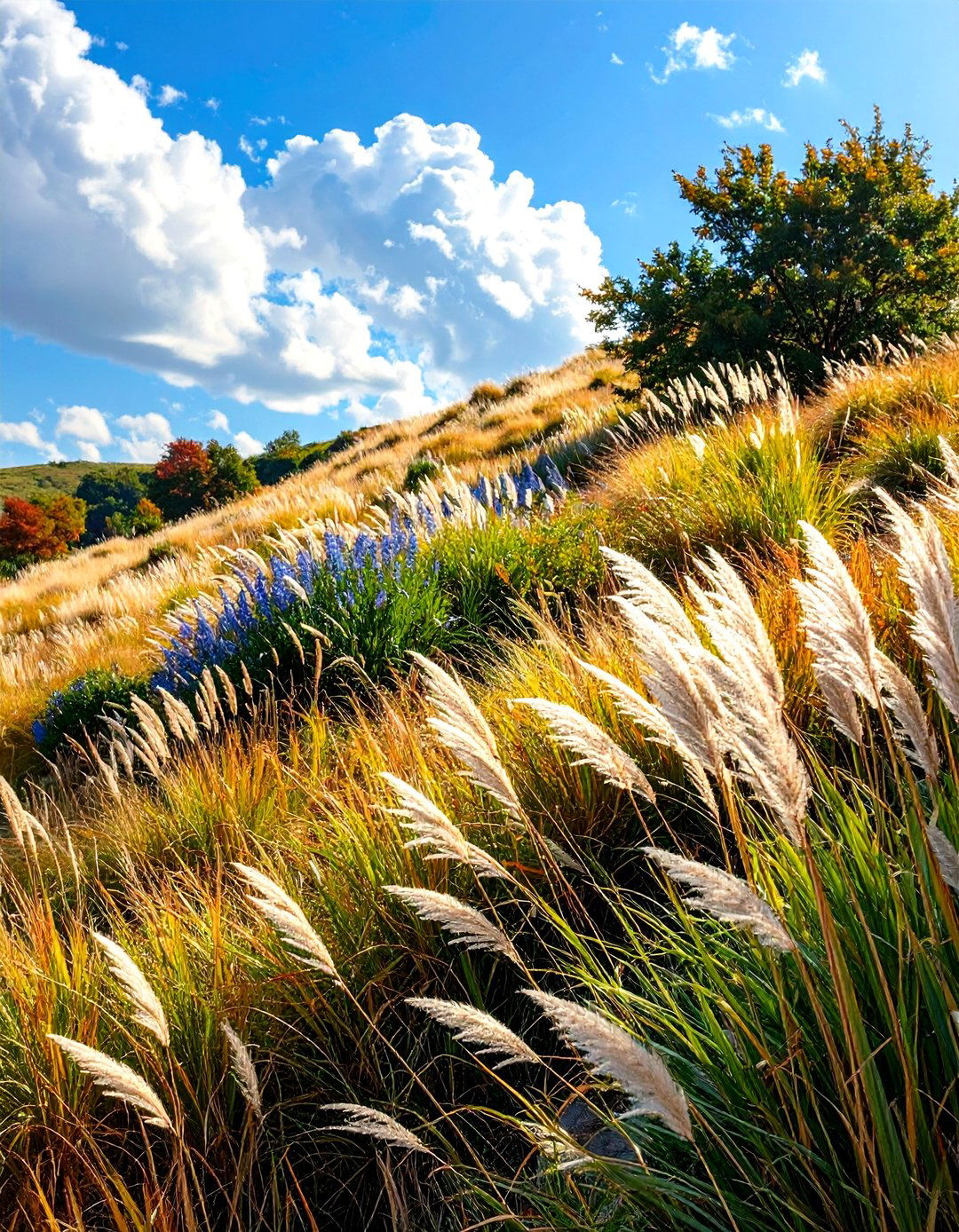
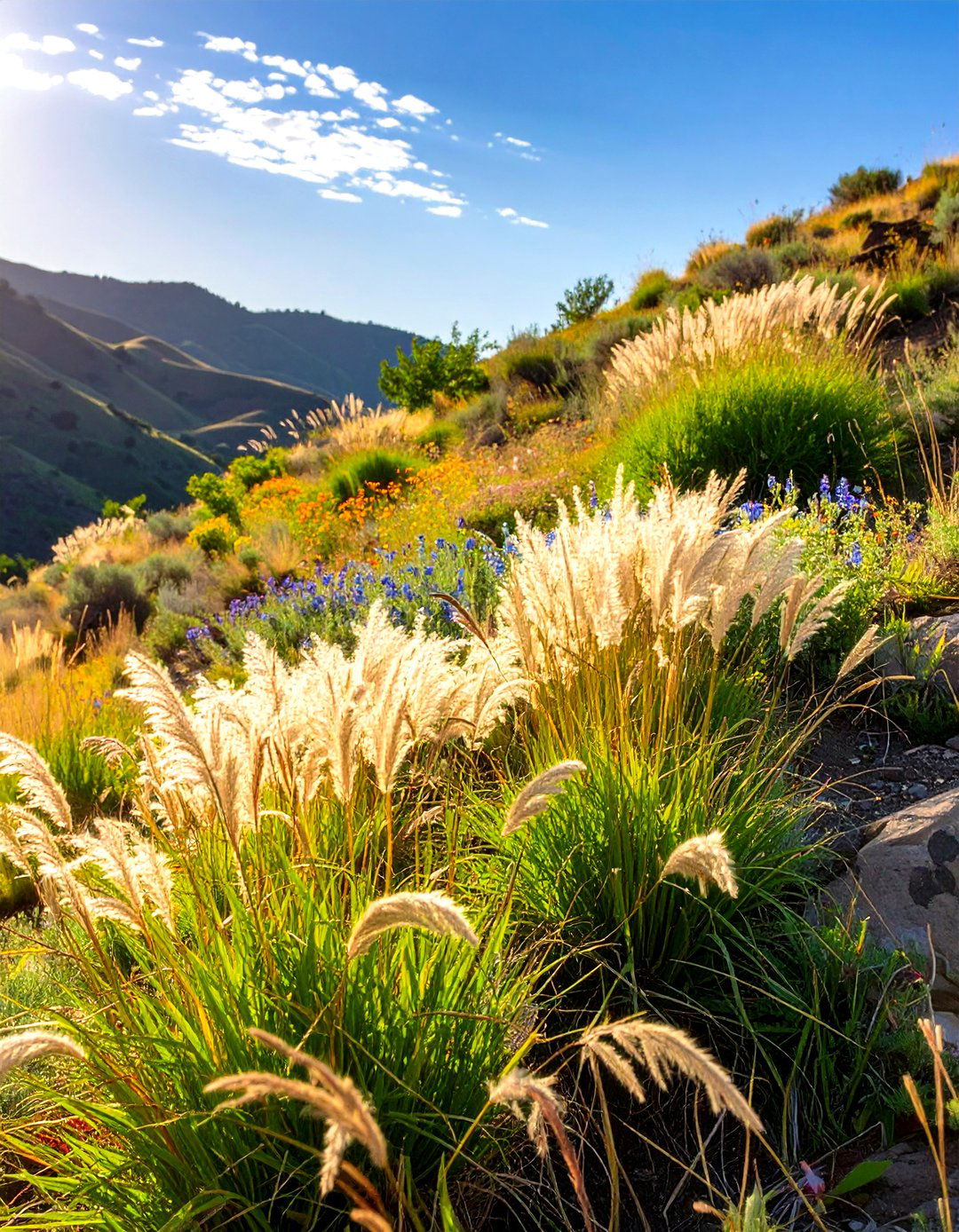
Planting a slope with native grasses is a sustainable and low-maintenance landscaping solution. Native grasses are perfectly adapted to the local climate and soil conditions, meaning they require minimal watering, fertilizer, or care once established. Their deep root systems are incredibly effective at preventing soil erosion, making them ideal for stabilizing hillsides. Varieties like switchgrass, little bluestem, or prairie dropseed add beautiful texture and movement to the landscape, changing colors with the seasons. This approach creates a naturalistic, meadow-like effect that supports local wildlife and looks beautiful year-round with very little effort.
9. Multi-Level Decks on a Slope
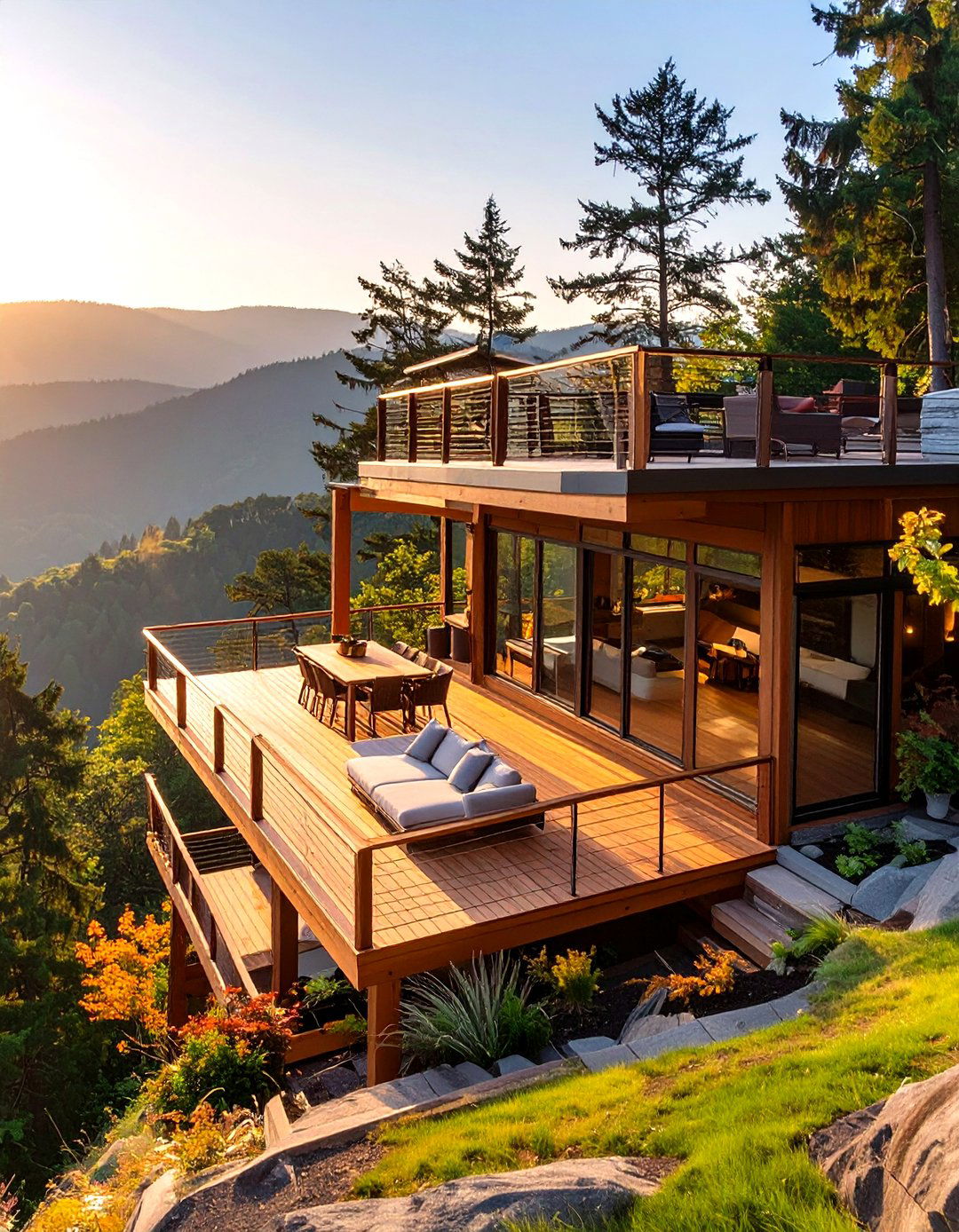
Transform a steep, unusable slope into a functional outdoor living area by building a multi-level deck. This design creates a series of flat, usable platforms for dining, lounging, or entertaining, all connected by short flights of stairs. Building a deck over the slope eliminates the need for extensive excavation and grading, preserving the natural contour of the land. Each level can be designed for a different purpose—a top-level seating area with a view, a middle level for a dining table, and a lower level for a hot tub or fire pit, maximizing your outdoor living space.
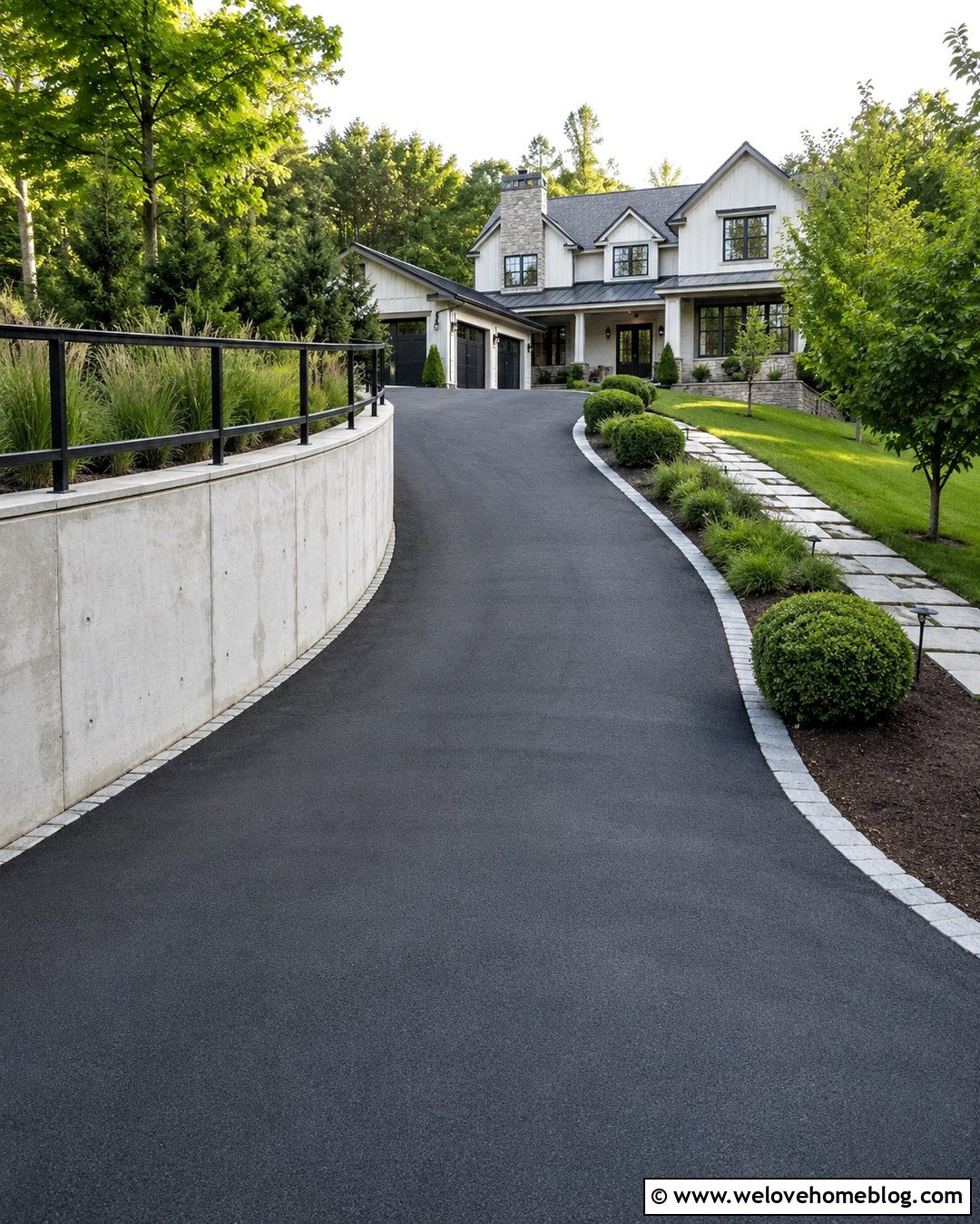
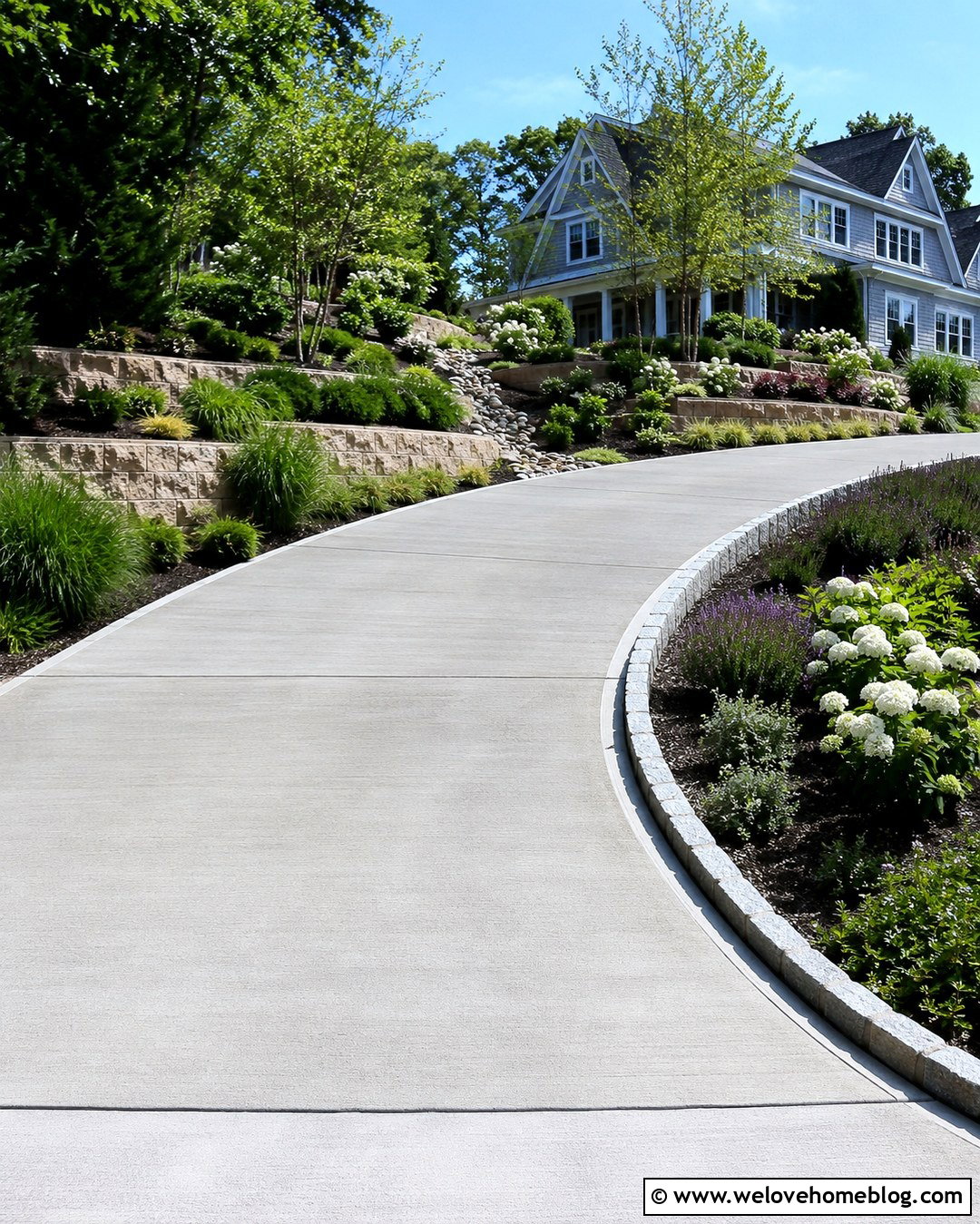
10. Woodland Garden Paths on Slopes

Embrace a shady slope by creating a naturalistic woodland garden path. Use organic materials like wood chips or mulch to create a soft, informal walkway that meanders through the trees. Line the path with shade-loving native plants such as ferns, hostas, and wild ginger to enhance the forest-floor feeling. The gentle curves of the path make navigating the slope easier and more inviting. This design requires minimal disturbance to the existing landscape and creates a peaceful, immersive experience, making you feel as though you are taking a stroll through a secluded forest right in your own backyard.
11. Succulent and Cactus Gardens on Slopes

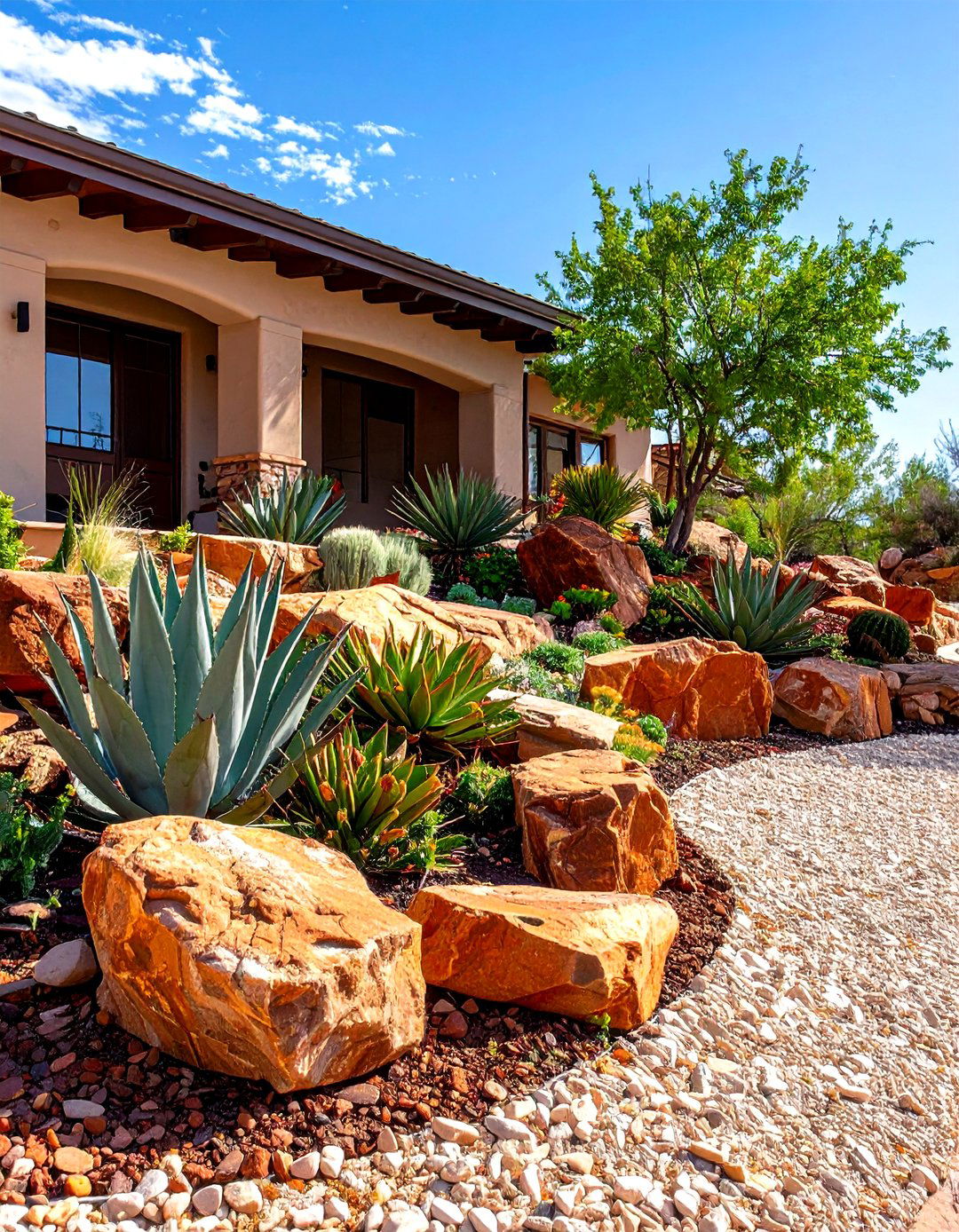
A sunny, dry slope is the perfect location for a stunning succulent and cactus garden. These plants thrive in well-draining soil and require very little water, making them an ideal choice for a low-maintenance landscape. The natural incline ensures excellent drainage, preventing root rot, which is a common issue for these species. Arrange a variety of succulents like echeverias, aloes, and agaves with different colors, textures, and shapes to create a visually captivating tapestry. This type of garden is not only water-wise but also adds a unique, sculptural quality to your hillside throughout the year.
12. Slides Built Into a Hillside
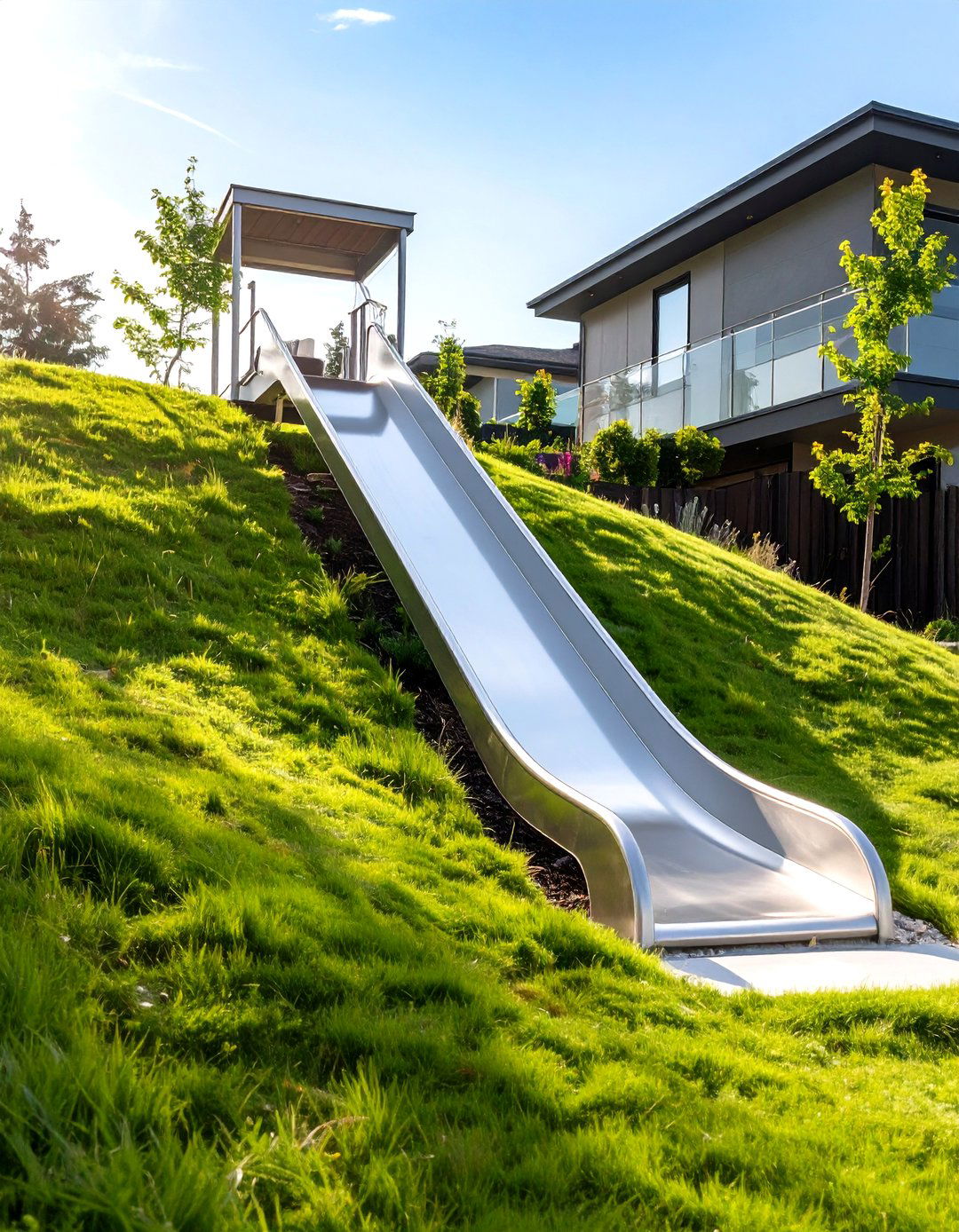
For a family-friendly landscape, turn a grassy slope into a source of endless fun by building a slide directly into the hillside. A stainless steel or durable plastic slide can be nestled into the incline, following its natural curve. This creates a more integrated and aesthetically pleasing play feature than a standalone playground structure. Surround the slide with soft turf or rubber mulch for a safe landing zone at the bottom. It’s a fantastic way to make practical use of an otherwise challenging part of the yard, providing entertainment for children while seamlessly blending into the overall garden design.
13. Boulder Accents on a Slope
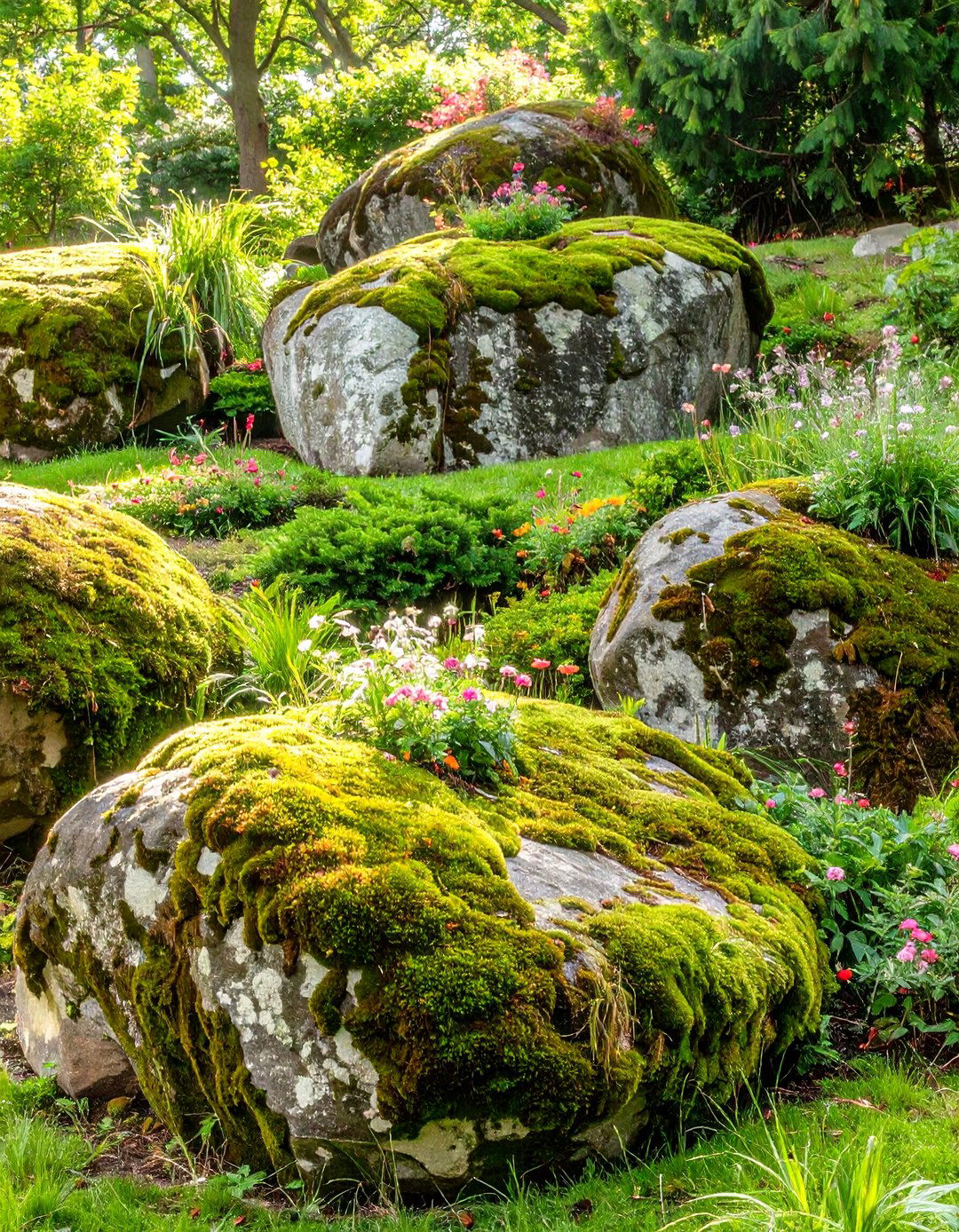
Strategically placing large boulders on a slope can add dramatic visual interest and help stabilize the soil. These massive stones act as natural retaining elements, breaking up the expanse of the hill and creating pockets for planting. Arrange them in clusters or as individual focal points to mimic a natural, weathered landscape. The boulders provide texture and a sense of permanence that contrasts beautifully with the softness of surrounding plants. This technique is particularly effective on steep inclines, where it can make the landscape feel more grounded and intentional while preventing erosion.
14. Flowering Shrubs on a Slope

Planting a variety of flowering shrubs is an excellent way to add color, texture, and stability to a sloped yard. Choose shrubs with strong root systems that will help hold the soil in place. Varieties like forsythia, viburnum, and creeping juniper are hardy and provide seasonal interest with their blooms, foliage, and berries. Layering shrubs of different heights, with taller ones at the back and shorter ones in the front, creates a lush, multi-dimensional look. This approach reduces maintenance, as the dense plantings will help suppress weeds and require less care than a traditional lawn.



15. Gabion Wall Terracing for Slopes
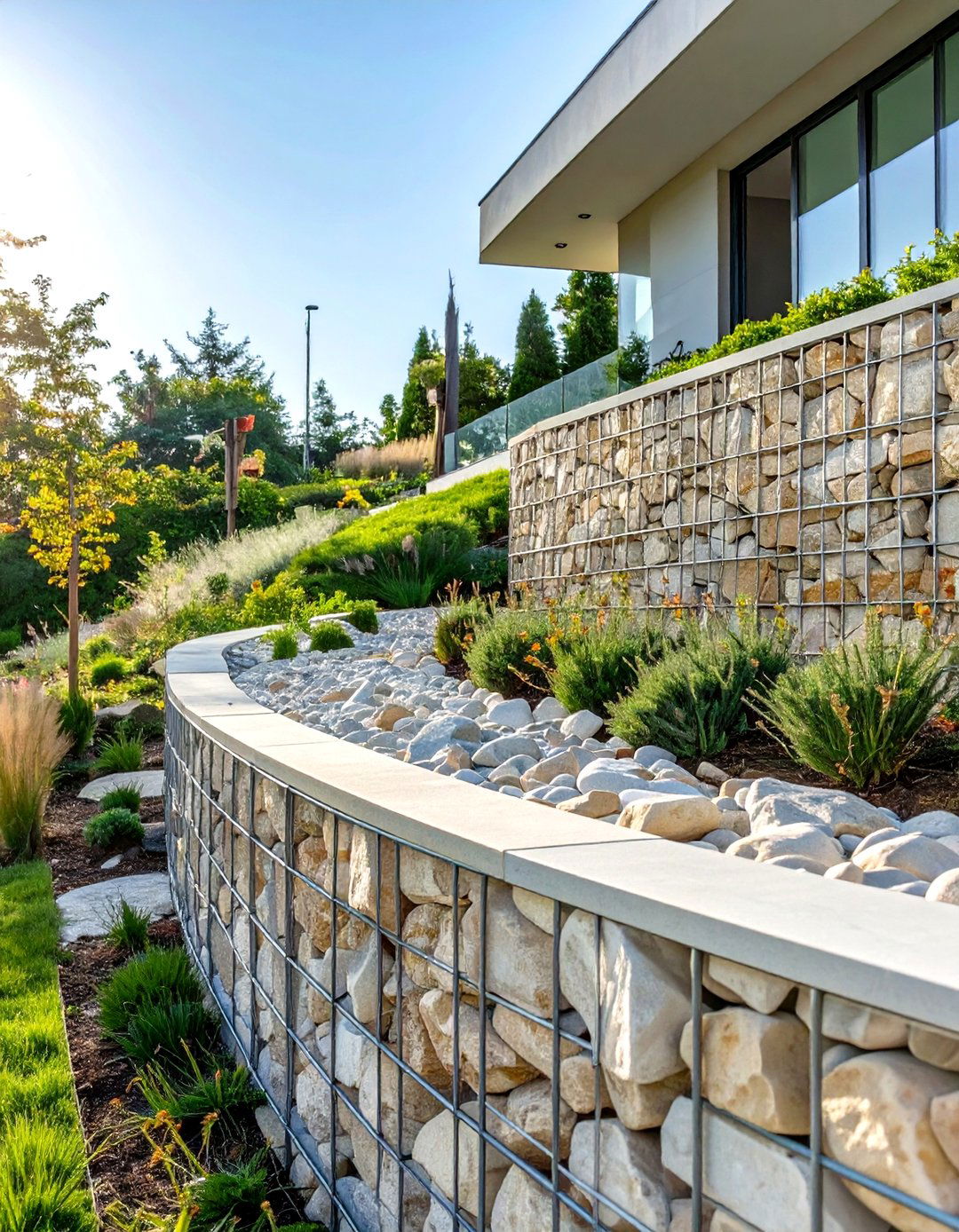
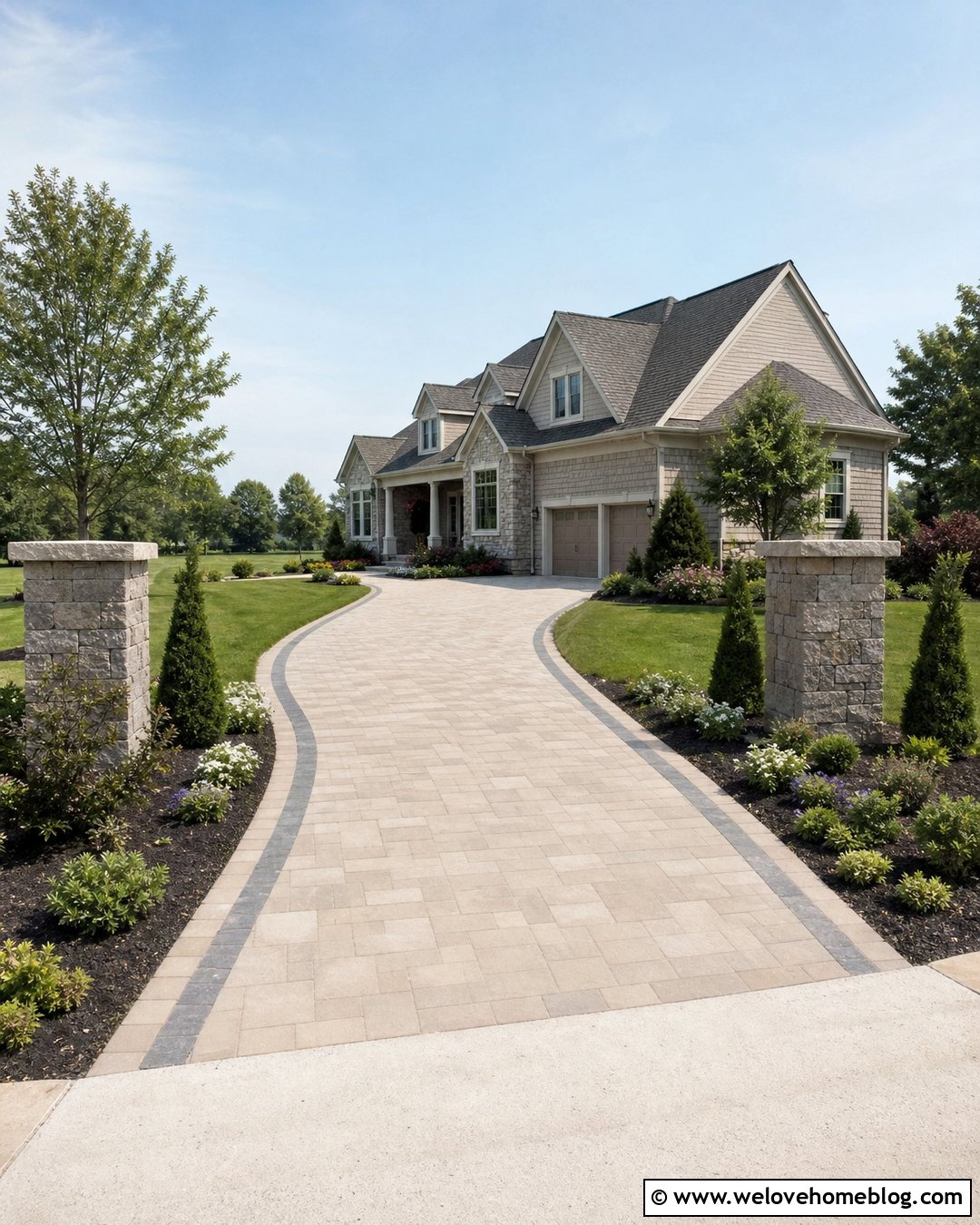
For a modern and industrial look, use gabion walls to terrace your slope. Gabions are wire cages filled with rocks, which can be stacked to create sturdy and permeable retaining walls. They are an effective and relatively simple way to create level planting areas or patios on a hillside. The gaps between the rocks allow for excellent drainage, preventing water pressure from building up behind the wall. This method is not only functional for erosion control but also adds a unique textural element to the landscape, blending an industrial material with natural stone for a contemporary aesthetic.
16. Corten Steel Planters on a Slope

Incorporate corten steel planters to add a contemporary, sculptural element to your sloped landscape. These planters, which develop a stable, rust-like patina over time, can be custom-built to create terraced levels on a hillside. They provide clean, defined edges for planting beds and can be arranged in geometric or flowing patterns. The warm, earthy tones of the rusted steel contrast beautifully with lush green foliage and colorful flowers. Using planters eliminates the need for extensive excavation, offering a stylish and practical way to create level gardening spaces on even the steepest of inclines.
17. Stone Slab Steps for Slopes
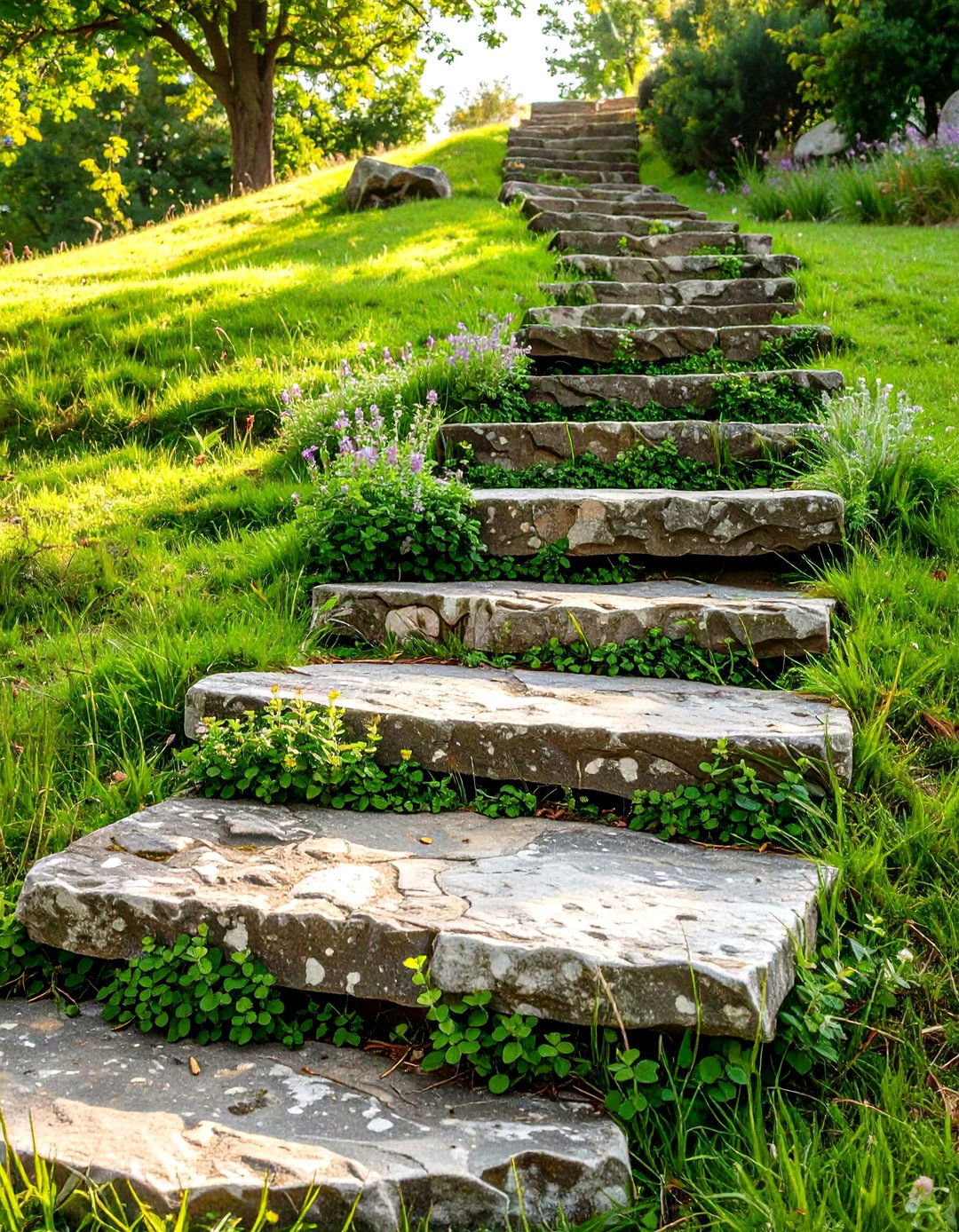
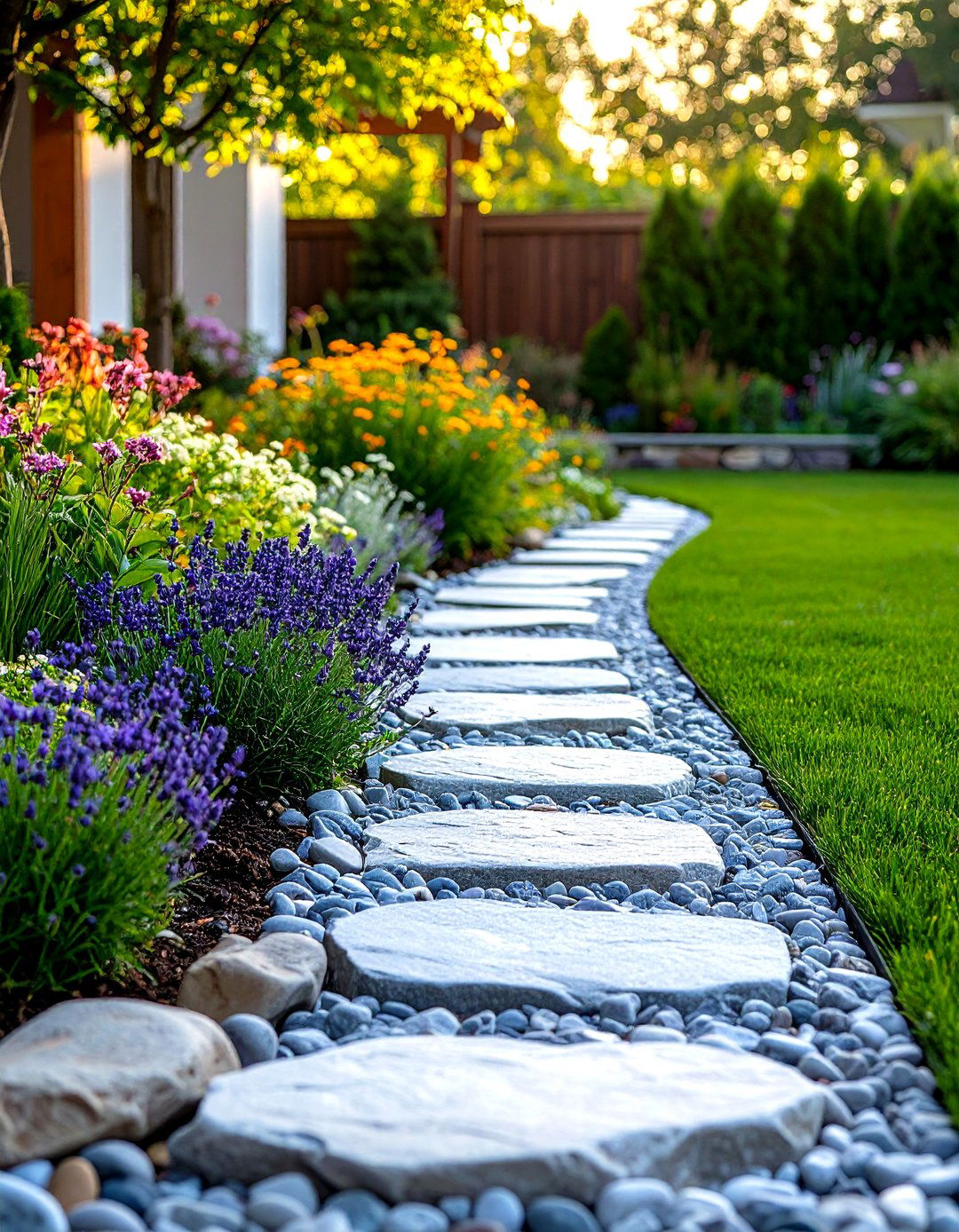
Create a rustic and durable pathway on your slope with large stone slab steps. These thick, irregular-shaped pieces of stone are set directly into the hillside, creating a sturdy and natural-looking staircase. The weight and size of the slabs provide stability, and the gaps between them can be planted with creeping groundcovers like thyme or moss to soften the look. This style of path feels ancient and established, blending seamlessly into a natural or woodland garden setting. It offers a practical way to navigate the slope while adding significant character and charm to the landscape.
18. Hillside Wildflower Meadows on a Slope

Transform a sunny slope into a vibrant, low-maintenance wildflower meadow. By sowing a mix of native wildflower seeds, you can create a beautiful, ever-changing tapestry of color that supports pollinators like bees and butterflies. A meadow requires no mowing and, once established, needs very little water, making it an eco-friendly alternative to a traditional lawn on a difficult incline. The dense root systems of the wildflowers and grasses will also help to stabilize the soil and prevent erosion. This approach turns a challenging hillside into a dynamic and beautiful natural habitat.
19. Seating Areas on a Terraced Patio
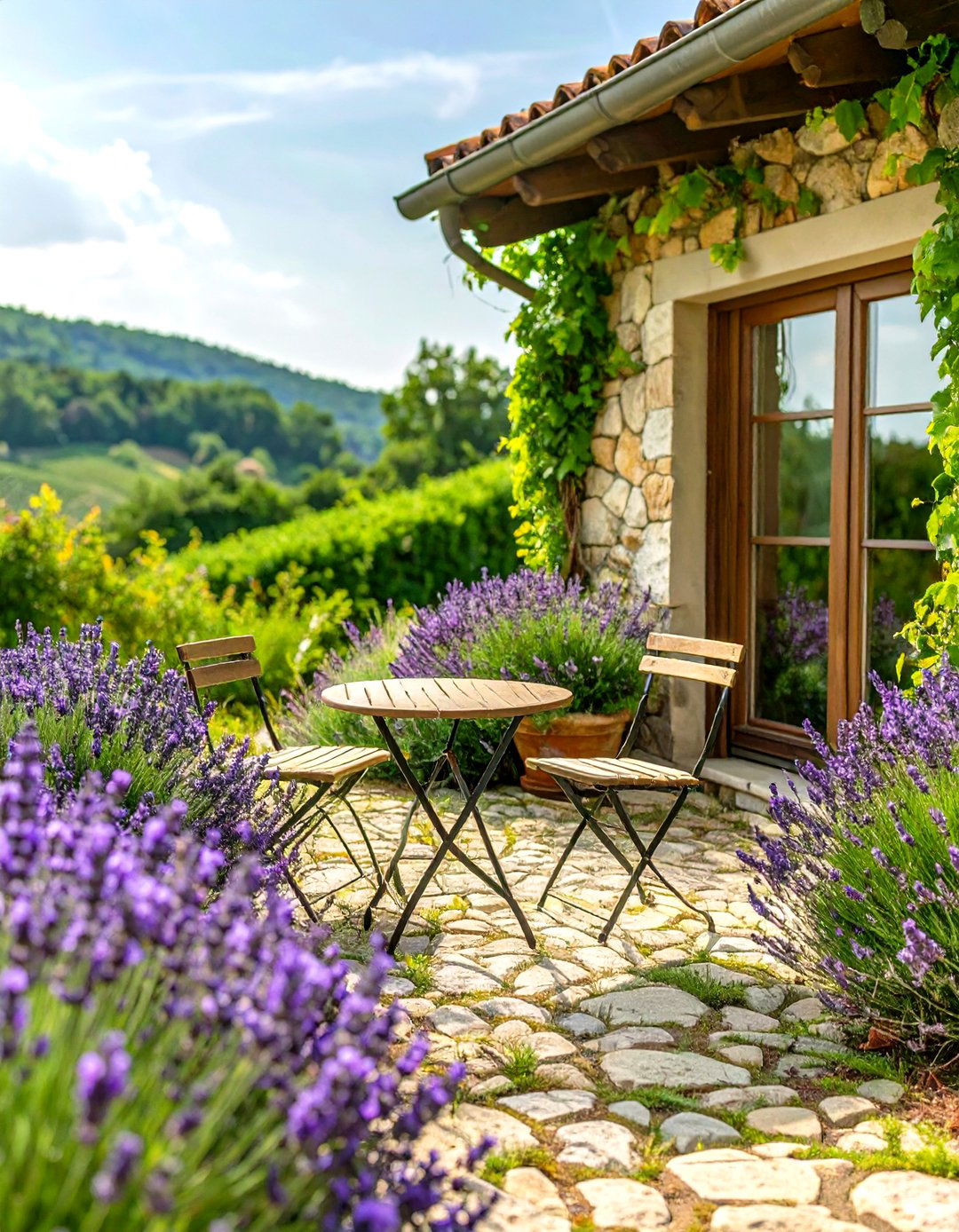
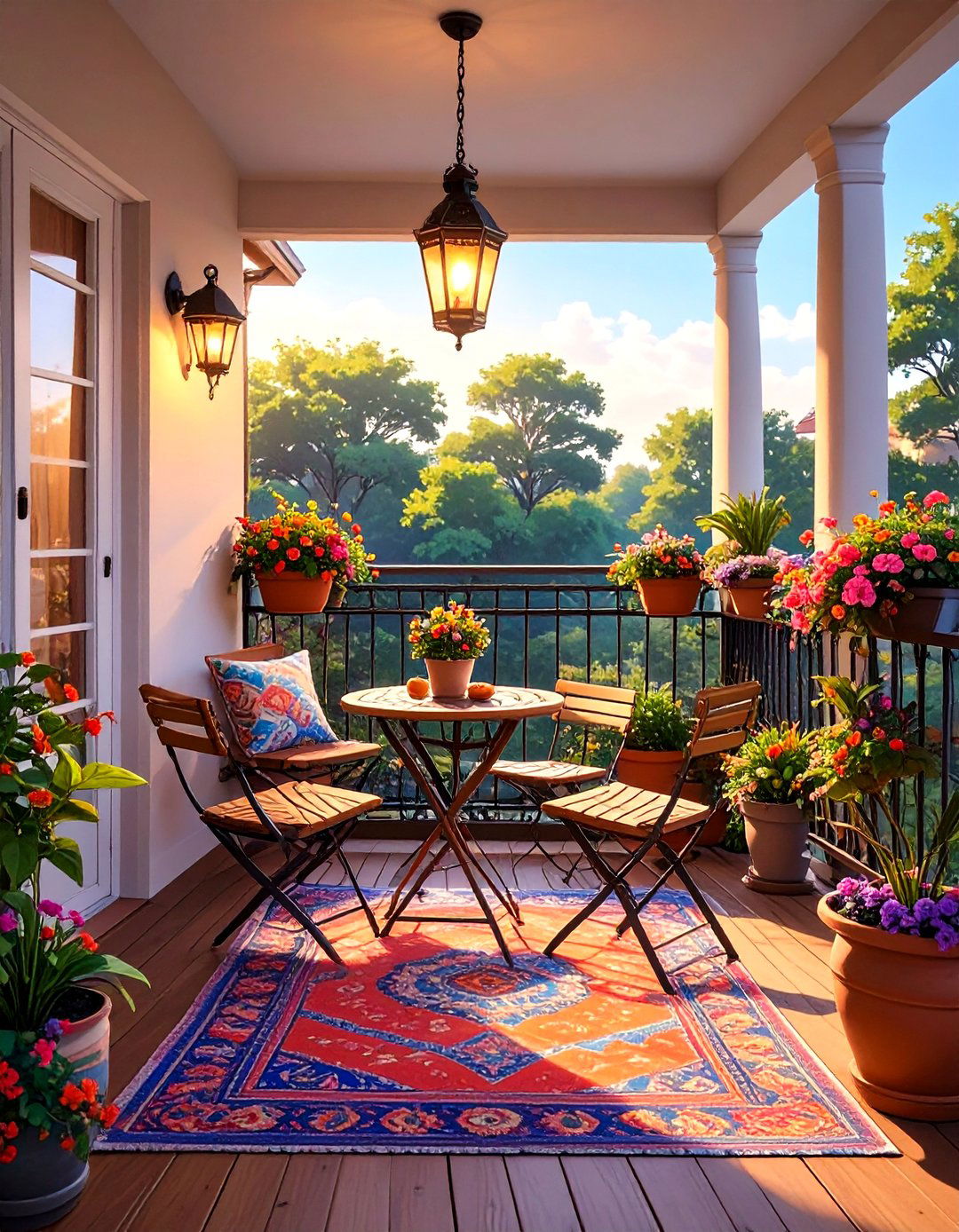
Carve out a cozy retreat on your slope by creating a small, terraced patio for a seating area. A single-level retaining wall can be enough to establish a flat space for a small bistro table and chairs or a comfortable bench. This creates a destination within your garden, a perfect spot to enjoy a morning coffee or watch the sunset. Surround the patio with fragrant flowers and lush plants to make it feel like a private oasis. It’s an effective way to turn an unusable section of your yard into a highly functional and inviting outdoor room with a unique vantage point.
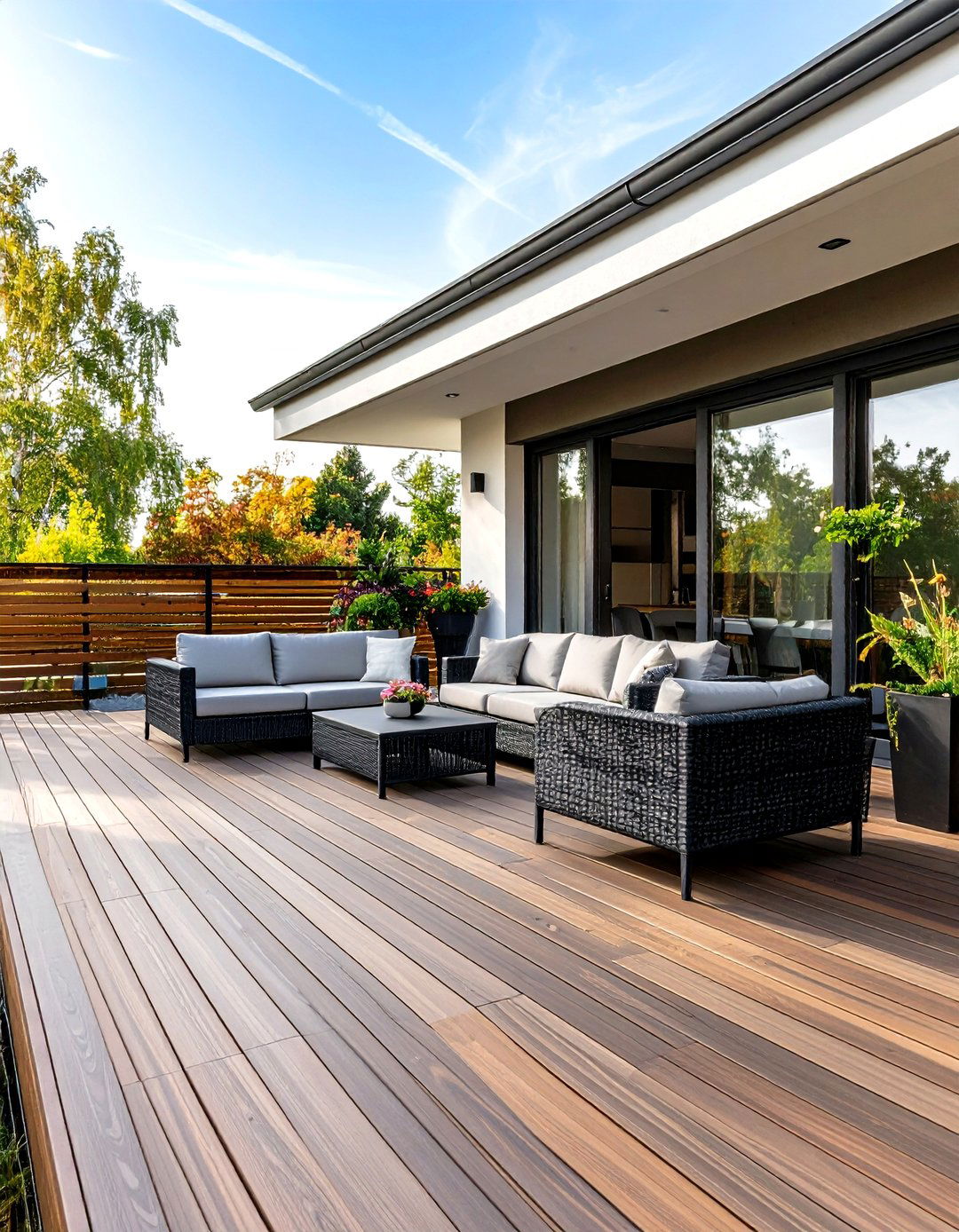

20. Landscape Lighting for Sloped Paths

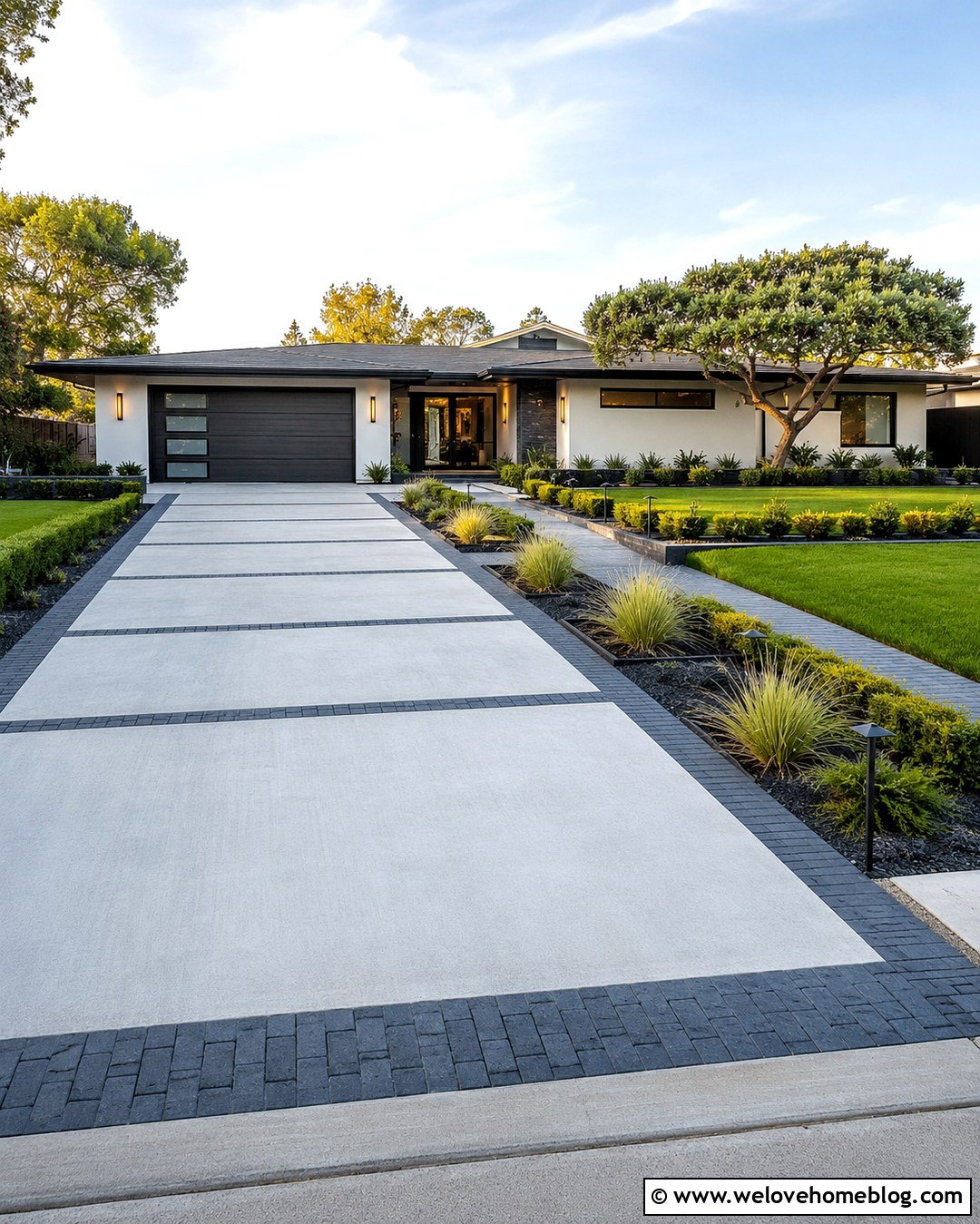
Enhance the safety and beauty of your sloped landscape at night with thoughtful landscape lighting. Install low-voltage path lights along stairways and walkways to illuminate the way and prevent trips and falls. Use uplighting to highlight the texture of retaining walls, the form of specimen trees, or the drama of large boulders. Well-placed lighting can transform your garden after dark, creating a magical ambiance and extending the hours you can enjoy your outdoor space. It not only adds a crucial layer of safety for navigating inclines but also adds significant drama and curb appeal.
21. Slopes with Creeping Vines

Use creeping vines to cover a slope with a curtain of green. This is an excellent solution for steep or rocky inclines where other plants may struggle to take hold. Vines like English ivy, climbing hydrangea, or Virginia creeper will readily climb over rocks and up steep banks, their roots helping to bind the soil and prevent erosion. Many vines offer seasonal interest, with beautiful flowers or stunning fall color. This method requires very little site preparation and can quickly transform a barren, difficult-to-access area into a lush, vertical garden that softens the hard lines of the landscape.
22. Zen Gardens on a Slope

A sloped terrain offers a perfect canvas for creating a serene Zen garden. The principles of Zen design, which emphasize simplicity, tranquility, and natural elements, can be beautifully adapted to a hillside. Use raked sand or fine gravel on a terraced level to represent water, and strategically place moss-covered rocks to symbolize mountains. A simple bamboo water feature (shishi-odoshi) can add gentle sound and movement. The changes in elevation enhance the garden's contemplative quality, creating different perspectives and a sense of journey as you move through the space, fostering a peaceful and meditative atmosphere.
23. Fruit Tree Espaliers on a Slope
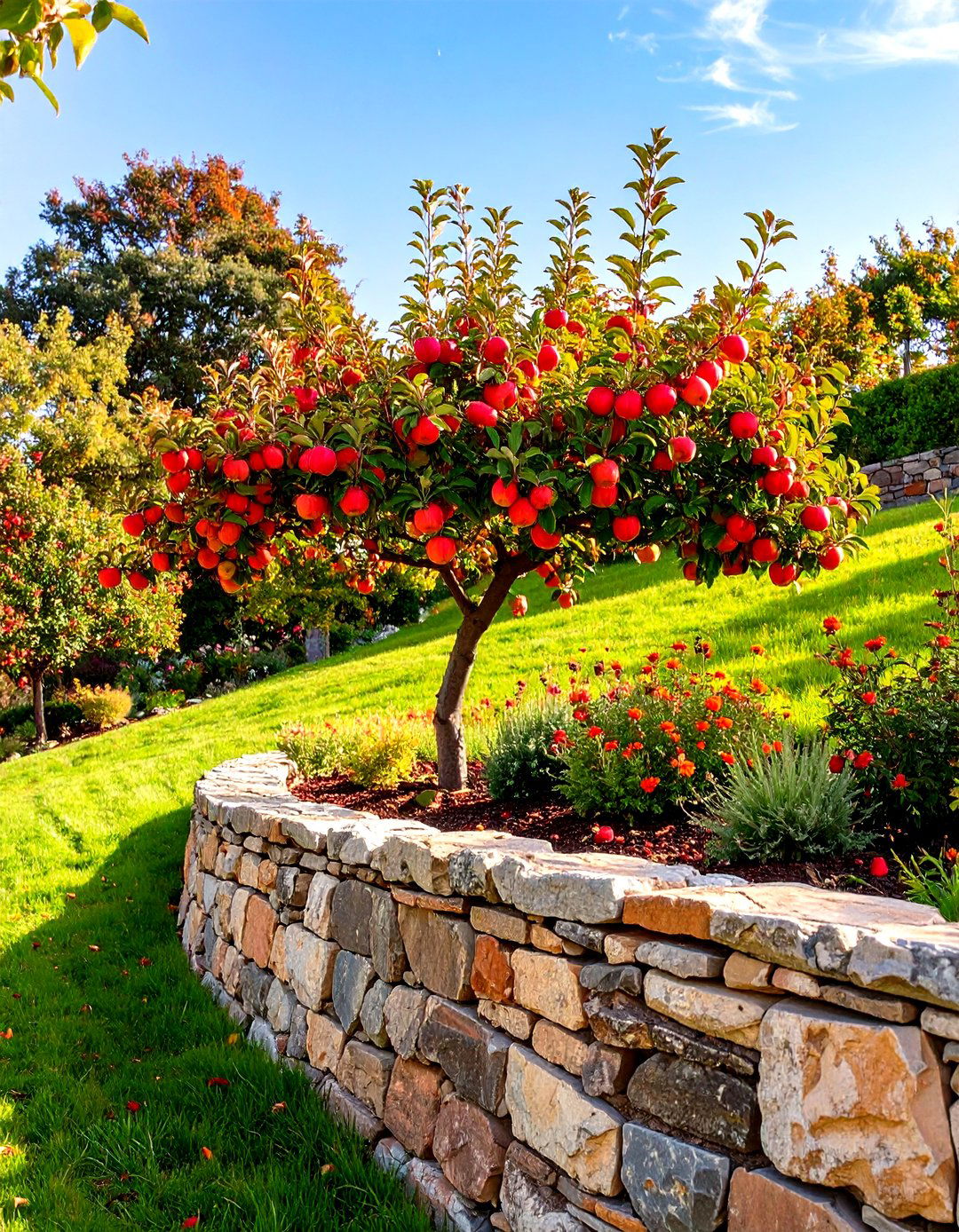
Maximize your growing space and add a touch of old-world charm by growing fruit trees as espaliers on a slope. Espalier is the art of training trees to grow flat against a support structure, like a wall or a wire trellis. On a slope, you can build a series of retaining walls and use their surfaces for this purpose. This technique not only saves space but also increases sun exposure and air circulation for the fruit, often leading to better yields. Apple, pear, and fig trees are well-suited for espalier and create a stunning, productive feature.
24. Railroad Tie Steps and Walls

For a rustic and cost-effective solution, use railroad ties to build steps and retaining walls on your slope. The substantial size and weight of these timbers make them excellent for creating sturdy, durable structures. You can set them directly into the hillside to form wide, comfortable steps or stack them to create low, terraced walls for planting beds. The dark, weathered wood has a rugged appeal that works well in informal, country-style, or woodland gardens. This is a practical, DIY-friendly option for taming an incline and adding functional, rustic character to your landscape design.
25. Erosion Control Matting with Plants

On a very steep or unstable slope, use erosion control matting as a foundation for planting. These biodegradable mats, often made of jute or coir, are rolled out over the soil and secured in place. You can then cut holes in the matting to insert plants. The matting holds the soil and seeds in place, preventing them from washing away while the plant roots establish themselves. Over time, the matting decomposes, leaving behind a stable, vegetated slope. This is a highly effective, technical approach for severe erosion problems, ensuring your new plantings have the best chance of survival.
26. Integrating a Fire Pit on a Slope

Create an inviting gathering spot by integrating a fire pit into your sloped yard. This typically involves excavating a portion of the hillside to create a level, circular or square patio area. A retaining wall built into the slope behind the fire pit can double as extra seating and make the space feel cozy and enclosed. This design turns a challenging incline into a destination for socializing and relaxation. Using materials like stone or pavers for the patio surface ensures a safe, non-combustible area around the fire, providing a perfect spot for enjoying cool evenings outdoors.
27. A Sloping Lawn Alternative with Moss

For shady, damp slopes where grass struggles to grow, consider cultivating a moss lawn. Moss thrives in acidic, compacted soil and requires no mowing, fertilizing, or pesticides. It forms a lush, velvety green carpet that beautifully handles foot traffic once established. A moss garden is incredibly low-maintenance and provides a tranquil, ancient feeling to the landscape. It’s an excellent, eco-friendly solution for difficult-to-mow areas, preventing soil erosion while creating a unique and serene groundcover that perfectly complements a woodland or Japanese-style garden aesthetic, embracing the natural conditions of the site.
28. Mixed Perennial Beds on a Slope

Design stunning, season-long displays of color and texture by creating mixed perennial beds on your slope. By terracing the hillside or simply planting directly into the incline, you can layer a variety of perennials with different bloom times, heights, and foliage. Choose plants with fibrous root systems, like daylilies, hostas, and ornamental grasses, to help stabilize the soil. Placing taller plants at the back and shorter, cascading plants at the front creates a beautiful, spilling effect. This approach results in a dynamic, cottage-garden feel that evolves throughout the seasons and effectively manages the challenges of a slope.
29. A Children's Play Area on a Terraced Slope

A slope can be expertly transformed into an adventurous play area for children by creating different activity zones on terraced levels. One level could feature a sandbox, while another could house a small climbing wall built against a retaining wall. A third, lower level might be a flat, grassy patch perfect for games. Connecting these areas with a gentle ramp or a fun set of steps makes navigation part of the adventure. This method safely utilizes the entire space, turning a potentially hazardous incline into a secure and imaginative playground that encourages active, outdoor fun.
30. Using Juniper as Groundcover on a Slope

An extremely hardy and effective solution for covering a sunny, dry slope is to plant creeping juniper. This evergreen groundcover is incredibly drought-tolerant and requires almost no maintenance once established. Its dense, spreading branches form a thick mat that is highly effective at suppressing weeds and preventing soil erosion. Varieties like Blue Rug or Wiltonii grow very low to the ground, creating a silvery-blue carpet that provides year-round color and texture. It's a fire-and-forget solution for difficult hillsides, offering a tough, attractive, and reliable groundcover that thrives where other plants might fail.
Conclusion:
Transforming a slope from a landscape challenge into a stunning feature is entirely achievable with the right approach. By utilizing techniques like terracing with retaining walls, creating winding paths, or planting erosion-controlling groundcovers, you can add function, beauty, and value to your property. Whether you envision a productive vegetable garden, a tranquil water feature, or a fun-filled play area, the natural incline of your land provides a unique opportunity for creative design. Embracing the topography allows for a layered, dynamic garden that is far more interesting than any flat yard could ever be.

Related posts:


Leave a Reply