
Transforming a patch of your yard into a thriving source of fresh produce is a rewarding endeavor that connects you to your food and the outdoors. A well-designed vegetable garden is not only productive but can also be a beautiful feature of your landscape. Whether you have a sprawling backyard or a tiny balcony, there is a design solution that fits your space and style. These ideas explore various layouts, structures, and planting methods to help you create a functional and aesthetically pleasing garden that yields a bountiful harvest season after season, turning your gardening dreams into a delicious reality.
1. Classic Raised Bed Vegetable Garden
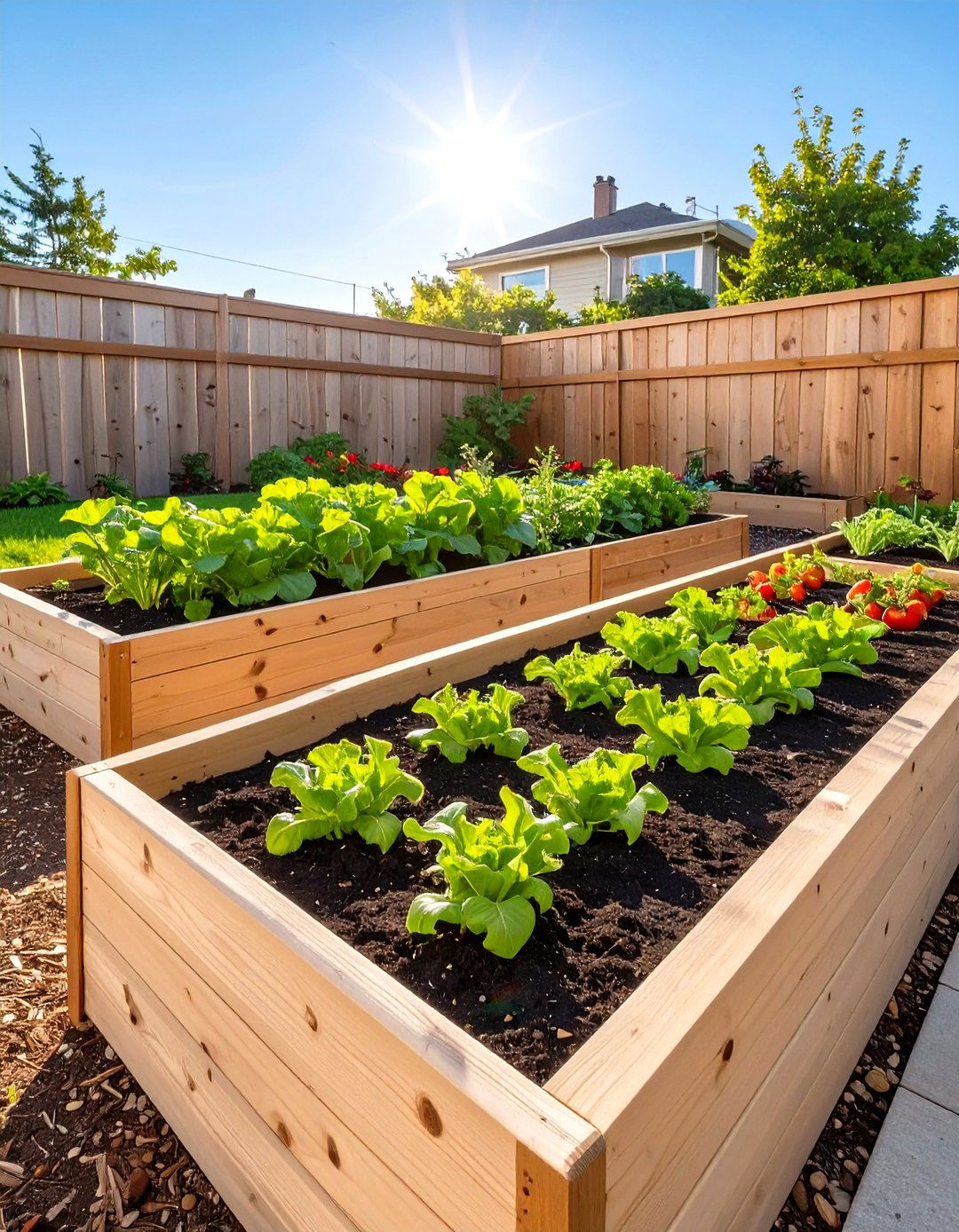
A raised bed vegetable garden offers excellent control over soil quality and provides superior drainage. By constructing simple frames from wood, stone, or composite materials, you create an elevated planting area that warms up faster in the spring, extending your growing season. This design minimizes soil compaction since you won't be walking on the planting area, allowing plant roots to grow freely. The defined edges create a neat, organized look that is easy to weed and maintain. For added efficiency, arrange multiple beds with pathways in between, ensuring easy access to all your plants for watering, pest control, and harvesting.
2. Vertical Vegetable Garden on a Trellis
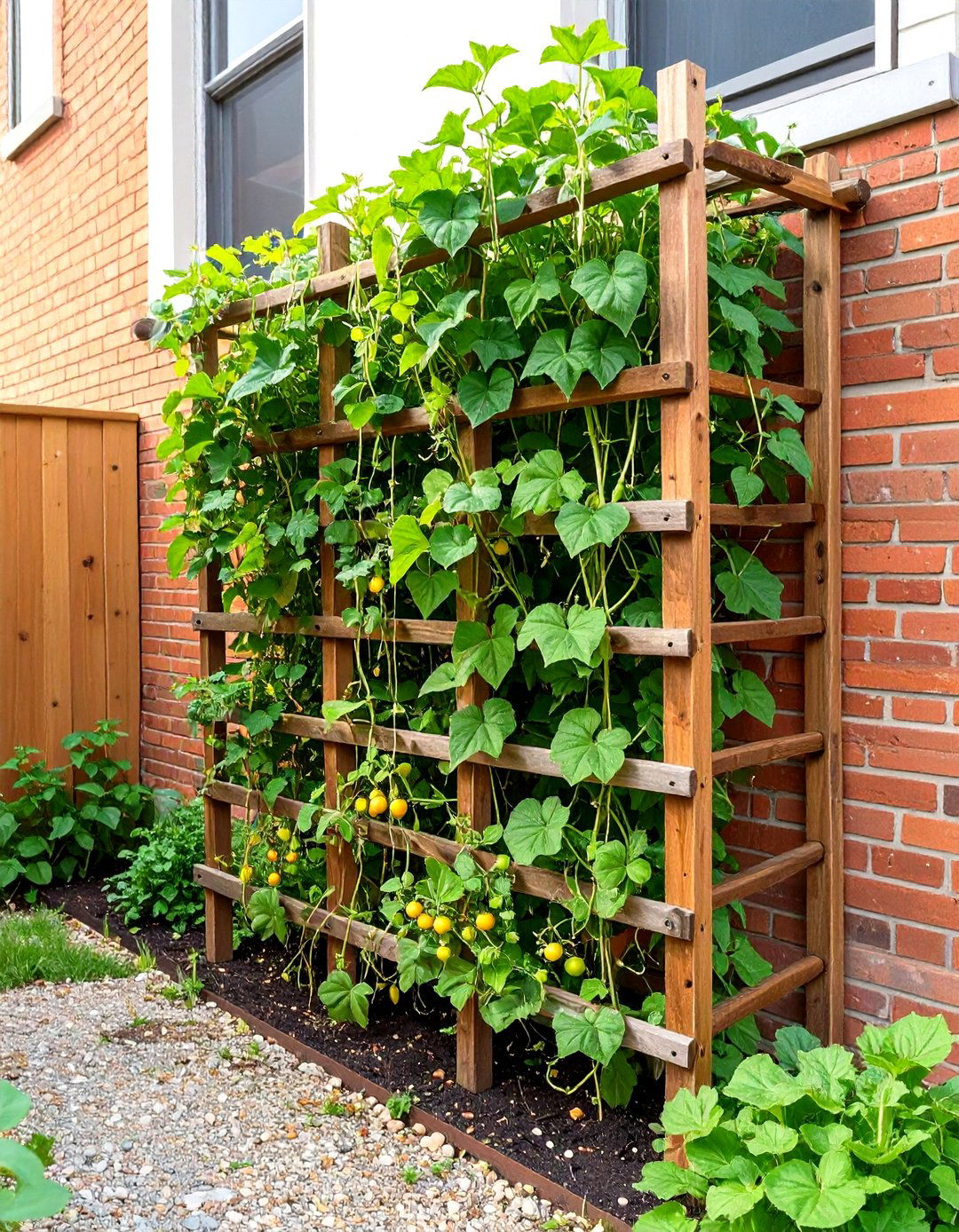
For those with limited ground space, a vertical vegetable garden using trellises is a brilliant solution. Vining plants like cucumbers, pole beans, peas, and even some varieties of squash can be trained to grow upwards, maximizing your yield per square foot. A sturdy trellis, made from wood, metal, or netting, provides essential support and improves air circulation around the plants, which helps reduce the risk of fungal diseases. This upward growth not inly saves space but also makes harvesting easier and keeps delicate fruits and vegetables off the ground, protecting them from pests and rot.
3. Container Vegetable Garden for Patios
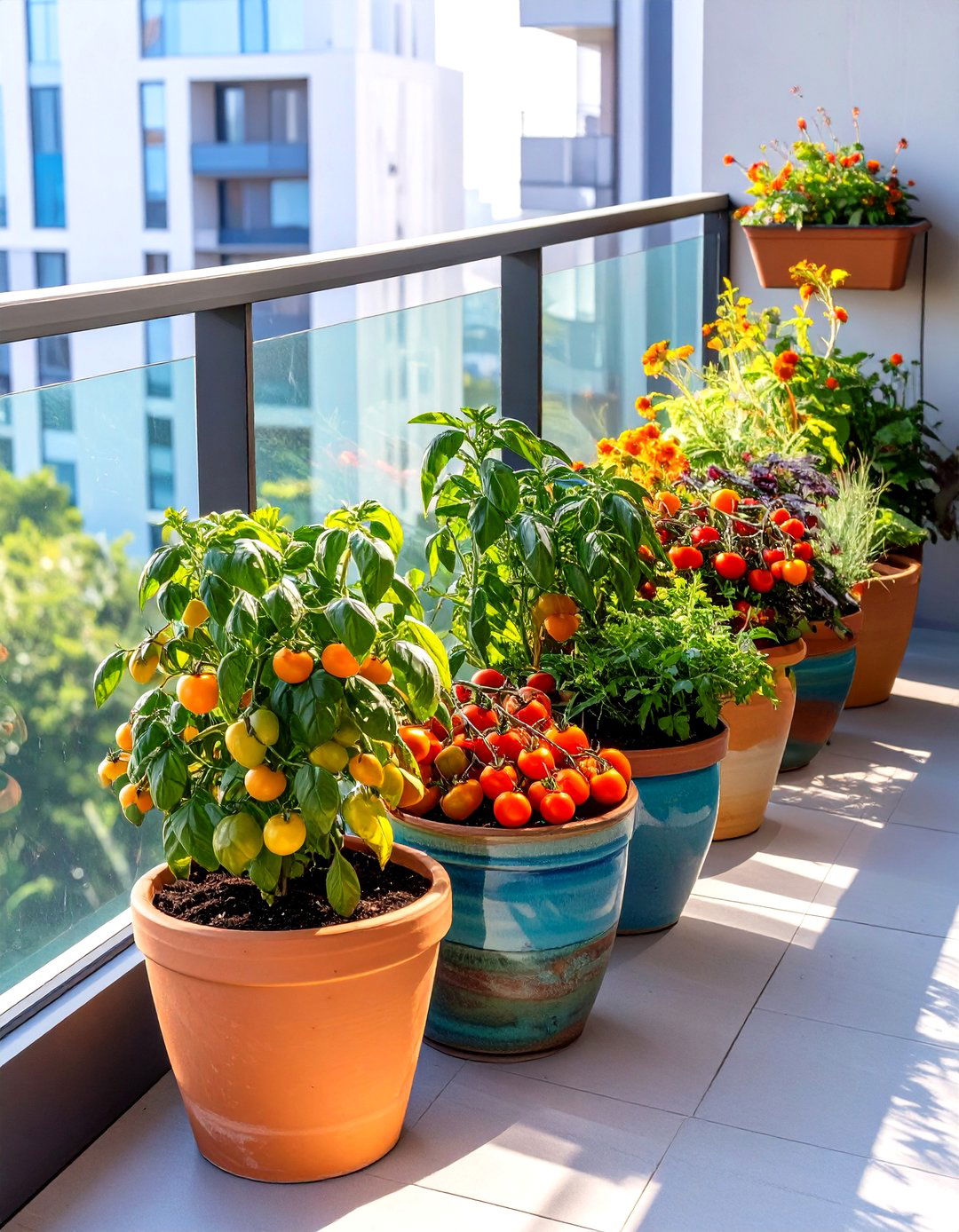
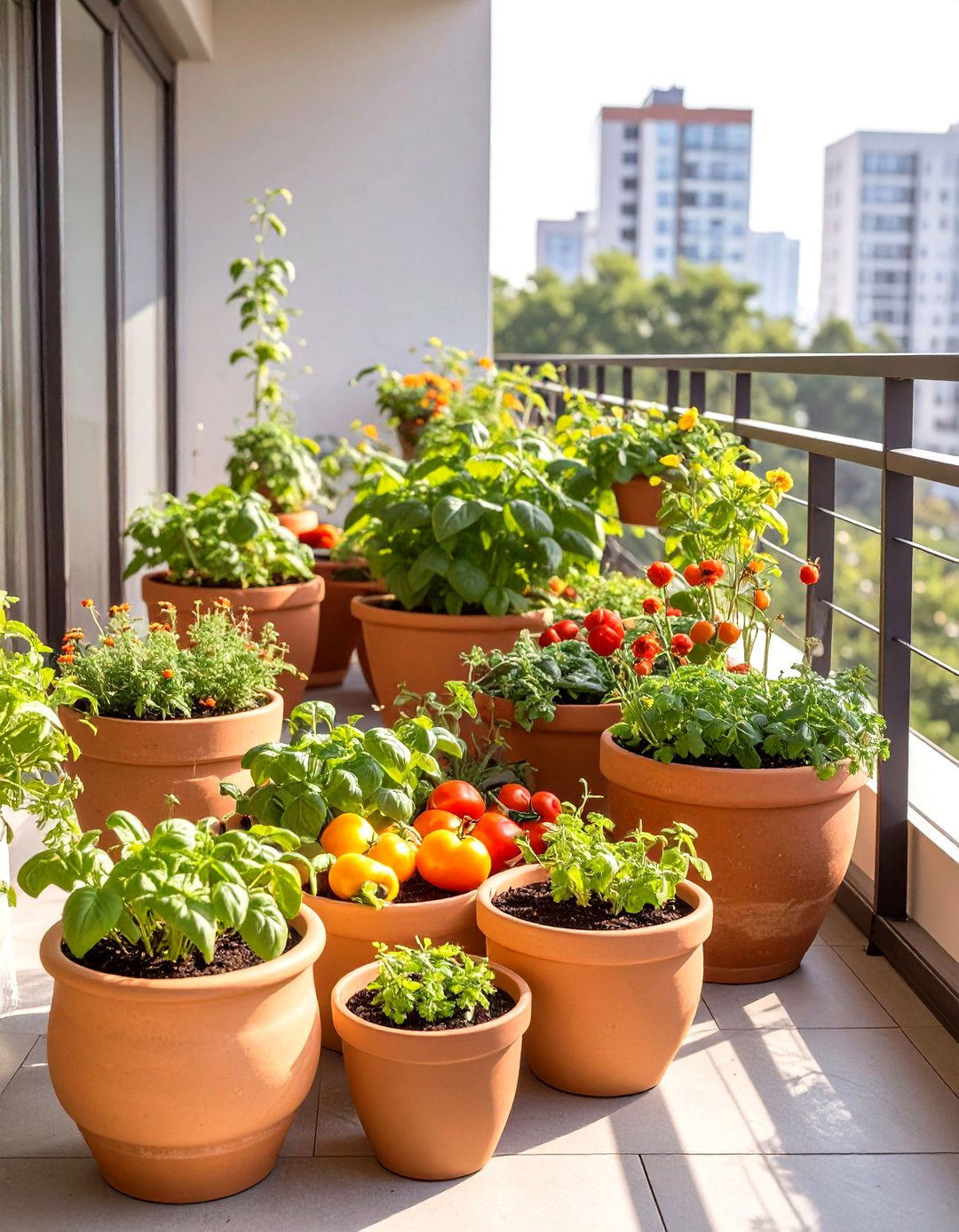
A container vegetable garden is the ultimate choice for urban gardeners with patios, balconies, or limited yard space. A wide variety of vegetables, from tomatoes and peppers to lettuce and herbs, can thrive in pots, barrels, or hanging baskets. The key is to choose containers with adequate drainage holes and a size appropriate for the mature plant. This method gives you complete control over the soil mix and allows you to move plants around to catch the best sunlight. Grouping different pots together can create a lush, dynamic, and productive green space right outside your door.
4. Square Foot Gardening Grid System
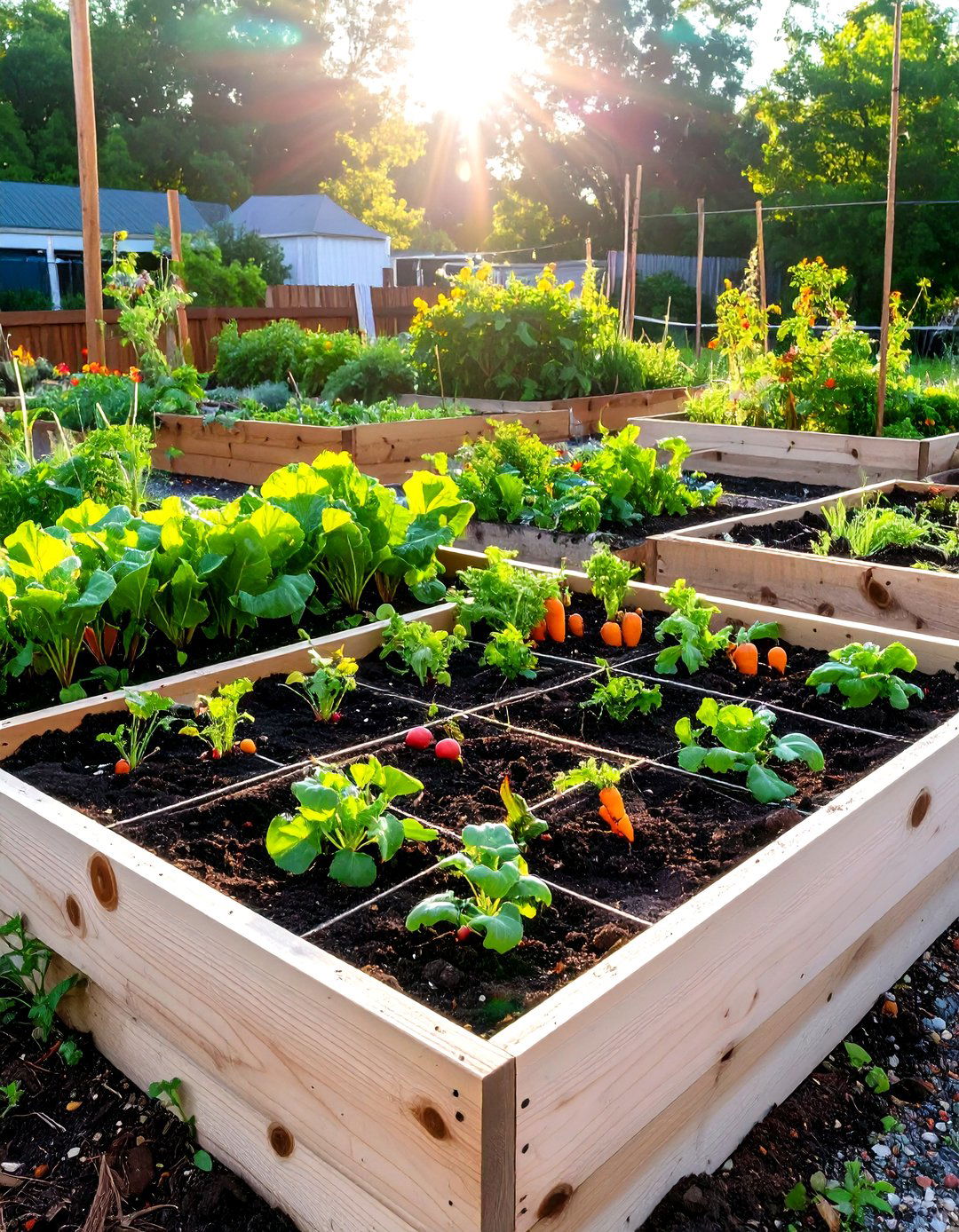
The square foot gardening method is a highly organized system that maximizes harvests in a small area. This design involves dividing a raised bed, typically 4x4 feet, into a grid of one-foot squares. Each square is then planted with a specific number of vegetables, depending on their size. For example, one tomato plant might occupy a single square, while the same space could hold 16 carrots or radishes. This intensive planting technique helps to suppress weeds and simplifies planning and crop rotation. It’s an incredibly efficient and beginner-friendly approach to growing a diverse range of produce.
5. Keyhole Vegetable Garden Design
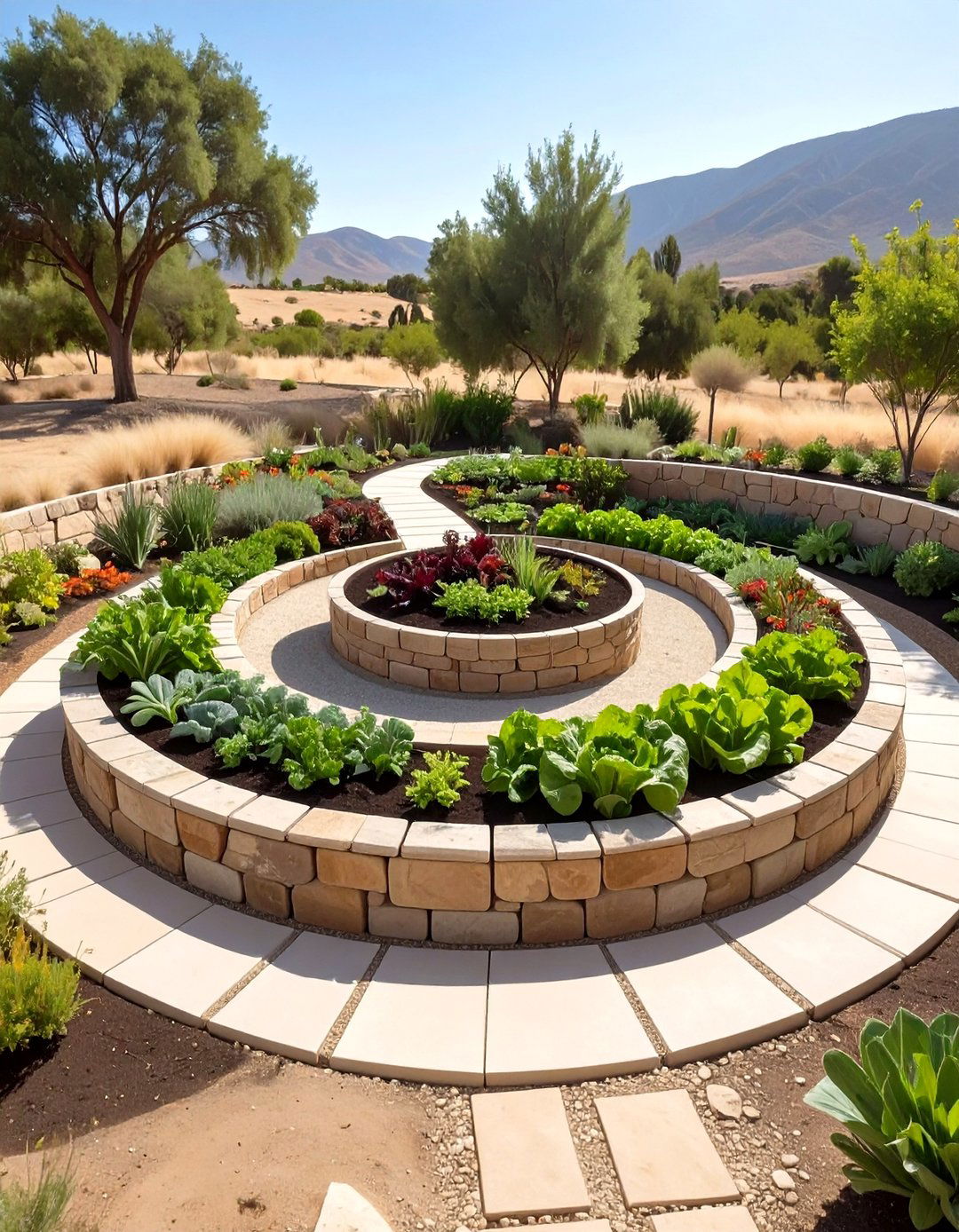
A keyhole vegetable garden combines a raised bed with a central compost basket, creating a highly fertile and water-efficient system. The garden bed is typically circular with a wedge-shaped cutout, or "keyhole," allowing easy access to the center. Kitchen scraps and other organic matter are added to the compost basket, which slowly releases nutrients and moisture into the surrounding soil. This design is particularly effective in hot, dry climates as it retains water and continuously enriches the soil. The unique shape not only serves a practical purpose but also adds a visually interesting element to your landscape.
6. French Potager Vegetable Garden
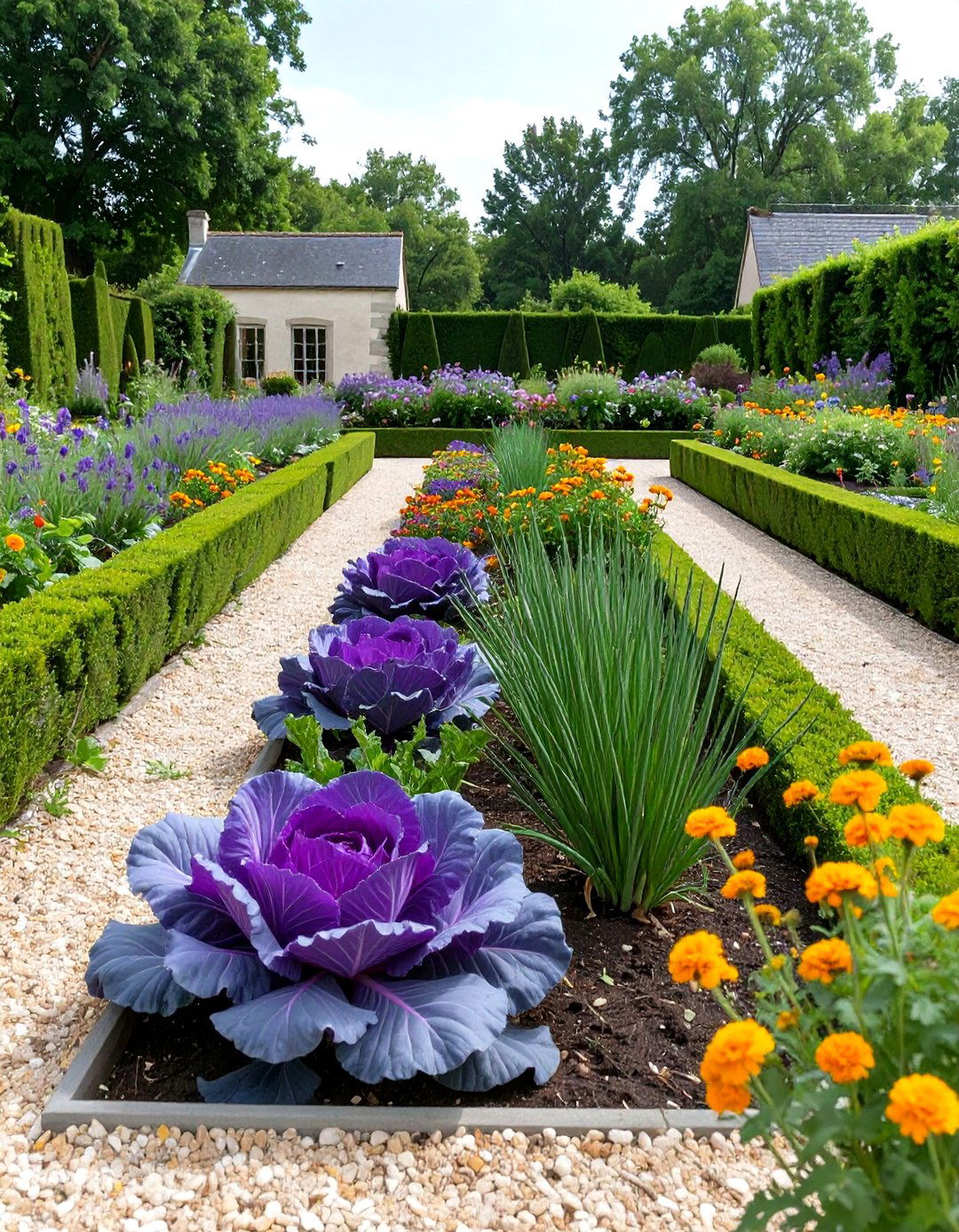
A potager, or French kitchen garden, beautifully integrates vegetables, herbs, and flowers into an ornamental design. This style emphasizes aesthetics as much as productivity, arranging plants in geometric patterns, often within formal, symmetrical beds bordered by low hedges or stone paths. Interplanting flowers like marigolds and nasturtiums among the vegetables helps to attract pollinators and deter pests, creating a healthy ecosystem. The potager garden is a celebration of both beauty and function, turning the practical act of growing food into an art form that provides a feast for the eyes as well as the table.
7. Spiral Herb and Vegetable Garden
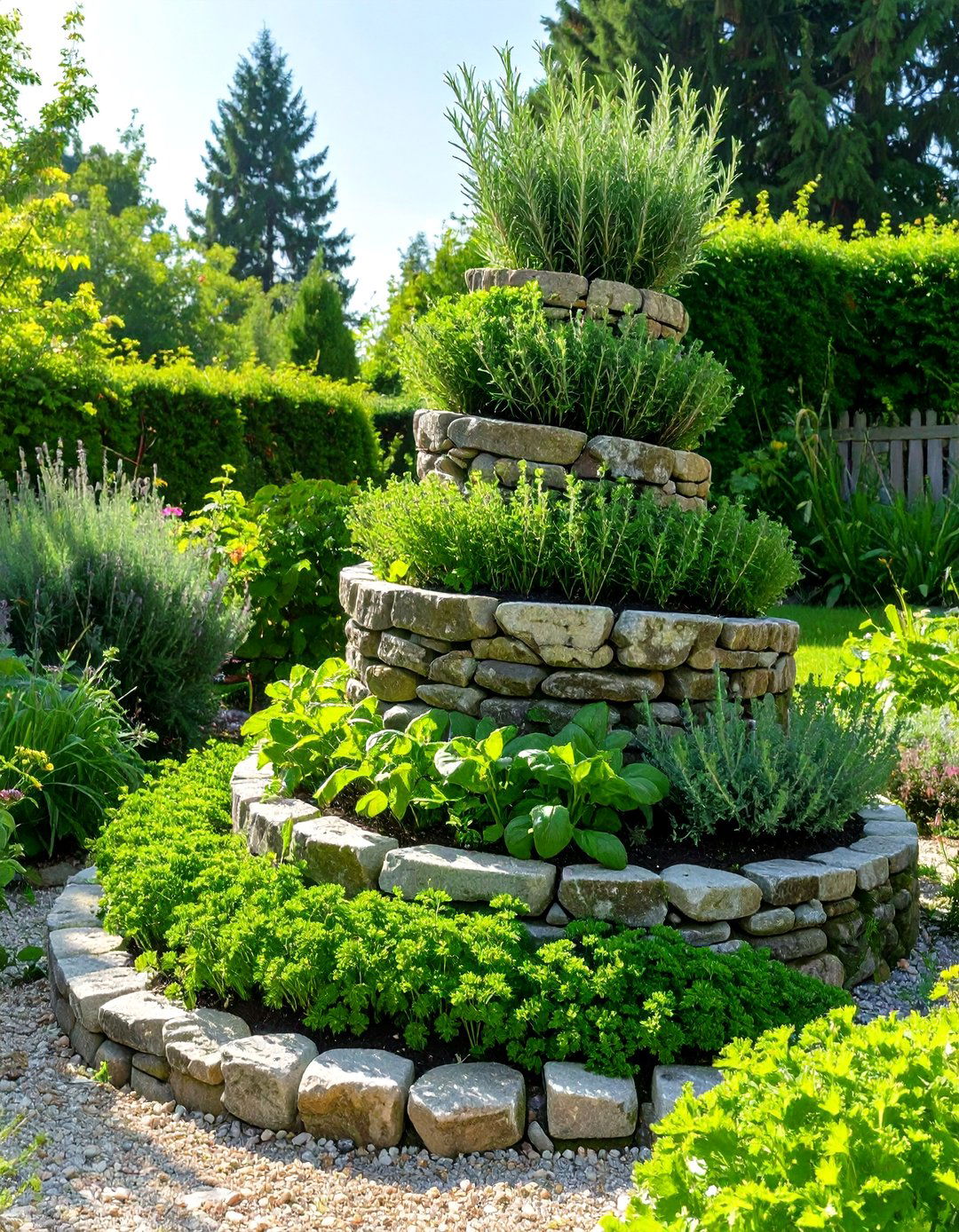
A spiral garden is a space-saving and visually striking design that creates multiple microclimates within a small footprint. Constructed from stones, bricks, or wood, the bed spirals upwards from a central point. This structure allows for varied sun exposure and moisture levels along its path. Sun-loving, drought-tolerant plants like rosemary and thyme can be planted at the top where the soil is driest, while water-loving plants like mint can be placed at the base. This design is perfect for growing a diverse array of herbs and smaller vegetables, offering both functionality and a unique focal point.
8. Mandala Vegetable Garden Layout
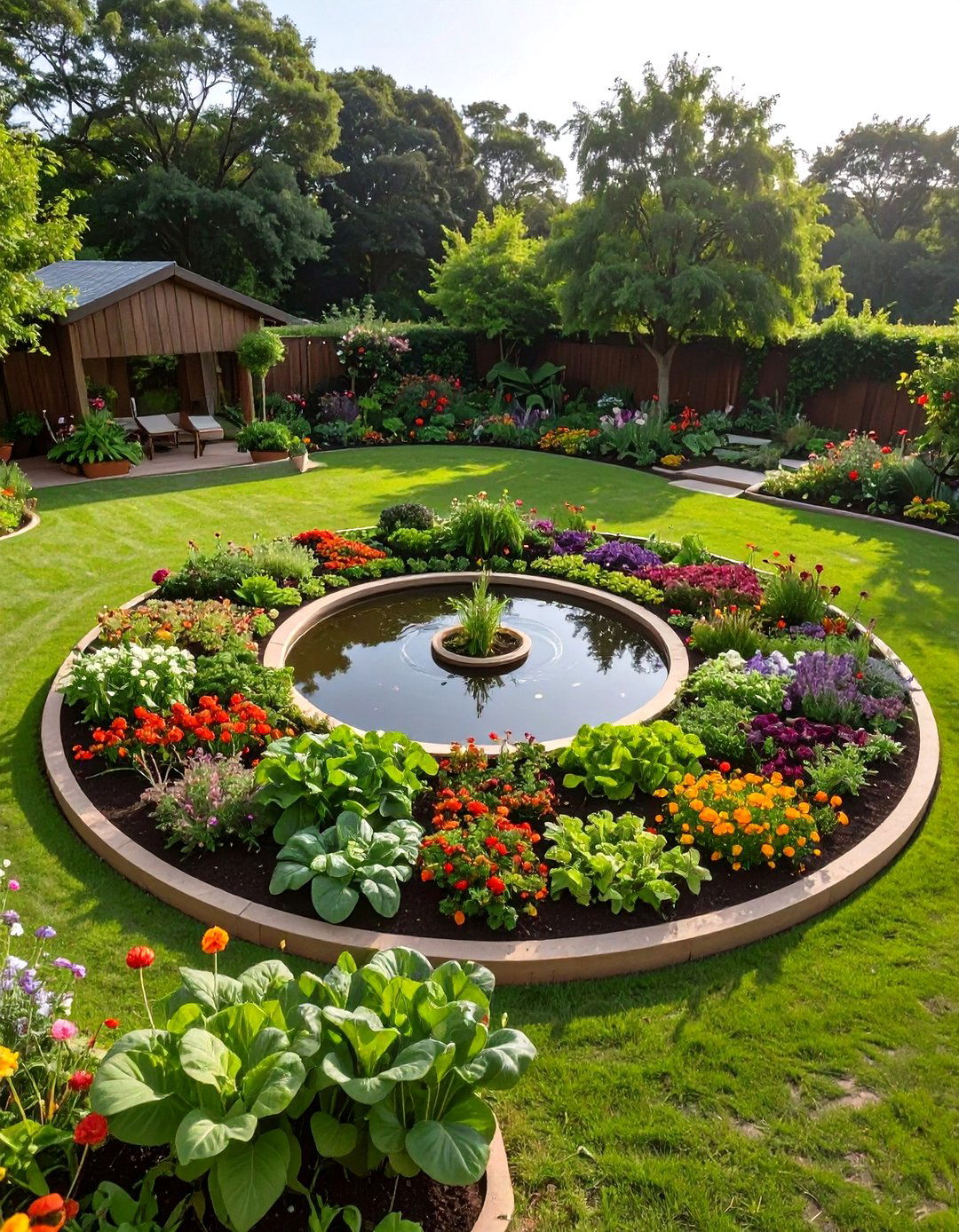
Inspired by ancient spiritual symbols, a mandala vegetable garden is designed in a circular pattern with intricate, repeating geometric shapes. The layout typically features a central focal point, such as a fruit tree or water feature, with radiating pathways and garden beds. This design encourages a mindful and holistic approach to gardening. The circular arrangement can improve access and create beneficial plant communities. By incorporating a mix of vegetables, herbs, and flowers, the mandala garden becomes a vibrant, productive, and harmonious space that is both visually stunning and deeply connected to natural patterns and rhythms.
9. Hügelkultur Raised Bed Vegetable Garden
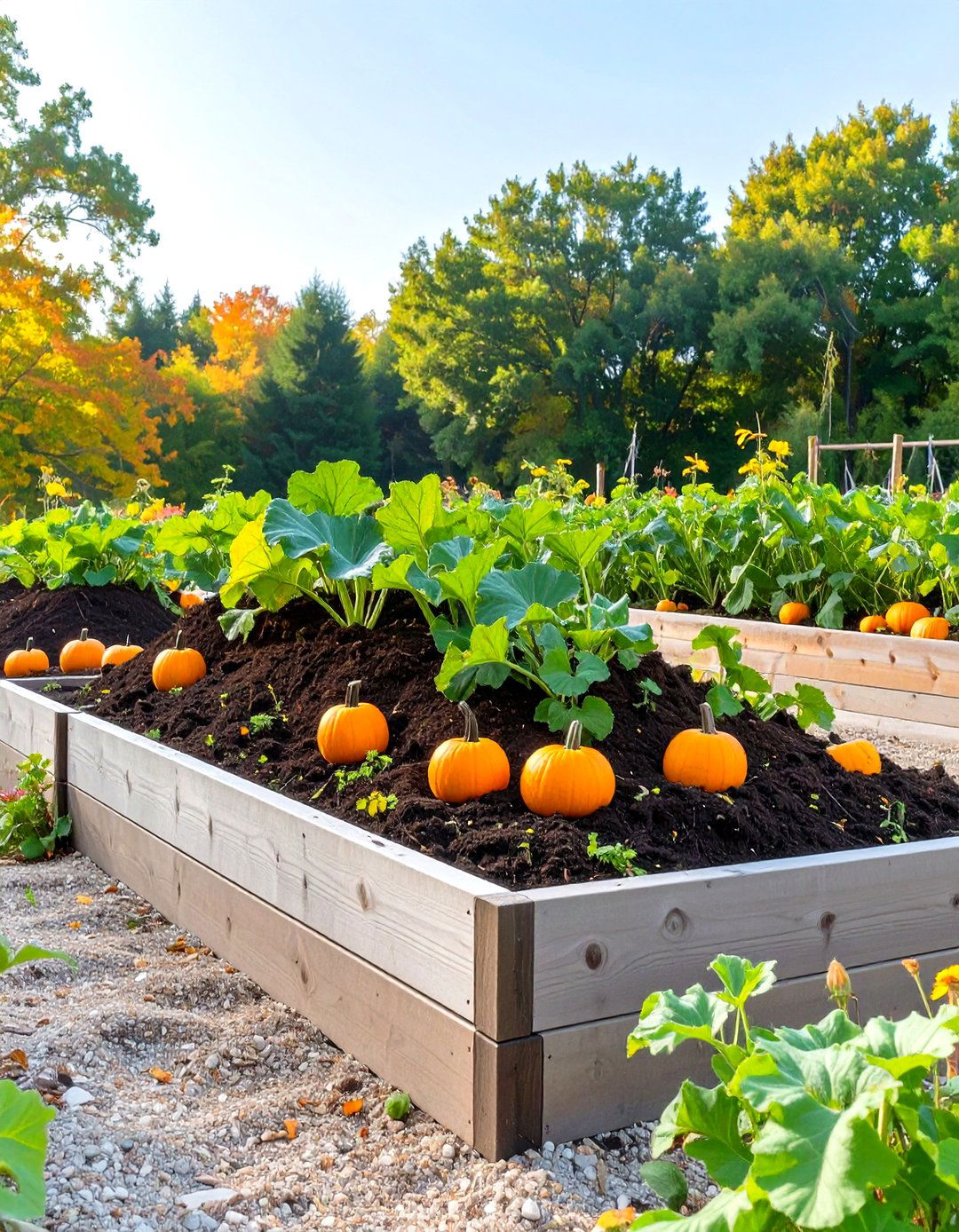
Hügelkultur is a German gardening technique that involves building a raised bed on top of buried logs and other woody debris. As the wood slowly decays, it becomes a long-term source of nutrients, creating an incredibly fertile and spongy soil structure that retains moisture. This "mound culture" method reduces the need for irrigation and fertilizer over time. The mounds can be built in various shapes and sizes, making them a versatile option for different landscapes. A hügelkultur bed is an excellent way to recycle yard waste while creating a self-sustaining, highly productive growing environment for your vegetables.


10. Companion Planting Vegetable Garden
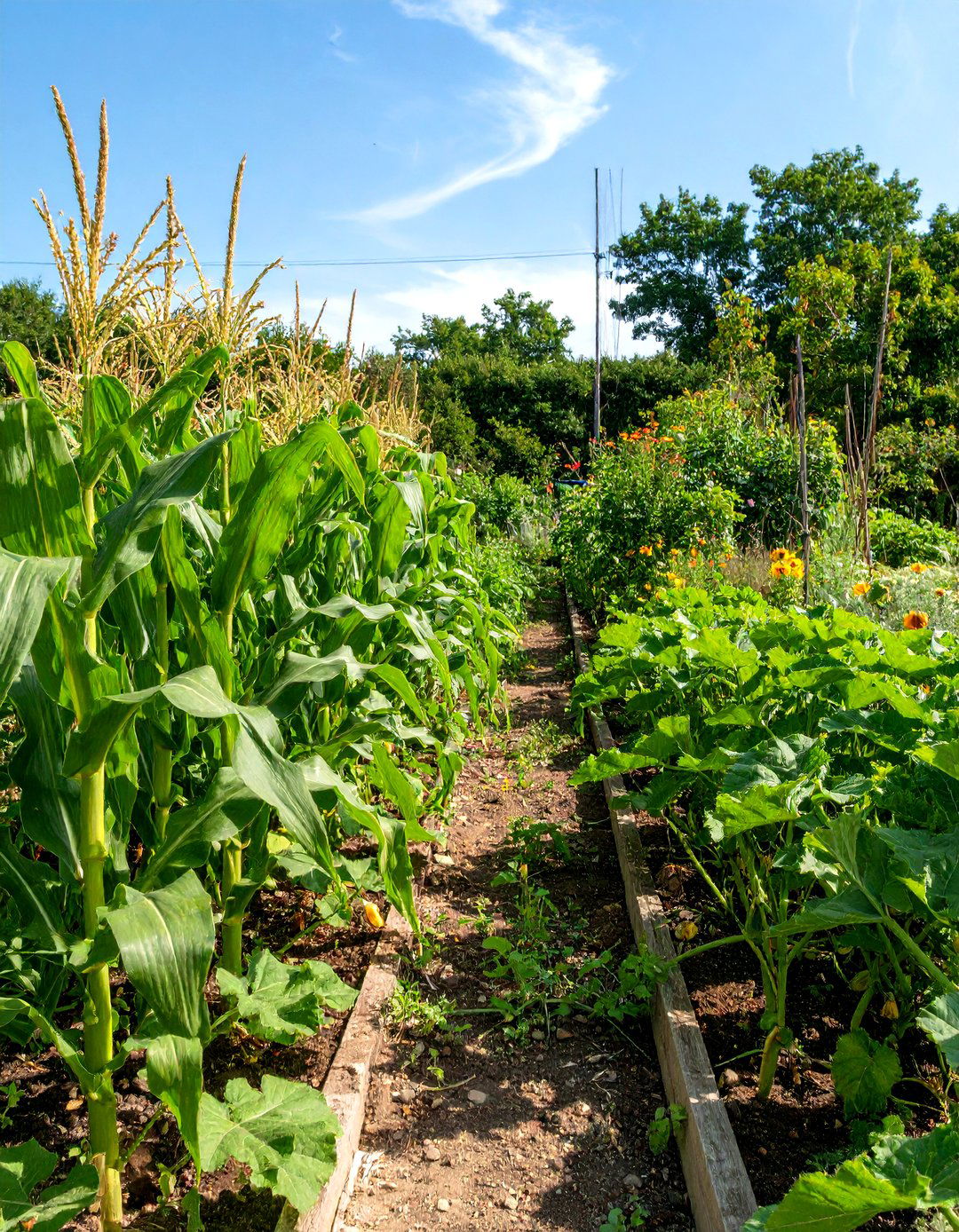
A companion planting vegetable garden is designed around the principle of pairing plants that benefit each other. Certain plant combinations can help deter pests, attract beneficial insects, improve soil health, and even enhance the flavor of neighboring crops. A classic example is the "Three Sisters" garden, where corn provides a trellis for beans, the beans fix nitrogen in the soil for the corn, and squash spreads out to suppress weeds and retain moisture. By strategically arranging these friendly neighbors, you can create a more resilient, productive, and naturally balanced vegetable garden with less need for chemical interventions.
11. Polyculture Vegetable Garden System
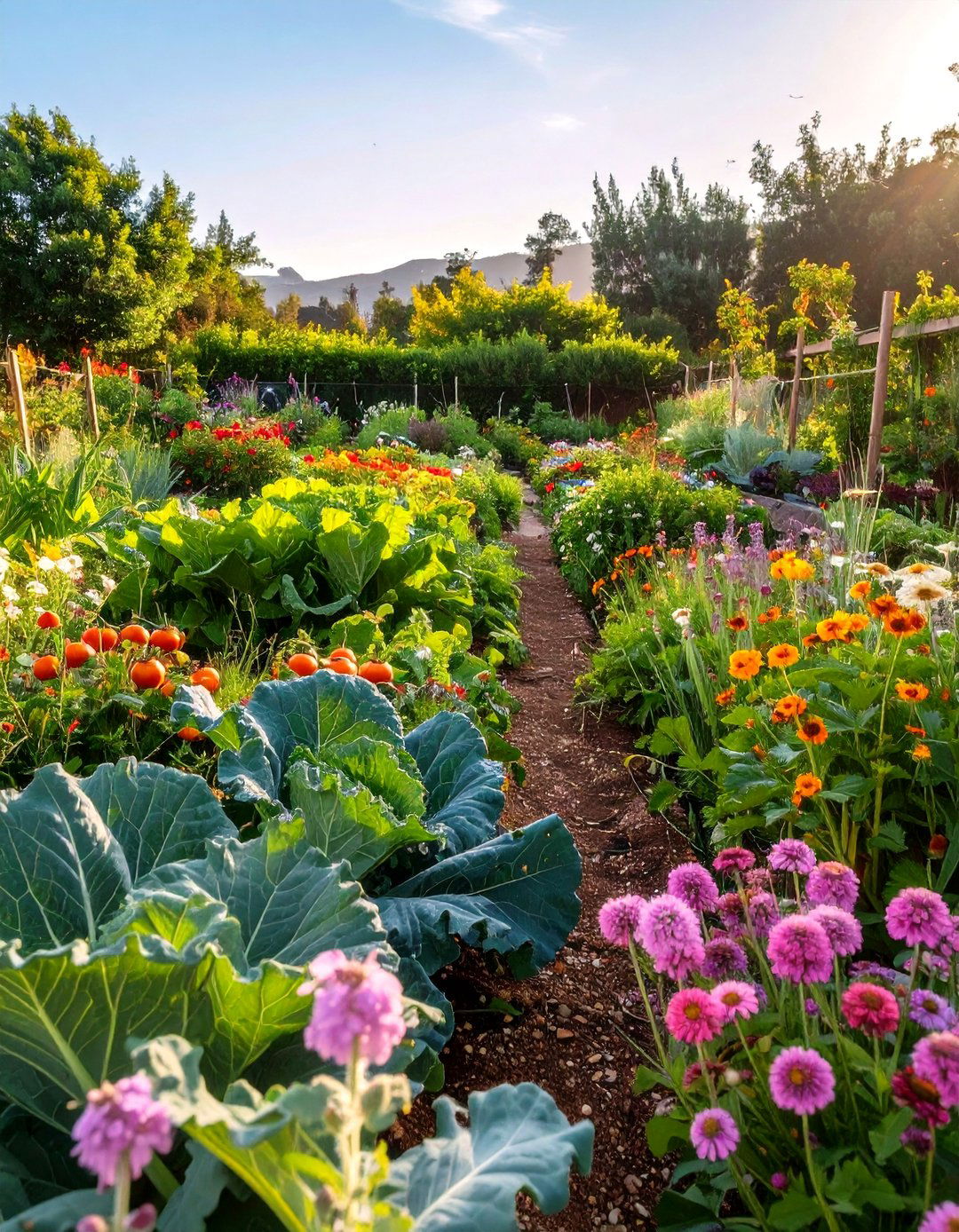
A polyculture vegetable garden mimics natural ecosystems by growing multiple crop species together in the same space. Unlike monoculture, where a single crop is grown, polyculture fosters biodiversity, which can improve soil health, reduce pest and disease pressure, and increase overall yield. This design involves intermixing a variety of vegetables, herbs, and flowers with different growth habits, root depths, and nutrient needs. The result is a complex, resilient, and self-regulating system that is more sustainable in the long run. It creates a diverse and dynamic garden that is both productive and ecologically sound.
12. Window Box Vegetable Garden
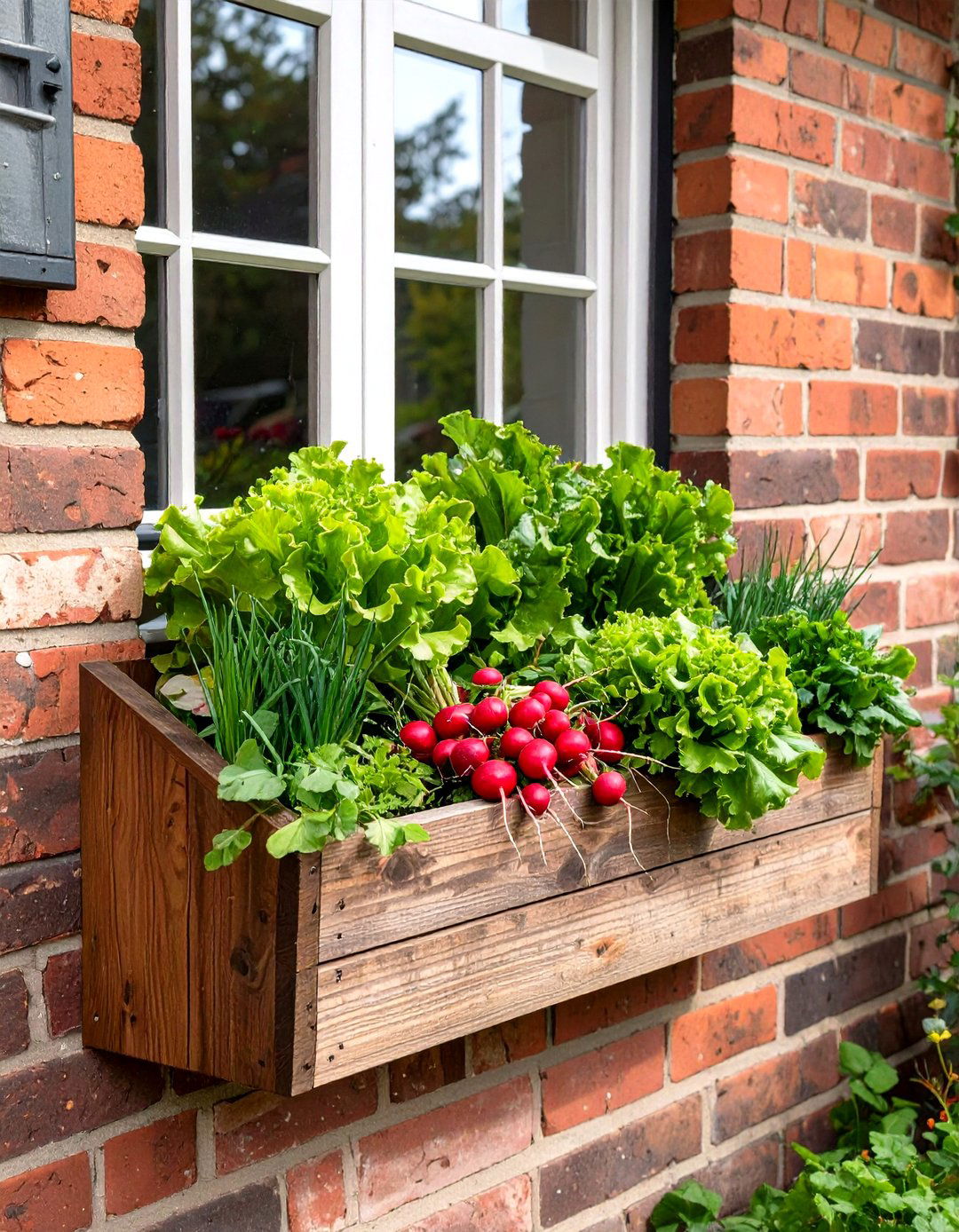
For those with no yard at all, a window box vegetable garden offers a fantastic opportunity to grow fresh produce. Many smaller vegetables and herbs thrive in the compact space of a window box. Leafy greens like lettuce and spinach, radishes, spring onions, and a variety of herbs such as basil, parsley, and chives are excellent choices. Ensure the box is securely mounted and has good drainage. This design not only provides ultra-local food right outside your window but also adds a charming, green element to your home’s exterior, proving that you don't need land to enjoy a harvest.
13. Rooftop Vegetable Garden
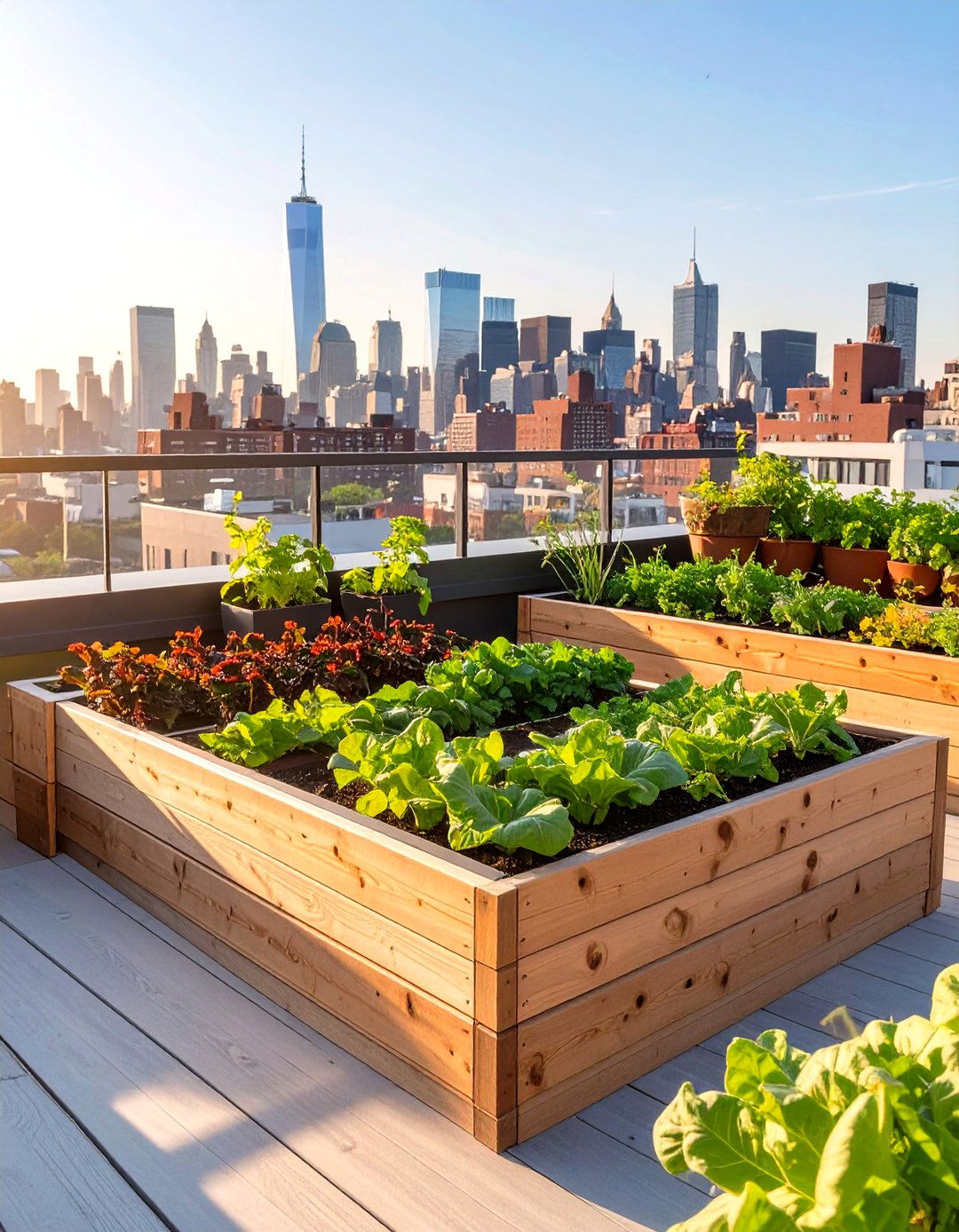
A rooftop vegetable garden transforms unused urban space into a productive oasis. With ample sunlight, rooftops are ideal for growing a wide range of vegetables in containers, raised beds, or specialized green roof systems. Key considerations include the roof's structural capacity to support the weight of soil, water, and plants, as well as access to a water source. Rooftop gardens can help insulate buildings, reduce stormwater runoff, and create valuable green space in densely populated areas. It's an innovative approach to urban agriculture that brings food production closer to home while offering a peaceful retreat above the city.
14. Reclaimed Pallet Vegetable Garden
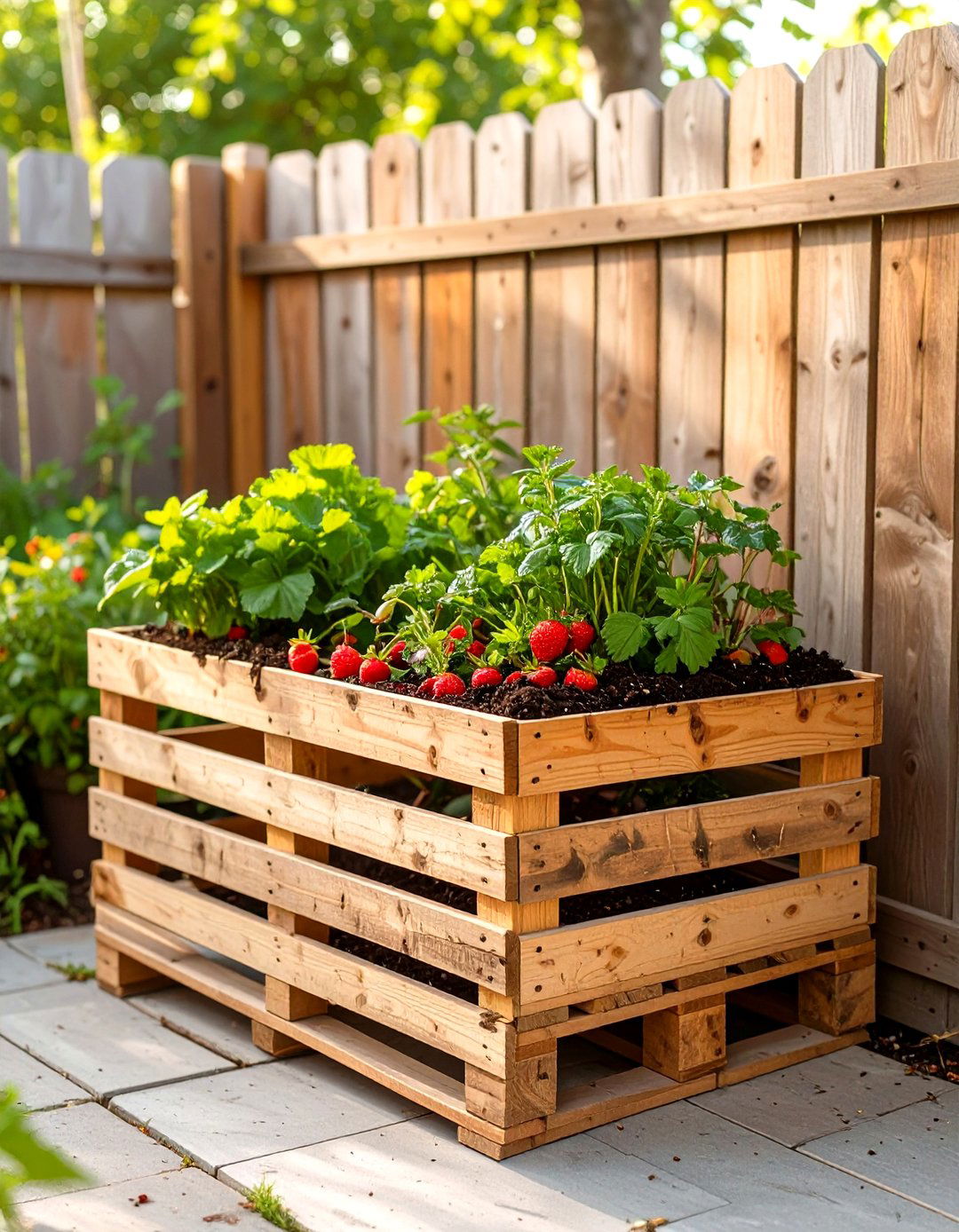
A reclaimed pallet vegetable garden is a low-cost, space-saving solution perfect for growing shallow-rooted plants. By standing a wooden pallet upright and stapling landscape fabric to the back and bottom of the slats, you can create multiple planting pockets. These are ideal for growing herbs, lettuces, strawberries, and other small plants. The compact, vertical design makes it a great fit for small patios, balconies, or against a sunny wall. Using reclaimed pallets is also an eco-friendly choice, giving new life to discarded materials and turning them into a productive and rustic garden feature.
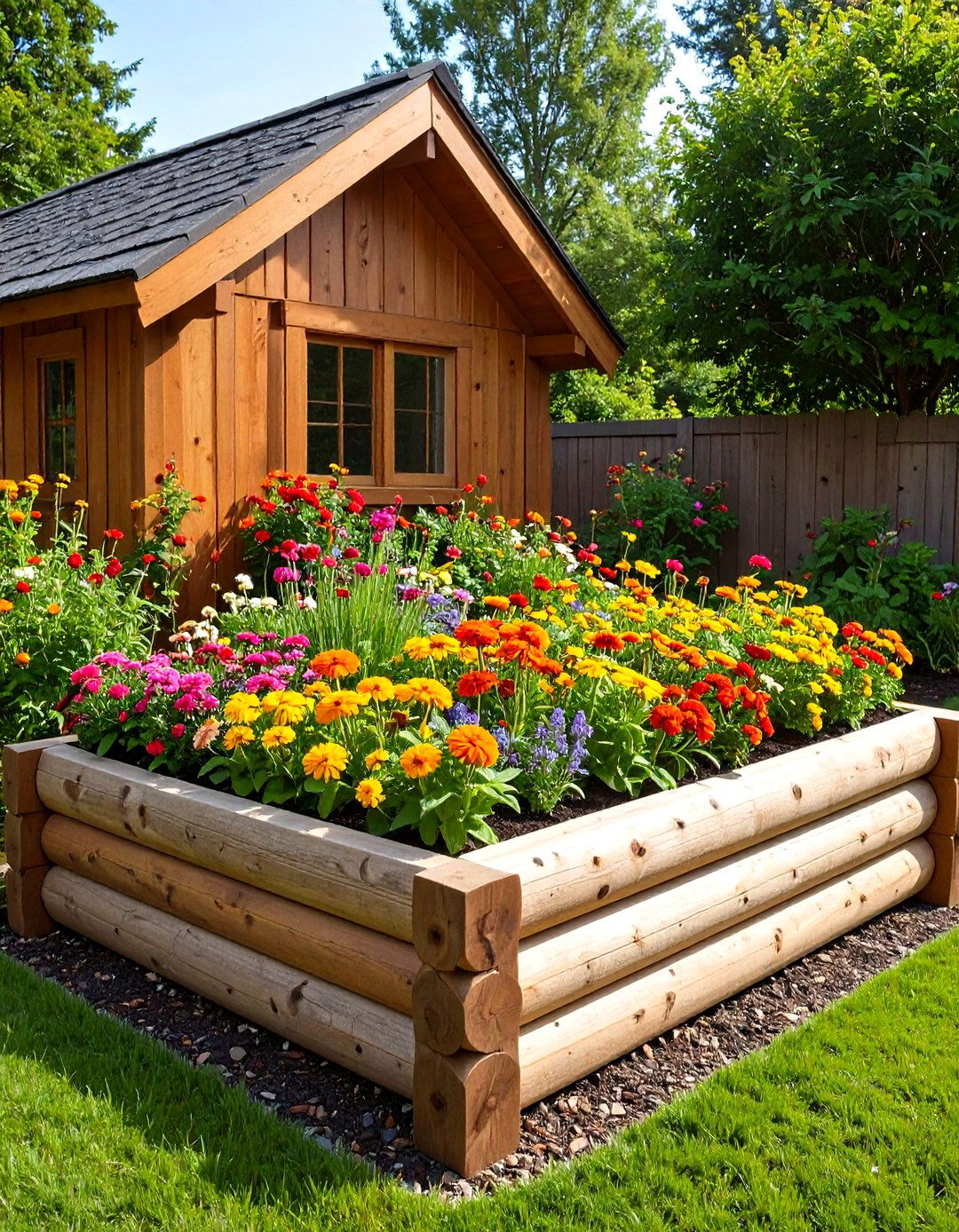
15. Gutter Section Vegetable Garden
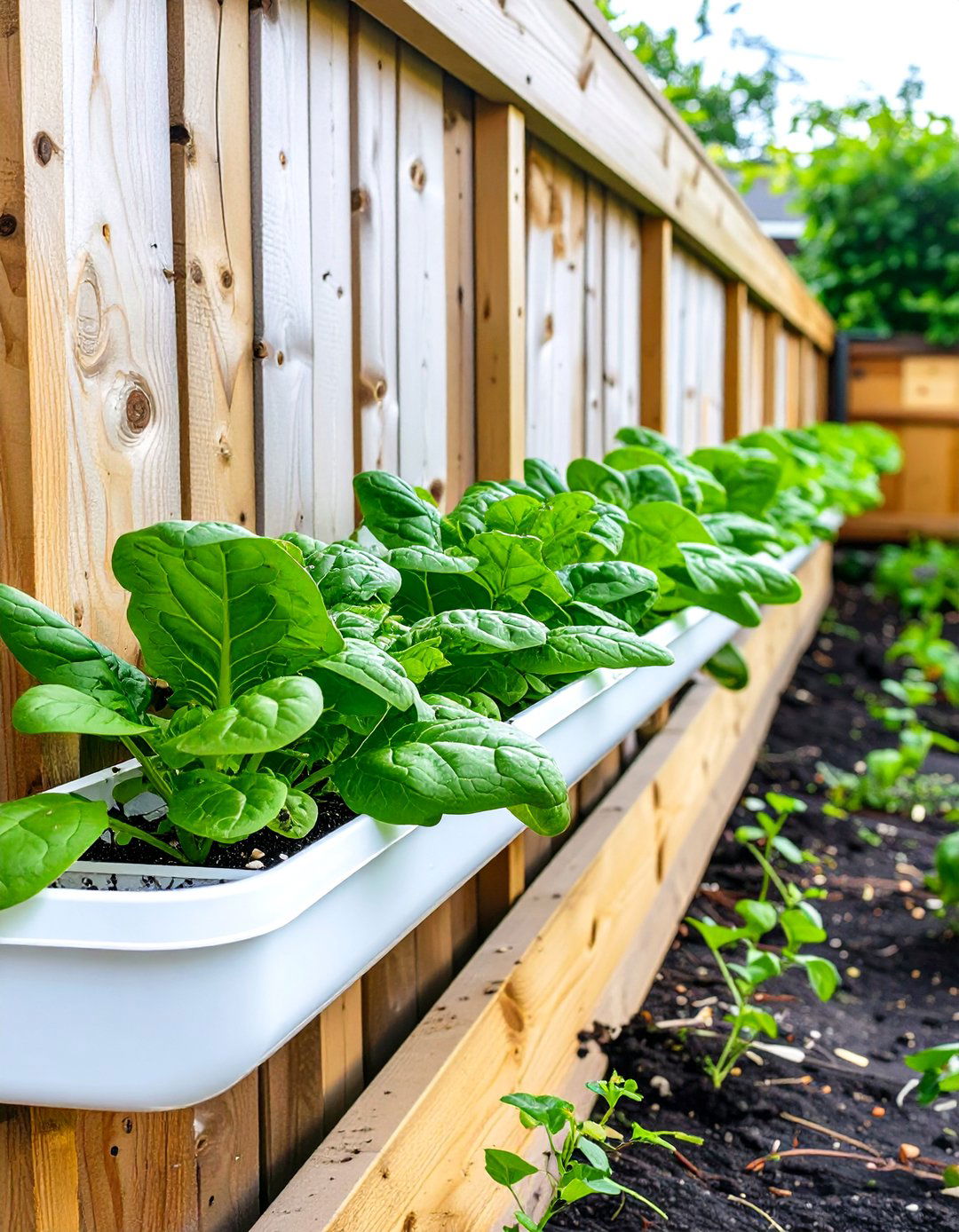
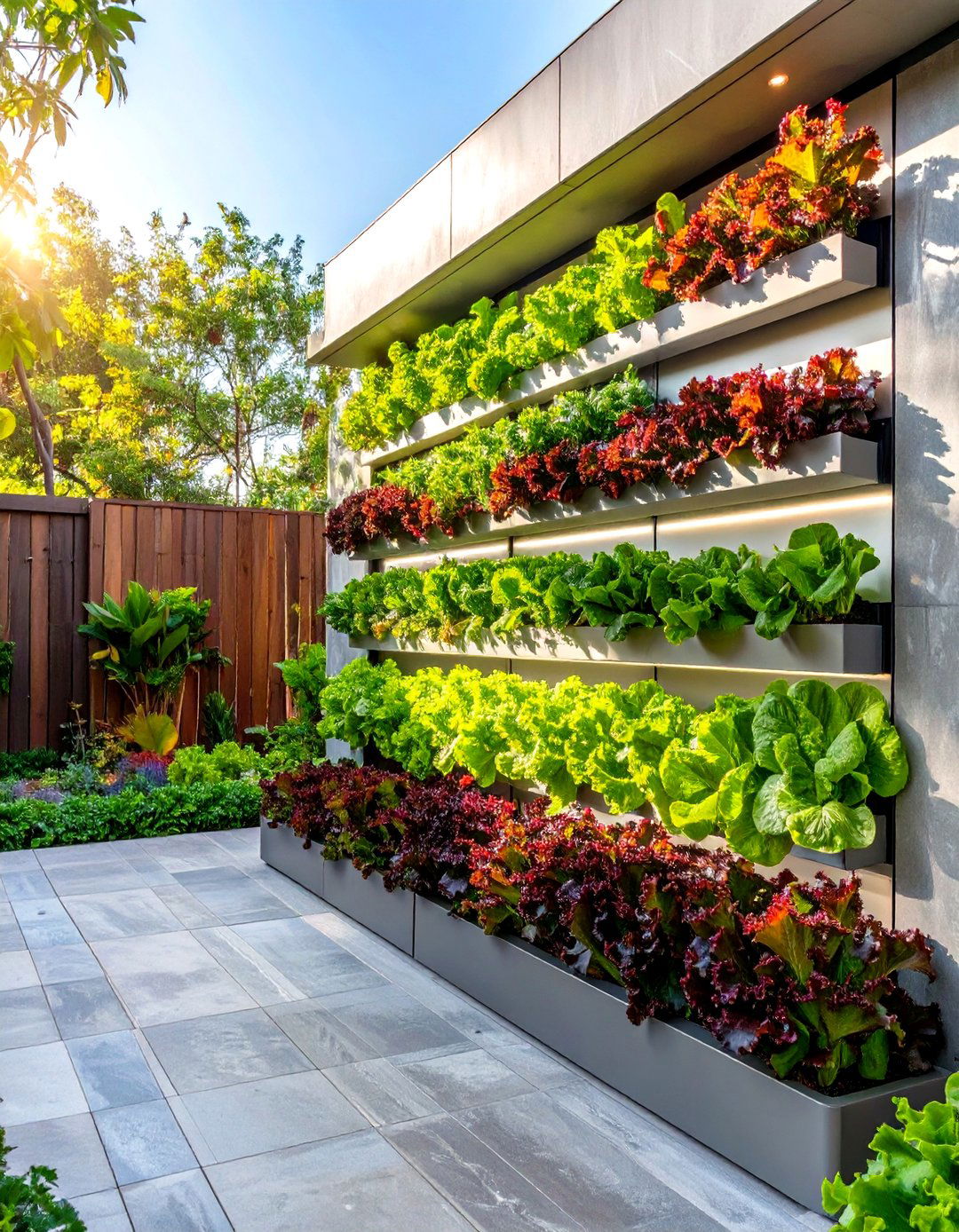
A gutter section vegetable garden provides a unique and efficient way to grow plants with shallow root systems. By mounting sections of rain gutters horizontally on a wall or fence, you can create long, narrow planters. This design is perfect for growing rows of lettuce, spinach, radishes, strawberries, and various herbs. The shallow depth requires more frequent watering, but the elevated position makes planting, weeding, and harvesting incredibly easy and accessible. It’s an innovative use of materials that maximizes growing space in a very slim profile, ideal for narrow side yards or bare walls.
16. A-Frame Trellis Vegetable Garden
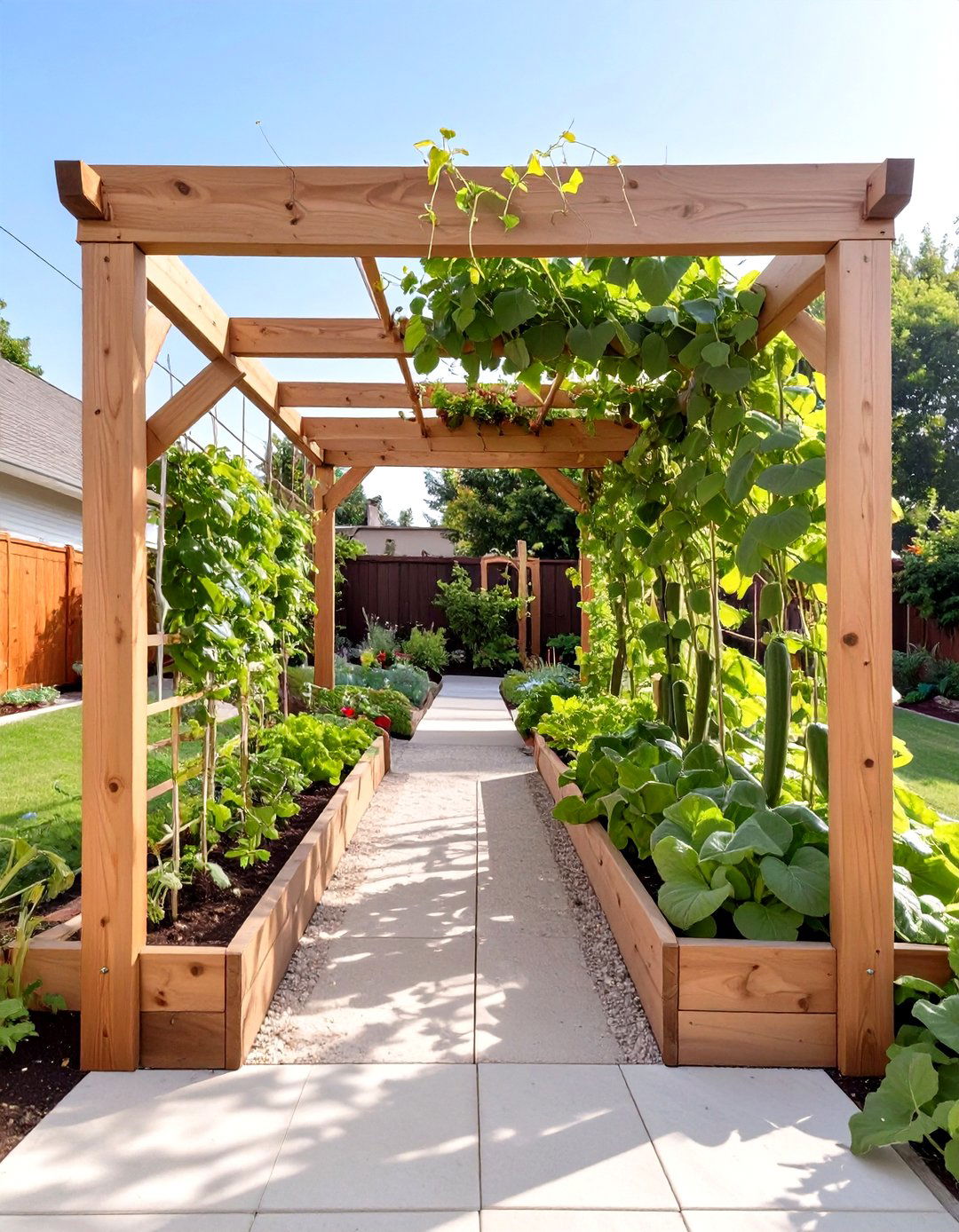
An A-frame trellis vegetable garden is a freestanding, space-efficient structure that supports climbing plants on both sides. This design is perfect for vining crops like cucumbers, peas, pole beans, and melons. The angled frame allows plants to cascade down, making harvesting simple and keeping the produce clean and off the ground. The area underneath the A-frame can even be used to grow shade-tolerant plants like lettuce or spinach, further maximizing your garden's productivity. It’s a sturdy, practical, and highly effective way to grow vertically and add an interesting structural element to your garden.
17. Tiered or Terraced Vegetable Garden
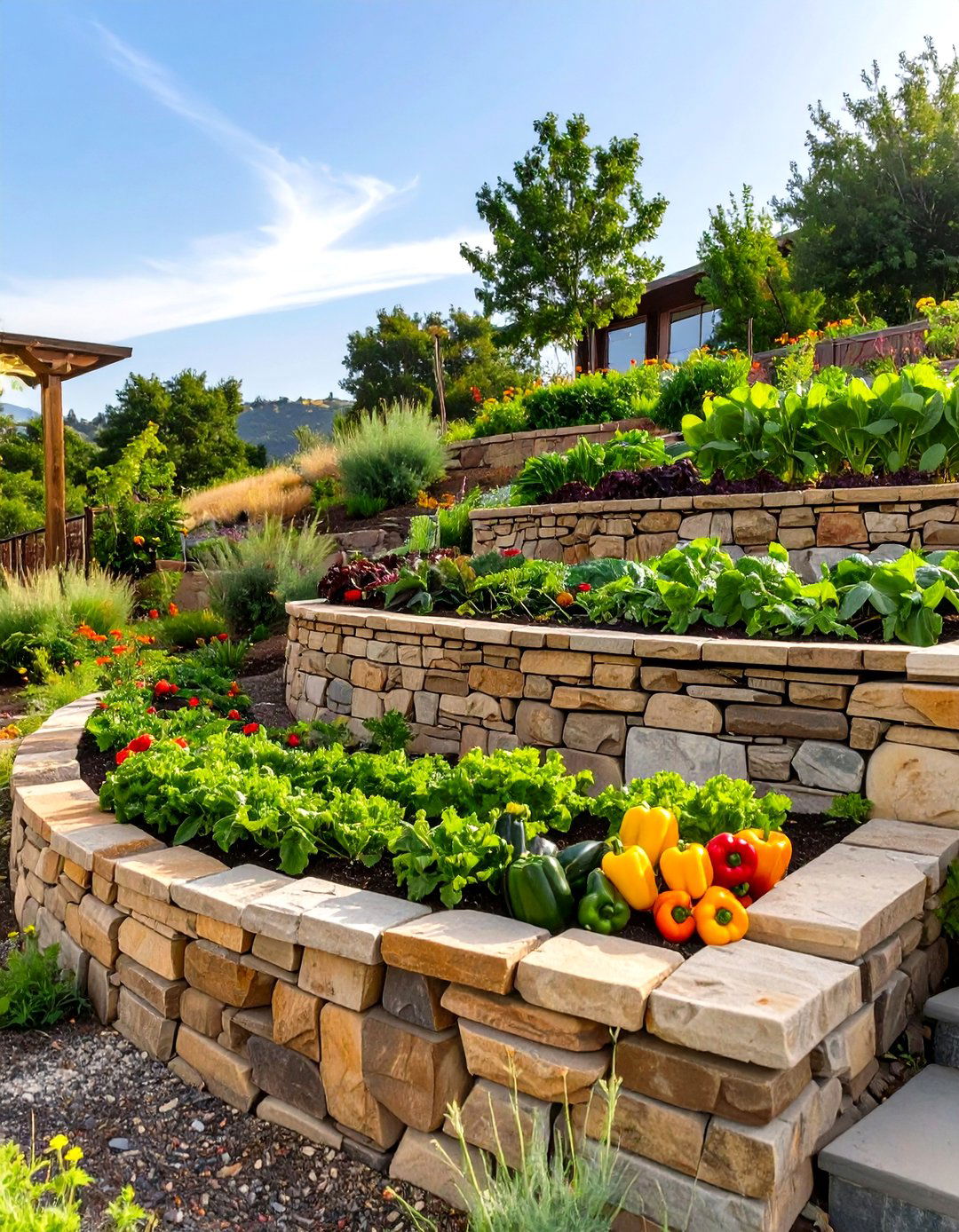
For gardens on a slope, a tiered or terraced design is both a practical and beautiful solution. By building a series of retaining walls to create level planting areas, you can prevent soil erosion and improve water management. Each tier functions as its own garden bed, allowing you to organize plants by their sunlight and water needs. The steps created by the terraces make the garden easily accessible and add strong visual lines to the landscape. This method transforms a challenging hillside into a highly productive and aesthetically pleasing series of garden levels, perfect for a variety of vegetables.
18. Edible Landscaping Vegetable Garden
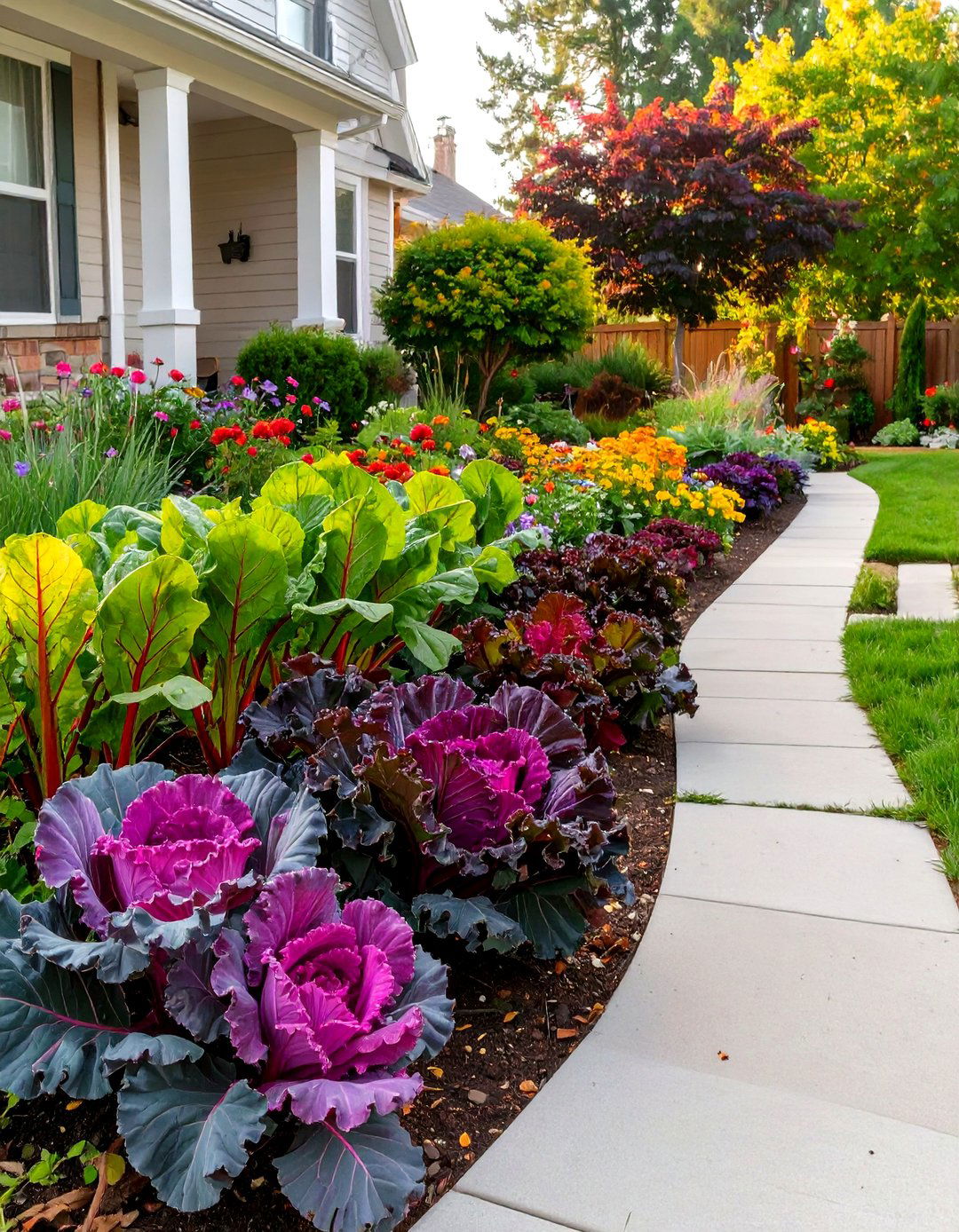
An edible landscaping vegetable garden blurs the line between ornamental and productive gardening by incorporating vegetables directly into your existing landscape. Instead of hiding vegetables in a separate plot, this design uses them as decorative elements. Colorful Swiss chard can stand in for hostas, frilly kale can border a flowerbed, and climbing beans can adorn an archway. This approach makes efficient use of all available sunny spots in your yard and creates a landscape that is both beautiful and bountiful. It’s a creative way to integrate your food source seamlessly into your home's overall aesthetic.
19. Wattle Fence Vegetable Beds

For a rustic and natural look, consider bordering your vegetable beds with wattle fences. Wattle is an ancient technique of weaving flexible branches, such as willow or hazel, between upright stakes to create a low fence or border. This method uses natural, renewable materials to define garden spaces, providing a charming, cottage-garden feel. The woven structure is sturdy yet allows for good air circulation. Creating wattle borders is a satisfying DIY project that adds a unique, handcrafted touch to your vegetable garden, connecting your design to traditional and sustainable building practices.



20. Checkerboard Pattern Vegetable Garden
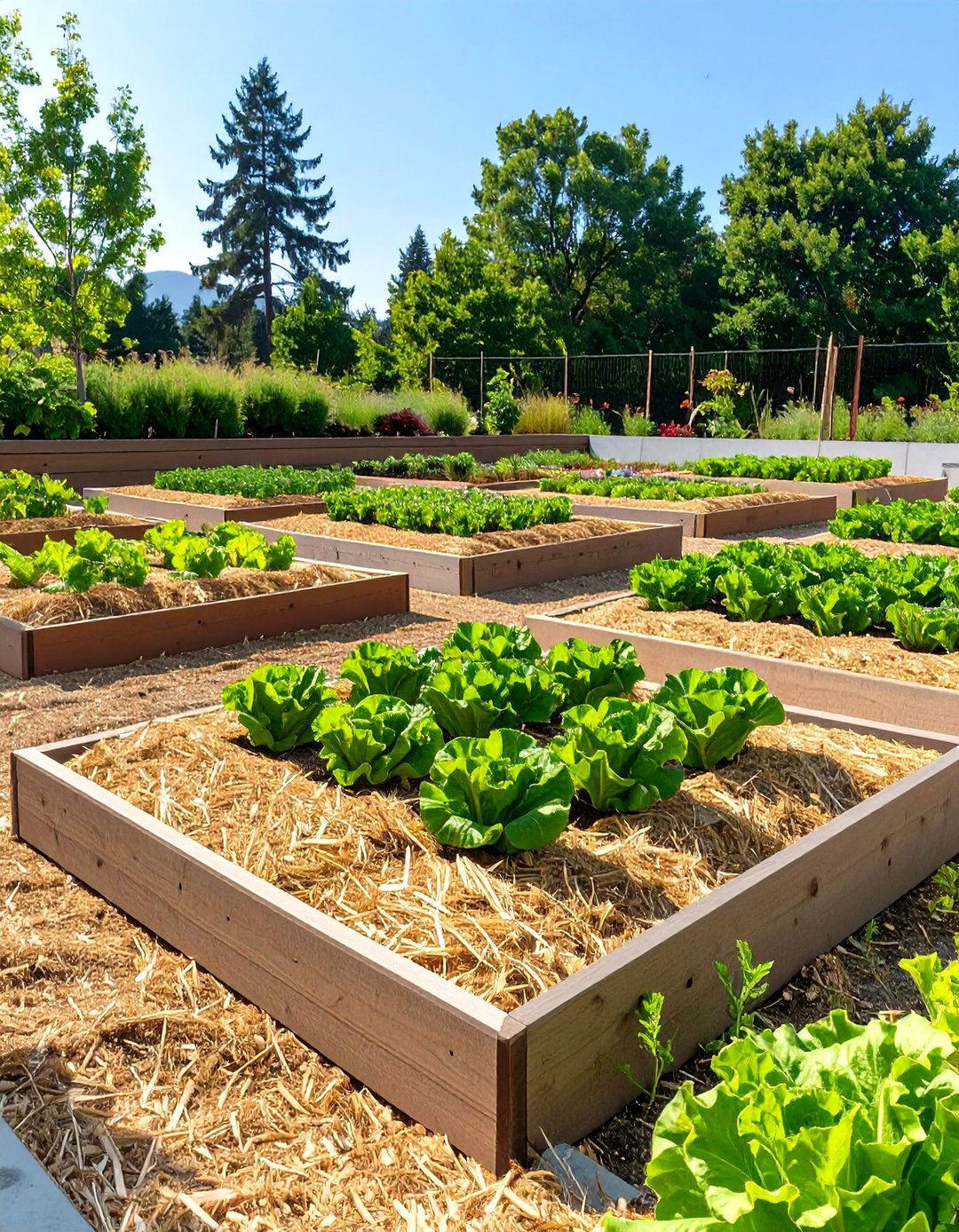
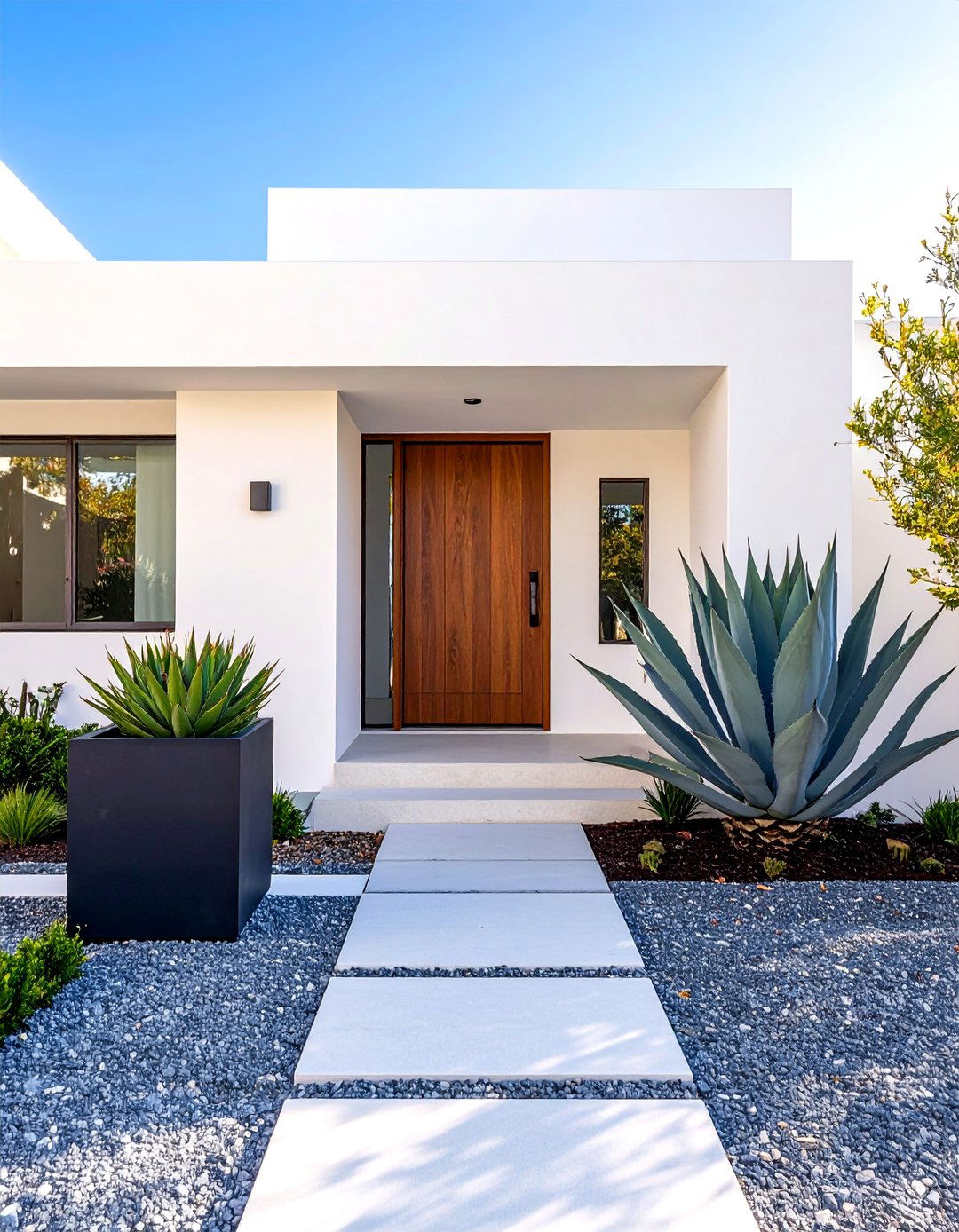
A checkerboard pattern vegetable garden is a visually engaging design that alternates planting squares with open or mulched squares. This layout creates a clean, geometric look that is both orderly and stylish. The alternating squares can make it easier to access plants for maintenance without compacting the soil. You can enhance the effect by planting vegetables with contrasting colors or textures in adjacent squares, such as red-leaf lettuce next to green basil. This simple yet striking pattern turns your vegetable plot into a living work of art, proving that garden design can be both playful and productive.
21. Formal Four-Square Vegetable Garden
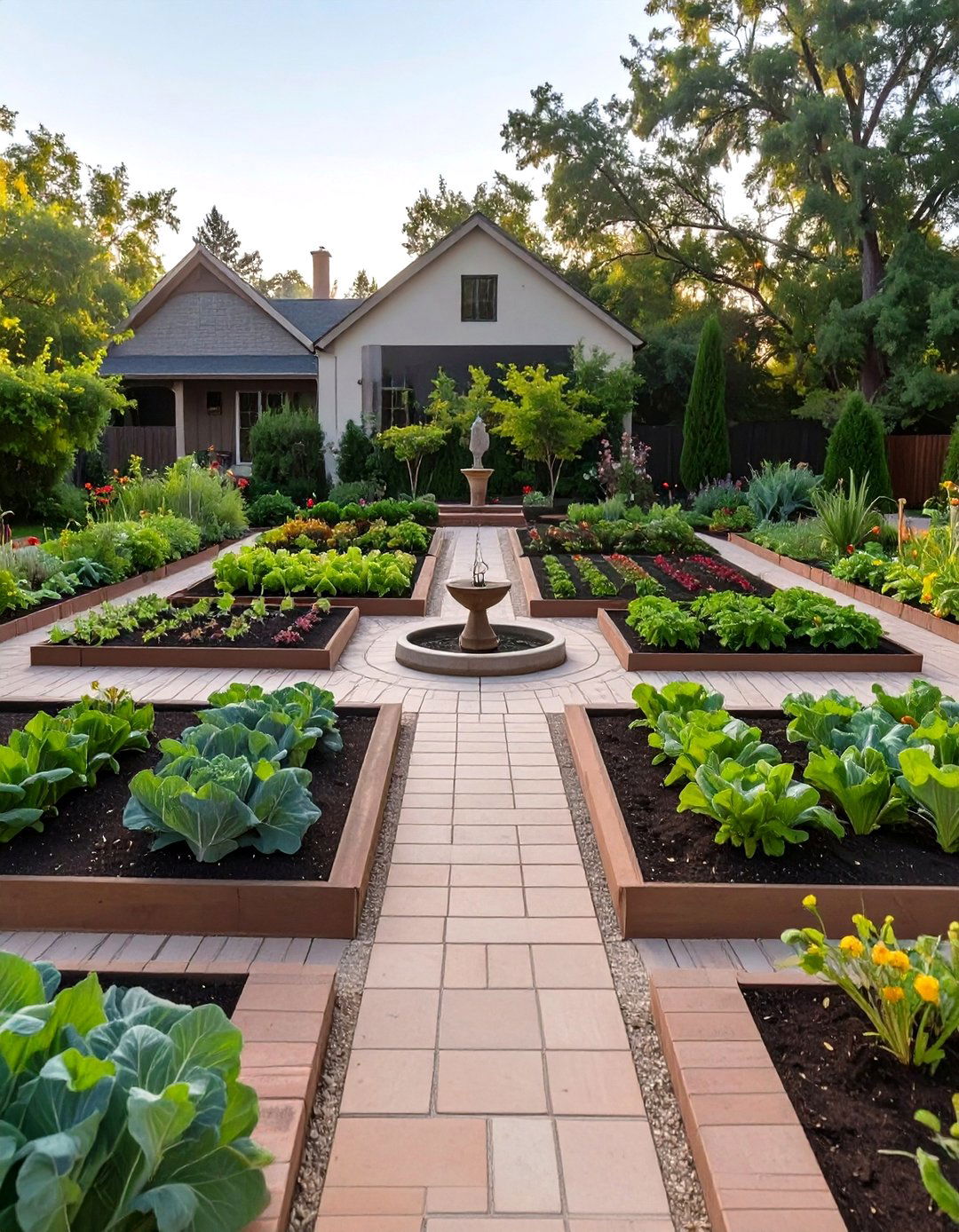
A formal four-square vegetable garden, also known as a quadrant garden, is a classic design rooted in history. It divides the garden space into four equal rectangular or square beds, typically separated by pathways. Often, a central feature like a birdbath, sundial, or a special plant serves as a focal point where the paths intersect. This symmetrical and balanced layout creates a sense of order and elegance. It’s also highly practical for crop rotation, as you can easily move plant families from one quadrant to another each year, which helps to maintain soil health and reduce disease buildup.
22. Lasagna Gardening No-Dig Beds
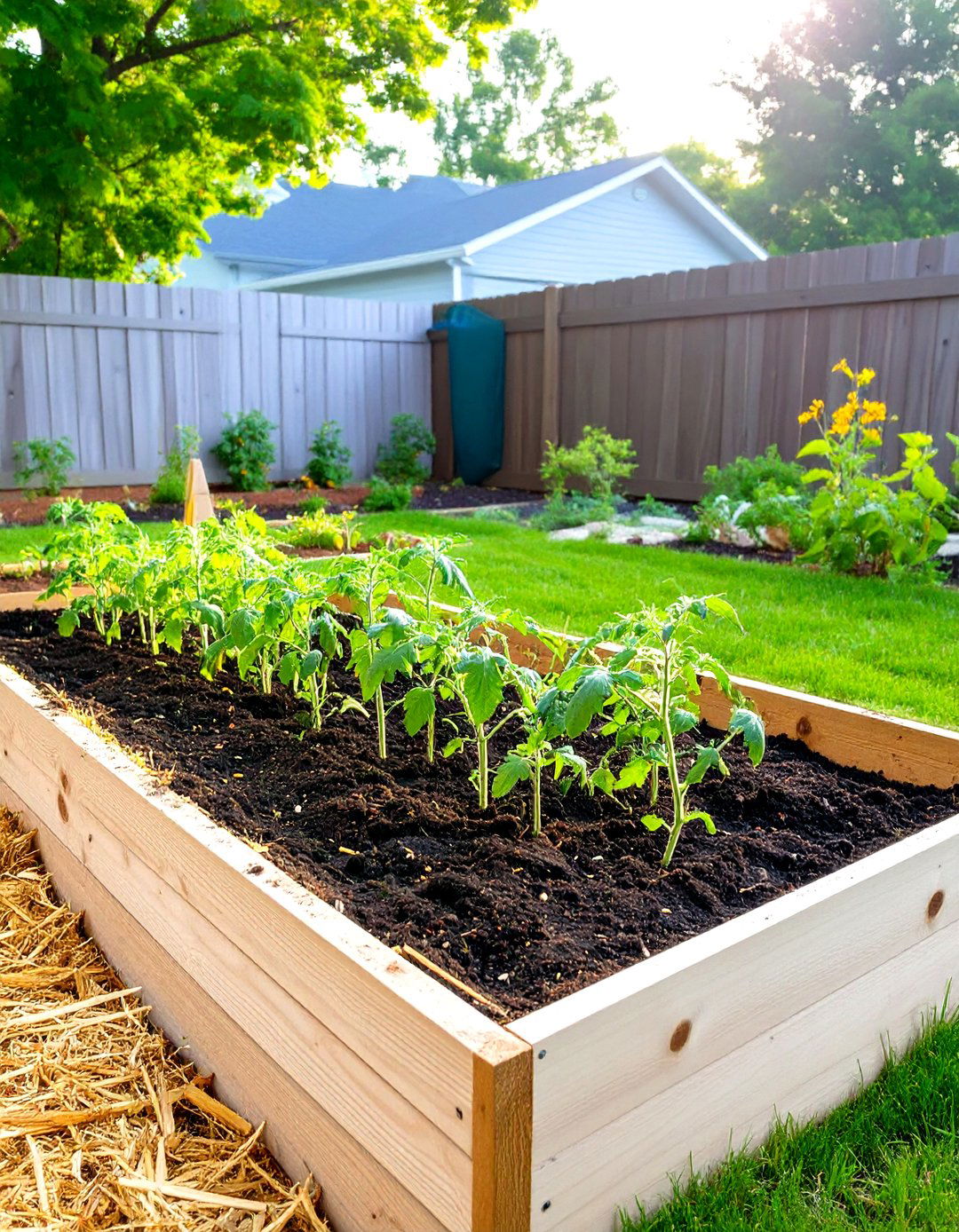
Lasagna gardening is a no-dig, no-till method that builds fertile garden beds from the ground up by layering organic materials. You start by laying down cardboard or newspaper to smother weeds, then add alternating layers of "green" materials (like grass clippings and kitchen scraps) and "brown" materials (like dry leaves, straw, and shredded paper). This layered pile composts in place, creating a rich, loamy soil perfect for vegetables. It's an excellent way to build new garden beds with minimal effort and without disturbing the existing soil structure, resulting in a healthy and productive growing environment.
23. Cold Frame Vegetable Garden Extension
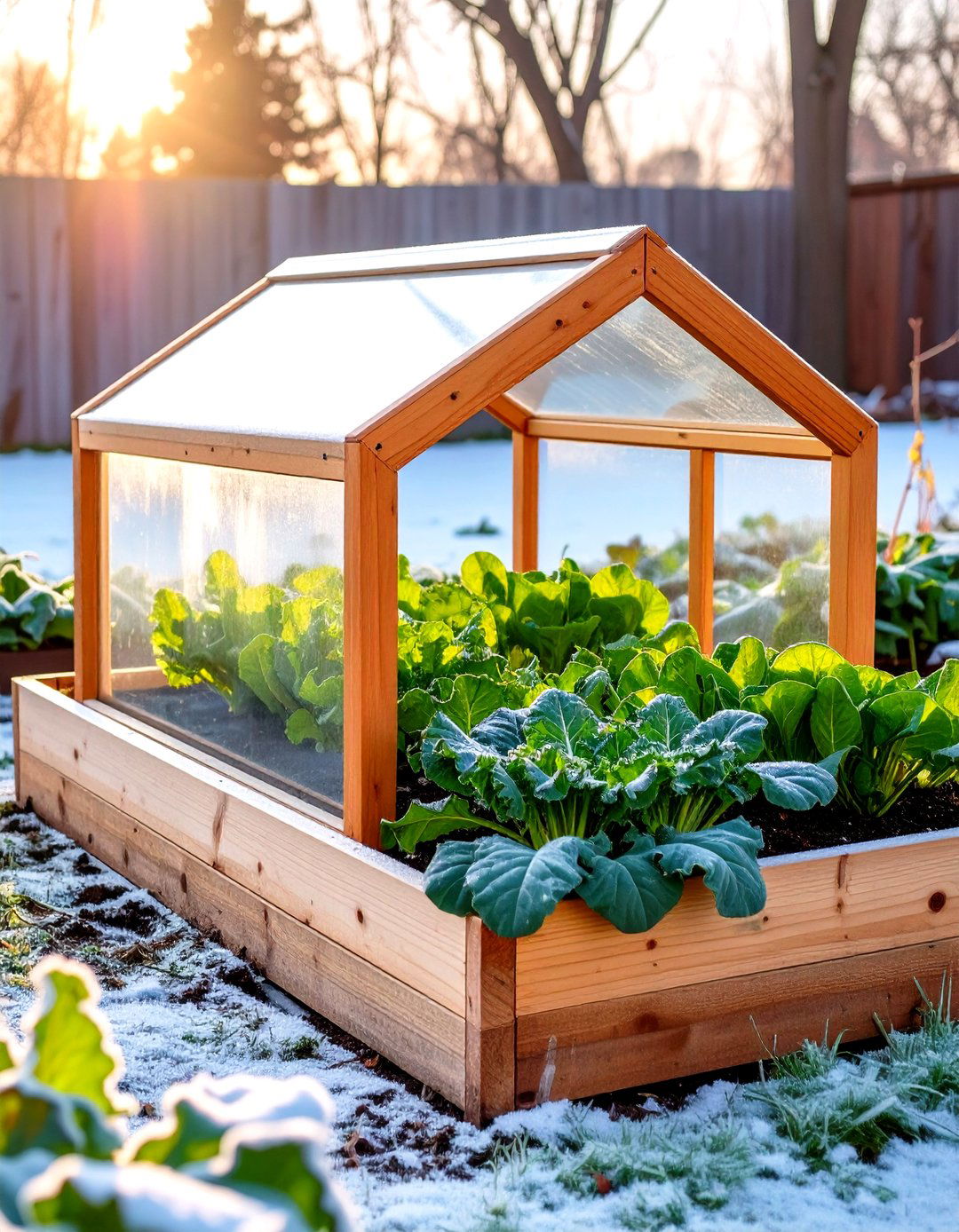
A cold frame is essentially a bottomless box with a transparent lid, acting as a mini-greenhouse to protect plants from cold weather. By placing a cold frame over a section of your vegetable garden, you can start seeds earlier in the spring and extend your harvest late into the fall or even through the winter in milder climates. It’s perfect for hardening off seedlings or growing cool-season crops like lettuce, spinach, and kale. This simple structure is an invaluable tool for any serious vegetable gardener looking to maximize their growing season and enjoy fresh produce for more months of the year.
24. Greenhouse Vegetable Garden
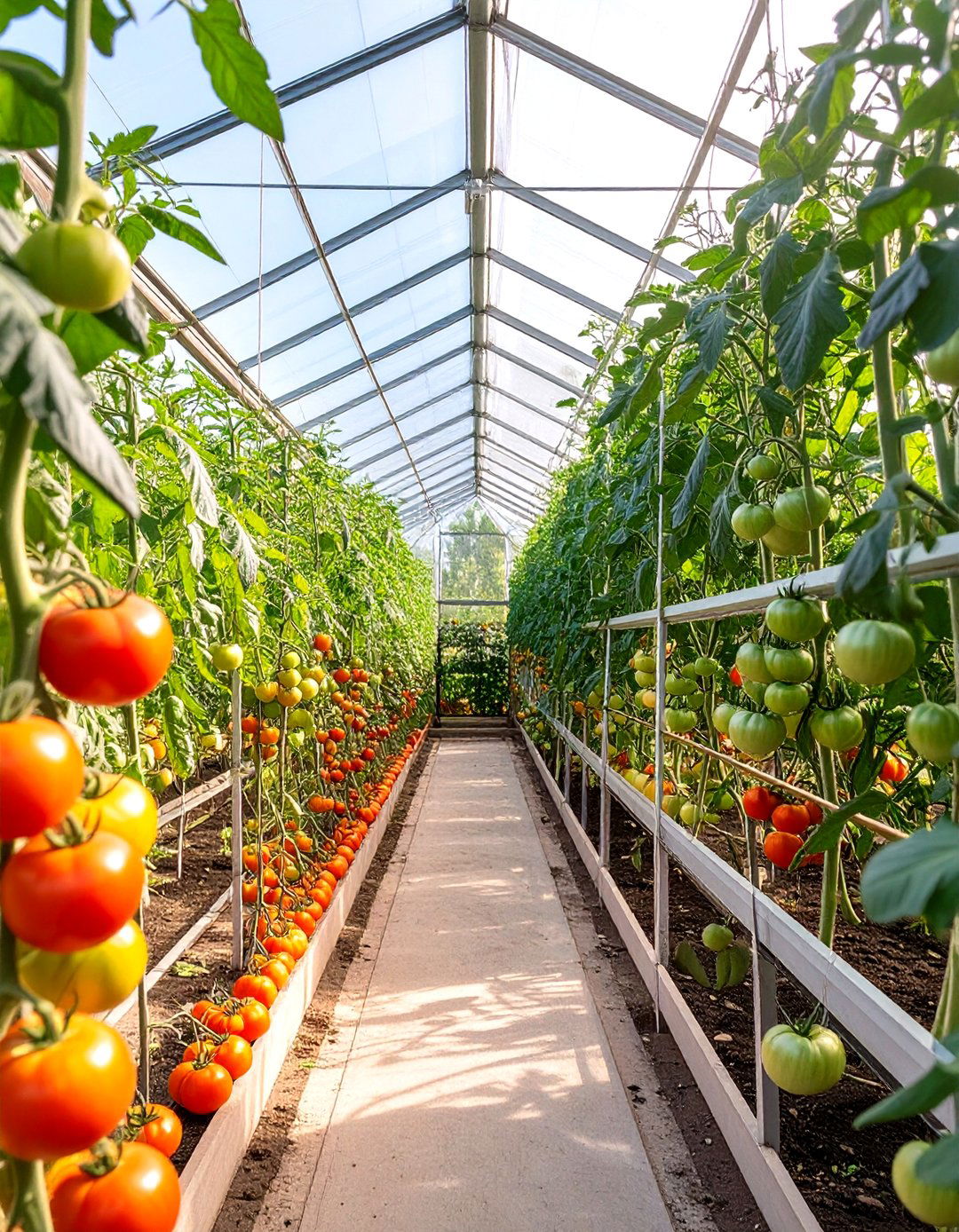
A greenhouse vegetable garden offers the ultimate control over the growing environment, allowing you to cultivate a wide variety of plants year-round. By regulating temperature, humidity, and light, you can grow warm-season crops like tomatoes and peppers even in the depths of winter. Greenhouses protect plants from harsh weather, pests, and diseases, leading to healthier crops and more reliable yields. While it represents a significant investment, a greenhouse enables dedicated gardeners to overcome seasonal limitations and experiment with growing exotic or out-of-season vegetables, providing a constant supply of fresh food regardless of the weather outside.
25. Children's Themed Vegetable Garden
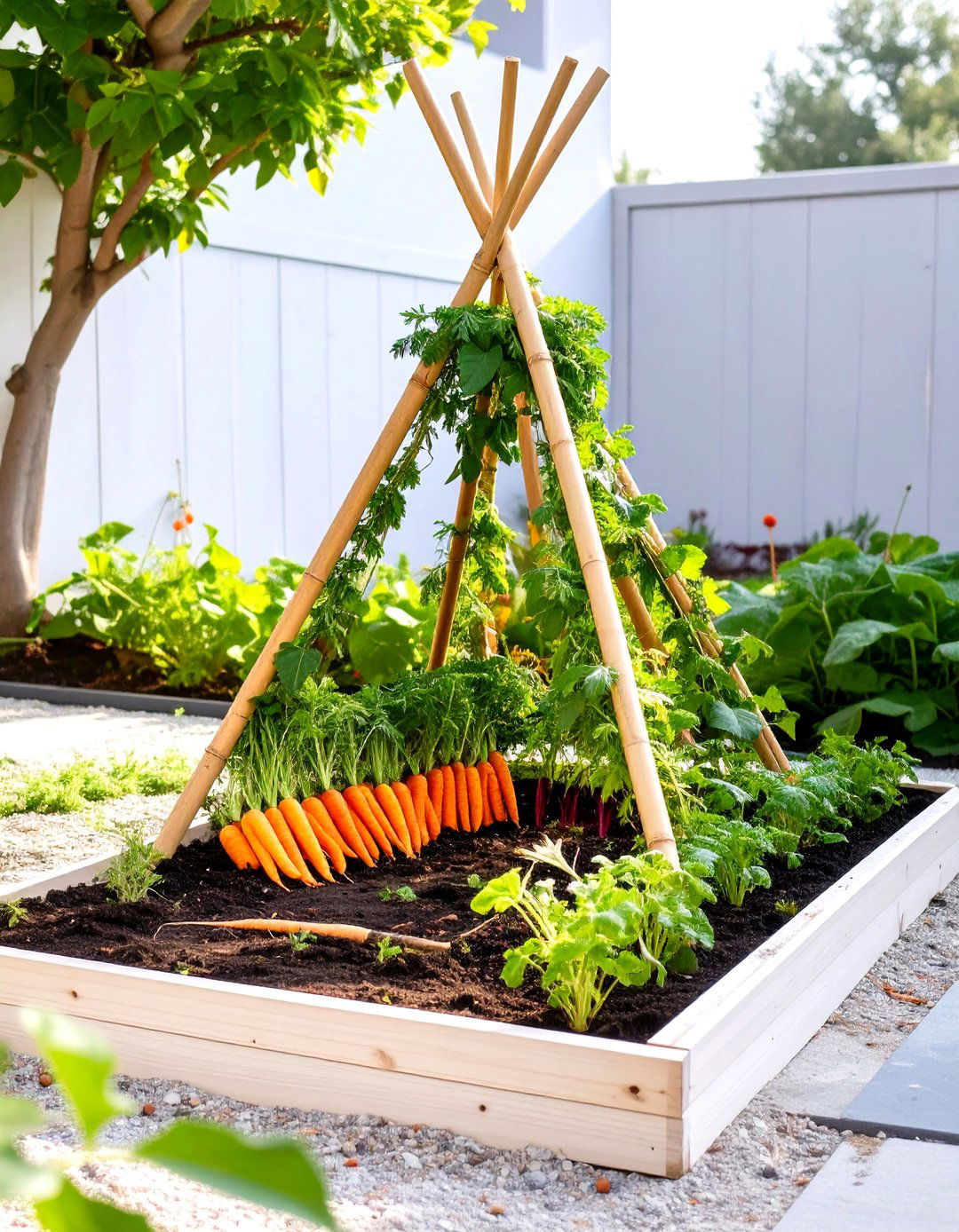
Creating a children's themed vegetable garden is a wonderful way to engage young ones in the magic of growing food. Design the garden with fun elements like a sunflower house, a bean teepee, or beds shaped like animals or letters. Choose vegetables that are easy and exciting to grow, such as cherry tomatoes, rainbow carrots, and sugar snap peas that can be eaten straight from the vine. Involve children in every step, from planting seeds to harvesting. A dedicated, kid-friendly plot fosters a love for nature, teaches valuable lessons about where food comes from, and creates lasting family memories.
26. Upcycled Container Vegetable Garden
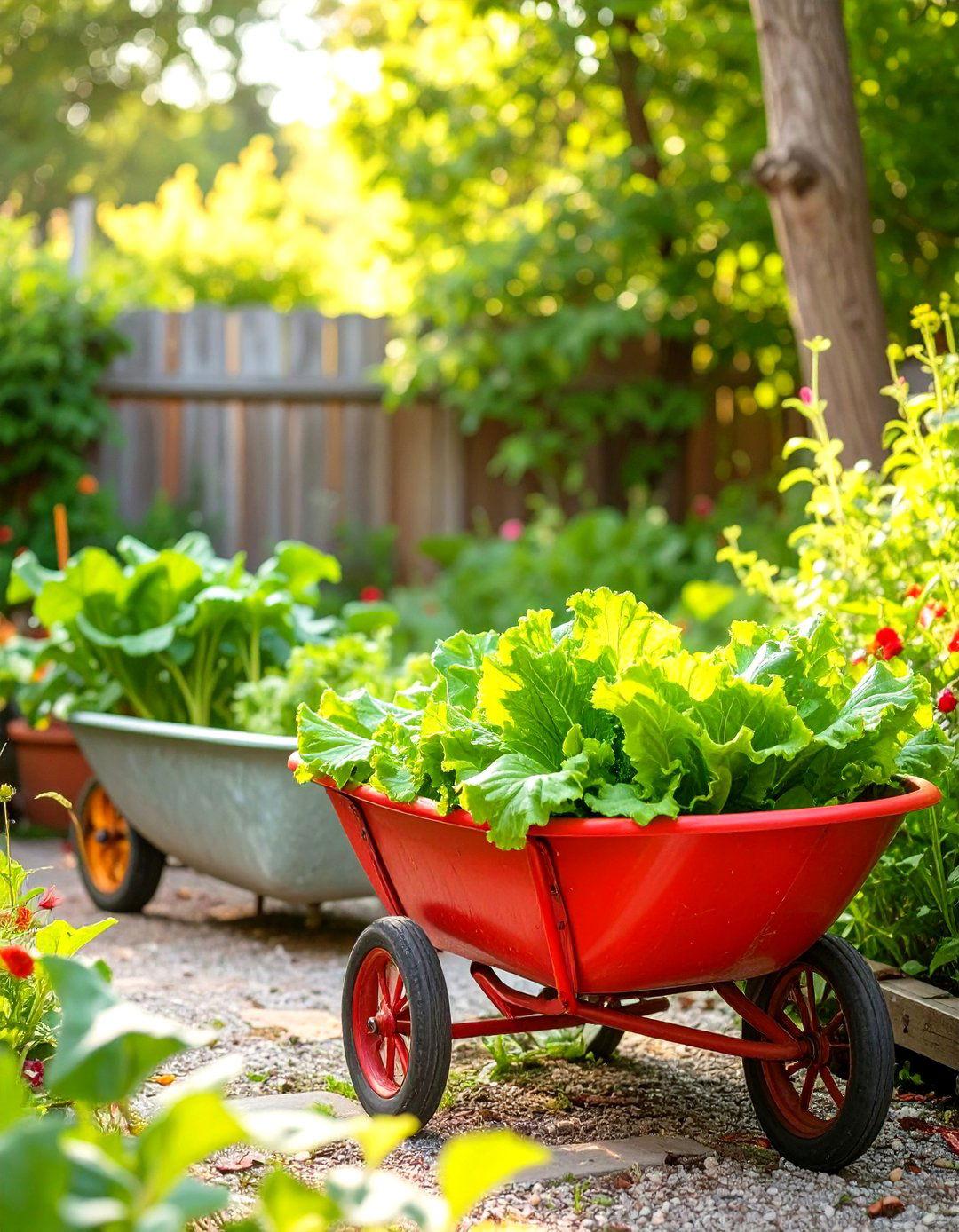
An upcycled container vegetable garden showcases creativity and sustainability by repurposing everyday items into planters. Old tires, bathtubs, wheelbarrows, watering cans, and even worn-out boots can be transformed into quirky and functional homes for your vegetables. The key is to ensure any container you choose has adequate drainage. This eclectic approach adds personality and a unique, artistic flair to your garden space while keeping waste out of landfills. It's a budget-friendly way to expand your growing area and demonstrates that with a little imagination, almost anything can become a part of your productive garden.
27. Sunken Bed Vegetable Garden for Dry Areas
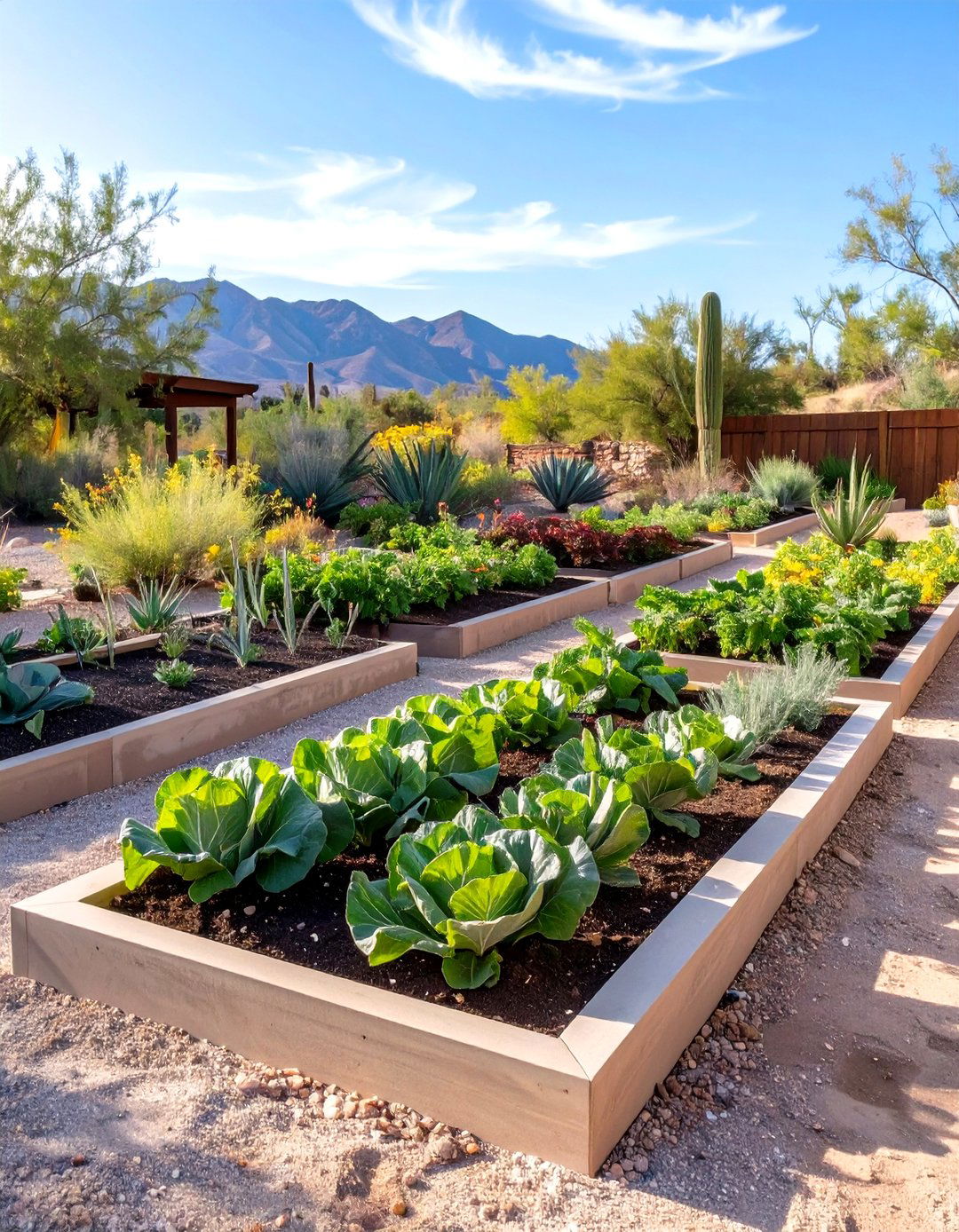
In hot, arid climates, a sunken bed vegetable garden is a smart design for conserving precious water. By digging beds lower than the surrounding pathways, you create a basin that collects and retains moisture, directing it straight to the plant roots and reducing evaporation from the soil surface. This ancient technique, also known as waffle gardening, helps keep the root zone cooler and more humid. The sunken design protects plants from drying winds and creates a more stable microclimate. It is a highly effective, low-tech strategy for successful vegetable gardening in challenging, water-scarce environments.
28. Straw Bale Vegetable Garden
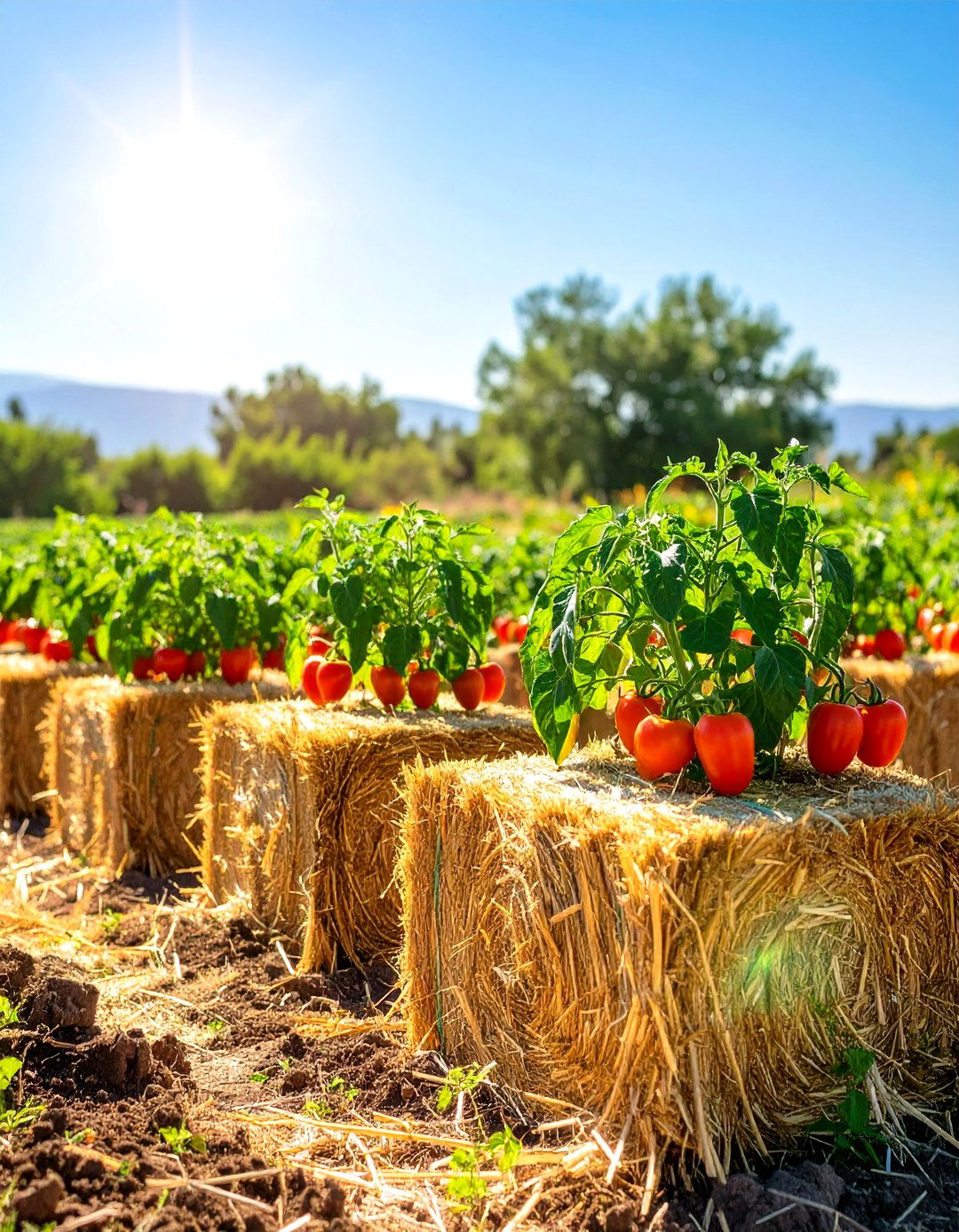
A straw bale vegetable garden is an innovative, soil-free method that involves planting directly into conditioned straw bales. The bales act as sterile, self-composting containers. Before planting, the bales must be "conditioned" for several weeks with water and a nitrogen source to start the decomposition process, which creates a warm, nutrient-rich rooting medium. This technique eliminates soil-borne diseases and weeds, and the elevated height of the bales makes gardening more accessible. At the end of the season, the decomposed bales can be used as mulch or compost, making it a sustainable and efficient system.
29. Cinder Block Raised Bed Garden
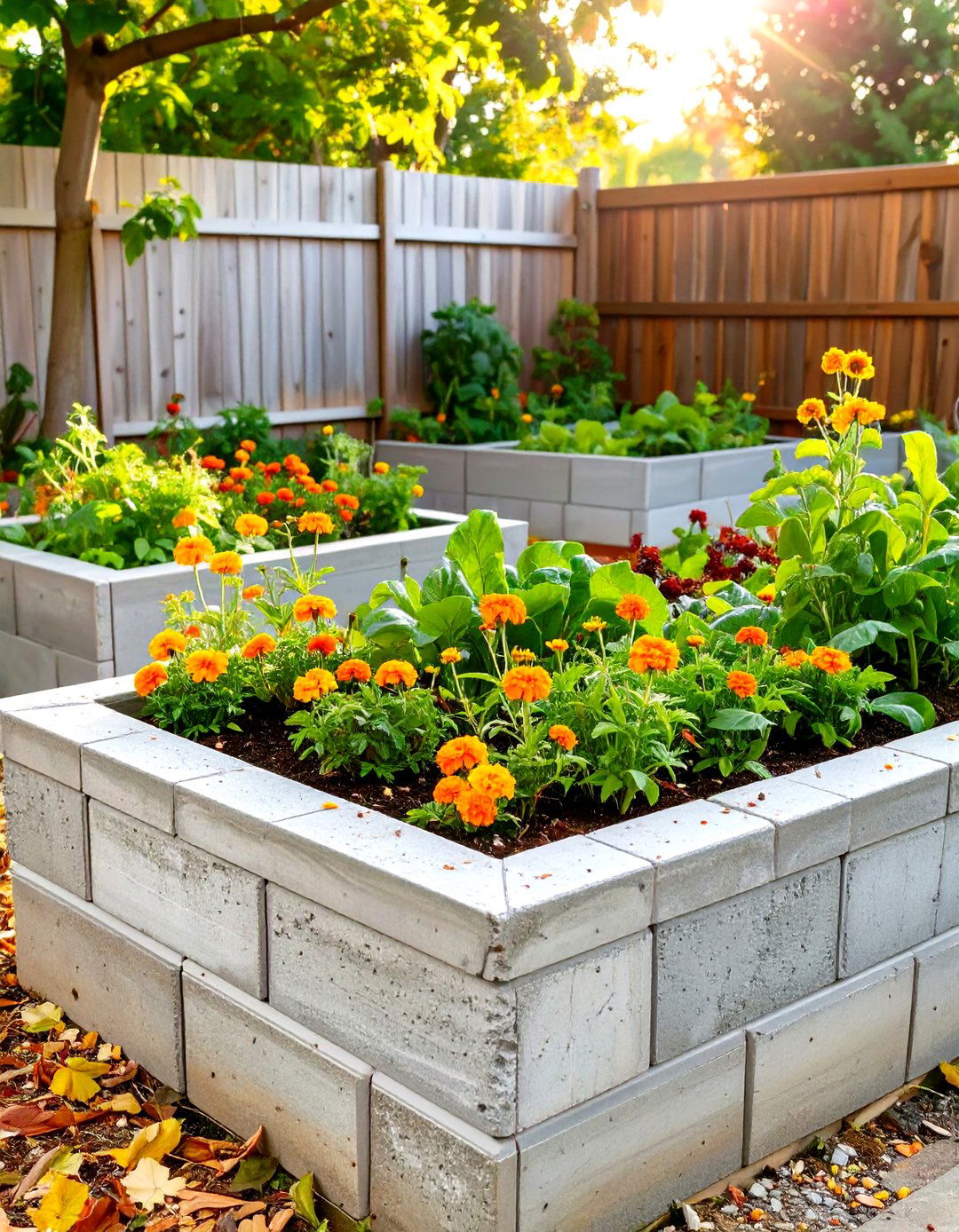
A cinder block raised bed garden is a durable, affordable, and highly versatile option for creating defined planting areas. The blocks are easy to stack and arrange into any shape or size, allowing for complete customization of your garden layout. A unique advantage of using cinder blocks is that you can also plant smaller herbs or flowers, like marigolds, in the holes of the blocks themselves, maximizing every inch of growing space. This modular system is long-lasting and straightforward to set up, providing a sturdy, low-maintenance structure for a productive and organized vegetable garden.
30. Wall-Mounted Pocket Vegetable Garden
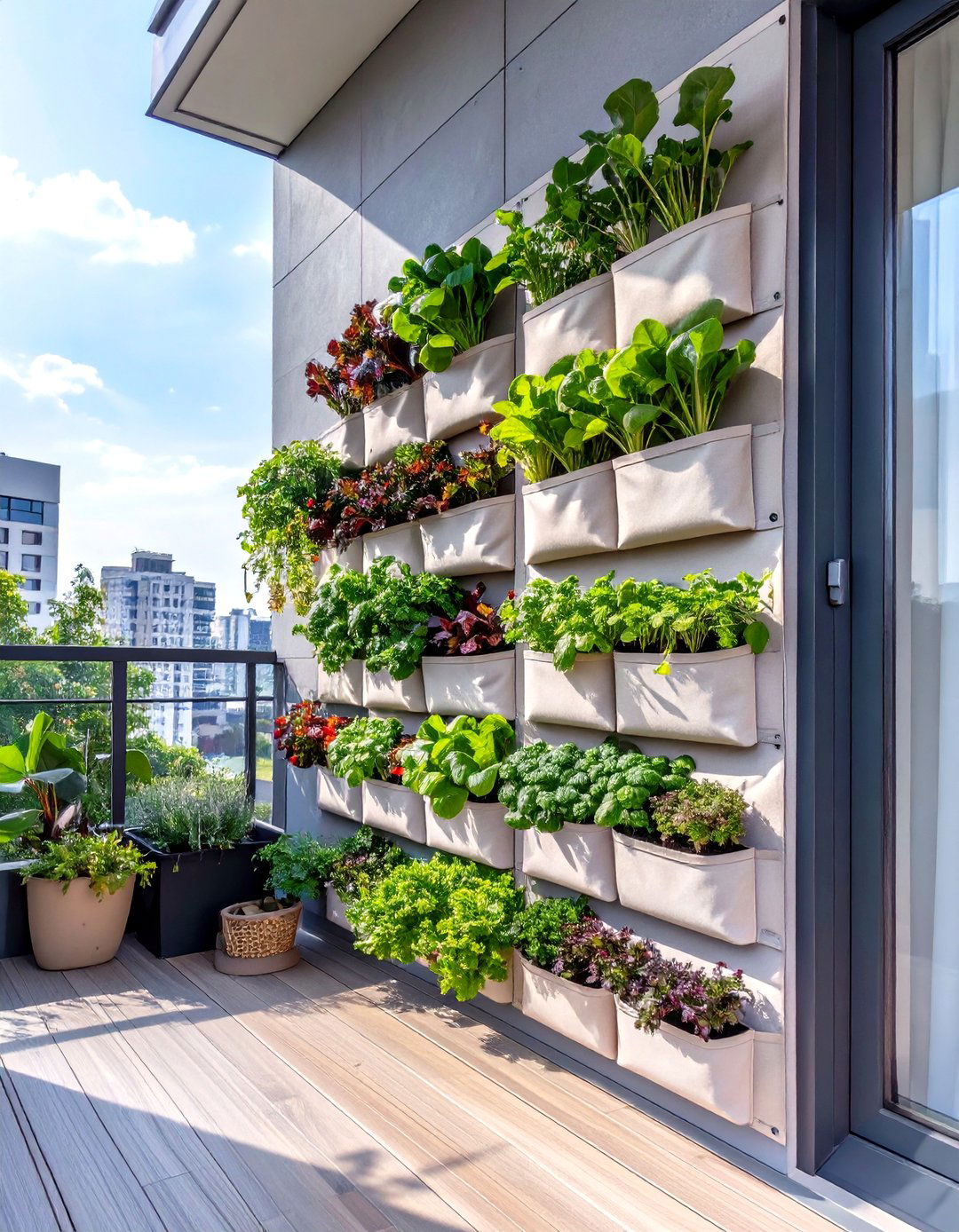
A wall-mounted pocket vegetable garden is an excellent vertical solution for extremely limited spaces, such as small balconies or bare courtyard walls. These systems consist of fabric or plastic pockets arranged in a panel that can be hung vertically. Each pocket is filled with soil and can house individual plants like herbs, lettuce, strawberries, or other compact vegetables. This design makes efficient use of vertical surfaces, turning an empty wall into a living tapestry of green. It's a modern, stylish, and practical way to bring gardening to even the smallest urban homes, providing fresh produce right at your fingertips.
Conclusion:
Ultimately, the best vegetable garden design is one that suits your space, lifestyle, and personal aesthetic. From classic raised beds and formal potagers to innovative vertical and upcycled container gardens, the possibilities are boundless. By thoughtfully considering layout, materials, and planting methods, you can create a space that is not only highly productive but also a source of beauty and enjoyment. The key is to start with a clear plan, embrace creativity, and adapt your design to create a thriving garden that will provide you with fresh, homegrown produce for years to come.

Related posts:



Leave a Reply