
Transforming your outdoor space into a productive and beautiful vegetable garden is a deeply rewarding experience. It’s about more than just growing food; it’s about creating a living sanctuary that reflects your personal style and connects you with the beyond traditional, straight rows opens up a world of creative you have a sprawling backyard, a cozy patio, or a sunlit balcony, there is a design that can maximize your harvest and bring aesthetic ideas explore complete themes, integrating layouts, materials, and plant choices to craft a cohesive and inspiring edible landscape. Let's dig into these concepts that blend functionality with artistry, proving that a vegetable garden can be as stunning as any ornamental flowerbed.
1. The Classic Kitchen Garden Layout
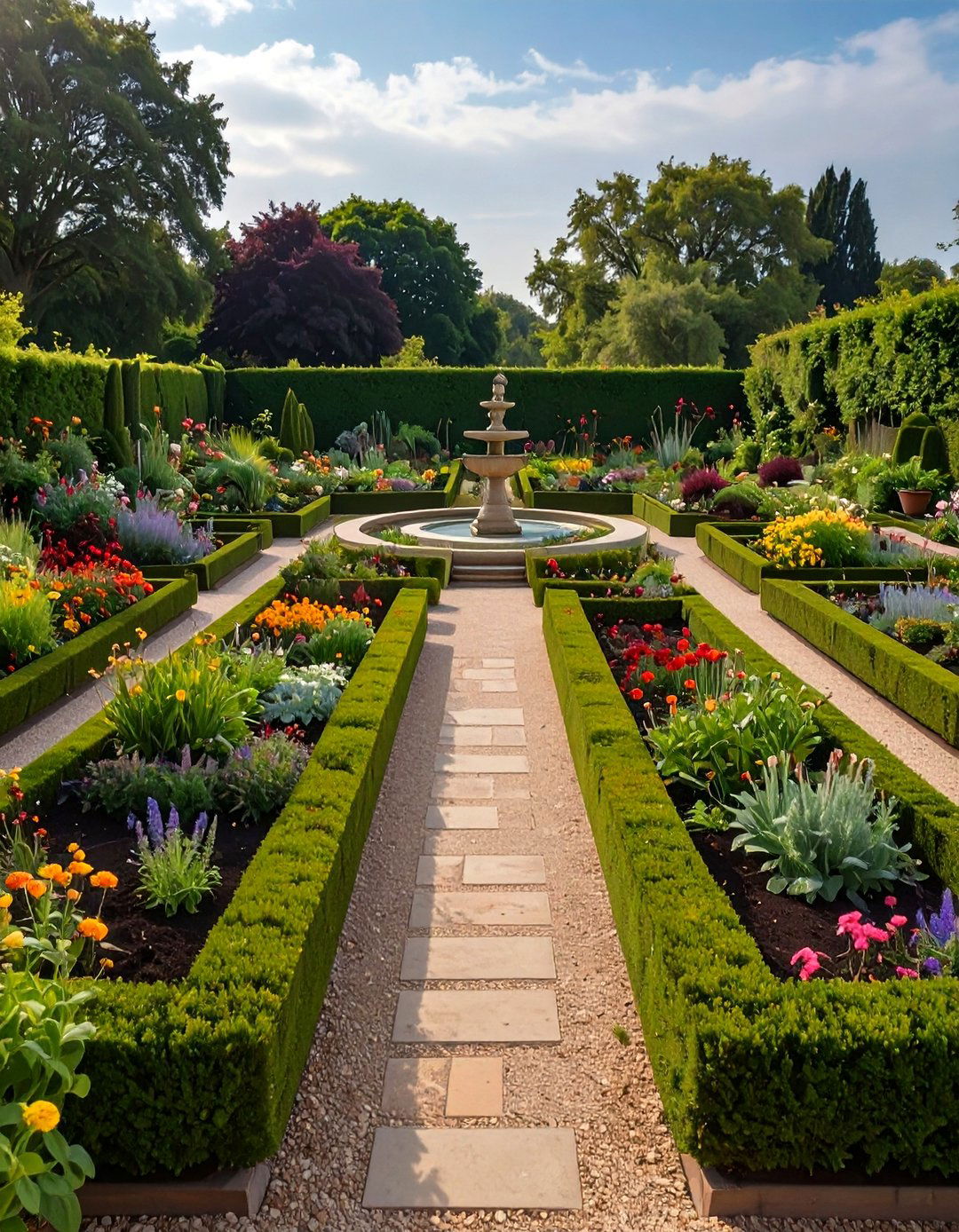
A classic kitchen garden, or potager, blends vegetables, herbs, and flowers in a formal, geometric a central focal point, like a birdbath or a sundial, with symmetrical pathways of brick or gravel radiating planting beds are often edged with low, clipped boxwood hedges, creating a tidy, organized design uses raised beds to define the shapes — squares, circles, or rectangles — and provides easy access for tending and mix of edible and ornamental plants creates a vibrant tapestry of color and texture, making the garden both productive and beautiful right outside your kitchen door.
2. Urban Rooftop Vegetable Farm
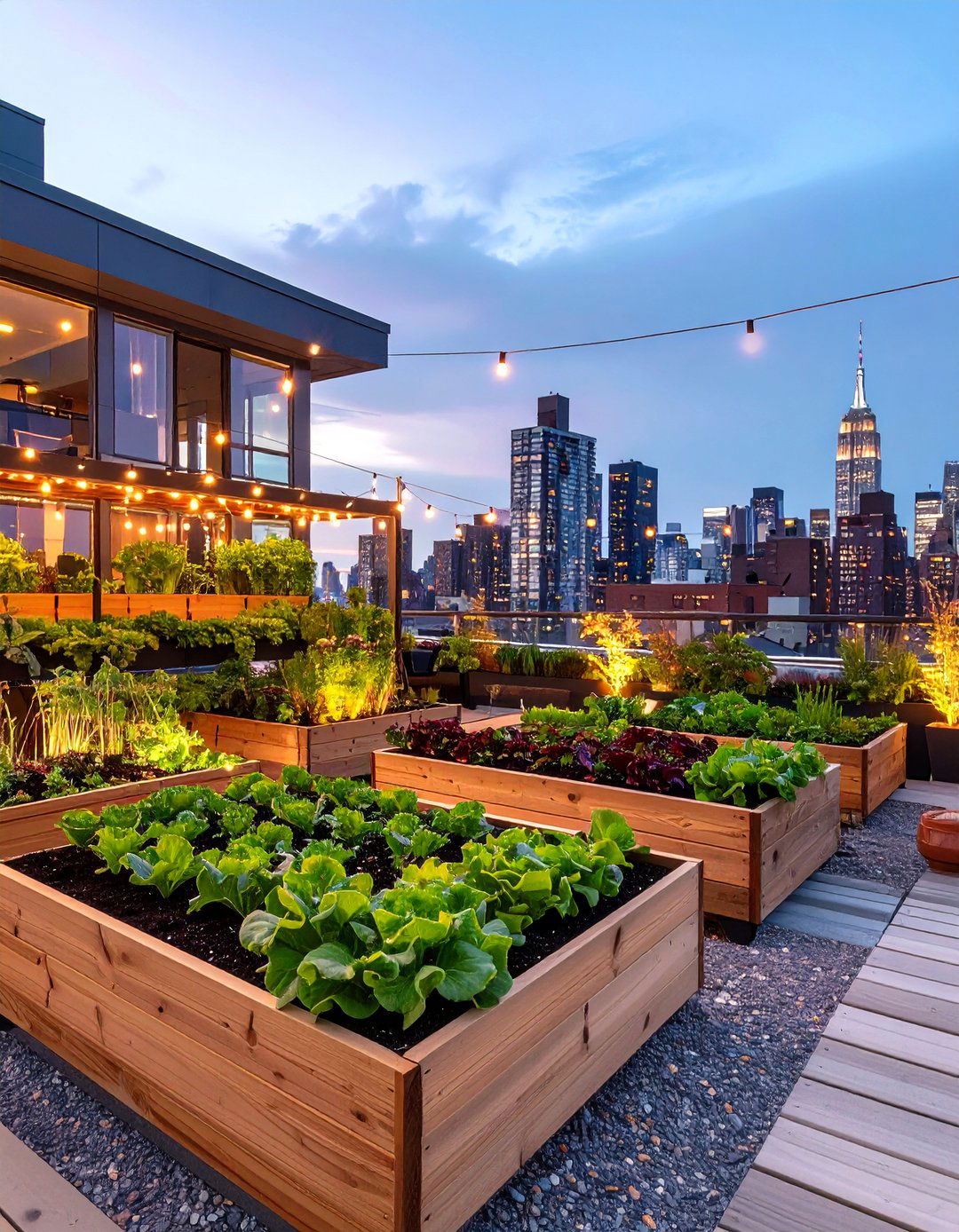
For city dwellers, a rooftop can become a flourishing vegetable design utilizes lightweight containers, raised beds on casters for mobility, and vertical growing systems to maximize a limited layout is modular, allowing for flexibility and adaptation to the roof’s structural like recycled plastic lumber and fabric grow bags keep the weight down. A drip irrigation system is essential for consistent watering in the exposed, windy lights and a small seating area can transform the space into a green oasis, offering a peaceful escape with a stunning city skyline view.
3. Tiered Terrace Garden Design
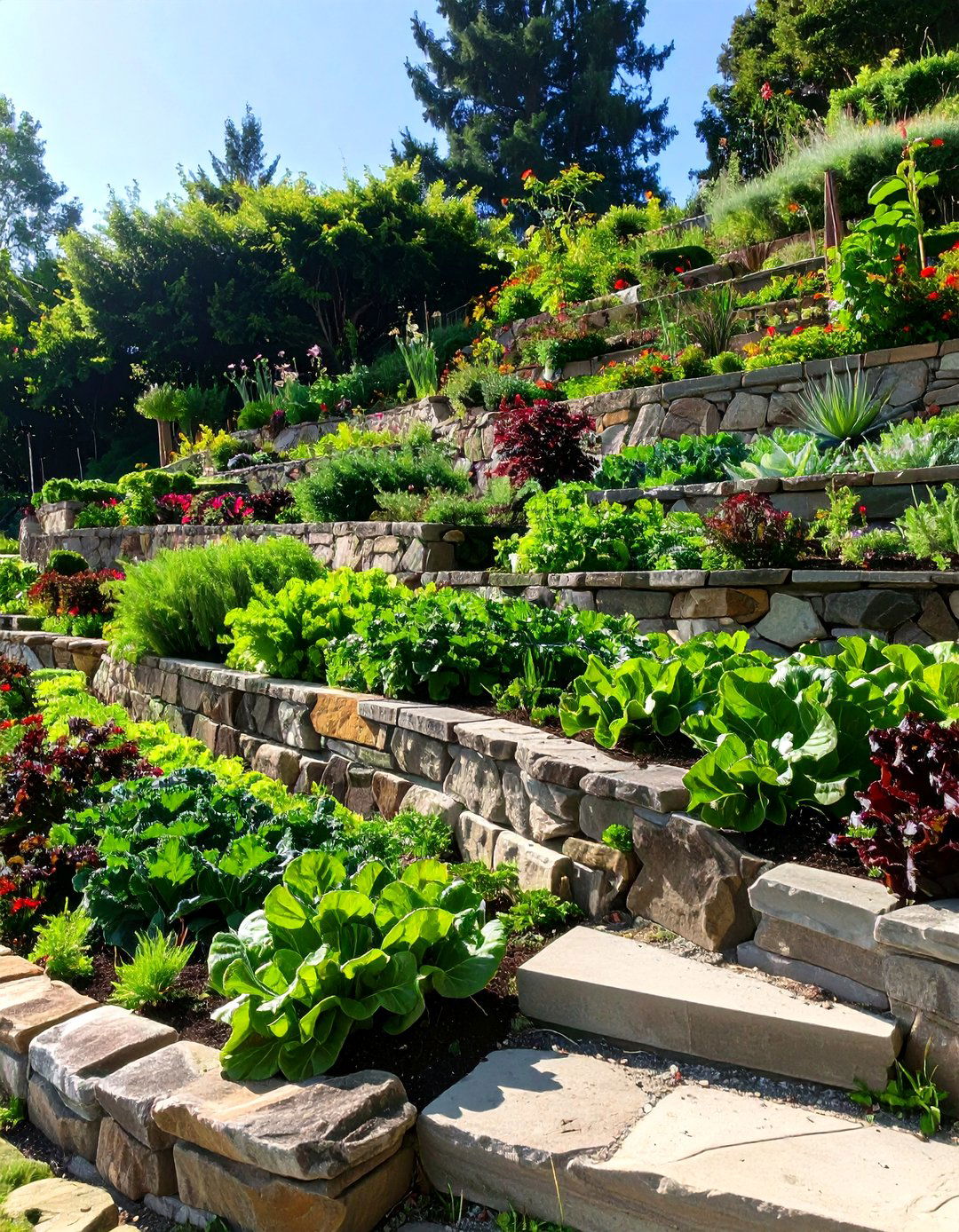
A tiered terrace garden is the perfect solution for a sloped yard, turning a challenging landscape into a productive design involves creating a series of level planting areas by building retaining walls from stone, wood, or concrete terrace can be dedicated to different types of vegetables, such as root vegetables in deeper beds and salad greens on higher layout follows the natural contour of the land, creating sweeping curves or straight, modern or a winding path connects the levels, making it a beautiful and accessible space for growing a diverse harvest.
4. Spiral Herb and Vegetable Garden
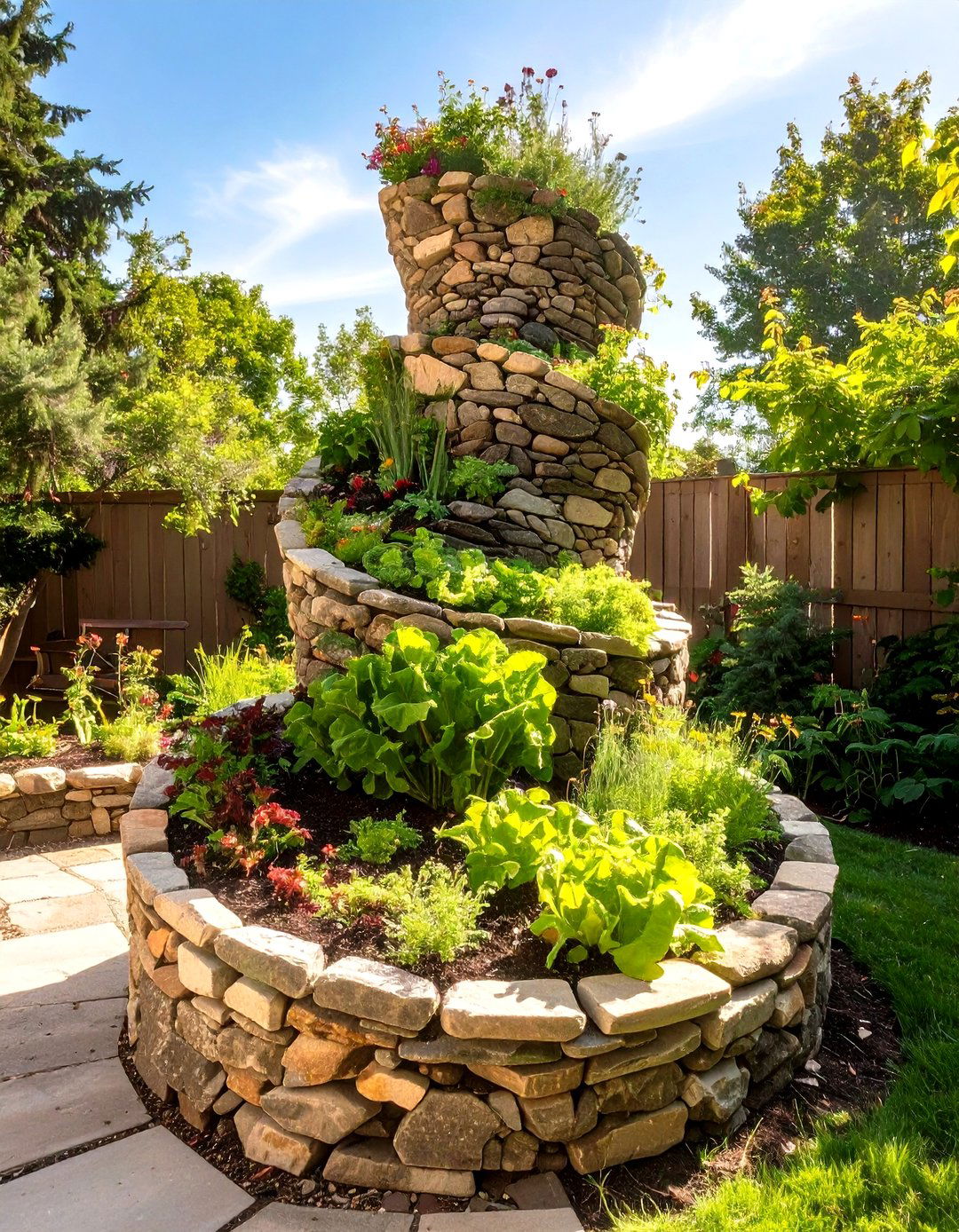
The spiral garden is an efficient and visually captivating design, especially for smaller from stones, bricks, or wood, the structure spirals upwards, creating a continuous, curved planting design maximizes surface area and creates microclimates; the top of the spiral is sunnier and drier, ideal for Mediterranean herbs like rosemary, while the base remains shadier and moister for plants like parsley or lettuce. It’s a permaculture-inspired technique that promotes biodiversity and is incredibly swirling form adds a dynamic, sculptural element to your garden, proving that function can be truly artful.
5. Formal Four-Square Garden Plan
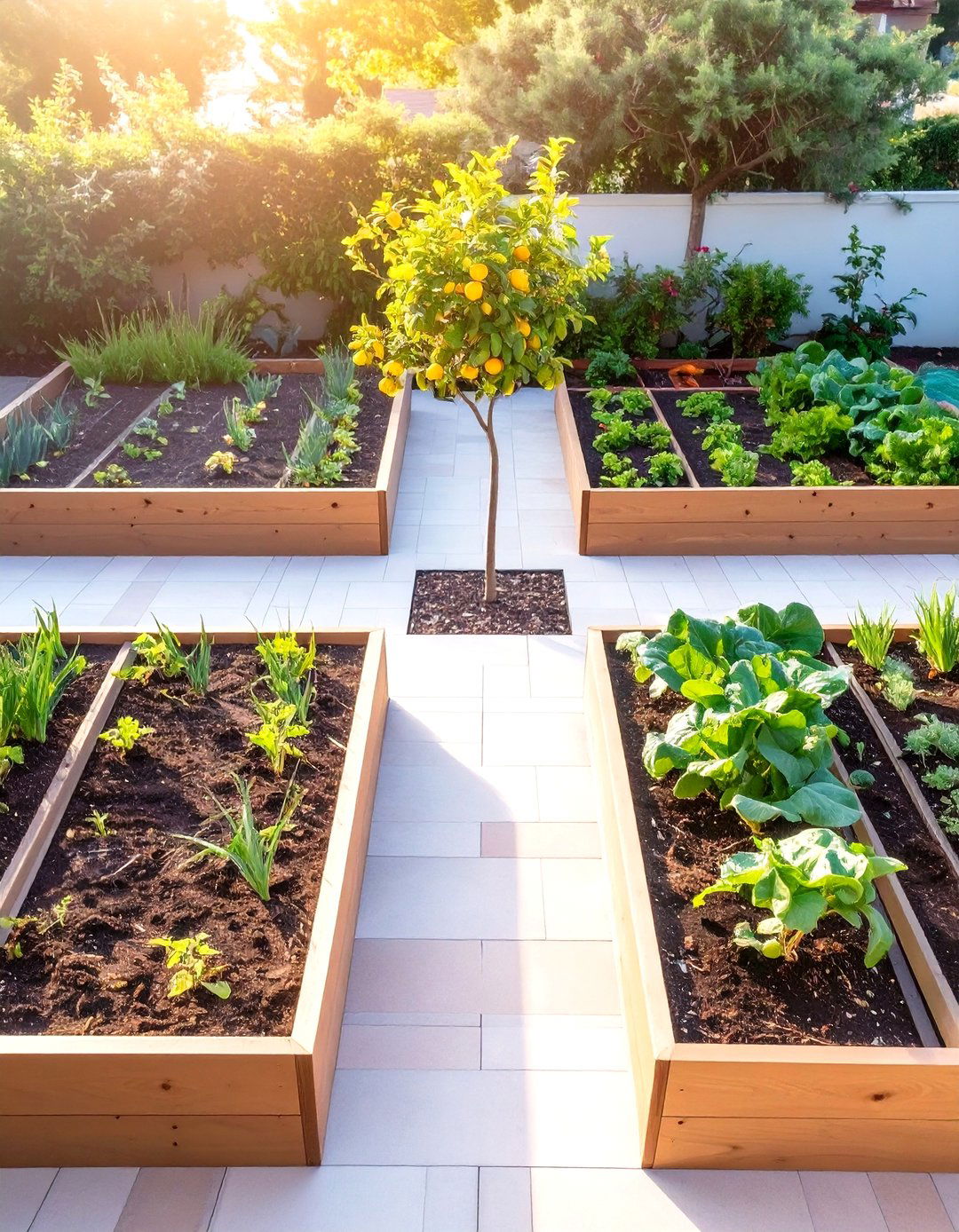
A four-square garden, also known as a quadrant garden, is a timeless design based on a simple, elegant garden is divided into four equal-sized beds by two intersecting paths, which often meet at a central feature like an olive jar or a small fruit layout is incredibly organized and easy to manage, allowing for simple crop rotation by planting a different vegetable family in each square each beds can be raised or in-ground, with clean edges defined by wood, stone, or metal, creating a look of refined orderliness.
6. The Polyculture Food Forest Garden
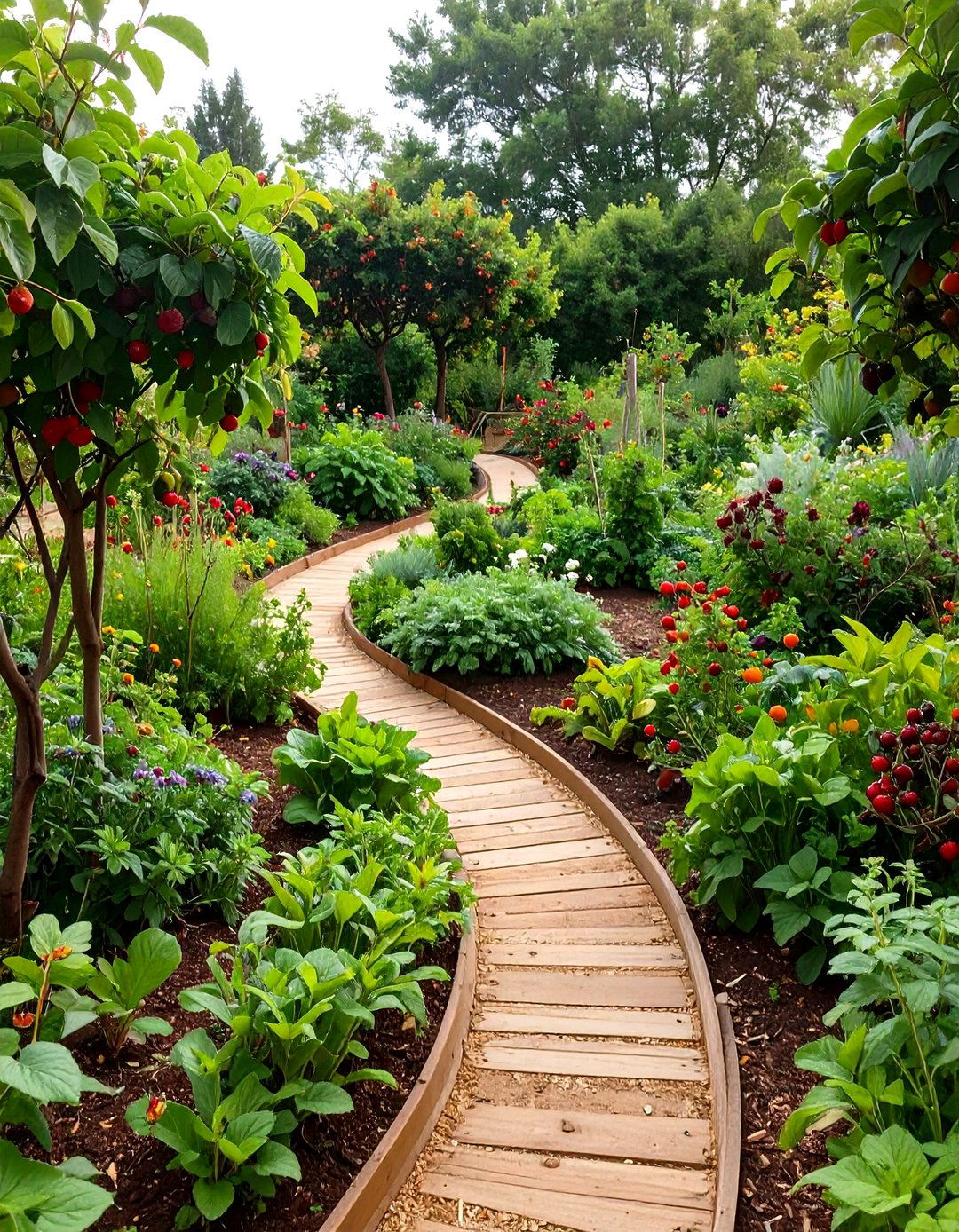
Imagine a garden that mimics a natural woodland ecosystem. A polyculture food forest layers different plants together to create a self-sustaining fruit or nut trees form the canopy, with smaller shrubs like berries that, an herbaceous layer includes vegetables, herbs, and companion flowers, while groundcover plants suppress weeds and root crops grow design focuses on perennials and self-seeding annuals to minimize layout is organic and flowing, with winding paths inviting exploration. It’s a beautiful, biodiverse approach that builds healthy soil and yields a continuous, varied harvest.
7. The Checkerboard Vegetable Plot
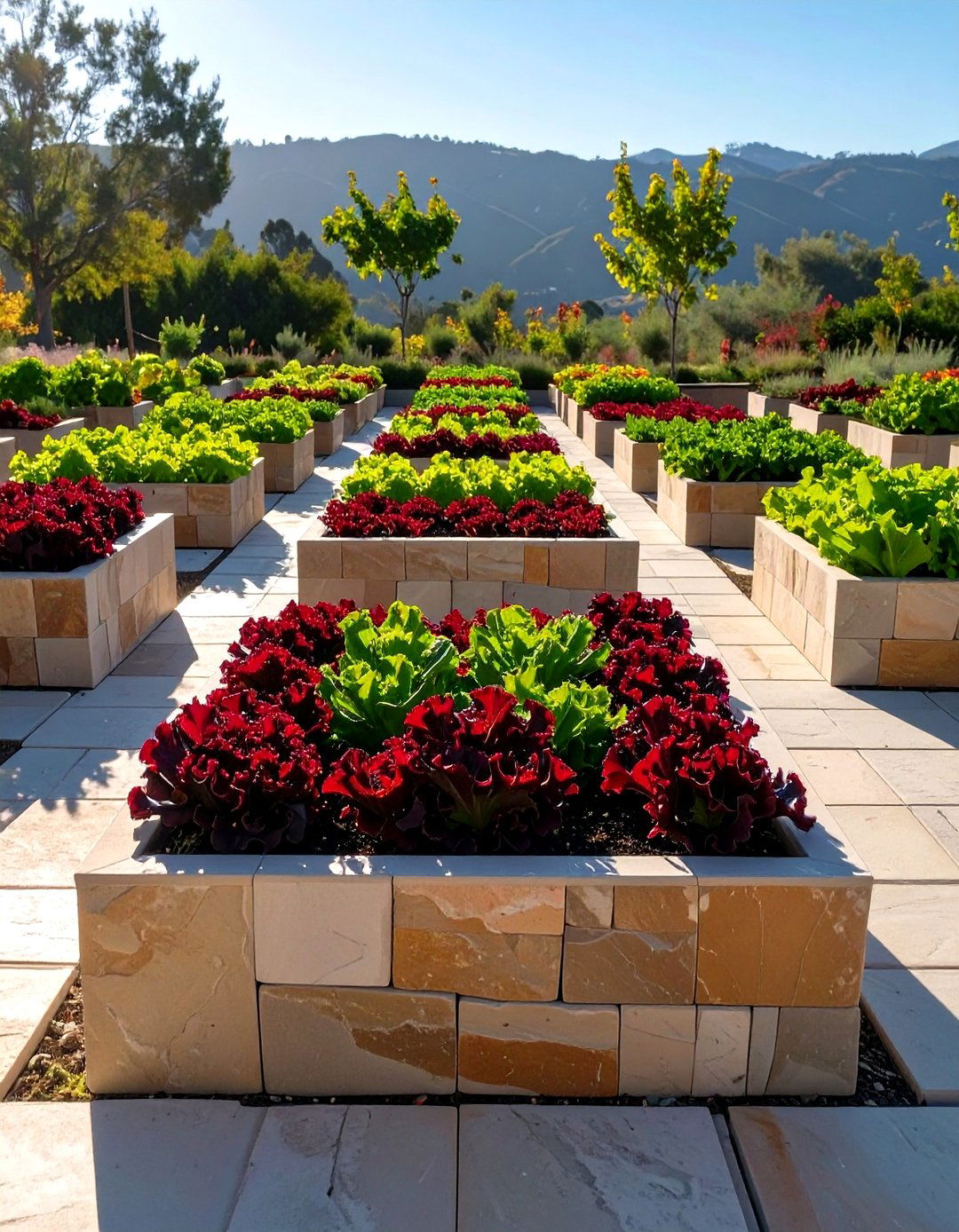
For a bold, graphic statement, the checkerboard vegetable plot is design alternates square planting beds with square pavers, creating a life-sized game board pavers, which can be stone, concrete, or wood, provide clean, mud-free access to every layout is perfect for keeping different vegetable varieties separate and can play with color and texture by planting contrasting foliage, like deep green spinach next to silvery cabbage or red-leaf lettuce next to bright green herbs. It’s a modern, high-impact design that is both playful and incredibly practical.
8. Vertical Garden Wall for Small Spaces
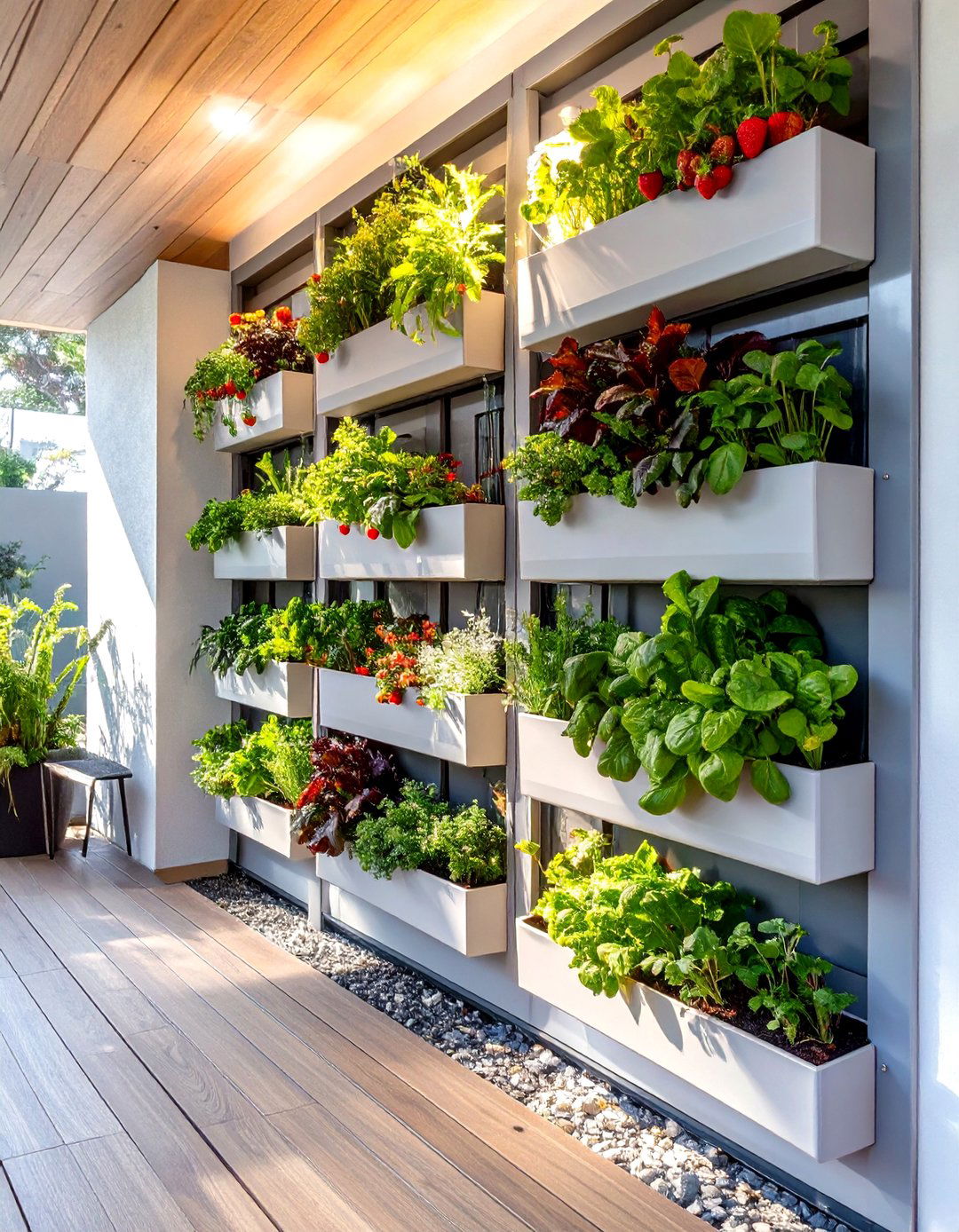
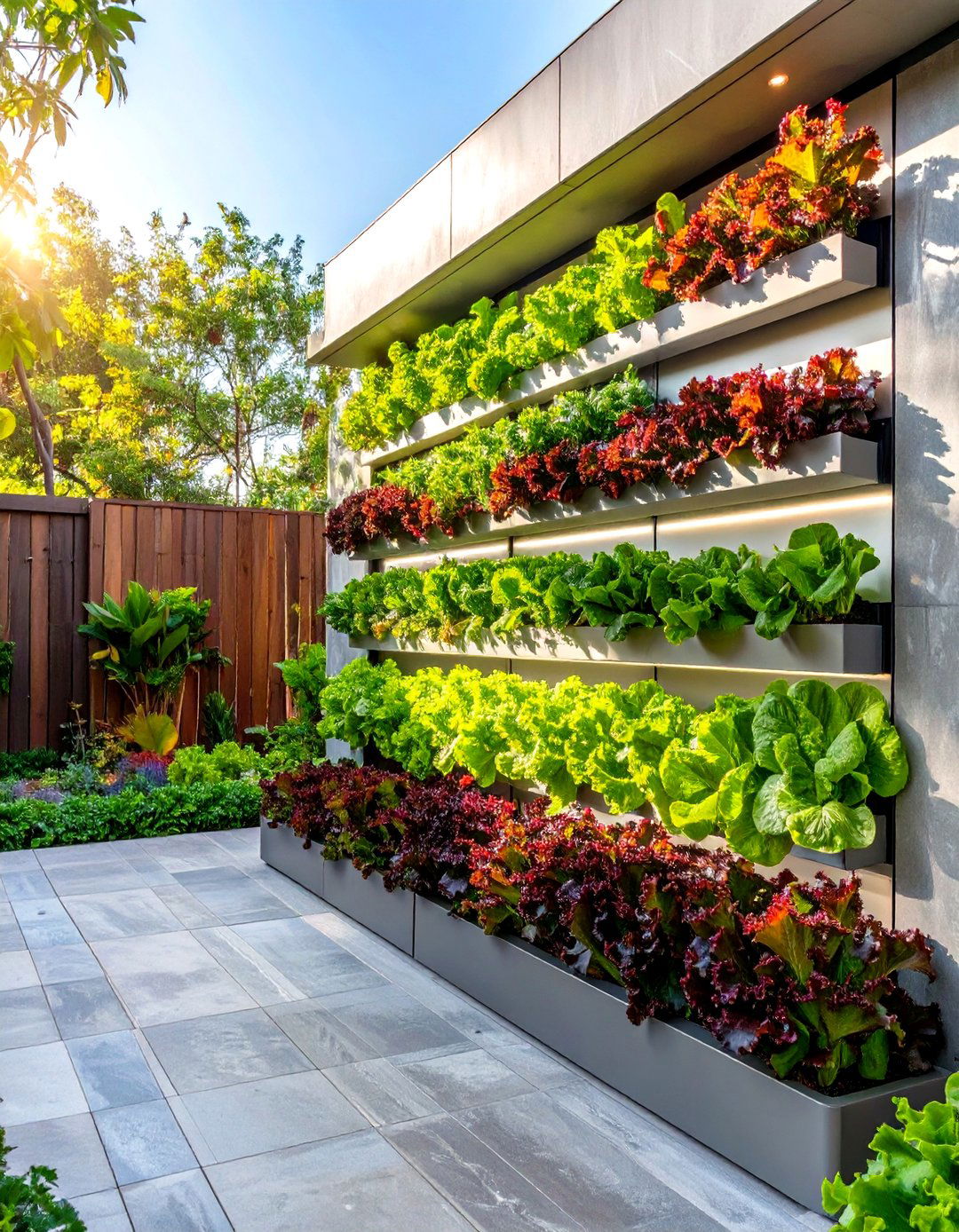
When ground space is non-existent, a vertical garden wall is the design transforms a sunny wall or fence into a living tapestry of systems like stacked planters, wall-mounted pockets, or trellises with climbing vegetables like beans and cucumbers, you can grow an impressive amount of food. A built-in drip irrigation system is key to keeping the vertical plants approach is ideal for balconies and small patios, bringing life and fresh produce to the tightest of urban you ever considered how much you could grow on just one wall?
9. Rustic Farmhouse Raised Bed Garden
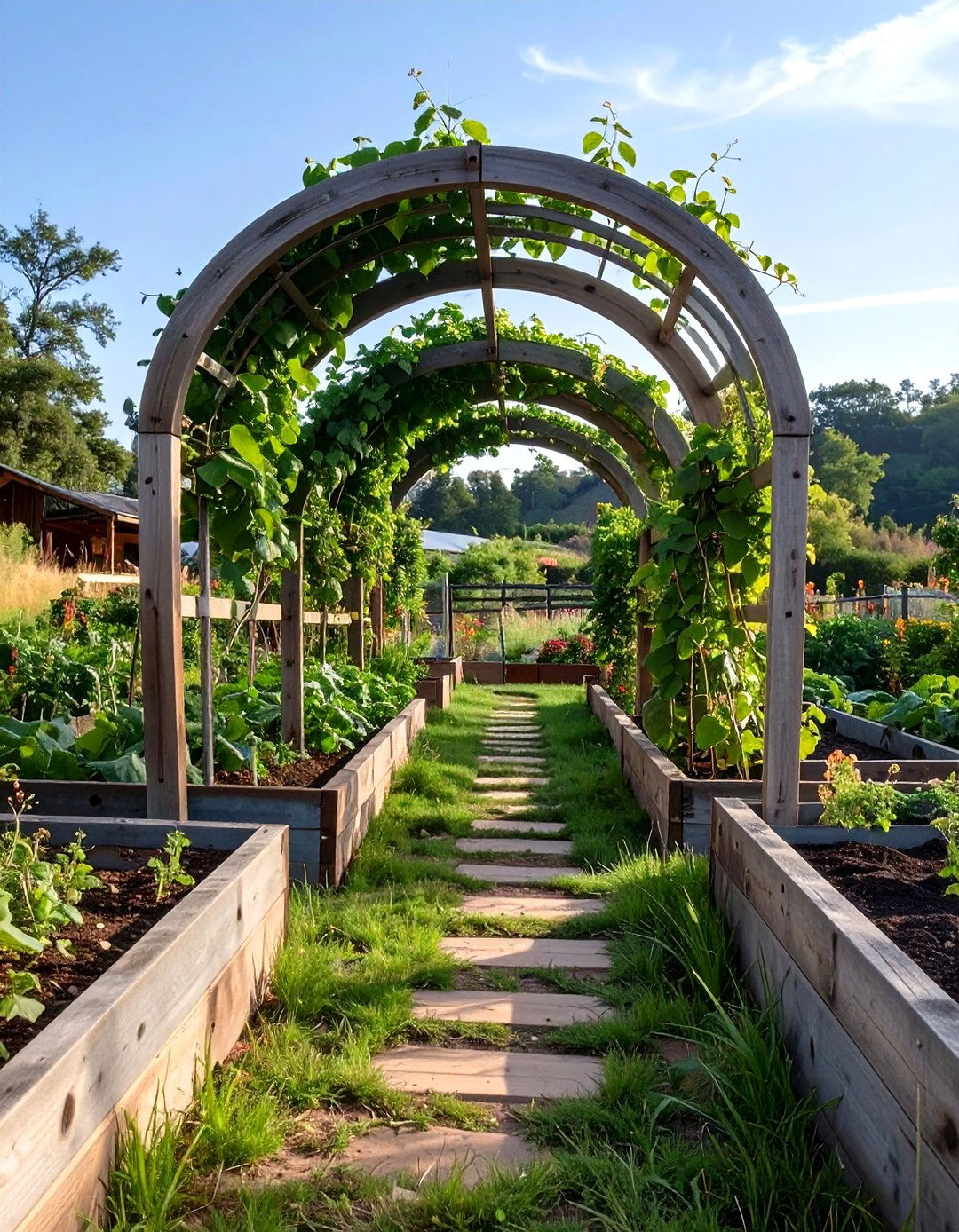
Capture the charm of the countryside with a rustic farmhouse vegetable design centers on large, sturdy raised beds made from reclaimed wood, galvanized steel troughs, or weathered layout is simple and functional, often in neat rows with wide, grassy or wood-chip paths in arched cattle panel trellis for climbing beans or squash can add a beautiful, rustic focal style embraces a slightly imperfect, lived-in feel, with handmade signs, a vintage wheelbarrow used as a planter, and a mix of heirloom vegetables for a truly authentic farm-to-table experience.


10. The Edible Courtyard Garden
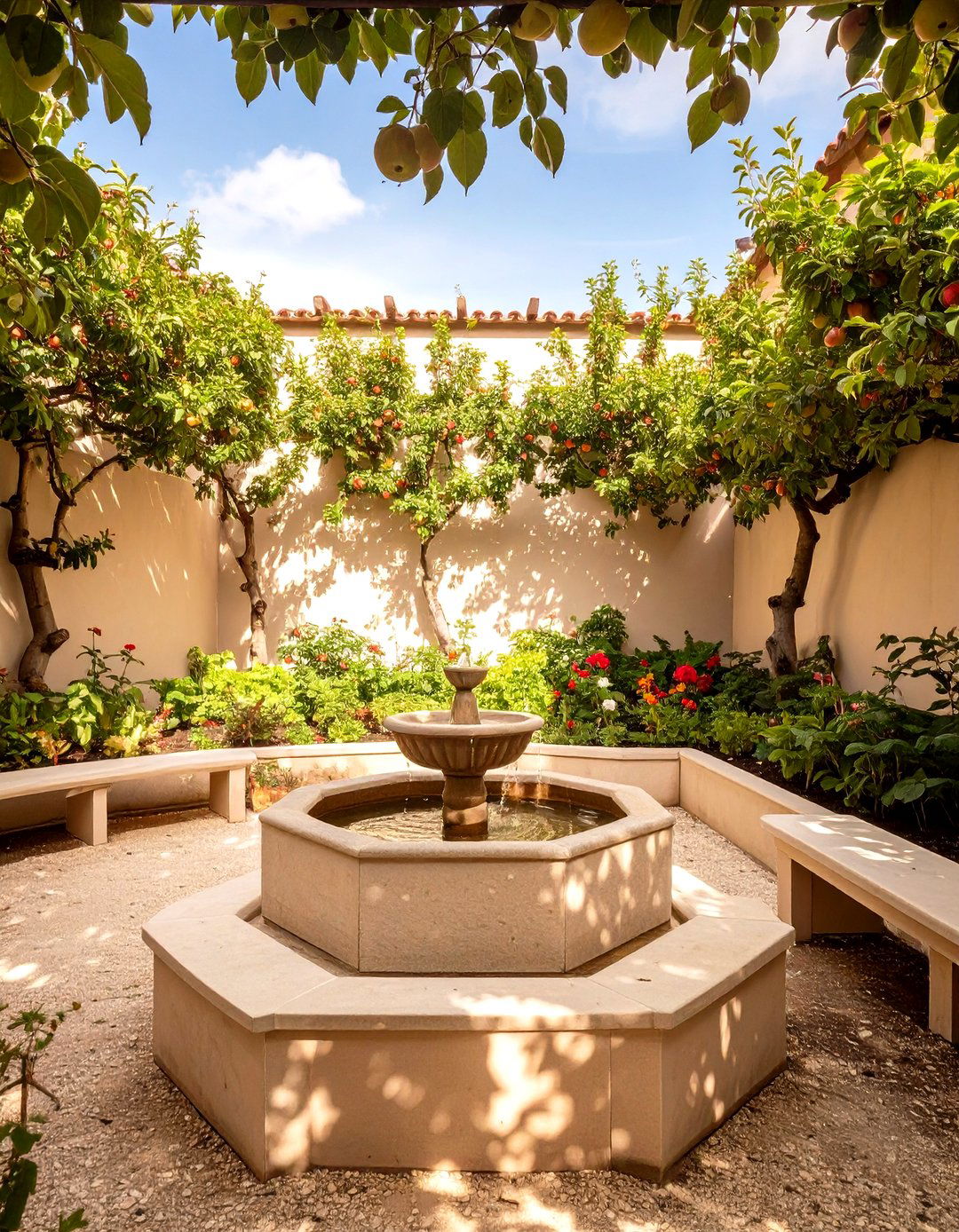
Transform a central courtyard into a lush, edible design treats the garden as an outdoor room, integrating planting beds with seating, water features, and ambient planters made of stucco, brick, or stone can double as bench seating. A central fountain provides soothing sounds, while espaliered fruit trees grow flat against the walls, saving space and adding architectural layout is often formal and symmetrical, creating a sense of calm and enclosure. It's a perfect blend of a relaxing retreat and a productive garden, right in the heart of your home.
11. Mandala Keyhole Garden Design
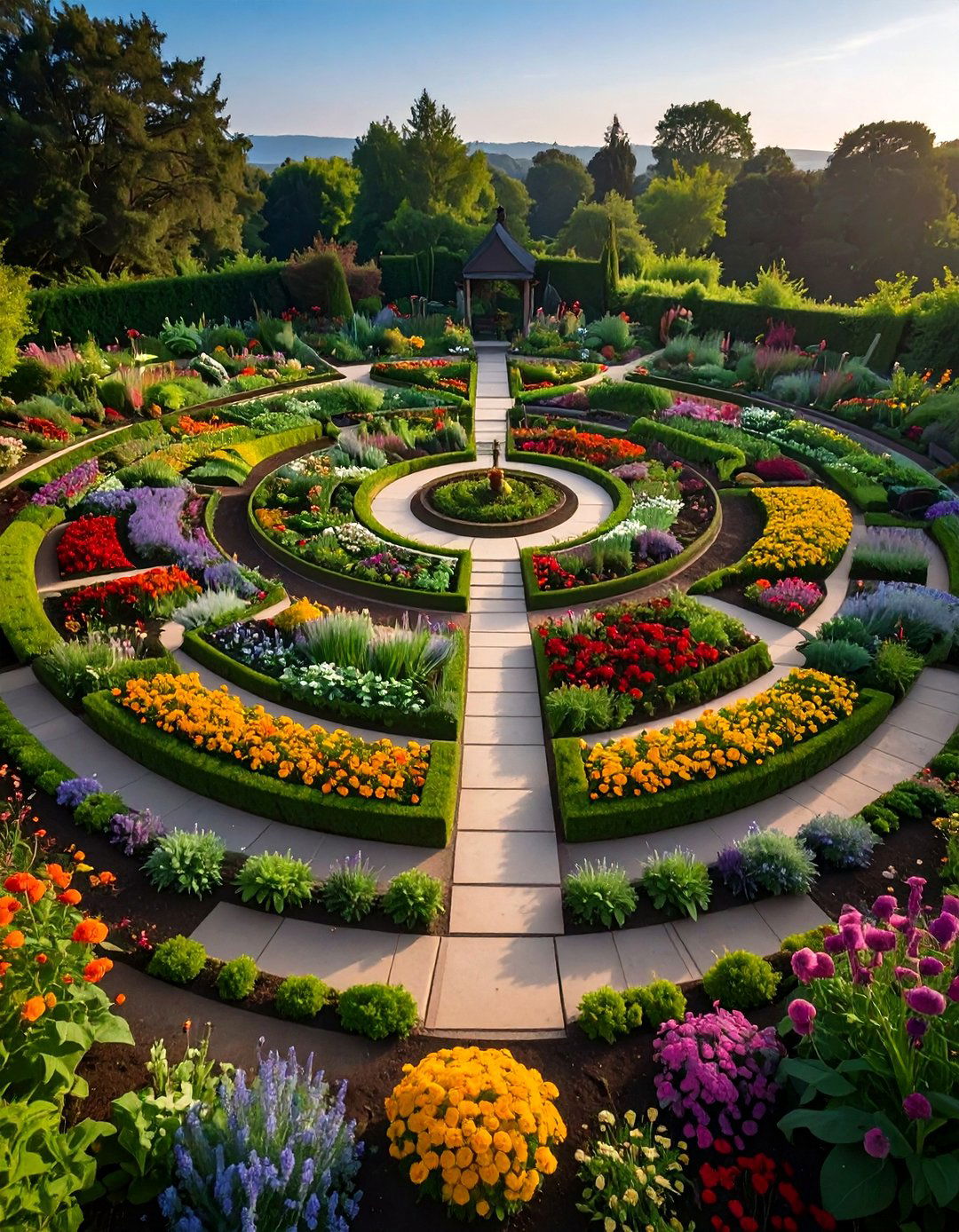
A mandala keyhole garden is a circular design with paths that lead to the center, resembling a wheel with spokes or a pie cut into layout is not only beautiful but also highly efficient, providing easy access to all parts of the wedge-shaped planting beds from the circular form is deeply symbolic and creates a sense of harmony and focus. Often, a central element like a pond or a special plant acts as the garden's permaculture design encourages companion planting and makes tending the garden a meditative, mindful experience.
12. The Mediterranean Gravel Garden
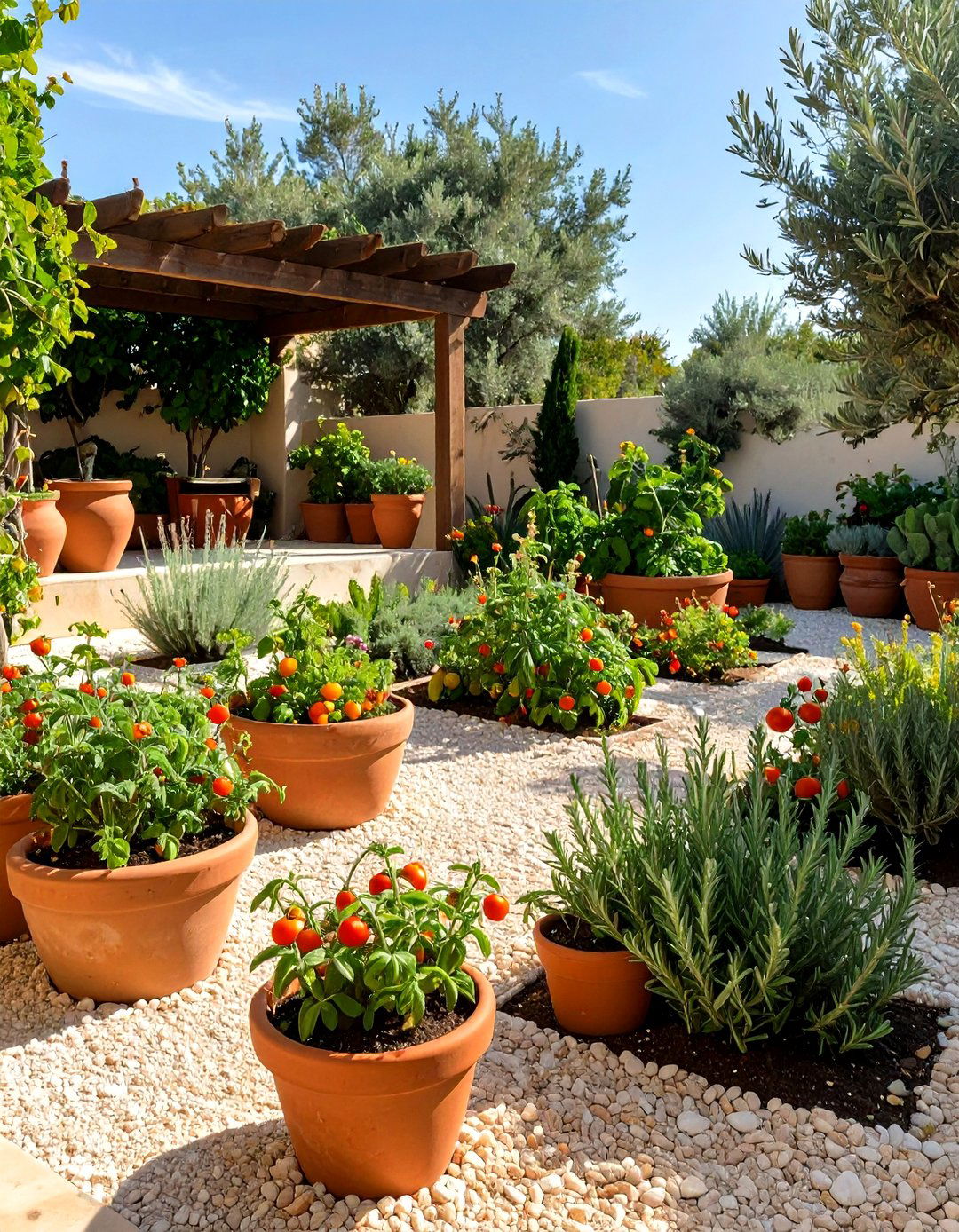
Evoke the sun-drenched landscapes of the Mediterranean with a gravel water-wise design uses gravel or crushed stone as a mulch, which suppresses weeds, conserves moisture, and reflects heat. Drought-tolerant vegetables like tomatoes, peppers, and artichokes thrive in this environment, alongside fragrant herbs such as rosemary, thyme, and is done in pockets of soil within the gravel terracotta pots, rustic stone walls, and a simple wooden pergola for shade complete the look, creating a low-maintenance, aromatic, and highly productive garden that celebrates a warm climate.
13. A Japanese-Inspired Vegetable Garden
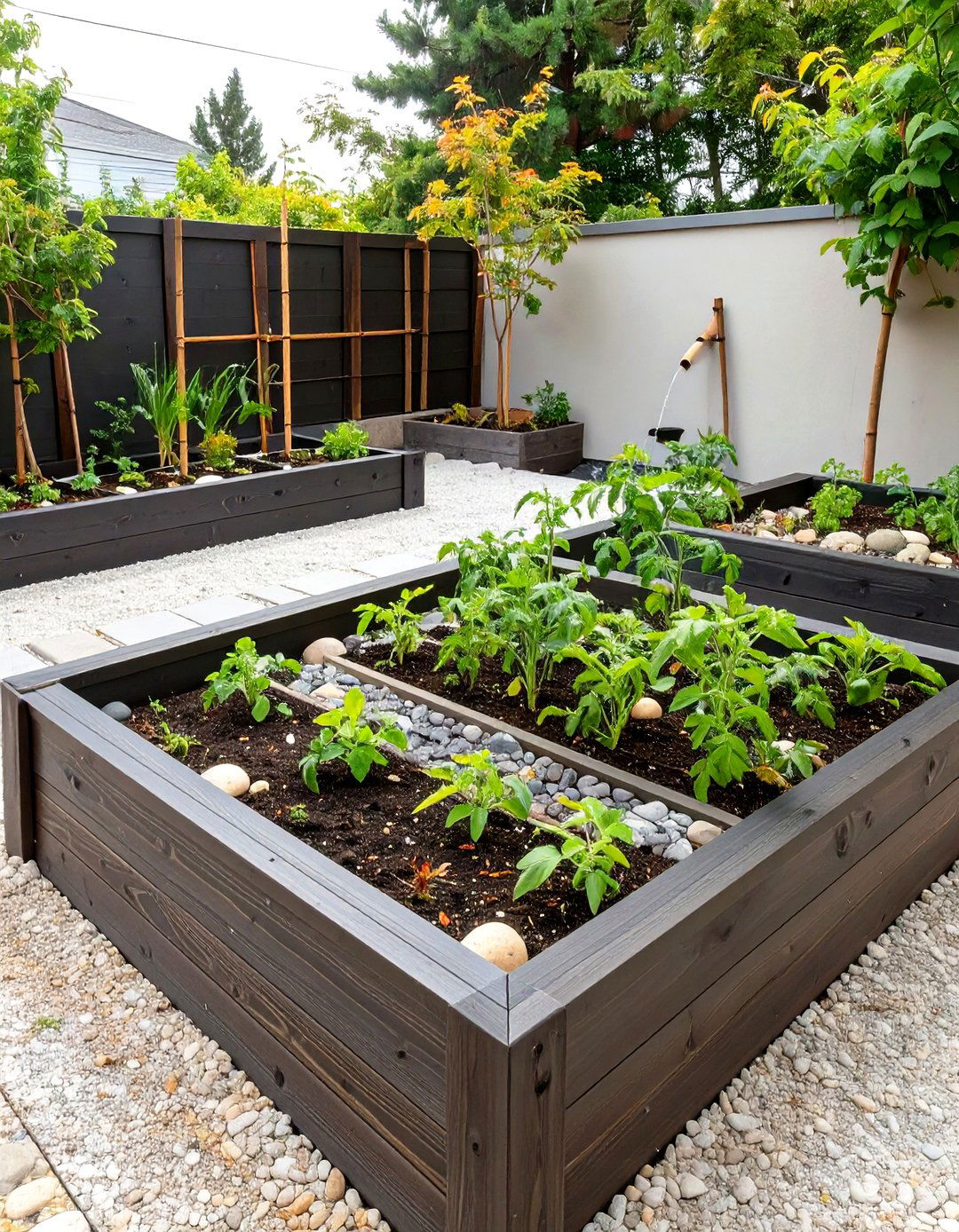
Bring a sense of tranquility and precision to your edible garden with a Japanese-inspired style emphasizes simplicity, natural materials, and meticulous carefully pruned vegetables, like sculpted tomato plants, arranged alongside smooth stones and a bamboo water layout is asymmetrical and minimalist, using negative space to create a feeling of beds might be crafted from dark-stained wood or bamboo, with paths of raked sand or fine focus is on the beauty of each individual plant and the harmonious balance of the entire space.
14. The Wild English Cottage Garden

Embrace a romantic, overflowing abundance with a wild English cottage vegetable design joyfully mixes vegetables, herbs, edible flowers, and fruiting shrubs in a seemingly chaotic but artfully planned are no straight lines here; instead, plants spill over winding, narrow paths of brick or flagstone. A rustic wooden archway covered in climbing roses and runner beans creates a charming goal is to create a dense, layered tapestry of color, texture, and could be more delightful than harvesting peas amidst a riot of blooming flowers?



15. The Modernist Minimalist Garden
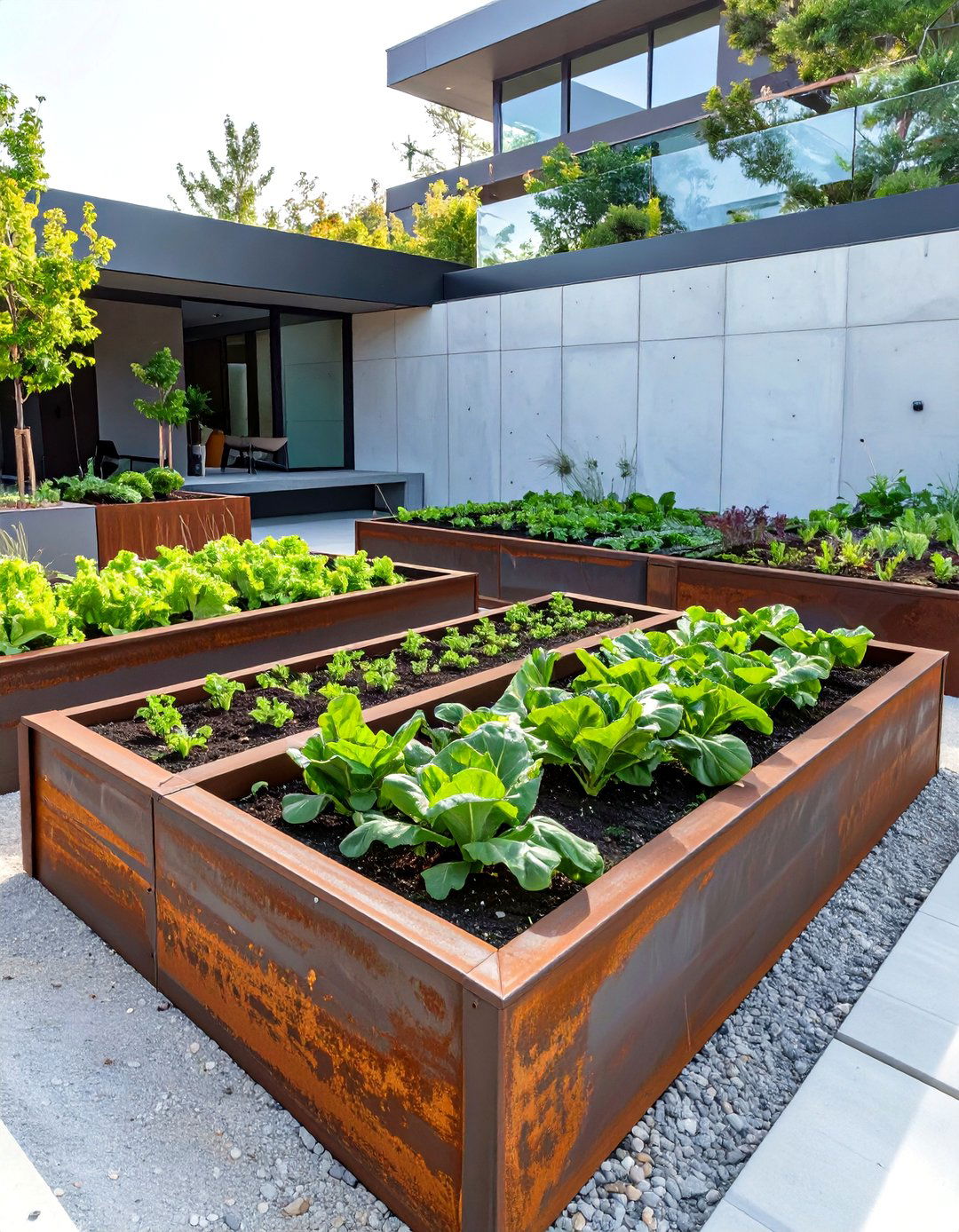
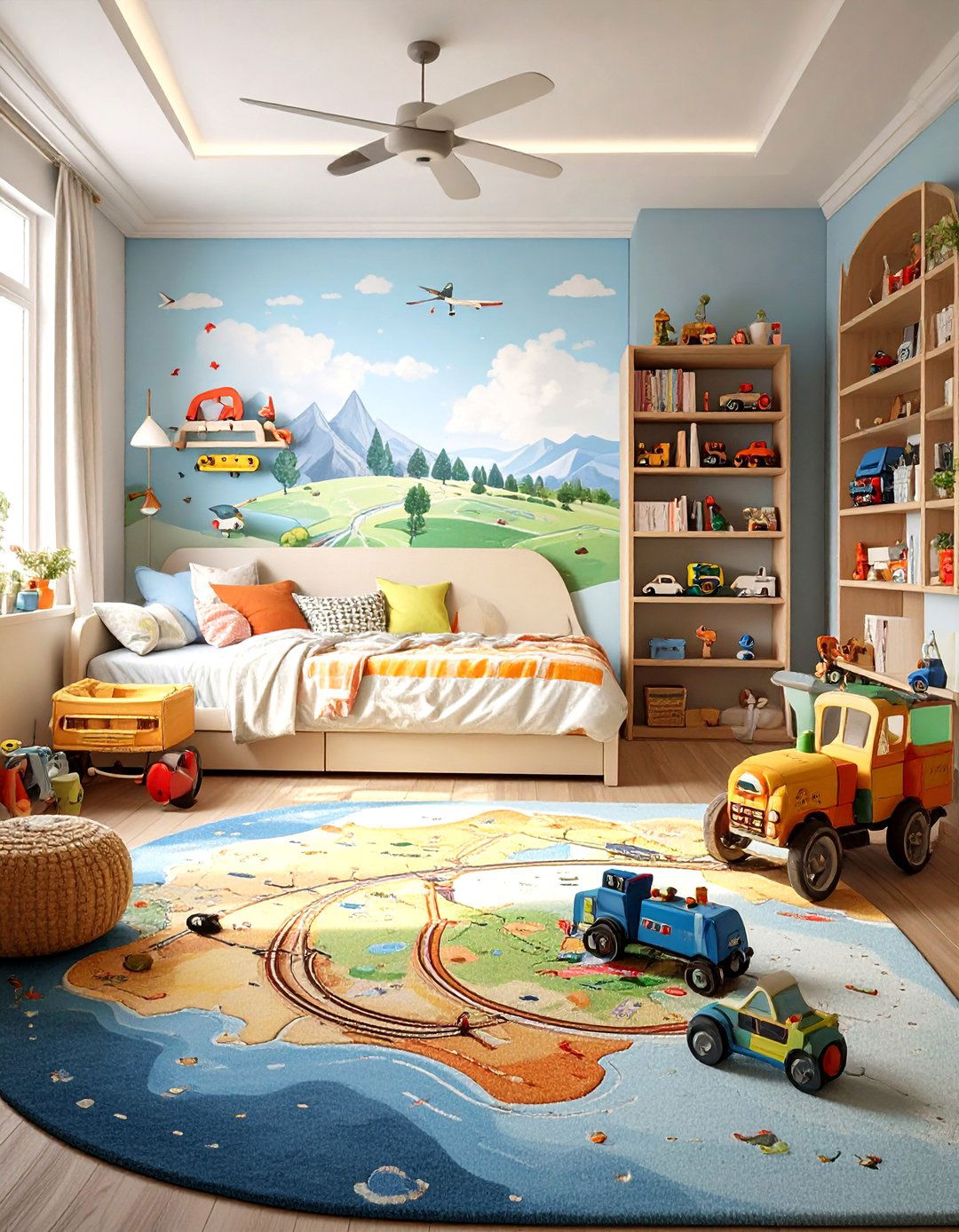
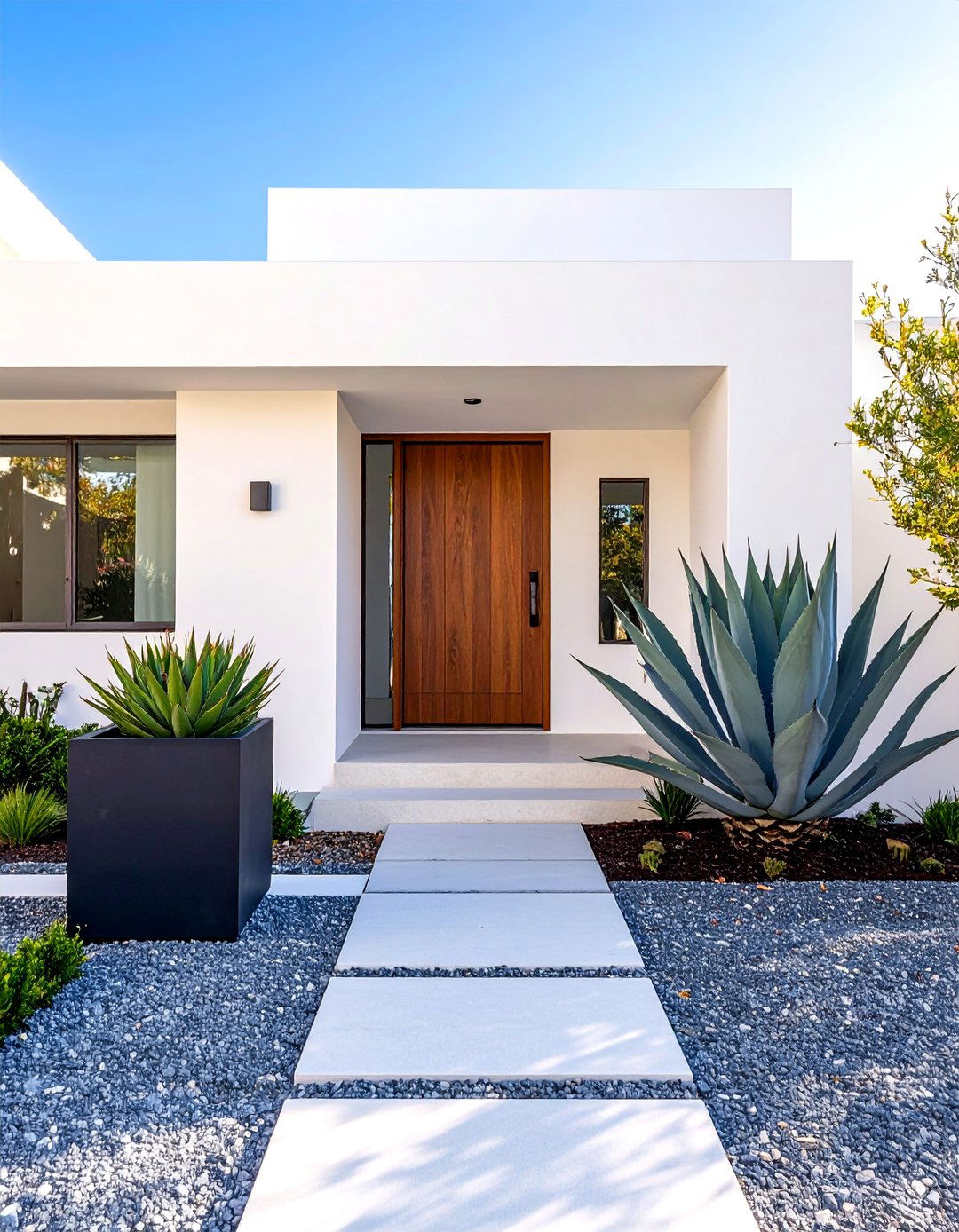
For a clean, contemporary aesthetic, the modernist minimalist garden is a perfect design is defined by strong geometric shapes, a limited color palette, and a focus on high-quality raised beds made from poured concrete or sleek Corten steel, arranged in a stark, linear paths are often wide and paved with large-format are uniform and orderly, perhaps a single variety of lettuce in one bed and perfectly staked tomatoes in result is a highly sculptural and architectural garden that feels like a modern art installation.
16. The Walled Garden Sanctuary
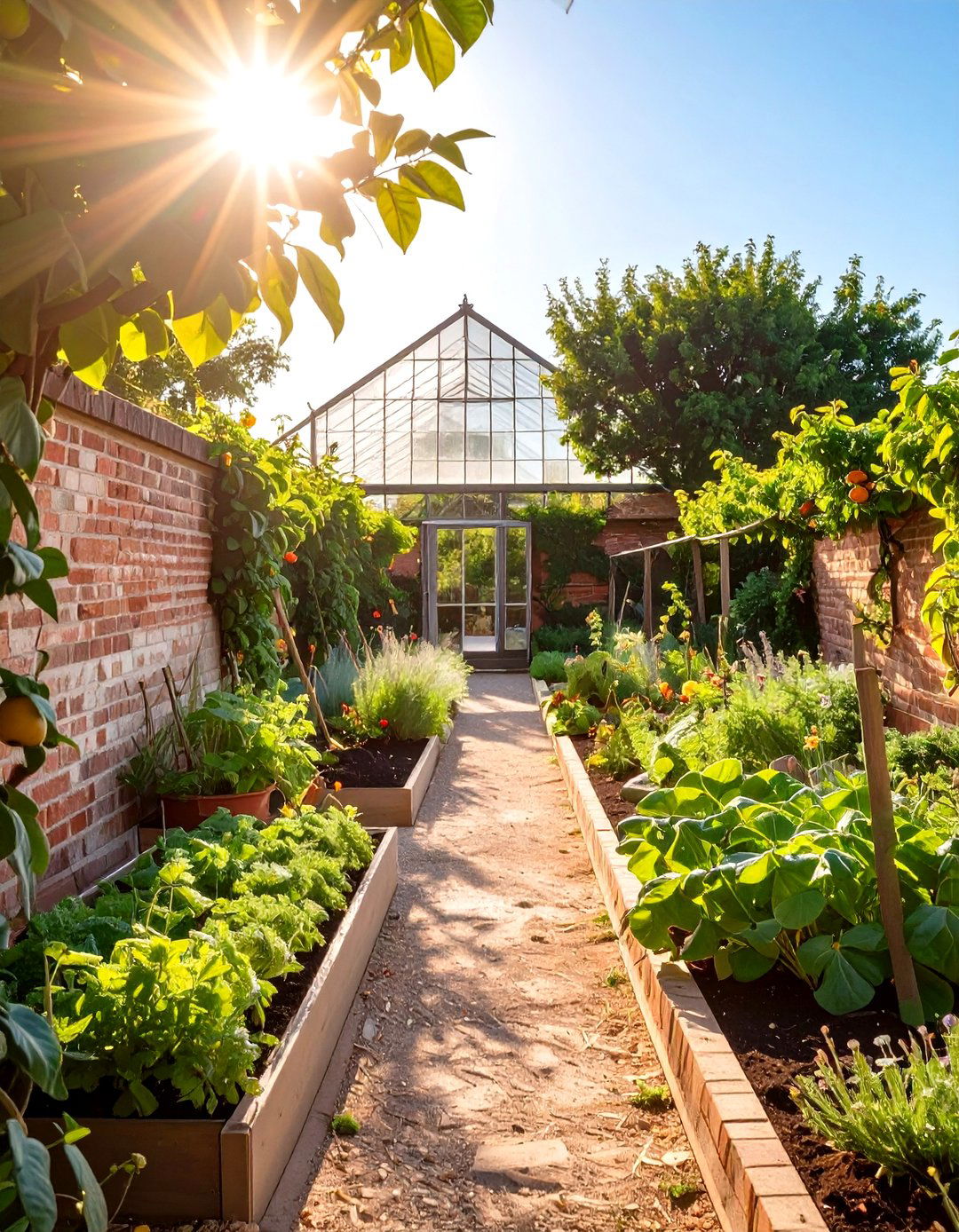
A walled garden creates a protected, intimate world for growing using historic brick walls or modern rendered ones, the enclosure provides a unique microclimate, shielding plants from wind and retaining allows for growing more tender crops and extending the design often features fruit trees espaliered against the sunny walls, with formal beds laid out within the space. A greenhouse or cold frames can be incorporated against one wall. It’s a timeless, productive sanctuary that offers a true sense of privacy and horticultural escape.
17. The Pallet and Upcycled Materials Garden
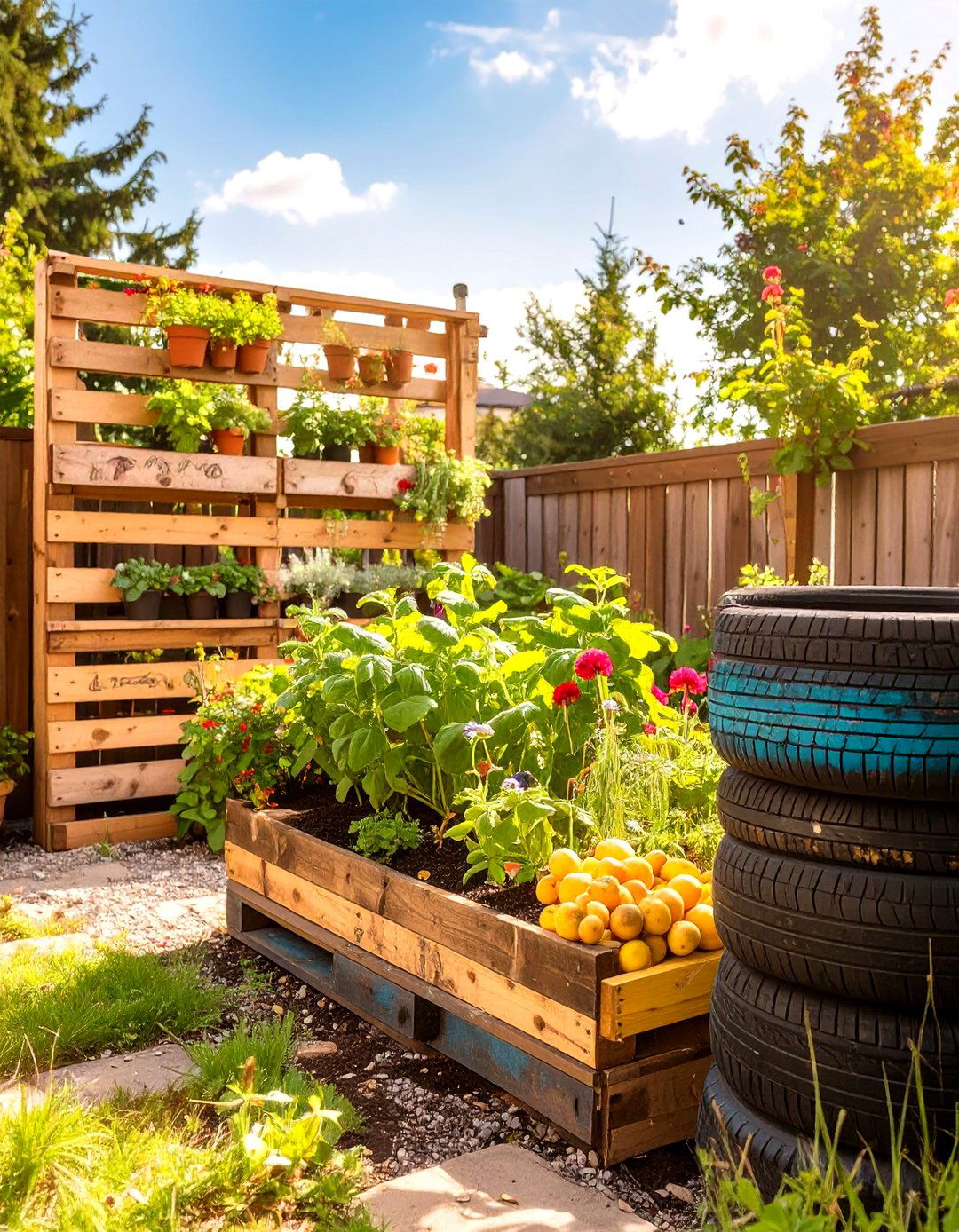
Create a resourceful and eco-friendly garden using pallets and other upcycled pallets can be stood upright to create vertical planters for herbs and greens, or laid flat to define small, no-dig garden tires can be stacked and painted to become vibrant potato planters, while tin cans can be mounted on a wall for a simple herb design is all about ingenuity and reducing layout is often eclectic and modular, adapting to whatever materials you can find. It’s a budget-friendly approach that adds a unique, creative character to your space.
18. The Container Garden on a Balcony
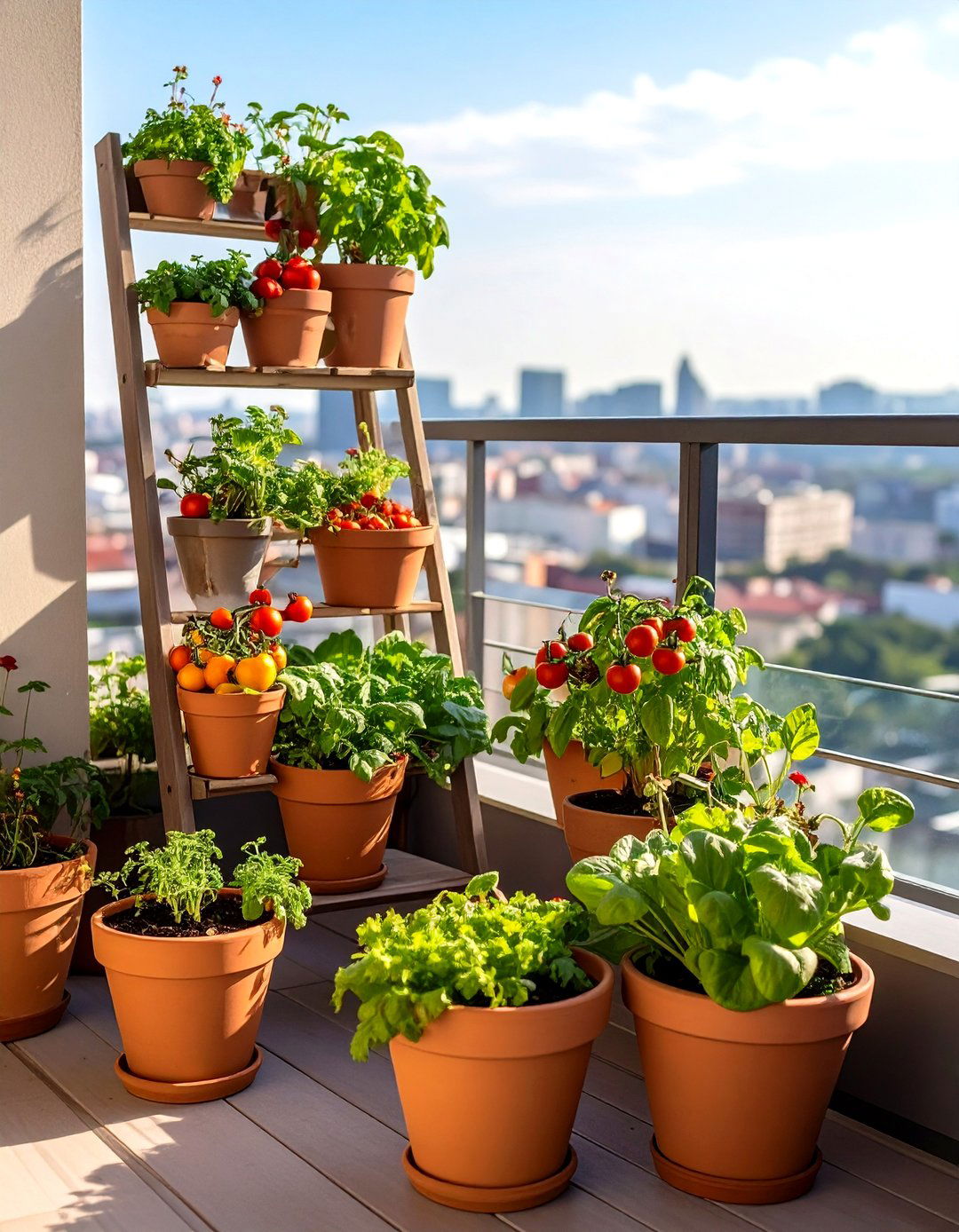
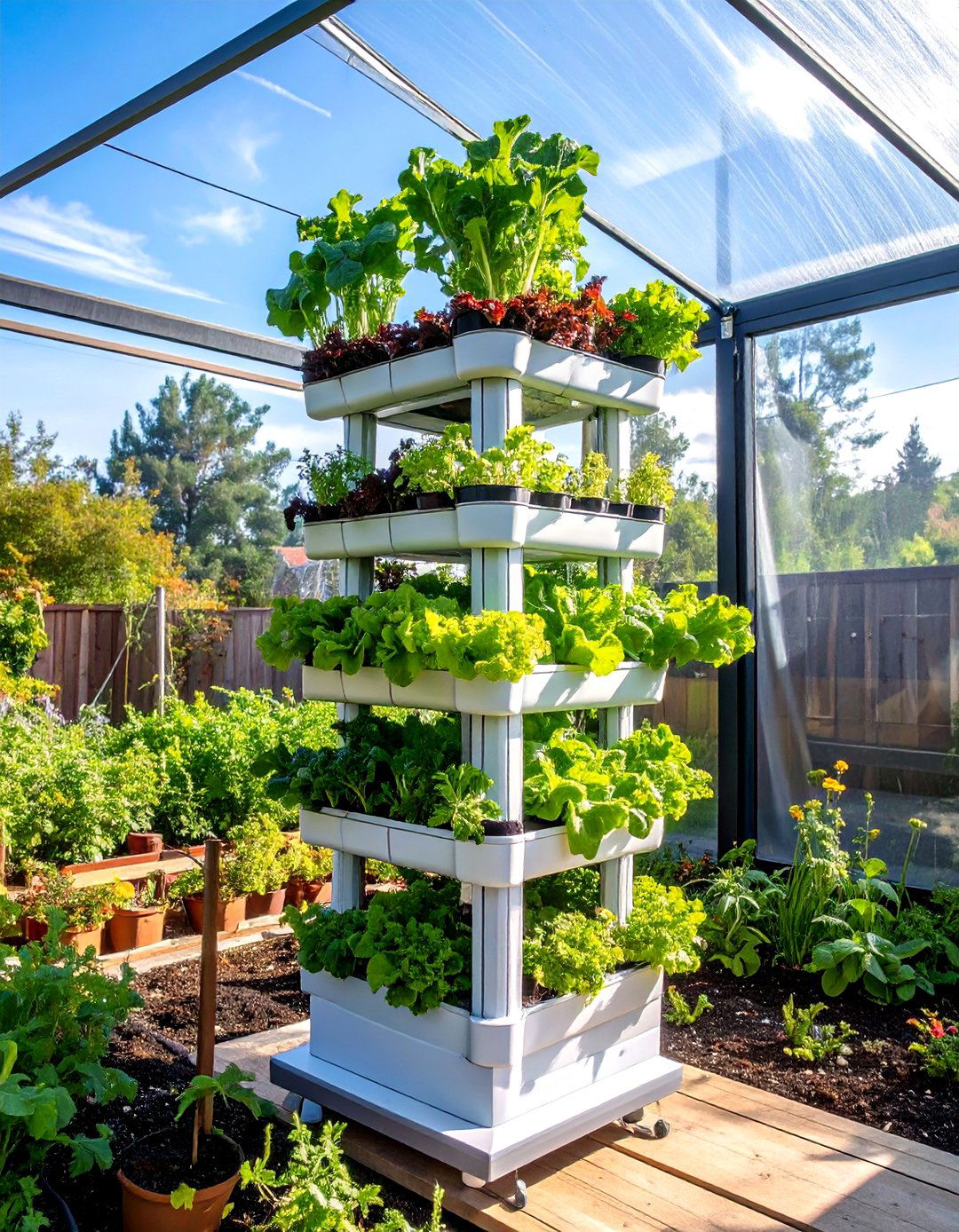
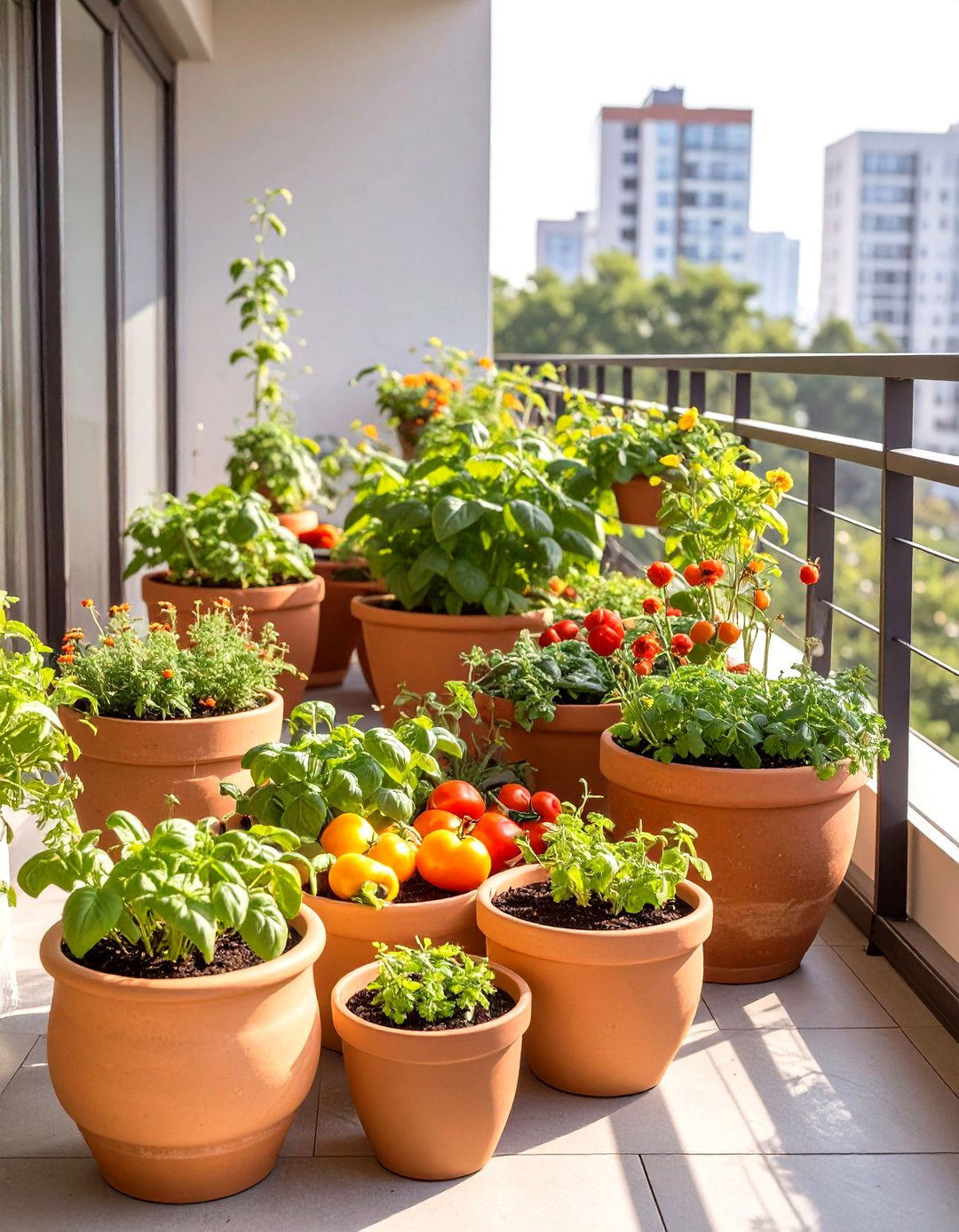
Even the smallest balcony can become a productive vegetable patch with a container design focuses on choosing the right pots for the right plants — deep pots for tomatoes, wide bowls for lettuce, and hanging baskets for strawberries. A mix of materials like terracotta, lightweight resin, and fabric grow bags adds visual vertical space with shelves or a ladder planter is layout needs to be strategic to maximize sunlight and automated drip watering system can make maintenance a breeze, ensuring your urban oasis thrives with minimal effort.
19. The Edible Flower and Vegetable Mix
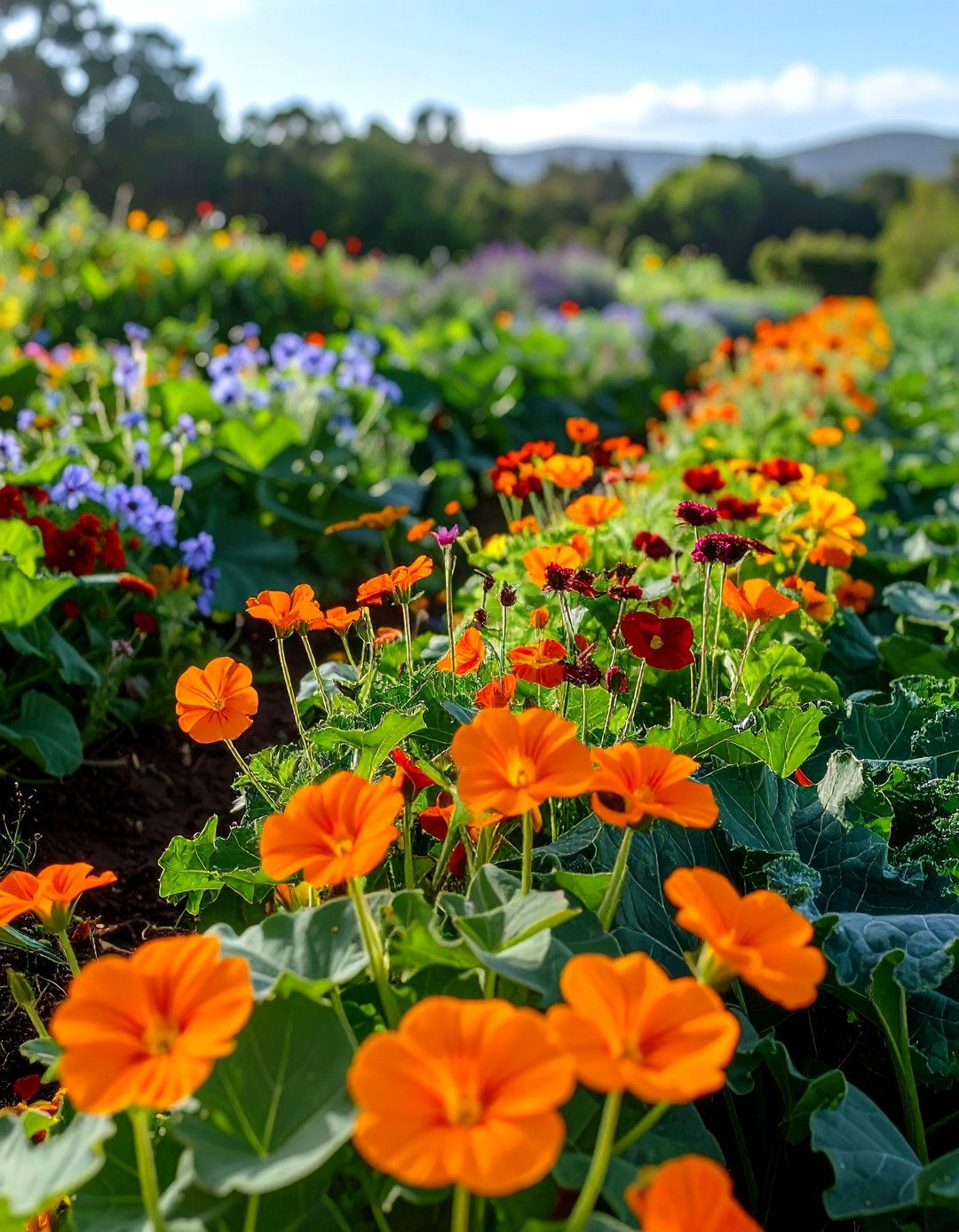
Why separate your flower beds from your vegetable patch? This design integrates edible flowers like nasturtiums, calendula, and borage directly among the flowers add vibrant splashes of color, attract beneficial pollinators to increase your vegetable yields, and can even help repel layout can be informal and cottage-like or arranged in deliberate, colorful a border of bright orange calendula around a bed of deep green approach creates a garden that is as beautiful as it is delicious, appealing to all the senses.

20. The Greenhouse Potager Garden
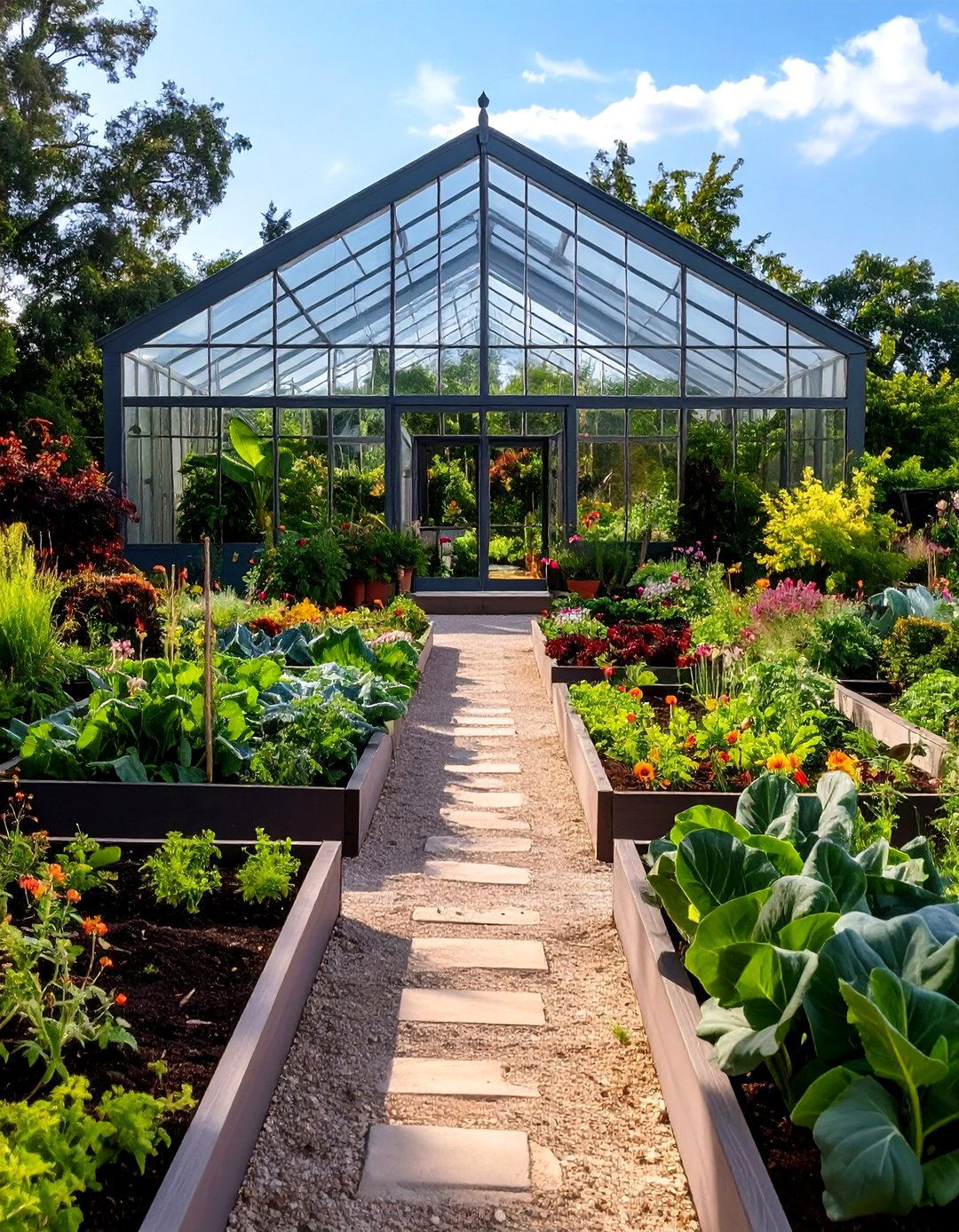
For the ultimate year-round growing experience, center your garden design around a greenhouse acts as the heart of the operation, used for starting seeds, overwintering tender plants, and growing heat-loving crops like melons and eggplants. Outside, formal raised beds radiate from the greenhouse structure, creating a cohesive and highly functional or gravel paths connect the indoor and outdoor growing spaces design provides maximum control over the growing environment, extending your harvest season and allowing you to experiment with a wider variety of plants.
21. A Child-Friendly Sensory Garden
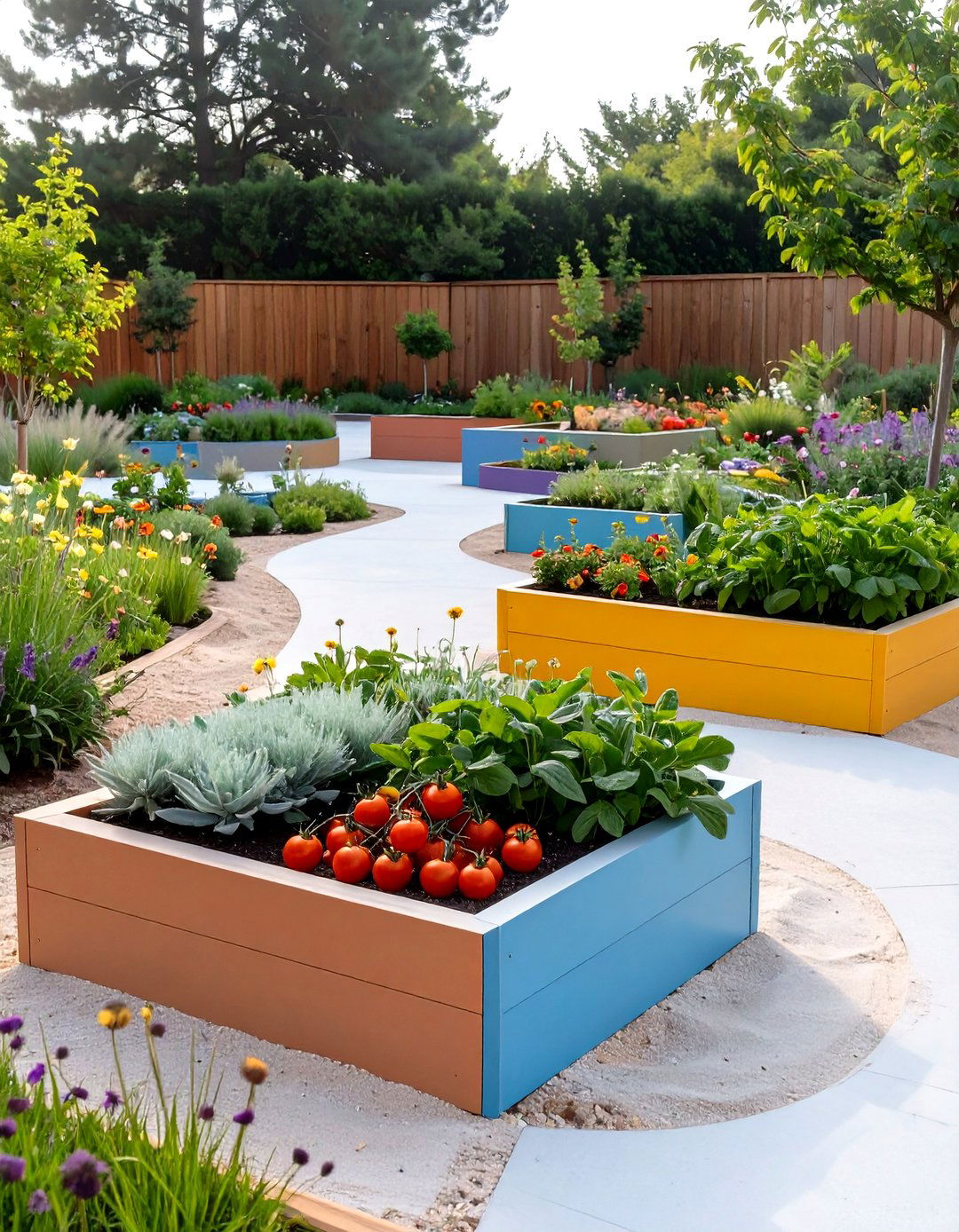
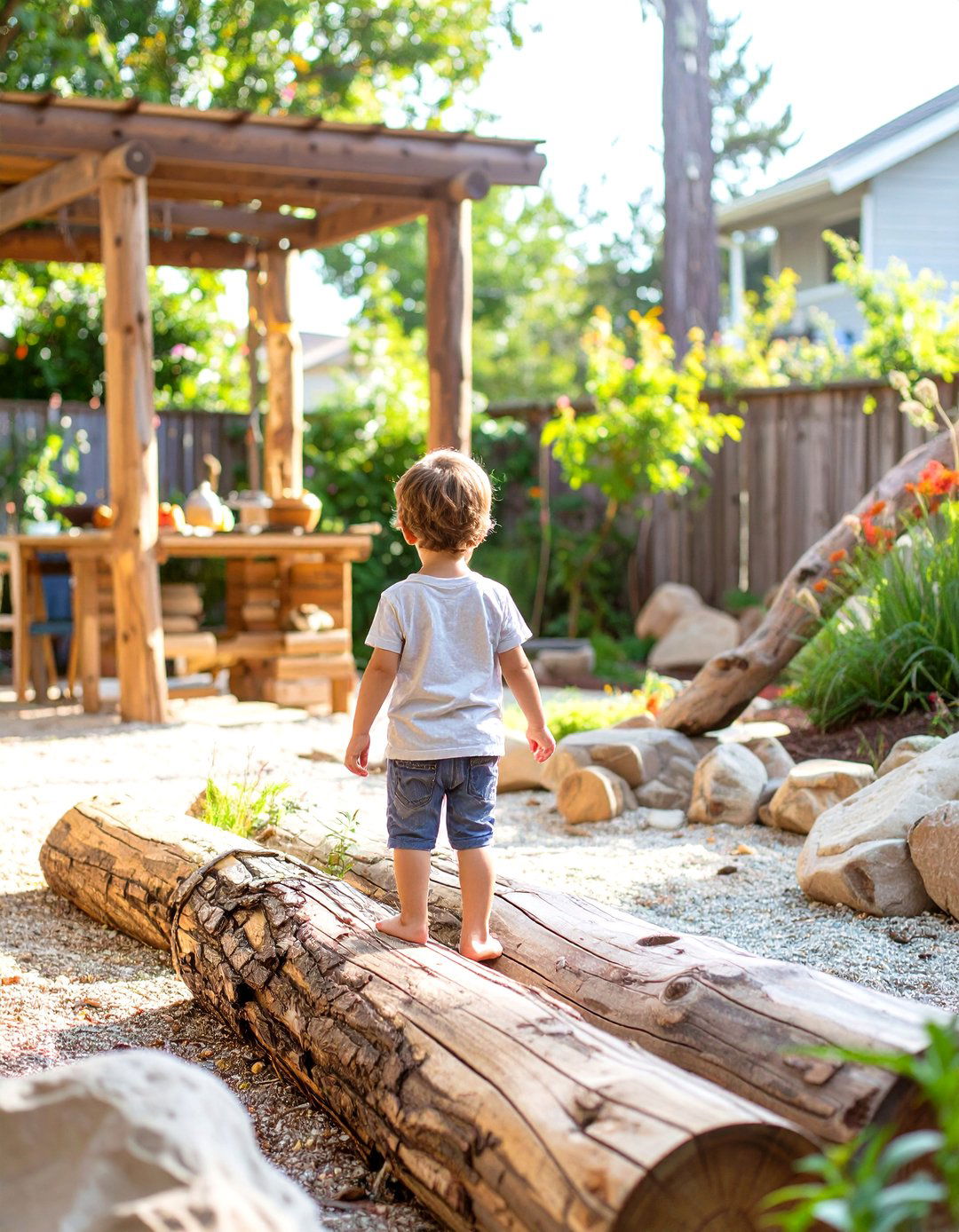
How do you get children excited about gardening? Design a space just for them. A child-friendly sensory garden focuses on stimulating all five plants with interesting textures like fuzzy lamb's ear, strong scents like mint and lemon balm, and bright colors like rainbow tomatoes and sugar snap peas are perfect for tasting right off the a "sound" element with bamboo layout should have low-to-the-ground beds, wide paths for running, and maybe a small digging pit. It’s a playful, interactive design that fosters a lifelong love of nature.
22. The Monochromatic Vegetable Garden
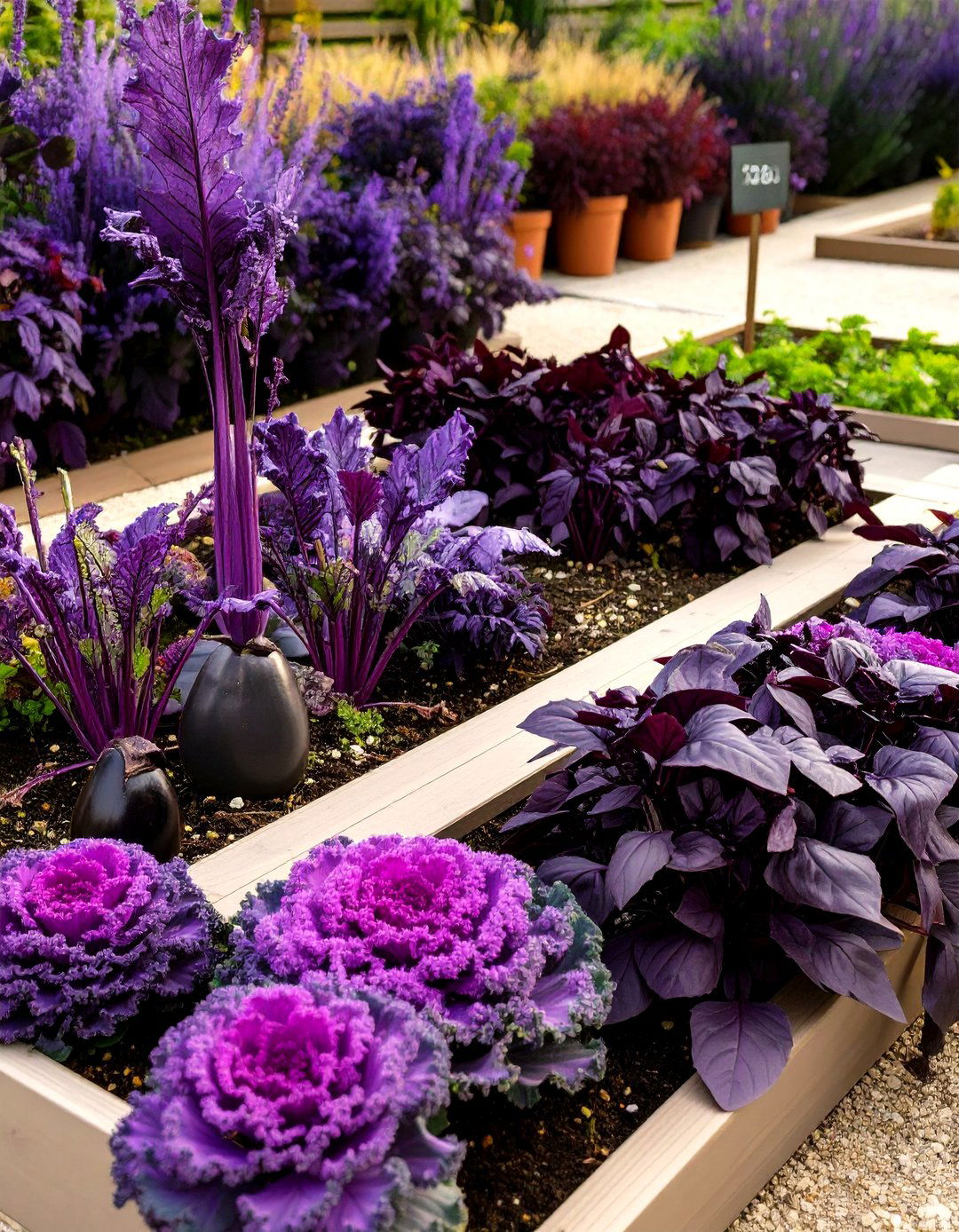
Create a dramatic and sophisticated statement with a monochromatic vegetable design challenge involves choosing plants that all share a similar color a garden filled only with purple hues: 'Black Beauty' eggplants, purple basil, deep purple kale, and violet-colored beans. Or, a garden of silver and grey tones with artichokes, dusty miller, and silvery-leafed layout should be simple and geometric to let the color theme take center artistic approach turns your vegetable patch into a unified, high-concept design that is visually stunning and completely unexpected.
23. The Mobile Vegetable Garden on Wheels
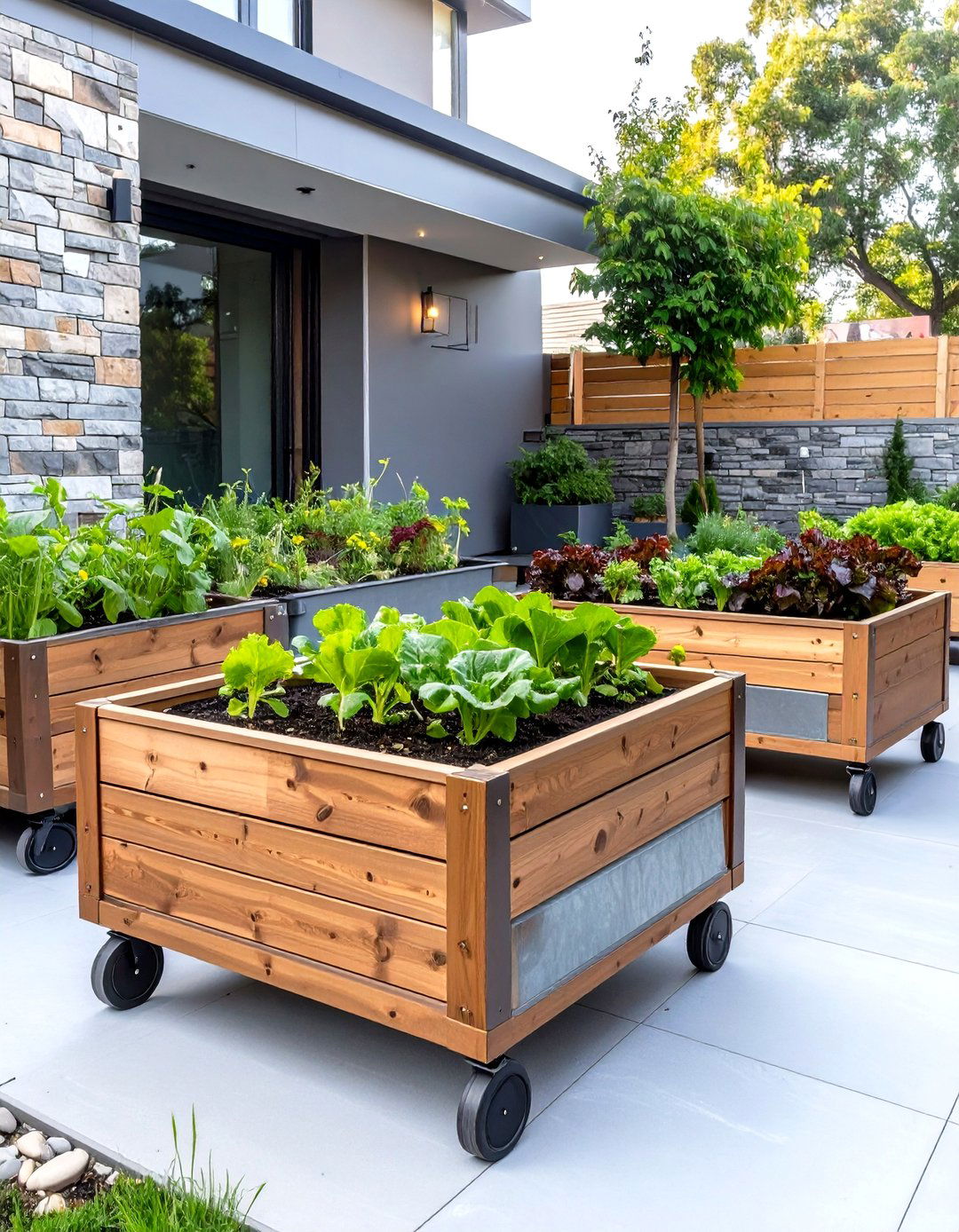
For renters or those who need flexibility, a mobile vegetable garden is the perfect design uses large planters, troughs, and custom-built wooden boxes fitted with heavy-duty can rearrange your garden to follow the sun, move it to a protected spot during a storm, or take it with you when you layout is completely fluid and approach is ideal for patios, decks, or any paved area, allowing you to create a substantial garden without ever having to dig into the ground.
24. A French Country-Inspired Potager
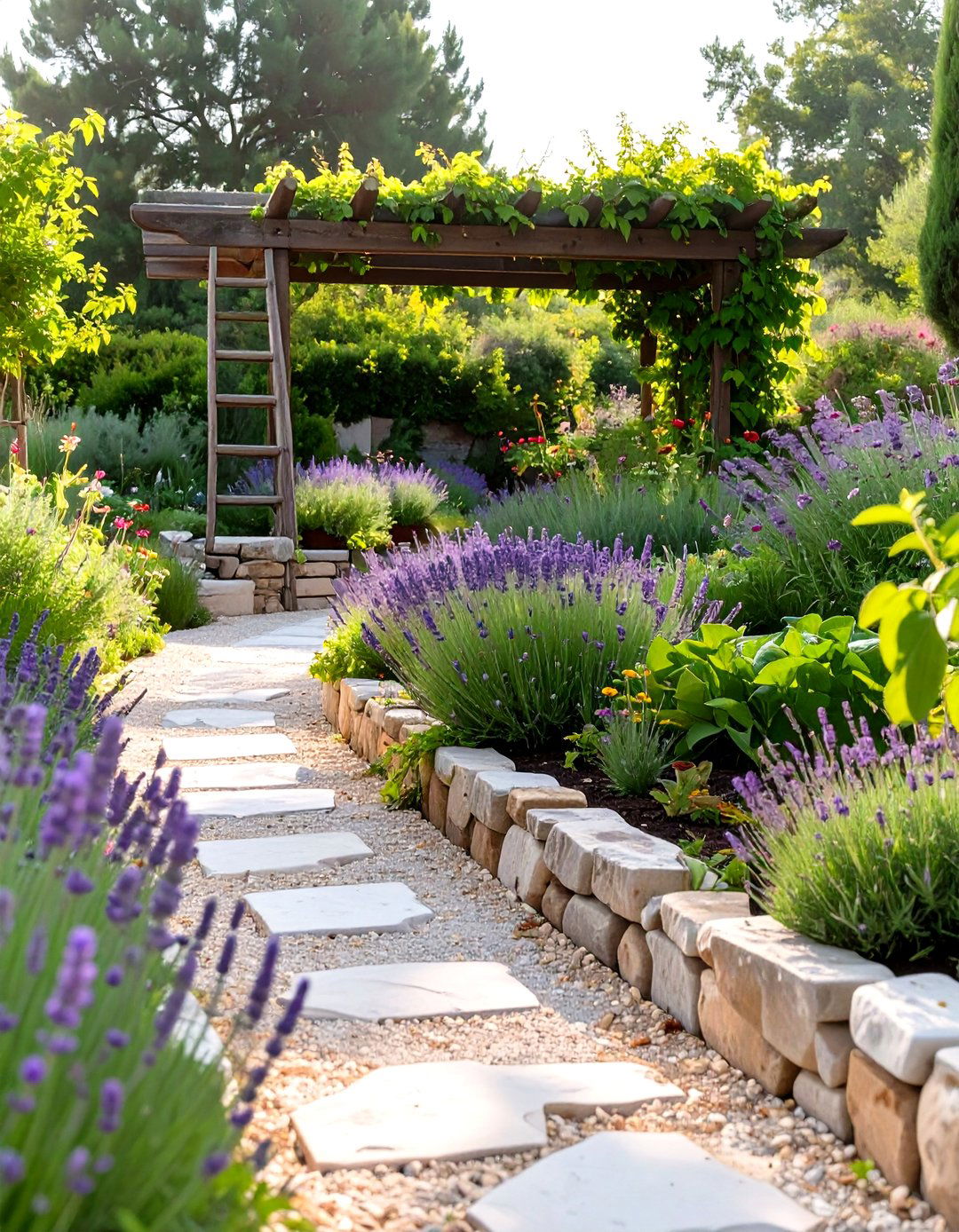
Channel the rustic elegance of Provence with a French country-inspired design blends informal planting with a structured gravel paths, weathered stone edging, and a mix of vegetables, herbs, and old wooden ladder can serve as a rustic trellis for climbing beans, and a large, aged terracotta olive jar can be a stunning focal color scheme is soft, with greens, purples, and silvery hues dominating. A simple wooden bench placed under a fruit tree invites you to sit and enjoy the aromatic, sun-kissed atmosphere of your productive retreat.
25. The Shade-Tolerant Greens Garden
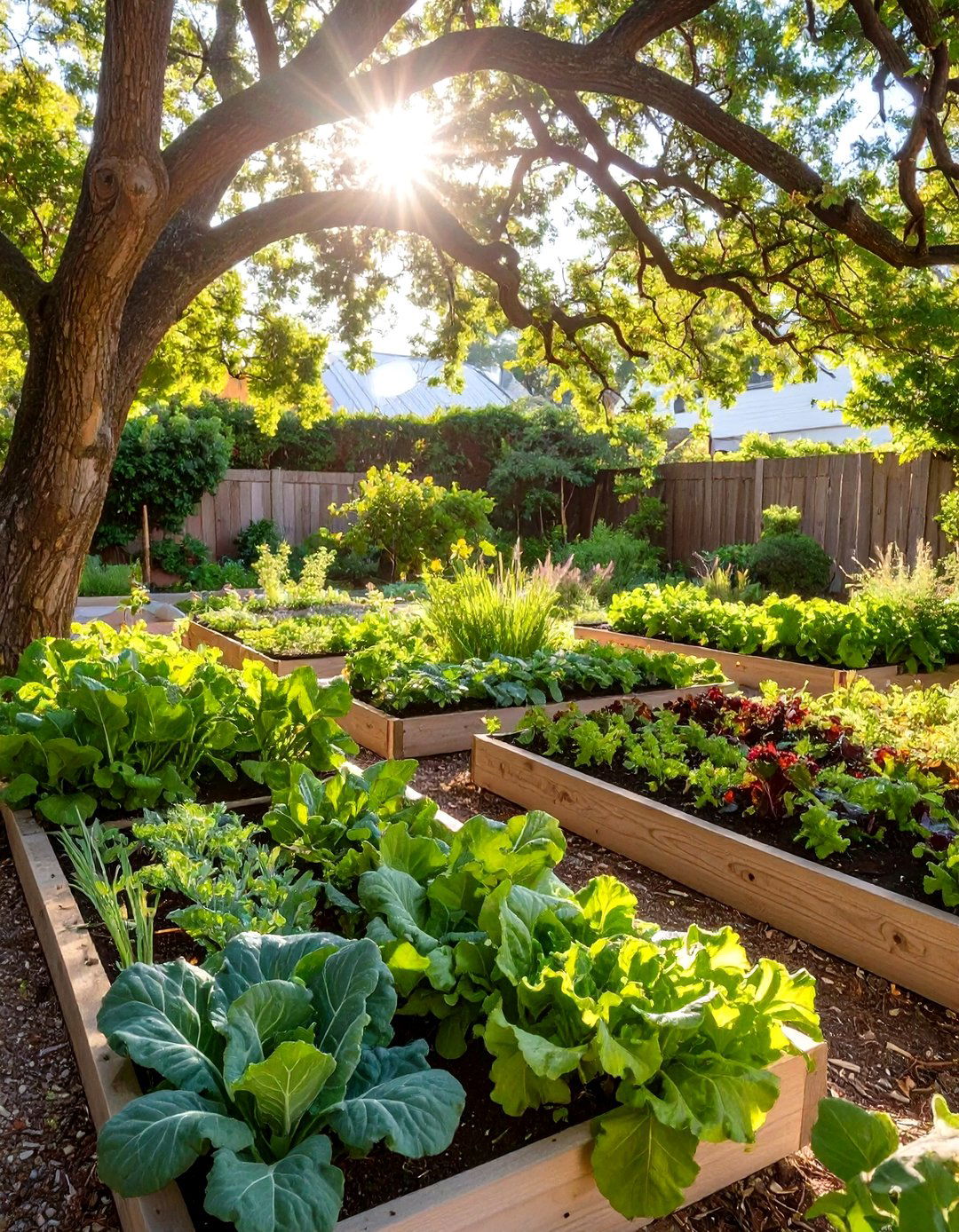
Don 't let a lack of full sun deter you. A shade-tolerant greens garden is designed specifically for those less-than-ideal design focuses on crops that thrive in partial or dappled shade, such as lettuce, spinach, kale, chard, and many herbs like mint and layout can be fitted into any shady corner, under a tree, or along the north side of a light-colored mulch or pavers can help reflect light back onto the plants. It' s a smart, practical design that maximizes every available growing area in your yard.
26. The Rainwater Harvesting Garden System
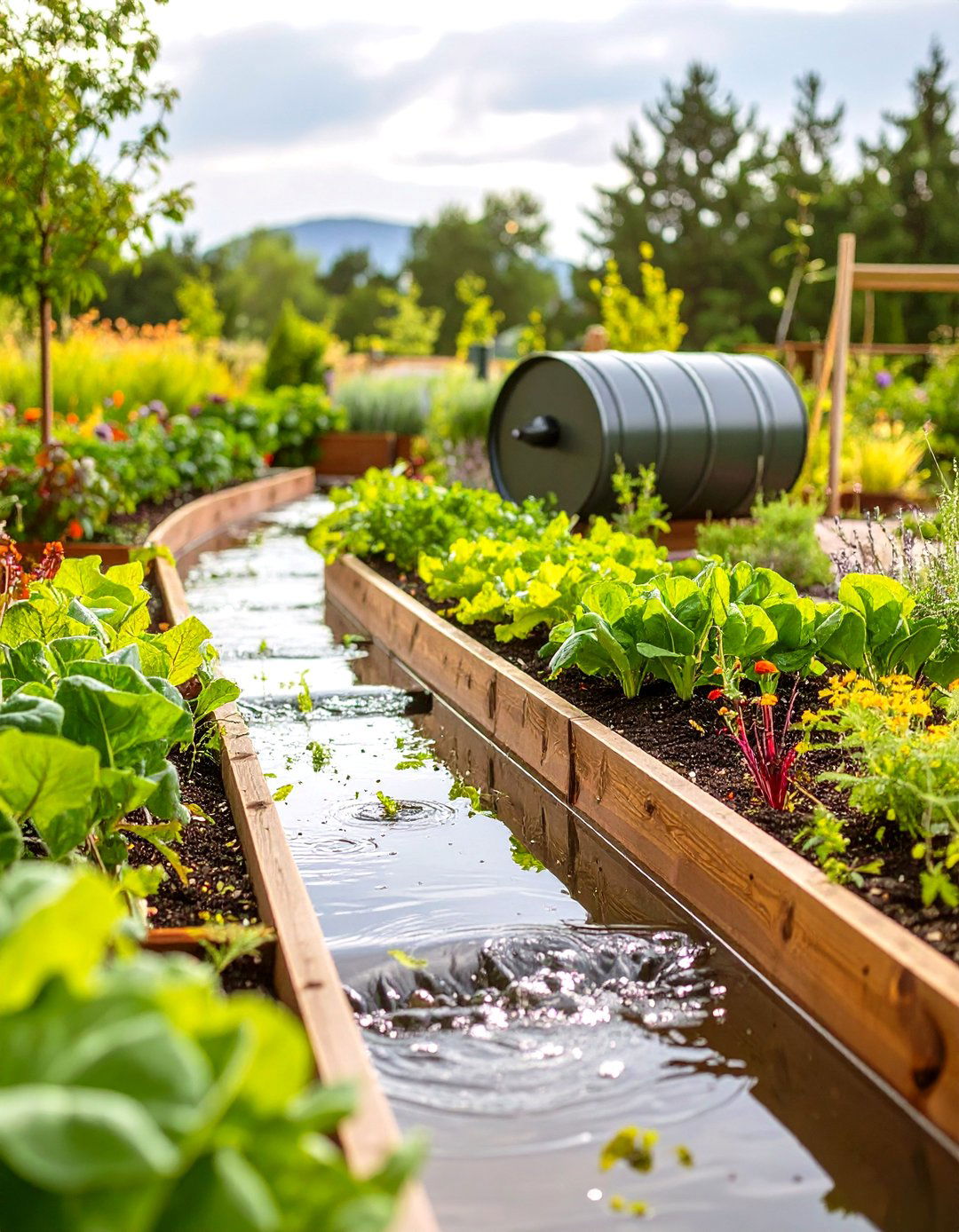
Build a garden that is beautiful, productive, and environmentally conscious. A rainwater harvesting garden is designed around collecting and utilizing rainfall. A stylish rain barrel connected to a downspout becomes a key there, a series of swales or channels can direct overflow water to the planting beds, ensuring deep layout follows the flow of water, often with curved beds and sunken planting design reduces your reliance on municipal water and creates a resilient garden that can better withstand dry spells. It’s a functional system that looks natural and harmonious.
27. The Hanging Gutter Garden
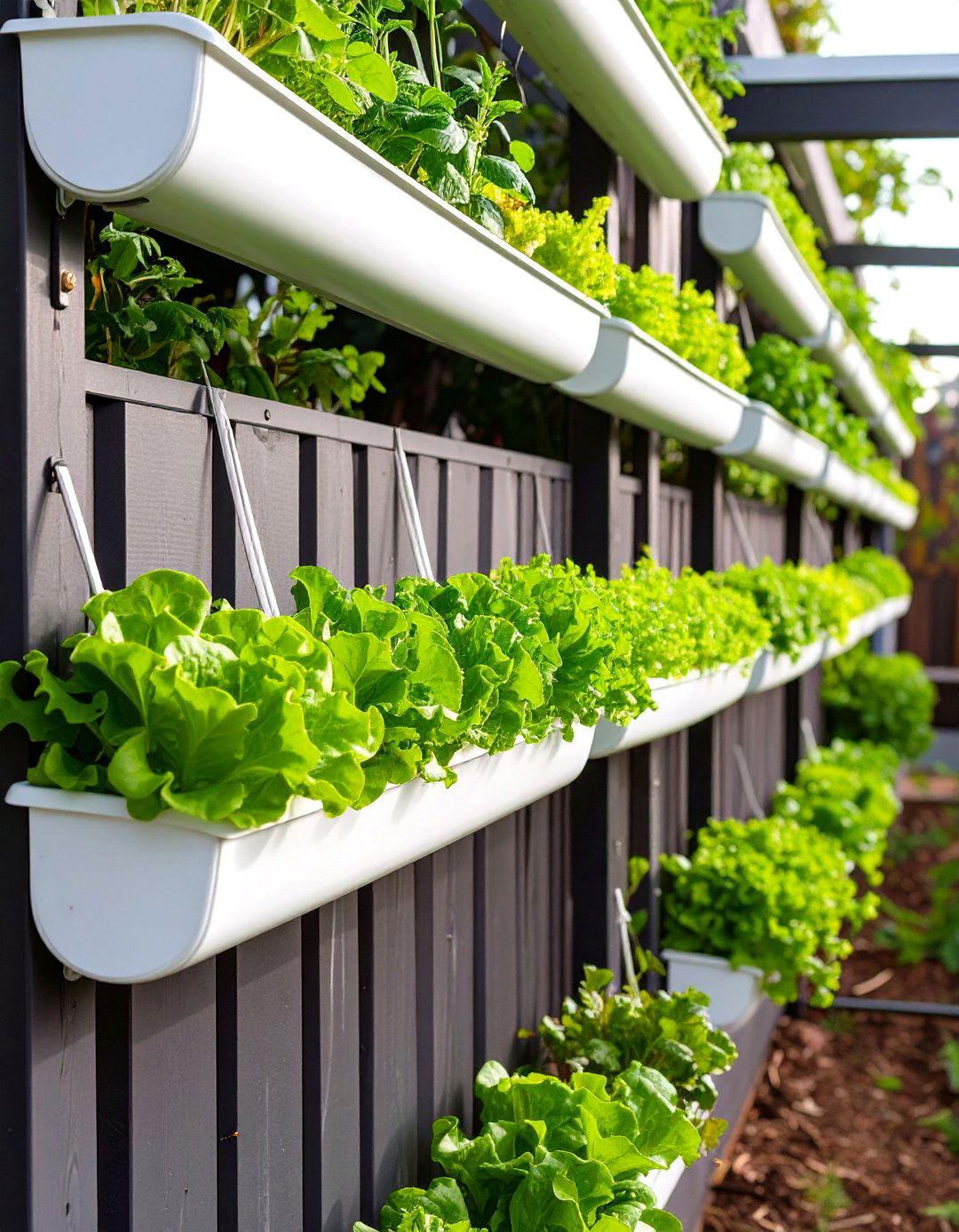
For an ingenious use of vertical space, consider a hanging gutter design mounts sections of rain gutter horizontally on a wall or fence, creating long, shallow is perfect for growing plants with shallow root systems like salad greens, radishes, and various can stack them in multiple rows to create a dense wall of you drill drainage holes and use a lightweight potting is an incredibly space-efficient and budget-friendly method, ideal for small balconies or narrow side yards where a traditional garden isn't possible.
28. The Cold Frame Garden Layout
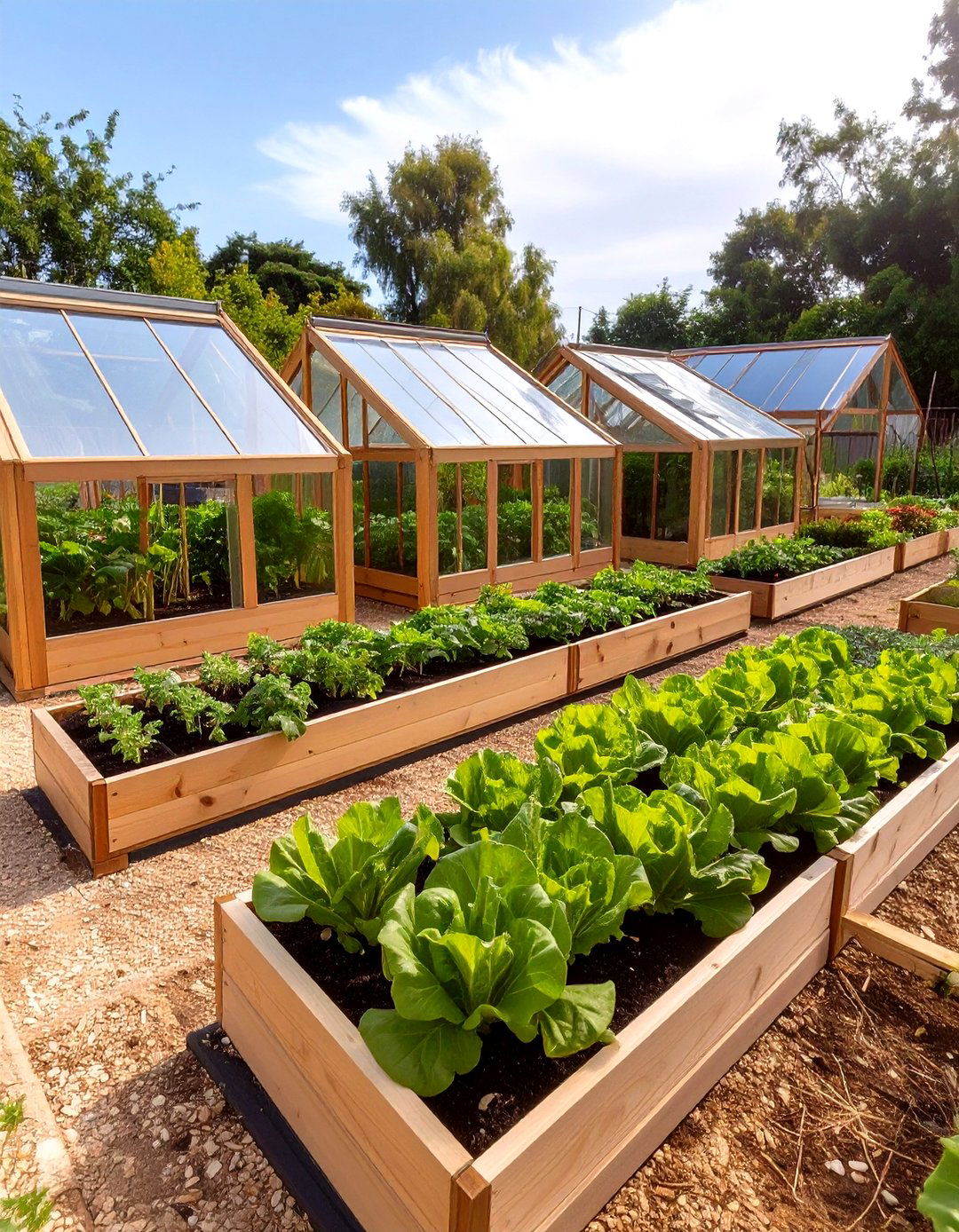
Extend your growing season significantly with a garden designed around cold are bottomless boxes with a clear top that protect plants from cold layout can feature a series of permanent, walk-in cold frames or smaller, portable ones that can be moved around the garden as can start seeds earlier in the spring and continue harvesting greens late into the fall or even frames themselves, whether made from reclaimed windows or modern polycarbonate, become a defining architectural element of the garden, signaling a serious and productive space.
29. The Edible Landscape Front Yard
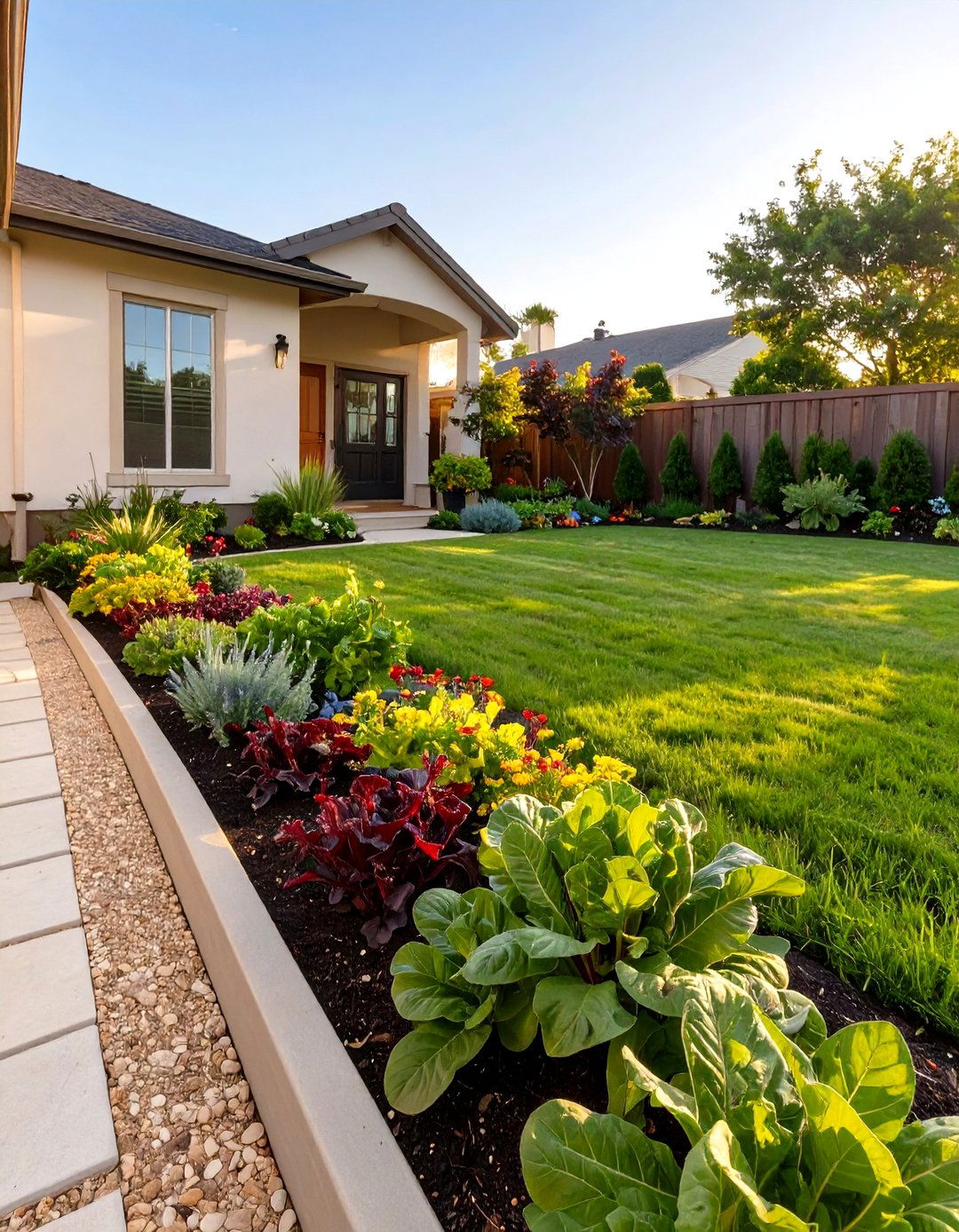
Why waste your front yard on just a lawn? An edible landscape design replaces traditional turf and ornamental shrubs with a beautiful, productive mix of vegetables, fruit trees, and layout is designed to have curb appeal, using attractive plants and well-defined beds. A border of colorful Swiss chard can look as good as any flower, and blueberry bushes provide year-round key is to blend edibles seamlessly with ornamentals, creating a front yard that is both welcoming and provides a bountiful you dare to be the first on your block?
30. The Bee and Pollinator-Friendly Garden
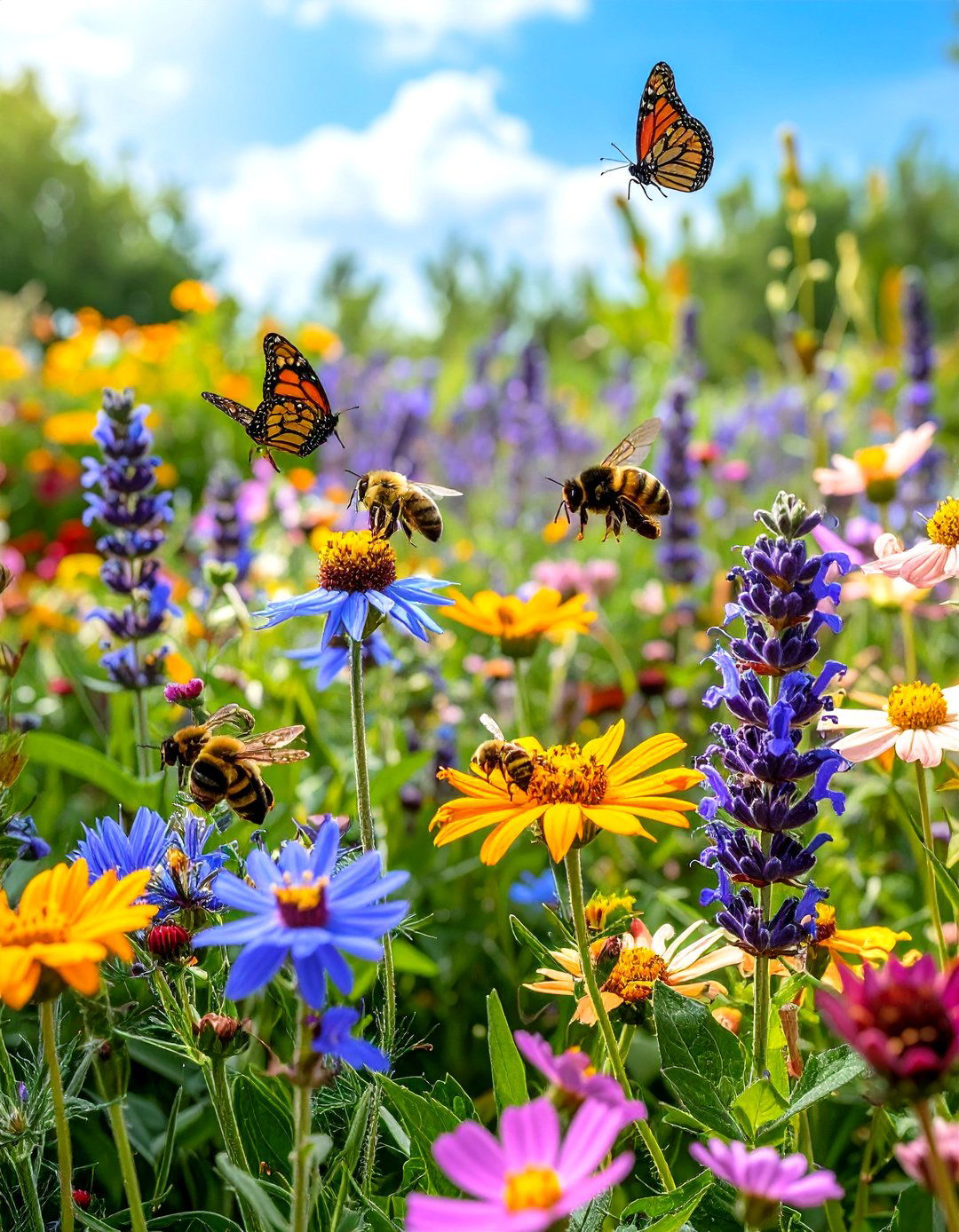
Design a garden that not only feeds you but also supports vital pollinators. A bee-friendly vegetable garden strategically intersperses nectar-rich flowers like borage, cosmos, and phacelia among the vegetable layout should be dense and varied, offering a continuous bloom throughout the season. A small water source with pebbles for bees to land on is a crucial pesticides and let some herbs like dill and cilantro go to design creates a buzzing, vibrant ecosystem that results in healthier plants and much higher yields for your fruiting vegetables.
Conclusion:
Ultimately, designing a vegetable garden is an act of creative expression that nourishes both body and possibilities are truly endless, from the formal symmetry of a classic potager to the wild abundance of a food thinking of your garden as a complete, cohesive space — integrating layout, materials, and plant choices — you can create an environment that is not only highly productive but also a beautiful extension of your you are working with a tiny balcony or a sprawling yard, these ideas demonstrate that functionality and aesthetic appeal can go hand-in-hand, turning the simple act of growing food into an inspiring art form.

Related posts:



Leave a Reply