
A small vegetable garden offers a rewarding way to grow fresh produce, even with limited space. Whether you have a tiny balcony, a compact patio, or just a sunny windowsill, there are countless innovative methods to cultivate your own food. From vertical structures that reach for the sky to clever container arrangements, these ideas transform minimal areas into productive, green oases. Embracing a small-scale garden not only provides delicious, homegrown vegetables but also connects you with the food you eat, adding both beauty and function to your living space. This approach proves that you don't need a large yard to enjoy the benefits of gardening.
1. Vertical Pallet Small Vegetable Garden
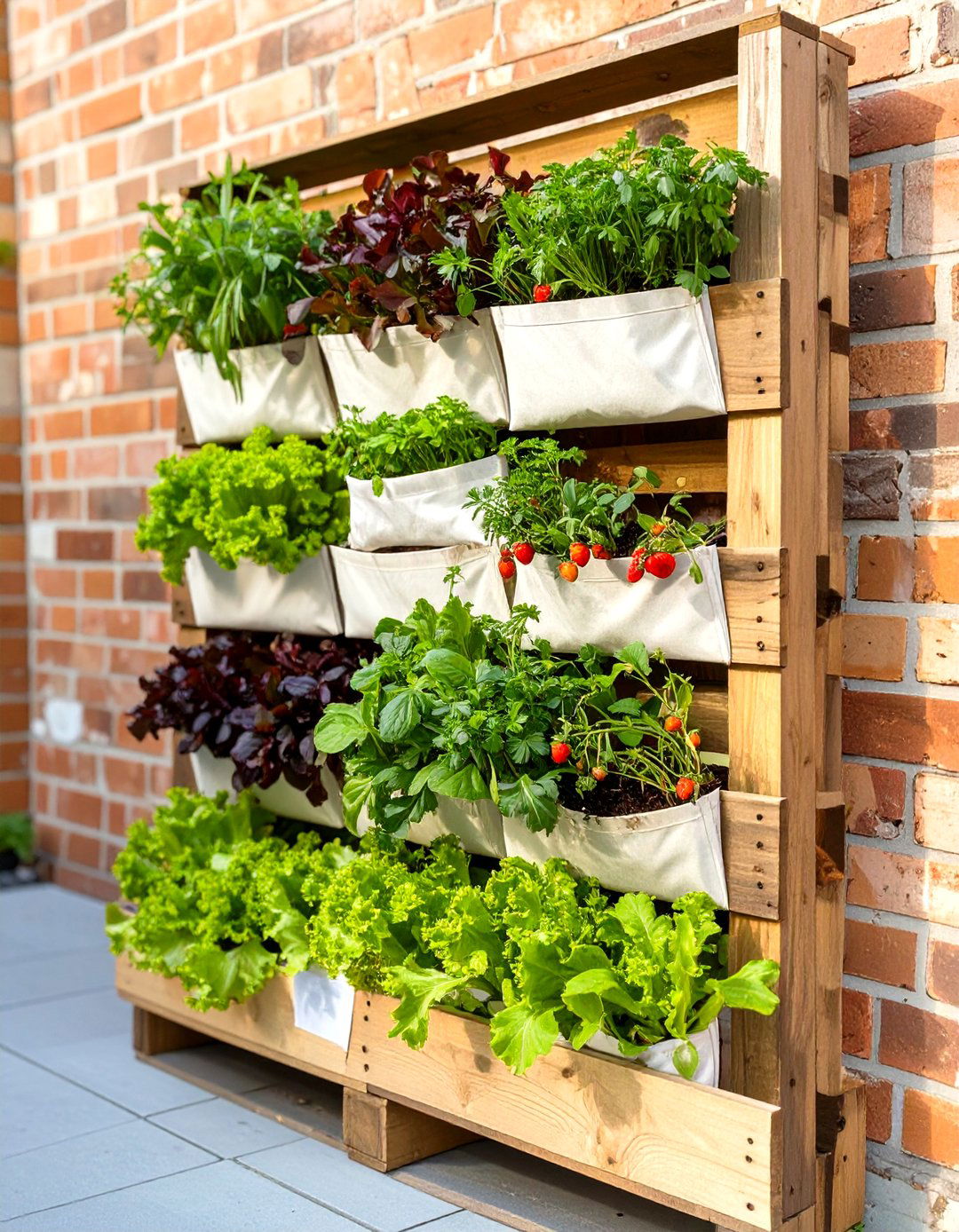
A repurposed wooden pallet offers a fantastic framework for a vertical small vegetable garden, especially for shallow-rooted plants. To create this, simply stand a pallet upright and secure it against a wall or fence. Staple landscaping fabric to the back, bottom, and front of the pallet slats, creating pockets for soil. These individual pockets are perfect for growing a variety of herbs, lettuces, strawberries, and spinach. This method is incredibly space-efficient, turning a bare wall into a living, edible display. It's a rustic and sustainable option that maximizes your growing area by utilizing vertical space that would otherwise go unused.
2. Hanging Gutter Small Vegetable Garden
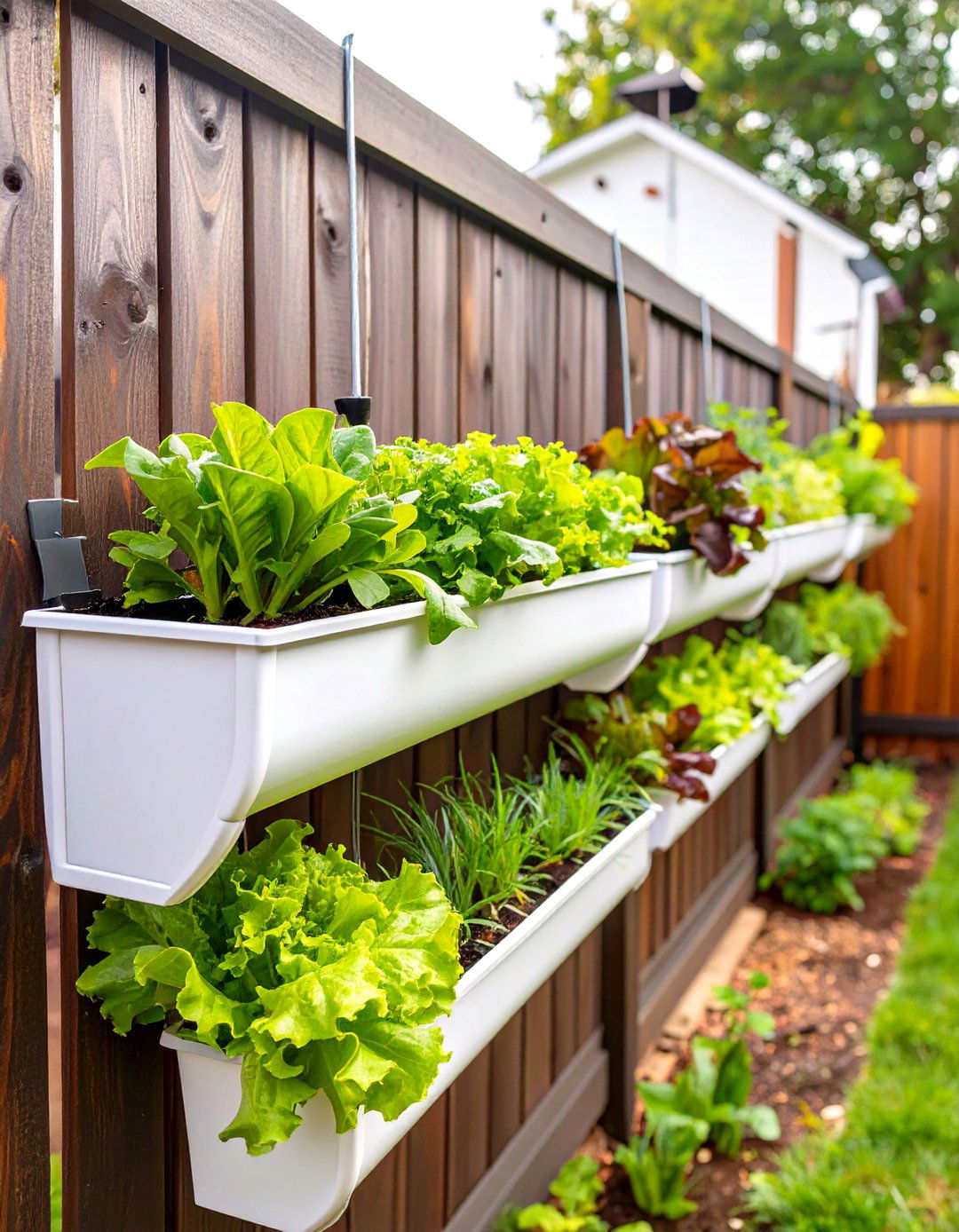
For an unconventional yet highly effective small vegetable garden, consider using repurposed rain gutters. Mount sections of gutters horizontally along a sunny wall or the side of a balcony railing. Drill drainage holes every few inches to prevent waterlogging. This shallow system is ideal for growing leafy greens like lettuce, arugula, and various herbs that don't require deep soil. The linear design allows for easy access and harvesting while keeping plants off the ground and away from pests. It’s a sleek, modern solution that adds a unique architectural element to your outdoor space while providing fresh ingredients right outside your door.
3. Tiered Planter Small Vegetable Garden
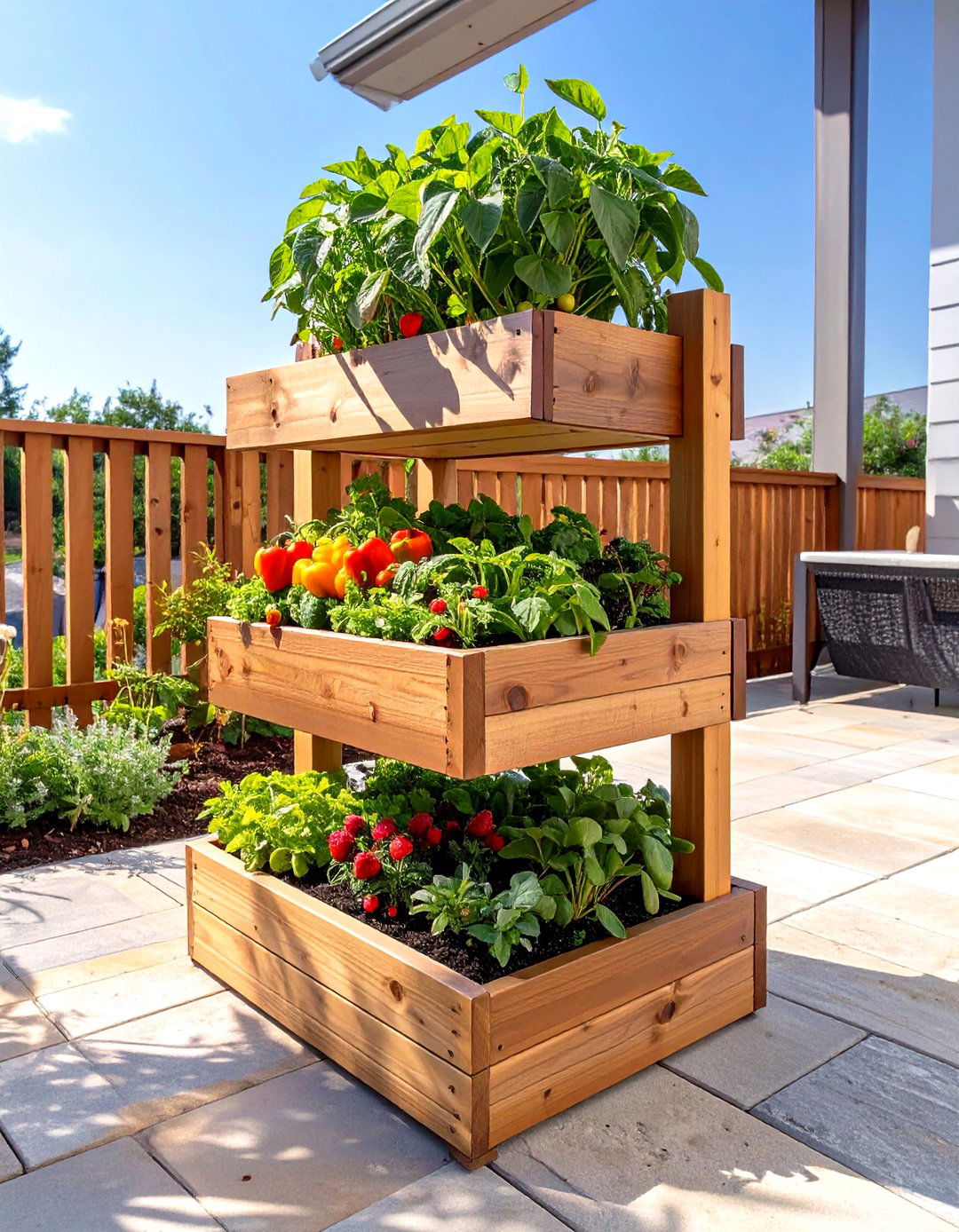
A tiered planter is a perfect, self-contained solution for a small vegetable garden, offering multiple levels of growing space in a single footprint. These structures, often made from wood or durable resin, resemble a staircase, allowing each level to receive ample sunlight. You can plant sprawling vegetables like strawberries or mint on the lower tiers, while placing upright plants like bush beans or peppers on the top levels. This organization not only looks attractive but also simplifies watering and care. A tiered planter is an excellent choice for a patio or deck, concentrating your garden into one compact, highly productive, and visually appealing feature.
4. Raised Bed Small Vegetable Garden
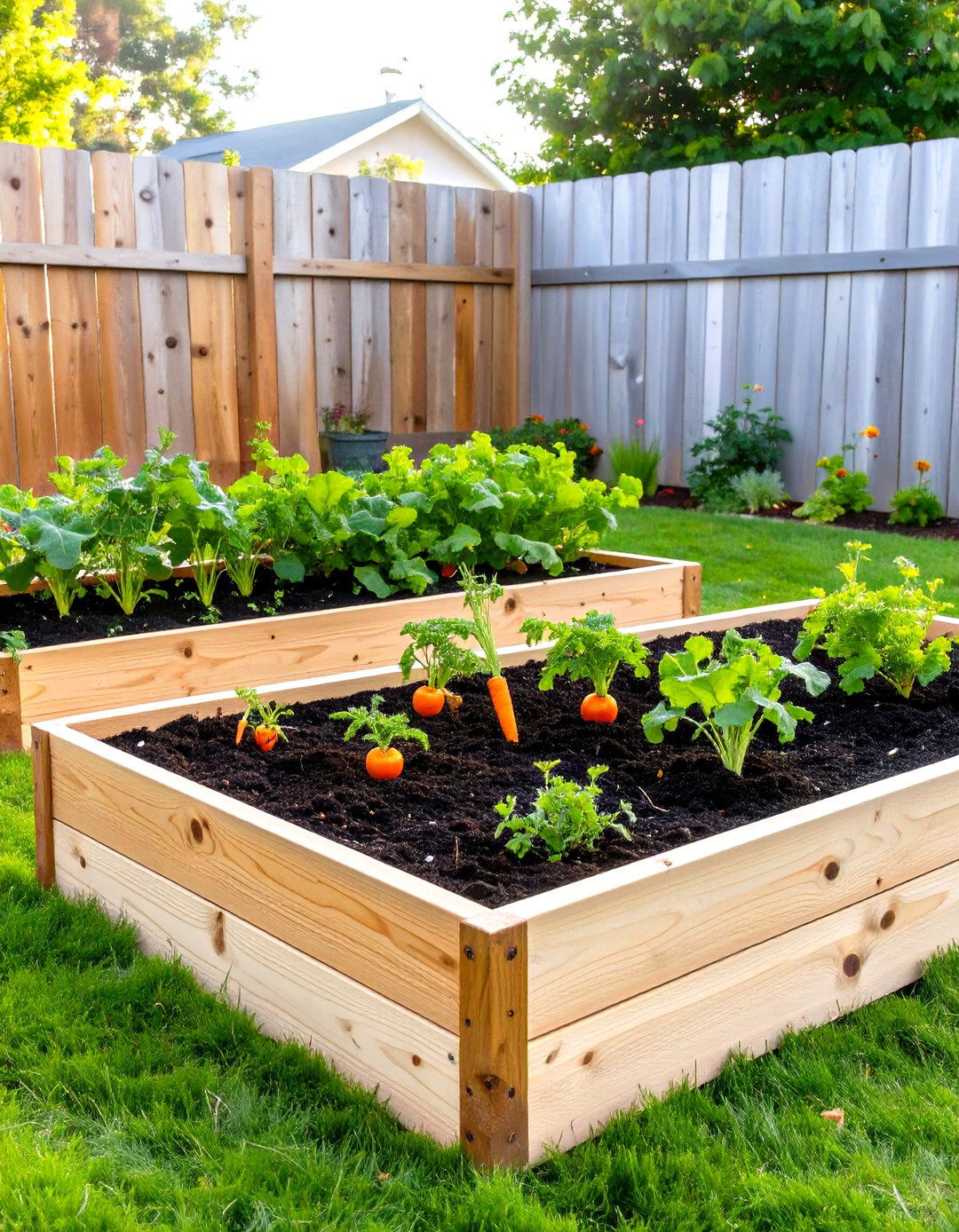
Even a compact raised garden bed can create a highly productive small vegetable garden. A simple 4x4 foot frame can yield a surprising amount of produce when managed correctly. Raised beds offer superior drainage and allow you to fill them with high-quality soil, bypassing poor native ground soil. This control over the growing medium helps plants thrive. The elevated height also makes planting, weeding, and harvesting easier on your back. You can plant intensively using methods like square foot gardening to maximize the yield from every inch of space, growing everything from root vegetables like carrots to larger plants like tomatoes.
5. Window Box Small Vegetable Garden
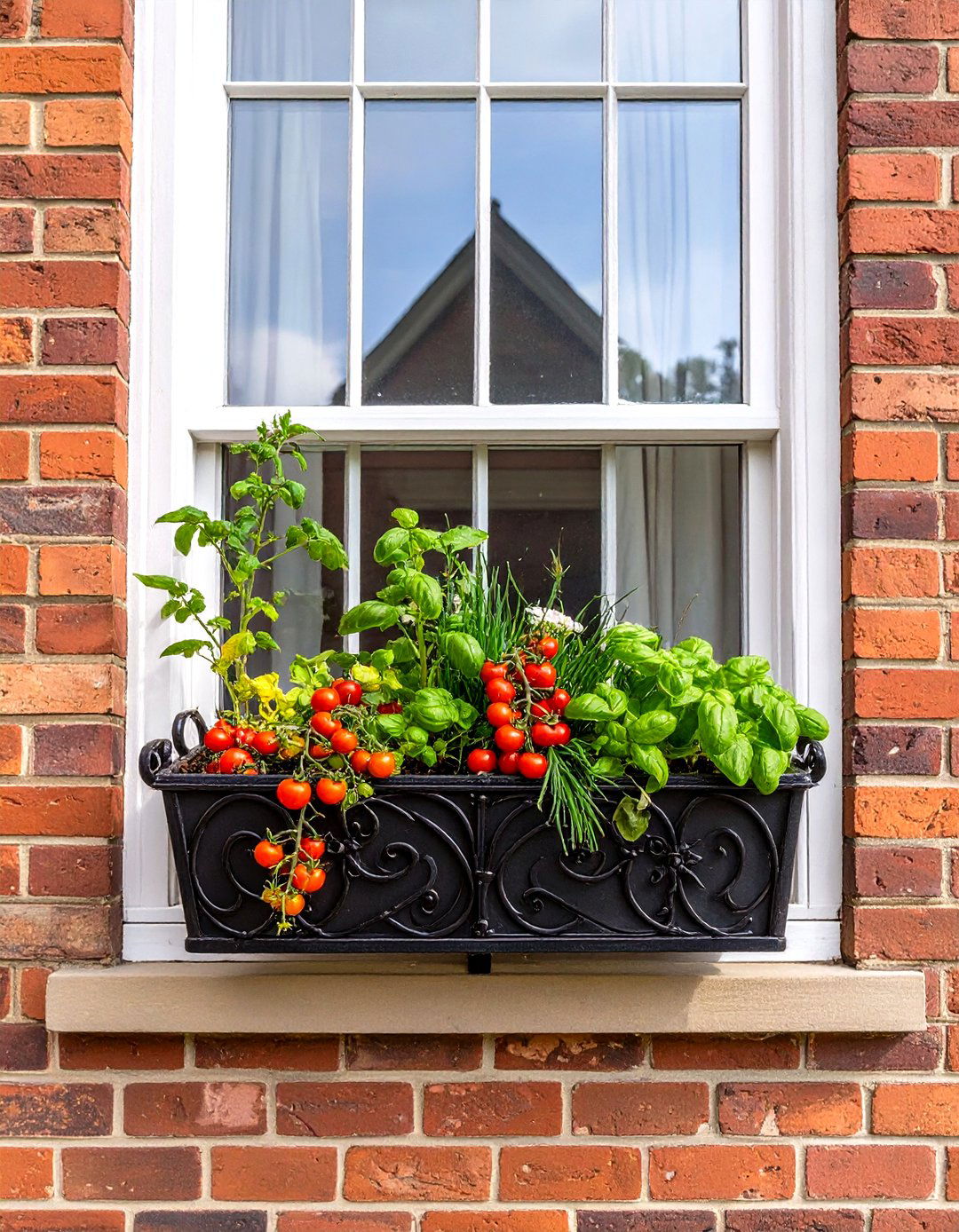
Transform your windowsills into miniature farms with a window box small vegetable garden. This idea is perfect for apartment dwellers or anyone without ground space. Window boxes can support a variety of compact plants, including herbs like basil, chives, and parsley, as well as small vegetables like radishes, dwarf lettuces, and even tiny cherry tomato varieties. Ensure the box has good drainage and is securely mounted. This method brings the garden up close, making it incredibly easy to water and harvest a few fresh ingredients for your meals. It’s a charming and practical way to add greenery and edible life to your home’s exterior.
6. Container Small Vegetable Garden on a Balcony
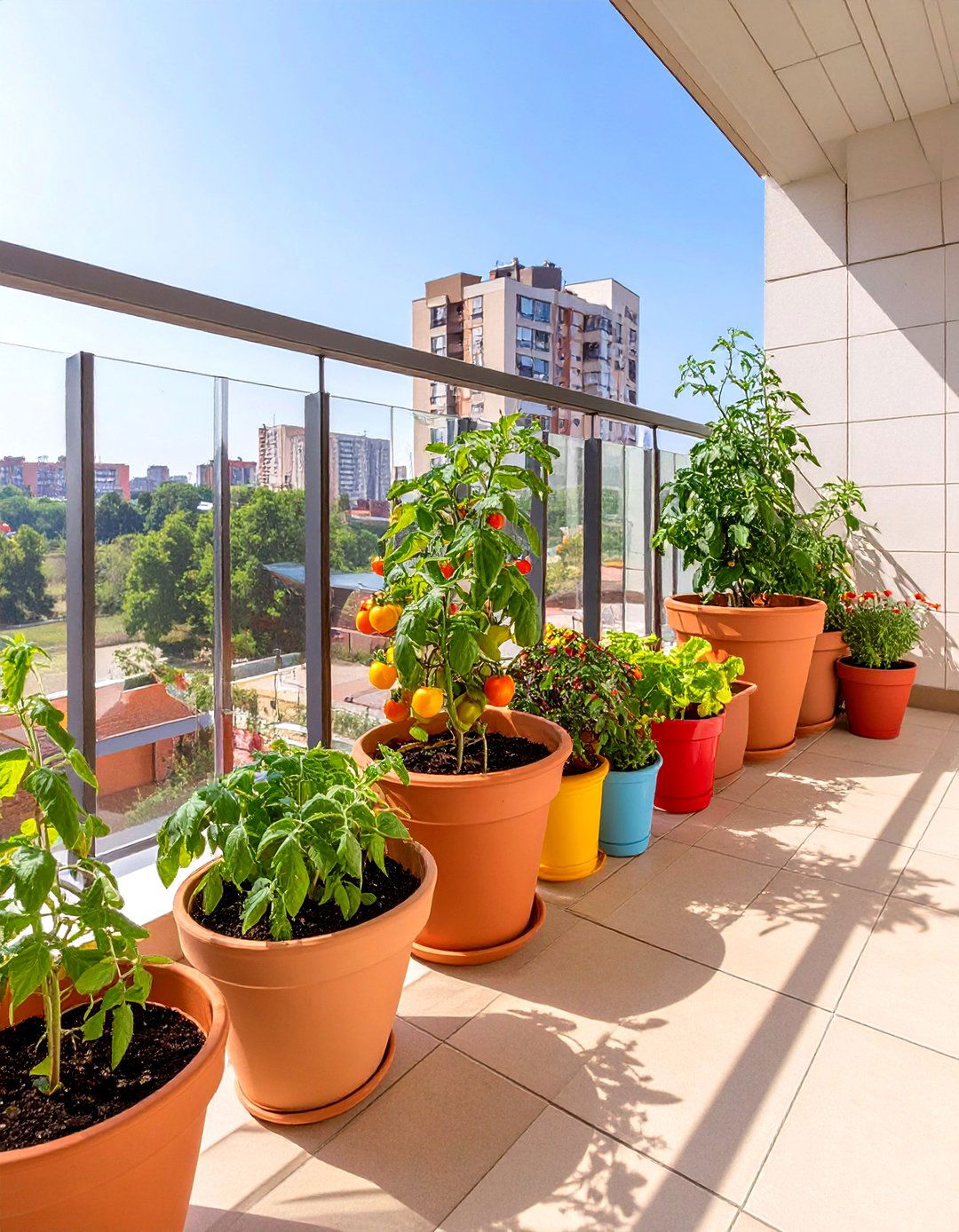
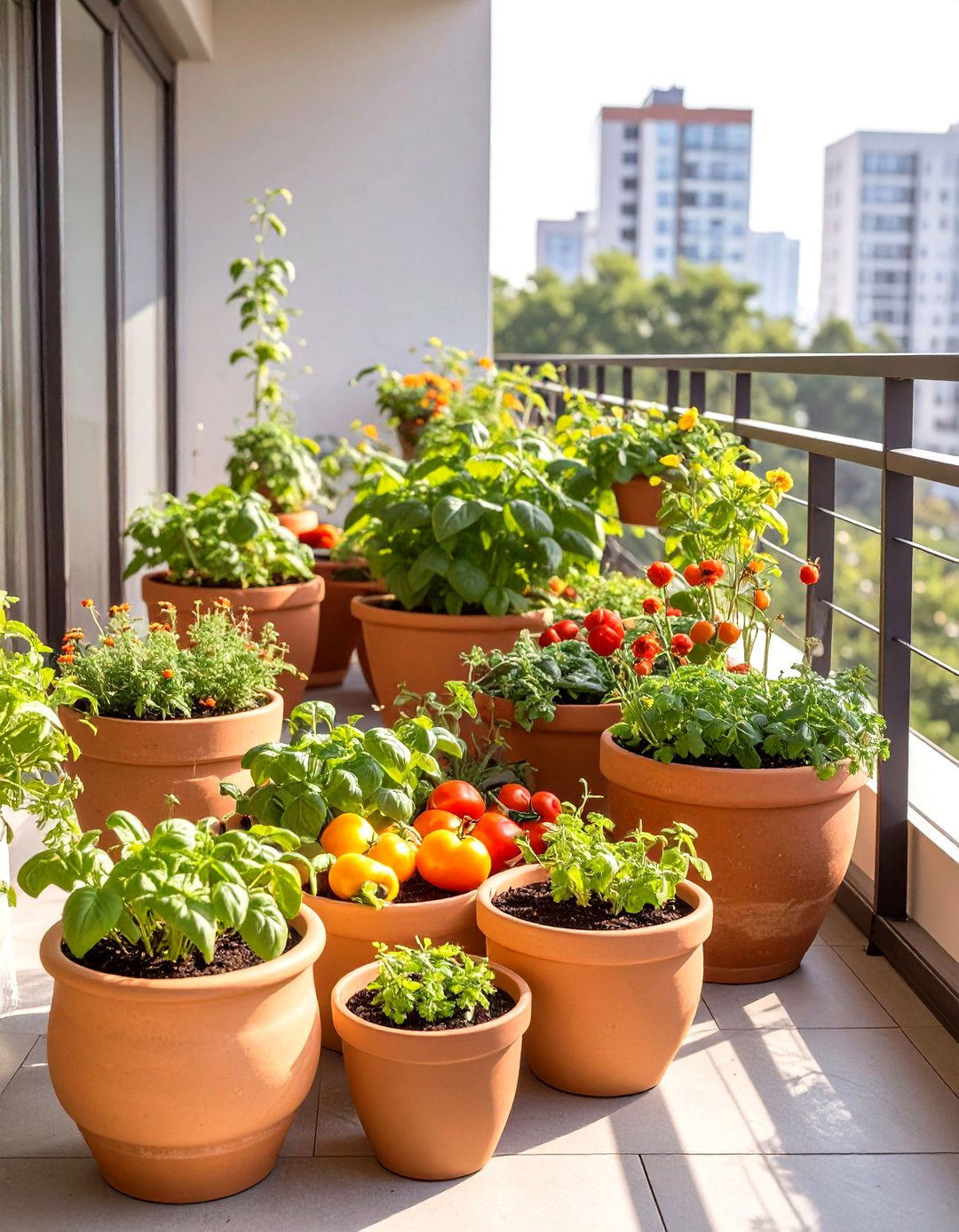
A balcony can become a flourishing small vegetable garden with the right containers. Use a mix of pot sizes to accommodate different plants. Large pots are suitable for tomatoes, peppers, and zucchini, while smaller ones are great for herbs and lettuces. Arrange the containers to maximize sunlight, placing sun-loving plants in the brightest spots. Using wheeled platforms or caddies under heavy pots allows you to easily move them around. This flexibility is key in a small space, enabling you to adapt to changing light conditions and rearrange your garden as needed. A container garden is versatile, manageable, and brings vibrant life to any balcony.
7. Trellis Small Vegetable Garden for Vining Plants
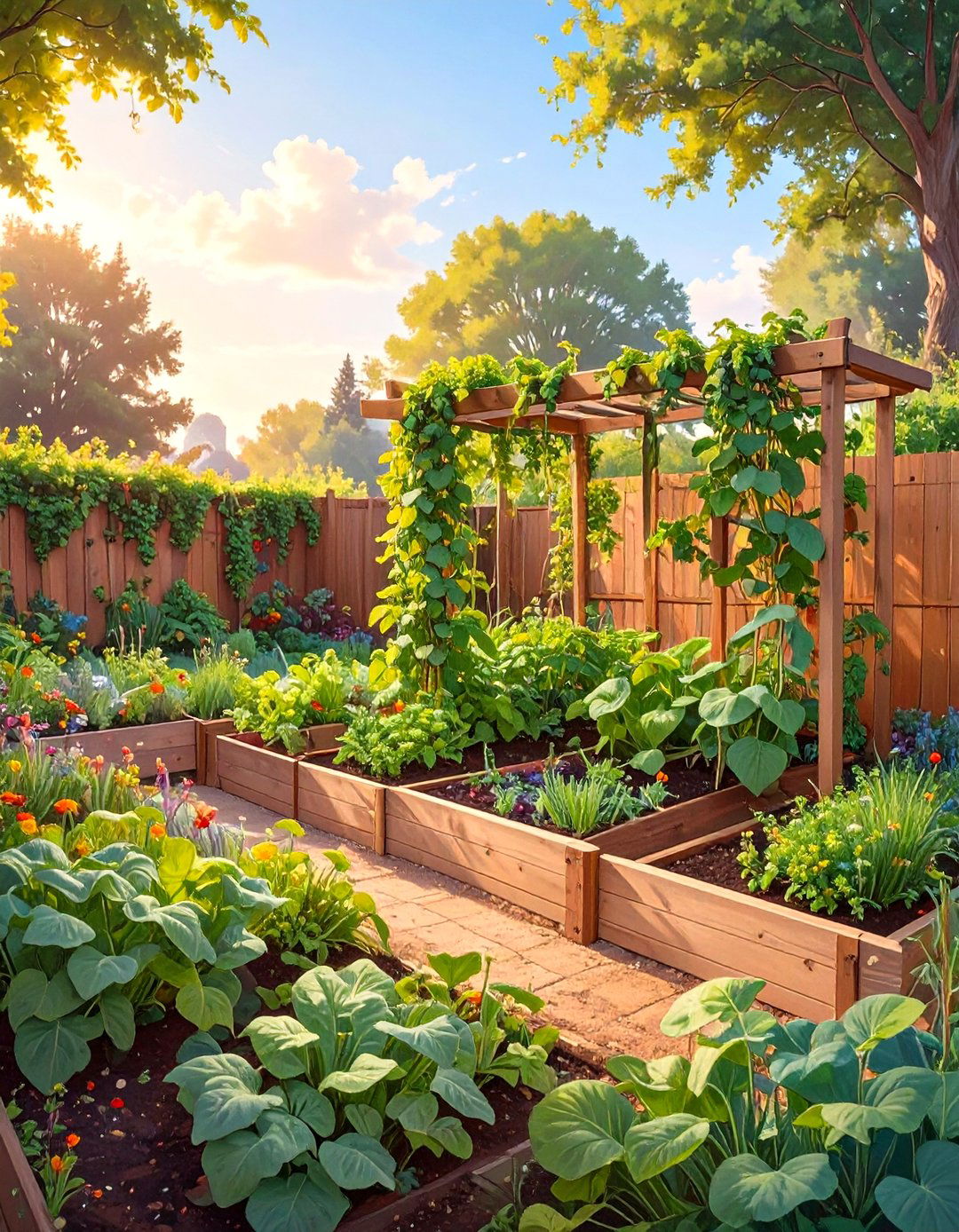
To maximize space in a small vegetable garden, growing vertically is essential, and a trellis is the perfect tool for the job. Install a trellis against a wall, at the back of a raised bed, or even as a freestanding feature. This structure provides support for vining plants like cucumbers, pole beans, peas, and even small melons to climb upwards. Growing these plants vertically not only saves precious ground space for other crops but also improves air circulation around the plants, which can reduce disease. It also makes harvesting easier, as the vegetables hang conveniently at eye level, ready to be picked.
8. Hanging Basket Small Vegetable Garden
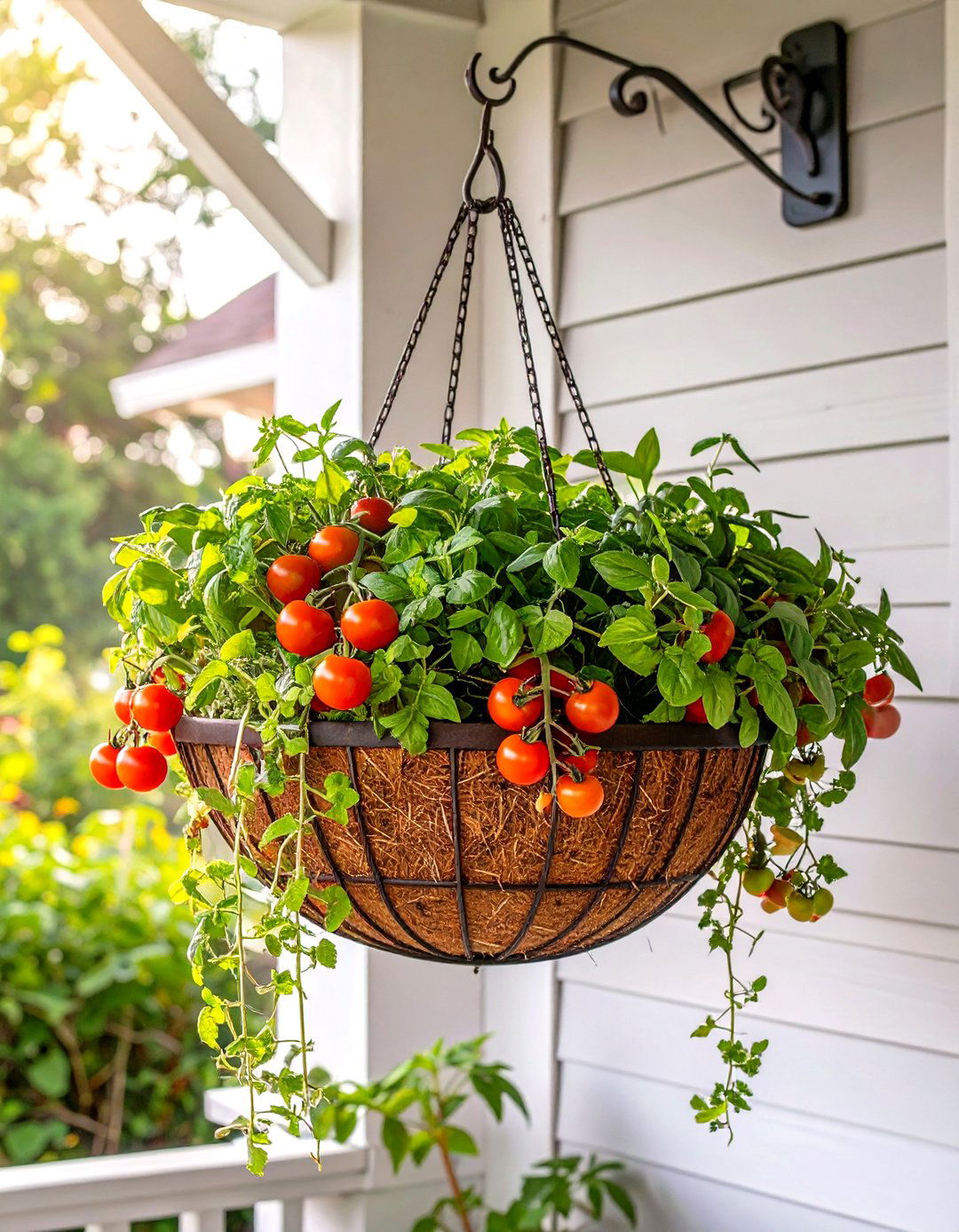
Hanging baskets aren't just for flowers; they can be excellent vessels for a small vegetable garden. Certain vegetable varieties are perfectly suited for this airborne approach. Trailing or tumbling tomato varieties, strawberries, and many herbs like mint and oregano will happily cascade over the sides of a basket. This method utilizes overhead space, which is often overlooked in small gardens. Hang them from porch ceilings, sturdy wall brackets, or shepherd's hooks. A hanging basket garden adds a beautiful, decorative element while providing fresh, easily accessible produce, freeing up ground and patio space for other uses.
9. Square Foot Small Vegetable Garden
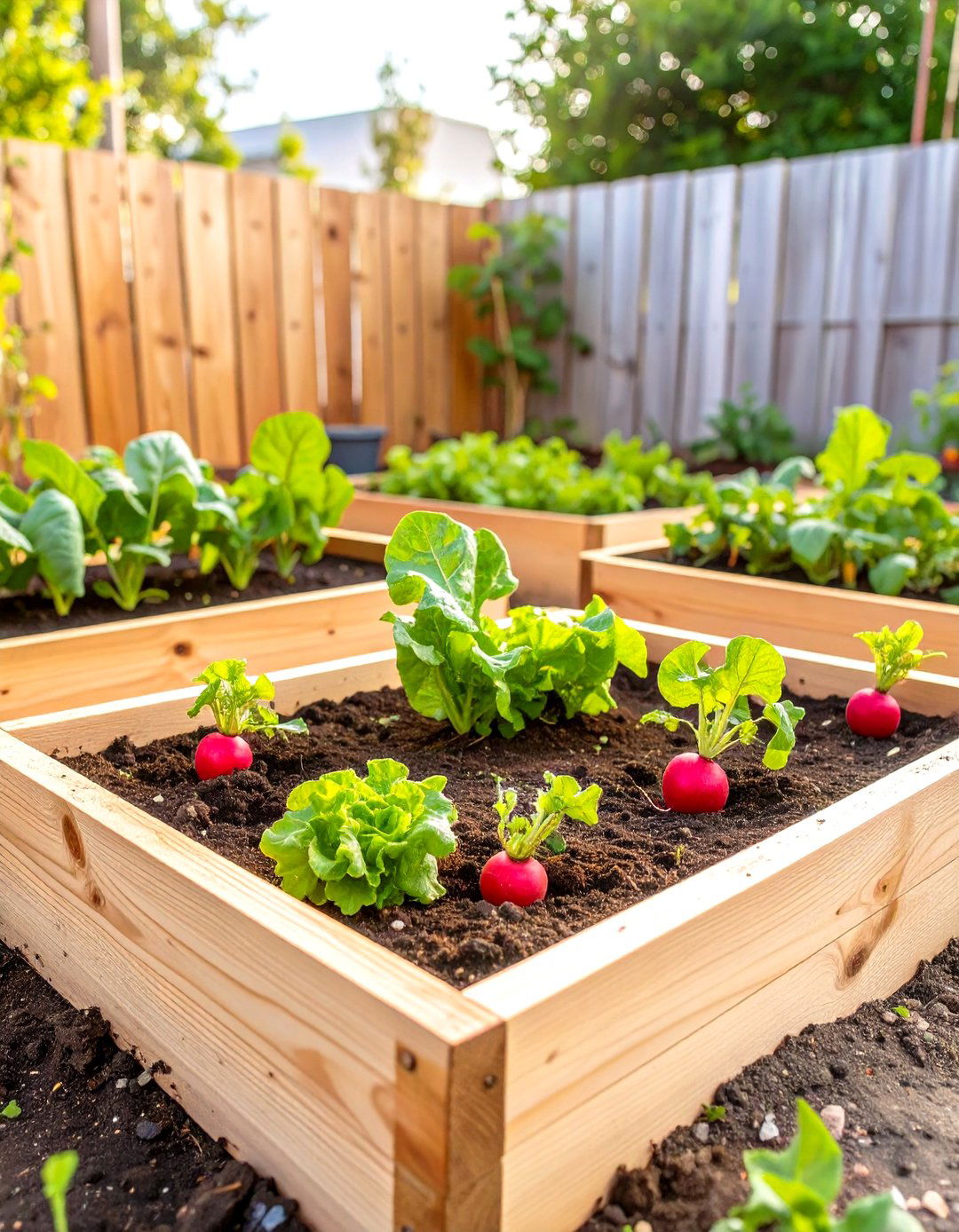
The square foot gardening method is a systematic and intensive approach perfect for a small vegetable garden. This technique involves dividing a raised bed into a grid of one-foot squares. Each square is then planted with a specific number of plants, depending on their size. For example, one tomato plant might occupy a full square, while the same space could hold sixteen radishes. This highly organized system eliminates waste, maximizes yield, and simplifies planning and maintenance. It's an incredibly efficient way to grow a wide variety of vegetables in a very small area, making it ideal for beginners and experienced gardeners alike.

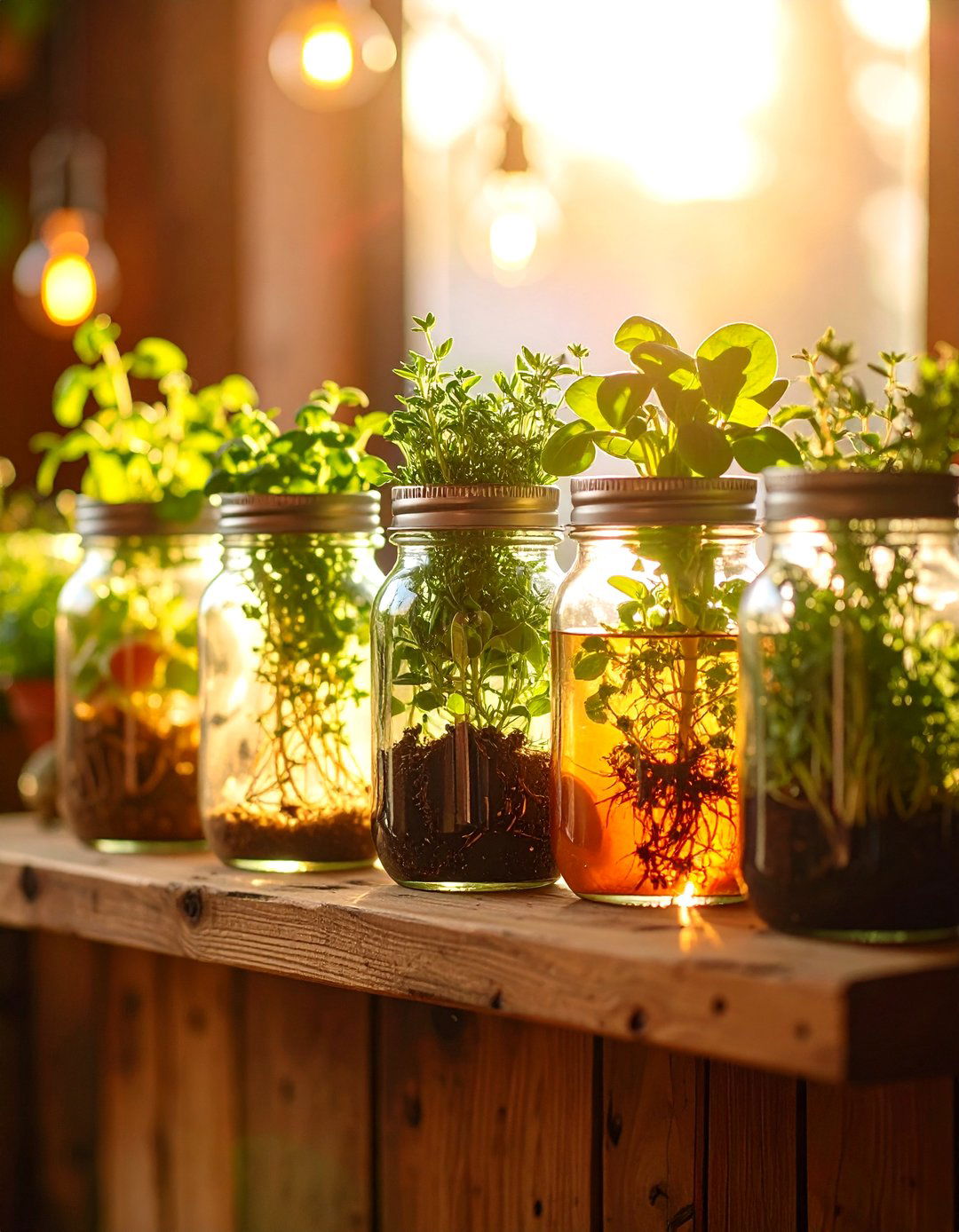
10. Stackable Planter Small Vegetable Garden
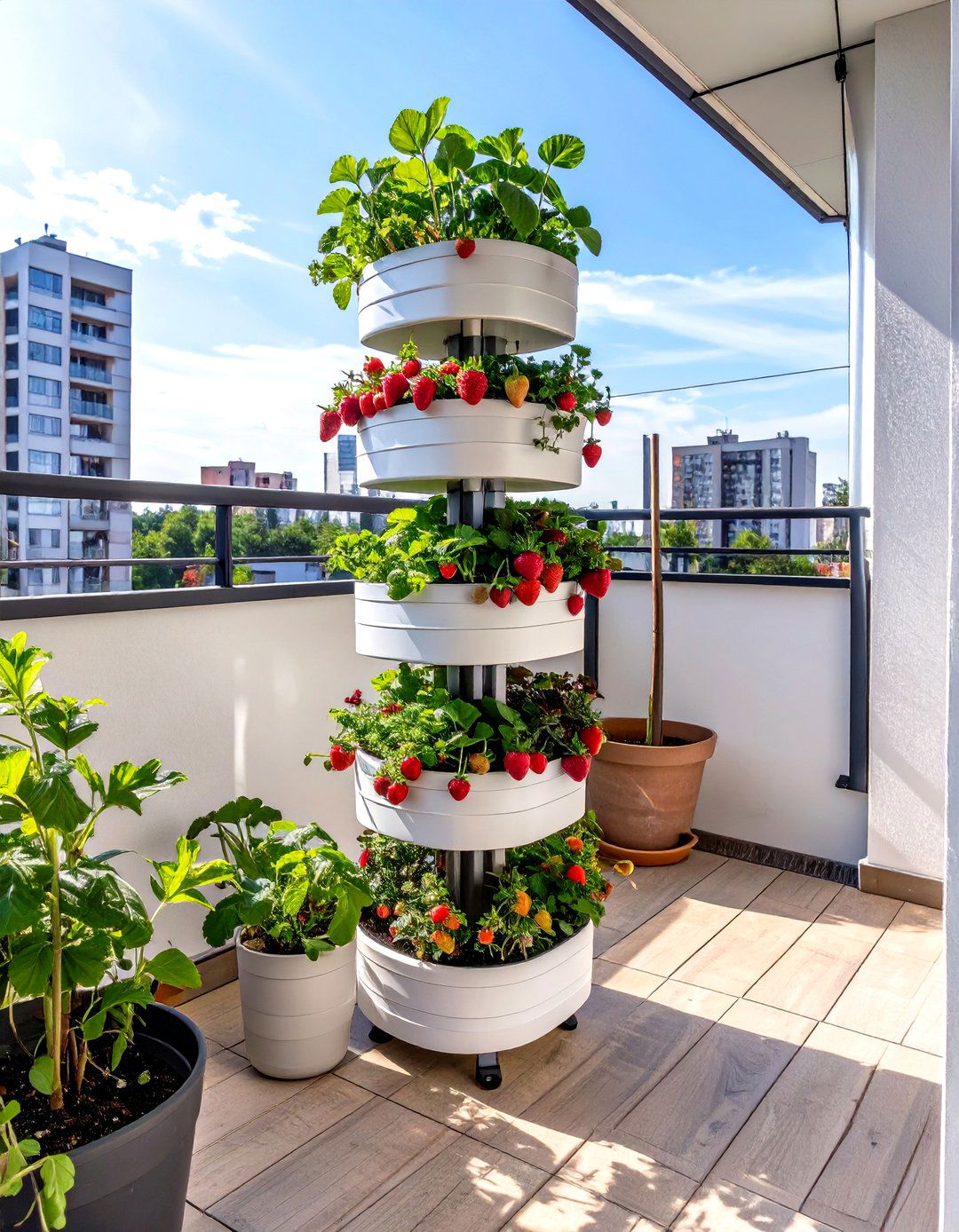
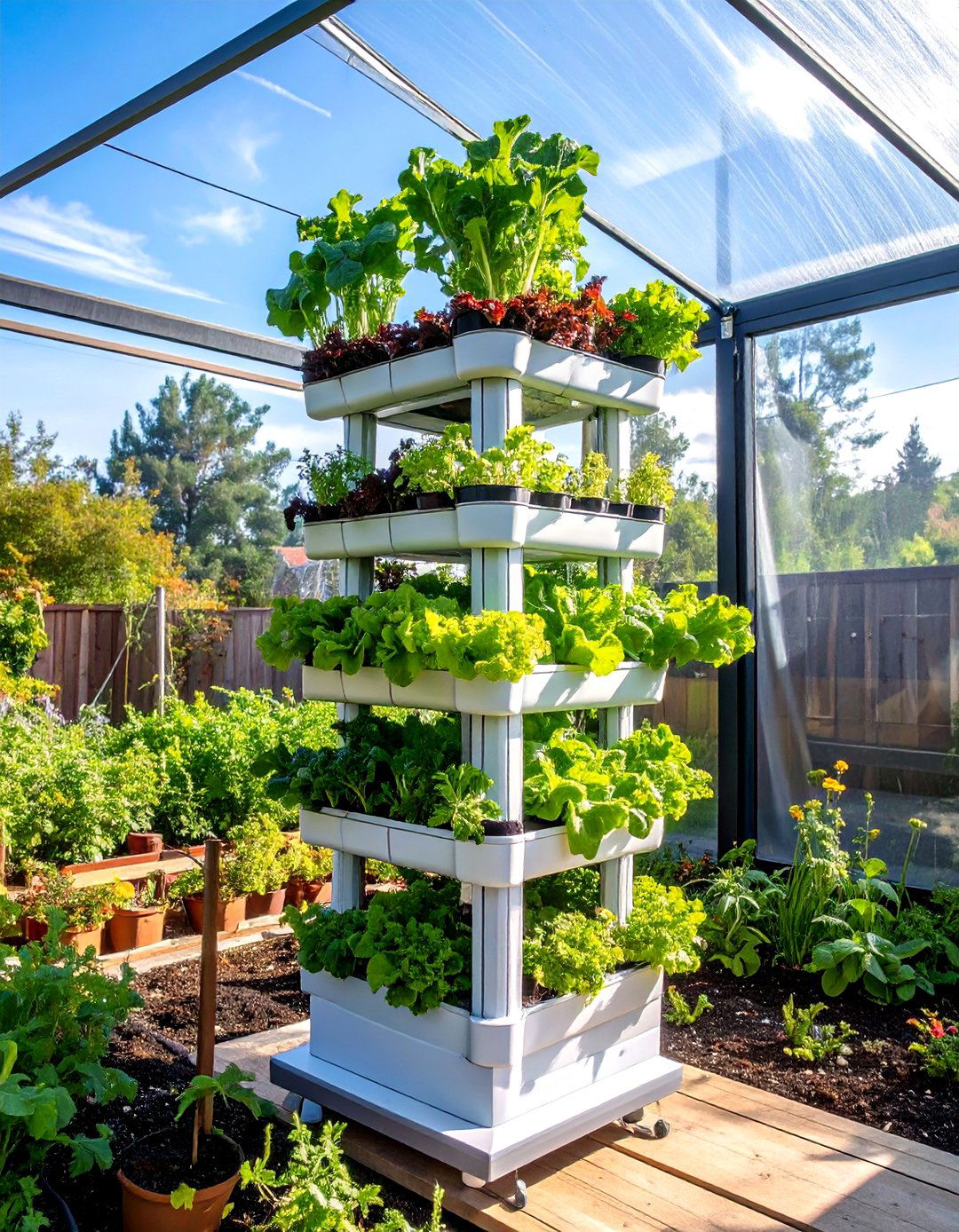
For those with extremely limited floor space, a stackable planter is an ingenious solution for a small vegetable garden. These planters consist of individual pots that stack on top of one another, creating a vertical tower of greenery. Each pocket can be planted with different herbs, lettuces, strawberries, or other compact vegetables. This design is perfect for a small balcony, patio corner, or even indoors by a sunny window. Many models feature a central watering system that trickles water down through each layer, ensuring all plants are evenly hydrated. A stackable planter is a modern, efficient, and visually striking way to grow a lot of food in a tiny footprint.
11. Fabric Grow Bag Small Vegetable Garden
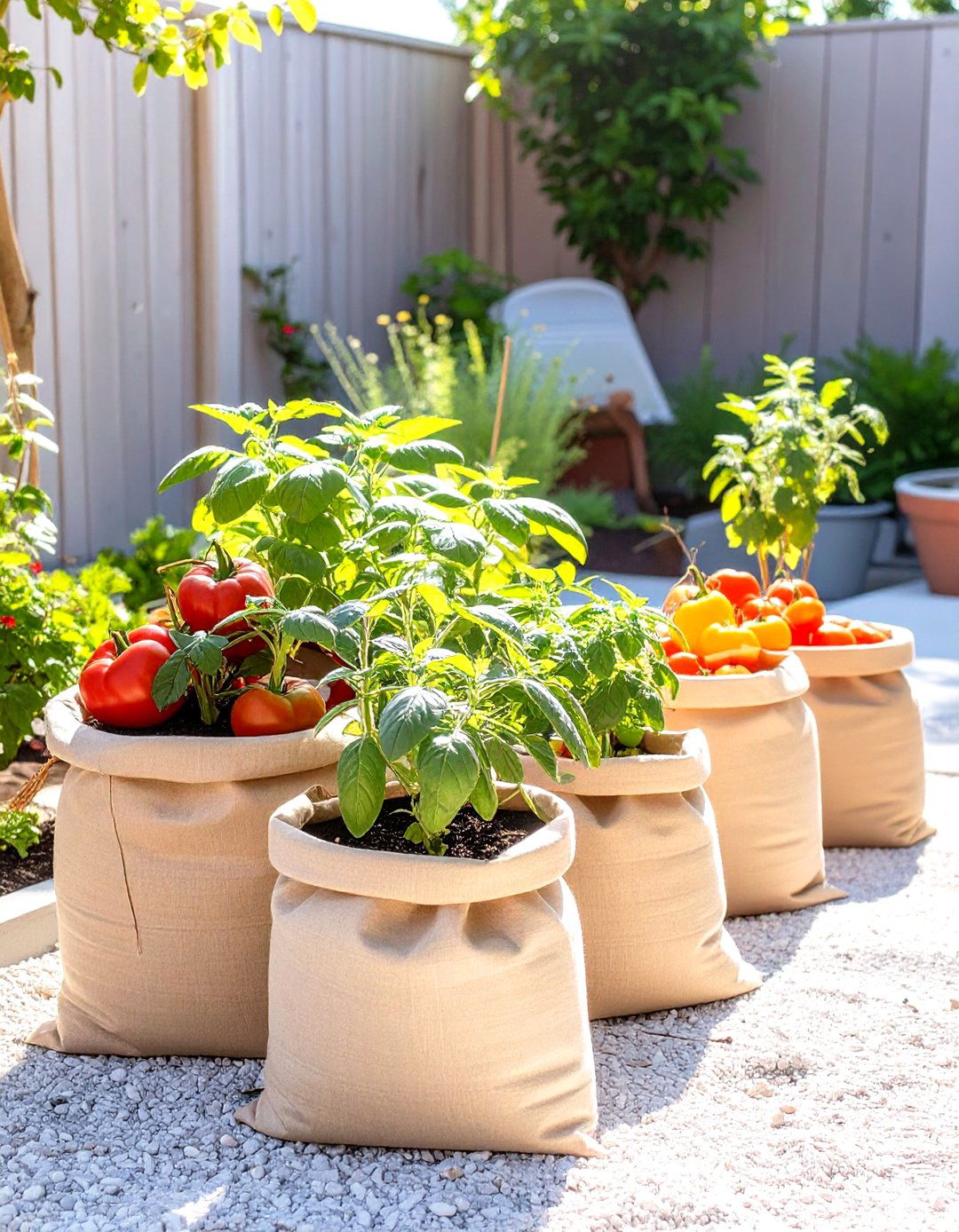
Fabric grow bags are a versatile and practical choice for creating a small vegetable garden anywhere. These lightweight, breathable bags can be placed on patios, decks, or any sunny spot. Their key advantage is "air pruning," where roots reach the fabric wall and are naturally pruned, encouraging a healthier, more fibrous root system instead of circling as they do in plastic pots. This leads to stronger plants. Grow bags are available in various sizes, making them suitable for everything from potatoes and carrots to tomatoes and peppers. When the season is over, they can be emptied, washed, and folded away for easy storage.
12. Railing Planter Small Vegetable Garden
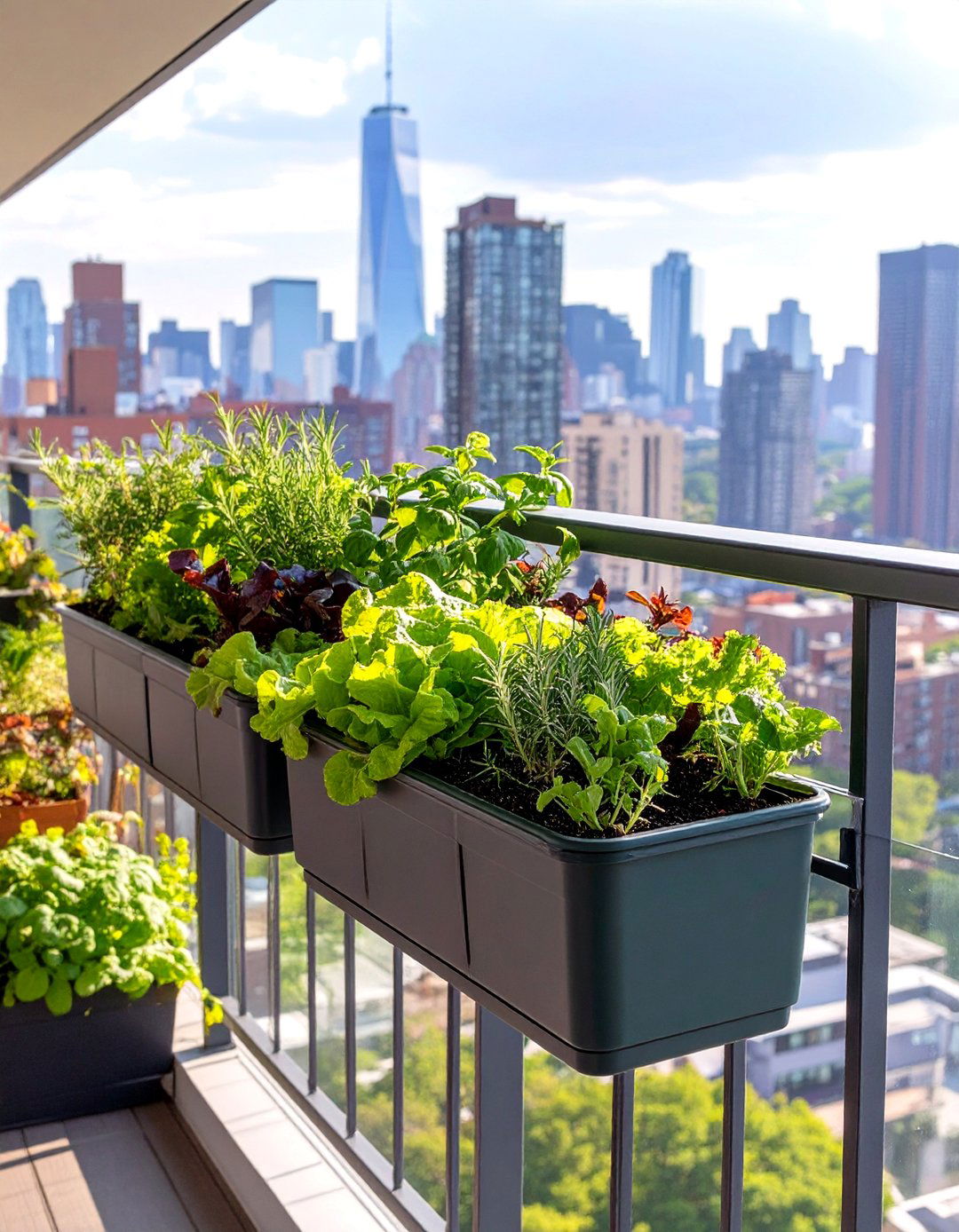
Utilize the railings on your balcony or deck by adding a railing planter small vegetable garden. These specialized containers are designed to straddle or hang securely from standard railings, instantly creating planting space out of thin air. They are perfect for growing a kitchen herb garden, with basil, rosemary, and thyme right at your fingertips. You can also plant leafy greens like spinach and lettuce, or even a few strawberry plants for a sweet treat. This approach keeps the floor of your balcony clear, maximizing usable living space while adding a lush, green border that is both beautiful and productive.
13. Edible Landscaping Small Vegetable Garden
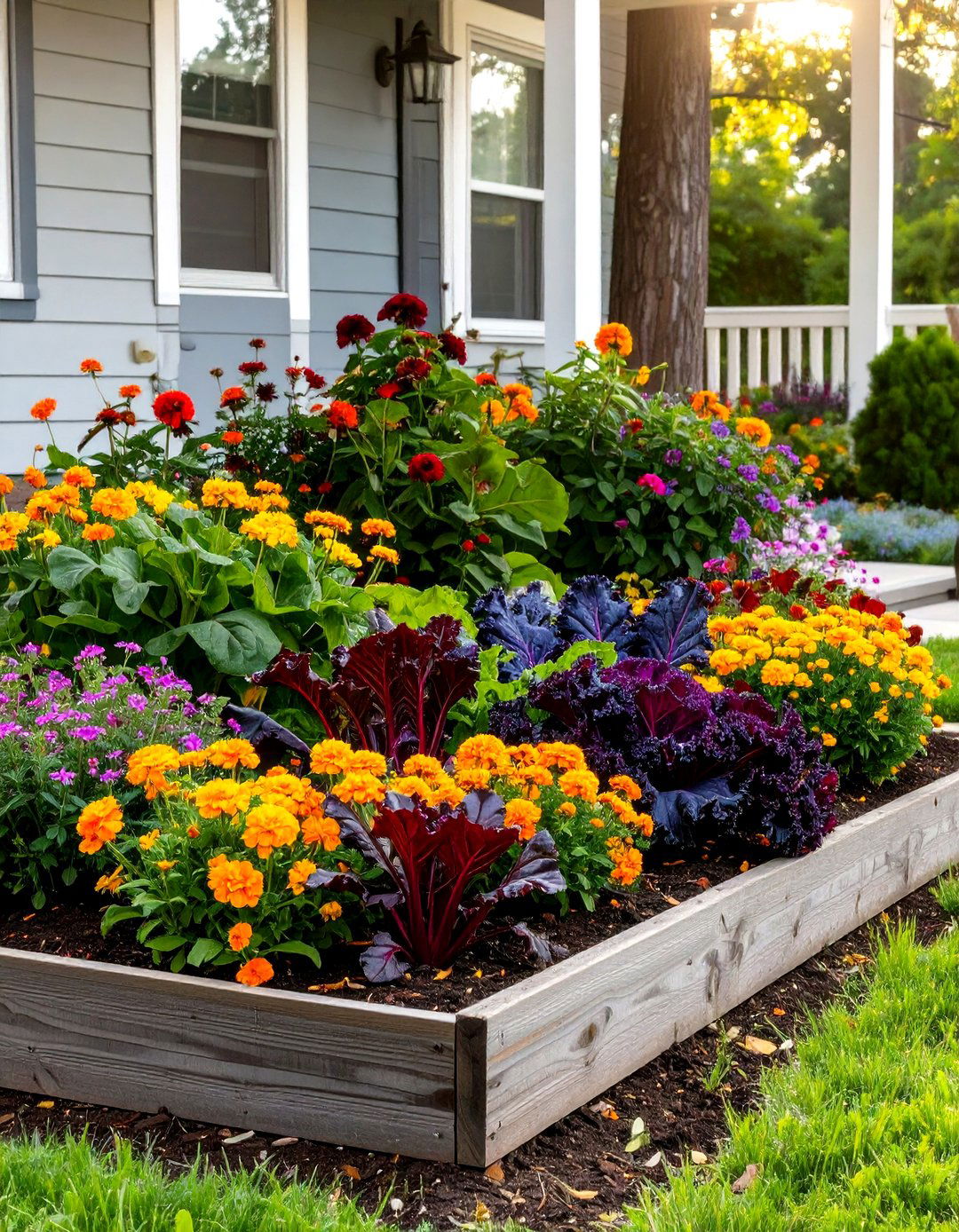
Integrate your small vegetable garden directly into your existing ornamental flower beds with edible landscaping. This approach blends beauty and function by choosing vegetable plants that are as attractive as they are delicious. For example, the vibrant stems of 'Bright Lights' swiss chard, the frilly leaves of kale, or the deep purple foliage of some basil varieties can add color and texture to a flower border. Artichoke plants create a dramatic, sculptural focal point. By interplanting vegetables among your flowers, you can create a cohesive, beautiful landscape where every plant serves a purpose, maximizing your growing potential without needing a dedicated vegetable plot.
14. Upside-Down Small Vegetable Garden
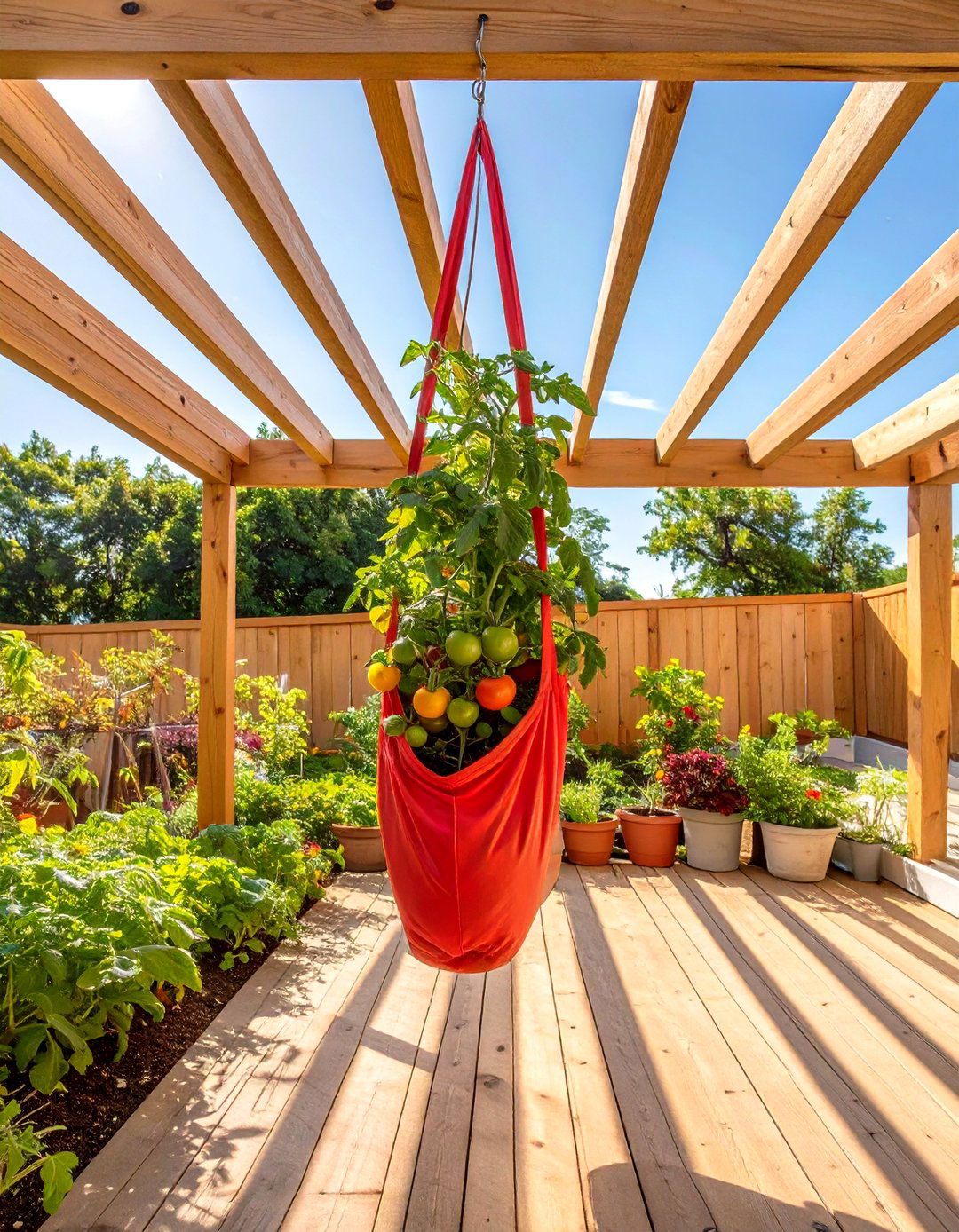
An upside-down planter offers a unique and space-saving way to create a small vegetable garden. These planters, which are essentially hanging bags with a hole in the bottom, are most famously used for growing tomatoes. The plant grows downwards, allowing gravity to help support the weight of the fruit. This method eliminates the need for staking or caging and can reduce problems with ground-dwelling pests and soil-borne diseases. In addition to tomatoes, peppers and cucumbers can also thrive in an upside-down planter. It's a fun, quirky, and practical solution for balconies or patios where traditional pots aren't an option.
15. A-Frame Trellis Small Vegetable Garden
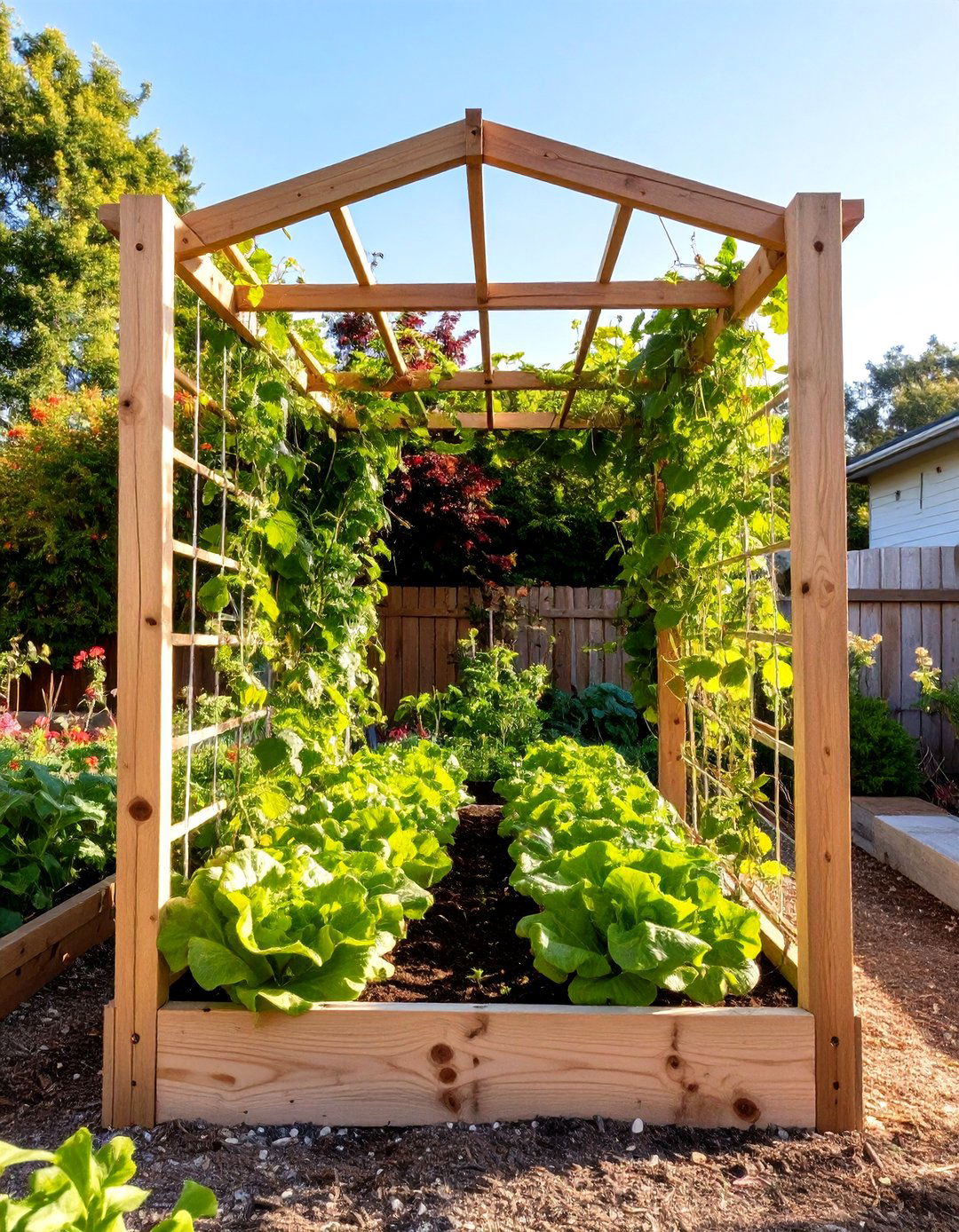
An A-frame trellis provides a sturdy, two-sided structure for a highly productive small vegetable garden. This freestanding design is ideal for placing in the center of a garden bed or on a patio. You can grow vining plants like cucumbers, peas, or pole beans up both sides, effectively doubling your vertical growing space. The area underneath the A-frame can then be used to grow shade-tolerant plants like lettuce or spinach, which benefit from the shelter provided by the climbing vines. This multi-functional structure is incredibly efficient, creating different microclimates and maximizing yield within a very compact footprint.
16. Living Wall Small Vegetable Garden
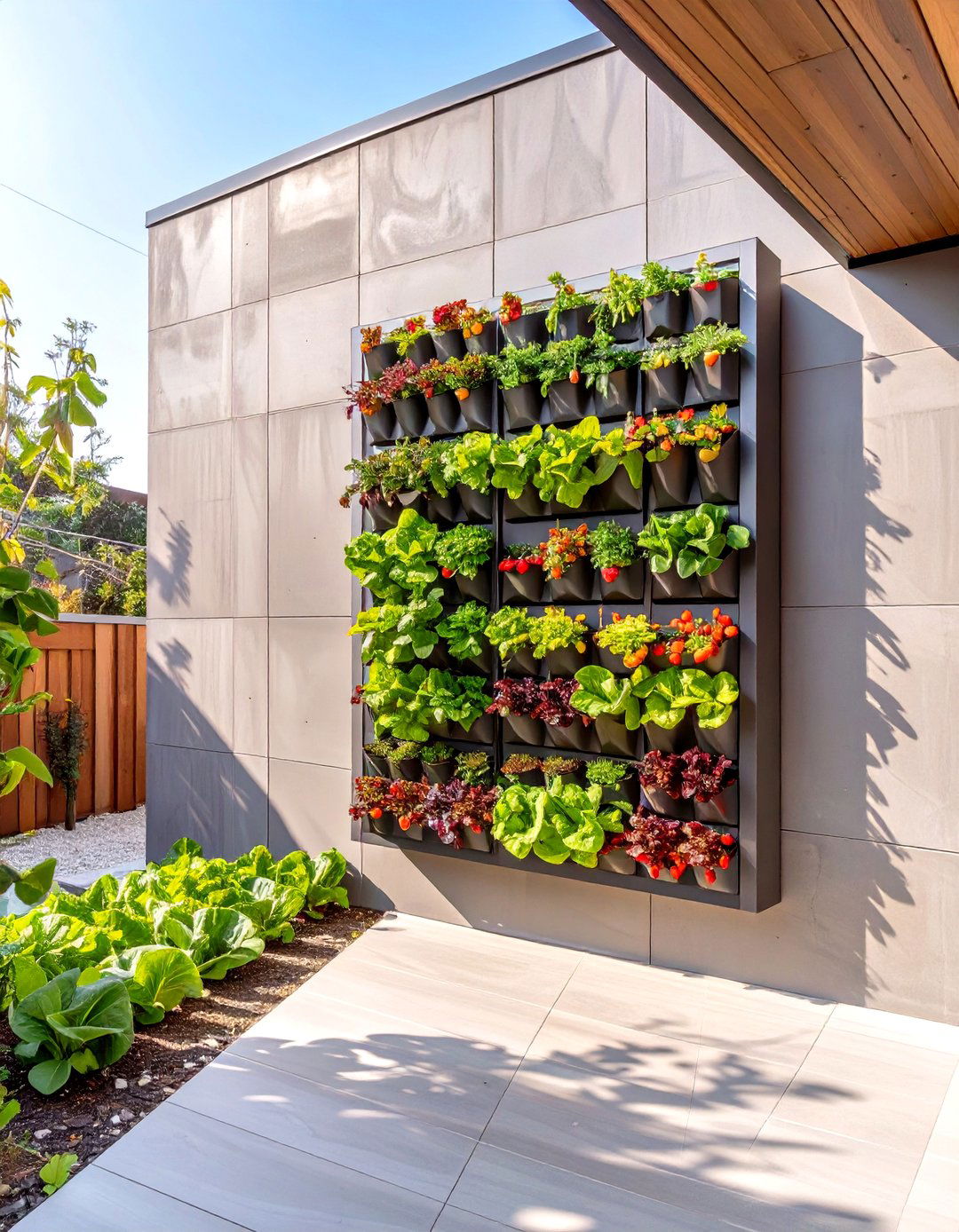
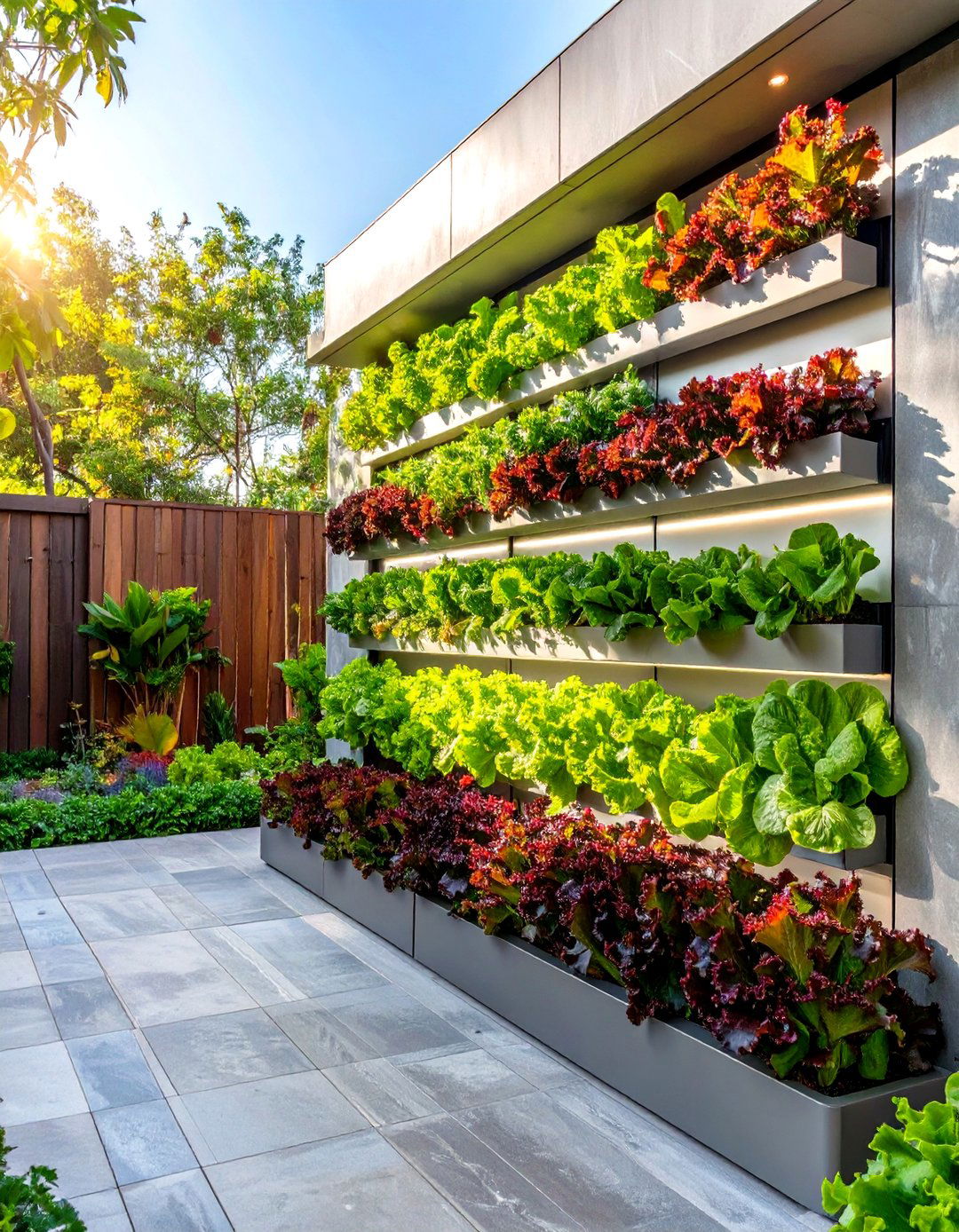
Create a stunning and productive feature with a living wall small vegetable garden. These systems consist of panels with numerous small pockets or cells that hold soil and plants, which are then mounted vertically to a wall. They are perfect for growing a wide array of herbs, leafy greens, and strawberries. A living wall transforms a plain, boring surface into a lush tapestry of edible plants. Some systems come with built-in irrigation, making maintenance straightforward. It’s a high-impact design choice that serves as both a piece of living art and a source of fresh, homegrown produce, ideal for modern urban spaces.
17. GreenStalk Vertical Small Vegetable Garden
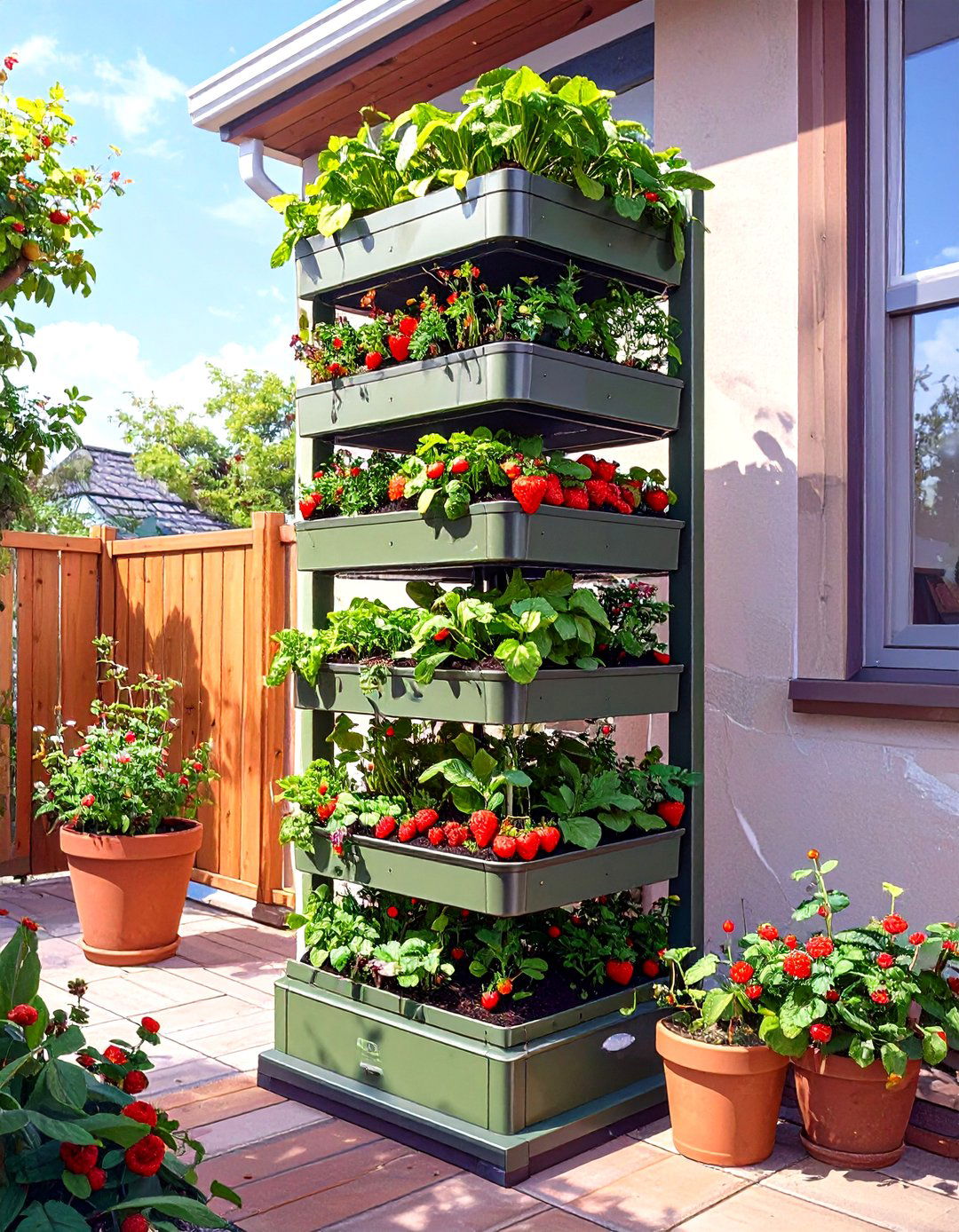
The GreenStalk vertical planter is a patented, soil-based system designed for a high-yield small vegetable garden. This tower consists of stacking tiers, each with multiple pockets for planting. What sets it apart is its unique internal watering system, where you simply water the top reservoir, and it distributes water evenly to every pocket on every level below. This ensures all plants receive consistent moisture without wasting water. It’s incredibly efficient for growing a large variety of vegetables, from root crops like carrots in the deeper pockets to lettuces, herbs, and strawberries, all within a tiny two-square-foot area.
18. Gutter Garden on a Fence
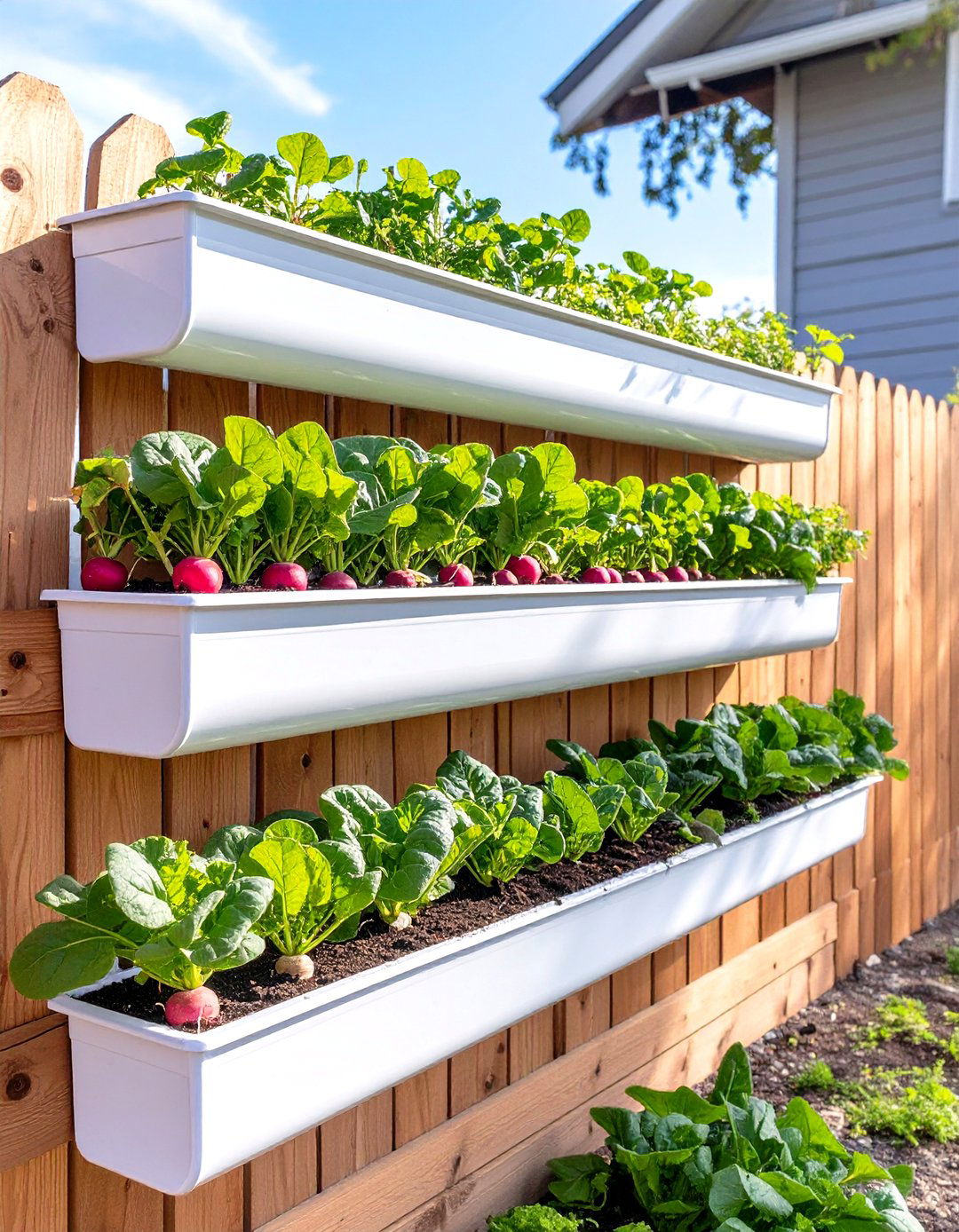
Transform a plain fence into a productive small vegetable garden by mounting horizontal gutter sections. This is a brilliant use of vertical space, especially along a property line or the back of a house. Secure vinyl or metal gutters to the fence posts, ensuring you drill drainage holes along the bottom. The shallow depth of the gutters is perfect for growing plants with small root systems, such as various types of lettuce, spinach, radishes, and a wide range of culinary herbs. This method keeps plants organized, easy to access for harvesting, and off the ground, which helps protect them from slugs and other pests.
19. Small Vegetable Garden in a Kiddie Pool
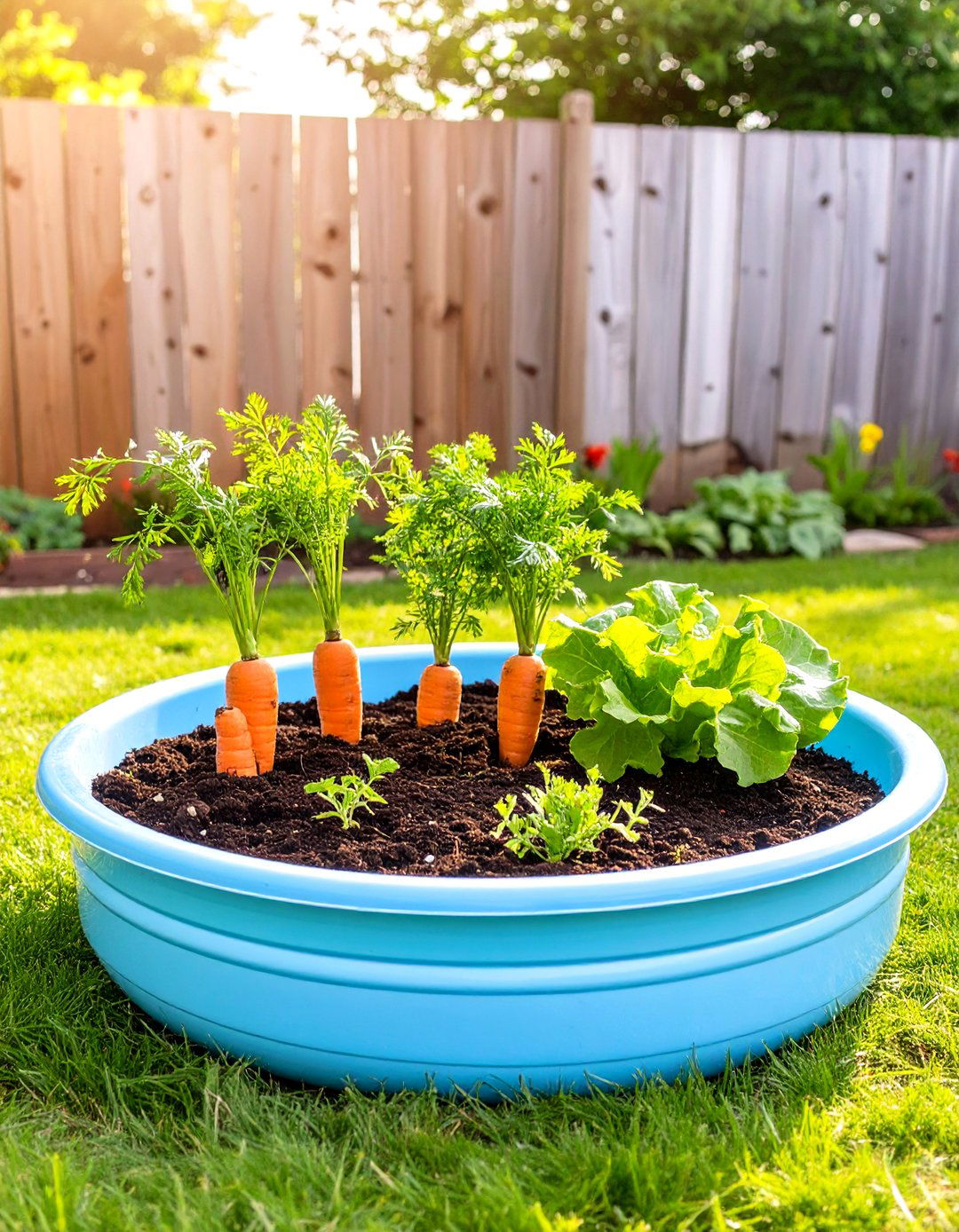
A simple, inexpensive plastic kiddie pool can be repurposed into an excellent container for a small vegetable garden. Its wide, shallow shape provides a surprising amount of surface area for planting. Before filling it with soil, be sure to drill several drainage holes in the bottom to prevent the soil from becoming waterlogged. A kiddie pool garden is deep enough to grow a variety of vegetables, including root crops like carrots and potatoes, as well as bush beans, peppers, and leafy greens. It’s a quirky and budget-friendly alternative to a traditional raised bed, perfect for a rental property or a temporary garden setup.


20. Shoe Organizer Small Vegetable Garden
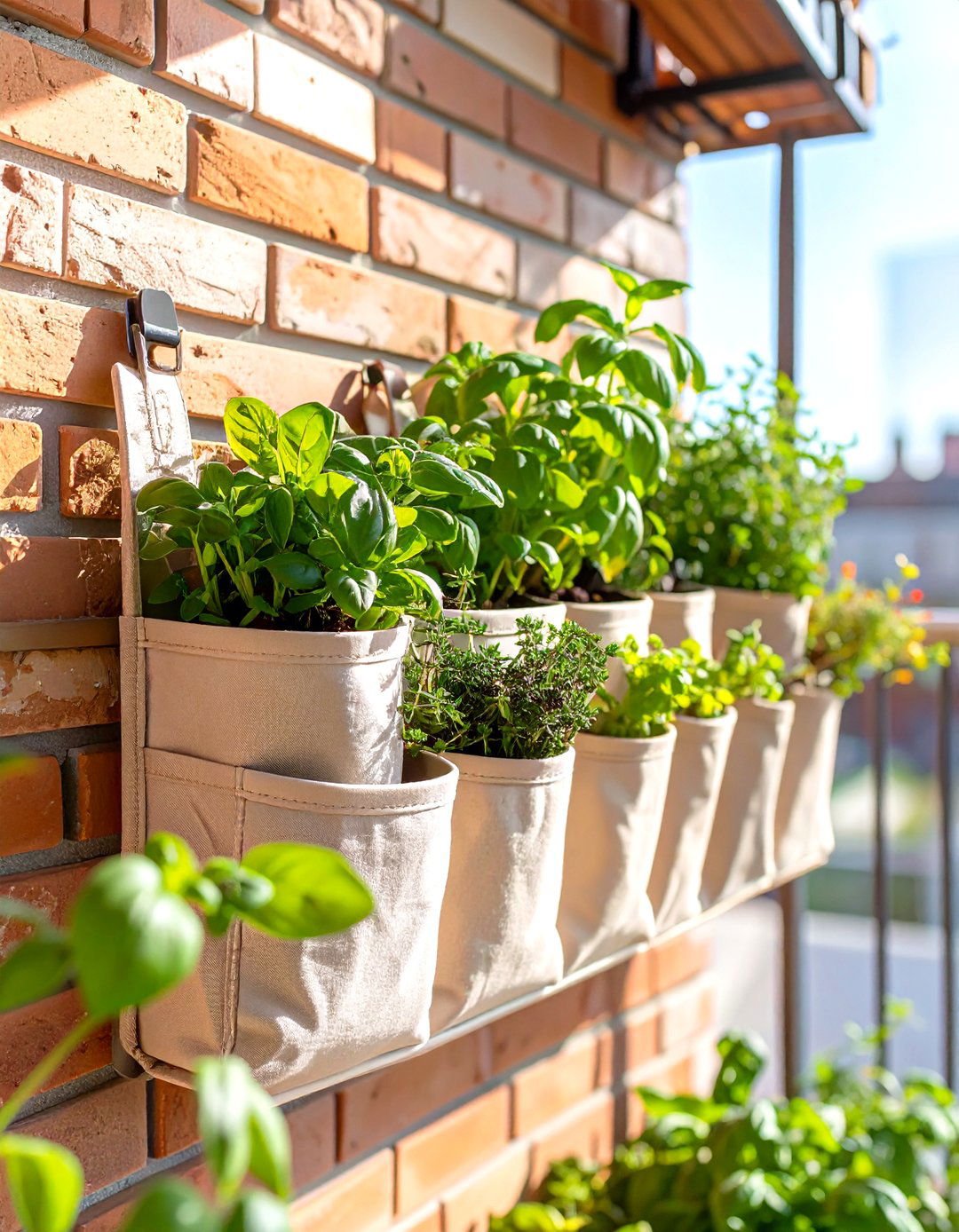
A hanging shoe organizer, typically made of canvas or fabric, can be cleverly repurposed into a vertical small vegetable garden. Hang it on a sunny wall, fence, or balcony railing. Each shoe pocket acts as a miniature planter, perfect for growing individual herbs like basil, mint, and oregano, or small greens like lettuce. This method is incredibly space-efficient, allowing you to grow dozens of plants in a very small vertical area. Ensure the fabric allows for good drainage or poke small holes in the bottom of each pocket. It's a creative, low-cost solution for urban gardeners looking to maximize their harvest.
21. Cinder Block Small Vegetable Garden
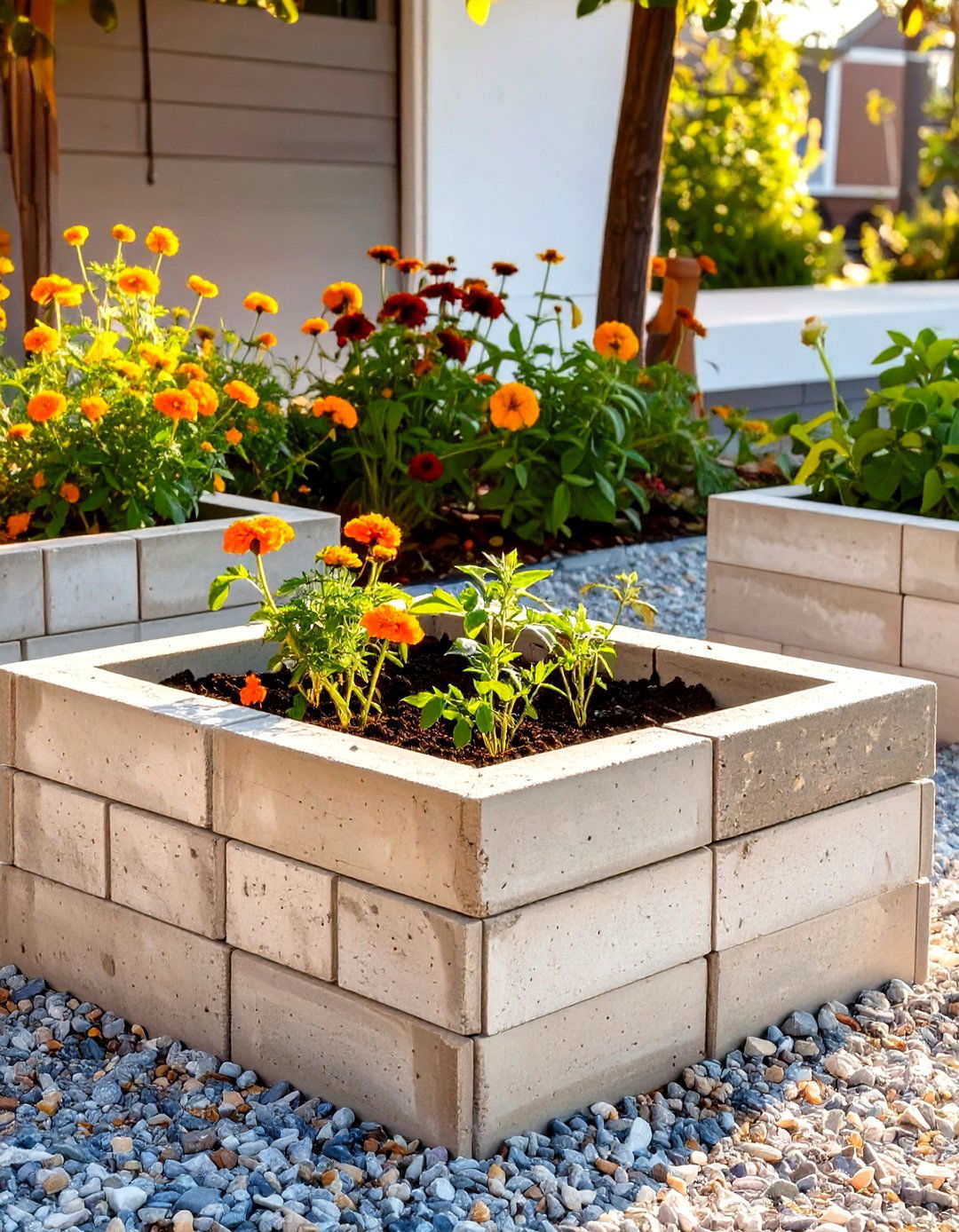
Cinder blocks offer a modular and industrial-chic way to build a small vegetable garden. You can arrange them in any configuration you like, creating a border for a raised bed or stacking them to create planting pockets at different levels. The holes in the blocks themselves can be filled with soil and used to plant herbs, marigolds (to deter pests), or strawberries. The central area enclosed by the blocks can then be filled with soil for larger vegetables. This is a durable, inexpensive, and highly customizable method that allows you to design a garden that perfectly fits your space and aesthetic.
22. Laundry Basket Small Vegetable Garden
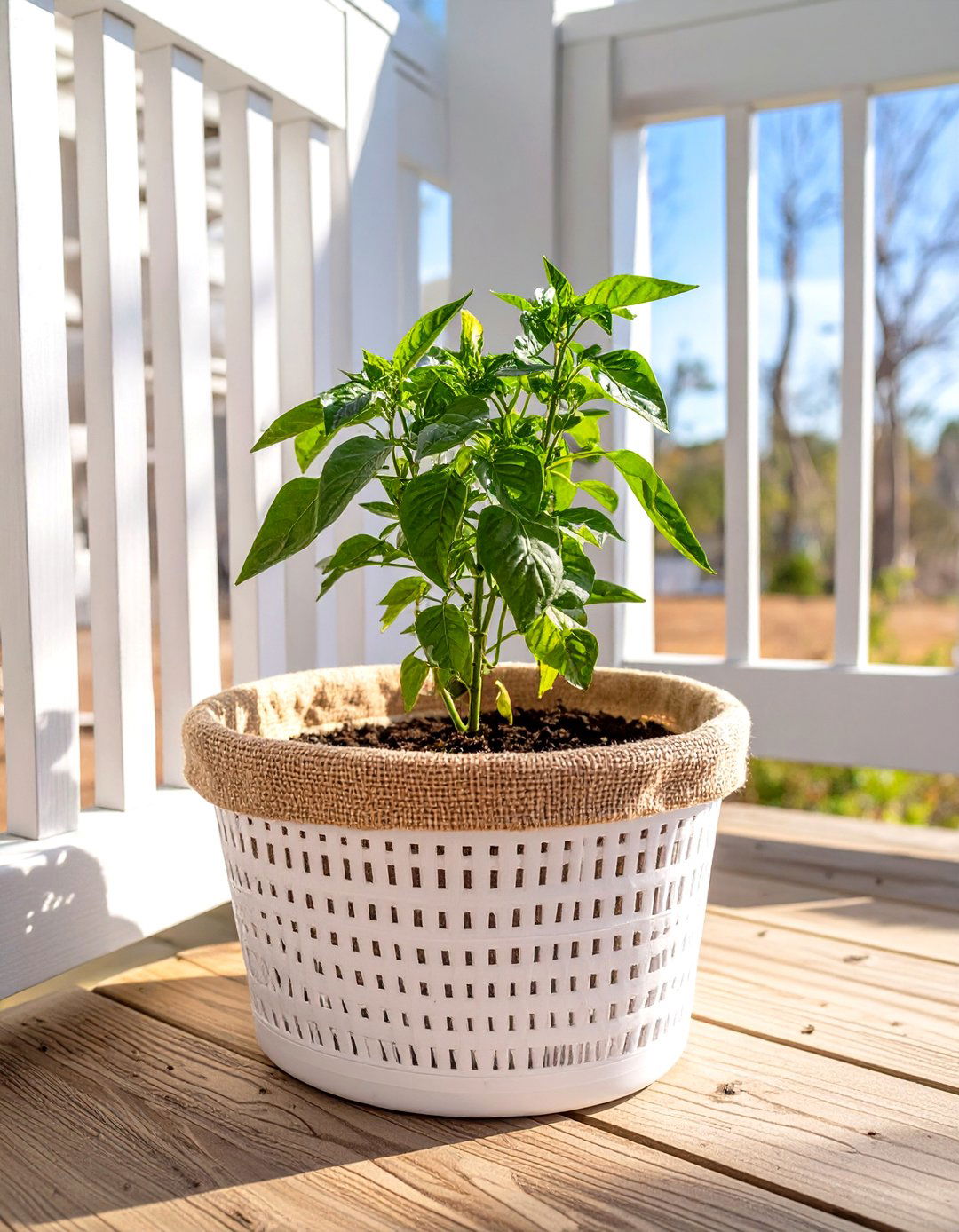
A simple plastic laundry basket makes a surprisingly effective and portable container for a small vegetable garden. The existing holes provide excellent drainage and aeration for the plant roots, which is crucial for healthy growth. To prepare it, line the basket with burlap or landscape fabric to hold the soil in, then fill it with a quality potting mix. A laundry basket is large enough to grow a single tomato plant, a pepper plant, or even a good crop of potatoes. The handles make it easy to move the garden around to catch the best sun or to bring it indoors during unexpected frost.
23. Ladder Planter Small Vegetable Garden
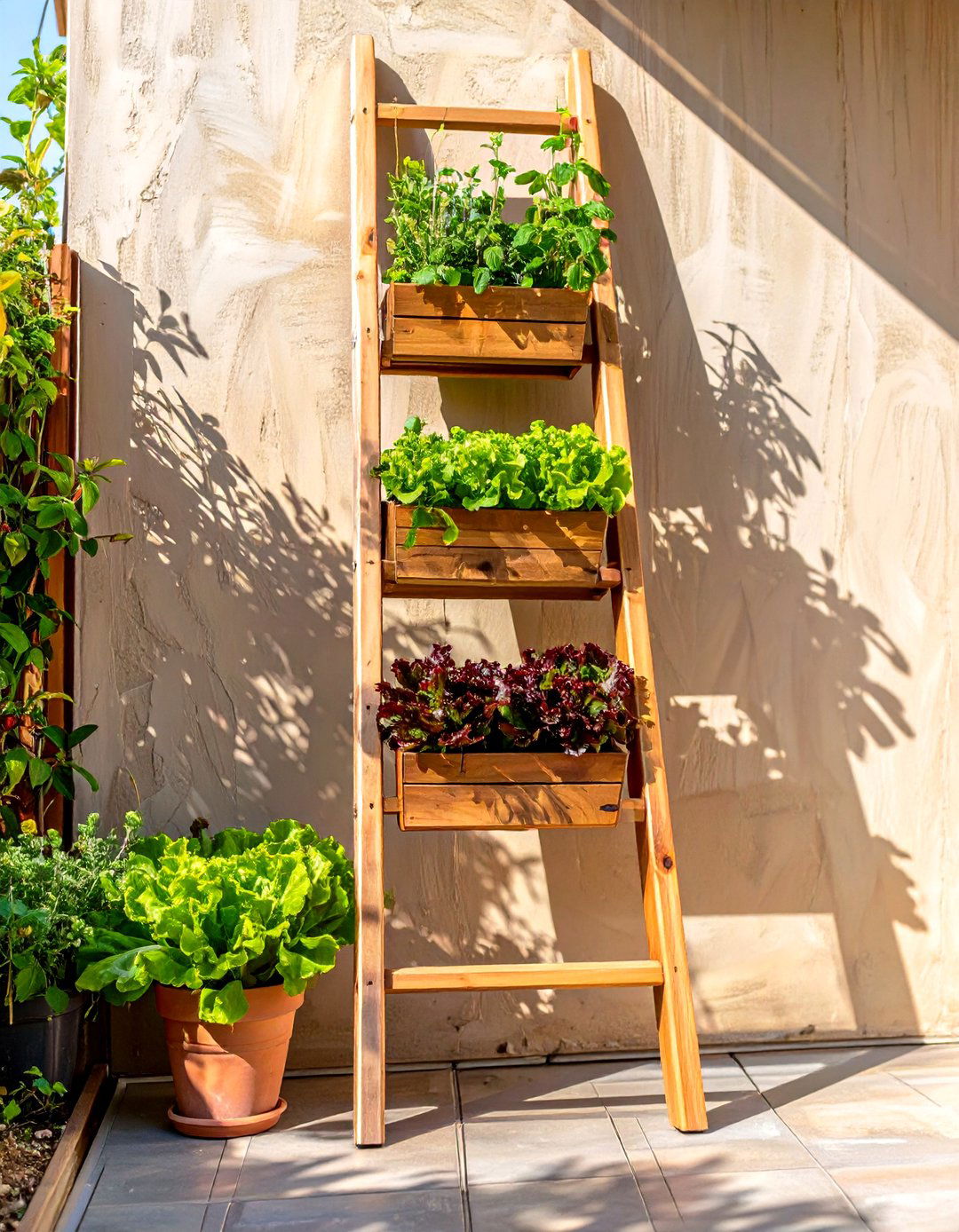
A leaning ladder planter provides a stylish and space-saving structure for a small vegetable garden. This design features a series of planter boxes arranged on an A-frame or leaning ladder structure, with each successive box set further back. This ensures that all plants, even those on the lower levels, receive adequate sunlight. It’s an ideal setup for a collection of herbs, lettuces, and strawberries, keeping everything organized and within easy reach. The angled design is not only practical but also creates an attractive visual display, making it a perfect addition to a patio, deck, or small balcony where style is as important as function.
24. Cold Frame Small Vegetable Garden
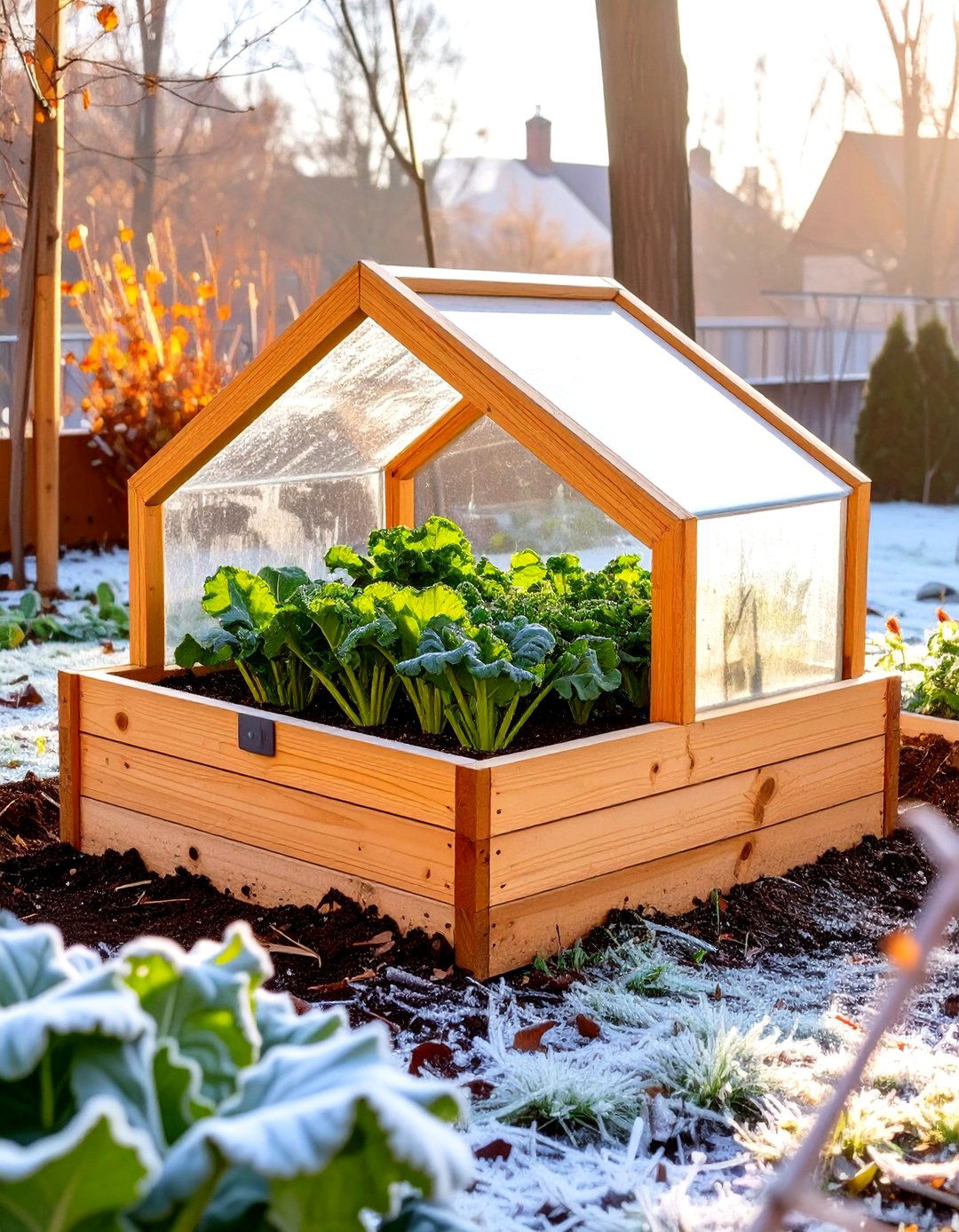
Extend your growing season with a cold frame small vegetable garden. A cold frame is essentially a bottomless box with a transparent lid, like an old window, that is placed over a section of your garden. It acts like a miniature greenhouse, trapping solar energy to keep the soil and plants inside warmer than the outside air. This allows you to start seeds earlier in the spring and continue harvesting hardy greens like kale, spinach, and mache well into the fall and winter. It’s a simple but incredibly effective way to protect your plants from the elements and get more out of your small garden.
25. Keyhole Small Vegetable Garden

A keyhole garden is a circular raised bed with a keyhole-shaped cutout on one side, allowing easy access to the entire planting area. At the center of the circle is a compost basket. As you add kitchen scraps and other organic matter to the basket, nutrients slowly leach out and feed the surrounding soil, creating a self-fertilizing system. This design is highly efficient in terms of water and nutrient use, making it very productive. It’s an excellent choice for a small vegetable garden, combining composting and gardening into one compact, sustainable, and easily accessible structure that can support a wide variety of crops.
26. Straw Bale Small Vegetable Garden
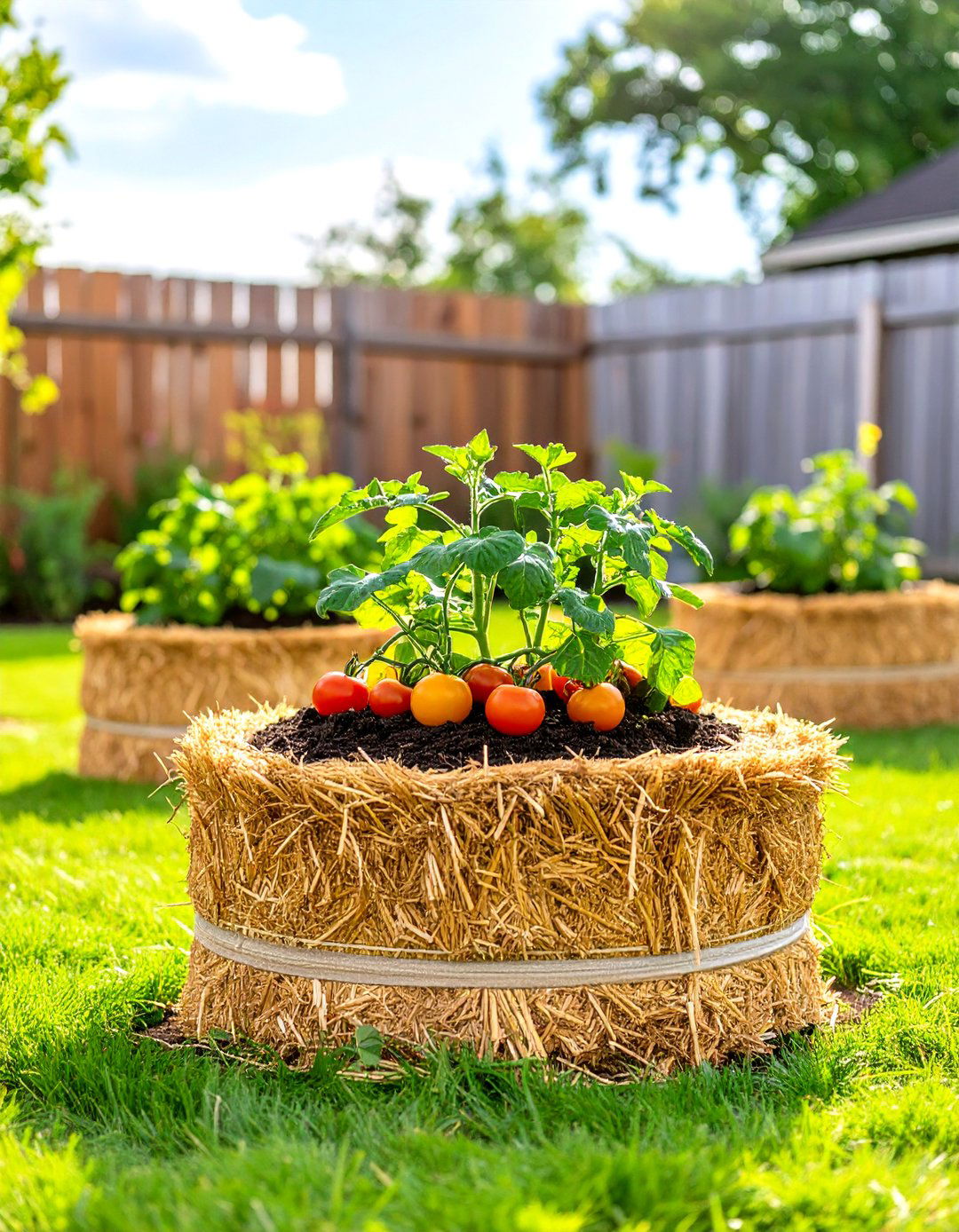
For a no-dig, no-weed small vegetable garden, try planting directly into a straw bale. This technique involves "conditioning" the bale for a couple of weeks by watering it and adding a nitrogen source to start the decomposition process inside. This creates a warm, nutrient-rich environment for plant roots. Once conditioned, you can plant seedlings directly into pockets of compost on top of the bale. It's a great method for growing vegetables like tomatoes, peppers, and squash. At the end of the season, the decomposed bale can be used as mulch, leaving you with no soil-filled containers to store.
27. Rooftop Small Vegetable Garden
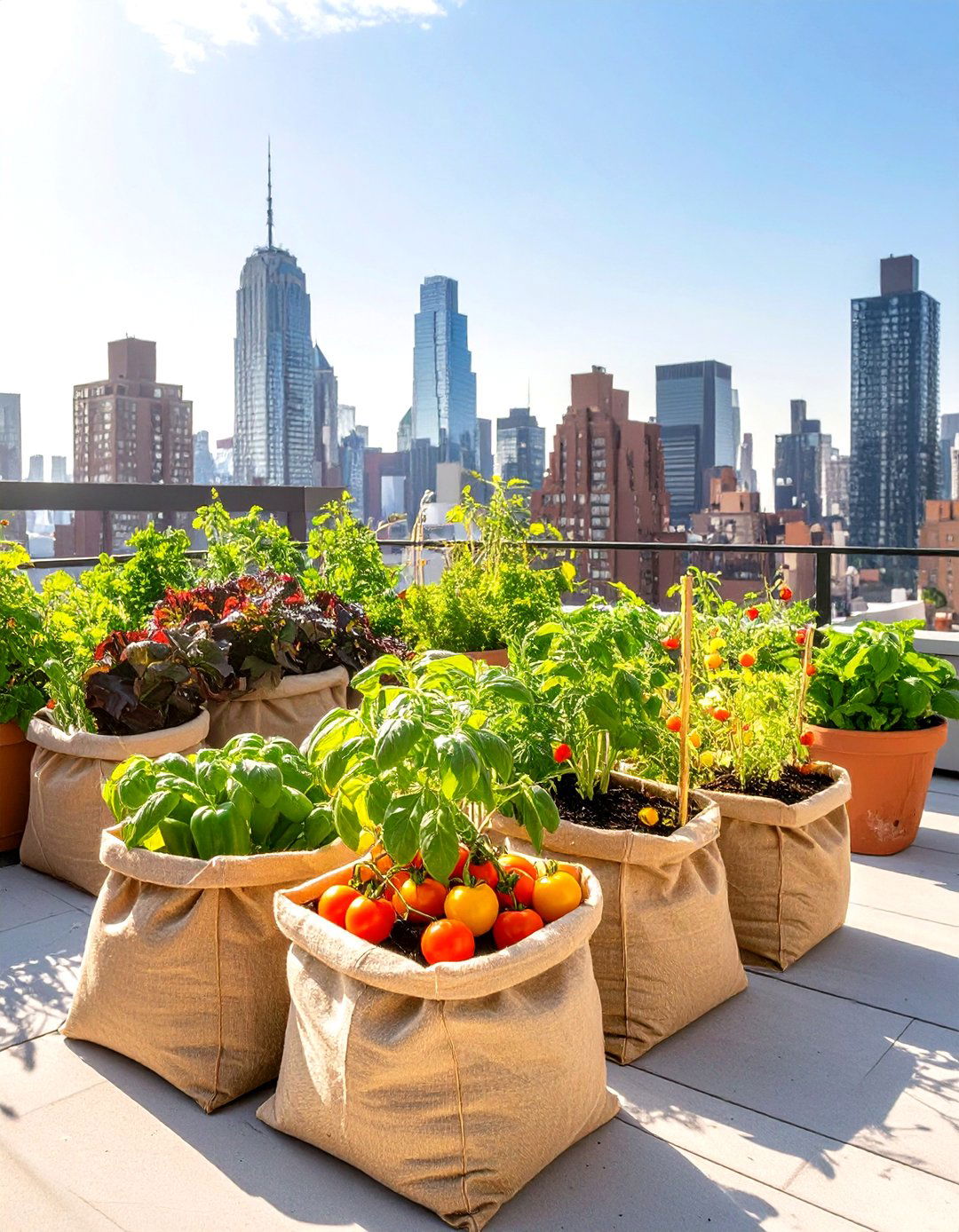
If you have access to a flat, sunny rooftop, you have the potential for an incredibly productive small vegetable garden. Use a collection of lightweight containers, fabric grow bags, and raised beds to create your garden oasis. Be mindful of the roof's weight-bearing capacity and ensure you have good drainage systems in place. Rooftops often get full sun all day, making them ideal for sun-loving vegetables like tomatoes, eggplant, and peppers. A rooftop garden allows you to escape the confines of a small balcony and create a much larger growing space, transforming an unused urban area into a green, productive retreat.
28. Indoor Hydroponic Small Vegetable Garden
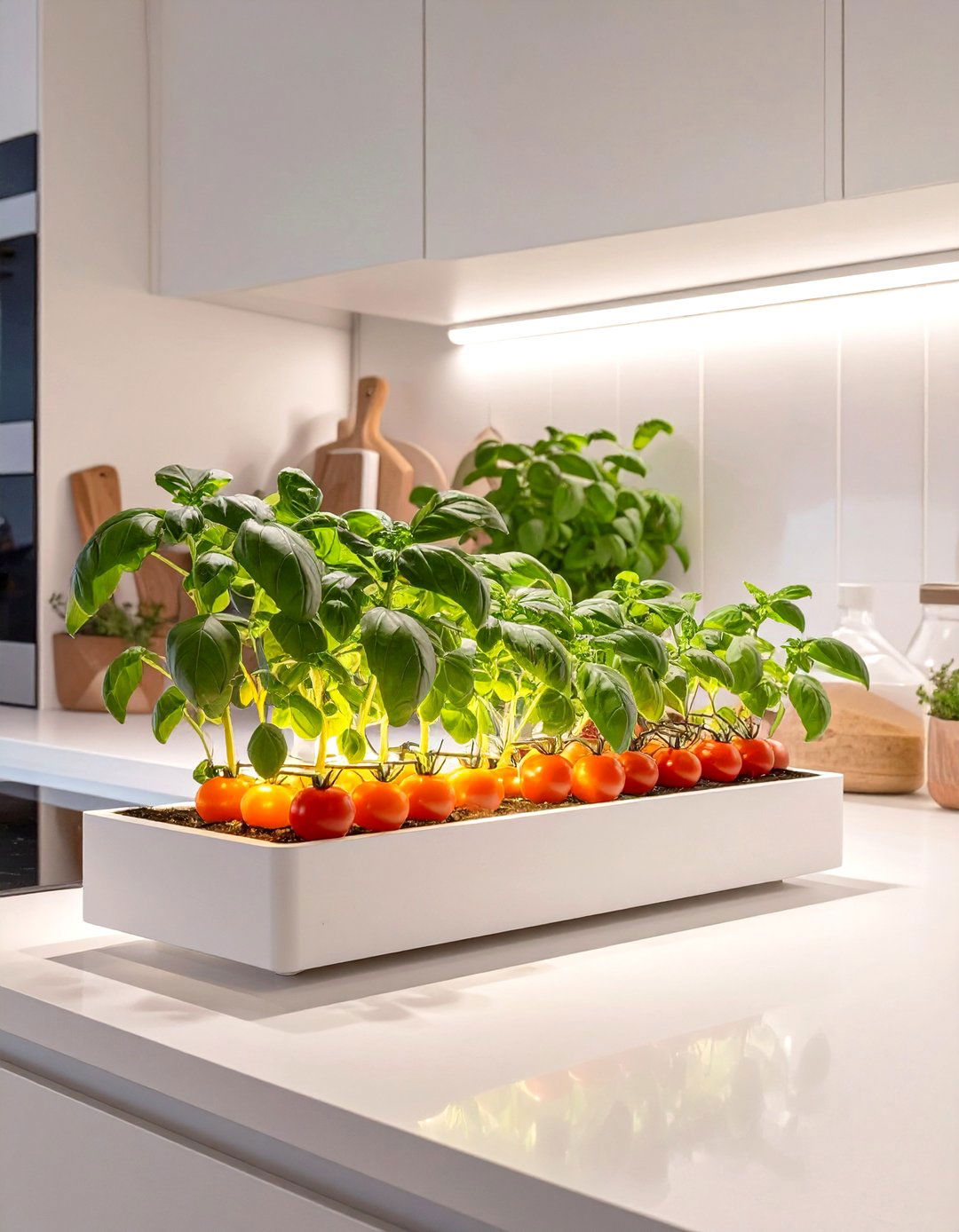
For year-round harvesting regardless of outdoor conditions, an indoor hydroponic small vegetable garden is the ultimate solution. Hydroponic systems grow plants in a nutrient-rich water solution instead of soil. Compact, countertop kits are widely available and are perfect for growing herbs, lettuces, and even small cherry tomatoes right in your kitchen. These systems often come with built-in LED grow lights, so you don't even need a sunny window. It's a clean, soil-free, and highly efficient method that allows you to watch your vegetables grow from seed to harvest in the comfort of your home.
29. Spiral Herb Small Vegetable Garden
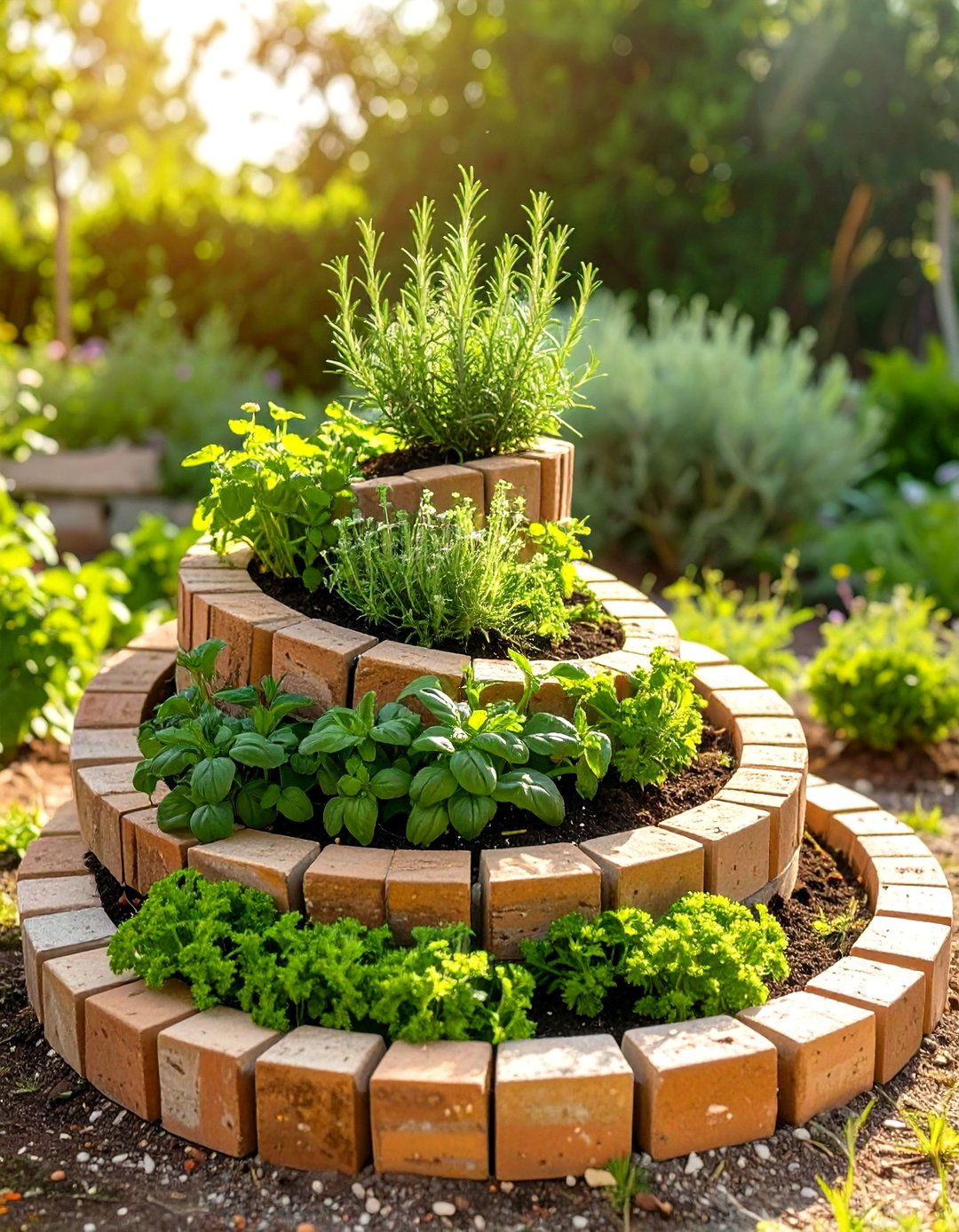
A herb spiral is a beautiful and functional design for a small vegetable garden, specifically for growing a variety of herbs with different needs. This structure is a spiral-shaped raised bed, typically built with rocks or bricks. The top of the spiral is the sunniest and driest spot, perfect for Mediterranean herbs like rosemary and thyme. As the spiral winds down, the soil becomes shadier and retains more moisture, creating ideal conditions for herbs like mint and parsley. This clever design creates multiple microclimates in one compact structure, allowing you to grow a wide range of herbs successfully in a very small footprint.
30. Wheelbarrow Small Vegetable Garden
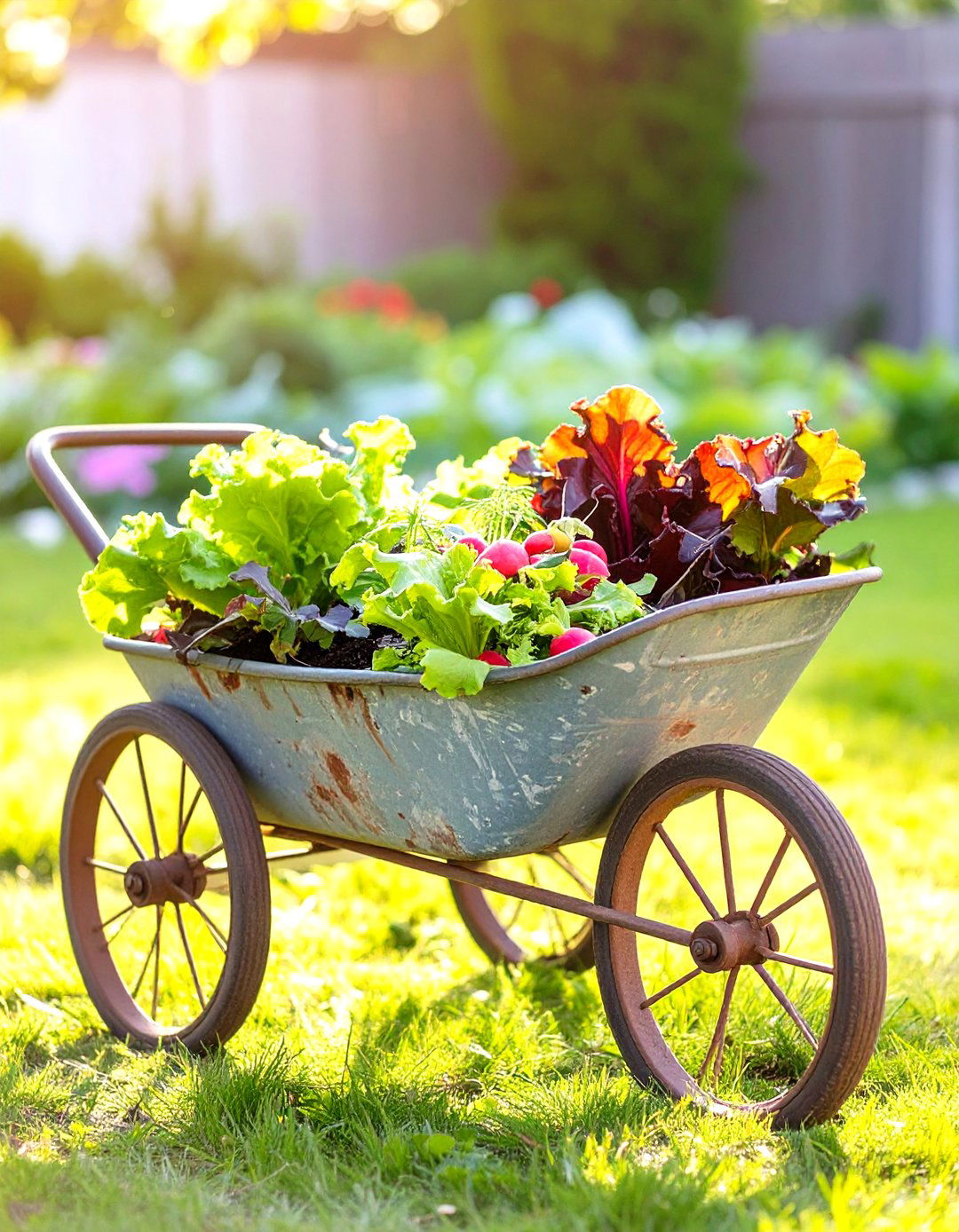
A rustic old wheelbarrow can be repurposed into a charming and mobile small vegetable garden. Its depth is suitable for a variety of plants, from a single zucchini plant to a mix of lettuces and radishes. Before planting, ensure you drill several drainage holes in the bottom of the wheelbarrow's basin. The biggest advantage is its mobility; you can easily move your garden around the yard to follow the sun or protect it from bad weather. A wheelbarrow garden adds a touch of whimsical, rustic character to your outdoor space while providing a practical and contained area for growing fresh vegetables.
Conclusion:
Ultimately, a small vegetable garden is an achievable goal for anyone, regardless of space limitations. By embracing vertical gardening, clever container choices, and intensive planting methods, even the smallest balcony, patio, or windowsill can become a source of fresh, healthy produce. These ideas demonstrate that with a little creativity and planning, you can enjoy the satisfaction of harvesting your own food. The key is to assess your available space, choose the right plants, and select a method that fits your lifestyle, turning any compact area into a productive and beautiful green oasis.

Related posts:





Leave a Reply