
A small backyard doesn't mean you have to sacrifice the dream of growing your own food. With a bit of creativity, even the most compact spaces can be transformed into productive vegetable gardens. From vertical solutions to clever container arrangements, there are countless ways to cultivate fresh produce right outside your door. These ideas focus on maximizing space, utilizing unique planters, and choosing the right plants for limited areas. Embracing these strategies allows you to enjoy the satisfaction of harvesting homegrown vegetables, no matter the size of your yard.
1. Raised Bed Small Backyard Vegetable Garden
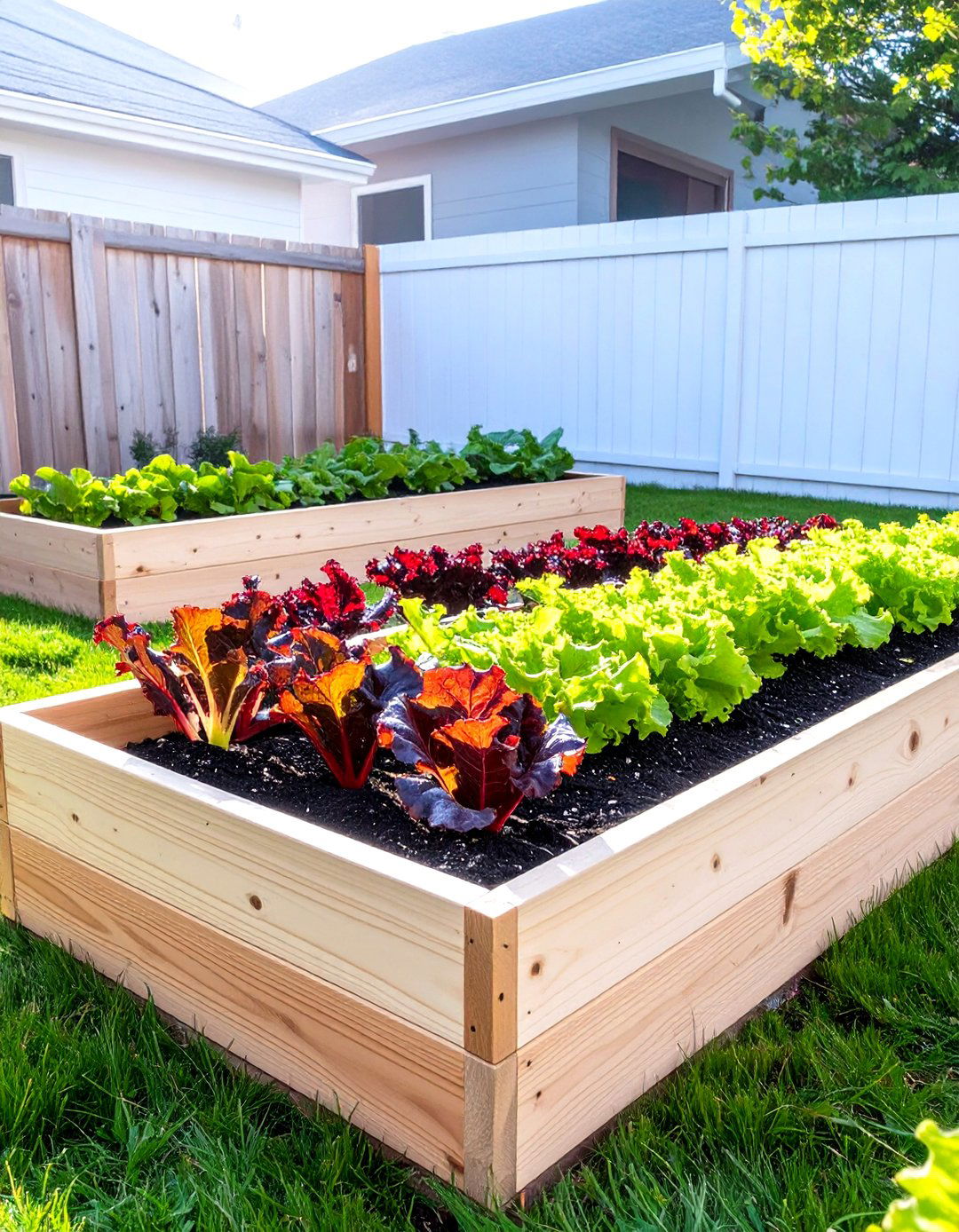
A raised bed vegetable garden is a fantastic solution for controlling soil quality and improving drainage in a small backyard. By building a simple wooden, metal, or stone frame, you create a dedicated growing area that is both neat and highly productive. This method allows you to fill the bed with nutrient-rich soil, giving your vegetables the perfect start. It also warms up faster in the spring, extending your growing season. Consider making the bed narrow enough to reach the center from either side, eliminating the need to step on the soil and compact it.
2. Vertical Small Backyard Vegetable Garden on a Fence
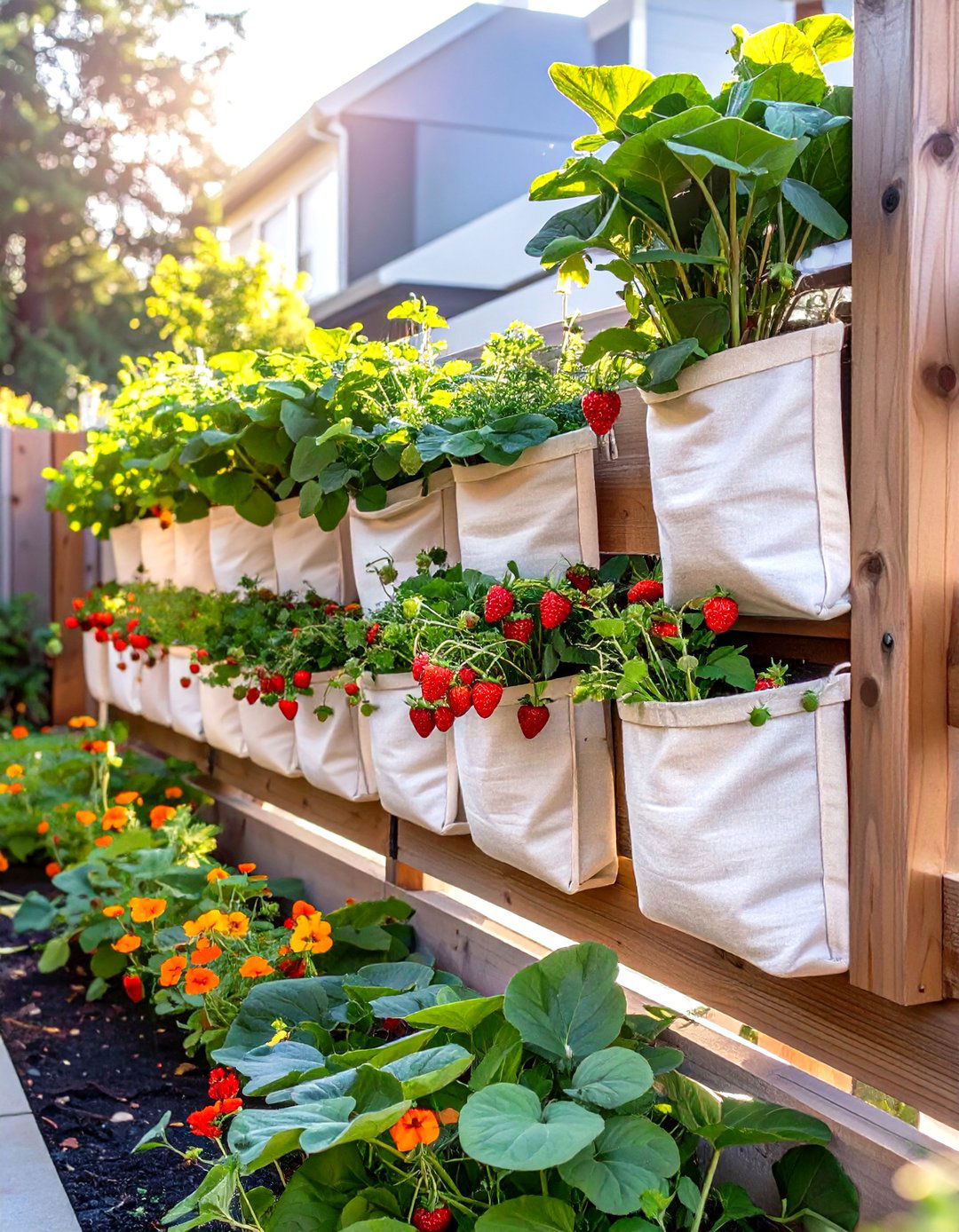
Transform a plain fence into a living wall of produce with a vertical vegetable garden. This approach is perfect for maximizing growing space in a tiny backyard. You can use hanging pockets, tiered planters, or a trellis system attached directly to the fence. Vining plants like peas, beans, and small cucumbers thrive in this setup. Leafy greens such as lettuce and spinach also do well in wall-mounted containers. By growing upwards, you free up valuable ground space for other uses while creating a beautiful, edible feature that adds greenery and life to your outdoor area.
3. Container Small Backyard Vegetable Garden
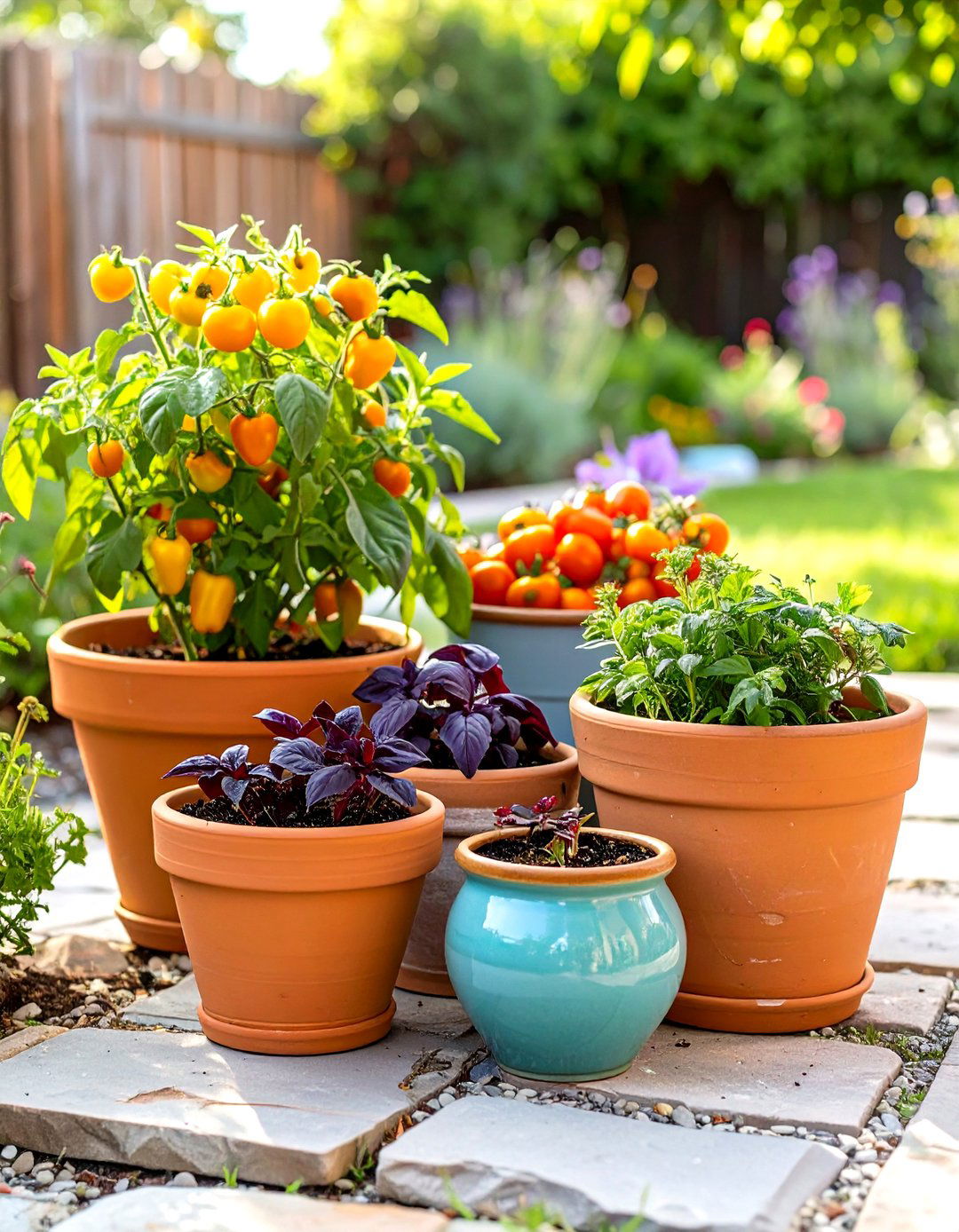
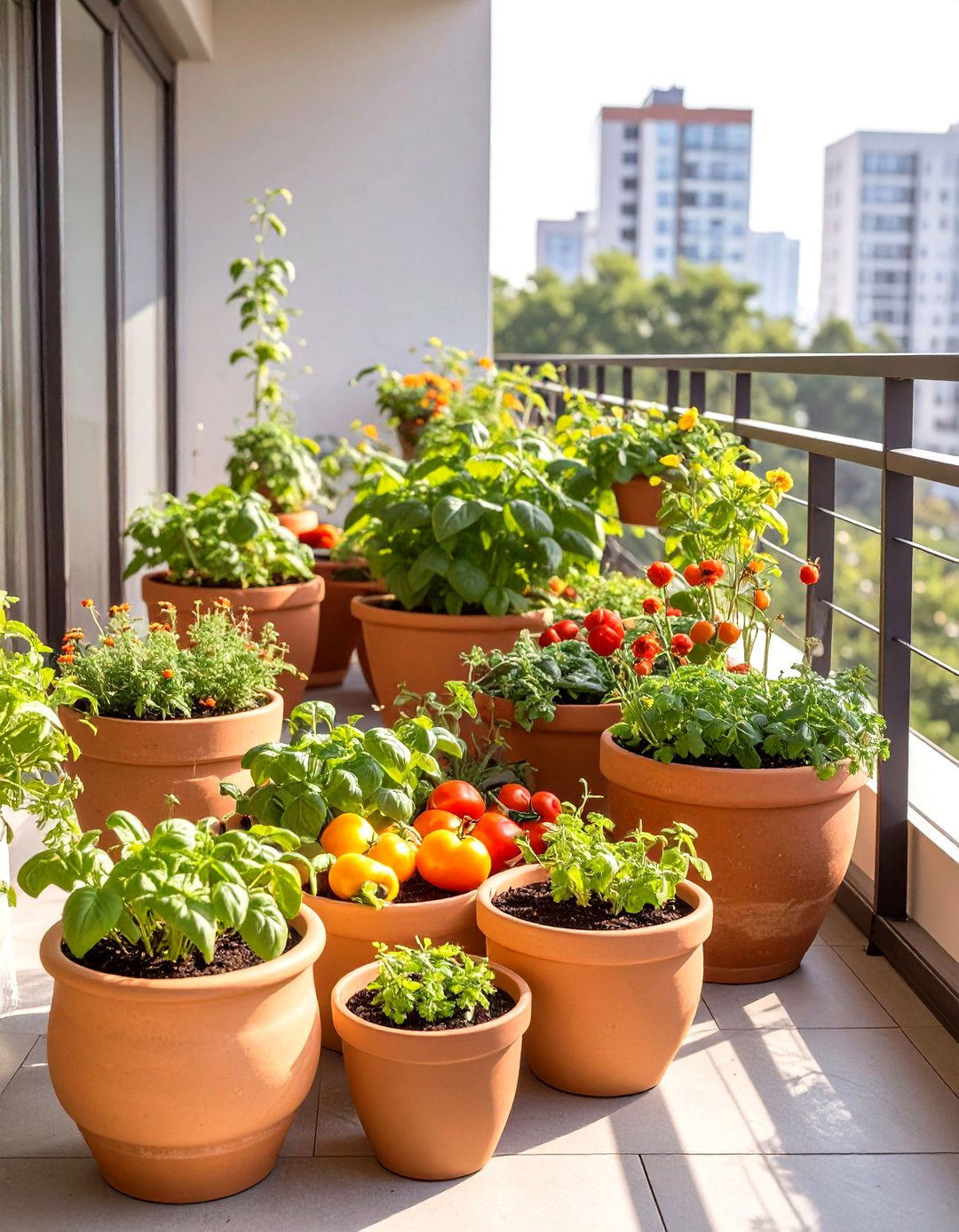
Container gardening offers ultimate flexibility for a small backyard vegetable garden. You can use a variety of pots, buckets, and troughs to grow almost any vegetable. This method allows you to place plants in the sunniest spots and move them around as needed. Tomatoes, peppers, and eggplants do wonderfully in large containers, while herbs and lettuces fit perfectly in smaller pots. Ensure each container has adequate drainage holes to prevent waterlogging. With container gardening, you can easily control the soil mix and manage pests, making it an ideal choice for beginners and those with limited space.
4. Gutter Small Backyard Vegetable Garden
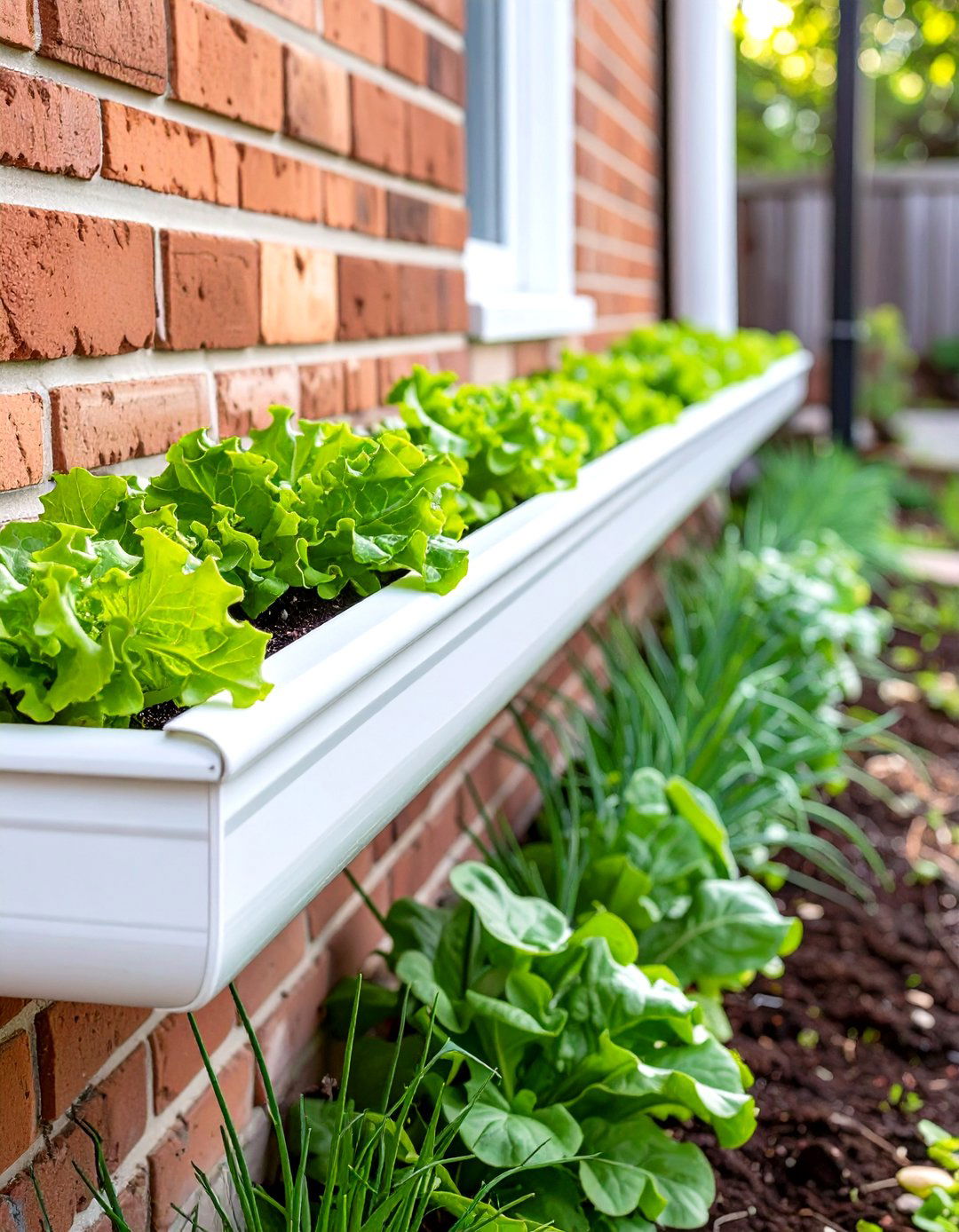
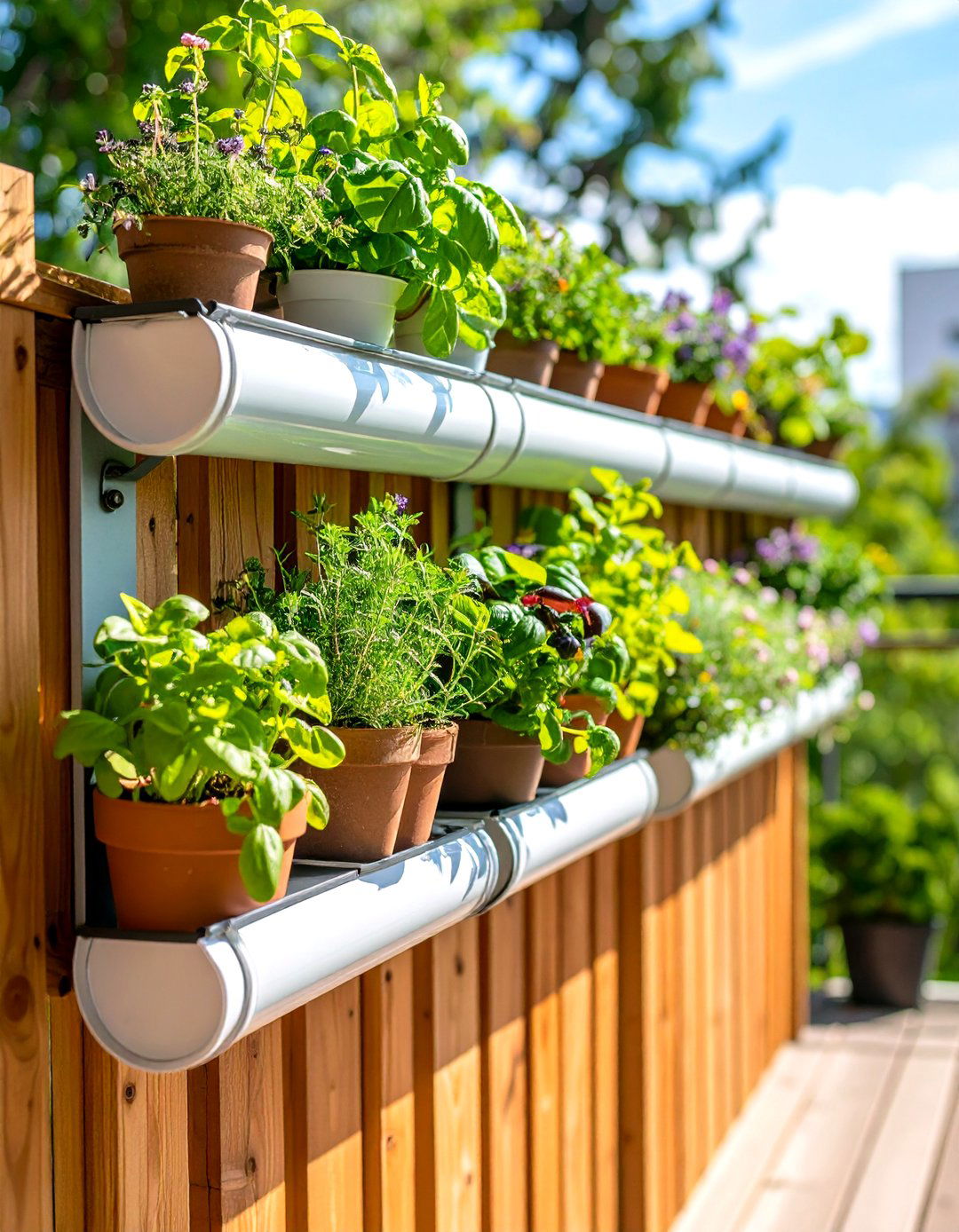
An innovative way to create a vegetable garden in a small space is by repurposing rain gutters. Mounted on a wall or fence, gutters provide long, shallow containers perfect for growing plants with small root systems. Leafy greens like lettuce, spinach, and various herbs are excellent choices for this type of garden. Strawberries also thrive in gutter systems. This method not only saves ground space but also elevates your plants, making them easier to tend to and harvest without bending over. It's a clever, space-saving solution that adds a unique look to your backyard.
5. Tiered Planter Small Backyard Vegetable Garden
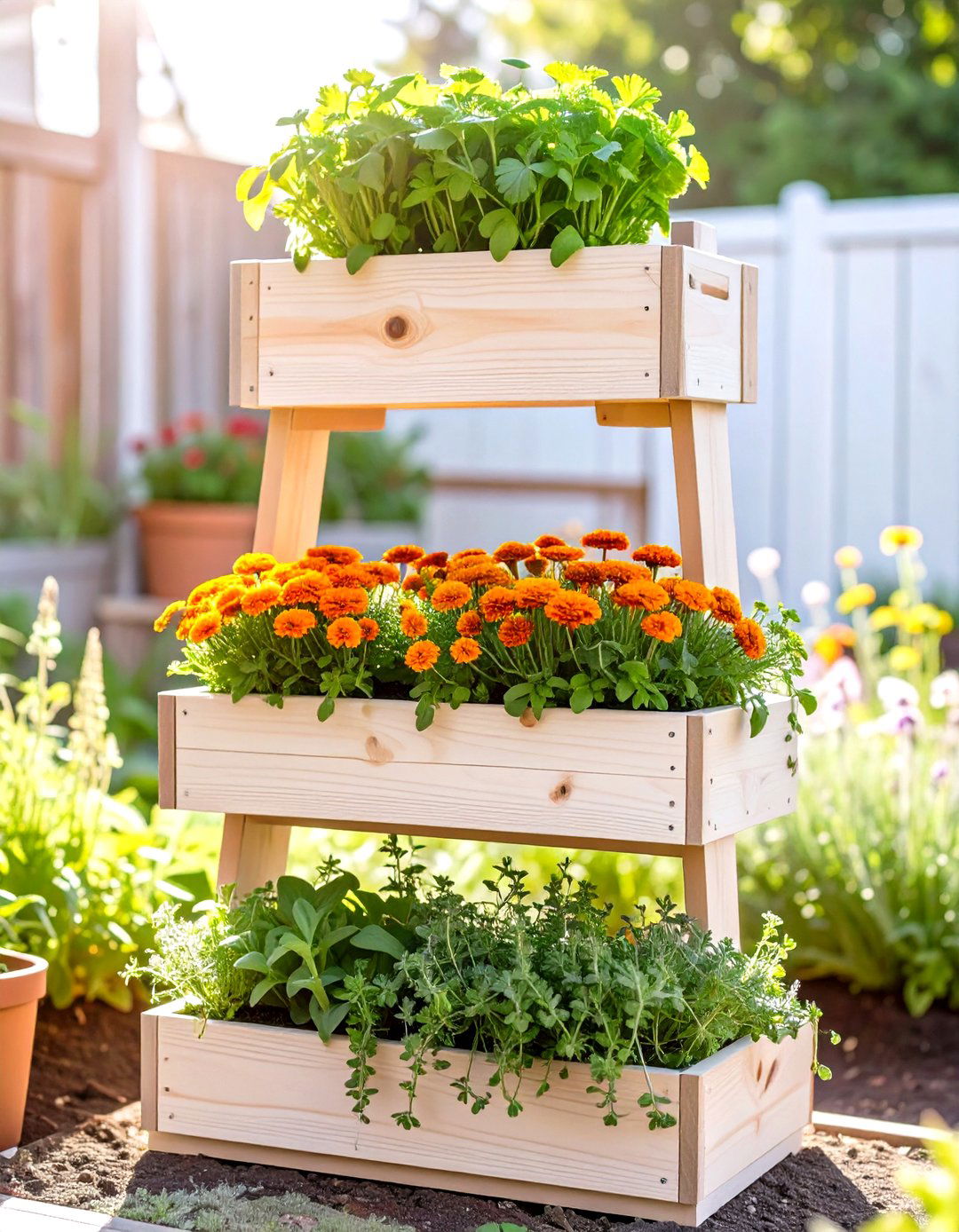
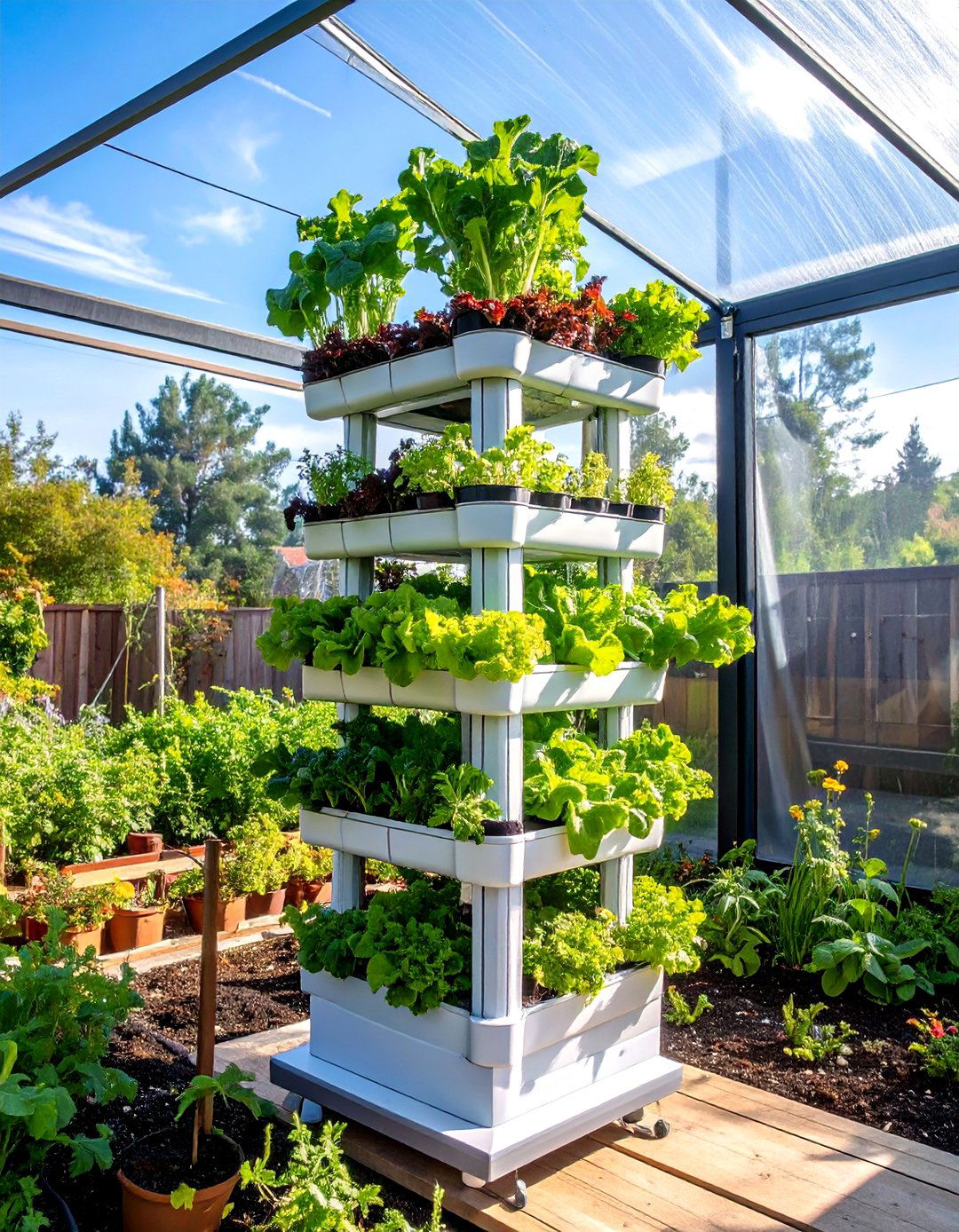
A tiered planter allows you to stack multiple levels of growing space in a single footprint, making it a smart choice for a small backyard vegetable garden. These planters come in various styles, from cascading wooden steps to modern metal towers. Each level can be used for different types of plants. For example, you could grow sun-loving herbs on the top tier and shade-tolerant lettuces on the bottom. This vertical arrangement is not only efficient but also creates an attractive focal point in your garden, showcasing a variety of textures and colors in one compact unit.
6. Square Foot Small Backyard Vegetable Garden
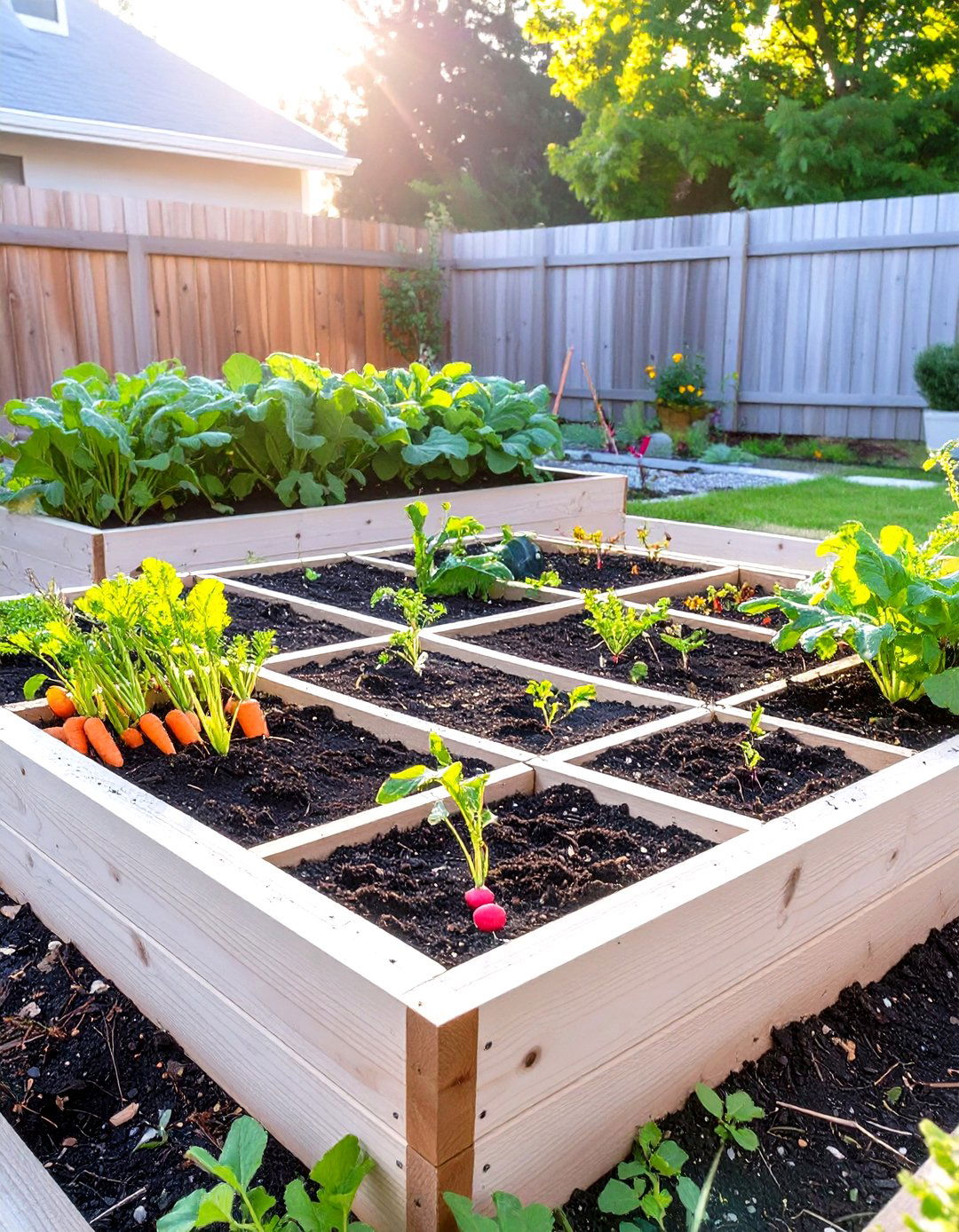
The square foot gardening method is a highly organized and efficient system for small backyards. It involves dividing a raised bed into a grid of one-foot squares. Each square is then planted with a specific number of vegetables, based on their size. For instance, one square could hold a single tomato plant, while another could accommodate 16 carrots. This technique maximizes yield by eliminating wasted space between rows. It also simplifies planning and maintenance, as you know exactly what to plant where. This disciplined approach ensures a diverse and abundant harvest from a very small area.
7. Pallet Small Backyard Vegetable Garden
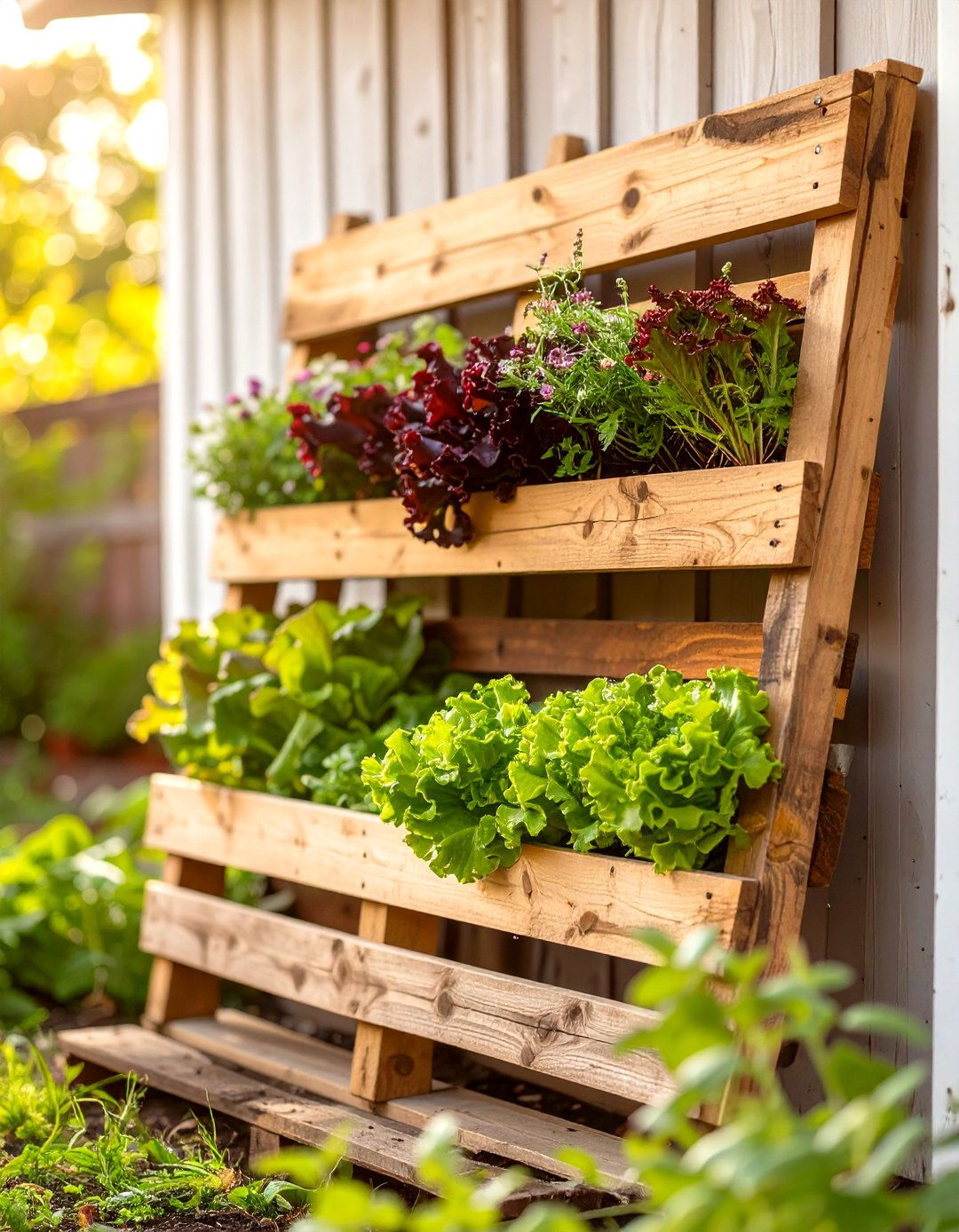
Upcycling a wooden pallet is a budget-friendly and rustic way to create a vertical vegetable garden. By standing a pallet upright and stapling landscape fabric to the back and bottom of the slats, you can create pockets for soil and plants. These pockets are ideal for growing herbs, lettuces, and strawberries. The compact nature of a pallet garden makes it perfect for tiny patios or against a sunny wall. This DIY project not only saves space but also adds a touch of farmhouse charm to your backyard while putting an old item to good use.
8. Hanging Basket Small Backyard Vegetable Garden
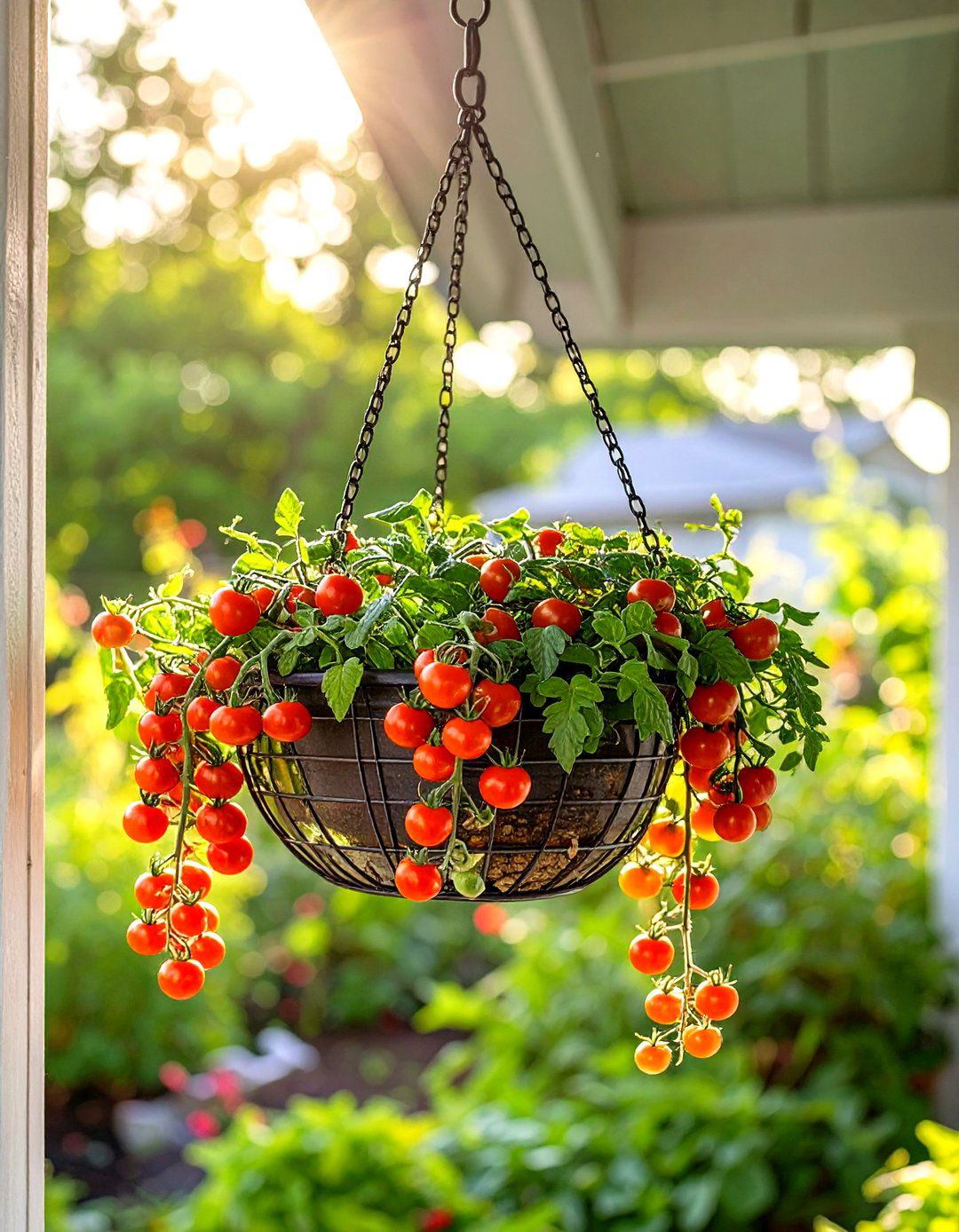
Don't forget to look up when planning your small backyard vegetable garden. Hanging baskets are not just for flowers; they are excellent for growing certain types of vegetables. Tumbling tomatoes, strawberries, and a variety of herbs are perfect candidates for hanging baskets. Suspending your plants frees up ground and patio space for other uses. It also provides good air circulation, which can help prevent fungal diseases. Place them on porch overhangs, sturdy tree branches, or wall brackets to add a productive and decorative element to your outdoor space, bringing your garden to new heights.
9. Window Box Small Backyard Vegetable Garden
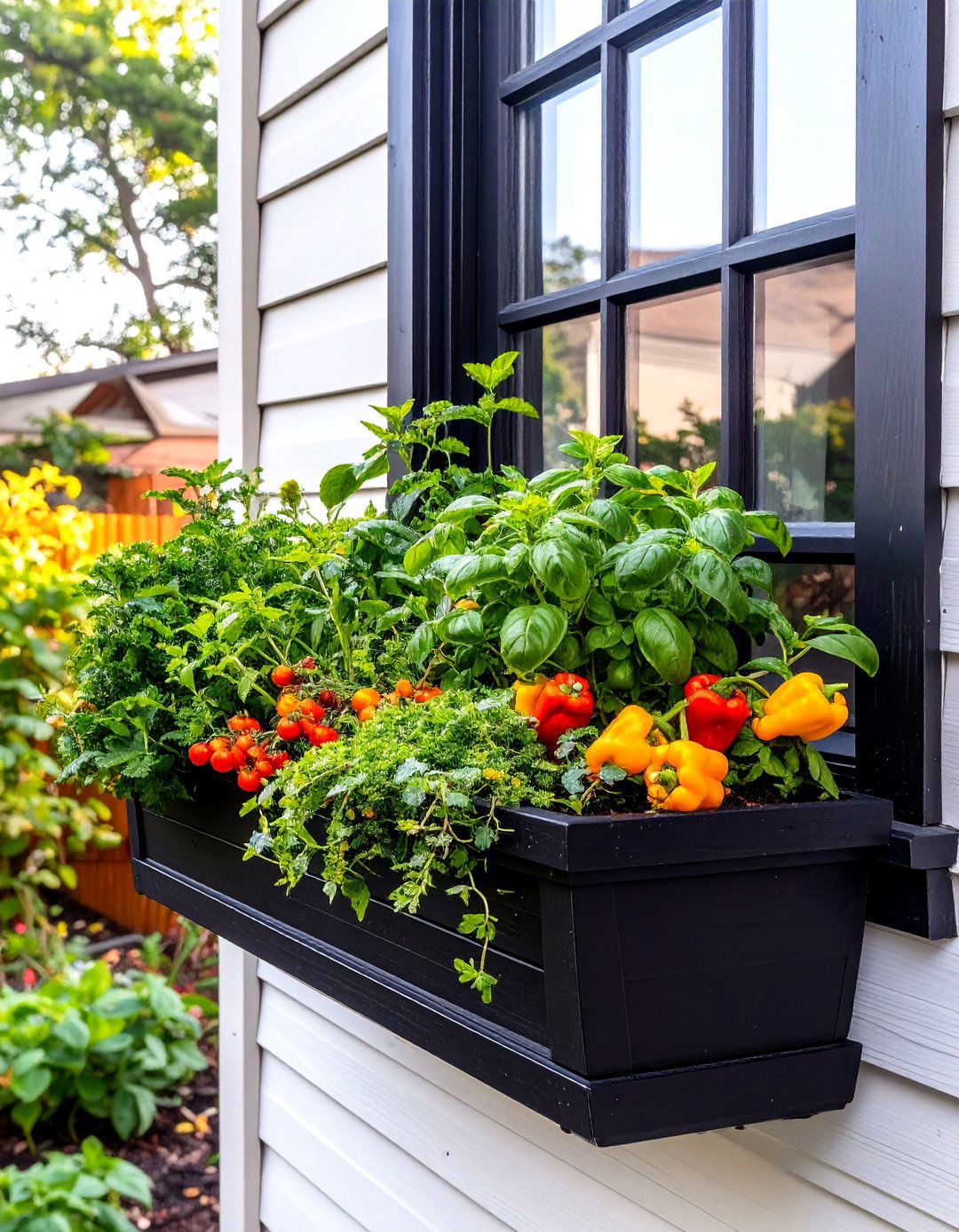
Window boxes offer a classic and charming way to grow vegetables when space is at a premium. Traditionally used for flowers, they can be repurposed to cultivate a variety of edible plants. Herbs like basil, chives, and mint are perfect for window boxes, as are leafy greens like loose-leaf lettuce and spinach. You can even grow small root vegetables like radishes or dwarf carrots. Placed under a sunny window, they are easily accessible from inside for quick harvesting. This method adds curb appeal while providing fresh ingredients just an arm's reach away from your kitchen.
10. Trellis Small Backyard Vegetable Garden
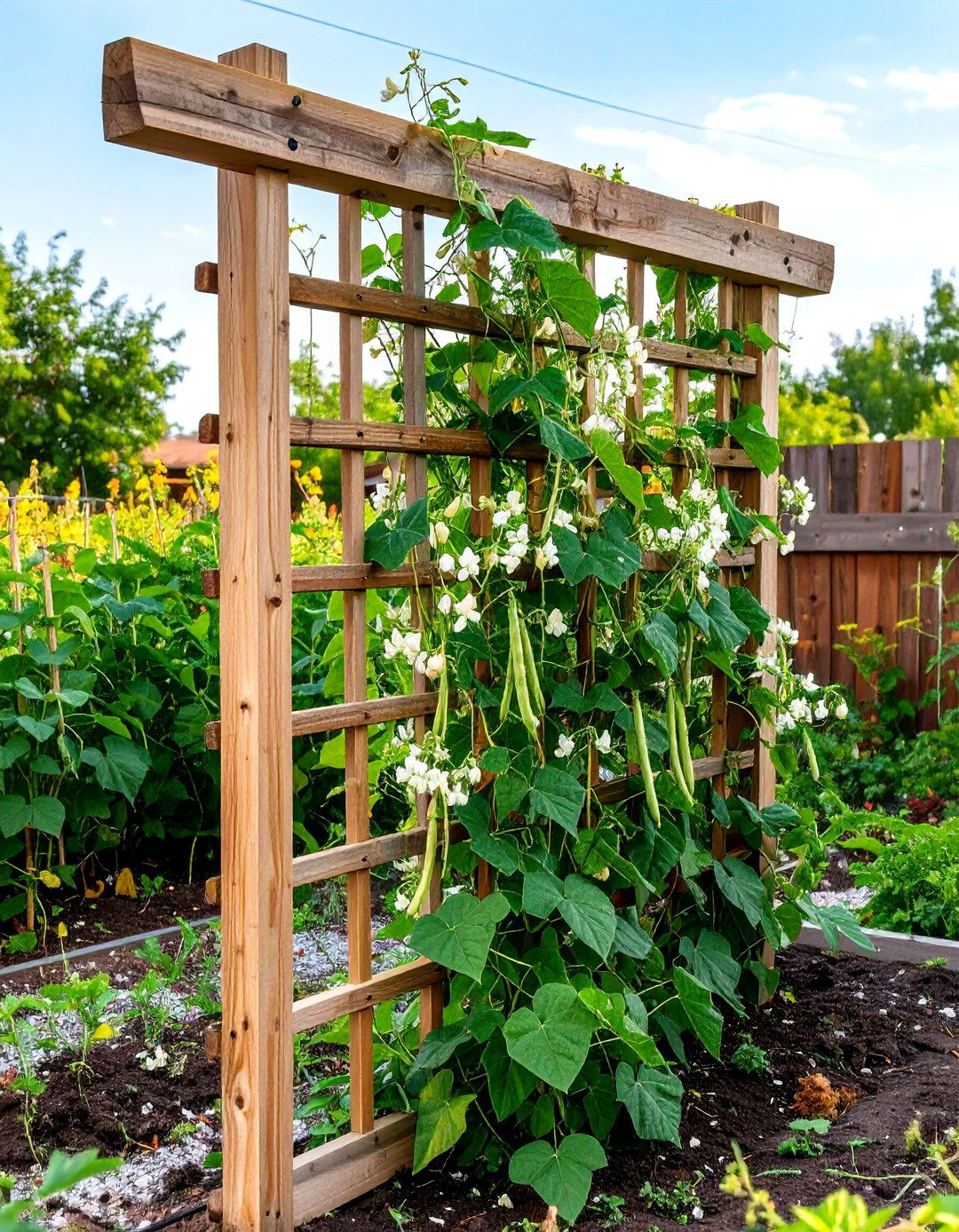
A trellis is an essential tool for any small backyard vegetable garden that includes vining plants. By providing a sturdy structure for plants like cucumbers, pole beans, and peas to climb, you can grow them vertically instead of letting them sprawl across the ground. This saves an immense amount of space and can also improve plant health by increasing air circulation and sun exposure. A trellis can be a simple wooden lattice, a wire panel, or an elegant archway. It functions as both a support system and an attractive landscape element, turning your vegetable patch into a beautiful vertical display.
11. Edible Landscape Small Backyard Vegetable Garden
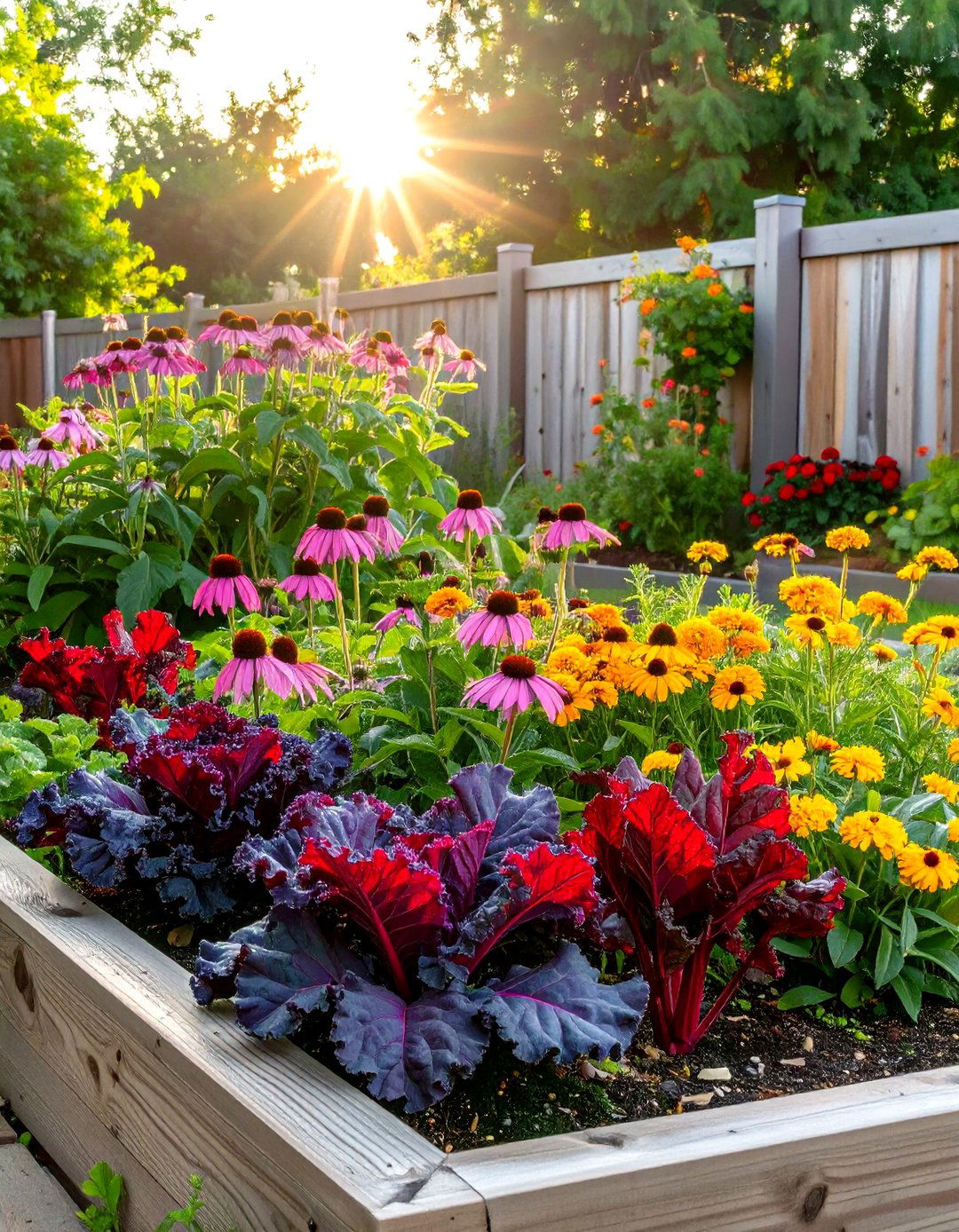
Integrate your vegetables directly into your existing ornamental flowerbeds for a seamless edible landscape. Instead of dedicating a separate plot, mix in vegetable plants among your flowers and shrubs. The colorful foliage of Swiss chard, the feathery leaves of carrots, or the deep green of kale can add texture and visual interest to any garden bed. This approach is perfect for those who want a productive garden without sacrificing aesthetics. It’s a clever way to hide your vegetable garden in plain sight, making your entire backyard both beautiful and bountiful, blurring the lines between form and function.
12. Spiral Small Backyard Vegetable Garden
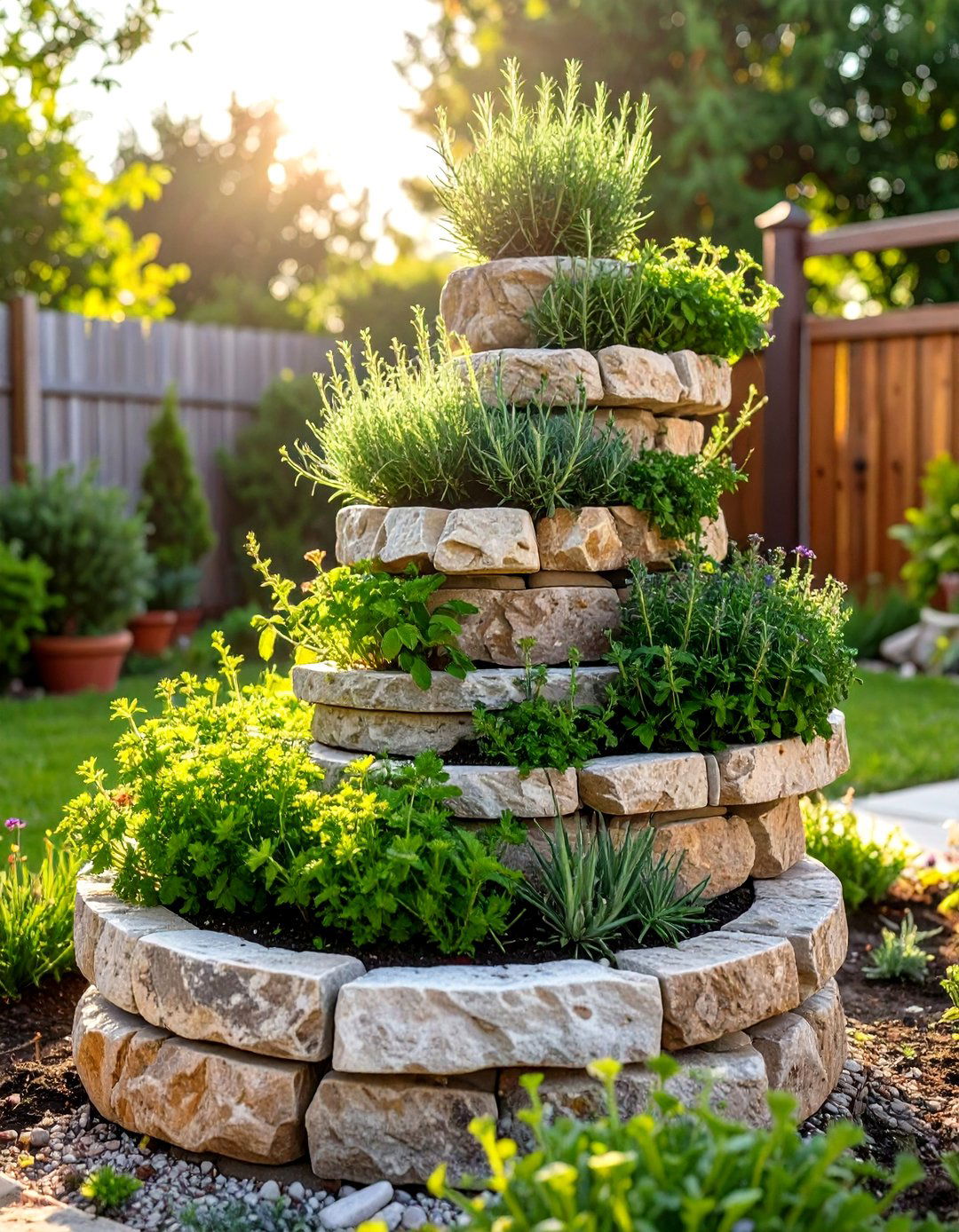
A spiral garden, also known as an herb spiral, is a three-dimensional garden bed that maximizes growing space and creates diverse microclimates. The spiral shape allows you to plant sun-loving, heat-tolerant herbs like rosemary and thyme at the top, where the soil is drier. Moisture-loving plants like mint and parsley can be planted at the bottom. This design is not only highly functional but also visually striking. It’s an efficient way to grow a wide variety of herbs and small vegetables in a very compact footprint, making it an excellent addition to any small backyard.
13. Keyhole Small Backyard Vegetable Garden
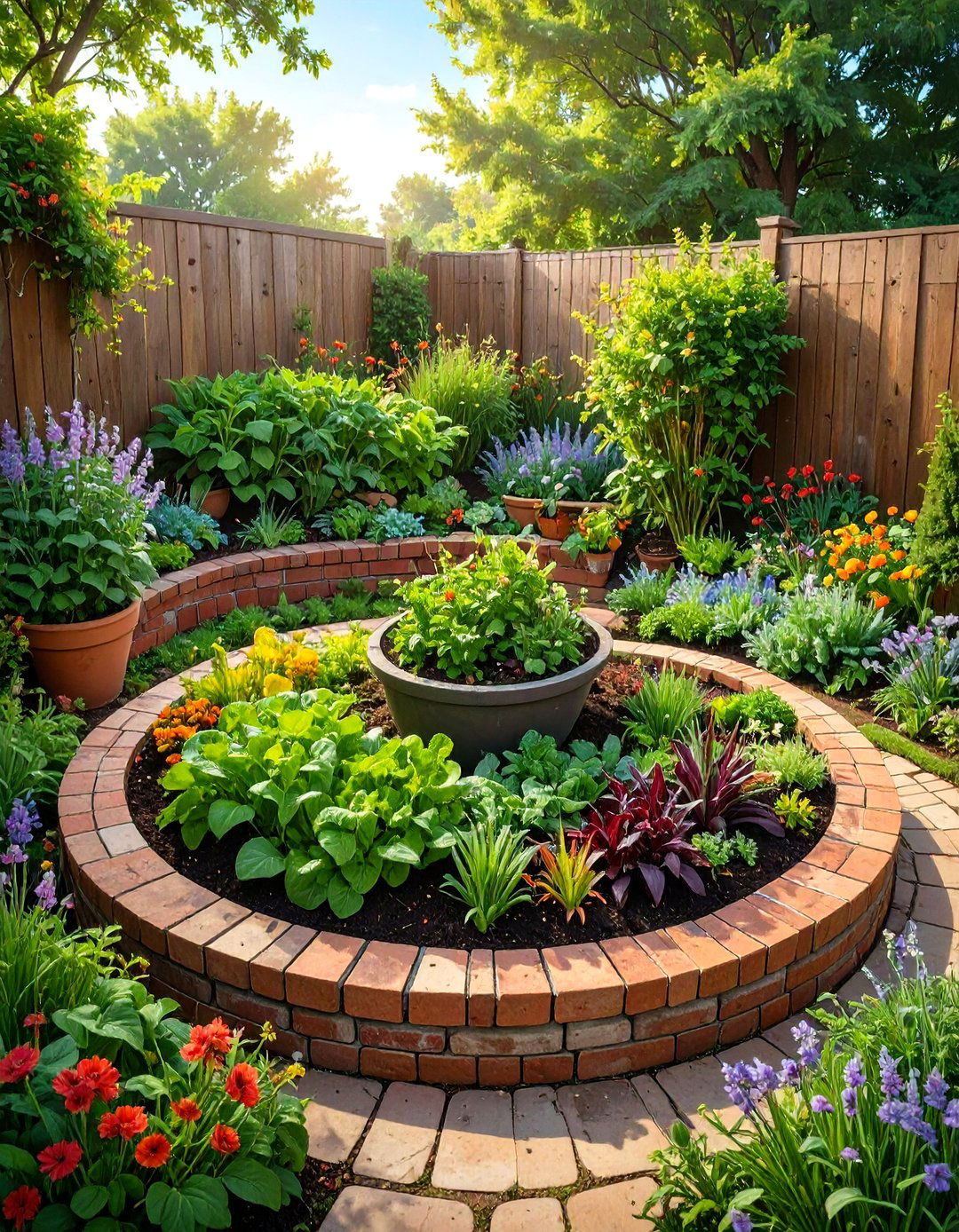
A keyhole garden is a circular raised bed with a keyhole-shaped cutout on one side, allowing easy access to the center. At the heart of the garden is a central basket where kitchen scraps and greywater are added to create a continuous supply of nutrients for the surrounding soil. This design is incredibly water-efficient and self-fertilizing, making it a sustainable choice for a small backyard. It’s particularly well-suited for growing a mix of leafy greens, herbs, and root vegetables, providing a high yield from a compact, circular plot with minimal maintenance.
14. Stacked Crate Small Backyard Vegetable Garden
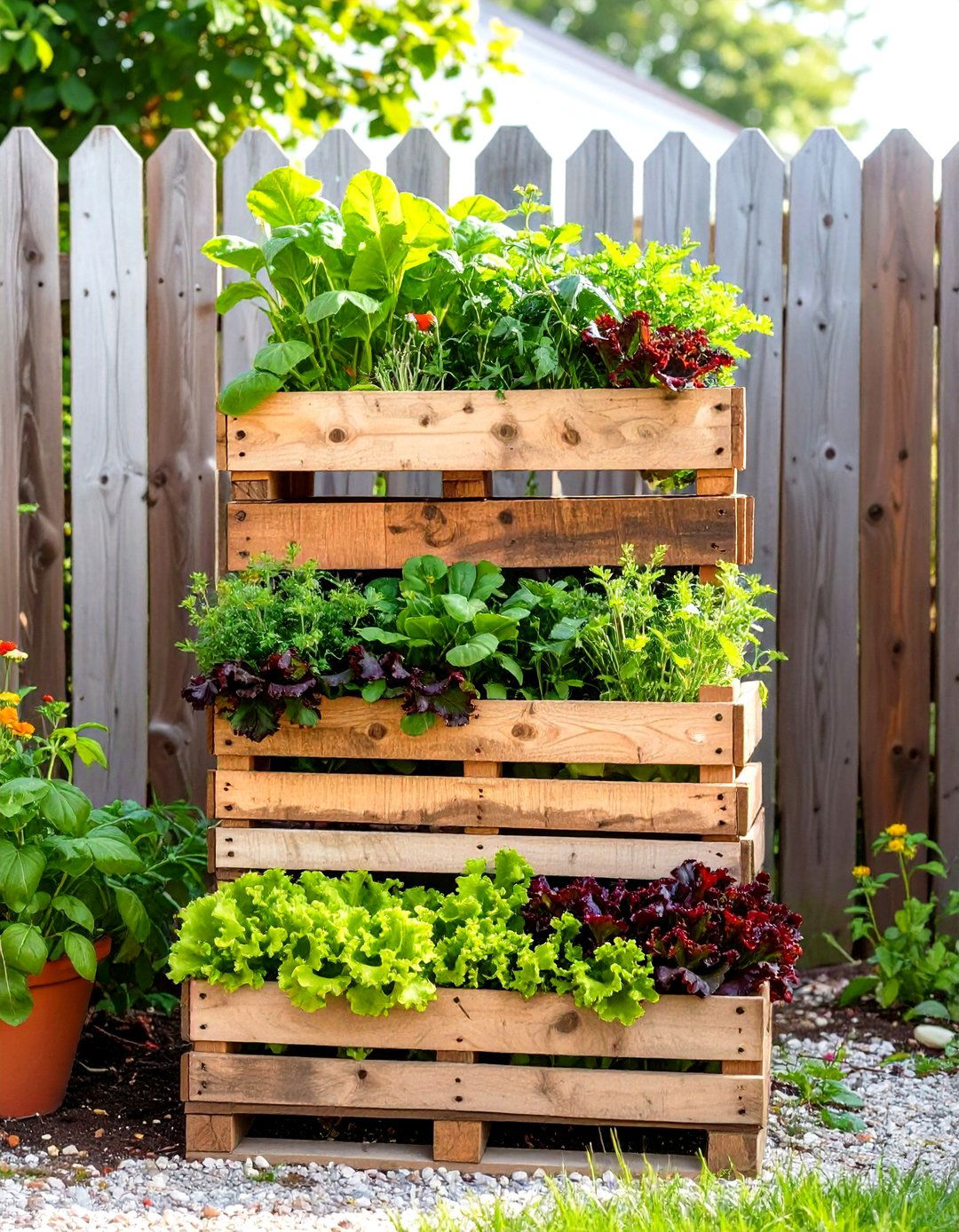
Create a rustic and flexible vegetable garden by stacking wooden crates. This modular approach allows you to build a garden of any size or shape that fits your small backyard. Simply arrange the crates in a tiered or staggered formation to create multiple planting levels. This is an excellent way to separate different types of vegetables and herbs. The look is charmingly informal and can be easily rearranged or expanded as your gardening ambitions grow. Ensure the crates are untreated to avoid chemicals leaching into the soil, providing a safe and stylish home for your edible plants.


15. Fabric Grow Bag Small Backyard Vegetable Garden
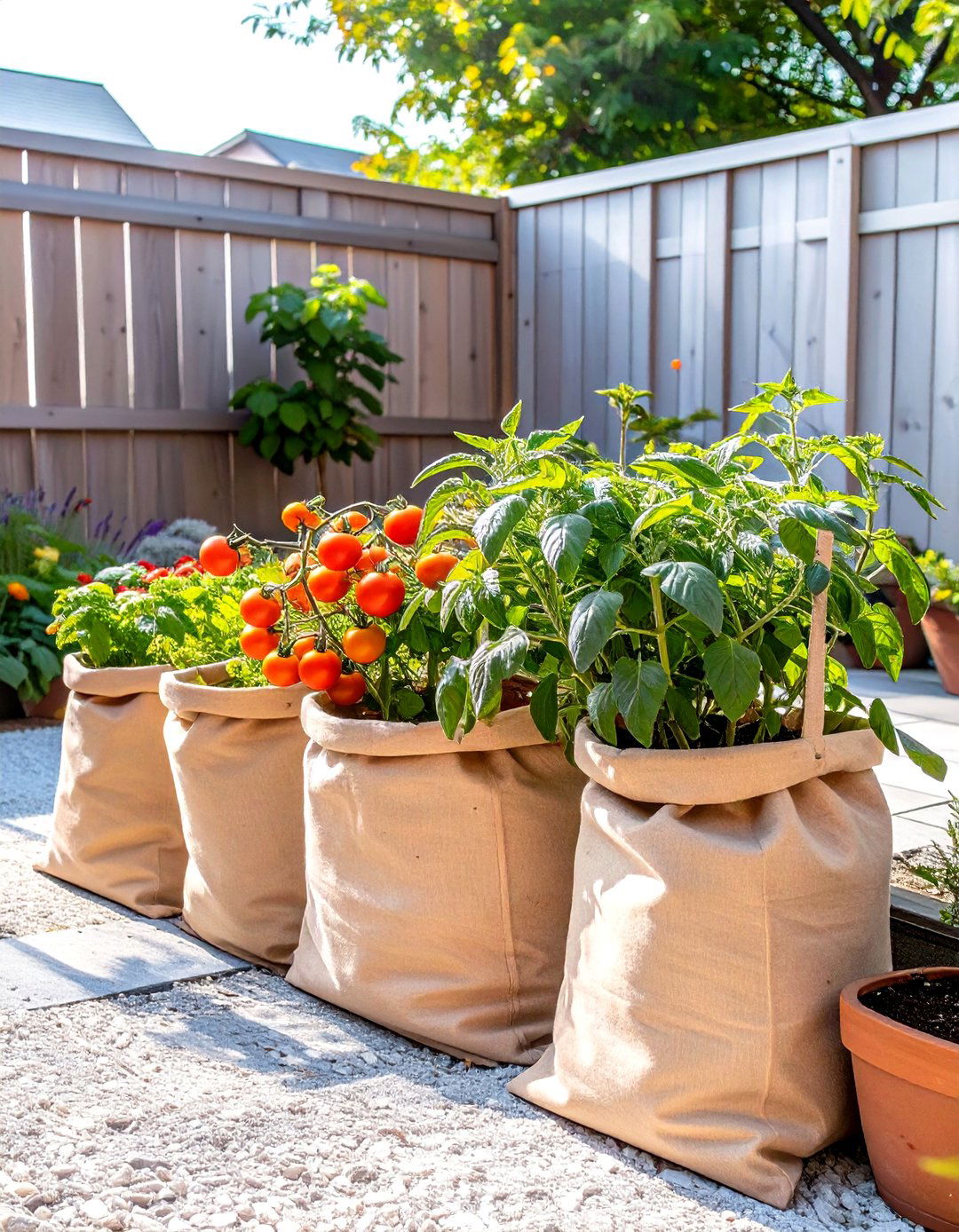
Fabric grow bags are a lightweight, breathable, and portable solution for a small backyard vegetable garden. Unlike traditional plastic pots, these bags promote healthier root systems through "air pruning," which prevents roots from circling. They are available in various sizes, making them suitable for everything from herbs to larger plants like tomatoes and potatoes. When the growing season is over, the bags can be emptied, washed, and folded for easy storage. Their portability means you can easily move your plants to follow the sun or protect them from harsh weather, offering convenience and great results.
16. A-Frame Small Backyard Vegetable Garden
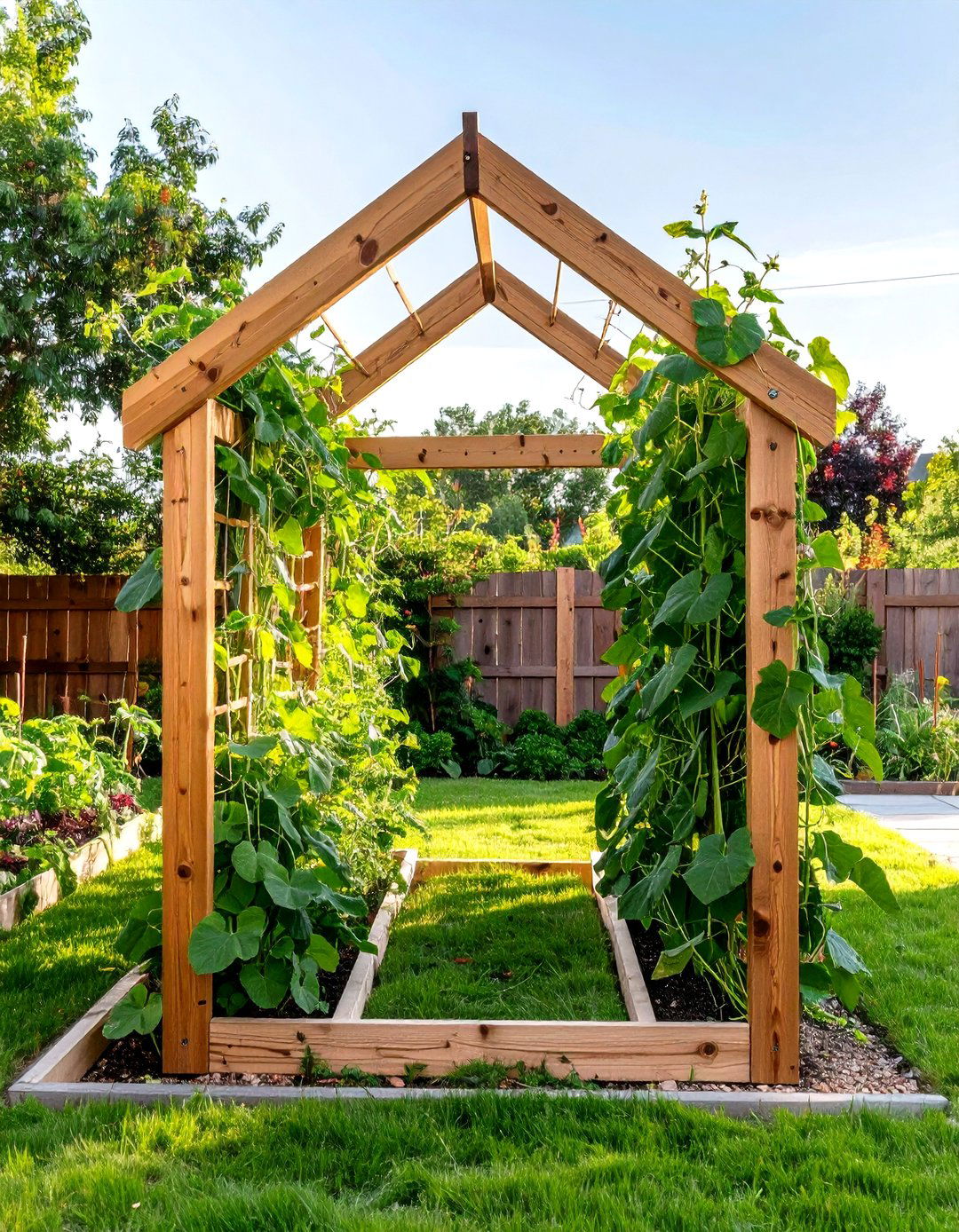
An A-frame trellis or planter offers a double-sided vertical growing surface, making it an incredibly efficient use of space in a small backyard. You can train vining plants like cucumbers and beans to climb up both sides of the frame. Some A-frame designs incorporate built-in planter boxes at various levels, perfect for growing lettuces, herbs, or strawberries. The triangular shape is stable and provides good sun exposure for all the plants. This structure creates a concentrated hub of productivity, allowing you to grow a surprising amount of food in a very narrow footprint.
17. Shoe Organizer Small Backyard Vegetable Garden
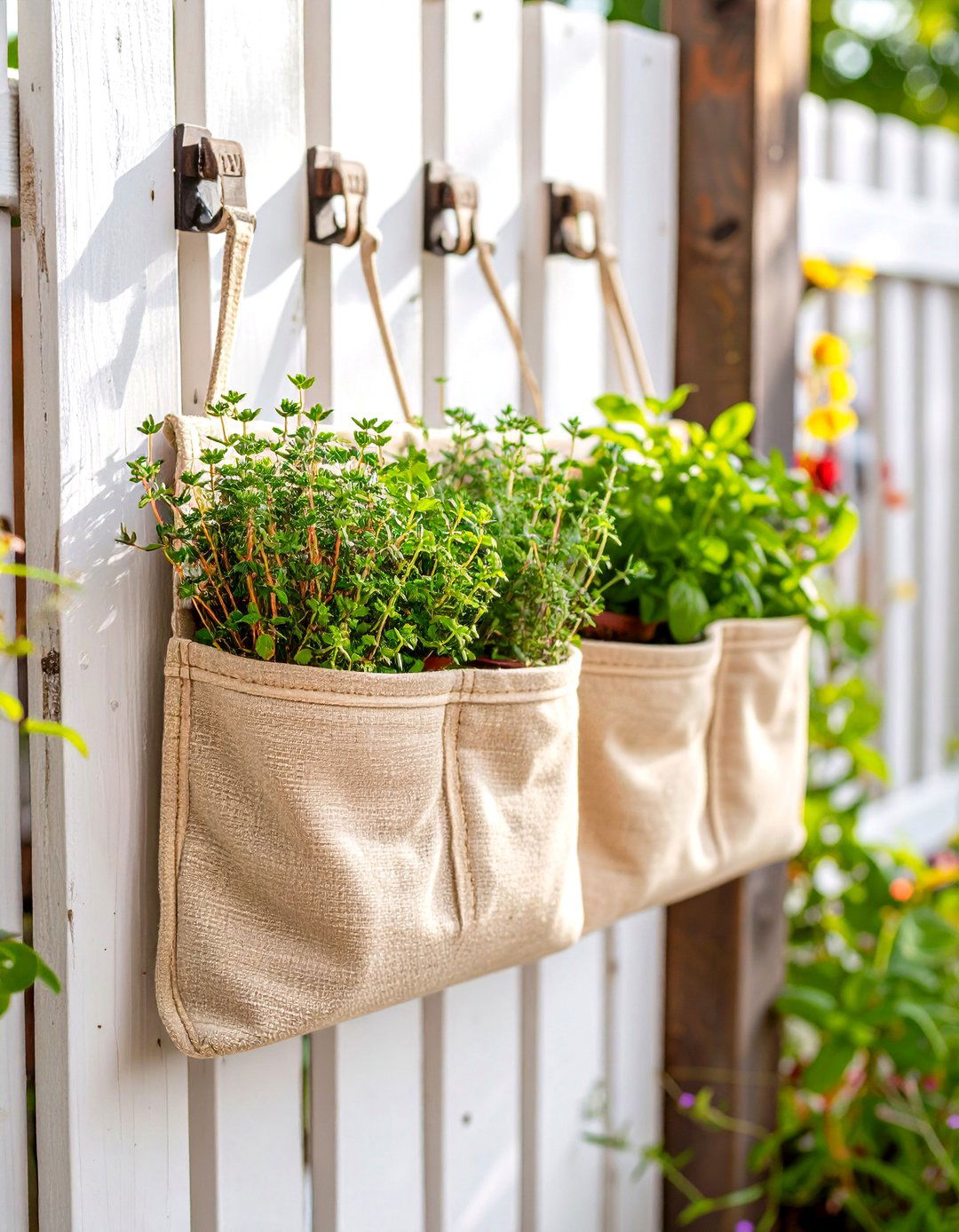
For a truly unconventional and space-saving vegetable garden, consider using a hanging shoe organizer. The multiple pockets are perfectly sized for growing individual herbs, lettuces, or strawberries. Simply fill each pocket with soil and plant your chosen seedlings. Hang it on a sunny wall or fence for an instant vertical garden. This method is ideal for very small spaces like balconies or tiny patios. It’s a quirky, low-cost DIY project that demonstrates how everyday items can be creatively repurposed to grow fresh food, even when you think you have no space at all.
18. Cinder Block Small Backyard Vegetable Garden
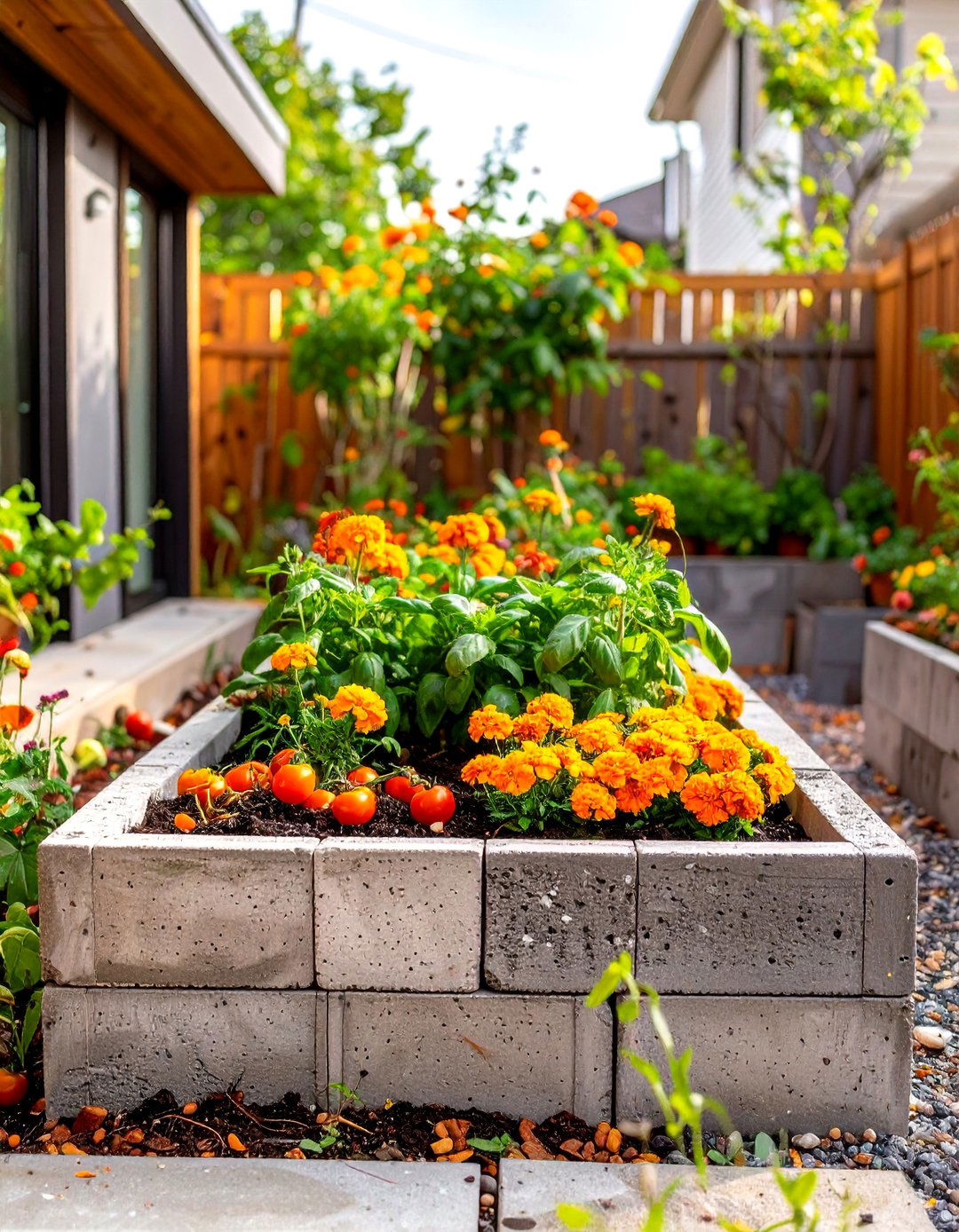
Cinder blocks offer a durable, modular, and inexpensive way to build a custom-sized vegetable garden. The blocks can be arranged to create a raised bed border, and the holes within the blocks themselves can be filled with soil and used as individual planters for herbs or small plants. This creates a multi-level growing system within a single structure. The concrete material absorbs heat from the sun, which can help keep the soil warm and extend the growing season. It’s a rugged, industrial-chic look that is both highly practical and easy to assemble in any small backyard.
19. Ladder Planter Small Backyard Vegetable Garden
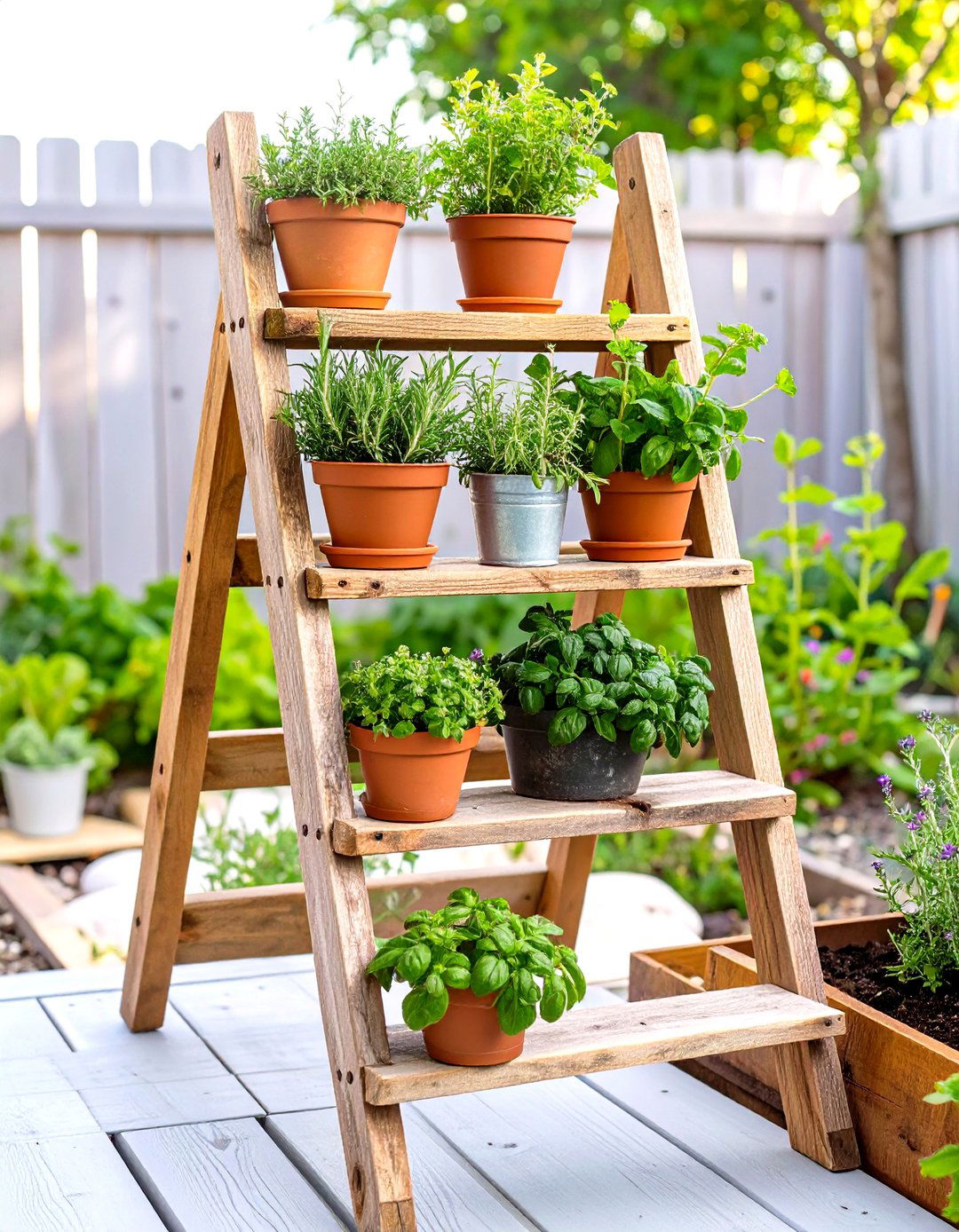
A ladder planter uses vertical space to display a series of container plants in a stylish and organized way. Whether you use a purpose-built tiered planter or repurpose an old stepladder, this method allows you to grow a variety of vegetables and herbs in a small footprint. Each step or shelf holds a different pot, creating a cascading effect of greenery. This is perfect for a sunny corner of a patio or deck. It keeps plants off the ground, making them easy to water and harvest, and turns your vegetable garden into an attractive decorative feature.
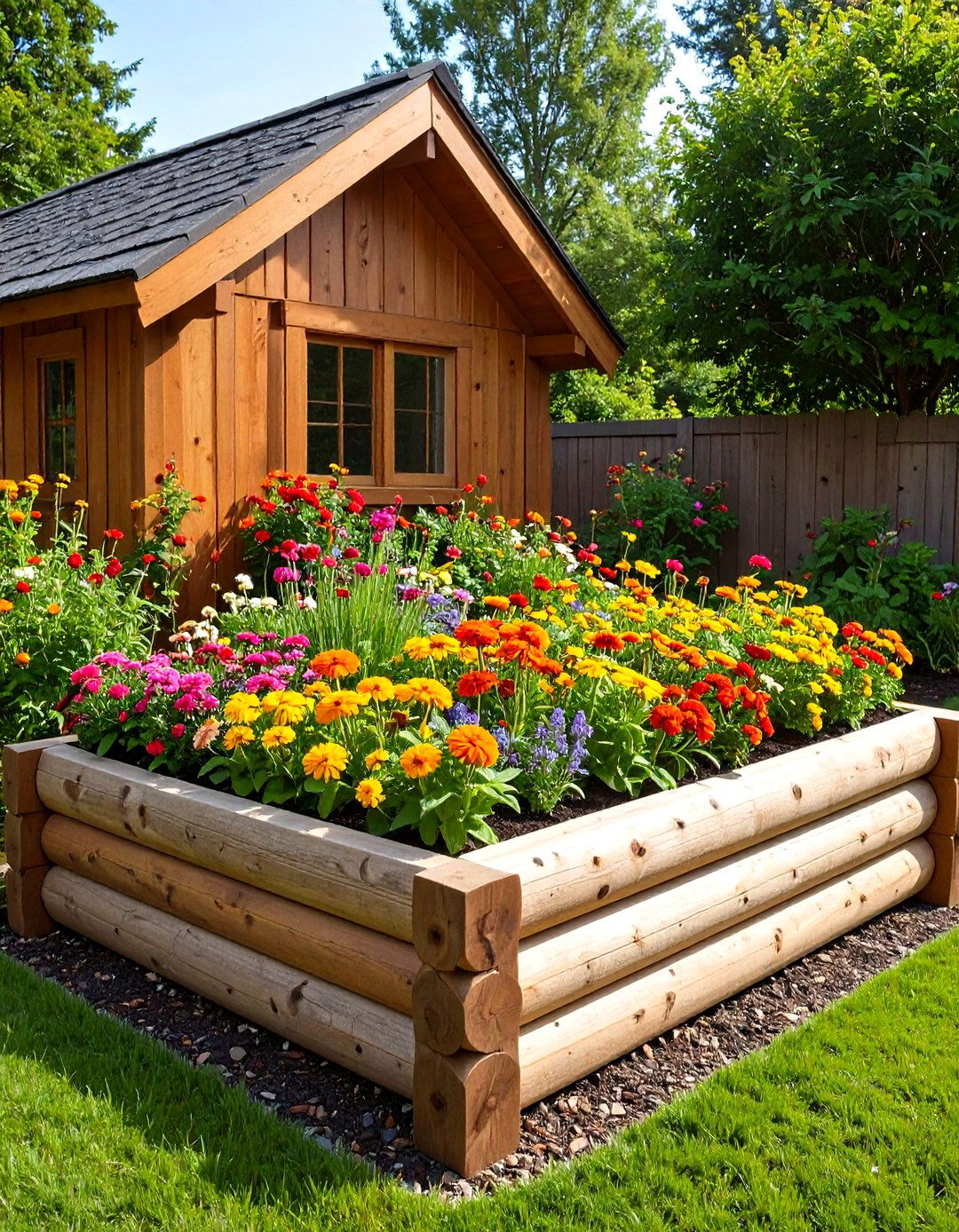


20. Salad Table Small Backyard Vegetable Garden
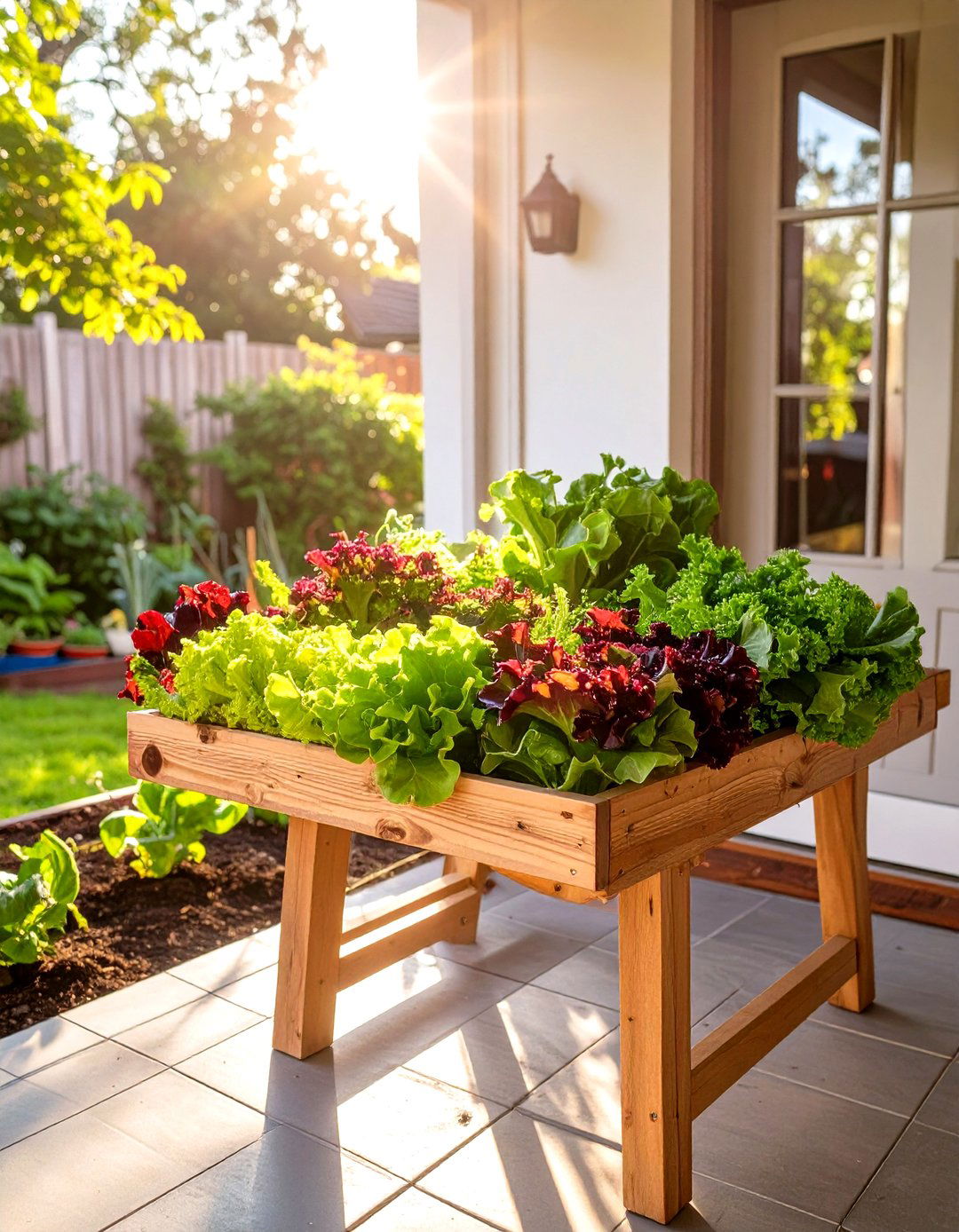
A salad table is a shallow, waist-high raised bed specifically designed for growing leafy greens and other shallow-rooted vegetables. Its elevated design means no bending or kneeling is required, making it an excellent ergonomic choice. The table can be built with a screen at the bottom for optimal drainage. This setup is perfect for growing a continuous supply of cut-and-come-again lettuces, spinach, and arugula. Placed on a patio or deck, a salad table provides easy access to fresh salad ingredients right outside your kitchen door, combining convenience with productive gardening in a small space.
21. Galvanized Tub Small Backyard Vegetable Garden
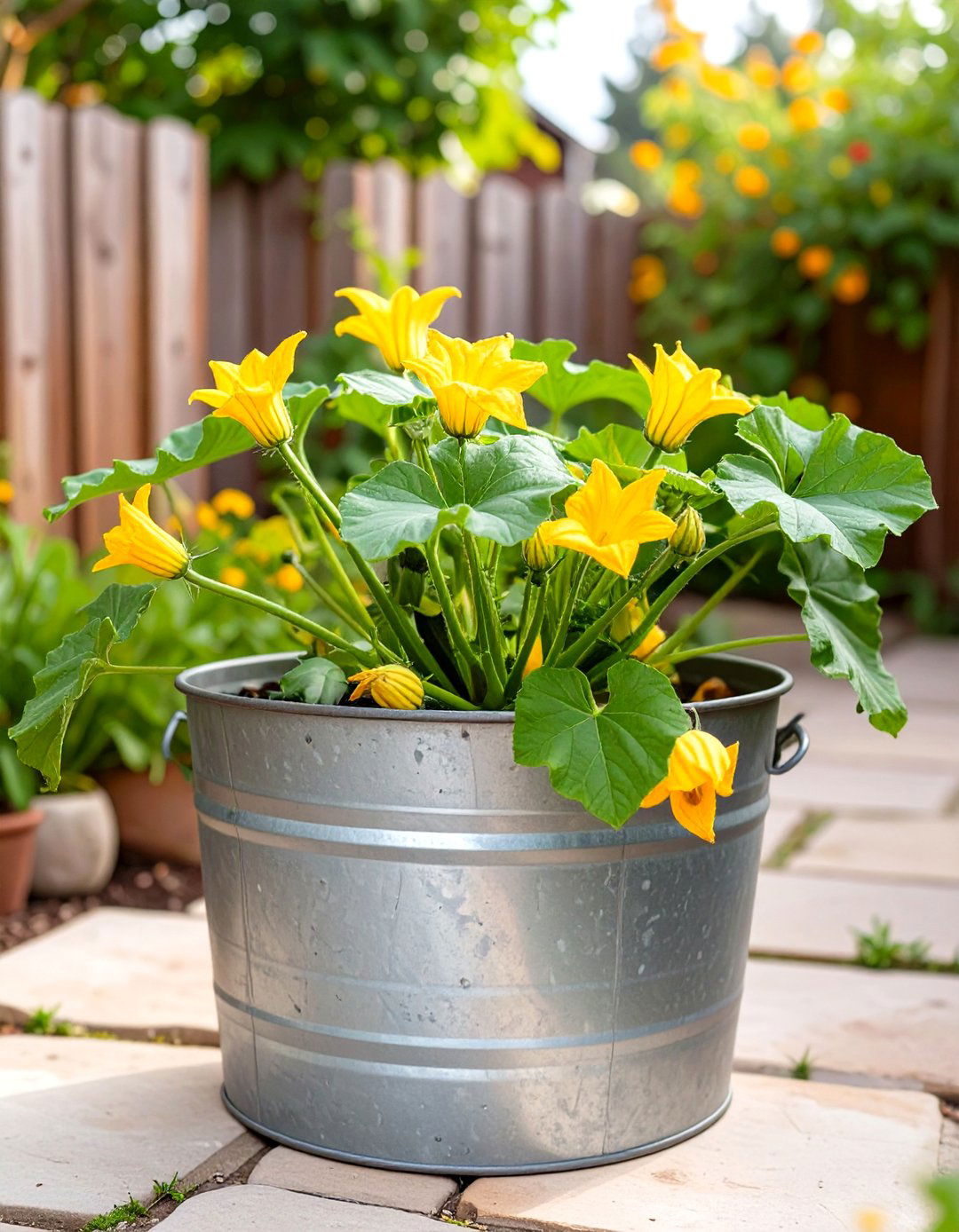
Galvanized metal tubs and troughs bring a rustic, farmhouse aesthetic to a small backyard vegetable garden. These containers are deep enough to accommodate plants with larger root systems, such as tomatoes, peppers, or even potatoes. Their sturdy construction ensures they will last for many seasons. Remember to drill drainage holes in the bottom to prevent water from pooling and causing root rot. Grouping several tubs of different sizes can create a visually appealing and highly productive container garden that is both charming and practical for growing a substantial amount of food.
22. U-Shaped Raised Bed Small Backyard Vegetable Garden
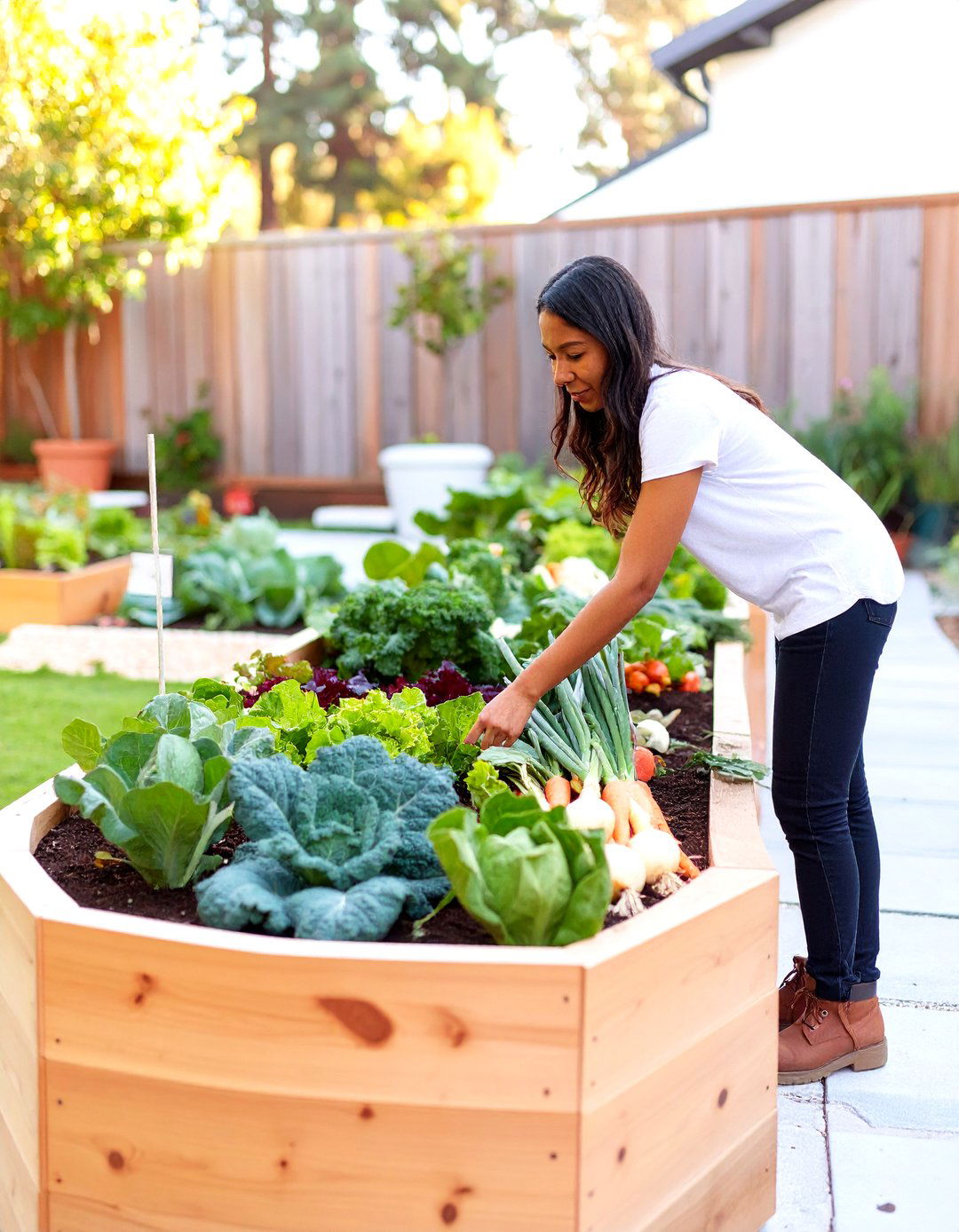
A U-shaped raised bed maximizes growing area while ensuring every part of the garden is easily accessible. This design allows you to reach all plants from the central standing area without ever stepping on the soil. It’s an efficient layout for a slightly larger "small" backyard, providing ample space for a diverse range of vegetables. The defined pathways keep the garden tidy and organized. This setup is perfect for intensive planting methods like square foot gardening, allowing you to cultivate a large, productive, and easy-to-manage vegetable plot in a compact and ergonomic layout.
23. Mobile Cart Small Backyard Vegetable Garden
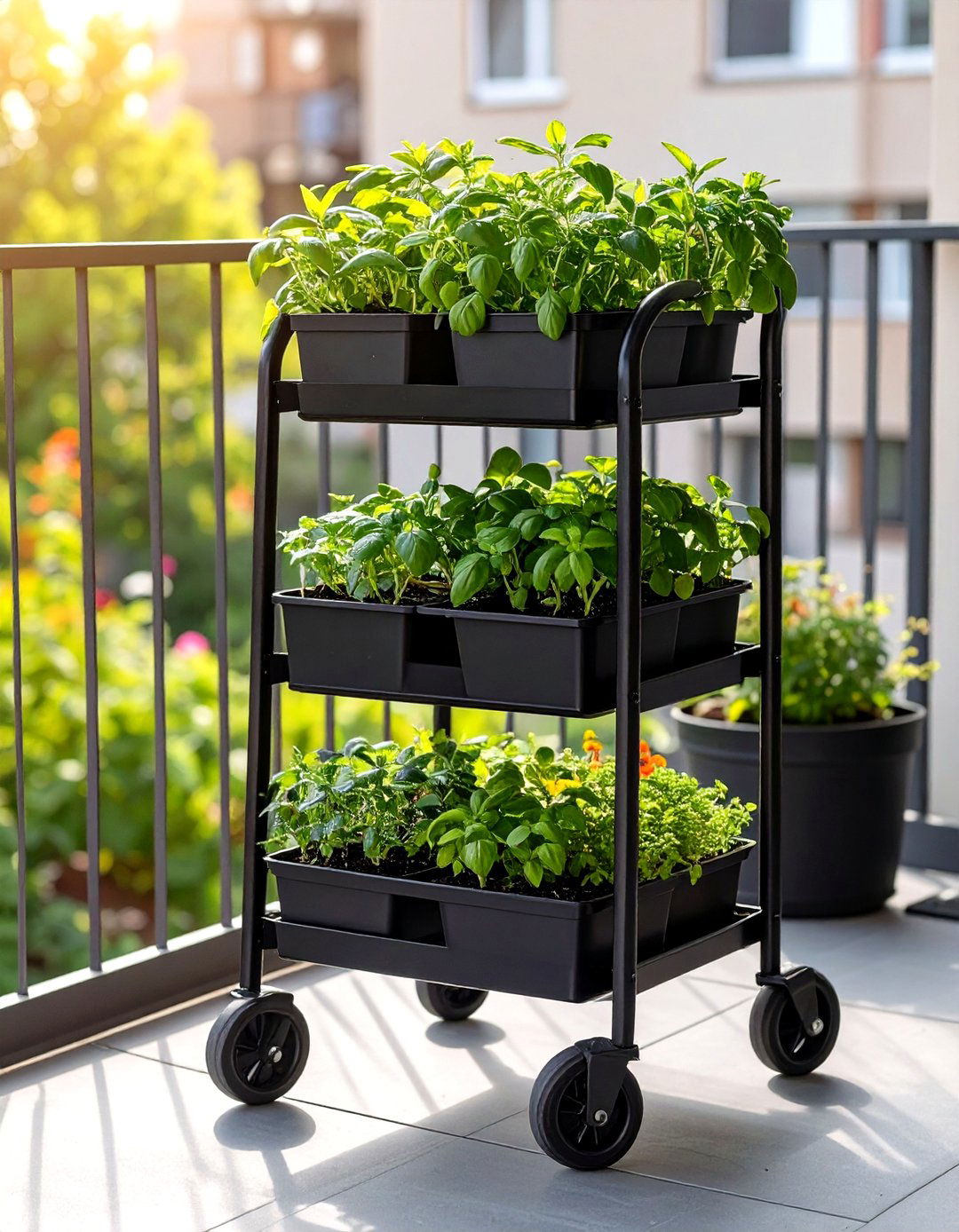
A mobile garden on wheels offers the ultimate in flexibility. By planting vegetables in a rolling cart or trolley, you can easily move your garden to chase the sun throughout the day or protect it from bad weather. This is particularly useful for apartment balconies or small patios where sunlight might be limited to certain areas at different times. A multi-tiered cart provides several layers of growing space for herbs and small vegetables. This "garden on the go" ensures your plants always get the optimal conditions they need to thrive, no matter how small or challenging your space.
24. Corner Raised Bed Small Backyard Vegetable Garden
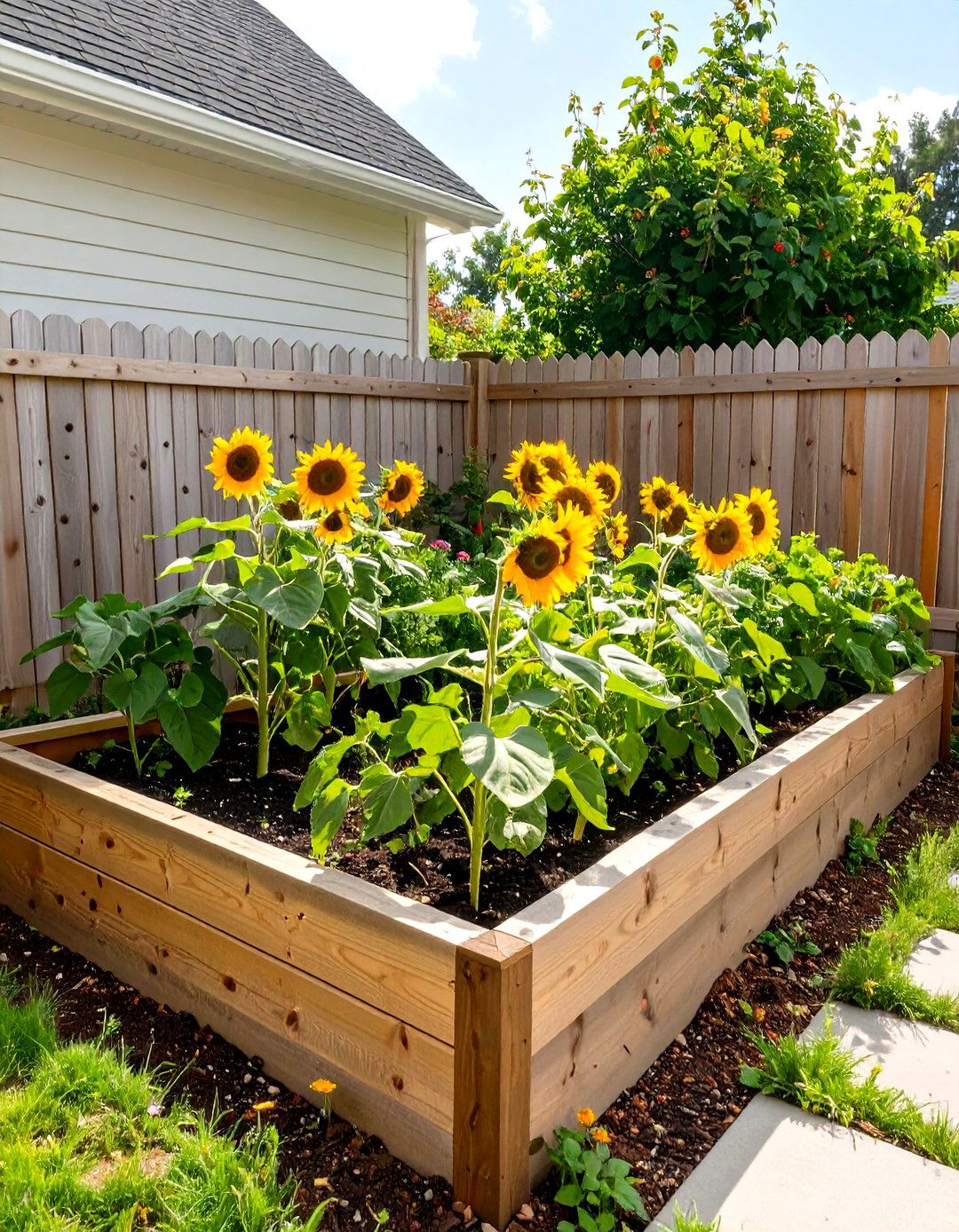
Utilize often-overlooked corner spaces by installing a custom-built corner raised bed. These triangular or L-shaped beds fit snugly into the corners of a yard or patio, turning unused space into a productive vegetable patch. This design is an efficient way to add growing area without taking up central traffic space. A corner bed can become a beautiful focal point, especially if you add a small trellis at the back for climbing plants. It's a smart strategy for making the most of every square inch of your small backyard, proving that no spot is too awkward to cultivate.
25. Living Wall Small Backyard Vegetable Garden
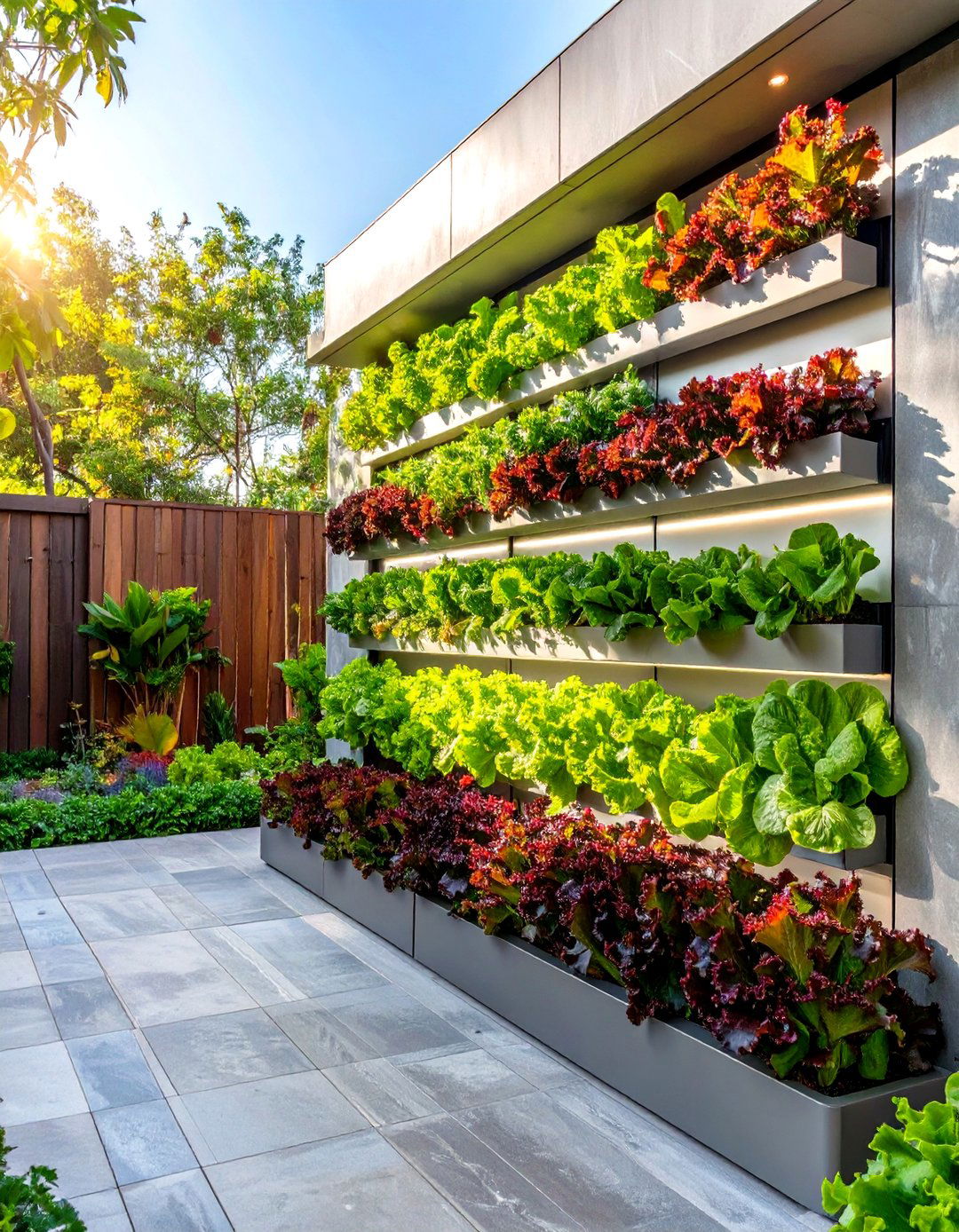
A living wall system, composed of modular planting panels, can transform any vertical surface into a lush and productive vegetable garden. These systems are designed to make vertical gardening simple and effective, often including built-in irrigation. They are perfect for growing a tapestry of lettuces, herbs, and other small vegetables. A living wall not only provides fresh produce but also acts as a stunning piece of natural art, adding vibrant green texture to your backyard. It’s a modern, high-impact solution for those with minimal ground space who want to make a bold statement.
26. Potato Tower Small Backyard Vegetable Garden
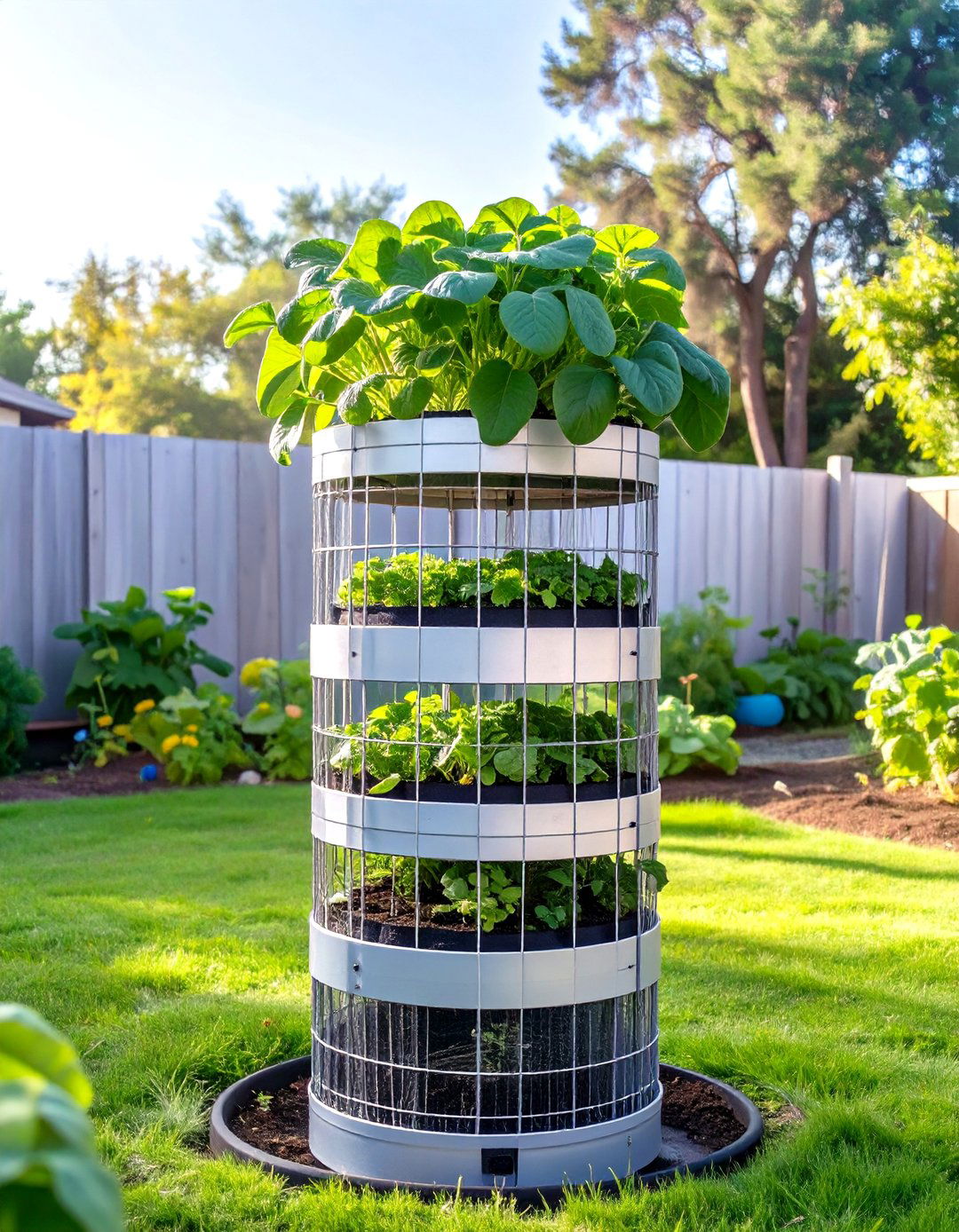
Growing potatoes traditionally requires a lot of space, but a potato tower allows you to cultivate a large crop in a small vertical area. The tower can be made from wire fencing, wood, or stacked tires. As the potato plants grow, you continually add more soil or straw around them, encouraging the plant to produce more potatoes along its buried stem. This method results in a surprisingly large harvest from a very small footprint. At the end of the season, you simply dismantle the tower to collect your potatoes, making it an efficient and rewarding project.
27. Strawberry Jar Small Backyard Vegetable Garden
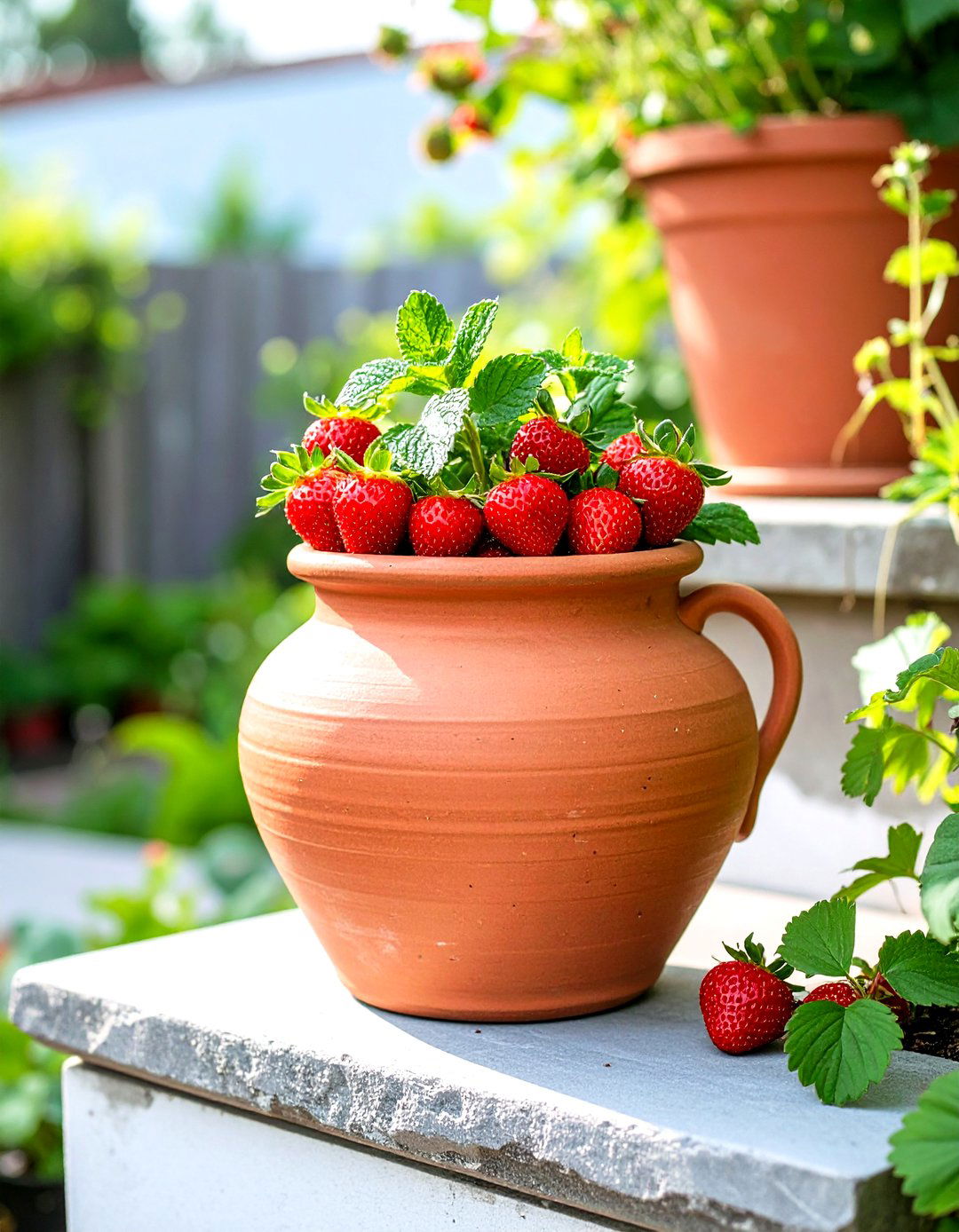
A strawberry jar, with its distinctive pockets along the sides, is a classic and charming container for a small vegetable garden. While traditionally used for strawberries, the pockets are also perfect for growing a variety of herbs or even small lettuces. The central opening at the top can house a larger plant. This single, decorative pot allows you to grow multiple plants in one compact unit, saving space while adding a touch of traditional garden charm to your patio or backyard. It's an efficient and attractive way to enjoy a mix of fresh flavors.
28. Espalier Fruit Tree Small Backyard Vegetable Garden
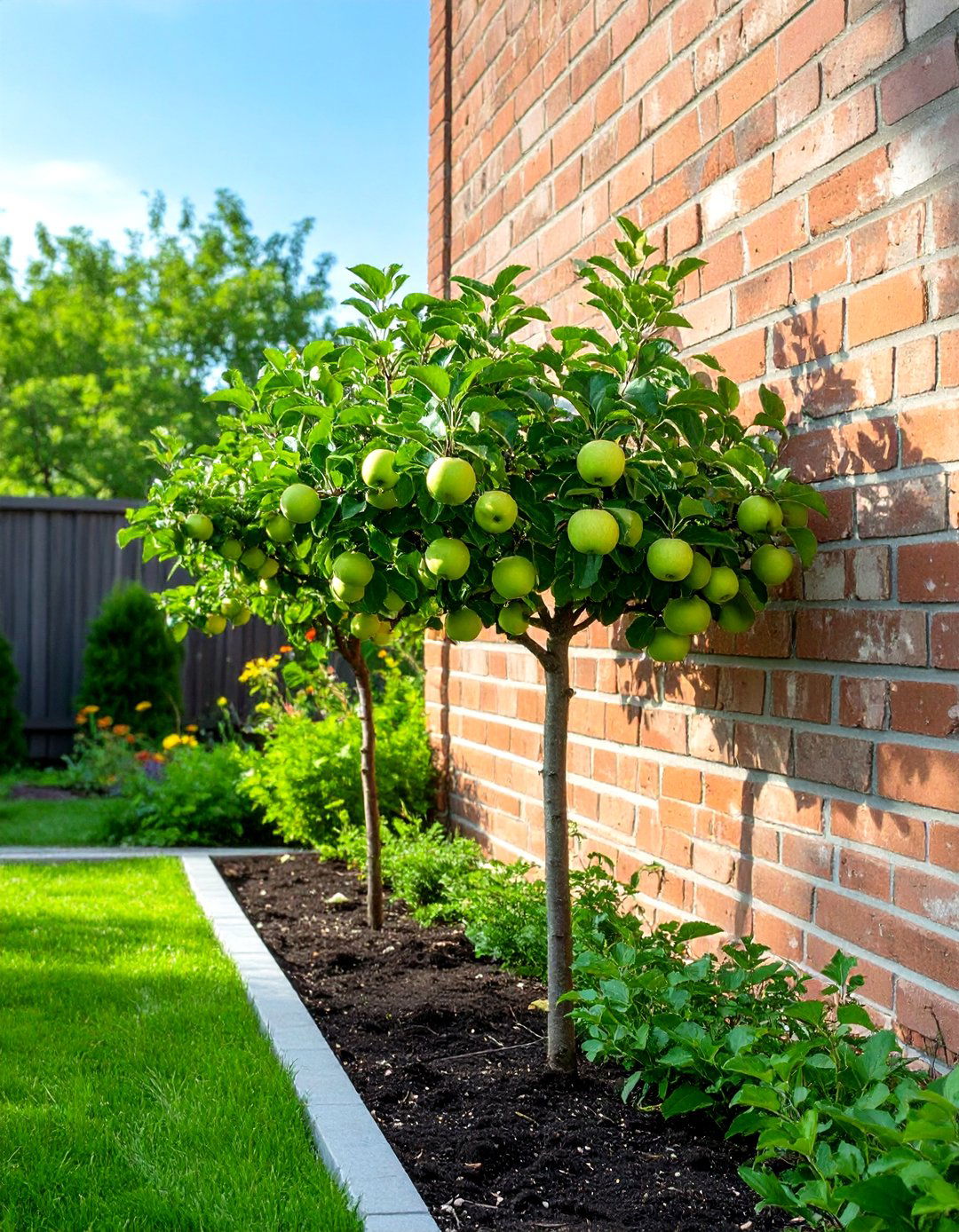
While not a vegetable, an espaliered fruit tree is a brilliant space-saving technique to incorporate fruit into a small backyard. Espalier is the art of training trees to grow flat against a wall or trellis. Dwarf apple, pear, and citrus trees are excellent candidates for this method. By growing them in a two-dimensional form, you can have a fruit-producing tree without sacrificing valuable yard space. It creates a beautiful, living fence or wall decoration that provides delicious, homegrown fruit. This technique blends horticulture with artistry, adding an elegant and productive element to your garden plan.
29. GreenStalk Vertical Small Backyard Vegetable Garden
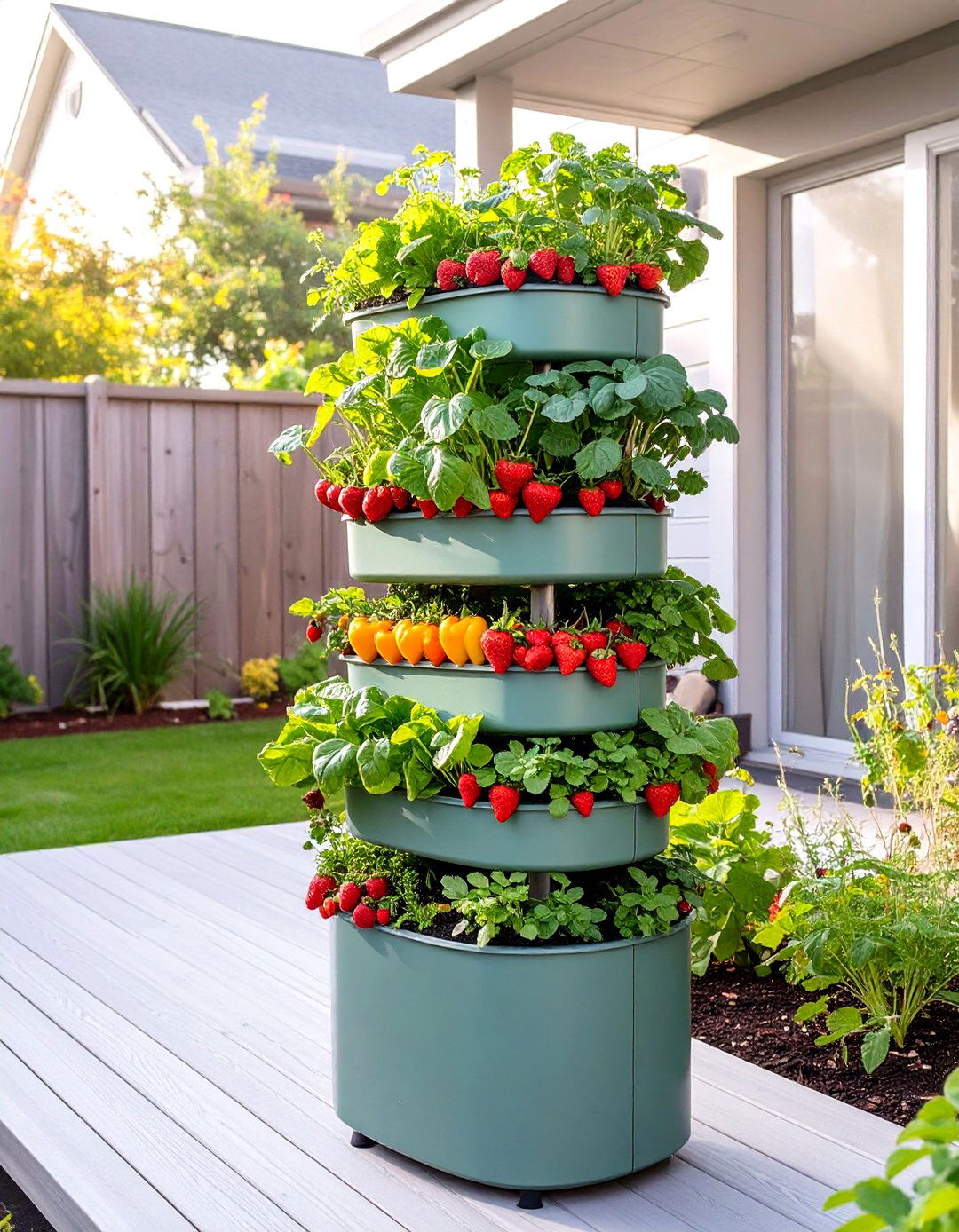
The GreenStalk vertical planter is a patented, soil-based system that allows you to grow a large number of plants in a tiny footprint. It consists of stackable tiers, each with its own planting pockets. A unique internal watering system distributes water evenly to every level, making it incredibly low-maintenance. This planter is perfect for growing a wide variety of vegetables, from leafy greens and herbs to larger plants like peppers and strawberries. It’s an efficient, self-contained gardening solution that maximizes yield and simplifies watering for those with very limited space.
30. Cold Frame Small Backyard Vegetable Garden
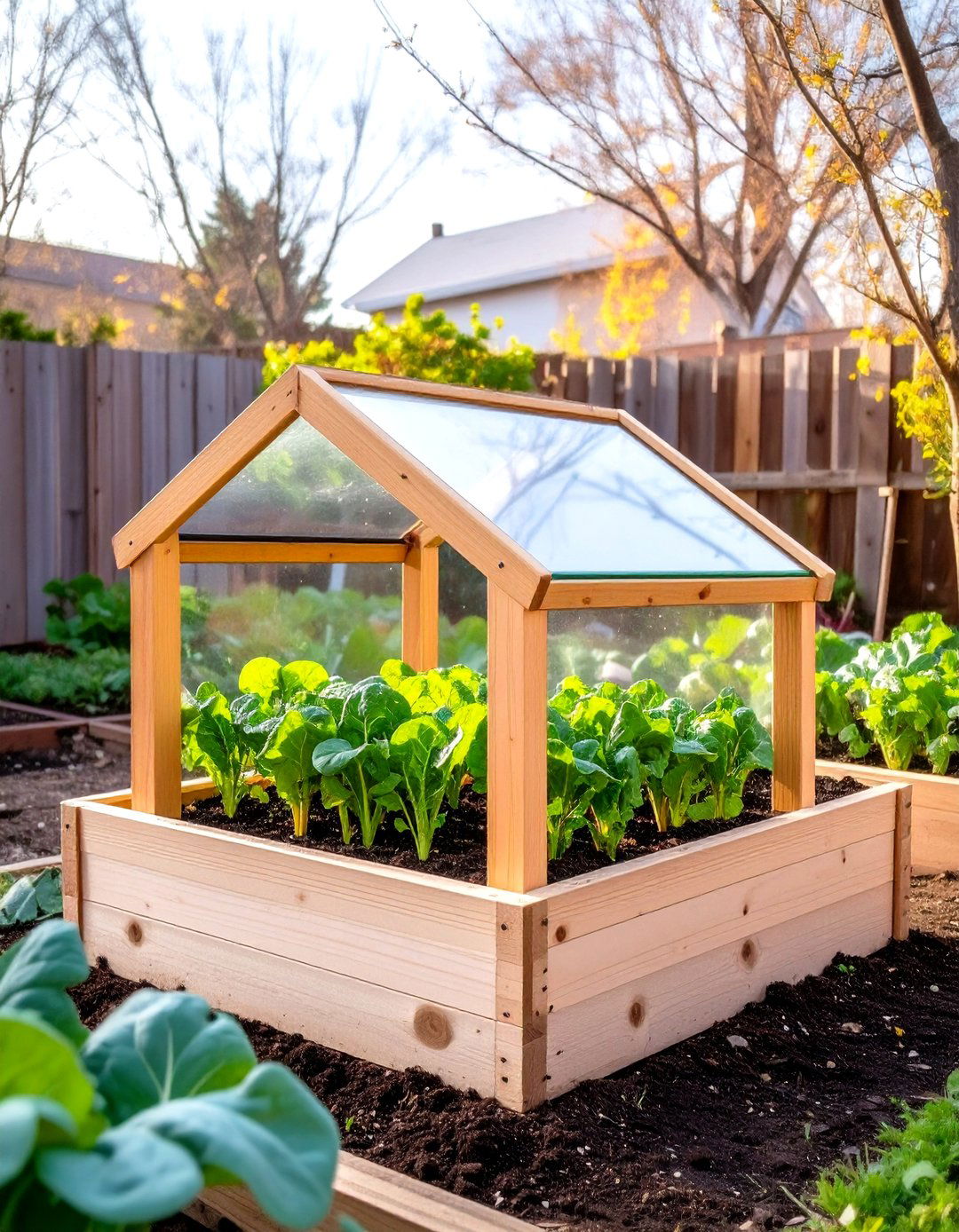
A cold frame is essentially a mini-greenhouse that can extend your growing season in a small backyard. It's a bottomless box with a transparent lid that protects plants from cold weather, allowing you to start seeds earlier in the spring and continue harvesting later into the fall. You can build one easily with reclaimed wood and an old window. Use it to shelter hardy greens like kale, spinach, and Claytonia through the winter months. A cold frame is a simple but powerful tool for any small-space gardener looking to get more out of their plot year-round.
Conclusion:
Ultimately, a small backyard is not a barrier to a fruitful vegetable garden. By embracing creative solutions like vertical planters, raised beds, and container gardening, you can transform any compact area into a productive oasis. The key is to think vertically and make every square inch count. These ideas demonstrate that with careful planning and the right techniques, you can enjoy the immense satisfaction and fresh flavors of homegrown produce. Start small, choose the method that best suits your space, and watch your tiny garden flourish with abundance.

Related posts:



Leave a Reply