
A veggie garden is a rewarding way to grow fresh, healthy produce right at home, connecting you to your food source while adding beauty to your outdoor space. Whether you have a sprawling backyard or a tiny balcony, there's a vegetable garden design to fit your needs. From traditional raised beds to innovative vertical planters, the possibilities are endless. Exploring different layouts, companion planting techniques, and creative container options can transform any area into a productive and beautiful edible landscape. This journey into gardening offers a chance to cultivate not just plants, but also a more sustainable and fulfilling lifestyle.
1. Raised Bed Veggie Garden for Beginners
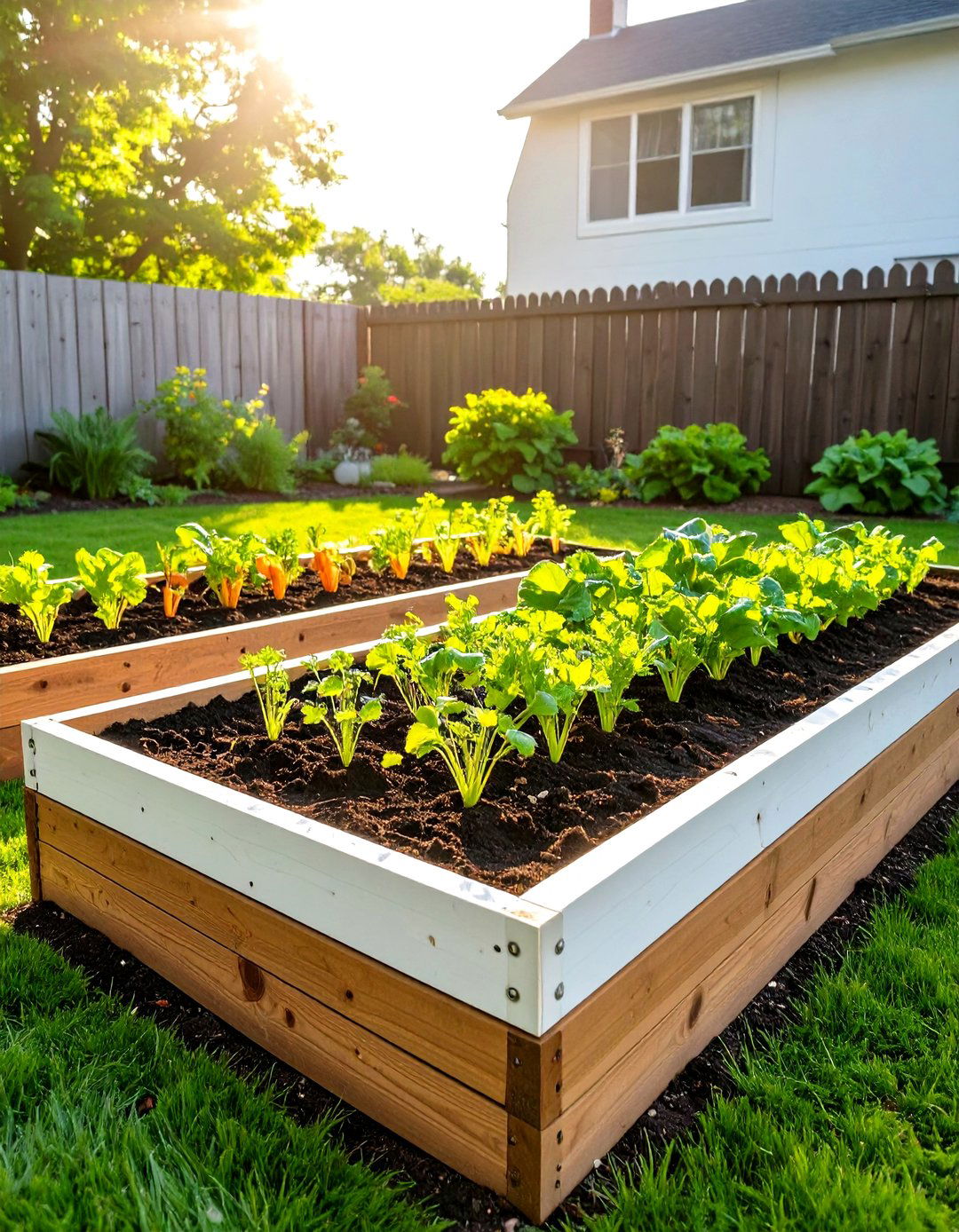
For those new to gardening, a raised bed veggie garden offers an ideal starting point. It provides excellent drainage and prevents soil compaction, creating a perfect environment for root vegetables like carrots and radishes, as well as leafy greens. The contained structure helps keep weeds at bay and makes soil management much simpler than in-ground beds. You can fill it with a high-quality soil mix tailored to vegetable growth, giving your plants a strong start. This controlled environment reduces many common gardening frustrations, making it easier to achieve a successful and bountiful harvest with less physical strain.
2. Vertical Veggie Garden on a Balcony
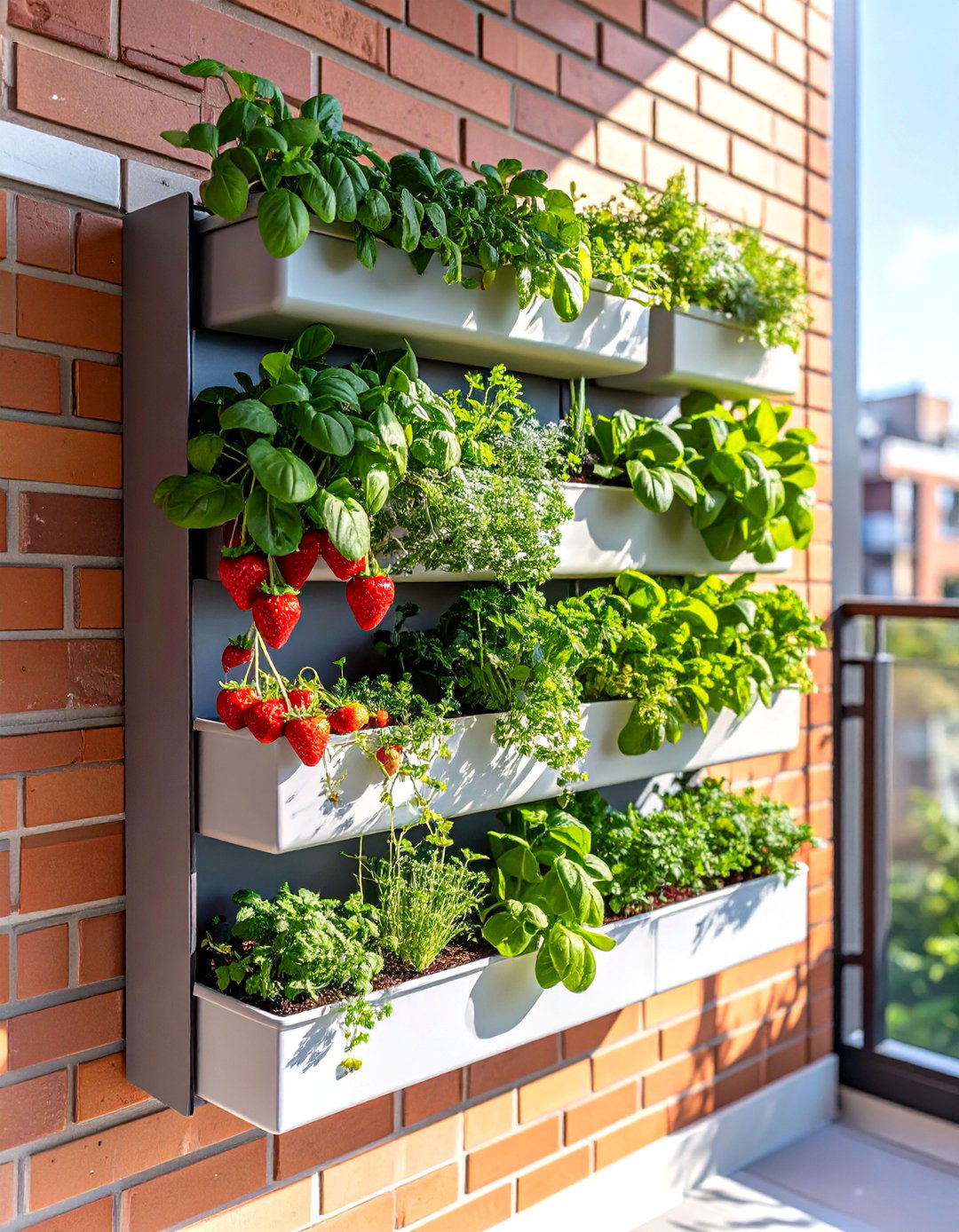
A vertical veggie garden is a brilliant solution for urban dwellers with limited space. By using tiered planters, wall-mounted pockets, or trellises, you can grow an impressive amount of produce on a small balcony or patio. This method is perfect for climbing plants like peas and beans, as well as smaller crops such as strawberries, herbs, and lettuce. Growing upwards not only maximizes your planting area but also improves air circulation around the plants, which can help reduce the risk of fungal diseases. It’s an efficient, attractive, and highly productive way to garden in a compact setting.
3. Square Foot Veggie Garden Method
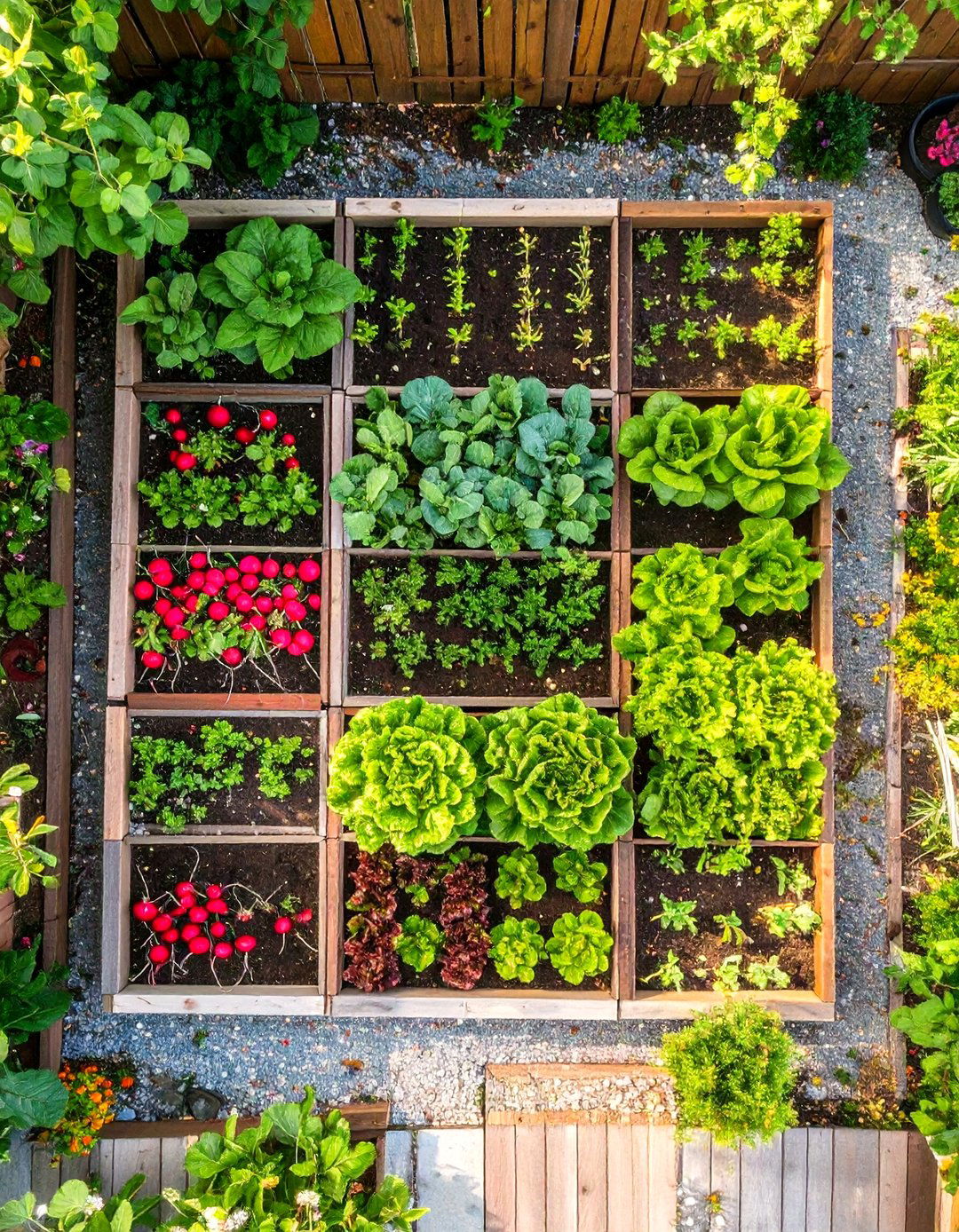
The square foot veggie garden method is a highly organized and intensive planting technique. This system involves dividing a raised bed into a grid of one-foot squares, with each square dedicated to a specific type of plant. It maximizes yield in a small space by dictating the exact number of plants that can grow within each square, based on their size. For example, you might plant one tomato, four lettuces, or sixteen carrots in a single square. This approach simplifies planning, reduces seed waste, and makes weeding incredibly easy, ensuring a diverse and continuous harvest throughout the season.
4. Container Veggie Garden on a Patio
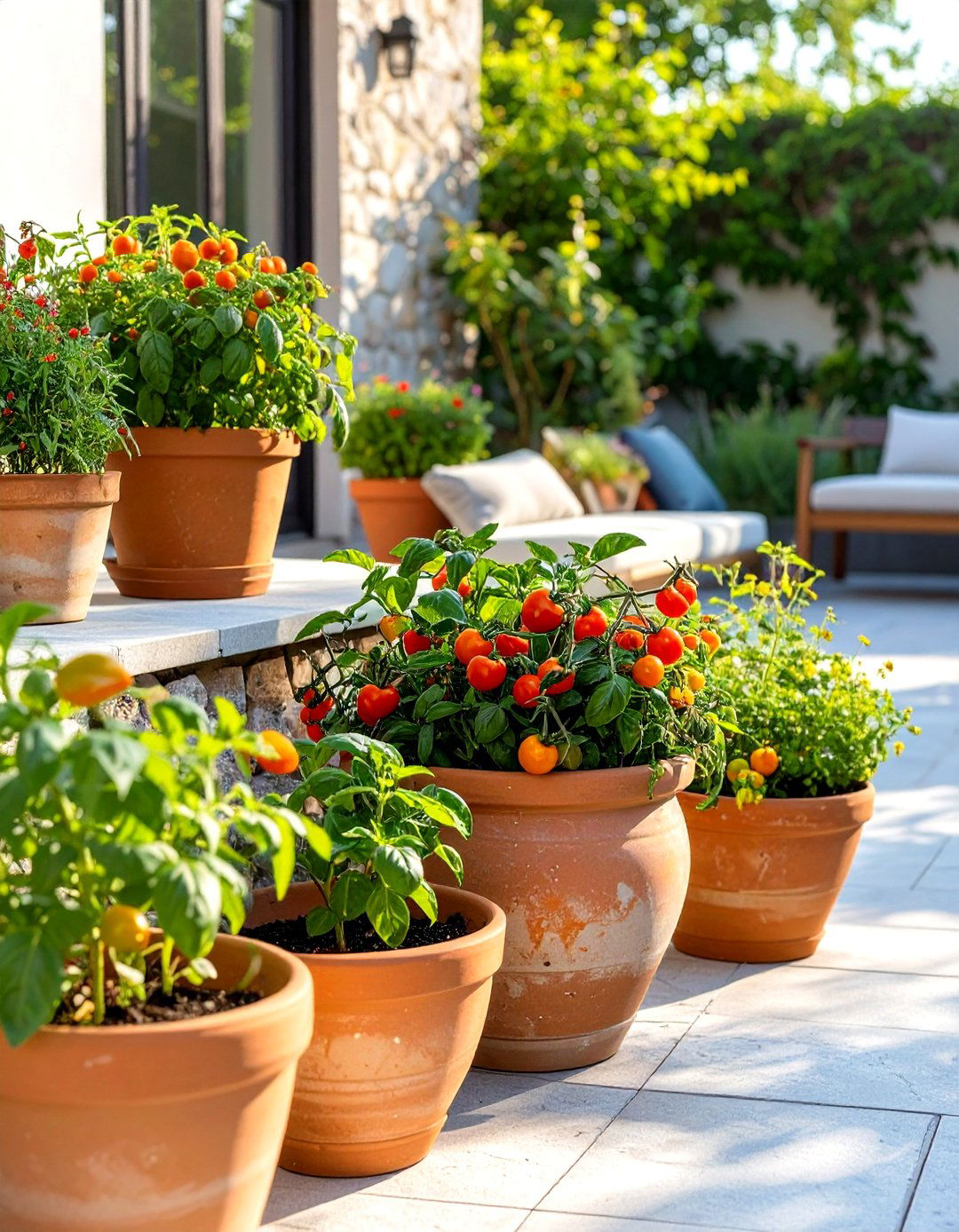
Transform your patio into a productive oasis with a container veggie garden. Almost any vegetable that will grow in a traditional garden can be grown in a container, as long as the pot is large enough. Tomatoes, peppers, eggplants, and herbs thrive in pots, and even root vegetables like potatoes can be grown in deep bags or bins. Container gardening gives you complete control over the soil, water, and sun exposure your plants receive. You can easily move pots around to catch the best light or protect plants from harsh weather, making it a flexible and accessible option for any home.
5. Keyhole Veggie Garden Design
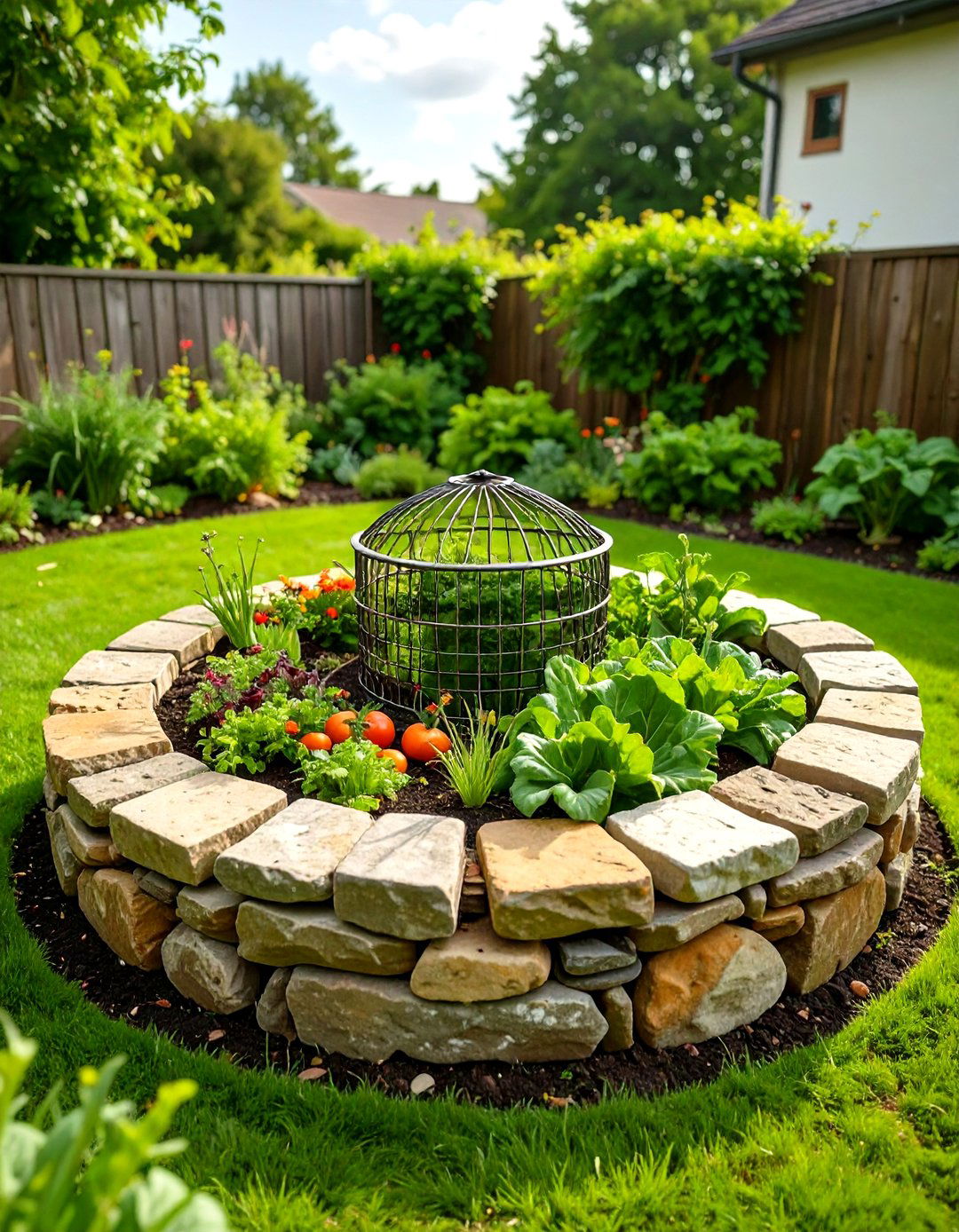
A keyhole veggie garden is a unique, circular raised bed with a central compost basket. This design is incredibly efficient in terms of water and nutrient use. Kitchen scraps and garden waste are added to the central basket, where they decompose and release nutrients directly into the surrounding soil. The keyhole-shaped cutout in the bed allows easy access to the entire garden and the compost basket. This sustainable system continuously enriches the soil, reduces water needs, and is an excellent way to recycle organic waste while growing a variety of healthy vegetables in a compact, circular plot.
6. Companion Planting Veggie Garden
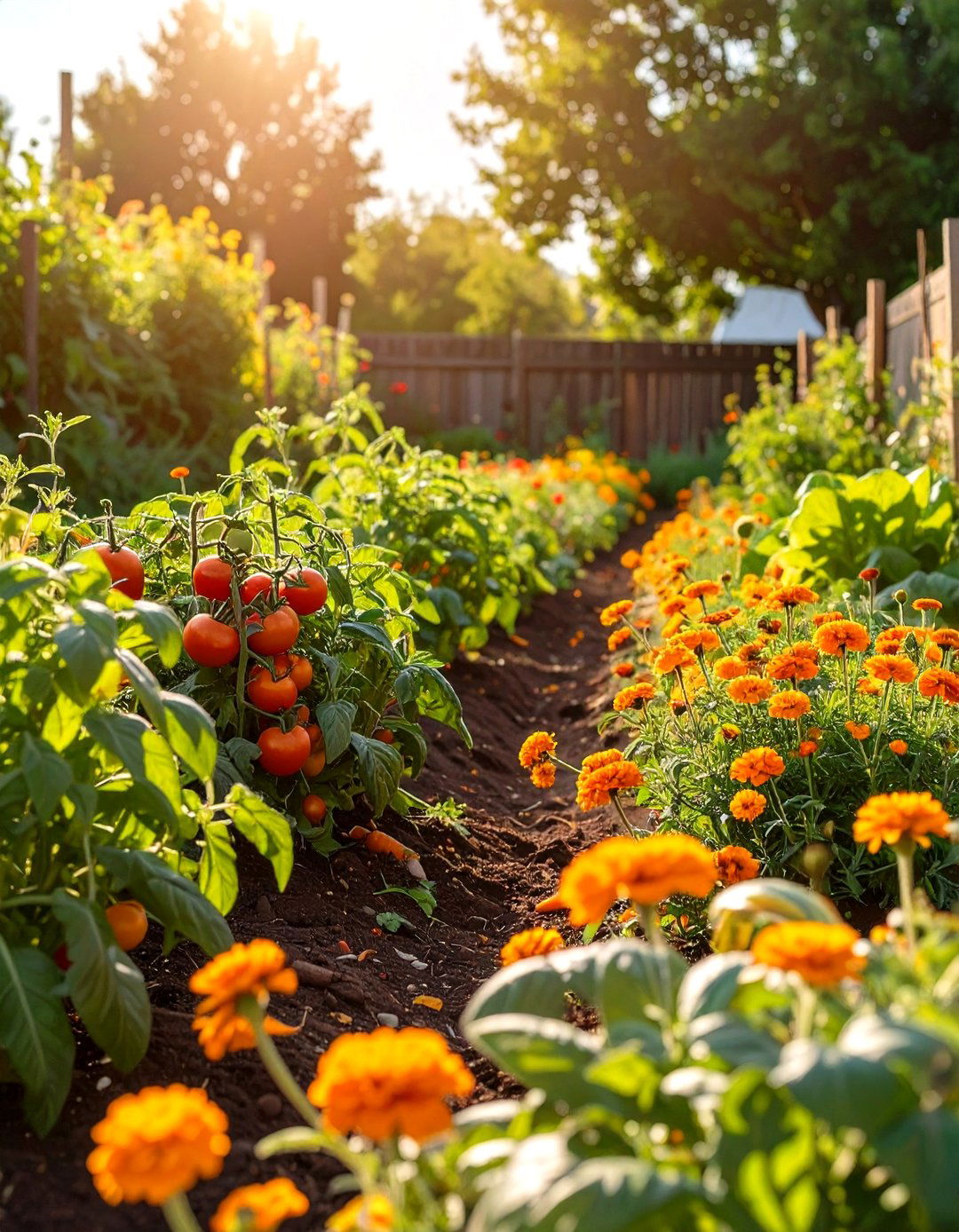
Creating a companion planting veggie garden involves strategically placing different plants together to benefit one another. This age-old technique can help deter pests, attract beneficial insects, improve soil health, and even enhance the flavor of your crops. For instance, planting basil near tomatoes is believed to repel tomato hornworms, while marigolds can help deter nematodes in the soil. Similarly, planting beans near corn provides the corn with necessary nitrogen. This symbiotic approach creates a balanced, self-sustaining ecosystem, reducing the need for chemical pesticides and fertilizers while fostering a healthier, more productive garden environment.
7. Salad Bar Veggie Garden Bed
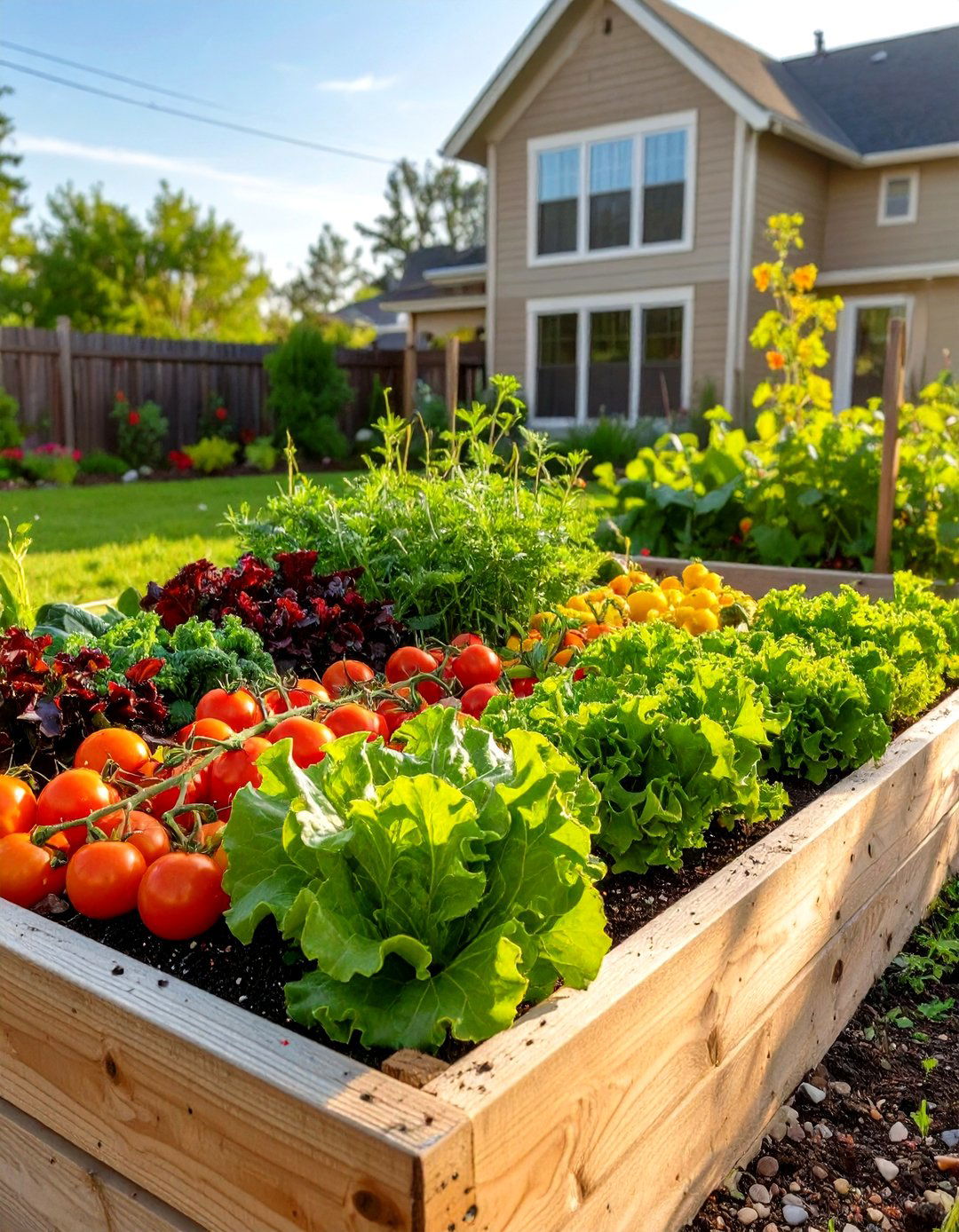
Imagine stepping outside to harvest a fresh salad just minutes before a meal. A salad bar veggie garden bed makes this possible by dedicating a specific plot to a variety of salad greens and toppings. Plant different types of lettuce, spinach, arugula, and kale for a diverse base. Then, intersperse them with radishes, spring onions, cherry tomatoes, and cucumbers. For added flavor and color, include edible flowers like nasturtiums and pansies. This focused garden ensures you always have a fresh, crisp, and delicious assortment of salad ingredients ready to be picked and enjoyed at a moment’s notice.
8. Herb Spiral Veggie Garden
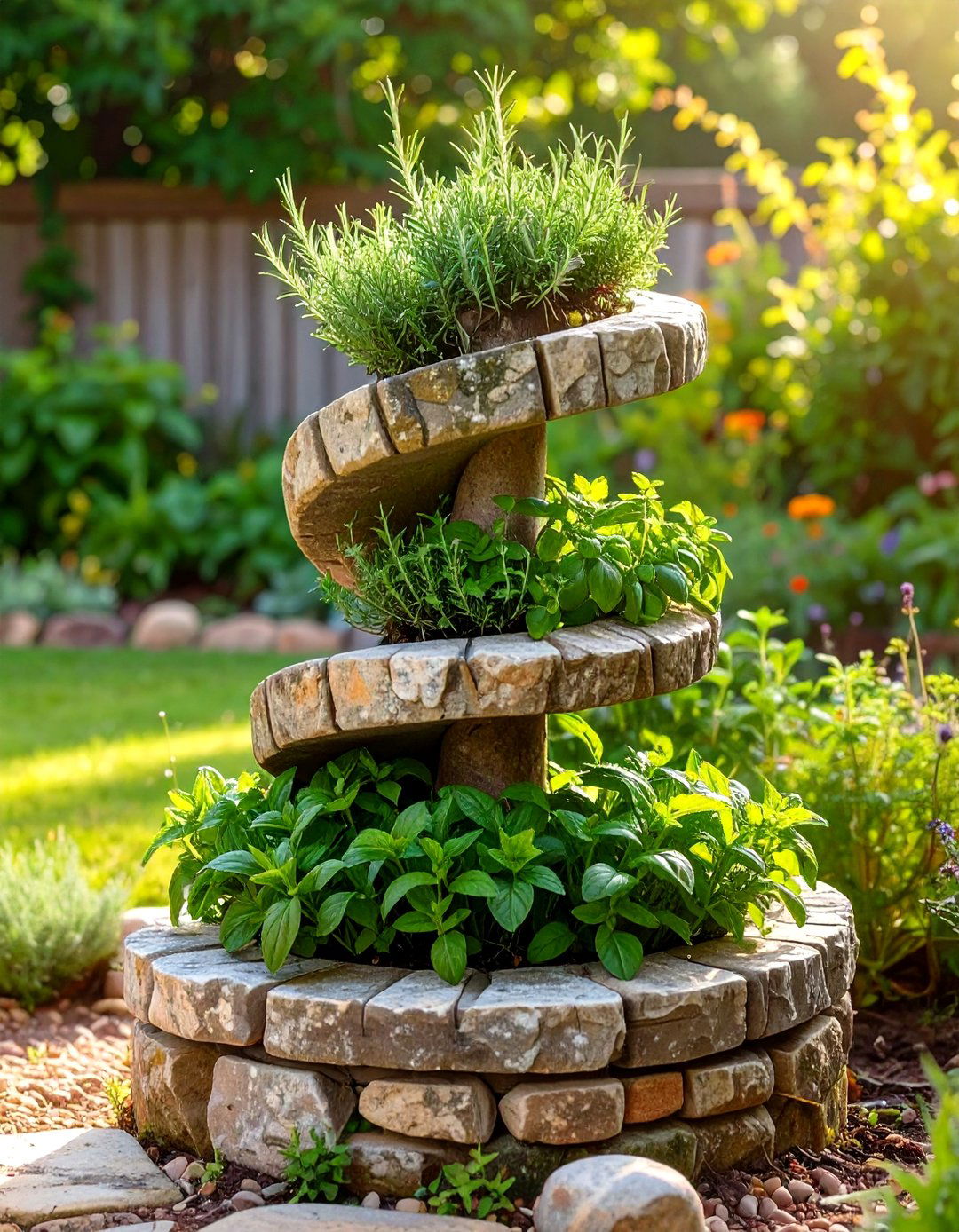
An herb spiral is a three-dimensional veggie garden that creates various microclimates in a small footprint. This spiraling, raised structure allows you to grow a wide variety of herbs with different needs in one compact space. Herbs that prefer dry conditions, like rosemary and thyme, are planted at the top where the soil drains quickly. Plants that require more moisture, such as mint and parsley, are placed at the bottom. The spiral design is not only visually appealing but also highly practical, providing easy access to all your culinary herbs while efficiently using vertical space and catering to each plant's specific requirements.
9. Rooftop Veggie Garden in the City
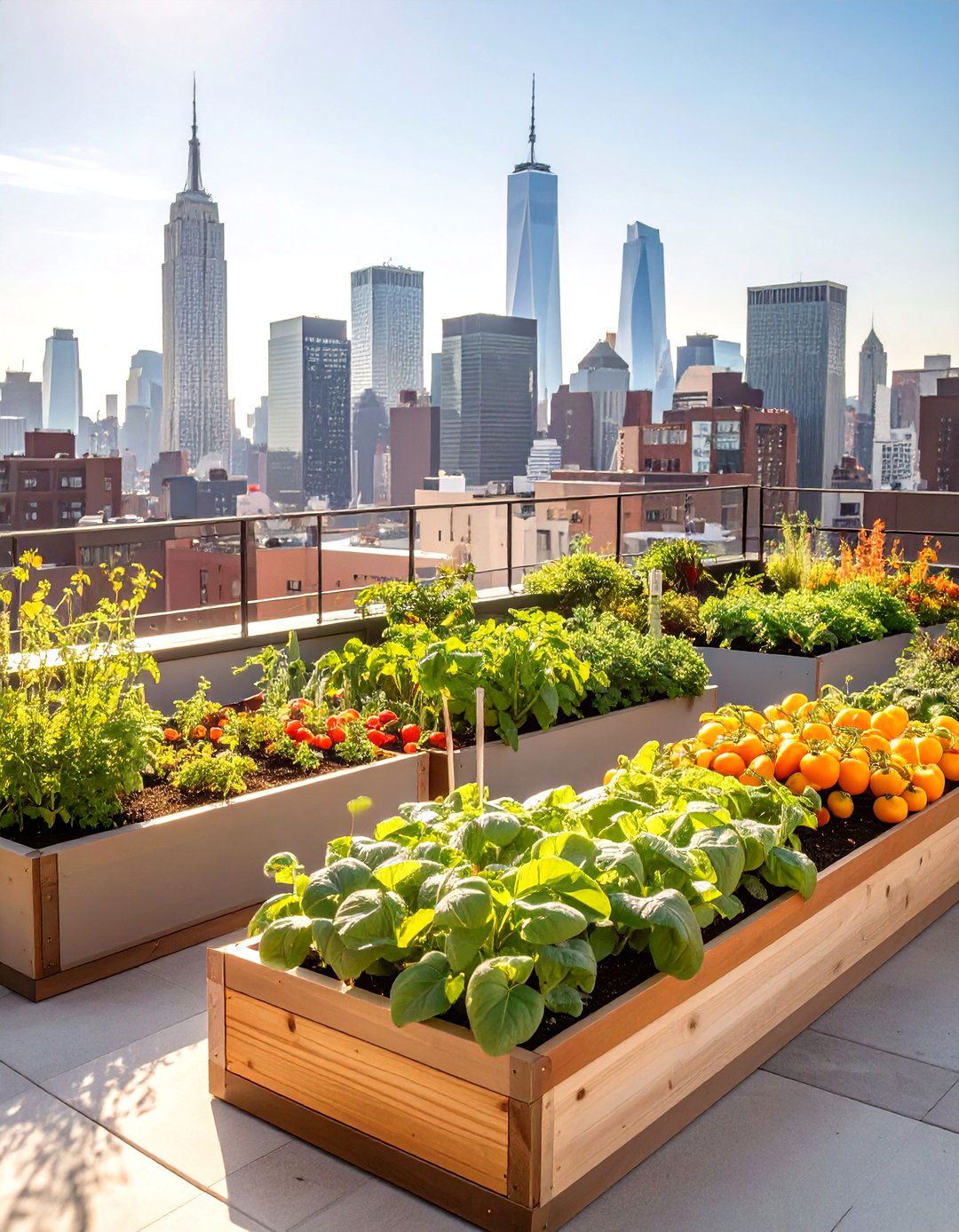
For city residents, a rooftop veggie garden can be a productive escape. Rooftops often receive ample sunlight, making them prime locations for sun-loving vegetables like tomatoes, peppers, and squash. Using lightweight containers, raised beds, or modular planting systems is key to managing weight on the structure. A drip irrigation system can simplify watering, which is crucial as rooftop gardens tend to dry out quickly due to wind and sun exposure. This elevated oasis not only provides fresh produce but also helps insulate the building, reduce stormwater runoff, and create a green sanctuary amidst the urban landscape.

10. Lasagna Veggie Garden (No-Dig Method)
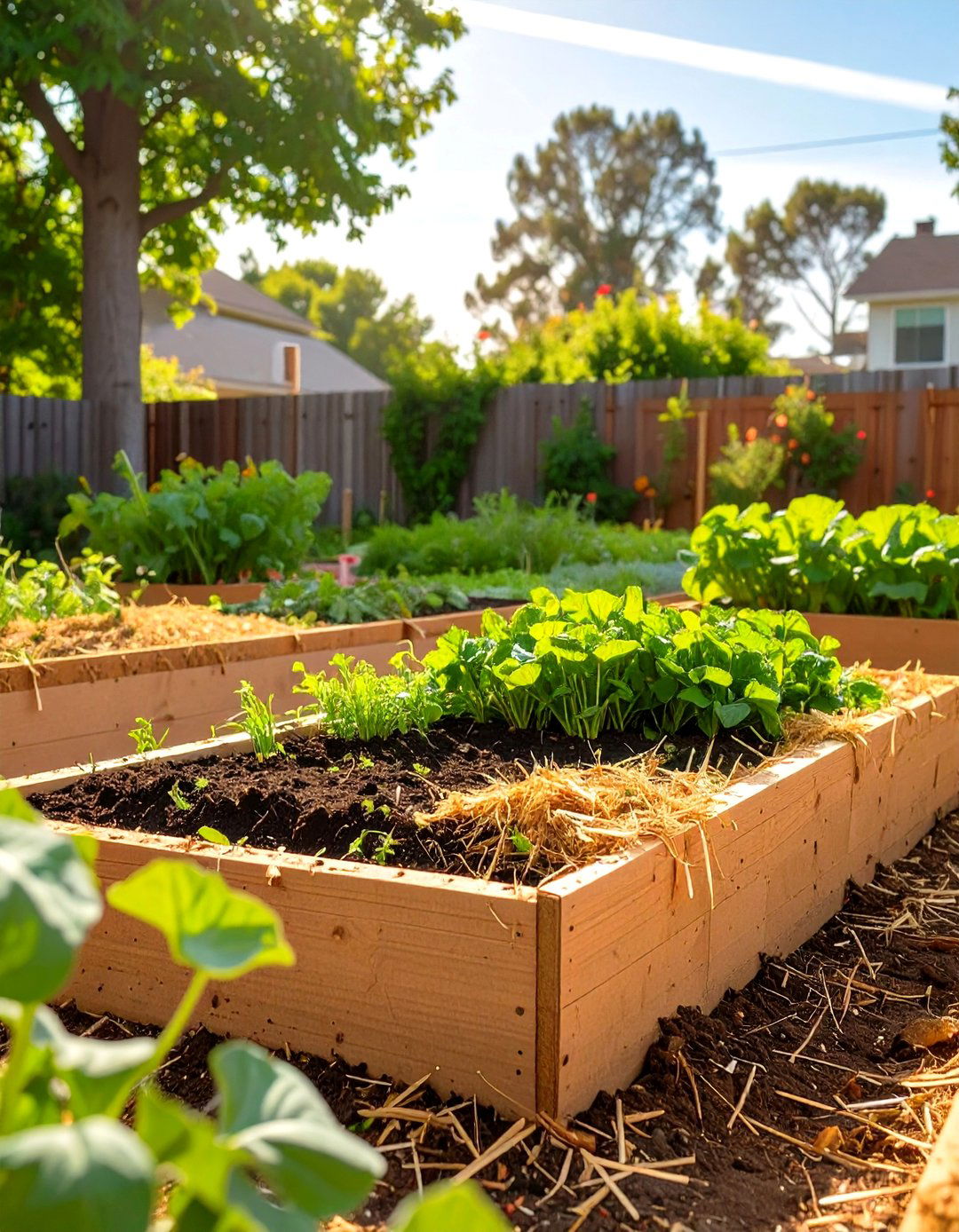
The lasagna veggie garden, also known as the no-dig or sheet mulching method, is a fantastic way to build fertile soil without tilling. This technique involves layering organic materials directly on top of existing grass or weeds. You start with a layer of cardboard to smother the vegetation, followed by alternating layers of "green" materials (like kitchen scraps and grass clippings) and "brown" materials (like dried leaves and straw). These layers decompose over time, creating a rich, nutrient-dense bed ready for planting. It’s an easy, low-effort way to create a new garden bed from scratch.
11. Gutter Veggie Garden for Small Spaces
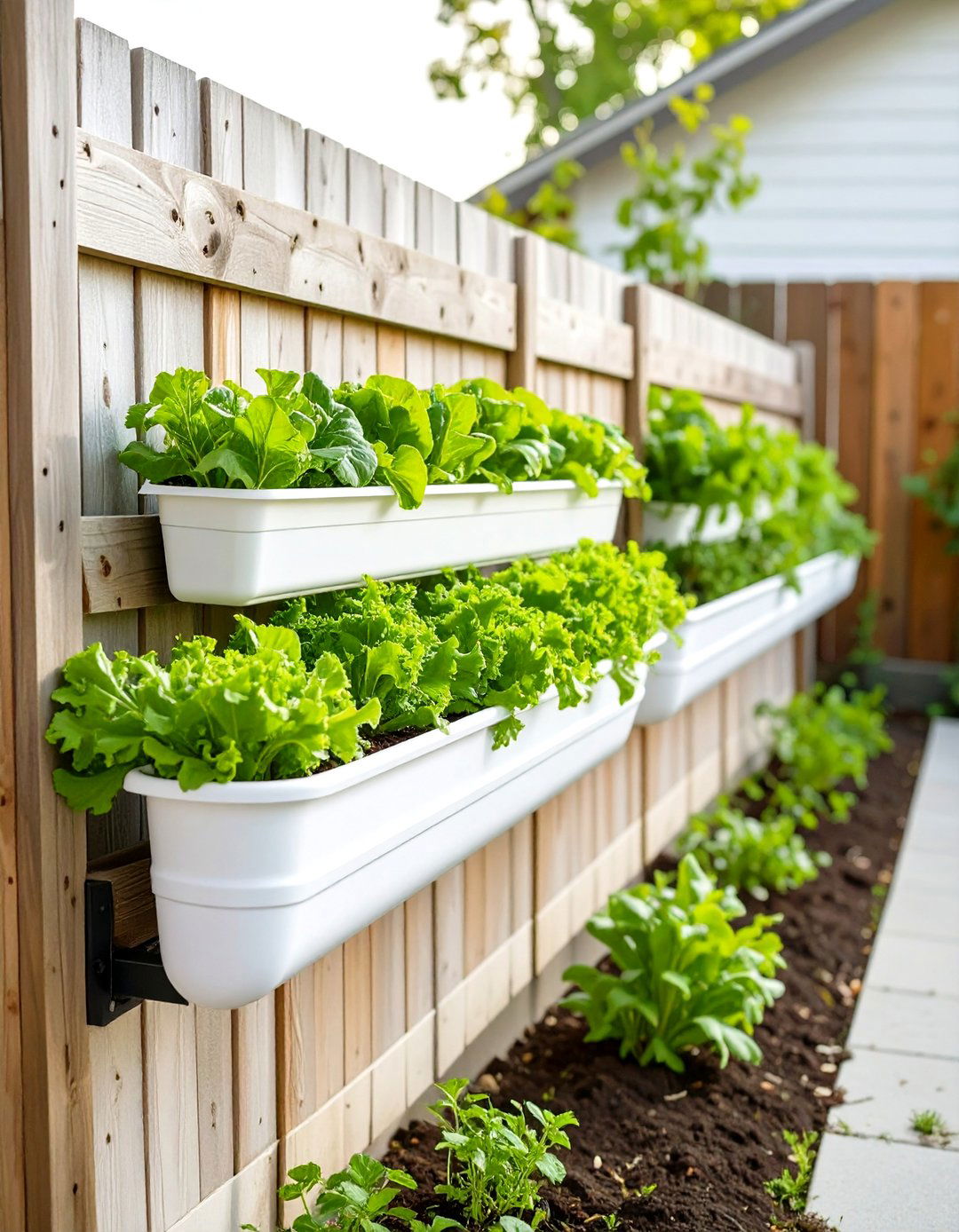
A gutter veggie garden is an ingenious way to utilize vertical and horizontal space, especially along fences or walls. By mounting rain gutters and drilling drainage holes, you can create long, shallow planters perfect for growing plants with shallow root systems. This setup is ideal for lettuce, spinach, radishes, strawberries, and various herbs. It keeps plants off the ground, which helps protect them from pests like slugs and snails. This method is not only space-saving but also a creative and affordable way to repurpose materials into a functional and productive gardening system for small-scale cultivation.
12. Windowsill Veggie Garden for Indoors
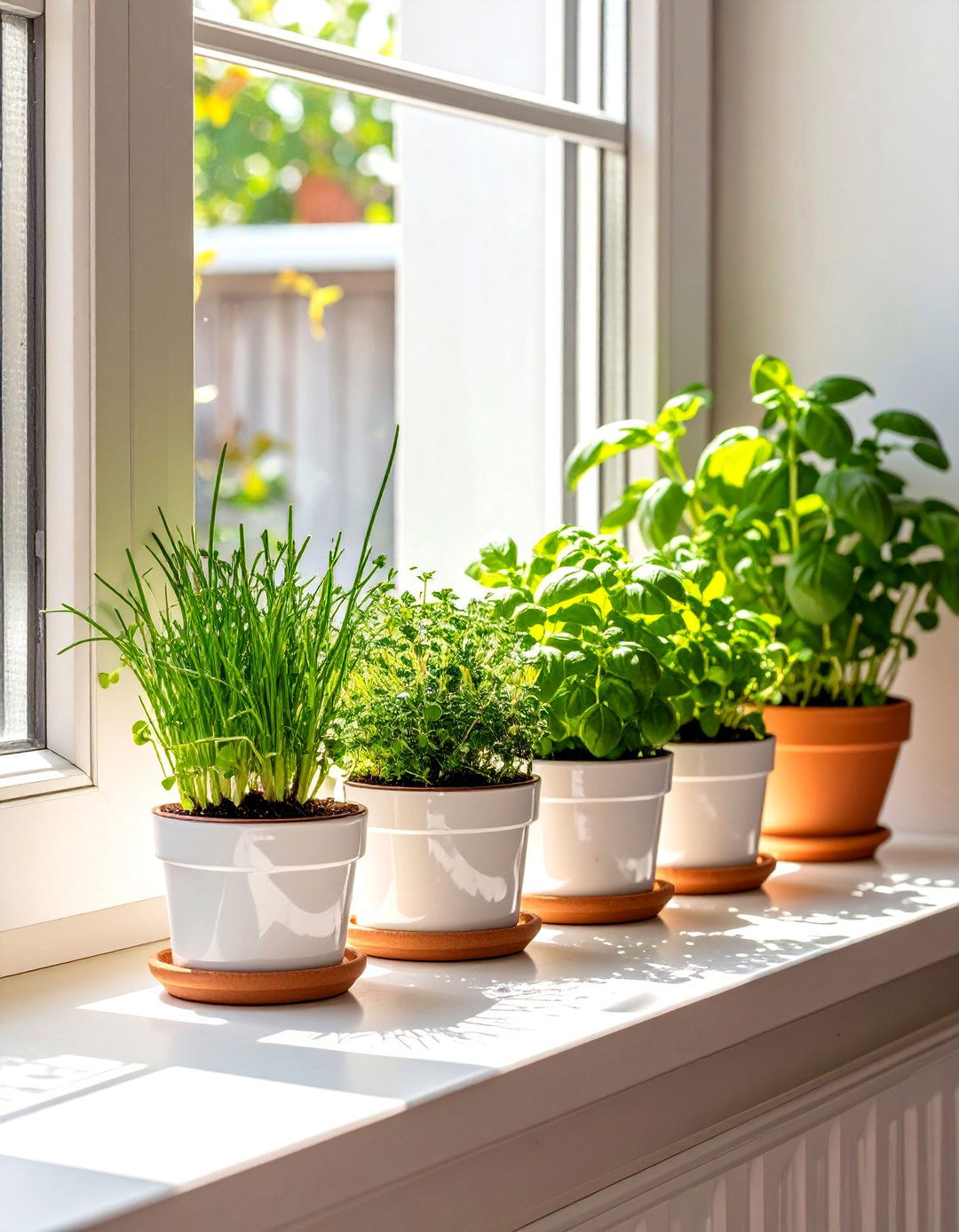
Even without any outdoor space, you can enjoy fresh flavors with a windowsill veggie garden. Many herbs, such as basil, mint, chives, and parsley, grow happily in small pots on a sunny windowsill. Microgreens and lettuce greens can also be cultivated indoors with enough light. Choose a window that receives at least six hours of direct sunlight per day, or supplement with a grow light. This indoor garden provides easy access to fresh garnishes and greens for your meals, bringing a touch of nature inside and making fresh produce available year-round, regardless of the weather outside.
13. Three Sisters Veggie Garden
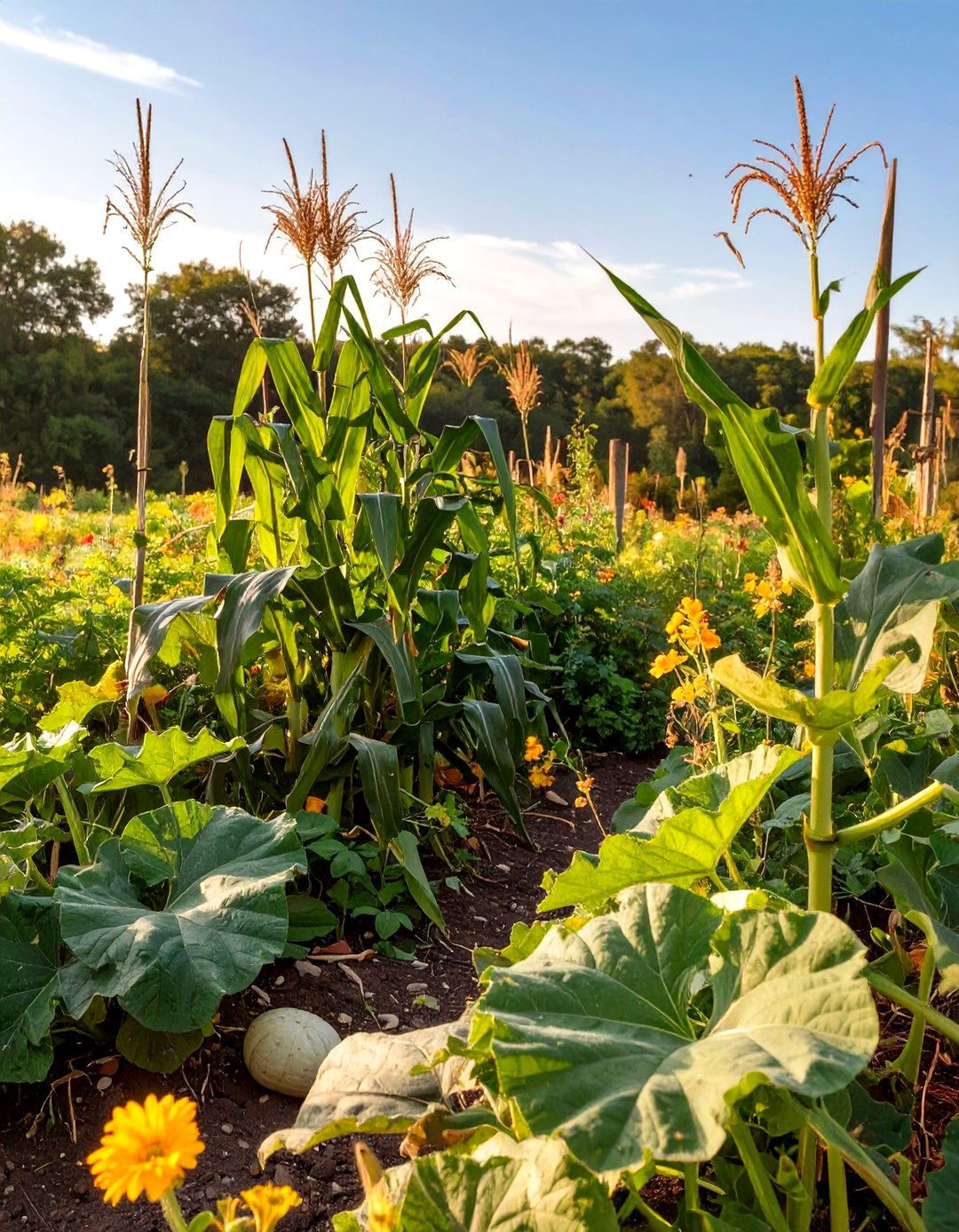
The Three Sisters veggie garden is a traditional Native American companion planting method featuring corn, beans, and squash. These three plants grow symbiotically, supporting each other in a mutually beneficial relationship. The tall corn stalks provide a natural trellis for the pole beans to climb. The beans, in turn, fix nitrogen in the soil, which benefits the corn. The large, sprawling leaves of the squash plant create a living mulch, shading the ground to retain moisture and suppress weeds. This clever combination maximizes garden space and creates a resilient, self-sustaining system that yields a balanced harvest.
14. Pallet Veggie Garden Upcycle Project
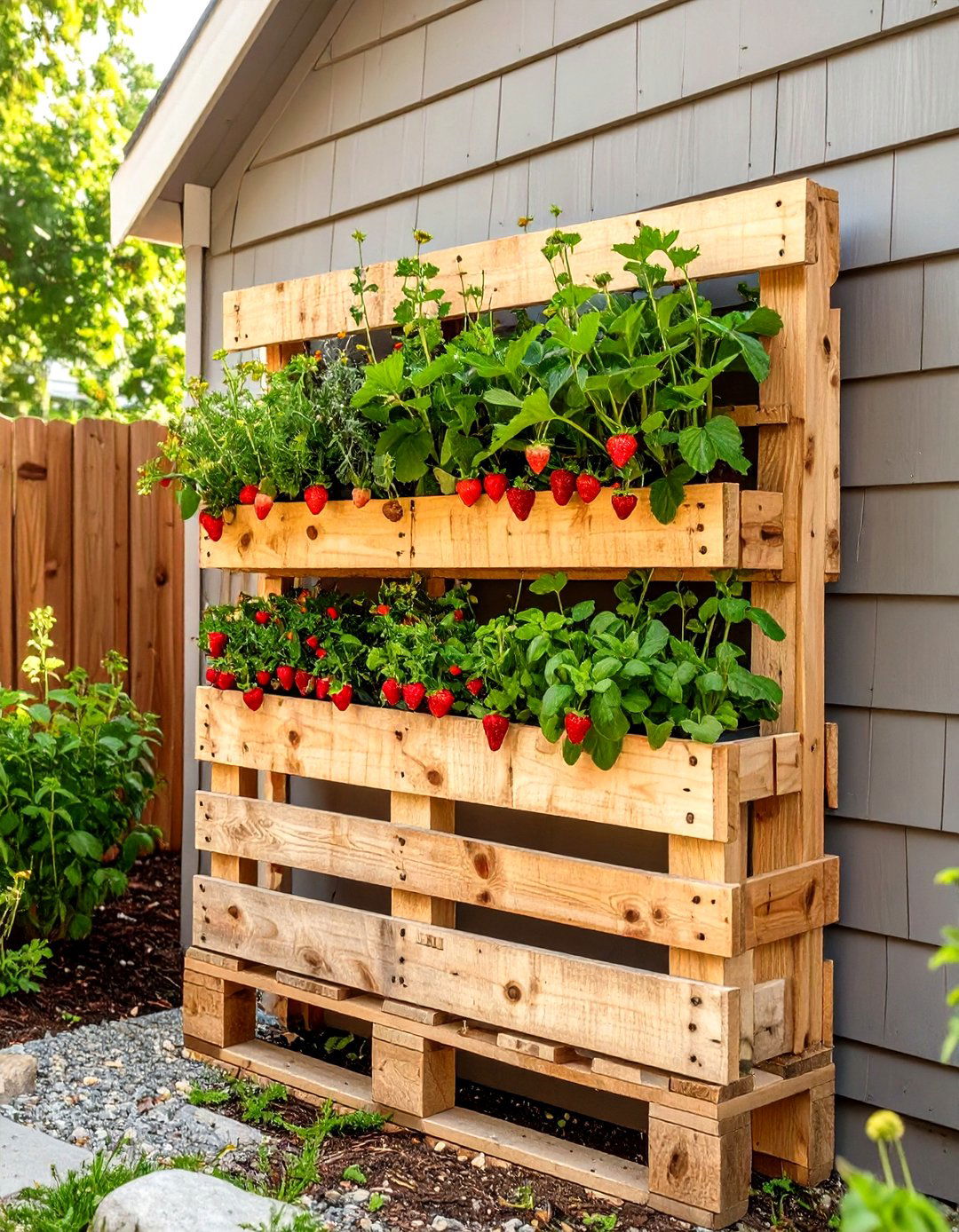
A pallet veggie garden is a popular and budget-friendly DIY project that repurposes wooden pallets into planters. By standing a pallet upright and stapling landscape fabric to create pockets, you can make a fantastic vertical garden for herbs, lettuce, and strawberries. Alternatively, pallets can be laid flat to create shallow raised beds or used to build the frame for a larger garden box. It’s a sustainable way to upcycle materials and add rustic charm to your garden. Be sure to use a heat-treated (marked "HT") pallet, not one treated with chemicals, to ensure it’s safe for growing edibles.

15. Cold Frame Veggie Garden for Season Extension
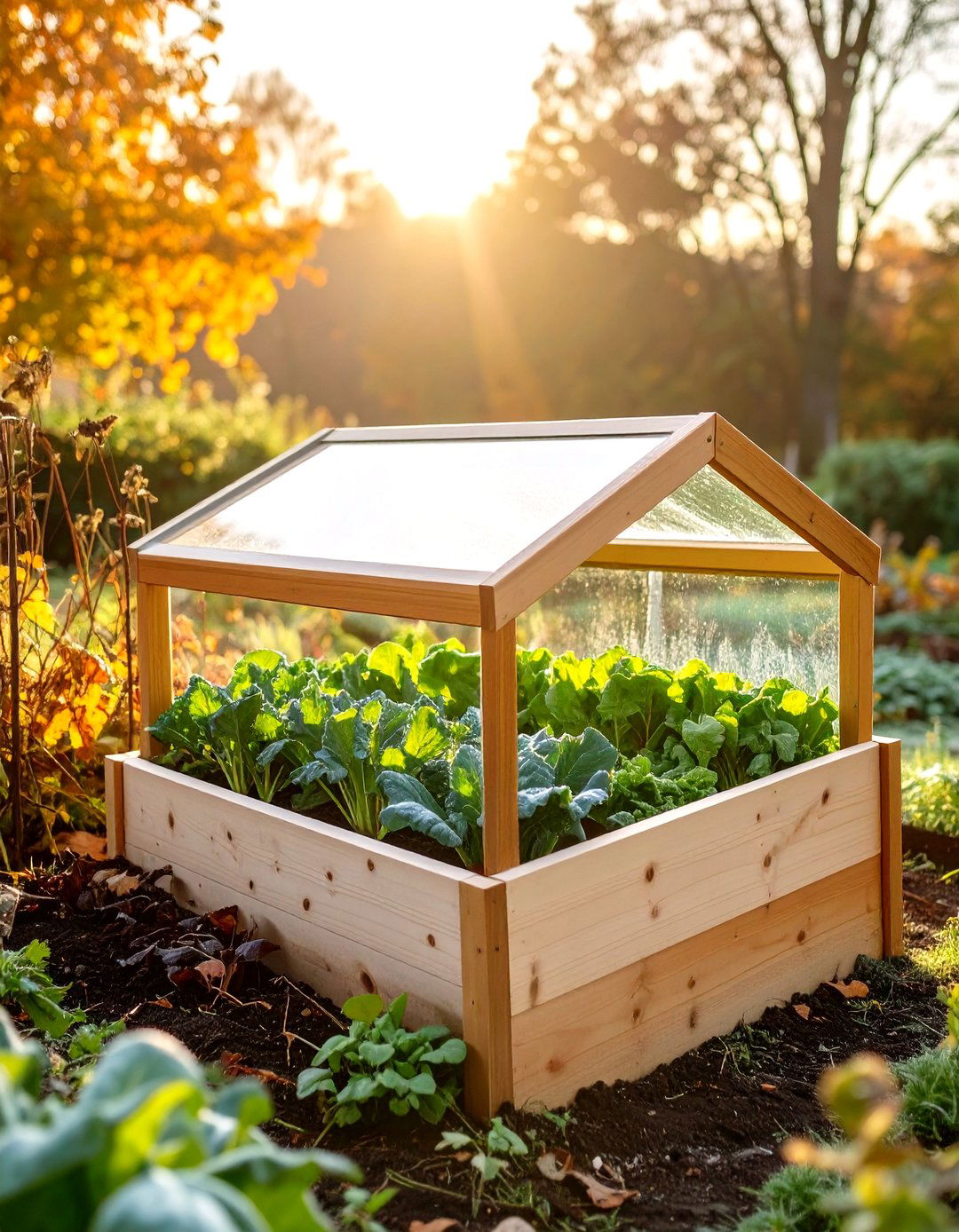
A cold frame veggie garden allows you to extend your growing season into the colder months. This simple structure is essentially a bottomless box with a transparent lid, like an old window, that sits over a garden bed. It protects plants from frost, wind, and snow while trapping solar heat to create a warmer microclimate inside. Cold frames are perfect for hardening off seedlings in the spring and for growing cool-weather crops like spinach, kale, and lettuce well into the fall and winter. It’s a low-cost, effective way to enjoy fresh harvests for more of the year.
16. Wicking Bed Veggie Garden for Water Conservation
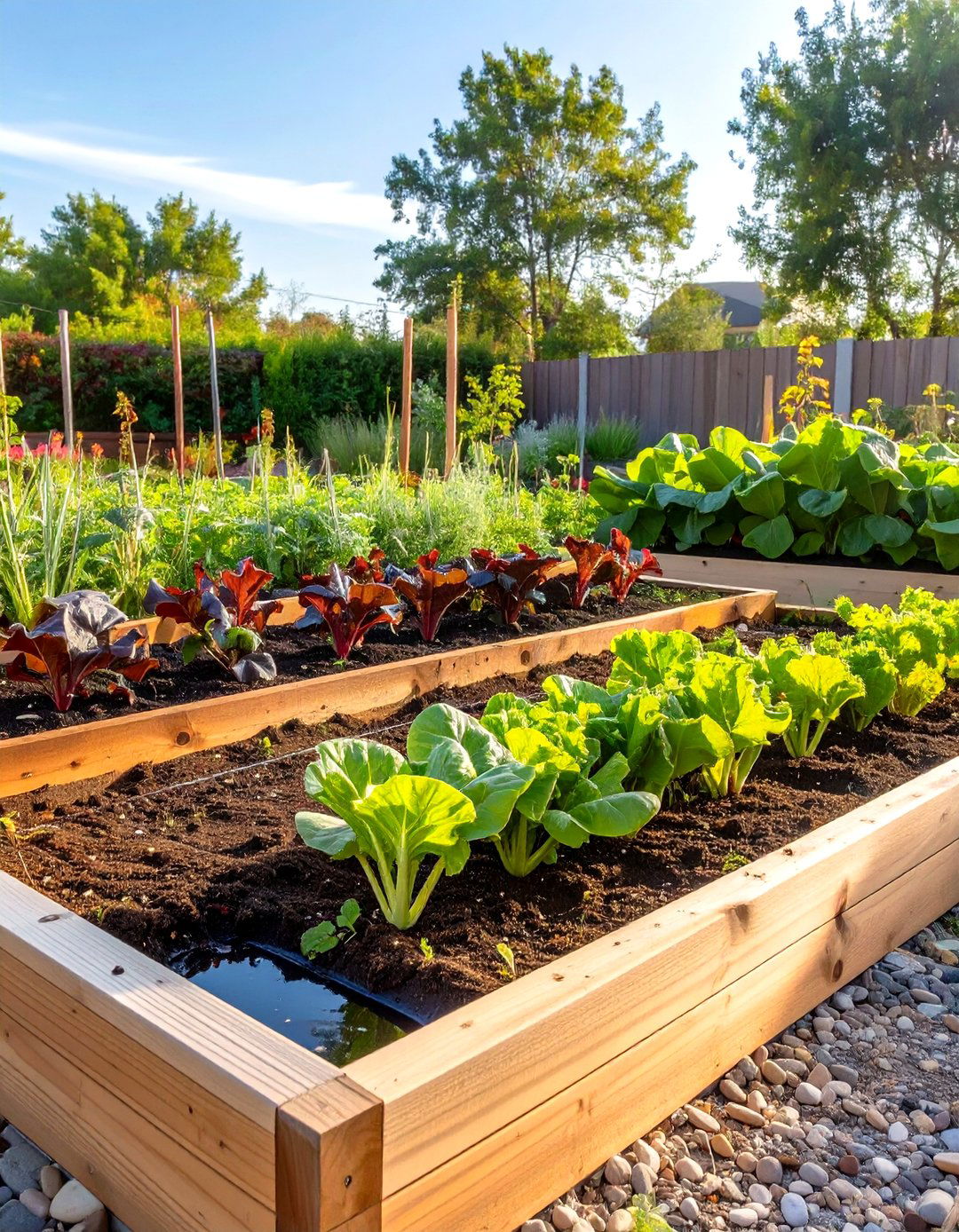
A wicking bed veggie garden is a self-watering system designed for maximum water efficiency, making it ideal for dry climates. These raised beds feature a waterproof liner and a reservoir of water at the bottom, typically made with gravel or perforated pipes. The water is drawn up into the soil above via capillary action, or "wicking," delivering moisture directly to the plant roots as needed. This design significantly reduces water loss through evaporation and ensures plants receive a consistent water supply. It’s a smart, sustainable solution for conserving water while maintaining a healthy, productive garden.
17. U-Shaped Veggie Garden Layout
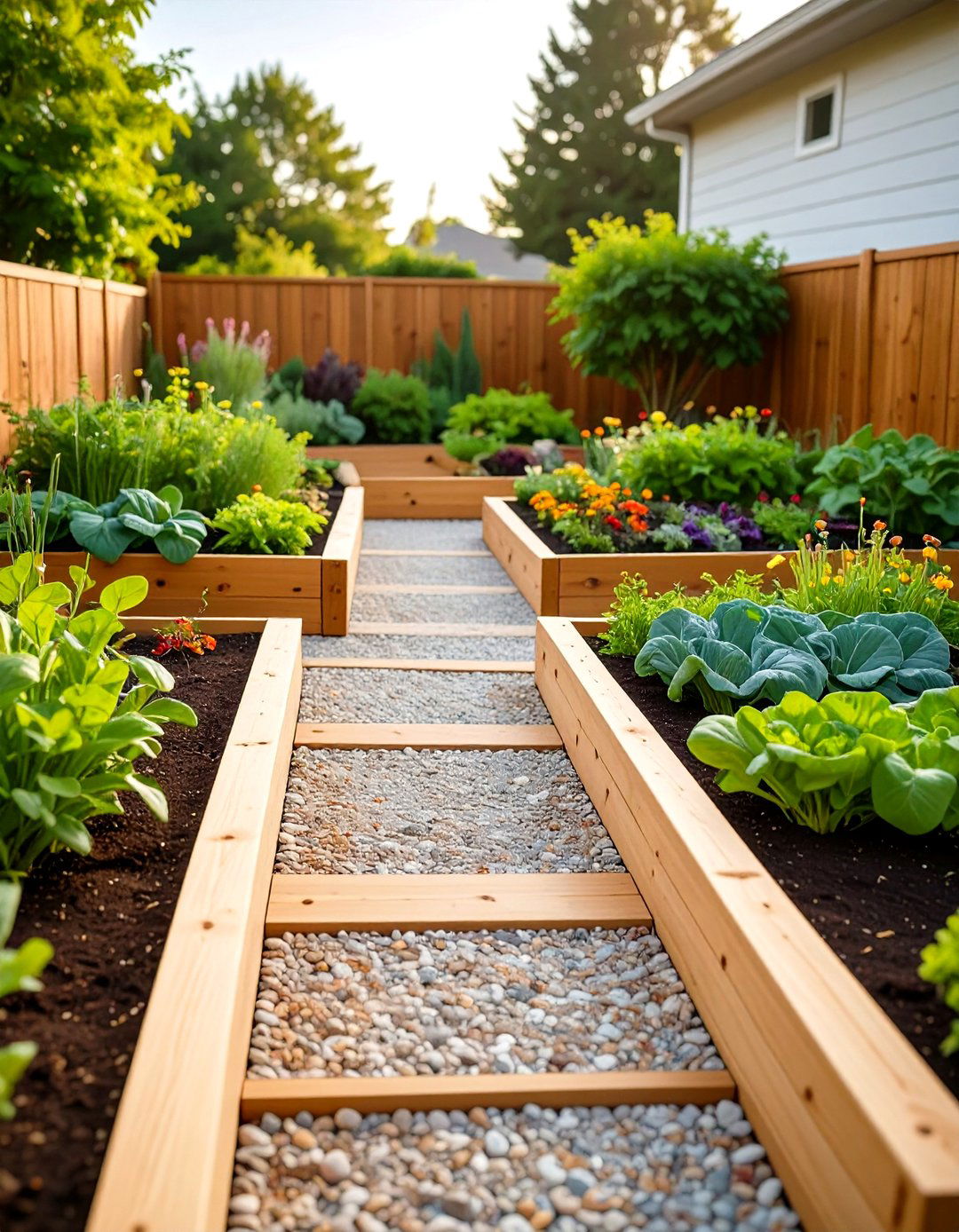
The U-shaped veggie garden layout is a highly practical design for maximizing planting area while maintaining easy access. This configuration consists of three connected raised beds forming a 'U' shape, with a central path that allows you to reach every part of the garden without stepping on the soil. This prevents soil compaction and makes tasks like planting, weeding, and harvesting much more comfortable. The design is efficient, ergonomic, and works well for gardens of various sizes, offering a clean, organized look and ensuring every plant is within easy reach from the central walkway.
18. Hanging Basket Veggie Garden
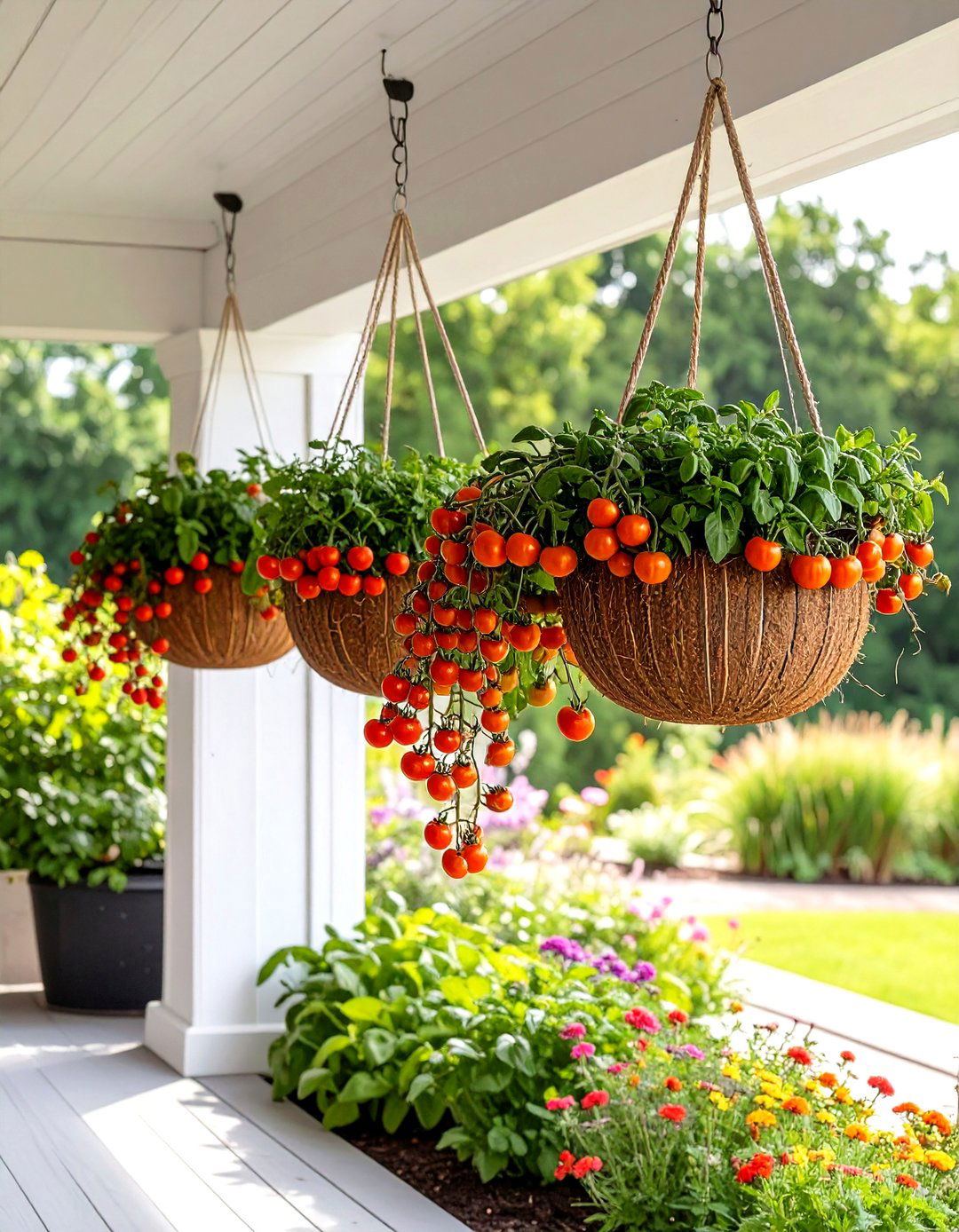
A hanging basket veggie garden adds a beautiful and productive element to porches, balconies, and patios. This method is perfect for trailing plants like cherry tomatoes, strawberries, and certain types of peas and herbs. The elevated position helps with air circulation and can protect plants from ground-dwelling pests. When choosing plants, look for compact or "tumbling" varieties specifically bred for containers. Hanging baskets do dry out quickly, so they require regular watering, but the reward is a lovely, cascading display of fresh, edible produce that adds both beauty and function to your outdoor living spaces.
19. Mandala Veggie Garden Design
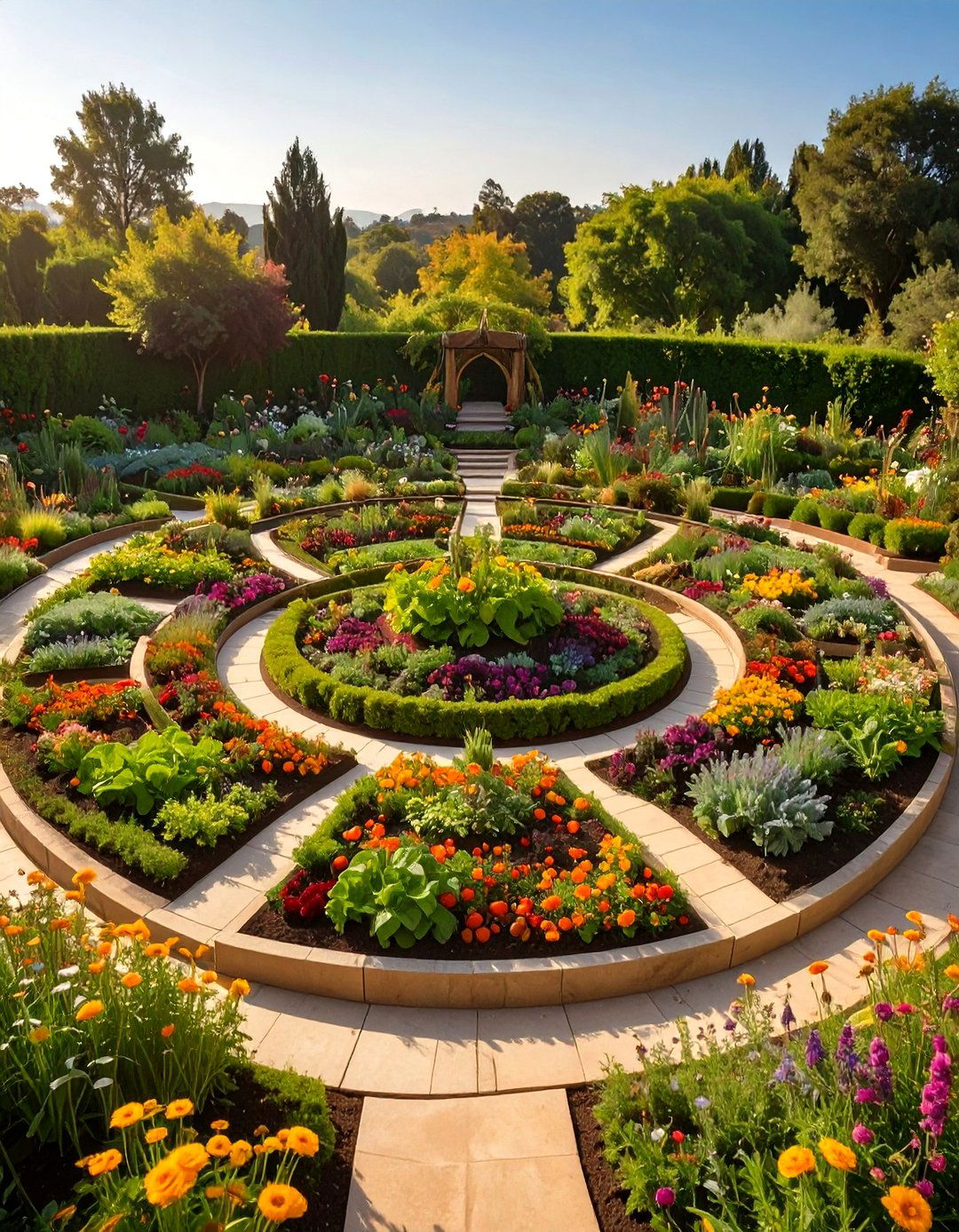
A mandala veggie garden is a circular, intricately patterned garden that is both highly productive and visually stunning. Inspired by spiritual symbols, this design often features a central focal point, such as a tree or pond, with keyhole paths radiating outwards to create multiple wedge-shaped garden beds. The layout maximizes edge space, which is often the most productive part of a garden, and the paths provide easy access to all planting areas. This design encourages biodiversity and is a beautiful way to apply permaculture principles, creating a harmonious and functional garden that is a true work of art.
20. Permaculture Veggie Garden Guilds
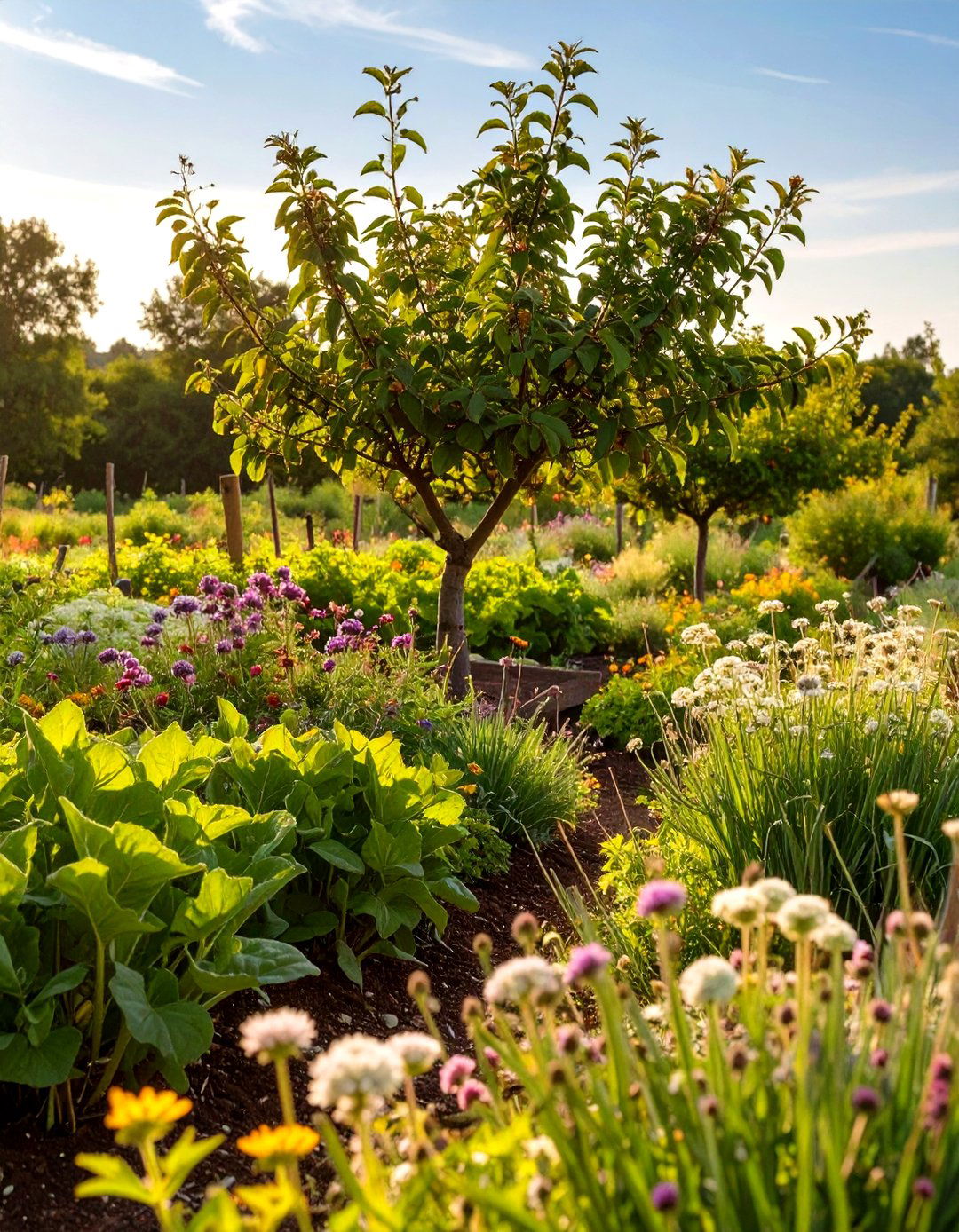
In a permaculture veggie garden, plants are grown in "guilds," which are communities of plants that support each other. A guild is typically centered around a key plant, like a fruit tree, and surrounded by other plants that perform various functions. These companion plants might fix nitrogen, attract pollinators, repel pests, or act as a ground cover to suppress weeds. For example, a fruit tree guild might include comfrey to mine nutrients, chives to deter pests, and clover as a living mulch. This holistic approach creates a resilient, self-sustaining ecosystem that mimics natural patterns.
21. Cinder Block Veggie Garden
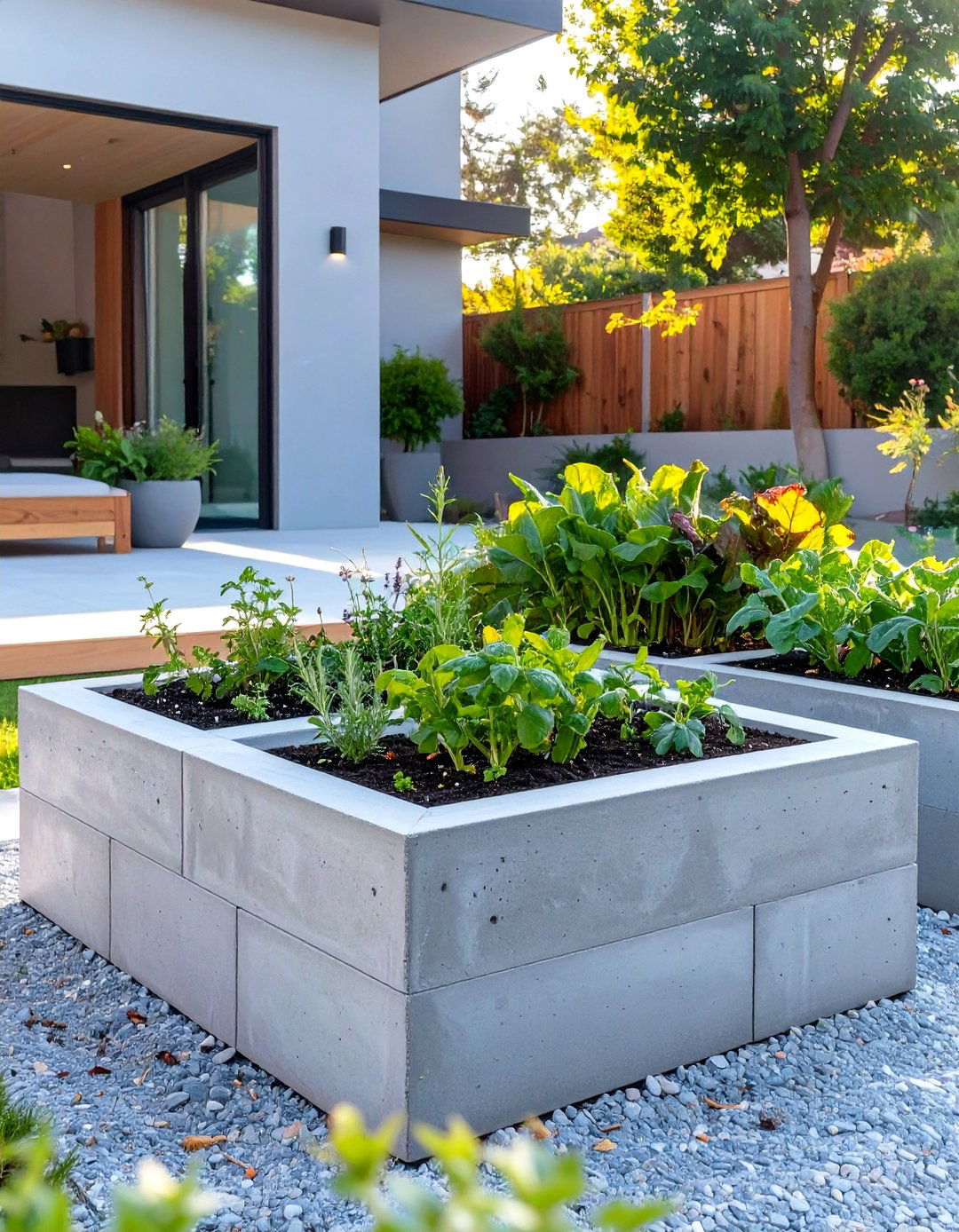
A cinder block veggie garden is a simple, affordable, and modular way to create raised beds. The blocks are arranged to form the border of your garden bed, and the central area is filled with soil. The holes in the cinder blocks themselves can also be filled with soil and used as individual pockets for planting herbs, marigolds, or strawberries. This creates additional planting space around the perimeter of the bed. This method is durable, easy to assemble, and allows for flexible designs, making it a practical choice for gardeners looking for a sturdy and long-lasting raised bed solution.
22. Trough Veggie Garden with Rustic Charm
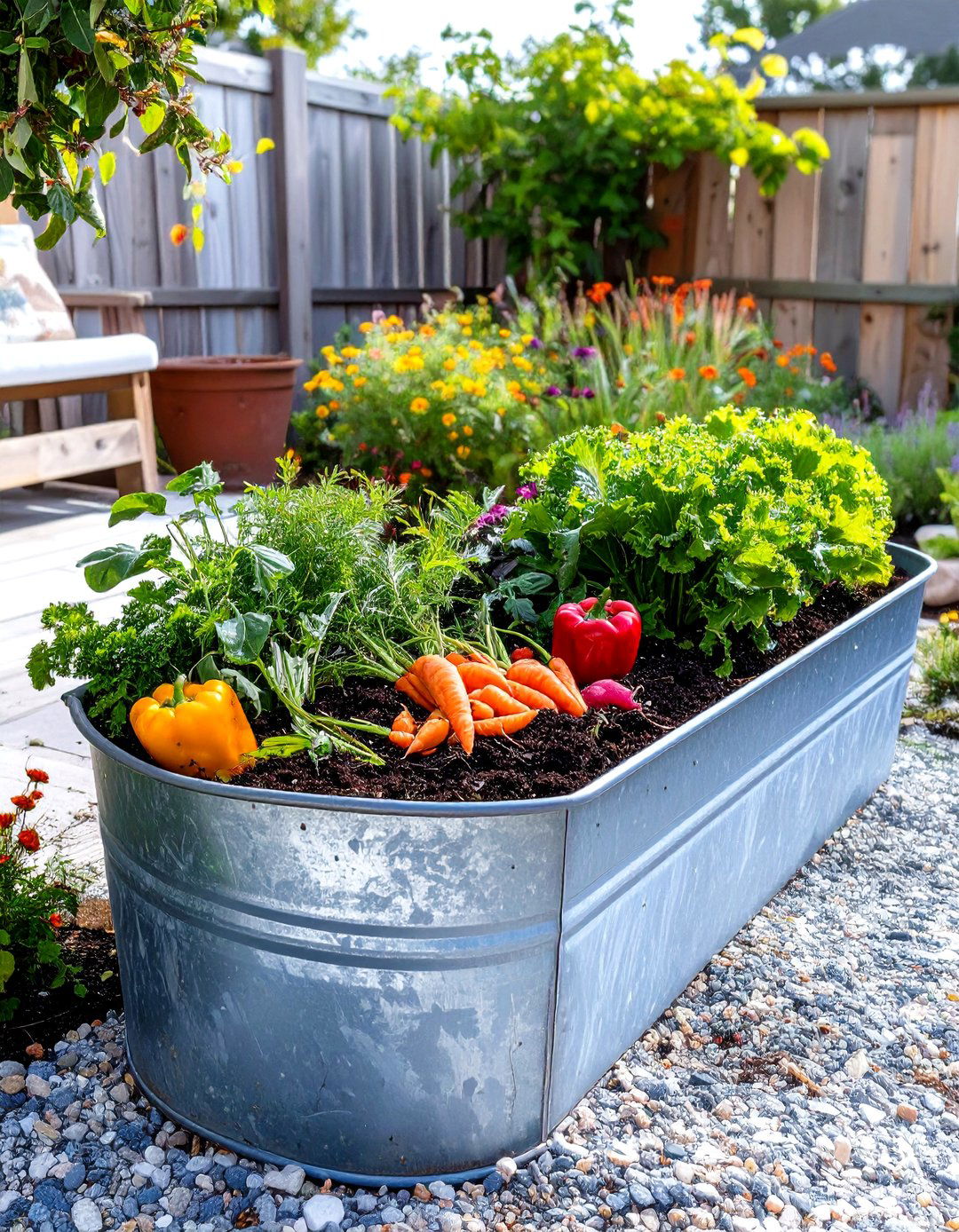
A trough veggie garden using galvanized metal or wooden troughs brings a touch of rustic, farmhouse charm to any space. These containers are deep enough to accommodate a wide variety of vegetables, including root crops like carrots and potatoes, as well as larger plants like zucchini and peppers. Their elevated design makes them easy to tend to without bending or kneeling. Ensure you drill drainage holes in the bottom before filling them with soil. Troughs are durable, stylish, and provide a self-contained, manageable space for growing a productive and attractive vegetable patch.
23. Polyculture Veggie Garden for Biodiversity
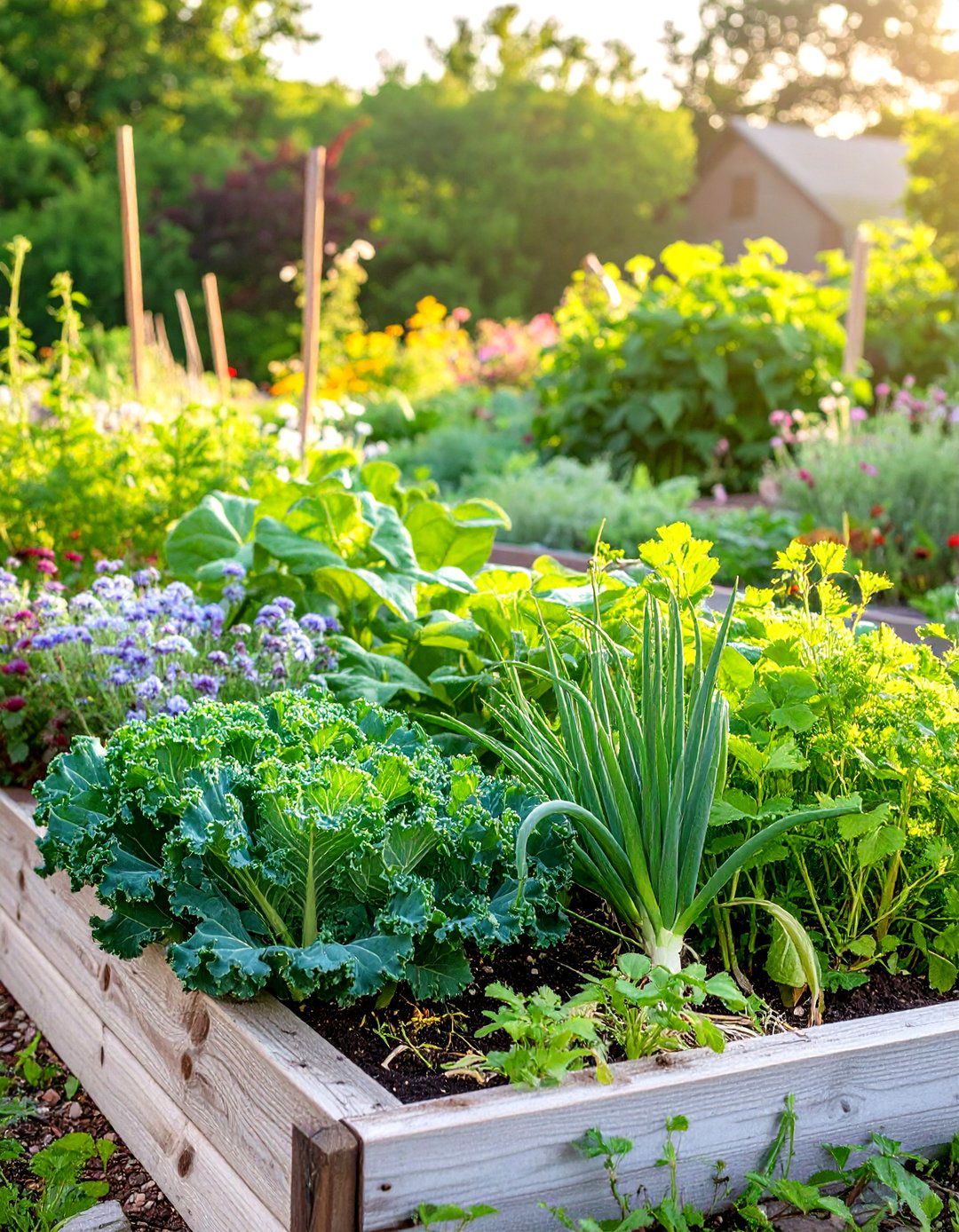
A polyculture veggie garden involves growing multiple crop species in the same space, mimicking the diversity of natural ecosystems. Unlike monoculture, where a single crop is grown, polyculture integrates different plants with varying heights, root structures, and nutrient needs. This diversity helps to improve soil health, reduce pest and disease outbreaks, and create a more resilient and stable garden system. By interplanting vegetables, herbs, and flowers, you can create a vibrant, self-regulating garden that is more productive and less reliant on external inputs like fertilizers and pesticides, fostering a healthier environment.
24. A-Frame Trellis Veggie Garden
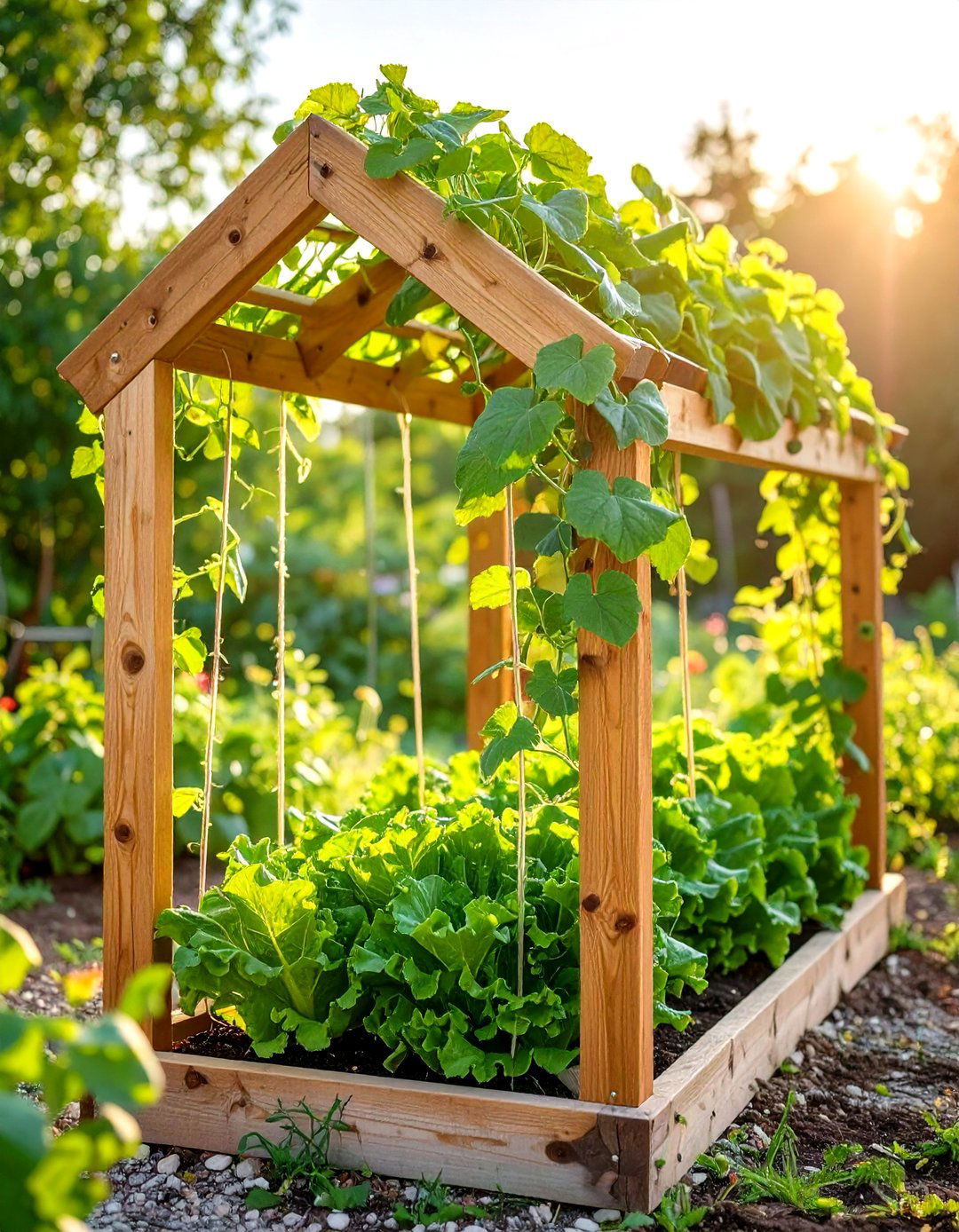
An A-frame trellis veggie garden is an excellent way to grow climbing vegetables vertically, saving valuable ground space. This freestanding, tent-shaped structure provides sturdy support for vining plants like cucumbers, pole beans, peas, and even small melons. As the plants grow up the trellis, the fruits hang down, making them easy to see and harvest. The space underneath the A-frame can also be utilized for shade-loving crops like lettuce or spinach. This simple yet effective design maximizes your growing area and promotes good air circulation, which helps keep your plants healthy.
25. Sensory Veggie Garden for Kids
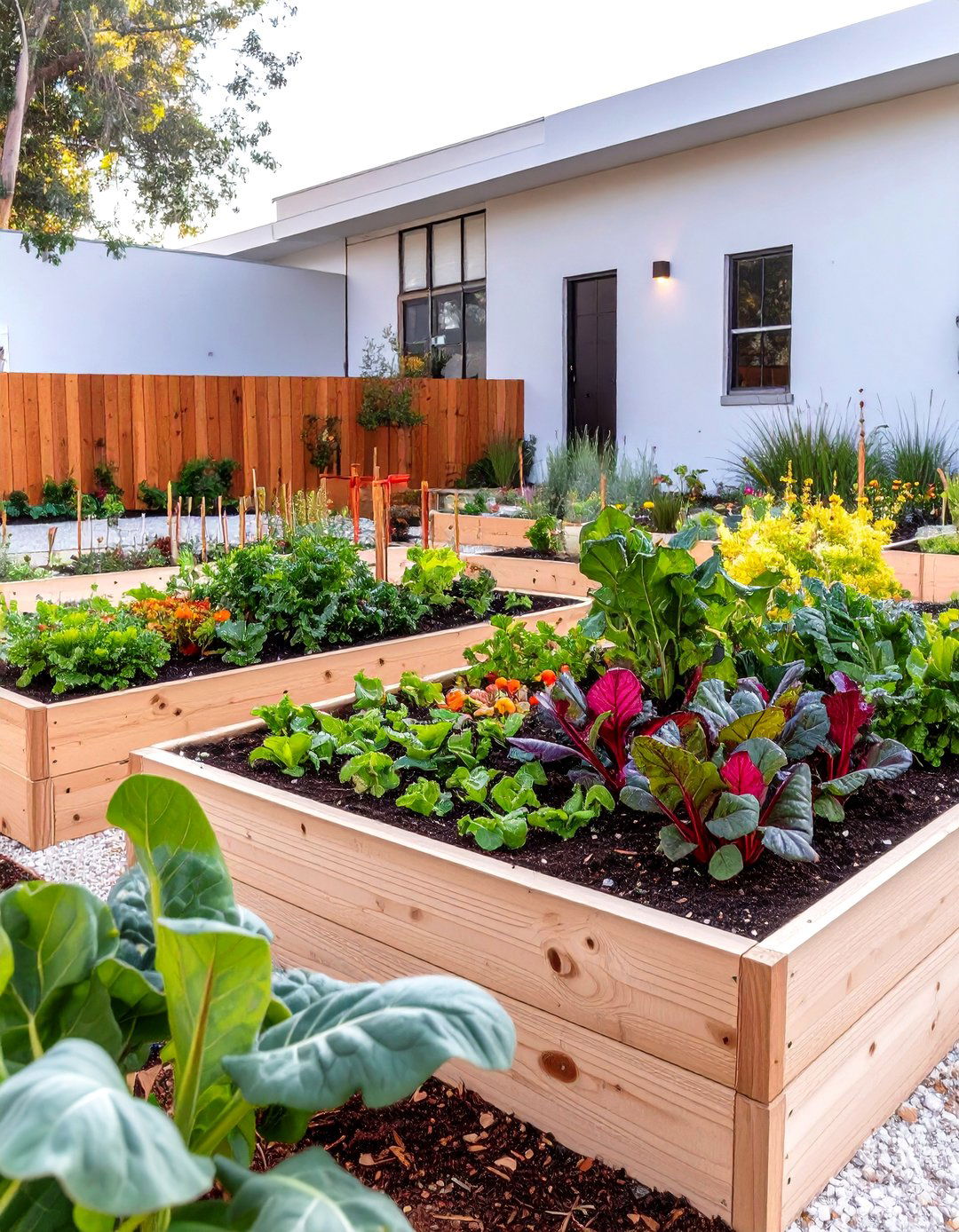
A sensory veggie garden is designed to engage all five senses, making it a wonderful and educational space for children. Incorporate plants with different textures, like fuzzy lamb's ear or smooth pepper leaves. Include fragrant herbs like mint and lemon balm for the sense of smell, and sweet cherry tomatoes or snap peas for taste. Brightly colored swiss chard and edible flowers like nasturtiums provide visual appeal, while the rustling of corn stalks in the wind engages the sense of hearing. This type of garden encourages kids to explore, learn about where food comes from, and develop a lifelong love for nature.
26. Alley Cropping Veggie Garden
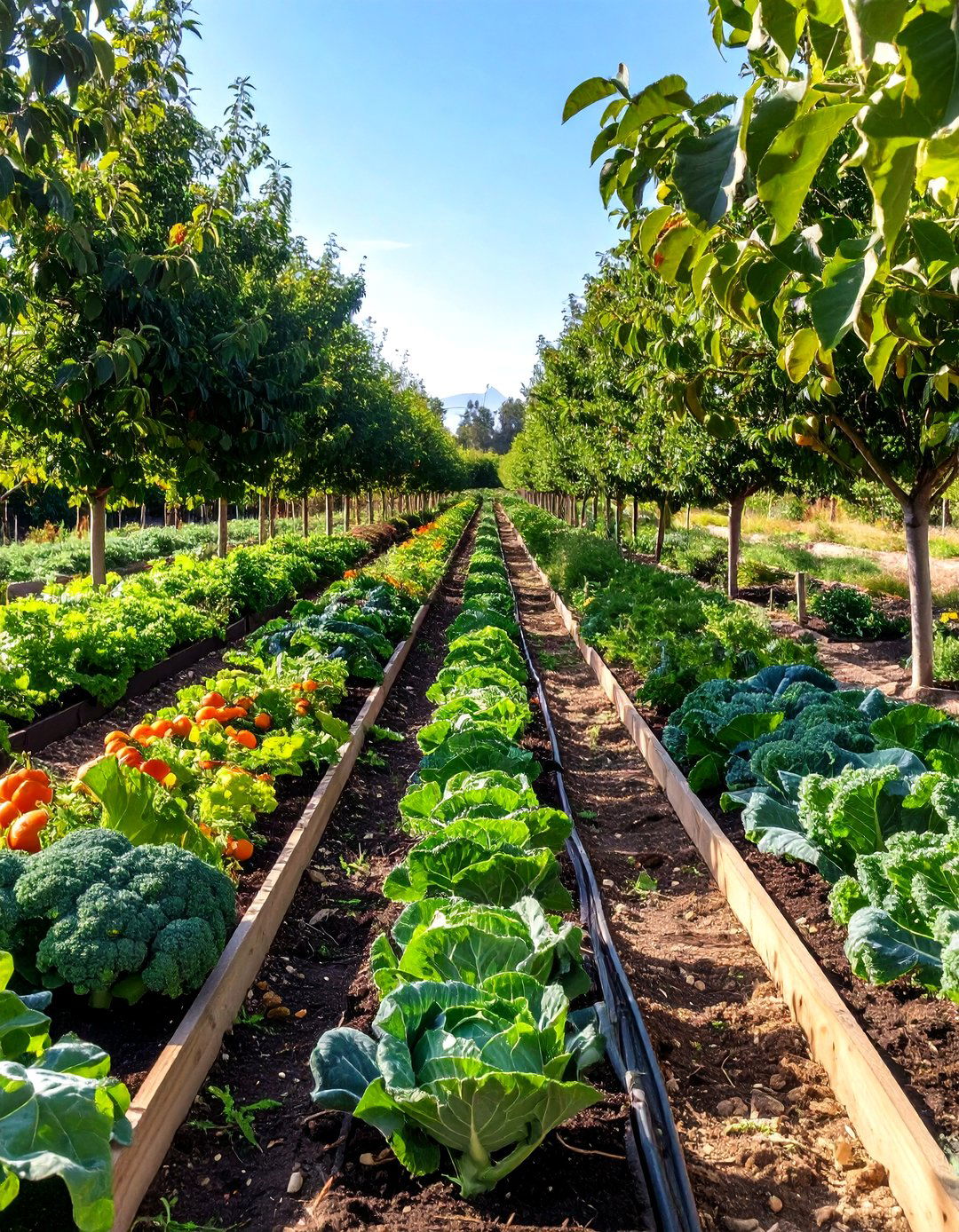
Alley cropping is an agroforestry practice adapted for a veggie garden, where vegetables are planted in the "alleys" between rows of trees or shrubs. The trees can provide benefits like wind protection, shade for cool-weather crops, and improved soil fertility as their leaves decompose. For a home garden, this could mean planting rows of vegetables between rows of fruit trees, berry bushes, or even tall sunflowers. This integrated system maximizes the use of space, enhances biodiversity, and creates a more resilient and productive garden by stacking functions both horizontally and vertically.
27. Straw Bale Veggie Garden
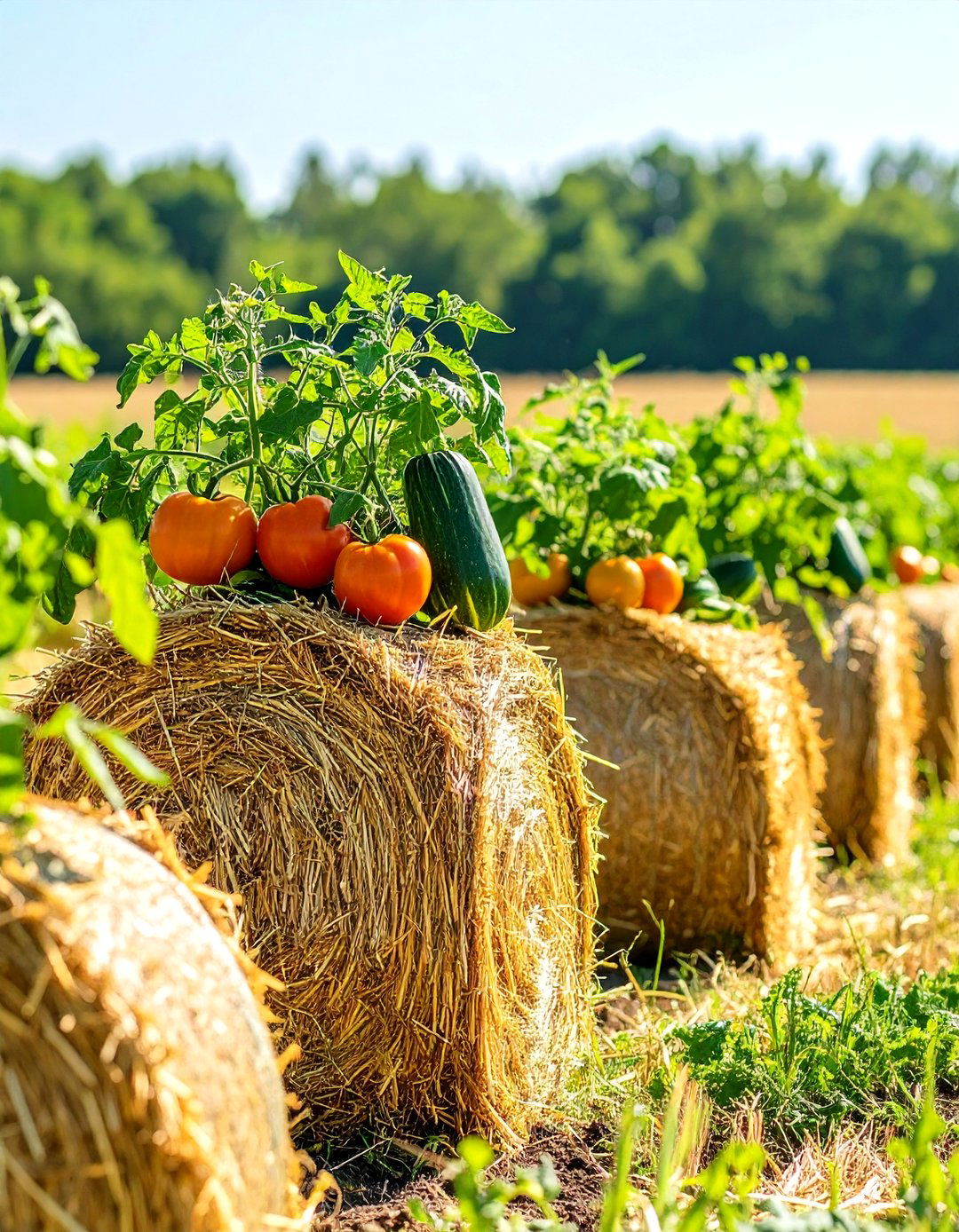
Straw bale gardening is a unique method where you plant directly into conditioned straw bales instead of soil. The bales act as both the container and the growing medium. Before planting, the bales must be "conditioned" for about two weeks with water and a nitrogen source, which starts the decomposition process and creates a nutrient-rich environment inside. This technique creates an instant, weed-free raised bed that is great for people with poor soil or mobility issues. At the end of the season, the decomposed bales can be used as compost to enrich other garden areas.
28. Tiered Veggie Garden on a Slope
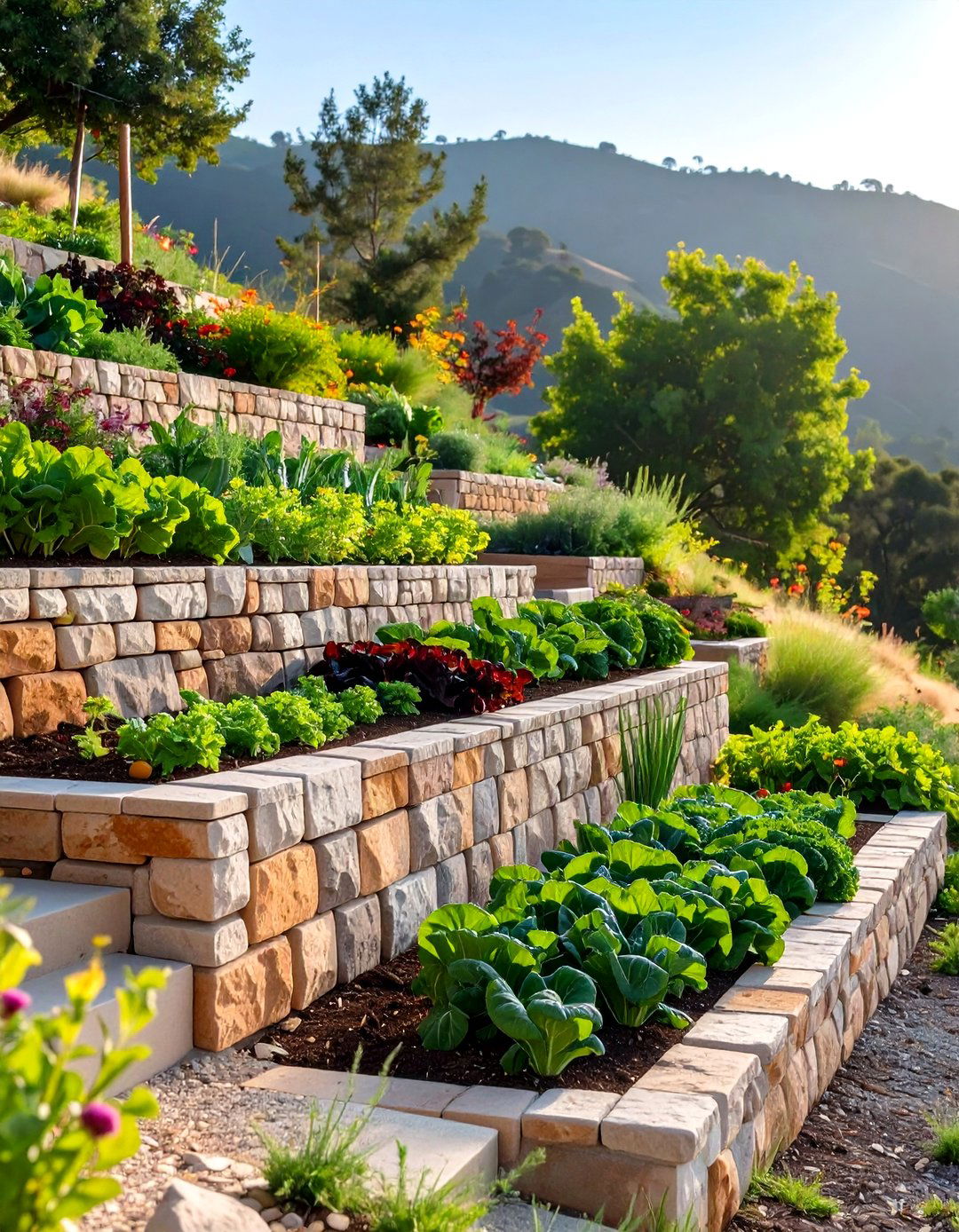
A tiered veggie garden is the perfect solution for transforming a sloped or terraced yard into a productive growing area. By building a series of retaining walls to create level planting beds, you can prevent soil erosion and make the space much easier to work with. Each tier can be dedicated to different types of vegetables, creating a beautiful, cascading effect. The different levels can also create microclimates, with the upper tiers being warmer and drier than the lower ones. This is a highly effective and aesthetically pleasing way to make the most of a challenging landscape.
29. Culinary Themed Veggie Garden
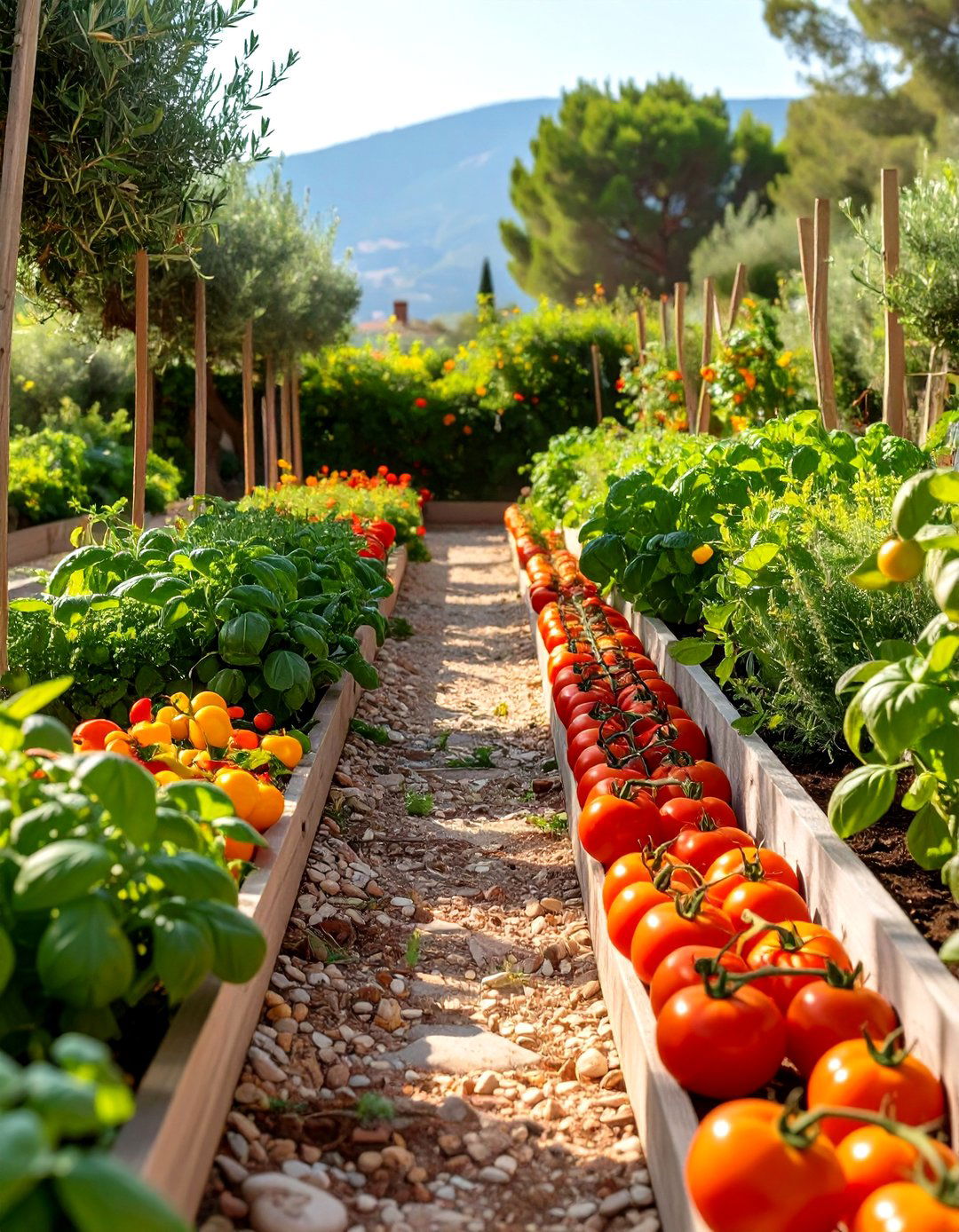
A culinary themed veggie garden is organized around a specific type of cuisine. For example, an Italian-themed garden would feature San Marzano tomatoes, basil, oregano, garlic, and zucchini. A salsa garden would include a variety of tomatoes, jalapeños, cilantro, and onions. This approach makes it easy to plan meals and ensures you have all the fresh ingredients on hand for your favorite dishes. It’s a fun and practical way to structure your garden, connecting your planting directly to your passion for cooking and bringing the concept of "farm-to-table" right to your own kitchen.
30. Mobile Veggie Garden on Wheels
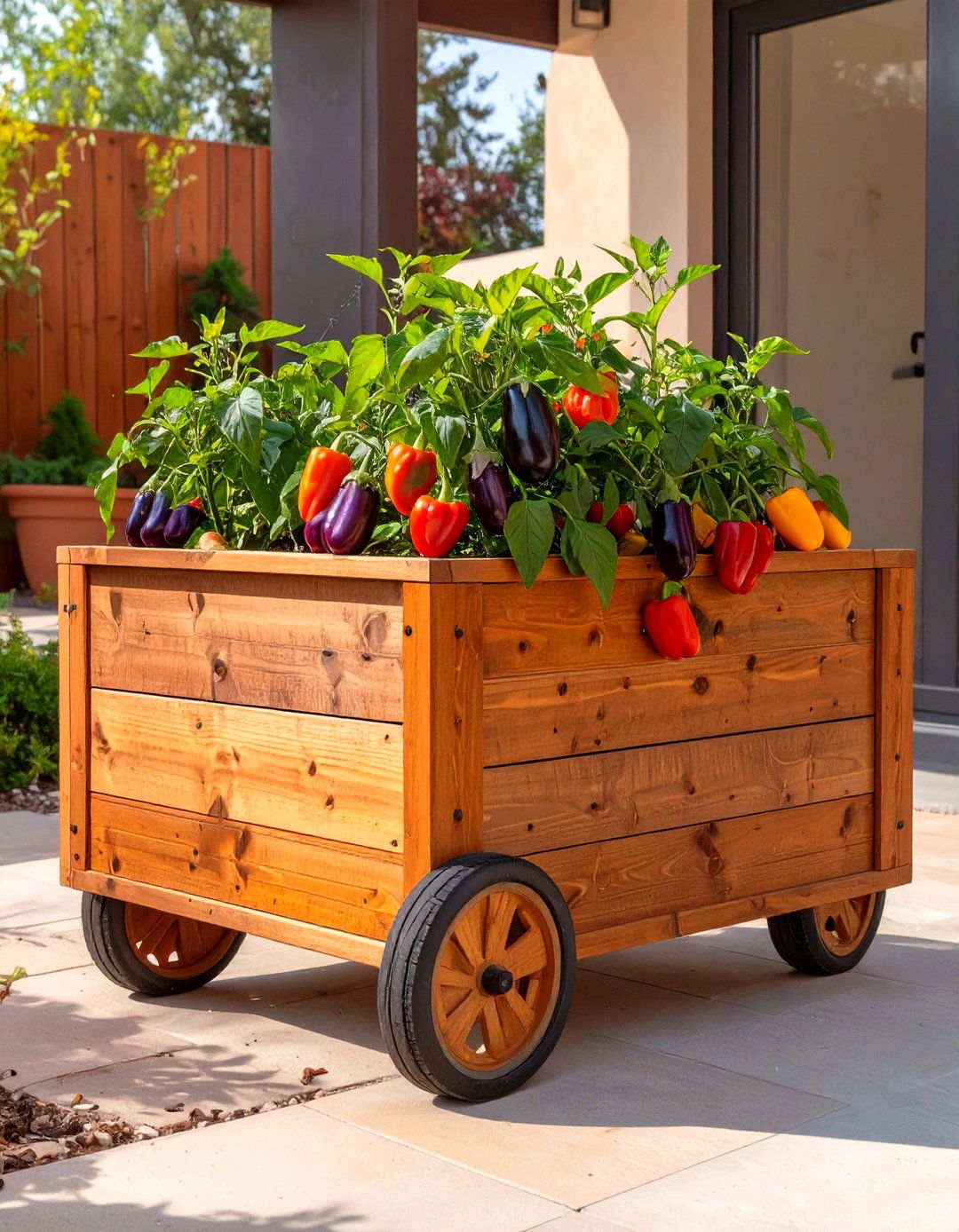
A mobile veggie garden on wheels offers ultimate flexibility, allowing you to move your plants to follow the sun or protect them from extreme weather. This can be achieved by placing large pots on wheeled caddies or by building a custom planter box with casters. This method is especially useful for renters or those who may need to rearrange their outdoor space frequently. It’s perfect for sun-loving plants like tomatoes and peppers on a patio that gets varying light throughout the day. This adaptable setup ensures your plants get exactly what they need to thrive, no matter the conditions.
Conclusion:
Ultimately, creating a veggie garden is a versatile and accessible endeavor. From space-saving vertical and container options to sustainable methods like permaculture and keyhole gardens, there is a design to suit every environment and skill level. These ideas demonstrate that you can cultivate fresh, healthy food whether you have a large yard, a small patio, or just a sunny windowsill. By choosing the right approach for your space and lifestyle, you can enjoy the immense satisfaction of harvesting your own produce and fostering a deeper connection with the food you eat.

Related posts:





Leave a Reply