
A curved driveway can turn a practical front entrance into a memorable journey through the landscape. The best Curved Driveway In Lush Garden Ideas combine a durable driving surface with smooth bends, clearly defined borders, layered plants, and an attractive view of the house. Curves naturally create planting pockets where trees, flowering shrubs, ornamental grasses, and ground covers can soften the hardscape without reducing usable driving space. A successful layout also considers drainage, visibility, turning room, maintenance, and access to the garage. Whether you prefer romantic cottage planting, clean modern greenery, or a woodland setting, the driveway should feel connected to the home and garden. Use these Curved Driveway In Lush Garden Ideas to plan a complete entrance with practical function and lasting curb appeal.

1. Curved Gravel Driveway With Hydrangea Borders
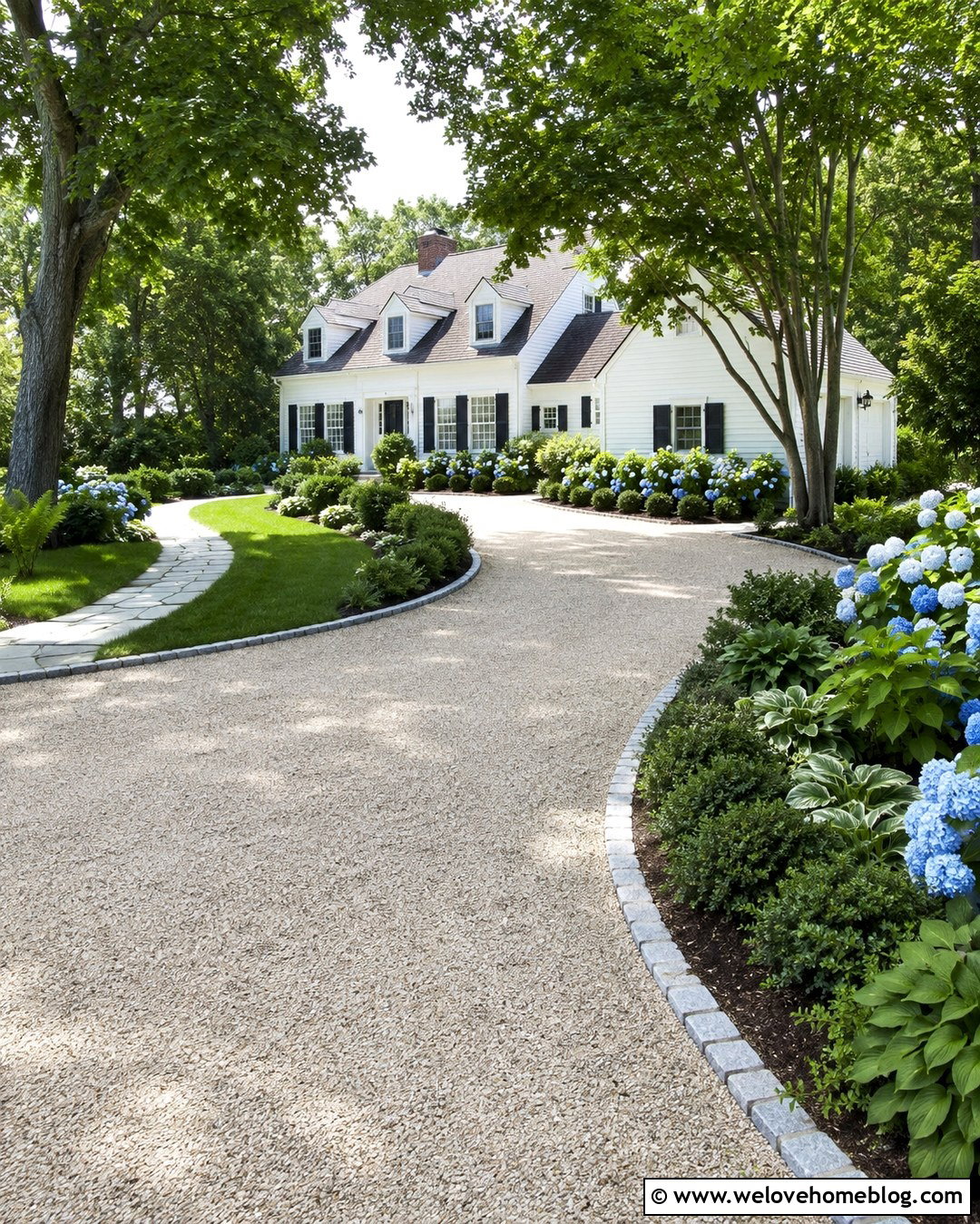
A pale gravel driveway creates a relaxed entrance that looks especially beautiful against full hydrangea borders. Shape the driveway into one broad, gentle curve rather than several tight bends. This makes navigation easier and gives the garden a calm, natural flow. Use compacted crushed stone for the base and a finer decorative gravel for the visible surface. Cobblestone edging will prevent loose gravel from spreading into the beds. Plant hydrangeas behind low evergreen shrubs so the border retains structure when flowers fade. Ferns and hostas can fill shaded areas beneath nearby trees. A brick or flagstone walkway branching toward the front door completes the design. This combination suits Cape Cod, colonial, and traditional homes with soft-colored siding.
2. Curved Concrete Driveway With Tropical Landscaping
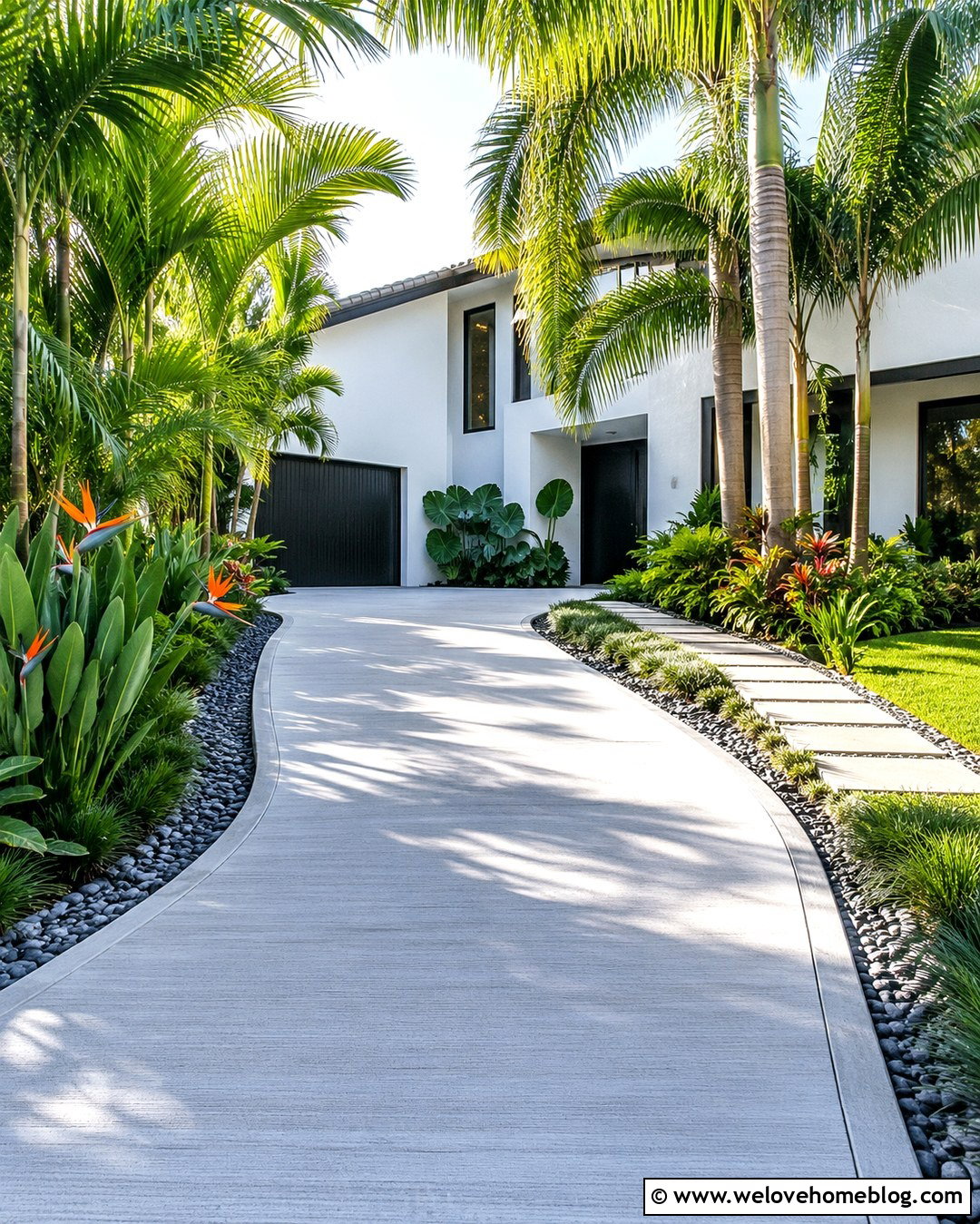
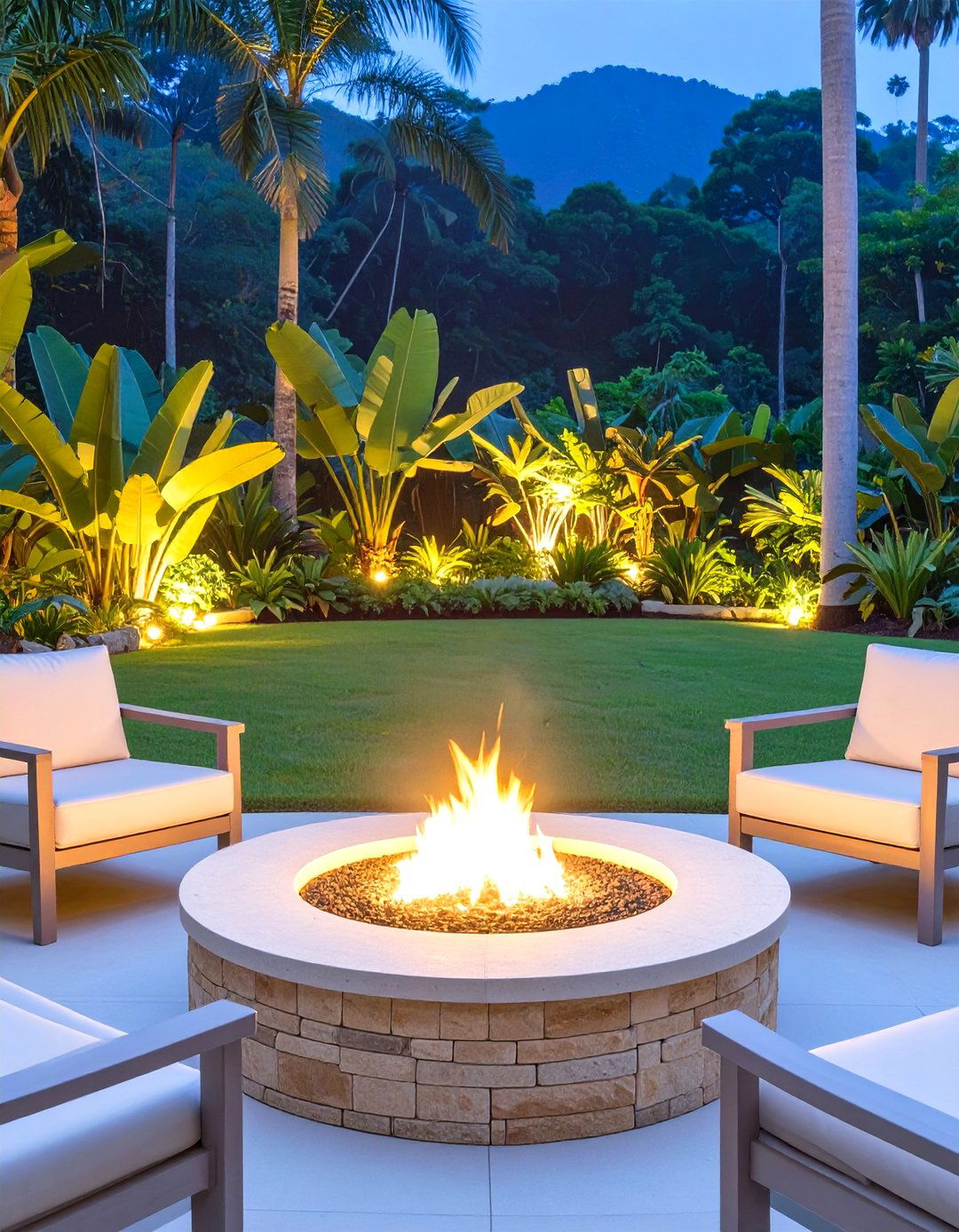
Warm-weather gardens can make a curved concrete driveway feel like the entrance to a private retreat. Choose light gray poured concrete with a smooth broom finish, which provides traction without looking overly textured. Frame the outside curve with palms, bird-of-paradise, philodendrons, and layered tropical foliage. Keep plants near the street lower to protect visibility. Taller specimens can appear farther along the driveway, where they create privacy and reveal the house gradually. Dark river rock makes a clean transition between the concrete and planting beds. Add a wide stepping-stone walkway near the garage so foot traffic does not cross delicate plants. This lush arrangement works particularly well with modern stucco, Mediterranean, and Florida ranch homes surrounded by year-round greenery.
3. Curved Brick Driveway With Cottage Garden Beds
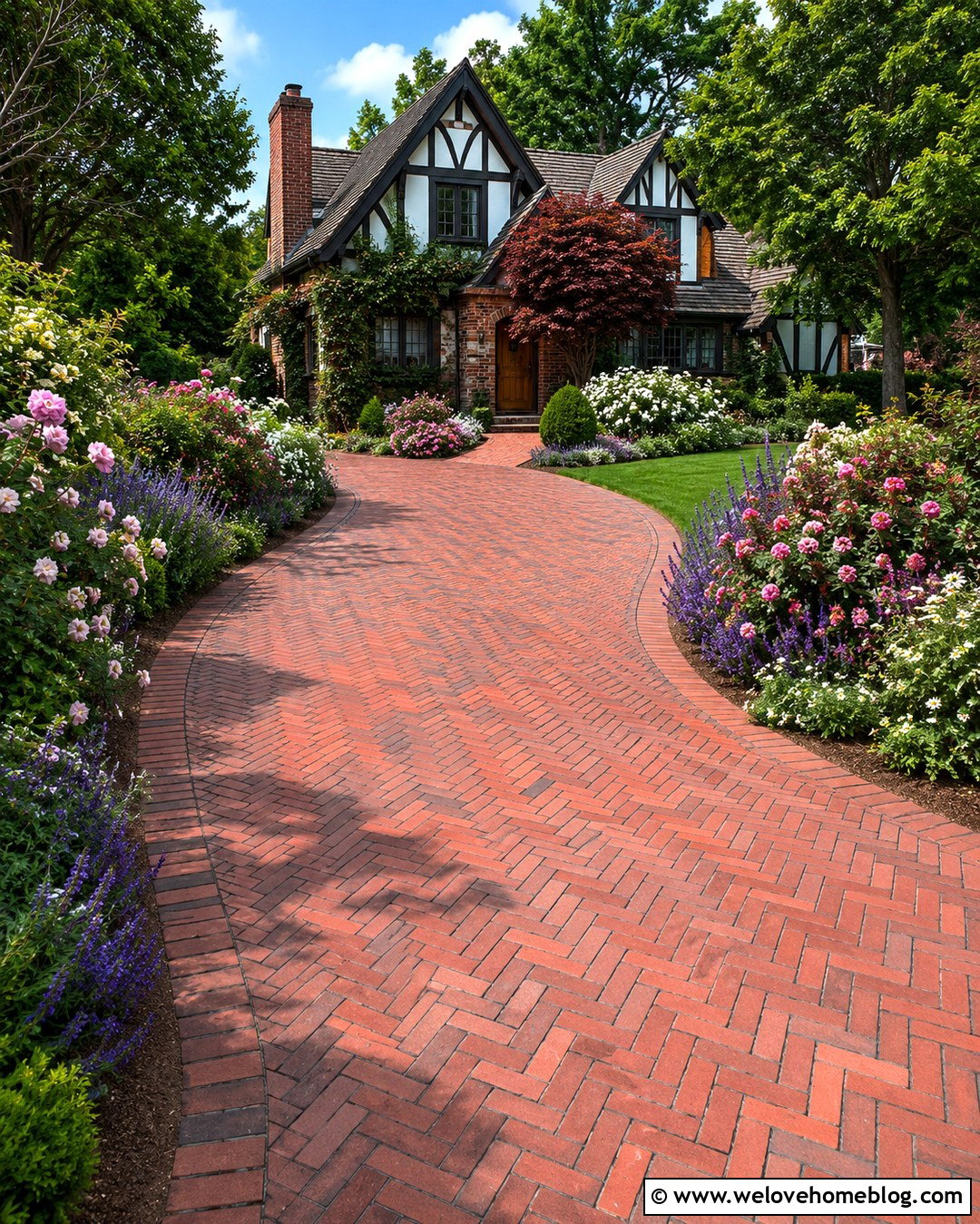
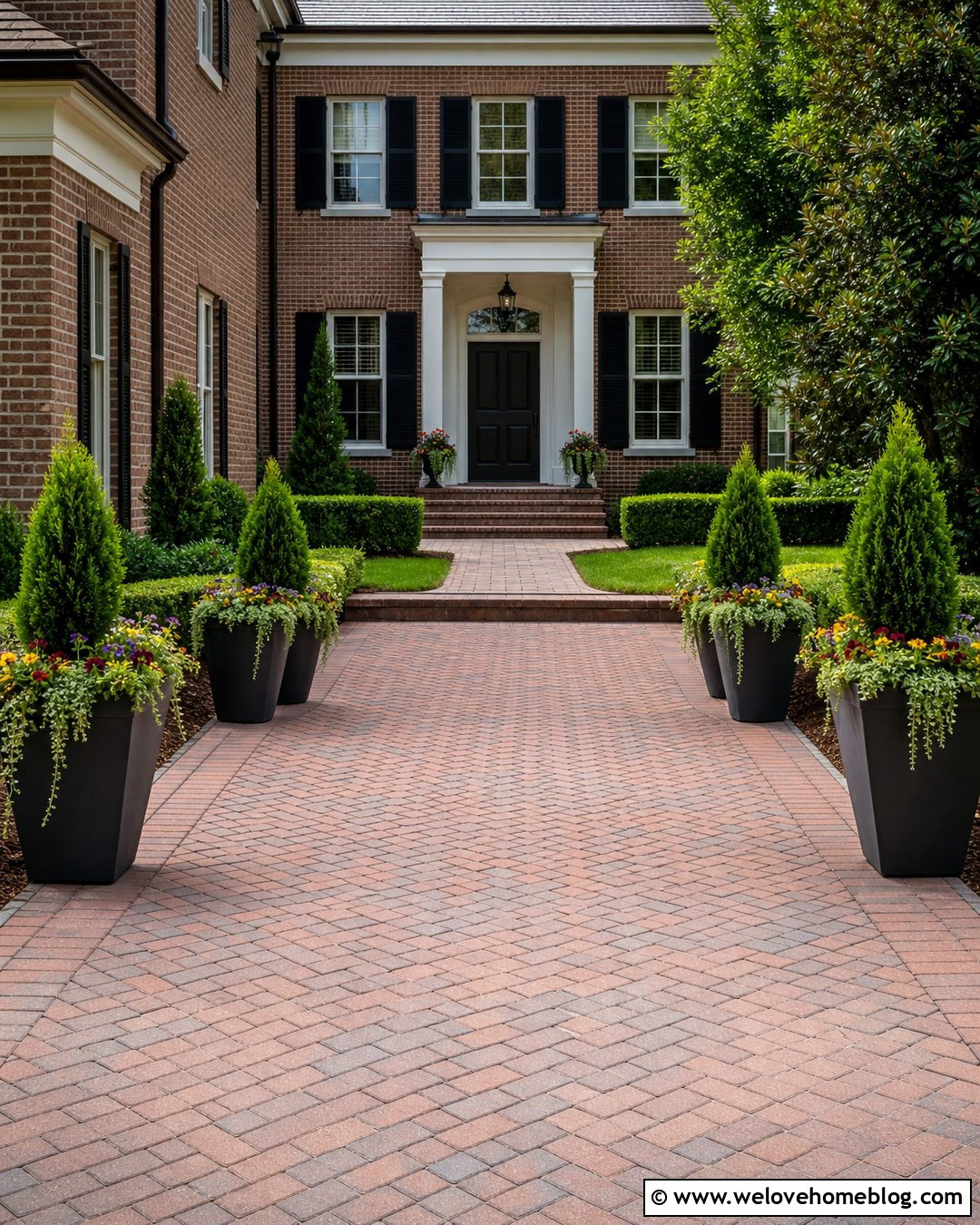
Clay brick pavers bring warmth and traditional character to a driveway surrounded by overflowing cottage plants. A herringbone pattern provides visual movement that follows the curve while creating a strong surface for vehicles. Use a soldier-course brick border to hold the pavers securely and give the edges a finished appearance. Along both sides, layer roses, catmint, salvia, daisies, and compact flowering shrubs. Allow selected plants to soften the border, but prevent stems from extending into driving space. A small ornamental tree placed inside the widest curve can become a natural focal point. Match the brick to the home’s chimney, steps, or walkway for continuity. The finished driveway feels established, welcoming, and well suited to cottages, Tudors, and traditional brick houses.
4. Curved Asphalt Driveway With Woodland Planting
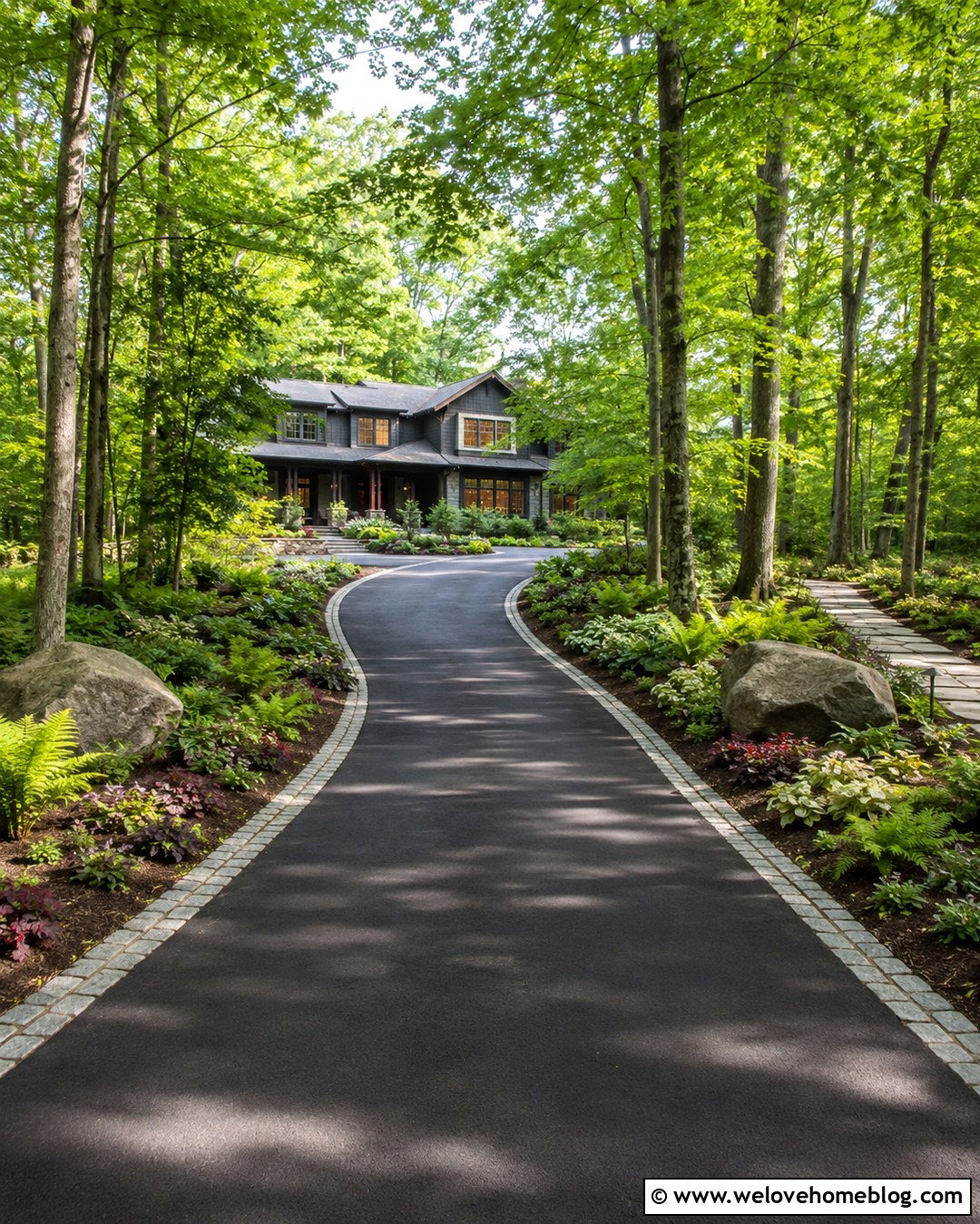
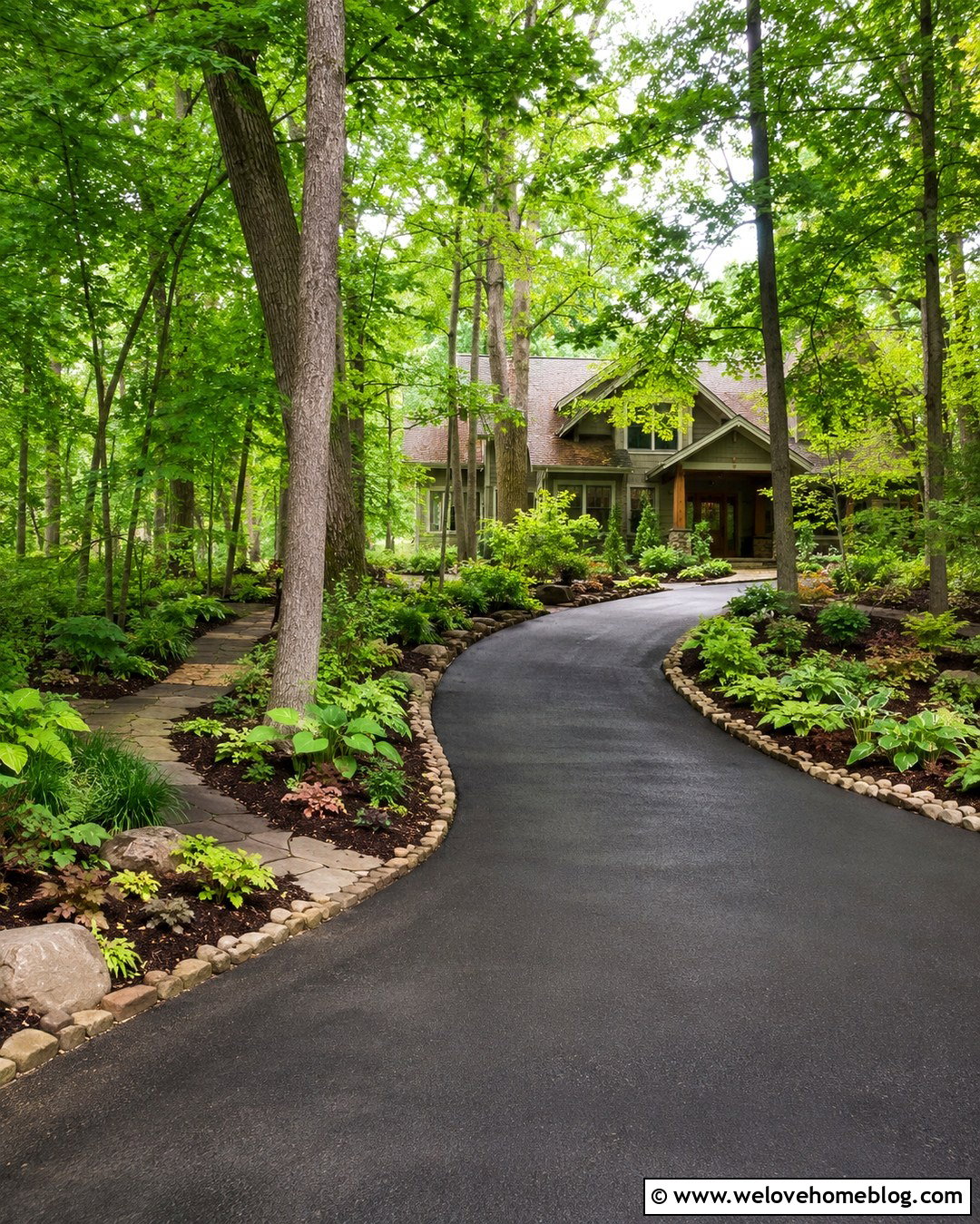
A black asphalt driveway becomes much more inviting when it winds gently through an established woodland garden. Use a generous curve that follows existing mature trees instead of cutting through important root zones. A border of granite cobbles creates a durable separation between asphalt and soil while adding texture. Fill the surrounding beds with shade-tolerant plants such as ferns, hostas, hellebores, heuchera, and woodland ground covers. Repeat plants in broad groups to prevent the garden from appearing busy. Large natural boulders can anchor the outside bend and help the driveway feel integrated with the site. Keep branches pruned for vehicle clearance and visibility. This practical, understated design complements cabins, Craftsman homes, and wooded suburban properties with long front yards.
5. Curved Paver Driveway With Boxwood And Roses
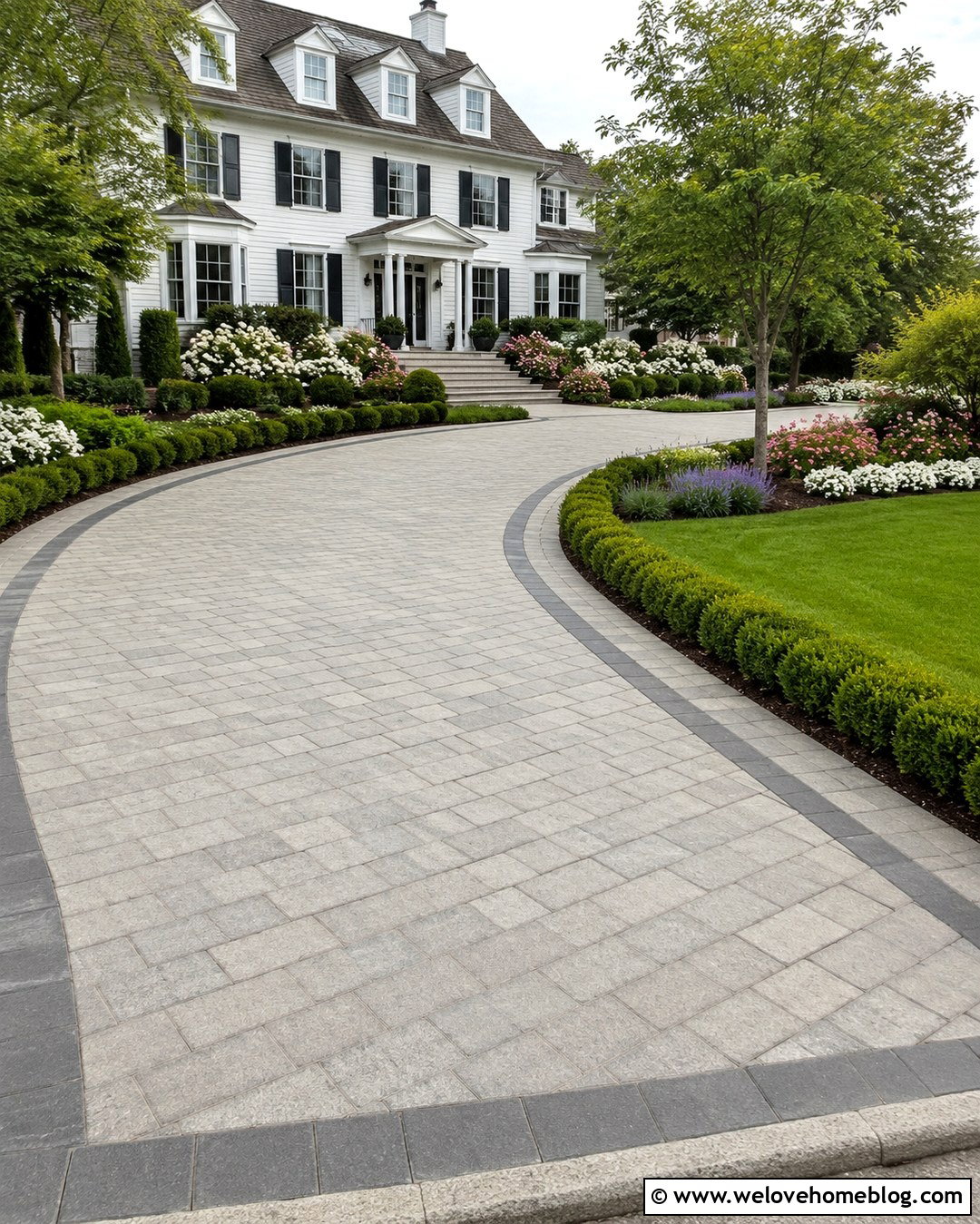
For a polished garden entrance, combine a curved paver driveway with clipped boxwood and generous rose beds. Select warm gray concrete pavers in a running-bond pattern, then outline the curve with a darker charcoal paver ribbon. The contrasting edge makes the driveway shape easy to read and visually connects the surface to the landscaping. Plant low boxwood along key sections rather than surrounding the entire driveway with a continuous hedge. Behind it, use shrub roses, lavender, and white flowering perennials for softer color. Leave wider planted pockets at the bends and narrower borders near parking areas. A matching paver walkway can lead directly to the porch. This balanced design pairs formal structure with abundant planting and works well beside colonial and Georgian-style homes.
6. Curved Cobblestone Driveway With Evergreen Garden
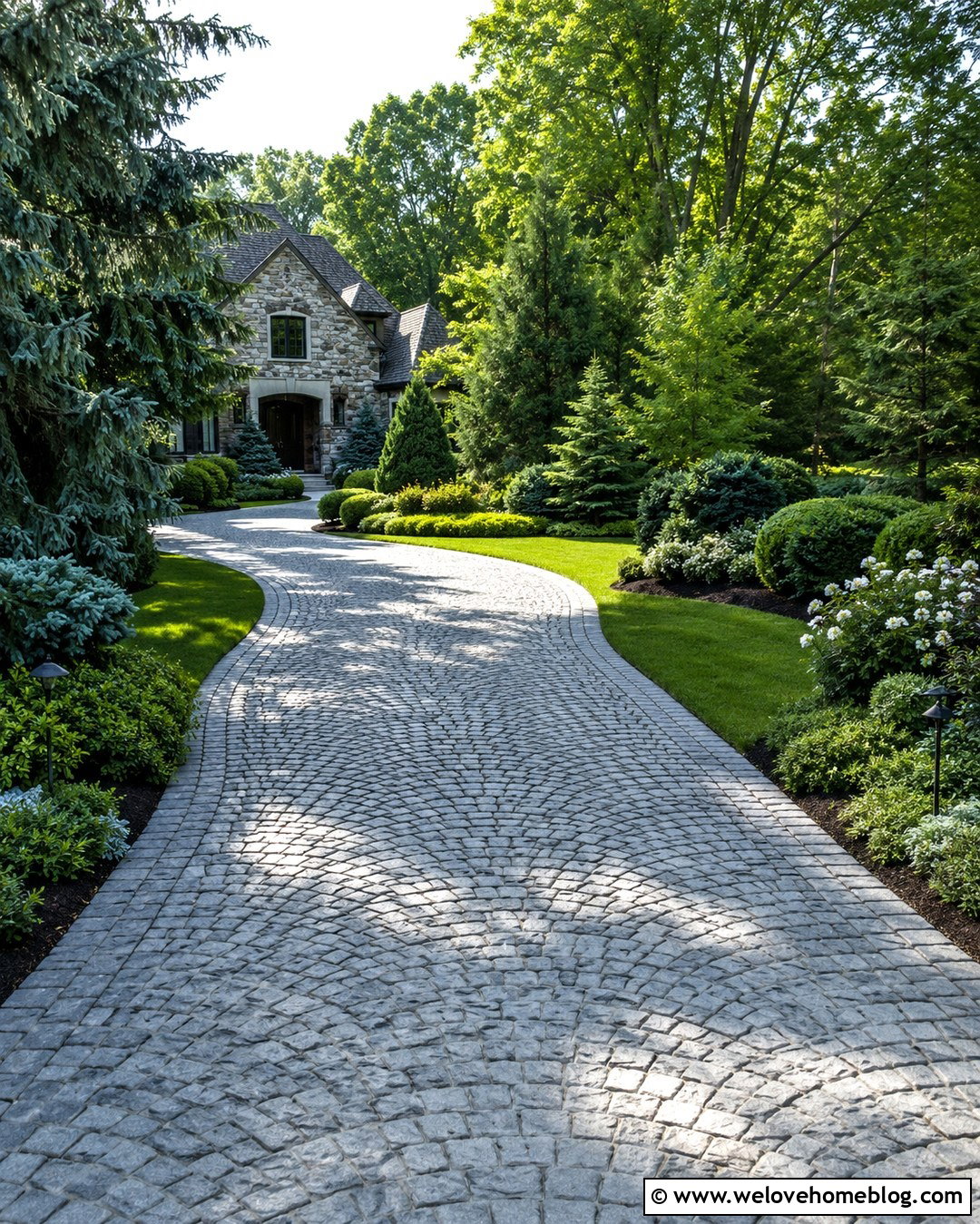
Cobblestone creates a rich, established look that fits naturally into a deep green garden. Choose gray granite cobbles with slightly varied tones, laid in curved fan patterns that visually reinforce the driveway’s sweeping route. A flush cobblestone edge keeps the surface unified while allowing rainwater to move toward nearby planted areas. Surround the driveway with yew, dwarf spruce, inkberry, and other climate-appropriate evergreens. Add a few deciduous flowering shrubs to prevent the landscape from feeling too heavy. The tallest plants should sit toward the property boundaries, while low ground covers line the pavement. Soft landscape lighting can be tucked among the foliage without interrupting the daytime view. This substantial driveway suits stone houses, traditional estates, and large homes with mature grounds.
7. Curved Resin Driveway With Lavender Borders
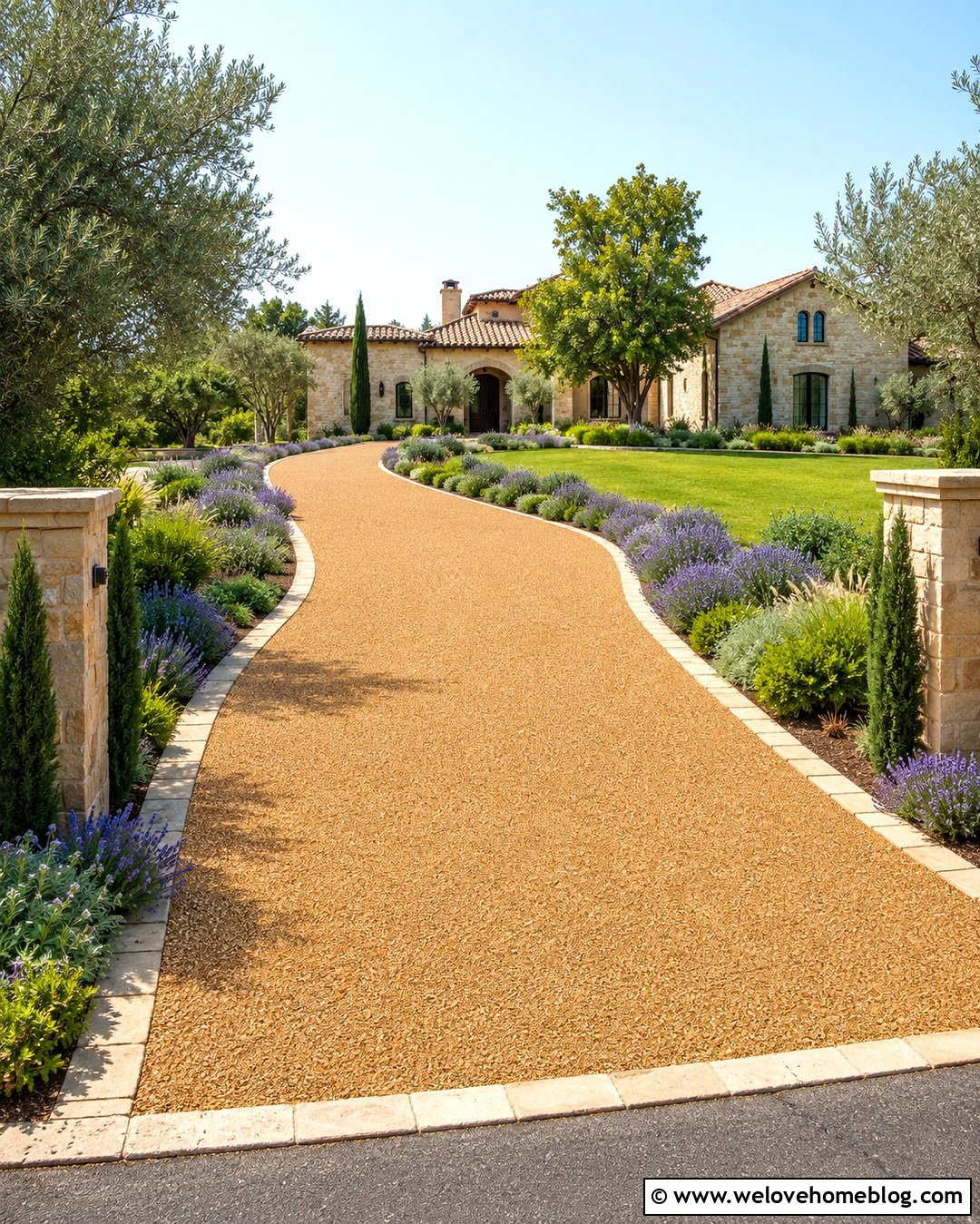
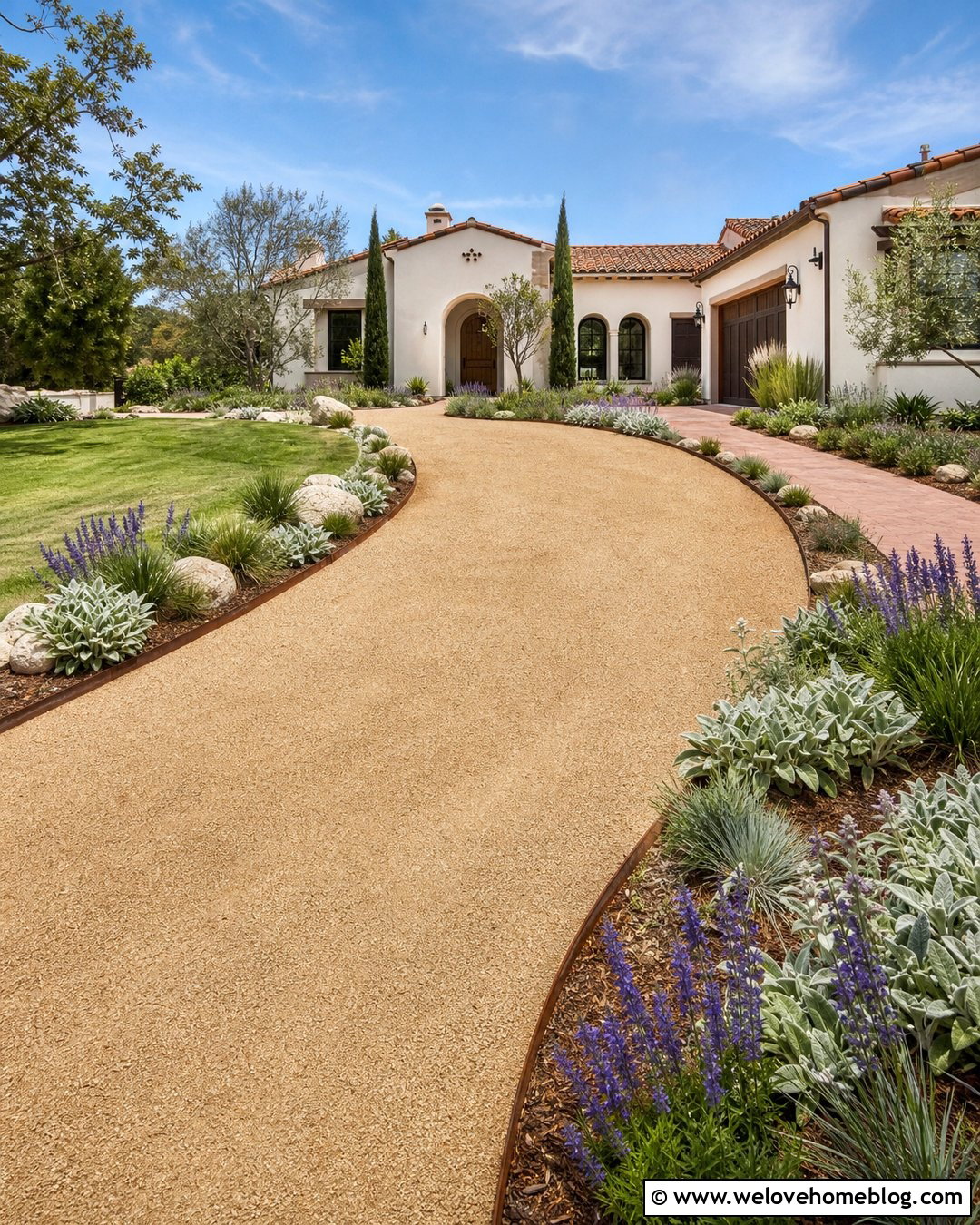
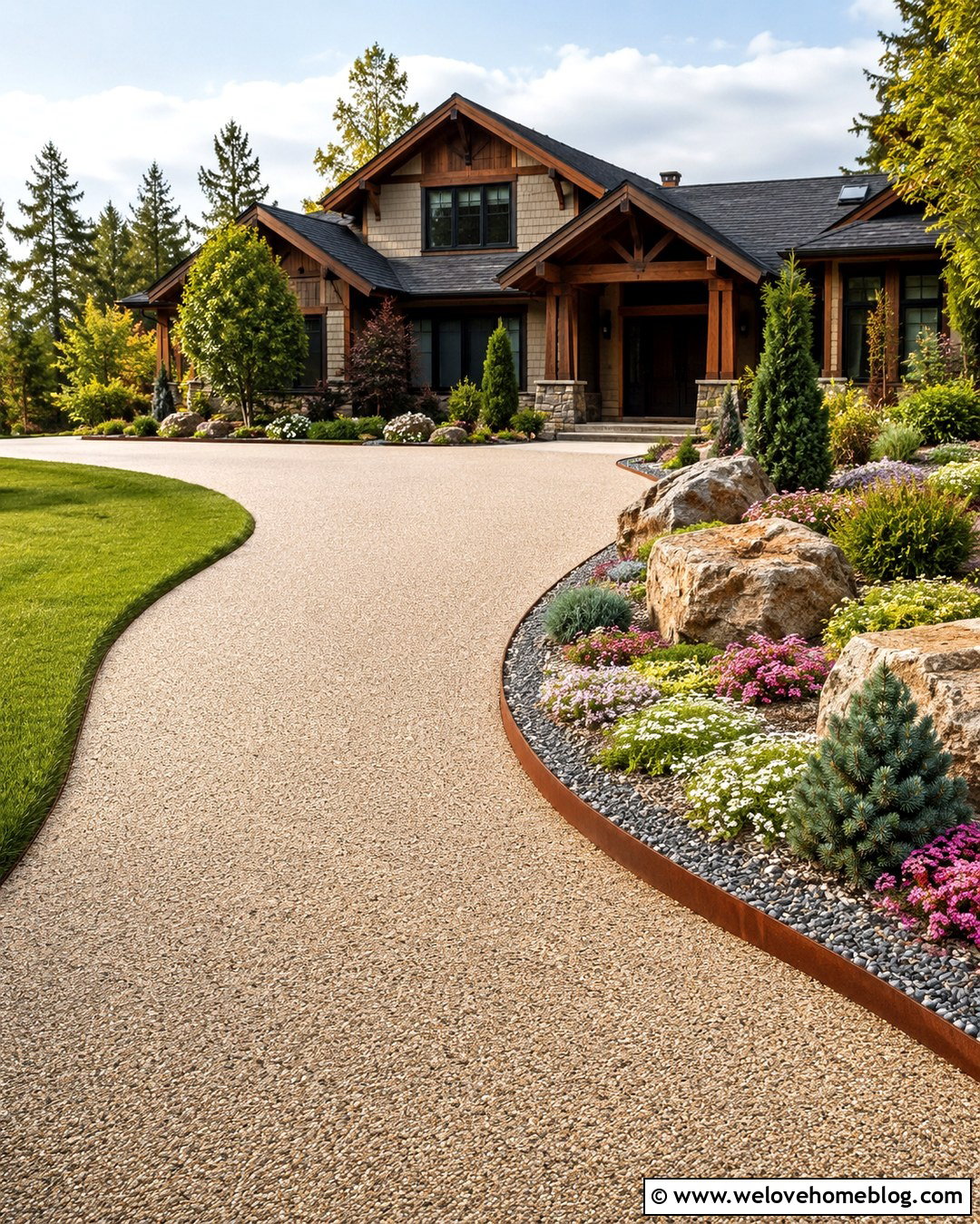
A honey-colored resin-bound gravel driveway looks warm and refined beside sweeping lavender borders. Its smooth, uniform finish gives the curve a clean outline, while the visible aggregate adds more character than plain concrete. Use narrow natural-stone edging to separate the resin surface from the soil. Lavender can follow sunny sections of the driveway, supported by rosemary, sage, catmint, and compact ornamental grasses. Repeat a limited group of plants to create rhythm along the bend. Near the entrance, position low stone pillars or an understated address marker without blocking sightlines. The planting offers color and texture while remaining relatively open around vehicles. This complete look is a strong match for modern farmhouse, Mediterranean, and light-stone homes in sunny, well-drained landscapes.
8. Curved Driveway With A Central Garden Island
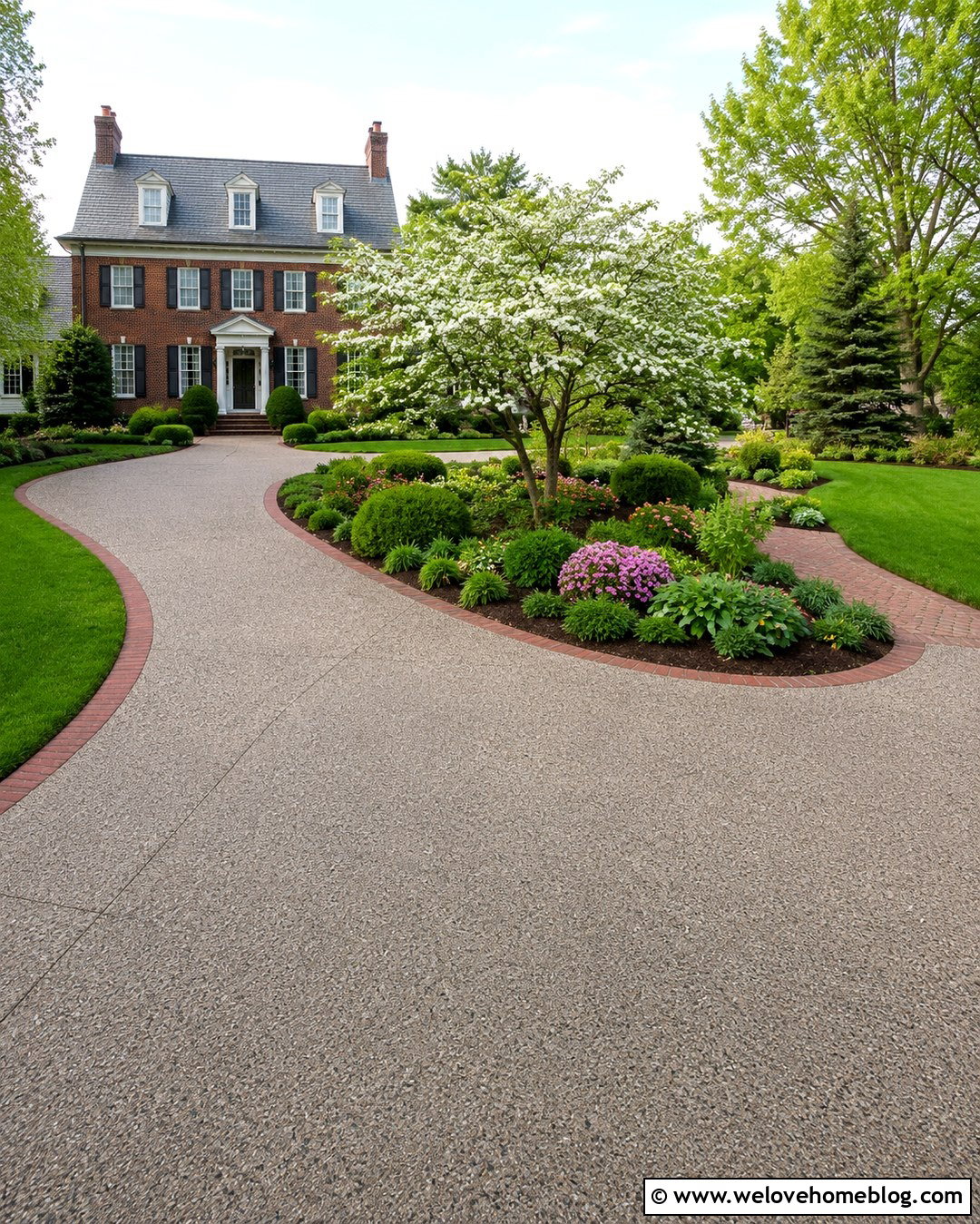
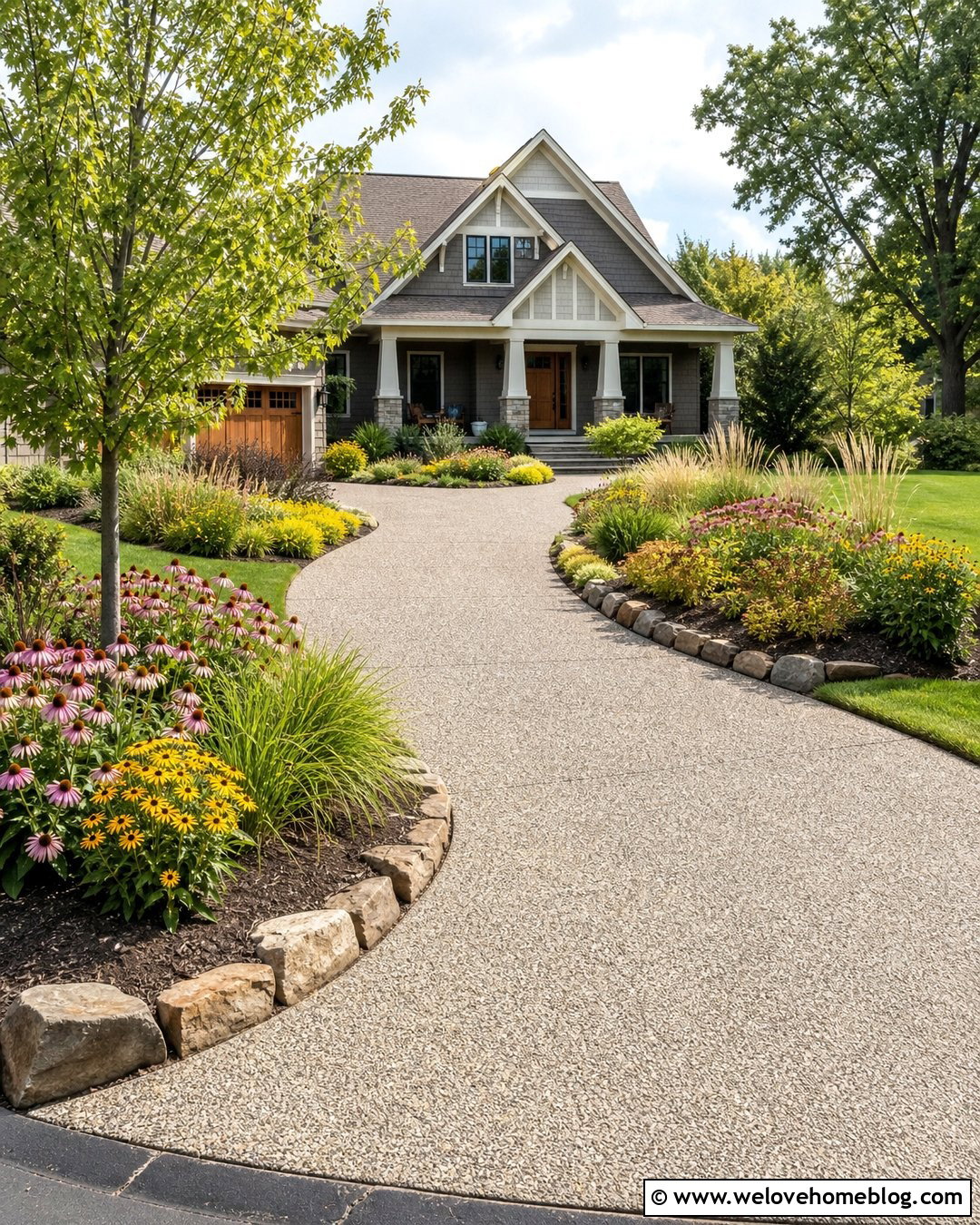
A broad curved driveway can wrap around a central garden island, creating an elegant arrival and convenient turning space. Use exposed aggregate concrete in a warm gray tone so the surface feels durable but less severe than ordinary concrete. Define the inner curve with a brick ribbon and repeat the brick around a nearby walkway. In the island, plant one appropriately sized ornamental tree as the main feature. Surround it with flowering shrubs, evergreen mounds, perennials, and low ground cover arranged in layered rings. Keep plants near the driveway edge short enough to preserve clear views. The outside border can remain simpler with lawn and scattered shrubs. This layout works best on wider properties where the full curve can remain comfortable for everyday vehicle movement.
9. Curved Driveway With Native Plant Borders
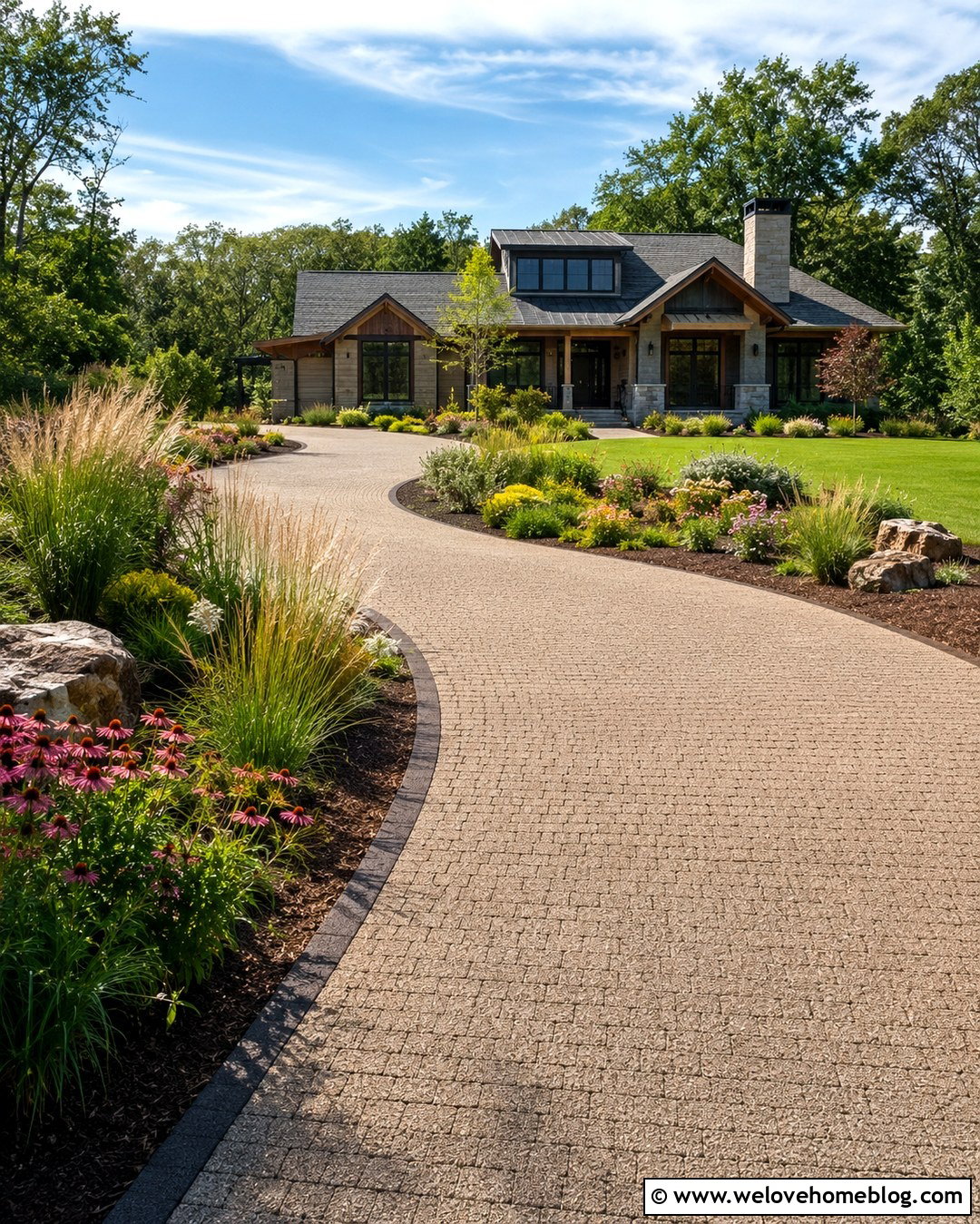
Native planting can make a curved driveway feel naturally connected to its regional landscape. Pair tan permeable pavers with sweeping beds containing locally appropriate grasses, flowering perennials, shrubs, and small trees. Choose plants suited to the site’s sunlight, soil, and moisture rather than relying on a universal plant list. A weathered steel edge can follow the driveway’s curve while providing a crisp boundary between pavers and vegetation. Arrange plants in repeated drifts for a cohesive look, leaving open areas near the road and intersections. Place taller grasses and shrubs farther back so they do not reduce visibility. A shallow rain garden within the outside curve may also help manage runoff when properly designed. The result feels lush, seasonal, and intentionally rooted in place.
10. Curved Driveway With Japanese Garden Landscaping
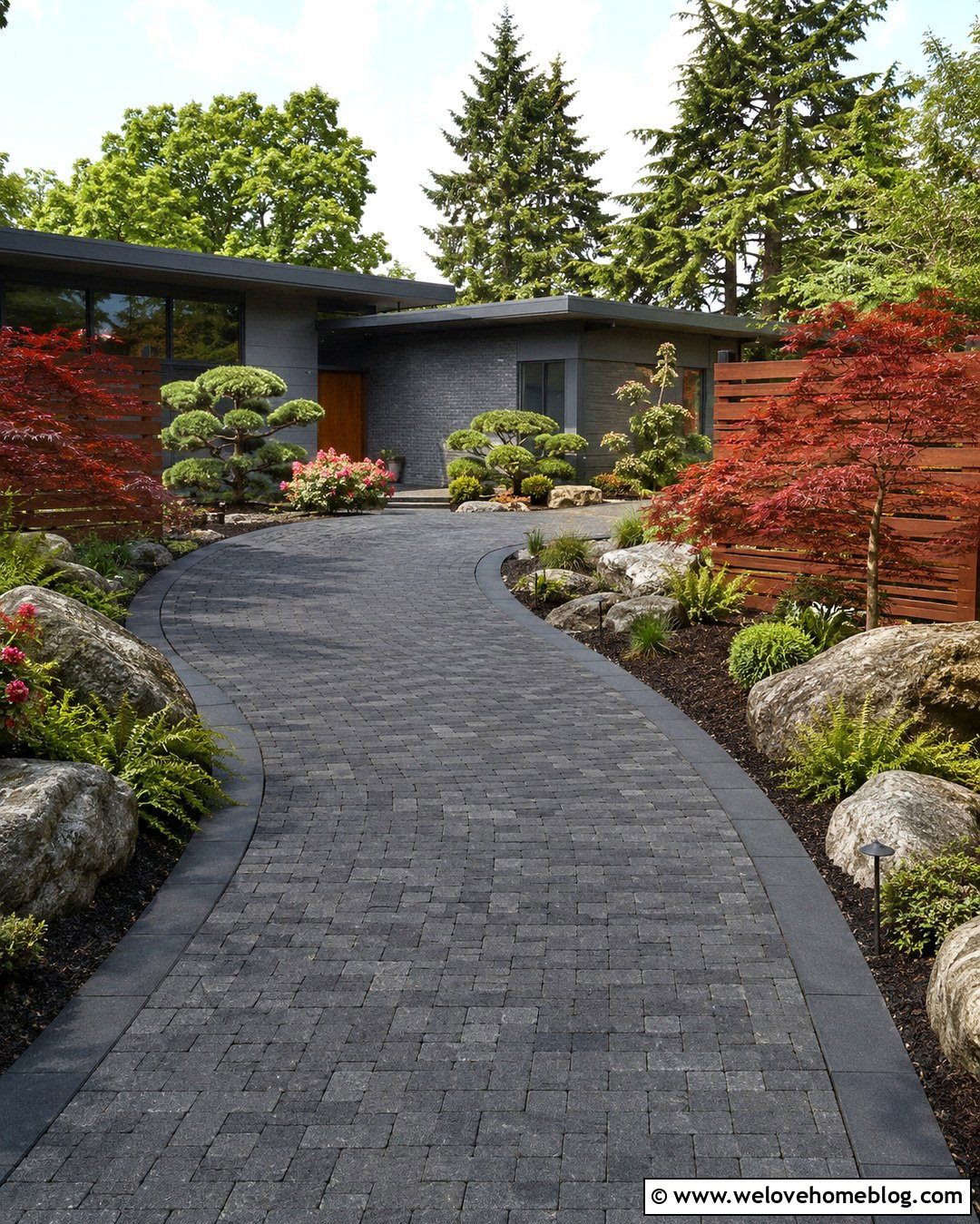
A restrained Japanese-inspired garden can give a curved driveway a peaceful, carefully composed appearance. Start with charcoal-gray permeable pavers laid in a simple running pattern. Border them with smooth dark stone and narrow beds of moss-like ground cover where growing conditions allow. Japanese maples, cloud-pruned evergreens, ferns, azaleas, and ornamental grasses can create layers without overcrowding the route. Place larger rocks in small groups rather than scattering them evenly. The driveway should curve around these landscape features with an open, uncluttered line of travel. Include a simple timber gate or horizontal-slat screen near the house for architectural balance. This design works especially well with modern, midcentury, and Asian-influenced homes that favor natural materials and quiet visual order.
11. Curved Driveway With Flowering Tree Borders
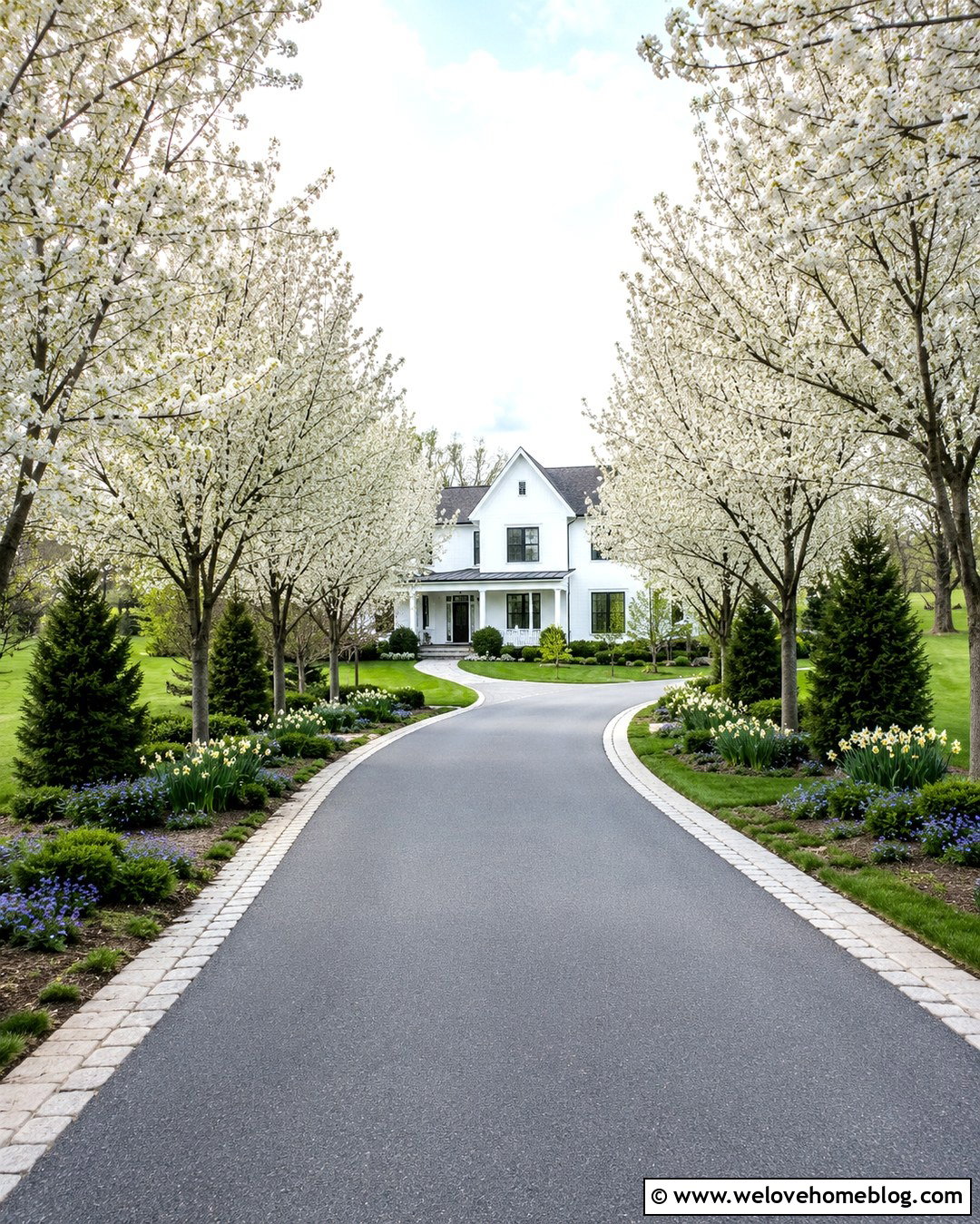
Imagine driving beneath seasonal clouds of blossoms before reaching the front door. A curved driveway lined with flowering trees creates that experience while adding height and structure to a lush garden. Use medium-gray asphalt with a double row of light granite cobbles for a defined, durable edge. Plant small flowering trees at generous intervals, selecting species whose mature size fits the available space. Underplant them with evergreen shrubs, bulbs, and shade-tolerant ground covers. Avoid placing trees too close to the pavement, foundations, overhead lines, or important sightlines. Repeating one main tree variety creates unity, while mixed lower planting supplies longer seasonal interest. This graceful composition suits farmhouse, colonial, and Craftsman homes set on medium or large residential lots.
12. Curved Driveway With Ornamental Grass Borders
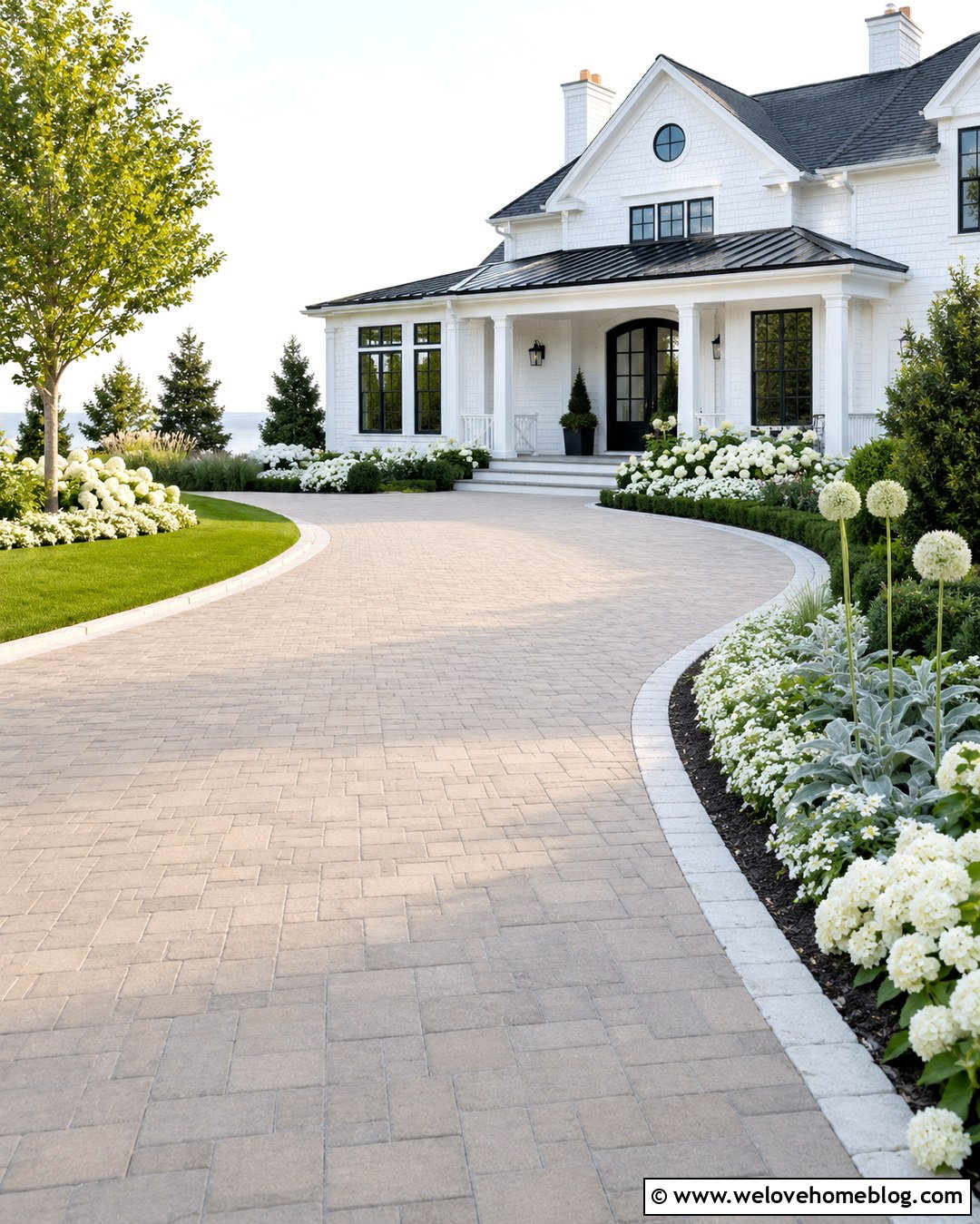
Ornamental grasses add movement and texture without hiding the beautiful line of a curved driveway. Pair a pale exposed-aggregate surface with a narrow charcoal paver border for a contemporary finish. Arrange grasses in wide, repeated groups along the outside bend, mixing upright varieties with lower mounding forms. Evergreen shrubs can provide year-round structure, while flowering perennials add controlled bursts of color. Maintain a clear setback between mature grasses and the driving surface so arching leaves do not brush vehicles. In colder climates, include compact evergreens to keep the border attractive after grasses are cut back. A simple concrete walkway and modern house numbers can complete the entrance. This airy landscaping works particularly well with ranch, prairie, contemporary, and modern farmhouse architecture.
13. Curved Driveway With Stone Retaining Walls
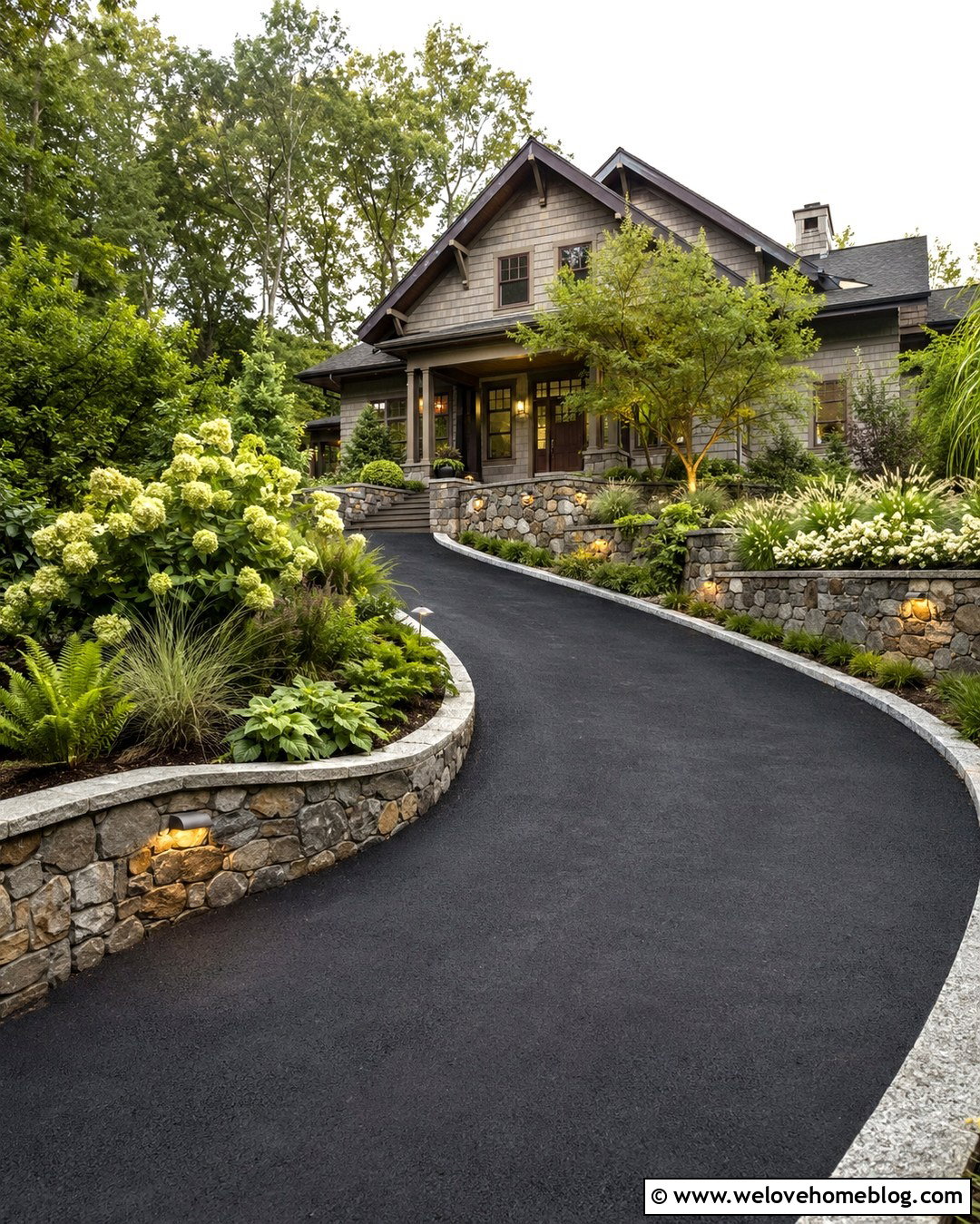
A sloped garden often benefits from a curved driveway bordered by low stone retaining walls. The curve can follow the land more naturally, while properly engineered walls create stable planting terraces on either side. Choose dark asphalt for the driving surface and local fieldstone for the walls, allowing the materials to contrast clearly. Plant trailing ground covers near the wall tops, with hydrangeas, ferns, ornamental grasses, and compact trees on the terraces behind them. Include safe drainage outlets so water does not collect against the walls or cross the driveway unpredictably. Keep the stonework low near the street for visibility. Wall-mounted or recessed lighting can improve nighttime guidance without cluttering the beds. This design is ideal for hillside Craftsman, rustic, and mountain-inspired homes.
14. Curved Driveway With White Flower Borders
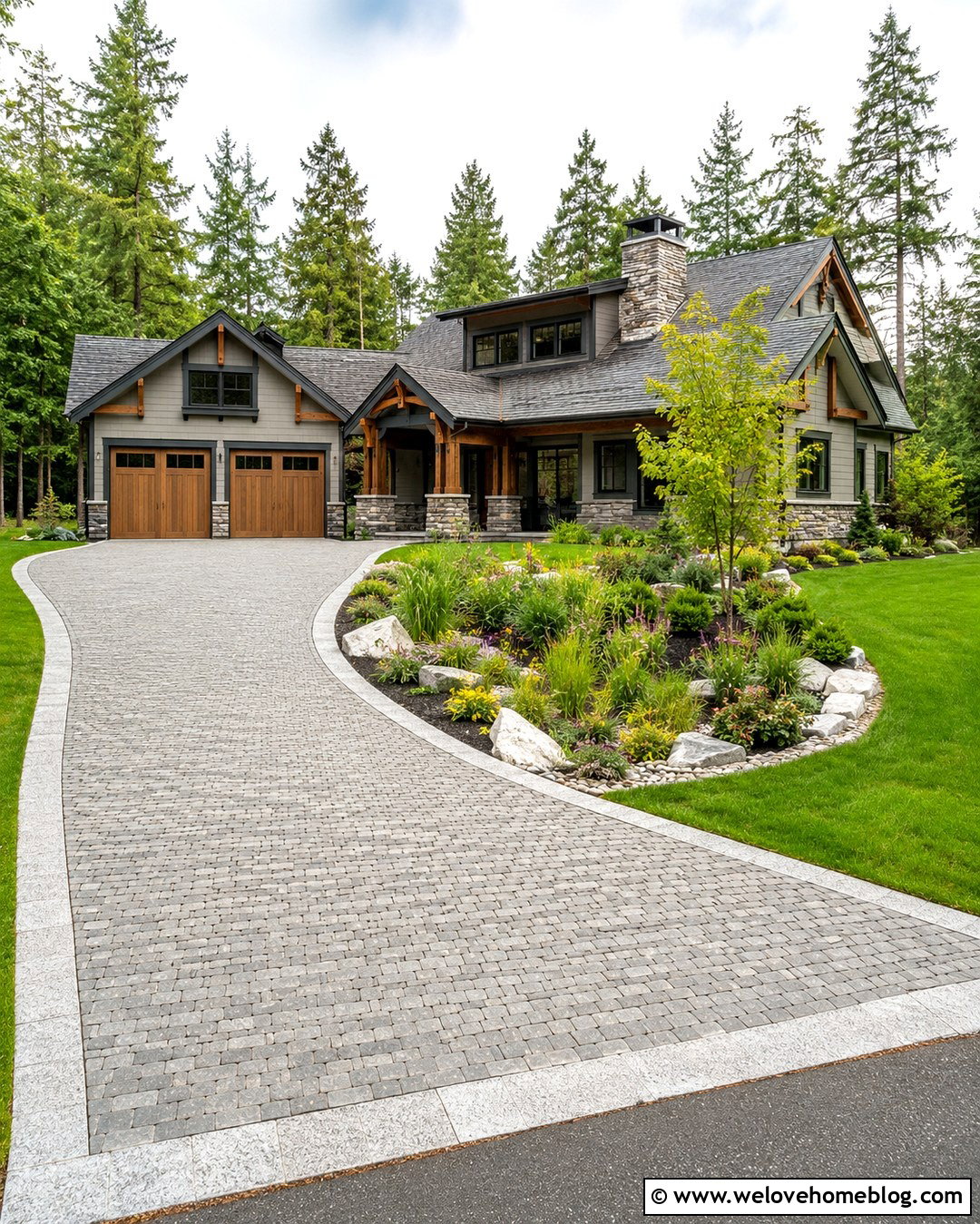
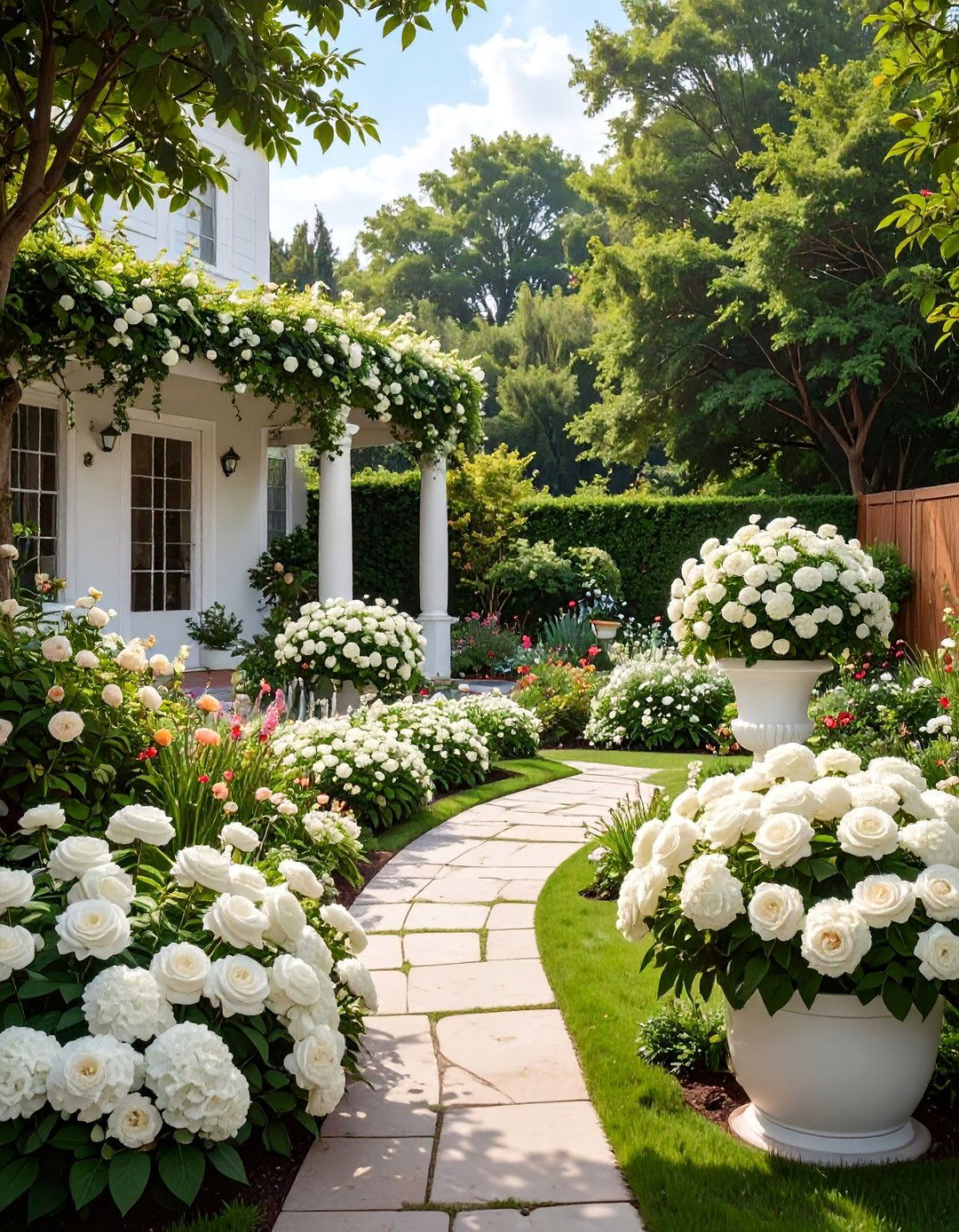
A limited white-and-green planting palette can make a curved driveway look fresh, lush, and coordinated. Use warm beige concrete pavers with a subtle tumbled finish to soften the formal color scheme. Line the curve with white hydrangeas, gardenias where climate permits, flowering ground covers, ornamental onions, and silver-green foliage. Dark evergreen shrubs behind the flowers provide contrast and maintain structure throughout the year. A thin limestone border keeps soil and mulch away from the pavers. Repeat the same plants on both sides without making the arrangement perfectly symmetrical. The curve itself should remain broad and clearly visible from the street. This bright, cohesive driveway design complements white farmhouses, coastal homes, and traditional houses with black or dark bronze exterior details.
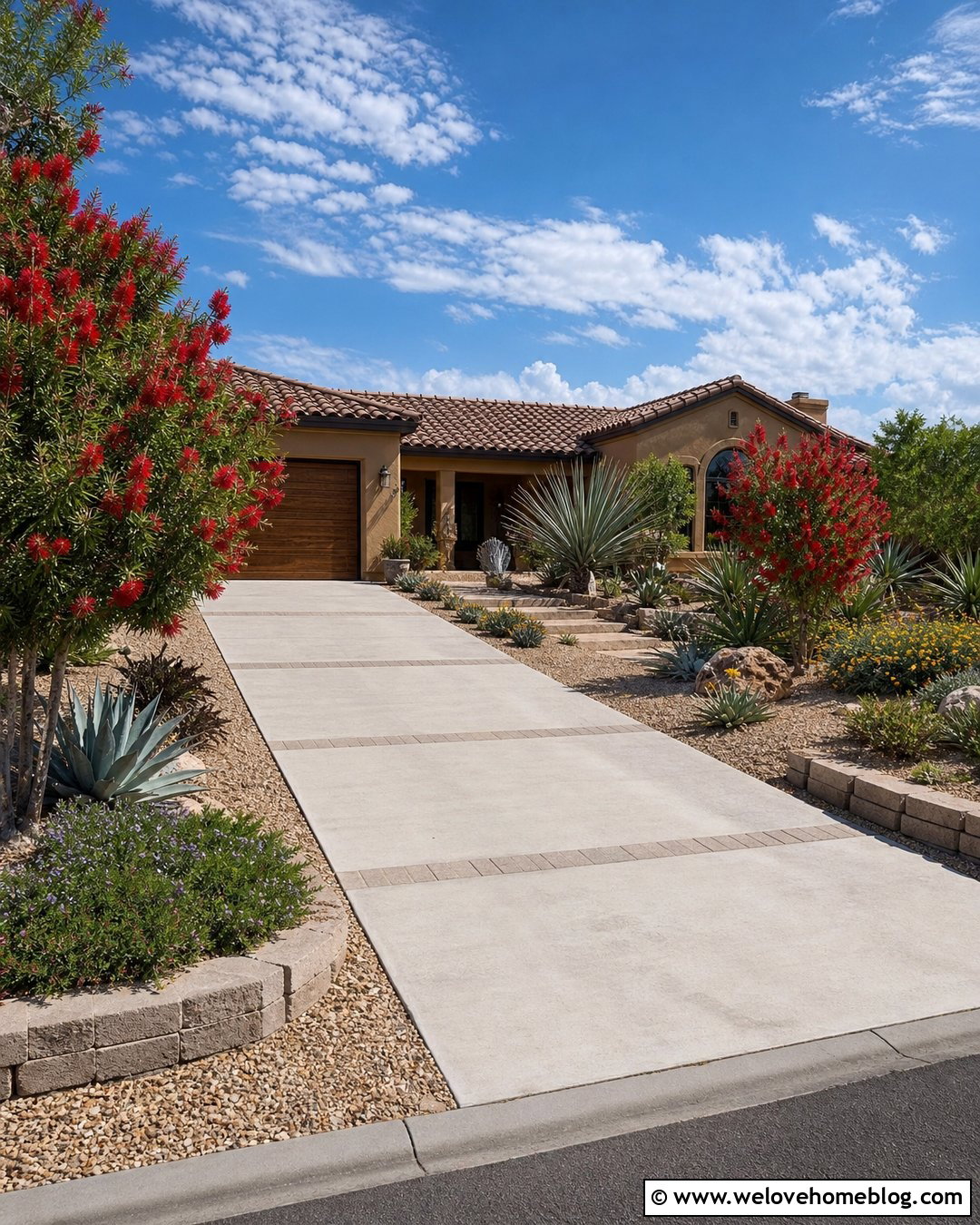
15. Curved Driveway With A Tree-Lined Entrance
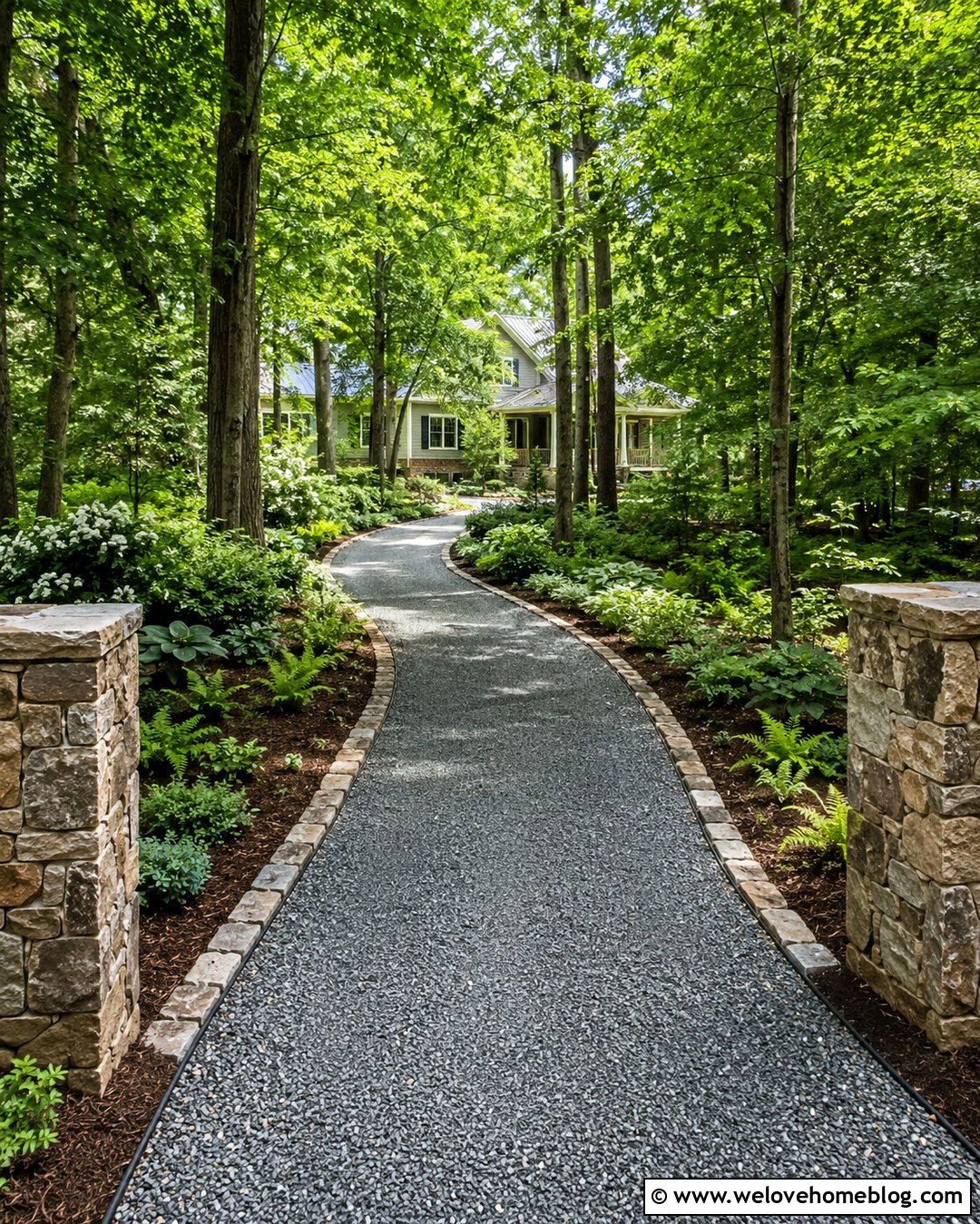
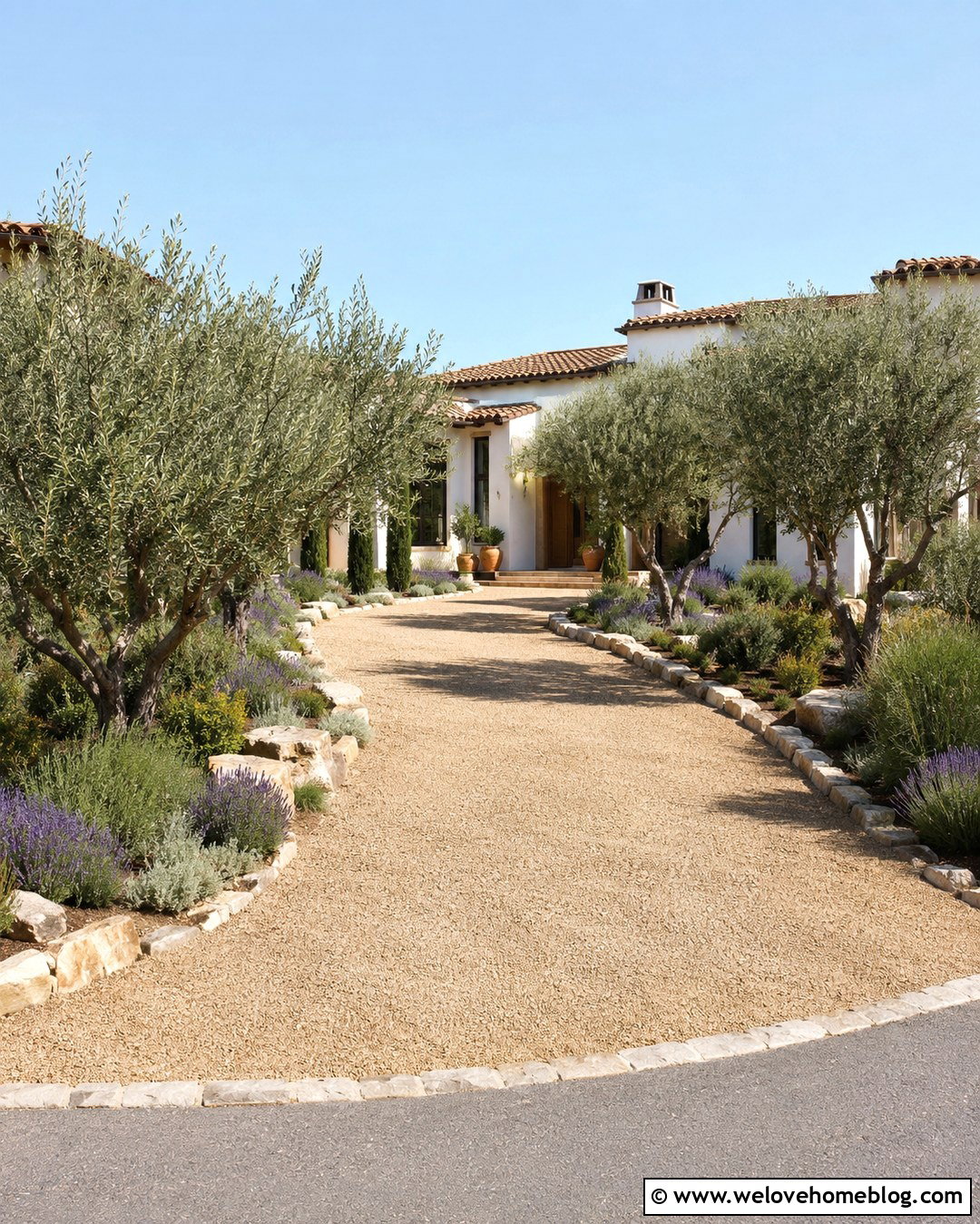
A tree-lined curved driveway creates privacy while turning the approach into a strong landscape feature. Crushed gray gravel is an attractive choice because its natural texture works well beneath spreading canopies. Contain the gravel with steel edging and a narrow band of larger stone at the busiest turns. Plant trees far enough from the surface to allow for mature trunks, roots, and branches. Between them, add shade-tolerant shrubs, ferns, and drifts of ground cover instead of continuous lawn. The entrance should remain open, with low planting near the road and taller layers beginning farther inside the property. Simple stone pillars can mark the entry without competing with the trees. This immersive layout is best suited to long driveways serving country, farmhouse, and woodland homes.
16. Curved Driveway With Modern Layered Greenery
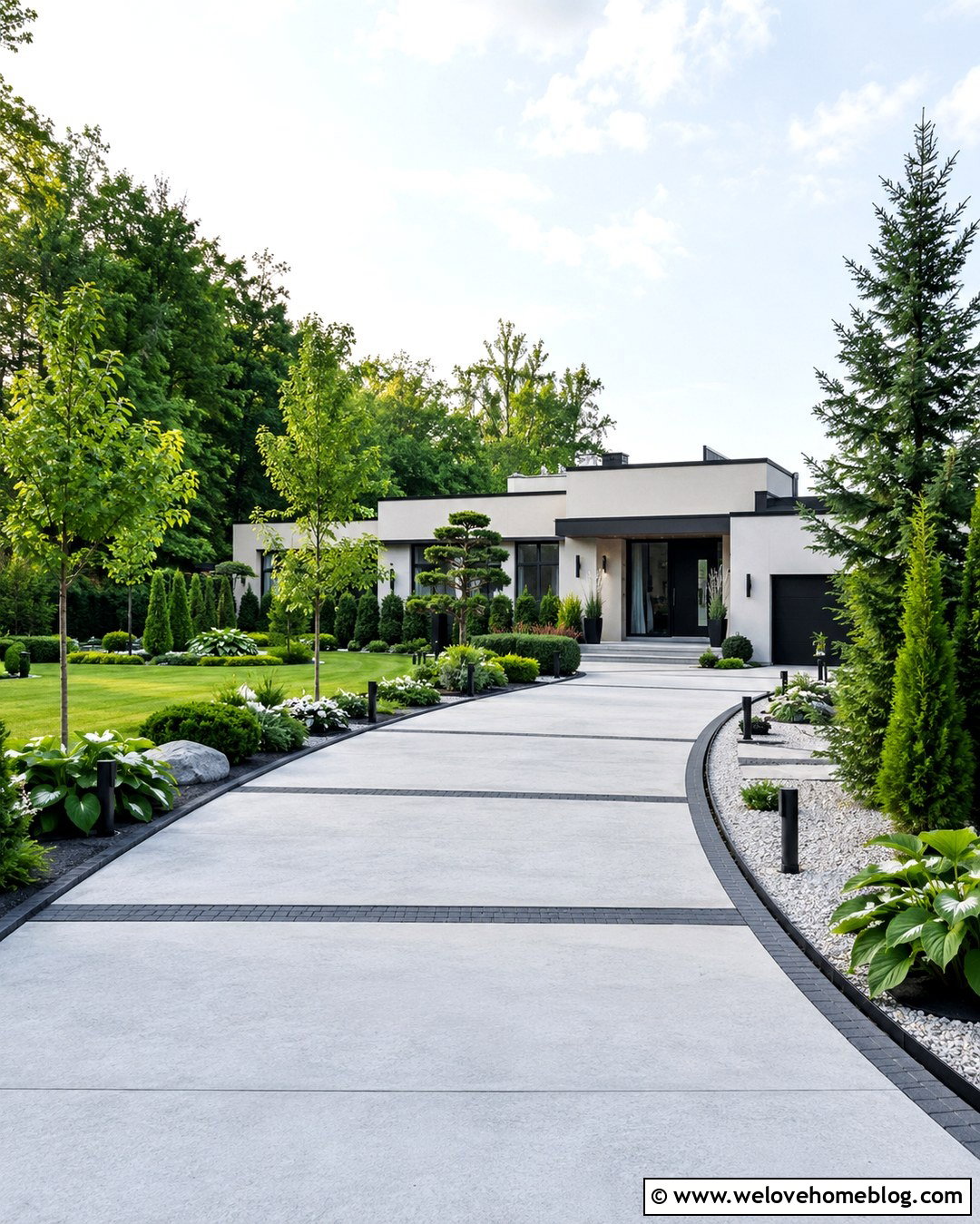
Clean modern architecture can still support abundant landscaping when the plants are arranged in simple, deliberate layers. Use smooth light-gray concrete divided by narrow charcoal paver bands that gently trace the driveway’s curve. Along one side, combine sculptural small trees, clipped evergreen forms, broad-leaved shrubs, and low ground cover. On the opposite side, keep more open lawn to balance the composition and preserve views of the house. Black steel edging creates a crisp separation between concrete, decorative gravel, and planting beds. Choose a restrained palette of green foliage with only a few seasonal flowers. Slim bollard lights can follow the outer curve at wide intervals. The overall effect feels lush but controlled, making it suitable for contemporary and midcentury homes.
17. Curved Driveway With Country Garden Landscaping
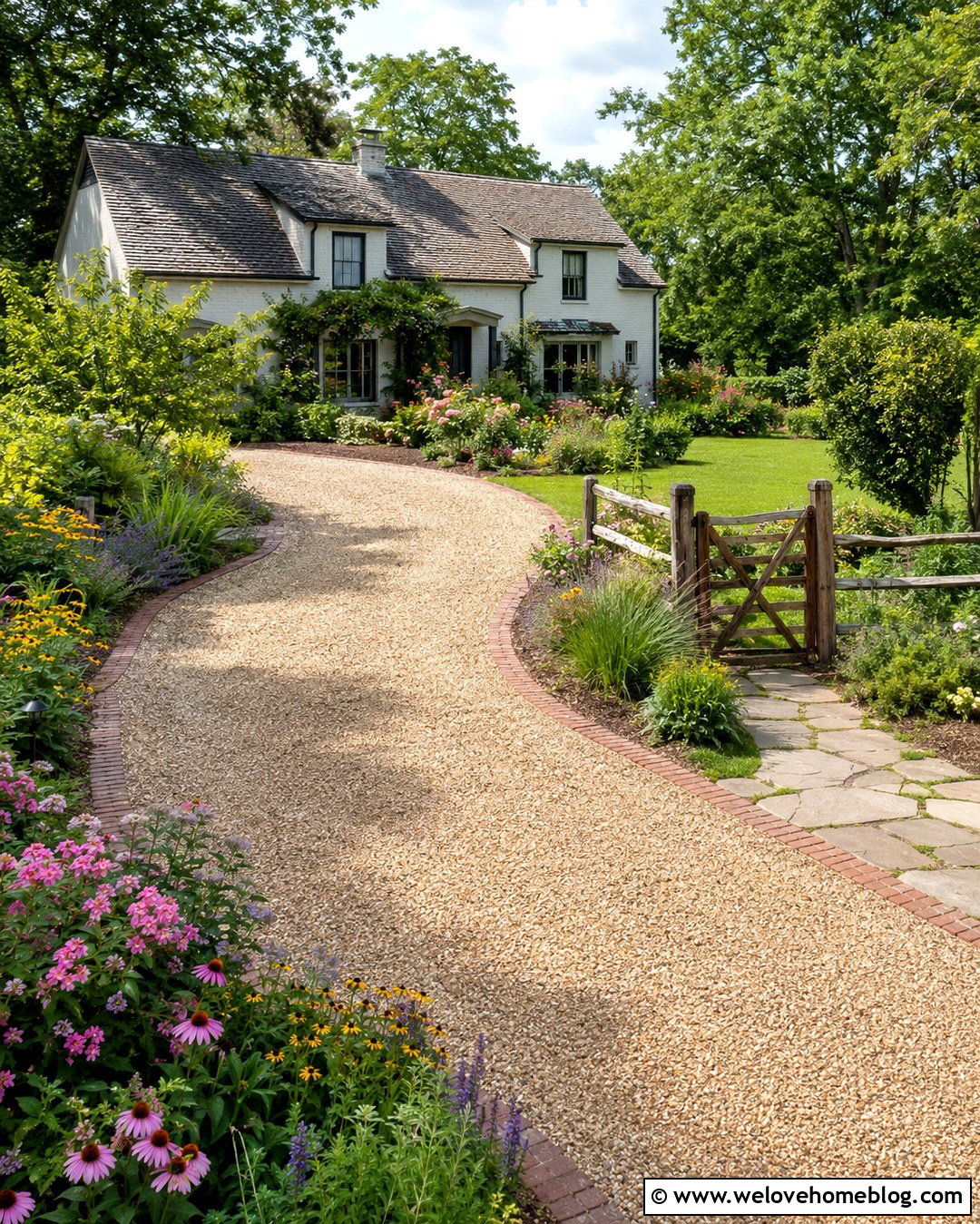
A country garden can make a curved driveway feel welcoming rather than overly formal. Begin with warm-toned pea gravel laid over a stable, compacted base. Edge the route with reclaimed brick or irregular fieldstone to keep the gravel contained and emphasize the relaxed curve. Plant lilacs, shrub roses, coneflowers, black-eyed Susans, catmint, and ornamental grasses in broad, informal groups. Leave occasional openings where lawn meets the driveway, preventing the borders from becoming visually heavy. A split-rail fence and simple timber gate can mark the entrance, while a flagstone path branches toward the porch. Keep plants trimmed around turns and parking areas. This design looks especially natural beside farmhouses, cottages, barns, and traditional country homes with generous front yards.
18. Curved Driveway With Rain Garden Planting
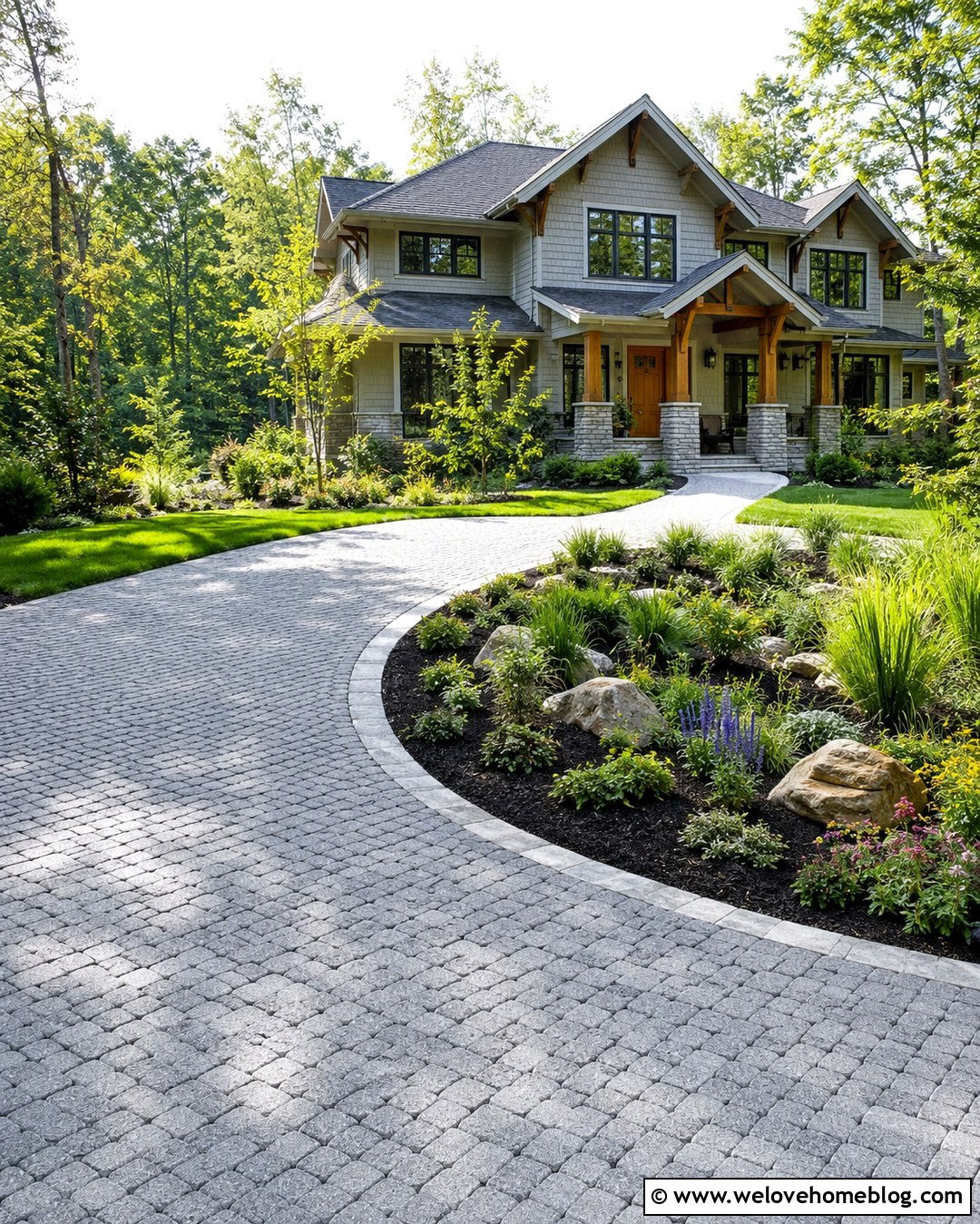
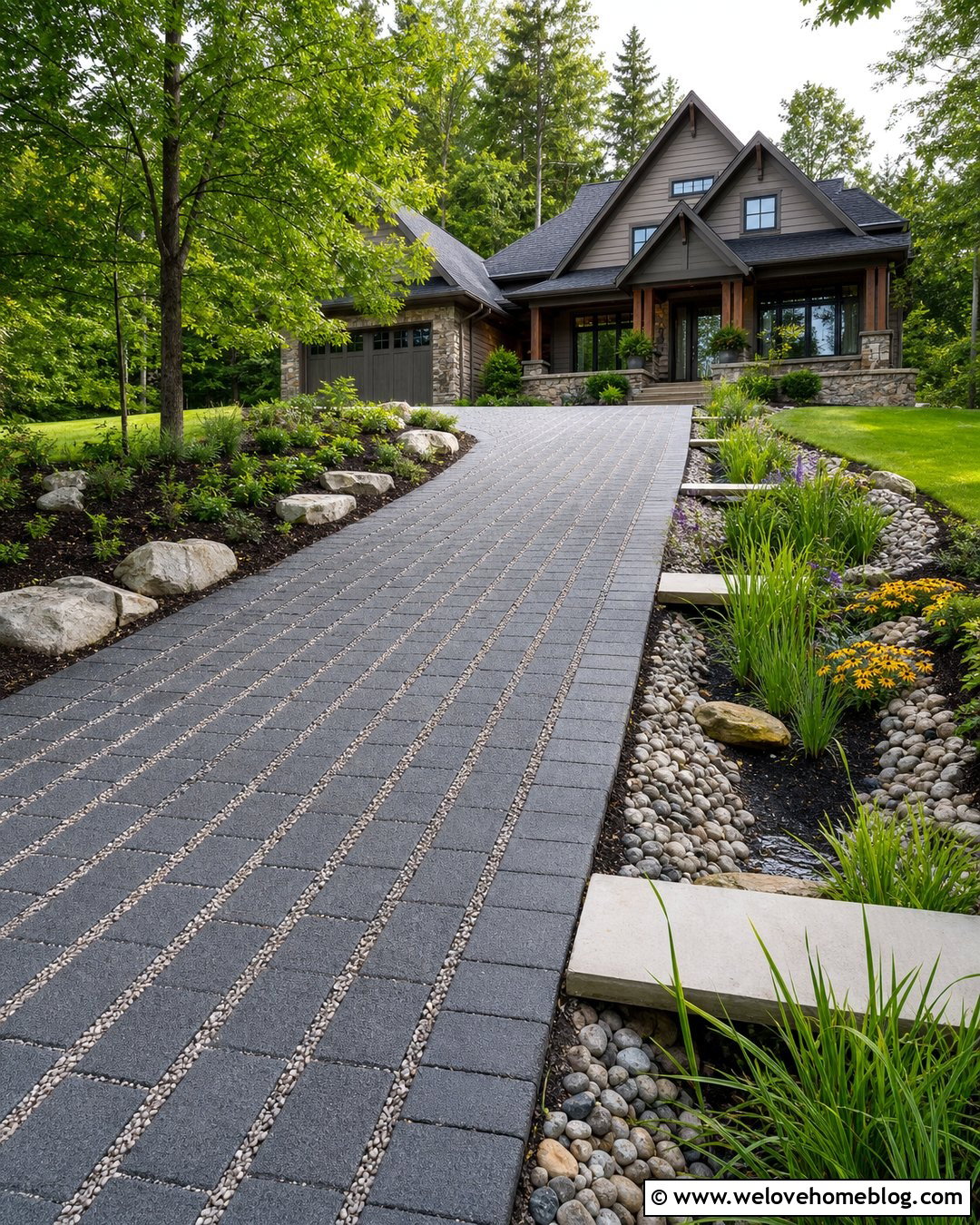
A rain garden placed beside the lower edge of a curved driveway can become both a landscape feature and part of a thoughtful drainage plan. Use permeable concrete pavers in mixed gray tones so water can move through designed joints where site conditions and construction allow. Define the pavement with a flush granite border, then shape a shallow planted basin inside the widest bend. Fill it with moisture-tolerant native grasses, sedges, flowering perennials, and compact shrubs selected for local conditions. The basin should not interfere with vehicle access or hold water against the driveway foundation. Connect it visually to the rest of the garden through repeated plants and stone. This practical, natural-looking design suits eco-conscious contemporary, Craftsman, and suburban homes.
19. Curved Driveway With Garden Lighting
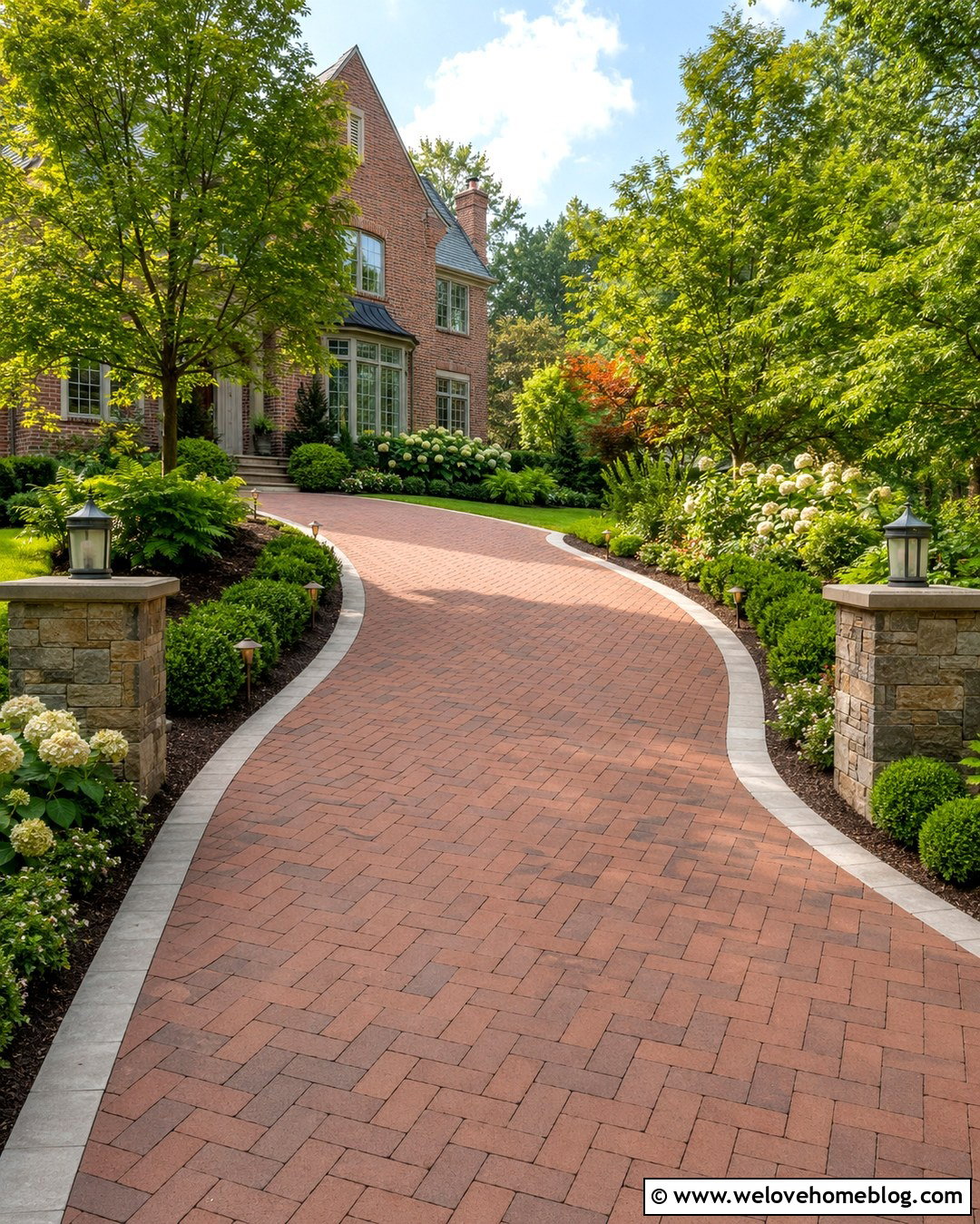
Thoughtful lighting helps a curved driveway remain easy to follow after sunset, but the daytime layout should stay clean and garden-focused. Choose reddish-brown brick pavers in a herringbone pattern, bordered by flush limestone blocks. Install low shielded path lights at wider intervals along the outer curve rather than creating an airport-runway effect. During the day, those fixtures should blend into layered beds of boxwood, hydrangeas, ferns, and flowering perennials. Use subtle uplighting only for selected ornamental trees or stone entrance pillars. Avoid positioning fixtures where tires, mowers, or spreading plants can damage them. A clearly illuminated walkway can branch toward the front porch. This complete arrangement offers safe guidance, warm curb appeal, and a polished connection between the driveway, garden, and house.
20. Curved Driveway With A Garden Gate And Pillars
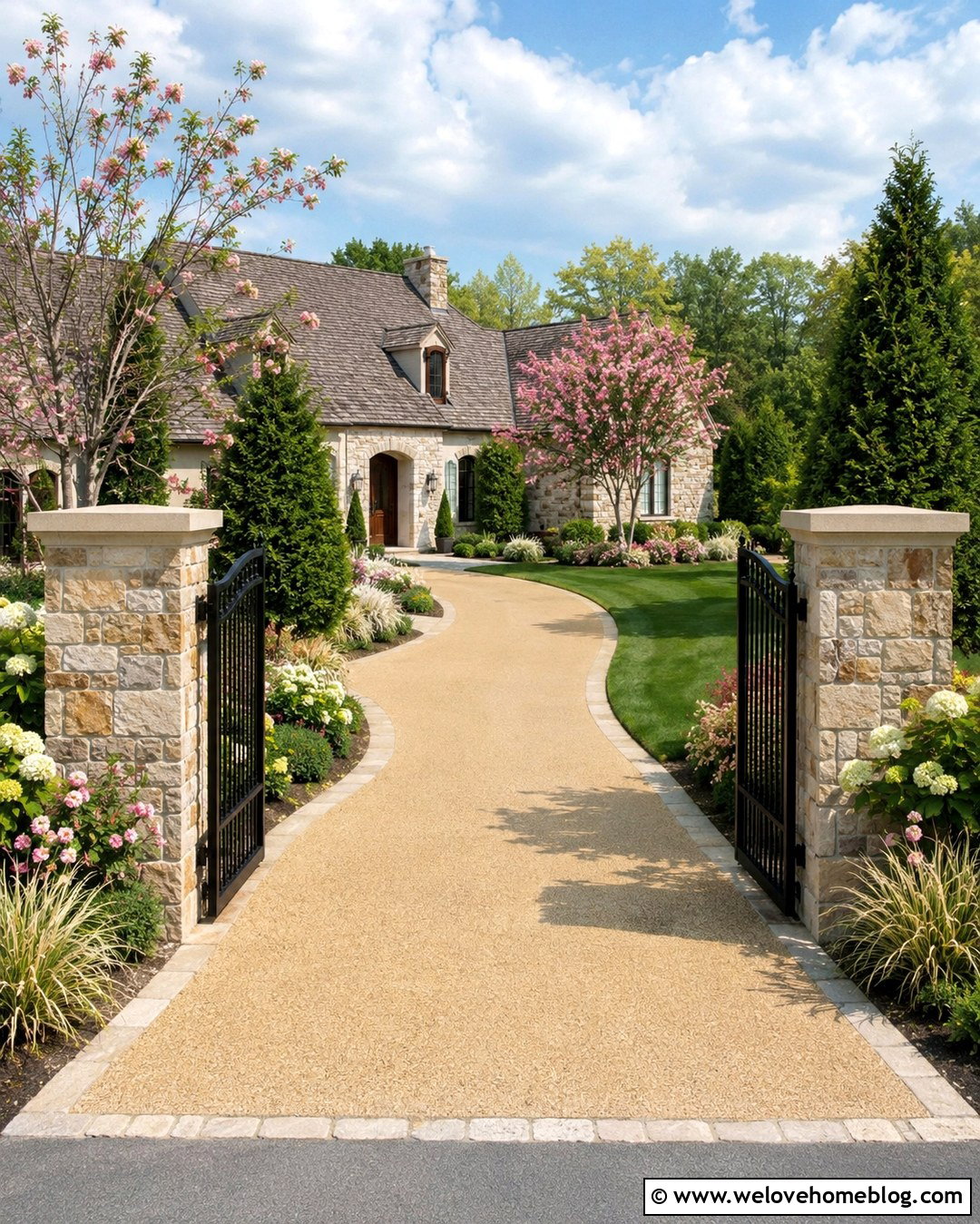
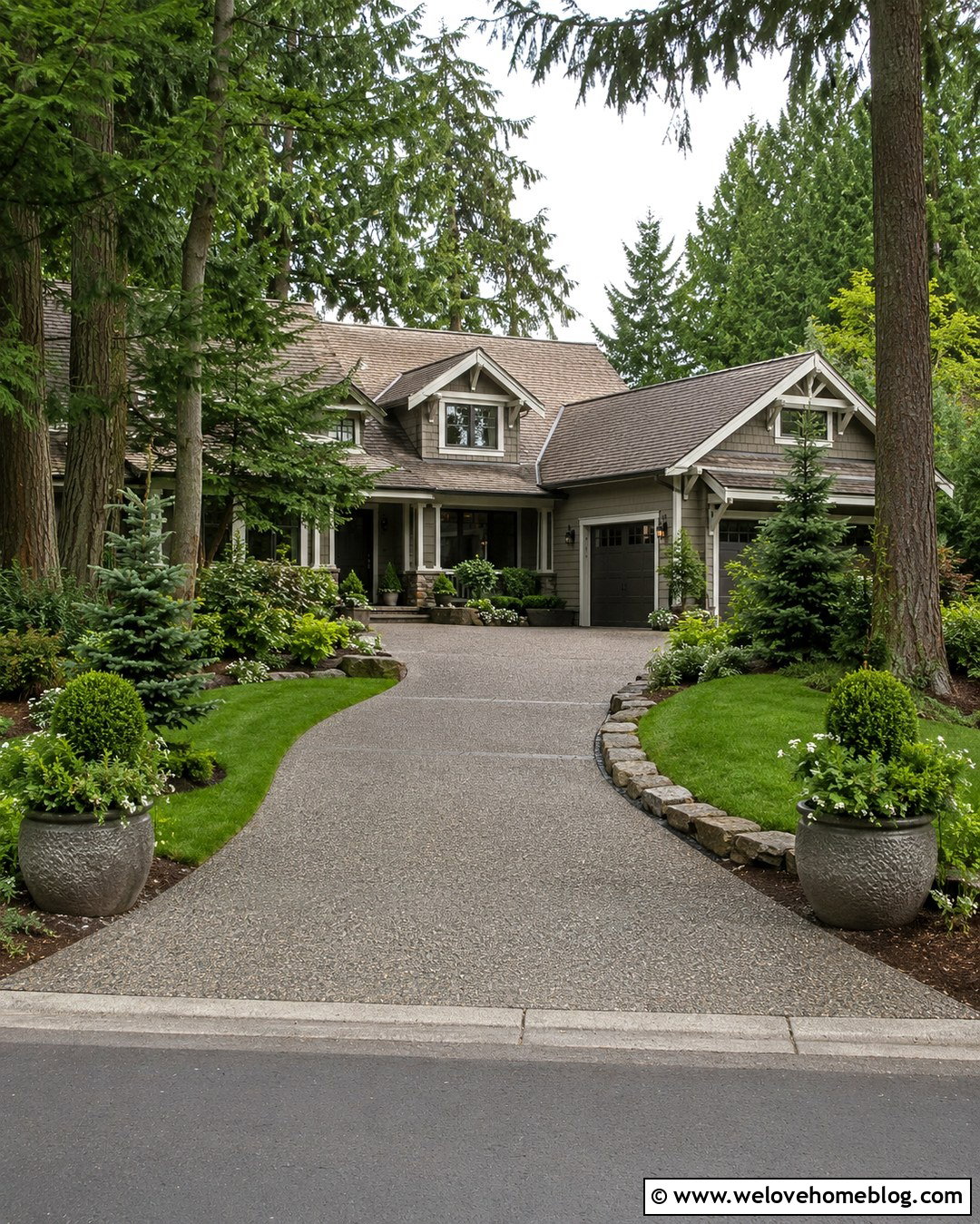
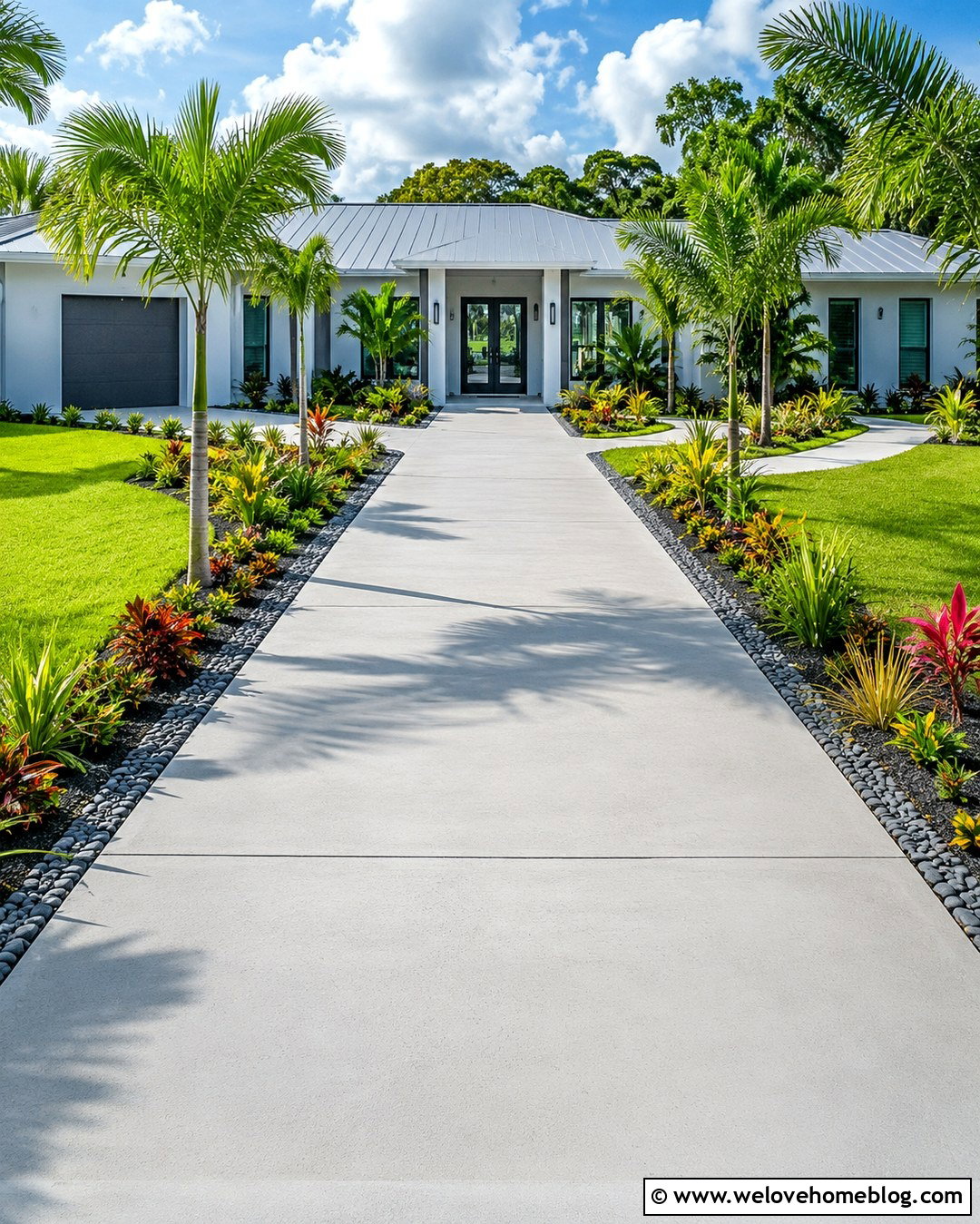
A garden gate and substantial pillars can establish a clear beginning for a curved driveway without making the entrance feel harsh. Use buff-colored resin-bound gravel for the driveway, complemented by low limestone edging that continues around the nearby planting beds. Set natural-stone pillars well outside the required driving clearance and connect them with an open black metal gate. The open design preserves views along the curve and allows the surrounding garden to remain visible. Plant clipped evergreens near the pillars, followed by looser layers of roses, hydrangeas, ornamental grasses, and small flowering trees. Repeat the pillar stone on the house or walkway for cohesion. This elegant entrance works well with traditional, Mediterranean, French country, and upscale farmhouse properties.
Conclusion:
The most successful Curved Driveway In Lush Garden Ideas treat paving, plants, borders, drainage, and access as parts of one complete plan. Start with a curve that provides enough turning room and preserves safe views from the street. Then choose a driveway material that complements the home and suits the local climate. Defined edging will strengthen the shape, while layered planting can soften the surface and add year-round interest. Keep taller plants away from entrances, tight turns, and parking areas. It is also wise to consider mature plant sizes before installation. Whether the finished design feels formal, woodland-inspired, modern, or cottage-like, a coordinated approach will create a more useful driveway and a more memorable garden entrance.

Related posts:

Leave a Reply