
A tropical garden transforms your outdoor space into a lush, vibrant escape reminiscent of a paradise oasis. This style is defined by dense foliage, bold colors, and an array of textures that create a sense of jungle-like abundance. Incorporating large-leafed plants, exotic flowers, and natural materials like stone and wood is key to achieving this look. The goal is to create a layered, immersive environment that feels both wild and serene. Whether you have a large backyard or a small patio, you can design a tropical retreat that offers a daily dose of tranquility and natural beauty, making every day feel like a vacation.
1. A Tropical Garden with Large-Leaf Elephant Ears
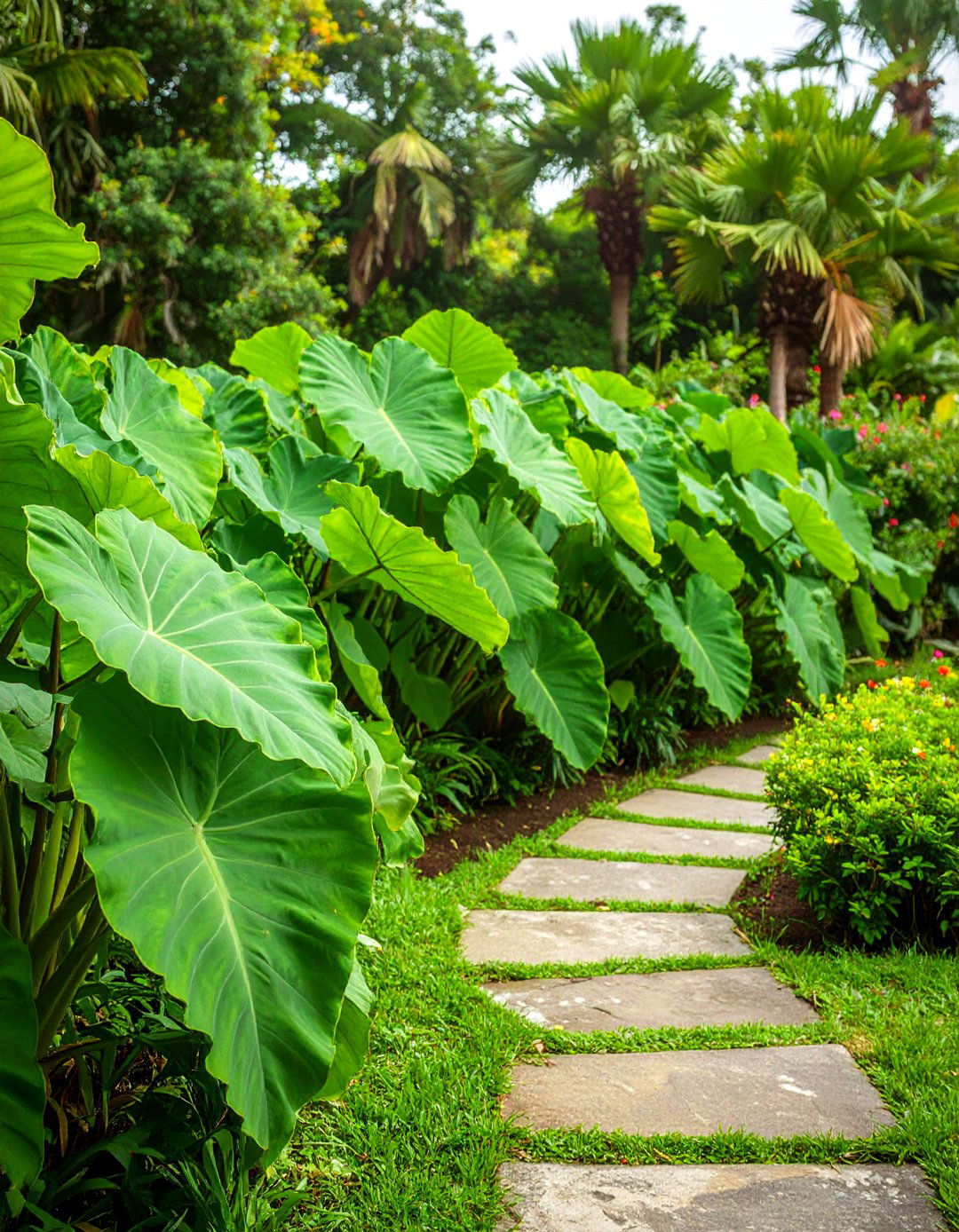
To create an instant tropical feel, introduce large-leaf elephant ear plants (Alocasia and Colocasia) into your garden. Their massive, heart-shaped leaves provide a dramatic backdrop and essential shade for smaller, understory plants. Plant them in moist, well-drained soil where they can receive filtered sunlight. These plants create a bold statement, and their impressive scale immediately transports you to a jungle setting. Grouping them together amplifies their effect, forming a dense wall of green that enhances the feeling of a secluded, lush paradise. Their architectural form contrasts beautifully with finer-textured plants, adding depth and interest to your overall design.
2. Incorporating Birds of Paradise in a Tropical Garden
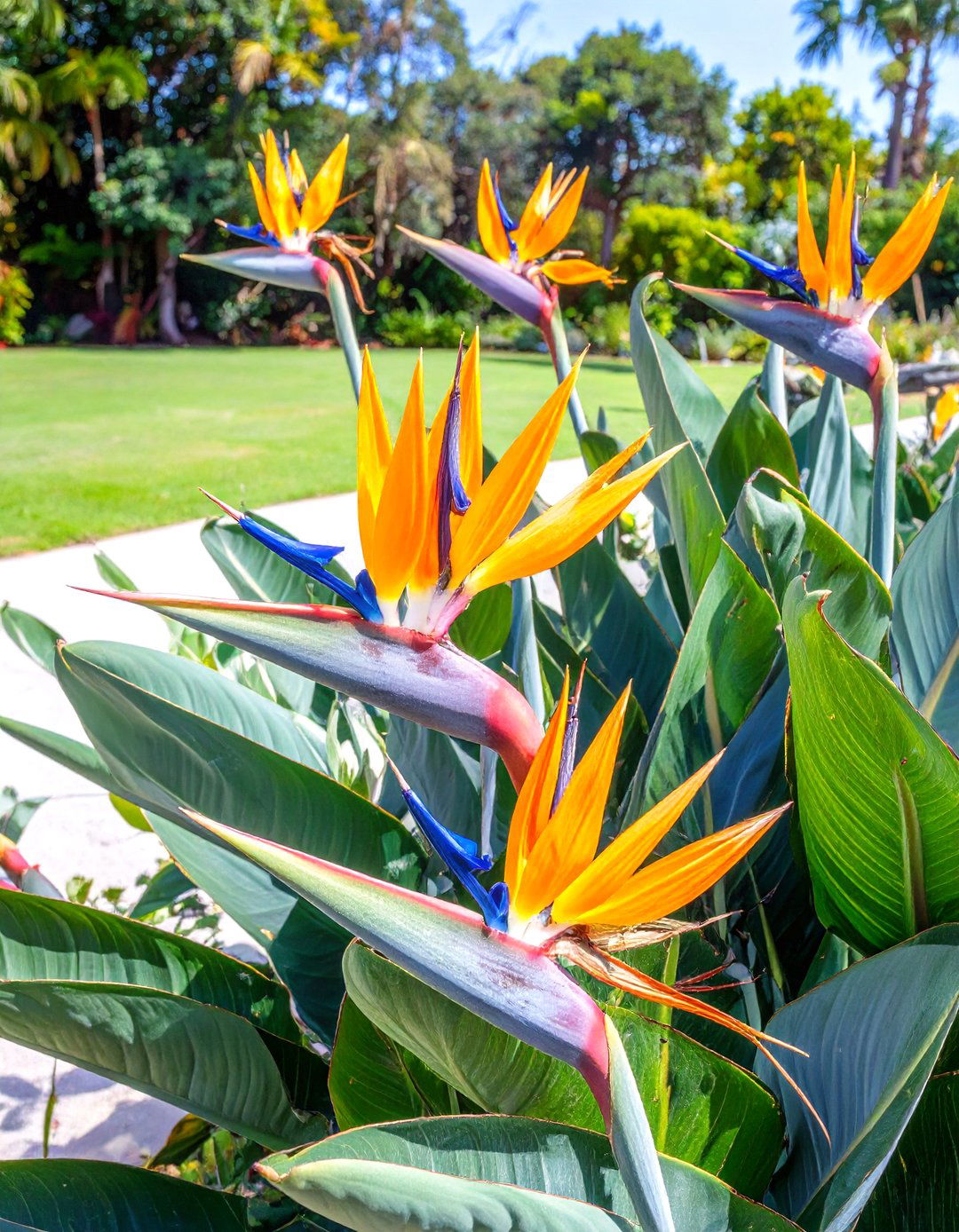
The bird of paradise (Strelitzia reginae) is an iconic plant for any tropical garden, celebrated for its unique, crane-like flowers. These vibrant orange and blue blooms add an exotic, sculptural element that stands out against green foliage. For the best results, plant them in a sunny spot with rich, well-draining soil. Birds of paradise work well as standalone specimens or planted in groups to create a striking focal point. Their large, banana-like leaves also contribute to the lush, layered look essential for a tropical theme. This plant not only brings a splash of color but also an unmistakable touch of the exotic.
3. A Tropical Garden Featuring a Bamboo Privacy Screen
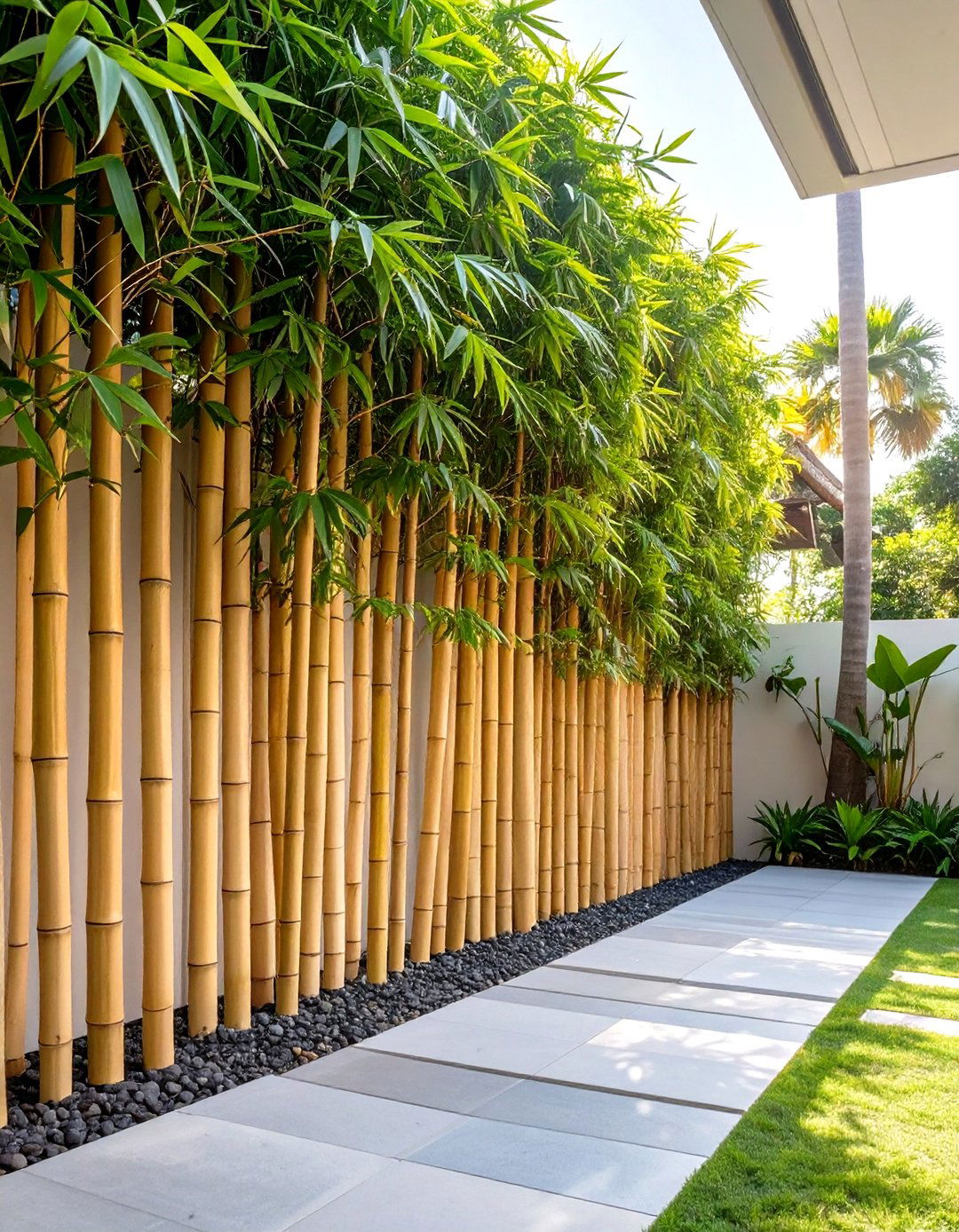
For a sense of seclusion, a bamboo privacy screen is an excellent addition to a tropical garden. Clumping bamboo varieties are ideal as they are non-invasive and grow into dense screens quickly, enclosing your space with a natural, green wall. This feature enhances the immersive, jungle-like atmosphere while also serving a practical purpose by blocking unwanted views. The tall, slender canes and delicate leaves sway gently in the breeze, adding movement and a soothing sound to your garden. Planting bamboo along a fence or property line creates an instant tropical boundary, making your garden feel like a private, hidden sanctuary.
4. Building a Thatched-Roof Palapa for a Tropical Garden
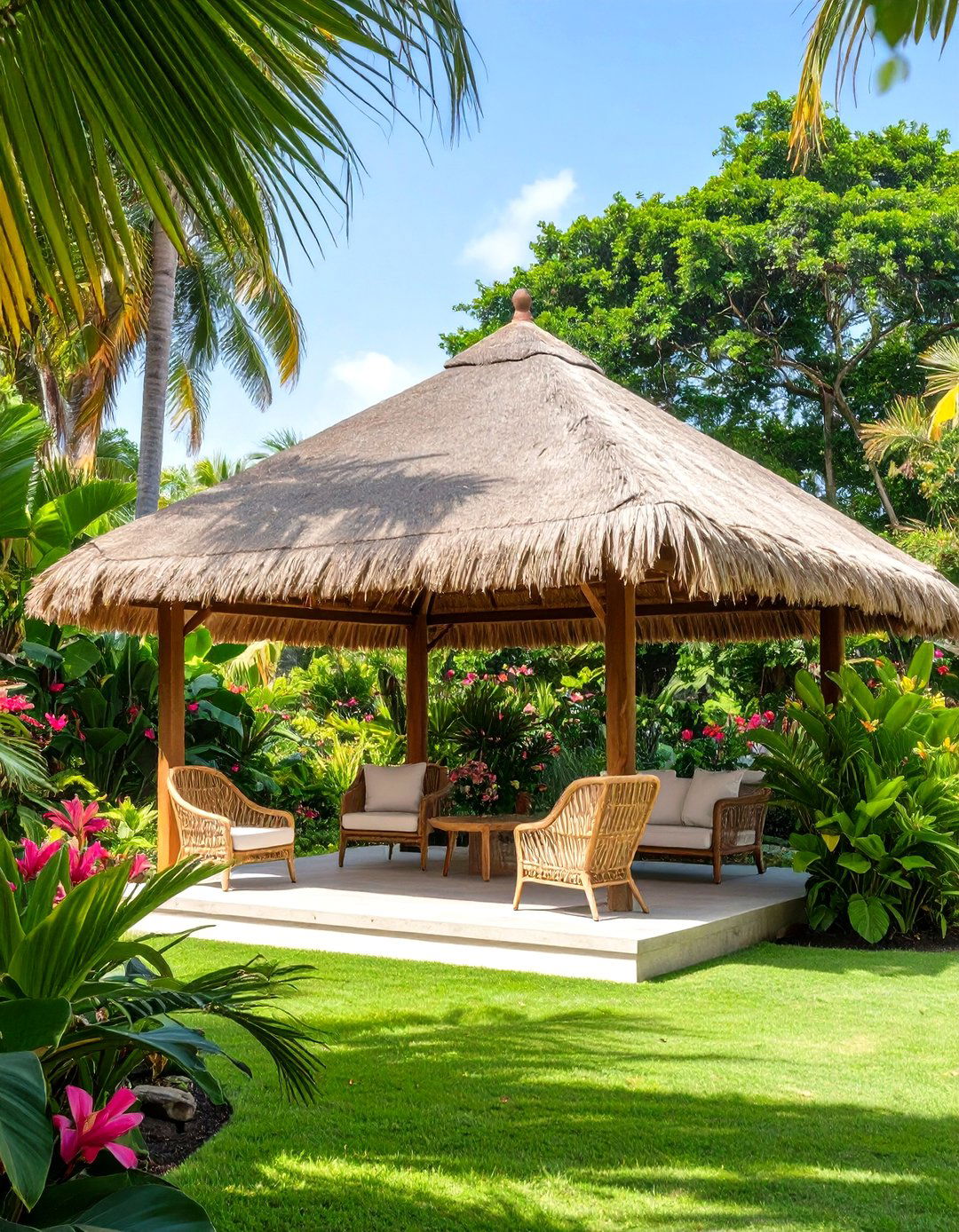
A thatched-roof palapa or tiki hut serves as the ultimate focal point in a tropical garden, providing shelter and a designated space for relaxation. This structure instantly evokes images of beach resorts and island getaways. Use natural materials like palm fronds or synthetic thatch for the roof and sturdy wood for the frame to achieve an authentic look. Furnish the space underneath with comfortable seating, such as rattan chairs or a hammock, to create a perfect spot for unwinding. A palapa not only offers shade from the sun but also establishes a central hub for entertaining and enjoying your lush surroundings.
5. Integrating Hibiscus Flowers in a Tropical Garden
Vibrant hibiscus flowers are a hallmark of tropical landscapes, offering a dazzling array of colors from fiery reds and oranges to soft pinks and yellows. These large, showy blooms attract pollinators like hummingbirds and butterflies, adding life and movement to your garden. Plant hibiscus in sunny locations with well-drained soil to encourage prolific flowering throughout the growing season. They can be grown as shrubs or small trees, making them versatile for borders, containers, or as standalone specimens. The constant presence of their cheerful, trumpet-shaped flowers ensures your garden remains a colorful and lively tropical paradise.
6. A Tropical Garden with a Natural Stone Pathway
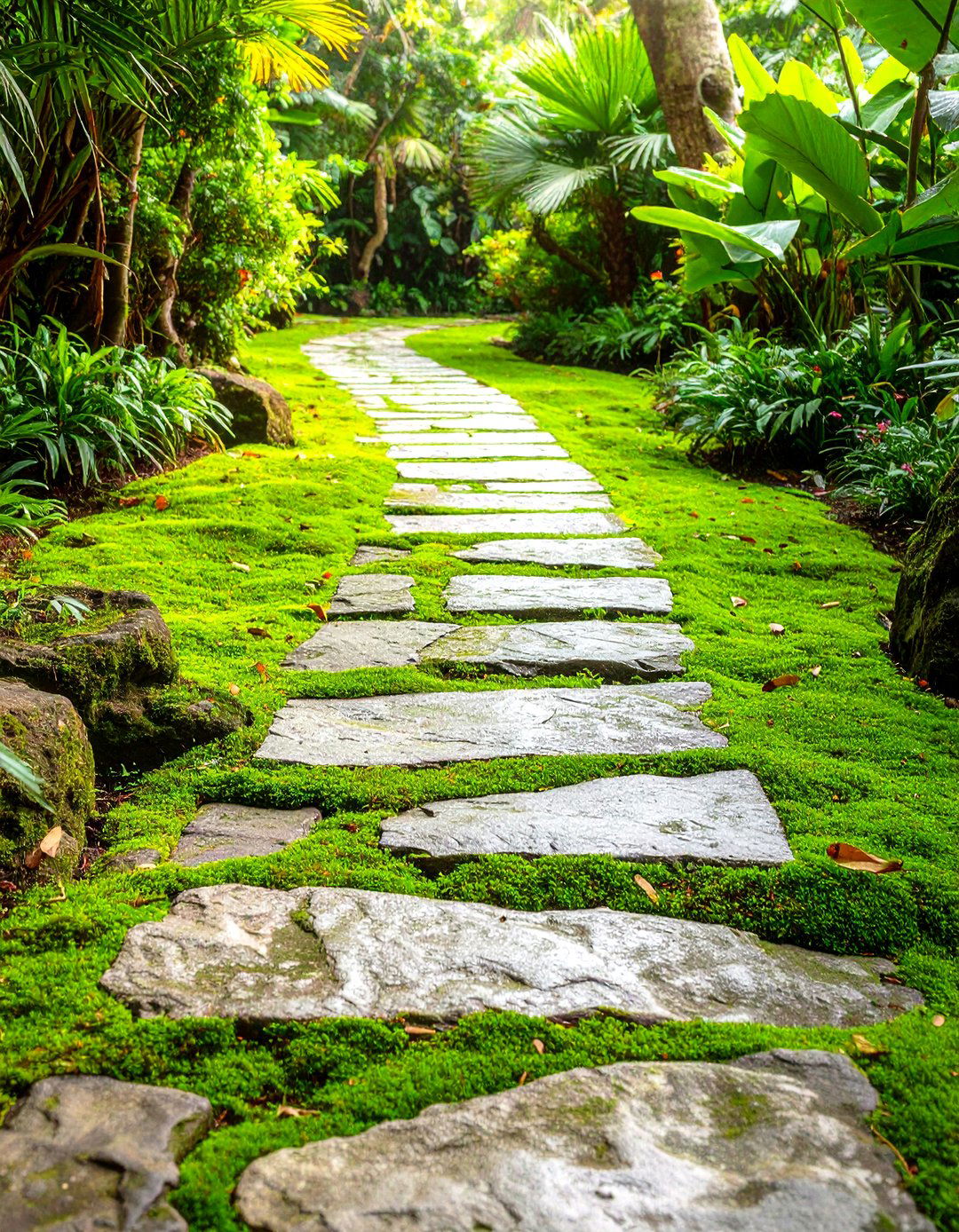
A winding natural stone pathway invites exploration and guides you through the dense foliage of a tropical garden. Using irregular flagstones or smooth river rocks creates an organic, unforced look that complements the wild aesthetic. Set the stones far enough apart to allow groundcover plants like moss or creeping thyme to grow between them, softening the edges and integrating the path into the landscape. This feature not only provides a practical walking surface but also adds texture and a sense of discovery. The path can lead to a hidden seating area, a water feature, or simply meander through your plant collection.
7. Designing a Tropical Garden with a Koi Pond
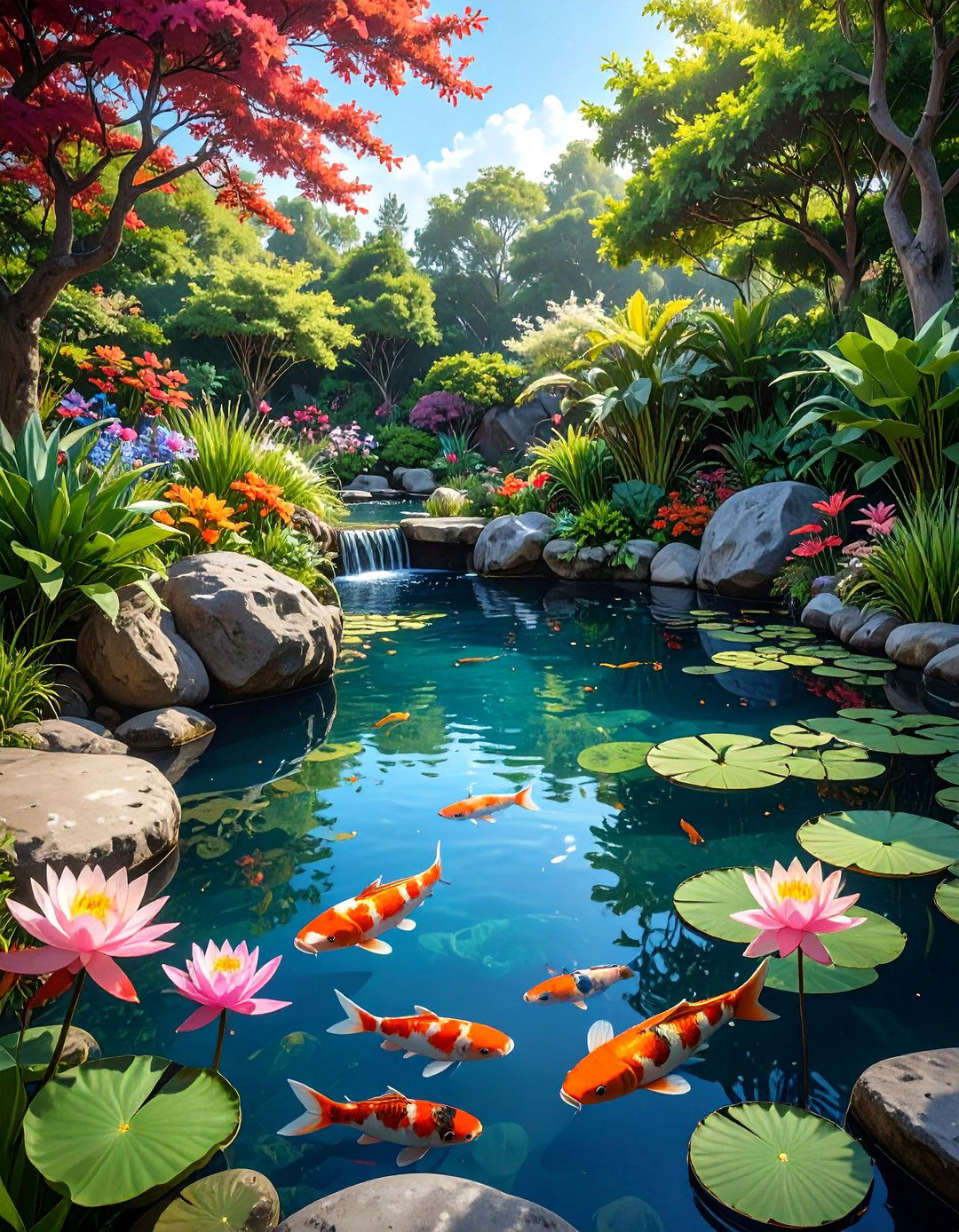
A koi pond introduces the calming element of water and vibrant life into a tropical garden. The gentle sound of moving water from a small waterfall or bubbler enhances the tranquil atmosphere, while the bright colors of the koi fish add a dynamic visual interest. Surround the pond with lush, water-loving plants like taro, water lilies, and papyrus to create a seamless transition from water to land. The reflective surface of the pond mirrors the surrounding foliage, making the garden feel larger and more immersive. This feature becomes a central point of serenity, attracting wildlife and offering a peaceful spot for contemplation.
8. Using Canna Lilies for Dramatic Height in a Tropical Garden
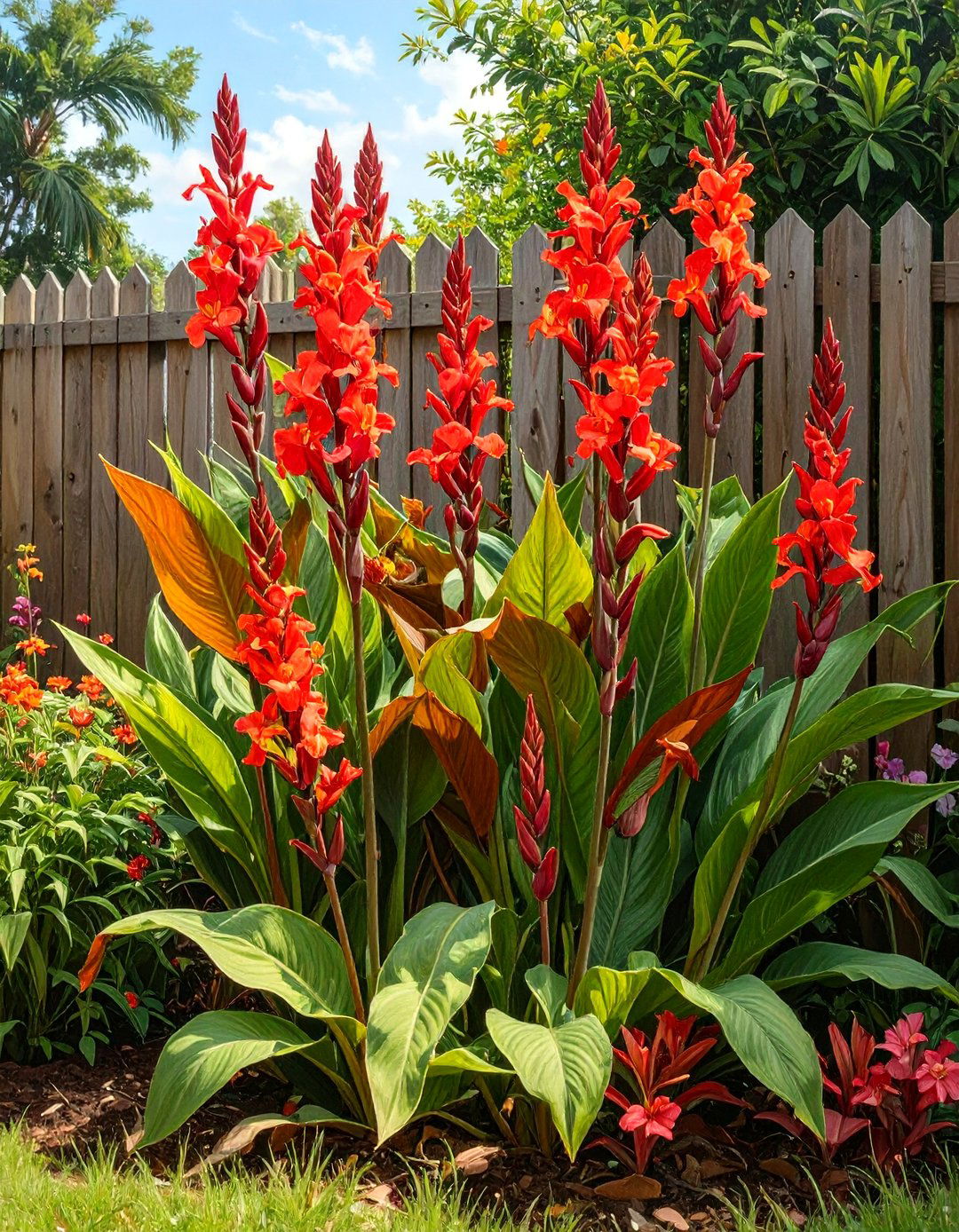
Canna lilies bring dramatic height and bold color to a tropical garden with their tall stalks and large, vibrant flowers. Their foliage is just as impressive, with some varieties featuring bronze, burgundy, or variegated leaves that rival the beauty of their blooms. Plant them in the back of garden beds to create a stunning backdrop or use them to add vertical interest around a patio or water feature. Cannas thrive in full sun and moist soil, and their commanding presence helps to create the layered, dense look characteristic of a tropical paradise. Their combination of striking flowers and lush leaves makes them an essential choice.
9. Creating a Tropical Garden with Hardy Banana Trees
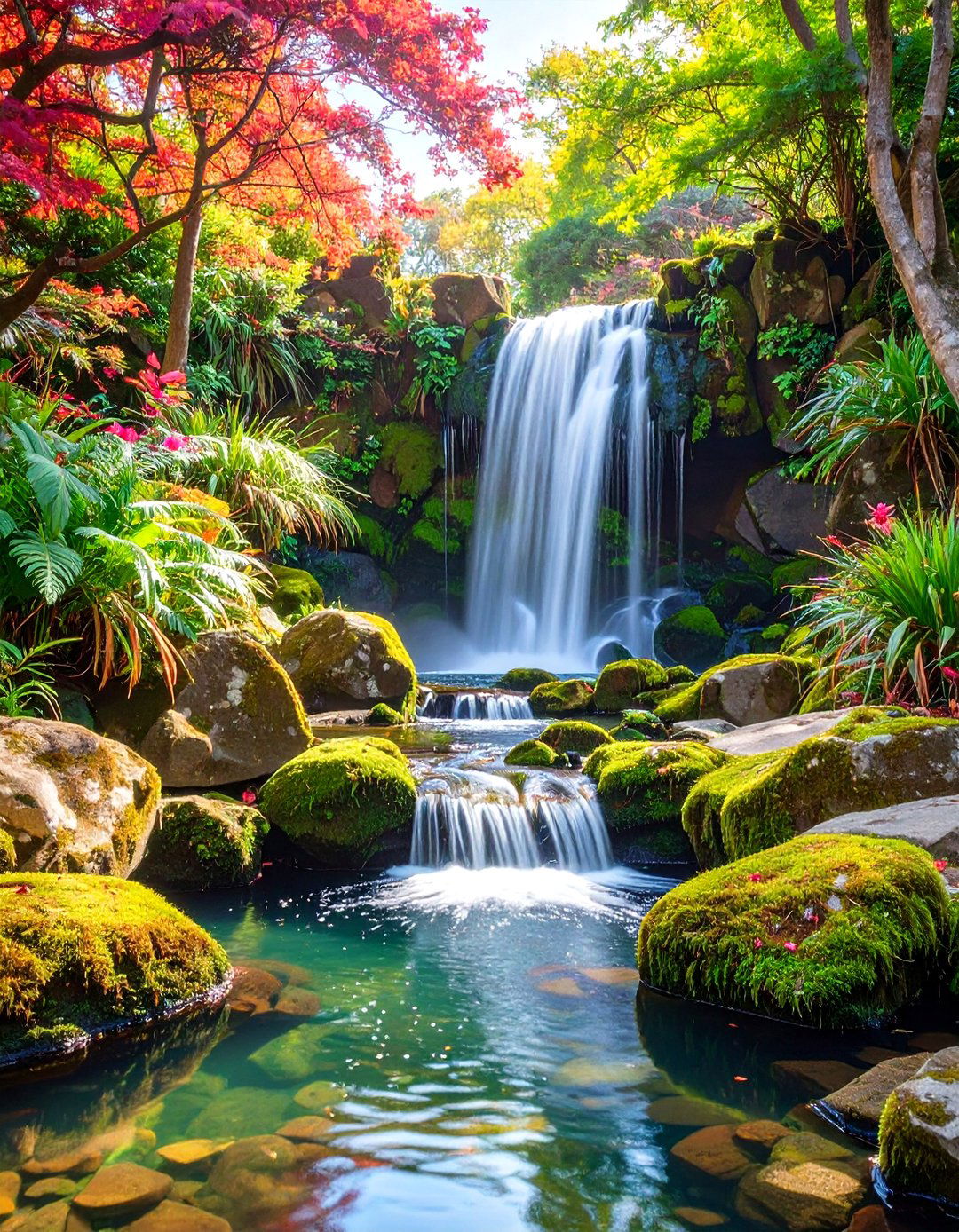
For an authentic jungle atmosphere, including hardy banana trees (Musa basjoo) in your tropical garden is a must. While they may not produce edible fruit in cooler climates, their enormous, paddle-shaped leaves create an unparalleled sense of the exotic. These fast-growing plants quickly form dense clumps, providing a lush, green canopy that offers shade and a feeling of enclosure. Plant them in a sunny, protected spot with rich, moist soil. The sheer scale of their leaves makes a powerful design statement, instantly transforming a simple backyard into a tropical escape and serving as a dramatic focal point in any planting scheme.
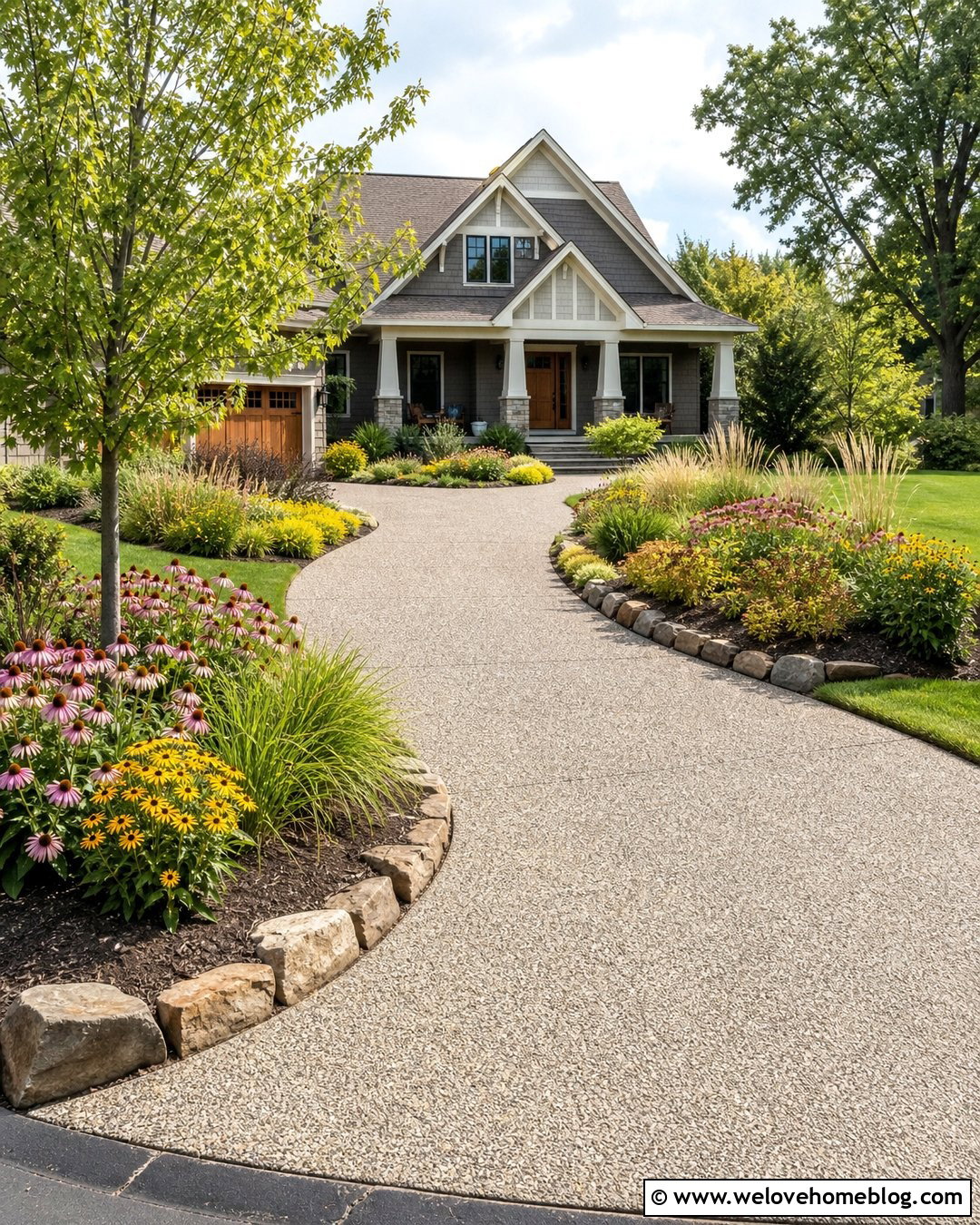
10. A Tropical Garden Featuring a cascading Waterfall
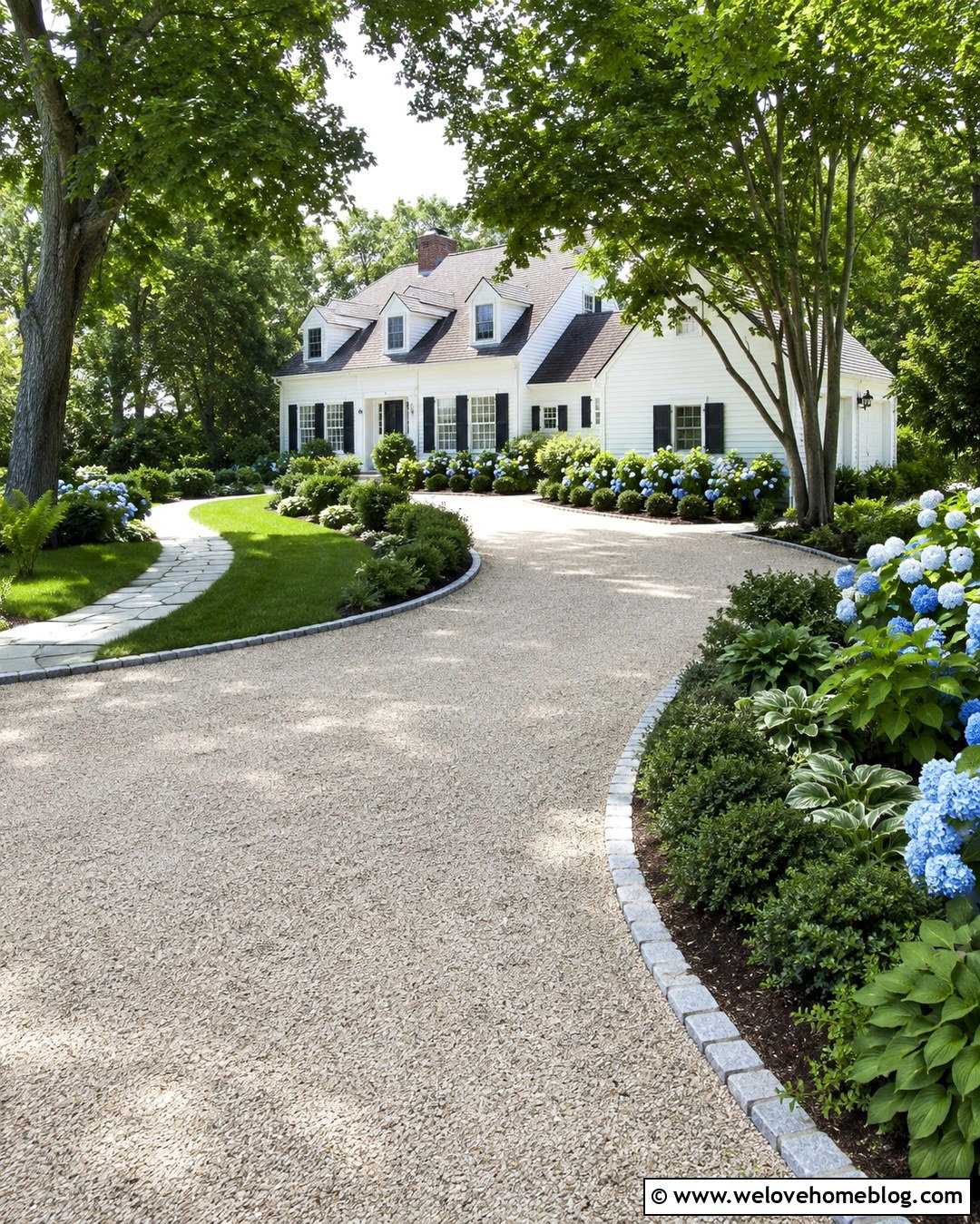
The sound of a cascading waterfall is synonymous with a tropical oasis, bringing a sense of peace and tranquility to your garden. A waterfall can be built into a slope or as a standalone feature, tumbling over natural rocks into a small pond or stream. The constant movement of water cools the air and creates a soothing auditory backdrop that masks neighborhood noise. Surround the waterfall with ferns, mosses, and other moisture-loving plants to create a natural, verdant setting. This dynamic feature not only adds visual beauty but also enhances the sensory experience, making your garden a truly immersive retreat.
11. Illuminating a Tropical Garden with Tiki Torches
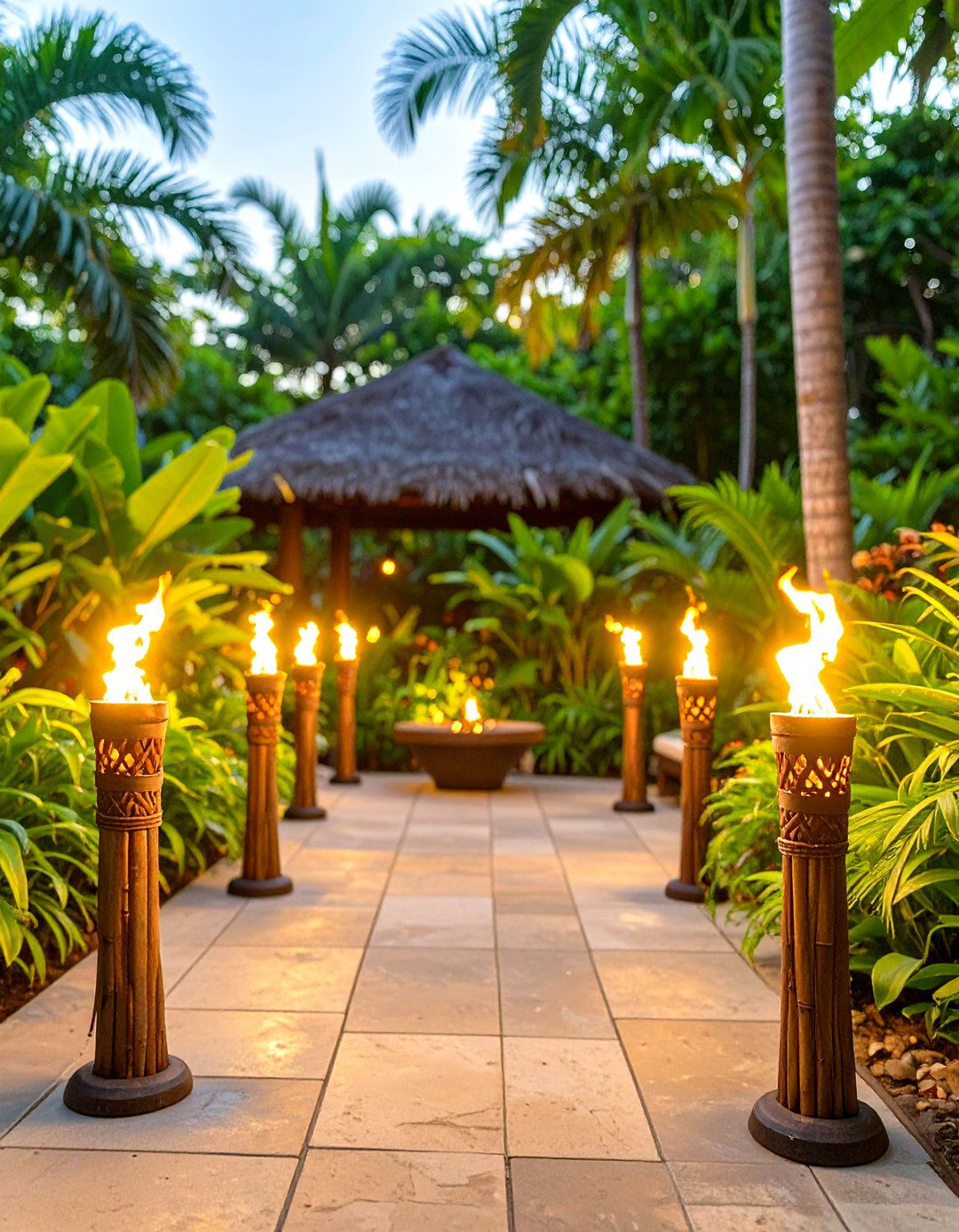
When dusk falls, tiki torches can illuminate your tropical garden with a warm, flickering glow, creating an enchanting and festive atmosphere. Place them along pathways, around a patio, or near seating areas to provide ambient lighting and define different zones within the garden. Citronella-fueled torches have the added benefit of helping to repel mosquitoes, allowing you to enjoy your evenings outdoors comfortably. The dancing flames cast dynamic shadows on the surrounding foliage, enhancing the mystical, jungle-like feel of the space. Tiki torches are a simple yet highly effective way to add both light and authentic island style.
12. Incorporating Bromeliads into a Tropical Garden
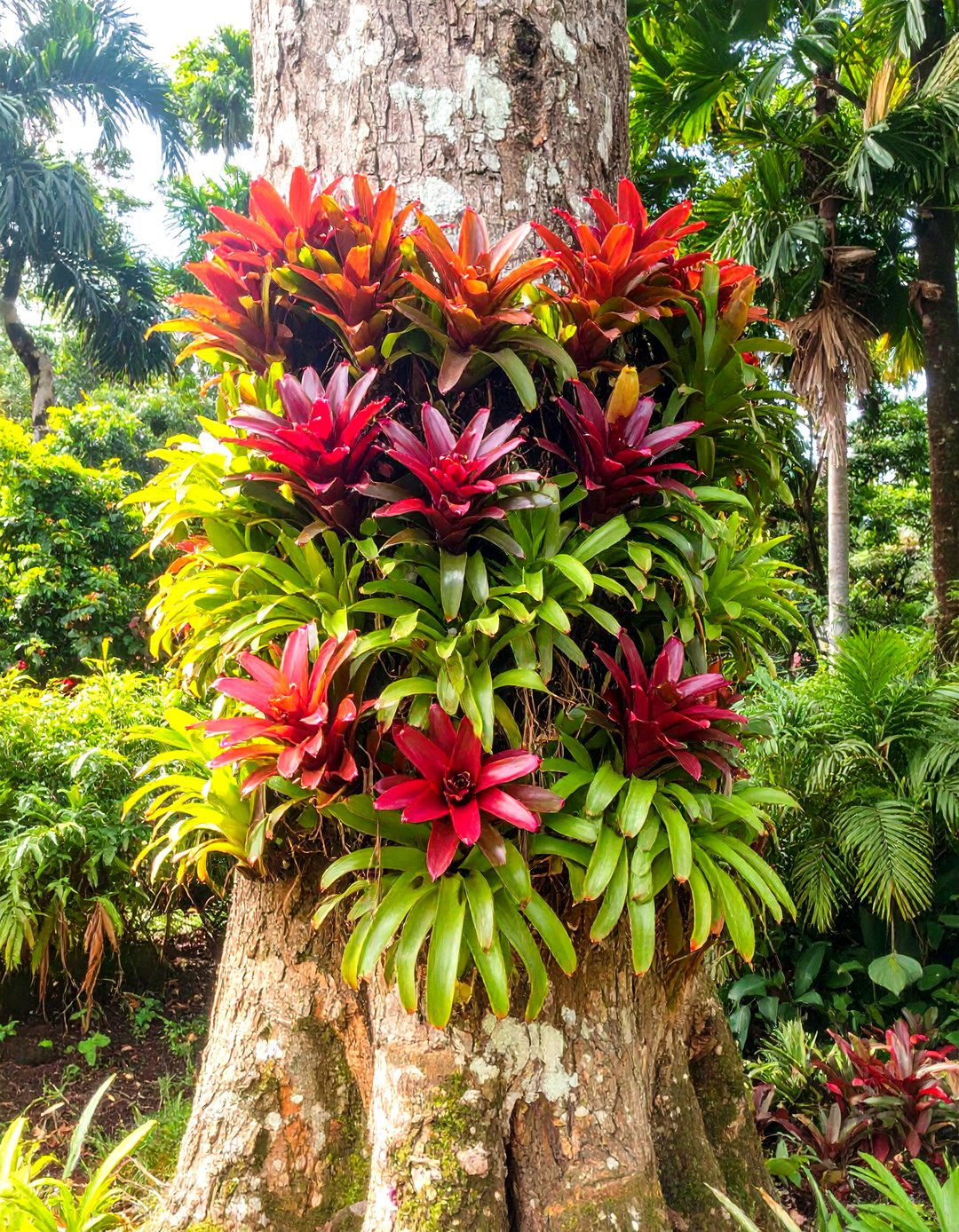
Bromeliads are quintessential tropical plants that can be used in unique and creative ways throughout your garden. Many varieties are epiphytic, meaning they can grow on trees or rocks without soil, attaching themselves to branches or crevices. This allows you to add color and texture to vertical spaces, mimicking how they grow in their native rainforest habitats. Tuck them into the crooks of tree branches or mount them on driftwood for a natural look. Their rosette-shaped foliage and long-lasting, colorful flower spikes provide a striking, exotic accent that thrives in the filtered light beneath a leafy canopy.
13. A Tropical Garden with Ferns for Lush Groundcover
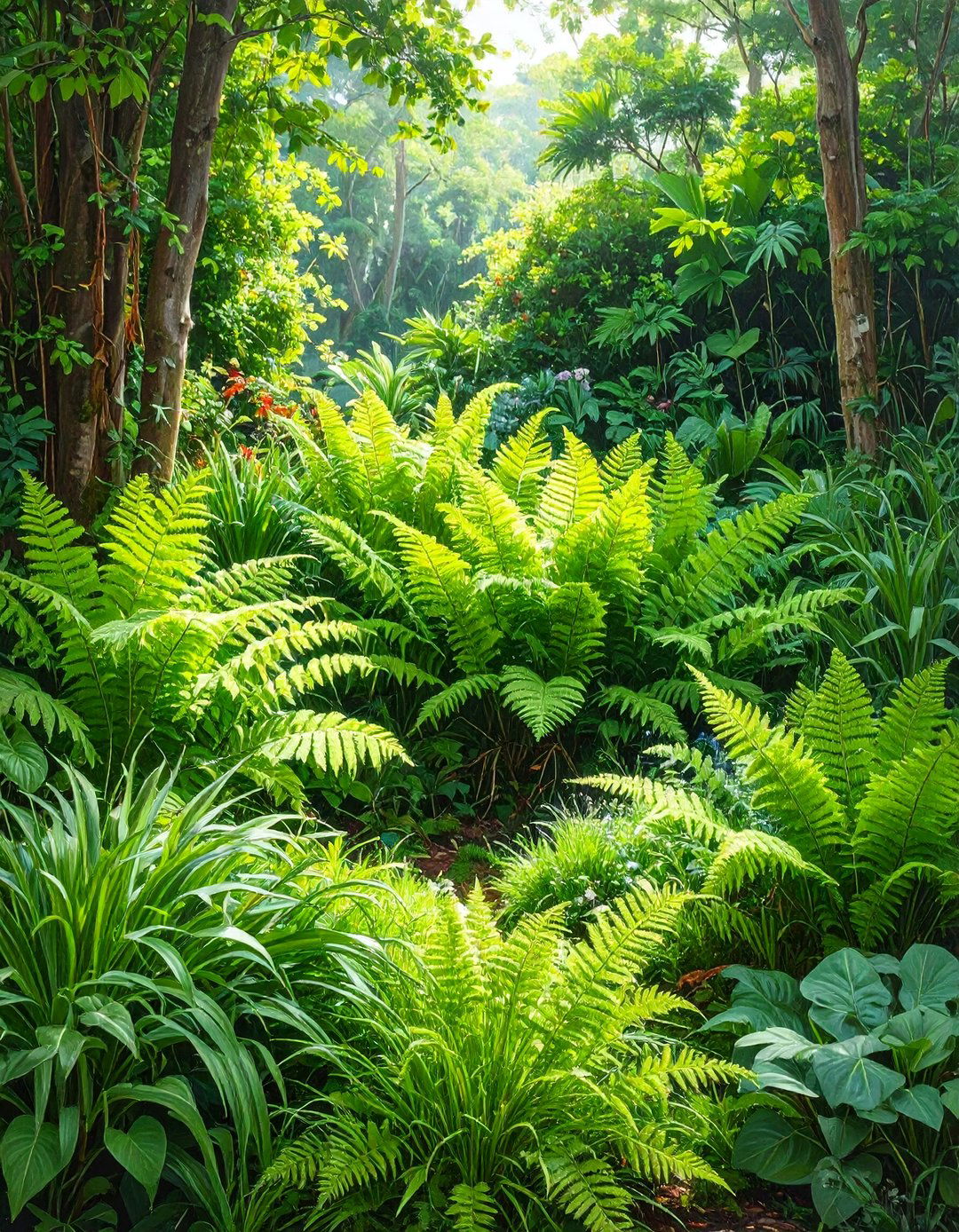
Ferns are essential for creating the lush, layered understory of a tropical garden. With their delicate, feathery fronds, they provide a soft texture that contrasts beautifully with the bold leaves of larger plants like elephant ears and bananas. Plant a variety of ferns, such as maidenhair, bird's nest, or sword ferns, in shaded, moist areas of your garden. They excel as groundcover, filling in empty spaces and creating a continuous carpet of green that enhances the feeling of abundance. Their ability to thrive in low light makes them perfect for planting beneath trees and taller shrubs, completing the jungle-like aesthetic.
14. Adding Outdoor Seating with Rattan Furniture in a Tropical Garden
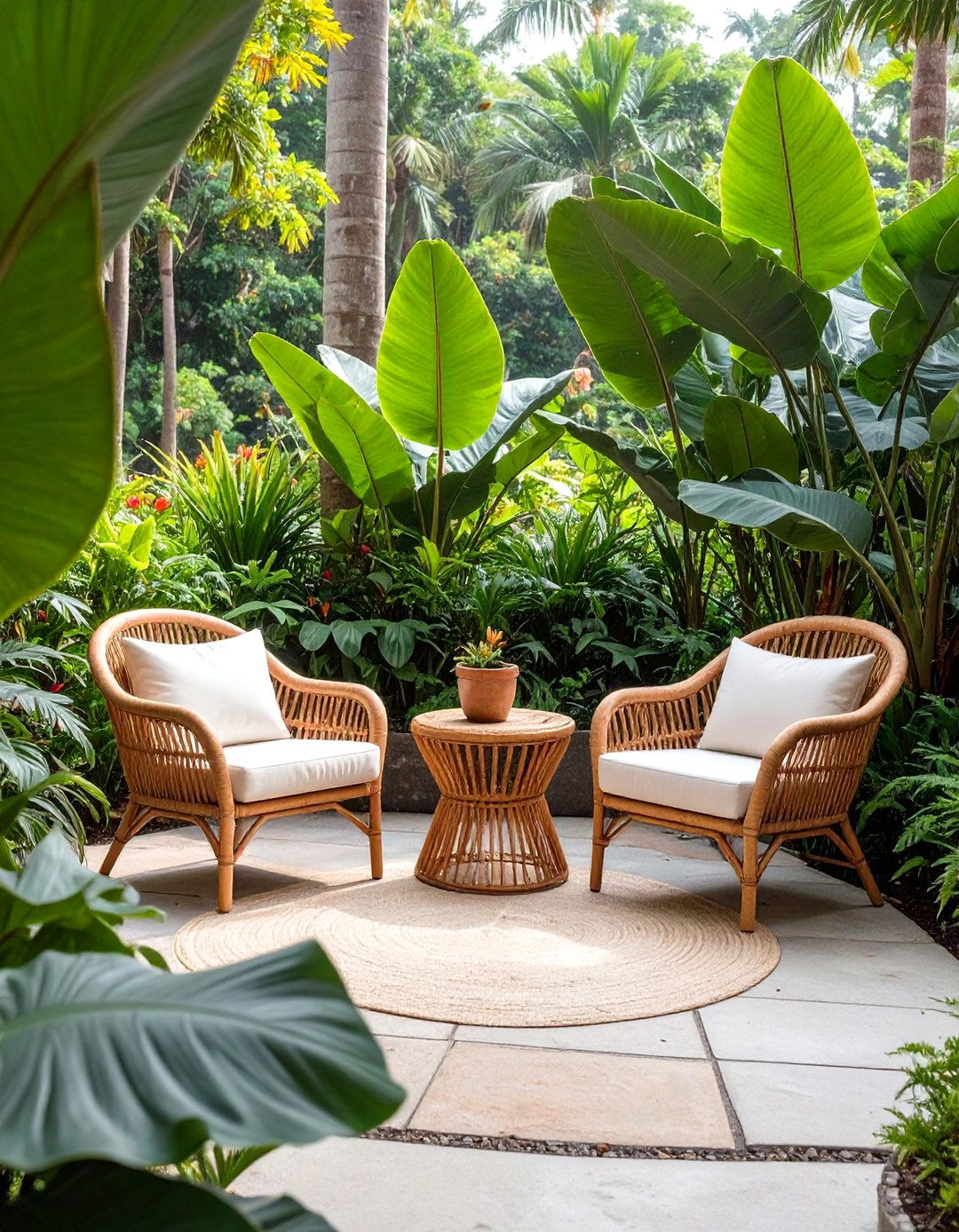
To fully enjoy your slice of paradise, comfortable outdoor seating is a must, and rattan furniture perfectly complements the tropical aesthetic. Its natural, woven texture blends seamlessly with the surrounding foliage and other organic materials like wood and stone. Arrange a set of rattan armchairs and a small table on a patio or under a palapa to create an inviting conversation nook. For ultimate relaxation, consider a hanging rattan pod chair or a daybed piled with colorful cushions. This type of furniture is not only stylish but also durable enough to withstand outdoor conditions, providing a perfect spot to relax.
15. A Tropical Garden Designed Around a Swimming Pool
Transform your poolside area into a tropical resort by surrounding it with lush, exotic plantings. Use large-leafed plants like palms, banana trees, and elephant ears to create a sense of privacy and a jungle-like enclosure. Incorporate flowering plants such as hibiscus, plumeria, and bougainvillea for vibrant splashes of color that pop against the blue water. A rock waterfall cascading into the pool enhances the naturalistic feel and adds a soothing sound. This design integrates the pool into the landscape, making it feel like a natural lagoon and creating a stunning backyard oasis for swimming and relaxing.
16. Using Cordyline Plants for a Splash of Color in a Tropical Garden
Cordyline plants, also known as ti plants, are prized for their vibrant, sword-like leaves that come in shades of pink, red, purple, and variegated patterns. They add a brilliant splash of color and a spiky texture that contrasts well with broader-leafed tropicals. Plant them in sunny or partially shaded spots where their colorful foliage can truly shine. Cordylines are excellent for creating focal points in garden beds or as striking container specimens on a patio. Their upright growth habit also adds vertical interest, drawing the eye upward and contributing to the layered complexity of a well-designed tropical garden.
17. A Tropical Garden with Plumeria Trees
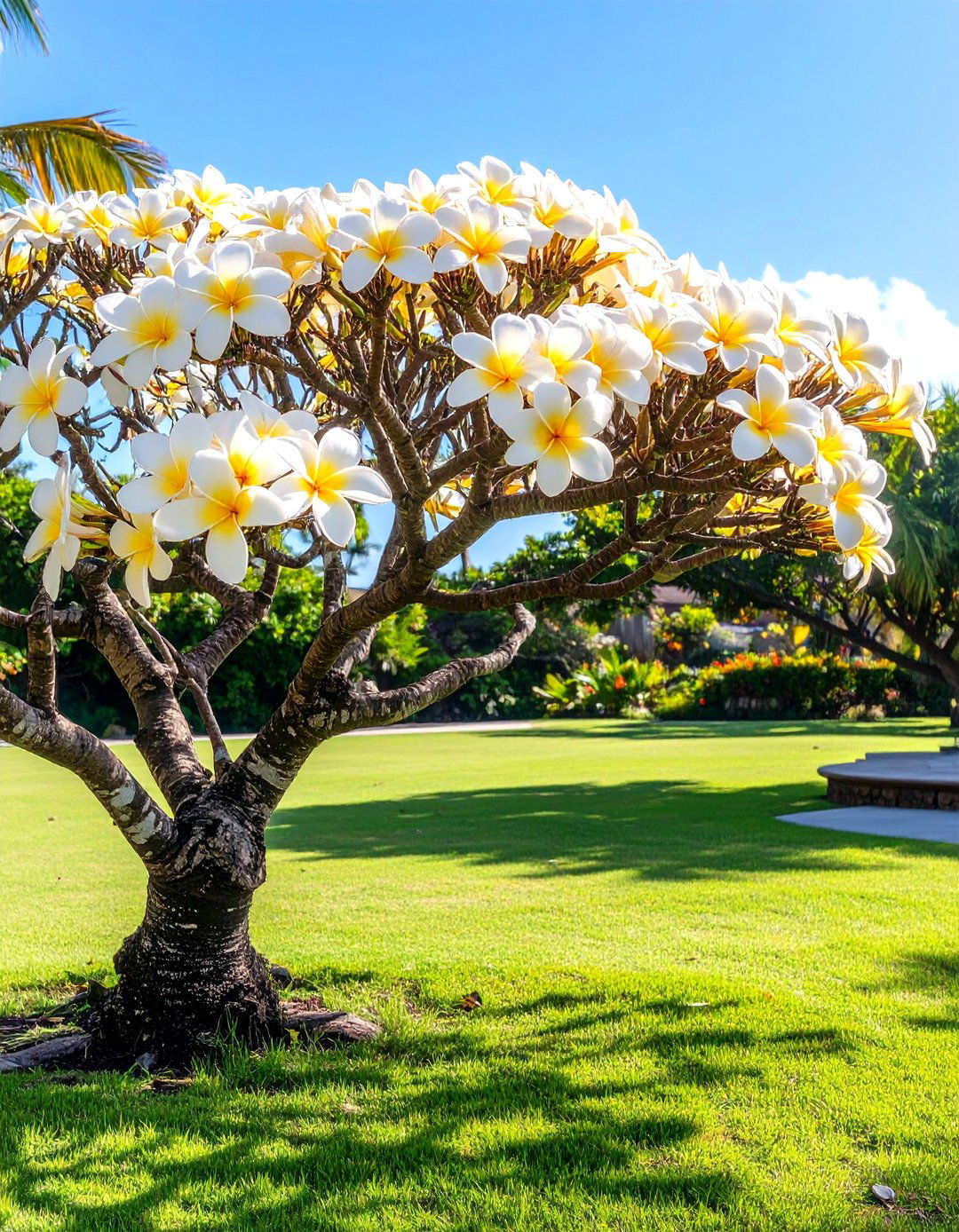
The intoxicating fragrance and beautiful pinwheel-shaped flowers of the plumeria tree are emblematic of tropical islands like Hawaii. Planting a plumeria, also known as frangipani, in your garden adds an authentic touch of the tropics and fills the air with a sweet, delightful scent. These small trees produce clusters of blooms in shades of white, yellow, pink, and red. They thrive in full sun and well-drained soil, making them perfect as a specimen tree in a sunny lawn or a large container on a deck. Their gnarled branches add sculptural interest even when not in bloom.
18. Hanging Orchids in a Tropical Garden
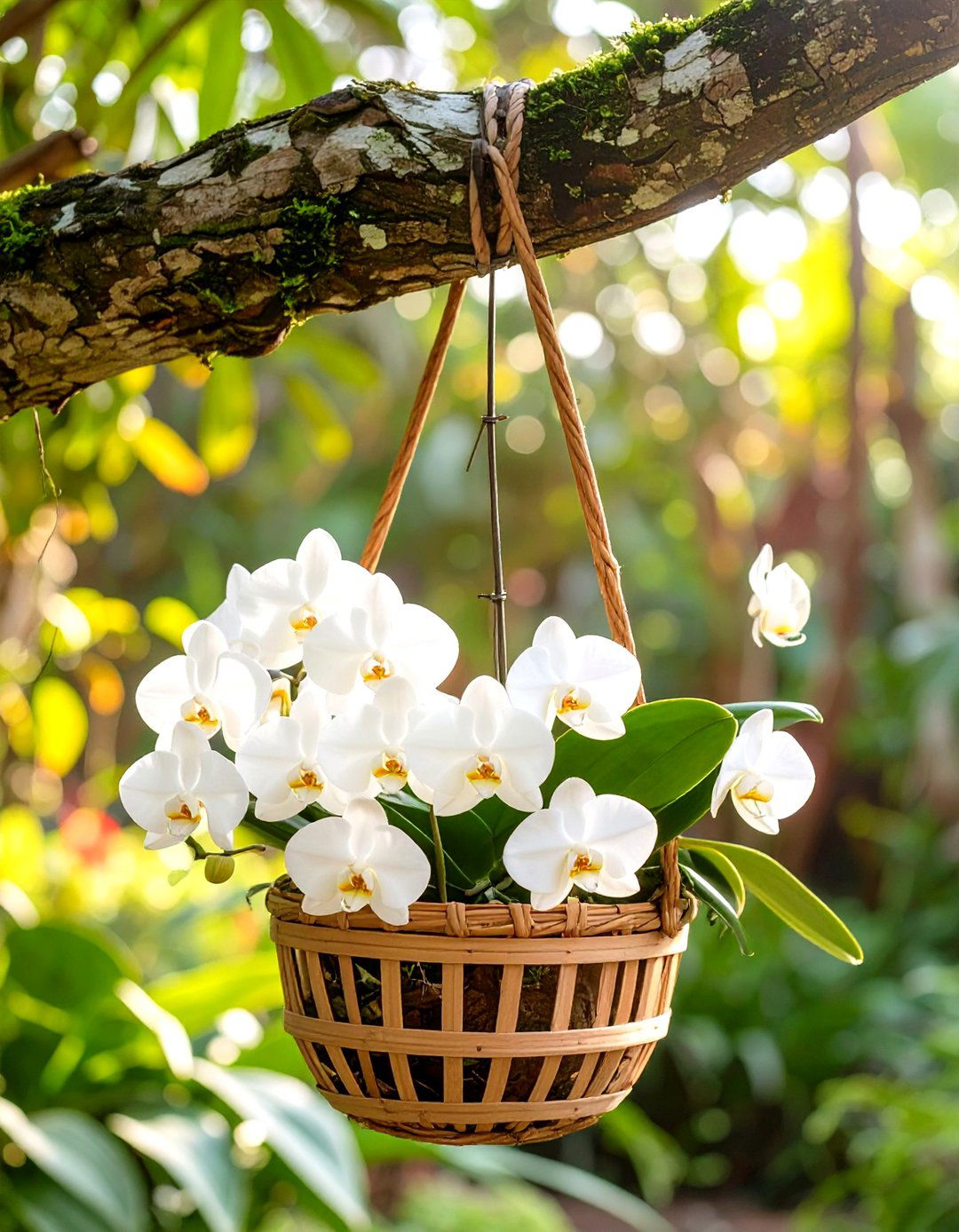
For an elegant and exotic touch, hang orchids from tree branches or arbors throughout your tropical garden. As epiphytes, many orchids naturally grow on trees, so this method mimics their native habitat and showcases their stunning blooms at eye level. Mount Phalaenopsis, Vanda, or Cattleya orchids onto pieces of bark or place them in slatted baskets filled with a suitable orchid medium. Hang them in a spot with filtered light and good air circulation. Their delicate, intricate flowers provide a surprising pop of color and a sense of refined beauty amidst the wilder foliage of the garden.
19. Creating an Outdoor Shower in a Tropical Garden
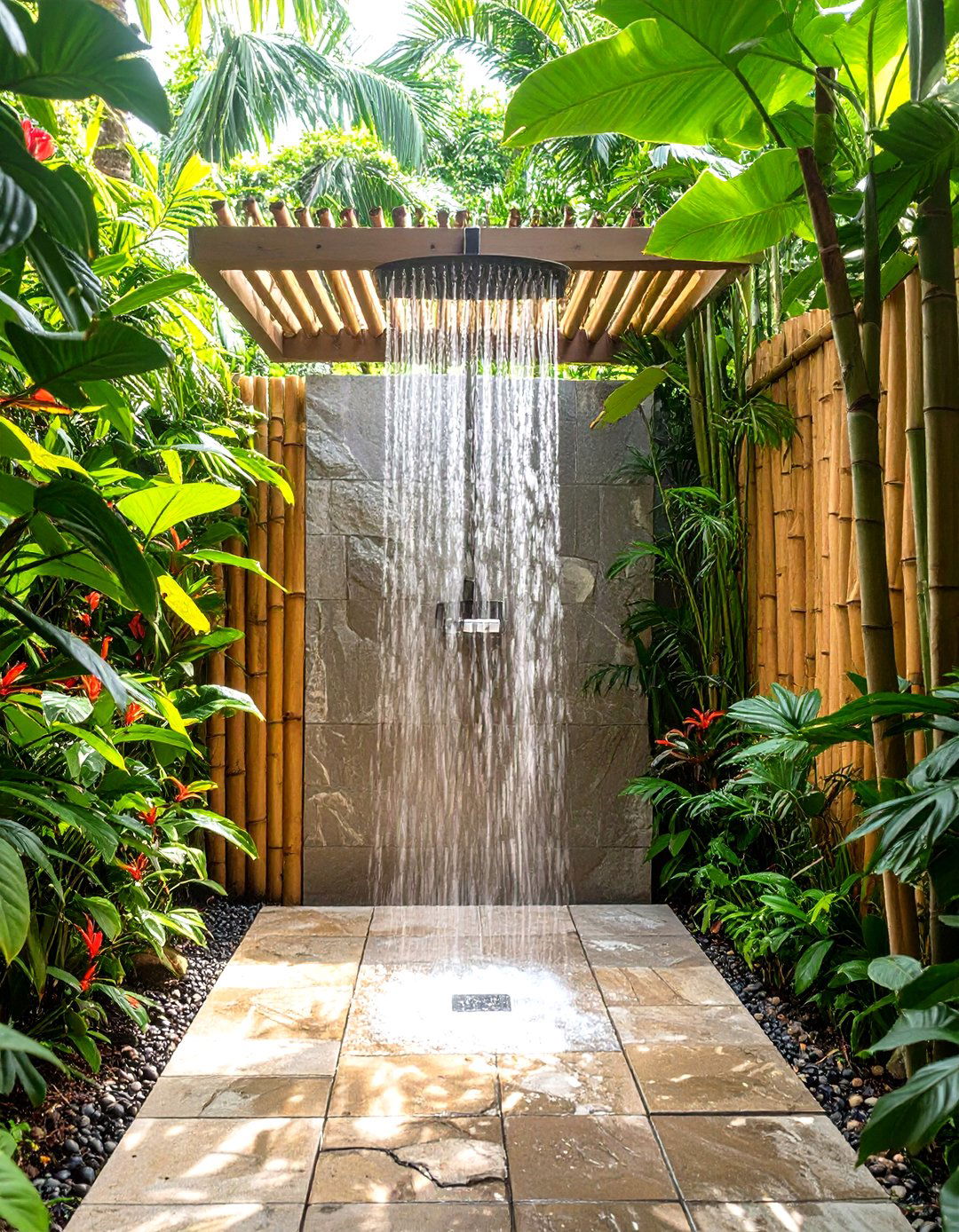
An outdoor shower enclosed by lush foliage brings a touch of resort-style luxury to your tropical garden. This feature is both practical for rinsing off after a swim or a day of gardening and a deeply sensory experience. Use natural materials like stone for the floor, bamboo for the enclosure, and a rainfall showerhead to enhance the feeling of being in a jungle oasis. Plant large-leafed tropicals like philodendrons and heliconias around the shower for privacy and to create a secluded, intimate atmosphere. It transforms a routine activity into a refreshing and rejuvenating ritual surrounded by nature.
20. A Tropical Garden with Bougainvillea Draped Over a Wall
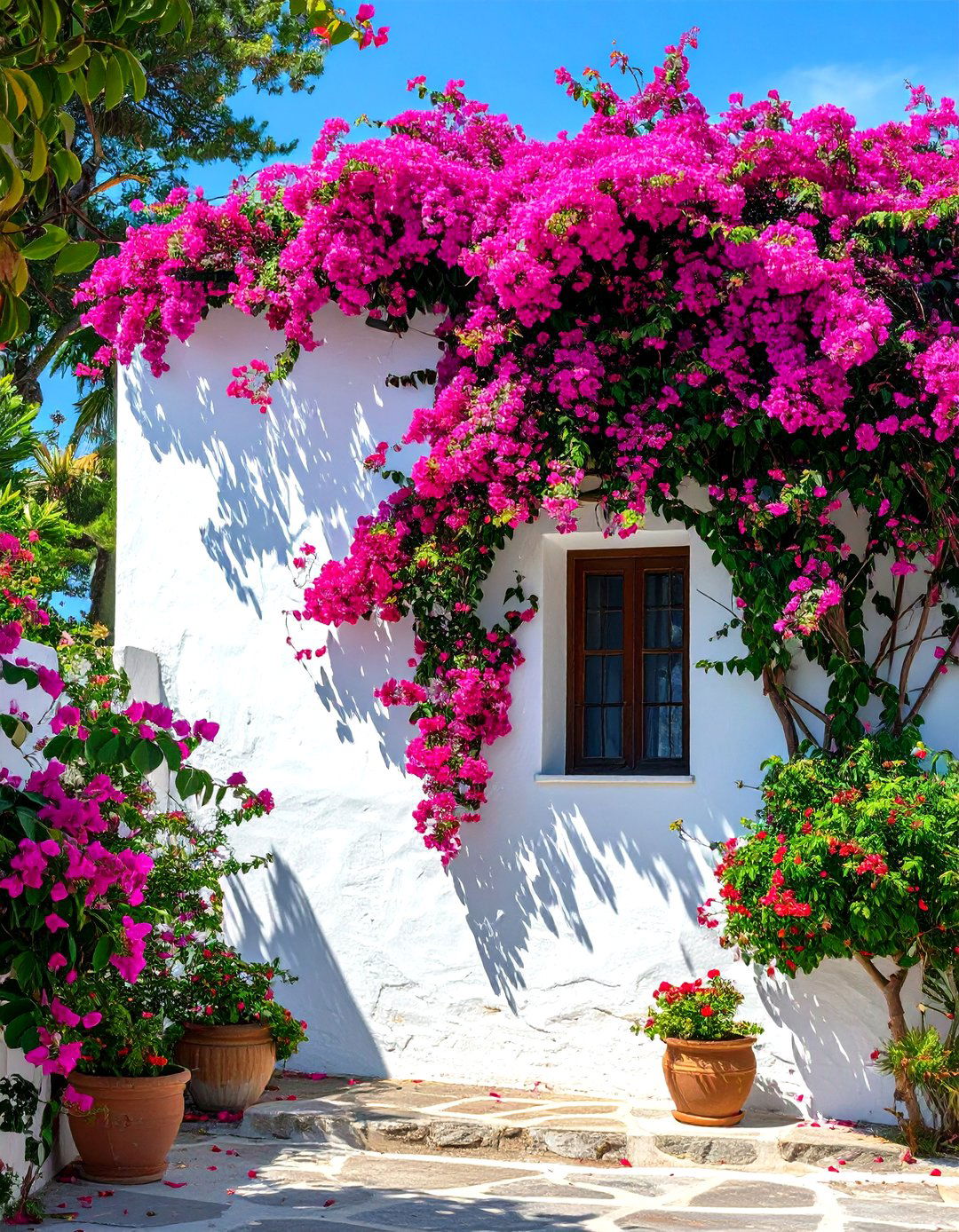
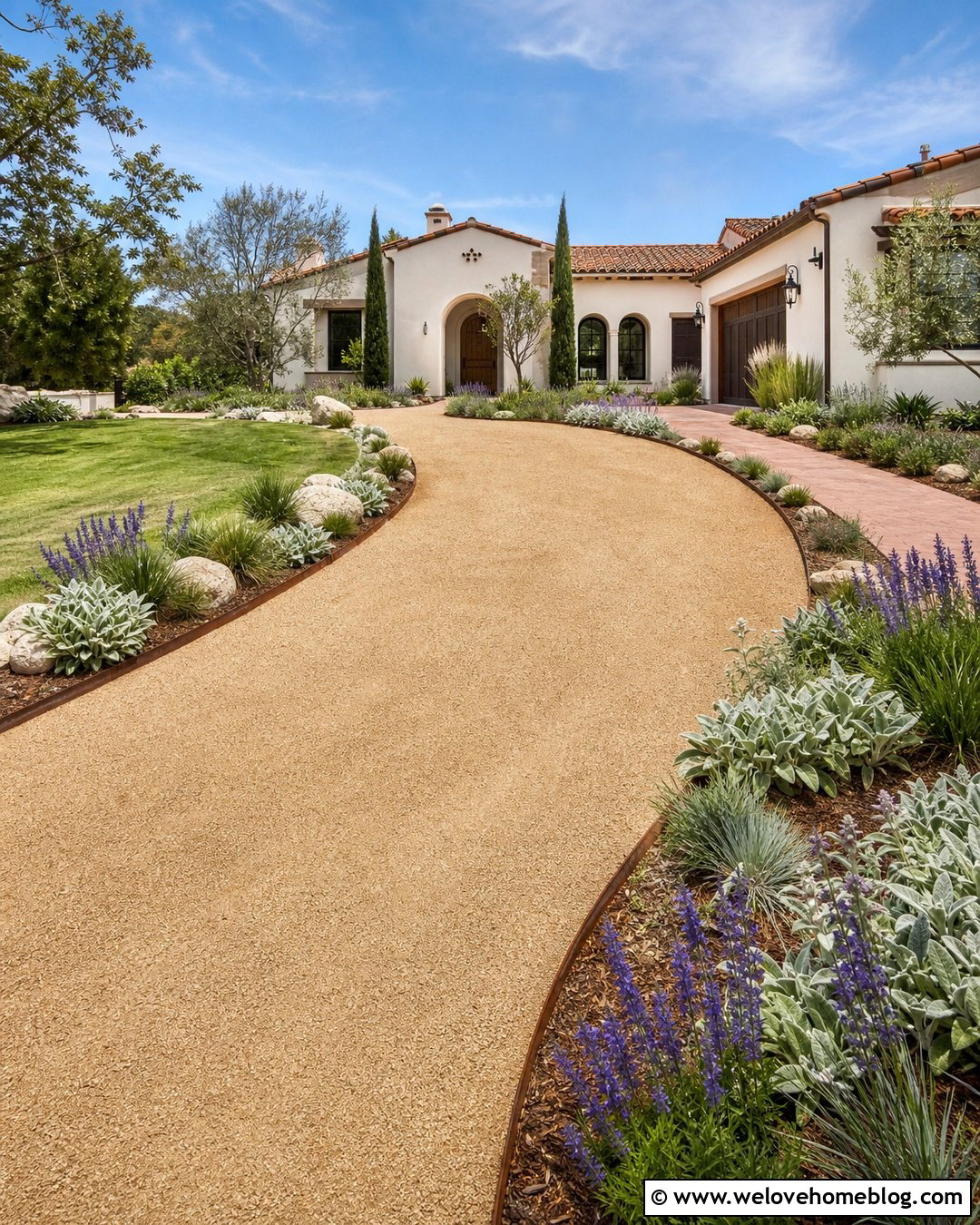
Bougainvillea is a spectacular vining plant that can cover a wall, fence, or trellis with a breathtaking cascade of color. Its papery bracts, which look like flowers, come in vibrant shades of magenta, purple, red, and orange, creating a massive visual impact. This sun-loving plant thrives in warm climates and adds a distinctly Mediterranean or tropical feel to any structure it adorns. Train it to climb over an archway to create a stunning entrance or let it spill over the side of a retaining wall. The sheer volume of color it produces makes it a showstopper in any tropical garden design.
21. Utilizing Ginger Plants in a Tropical Garden
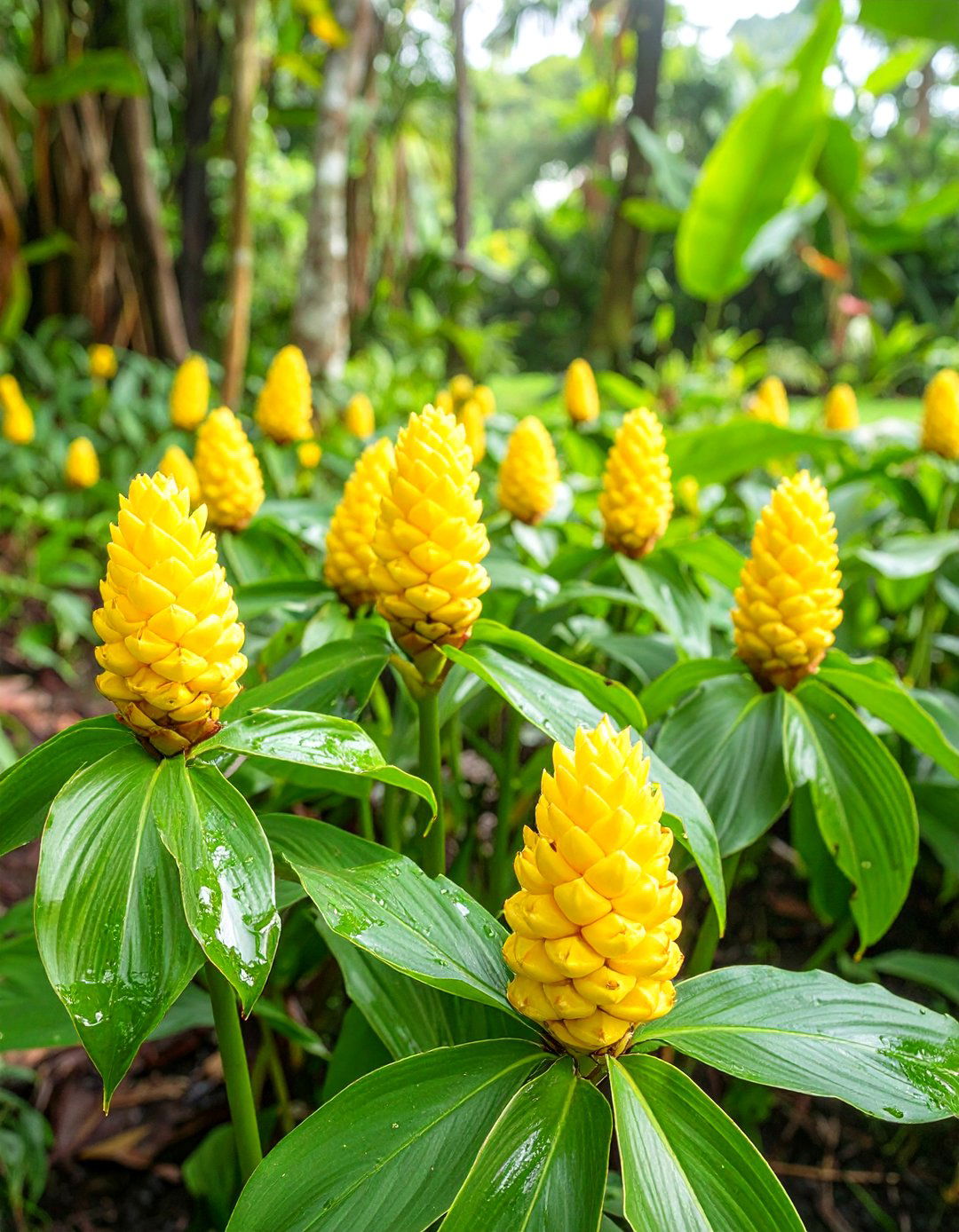
Ginger plants are a fantastic addition to a tropical garden, offering both beautiful flowers and interesting foliage. There are many varieties to choose from, such as the beehive ginger with its unusual cone-shaped inflorescences or the torch ginger with its spectacular, torch-like blooms. These plants thrive in partial shade and moist soil, making them ideal for filling in the understory beneath taller trees. Their lush, upright leaves add to the dense, jungle-like feel, and many varieties also have a pleasant, spicy fragrance. They bring an exotic flair and a touch of the unexpected to the garden bed.
22. Designing a Tropical Garden with a Hammock Retreat
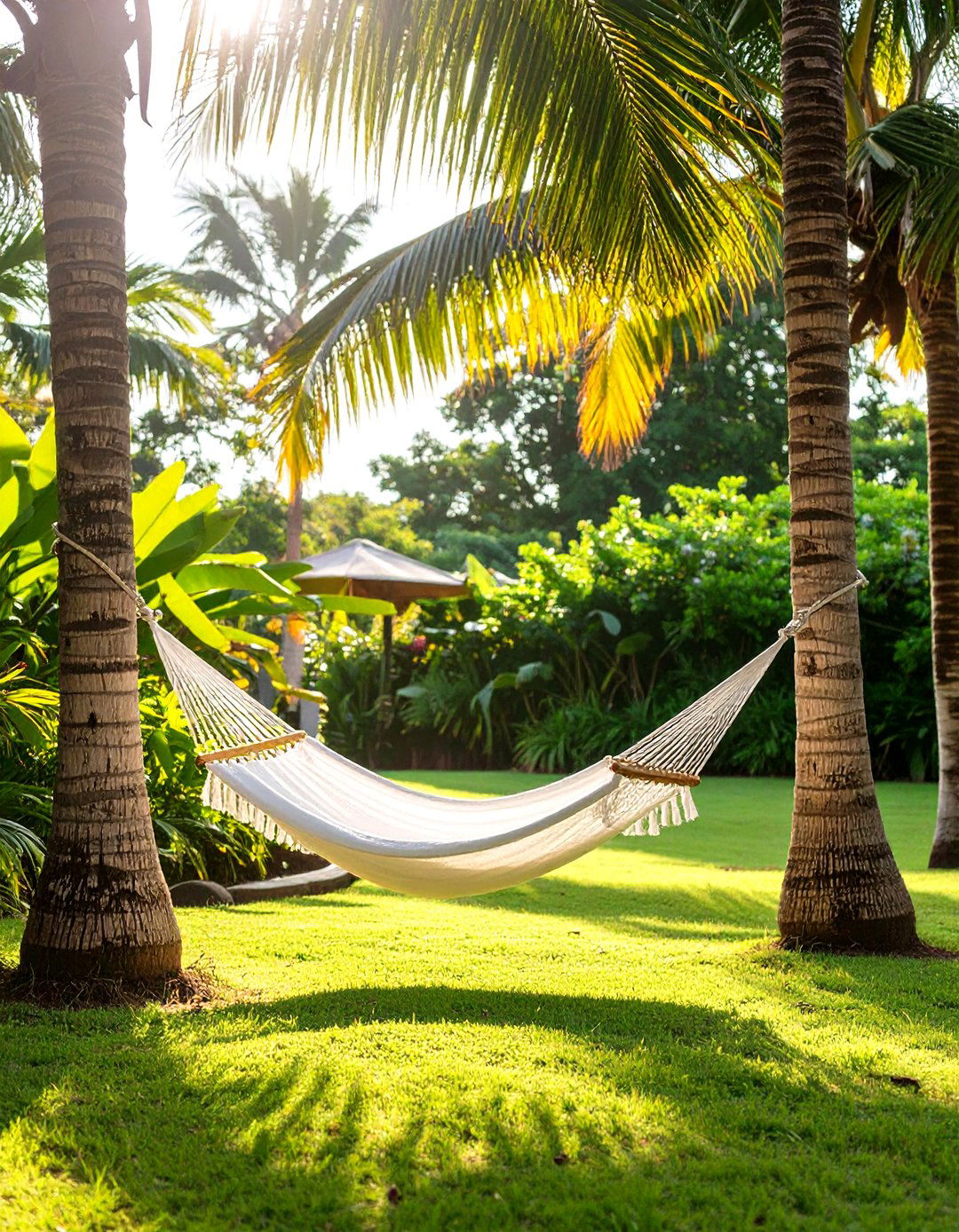
Creating a dedicated spot for a hammock is essential for embracing the relaxed lifestyle of a tropical paradise. String a comfortable hammock between two sturdy palm trees or install posts in a secluded corner of your garden. Surround the area with dense plantings of ferns, hostas, and flowering shrubs to enhance the sense of privacy and immersion in nature. This simple addition provides the perfect place for an afternoon nap, reading a book, or simply listening to the sounds of the garden. A hammock retreat embodies the tranquil, carefree spirit of the tropics, inviting you to slow down and unwind.
23. A Tropical Garden with Edible Plants like Papaya and Mango
Combine beauty and function in your tropical garden by incorporating edible plants like papaya and mango trees. These fruit-bearing trees not only provide delicious, homegrown produce but also contribute to the lush, exotic aesthetic with their large leaves and tropical canopy. Papaya trees have a unique, palm-like appearance, while mango trees grow into large, handsome shade trees. Plant them in a sunny location with plenty of space to grow. Including edible species adds another layer of enjoyment to your garden, allowing you to harvest your own tropical fruits while enjoying the beauty of your personal oasis.
24. A Tropical Garden Featuring Croton Plants
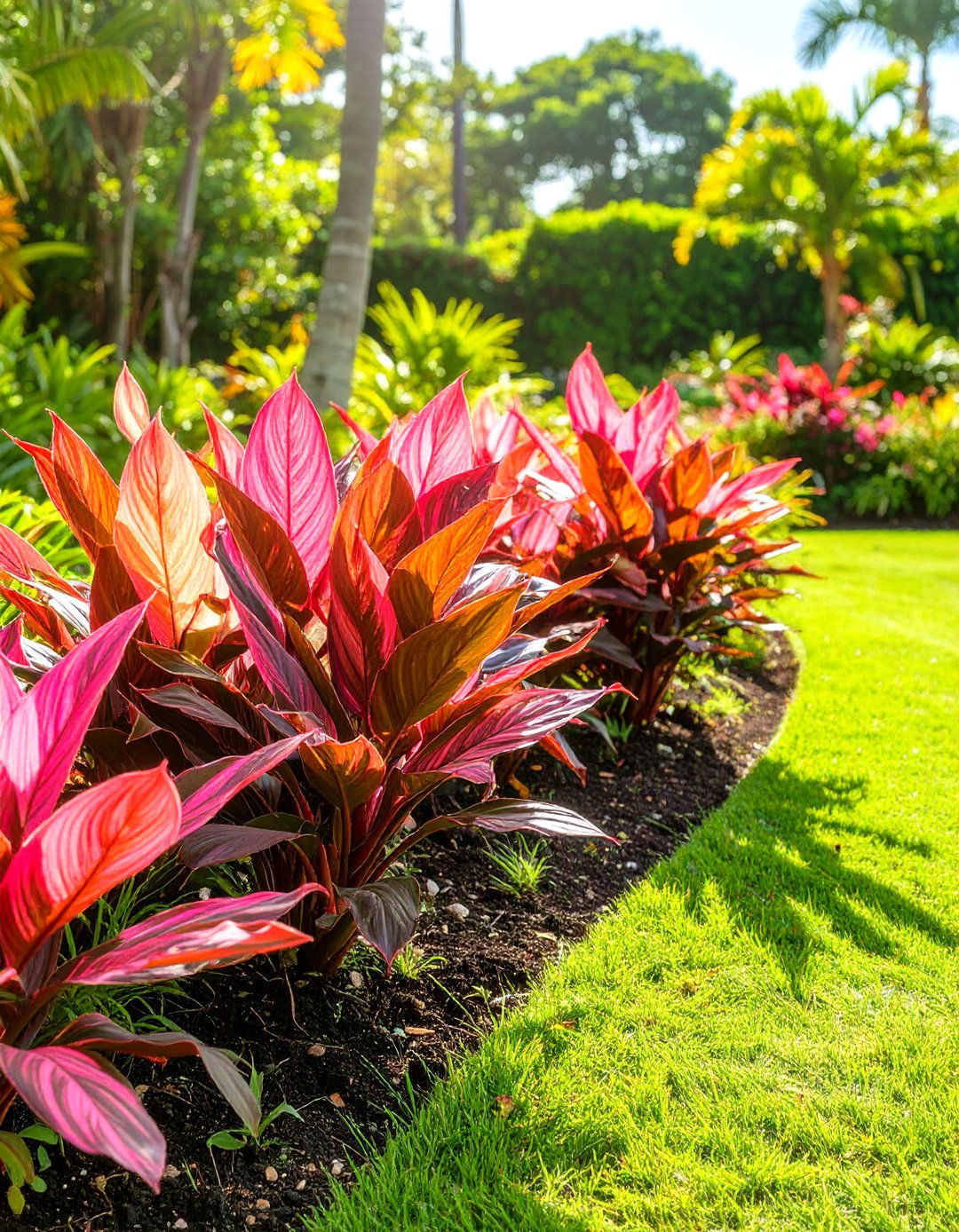
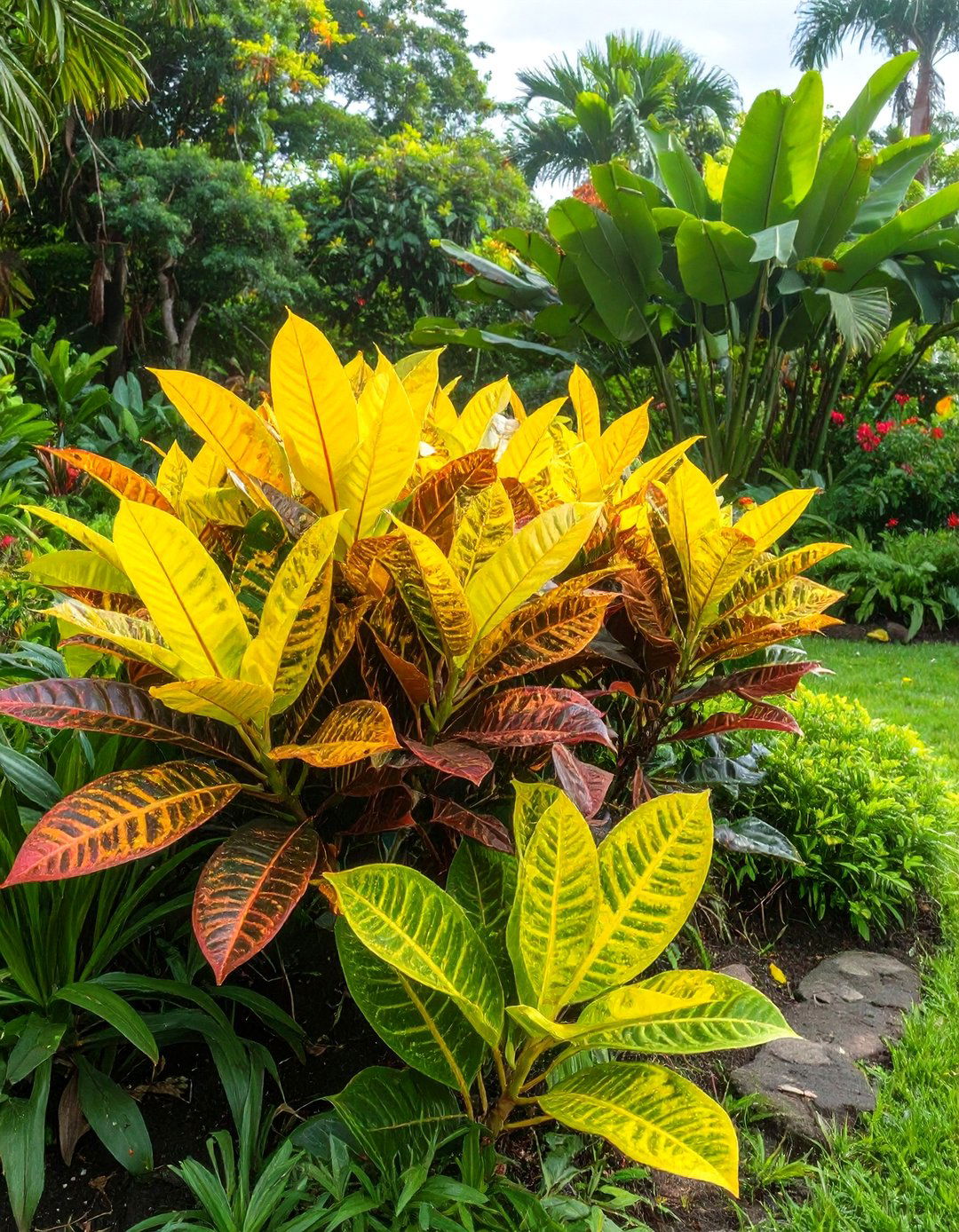
Croton plants are unrivaled for adding a bold explosion of multi-colored foliage to a tropical garden. Their leathery leaves feature dramatic splashes and veins of yellow, orange, red, and even black, ensuring they stand out in any planting scheme. Use them to create a vibrant, low-growing hedge, as a focal point in a container, or massed together for a high-impact display of color. Crotons prefer bright, indirect light and high humidity, thriving in the dappled shade under a tree canopy. Their electrifying colors provide a constant visual feast, keeping your garden looking lively and dynamic year-round.
25. Integrating a Fire Pit into a Tropical Garden
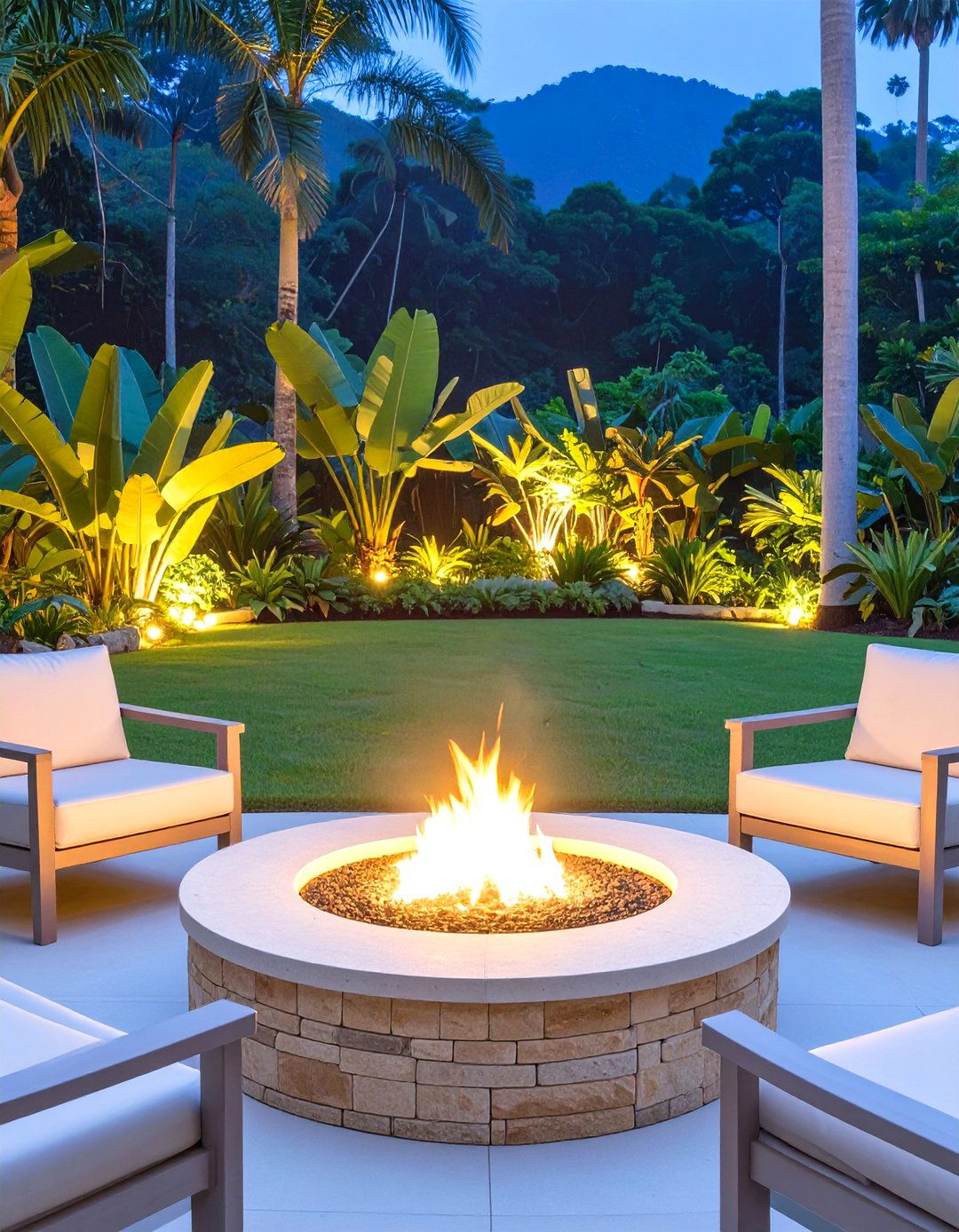
A fire pit adds a warm, inviting element to a tropical garden, extending its use into cooler evenings. It creates a natural gathering spot for friends and family, perfect for socializing under the stars. Design the fire pit area with natural stone or lava rock to blend with the tropical theme, and surround it with comfortable seating. The flickering flames contrast beautifully with the lush, green foliage, creating a dramatic and cozy ambiance. The combination of fire and dense jungle-like plantings evokes a primal, adventurous feeling, making your garden a captivating destination after dark for warmth and conversation.
26. A Tropical Garden with Heliconia Flowers
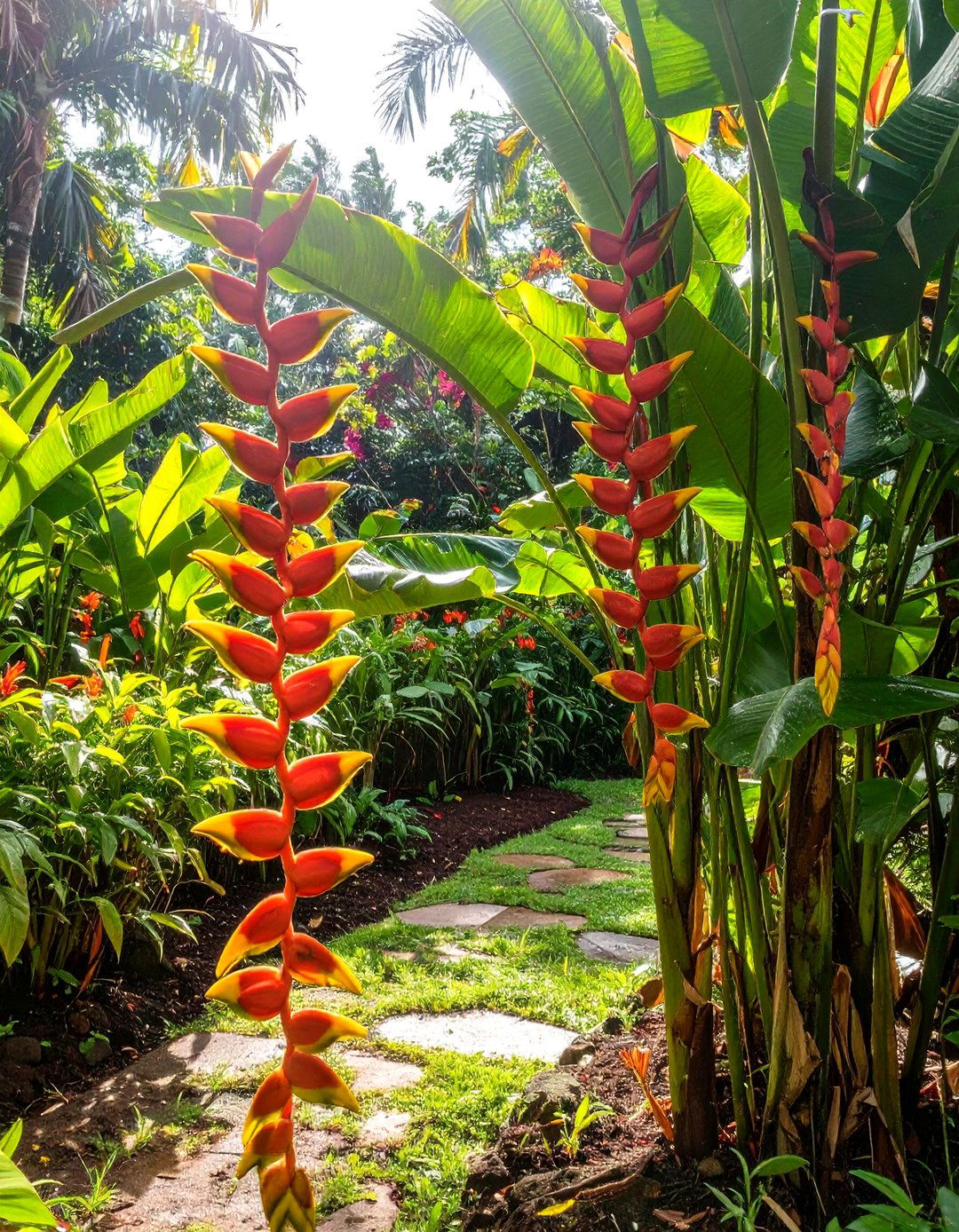
Heliconia, also known as lobster-claws or false bird-of-paradise, adds a spectacular and uniquely tropical element to the garden. Their large, paddle-shaped leaves are similar to banana plants, but their main attraction is the stunning, brightly colored bracts that look like a stack of lobster claws. These long-lasting inflorescences come in vibrant shades of red, orange, and yellow, creating a dramatic, architectural statement. Plant them in a sunny or partially shaded spot with moist, rich soil. Heliconias are a true showpiece, bringing an unmistakably exotic and sculptural quality that defines a tropical landscape.
27. Using Mondo Grass as Edging in a Tropical Garden
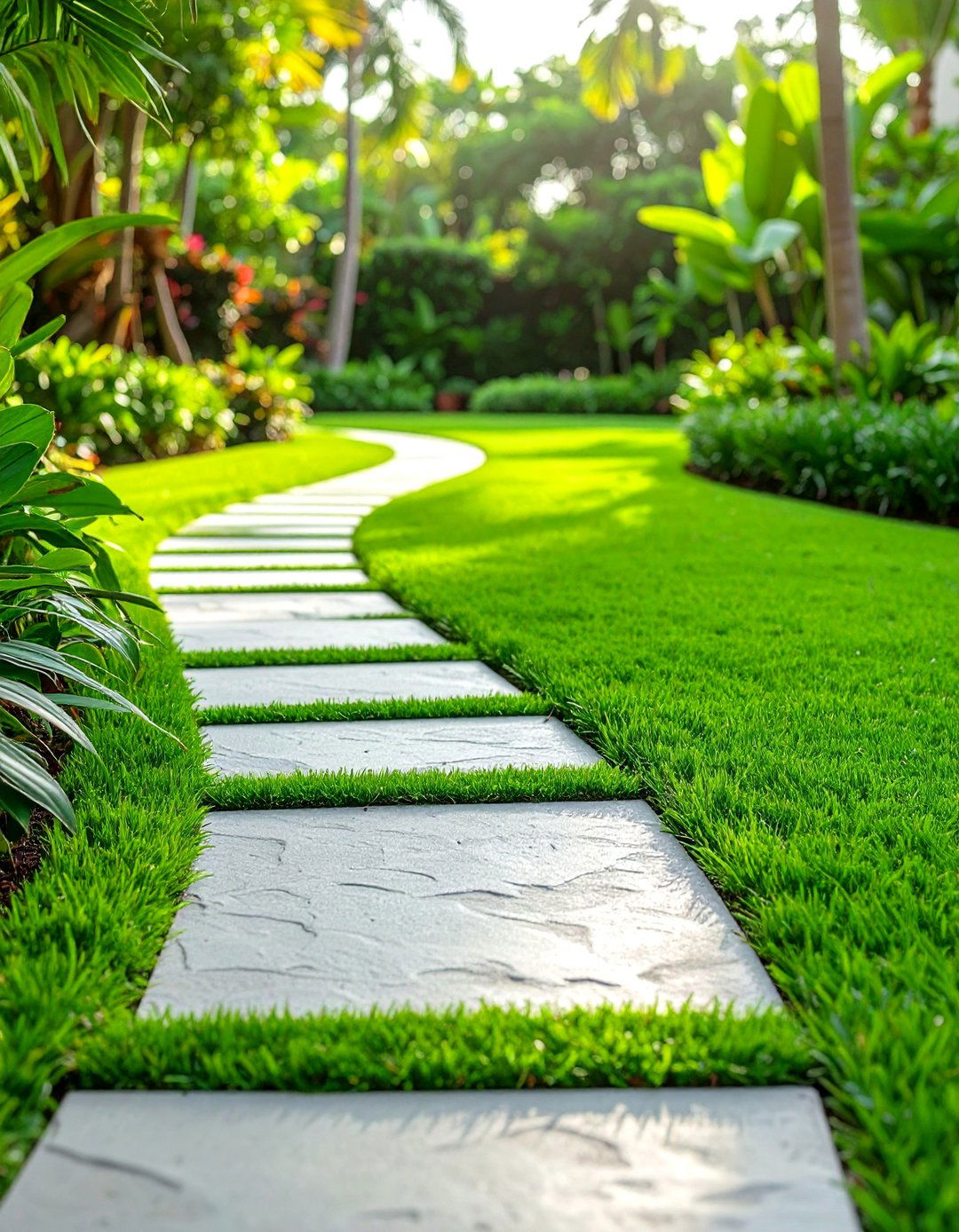
For a clean, polished finish in your tropical garden, use mondo grass (Ophiopogon japonicus) as an edging plant along pathways and garden beds. Its fine, dark green, grass-like foliage creates a neat border that defines spaces without appearing too formal. This low-growing, clumping plant is incredibly low-maintenance and thrives in both sun and shade, making it highly versatile. A dark variety, 'Nigrescens,' offers striking black foliage that provides a dramatic contrast against brighter green plants and colorful flowers. Using mondo grass adds a touch of refinement and helps to structure the wild abundance of a tropical design.
28. A Tropical Garden with a Wooden Deck for Entertaining
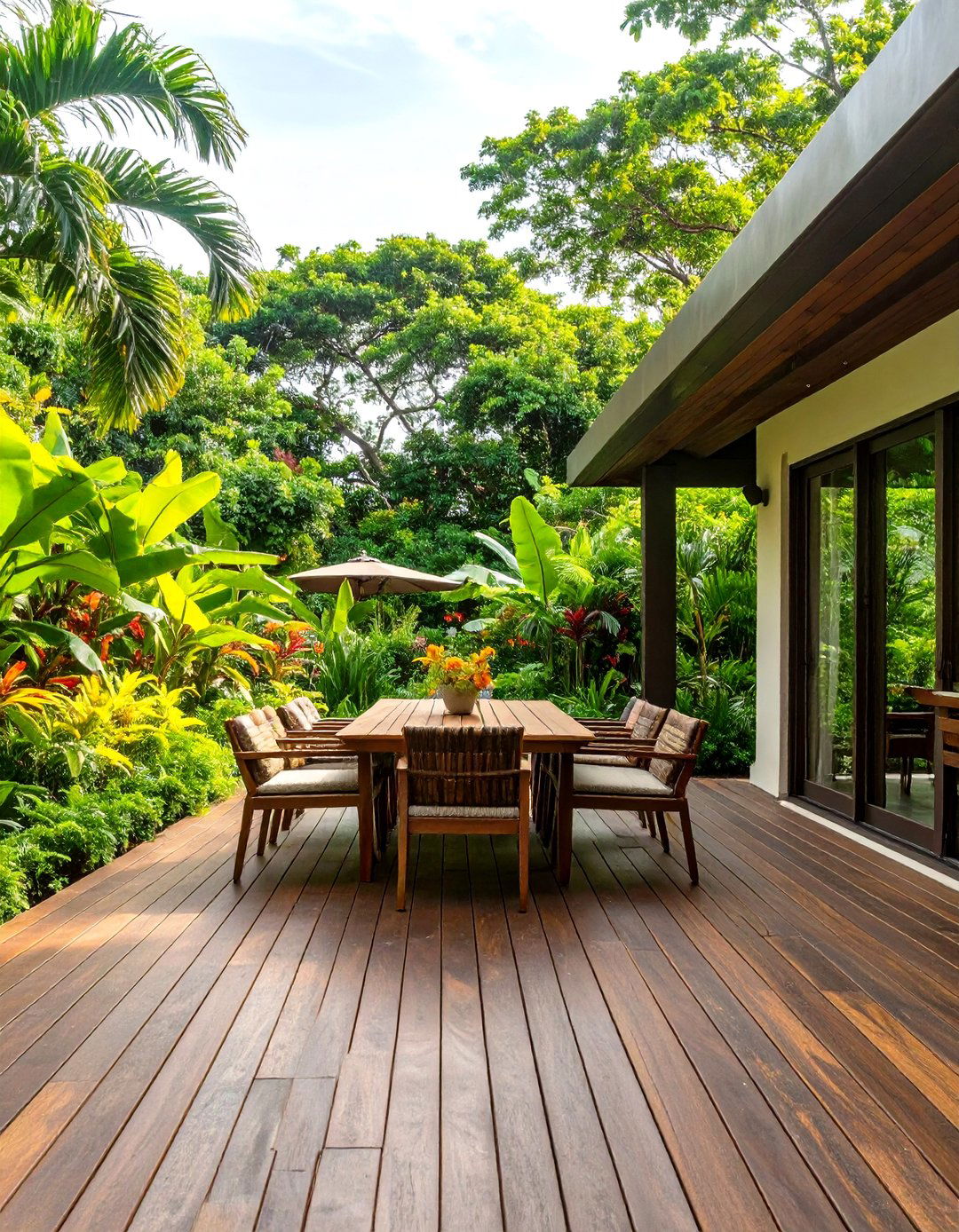
A wooden deck provides a stable, comfortable surface for entertaining and relaxing within your tropical garden. Using hardwoods like teak or ipe ensures durability and a rich, natural look that complements the lush surroundings. Elevate the deck slightly to give it a floating appearance and to provide a better vantage point for viewing the garden. Furnish it with an outdoor dining set and comfortable lounge chairs to create a functional and inviting outdoor living room. The warm tones of the wood blend harmoniously with the green foliage, creating a seamless connection between your home and your garden paradise.
29. Incorporating Giant Taro in a Tropical Garden
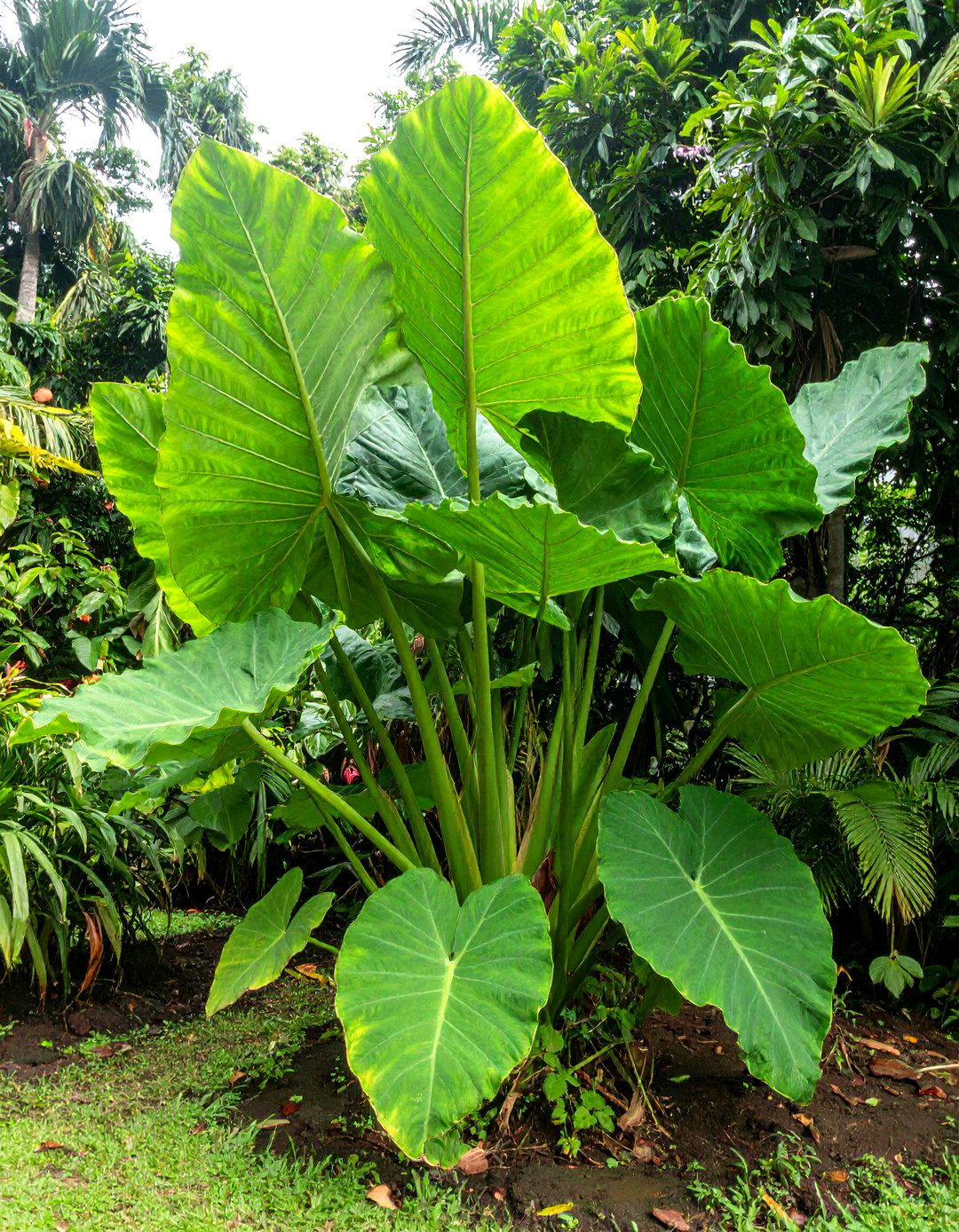
For maximum foliage impact, the giant taro (Alocasia macrorrhizos) is an unbeatable choice in a tropical garden. This plant, also known as upright elephant ear, features enormous, glossy green leaves that point upwards, creating a stunning vertical accent. A single plant can become a dramatic focal point, its huge leaves evoking the scale and grandeur of a prehistoric jungle. Plant it in a location with partial shade and consistently moist soil. The giant taro’s architectural form and immense size contribute significantly to the layered, dense canopy that is characteristic of a true tropical escape.
30. Using Philodendrons as Climbing Plants in a Tropical Garden
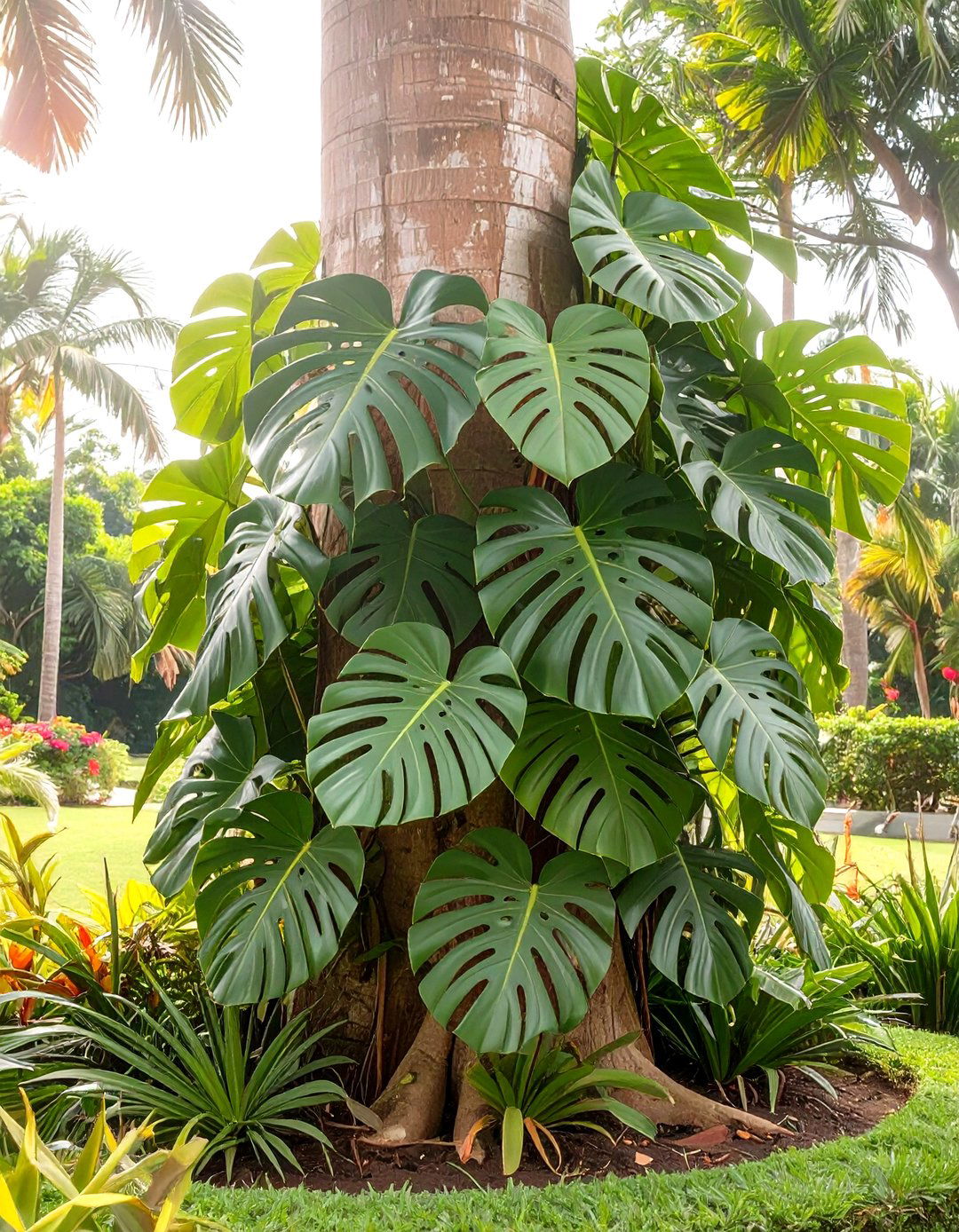
Philodendrons are versatile and classic tropical plants, with many vining varieties that are perfect for adding vertical green layers to your garden. Train climbing species like the split-leaf philodendron (Monstera deliciosa) or heartleaf philodendron to grow up tree trunks, walls, or a trellis. Their large, often deeply lobed or perforated leaves create a beautiful, textured tapestry of green that enhances the jungle-like feel. These climbers help to soften hardscapes and fill in vertical spaces, creating a seamless wall of foliage that makes the garden feel more enclosed and immersive. They are essential for achieving that lush, overgrown look.
Conclusion:
Creating a tropical garden is about layering textures, colors, and forms to build an immersive, jungle-like retreat. By combining key elements like large-leafed plants, vibrant flowers, natural materials, and water features, you can transform any space into a personal paradise. Whether you incorporate a thatched palapa, a winding stone path, or the dramatic blooms of a bird of paradise, each addition contributes to a rich sensory experience. The goal is to design a lush, secluded haven that feels both wild and peaceful, offering a beautiful escape right in your own backyard.

Related posts:


Leave a Reply