
A perennial shade garden transforms a dim, underutilized part of your landscape into a lush, vibrant retreat. Unlike sunny spots, shady areas offer a unique opportunity to play with texture, subtle color, and foliage shapes. With the right selection of perennials, these gardens return year after year, growing more beautiful with time. They provide a cool, tranquil escape during hot summer months and a dynamic display of form and leaf patterns. From flowering beauties to striking foliage plants, there are endless possibilities to create a low-maintenance, captivating space that thrives without direct sunlight, proving that shade is a feature, not a limitation.
1. A Hosta-Dominated Perennial Shade Garden
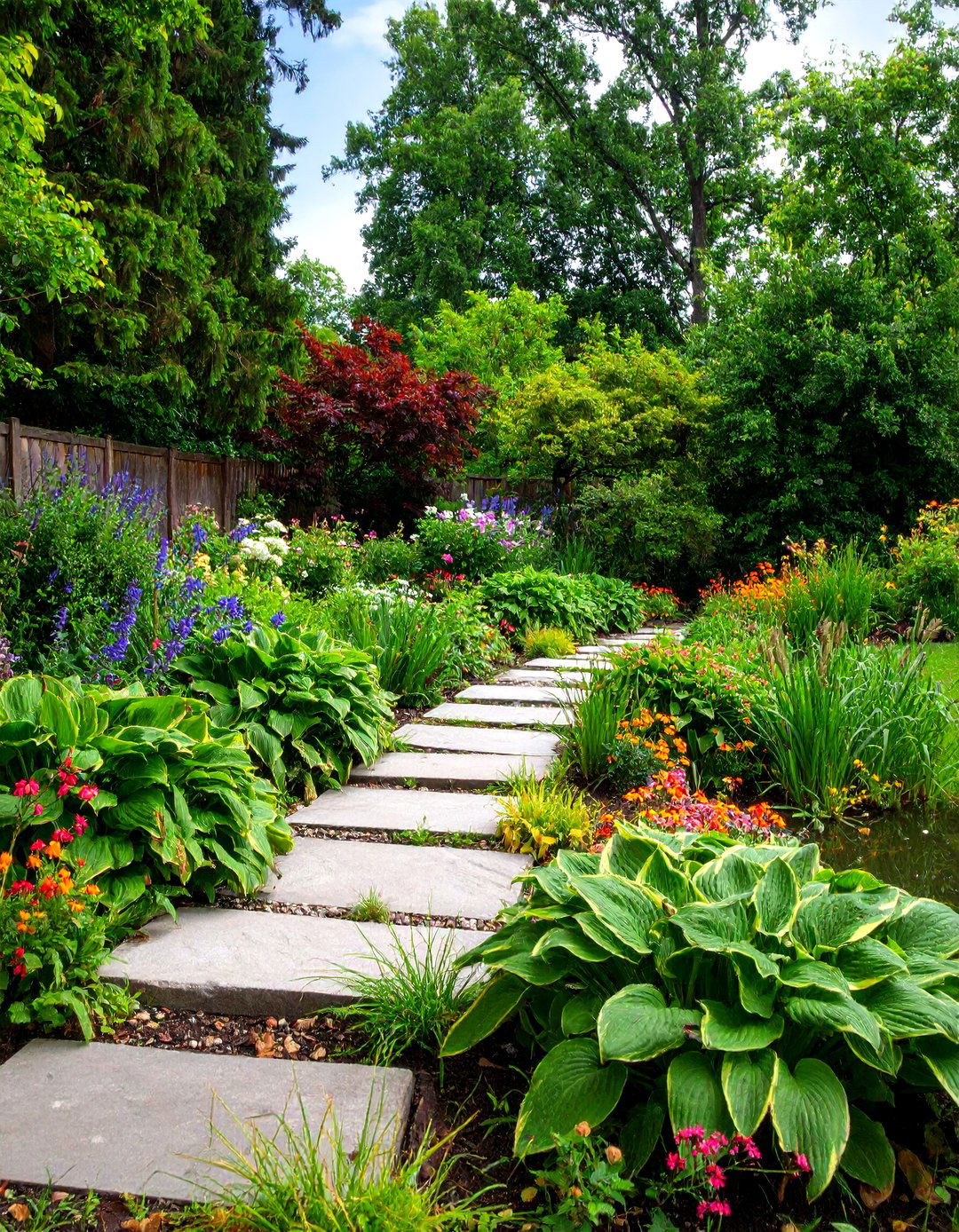
For a truly classic perennial shade garden, dedicating a large area to hostas creates a stunning visual tapestry. These plants are celebrated for their incredible foliage, which ranges from deep blue-greens to vibrant chartreuses and variegated patterns. By mass planting different varieties, you can achieve a layered look rich in texture and form. Consider large, blue-leafed varieties like 'Blue Angel' as a backdrop, with smaller, brightly colored ones such as 'June' or 'Golden Tiara' in the foreground. This approach establishes a low-maintenance, yet sophisticated garden bed that offers visual interest from spring until the first frost with minimal effort.
2. Fern-Filled Woodland Perennial Shade Garden
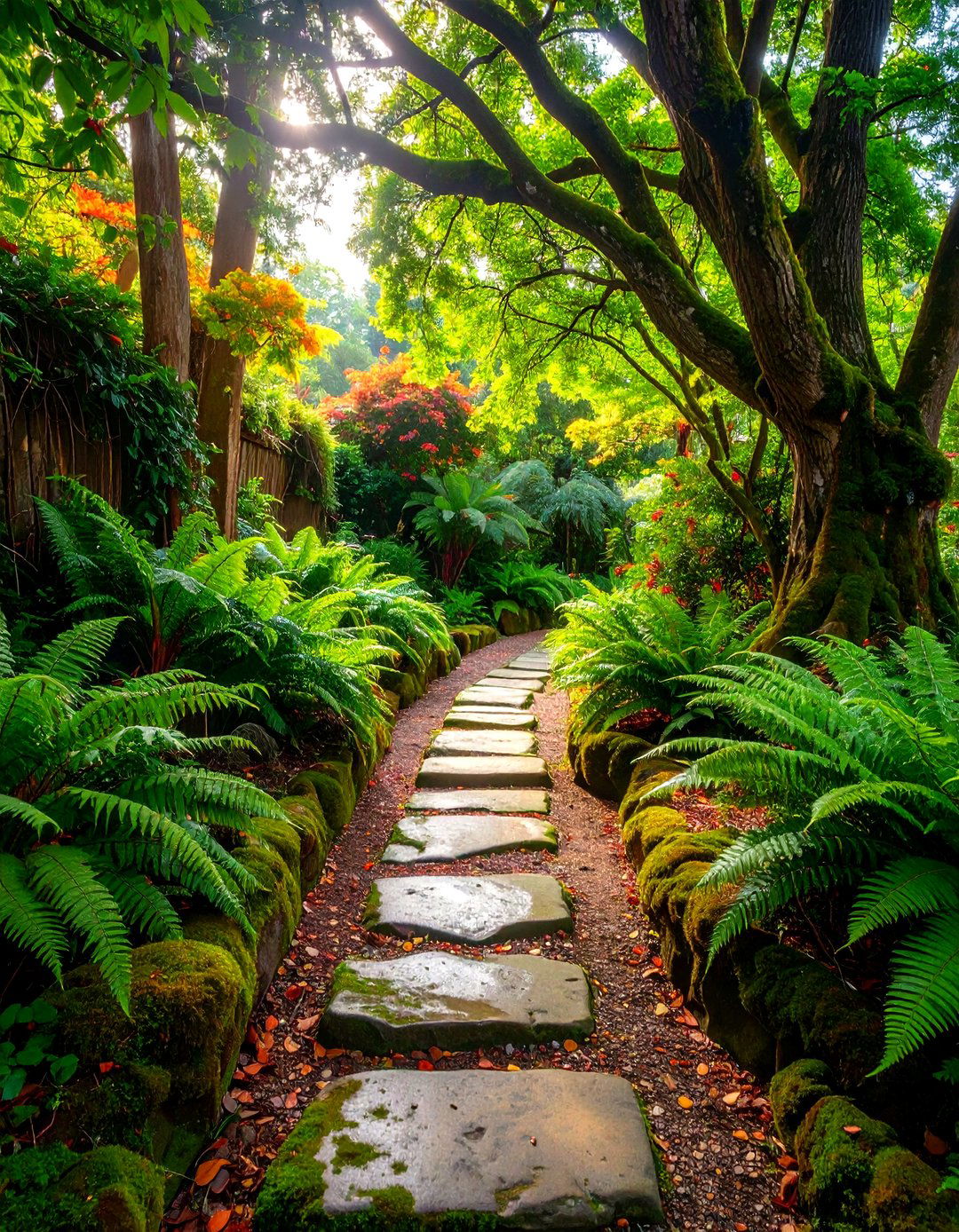
To create an authentic woodland feel, a perennial shade garden filled with a variety of ferns is an excellent choice. Ferns offer unparalleled texture with their delicate, feathery fronds that unfurl in the spring. Combining different species like the upright Ostrich Fern, the silvery Japanese Painted Fern, and the evergreen Christmas Fern adds depth and year-round interest. This type of garden evokes a sense of calm and natural beauty, mimicking a forest floor. Interspersed with a few mossy stones or a winding path, a fern-centric design becomes a serene, green sanctuary that thrives in damp, shaded conditions.
3. Colorful Astilbe Groupings in a Perennial Shade Garden
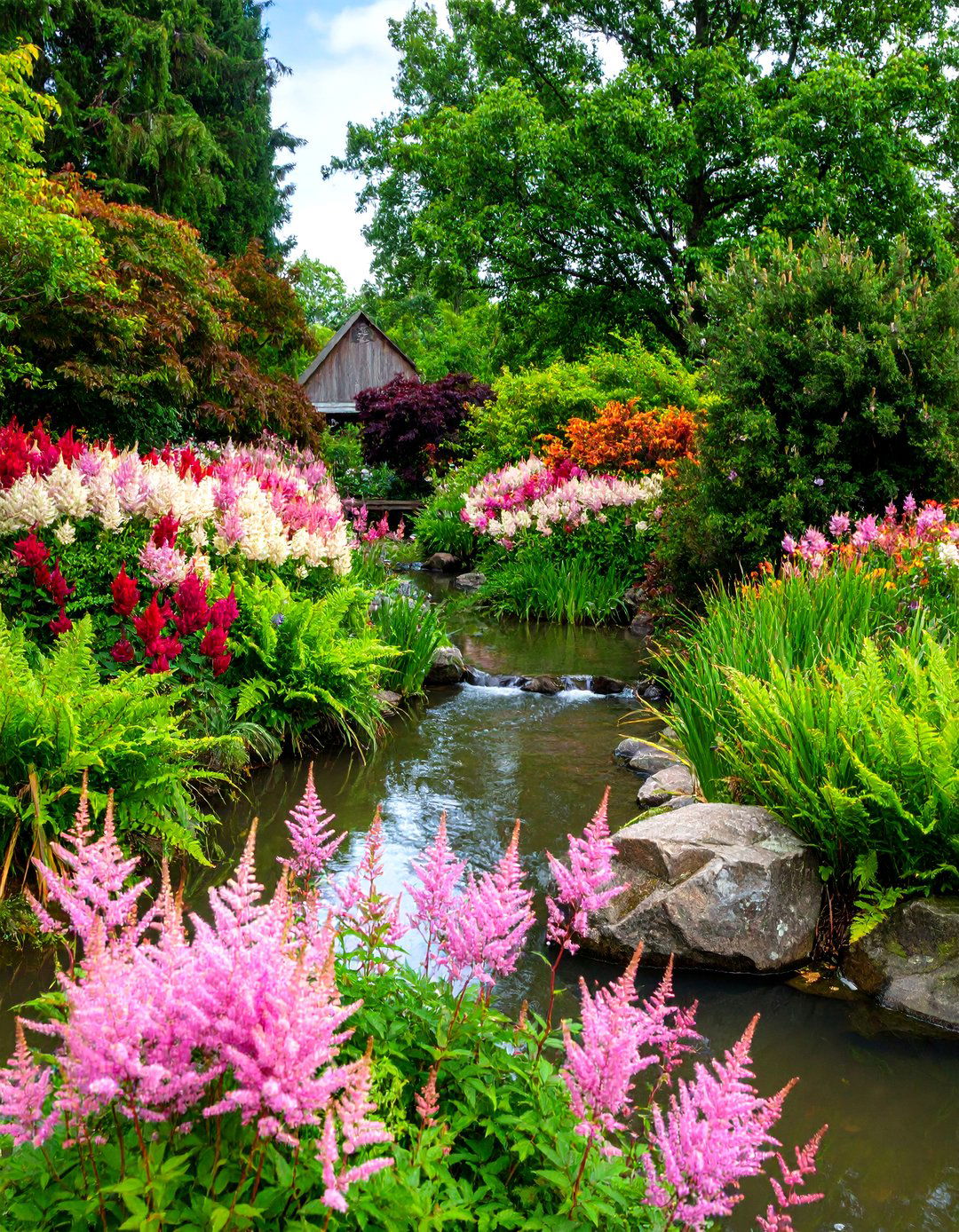
Bringing vibrant color to a shaded space is simple with astilbes. These perennials produce feathery plumes of flowers in shades of pink, red, lavender, and white during the summer months. Planting them in large groups or drifts creates a powerful visual impact, drawing the eye and brightening up dark corners. Their fern-like foliage remains attractive even after the blooms fade. Astilbes prefer moist soil, making them perfect for areas near a water feature or in naturally damp parts of the yard. By mixing different cultivars, you can extend the bloom time and enjoy a continuous display of color.
4. Bleeding Hearts as a Focal Point in a Perennial Shade Garden
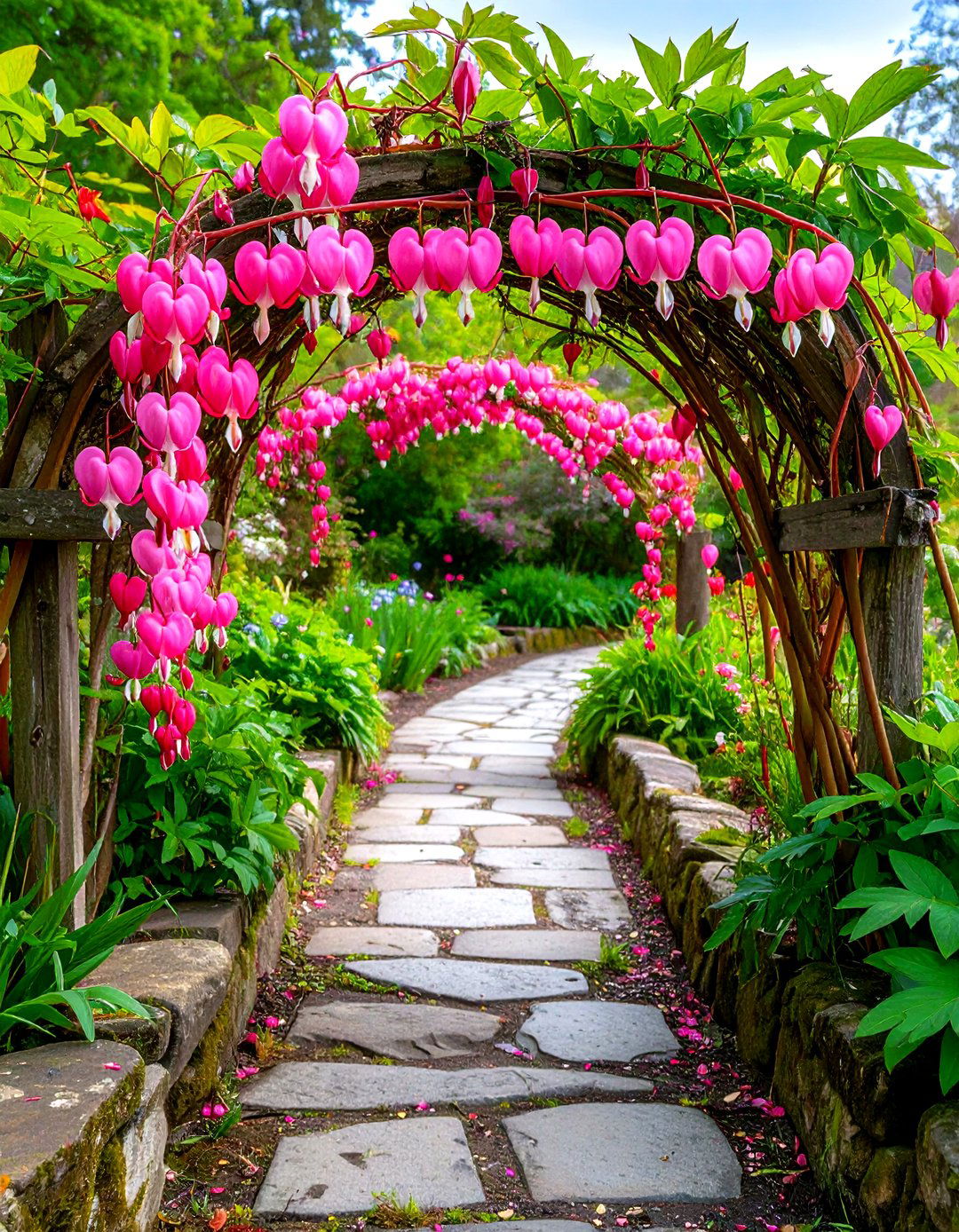
One of the most charming additions to any perennial shade garden is the bleeding heart (Dicentra spectabilis). Its unique, heart-shaped flowers dangling from arching stems make it a captivating focal point in the spring. Planting a single, mature specimen or a small cluster can create an immediate and dramatic effect. They pair beautifully with other early bloomers like brunnera and pulmonaria. While their foliage may die back in the summer heat, their early-season show is unforgettable. Placing them where their delicate form can be appreciated up close, such as near a pathway or patio, maximizes their whimsical appeal.

5. Coral Bells (Heuchera) for Foliage Color in a Perennial Shade Garden
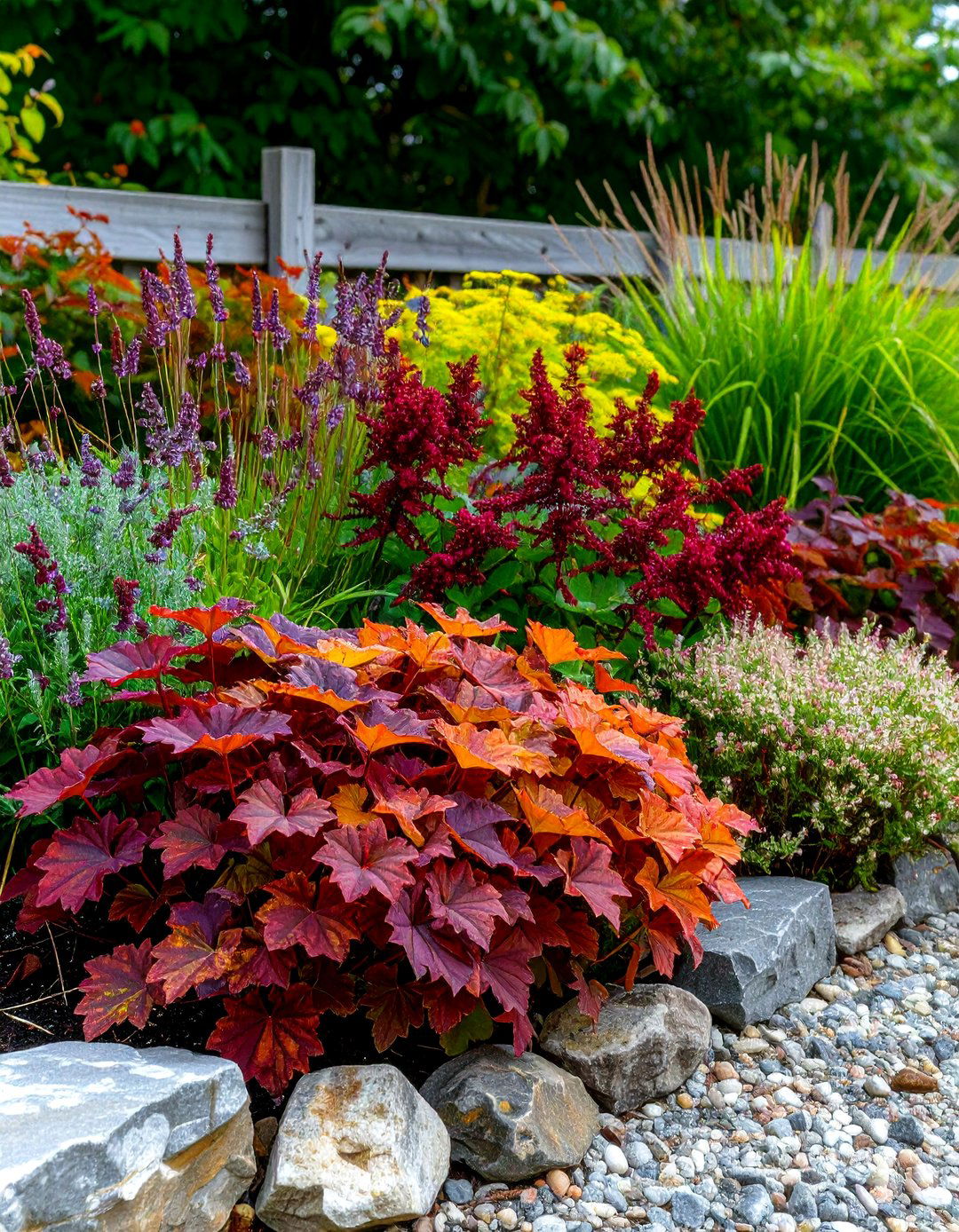
For consistent, season-long color, coral bells are an unbeatable choice in a perennial shade garden. Modern hybrids offer an astonishing range of foliage colors, from deep purples and burgundies to amber, lime green, and silver. These mounding plants provide a pop of color that lasts far longer than any flower. They are perfect for edging pathways, filling in gaps, or creating a colorful carpet beneath taller plants. Their delicate, airy flower spikes in late spring are an added bonus. Using different heuchera varieties together creates a stunning mosaic of hues that brightens even the deepest shade.
6. A Japanese Forest Grass Border for a Perennial Shade Garden
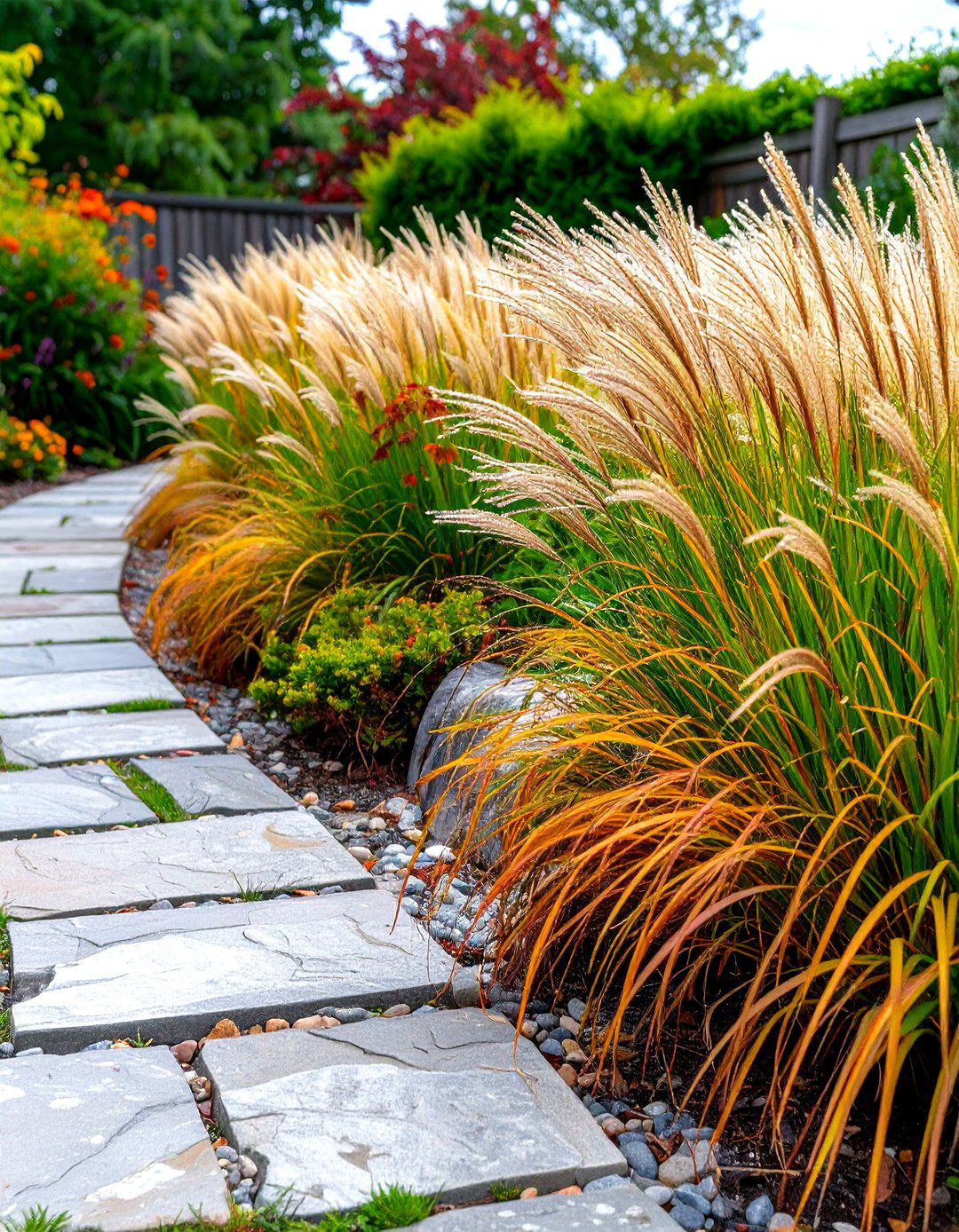
Take your perennial shade garden design to the next level with the graceful, cascading foliage of Japanese forest grass (Hakonechloa macra). This ornamental grass adds movement and a soft, flowing texture that contrasts beautifully with broad-leafed plants like hostas and ligularia. The 'Aureola' variety is particularly popular for its variegated green and gold leaves that seem to glow in the shade. Using it as a border along a path or at the edge of a garden bed creates a waterfall-like effect. It’s a slow-growing but long-lived perennial that brings elegance and a touch of Japanese-inspired design to any shaded space.
7. A Lamium Groundcover in a Perennial Shade Garden
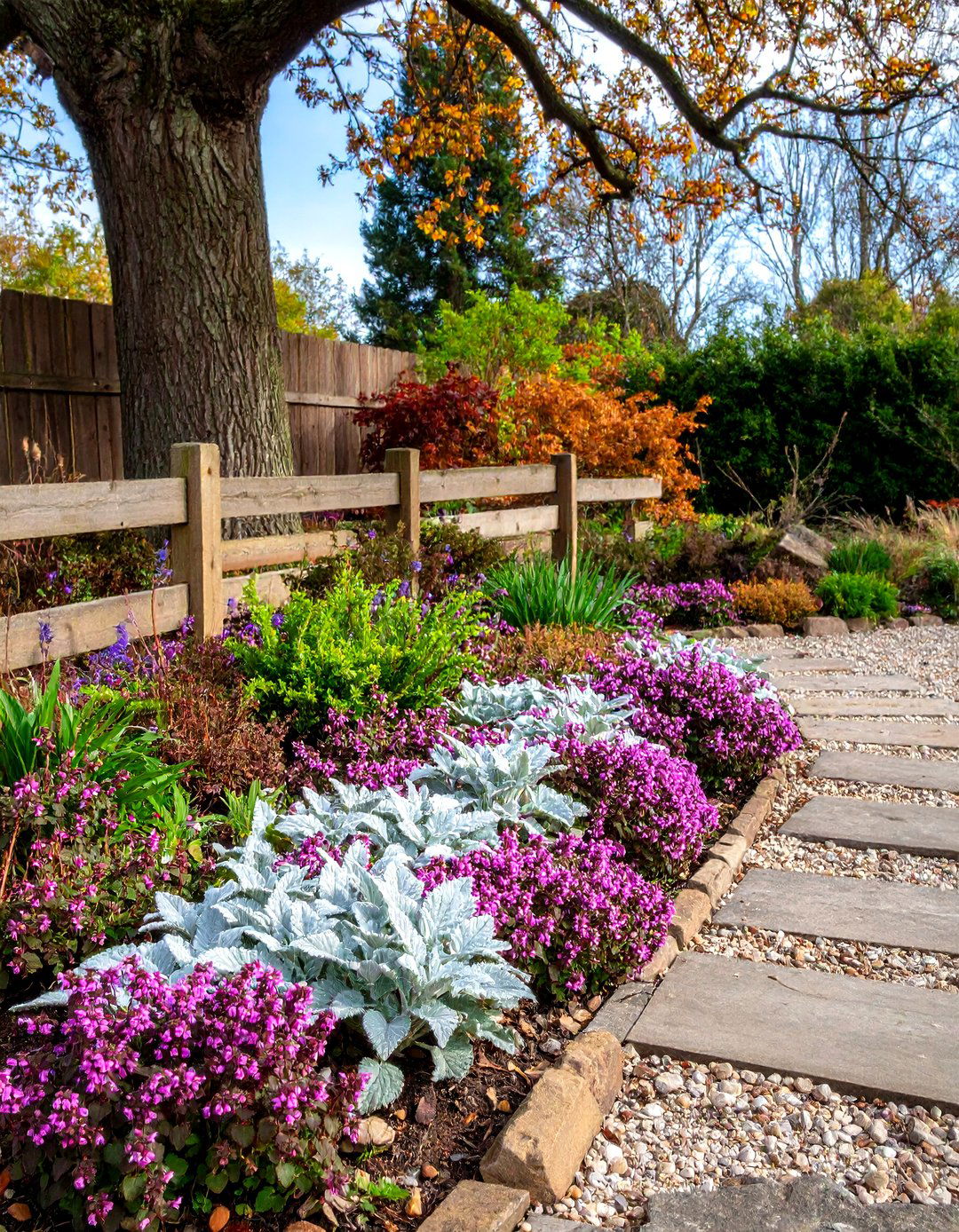
An excellent solution for covering bare ground in a perennial shade garden is Lamium, also known as spotted dead nettle. This fast-spreading groundcover features attractive silver-splashed foliage that brightens dark areas and forms a dense, weed-suppressing mat. In late spring and early summer, it produces clusters of small, hooded flowers in shades of pink, purple, or white. Lamium is exceptionally tough and adaptable, thriving in dry shade where other plants might struggle. It’s perfect for planting under trees or on slopes, quickly creating a carpet of texture and subtle color that requires very little maintenance once established.
8. Pulmonaria for Early Spring Blooms in a Perennial Shade Garden

To kick off the growing season, Pulmonaria, or lungwort, is a must-have for any perennial shade garden. This low-growing plant is one of the first to bloom in spring, producing clusters of flowers that often open pink and mature to a beautiful blue. Its most defining feature, however, is its foliage, which is typically covered in silver spots or splotches, providing interest long after the flowers have faded. It forms attractive clumps that work well as an edger or groundcover. Partnering it with hostas and ferns ensures a continuous display as the season progresses, with pulmonaria leading the show.
9. Brunnera 'Jack Frost' for Silver Foliage in a Perennial Shade Garden
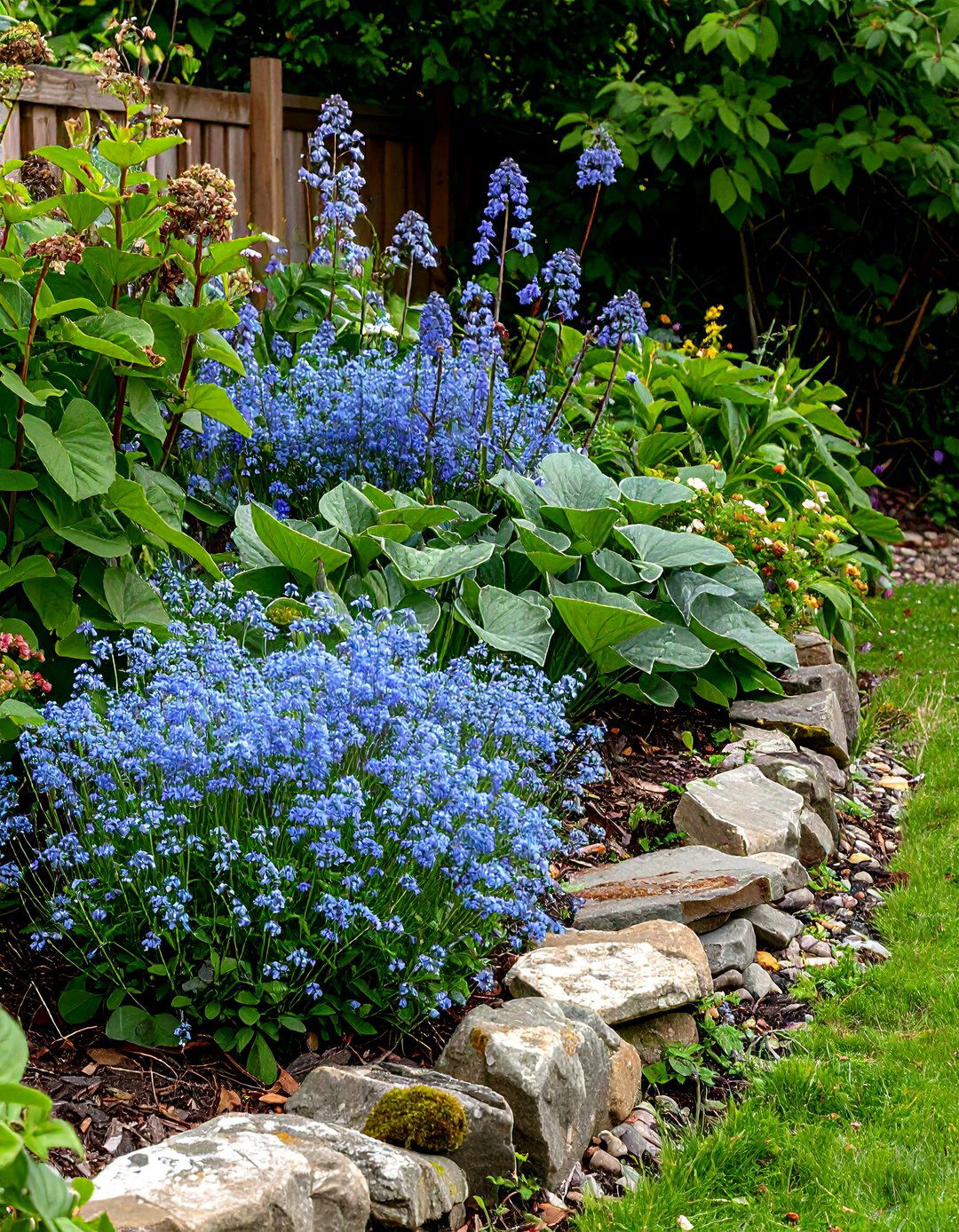
Consider using Brunnera 'Jack Frost' to introduce a touch of silver elegance to your perennial shade garden. This plant is prized for its large, heart-shaped leaves that are intricately frosted with a metallic silver overlay, leaving only the veins a contrasting green. In mid-to-late spring, it sends up sprays of tiny, sky-blue flowers that resemble forget-me-nots, creating a stunning combination of color and texture. 'Jack Frost' is relatively deer-resistant and forms a tidy, mounding habit. It illuminates shady spots and pairs exceptionally well with dark-leafed plants like black mondo grass or deep purple heucheras for a high-contrast design.


10. A Ligularia 'The Rocket' for Vertical Accent in a Perennial Shade Garden
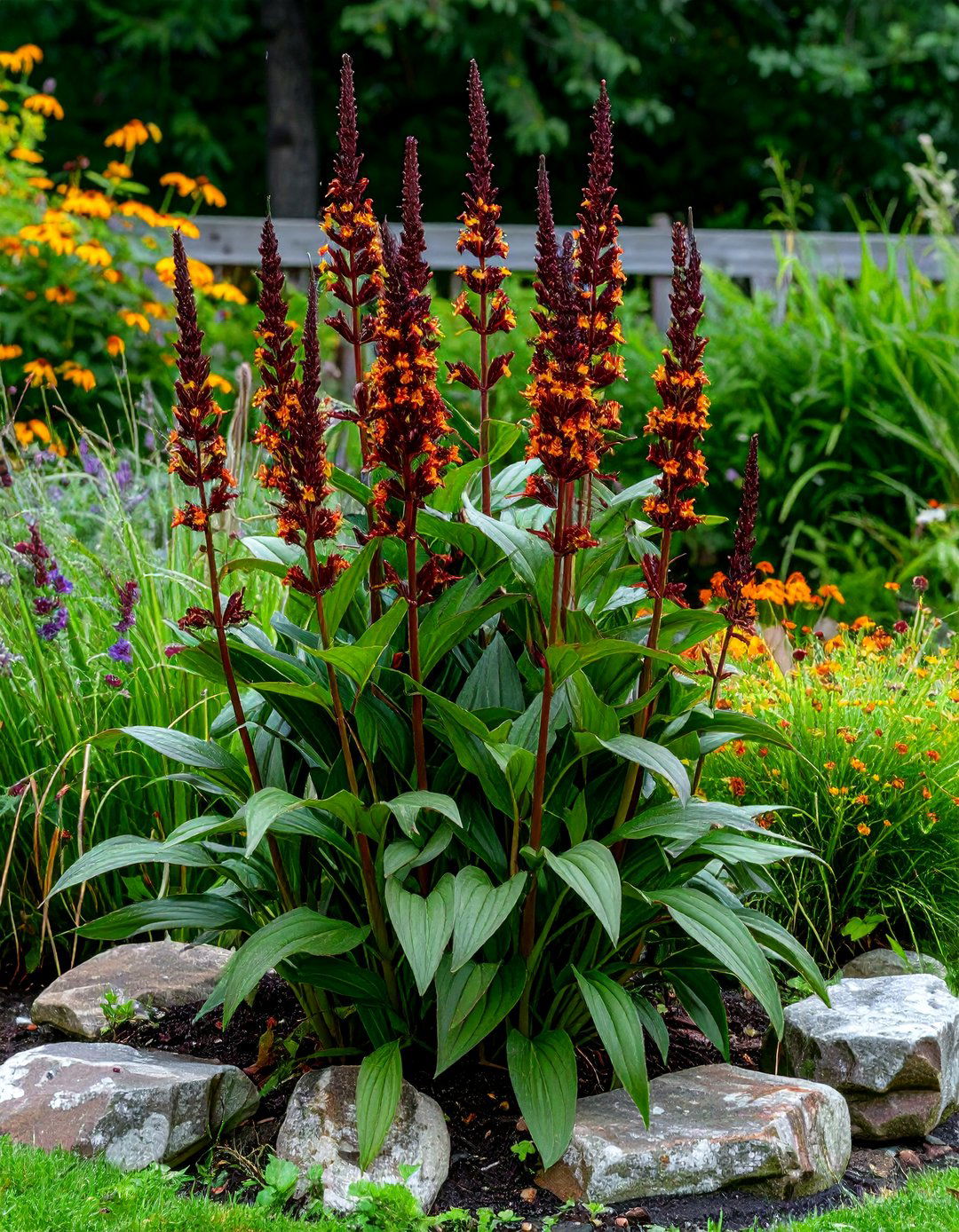
For a dramatic vertical statement in a moist perennial shade garden, Ligularia 'The Rocket' is an outstanding choice. This imposing perennial features large, serrated, heart-shaped leaves that form a substantial clump at the base. In mid-summer, it sends up tall, dark spires packed with small, bright yellow flowers that can reach up to five feet. This creates a powerful architectural element that draws the eye upward and adds a sense of grandeur to the garden. It thrives in boggy, wet soil and partial shade, making it perfect for waterside plantings or low-lying areas where other plants might not survive.
11. Hellebores for Late Winter Color in a Perennial Shade Garden
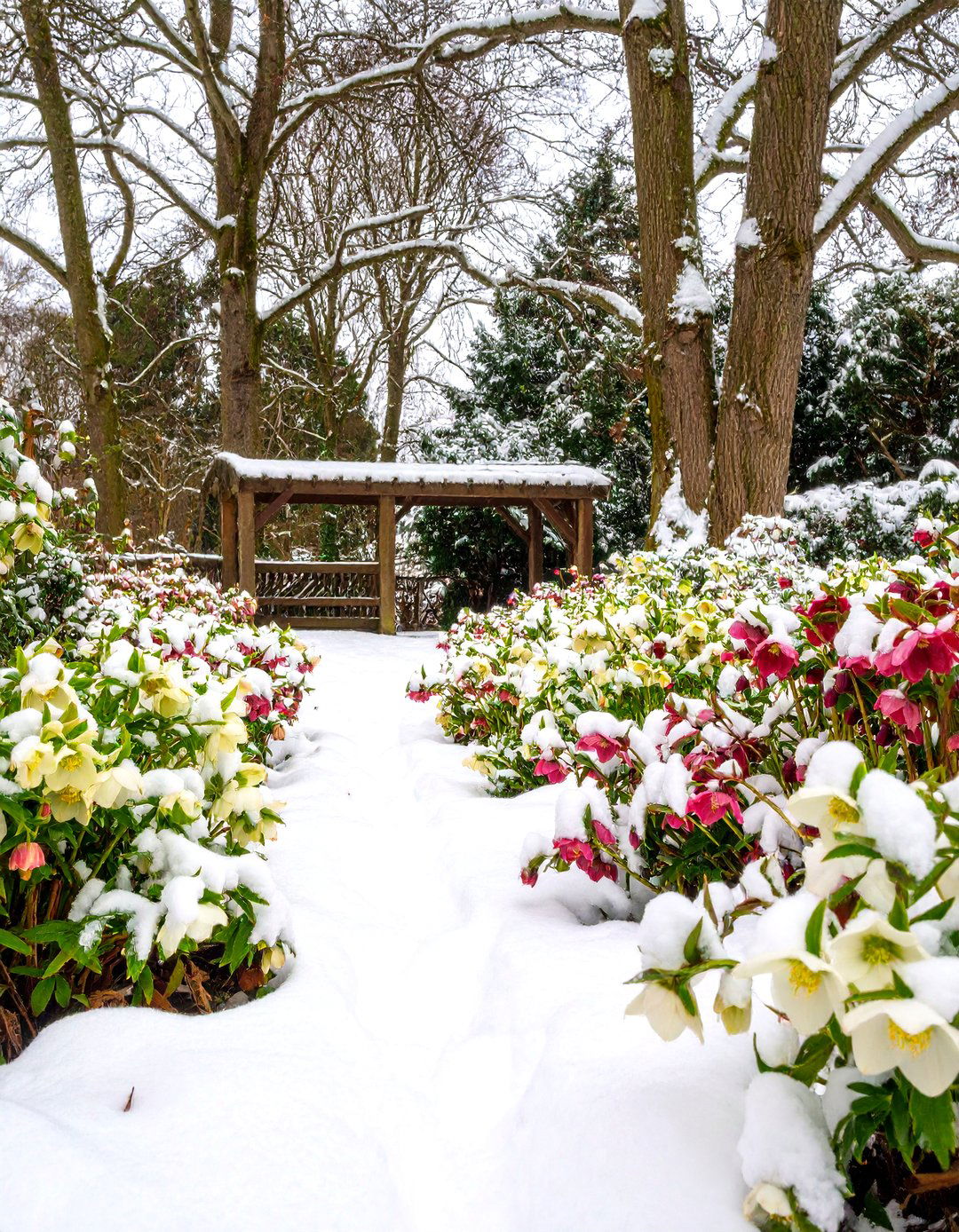
What makes hellebores, or Lenten roses, so special is their ability to bloom in late winter and very early spring, often pushing through snow to reveal their nodding, cup-shaped flowers. These evergreen perennials bring life to the garden when little else is growing. Their leathery, dark green foliage is attractive year-round and deer-resistant. Flowers come in a wide range of colors, including white, green, pink, mauve, and deep purple, some with beautiful speckles. Planting a drift of hellebores under deciduous trees ensures your perennial shade garden has color and interest during the bleakest months of the year.
12. A Pachysandra Terminalis Groundcover for a Perennial Shade Garden
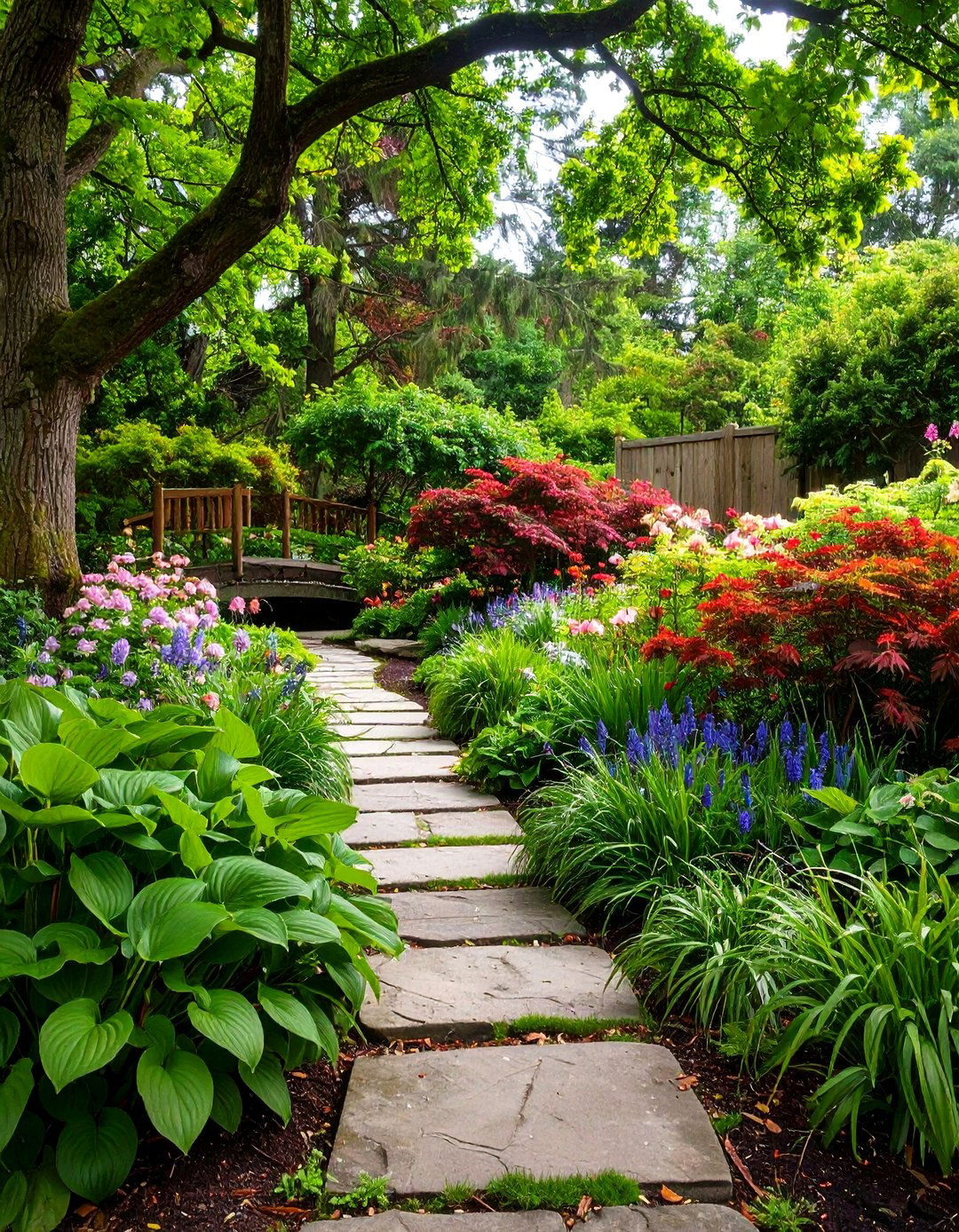
For a classic, evergreen groundcover in a perennial shade garden, Pachysandra terminalis, or Japanese spurge, is a reliable and handsome choice. It forms a dense, uniform carpet of glossy, dark green leaves that effectively suppresses weeds and provides a lush, verdant look throughout the year. In spring, it produces small, fragrant white flower spikes that add a touch of subtle beauty. This plant is particularly useful for covering large areas under mature trees or on shaded slopes where grass struggles to grow. Its ability to thrive in deep shade and create a neat, tidy appearance makes it a landscape staple.
13. Solomon's Seal for Arching Grace in a Perennial Shade Garden
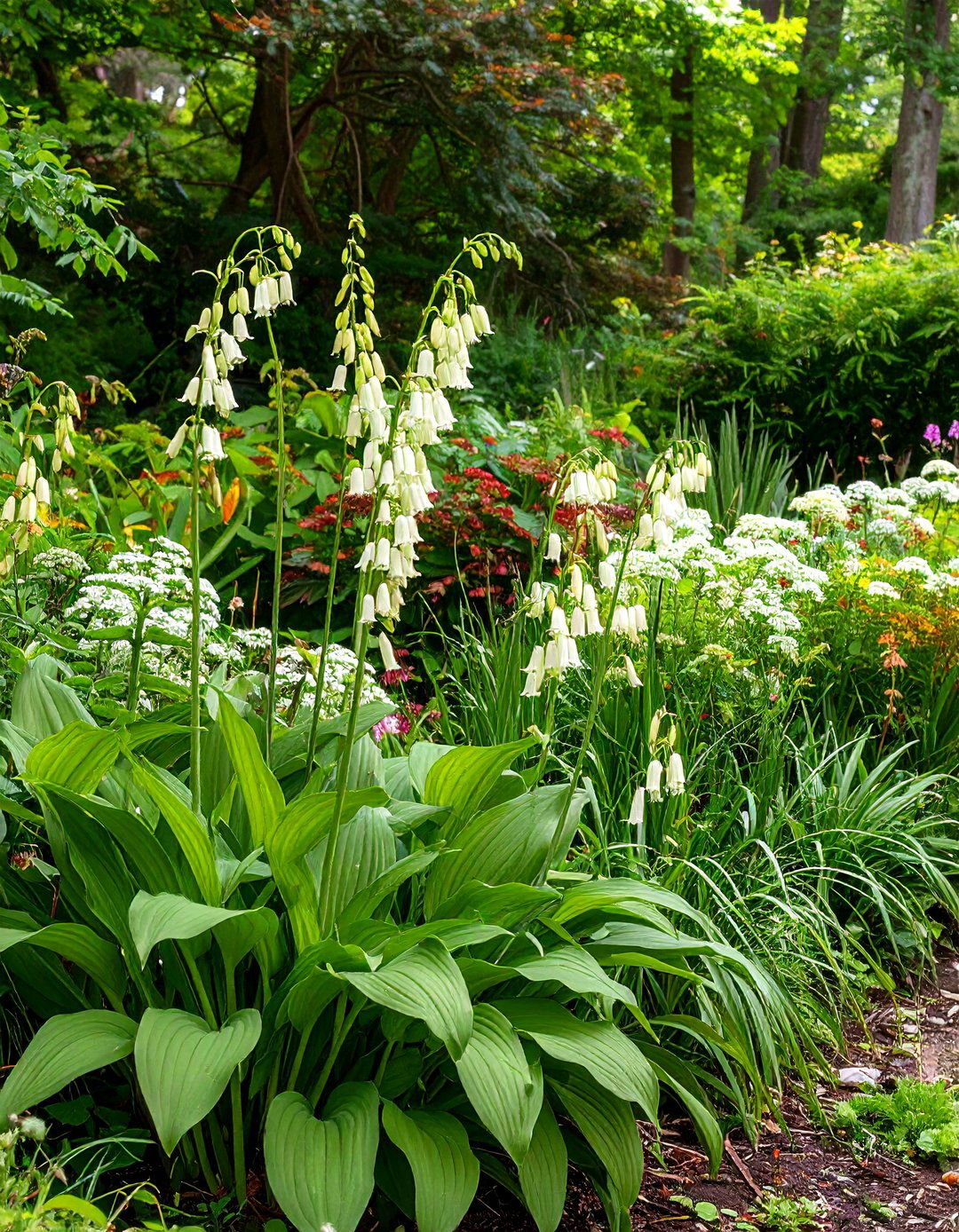
Bringing an element of architectural grace to a perennial shade garden is easy with Solomon's seal (Polygonatum). Its unbranched, arching stems are lined with pairs of neat, oval leaves, and in late spring, small, bell-shaped white or greenish flowers dangle delicately from the leaf axils. The variegated variety, 'Variegatum', is particularly striking with its cream-edged leaves. In autumn, the foliage turns a lovely golden yellow. This plant adds structure and movement, creating a gentle, swaying effect in the breeze. It slowly spreads to form elegant colonies, perfect for a woodland setting alongside ferns and hostas.
1. 1-4. A Woodland Phlox Carpet in a Perennial Shade Garden
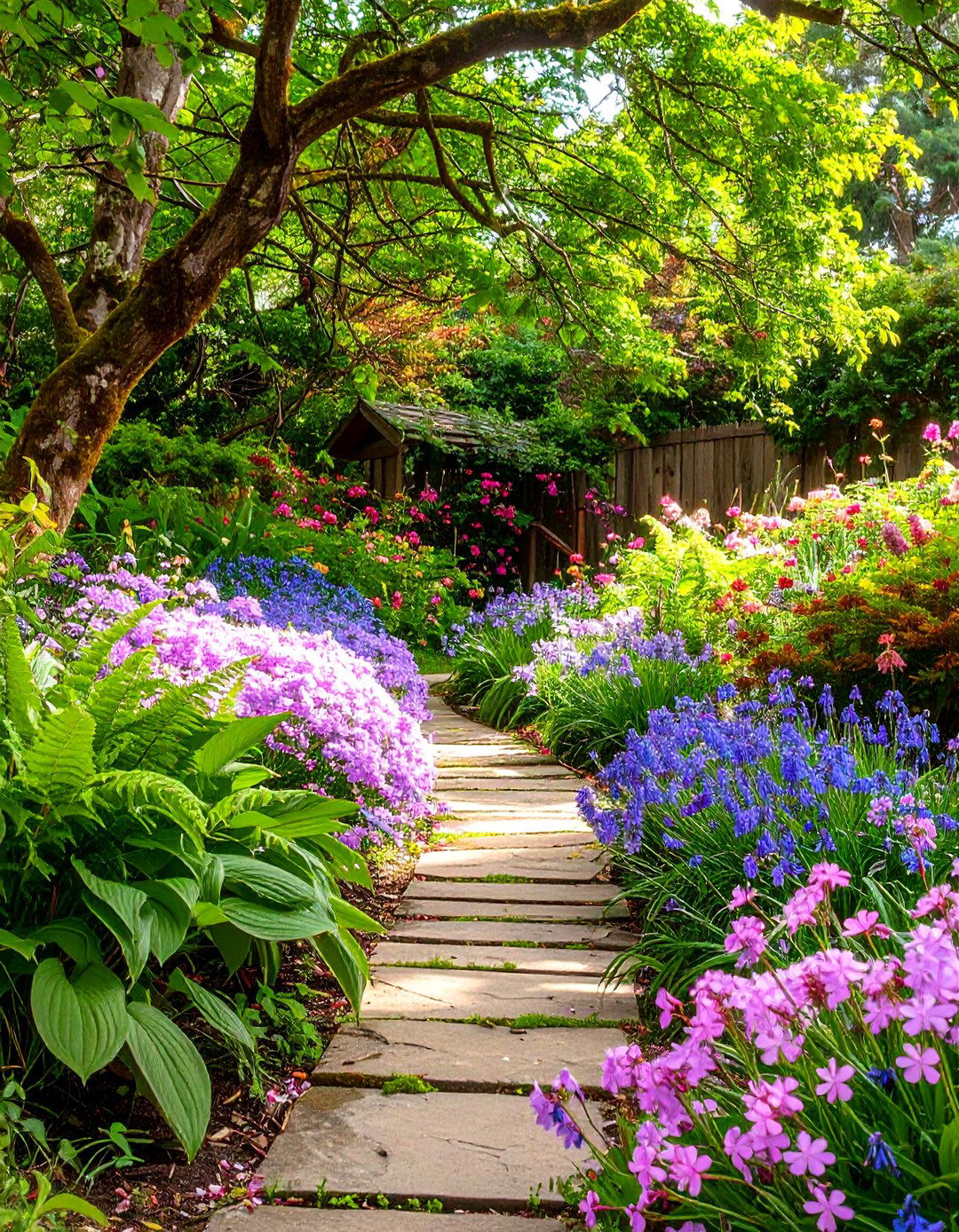
To create a fragrant, flowering carpet in the spring, woodland phlox (Phlox divaricata) is an exceptional choice for a perennial shade garden. This native wildflower produces loose clusters of fragrant flowers in shades of lavender-blue, light purple, or white that float above its semi-evergreen foliage. It spreads gently to form a beautiful groundcover that blooms for several weeks, attracting early-season pollinators. It's perfect for naturalizing in a woodland setting or for weaving between other shade-loving perennials like hostas and ferns. Its delicate appearance and sweet scent bring a touch of wild, ethereal beauty to the shaded landscape.
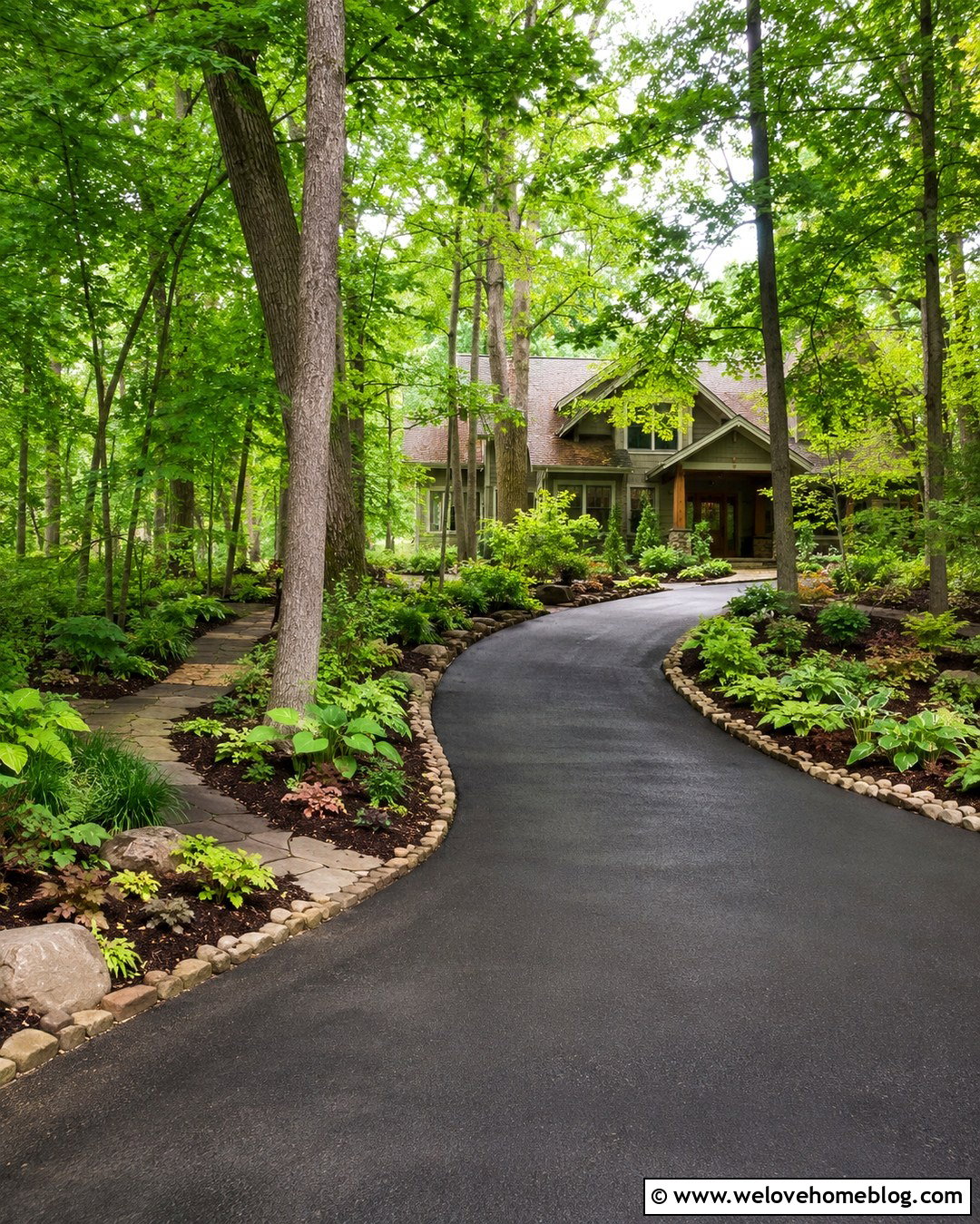
15. A Epimedium (Barrenwort) Groundcover for Dry Shade
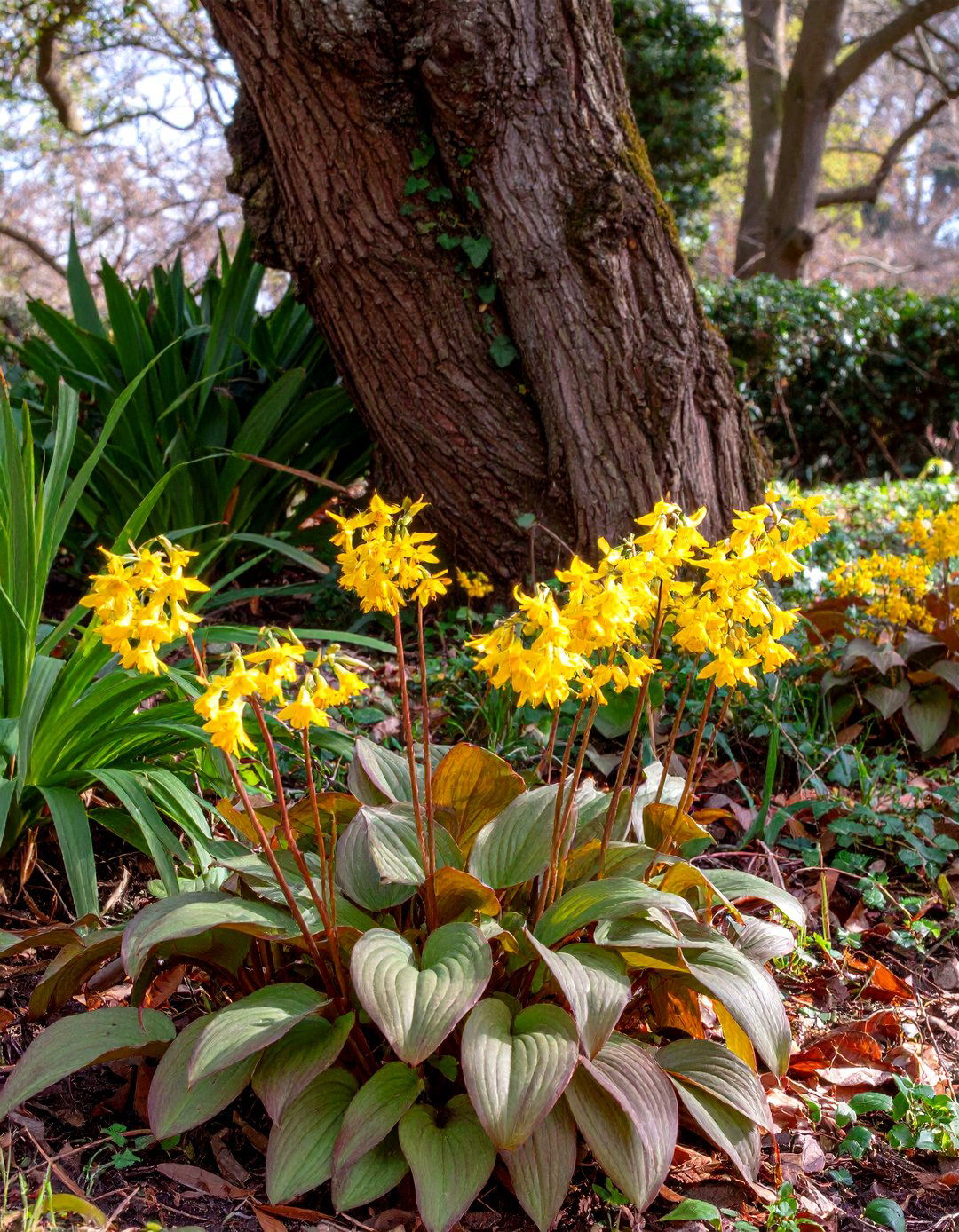
One of the toughest and most elegant groundcovers for a dry perennial shade garden is Epimedium, also known as barrenwort or bishop's hat. This plant is a true problem-solver, thriving in the challenging conditions under large trees where roots compete for moisture. In spring, it sends up delicate, spurred flowers that hover like tiny dancing butterflies above the foliage. The heart-shaped leaves often emerge with a reddish or bronze tint before maturing to green, and many varieties offer excellent fall color. It’s a slow-spreader but forms a dense, weed-proof mat over time, offering a refined and durable solution.
16. A Toad Lily (Tricyrtis) for Autumn Blooms in a Perennial Shade Garden
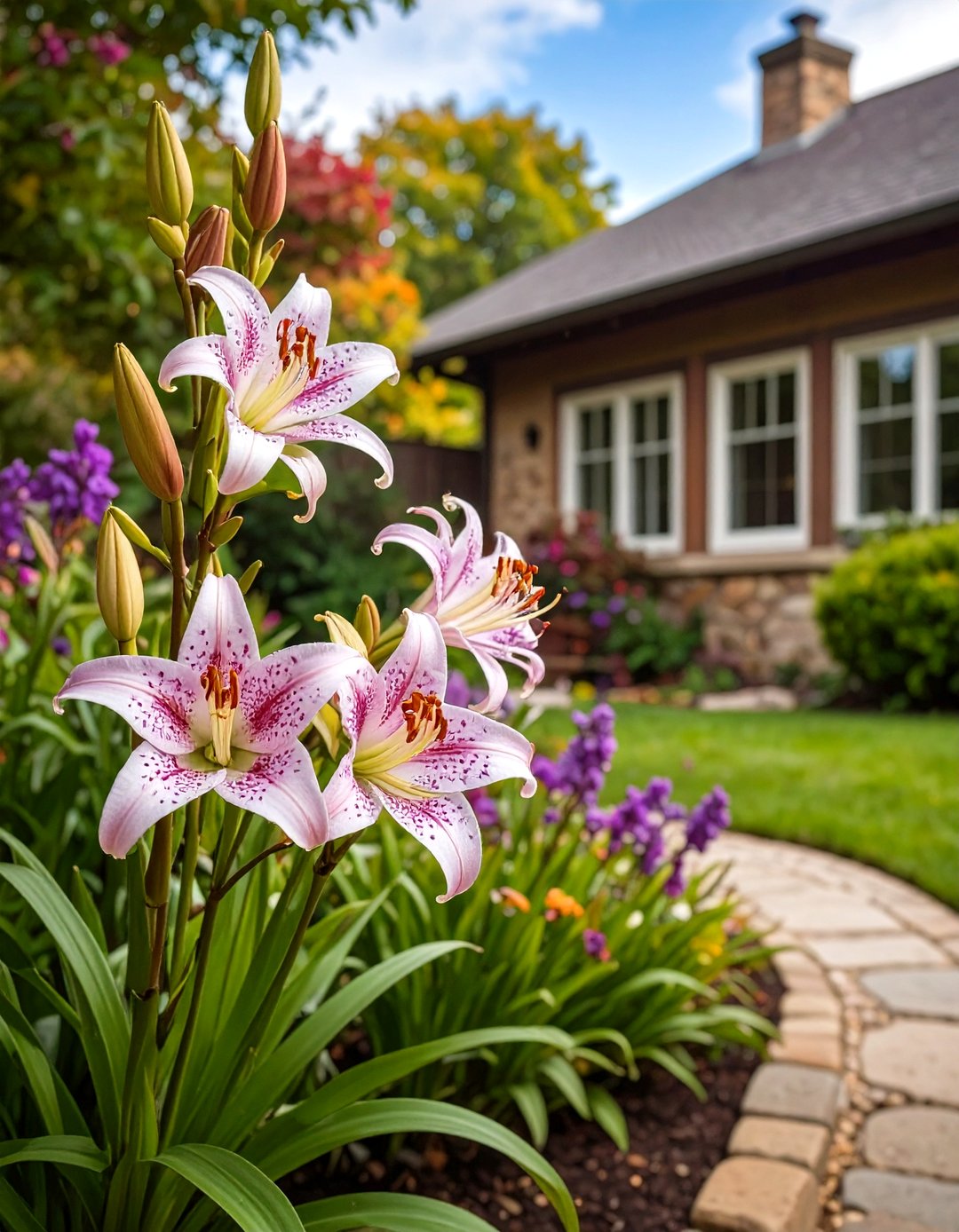
Just when most plants in the perennial shade garden are winding down, the toad lily (Tricyrtis) begins its unique and fascinating show. Blooming from late summer into autumn, it produces exotic, orchid-like flowers that are typically white or pale lilac and heavily spotted with purple. These intricate blossoms appear along arching, zig-zagging stems and are best appreciated up close. Planting them along a pathway or in a container allows for intimate viewing of their detailed beauty. Toad lilies prefer moist, rich soil and partial shade, providing a final, surprising burst of color before winter arrives.
17. A Lady's Mantle (Alchemilla Mollis) Edging in a Perennial Shade Garden
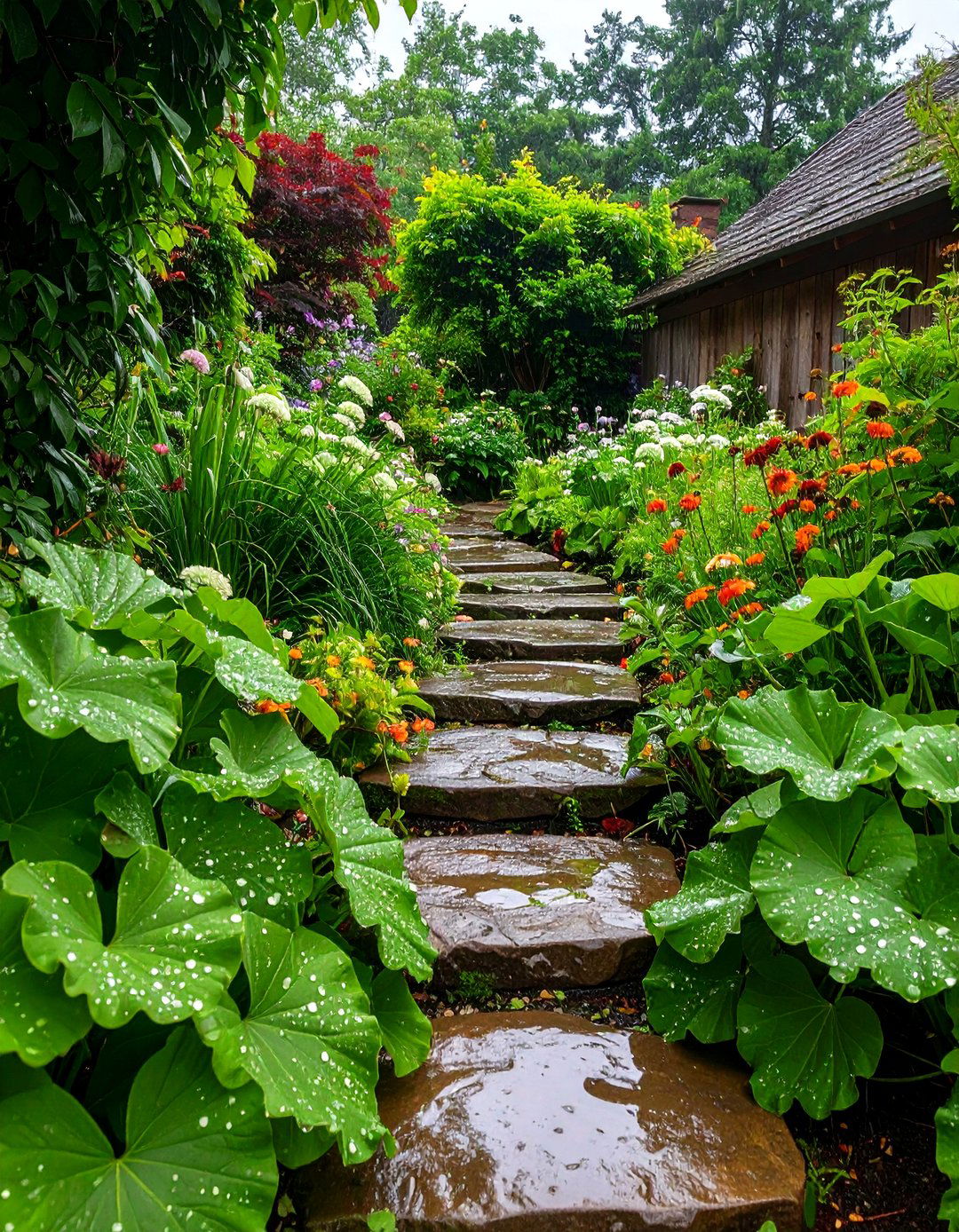
For a soft and charming edge to a perennial shade garden path or border, lady's mantle (Alchemilla mollis) is a superb choice. This mounding perennial is admired for its scalloped, velvety, blue-green leaves that catch and hold water droplets, making them sparkle like diamonds after a rain or early in the morning. In late spring and early summer, it produces frothy sprays of chartreuse-yellow flowers that create a luminous, cloud-like effect. It's a forgiving plant that self-seeds readily, softening hard edges and creating a lush, romantic feel with its gentle, spilling habit.
18. A Rodgersia for Bold Texture in a Perennial Shade Garden
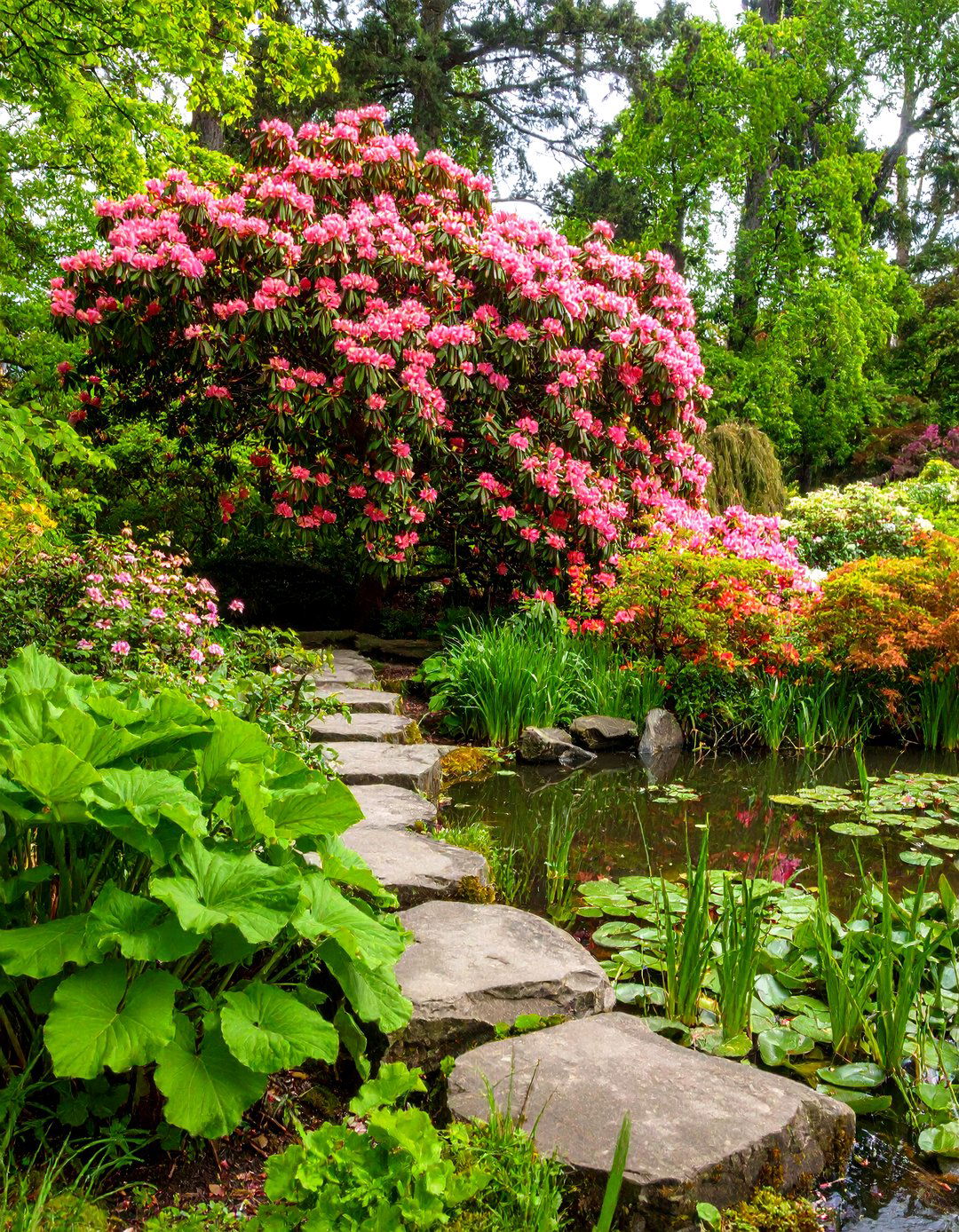
To add a bold, architectural presence to a moist perennial shade garden, Rodgersia is an excellent selection. This large-scale perennial is grown primarily for its huge, deeply textured, palmate leaves that resemble those of a horse chestnut tree. The foliage can be green or bronze-tinged and creates a dramatic, almost tropical feel. In early to mid-summer, it sends up tall, feathery plumes of astilbe-like flowers in shades of white or pink. Rodgersia demands attention and works best as a specimen plant or in a group where its coarse texture can contrast with finer foliage like ferns or grasses.
19. A Goatsbeard (Aruncus) for a Shrub-Like Presence
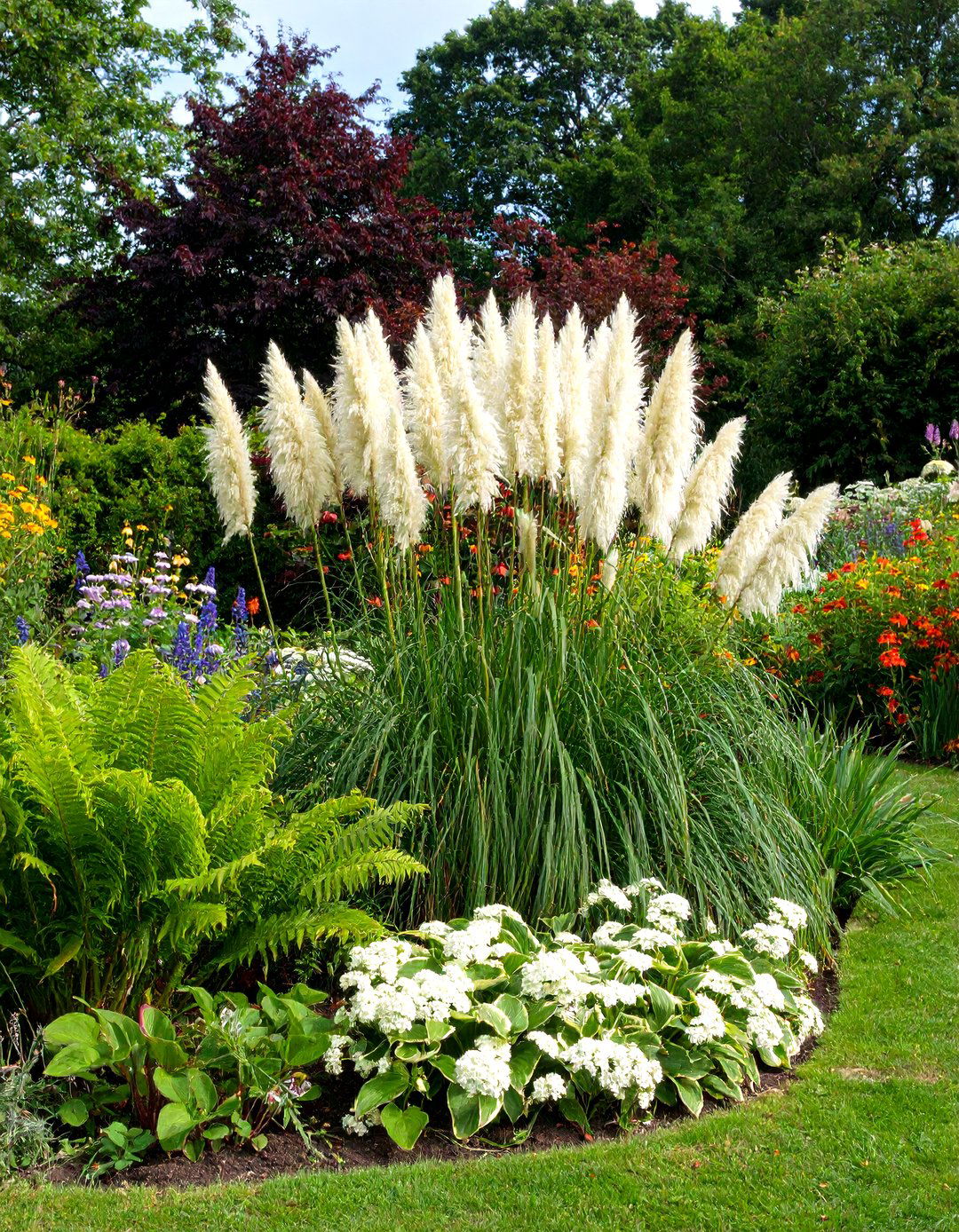
When you need a large, shrub-like perennial to fill a significant space in a shade garden, goatsbeard (Aruncus dioicus) is a perfect fit. This impressive plant can grow up to six feet tall and wide, forming a substantial clump of ferny, compound leaves. In late spring to early summer, it is topped with massive, feathery plumes of creamy-white flowers that look like a larger, wilder version of astilbe. It provides a stunning backdrop for smaller perennials and creates a sense of enclosure and structure. Goatsbeard thrives in moist, rich soil and adds a dramatic, yet soft and airy feel.

20. Creeping Jenny (Lysimachia Nummularia) as a Bright Groundcover
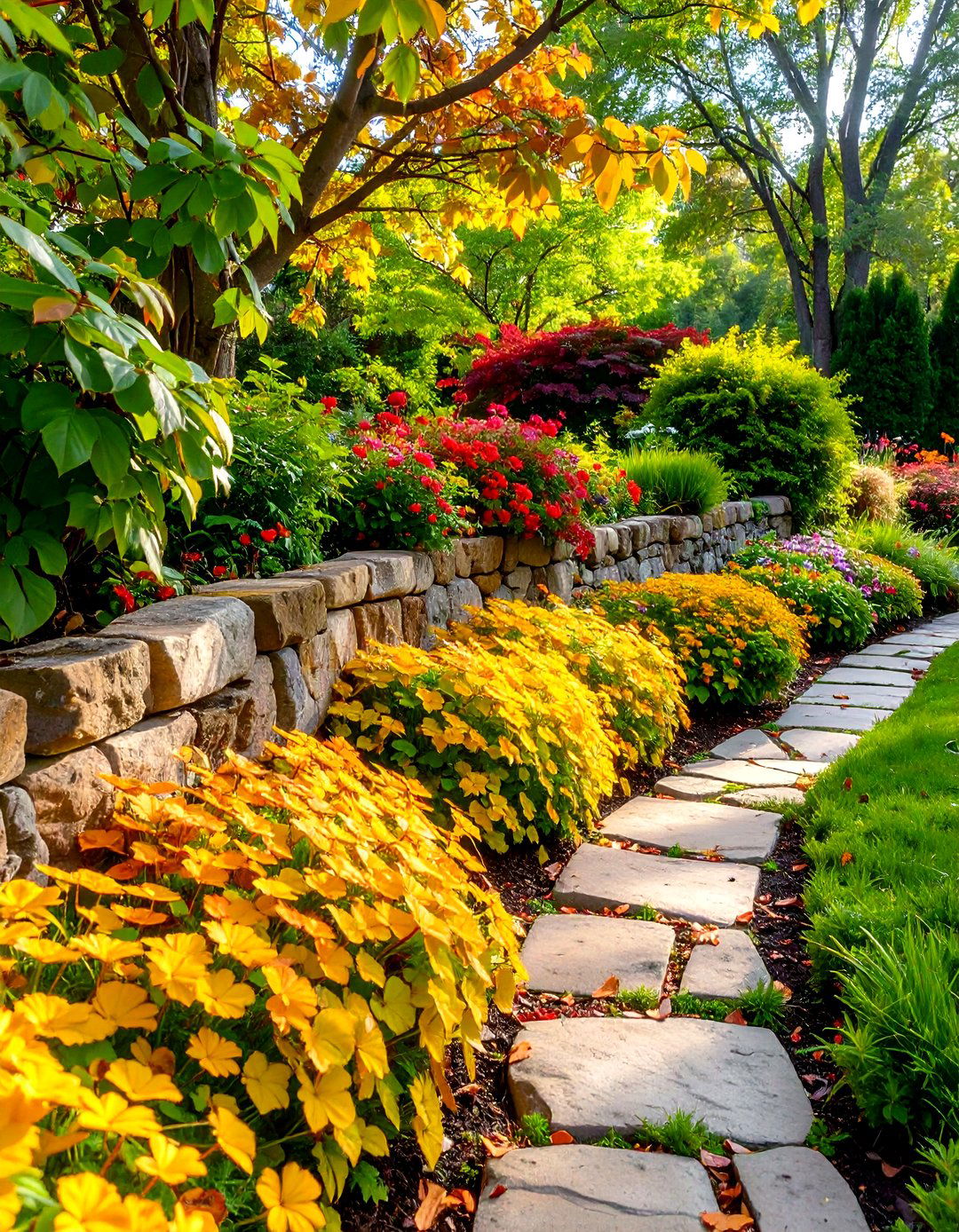
For an intensely colored, trailing groundcover in a perennial shade garden, Creeping Jenny (Lysimachia nummularia 'Aurea') is unmatched. Its small, round leaves are a brilliant chartreuse or gold color that lights up the ground plane and provides a stunning contrast to dark-leaved plants. It grows rapidly, forming a dense mat that spills over edges of containers, walls, and pathways. In summer, it produces small, cup-shaped yellow flowers. This plant is especially effective in moist areas, where it will happily trail over rocks or along the edge of a pond, creating a vibrant, flowing carpet of color.
21. A Bugleweed (Ajuga) Carpet in a Perennial Shade Garden
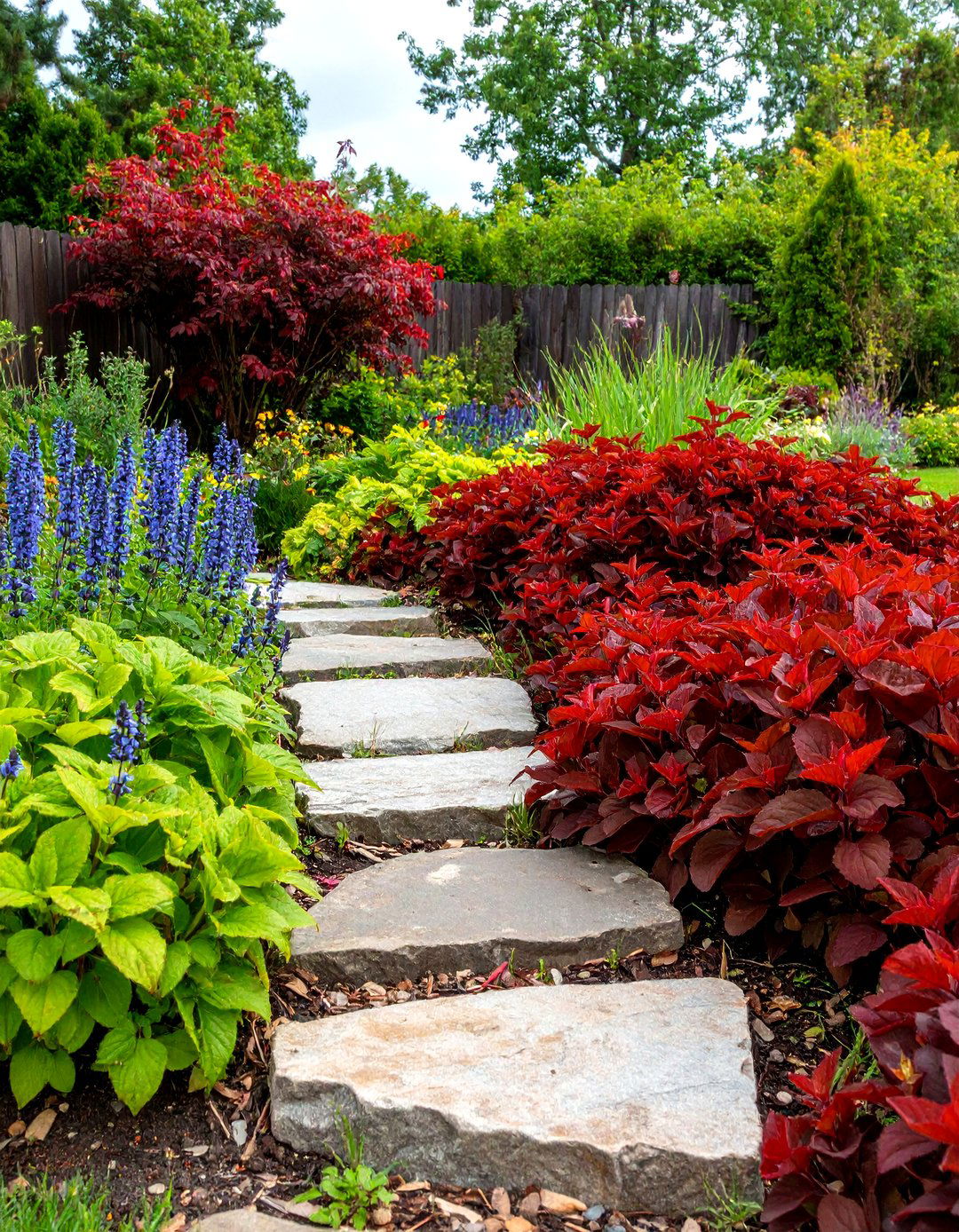
Another fantastic groundcover for a perennial shade garden is bugleweed (Ajuga reptans). It forms a dense, low-growing mat of foliage that comes in various colors, including deep green, bronze, burgundy, and near-black in varieties like 'Black Scallop'. In mid-to-late spring, it sends up short spikes of deep blue or purple flowers, creating a stunning effect when planted en masse. Ajuga is incredibly tough, tolerating foot traffic and spreading quickly to fill in bare spots and outcompete weeds. It’s an excellent choice for planting between stepping stones or as a lawn substitute in shady areas.
22. A European Wild Ginger (Asarum Europaeum) Groundcover
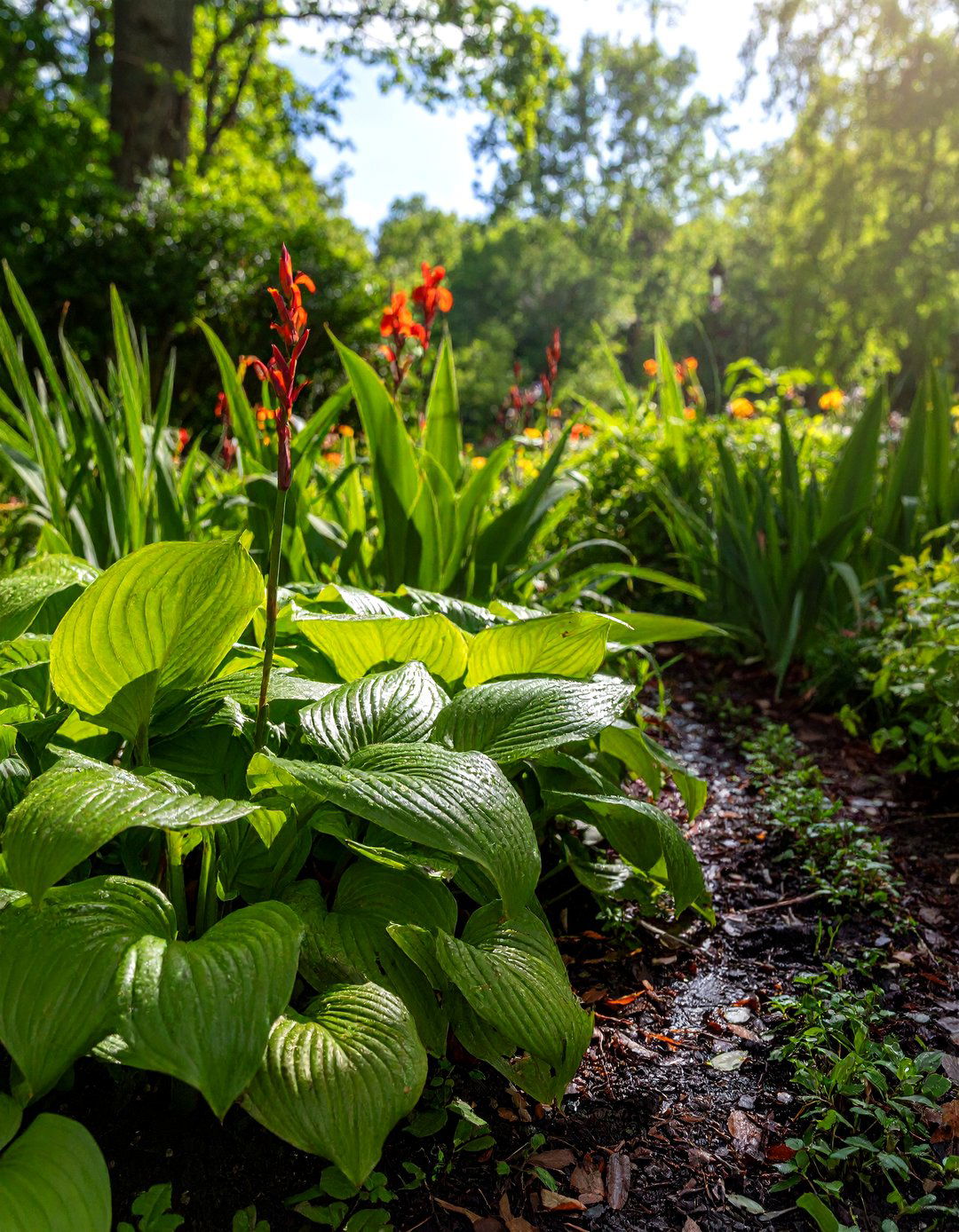
For a sophisticated, evergreen groundcover in a perennial shade garden, European wild ginger (Asarum europaeum) offers unique appeal. It features striking, glossy, kidney-shaped leaves that are a deep, lustrous green. These leaves form a dense, uniform carpet that reflects light beautifully, adding a touch of elegance and shine to dark corners of the garden. It spreads slowly by rhizomes to create a thick, weed-resistant mat. Although its small, brownish-purple flowers in spring are hidden beneath the foliage, it is the year-round beauty of its leaves that makes this plant a top choice for a refined, low-maintenance ground layer.
23. A Foamflower (Tiarella) Woodland Perennial Shade Garden
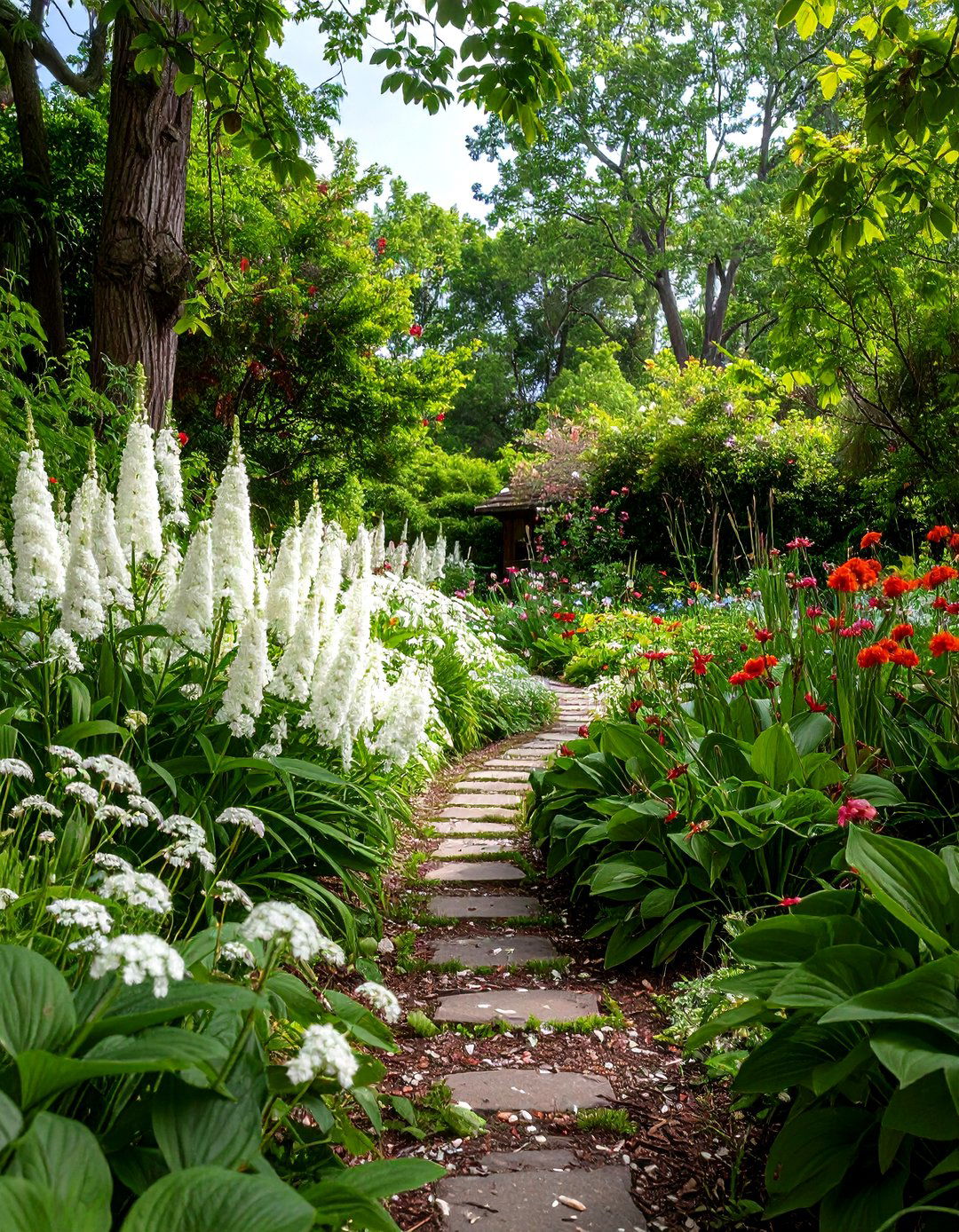
Creating a delicate, naturalistic look is effortless with foamflower (Tiarella cordifolia). This North American native perennial forms clumps of attractive, often lobed and marked leaves that are semi-evergreen. In spring, it produces a profusion of airy, wand-like spikes of tiny, fragrant, white or pinkish flowers, resembling frothy foam. It spreads by runners to form a lovely groundcover in woodland settings. Tiarella is perfect for weaving through other plants or for massing at the front of a border. It brings a light, ethereal quality to the perennial shade garden and supports local pollinators with its early blooms.
24. A Japanese Anemone for Late Season Flowers
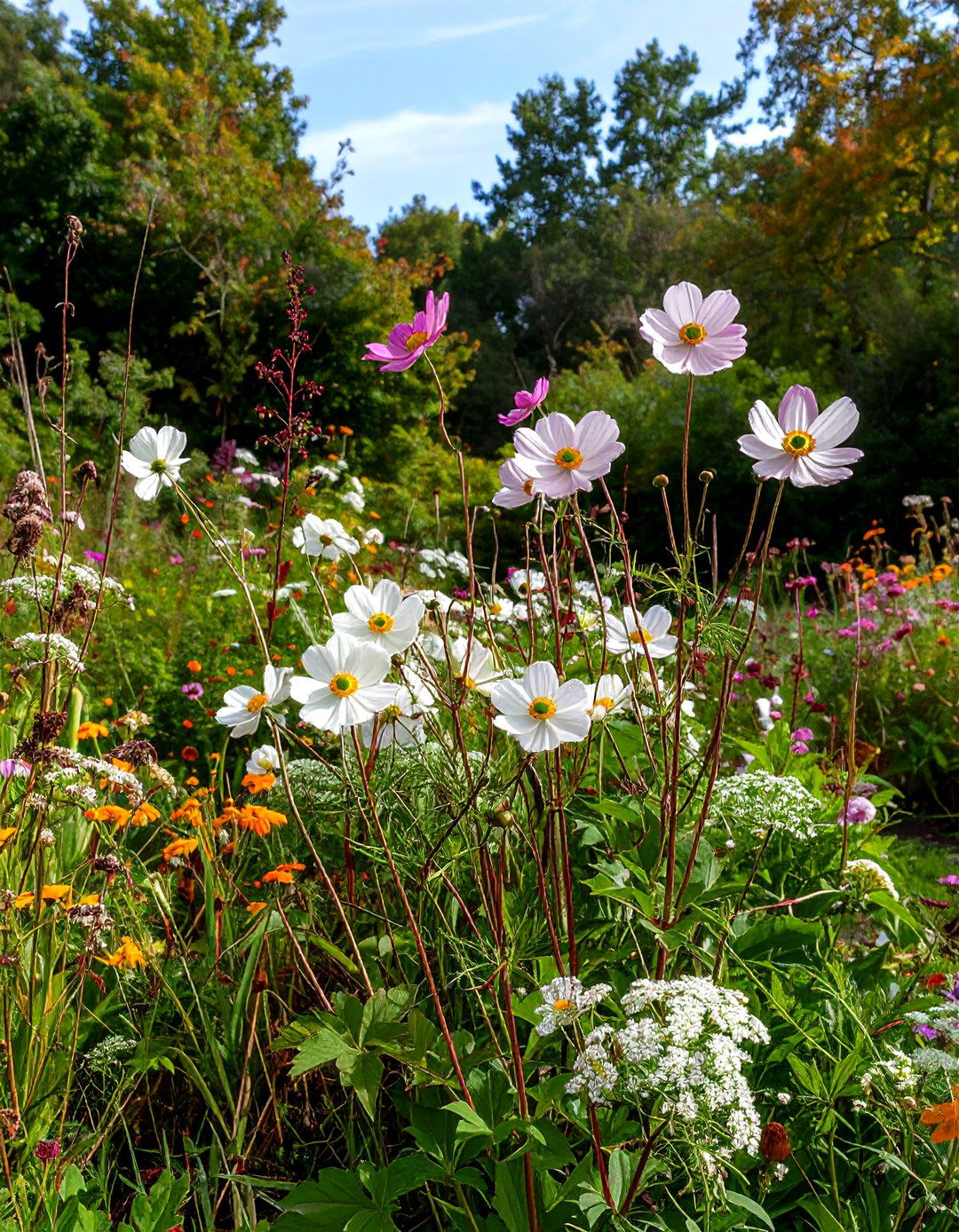
To extend the season of interest well into autumn, Japanese anemones are an invaluable addition to a perennial shade garden. These tall, elegant perennials begin blooming in late summer and continue until the first hard frost. Their lovely, cup-shaped flowers, in shades of white or pink with golden centers, are held aloft on wiry stems that dance in the breeze. They provide a welcome burst of fresh color when many other plants are fading. They thrive in partial shade and rich, moist soil, gradually spreading to form impressive colonies that add height, movement, and grace to the late-season garden.
25. A Turtlehead (Chelone) for Unique Blooms in a Perennial Shade Garden
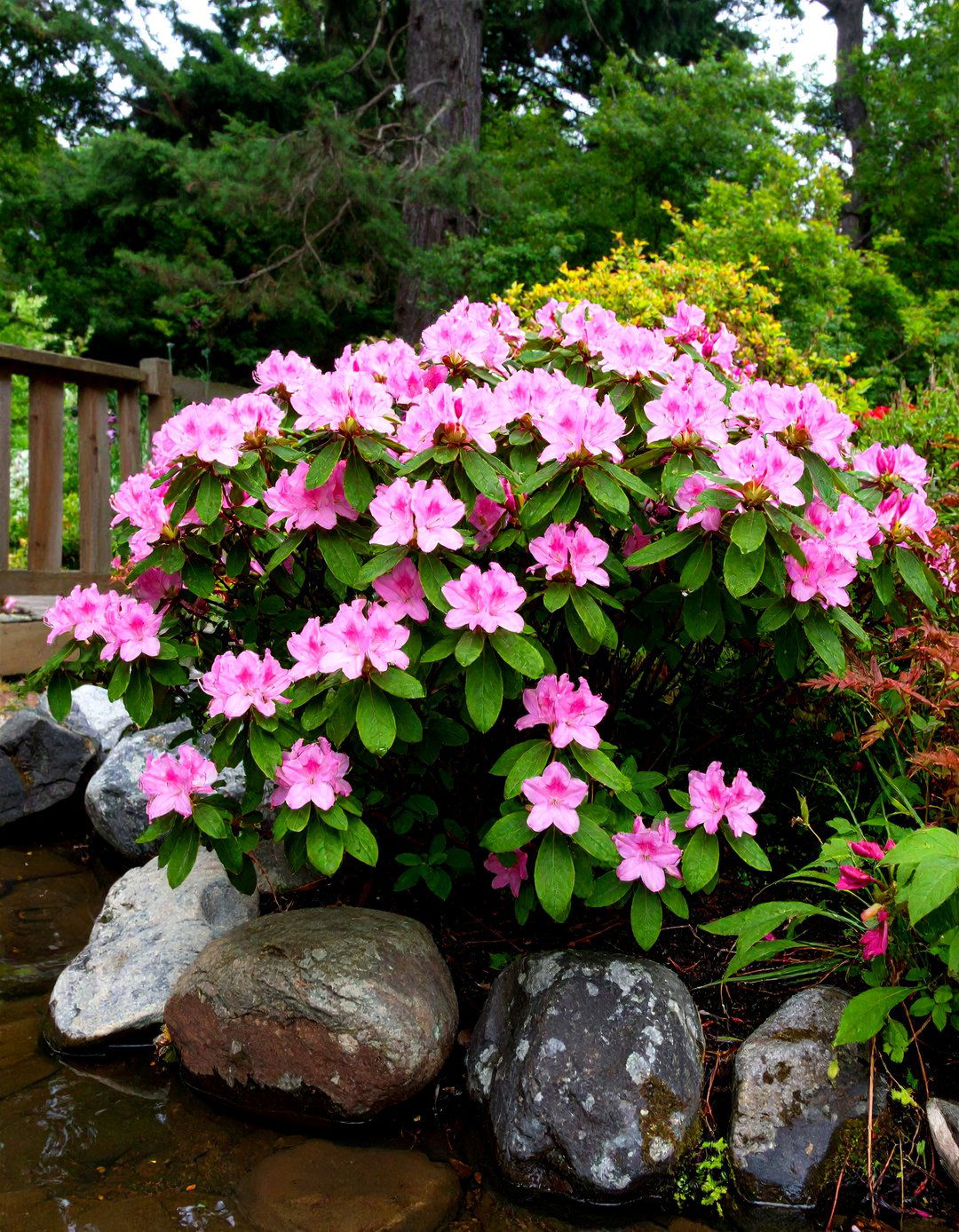
For a unique and whimsical flower shape in a moist perennial shade garden, consider planting turtlehead (Chelone). This upright perennial gets its name from its fascinating flowers, which resemble the head of a turtle with its mouth open. Blooming from late summer to fall, the snapdragon-like flowers come in shades of pink, rose, or white and are clustered at the top of sturdy stems with dark green foliage. Chelone is a robust plant that thrives in consistently moist or even wet soil, making it ideal for rain gardens or streamside plantings. It provides valuable late-season nectar for bumblebees.
26. A Black Mondo Grass (Ophiopogon Planiscapus 'Nigrescens') for Contrast
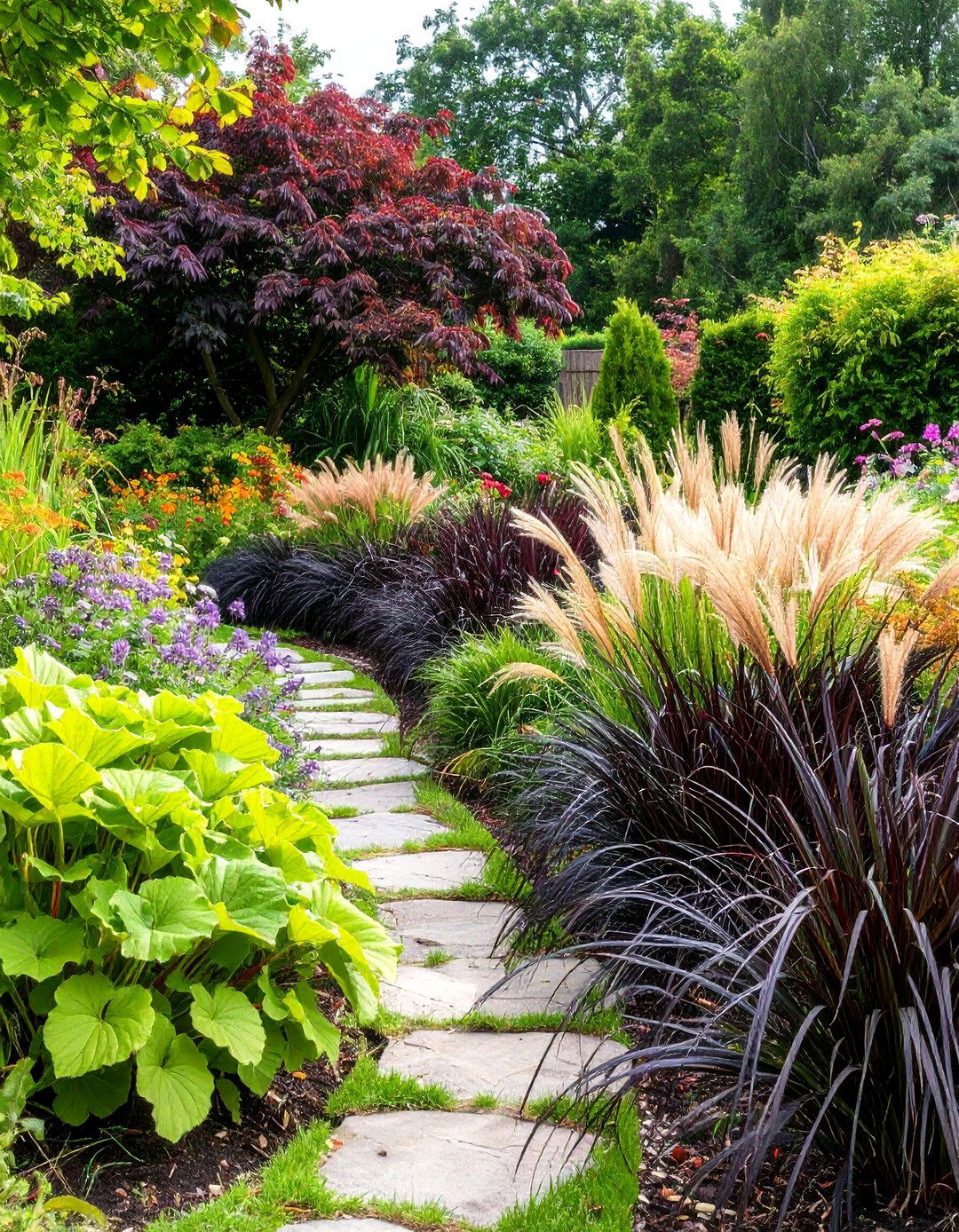
Introducing a dramatic color contrast into a perennial shade garden is achievable with black mondo grass. While not a true grass, this striking perennial forms clumps of deep purple-black, grass-like leaves that provide a stunning counterpoint to green, gold, or silver foliage. It is a slow-growing, low-maintenance plant perfect for creating dark, sophisticated edging or for planting in pockets where its unique color can pop. In summer, it produces small, pale lavender flowers followed by dark berries. Pairing it with bright plants like Japanese forest grass or golden Creeping Jenny creates an unforgettable visual combination.
27. A Siberian Bugloss (Brunnera Macrophylla) for Blue Spring Flowers
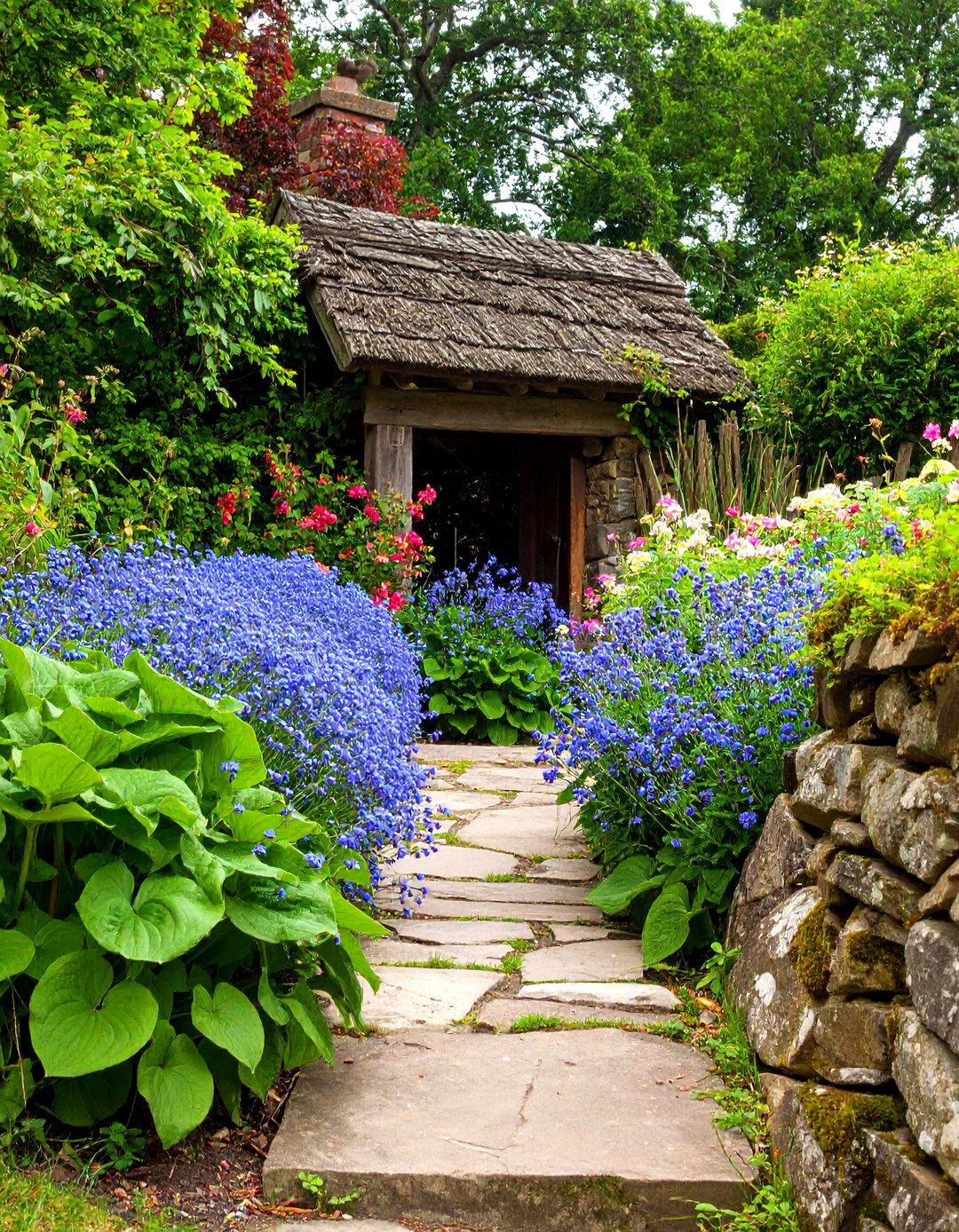
Siberian bugloss is a classic choice for bringing true blue flowers to the perennial shade garden. In mid-spring, before its leaves fully develop, it sends up delicate sprays of tiny, intensely blue, forget-me-not-like flowers. After the floral display, large, heart-shaped, deep green leaves emerge, forming a handsome, weed-suppressing clump that remains attractive all season. This hardy and long-lived perennial is low-maintenance and resistant to deer and rabbits. It excels as a groundcover or as a companion to spring-flowering bulbs and other early perennials, providing a beautiful and reliable show year after year.
28. A Liriope (Lilyturf) for a Tough Border in a Perennial Shade Garden
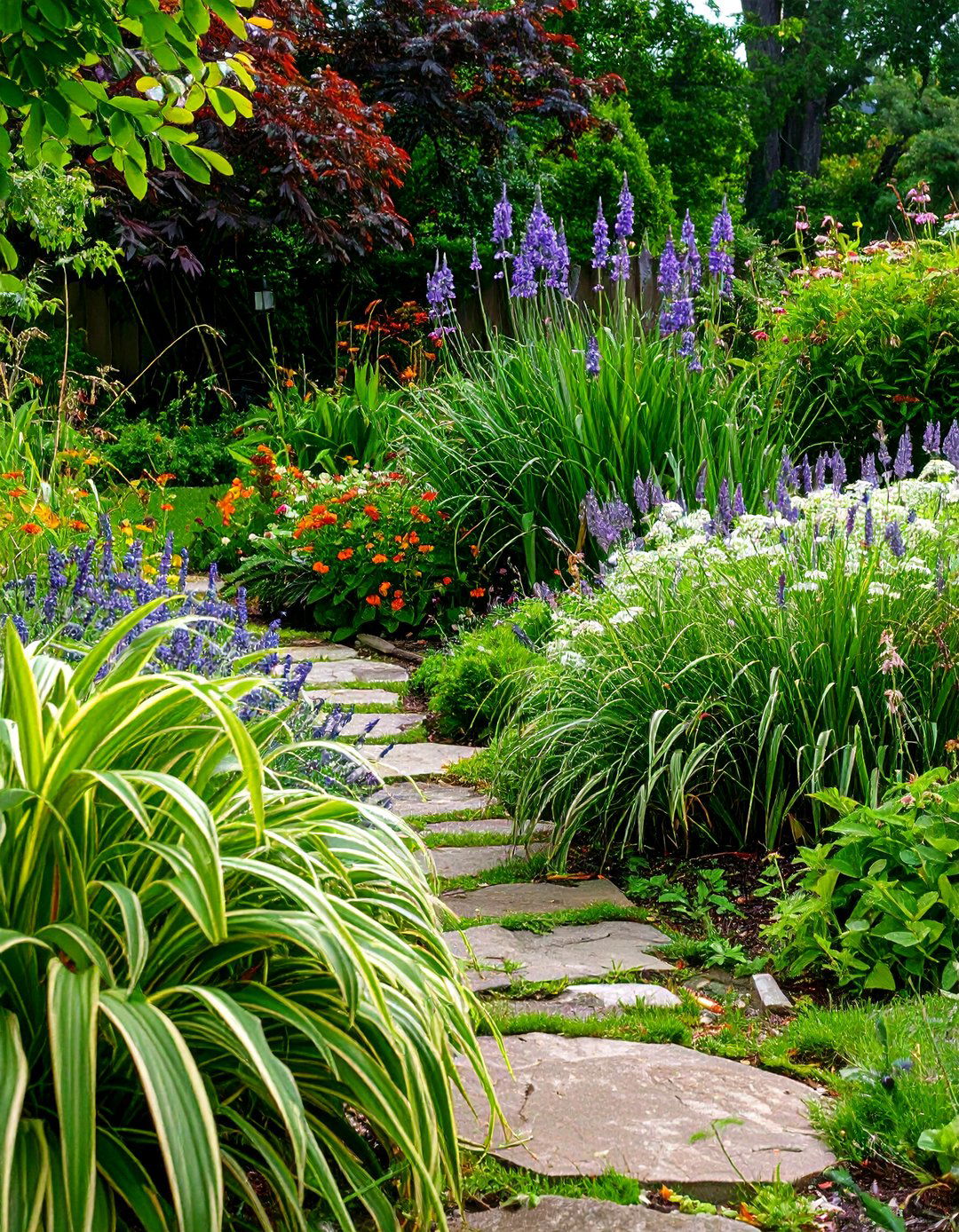
For a nearly indestructible edging or groundcover in a perennial shade garden, Liriope, or lilyturf, is an outstanding option. This grass-like perennial forms dense clumps of arching, evergreen or semi-evergreen foliage. In late summer, it produces spikes of small, lavender, purple, or white flowers, which are often followed by clusters of black berries. It is incredibly versatile, tolerating a wide range of conditions from dry shade to moist soil. Variegated forms with green and white or green and yellow striped leaves can add extra brightness. Liriope is perfect for defining garden bed edges or stabilizing soil on slopes.
29. A Spiked Speedwell (Veronica) for Vertical Blue Flowers
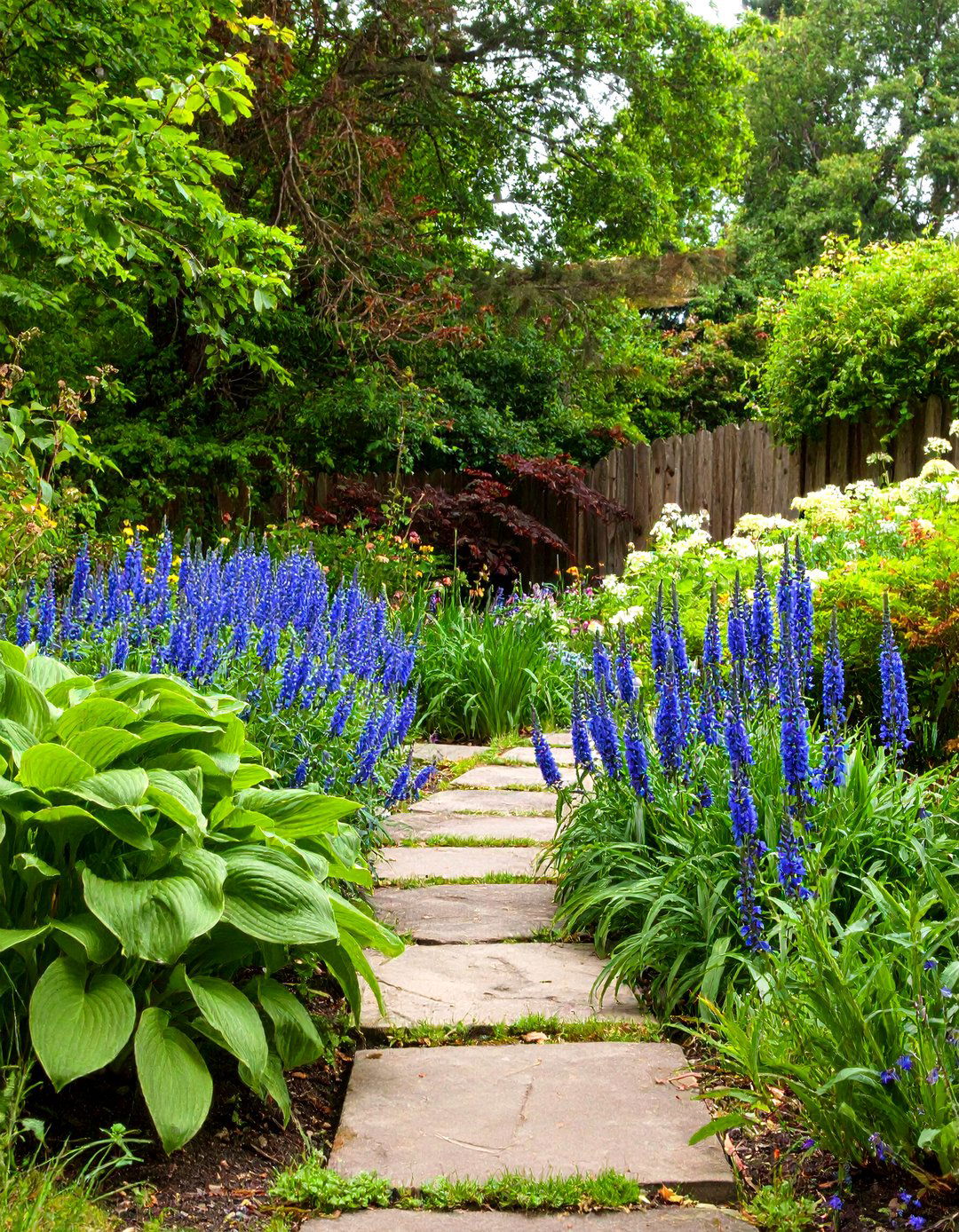
While many Veronica varieties prefer sun, some species thrive in partial shade, offering valuable vertical accents. Spiked speedwell produces slender, upright spikes of flowers in brilliant shades of blue, purple, pink, or white throughout the summer. These spires add a strong vertical element that contrasts nicely with the mounding forms of hostas and heucheras. They are attractive to pollinators and make excellent cut flowers. Planting them in groups in a perennial shade garden where they receive a few hours of morning sun will ensure a robust floral display, adding height and vibrant color to the mid-ground of a border.
30. A Jacob's Ladder (Polemonium) for Ferny Foliage
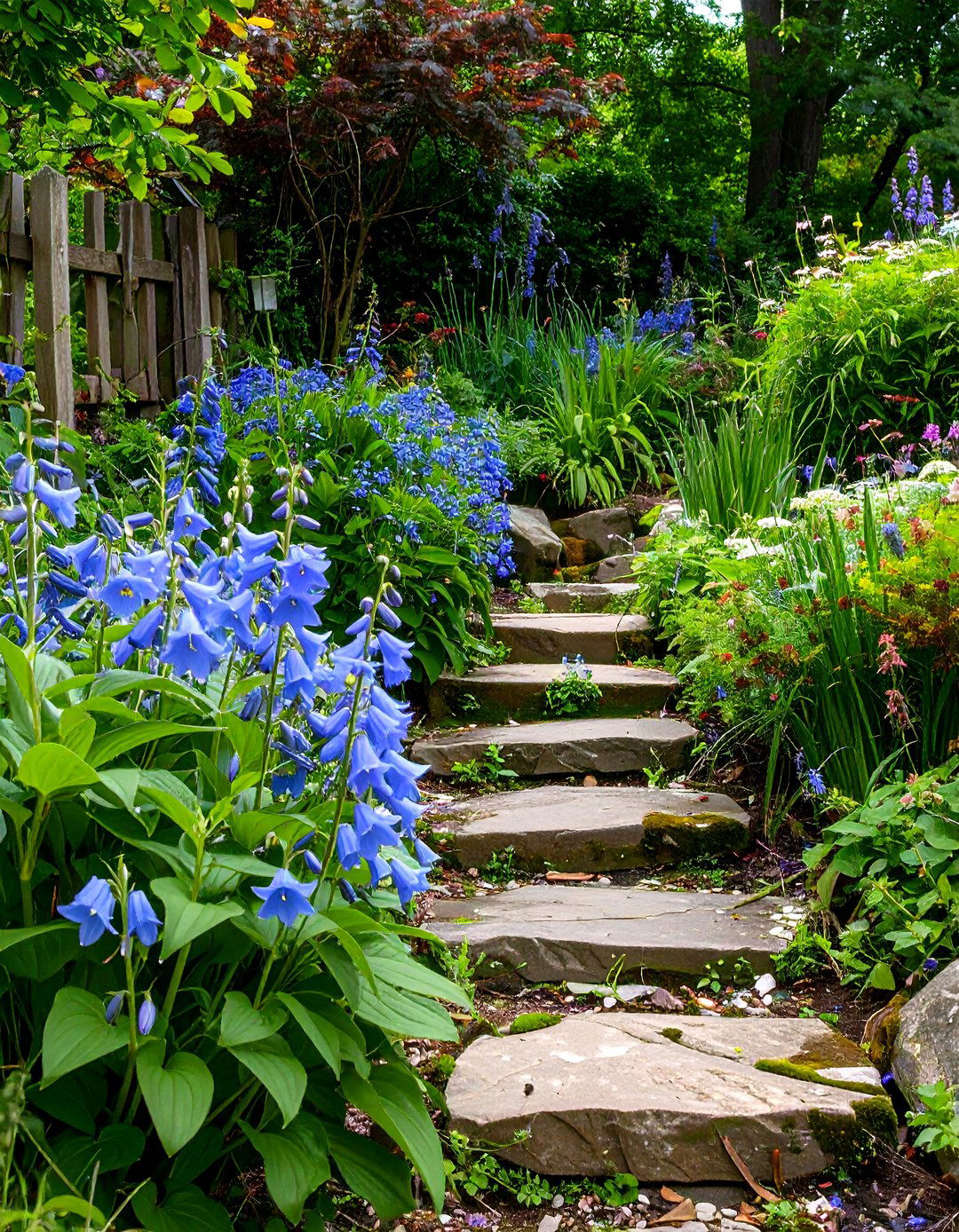
Jacob's ladder is a lovely perennial that offers both delicate foliage and charming flowers for the shade garden. Its name comes from its unique, pinnately compound leaves, where the leaflets are arranged like the rungs of a ladder. In late spring to early summer, it produces loose clusters of bell-shaped or cup-shaped flowers, typically in shades of blue, lavender, or white, with contrasting yellow stamens. The variegated variety 'Stairway to Heaven' has green leaves edged in creamy white, which are often tinged with pink in cool weather, providing multi-season interest in the perennial shade garden.
Conclusion:
Creating a beautiful perennial shade garden is a rewarding endeavor that embraces texture, form, and subtle color. By selecting plants like hostas, ferns, astilbes, and heucheras, you can design a space that is lush, dynamic, and full of life. From early spring blooms of hellebores to the autumn flowers of toad lilies, a well-planned shade garden offers year-round interest. These ideas demonstrate that a lack of direct sunlight is not a barrier but an invitation to cultivate a unique and tranquil retreat that returns with renewed beauty each year.

Related posts:

Leave a Reply