
A wildflower garden offers a beautifully chaotic and low-maintenance alternative to traditional manicured beds, bringing a touch of untamed nature right to your doorstep. These gardens are not only stunning but also create vital habitats for pollinators like bees and butterflies. Embracing this style means celebrating natural cycles, diverse textures, and a vibrant tapestry of colors that change with the seasons. Whether you have a sprawling yard or a small urban balcony, there is a wildflower concept that can be adapted to your space, inviting biodiversity and a relaxed, picturesque aesthetic into your life.
1. A Native Species Wildflower Garden
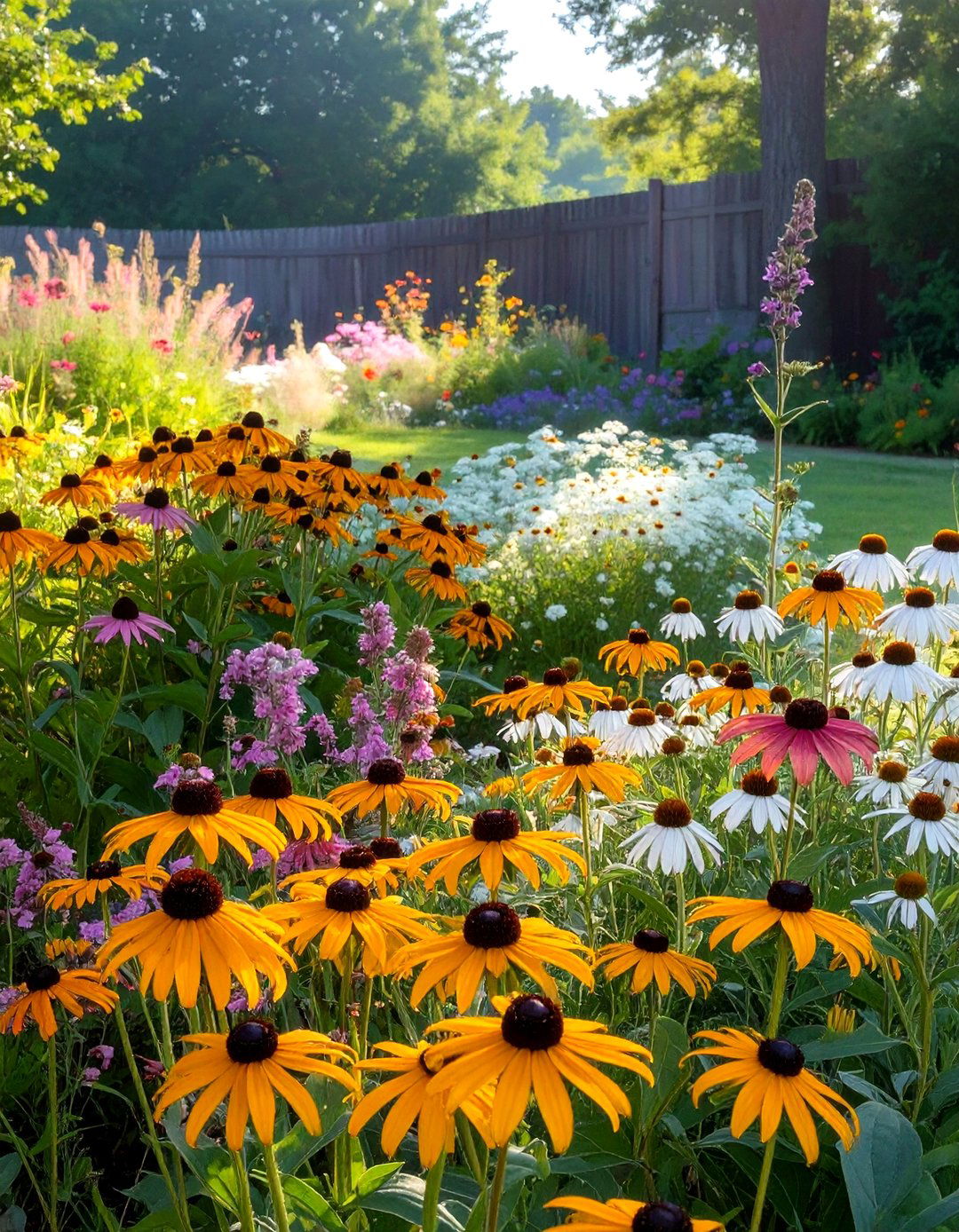
Focusing a wildflower garden on native species is the most sustainable and eco-friendly approach you can take. These plants are perfectly adapted to your local climate, soil conditions, and rainfall patterns, meaning they require minimal intervention once established. They thrive without the need for fertilizers or excessive watering, reducing your garden's environmental footprint. Furthermore, native plants provide the ideal food and shelter for local wildlife, including pollinators and birds, creating a balanced and resilient ecosystem. By choosing species that naturally belong in your region, you support biodiversity and cultivate a garden that is truly in harmony with its surroundings.
2. A Pollinator Haven Wildflower Garden
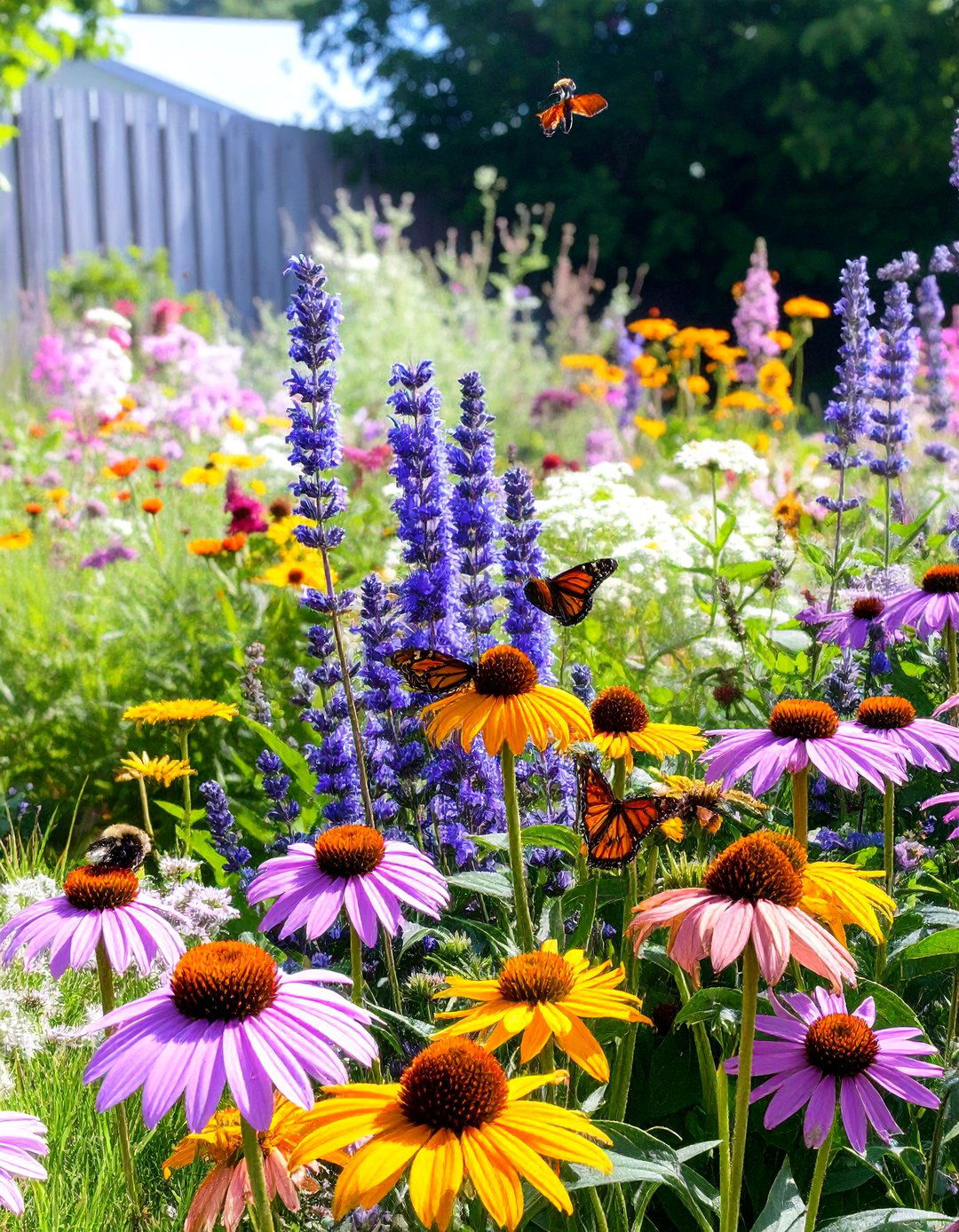
To create a garden that buzzes with life, design a pollinator haven wildflower garden specifically to attract bees, butterflies, and hummingbirds. Select a diverse mix of flowers that bloom sequentially from spring through fall, ensuring a continuous food source. Include plants like coneflowers, black-eyed Susans, milkweed for monarch butterflies, and bee balm. These species provide abundant nectar and pollen. Adding a shallow water source, like a birdbath with pebbles for landing spots, will also make your garden more inviting. This thoughtful approach not only results in a vibrant, active landscape but also plays a crucial role in supporting these essential creatures.
3. A Single-Color Themed Wildflower Garden
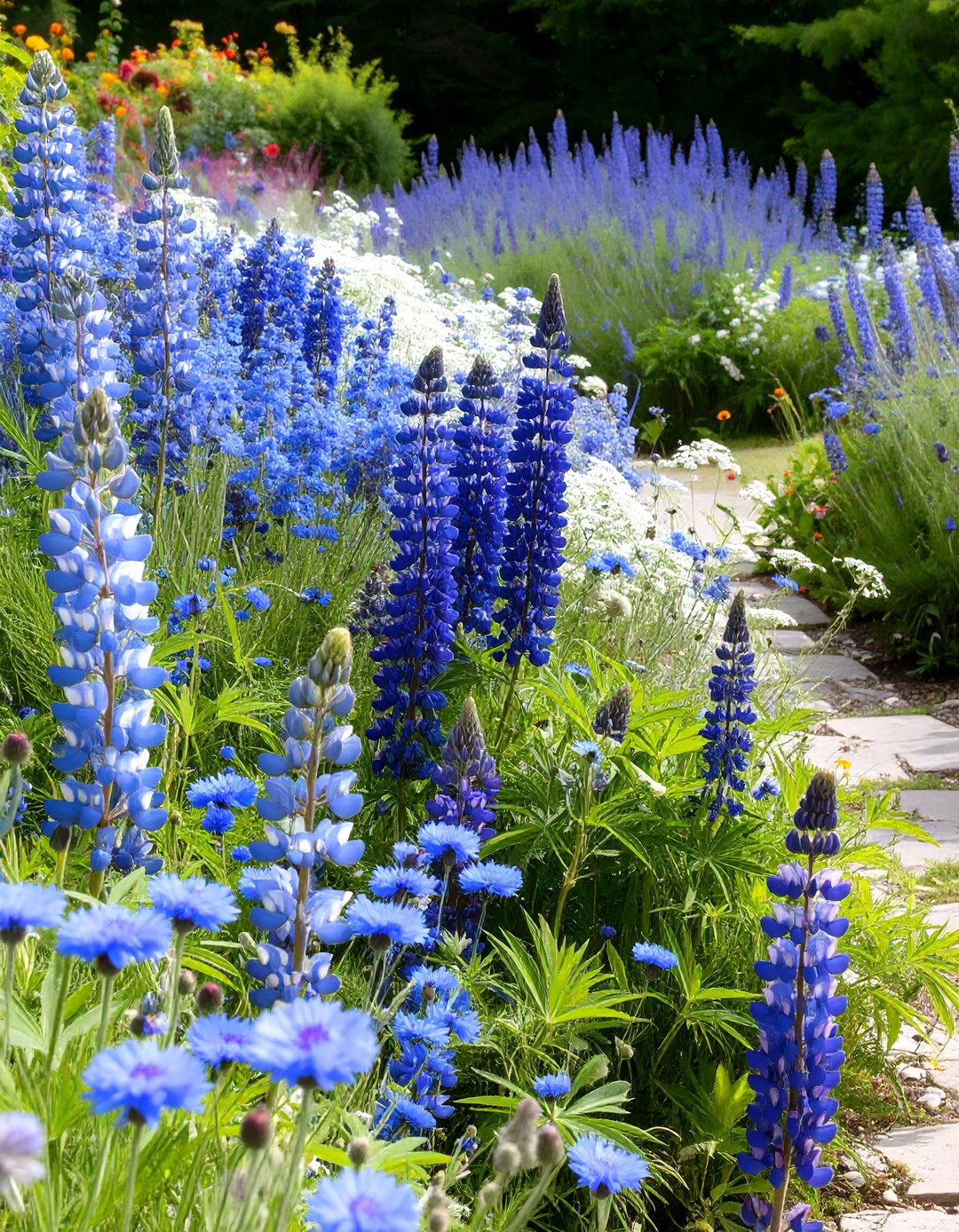
For a striking and artistic statement, consider designing a single-color themed wildflower garden. While wildflowers are known for their riotous mix of hues, focusing on a monochromatic palette can create a surprisingly sophisticated and impactful display. Imagine a serene sea of blue with cornflowers, lupines, and forget-me-nots, or a cheerful expanse of yellow featuring coreopsis, goldenrod, and California poppies. This approach allows you to play with different textures, heights, and bloom shapes within one color family, adding depth and interest. It’s a unique take that combines the untamed spirit of wildflowers with a deliberate and elegant design vision.
4. A Meadow-Style Wildflower Garden
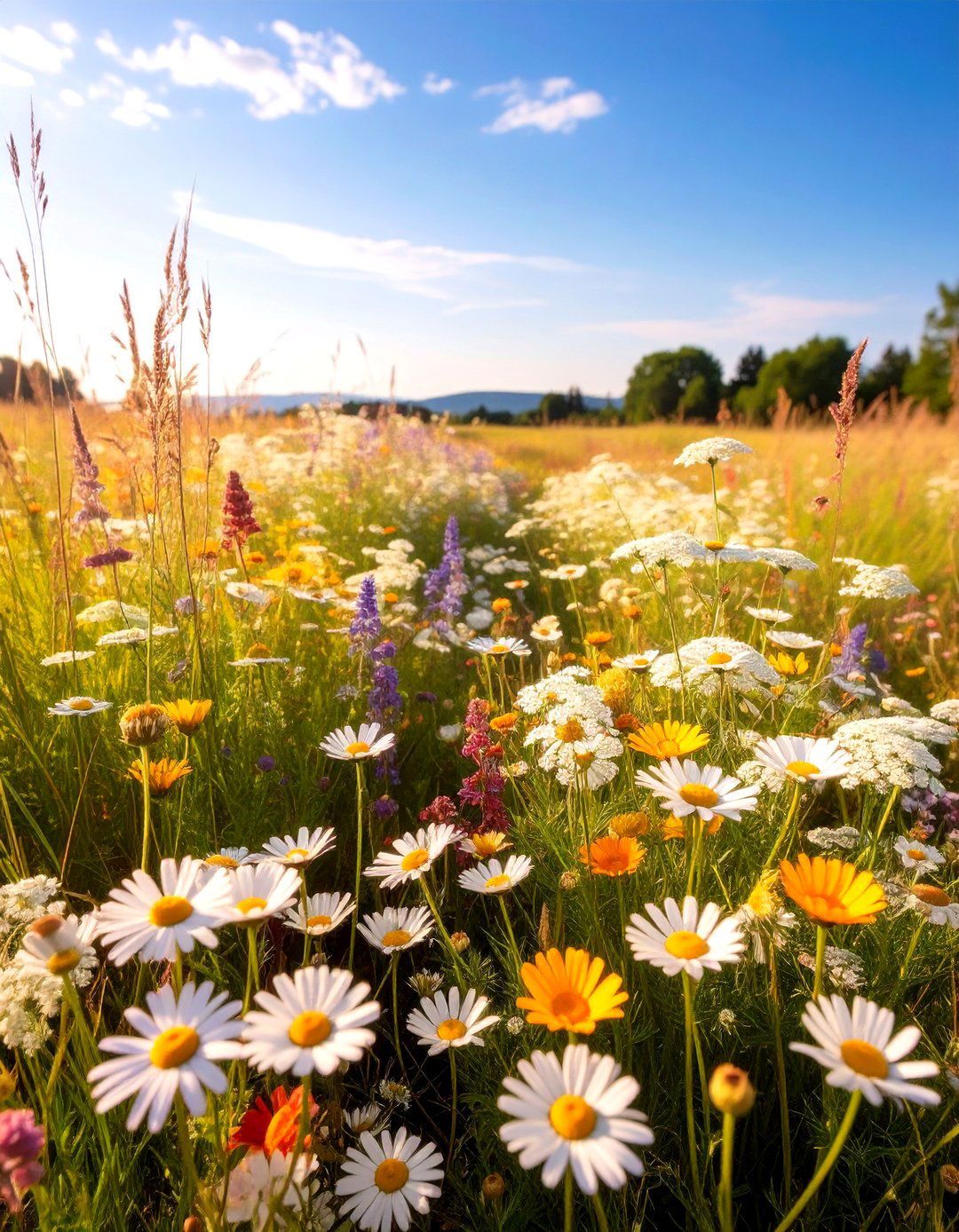
Transform a sunny, open area of your yard into a meadow-style wildflower garden for a truly immersive natural experience. This design mimics the look and feel of a classic pastoral landscape, featuring a mix of grasses and flowering perennials. The key is to blend different heights and textures to create a soft, swaying effect. Include native grasses like little bluestem or switchgrass alongside hardy flowers such as Queen Anne's lace, daisies, and yarrow. A meadow garden is incredibly low-maintenance once established and provides a critical habitat for a wide range of insects and small animals, bringing a slice of the serene countryside to your home.
5. A Shaded Woodland Wildflower Garden
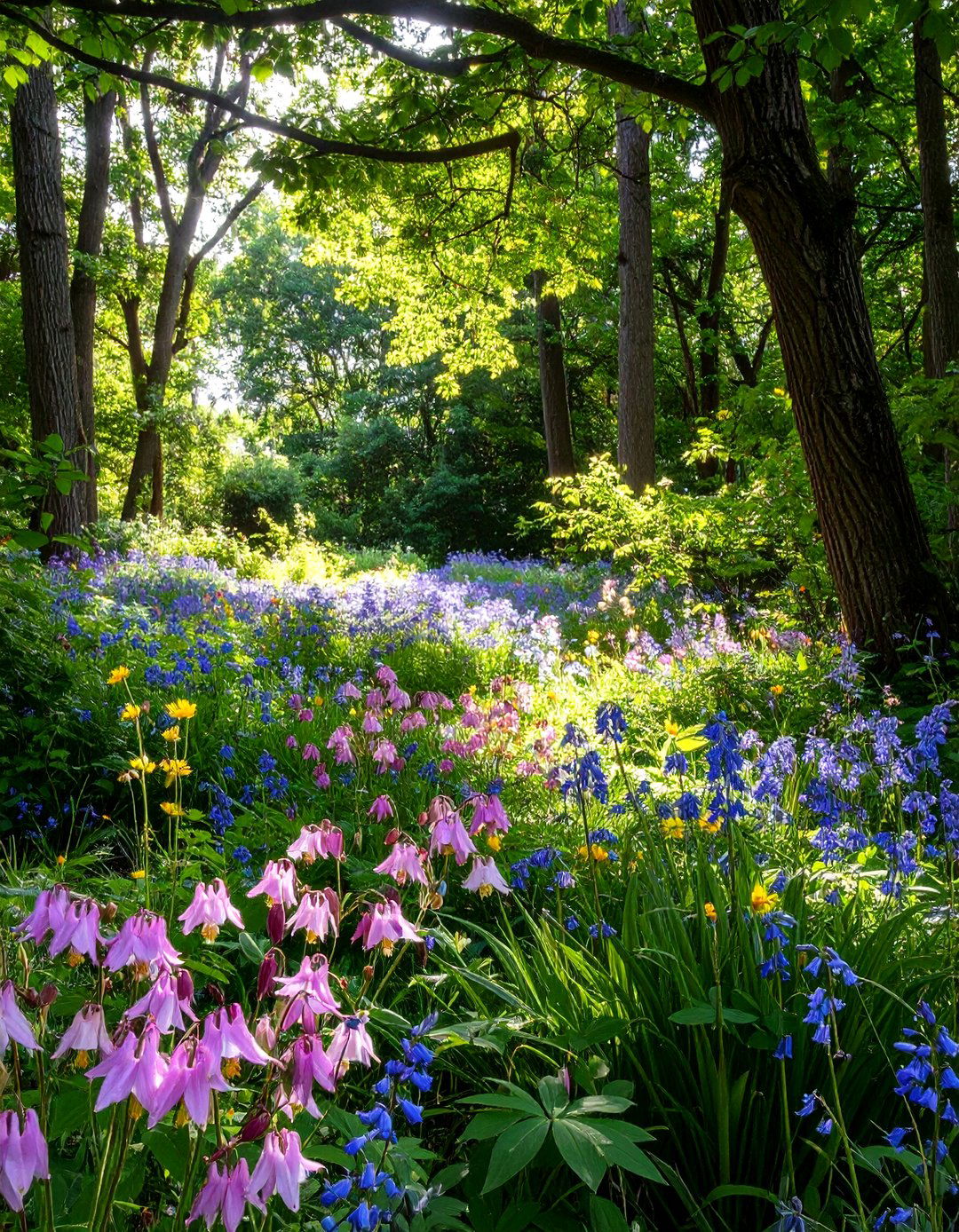
Even if your yard lacks full sun, you can cultivate a beautiful shaded woodland wildflower garden. Many stunning wildflowers thrive in the dappled light found under trees or along the north side of a house. Choose species that are naturally found in forest understories, such as columbine, bleeding hearts, foamflower, and Virginia bluebells. These plants are adapted to lower light levels and richer, more organic soils. Incorporating ferns, mosses, and a natural stone path can enhance the enchanted forest aesthetic. This type of garden creates a peaceful, cool retreat and showcases a different, more delicate side of wildflower beauty.
6. A Cut Flower Wildflower Garden
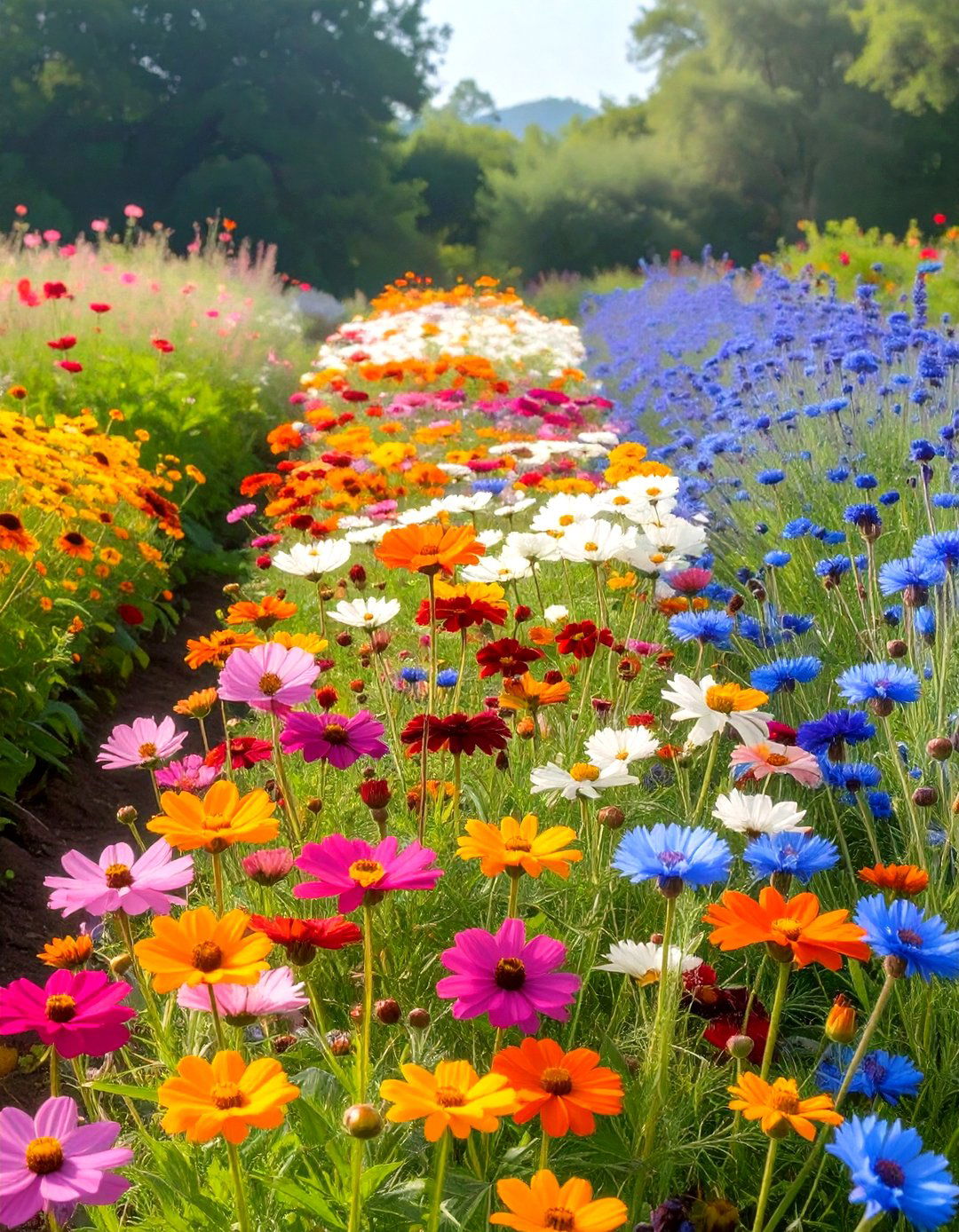
Design a wildflower garden with the specific purpose of providing you with beautiful, fresh bouquets all season long. A cut flower wildflower garden focuses on species with long stems and a good vase life. Plant varieties like cosmos, zinnias, cornflowers, and Shasta daisies in dense drifts to ensure a plentiful supply. By choosing a mix of shapes, sizes, and colors, you can create stunning and rustic arrangements for your home. Regular cutting actually encourages many of these plants to produce more blooms, so you’ll have a continuous harvest. This is a wonderfully practical way to enjoy the beauty of your garden both indoors and out.
7. A Drought-Tolerant Wildflower Garden
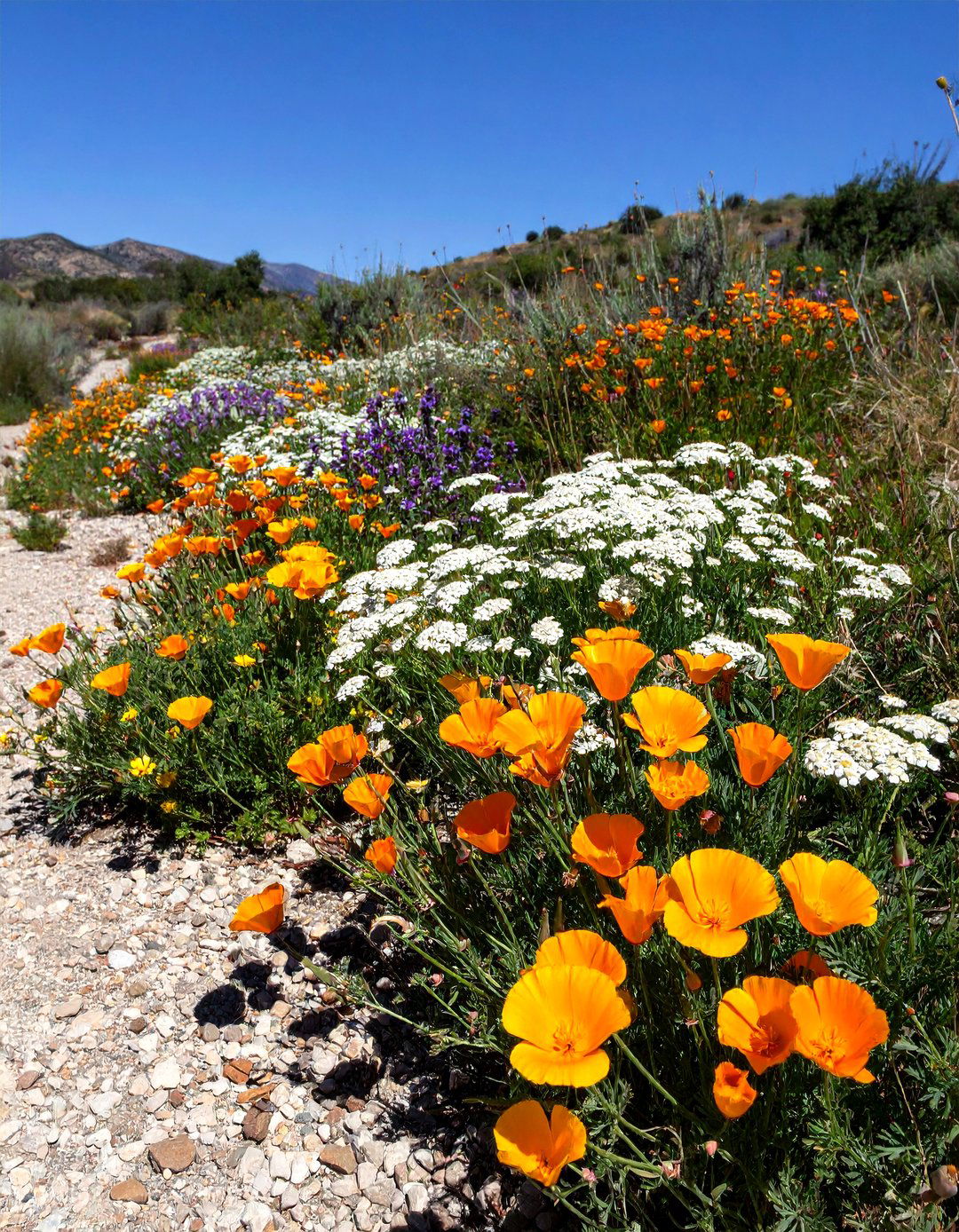
For those living in arid climates or seeking a water-wise landscape, a drought-tolerant wildflower garden is an excellent choice. This design utilizes resilient plants that are naturally adapted to dry conditions, requiring minimal irrigation once they are established. Species like California poppies, blanket flowers (Gaillardia), yarrow, and Russian sage offer vibrant color and texture without demanding a lot of water. Planting these in well-draining soil and adding a layer of mulch can further help conserve moisture. A drought-tolerant garden is not only environmentally responsible but also ensures you have a beautiful, thriving landscape even in the hottest, driest months.
8. A Container-Based Wildflower Garden
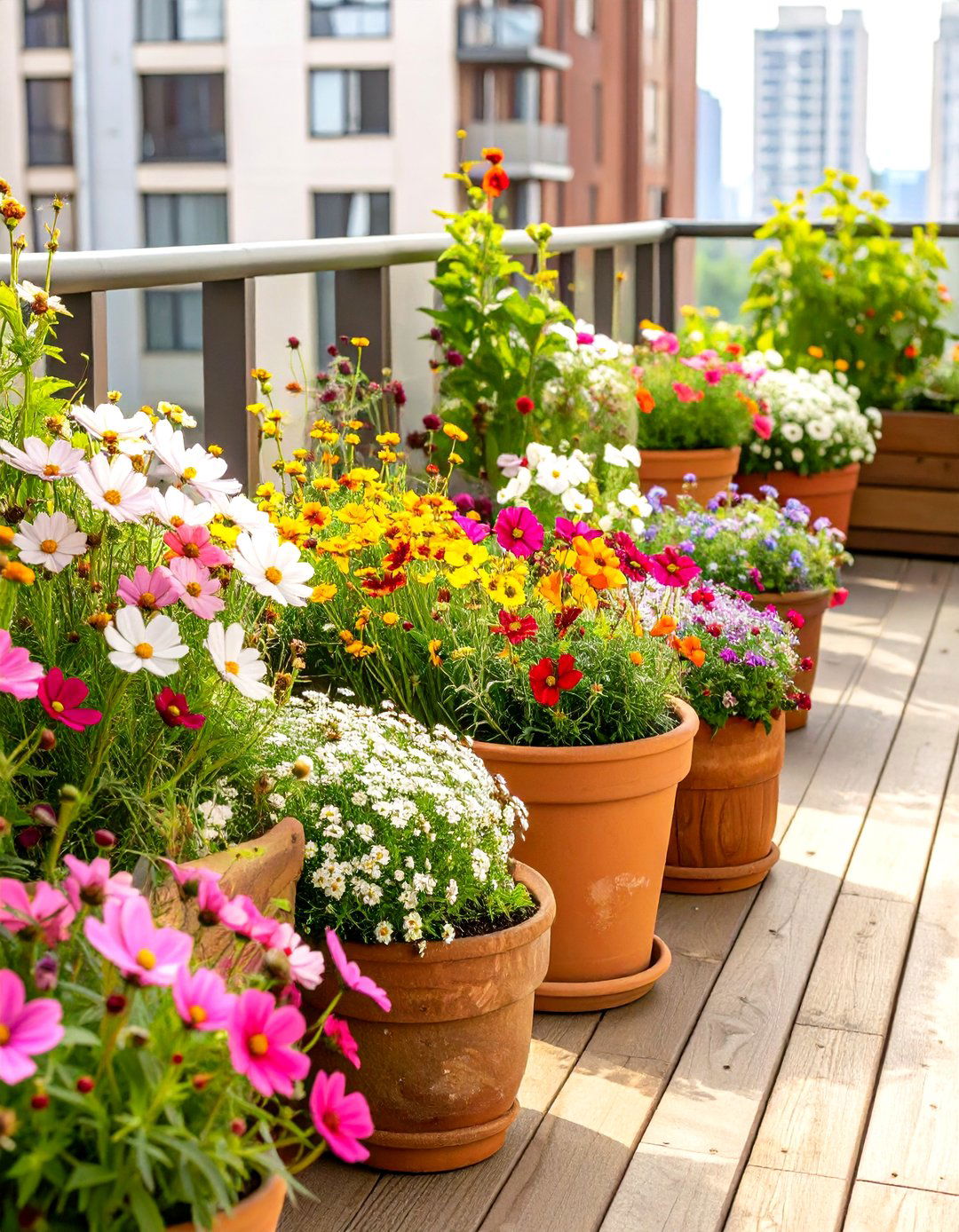
You don't need a large yard to enjoy the charm of wildflowers; a container-based wildflower garden can bring that beauty to a balcony, patio, or small courtyard. Select a variety of pots, troughs, and window boxes to create a multi-level display. Use a well-draining potting mix and choose compact wildflower varieties like dwarf cosmos, alyssum, and baby blue eyes. Taller plants like coneflowers can serve as a centerpiece in a large pot. This approach gives you complete control over the soil and composition, making it easy to create a vibrant, contained meadow that can be enjoyed up close.
9. A Sloped Hillside Wildflower Garden
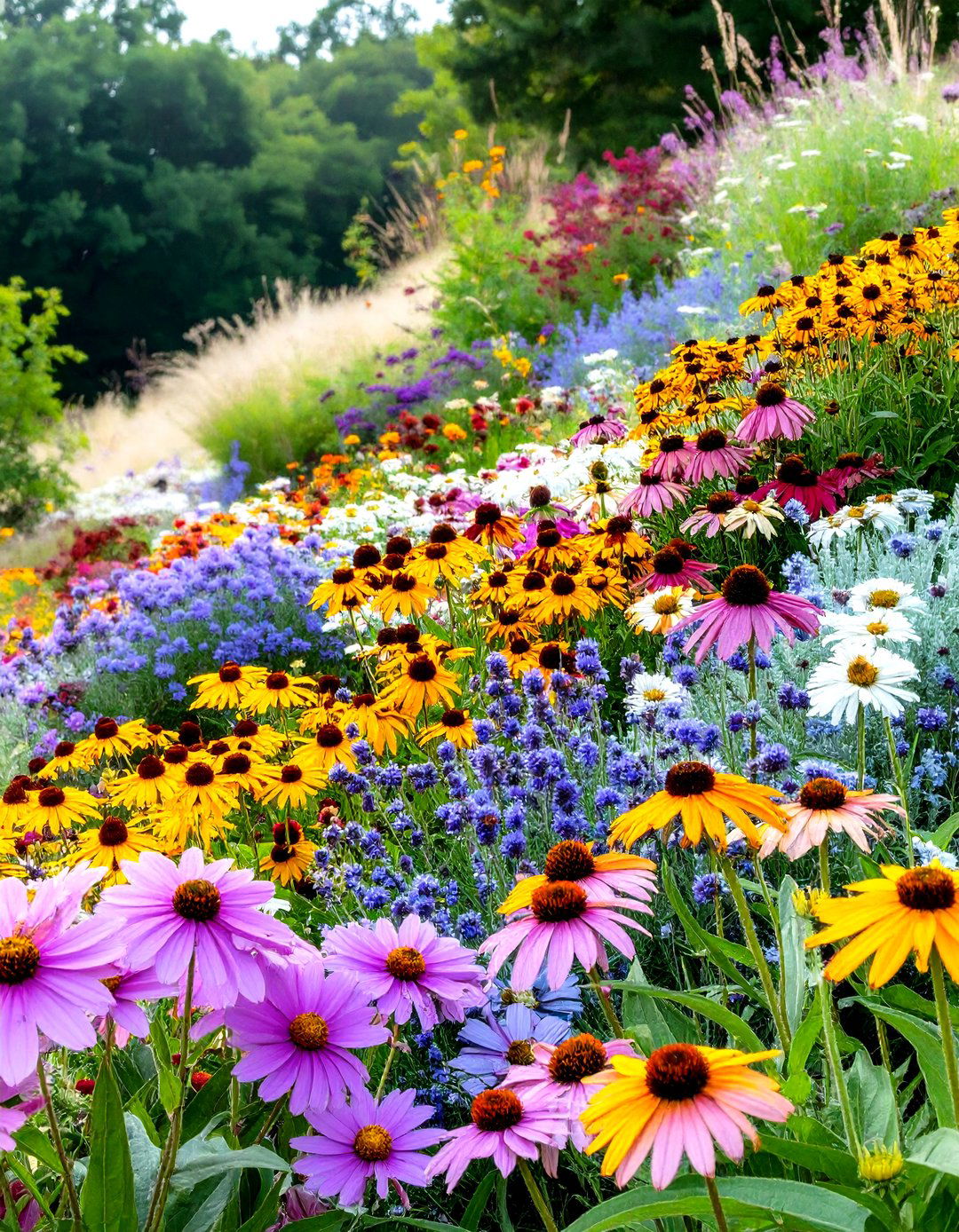
A sloped hillside can be transformed from a challenging landscape problem into a stunning wildflower garden. Planting wildflowers on a bank or incline is a fantastic way to manage erosion, as the deep roots of perennial species help stabilize the soil. Choose a mix of low-growing groundcovers like creeping thyme and taller, sturdy plants such as black-eyed Susans and asters to create a tiered effect. The natural cascade of colors and textures down the slope creates a dynamic and visually impressive display. This practical solution turns a difficult area into a low-maintenance feature that bursts with natural, cascading beauty.
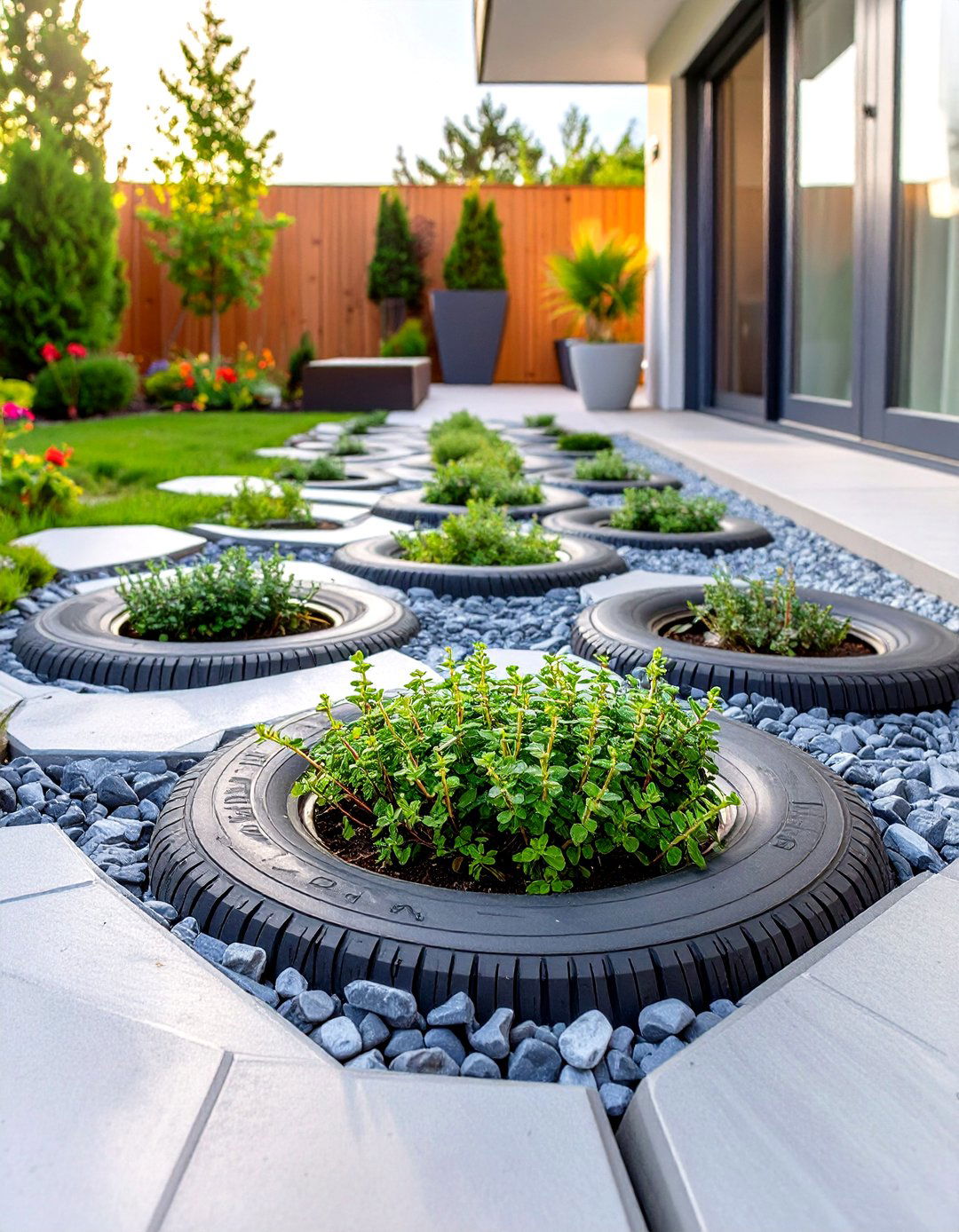
10. A Wildflower Garden with a Winding Path
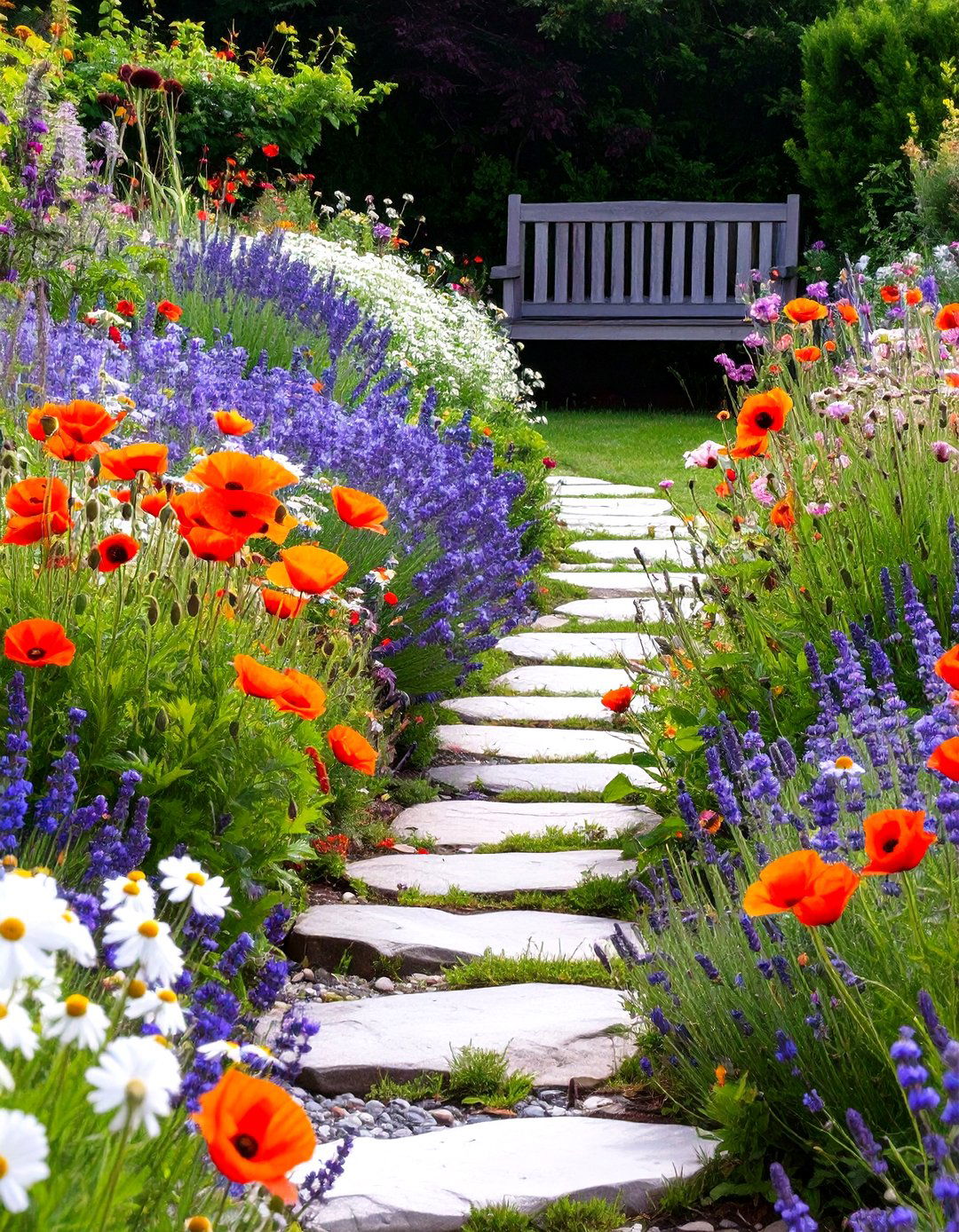
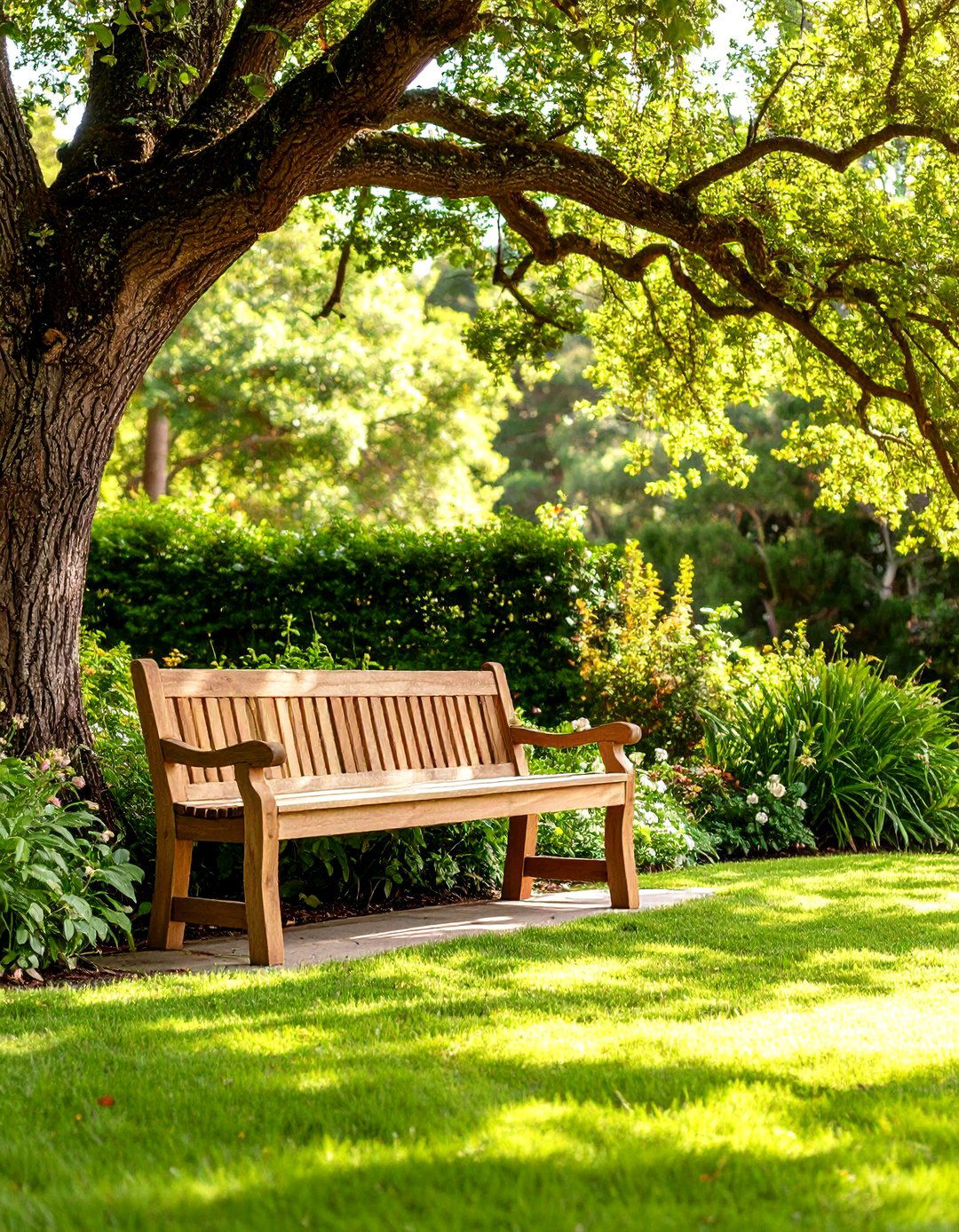
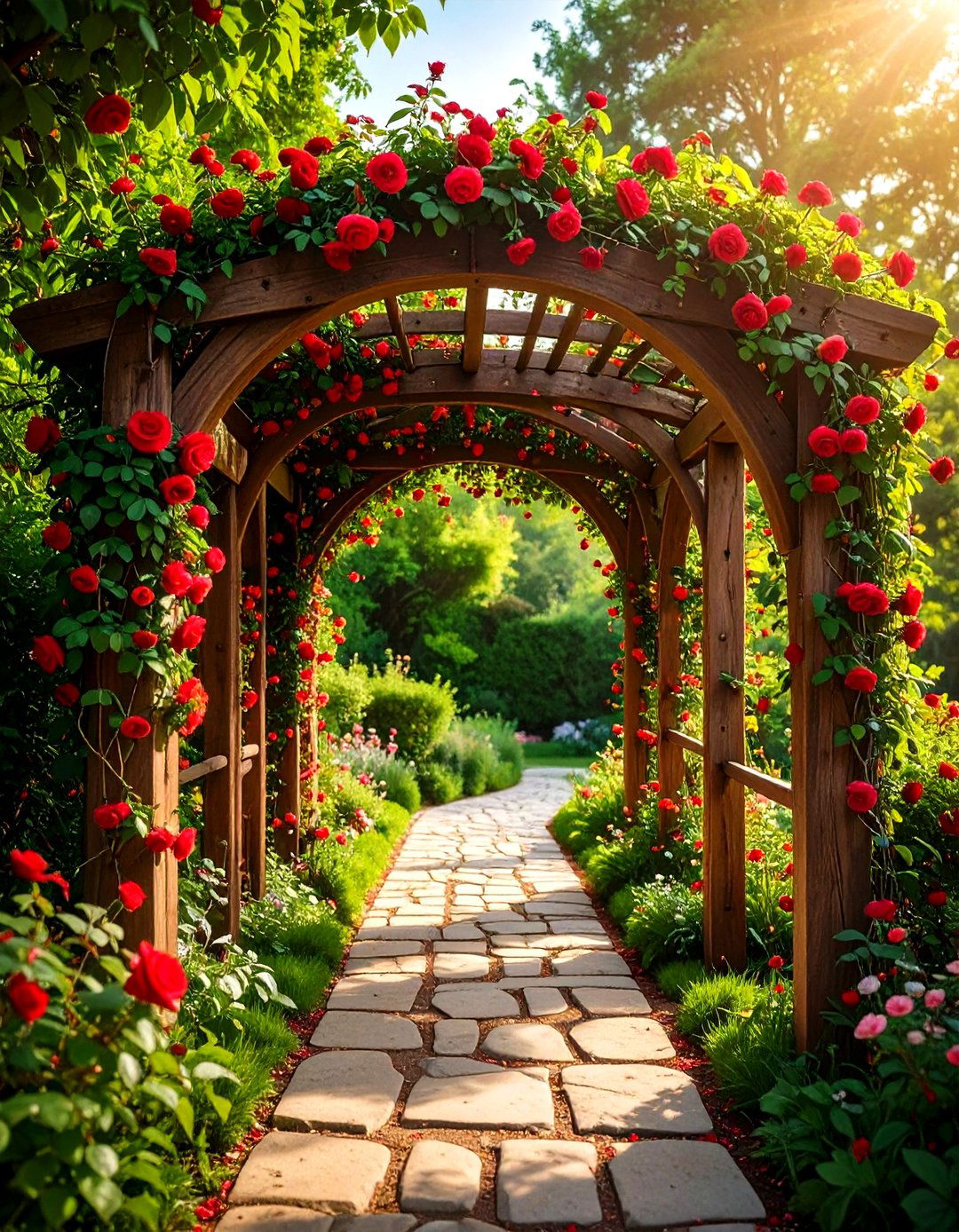
Integrate a winding path into your wildflower garden to create a sense of journey and discovery. A simple mown strip, a trail of stepping stones, or a rustic bark mulch path invites you to walk among the flowers and experience the garden up close. This design element adds structure to the beautiful chaos of a wildflower planting, guiding the eye and the visitor through the space. The path can lead to a hidden bench or a small seating area, creating a private retreat surrounded by blooms and buzzing insects. It transforms the garden from something you just look at into an immersive, interactive environment.
11. A Perennial-Focused Wildflower Garden
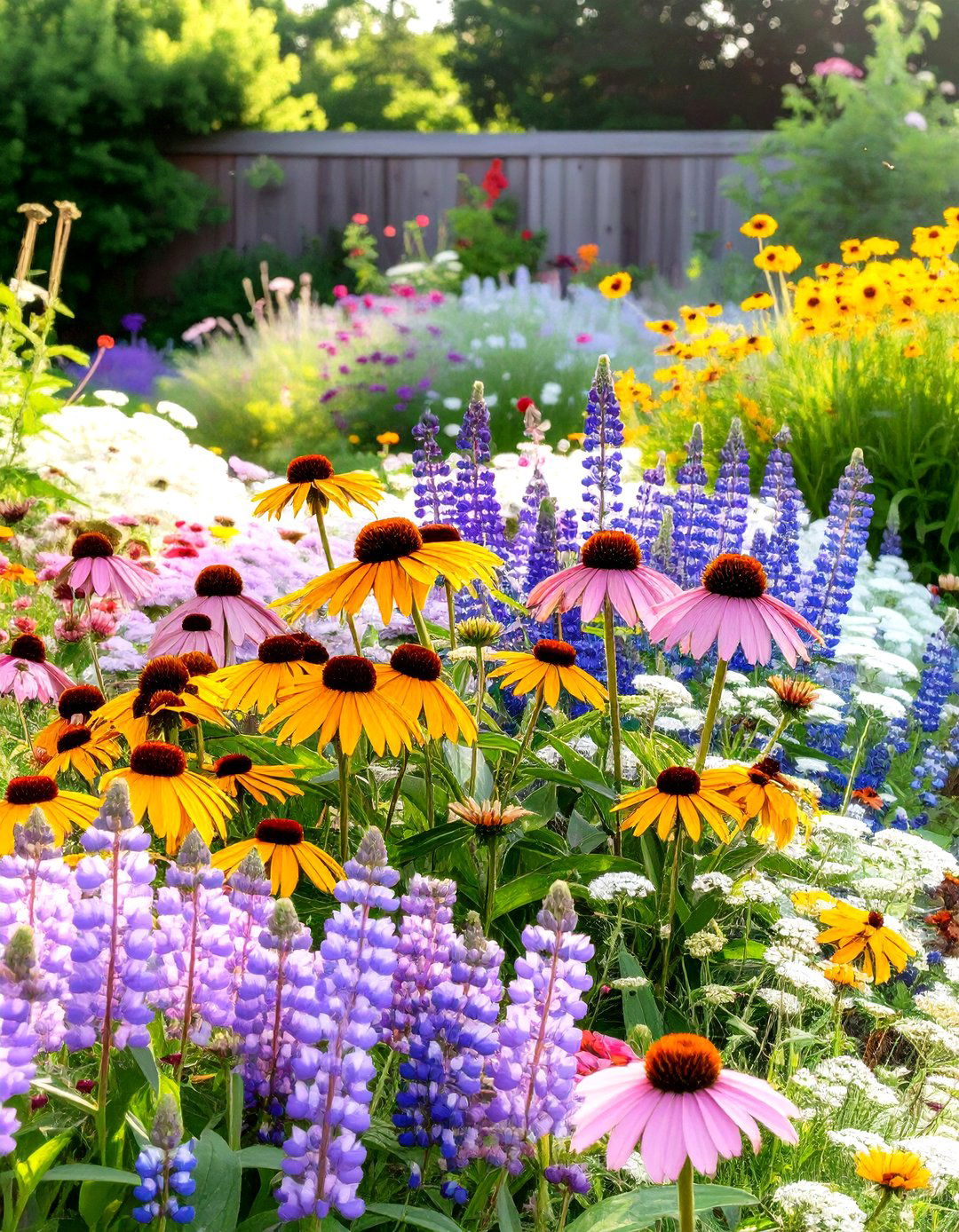
For a garden that returns year after year with minimal effort, focus on creating a perennial-focused wildflower garden. Unlike annuals that complete their life cycle in one season, perennials establish deep root systems and come back reliably each spring. Choose a mix of long-lived, hardy perennials like echinacea, rudbeckia, coreopsis, and lupine. By selecting varieties with staggered bloom times, you can ensure a continuous display of color from spring until the first frost. While it may take a year or two to fully establish, a perennial wildflower garden is a wonderful long-term investment that grows more beautiful and resilient with each passing season.
12. An Annual-Only Wildflower Garden
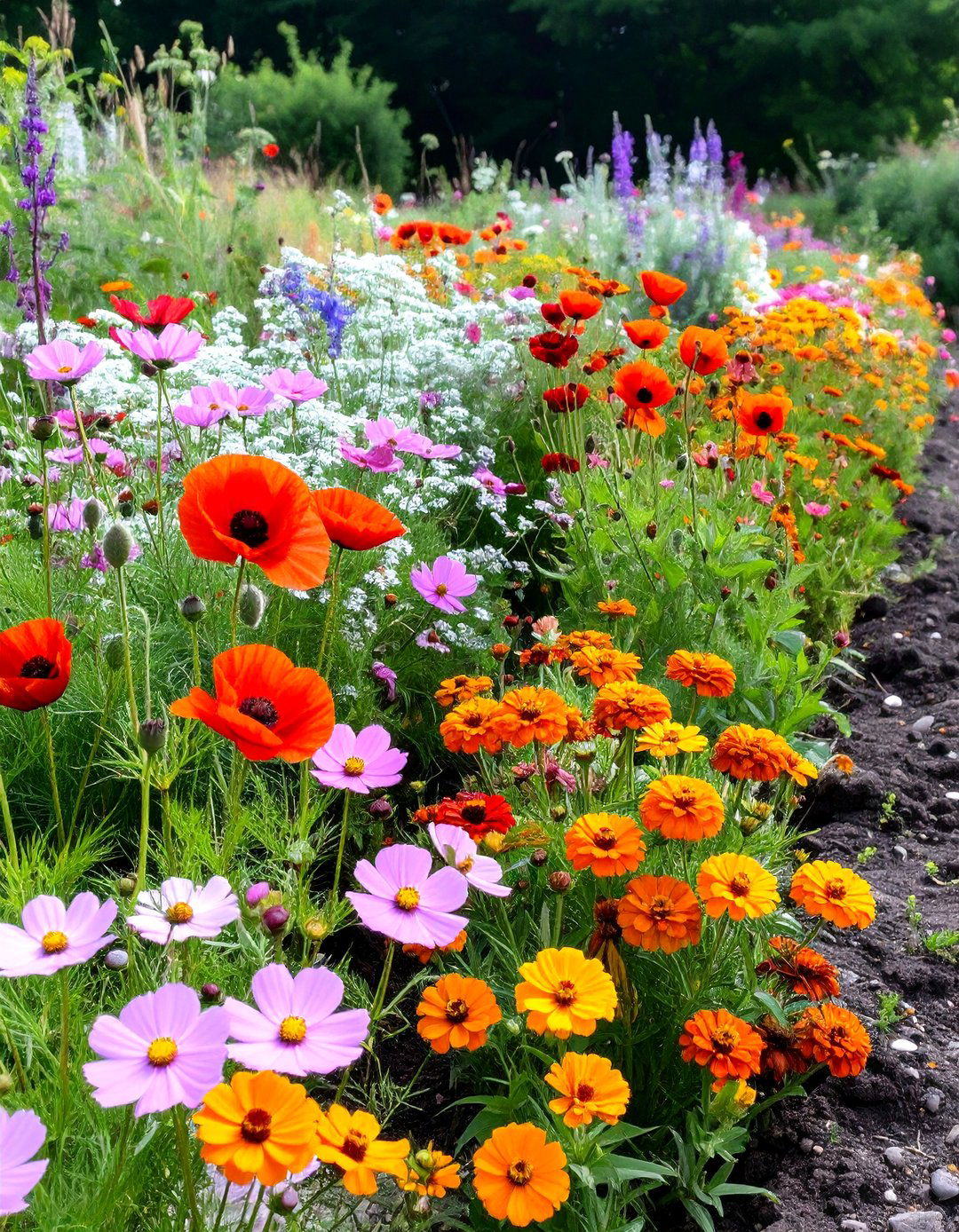
If you love the idea of changing your garden’s look every year, an annual-only wildflower garden is the perfect solution. Annuals grow quickly, bloom profusely for a single season, and often produce a spectacular, high-impact display of color. Seed mixes containing favorites like poppies, cosmos, and zinnias can be sown directly into the soil in spring for a vibrant summer show. This approach allows for incredible flexibility, letting you experiment with different color schemes, themes, and plant combinations each year. It’s an ideal choice for gardeners who enjoy variety and the satisfaction of seeing a garden go from seed to full bloom in just a few months.
13. A Wildflower Garden Border
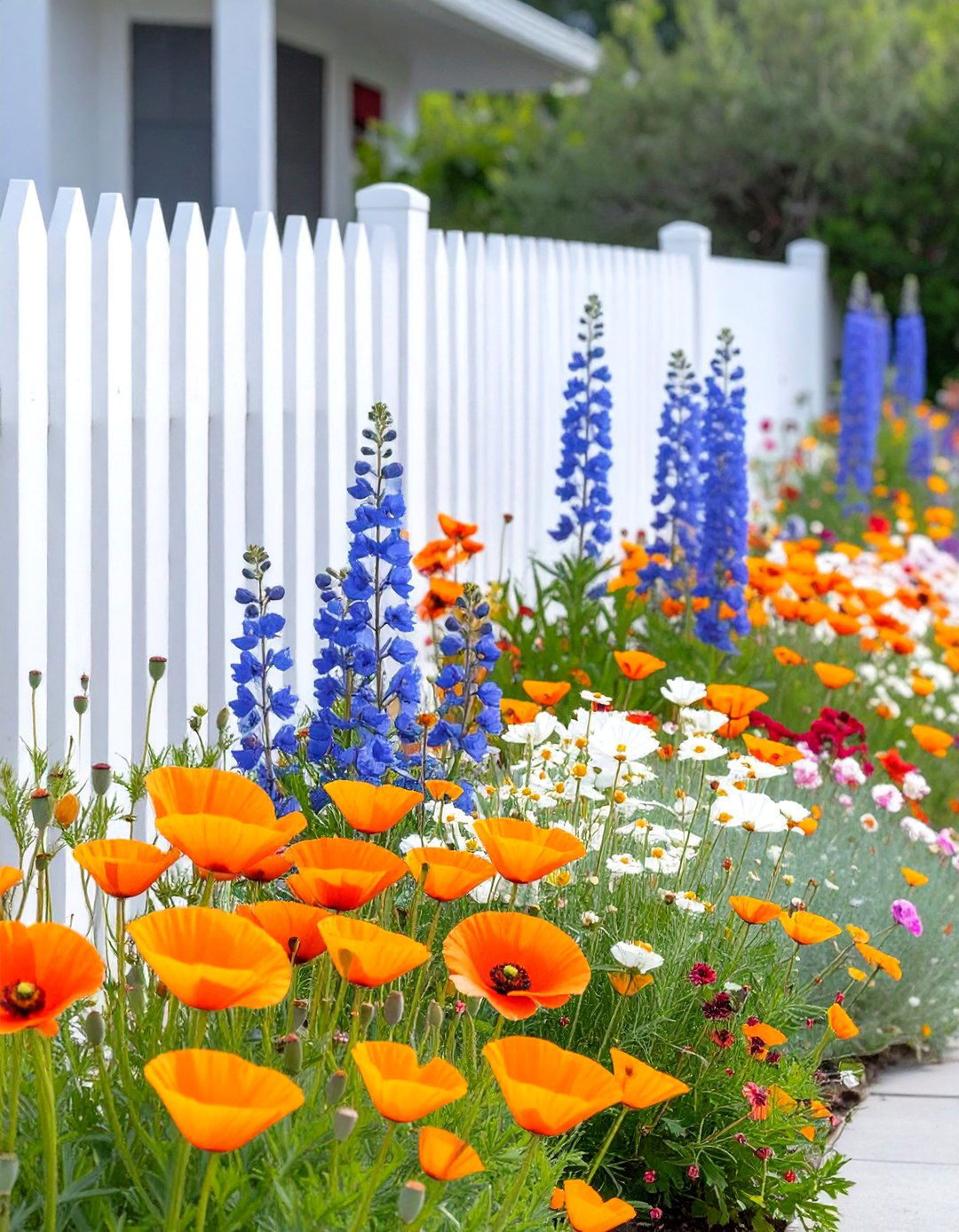
Use wildflowers to create a stunning, informal border along a fence, driveway, or walkway. A wildflower garden border can soften hard edges and provide a beautiful, low-maintenance transition between your lawn and other landscape features. Plant a mix of heights, with shorter varieties like alyssum and California poppies at the front and taller species like delphiniums and Joe Pye weed at the back. This layered approach creates depth and visual interest. A wildflower border is a simple yet effective way to introduce the loose, naturalistic style into a more structured landscape, adding a pop of color and life to functional areas.
14. A Wildflower Rock Garden
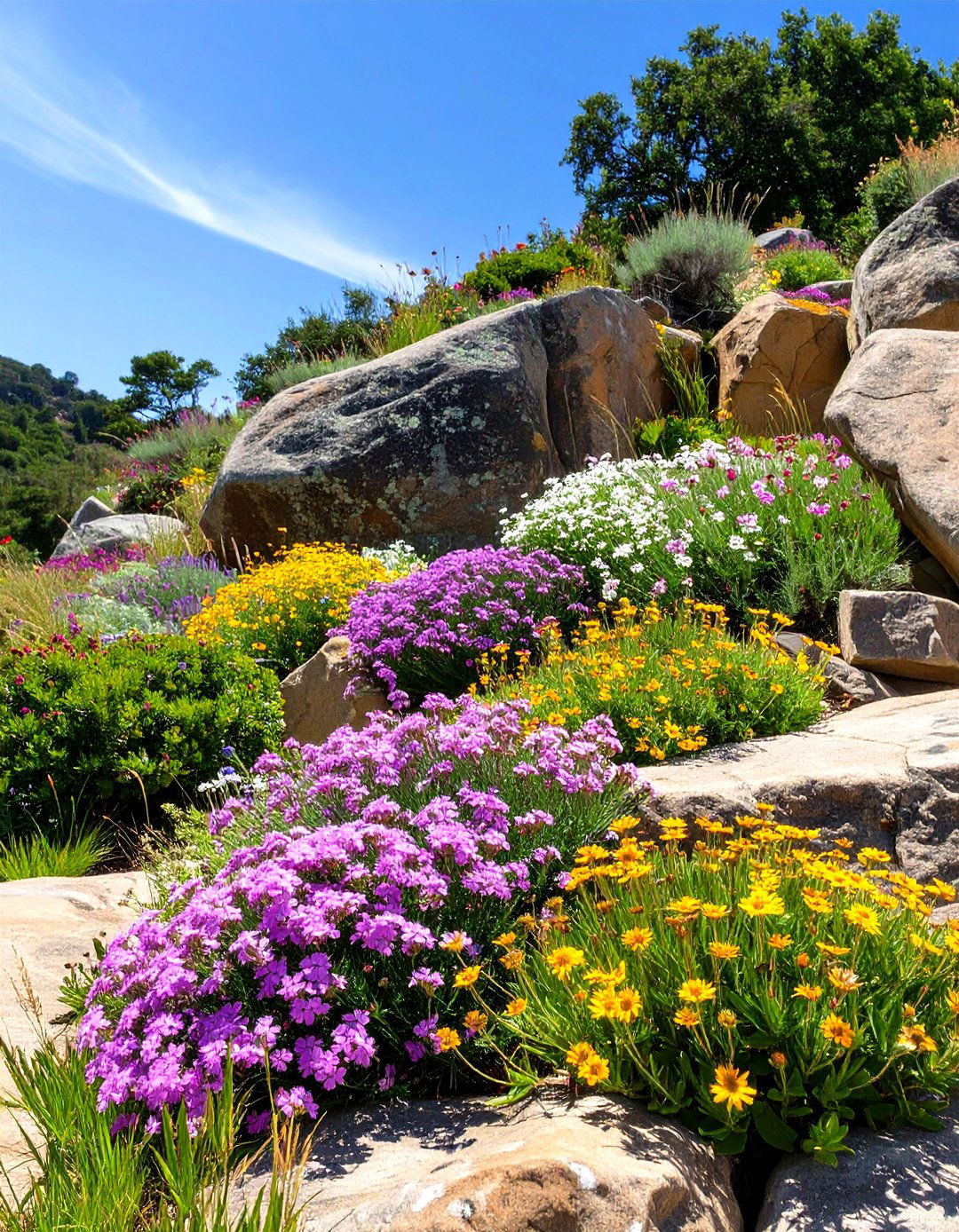
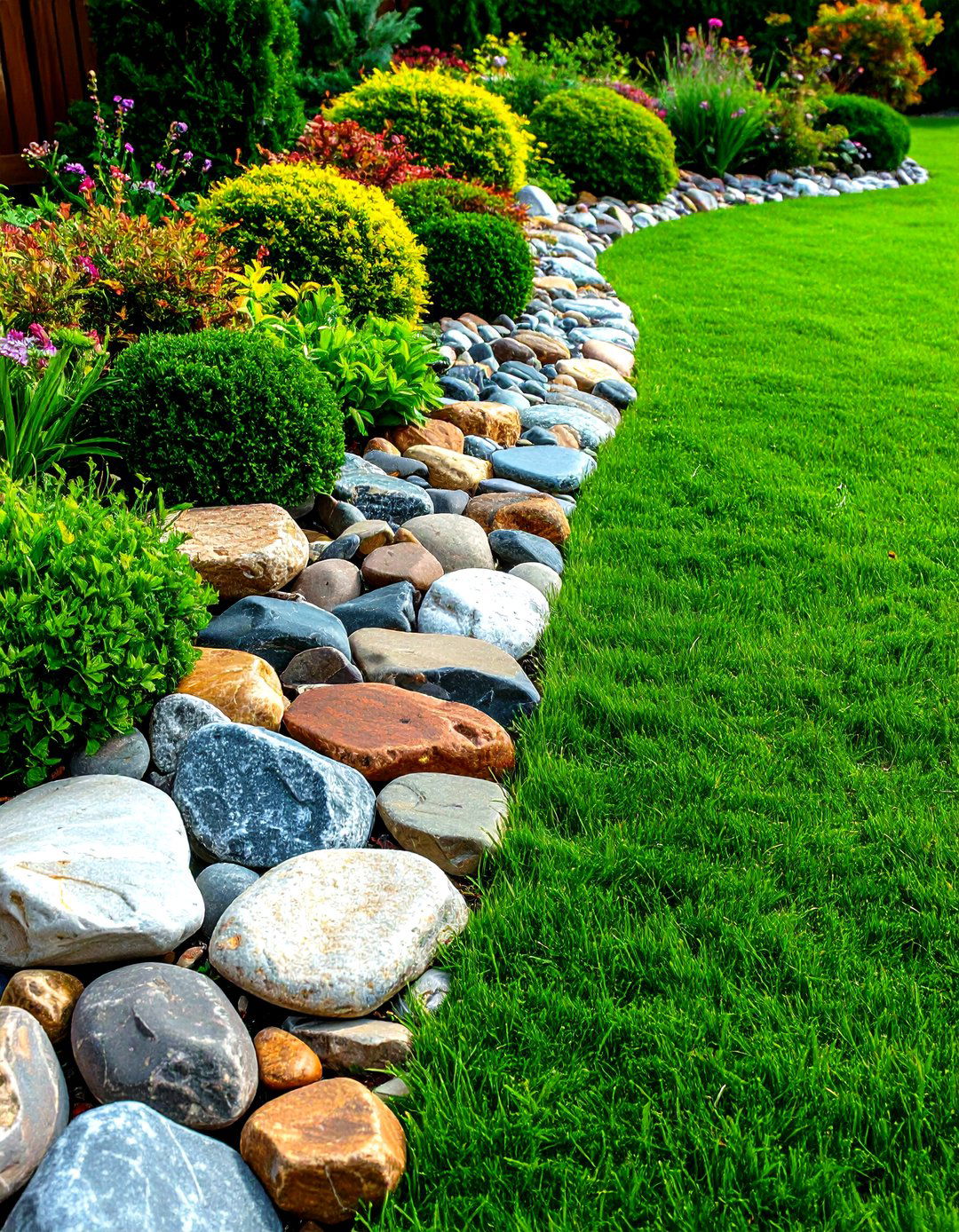
Combine the rugged texture of stone with the delicate beauty of flowers by creating a wildflower rock garden. This style is perfect for sunny, well-drained areas and works especially well on natural slopes or in raised beds constructed with stones. Choose alpine and rock-loving wildflowers that thrive in shallow, gritty soil, such as creeping phlox, thrift, and certain types of sedum and penstemon. The rocks not only create visual interest and structure but also absorb heat, creating a warm microclimate that many of these plants love. This design results in a resilient, low-water garden that highlights the beauty of plants that flourish in tough conditions.


15. A Fragrant Wildflower Garden
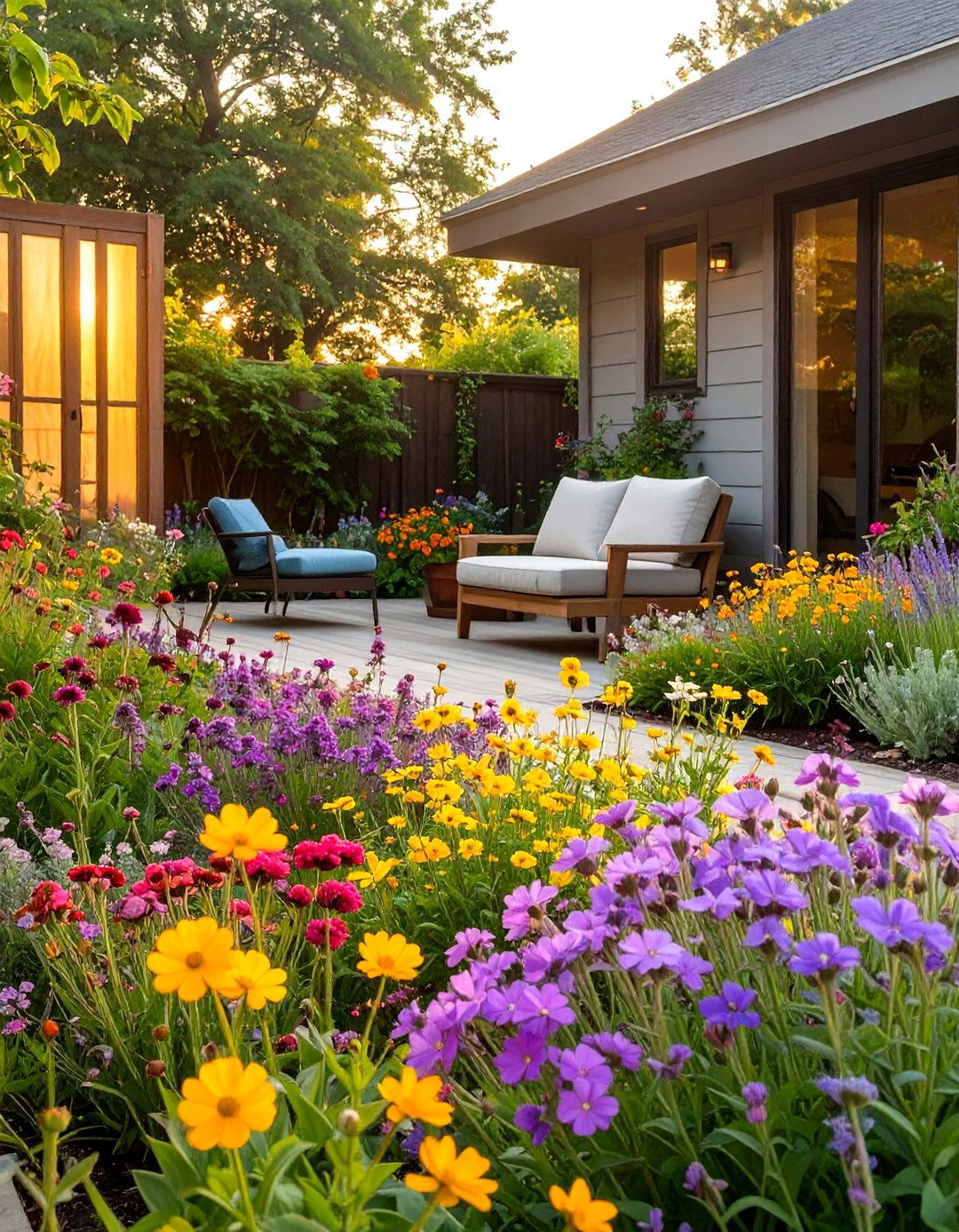
Design a wildflower garden that engages the sense of smell as much as the sense of sight. A fragrant wildflower garden can be a truly immersive experience, especially when planted near a patio, window, or along a frequently used path. Select species known for their delightful scents, such as sweet William, evening primrose (which releases its fragrance at dusk), and various native phloxes and milkweeds. Grouping these plants together will concentrate their aroma, creating pockets of perfume that drift on the breeze. This sensory approach adds another layer of enjoyment to your garden, making it a place of peaceful, aromatic retreat.
16. A Coastal Wildflower Garden
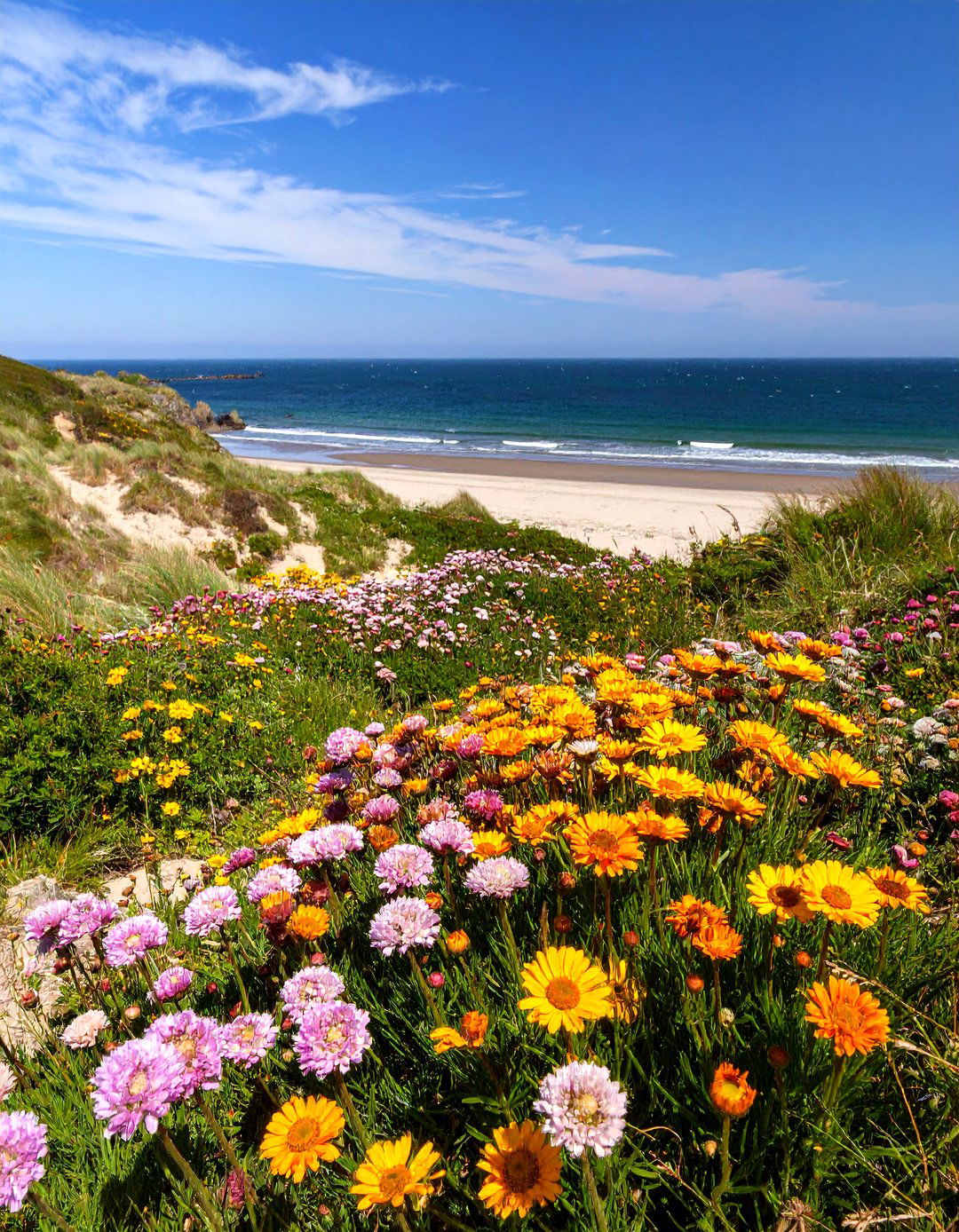
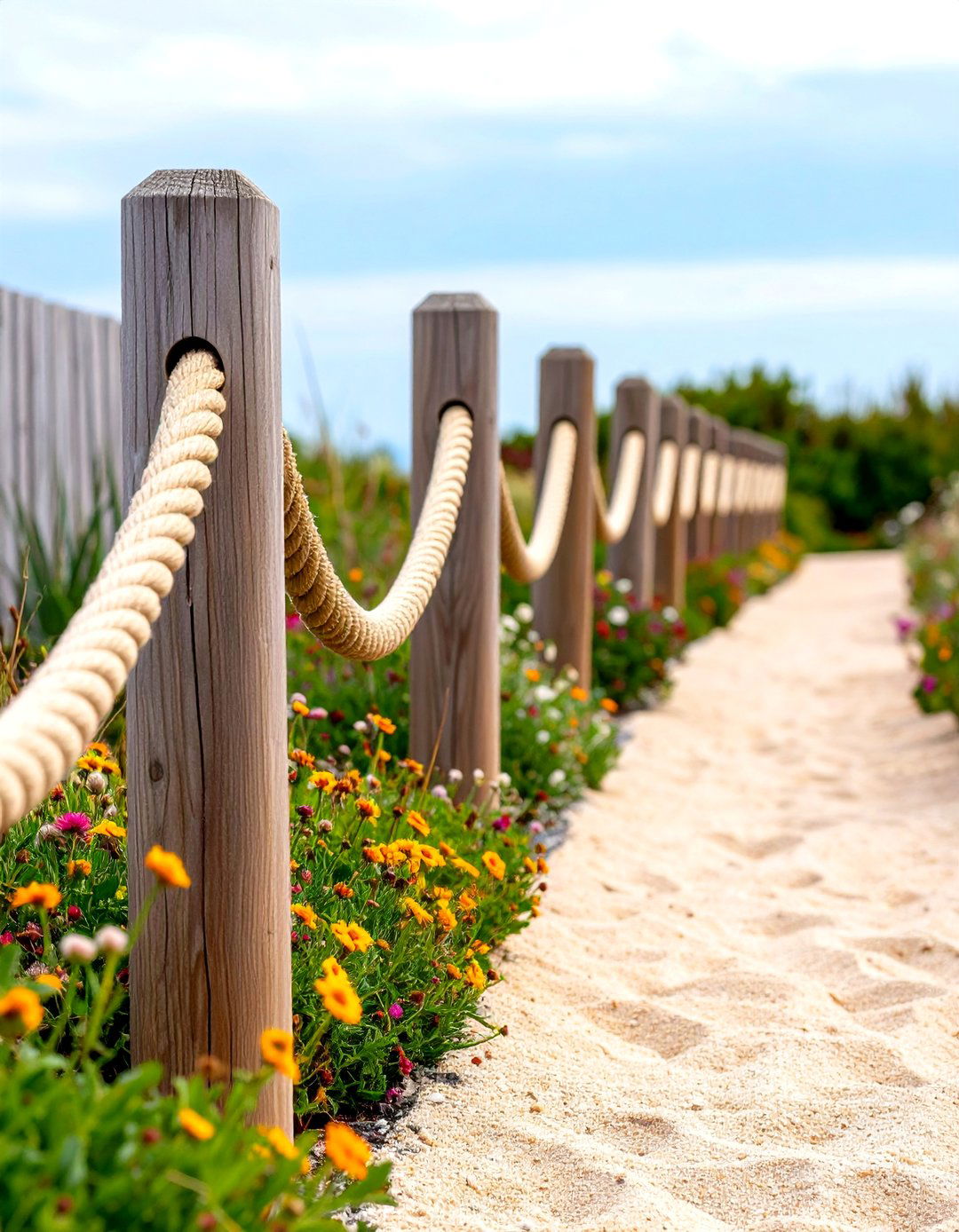
If you live near the coast, embrace the unique conditions by planting a coastal wildflower garden. These gardens feature salt-tolerant and wind-resistant species that can withstand the harsh seaside environment. Plants like sea thrift, blanket flower, beach sunflower, and yarrow are tough enough to handle salty spray and sandy soils while still providing beautiful blooms. A coastal garden often has a windswept, natural look that complements the surrounding landscape perfectly. It’s a smart, sustainable way to create a beautiful garden that works with, rather than against, the challenging elements of a coastal setting, ensuring a thriving and resilient display.
17. A Bird Sanctuary Wildflower Garden
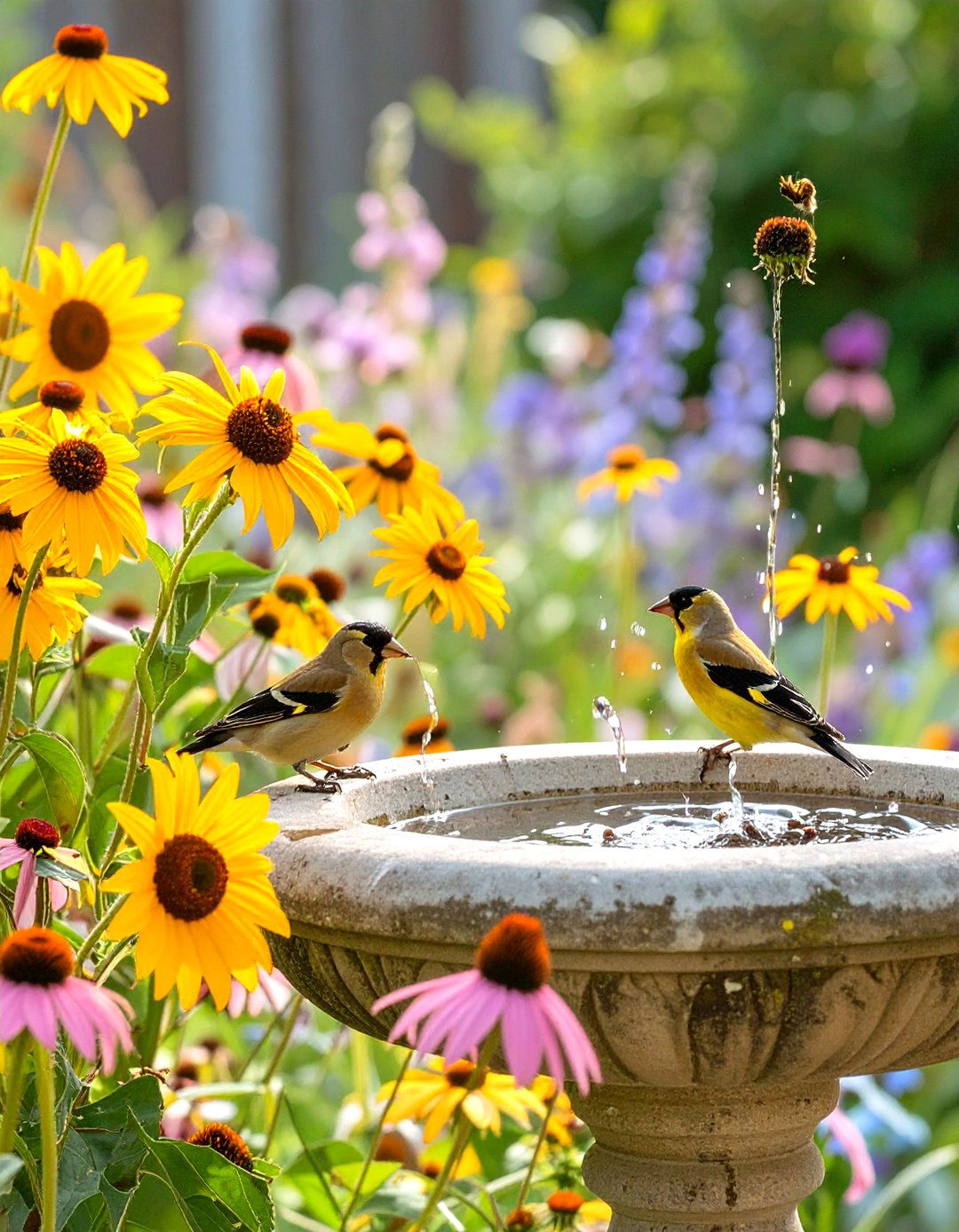
Create a bird sanctuary wildflower garden by selecting plants that provide food and shelter for your feathered friends. In addition to flowers that attract insects for birds to eat, include species that produce seeds, such as sunflowers, coneflowers, and asters. Birds will flock to these plants in late summer and fall to feast on the seed heads. Also, incorporate some dense, shrubby perennials or native grasses to offer cover and nesting sites. Adding a birdbath for water will make your garden even more attractive. This approach creates a lively, dynamic ecosystem where you can enjoy watching a variety of birds throughout the seasons.
18. A Wildflower Garden for Wet Areas
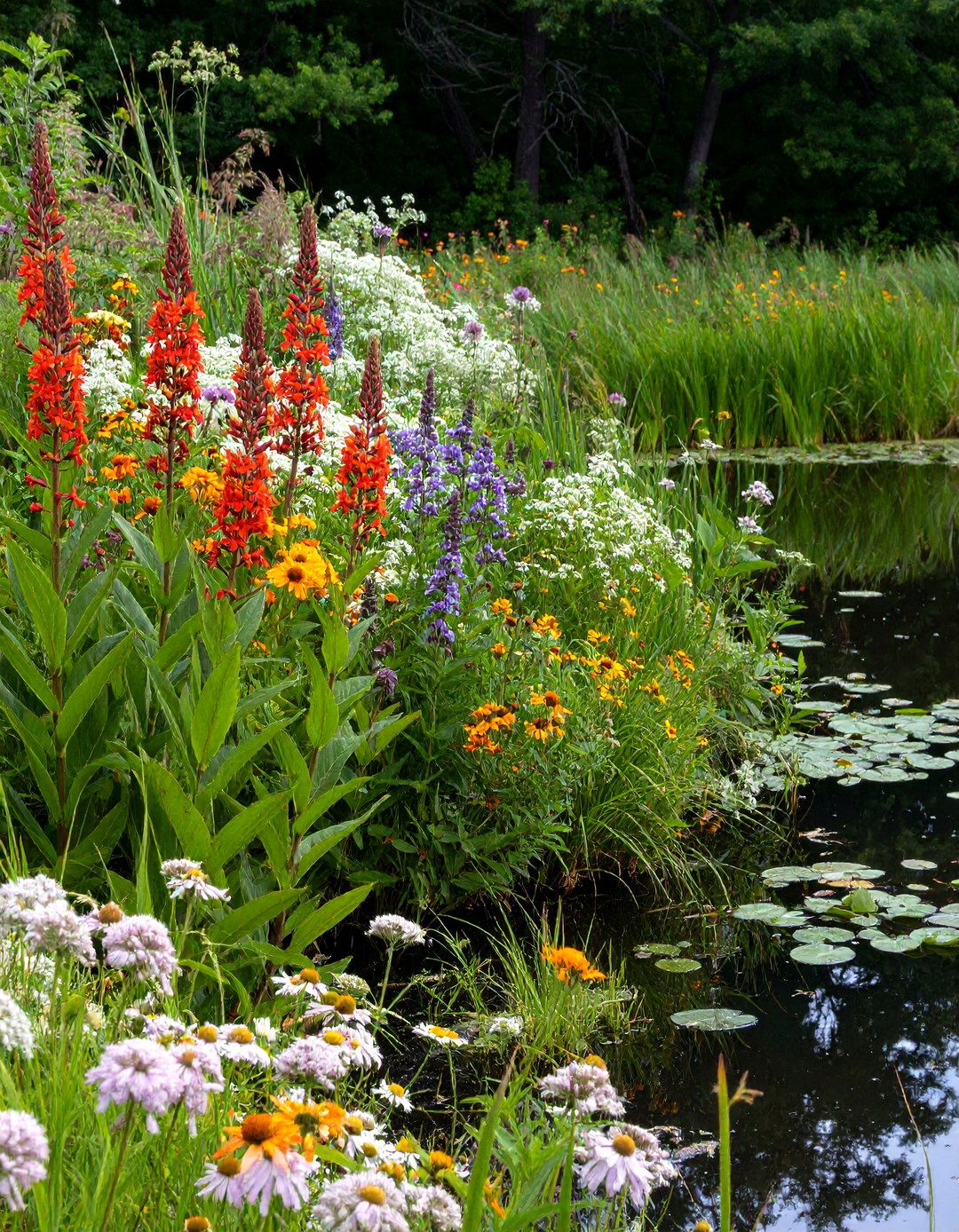
Transform a damp, boggy part of your yard into a beautiful feature with a wildflower garden for wet areas. Many stunning wildflowers naturally thrive in moist soil where other plants might struggle. Species like cardinal flower, swamp milkweed, Joe Pye weed, and irises love having "wet feet" and will produce spectacular blooms in these conditions. Planting a garden in a low-lying area or along a pond or stream can help manage drainage and prevent soil erosion. This turns a potential problem spot into a lush, vibrant habitat for moisture-loving plants and the wildlife, like dragonflies and frogs, that they attract.
19. A Wildflower Garden with Ornamental Grasses
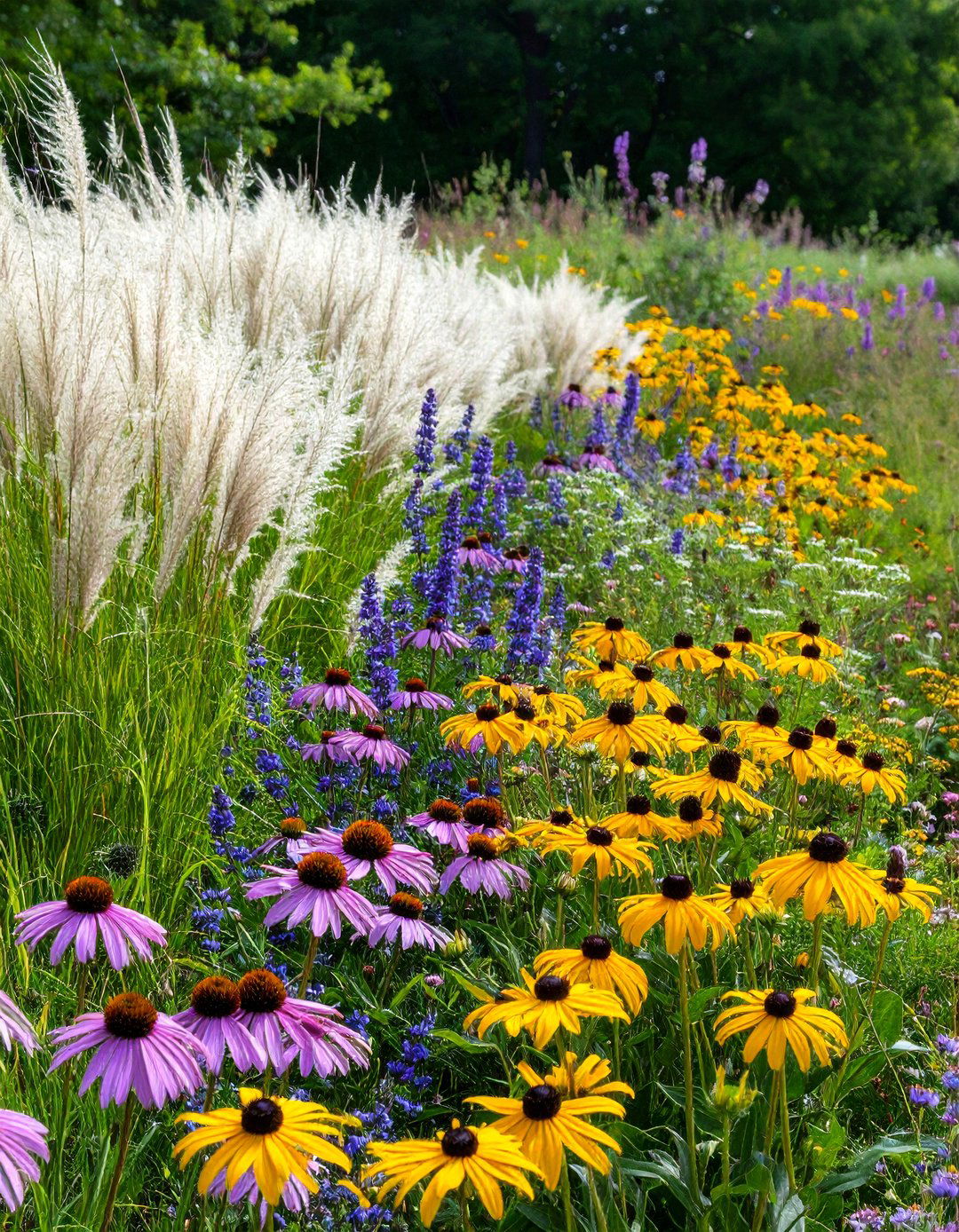
Integrating ornamental grasses is a key technique for achieving a natural, meadow-like feel in a wildflower garden. The fine textures and graceful movements of grasses provide a perfect foil for the bold colors of the flowers. Varieties like little bluestem, prairie dropseed, and feather reed grass add structure, movement, and year-round interest to the garden. In autumn and winter, their seed heads and dried foliage catch the frost and low light beautifully, extending the garden's visual appeal long after the flowers have faded. This combination of flowers and grasses creates a dynamic, layered landscape that truly captures the spirit of the wild.

20. A Wildflower Garden with Edible Flowers
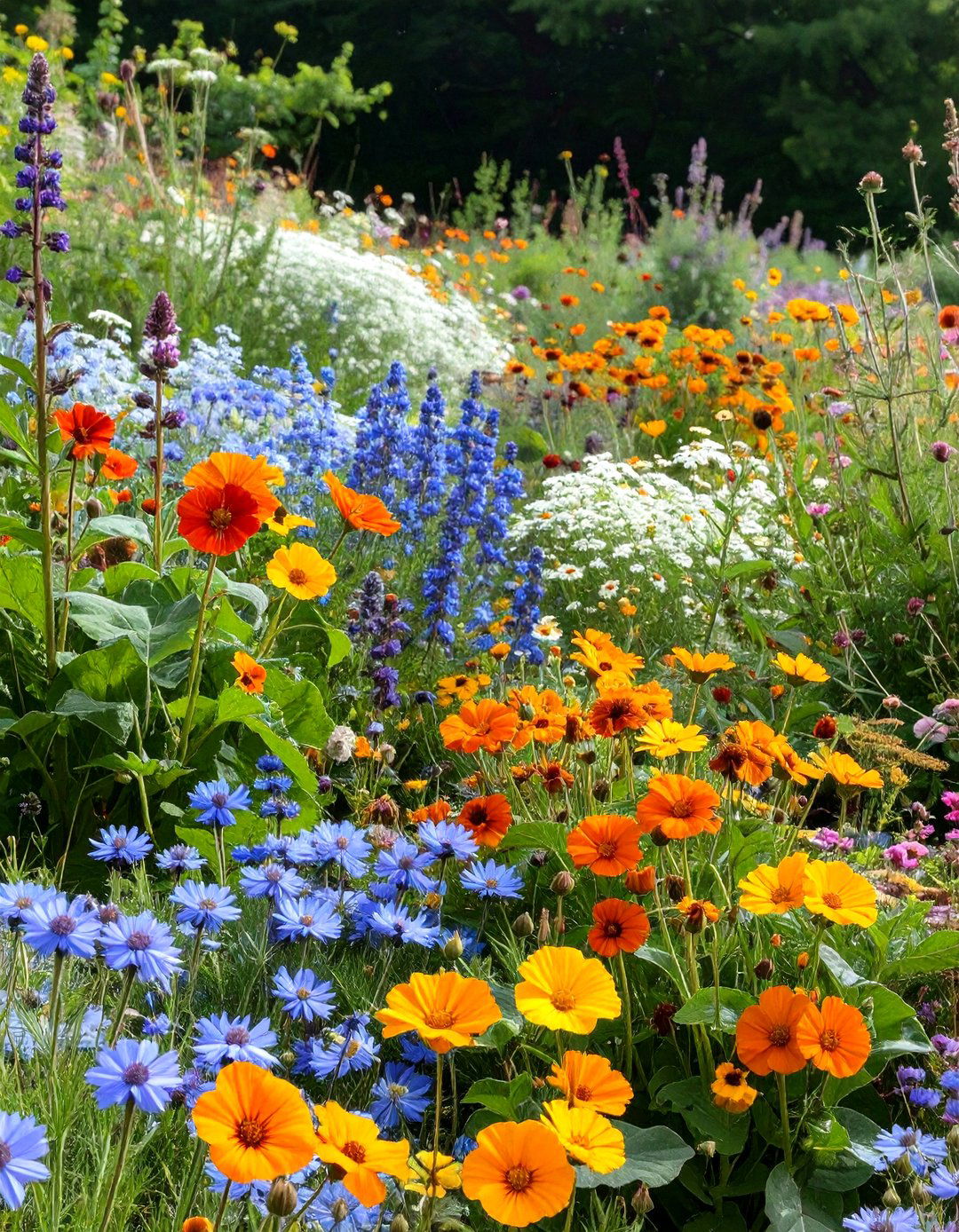
Combine beauty and utility by planting a wildflower garden that includes edible flowers. This is a delightful way to add a unique, homegrown touch to your culinary creations. Many wildflowers have blossoms that are not only pretty but also delicious. Plant species like borage (with its cucumber-like flavor), calendula, nasturtiums (which have a peppery taste), and violas. You can toss these colorful petals in salads, use them to decorate cakes, or freeze them into ice cubes for a special drink. An edible wildflower garden is a fun, interactive way to connect with your landscape, turning it into a source of both visual and gastronomic pleasure.
21. A Moonlit Wildflower Garden
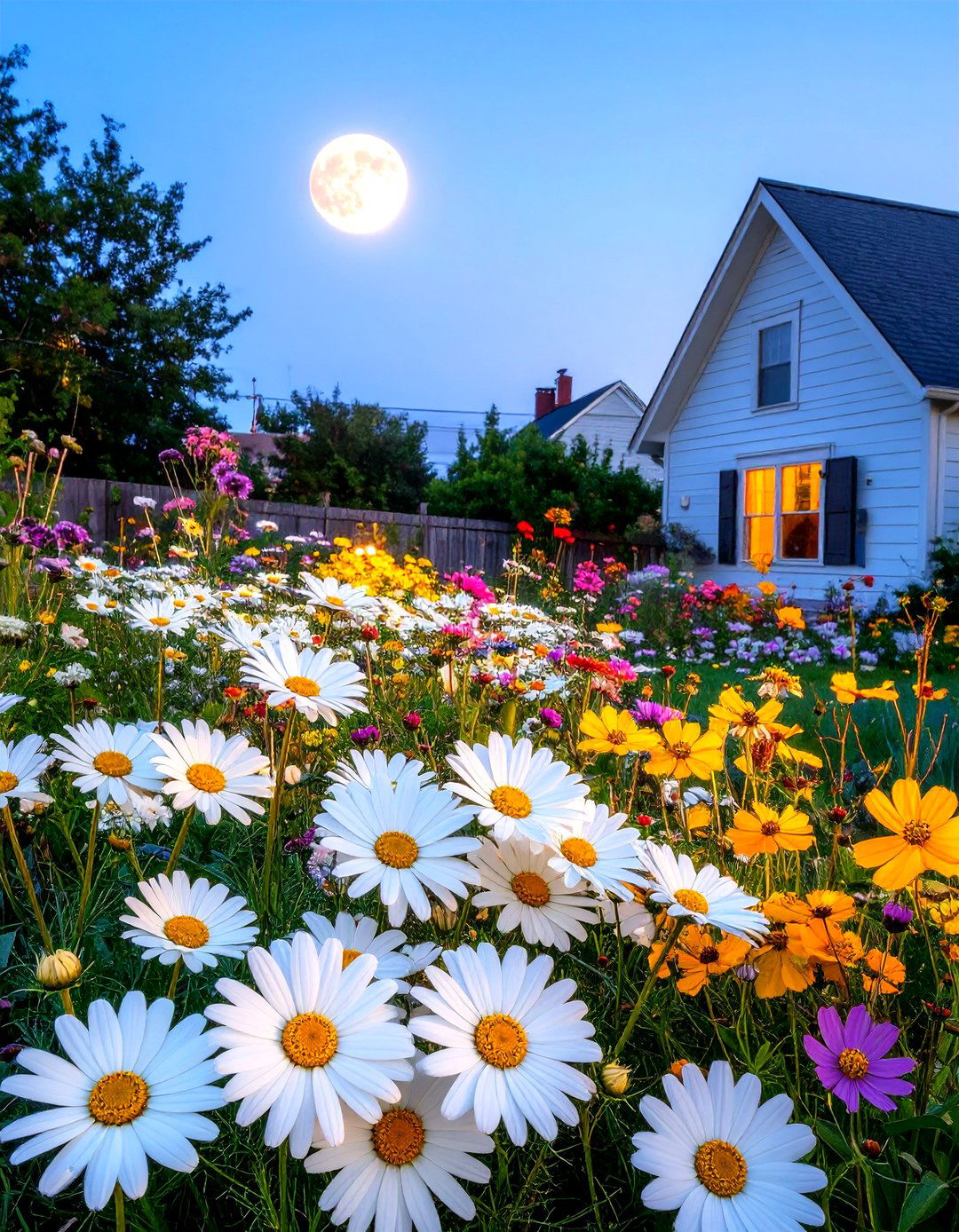
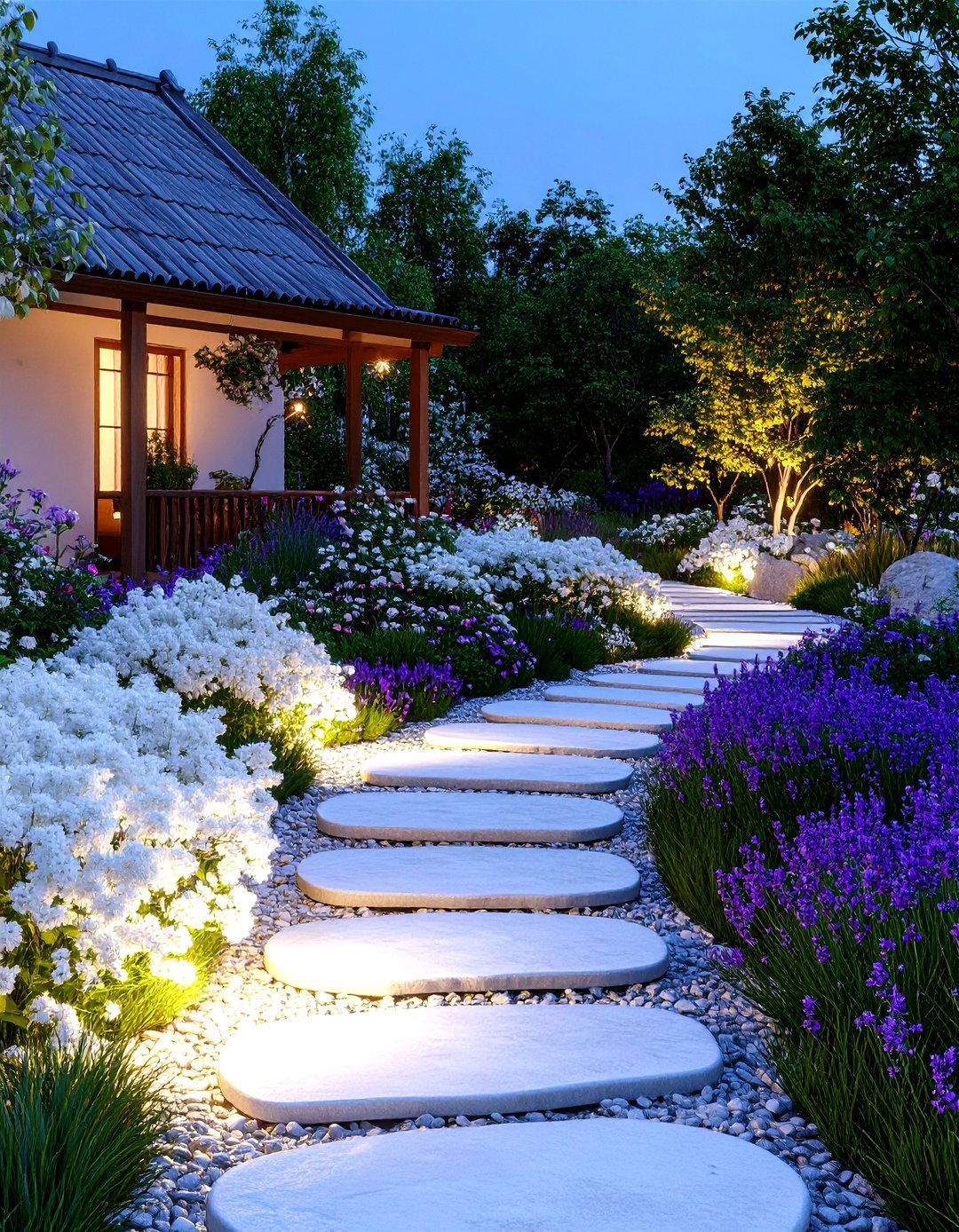
Design a garden specifically to be enjoyed after the sun goes down by creating a moonlit wildflower garden. This concept uses white or pale-colored flowers that seem to glow in the twilight and moonlight. Plant drifts of white cosmos, Shasta daisies, evening primrose (which opens its blooms at dusk), and white phlox. These luminous blossoms stand out against the darkening foliage, creating a magical and serene atmosphere. Also include fragrant plants that release their scent at night to enhance the sensory experience. A moon garden provides a completely different perspective, turning your outdoor space into an enchanting retreat for warm evenings.
22. A Wildflower Groundcover Garden
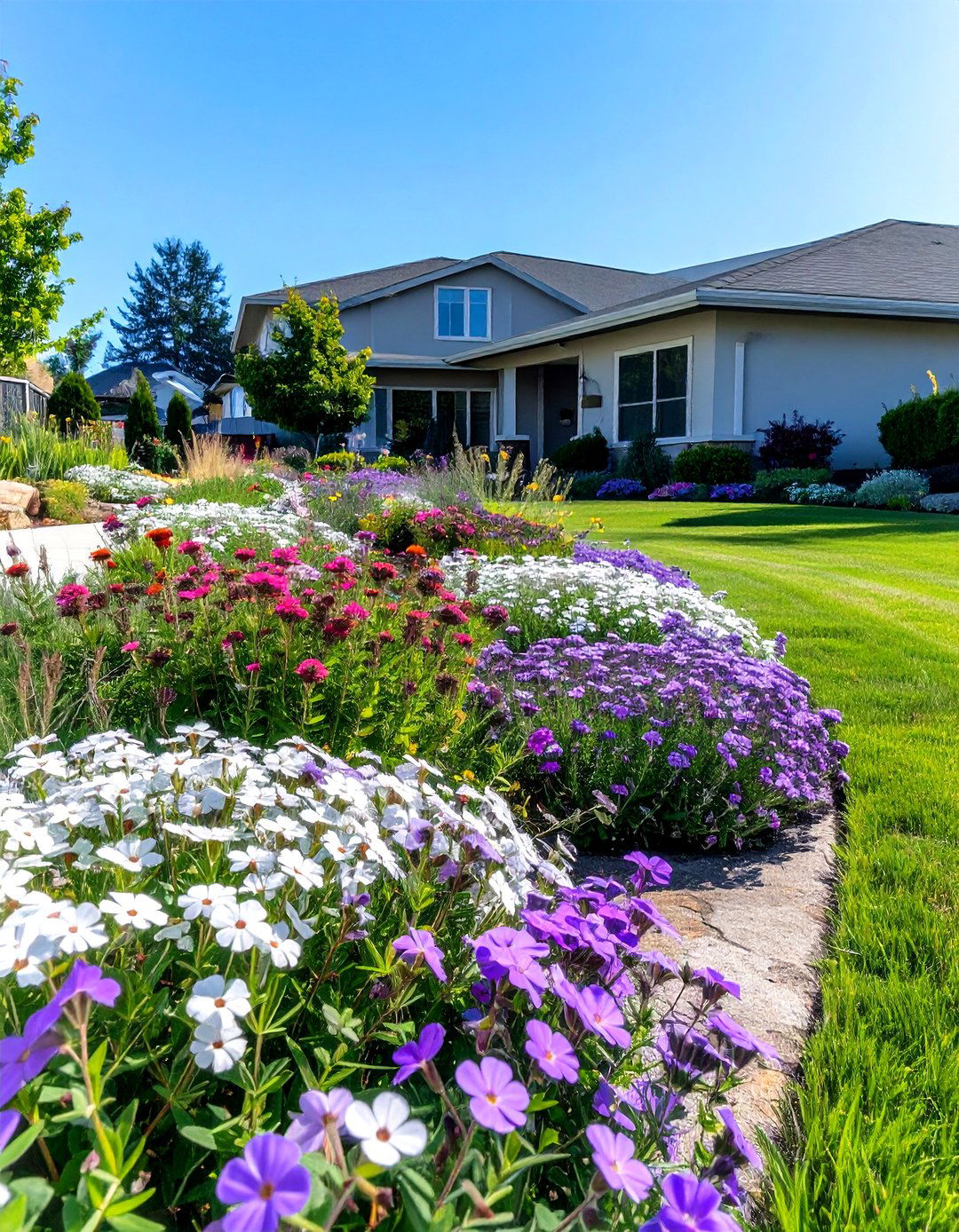
For a low-maintenance, lawn-alternative solution, consider planting a wildflower groundcover garden. This idea involves using low-growing, spreading wildflowers to create a dense mat of foliage and flowers that can suppress weeds and reduce the need for mowing. Choose hardy, creeping species like wild thyme, creeping phlox, ajuga, or native sedums. These plants will fill in to form a living carpet that offers texture, color, and benefits for pollinators. A groundcover garden is perfect for slopes, path edges, or any area where you want to replace turf with something more dynamic and ecologically friendly, providing beauty without the constant upkeep.
23. A Wildflower Hellstrip Garden
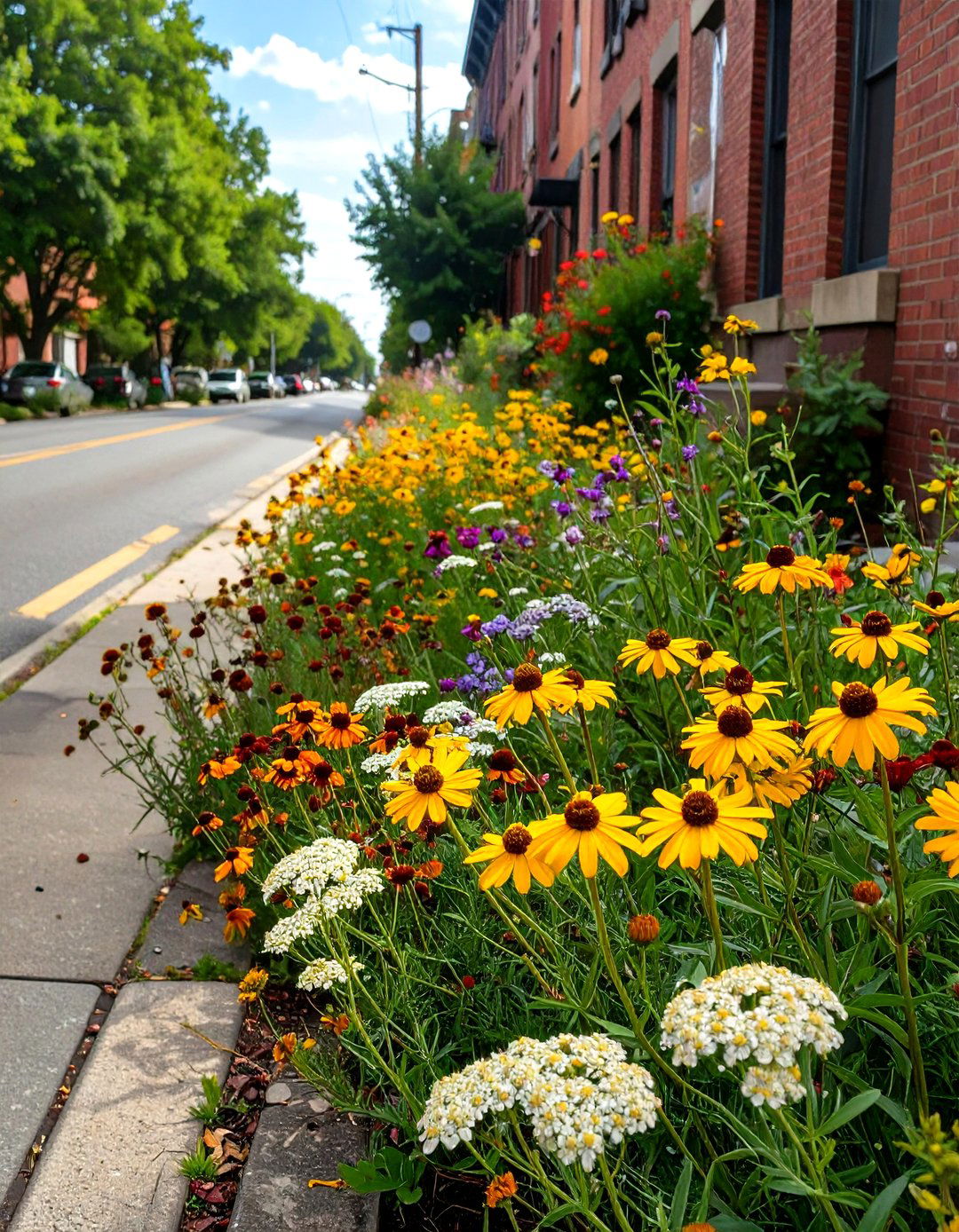
Transform the often-neglected "hellstrip"—the patch of land between the sidewalk and the street—into a resilient and beautiful wildflower garden. This area faces tough conditions, including compacted soil, intense heat, and potential salt spray. Choose the most durable, drought-tolerant wildflowers like yarrow, coreopsis, lavender, and sedum. These hardy plants can thrive with minimal care once established, adding a vibrant splash of color and curb appeal to your home. Planting a hellstrip garden not only beautifies a challenging space but also provides a valuable corridor for pollinators and demonstrates a commitment to greening every part of your urban environment.
24. A Wildflower Garden with a Water Feature
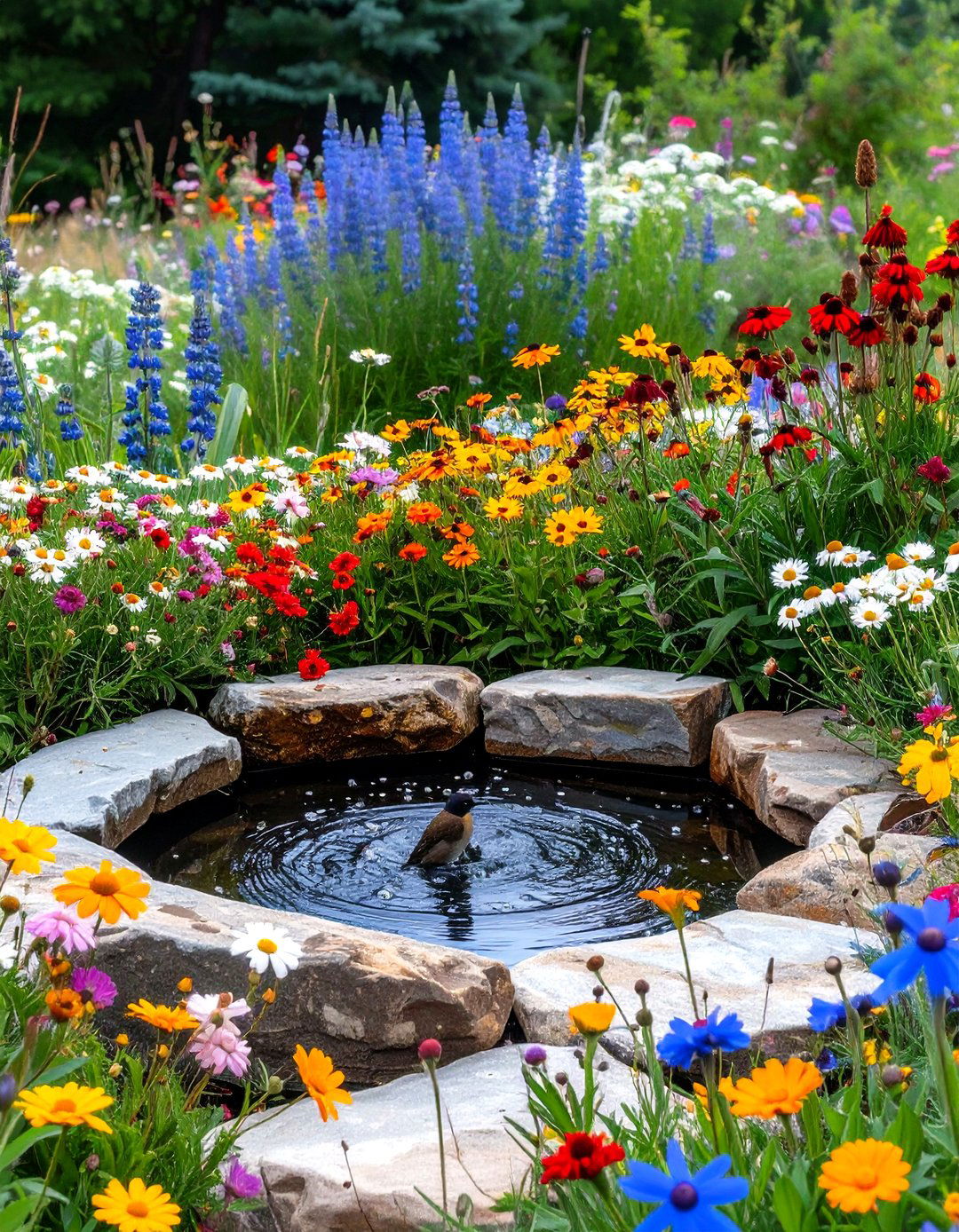
Enhance the tranquility and ecological value of your wildflower garden by incorporating a simple water feature. This doesn't have to be a large pond; even a small basin, a bubbling rock, or a solar-powered fountain can make a significant impact. The sound of moving water adds a soothing, peaceful element to the space, creating a perfect spot for relaxation. Furthermore, a consistent water source is a magnet for wildlife, attracting birds to bathe and drink, and providing a habitat for dragonflies and other beneficial insects. It adds another sensory layer and boosts the biodiversity of your beautiful wildflower sanctuary.
25. A Wildflower Garden for Poor Soil
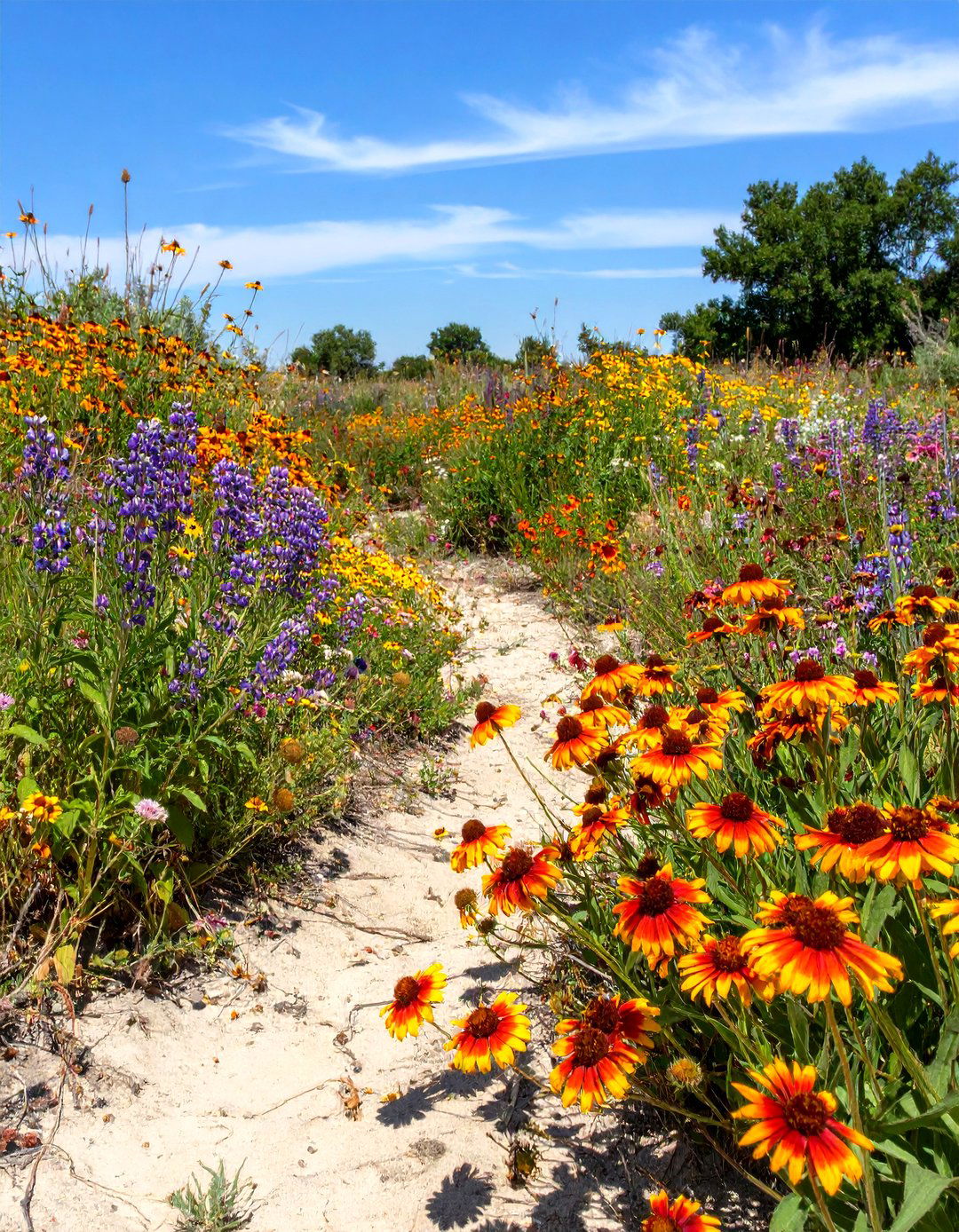
Don't let poor, sandy, or clay soil discourage you from gardening. Many wildflowers are uniquely adapted to thrive in less-than-ideal conditions where other plants might fail. In fact, overly rich soil can sometimes cause wildflowers to become leggy and produce fewer blooms. Embrace your soil type by choosing appropriate species. For sandy soil, try blanket flower or butterfly weed. For heavy clay, coneflowers and asters are excellent choices. A wildflower garden designed for poor soil is a testament to nature's resilience, creating a beautiful display with minimal soil amendment and proving that stunning gardens can grow almost anywhere.
26. A Wildflower Garden with Seasonal Interest
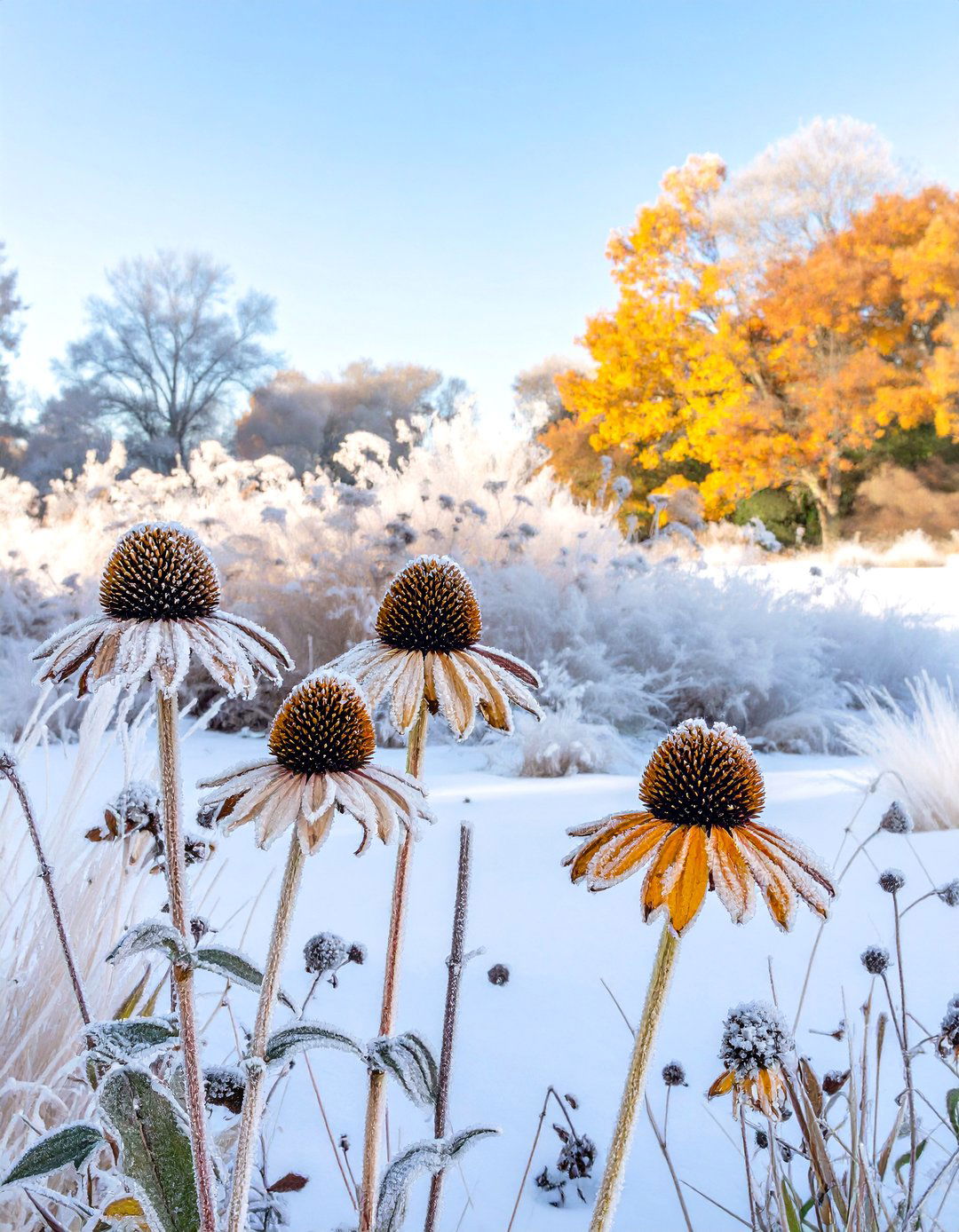
Plan your wildflower garden to ensure there is something interesting to see in every season. For spring, plant early bloomers like Virginia bluebells and columbine. Let summer be dominated by vibrant coneflowers, black-eyed Susans, and cosmos. For autumn, choose late-blooming asters and goldenrods to provide color until the first frost. But don't forget winter! Leave the seed heads on plants like echinacea and ornamental grasses to provide food for birds and create beautiful, frosty silhouettes in the winter landscape. This four-season approach ensures your garden remains a dynamic and visually appealing space all year long.
27. A Wildflower Garden with Naturalized Bulbs
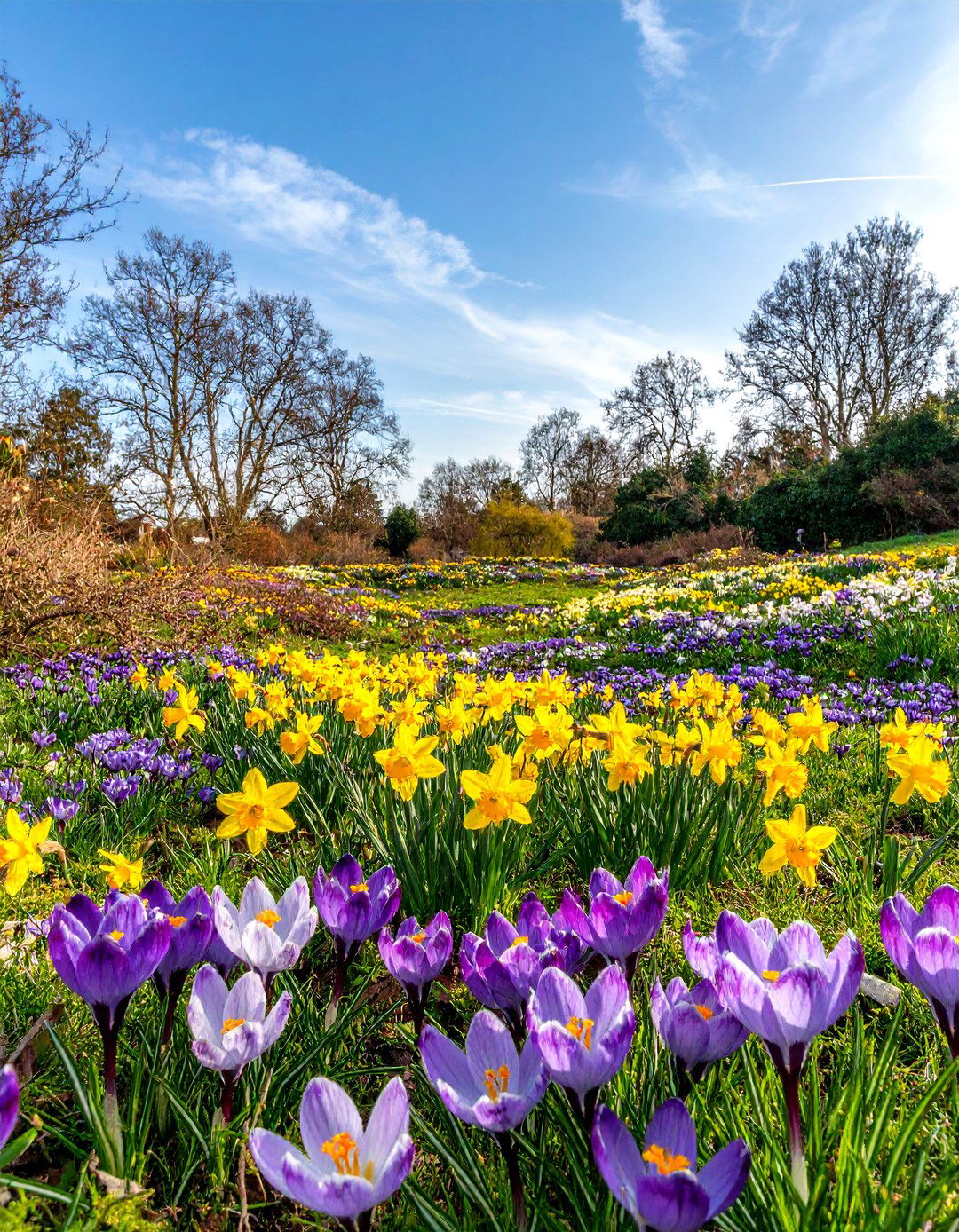
Weave an extra layer of early-season color into your wildflower garden by planting naturalized bulbs. Bulbs like crocuses, daffodils, grape hyacinths, and snowdrops will emerge and bloom in early spring, often before the perennial wildflowers have started to grow vigorously. Plant them in large, informal drifts throughout your meadow or border area, and they will multiply and spread over time, creating an increasingly spectacular display each year. Once their flowers fade, their foliage will die back just as the taller wildflowers begin to fill in, making for a seamless and beautiful transition from spring to summer.
28. A Low-Allergen Wildflower Garden
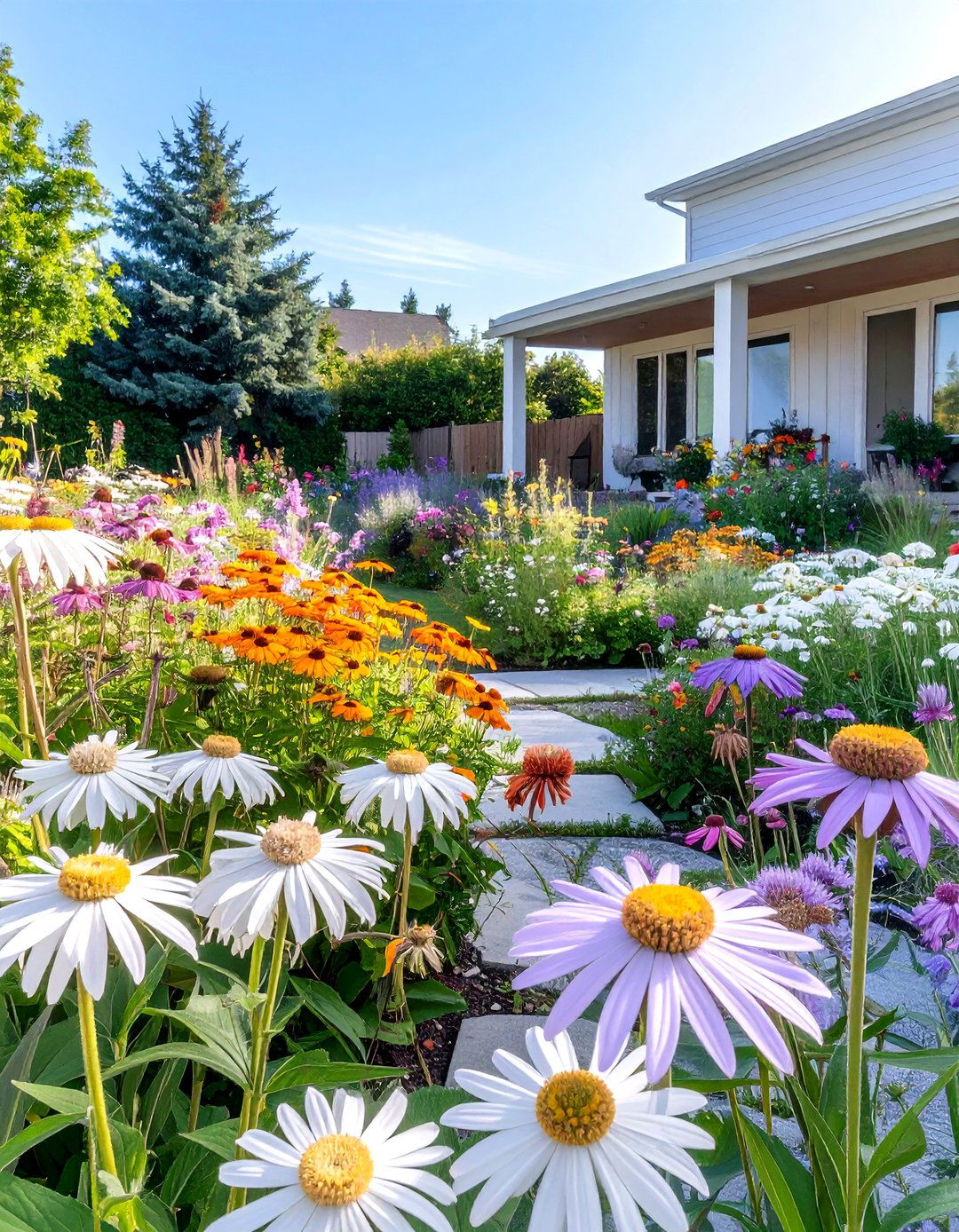
For those who suffer from seasonal allergies, it's still possible to enjoy a beautiful garden by creating a low-allergen wildflower garden. The key is to choose plants that are pollinated by insects rather than by wind, as it's the airborne pollen that typically causes allergic reactions. Flowers like bee balm, columbine, penstemon, and salvia are excellent choices because their pollen is heavy and sticky, designed to attach to pollinators, not float on the breeze. By carefully selecting species that won't contribute to high pollen counts, you can create a sneeze-free sanctuary and enjoy the beauty of wildflowers without discomfort.
29. A Wildflower Garden in Raised Beds
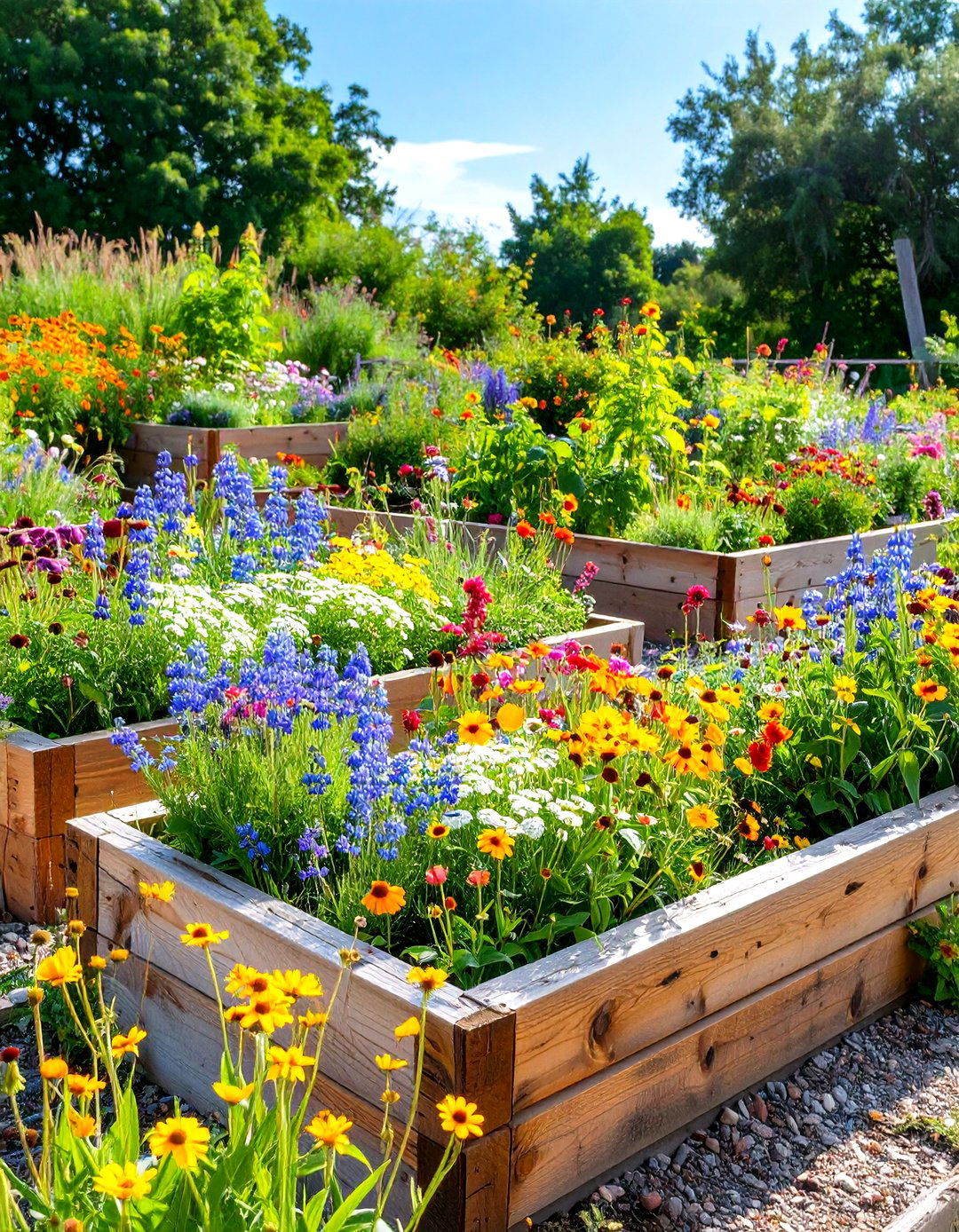
Using raised beds is a fantastic way to create a tidy and manageable wildflower garden. This approach provides excellent drainage and gives you complete control over the soil composition, which is ideal if your native soil is poor. You can create a dedicated wildflower bed with clean, defined edges, which frames the wildness of the plants beautifully. Raised beds also make gardening more accessible by reducing the need to bend and kneel. Plant a dense mix of annuals and perennials to create a full, vibrant display that is both easy to maintain and visually striking within its structured boundaries.
30. A Wildflower Garden with Log and Stump Features
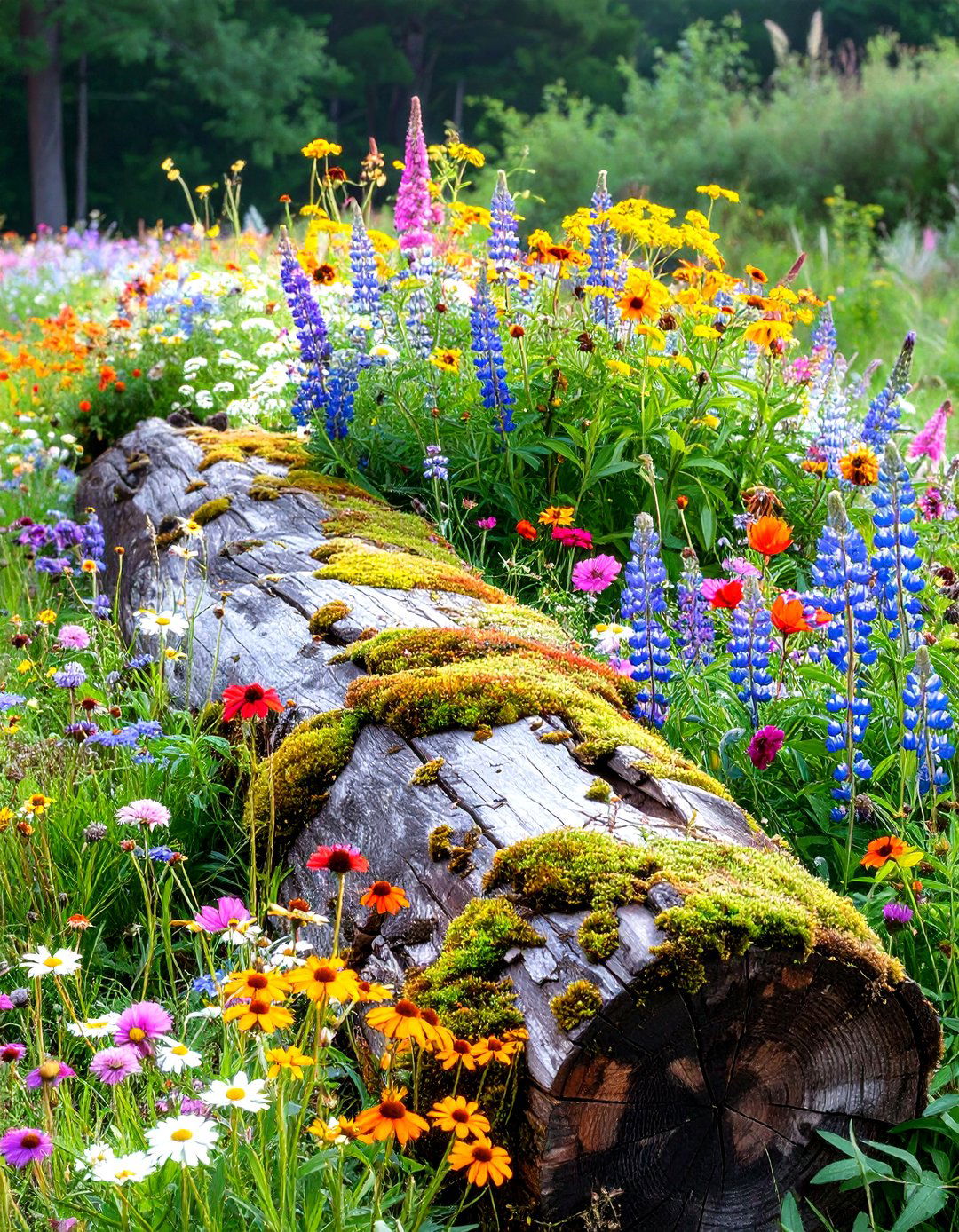
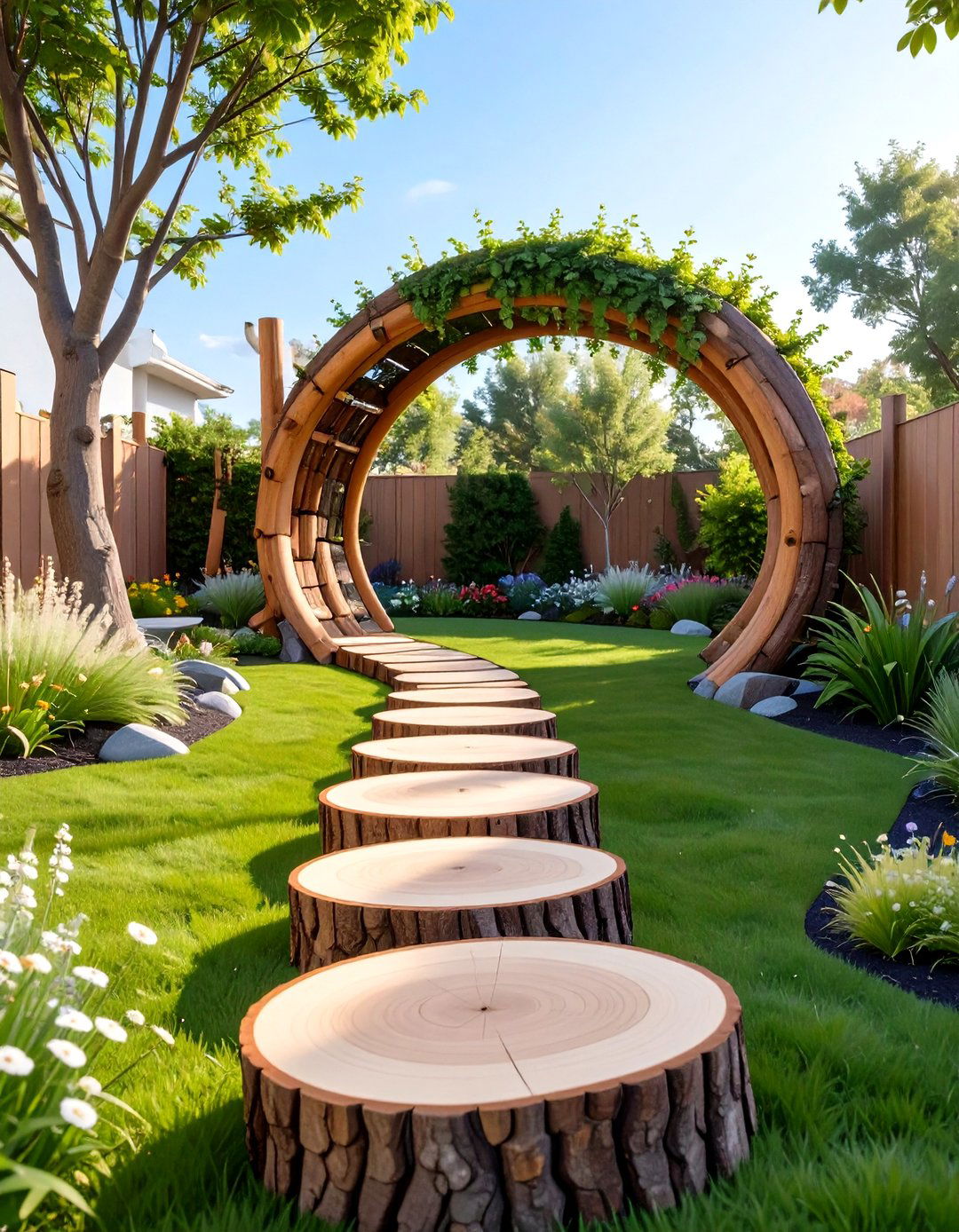
Incorporate natural elements like old logs and tree stumps to add rustic character and ecological value to your wildflower garden. A decaying log can serve as a natural border for a garden bed or a home for beneficial insects, fungi, and mosses. A flat-topped tree stump can become a natural pedestal for a container planting or a perch for birds. You can even hollow out parts of a log or stump and plant resilient succulents or wildflowers directly into them. These features add texture, age, and a sense of permanence to the landscape, creating a garden that feels deeply connected to the cycles of nature.
Conclusion:
Ultimately, creating a wildflower garden is an act of collaboration with nature. From pollinator havens to serene woodland settings, these 30 ideas demonstrate the incredible versatility of wildflowers in any space. They offer a low-maintenance, eco-friendly way to bring vibrant color, texture, and life to your surroundings. By choosing a design that suits your climate and personal style, you can cultivate a dynamic landscape that supports local wildlife and provides a beautiful, untamed sanctuary that evolves with each season, rewarding you with its ever-changing, natural charm.

Related posts:


Leave a Reply