
Rock landscaping offers a durable, low-maintenance, and visually striking alternative to traditional gardens. By using stones, boulders, and gravel, you can create a variety of designs that save water and thrive in diverse climates. From minimalist Japanese-inspired gardens to rugged, naturalistic slopes, rocks provide texture, form, and a permanent structure to your outdoor space. These ideas showcase how you can incorporate different types of rock to build beautiful, sustainable landscapes that enhance your home's curb appeal. Whether you have a small patio or a sprawling yard, there is a rock landscape design to fit your vision and lifestyle.

1. Dry Creek Bed Rock Landscape

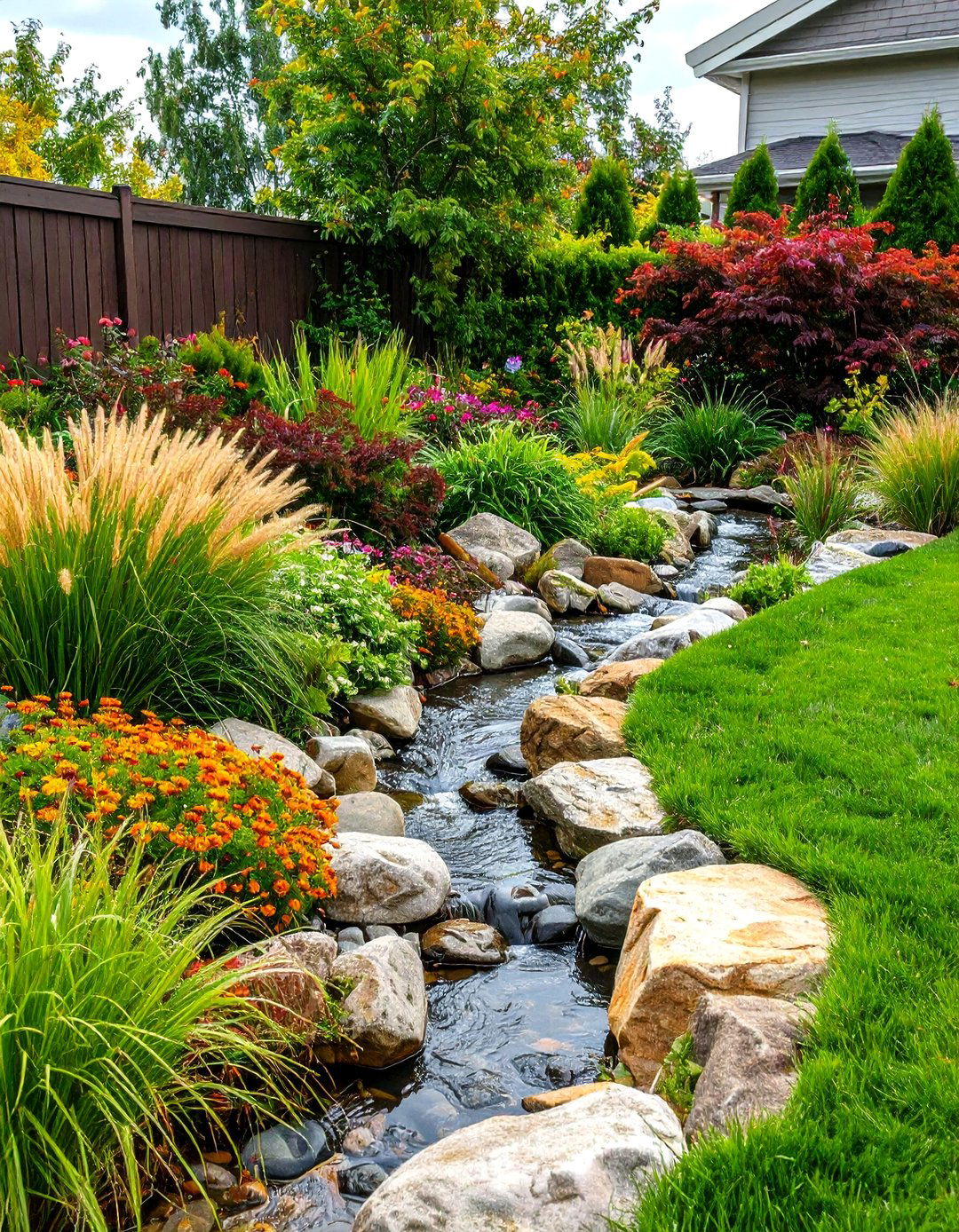
A dry creek bed rock landscape mimics a natural stream, creating a beautiful focal point that also helps manage water drainage. By arranging a mix of river rocks, pebbles, and larger boulders in a winding path, you can guide rainwater away from your home's foundation while adding visual interest. This design is particularly effective in yards with slight slopes. Planting drought-tolerant grasses and native shrubs along the edges of the "creek" enhances the naturalistic feel. The variation in rock sizes and colors adds texture and depth, making the landscape dynamic and appealing throughout the year, even without flowing water.
2. Rock Garden with Succulents

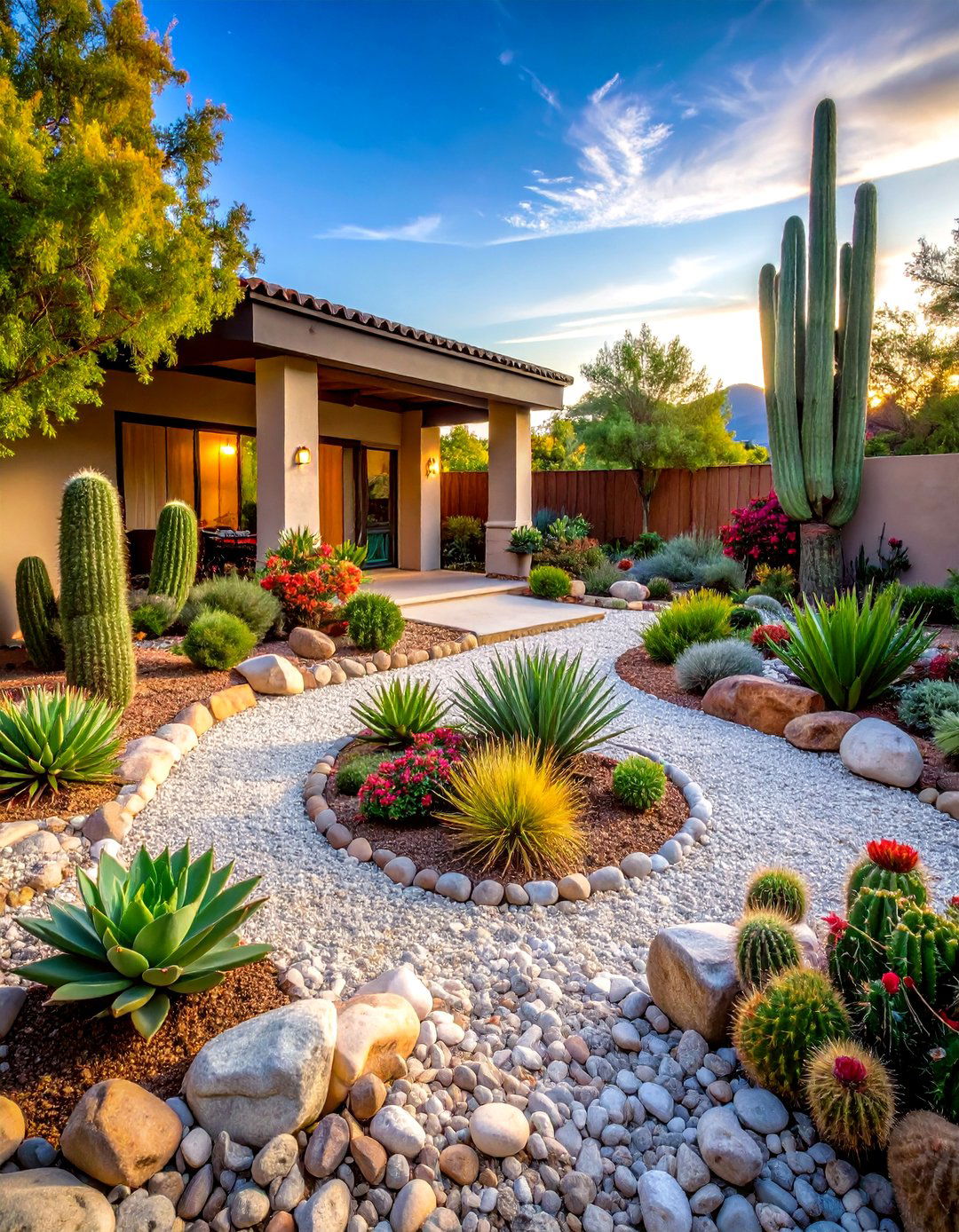
Creating a rock garden with succulents is a perfect low-water landscaping solution that offers stunning visual contrasts. The hard, angular surfaces of rocks juxtaposed with the soft, fleshy leaves of succulents like echeverias, sedums, and aloes create a dynamic and modern look. Start with a base of porous soil mixed with gravel to ensure excellent drainage, which is crucial for succulent health. Arrange larger rocks to create pockets and different levels for planting. This design is not only water-wise but also requires minimal upkeep once established, making it an ideal choice for busy homeowners seeking a beautiful, resilient garden.
3. Large Boulder Accents in Your Landscape

Incorporating large boulder accents into your landscape provides a powerful and natural anchor for your garden design. These massive stones serve as dramatic focal points, adding a sense of permanence and scale that smaller rocks cannot achieve. Position one or a cluster of three boulders of varying sizes in a prominent spot, such as near a corner of your house or as a centerpiece in a garden bed. Surround them with softer plantings like ornamental grasses or low-growing flowers to create a pleasing contrast in texture and form. Boulders can also be used to create natural seating or to mark the entrance to a pathway.
4. Gravel Garden with Minimalist Plantings

A gravel garden with minimalist plantings offers a clean, contemporary aesthetic that is both stylish and incredibly low-maintenance. Instead of soil, use a thick layer of decorative gravel, such as pea gravel or crushed granite, as the primary ground cover. This helps suppress weeds and conserve soil moisture. For plantings, choose a few carefully selected specimens like a single Japanese maple, a cluster of ornamental grasses, or sculptural evergreens. The sparse arrangement highlights the unique form and texture of each plant against the uniform backdrop of the gravel, creating a serene and uncluttered outdoor space perfect for modern homes.
5. Gabion Wall Rock Landscape

A gabion wall rock landscape introduces an industrial-chic element that is both functional and highly decorative. Gabions are wire mesh cages filled with rocks, which can be used to construct retaining walls, benches, or decorative partitions. Filling the cages with locally sourced stones or colorful recycled glass can create a unique and customized look. These structures are excellent for creating terraced levels on a sloped yard or defining different zones within your garden. The permeability of gabion walls allows for proper drainage, making them a practical solution for managing erosion while adding a bold, textured statement to your outdoor space.
6. Flagstone Patio with Rock Borders

A flagstone patio with rock borders provides a rustic and elegant outdoor living area. Flagstones are flat, irregularly shaped stones that create a natural, mosaic-like surface perfect for patios, walkways, and seating areas. Laying them with small gaps filled with gravel or ground cover plants like creeping thyme adds to the charm. To define the patio space, use a border of larger, rounded river rocks or small, stacked stones. This not only creates a clean edge but also adds another layer of texture and visual interest. This combination results in a durable, timeless feature that blends seamlessly with the surrounding landscape.
7. Japanese Zen Rock Garden

A Japanese Zen garden, or karesansui, is a minimalist rock landscape designed to inspire meditation and tranquility. This style uses a carefully composed arrangement of rocks, gravel, and sand to represent natural elements like islands, mountains, and water. Large, weathered stones are placed with intention, while fine gravel or sand is raked into patterns that symbolize ripples in water. Plants are used sparingly, often limited to moss and a few pruned shrubs or trees. The goal is to create a serene, uncluttered space that encourages contemplation and captures the essence of nature in a highly stylized and symbolic form.
8. Rock Retaining Wall for Slopes

Building a rock retaining wall is a highly effective way to manage sloped areas in your yard, turning a challenging incline into a beautiful, terraced landscape. Using natural stone, whether it's fieldstone, limestone, or granite, creates a strong and attractive barrier that prevents soil erosion. The wall can be constructed as a dry-stacked wall for a rustic look or with mortar for added stability. The resulting flat planting beds are perfect for creating tiered gardens with flowers, shrubs, or vegetables. This functional solution adds dimension, texture, and a sense of structure to your landscape while maximizing usable space.
9. Rock Pathway with Stepping Stones

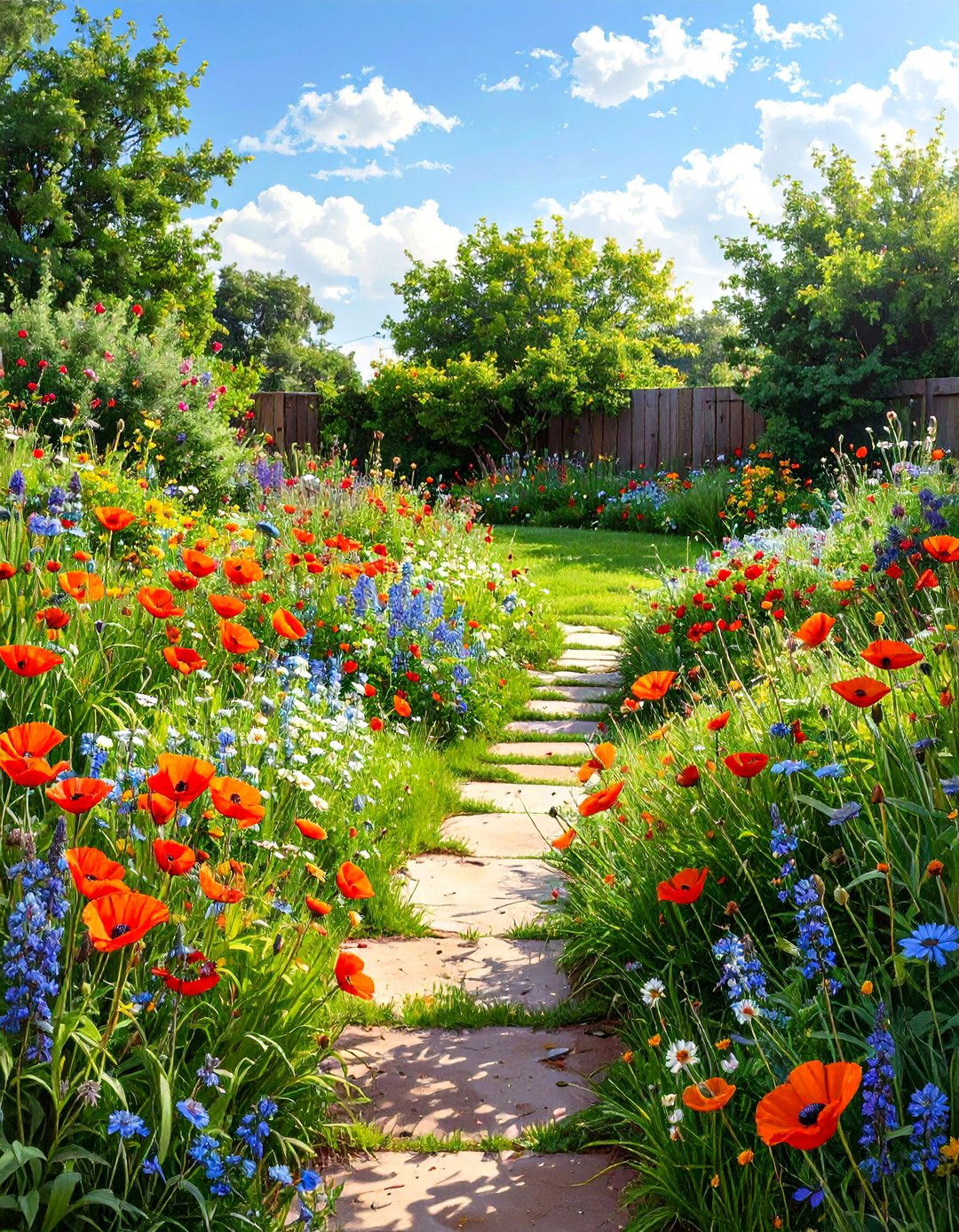
A rock pathway with stepping stones offers a charming and practical way to navigate your garden. Instead of a solid path, large, flat stepping stones are set into a bed of decorative gravel or small river rocks. This creates a more informal and natural-looking walkway that allows for water permeability. You can choose stones like slate or flagstone for a smooth surface, and surround them with contrasting colored gravel to make the path pop. Planting low-profile ground covers like creeping thyme or moss between the stones can soften the look and add a touch of green to the hardscape.
10. Water Feature with a Rock Waterfall

Integrating a water feature with a rock waterfall can transform your backyard into a tranquil oasis. The sound of water cascading over natural stones creates a soothing ambiance and masks unwanted noise. Construct the waterfall using a variety of rock sizes, from large boulders that form the main structure to smaller stones that direct the water's flow. A pondless waterfall, where water disappears into a hidden reservoir filled with gravel, is a safe and low-maintenance option. Surrounding the feature with water-loving plants like ferns and hostas enhances the natural look and creates a lush, inviting focal point in your rock landscape.
11. Alpine Rock Garden Design

An alpine rock garden mimics the rugged, high-altitude environments where hardy alpine plants thrive. This design uses a mix of rocks, gravel, and scree to create a well-drained, gritty planting medium perfect for these specialized plants. Build up a sloped mound or use a raised bed to ensure excellent drainage. Incorporate larger rocks to create crevices and pockets that shelter small, slow-growing plants like saxifrages, gentians, and dwarf conifers. The result is a miniature mountain landscape that showcases a fascinating collection of resilient and beautiful plants, bringing a unique piece of the wild into your own backyard.
12. Black Lava Rock Landscape

Using black lava rock for your landscape creates a bold, dramatic, and modern statement. The dark, porous rock provides a stunning contrast against vibrant green foliage, colorful flowers, and the exterior of your home. Black lava rock is lightweight and easy to spread, making it a practical ground cover choice. It also helps retain soil moisture and deters weed growth. Use it in garden beds to make specimen plants stand out, or create a sleek, contemporary pathway. This striking material adds a touch of volcanic drama and sophistication, transforming an ordinary garden into a high-impact visual experience.
13. White Marble Chip Ground Cover

White marble chips offer a bright, elegant, and sophisticated ground cover for a polished rock landscape. The clean, crisp white color reflects sunlight, which can help keep the soil cool and brighten up shady areas of your garden. It creates a striking contrast with dark green foliage and deep-colored mulch or edging materials. Use white marble chips to define pathways, create a clean base for container gardens, or as a decorative mulch in formal flower beds. This luxurious choice elevates the overall design, providing a look of classic refinement and timeless appeal that is both clean and low-maintenance.
14. Rock Garden on a Hillside

Transforming a difficult hillside into a stunning rock garden is a brilliant way to combat erosion and create a multi-level visual masterpiece. By strategically placing large anchor rocks and creating terraced pockets, you can stabilize the slope and provide ideal planting spots for a variety of plants. Use a mix of rock sizes to build retaining walls and create natural-looking outcrops. Plant drought-tolerant species like creeping phlox, sedum, and ornamental grasses that will thrive in the well-drained conditions. This approach turns a challenging landscape feature into a breathtaking cascade of texture and color that requires minimal watering once established.


15. River Rock Edging for Garden Beds
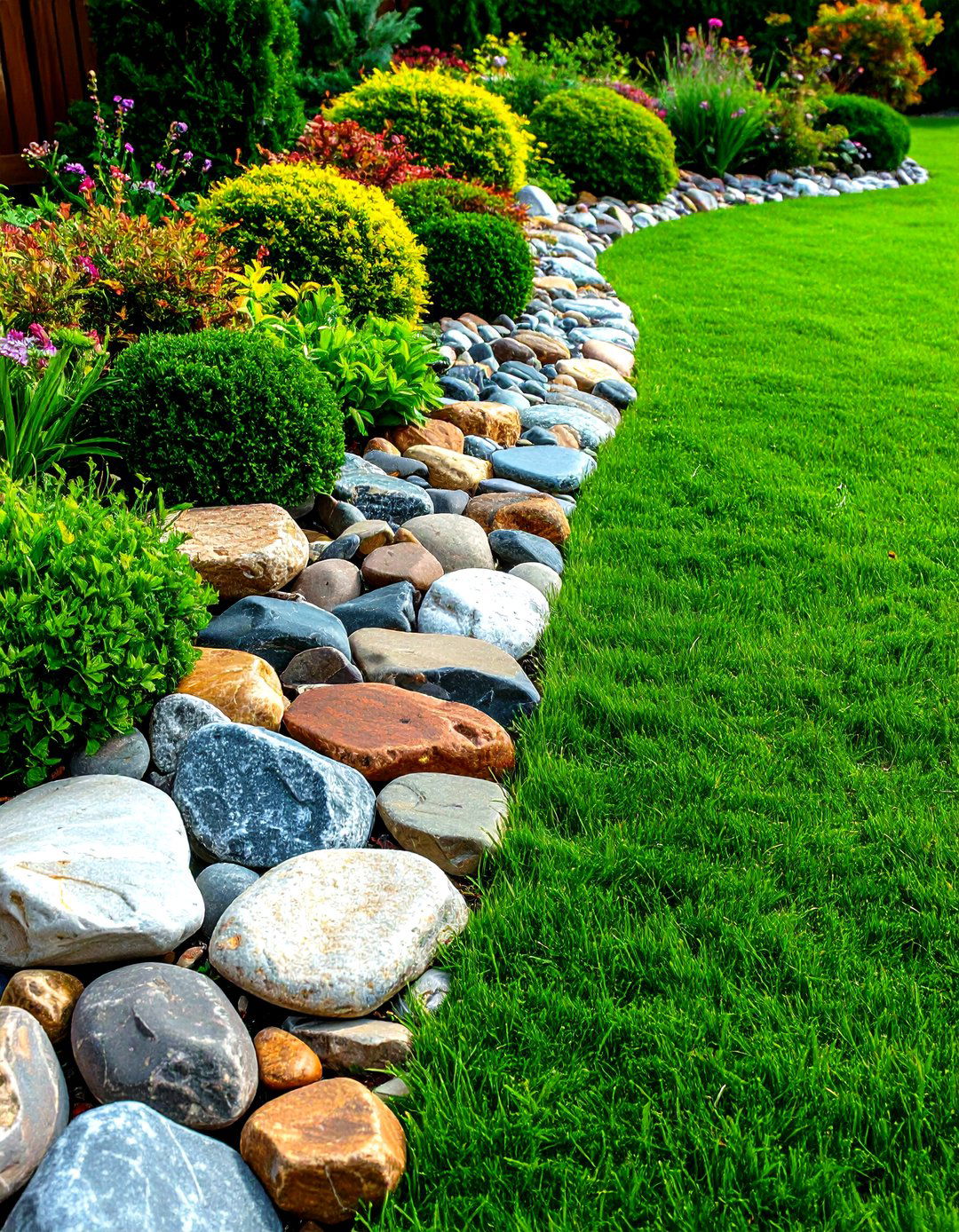
Using river rock edging for your garden beds is a simple yet highly effective way to create clean, defined lines in your landscape. These smooth, rounded stones come in a variety of natural colors and sizes, allowing you to choose a style that complements your home and plantings. A border of river rocks separates your lawn from your garden beds, preventing grass from creeping in and keeping mulch contained. You can create a single layer for a subtle edge or stack them for a more substantial border. This durable and natural-looking edging adds a polished, professional touch to any garden design.
16. Stone Steps on a Slope

Installing stone steps on a slope provides safe and attractive access to different levels of your yard while enhancing its natural beauty. Large, flat stones like flagstone or cut stone slabs can be embedded into the hillside to create a sturdy and rustic staircase. Ensure each step is level and secure to prevent tripping hazards. Planting low-growing ground covers or cascading flowers along the edges of the steps can soften the hard lines of the stone and help further stabilize the soil. This functional element integrates seamlessly into a sloped rock landscape, turning a practical necessity into a charming garden feature.
17. Rock Mulch for Weed Control

Using rock mulch is a durable, long-lasting solution for suppressing weeds and reducing garden maintenance. Unlike organic mulches that decompose over time, a layer of gravel, river rock, or crushed stone provides a permanent barrier that prevents weed seeds from germinating. It's an excellent choice for beds with trees, shrubs, and other permanent plantings. Rock mulch also helps conserve soil moisture by reducing evaporation. For best results, lay down a layer of landscape fabric before spreading the rock. This creates a low-maintenance, clean look that stays in place and doesn't need to be replenished annually.
18. Spiral Rock Garden Herb Labyrinth

A spiral rock garden, often designed as an herb labyrinth, is a creative and space-efficient way to cultivate a variety of plants. This design involves creating a spiral-shaped raised bed using stacked stones, which is then filled with soil. The spiral shape creates different microclimates; the top is sunnier and drier, while the bottom is shadier and more moist, allowing you to grow herbs with different needs in one compact area. This functional design is not only practical for an edible garden but also serves as an intriguing and beautiful focal point that invites you to walk its path and enjoy the fragrant herbs.
19. Rock and Wood Combination Landscape

Combining rock and wood in your landscape design creates a beautiful balance between hard and soft, warm and cool elements. The rugged texture of natural stone pairs wonderfully with the warm, organic feel of wood. Use this combination to build a raised garden bed with a stone base and a wooden cap for seating. Create a pathway that alternates between flagstone pavers and wooden planks, or build a wooden deck that flows into a rock patio. This dynamic pairing adds depth, contrast, and a sophisticated yet natural aesthetic to your outdoor living space, blending modern design with rustic charm.


20. Boulder Seating Area

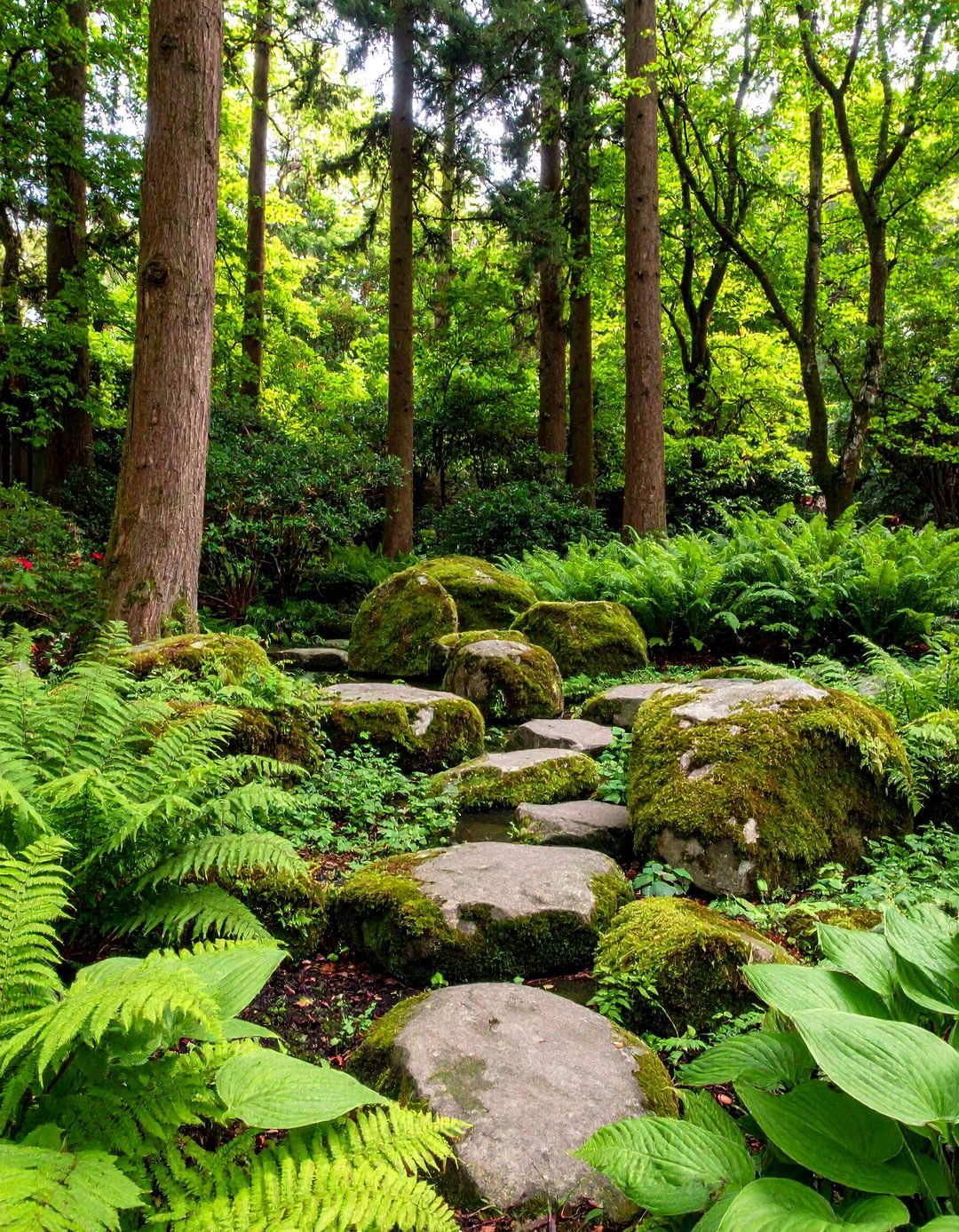
Creating a seating area using large, strategically placed boulders offers a unique and natural alternative to traditional garden furniture. Select boulders that have at least one relatively flat, smooth surface to provide comfortable seating. Arrange them in a circle or semi-circle around a central feature like a fire pit or a small table. This rustic seating blends seamlessly into the landscape, appearing as if it has always been part of the environment. Surrounded by low-growing plants and soft lighting, a boulder seating area becomes a permanent, weather-proof, and enchanting spot for gathering with friends and family in your garden.
21. Rain Garden with River Rocks

A rain garden designed with river rocks is a beautiful and eco-friendly way to manage stormwater runoff from your roof or driveway. By creating a shallow depression filled with a mix of soil, sand, and river rocks, you can capture rainwater and allow it to slowly percolate into the ground. The river rocks help slow the flow of water, prevent erosion, and add a decorative touch. Plant the rain garden with water-loving native plants that can tolerate both wet and dry conditions. This functional landscape feature helps recharge groundwater, filters pollutants, and creates a lush habitat for local wildlife.
22. Coastal Rock Garden with Beach Pebbles

A coastal rock garden using beach pebbles and driftwood captures the serene, windswept beauty of the seaside. Use a base of sand or light-colored gravel and scatter smooth, rounded beach pebbles of various sizes throughout the area. Incorporate larger pieces of weathered driftwood as sculptural accents. For plantings, choose salt-tolerant and drought-resistant species like sea thrift, ornamental grasses, and succulents that evoke a coastal vibe. This low-maintenance design is perfect for creating a relaxed, vacation-like atmosphere in your yard, bringing the calming essence of the beach right to your doorstep, no matter where you live.
23. Polished River Rock Accents

Using polished river rock accents can add a touch of sleek, modern elegance to your landscape design. These rocks have a smooth, glossy finish that catches the light and adds a refined texture to garden beds, pathways, or water features. They are particularly striking when used in dry creek beds or as a decorative top dressing in container gardens. The polished surface makes their natural colors appear more vibrant. Use them to create a contrasting border around a flagstone patio or to fill the gaps between stepping stones for a high-end, contemporary look that is both beautiful and durable.
24. Stone Fire Pit Area

A stone fire pit area creates a natural and inviting focal point for outdoor gatherings. Building the fire pit with stacked stone or flagstone gives it a rustic, integrated look that blends perfectly with a rock landscape. Surround the pit with a patio made of gravel or flagstone pavers to create a safe, non-combustible surface. Arrange boulder seating or comfortable chairs around the fire pit to complete the cozy setting. This feature extends the usability of your outdoor space into the cooler evenings, providing a warm and ambient spot for socializing, relaxing, and enjoying the outdoors with friends and family.
25. Decomposed Granite Pathways

Decomposed granite pathways offer a soft, natural-looking alternative to hard pavement. This fine, crushed rock material packs down to create a stable yet permeable surface that has a rustic, golden-hued charm. It's an excellent choice for informal garden paths, patios, and utility areas. The surface is comfortable to walk on and blends seamlessly with surrounding plantings and rock features. Edging the pathway with larger stones or steel borders helps to contain the material and maintain a clean line. Decomposed granite is a cost-effective and low-maintenance option for creating beautiful, durable walkways in your landscape.
26. Zen Garden with Raked Gravel

A Zen garden centered around raked gravel is the epitome of minimalist tranquility and mindful design. The gravel, typically a light-colored crushed granite or fine sand, represents water, and the patterns raked into it symbolize waves or ripples. Carefully placed boulders represent islands or mountains, emerging from the sea of gravel. The act of raking the gravel is itself a meditative practice. Plantings are kept to a minimum, perhaps a single windswept pine or some moss on the rocks, to maintain the simple, uncluttered aesthetic. This style creates a profound sense of peace and order.
27. Terraced Rock Garden on a Steep Slope

For homes with a steep slope, a terraced rock garden is a brilliant and beautiful solution to prevent erosion and create usable planting space. By building a series of low retaining walls with natural stone, you can create level tiers running across the hillside. Each terrace can be planted with a different theme—one with colorful perennials, another with culinary herbs, and a third with cascading ground covers. This design not only stabilizes the land but also transforms a challenging incline into a stunning, multi-layered display of texture and color, adding immense visual interest and value to your property.
28. Rock Garden Around a Tree Base

Creating a rock garden around the base of a mature tree is a great way to handle a shady, difficult-to-mow area. This also protects the tree's surface roots from damage. Start by laying down landscape fabric, cutting a generous circle around the trunk. Then, arrange a border of medium-sized rocks and fill the area with a decorative gravel or river rock mulch. You can plant shade-tolerant perennials like hostas, ferns, and astilbes in pockets of soil within the rock bed. This design choice creates a clean, intentional look, reduces yard work, and highlights the tree as a focal point.
29. Modern Landscape with Geometric Rock Placement

A modern landscape can be defined by the clean lines and intentional patterns created through geometric rock placement. Instead of a naturalistic scatter, this style uses rocks in a highly structured way. Think square stepping stones laid in a perfect grid, a retaining wall made of precisely cut rectangular blocks, or a garden bed filled with a single color of gravel and edged with sharp, straight lines. Combining different materials like dark gravel next to light-colored concrete pavers can create bold, graphic patterns. This approach emphasizes form and structure, resulting in a sleek, sophisticated, and minimalist outdoor space.
30. Using Rocks to Create a Naturalistic Pond Edge

Using a variety of rocks to create a naturalistic pond edge helps blend your water feature seamlessly into the surrounding landscape. Arrange a mix of large boulders, medium-sized rocks, and smaller pebbles along the pond's perimeter to hide the liner and create a gentle, irregular slope into the water. This provides easy access for wildlife like birds and frogs. Tuck marginal plants like irises and rushes between the rocks to soften the edges and further enhance the natural look. This careful placement of stones is key to making your pond look like a natural body of water rather than a man-made installation.
Conclusion:
Rock landscaping offers a wealth of design possibilities that are both beautiful and practical. From creating functional dry creek beds and retaining walls to designing serene Zen gardens and modern geometric spaces, rocks provide a durable, low-maintenance foundation. By incorporating elements like boulders, gravel, flagstone, and carefully chosen plants, you can craft a unique outdoor environment that saves water and enhances your home’s aesthetic appeal. These ideas demonstrate the incredible versatility of stone, allowing you to build a sustainable and visually striking landscape that will endure for years to come with minimal effort.

Related posts:



Leave a Reply