
Landscaping around the prominent roots of a mature tree presents a unique challenge that can become a stunning of viewing these gnarled, exposed roots as an obstacle, consider them a natural architectural feature waiting to be right design can transform a problematic patch of ground into a captivating focal point in your working with the tree 's existing structure, you can create a harmonious and sustainable landscape that protects the tree' s health while adding immense visual tranquil shade gardens to dynamic, textured hardscapes, the possibilities are guide explores complete design themes, offering cohesive concepts that integrate plants, materials, and layout to create a beautiful and functional space around your tree's base.
1. A Woodland Fern Garden Under a Tree Canopy
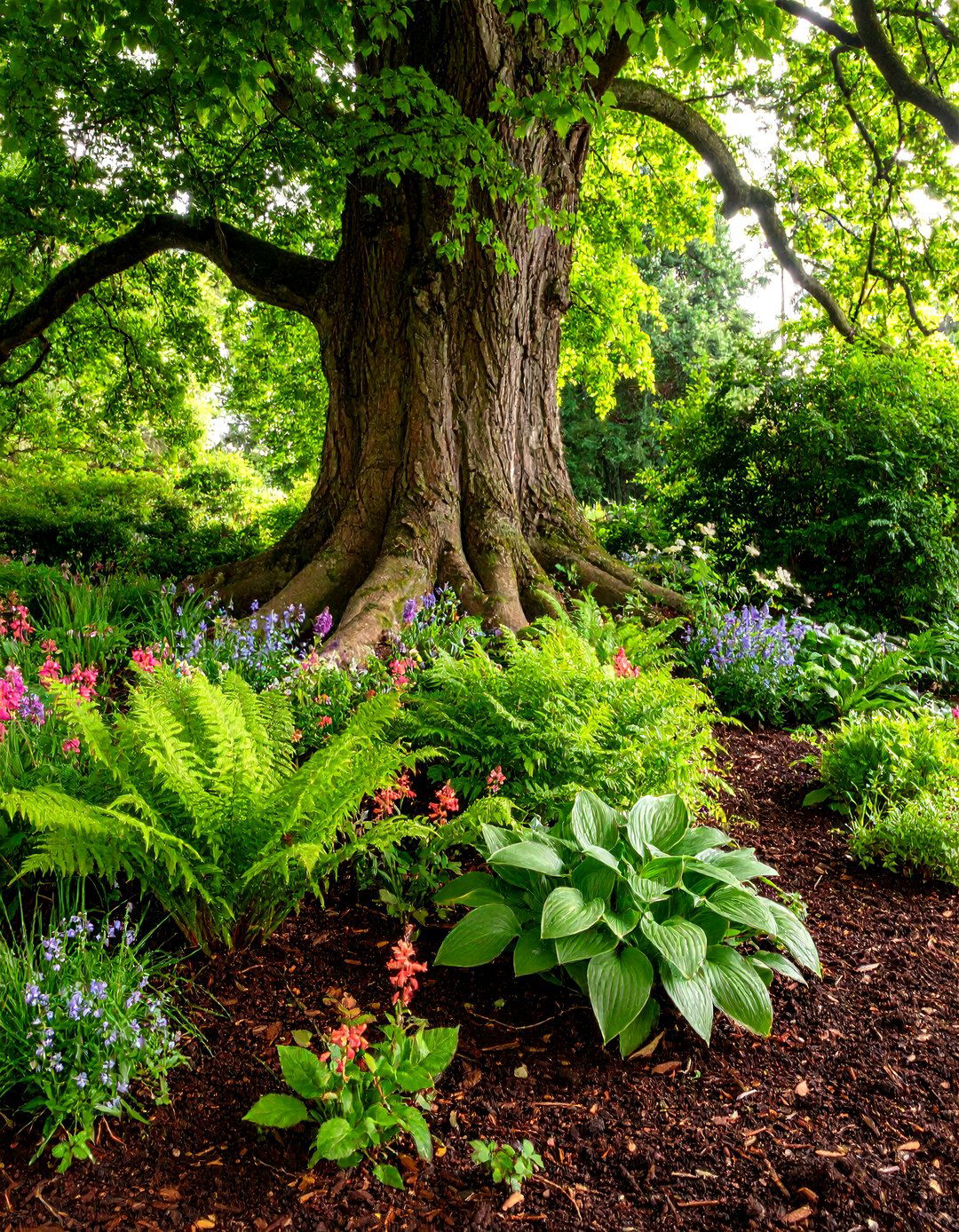
Embrace the natural shade by creating a lush woodland fern design uses a variety of fern species, such as lady fern, maidenhair, and Japanese painted fern, to create a tapestry of different textures and shades of with hostas and astilbes for seasonal color, the layout should follow the natural contours of the roots. A thick layer of dark, organic mulch suppresses weeds and retains moisture, mimicking a forest approach not only looks beautiful but also creates a healthy, low-maintenance environment that supports the tree and local wildlife.
2. A Rustic Stone Circle Around Tree Roots
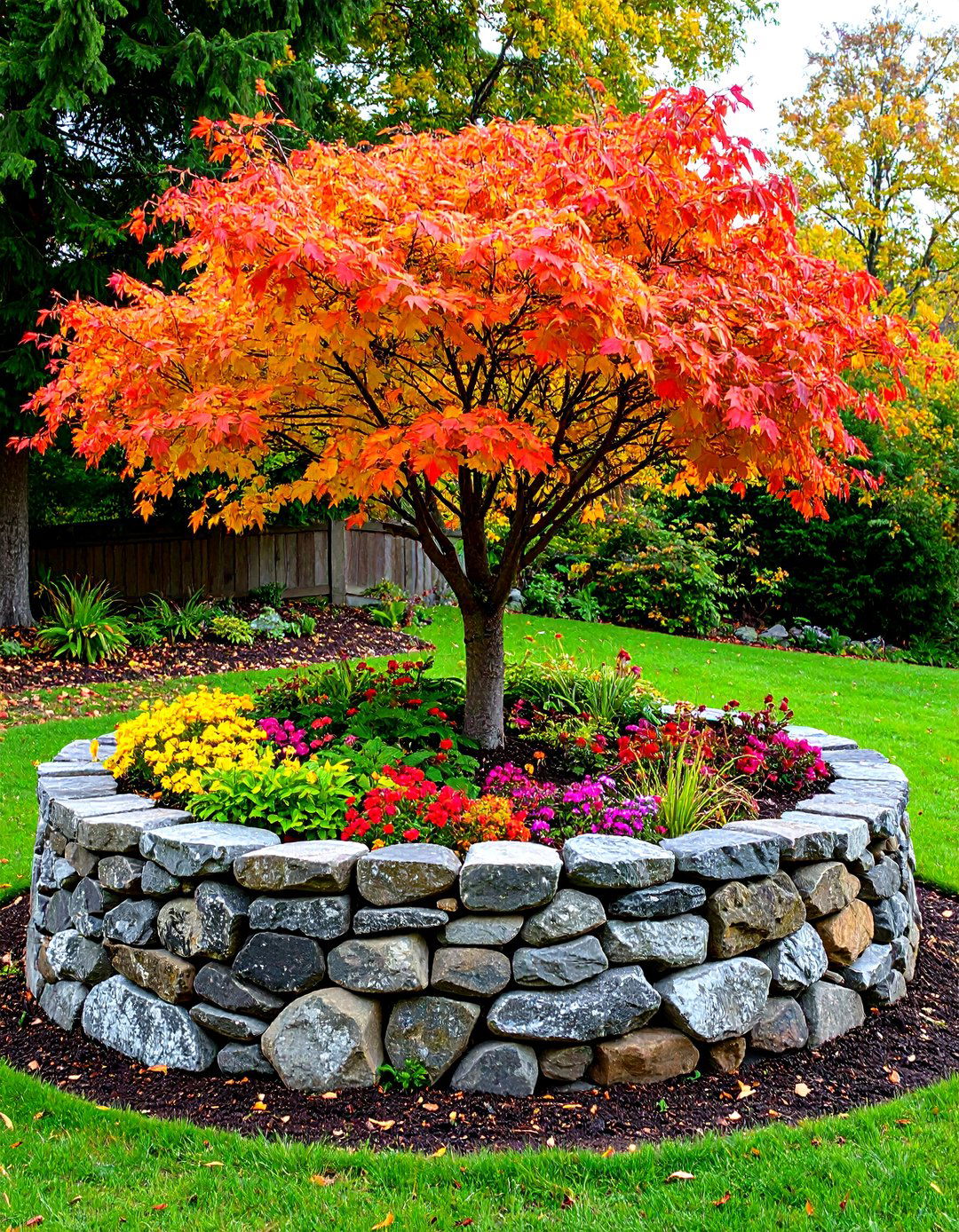
Construct a low, dry-stack stone wall in a circle a few feet away from the tree's base, creating a rustic raised the area between the wall and the tree trunk with a well-draining soil mix, being careful not to pile soil directly against the shade-loving perennials like coral bells and bleeding hearts within the stone adds a timeless, earthy element that complements the ruggedness of the exposed roots, defining the space and making it a deliberate, charming feature rather than an design protects roots from foot traffic.
3. A Modern Gravel and Succulent Landscape
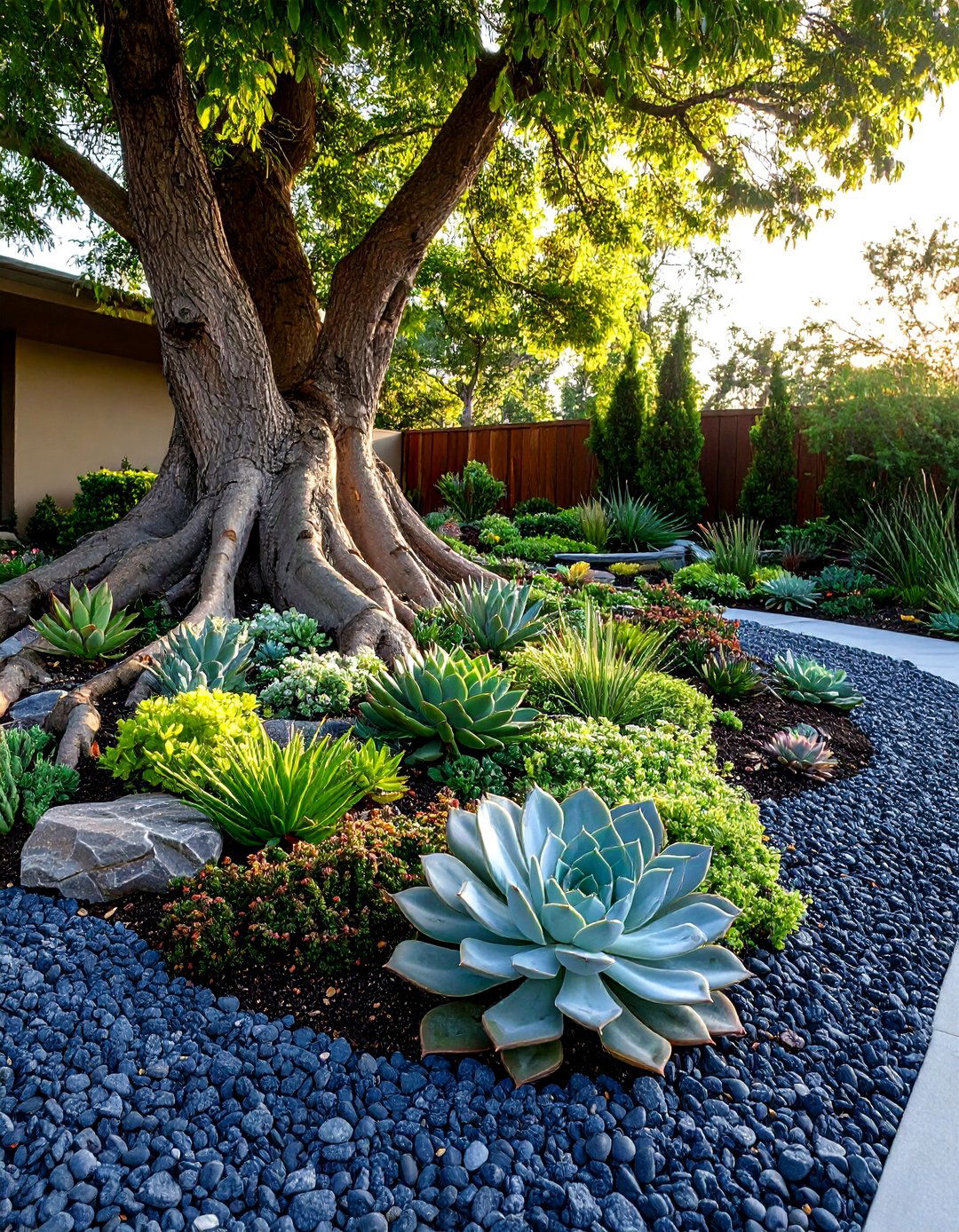
For a contemporary, low-water solution, design a modern landscape using fine pea gravel or dark slate chips as the primary ground arrange drought-tolerant succulents, like hens and chicks or sedum, in the pockets of soil between the larger clean lines of the gravel contrast beautifully with the organic, twisting forms of the minimalist approach is incredibly low-maintenance and creates a striking, sculptural look that works well in modern or arid garden styles. It’s a perfect way to handle a sunny spot.
4. A Shade-Tolerant Ground Cover Carpet
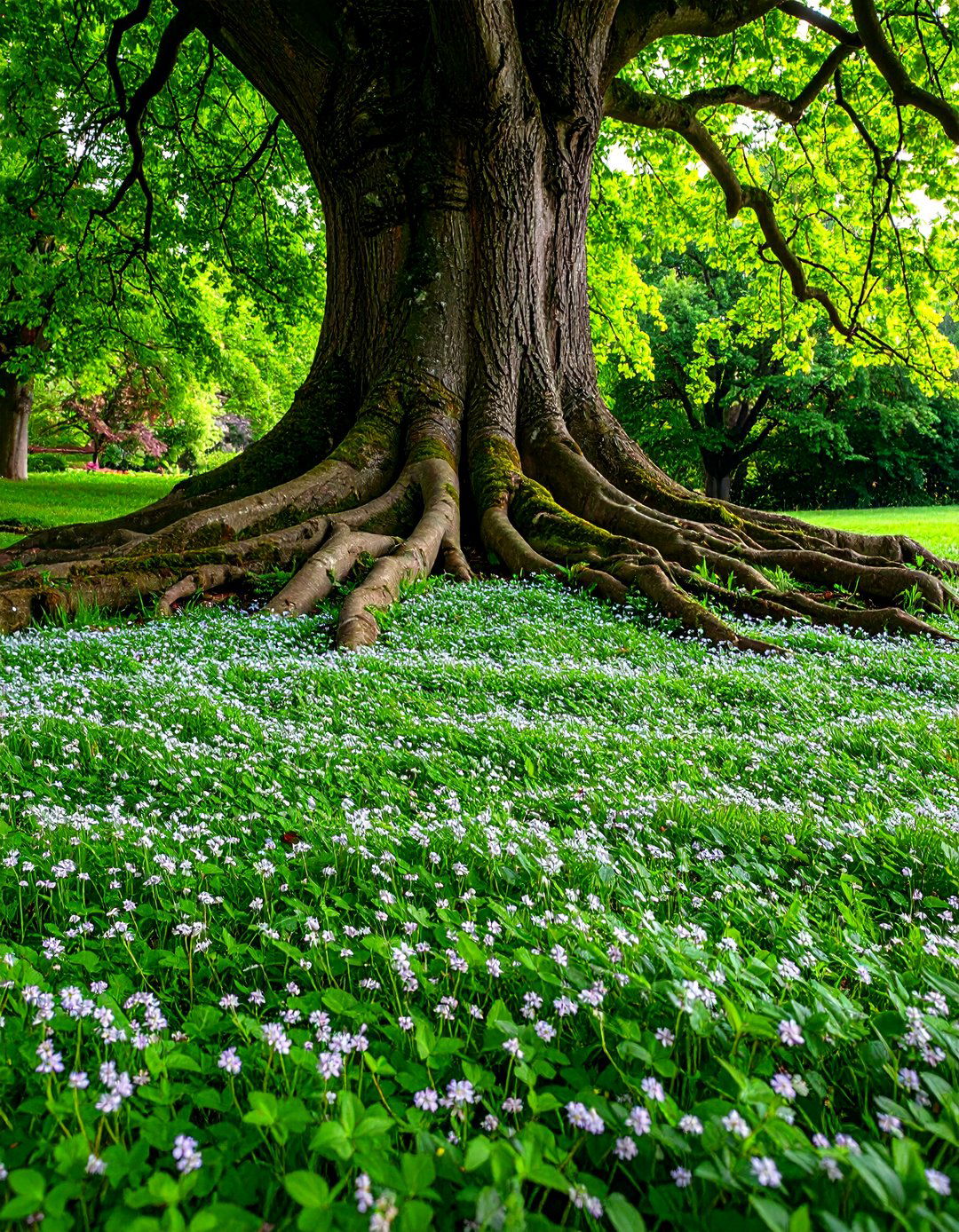
Establish a living carpet of shade-tolerant ground cover that will gracefully flow over and around the tree like creeping Jenny, sweet woodruff, or vinca minor are excellent choices, as they form a dense mat that smothers weeds and requires little care once green blanket unifies the area, softening the hard lines of the roots and creating a seamless transition from the lawn to the tree. It’s a simple yet highly effective solution that adds texture and vibrant color to a previously bare area.
5. A Japanese Zen Garden Theme
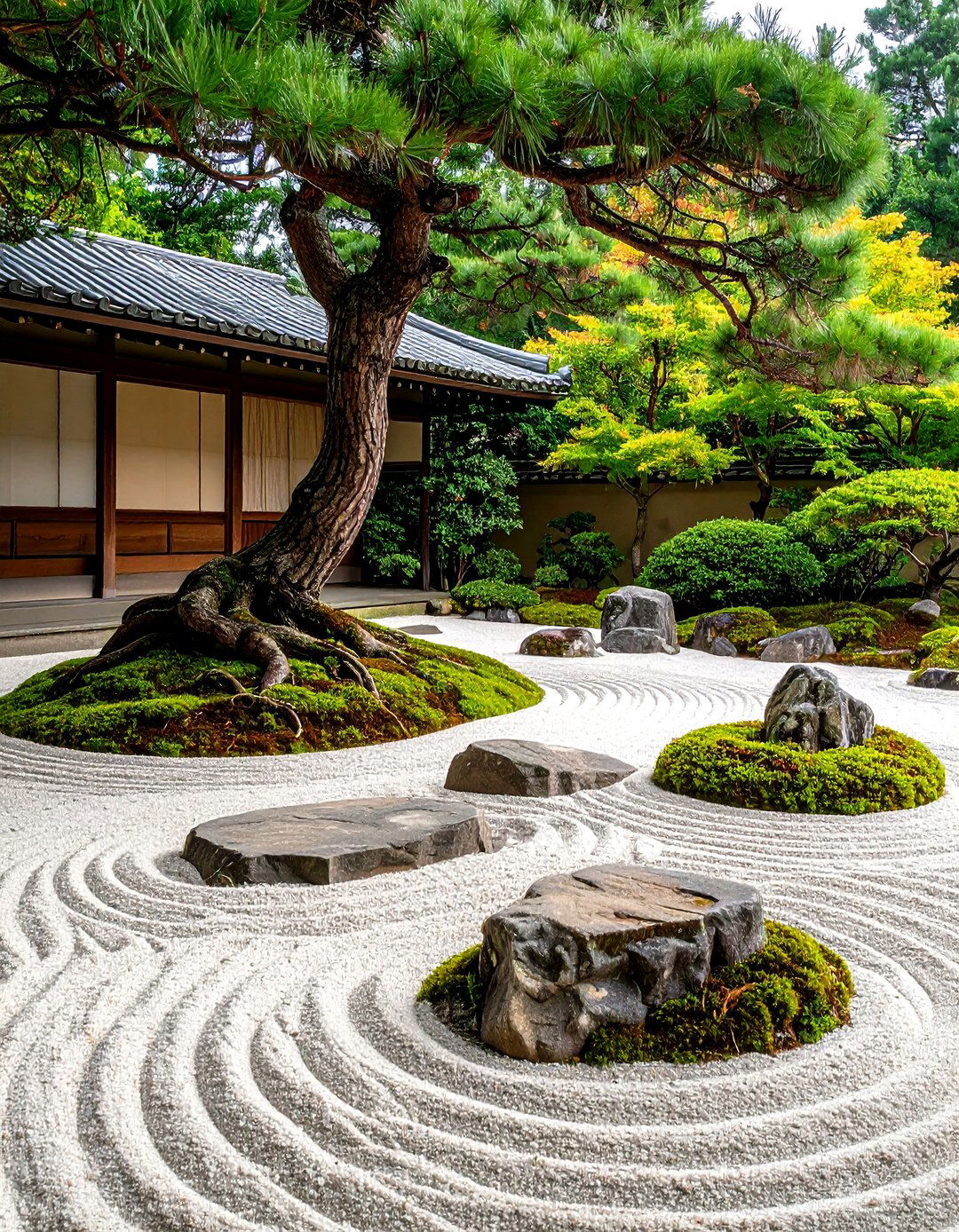
Transform the area into a tranquil Japanese Zen fine, light-colored sand or gravel as the base, carefully raking it into patterns that symbolize a few larger, moss-covered stones strategically among the tree roots to represent exposed roots become an integral part of this serene landscape, evoking a sense of age and design is less about plants and more about creating a meditative space for contemplation, turning the base of your tree into a peaceful and artistic statement.
6. A Wildflower Meadow at the Tree's Base
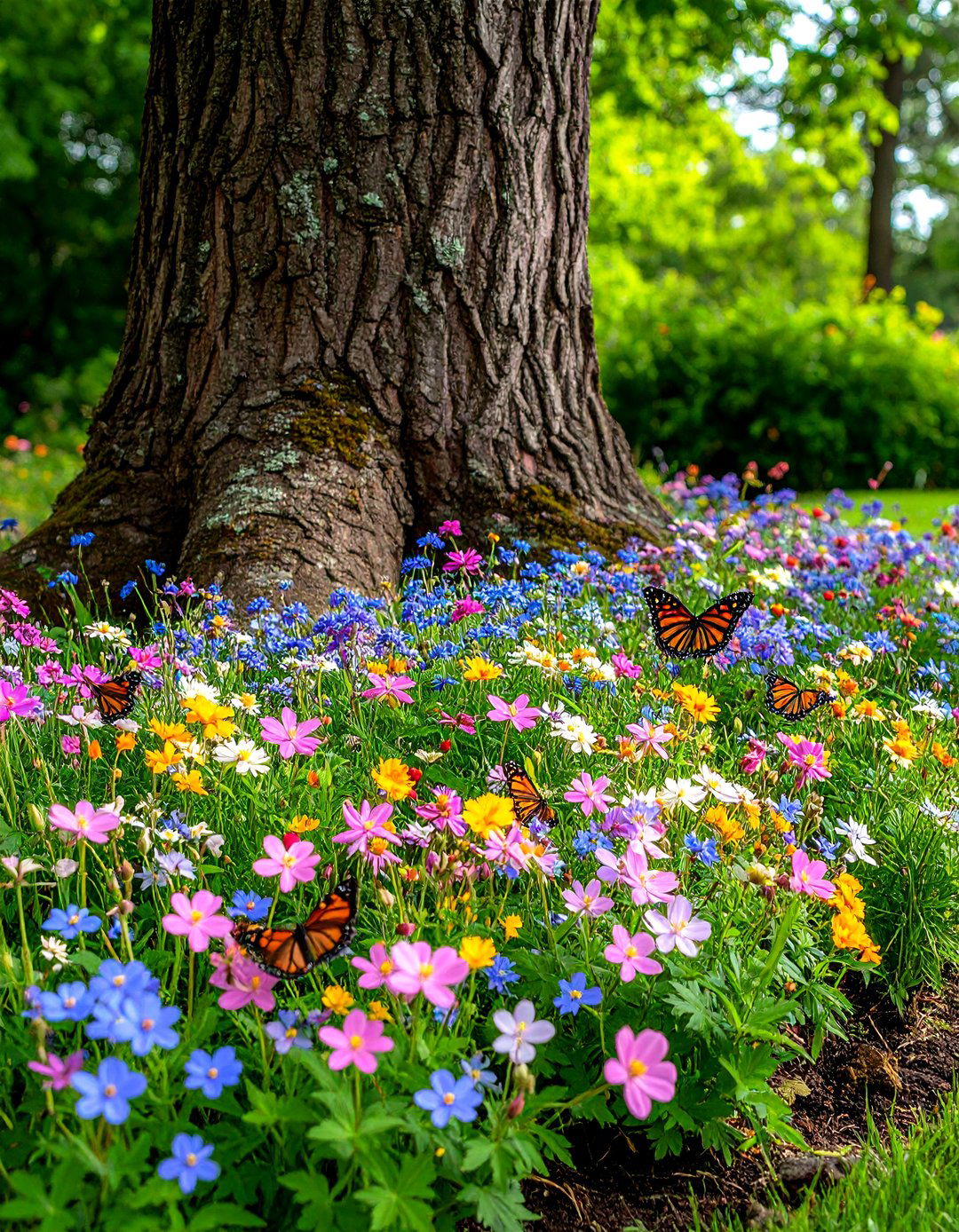
Why not cultivate a miniature wildflower meadow for a touch of untamed, natural beauty? Scatter a seed mix of native, shade-tolerant wildflowers like columbine, wild geranium, and woodland approach creates a dynamic, ever-changing display of color and texture throughout the seasons, attracting pollinators like bees and informal, cottage-garden feel works wonderfully with the rustic nature of exposed roots, creating a charming, low-effort landscape that celebrates the wilder side of nature and supports local ecosystems. It’s a beautiful way to bring life to your yard.
7. A Floating Deck Around a Tree Trunk
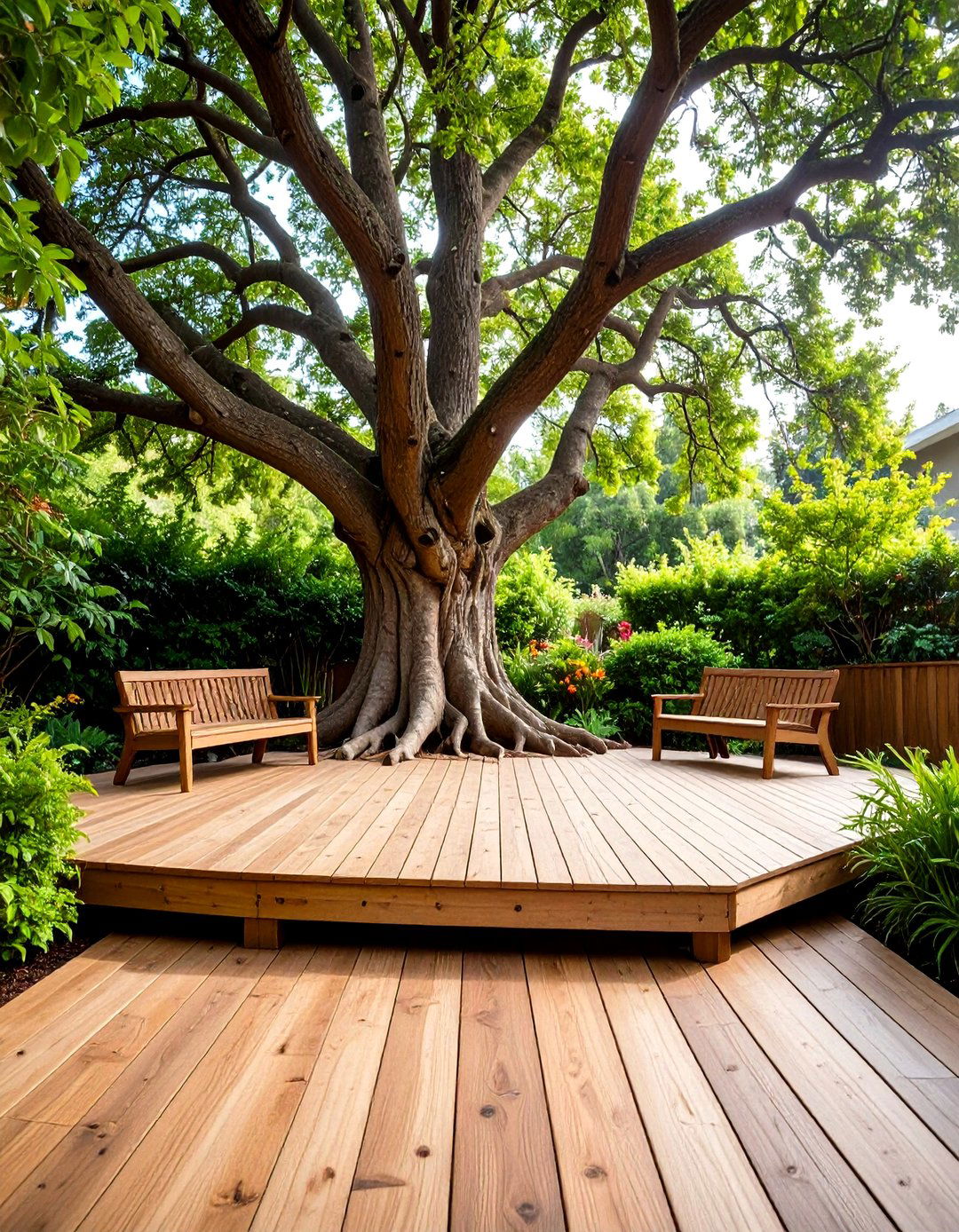
Build a low-profile, multi-level deck that appears to float around the tree trunk, incorporating the roots into its deck boards can be cut to fit snugly around the largest roots, making them a unique and integral feature of the creates a usable, shaded seating area perfect for a quiet afternoon composite decking or weather-resistant wood ensures ambitious project turns the challenging area into a functional and stunning outdoor living space, seamlessly blending architecture with nature for a truly integrated look.
8. A Mulch Bed with Container Gardens
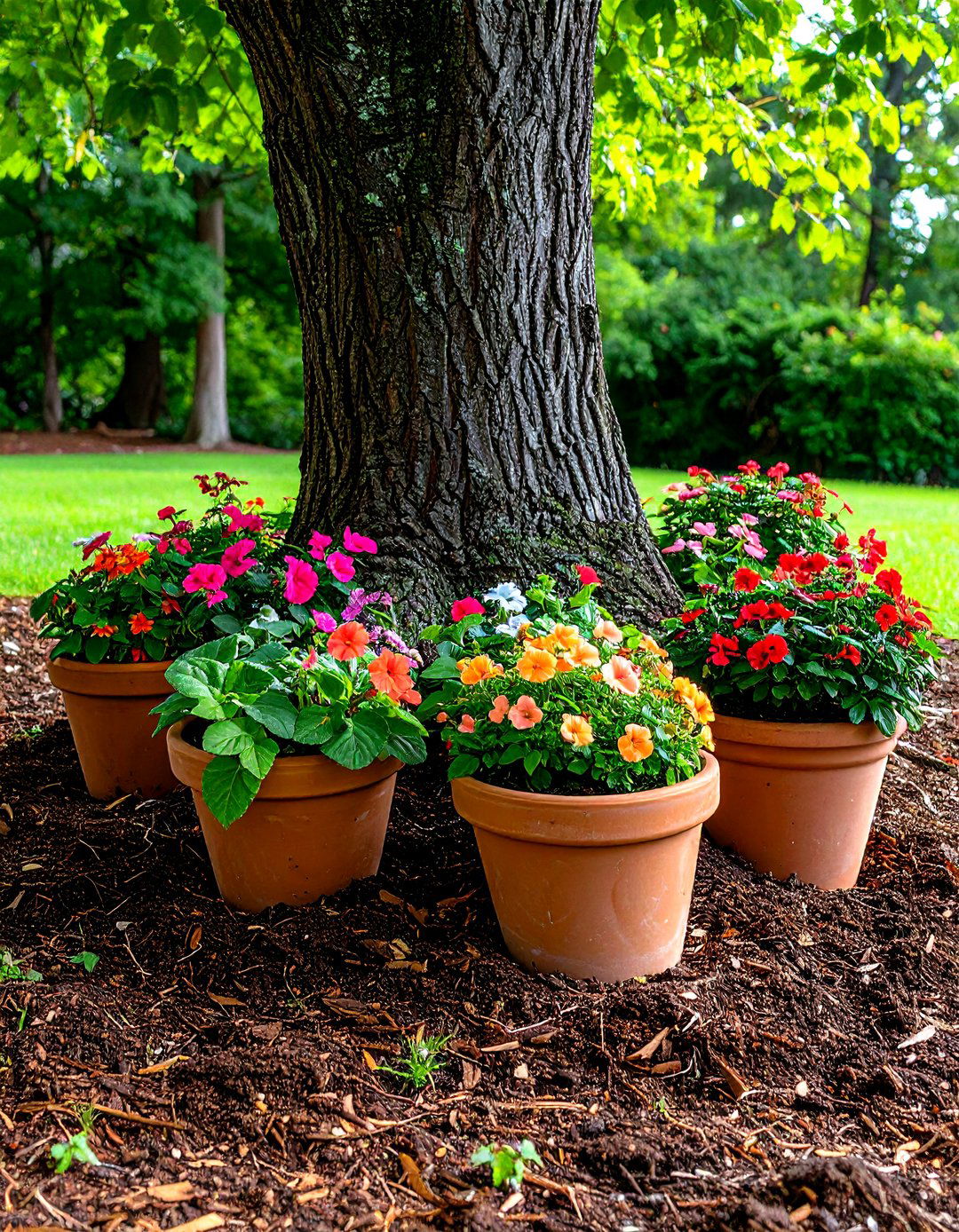
Create a simple yet elegant solution by defining the area with a crisp edge and applying a thick layer of natural mulch, such as cedar or pine of planting directly among the roots, strategically place a collection of decorative containers and pots on top of the them with colorful, shade-loving annuals like impatiens or allows you to add vibrant color and interest without disturbing the tree's sensitive root system, offering flexibility to change the look each season.
9. An Illuminated Evening Showcase with Landscape Lighting
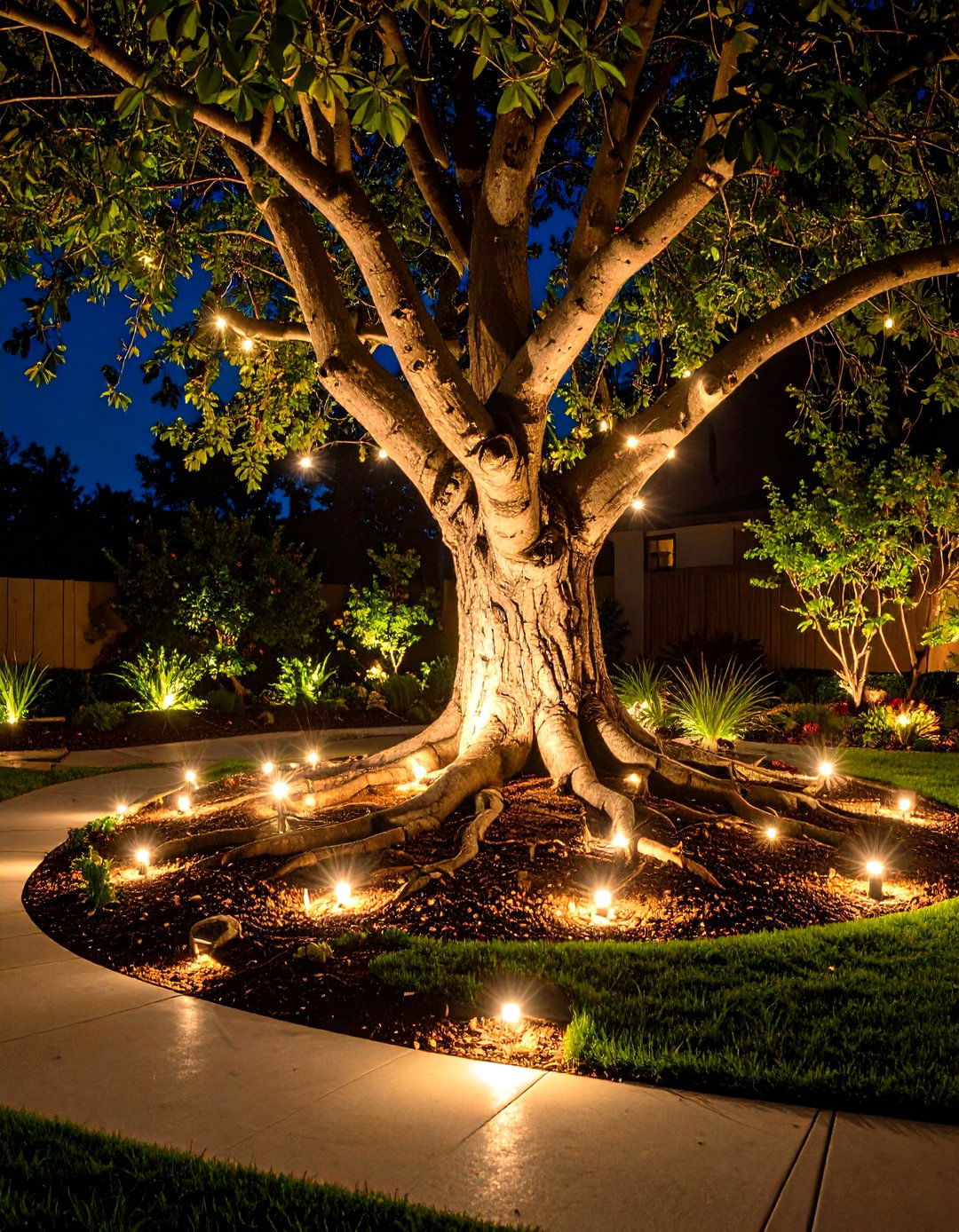
Focus on creating a dramatic evening display by installing strategic landscape subtle uplighting to highlight the texture of the tree's bark and the intricate patterns of the lights can be woven through the root system to create a magical, glowing design transforms the tree base into a captivating focal point after sunset, adding depth and intrigue to your with a simple ground cover like moss or dark mulch, the lighting becomes the star of the show.
10. A Stepping Stone Path Through the Roots
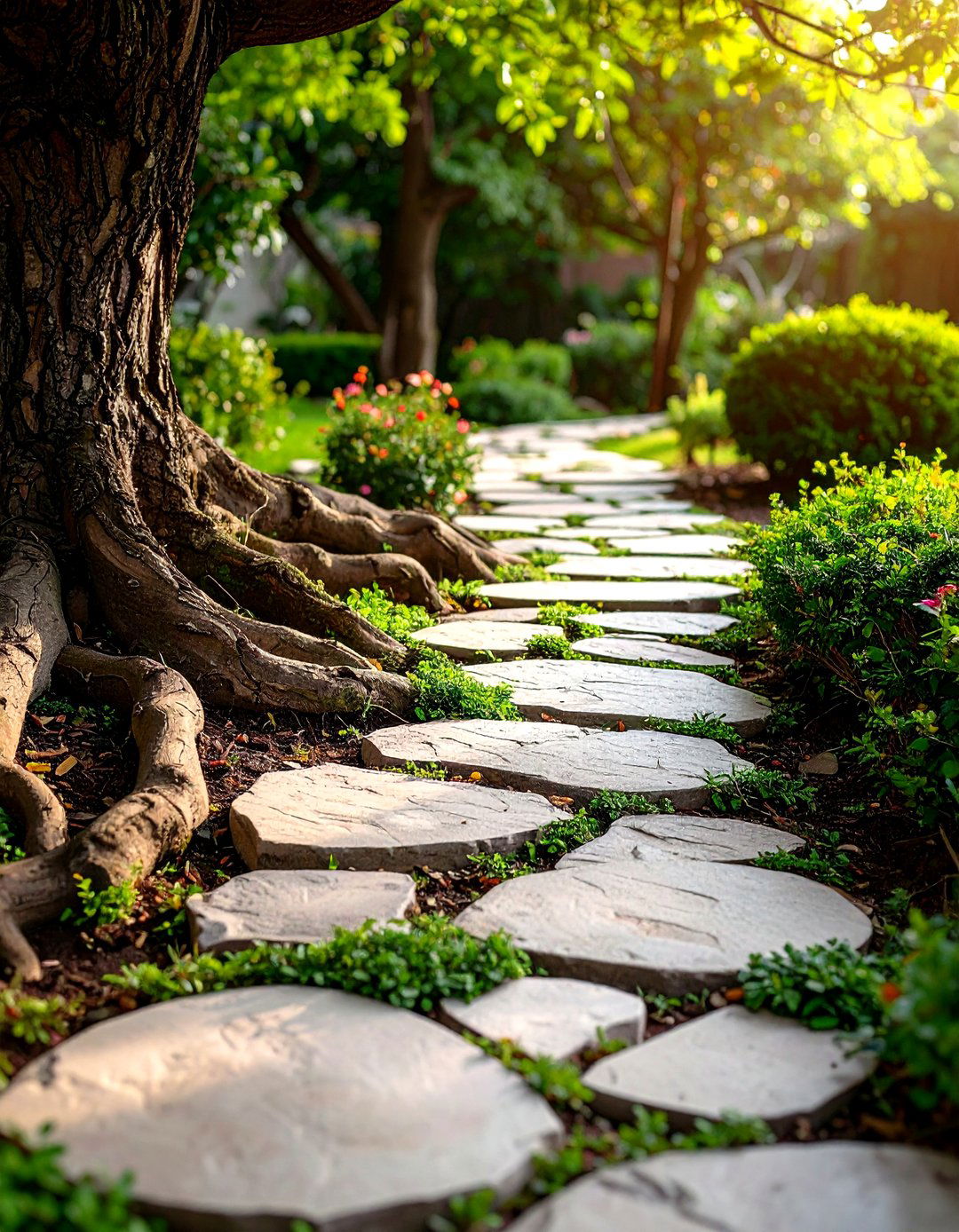
Forge a whimsical path directly through the root zone using natural, irregular set the stones in sand between the roots, creating a stable and enchanting invites exploration and makes the tree an interactive part of the low-growing moss or creeping thyme in the gaps between the stones can soften the look and add a touch of practical solution protects the roots from compaction while adding a sense of journey and discovery to your landscape.
11. A Hosta and Coral Bell Tapestry
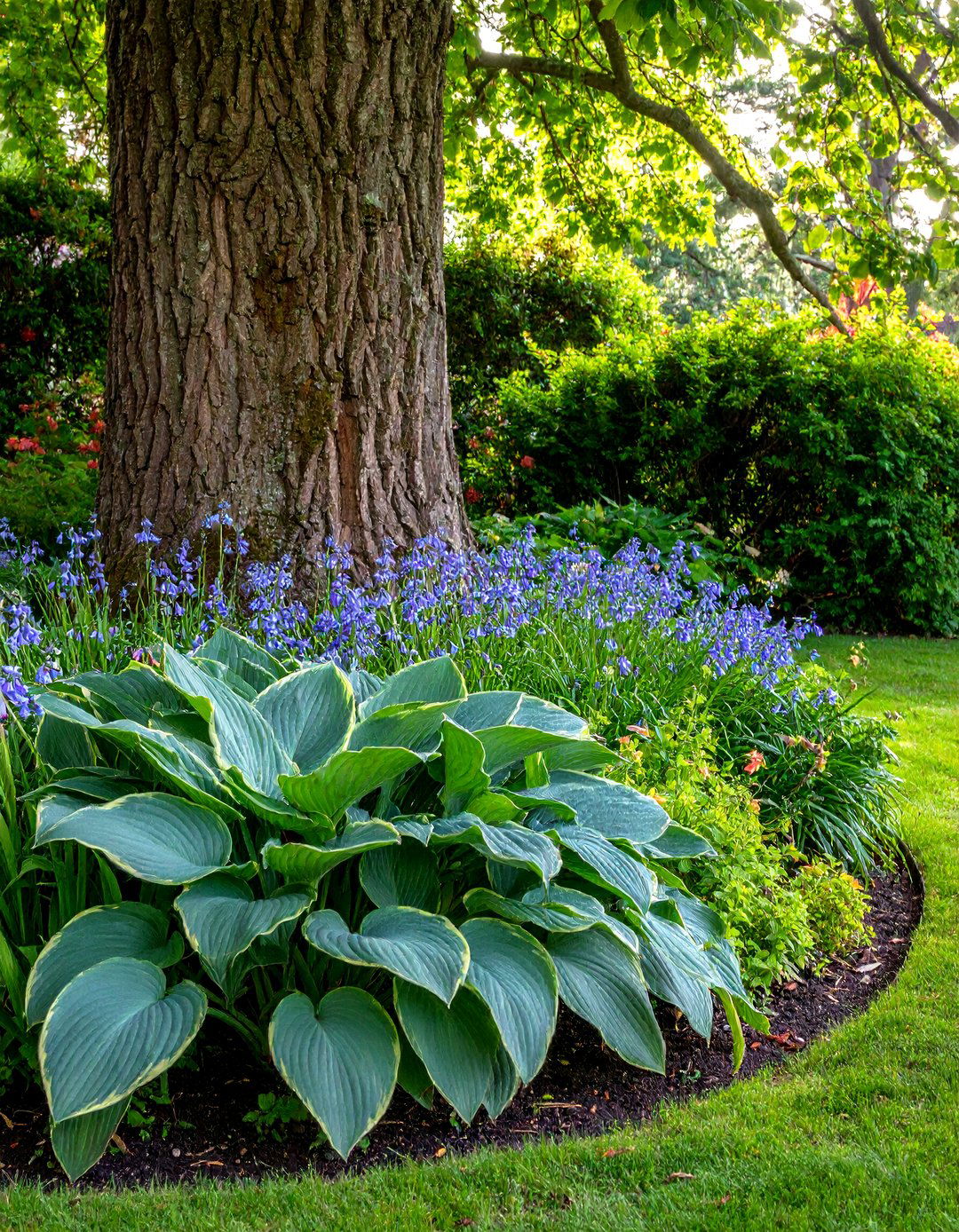
Design a rich tapestry of foliage by mass planting different varieties of hostas and coral bells (Heuchera). Combine hostas with large, blue-green leaves with the deep purples, bright oranges, and lime greens of various coral bell creates a stunning, multi-tonal quilt of color and texture that thrives in the mounding habit of these plants works perfectly to fill the spaces between roots, resulting in a full, lush look that remains visually interesting from spring through fall without relying on flowers.
12. A Spring Bulb Spectacle
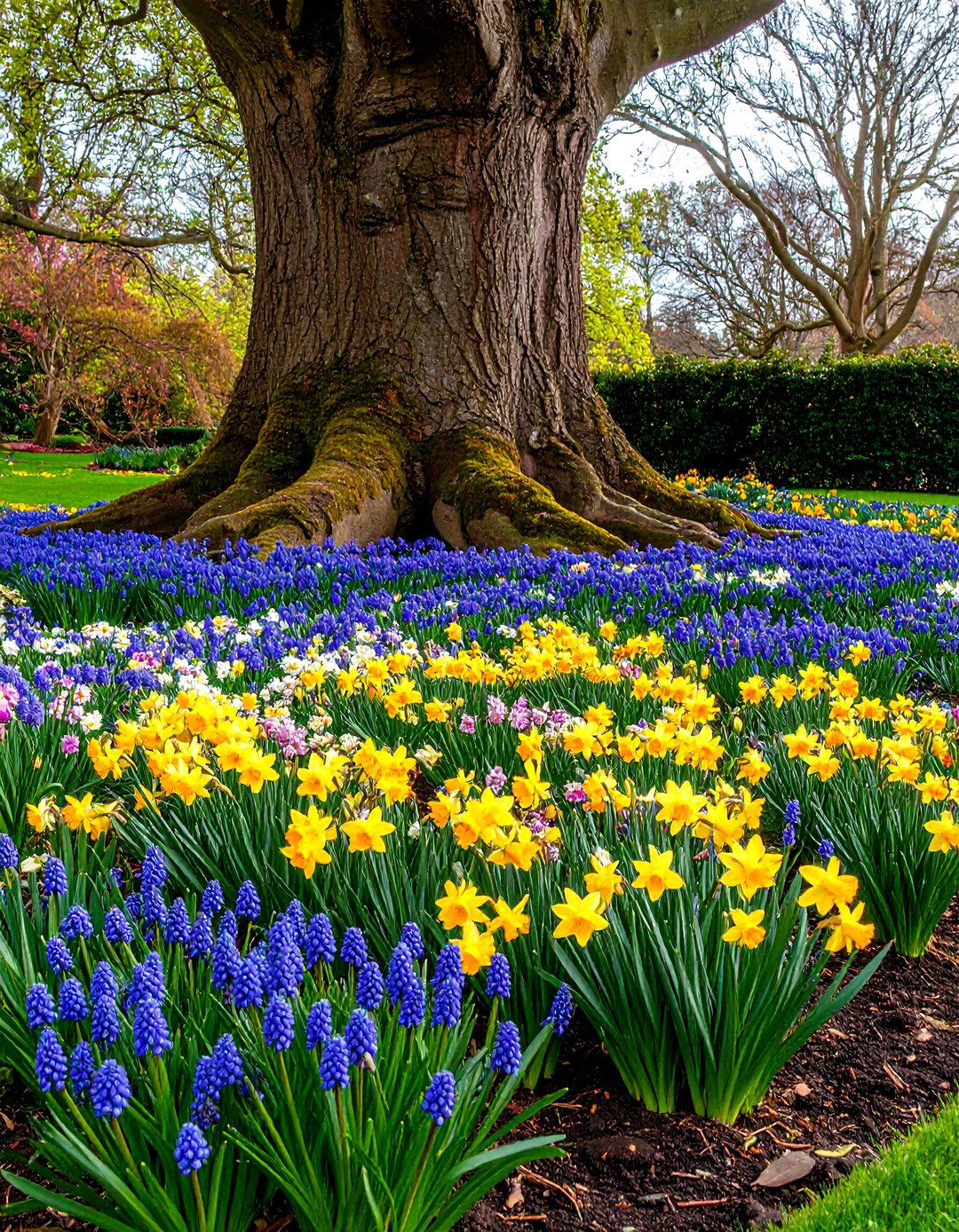
Plan for a spectacular spring awakening by planting masses of early-blooming of snowdrops, crocuses, daffodils, and grape hyacinths can be tucked into the soil pockets between the bulbs will emerge early in the spring, often before the tree fully leafs out, taking advantage of the available they bloom, their foliage dies back, leaving the stage for summer shade succession planting provides a burst of vibrant color to kick off the gardening season.
13. A Naturalistic Moss and Stone Composition
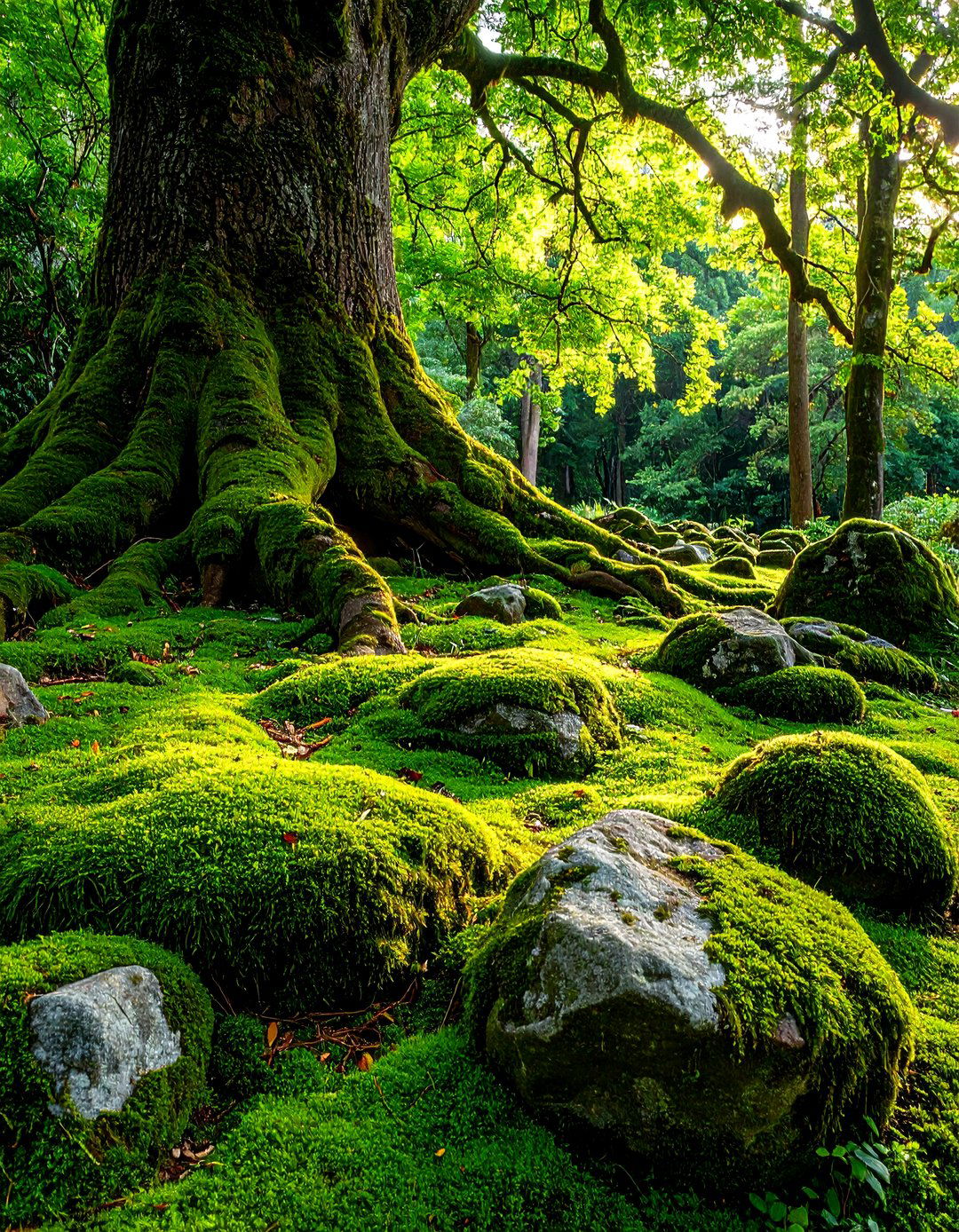
Cultivate a serene, ancient-looking landscape by encouraging moss to grow over the roots and surrounding a few weathered, moss-covered stones to enhance the naturalistic approach requires a consistently moist and shaded environment but rewards with a velvety, emerald-green carpet that looks timeless and peaceful. It’s a very low-maintenance option that celebrates the beauty of natural processes, making the tree base look like a tiny, untouched piece of an old-growth you ever considered how calming a moss garden could be?
14. A Dry Creek Bed Feature
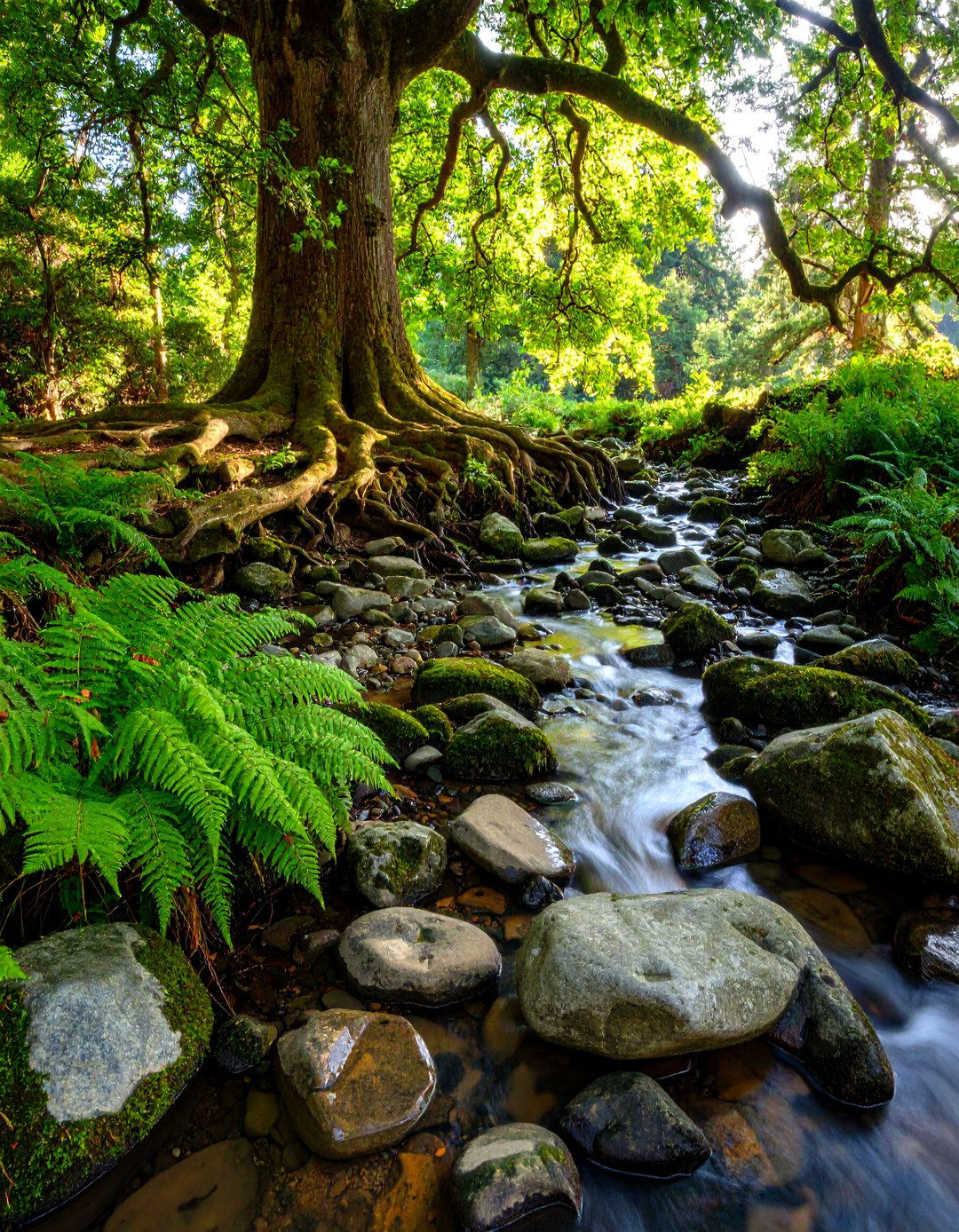
Construct a dry creek bed that meanders through the tree 's root a variety of river rocks and smooth pebbles of different sizes to create the illusion of a flowing "stream" can navigate around the largest roots, making them look like natural obstacles in a river' s moisture-loving plants like ferns and sedges along the "banks" enhances the imaginative design cleverly solves drainage issues while turning the root-filled area into a highly decorative and dynamic landscape feature.



15. A Bench Encirclement for a Reading Nook
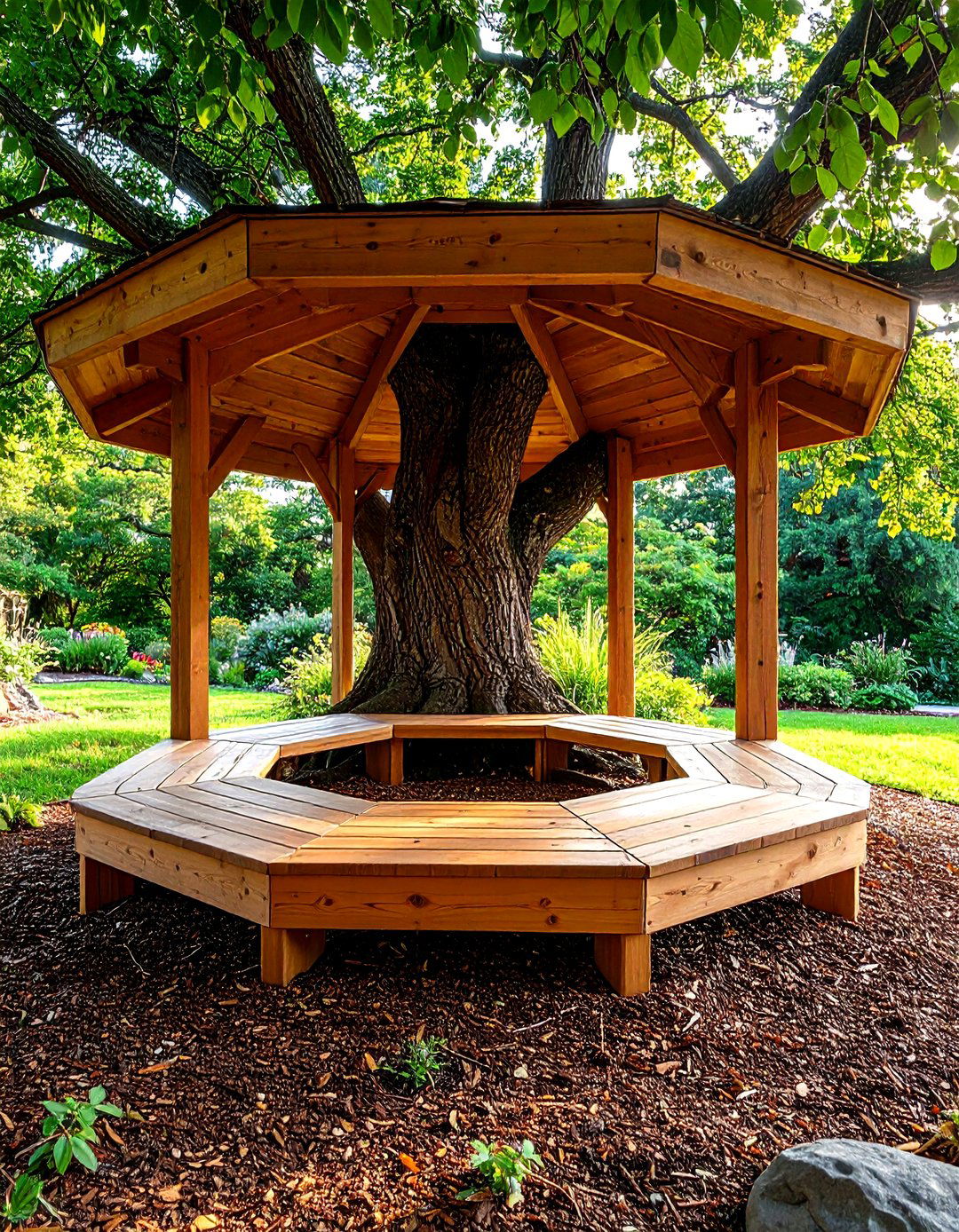
Install a circular or hexagonal bench that wraps around the tree trunk, providing a built-in seating creates a charming and functional reading nook nestled under the cool shade of the ground beneath can be covered with simple mulch or a durable ground cover like mondo bench not only offers a destination within the garden but also protects the tree's base from foot traffic, seamlessly integrating furniture and nature into a cohesive and inviting design that encourages relaxation.
16. A Recycled Glass Mulch Design
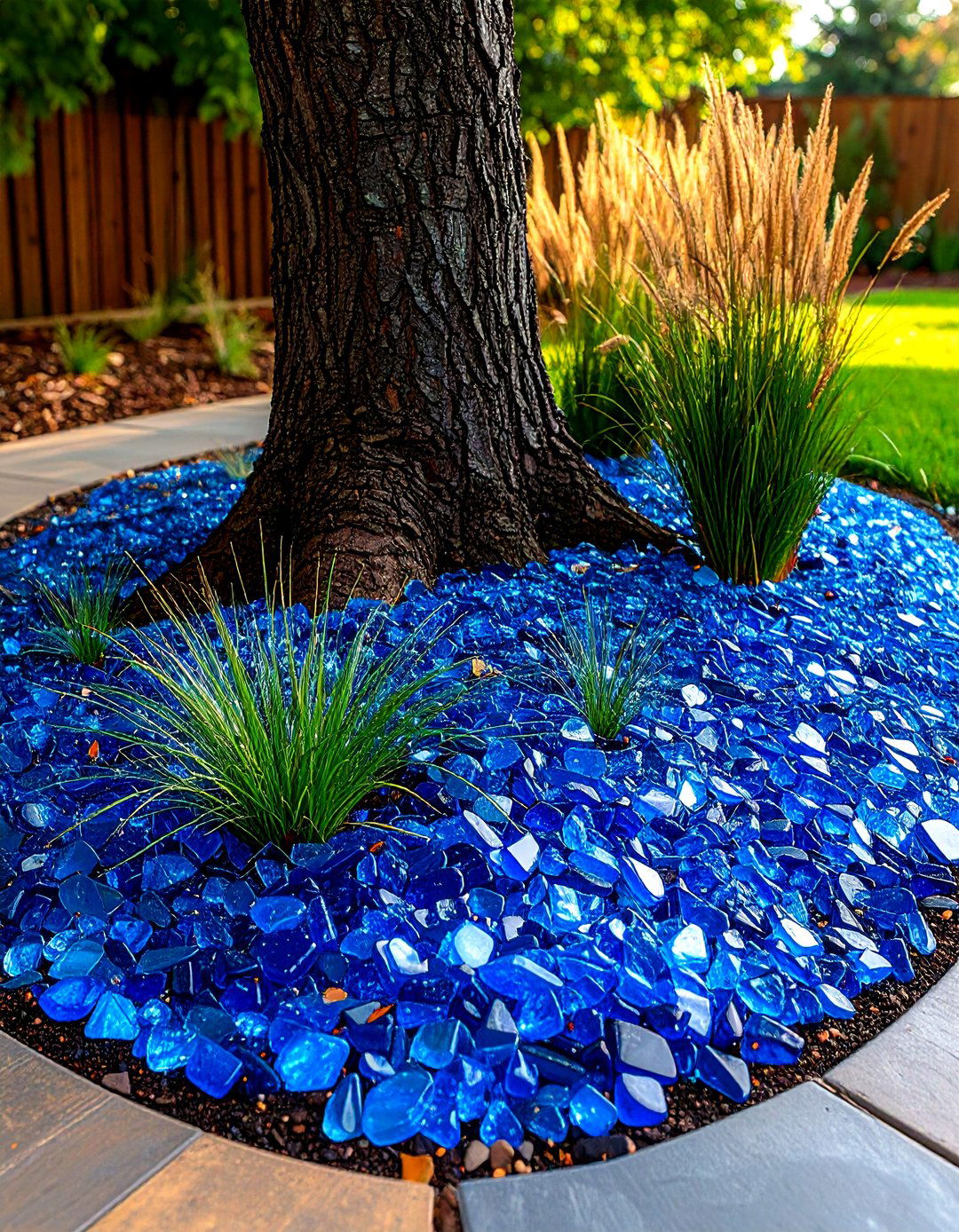
For a truly unique and modern statement, use tumbled, recycled glass mulch around the tree in a range of brilliant colors like cobalt blue or sea green, the glass catches the light and sparkles, creating a magical is an excellent choice for contemporary gardens or for adding an unexpected pop of glass mulch is durable, won't decompose, and helps suppress with a few simple, architectural plants like ornamental grasses, it creates a striking and artistic focal point.
17. An Edible Herb Spiral in the Sun
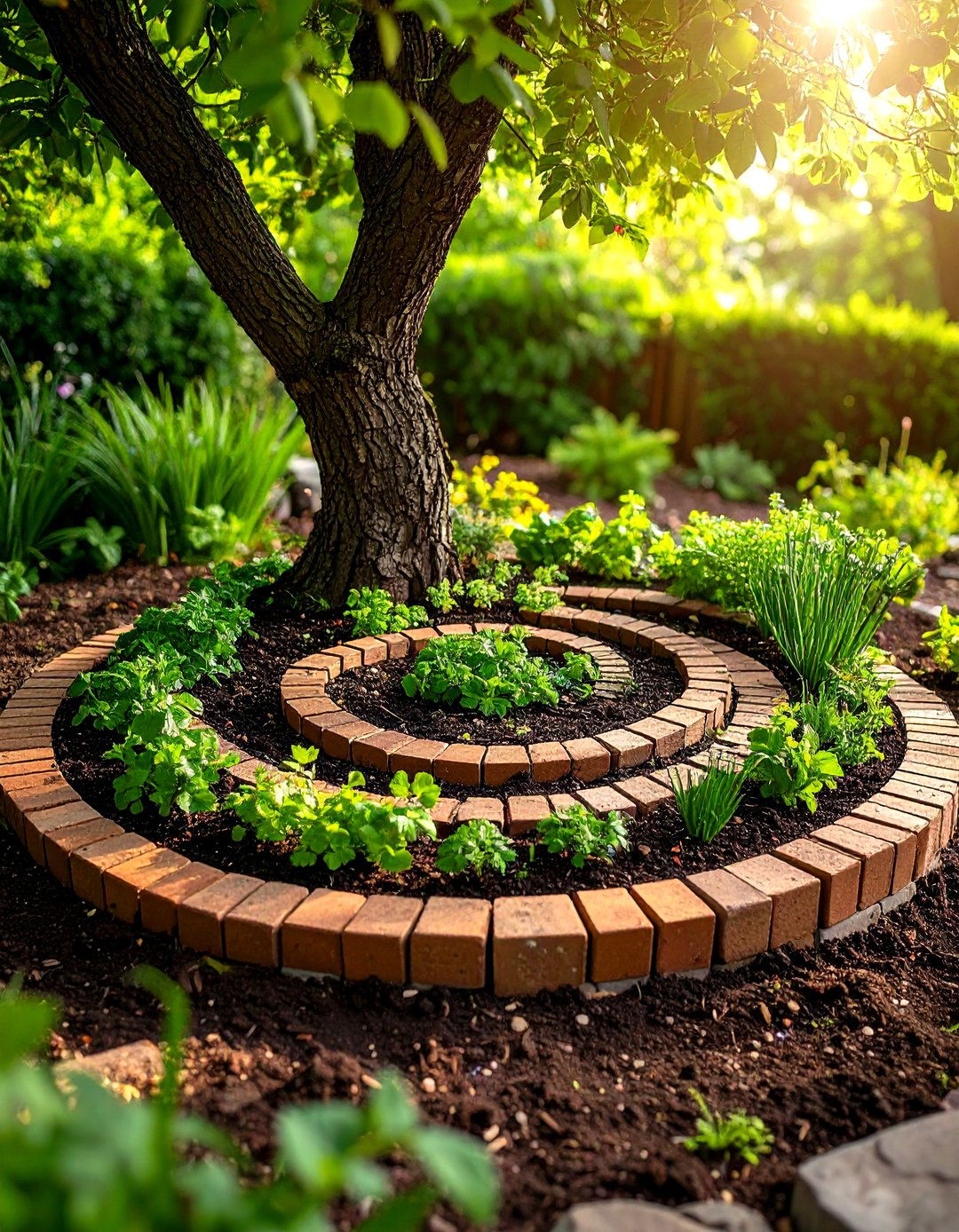
If the area around your tree receives enough sunlight, consider building a shallow, spiraling herb garden using small stones or shallow-rooted, shade-tolerant herbs like mint, chives, parsley, and lemon balm along the spiral design adds vertical interest and makes harvesting functional approach turns a challenging spot into a productive part of your garden, providing fresh herbs for your kitchen while creating a fragrant and visually appealing feature. It's a perfect blend of beauty and utility.
18. A Water Feature with a Small Fountain
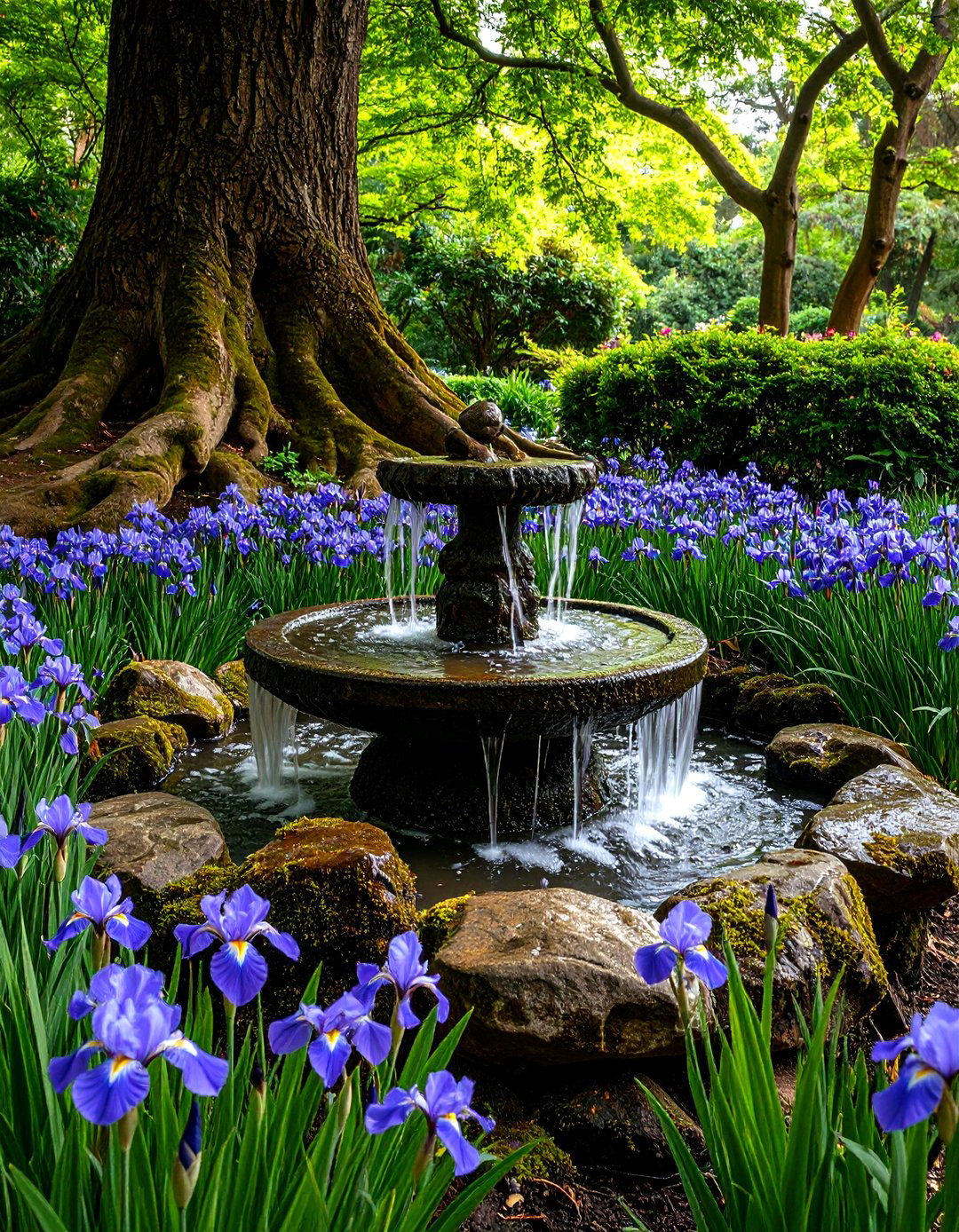
Incorporate a self-contained water feature, such as a small bubbling rock or a tiered fountain, among the tree sound of trickling water adds a soothing ambiance and can attract the feature with water-loving plants like Japanese iris or cardinal flower if the area is fountain becomes the central element, with the tree roots providing a natural, rustic design engages multiple senses, creating a tranquil oasis perfect for relaxation and contemplation in your own backyard.
19. A Sculpture Garden Display
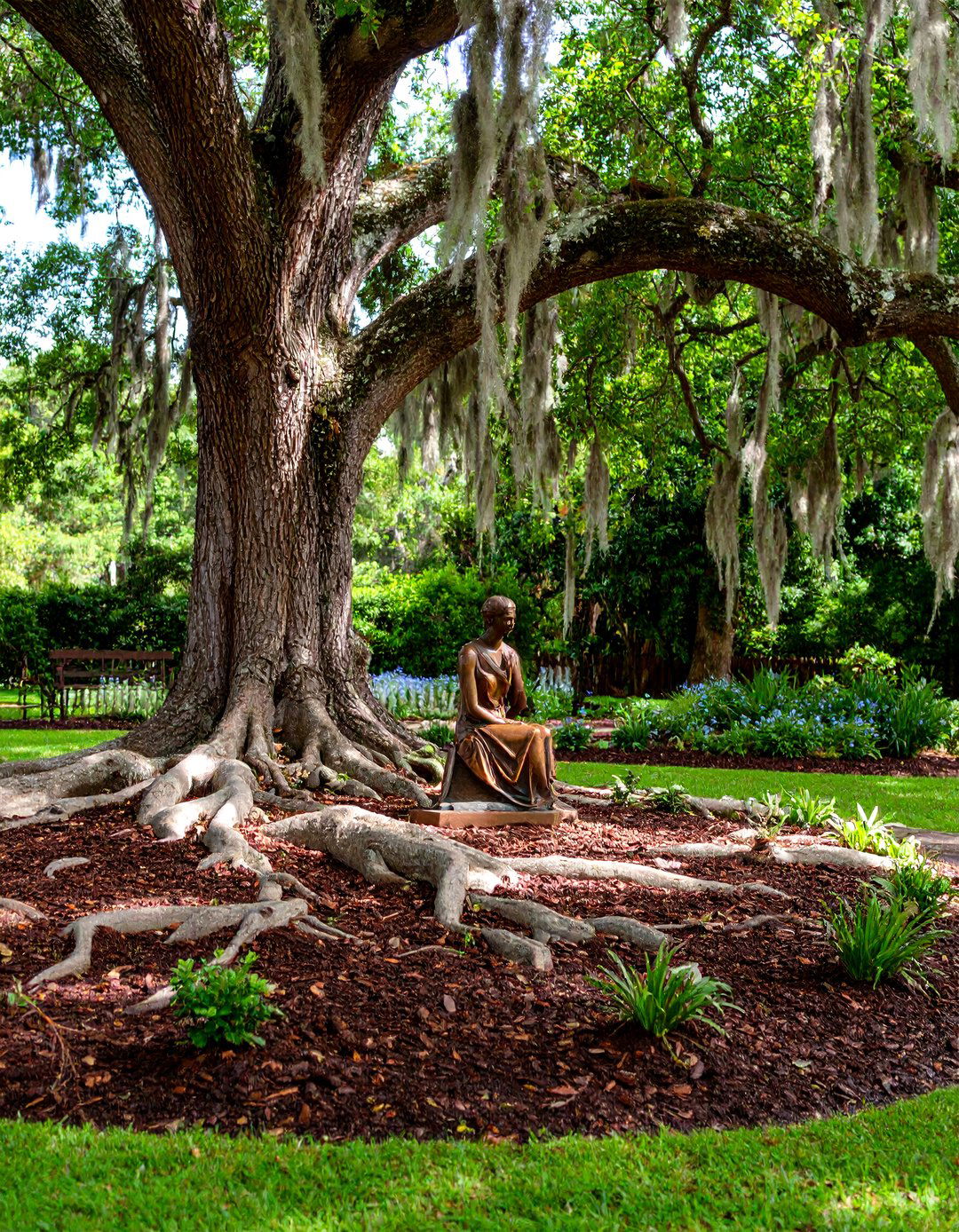
Use the area at the base of the tree as a natural pedestal for a small sculpture one or two weather-resistant art pieces that complement your garden's style, whether abstract metalwork, a classical stone figure, or a whimsical tree roots provide a dramatic, organic backdrop that enhances the the ground treatment simple with dark mulch or a low ground cover to ensure the sculptures remain the main transforms the space into an outdoor gallery, adding sophistication and personal expression.


20. A Bird and Butterfly Sanctuary
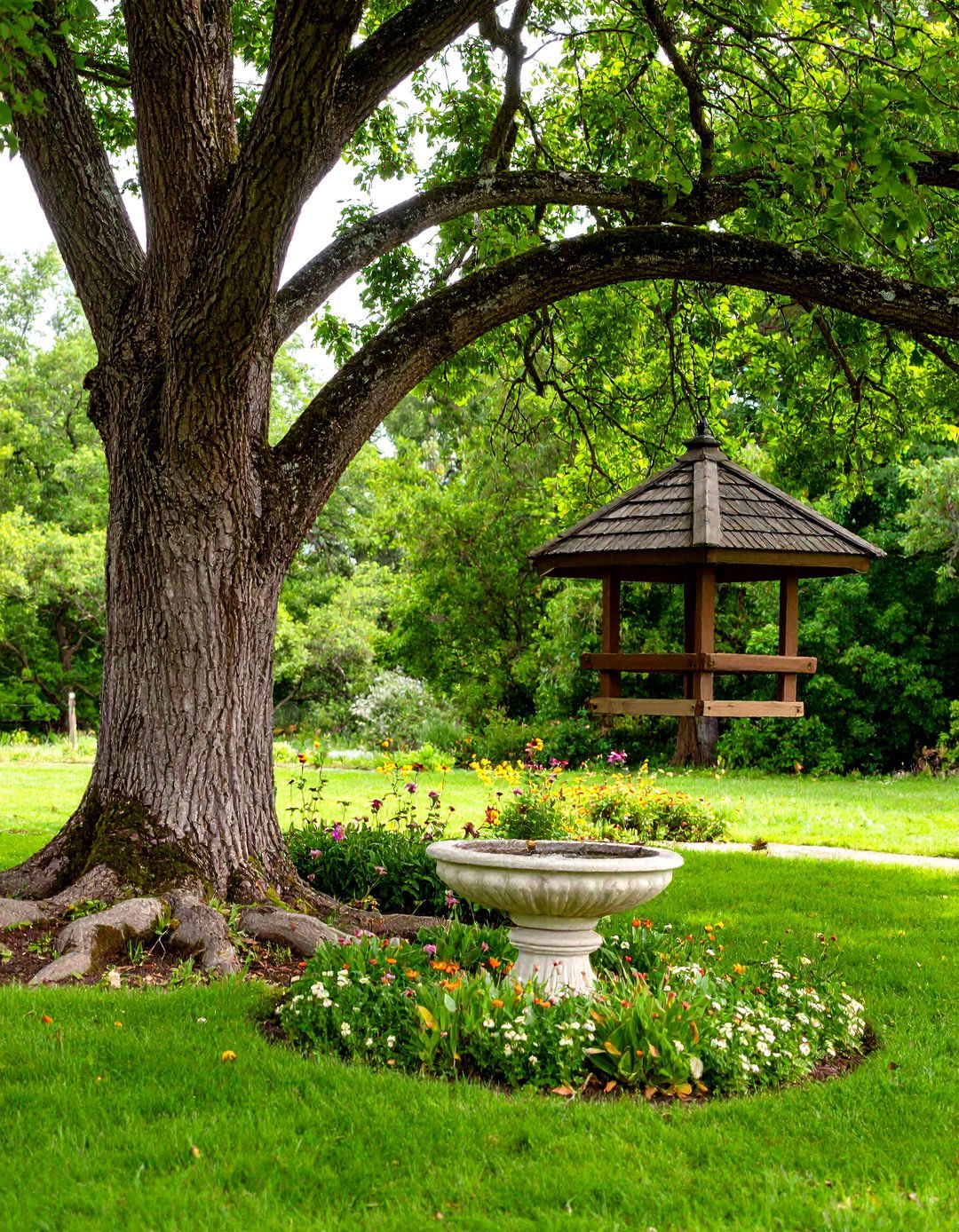
Design a sanctuary to attract local a birdbath, a small feeder, and plant a selection of native, nectar-rich perennials like bee balm and black-eyed Susans if there 's enough tree itself provides natural shelter for natural materials like wood chip mulch and logs for borders enhances the habitat approach creates a lively, active space that benefits the local ecosystem while providing endless opportunities for nature watching. Isn' t creating a haven for wildlife a wonderful goal for your garden?
21. A Polished River Rock Border
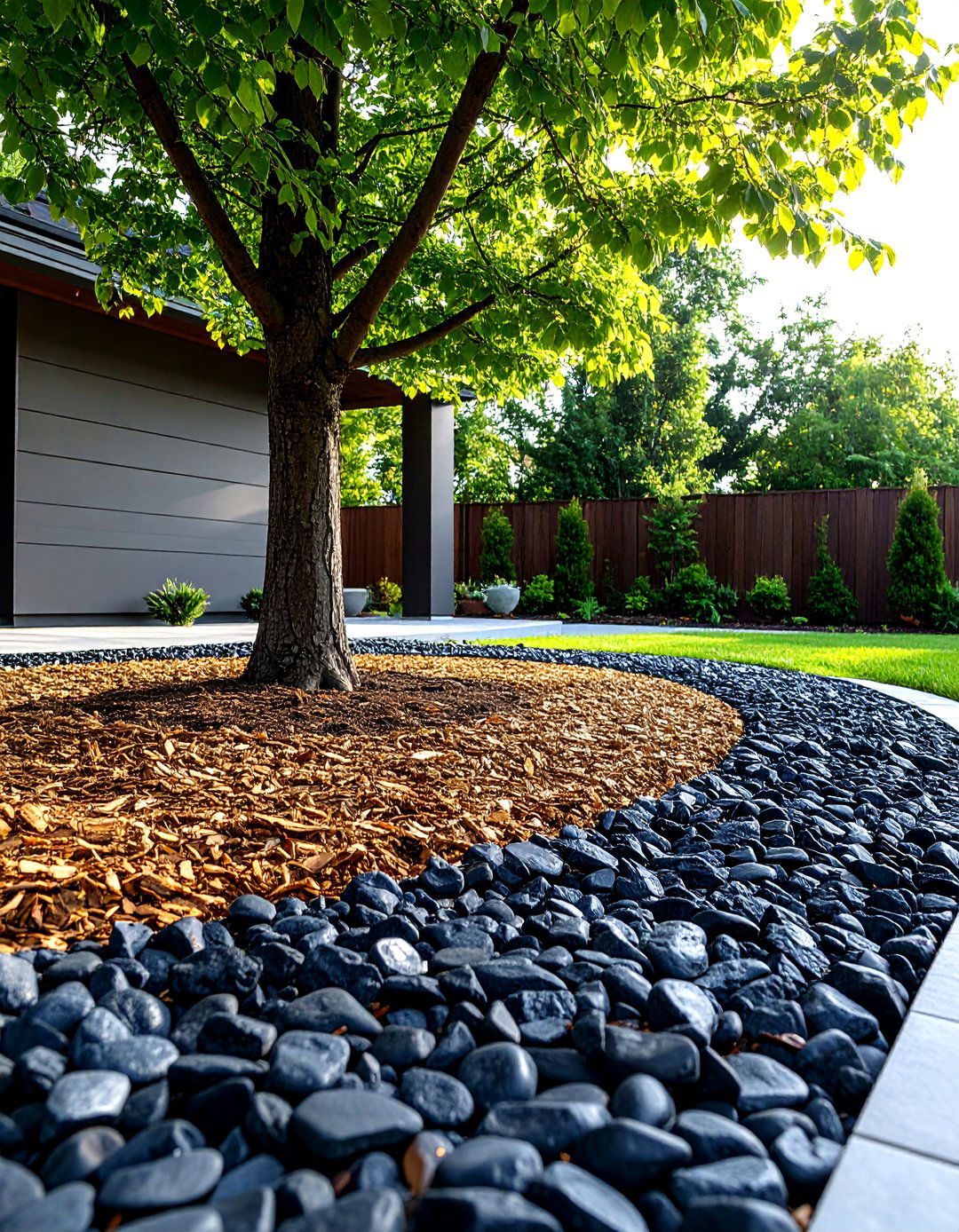
Define the space with a wide, generous border of smooth, polished river a consistent color, like black or white, for a sleek, modern look, or a mix of earth tones for a more natural rocks create a clean edge, separating the tree base from the lawn and preventing grass from area inside the border can be filled with mulch or a simple ground design is all about creating a crisp, well-defined frame that makes the tree and its roots look intentional and cared for.
22. A Cottage Garden with Climbing Vines
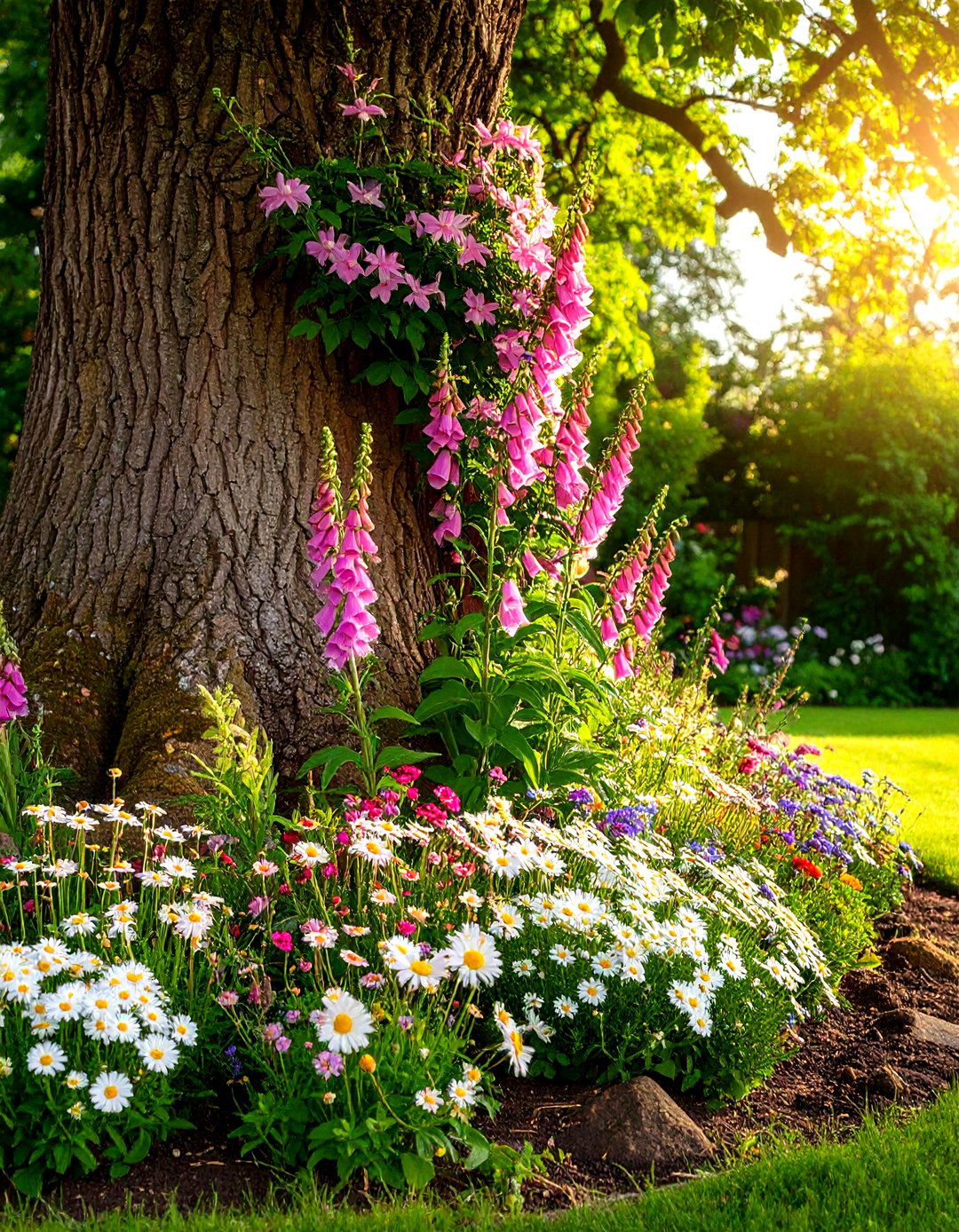
Embrace a romantic, cottage-garden aesthetic by planting flowering vines to climb the tree non-aggressive varieties like clematis or climbing hydrangea that won't harm the the base, plant a cheerful mix of classic cottage flowers like foxgloves, daisies, and lavender, tucking them into soil pockets between the creates a charmingly chaotic and colorful scene that looks like it has been growing for years, softening the entire area with flowers and foliage.
23. A Minimalist Mondo Grass Planting
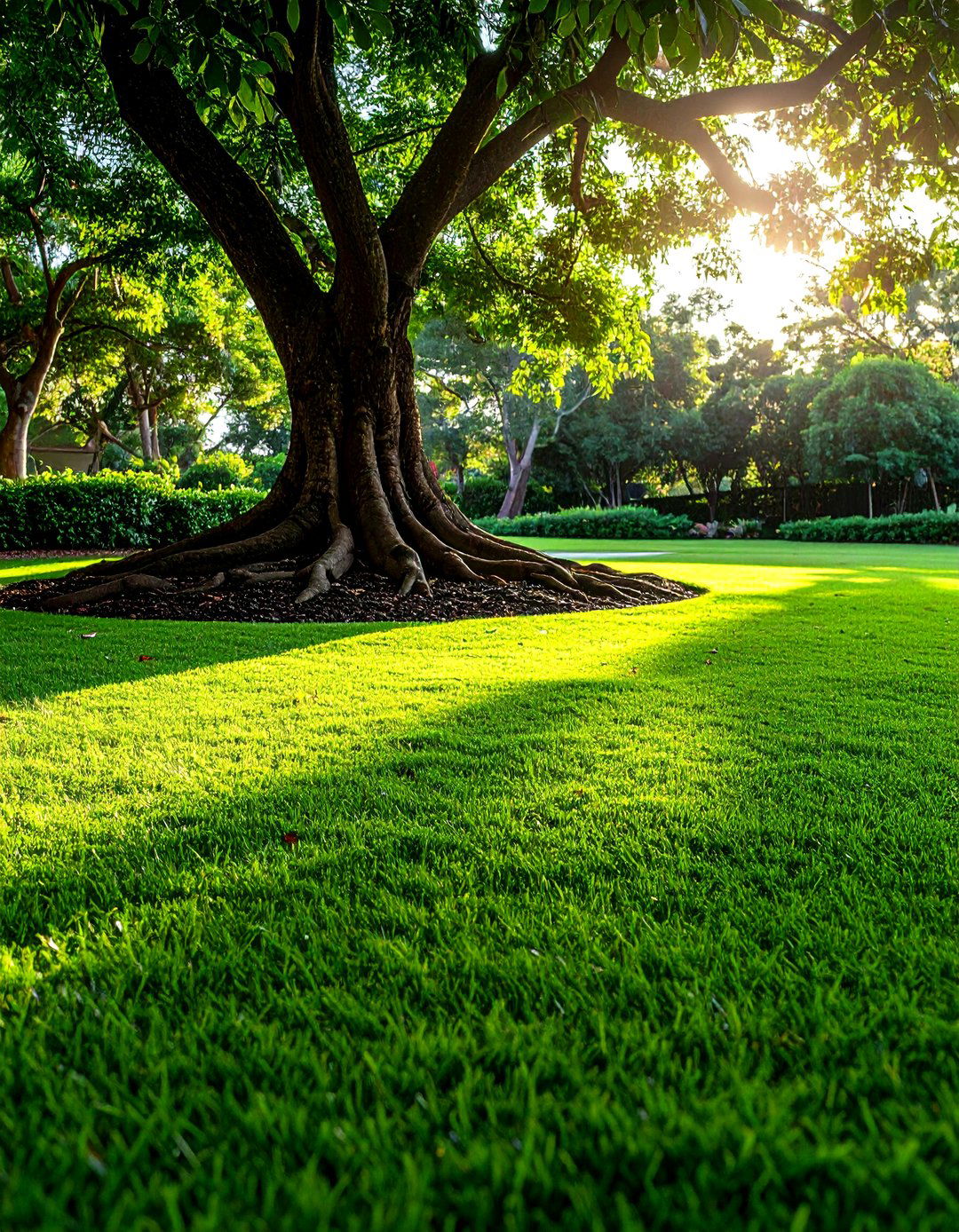
For a clean, contemporary, and incredibly low-maintenance design, plant the entire area under the tree with dwarf mondo creates a uniform, dark green, grass-like carpet that requires no mowing and is tough enough to compete with tree simplicity of the single-plant palette makes the texture of the tree's bark and the form of its roots stand elegant solution is perfect for modern landscapes where clean lines and understated beauty are valued, providing a seamless and sophisticated ground cover.
24. A Themed Fairy Garden
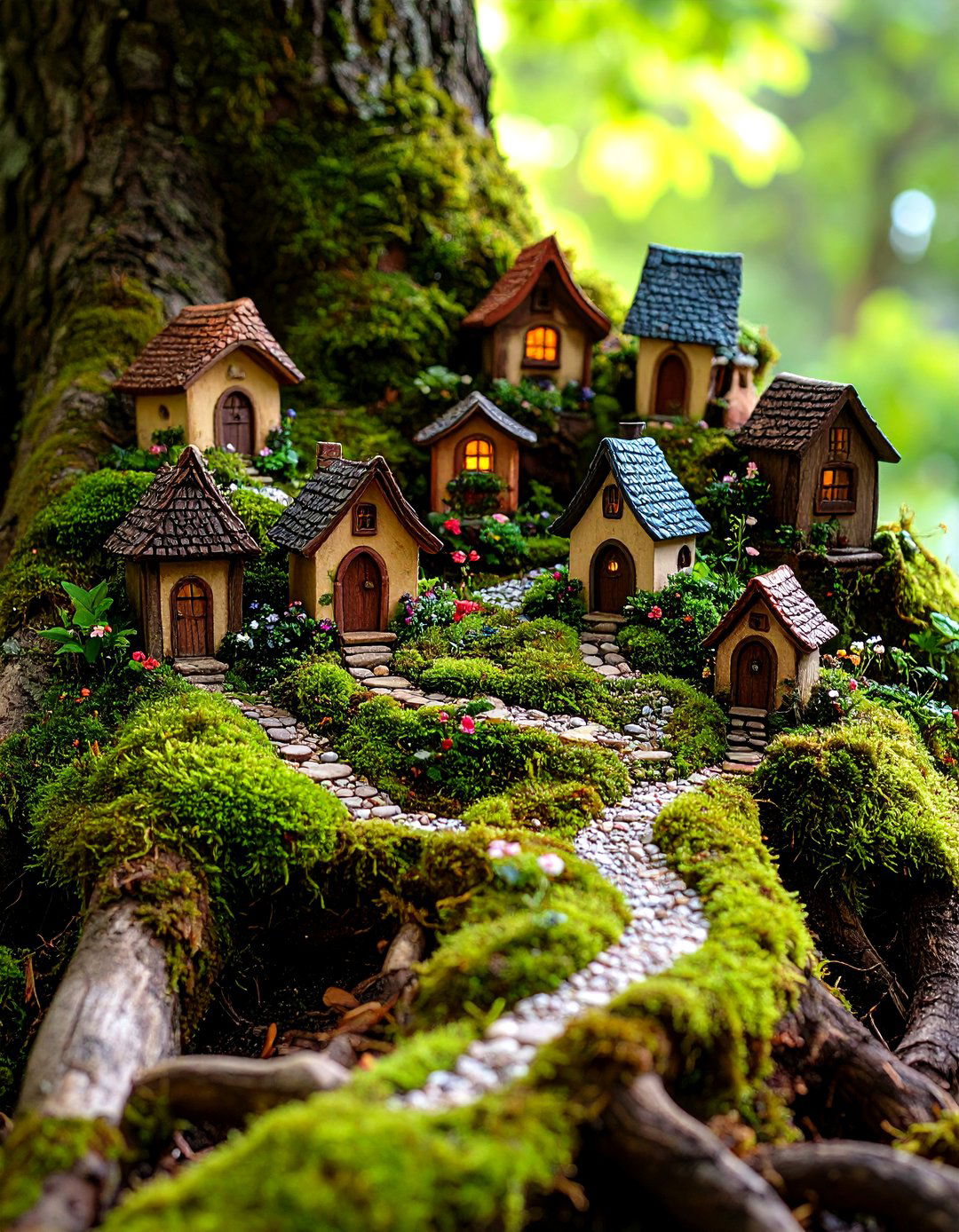
Spark imagination by creating a detailed fairy garden among the gnarled roots themselves become hills, valleys, and bridges in a miniature tiny houses, furniture, pathways made of small pebbles, and miniature mosses and whimsical project is perfect for families with children and adds a touch of magic and storytelling to the encourages close observation and turns the base of the tree into an enchanting, ever-evolving diorama that delights visitors of all stories could your fairy garden tell?
25. A Rustic Log and Branch Border
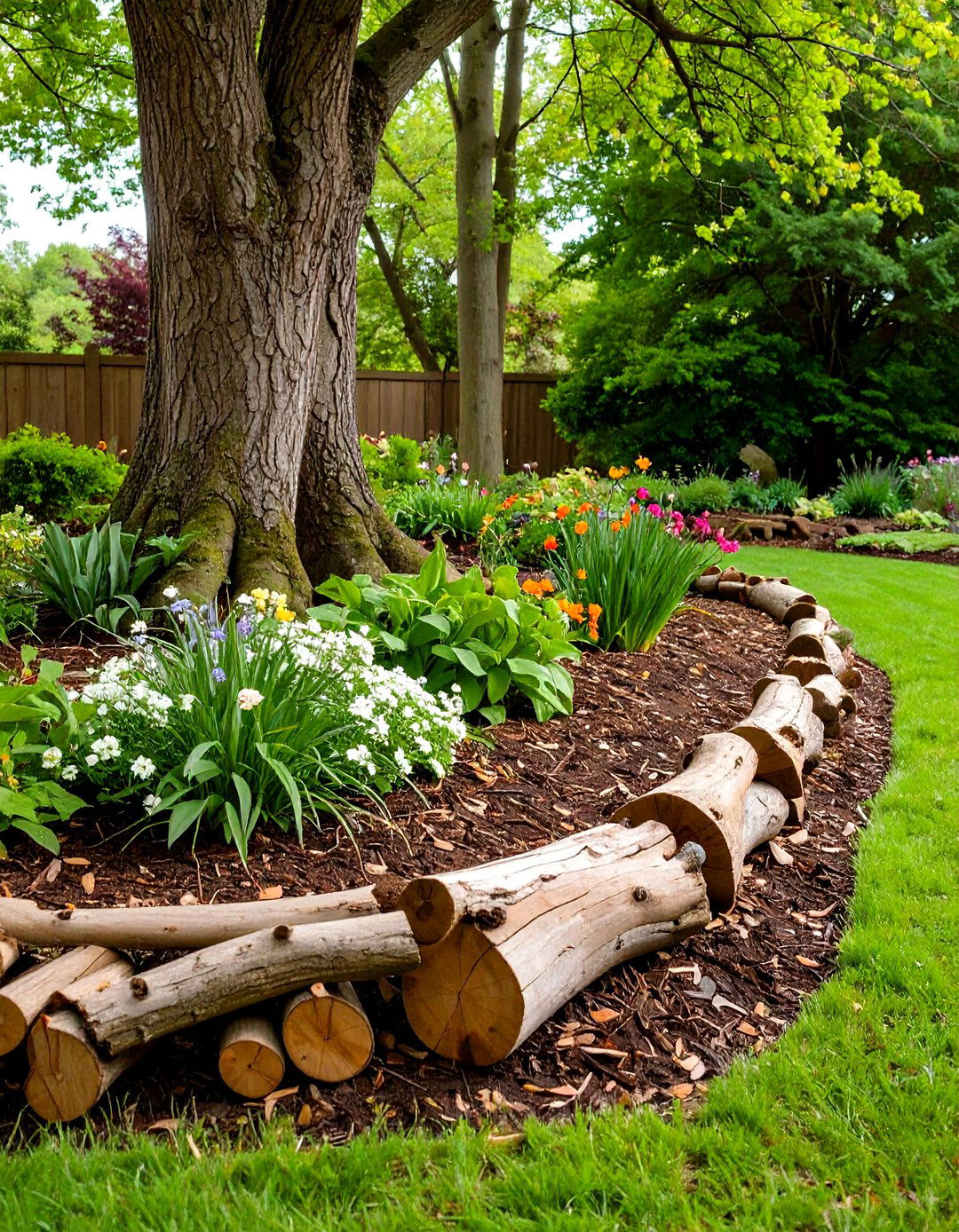
Create a naturalistic border using fallen logs and branches from your own yard or a wooded them around the perimeter of the root zone to define the recycled material adds a rustic, woodland charm and slowly decomposes, enriching the soil over the bed with leaf mould or compost and plant native woodland design is not only cost-effective and eco-friendly but also creates a habitat for beneficial insects and microorganisms, perfectly complementing the aesthetic of a mature tree.
26. A Heat-Tolerant Rock Garden
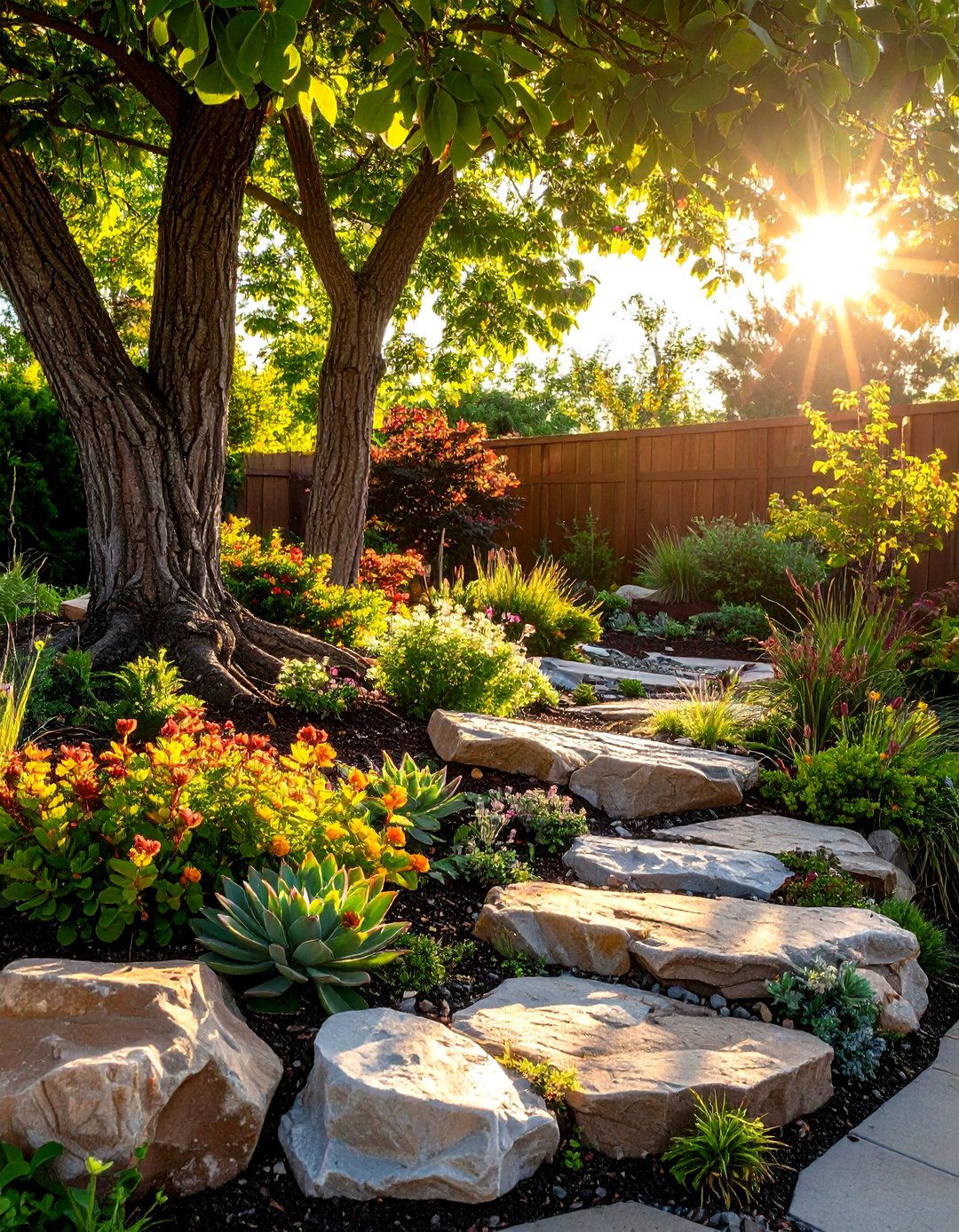
If the area around your tree is sunny and dry, design a heat-tolerant rock a mix of gravel and larger, angular rocks to create planting them with tough, drought-resistant plants like sedums, ice plants, and creeping plants thrive in the challenging conditions often found at the base of a large combination of stone and hardy succulents creates a rugged, textural landscape that is both beautiful and resilient, requiring minimal water or attention once established.
27. An L-Shaped Raised Planter Box
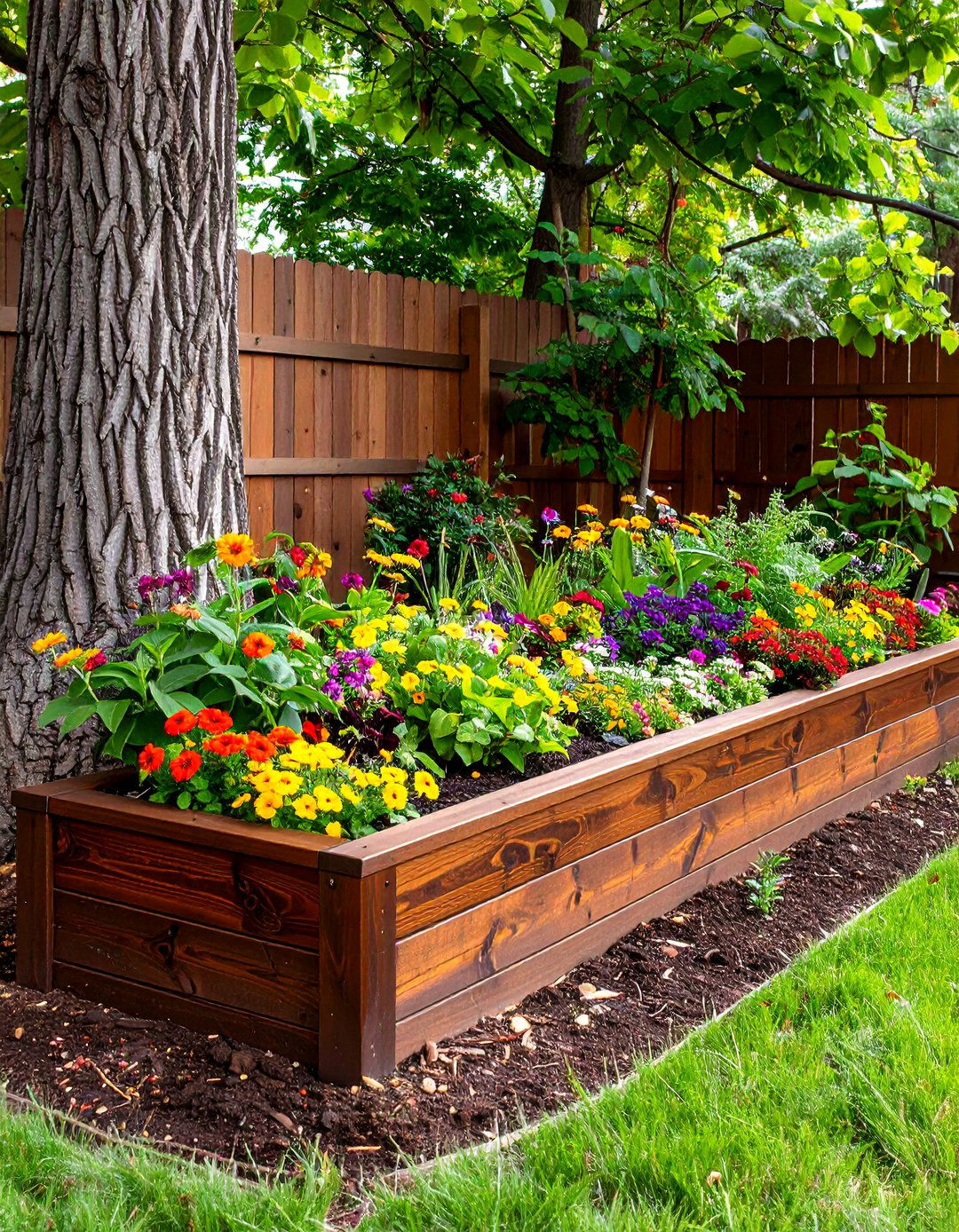
Construct an L-shaped raised planter box that fits neatly into a corner defined by the tree and a fence or it high enough to allow for a good depth of soil without burying the tree's root design creates a defined, geometric planting area that contrasts with the organic shape of the tree. It’s perfect for planting a mix of annuals and perennials, providing a dedicated space for gardening without disturbing the main root system. It’s a smart, structural solution for corner trees.
28. A Layered Shade Planting Scheme
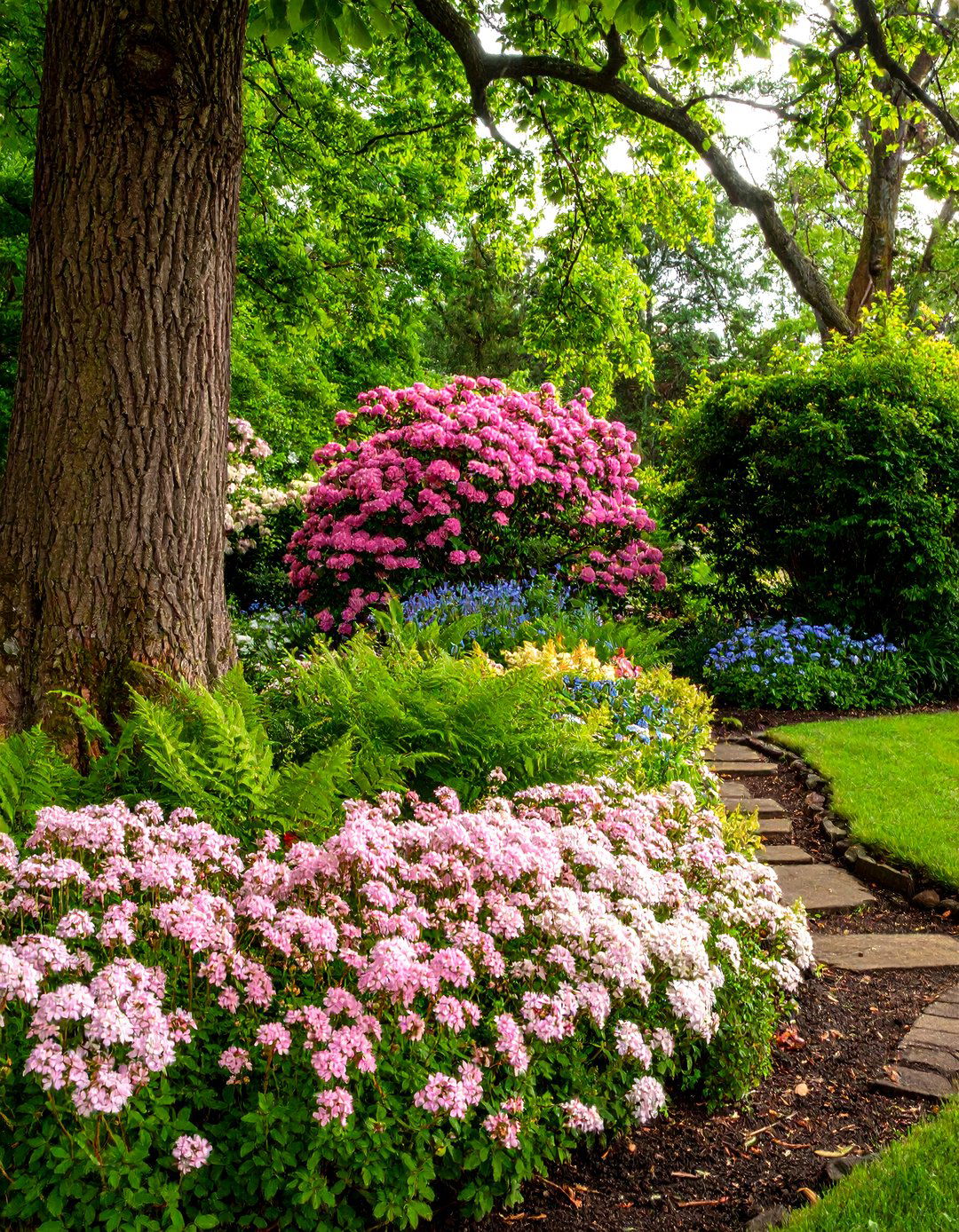
Think in layers to create depth and visual with a low ground cover like sweet woodruff as the base a middle layer of medium-height perennials like astilbe and ferns. Finally, include a few taller, shade-loving shrubs like Japanese kerria or oakleaf hydrangea at the outer edge, away from the main layered approach mimics how plants grow in a natural woodland, resulting in a lush, full, and multi-dimensional garden bed that looks professionally designed.
29. A Woven Wattle Fence Edging
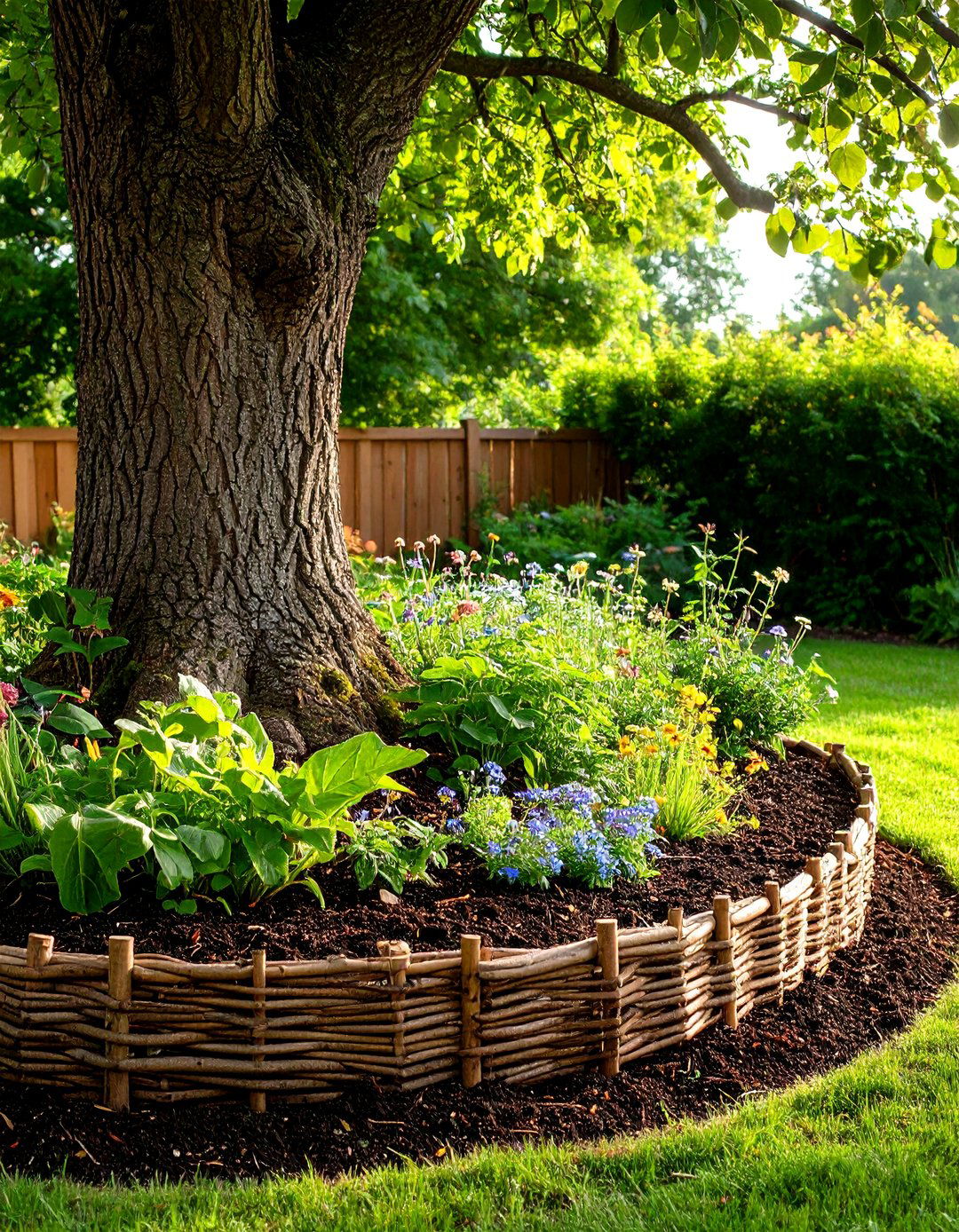
For a touch of old-world, rustic charm, create a low woven fence, or wattle, to edge the garden bed around the flexible, freshly cut saplings like willow or hazel, weaving them between small stakes driven into the traditional technique creates a beautiful, textured border that is both natural and the enclosed area with compost and shade-loving unique edging adds character and craftsmanship to your garden, turning a simple bed into a conversation piece.
30. A Night-Scented Garden Retreat
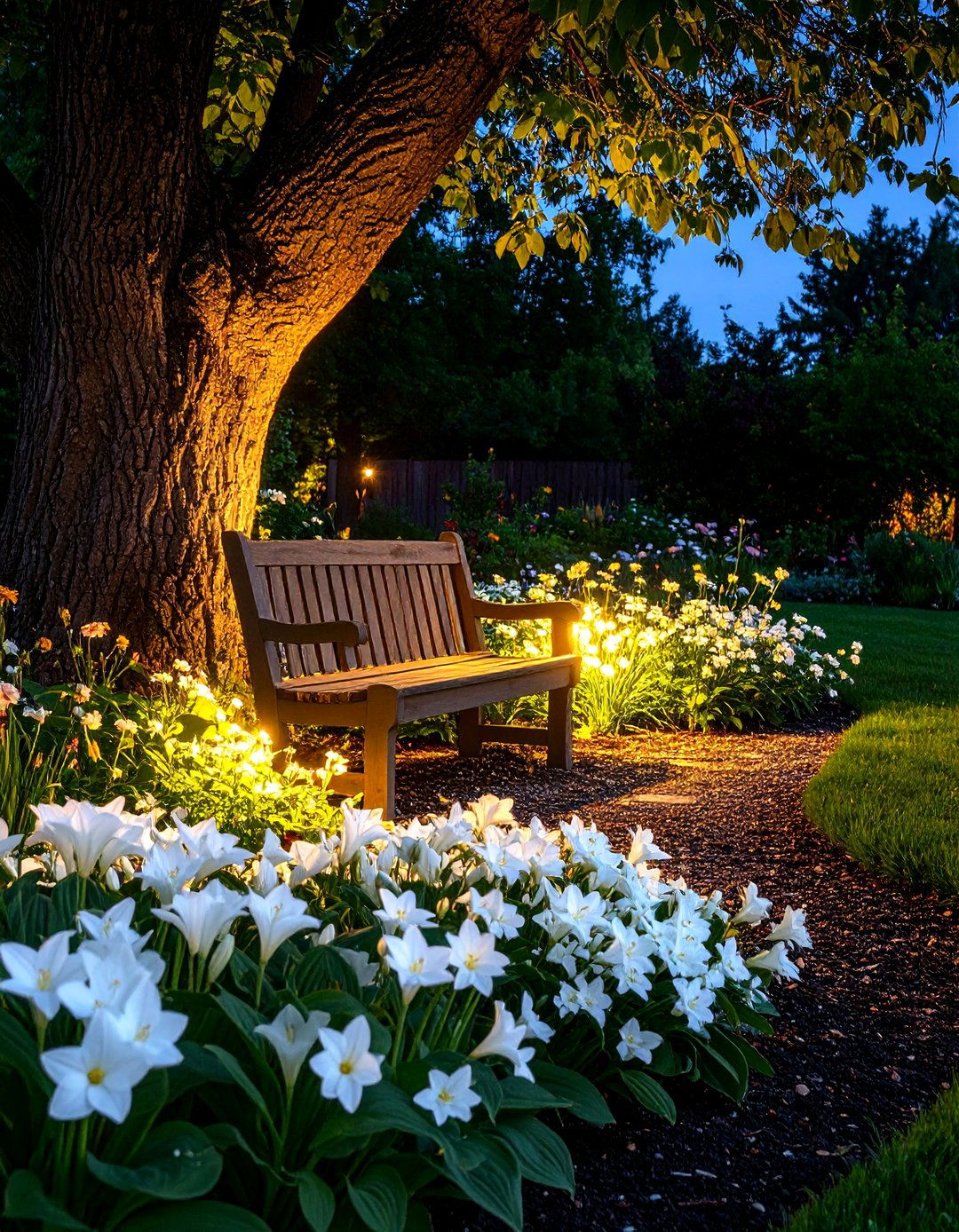
Design a garden that comes alive in the evening with fragrant, night-blooming plants like evening primrose, night-scented stock, and flowering tobacco into the soil between the these with white or pale-colored flowers like white impatiens or hostas, which will seem to glow in the a comfortable bench nearby to create a perfect spot to relax and enjoy the perfumed air after a long there be a more peaceful way to end your day?
Conclusion:
Transforming the challenging area around tree roots is an exercise in creative we 've seen, the options extend far beyond a simple ring of embracing the tree' s natural form, you can create a cohesive design that enhances your entire you opt for a tranquil Zen garden, a vibrant wildflower meadow, a functional floating deck, or a magical fairy garden, the key is to work with nature, not against ideas demonstrate that with a thoughtful approach to materials, plants, and layout, the ground beneath a mature tree can become one of the most beautiful and intentional features of your outdoor space.

Related posts:






Leave a Reply