
Creating a garden that buzzes with life is a rewarding endeavor, transforming any outdoor space into a vibrant sanctuary for bees, butterflies, hummingbirds, and other essential pollinators. A well-designed pollinator garden is more than just a random assortment of flowers; it's a thoughtfully planned ecosystem that provides continuous blooms, shelter, and water sources throughout the sprawling country yards to compact urban balconies, there is a layout perfectly suited for every designs focus on creating a cohesive and beautiful landscape that is both aesthetically pleasing for you and functionally irresistible for considering plant height, color, bloom time, and layout, you can craft a thriving habitat that supports local biodiversity and offers endless fascination.
1. The Classic Cottage Pollinator Garden Layout
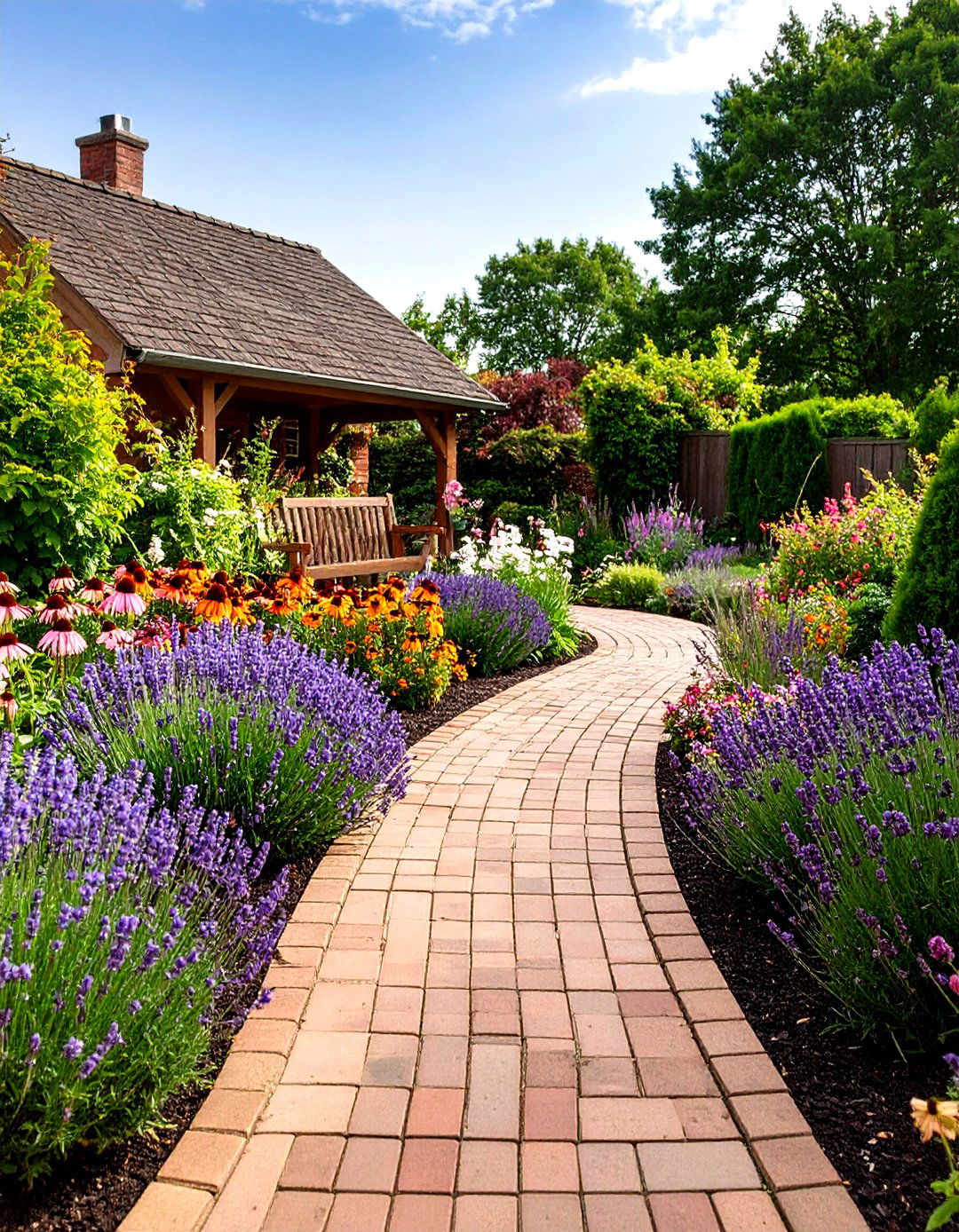
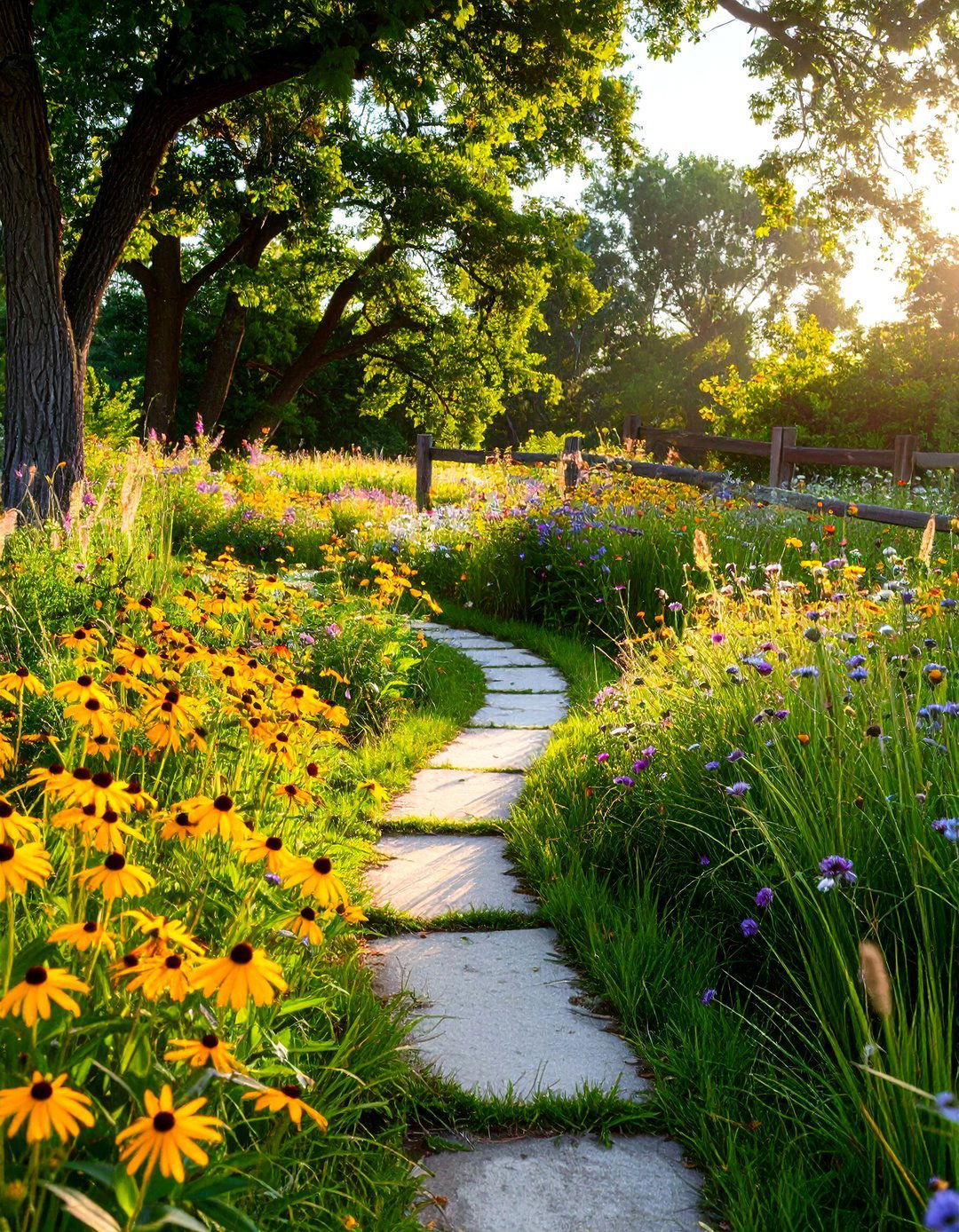
A classic cottage pollinator garden embraces a charmingly chaotic yet structured curved pathways made of reclaimed brick or flagstone meandering through densely packed flower layout features a mix of heights, with taller plants like delphiniums and hollyhocks at the back, and shorter, sprawling plants such as creeping thyme and sweet alyssum softening the are grouped in large drifts of color, using perennials like coneflowers, bee balm, and phlox to create a continuous buffet for pollinators from spring until fall. A rustic wooden bench provides a perfect spot to watch the activity.
2. A Formal Herb Spiral Pollinator Garden
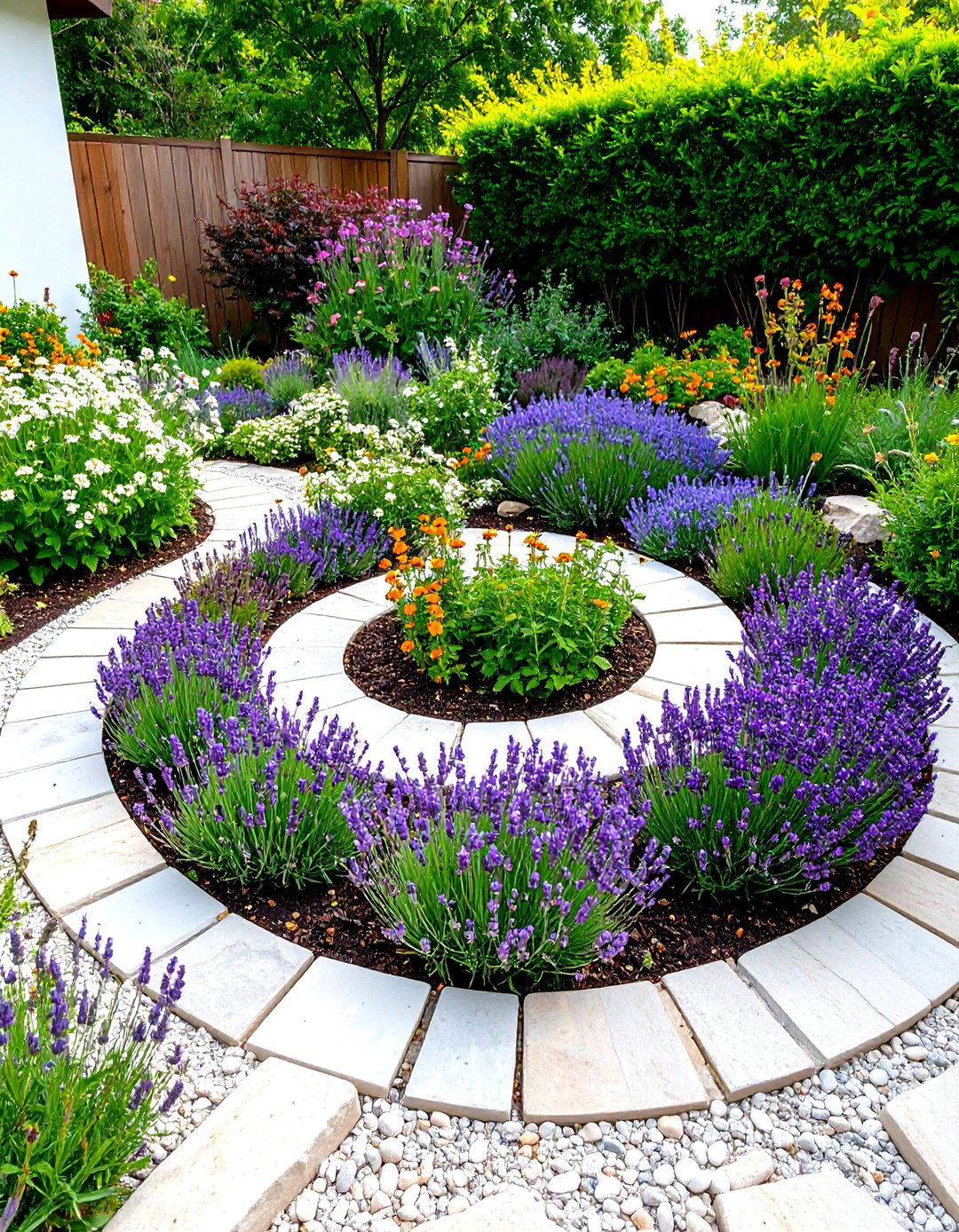
For a design that is both productive and beautiful, consider a formal herb spiral pollinator layout uses stones or bricks to create a raised, snail-shell-shaped spiral shape creates diverse microclimates, with the top being sunnier and drier, ideal for rosemary and thyme, while the lower, more shaded sections suit mint and herbs, when allowed to flower, are incredibly attractive to pollinators. Oregano, chives, lavender, and borage will be buzzing with bees all summer compact design is perfect for small yards and adds a sculptural element.
3. The Urban Balcony Pollinator Oasis
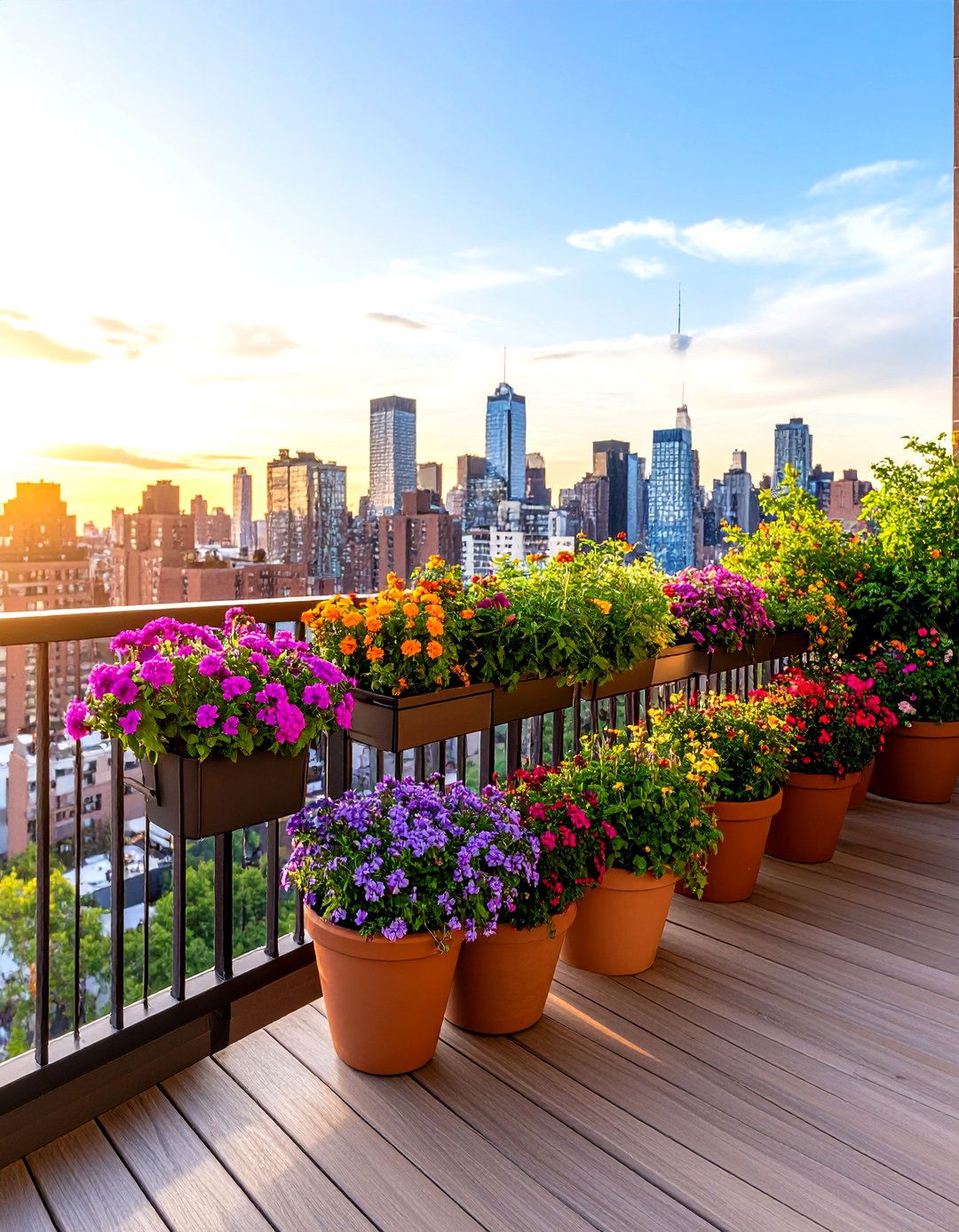
Even a small balcony can become a vital pollinator oasis with a smart design relies on vertical space and container a variety of pots in different sizes, hanging baskets, and wall-mounted planters to create layers of compact, nectar-rich flowers like lantana, pentas, and zinnia in sunny spots. A small water dish with pebbles provides a safe drinking spot for native plants suited for containers to offer specialized support for local pollinator species, turning your high-rise space into a crucial stepping stone for urban wildlife.
4. A Native Prairie Meadow Garden Design
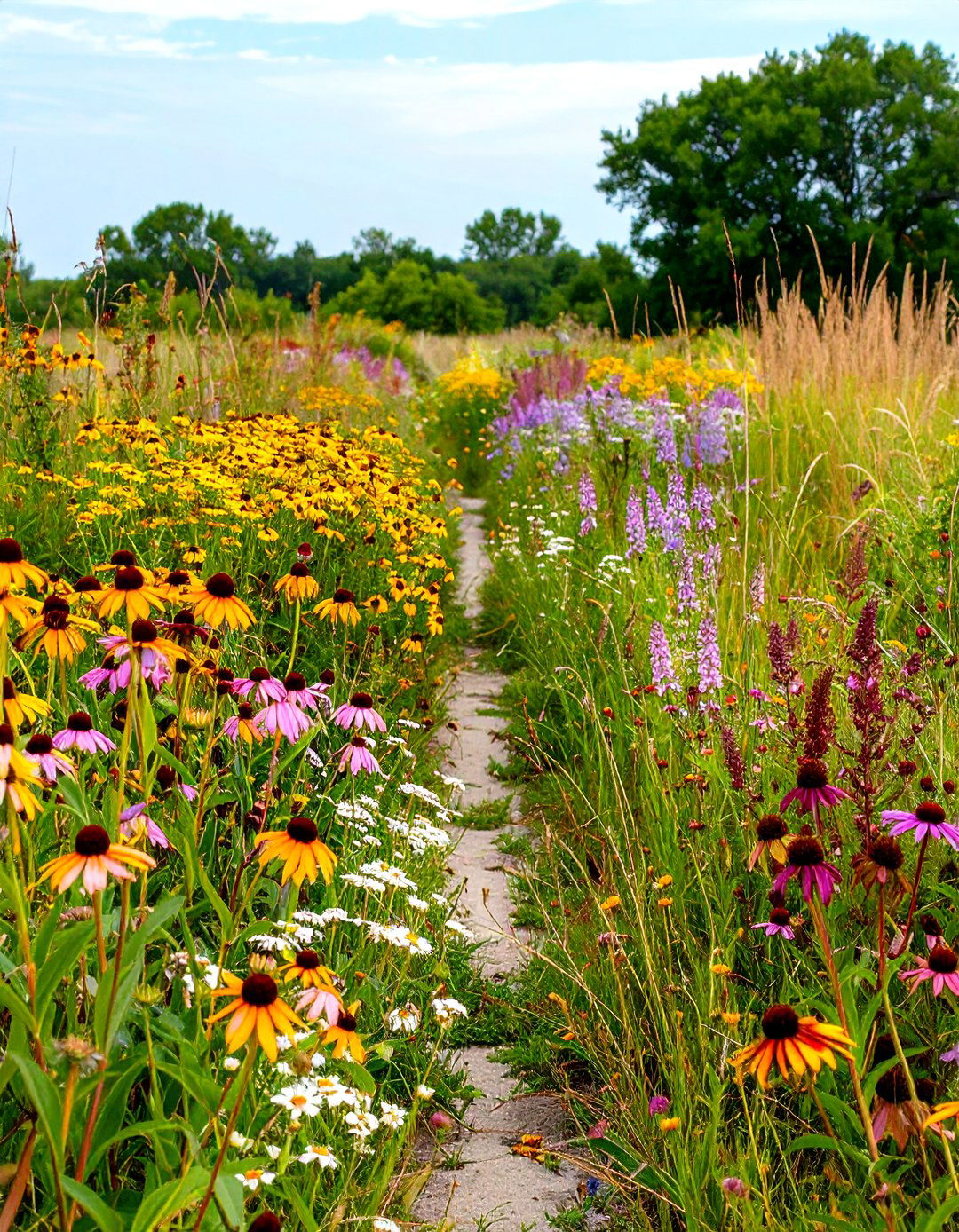
Embrace the wild beauty of a native prairie with a meadow-style pollinator layout forgoes traditional beds in favor of a naturalistic, flowing design that mimics a uses swathes of native grasses like little bluestem and switchgrass as a backdrop for drifts of colorful wildflowers such as black-eyed Susans, purple coneflowers, and butterfly layout is open, with informal paths mown through the taller low-maintenance design provides essential food and habitat for a wide range of native pollinators and requires minimal watering once established.
5. The Tiered Rock Wall Pollinator Habitat
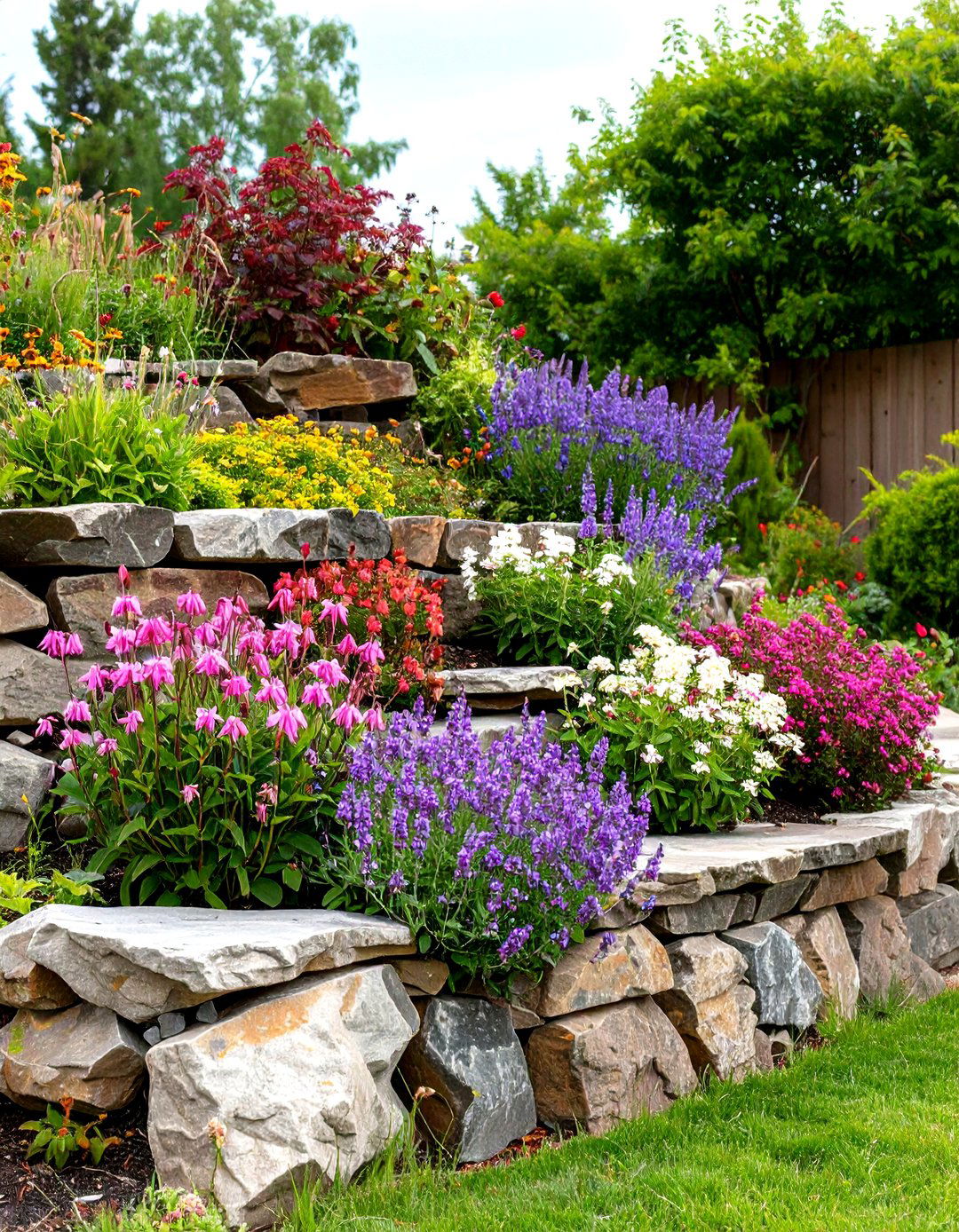
A tiered rock wall offers a brilliant solution for a sloped yard, creating a multi-level pollinator layout involves building low retaining walls from natural stone to create a series of flat planting level can host different types of top, sunniest tier is perfect for sun-loving succulents like sedum and drought-tolerant lower levels can support plants that appreciate more moisture, such as columbine and crevices in the rock wall itself provide shelter and nesting sites for solitary bees and other beneficial insects.
6. A Woodland Edge Pollinator Garden Plan
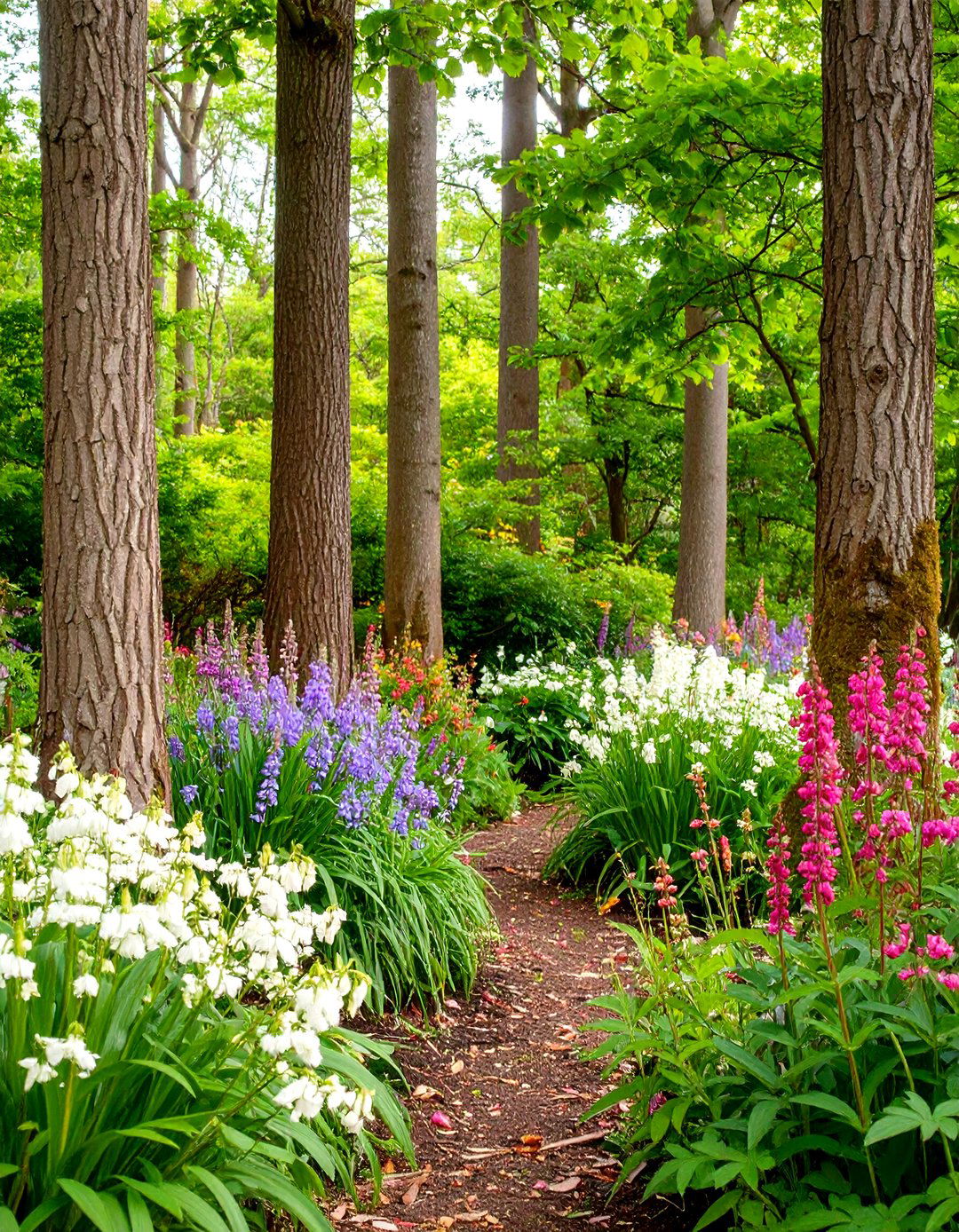
For yards with mature trees, a woodland edge pollinator garden creates a gentle transition from shade to layout mimics the edge of a forest, using shade-tolerant native the canopy of trees, plant early spring bloomers like foamflower, wild ginger, and bleeding hearts to support early-season the garden moves into sunnier areas, incorporate plants like Jacob's ladder and great blue lobelia. A winding path of wood chips enhances the naturalistic feel, and a log pile can provide valuable habitat for beetles and nesting bees.
7. The Monochromatic Pollinator Garden Scheme
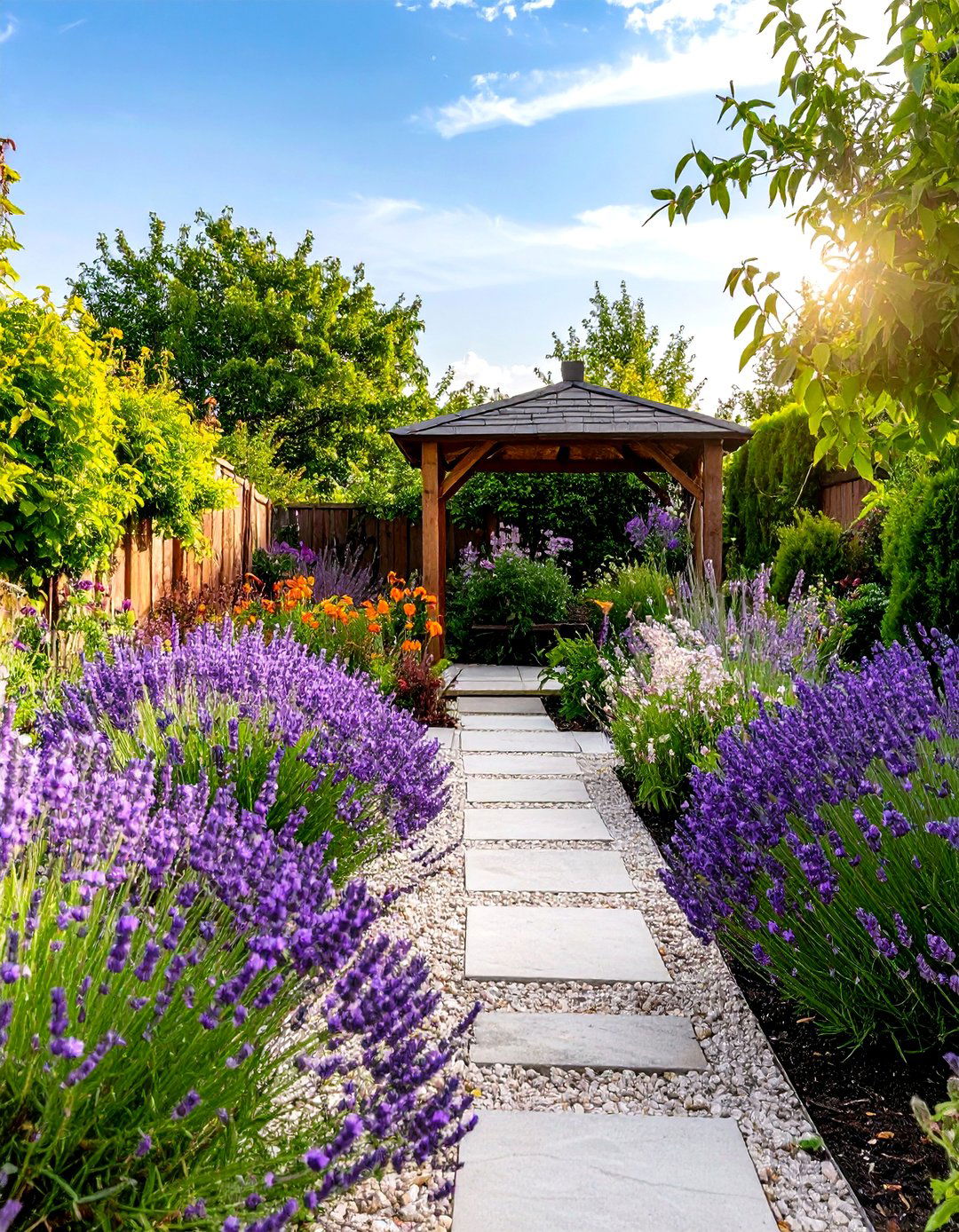
Create a visually stunning and sophisticated pollinator garden with a monochromatic color layout focuses on using various shades, tints, and tones of a single color, such as purple, white, or a purple theme, you could group lavender, salvia, catmint, and design relies on varying plant heights, textures, and forms to create plants of the same color makes them more visible to pollinators from a distance, creating a powerful beacon that draws them could you use texture to add depth to your single-color design?
8. A Symmetrical Four-Square Garden Layout
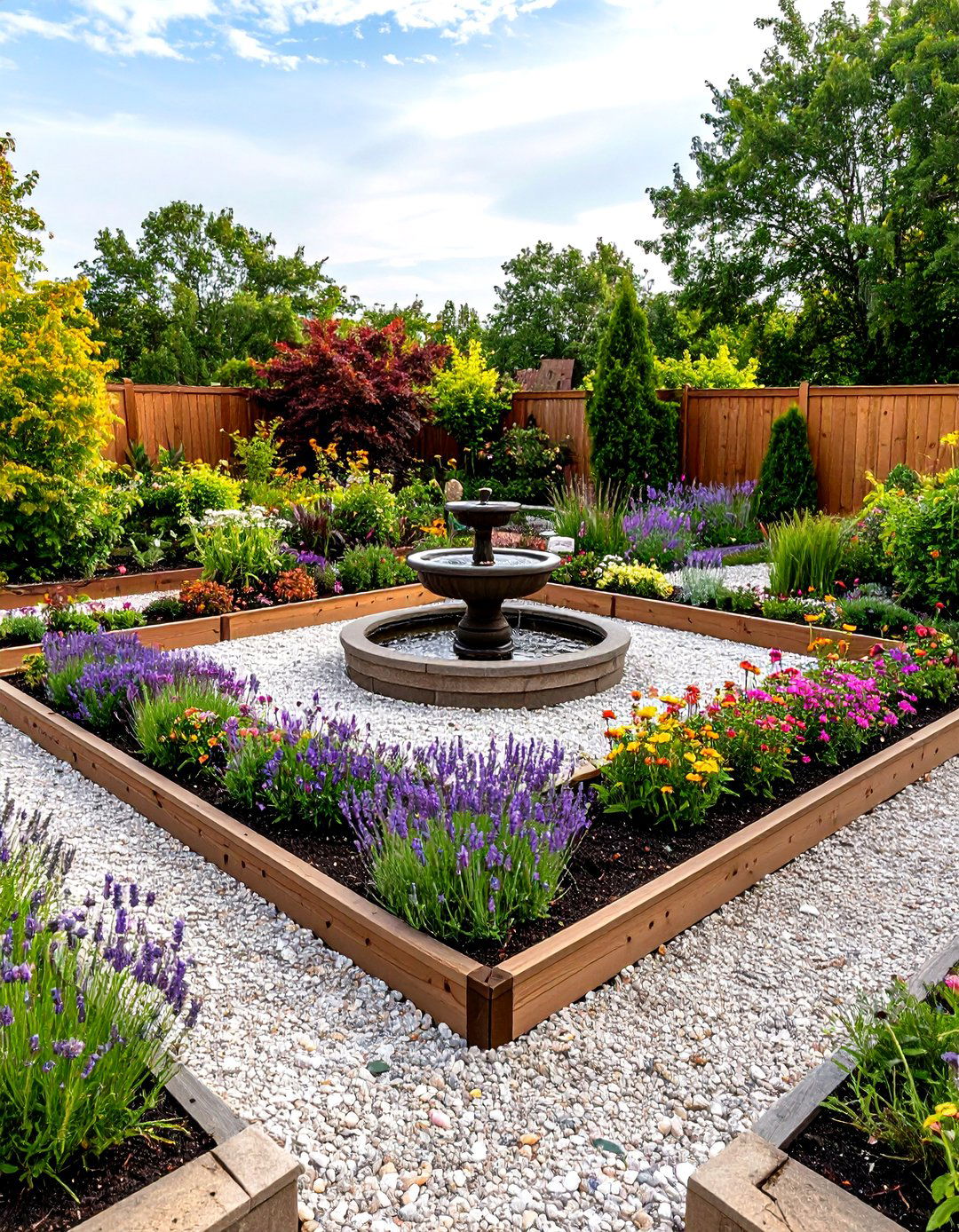
Borrowing from traditional kitchen garden design, a symmetrical four-square layout offers an organized and elegant way to support garden is divided into four equal, rectangular beds with paths intersecting in the center. A central feature, like a birdbath or a large urn planter, acts as a focal quadrant can be dedicated to a different type of pollinator plant — one for butterflies, one for bees, one for hummingbirds, and one for beneficial formal structure provides clarity and is surprisingly easy to maintain while ensuring a diverse offering.
9. The Dry Creek Bed Pollinator Garden
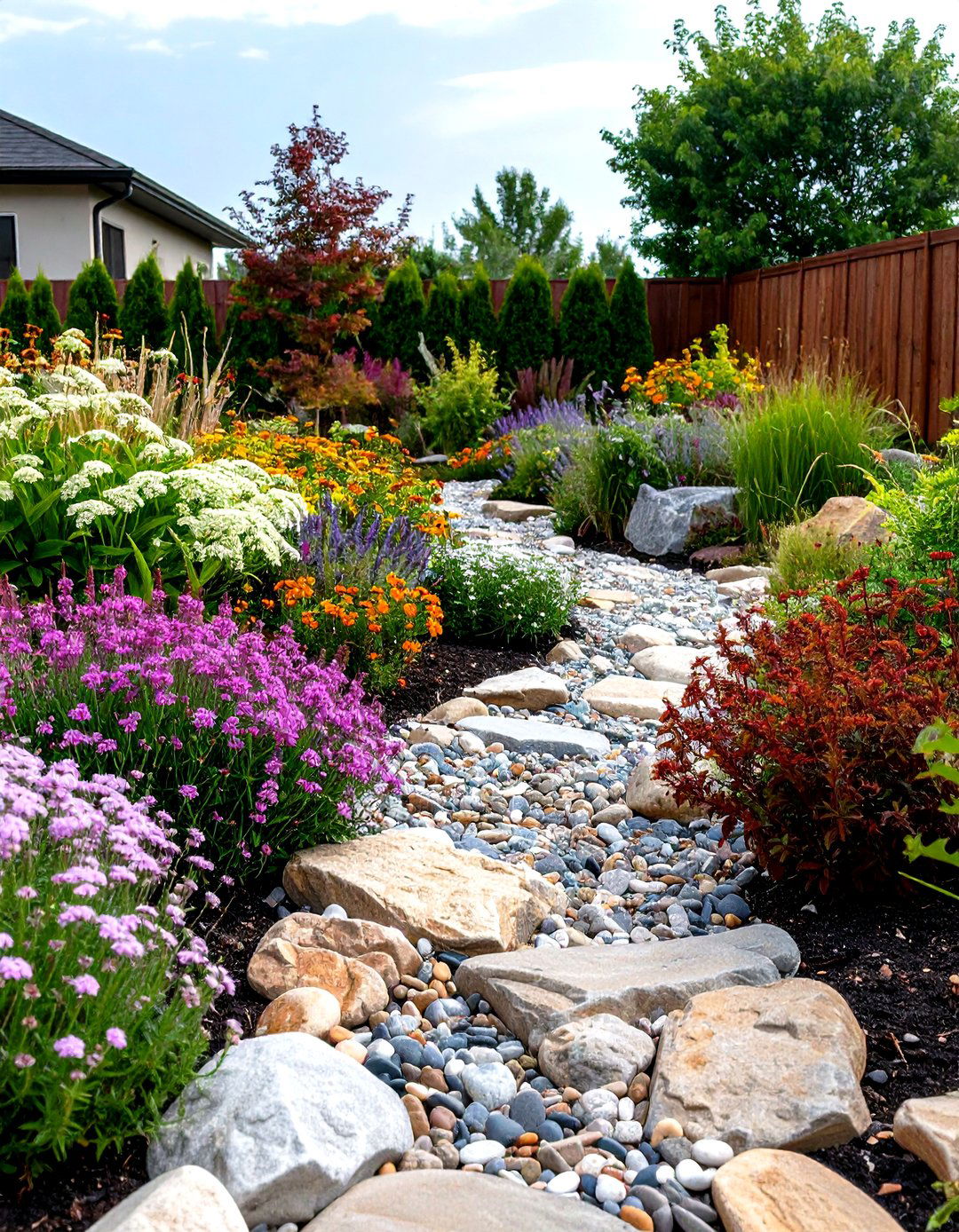
A dry creek bed is a fantastic layout for managing rainwater runoff while creating a unique pollinator design features a meandering channel lined with river rocks and stones of various sizes, mimicking a natural the banks, plant drought-tolerant and moisture-loving native plants like swamp milkweed and cardinal flower can thrive in the lower, wetter areas, while yarrow and penstemon can be planted along the drier, upper layout not only attracts pollinators but also creates a beautiful, functional landscape feature that solves drainage issues.
10. A Container Cluster Pollinator Garden
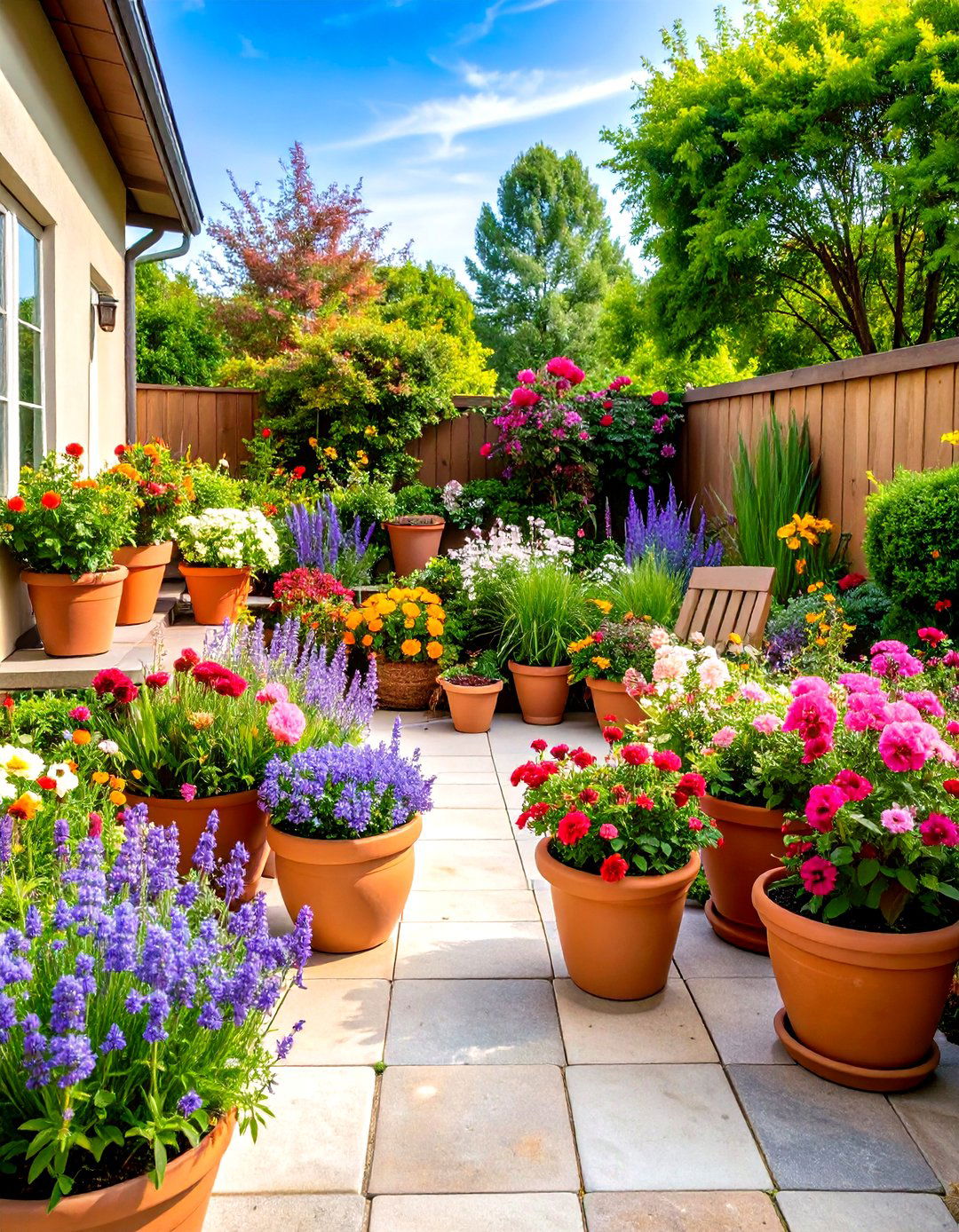
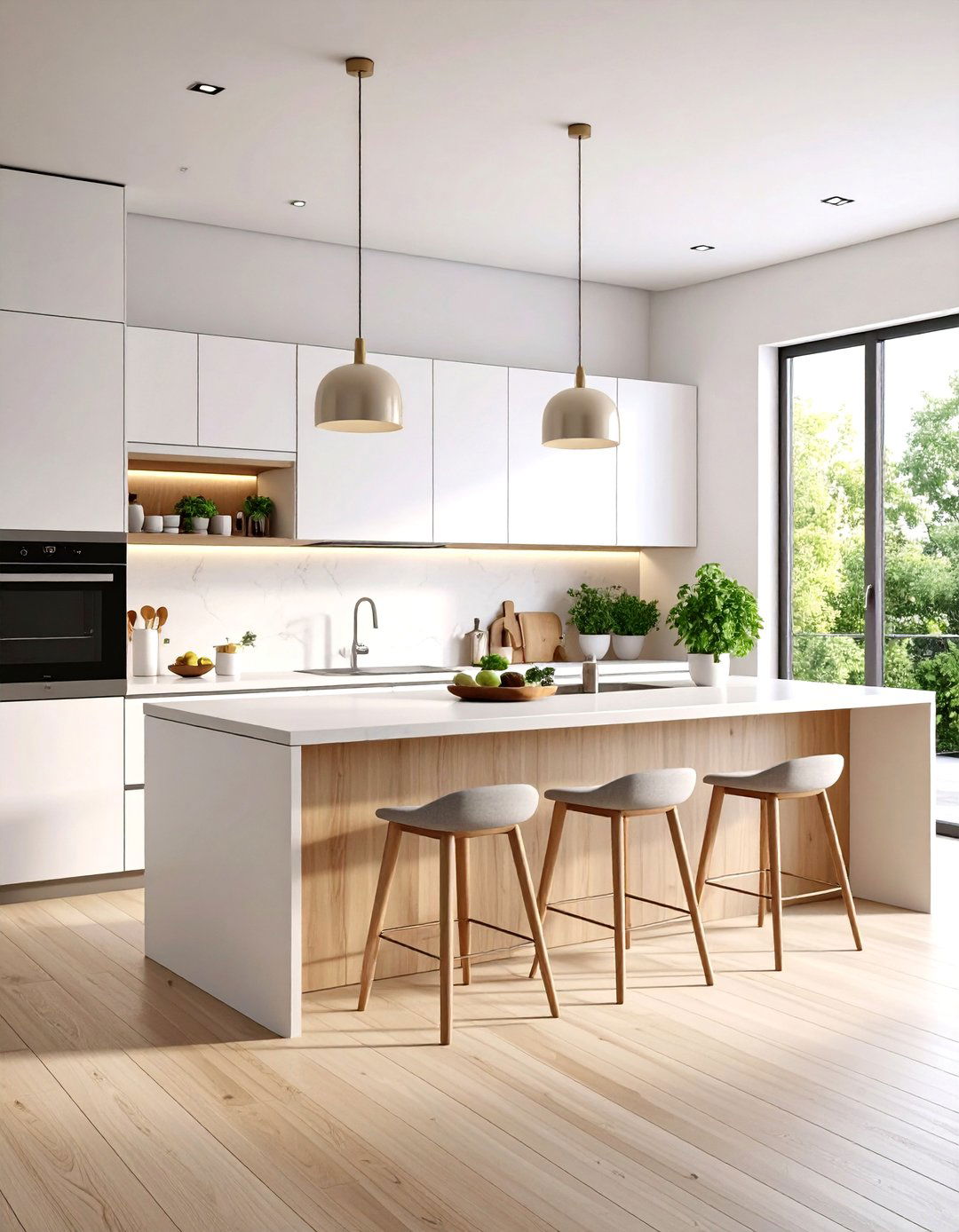
For patios, decks, or renters, a container cluster layout is a flexible and effective pollinator garden idea is to group pots and containers of various sizes, shapes, and materials to create a taller plants in large pots at the back and smaller ones in the "thriller, filler, and spiller" plants in each large container for a lush a continuous bloom by planting a mix of annuals and approach allows you to easily change the layout and move plants to optimize sun exposure.
11. The Hummingbird Haven Garden Design
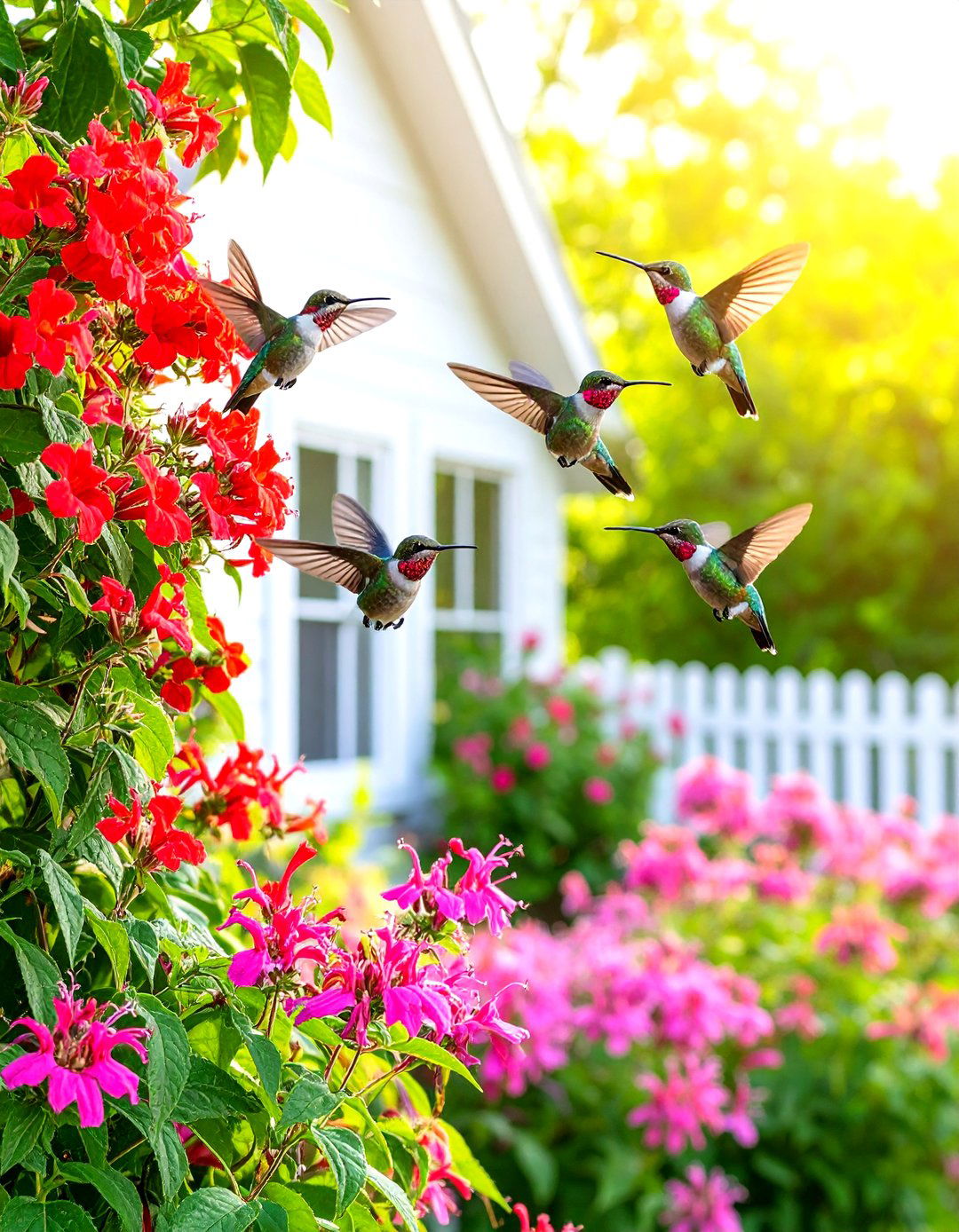
Design a garden specifically to attract hummingbirds with a layout focused on their favorite plan features tubular, brightly colored flowers, especially in shades of red, orange, and large clusters of trumpet vine, bee balm, cardinal flower, and layout should be open to allow these agile flyers plenty of room to a hummingbird feeder and a water mister to make the space even more inviting. A comfortable seating area nearby will provide you with front-row seats to their dazzling aerial displays.
12. A Butterfly Nursery Garden Layout
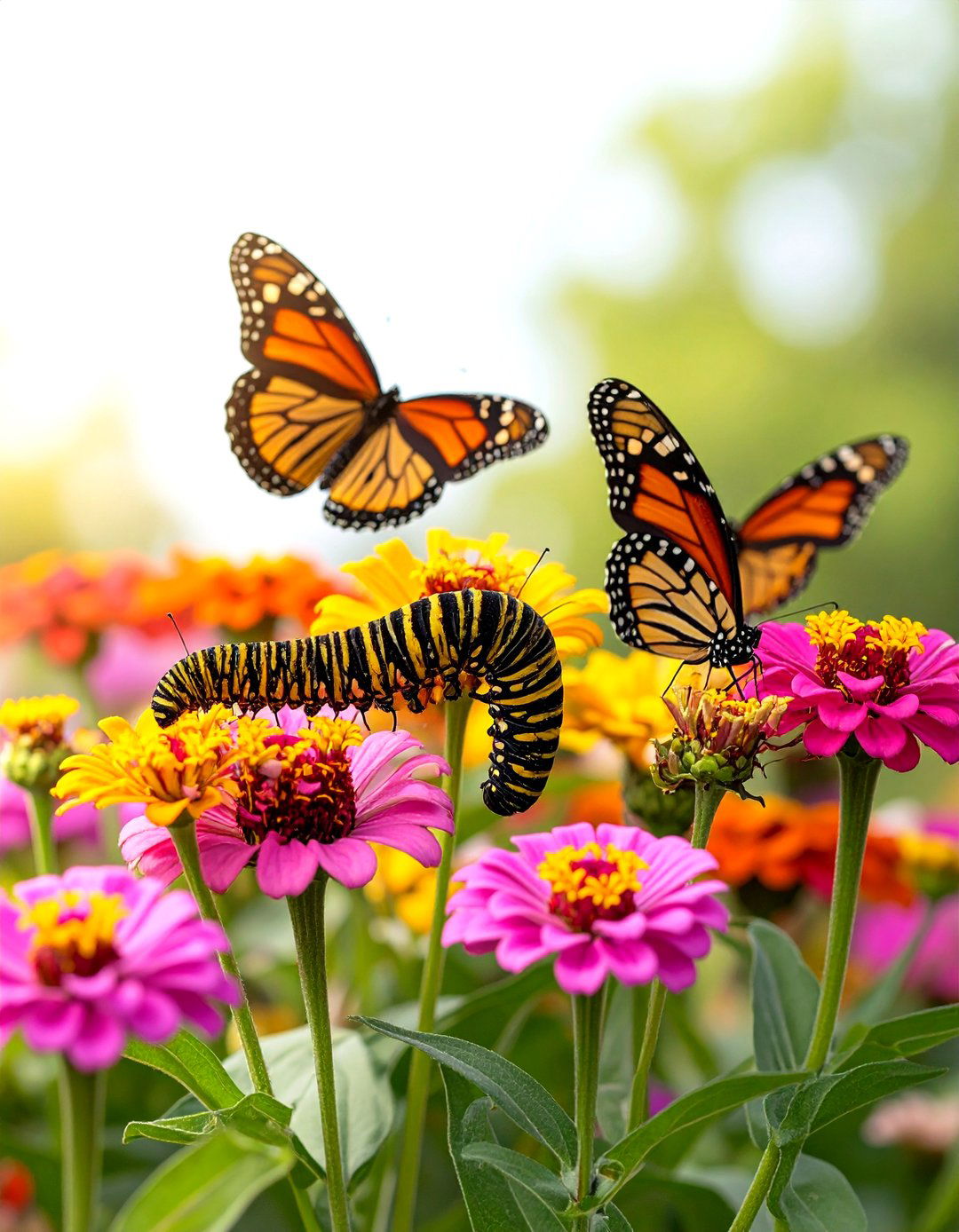
Go beyond just nectar plants and create a complete butterfly layout includes both nectar sources for adult butterflies and host plants for their example, plant milkweed for monarchs, fennel for swallowtails, and violets for these host plants among nectar-rich flowers like zinnias, asters, and Joe Pye weed. A shallow dish of damp sand provides a "puddling" spot for butterflies to absorb thoughtful design supports the entire life cycle of butterflies, ensuring generations to local butterflies do you hope to attract?
13. The Minimalist Modern Pollinator Garden
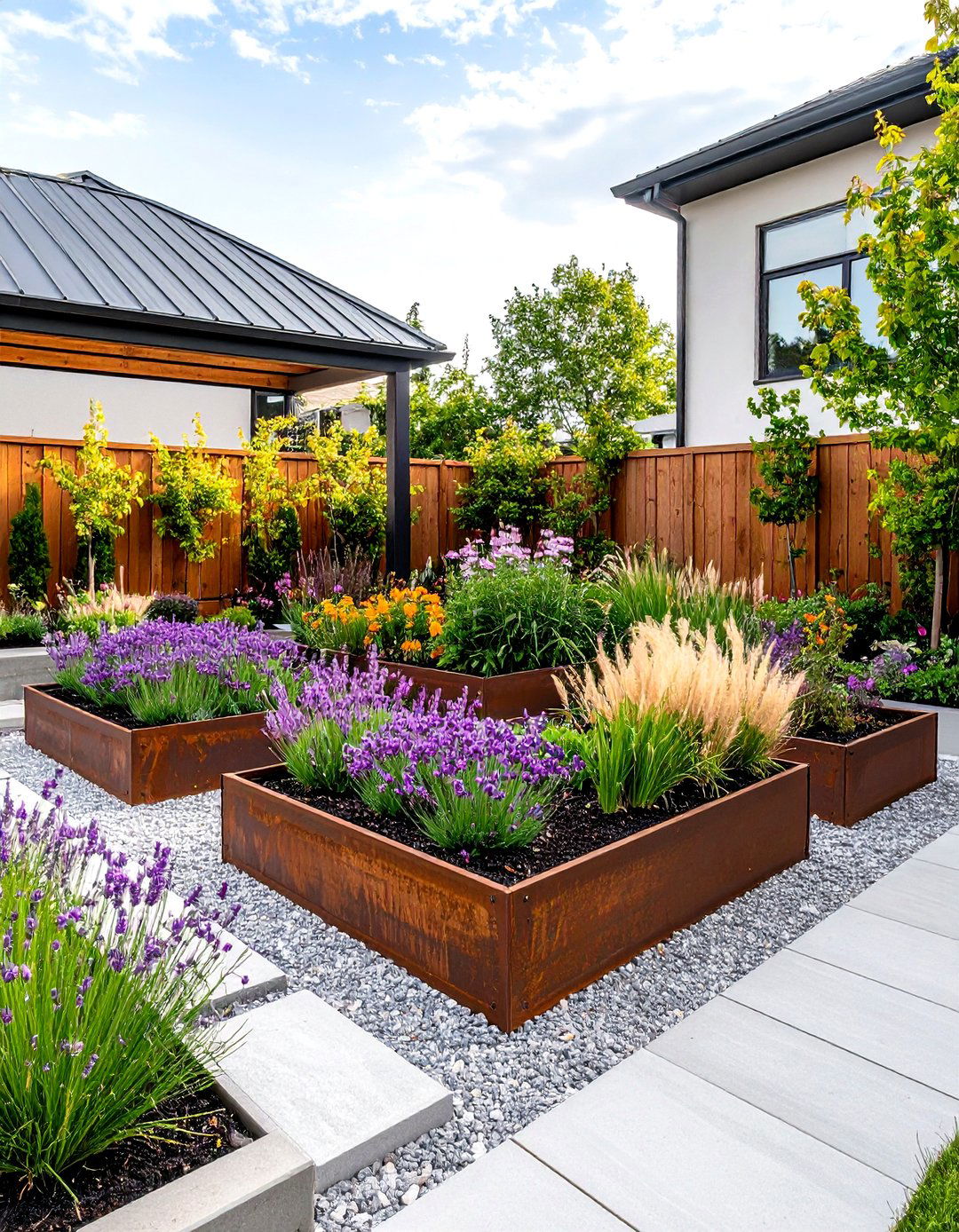
A pollinator garden can also be sleek and layout uses clean lines, geometric shapes, and a limited plant raised beds made of corten steel or smooth concrete, arranged in a grid are done in monocultural blocks or repeating patterns for a strong visual plants with interesting architectural forms, like alliums, sea holly, and ornamental contrast between the rigid structure and the wildness of the visiting pollinators creates a dynamic and contemporary aesthetic that is anything but boring.
14. A Rain Garden for Pollinators
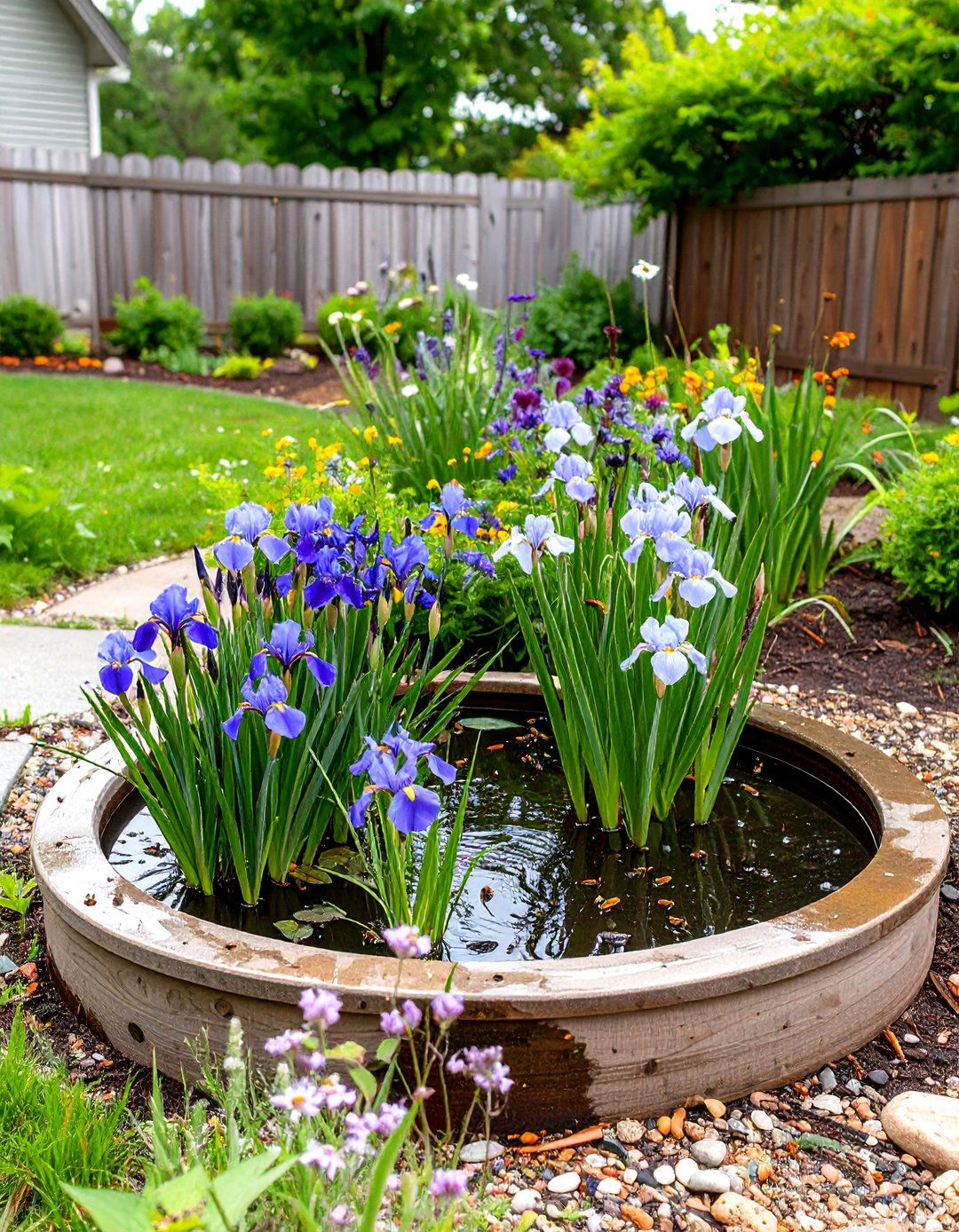
Combine water conservation with pollinator support by creating a rain layout involves creating a shallow depression in your yard to collect stormwater runoff from roofs or garden is planted with water-tolerant native plants that can handle both wet and dry like blue flag iris, swamp milkweed, and sedges thrive in the basin, while plants like coneflowers can be planted on the functional design helps filter pollutants, recharge groundwater, and provides a crucial water and food source for pollinators.
15. The Edible Forest Pollinator Garden
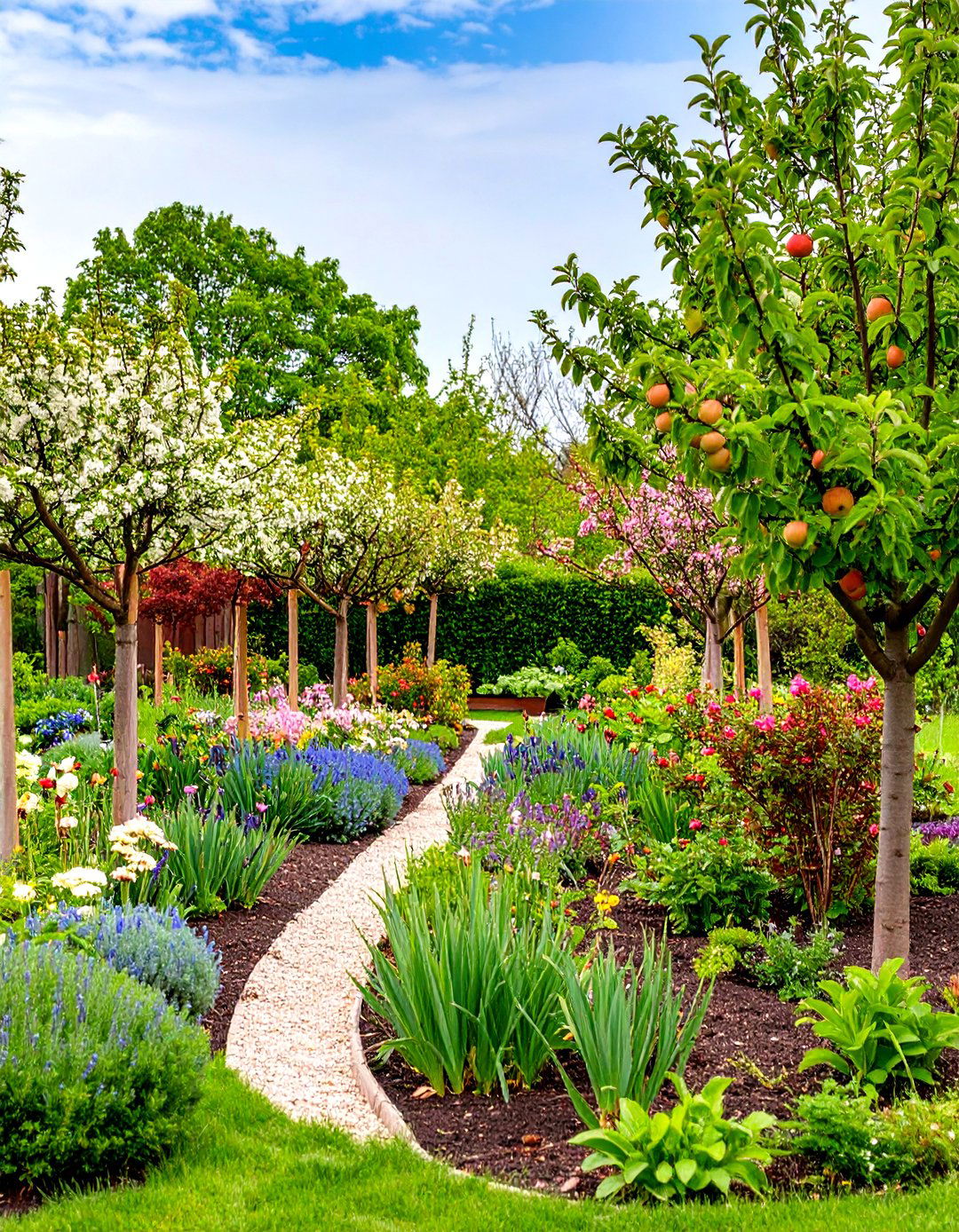
Integrate food production for both humans and pollinators with an edible forest garden design mimics a natural woodland ecosystem with multiple layers: a canopy of fruit or nut trees, a shrub layer of berry bushes, an herbaceous layer of perennial vegetables and herbs, and a groundcover of edible fruit trees, like apples and cherries, and berry bushes, like blueberries and raspberries, require pollination to produce with pollinator-attracting flowers ensures a bountiful harvest for is a truly sustainable and productive garden model.
16. A Serene White Moon Garden for Moths
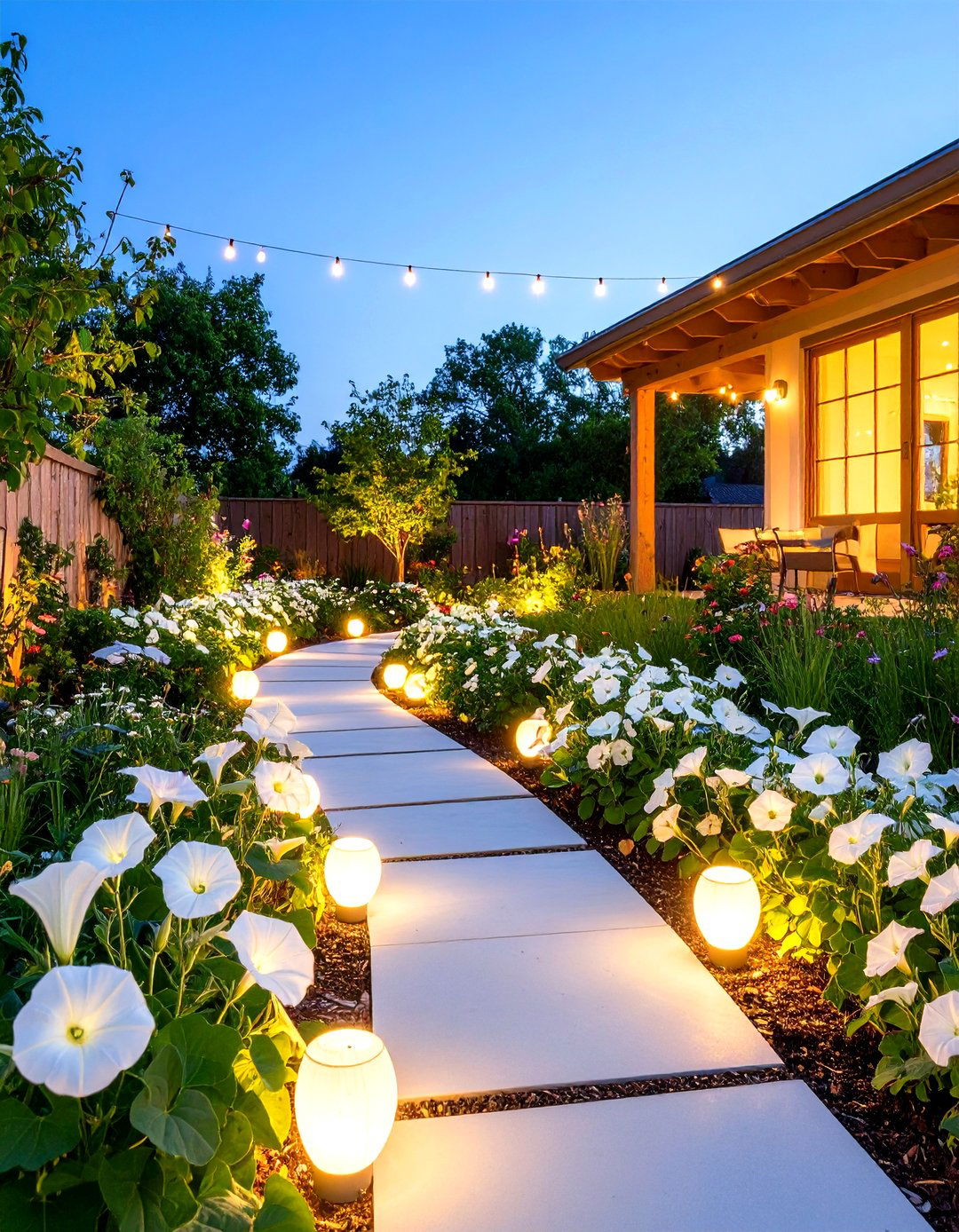
Don't forget the nocturnal pollinators! A white moon garden is designed to be enjoyed in the evening and attracts moths and other nighttime layout features white or pale-colored flowers that seem to glow in the moonlight, such as moonflower, nicotiana, and white of these flowers are also highly fragrant, releasing their scent at night to attract a comfortable bench and soft, subtle solar lighting along a simple path to create a magical and serene nighttime experience. It’s a beautiful way to extend garden enjoyment.
17. The Hellstrip Pollinator Garden Transformation
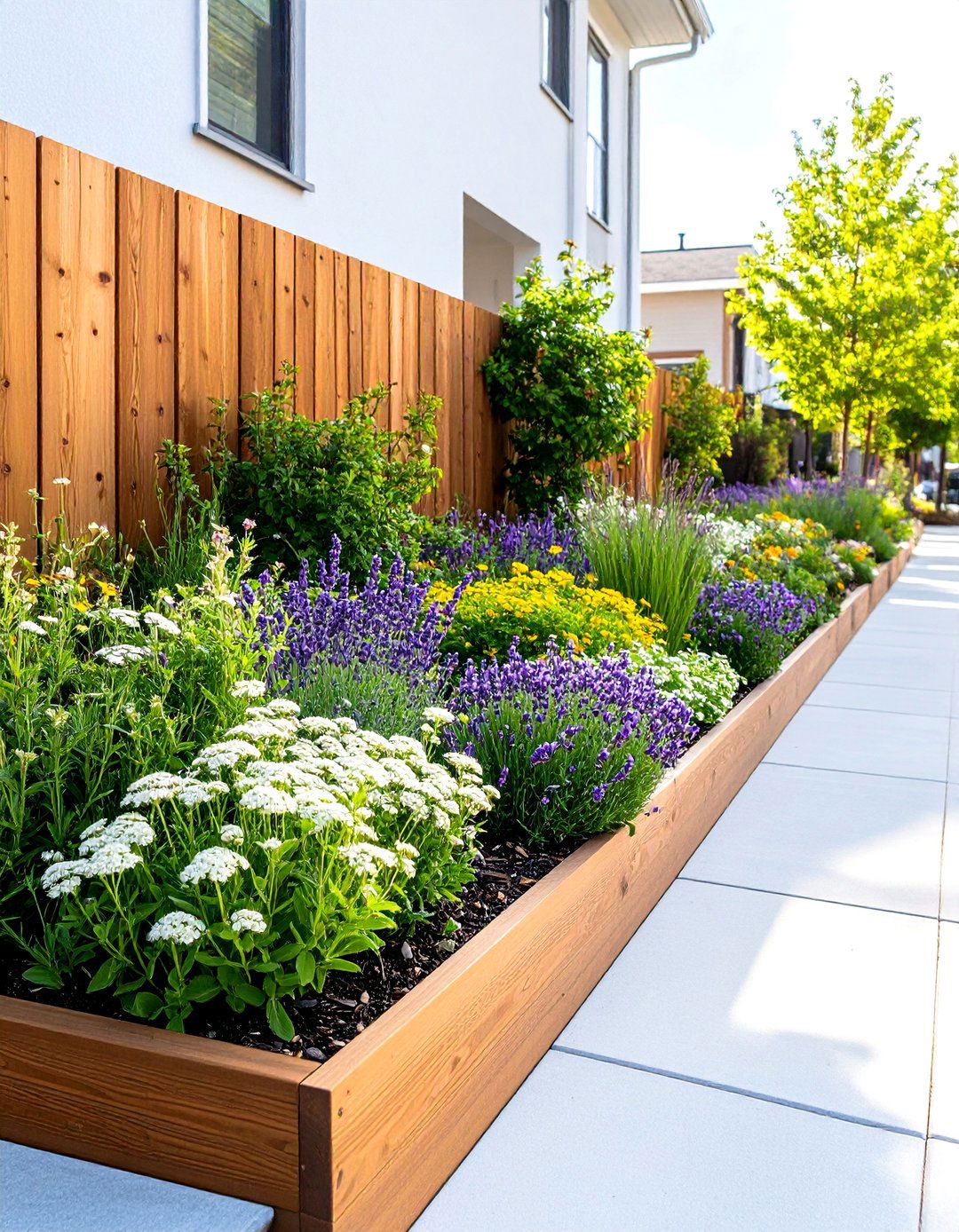
Transform the often-neglected "hellstrip" — the patch of land between the sidewalk and the street — into a thriving pollinator layout requires tough, drought-tolerant, and salt-tolerant plants that can handle harsh low-growing, mat-forming plants like creeping thyme and sedum, punctuated by taller, sturdy perennials like yarrow, lavender, and Russian sage. A simple border of stones or bricks can help define the small-scale intervention can create a vital link for pollinators navigating the urban landscape, connecting larger green challenges does your hellstrip present?
18. A Pollinator Garden with Integrated Water Feature
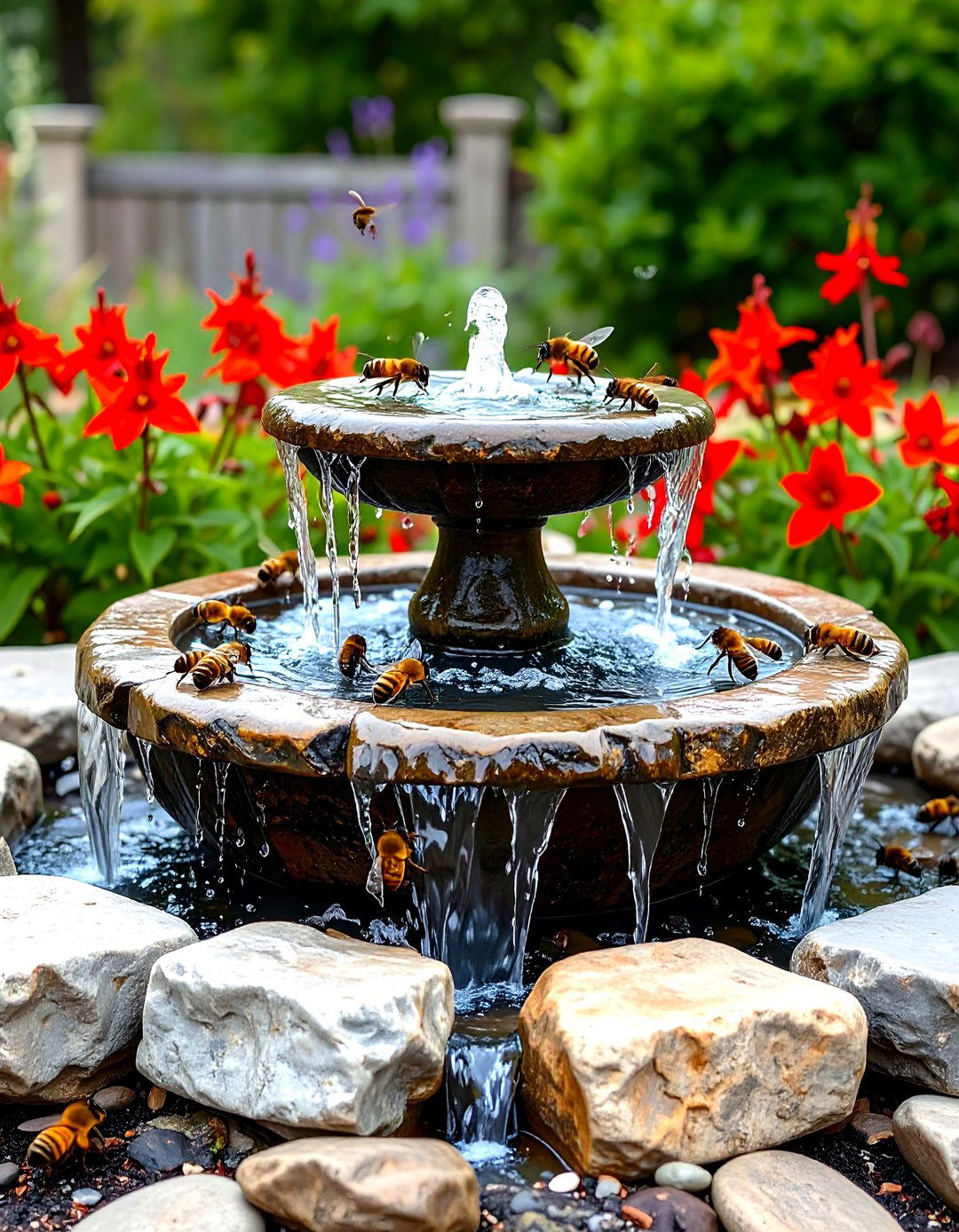
Water is just as important as food for layout integrates a water feature as the central element of the could be a small pond, a bubbling fountain, or a simple the water source has shallow edges or landing spots, like rocks or floating corks, for bees to drink the water feature with moisture-loving plants like cardinal flower and Joe Pye weed, transitioning to other nectar-rich plants further sound of water adds a tranquil element to the garden for you, too.
19. The Bee-Specific Garden Layout
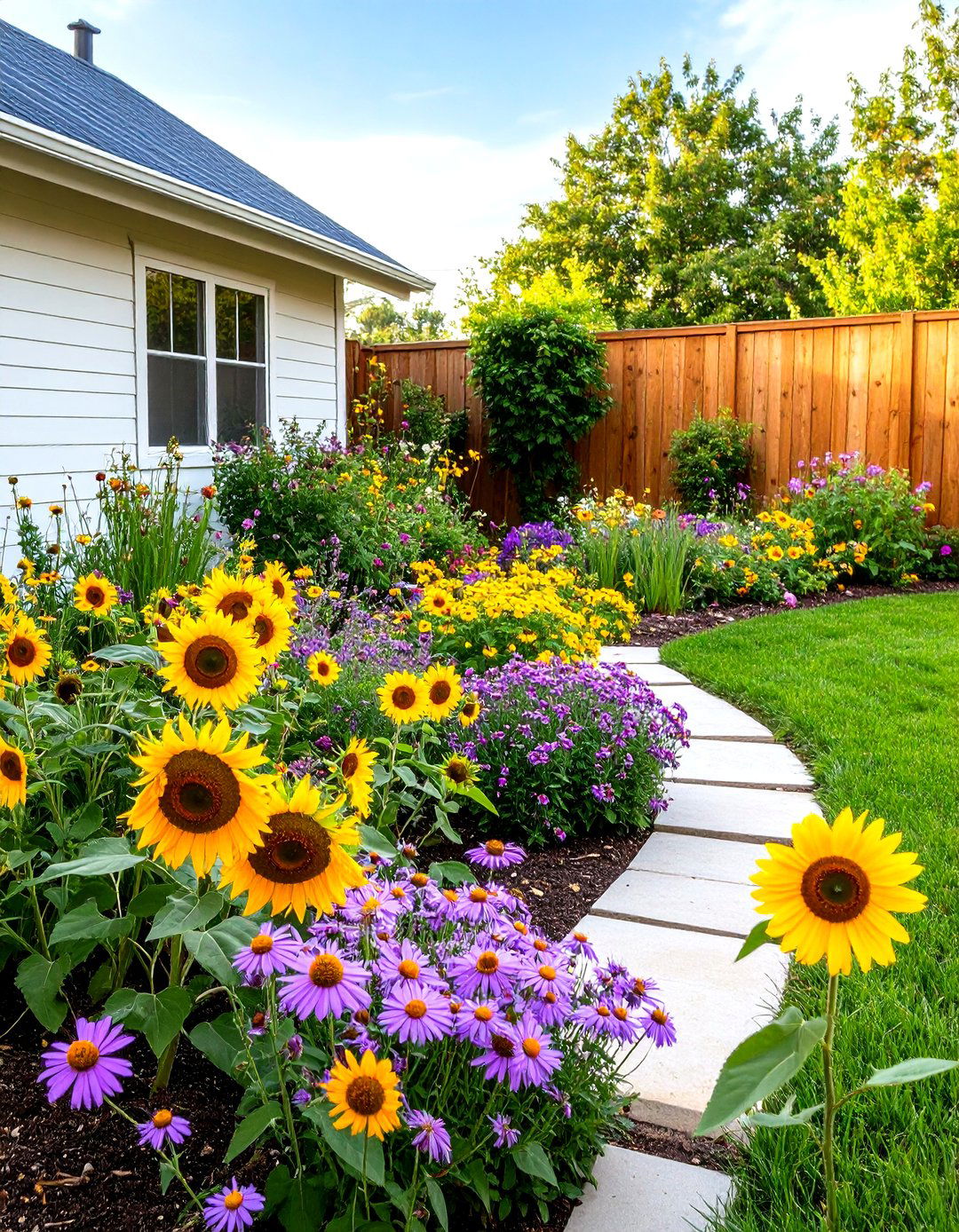
Focus your efforts on supporting native bees with a garden designed just for layout emphasizes plants that are particularly attractive to different types of flowers of various shapes and sizes to accommodate long-tongued and short-tongued bees. Blue, purple, and yellow flowers like lupine, sunflowers, and asters are bee plan should also incorporate patches of bare, undisturbed ground for ground-nesting bees and hollow-stemmed plants or bee hotels for cavity-nesting targeted approach provides maximum benefit to these crucial pollinators.


20. A Spiral Rock Garden for Pollinators
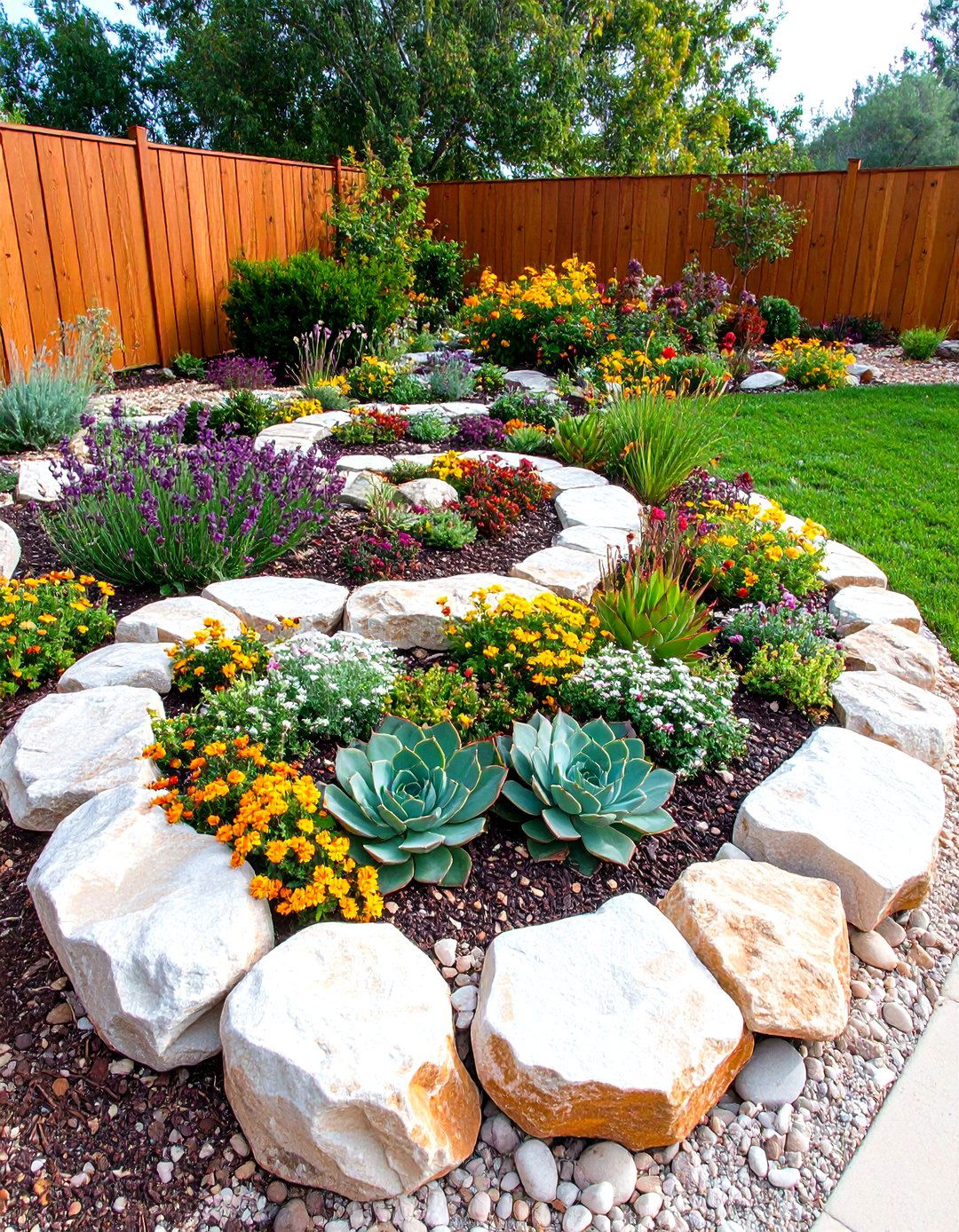
Create a visually dynamic and habitat-rich feature with a spiral rock to the herb spiral, this layout uses rocks to build a raised, spiraling mound of crevices between the rocks create perfect homes for insects and small critters, while the raised structure provides excellent the spiral with a variety of drought-tolerant, sun-loving alpine plants and succulents like sedum, sempervivum, and creeping plants offer nectar in a challenging, dry environment and add a unique, sculptural element to your landscape. It's a low-maintenance, high-impact design.
21. The Low-Maintenance Gravel Garden Layout

For a water-wise and modern pollinator garden, consider a gravel garden design uses a layer of gravel as a mulch instead of traditional organic are set directly into the gravel, with soil pockets approach suppresses weeds and conserves soil moisture drought-resistant, sun-loving plants like lavender, Russian sage, sea holly, and ornamental grasses that thrive in these layout can be geometric or naturalistic, with the gravel providing a clean, cohesive backdrop that makes the plant forms and colors pop.
22. A Pollinator Garden Hedge or Border
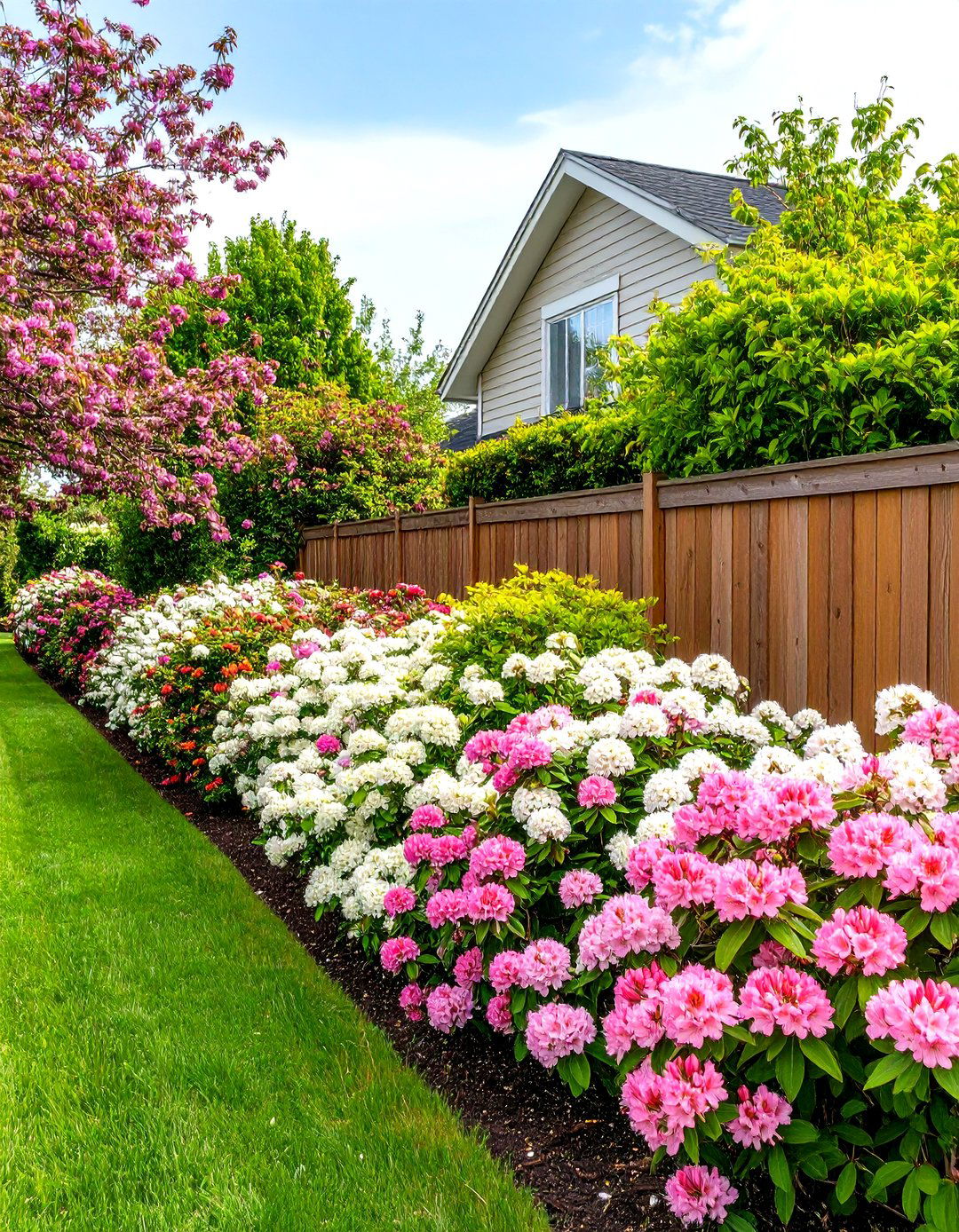
Use a pollinator-friendly hedge to define a property line or create a garden layout involves planting a dense row of flowering shrubs that provide nectar, pollen, and a mix of shrubs that bloom at different times to ensure a season-long food choices include viburnum, weigela, potentilla, and spirea. A living border is far more beneficial to wildlife than a wooden fence and can act as a you choose a formal, clipped hedge or a more informal, natural-looking border for your space?
23. The Raised Bed Pollinator Garden Grid
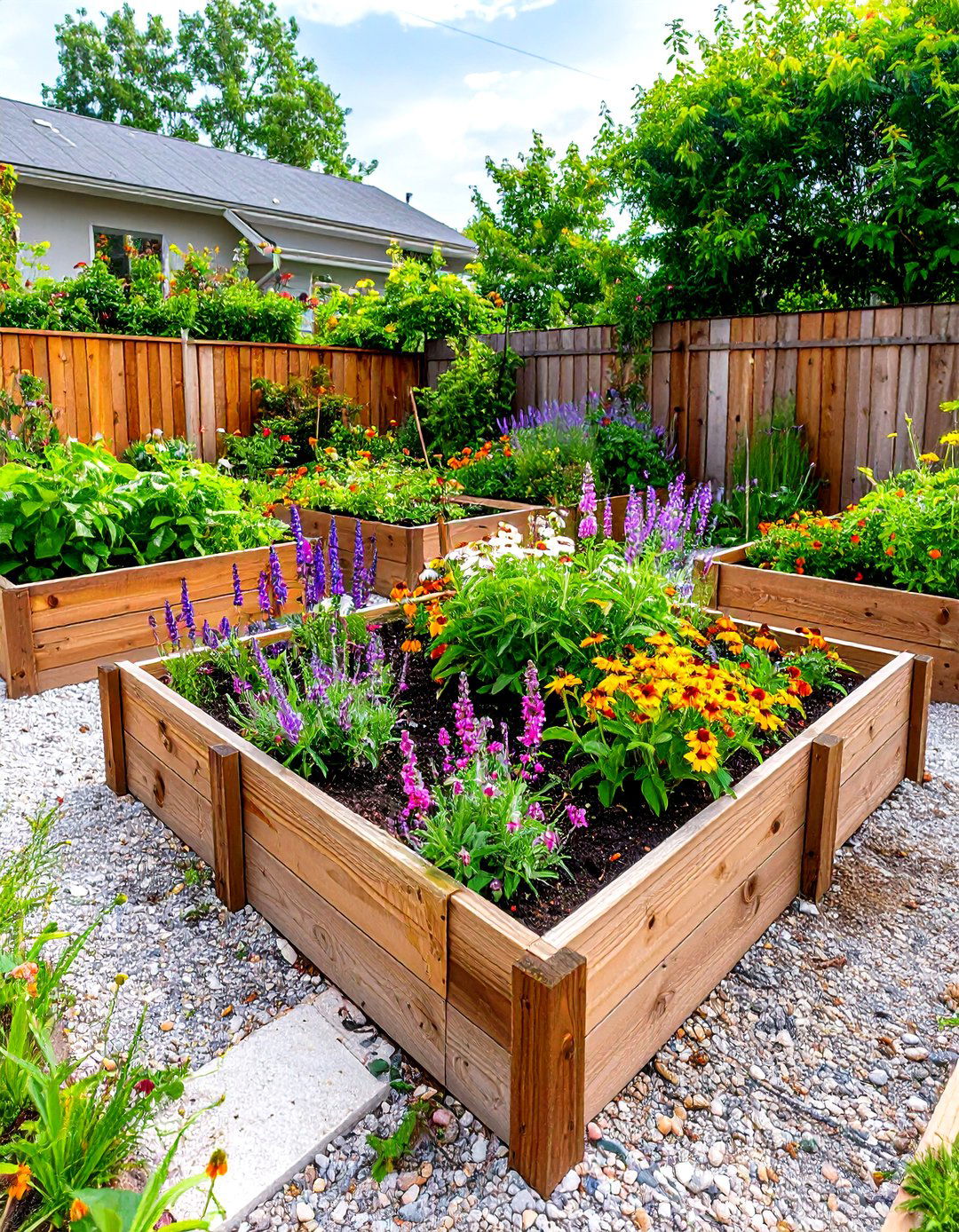
For those who prefer a neat, contained gardening space, a grid of raised beds is an excellent design uses multiple raised beds, often made of wood or metal, arranged in a geometric makes tending to the garden easier, as it improves drainage, warms the soil earlier in spring, and reduces the need for each bed to a different pollinator plant or create mixed layout is perfect for vegetable gardens where you want to interplant flowers to attract pollinators for better fruit set.
24. A Wildflower Cutting Garden for Pollinators
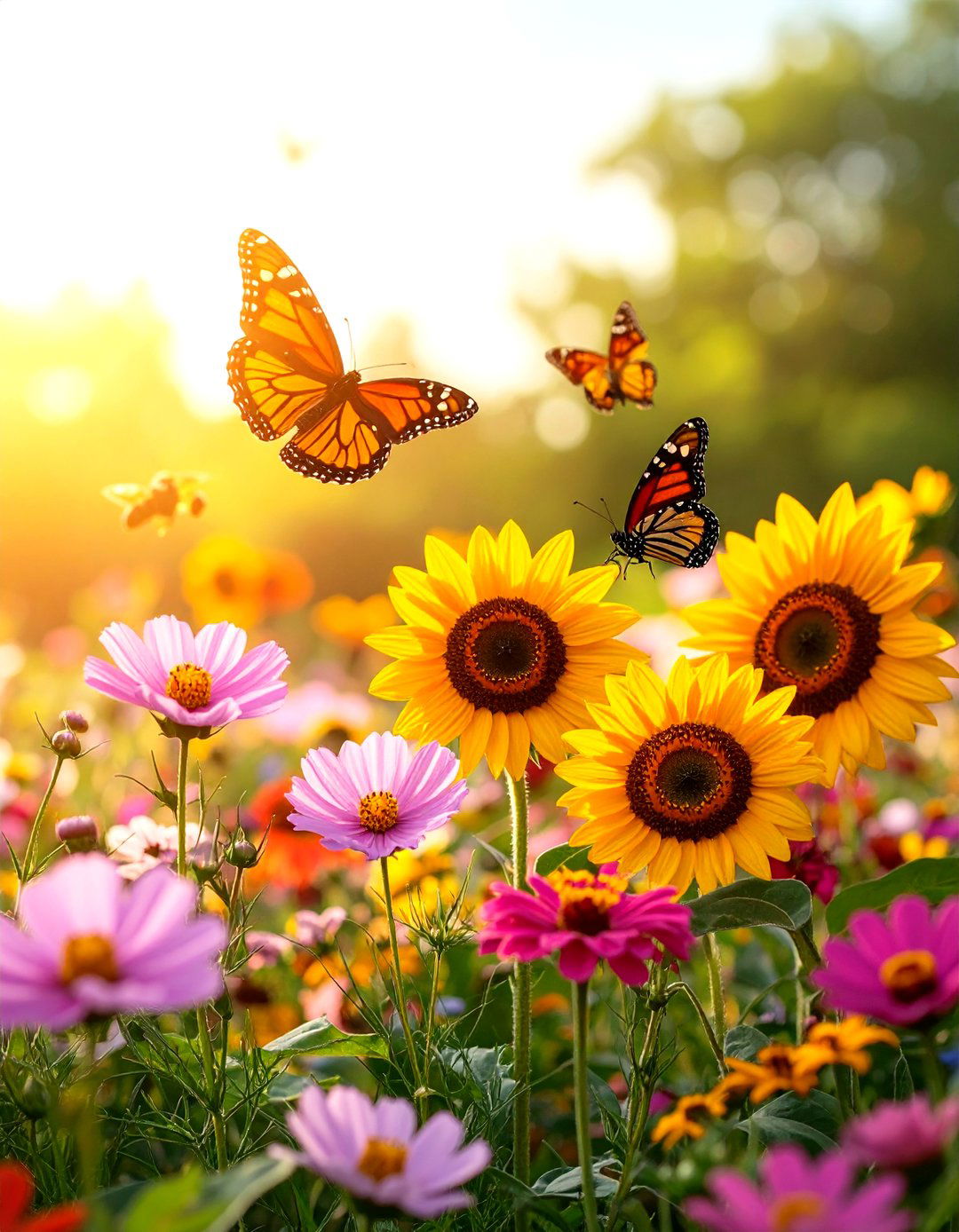
Why not design a garden that feeds both pollinators and your soul? A wildflower cutting garden layout is arranged in rows for easy access and generous amounts of flowers that are great for bouquets and also loved by pollinators, such as zinnias, cosmos, sunflowers, and cutting flowers for your home, you are essentially "deadheading" the plants, which encourages them to produce even more creates a continuous supply of flowers for both you and the bees and butterflies all season long. It's a beautiful win-win situation.
25. The Shaded Fern Grotto Pollinator Garden
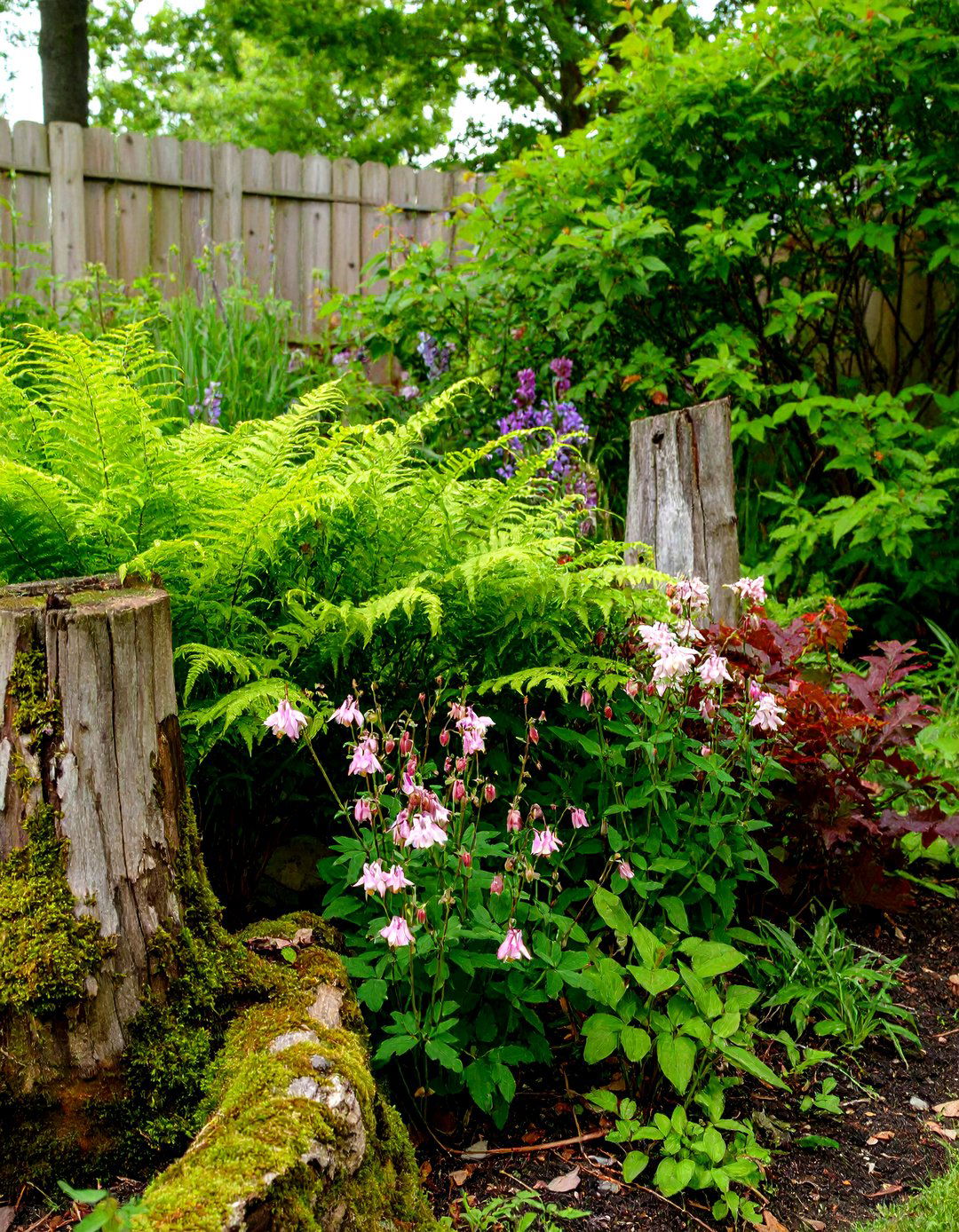
Even a deeply shaded area can be transformed into a valuable pollinator layout focuses on creating a lush, cool fern a variety of ferns for texture and structure, and intersperse them with shade-loving, early-blooming wildflowers like bleeding hearts, columbine, and plants provide a critical early food source for queen bees emerging from hibernation. A small, still water feature or a mossy log can enhance the cool, damp design turns a challenging, dark corner into a serene and beneficial woodland retreat.
26. A Themed Color Block Pollinator Garden
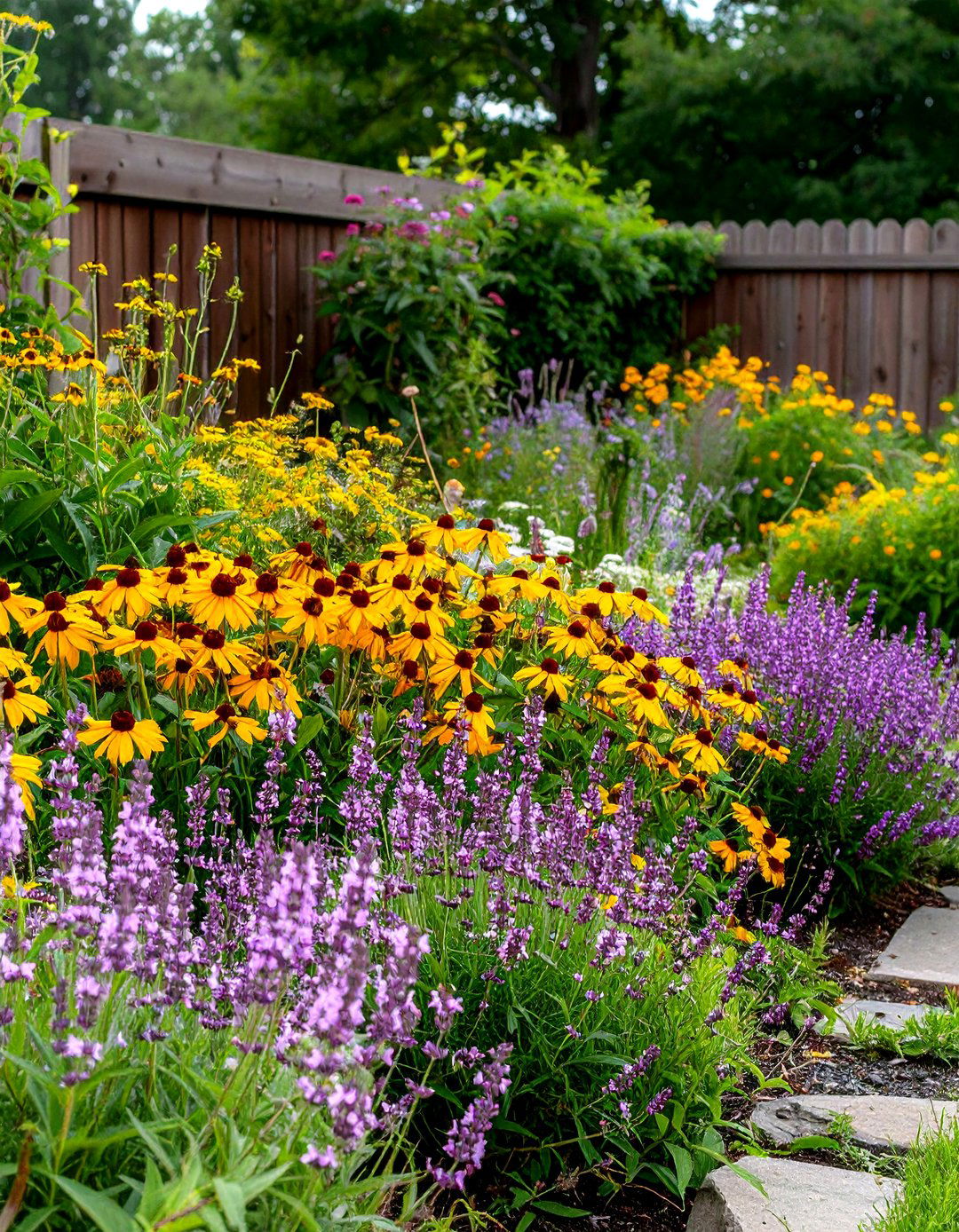
Create a bold, artistic statement with a color block design involves planting large, distinct sections of the garden with plants of a single, vibrant a block of sunny yellow coreopsis next to a block of intense purple salvia, bordered by a swath of fiery orange butterfly layout uses strong geometric shapes — squares, rectangles, or flowing curves — to define the color massing of color is highly visible to pollinators and creates a stunning, quilt-like effect from a distance, making a powerful visual impact.
27. The Island Bed Pollinator Garden Design
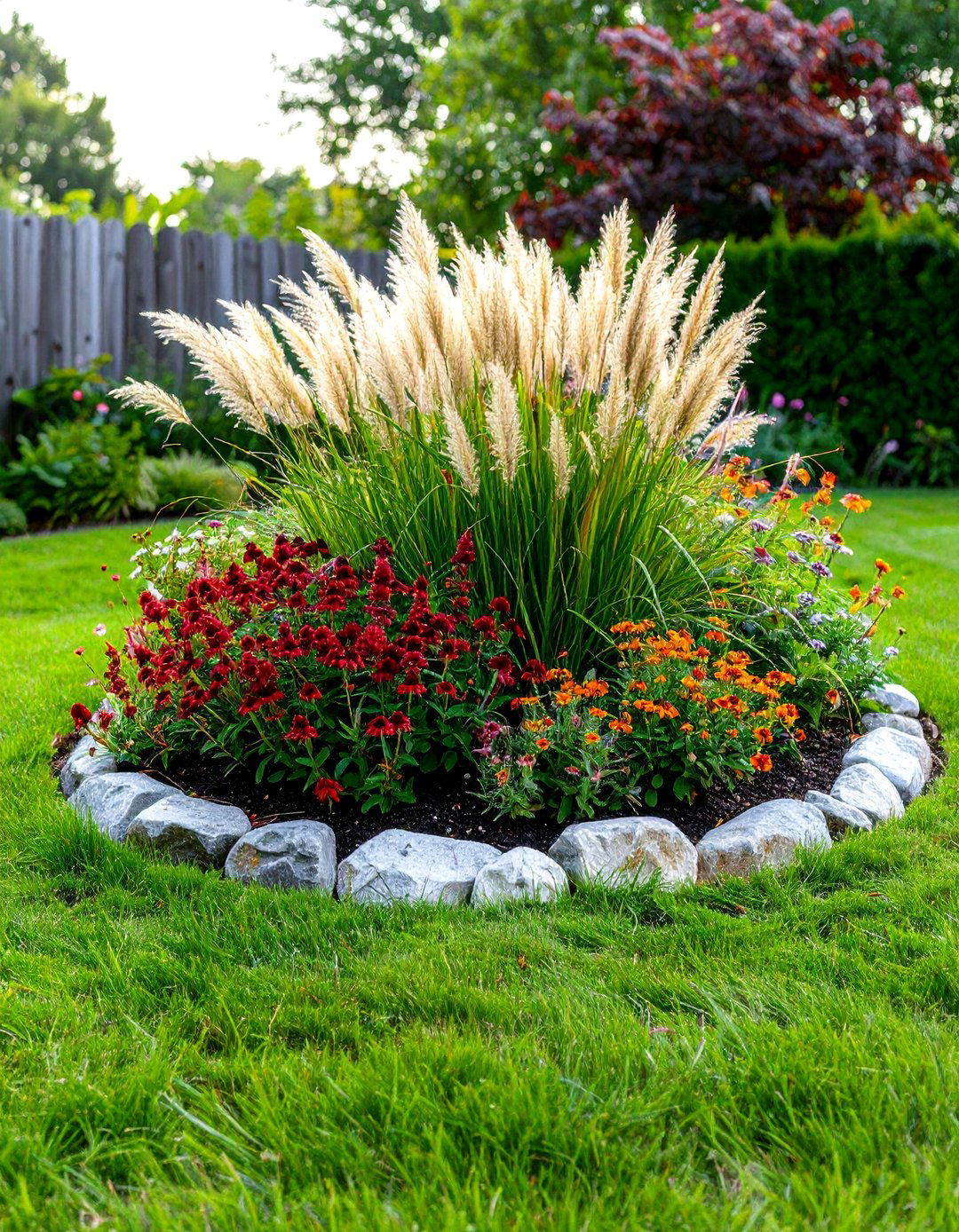
An island bed is a freestanding garden bed situated in the middle of a layout allows you to view the garden from all sides and creates a strong focal the bed with the tallest plants, like Joe Pye weed or tall grasses, in the center, and gradually shorter plants moving towards the creates a mounded sweeping curves for the bed shape to give it a natural, flowing beds are perfect for showcasing a diverse collection of pollinator plants.
28. A Layered Border for Season-Long Blooms
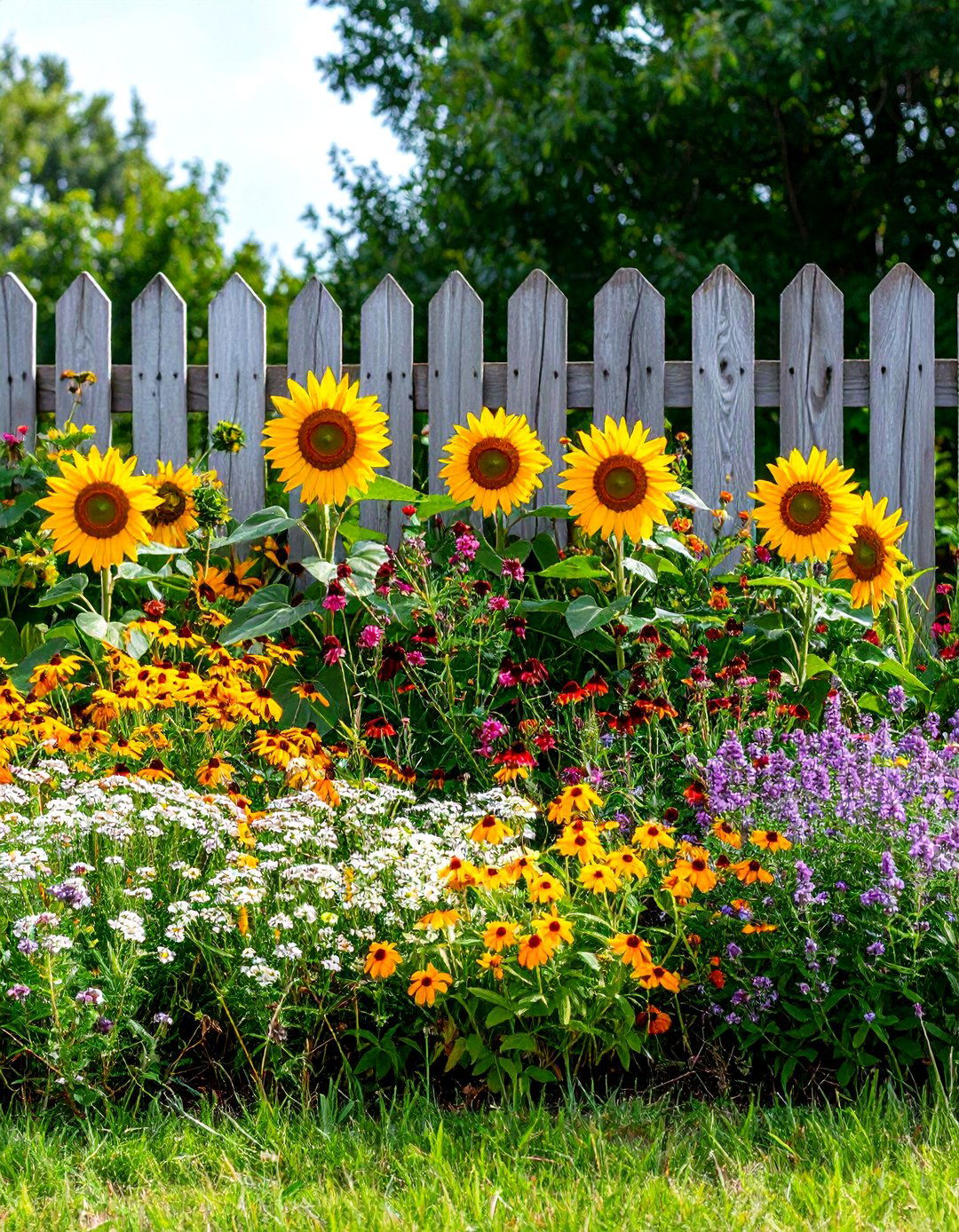
A classic layered border is one of the most effective layouts for a pollinator principle is to plant in layers from front to back according to back layer should contain the tallest plants, like hollyhocks or middle layer can feature medium-height perennials like bee balm and front layer should have low-growing, border plants like catmint or hardy structure ensures all plants are visible and creates a lush, full look. Critically, plan for sequential blooming to provide continuous food.
29. The Native Riparian Buffer Garden
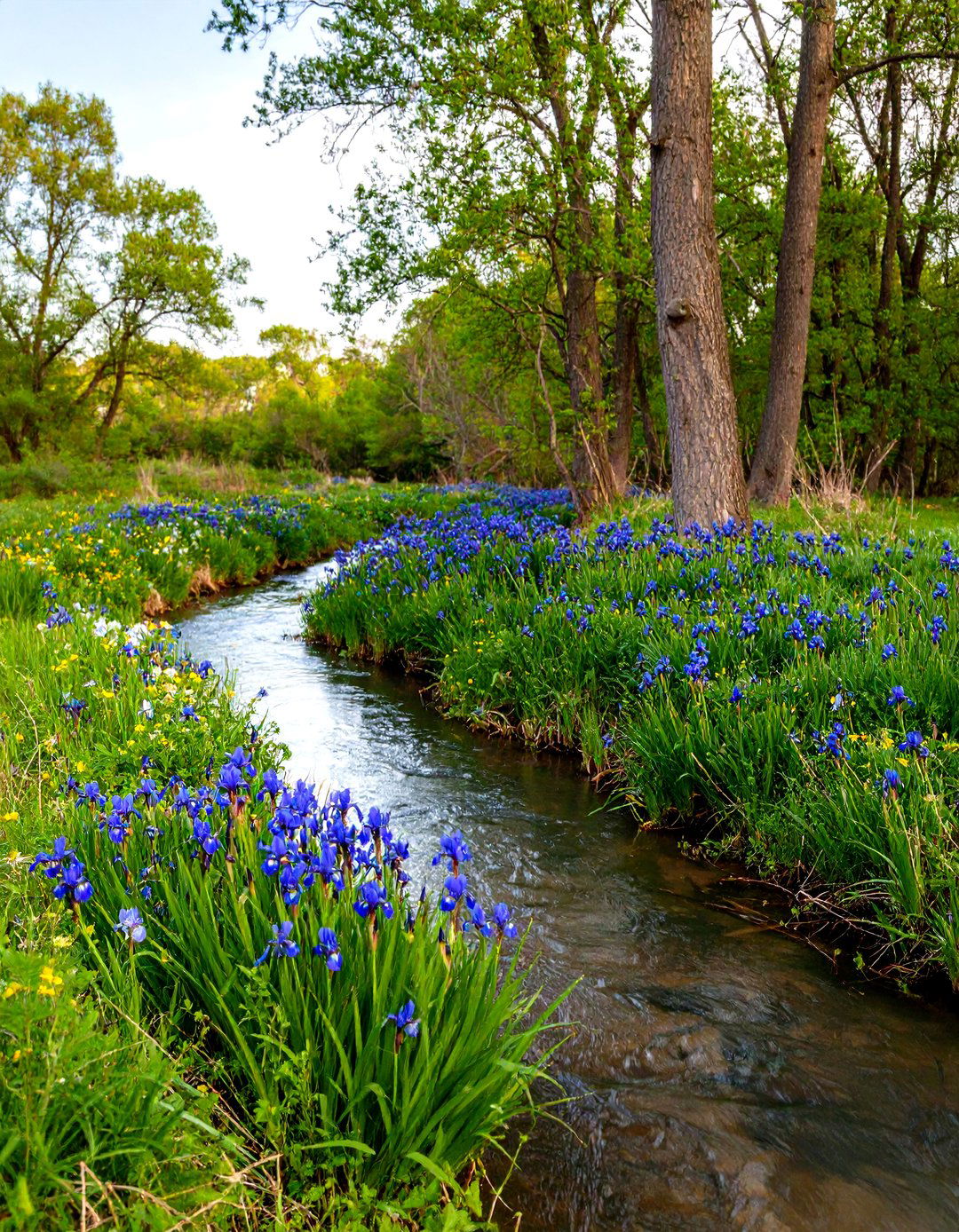
If your property borders a stream, pond, or wetland, planting a riparian buffer is an incredibly impactful pollinator garden design involves creating a zone of native plants along the water's plants help to filter runoff, prevent erosion, and provide crucial water-loving plants like swamp milkweed, blue flag iris, and turtlehead directly along the up the slope, you can plant shrubs like buttonbush and creates a rich, diverse ecosystem that supports both aquatic and terrestrial pollinators and wildlife.
30. A Rooftop Meadow Pollinator Garden
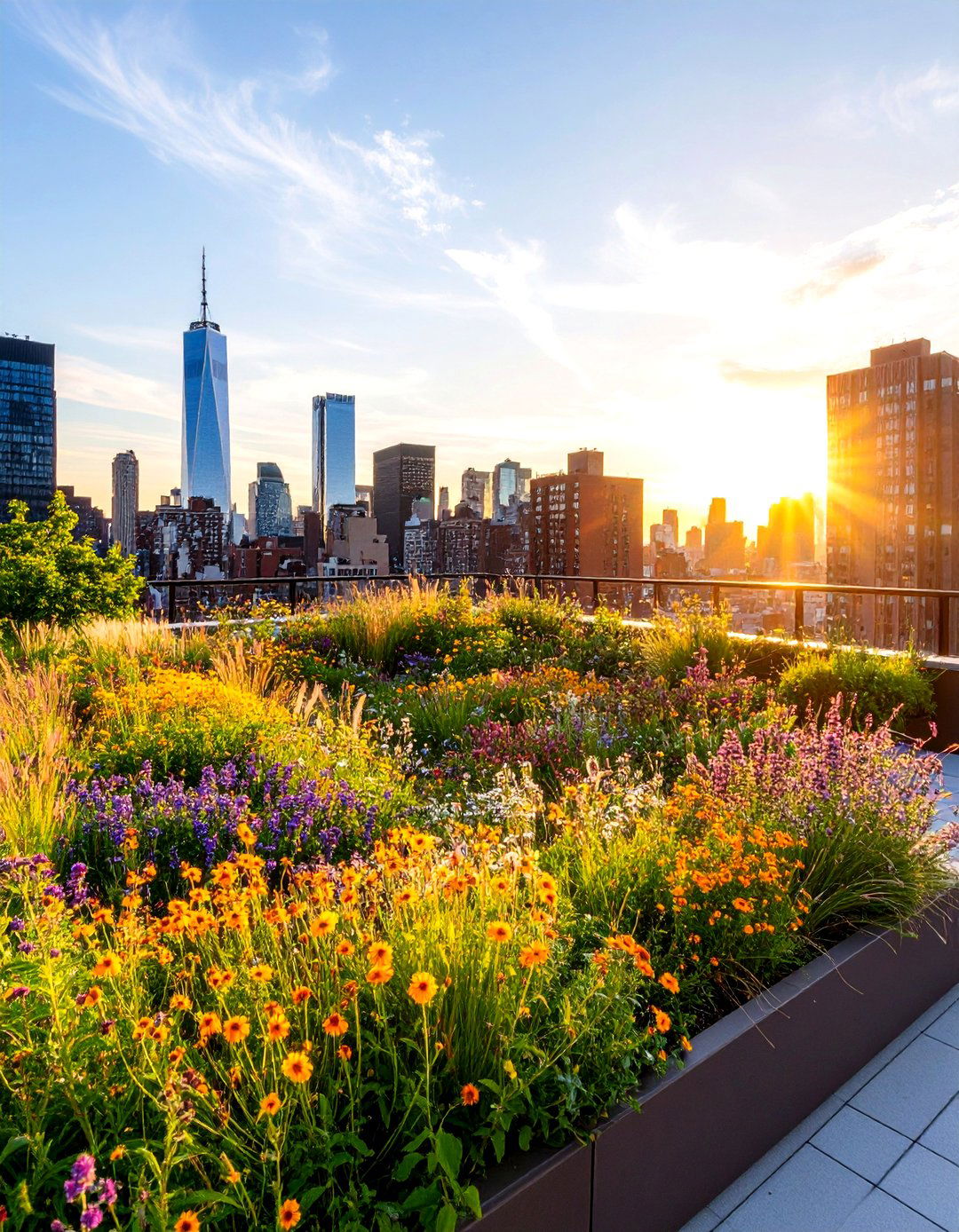
For urban buildings with flat roofs, a rooftop meadow offers a spectacular opportunity to create a large-scale pollinator layout requires a professional assessment of the roof's load-bearing capacity but can transform an unused involves installing a green roof system with layers for drainage and a lightweight growing it with hardy, drought-tolerant prairie grasses and wildflowers that can withstand wind and creates a vital ecological corridor high above the city streets, providing a refuge for pollinators and insulating the building below.
Conclusion:
Embracing one of these pollinator garden design plans can profoundly impact your local ecosystem while creating a space of immense beauty and you have a tiny balcony, a challenging slope, or a sprawling lawn, there is a layout that can be adapted to your key is to think holistically, considering the entire life cycle of pollinators by providing food, water, and planting in drifts, layering heights, and ensuring continuous blooms from spring through fall, you create a reliable and attractive garden becomes more than just a collection of plants; it transforms into a dynamic, living sanctuary.

Related posts:




Leave a Reply