
Embracing native plants is more than a gardening trend; it 's a commitment to restoring local ecosystems, supporting wildlife, and creating a landscape that is both beautiful and resilient. A native plant garden design goes beyond simply choosing local flora; it involves crafting a cohesive layout that mimics natural habitats while suiting your personal style and property' s sprawling meadow-inspired layouts that buzz with pollinators to serene woodland clearings perfect for quiet contemplation, the possibilities are designs prioritize sustainability, reducing the need for excessive watering, fertilizers, and thoughtfully arranging plants, pathways, and hardscape materials, you can create a dynamic, four-season garden that feels deeply connected to its environment and provides a sanctuary for you and local creatures.

1. The Pollinator Meadow Garden Layout

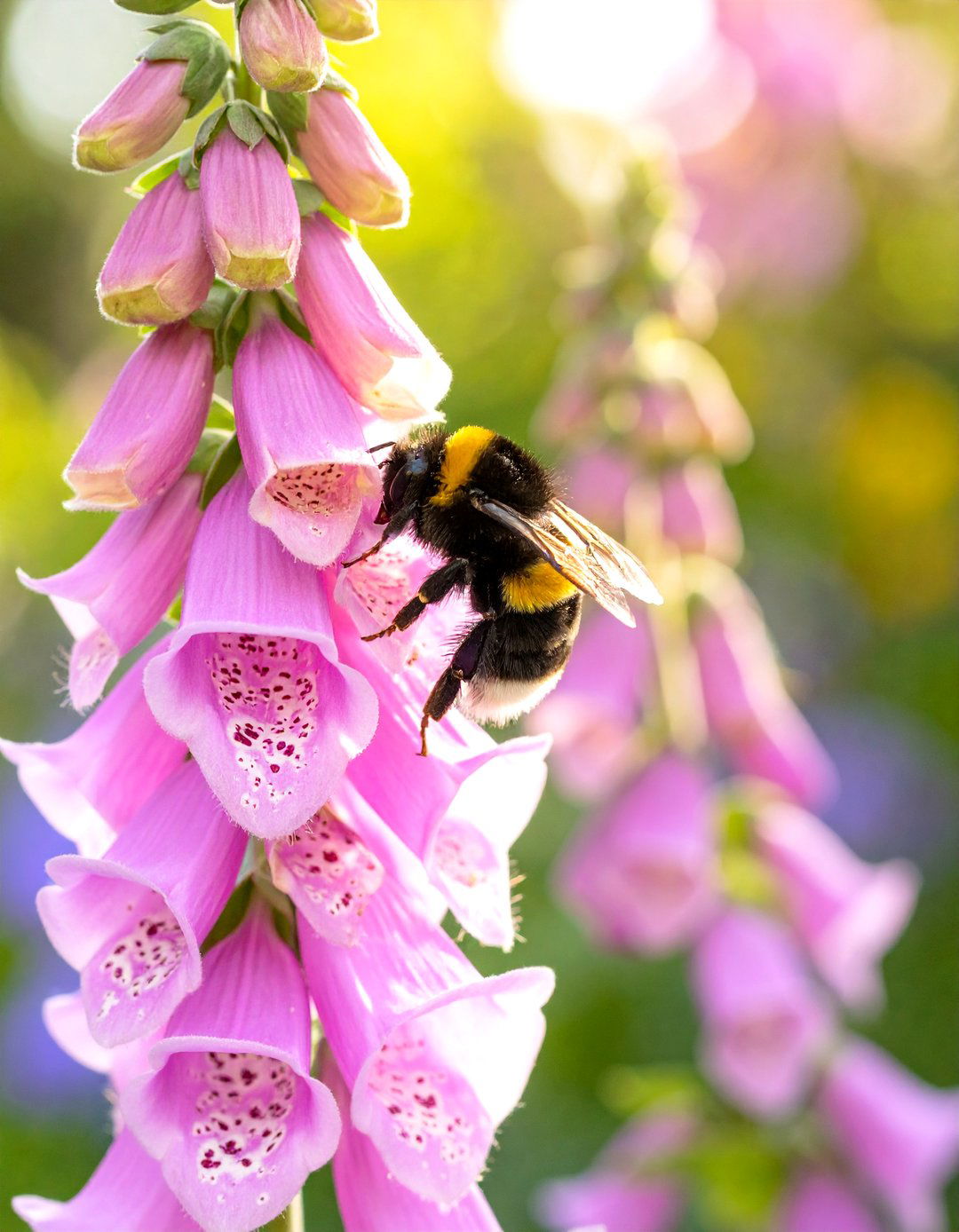
Imagine a vibrant, sprawling meadow alive with the gentle hum of bees and the flutter of layout uses layered drifts of native perennials like coneflowers, bee balm, and milkweed, arranged in large, intermingling groups to mimic a natural prairie. A meandering mown-grass path provides access without disrupting the wild design forgoes traditional mulch in favor of densely planted groundcovers, creating a living carpet that suppresses wooden benches placed at key viewpoints offer spots for quiet garden is a dynamic, ever-changing tapestry of color and life.
2. A Serene Woodland Shade Garden

For properties blessed with mature trees, a woodland shade garden offers a tranquil layout features a gently curving path made from natural flagstone or wood chips, winding through clusters of shade-loving natives like ferns, hostas, and wild ginger. A small, moss-covered log or a strategically placed boulder acts as a natural focal point and seating design emphasizes texture and subtle shifts in green hues, with occasional pops of color from flowering ephemerals like trillium in the spring. Soft, low-voltage lighting can highlight key plants for evening enjoyment.
3. The Modern Minimalist Native Garden

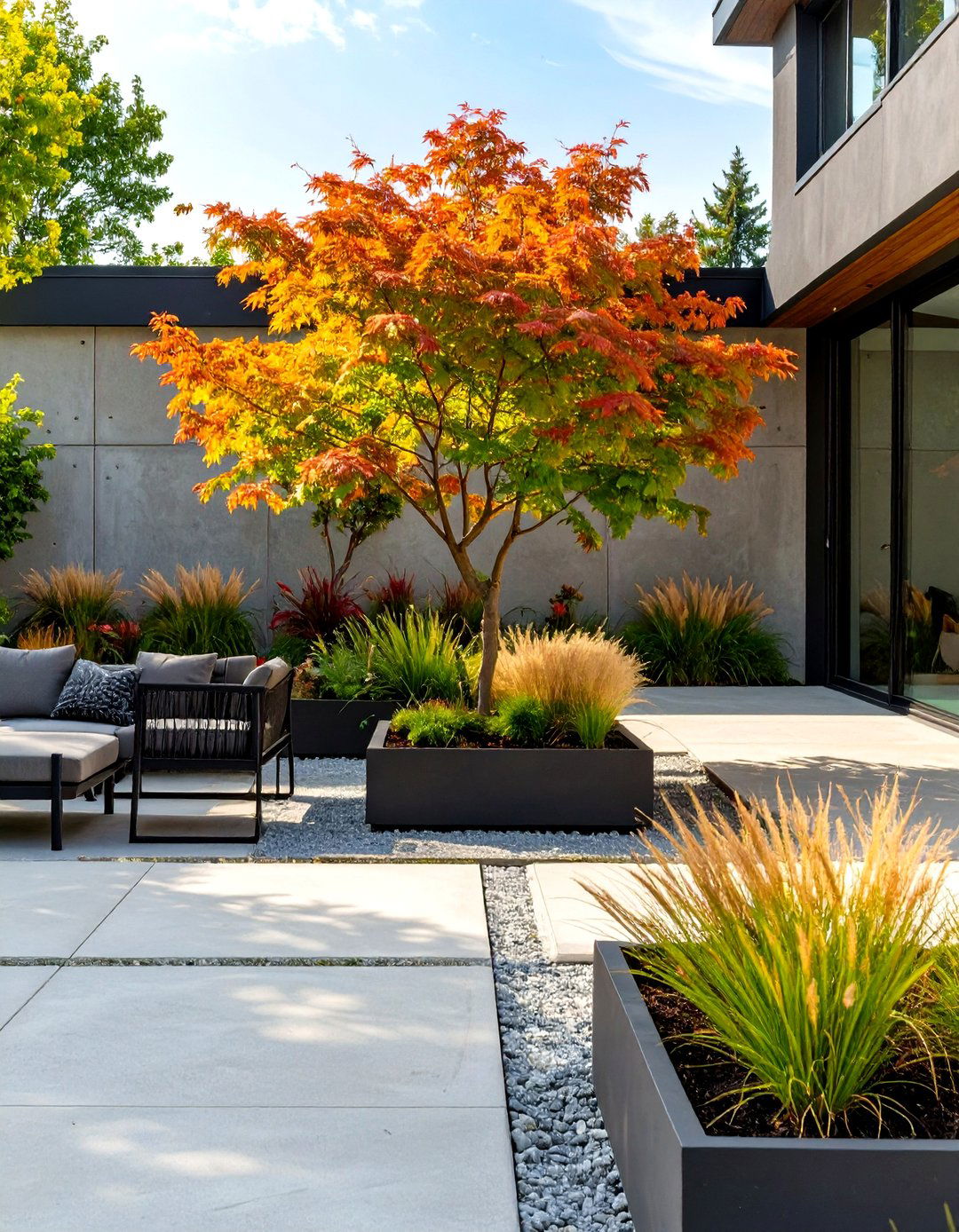
This design proves that native plants can be incredibly chic and contemporary. A modern native garden uses a structured layout with clean lines, geometric planting beds, and a limited plant repeating groups of architectural grasses like little bluestem or switchgrass planted in straight lines or or decomposed granite pathways and patios create a crisp, minimalist focus is on form, texture, and repetition rather than an abundance of different flowers. A simple steel water feature or a corten steel planter adds a sculptural, industrial element to the design.
4. A Dry Creek Bed Rain Garden
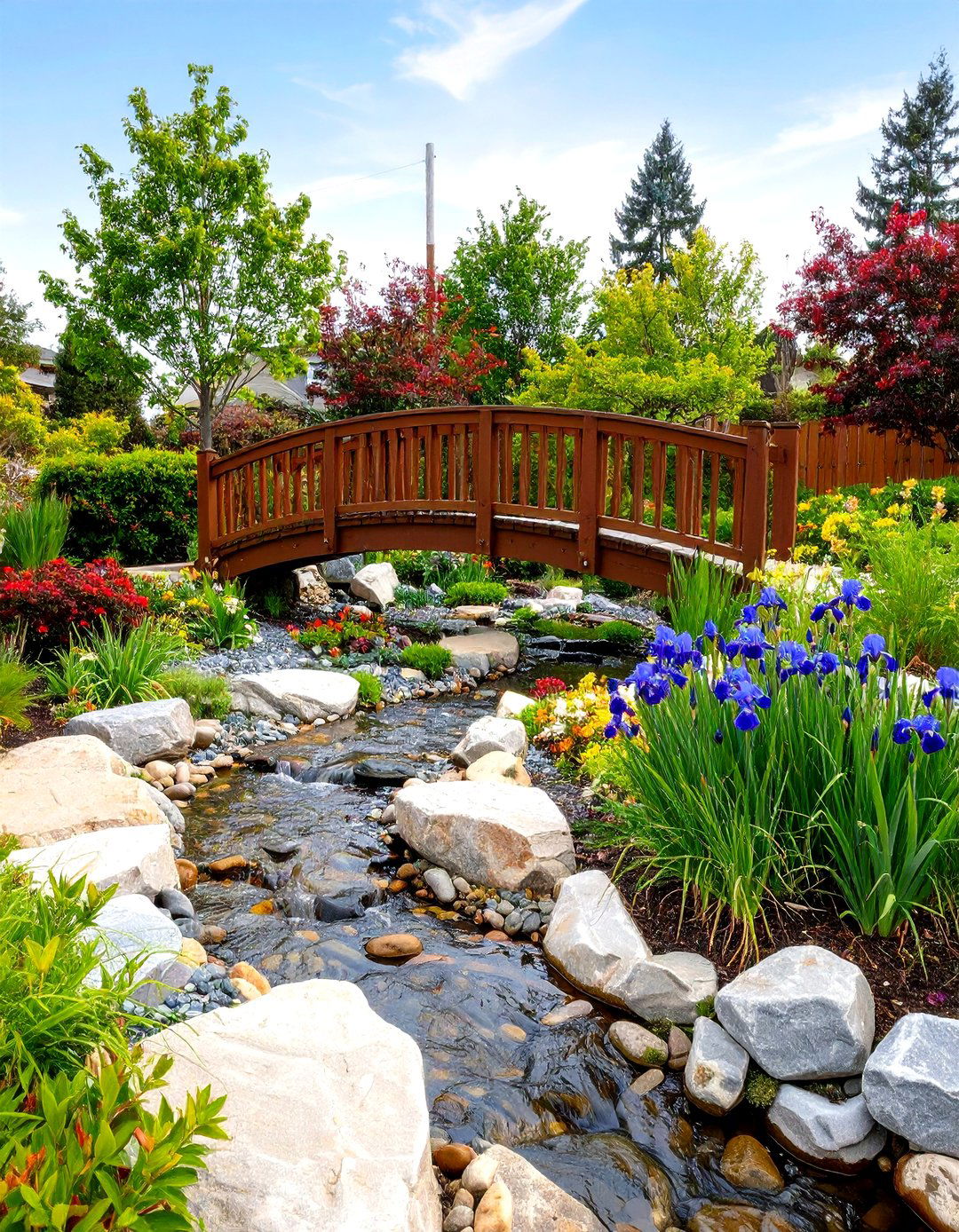
What if your garden could solve drainage issues while looking beautiful? A dry creek bed rain garden does just that, creating a functional and stunning landscape layout channels rainwater through a winding swale lined with smooth river rocks of various banks are densely planted with water-loving natives like sedges, rushes, and iris at the lowest points, transitioning to more drought-tolerant species on the higher edges. A small wooden bridge can arch over the creek bed, adding a charming, rustic touch to this highly practical and ecological garden design.
5. The Cottage-Style Native Garden
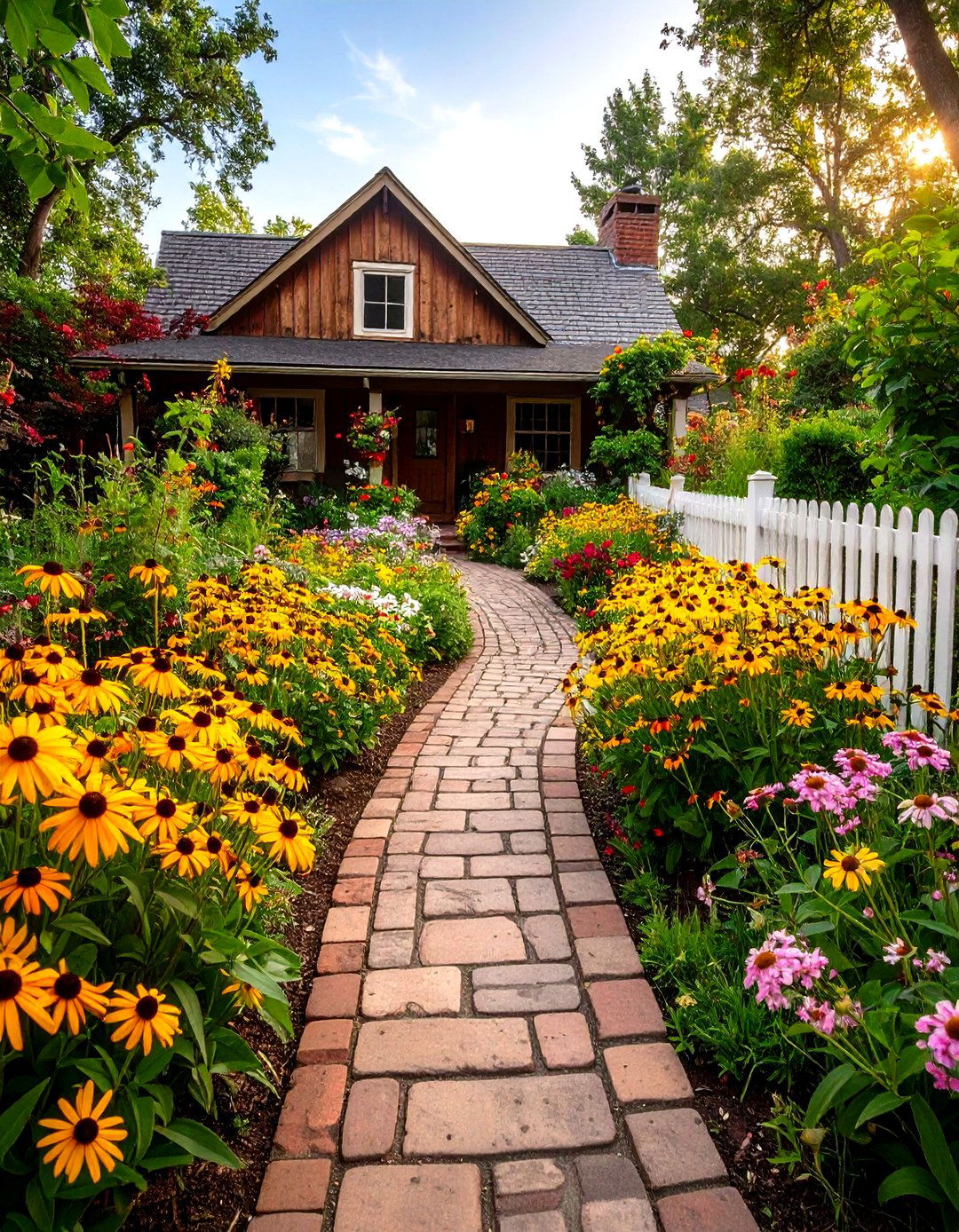
Embrace a charming, informal look with a cottage-style native design features a dense, overflowing mix of flowering perennials and self-sowing annuals packed into curved like black-eyed Susans, phlox, and asters spill over the edges of a simple brick or stone pathway. A rustic wooden fence or a low stone wall provides structure and a backdrop for climbing native vines like trumpet overall feel is abundant, romantic, and slightly untamed, creating a welcoming habitat for birds and bees right up to your doorstep.
6. The Bird Sanctuary Garden Design

To create an avian haven, this garden focuses on providing food, water, and shelter for birds layout includes dense thickets of native shrubs like dogwood and viburnum for nesting and protection. Berry-producing trees such as serviceberry and chokecherry offer a natural food source. A shallow birdbath, perhaps a simple stone basin, is a crucial seed-bearing flowers like sunflowers and coneflowers provides sustenance in late summer and layout is layered, with tall trees, mid-level shrubs, and low-growing perennials creating a secure, multi-level habitat.
7. A Four-Season Interest Garden

Why should a garden only shine in summer? A four-season interest garden is designed for year-round layout strategically combines plants with staggered bloom times, interesting winter seed heads, and persistent grasses provide winter form, while the peeling bark of a river birch and the red twigs of a dogwood shrub add color against the offer a green backdrop, and early spring bulbs emerge to signal the start of a new design ensures that no matter the season, there is always something visually captivating.
8. The Native Prairie Garden expanse

For larger, sun-drenched properties, a native prairie garden captures the expansive beauty of America's layout features a wide variety of native grasses as the dominant element, punctuated by tough, colorful wildflowers like butterfly weed and purple prairie design is open and flowing, with wide, sweeping beds and minimal hardscaping. A single, large boulder or a piece of driftwood can serve as a simple, powerful focal approach is low-maintenance once established and provides critical habitat for grassland birds and insects.
9. A Compact Urban Native Garden
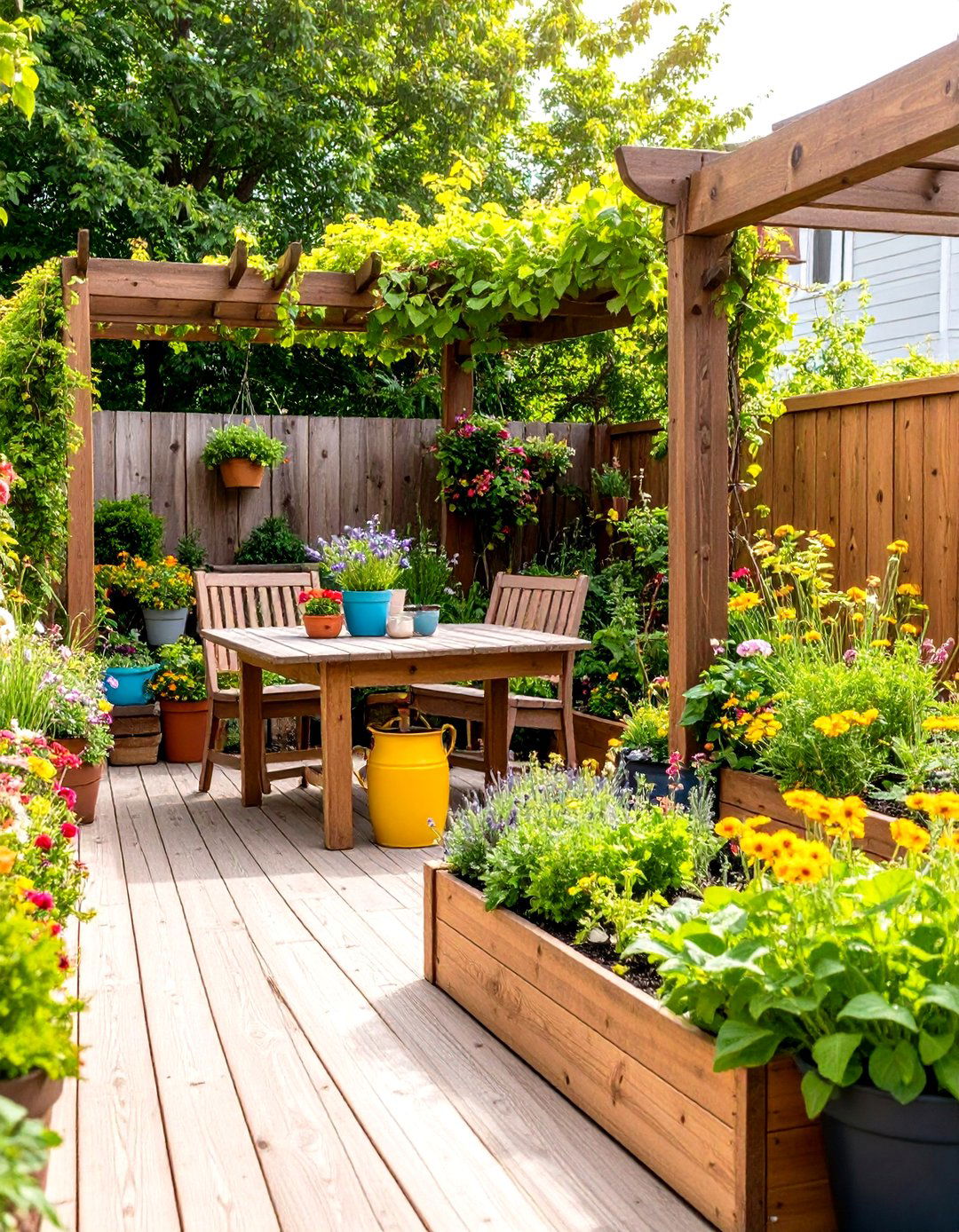
Even the smallest urban space can become a native design focuses on verticality and container gardening to maximize a small support native vines, while containers of various sizes hold a mix of compact perennials and beds made from wood or metal can define the space and make gardening more layout is efficient and multi-functional, perhaps incorporating a small bench with built-in approach proves that you don’t need a large yard to make a significant ecological impact.
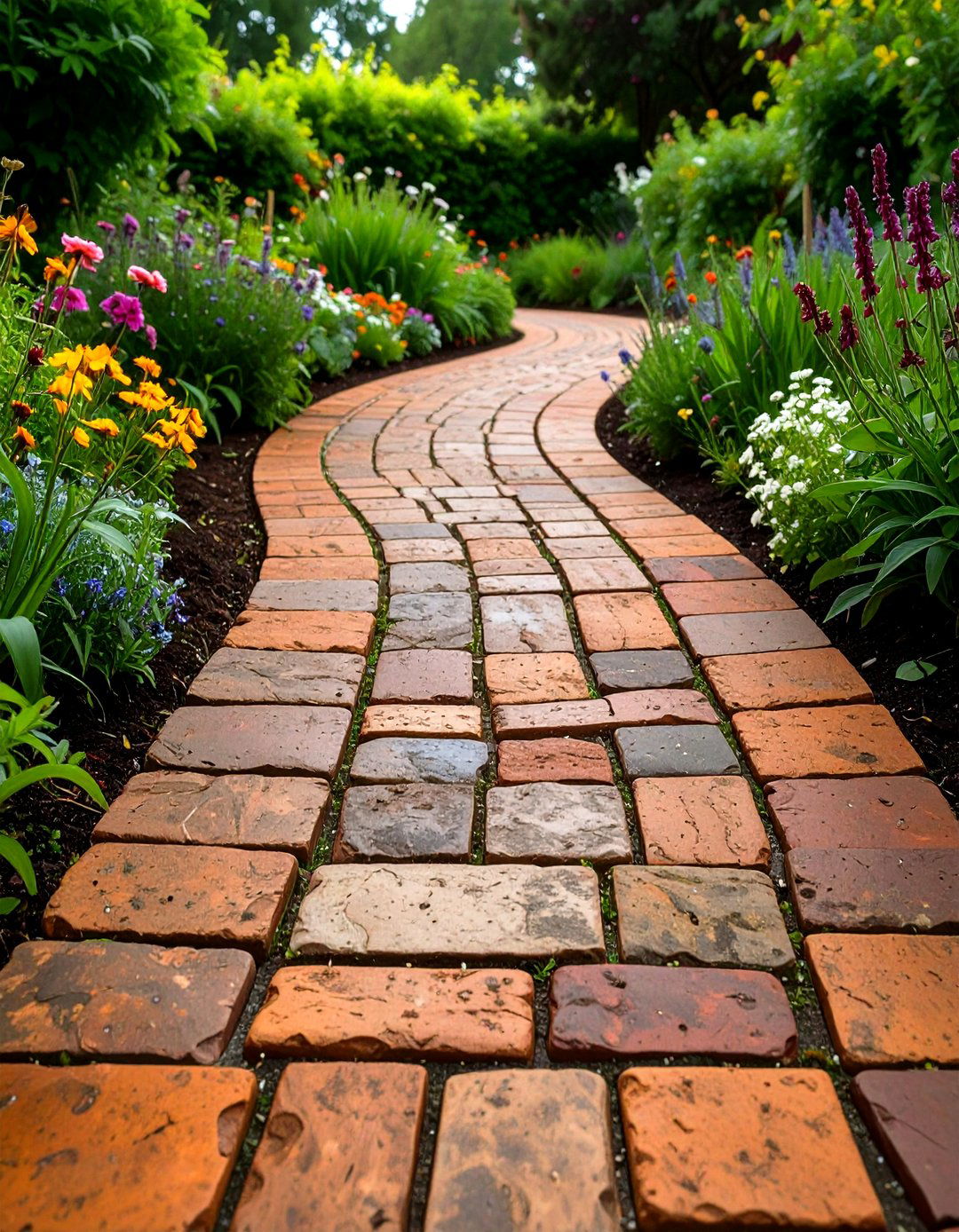
10. The Lakeside Native Planting Design

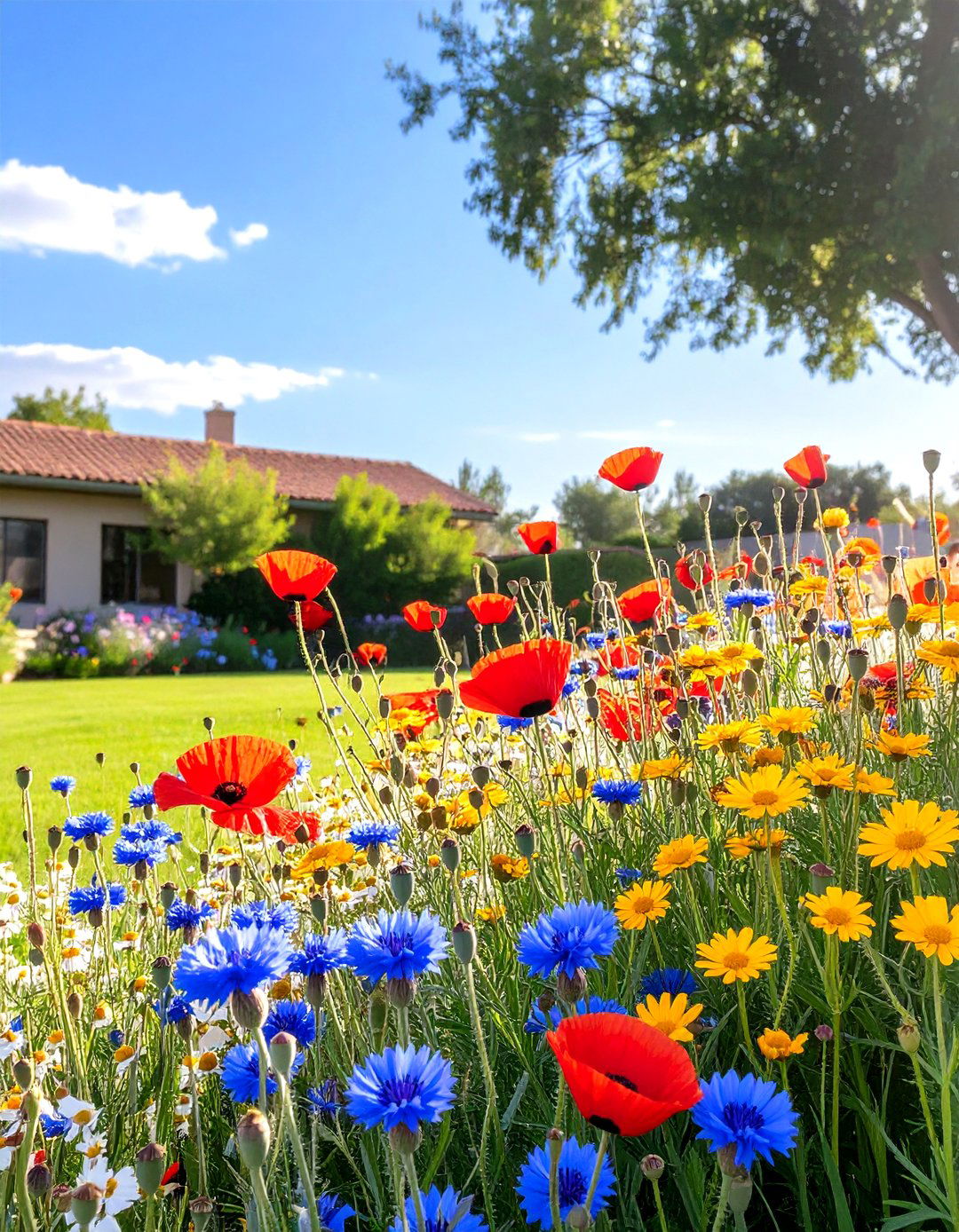
A lakeside property calls for a design that prevents erosion and enhances the natural layout uses deep-rooted native grasses and perennials along the shoreline to create a stable buffer plantings are kept low near the water to preserve the view, gradually increasing in height further from the shore. A winding path of permeable pavers allows access to the water without encouraging plant choices, like blue flag iris and Joe Pye weed, are tolerant of moist conditions and help filter water entering the lake.
11. The Rock Garden with Native Alpines
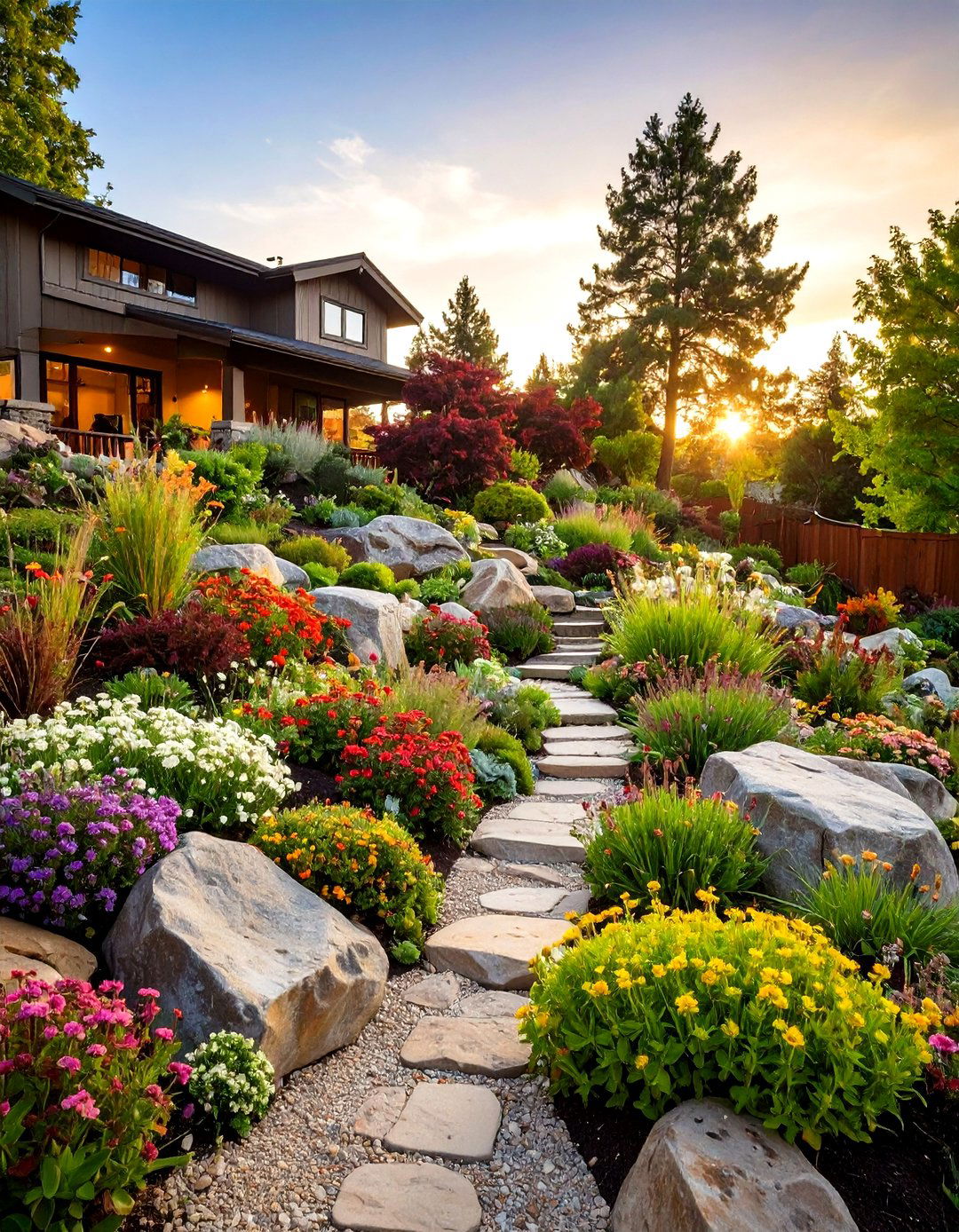
Transform a sunny slope into a stunning rock garden using native alpine and rock-loving layout uses carefully placed stones and boulders to create planting pockets and terraces, mimicking a natural mountain design features low-growing, drought-tolerant plants like creeping phlox, pasqueflower, and various sedums that thrive in gritty, well-drained soil. A gravel mulch complements the rocky aesthetic and helps retain moisture. It’s a durable, low-water design that provides unique textures and delicate blooms in a challenging, sun-baked location, creating a miniature mountain landscape.
12. A Formal Native Hedge and Parterre Garden
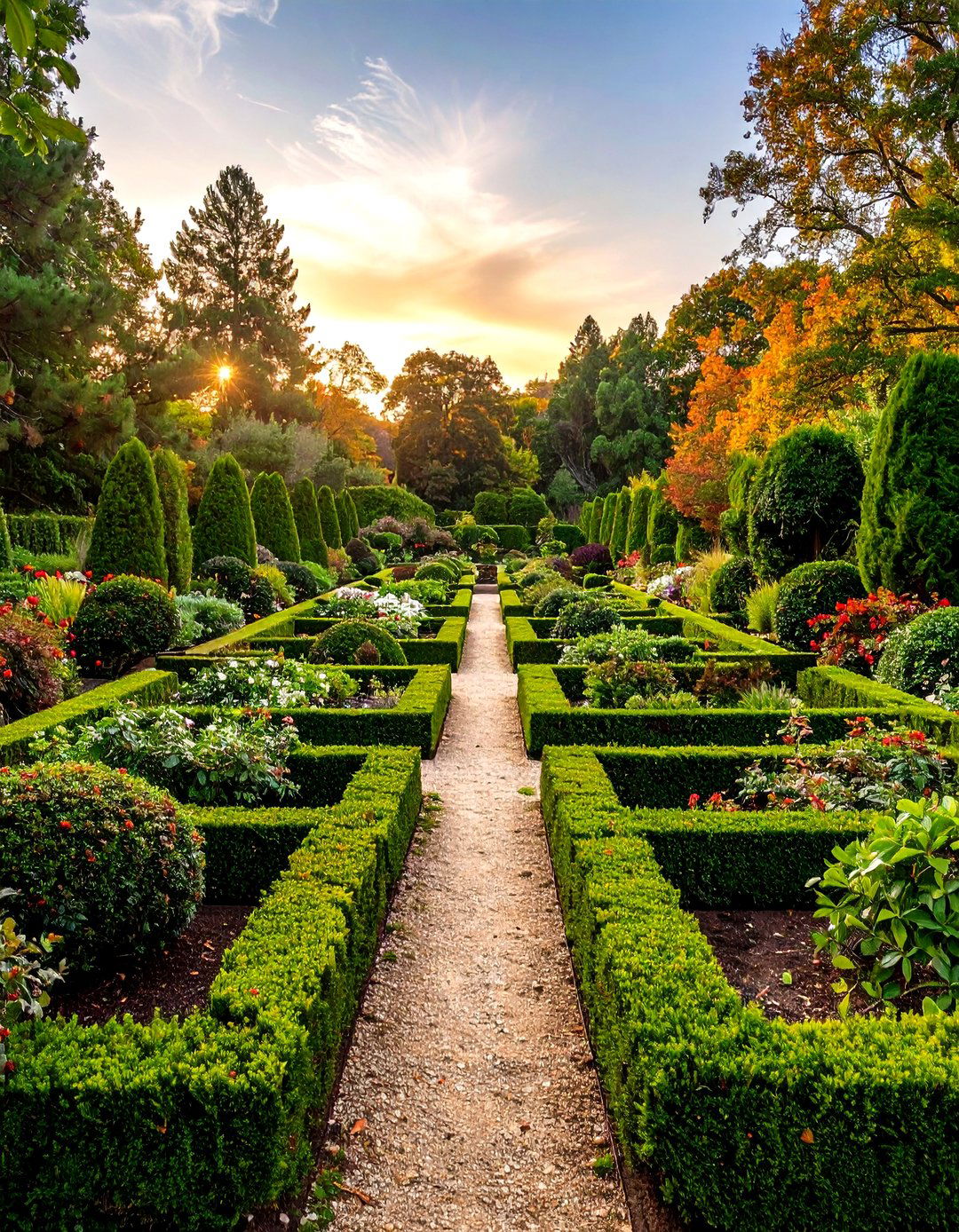
Who says native gardens can't be formal? This design adapts the classic European parterre garden using native plants. Low, clipped hedges of sturdy native shrubs like inkberry holly or winterberry create intricate geometric compartments within the hedges are then filled with single species of native perennials, creating blocks of uniform color and texture. A central axis with a formal urn or a simple fountain serves as a focal layout demonstrates the versatility of native plants, proving they can be used to achieve a highly structured and elegant garden style.
13. The Edible Native Food Forest Garden

This layout combines ecological principles with food production, creating a multi-layered garden that mimics a natural forest. A canopy layer might include native nut trees, an understory of fruit-bearing shrubs like elderberry and pawpaw, and a ground layer of edible perennials and wood chip paths provide access for foraging and permaculture-inspired design is highly productive and self-sustaining, providing a harvest for you and a rich habitat for wildlife. It’s a truly functional landscape where every plant serves multiple purposes in a thriving ecosystem.
14. The Coastal Native Dune Garden

For a garden that can withstand salt spray and sandy soil, a coastal dune design is layout uses tough, salt-tolerant native grasses like American beachgrass to stabilize the soil and create a dune-like structure. Hardy, low-growing perennials such as seaside goldenrod and beach pea add color and texture without obstructing ocean are made from simple wooden boardwalks to protect the fragile plant overall aesthetic is windswept and natural, blending seamlessly with the surrounding coastal landscape while providing important erosion control.
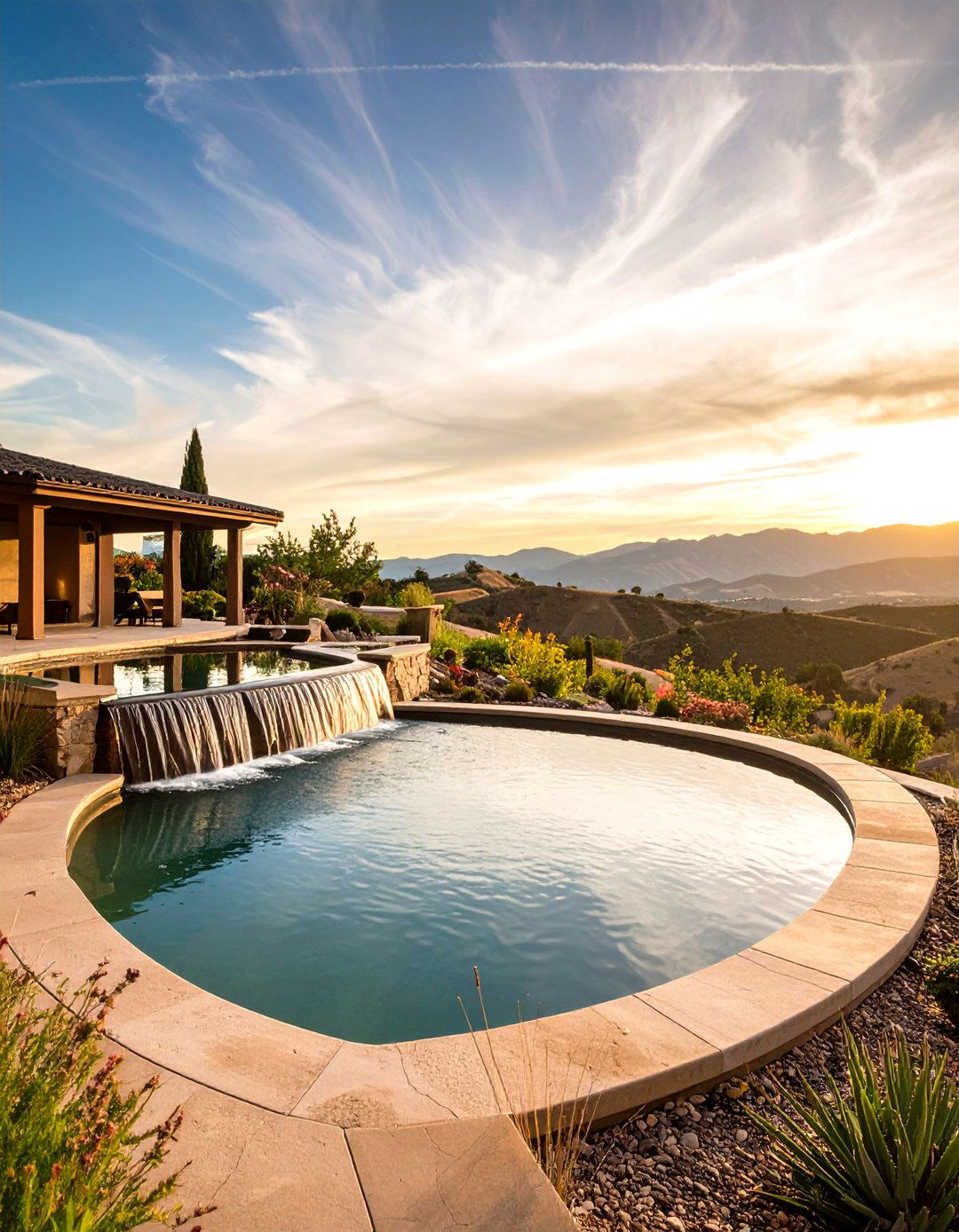

15. A Fragrant Native Plant Garden
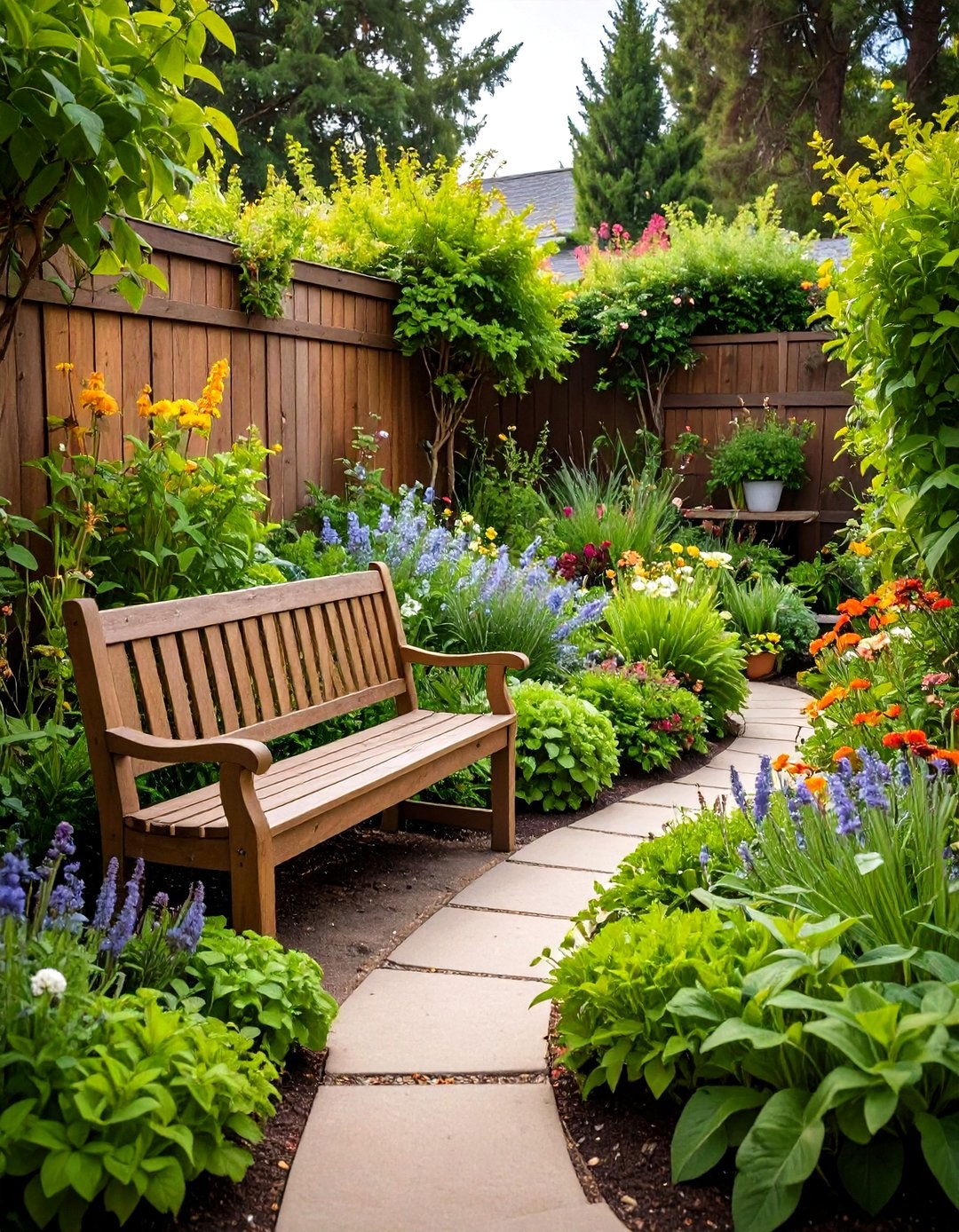
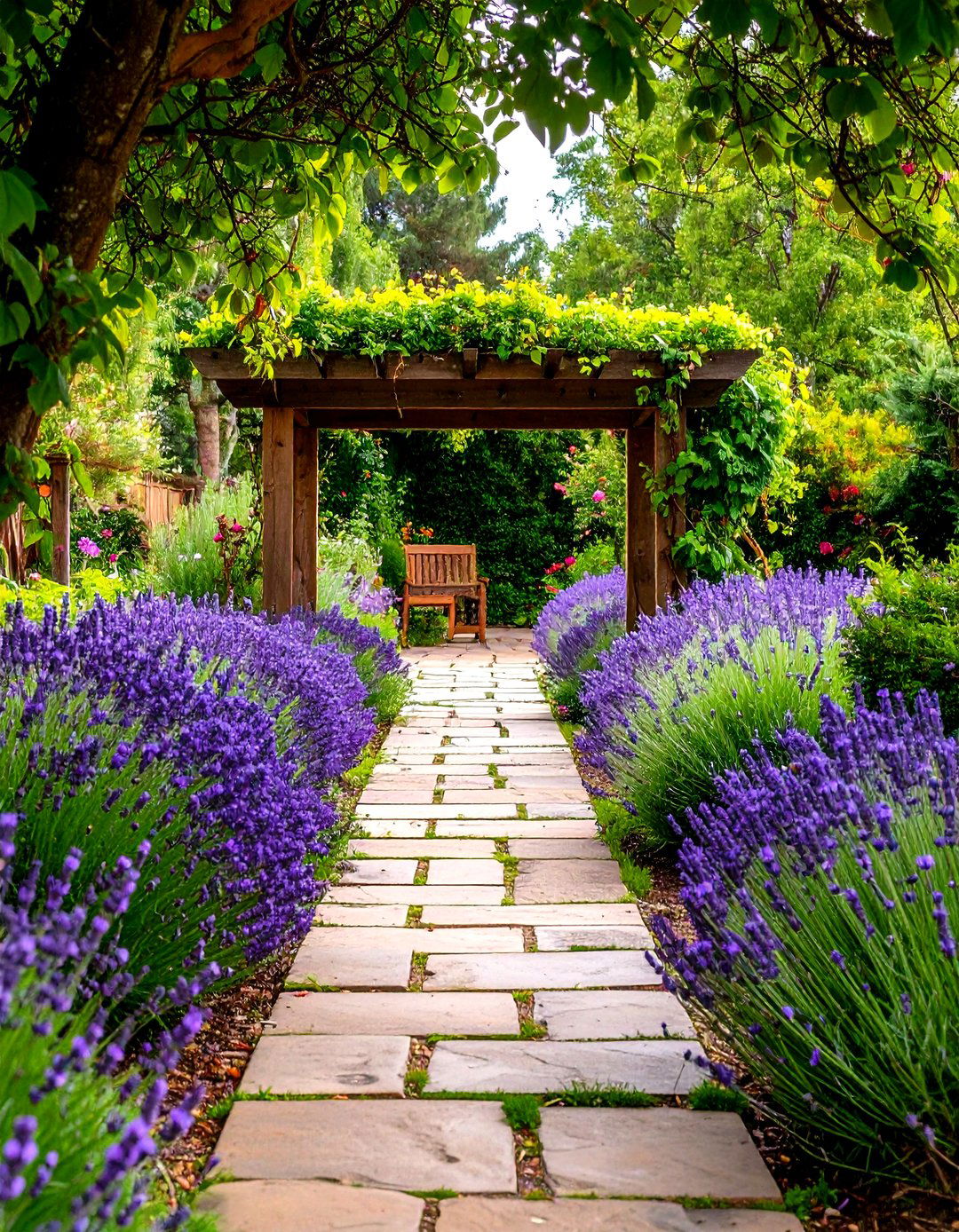
Engage all the senses with a garden designed around layout places aromatic native plants along pathways and near seating areas where their scents can be easily like mountain mint, sweet pepperbush, and evening primrose release their fragrances at different times of day. A comfortable bench or a small patio becomes the perfect spot to relax and breathe in the natural design is often enclosed by a low wall or hedge to help contain the scents, creating an immersive and therapeutic outdoor experience.
16. The Low-Maintenance Hellstrip Garden

Transform that difficult strip of land between the sidewalk and the street into a beautiful, low-maintenance layout uses only the toughest, most drought-tolerant and salt-tolerant native plants that can handle heat and of short prairie grasses, yarrow, and stonecrop create a resilient and attractive planting that requires minimal care once established. A simple gravel mulch or large, flat stones can be used as stepping design reclaims a neglected space, adding curb appeal and providing a small but vital patch of habitat.
17. The Moon Garden with Native Plants

Create a magical evening retreat with a moon garden composed of native layout features plants with white or silver foliage and night-blooming white flowers that seem to glow in the like foamflower, white wood aster, and evening primrose are key components. A smooth, light-colored gravel path reflects the moonlight, guiding the design includes a comfortable seating area, perfect for stargazing and enjoying the subtle fragrances of night-blooming flowers. Soft, ambient lighting can be added to enhance the ethereal, calming atmosphere.
18. The Native Groundcover Lawn Alternative

Rethink the traditional lawn with a tapestry of native layout replaces turfgrass with a patchwork of low-growing, spreading native plants like wild strawberry, Pennsylvania sedge, or creeping design can incorporate stepping stones to create paths through the living creates a textured, dynamic surface that is more ecologically beneficial than a monoculture lawn, requiring less mowing, watering, and approach supports a wider range of insects and creates a soft, natural look that is both beautiful and highly sustainable.
19. A Southwestern Native Xeriscape Garden

In arid regions, a xeriscape garden celebrates the beauty of water-wise native layout uses materials like decomposed granite, rustic boulders, and corten steel to create a structure that complements desert like agave, yucca, and desert marigold are grouped together based on their low water design emphasizes sculptural forms and dramatic textures over lush greenery. A shaded patio area with simple, rustic furniture provides a comfortable spot to enjoy the stark beauty of the desert landscape, creating a sustainable and regionally appropriate garden.

20. The Riparian Buffer Garden Zone

For properties bordering a stream or river, a riparian buffer garden is an ecological layout establishes zones of native plants to stabilize the bank and filter zone closest to the water features water-loving sedges and rushes. A middle zone includes shrubs like willow and dogwood, while the outer zone transitions to upland trees and tiered planting creates an incredibly effective natural filter, protecting water quality while providing critical habitat for both aquatic and terrestrial wildlife. It's a hardworking garden that beautifully marries form and function.
21. A Spiral Herb Garden with Natives

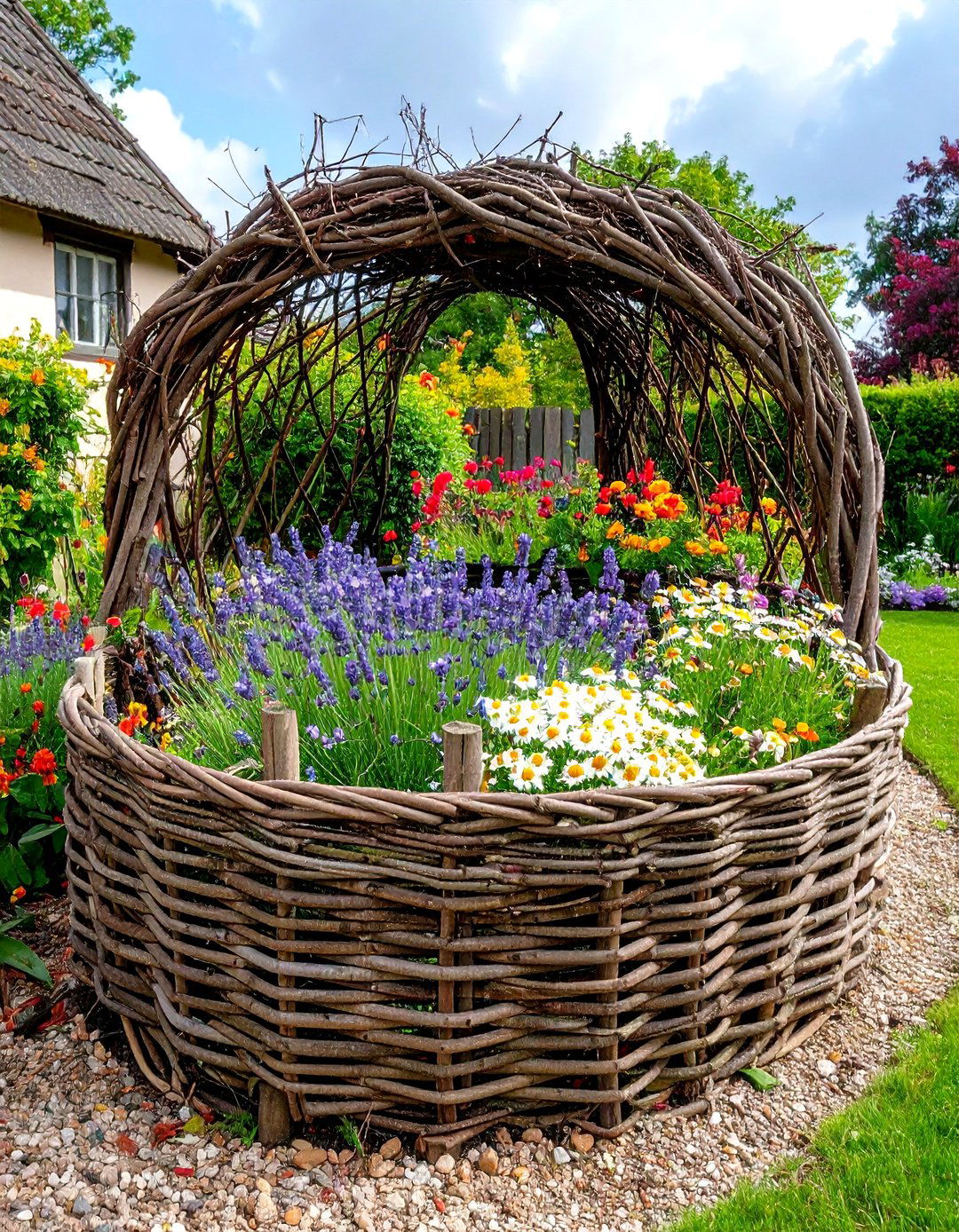
This design uses a classic spiral layout, built with stone or brick, to create different microclimates for a variety of native herbs and medicinal top of the spiral is sunnier and drier, perfect for plants like wild bergamot, while the lower, shadier base is ideal for moisture-loving herbs like wild compact, three-dimensional structure is both visually interesting and highly practical, allowing you to grow a diverse range of plants in a very small footprint. It's a perfect, functional centerpiece for a kitchen or wellness garden.
22. The Sunken Garden Room with Native Plants

Create a sense of enclosure and intimacy by designing a sunken garden layout involves excavating an area to create a lowered patio or lawn, with the surrounding slopes heavily planted with native terraced slopes can feature a mix of grasses, perennials, and low shrubs, creating a lush, green retaining walls can add structure and design provides privacy, protection from the wind, and a unique perspective on the garden, making it feel like a secret, secluded retreat right in your own backyard.
23. A Native Plant Rain Chain Garden

Make a functional feature beautiful by directing a rain chain into a specially designed garden layout positions a small, bowl-shaped garden directly beneath the rain chain's center is a gravel or river rock basin to handle the initial splash, surrounded by concentric rings of moisture-loving native plants like cardinal flower and marsh design effectively manages roof runoff, allowing water to slowly percolate into the ground while creating a stunning, dynamic water feature every time it rains.
24. The Berm and Swale Earthworks Garden

This layout uses sculpted earth to create a water-harvesting landscape. A berm is a raised mound of earth, and a swale is a shallow ditch on contour; together, they slow, spread, and sink rainwater into the berms are planted with drought-tolerant native trees and shrubs, while the moist swales can support more water-loving design is incredibly effective for managing water on a slope, reducing erosion and hydrating the entire landscape passively. It’s a sustainable, permaculture-based approach that creates a resilient and productive garden.
25. The Native Plant Cutting Garden Layout
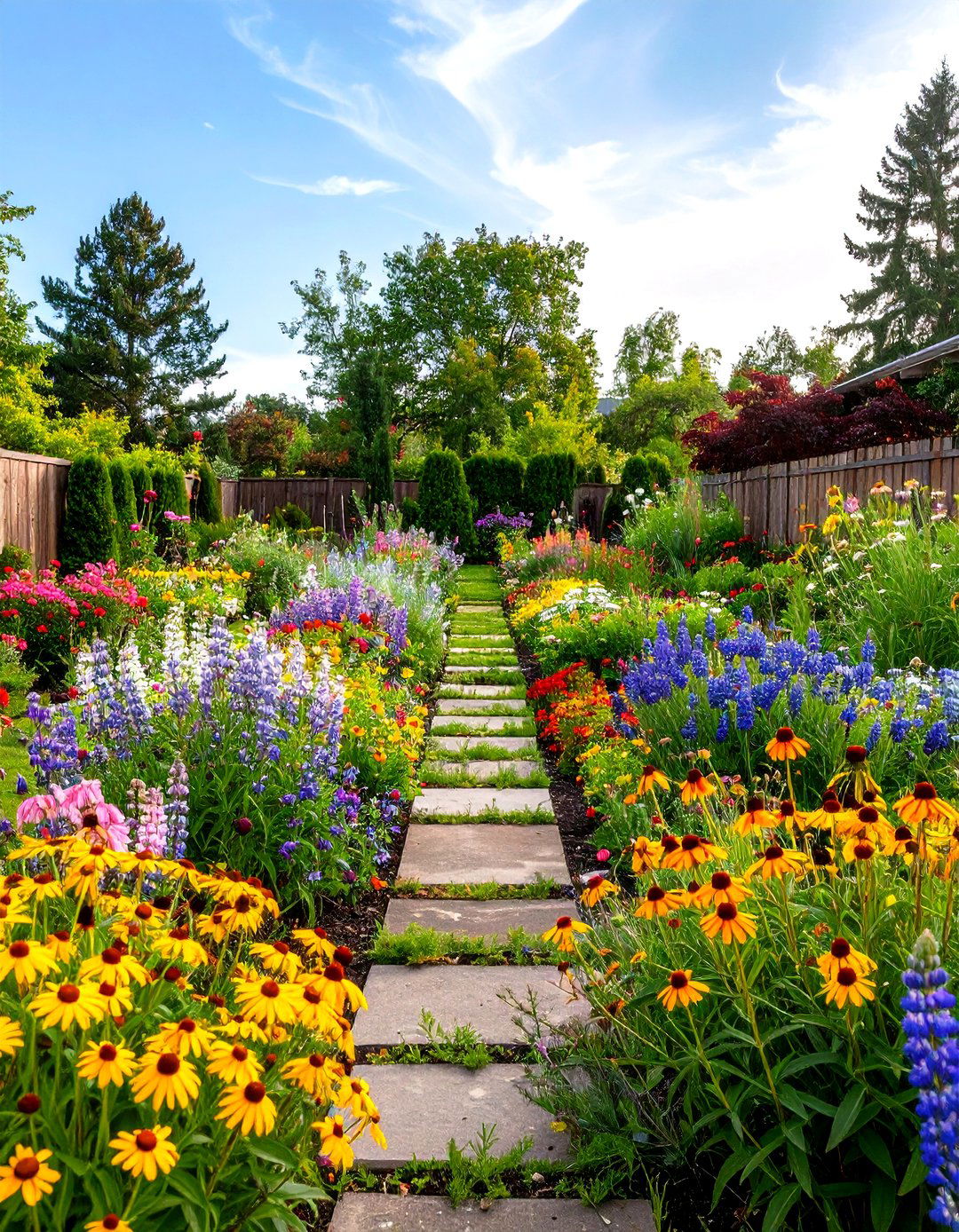
Why buy flowers when you can grow your own? A native cutting garden is laid out for easy access and continuous design typically uses straight, narrow beds arranged in rows, making it simple to walk between them for cutting and are chosen for their long stems and lasting beauty in a vase, such as coneflowers, liatris, asters, and various layout prioritizes function over a naturalistic aesthetic, ensuring you have a steady supply of beautiful, local bouquets throughout the growing season.
26. A Themed Color Palette Native Garden
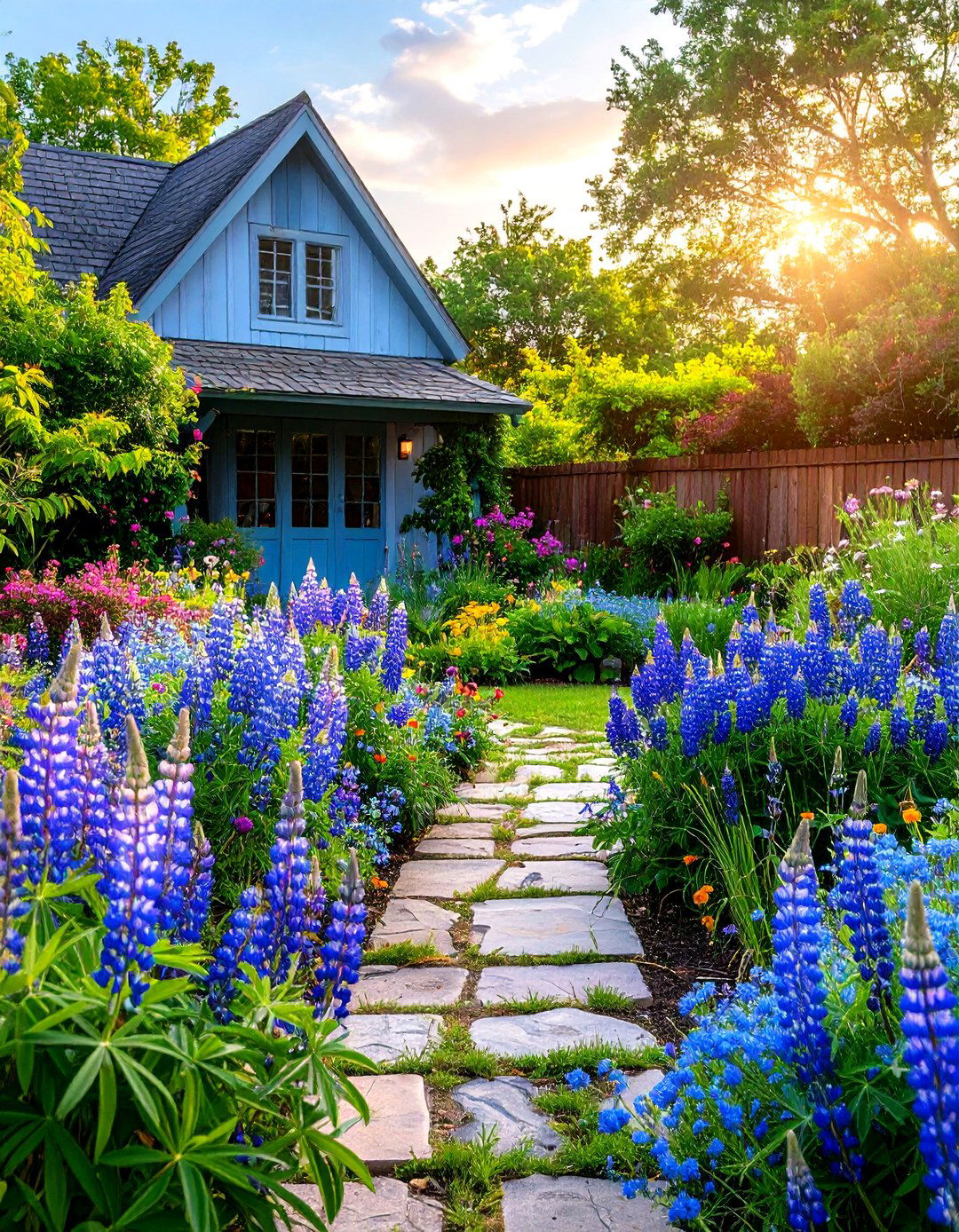
Create a powerful visual statement by designing a garden around a specific color layout uses native plants that feature flowers or foliage in a limited range of colors, such as an all-white moon garden, a fiery bed of reds and oranges, or a calming sea of blues and plants are arranged in large drifts and masses to create a bold, cohesive disciplined approach can transform a native garden into a work of art, highlighting the subtle variations in hue and texture within your chosen color scheme.
27. The Native Plant Maze or Labyrinth
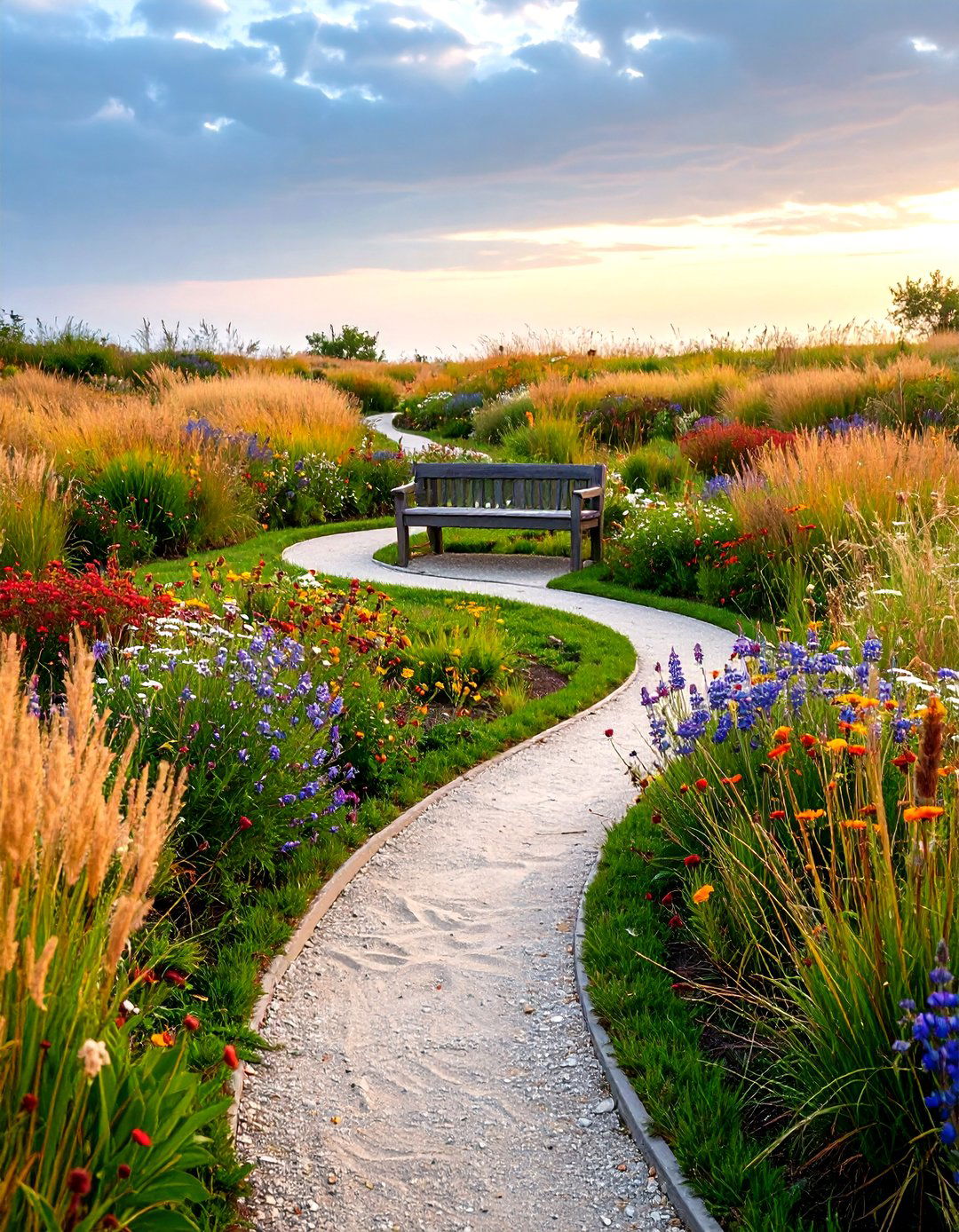
For a touch of whimsy and contemplation, design a maze or labyrinth using native plants. A labyrinth features a single, winding path to a center point, perfect for a meditative layout can be created with low hedges of native shrubs or with paths mown through a field of native grasses and wildflowers. A maze, with its multiple paths and dead ends, can be a playful feature for design turns the garden into an interactive experience, encouraging movement and engagement with the landscape in a fun and unique way.
28. The Secret Garden with a Native Twist

Evoke a sense of mystery and discovery with a secret garden design is hidden from immediate view, perhaps tucked behind a tall hedge, a rustic stone wall, or a cluster of dense shrubs. A simple, unassuming gate or archway marks the entrance. Inside, a secluded world unfolds with lush plantings of shade-tolerant natives, a small water feature for soothing sound, and a comfortable bench for quiet reflection. It’s a personal sanctuary, a place to escape and feel completely immersed in the peace and beauty of nature.
29. A Gravel Garden with Drought-Tolerant Natives

This ultra-low-water layout replaces mulch and soil with a deep layer of are installed by pulling back the gravel and planting directly into the soil design is perfect for tough, sun-loving native plants that thrive in sharp drainage and lean conditions, such as penstemons, yarrows, and aromatic gravel suppresses weeds and conserves moisture in the soil aesthetic is clean, modern, and textural, creating a resilient garden that thrives on neglect and reflects the beauty of arid, rocky landscapes.
30. The Educational Habitat Garden

Design a garden that layout is organized into small, distinct habitat zones, such as a mini-prairie, a small woodland edge, and a pollinator patch. Simple, durable signs identify key plants and the wildlife they design includes clear, accessible pathways and perhaps a central gathering area with benches for small garden becomes a living classroom for neighbors, children, and community members, demonstrating the beauty and ecological importance of native plants and inspiring others to create their own habitat gardens.
Conclusion:
Ultimately, designing a native plant garden is a rewarding journey into ecological stewardship and personal 30 ideas demonstrate the incredible versatility of native flora, proving they can be adapted to any style, from formal and modern to wild and focusing on a cohesive layout that considers pathways, materials, and plant groupings, you can create a landscape that is not only beautiful but also resilient, low-maintenance, and teeming with life. A well-designed native garden connects your outdoor space to the wider regional ecosystem, providing a vital sanctuary for pollinators and birds while offering a beautiful, sustainable setting for you to enjoy year-round.

Related posts:

Leave a Reply