
Creating a butterfly garden is a magical way to transform your outdoor space into a vibrant sanctuary for these delicate winged creatures. A thoughtfully designed layout not only enhances the beauty of your yard but also provides a crucial habitat for butterflies, offering them food, water, and key to a successful butterfly garden lies in combining nectar-rich flowers for adult butterflies with host plants for their considering elements like sun exposure, plant height, color schemes, and pathways, you can craft a functional and enchanting design plans explore diverse themes, from rustic cottage styles to modern minimalist layouts, ensuring there is an idea to suit every taste and space, no matter how large or small.
1. The Classic Island Bed Butterfly Garden
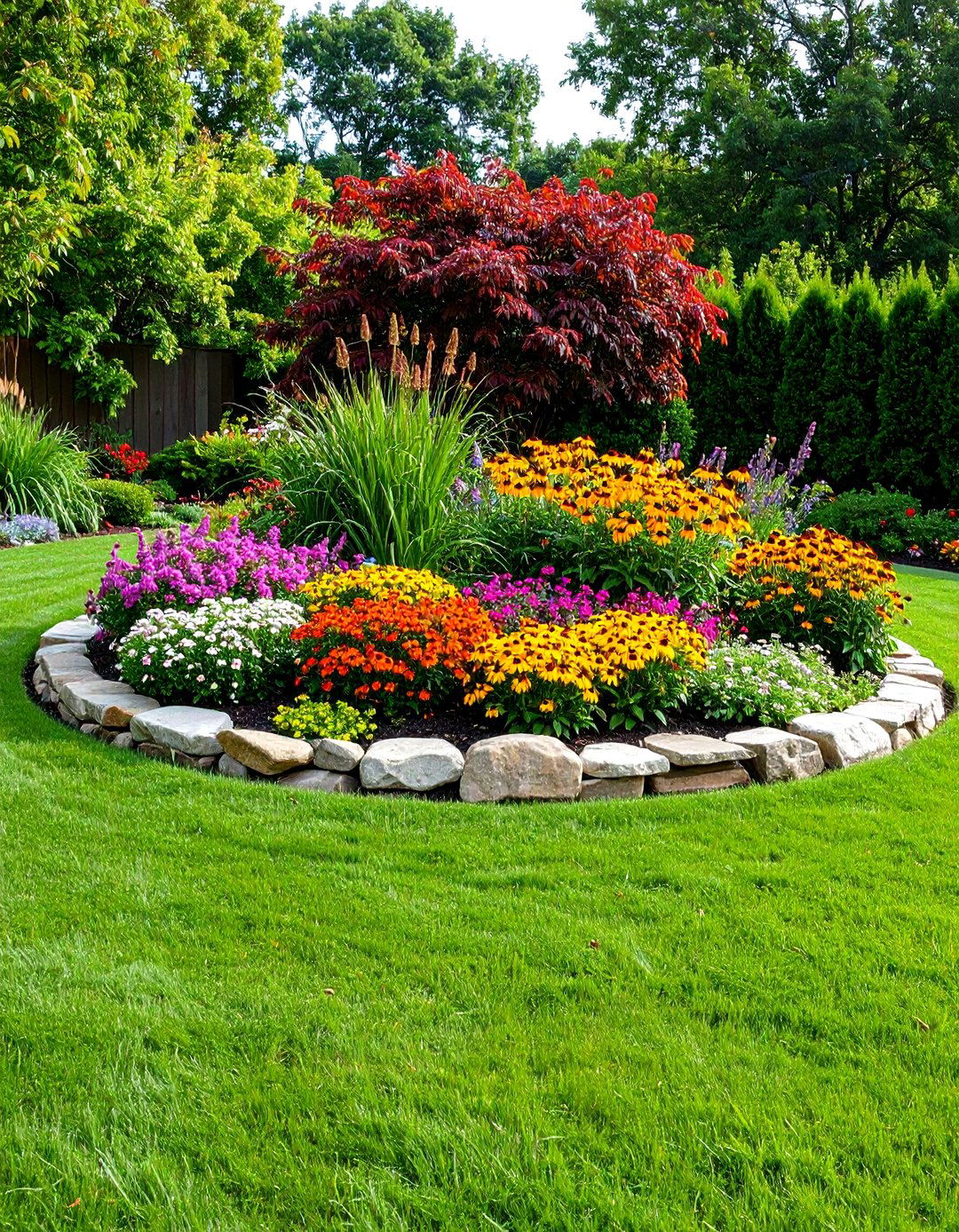
A classic island bed offers a 360-degree view of your butterfly layout involves creating a raised or ground-level garden bed in the middle of your with a taller anchor plant, like a butterfly bush, in the center and surround it with progressively shorter plants, such as coneflowers, black-eyed Susans, and tiered arrangement ensures all plants receive ample sunlight and allows for easy viewing from any angle. A meandering stone border can define the space, adding a natural, organic feel while keeping the lawn separate from the garden sanctuary.
2. A Tiered Container Butterfly Garden
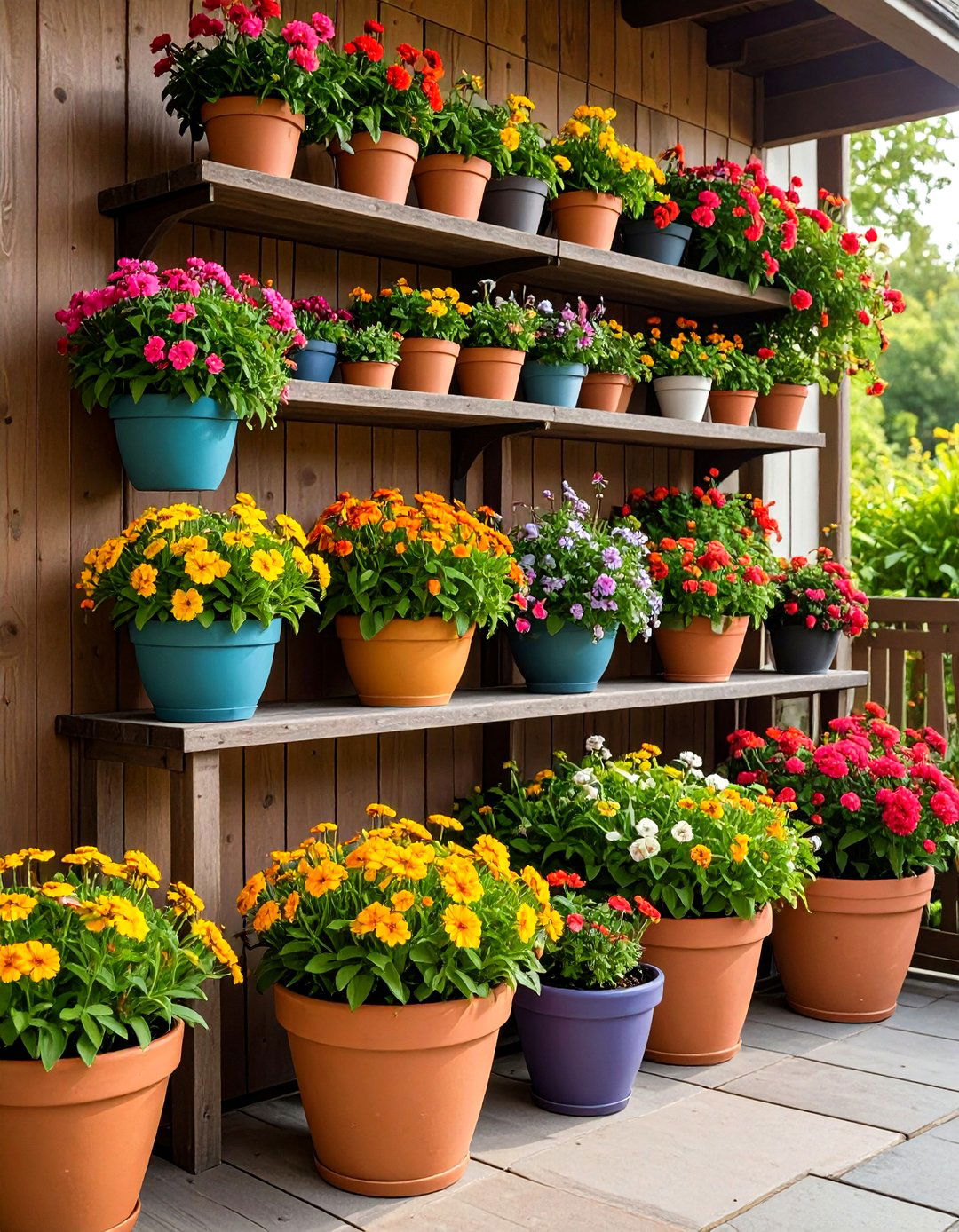
For those with limited space, a tiered container garden is a brilliant design uses pots and planters of various sizes arranged on plant stands, steps, or shelves to create vertical containers at the bottom can house bigger plants like milkweed or salvia, while smaller pots on top are perfect for annuals like pentas and layout is ideal for patios, balconies, or small allows you to control the soil and easily move plants to optimize sun exposure, creating a compact yet bustling butterfly hotspot right outside your door.
3. The Wildflower Meadow Butterfly Garden
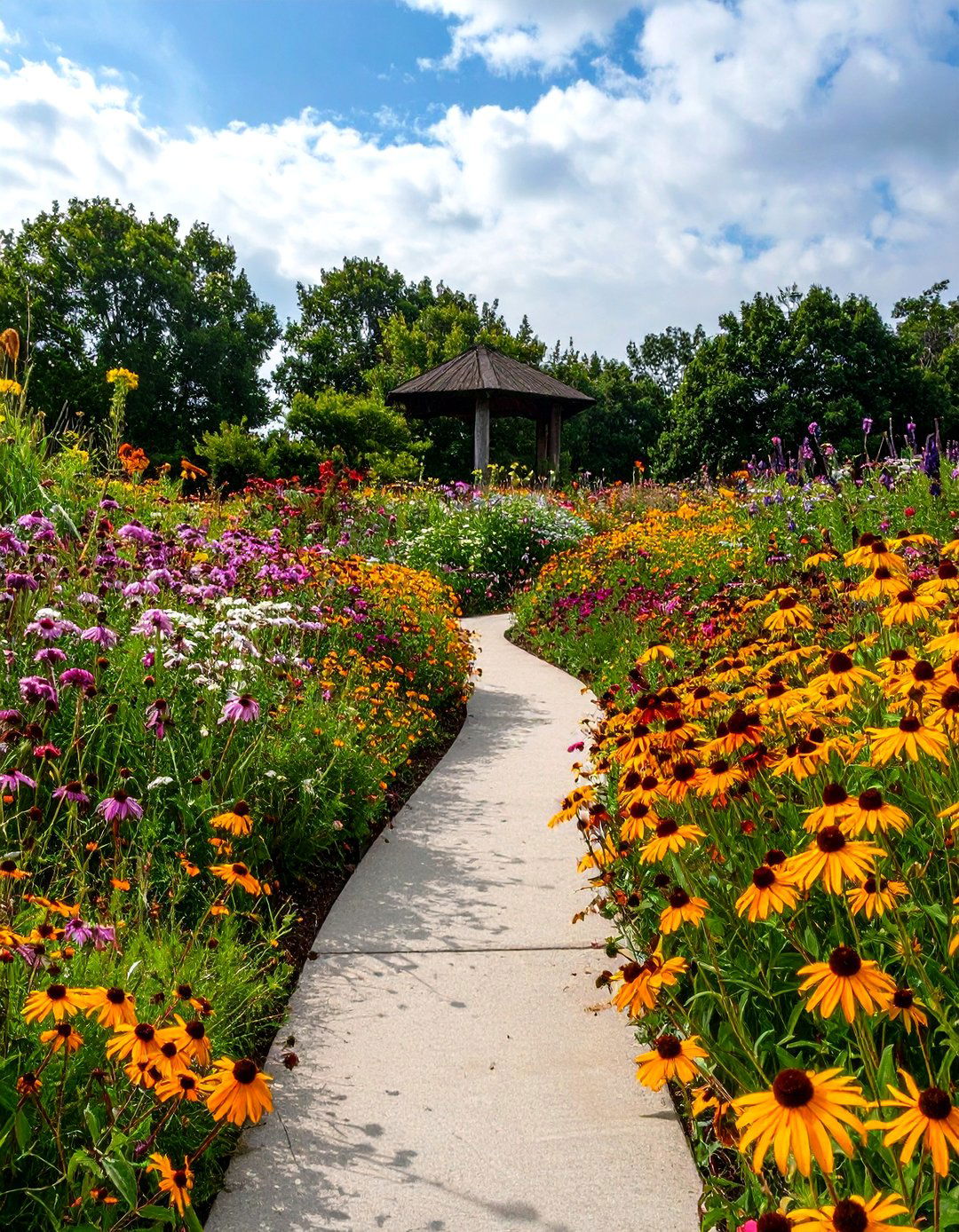
Embrace a natural, untamed look with a wildflower meadow butterfly plan involves dedicating a sunny patch of your yard to native wildflowers and seeds of species like aster, goldenrod, and bee balm for a succession of blooms throughout the layout is intentionally random and free-flowing, mimicking a natural pathways can meander through the space, allowing you to walk among the flowers and observe the butterflies up low-maintenance design supports a wide range of local pollinators and creates a beautifully rustic landscape.
4. A Formal Symmetrical Butterfly Garden
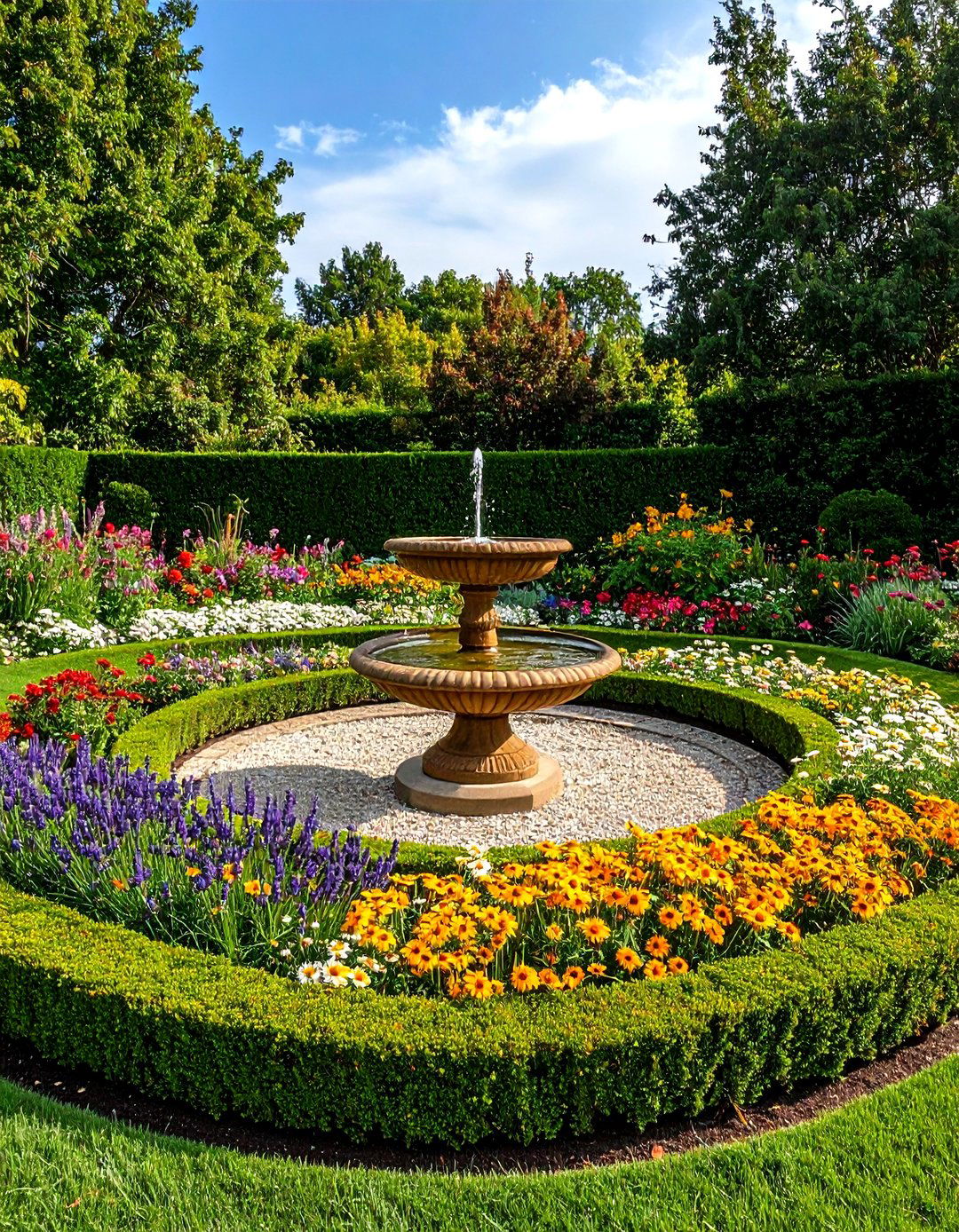
If you prefer a more structured aesthetic, a formal symmetrical butterfly garden offers timeless design is based on geometric shapes, such as squares or circles, with mirrored planting on either side of a central axis. A pathway, birdbath, or small statue can serve as the focal neatly clipped hedges or low boxwood borders to define the should be orderly, with blocks of color from flowers like lavender, shasta daisies, and layout creates a sense of balance and order, transforming your garden into a sophisticated and polished butterfly retreat.

5. The Corner Plot Butterfly Garden
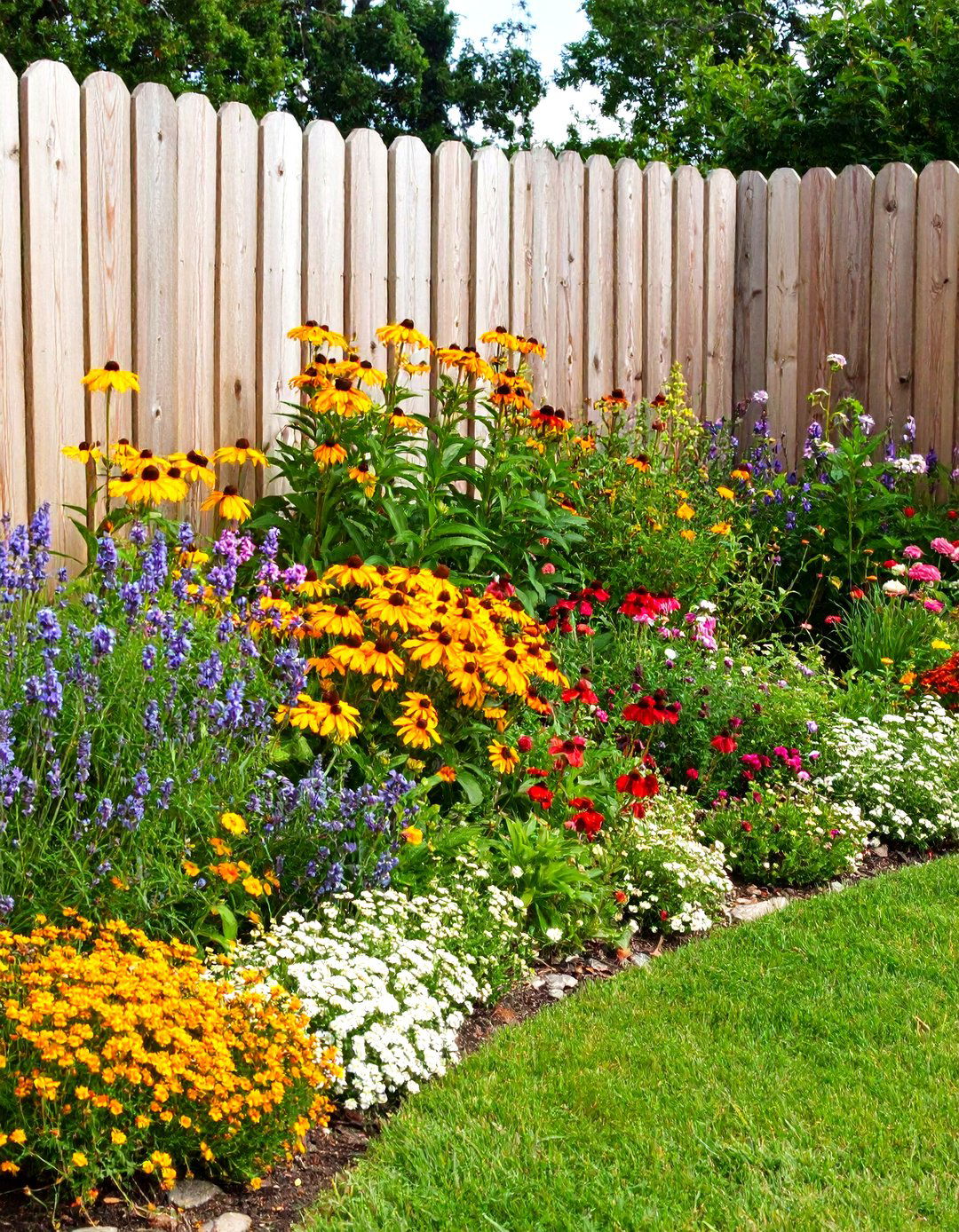
Utilize an overlooked corner of your yard by creating a dedicated butterfly layout uses the corner as a backdrop, with taller plants like Joe Pye weed or ironweed placed against the fence or medium-sized plants such as verbena and coreopsis in front, and finish with low-growing ground covers or annuals like alyssum along the design maximizes a small or awkward space, turning it into a lush, multi-layered habitat. A simple bench placed nearby provides the perfect spot to sit and enjoy the fluttering display of colors.
6. A Rock Wall Terraced Butterfly Garden
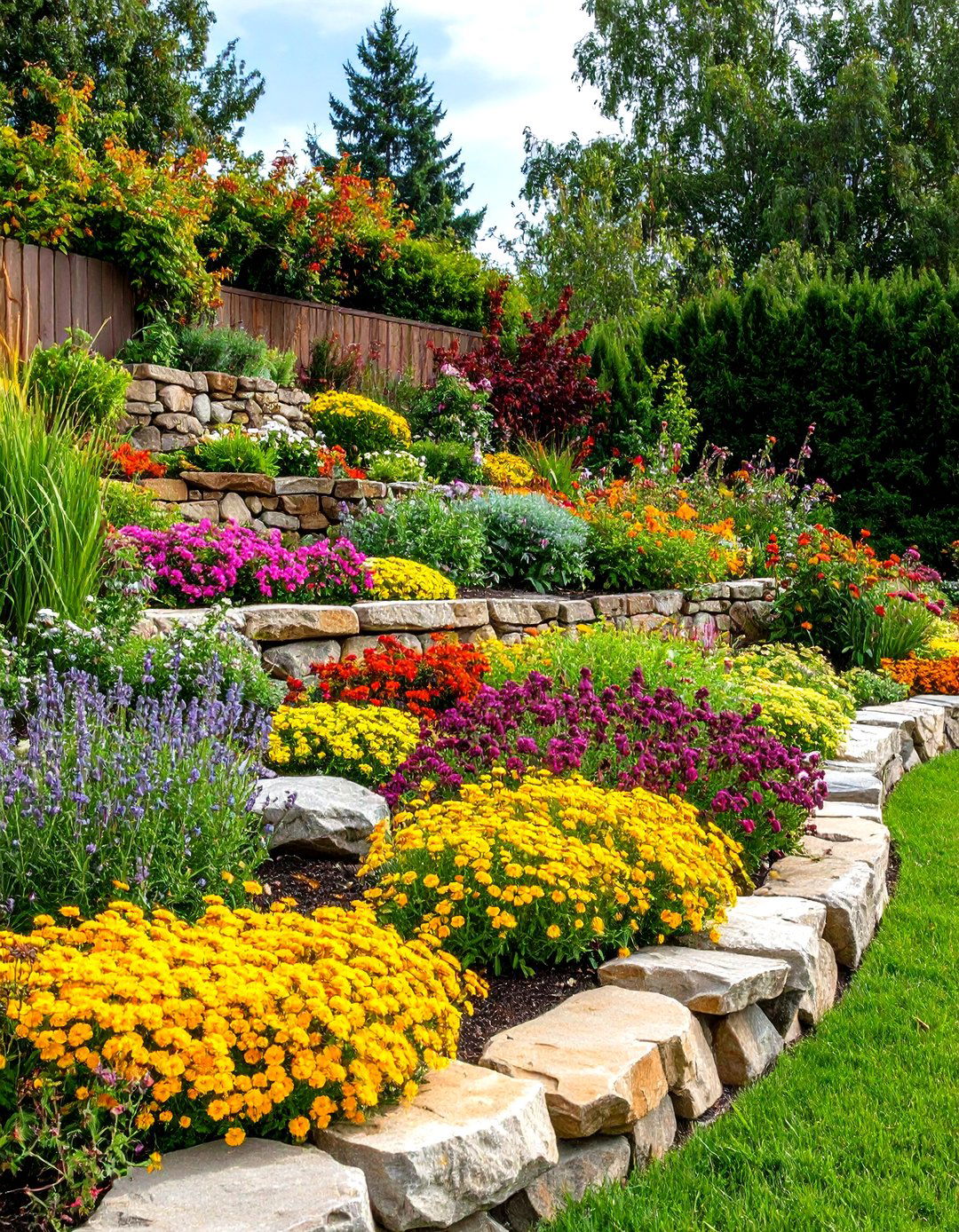
For sloped yards, a terraced rock wall garden is both a practical and beautiful design involves building low stone retaining walls to create a series of level planting terrace can feature different butterfly-attracting rocks absorb and radiate heat, creating warm microclimates that butterflies love for cascading species like verbena to spill over the walls, and fill the beds with sun-loving perennials like yarrow and layout effectively manages a hillside while providing a stunning, multi-level sanctuary for pollinators.
7. The Herb Spiral Butterfly Garden
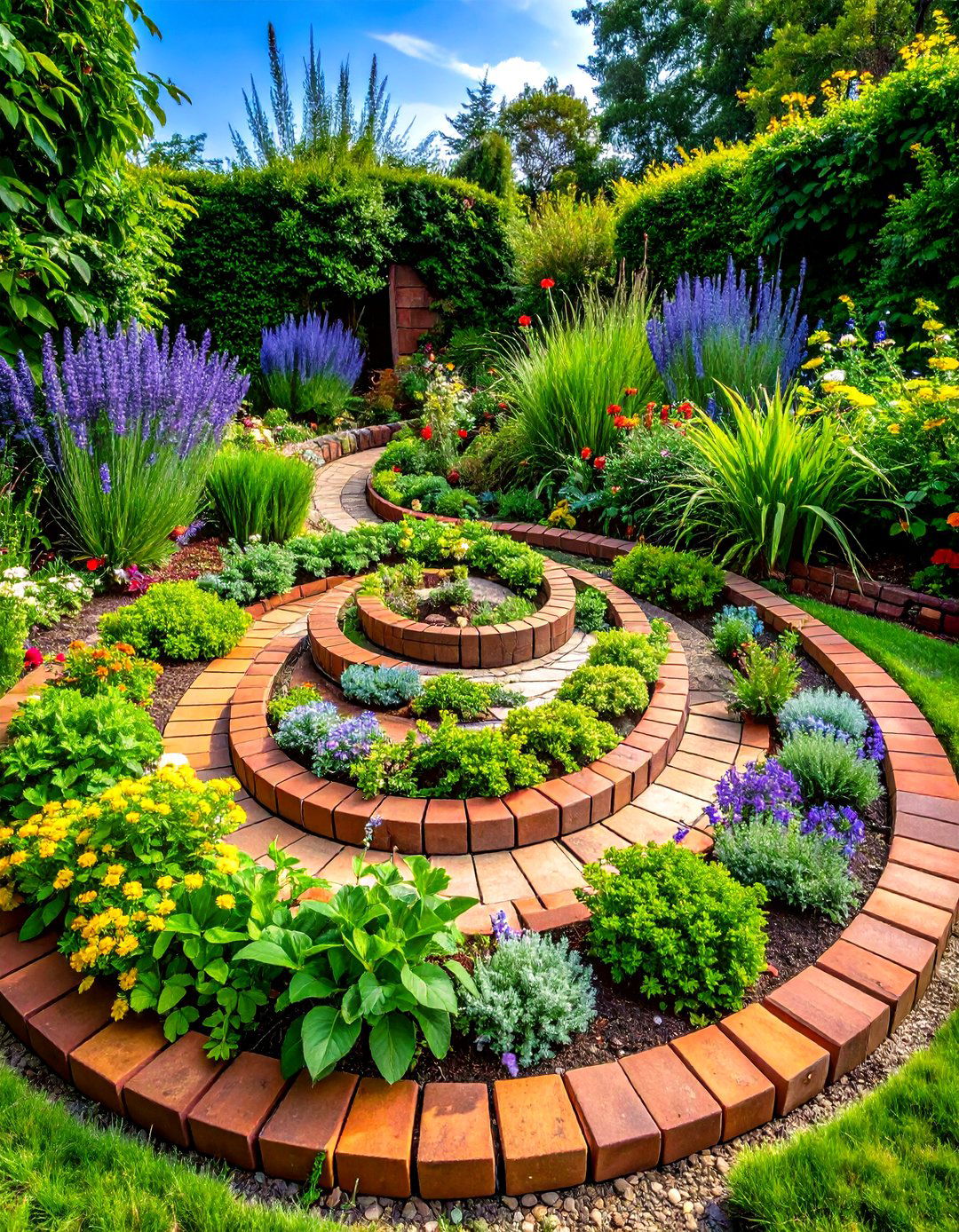
Combine your love for cooking and butterflies with an herb spiral design uses stones or bricks to create a spiral-shaped raised spiral shape creates various microclimates, with the top being sunnier and drier and the bottom cooler and sun-loving herbs like lavender, thyme, and rosemary at the top, and moisture-loving herbs like parsley and fennel, which are also caterpillar hosts, towards the herbs have flowers that attract butterflies, making this a functional, beautiful, and fragrant addition to any garden space.
8. A Window Box Butterfly Garden Display
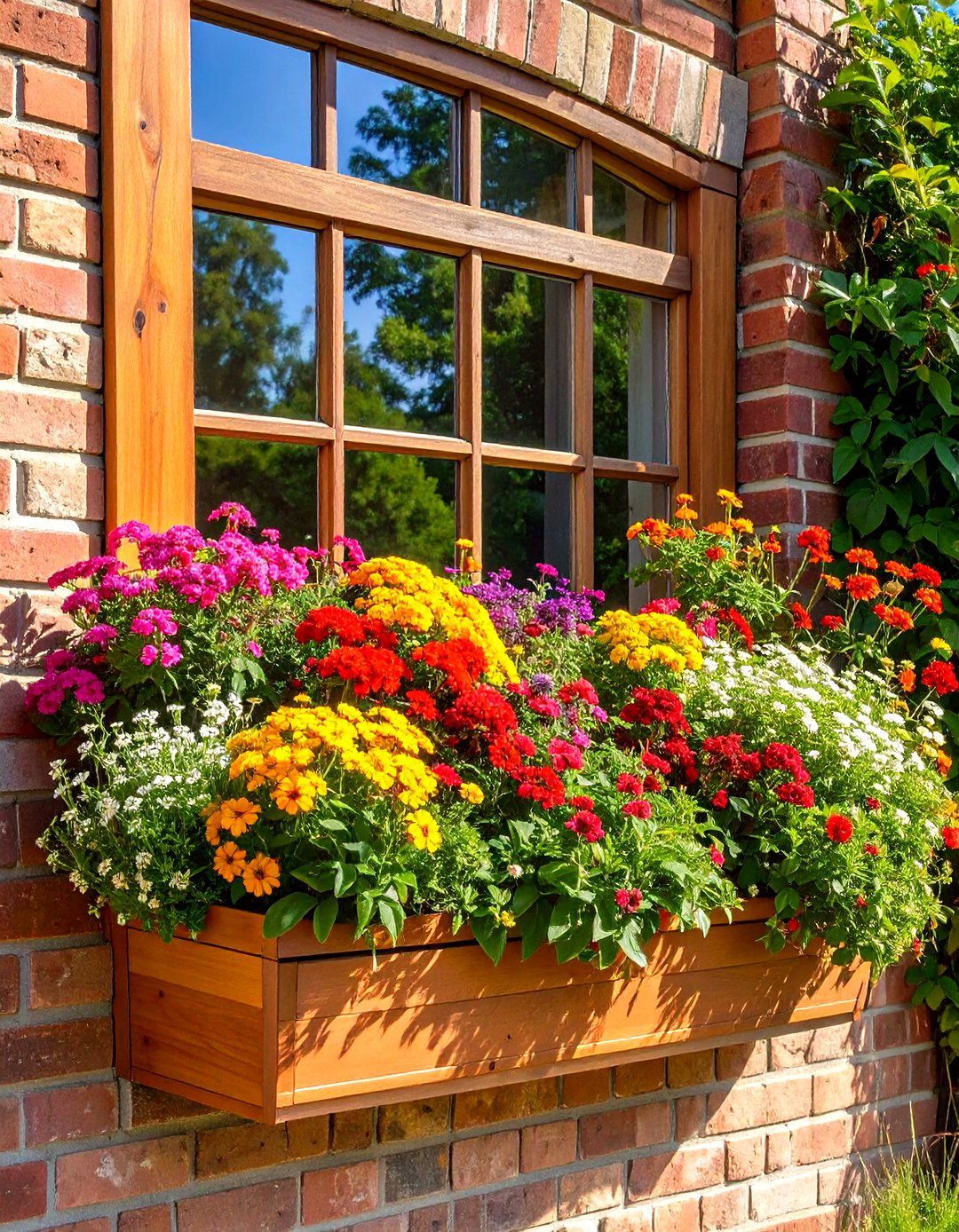
Even without a yard, you can attract butterflies with a vibrant window box compact layout focuses on selecting plants that thrive in containers and provide a steady source of a mix of trailing plants like lantana, upright bloomers like pentas, and fragrant additions like the window box has good drainage and is placed in a sunny simple plan brings the beauty of a butterfly garden right to your window, offering a close-up view of visiting pollinators from the comfort of your home.
9. The Shady Woodland Edge Butterfly Garden
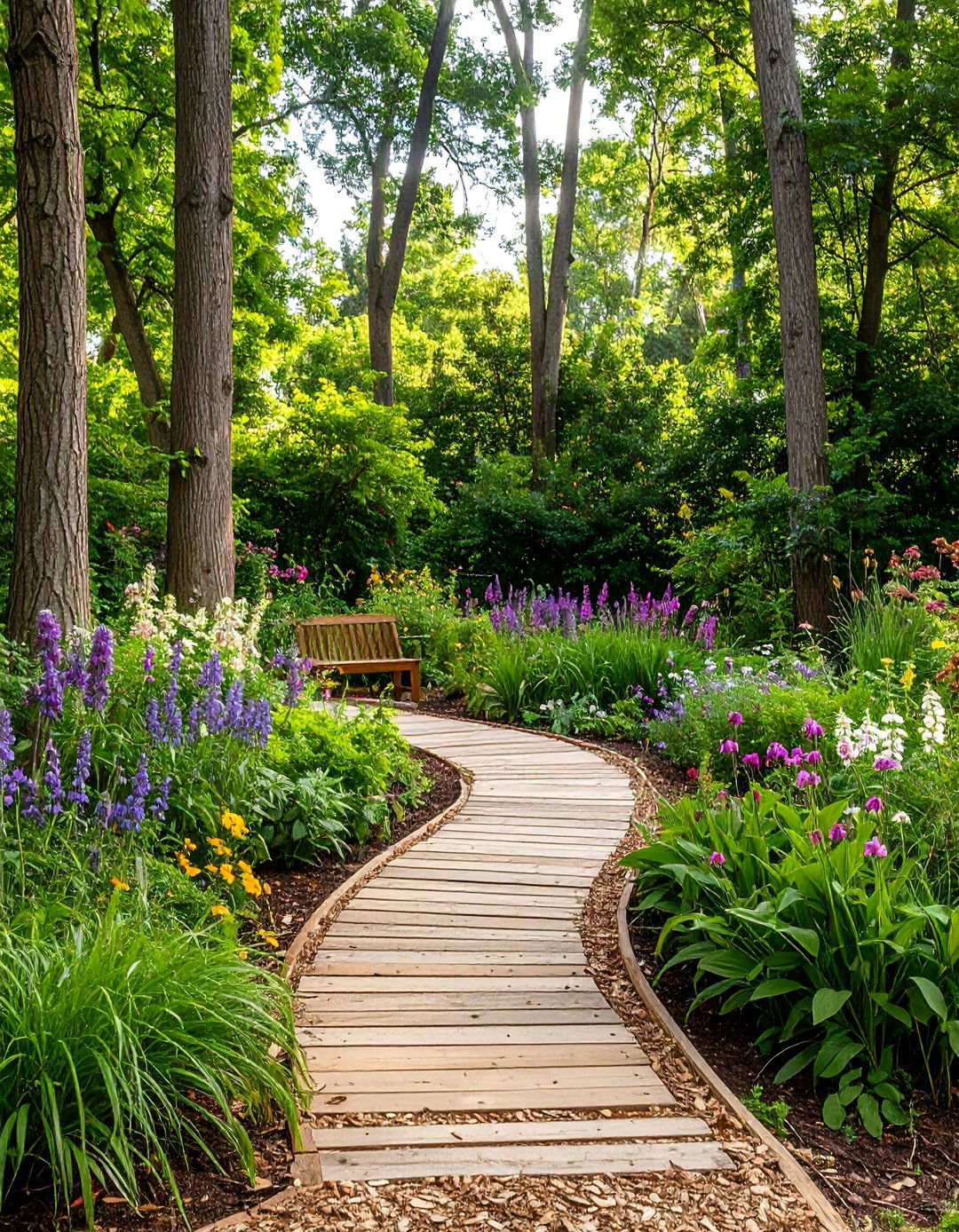
While most butterfly plants crave sun, some species are adapted to partial shade. A woodland edge garden mimics the transition zone between forest and layout is perfect for areas under tall trees that receive dappled shade-tolerant plants like astilbe, columbine, and woodland host plants such as violets and turtleheads. A winding path of wood chips or stepping stones can enhance the naturalistic design creates a serene, cool retreat that attracts unique woodland butterfly species, adding diversity to your garden ecosystem.
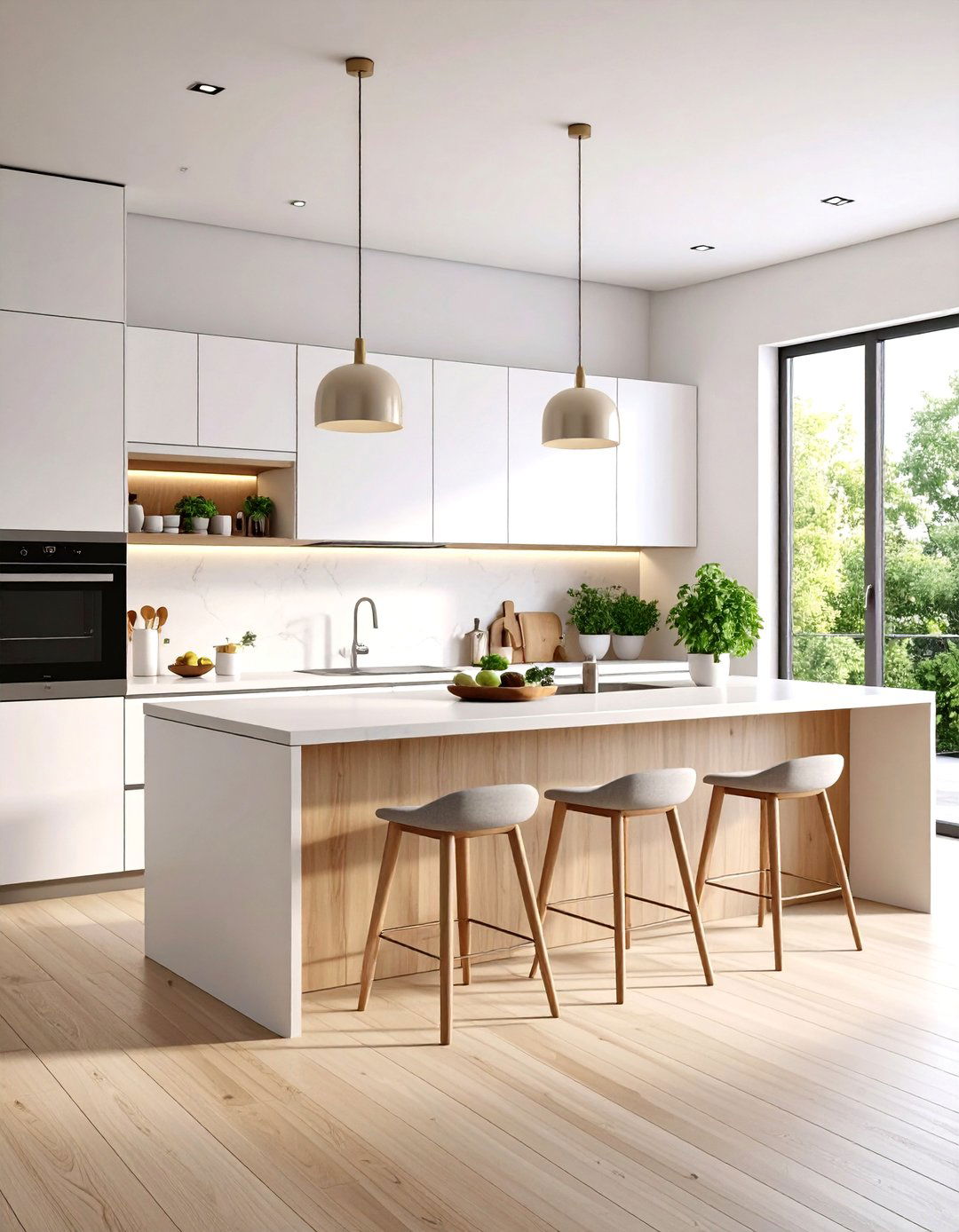
10. A Modern Minimalist Butterfly Garden
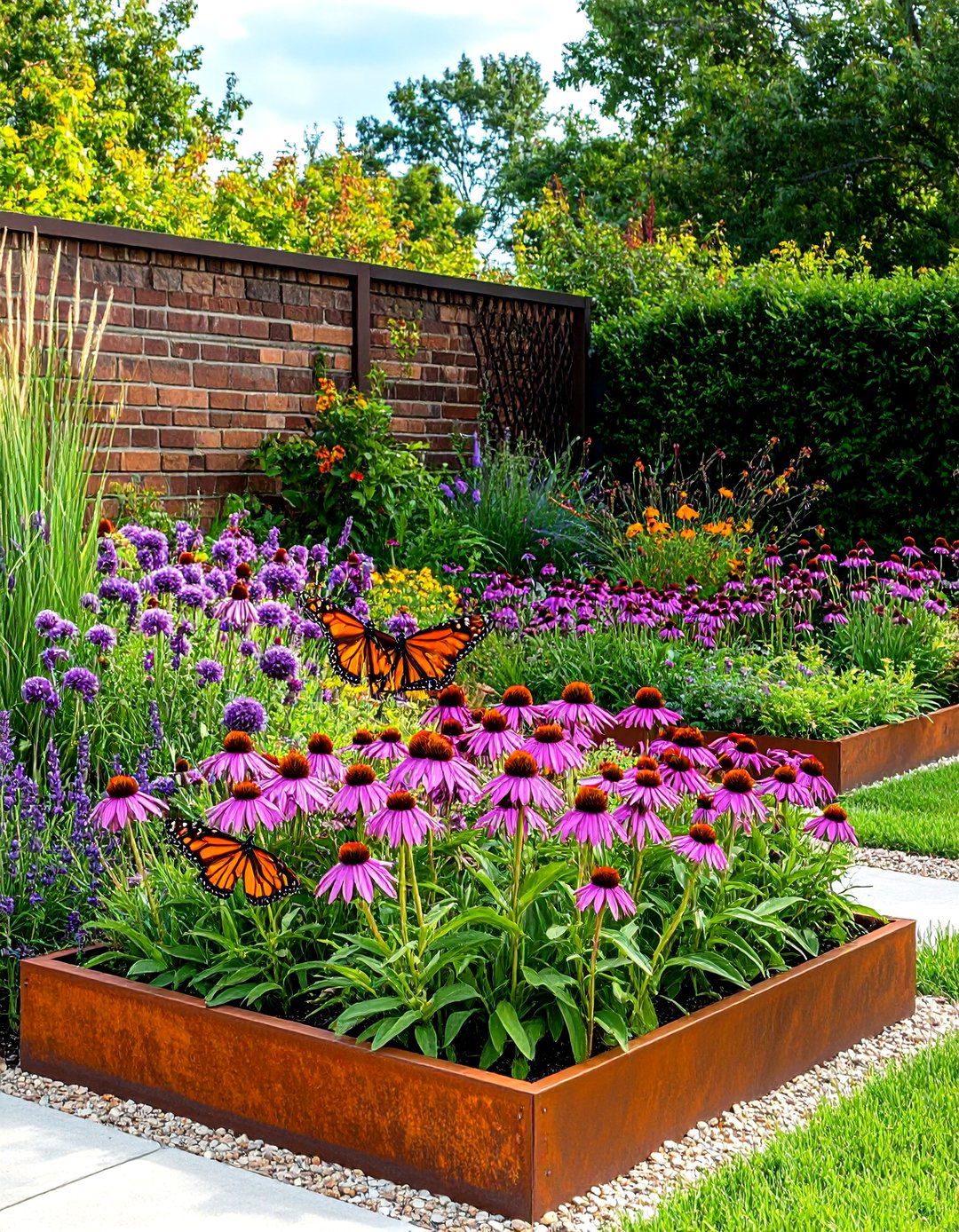
For a contemporary landscape, a modern minimalist butterfly garden focuses on clean lines, simple forms, and a limited plant design uses raised beds made of concrete or Corten steel, arranged in a geometric plants with strong architectural forms, like alliums and ornamental grasses, mixed with blocks of a single, vibrant flower like purple coneflower. A simple water feature, like a sleek basin, can provide a drinking spot for approach proves that a pollinator garden can be both ecologically functional and stylishly modern.
11. The Cottage-Style Butterfly Garden Path
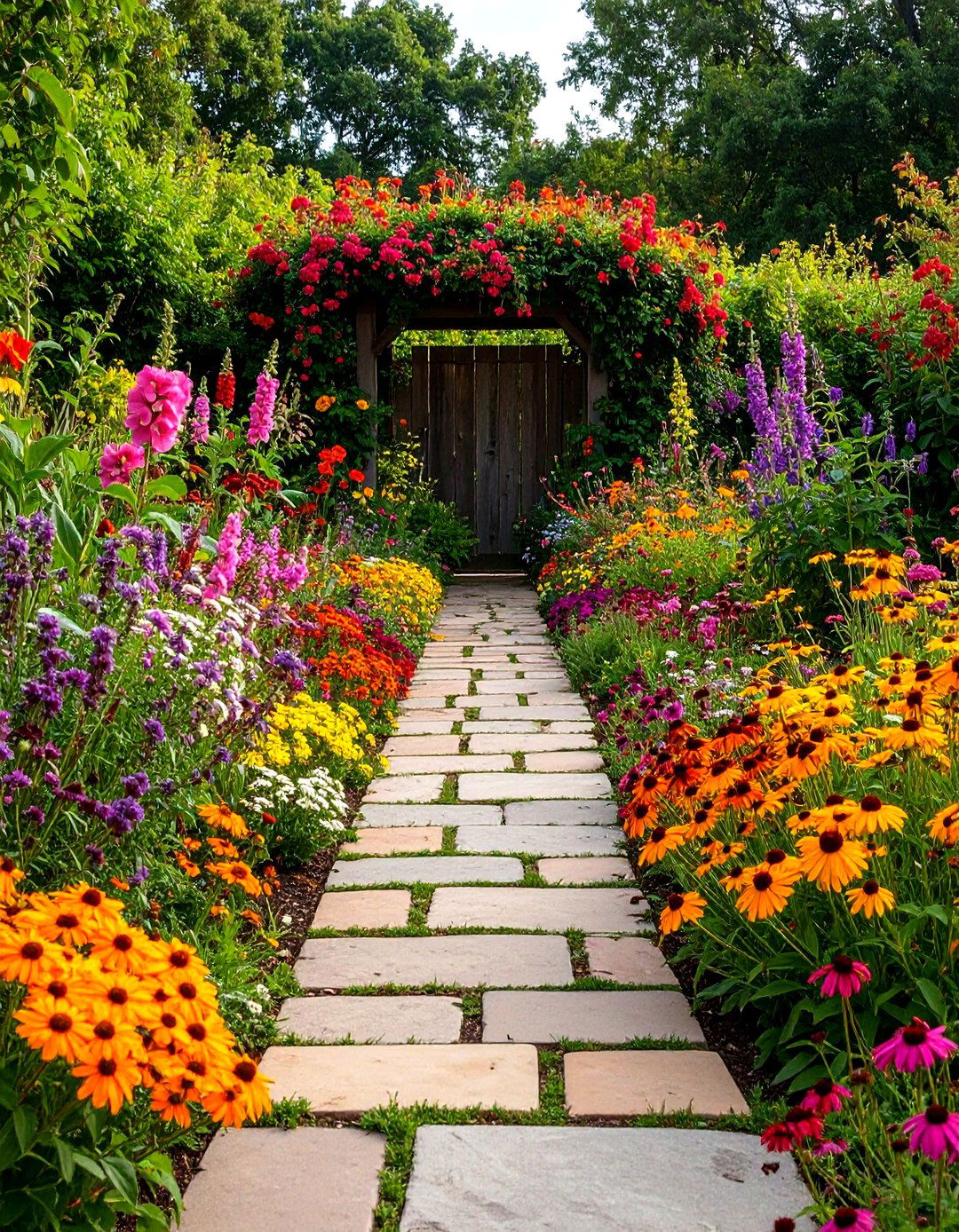
Imagine a charming pathway overflowing with flowers leading to your front door. A cottage-style butterfly garden path creates a whimsical and inviting layout features informal, densely packed beds lining a walkway made of brick or a mix of classic cottage garden plants like hollyhocks, delphiniums, foxgloves, and roses, interspersed with butterfly favorites like daisies and bee plants to spill over the path's edges for a soft, romantic design is a joyful explosion of color and life that welcomes both guests and butterflies.
12. A Butterfly Garden With A Central Water Feature
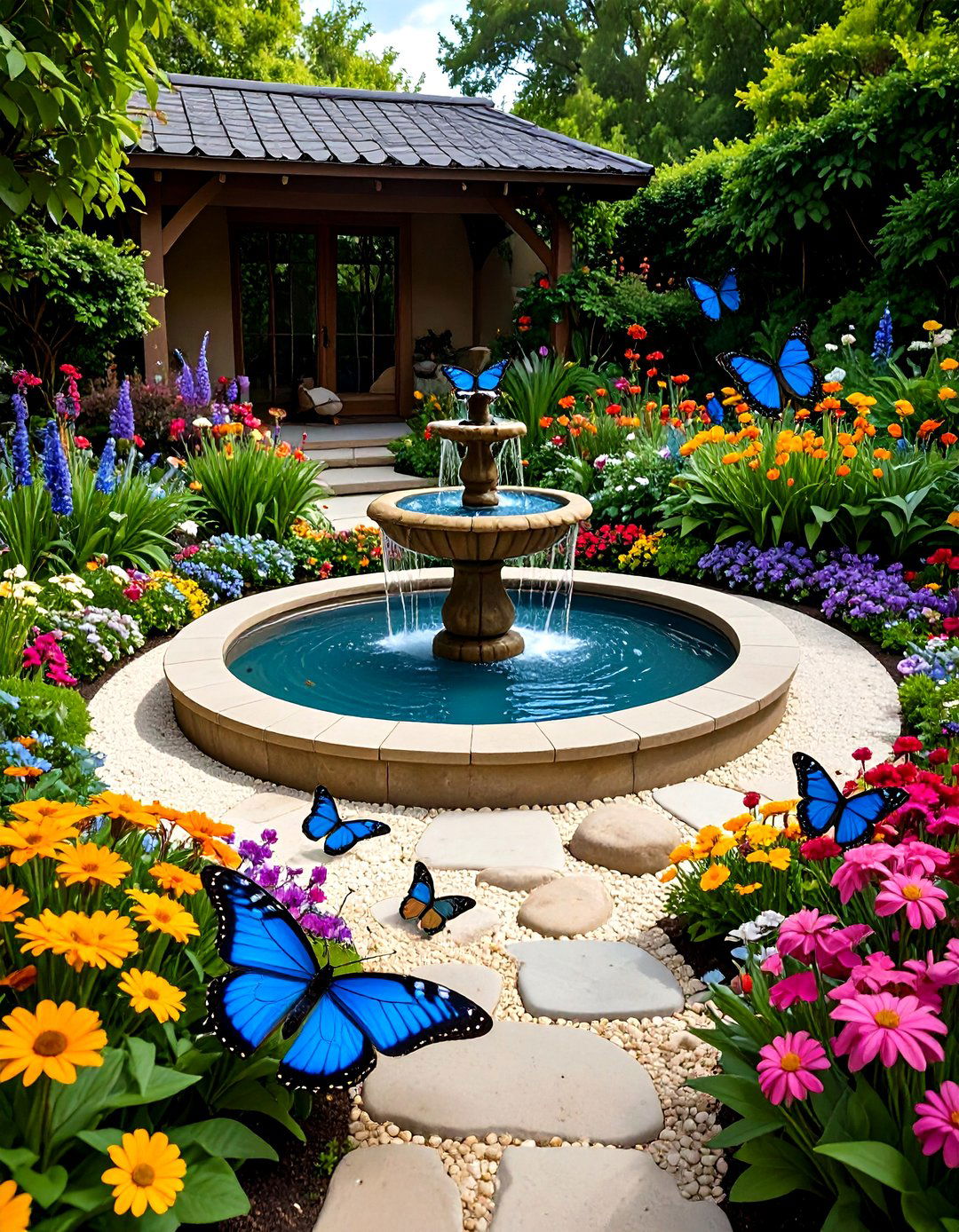
A central water feature can be the heart of your butterfly garden, providing a crucial water layout designs the garden around a fountain, pond, or simple can't drink from open water, so add stones or a shallow dish with sand (a "puddling station") where they can safely land and sip concentric circles of nectar-rich flowers around the feature, with taller plants in the sound of water adds a tranquil ambiance, creating a true oasis for both wildlife and people.
13. The Raised Bed Kitchen Butterfly Garden
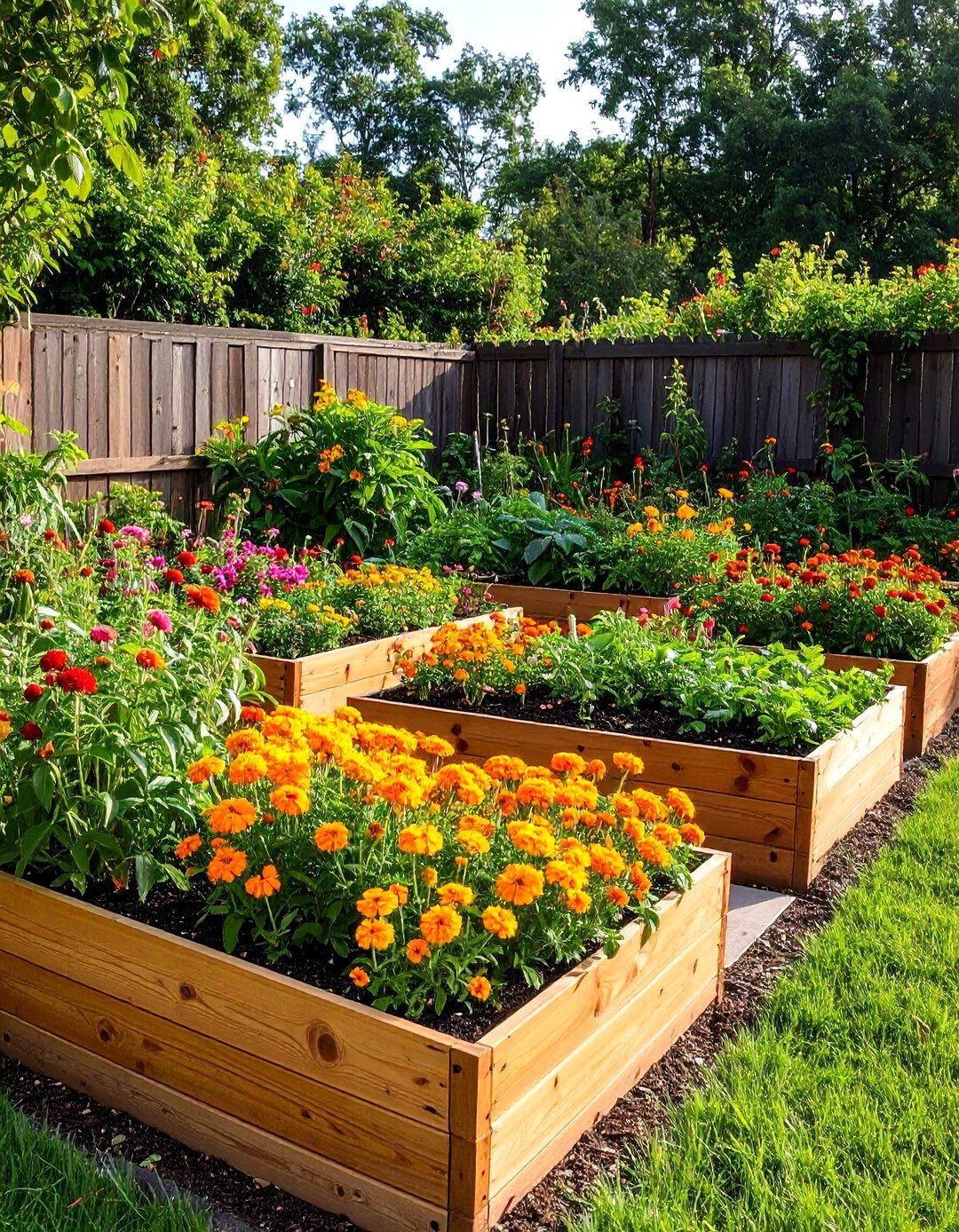
Integrate your butterfly garden with your vegetable patch for a mutually beneficial design uses raised beds to grow vegetables, herbs, and flowers rows of butterfly-attracting flowers like marigolds and zinnias alongside your tomatoes and herbs, such as dill, parsley, and fennel, are host plants for swallowtail layout, often called companion planting, helps attract pollinators to your vegetable flowers, increasing your harvest while supporting the butterfly life cycle. It's a practical and productive approach to butterfly gardening.
14. The Rooftop Butterfly Garden Oasis
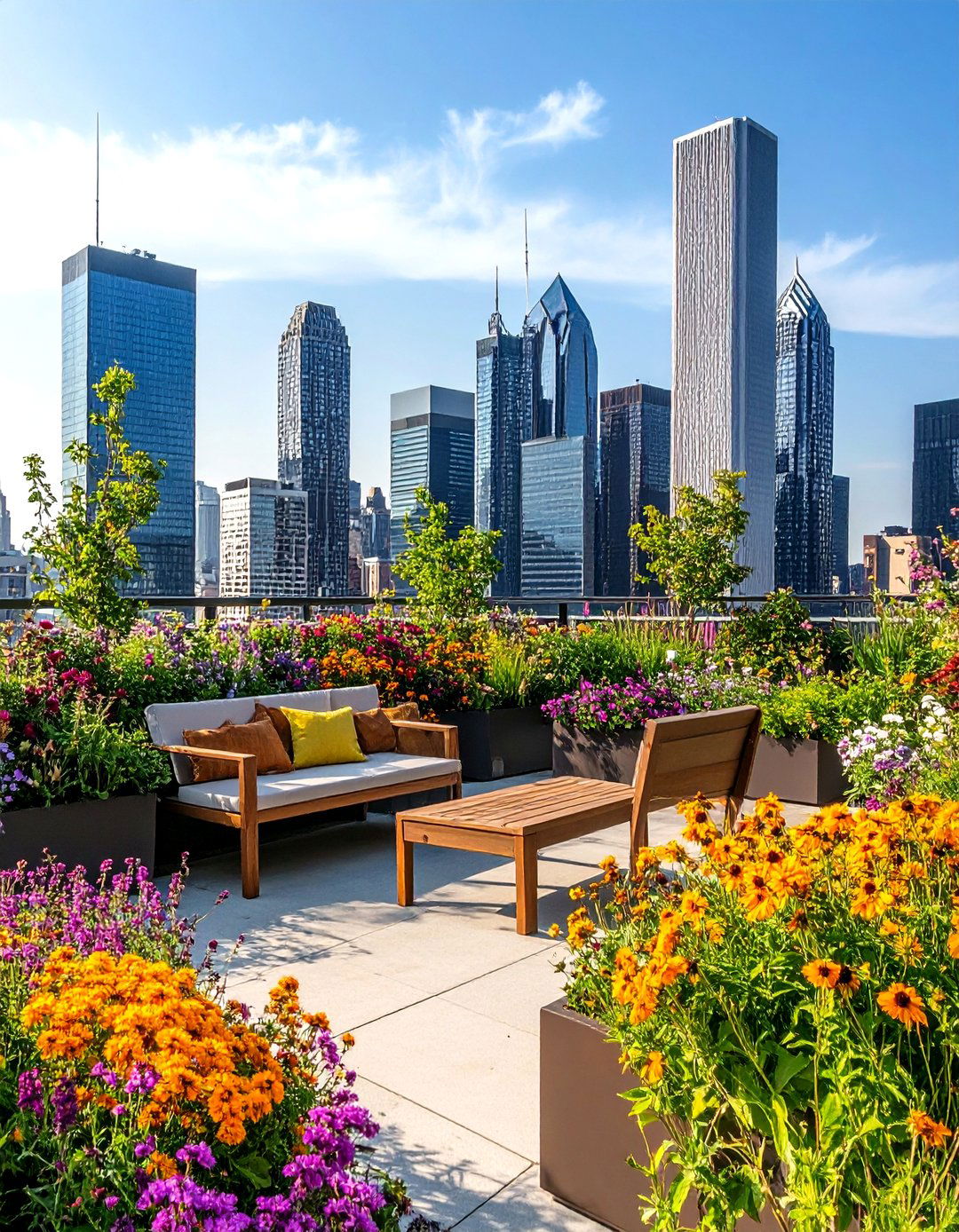
Transform an urban rooftop into a sky-high butterfly layout requires lightweight containers, good drainage, and wind-resistant a mix of deep pots for larger shrubs like butterfly bush and shallower planters for perennials and pots together can help create a more sheltered hardy, sun-loving plants that can withstand rooftop conditions. A small seating area allows you to escape the city bustle and enjoy the company of butterflies against a stunning urban you ever considered what a peaceful escape a rooftop garden could be?


15. A Single-Color Themed Butterfly Garden
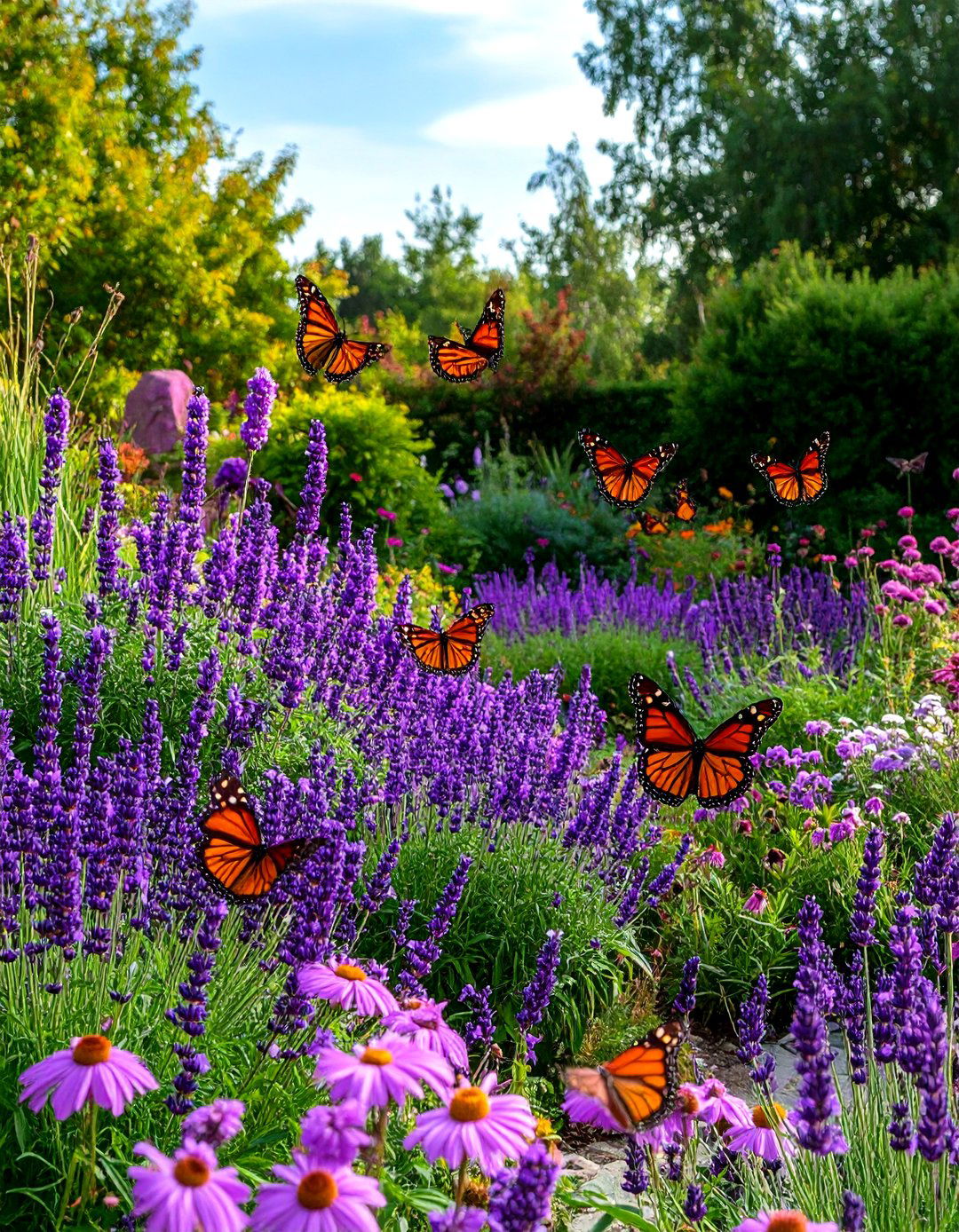
Create a dramatic and sophisticated statement with a single-color themed butterfly design focuses on using various shades, tints, and tones of one example, a purple garden could feature lavender, salvia, verbena, and asters. A yellow garden might include coreopsis, black-eyed Susans, and layout creates a strong visual impact and a cohesive varying plant height, texture, and bloom time, you can maintain interest throughout the season while providing a continuous nectar color palette would best reflect your garden's personality?
16. The Dry Creek Bed Butterfly Garden
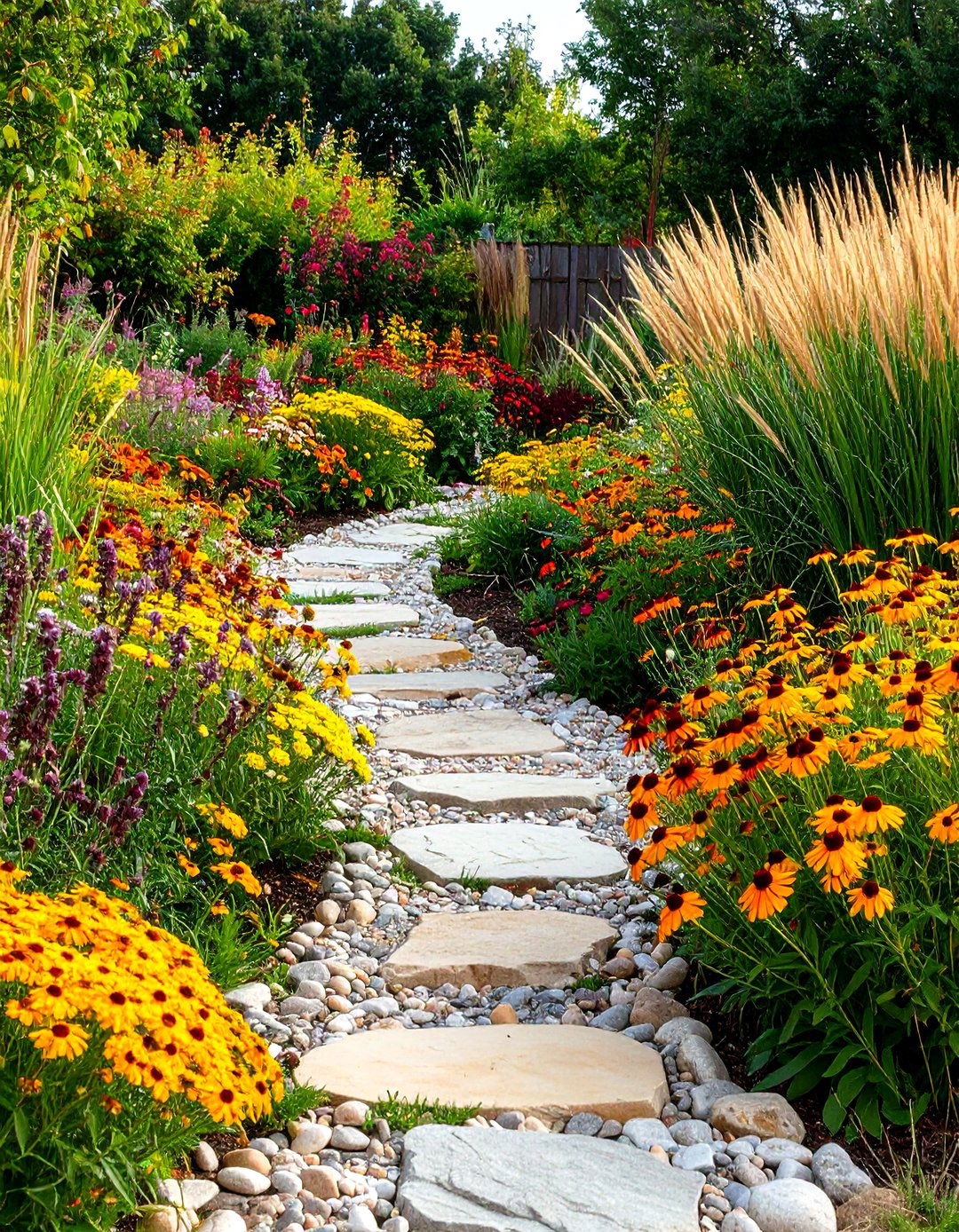
A dry creek bed is an excellent solution for managing drainage while adding immense visual layout creates a meandering path of stones and gravel that mimics a natural drought-tolerant, sun-loving butterfly plants along the banks, such as yarrow, sedum, gaillardia, and ornamental rocks provide warm basking spots for heavy rain, the creek bed channels water away, preventing design is low-maintenance, water-wise, and creates a ruggedly beautiful landscape that attracts a variety of pollinators. It’s a stunning fusion of function and nature.
17. The Butterfly Garden Hedge Row
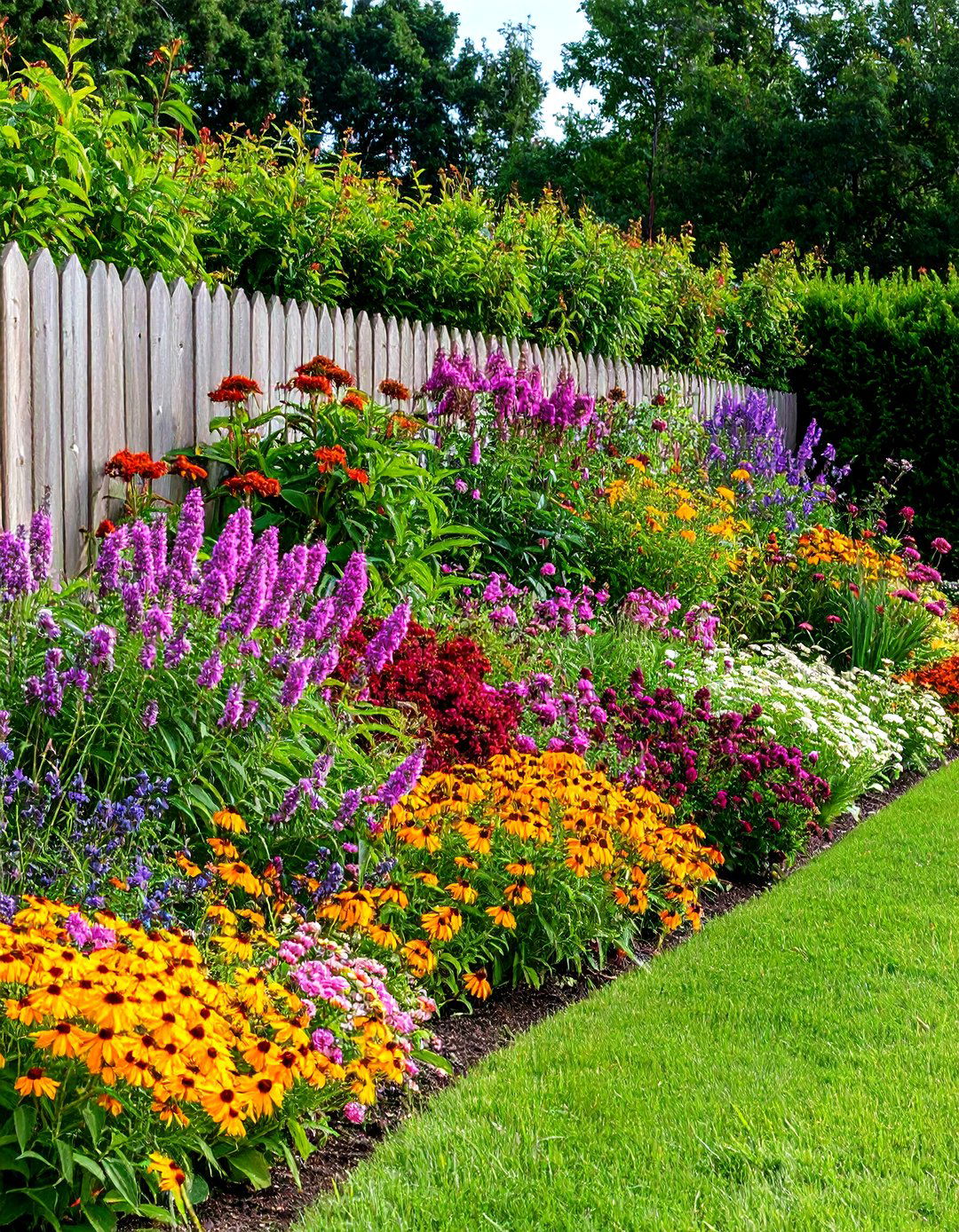
Define a property line or create a living wall with a butterfly hedge layout involves planting a dense row of shrubs and tall perennials that are attractive to a mix of evergreen and deciduous shrubs to provide year-round structure and choices include butterfly bush, viburnum, and the shrubs with tall flowers like Joe Pye weed and hollyhocks for added color and design acts as a natural fence, offers privacy, and serves as a bustling corridor for feeding and resting butterflies.
18. The Spiral Labyrinth Butterfly Garden
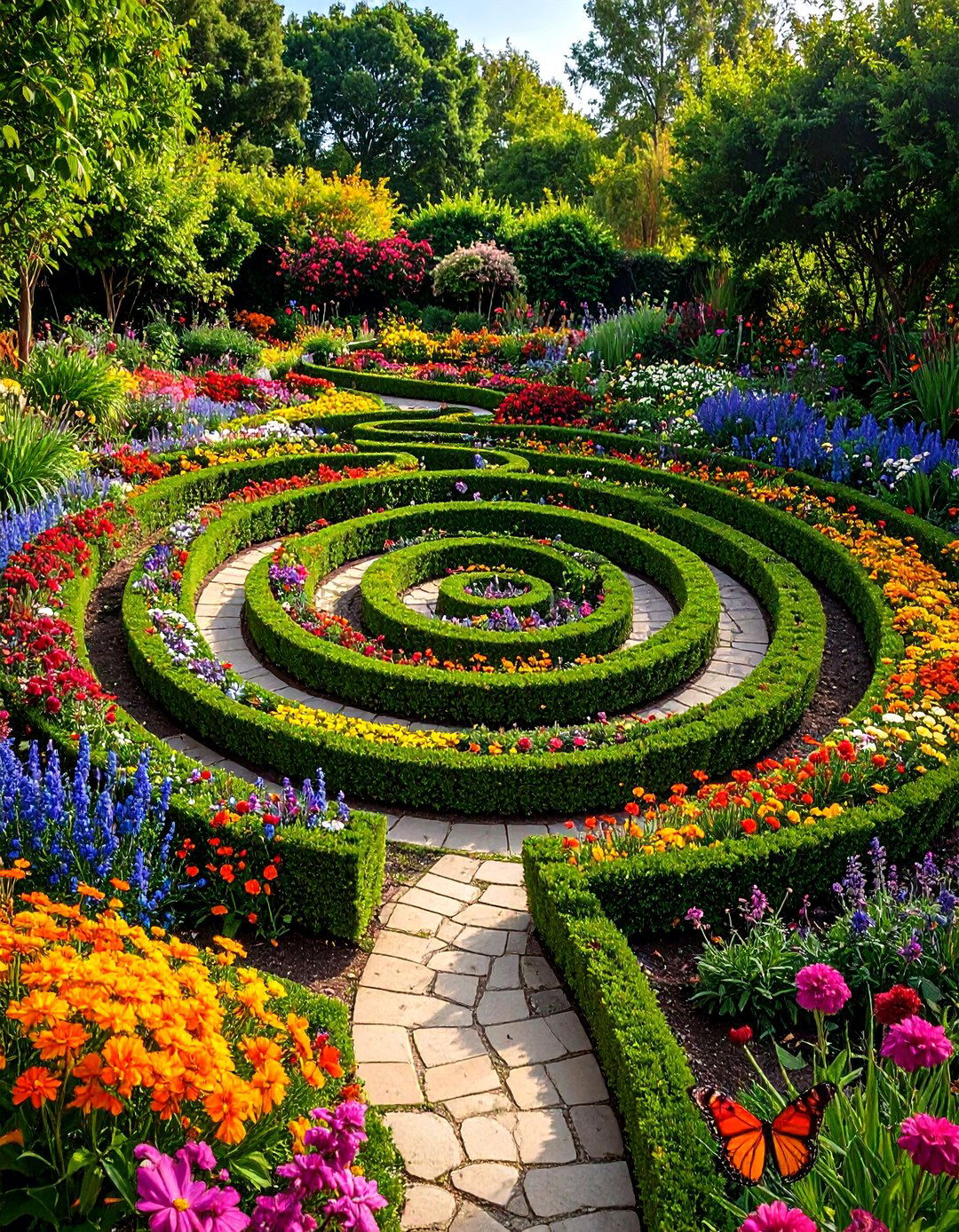
Create a meditative and engaging space with a spiral labyrinth butterfly design lays out a walking path in a spiral or labyrinth pattern, with garden beds filling the spaces between the you walk the labyrinth, you are surrounded by flowers and fluttering a variety of low-growing, fragrant plants along the path edges and taller blooms in the wider layout encourages mindful observation and provides a unique, interactive experience. It’s a garden for the soul, offering a peaceful journey for both you and the butterflies.
19. A Butterfly Garden for Small Balconies
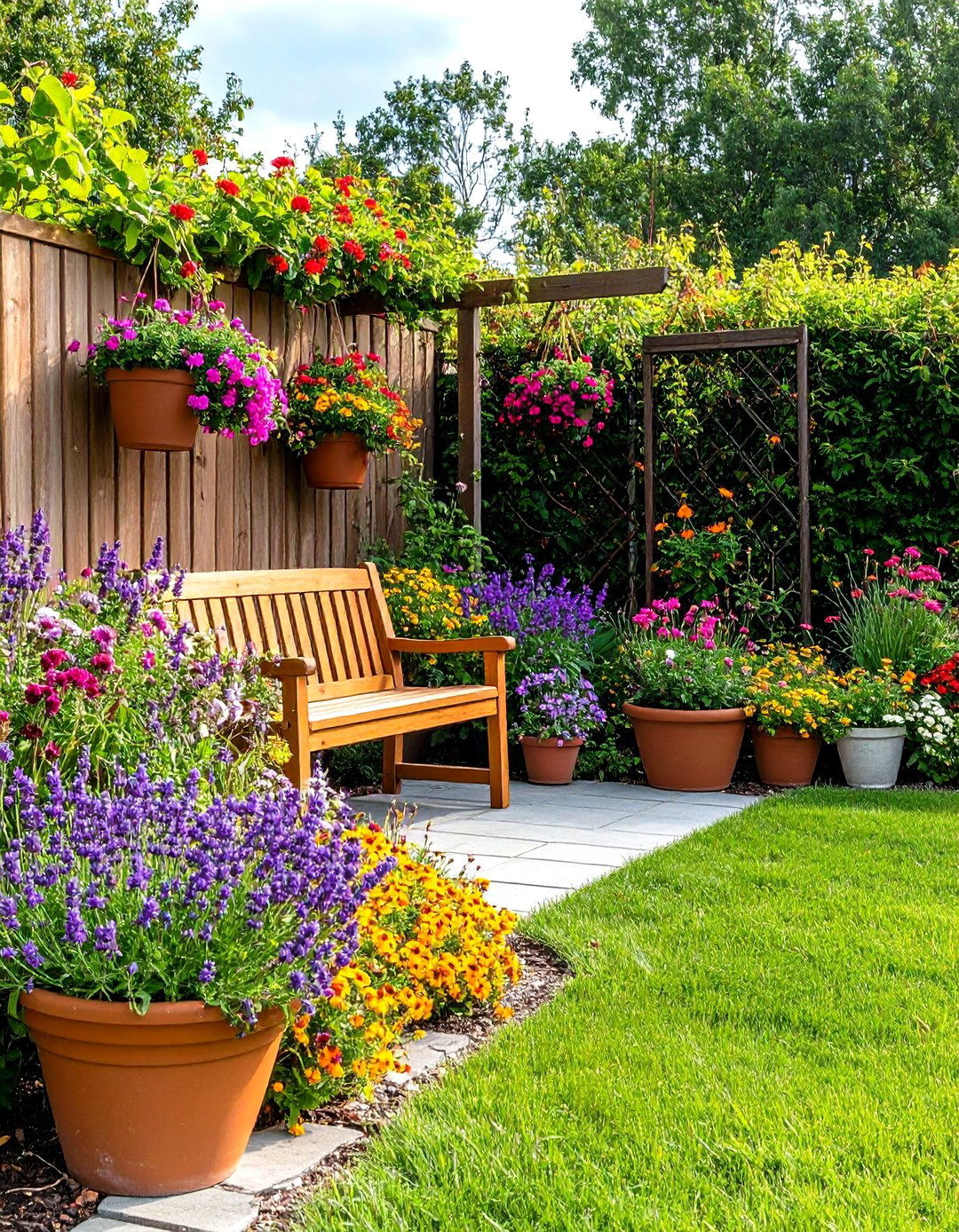
Even the smallest balcony can become a butterfly layout maximizes vertical space and uses lightweight railing planters for trailing plants like sweet alyssum and hanging baskets for fuchsias or petunias. A small trellis against a wall can support climbing host plants like compact varieties of butterfly favorites, such as dwarf butterfly bush or design proves that no space is too small to make a positive impact on local pollinator populations, bringing nature to your urban dwelling.
20. The Native Prairie Butterfly Garden
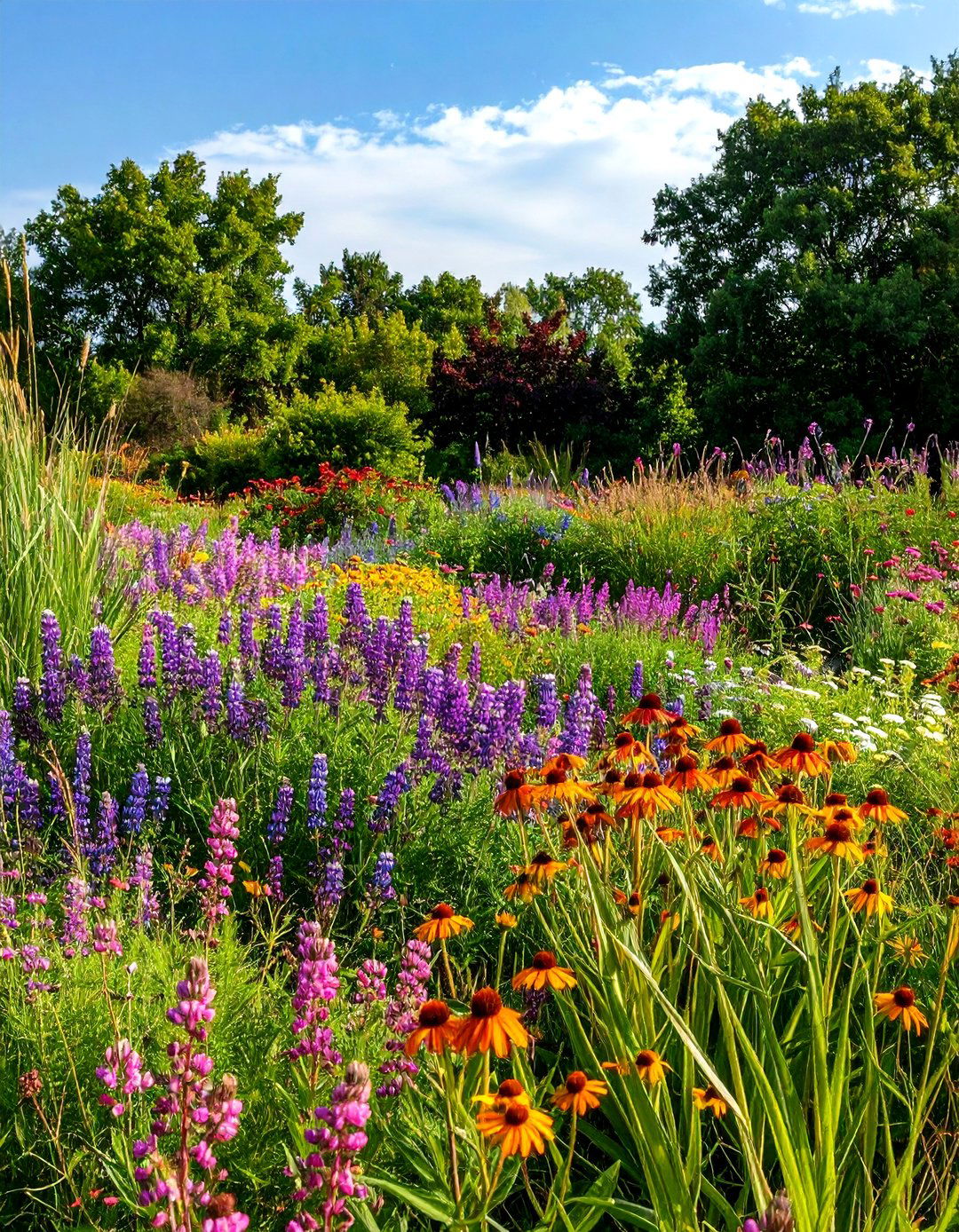
Recreate a piece of the prairie with a garden dedicated to native grasses and layout is designed to be self-sustaining and incredibly beneficial for local features clumps of native grasses like little bluestem and switchgrass, which provide food and shelter for among the grasses are tough, drought-tolerant native flowers like purple prairie clover, milkweed, and blazing design is informal and naturalistic, creating a low-maintenance, ecologically resilient landscape that celebrates your region 's natural heritage. Doesn' t creating a mini-prairie sound like a rewarding project?
21. A Moonlit White Butterfly Garden
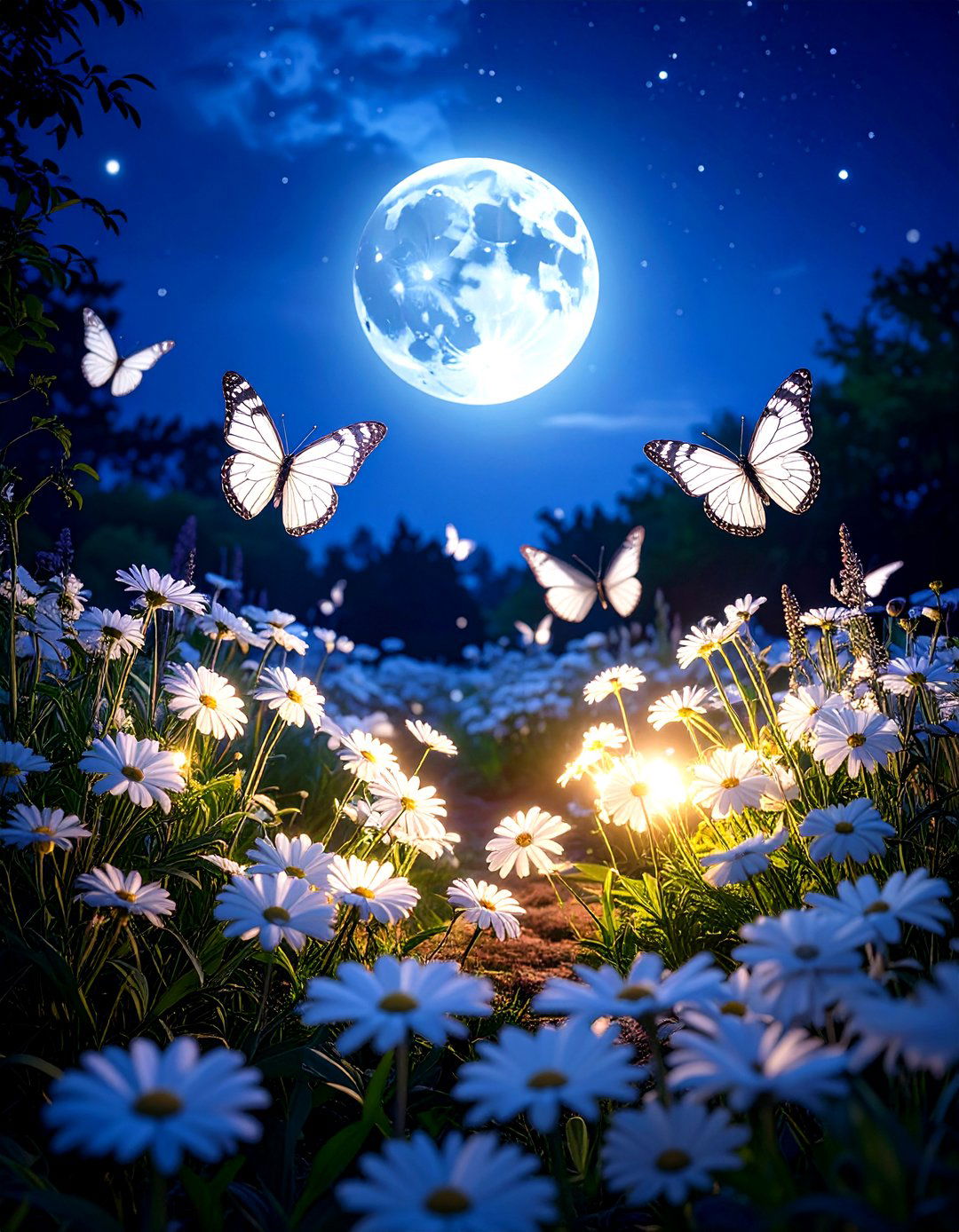
Design a garden that glows in the twilight with a moonlit white layout focuses on white and silver-leafed plants that reflect moonlight, creating an ethereal evening flowers like shasta daisy, white phlox, and moonflower are often fragrant at night, attracting nocturnal moths as well as daytime butterflies. Silver-leafed plants like lamb's ear and artemisia provide texture and garden offers a unique sensory experience, beautiful by day and magical by night. A simple bench invites quiet contemplation under the stars.
22. The Rainbow Arc Butterfly Garden
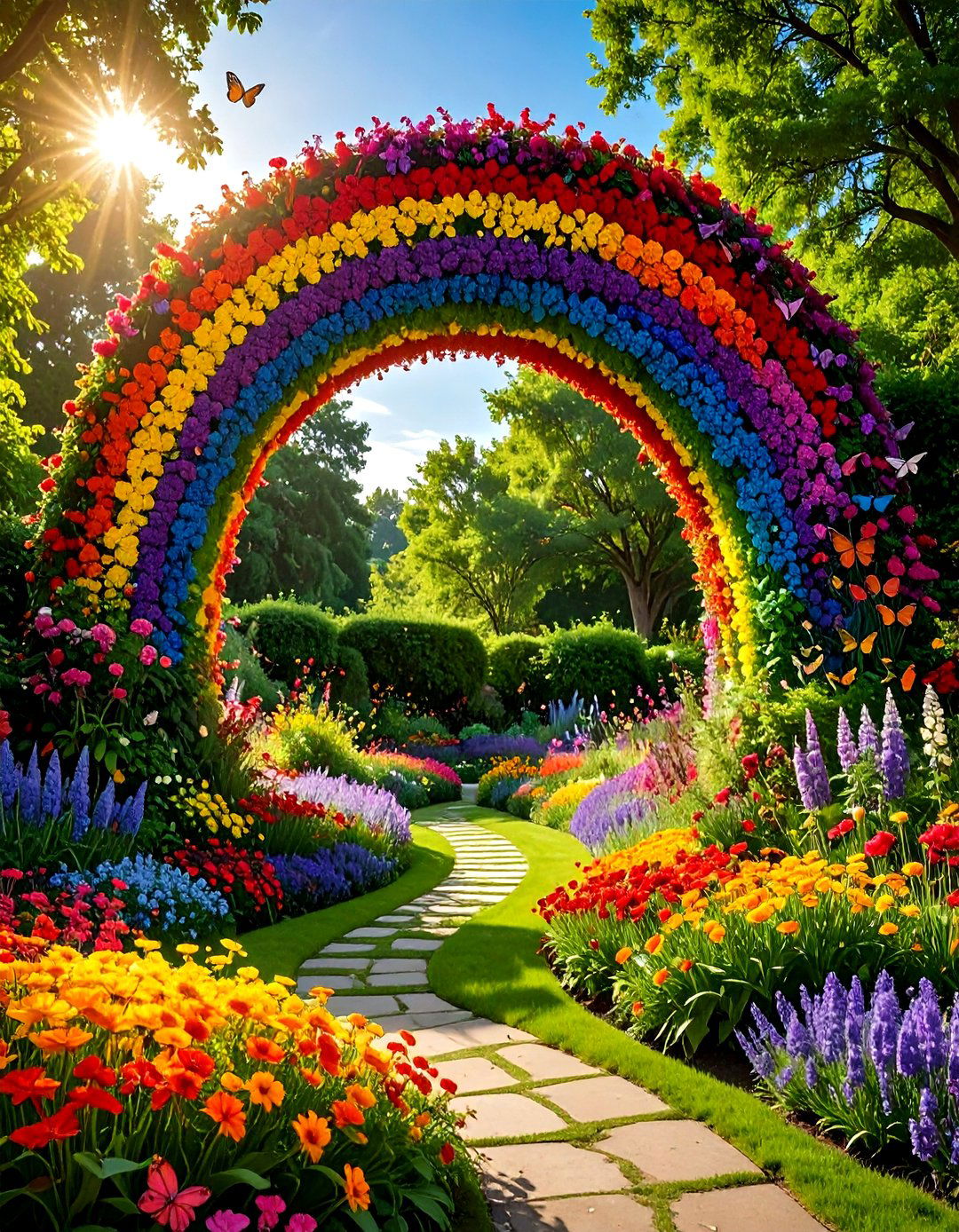
Arrange your butterfly garden in a vibrant arc of layout plants flowers in curved bands following the colors of the with reds (like bee balm) , move to oranges (butterfly weed) , yellows (coreopsis) , greens (foliage) , blues (salvia) , and purples (aster). The arching shape can frame a lawn, patio, or a central focal design is visually stunning and helps you organize a wide variety of creates a cheerful, dynamic display that is irresistible to butterflies and a joyful sight for any gardener.
23. The Secret Garden Butterfly Room
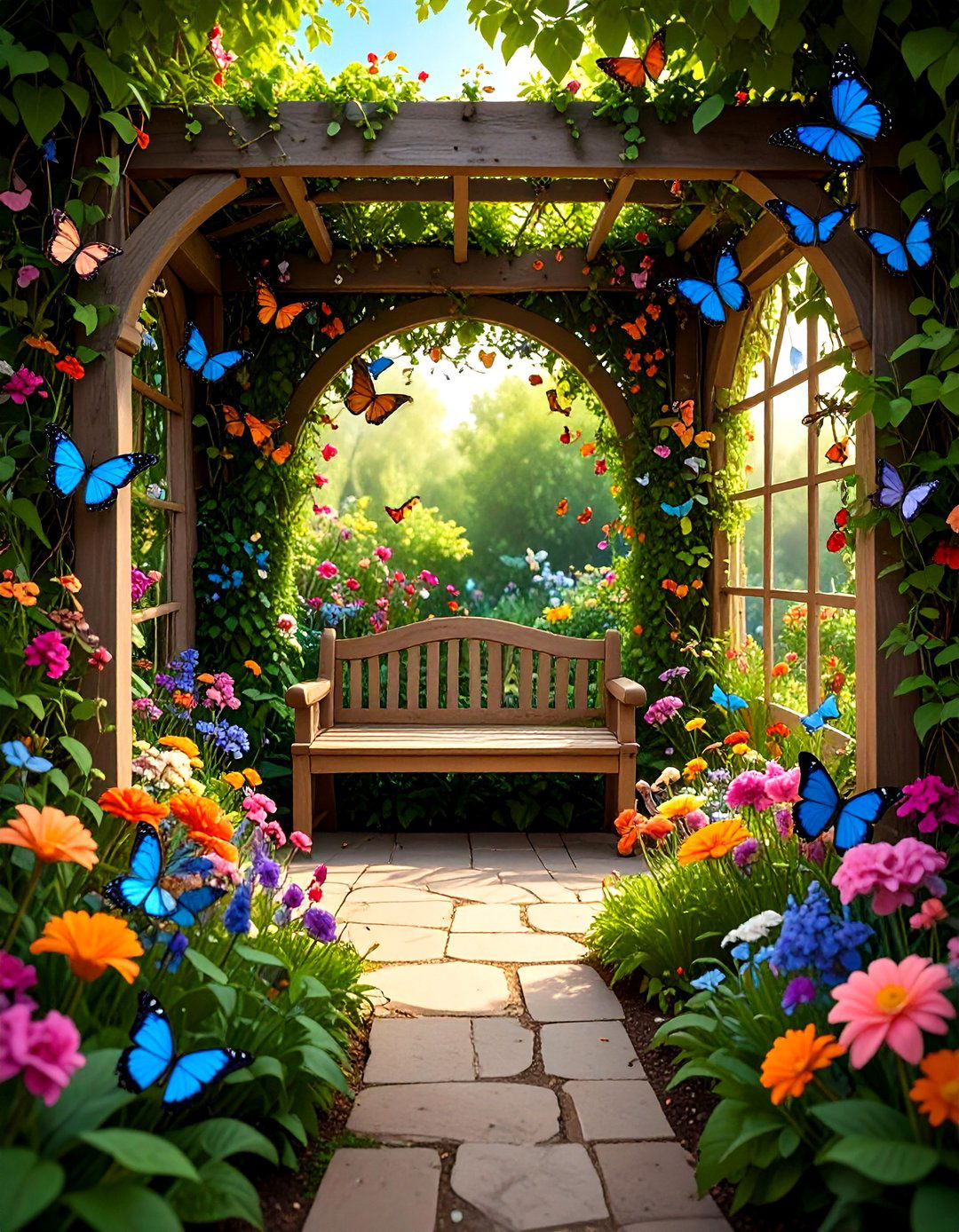
Create an intimate, enclosed space with a "secret garden" design uses tall shrubs, trellises with climbing vines, or a decorative fence to create a secluded garden this enclosure, plant a lush mix of butterfly-attracting flowers and host plants. A small seating area, perhaps a hidden bench or a pair of chairs, provides a private spot for arched entryway covered in climbing roses or passionflower can enhance the sense of layout offers a peaceful, immersive retreat from the outside world.
24. A Butterfly Garden with Stepping Stone Paths

Integrate functional pathways directly into your garden beds with a stepping stone design places large, flat stones throughout a densely planted area, allowing you to walk among the flowers without compacting the encourages up-close interaction with the plants and low-growing, creeping plants like thyme or sedum between the creates a soft, natural look and provides ground stones also absorb heat, offering warm resting spots for butterflies on cool days. It’s a practical and enchanting way to experience your garden.
25. The Coastal-Themed Butterfly Garden
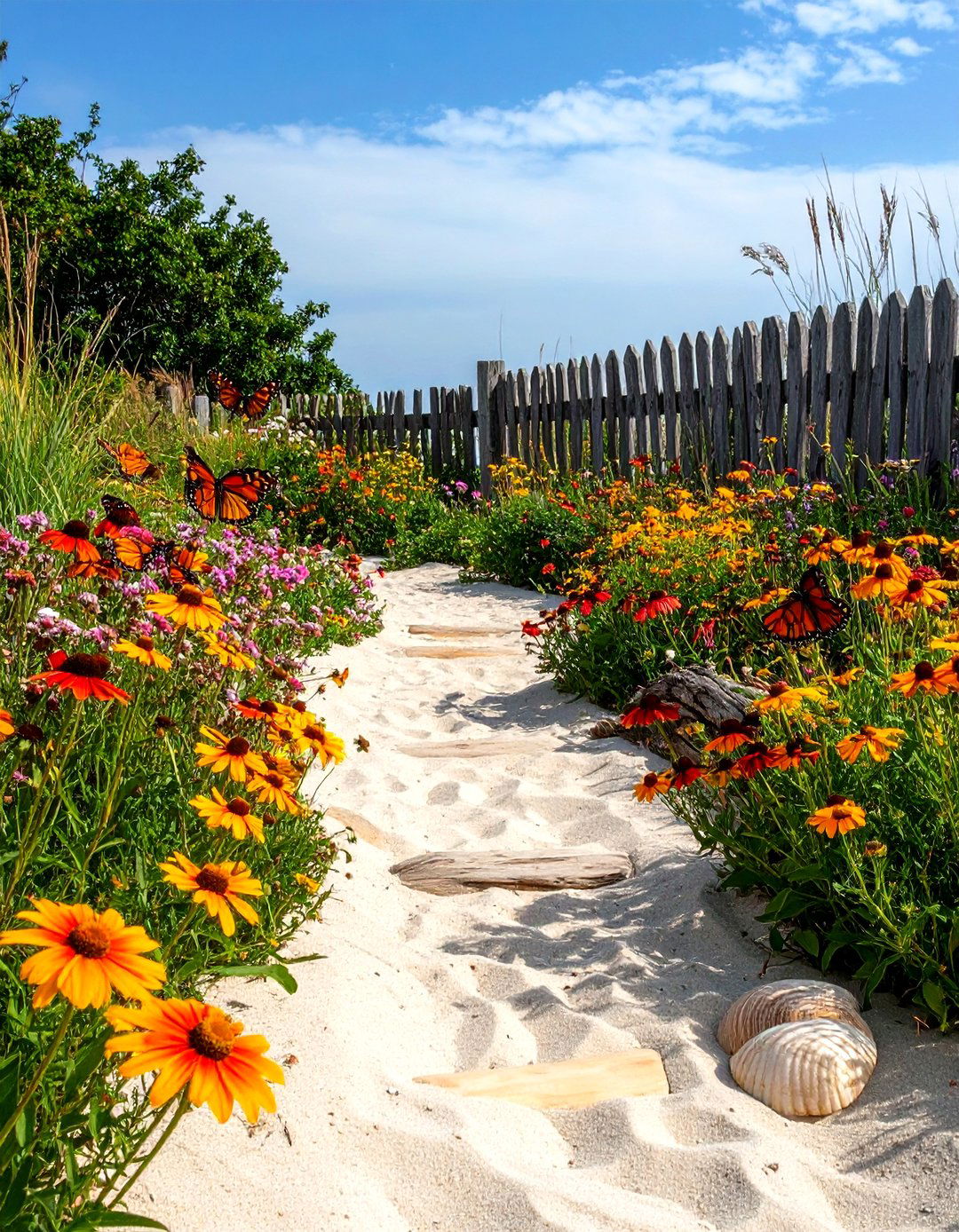
If you live near the coast, design a garden that thrives in sandy soil and salt layout uses salt-tolerant native plants that are adapted to coastal like seaside goldenrod, blanket flower (gaillardia) , and beach sunflower are excellent choices that also attract natural materials like driftwood, shells, and sand for pathways and design should be open and windswept, reflecting the coastal creates a resilient, low-maintenance garden that is perfectly in tune with its seaside environment.
26. A Hummingbird and Butterfly Combination Garden
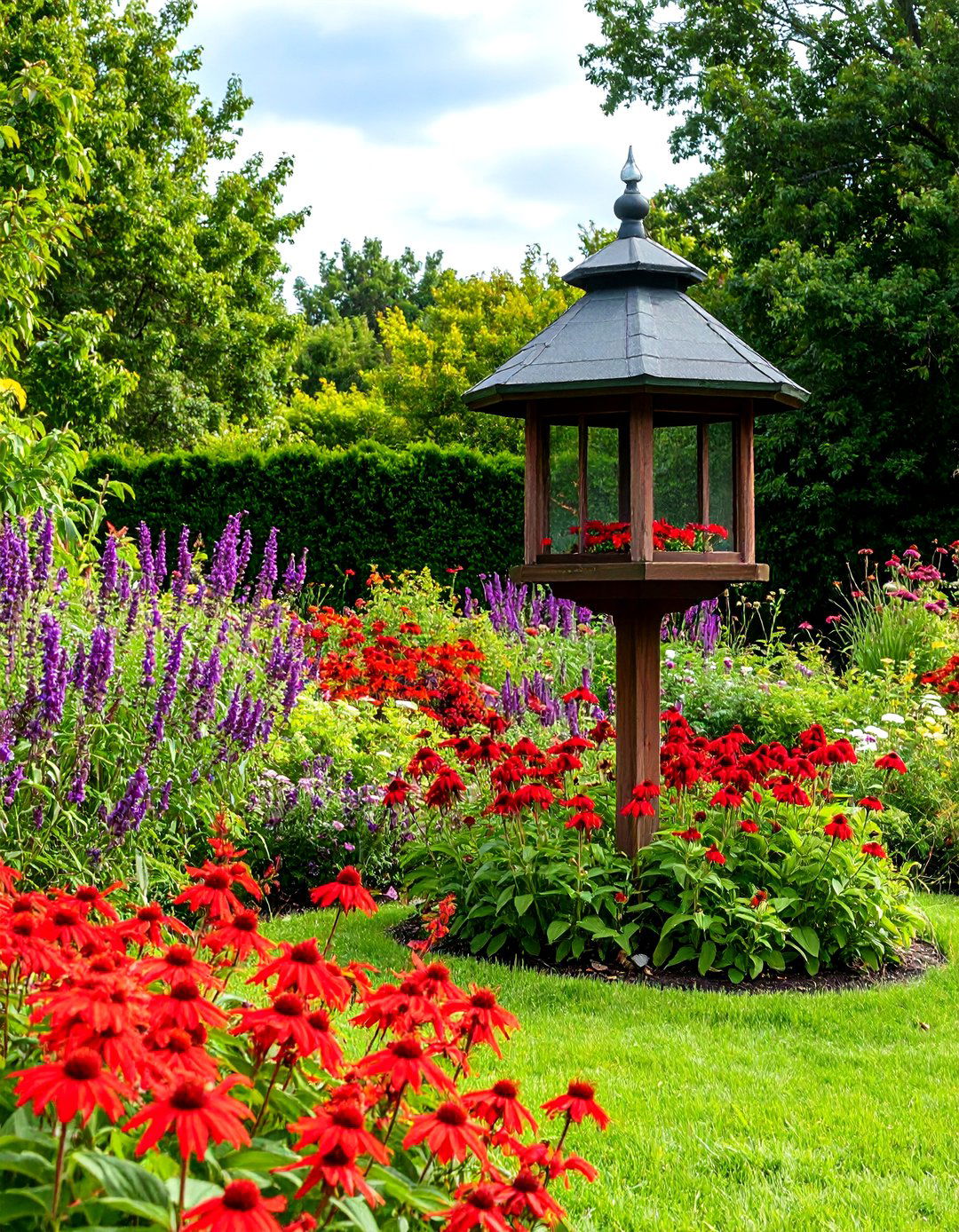
Why not design a garden that attracts both hummingbirds and butterflies? This layout focuses on plants that appeal to both, particularly those with brightly colored, tubular plants like bee balm (monarda) , cardinal flower, trumpet vine, and the garden with a mix of heights to create different feeding zones. A hummingbird feeder can be a central feature, while a butterfly puddling station can be placed dynamic garden will be a constant flurry of activity, filled with the jewel-like colors of both beautiful creatures.
27. The Front Yard Curb Appeal Butterfly Garden
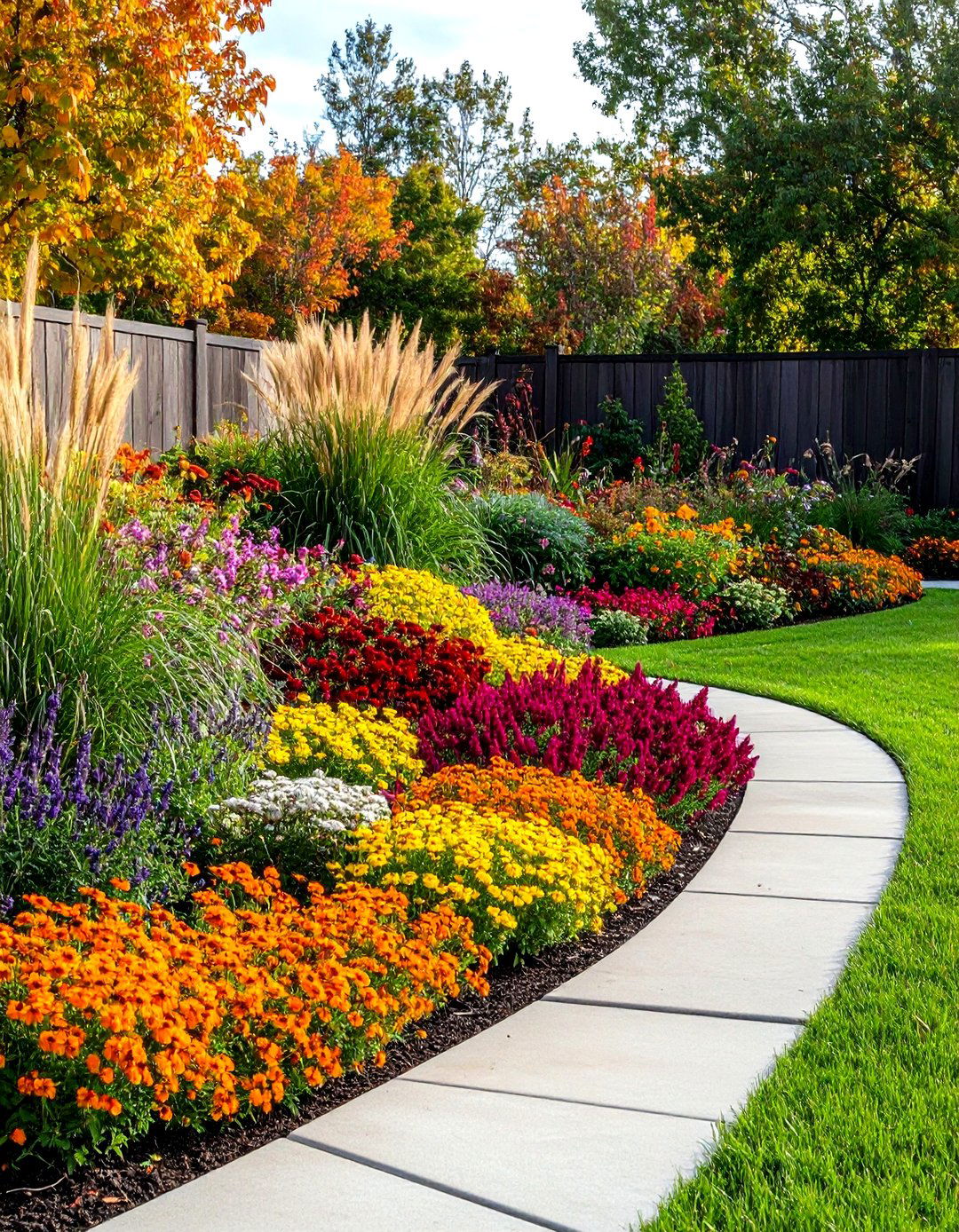
Replace your traditional front lawn with a beautiful and eco-friendly butterfly layout transforms your curb appeal by creating a layered garden bed along the sidewalk or a low border of evergreen shrubs or ornamental grasses for year-round the space with a mix of long-blooming perennials and annuals that provide continuous design not only enhances the beauty of your home but also provides a valuable pollinator habitat and reduces the need for mowing and watering a a wonderful welcome for visitors and wildlife!
28. A Butterfly Garden with an Arbor Entrance
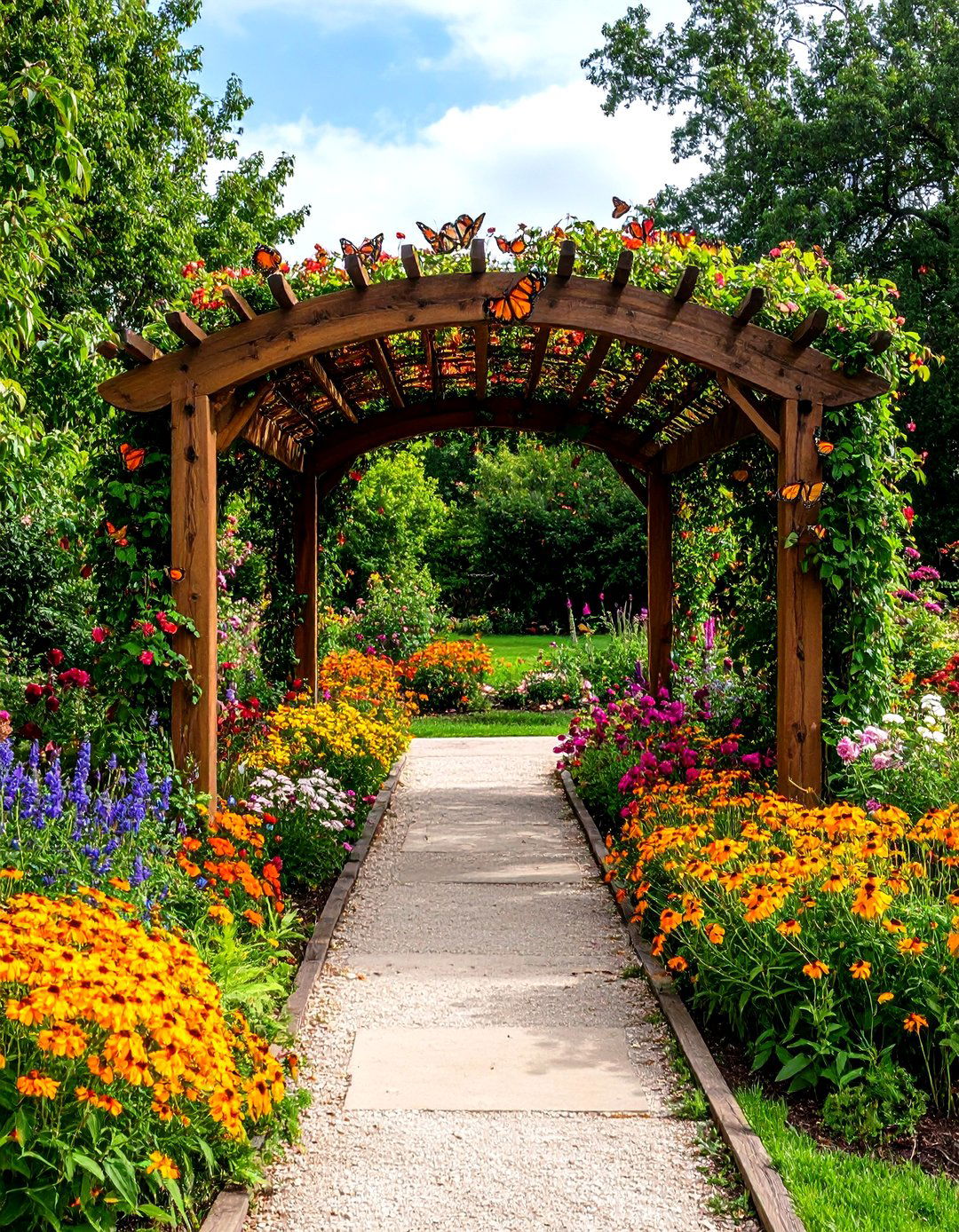
Make a grand entrance to your butterfly garden with a beautiful layout uses an arbor or archway as a gateway, instantly defining the space as a special the arbor with climbing host plants like passionflower or nectar-rich vines like path leading from the arbor can be lined with colorful flowers, guiding the visitor into the heart of the design element adds height, structure, and a sense of romance, creating a picturesque and inviting entrance to your butterfly sanctuary.
29. The Low-Maintenance Succulent Butterfly Garden
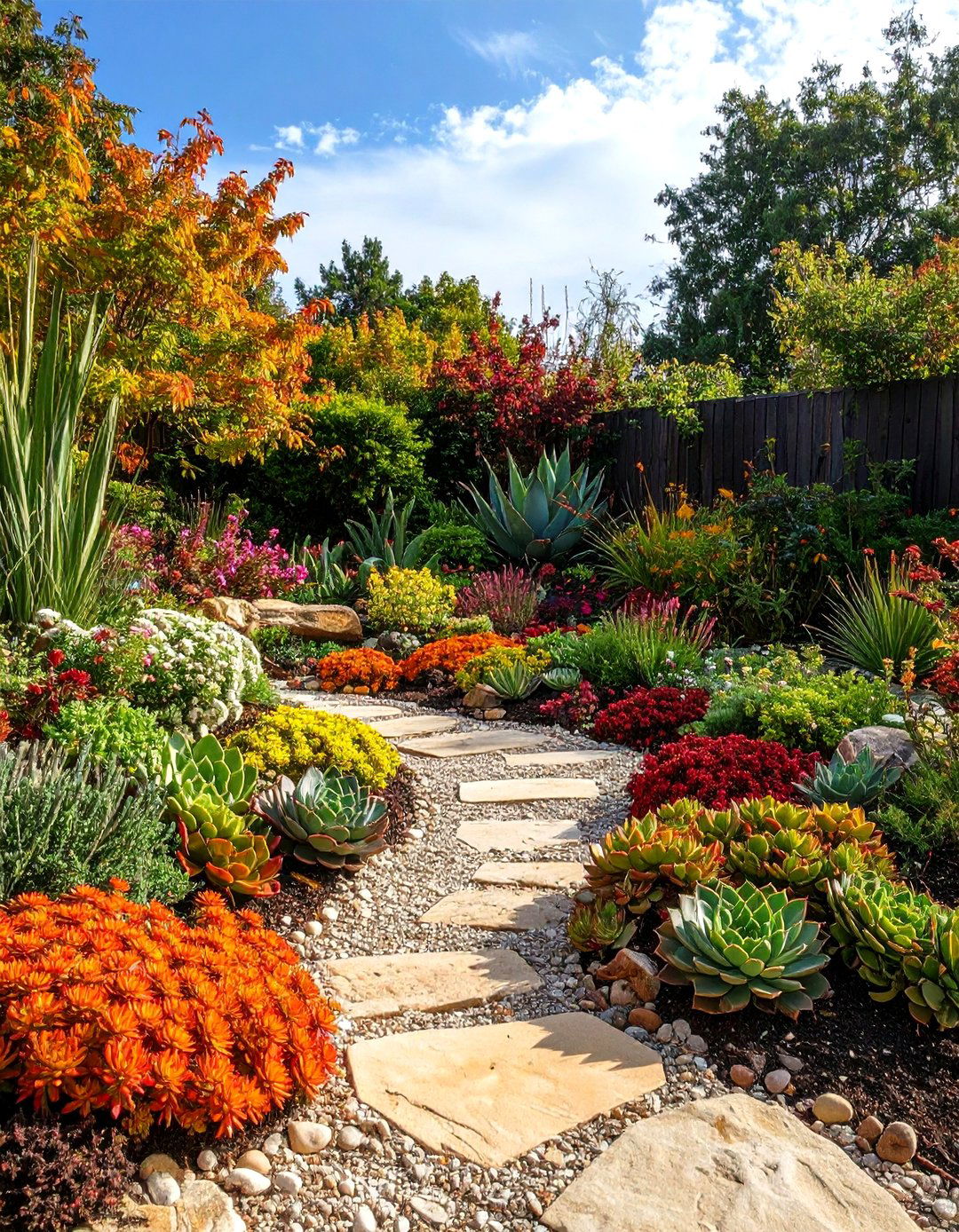
For a water-wise and low-maintenance option, consider a succulent garden that also attracts not traditional butterfly plants, many succulents produce flowers that provide layout uses varieties like sedum (stonecrop) and echeveria, which are beloved by the succulents in a rock garden or in wide, shallow architectural forms and varied colors of the succulents create a stunning, modern design is perfect for hot, dry climates and for gardeners who want a beautiful, resilient garden with minimal fuss.
30. A Dedicated Caterpillar Host Plant Garden
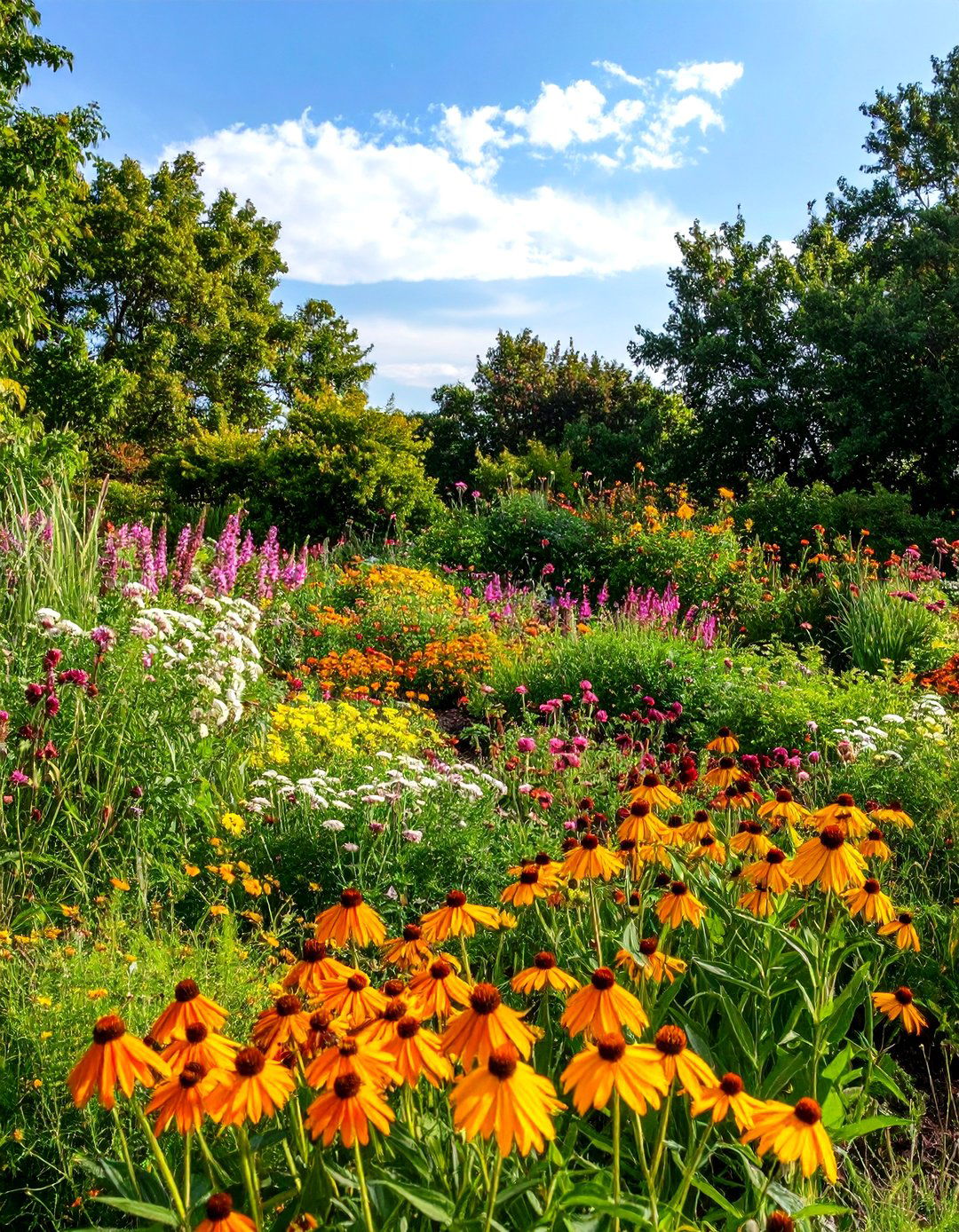
Support the entire butterfly life cycle by creating a garden focused on caterpillar host nectar plants feed adult butterflies, host plants are where they lay their eggs and where caterpillars layout dedicates a specific area to plants like milkweed for monarchs, fennel and parsley for swallowtails, and violets for can integrate these into existing beds or create a separate, "nursery" some leaves will get chewed, isn't it a small price to pay for the joy of seeing new butterflies emerge in your own yard?
Conclusion:
Ultimately, designing a butterfly garden is a rewarding endeavor that blends artistry with key to success is providing the essential elements butterflies need: nectar-rich flowers for adults, specific host plants for caterpillars, sunny spots for basking, and a source of water and you opt for a sprawling wildflower meadow, a structured formal garden, or a compact container display, your efforts create a vital habitat for these enchanting thoughtfully selecting plants and arranging your layout, you can craft a beautiful, dynamic space that offers endless opportunities for observation and enjoyment, contributing positively to your local ecosystem.

Related posts:




Leave a Reply