
Rock landscaping offers a durable, low-maintenance, and visually striking alternative to traditional lawns and gardens. By incorporating various types of stones, from tiny pebbles to massive boulders, you can create a diverse range of designs that suit any aesthetic. This approach to yard design is not only about reducing water usage but also about crafting a textured, multi-dimensional outdoor space. Whether you aim for a serene Zen garden, a rugged mountain slope, or a sleek modern patio, rocks provide the foundational elements for a beautiful and enduring landscape that adds significant curb appeal and value to your home.

1. Rock Landscaping Dry Creek Bed

A dry creek bed made from smooth river rocks and varied boulders introduces a natural, flowing element to your yard without the need for water. This feature is excellent for solving drainage issues, guiding rainwater away from your home's foundation in a beautiful, organic way. To create a realistic look, you should vary the size and color of the rocks, placing larger boulders along the edges and filling the center with smaller, rounded stones. Planting drought-tolerant grasses and native shrubs along the banks of your rock landscaping enhances the illusion of a natural waterway and adds softness to the hardscape.
2. Rock Landscaping with Succulents
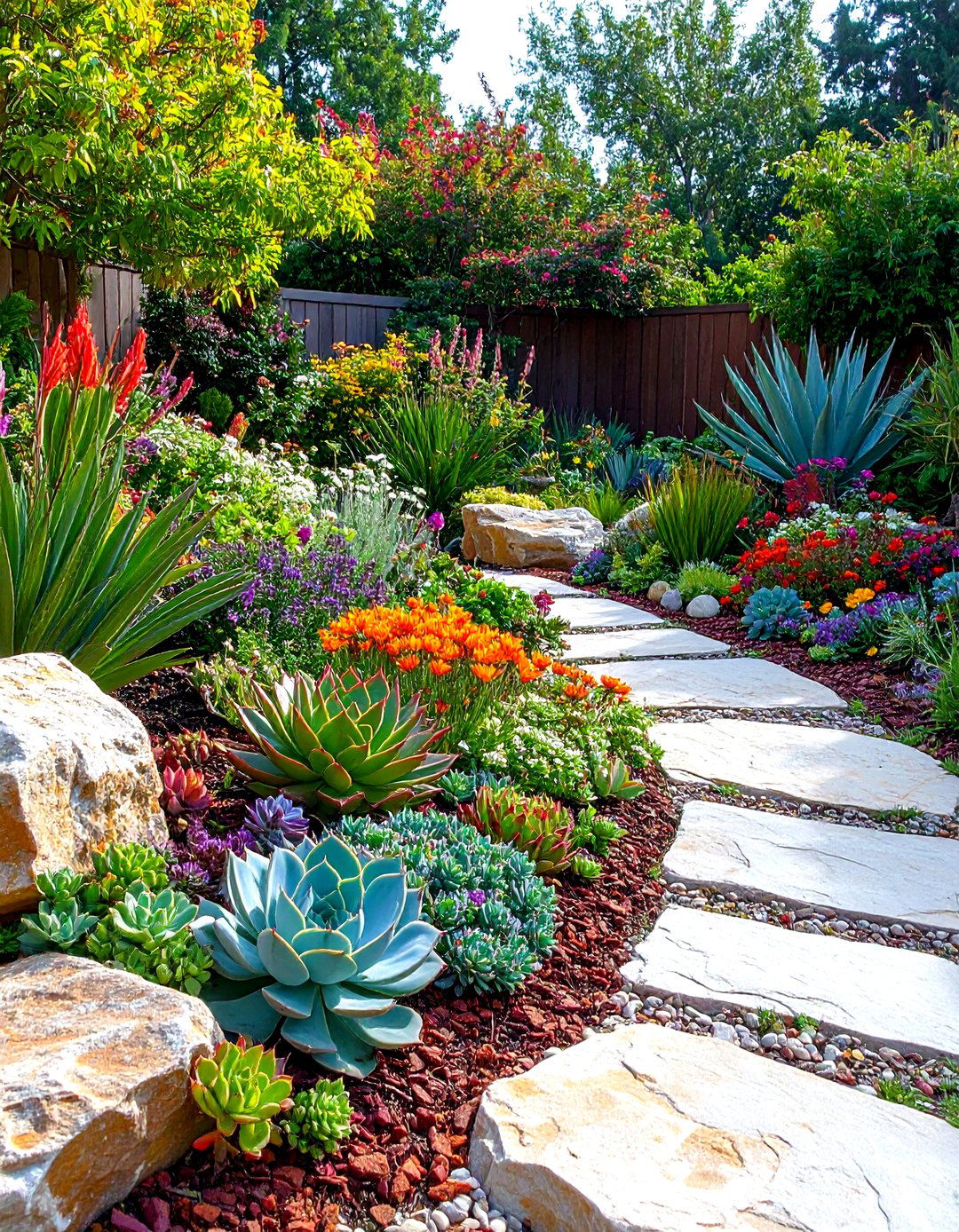
Pairing rocks with succulents creates a stunning, water-wise garden that thrives in sunny, dry conditions. The varied textures and shapes of rocks, from rugged lava rock to smooth river stones, provide a perfect backdrop for the geometric forms of succulents like echeverias, sedums, and aloes. Consider using larger boulders to create pockets of soil for planting, which adds elevation and interest. This type of rock landscaping is exceptionally low-maintenance, as succulents require minimal watering and care once established. The combination of stone and fleshy leaves offers a resilient and visually captivating outdoor feature that looks great year-round.
3. Gravel and Boulder Rock Landscaping
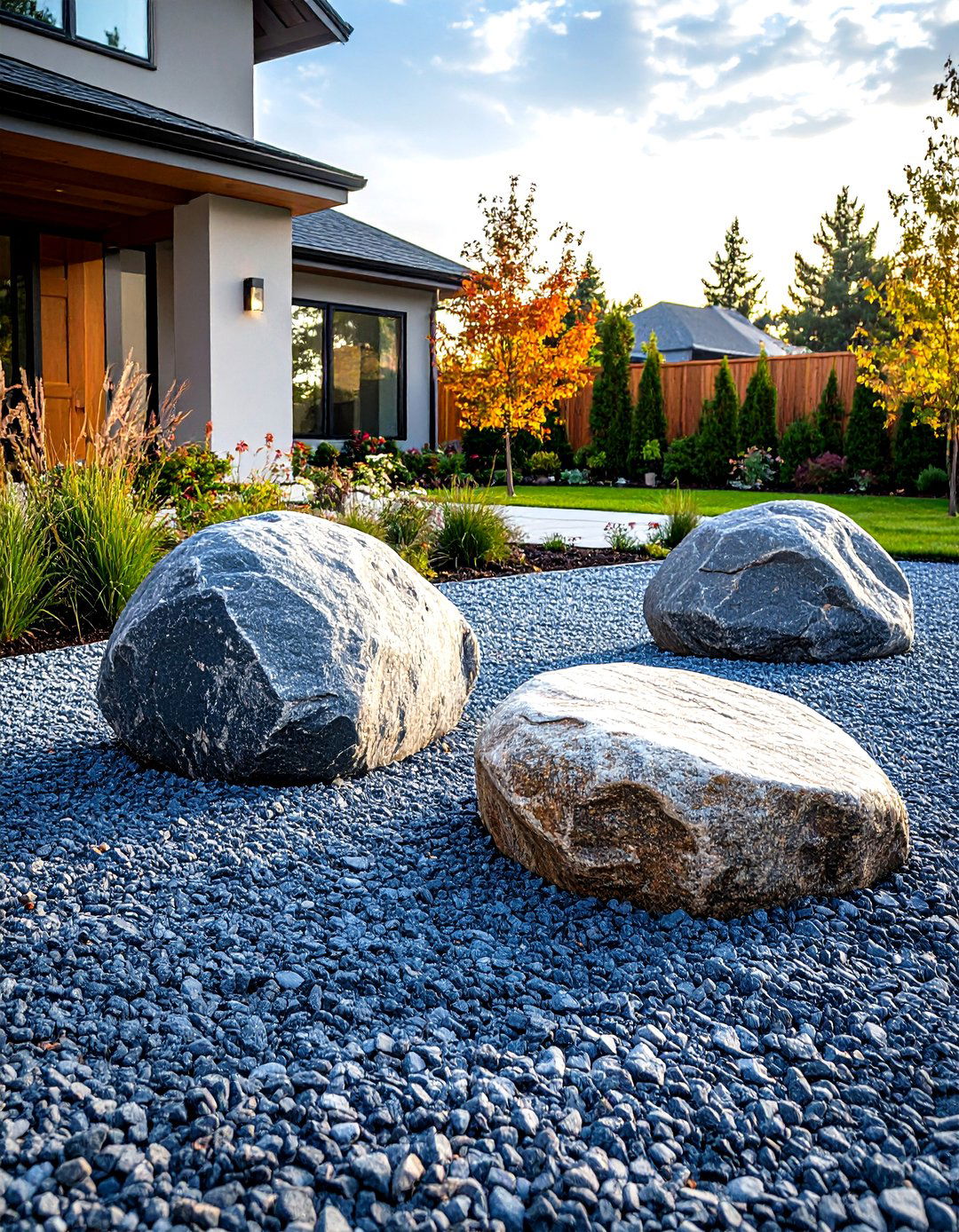
For a bold and textural landscape, combine fields of fine gravel with strategically placed large boulders. This design creates a powerful contrast between the small, uniform texture of the gravel and the massive, unique shapes of the boulders. Use the gravel as a ground cover to suppress weeds and conserve soil moisture, replacing a traditional lawn. The boulders can serve as focal points, seating areas, or natural retaining walls on a gentle slope. This approach to rock landscaping is versatile, fitting both modern minimalist and rustic desert aesthetics, and offers a dramatic, low-upkeep solution for your outdoor space.
4. Japanese Zen Rock Landscaping

Creating a Japanese Zen garden, or karesansui, is a meditative approach to rock landscaping that emphasizes simplicity and tranquility. This style uses carefully arranged rocks to represent mountains or islands, with raked sand or fine gravel depicting water. The key is minimalism; every element is deliberate and has meaning. Larger, angular rocks are often placed in asymmetrical groups of three, five, or seven, while the gravel is raked into patterns like ripples or straight lines. Adding a simple stone lantern or a bamboo water feature can complete the serene atmosphere, making your yard a peaceful retreat for contemplation.
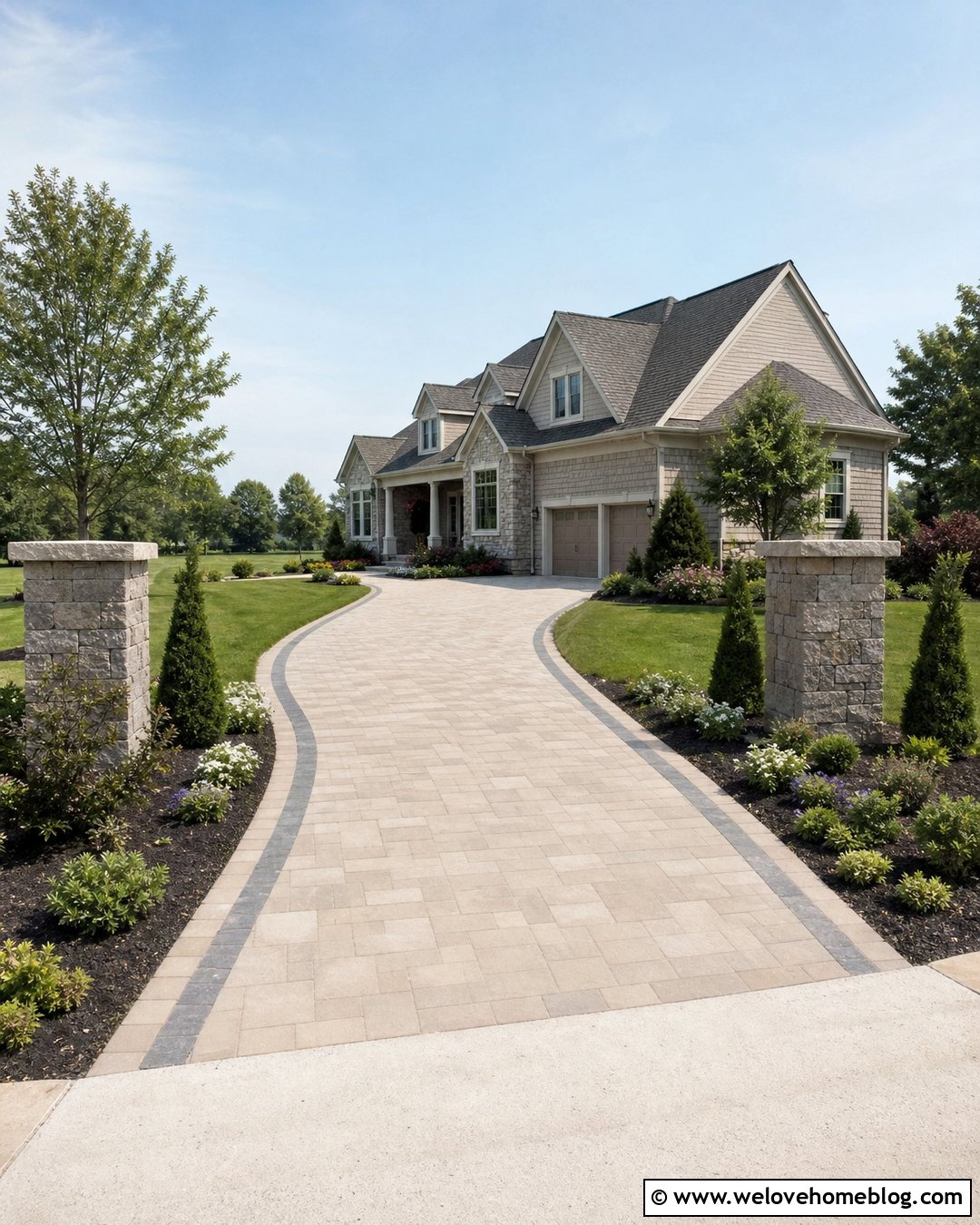
5. Rock Landscaping Retaining Wall
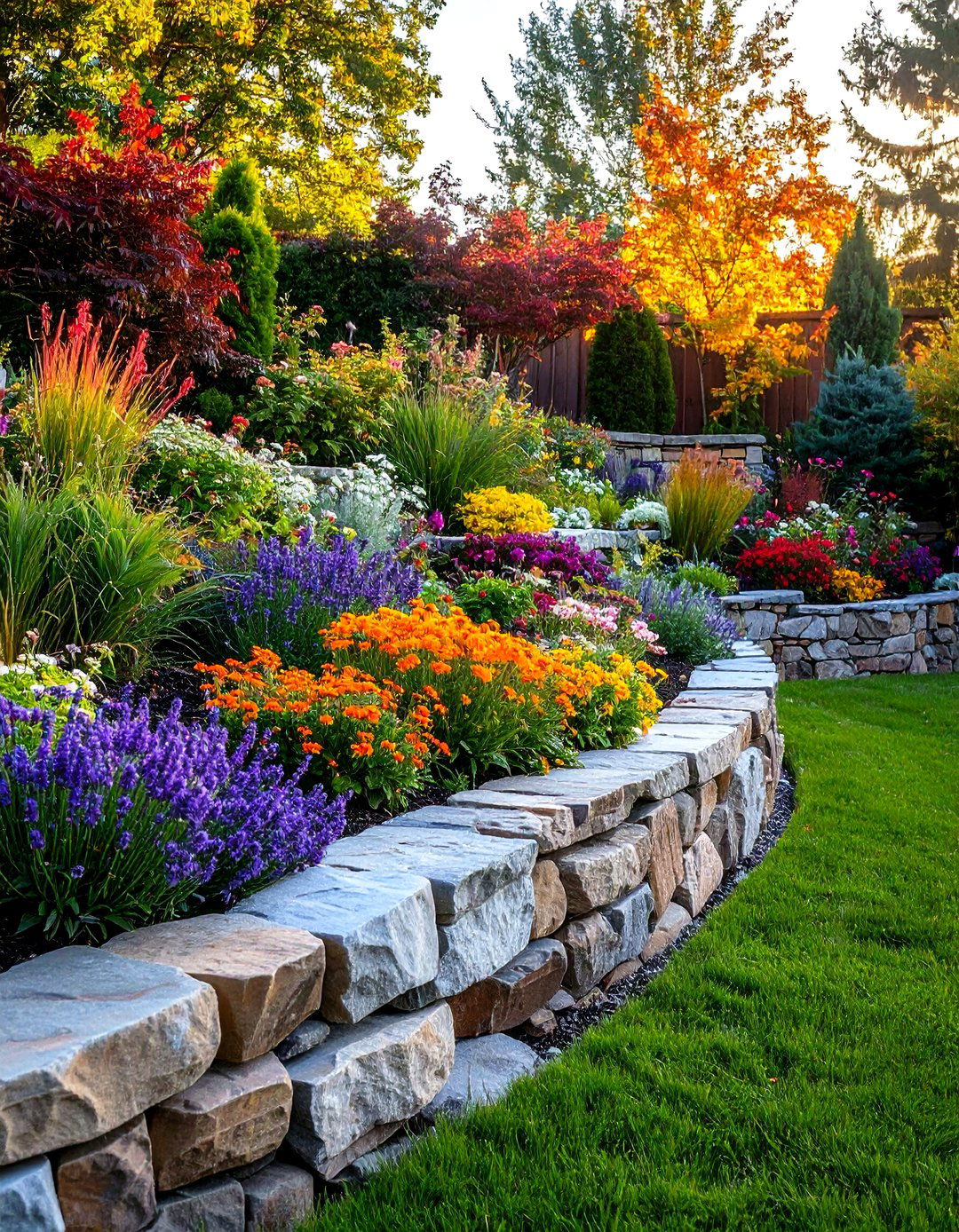
A rock retaining wall is both a functional solution for managing slopes and a beautiful structural element in your landscape. Using natural stone, whether it's stacked flagstone, fieldstone, or river rock, adds timeless character and texture. These walls can be built without mortar (dry-stacked) for a rustic look that allows for drainage, or with mortar for greater stability. Create terraced levels on a steep hill to make planting areas for flowers, shrubs, or a vegetable garden. This form of rock landscaping transforms an unusable incline into a series of attractive, functional garden beds that prevent soil erosion.
6. Slate Chip Mulch Rock Landscaping

Using slate chips as a mulch alternative offers a sleek, modern look that is long-lasting and effective. The dark, flat profile of slate provides a dramatic contrast against vibrant green foliage, making plants pop. Unlike organic mulches, slate chips do not decompose, so they won't need to be replenished year after year. They also help to suppress weeds and retain soil moisture while allowing for good drainage. This type of rock landscaping is particularly effective in contemporary garden designs, pathways, or as a sophisticated ground cover around statement plants or architectural features in your yard.
7. Rock Landscaping Edging for Garden Beds
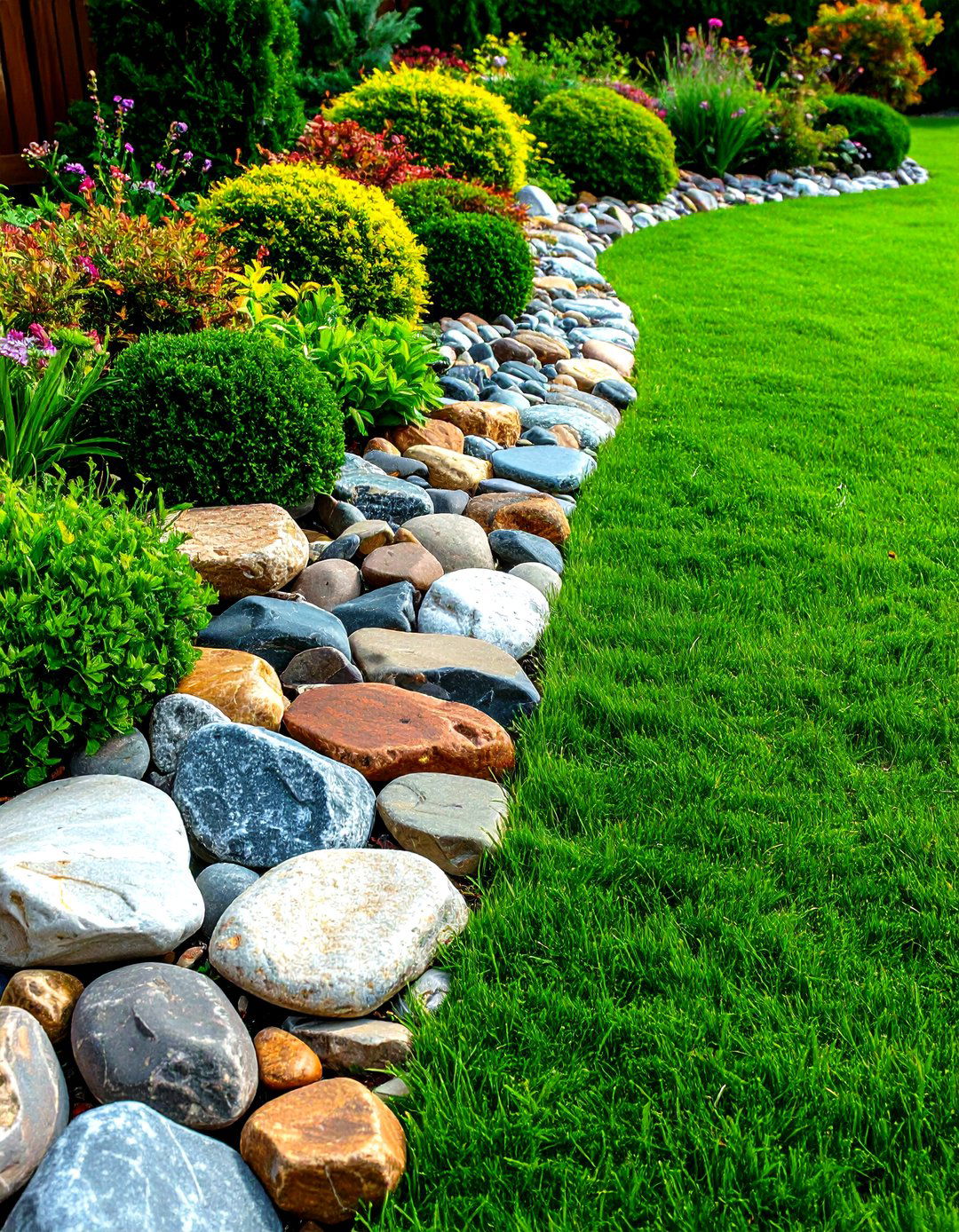
Defining your garden beds with rock edging creates a clean, polished look and a clear boundary between your lawn and planting areas. You can use a variety of stones, from uniform paving bricks to natural, irregular fieldstones, to match your home's style. A single line of medium-sized river rocks provides a simple, rustic border, while a neatly stacked wall of cut stone offers a more formal appearance. This practical rock landscaping technique helps to contain mulch, prevent grass from creeping into your garden, and adds a touch of durable, maintenance-free elegance to your overall yard design.
8. Stepping Stone Path Rock Landscaping

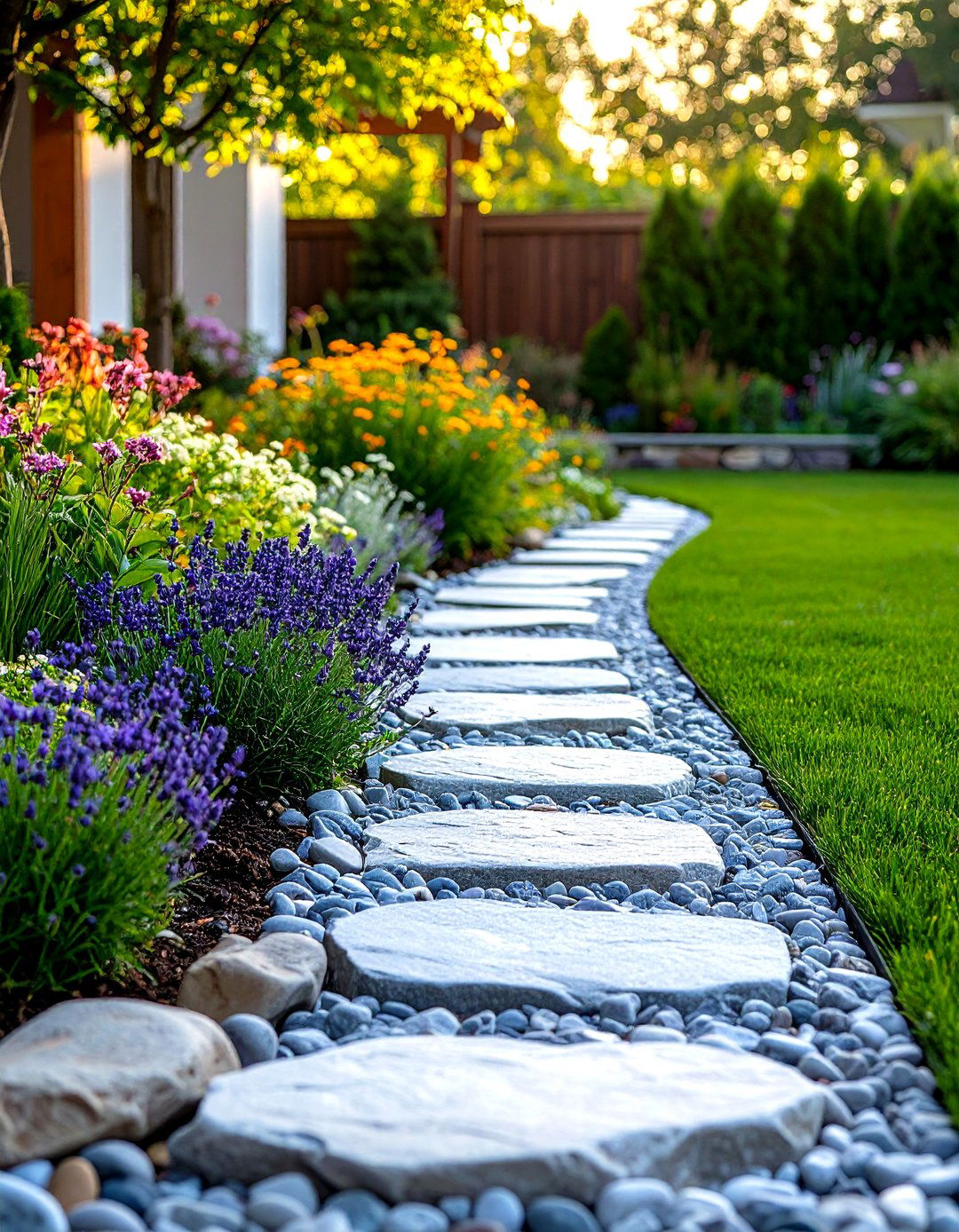
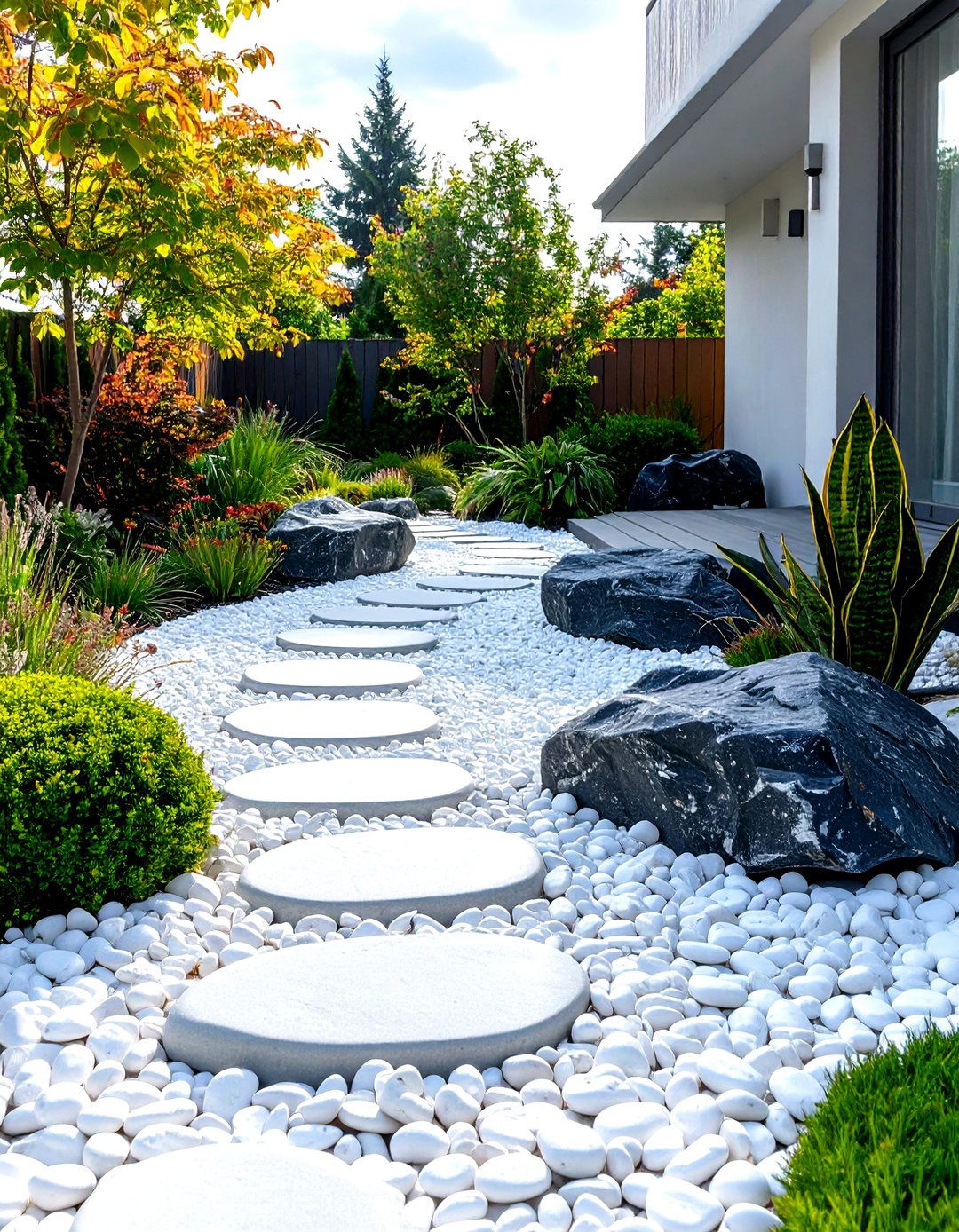
A stepping stone path is a charming and practical way to guide movement through your garden or lawn. Using large, flat stones like flagstone or slate creates a stable and attractive walkway. Set the stones within a bed of decorative gravel, river rocks, or even a low-growing ground cover like creeping thyme to soften the edges. The spacing of the stones should allow for a comfortable walking stride. This type of rock landscaping not only protects your lawn from foot traffic but also adds a rustic, inviting element that encourages exploration of your outdoor space.
9. Rock Landscaping Around a Fire Pit
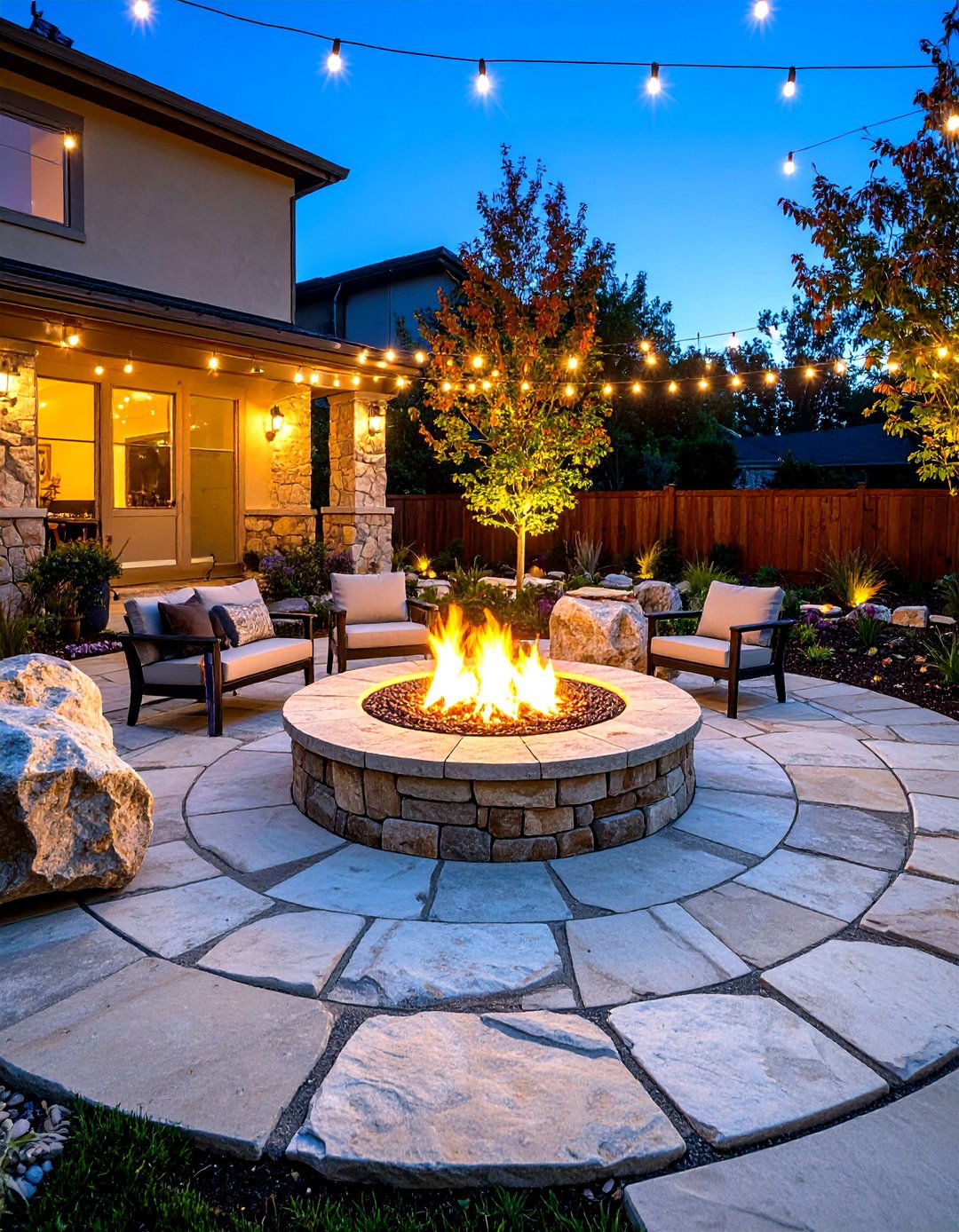
Building a gathering space around a fire pit using rock landscaping creates a natural and inviting focal point for your backyard. Use non-porous stones like granite, marble, or slate for the fire pit itself to ensure safety. Surround the area with a patio made of flagstone or pavers, and use pea gravel or river rocks as a decorative and fire-safe ground cover. Placing large boulders around the perimeter can serve as rustic, informal seating. This design establishes a cozy and durable entertainment zone that’s perfect for evening get-togethers with family and friends, extending your living space outdoors.


10. Flagstone Patio Rock Landscaping

A flagstone patio brings natural beauty and durable functionality to your outdoor living area. The irregular shapes and earthy tones of flagstone create a rustic yet elegant surface that blends seamlessly with the surrounding landscape. You can either set the stones in sand or gravel for a permeable surface that allows water to drain through, or set them in mortar for a more solid, permanent patio. The gaps between stones in a permeable design can be filled with small pebbles or planted with hardy ground covers. This rock landscaping project provides a perfect, hard-wearing foundation for outdoor dining and relaxation.
11. Rock Landscaping Water Feature with Waterfalls
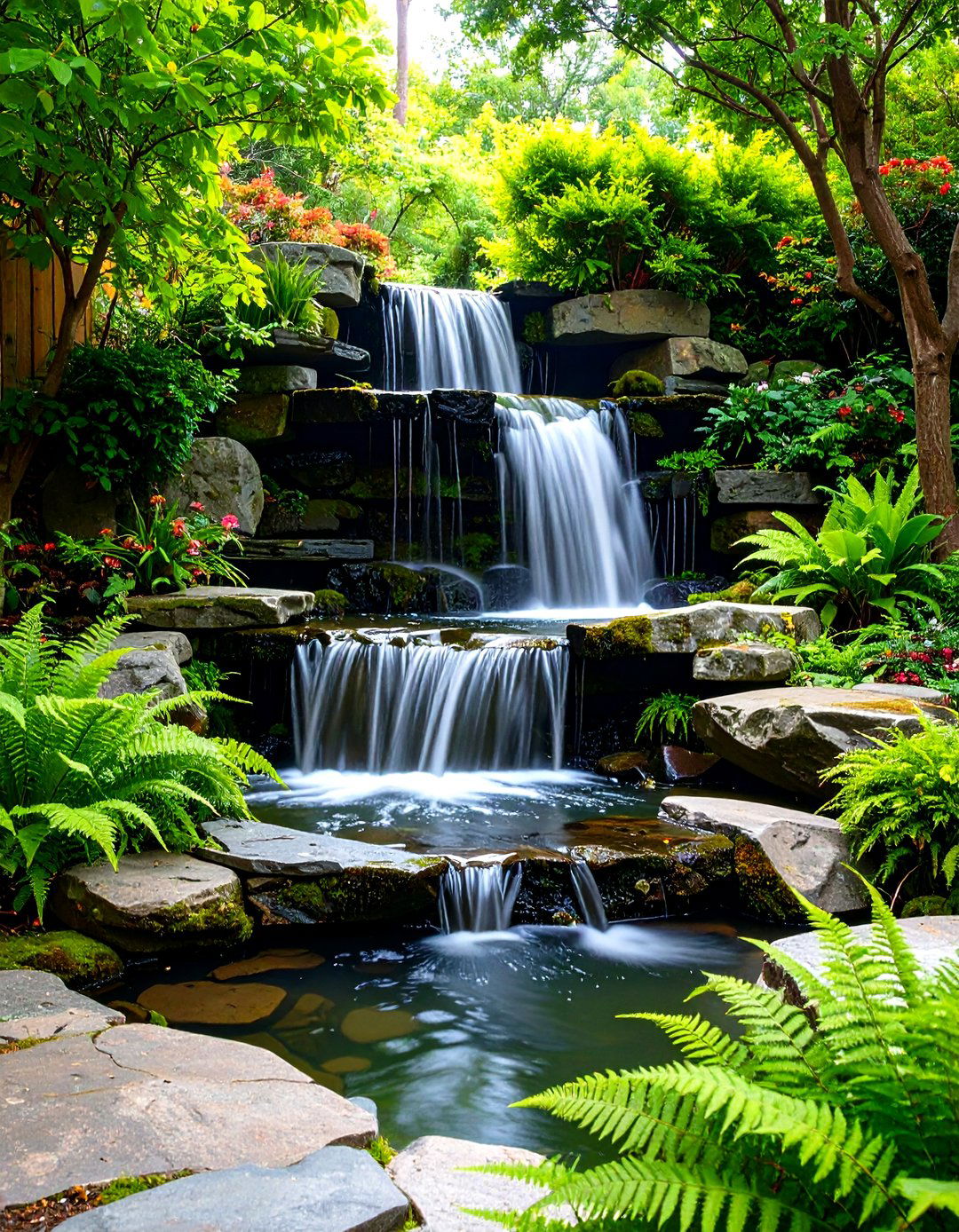
Incorporating a water feature with a waterfall brings the soothing sound and dynamic movement of water to your rock landscape. Construct the waterfall by stacking flat stones like slate or flagstone to create a cascading effect, allowing water to spill from one level to the next into a small pond or a hidden reservoir. Larger boulders can be used to frame the feature and hide the pump and tubing. The combination of moving water and natural stone creates a powerful, multi-sensory focal point that attracts birds and other wildlife, turning your backyard into a tranquil and refreshing natural oasis.
12. Gabion Wall Rock Landscaping

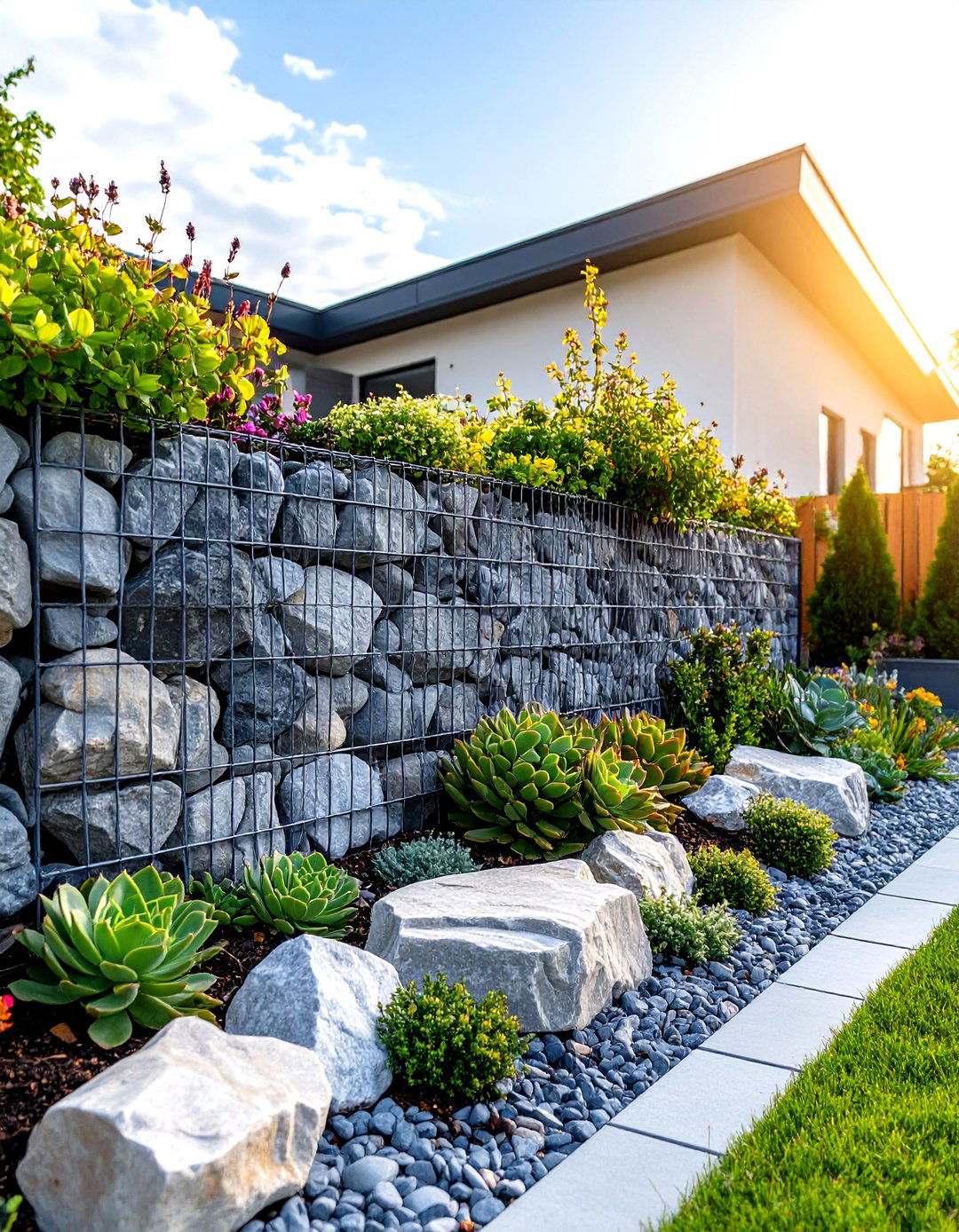
Gabion walls, which are wire mesh cages filled with rocks, offer a unique and modern twist on traditional stone walls. This industrial-chic rock landscaping technique is surprisingly versatile and can be used to create retaining walls, benches, planters, or decorative partitions. You can fill the cages with any type of rock, from smooth river stones for a polished look to chunky, angular quarry rock for a more rugged aesthetic. Gabion walls are durable, provide excellent drainage, and can be assembled relatively quickly, offering a cost-effective and visually interesting structural element for contemporary outdoor spaces.
13. Large Boulder Accents in Rock Landscaping

Placing a few large boulders as accent pieces can dramatically transform a flat, uninteresting yard into a dynamic landscape with character and dimension. A single massive boulder or a carefully arranged cluster of three can serve as a powerful focal point, anchoring a garden bed or adding interest to a corner of your property. These natural sculptures bring a sense of age and permanence to the garden. Surround them with smaller rocks, gravel, or low-growing plants to integrate them into the surrounding rock landscaping, creating a scene that feels both intentional and naturally occurring.
14. Pea Gravel Walkway Rock Landscaping

A pea gravel walkway offers a soft, textured path that is both affordable and easy to install. The small, rounded stones provide a satisfying crunch underfoot and come in a variety of natural colors to complement your home and garden. To ensure the gravel stays in place, install a durable edging material like metal, stone, or wood on both sides of the path. Laying landscape fabric underneath the gravel will prevent weeds from growing through. This type of rock landscaping is a charming, informal option that is perfect for cottage gardens, side yards, or connecting different areas of your outdoor space.

15. Alpine Rock Landscaping Garden

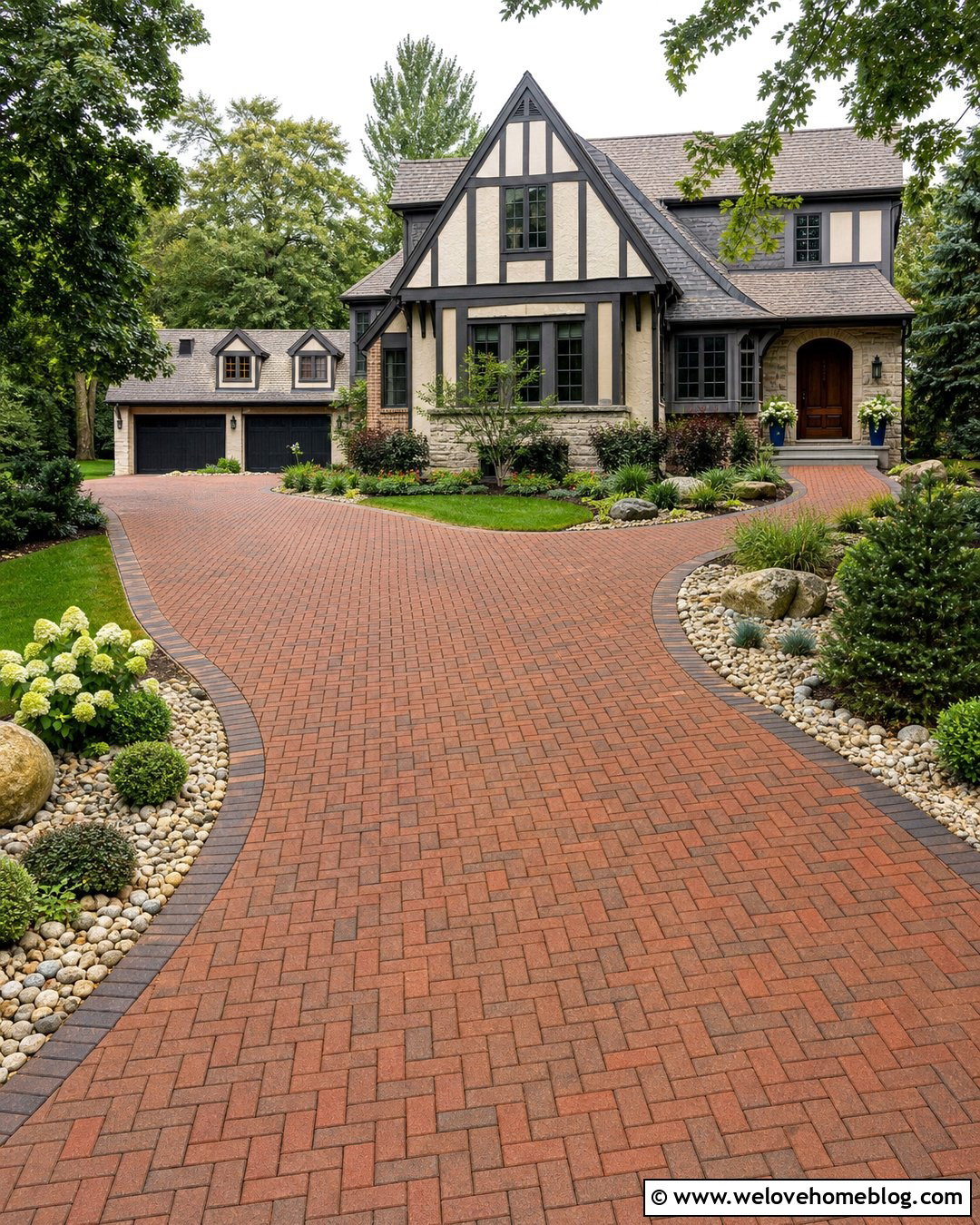
An alpine garden mimics the rocky, high-altitude environments where small, hardy plants thrive. This style of rock landscaping is perfect for small spaces or sloped areas. Build up a mound of gritty, well-draining soil and embed various sizes of craggy, angular rocks to create crevices and pockets for planting. Choose low-growing, drought-tolerant alpine plants like sedums, saxifrages, and dwarf conifers that naturally grow in these conditions. The result is a miniature mountain scene that is intricate, low-maintenance, and showcases a fascinating collection of resilient and beautiful plants that are often overlooked.
16. Lava Rock Landscaping Design

Lava rock, with its porous texture and rich, dark colors, provides a bold and dramatic ground cover for modern and desert-themed landscapes. Available in black or red, these lightweight volcanic rocks create a striking contrast with green foliage and help to retain heat, which can benefit plants in cooler climates. Because of its porous nature, lava rock allows water to reach the soil easily while still suppressing weeds. Use it in garden beds, around a fire pit, or as a mulch alternative. This rock landscaping material offers a unique, textured look that stands out from more common gravels and stones.
17. River Rock Border Landscaping
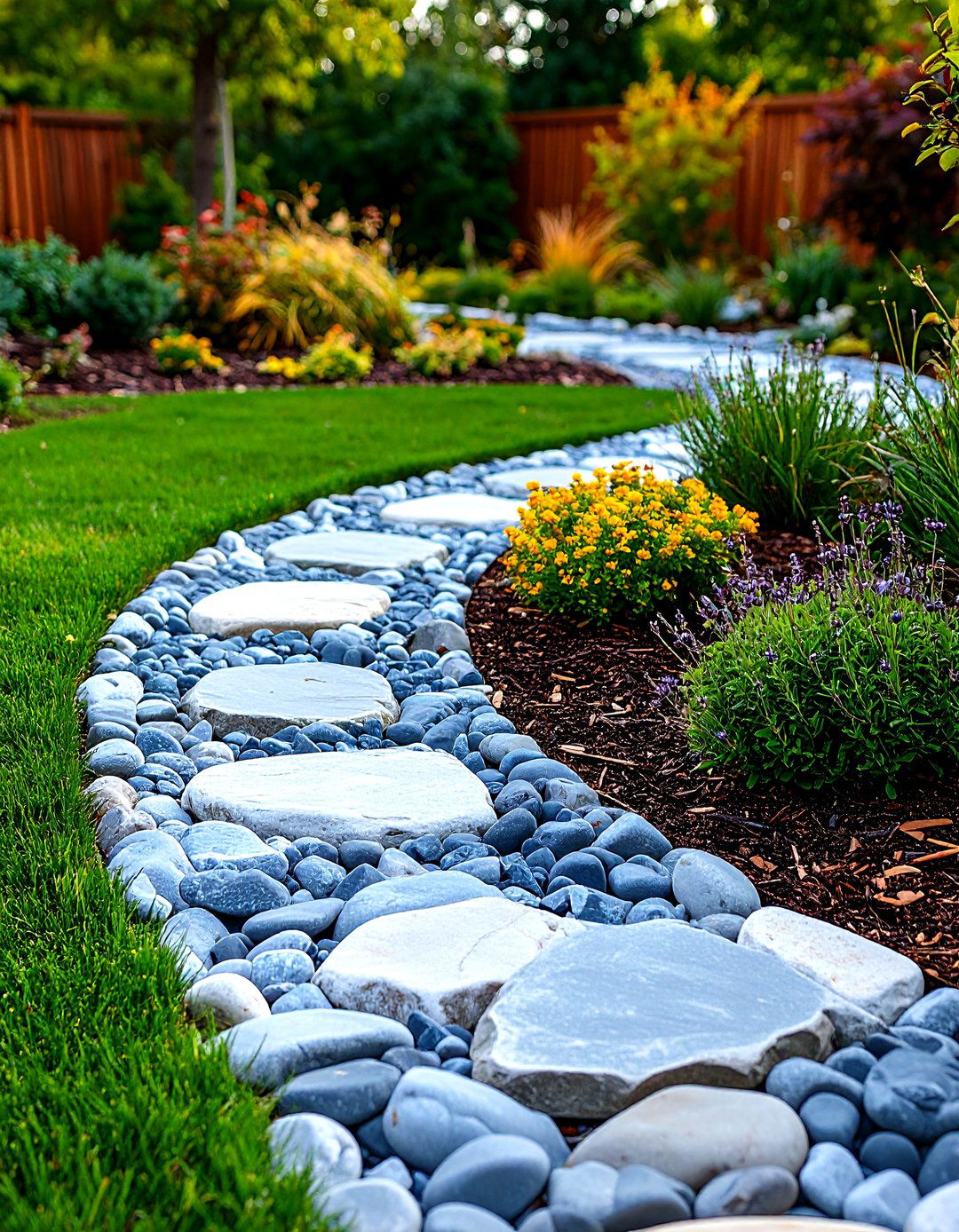
Using smooth, rounded river rocks to create a border is a simple yet effective way to add a natural, gentle edge to garden beds, pathways, or ponds. These stones come in a wide range of sizes and colors, allowing you to create a border that is subtle or bold. A multi-layered, mounded border of larger river rocks can also function as a low retaining wall on a gentle slope. This rock landscaping technique is easy to install and helps keep mulch and soil contained while preventing grass from encroaching, providing a clean and organic-looking transition in your yard.
18. Rock Landscaping Spiral Herb Garden

A spiral herb garden built from rocks is a beautiful and efficient way to grow a variety of herbs in a small space. The spiral shape, constructed by coiling a low, dry-stacked stone wall, creates multiple microclimates. The top of the spiral will be sunnier and drier, perfect for herbs like rosemary and thyme, while the lower, more shaded base will retain more moisture, suiting plants like mint and parsley. The rock landscaping structure not only looks stunning but also provides excellent drainage and makes harvesting your herbs easy and accessible from all sides.
19. Layered Rock Landscaping on a Slope

Transform a challenging hillside or slope into a stunning, multi-level garden by using layered rock landscaping. By creating terraces with stone retaining walls, you can turn an unusable incline into a series of flat, plantable areas. Use large, flat stones for the walls to ensure stability, and vary the height and depth of each terrace to create visual interest. Plant a mix of cascading plants that will spill over the rock walls, upright shrubs for structure, and colorful perennials for seasonal appeal. This approach not only solves erosion problems but also creates a beautiful and productive tiered garden.


20. White Marble Chip Rock Landscaping
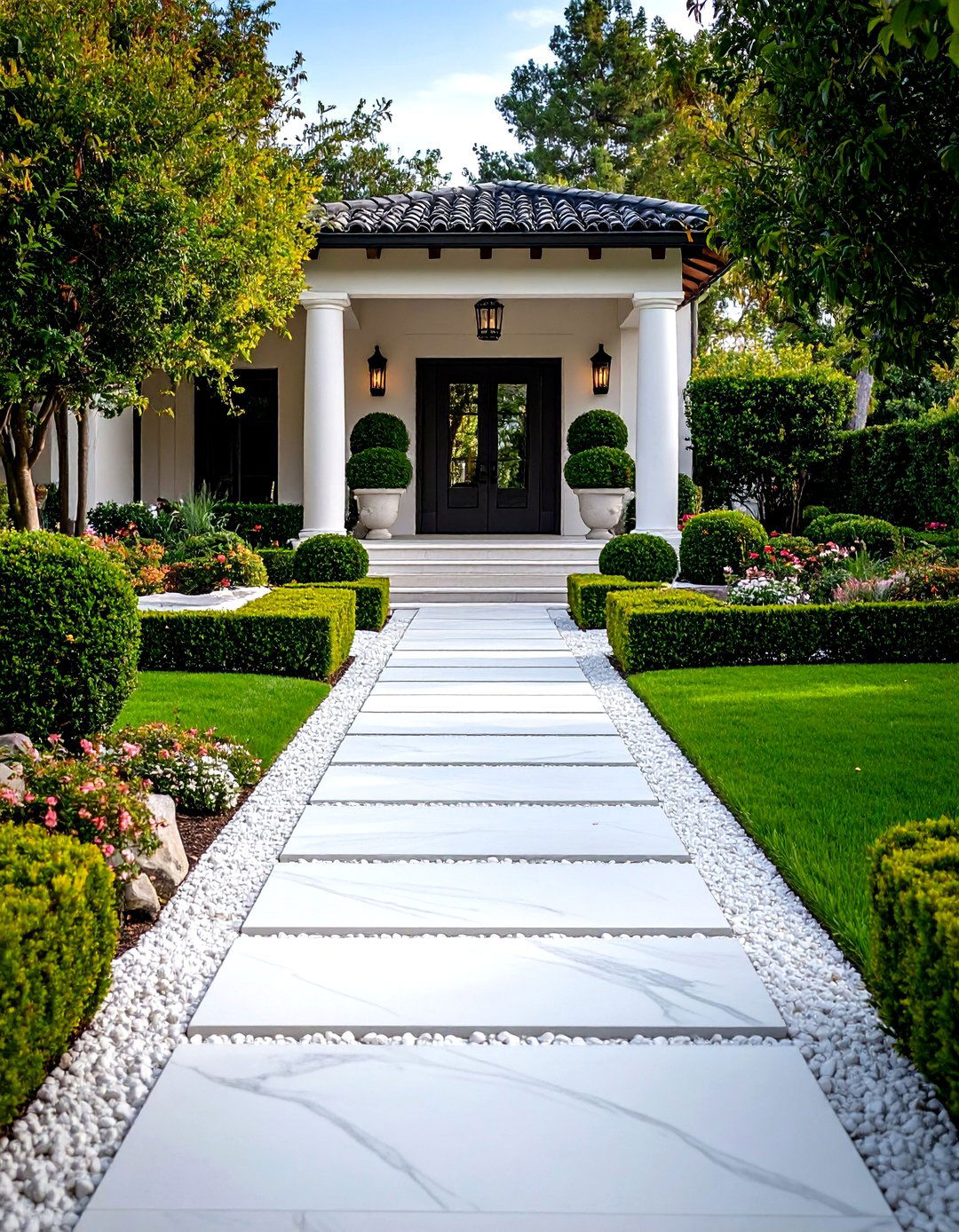
For a clean, bright, and luxurious look, consider using white marble chips as a ground cover in your landscape. These brilliant white stones reflect sunlight, which can help keep the soil cool underneath and brighten up shady corners of your yard. They create a high-contrast, formal appearance that is perfect for modern or Mediterranean-style gardens. Use them in pathways, patios, or as a decorative mulch around feature plants or sculptures. This type of rock landscaping provides a sophisticated and elegant finish that makes a bold, polished statement in any outdoor space.
21. Rock Landscaping with Ornamental Grasses
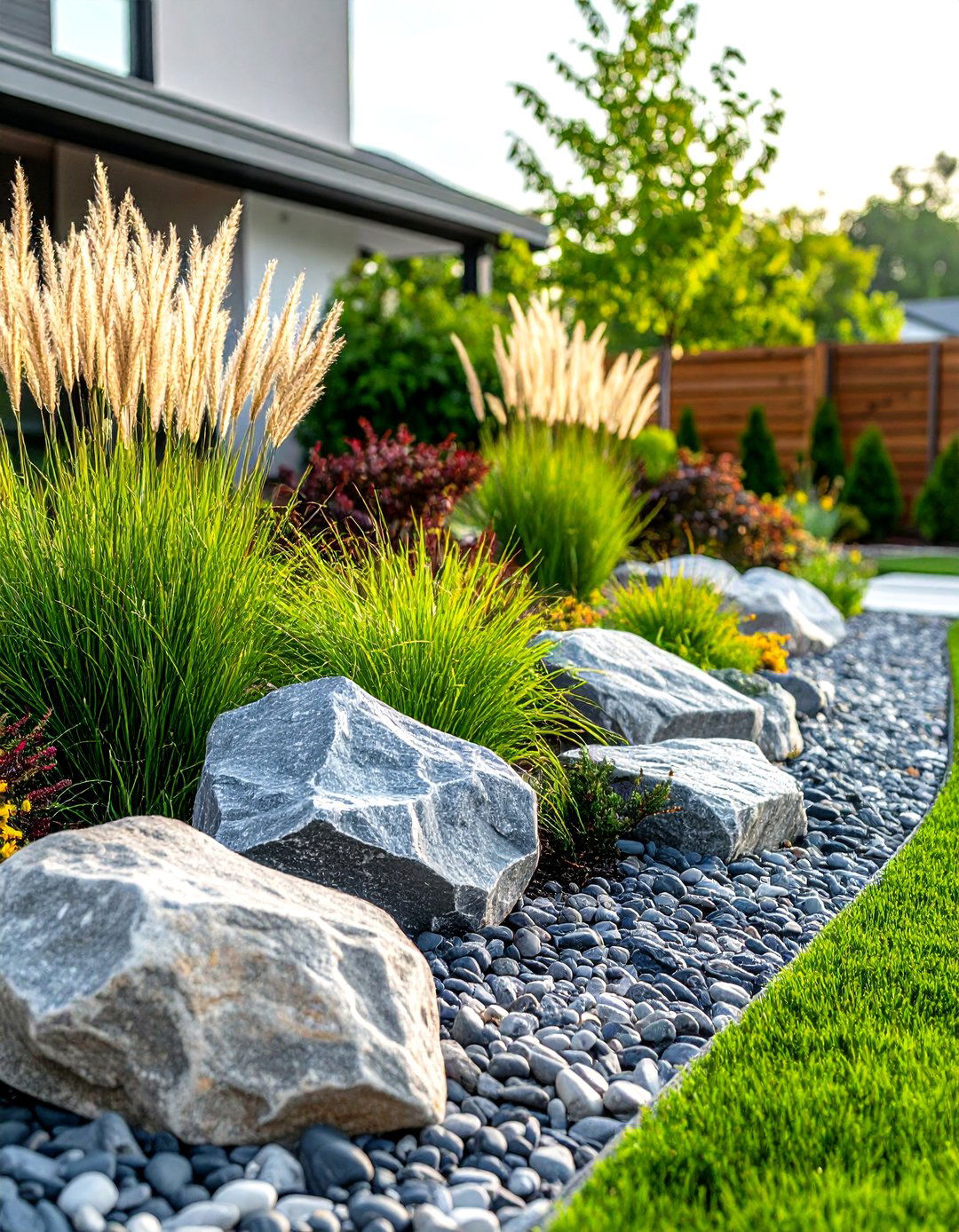
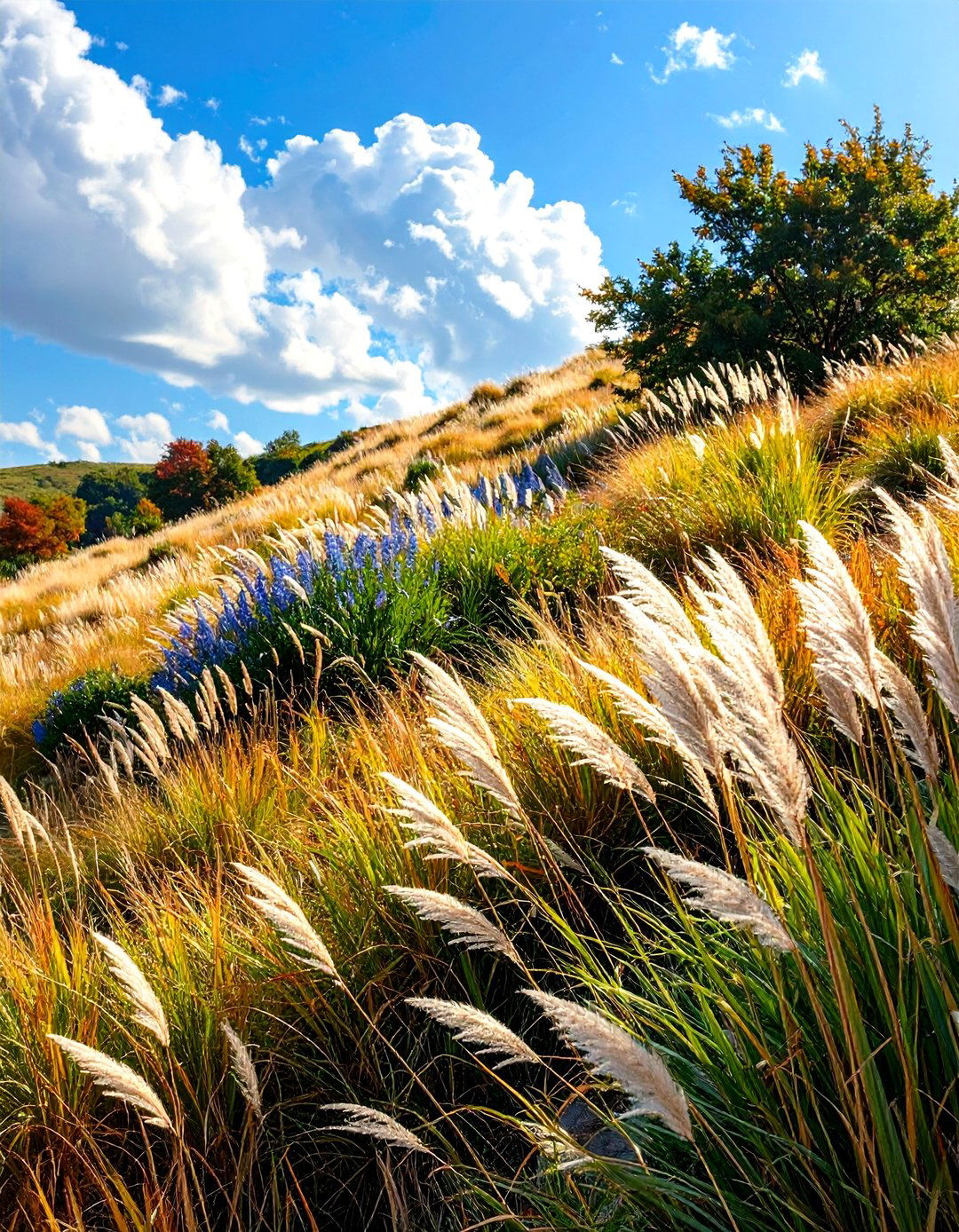
Combining the rigid, solid forms of rocks with the soft, flowing textures of ornamental grasses creates a landscape of beautiful contrasts and movement. The upright or arching habits of grasses like fountain grass, switchgrass, or blue fescue soften the hard edges of boulders and stone pathways. This pairing is particularly effective in modern and minimalist designs, where the simple color palette and focus on texture can shine. Most ornamental grasses are drought-tolerant and low-maintenance, making them a perfect companion for a water-wise rock landscaping plan that offers year-round visual interest as the grasses change with the seasons.
22. Creating a Rock Landscaping Rain Garden

A rain garden is a shallow depression designed to temporarily hold and soak in rainwater runoff from roofs, driveways, or lawns. Building it with rock landscaping elements makes it both functional and beautiful. Use larger river rocks and boulders to line the basin and channel the flow of water, which helps prevent erosion. Fill the main area with a mix of soil, compost, and gravel to improve drainage. Plant water-loving native plants and grasses that can tolerate both wet and dry conditions. This sustainable landscaping feature helps manage stormwater, filters pollutants, and creates a unique habitat.
23. Modern Minimalist Rock Landscaping

Modern minimalist rock landscaping focuses on clean lines, simple forms, and a neutral color palette. This style often features geometric layouts, such as straight pathways made from concrete pavers or slate tiles, surrounded by a uniform ground cover of dark gravel or black river rocks. A single, strikingly shaped boulder or a simple metal sculpture can serve as the sole focal point. Planting is sparse and deliberate, often featuring architectural plants like agaves or ornamental grasses. The goal is to create a serene, uncluttered space that emphasizes form, texture, and the elegant simplicity of natural materials.
24. Desert Scape Rock Landscaping

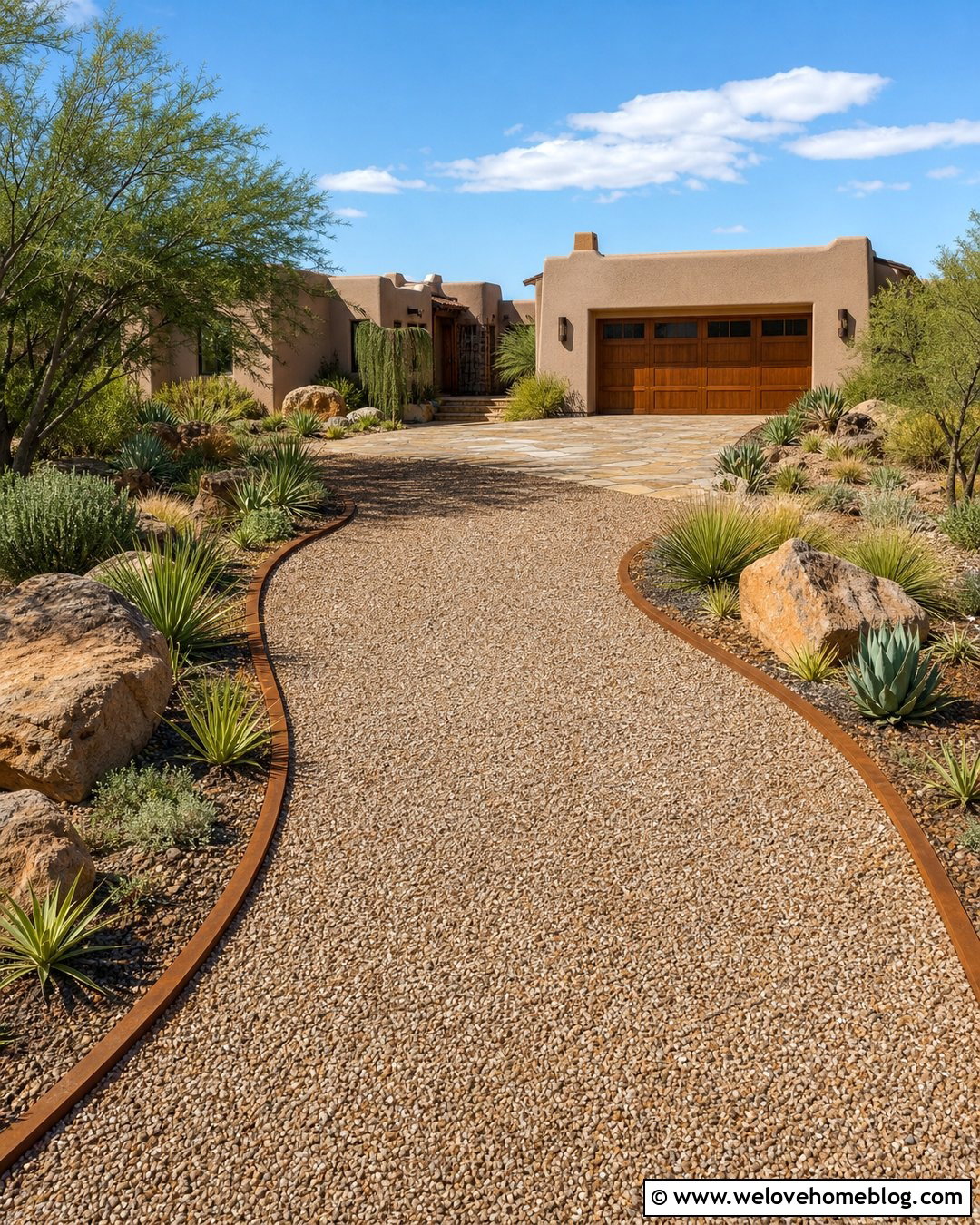
A desert scape, or xeriscape, is a style of rock landscaping that mimics the natural beauty of arid environments and is designed to conserve water. This design relies heavily on gravel, sand, and decomposed granite as ground cover, punctuated by rugged boulders and heat-loving plants like cacti, yuccas, and agave. The key is to create a naturalistic layout that avoids straight lines and uniform patterns. Incorporating a dry creek bed or mounding the soil to create small berms adds authenticity and dimension. This approach creates a stunning, resilient landscape that thrives in hot, dry climates.
25. Coastal Rock Landscaping with Driftwood

Capture the serene, windswept beauty of the coast by combining rock landscaping with driftwood accents. Use a base of sand-colored gravel or smooth, light-colored river stones to evoke the feeling of a beach. Intersperse larger, weathered grey boulders that resemble rocks on a shoreline. The key element is the addition of sculptural driftwood pieces, which add a natural, organic touch. Plant salt-tolerant ornamental grasses that will sway in the breeze, along with hardy coastal perennials. This design creates a relaxed, low-maintenance landscape that brings a peaceful, seaside vibe to your home.
26. Rock Landscaping Around a Pool

Using rock landscaping around a swimming pool creates a resort-like atmosphere that is both beautiful and practical. Choose non-slip, heat-resistant stones like travertine or light-colored flagstone for the pool deck to ensure safety and comfort underfoot. Surround the patio with beds of smooth river rocks or lava rock to prevent dirt and grass from getting into the pool. Large boulders can be integrated into the design to create naturalistic waterfalls cascading into the water or to provide informal seating areas. This approach results in a clean, sophisticated, and low-maintenance poolside oasis perfect for relaxation and entertaining.
27. Illuminated Rock Landscaping with Lighting

Strategic lighting can dramatically transform your rock landscaping after the sun goes down, highlighting textures and creating an enchanting ambiance. Use uplighting to showcase the unique shapes of large boulders or the delicate foliage of a feature plant. Path lights can be installed along stepping stone walkways for safety and to guide the eye through the garden. Low-voltage LED lights tucked within the rocks of a waterfall or dry creek bed can create a magical, shimmering effect. Well-placed illumination adds depth, drama, and security, allowing you to enjoy the beauty of your rockscape 24 hours a day.
28. Rock Landscaping with Native Plants

Integrating native plants into your rock landscaping creates a sustainable, low-maintenance garden that supports local wildlife. Native plants are already adapted to your region's climate, soil, and rainfall, so they require less water and care once established. Choose a variety of native perennials, shrubs, and grasses that will thrive in the well-drained conditions of a rock garden. The rocks help to conserve moisture in the soil and provide a natural-looking backdrop. This ecological approach to landscaping results in a resilient, beautiful garden that is in harmony with its surrounding environment and provides food and shelter for pollinators.
29. Creating Patterns with Colored Rock Landscaping
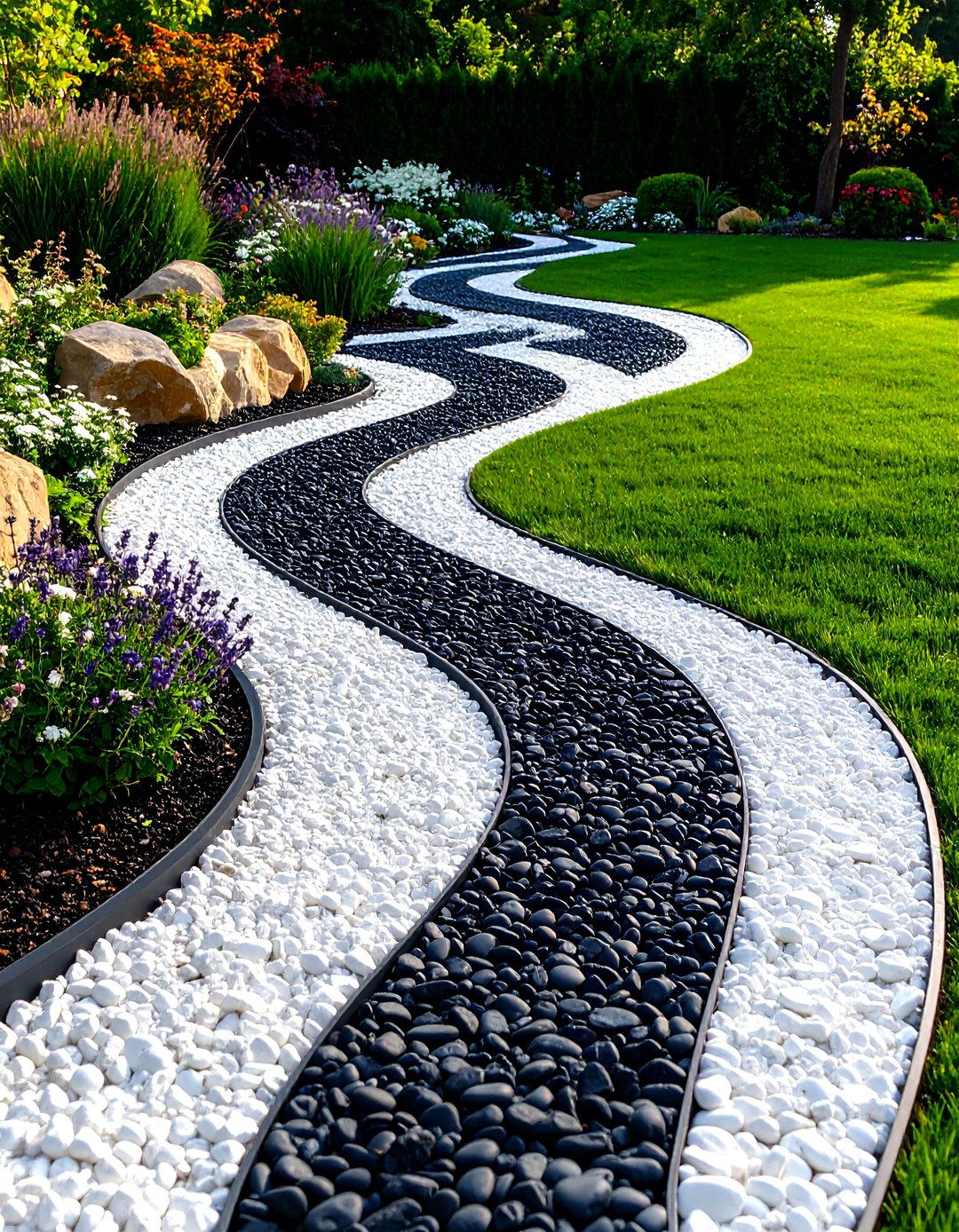
Move beyond a single-color ground cover by using different colored rocks to create intricate patterns or designs. You can use contrasting colors, like black and white gravel, to create checkerboards, spirals, waves, or mosaic-style images within a garden bed or pathway. This technique allows for a high degree of creativity and can turn a flat area into a work of art. Use durable metal or plastic edging, sunk just below the surface, to keep the different colored rocks separated and the lines of your design crisp and clean. This approach to rock landscaping adds a unique, personalized, and artistic touch.
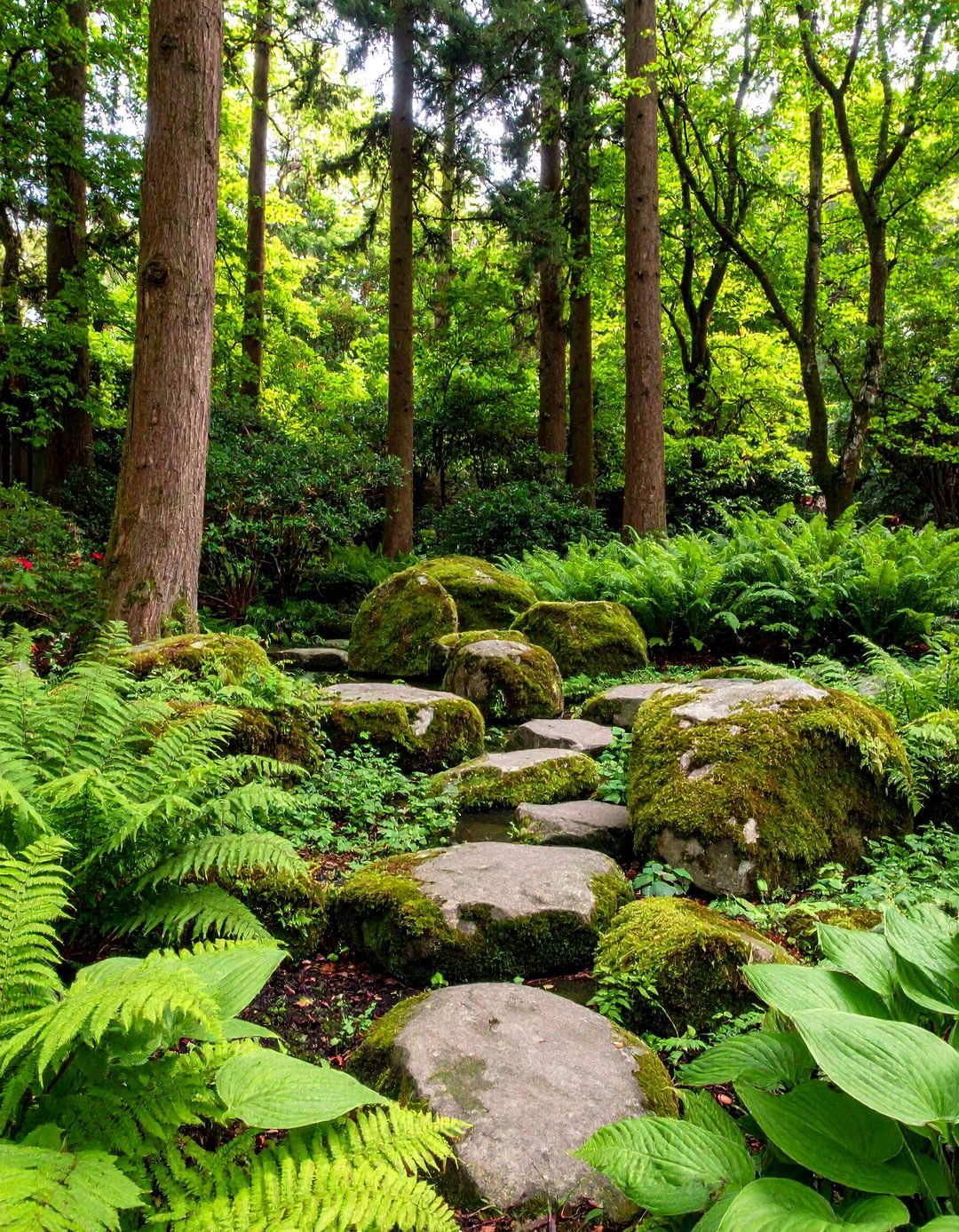
30. Mossy Rock Landscaping for Shady Areas

For shady, damp areas of your yard where grass struggles to grow, creating a mossy rock landscape can result in a lush, green, and tranquil retreat. Use large, porous, and weathered-looking boulders and stones, arranging them to create a natural, woodland feel. Encourage moss to grow on the rocks by creating a buttermilk or yogurt slurry and painting it onto the stone surfaces in shaded, moist spots. You can also transplant patches of moss from other areas. Complement the scene with shade-loving plants like ferns, hostas, and hellebores to complete your serene, forest-floor-inspired garden.
Conclusion:
Rock landscaping offers an incredibly versatile and enduring solution for any outdoor space. From functional retaining walls and serene Zen gardens to vibrant succulent beds and modern minimalist designs, the possibilities are nearly endless. By thoughtfully combining different sizes, colors, and textures of stone with carefully chosen plants, you can craft a low-maintenance, water-wise, and visually stunning landscape. These ideas showcase how rocks can serve as the fundamental building blocks for creating a yard that is not only beautiful but also sustainable and full of personal character, enhancing your home's appeal for years to come.

Related posts:



Leave a Reply