
Landscaping over a septic tank system requires careful planning to ensure both beauty and functionality. The primary goal is to create an attractive garden space without compromising the integrity of the underground components, such as the tank, pipes, and drain field. By choosing appropriate plants and design elements, you can successfully disguise access lids and integrate the septic area seamlessly into your yard. This approach avoids costly damage from deep roots or heavy structures while enhancing your property's overall appeal. Thoughtful design ensures the system remains accessible for maintenance while transforming a utility space into a beautiful landscape feature.

1. Shallow-Rooted Wildflower Meadow
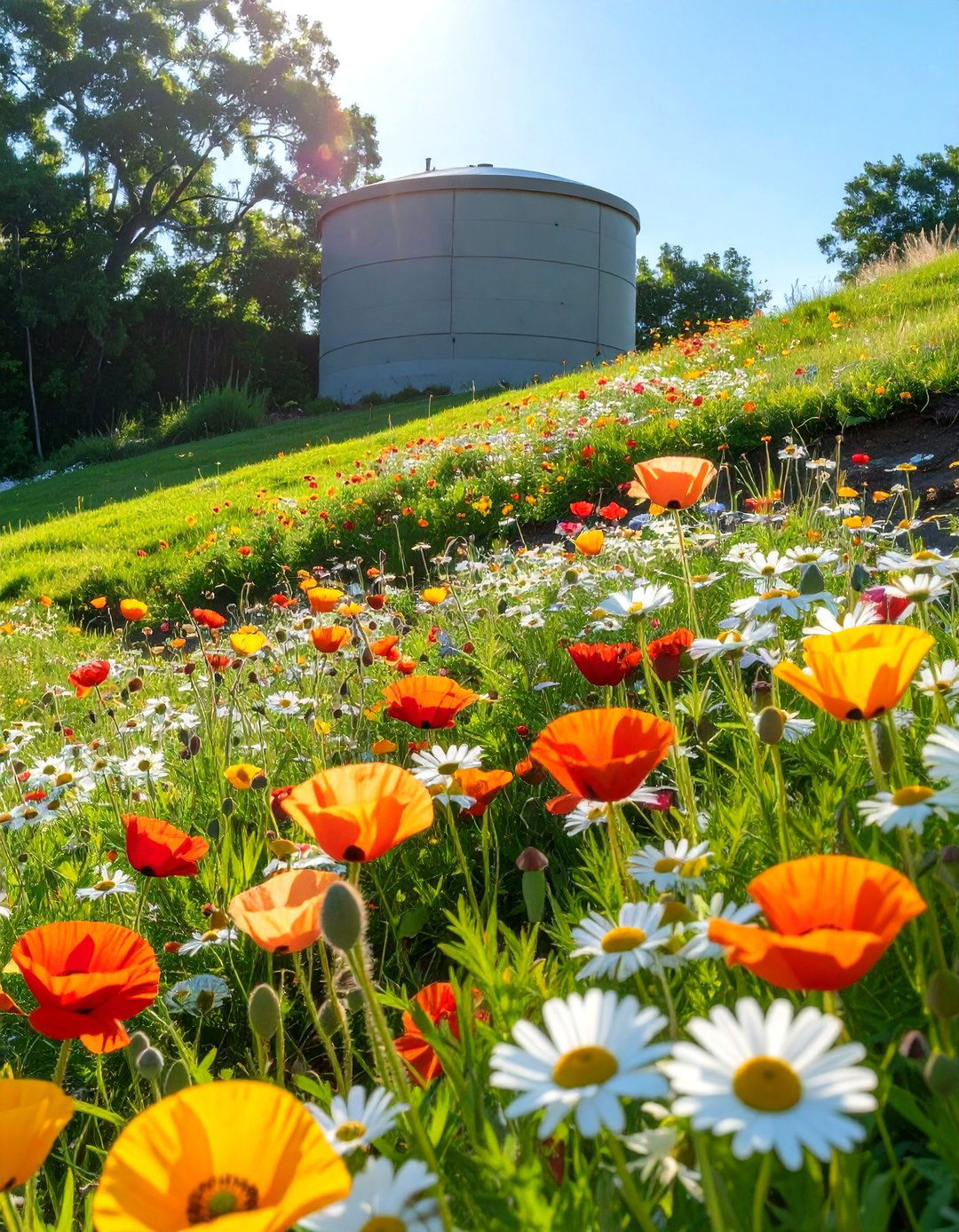
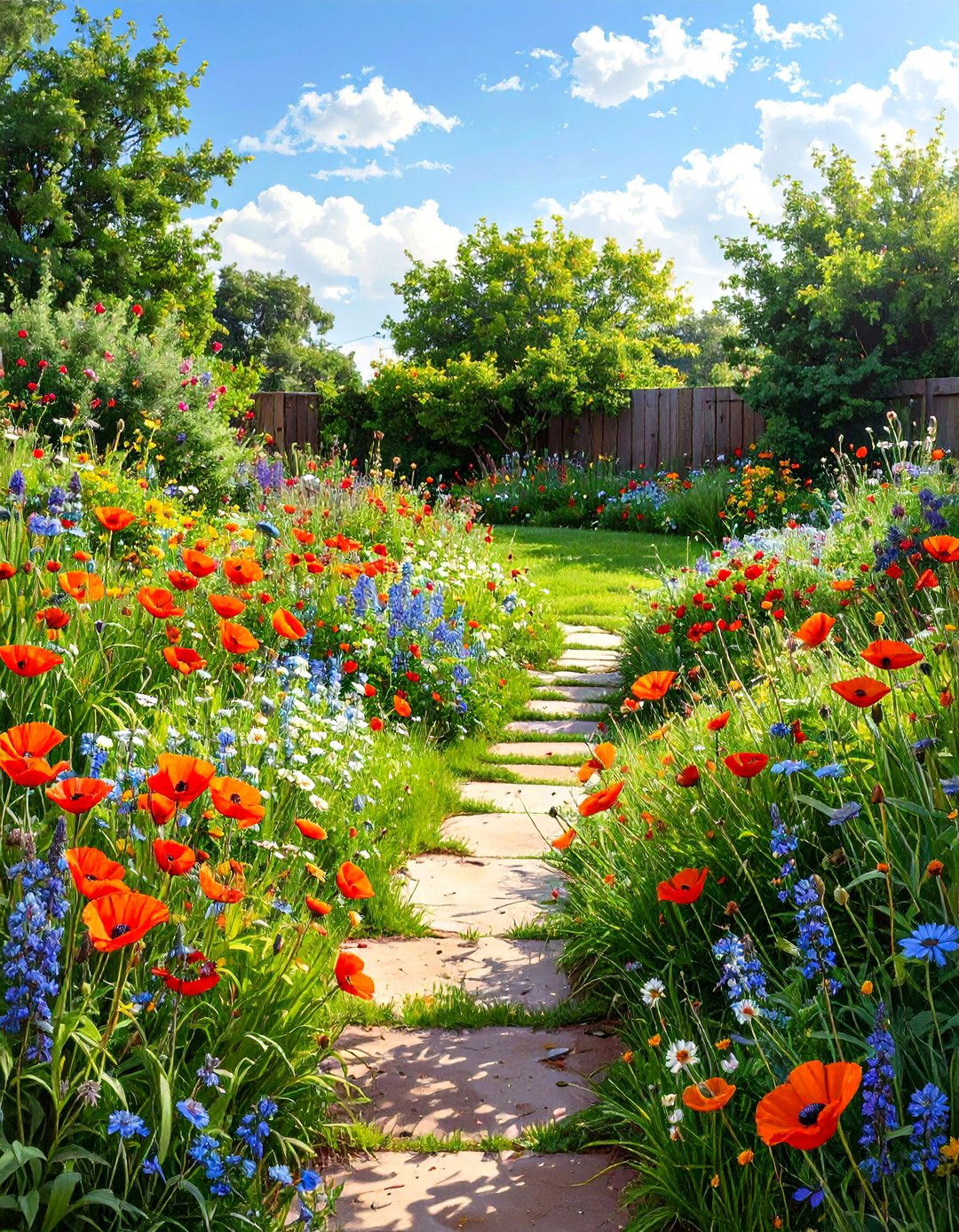
A wildflower meadow is a beautiful, low-maintenance solution for covering a septic drain field. By sowing a mix of native wildflowers with shallow root systems, you create a vibrant, naturalistic display that attracts pollinators like bees and butterflies. Species such as poppies, cornflowers, and daisies are excellent choices as their roots won't interfere with the underground pipes. This approach requires minimal watering once established and avoids the need for heavy equipment that could compact the soil over the drain field. It’s a dynamic, ever-changing garden that blends seamlessly with the surrounding landscape while keeping the septic system safe and accessible.
2. Ornamental Grass Garden Bed
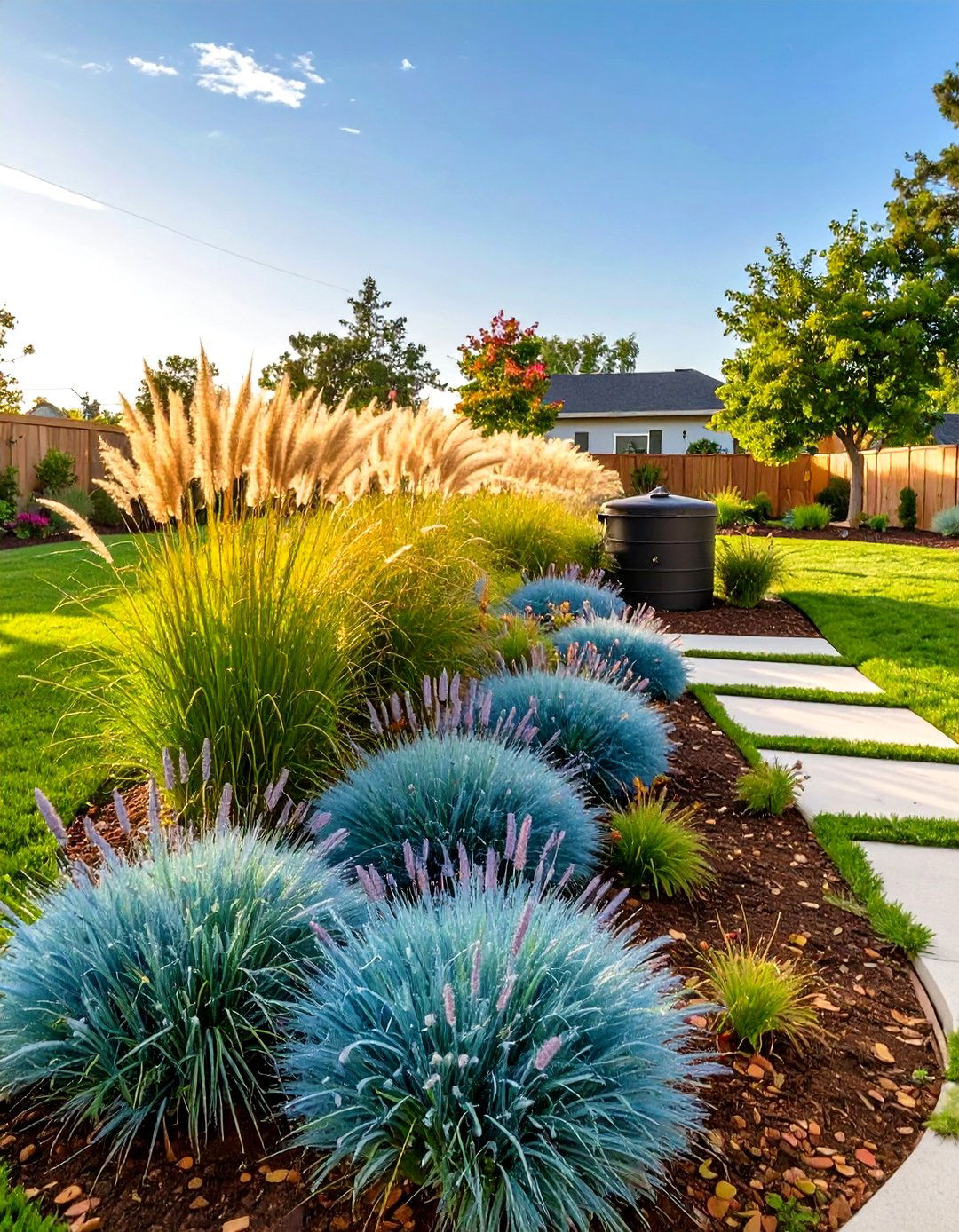
For a modern and textured look, consider planting a garden of ornamental grasses over your septic area. Varieties like fountain grass, blue fescue, or sedge have fibrous, non-invasive root systems that pose no threat to the septic components. These grasses offer year-round interest, with varying heights, colors, and plumes that sway gracefully in the wind. They are drought-tolerant and require little upkeep, making them an ideal choice for a sensitive area. Grouping different types together creates a visually striking, contemporary design that effectively conceals the septic field while adding movement and elegance to your yard.
3. Low-Growing Succulent Patch
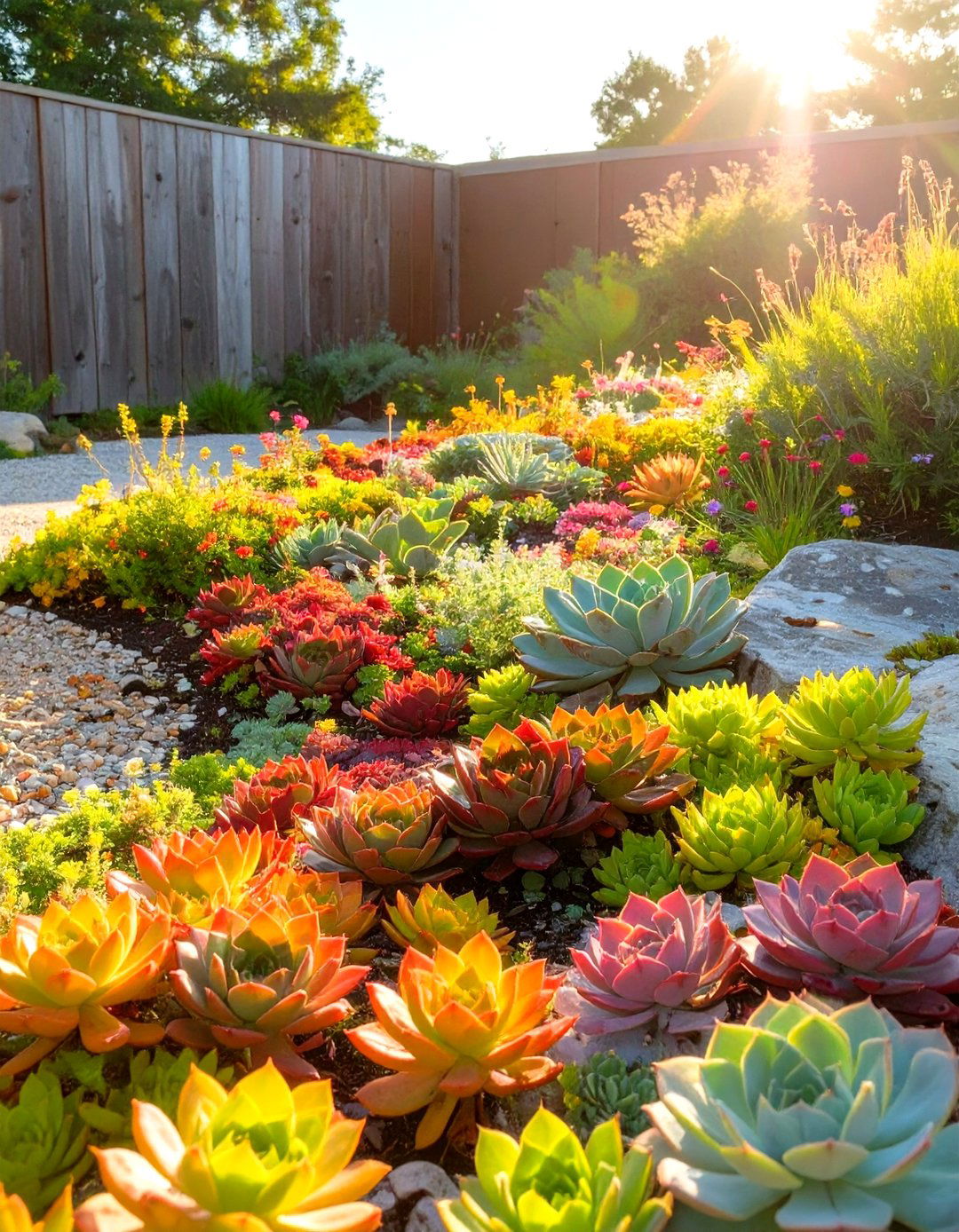
A succulent patch offers a unique, drought-resistant option for landscaping over a septic tank. Succulents like sedums and sempervivums have extremely shallow roots and thrive in the well-drained soil often found above a drain field. Their diverse shapes, textures, and colors create a fascinating, carpet-like ground cover that is both stylish and practical. This type of garden requires very little water or maintenance, preventing soil saturation over the septic system. It's a perfect solution for sunny, dry areas, providing a modern and water-wise design that protects the underground infrastructure from any potential damage.
4. Raised Garden Beds Around the Perimeter
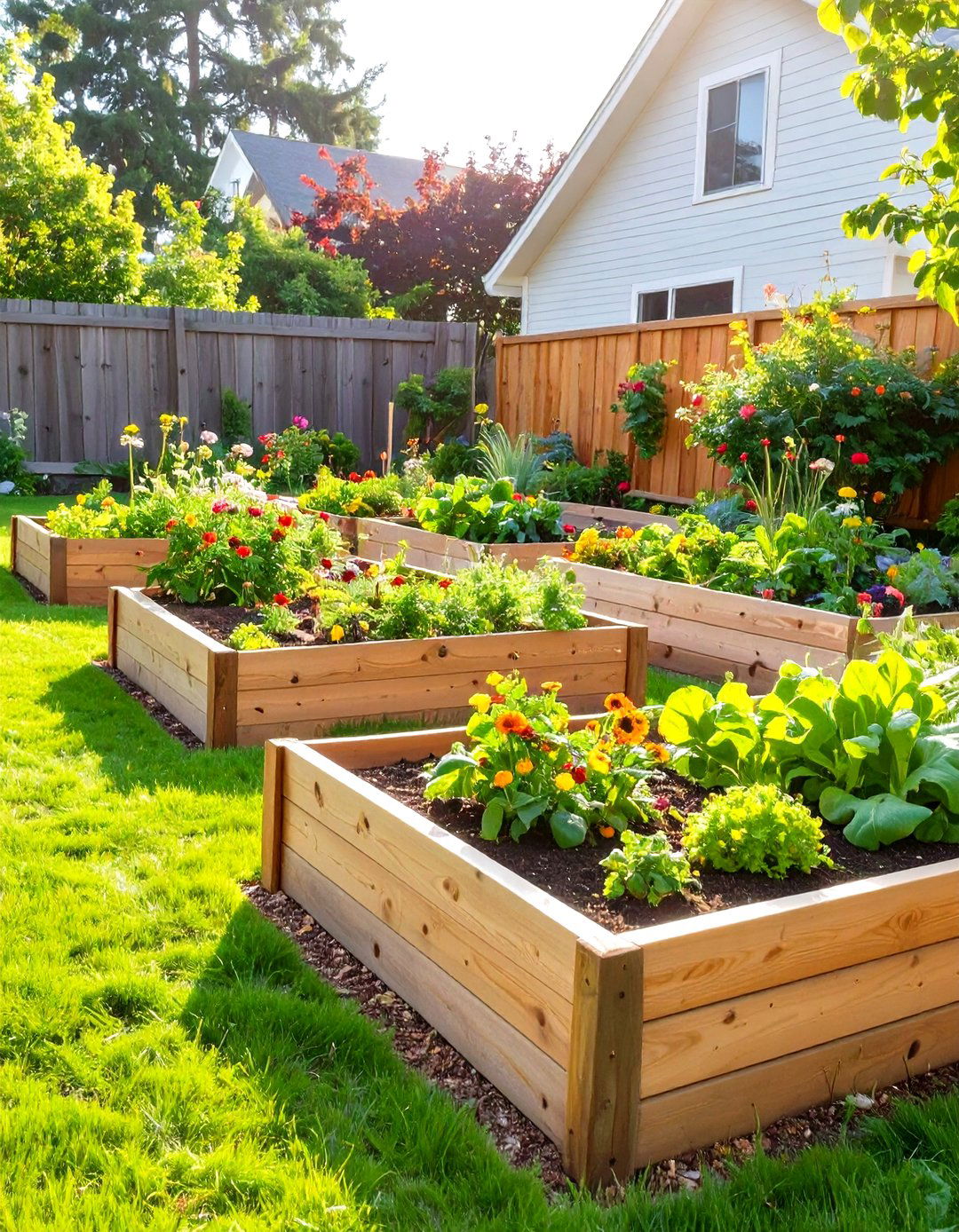
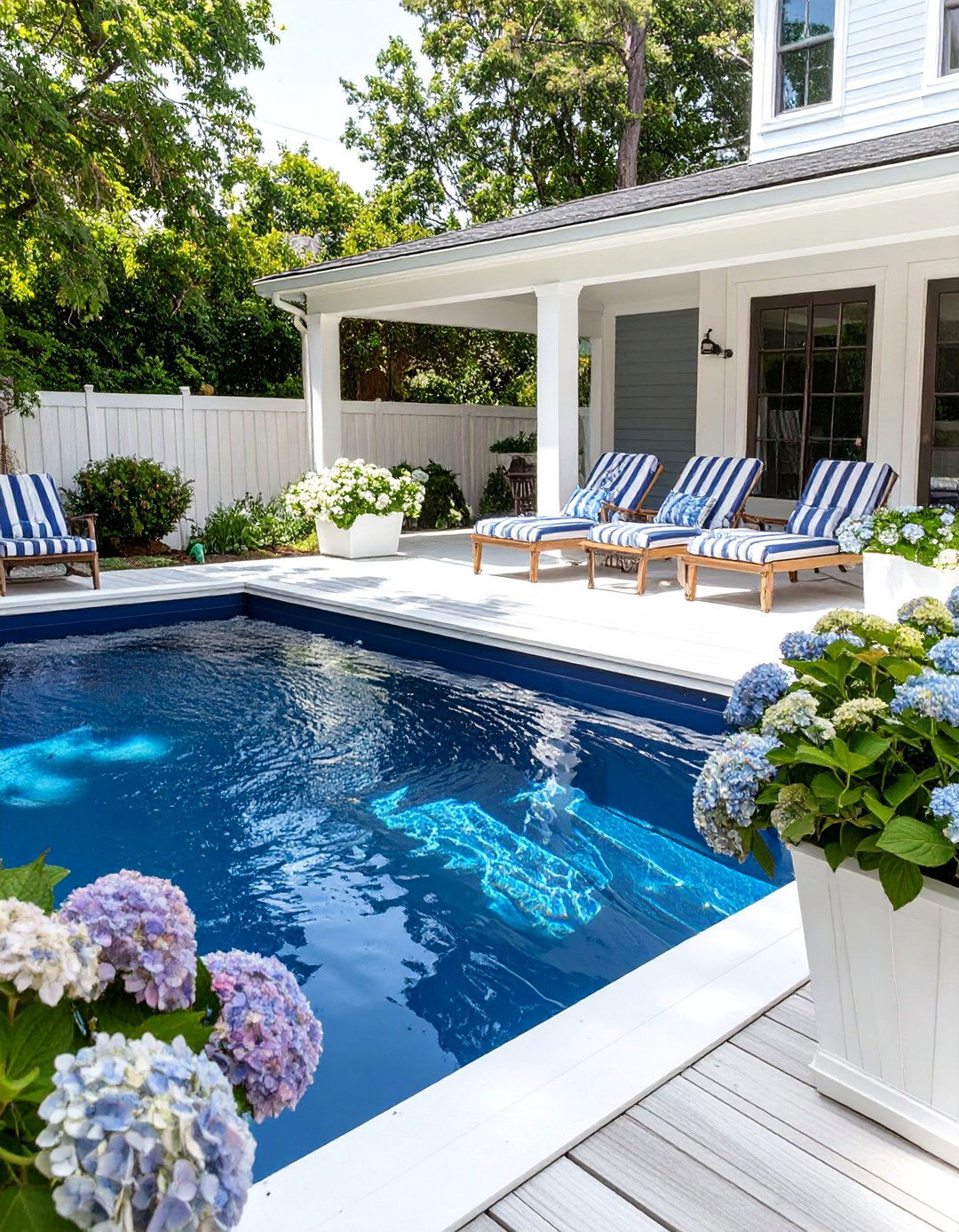
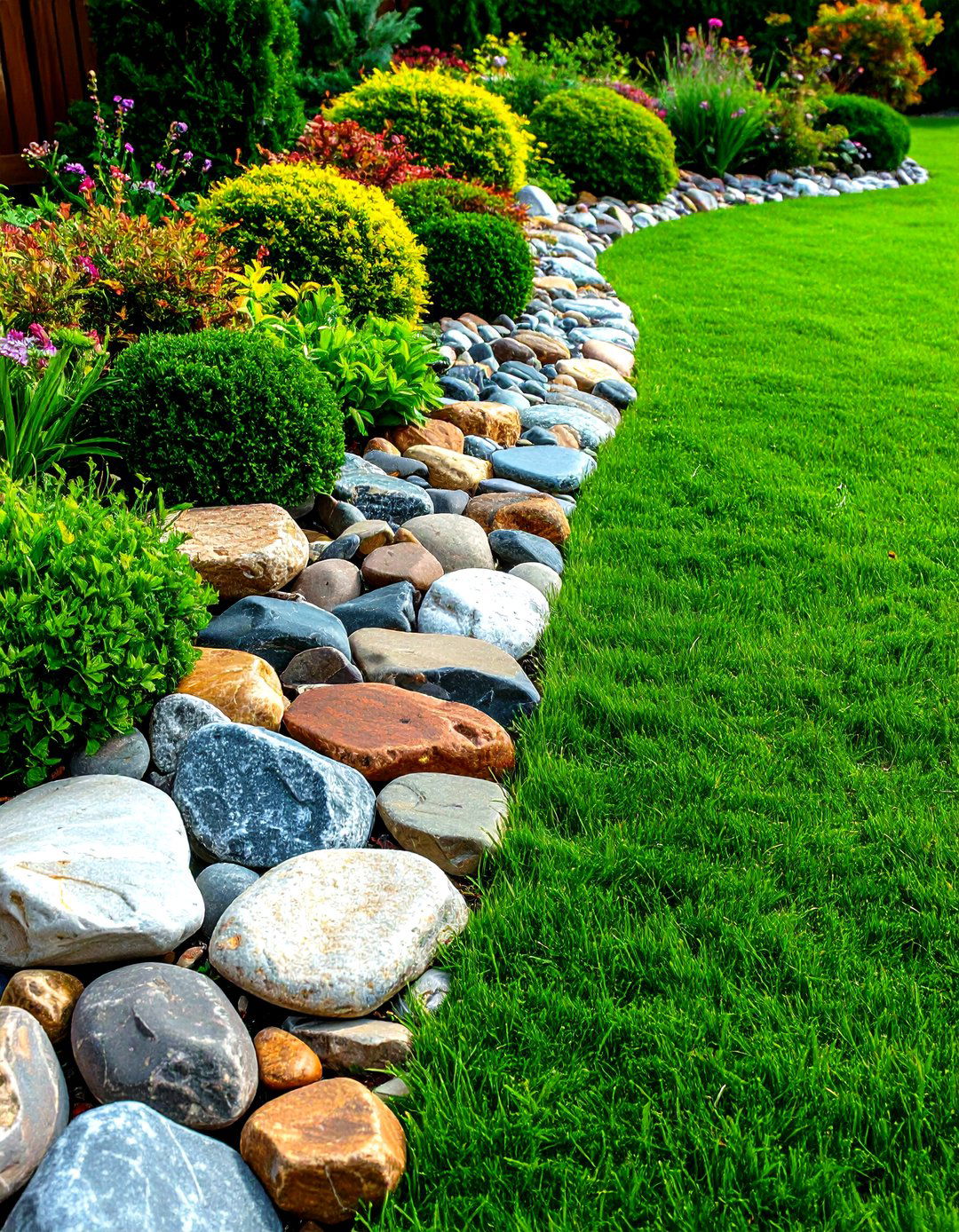
To enjoy gardening without risking your septic system, build raised beds around the perimeter of the drain field, not directly on top of it. This strategy allows you to grow a wide variety of plants, including vegetables and flowers with deeper roots, without any danger to the underground pipes. Using materials like wood, stone, or metal for the beds clearly defines the no-go zone of the septic area while adding structure and dimension to your garden. The area over the drain field itself can then be covered with grass or shallow-rooted ground cover, keeping it protected and accessible.
5. Gravel and Stone Rock Garden
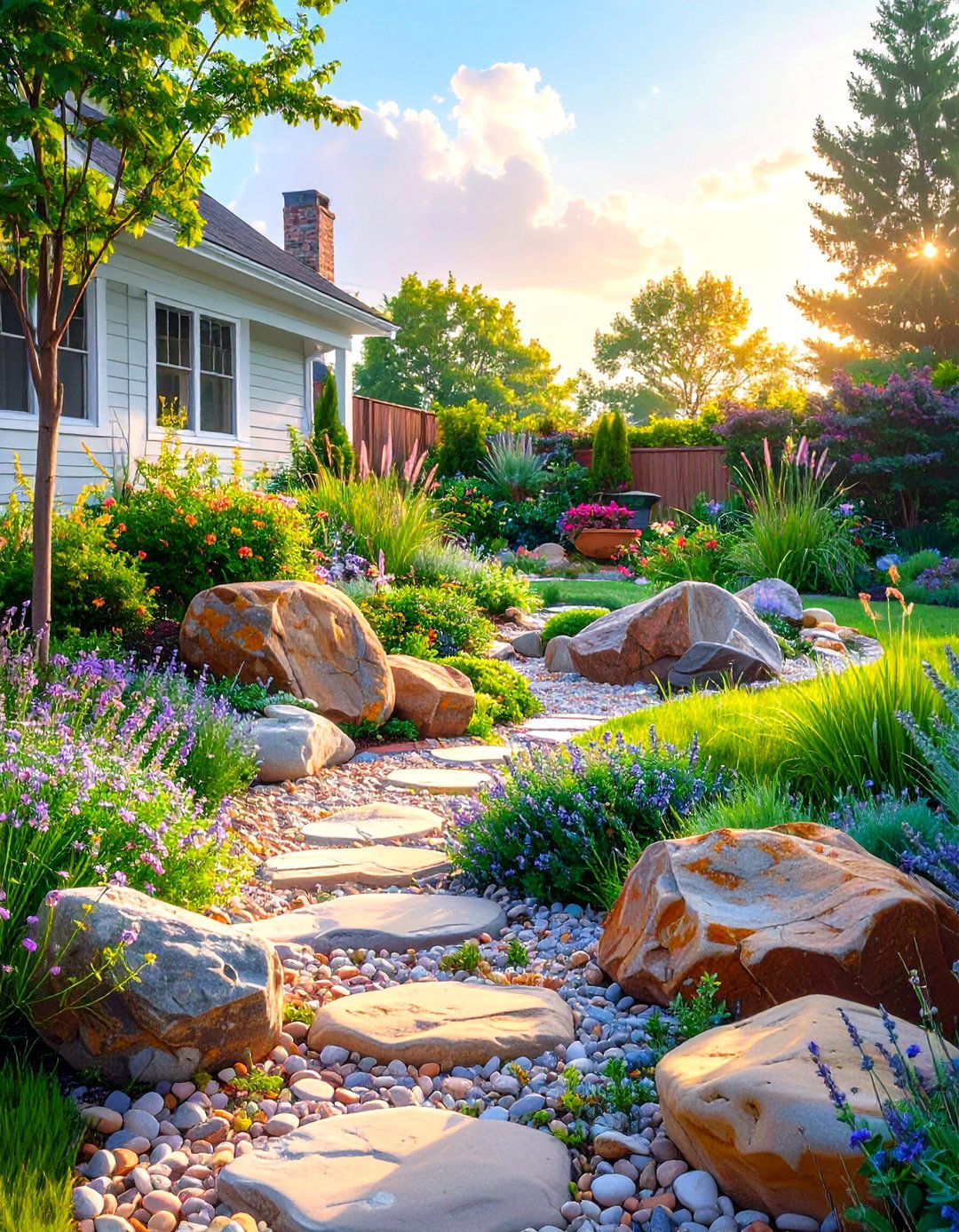
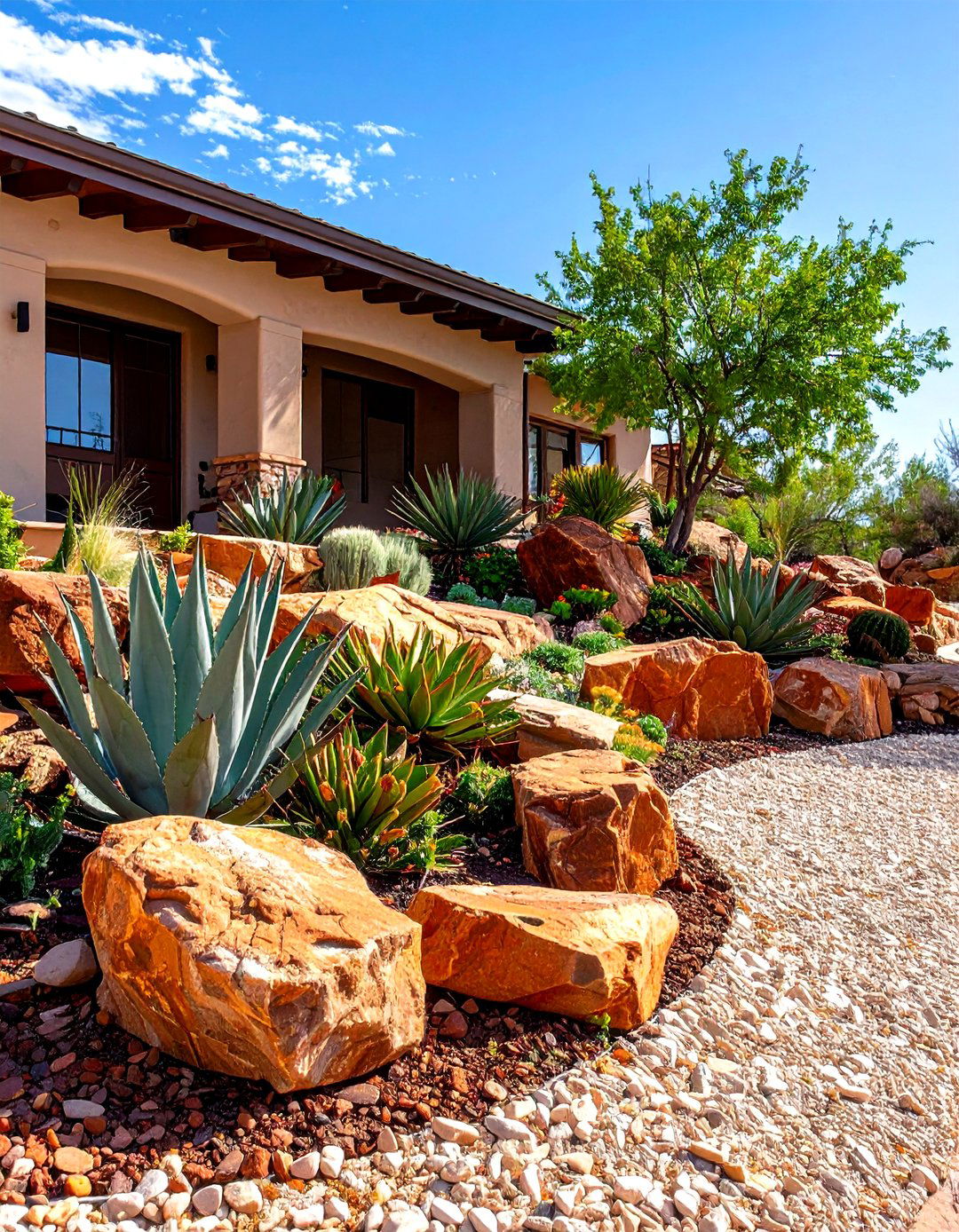
A rock garden is an excellent way to landscape over a septic tank lid or a small portion of the drain field. Using a combination of lightweight gravel, river stones, and a few larger, carefully placed decorative rocks, you can create a stylish, low-maintenance feature. Incorporate drought-tolerant, shallow-rooted alpine plants or creeping thyme between the stones to add touches of green. This design prevents soil compaction, allows for easy access to the tank for maintenance, and adds a rugged, naturalistic texture to your landscape. It’s a durable and attractive solution that requires minimal water and upkeep.
6. Creeping Thyme Lawn Alternative
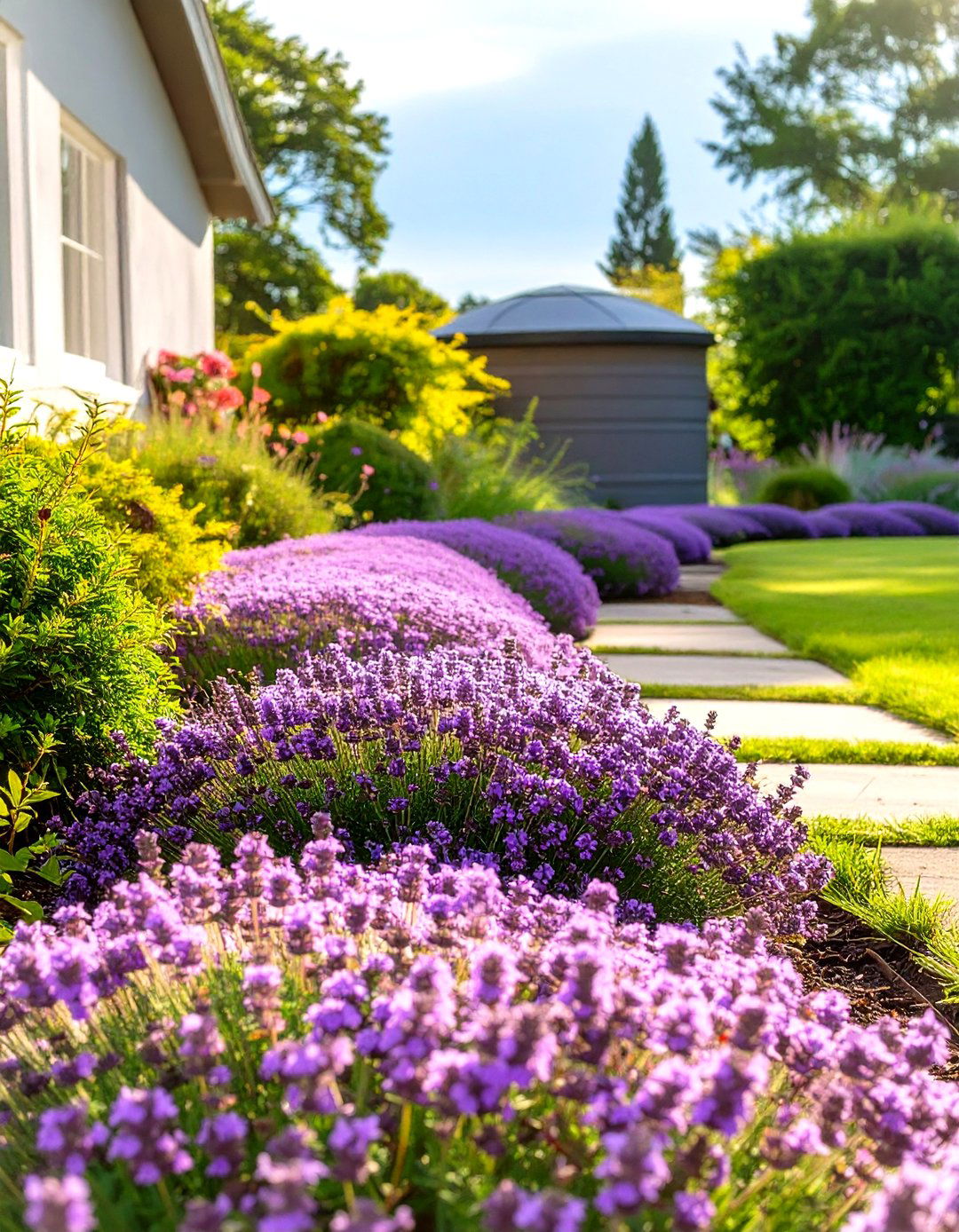
Instead of a traditional grass lawn, consider planting creeping thyme over your septic drain field. This fragrant herb forms a dense, low-growing mat with delicate flowers and a lovely scent when walked upon. Its root system is very shallow and non-aggressive, making it perfectly safe for use over septic systems. Creeping thyme is also drought-tolerant and requires much less mowing and maintenance than conventional turf. It creates a beautiful, pollinator-friendly ground cover that effectively camouflages the area while adding a touch of cottage garden charm and practicality to your landscape design.
7. Mulch Bed with Potted Plants
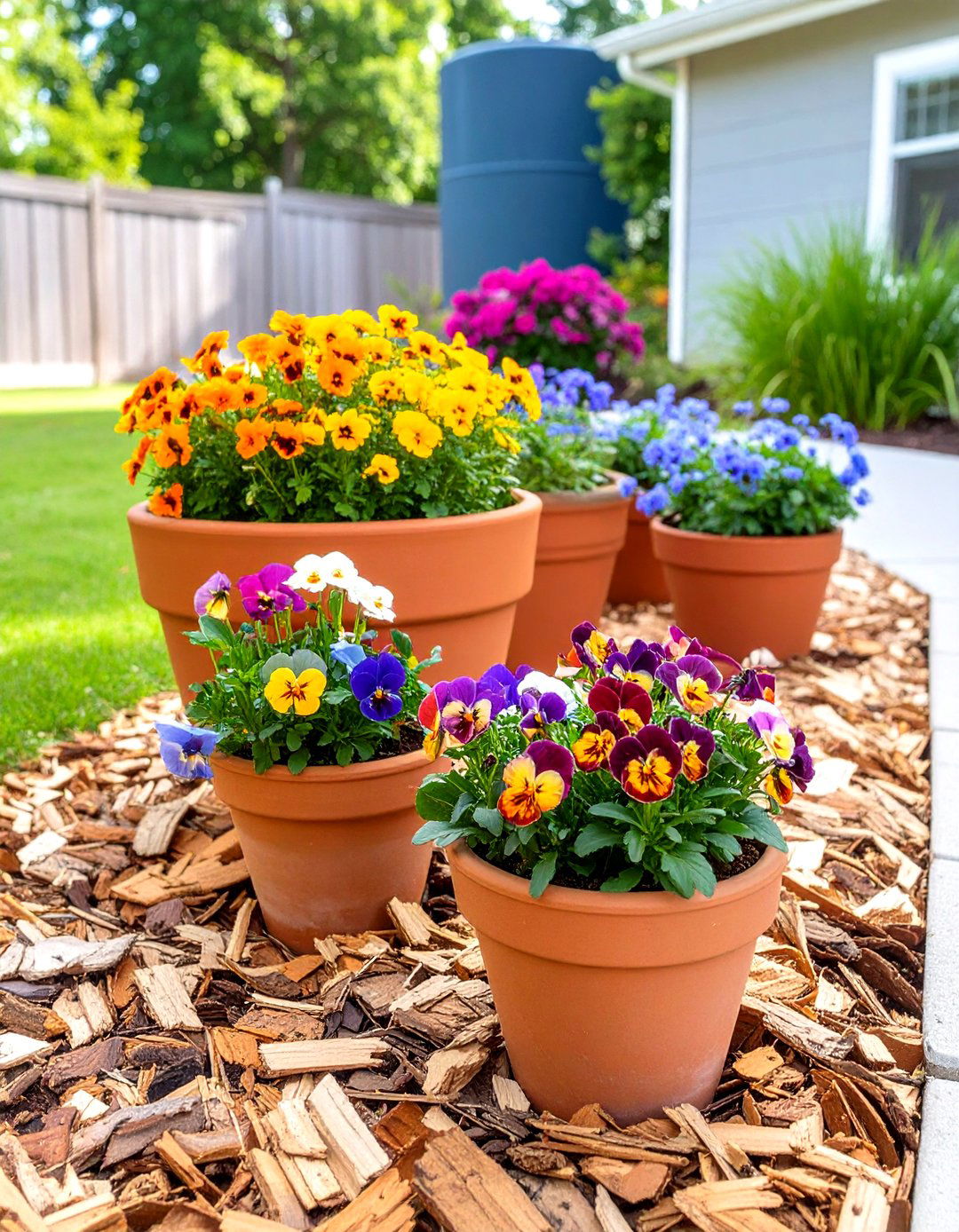
A simple yet effective idea is to cover the septic tank area with a layer of lightweight organic mulch, such as wood chips or shredded bark. This creates a neat, tidy appearance and helps suppress weeds. To add color and life without planting directly into the ground, arrange a variety of potted plants on top of the mulch. This allows you to use any plants you like, regardless of their root depth, as they are contained. The pots can be easily moved when the septic tank needs servicing, making this a flexible and safe landscaping solution.
8. Serpentine Pathway Around the Septic Field
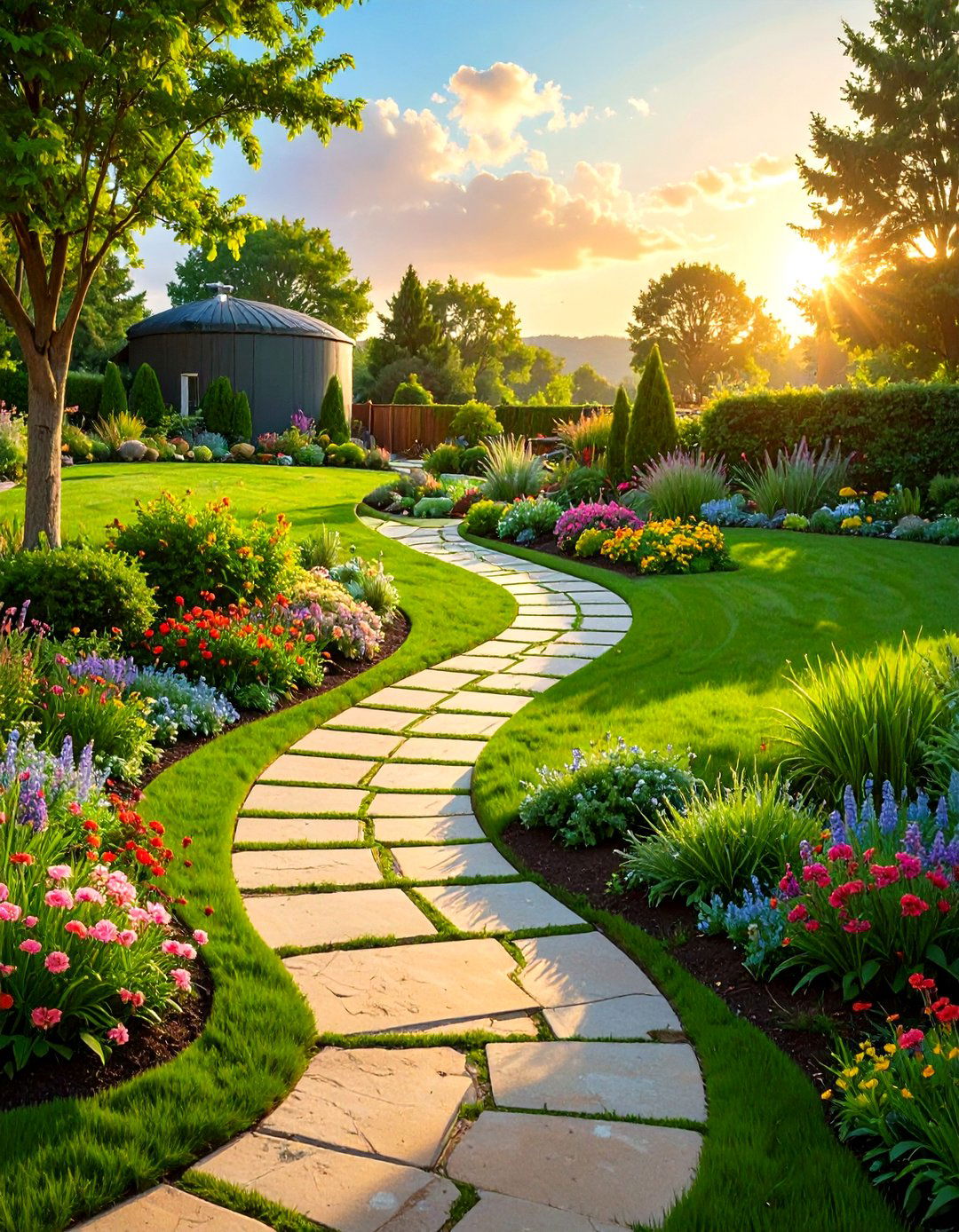
Design a meandering pathway that guides foot traffic around, rather than over, the septic drain field. Using materials like flagstone, gravel, or mulch, you can create a beautiful and functional walkway that leads to other parts of your garden. This not only protects the drain field from soil compaction but also subtly defines the area as off-limits. Planting low-growing, shallow-rooted perennials or ornamental grasses alongside the path helps integrate the design into the rest of your landscape. This approach cleverly makes the septic zone a deliberate part of the garden's journey.
9. Ground Cover of Creeping Phlox
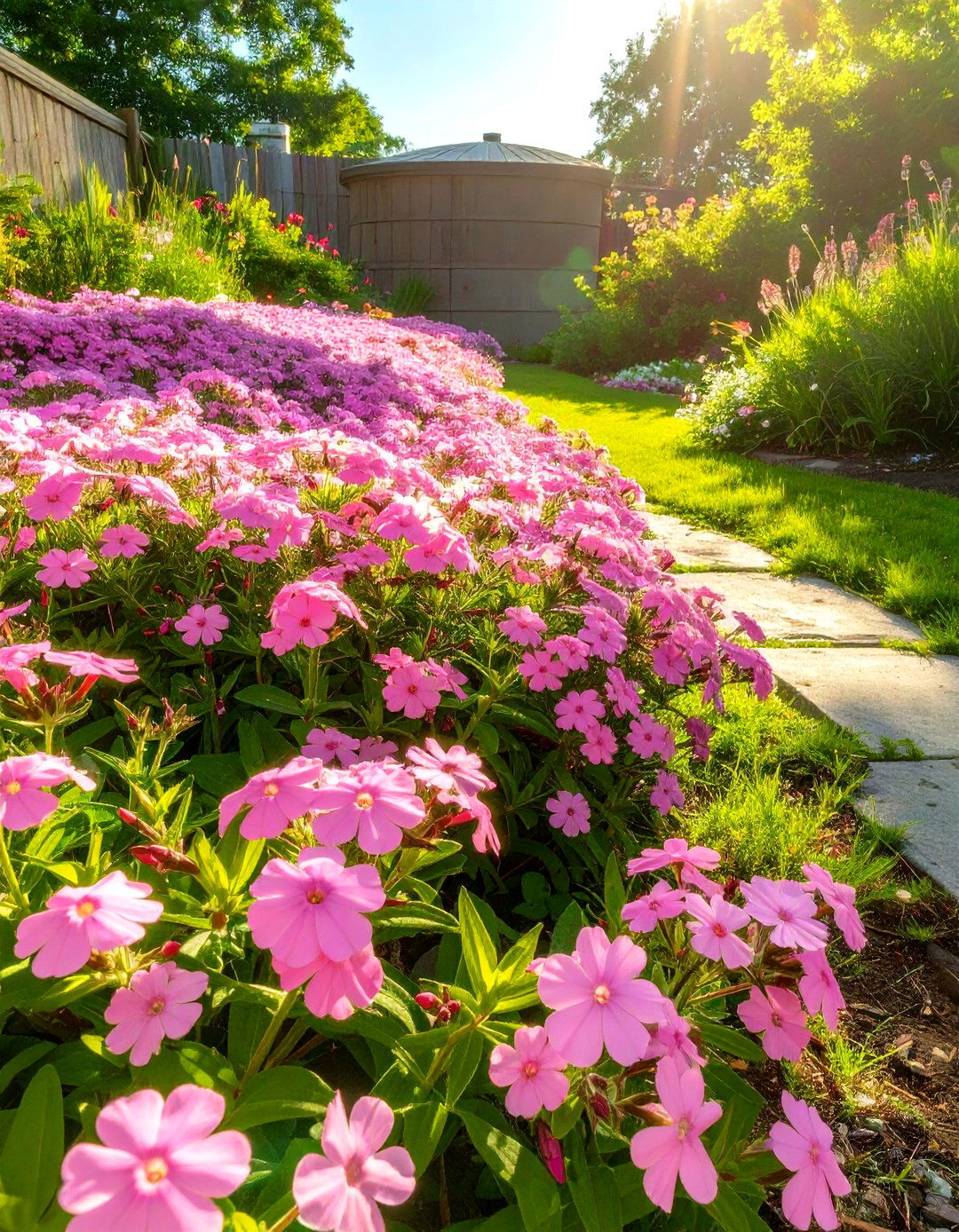
Creeping phlox is a fantastic ground cover for septic areas, producing a breathtaking carpet of colorful flowers in the spring. It grows in a dense, low mat and has a non-invasive, shallow root system that will not interfere with the septic components. This hardy perennial thrives in full sun and well-drained soil, conditions often found over a drain field. Once established, it is drought-tolerant and effectively suppresses weeds. Planting creeping phlox transforms the septic zone into a vibrant, eye-catching feature that requires very little maintenance while protecting the system underneath.

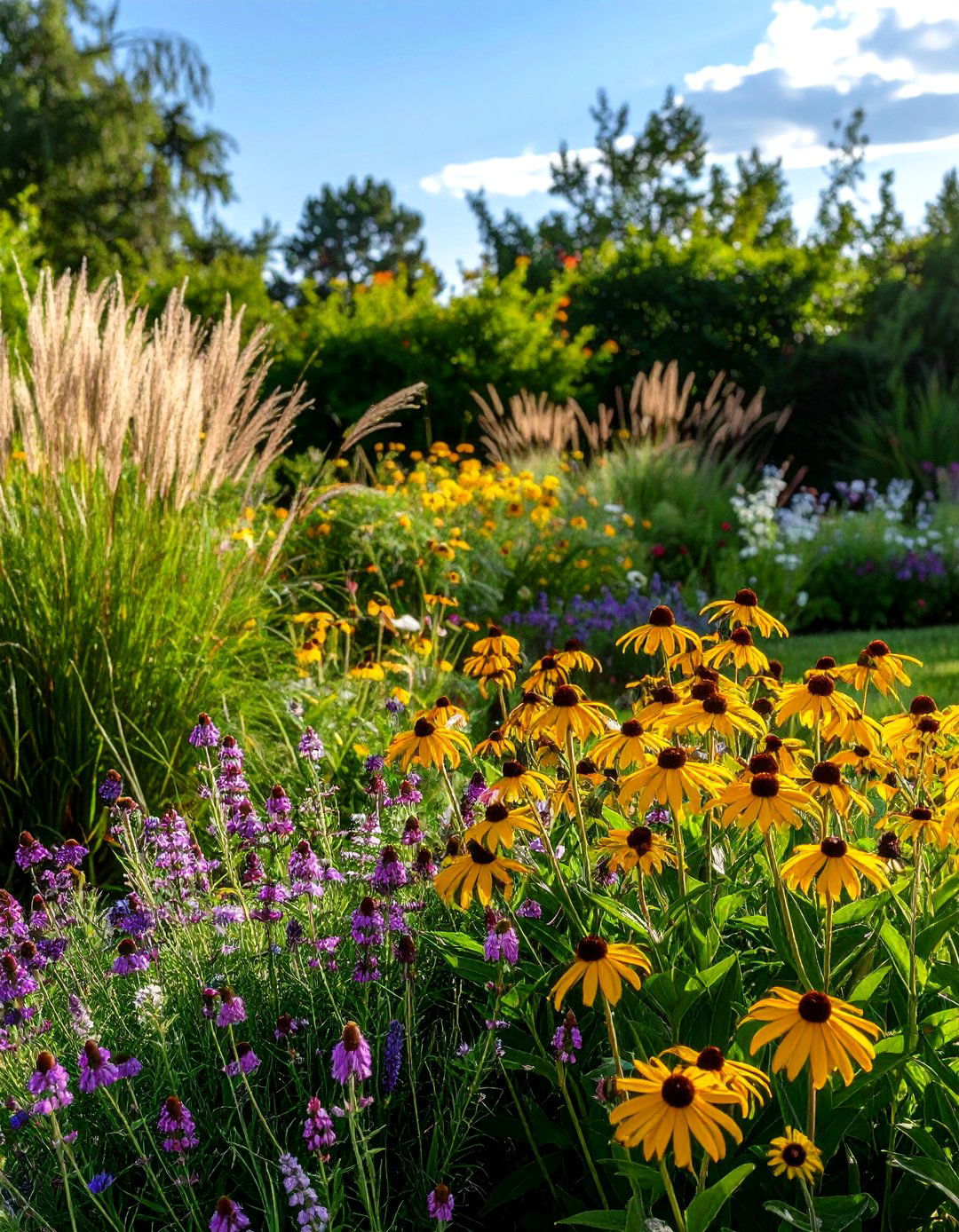

10. Lightweight Garden Sculpture Display
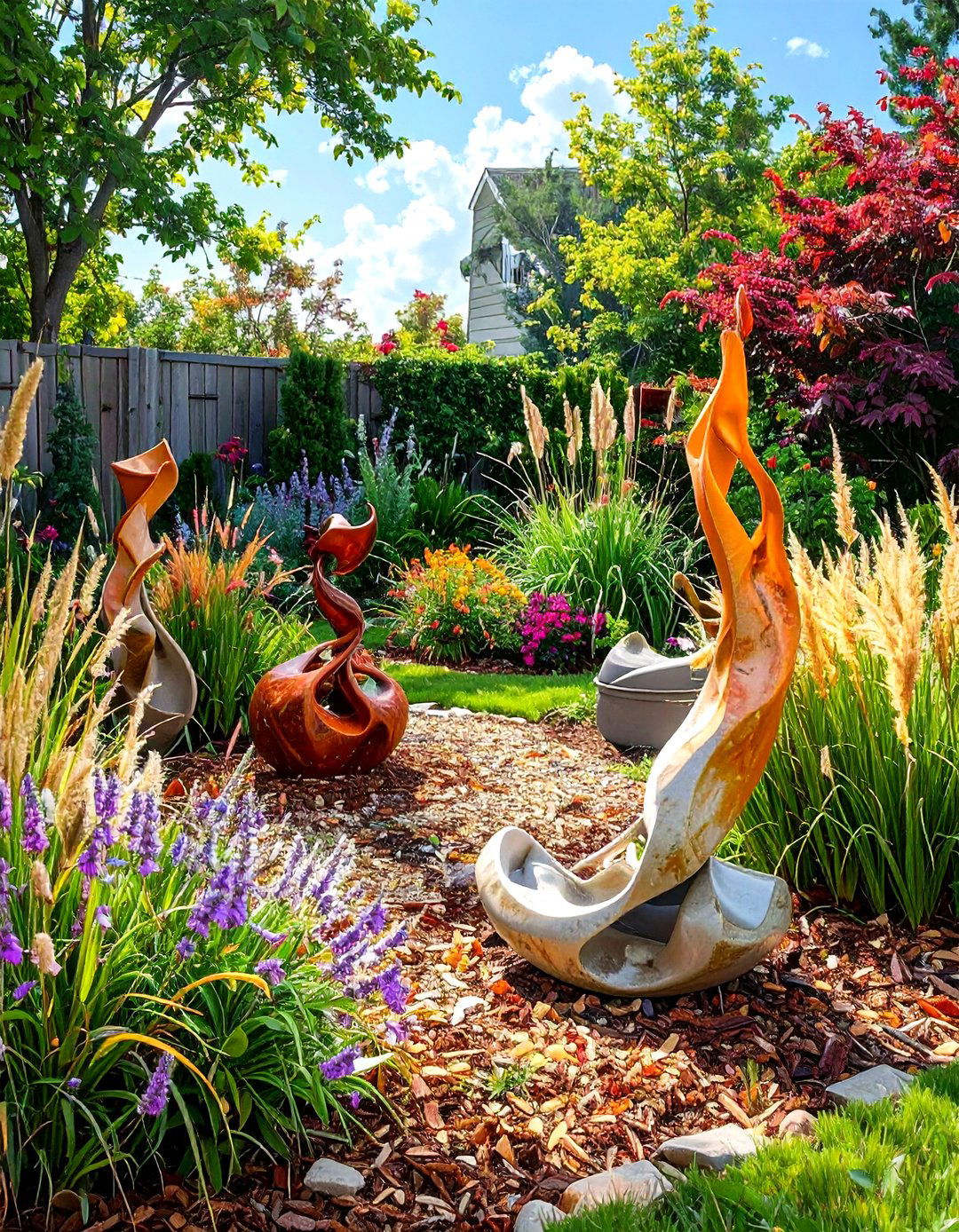
Turn your septic area into an artful focal point by displaying lightweight garden sculptures. Choose pieces made from materials like resin, hollow metal, or driftwood that won't add significant weight or require deep footings. Arrange them thoughtfully over the drain field or near the tank access lid. Surrounding the sculptures with a mulch bed or shallow-rooted ground cover like sedum can complete the look. This approach allows for creative expression without any risk of damaging the septic system. The art can be easily moved for maintenance, offering a flexible and visually interesting landscaping solution.
11. Heather and Heath Garden
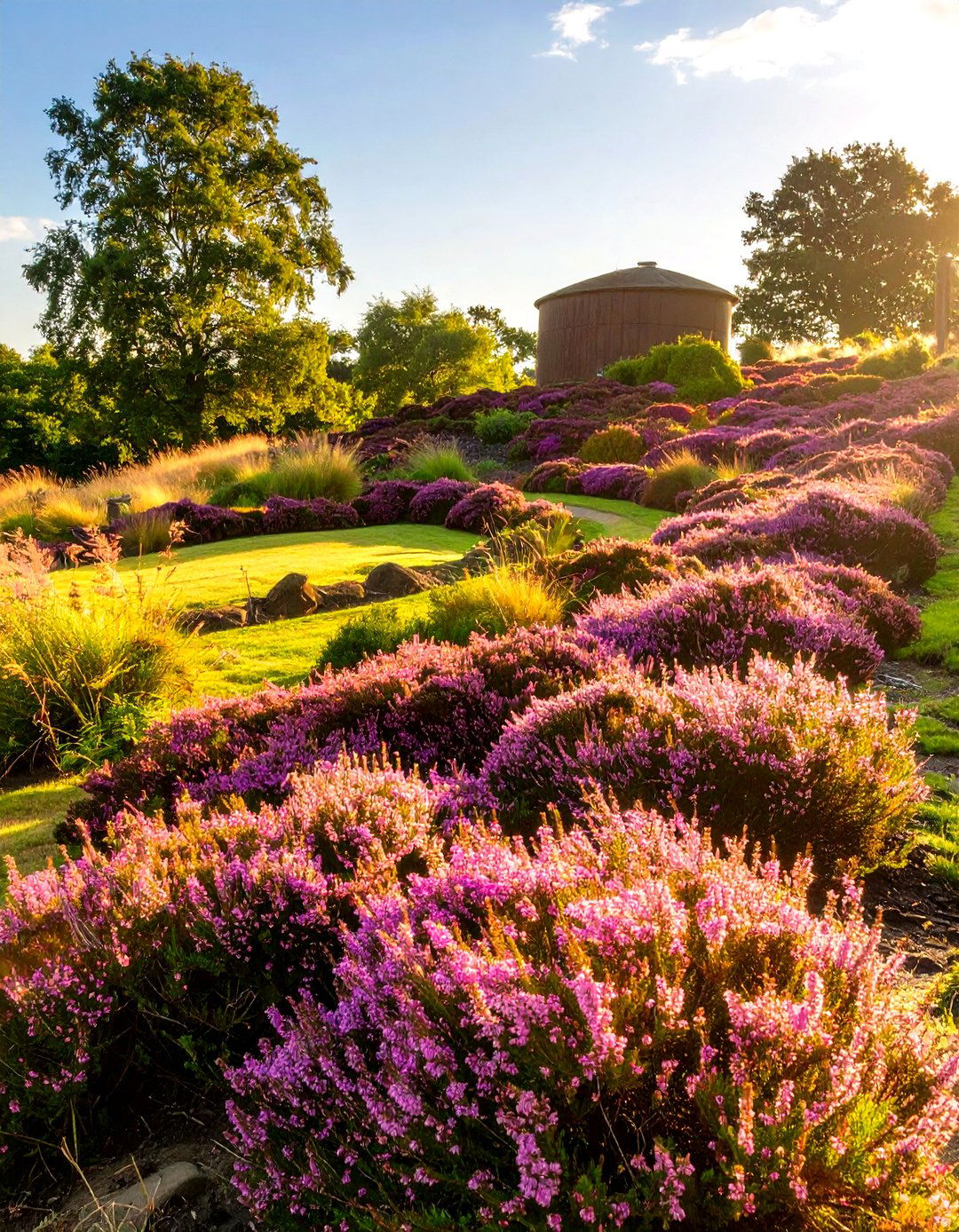
For a touch of the Scottish highlands, plant a garden of heather and heath over your septic field. These hardy, low-growing shrubs have fine, fibrous root systems that are ideal for sensitive areas. They offer year-round interest with their evergreen foliage and delicate bell-shaped flowers that bloom in shades of pink, purple, and white. Heathers and heaths prefer acidic, well-drained soil and require minimal care once they are established. This creates a unique, textured landscape that is both beautiful and perfectly safe for the underlying septic system, providing color even in the winter months.
12. Curated Moss Garden
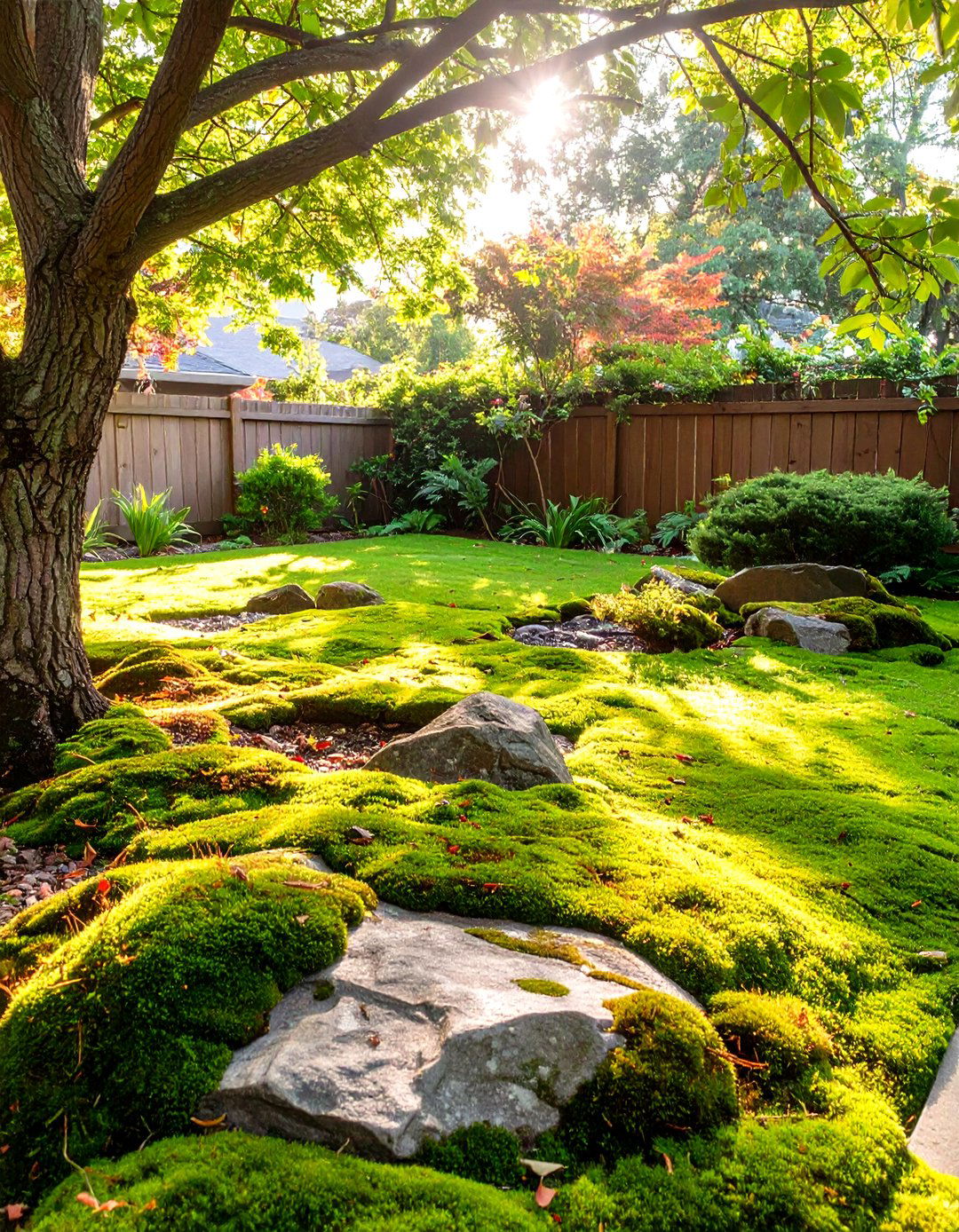
A moss garden offers a serene, Zen-like atmosphere for the area above your septic system. Mosses have no true roots, instead using rhizoids to anchor themselves, making them completely safe for drain fields. They thrive in shady, moist areas and create a lush, velvety green carpet that requires no mowing or fertilizing. You can encourage native mosses to grow or transplant different varieties to create a patchwork of textures and shades of green. This is an incredibly low-maintenance and eco-friendly landscaping option that adds a sense of tranquility and natural beauty to a typically utilitarian space.
13. Bird-Friendly Garden with Shallow Feeders
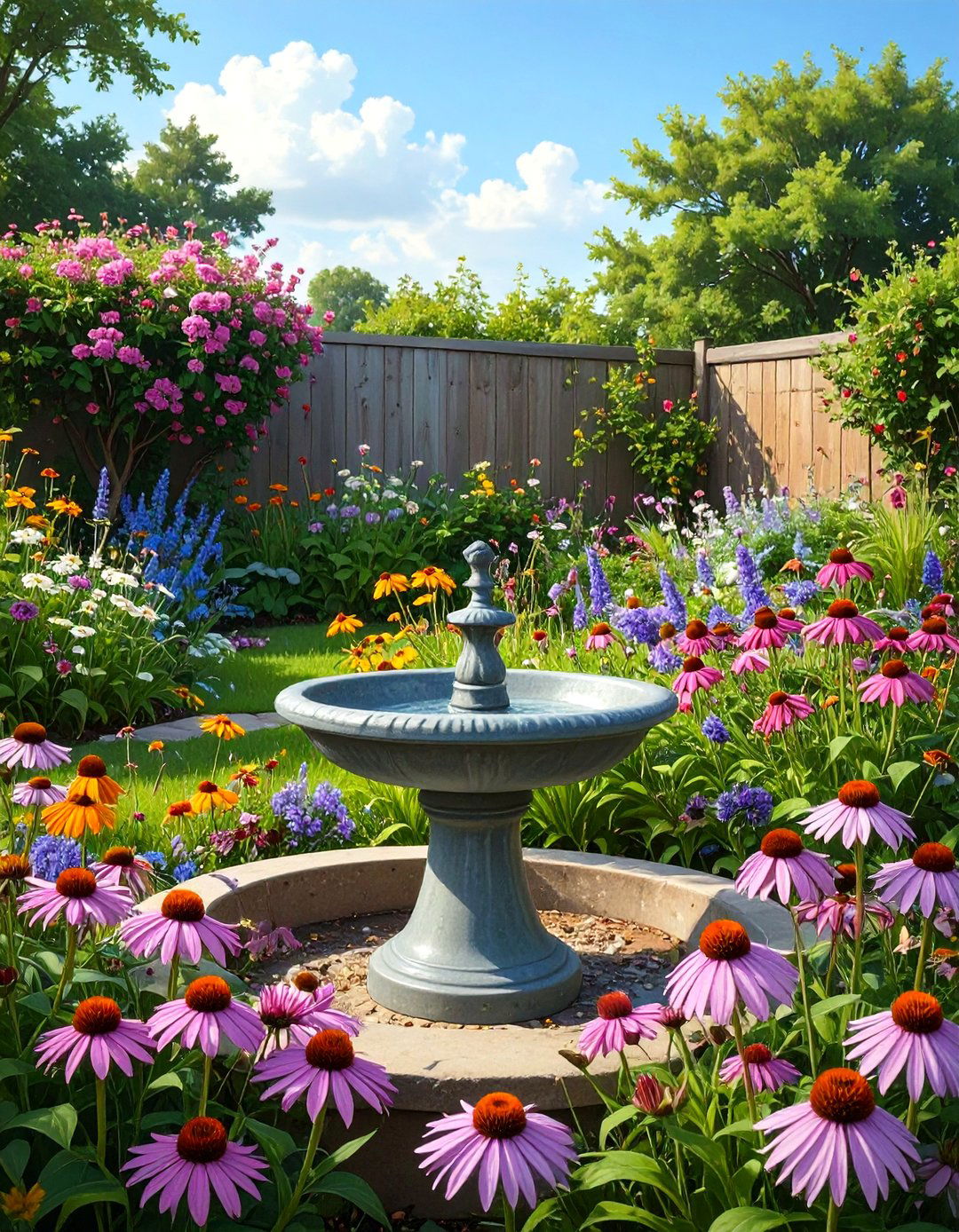
Create a haven for birds over your septic area by installing lightweight birdbaths and shallow-post bird feeders. Surround these features with native, shallow-rooted plants that provide food and shelter for birds, such as low-growing asters, coneflowers, or small ornamental grasses. This design attracts wildlife and adds life and movement to your garden. By keeping the feeders and birdbaths lightweight and easy to move, you ensure that the septic system remains accessible for any required maintenance. It's a wonderful way to support local ecology while beautifying a sensitive part of your yard.
14. Aromatic Herb Garden
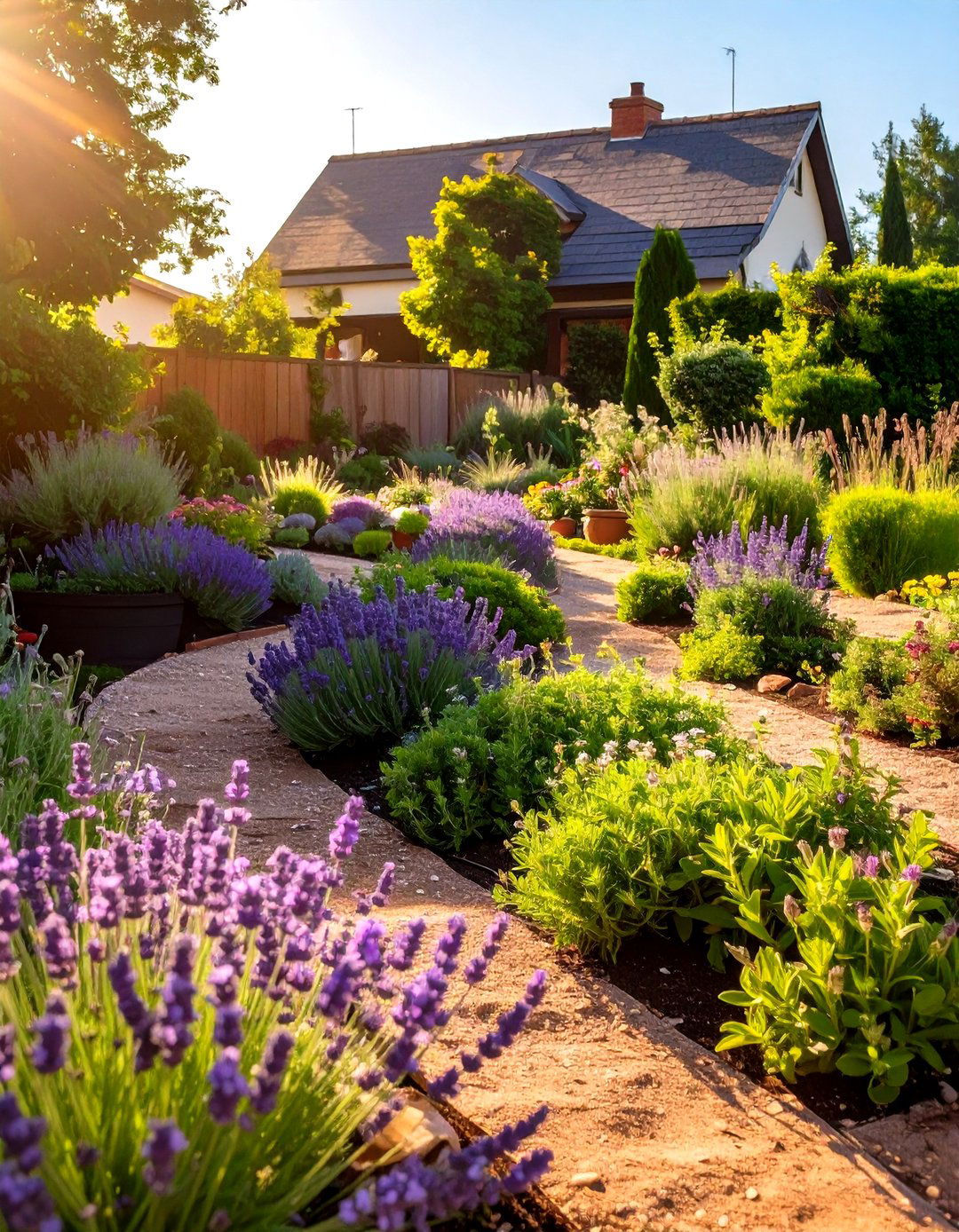
Plant a fragrant herb garden with shallow-rooted varieties like lavender, rosemary, mint, and oregano over the septic field. These herbs not only have safe root systems but also release beautiful aromas when brushed against. Many are drought-tolerant and thrive in the sunny, well-drained conditions common to drain fields. The herbs can be used for culinary purposes, and their flowers attract beneficial insects. This practical and sensory-rich garden effectively masks the septic area, turning it into a productive and delightful part of your landscape that engages sight, smell, and even taste.
15. Simple Turfgrass with Access Markers
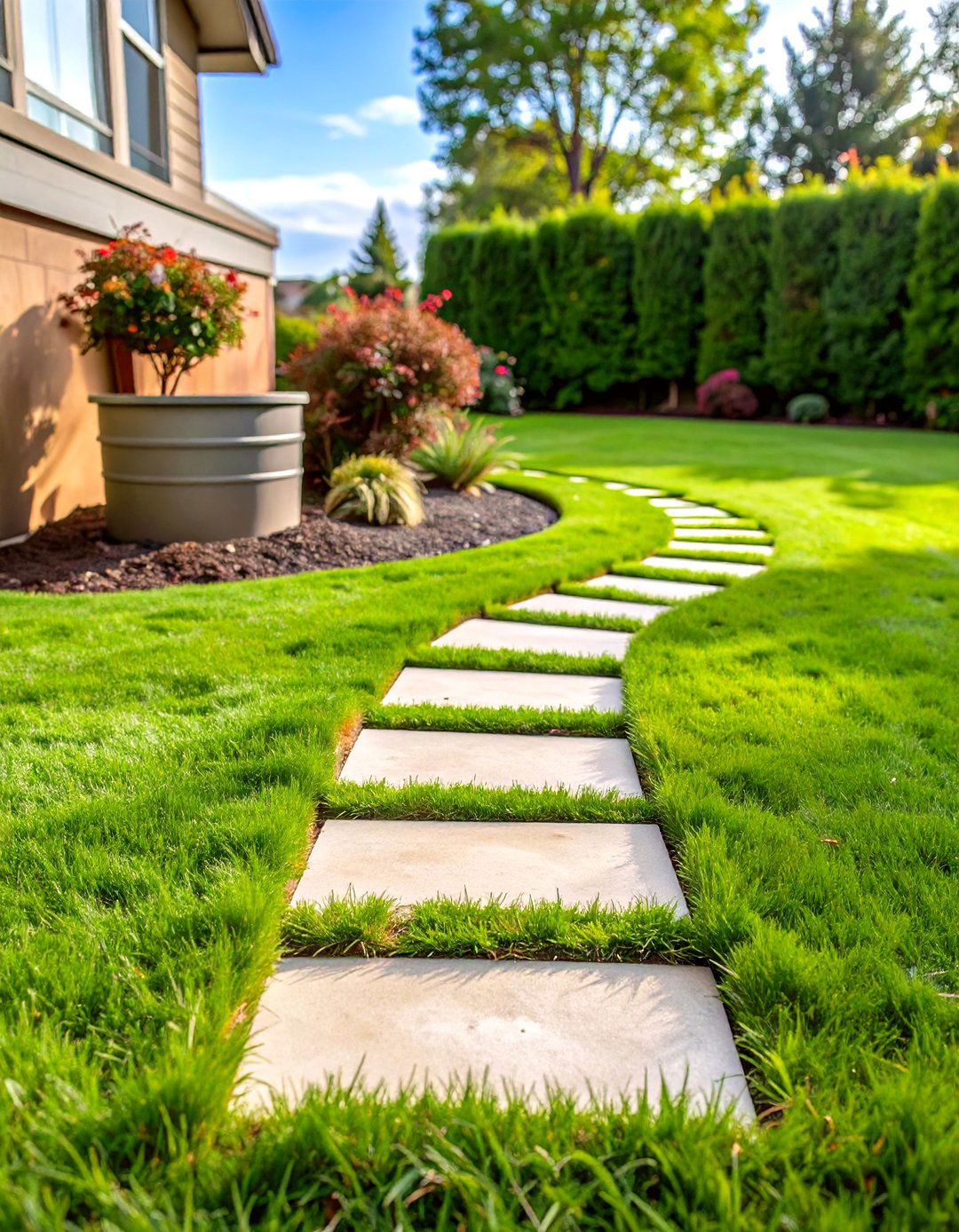
For a classic and simple solution, maintain a healthy lawn of turfgrass over the entire septic system. Grasses have fibrous, shallow roots that will not harm the system. This is often the easiest and most cost-effective option. To ensure you can always locate the tank lid for maintenance, install subtle markers. These can be decorative stepping stones, a small, unobtrusive garden ornament, or a specific type of plant used as a living marker. This maintains a clean, uniform look across your yard while ensuring the septic system is both safe and easily accessible when needed.
16. Low-Growing Perennial Border
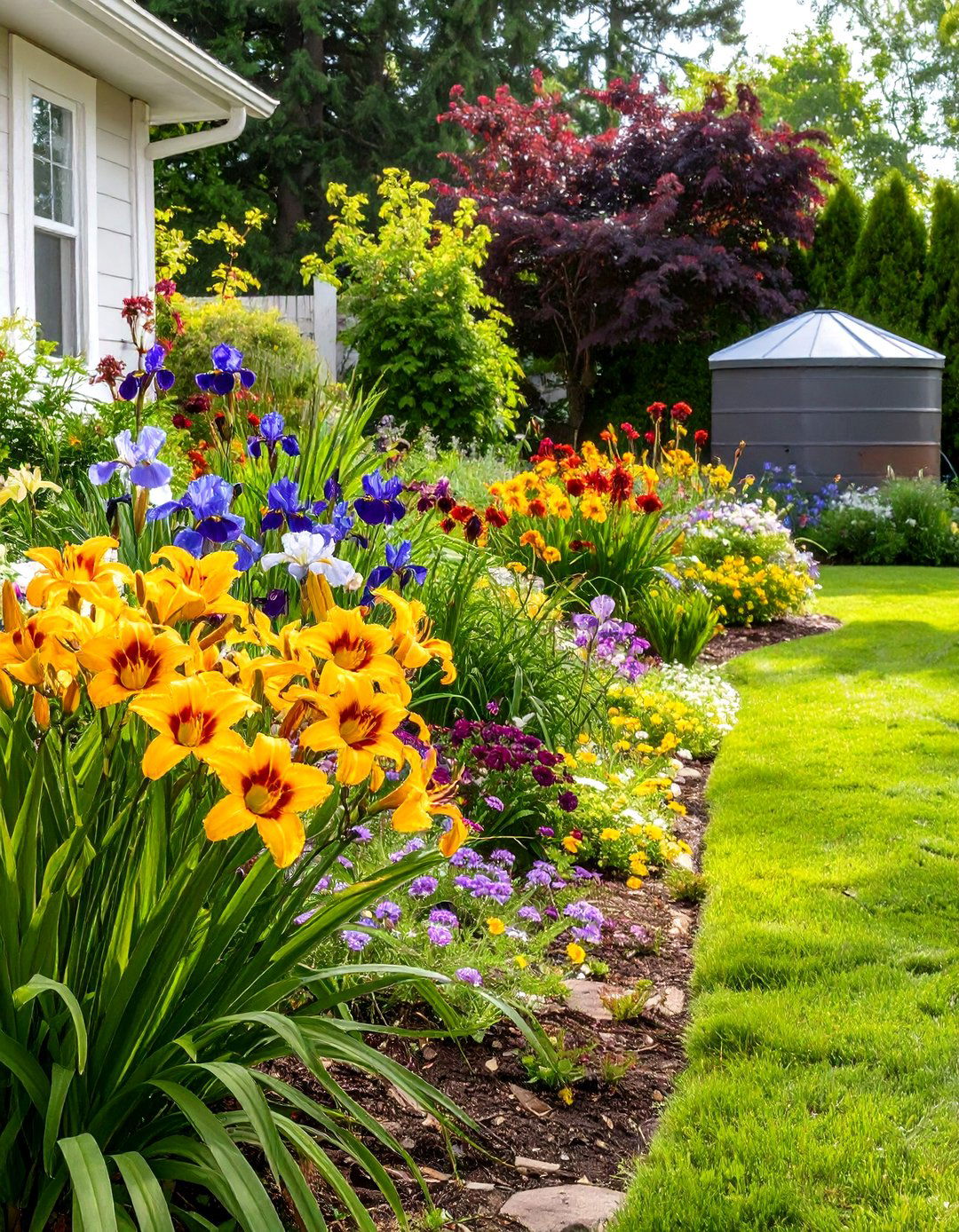
Define the edges of your septic drain field with a beautiful border of low-growing, shallow-rooted perennials. Plants like daylilies, irises, and peonies have root systems that are generally safe for the outer edges of the drain field. Planting them in a border helps frame the area and discourages foot traffic across the most sensitive parts. This strategy adds layers of color, texture, and height to your garden design, drawing the eye away from the flat expanse of the field itself. It's a classic gardening technique adapted to safely enhance a septic area.
17. Using Lightweight Fencing as a Border
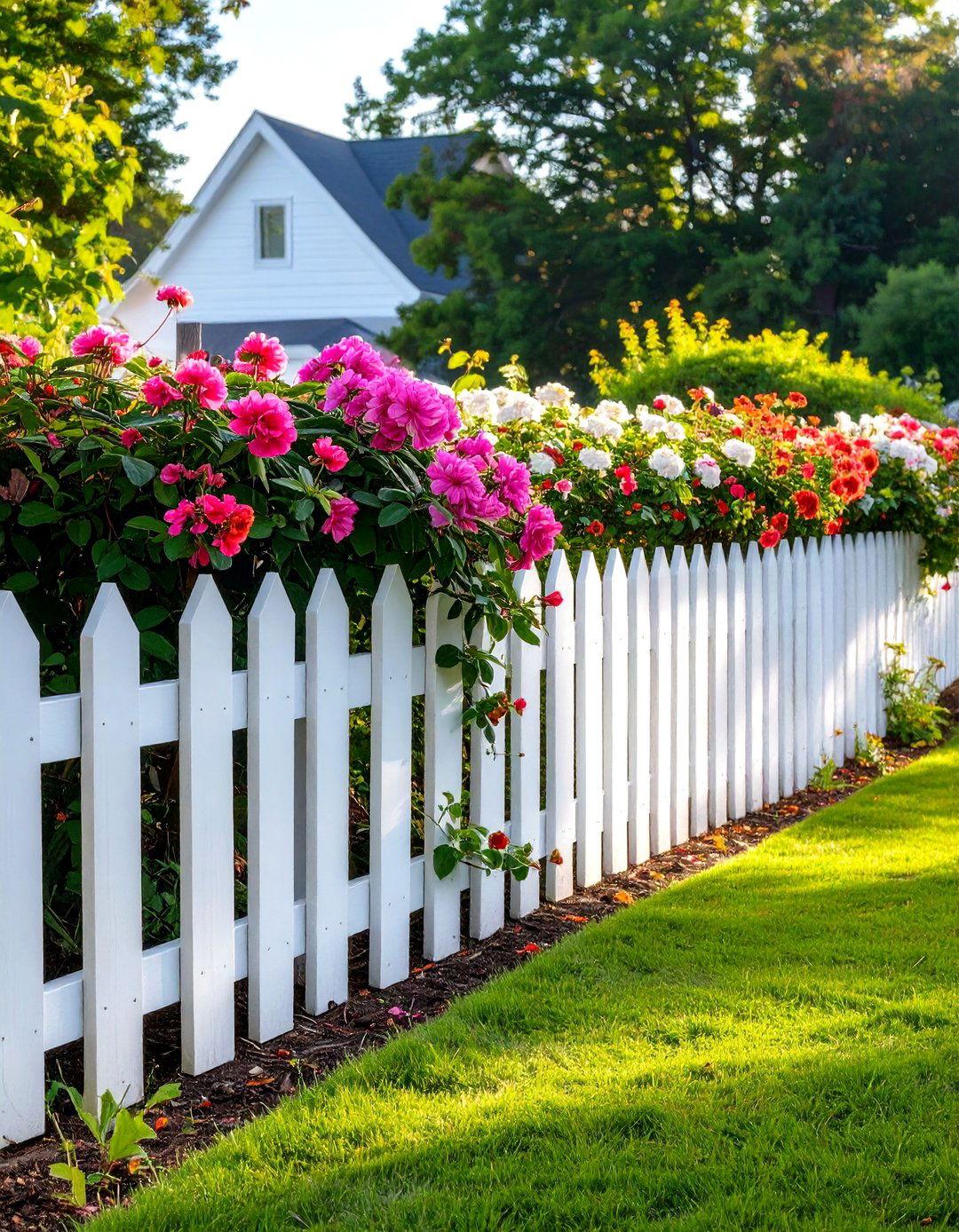
Install lightweight, decorative fencing around the perimeter of your septic drain field to create a clear visual boundary. A low picket fence, a simple split-rail fence, or a decorative metal border can effectively block off the area without adding significant weight or requiring deep posts. This prevents guests from walking or placing heavy objects on the drain field and can support climbing, shallow-rooted plants like clematis for added beauty. This method provides a charming, cottage-style look while serving the practical purpose of protecting the sensitive underground system from compaction and damage.
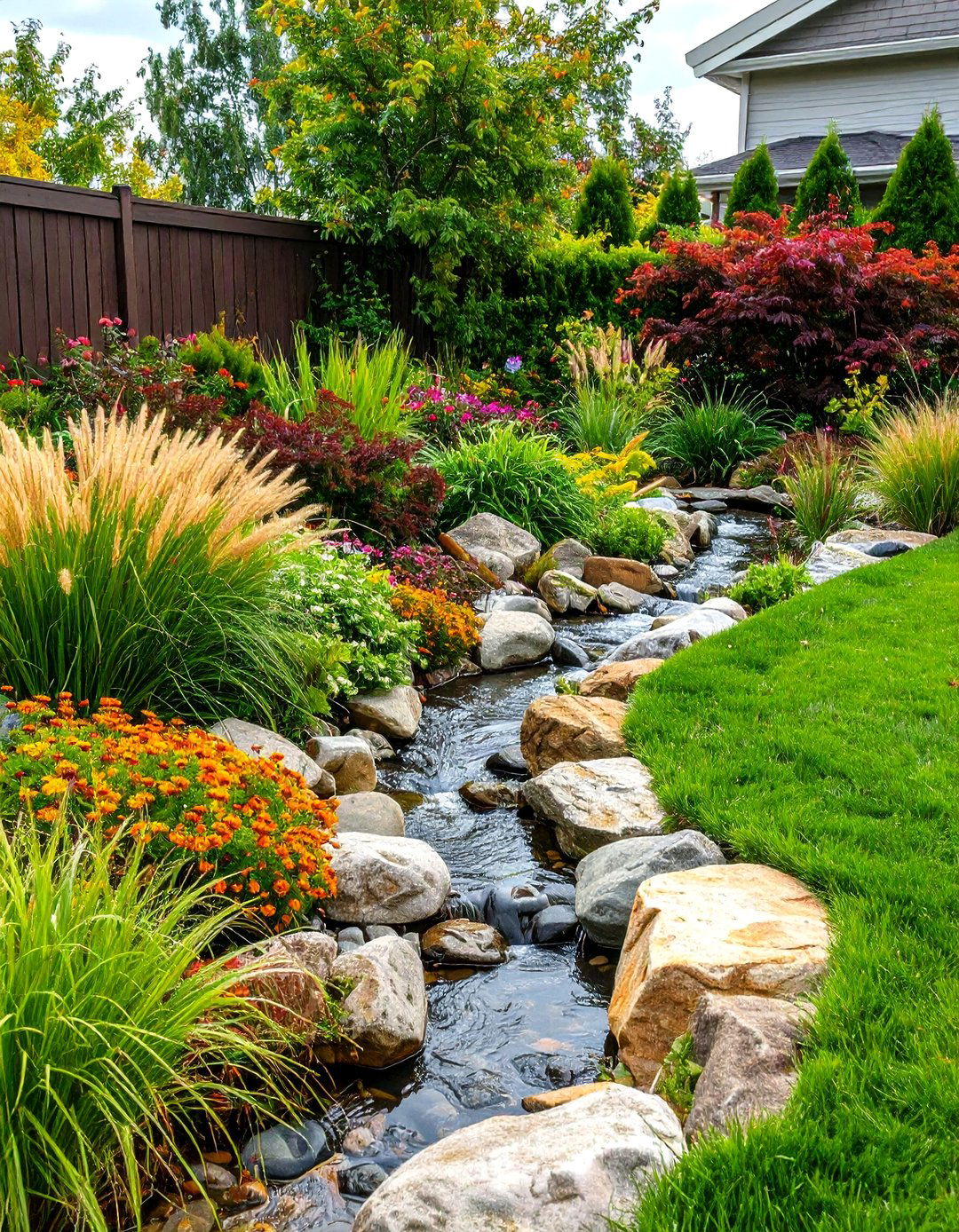
18. Creating a Dry Creek Bed Feature
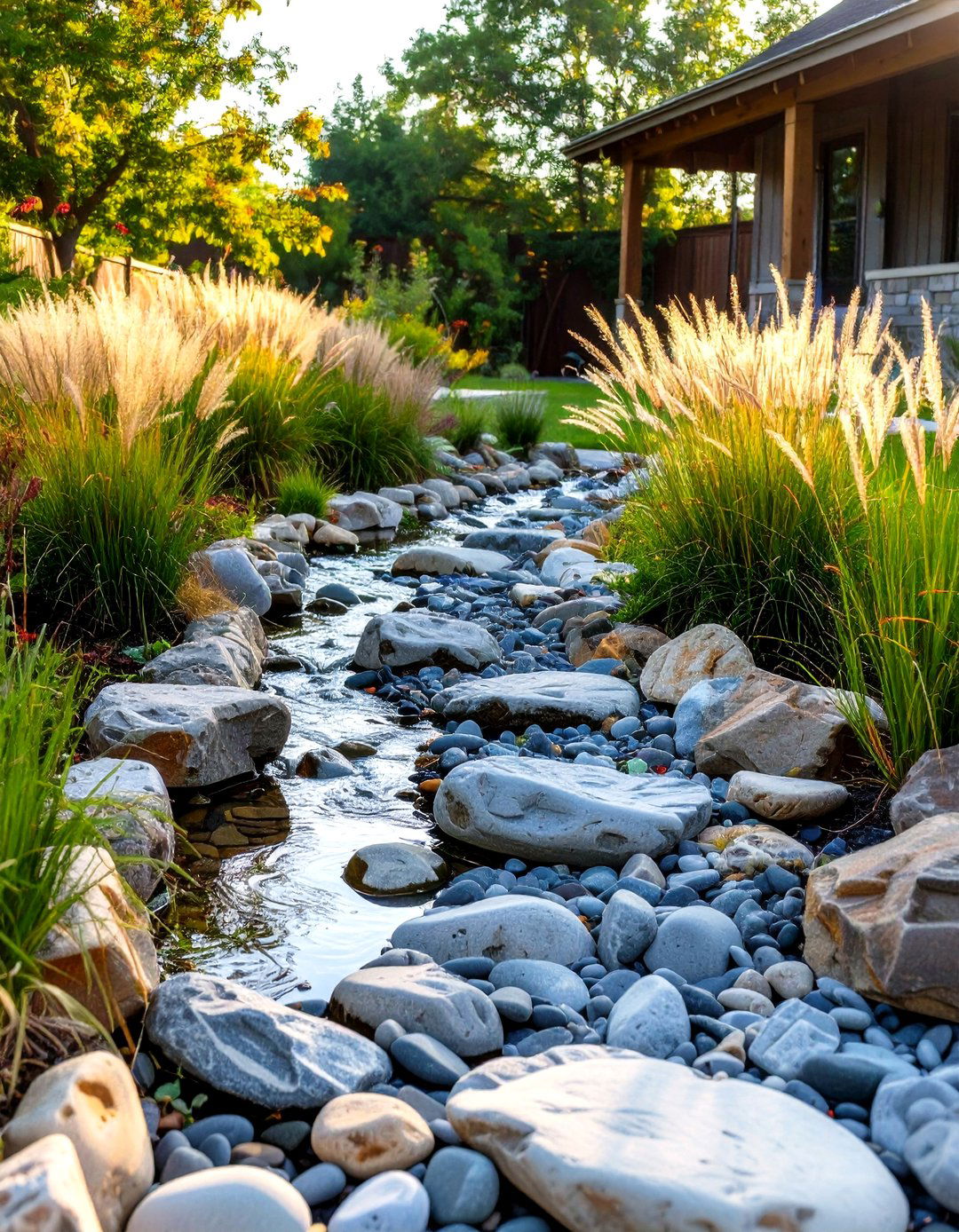
A dry creek bed made of smooth river rocks and gravel is an excellent way to add visual interest over a septic area. This feature can be designed to meander across the drain field, mimicking the look of a natural streambed. It's completely safe for the system as it adds no significant weight and allows for easy access. You can plant shallow-rooted grasses or creeping ground covers along the edges to soften the look and integrate it into the surrounding landscape. This creative solution cleverly disguises the area while solving potential drainage issues and adding a rustic charm.
19. A Garden of Ferns for Shady Areas
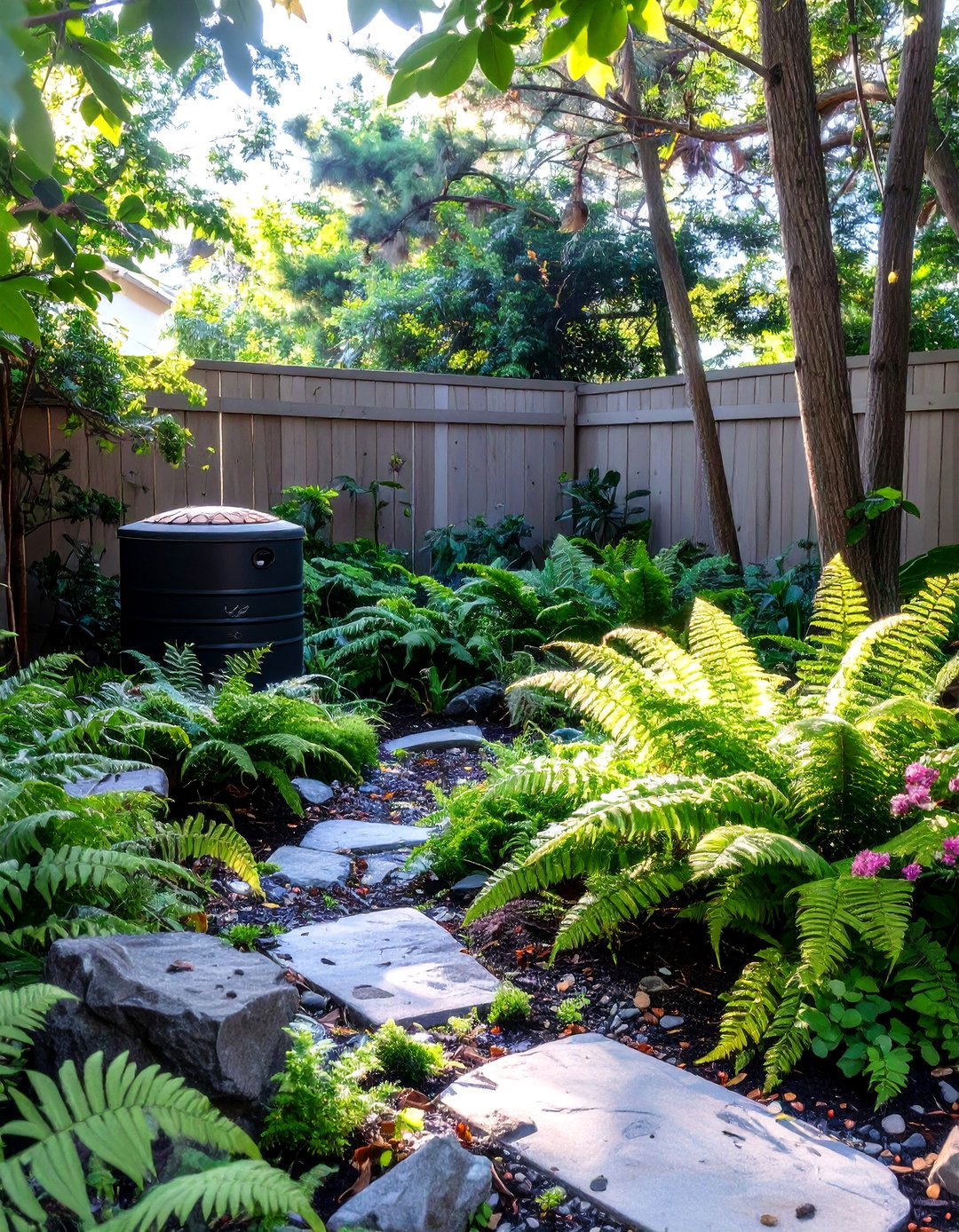
If your septic system is located in a shady part of the yard, a fern garden is an ideal landscaping solution. Many fern varieties, such as the Lady Fern or Christmas Fern, have shallow, fibrous root systems that won't interfere with the drain field. Their delicate, arching fronds create a lush, woodland feel and provide beautiful texture and deep green color. Ferns thrive in moist, shaded conditions and require minimal maintenance once established. This turns a challenging shady spot into a serene, green retreat while keeping the septic system safe.


20. Seasonal Bulb Planting in Drifts
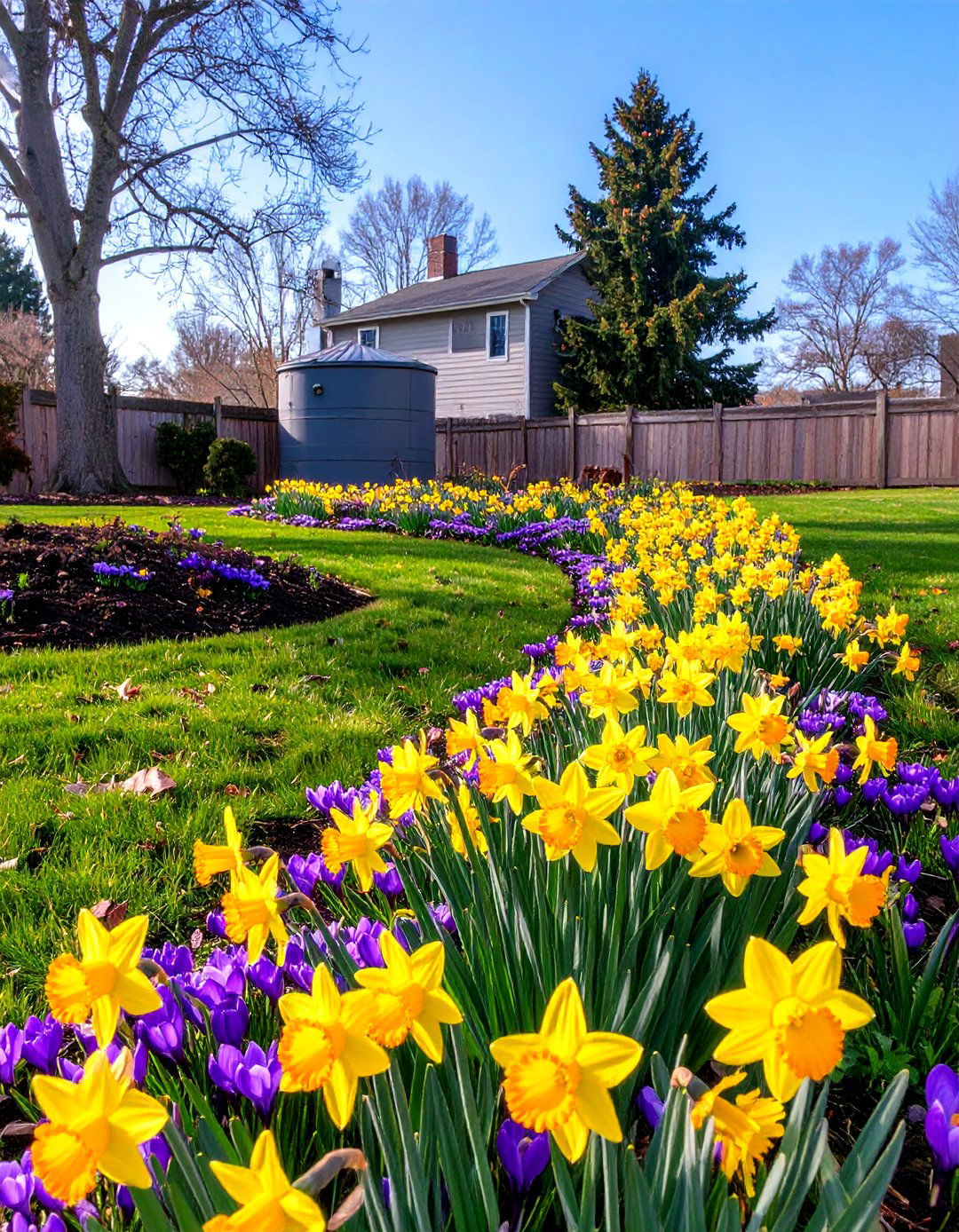
Planting drifts of spring-blooming bulbs like daffodils, crocuses, and tulips is a wonderful way to bring seasonal color to your septic area. These bulbs have shallow root systems that lie dormant for much of the year, posing no threat to the septic system. Plant them in large, informal groups to create a naturalistic effect. After they bloom in the spring, their foliage can be left to die back naturally, feeding the bulbs for the following year. This method provides a spectacular, low-effort floral display that brightens the landscape early in the season.
21. Utilizing Vertical Planters on the Edge
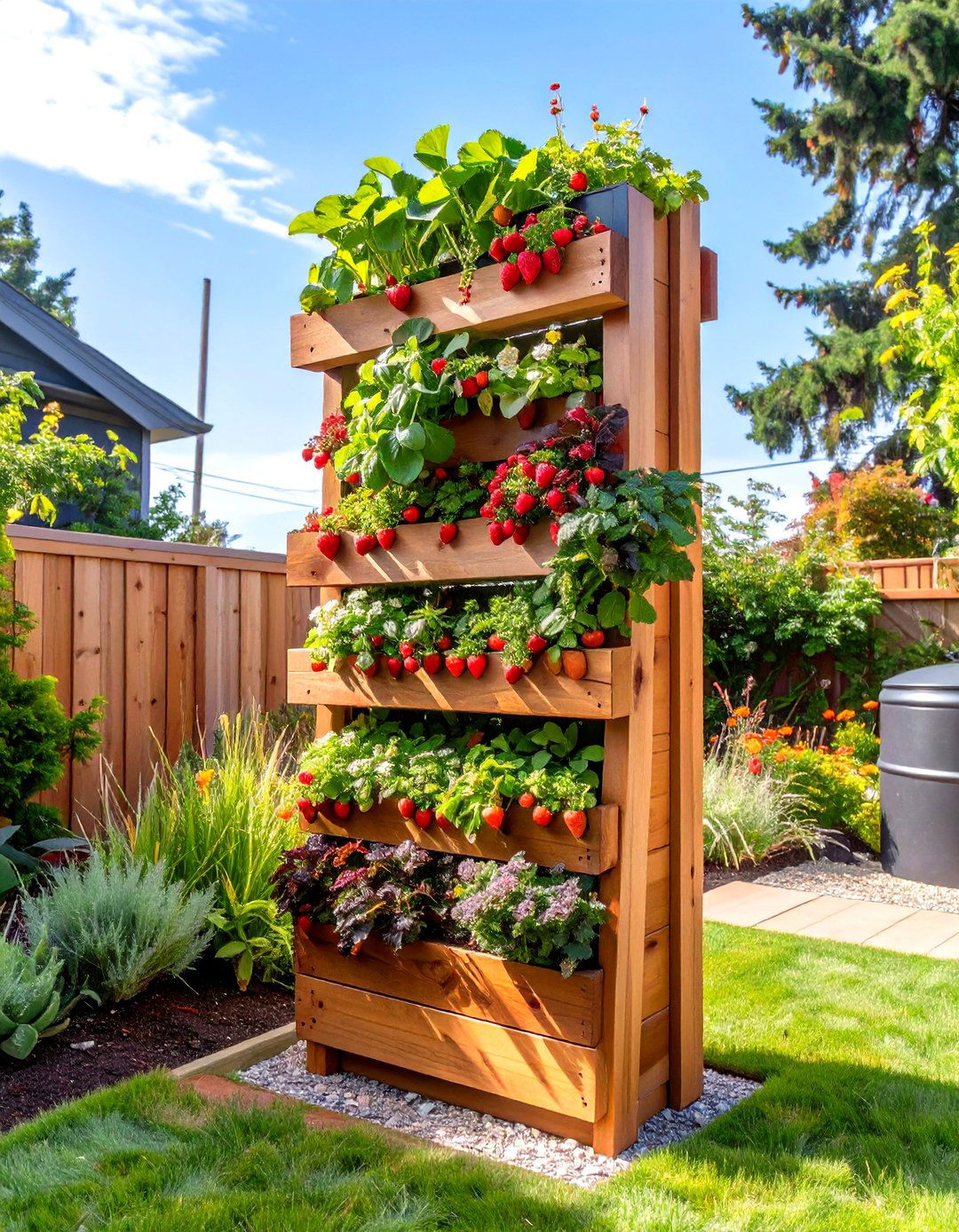
To add gardening space without disturbing the soil over the drain field, place vertical planters or a living wall structure along the edge of the septic area. These can be used to grow herbs, strawberries, or annual flowers. By building upwards, you maximize your planting area without putting any weight or deep roots directly over the septic system. This creates a stunning visual feature and a productive garden space. The structure should be freestanding or have shallow footings, ensuring it doesn't impact the ground and can be moved if necessary for system maintenance.
22. Designing with Landscape Fabric and Mulch
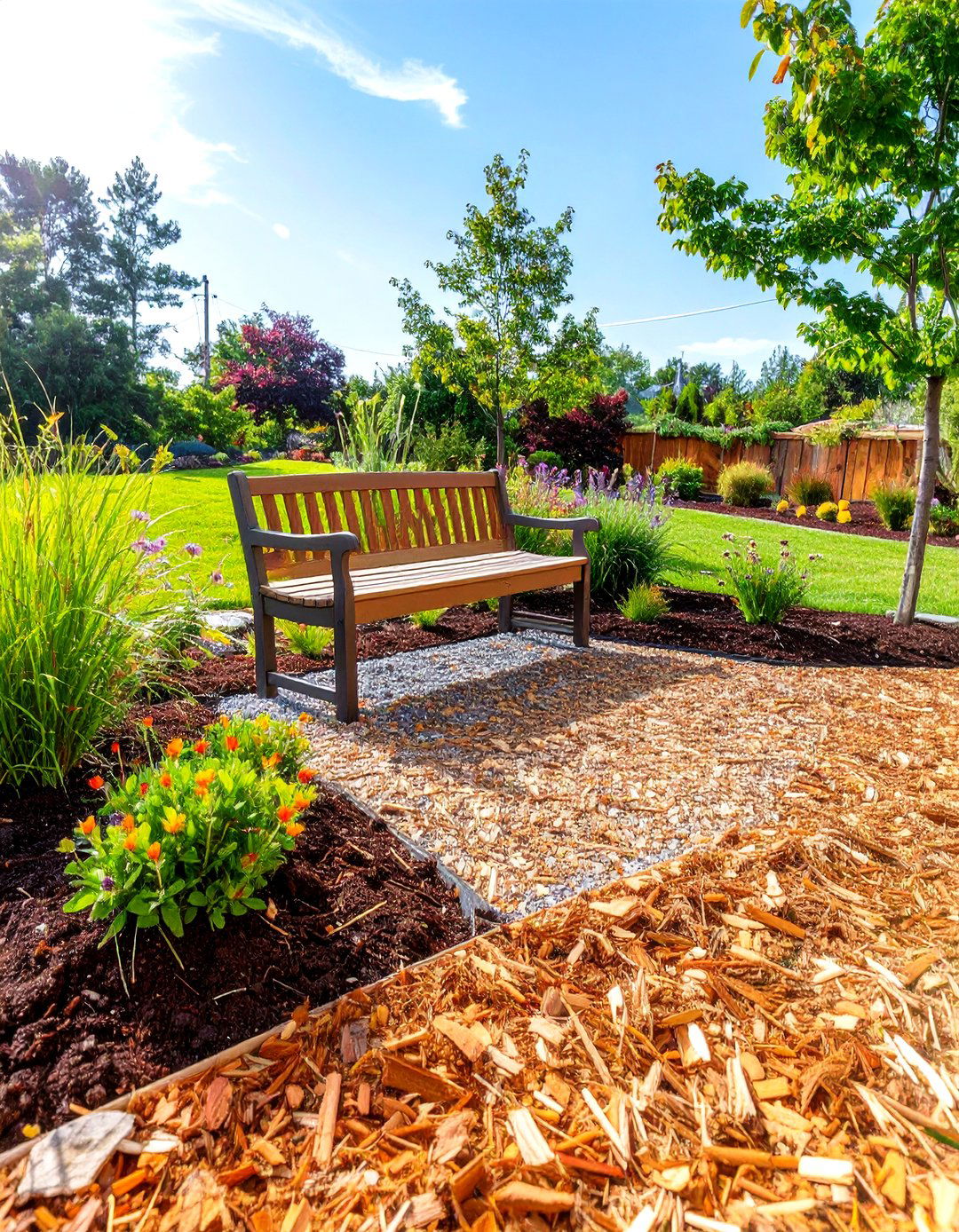
A straightforward approach is to lay down permeable landscape fabric over the septic area and cover it with a layer of organic mulch like cedar chips or pine straw. This combination effectively suppresses weeds, retains soil moisture, and gives the area a clean, manicured look. The fabric allows water and air to pass through to the soil, which is crucial for the proper functioning of the drain field. You can then place a few lightweight containers or a garden bench on the mulched surface for added interest, ensuring easy removal for maintenance access.
23. A Butterfly Garden with Host Plants
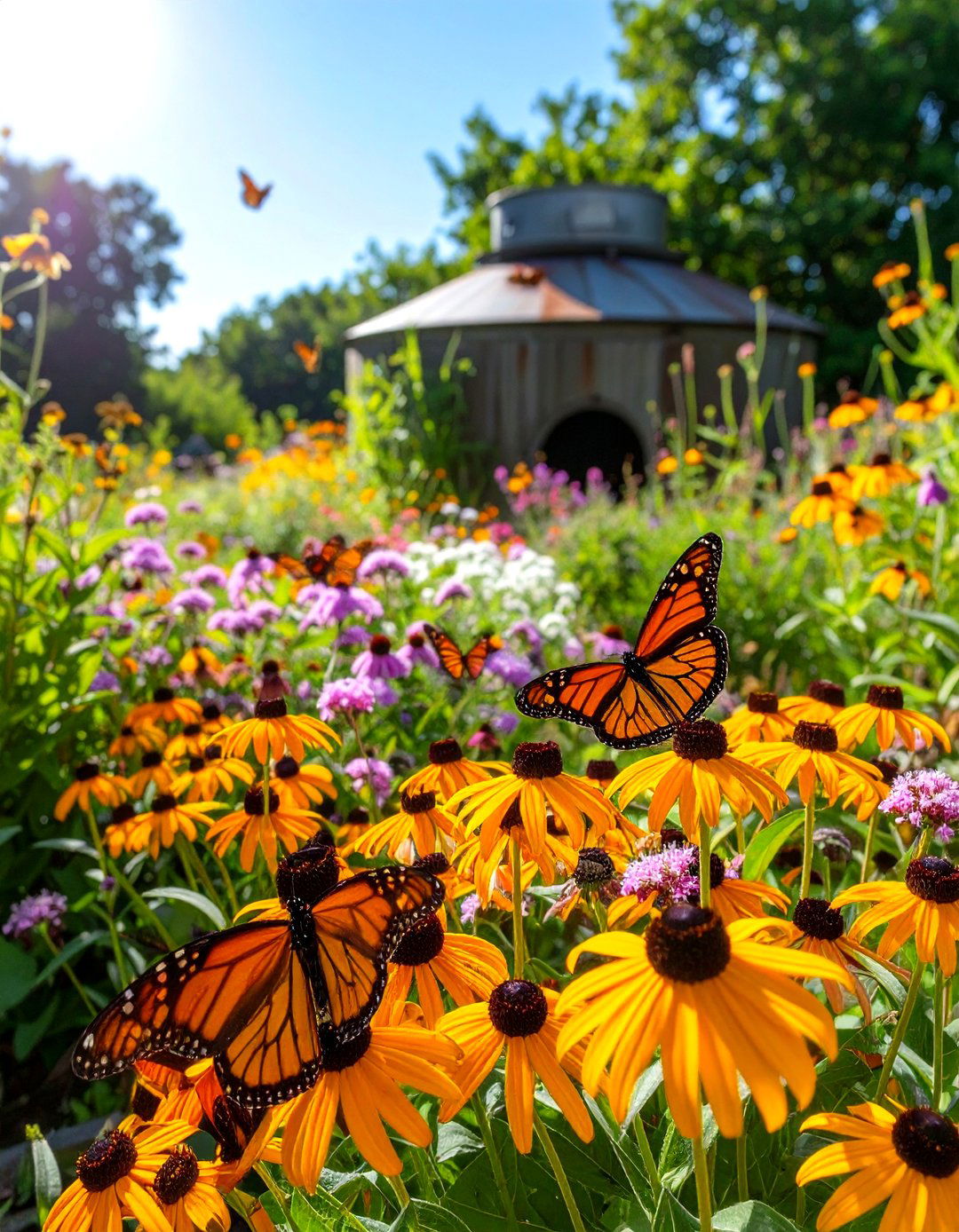
Transform your septic field into a vibrant butterfly garden by planting shallow-rooted host and nectar plants. Species like asters, black-eyed susans, and verbena provide food for butterflies, while plants like milkweed are essential for monarch caterpillars. These plants typically have non-invasive roots, making them safe for the septic drain field. This not only creates a beautiful, dynamic garden full of color and life but also contributes to local conservation efforts. It’s a rewarding way to landscape a sensitive area, turning it into a thriving ecosystem that you can enjoy all season long.
24. A Japanese-Inspired Zen Garden
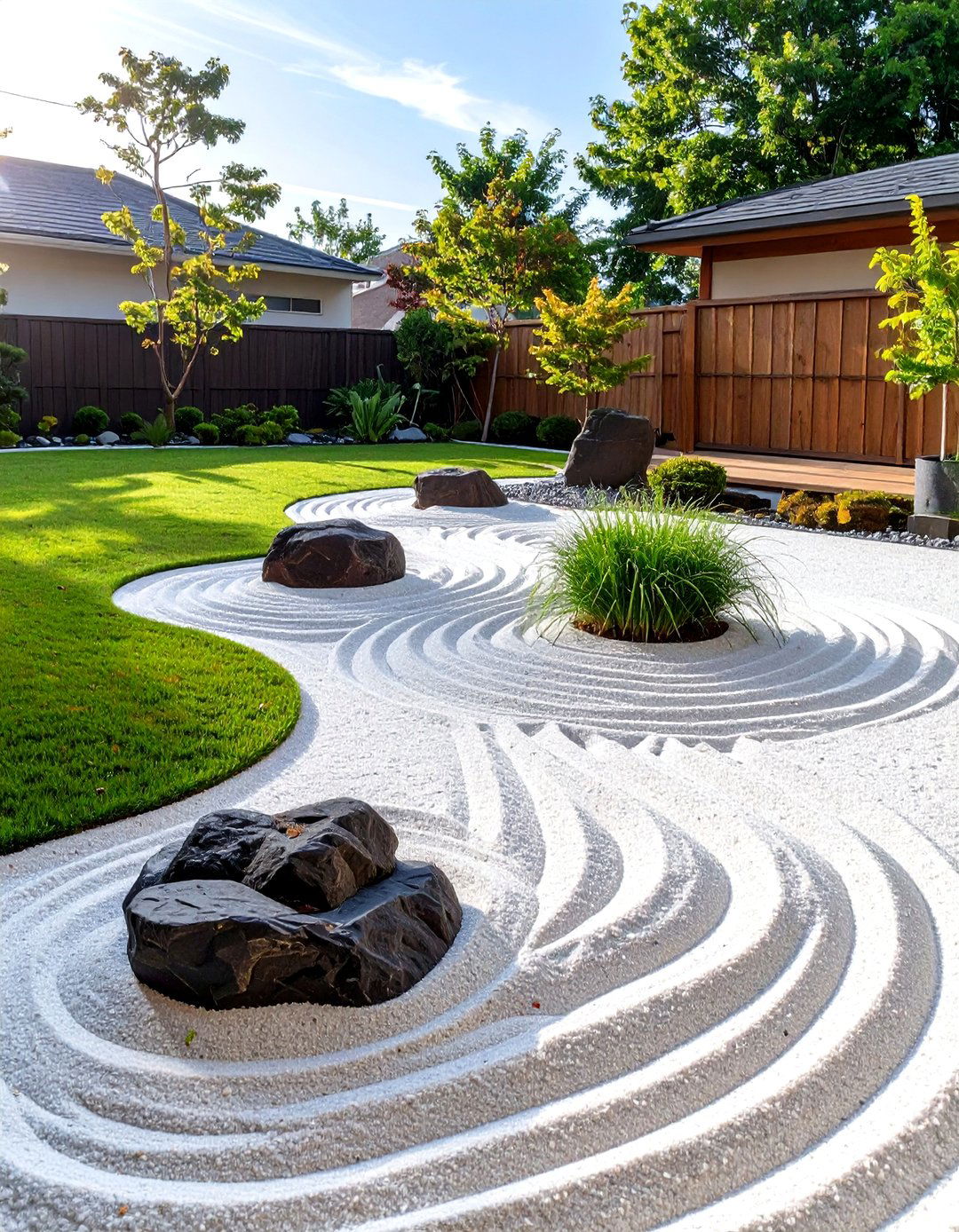
Create a tranquil Zen garden over your septic tank area using sand, gravel, and carefully placed stones. Rake the sand or fine gravel into patterns to represent water, and use a few larger, lightweight rocks to symbolize mountains or islands. A simple stone lantern or a small bamboo feature can complete the look. Keep plantings minimal, perhaps a single clump of ornamental grass or a patch of moss. This minimalist design is extremely low-maintenance, adds no weight to the system, and provides a peaceful, meditative space in your yard while completely hiding the utility area.
25. Edible Ground Cover with Strawberries
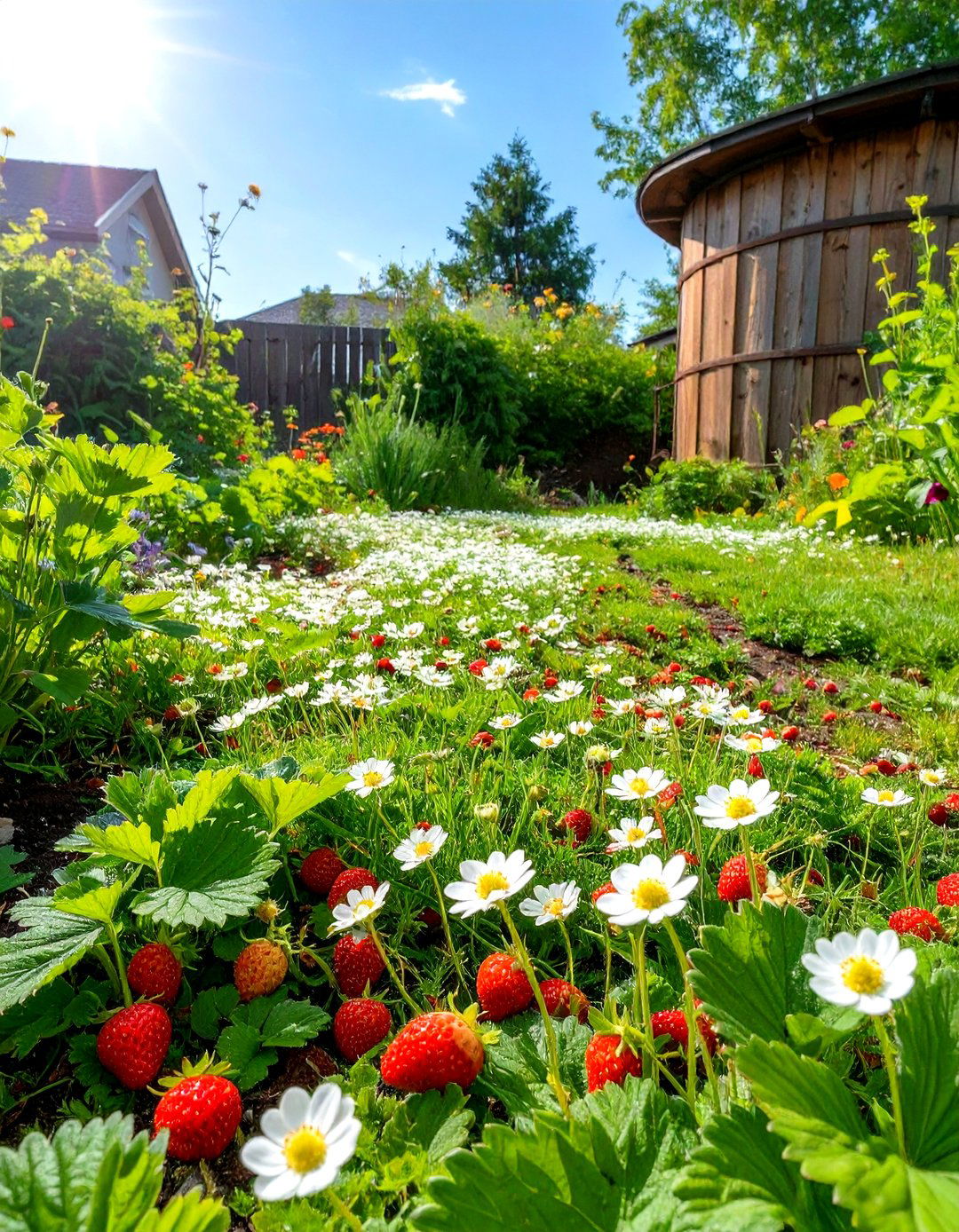
For a productive and attractive septic field cover, plant alpine strawberries as a ground cover. These strawberry varieties are non-running and have shallow root systems, making them safe for use over drain fields. They produce small, delicious berries throughout the growing season and form a lovely green mat dotted with white flowers and red fruit. This edible landscape is a fantastic way to make a functional space both beautiful and useful. It requires full sun and well-drained soil, conditions often found over a septic field, offering a sweet reward for your thoughtful planting.
26. A Low-Maintenance Clover Lawn
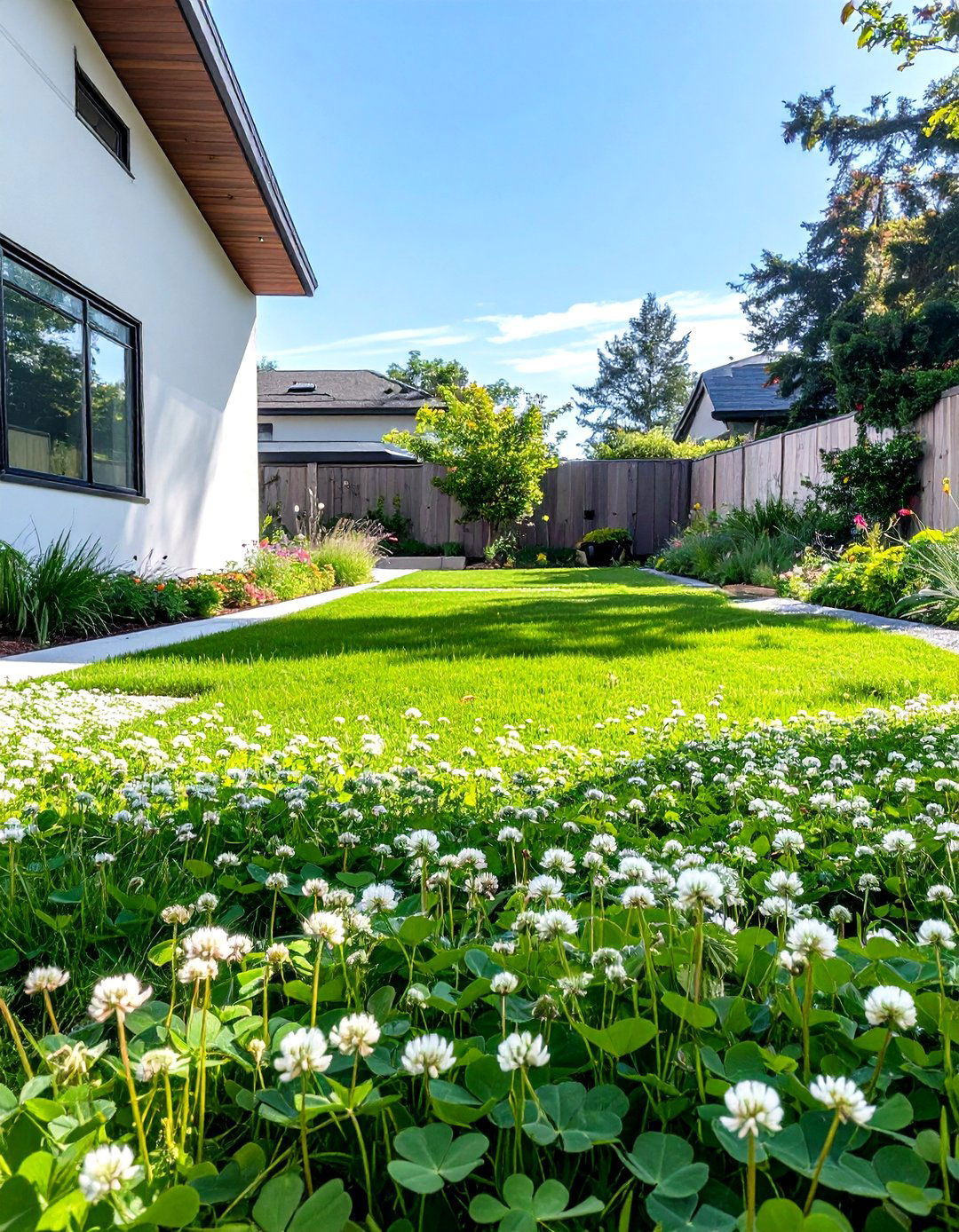
As an alternative to traditional turf, consider planting a clover lawn over your septic system. Clover has shallow roots and actually improves the soil by fixing nitrogen, reducing the need for fertilizers. It stays green throughout the summer with less water than grass and produces small flowers that are beneficial for pollinators. A clover lawn is soft to walk on, requires infrequent mowing, and is very resilient. This eco-friendly choice provides a lush, green carpet that protects your septic system while creating a low-maintenance and sustainable landscape that is beneficial for the environment.
27. Artful Arrangement of Lightweight Logs
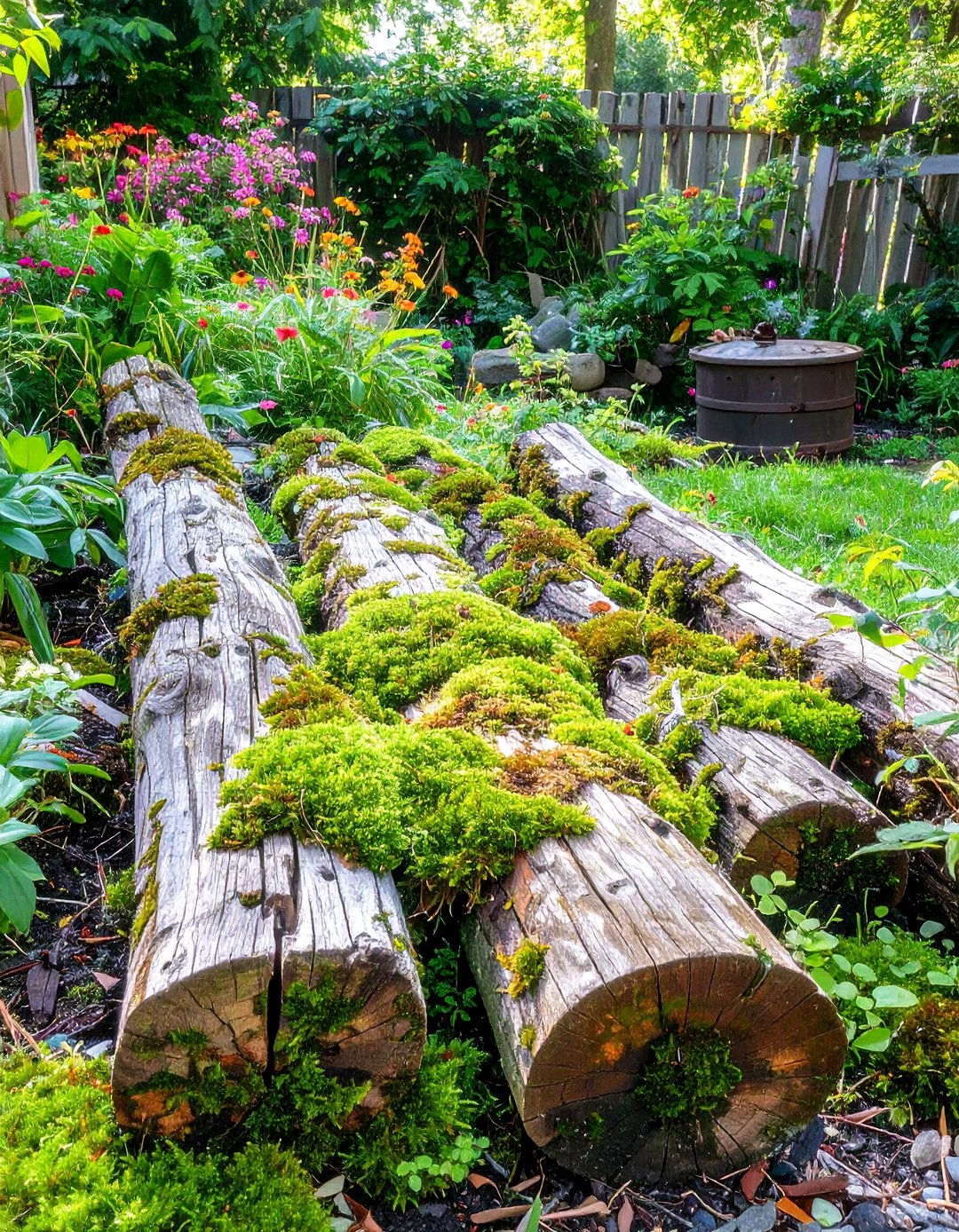
For a rustic, naturalistic look, arrange lightweight, hollow, or decaying logs on top of the soil over your septic area. These logs can be placed to create informal borders or simply as decorative elements. They will slowly decompose, adding organic matter to the very top layer of soil without compacting it. You can plant moss or shallow-rooted ferns in the crevices of the logs to enhance the woodland feel. This approach adds texture and a sense of maturity to the landscape, effectively disguising the functional nature of the space beneath with natural, easy-to-move elements.
28. Creating a Checkerboard Pattern with Pavers
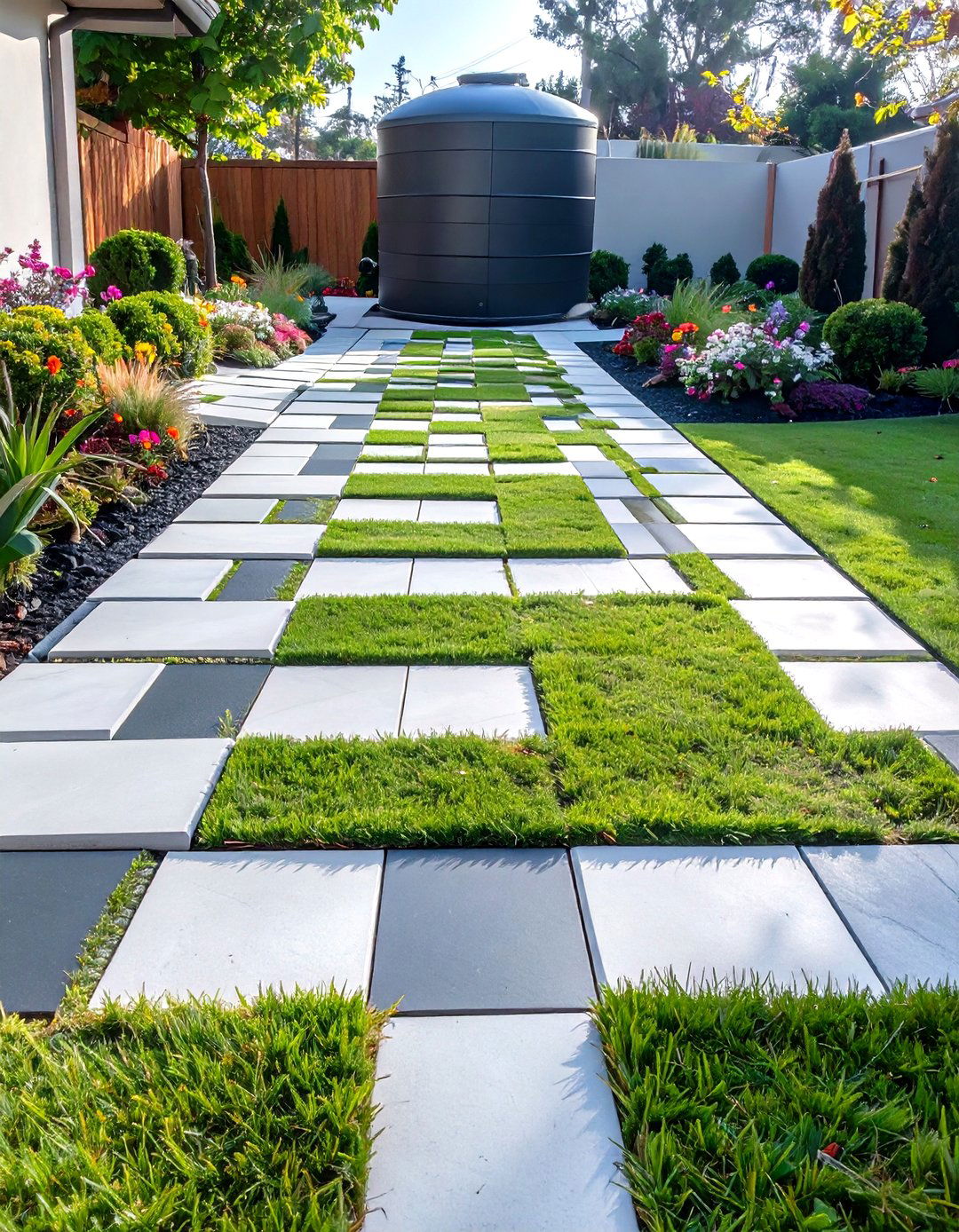
Design a visually interesting checkerboard pattern over the septic tank lid or a small, stable section of the drain field using lightweight pavers and grass or ground cover. Alternate 12x12 inch pavers with squares of turf or a creeping plant like Corsican mint. This creates a unique, graphic look that breaks up the monotony of a plain lawn. It’s important to use lightweight pavers and not set them in concrete to avoid compacting the soil. This design allows for easy access to the tank by simply lifting the pavers when needed.
29. A Coastal Theme with Sand and Grasses
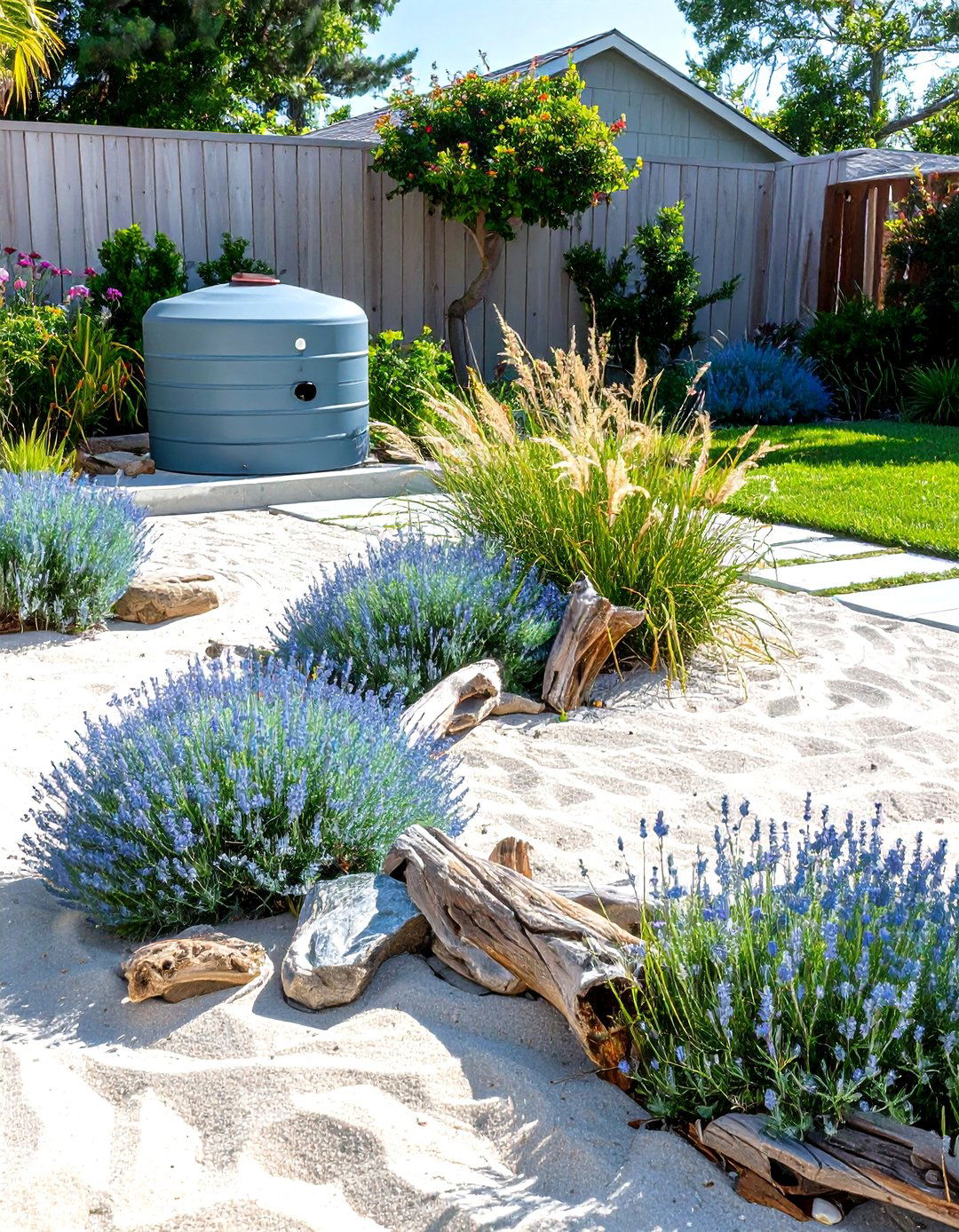
Evoke a coastal, beachy vibe by covering your septic area with a layer of coarse sand and planting clumps of ornamental grasses that thrive in sandy conditions, like Blue Lyme Grass. The sand is lightweight and allows for excellent drainage, while the grasses have non-invasive roots. Add a few pieces of driftwood or some large seashells as decorative accents. This design is perfect for sunny locations and creates a relaxed, seaside atmosphere. It's a unique and stylish way to landscape the area while ensuring the septic system remains safe and functional.
30. A Simple Wildflower Cutting Garden
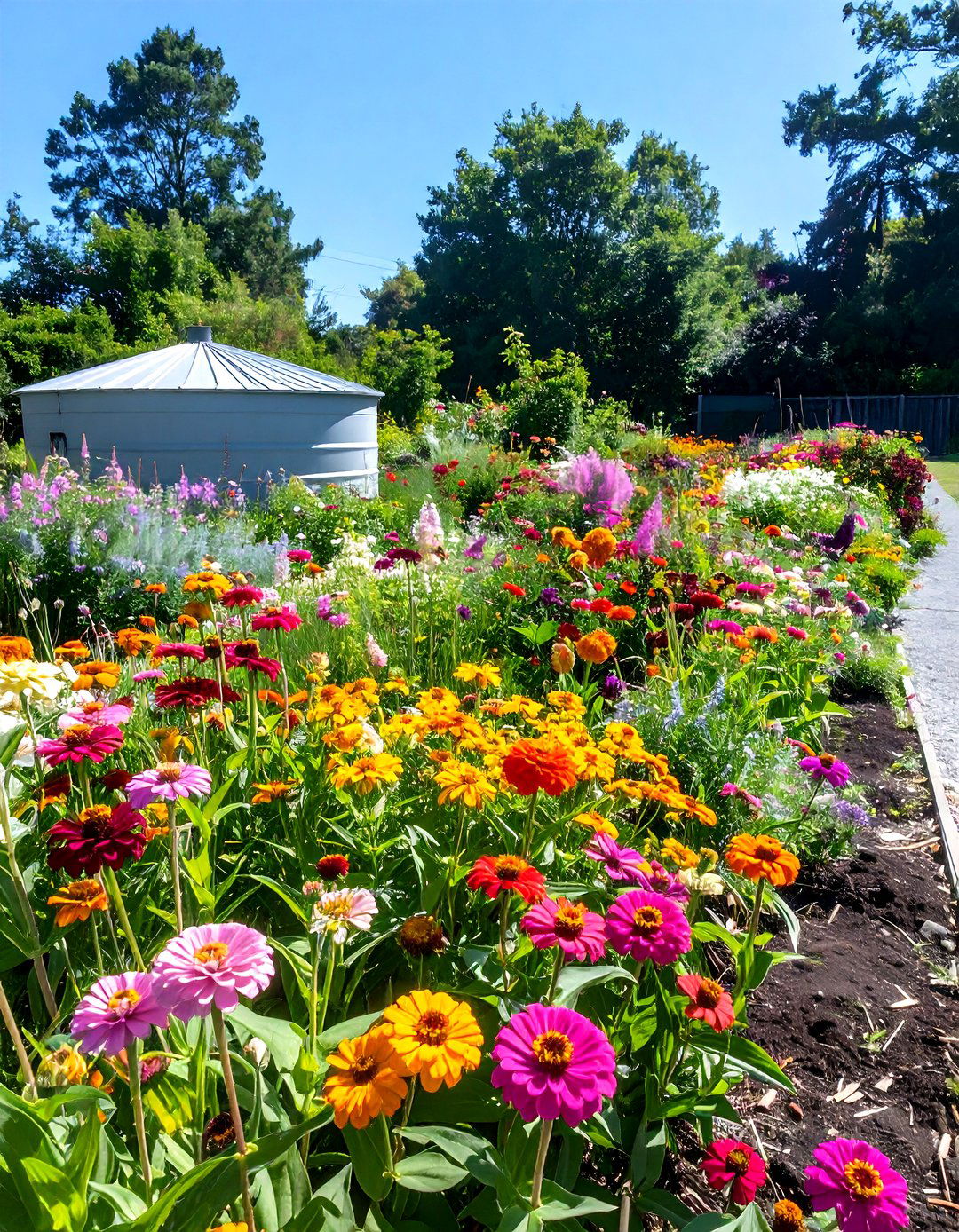
Dedicate the space above your septic field to a cutting garden filled with annuals and shallow-rooted perennials. Plant cosmos, zinnias, and snapdragons, which have fibrous root systems that won't harm the septic lines. These flowers grow quickly and provide a continuous supply of beautiful blooms for indoor arrangements all summer long. This turns a purely functional part of your yard into a productive and joyful space. Because you are primarily planting annuals, there is no risk of large, woody roots developing over time, making it a safe and colorful option.
Conclusion:
Successfully landscaping over a septic system is achievable with the right knowledge and design choices. The key is to prioritize the system's safety by selecting shallow-rooted plants, avoiding heavy structures, and preventing soil compaction. From vibrant wildflower meadows and textured ornamental grass beds to creative rock gardens and fragrant herb patches, there are numerous attractive options. These ideas not only disguise the functional components but also integrate the area into a cohesive and beautiful garden design. By following these guidelines, you can create a stunning landscape that enhances your property while protecting your essential septic infrastructure.

Related posts:





Leave a Reply