
A beautiful front yard adds immense curb appeal to your home, but the thought of constant upkeep can be daunting. The key is to embrace low-maintenance landscaping that combines smart design with resilient plants. This approach allows you to create an inviting and attractive entrance without dedicating your weekends to mowing, watering, and weeding. By focusing on hardscaping, drought-tolerant species, and strategic planting, you can achieve a stunning landscape that practically takes care of itself. These ideas prove that a small space can have a big impact with minimal effort, giving you more time to simply enjoy your home.

1. Gravel Garden with Stone Accents

For an incredibly low-maintenance solution, consider replacing your lawn with a gravel garden. This design uses pea gravel or crushed stone as the primary ground cover, which completely eliminates mowing and drastically reduces watering needs. To add visual interest, you can place larger, contrasting stones or small boulders throughout the area, creating a natural, riverbed-like appearance. This hardscape-focused approach is perfect for arid climates and modern home styles. It effectively suppresses weeds, especially when installed over a quality landscape fabric, leaving you with a clean, textured look that remains pristine year-round with almost no effort.
2. Drought-Tolerant Succulent Tapestry

A succulent tapestry is a vibrant and water-wise alternative to traditional flowerbeds. By planting a dense variety of succulents like Echeveria, Sedum, and Sempervivum, you create a living mosaic of colors and textures. These plants thrive in full sun and require minimal watering once established, making them ideal for low-maintenance designs. Their fleshy leaves store water, allowing them to withstand dry spells effortlessly. Arrange them in tight clusters to prevent weed growth and create a full, lush appearance. This approach offers year-round visual appeal with striking shapes and hues, from deep purples to bright greens, all while conserving water.
3. Native Plant Groupings

Embracing native plants is one of the smartest strategies for a low-effort yard. These plants are naturally adapted to your local climate, soil conditions, and rainfall patterns, meaning they require far less supplemental watering, fertilizer, or pest control than non-native species. Grouping native grasses, wildflowers, and shrubs together creates a cohesive and self-sustaining ecosystem that also supports local pollinators like bees and butterflies. Check with your local extension office for a list of plants suited to your specific region. This not only ensures your garden will thrive with minimal intervention but also creates a landscape that feels harmonious and connected.
4. Creeping Thyme Ground Cover Lawn

Imagine a lawn you never have to mow. A creeping thyme ground cover makes this a reality, offering a fragrant and beautiful alternative to traditional turf grass. This hardy perennial forms a dense, low-growing mat that effectively smothers weeds. When you walk on it, it releases a pleasant herbal aroma. Creeping thyme is also drought-tolerant once established and produces tiny, charming flowers in shades of pink, purple, or white during the summer. It's perfect for filling in gaps between stepping stones or covering an entire small yard, providing a soft, green carpet that requires very little care.
5. Modern Paver and Grass Grid
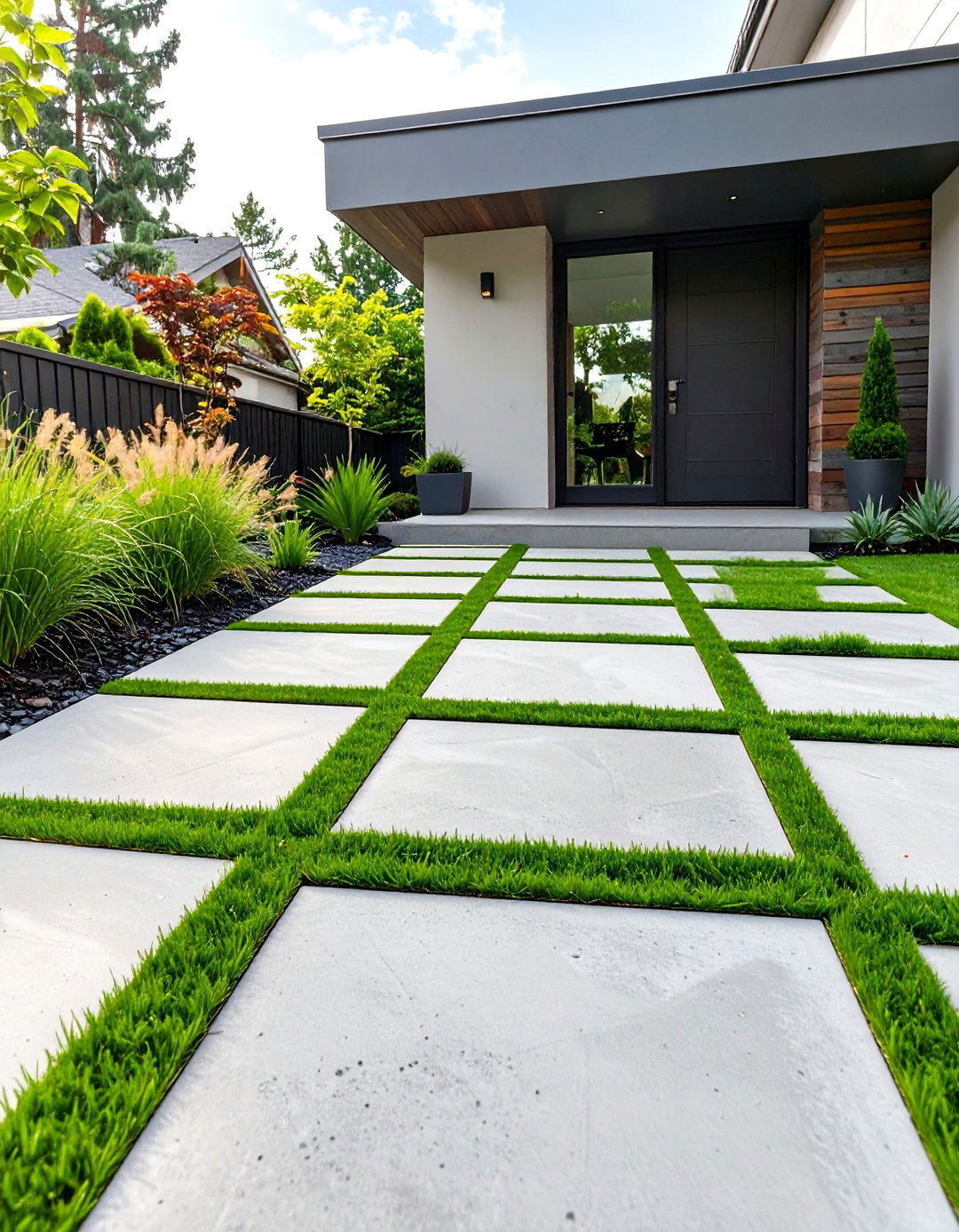
For a contemporary and structured look, a paver and grass grid is an excellent low-maintenance choice. This design involves laying large, clean-lined concrete or stone pavers in a geometric pattern, leaving uniform gaps between them to plant durable grass or a low-growing ground cover like mondo grass. The result is a visually striking surface that reduces the total lawn area, meaning less mowing and watering. It creates a functional and stylish pathway or patio space while still incorporating soft, green elements. This minimalist approach is perfect for modern homes and provides a polished, high-design look with minimal upkeep.
6. Raised Corten Steel Planter Beds

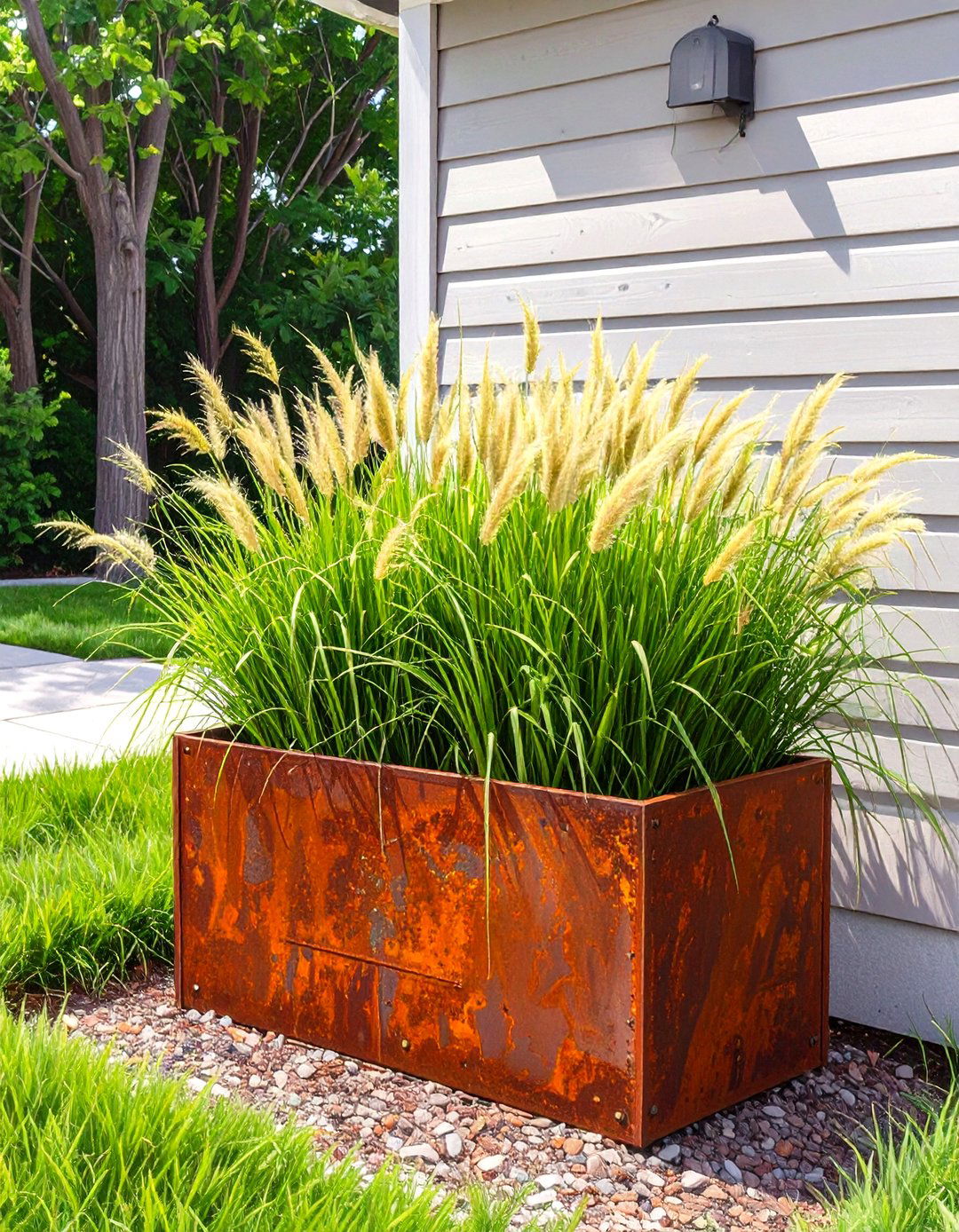
Raised garden beds made from Corten steel offer a modern, industrial-chic aesthetic that is incredibly practical. This durable steel develops a stable, rust-like patina over time that protects it from further corrosion and eliminates the need for painting or sealing. By elevating your planting area, you gain better control over soil quality and drainage, making it easier to grow healthy plants. Raised beds also reduce the strain of bending and kneeling. Fill them with a mix of low-maintenance perennials and evergreen shrubs for year-round structure and color, creating a striking focal point that requires very little hands-on care.
7. Simple Dry Creek Bed Feature

A dry creek bed introduces naturalistic beauty and solves drainage problems with zero ongoing maintenance. This feature uses a variety of river rocks, pebbles, and small boulders arranged to mimic a natural stream. It can be designed to channel rainwater away from your home's foundation, making it both functional and decorative. The rocks suppress weeds and require no watering or trimming. You can soften the edges by planting a few drought-tolerant ornamental grasses or native plants that thrive in rocky conditions. This creates a powerful visual element that adds texture and movement to your landscape all year long.
8. Ornamental Grass Clusters

For texture, movement, and year-round interest, nothing beats ornamental grasses. Varieties like Blue Fescue, Karl Foerster Feather Reed Grass, or Little Bluestem are exceptionally low-maintenance, requiring little more than an annual trim in late winter. They are drought-tolerant, pest-resistant, and come in a range of colors, sizes, and forms. Planting them in clusters or drifts creates a soft, modern look that sways beautifully in the breeze. They provide structure in the winter and airy plumes in the summer and fall, offering four seasons of visual appeal without the constant demands of a traditional garden.
9. Evergreen Shrub Foundation Planting

Using a foundation of evergreen shrubs is a classic strategy for a reason: it provides year-round structure and color with minimal effort. Choose compact, slow-growing varieties like Boxwood, Dwarf Alberta Spruce, or Holly to avoid constant pruning. These shrubs create a consistent green backdrop that keeps your front yard looking polished and tidy even in the dead of winter. By selecting plants that won't outgrow their space, you eliminate the need for frequent trimming. Simply mulch around their base to retain moisture and suppress weeds, and you’ll have a handsome, effortless landscape framework that always looks good.


10. Minimalist Stepping Stone Path

A minimalist stepping stone path is a simple yet elegant way to guide visitors to your door while reducing lawn space. Set large, flat stones like slate or bluestone directly into a bed of gravel, mulch, or low-growing ground cover. This eliminates the need for intricate edging and meticulous lawn care around the walkway. The clean lines and natural materials create a sense of calm and order. For an even lower-maintenance option, use decomposed granite as the filler between stones, which compacts to a firm surface that resists weeds. This approach is functional, stylish, and requires virtually no upkeep.
11. Tiered Retaining Wall Garden

If your front yard has a slope, a tiered retaining wall can turn a challenging space into a stunning, low-maintenance feature. By creating a series of level terraces with stone or concrete blocks, you prevent soil erosion and create manageable planting pockets. Each tier can be filled with easy-care plants like succulents, ground covers, or dwarf shrubs. This design improves drainage and makes gardening much easier by bringing the plants to a more accessible height. The strong lines of the walls add architectural interest, while the plants soften the look, resulting in a dynamic and practical landscape.
12. Decomposed Granite Seating Area

Transform a portion of your front yard into a charming and functional seating area with decomposed granite (DG). This natural, fine-crushed rock compacts to create a firm, smooth surface that is perfect for a small bistro table and a couple of chairs. It offers a soft, natural look that is less harsh than concrete and is permeable, allowing water to drain through. DG requires no watering, mowing, or fertilizing and effectively keeps weeds at bay. Surround the space with a few pots of colorful, low-care annuals or an evergreen shrub to define the area and create an inviting outdoor room.
13. Artificial Turf for a Perfect Lawn

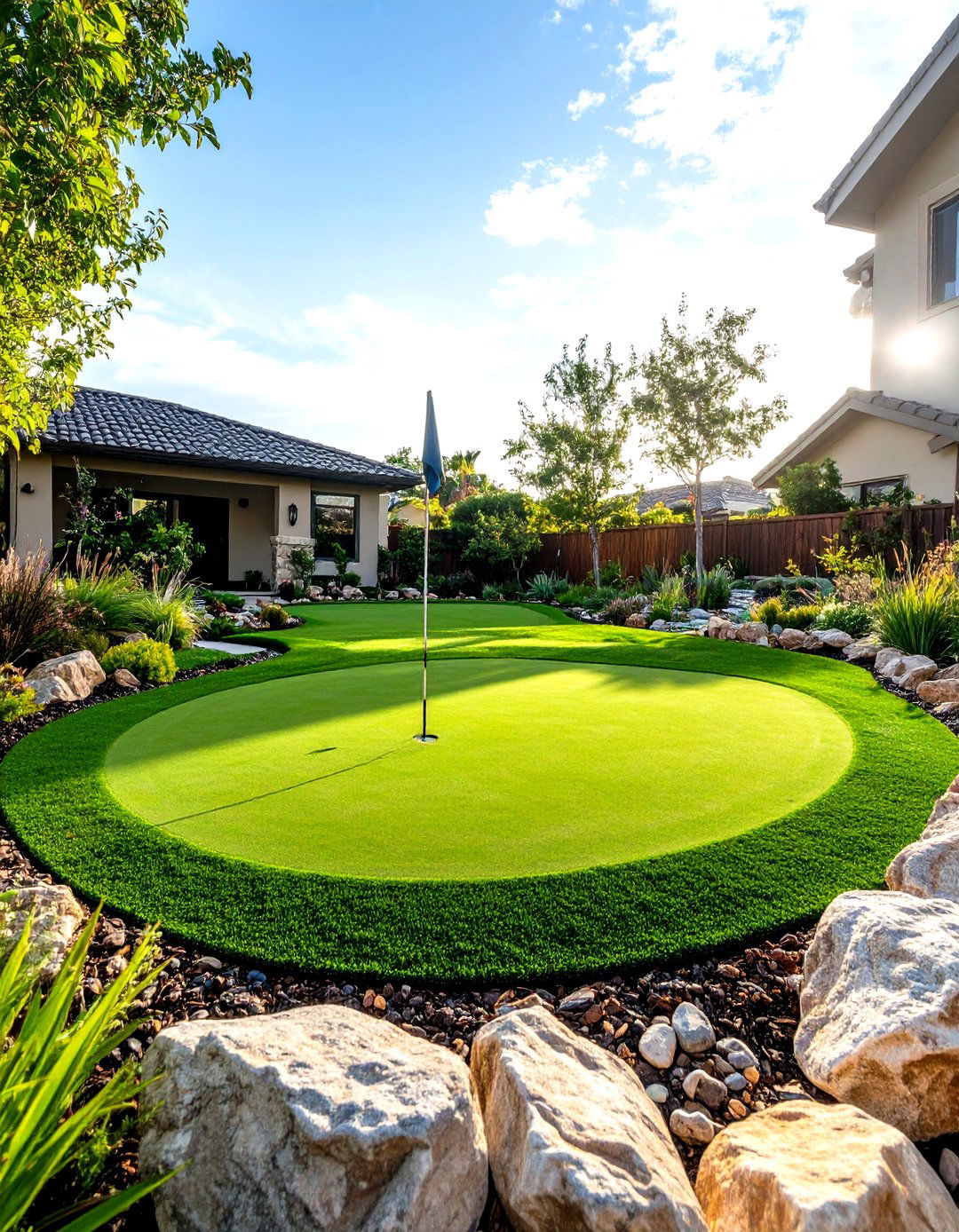
For those who love the look of a pristine green lawn but hate the work, high-quality artificial turf is the ultimate low-maintenance solution. Modern synthetic grass looks remarkably realistic, with varied blade heights and colors that mimic natural turf. It completely eliminates the need for mowing, watering, fertilizing, and weeding, saving you time, money, and resources. It’s an ideal choice for very small yards or areas where real grass struggles to grow. While the initial investment is higher, the long-term benefit is a perfect, evergreen lawn that stays beautiful in any weather with almost zero effort.
14. Large Statement Planters

Creating a big impact in a small yard is easy with large statement planters. Instead of a scattered collection of small pots, use one or two oversized containers as focal points. A tall, modern planter by the front door or a wide, low bowl in a garden bed can anchor your landscape design. Fill them with a "thriller, filler, spiller" combination for a professional look: a tall plant in the center (thriller), mounding plants around it (filler), and trailing plants cascading over the edge (spiller). Using self-watering planters can further reduce your maintenance tasks, providing consistent moisture without daily attention.
15. Rock Garden with Alpine Plants

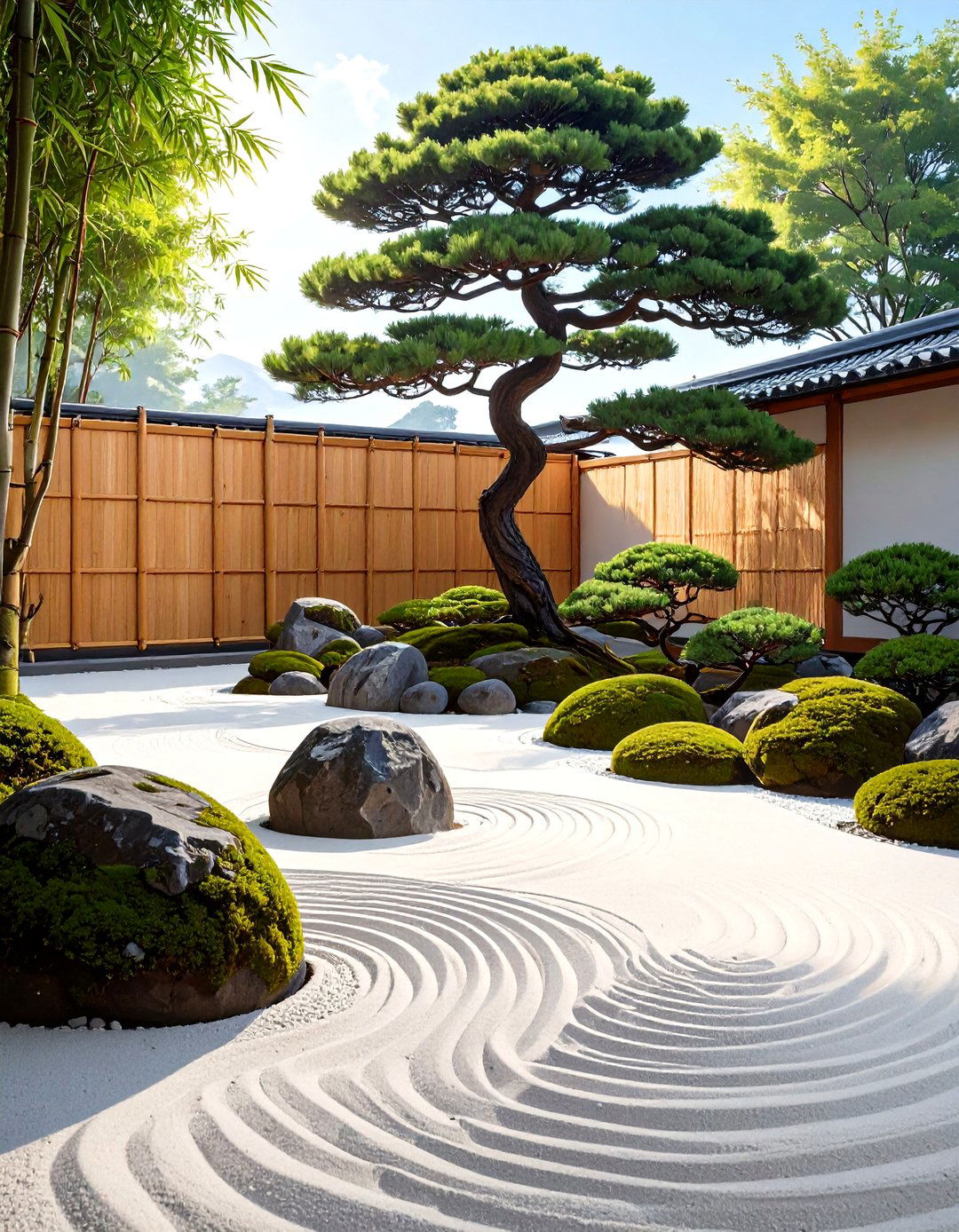
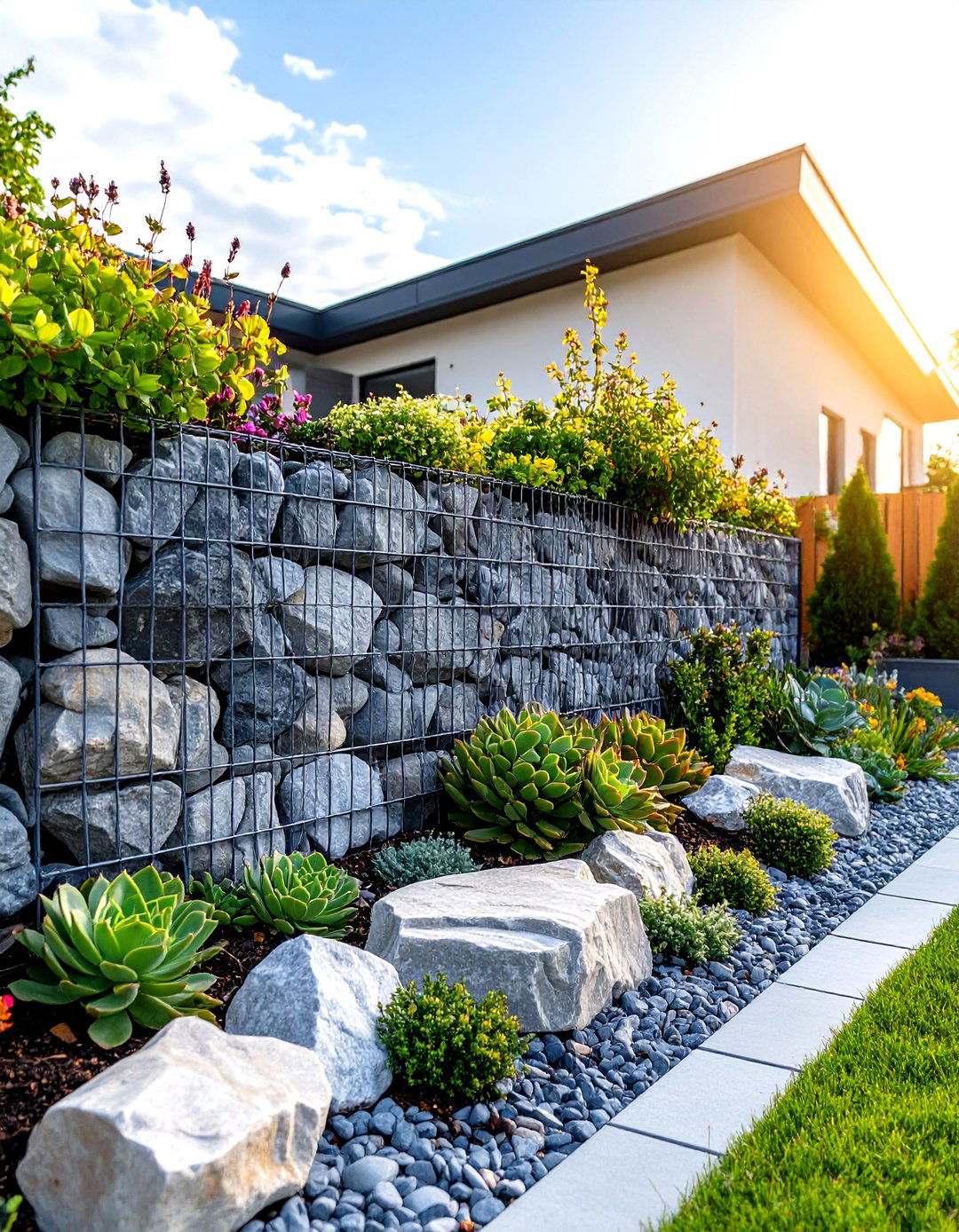
A rock garden, or rockery, mimics a rugged, mountainous landscape and is incredibly self-sufficient. This design uses a combination of large stones, gravel, and sand to create a well-drained environment perfect for alpine plants. Small, hardy plants like Sempervivum, Sedum, and various saxifrages thrive in these conditions, requiring very little water or soil. They hug the ground and creep between the rocks, creating a fascinating miniature world of texture and color. A rock garden is a fantastic solution for sunny, sloped areas and provides year-round interest with its structural rock elements and resilient plantings.
16. No-Fuss Perennial Flower Bed

A well-planned perennial flower bed can provide seasons of color with very little work. Unlike annuals, perennials return year after year, saving you the effort of replanting. Choose hardy, long-blooming varieties that are known for their reliability, such as Coneflowers (Echinacea), Black-Eyed Susans (Rudbeckia), and Daylilies (Hemerocallis). Grouping plants with similar light and water needs simplifies care. Once established, these tough plants require minimal watering and can often outcompete weeds. A thick layer of mulch will further reduce your weeding and watering chores, leaving you more time to enjoy the blooms.
17. Edible Herb Garden Path Border

Line your front walkway with a border of fragrant, edible herbs for a garden that is both beautiful and useful. Hardy perennial herbs like lavender, rosemary, sage, and thyme are excellent choices as they are drought-tolerant and naturally pest-resistant. These plants provide lovely textures and silvery-green foliage that looks great year-round, and they release a wonderful scent when brushed against. You get the benefit of fresh herbs for your kitchen with minimal gardening effort. This practical approach to landscaping adds a charming, cottage-garden feel while serving a delicious purpose, making your front yard truly productive.
18. Mulch-Based Landscape with Shrubs

One of the easiest ways to create a low-maintenance yard is to minimize lawn and maximize mulch. Cover large areas of your front yard with a thick, 3-4 inch layer of bark, wood chips, or pine straw. This organic layer suppresses weeds, retains soil moisture, and regulates soil temperature, dramatically reducing your yard work. To add structure and interest, plant a few well-spaced, slow-growing evergreen or flowering shrubs directly into the mulched beds. This creates a clean, cohesive, and modern look that requires little more than an annual mulch top-up to stay looking fresh and tidy.
19. Solar-Powered Landscape Lighting

Enhance your front yard's appeal after dark with zero effort by installing solar-powered landscape lighting. Modern solar lights are surprisingly bright, reliable, and easy to install—no wiring required. Simply stake them into the ground along a pathway, aim them at a focal point tree, or place them within a garden bed. They charge during the day and automatically turn on at dusk, providing ambiance and improving safety. This adds a layer of sophistication to your landscape design without adding to your energy bill or your to-do list, making it a truly set-and-forget upgrade for any small yard.

20. Simple Front Porch Container Grouping

If your front yard is mostly a porch or a small patio, a curated grouping of containers is all you need for a stunning landscape. Choose three to five pots of varying heights and sizes but in a cohesive color or material, like terracotta or dark gray fiberstone. Plant them with low-maintenance options such as drought-tolerant succulents, hardy ornamental grasses, or a simple boxwood. This approach keeps the gardening contained and manageable. You can easily change out one or two plants for seasonal color without redoing the entire yard, offering flexibility and style with minimal commitment.
21. A Single, Striking Specimen Tree

Sometimes, one perfect element is all a small yard needs. Planting a single, well-chosen specimen tree can serve as the entire landscape focus. A tree with interesting bark, a beautiful shape, or seasonal color, like a Japanese Maple, a Paperbark Maple, or a Crape Myrtle, can provide a powerful statement. Underplant it with a simple ground cover or a bed of mulch to eliminate lawn care beneath its canopy. The tree provides vertical interest, shade, and a natural anchor for your home's facade, delivering maximum visual impact for the minimal effort of planting just one thing.
22. Window Box and Shutter Combination

Draw the eye upward and add charm to your home’s facade with a classic window box and shutter combination. This shifts the landscaping focus from the ground to the house itself. Install low-maintenance, self-watering window boxes and fill them with resilient, trailing plants like ivy geraniums, petunias, or sweet potato vine. The flowers provide a splash of color, while the shutters frame the windows and add architectural detail. This strategy is perfect for homes with very little ground to landscape, creating a beautiful, cottage-like appeal without needing to touch a shovel or a lawnmower.
23. Mondo Grass Borders

For a sleek and modern look that requires virtually no care, use Mondo Grass (Ophiopogon japonicus) to create clean, sharp borders along walkways or garden beds. This tough, grass-like perennial forms dense, dark green clumps that stay neat and tidy all year. There are even dwarf varieties and a striking black version (Ophiopogon planiscapus 'Nigrescens') for extra drama. It's incredibly drought-tolerant and slow-spreading, meaning it won't invade other areas of your garden. Using it as an edging material provides a formal, manicured look without the endless trimming and maintenance that other border plants require.
24. A Simple Bench as a Focal Point

Create a welcoming and functional focal point by adding a simple, elegant bench to your front yard. Place it under a tree, against a wall, or within a small garden bed surrounded by low-maintenance ground cover or gravel. The bench itself becomes the main feature, inviting visitors to pause and enjoy the space. It adds a sense of purpose and design to the yard without requiring any gardening. Choose a durable, all-weather material like teak, cast aluminum, or recycled plastic for a truly maintenance-free element that adds charm and character to your home's entrance for years to come.
25. Wildflower Patch for Pollinators
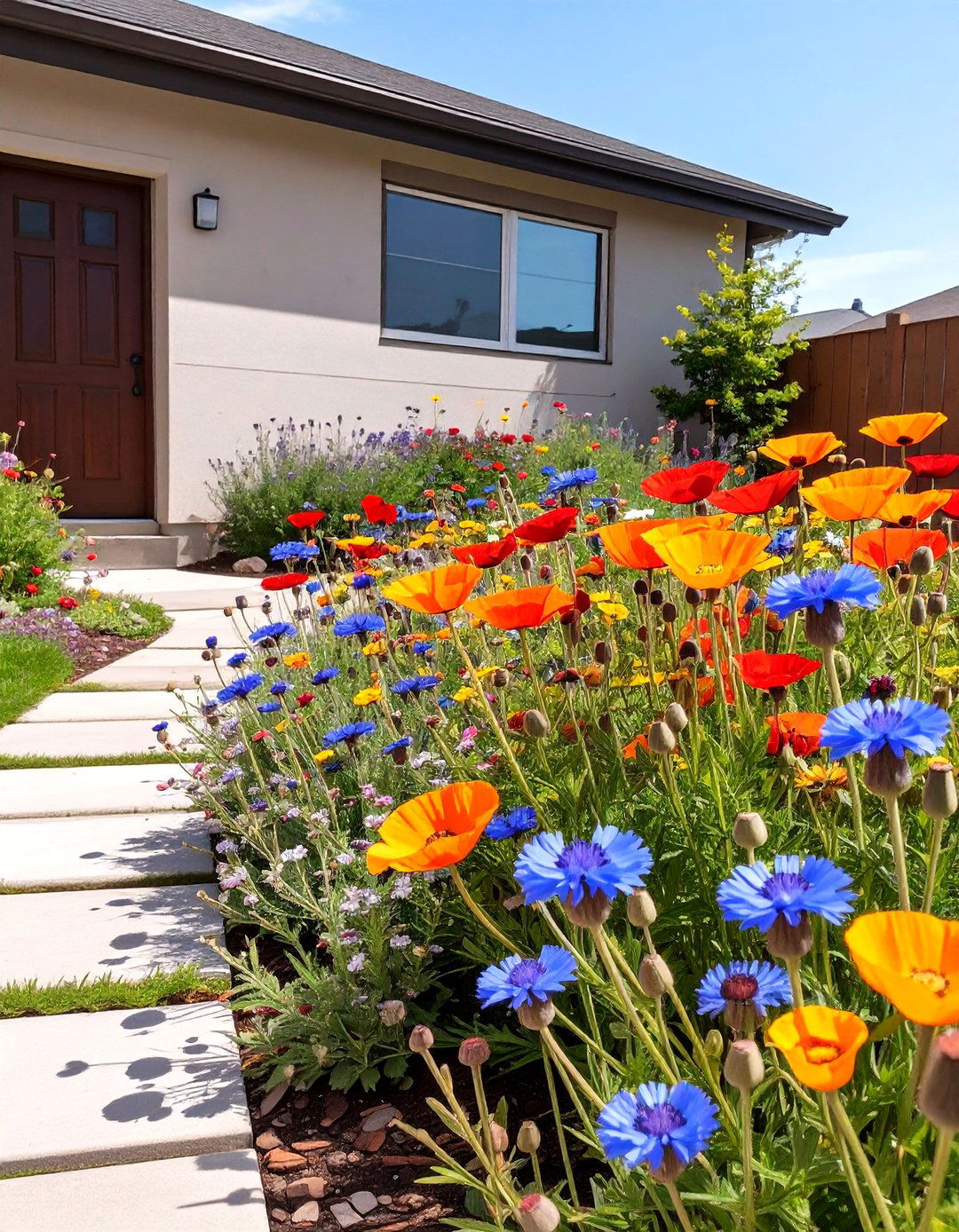
Dedicate a small patch of your front yard to a wildflower mix specifically designed for your region. This is one of the lowest-effort, highest-reward landscaping ideas. Simply prepare the soil, scatter the seeds, and let nature take over. These native blooms are adapted to your climate and require no supplemental watering or fertilizer once established. You'll get a beautiful, ever-changing display of color throughout the seasons while providing a vital habitat for bees, butterflies, and other beneficial insects. It’s a beautifully untamed look that celebrates nature and requires almost nothing from you.
26. Corten Steel Garden Edging

Define your garden beds with clean, sharp lines using Corten steel edging. This material offers a rustic yet modern look, developing a protective rust patina that blends beautifully with plants and mulch. Unlike plastic or wood edging that can warp or rot, Corten steel is incredibly durable and permanent. It effectively contains mulch or gravel and prevents lawn grass from creeping into your beds, significantly reducing trimming and weeding. The thin profile creates a crisp separation between different landscape elements, giving your small front yard a professionally designed and highly polished appearance with no upkeep.
27. Vertical Garden on a Front Wall

When ground space is limited, go vertical. A vertical garden installed on a front-facing wall or fence can become a stunning living mural. Modular systems with built-in irrigation make these features surprisingly low-maintenance. Plant it with a mix of succulents, herbs, or tough perennials like Heuchera for a tapestry of color and texture. This draws the eye upward, making a small yard feel larger and more dynamic. It's an innovative way to introduce lush greenery without sacrificing any precious floor space, turning a blank wall into a vibrant and self-sustaining work of art.
28. Patterned Paver Walkway

Elevate a simple path into a design feature by laying pavers in an interesting pattern. A herringbone, basketweave, or running bond pattern can add a touch of custom detail and sophistication to your front yard. Using permeable pavers can also help with drainage and reduce water runoff. The solid surface of the walkway reduces the amount of lawn you need to maintain, and the pattern itself provides visual interest that requires no ongoing care. Surround the path with a simple border of gravel or a low-maintenance ground cover to keep the look clean and focused on the beautiful hardscaping.
29. Monochromatic Green Planting Scheme

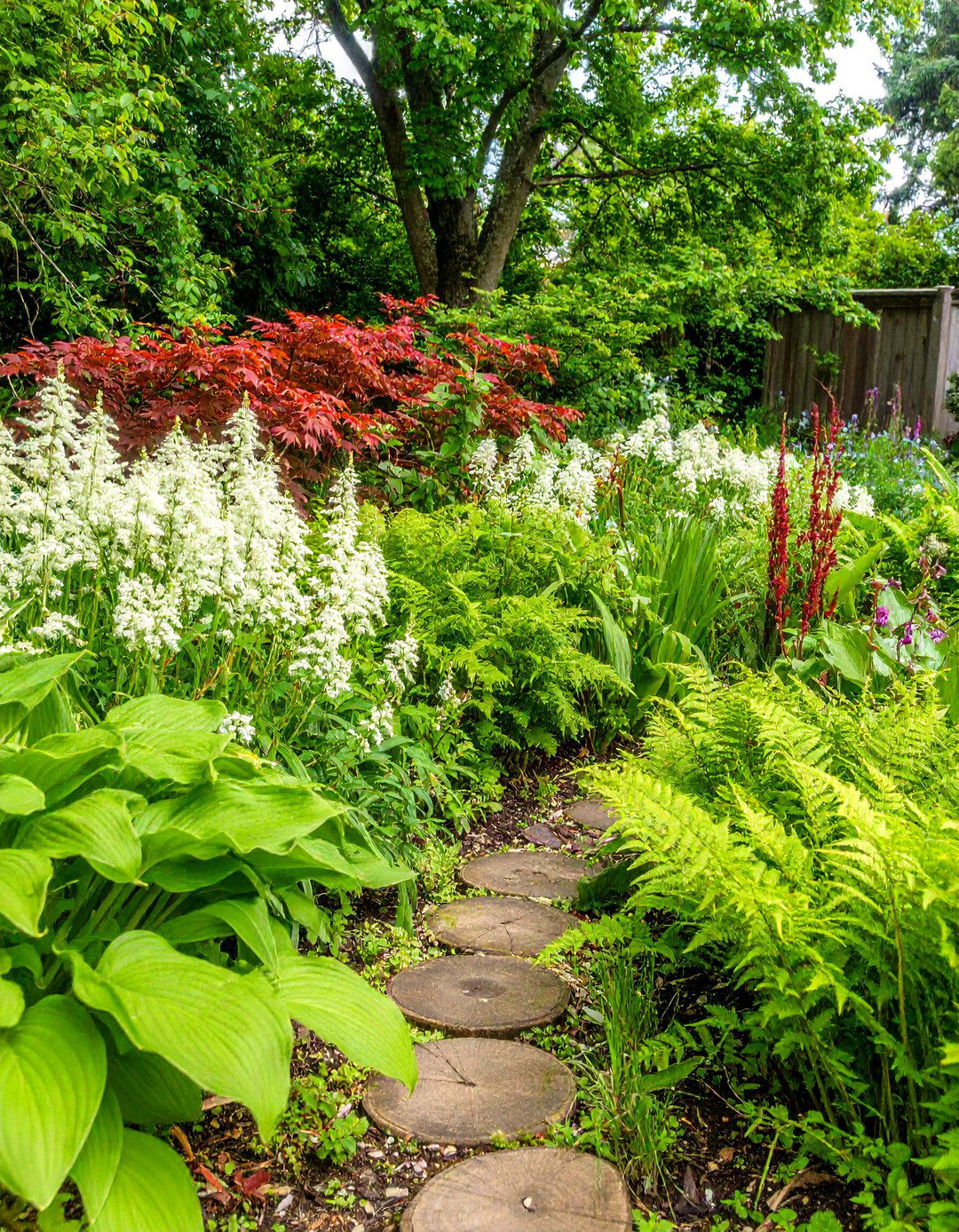
Create a serene and sophisticated landscape by sticking to a monochromatic palette of green. This involves using a variety of plants with different shades, textures, and forms of green foliage. Combine the broad, deep green leaves of a Hosta with the fine, chartreuse needles of a dwarf evergreen and the silvery-green fronds of a fern. This creates a rich, layered look that is calming and elegant. The focus on texture and form over flowers often means selecting hardier, lower-maintenance plants. This simple yet effective design strategy results in a lush, tranquil garden that looks effortlessly chic.
30. Automated Drip Irrigation System
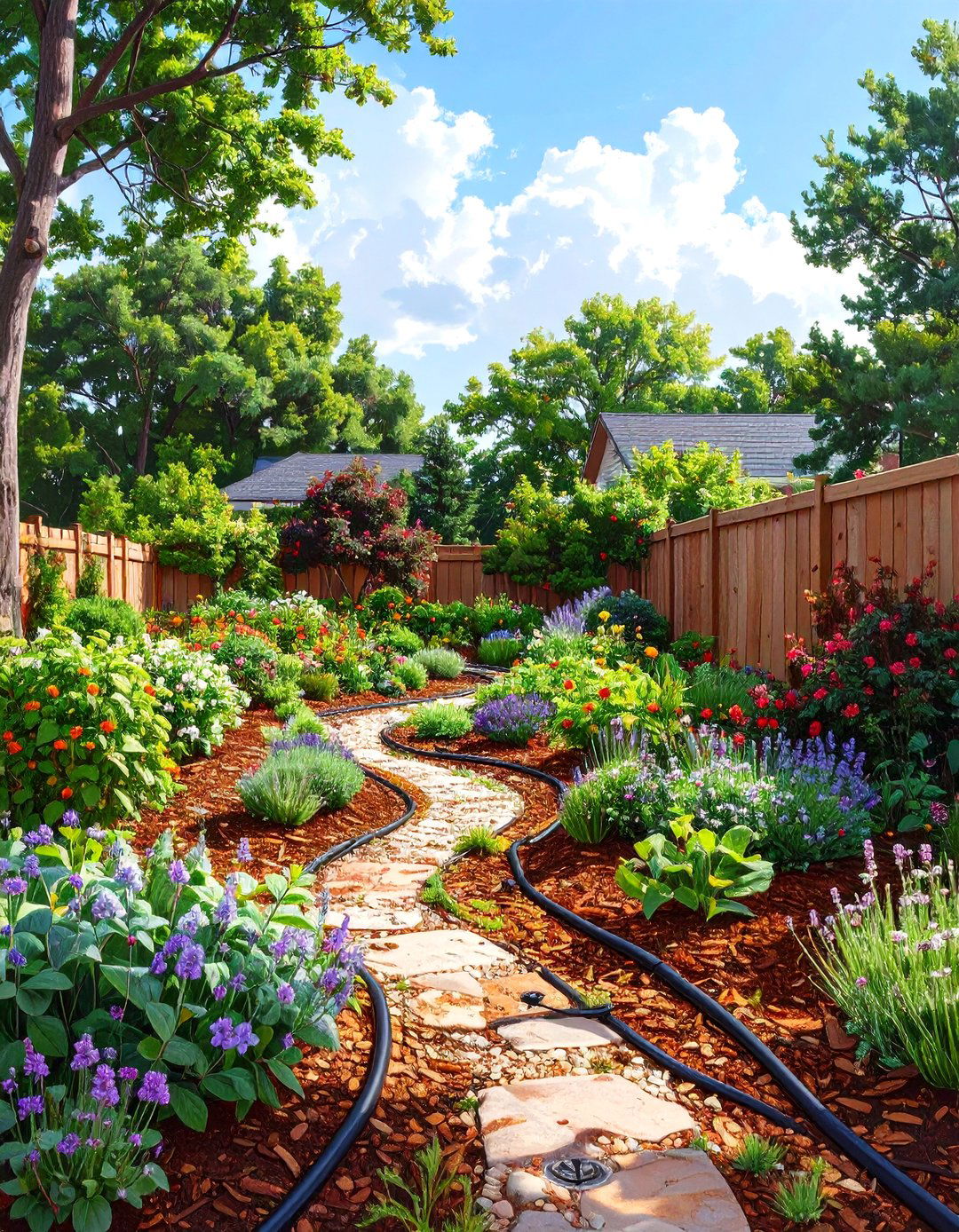
The single best investment for a low-maintenance landscape is an automated drip irrigation system. This technology delivers water slowly and directly to the base of each plant, minimizing evaporation and waste. By putting the system on a timer, you ensure your plants get consistent moisture without you ever having to lift a finger. It eliminates the chore of hand-watering and is far more efficient than sprinklers, which can lead to fungal diseases on leaves. This set-it-and-forget-it solution is the secret behind many thriving, effortless gardens, keeping your plants healthy while you relax.
Conclusion:
Creating a beautiful, low-maintenance small front yard is entirely achievable with smart planning. By prioritizing elements like drought-tolerant plants, functional hardscaping, and automated systems, you can design an inviting space that thrives with minimal intervention. These ideas show that you don't need a large area or endless hours of work to have impressive curb appeal. Focus on strong, simple designs and hardy plants to build a landscape that is both stunning and sustainable, giving you a front yard you can be proud of without the constant upkeep.

Related posts:




Leave a Reply