
Transforming your patio into a stunning outdoor oasis is an exciting project that enhances your home's living space. A well-designed patio landscape provides a perfect retreat for relaxation, entertainment, and connecting with nature. From lush greenery and cozy seating to elegant lighting and water features, the possibilities are endless. Whether you have a sprawling backyard or a compact urban terrace, thoughtful landscaping can turn any outdoor area into a beautiful and functional extension of your home. These ideas will inspire you to create a personalized patio that reflects your style and meets your needs for outdoor living.

1. Integrating a Natural Stone Fire Pit
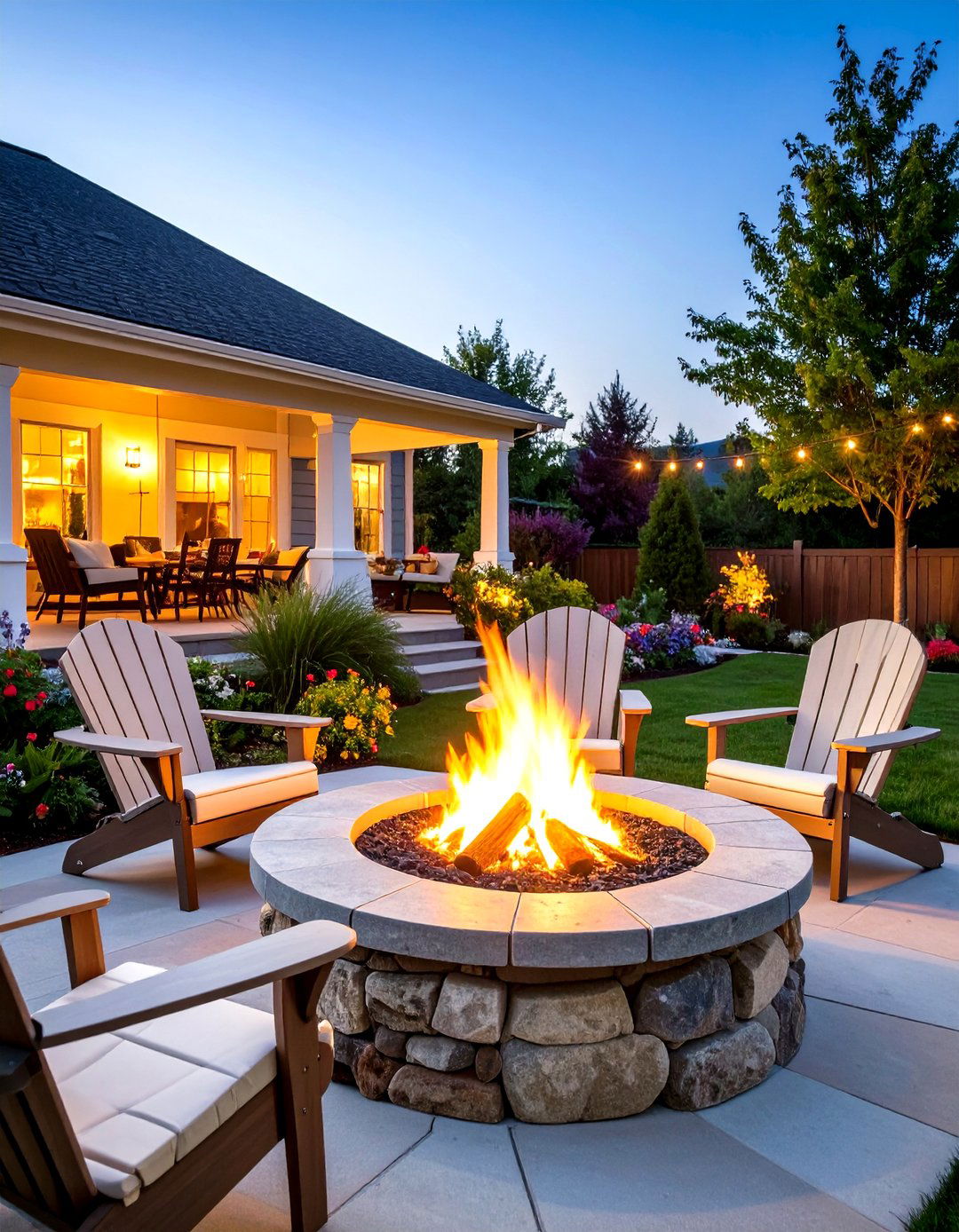
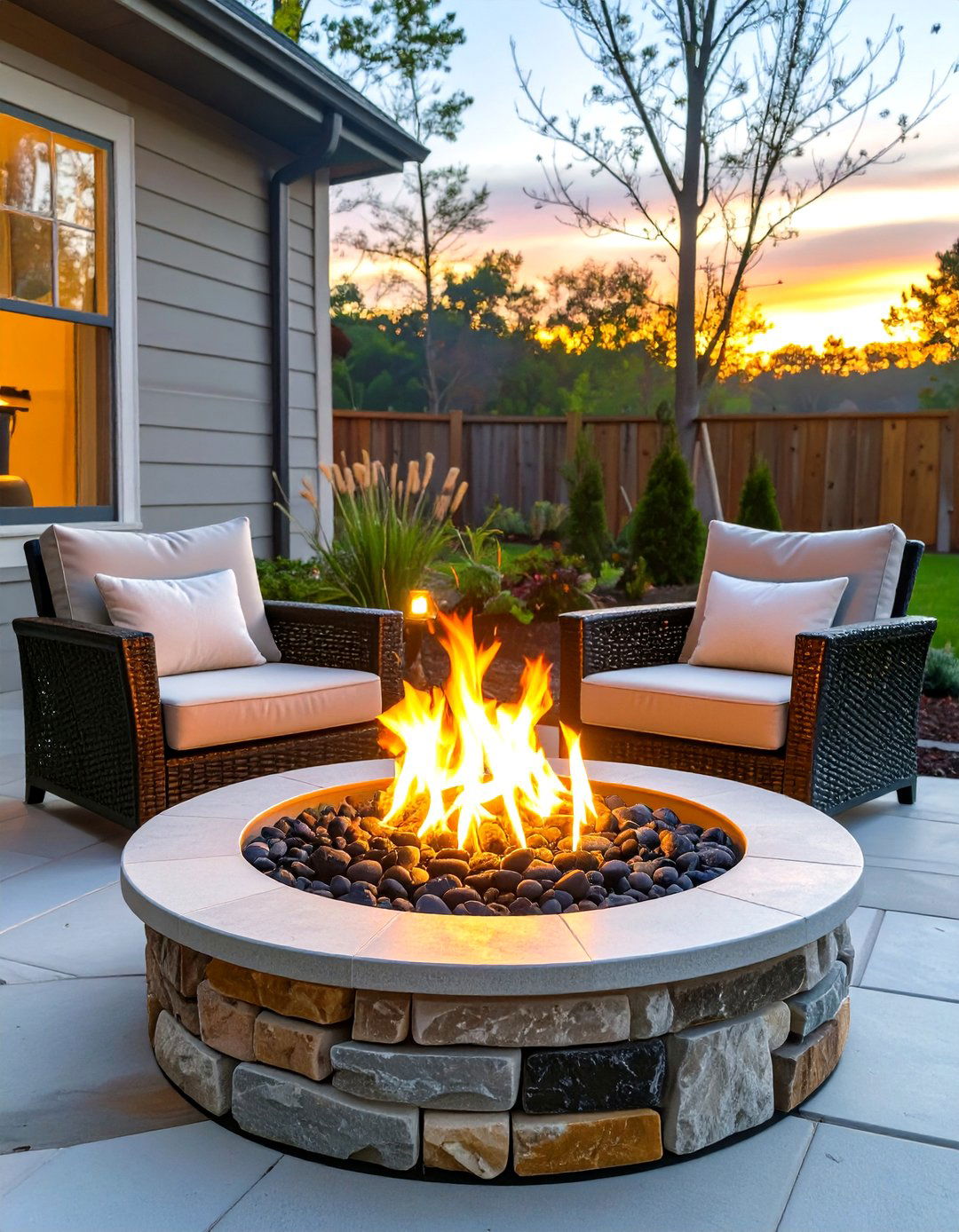
A natural stone fire pit serves as a warm, inviting centerpiece for any patio, extending its usability into cooler evenings. By choosing stones like flagstone or river rock, you create a rustic, organic focal point that blends seamlessly with the surrounding landscape. Arrange comfortable seating around the pit to foster conversation and create a cozy gathering spot for friends and family. This addition not only provides physical warmth but also adds a captivating visual element, with the dancing flames creating a dynamic ambiance. It’s a functional feature that encourages year-round enjoyment of your outdoor space.
2. Building a Patio Pergola with Climbing Vines
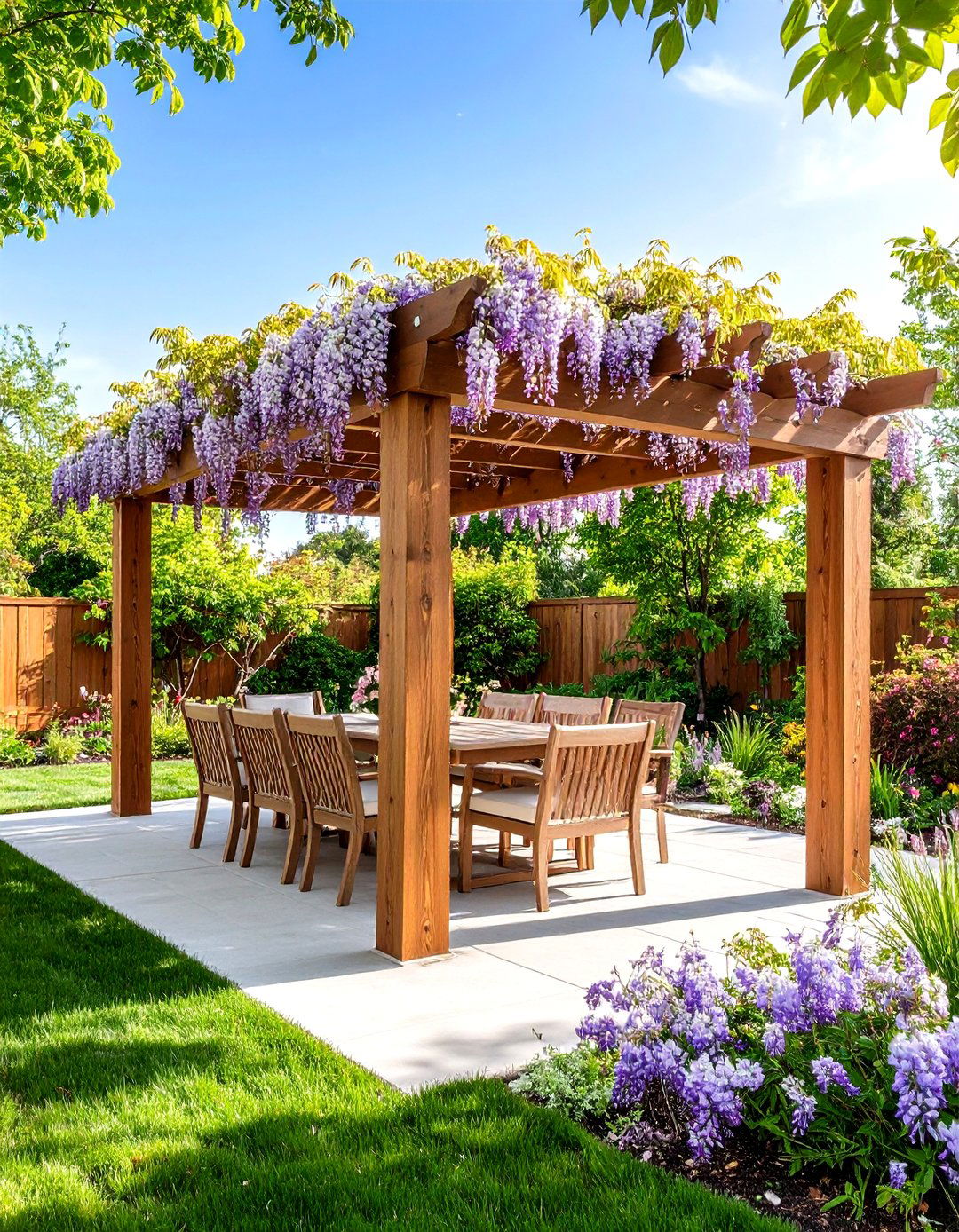
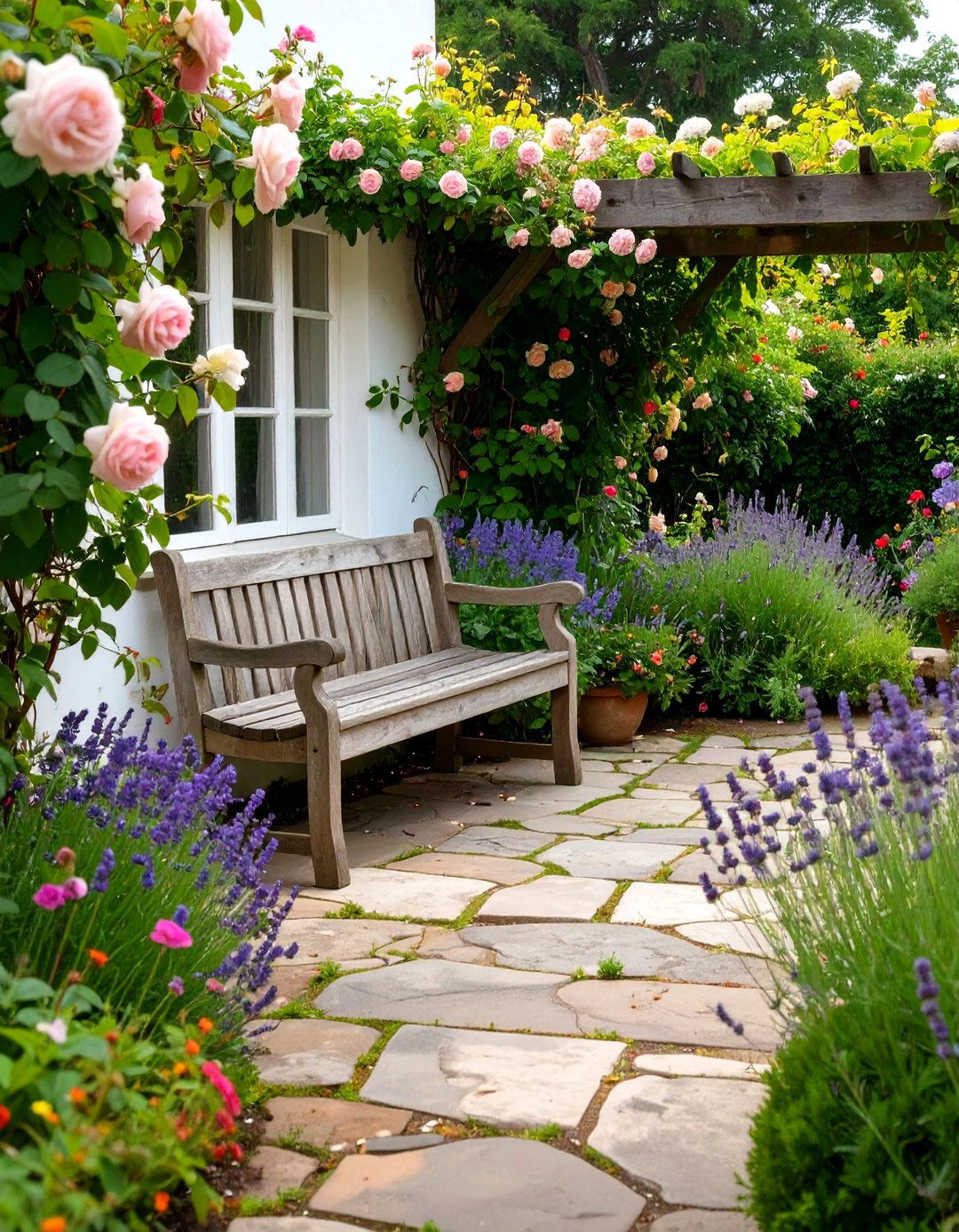
For a touch of elegance and natural shade, a patio pergola adorned with climbing vines is an exceptional choice. Structures made from cedar or redwood offer durability and a classic look, while vines like wisteria, clematis, or trumpet vine add lush greenery and seasonal color. As the plants grow, they create a living canopy that filters sunlight, cools the patio, and enhances privacy. This vertical element draws the eye upward, making the space feel larger and more enclosed. A pergola effectively defines the patio area, creating a room-like feel outdoors while integrating beautifully with the garden.
3. Designing with Multi-Level Patio Tiers
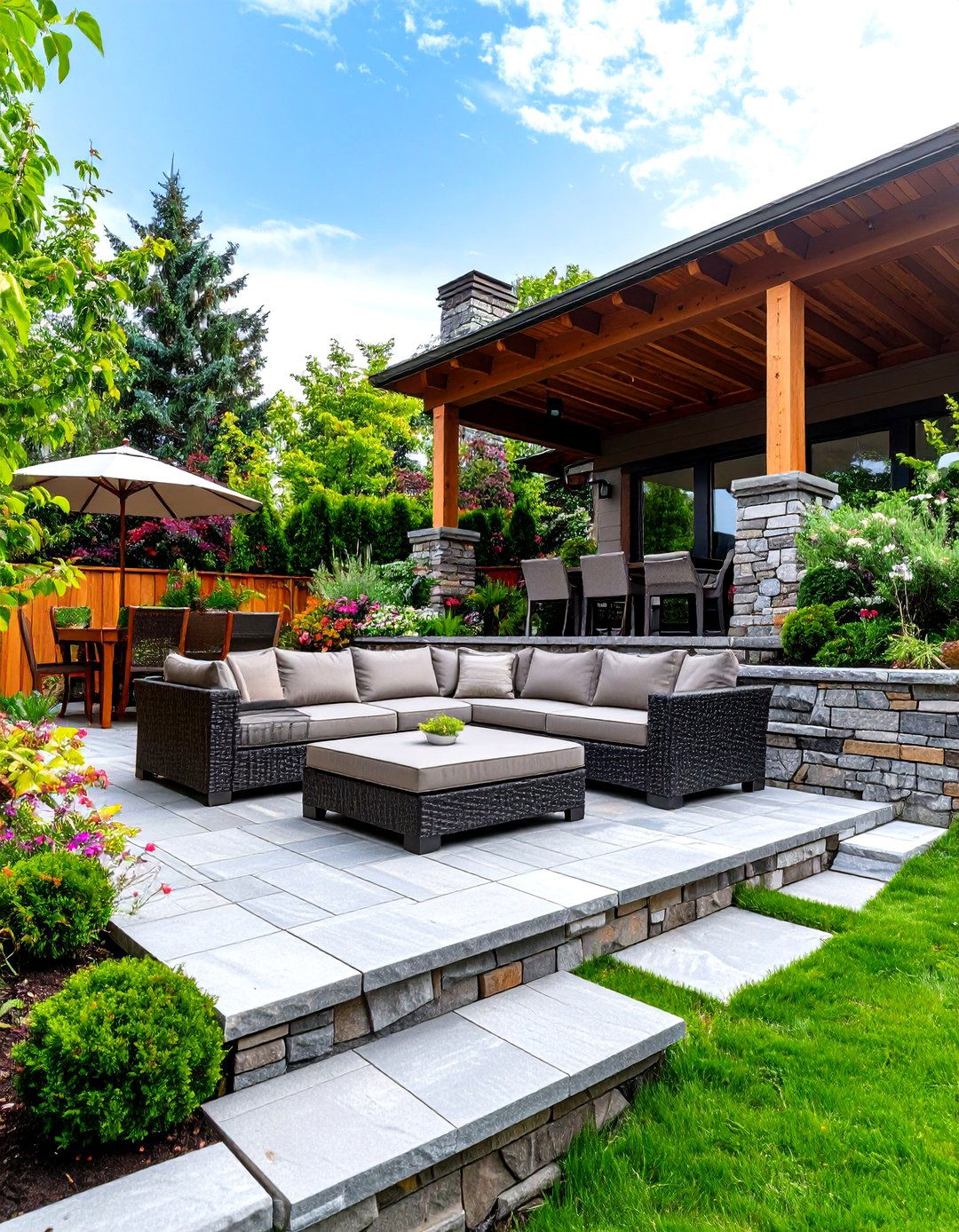
Creating multi-level tiers is a brilliant way to add dimension and define separate functional zones on your patio. This approach is particularly effective for sloped yards, turning a challenge into a stunning design feature. Use low retaining walls made from stone or wood to separate a dining area from a lounging space or a cooking station. Planting pockets within the retaining walls can soften the hardscape with cascading flowers or herbs. This terraced design not only adds visual interest but also helps manage drainage and creates a more dynamic and organized outdoor living environment for various activities.
4. Installing a Soothing Patio Water Feature
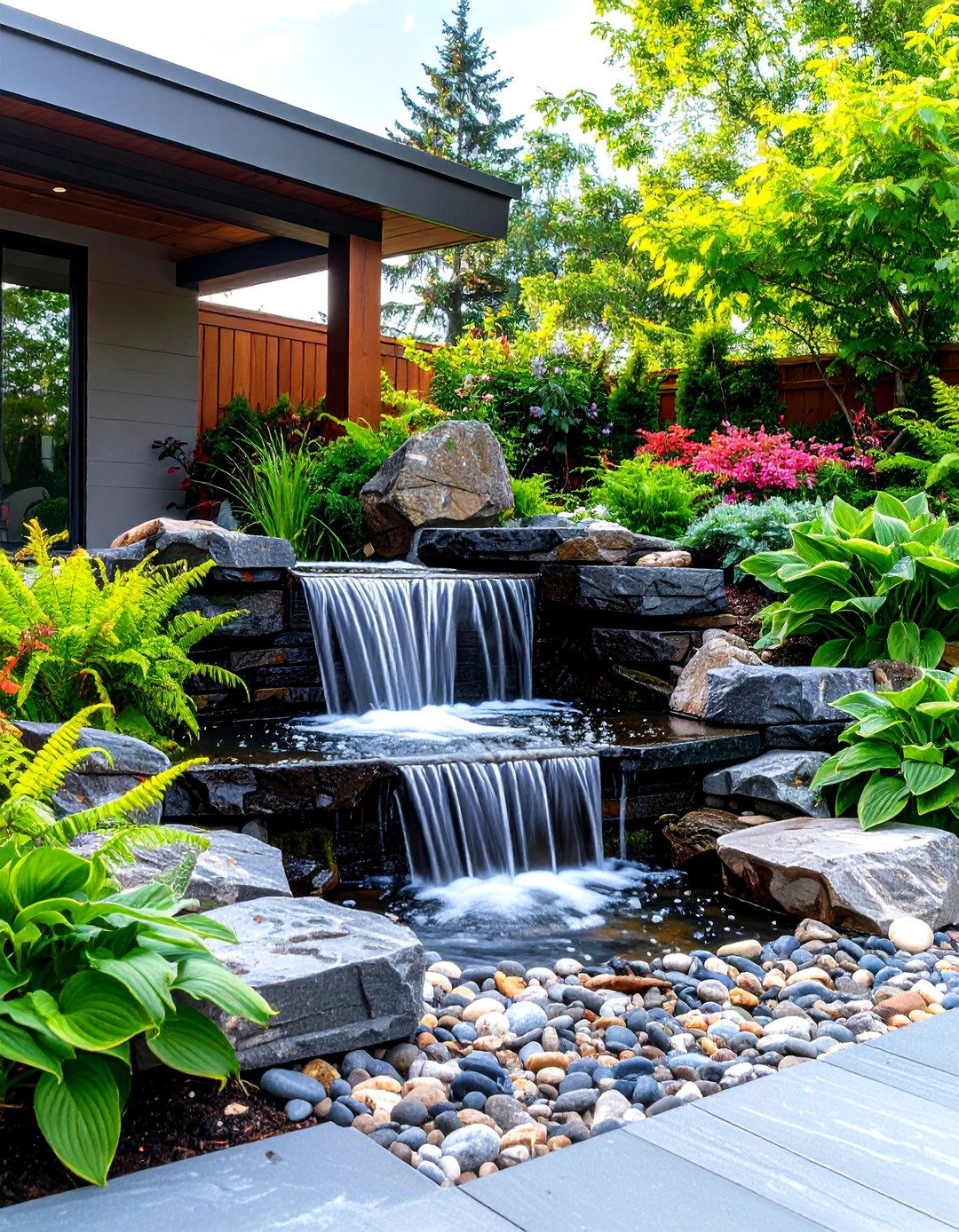
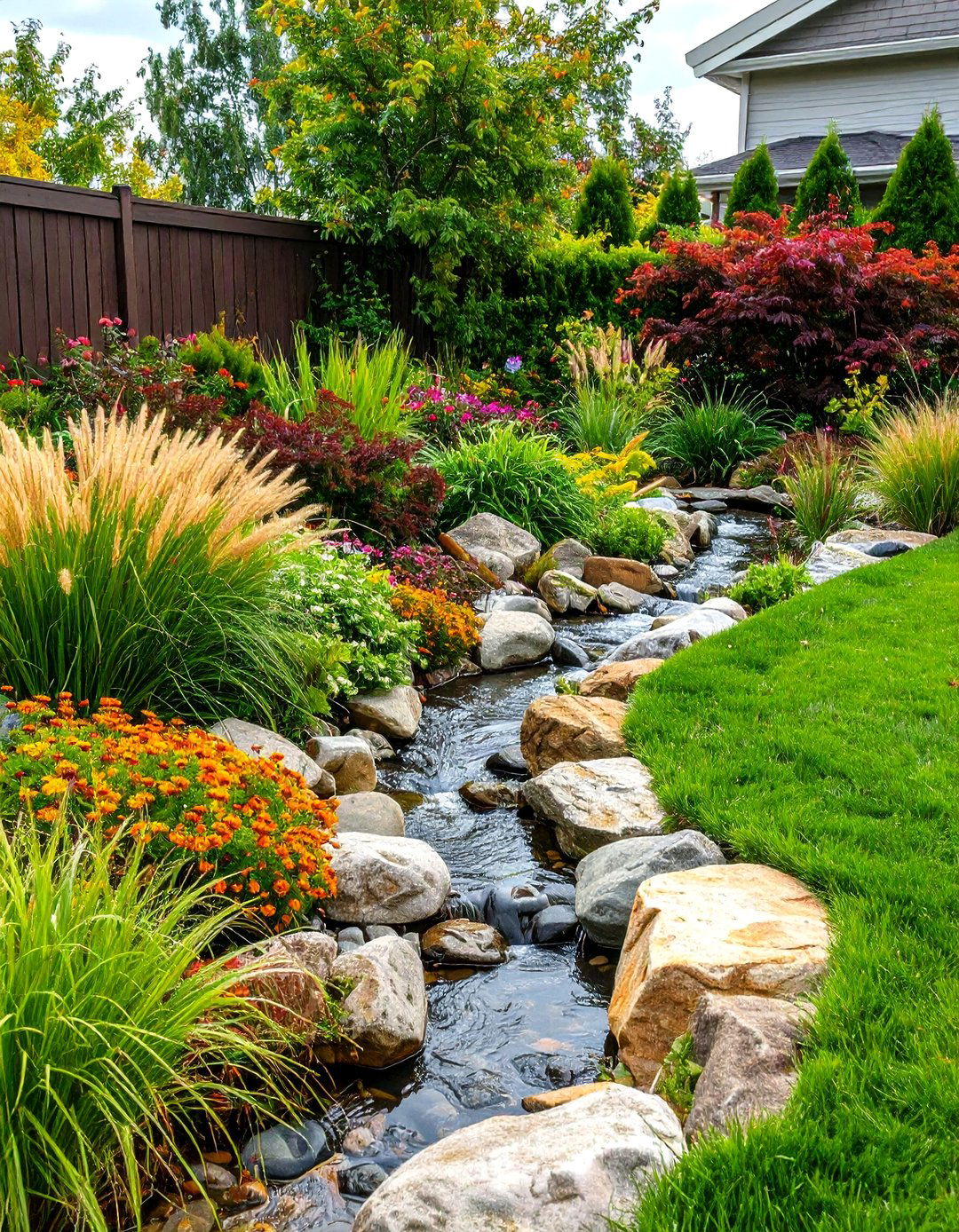
The gentle sound of trickling water can transform your patio into a serene sanctuary. A self-contained fountain, a small pondless waterfall, or a simple bubbling urn can introduce a calming auditory element that masks neighborhood noise. Position the water feature where it can be seen and heard from your main seating area to maximize its relaxing effect. Surrounding it with water-loving plants like ferns and hostas completes the tranquil scene. This addition not only enhances the ambiance but also attracts birds and other wildlife, bringing your patio landscape to life with natural activity.
5. Using Large-Scale Planter Pots for Drama
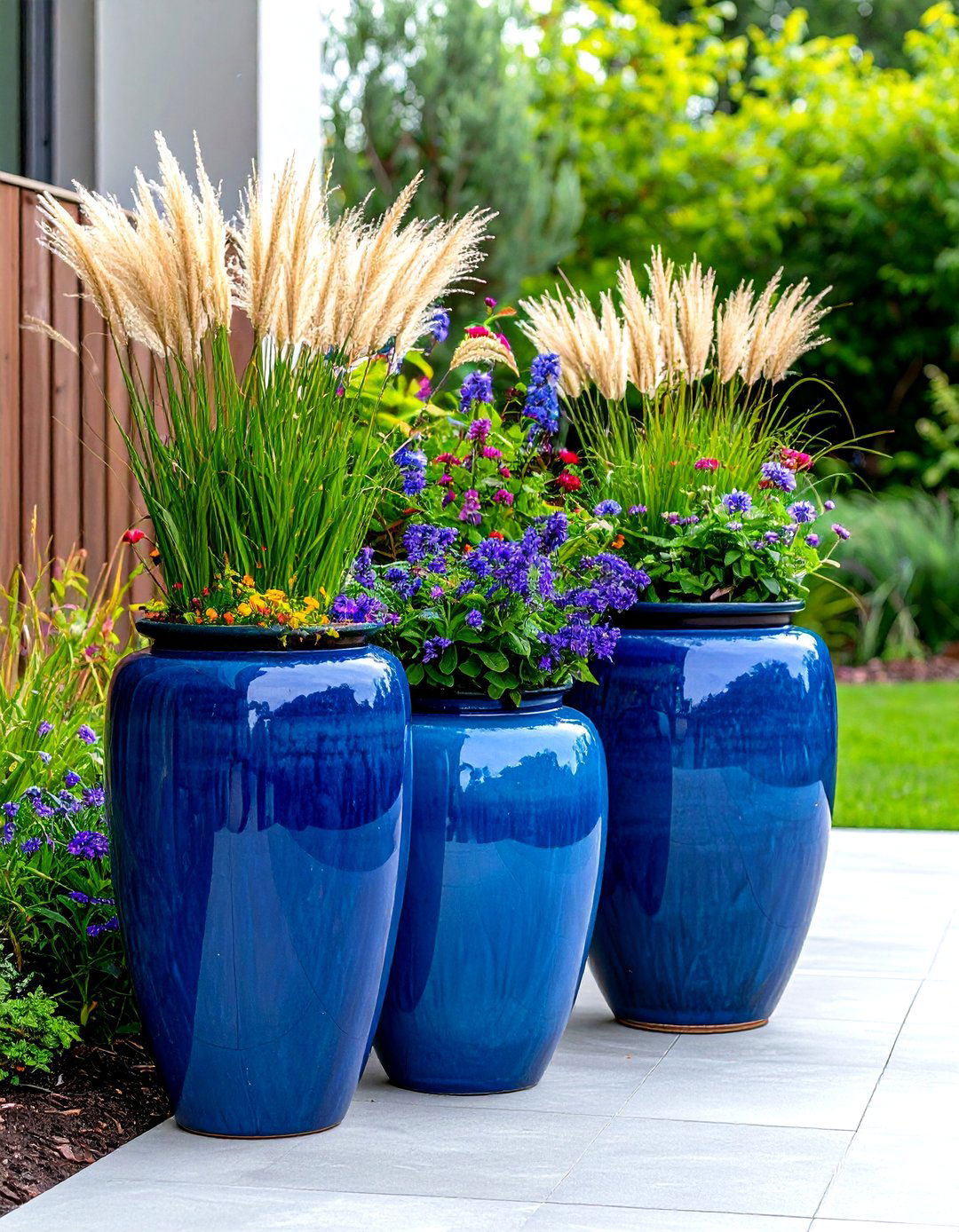
To make a bold statement, incorporate large-scale planter pots into your patio design. These oversized containers act as powerful focal points, especially when filled with dramatic plantings like tall grasses, tropical palms, or vibrant flowering shrubs. Grouping planters of varying heights but similar styles can create a cohesive yet dynamic arrangement. Choose materials like concrete, metal, or glazed ceramic to complement your patio’s overall aesthetic. These large pots are also a practical solution for adding significant greenery without committing to in-ground garden beds, offering flexibility and impactful visual appeal.
6. Creating Privacy with a Living Wall
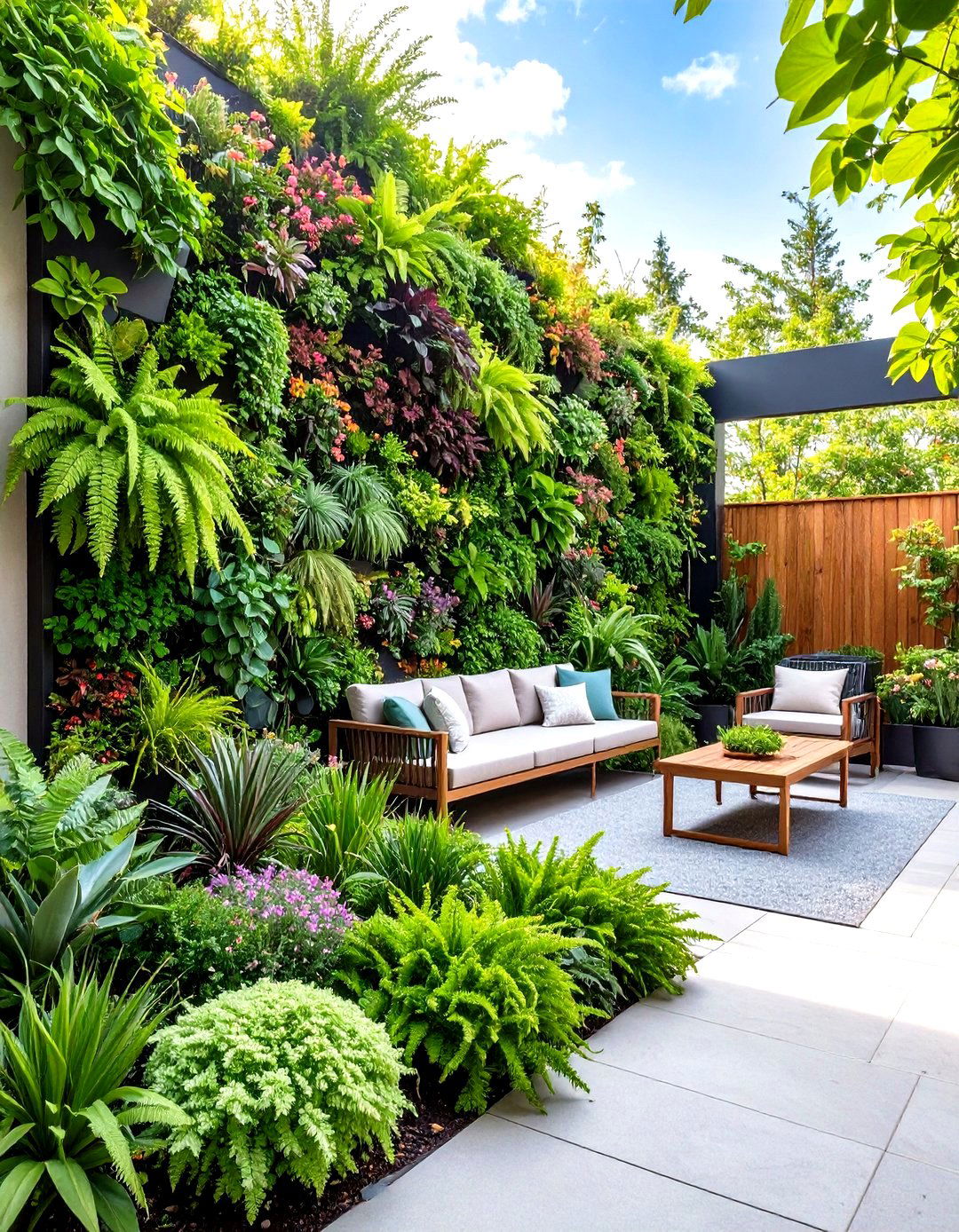
A living wall, or vertical garden, is an innovative and beautiful way to create privacy on your patio. This space-saving solution involves growing plants on a vertically suspended panel, forming a dense screen of foliage. You can plant a mix of ornamental grasses, succulents, ferns, and even herbs to create a lush, textured backdrop. Not only does a living wall shield your patio from view, but it also improves air quality and adds a stunning artistic element. It’s a perfect choice for smaller patios or balconies where ground space is limited but privacy is a priority.
7. Defining Spaces with an Outdoor Rug
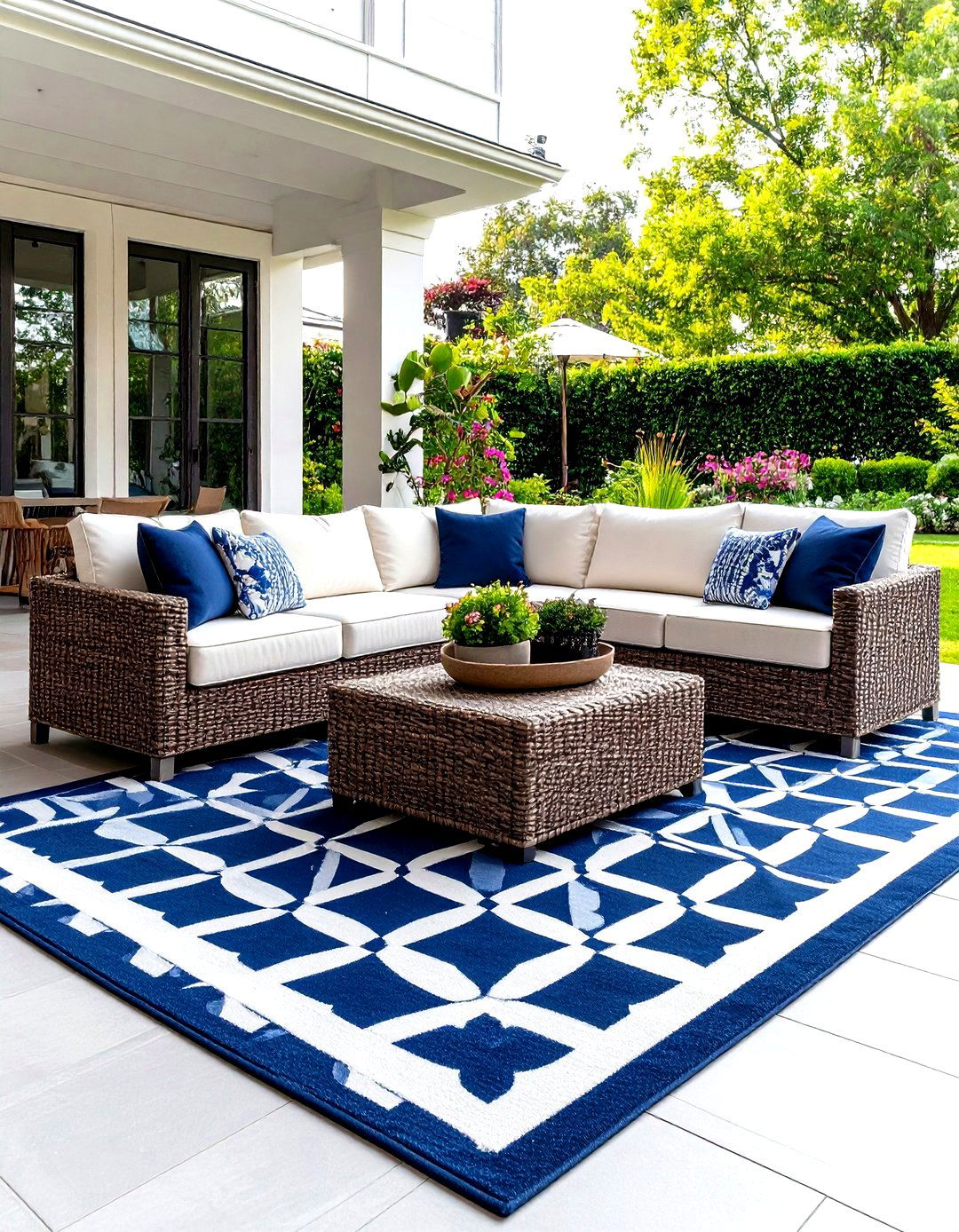
An outdoor rug is a simple yet highly effective tool for defining a specific area on your patio, such as a seating or dining zone. By anchoring the furniture, it creates the feeling of an outdoor room and adds a layer of comfort and style underfoot. Choose a rug made from weather-resistant materials like polypropylene that can withstand sun, rain, and foot traffic. Available in countless patterns and colors, an outdoor rug can introduce a splash of personality, tie together your color scheme, and soften the look of hardscape materials like concrete or stone pavers.
8. Incorporating Built-In Patio Seating
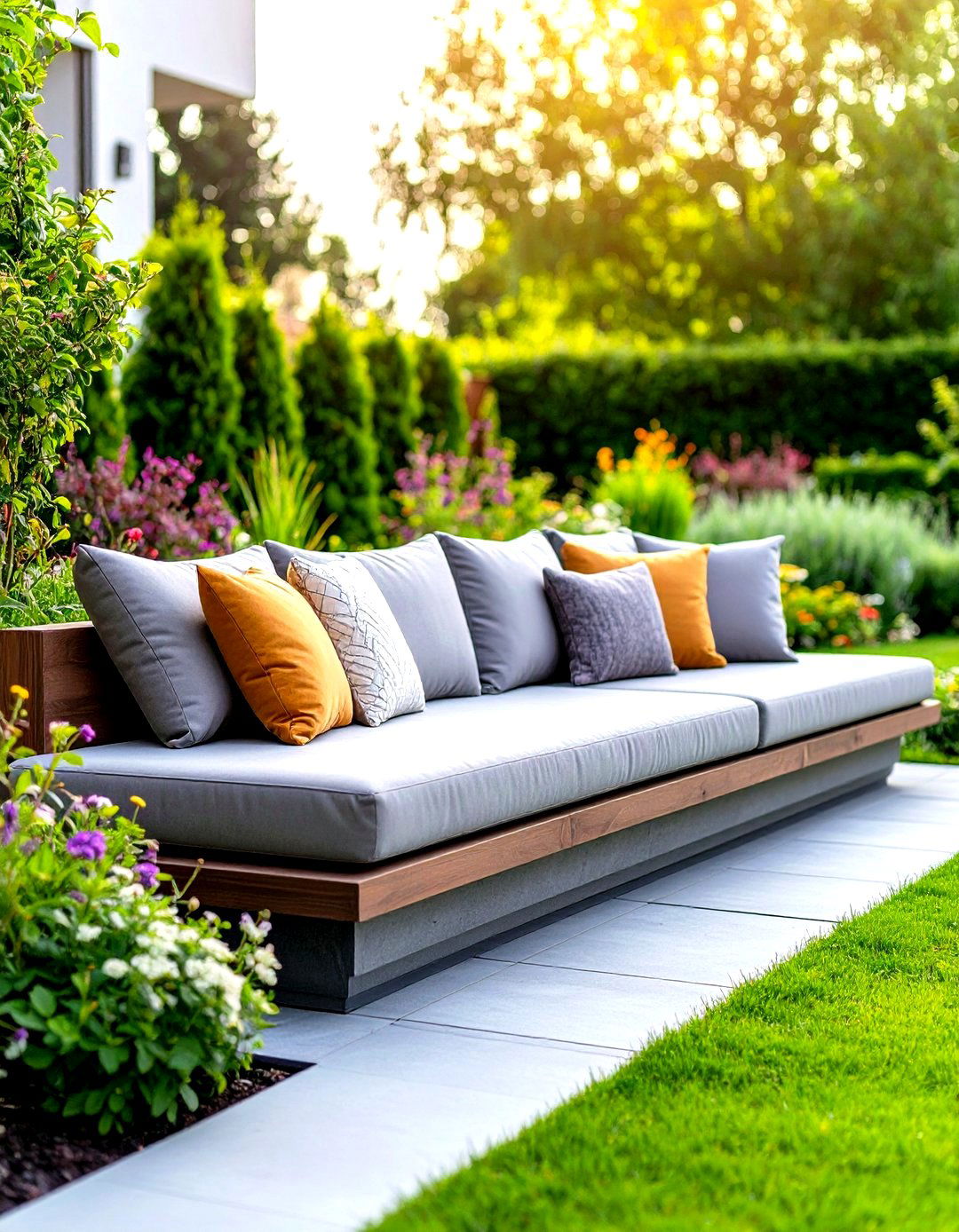
Built-in seating is a smart, space-saving solution that adds a custom, high-end feel to your patio landscape. Constructed from materials like wood, stone, or concrete, these benches can be designed to wrap around the perimeter of the patio or a fire pit, maximizing seating capacity without cluttering the space. Topped with comfortable, weather-resistant cushions, they become a permanent and inviting feature for lounging and entertaining. Many designs also include hidden storage underneath the seats, providing a convenient place to store cushions, garden tools, or outdoor toys, keeping your patio tidy and organized.
9. Planting an Edible Container Garden
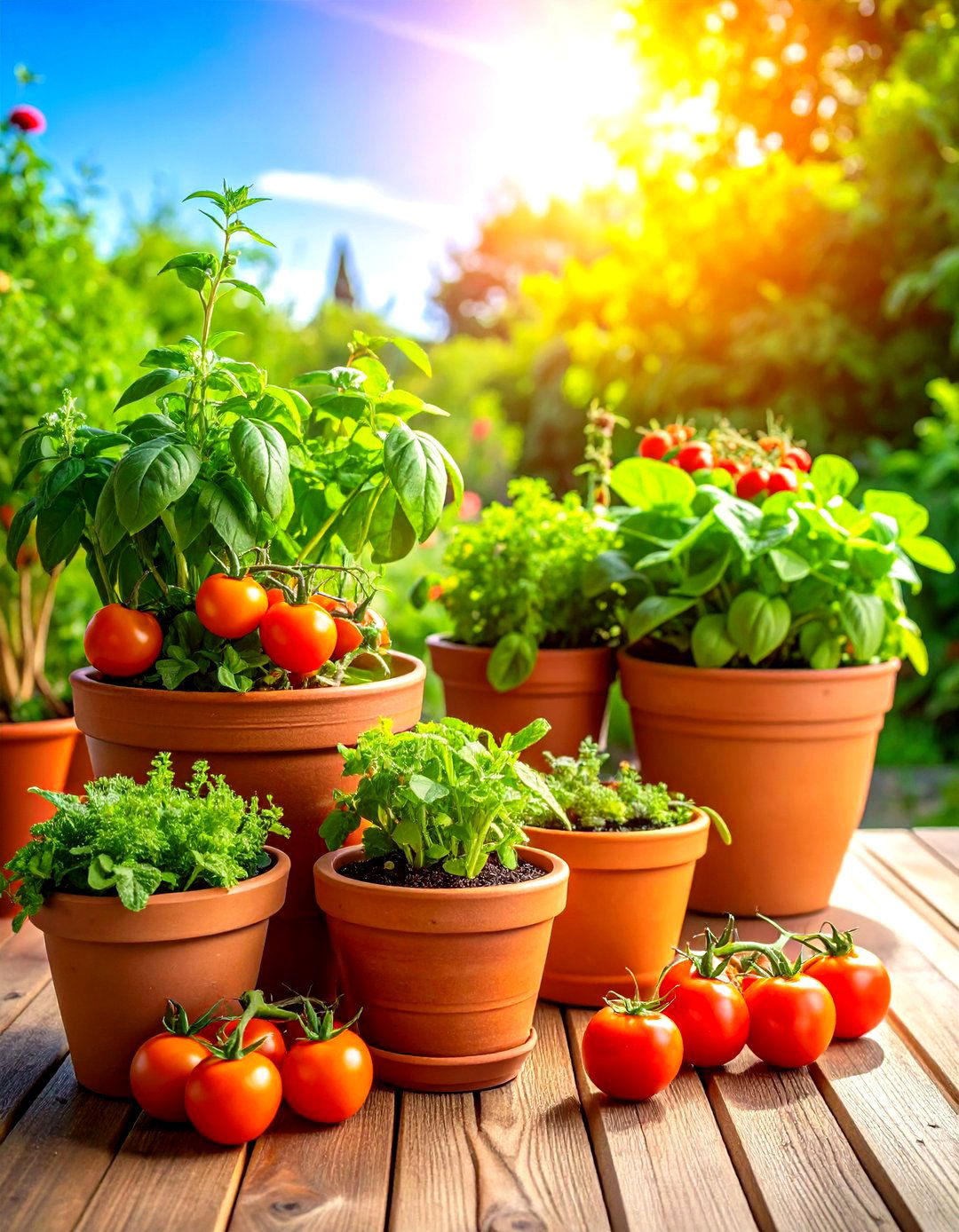
Turn your patio into a productive space by planting an edible container garden. Growing herbs, vegetables, and fruits in pots is a fantastic way to enjoy fresh, homegrown produce right outside your door. Tomatoes, peppers, lettuce, and strawberries all thrive in containers, as do herbs like basil, mint, and rosemary. Arrange the pots in a sunny spot to ensure a bountiful harvest. This approach not only provides convenient access to fresh ingredients for your meals but also adds lush, vibrant foliage and a delightful sensory experience to your patio environment.

10. Illuminating with Overhead String Lights
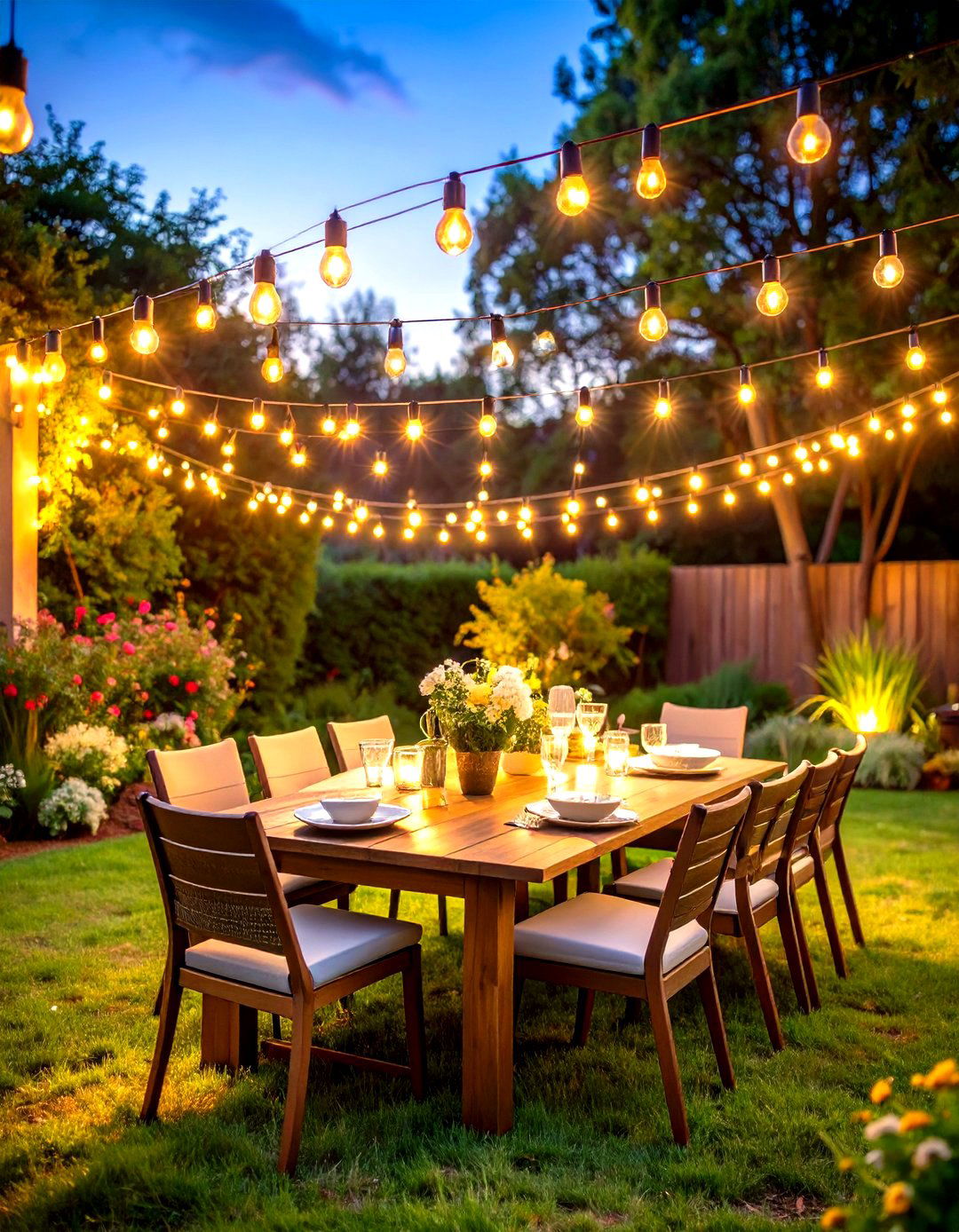
For a magical and festive atmosphere, hang string lights over your patio. These simple lights, often called bistro or fairy lights, cast a warm, gentle glow that makes any evening feel special. You can drape them from a pergola, stretch them between the house and a tree, or attach them to poles installed around the patio’s perimeter. This type of lighting is perfect for creating an intimate ambiance for dining or socializing after sunset. It provides functional illumination without being harsh, enhancing the charm and usability of your outdoor space well into the night.
11. Laying Patterned Pavers or Tiles
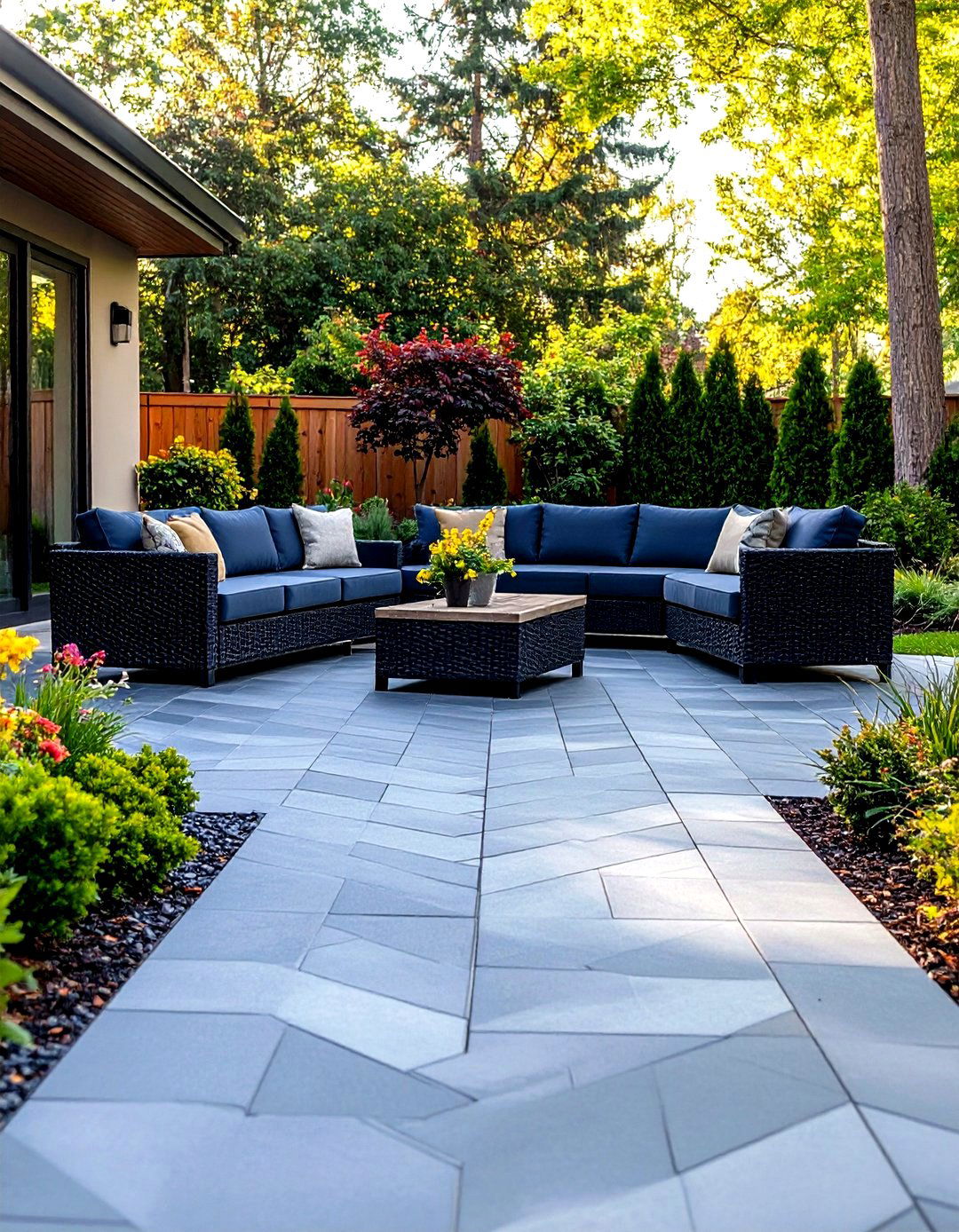
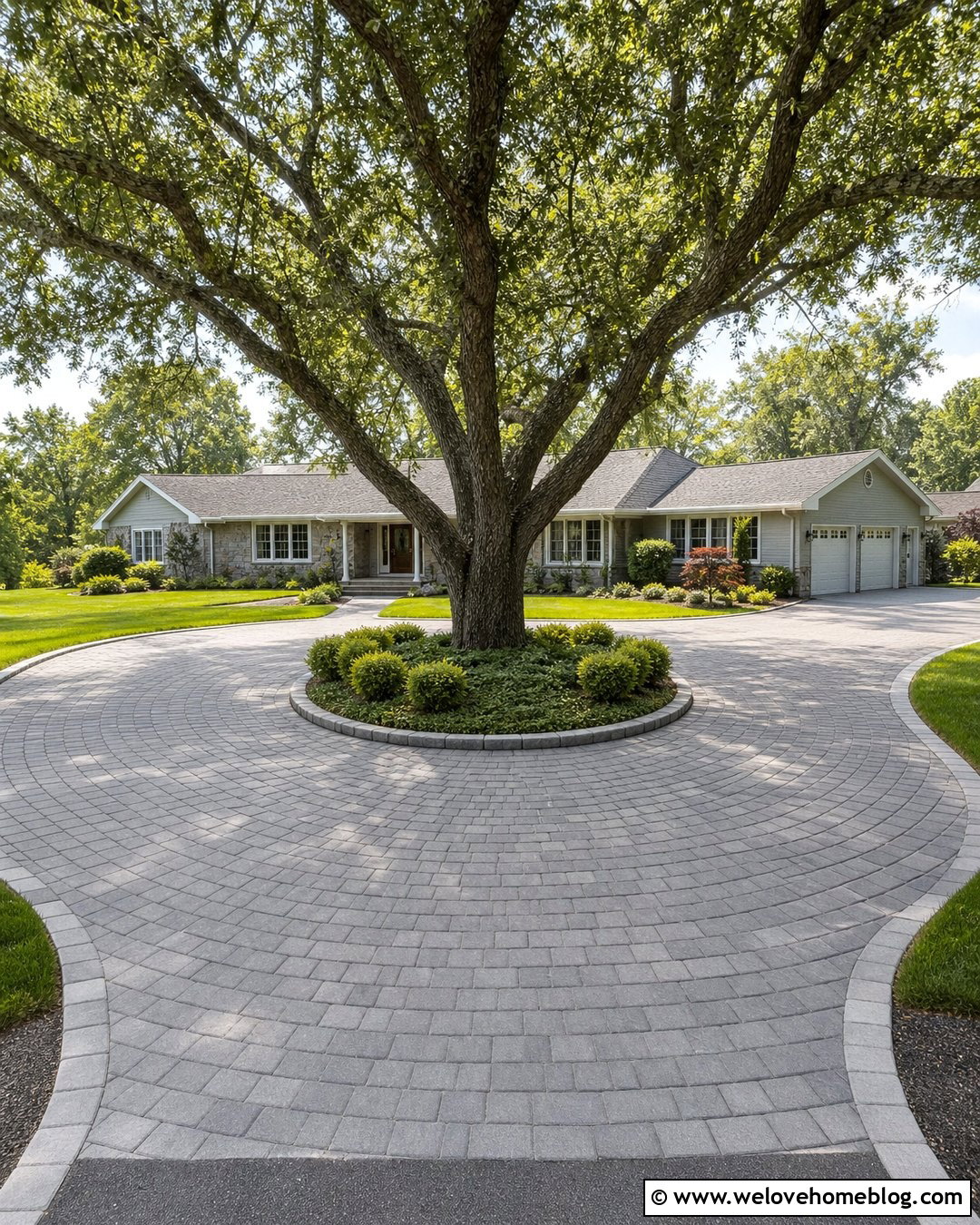
Elevate your patio floor from a simple surface to a design statement by using patterned pavers or tiles. A herringbone, basket-weave, or circular pattern can add incredible visual interest and a sense of custom craftsmanship. Choose materials that complement your home’s exterior, such as natural stone for a classic look or colorful concrete tiles for a more modern or eclectic vibe. The pattern you choose can help define different zones, guide foot traffic, or simply serve as an artistic element. This attention to detail on the ground level creates a sophisticated foundation for your entire patio landscape.
12. Adding a Patio Bar or Serving Station
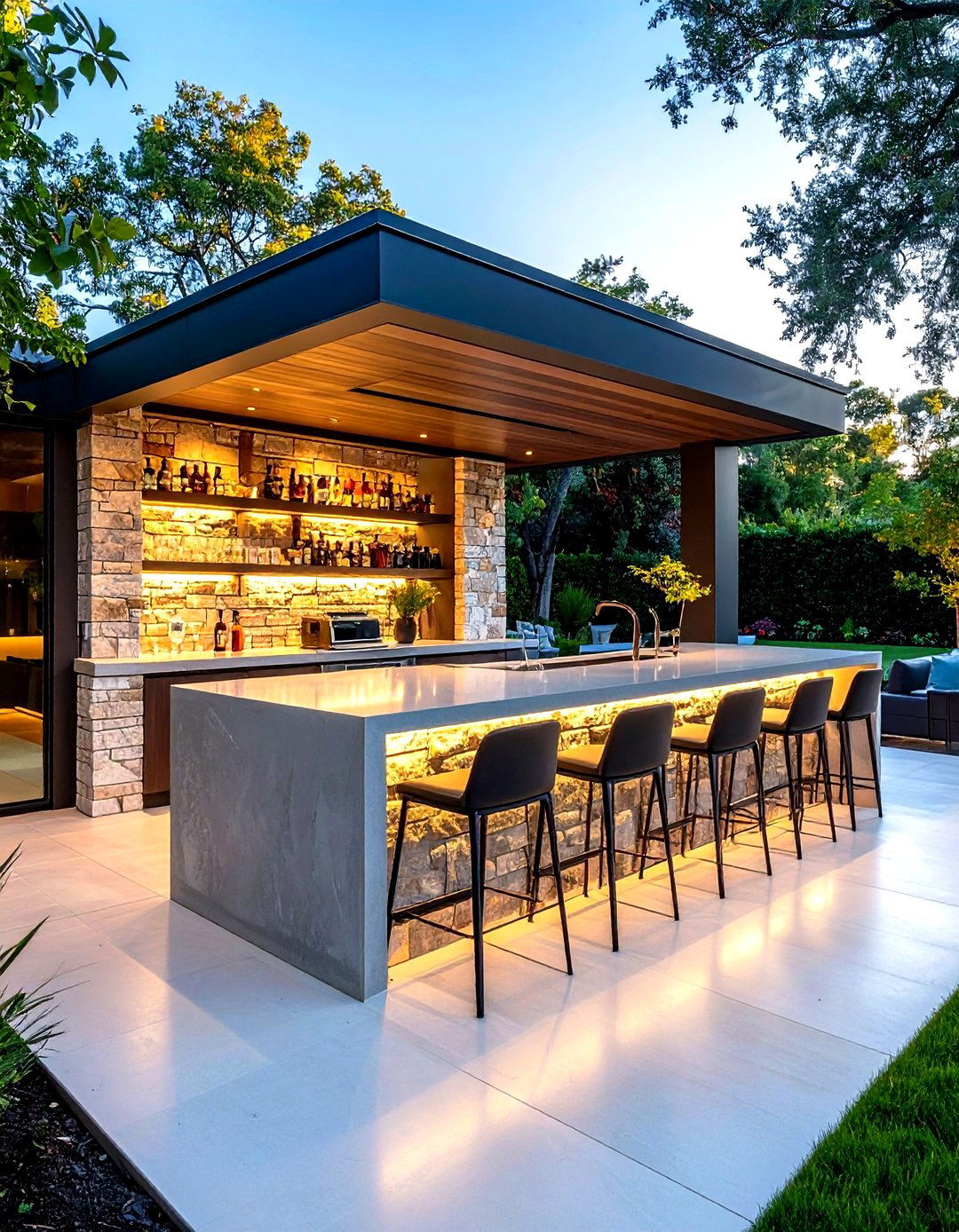
An outdoor bar or serving station is a fantastic addition for those who love to entertain. This dedicated spot provides a convenient surface for mixing drinks, setting out appetizers, or staging dishes for a barbecue. You can build a permanent station from stone or wood or opt for a stylish, movable bar cart for more flexibility. Position it near your dining or lounging area for easy access. Including some bar stools can create a casual spot for guests to gather and chat. This functional feature streamlines hosting duties and makes your patio the perfect hub for social gatherings.
13. Utilizing Vertical Space with Hanging Baskets
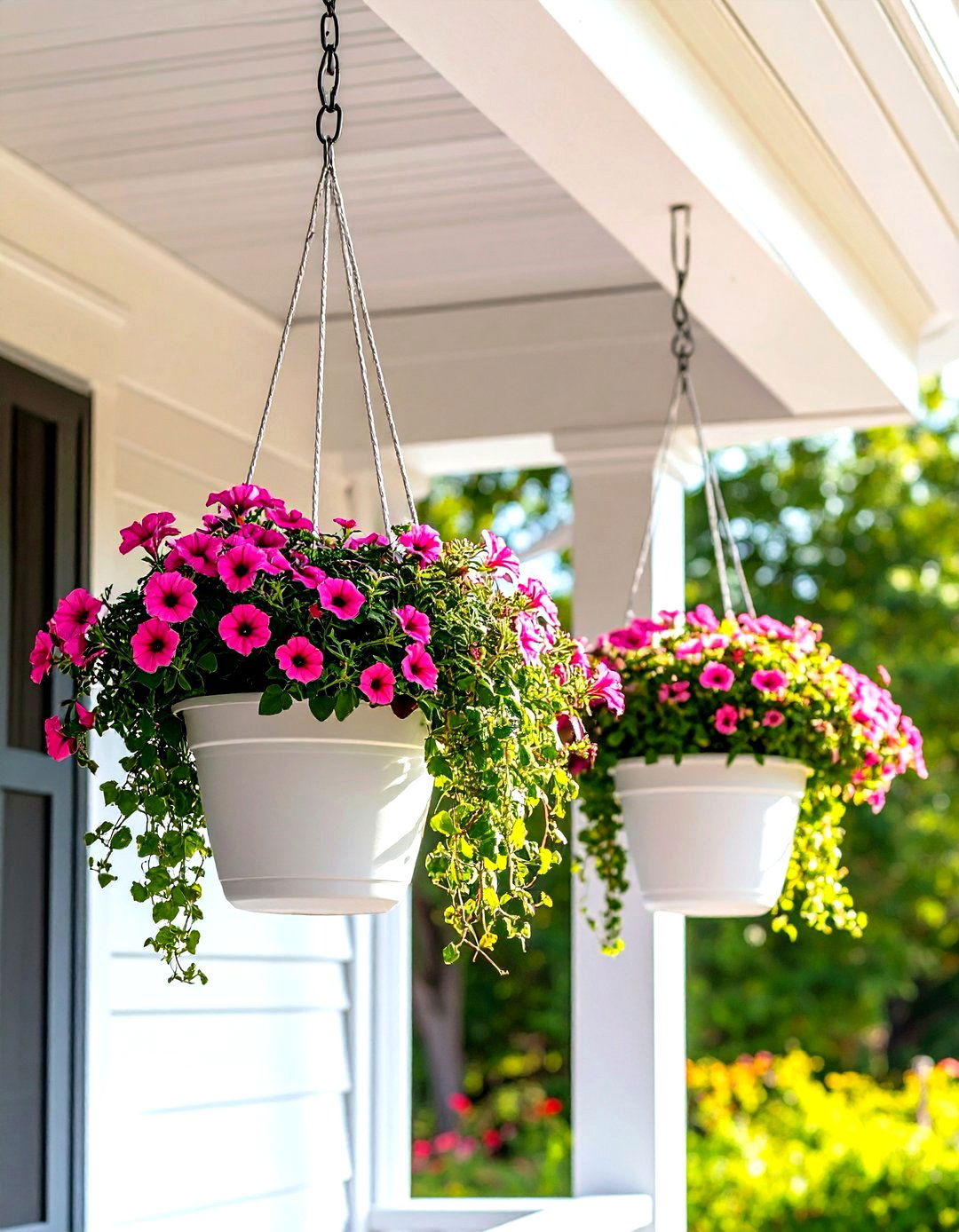
When ground space is limited, look up! Hanging baskets are a wonderful way to introduce color and life to your patio without taking up valuable floor area. Suspend them from the eaves of your house, a pergola, or sturdy hooks mounted on a wall. Fill them with cascading plants like petunias, fuchsias, or ivy geraniums for a lush, spilling effect. Varying the heights of the baskets adds dimension and visual interest. This classic gardening technique is perfect for adding a touch of charm and softening the hard lines of your home’s exterior.
14. Creating a Gravel Patio Area
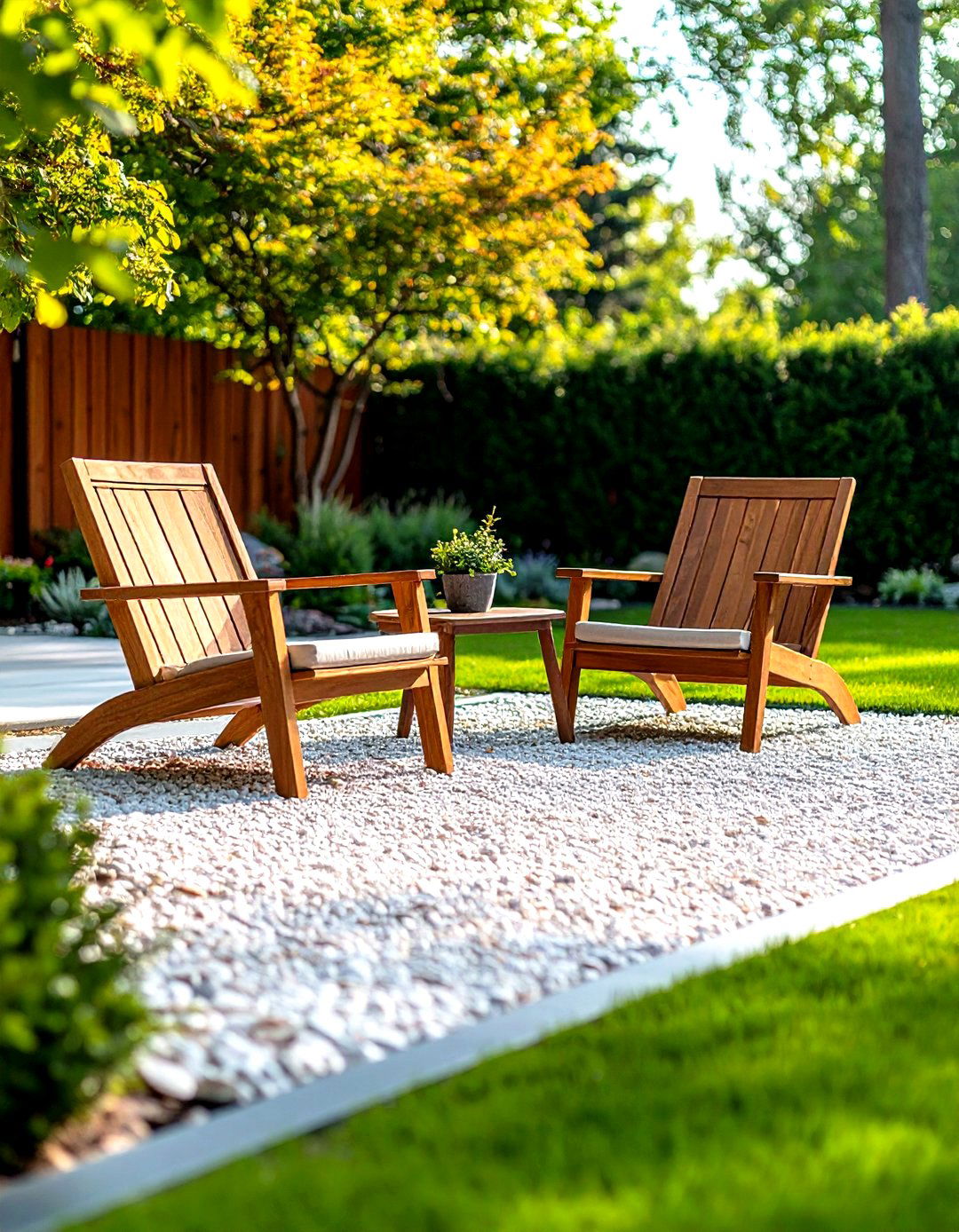
For a low-maintenance and budget-friendly option, consider creating a section of your patio with gravel. Pea gravel provides a soft, crunchy texture underfoot and a relaxed, European-inspired aesthetic. It's an excellent choice for a secondary seating area, a space around a fire pit, or as a transitional material between a hardscaped patio and the garden. Use steel or stone edging to keep the gravel contained and prevent it from migrating into your lawn or garden beds. Gravel also offers excellent drainage, making it a practical and attractive surface for various outdoor functions.
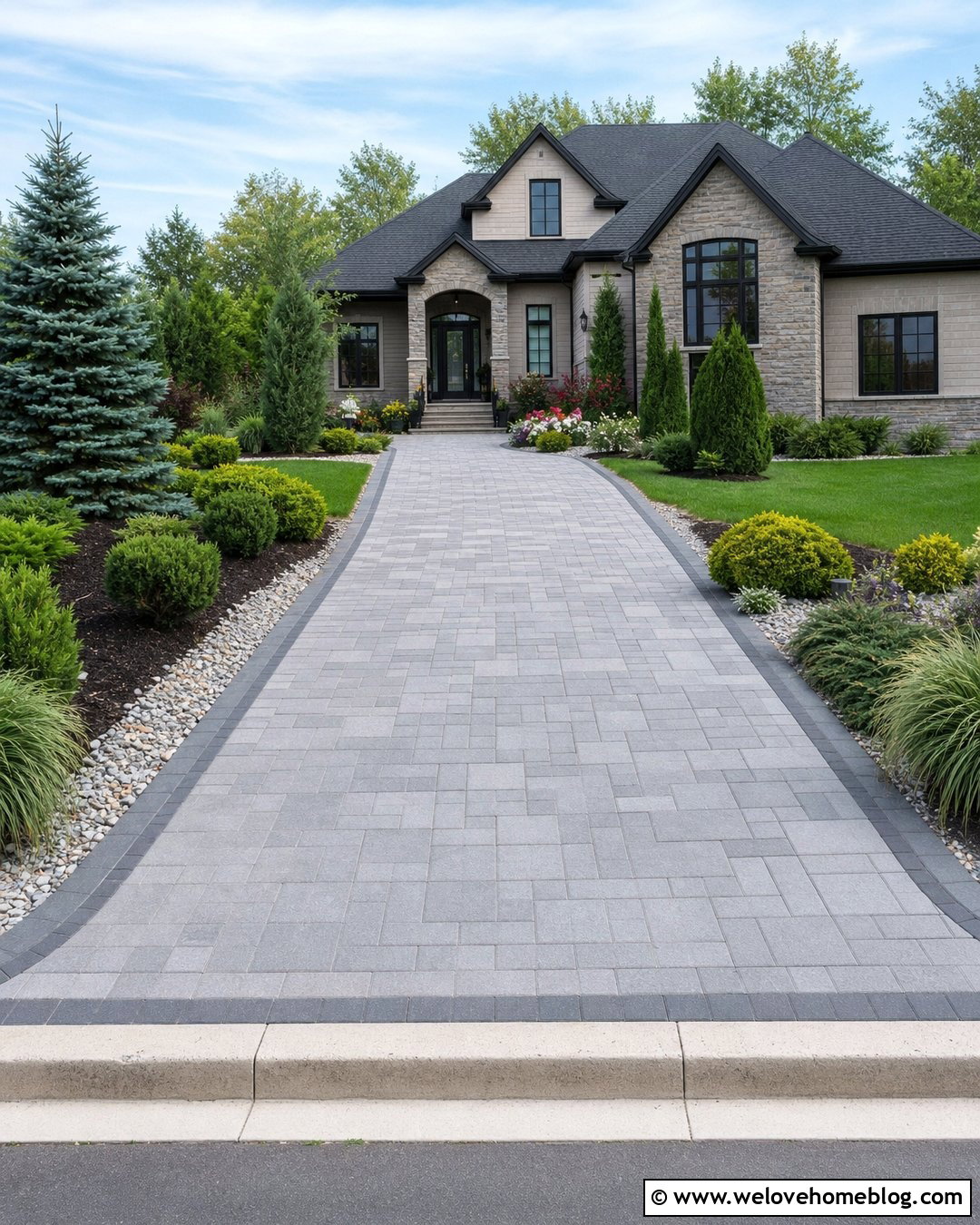
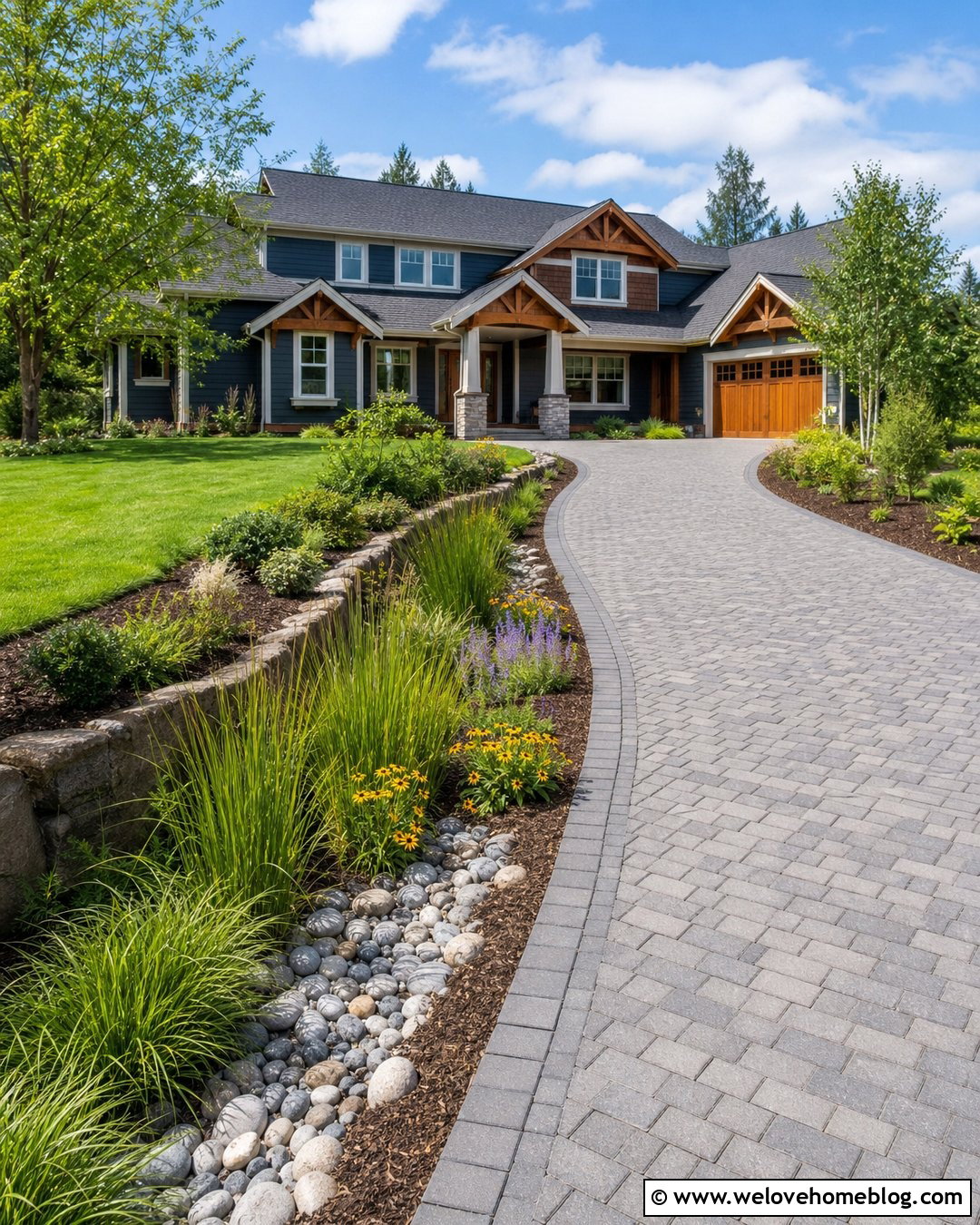
15. Integrating a Tiered Herb Garden
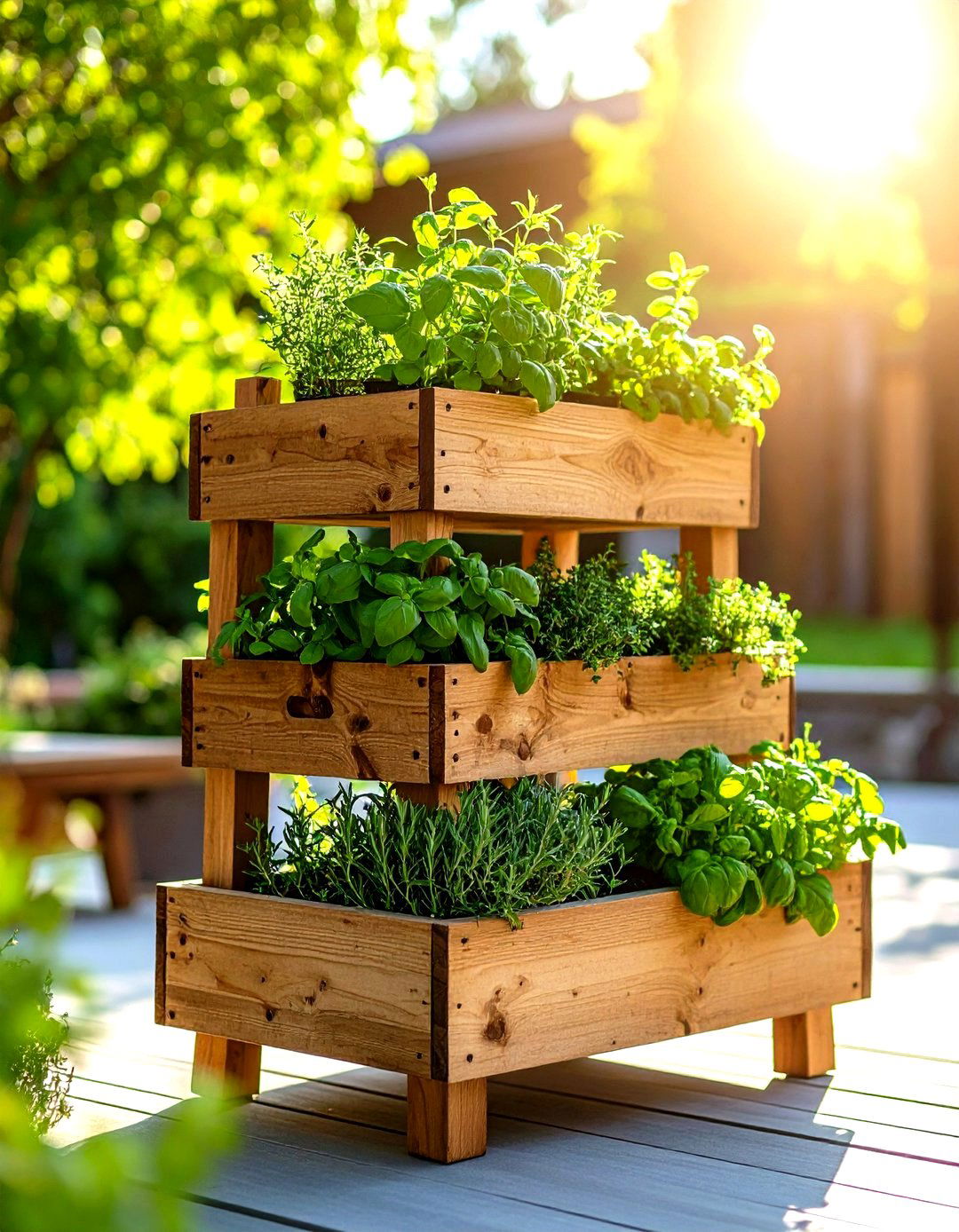
A tiered herb garden is a functional and fragrant addition to any patio. This design uses stacked planters or a stepped structure to grow a variety of herbs in a compact footprint. It not only keeps your favorite culinary herbs like basil, thyme, and parsley within easy reach of the kitchen but also releases delightful aromas when you brush past the plants. The tiered structure adds vertical interest and can be crafted from wood, metal, or terracotta to match your patio’s style. It’s a beautiful, sensory, and practical element that enhances both your cooking and your outdoor ambiance.
16. Incorporating a Raised Garden Bed
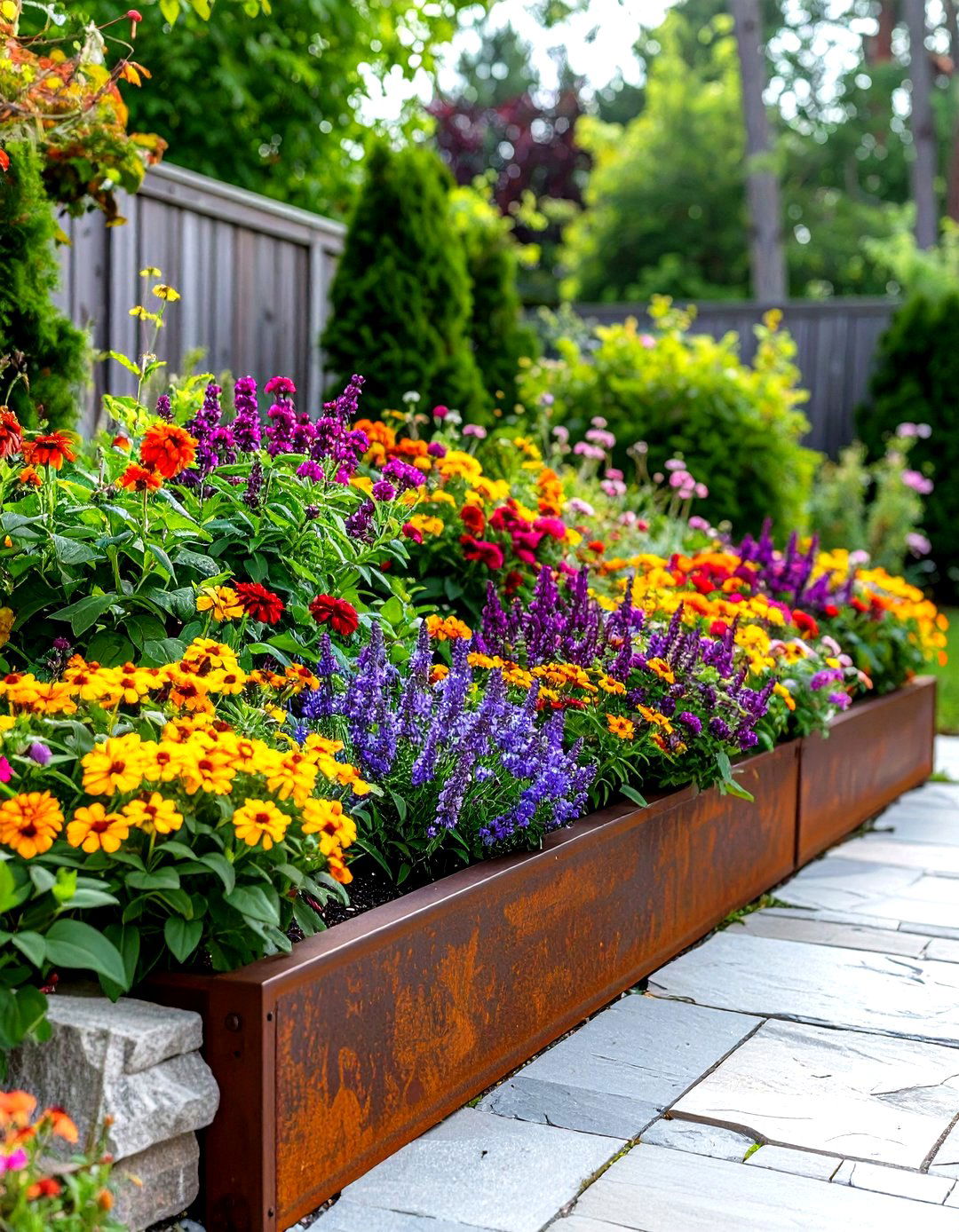
Raised garden beds are a fantastic way to integrate gardening directly into your patio design. By constructing beds from wood, stone, or metal, you can create a dedicated space for growing flowers, vegetables, or shrubs. The elevated height makes planting and maintenance easier on your back and provides excellent drainage for plants. Use them to line the edge of your patio, creating a soft, green border that separates the space from the rest of the yard. Raised beds give your patio a structured, organized look while allowing you to enjoy the pleasures of gardening up close.
17. Using Espaliered Fruit Trees for a Living Fence
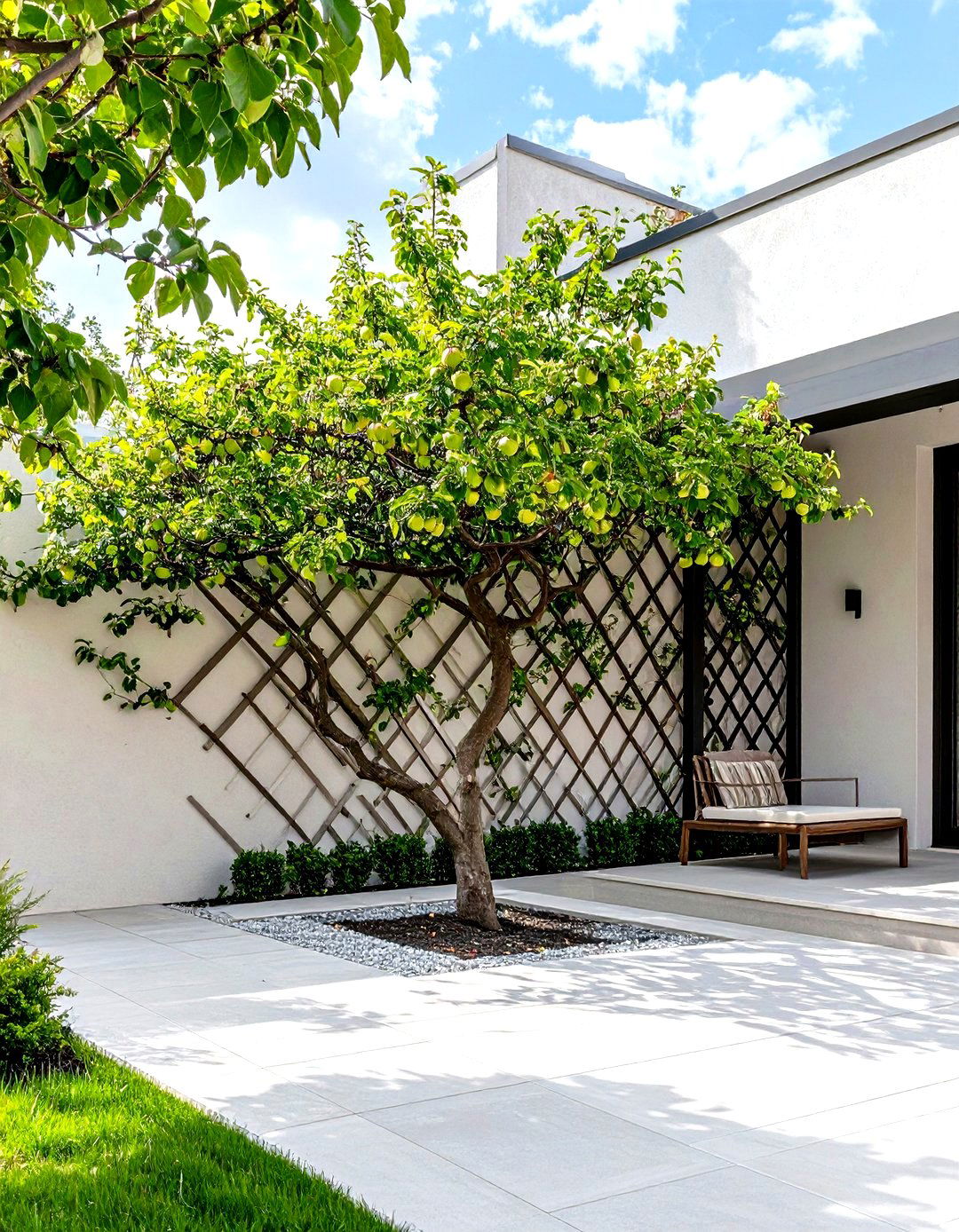
Espalier is the ancient horticultural art of training trees to grow flat against a wall or trellis. Using espaliered fruit trees like apples or pears along the edge of your patio creates a beautiful and productive living fence. This technique saves space while providing privacy, visual interest, and a harvest of fresh fruit. The formal, structured patterns of the branches add an elegant architectural element to the landscape year-round. It’s a unique and sophisticated way to combine food production with ornamental design, making your patio both beautiful and bountiful.
18. Designing a Dedicated Outdoor Kitchen
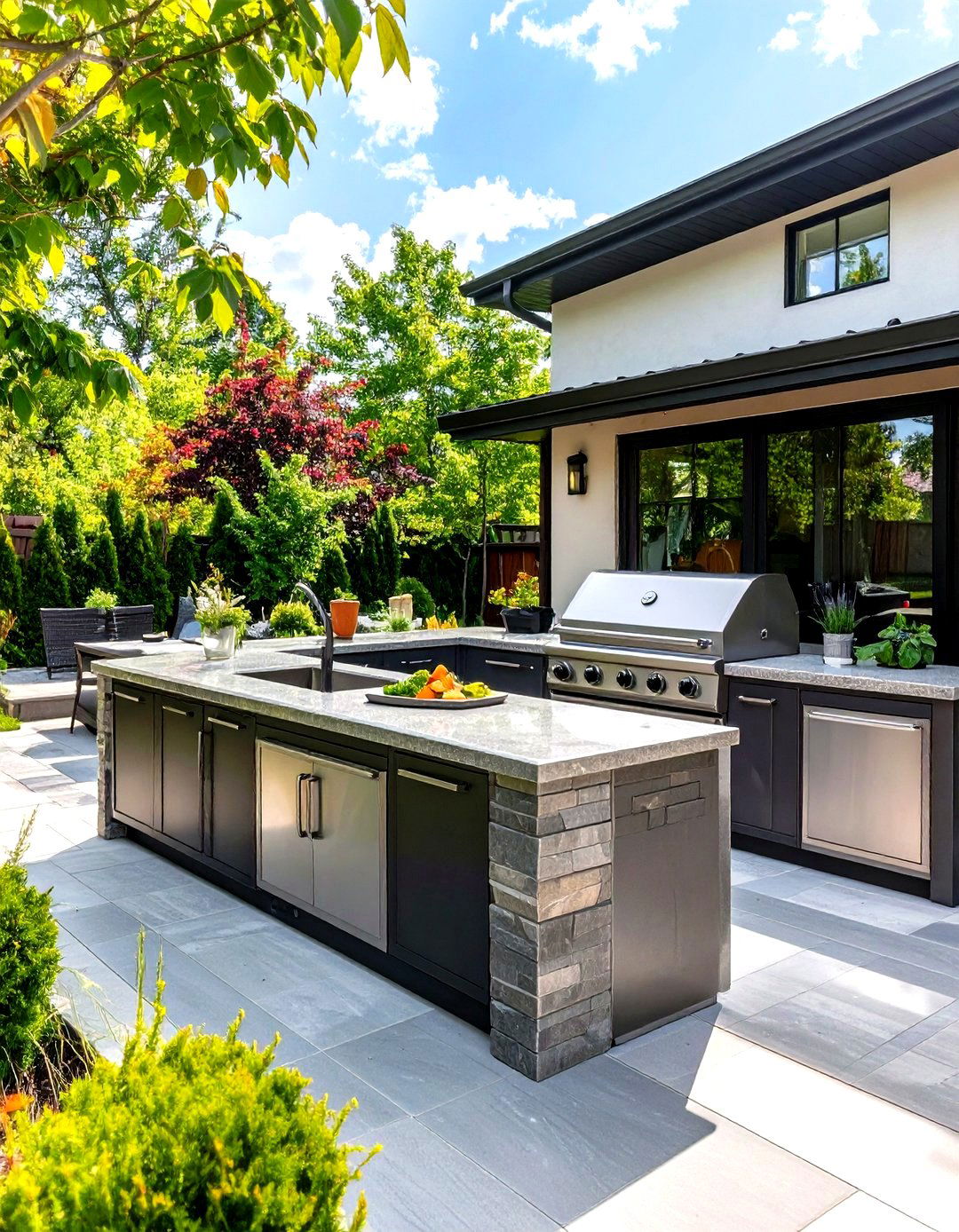
For the ultimate entertainer's patio, design a dedicated outdoor kitchen. Go beyond a simple grill and incorporate features like a countertop for food prep, a sink, a small refrigerator, and storage cabinets. Building these elements with durable, weather-resistant materials like stainless steel and stone ensures longevity. An outdoor kitchen transforms your patio into a fully functional cooking and dining destination, minimizing trips back and forth to the house. It’s a significant investment that dramatically enhances your outdoor lifestyle and makes hosting gatherings a seamless and enjoyable experience.
19. Adding a Hammock or Hanging Chair
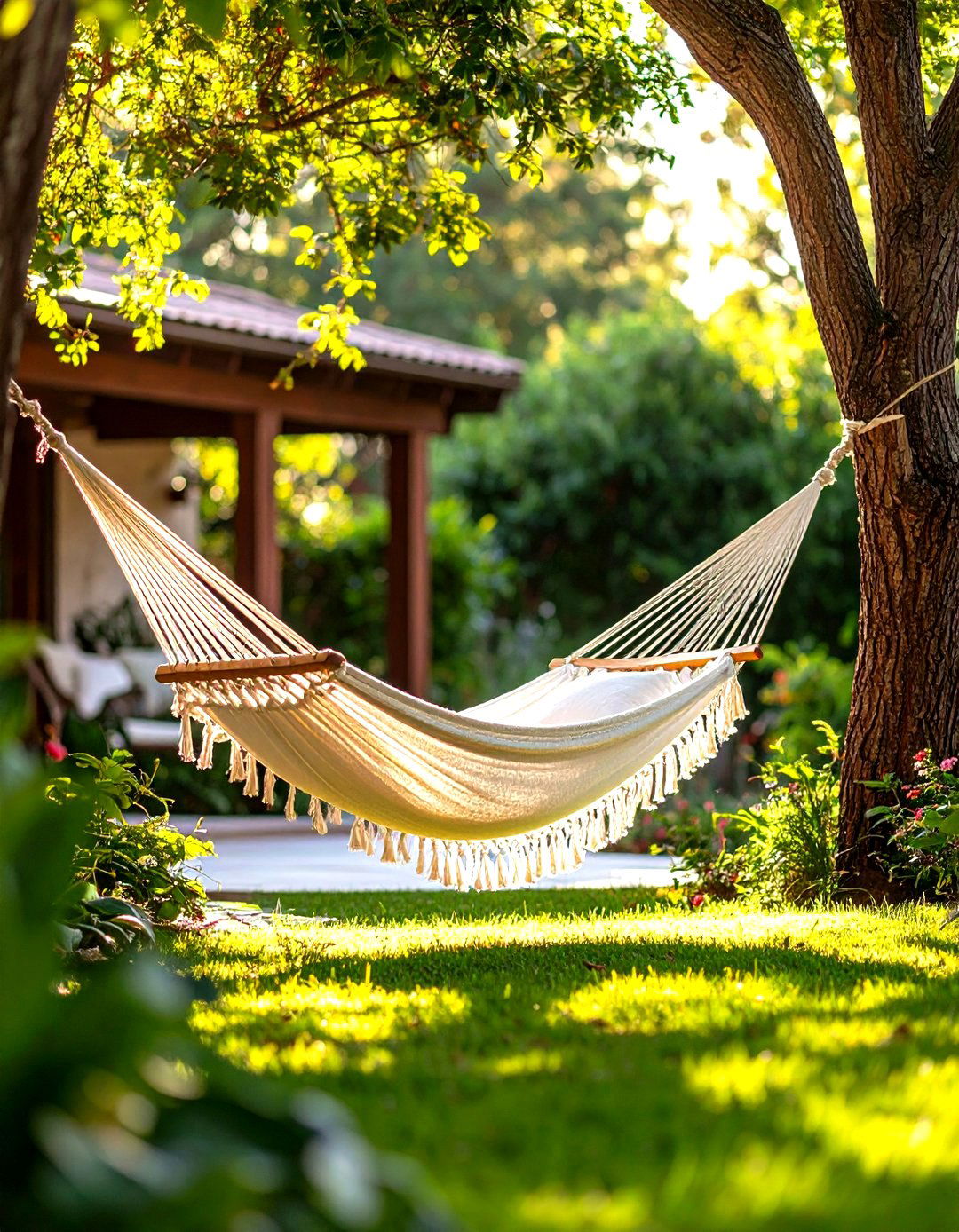
Introduce an element of pure relaxation to your patio with a hammock or a stylish hanging chair. Tucked into a shady corner, this feature creates the perfect spot for napping, reading, or simply swaying gently in the breeze. Hammocks evoke a laid-back, vacation vibe, while hanging rattan or macrame chairs can add a touch of bohemian chic. Ensure you have a sturdy support structure, such as a strong tree branch, a pergola beam, or a dedicated stand. This simple addition can become the most coveted seat on your patio, offering a personal escape.

20. Landscaping with Ornamental Grasses
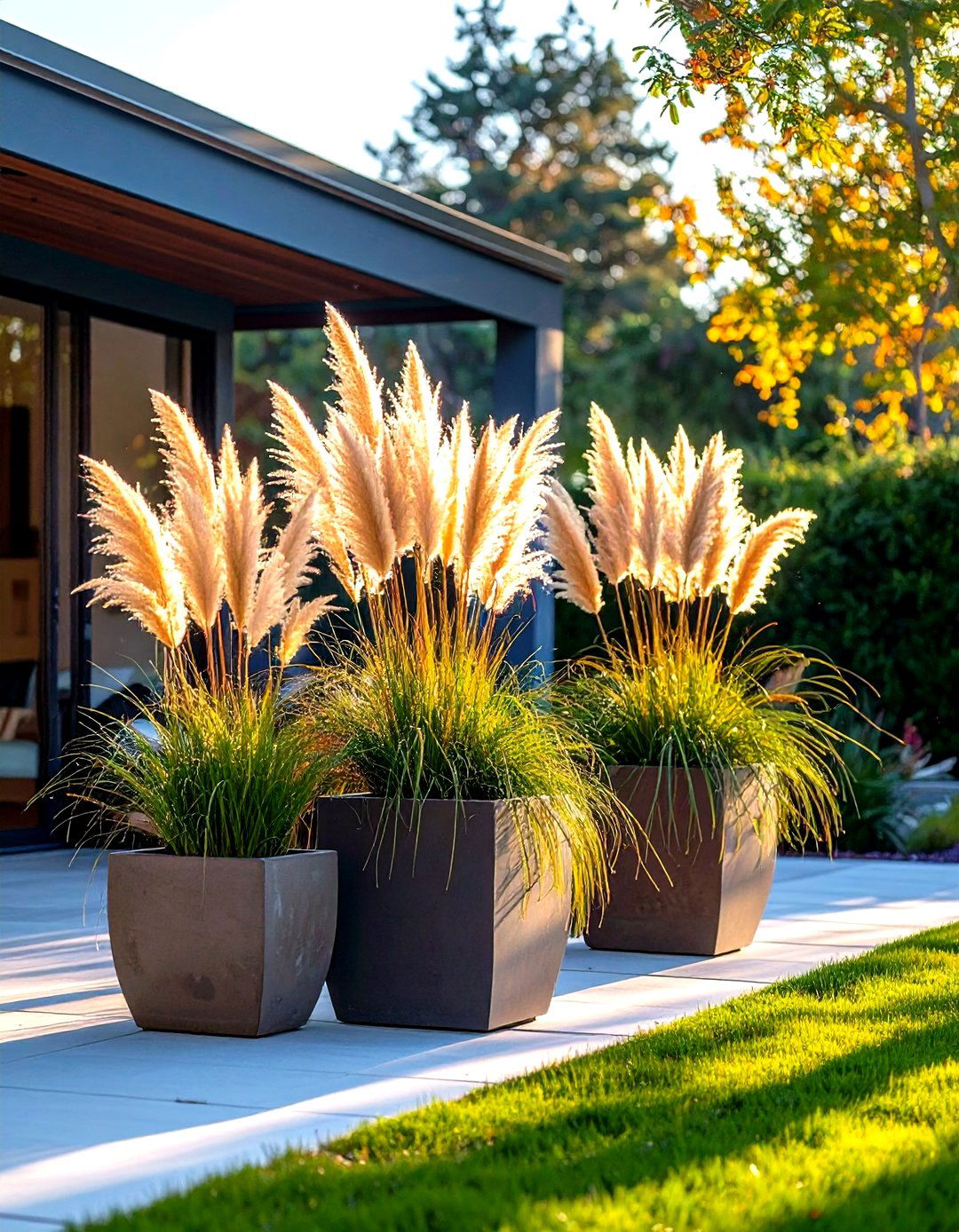
Ornamental grasses are a superb choice for modern patio landscaping, adding texture, movement, and year-round interest. Varieties like feather reed grass or fountain grass have graceful, arching forms that sway beautifully in the wind, adding a dynamic quality to your garden beds. Their fine foliage creates a soft contrast to the hard surfaces of the patio. Many grasses are low-maintenance, drought-tolerant, and offer visual appeal through different seasons, with feathery plumes in summer and golden hues in fall and winter. Use them in containers or as a border to soften the edges of your patio.
21. Creating a Checkerboard Patio Floor
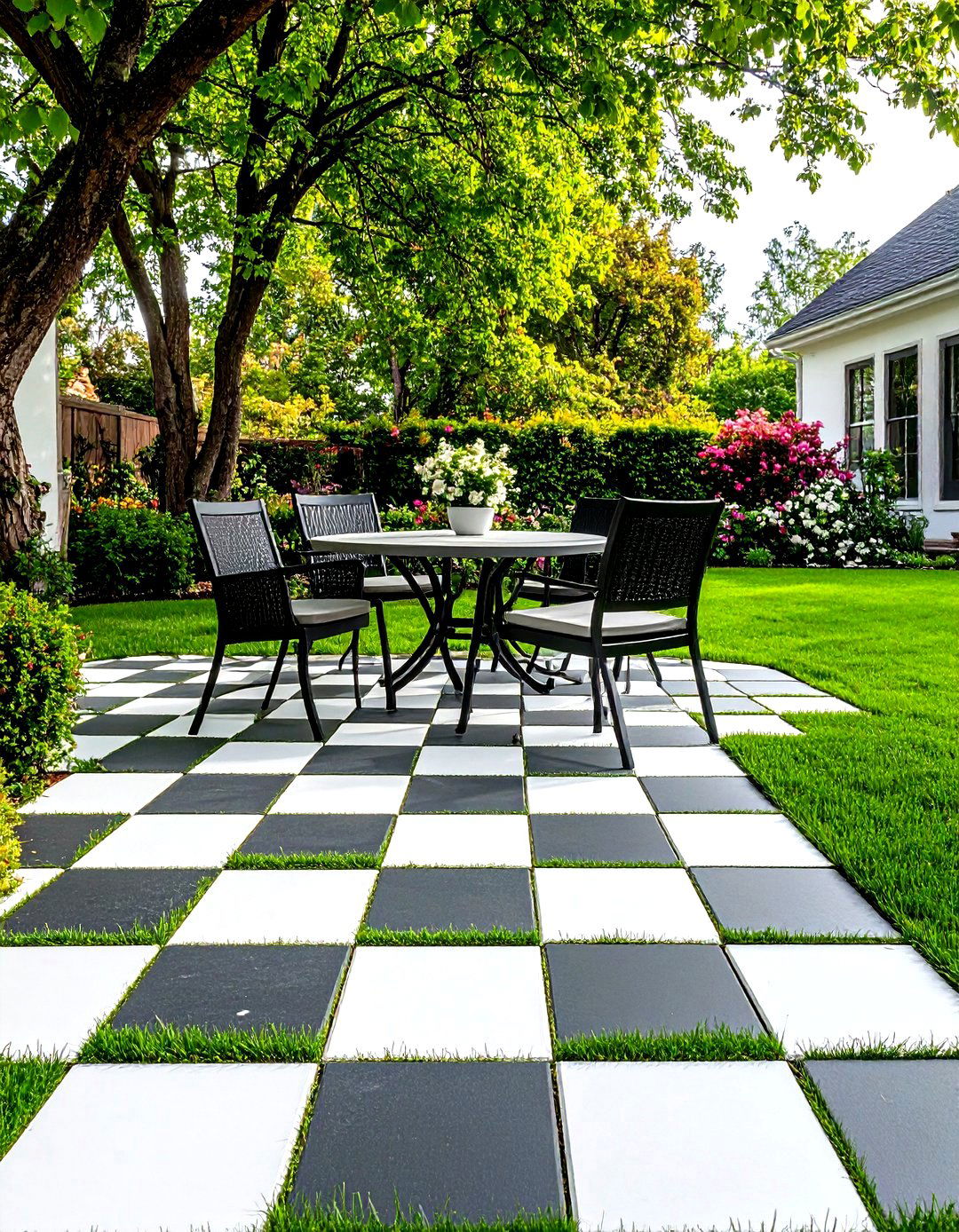
A checkerboard pattern on your patio floor is a timeless design that adds a touch of classic elegance. This look is achieved by alternating two different materials, such as dark and light pavers, or by alternating concrete pavers with squares of grass or creeping thyme. The geometric pattern is visually striking and can make a small patio feel more spacious and intentional. It works well in both formal and informal settings, providing a sophisticated yet playful foundation for your outdoor furniture and plantings. This design choice is a guaranteed way to give your patio a unique and polished look.
22. Incorporating Landscape Boulders
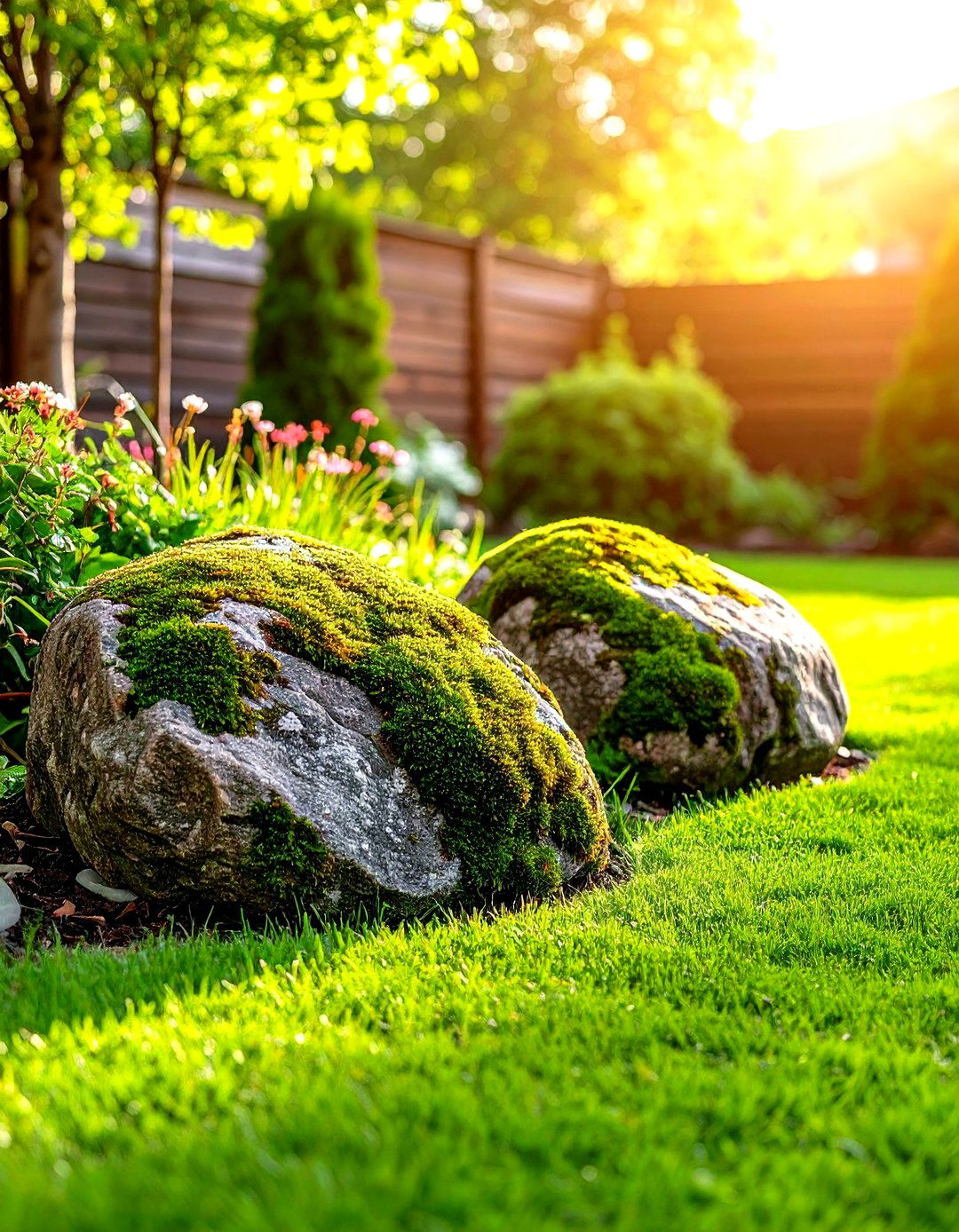
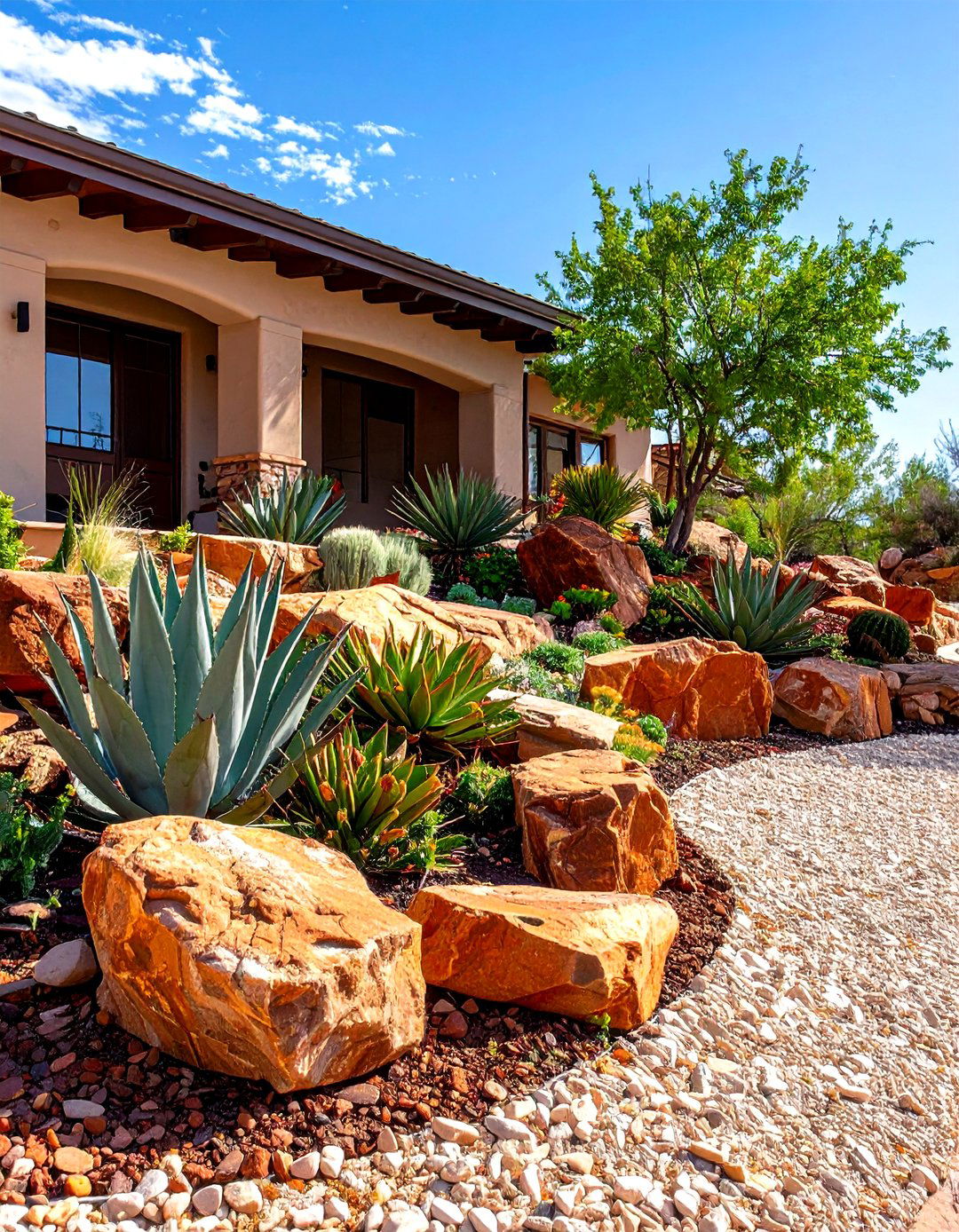
Strategically placing a few large landscape boulders can add a powerful, naturalistic element to your patio surroundings. These stones provide structure, texture, and a sense of permanence that connects your patio to the broader landscape. Use them to anchor the corner of a garden bed, as an informal seating option, or as a sculptural focal point. Surround the boulders with low-growing plants like groundcovers or succulents to soften their edges and integrate them into the garden. They bring an organic, rugged beauty that contrasts wonderfully with the refined surfaces of the patio itself.
23. Installing a Patio Privacy Screen
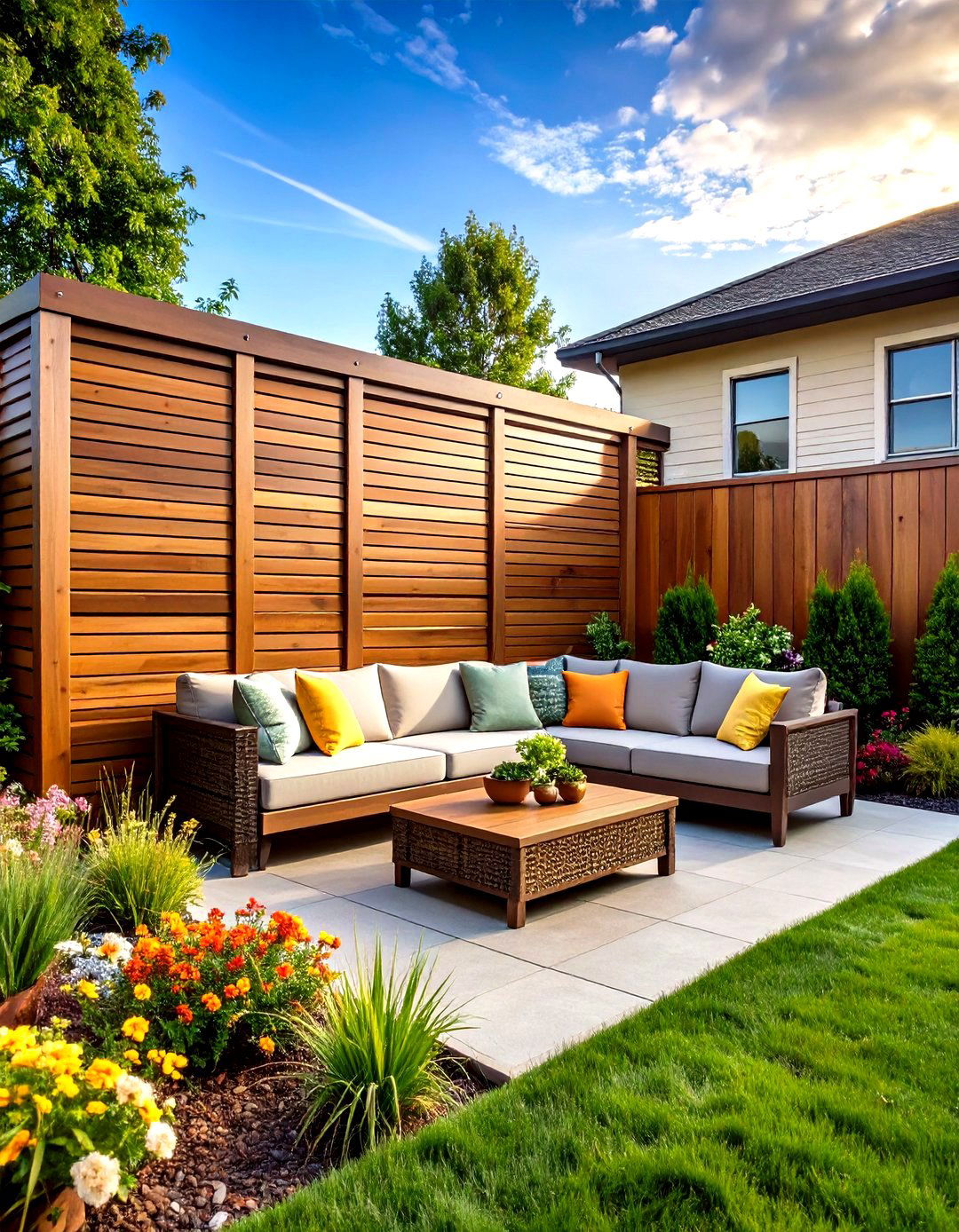
For patios that are close to neighbors or a busy street, a privacy screen is an essential addition. Instead of a solid fence, consider a more decorative option like a laser-cut metal panel, a horizontal wood slat screen, or a trellis with climbing plants. These solutions provide the necessary seclusion without making the space feel closed in or boxed off. They can also serve as a stylish backdrop for a seating area or outdoor art. A well-designed privacy screen balances functionality with aesthetic appeal, enhancing the sense of a private, personal oasis.
24. Adding a Portable Fire Table
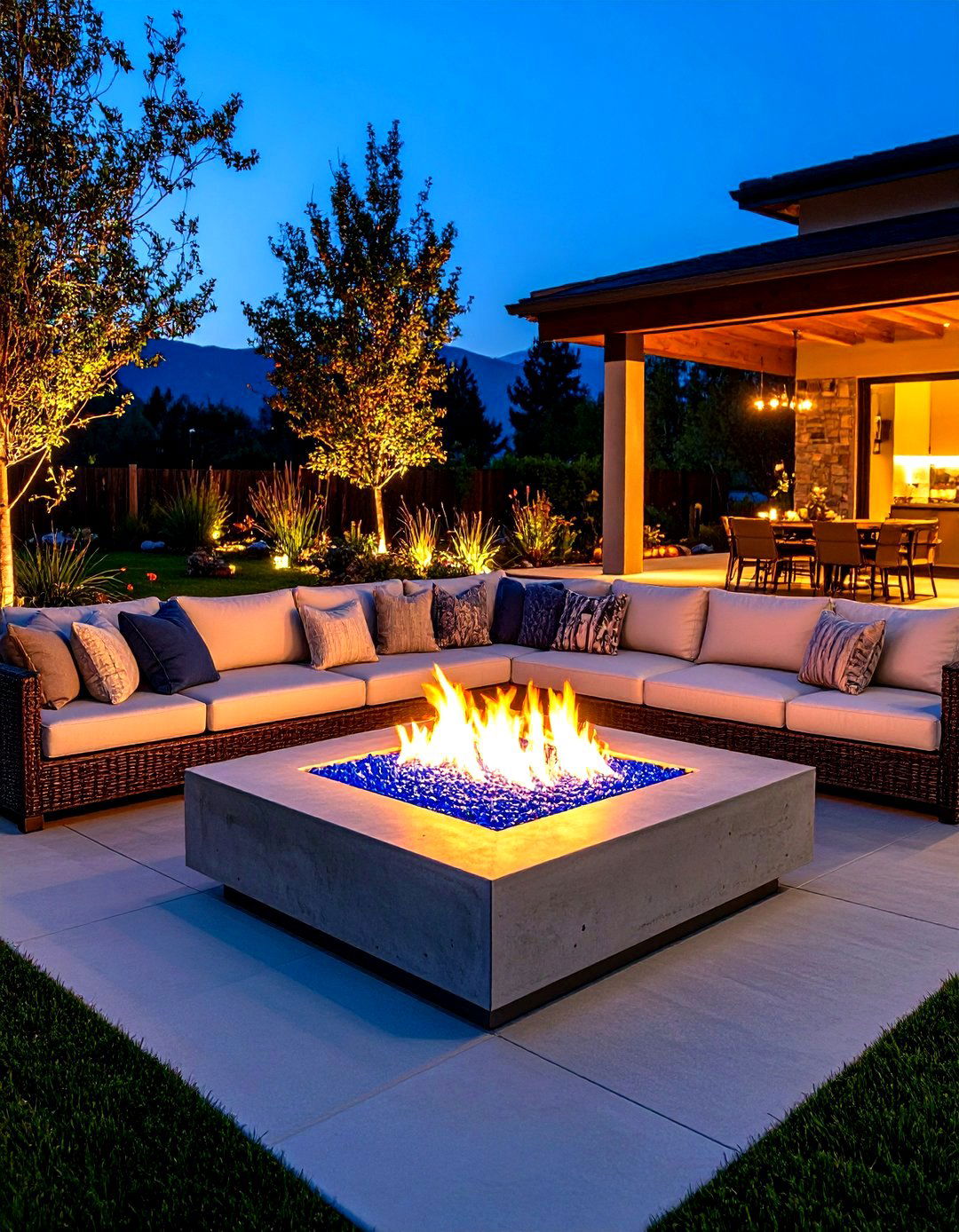
A portable fire table offers the warmth and ambiance of a traditional fire pit with added style and functionality. These tables typically run on propane, making them easy to start and extinguish with no smoke or mess. The tabletop surface around the flames provides a convenient place to set down drinks or small plates, making it perfect for socializing. Available in a wide range of styles, from sleek and modern to rustic and traditional, a fire table can easily become the centerpiece of your patio seating area, encouraging conversation and extending your outdoor enjoyment into the evening.
25. Planting a Monochromatic Flower Garden
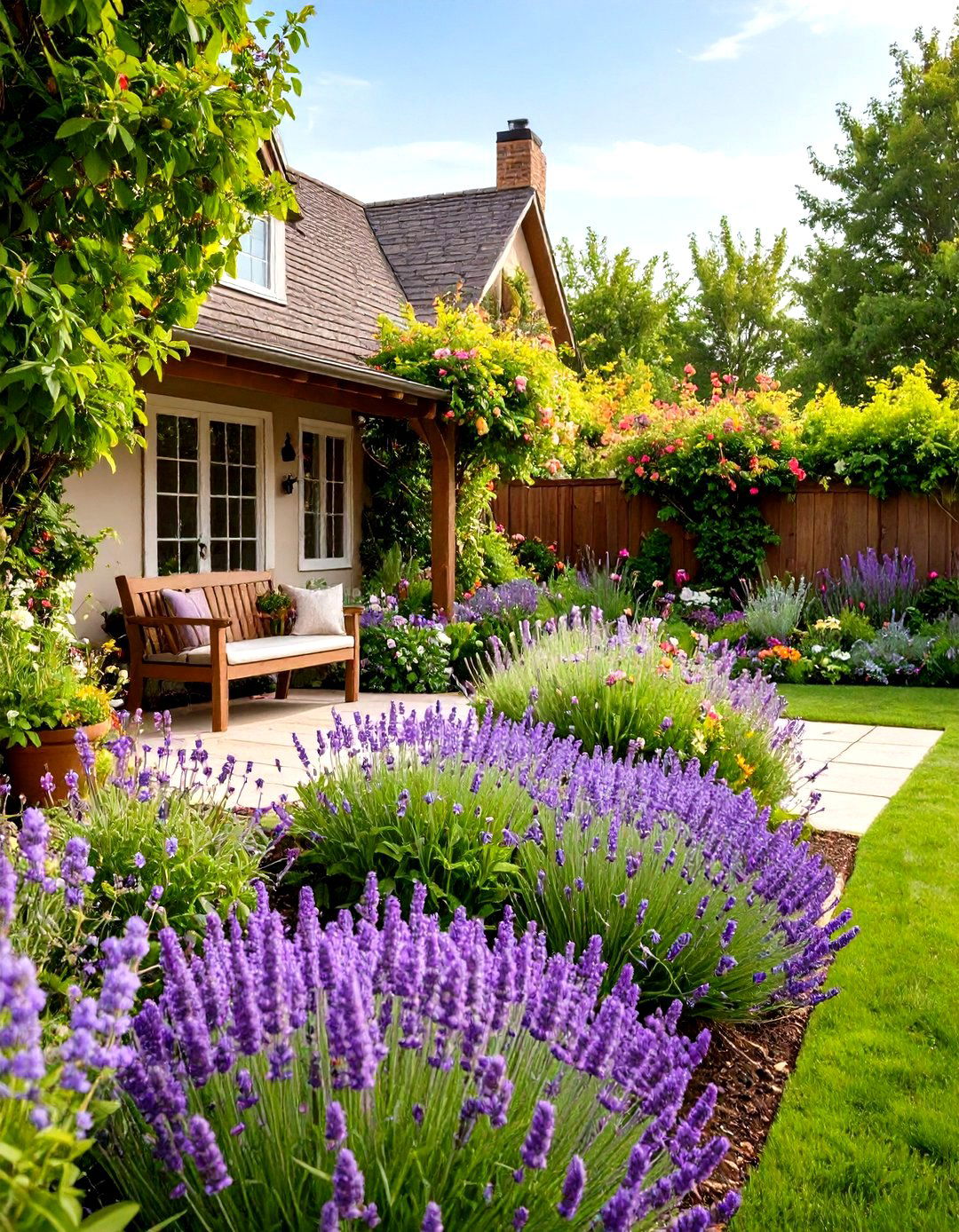
For a sophisticated and cohesive look, design the garden beds around your patio with a monochromatic color scheme. Planting flowers and foliage in varying shades of a single color, such as white, purple, or blue, creates a serene and impactful visual. Play with different textures, heights, and forms to add depth and interest. For example, a white garden could feature tall delphiniums, fluffy hydrangeas, and low-growing alyssum. This disciplined approach to color results in a calming, elegant landscape that feels both intentional and effortlessly beautiful, providing a stunning backdrop for your patio.
26. Using Stepping Stones to Connect Spaces
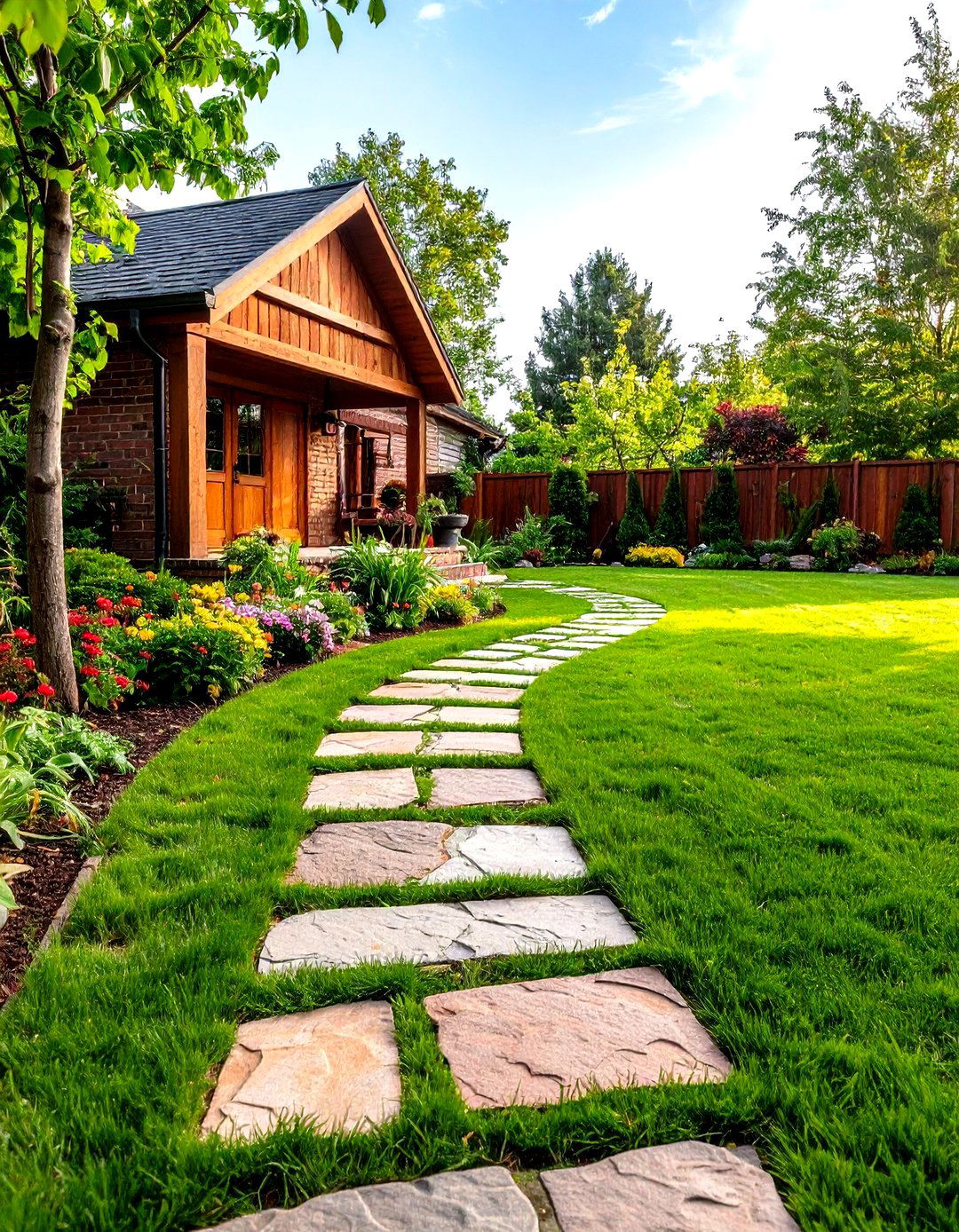
Create a charming and functional path from your patio to other parts of the yard using stepping stones. Set in gravel, mulch, or directly into the lawn, these stones guide foot traffic and protect your grass. Choose materials that coordinate with your patio, such as flagstone, concrete pavers, or even log slices for a rustic look. Spacing them allows grass or low groundcover to grow in between, softening the path and integrating it into the landscape. This simple feature adds a sense of journey and connection, linking your patio to a garden, shed, or other outdoor destination.
27. Building a Small Deck Extension
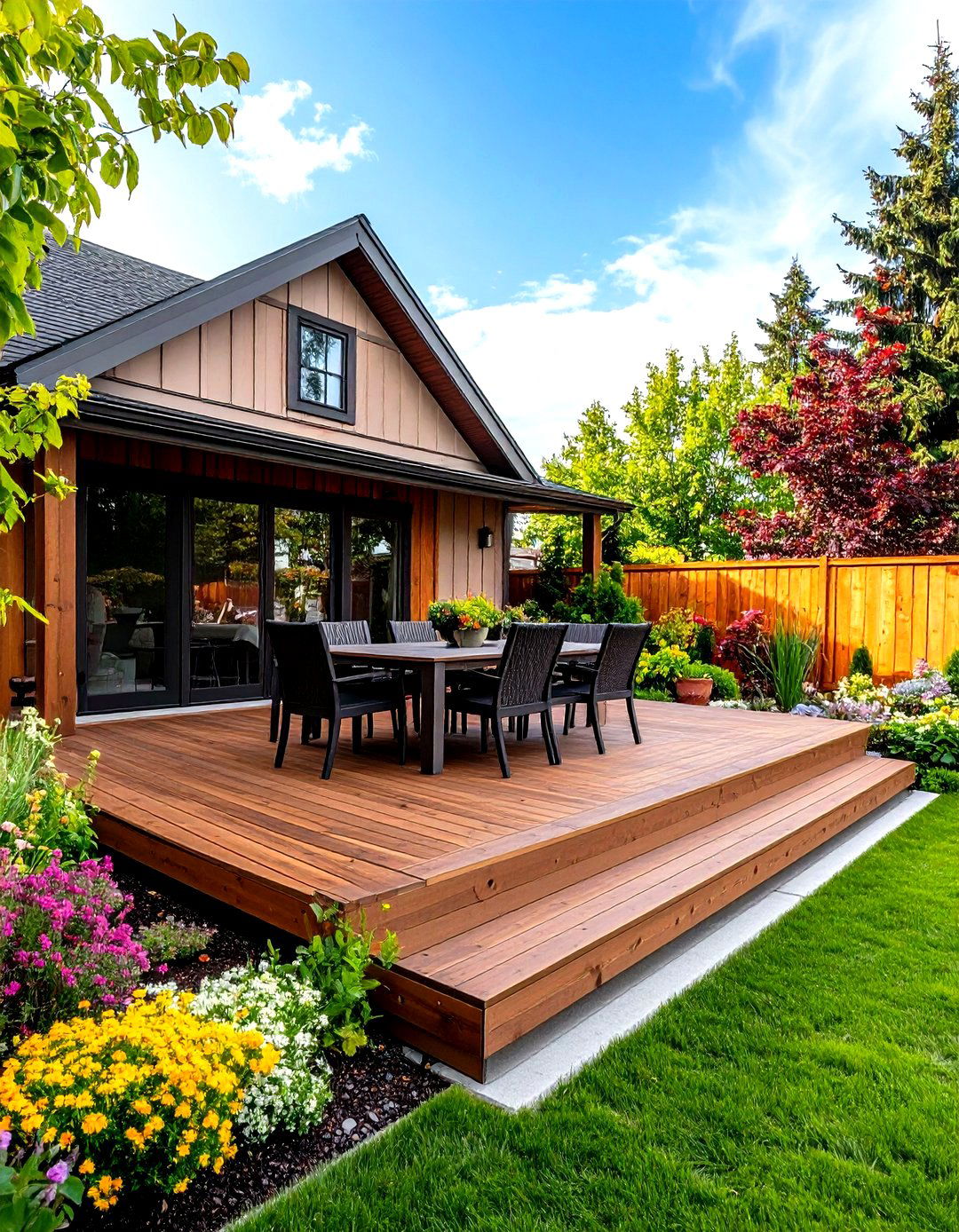
If your patio feels a bit cramped, consider adding a small wooden deck extension. This can create a distinct zone for dining or lounging and adds the warm, natural texture of wood to your landscape. A slightly raised deck can also help to level out an uneven yard and define the patio area more clearly. Using wood that complements your home’s exterior creates a seamless transition. This addition is a practical way to expand your usable outdoor living space while introducing a new material and level for added visual interest.
28. Creating a Zen Garden Corner
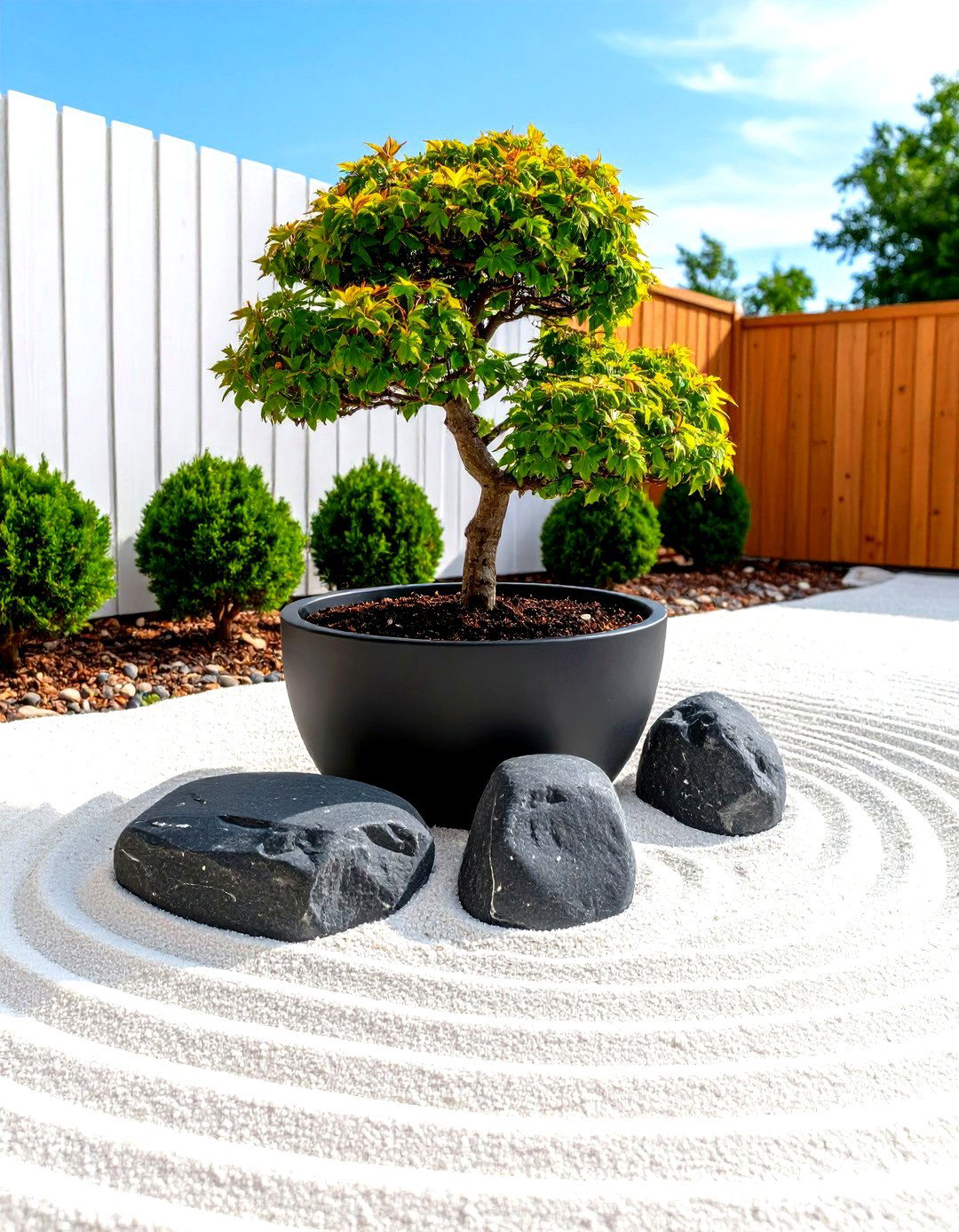
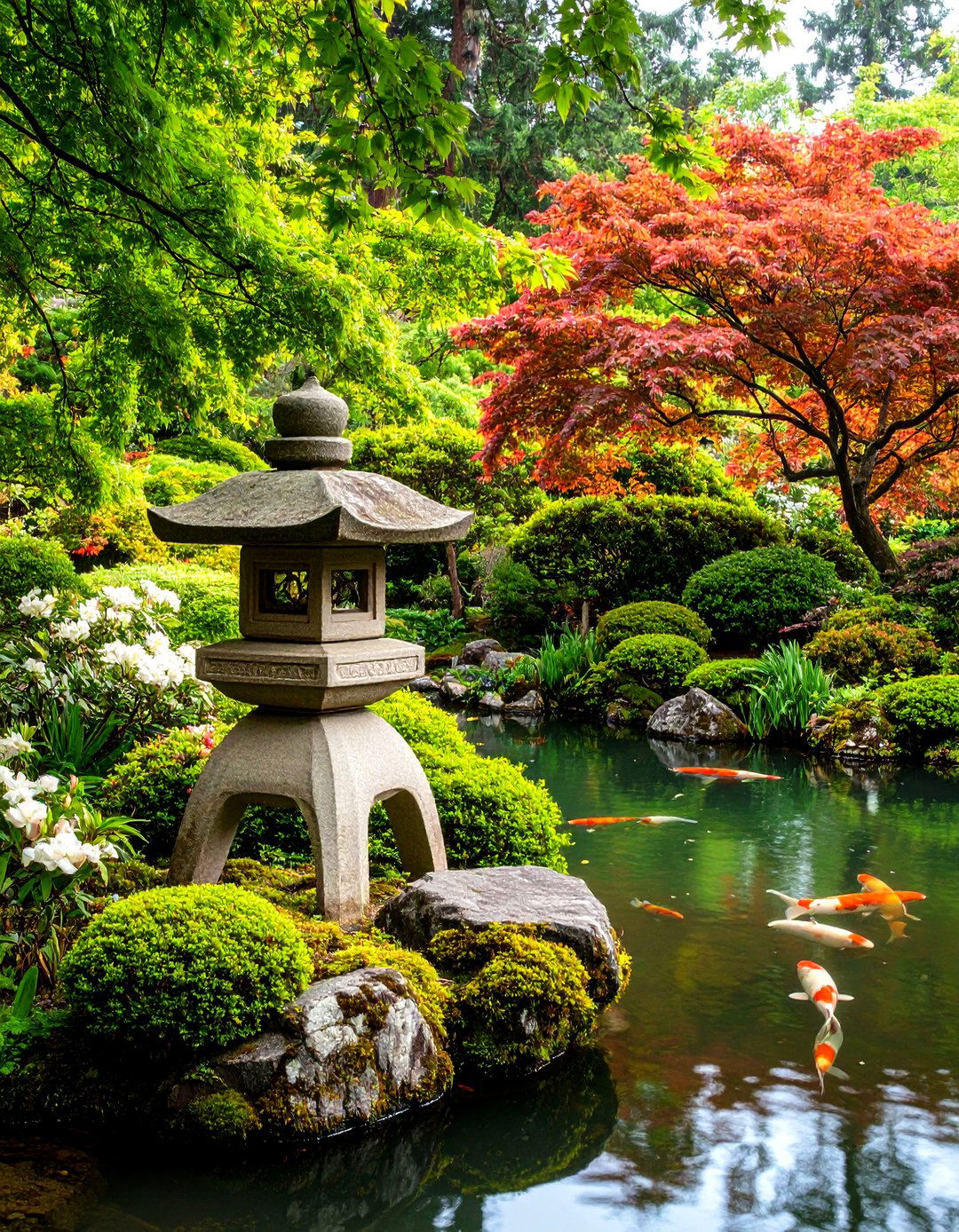
Dedicate a small corner of your patio landscape to a Zen garden for a peaceful, meditative retreat. This minimalist style features carefully raked sand or fine gravel, a few strategically placed stones, and perhaps a single sculptural plant like a Japanese maple or a bonsai. The act of raking the sand can be a calming activity, and the simple, uncluttered aesthetic promotes tranquility. A small stone lantern or a bamboo water feature can complete the scene. This low-maintenance feature provides a powerful focal point and a space for quiet contemplation.
29. Incorporating Solar Pathway Lighting
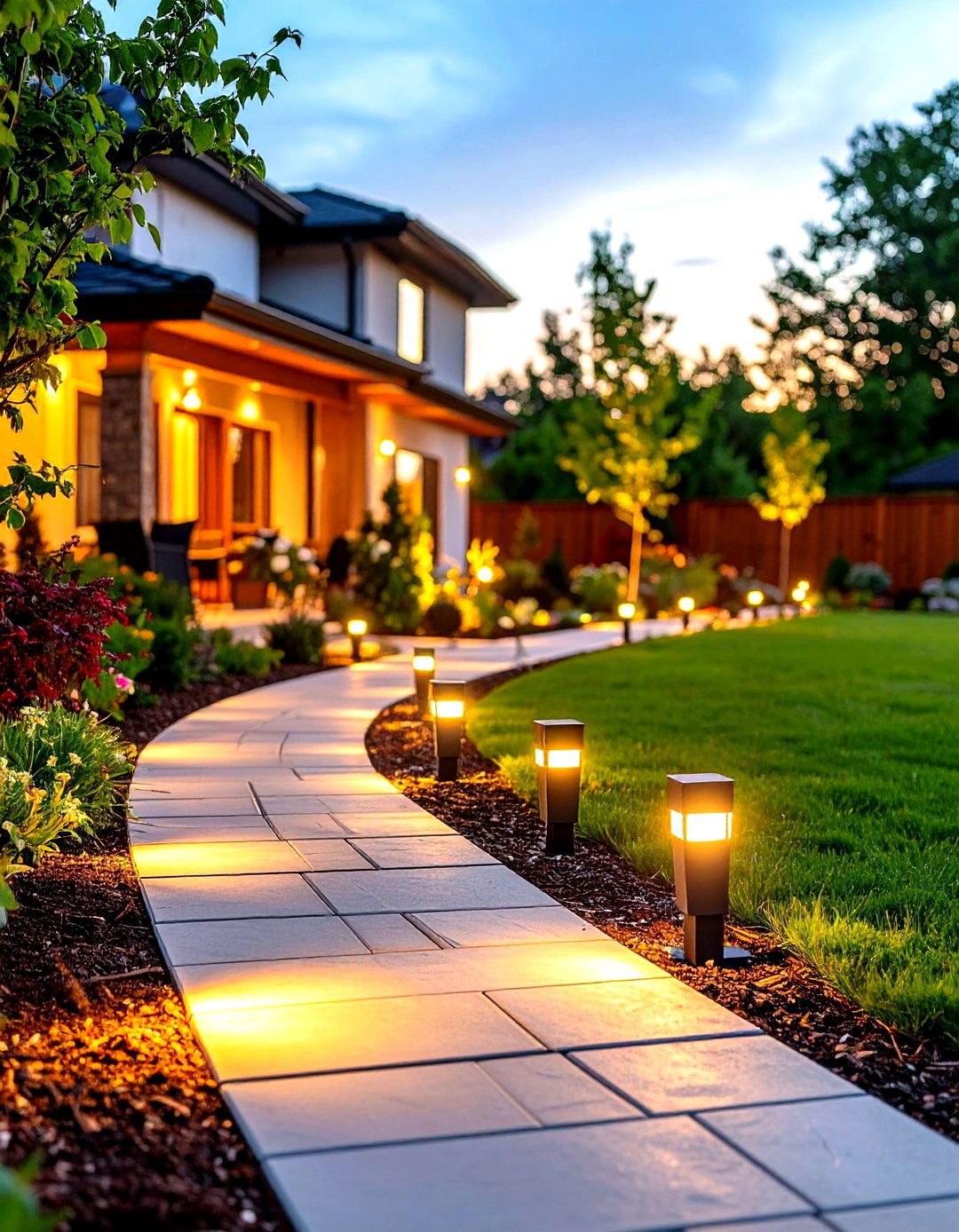
Solar-powered lights are an easy, eco-friendly, and cost-effective way to illuminate pathways and garden beds around your patio. These lights charge during the day and automatically turn on at dusk, casting a gentle glow that enhances safety and ambiance. Stake lights can be used to line a walkway, while spotlights can be positioned to uplight a beautiful tree or architectural feature. With no wiring required, they are incredibly simple to install and move around. They provide subtle but effective lighting that highlights the beauty of your landscape after dark.
30. Adding an Outdoor Daybed
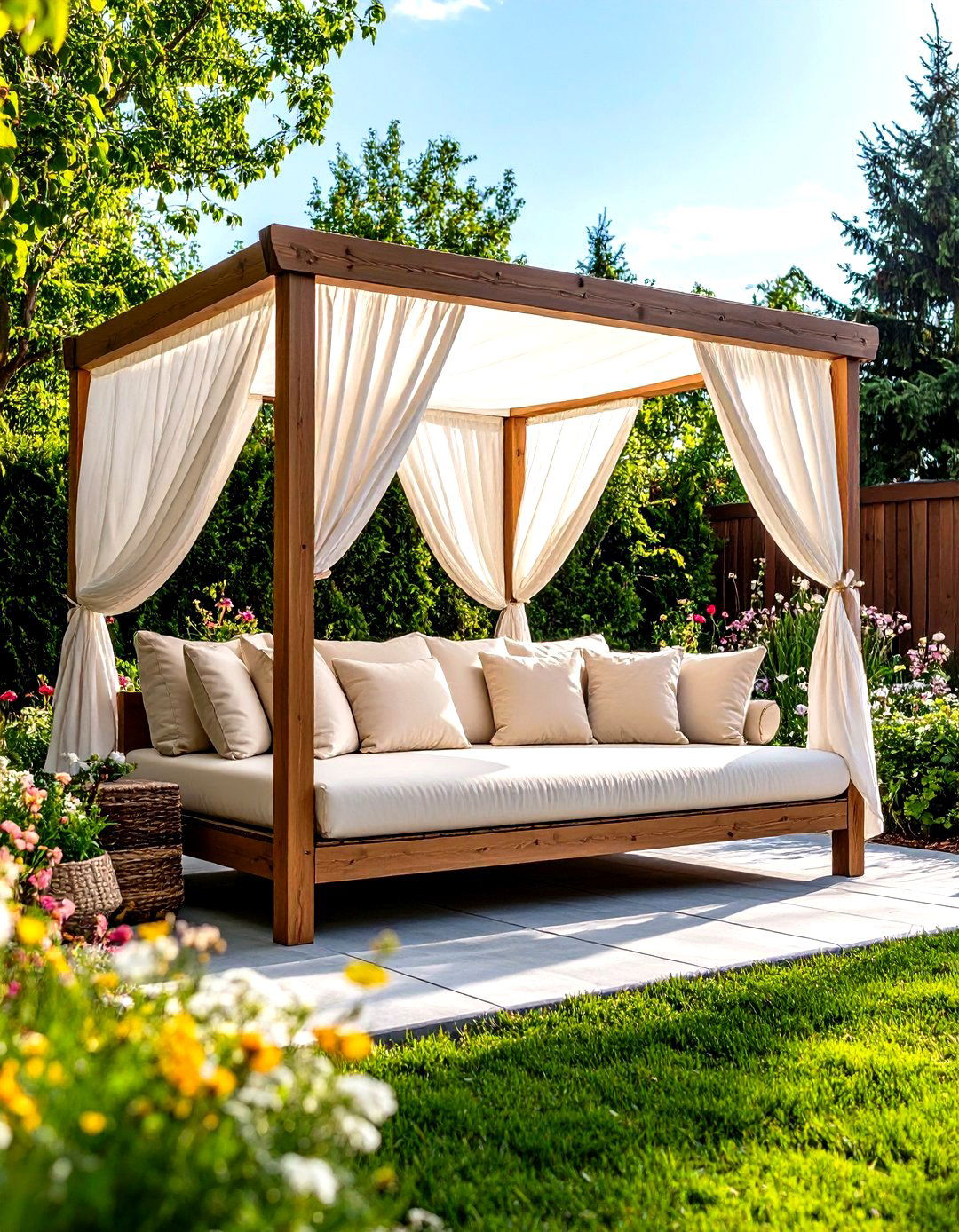
For the ultimate in luxurious lounging, add an outdoor daybed to your patio. This piece of furniture invites you to recline and relax in comfort, offering more space than a standard lounge chair. Choose a model with a durable frame and thick, weather-resistant cushions. Many daybeds also come with a built-in canopy to provide shade from the sun. Placed in a quiet corner or as the main feature of a relaxation zone, a daybed turns your patio into a resort-like escape, perfect for afternoon naps or stargazing on a clear night.
Conclusion:
Creating your ideal patio landscape is about blending beauty with functionality. By integrating elements like cozy fire pits, elegant pergolas, soothing water features, and smart seating solutions, you can craft an outdoor space that truly extends your home. Whether you opt for lush container gardens, dramatic lighting, or private living walls, each choice contributes to a personalized sanctuary. These ideas show that with a bit of creativity, any patio can become a cherished retreat for relaxation and entertainment, enhancing your daily life and connection to the outdoors.

Related posts:



Leave a Reply