
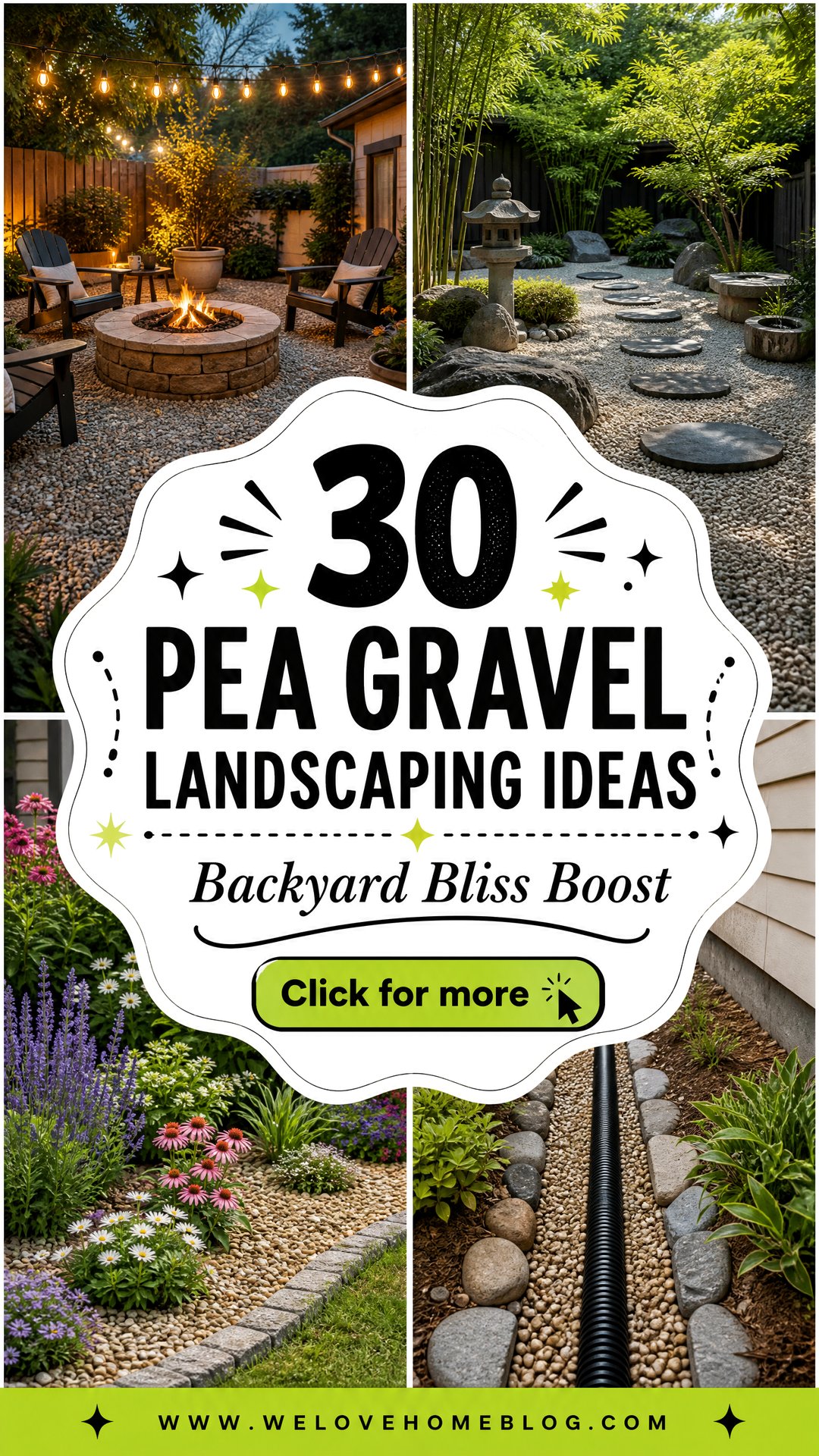
Pea gravel is a versatile, affordable, and attractive material that can transform any outdoor space. Its small, rounded stones create a soft, textured surface that is both comfortable underfoot and visually appealing. From elegant pathways and cozy patios to low-maintenance garden beds and modern driveways, pea gravel offers endless creative possibilities. This natural stone comes in various colors, including shades of gray, tan, white, and brown, allowing it to complement any home exterior or garden style. Whether you are aiming for a rustic country look or a sleek contemporary design, pea gravel provides a practical and stylish solution.
1. Pea Gravel Patio with a Fire Pit Area
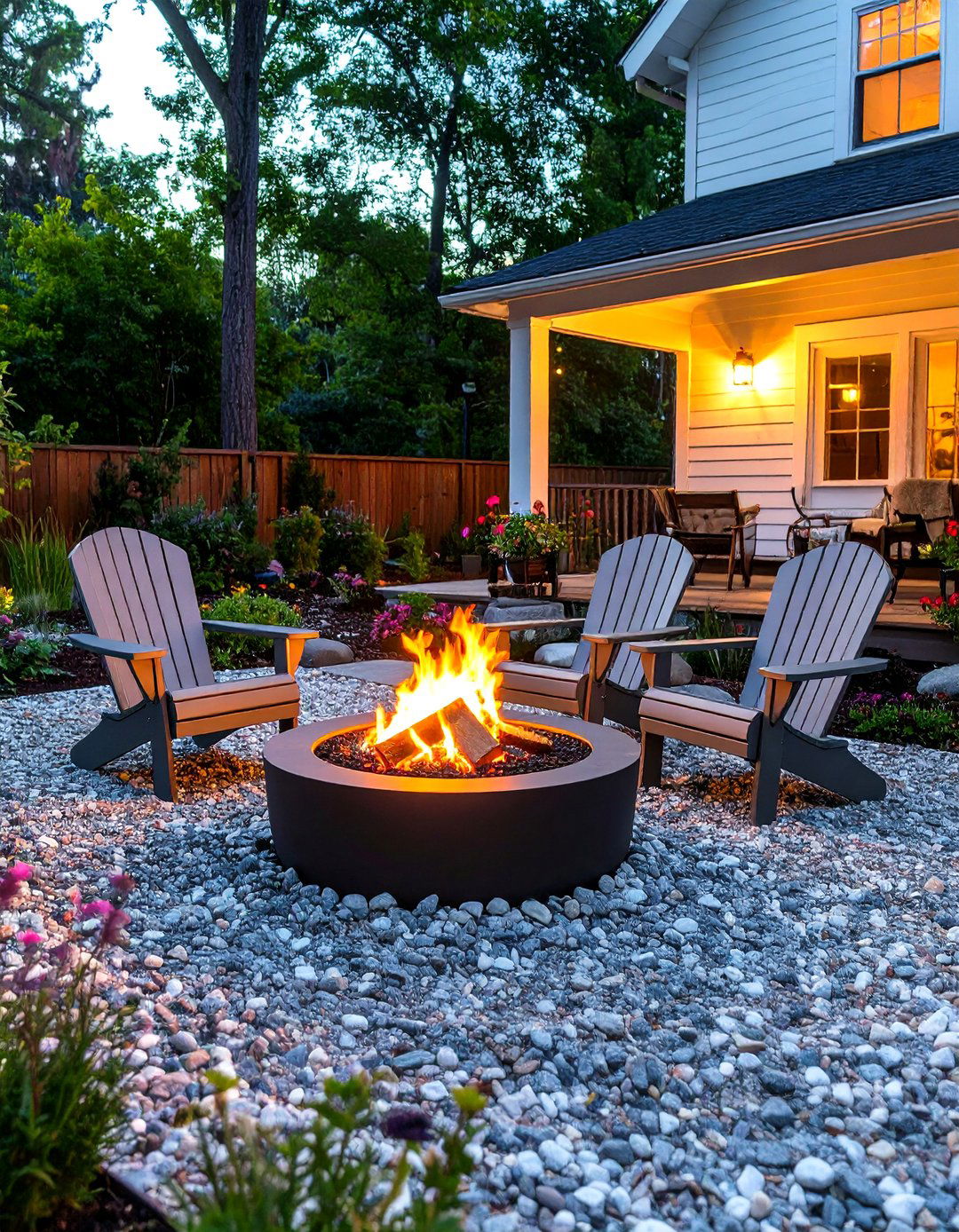
A pea gravel patio creates an inviting and relaxed atmosphere, perfect for gathering around a central fire pit. The gravel provides a non-combustible surface, enhancing safety while offering a charming, rustic aesthetic. To define the space, consider using natural stone or steel edging to contain the gravel and create a clean, finished look. This type of patio is a cost-effective alternative to pavers or concrete, and its permeable surface allows rainwater to drain naturally, preventing puddles. Arrange comfortable seating around the fire pit to complete this cozy outdoor living area for year-round enjoyment with family and friends.
2. Meandering Pea Gravel Garden Pathway
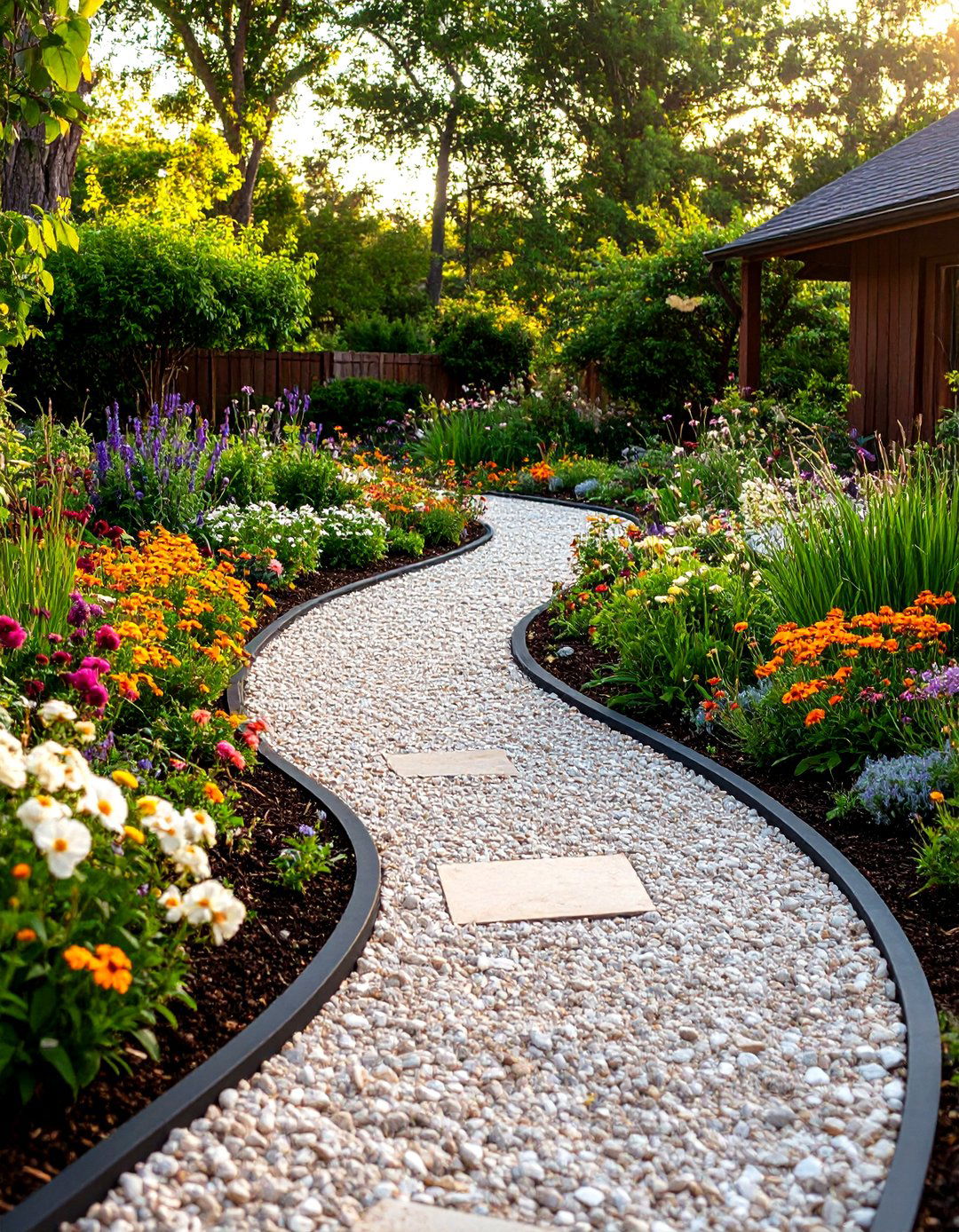
For a whimsical and natural look, a meandering pea gravel pathway is an excellent choice to guide visitors through your garden. This style of path avoids harsh, straight lines, instead curving gently around flower beds, trees, and other landscape features. The soft crunch of the gravel underfoot adds a sensory element to the garden experience. Use flexible landscape edging made of metal or recycled plastic to maintain the path's serpentine shape and prevent the gravel from spilling into adjacent garden beds. This approach is relatively easy to install and adds a touch of informal elegance to any landscape design.
3. Pea Gravel Base for a Container Garden
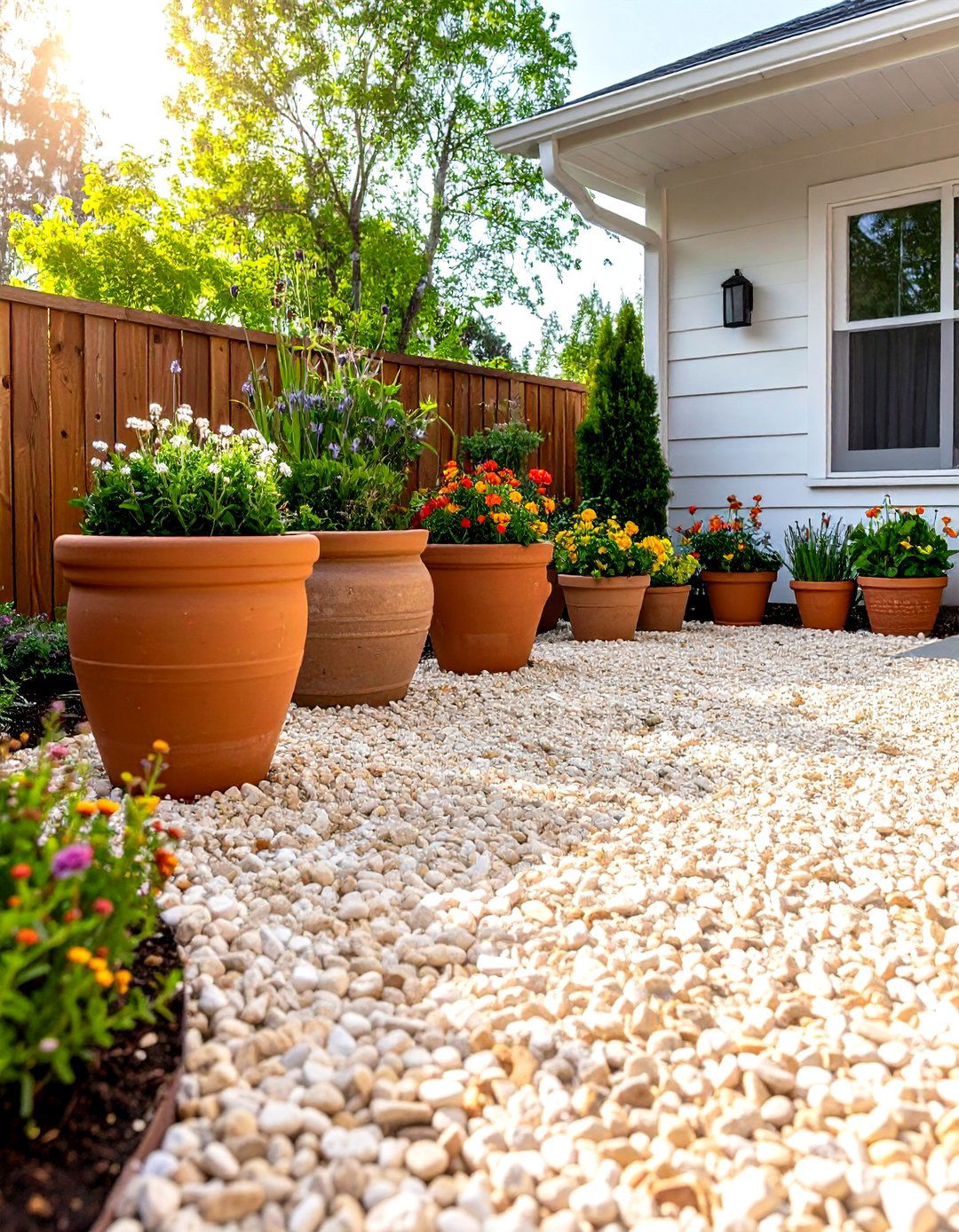
Using pea gravel as a base for a container garden provides both functional and aesthetic benefits. Arranging your pots on a bed of pea gravel creates a cohesive and tidy look, turning a collection of containers into a deliberate design feature. This surface also promotes excellent drainage, allowing excess water to escape from the pots and preventing root rot. It helps to keep the bottoms of your containers clean and reduces mud splatter on the pots during watering or rain. A pea gravel surface can also suppress weeds, making your container garden area much easier to maintain throughout the growing season.
4. Modern Pea Gravel Driveway
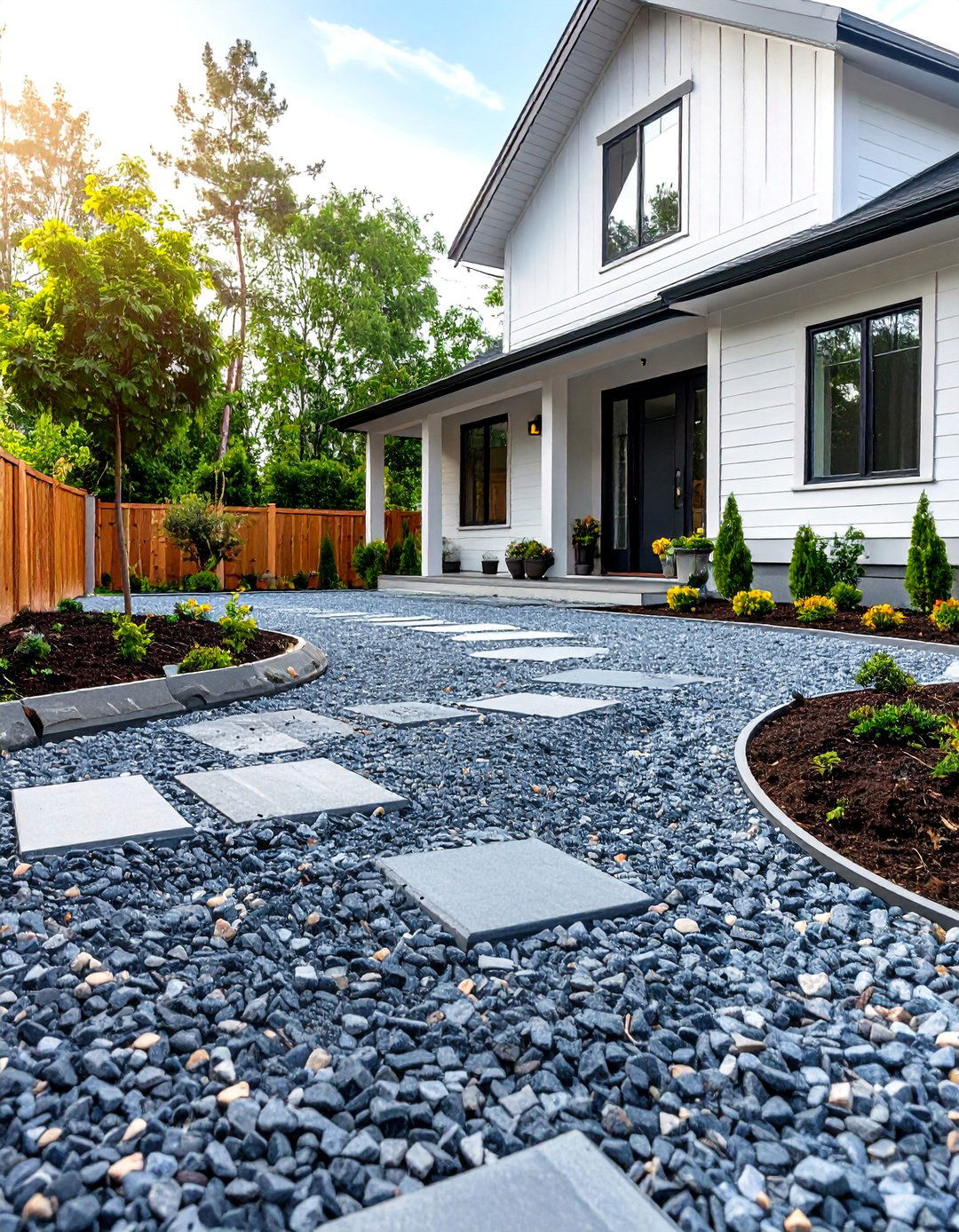
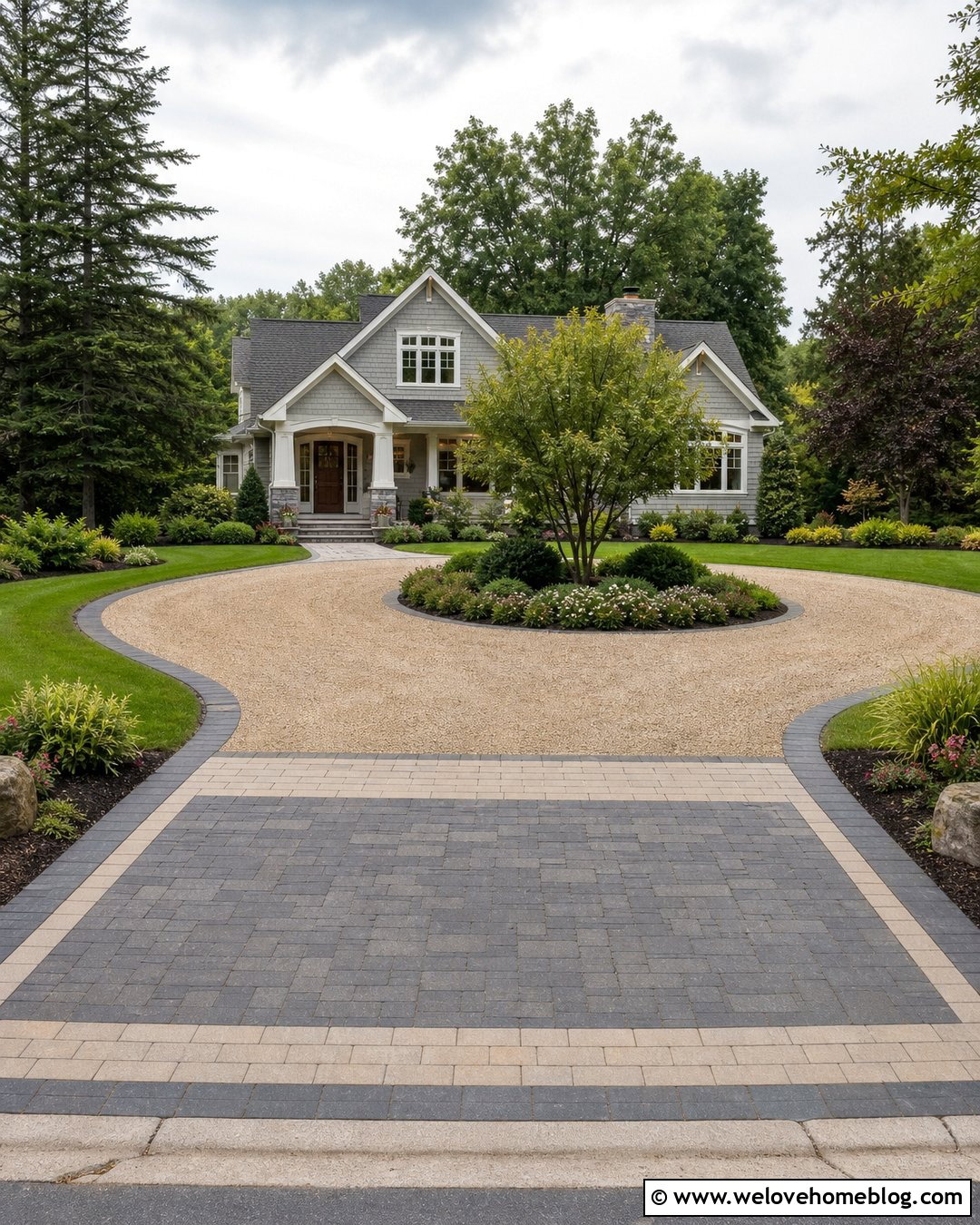
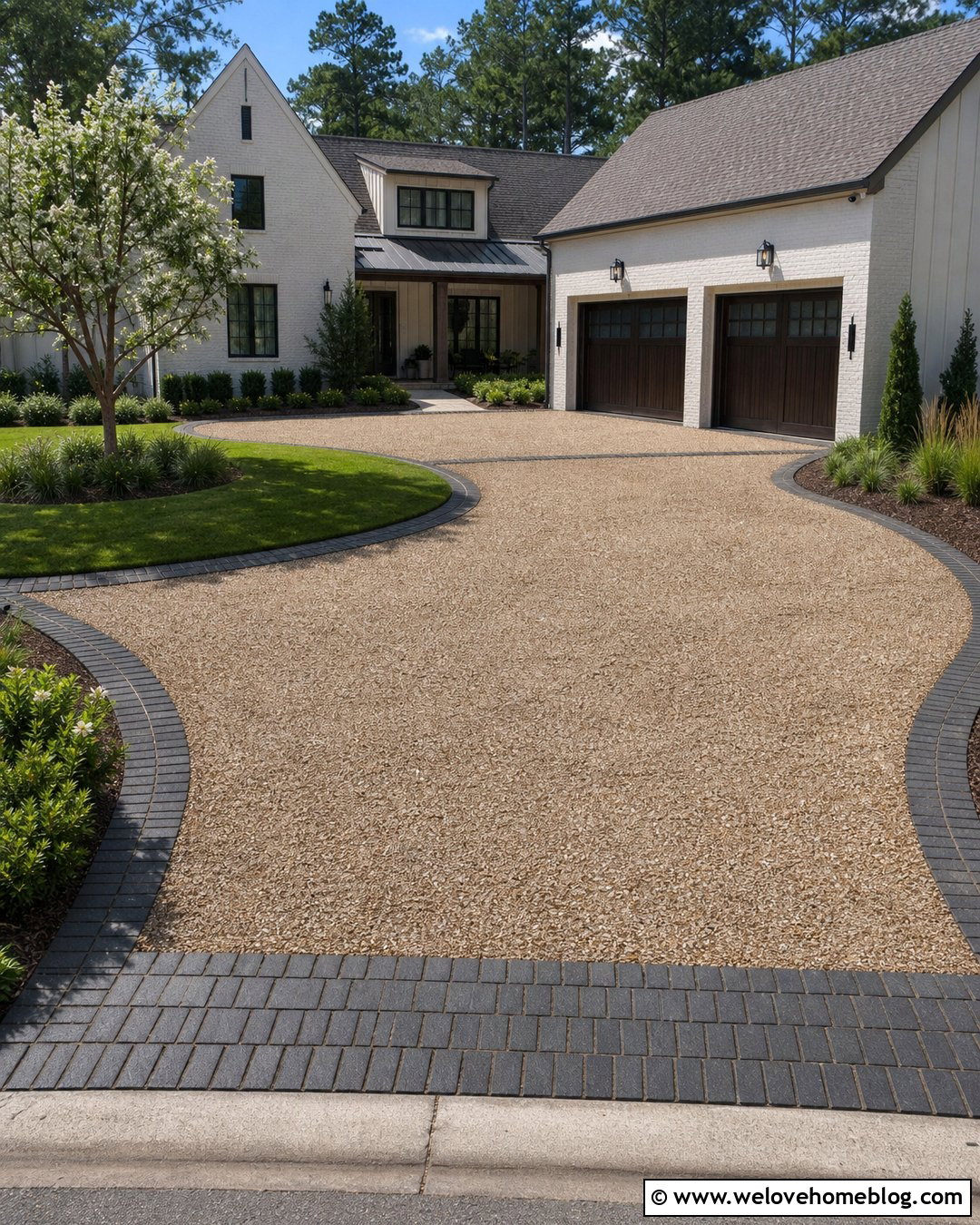
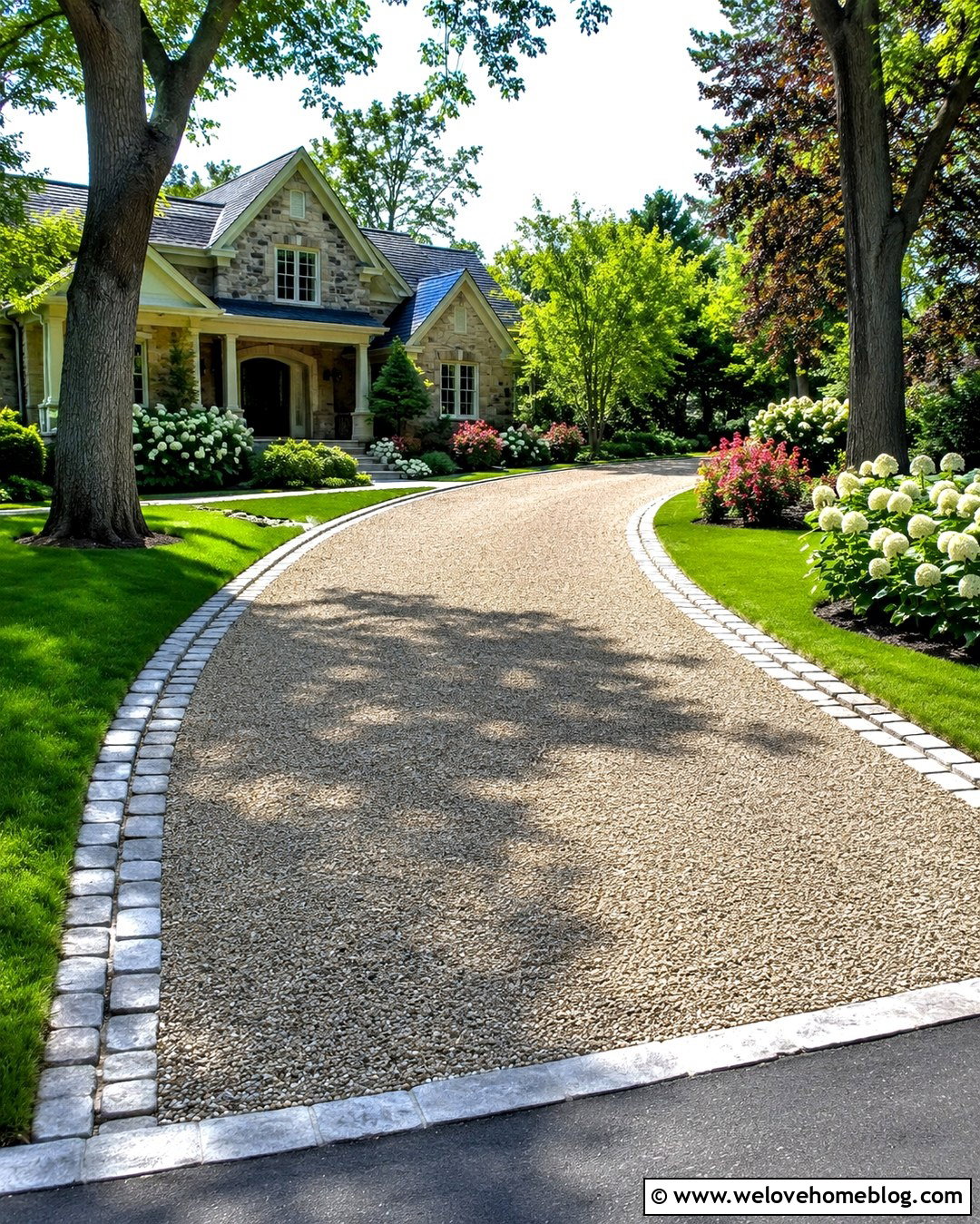
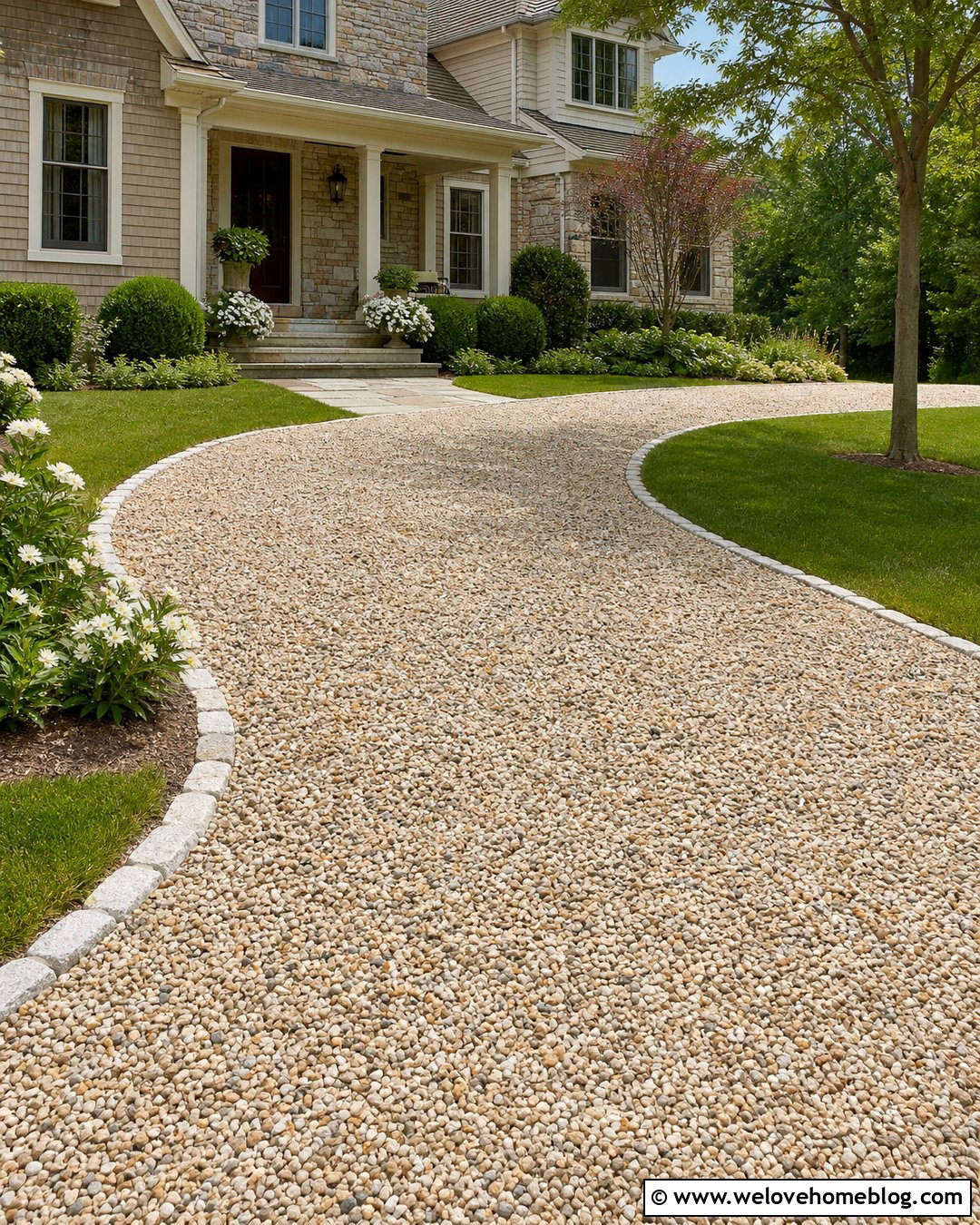
A modern pea gravel driveway offers a stylish and permeable alternative to traditional asphalt or concrete. To achieve a contemporary look, select a uniform color of gravel, such as charcoal gray or crisp white, and use clean, straight lines for the driveway's borders. Installing a stabilizer grid system underneath the gravel is essential to prevent ruts, shifting, and displacement caused by vehicles. This grid holds the stones in place, creating a stable and durable surface that remains easy to drive and walk on. This eco-friendly option allows rainwater to soak into the ground, reducing runoff and replenishing groundwater.
5. Zen-Inspired Pea Gravel Garden
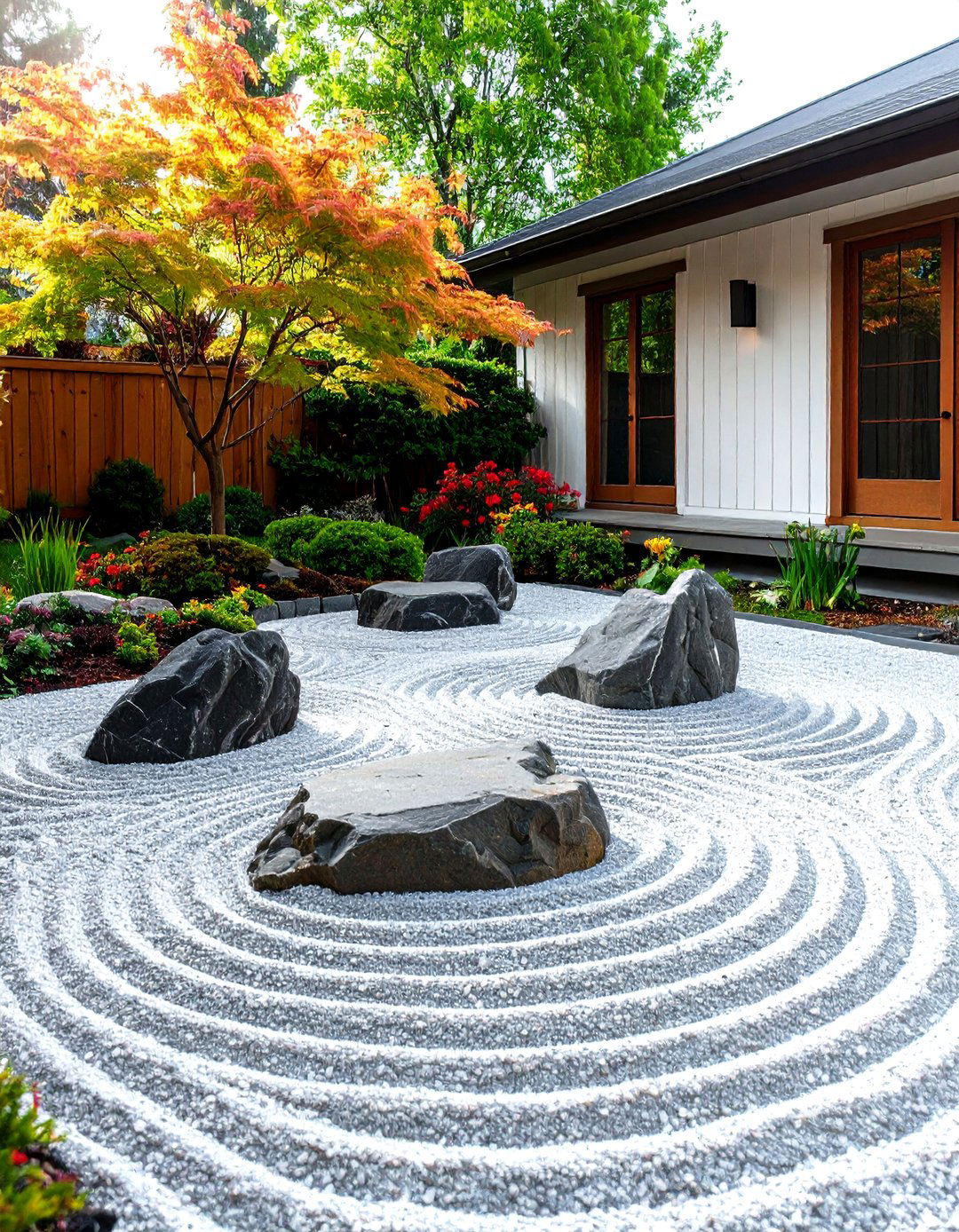
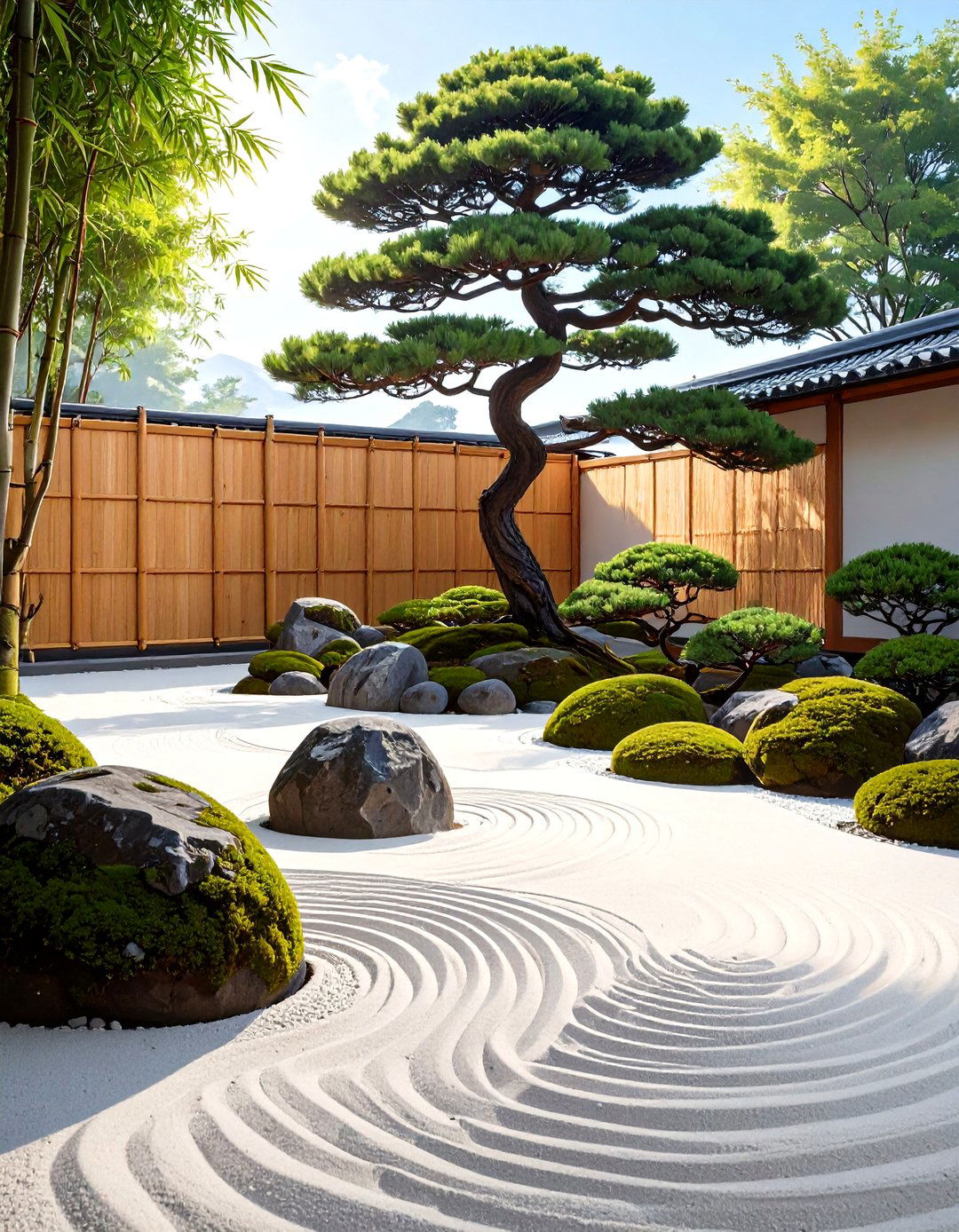
To create a tranquil Zen garden, use fine-textured pea gravel as the primary ground cover to represent water or open space. The smooth, uniform surface is perfect for raking into intricate patterns, a meditative practice central to Zen garden design. Incorporate carefully placed boulders to represent mountains or islands, and add minimalist plantings like moss, bamboo, or a single Japanese maple for a touch of green. The simplicity of the pea gravel emphasizes the form and texture of the other elements, fostering a sense of peace and contemplation. This low-maintenance design transforms an outdoor area into a serene retreat.
6. Pea Gravel Edging for Flower Beds
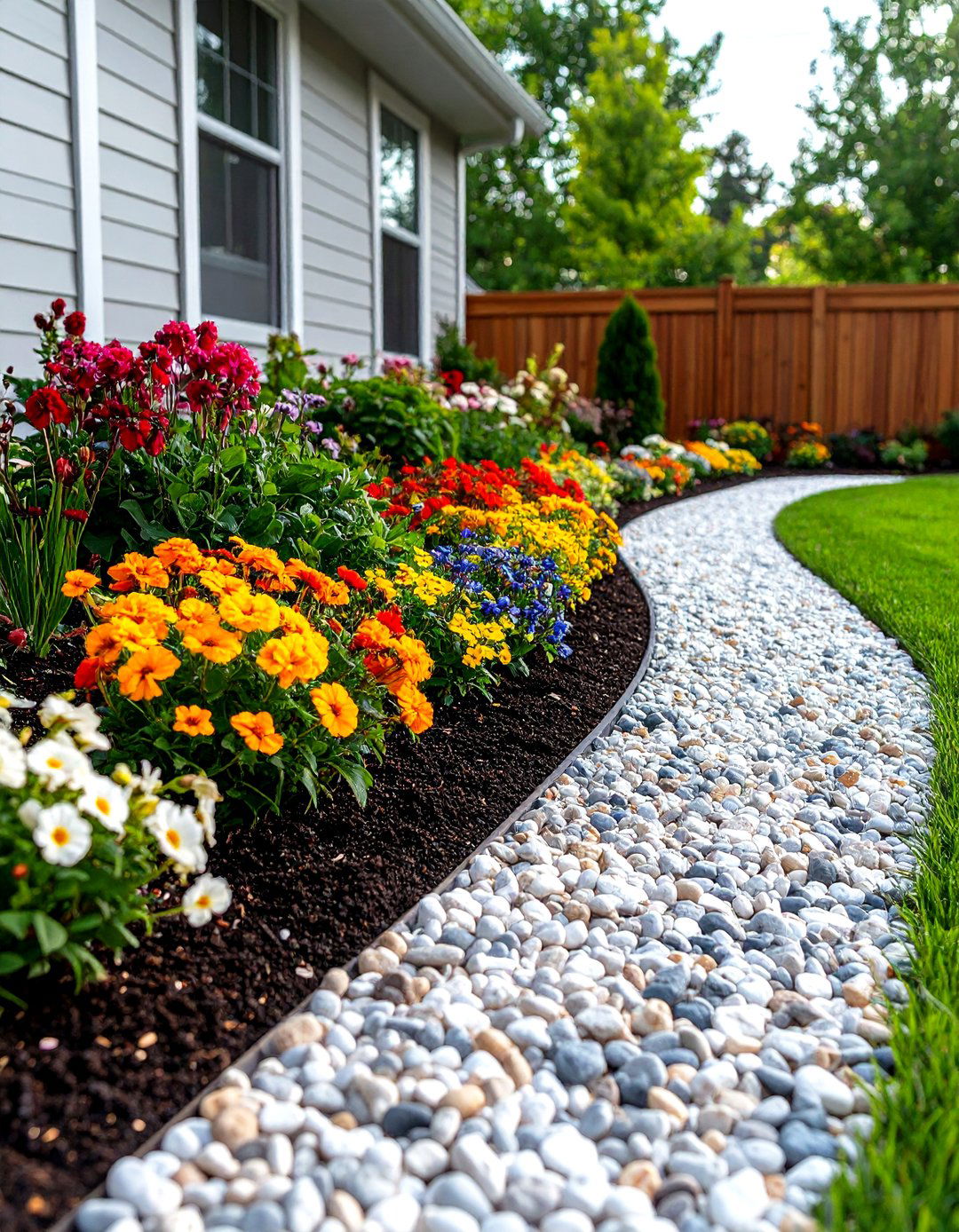
Using pea gravel as an edging material provides a clean and attractive border between your lawn and flower beds. A trench filled with pea gravel creates a distinct visual separation that prevents grass from creeping into your garden areas. This type of edging is easy to install and maintain, and it can be several inches wide to also function as a small pathway for garden access. It acts as a maintenance strip, allowing you to mow right up to the edge without risking damage to your plants or mower. Choose a gravel color that complements your mulch and plantings for a polished, professional look.
7. Pea Gravel Patio with Paver Accents
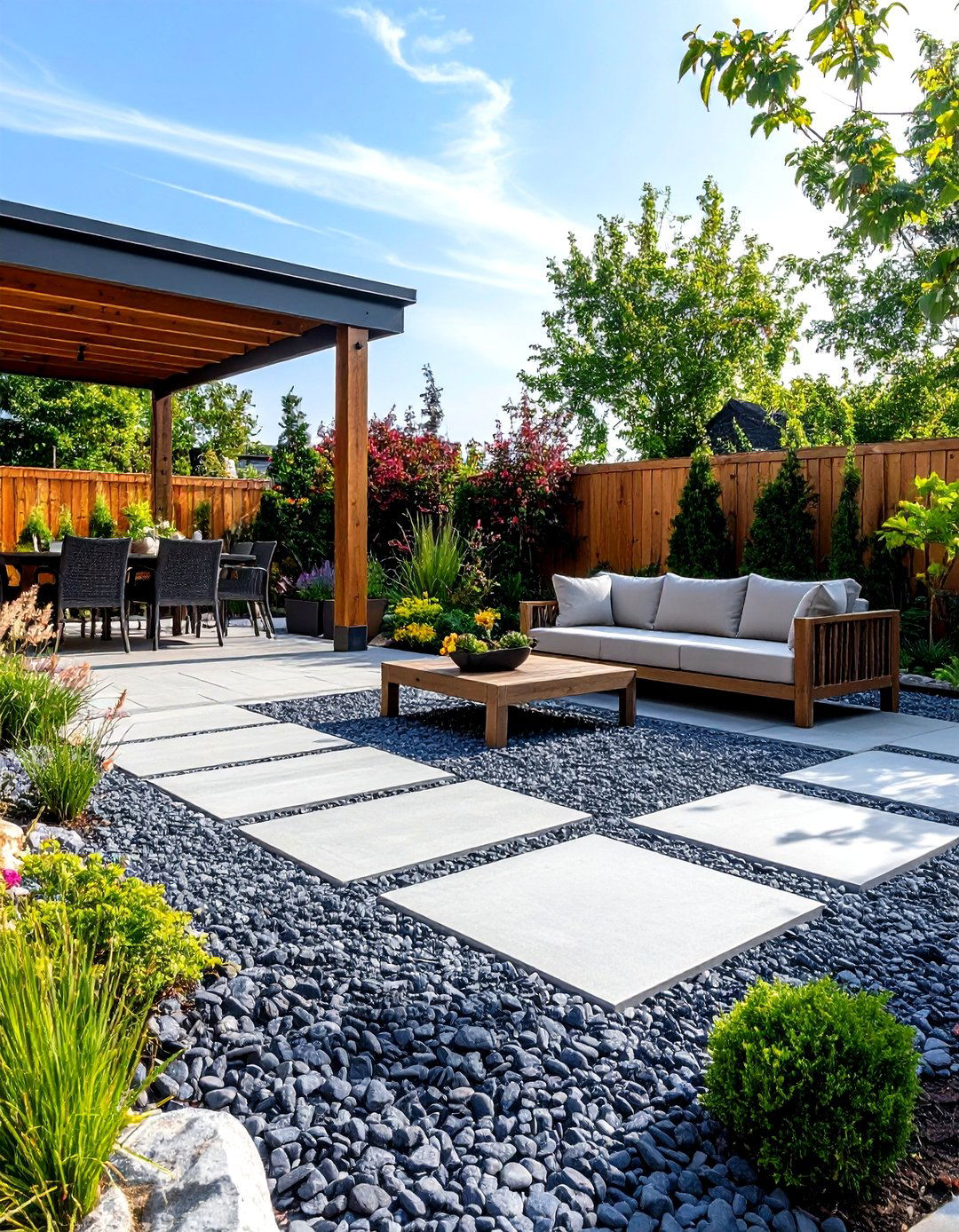
Combining pea gravel with large paver stones creates a patio with dynamic texture and visual interest. Set large, flat pavers or flagstones within the pea gravel base to create solid standing or walking surfaces for furniture and high-traffic zones. This design blends the soft, organic feel of the gravel with the stability and structure of solid stone. The contrast between the two materials adds depth and sophistication to the outdoor space. This approach allows for creative layouts, such as a stepping-stone path leading from the door to a seating area, all within a cohesive pea gravel patio.
8. Pea Gravel Surround for a Water Feature
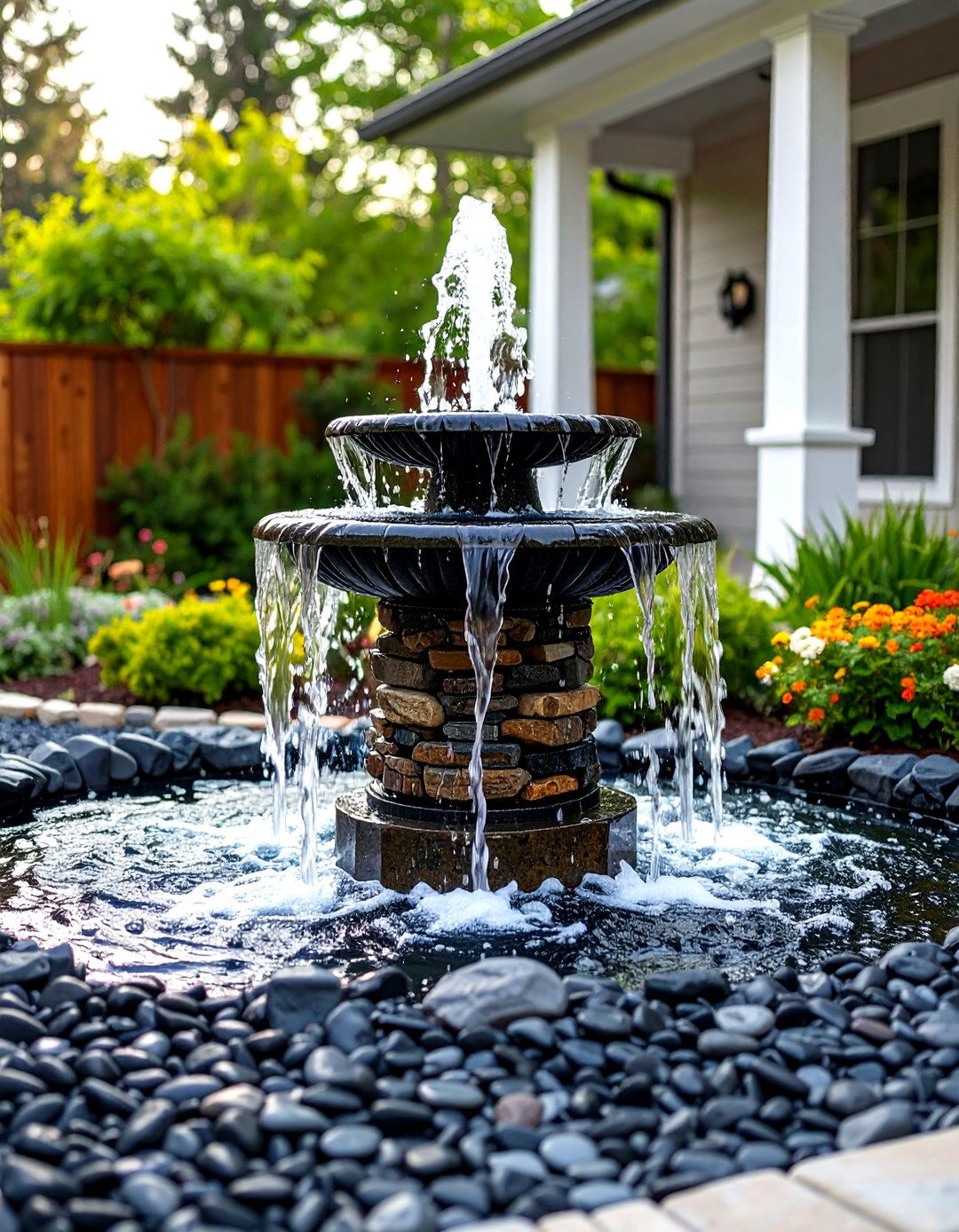
A pea gravel surround for a fountain, pond, or birdbath enhances the feature's natural beauty and simplifies maintenance. The gravel provides a clean, splash-proof surface that prevents mud from forming around the water element. Its permeable nature allows any overflow or splashing to drain away easily, keeping the area tidy. The texture and color of the pea gravel can be chosen to mimic a natural riverbed or shoreline, seamlessly integrating the water feature into the broader landscape design. This is a simple yet effective way to highlight a focal point in your garden while managing water splash and weed growth.
9. Low-Maintenance Pea Gravel Dog Run
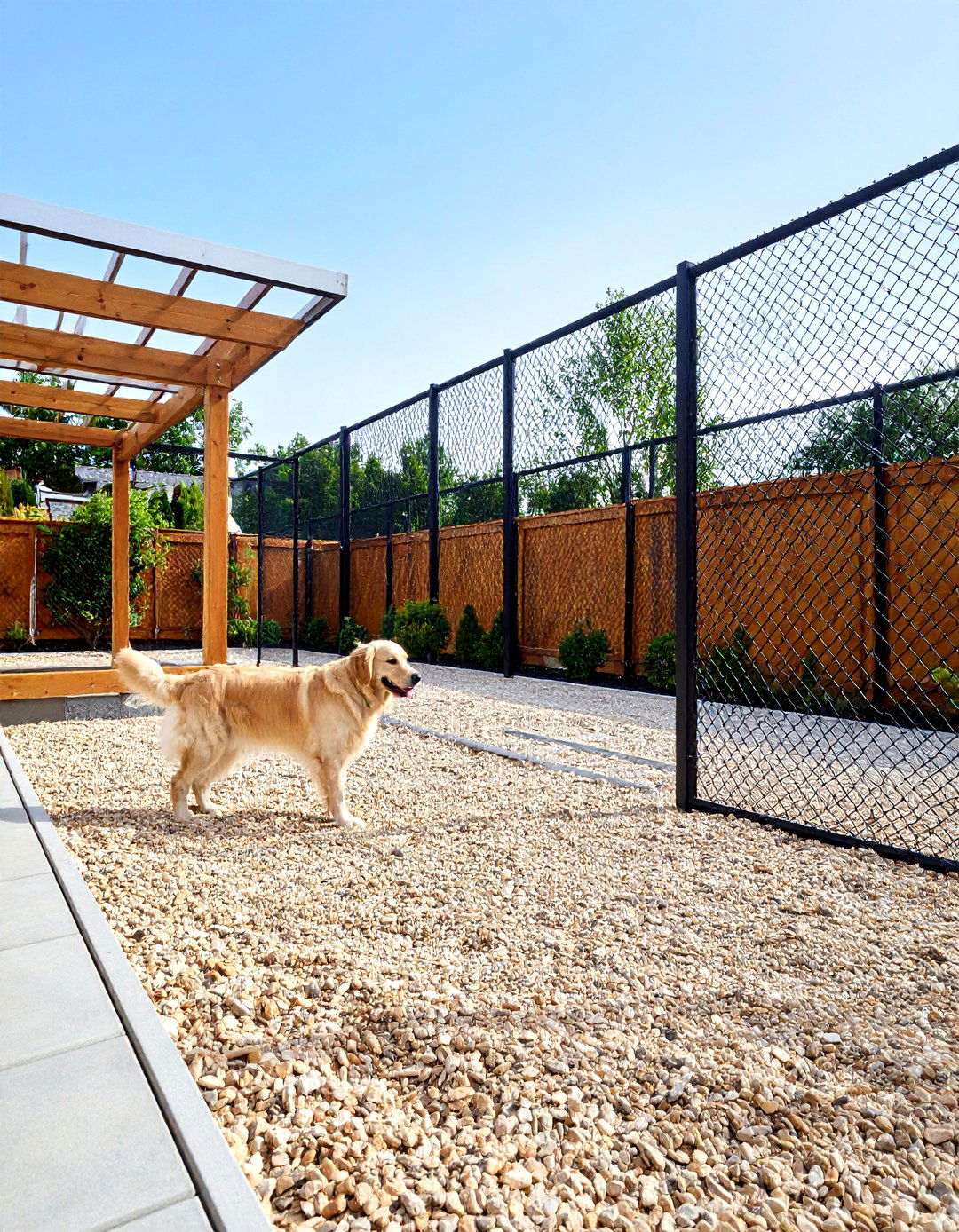
For pet owners, a designated dog run made with pea gravel offers a durable and low-maintenance solution. The smooth, rounded stones are generally comfortable for dogs' paws, and the surface is easy to clean and hose down. Unlike grass, pea gravel won't get muddy or develop brown spots from pet urine. Proper installation is key; ensure a solid base and good drainage to keep the area sanitary and odor-free. Edging is also important to keep the gravel contained within the run. This creates a dedicated, clean space for your dog to play without destroying the rest of your lawn.
10. Pea Gravel Walkway with Wooden Planks
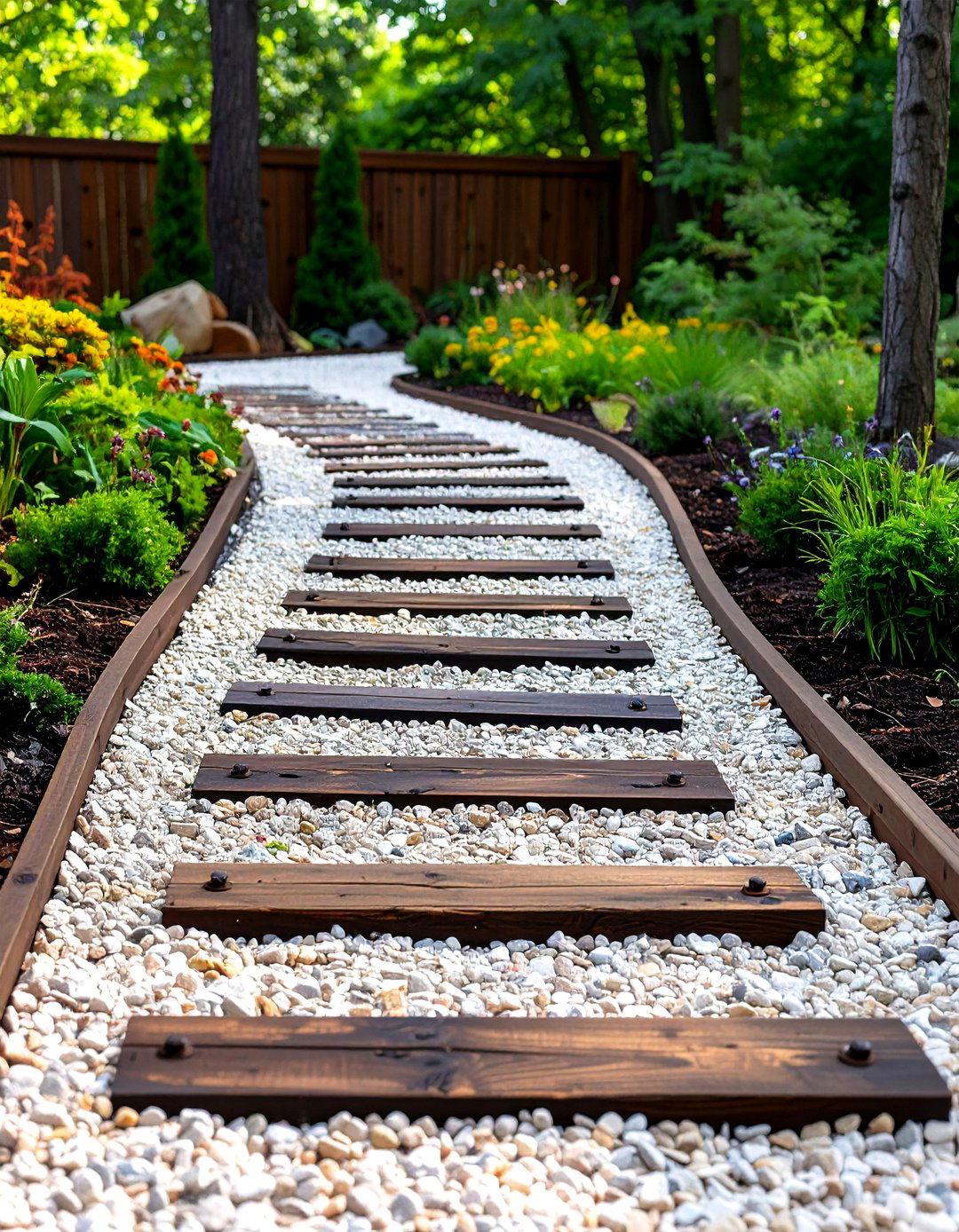
Integrate the rustic charm of wood with the soft texture of pea gravel for a unique walkway. Laying down large wooden planks or railroad ties within a pea gravel path creates a visually interesting and practical surface. The wood provides a solid, stable stepping area, while the surrounding gravel offers a contrasting texture and sound. This design works particularly well in woodland, cottage, or rustic garden settings. Ensure the wood is treated for outdoor use to prevent rot and decay. The combination of natural materials creates a harmonious and inviting pathway that connects different parts of your landscape.
11. Pea Gravel Bocce Ball Court
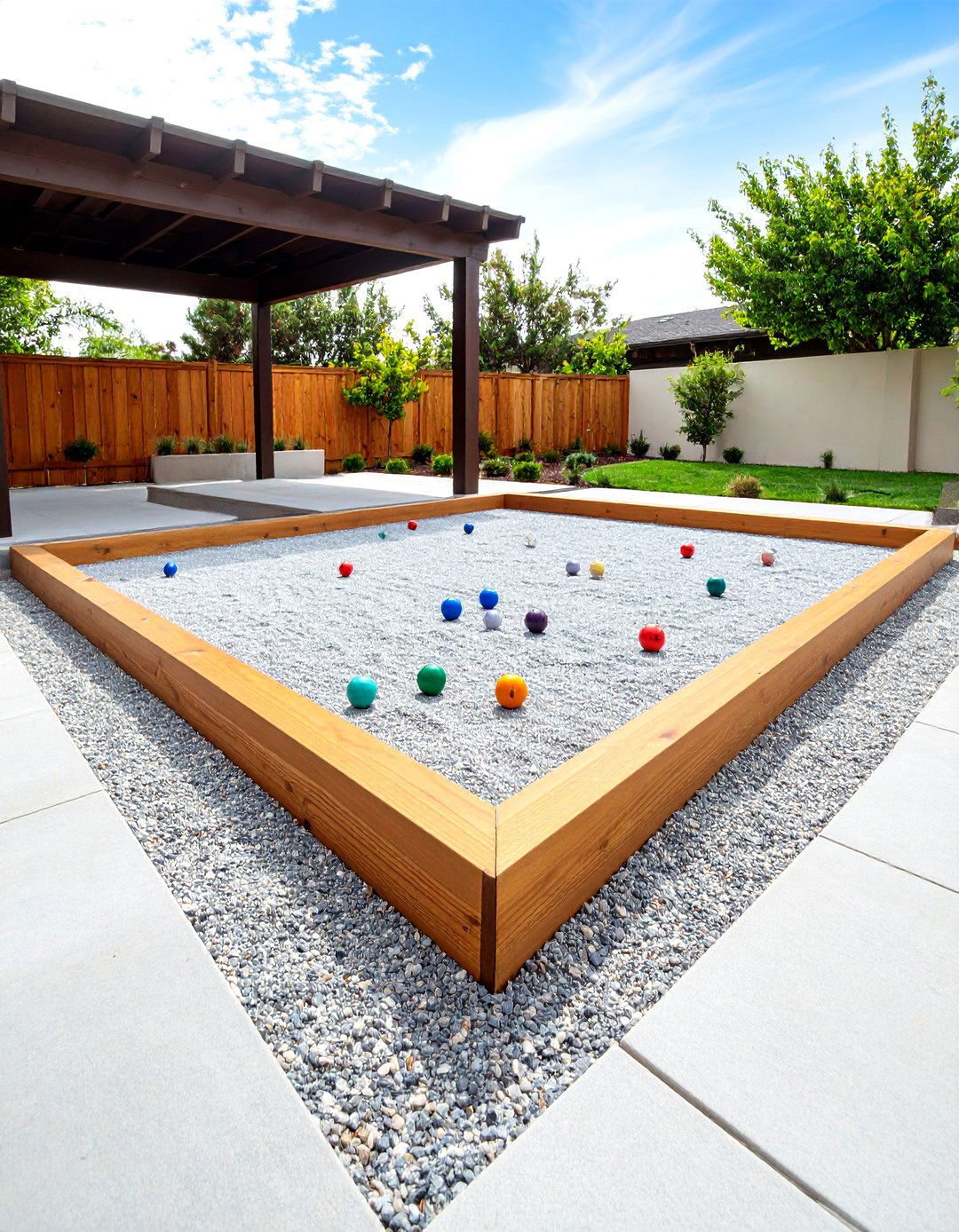
A pea gravel surface is ideal for a backyard bocce ball court, providing the traditional playing experience. A standard court is long and narrow, and the pea gravel offers the perfect amount of give and roll for the bocce balls. Construct a wooden or stone frame to contain the gravel and define the playing area. A four-inch layer of compacted pea gravel over a properly prepared base will create a durable and level surface for countless games. This addition turns an underutilized part of your yard into a fun and social destination for family and friends, encouraging outdoor activity and entertainment.
12. Pea Gravel Seating Area Under a Tree
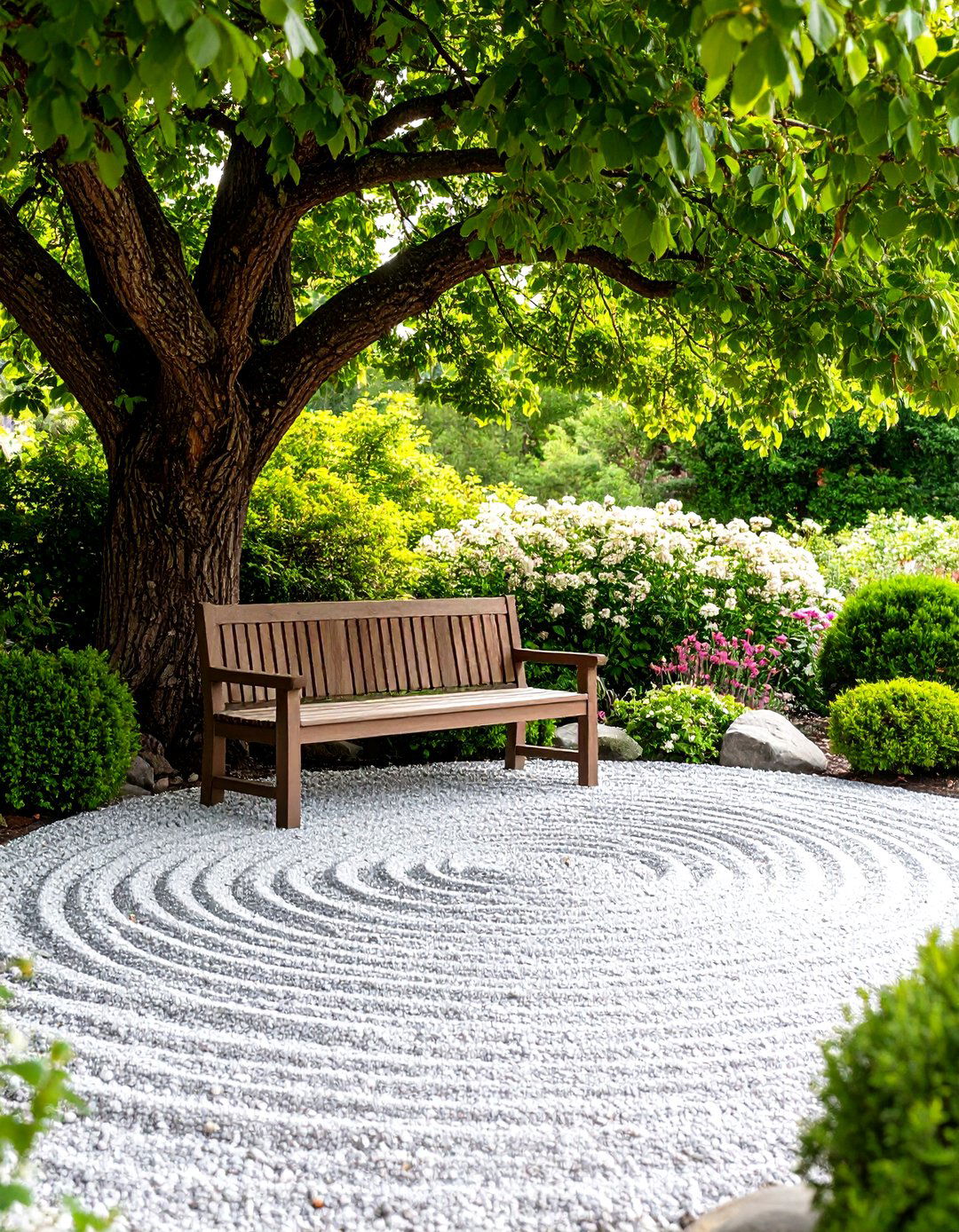
Create a shady and serene retreat by designing a pea gravel seating area beneath a large, mature tree. The gravel surface is a simple and attractive ground cover that won't compete with the tree's roots like pavers or concrete might. It allows water and air to reach the soil, promoting the tree's health. Place a comfortable bench or a small bistro set on the gravel to create a perfect spot for reading, relaxing, or enjoying a quiet morning coffee. The dappled sunlight filtering through the leaves combined with the soft crunch of the gravel creates a peaceful and charming garden nook.
13. Pea Gravel Courtyard with a Mediterranean Feel
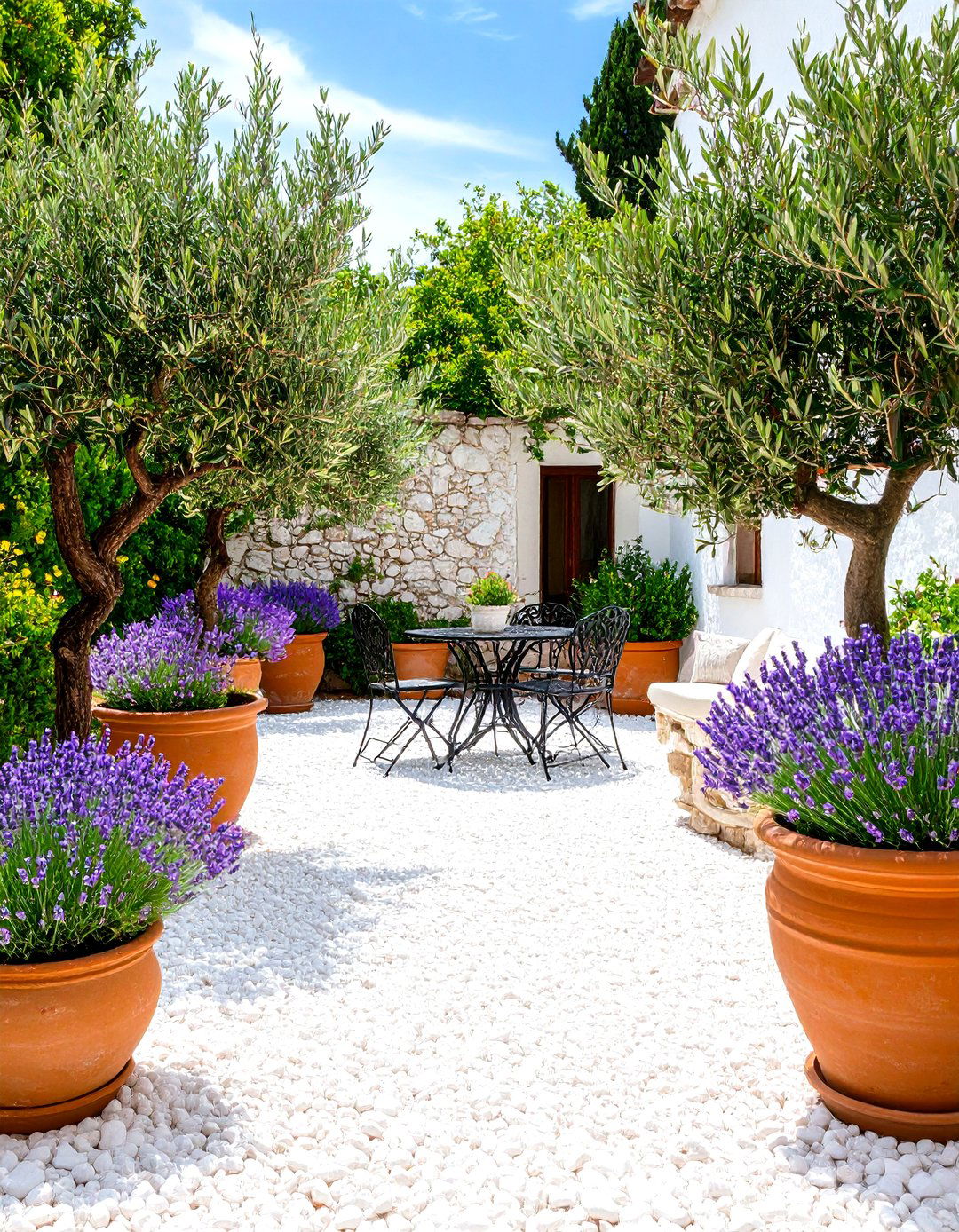
Transform a courtyard or enclosed patio into a Mediterranean-inspired oasis using light-colored pea gravel. Tan or white gravel reflects sunlight, creating a bright and airy atmosphere reminiscent of Greek or Italian villas. Complement the gravel with terracotta pots filled with vibrant bougainvillea, fragrant lavender, and olive trees. A simple water feature, like a small wall fountain, can add the soothing sound of trickling water. This design is both beautiful and low-maintenance, as the gravel suppresses weeds and provides excellent drainage. It’s an effective way to bring a touch of sunny, old-world charm to your home.
14. Pea Gravel Infill Between Flagstone Pavers
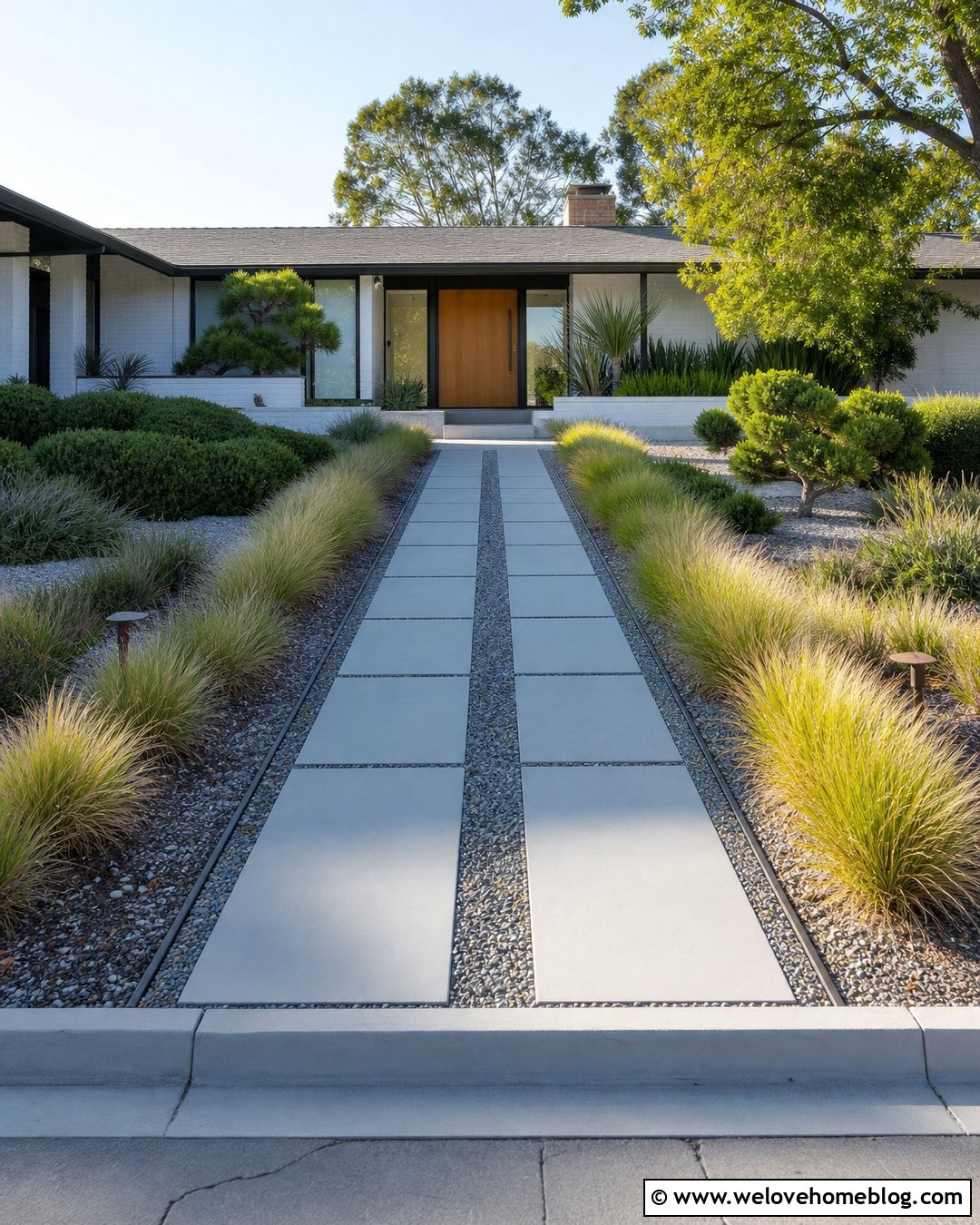
Using pea gravel as a filler between large flagstone pavers is a classic and elegant landscaping technique. This method, often called a mosaic or puzzle-style patio, allows you to create a permeable and visually textured surface. The small stones fill the irregular gaps between the flagstones, creating a stable and cohesive look while suppressing weeds. This approach is more forgiving to install than mortaring stones together and provides a softer, more natural appearance. It’s an excellent choice for patios, walkways, and courtyards, blending the solidity of stone with the flexibility of gravel for a timeless design.
15. Pea Gravel Base for a Raised Garden Bed
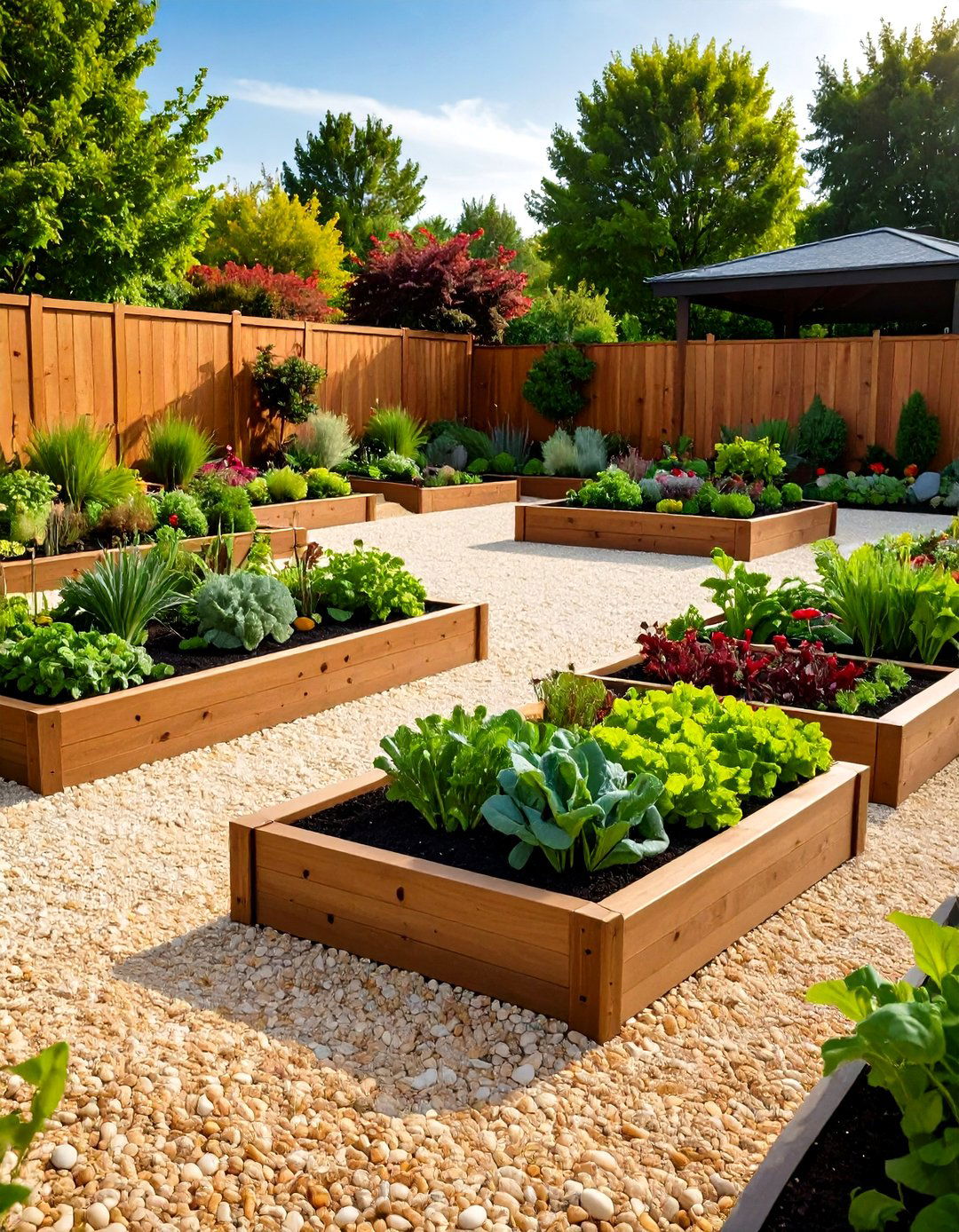
Surrounding your raised garden beds with pea gravel provides a clean, functional, and attractive workspace. This ground cover eliminates mud, making it easier to access your beds for planting, weeding, and harvesting, even after rain. It also helps to prevent weeds and grass from growing around the base of the beds, reducing maintenance. A wide border of pea gravel gives you a stable area to place your tools, kneel, or even run a wheelbarrow. Choose a color that complements the material of your raised beds, whether they are wood, metal, or stone, for a polished and organized kitchen garden.
16. Pea Gravel Around a Swimming Pool
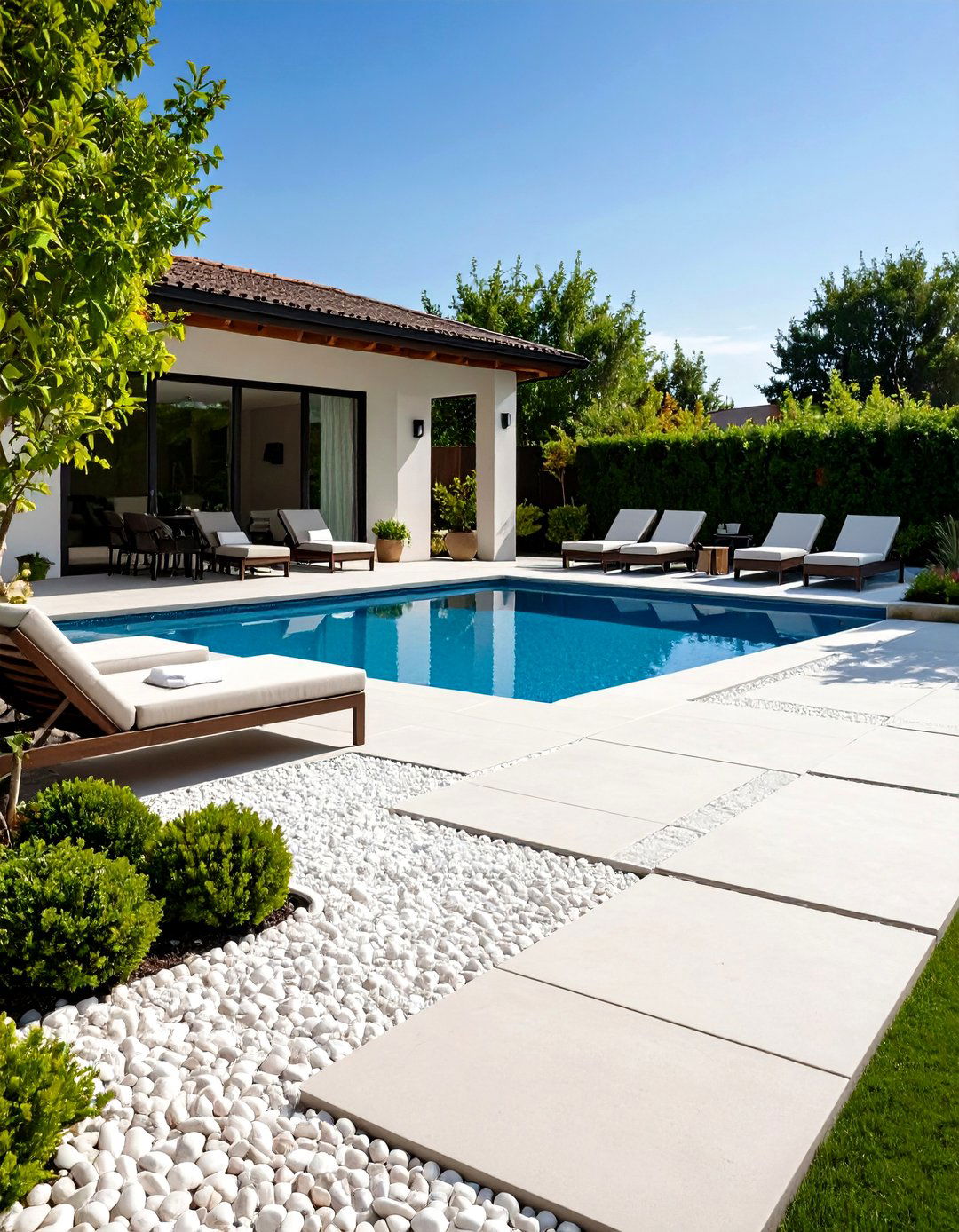
For a modern and chic poolside deck, consider using pea gravel as a ground cover. Light-colored gravel can stay cooler underfoot than dark pavers or concrete, offering a comfortable surface for bare feet. Its excellent drainage properties are a major advantage in a splash-prone area, preventing puddles and slipping hazards. To make the surface more stable and comfortable for walking, consider using pea gravel in combination with large pavers to create designated walkways or lounge areas. This approach lends a sophisticated, resort-like feel to the pool area while being a practical and cost-effective decking alternative.
17. Pea Gravel and Grass Combination Landscape
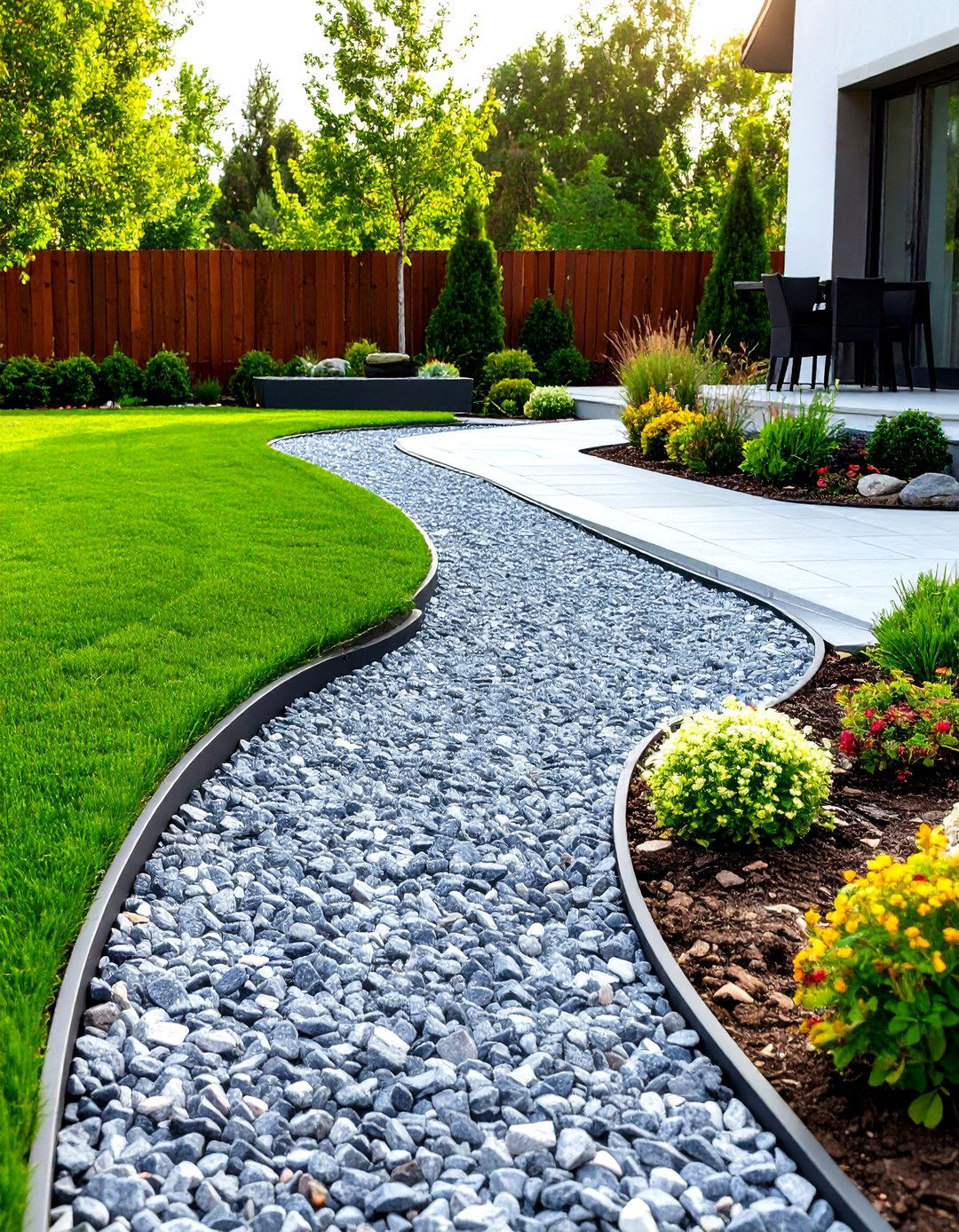
Create a dynamic landscape by combining lush green grass with sections of clean, crisp pea gravel. This design technique allows you to define different functional zones in your yard, such as a grassy play area next to a gravel dining patio. Use clean lines and bold geometric shapes for a modern look, or gentle curves for a more organic feel. Steel or stone edging is crucial to maintain a sharp, tidy separation between the two materials and prevent the gravel from migrating into the lawn. This high-contrast look is visually striking and adds a layer of architectural interest to your outdoor space.
18. Pea Gravel Side Yard Solution
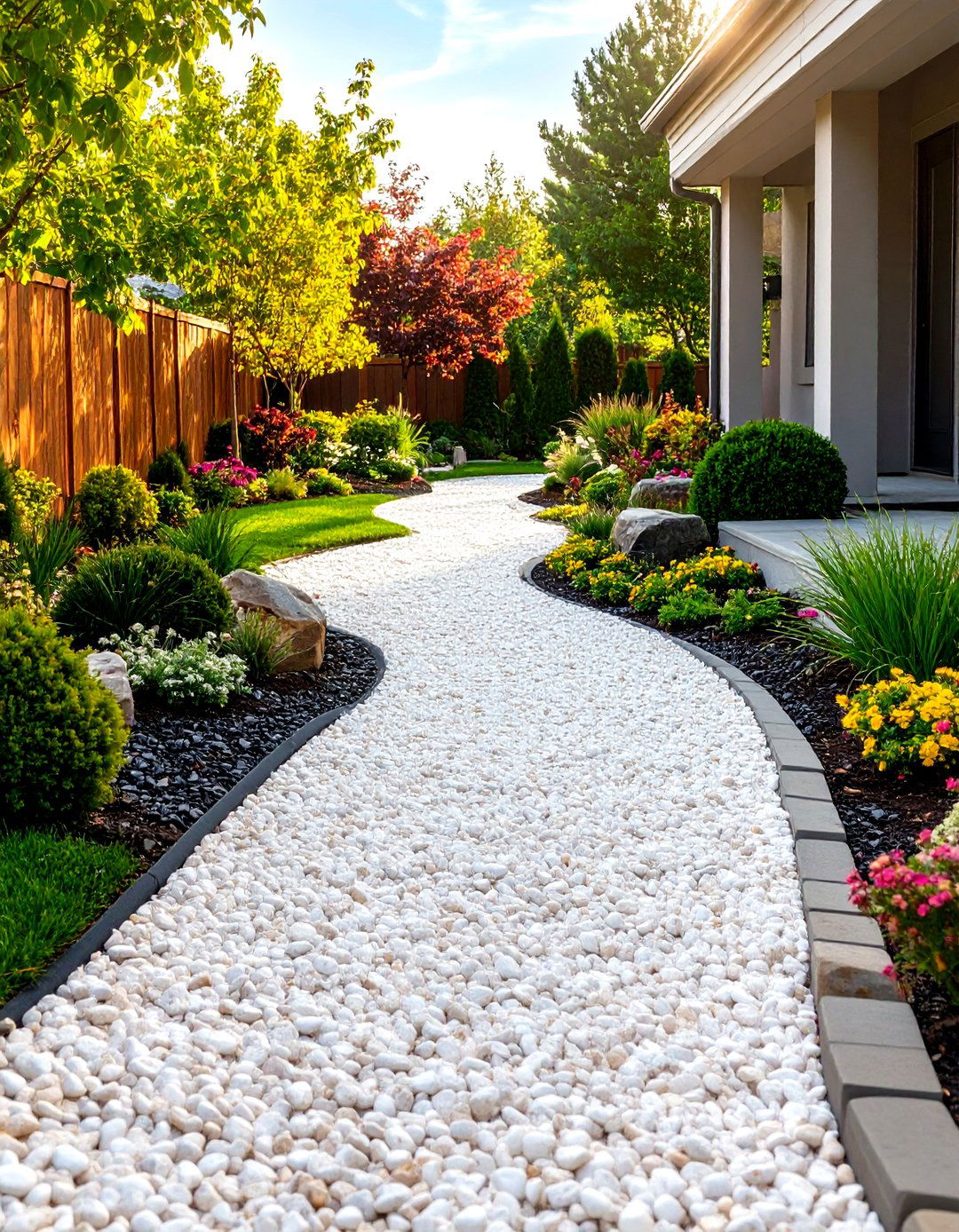
Side yards are often narrow, shady, and difficult to landscape. Pea gravel offers a perfect solution for these challenging spaces, turning a neglected strip of land into a clean and functional pathway or storage area. It provides a low-maintenance ground cover where grass struggles to grow and eliminates the problem of mud. You can lay down a simple pea gravel path to connect the front and back yards or use the space to store garbage cans, firewood, or gardening tools on a stable, dry surface. This practical application instantly improves the usability and appearance of a typically overlooked area.
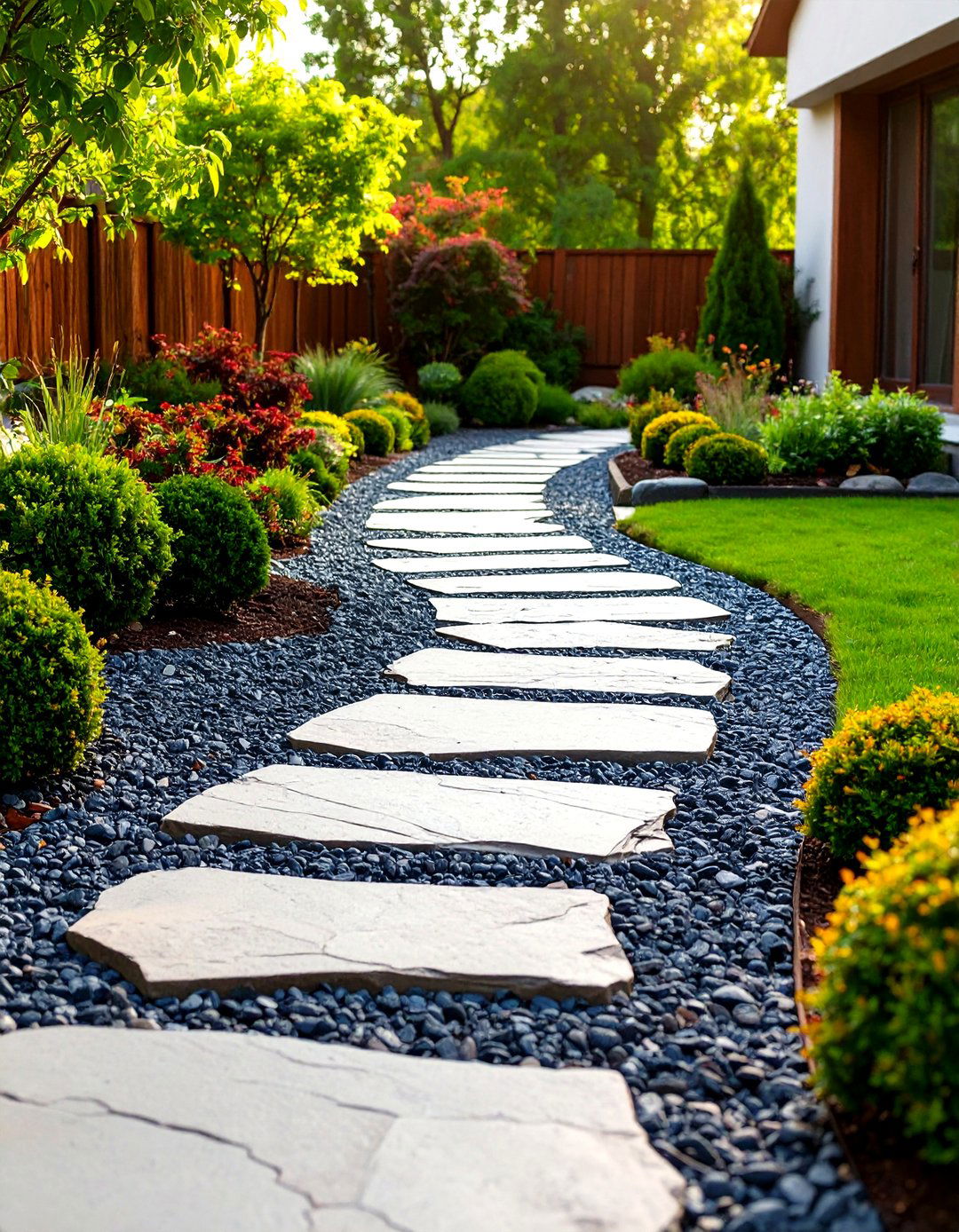
19. Pea Gravel Stepping Stone Path
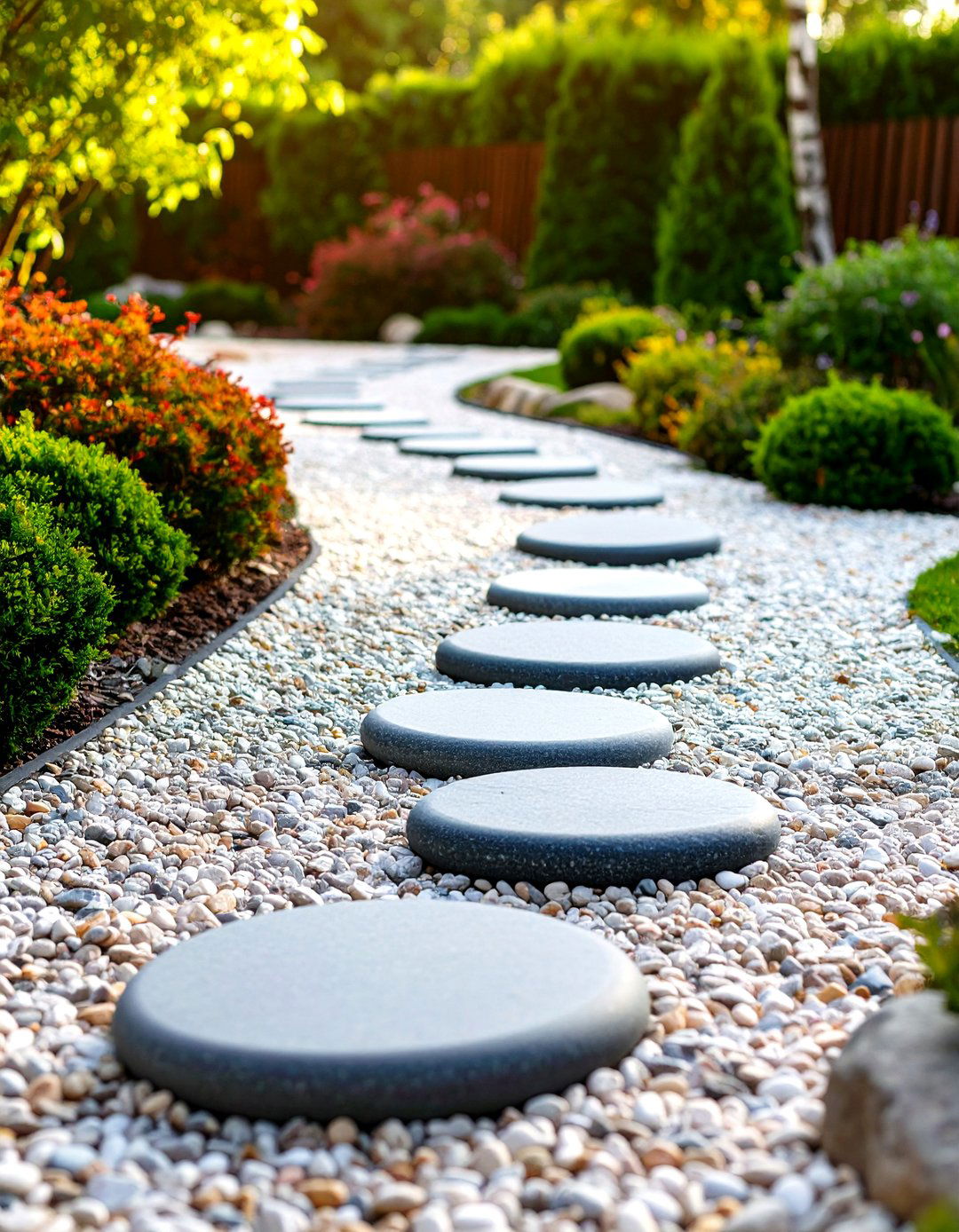
A pea gravel path with embedded stepping stones offers the best of both worlds: the stability of solid stones and the soft texture of gravel. Set large, flat stones at a comfortable walking gait within a channel of pea gravel. This design guides the eye and foot through the landscape while adding visual interest. The surrounding gravel fills the gaps, suppresses weeds, and provides a pleasing crunch underfoot. This style is highly customizable, allowing you to choose from a variety of stone shapes, sizes, and colors to match your garden's aesthetic, from formal and geometric to rustic and natural.
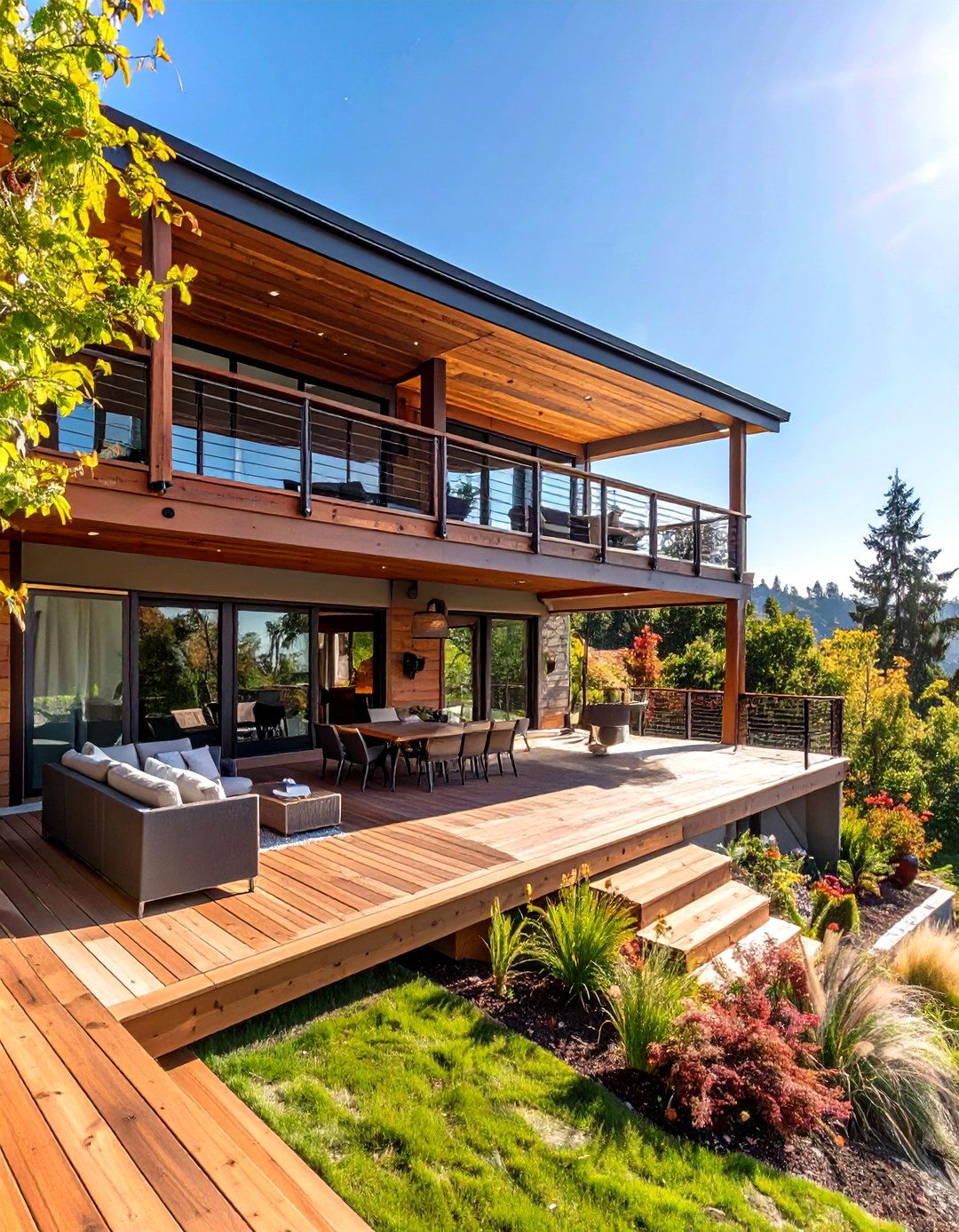
20. Pea Gravel Base for Outdoor Showers
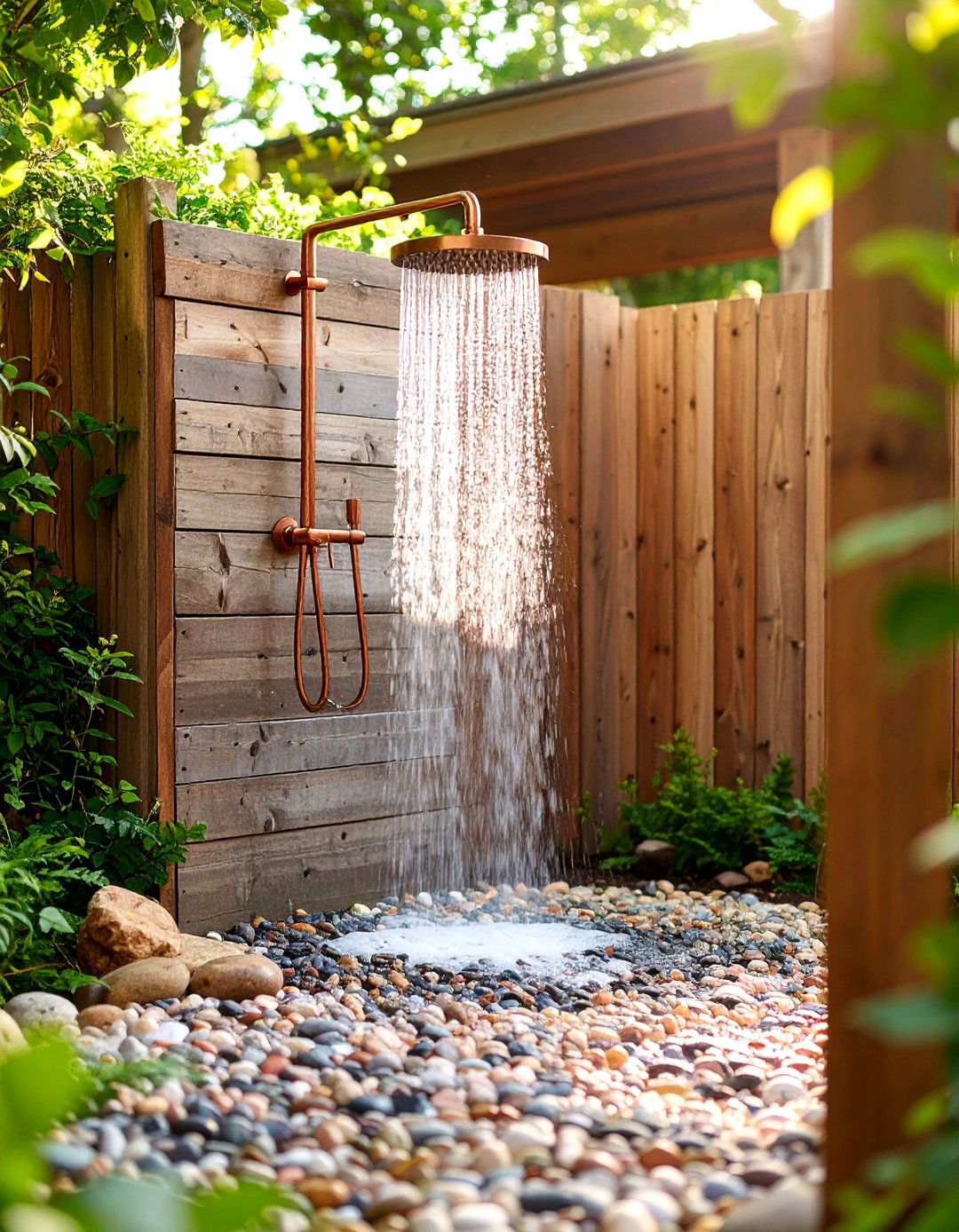
An outdoor shower is a luxurious and practical addition, and a pea gravel base provides the perfect flooring. The gravel creates a natural, non-slip surface that allows water to drain away instantly, preventing muddy puddles and standing water. This creates a clean and spa-like experience. Enclose the shower area with a privacy screen made of wood or bamboo and add a simple bench and hooks for towels. The combination of water, natural stone, and fresh air turns a simple rinse-off into a refreshing outdoor ritual. The pea gravel base is both functional and aesthetically pleasing for this purpose.
21. Pea Gravel Labyrinth for Meditation
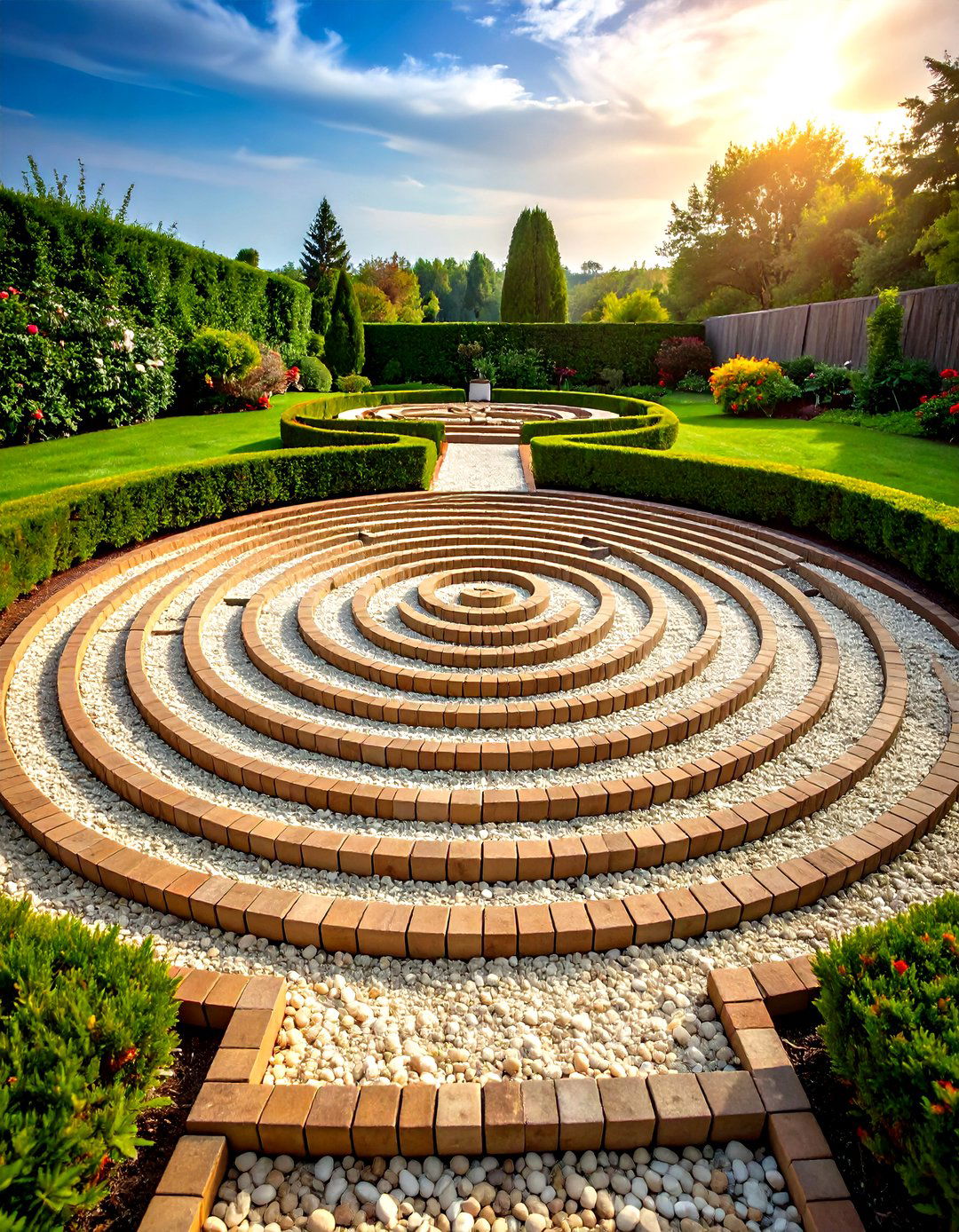
A labyrinth offers a path for walking meditation and quiet reflection, and pea gravel is an excellent material for its construction. Lay out the unicursal path using flexible edging or bricks, and fill the walkways with pea gravel. The crunch of the stones underfoot can enhance the meditative experience, helping to focus the mind. The contrasting lines of the labyrinth, defined by the edging, stand out beautifully against the gravel. This creates a powerful focal point in a quiet corner of your yard, transforming it into a space for spiritual wellness and mental clarity without requiring significant maintenance.
22. Pea Gravel Mulch in Garden Beds
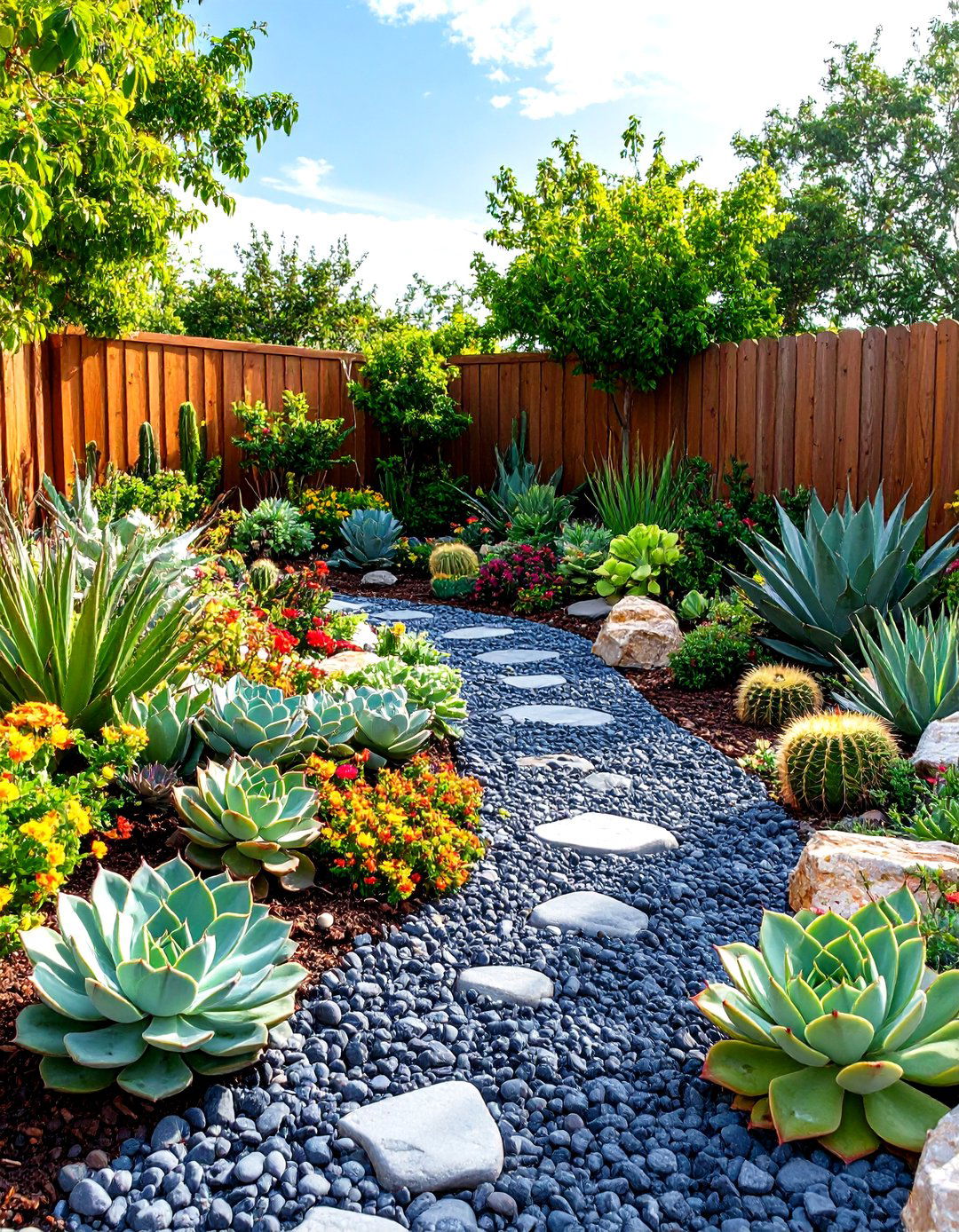
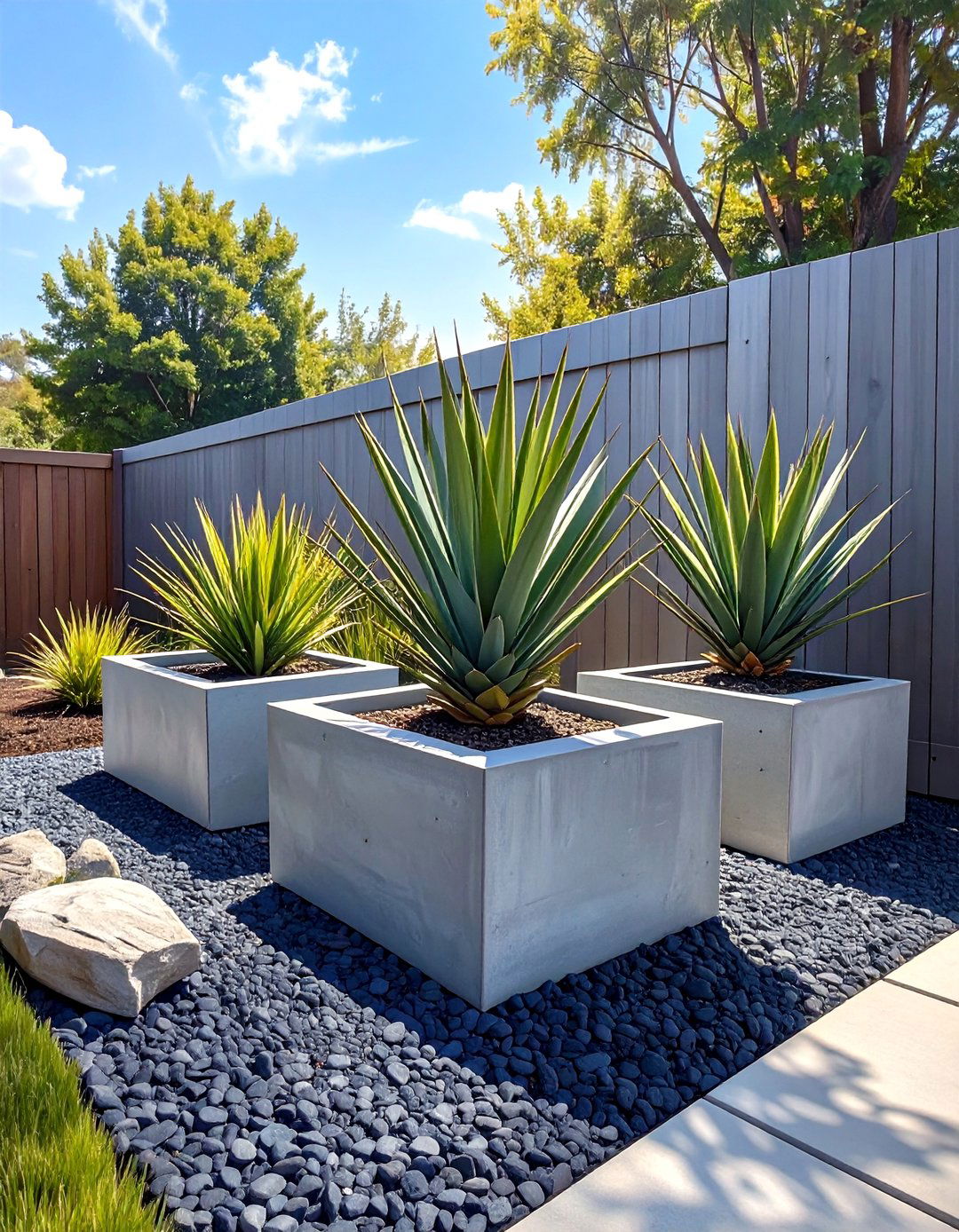
Using pea gravel as a permanent mulch in garden beds offers several advantages over organic mulches. It doesn't decompose, so it won't need to be replenished annually, making it a cost-effective, long-term solution. The stone layer helps to retain soil moisture by reducing evaporation and effectively suppresses weed growth. It works particularly well in xeriscapes or rock gardens with drought-tolerant plants like succulents, yuccas, and ornamental grasses. The clean, uniform look of the gravel provides a neutral backdrop that makes the colors and textures of the plants stand out beautifully.
23. Pea Gravel Utility and Storage Area
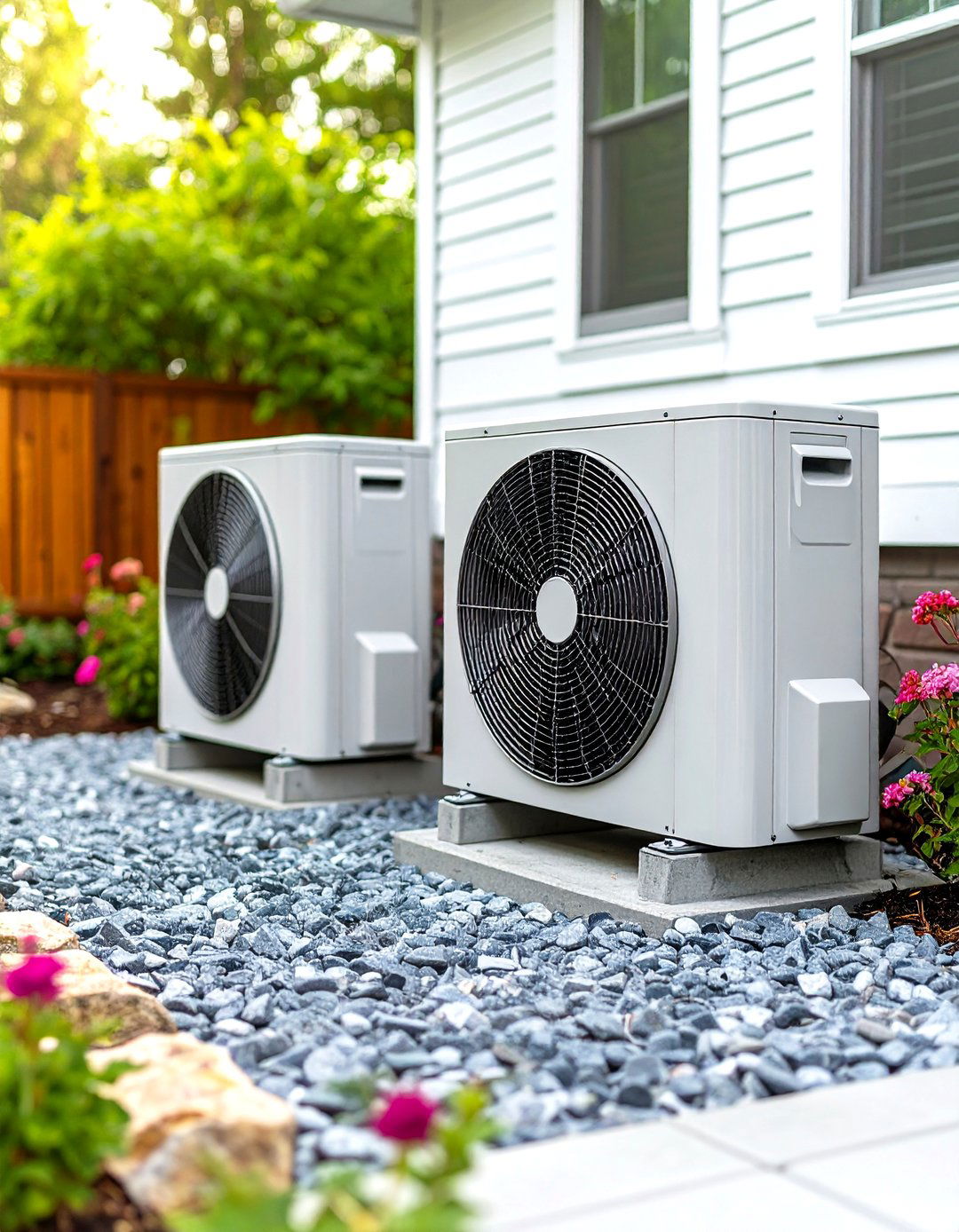
Designate a specific area in your yard for utilities and storage using pea gravel as a ground cover. This is an ideal surface for placing air conditioning units, pool pumps, or storing garbage and recycling bins. The gravel provides a stable, level base and keeps the area clean and free of mud and overgrown weeds. It allows for easy access and maintenance of equipment. Using a simple border of pressure-treated wood or pavers will keep the gravel contained and the area looking neat and organized. This is a practical way to manage the less glamorous parts of a yard.
24. Rustic Pea Gravel Entrance Courtyard
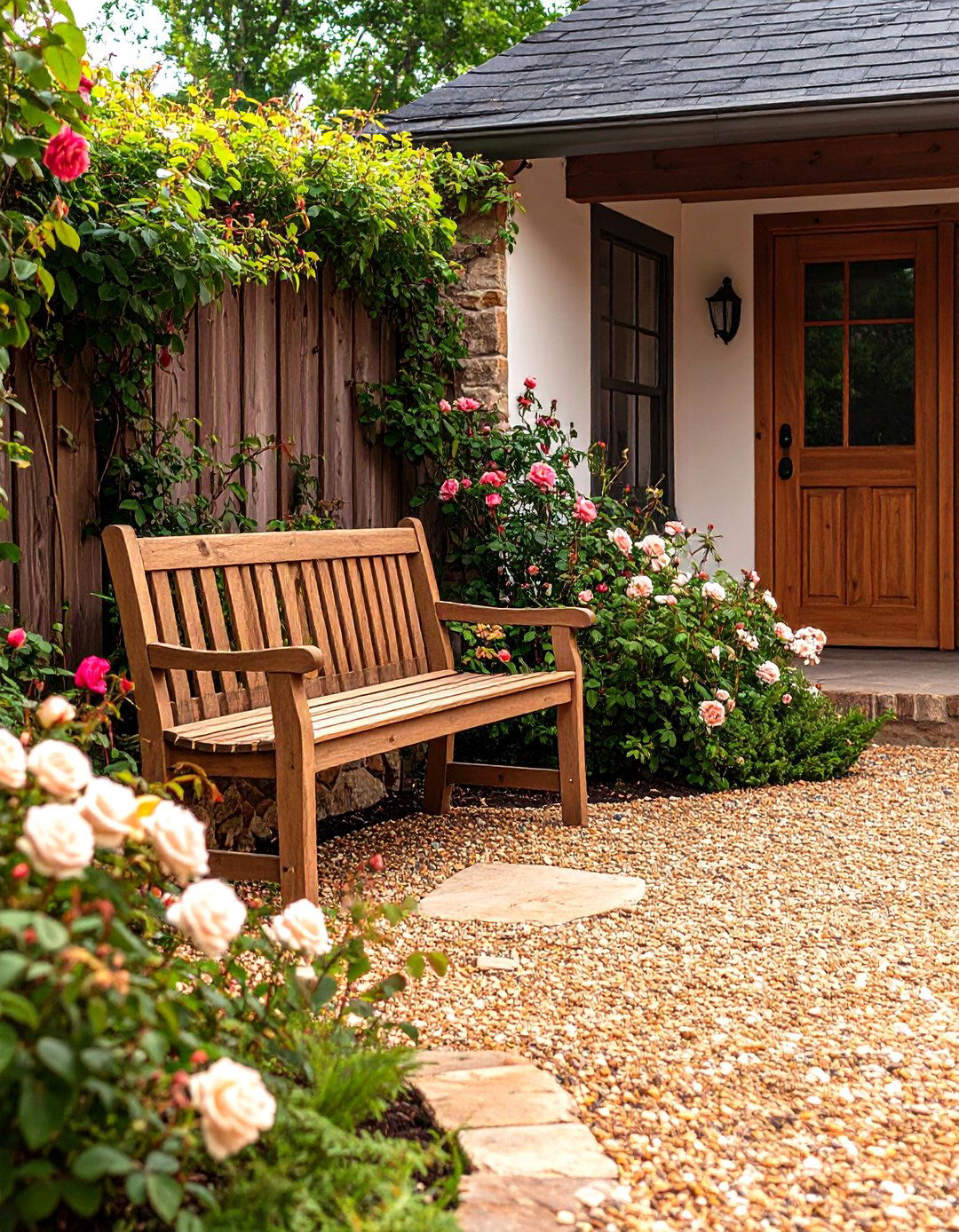
Create a welcoming and charming entrance to your home with a rustic pea gravel courtyard. This style is perfect for farmhouses, cottages, or country-style homes. Use a mix of earth-toned pea gravel and surround the area with informal plantings like flowering perennials and ornamental grasses. A simple wooden bench, a few antique-style lanterns, and perhaps a climbing rose on a nearby wall will complete the look. The soft, textured ground cover sets a relaxed and inviting tone right from the front door, offering a beautiful and low-key alternative to a formal paved entranceway.
25. Pea Gravel with Gabion Wall Accents
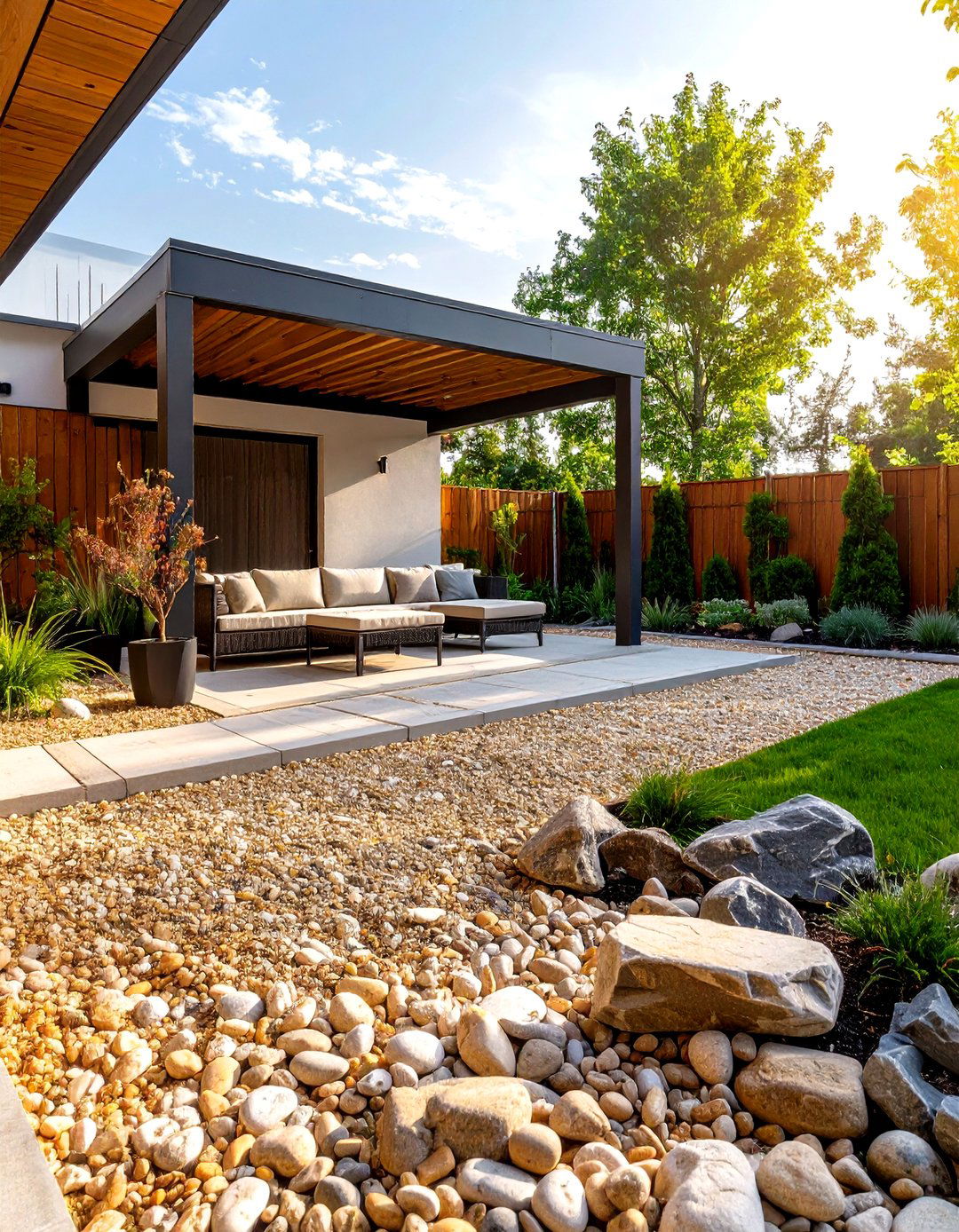
Combine the soft texture of a pea gravel patio or pathway with the industrial-chic look of gabion walls. Gabion walls, which are wire cages filled with larger rocks, provide a striking contrast in scale and texture to the small, smooth pea gravel. Use the gabion walls as retaining walls, seating benches, or decorative features within the landscape. The combination of these two stone elements creates a contemporary and architectural feel that is both rugged and refined. The pea gravel ground cover softens the hard lines of the gabions, resulting in a balanced and visually compelling outdoor design.
26. Pea Gravel French Drain System
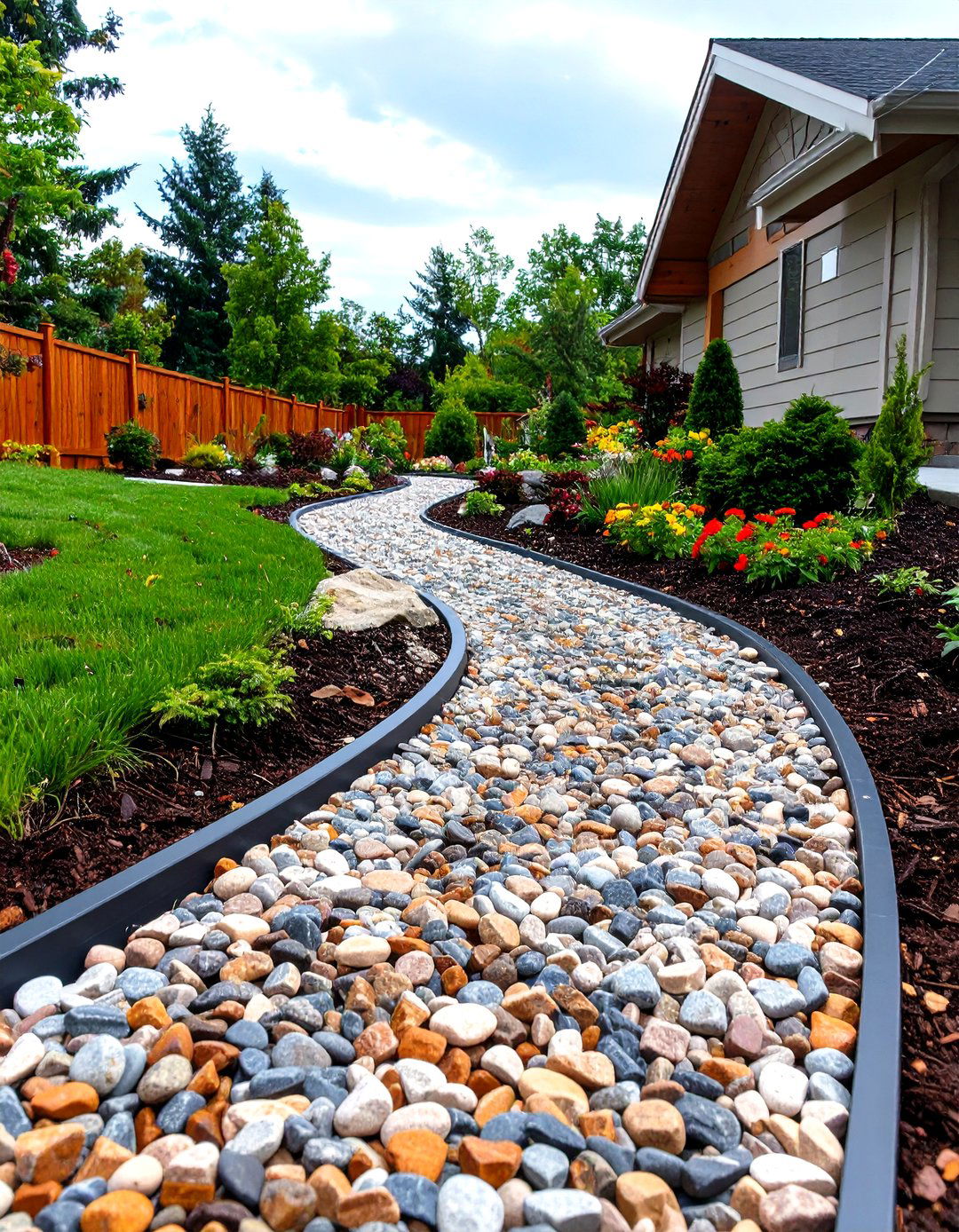
A French drain is a highly effective solution for managing excess water and preventing drainage problems in your yard, and pea gravel is a key component. The system consists of a perforated pipe laid in a trench that is then backfilled with gravel. The pea gravel allows water to easily filter through to the pipe, which then carries it away from your home's foundation or soggy areas of the lawn. The top layer of pea gravel can be left exposed to create a decorative dry creek bed feature, turning a functional drainage solution into an attractive landscape element.
27. Pea Gravel and Corten Steel Design
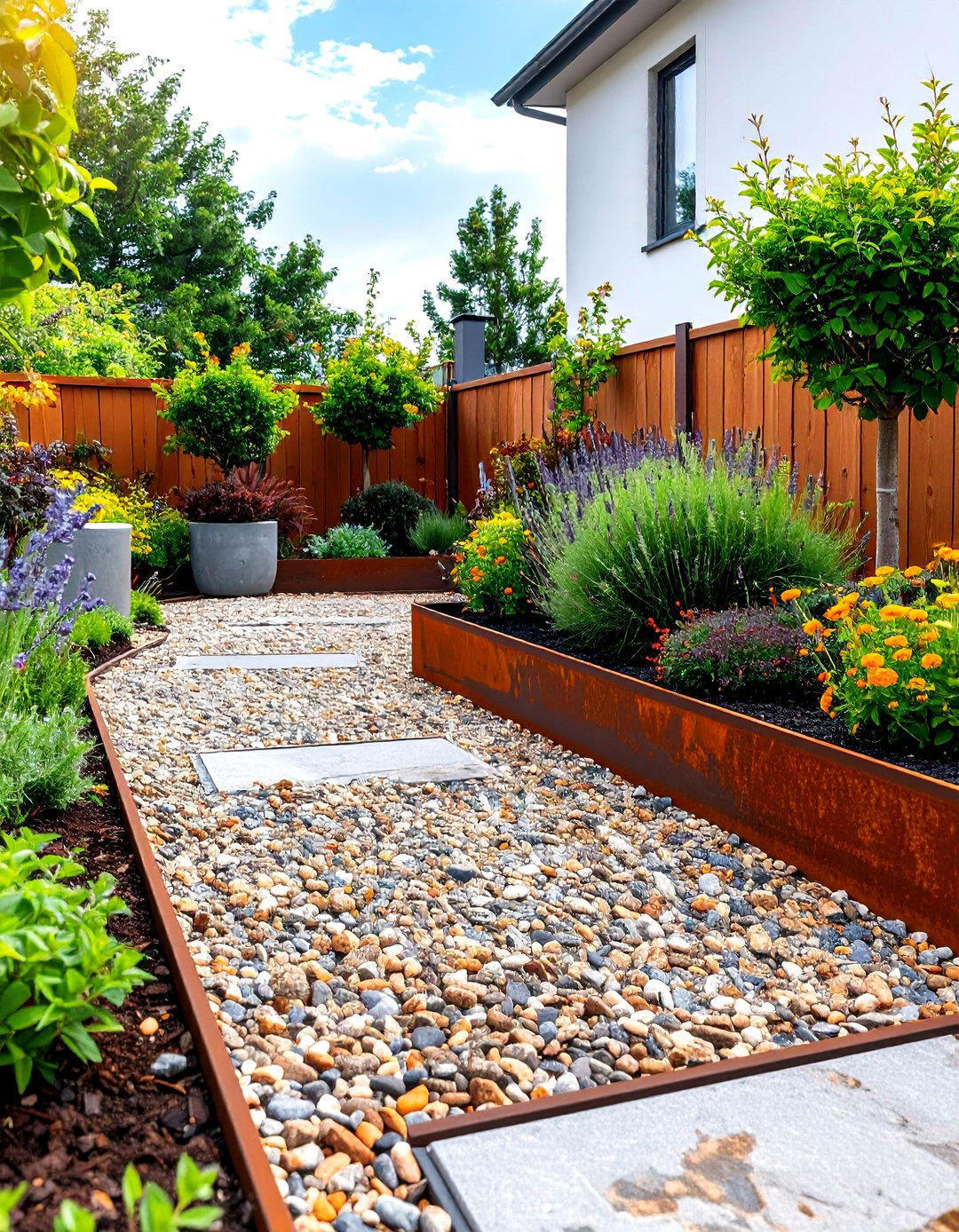
For a sharp, contemporary landscape design, pair the warm, earthy tones of pea gravel with the rich, rusted patina of Corten steel. Use Corten steel for landscape edging, raised garden beds, retaining walls, or as a sculptural backdrop. The clean, crisp lines of the steel provide a stunning contrast to the soft, organic texture of the pea gravel. This combination creates a look that is both modern and natural, blending industrial materials with elements of the earth. The color harmony between the rust-colored steel and a tan or brown pea gravel creates a cohesive and sophisticated palette.
28. Pea Gravel Terrace on a Slope
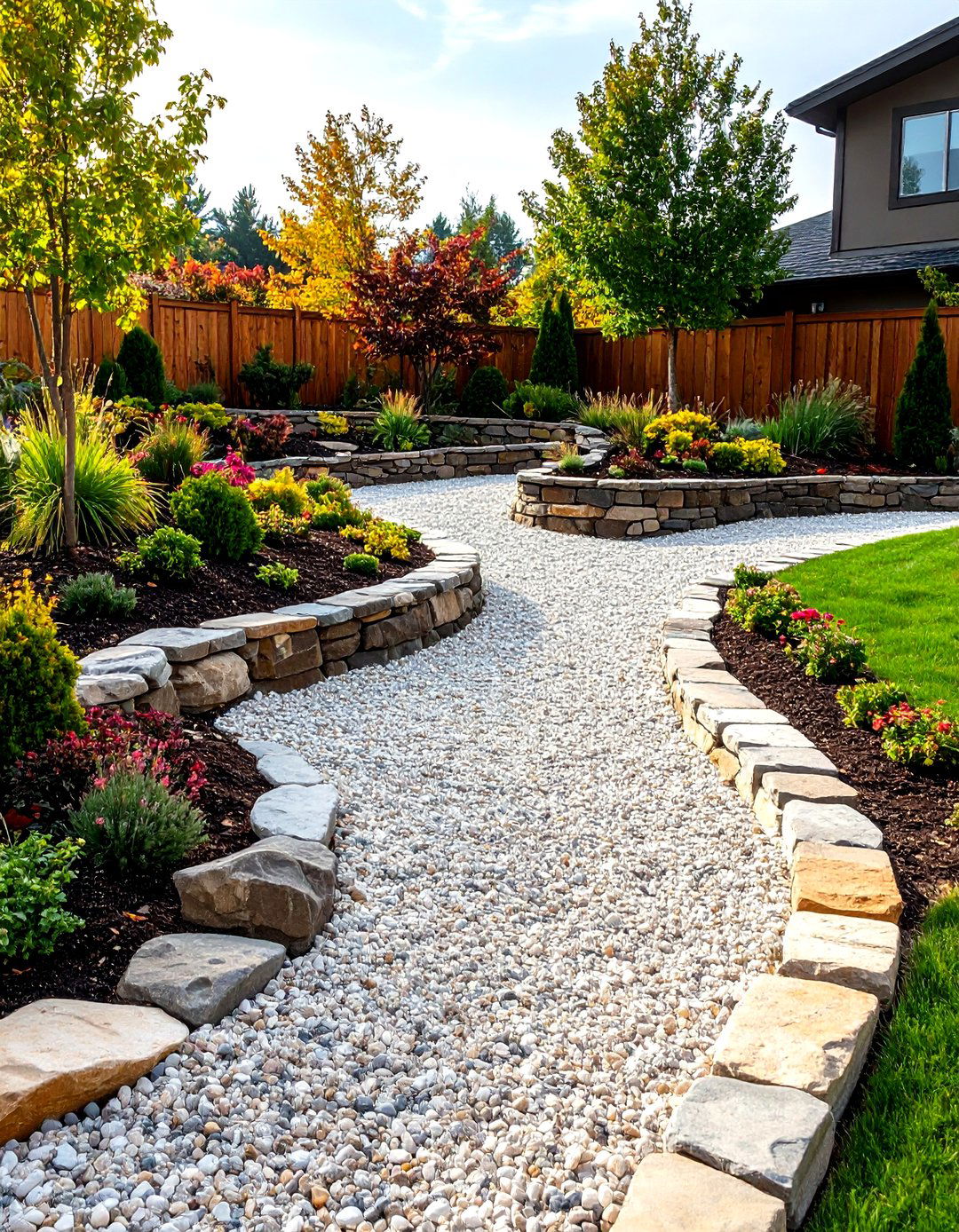
Terracing a sloped yard is an effective way to create usable, flat areas, and pea gravel is an excellent surface material for these levels. Build retaining walls using materials like timber, stone, or concrete blocks to create a series of steps or terraces. Fill each level with pea gravel to create individual patios, seating areas, or planting beds. This method not only prevents soil erosion but also transforms a difficult incline into a multi-level outdoor living space. The gravel provides a low-cost, permeable, and easy-to-install surface for each terrace, maximizing the functionality of your entire property.
29. Pea Gravel Firewood Storage Pad
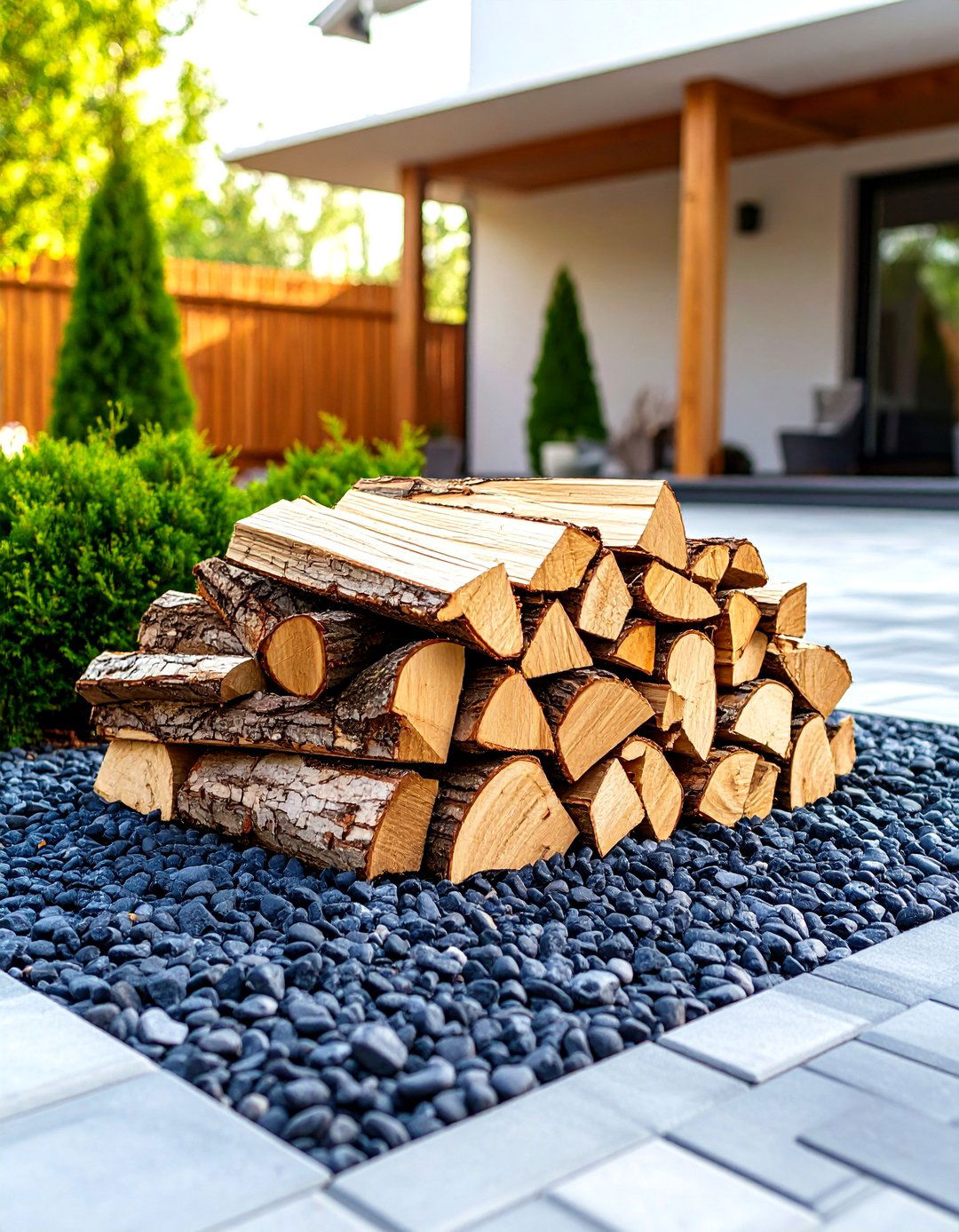
A simple pea gravel pad provides an ideal spot for storing firewood. It keeps the woodpile off the damp ground, promoting air circulation and helping the wood to dry and season properly. This prevents rot and insect infestation. A designated pea gravel area also keeps your lawn from being damaged by the weight of the woodpile and makes the area easy to clean of bark and debris. Simply level a small patch of ground, add a border to contain the gravel, and fill it in. It’s a practical and tidy solution for anyone who uses a fireplace or wood-burning stove.
30. Pea Gravel Playground Area
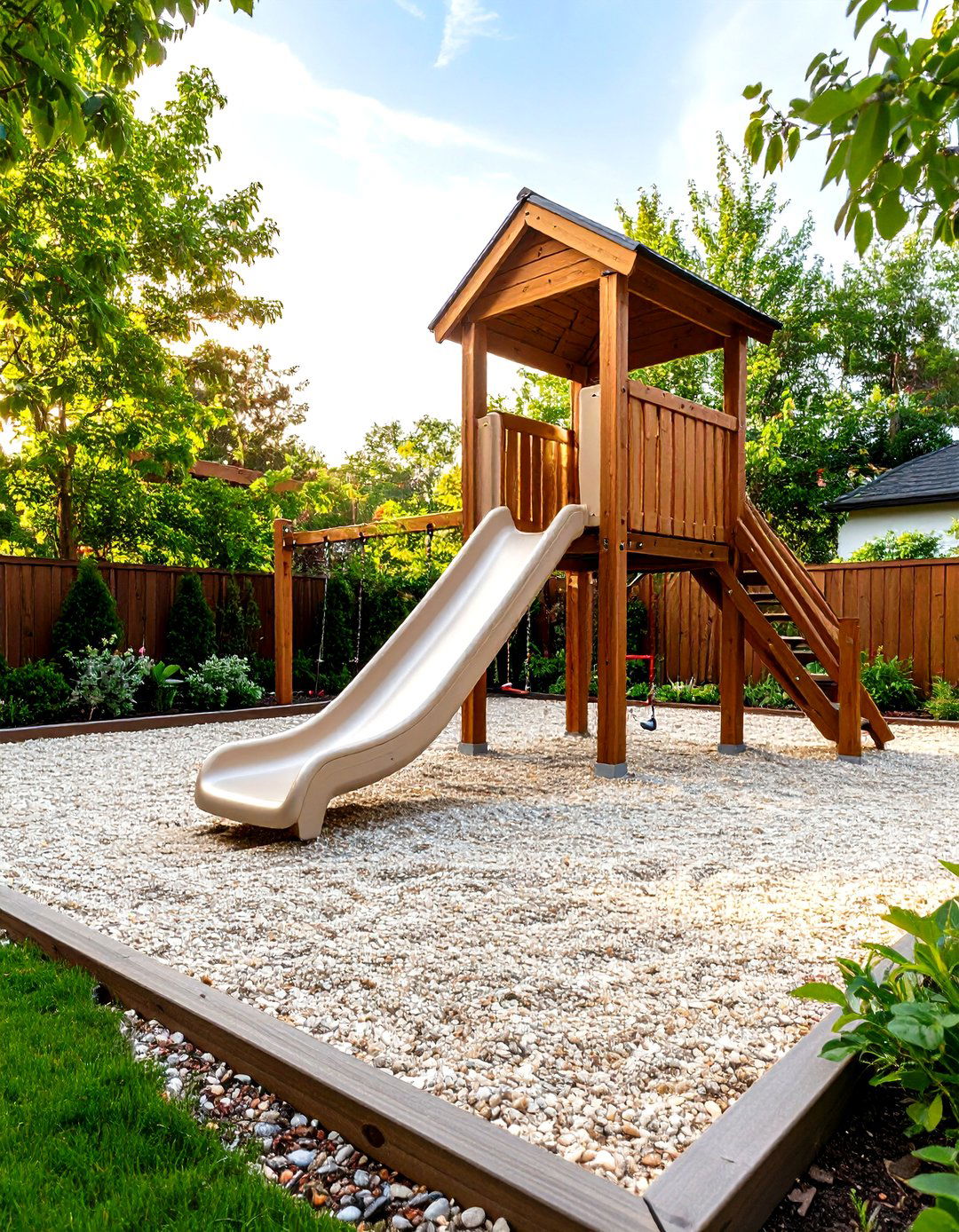
Create a safe and attractive playground area for children using pea gravel as a shock-absorbing surface. When installed at the proper depth (typically 9-12 inches), it provides a soft landing that can help cushion falls from play equipment. Pea gravel is a natural, non-toxic material that drains quickly, so the play area dries out fast after rain. It is also less likely to be tracked indoors than sand or wood mulch. Use durable landscape timbers or plastic edging to keep the gravel contained within the play zone, creating a dedicated and fun space for kids.
Conclusion:
Pea gravel is an exceptionally versatile landscaping material that offers practical benefits and aesthetic appeal for any outdoor project. From creating charming pathways and elegant patios to providing low-maintenance solutions for driveways and play areas, its applications are nearly limitless. Its affordability, permeability, and wide range of natural colors make it a superior choice for both DIY homeowners and professional landscapers. By incorporating pea gravel, you can easily enhance the beauty, functionality, and value of your property, crafting unique spaces that are both durable and stylish for years to come.

Related posts:

Leave a Reply