
Interior design is a fascinating field that goes far beyond simply choosing furniture or paint colors. It's a unique blend of art and science, allowing us to shape our environments to reflect our personalities, improve our well-being, and solve practical, everyday problems. This discipline is deeply interesting because it directly impacts how we feel, work, and live within our most personal spaces. A thoughtful design transforms a mere house into a home, creating a sanctuary that is both beautiful and functional. Exploring these ideas reveals the true power of design to enhance human experience in profound ways.
1. The Psychology of Color
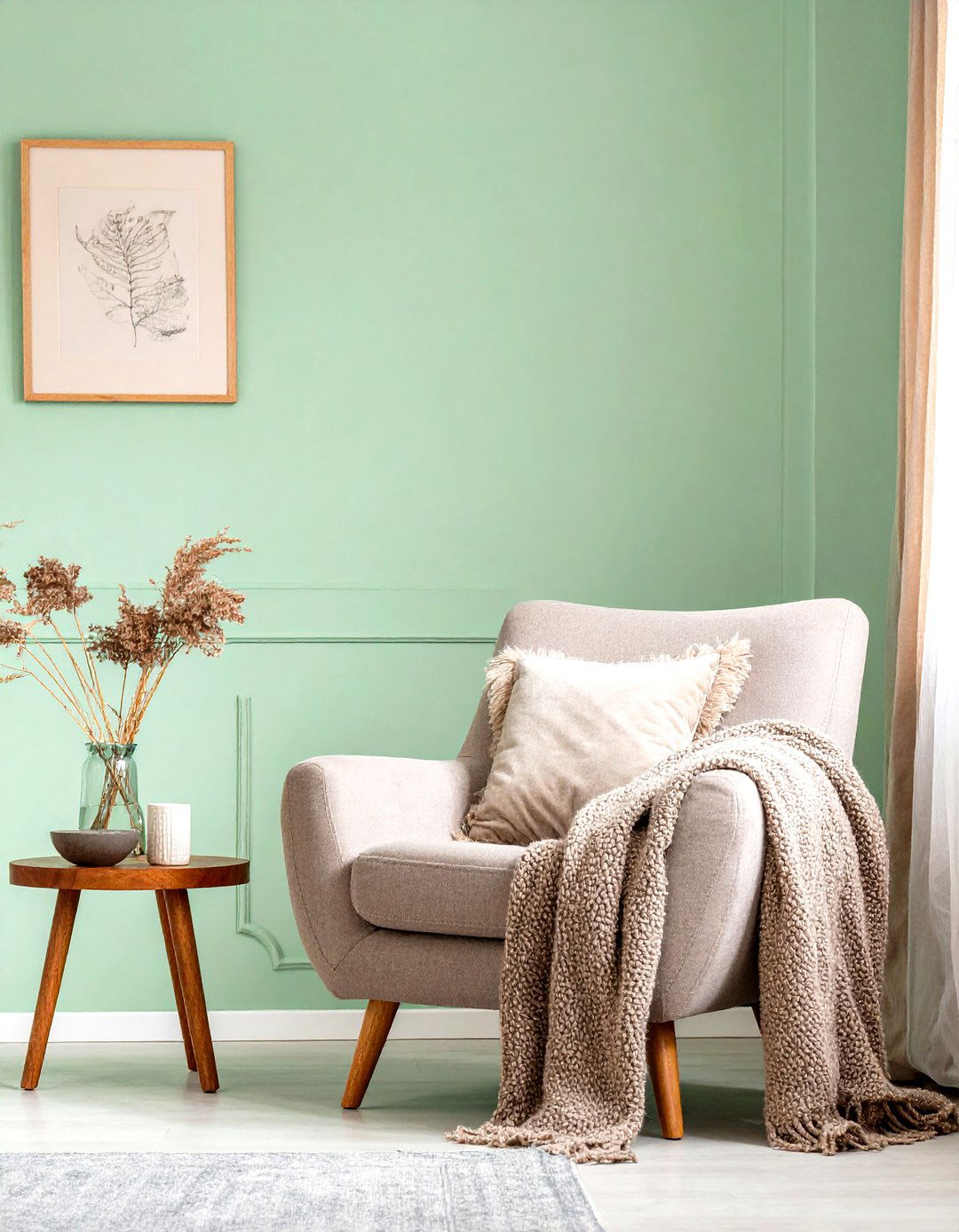
One of the most compelling aspects of interior design is how color can fundamentally alter the mood and perception of a space. It’s not just about picking a favorite shade; it’s about using color psychology to evoke specific emotions. For instance, a soft mint green can create a calming, serene atmosphere perfect for a bedroom or study, promoting tranquility and focus. In contrast, a vibrant yellow in a kitchen can stimulate energy and conversation. Understanding these psychological triggers allows a designer to craft an environment that actively supports the mental and emotional well-being of its inhabitants, making it a powerful, invisible tool.
2. The Art of Space Planning
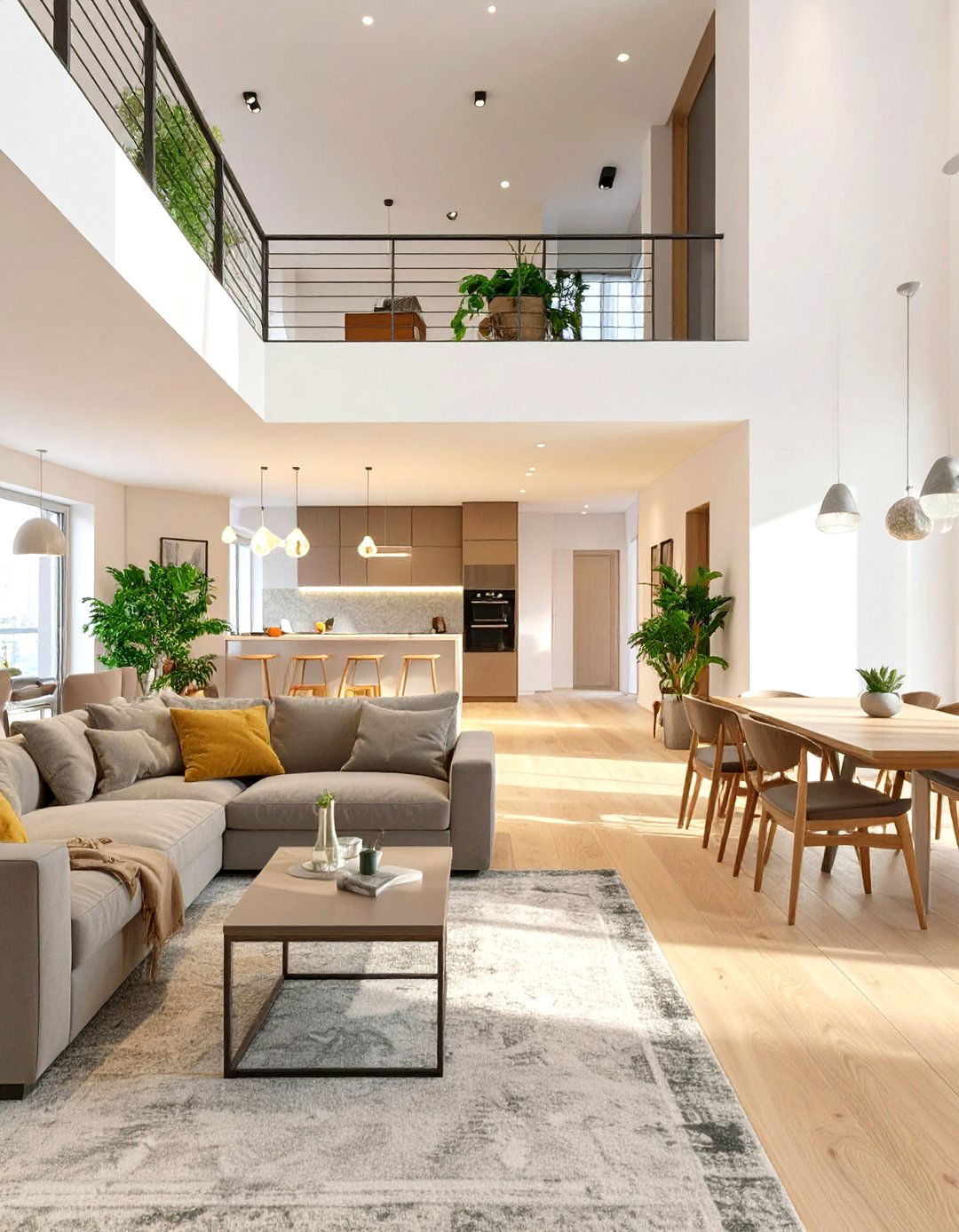
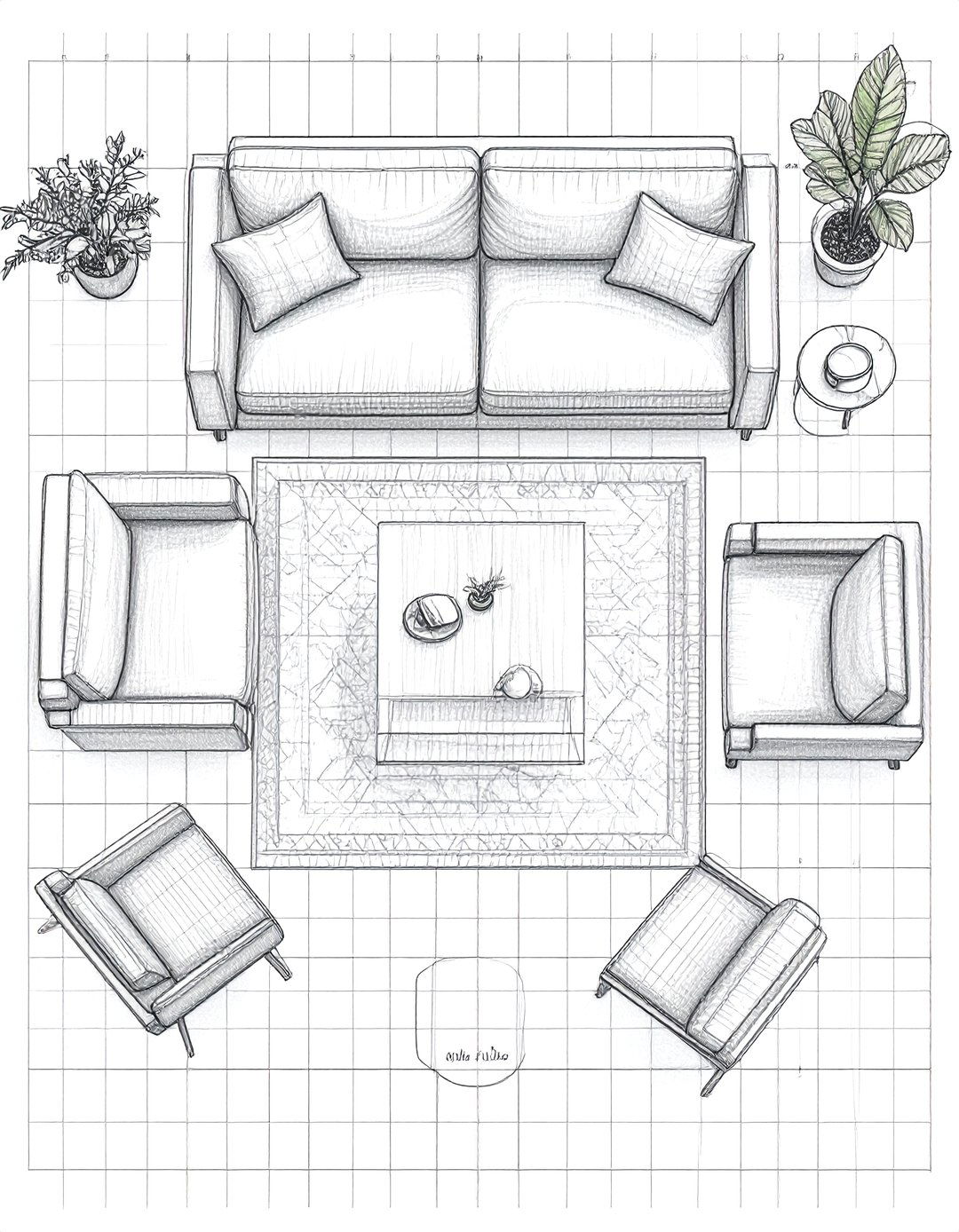
Interior design is essentially a three-dimensional puzzle, and the challenge of effective space planning is endlessly interesting. This involves arranging furniture and architectural elements to optimize flow and functionality. A well-planned room feels intuitive and effortless to move through, with clear pathways and designated zones for different activities. It's about maximizing every square foot without creating clutter, ensuring that the layout serves the lifestyle of the people using it. This strategic thinking transforms a potentially awkward area into a highly usable and harmonious environment, proving that good design is as much about logic as it is about aesthetics.
3. Expressing Personality Through Decor
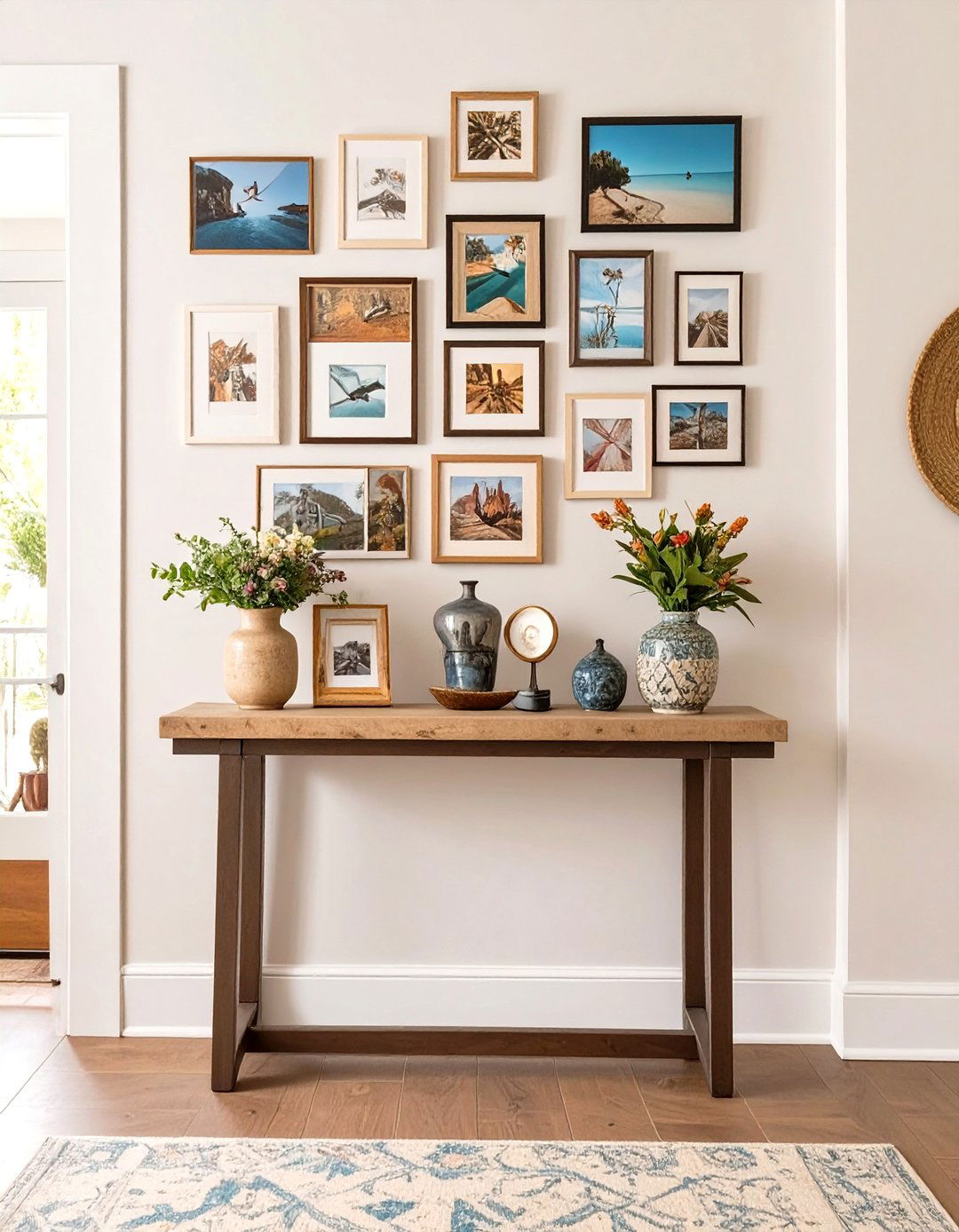
A home is a canvas for self-expression, and interior design provides the tools to tell a personal story. The choices in furniture, art, textiles, and accessories are not random; they are reflections of individual tastes, experiences, and values. Whether it's a collection of travel souvenirs displayed on a shelf, a gallery wall of family photos, or a piece of furniture passed down through generations, each element adds a layer to the narrative. This ability to create a space that is a true extension of oneself is what makes the design process so deeply personal and rewarding for anyone involved.
4. The Impact of Natural Light
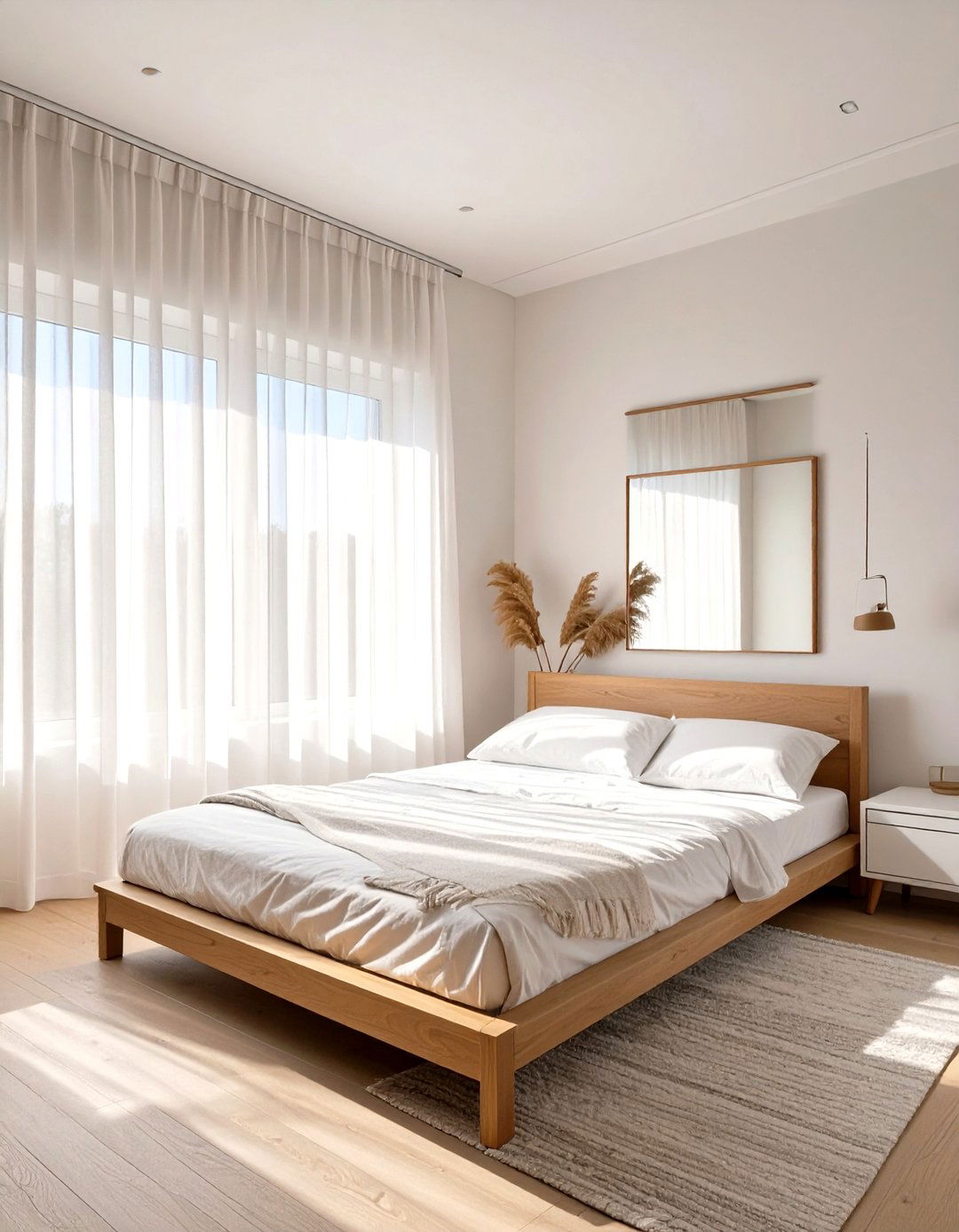
Harnessing natural light is a fundamental and fascinating challenge in interior design. The way sunlight enters and moves through a room can dramatically affect its ambiance, making it feel larger, warmer, and more inviting. Designers use various techniques, such as sheer curtains, strategically placed mirrors, and light paint colors, to maximize daylight and reduce the need for artificial lighting. This not only enhances the aesthetic appeal but also connects the indoor space with the outdoors, improving mood and even boosting productivity. Mastering the interplay of light and shadow is a subtle art with a powerful impact on daily life.
5. The Role of Texture in Design
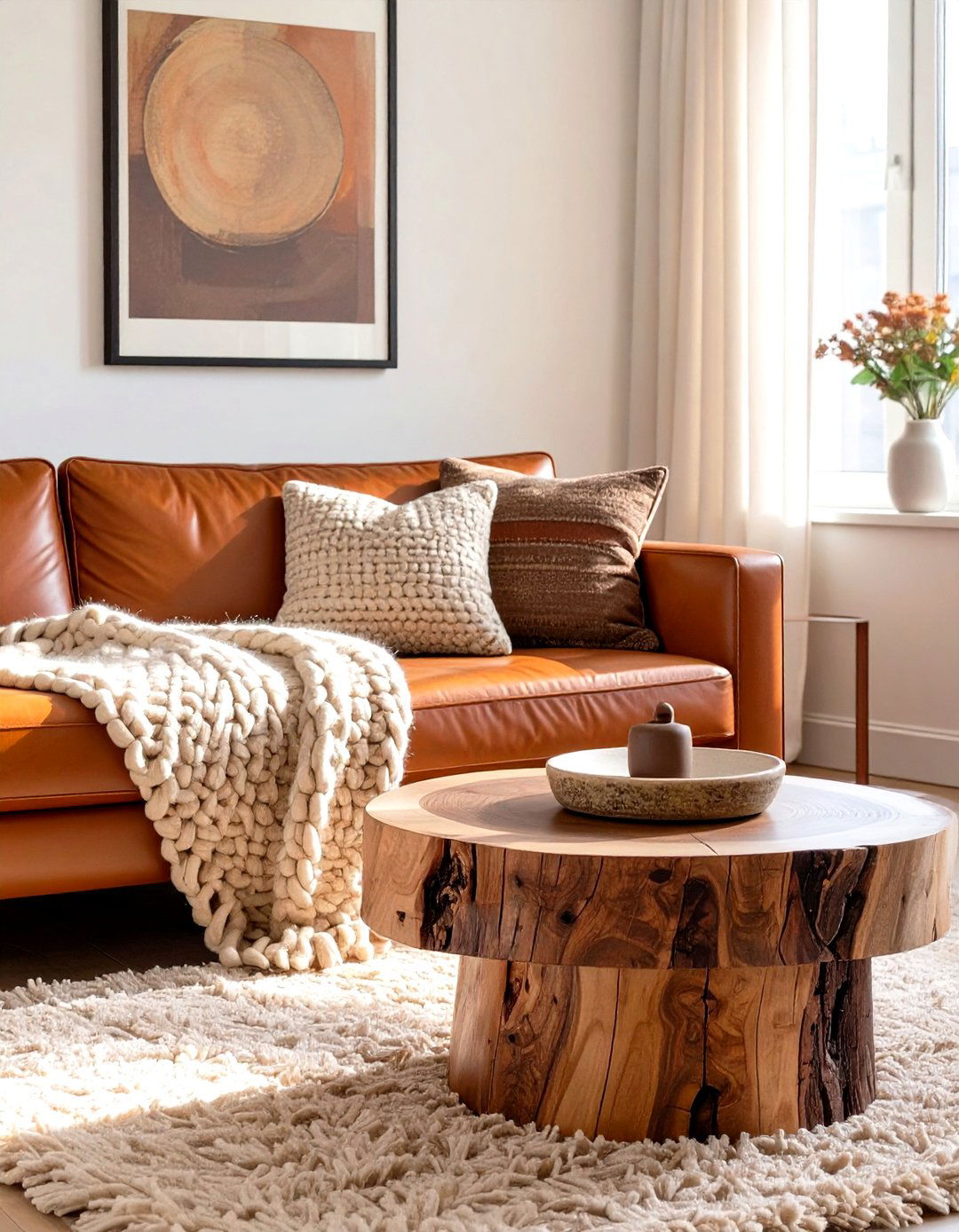
Beyond color and form, texture plays a vital role in creating a rich and engaging interior. It's the element that appeals to our sense of touch, adding depth and warmth to a space. A truly interesting design layers various textures, such as a smooth leather sofa, a chunky knit throw, a rough-hewn wooden table, and a soft, plush rug. This tactile variety prevents a room from feeling flat or sterile, creating a cozy and inviting atmosphere. The thoughtful combination of different materials makes a space more dynamic and interesting, encouraging interaction and making it feel more comfortable and lived-in.
6. Sustainable and Eco-Friendly Design
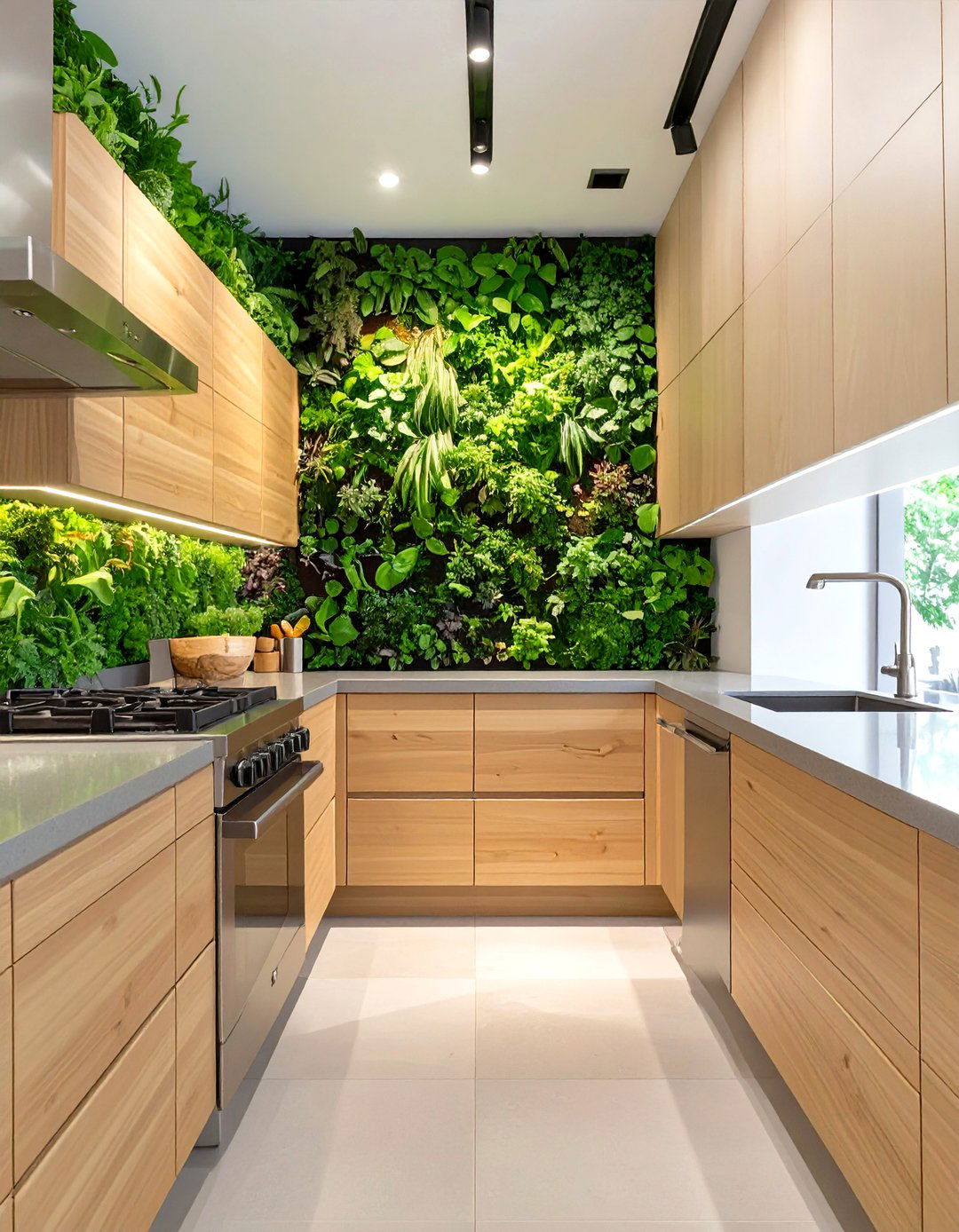
A growing and deeply interesting facet of interior design is its focus on sustainability. This involves making conscious choices to reduce environmental impact, such as using reclaimed wood, recycled materials, and non-toxic paints. Sustainable design also prioritizes energy efficiency through better insulation, smart window placements, and energy-saving appliances. The challenge lies in creating beautiful and functional spaces that are also kind to the planet. This approach not only promotes a healthier living environment for the occupants but also contributes to a more responsible and forward-thinking way of life, adding a layer of purpose to design choices.
7. The Fusion of Different Design Styles
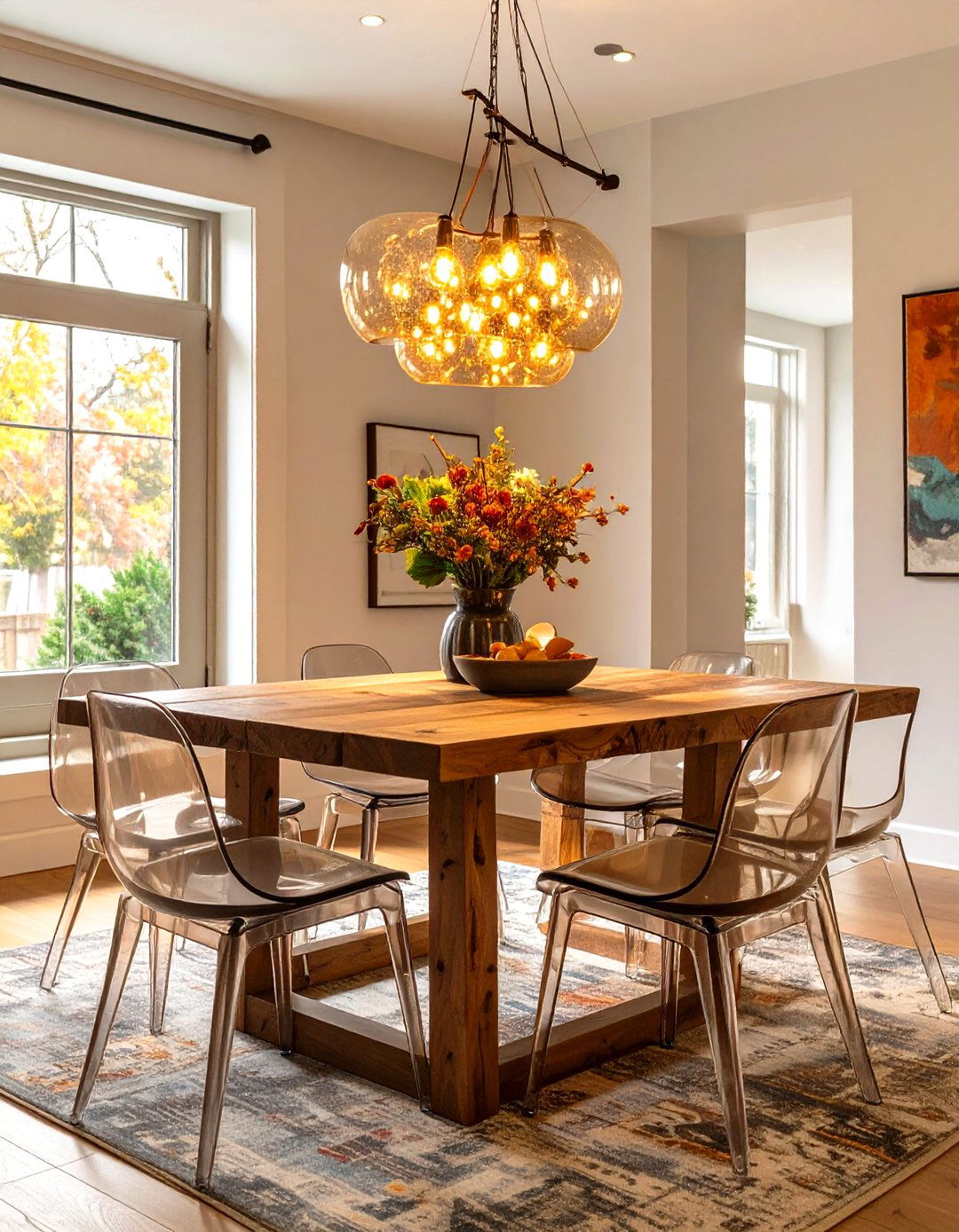
One of the most creative aspects of interior design is the ability to blend different styles to create a unique and personalized look. Combining the clean lines of modernism with the warmth of rustic elements, or mixing vintage finds with contemporary pieces, can result in a space that is dynamic and full of character. This eclectic approach avoids rigid rules, allowing for more freedom and self-expression. The interest lies in finding the right balance and harmony between disparate elements, creating a cohesive design that feels both fresh and timeless. It's a testament to how design evolves by drawing inspiration from various sources.
8. Biophilic Design Principles
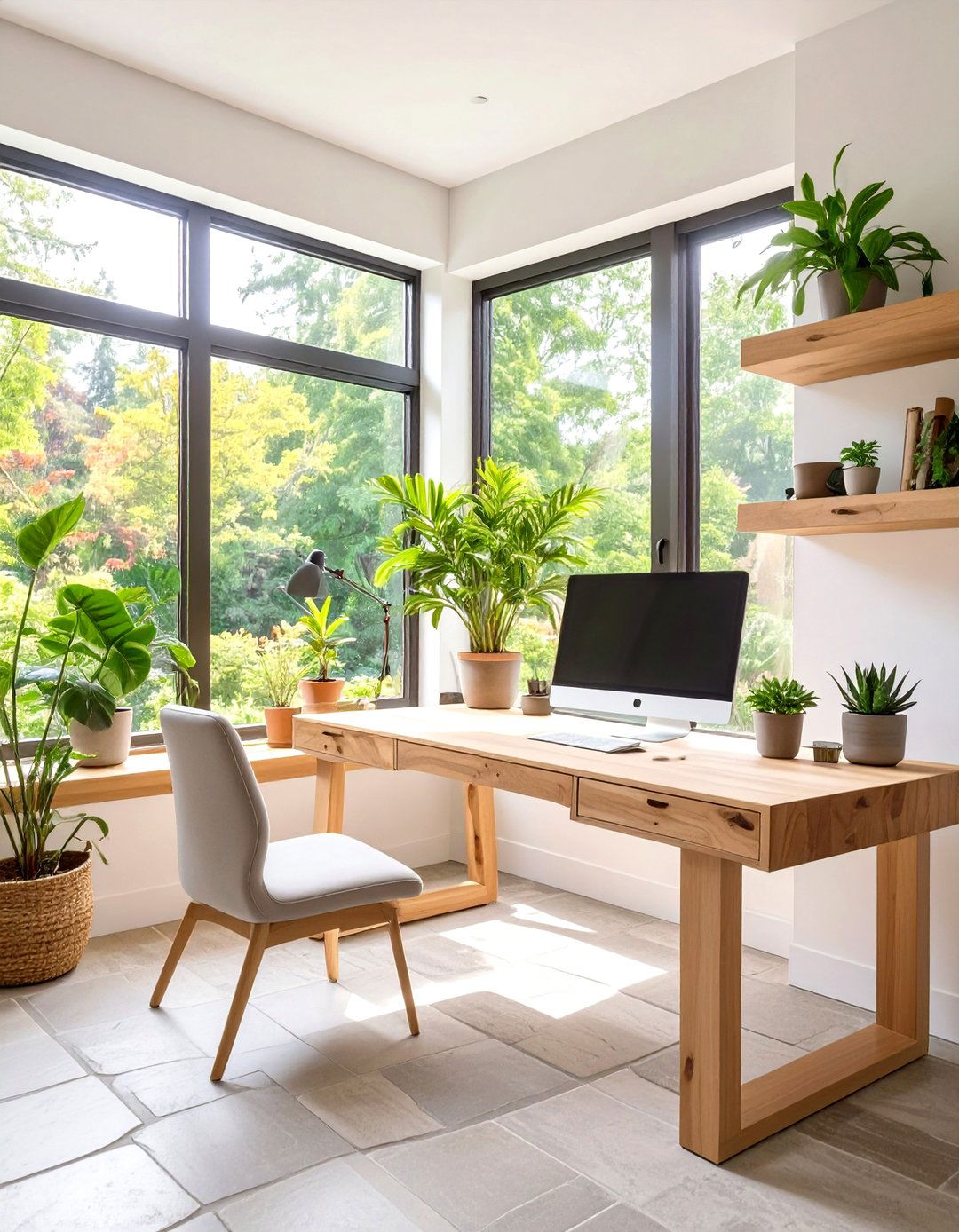
Incorporating elements of nature into our indoor environments, known as biophilic design, is an incredibly interesting and beneficial practice. This goes beyond simply adding a few houseplants; it involves using natural materials like wood and stone, maximizing views of the outdoors, and improving indoor air quality. The core idea is to strengthen the human-nature connection, which has been shown to reduce stress, improve cognitive function, and enhance creativity. Creating a space that feels alive and connected to the natural world makes it a healthier and more restorative place to be, highlighting design's role in our overall well-being.
9. The Influence of Technology
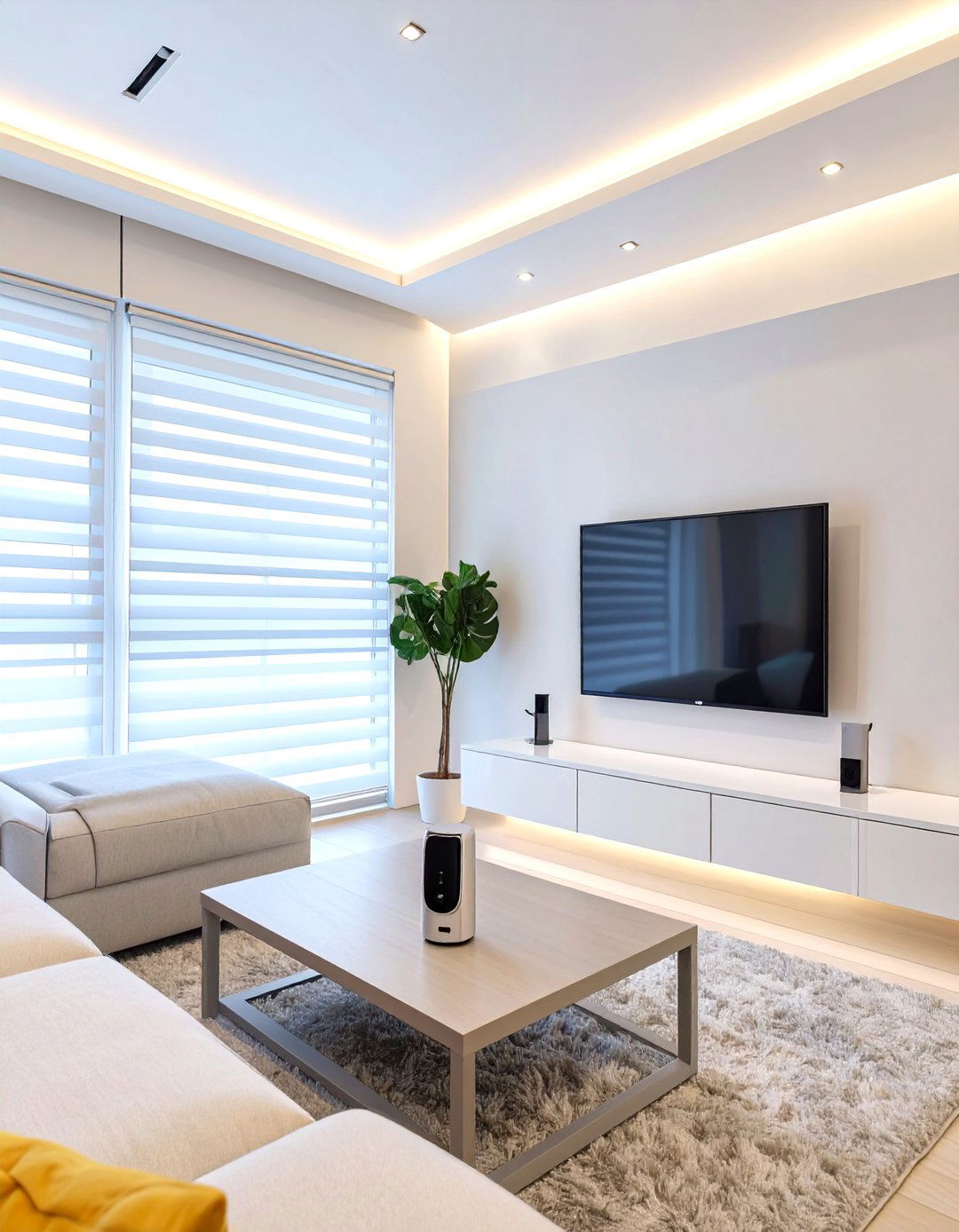
Technology is reshaping interior design in fascinating ways, from smart home integration to virtual reality visualization. Smart homes allow for seamless control over lighting, temperature, and security, creating environments that are responsive and highly personalized. Designers can now use VR to walk clients through a space before it’s even built, allowing for real-time adjustments and a clearer vision. This intersection of technology and design is not just about gadgets; it's about creating spaces that are more efficient, comfortable, and tailored to the needs of modern life, pushing the boundaries of what's possible in a home.
10. The History Behind Furniture Styles
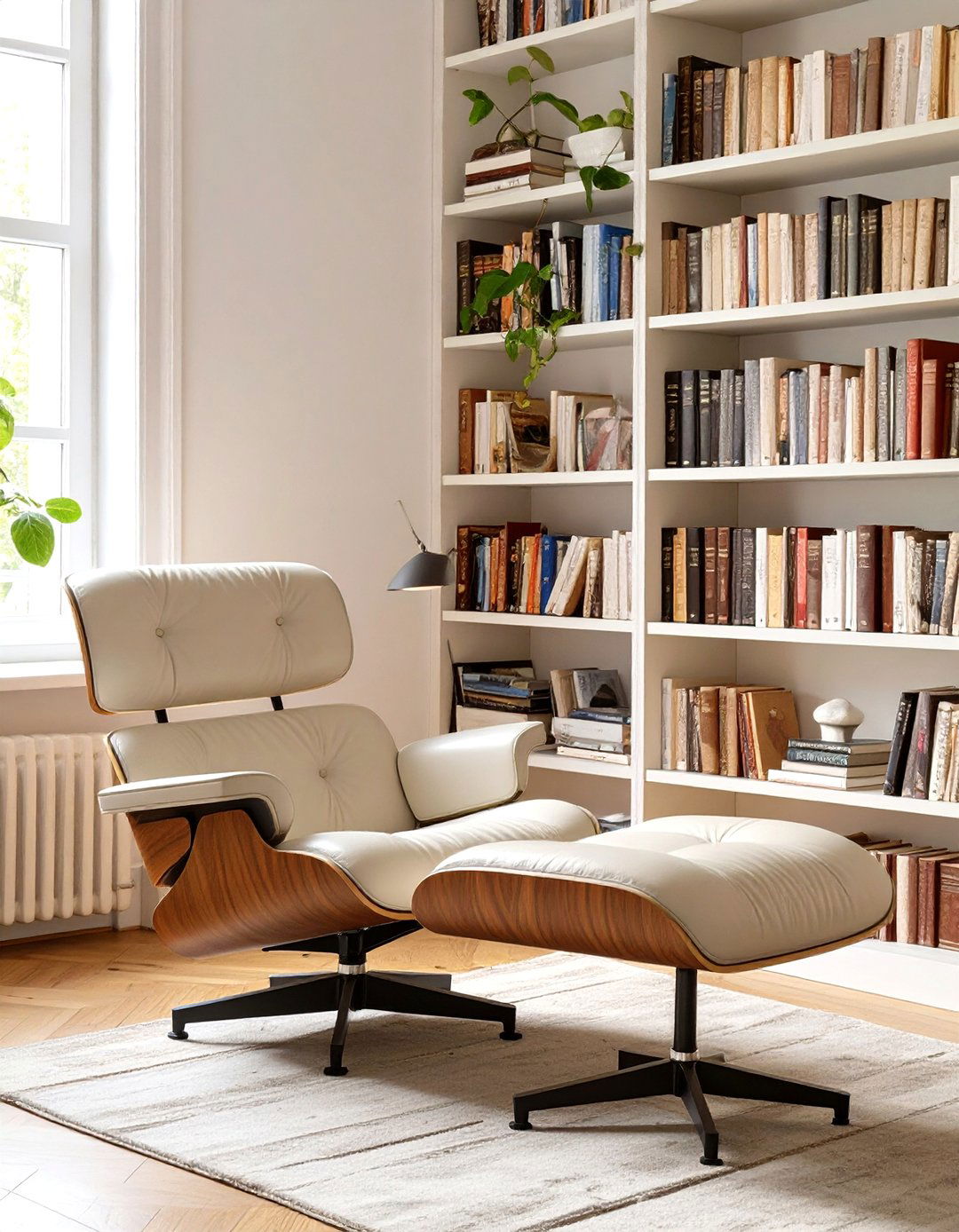
Every piece of furniture has a story, and understanding the history behind different design styles adds a fascinating layer of depth to interior design. From the ornate details of Baroque to the clean, functional lines of Mid-Century Modern, each era reflects the culture, technology, and social values of its time. Recognizing these influences allows for a more informed and intentional approach to selecting pieces. It's like being a curator of your own living museum, where a Wassily chair or a Chippendale table isn't just an object, but a piece of history that brings a timeless quality to a contemporary space.
11. Creating Focal Points
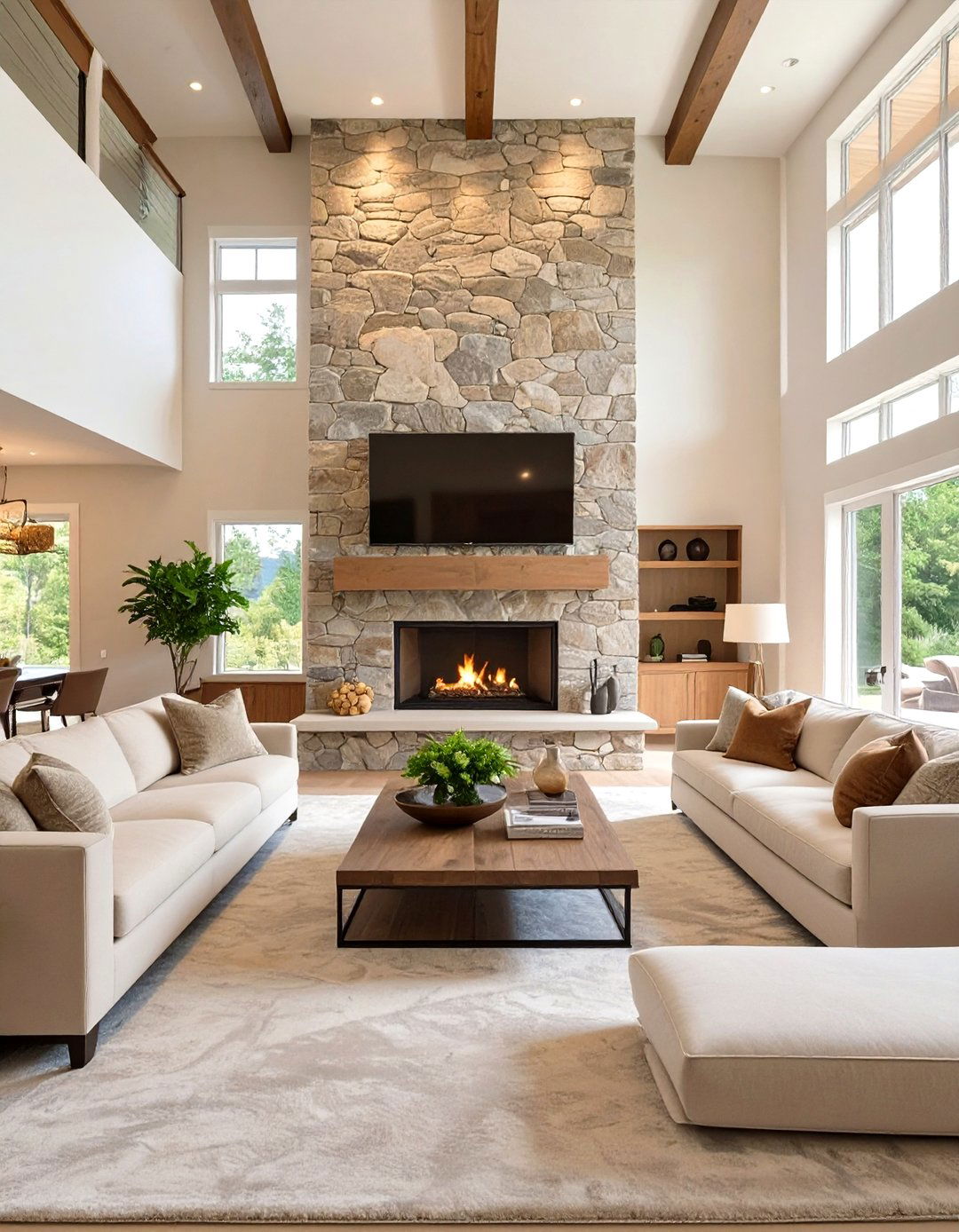
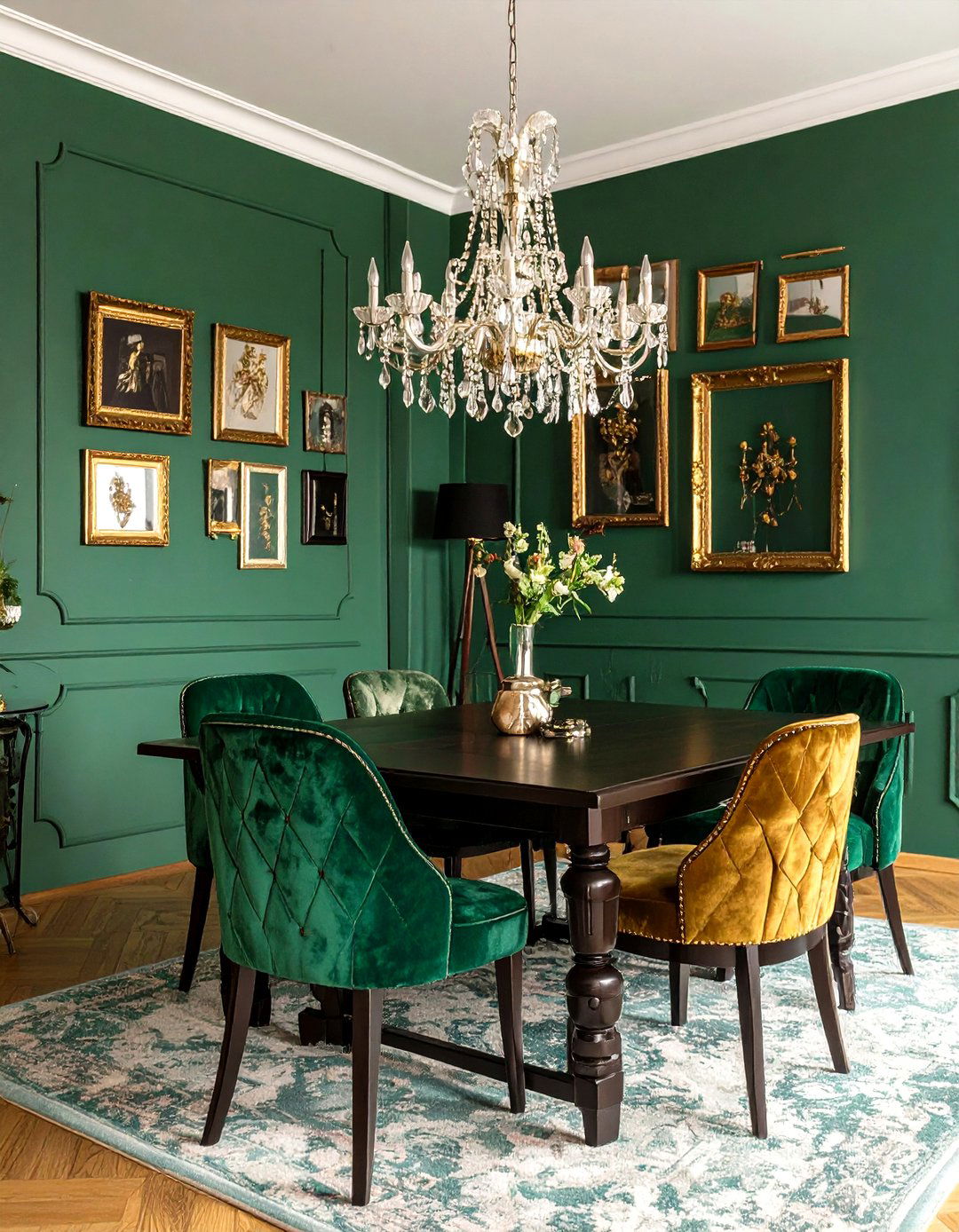
A key technique that makes interior design so interesting is the creation of a focal point. This is a single element in a room that draws the eye and anchors the entire design. It could be a dramatic fireplace, a bold piece of artwork, a statement light fixture, or even a feature wall with a unique color or texture. The rest of the room is then designed to complement and support this central feature. This principle of visual hierarchy guides the viewer's experience, preventing the space from feeling chaotic or unfocused. It’s a strategic choice that adds purpose and impact to the room’s composition.
12. The Functionality of Kitchen Layouts
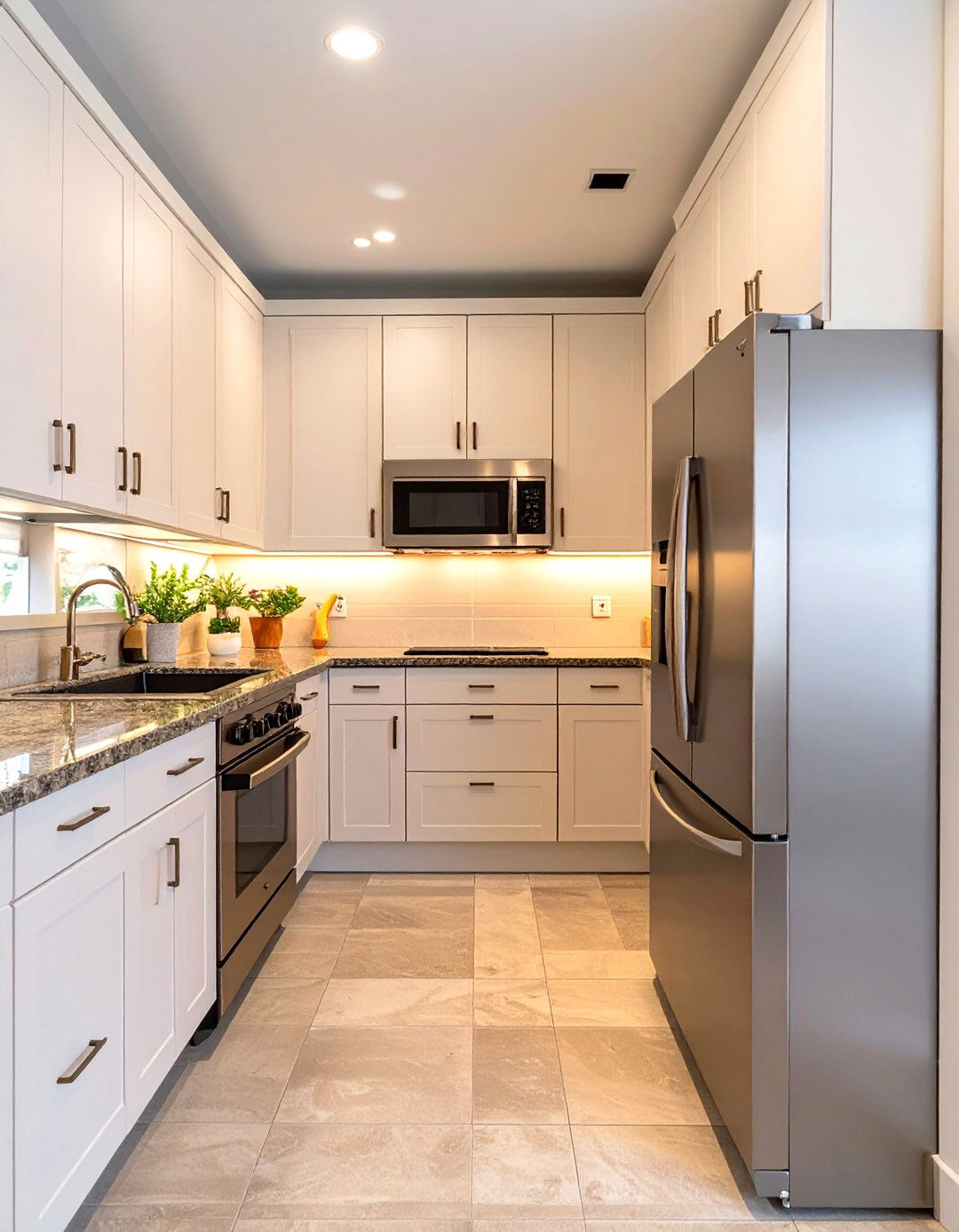
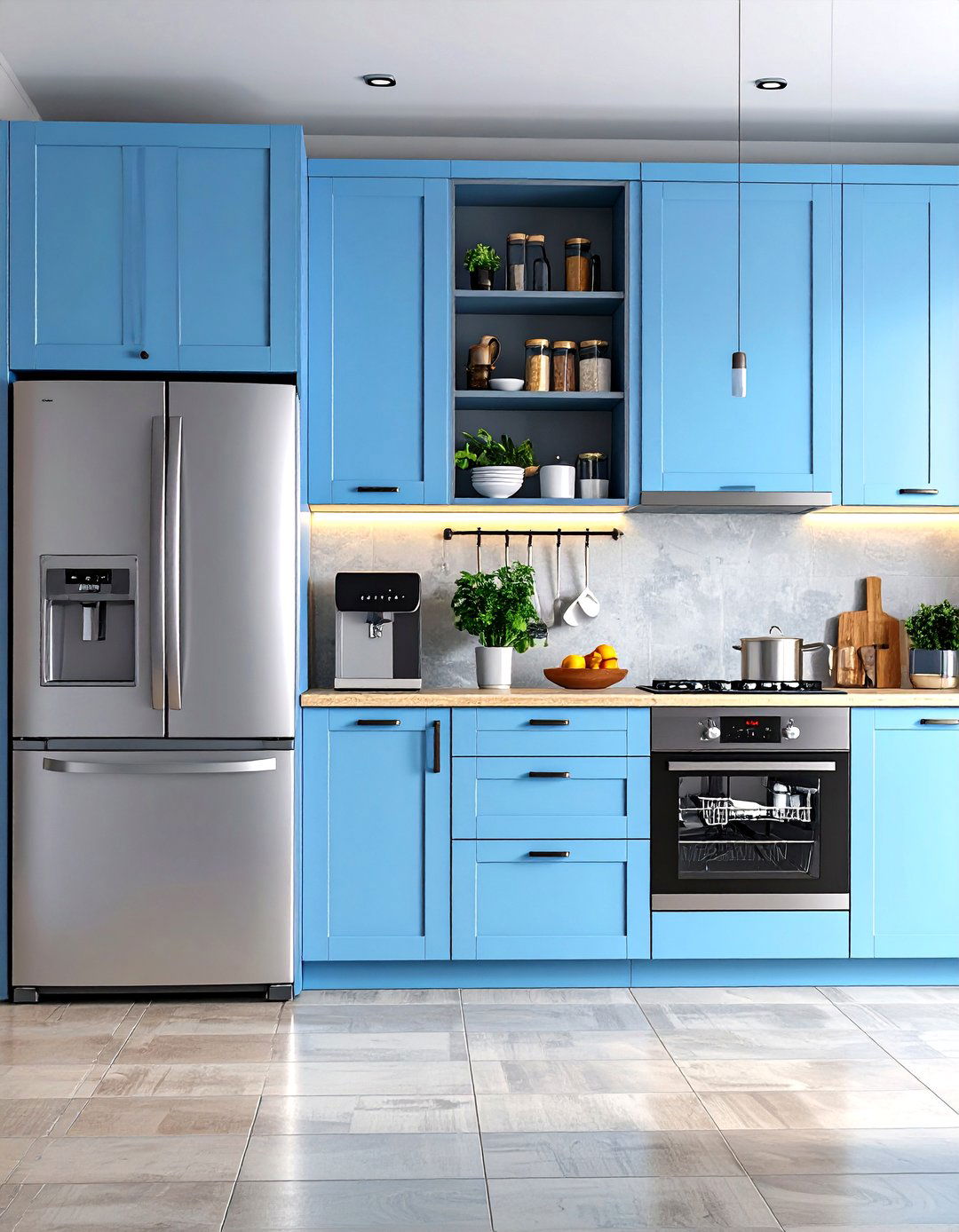
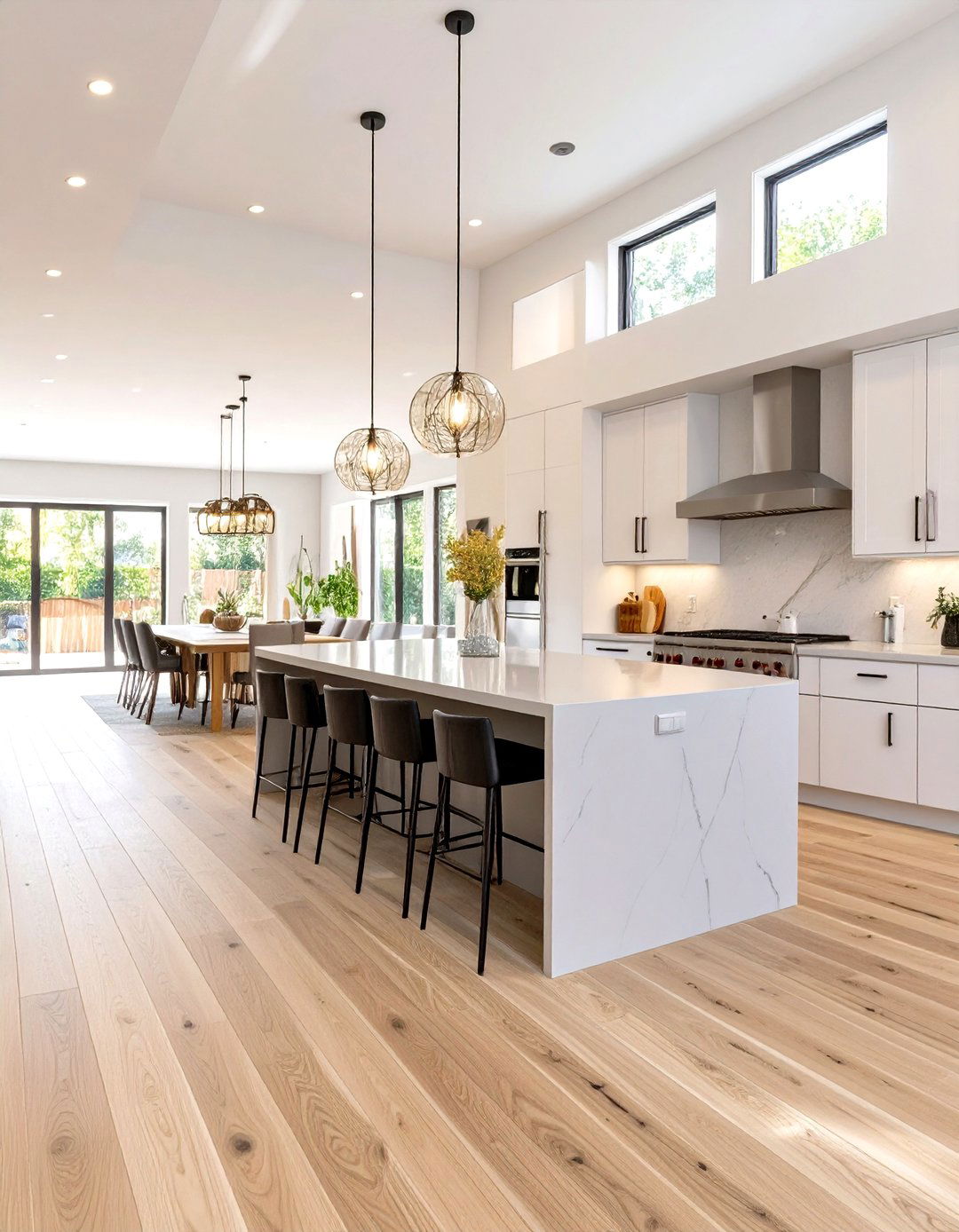
The kitchen is often called the heart of the home, and designing its layout is one of the most intellectually stimulating challenges in interior design. The concept of the "work triangle"—the relationship between the sink, refrigerator, and stove—is a classic principle aimed at maximizing efficiency. However, modern kitchen design also considers social aspects, creating open layouts with islands that serve as hubs for cooking, dining, and gathering. A well-designed kitchen is a perfect marriage of ergonomics and aesthetics, making daily tasks easier and more enjoyable. This focus on pure functionality makes it a fascinating puzzle to solve.
13. The Psychology of Entryways
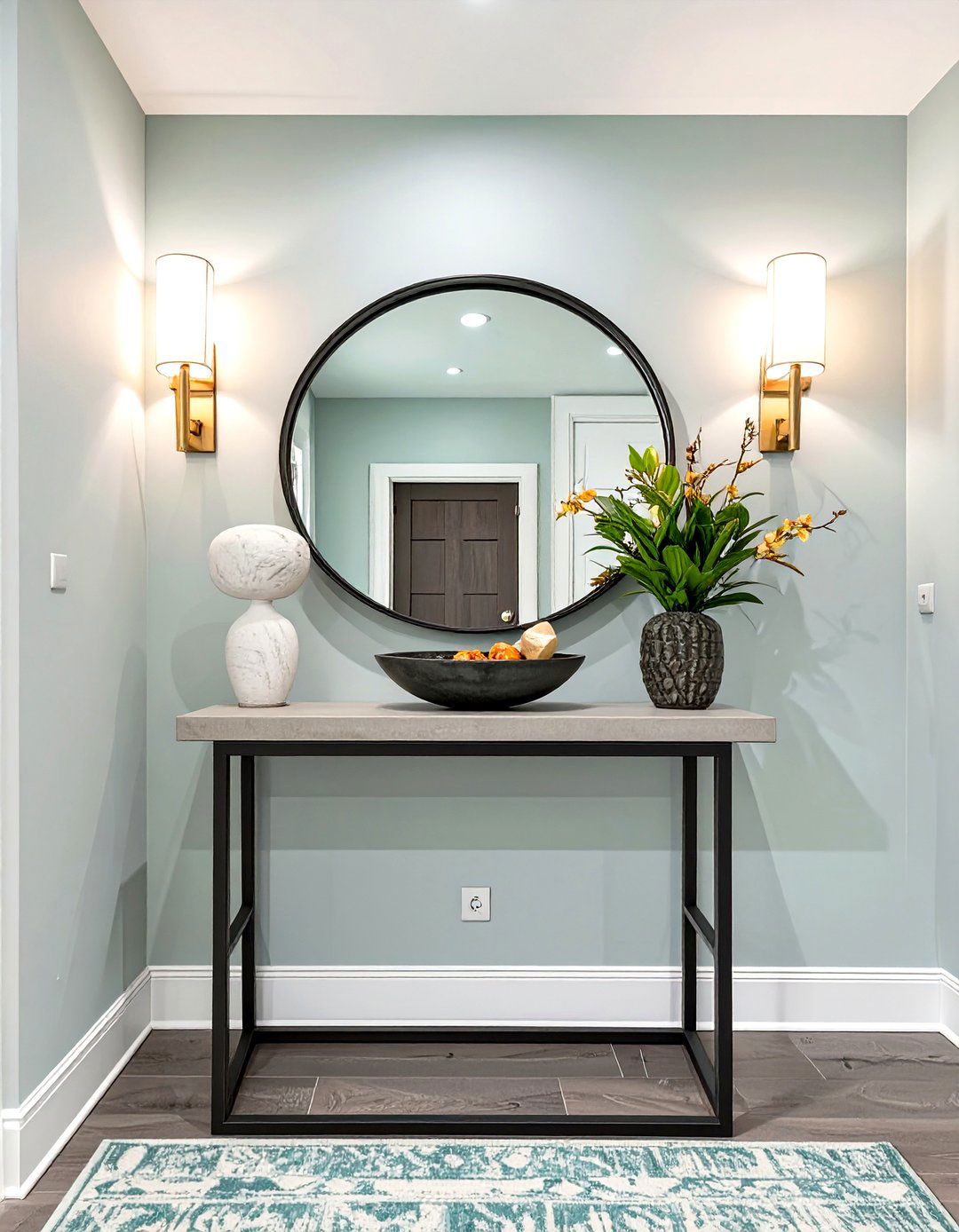
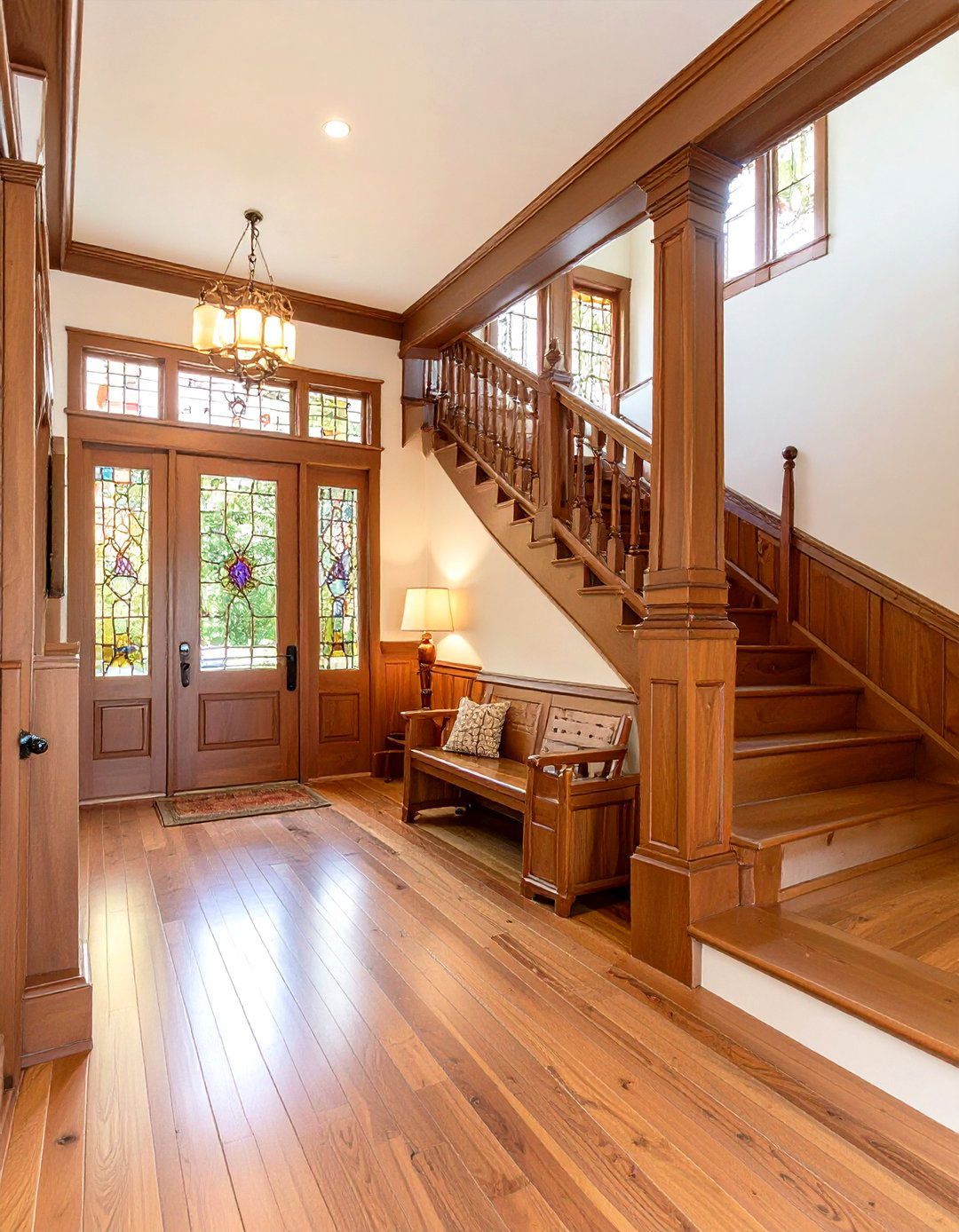
The entryway, or foyer, is the first impression a home makes, and its design has a profound psychological impact. A well-designed entryway sets the tone for the rest of the house, creating a sense of welcome and transition from the outside world. This space should be both functional, with storage for coats and shoes, and aesthetically pleasing. Elements like a beautiful console table, a striking mirror, or warm lighting can make a powerful statement. The challenge of creating a space that is both practical and emotionally resonant in such a small area is what makes entryway design so interesting and important.
14. The Versatility of Custom Built-Ins
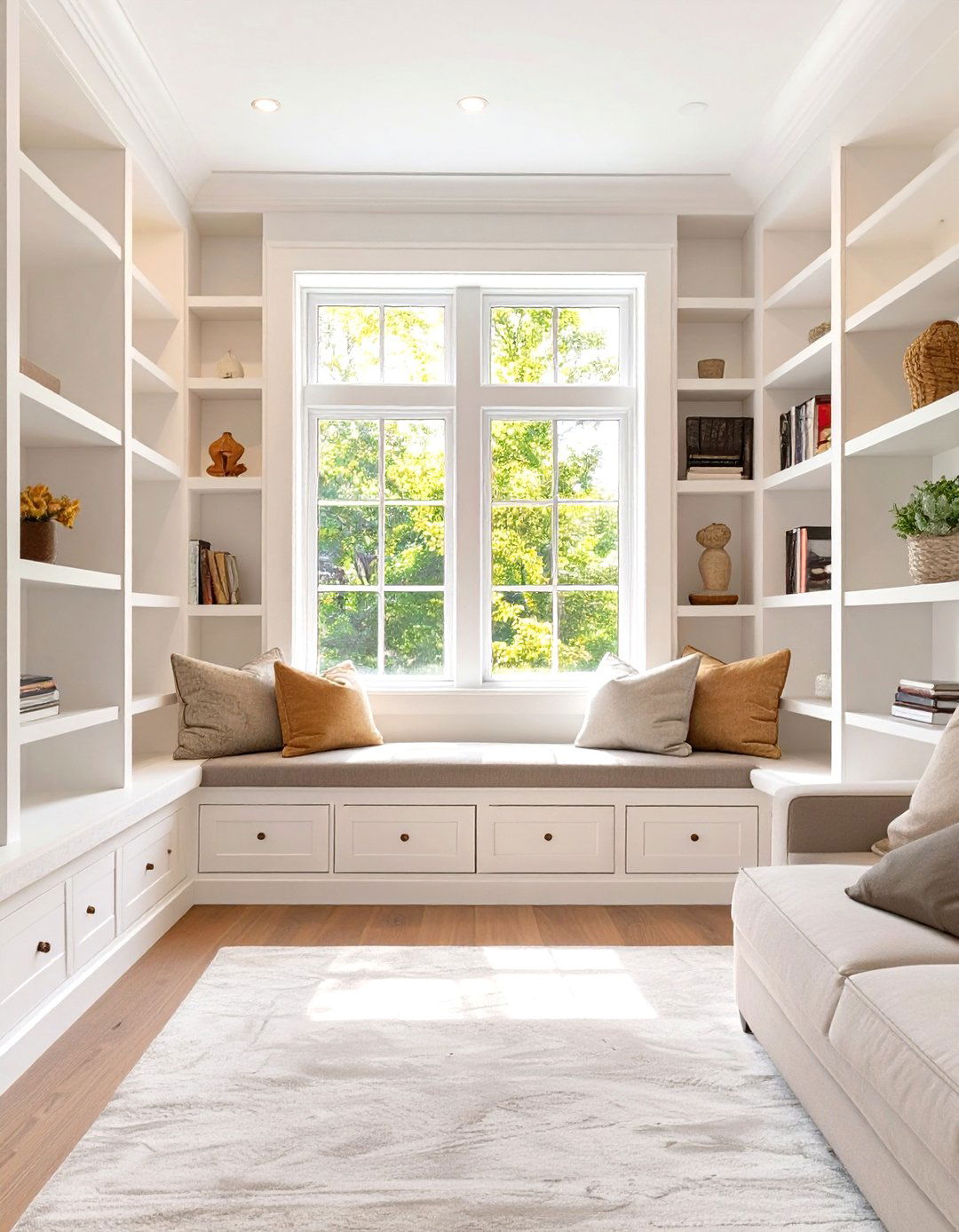
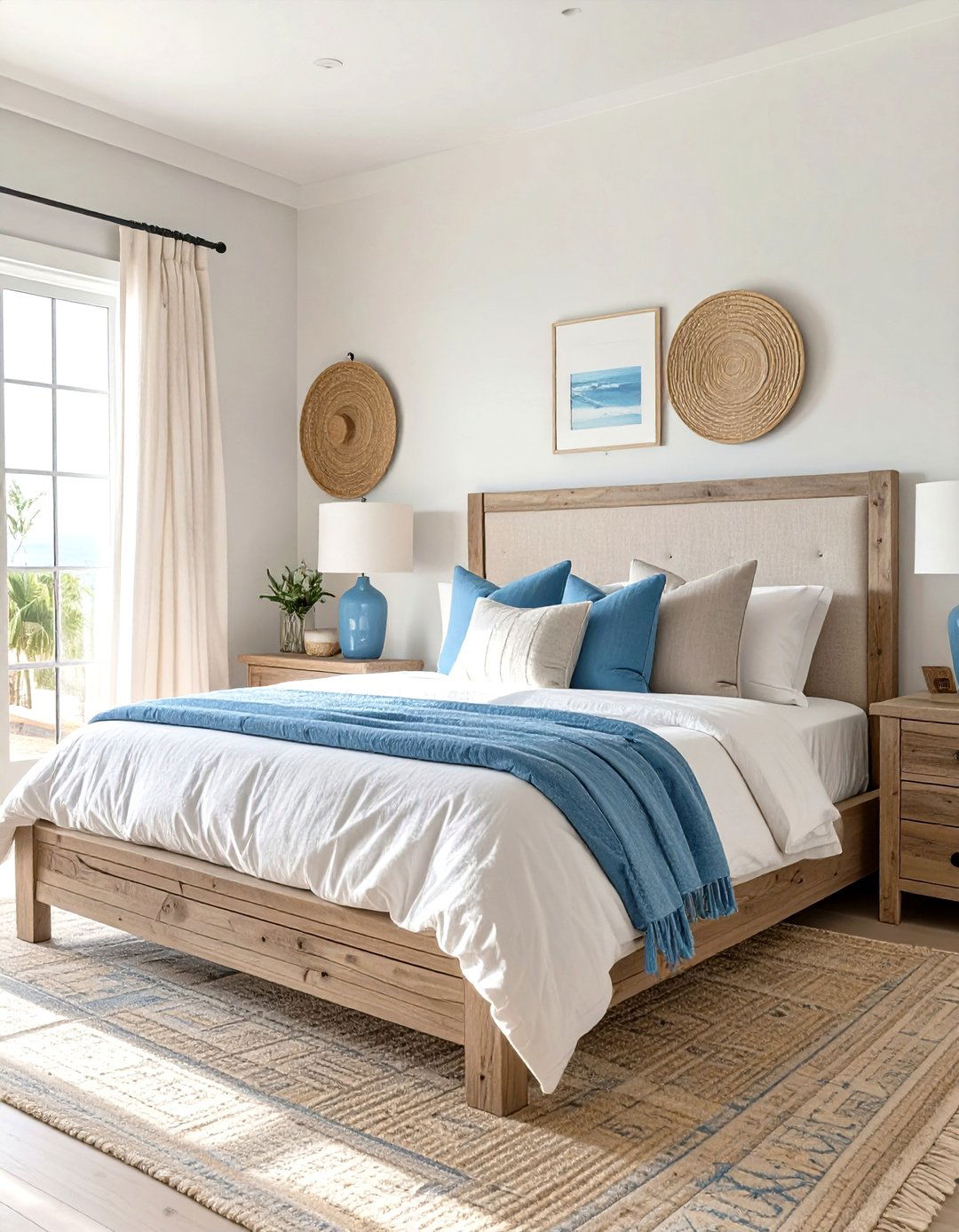
Custom built-in furniture offers a fascinating solution to storage and display challenges in interior design. Unlike freestanding furniture, built-ins are designed to fit a specific space perfectly, maximizing every inch and creating a seamless, integrated look. They can be used to create floor-to-ceiling bookshelves, a window seat with hidden storage, or a media unit that conceals wires and electronics. The ability to tailor a piece of furniture to the exact needs and dimensions of a room allows for unparalleled functionality and a clean, uncluttered aesthetic. This blend of craftsmanship and problem-solving is a hallmark of thoughtful design.
15. The Importance of Scale and Proportion
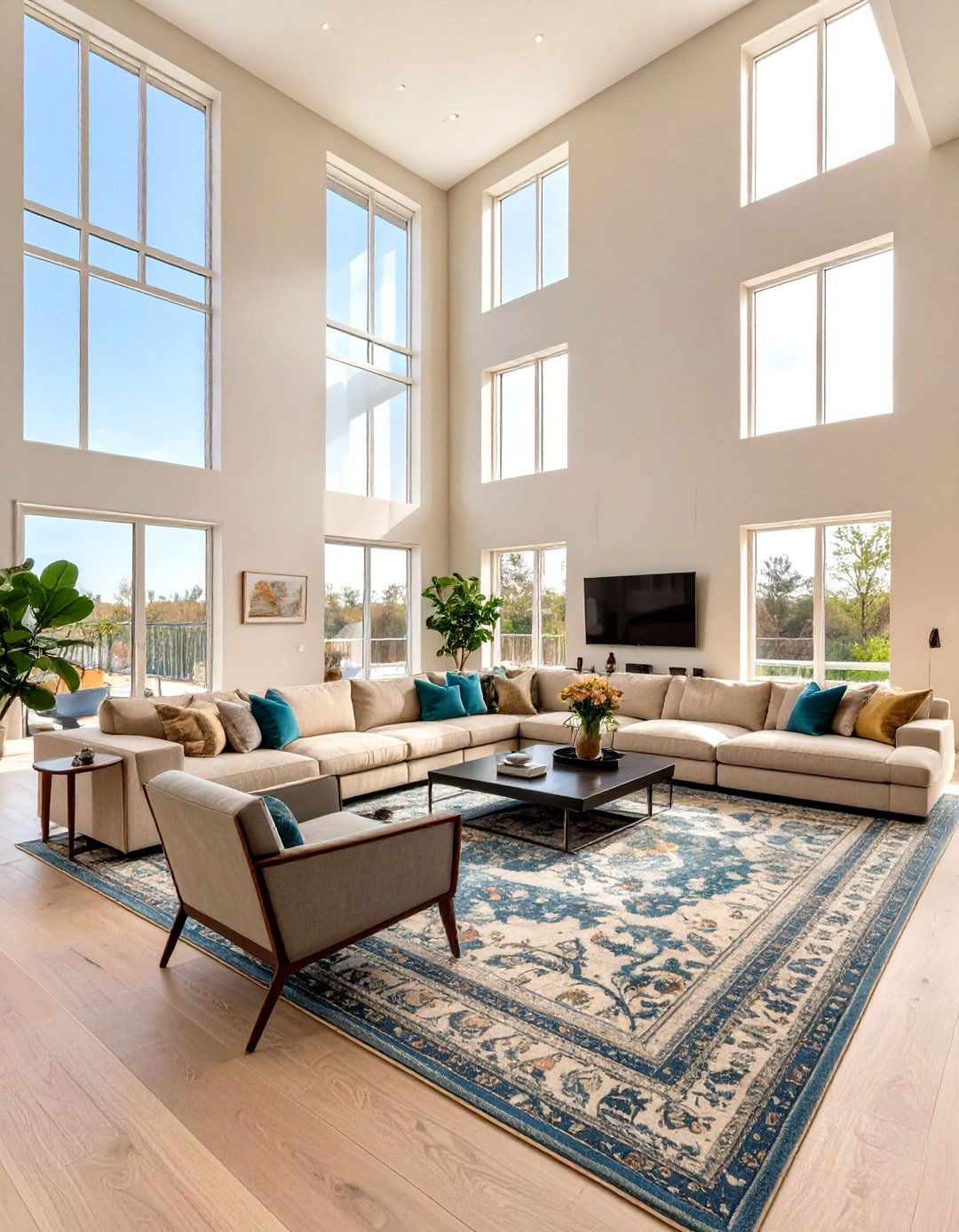
An understanding of scale and proportion is crucial to creating a harmonious and visually pleasing interior, making it a key area of interest. Scale refers to the size of an object in relation to the space it occupies, while proportion relates to the size of objects in relation to each other. Getting these two principles right is what prevents a room from feeling either cavernous or cramped. For example, a large, oversized sofa in a small room can feel overwhelming, while tiny furniture in a large, high-ceilinged space can feel lost. Mastering this balance is a subtle art that significantly impacts the overall success of a design.
16. The Mood of Artificial Lighting
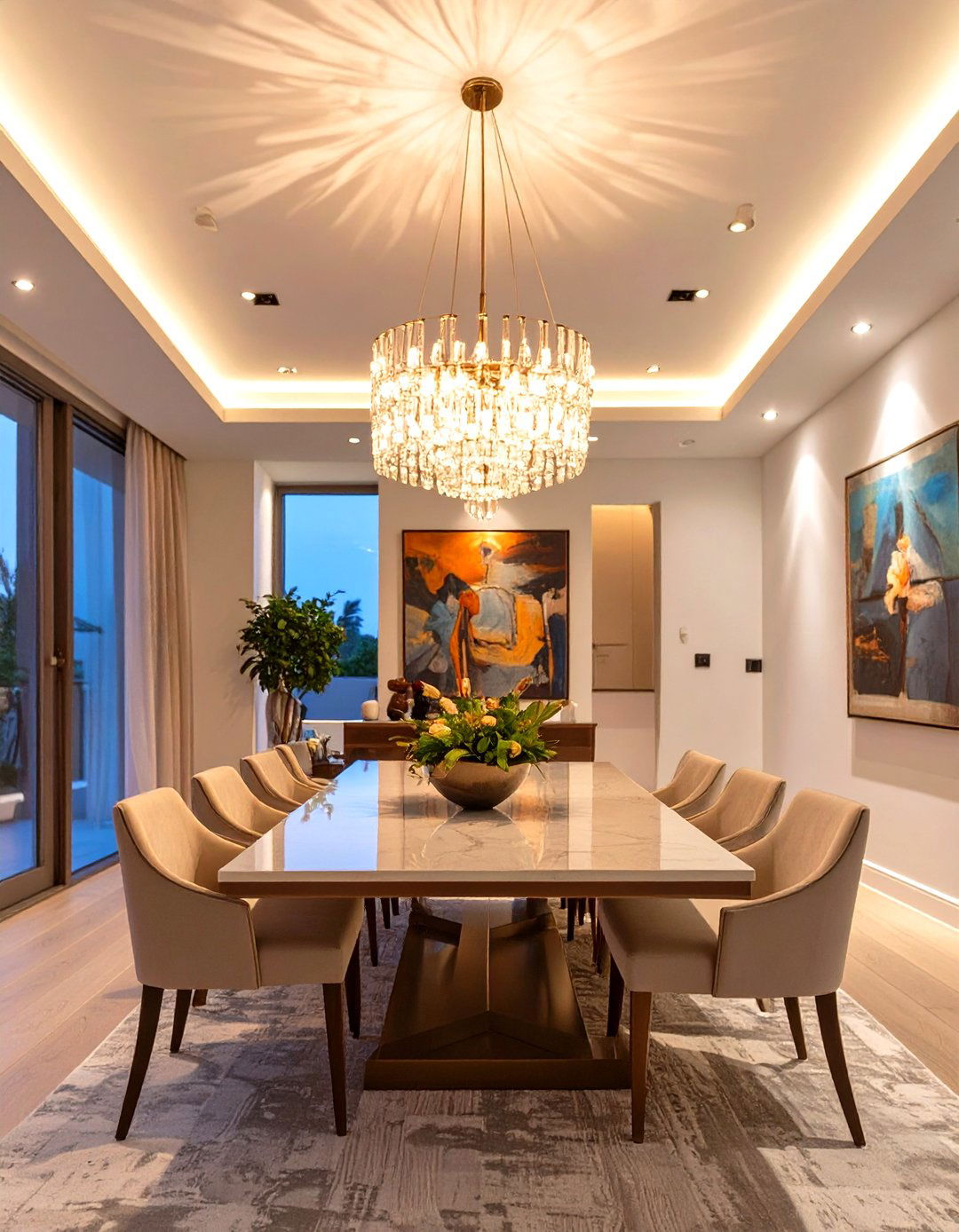
Artificial lighting is one of the most powerful and interesting tools in an interior designer's kit. It goes far beyond a single overhead fixture. A well-lit room uses a layered approach: ambient lighting for overall illumination, task lighting for specific activities like reading, and accent lighting to highlight artwork or architectural features. The choice of bulb temperature—warm or cool—also dramatically affects the mood. Dimmers provide further control, allowing the ambiance to shift from bright and energetic to soft and intimate. This ability to sculpt a space with light adds another dimension to the design process.
17. Designing for Small Spaces
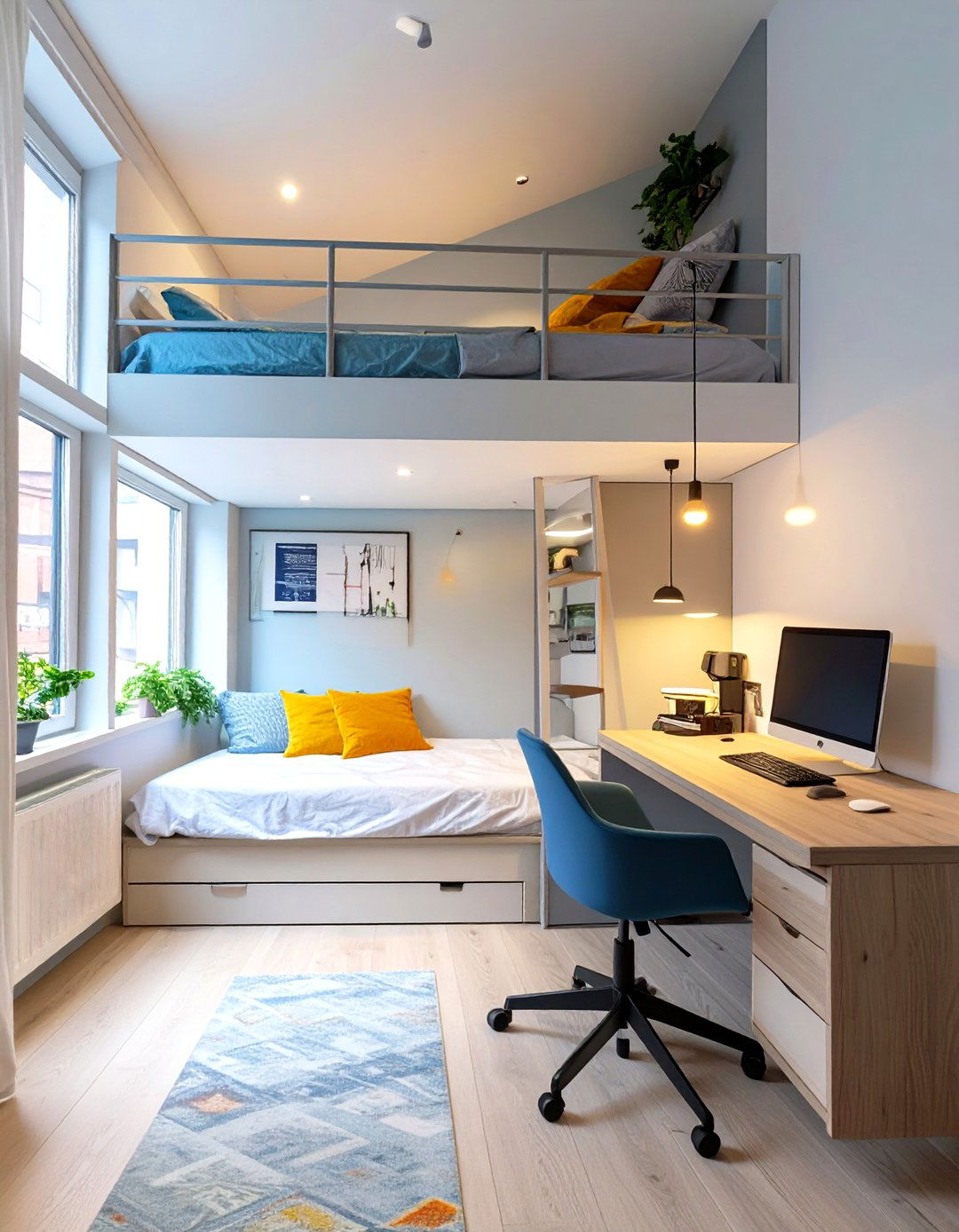
The challenge of designing for small spaces is particularly interesting because it requires immense creativity and ingenuity. It’s a puzzle of maximizing functionality and creating a sense of spaciousness within limited square footage. Techniques like using multi-functional furniture (such as an ottoman with storage), vertical storage solutions, and a light color palette can make a small room feel larger and more open. Mirrors are also a classic trick to create the illusion of depth. Successfully designing a small space is a testament to the power of smart, efficient design to overcome physical constraints and enhance everyday living.
18. The Role of Textiles and Fabrics
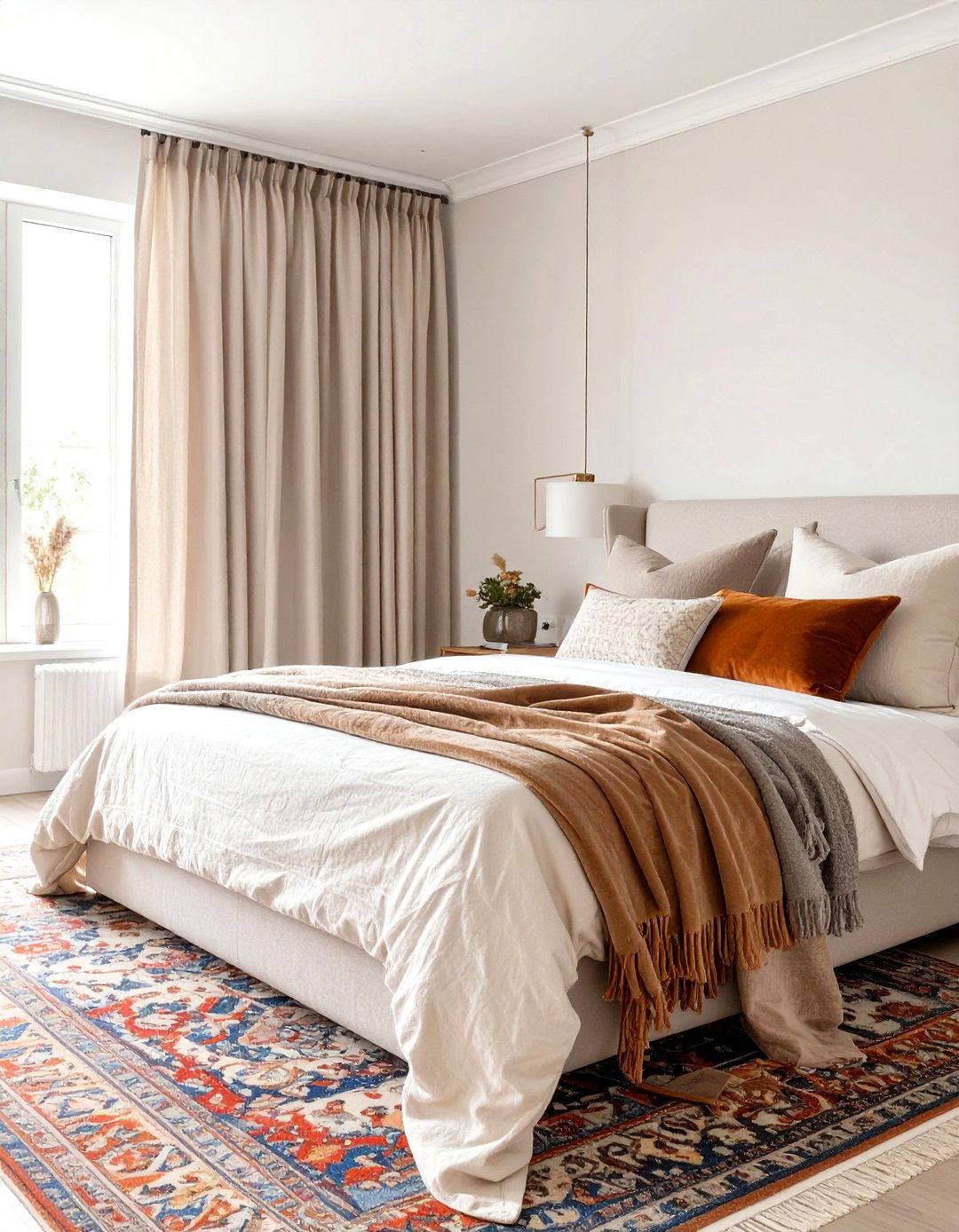
Textiles and fabrics are essential for adding softness, color, and pattern to an interior, making their selection a fascinating part of the design process. From curtains and rugs to upholstery and throw pillows, textiles have a huge impact on the look and feel of a room. The choice of material—be it luxurious velvet, breathable linen, or durable cotton—affects not only the aesthetic but also the comfort and practicality of the space. Mixing different patterns and textures can create a layered, sophisticated look, while a more monochromatic palette can be calming. Textiles are a versatile tool for expressing style and creating ambiance.
19. The Concept of Negative Space
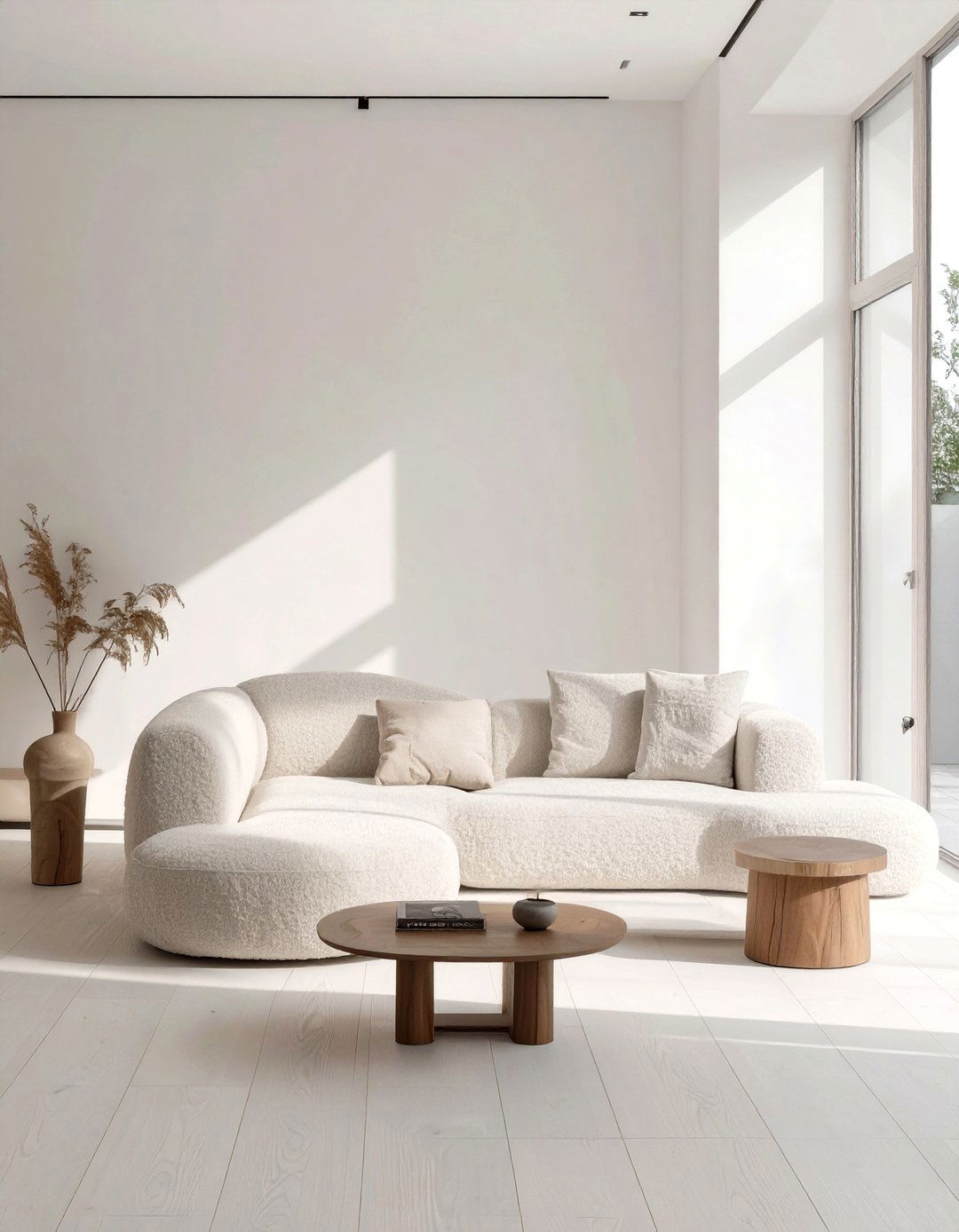
In design, the empty areas, or "negative space," are just as important as the objects and furniture that fill a room. This concept, borrowed from art and graphic design, is incredibly interesting because it emphasizes the power of what isn't there. Negative space gives elements room to breathe, preventing a design from feeling cluttered and overwhelming. It helps to draw attention to key focal points and creates a sense of calm and order. A minimalist approach, for example, relies heavily on the strategic use of negative space to achieve its clean, uncluttered aesthetic. Mastering this element is key to creating a balanced and sophisticated interior.

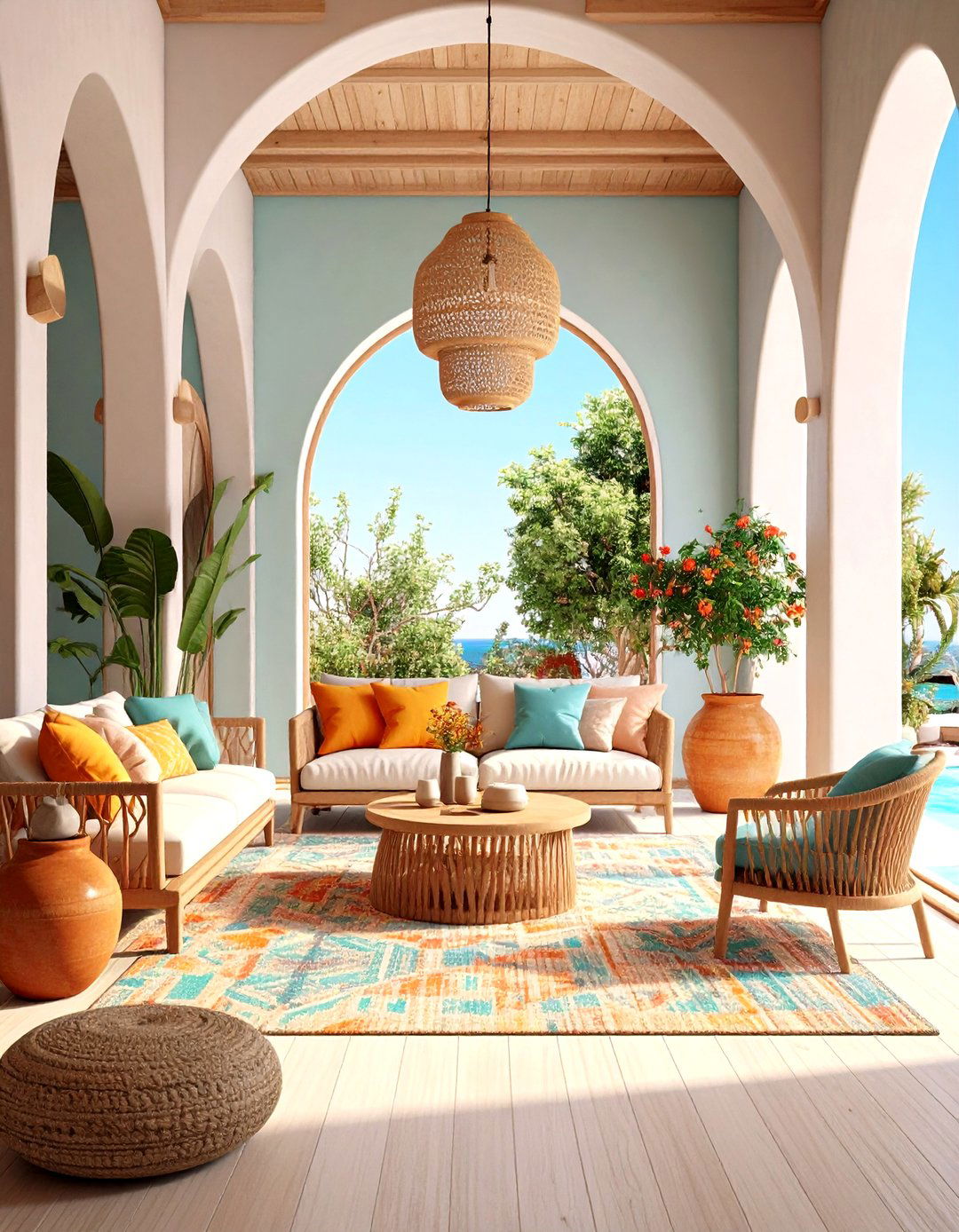
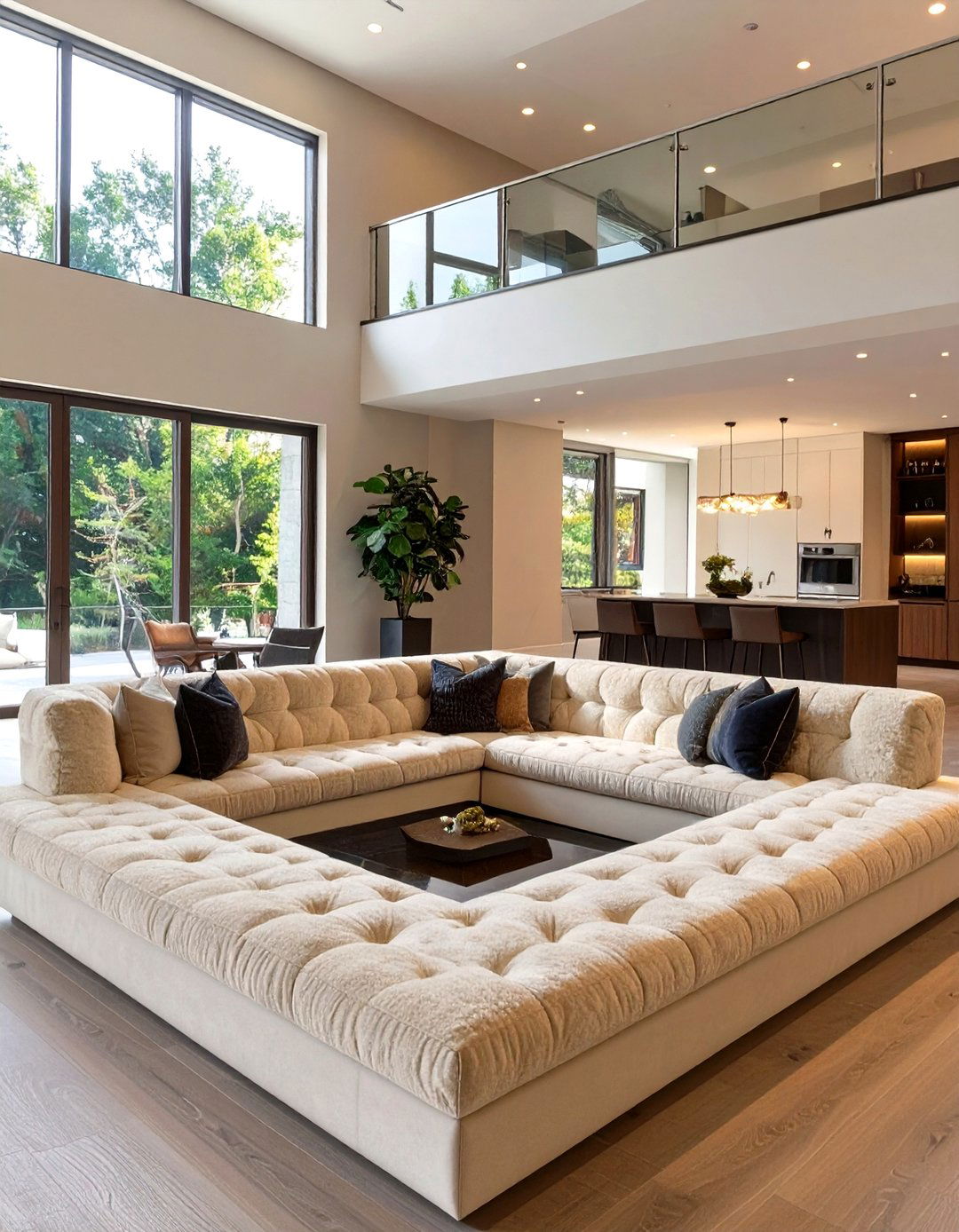


20. Designing for Children's Rooms
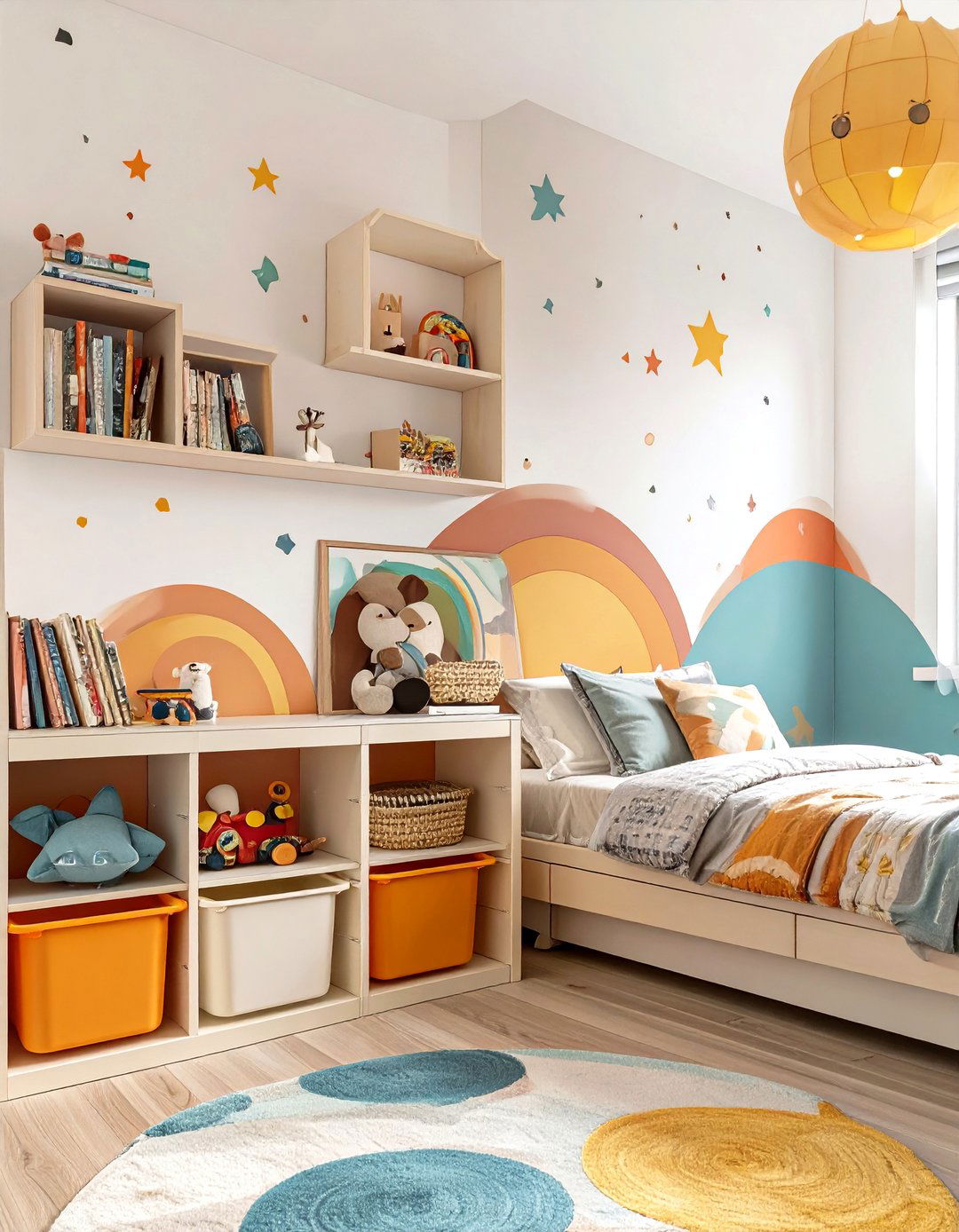
Designing a child's room is a uniquely interesting challenge that blends whimsy, safety, and functionality. These spaces need to be inspiring and playful, encouraging creativity and imagination, but also practical and able to adapt as the child grows. This often involves clever storage solutions for toys, durable materials, and flexible furniture. Safety is paramount, with considerations for non-toxic finishes and secure furniture. The design must strike a balance between the child's current interests and the need for a space that can evolve over time. It’s a delightful puzzle that puts the user’s specific needs at the very forefront of the process.
21. The Appeal of Vintage and Antique Pieces
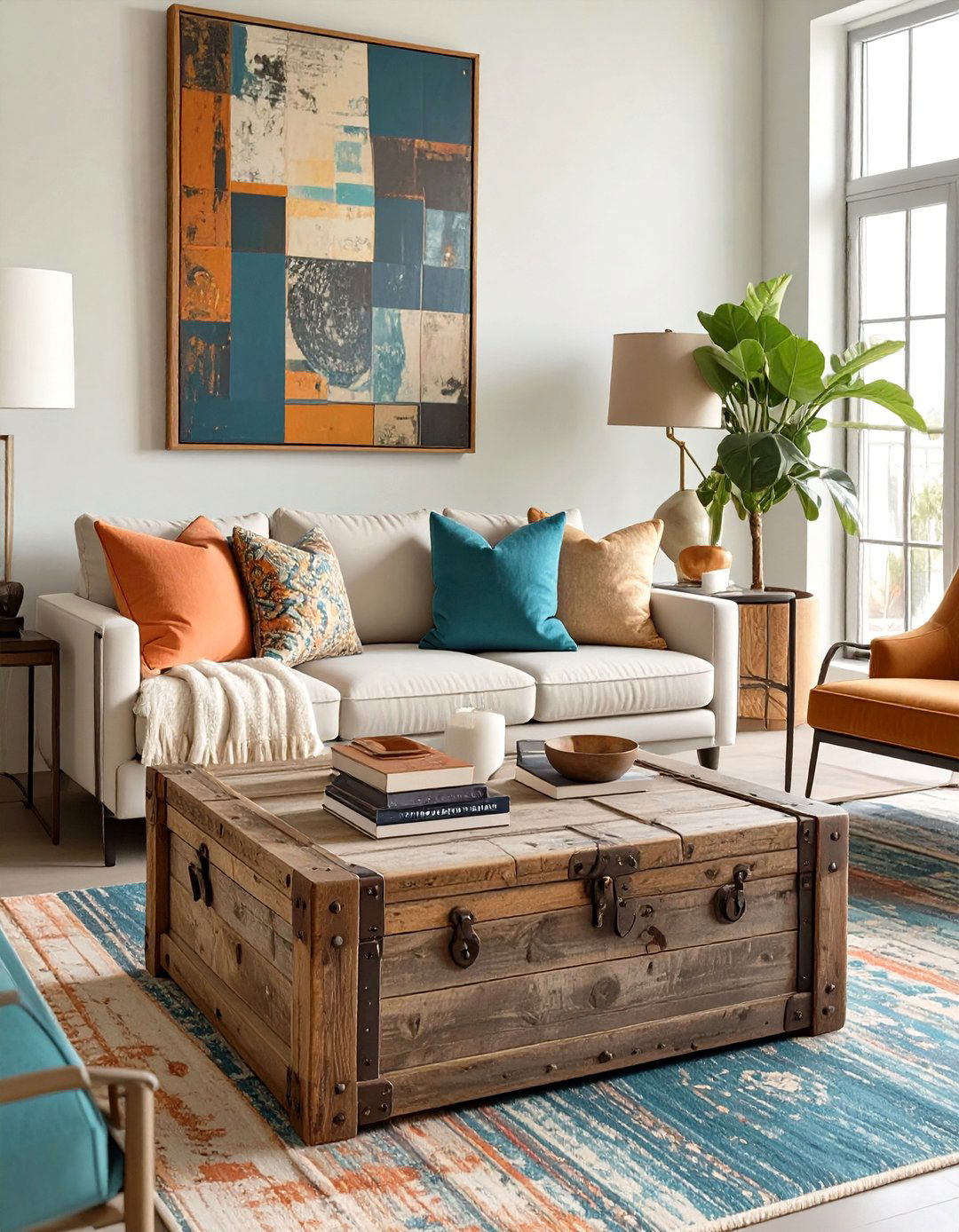
Integrating vintage or antique pieces into a modern interior is a fascinating way to add character, history, and a sense of soul to a space. Unlike mass-produced items, these pieces have a unique patina and story that cannot be replicated. A vintage armchair, an antique mirror, or a rustic farm table can serve as a stunning focal point and a conversation starter. The interest lies in the hunt for these special items and the art of mixing them with contemporary elements to create a look that feels collected and personal rather than staged. This practice adds a layer of timelessness and individuality to any design.
22. Creating a Cohesive Color Palette
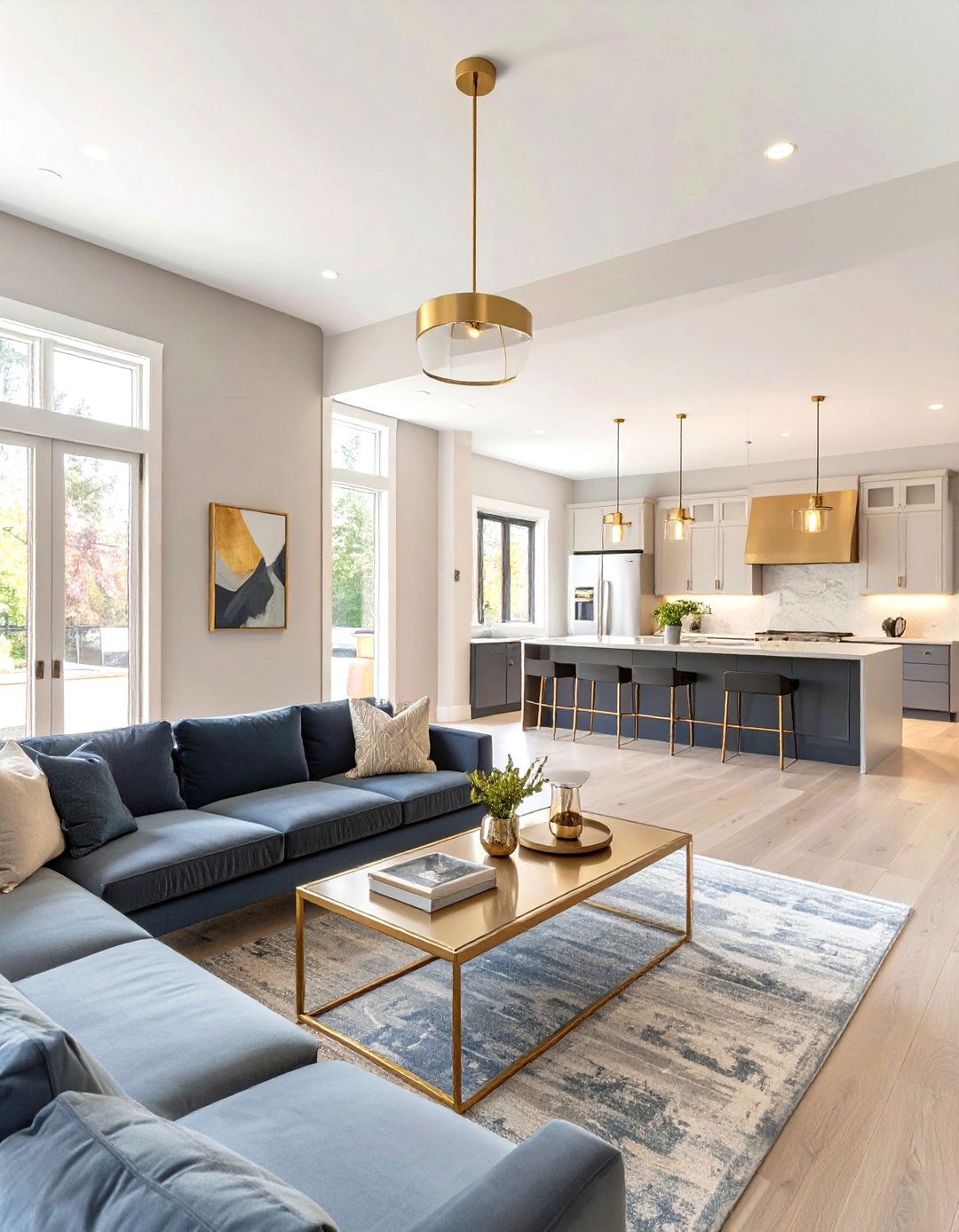
Developing a cohesive color palette is a foundational and interesting aspect of interior design that ties an entire home together. It’s not about using the same color in every room, but rather about selecting a group of complementary hues that create a sense of flow and harmony. A common technique is the 60-30-10 rule, where 60% of the space is a dominant color, 30% is a secondary color, and 10% is an accent. This formula creates a balanced and visually appealing result. A well-planned palette ensures that moving from one room to another feels like a seamless and intentional journey through a unified space.
23. The Impact of Architectural Details
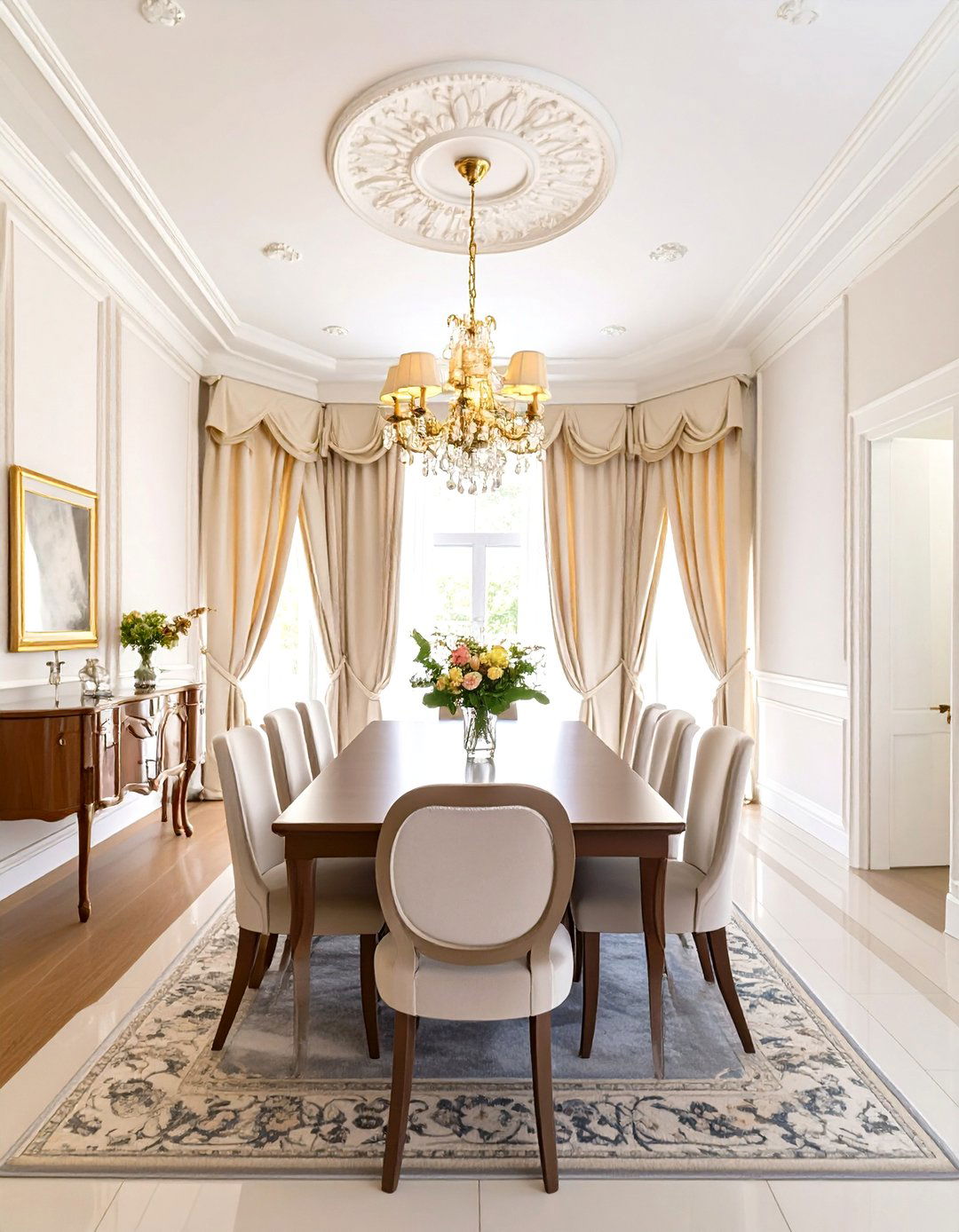
Architectural details like crown molding, wainscoting, and ceiling medallions add a layer of sophistication and character that makes interior design truly interesting. These elements can transform a plain, boxy room into a space with depth and historical resonance. Even in modern homes, clean, simple architectural details can define spaces and add visual interest. The designer's job is often to either preserve and highlight existing details or to add new ones that are appropriate to the style of the home. This attention to the "bones" of a room provides a strong foundation upon which the rest of the decor is built.
24. The Importance of Ergonomics
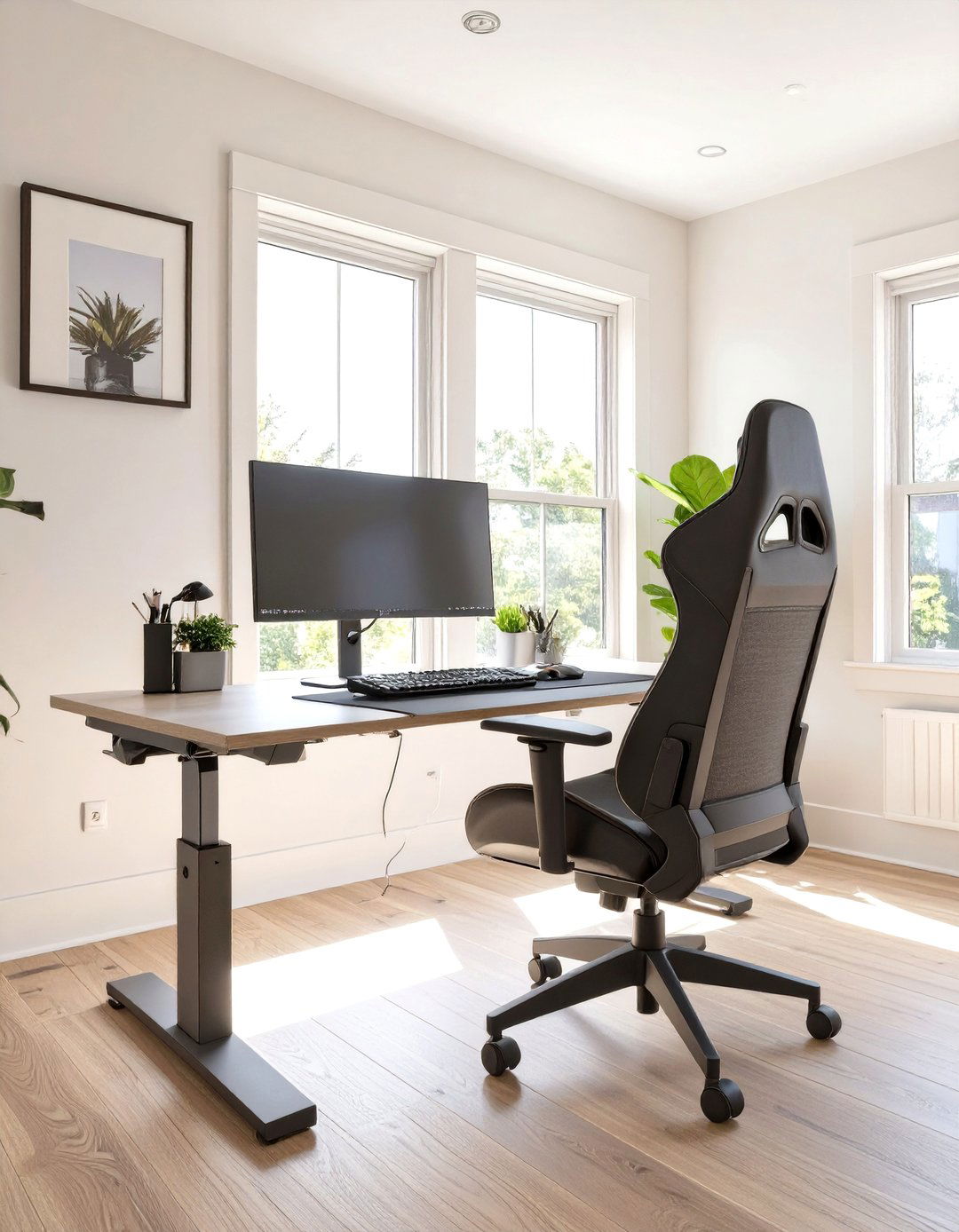
Ergonomics, the science of designing for efficiency and comfort, is a fascinating and critical component of interior design. It's about ensuring that the environment is tailored to the physical needs of its users. This includes choosing chairs that provide proper back support, setting kitchen counters at a comfortable height, and arranging a home office to reduce strain. Good ergonomic design is often invisible—you only notice it when it's absent. By prioritizing human comfort and well-being, designers create spaces that are not only beautiful but also genuinely supportive of a healthy and productive lifestyle, making daily activities easier and safer.
25. The Power of Symmetry
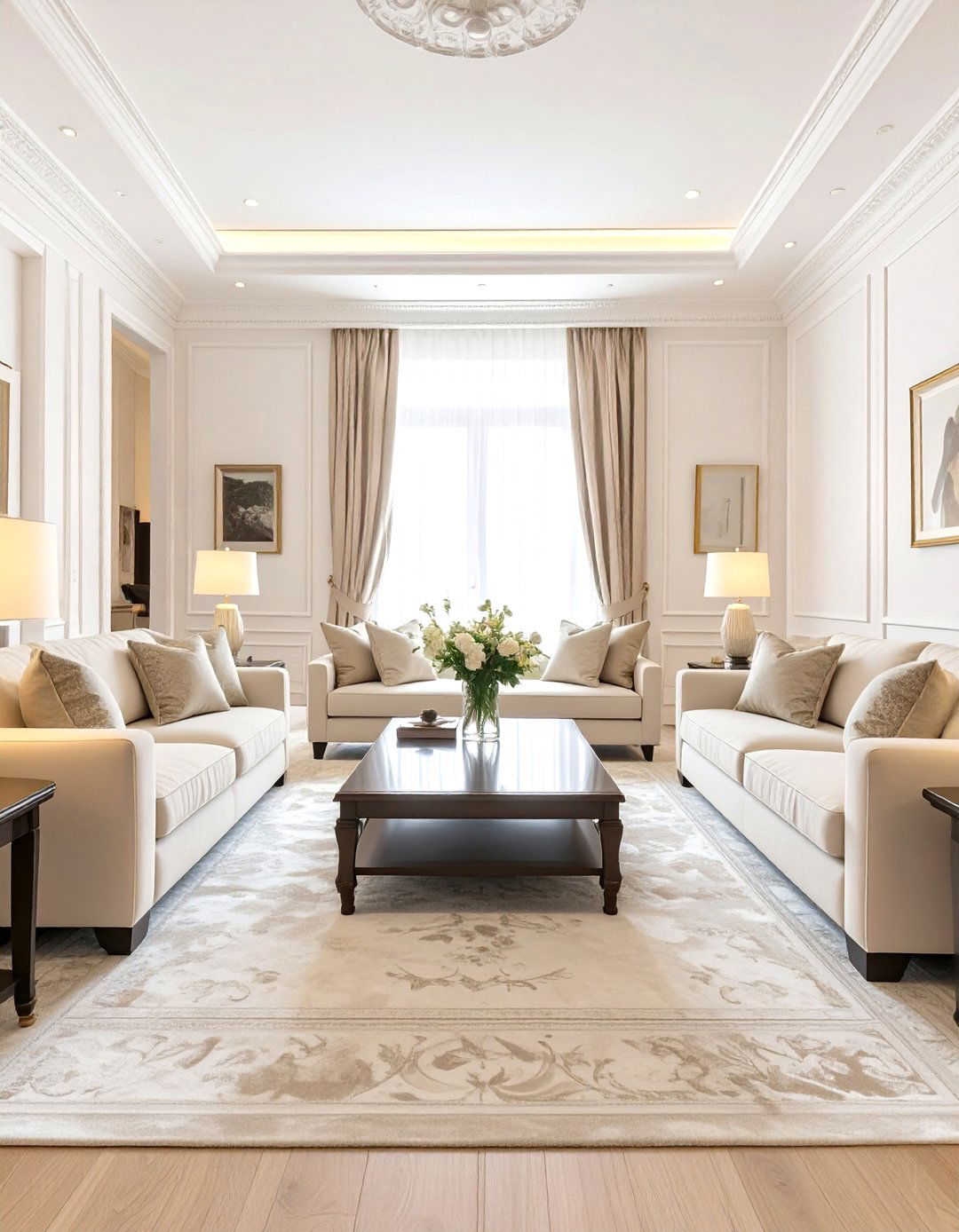
Symmetry is a classic design principle that can bring a sense of calm, order, and formality to a room, making its application an interesting study in balance. A symmetrical arrangement, such as placing matching lamps on either side of a sofa or flanking a fireplace with identical bookcases, creates a feeling of stability and predictability. The human eye is naturally drawn to this kind of balance. While a purely symmetrical design can sometimes feel rigid, it provides a strong foundation that can be softened with asymmetrical accents. It's a powerful tool for creating a space that feels grounded, intentional, and classically elegant.
26. The Uniqueness of Handmade and Artisan Decor
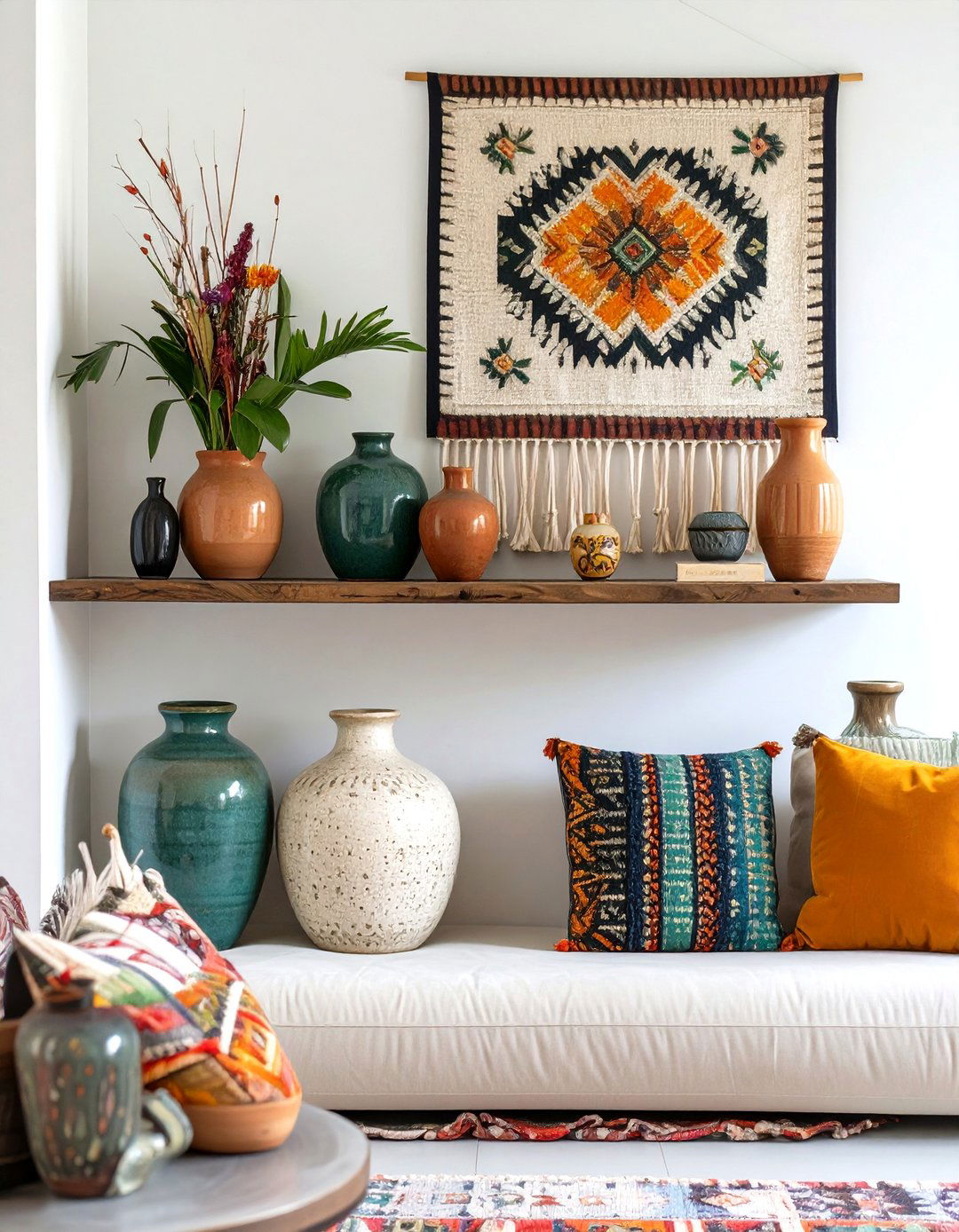
Incorporating handmade and artisan decor is a way to infuse a space with authenticity and uniqueness, which is an interesting departure from mass-market trends. Objects crafted by hand, whether a ceramic vase, a handwoven rug, or a custom piece of furniture, carry the mark of their creator and tell a story of skill and artistry. These pieces add a layer of texture and soul to a room that cannot be achieved with factory-made items. Supporting artisans also connects the homeowner to a larger creative community. The interest lies in curating these unique objects to create a space that feels personal, collected, and truly one-of-a-kind.
27. Designing Multi-Functional Spaces
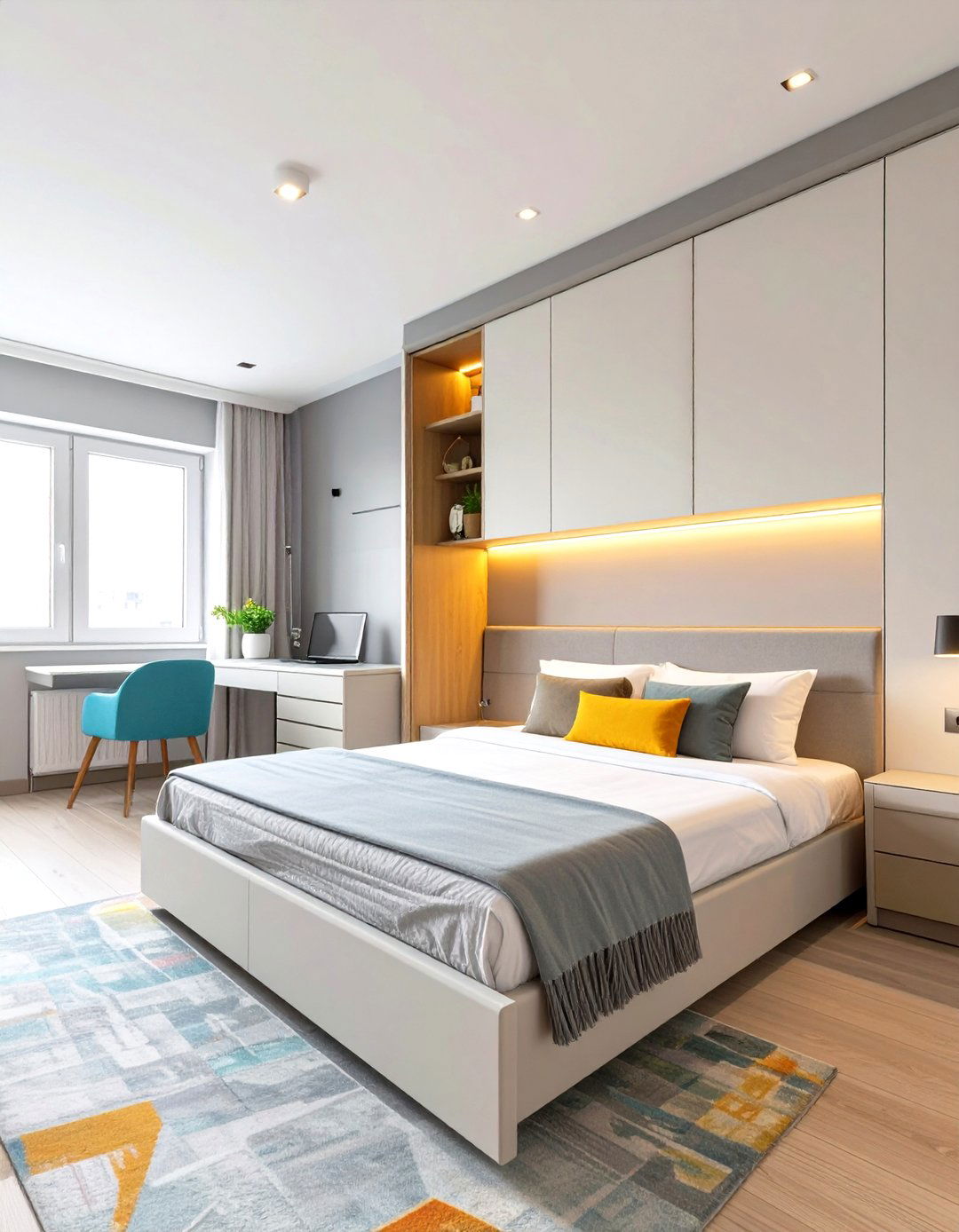
In modern living, where space is often at a premium, designing multi-functional rooms has become an interesting and necessary challenge. This involves creating areas that can seamlessly adapt to different needs throughout the day. For example, a living room might also serve as a home office, or a guest room could double as a craft space. This requires clever furniture choices, like a coffee table that lifts to become a desk, or a stylish Murphy bed that folds away. The goal is to maximize the utility of every square foot without sacrificing style, a puzzle that demands innovative thinking and smart planning.
28. The Boldness of Statement Ceilings
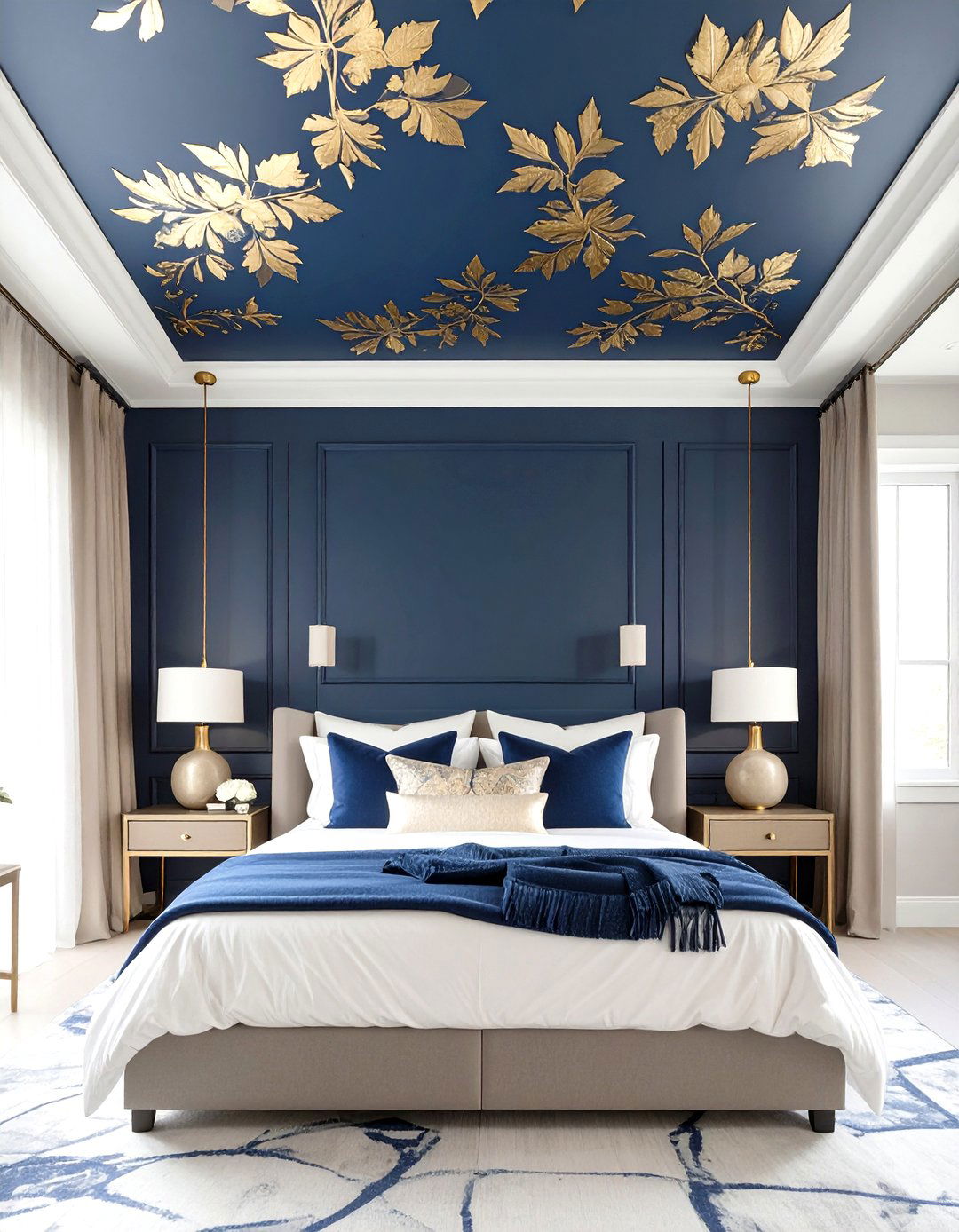
While walls and floors get most of the attention, the ceiling—often called the "fifth wall"—offers a fascinating and underutilized canvas for design. Creating a statement ceiling can dramatically transform a room from the top down. This can be achieved by painting it a bold color, applying patterned wallpaper, or adding architectural elements like wooden beams or pressed tin tiles. A well-designed ceiling draws the eye upward, making a room feel more expansive and adding an unexpected element of surprise and sophistication. It’s a bold move that demonstrates a comprehensive and creative approach to interior design.
29. The Flow of Open-Concept Living
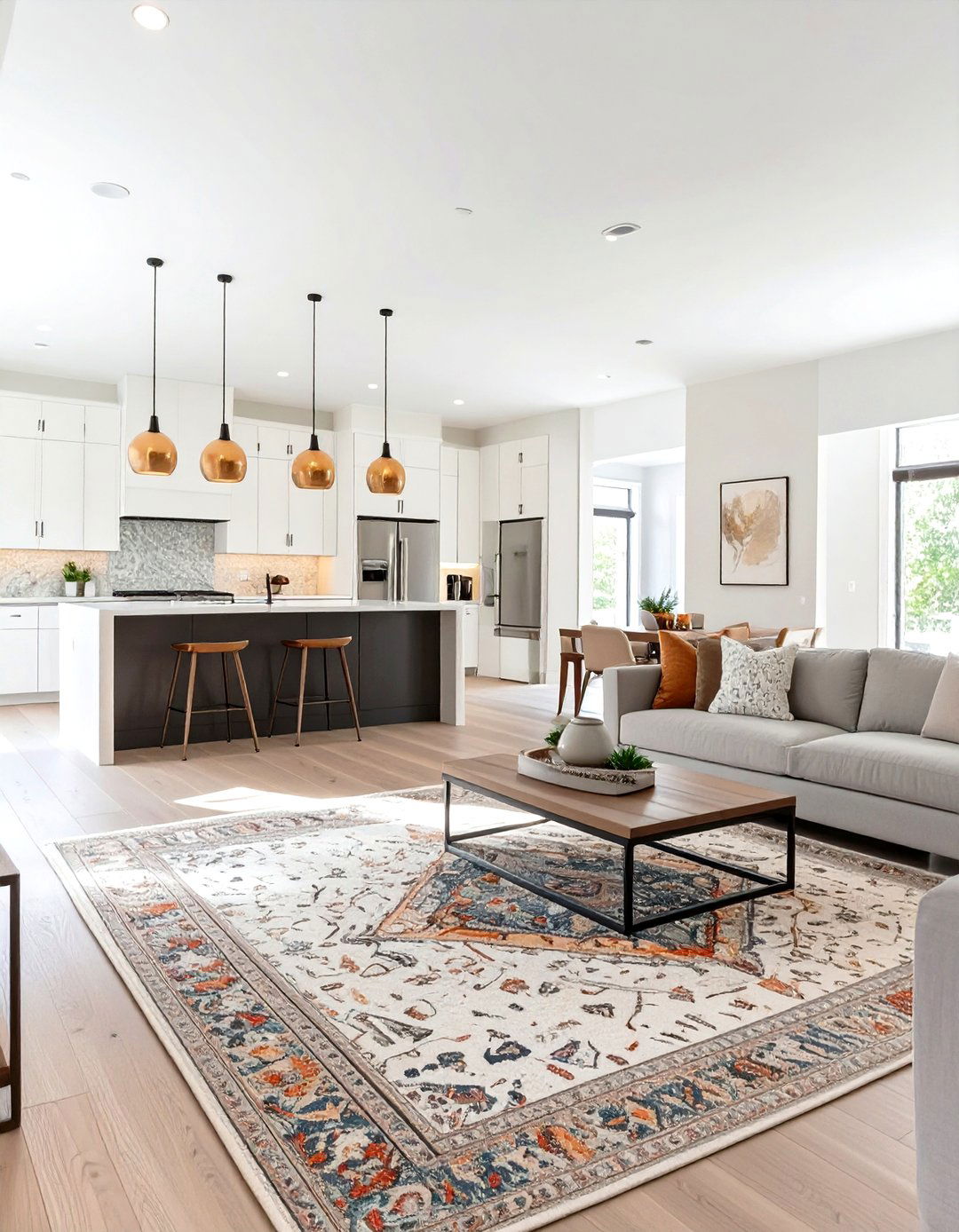
The design of open-concept spaces presents an interesting challenge: how to create a sense of cohesion while still defining distinct functional zones. Without walls to separate the kitchen, living, and dining areas, designers must use other cues to delineate each space. This can be achieved through the strategic placement of furniture, the use of large area rugs to anchor a seating group, or changes in lighting fixtures. The goal is to maintain an open, airy feel while ensuring that each zone feels purposeful and distinct. Mastering this balance is key to the success of these popular, modern layouts.
30. The Emotional Connection to Home
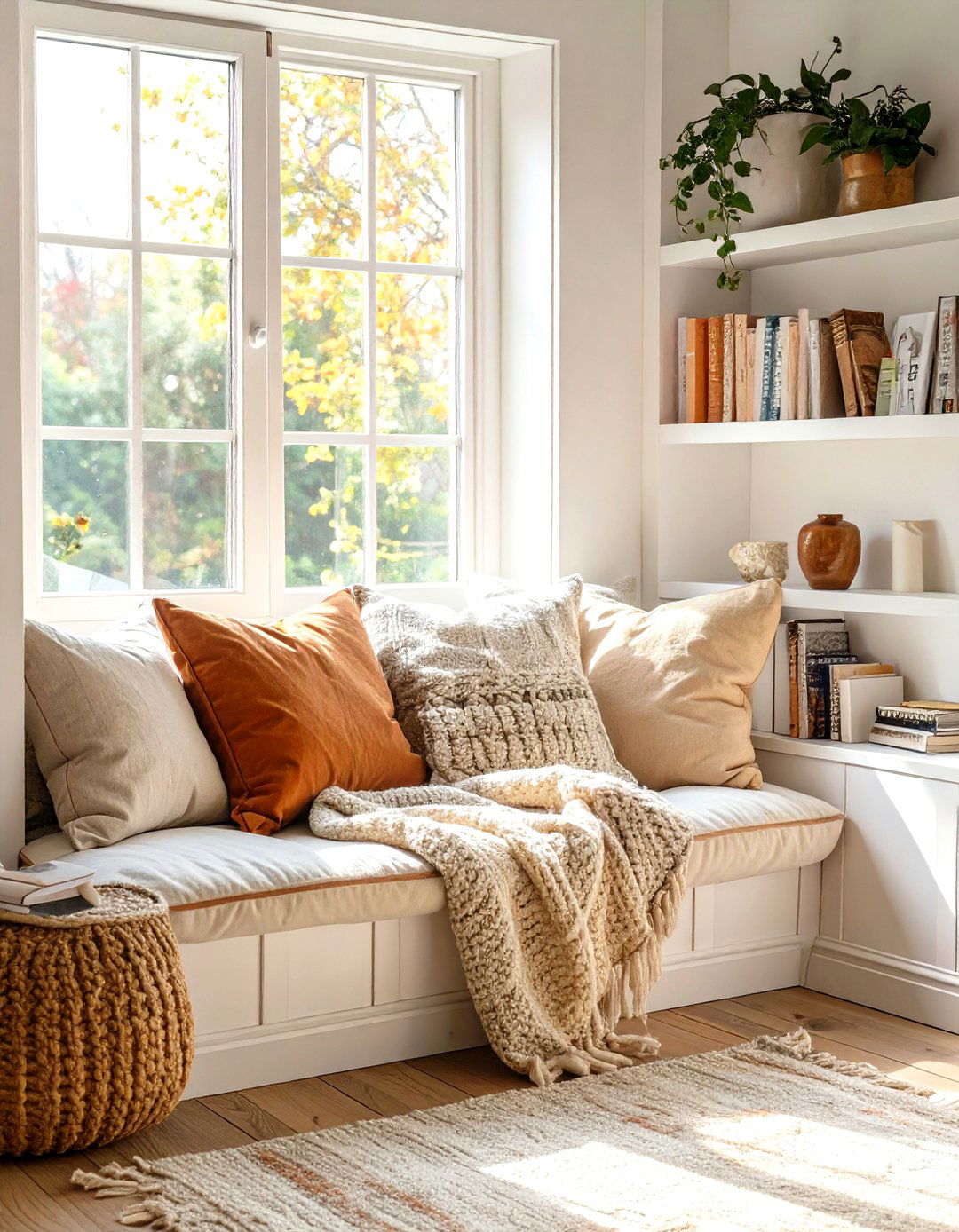
Ultimately, the most interesting thing about interior design is its ability to forge a deep emotional connection between people and their homes. A well-designed space is more than just a physical shelter; it's a sanctuary that supports our lives, comforts us, and reflects who we are. It’s the backdrop for our most cherished memories. The process of thoughtfully creating this environment—choosing colors that make us happy, furniture that brings us comfort, and objects that we love—is an act of self-care. This power to transform a house into a meaningful home is the true magic and enduring appeal of interior design.
Conclusion:
Interior design is a deeply fascinating discipline that merges creativity with psychology, and artistry with functionality. From the strategic use of color and light to the thoughtful arrangement of space, every choice contributes to an environment that can enhance well-being and express personal identity. The principles of sustainability, technology integration, and biophilia further enrich the field, making it a constantly evolving practice. By transforming a simple structure into a personalized sanctuary, interior design proves its profound ability to shape not just our spaces, but also our daily experiences and emotional connection to home.

Related posts:


Leave a Reply