
The world of interior design is constantly evolving, offering fresh ways to express personality and enhance our living spaces. This year is all about creating homes that are not just beautiful but also deeply personal, functional, and connected to the natural world. From the revival of nostalgic styles to the integration of smart technology and sustainable materials, the latest trends focus on comfort, well-being, and authenticity. These ideas move beyond fleeting aesthetics, encouraging us to craft environments that truly support our lifestyles, blending timeless principles with innovative concepts for a home that feels both current and enduring.
1. 1\\. Biophilic Design with Living Walls
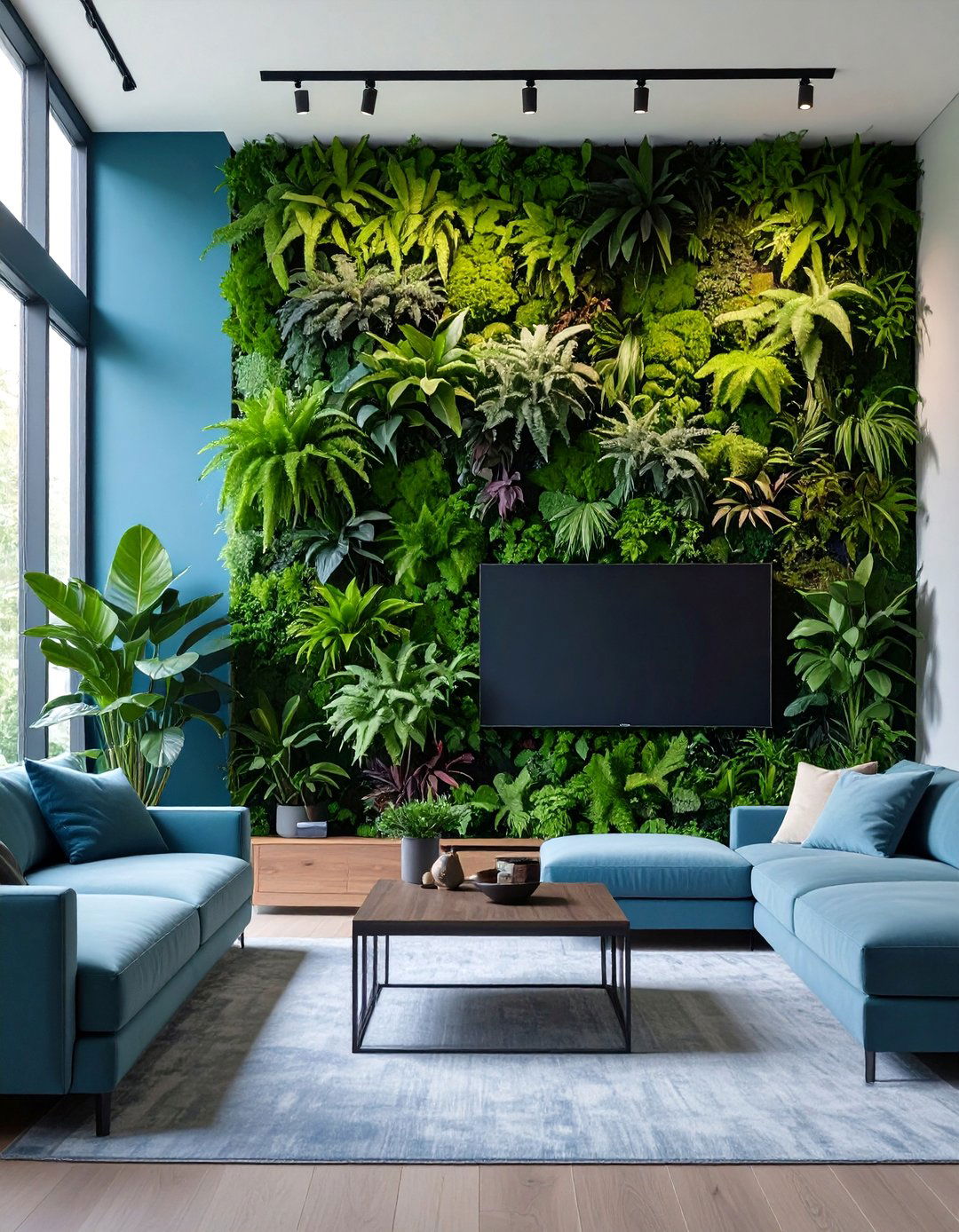
A living wall, or vertical garden, is a powerful expression of biophilic design, directly integrating nature into your home's architecture. This trend goes beyond placing a few pots, creating a lush, vibrant feature that purifies the air and boosts well-being. These walls can be installed in various sizes, from a small panel in the kitchen for fresh herbs to a grand installation in a double-height living room. The visual impact is stunning, transforming a plain wall into a dynamic, living piece of art. This approach fosters a constant connection to nature, reducing stress and enhancing the sensory experience of your indoor environment.
2. 2\\. Curved and Arched Doorways
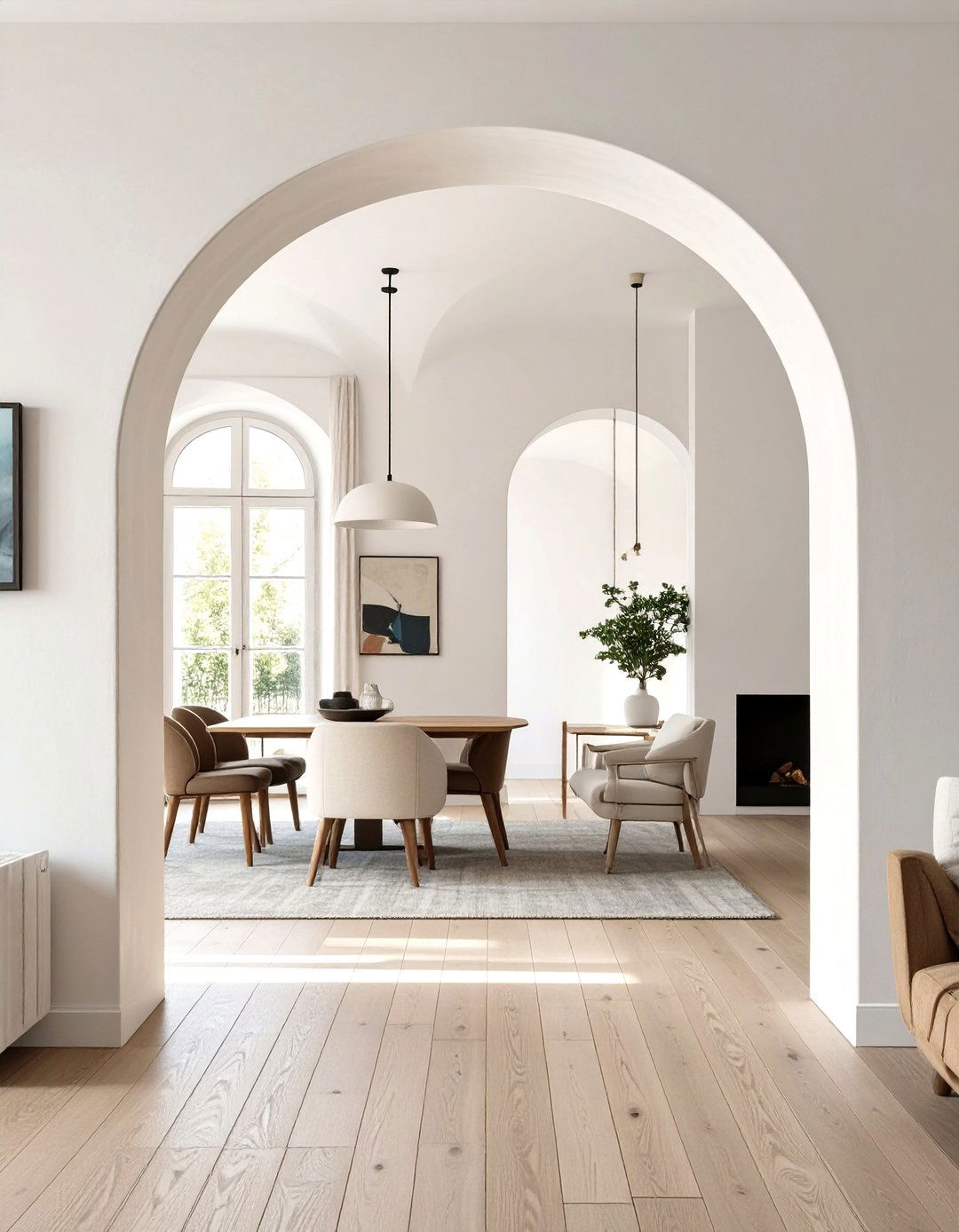
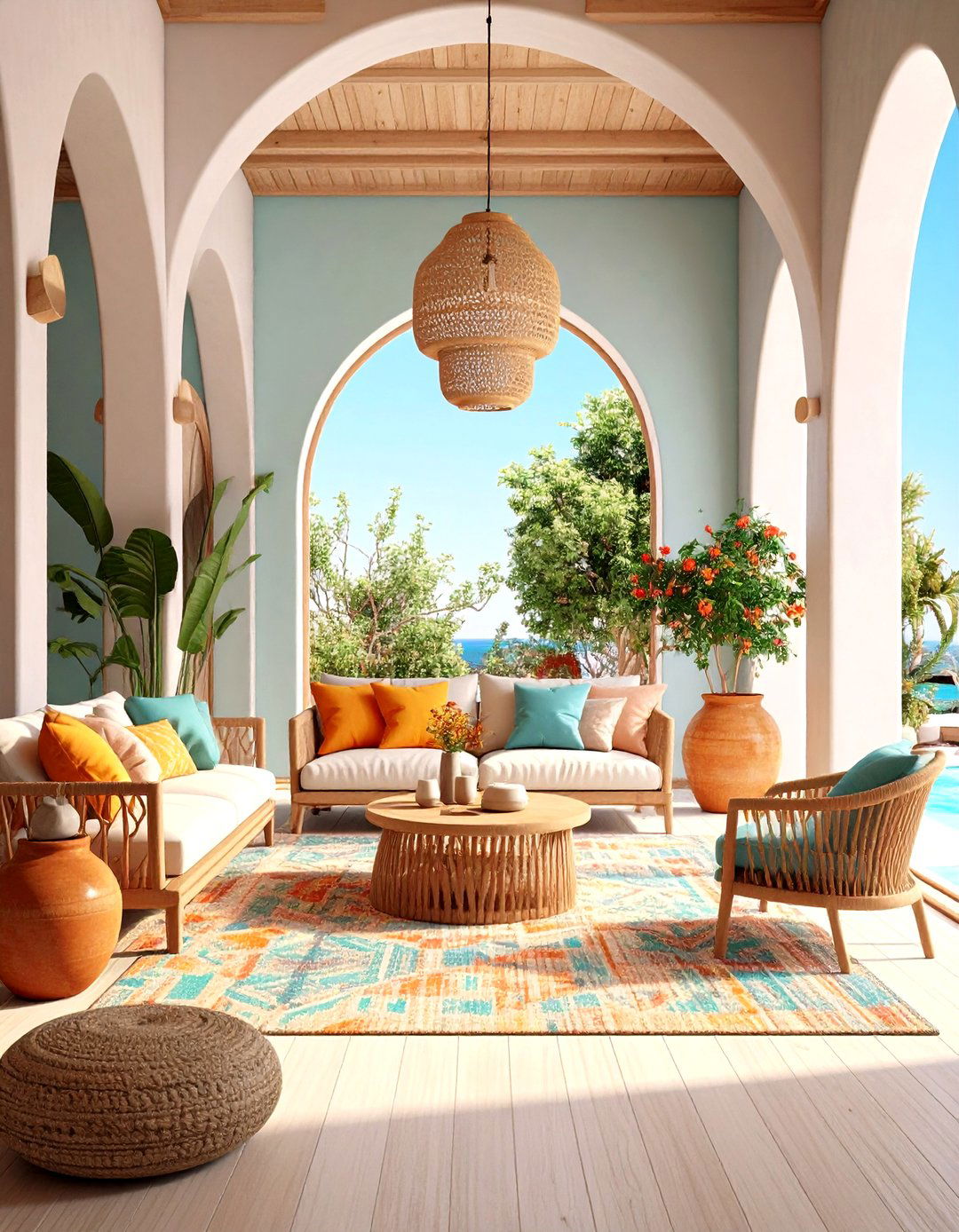
Arched and curved doorways are making a significant comeback, softening the hard lines and sharp angles of modern interiors. This architectural detail adds a touch of classical elegance and a sense of gentle flow between rooms. Unlike standard rectangular openings, an arch introduces an element of surprise and architectural interest, making the transition from one space to another feel more deliberate and graceful. Whether it’s a wide, sweeping arch into the dining room or a series of smaller arched openings along a hallway, this trend creates a welcoming, organic atmosphere that feels both sophisticated and calming, breaking the monotony of conventional design.
3. 3\\. Sustainable Cork Flooring and Walls
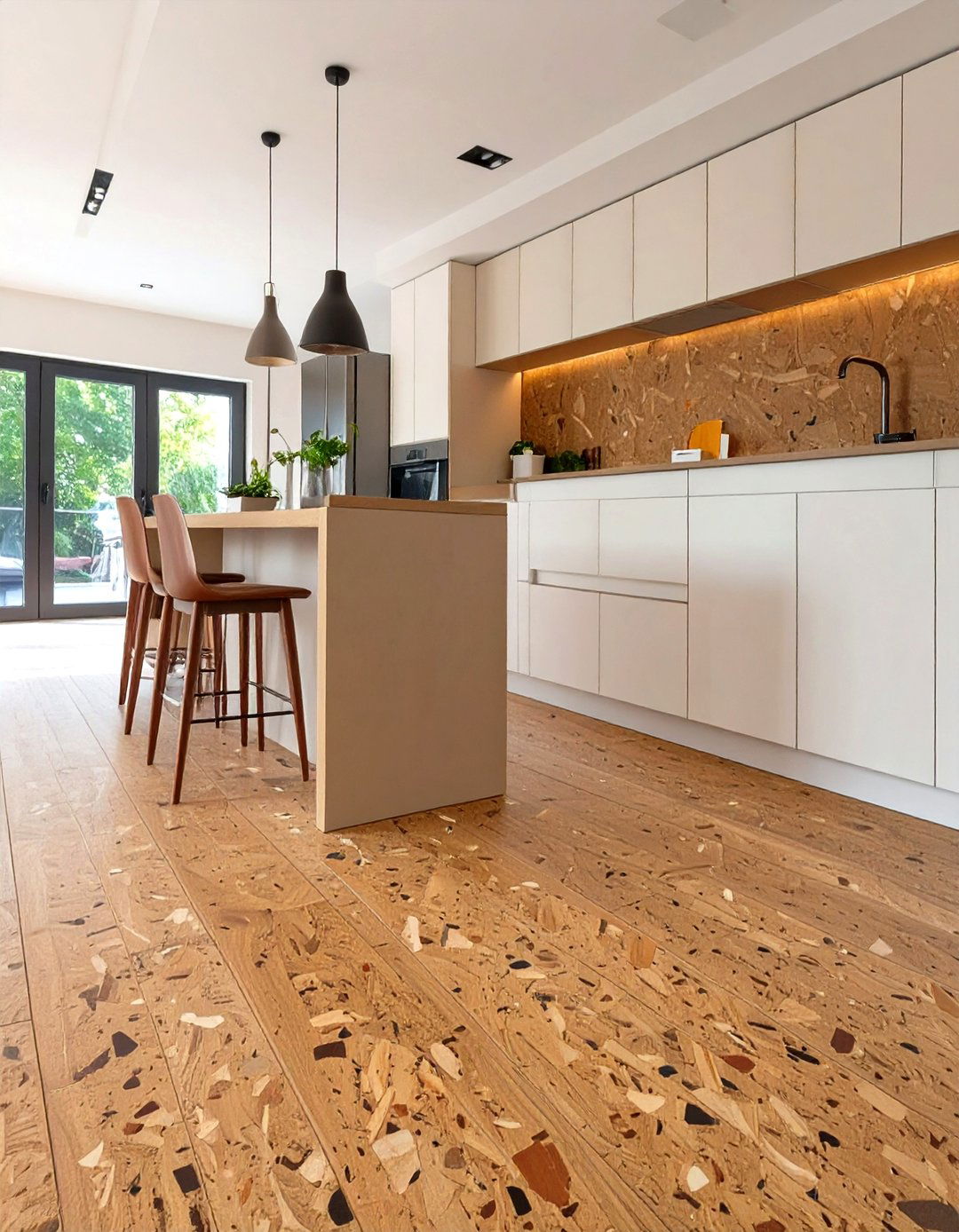
Cork has emerged as a hero material for its remarkable sustainability and versatility. Harvested from the bark of cork oak trees without harming them, it is a completely renewable resource. As a design trend, cork is being used for more than just bulletin boards; it’s now a popular choice for flooring and accent walls. Its warm, natural texture adds an earthy, organic feel to any room. Cork is also naturally insulating, reducing noise and helping maintain a comfortable temperature. Its cushioned surface is comfortable underfoot, making it an excellent choice for bedrooms, playrooms, and living areas where comfort is key.
4. 4\\. The Rise of Dopamine Decor
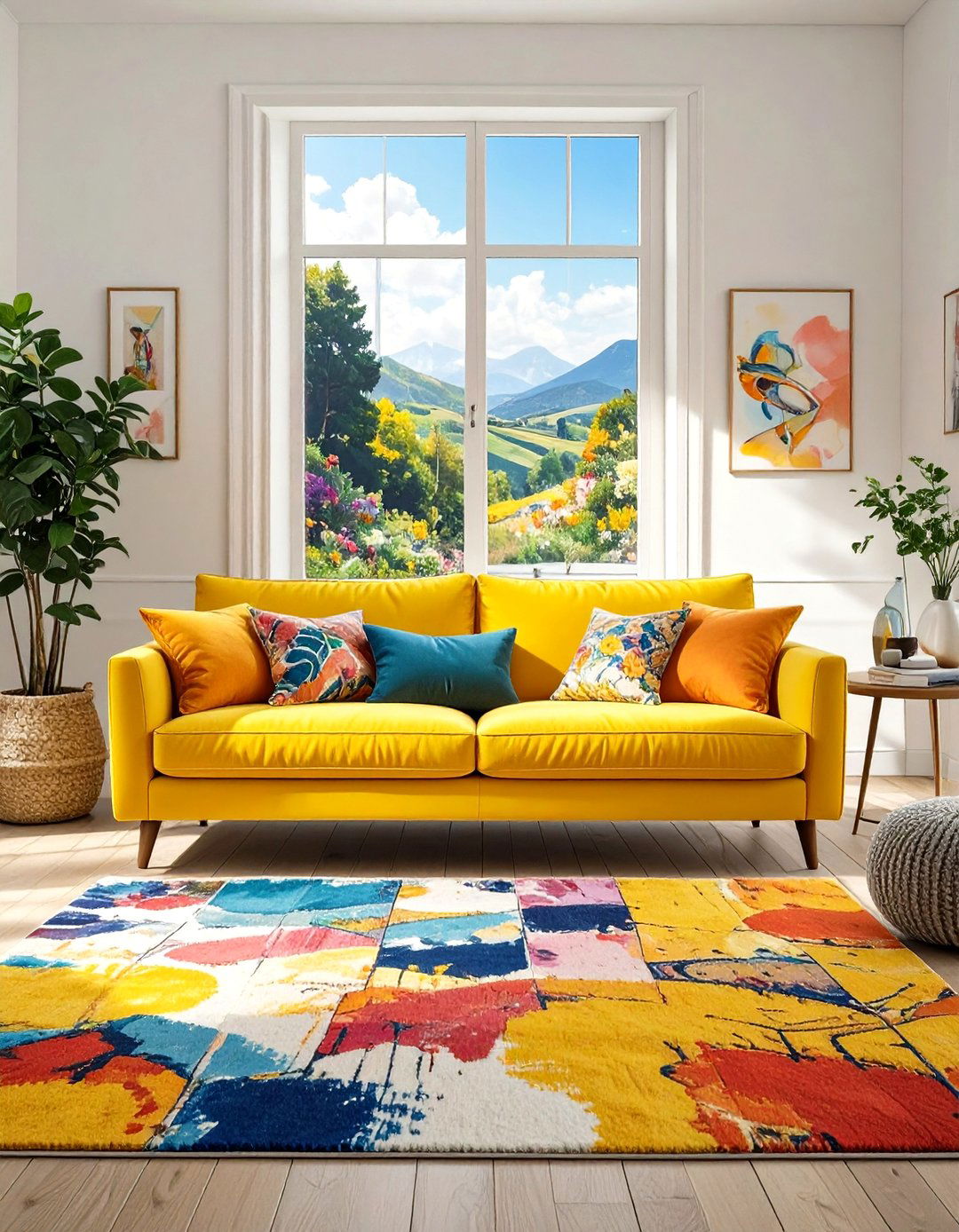
Dopamine decor is all about using color, pattern, and texture to create spaces that actively boost your mood. This trend encourages you to ditch neutral palettes in favor of bold, joyful hues that make you happy. Think vibrant accent walls, brightly colored furniture, and playful, patterned textiles. The key is to choose elements that spark personal joy, whether it’s a sunshine-yellow sofa, a mural of your favorite landscape, or a collection of quirky, colorful ceramics. It’s a highly personalized approach to design that prioritizes emotional response over conforming to traditional rules, resulting in a home that feels energetic and uniquely you.
5. 5\\. Textured Plaster and Limewash Walls
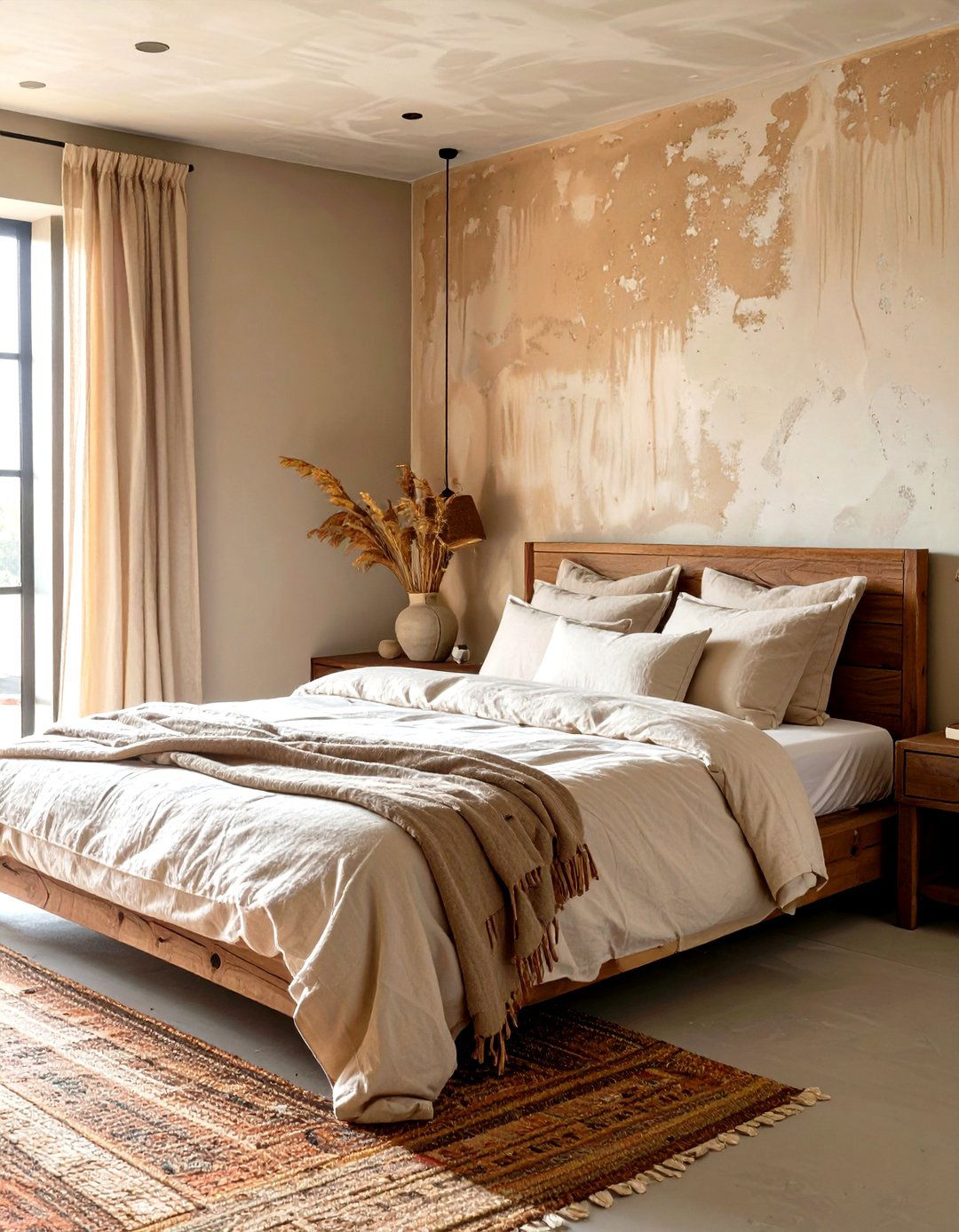
Forget flat, uniform paint. Textured wall finishes like Venetian plaster, limewash, and tadelakt are gaining immense popularity for the depth and character they bring to a space. These traditional techniques create a soft, matte surface with subtle variations in tone and texture, giving walls a luminous, handcrafted quality. Limewash, in particular, offers a chalky, suede-like finish that beautifully catches the light, adding warmth and a sense of history. This trend connects modern interiors with artisanal craftsmanship, providing a rich, tactile backdrop that feels more organic and soulful than a simple coat of paint, enhancing the overall sensory experience.
6. 6\\. Closed-Concept Kitchens
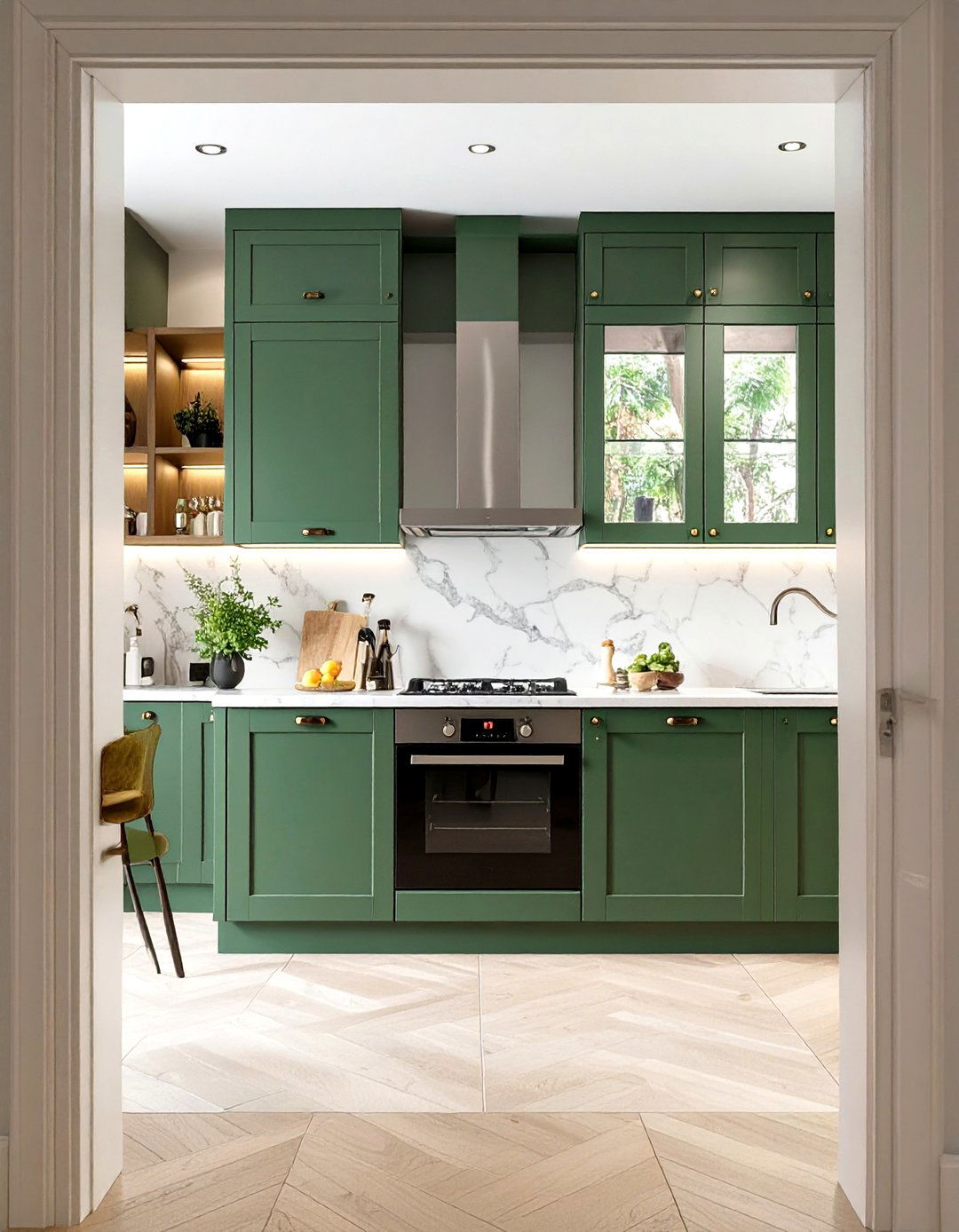
While open-plan living has dominated for years, there's a growing appreciation for the closed-concept kitchen. This trend brings back the idea of the kitchen as a distinct, separate room. The primary benefit is practicality: cooking smells, noise, and clutter are contained, leaving the living and dining areas more serene and tidy. A closed kitchen allows for more dedicated wall space, providing ample room for cabinetry, appliances, and creative tilework. It creates a focused, functional workspace for a serious home cook and fosters a cozy, intimate atmosphere that can be a welcome retreat from the main living areas of the home.
7. 7\\. Integrated Smart Home Technology
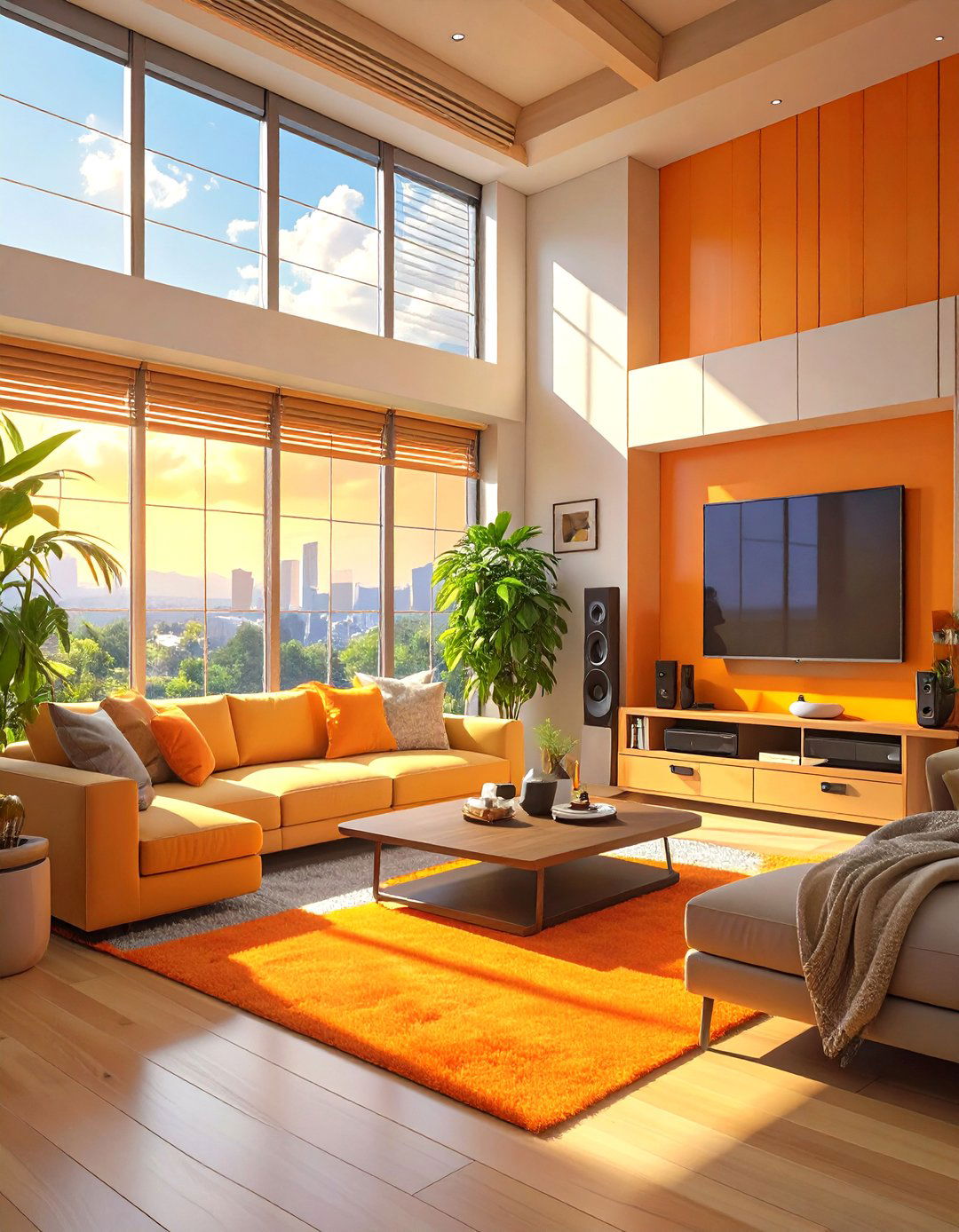
Smart home technology is becoming less about visible gadgets and more about seamless integration into the design itself. This trend focuses on features that are hidden, intuitive, and enhance daily life without cluttering the aesthetic. Think automated lighting systems that adjust based on the time of day, motorized blinds that sync with sunrise and sunset, and voice-activated controls discreetly built into walls or furniture. The goal is to create a responsive, intelligent environment that anticipates your needs. This sophisticated approach ensures that technology serves the home's comfort and functionality without compromising its style, making life easier in an elegant, unobtrusive way.
8. 8\\. Vintage and Antique Furniture Revival
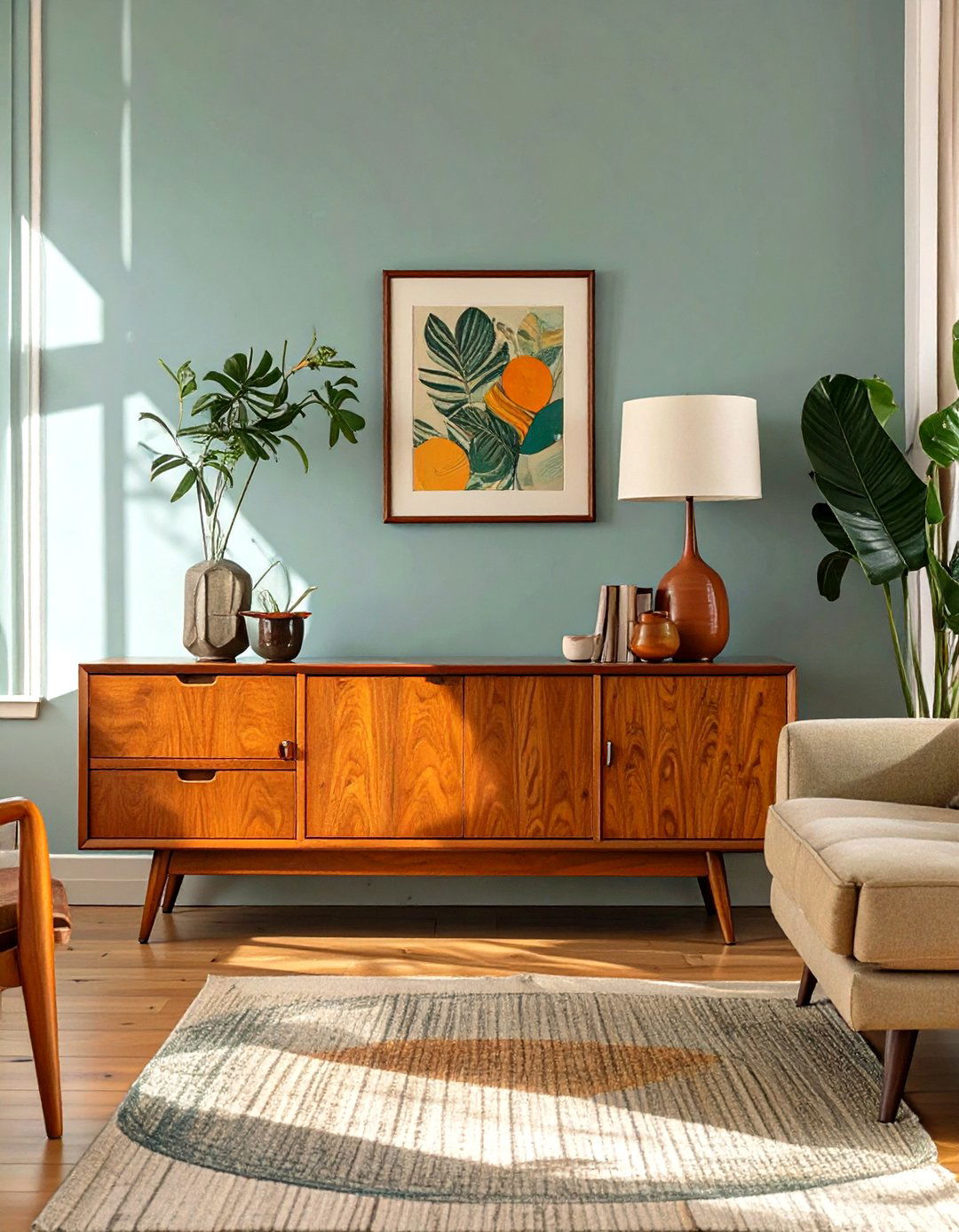
Moving away from mass-produced items, there is a strong trend towards incorporating vintage and antique furniture into modern interiors. This approach adds a unique story and a sense of history to a room that new pieces simply cannot replicate. A vintage sideboard, an antique armchair, or a retro coffee table can serve as a stunning focal point, bringing character, craftsmanship, and individuality. Mixing old with new creates a layered, curated look that feels personal and timeless. This trend is also a sustainable choice, giving well-made, beautiful objects a second life and reducing the demand for new manufacturing.
9. 9\\. Statement Stone Kitchen Islands
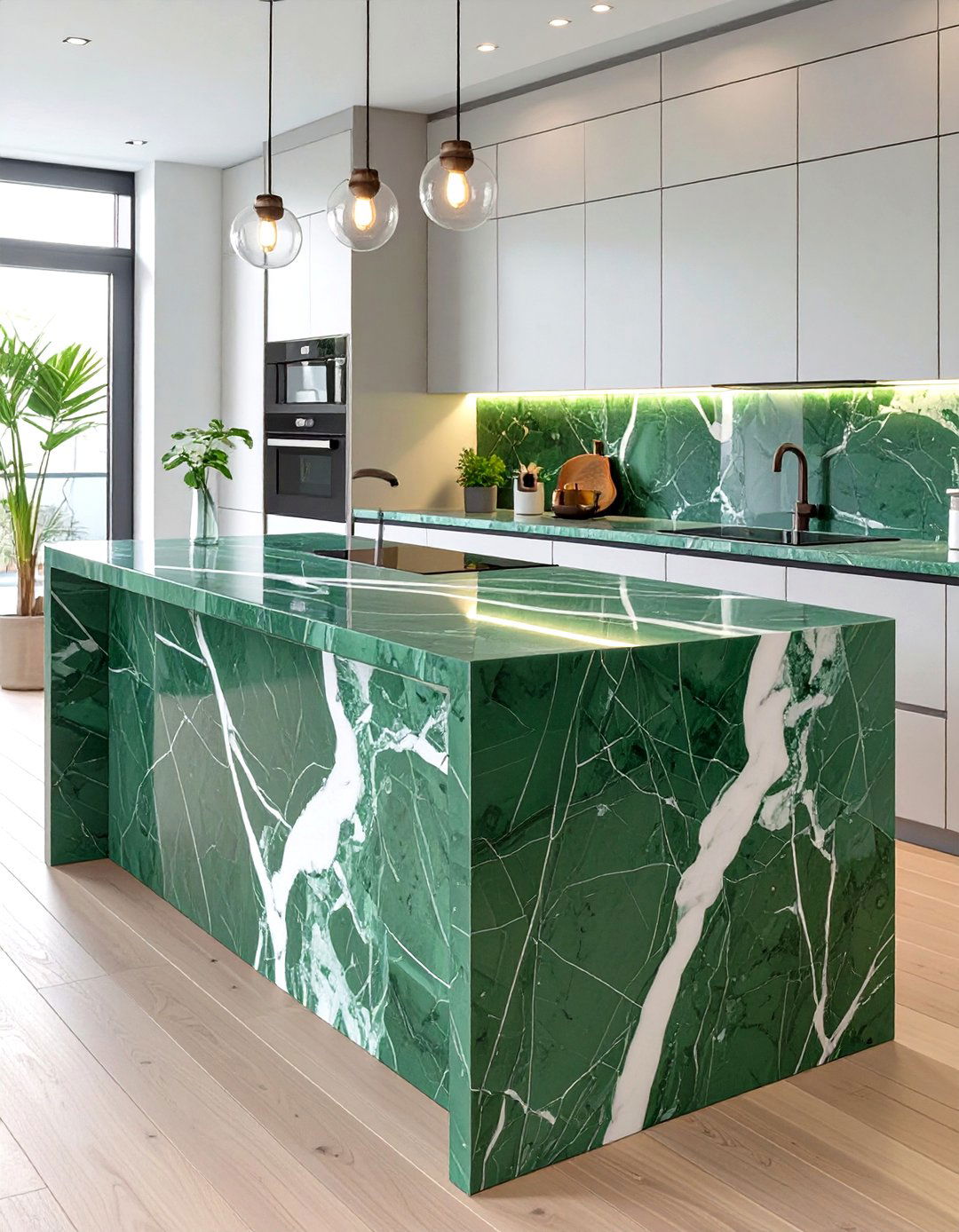
The kitchen island is being reimagined as a sculptural centerpiece, crafted from bold, statement-making natural stone. Marbles and quartzites with dramatic, heavy veining in unconventional colors like deep greens, rich burgundies, or moody blues are taking center stage. This trend treats the island as a functional piece of art. Waterfall edges, where the stone slab continues down the sides of the island to the floor, enhance the monolithic, luxurious feel. It’s a powerful design choice that anchors the kitchen, providing a durable and breathtakingly beautiful surface that elevates the entire space from purely functional to exceptionally stylish.

10. 10\\. Checkerboard Patterns on Floors and Walls
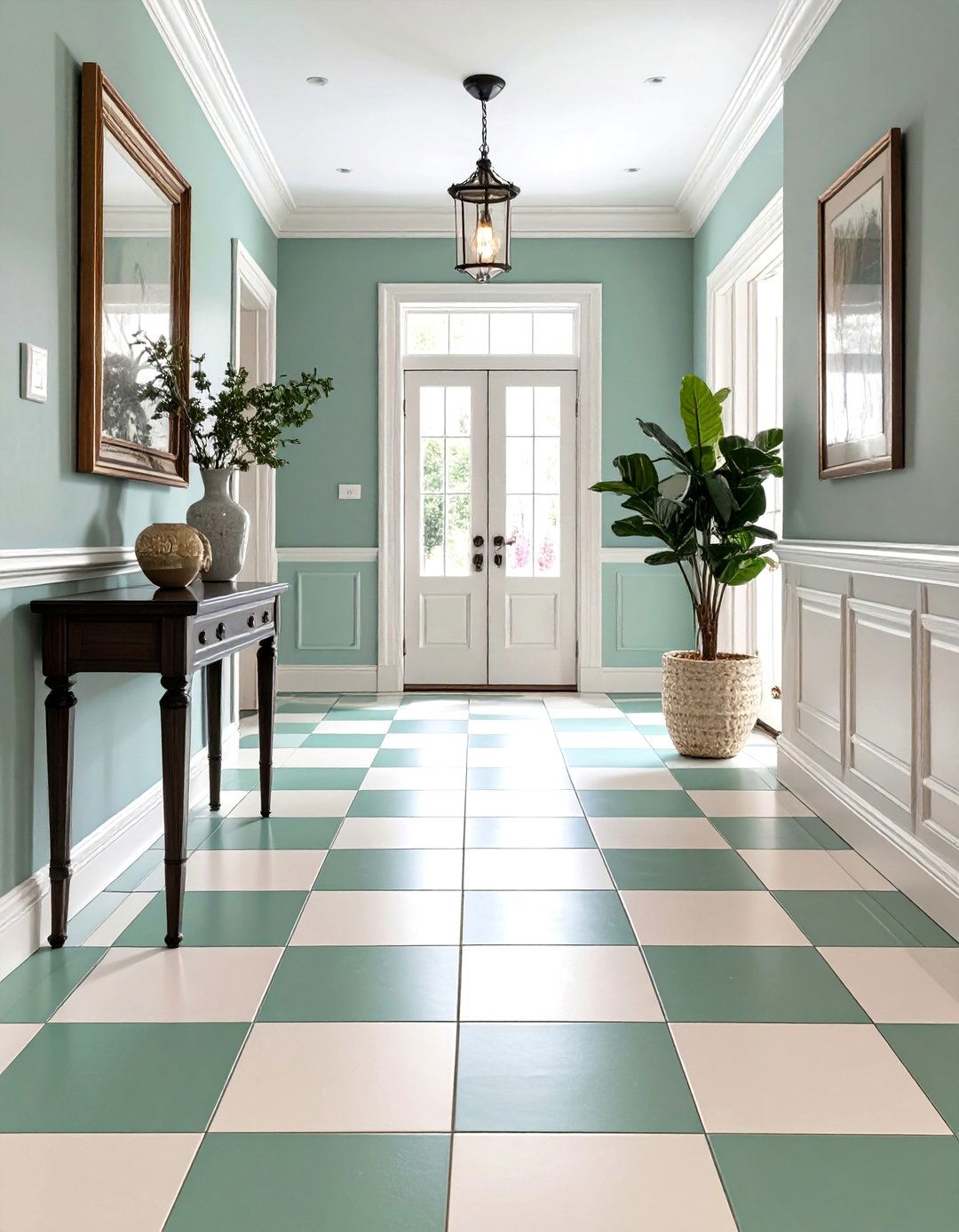
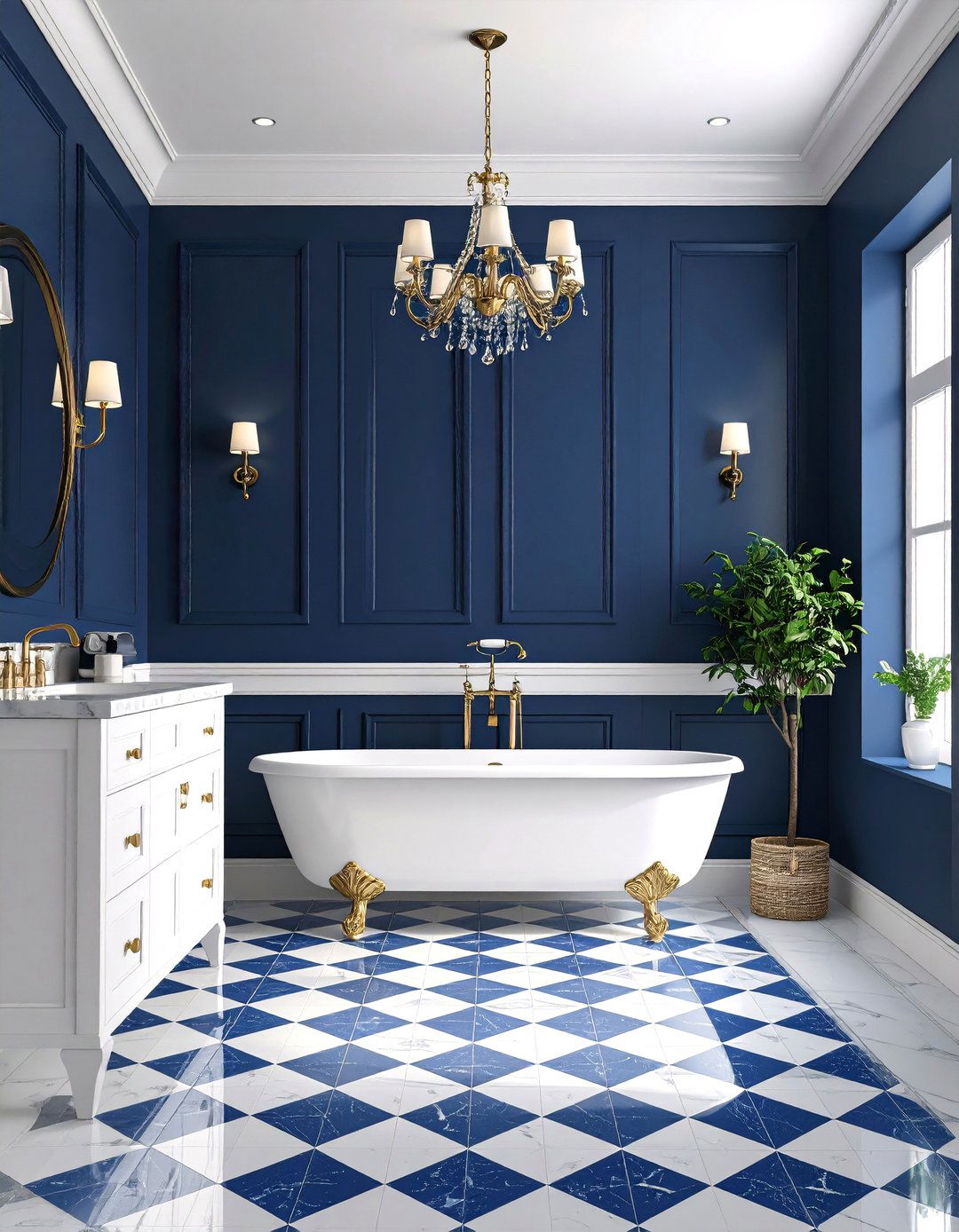
The classic checkerboard pattern is back in a big way, but with a modern twist. While traditional black and white remains a timeless choice, this trend is also embracing softer, lower-contrast pairings like sage and cream or terracotta and beige. It’s being used on a larger scale for floors in kitchens and entryways, as well as for tiled backsplashes and even accent walls. The simple, geometric nature of the pattern adds a graphic punch and a touch of nostalgic charm without overwhelming the space. This versatile trend can be adapted to suit various styles, from retro and playful to sophisticated and classic.
11. 11\\. Fluted Glass for Privacy and Texture
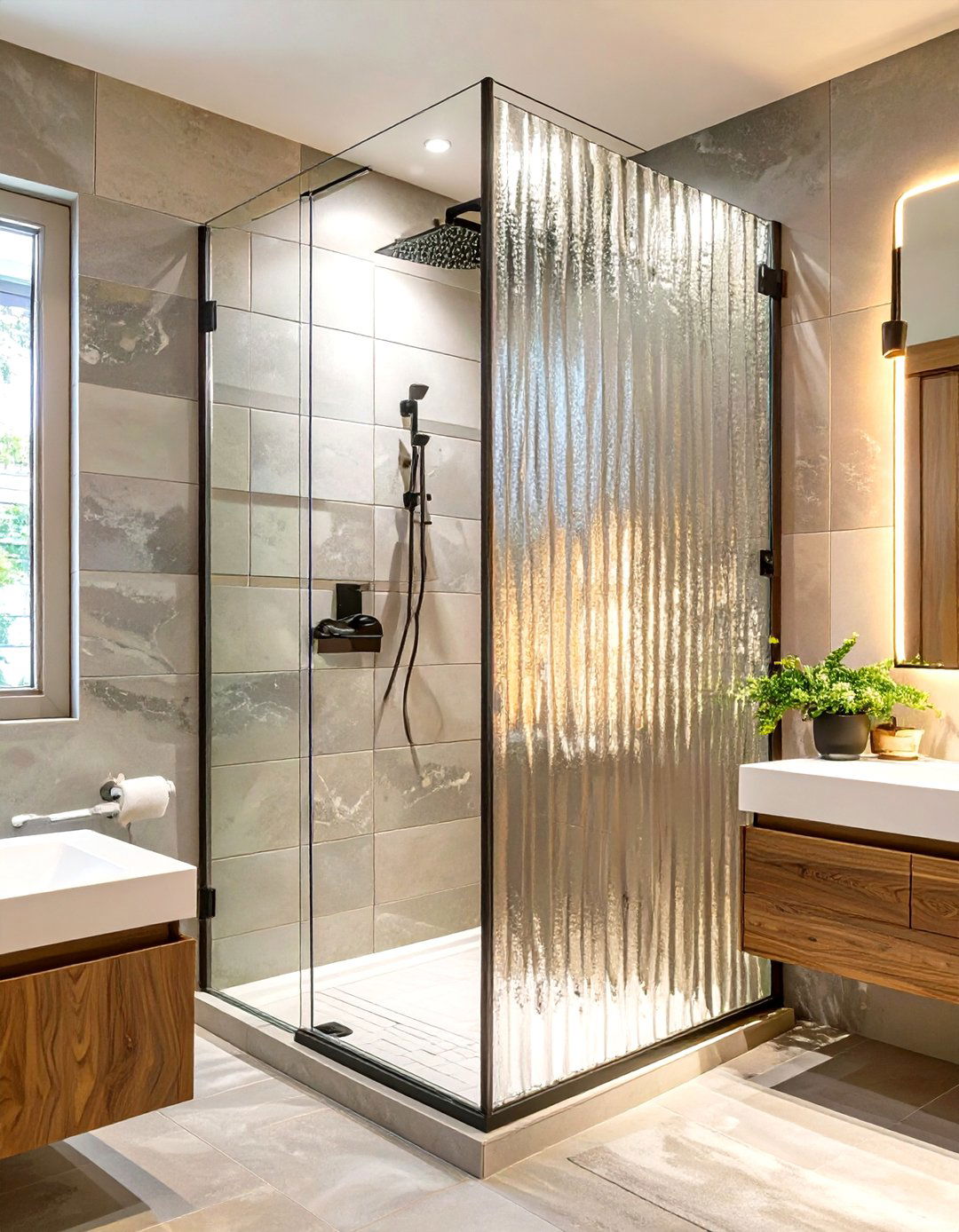
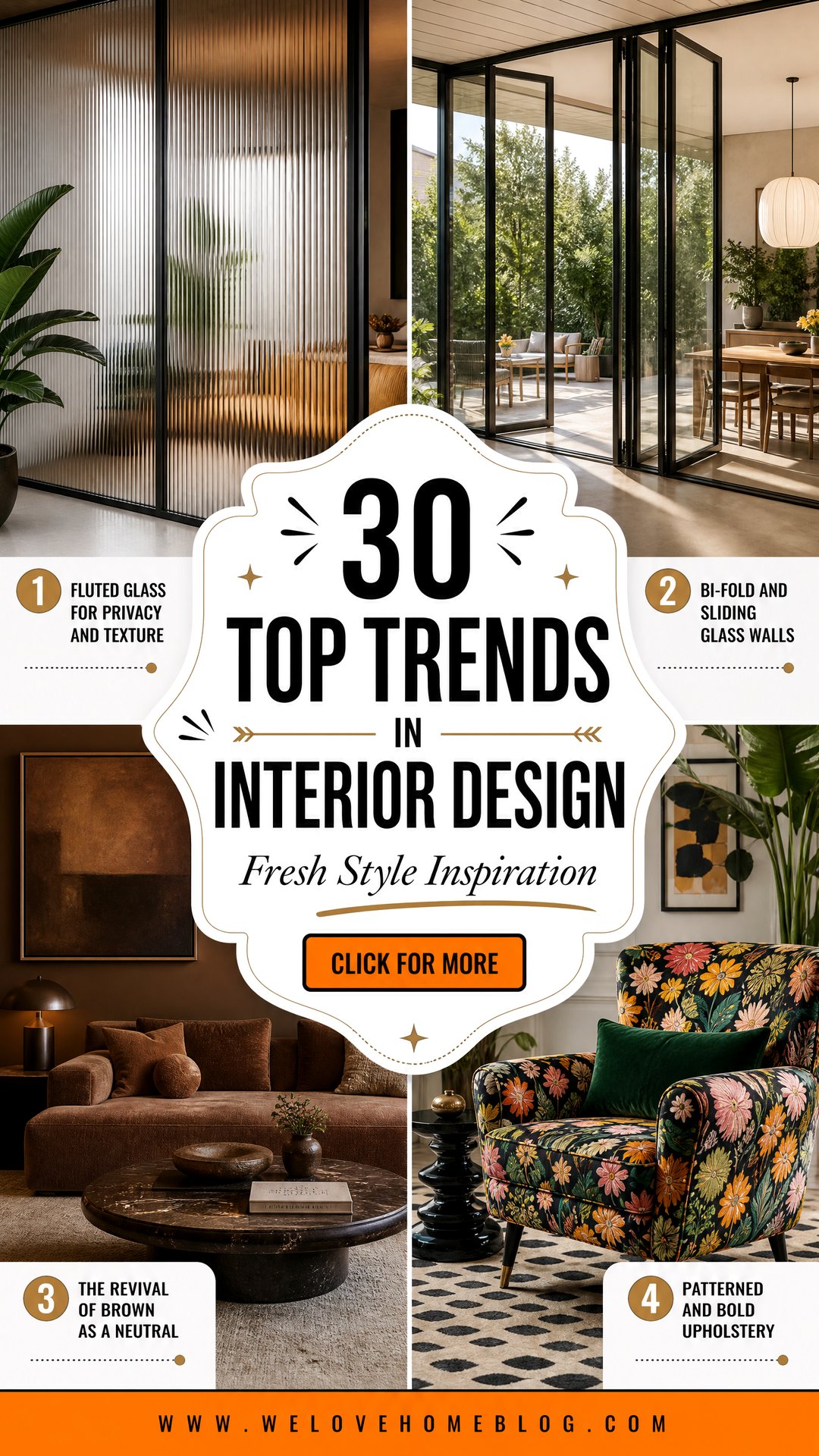
Fluted or reeded glass is a stylish solution for adding texture and obscuring views while still allowing light to pass through. This vertically patterned glass is being used in everything from shower screens and cabinet doors to interior partitions and windows. Its ribbed texture beautifully diffuses light, creating a soft, gentle glow and adding a layer of visual interest. It offers a degree of privacy without making a space feel closed off, making it ideal for separating a home office or an ensuite bathroom. This elegant detail brings a touch of Art Deco-inspired sophistication and tactile appeal to modern interiors.
12. 12\\. Warm, Earthy Color Palettes
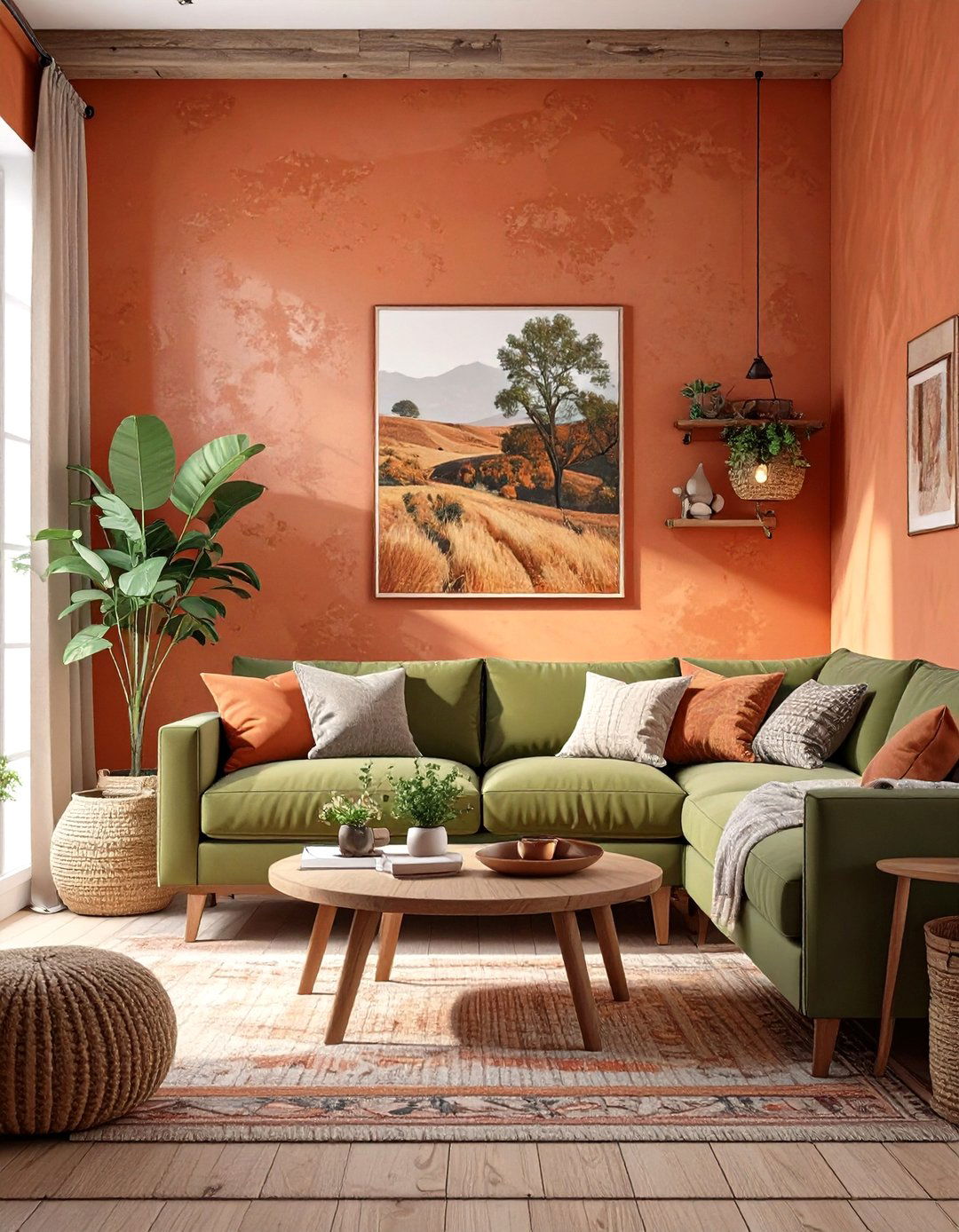
Cool grays are giving way to warmer, more inviting color palettes inspired by nature. Hues like terracotta, rust, caramel, olive green, and warm beige are creating cozy, enveloping interiors. These earthy tones evoke a sense of grounding and comfort, making a home feel like a sanctuary. This trend pairs beautifully with natural materials like wood, rattan, and linen, enhancing the organic feel. Whether used on walls, upholstery, or accent pieces, these colors bring a rich, soulful energy to a space. They are versatile enough to work in both modern and traditional settings, providing a timeless and soothing backdrop for daily life.
13. 1\\\u003cstrong\\\u003e3. Conversation Pits and Sunken Lounges\\\u003c/strong\\\u003e
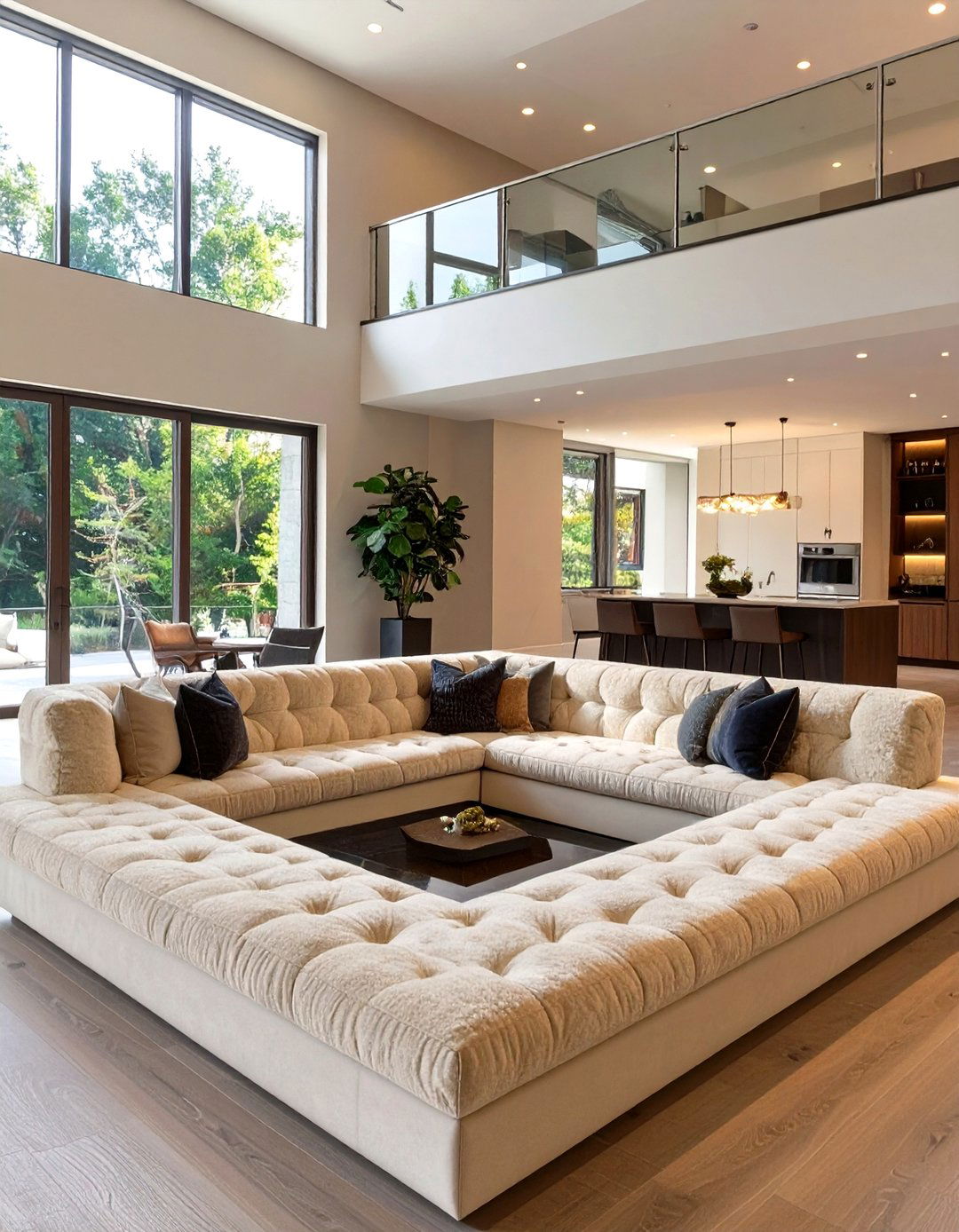
A nostalgic nod to the 1970s, conversation pits and sunken lounge areas are being reintroduced into modern homes. This architectural feature creates a dedicated, intimate zone for socializing by lowering a section of the floor and surrounding it with built-in seating. It fosters a cozy, communal atmosphere, encouraging face-to-face interaction away from screens and distractions. Sunken lounges break up large, open-plan spaces, defining a specific area for relaxation without the need for walls. This design choice adds a unique, retro-cool dynamic to a living room, making it a comfortable and engaging hub for family and guests.
14. 14\\. Handcrafted and Artisanal Decor
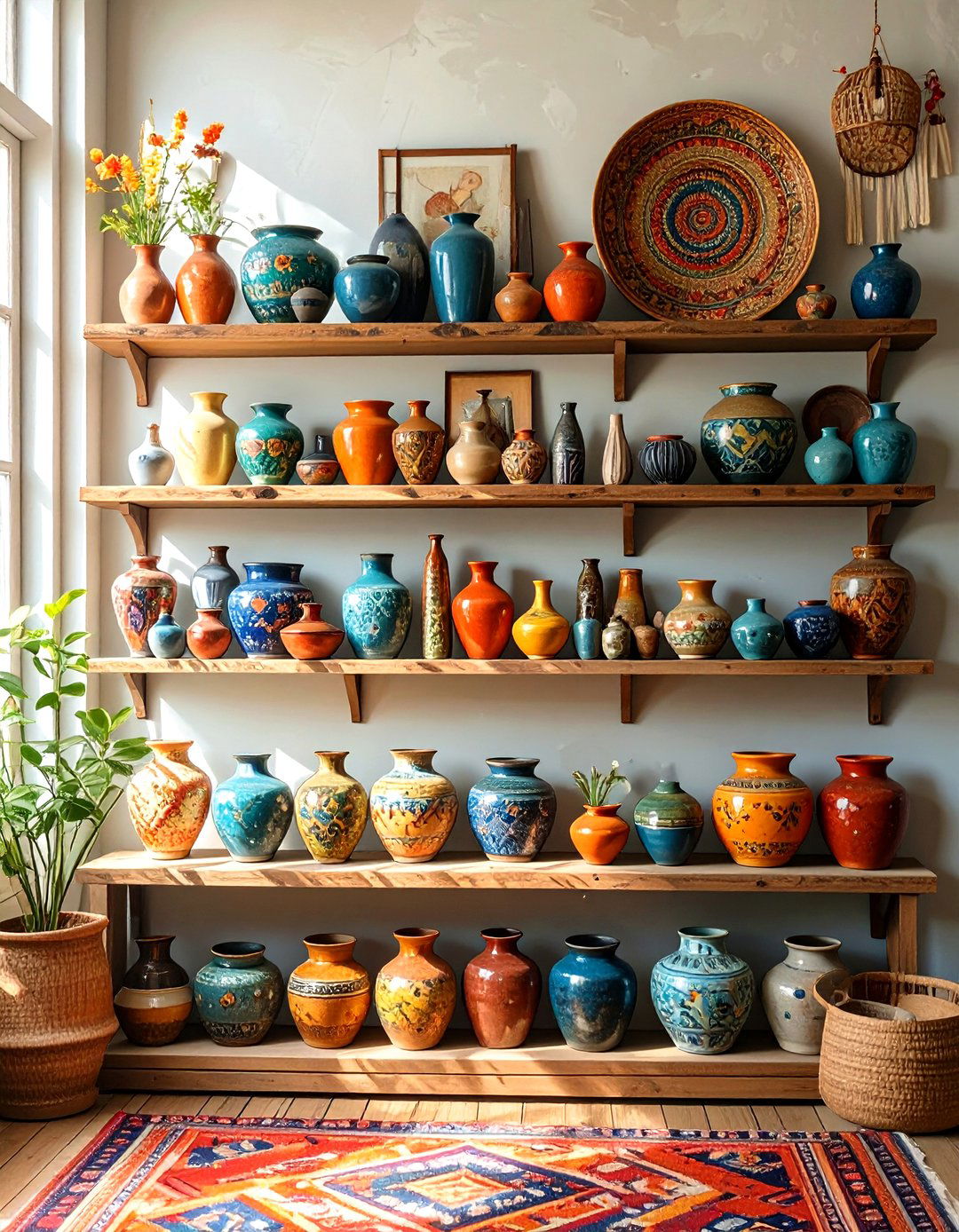
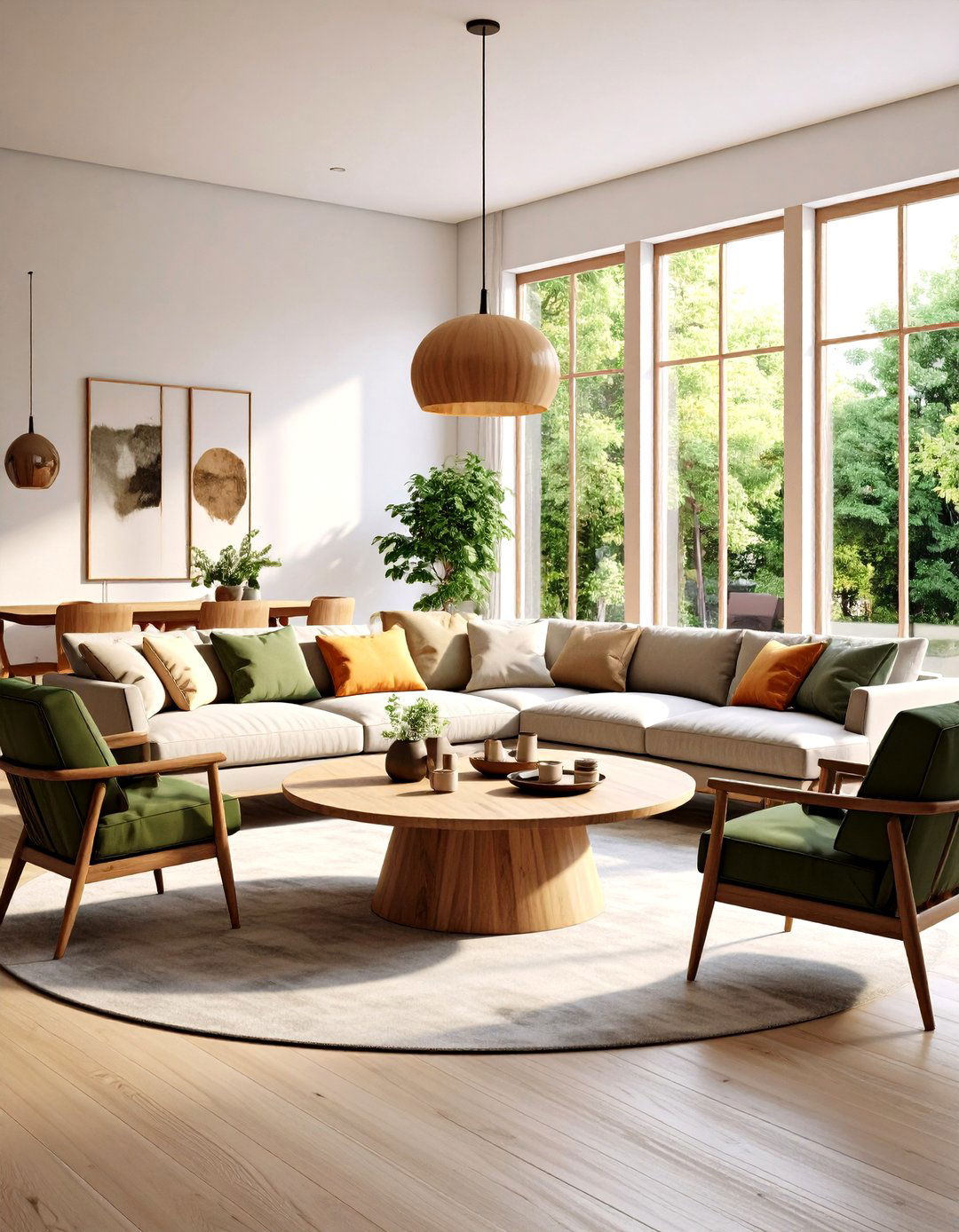
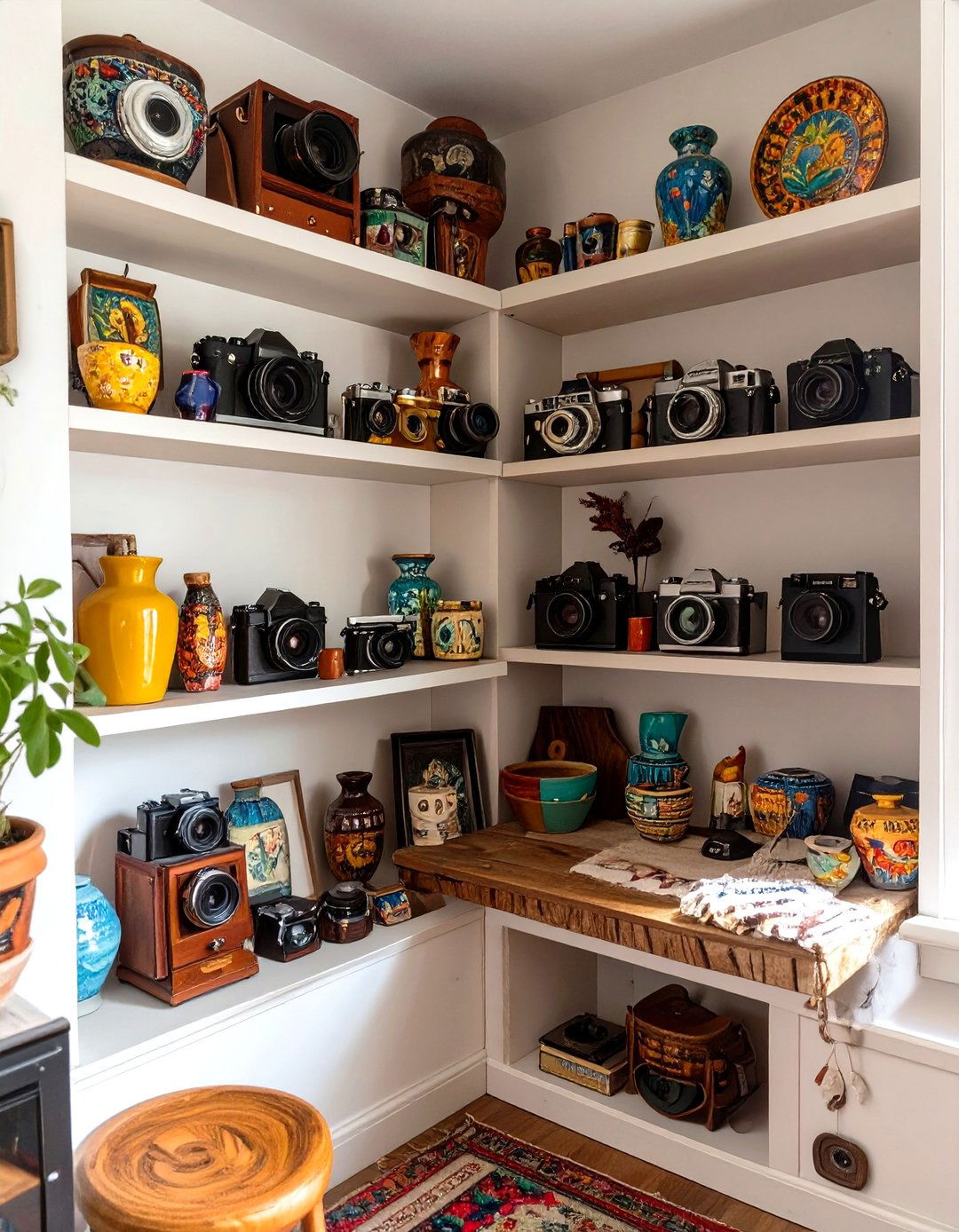
There is a growing desire for objects with a human touch, leading to a rise in handcrafted and artisanal decor. This trend celebrates the beauty of imperfection and the skill of the maker. Items like hand-thrown pottery, hand-woven textiles, and custom-made wooden furniture bring a sense of authenticity and soul to an interior. These pieces tell a story and connect the homeowner to a tradition of craftsmanship. By choosing artisanal decor, you are not just decorating your home but also supporting small businesses and preserving traditional skills. It’s about curating a collection of meaningful objects rather than filling a space with generic goods.


15. 15\\. The Home Office as a Design Focus
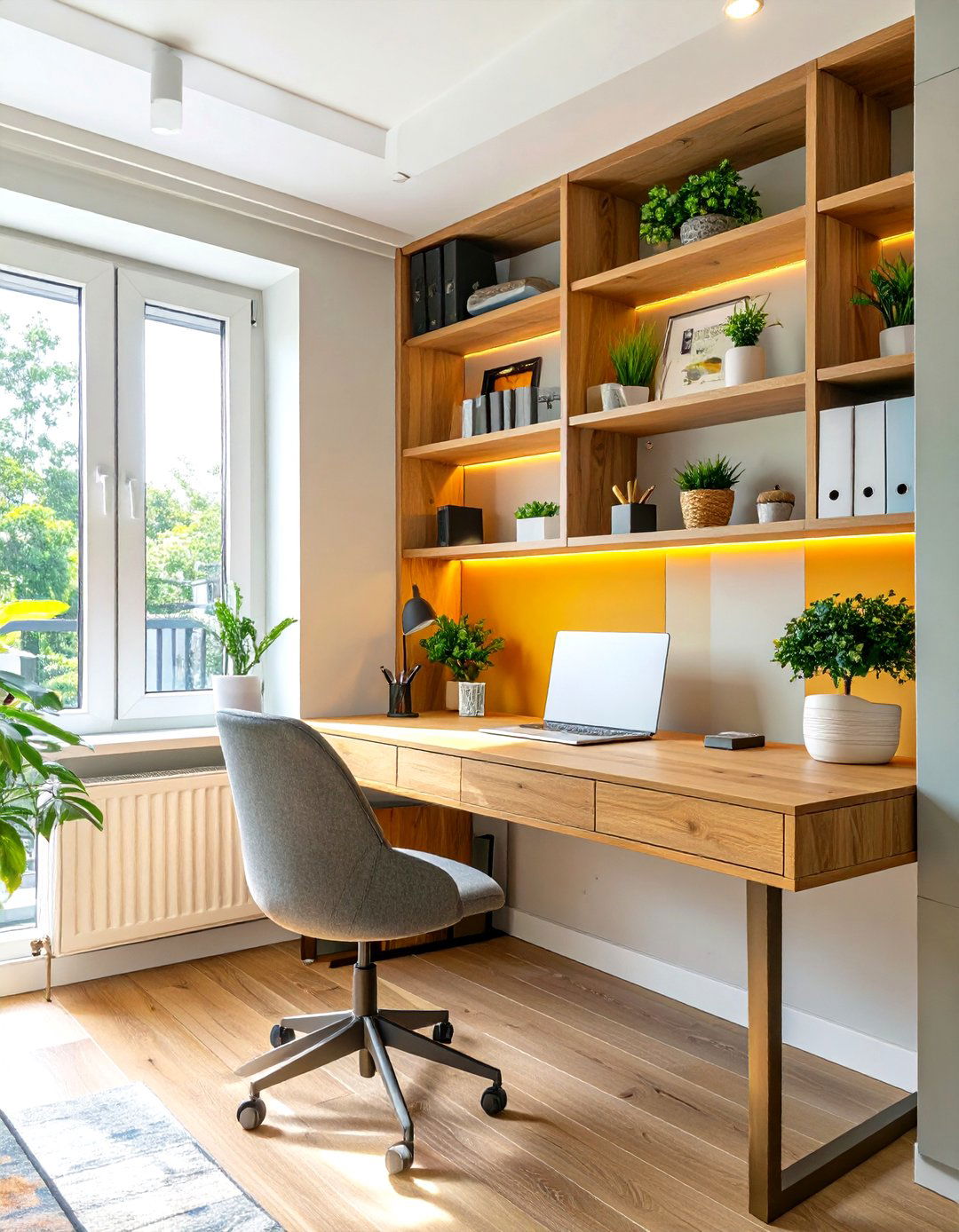
With remote work becoming a permanent fixture for many, the home office is no longer an afterthought. This trend sees the workspace being treated as a fully integrated and beautifully designed part of the home. Ergonomics are key, but so is aesthetics. Stylish desks, supportive yet attractive chairs, and smart storage solutions are prioritized. The goal is to create a space that is not only functional but also inspiring and harmonious with the rest of the home's decor. This might involve using bold colors, integrating plants, or choosing furniture that doubles as beautiful accent pieces when not in use.
16. 16\\. Sculptural and Curved Furniture
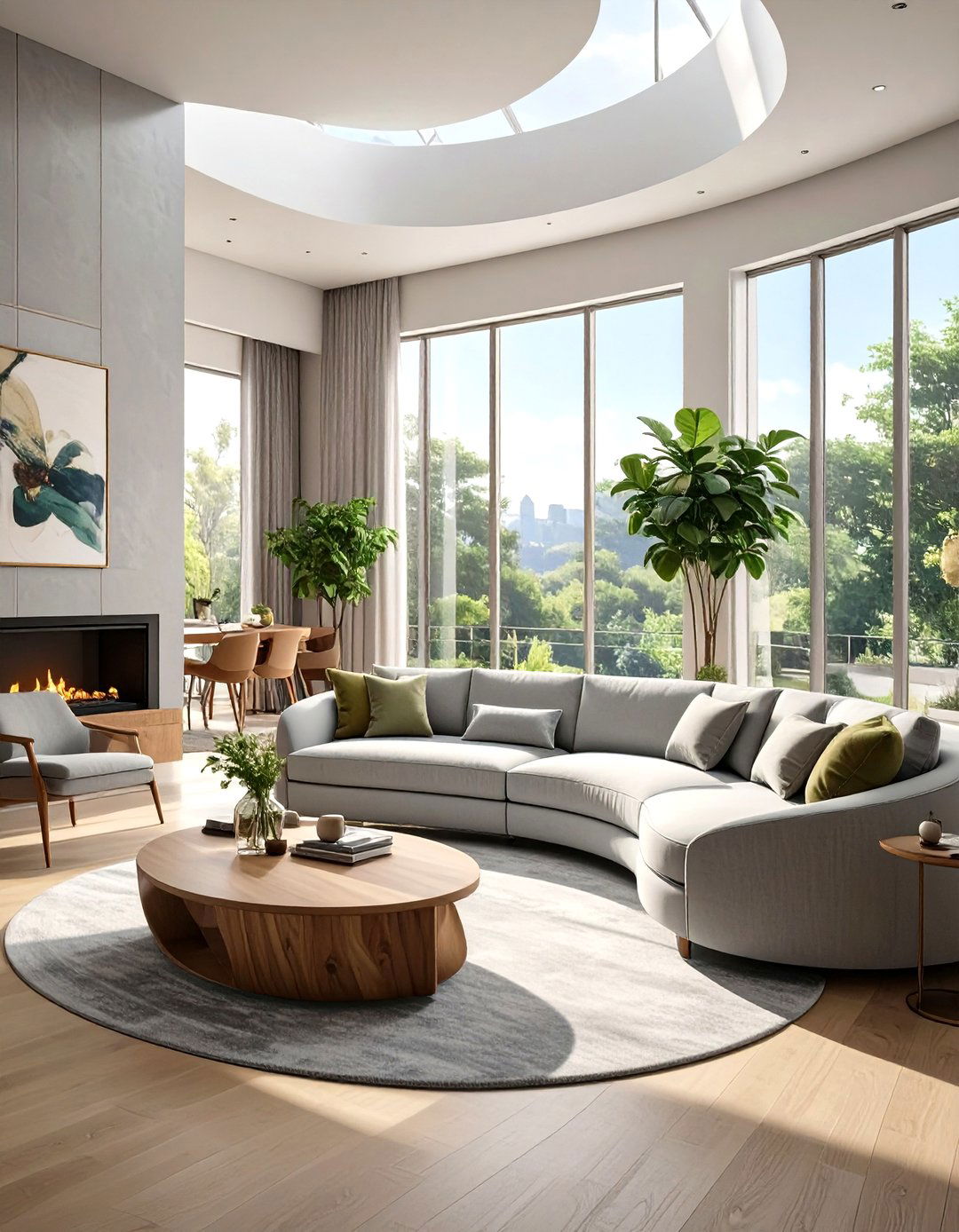
Furniture is taking on a more organic, sculptural form, with soft curves replacing hard edges and straight lines. Sofas with rounded backs, circular coffee tables, and chairs with fluid, sinuous shapes are becoming central features in living spaces. This trend adds a sense of comfort and softness, creating a welcoming and relaxed atmosphere. Curved furniture helps to break up the boxiness of a room, encouraging better flow and a more dynamic layout. These pieces act as functional sculptures, adding artistic flair and visual interest while providing comfortable, enveloping seating that invites you to relax and unwind.
17. 17\\. Layered and Performance Fabrics
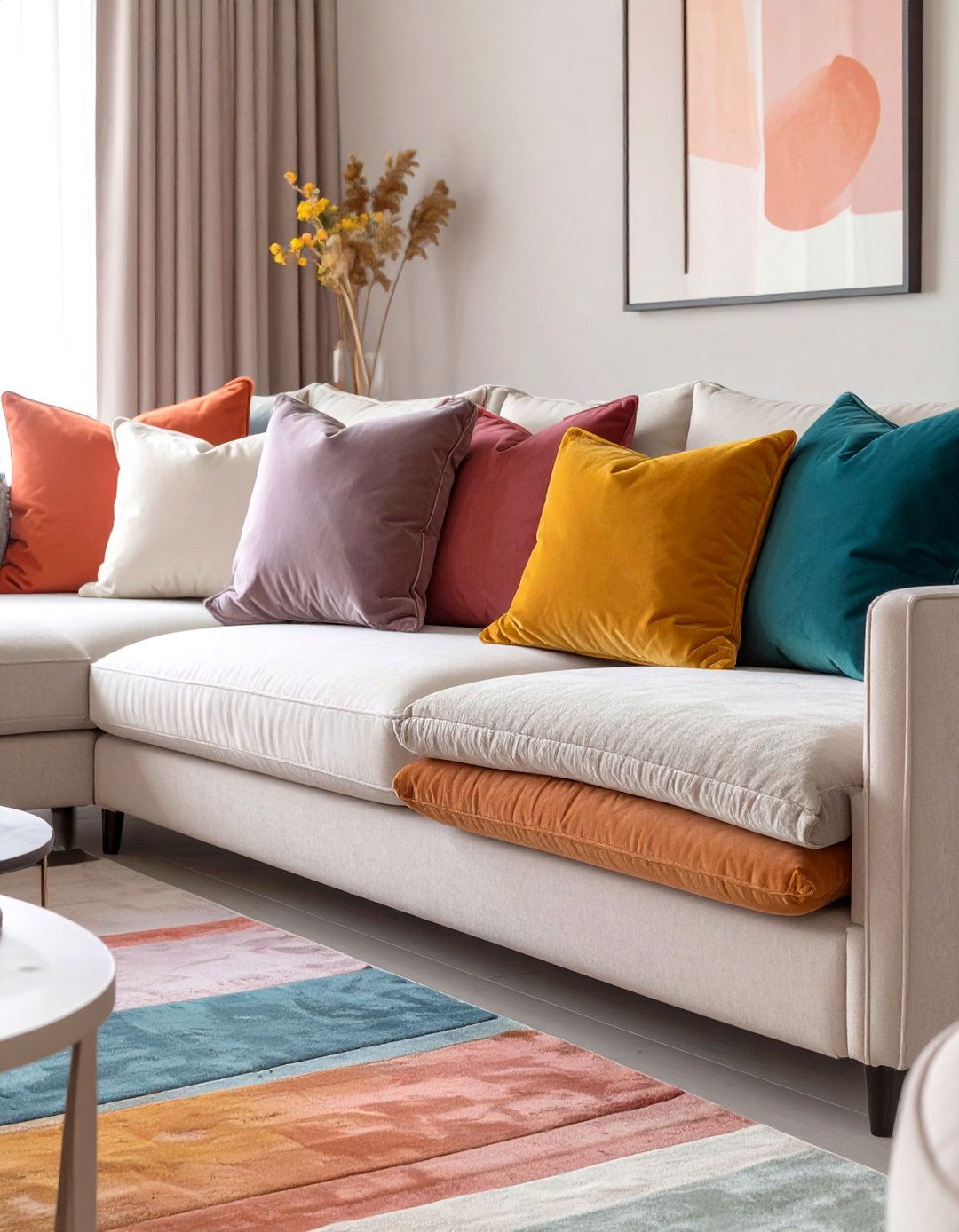
Interior design is embracing fabrics that are both beautiful and highly durable. The trend of layering different textiles—such as wool, linen, velvet, and bouclé—continues, but with a focus on performance. Performance fabrics, which are resistant to stains, spills, and fading, are no longer stiff and synthetic-feeling. Today’s options are soft, luxurious, and available in a wide range of colors and textures. This allows for a practical yet sophisticated approach, especially in homes with children or pets. You can achieve a rich, layered, and comfortable look without constantly worrying about wear and tear, blending elegance with everyday life.
18. 18\\. Decorative and Ambient Lighting
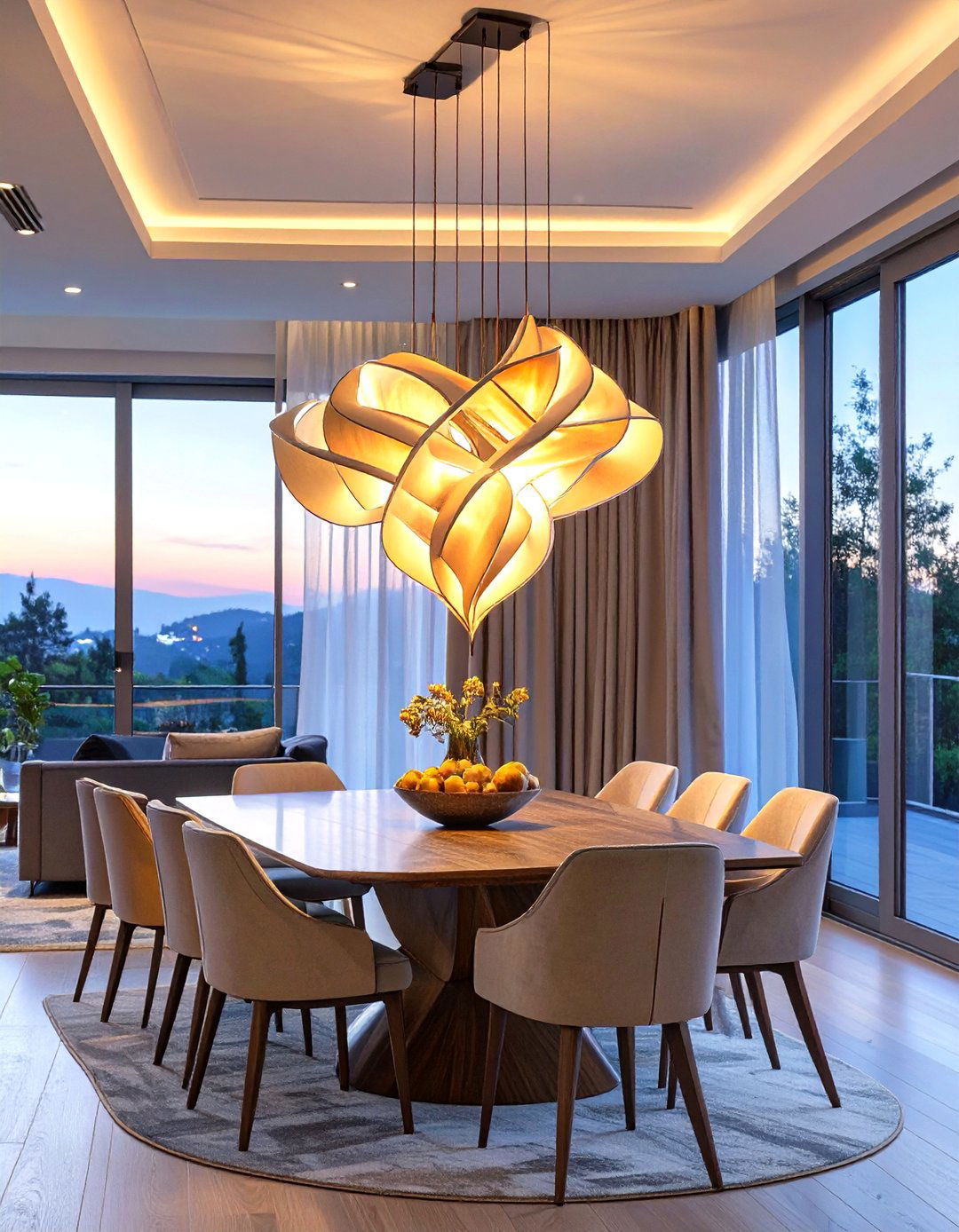
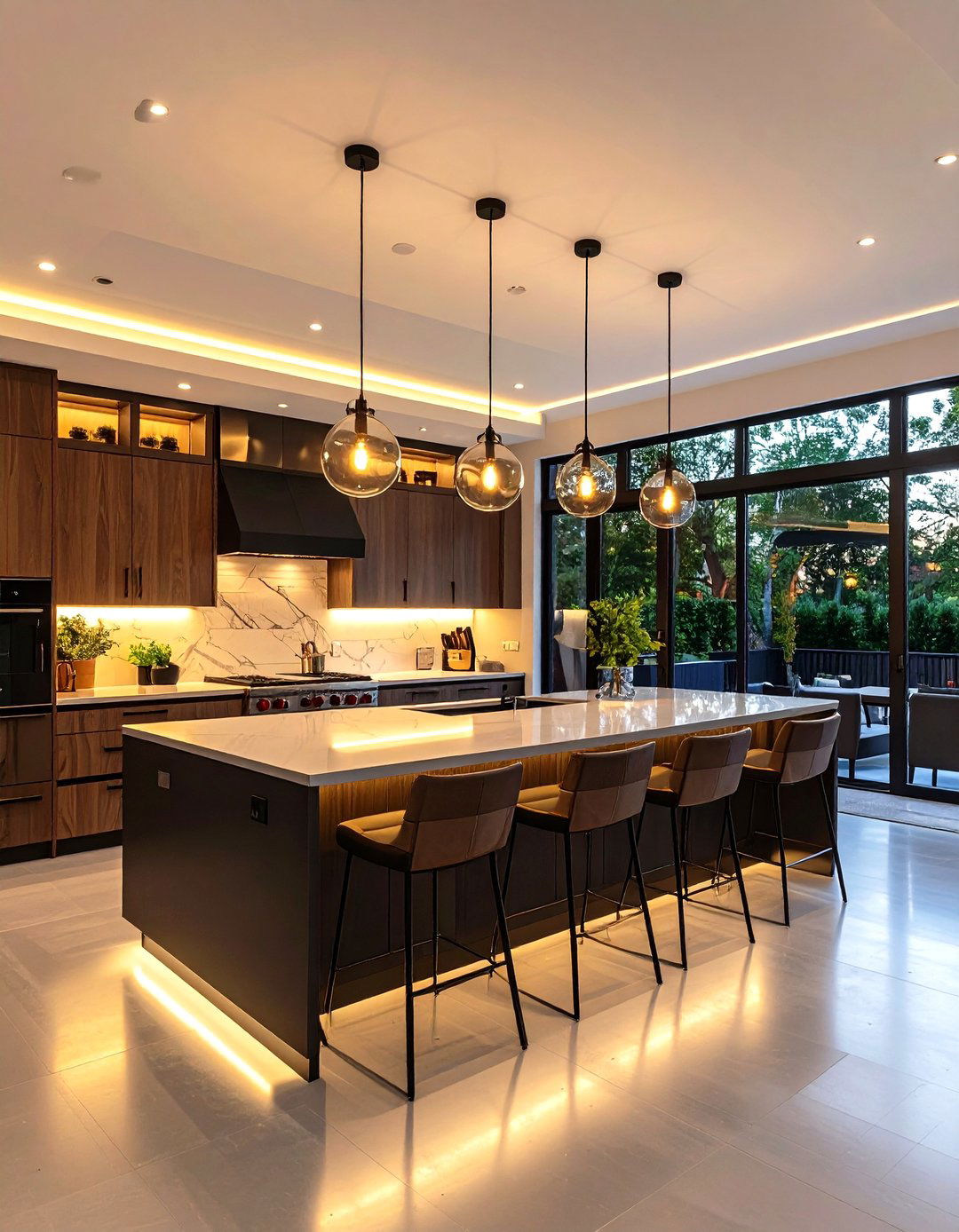
Lighting is being approached as a key decorative element, not just a practical necessity. This trend emphasizes creating a layered lighting scheme with a focus on ambient and accent lights. Sculptural pendant lights over a dining table, artistic wall sconces that cast a gentle glow, and stylish table lamps are used to build atmosphere and highlight architectural features. The goal is to create mood and visual interest. Dimmer switches are essential, allowing you to adjust the intensity for different activities and times of day. This thoughtful approach to lighting can completely transform the feel of a room, making it more inviting, dynamic, and functional.
19. 19\\. The Use of Dark and Moody Woods
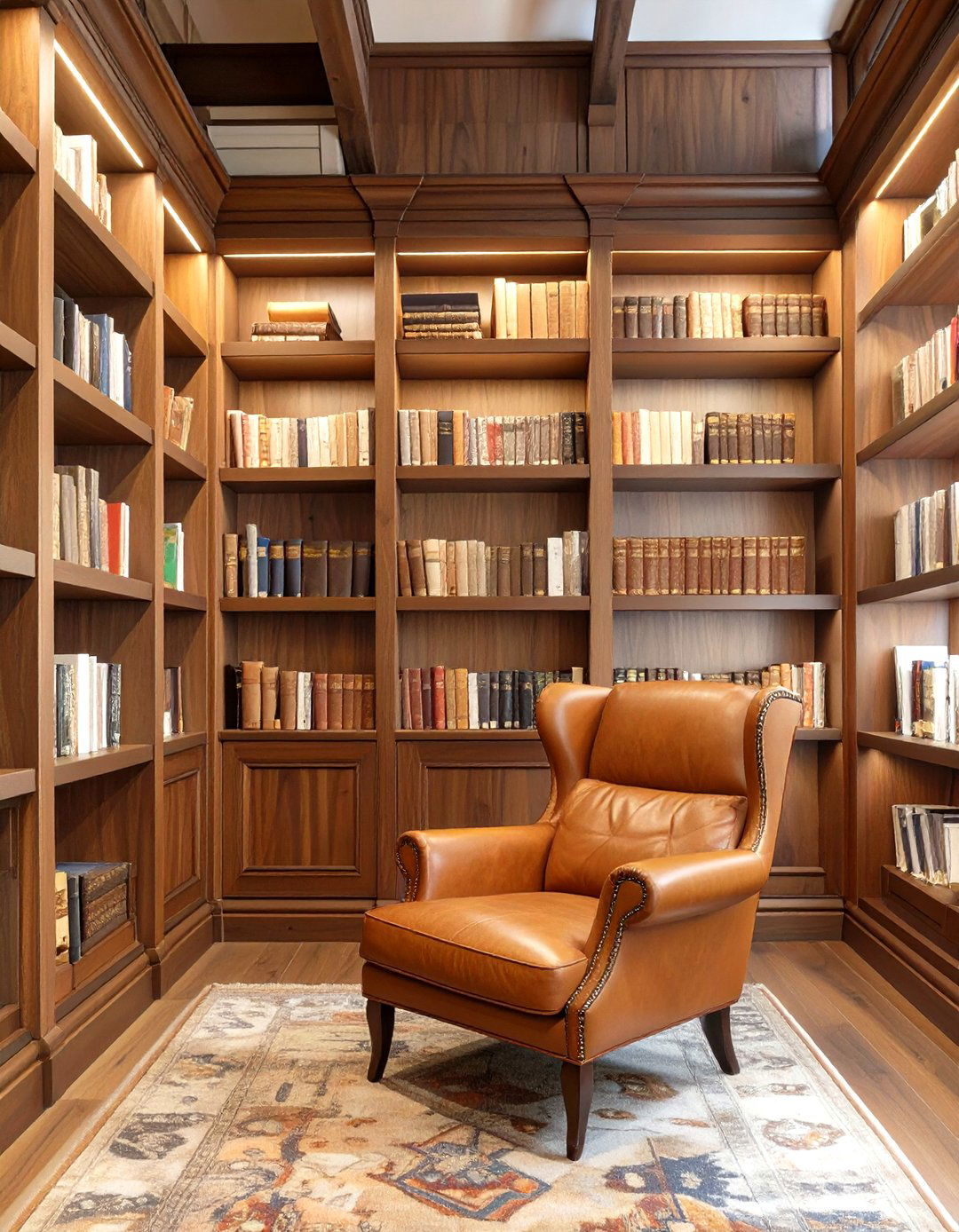
While light woods have been popular for years, there's a shift towards darker, richer wood tones like walnut, ebony, and dark-stained oak. This trend brings a sense of drama, sophistication, and warmth to interiors. Dark wood is being used for flooring, cabinetry, wall paneling, and furniture, creating a bold and grounding effect. When paired with lighter walls and textiles, it provides a stunning contrast that feels both modern and timeless. Dark woods add a luxurious, cozy quality to a room, making it feel more intimate and grounded. This move signals a return to classic elegance and a desire for more depth in design.
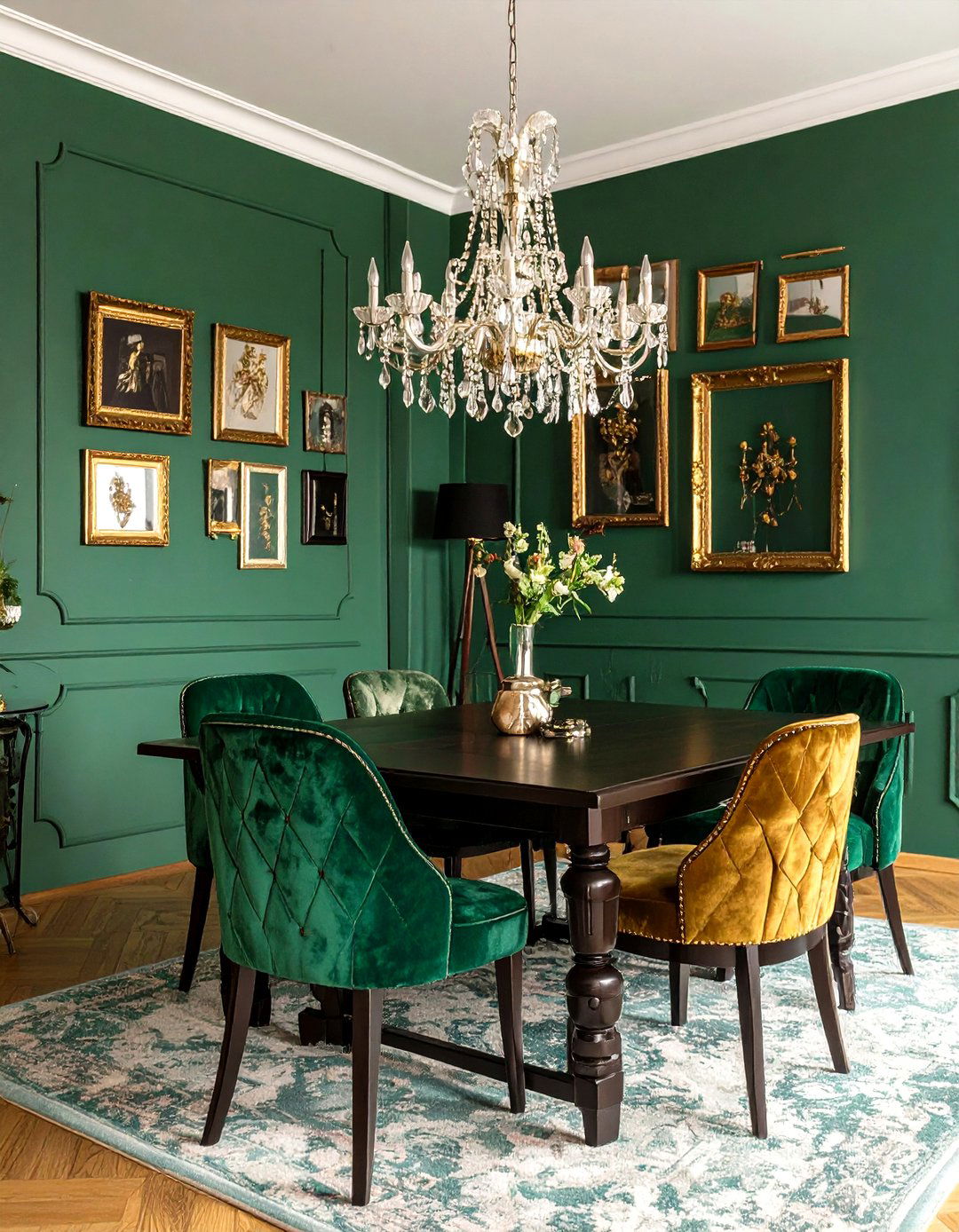

20. 20\\. Bi-Fold and Sliding Glass Walls
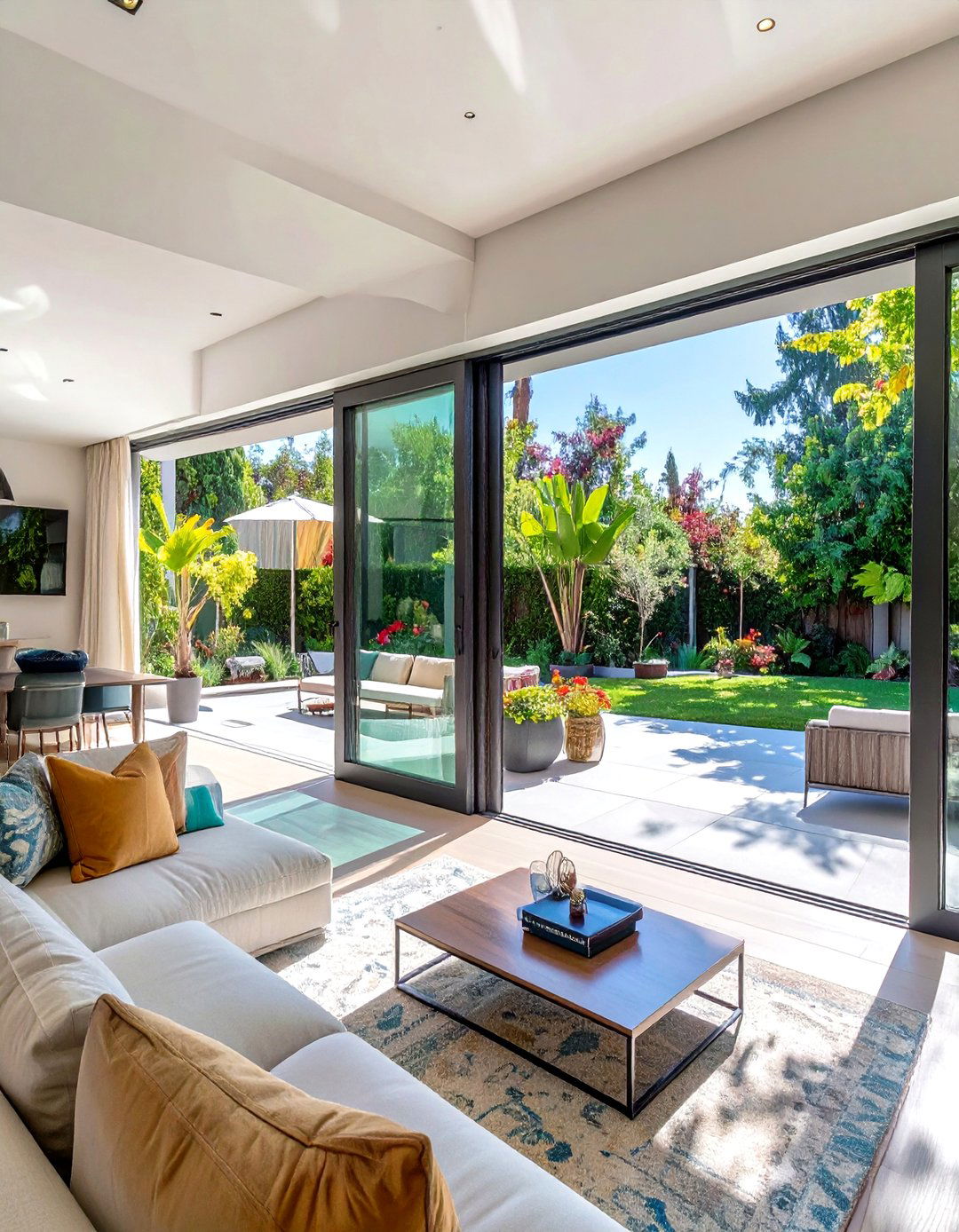
To better connect indoor and outdoor living spaces, bi-fold and sliding glass walls are becoming a popular architectural feature. These expansive glass panels can be completely opened up, effectively removing the barrier between a living room and a patio or garden. This creates a seamless flow, extending the living area and flooding the interior with natural light and fresh air. It’s a perfect trend for those who love to entertain or simply want to feel more connected to nature. This design choice not only enhances the functionality of a home but also provides panoramic views, making the space feel larger and more open.
21. 21\\. Pattern and Color Drenching
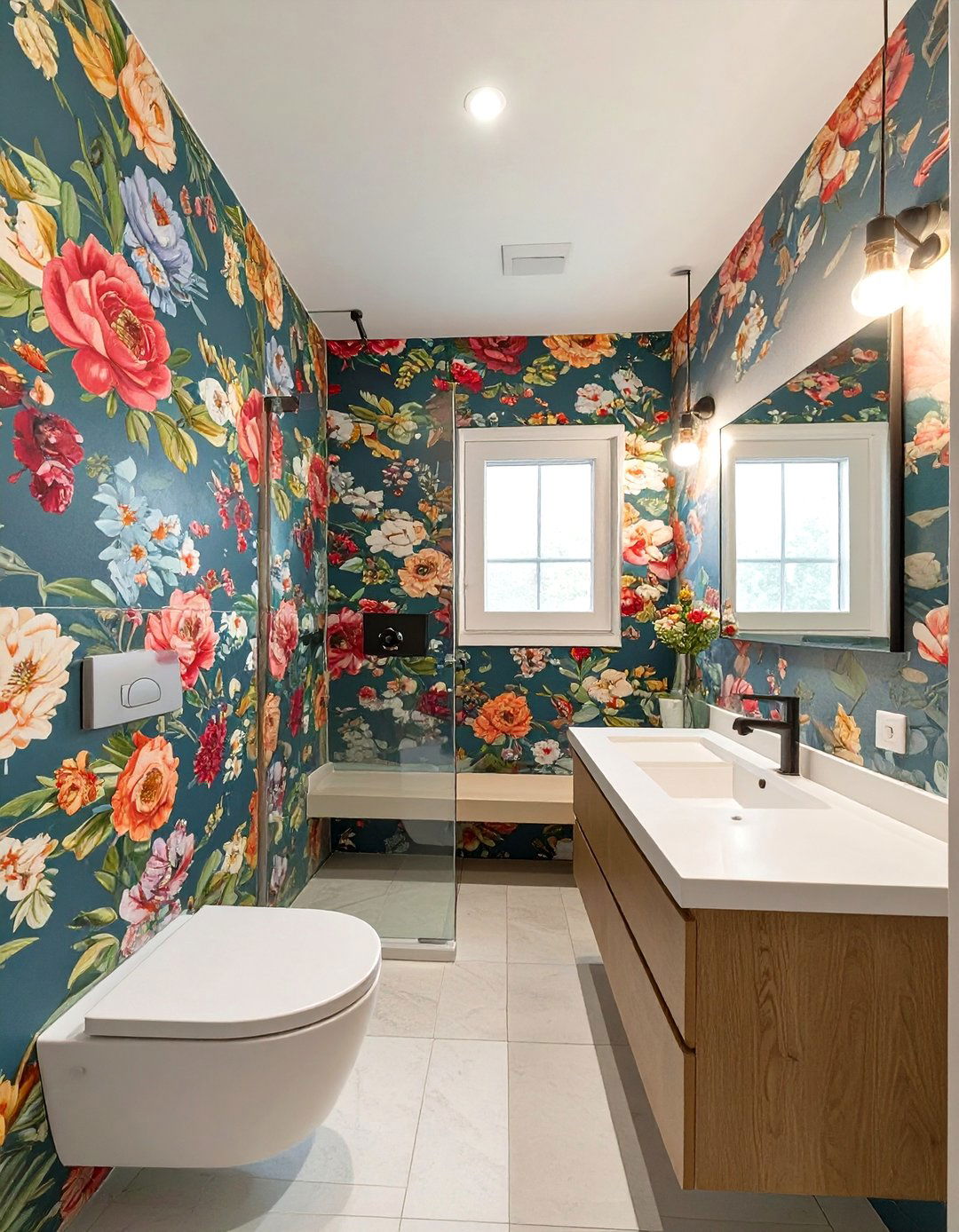
Pattern and color drenching is a bold, immersive design trend where a single color or pattern is used across multiple surfaces in a room. This can mean painting the walls, trim, ceiling, and even doors in the same shade, or using the same wallpaper on all four walls. This technique creates a cohesive and dramatic look, making a space feel intentionally designed and enveloping. For colors, it can make a small room feel larger and more serene, while with patterns, it creates a maximalist, jewel-box effect. It’s a confident design move that results in a powerful and highly personal statement.
22. 22\\. Focus on Wellness and Spa-Like Bathrooms
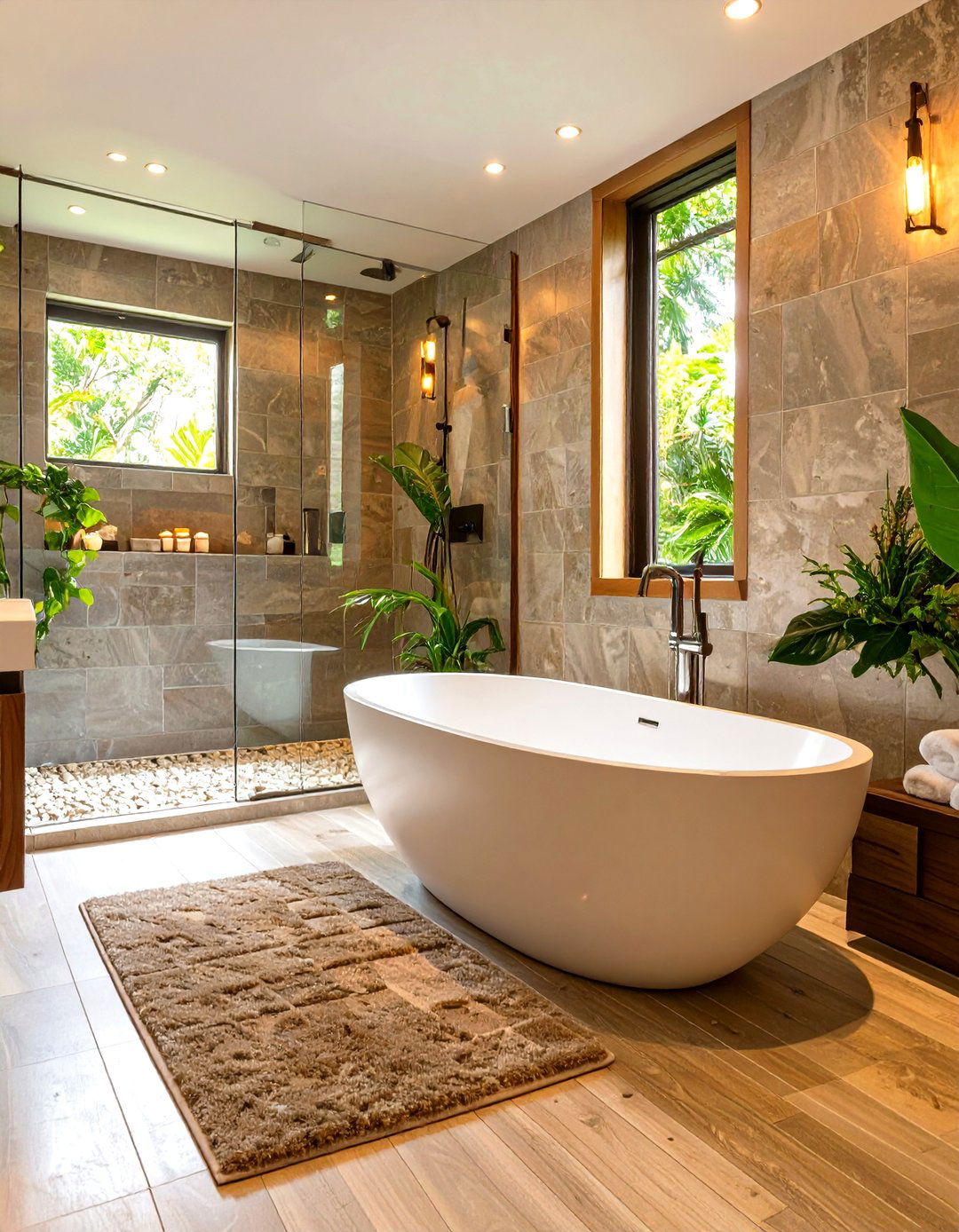
Bathrooms are evolving from purely functional rooms into personal wellness sanctuaries. This trend focuses on creating a spa-like experience at home. Key features include large, walk-in showers with multiple showerheads, freestanding soaking tubs, and natural materials like stone and wood. Heated floors, towel warmers, and integrated sound systems add to the luxurious feel. The color palette is often calm and neutral, promoting relaxation. The goal is to design a space that is not just for hygiene but for rejuvenation and self-care, providing a private retreat where you can de-stress and unwind from the demands of the day.
23. 23\\. Zellige and Terracotta Tiles
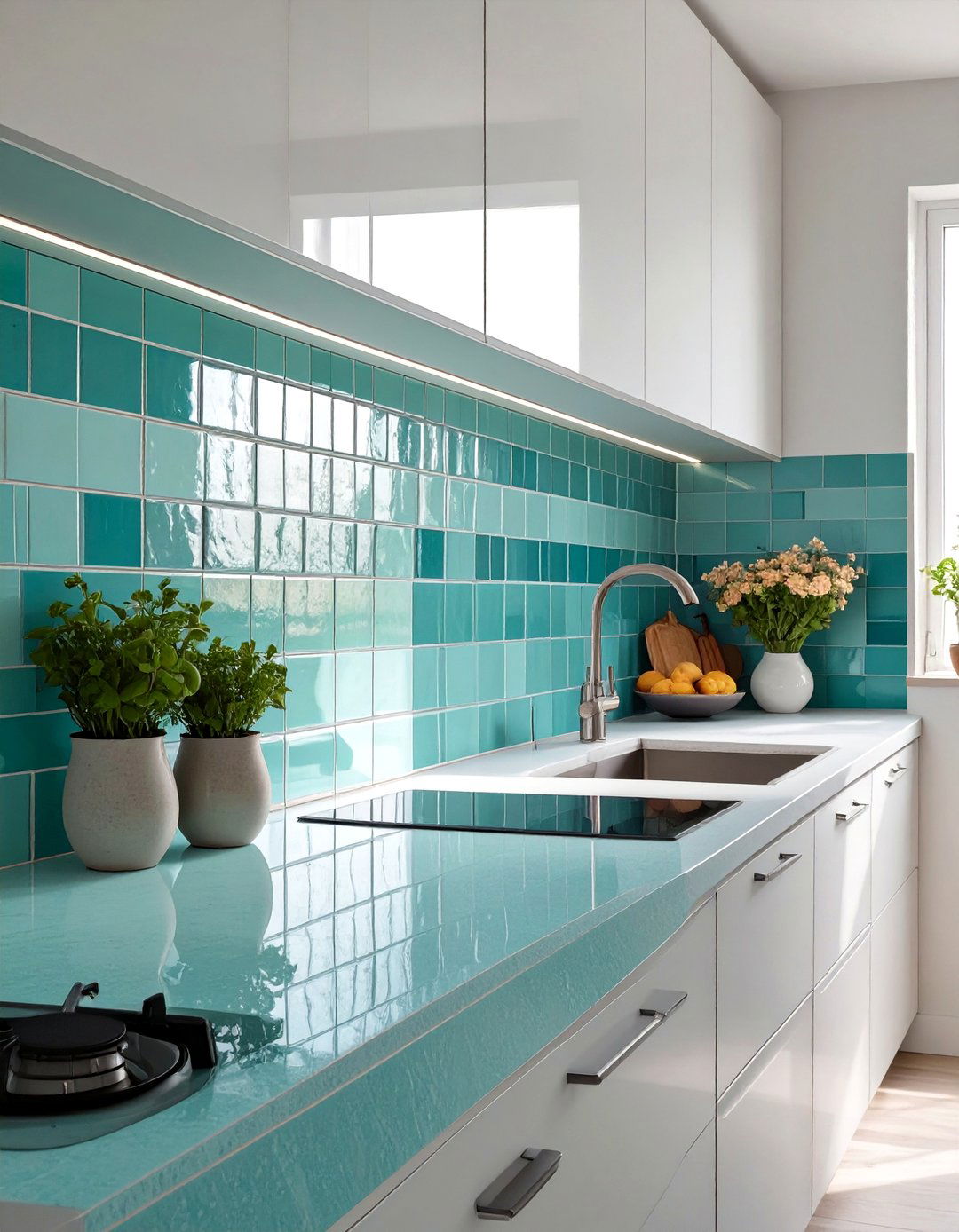
The charm of handmade tiles is being celebrated with the resurgence of Zellige and terracotta. Zellige tiles, handcrafted in Morocco, are known for their irregular surfaces and subtle color variations, which reflect light beautifully and add incredible texture to walls and backsplashes. Terracotta tiles bring a warm, earthy, and rustic feel, perfect for floors in kitchens, entryways, and sunrooms. Both options celebrate imperfection and craftsmanship, moving away from the uniformity of mass-produced tiles. They add a sense of history, soul, and organic beauty to a space, connecting it to natural materials and ancient traditions.
24. 24\\. Maximalism with Curated Collections
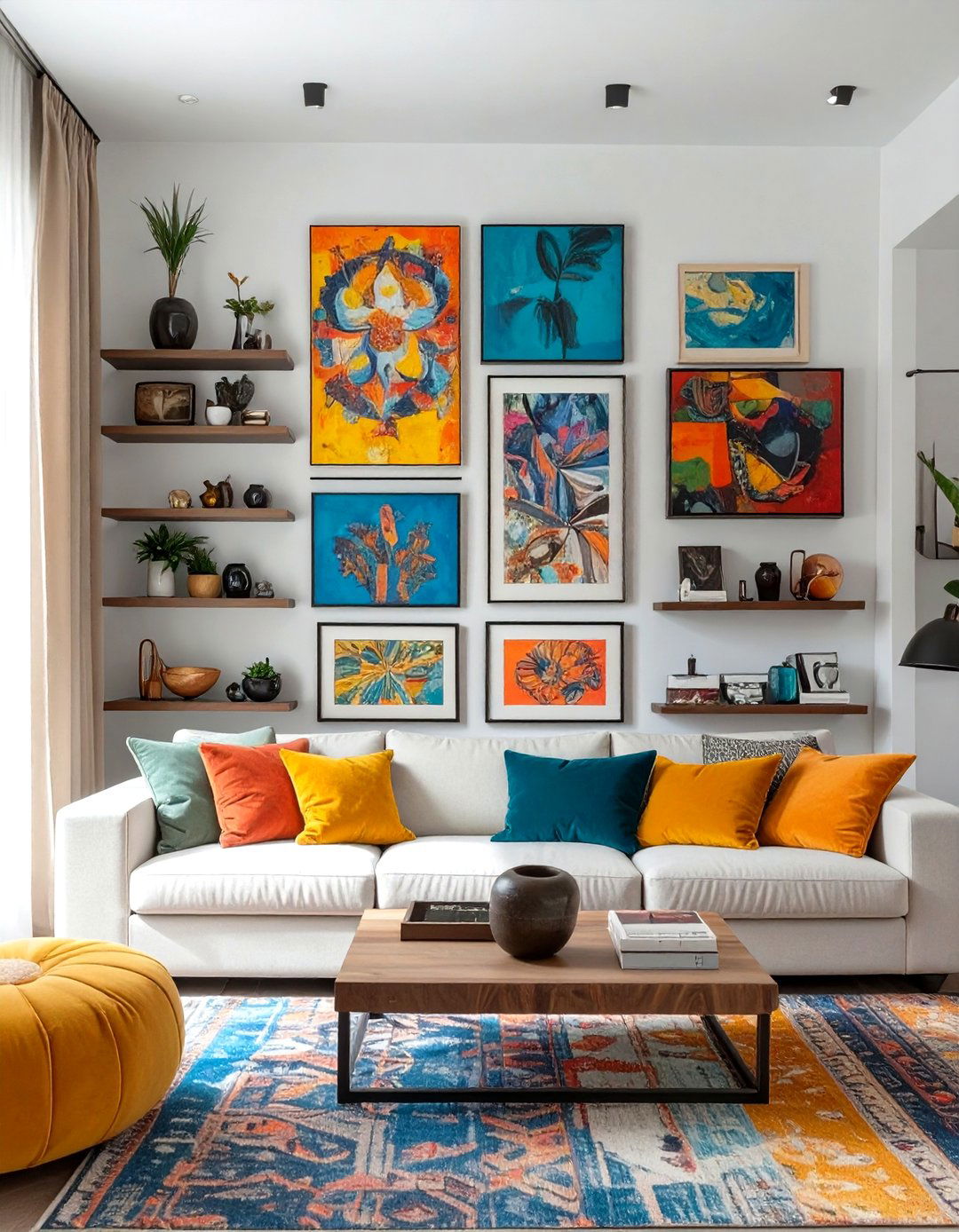
Maximalism is evolving from chaotic clutter to a more curated and intentional style. This trend is about showcasing personal collections and meaningful objects in a thoughtful, organized way. It’s "more is more," but with a story. Think gallery walls of beloved art, shelves filled with books and travel souvenirs, and a mix of bold patterns and rich textures. The key is that every item has a purpose or a personal connection. This approach creates a rich, layered interior that is full of personality and reflects the owner's life and passions. It’s a joyful and expressive style that makes a house feel like a home.
25. 25\\. High-Gloss Paint Finishes
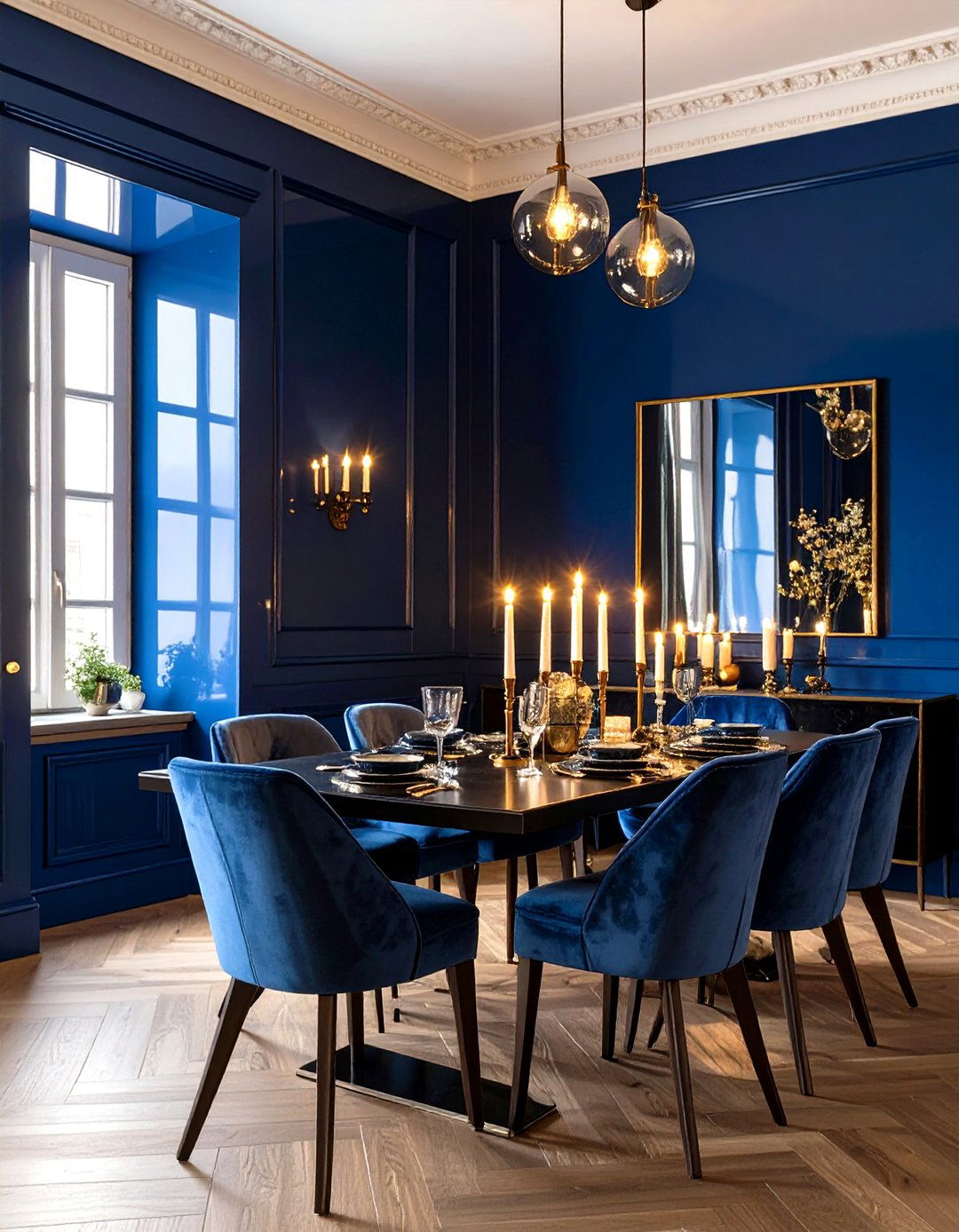
While matte finishes have dominated, high-gloss paint is making a striking comeback. A lacquered, high-gloss finish on walls, ceilings, or cabinetry adds a touch of glamour and reflects light beautifully, making a space feel brighter and more dynamic. This trend is particularly effective in smaller rooms or spaces with limited natural light. It can be used to create a dramatic feature, such as a glossy ceiling in a dining room or shiny kitchen cabinets. This finish adds a layer of unexpected sophistication and depth, turning a simple surface into a reflective, jewel-like element within the room's design.
26. 26\\. Freestanding and Multifunctional Furniture
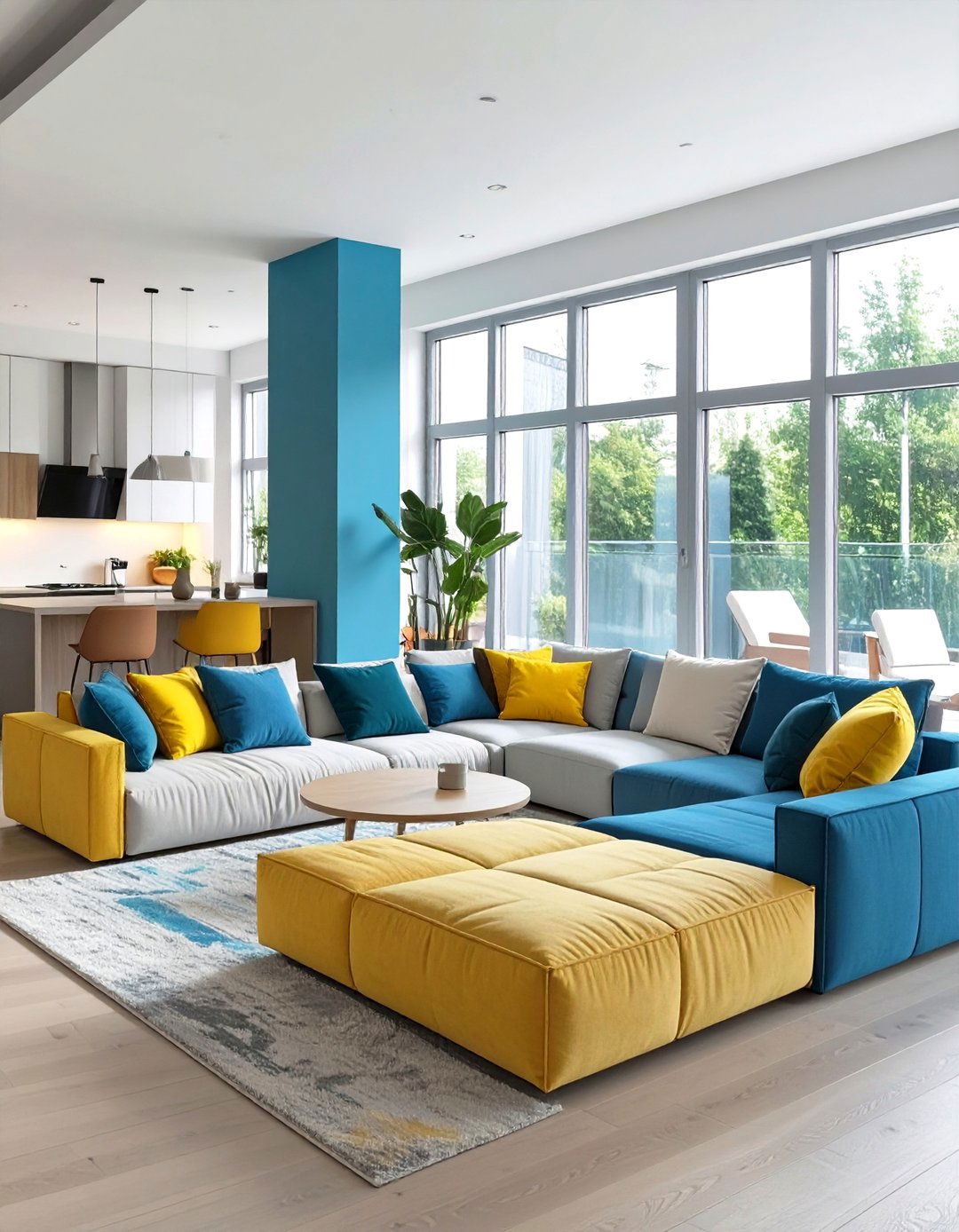
As living spaces become more flexible, so does furniture. The trend is moving towards freestanding and multifunctional pieces that can be easily moved and adapted to different needs. Think modular sofas that can be reconfigured, nesting tables that can be separated or combined, and kitchen islands on wheels. This approach allows for a dynamic and adaptable home environment. A desk can double as a console table, and an ottoman can provide seating, a footrest, and hidden storage. This type of furniture is perfect for smaller homes or open-plan layouts where a single space needs to serve multiple purposes throughout the day.
27. 27\\. The Revival of Brown as a Neutral
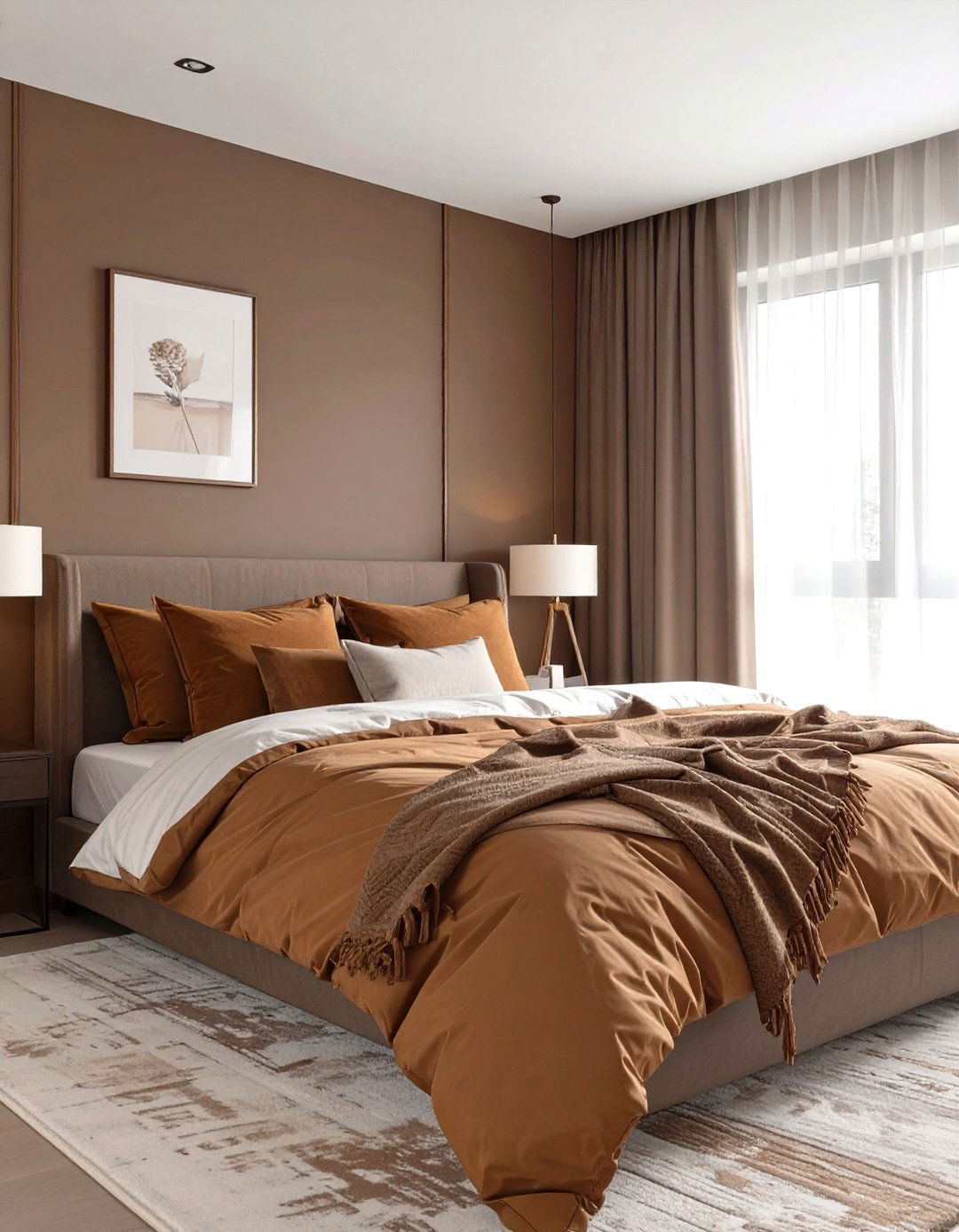
After years of gray and beige dominating neutral palettes, brown is making a strong return as a foundational color. Shades from warm chocolate and rich espresso to soft taupe and caramel are being used to create inviting, sophisticated, and grounded interiors. Brown pairs beautifully with a wide range of colors, from vibrant jewel tones to soft pastels. It brings a sense of warmth and earthiness that can be more comforting than cooler neutrals. This trend is seen in paint colors, upholstery, leather furniture, and dark wood finishes, signaling a move towards cozier and more classic, enduring design schemes.
28. 28\\. Patterned and Bold Upholstery
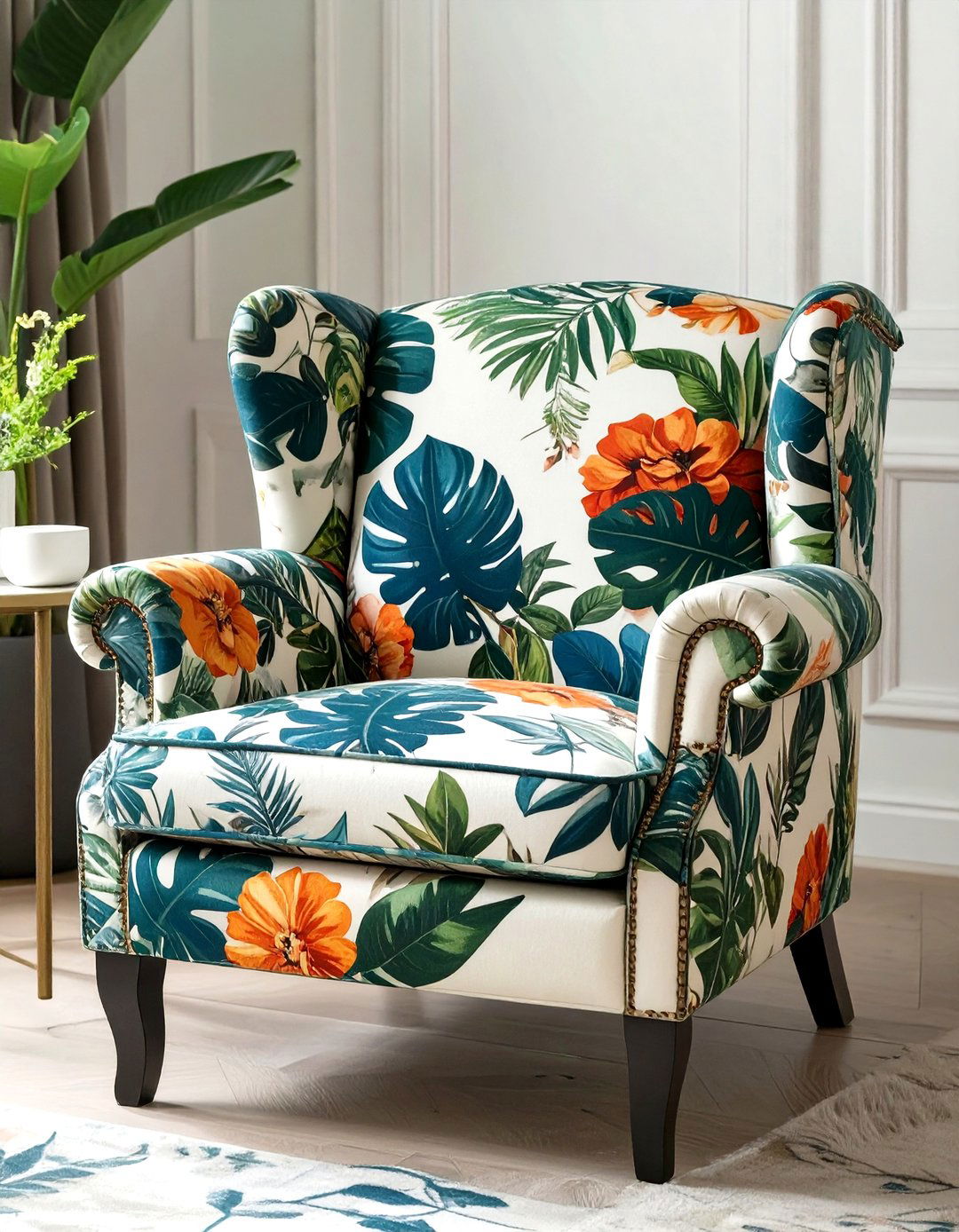
Furniture is becoming a canvas for self-expression with the rise of patterned and bold upholstery. Sofas, armchairs, and ottomans are being covered in vibrant florals, bold geometric prints, and rich, colorful velvets. This trend allows a single piece of furniture to become the focal point of a room, injecting personality and energy. Instead of relying on throw pillows for a pop of color, the furniture itself makes the statement. This is a confident choice that shows a move away from safe, neutral options towards creating spaces that are more dynamic, joyful, and reflective of individual taste.
29. 29\\. Indoor-Outdoor Rugs for High-Traffic Areas
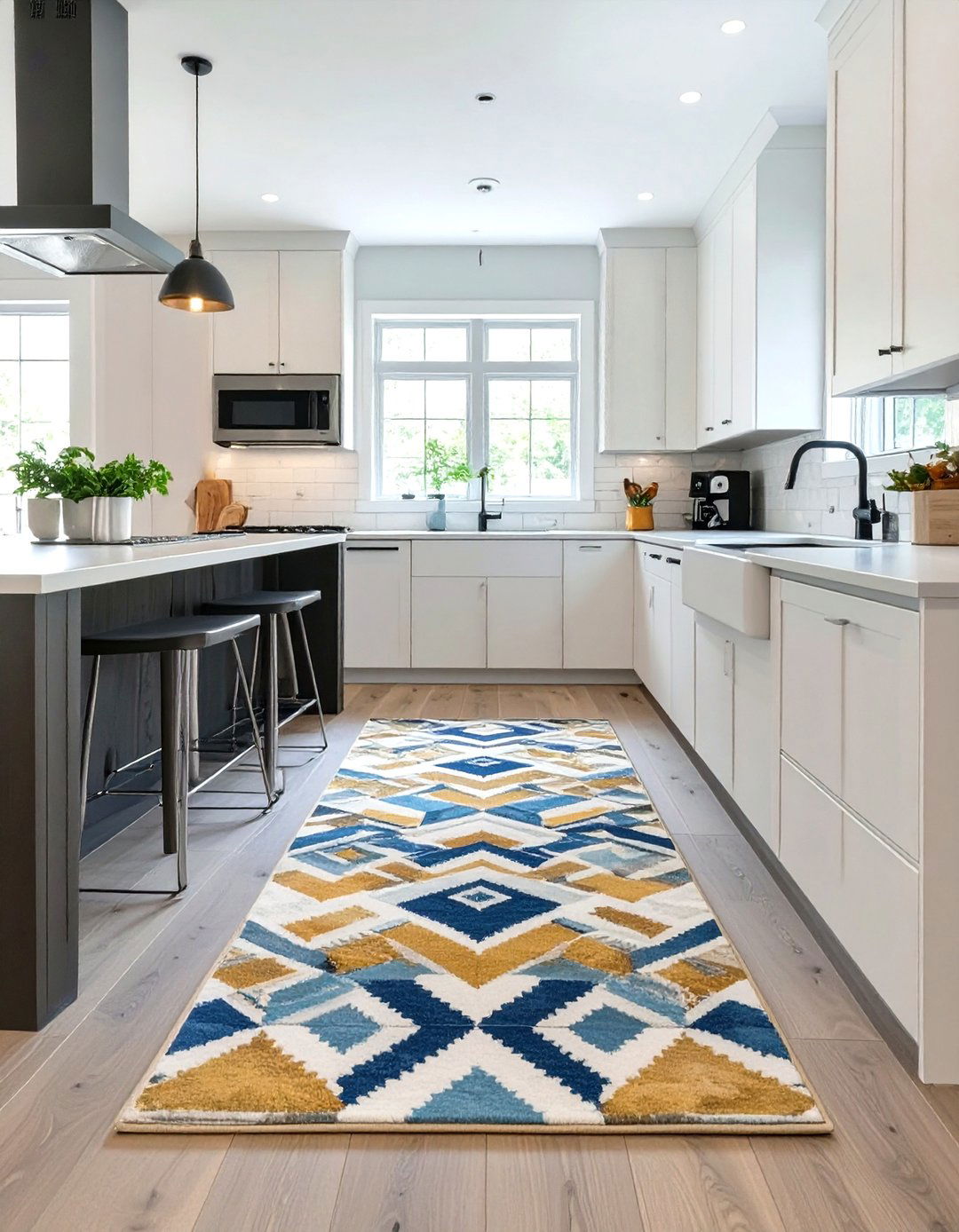
The line between indoor and outdoor living continues to blur, and this is reflected in the growing popularity of indoor-outdoor rugs. Made from durable, weather-resistant materials like polypropylene, these rugs are designed to withstand heavy foot traffic, spills, and stains, making them perfect for high-traffic areas like entryways, kitchens, and dining rooms. They are incredibly easy to clean and come in a vast array of stylish patterns and colors that rival their indoor-only counterparts. This practical trend allows you to bring style and comfort to the busiest parts of your home without worrying about maintenance.
30. 30\\. Bookshelves as Room Dividers
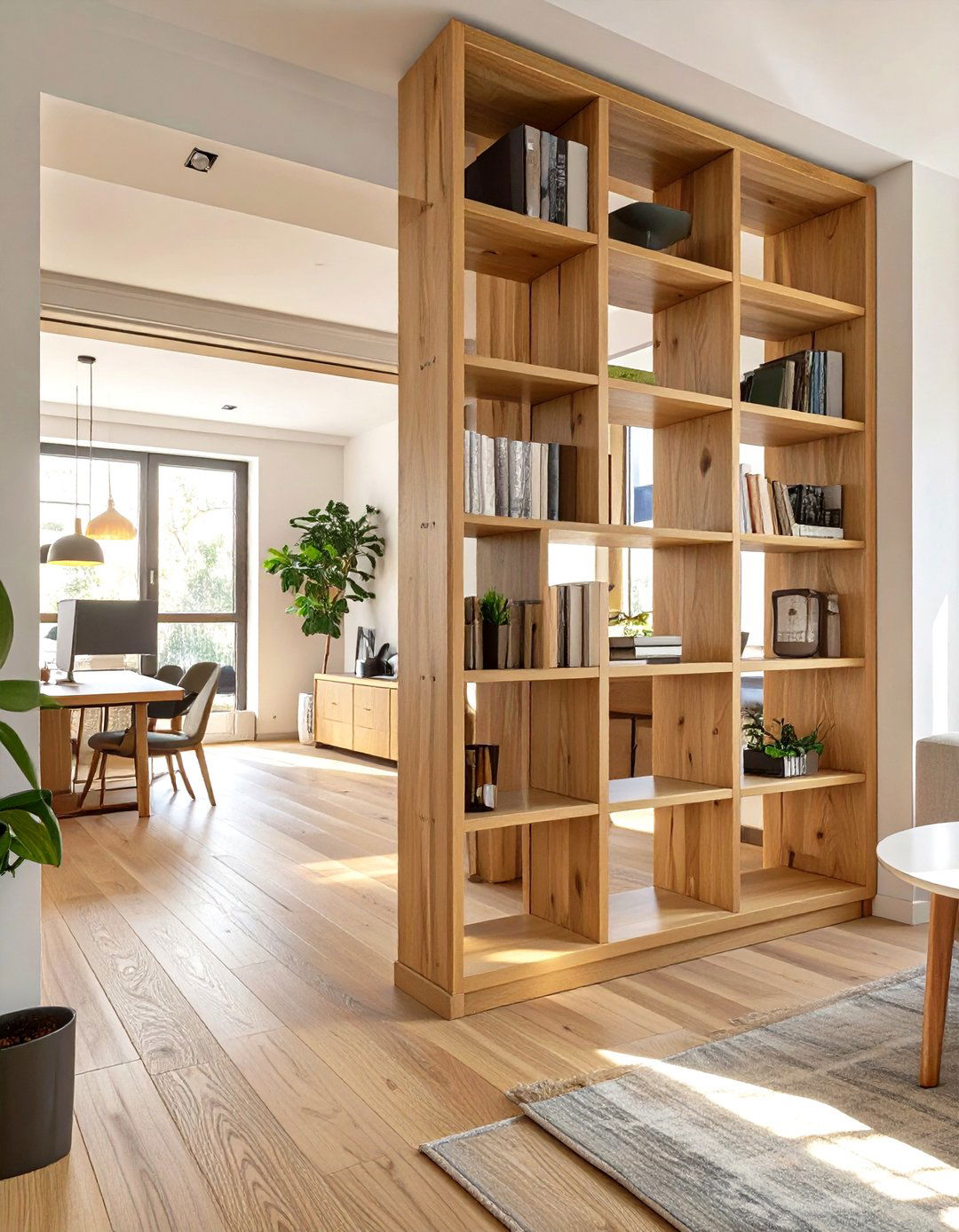
In open-plan spaces, creating distinct zones without building walls is a common challenge. Using open-backed bookshelves as room dividers is an elegant and functional solution. This trend allows you to separate, for instance, a living area from a home office or a dining space from a lounge, while still maintaining a sense of openness and allowing light to flow through. The shelves provide valuable storage and display space for books, plants, and decorative objects, adding personality and visual interest. It’s a clever, non-permanent way to add structure and definition to a large room, enhancing both its style and its functionality.
Conclusion:
Ultimately, current interior design trends are moving toward creating homes that are more personal, comfortable, and sustainable. The focus is on quality over quantity, with an emphasis on craftsmanship, natural materials, and pieces that tell a story. Whether it's through the joyful use of color, the integration of smart technology, or the architectural softness of a curved doorway, the goal is to design spaces that support well-being and reflect individual identity. These trends empower you to craft an environment that is not just stylish but also a true sanctuary for modern living.

Related posts:



Leave a Reply