
Interior design is constantly evolving, moving away from rigid rules and embracing personal expression, sustainability, and comfort. Today's homes are becoming sanctuaries that reflect individual personalities while incorporating innovative materials and smart technology. The latest trends focus on creating spaces that are not only aesthetically pleasing but also promote well-being and a deeper connection to the natural world. This shift is about curating environments that feel authentic, sensory-rich, and thoughtfully designed. From the resurgence of warm, earthy tones to the integration of biophilic elements, the emphasis is on creating inviting, functional, and deeply personal living spaces.
1. Biophilic Design with Indoor Plants
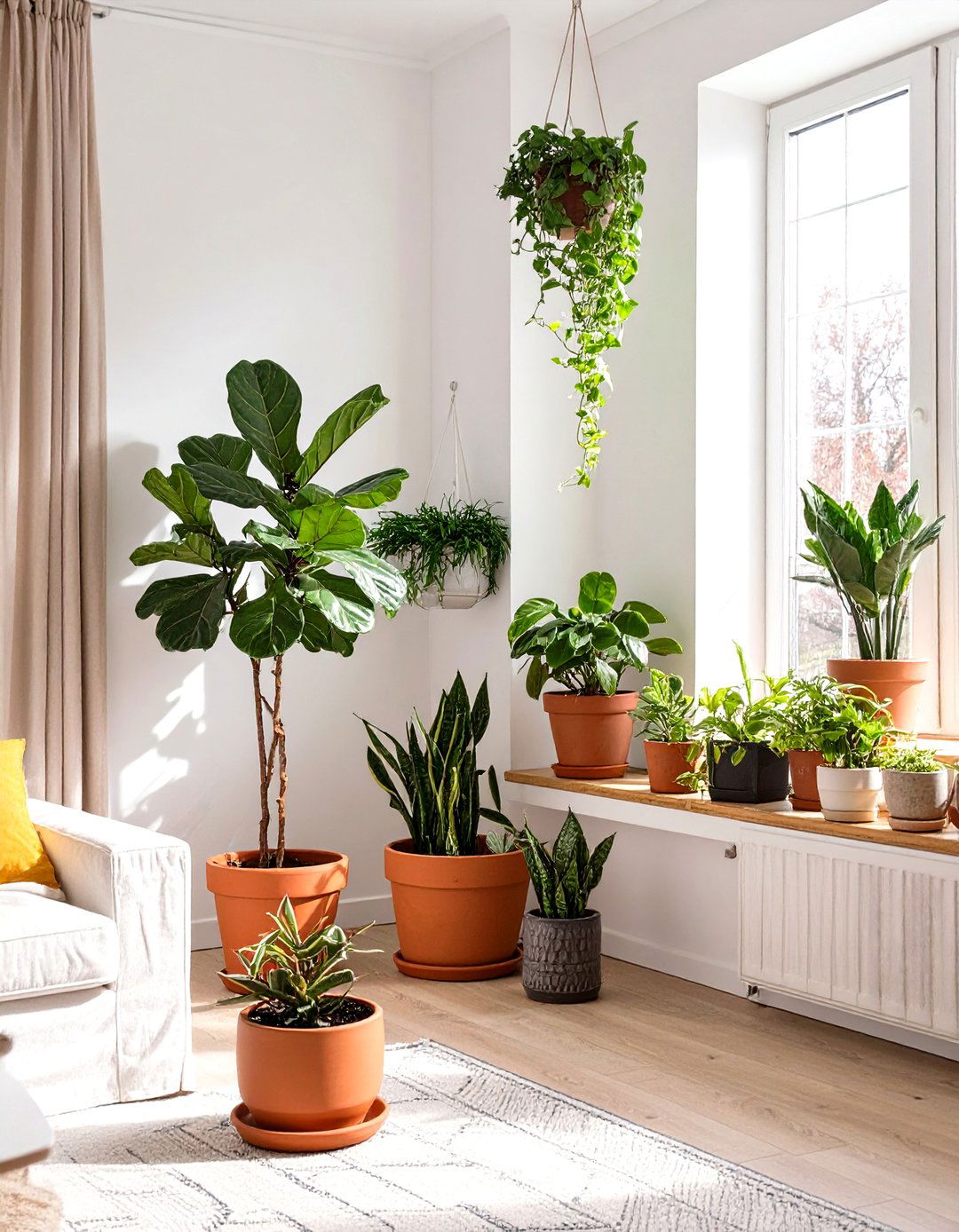
Bringing nature indoors remains a cornerstone of modern design, emphasizing a connection to the natural world to enhance well-being. This trend goes beyond a single potted plant, focusing on creating lush, green spaces within the home. Consider creating a dedicated plant corner with varied species, heights, and textures to form an indoor garden. Living walls, whether small modular panels in the kitchen for herbs or a large statement piece in the living room, serve as dynamic, natural art. The goal is to integrate greenery seamlessly, improving air quality and creating a calming, restorative atmosphere that makes the home feel like a natural retreat.
2. Sustainable and Recycled Materials
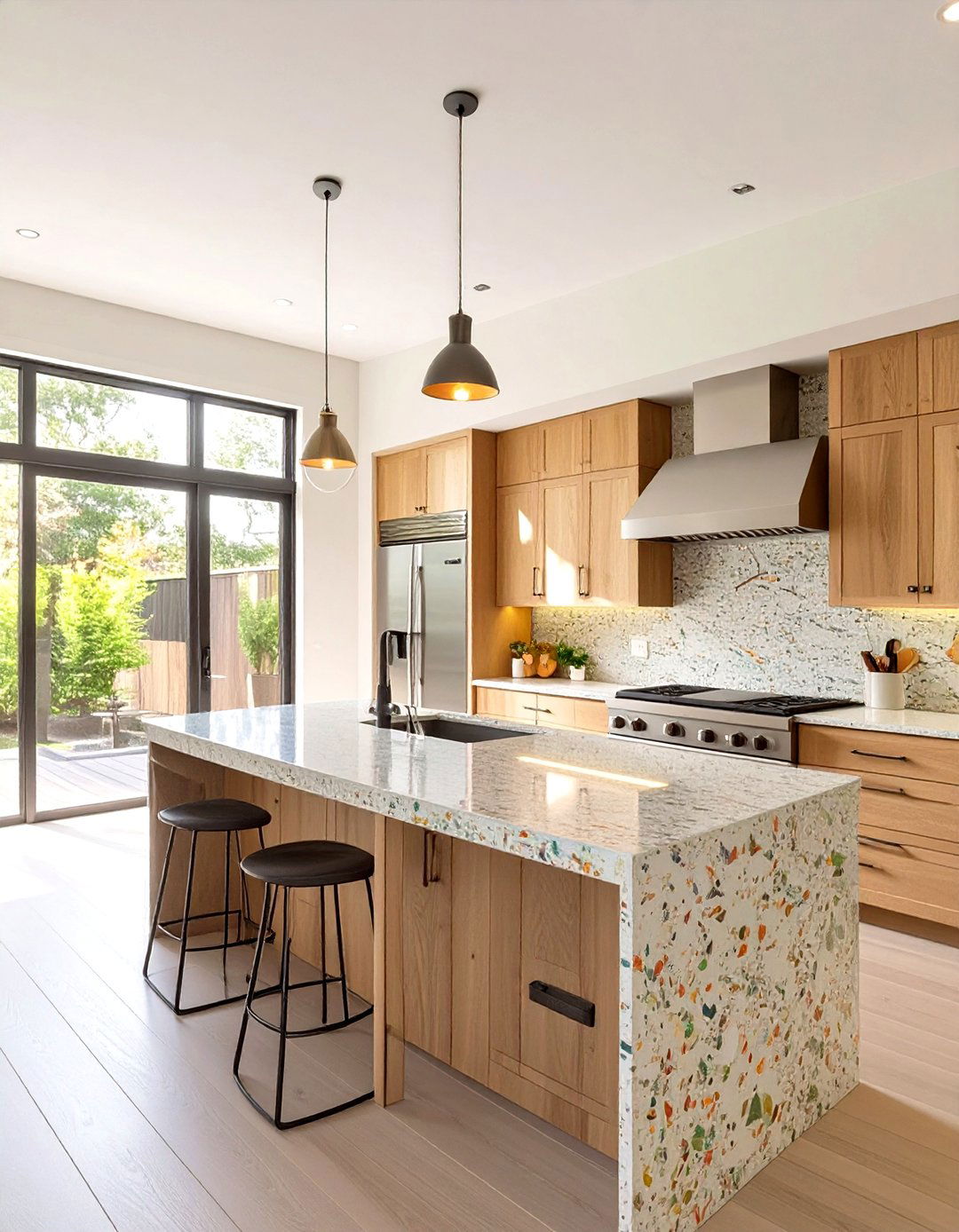
An increasing environmental consciousness is driving the demand for sustainable interior design choices. This trend champions the use of recycled, reclaimed, and eco-friendly materials that minimize waste and environmental impact. Furniture crafted from reclaimed wood, countertops made from recycled glass, and textiles woven from organic or recycled fibers are becoming popular. Cork flooring, bamboo furniture, and low-VOC (volatile organic compound) paints are other excellent options. By choosing these materials, you not only create a healthier indoor environment but also contribute to a circular economy, making your home both beautiful and responsible in its design.
3. Curved Furniture and Soft Edges
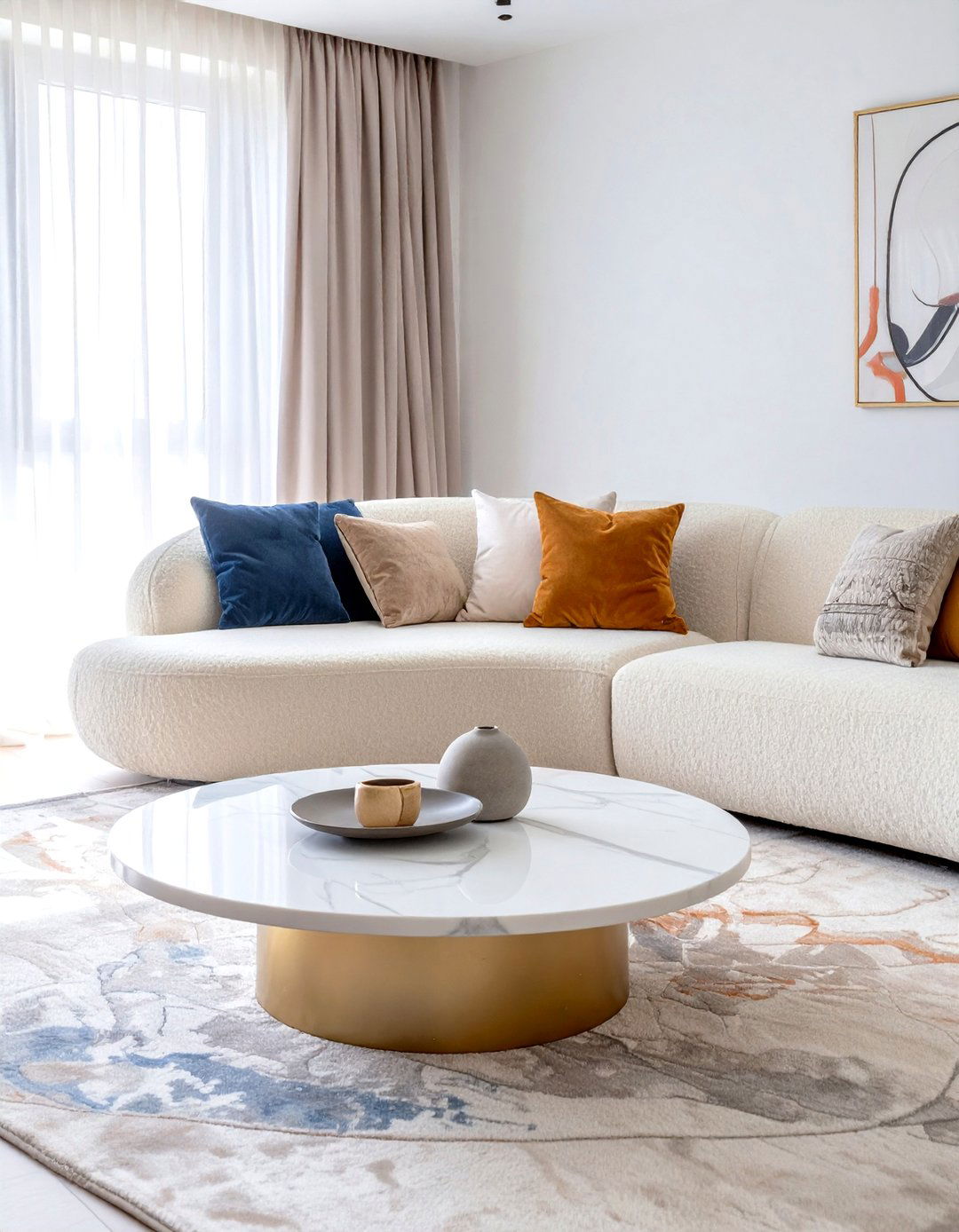
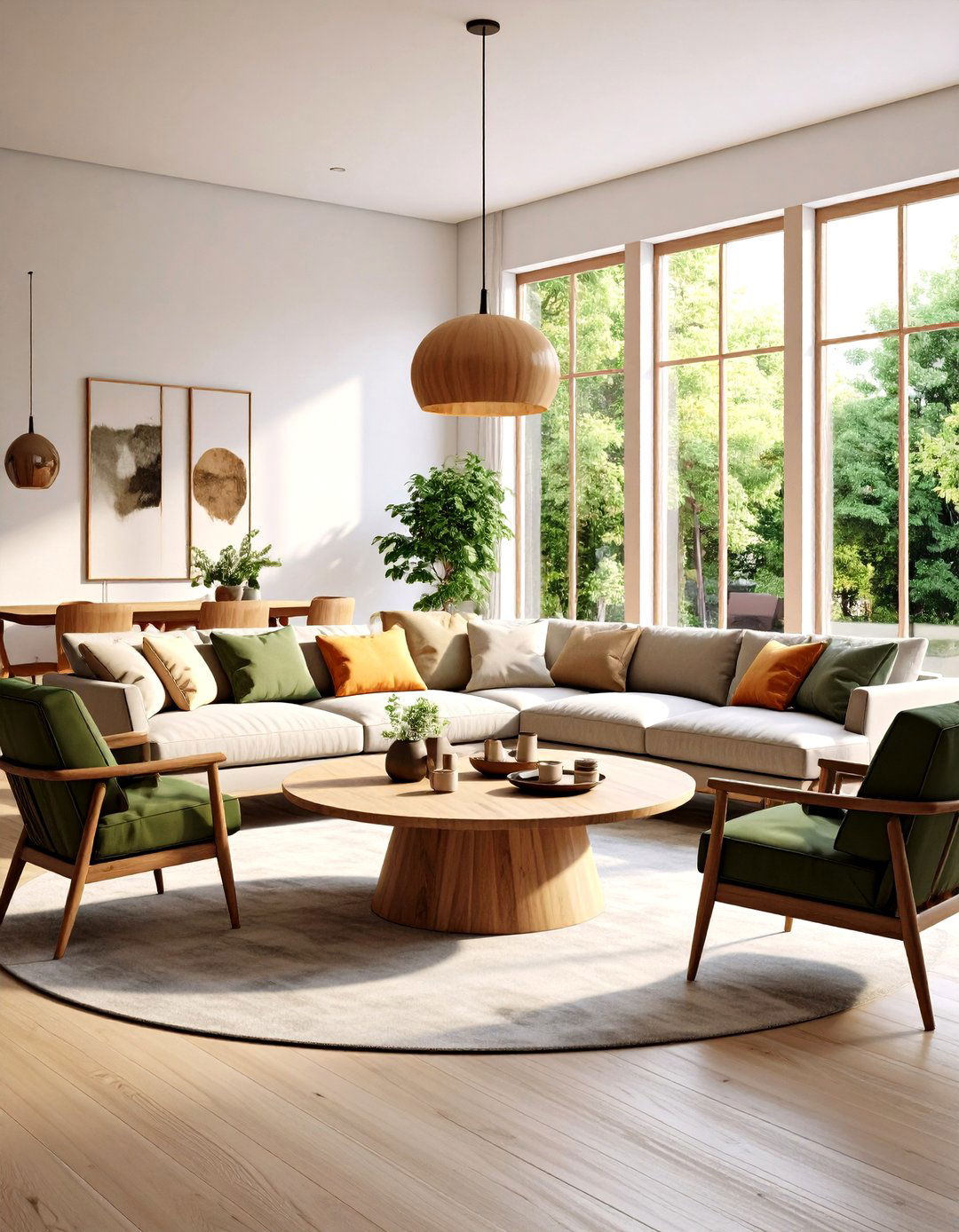
Sharp lines and rigid geometry are giving way to softer, more organic forms. Curved furniture, from sinuous sofas and arched headboards to round coffee tables and circular rugs, introduces a sense of fluidity and comfort into a space. These gentle contours create a welcoming and relaxed atmosphere, encouraging conversation and movement. This trend is rooted in a desire for nurturing, cocooning environments that provide a visual and physical respite from the outside world. Incorporating pieces with soft edges can instantly make a room feel more approachable, graceful, and harmonious, breaking the monotony of straight lines with elegant, flowing shapes.
4. Multifunctional and Adaptable Spaces
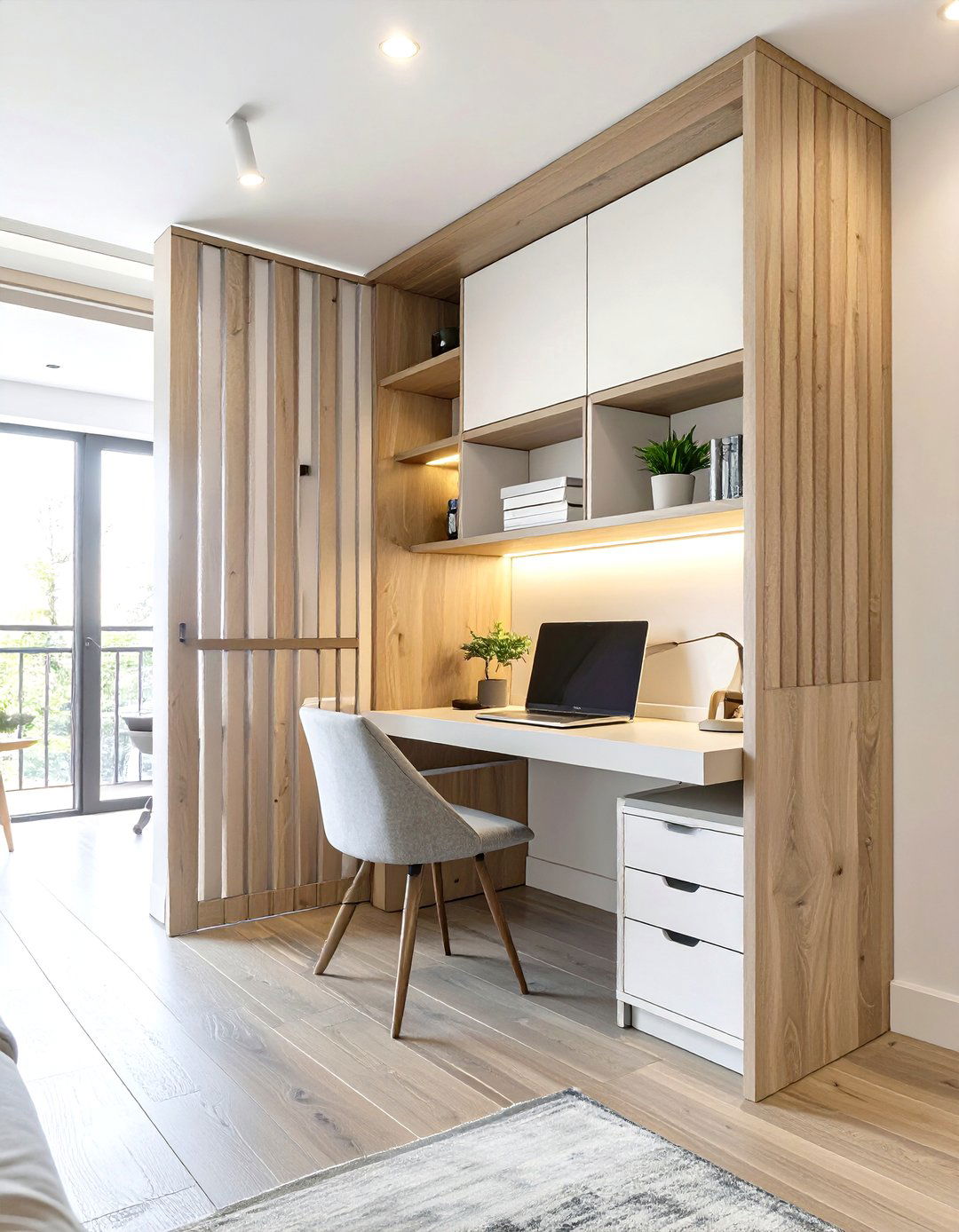
As homes continue to serve as offices, gyms, and classrooms, the need for versatile, hardworking spaces has never been greater. This trend focuses on furniture and layouts that can adapt to various activities throughout the day. Think of a dining table that doubles as a desk, a modular sofa that can be reconfigured for guests, or a stylish room divider that carves out a private workspace in an open-plan living area. Built-in storage, Murphy beds, and nesting tables are also key components. The aim is to maximize every square foot, ensuring that your home is not just stylish but also supremely functional.
5. Earthy and Warm Color Palettes
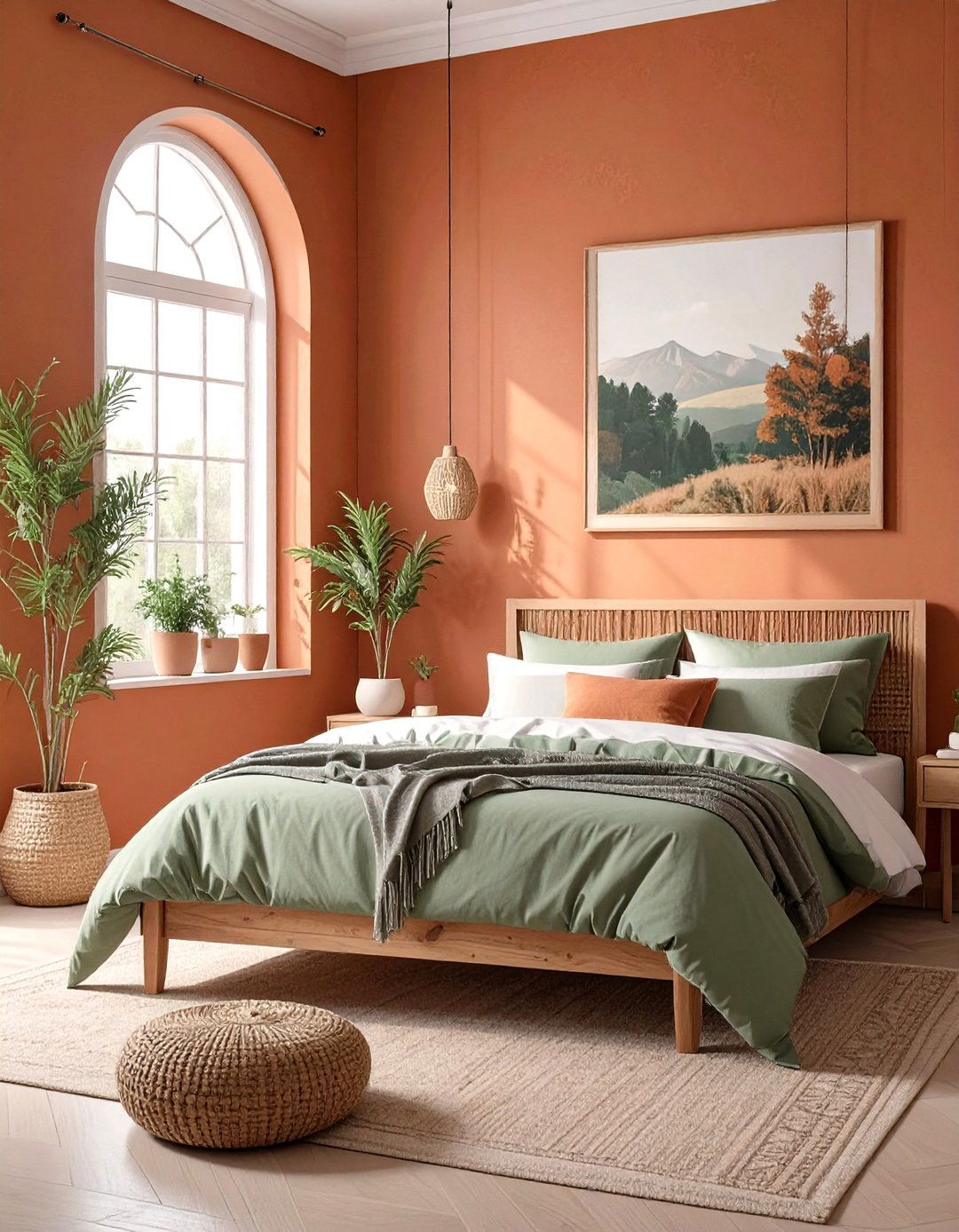
Homeowners are embracing palettes that evoke a sense of warmth, stability, and connection to the earth. Colors like terracotta, rust, sage green, and sandy beige are replacing cool grays and stark whites. These earthy tones create a soothing and inviting ambiance that feels both grounding and sophisticated. You can introduce these colors through paint, textiles, upholstery, or decor accents. Pairing them with natural materials like wood, stone, and linen enhances their organic quality. This trend is about creating a comforting sanctuary, a space that envelops you in its warmth and provides a serene backdrop for daily life.
6. Statement Lighting Fixtures
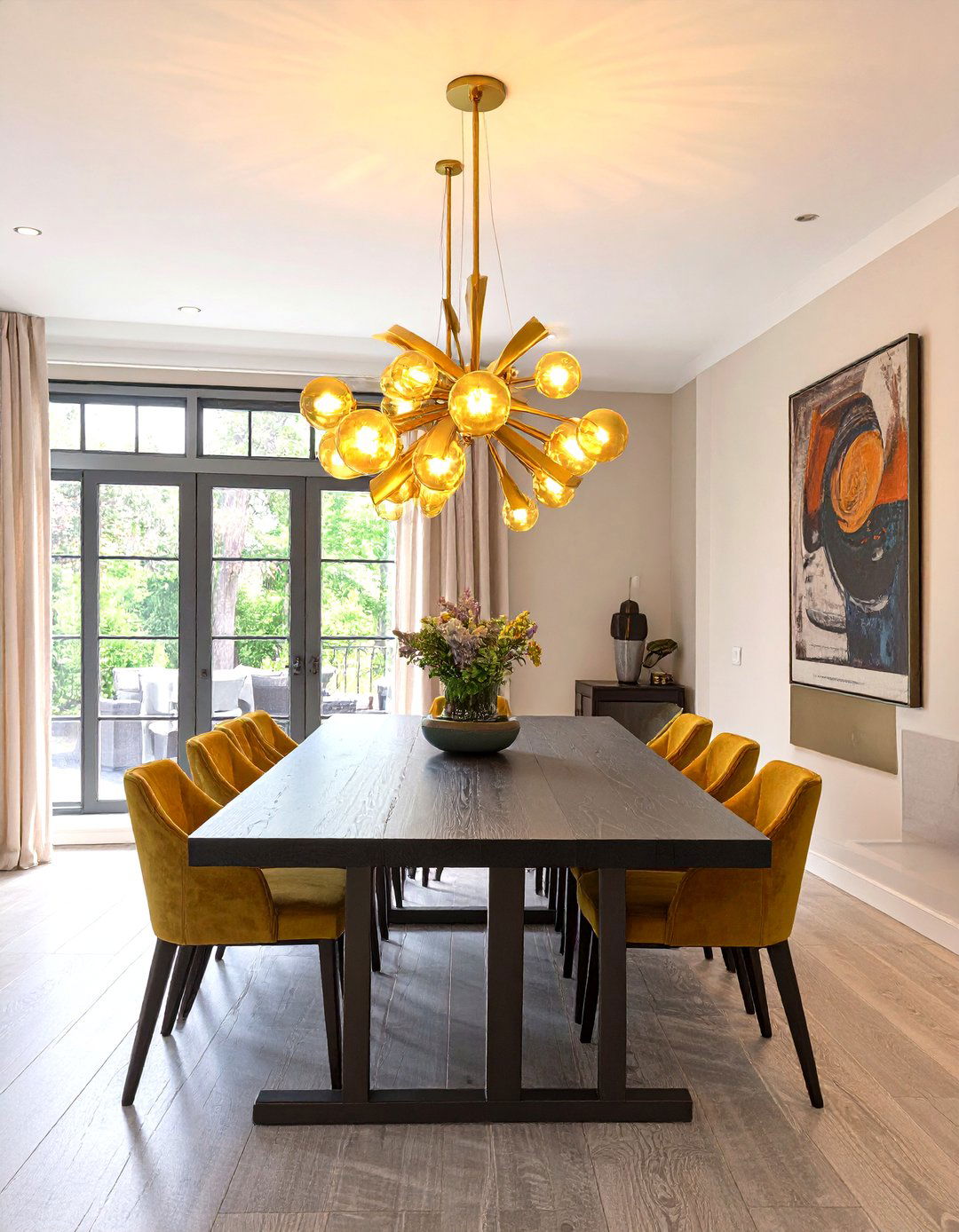
Lighting is no longer just a functional necessity; it is a central element of artistic expression in interior design. Statement lighting fixtures, such as oversized pendants, sculptural chandeliers, or artistic sconces, are being used to create a dramatic focal point in a room. These pieces act as functional art, defining a space and reflecting the homeowner's personal style. Consider a bold chandelier over a dining table, a cluster of artistic pendants in a stairwell, or unique floor lamps in the living room. This trend allows you to infuse personality and drama into your home, elevating the overall design with a single, impactful element.
7. The Rise of "Quiet Luxury"
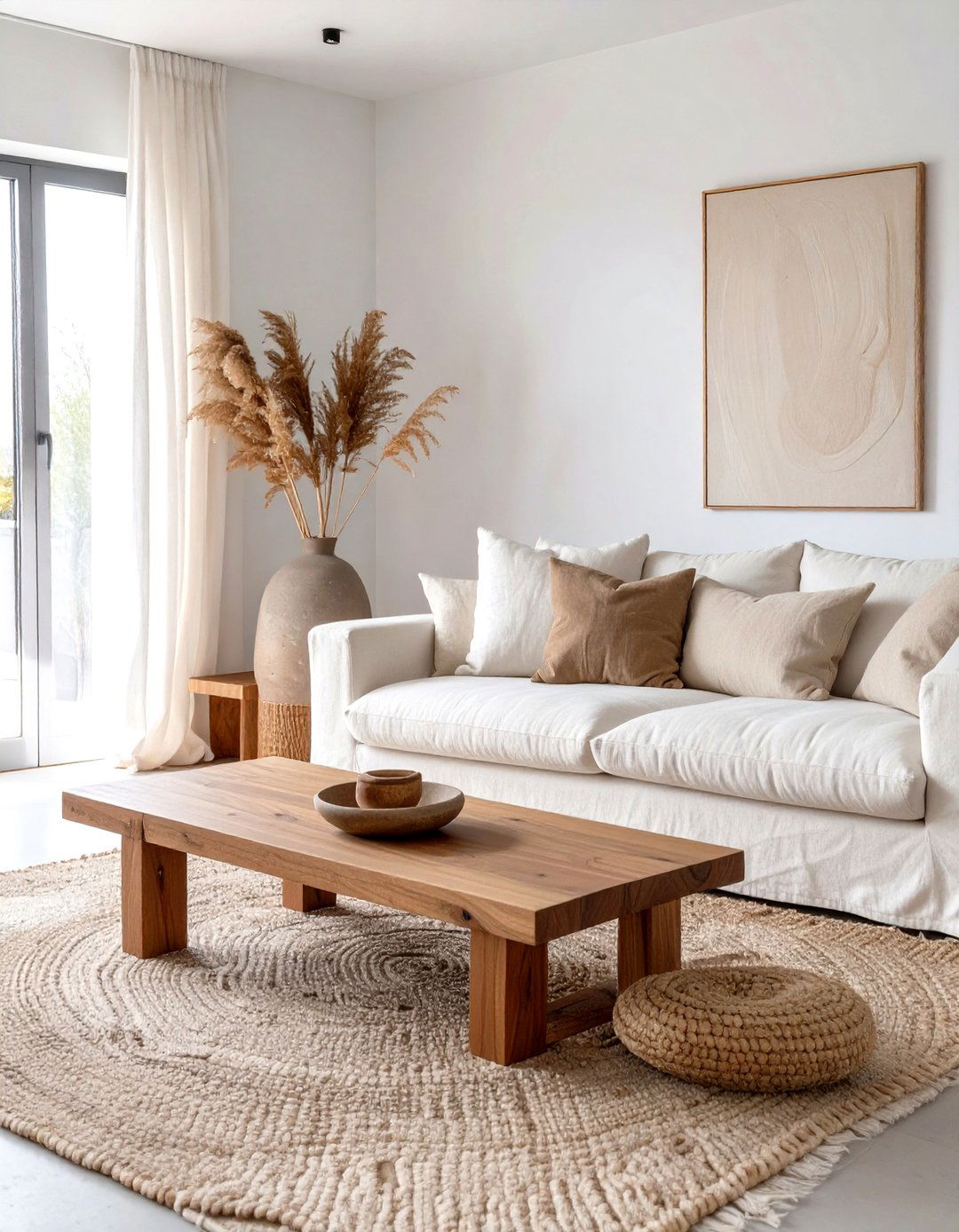
Quiet luxury, or "stealth wealth," is a design philosophy that prioritizes high-quality materials, expert craftsmanship, and timeless design over flashy logos and overt displays of wealth. This trend focuses on creating an atmosphere of understated elegance and enduring comfort. It is characterized by a neutral color palette, natural materials like marble, wood, and linen, and meticulously crafted furniture with clean lines. The beauty is in the details—the perfect seam, the solid feel of a wooden cabinet, or the soft texture of a cashmere throw. It’s about investing in pieces that are built to last and exude a sense of refined, effortless sophistication.
8. Checkerboard Patterns in Moderation
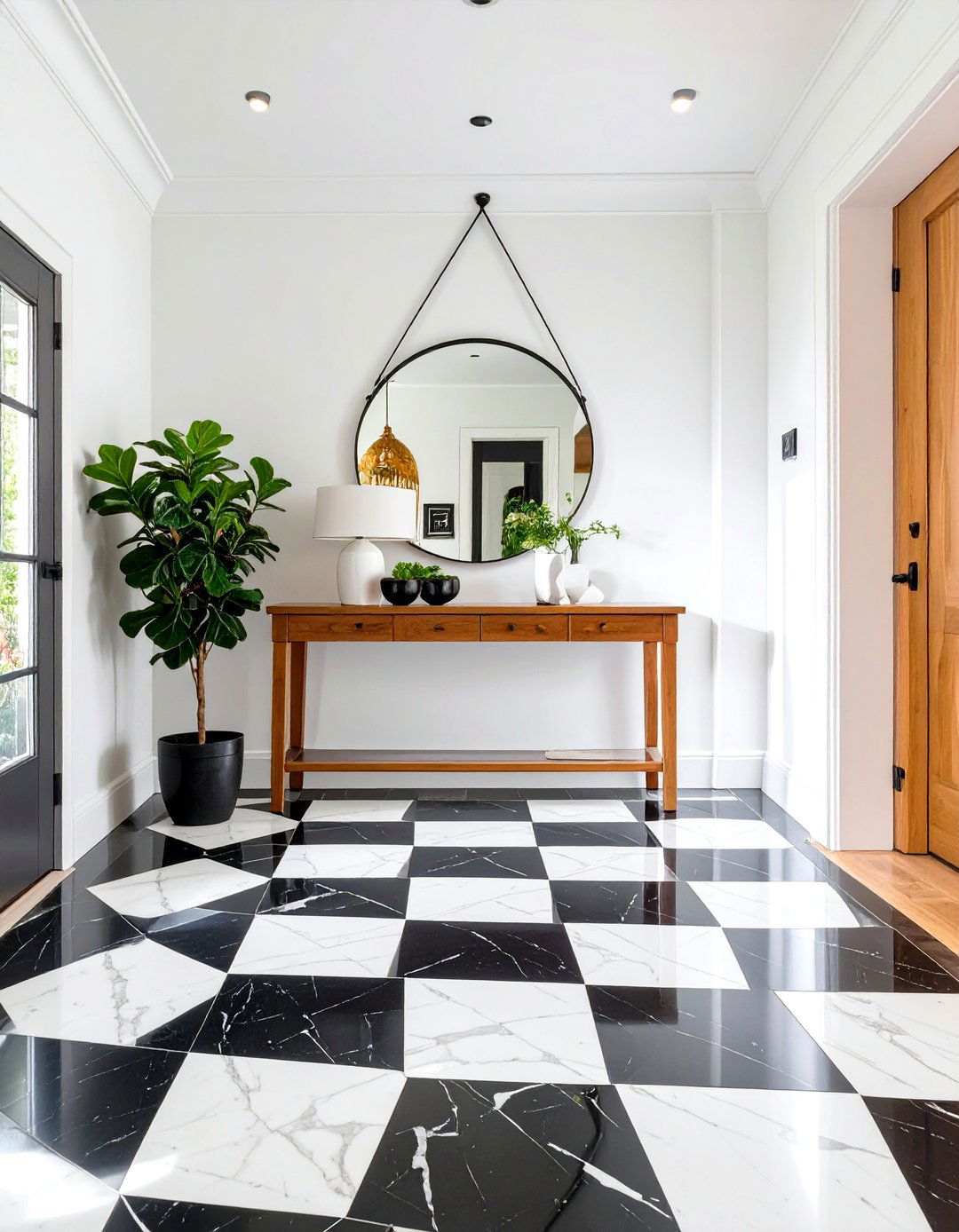
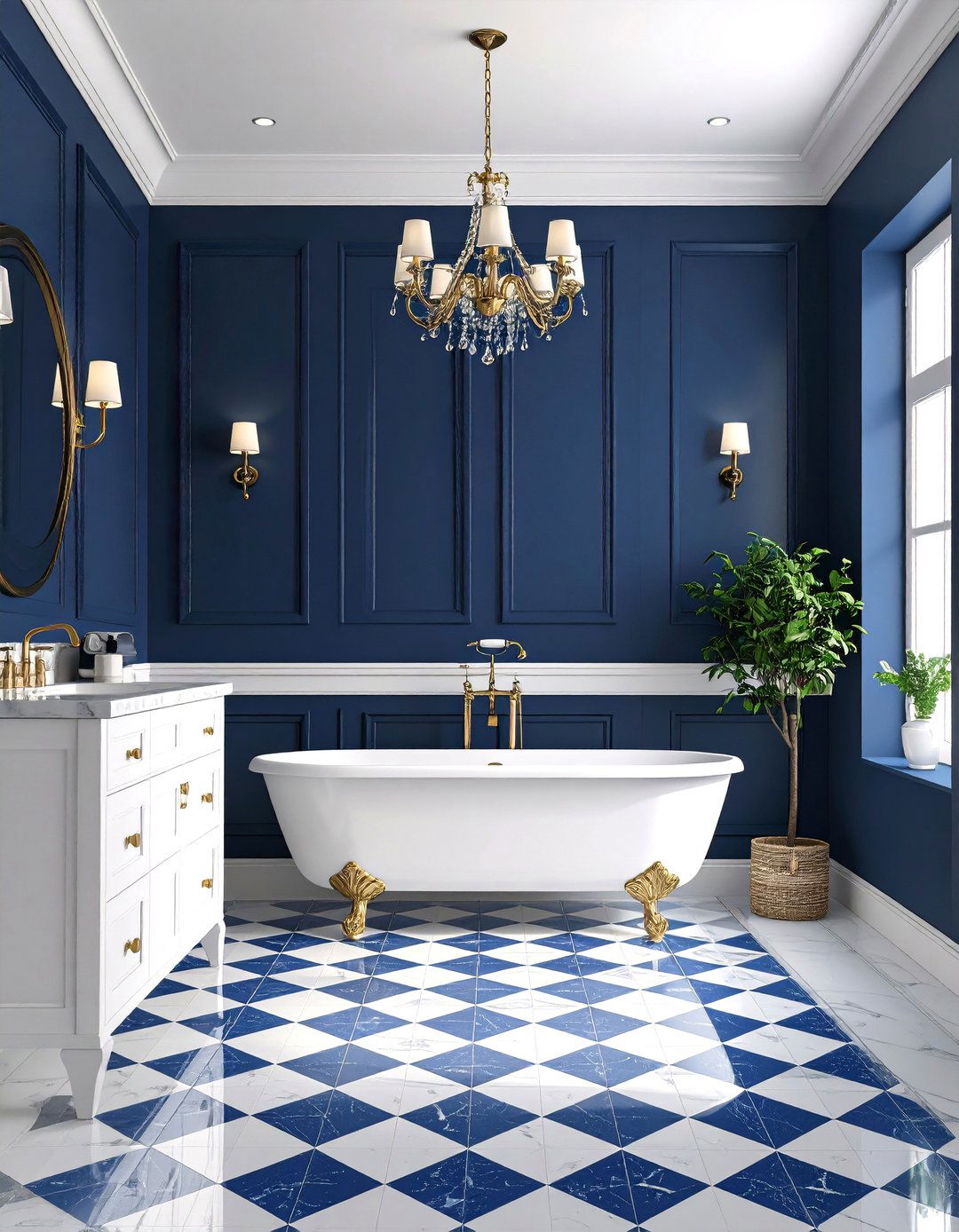
The classic checkerboard pattern is experiencing a modern revival, adding a touch of graphic charm and nostalgic flair to interiors. This trend is being applied in more subtle and sophisticated ways than in the past. Think of a checkerboard tile floor in a small bathroom or entryway, a cozy wool rug with a muted checkered design in the living room, or throw pillows with a contemporary take on the pattern. Using it as an accent rather than an overwhelming feature is key. It can introduce a playful yet structured element that complements various styles, from minimalist to eclectic, without overpowering the space.
9. Textured Walls and Surfaces
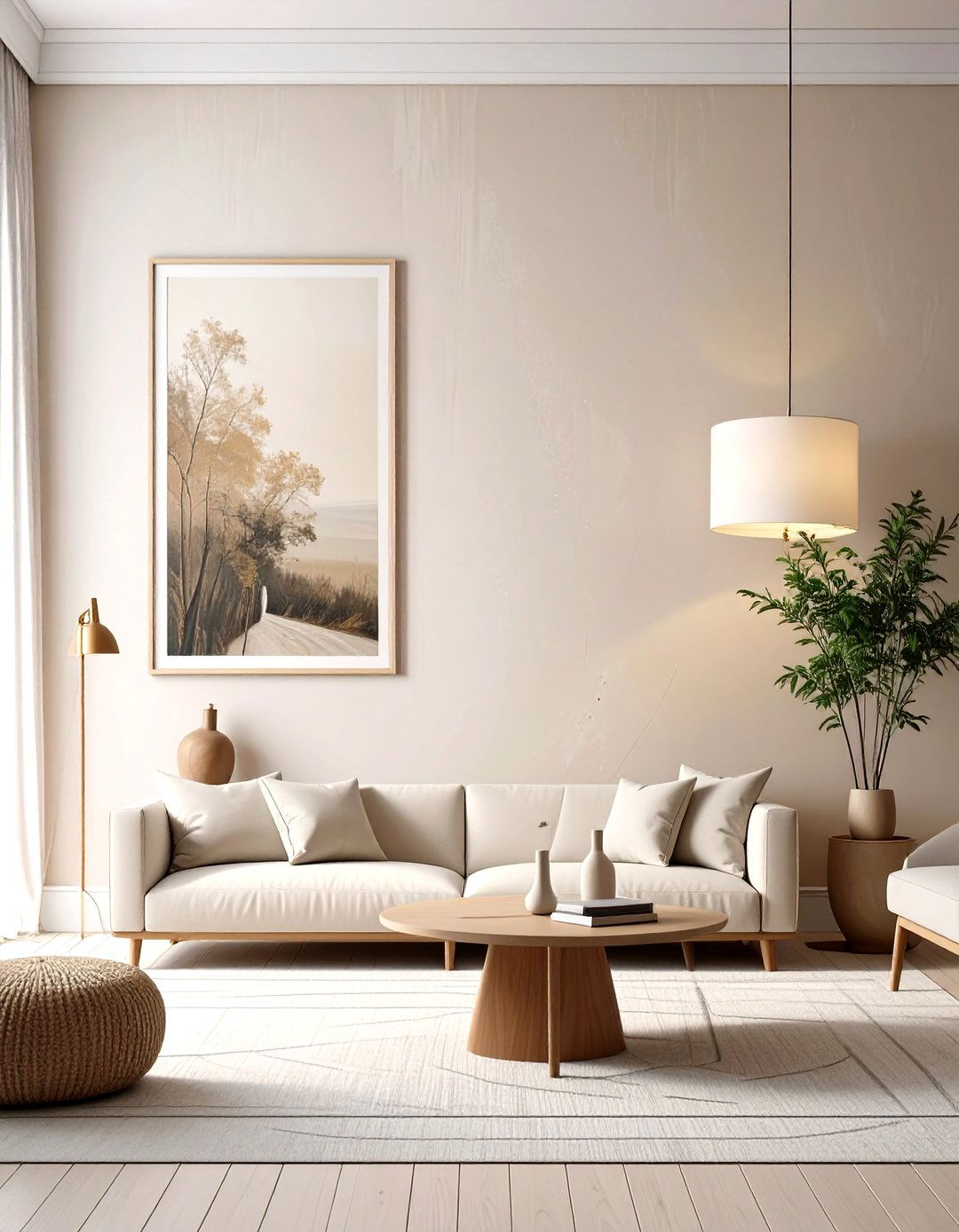
Flat, plain walls are being transformed into tactile experiences through the use of texture. This trend adds depth, warmth, and character to a room, engaging the senses beyond just the visual. Techniques like limewash, plaster, and Roman clay create a soft, matte finish with subtle variations in tone and texture, lending an artisanal, old-world feel. Other options include textured wallpaper, such as grasscloth or linen, wood paneling, or fluted wall details. These surfaces catch the light in interesting ways, adding a layer of sophistication and sensory richness that makes a space feel more dynamic and inviting.

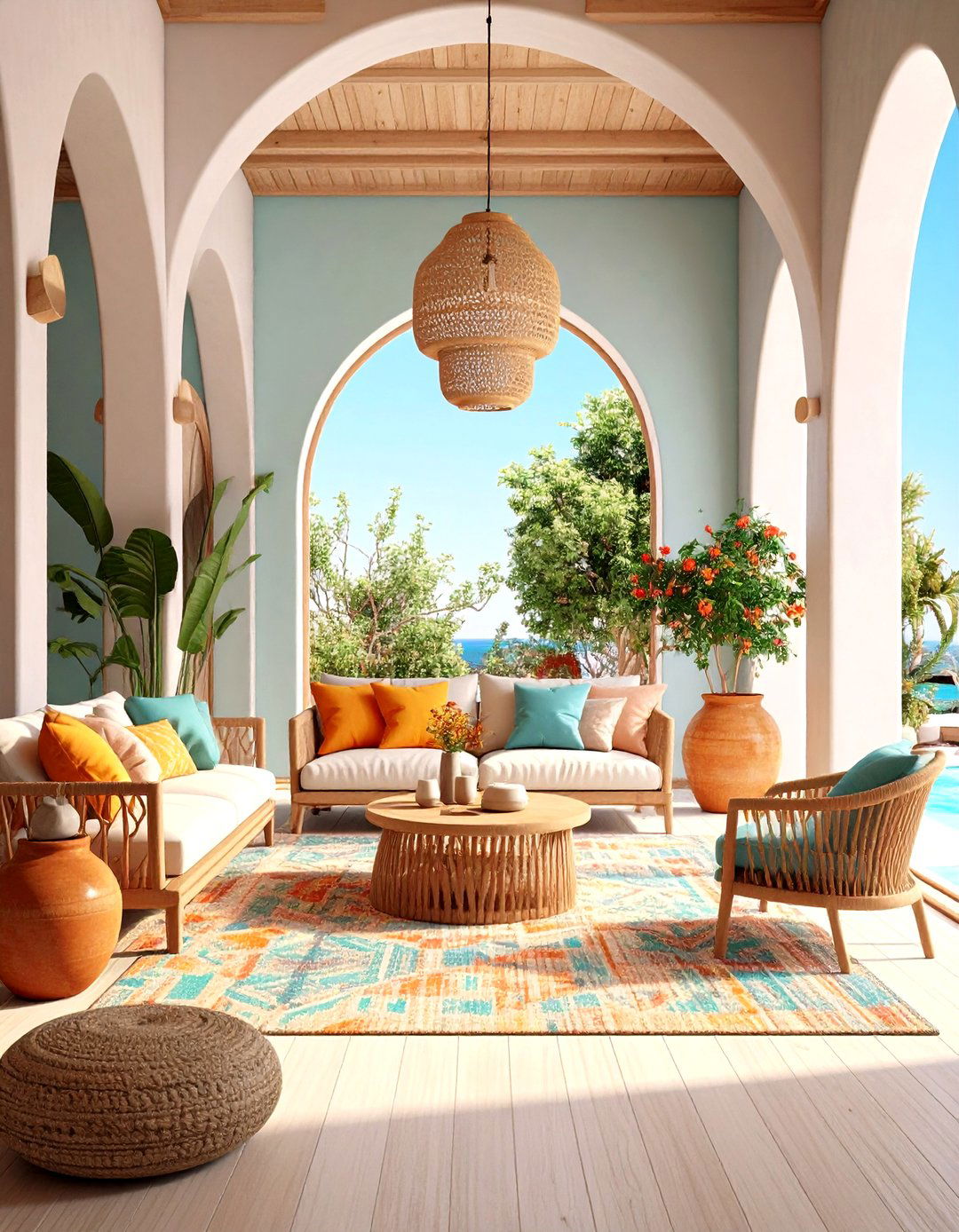
10. Personalized and Curated Decor
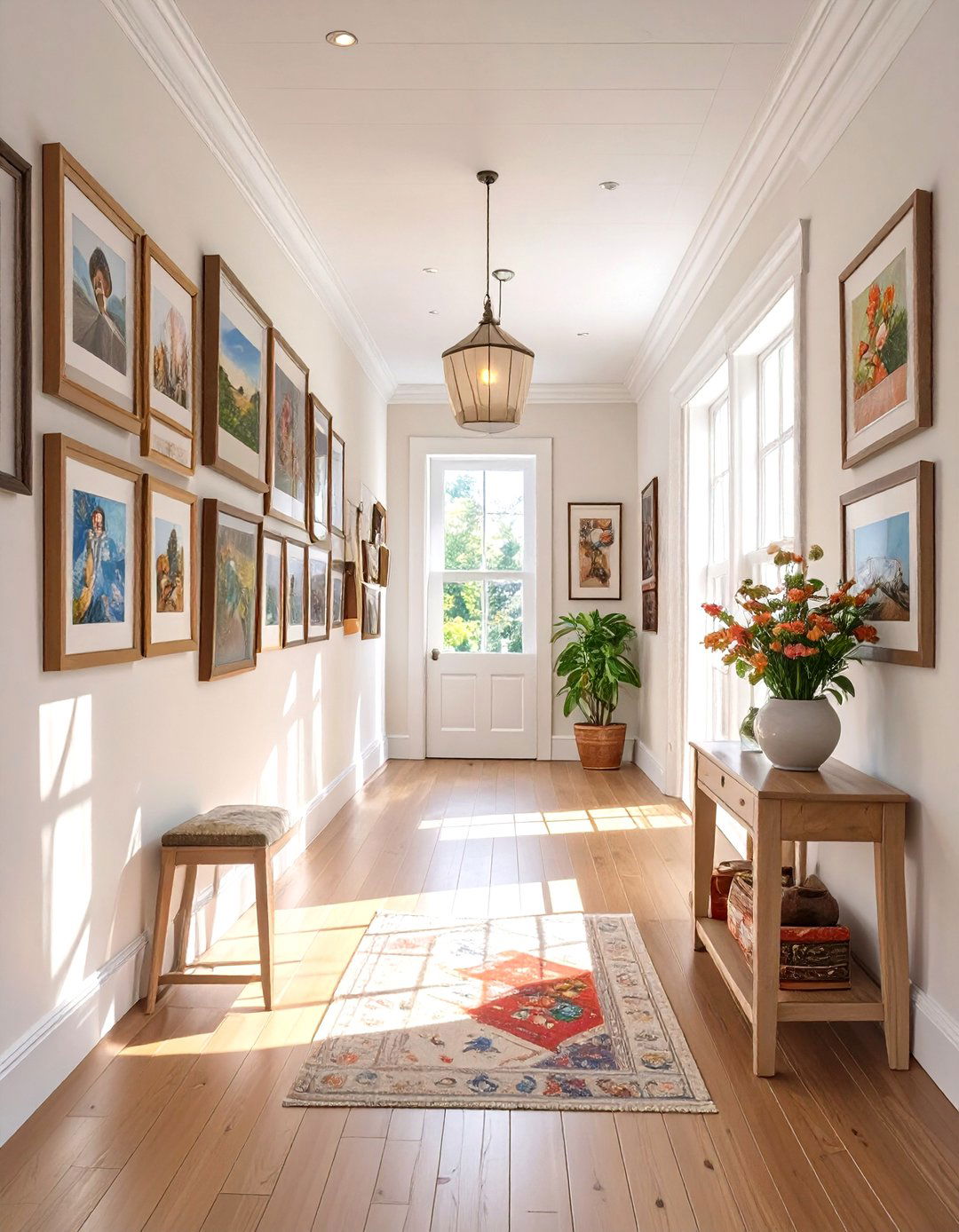
Cookie-cutter interiors are out as people increasingly seek to create homes that tell their personal stories. This trend is about curating a collection of decor items that are meaningful and unique to you. Instead of buying generic art and accessories, focus on sourcing pieces from local artists, displaying treasured travel souvenirs, or framing family photographs. Mix vintage finds with modern pieces to create a layered, collected-over-time aesthetic. A well-curated home feels authentic and soulful, reflecting your passions, history, and personality in every corner. It’s about celebrating individuality and creating a space that is truly your own.
11. Smart Home Integration for Wellness
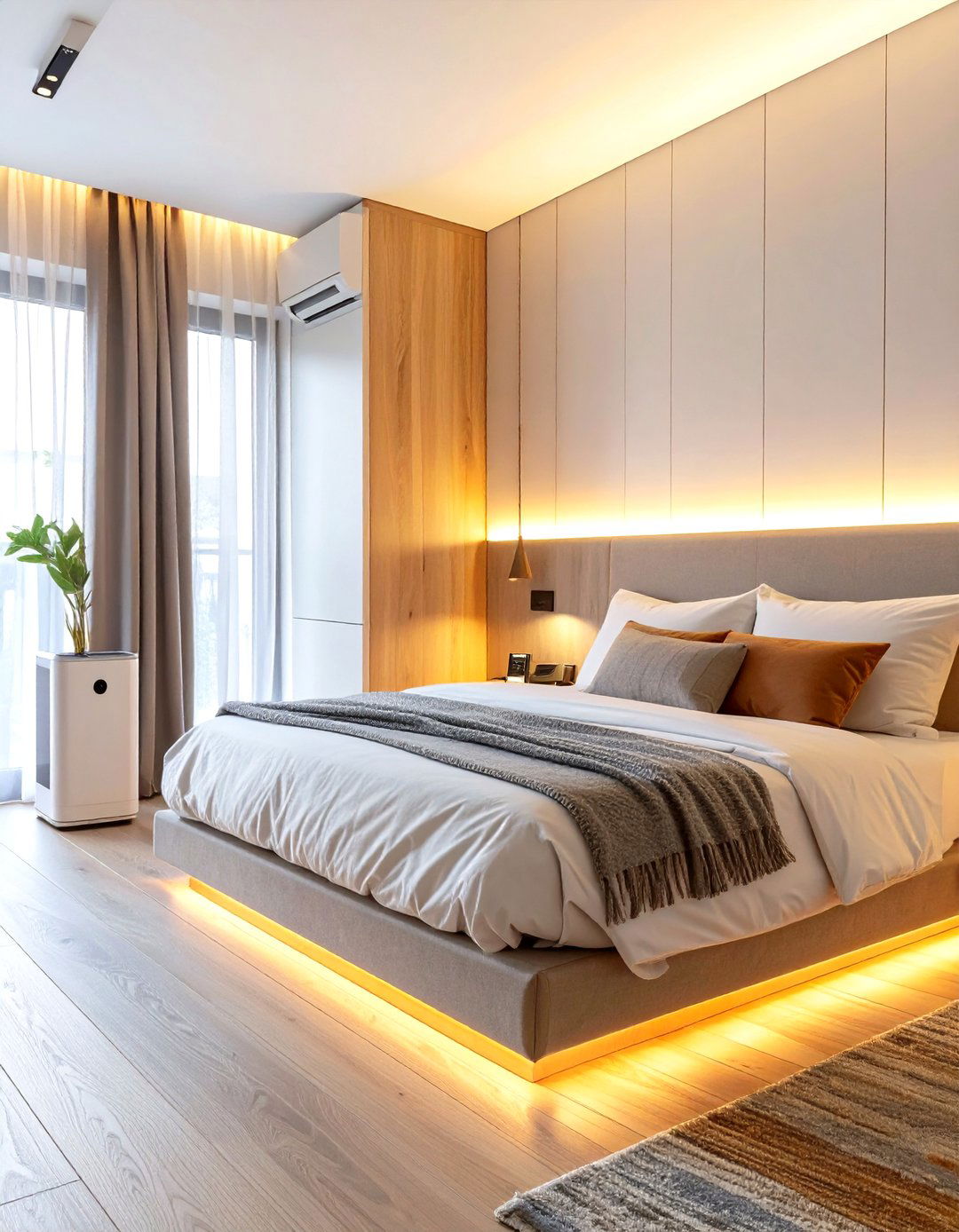
Technology is being seamlessly integrated into interior design not just for convenience, but to enhance overall well-being. This trend involves incorporating smart home devices that promote a healthier and more comfortable living environment. Think of automated lighting systems that mimic natural daylight patterns to regulate your circadian rhythm, smart thermostats that maintain optimal temperature and air quality, and smart speakers that play calming soundscapes. The goal is to create a responsive, intuitive home that supports your physical and mental health. These technologies are often designed to be discreet, blending into the background while working to create a restorative sanctuary.
12. Vintage and Antique Furniture Revival
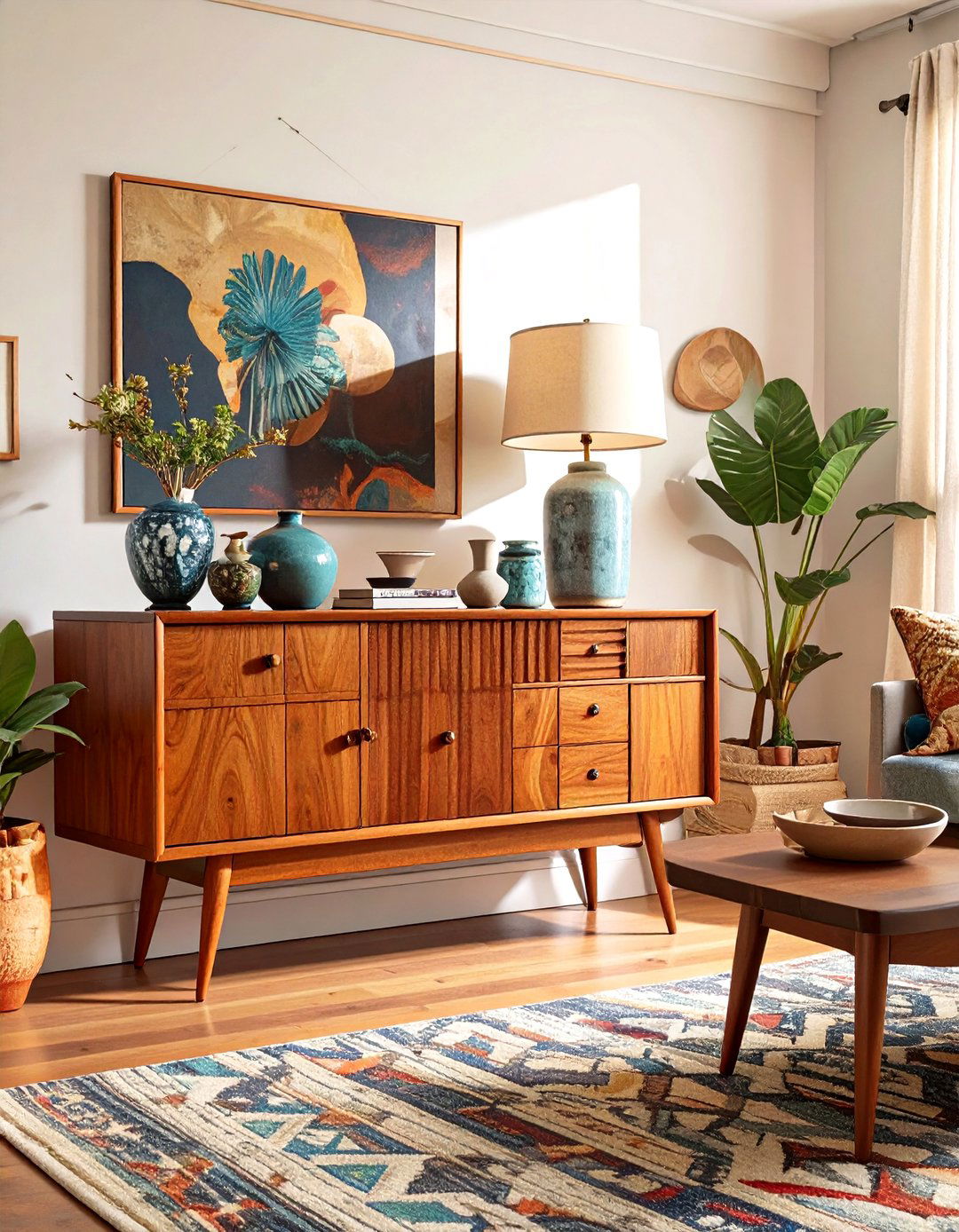
There is a growing appreciation for the character, craftsmanship, and sustainability of vintage and antique furniture. This trend involves incorporating one-of-a-kind pieces from past eras to add a sense of history and personality to a modern home. A mid-century modern sideboard, an ornate Victorian mirror, or a rustic farmhouse table can serve as a stunning focal point and a conversation starter. Shopping for vintage items is also an eco-friendly choice, as it gives old pieces a new life. Mixing these timeless treasures with contemporary decor creates a rich, layered look that feels both personal and sophisticated.
13. Bold and Expressive Patterns
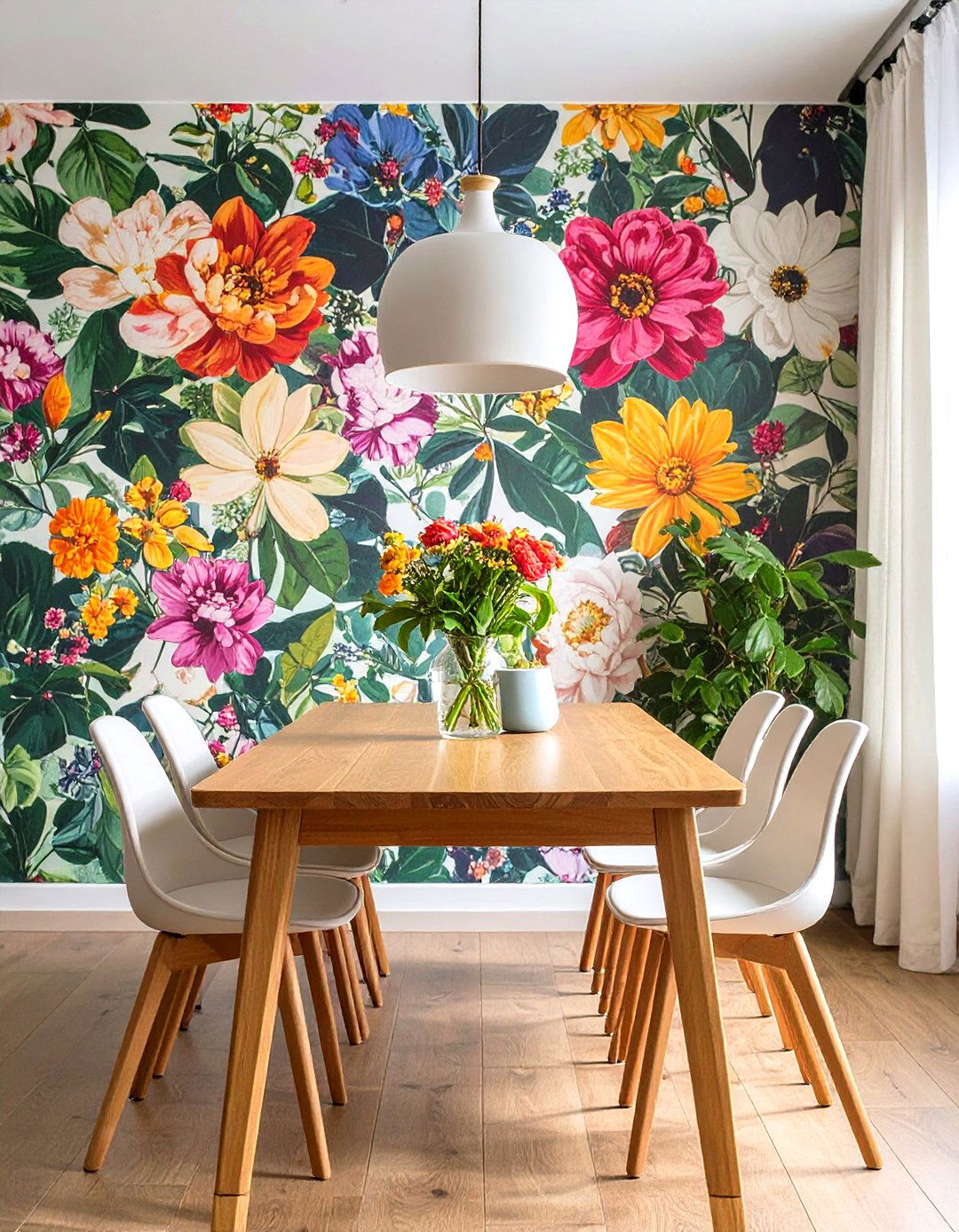
While minimalism has its place, a counter-trend celebrating bold, expressive patterns is gaining momentum. This is about injecting energy and personality into a space through vibrant and eye-catching designs. Large-scale floral wallpapers, graphic geometric rugs, and intricately patterned textiles are being used to make a confident style statement. You can go all-in with a feature wall or start smaller with patterned throw pillows, curtains, or upholstery. The key is to balance the bold patterns with more neutral elements to avoid overwhelming the space. This trend allows for creative self-expression and transforms a room into a lively, dynamic environment.
14. Natural Stone with Prominent Veining
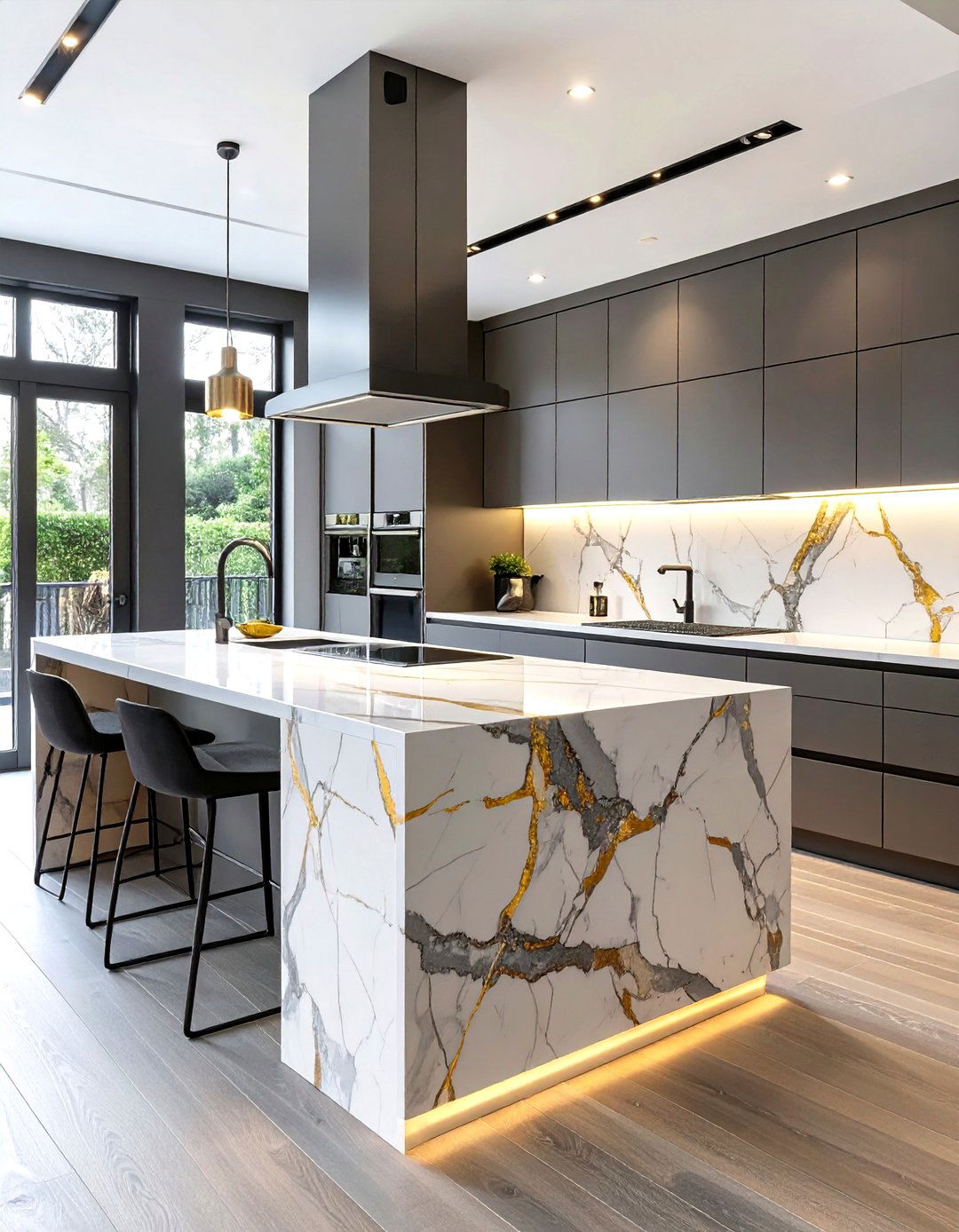
Natural stone, particularly varieties with dramatic and prominent veining, is being celebrated as a work of art. Materials like Calacatta and Arabescato marble, with their bold, flowing patterns, are used for kitchen countertops, backsplashes, waterfall islands, and even entire walls. The unique and organic veining of each slab ensures that no two applications are the same, adding a bespoke, luxurious feel to the space. This trend highlights the raw beauty of natural materials, turning a functional surface into a stunning visual centerpiece. It brings an element of timeless elegance and natural wonder into the home.
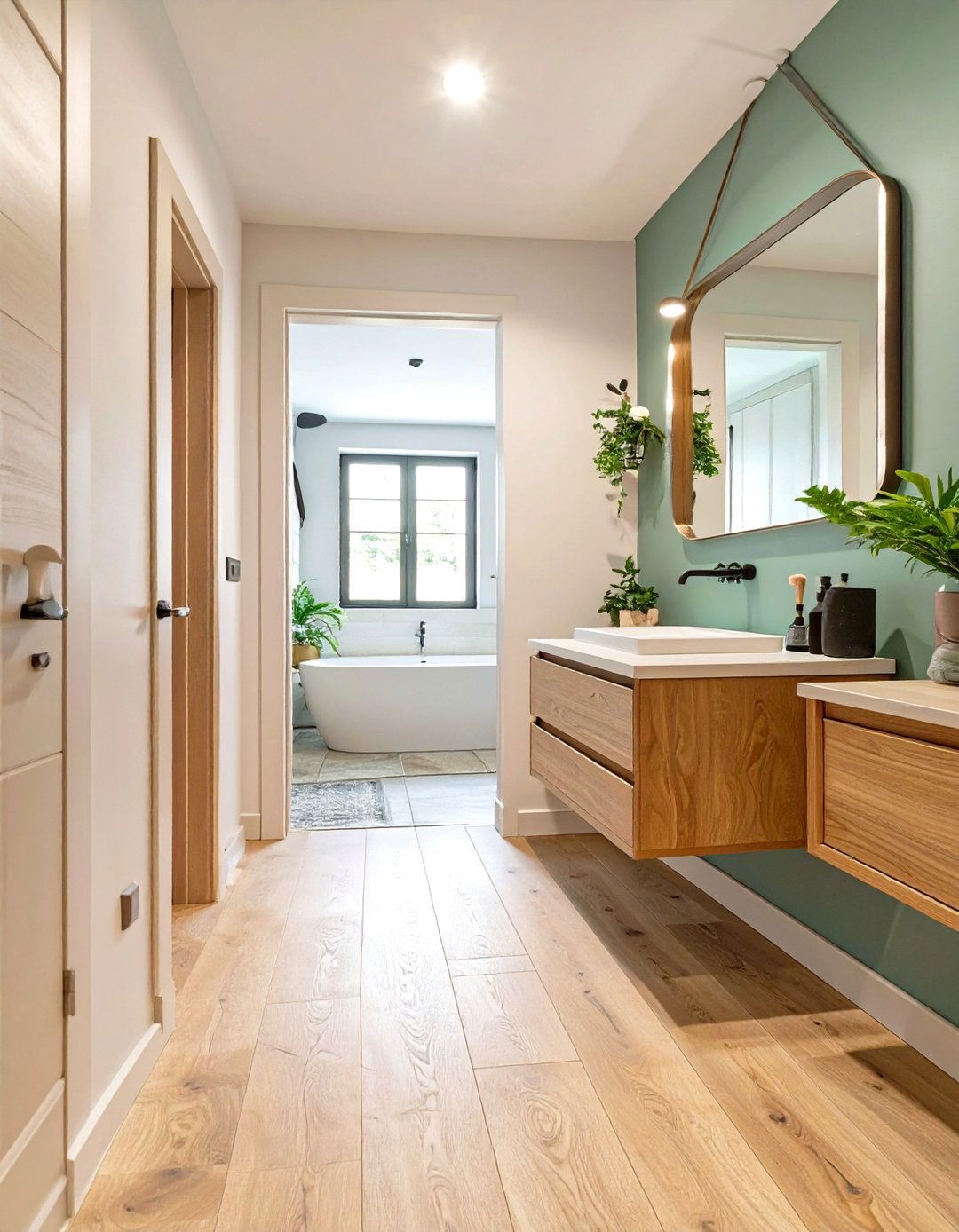
15. The Return of Dark Wood Tones
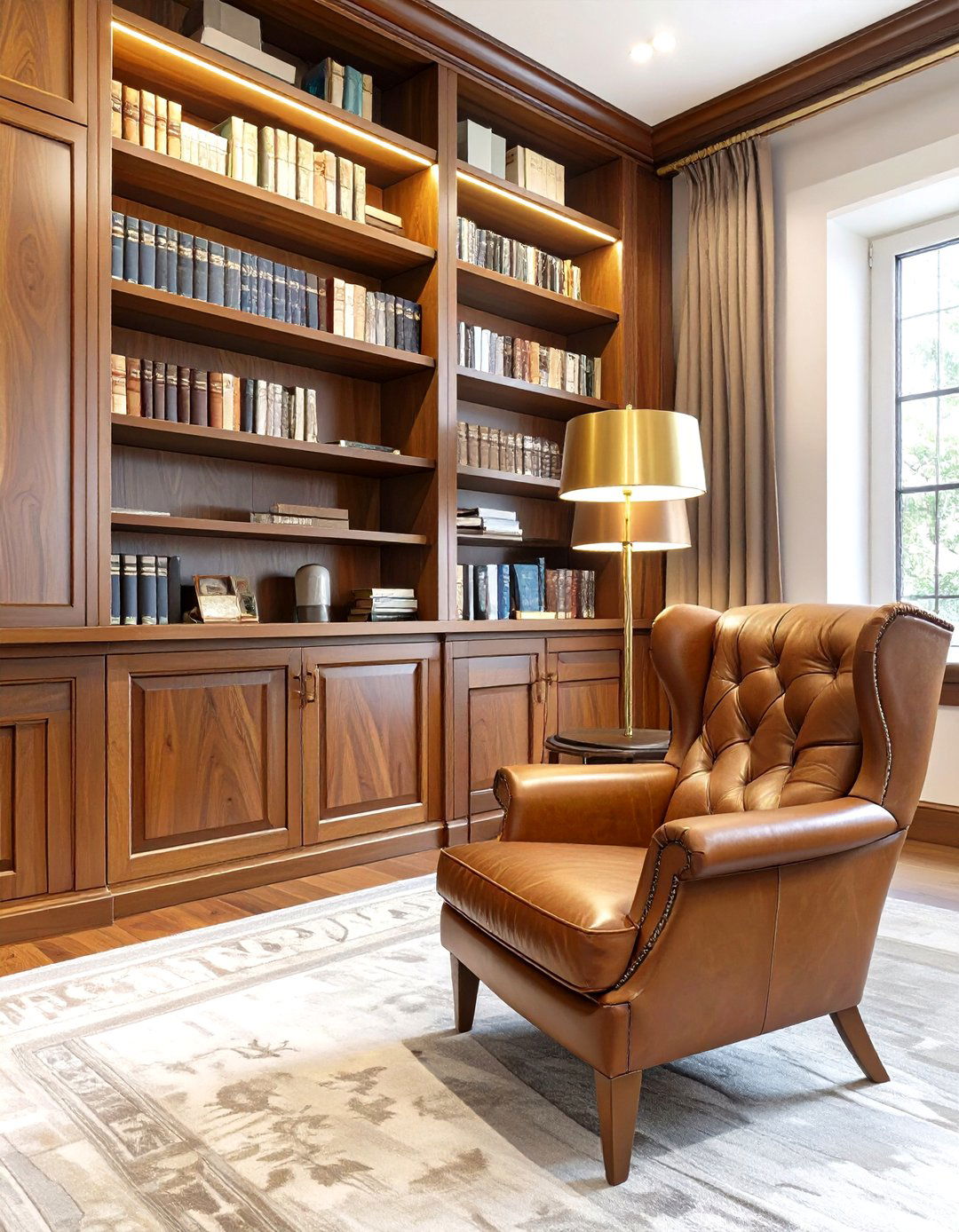
After years of light and blonde woods dominating interiors, deeper and richer wood tones are making a strong comeback. Walnut, mahogany, and dark-stained oak are being used for flooring, cabinetry, and furniture to create a sense of warmth, sophistication, and drama. These dark woods add depth and contrast to a space, especially when paired with lighter walls and textiles. They evoke a feeling of classic elegance and grounding stability, reminiscent of mid-century and traditional design. This shift towards darker tones reflects a desire for cozy, enveloping interiors that feel both luxurious and timeless.
16. Sculptural and Artistic Furniture
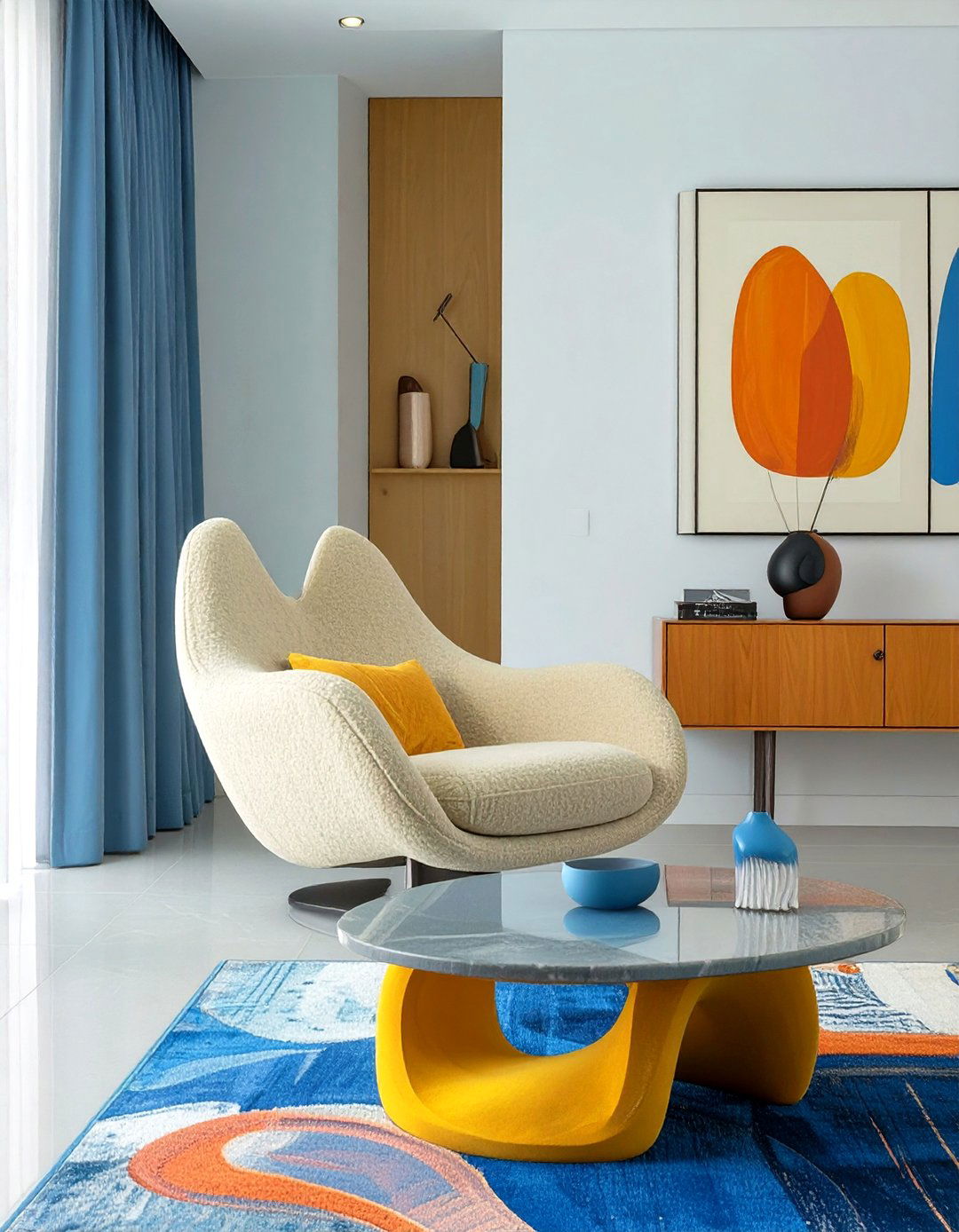
Furniture is transcending its purely functional role to become a form of sculpture. This trend features pieces with unique, artistic shapes and unconventional forms that serve as focal points in a room. Think of chairs with abstract silhouettes, coffee tables that look like modern sculptures, or bookcases with irregular, eye-catching structures. These pieces challenge traditional notions of furniture design and add a layer of creativity and intrigue to a space. Incorporating a single sculptural item can elevate the entire room, turning it into a gallery-like setting that showcases your appreciation for art and design.
17. Color Drenching for a Cohesive Look
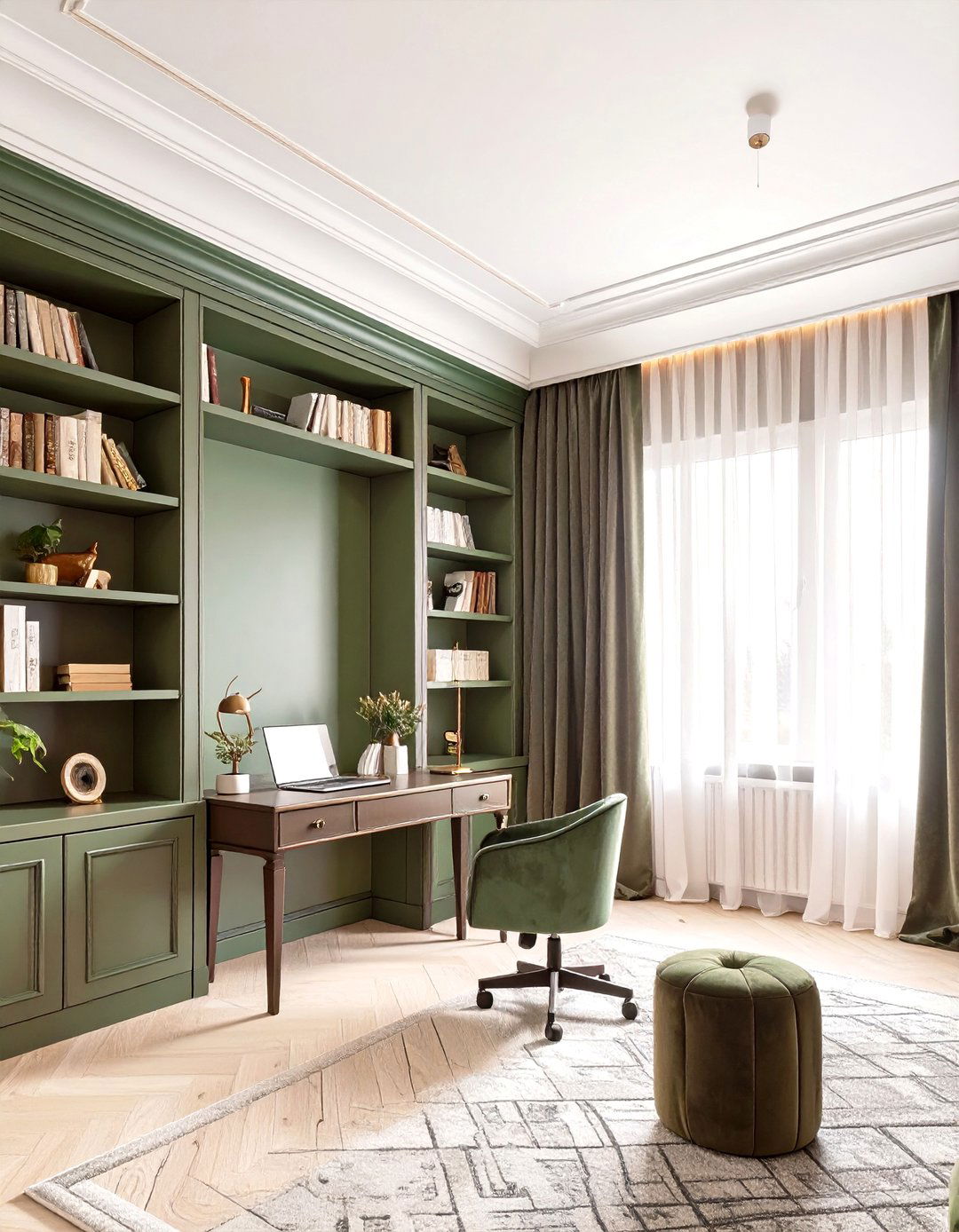
Color drenching is a bold design technique that involves painting an entire room—walls, ceiling, trim, and sometimes even furniture—in a single, continuous color. This immersive approach creates a cohesive and cocooning effect, making a space feel both dramatic and surprisingly serene. Using different sheens of the same color can add subtle dimension and interest. This trend works well with both deep, moody hues and soft, muted tones. By enveloping a room in one color, you blur the boundaries and create a sophisticated, unified backdrop that makes architectural details and decor stand out.
18. Wellness-Focused Design Elements
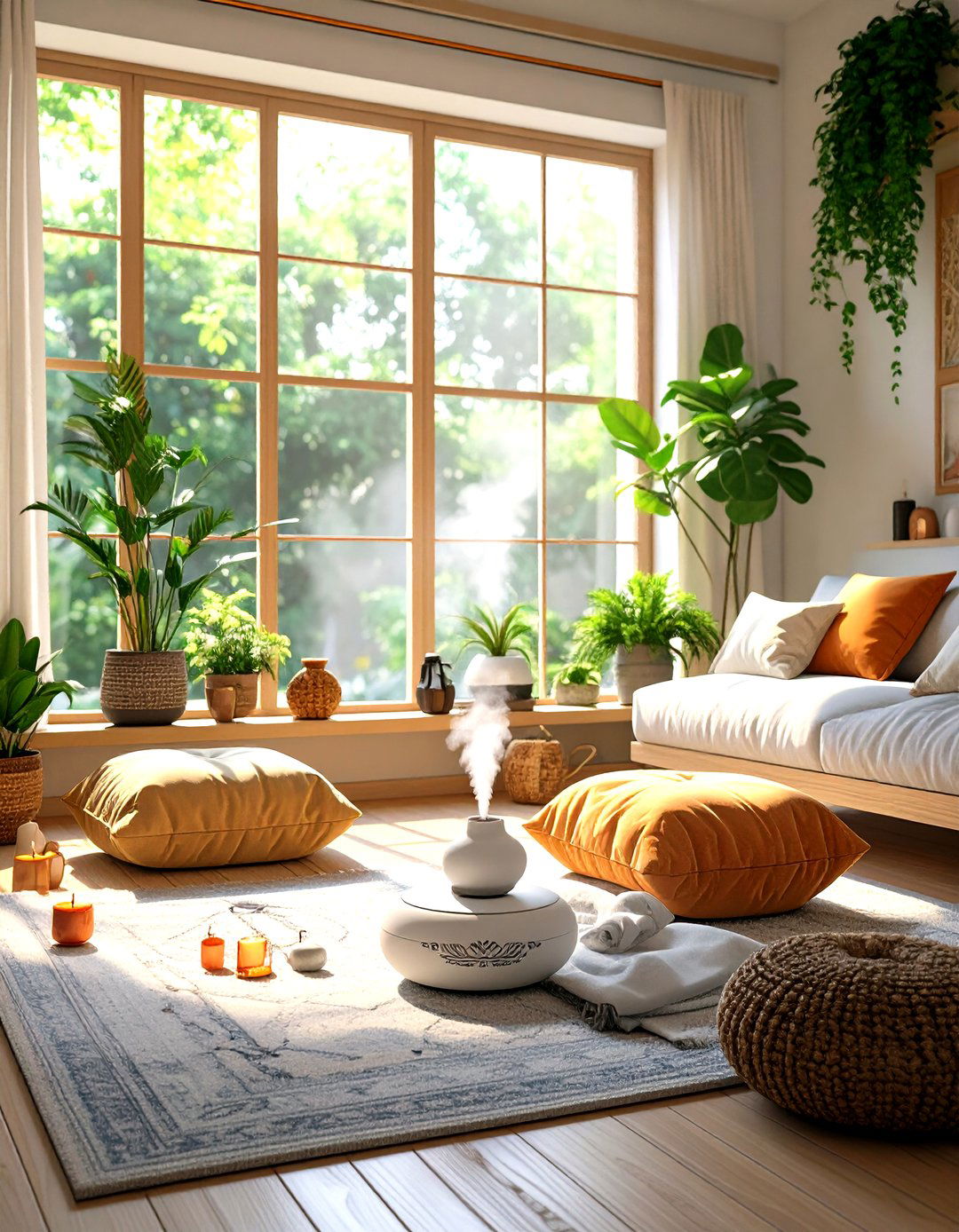
Creating a home that actively supports mental and physical well-being is a major trend. This goes beyond aesthetics to incorporate elements that promote relaxation, mindfulness, and health. This can include creating a dedicated meditation or yoga corner, using aromatherapy diffusers with calming essential oils, and selecting furniture with ergonomic support. Natural light is maximized, and clutter is minimized to create a calming, organized environment. The goal is to design a sanctuary that helps you de-stress and recharge, making your home a true haven for wellness.
19. Artisanal and Handcrafted Decor
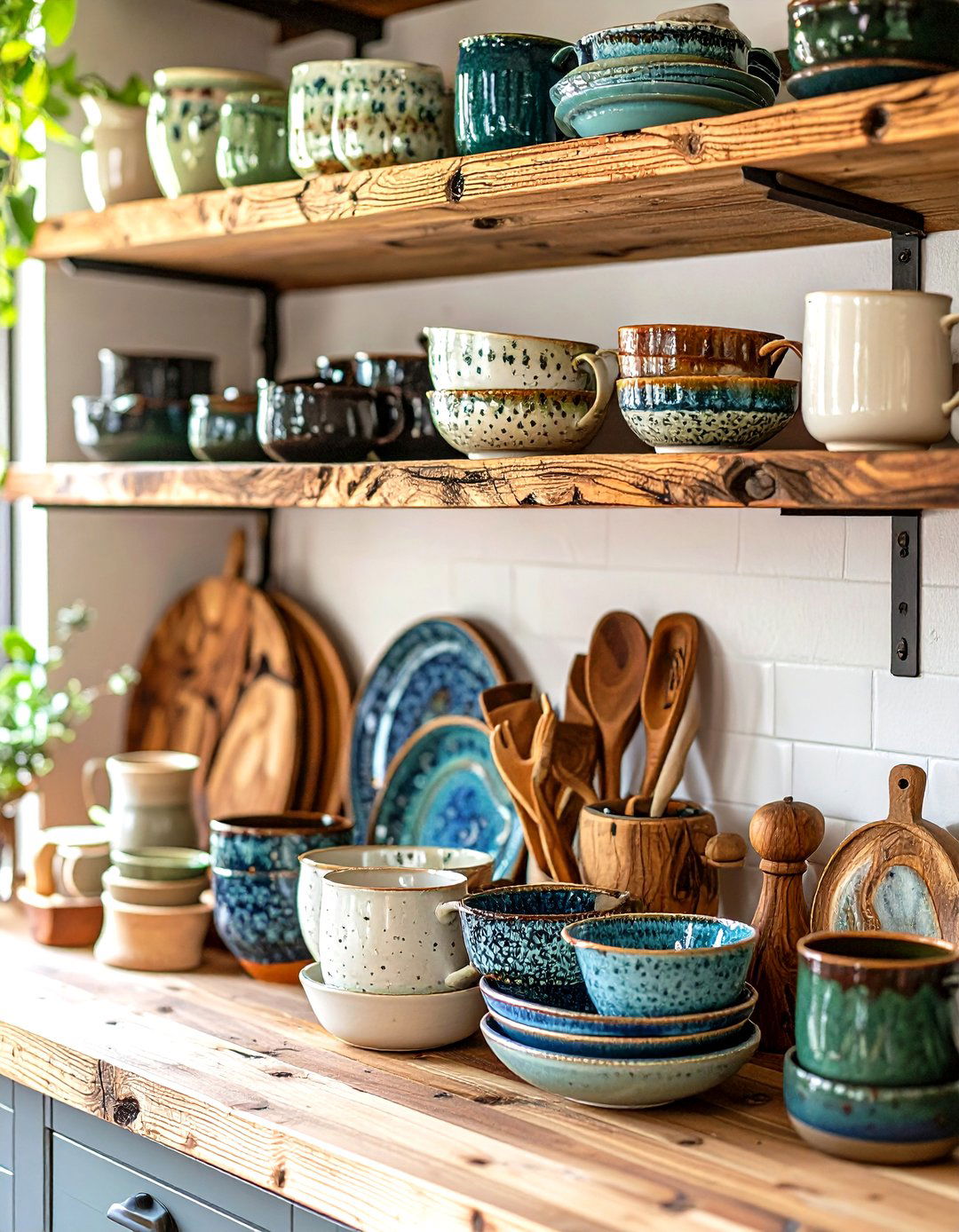
In a world of mass production, there is a growing desire for unique, handcrafted items that showcase skill and artistry. This trend celebrates the beauty of imperfection and the human touch. Incorporating artisanal decor, such as hand-thrown pottery, hand-woven textiles, or custom-made furniture, adds a sense of soul and authenticity to a space. These pieces tell a story and connect you to the maker. By choosing handcrafted items, you support small artisans and create a home that is filled with character, warmth, and one-of-a-kind treasures that can't be found in a big-box store.


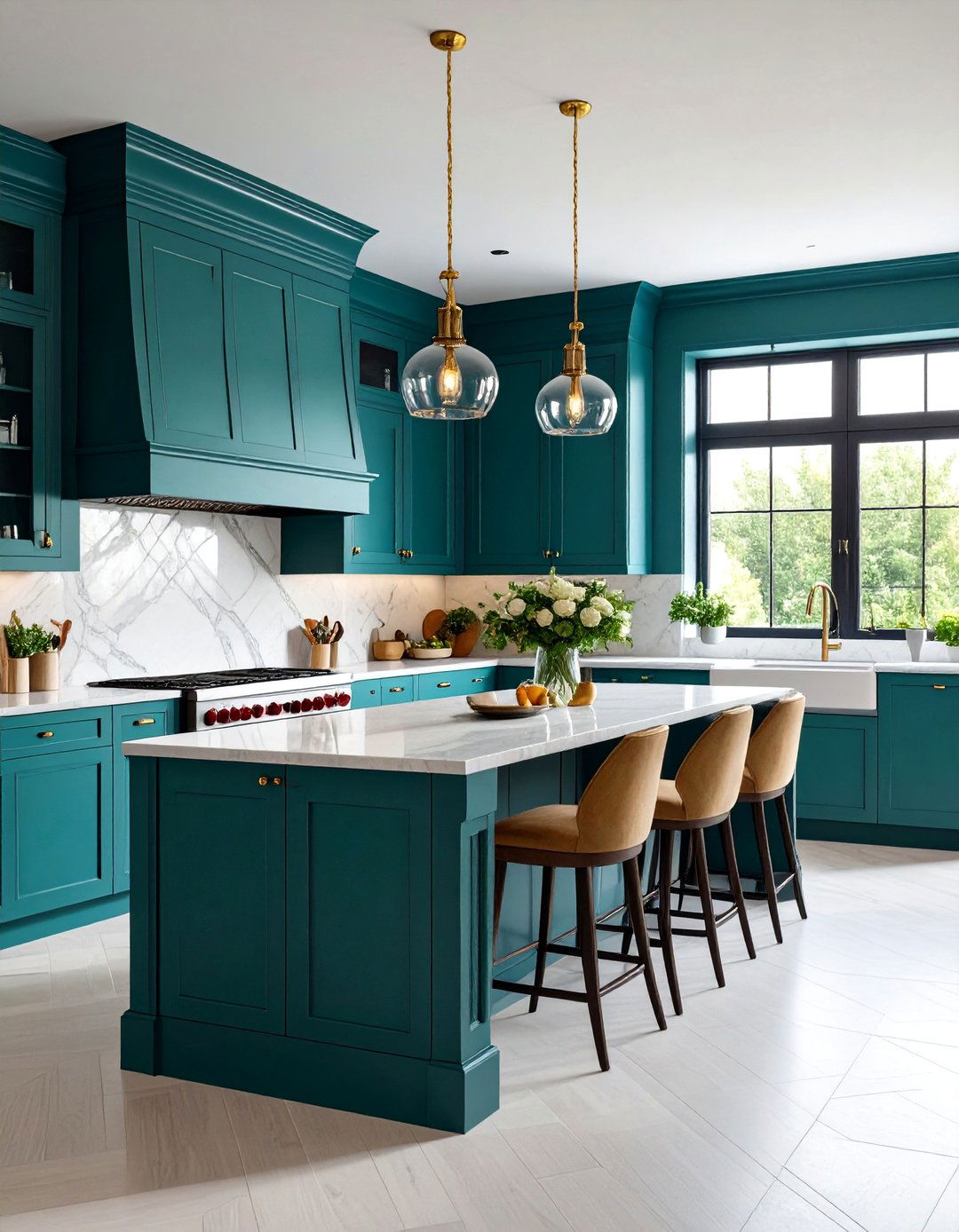

20. Arches and Curved Doorways
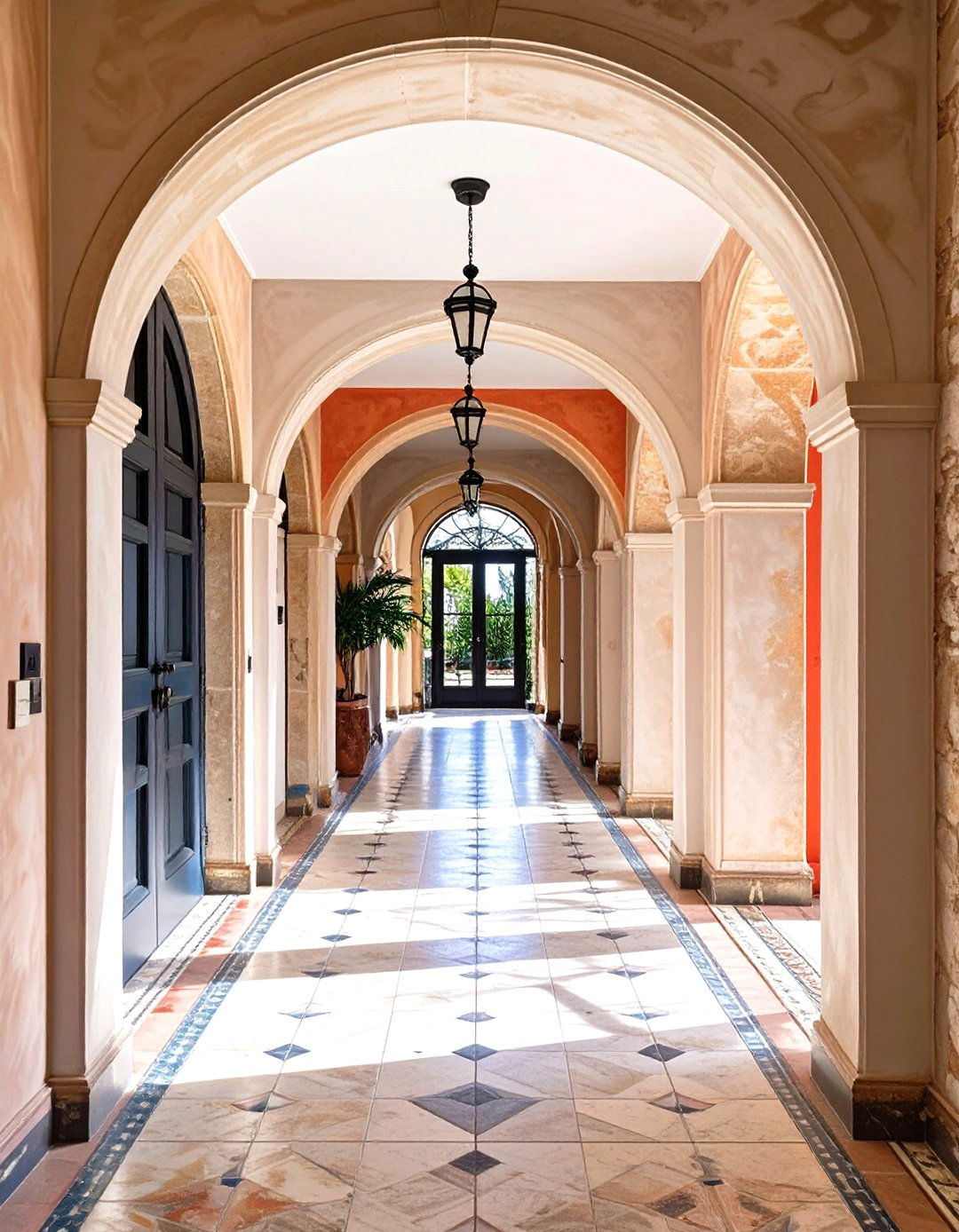
Architectural details are softening with the re-emergence of arches and curves. Arched doorways, windows, and built-in shelving are being used to add a sense of grace, elegance, and architectural interest to a space. These rounded forms break up the straight lines of a room, creating a gentle, flowing transition between areas. An arch can frame a view, highlight a piece of furniture, or simply add a touch of romance and old-world charm. This trend is a nod to classical architecture, but it is being reinterpreted in modern and minimalist ways to create spaces that feel both timeless and contemporary.
21. Glass and Transparent Materials

The use of glass and other transparent materials like acrylic is a trend focused on creating a sense of openness and light. Glass partitions are used to divide spaces without sacrificing natural light, making smaller areas feel larger. Acrylic or lucite furniture, such as coffee tables or console tables, offers functionality without visual clutter, creating a floating, ethereal effect. This trend is particularly effective in compact urban homes where maximizing the feeling of space is crucial. Transparent elements add a touch of modern sophistication and help to create an airy, uncluttered, and light-filled environment.
22. Bouclé and High-Texture Fabrics
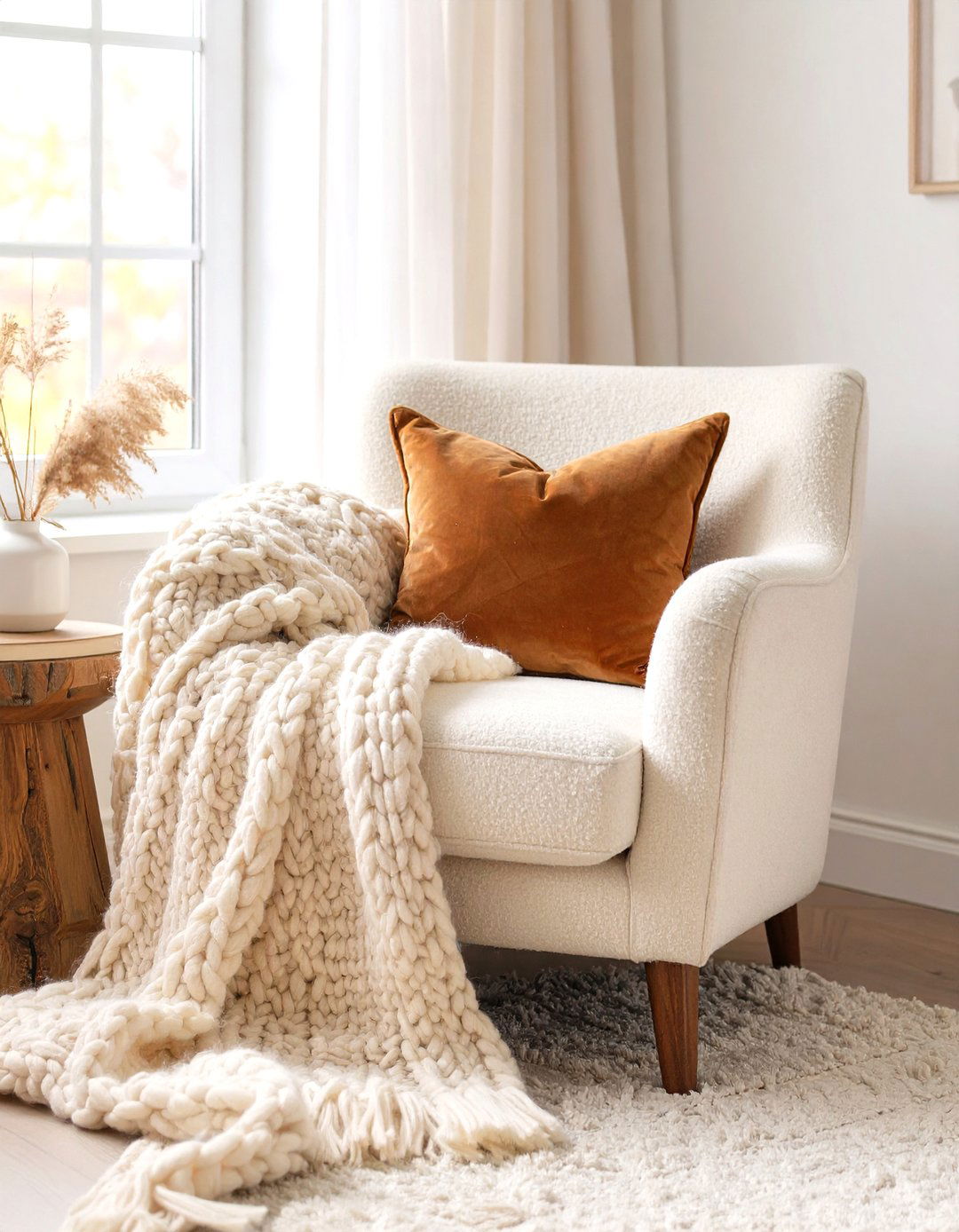
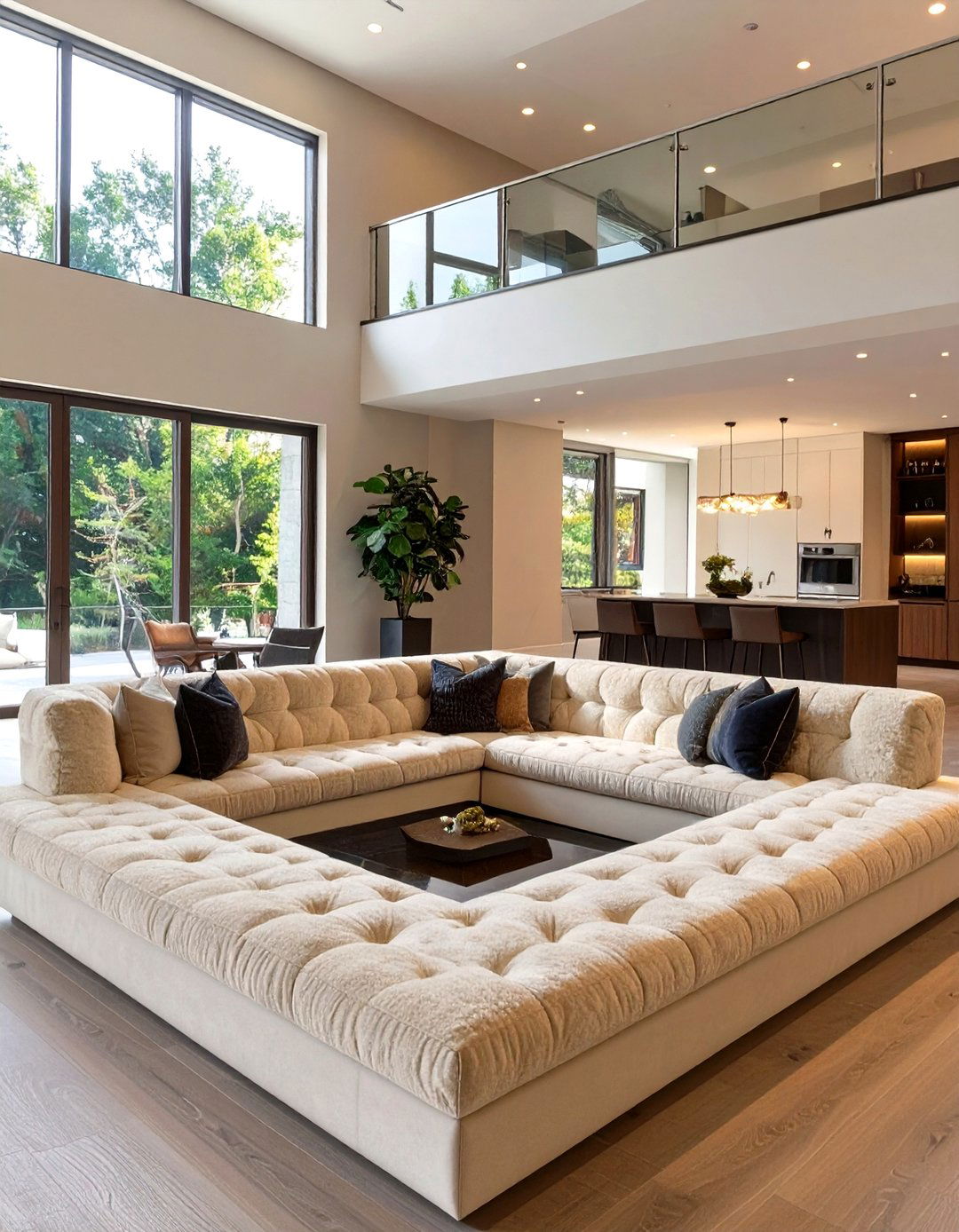
Tactile comfort is paramount, and fabrics like bouclé are leading the charge. This nubby, looped yarn, once popularized in the mid-20th century, is back in a big way, gracing sofas, armchairs, and pillows. Its soft, cozy texture invites you to touch and relax, adding a layer of warmth and visual interest. Beyond bouclé, other high-texture fabrics like shearling, velvet, and chunky knits are also popular. Layering these different textures creates a rich, sensory experience, making a room feel more inviting and comfortable. This trend is about creating a cozy, cocooning atmosphere through touchable, luxurious textiles.
23. Zellige and Handcrafted Tiles
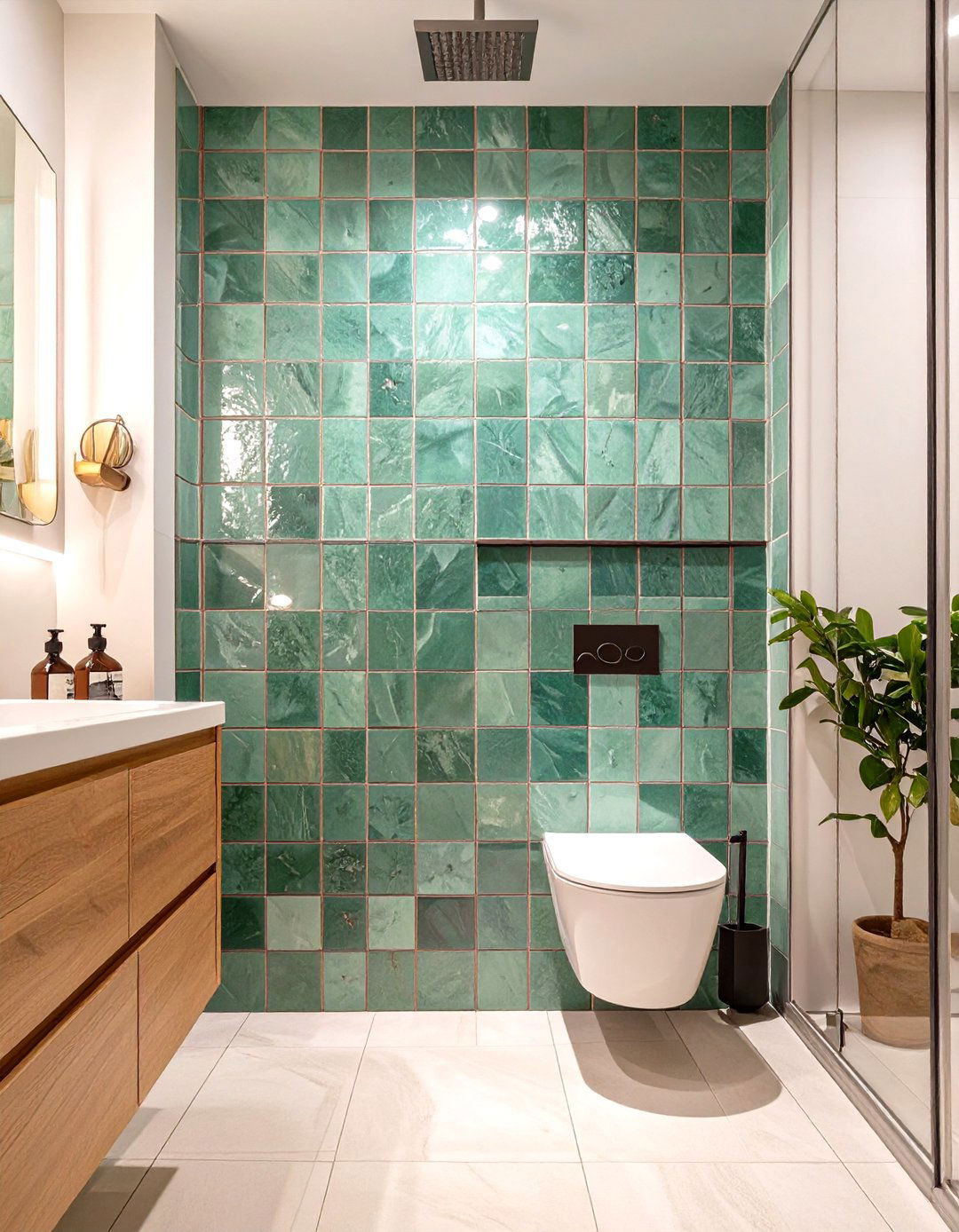
The perfectly imperfect beauty of handcrafted tiles, especially Moroccan Zellige tiles, is a major trend in kitchens and bathrooms. These clay tiles are known for their irregular surfaces, slight variations in color, and unique character, a stark contrast to mass-produced, uniform tiles. Each tile is one-of-a-kind, and when installed together, they create a surface with beautiful texture, sheen, and depth. The subtle imperfections catch the light in stunning ways, adding an artisanal, soulful quality to a space. This trend celebrates craftsmanship and brings a touch of timeless, organic beauty into the home.
24. Statement Rugs as Floor Art
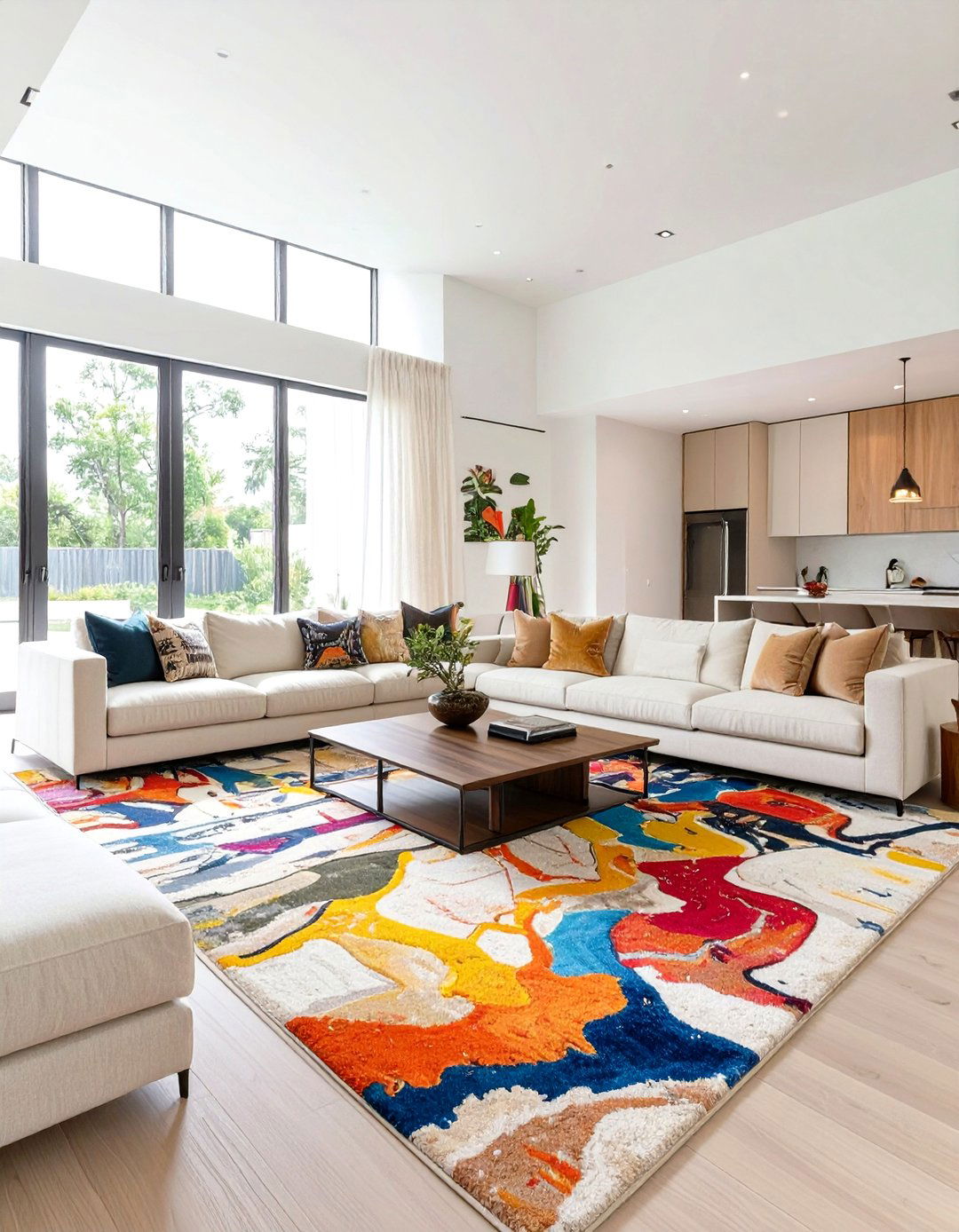
Rugs are being treated as foundational artworks for the floor. This trend moves beyond neutral, functional floor coverings to embrace bold, artistic designs that anchor a room and define its character. Look for rugs with abstract patterns, vibrant colors, or unique, asymmetrical shapes. A statement rug can serve as the primary source of color and pattern in an otherwise minimalist space or tie together a more eclectic design scheme. It's an opportunity to express personality from the ground up, adding warmth, texture, and a powerful visual impact that transforms the entire feel of a room.
25. High-Contrast Monochrome Palettes
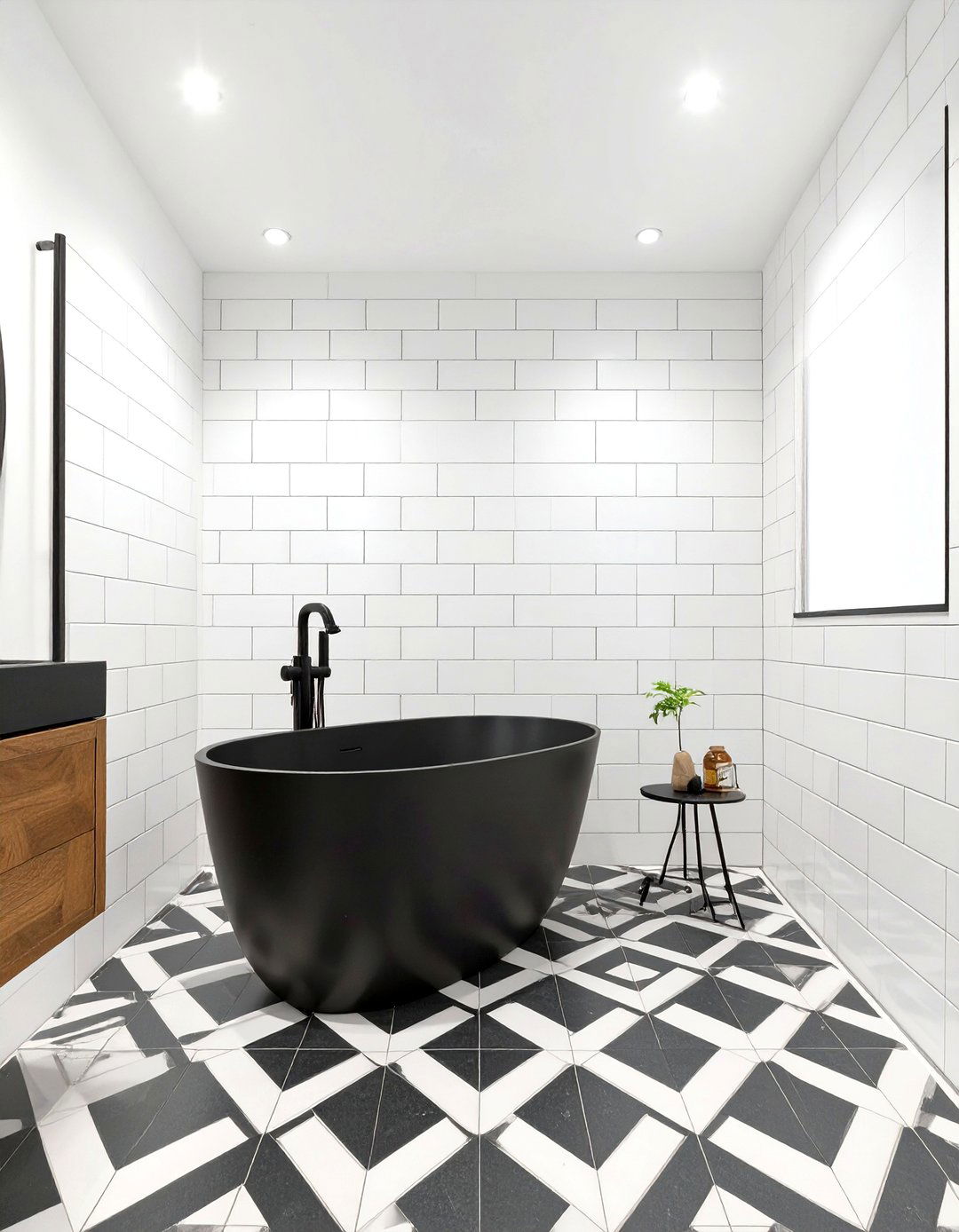
The classic black and white combination is being reimagined with a modern, high-contrast twist. This trend is about creating a bold, graphic look that feels both timeless and contemporary. Think of a kitchen with matte black cabinetry paired with crisp white marble countertops, or a living room with a white sofa set against a dramatic black accent wall. The key is to balance the two extremes and use texture to add depth and prevent the space from feeling flat. This powerful palette creates a sense of sophistication and drama, providing a clean, striking backdrop for pops of color or metallic accents.
26. Outdoor-Inspired Indoor Furniture
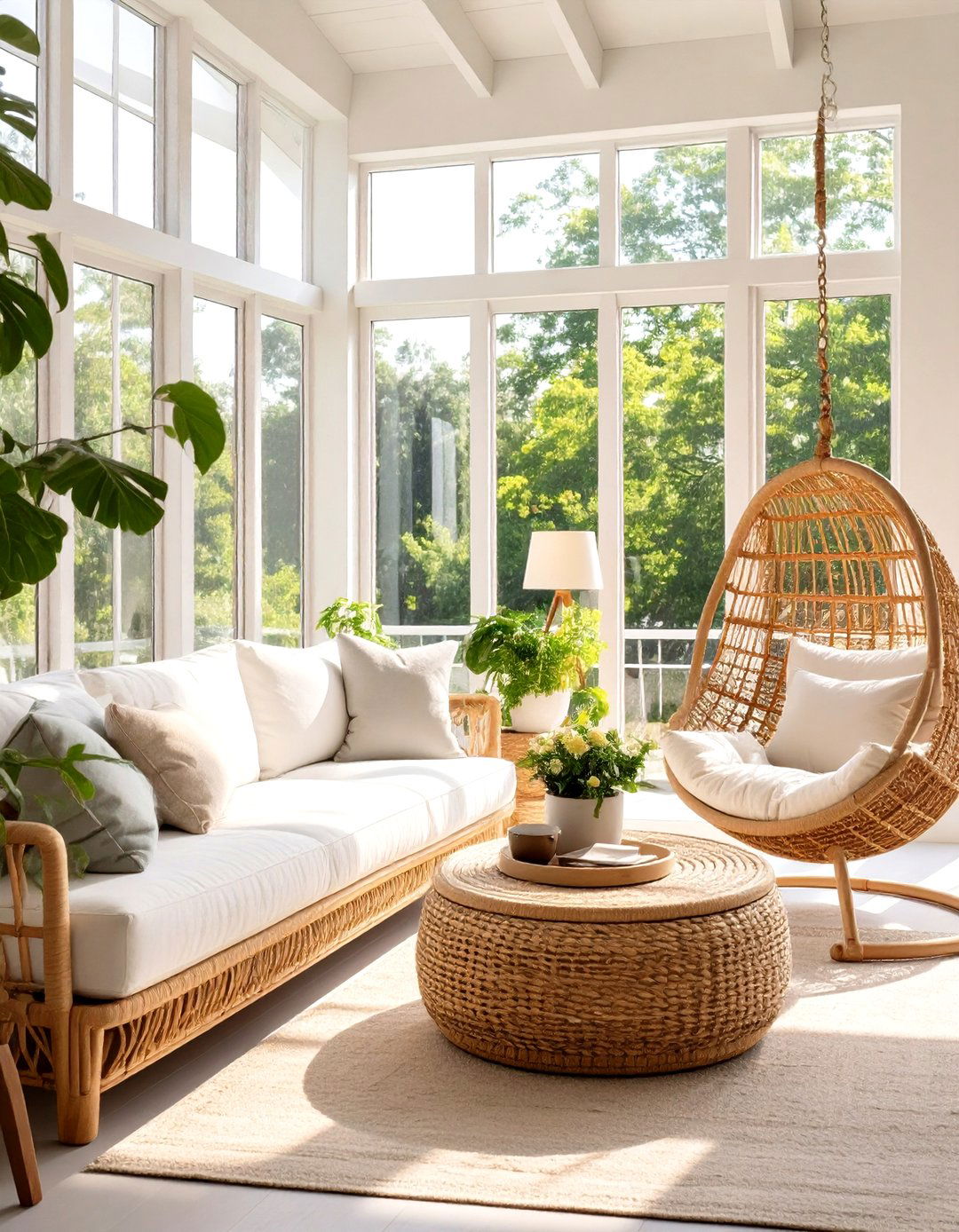
The line between indoor and outdoor living continues to blur, with furniture traditionally designed for patios now making its way inside. This trend involves using materials like rattan, wicker, and light-toned woods, along with durable, weather-resistant fabrics, to create a relaxed, resort-like feel indoors. A hanging rattan chair in a bedroom corner or a wicker coffee table in the living room can add a touch of bohemian, vacation-inspired charm. This trend is about capturing the casual, airy comfort of outdoor living and bringing that sense of effortless relaxation into the everyday home environment.
27. Silver, Chrome, and Cool-Toned Metals
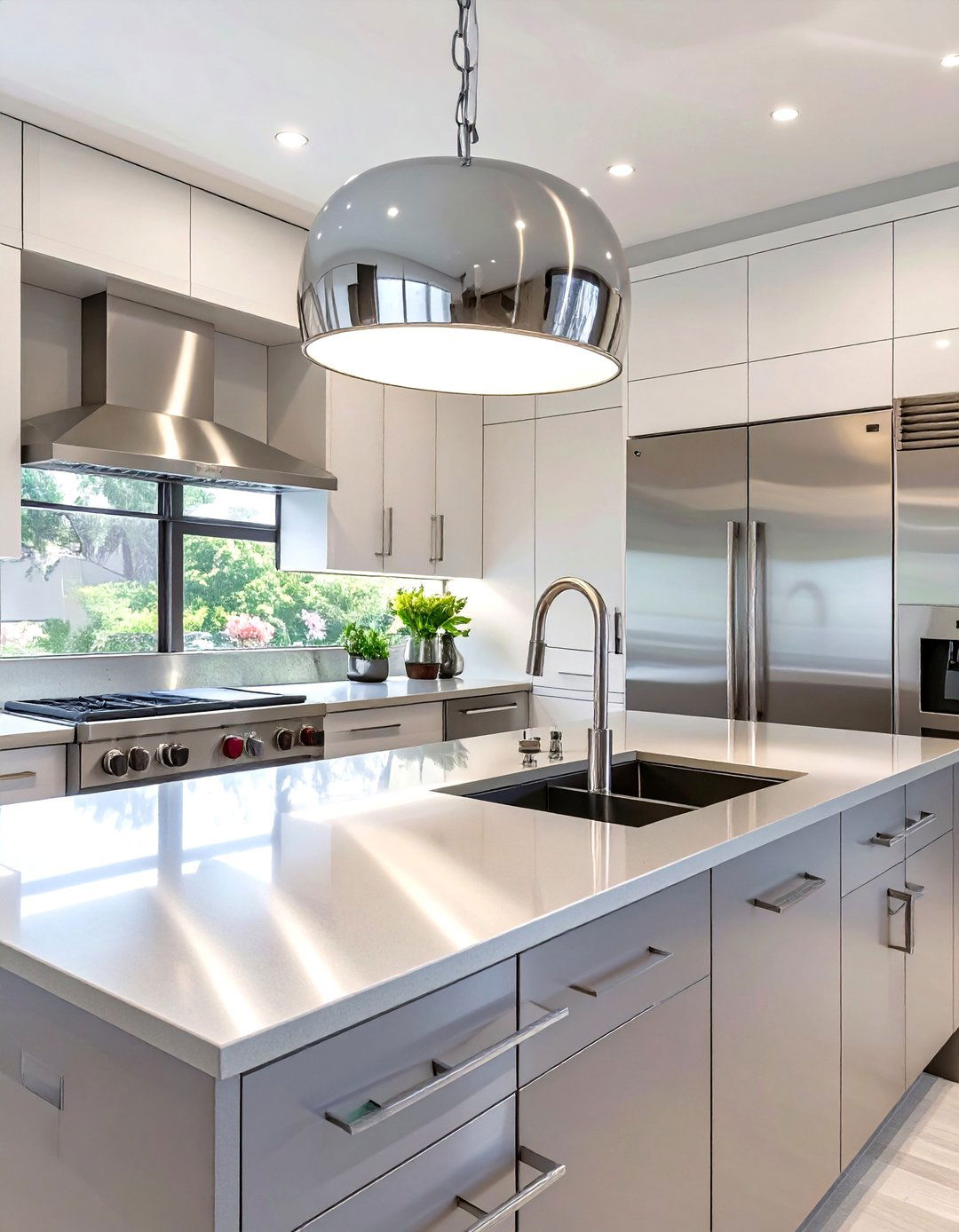
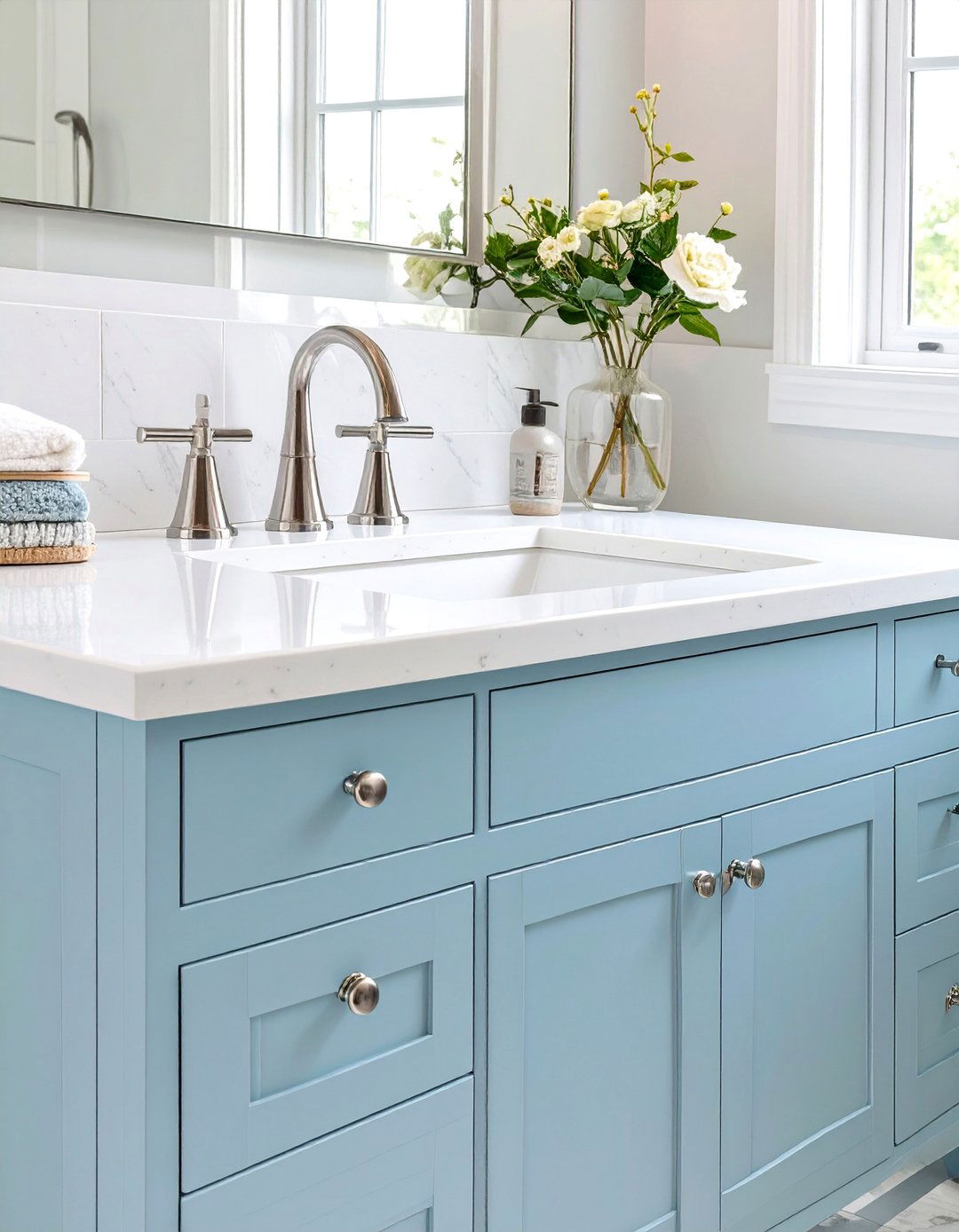
While warm metals like brass and gold have been popular for years, a shift towards cooler-toned metals is underway. Polished chrome, brushed nickel, and sleek silver are making a comeback, bringing a clean, modern, and slightly industrial edge to interiors. These metals are being used for kitchen and bathroom fixtures, lighting, furniture legs, and decorative accents. They pair beautifully with both bold colors and neutral palettes, adding a touch of contemporary shine and sophistication. This trend offers a crisp, refreshing alternative to warmer tones, creating a look that feels both polished and futuristic.
28. Japanese and Scandinavian (Japandi) Fusion
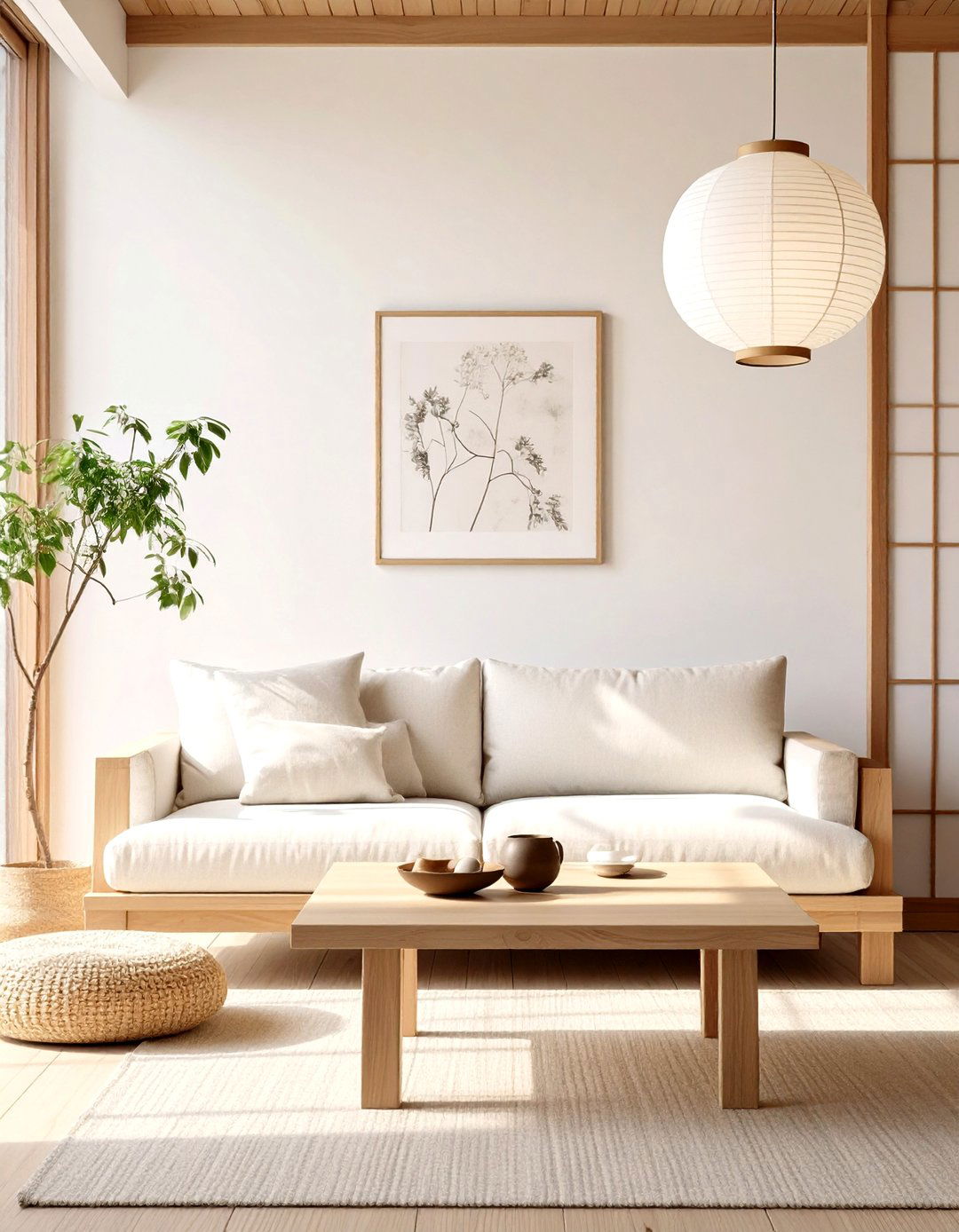
The Japandi style continues to be a dominant trend, blending the rustic minimalism of Scandinavian design with the timeless elegance of Japanese aesthetics. This fusion creates spaces that are calm, functional, and beautifully simple. The style is characterized by clean lines, a neutral color palette with occasional rich accent colors, and a focus on natural materials like light-toned woods and bamboo. Furniture is low-profile and functional, and decor is minimal and intentional. Japandi design prioritizes craftsmanship, nature, and a peaceful, uncluttered atmosphere, resulting in a home that feels both serene and warmly inviting.
29. The Home Bar and Entertainment Nooks
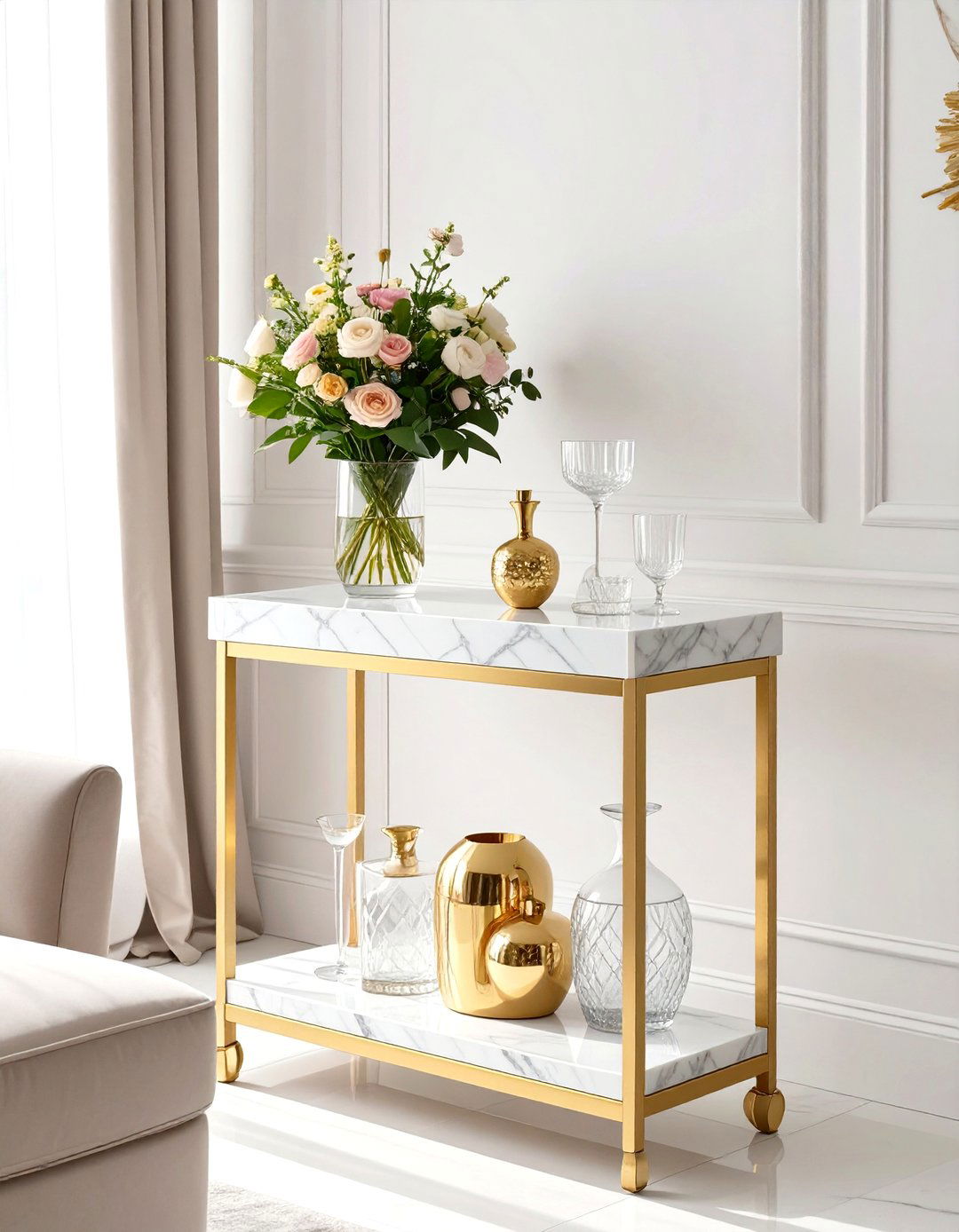
With more people entertaining at home, dedicated spaces for socializing are becoming a priority. The home bar, whether a full built-in unit, a stylish bar cart, or a designated cabinet, is a key trend. These nooks are designed to be both functional and glamorous, often featuring statement shelving, unique glassware, and dramatic lighting. It's about creating a special spot for crafting cocktails and entertaining guests, adding a touch of hospitality and old-school glamour to the home. This trend reflects a desire to make home life more enjoyable and to create designated zones for leisure and social connection.
30. Imperfect and Wabi-Sabi Aesthetics
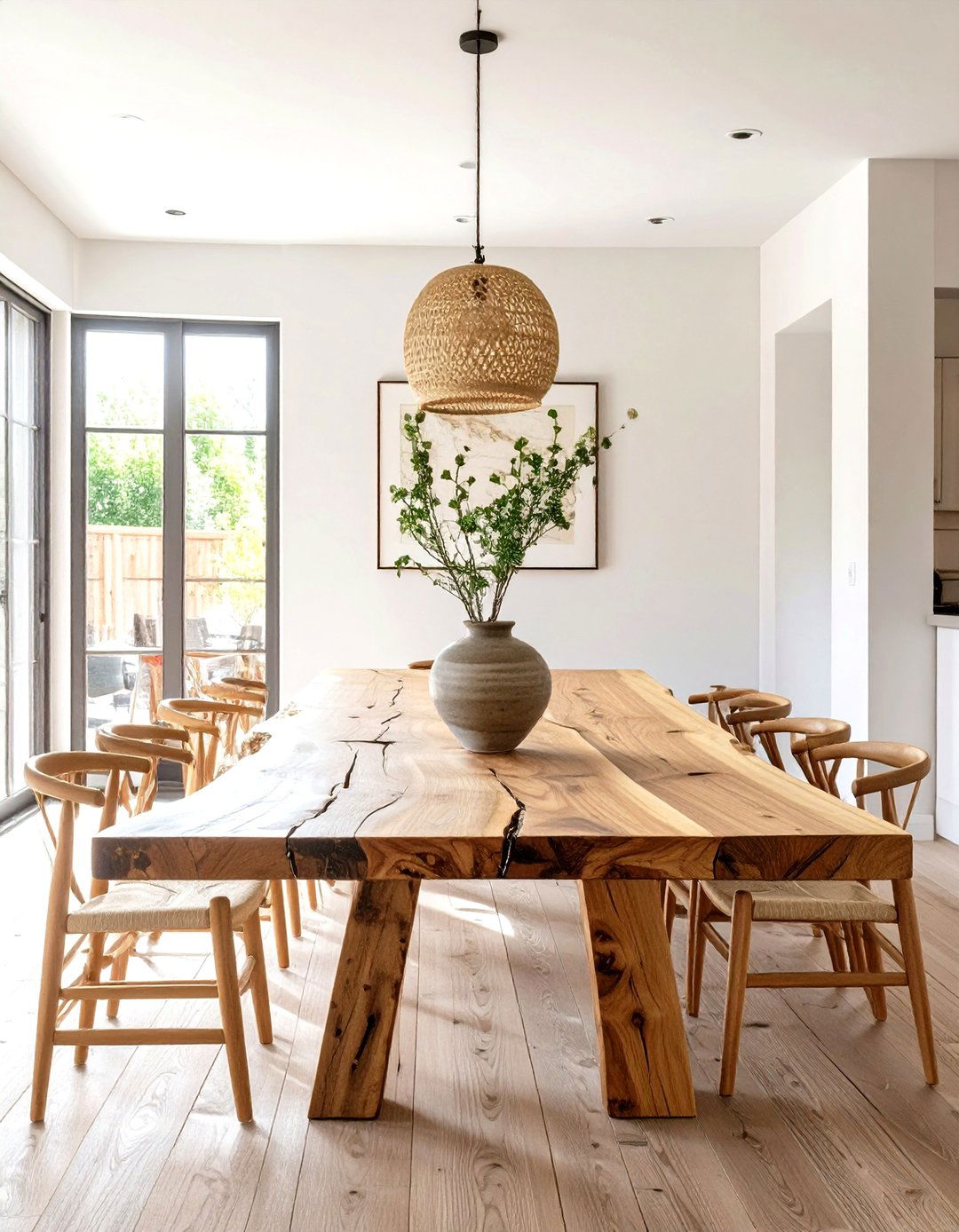
Embracing imperfection is at the heart of the wabi-sabi trend, a Japanese philosophy that finds beauty in the transient and incomplete. This design approach values authenticity and the natural aging process of materials. It features items that are not perfectly symmetrical, furniture with visible wear, and decor that shows the hand of the maker. Think of a rustic wooden bench, a slightly misshapen ceramic vase, or textiles with natural, uneven dyes. This trend is a gentle rebellion against the pursuit of flawless perfection, creating spaces that feel soulful, humble, and deeply calming.
Conclusion:
The latest trends in interior design point towards creating homes that are more personal, sustainable, and attuned to our well-being. There's a clear move away from sterile, one-size-fits-all aesthetics towards layered, textured spaces that tell a story. Key themes include the integration of nature through biophilic design, the embrace of warm, earthy colors, and a renewed appreciation for craftsmanship and vintage pieces. Ultimately, a modern home is a sanctuary—a functional, flexible, and comfortable space that reflects the unique identity of its inhabitants while promoting a sense of peace and connection.

Related posts:




Leave a Reply