
As we step into 2025, interior design is embracing a future where homes are not just living spaces but sanctuaries of personal expression, sustainability, and year 's trends move beyond fleeting aesthetics, focusing instead on creating environments that are both beautiful and deeply connected to our values. We' re seeing a collective shift towards spaces that tell a story, blending timeless craftsmanship with innovative technology and a profound respect for the natural the resurgence of rich, earthy color palettes to the clever integration of multi-functional furniture designed for modern living, the emphasis is on authenticity and to explore designs that nurture the soul, stimulate the senses, and redefine the very essence of home.
1. Biophilic Wellness Sanctuaries
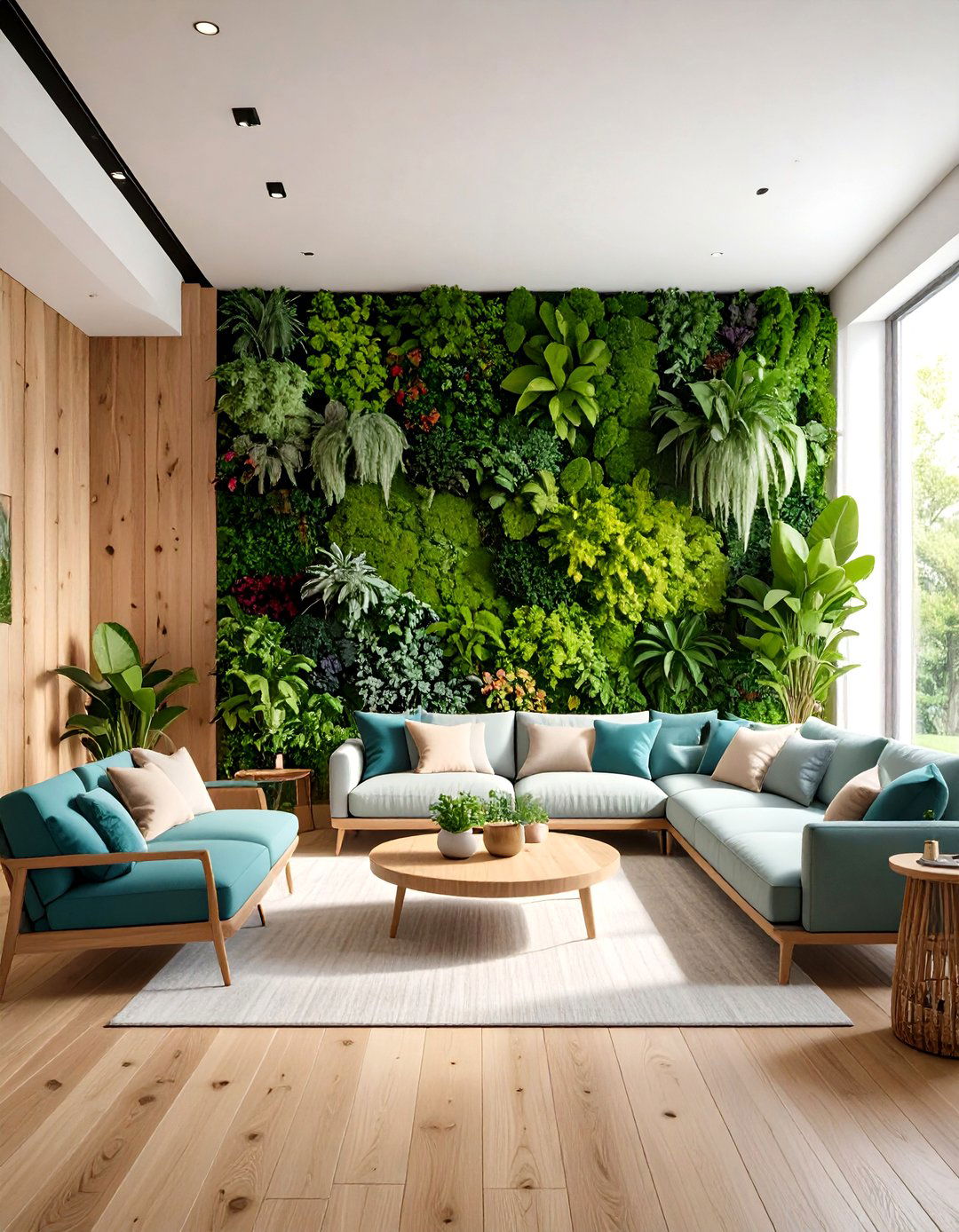
Imagine a living room that breathes with you, where nature is not just a view but an integral part of the trend integrates lush indoor gardens, living walls, and natural water features directly into the home's are open, allowing natural light to flood through large, unadorned are organic and unprocessed — think reclaimed wood, bamboo flooring, and stone features natural fibers like linen and cotton, while decor is minimal, focusing on plants and handmade is designed to mimic the natural circadian rhythm, promoting health and tranquility in your personal ecosystem.
2. The New Mediterranean Escape
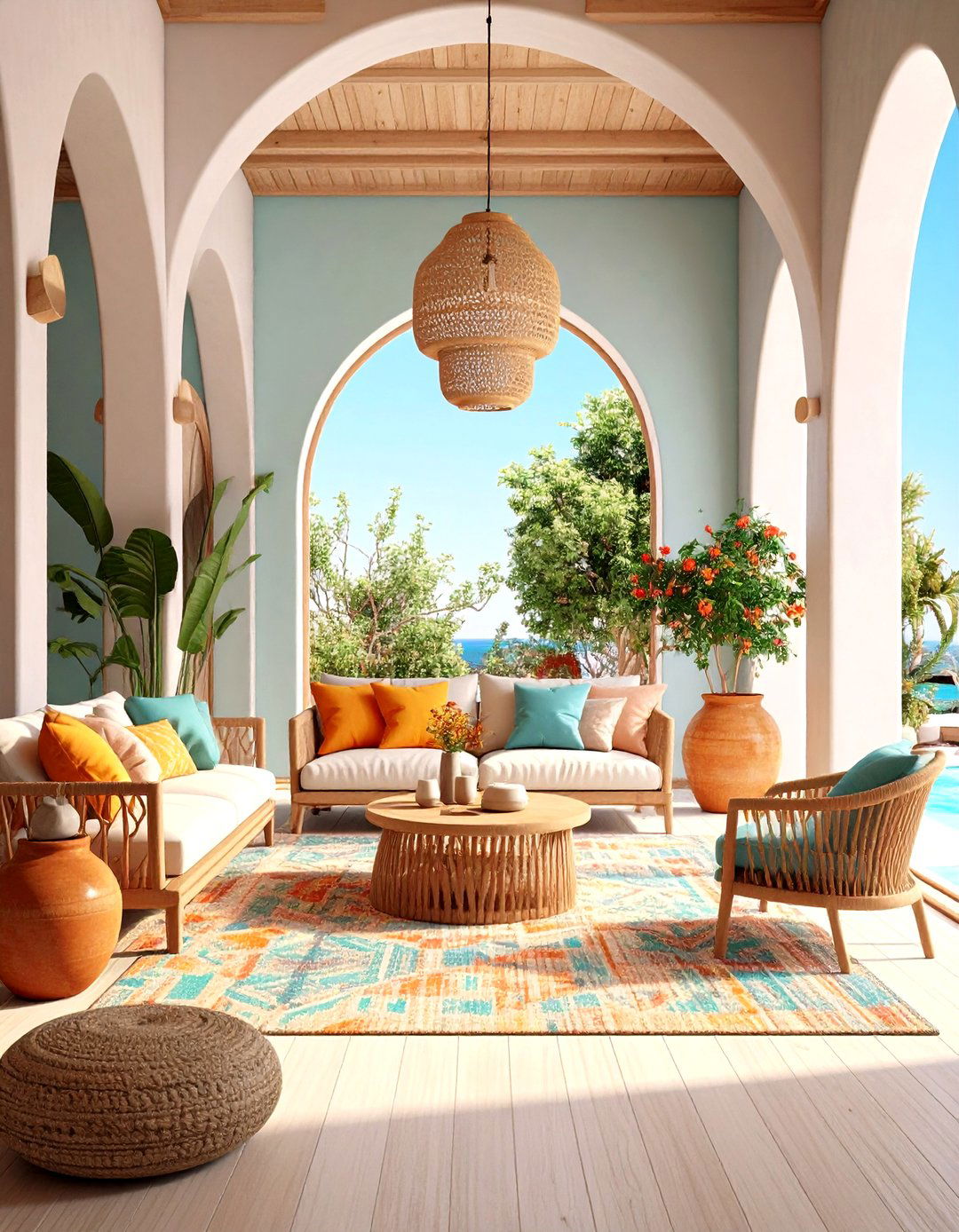
This style captures the warm, sun-drenched essence of coastal European living with a modern twist. It’s a move away from rustic clichés towards a more refined, minimalist are airy and uncluttered, emphasizing arches and curved are finished in textured plaster or limewash in shades of white, cream, and is low-profile and crafted from light-toned woods, complemented by woven rattan and soft linen is sparse but intentional, featuring oversized ceramic vases, abstract art, and brass fixtures that add a touch of understated elegance to the serene environment.
3. Dopamine Decor Maximalism
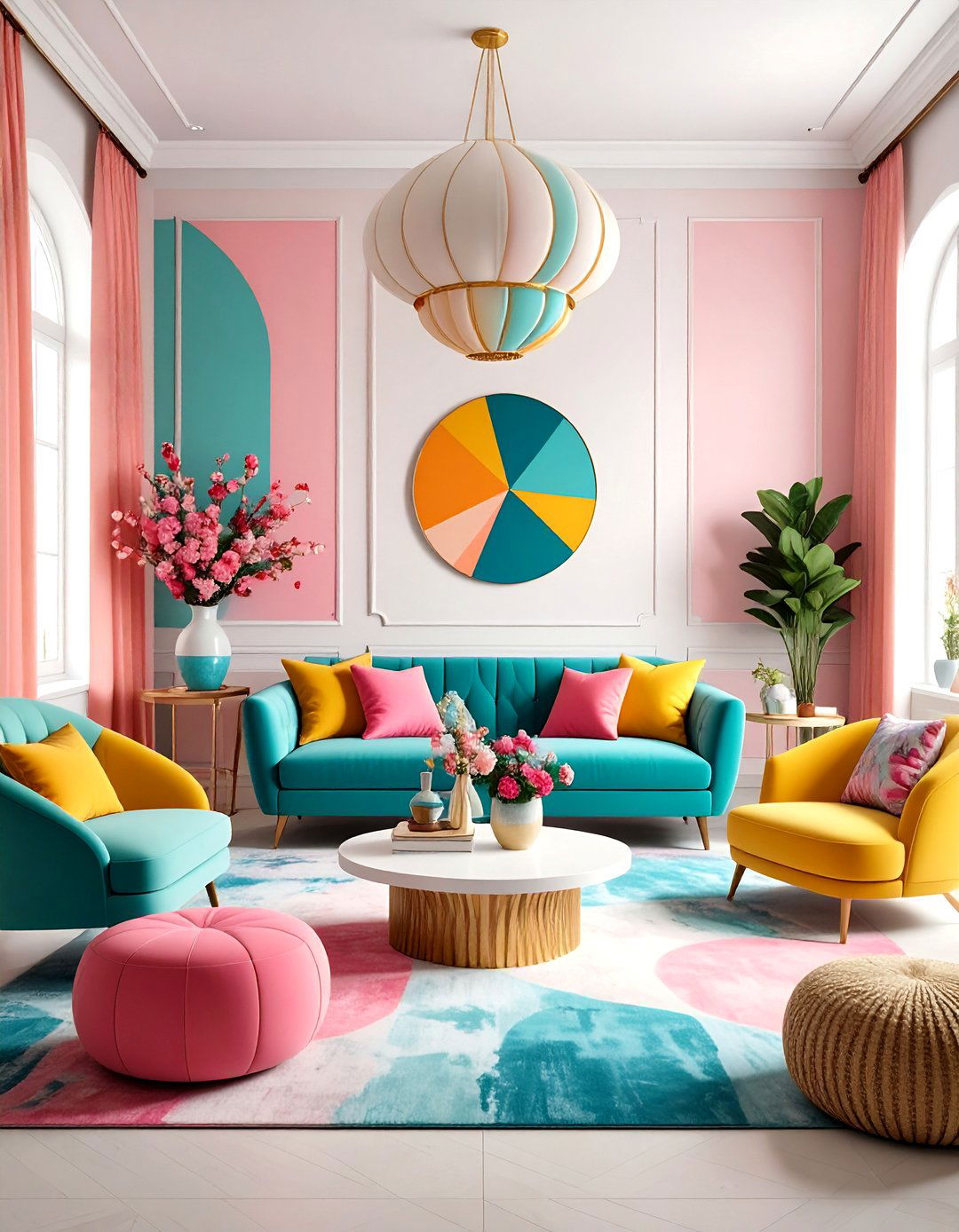
Ready to inject pure joy into your living space? This trend is all about creating an environment that boosts your mood through vibrant color, playful patterns, and personal treasures. It’s a curated chaos where every object has a are dynamic, with unexpected furniture arrangements that encourage become canvases for bold, graphic wallpapers or clashing paint is a mix of sculptural, curvy pieces and vintage finds in saturated is an eclectic collection of art, textiles, and quirky objects that reflect your personality, creating a home that is unapologetically you.
4. Sustainable Modernism
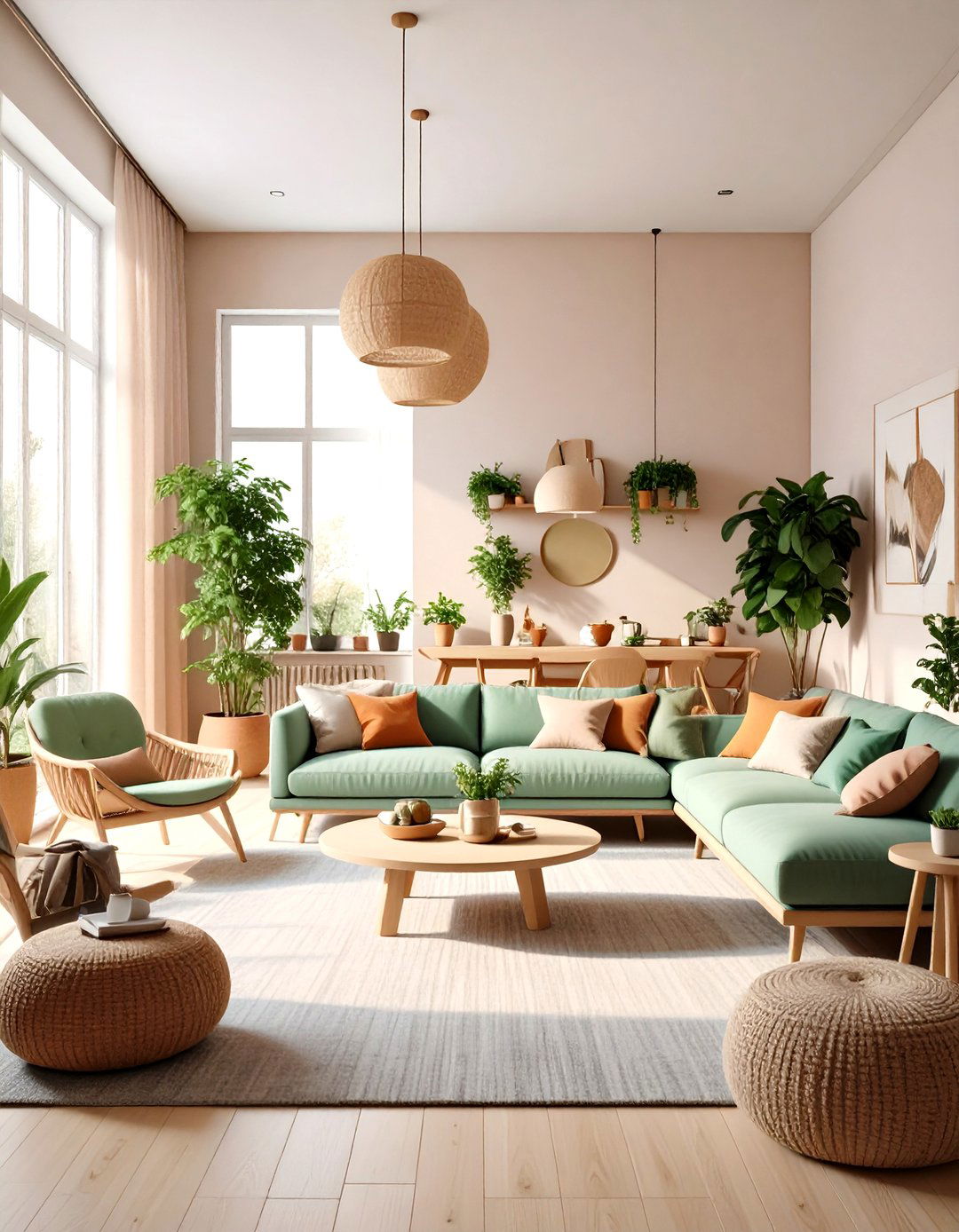
Eco-consciousness is no longer an option but a design trend champions a "less but better" philosophy, focusing on materials that are recycled, reclaimed, and responsibly are efficient and multi-functional, minimizing waste and maximizing is built to last, often from materials like recycled plastic, cork, or FSC-certified color palette is grounded in earthy tones, reflecting the natural origins of the is minimal and meaningful, emphasizing craftsmanship and the beauty of imperfection. It’s about creating a home that is both stylish and gentle on the planet.
5. The Rise of Sensory Rooms
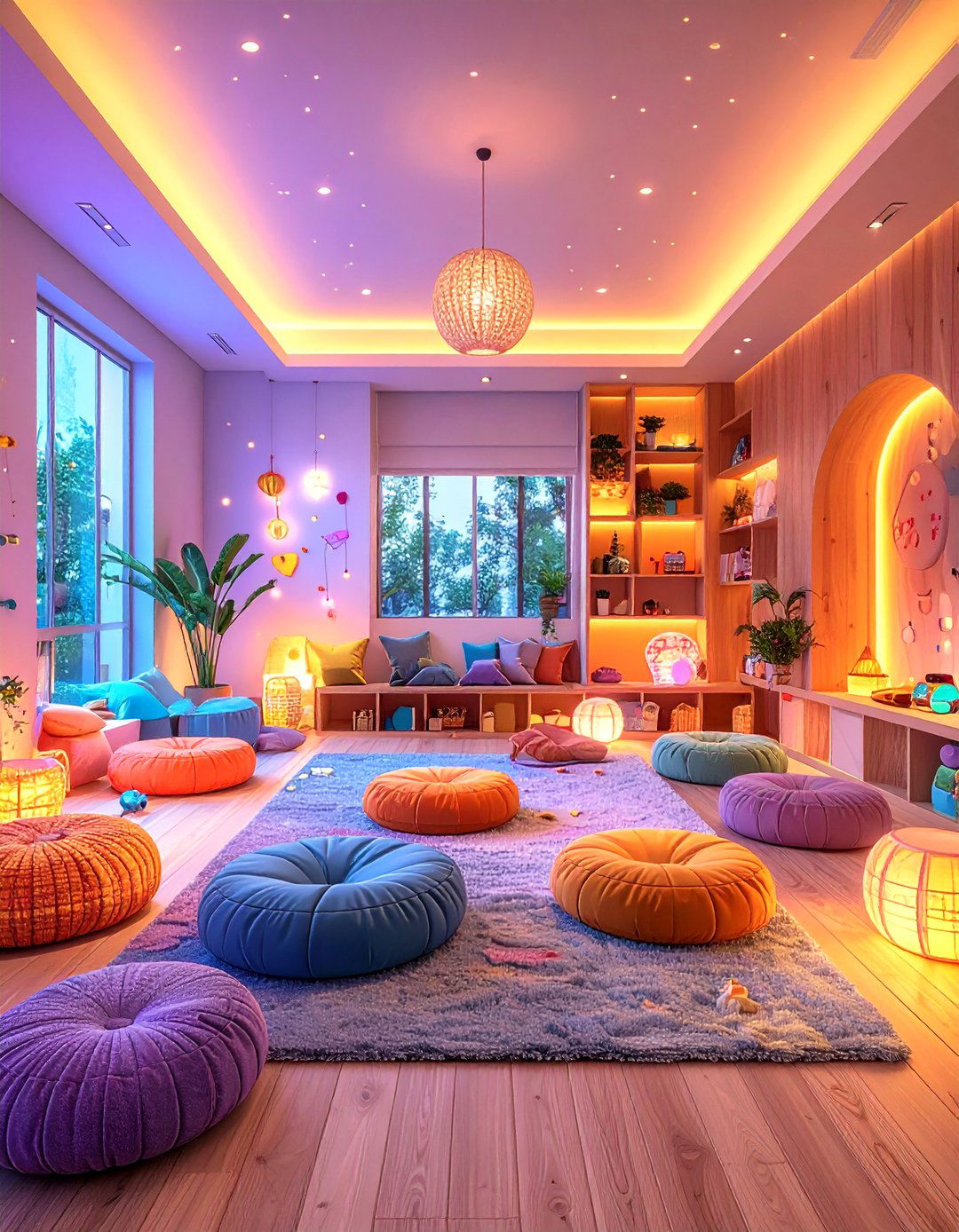
How can your home better support your mental well-being? Enter the sensory room, a space designed to soothe and regulate the nervous isn't about a specific style but a functional concept tailored to individual are simple and free of is key, featuring dimmable, color-changing LEDs to create a calming are chosen for their tactile qualities — soft, weighted blankets, plush rugs, and smooth wooden is controlled with acoustic panels or gentle soundscapes. It’s a dedicated retreat for mindfulness, meditation, or simply decompressing from the stresses of modern life.
6. Neo-Industrial Loft Living
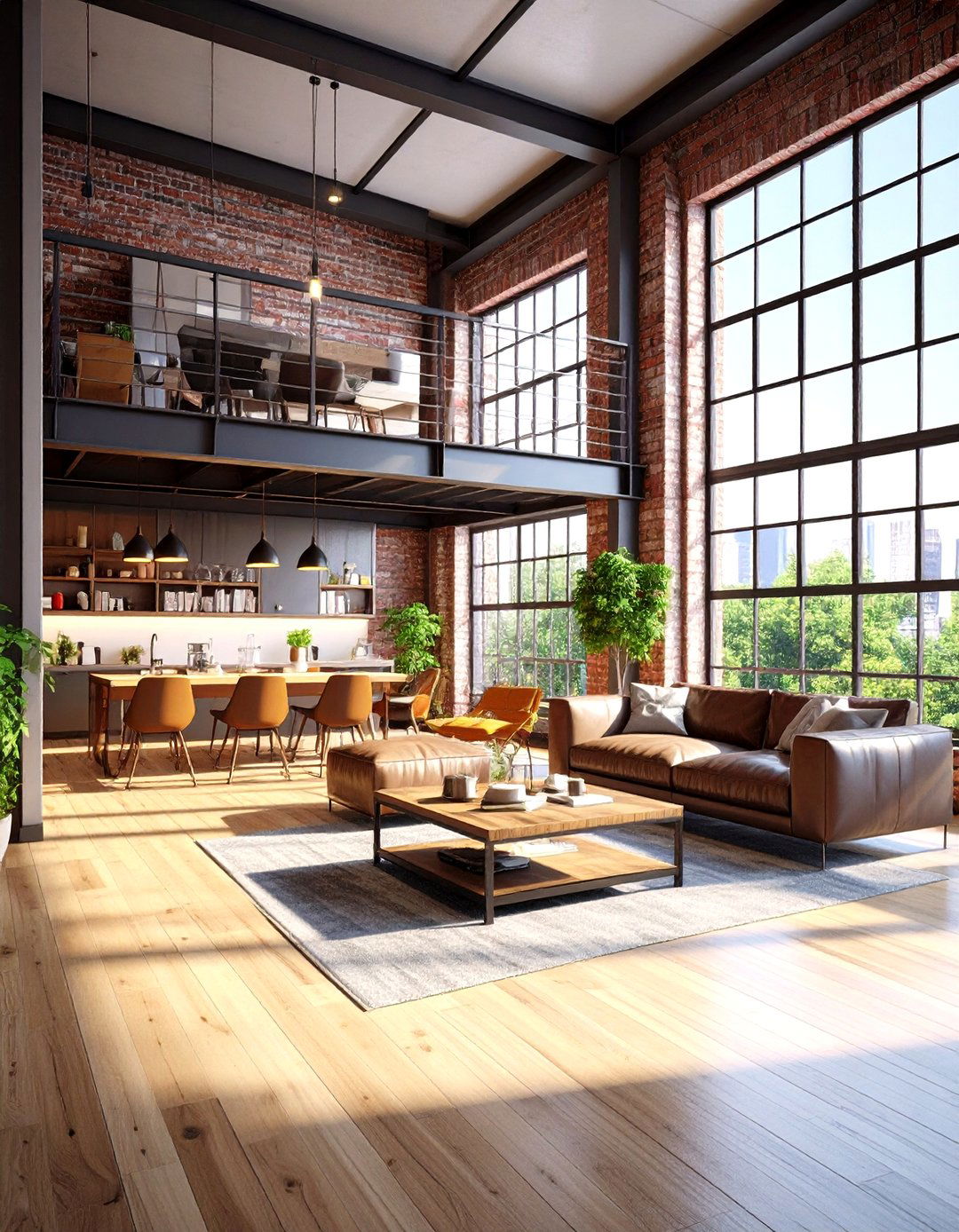
This trend reimagines the classic industrial aesthetic for a new era, softening its raw edges with warmth and retains core elements like exposed brick, concrete floors, and visible ductwork but introduces refined remain open-plan, but spaces are now defined by elegant metal-and-glass partitions or luxurious, oversized combines sleek, minimalist designs with comfortable, textured is a mix of iconic factory-style pendants and contemporary track result is a balanced space that feels both edgy and inviting, perfect for modern urban living.
7. Tech-Integrated Minimalism
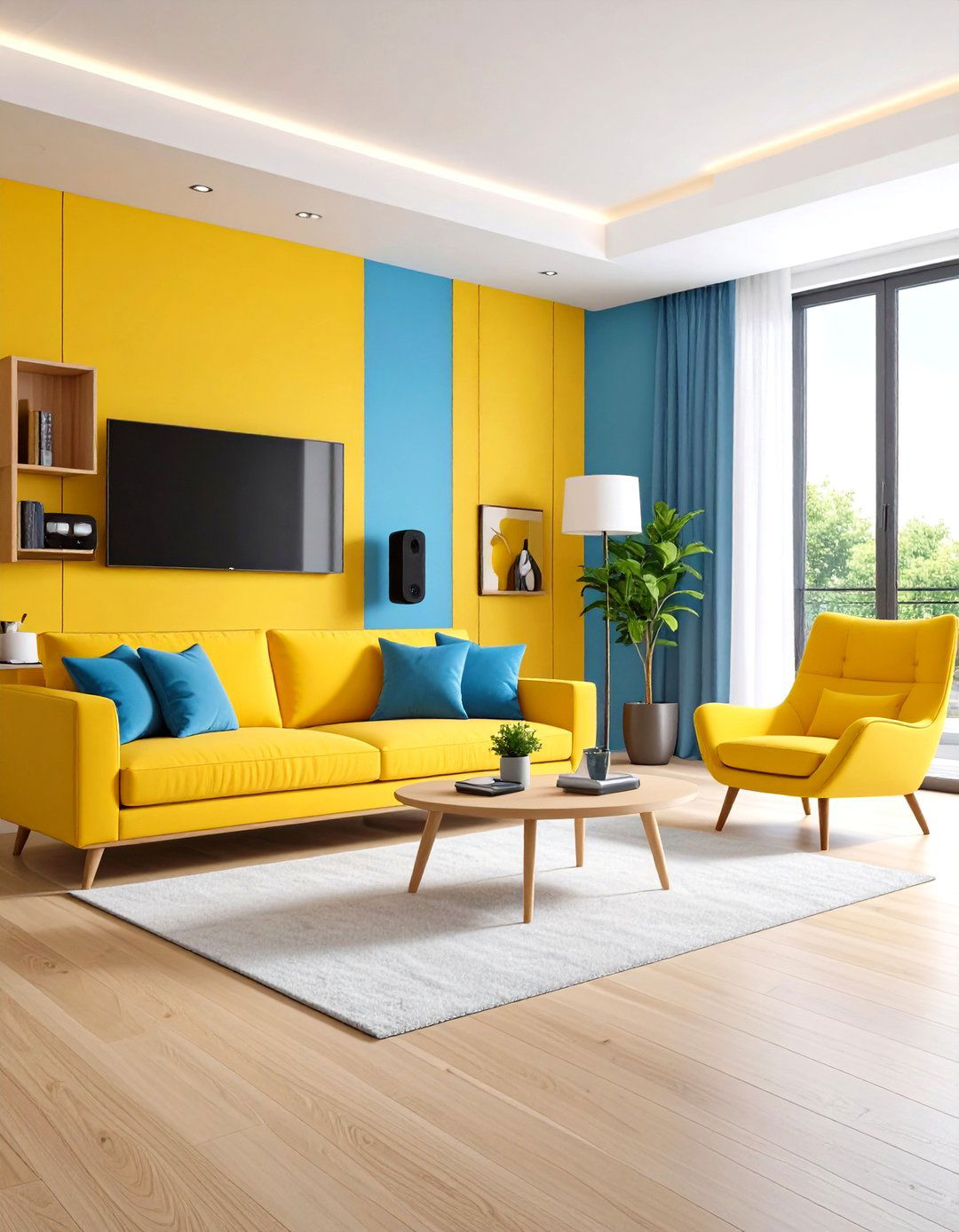
In 2025, technology seamlessly merges with minimalist design to create homes that are as smart as they are isn't about showcasing gadgets but integrating them are clean and uncluttered, with hidden storage solutions that conceal cables and features built-in charging ports and smart controls. Lighting, climate, and entertainment systems are automated and controlled via discreet interfaces or voice color palette is neutral and calming, allowing the focus to remain on the space is the future of effortless, high-functioning living where technology serves, rather than dominates, the home.
8. Earth-Tone Color Palettes
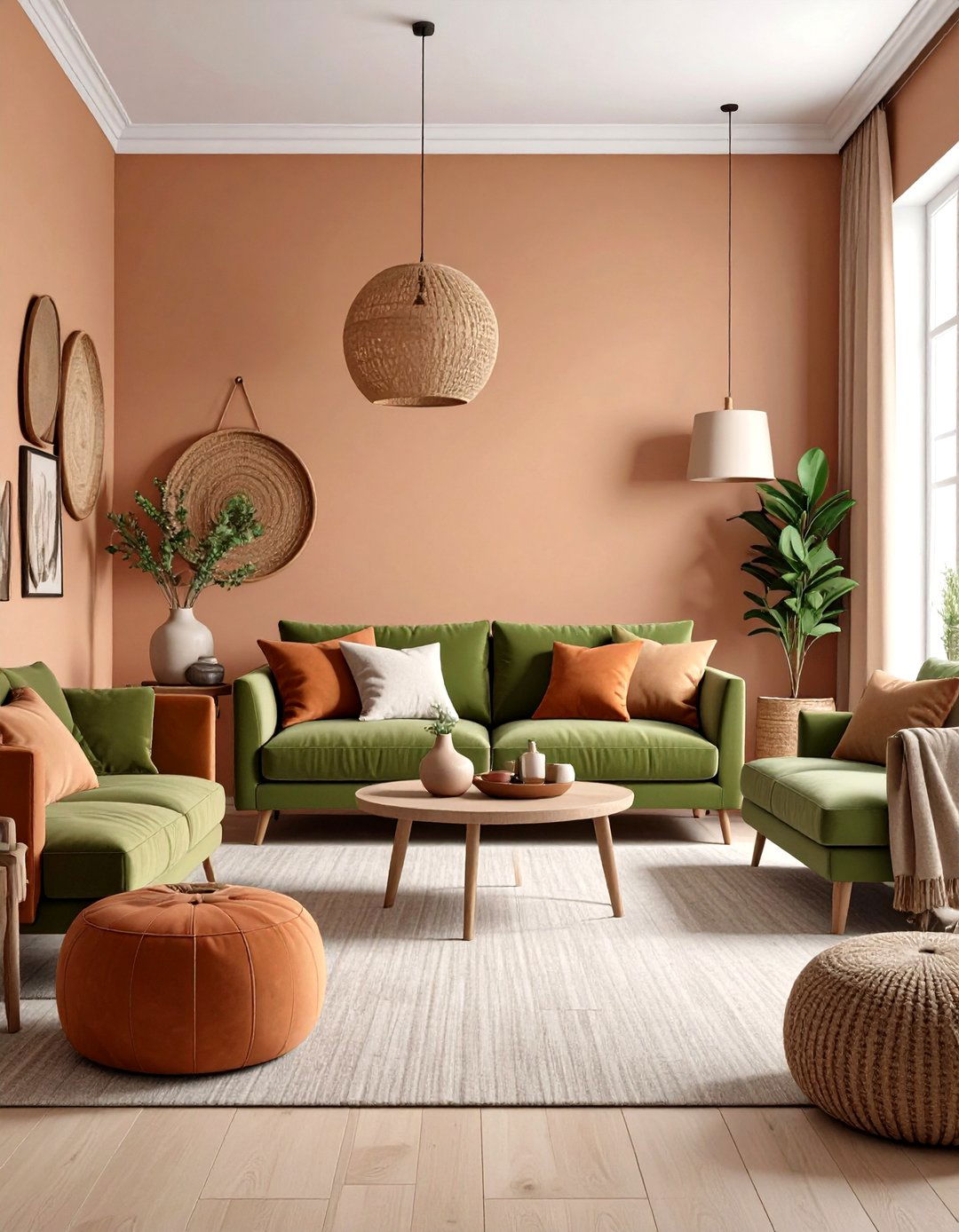
Step away from cool grays and embrace the grounding warmth of nature's own trend envelops rooms in rich, earthy hues like terracotta, ochre, olive green, and deep chocolate colors are used tonally to create a cohesive, immersive feel intimate and cozy, with walls, furniture, and textiles all sharing a similar color are natural and textured — think clay, unpolished wood, and nubby is warm and layered, enhancing the depth and richness of the colors. It’s a return to a palette that feels inherently comforting and timeless.
9. The Home as a Social Hub
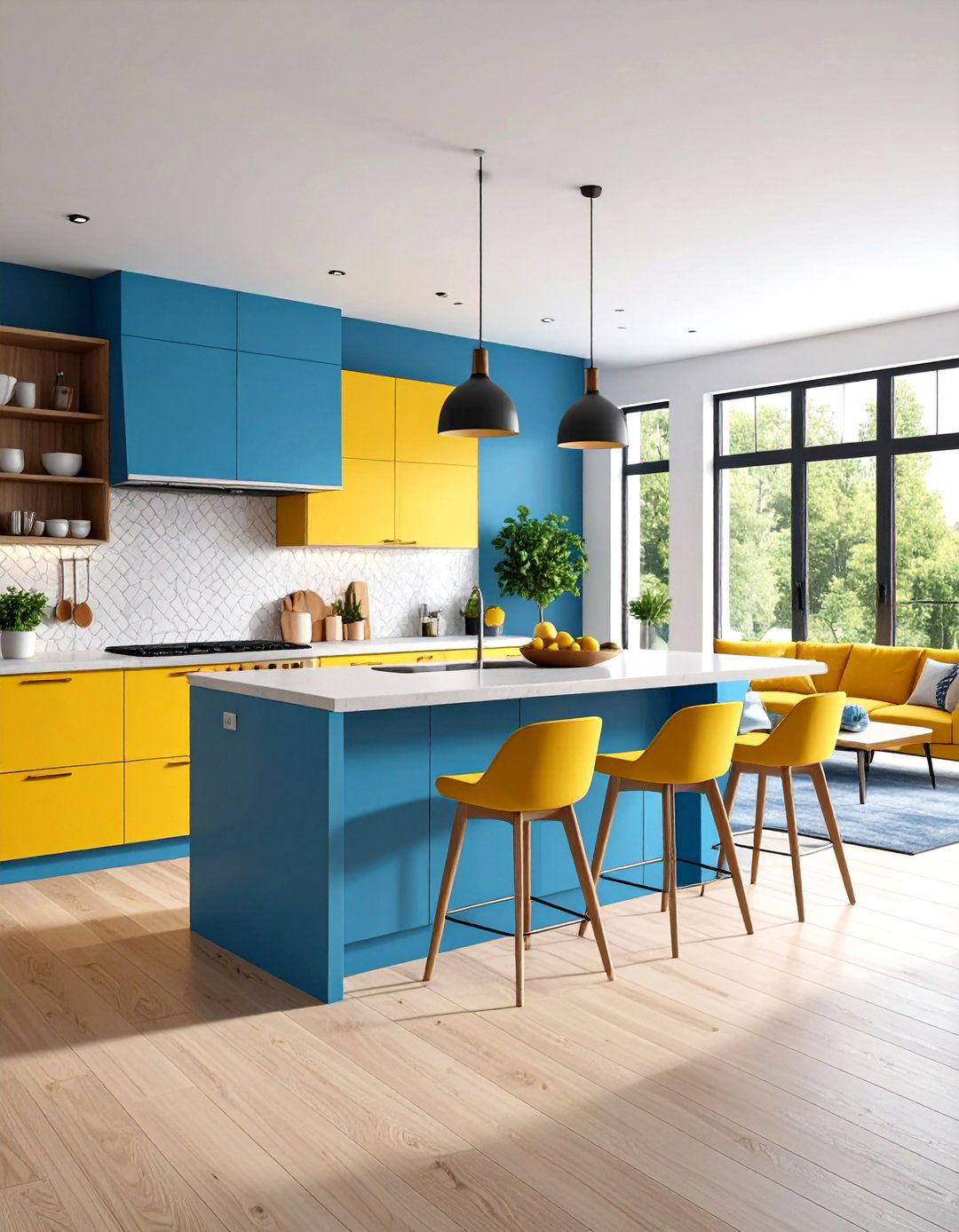
With a renewed focus on community and connection, homes are being designed to facilitate social kitchen, dining, and living areas merge into one expansive, fluid centerpiece is often a large, multifunctional kitchen island that doubles as a dining table and prep is modular and flexible, easily rearranged to accommodate different group is versatile, with zones that can be brightened for cooking or dimmed for is minimal to allow for easy movement and interaction, creating the perfect backdrop for making memories with friends and family.
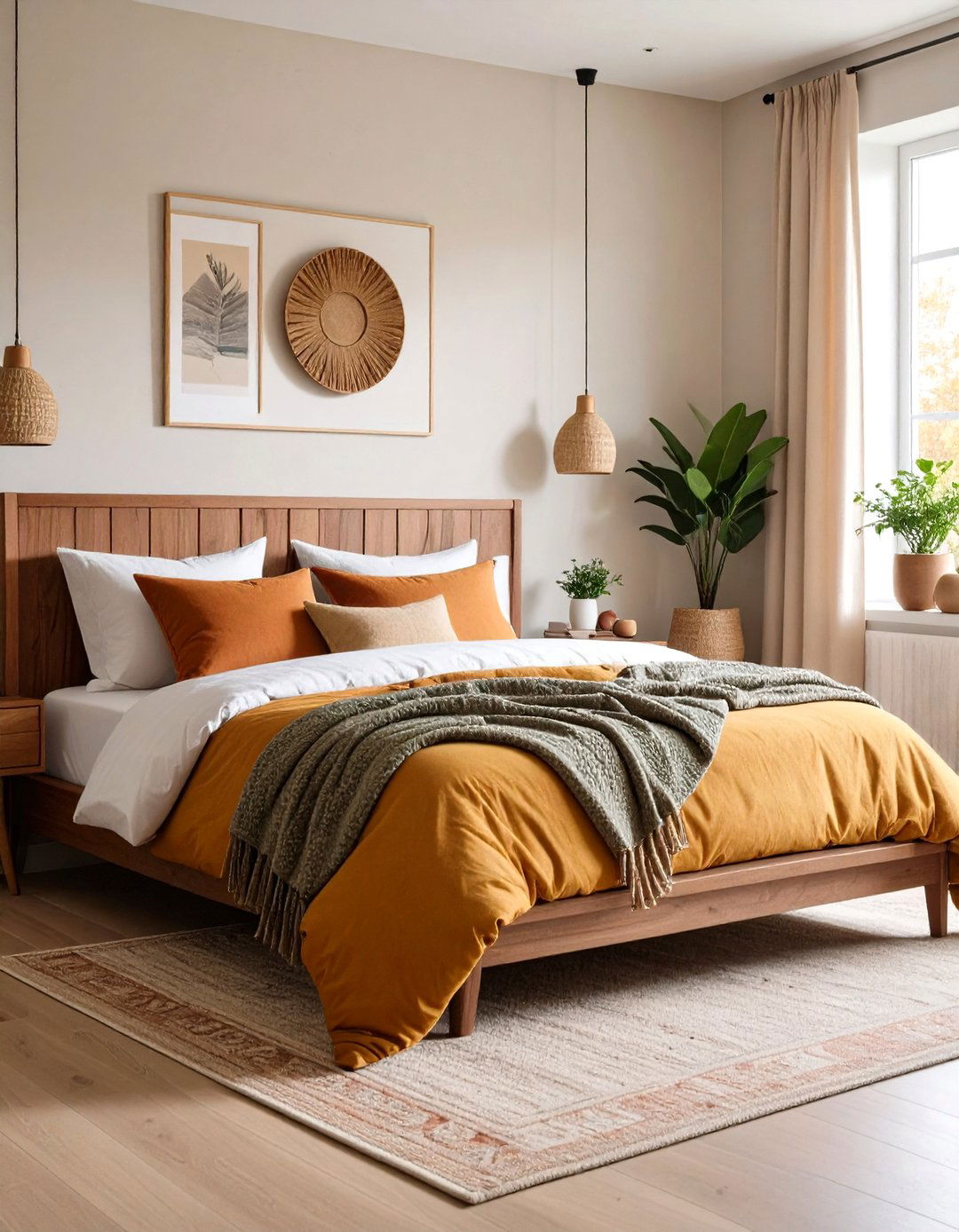

10. Art Deco Revival
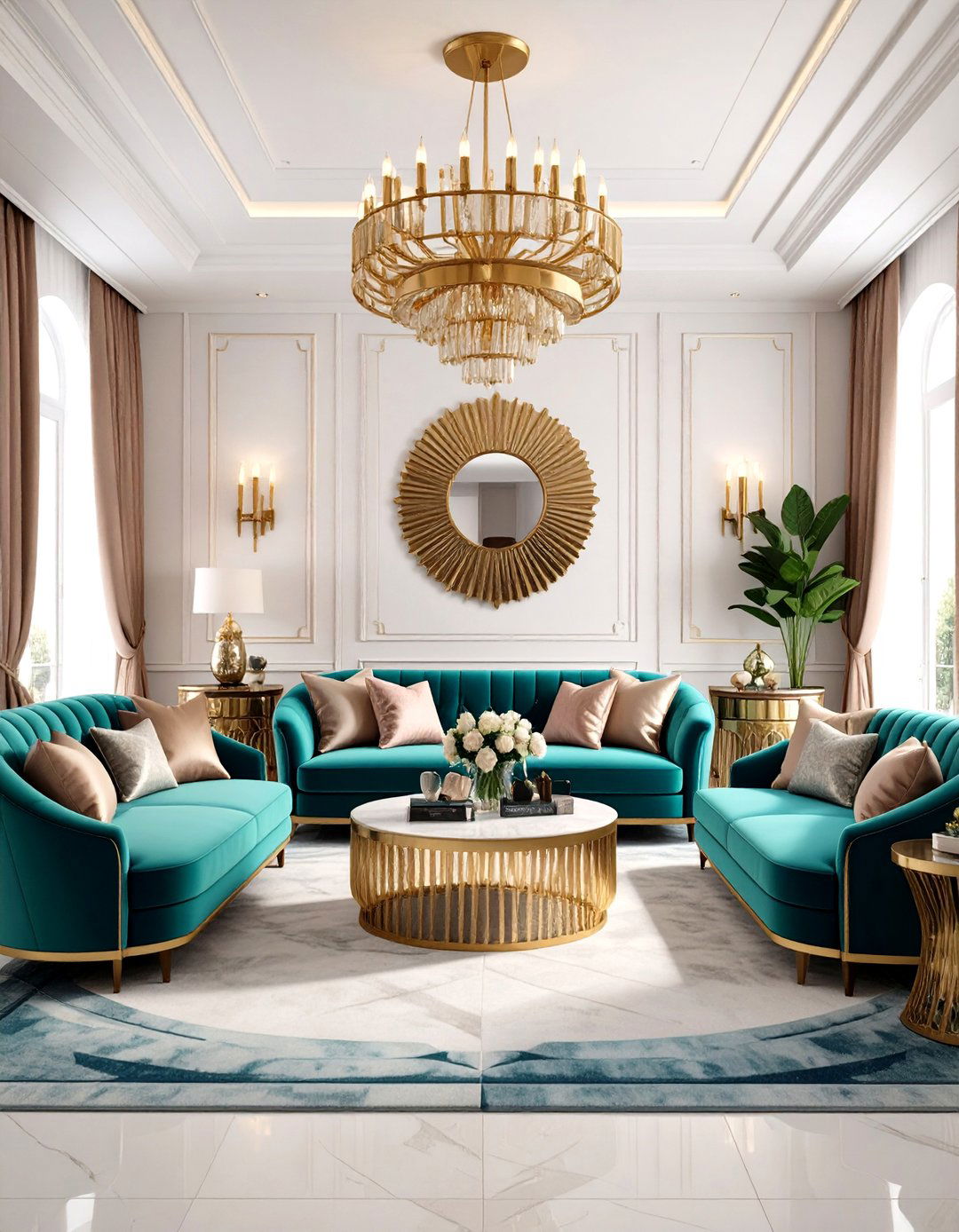
The glamour and optimism of the Roaring Twenties are back, but with a contemporary trend celebrates bold geometry, rich materials, and symmetrical are formal and balanced, often featuring dramatic entryways and distinct living is sculptural and luxurious, with curved silhouettes, channel tufting, and lacquered are opulent — velvet, brass, marble, and dark, exotic is characterized by sunburst motifs, geometric patterns, and stylized figurative art. It’s a sophisticated and theatrical style that brings a sense of occasion to everyday could be more glamorous?
11. Japanese and Scandinavian Fusion (Japandi)
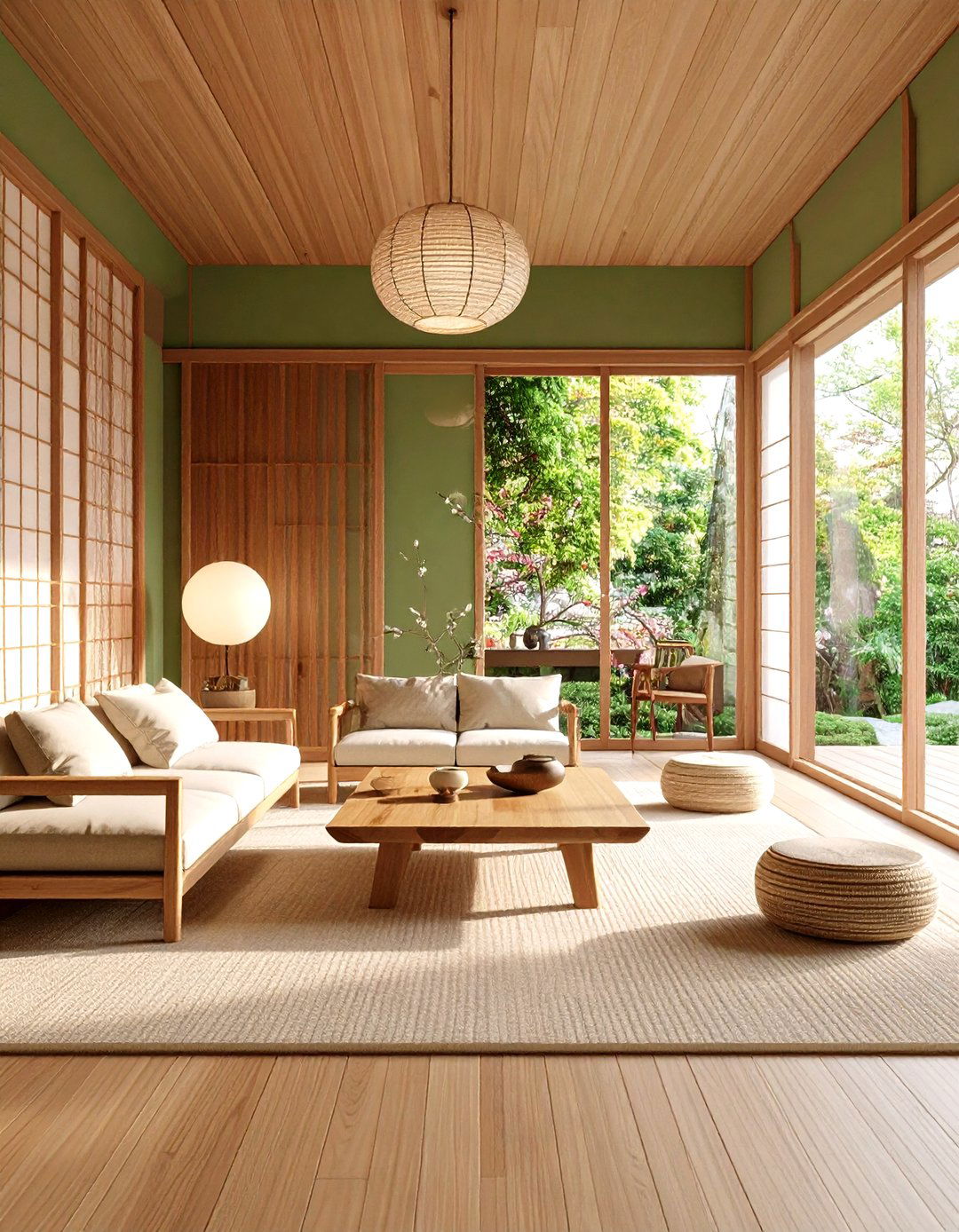
The beloved Japandi trend continues to evolve, further perfecting its blend of Japanese wabi-sabi principles and Scandinavian hygge focus is on creating a tranquil, uncluttered, and highly functional are open yet intimate, using screens and low-slung furniture to define are a harmonious mix of light Scandinavian woods like oak and birch with darker Japanese elements like stained is minimalist, with clean lines and a focus on decor is sparse, emphasizing natural textures, simple ceramics, and the beauty of imperfection in a neutral, calming color scheme.
12. Curvy and Organic Furniture
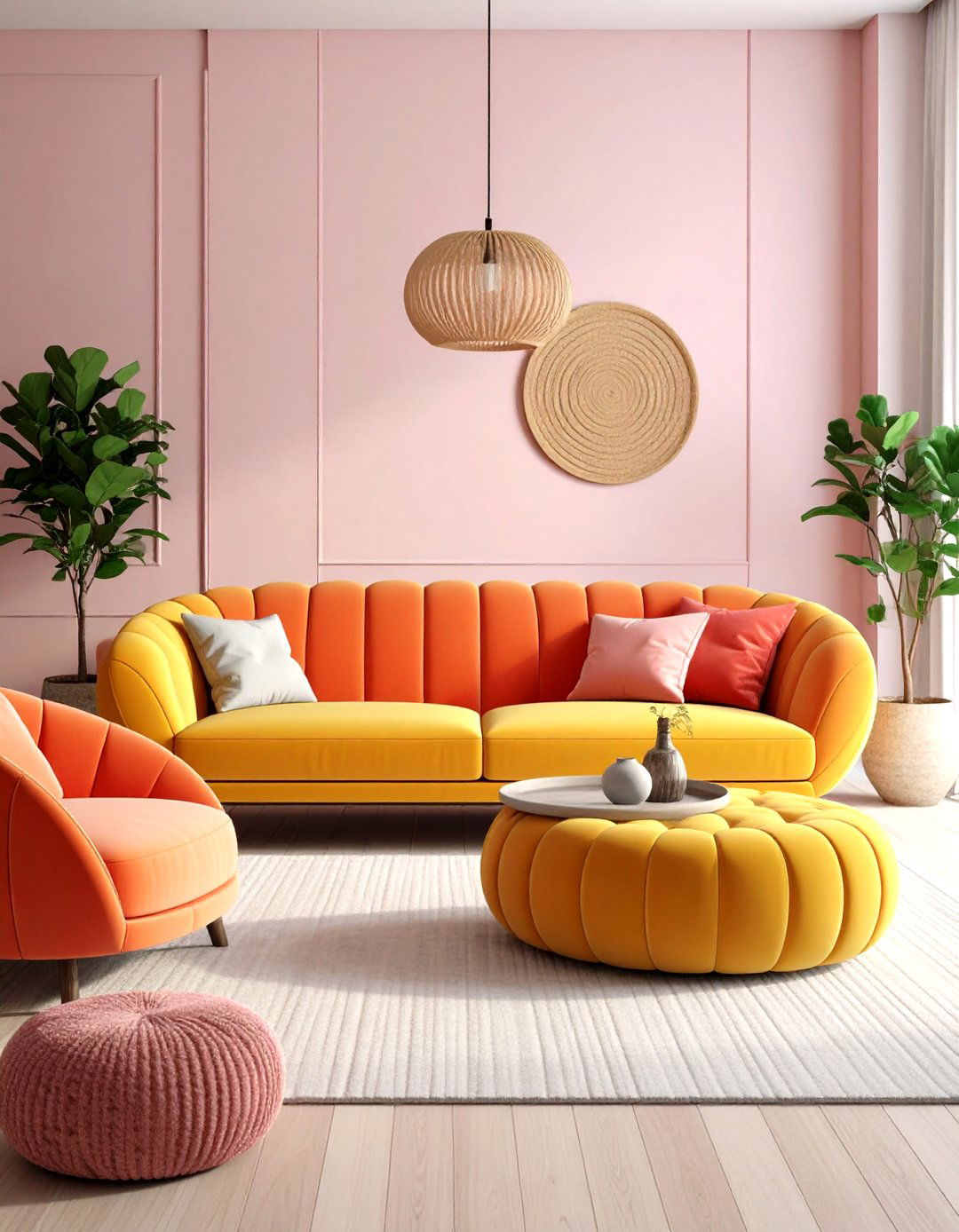
Say goodbye to sharp angles and harsh lines as furniture embraces soft, rounded trend is all about creating a sense of comfort, fluidity, and gentle movement within a space. Sofas, chairs, and even tables feature undulating curves and organic shapes inspired by feel more relaxed and conversational, as curved furniture pieces encourage a natural are soft and tactile, like bouclé, velvet, and soft style works beautifully in minimalist settings, where the sculptural forms of the furniture can truly stand out as functional art pieces.
13. Heritage-Inspired Interiors
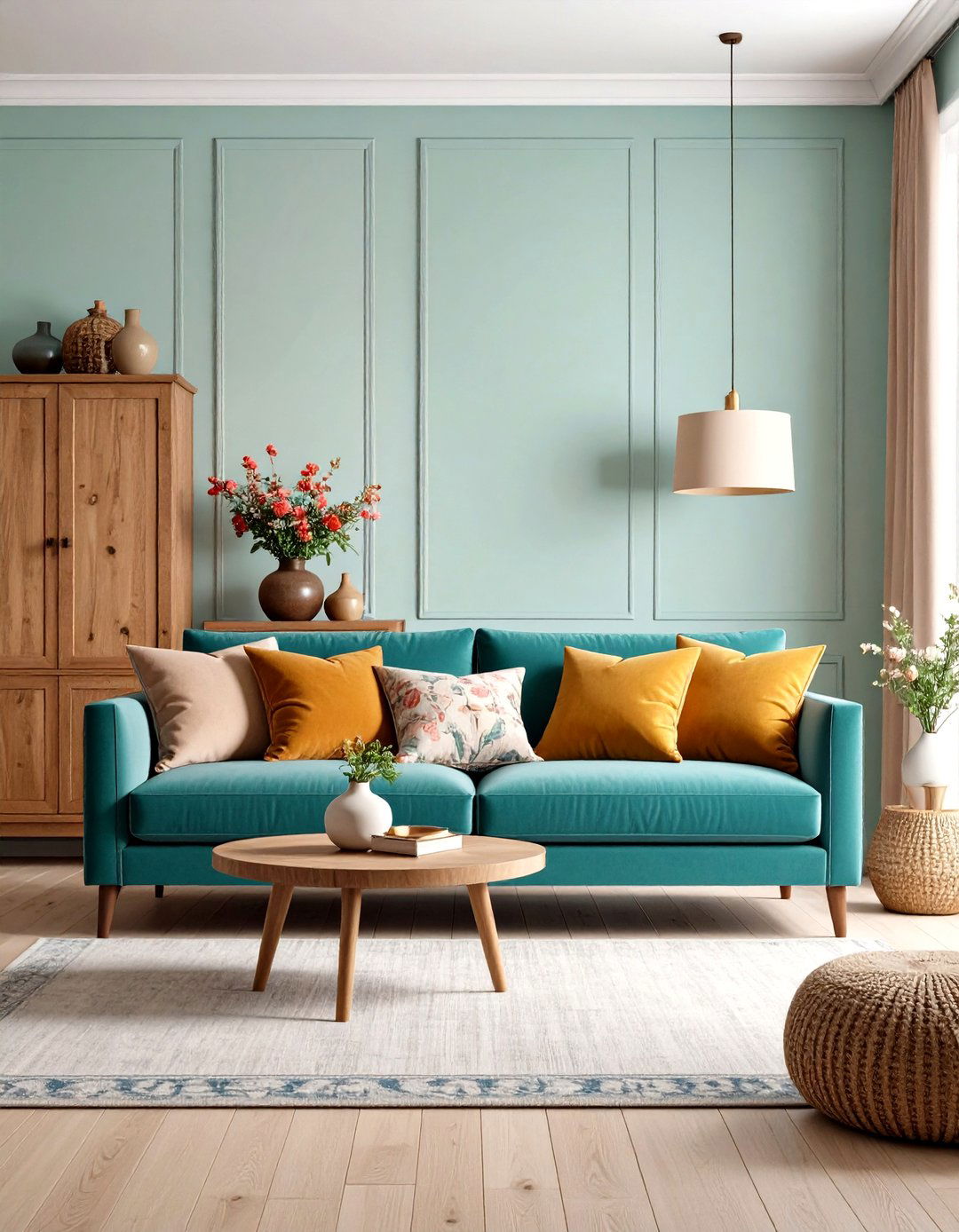
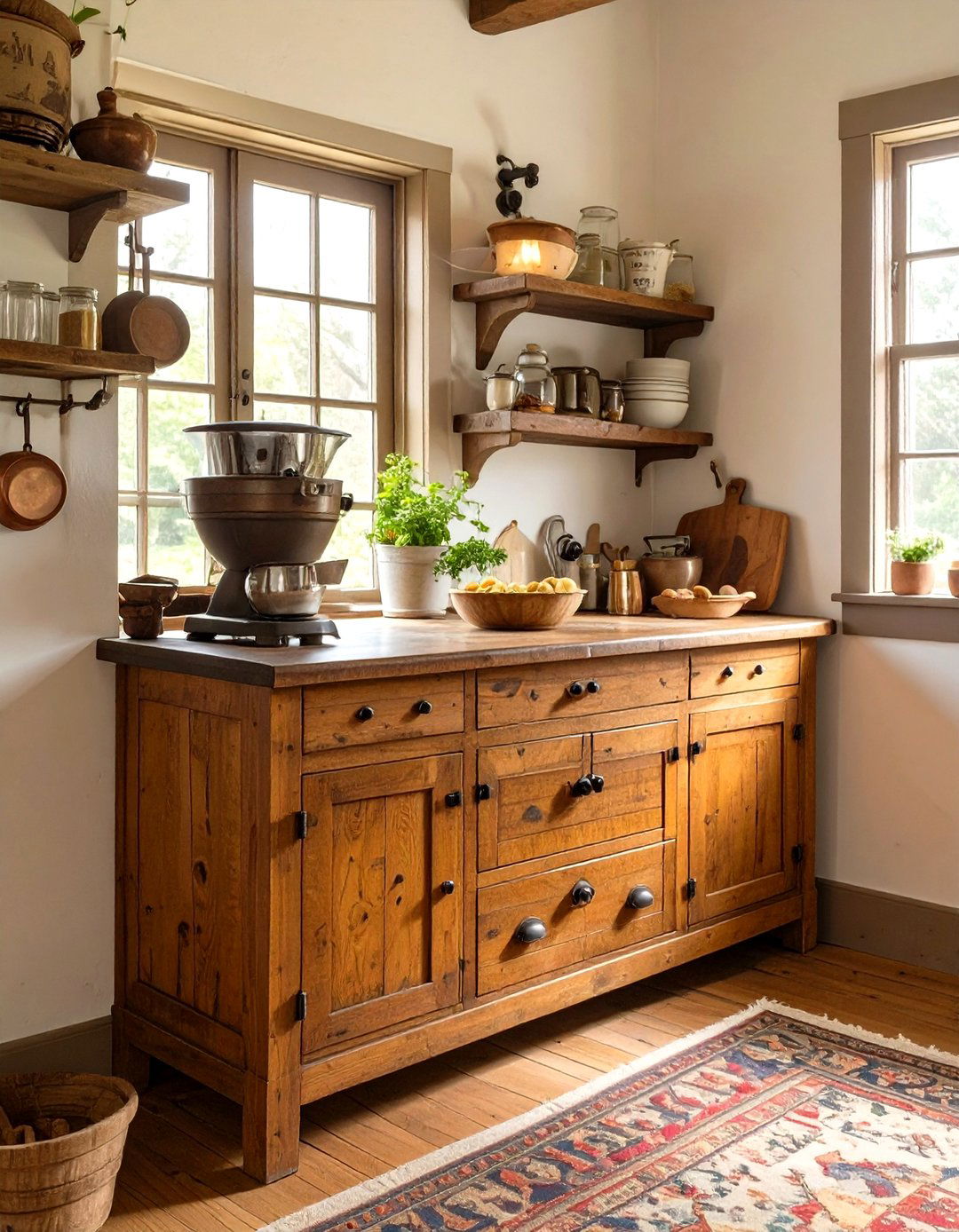
In a fast-paced world, there 's a growing desire to connect with the trend involves weaving personal history and antique pieces into a contemporary setting. It' s not about creating a museum but a layered, meaningful might be modern, but they feature heirloom furniture, vintage textiles, and ancestral portraits as focal key is the mix — a sleek, modern sofa paired with a weathered antique approach adds character and a deep sense of soul to a space, telling a story that is uniquely yours. It’s a celebration of where you come from.
14. Revival of Dark Wood Tones
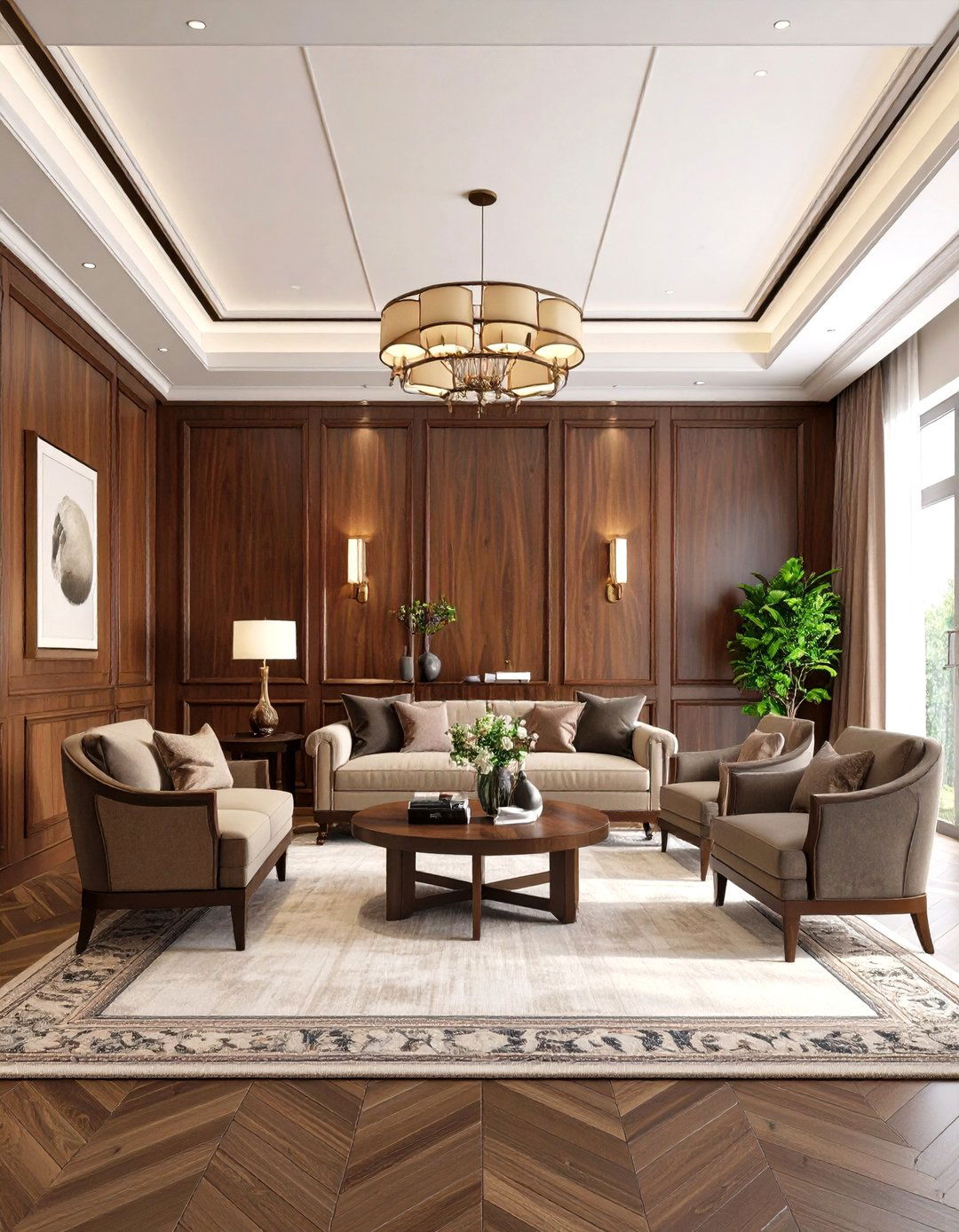
After years of light and bright woods dominating interior design, rich, dark tones are making a confident comeback. Walnut, mango, and stained oak bring a sense of depth, drama, and timeless sophistication to trend is seen in flooring, wall paneling, and statement furniture prevent spaces from feeling too heavy, dark woods are balanced with light-colored walls, plush textiles, and ample natural or artificial result is a space that feels grounded, luxurious, and wonderfully moody, offering a sophisticated alternative to the airy aesthetics of recent years.


15. The Multi-Functional Home Office
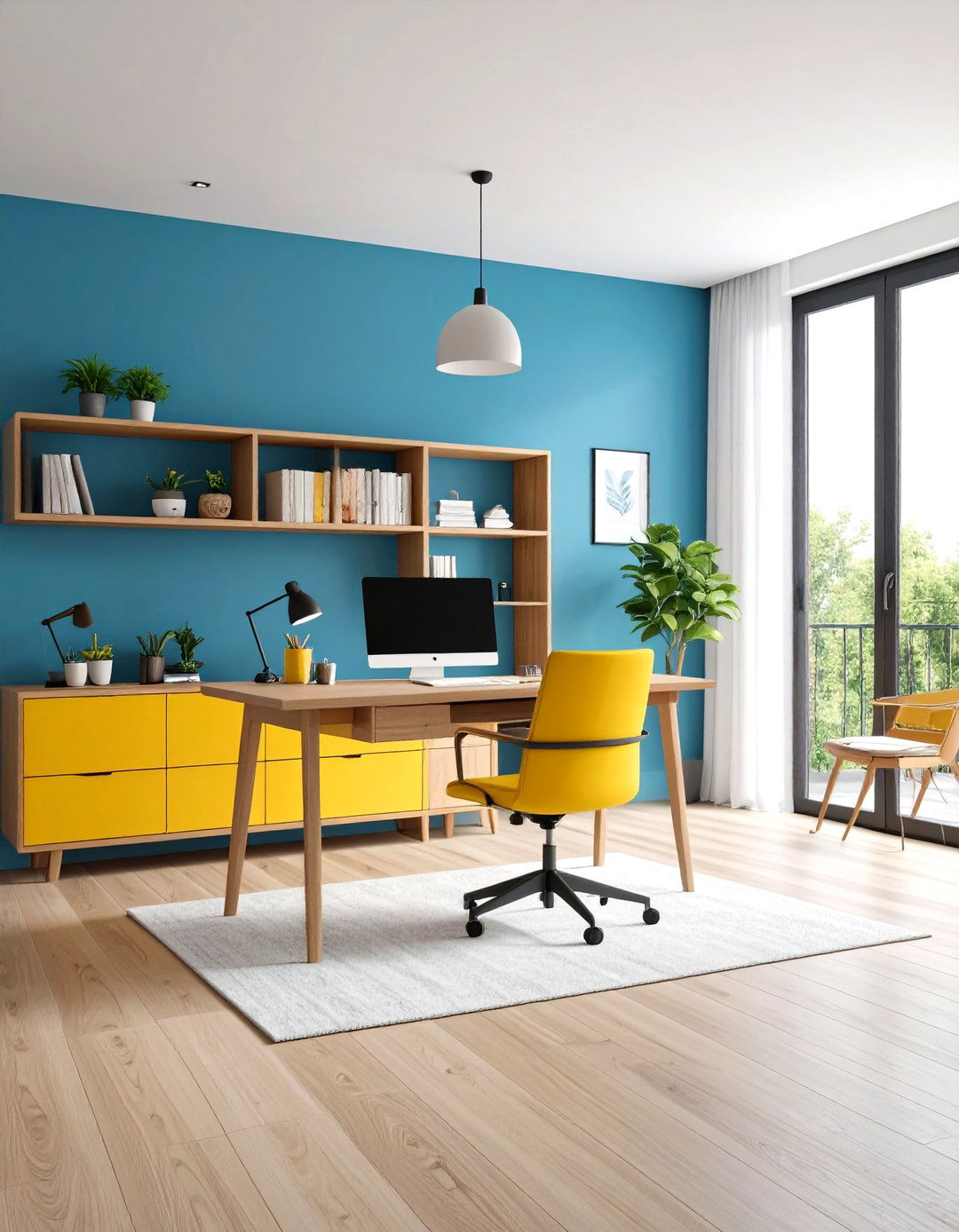
The home office is no longer an afterthought but a central component of home 2025 trend moves beyond a simple desk in a corner to fully integrated, multi-functional custom joinery that conceals a desk and shelving within a living room wall, or spare rooms with stylish murphy beds that transform an office into a guest are clever and is ergonomic yet aesthetically pleasing, blending seamlessly with the home 's overall decor. It’s about creating a dedicated, productive workspace that doesn' t compromise on style or living space.
16. Statement Lighting Fixtures
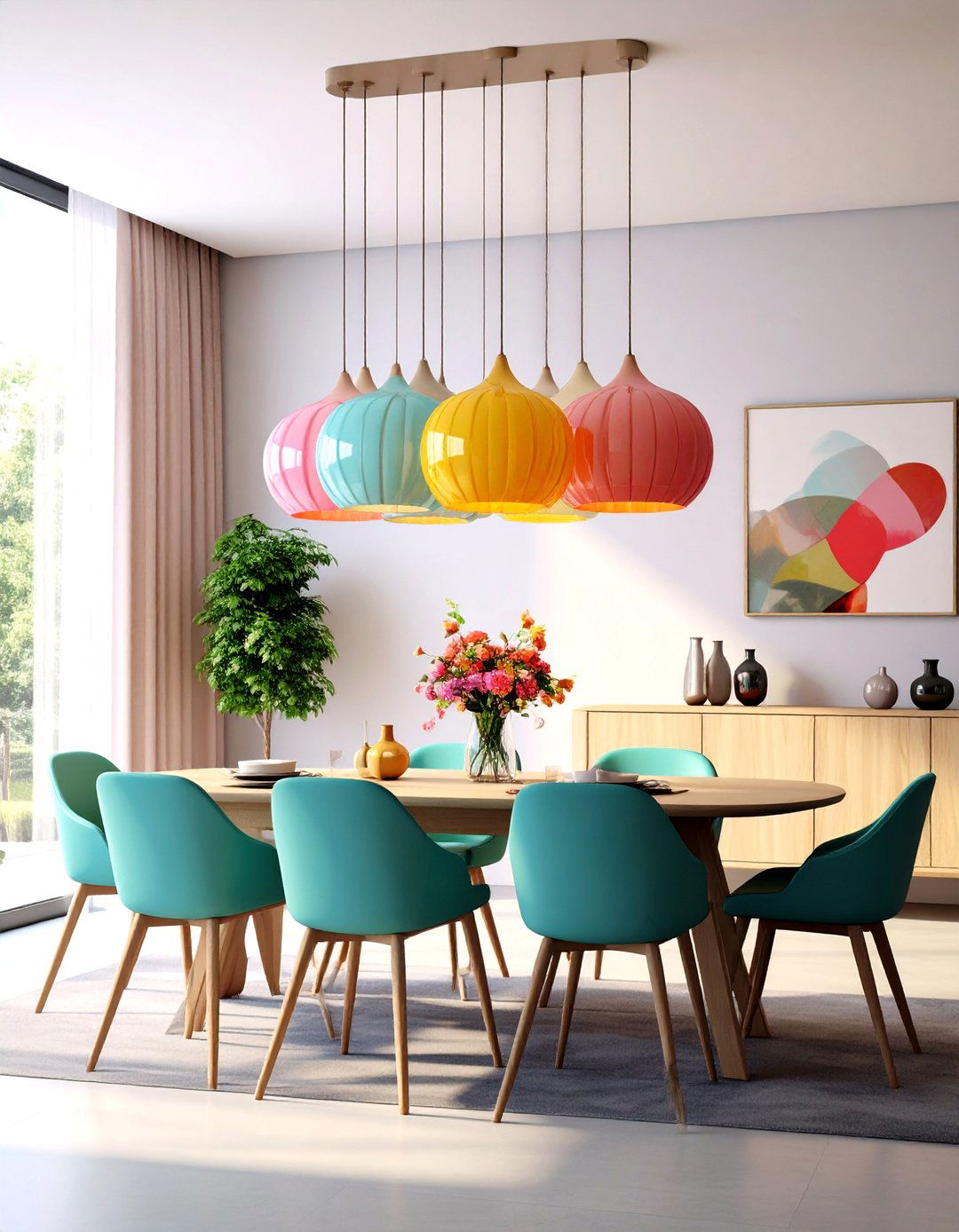
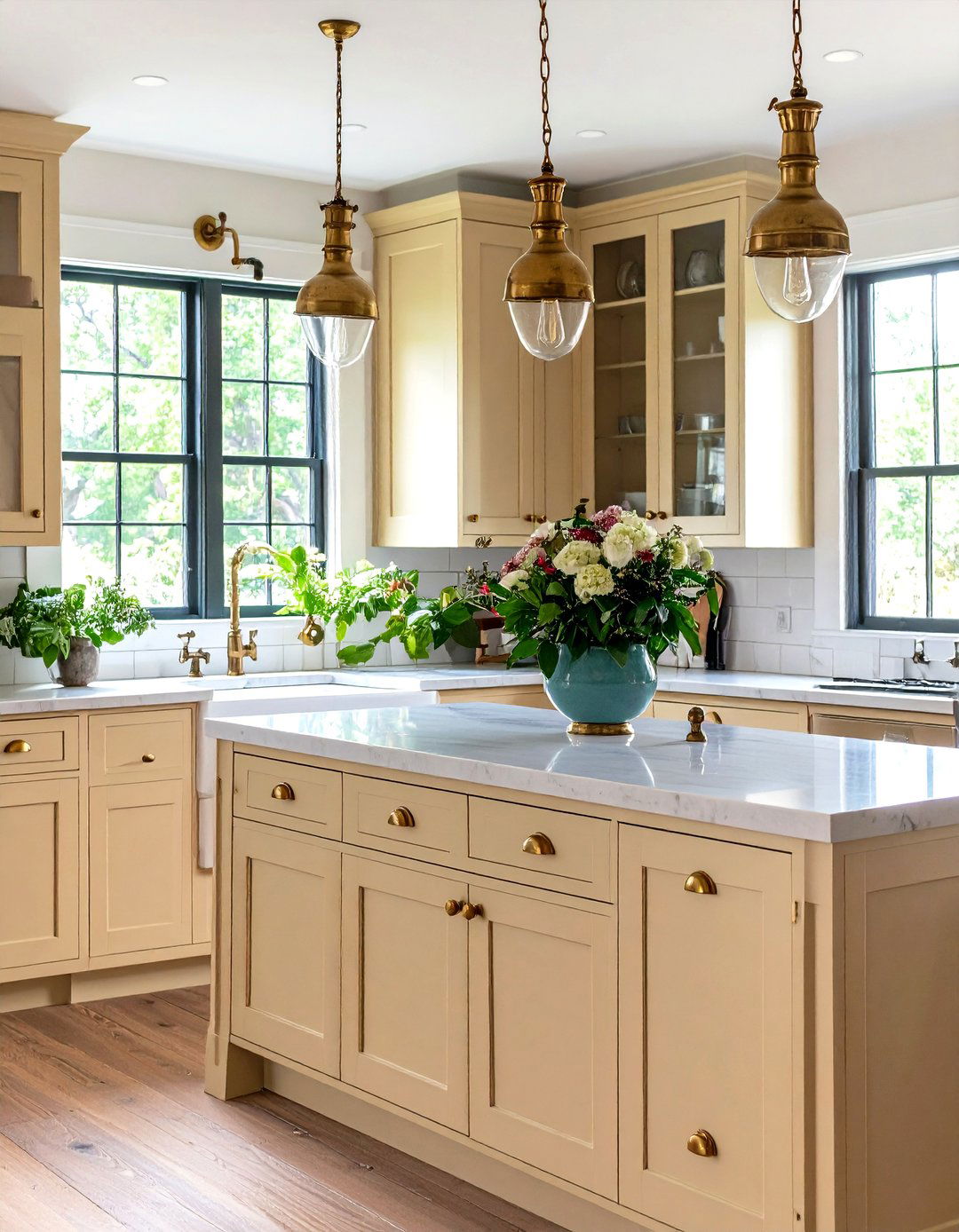
Lighting is being elevated from a functional necessity to a primary design 2025, expect to see bold, sculptural lighting fixtures that act as the centerpiece of a oversized, artistic pendants hanging over a dining table, a cascade of delicate glass orbs in a stairwell, or dramatic floor lamps that double as art pieces do more than illuminate; they define the character and mood of the focus is on unique forms, interesting materials like colored glass or woven fibers, and creating a dramatic focal point that commands attention.
17. Checkerboard and Geometric Patterns
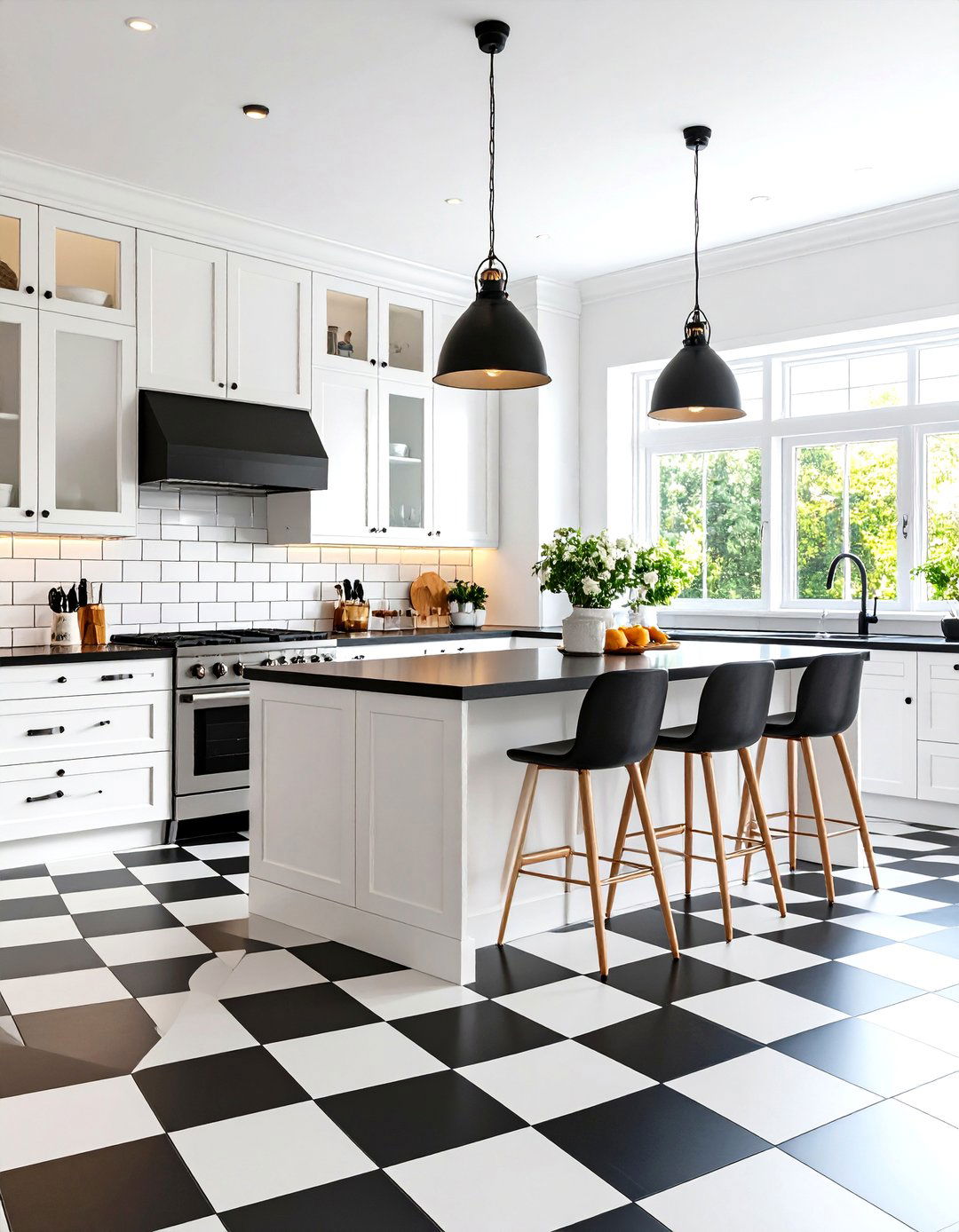
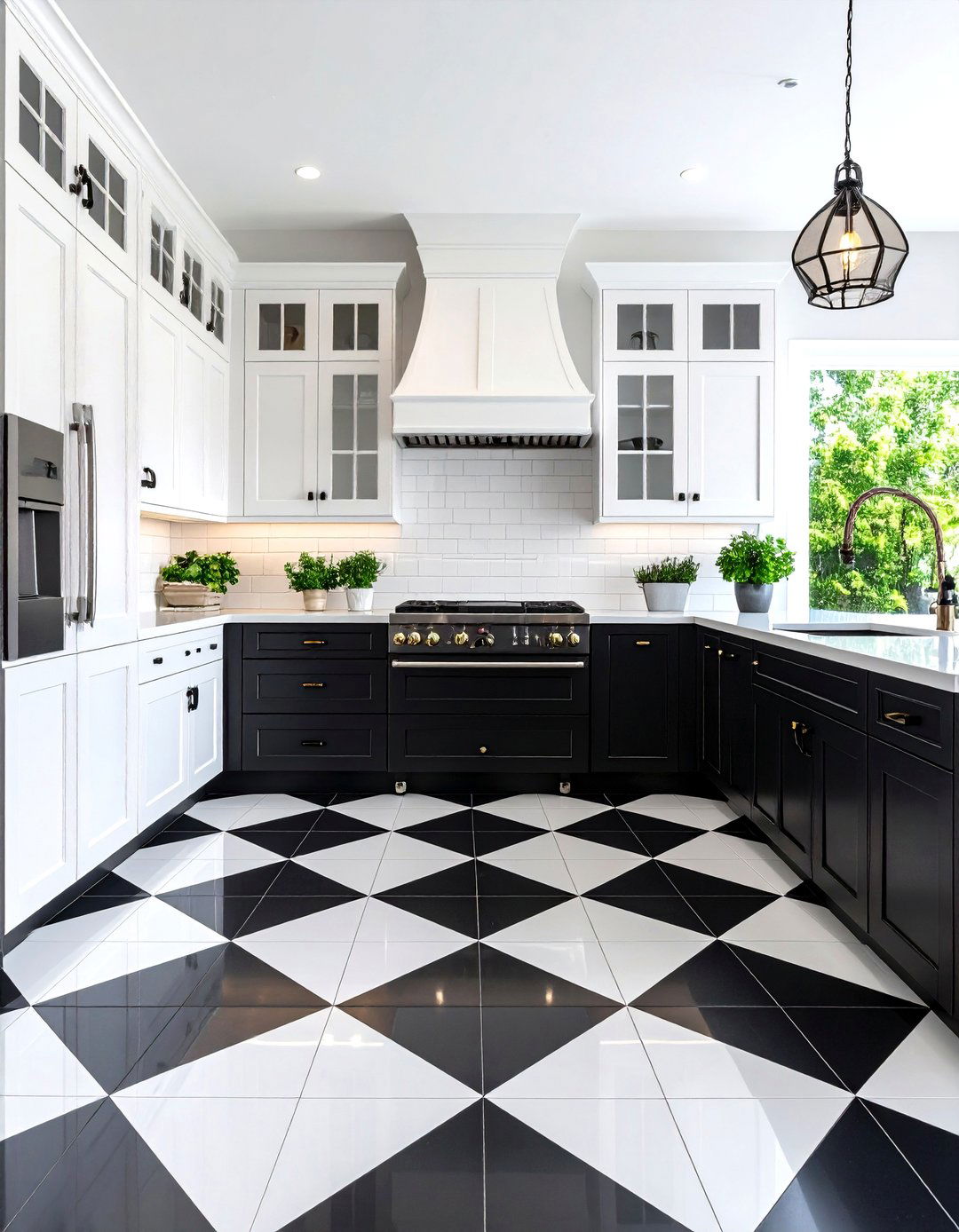
Classic patterns are being reimagined with a modern, graphic timeless checkerboard pattern is appearing everywhere, from tiled floors and kitchen backsplashes to rugs and textiles, often in unexpected color checkers, bold geometric patterns — stripes, triangles, and abstract shapes — are being used to add energy and visual interest to otherwise minimalist patterns are applied with confidence on walls, floors, or through statement furniture pieces. It 's a playful yet sophisticated way to introduce personality and a strong graphic element into the home' s design.
18. The Rise of the "Goblincore" Aesthetic
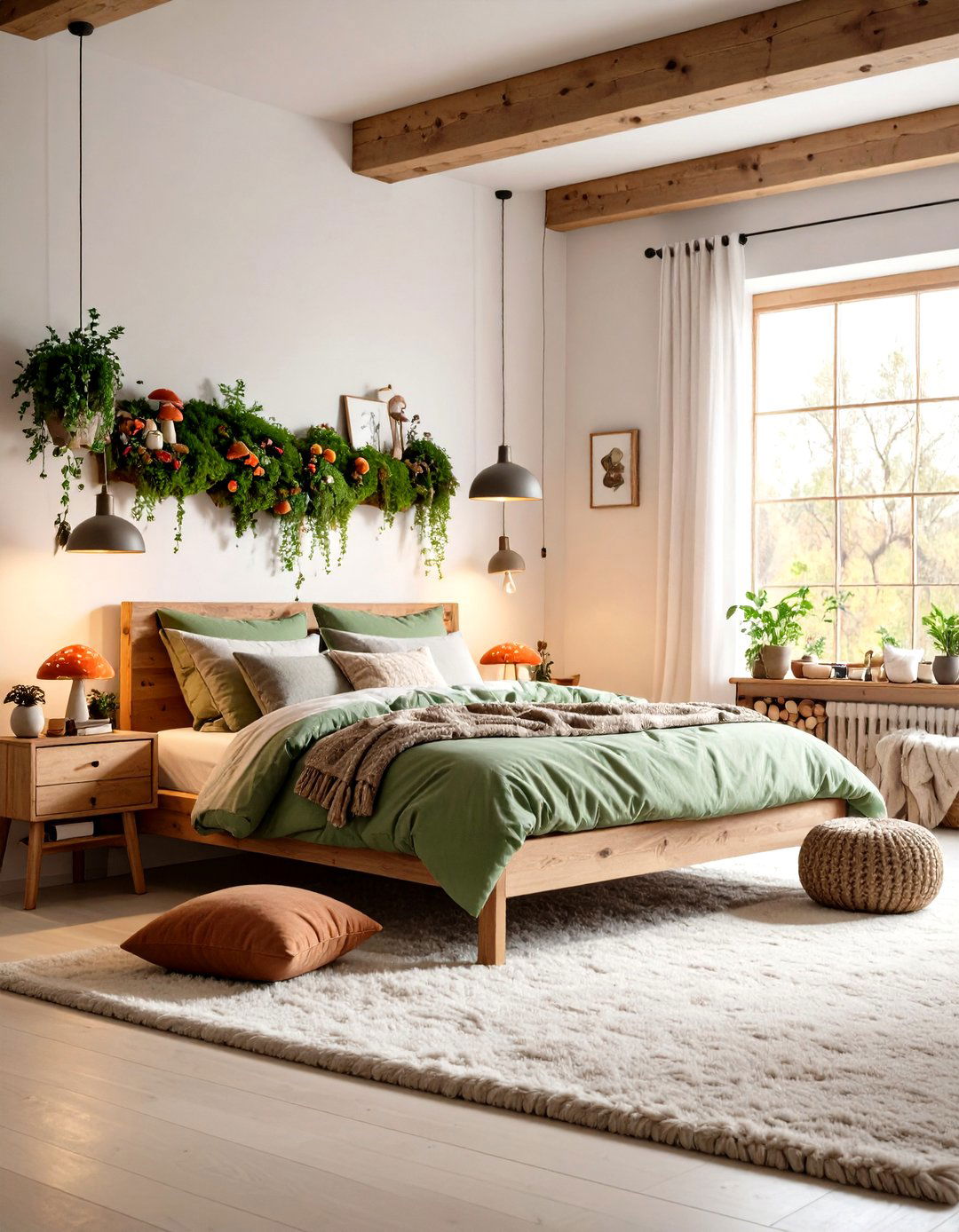
Have you ever felt a pull towards the wonderfully weird and whimsically wild? This niche internet aesthetic is creeping into mainstream design, celebrating the imperfect and often overlooked aspects of interiors filled with collections of moss, mushrooms, snail shells, and worn-in, comfortable color palette is earthy and muddy — moss greens, deep browns, and murky are key, with an emphasis on worn wood, chunky knits, and mismatched vintage pieces. It’s a cozy, cluttered, and deeply personal style that finds beauty in the unconventional and embraces a fairy-tale-like connection to the forest floor.
19. Textured Wall Finishes
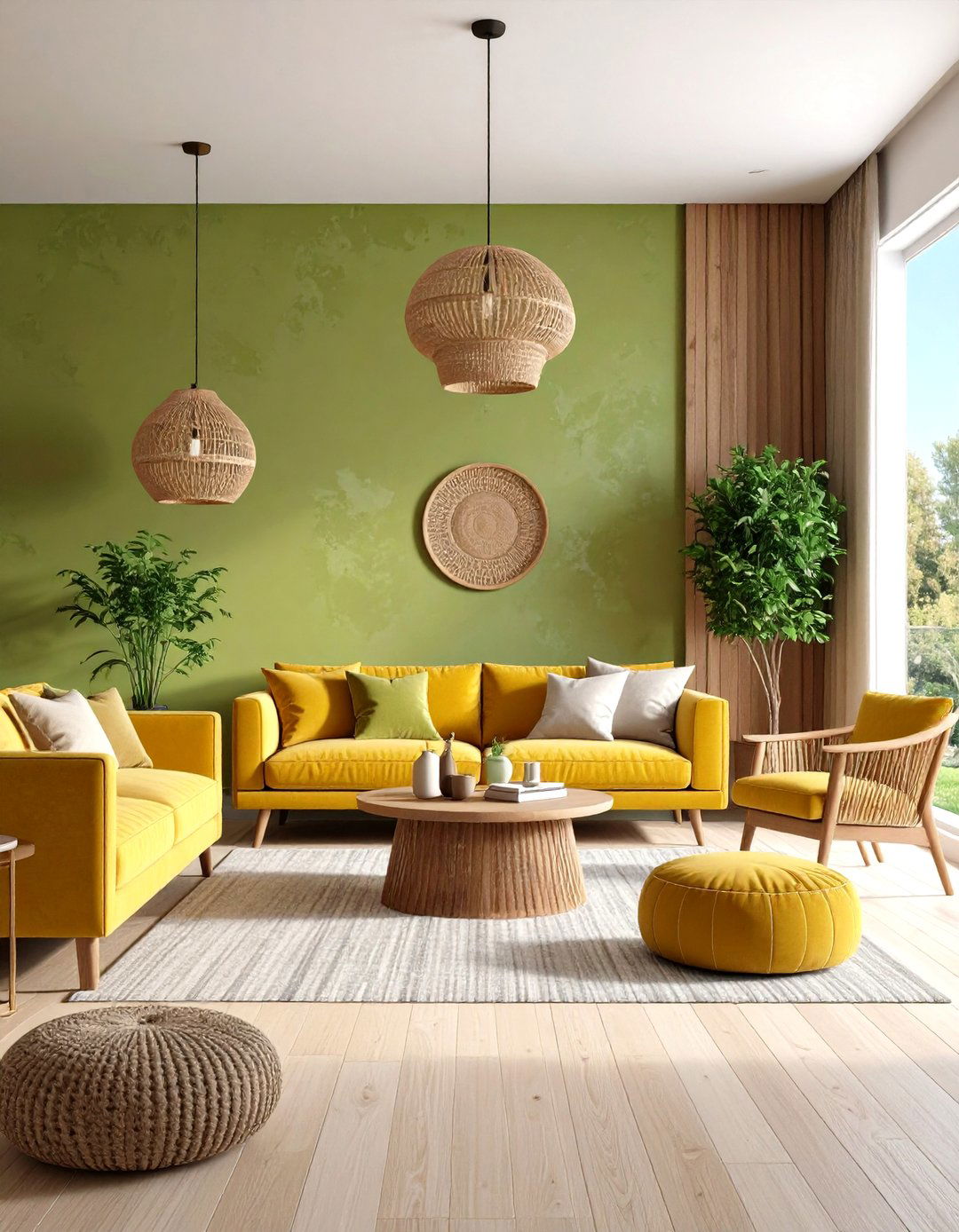
Flat, painted walls are giving way to surfaces with depth and tactile like limewash, Roman clay, and tadelakt are gaining popularity for their ability to create a soft, mottled effect with subtle movement and applications add an artisanal, handcrafted quality to a room, catching the light in unique ways throughout the color palettes are typically earthy and neutral, allowing the texture itself to be the main trend transforms walls from simple backdrops into integral design elements that add warmth, character, and a sense of history to any space.
20. Closed and Broken-Plan Layouts
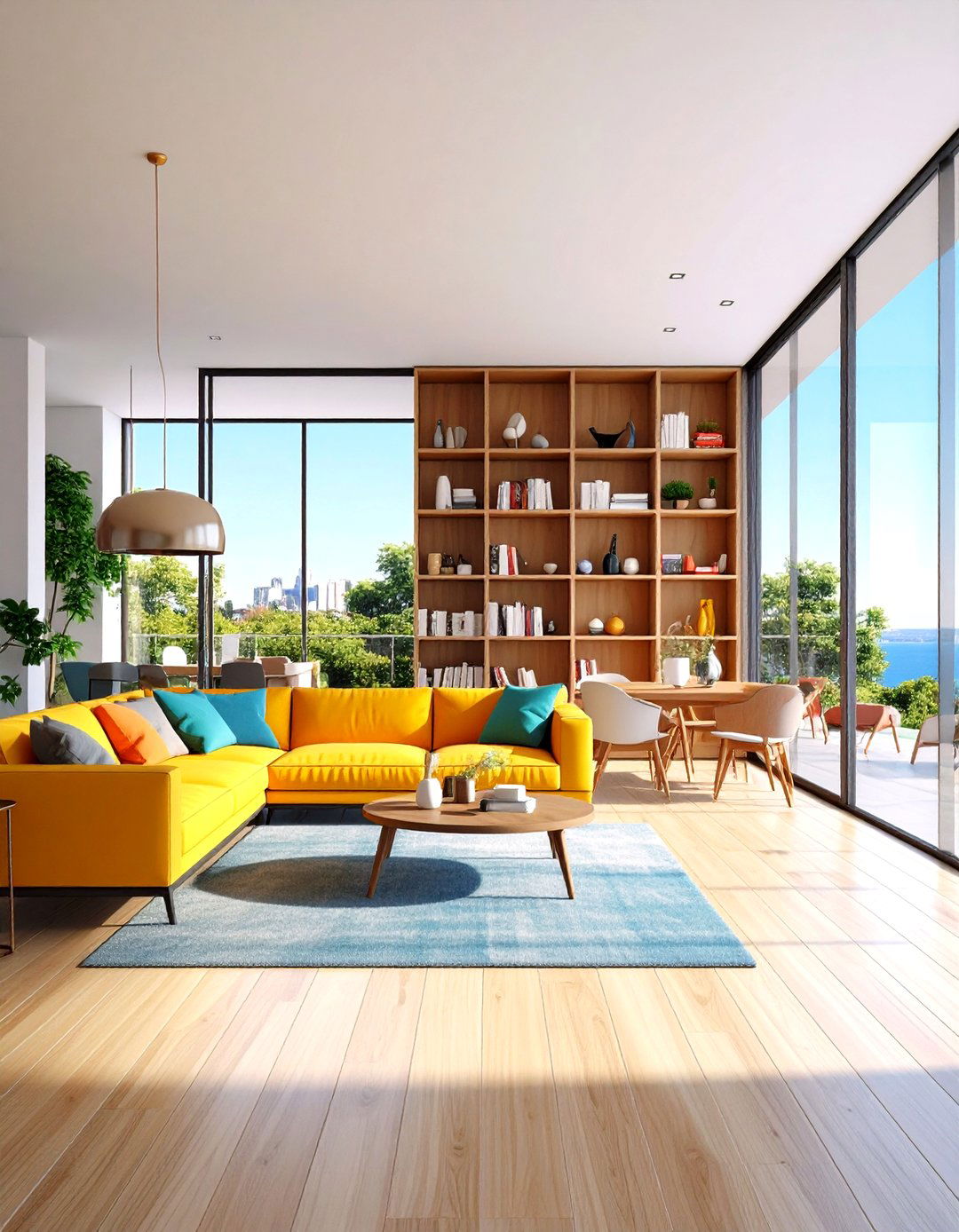
While the open-plan layout has reigned for decades, there is a growing trend towards more defined and intimate spaces. Broken-plan layouts use clever design elements like glass partitions, bookcases, or changes in floor level to create distinct zones without completely closing off approach provides a sense of separation and privacy while maintaining a feeling of light and closed-plan layouts are also returning, offering cozy, dedicated rooms for specific activities — a quiet reading nook, a formal dining room, or a secluded home office for focused work.
21. High-Contrast Design Schemes
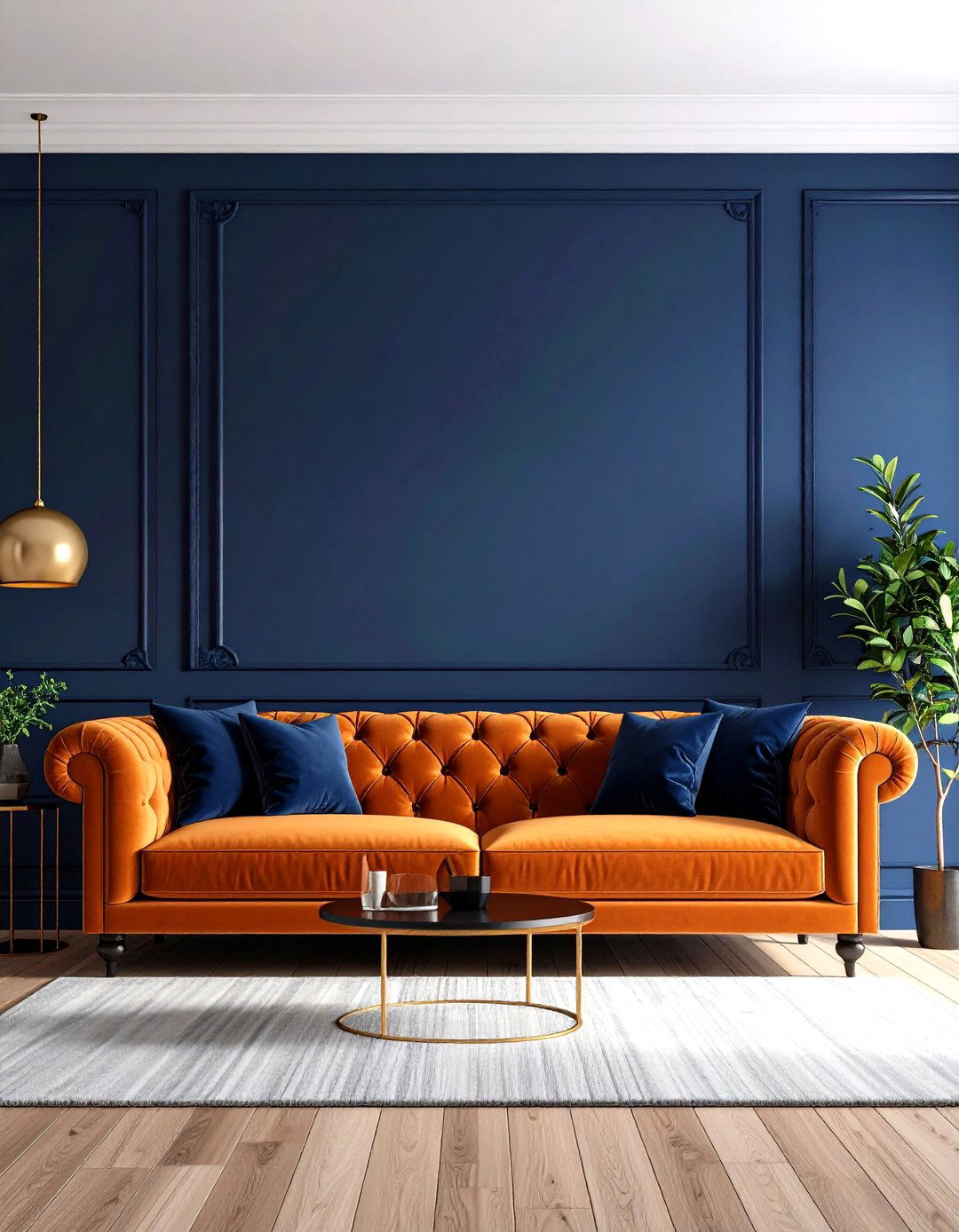
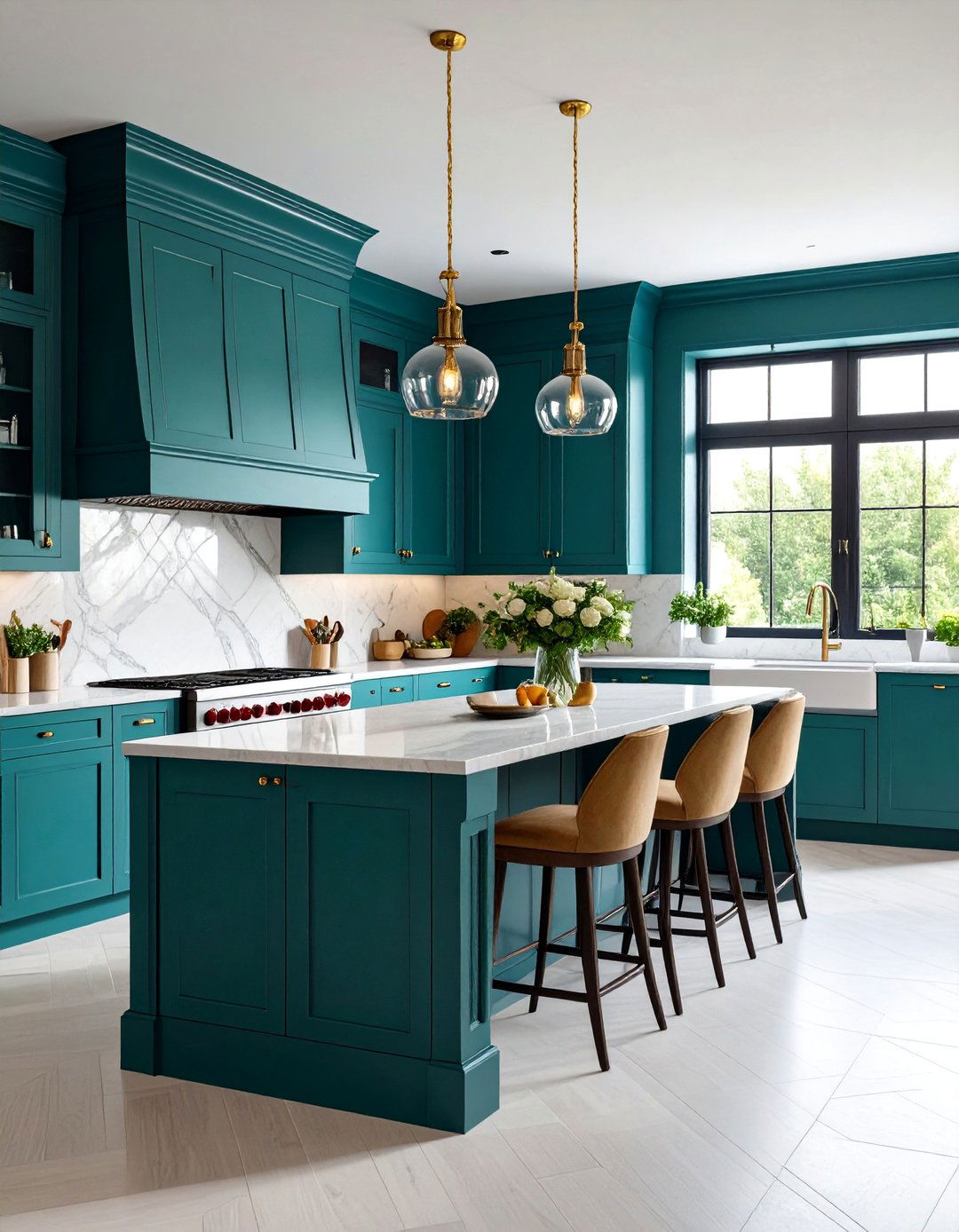
Creating visual drama through contrast is a key trend for goes beyond the classic black and white, exploring bold pairings like deep navy with burnt orange, or forest green with dusty key is to balance the color typically serves as the dominant anchor, while the other is used as a powerful accent on a feature wall, a statement sofa, or through approach creates a dynamic, energetic space that feels confident and curated. It’s a powerful way to make a design statement without overwhelming the senses.
22. Vintage and Retro Comebacks
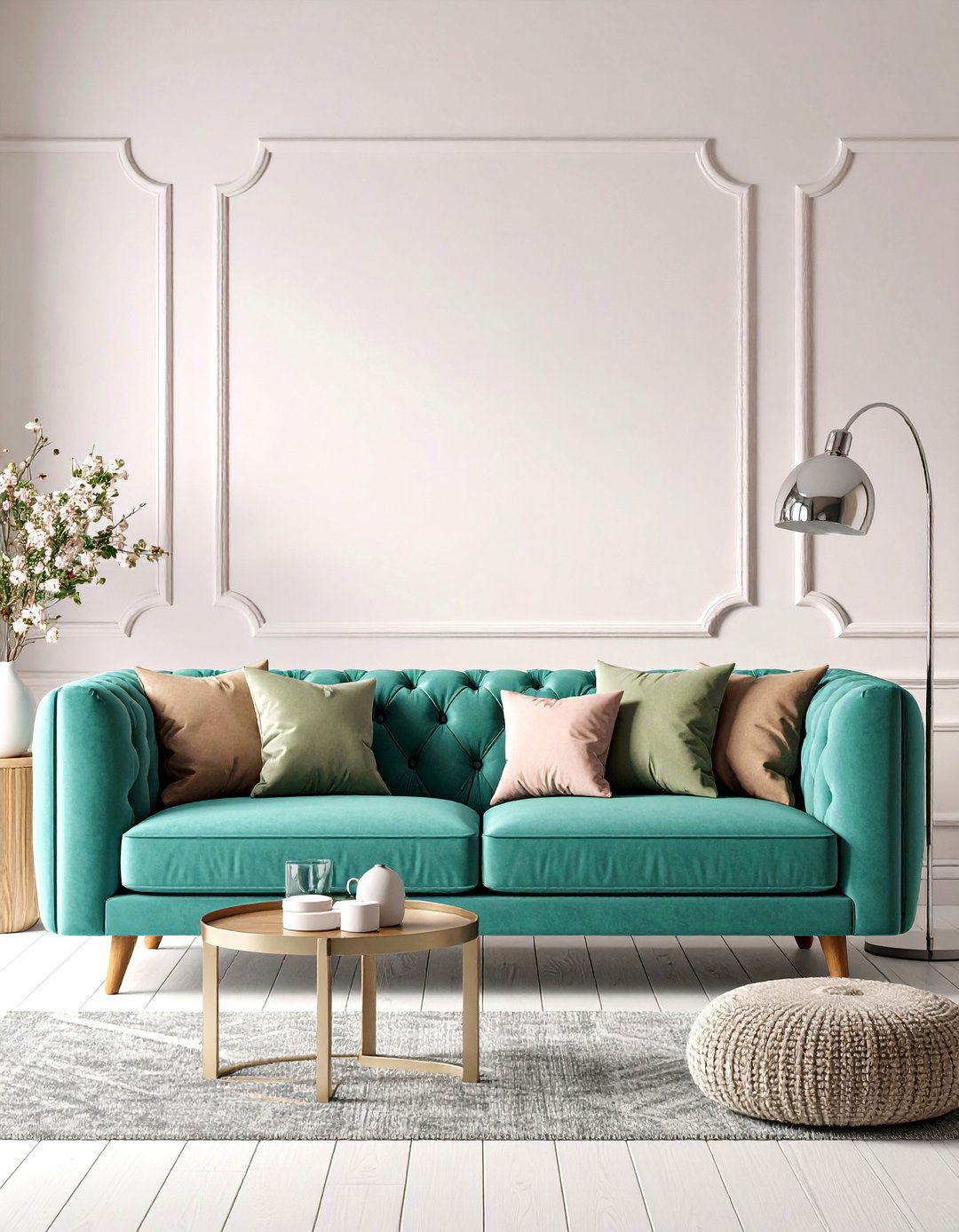
The appeal of nostalgia continues to influence interior design, with a particular focus on the 70s and the 70s, we're seeing a return of low-slung seating, conversation pits, and earthy color palettes of avocado green, mustard yellow, and burnt the 90s, influences include lighter wood tones, minimalist forms, and subtle grunge trend is about selectively incorporating vintage pieces — a shag rug, a chrome arc lamp, or a classic postmodern chair — into a modern context to create a space that feels both familiar and fresh.
23. Handcrafted and Artisanal Decor
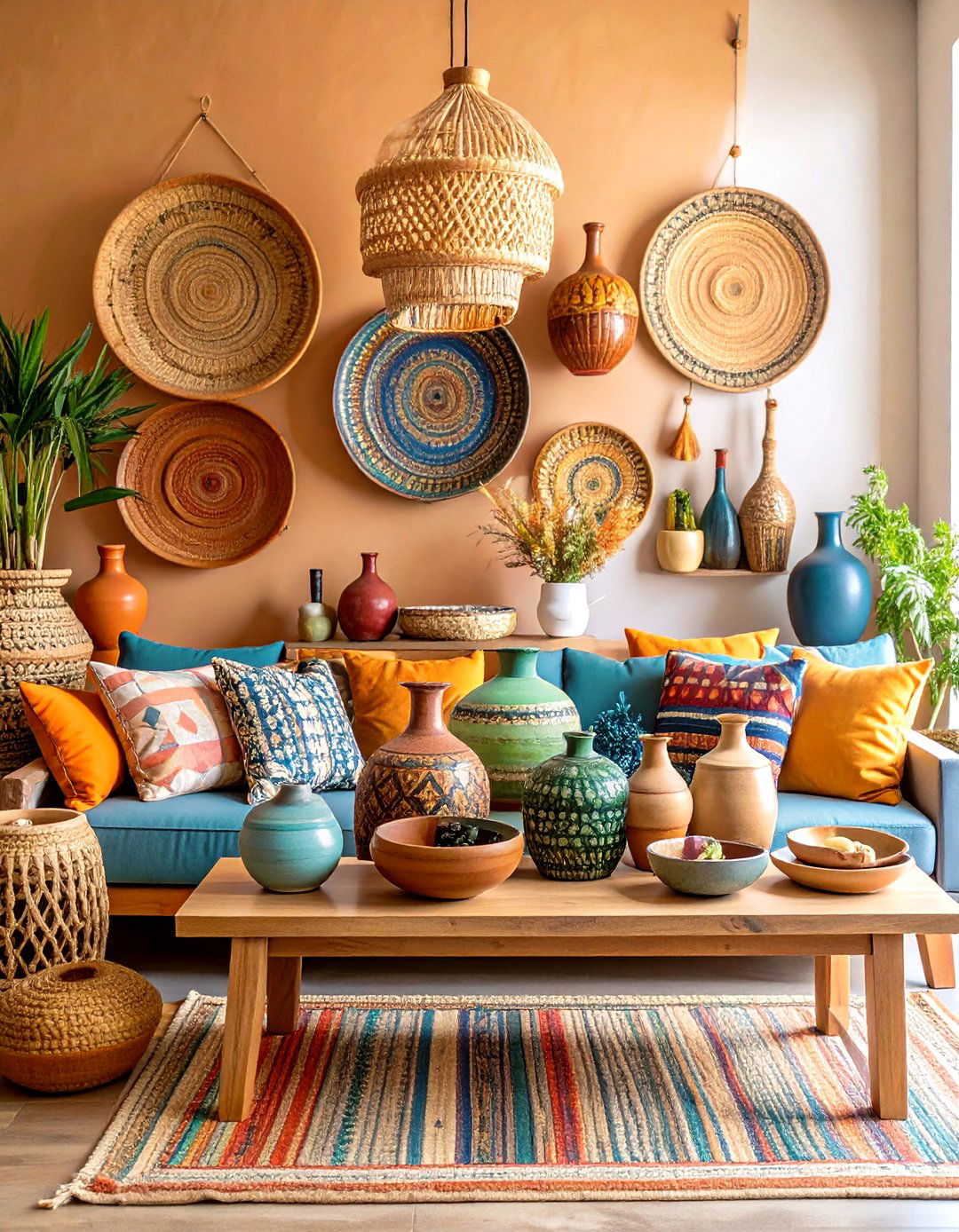
In an age of mass production, there is a deep appreciation for objects that show the hand of the trend emphasizes unique, one-of-a-kind pieces created by hand-thrown ceramics, hand-woven textiles, custom-made furniture, and original items bring a sense of soul and authenticity to a focus is on celebrating imperfections — the slight asymmetry of a vase, the uneven texture of a rug — as marks of genuine craftsmanship. It’s about curating a collection of objects that tell a story and support skilled makers.
24. Ceiling as the Fifth Wall
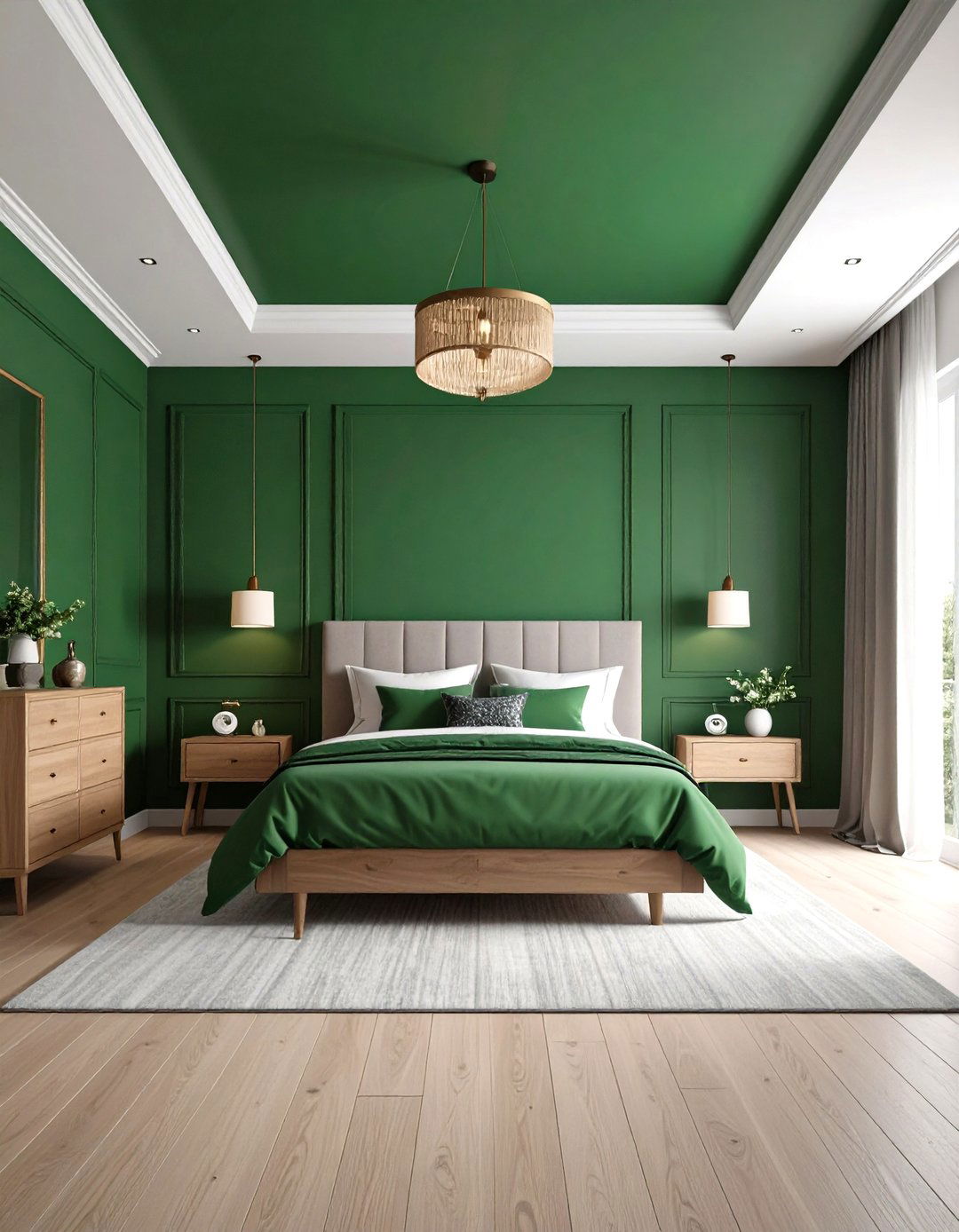
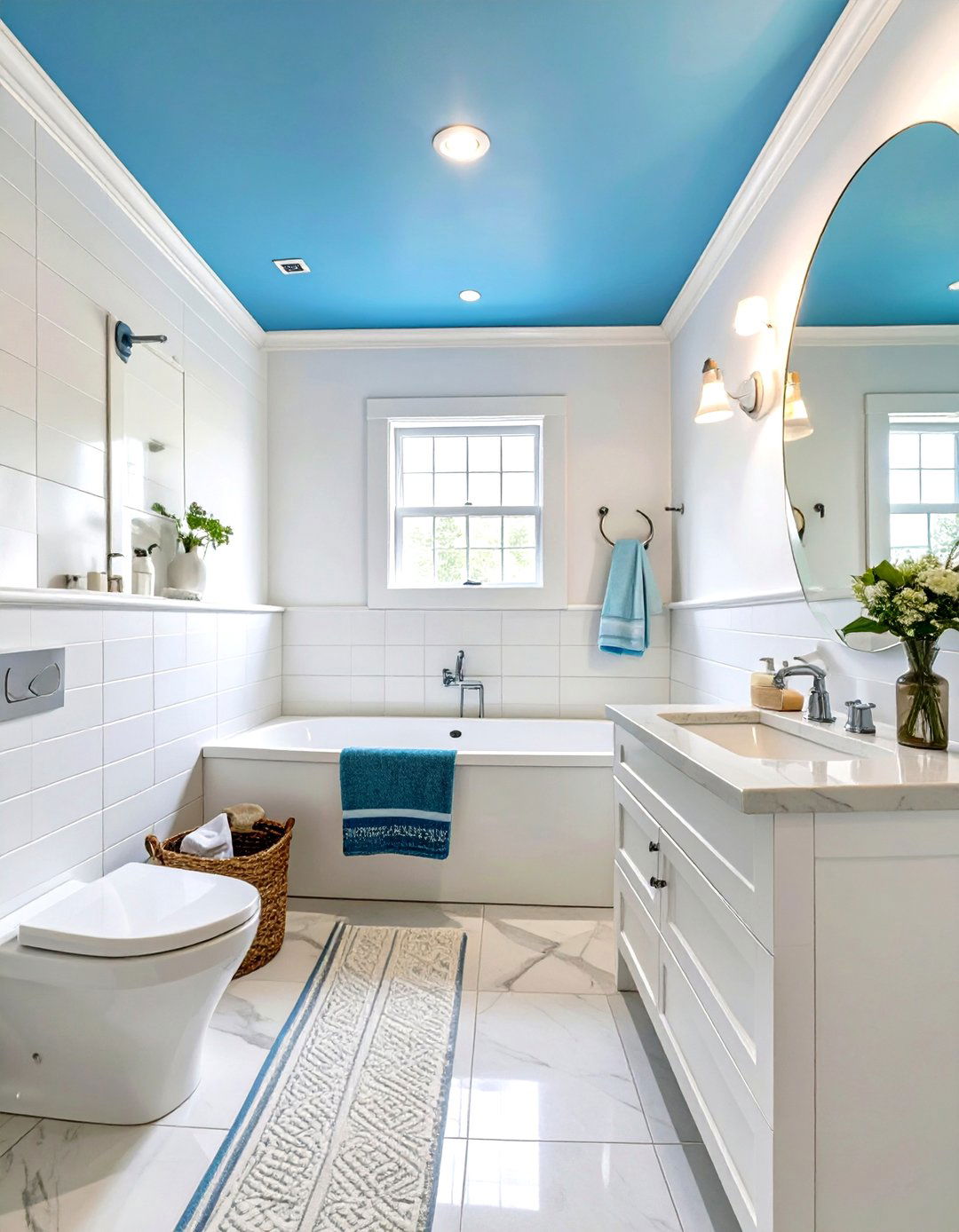
Why should walls have all the fun? Designers are increasingly looking upwards, treating the ceiling as a fifth wall worthy of creative can range from painting the ceiling a bold, contrasting color to applying patterned wallpaper for a dramatic details like coffered ceilings, exposed beams, or pressed tin tiles are also being used to add character and draw the eye minimalist spaces, even a high-gloss finish on the ceiling can add a surprising and sophisticated layer of visual interest, making the entire room feel more complete.
25. The Un-Kitchen Concept
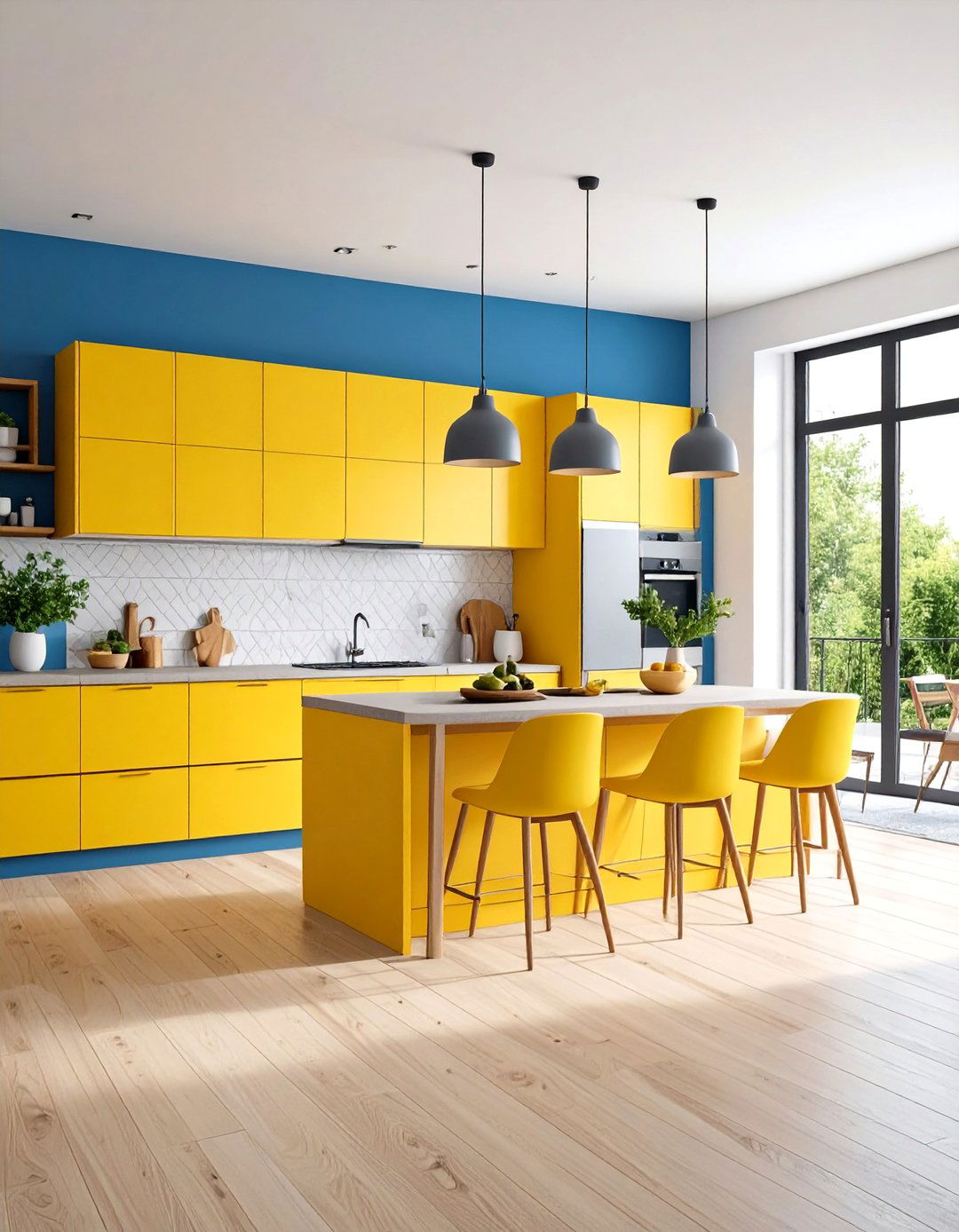
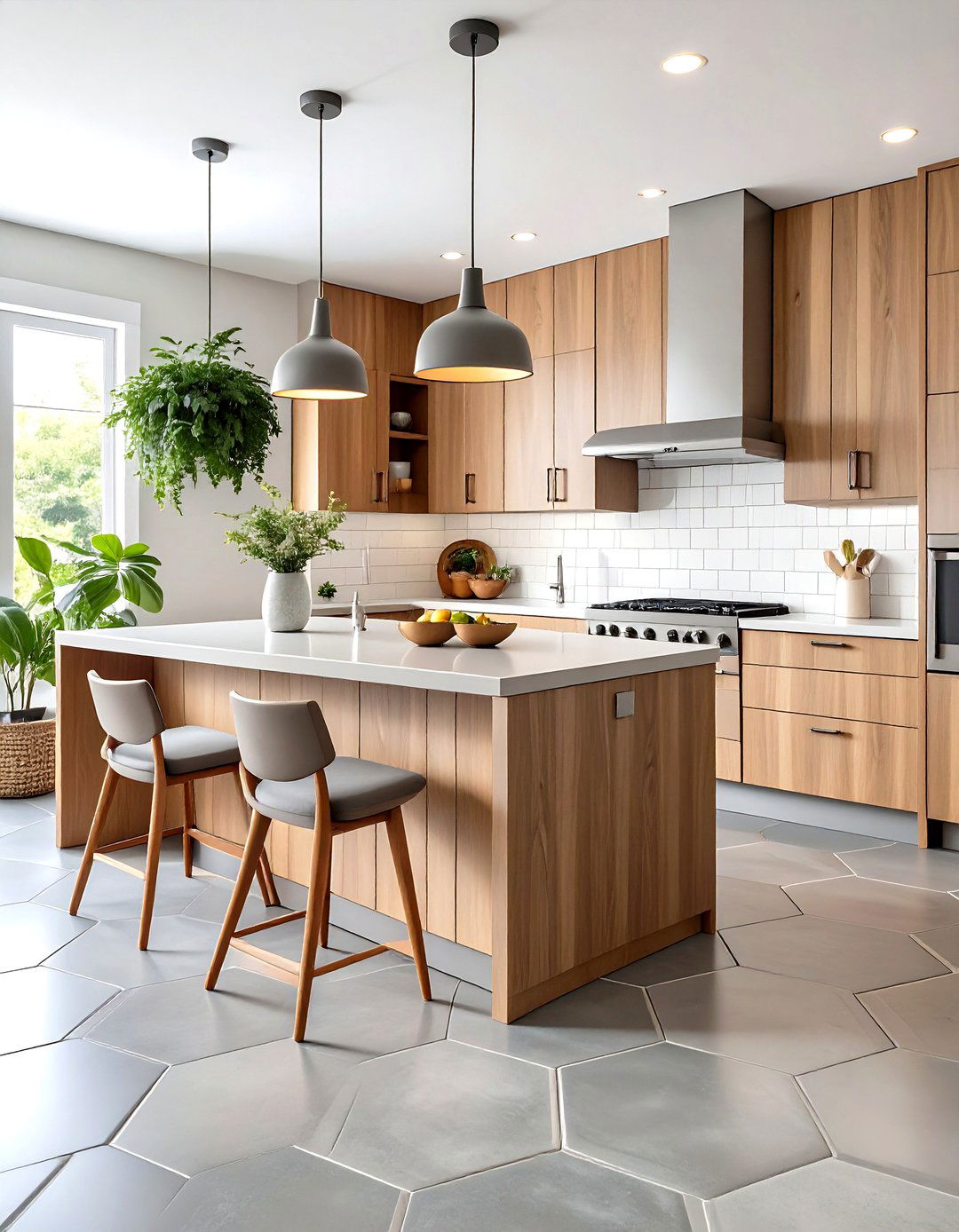
This trend seeks to seamlessly integrate the kitchen into the living space by concealing its functional elements. It’s perfect for open-plan homes where you want the kitchen to feel less like a utility area and more like an elegant part of the is handle-less and designed to look like a sleek wall of are fully integrated and hidden behind cabinet can be covered with matching countertop material, and cooktops can be induction models that are almost invisible when not in result is a clean, uncluttered aesthetic.
26. Biomorphic and Abstract Shapes
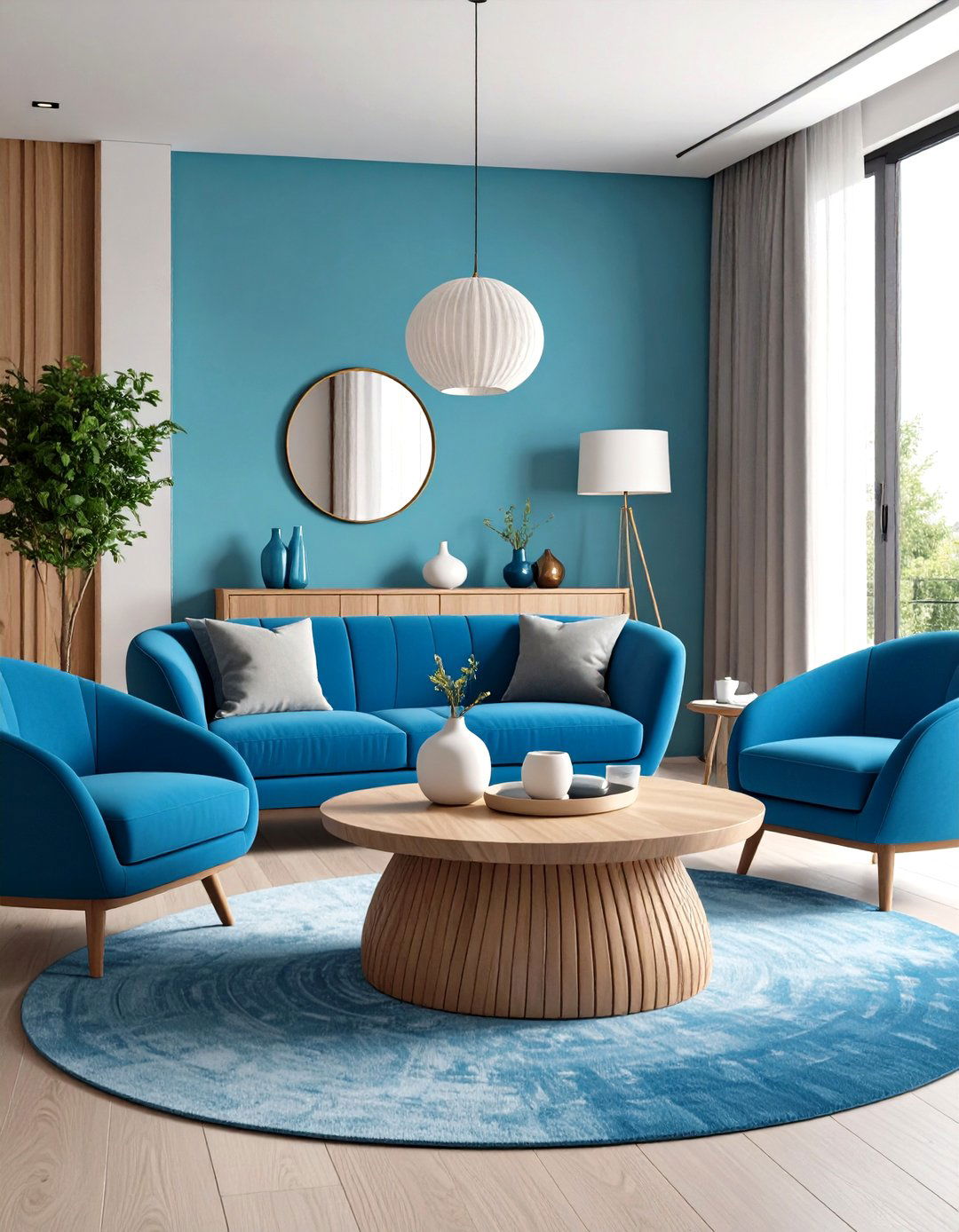
Moving beyond simple curves, this trend embraces biomorphic forms — shapes that are reminiscent of nature without being literal coffee tables shaped like pebbles, mirrors that mimic the form of a pond, or rugs with abstract, amoeba-like organic and irregular shapes add a soft, artistic, and unexpected element to a break the rigidity of traditional furniture and layouts, creating a space that feels more fluid, relaxed, and connected to the natural pieces often serve as functional sculptures within the home.
27. Wellness-Focused Bathroom Design
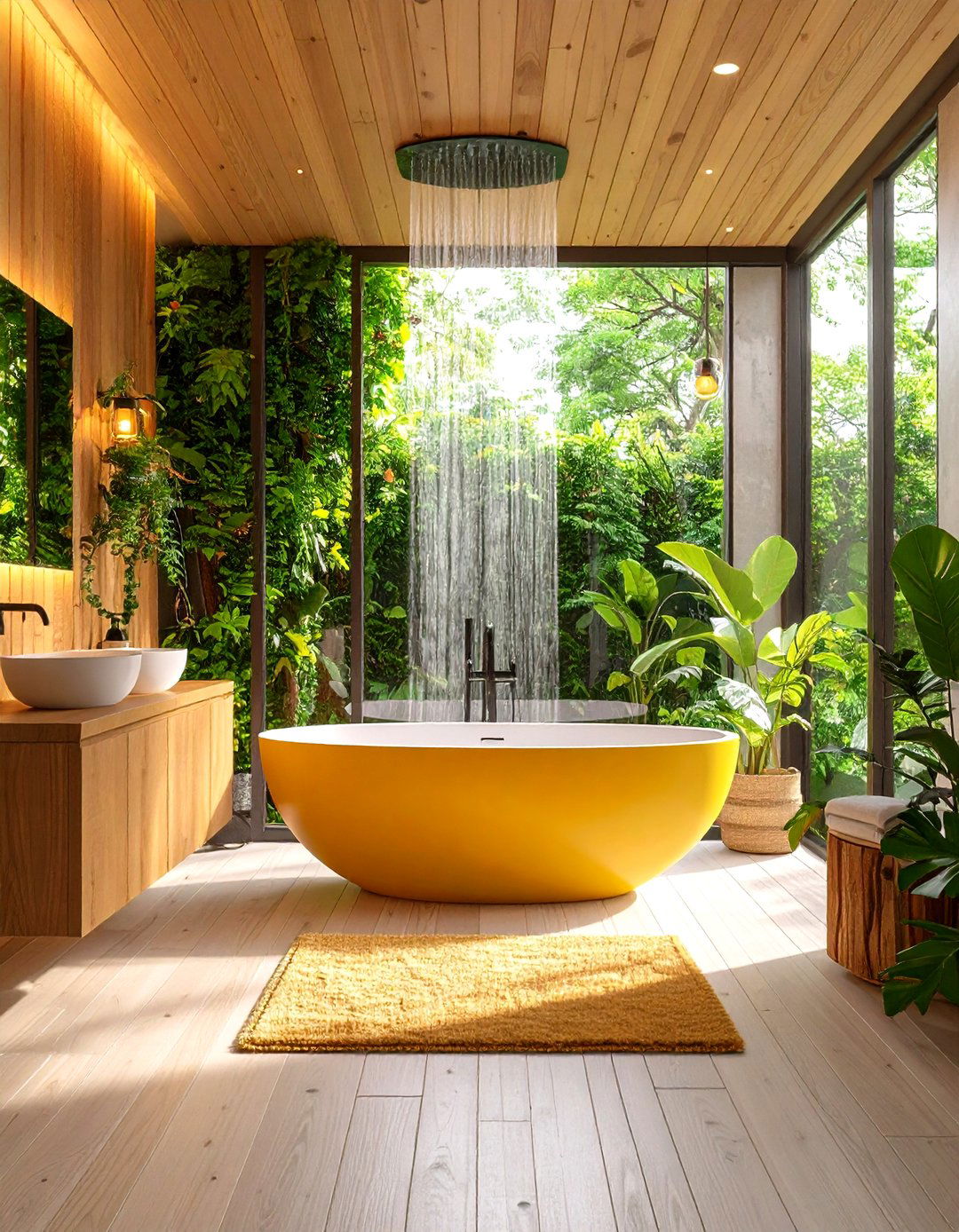
The bathroom is evolving from a purely functional room into a private spa-like retreat focused on wellness and are becoming more spacious, often incorporating a comfortable seating area or a small plant-filled like rainfall showerheads, deep soaking tubs, steam showers, and heated floors are becoming are natural and calming — stone, wood, and travertine — while lighting is soft and goal is to create a serene, restorative environment where you can unwind, recharge, and prioritize your well-being on a daily basis.
28. The Charm of Cottagecore
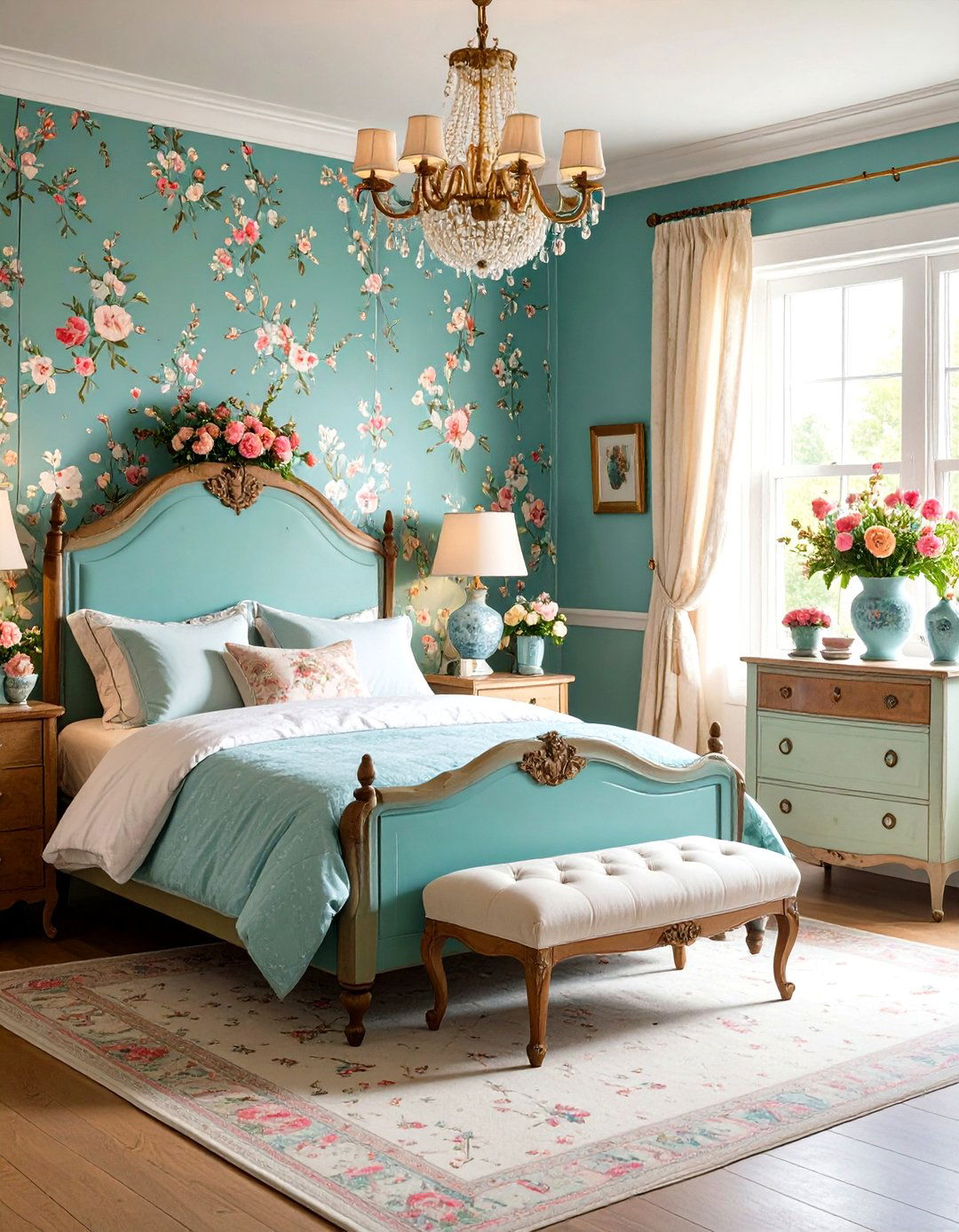
Cottagecore continues to be a beloved trend, offering an escape to a simpler, romanticized rural life. It’s all about creating a cozy, comfortable, and slightly nostalgic are informal and is a mix of painted vintage pieces and comfortable, slipcovered are key, with an abundance of floral prints, gingham, and includes fresh flowers, handmade crafts, and collections of vintage color palette is soft and pretty, featuring pastel shades, creamy whites, and natural wood tones. It's a style that feels like a warm, comforting hug.
29. Monochromatic Color Schemes
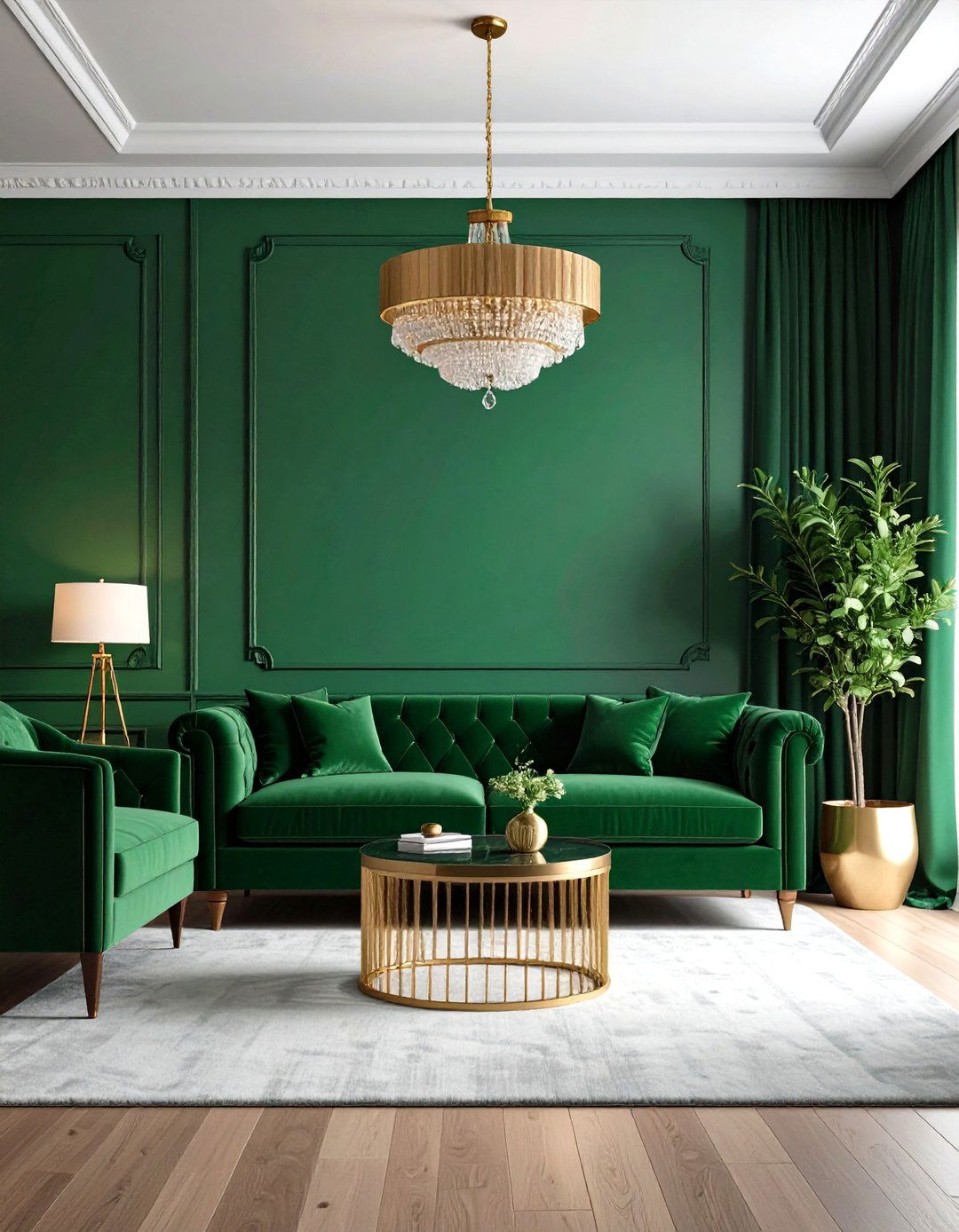
For a look that is both bold and sophisticated, the monochromatic trend uses a single color in varying tints, tones, and shades throughout an entire could be a serene all-blue bedroom or a dramatic, moody green living key to making it work is to incorporate a wide variety of textures — a velvet sofa, a silk curtain, a chunky knit throw, and a high-gloss lacquer table, all in the same color textural variation prevents the space from feeling flat and creates a rich, layered, and immersive design experience that is incredibly chic.
30. Outdoor Living Room Integration
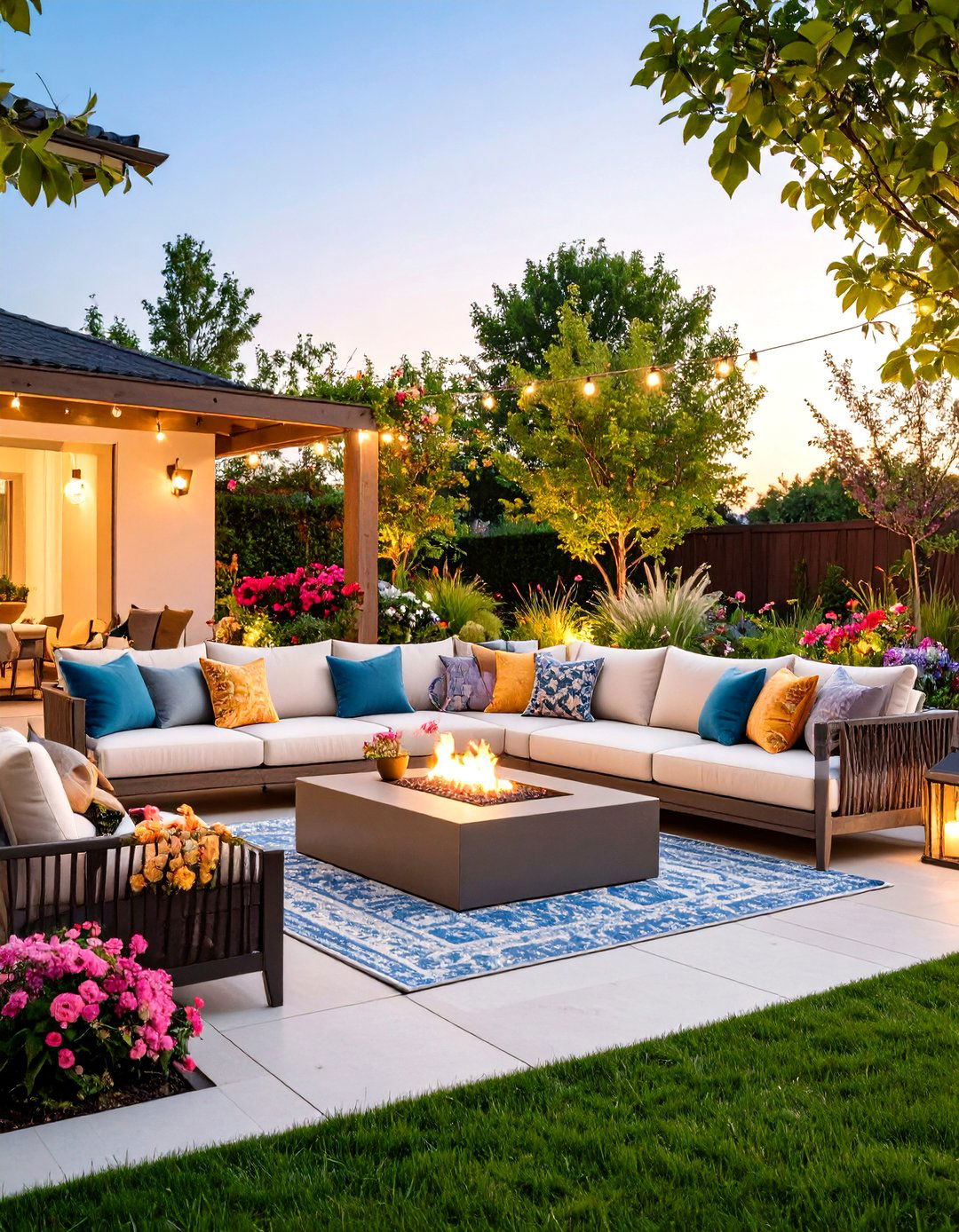
The line between indoors and outdoors continues to blur as patios, decks, and balconies are designed with the same level of comfort and style as interior living trend involves creating a seamless transition, often using large sliding or folding glass furniture is just as plush and comfortable as its indoor counterparts, with weather-resistant fabrics and deep like outdoor rugs, stylish lighting, fire pits, and even outdoor kitchens make these spaces true extensions of the home, perfect for relaxing and entertaining year-round.
Conclusion:
As we look ahead to 2025, the overarching theme in interior design is the creation of deeply personal and intentional trends move away from rigid rules and towards authentic self-expression, whether through the vibrant energy of Dopamine Decor or the quiet contemplation of a Biophilic is a profound respect for sustainability, craftsmanship, and well-being, with an emphasis on creating homes that not only look good but also feel good to live in. Ultimately, the future of design is about crafting environments that support our lifestyles, reflect our values, and provide a true sense of sanctuary in a complex world.

Related posts:



Leave a Reply