
Becoming better at interior design is a journey of discovery, blending personal taste with timeless principles to create spaces that are both beautiful and functional. It 's about more than just picking out furniture; it' s about crafting an experience and telling a story through color, texture, and this art involves understanding the fundamentals of space planning, the psychology of color, and the importance of a cohesive you're a novice looking to refresh your living room or an enthusiast aiming to refine your skills, there are core strategies that can elevate any guide explores 30 comprehensive ideas to help you think like a designer and transform your home into a truly inspiring environment.
1. The 60-30-10 Color Rule
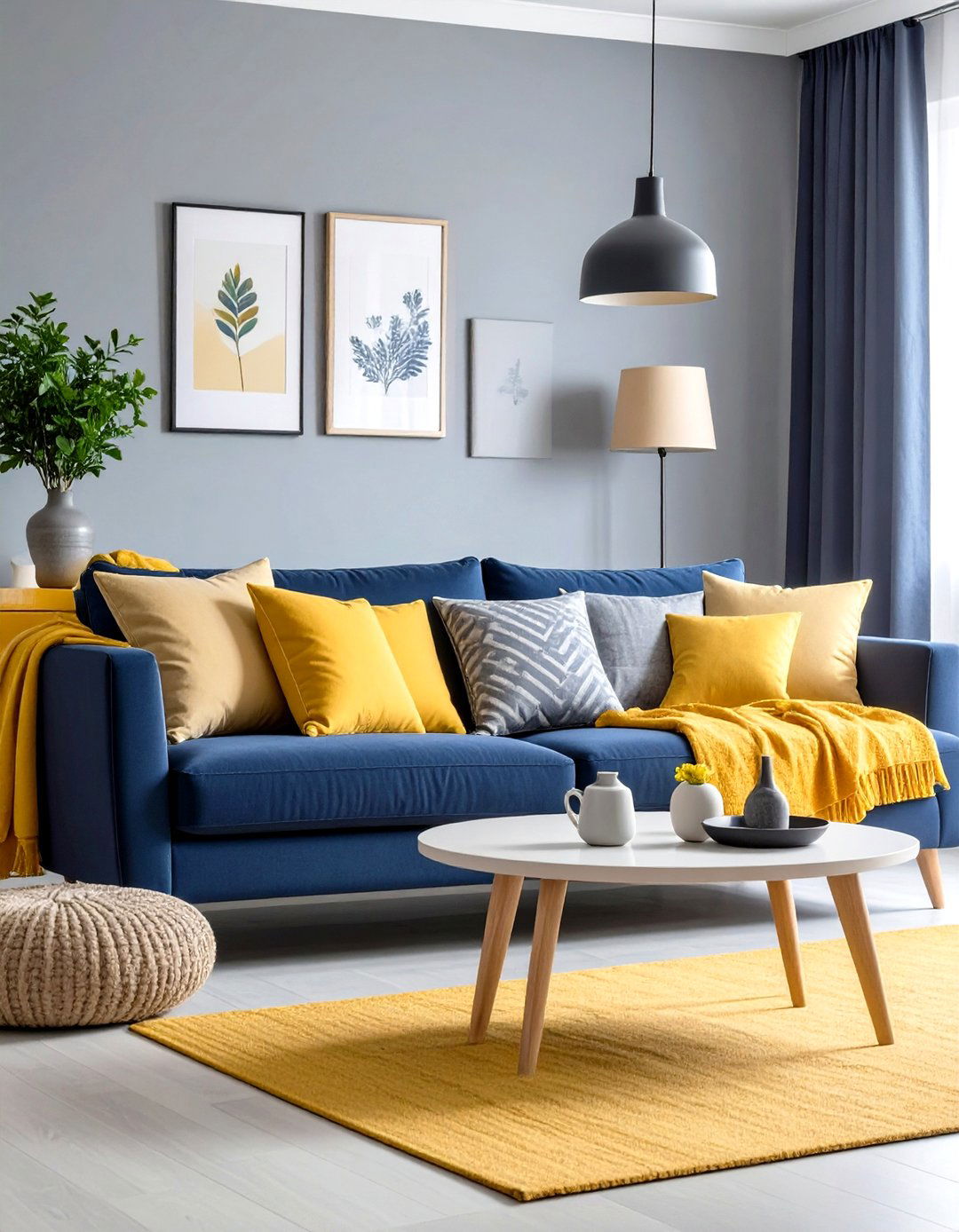
A foundational principle for achieving a balanced color scheme is the 60-30-10 approach dictates that 60% of your room should be a dominant color, typically the walls, while 30% is a secondary color found in furniture or final 10% is an accent color, used for smaller decor items like pillows, artwork, or formula prevents a space from feeling overwhelming and creates a harmonious visual sticking to this ratio, you ensure that colors are distributed thoughtfully, resulting in a polished and professionally designed look that feels intentional and complete.
2. Define Your Focal Point
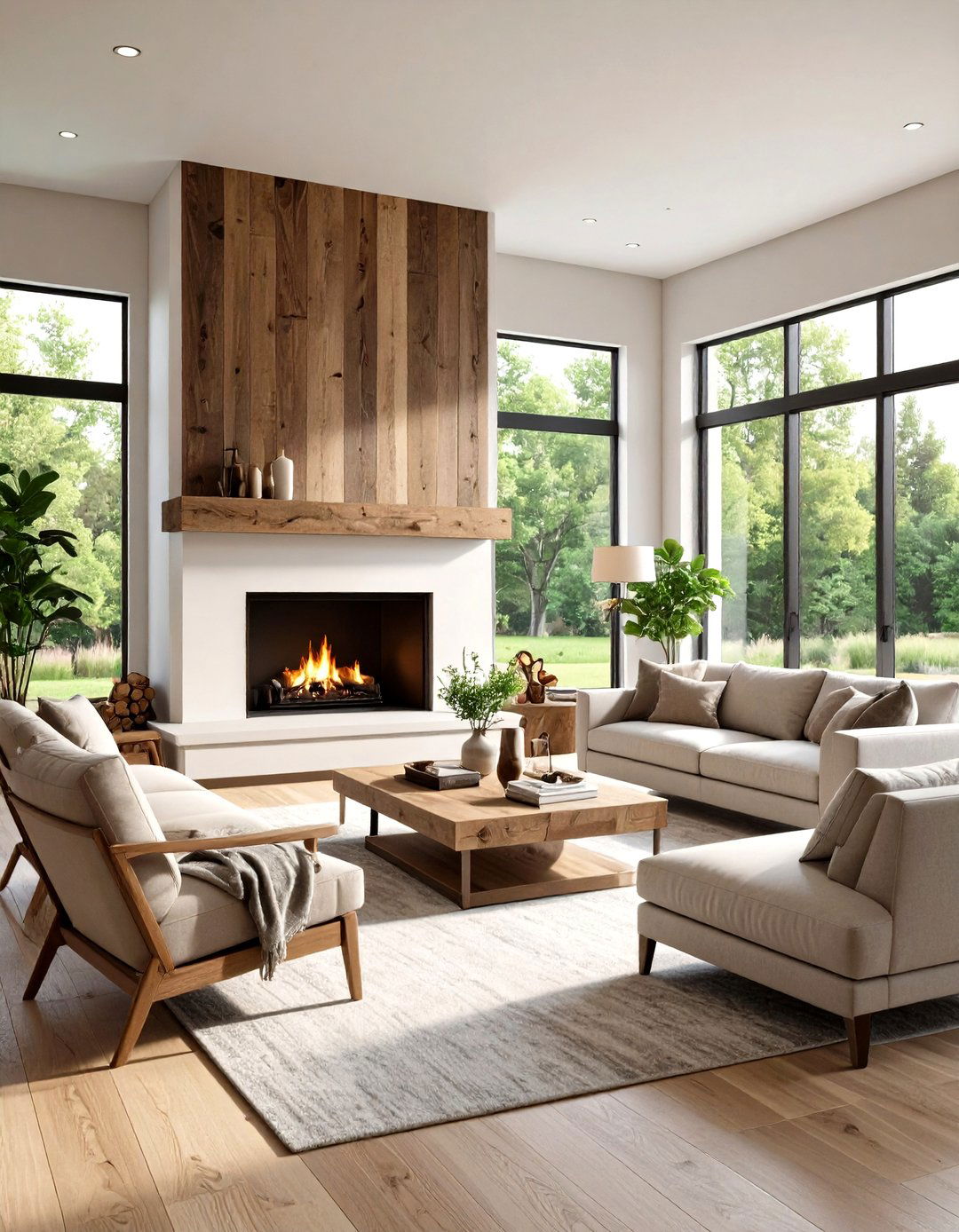
Every great room has a focal point that immediately draws the eye and anchors the could be a large piece of art, a fireplace, a statement light fixture, or even a stunning view from a you've identified your focal point, arrange your furniture around it to enhance its strategy creates a natural sense of order and hierarchy within the a clear focal point, a room can feel chaotic and will you choose to be the star of your room’s design story?
3. Layer Your Lighting Sources
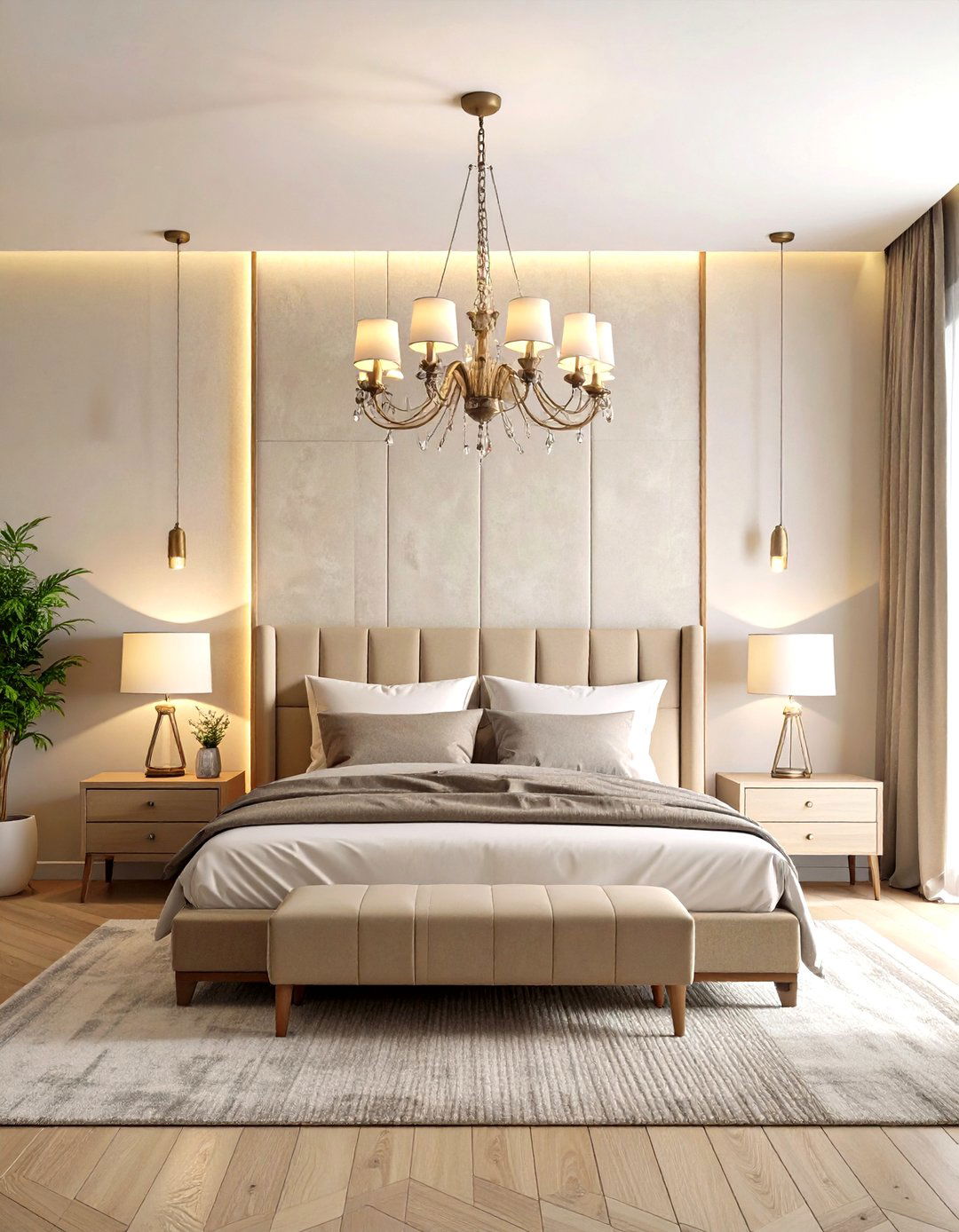
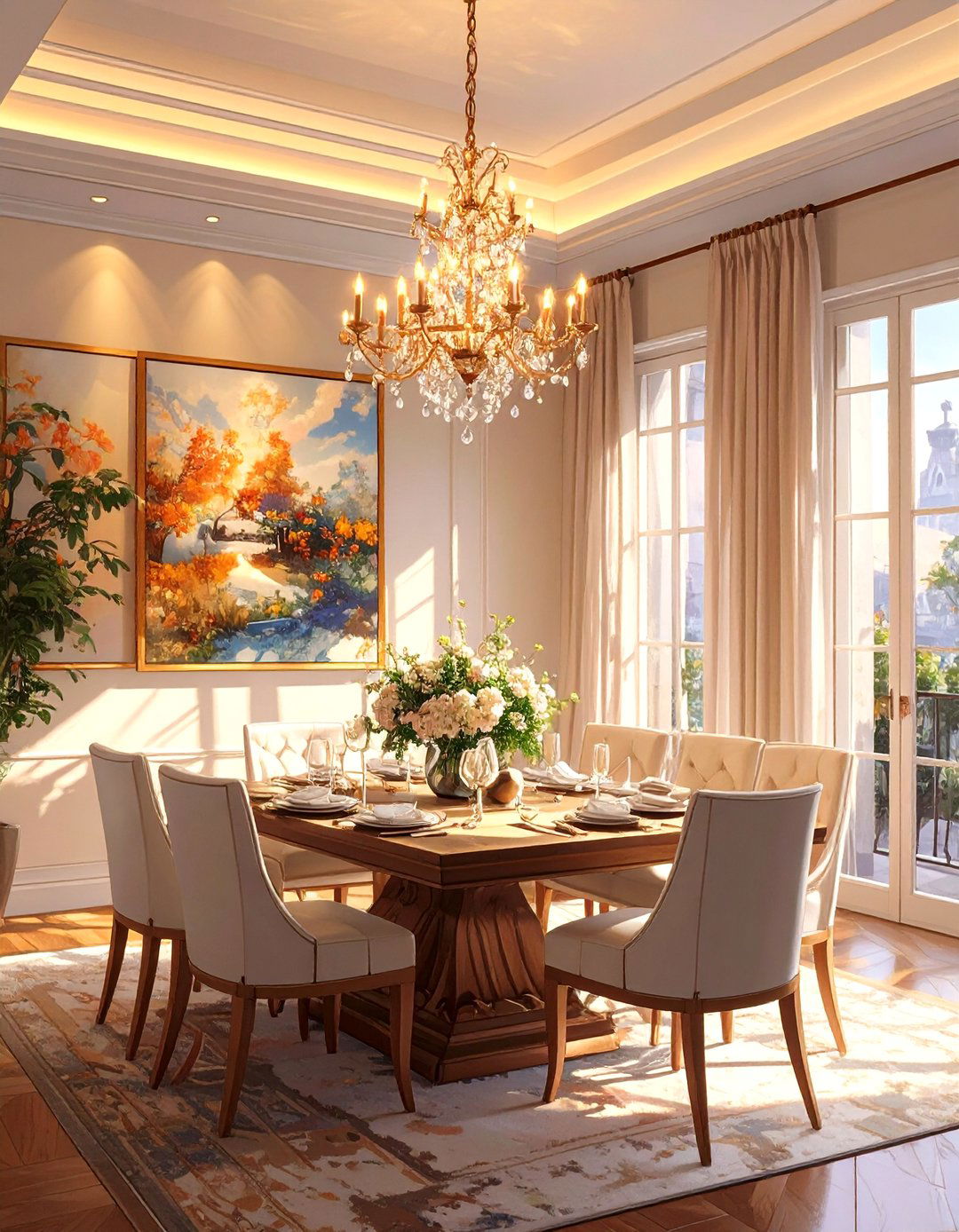
Relying on a single overhead light can make a room feel flat and create ambiance and functional brightness, it's essential to layer your ambient lighting (like recessed lights or a chandelier) , task lighting (such as reading lamps or under-cabinet lights) , and accent lighting (to highlight artwork or architectural features). This multi-layered approach adds depth, dimension, and warmth to a allows you to adjust the mood for different activities, from bright and energetic for working to soft and cozy for relaxing in the evening.
4. Master Proportions and Scale
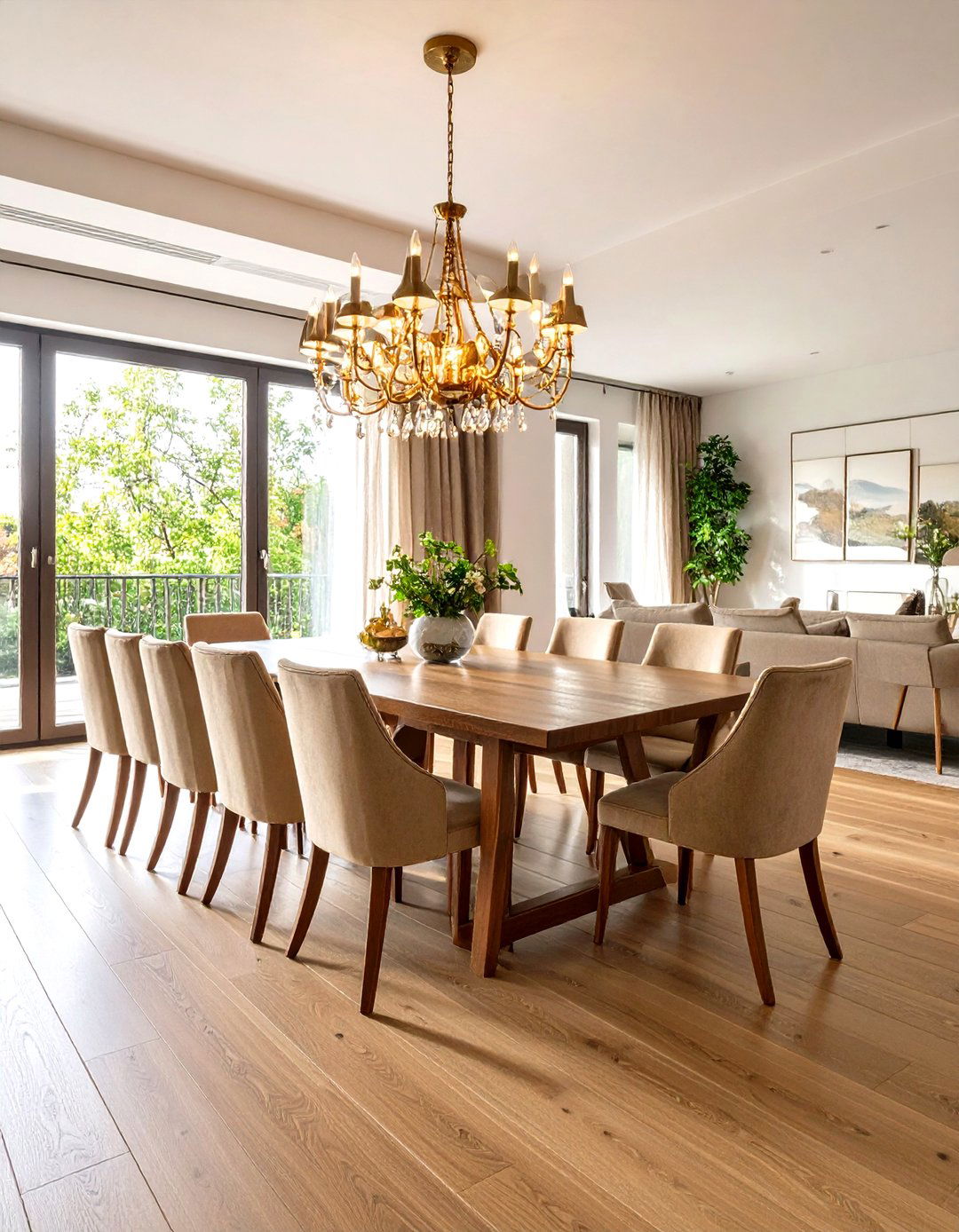
Understanding proportion and scale is crucial for creating a comfortable and visually pleasing means choosing furniture and decor that fit the size of the space and relate well to each other. A massive sofa will overwhelm a small living room, while tiny furniture will look lost in a large, open-plan buying, measure your space and your potential furniture not just the footprint but also the visual weight and height of each item to ensure the entire composition feels balanced and harmonious, avoiding any awkward or disproportionate arrangements.
5. The Power of Negative Space
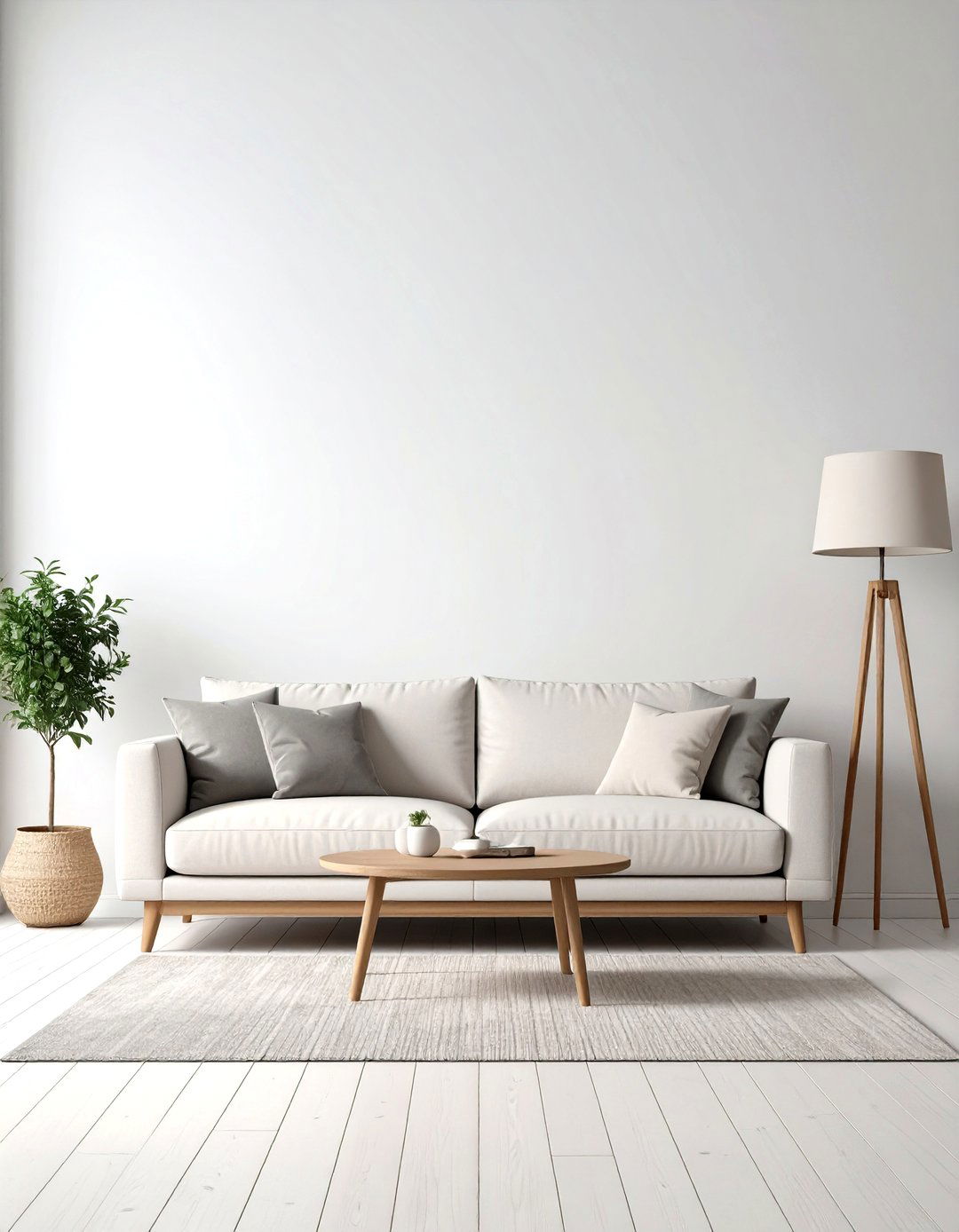
Negative space, or the empty space around and between objects, is just as important as the objects a room with too much furniture and decor can create a sense of chaos and make it feel negative space allows your key pieces to breathe and stand gives the eye a place to rest, contributing to a feeling of calm and of it as a design element in its own right — a quiet moment that enhances the impact of everything else in the room.
6. Weave in Textural Variety
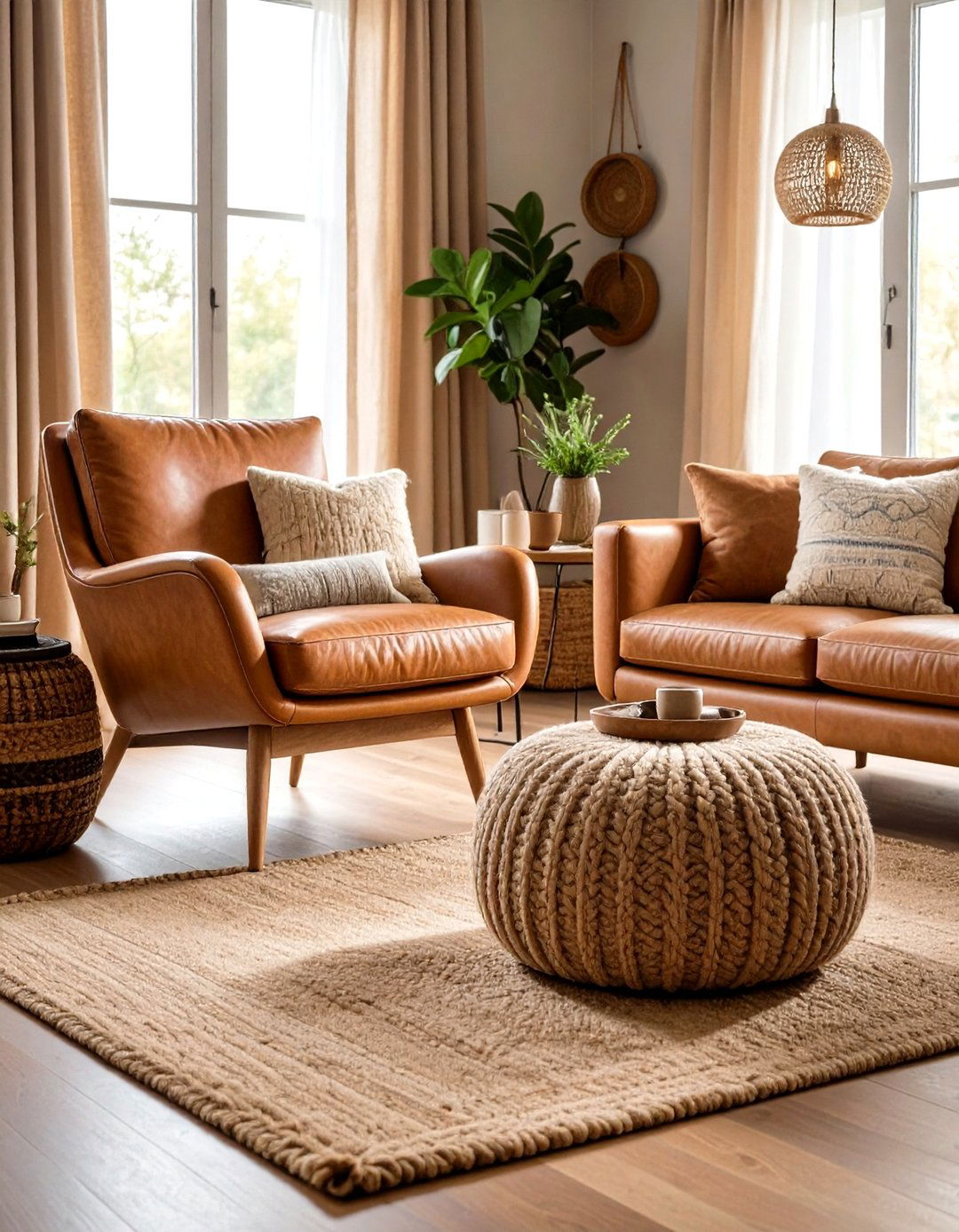
A room that relies solely on color and pattern can feel add depth and interest, incorporate a variety of about mixing rough with smooth, soft with hard, and shiny with materials like wood, metal, glass, velvet, linen, and wool. A chunky knit throw on a smooth leather sofa or a sleek metal lamp on a rustic wooden table creates a rich sensory tactile diversity makes a space feel more dynamic, cozy, and thoughtfully curated, inviting you to touch and experience the environment.
7. Invest in Timeless Anchor Pieces
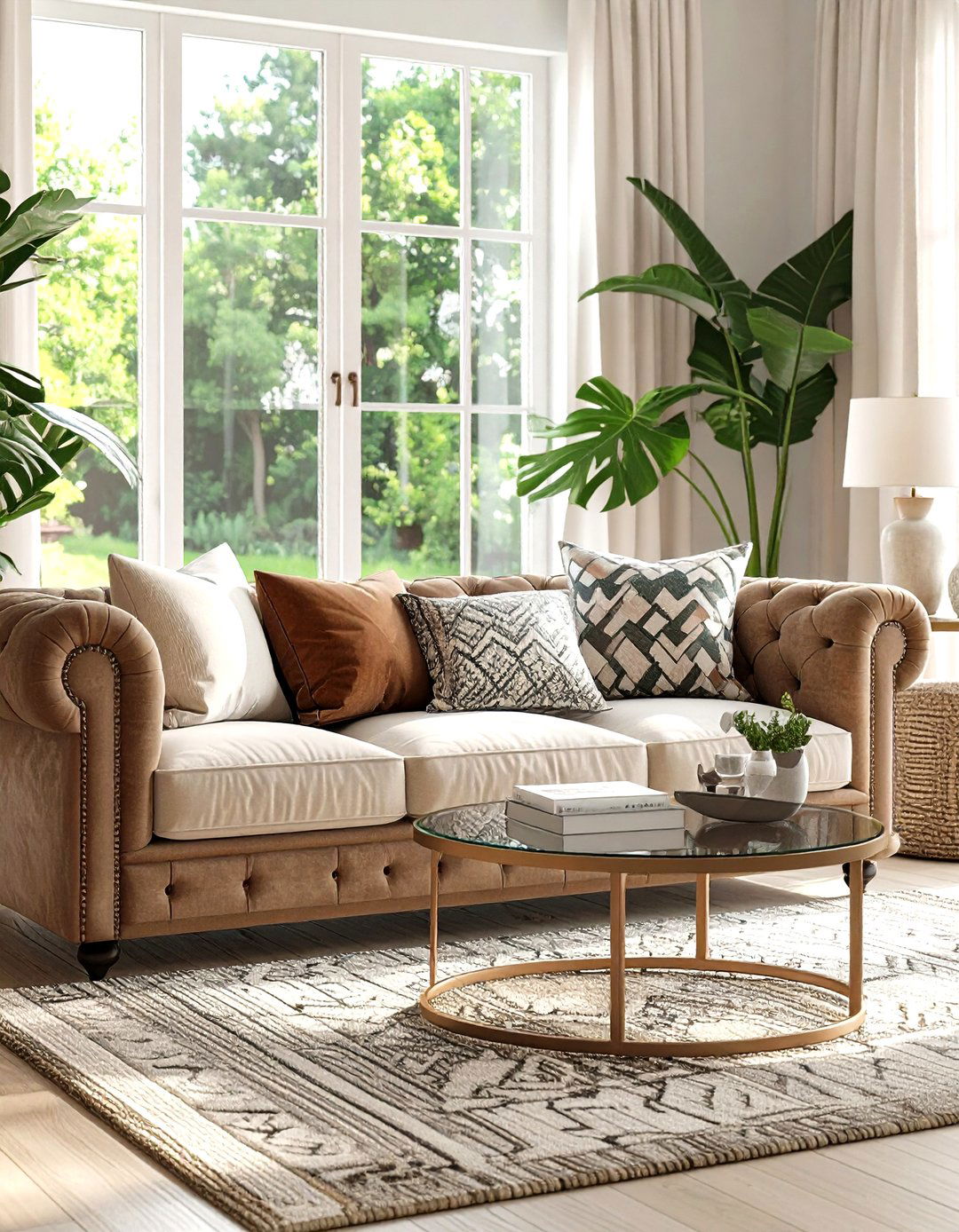
Trends come and go, but well-made, classic furniture can last a budgeting, prioritize investing in high-quality anchor pieces like your sofa, dining table, and bed items form the foundation of your room's can then incorporate more trend-driven or budget-friendly items for accessories and smaller decor approach ensures your core design remains stylish and durable for years to come, while still allowing you to refresh the look of your space with smaller, less expensive updates as your tastes evolve.
8. Create a Cohesive Design Flow
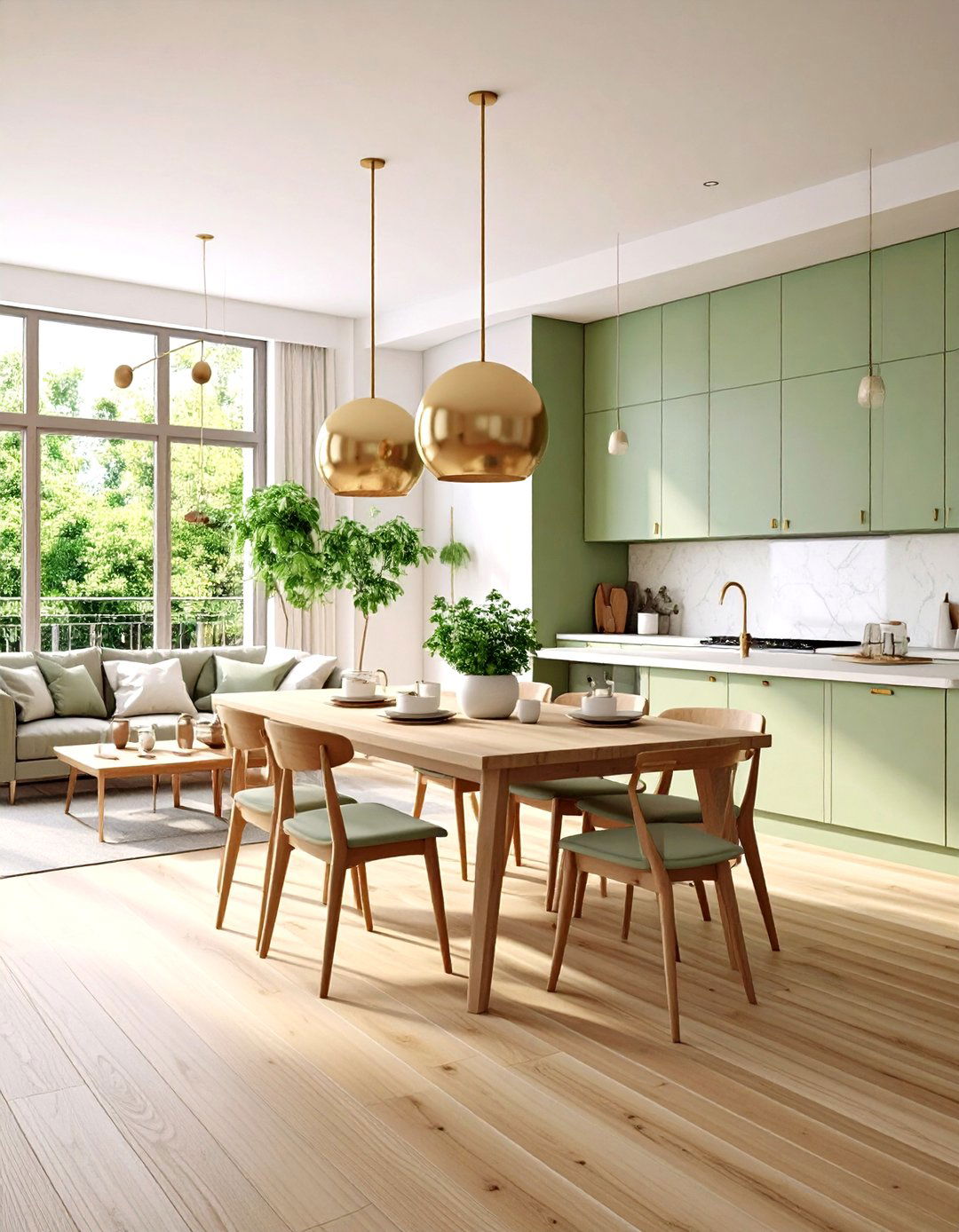
For a home to feel truly connected, there should be a cohesive flow from one room to the doesn't mean every room has to be identical, but there should be a common thread that ties them can be achieved through a consistent color palette, repeated materials like a specific wood tone or metal finish, or a similar design continuity creates a sense of harmony and makes the entire home feel larger and more thoughtfully guides the eye smoothly through the different zones of your house.
9. The Art of Grouping Decor
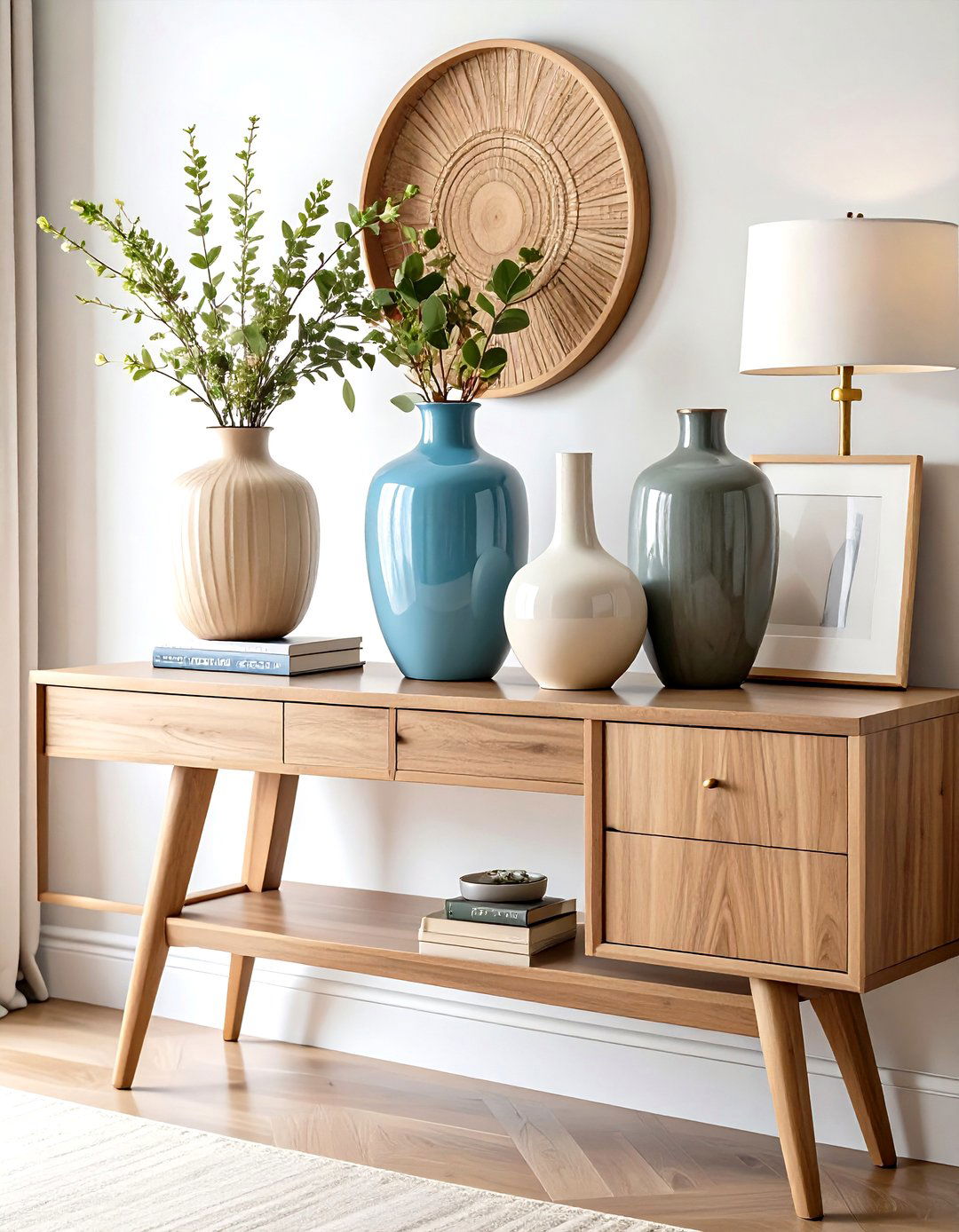
When arranging smaller decor items like vases, candles, or picture frames, group them in odd numbers, typically threes or simple trick, known as the "rule of three, " is more visually appealing and dynamic than even-numbered the height, shape, and texture of the items within your grouping to create more interest. A curated collection on a coffee table or bookshelf looks more intentional and stylish than scattered, individual technique transforms clutter into a deliberate and artistic vignette, elevating the overall design.
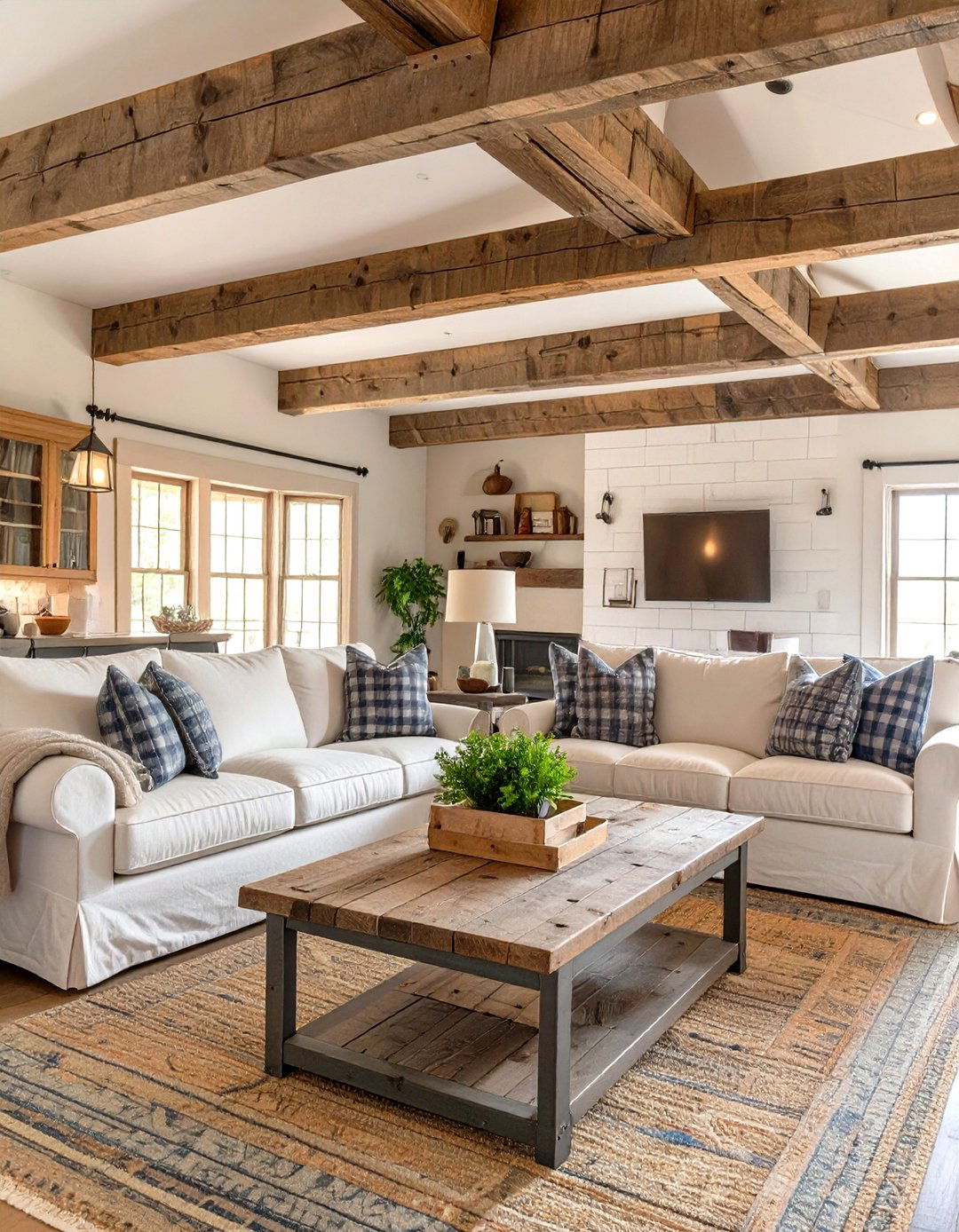

10. Maximize Natural Light
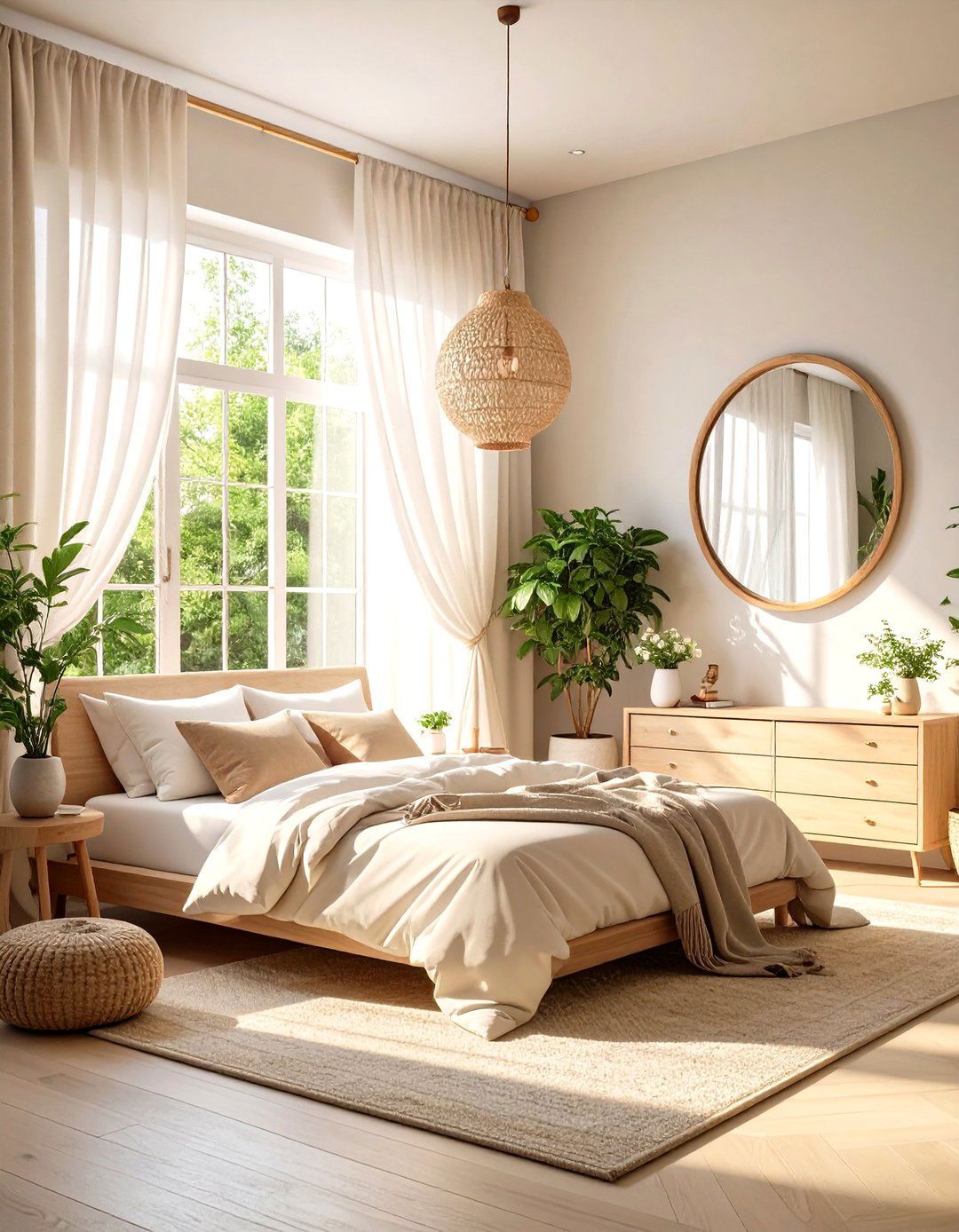
Natural light is one of the most powerful tools in interior design, making spaces feel larger, brighter, and more maximize it, keep window treatments light and airy — think sheer curtains or blinds that can be fully mirrors strategically to bounce light around the room, especially opposite paint colors on the walls will also reflect more making the most of the daylight you have, you can enhance the mood of your home and reduce the need for artificial lighting during the day.
11. Use Rugs to Define Zones
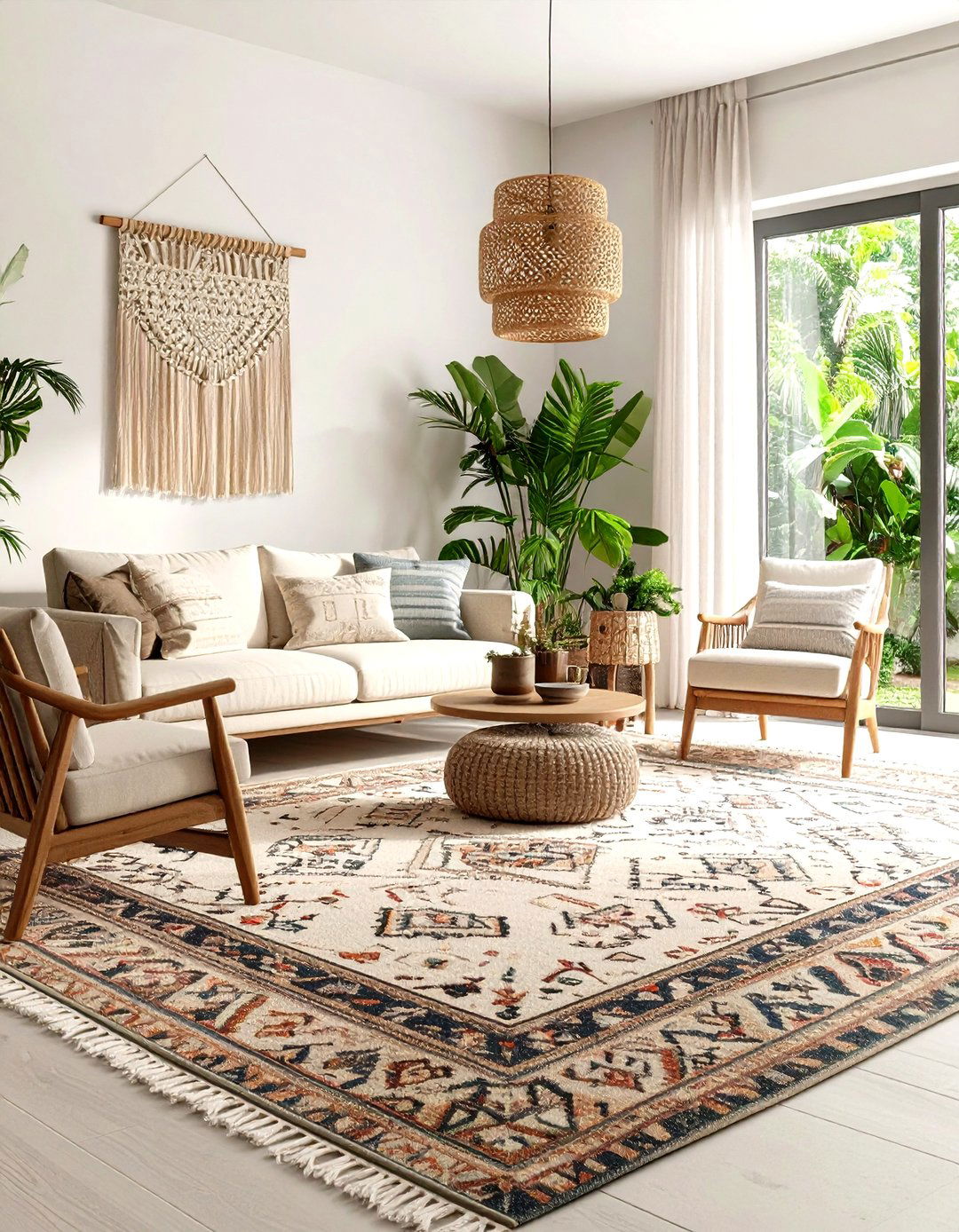
In open-plan living areas or large rooms, area rugs are an excellent way to define different functional zones. A rug can anchor a seating area in the living room, designate the dining space, or create a cozy reading the rug is large enough for the zone it's defining; for a seating area, at least the front legs of all furniture pieces should be on the creates a visually cohesive and contained space within a larger room, adding warmth, texture, and a clear sense of purpose.
12. Tell a Story with Personal Items
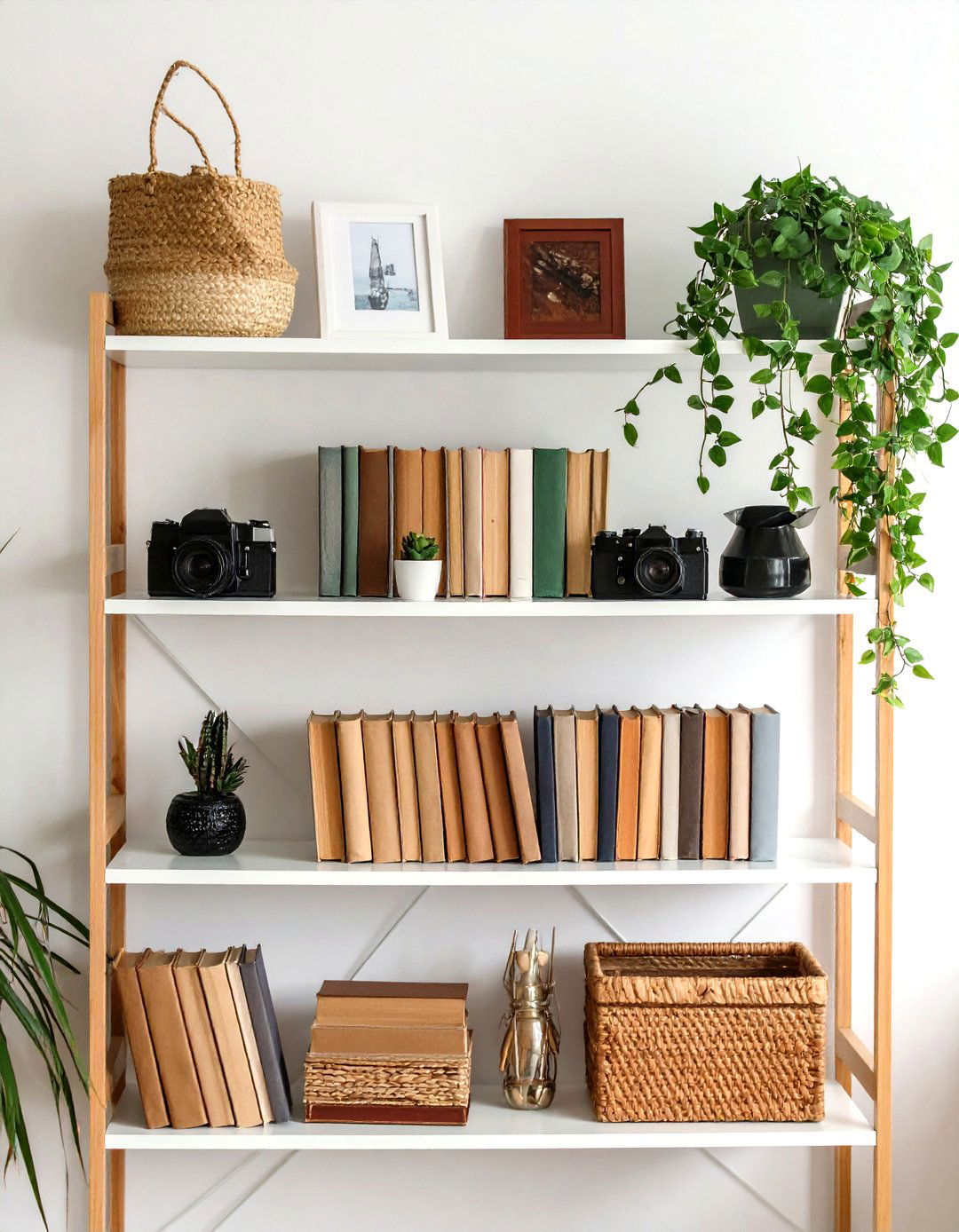
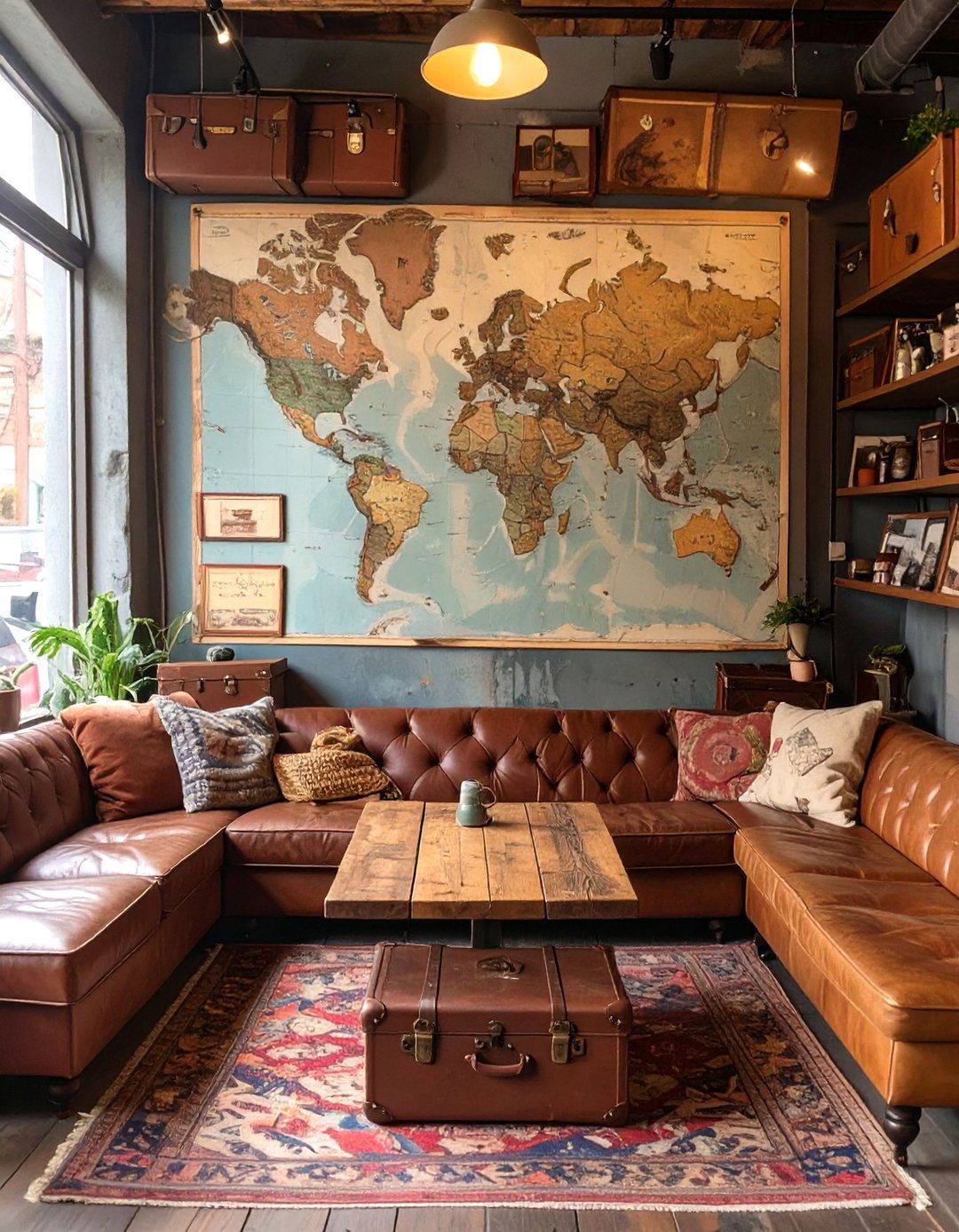
A home should reflect the personality and history of the people who live there. Don't be afraid to display personal items that tell your story, such as travel souvenirs, family photos, or inherited key is to curate these items thoughtfully rather than creating them into your design by framing photos consistently or grouping collections together in a display cabinet or on floating personal layer is what transforms a house into a home, making it unique and filled with meaning.
13. Embrace Biophilic Design
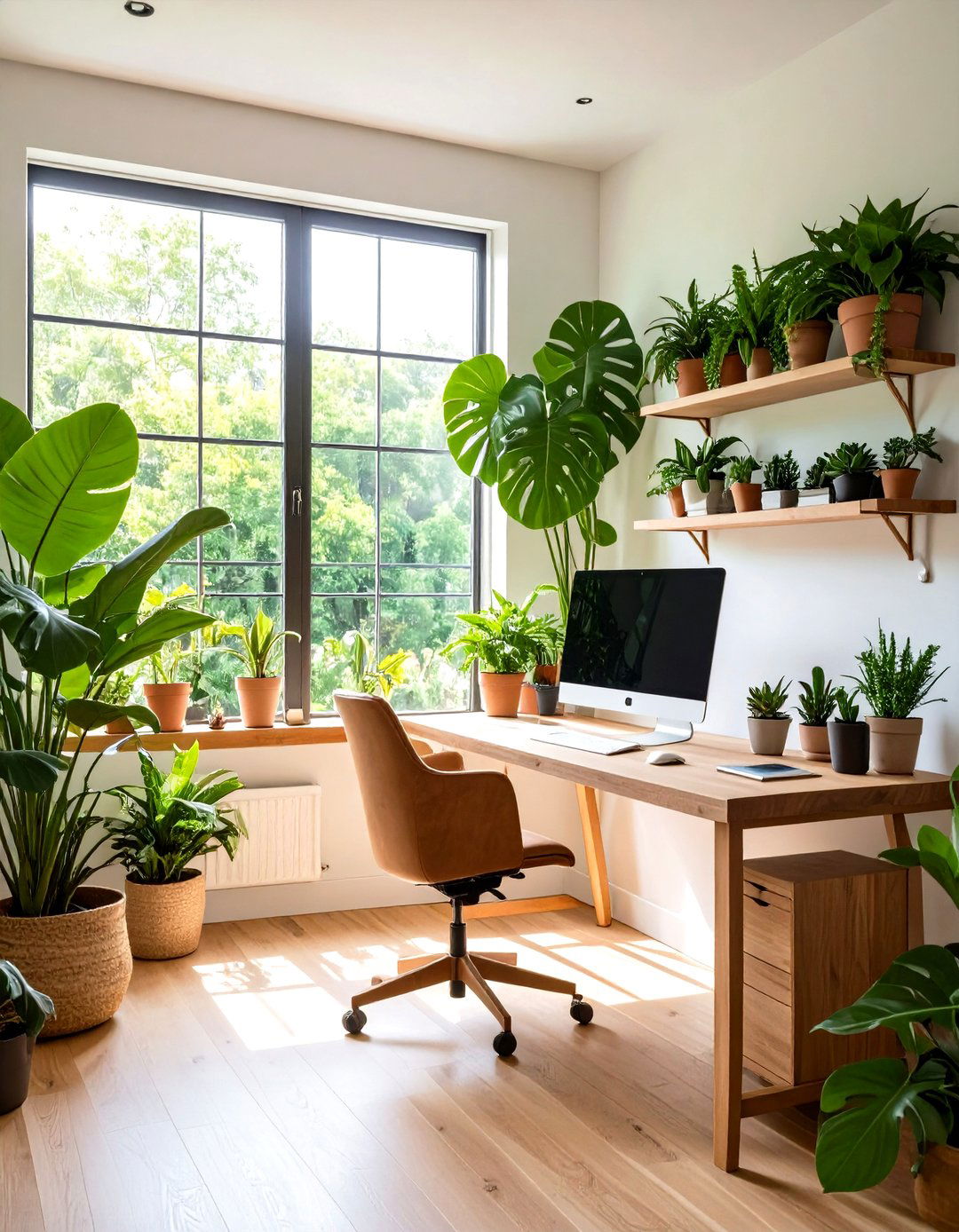
Bringing elements of nature indoors, a concept known as biophilic design, can significantly improve your well-being and the aesthetic of your houseplants of varying sizes and types to add life, color, and natural materials like wood, stone, and bamboo in your furniture and views of the outdoors and use nature-inspired patterns and connection to the natural world has been shown to reduce stress and create a calming, restorative environment that feels both fresh and grounded.
14. Plan Your Furniture Layout
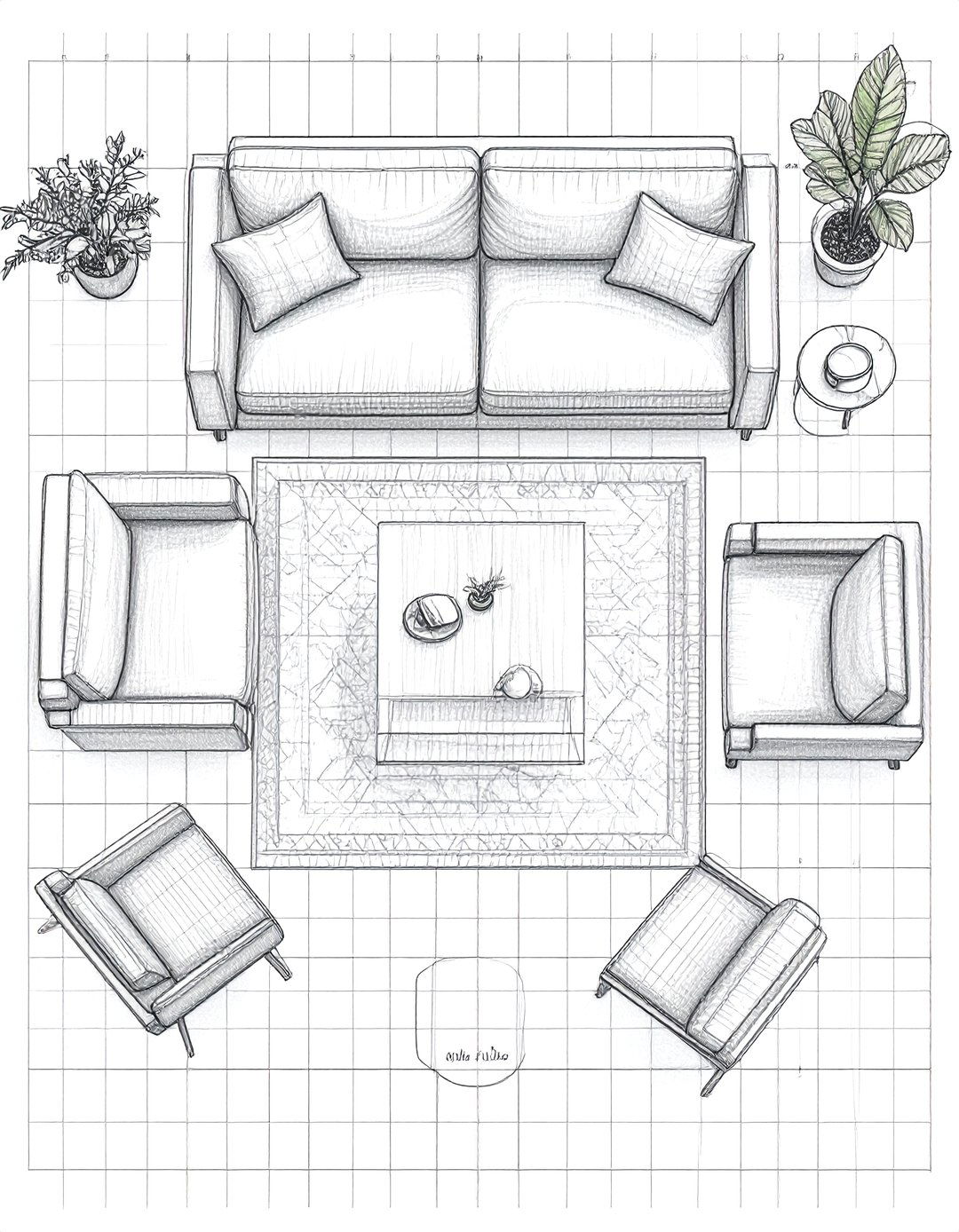
Before you move a single piece of furniture, create a floor can use simple graph paper or a digital design tool to map out your space and experiment with different traffic flow, conversation areas, and the room's primary planning stage helps you visualize how the space will work and ensures your furniture arrangement is both practical and aesthetically saves you the physical effort of moving heavy items and helps you make smarter purchasing decisions based on what truly fits.

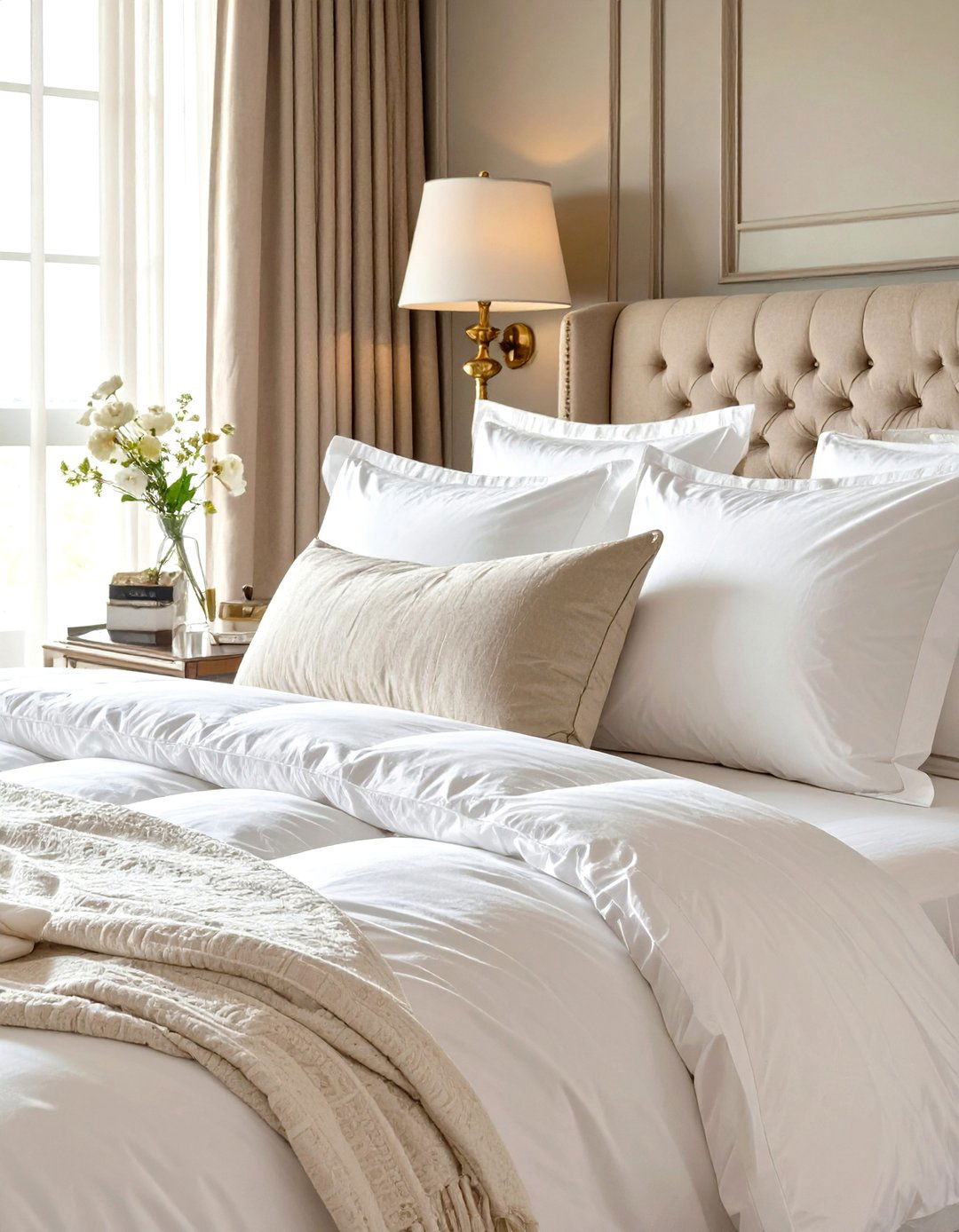

15. The Impact of Statement Art
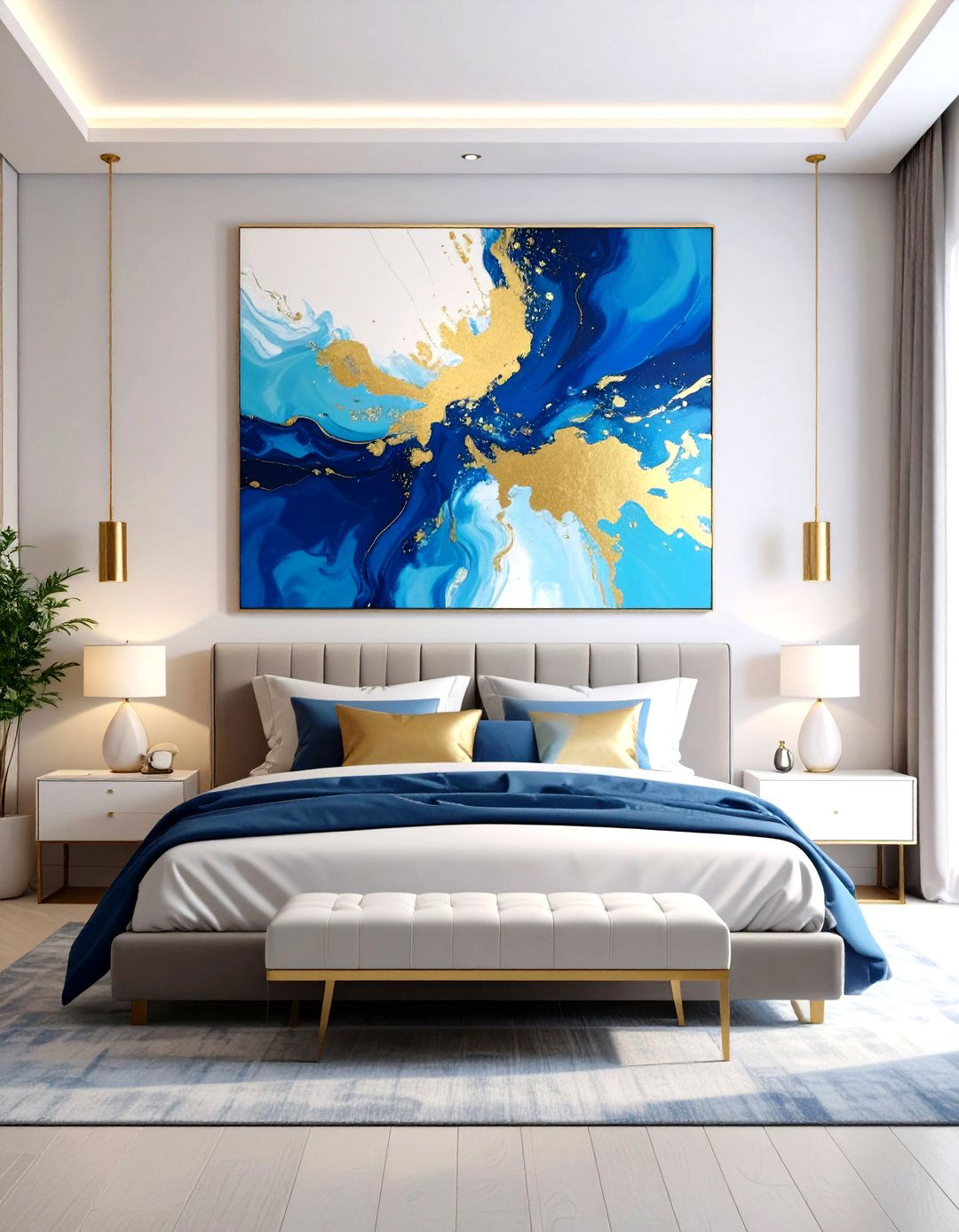
A single piece of large-scale art can have a more significant impact than a gallery wall of smaller can act as a powerful focal point, introduce color and personality, and set the tone for the entire choosing statement art, select something that you truly love and that resonates with your design vision. Don't be afraid to go bold with size and subject it in a prominent location, like over the sofa or bed, to give it the attention it deserves.
16. Don't Neglect the "Fifth Wall"
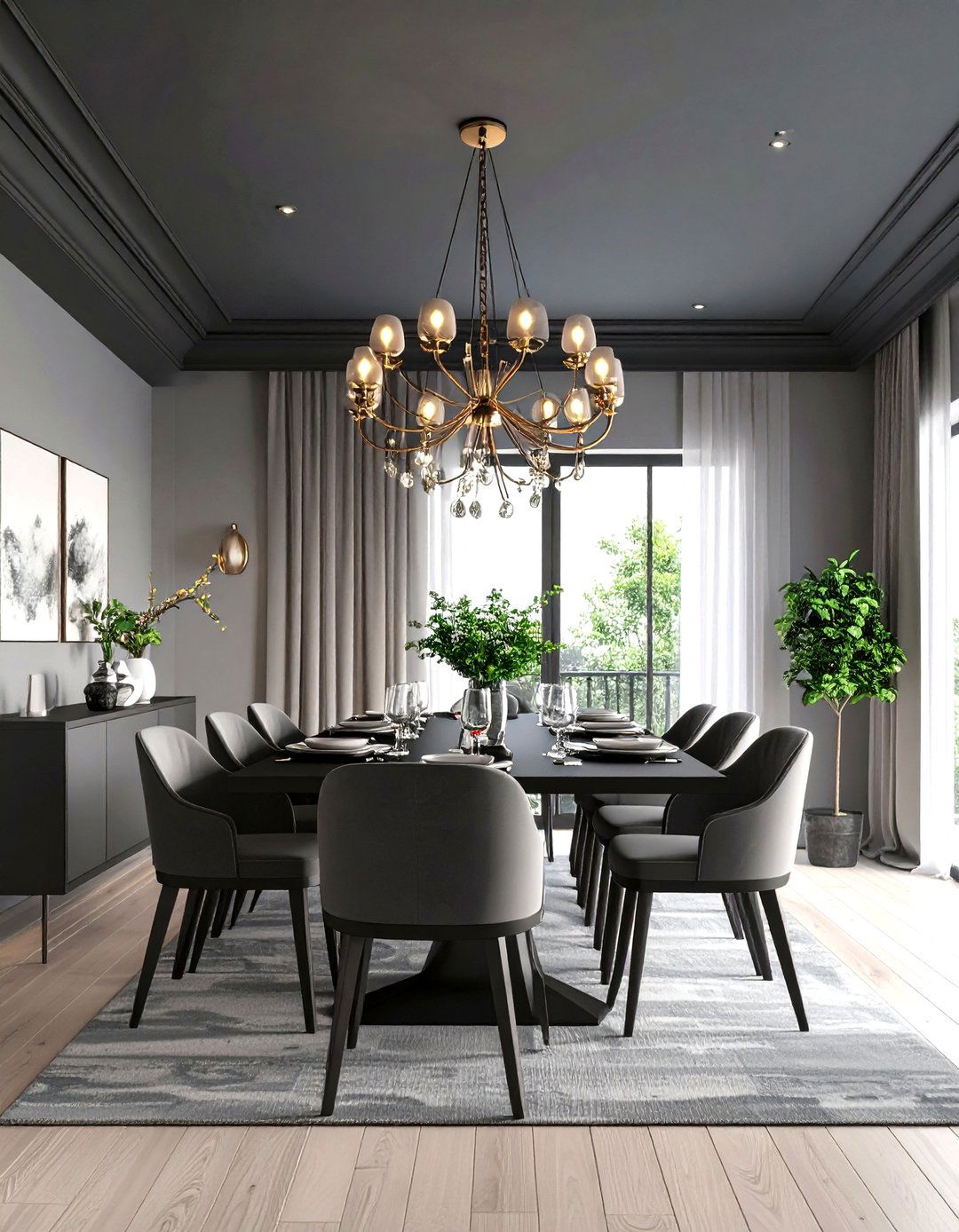
The ceiling, often referred to as the "fifth wall, " is a frequently overlooked design it a contrasting color, adding architectural details like coffers or beams, or applying textured wallpaper can dramatically change the feel of a room. A dark ceiling can make a space feel cozier and more intimate, while a glossy finish can reflect light and add a touch of the ceiling as an integral part of your design adds a layer of sophistication and completeness that truly elevates the space.
17. Mix High and Low Price Points
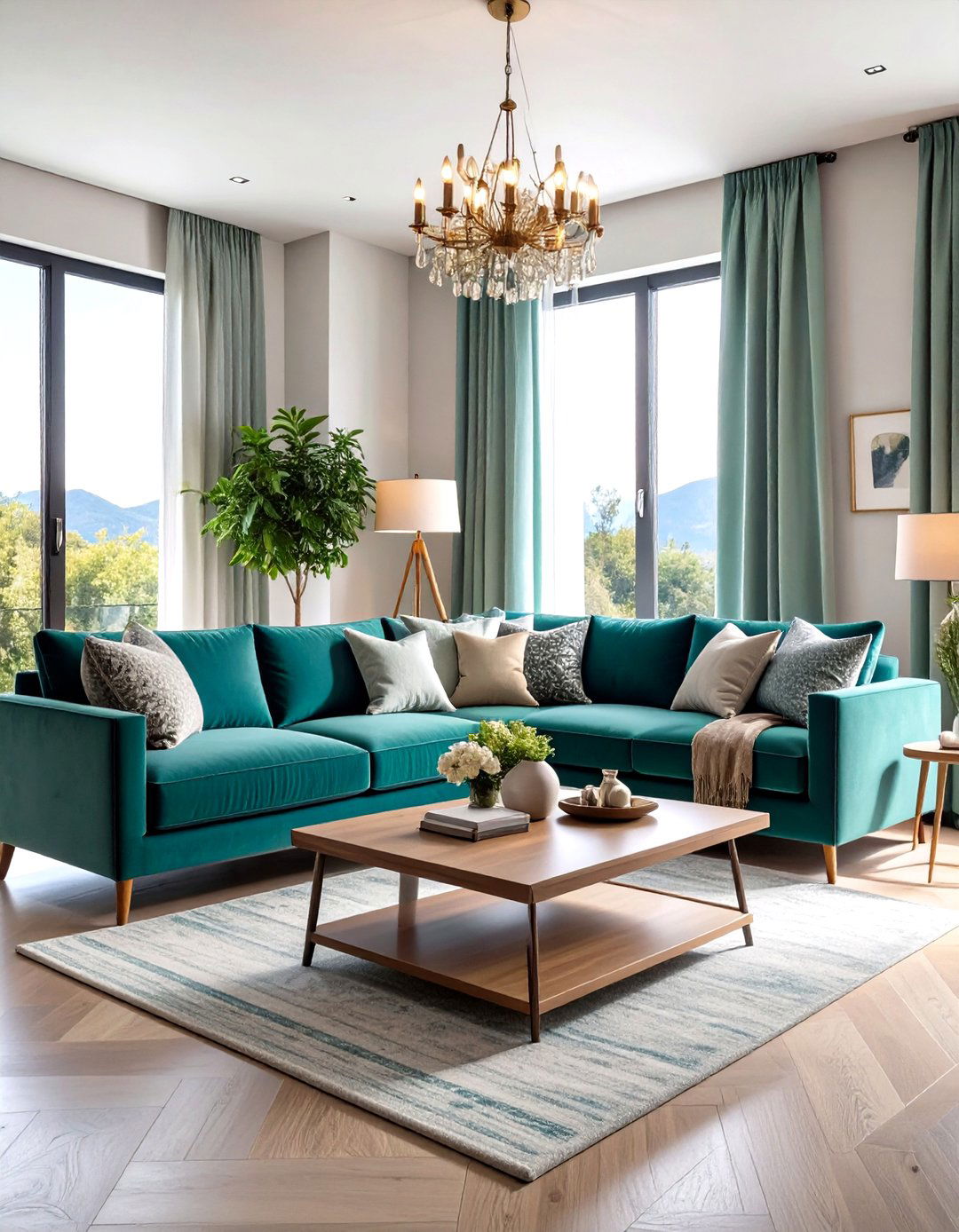
A beautifully designed room doesn 't have to be exclusively secret to a stylish and accessible space is to master the art of mixing high and low price in key pieces that will see a lot of use, like a quality sofa or mattress, and save on decorative items, side tables, or balanced approach allows you to create a curated, personal look that feels expensive without breaking the bank. It' s about being strategic with your budget to achieve maximum style and longevity.
18. Symmetry for a Formal Look
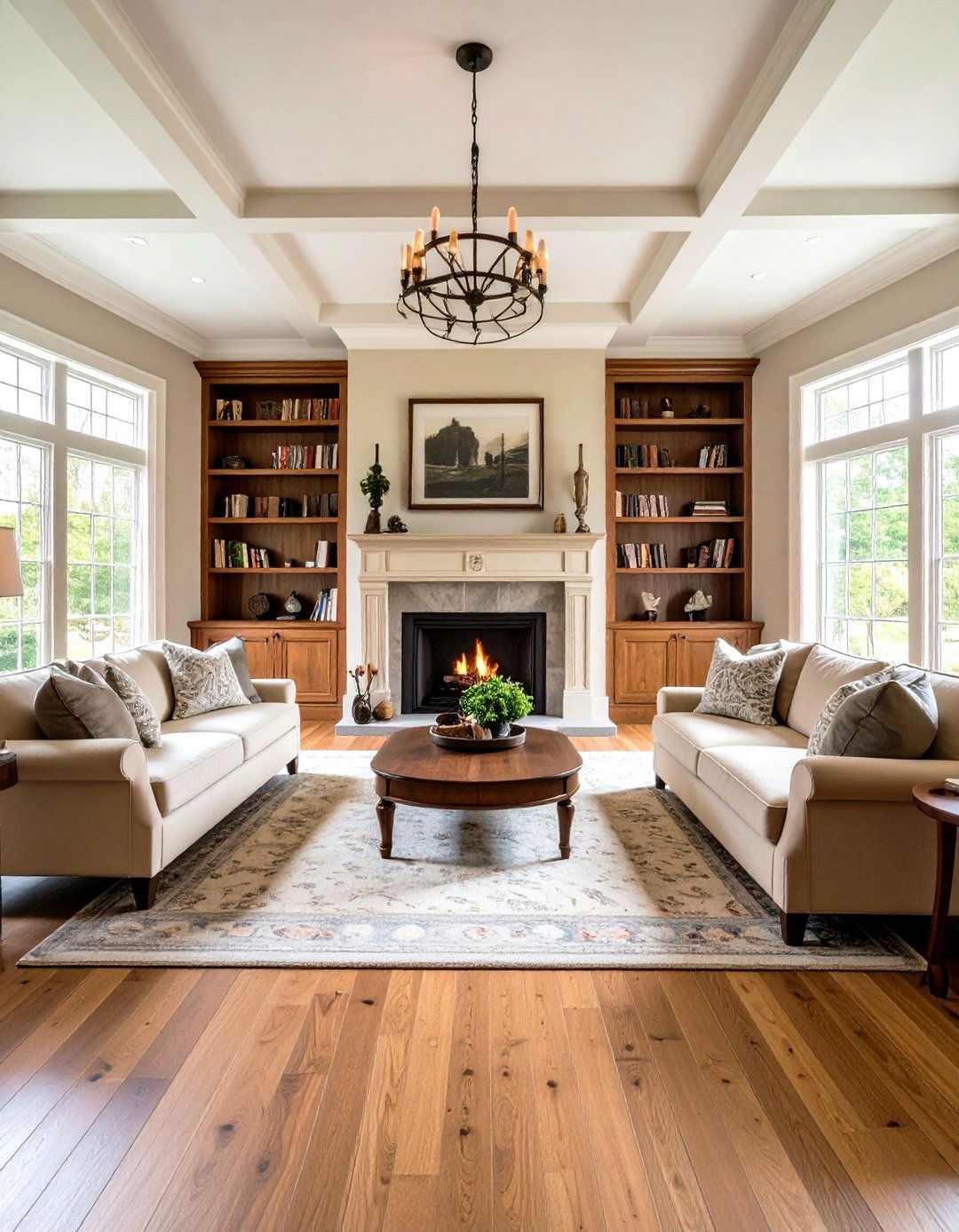
Symmetry in design creates a sense of order, calm, and can achieve this by arranging furniture and decor in a mirror image around a central example, placing identical lamps on matching end tables flanking a sofa creates a classic, balanced principle is often used in traditional and formal spaces because it feels predictable and restful to the human perfect symmetry can sometimes feel static, it’s a powerful tool for creating a structured and elegant you drawn to more formal or relaxed designs?
19. Asymmetry for a Dynamic Feel
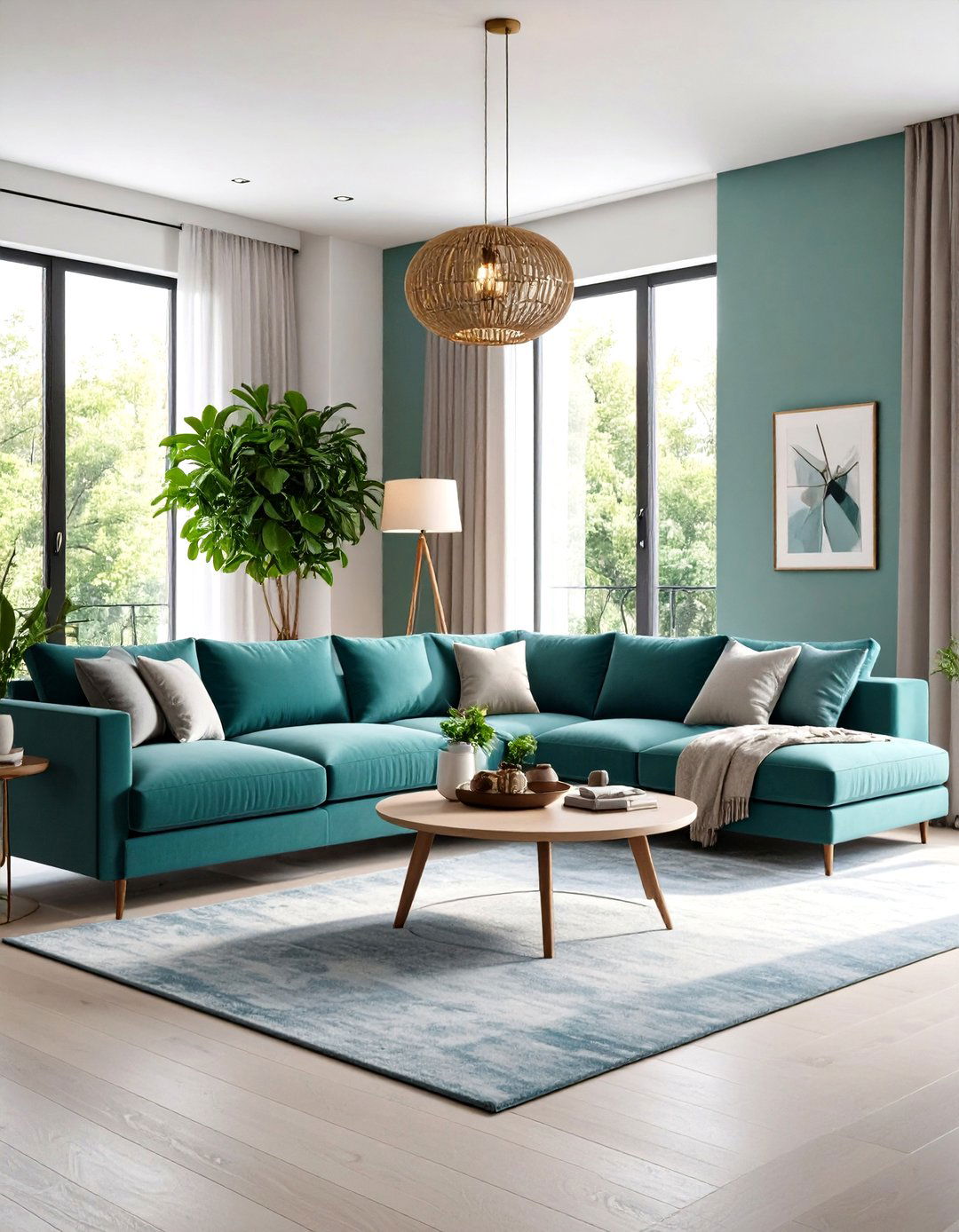
In contrast to symmetry, an asymmetrical layout creates a more dynamic, modern, and casual involves balancing objects of different visual weights without creating a mirror instance, you could balance a large sofa on one side of a room with two armchairs on the key is to achieve visual equilibrium so that neither side feels heavier than the approach adds interest and movement to a space, making it feel less rigid and more encourages the eye to move around the room.
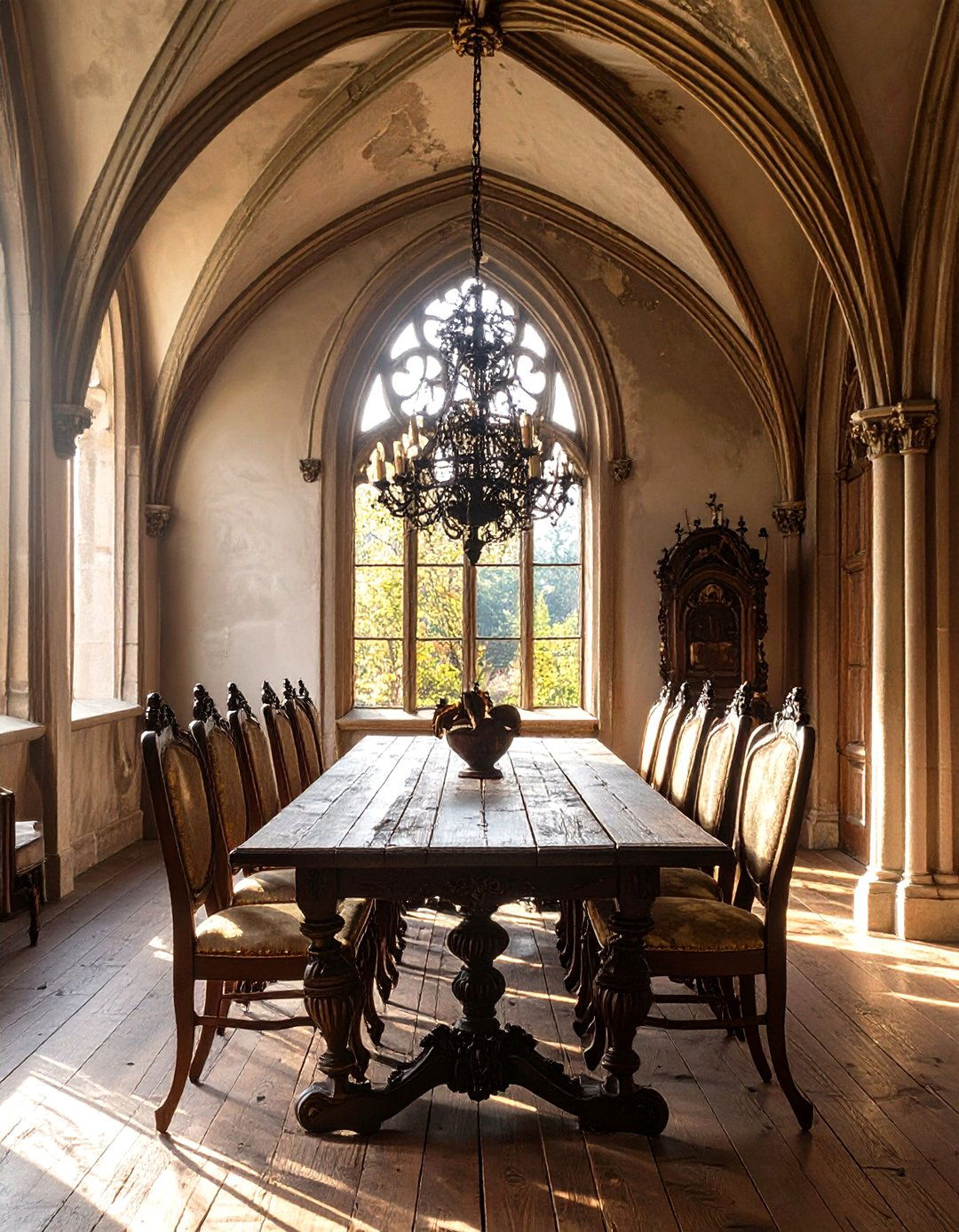

20. The Importance of Proper Curtain Height
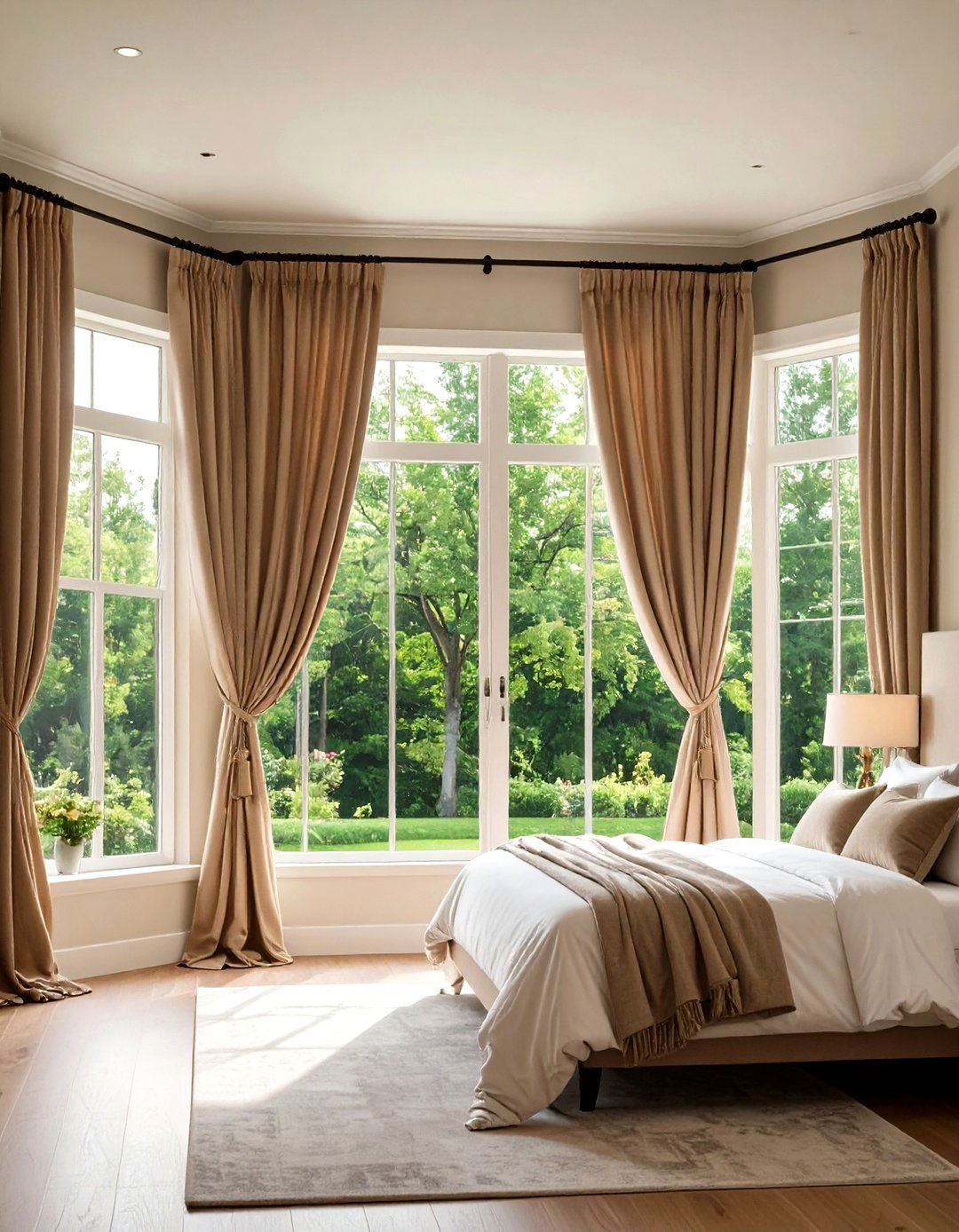
How you hang your curtains can dramatically affect the perceived height and size of a create an illusion of height, mount the curtain rod several inches above the window frame, as close to the ceiling as rod should also extend several inches beyond the frame on either side, allowing the curtains to be pulled back completely to maximize natural the curtains just skim the floor or puddle slightly for a more luxurious simple adjustment makes windows appear larger and ceilings taller.
21. Create Conversation Areas
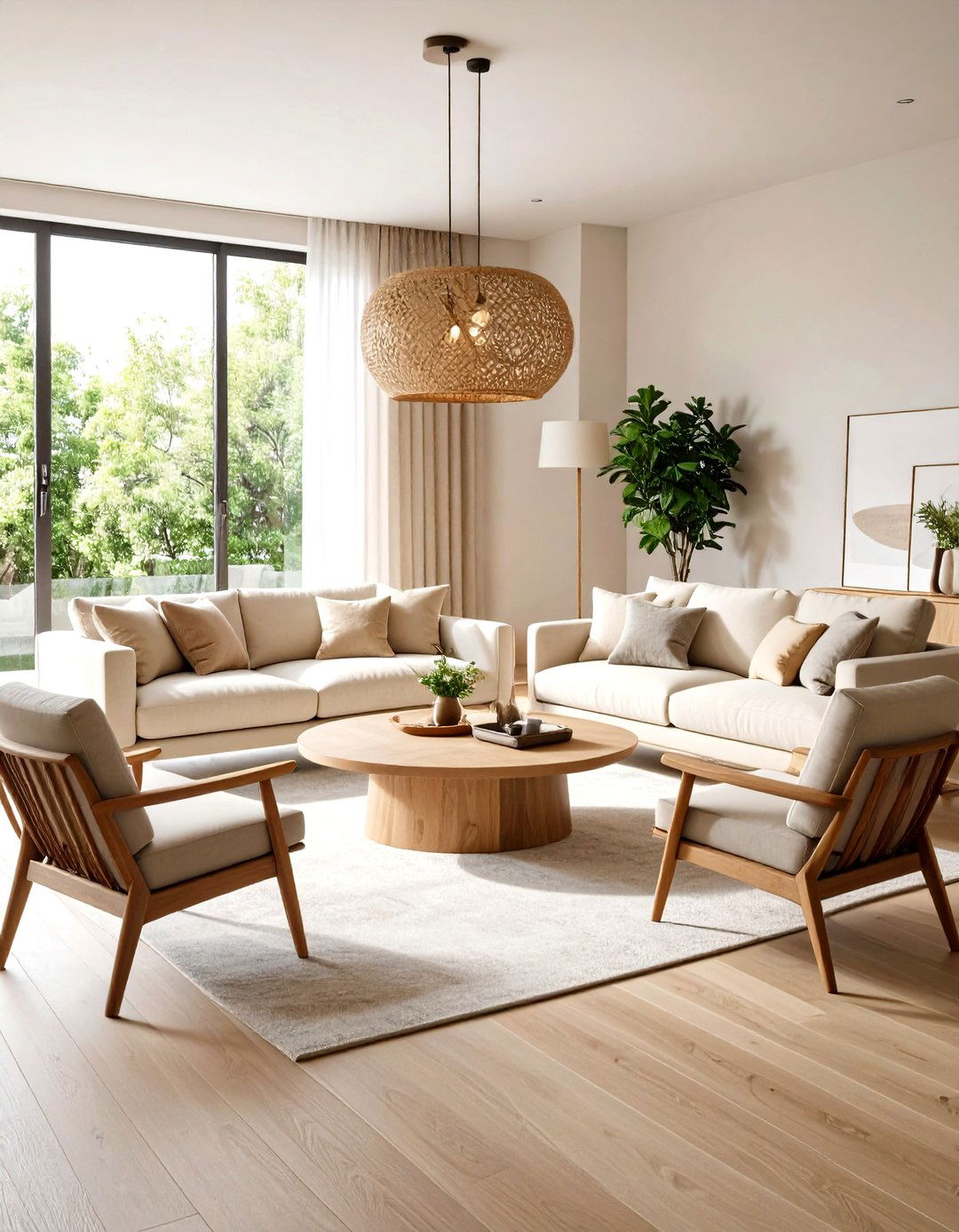
Furniture arrangement should encourage social a living room, arrange sofas and chairs to face each other, creating a comfortable and intimate setting for that seating is close enough for people to talk without shouting but far enough apart to allow for easy movement. A central coffee table or ottoman can help anchor the about how people will use the space to connect with one another is a key step in creating a functional and welcoming can you make your space more inviting?
22. Incorporate Different Shapes
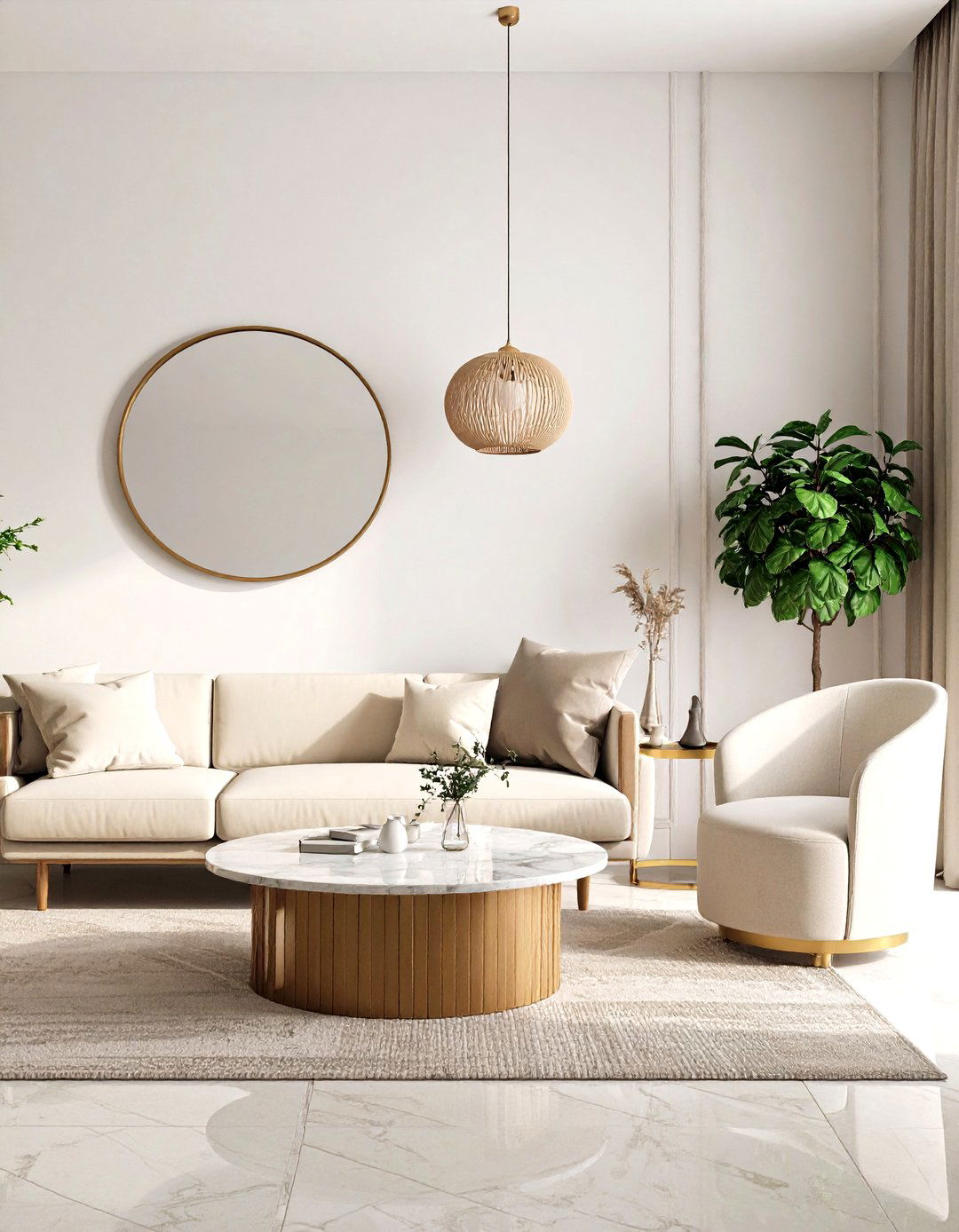
Many rooms are dominated by rectilinear shapes — rectangular sofas, tables, and rugs in a boxy add visual interest and break up the monotony, introduce some curves and varied geometric a round coffee table, a mirror with an arched top, or chairs with curved softer shapes can soften the hard lines of a room and create a more dynamic and balanced interplay between different shapes adds a layer of complexity and sophistication to your design, making it feel more thoughtfully composed.
23. Design with All Senses in Mind
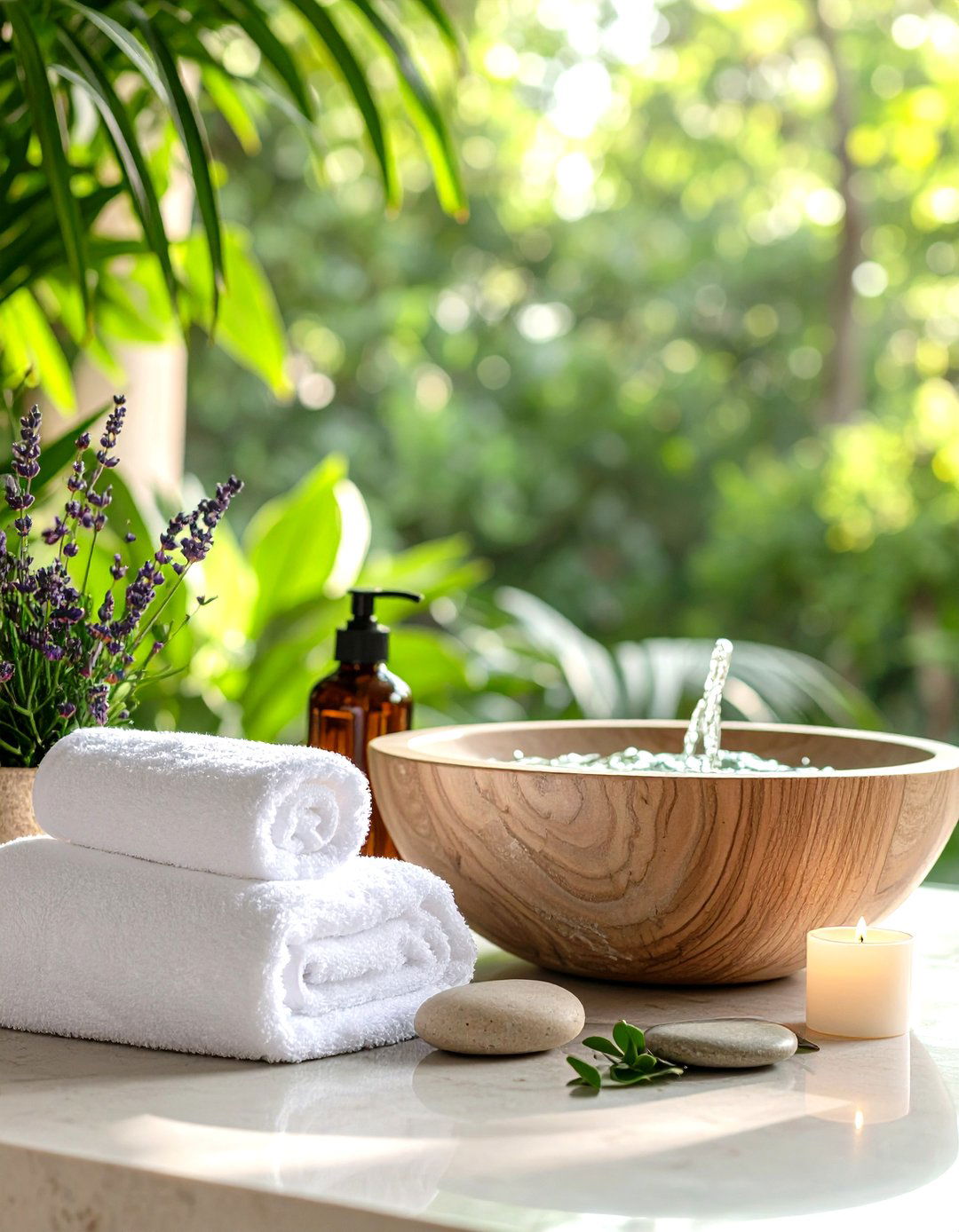
A truly great interior design appeals to more than just all five senses to create a fully immersive about the feel of different textures, the sound of a water feature or calming music, and the scent of fresh flowers or a subtle room taste of a welcoming drink offered to guests can also be part of the with all senses in mind creates a rich, memorable environment that feels comfortable, inviting, and deeply scents or sounds make you feel at home?
24. Use Books as Decor
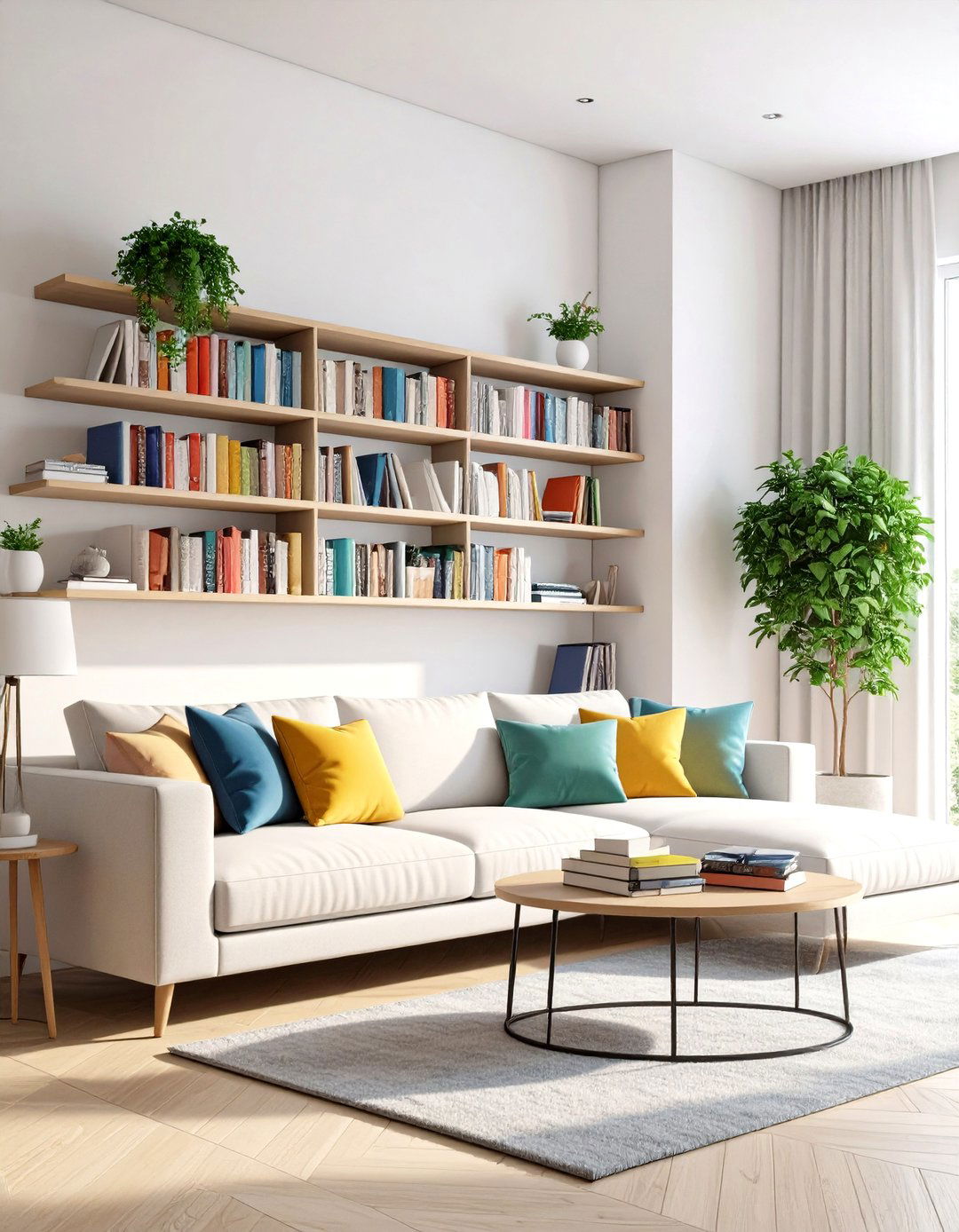
Books are not just for reading; they can also be a powerful design them on coffee tables, arrange them on bookshelves by color for a bold statement, or use them to add height to spines can introduce color, pattern, and texture into a books into your decor adds a layer of personality and intelligence to a shows that the home is lived in and loved, reflecting the interests and passions of its inhabitants. It's a simple way to add character.
25. Edit and Declutter Ruthlessly
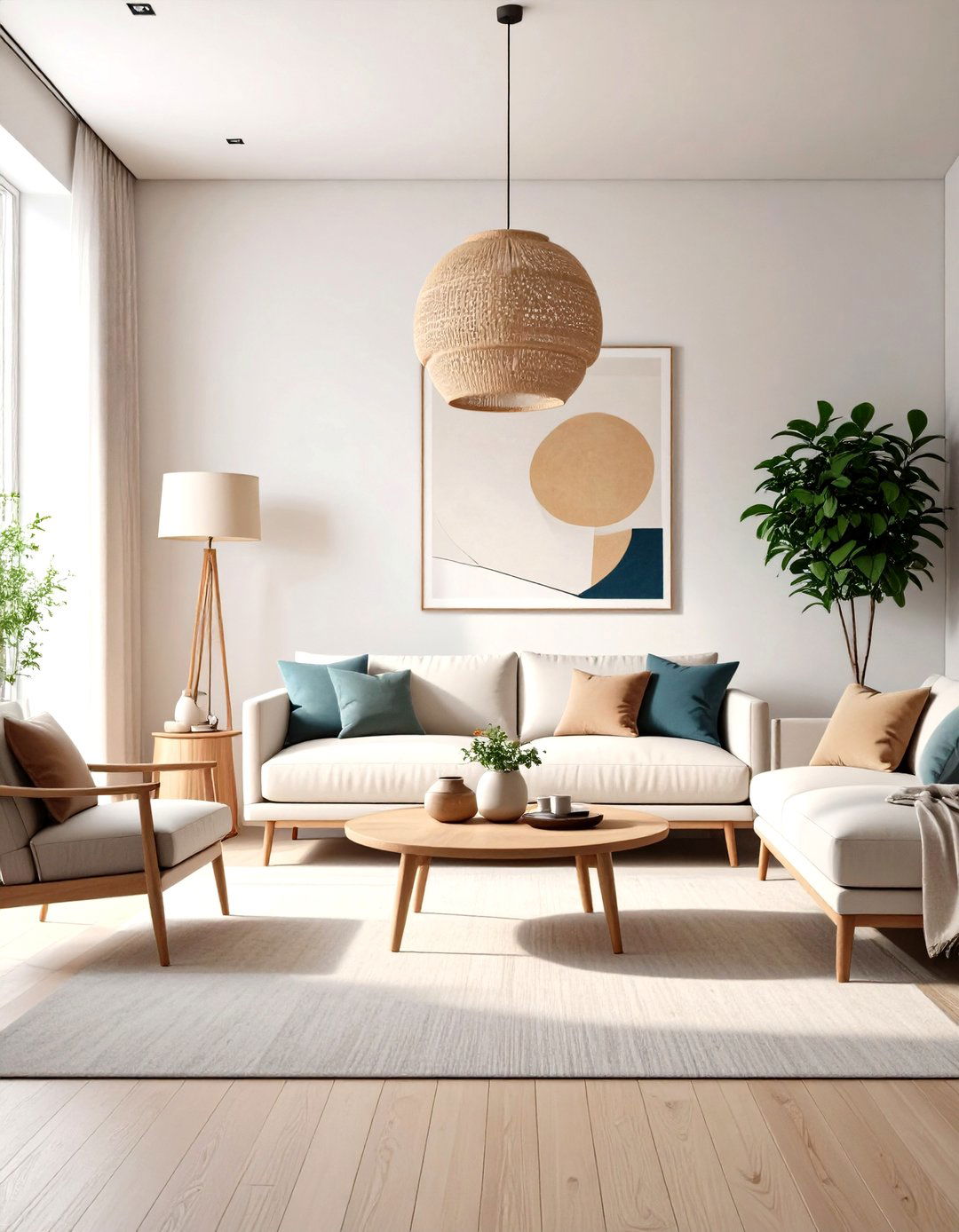
One of the most impactful things you can do to improve your interior design is to declutter. A clean, organized space allows your design choices to edit your belongings and decor, keeping only what is beautiful, functional, or holds significant personal Chanel famously advised taking off the last accessory you put on; the same principle applies to interior back and see what you can remove to let the remaining pieces have a greater impact. A well-edited room feels calm and intentional.
26. Don't Forget Entryway Design
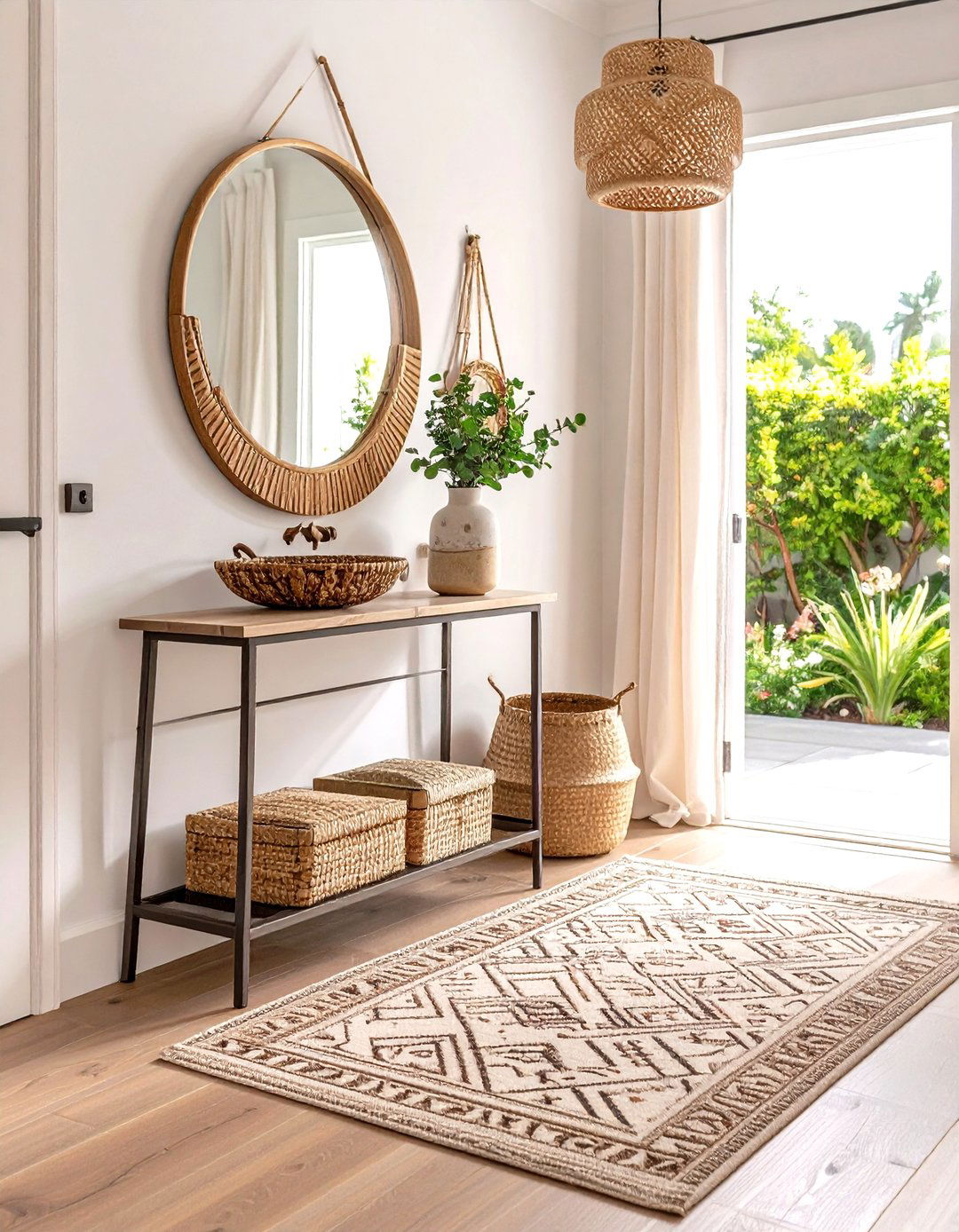
The entryway is the first impression guests have of your home, so it deserves careful design a small space can be made functional and a console table or a small shelf for keys and mail, a mirror to check your appearance on the way out, and good lighting. A durable rug can add color and protect your floors. A well-designed entryway sets a welcoming tone for the rest of the house and provides a practical transition zone between the outside world and your personal sanctuary.
27. The Power of a Statement Rug
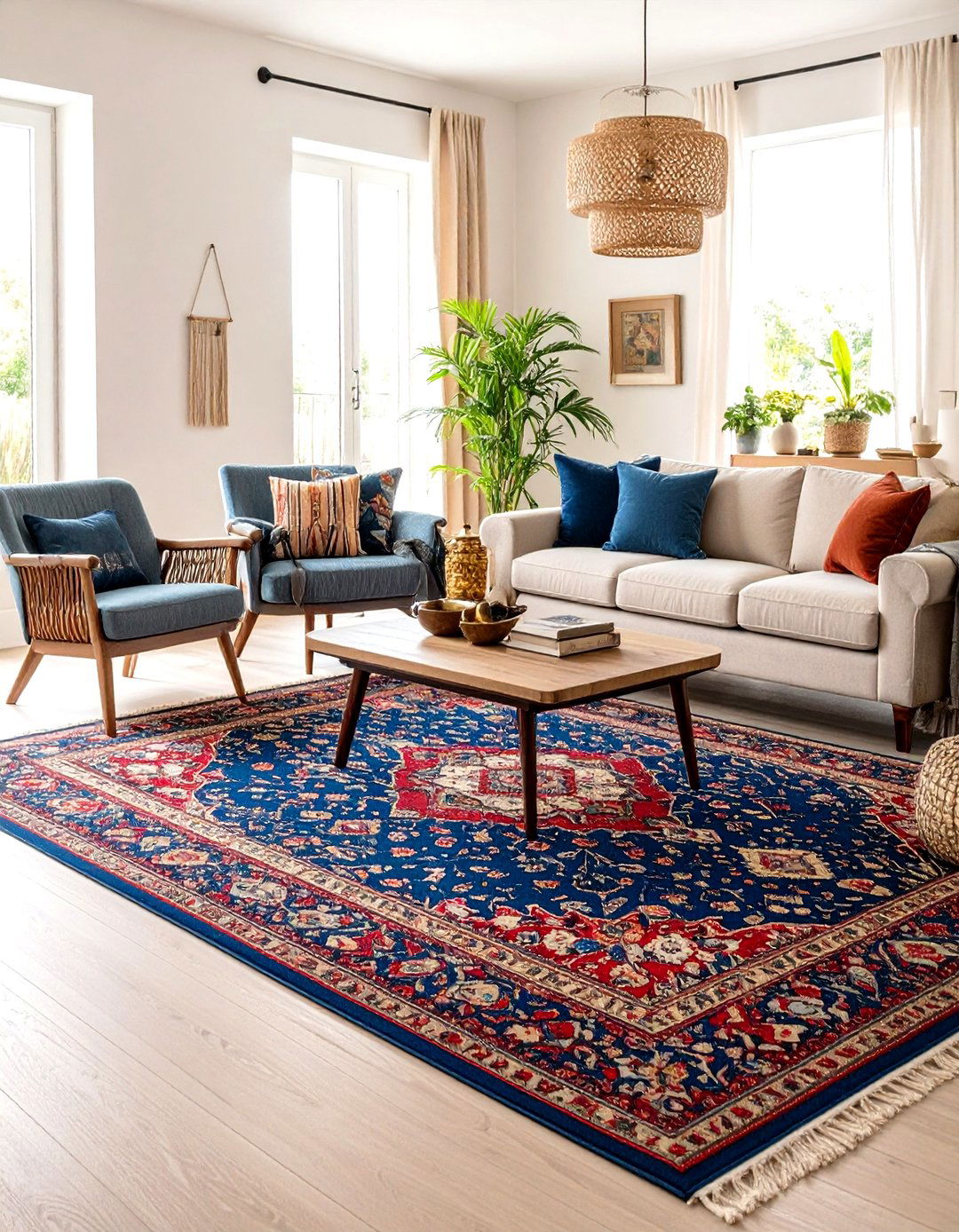
While rugs can define zones, a bold, statement rug can also serve as the foundation for an entire room's can act as a piece of art for the floor, introducing color, pattern, and using a statement rug, pull colors from its design to use in your pillows, artwork, and other creates a cohesive and intentional the rug be the star of the show by keeping the main furniture pieces in more neutral tones, allowing the vibrant design to truly anchor the space.
28. Choose the Right Paint Finish
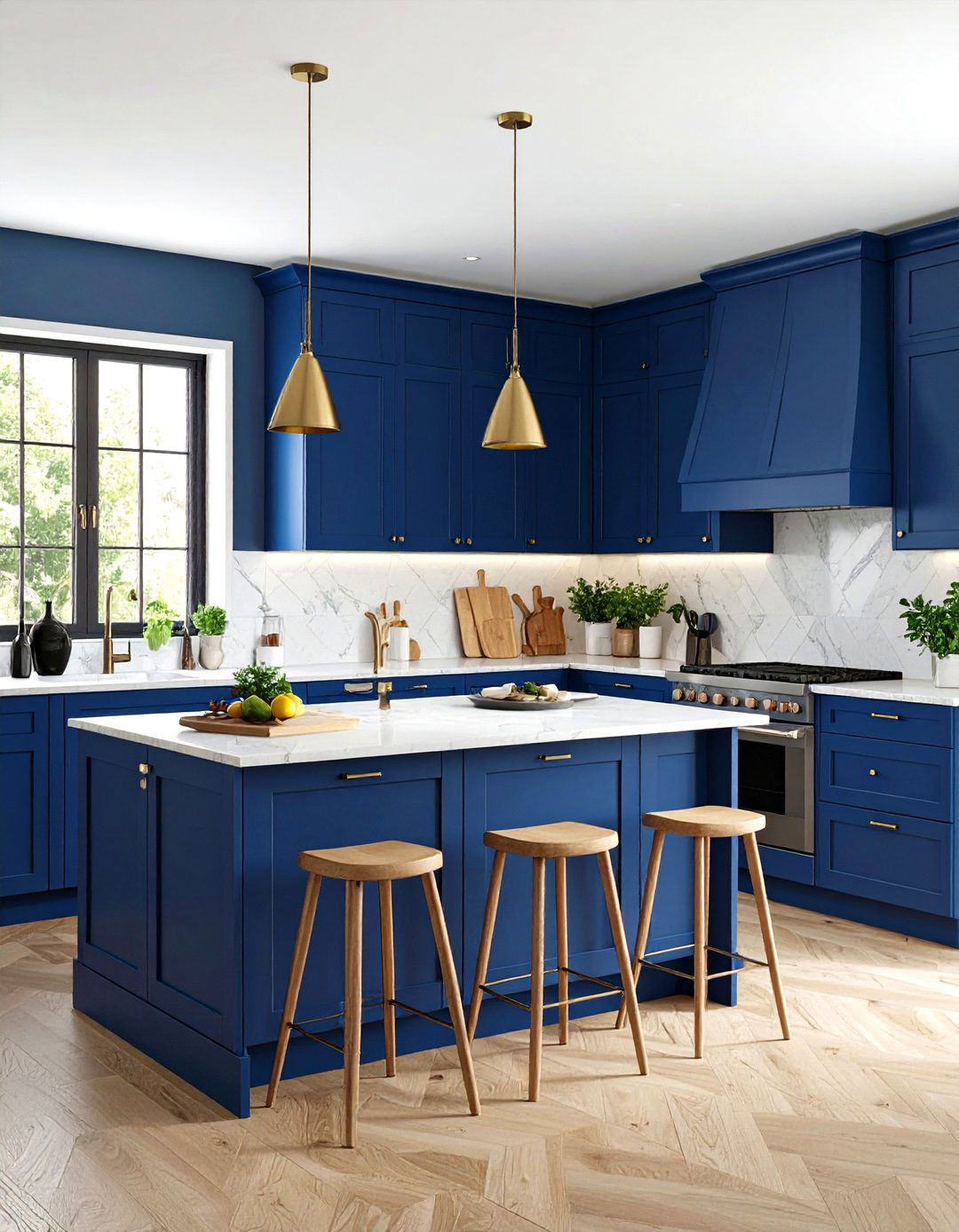
The finish of your paint can have as much impact as the color or flat finishes are great for hiding imperfections on walls but are less and satin finishes have a slight sheen and are easier to clean, making them ideal for high-traffic areas like hallways and kitchens. Semi-gloss and high-gloss finishes are very durable and reflective, perfect for trim, doors, and cabinetry where you want to add a touch of shine and the right finish enhances both the look and functionality of your space.
29. Create a Mood Board
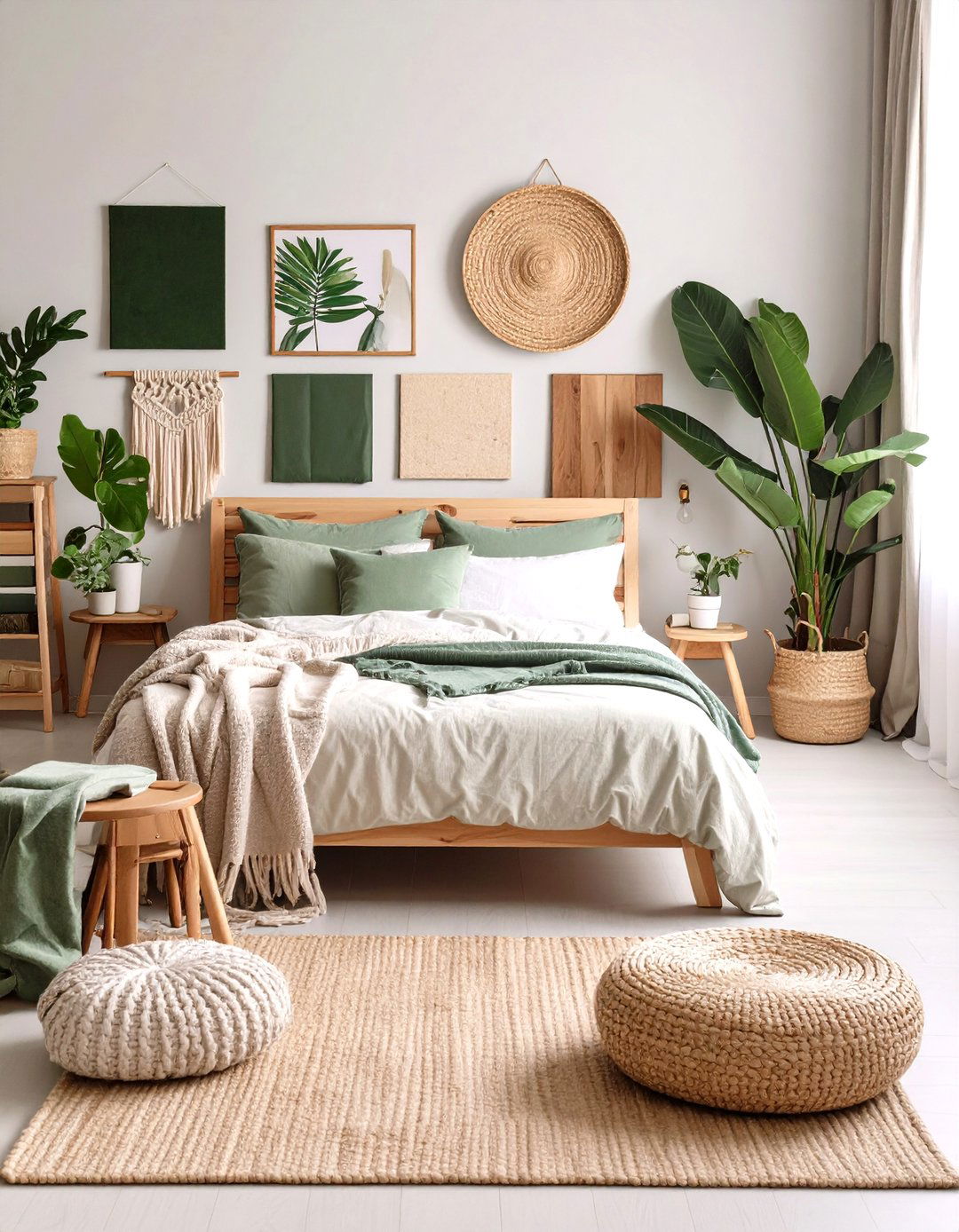
Before starting any design project, create a mood is a physical or digital collage of images, textures, color swatches, and materials that capture the feeling you want to achieve. A mood board helps you clarify your vision and ensures all your different ideas work together serves as a visual guide throughout the process, helping you stay on track and make consistent decisions. It's an essential tool for translating abstract feelings and inspiration into a concrete and actionable design your mood board be digital or physical?
30. Trust Your Gut Instinct
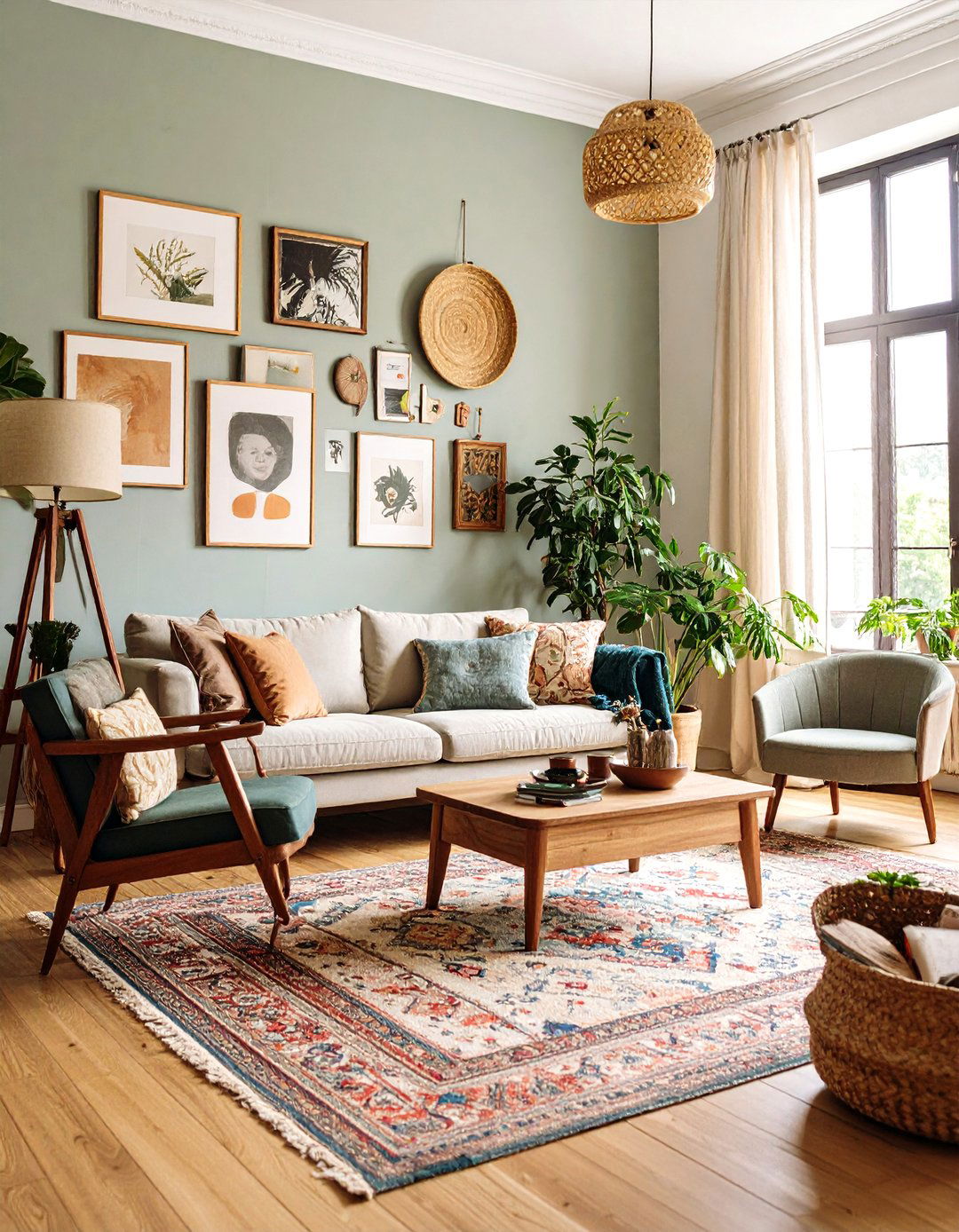
While design rules and principles are helpful guides, the most important element of any design is that it feels right to design is deeply personal, and your home should be a reflection of your unique taste and you 've done your research and planning, don' t be afraid to break a rule or go with an unconventional choice if it speaks to your gut instinct is what will ultimately make your space feel authentic and truly all, who knows what you love better than you do?
Conclusion:
Ultimately, becoming adept at interior design is about blending foundational knowledge with personal understanding concepts like the 60-30-10 color rule, the importance of a focal point, and the art of layering light and texture, you gain the confidence to create balanced and harmonious your layout, mastering scale, and telling a story with personal items are what elevate a room from merely decorated to thoughtfully to trust your instincts and edit your space to let your best ideas principles are your toolkit for crafting a home that is not only beautiful but also a true reflection of you.

Related posts:


Leave a Reply