
Transitional interior design offers a harmonious blend of traditional elegance and modern simplicity, creating spaces that feel both timeless and fresh. This popular style bridges the gap between old and new, resulting in a balanced, sophisticated, and comfortable home environment. It relies on a neutral color palette, a mix of textures, and carefully curated furniture and decor to achieve its signature look. By combining classic silhouettes with clean lines and contemporary finishes, transitional design crafts an inviting atmosphere that is refined yet relaxed, making it a versatile choice for any home seeking a classic yet current aesthetic.
1. Neutral Color Schemes with Pops of Color
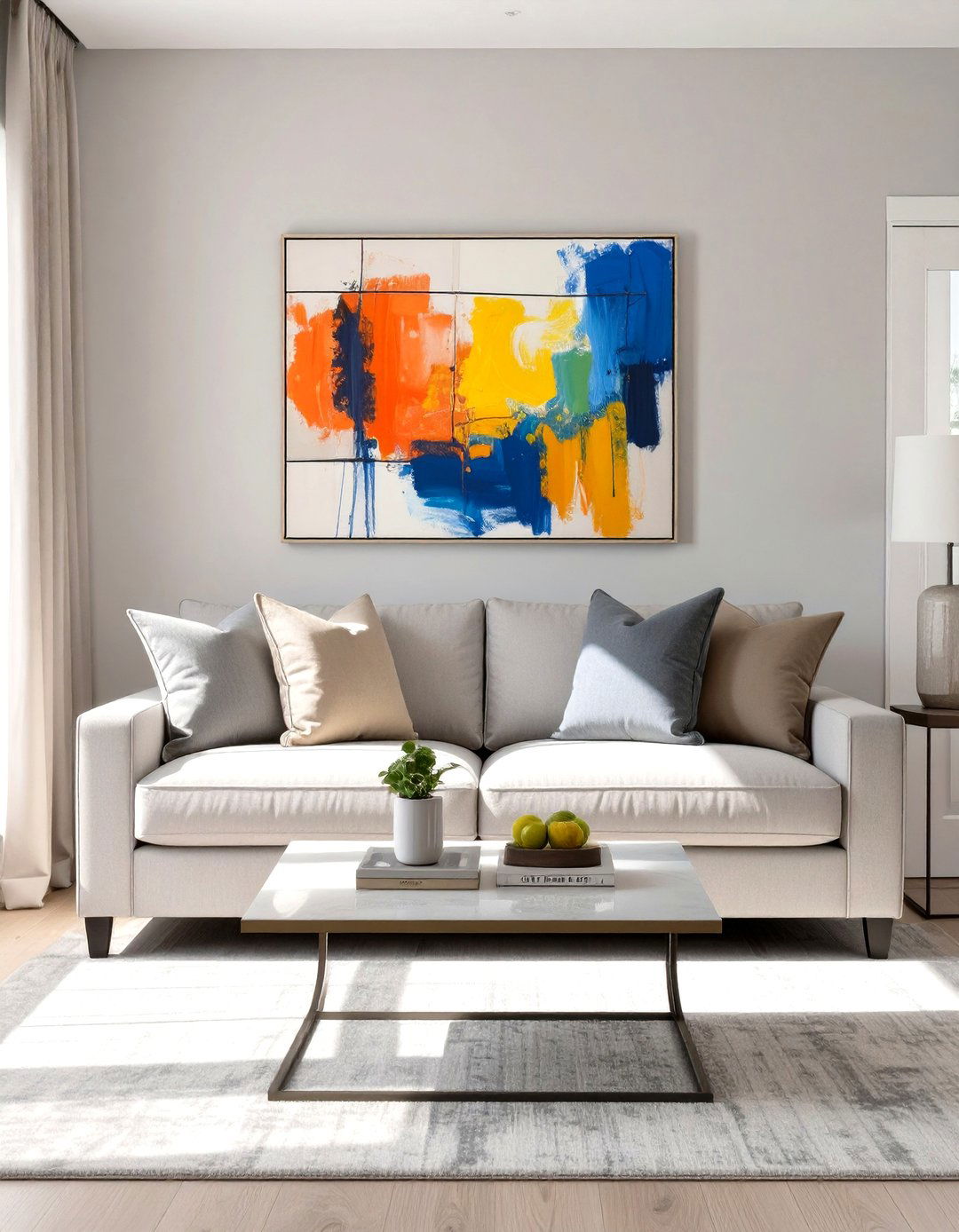
A hallmark of transitional interior design is its reliance on a serene, neutral color palette. Walls are often painted in soft shades of gray, beige, tan, or off-white, creating a calm and cohesive backdrop. This neutral foundation allows the architectural details and furniture pieces to stand out. To prevent the space from feeling monotonous, introduce subtle pops of color through accessories like throw pillows, artwork, or an area rug. Consider deep blues, soft greens, or even a muted blush to add personality and visual interest without overwhelming the calming neutrality that defines the style's core appeal.
2. Curved Furniture with Clean Lines
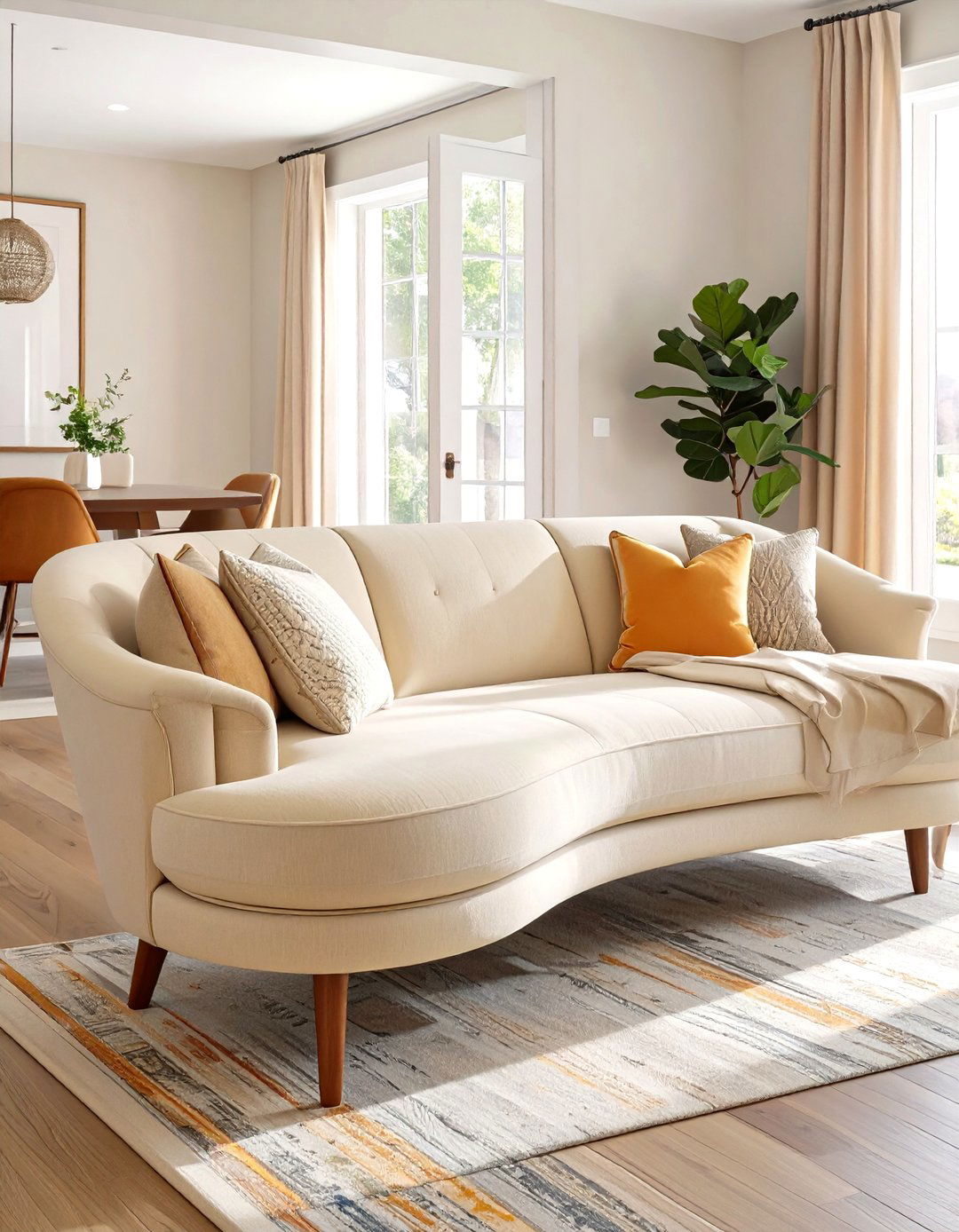
Transitional design masterfully blends the comfort of traditional furniture with the sleekness of modern pieces. Select sofas and armchairs that feature gentle curves and soft, welcoming silhouettes, reminiscent of classic design. However, ensure these pieces also have clean, unadorned lines, free from ornate carvings or excessive detailing. This combination creates a look that is both comfortable and sophisticated. A sofa with rounded arms paired with straight, tapered legs is a perfect example. This balance ensures the furniture feels substantial and inviting while maintaining a crisp, contemporary edge, fitting perfectly within the transitional aesthetic.
3. Layering Textures for Depth
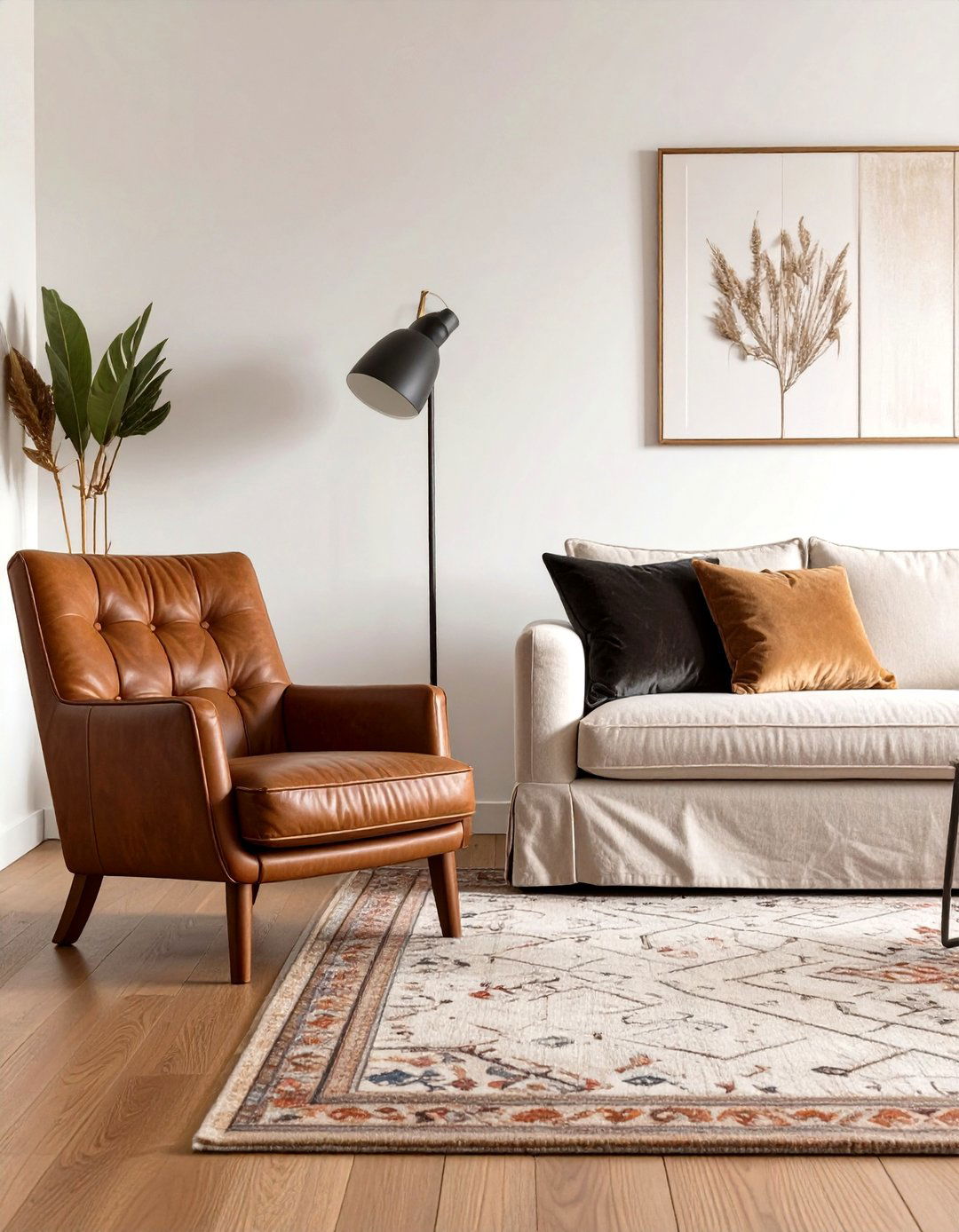
To add warmth and complexity to a transitional space, layering a variety of textures is essential. Since the color palette is often neutral, texture becomes the primary way to create visual interest. Combine different materials such as a plush wool rug on a hardwood floor, linen curtains, a leather armchair, and velvet throw pillows on a fabric sofa. The interplay between smooth and rough, soft and firm, creates a rich, multi-dimensional environment. This tactile diversity makes the room feel more inviting and thoughtfully curated, preventing the neutral scheme from appearing flat or uninspired.
4. Statement Lighting Fixtures
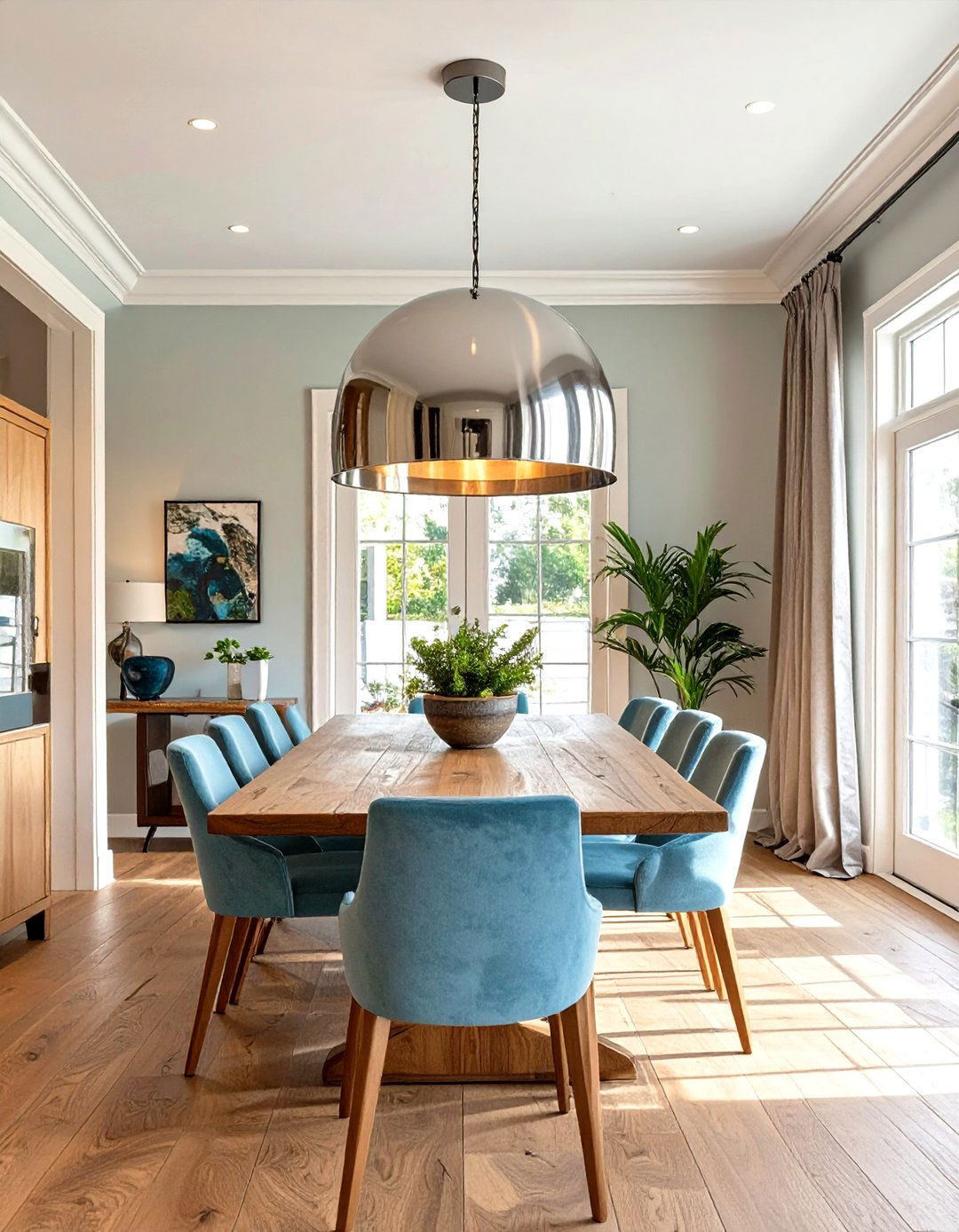
Lighting in transitional interior design serves as a key focal point, often acting as "jewelry" for the room. Choose statement fixtures that blend traditional shapes with modern materials. A classic chandelier form made from polished nickel or bronze, or a large drum pendant with a simple, elegant design, works perfectly. These fixtures should be substantial enough to draw the eye but not so ornate that they clash with the clean lines of the space. The right lighting not only illuminates the room but also elevates the overall design, adding a touch of glamour and sophistication.
5. Minimalist Window Treatments
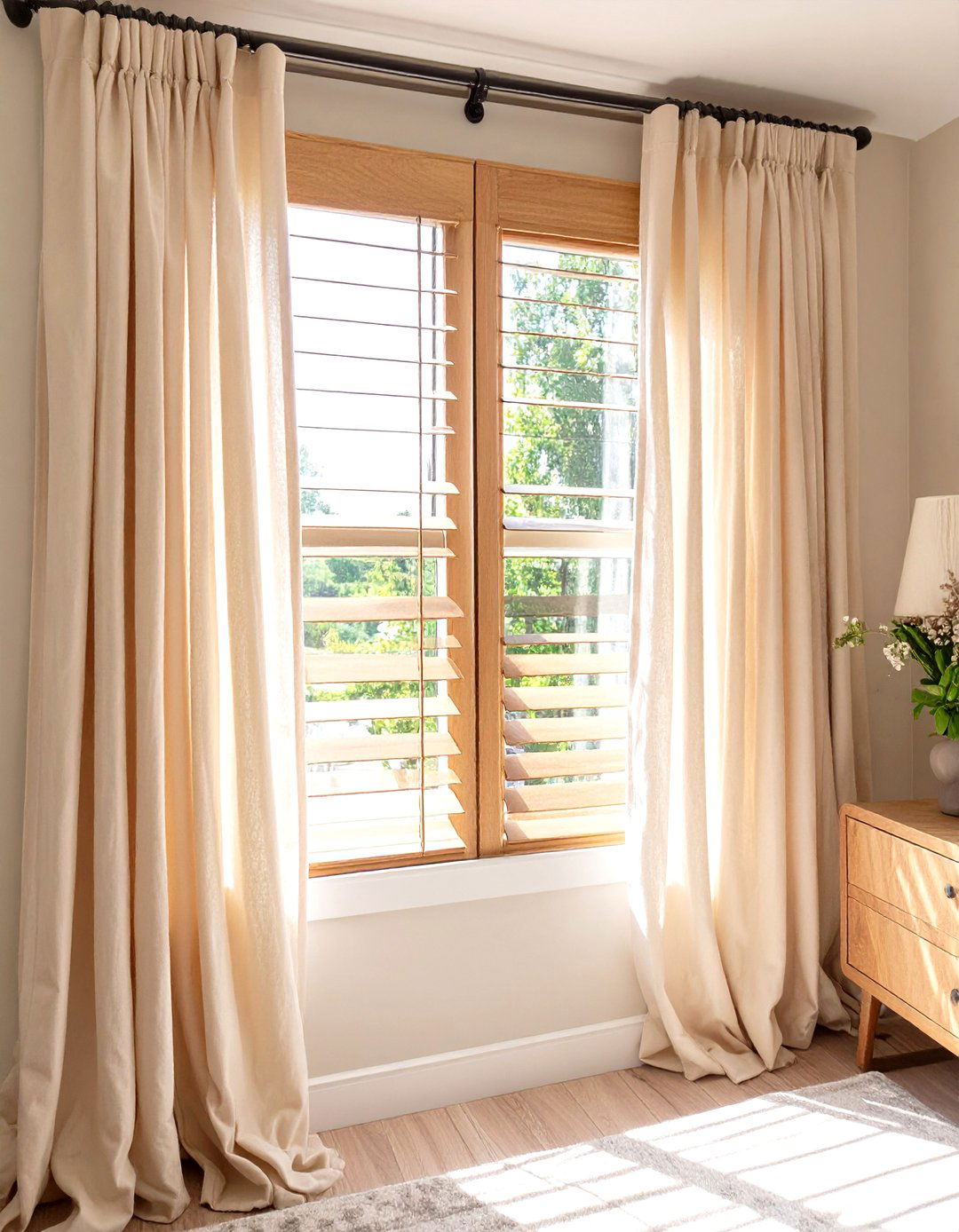
Window treatments in transitional design should be simple and functional, allowing ample natural light to fill the space. Avoid heavy, ornate draperies with elaborate swags or tassels. Instead, opt for understated options like tailored Roman shades, simple floor-length curtain panels in a solid neutral fabric, or classic wooden blinds. The goal is to frame the window without overwhelming it, maintaining the clean, uncluttered feel of the room. This minimalist approach to window coverings ensures they complement the decor rather than competing with it, contributing to the serene and balanced atmosphere.
6. Large-Scale Artwork as a Focal Point
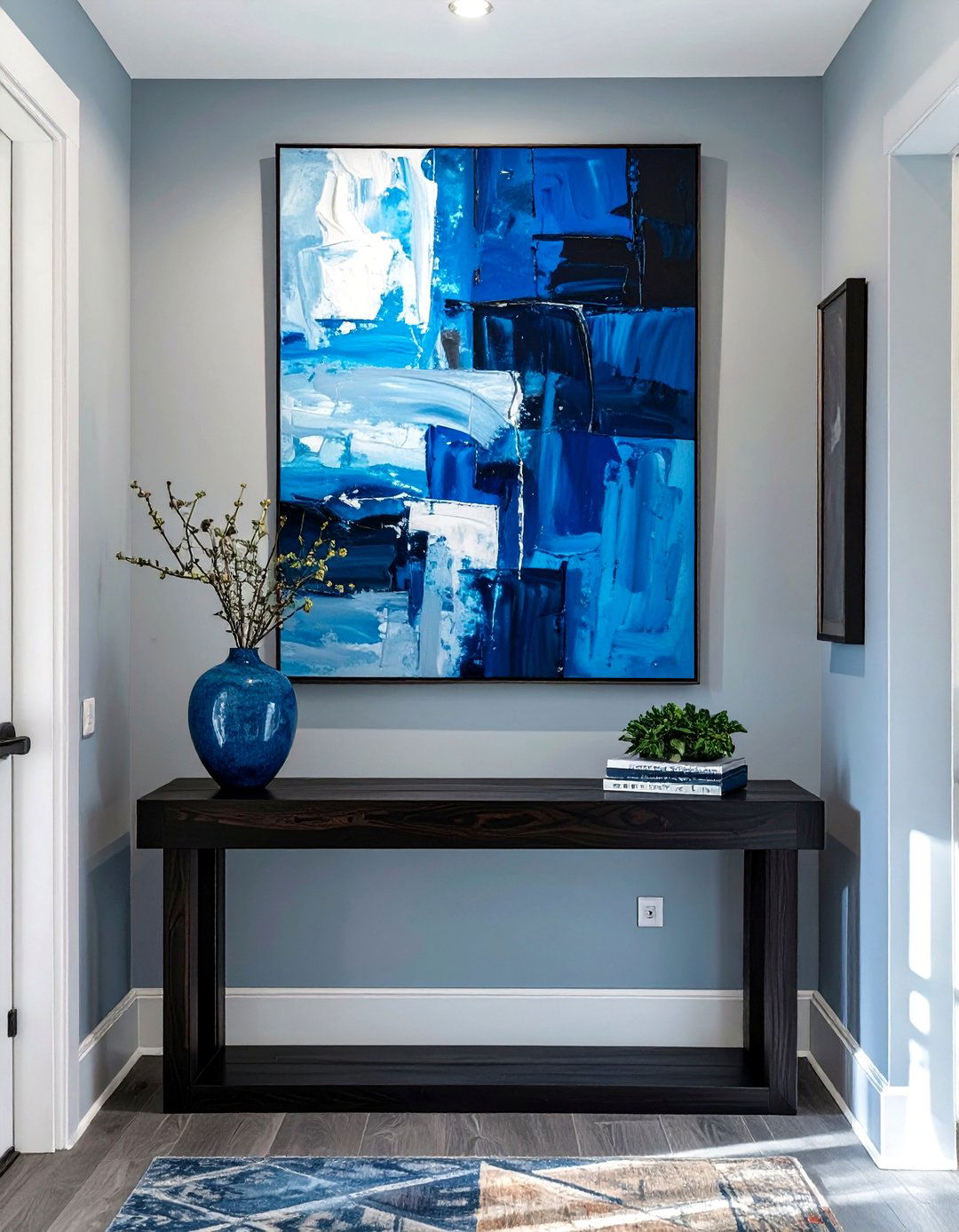
In a transitional room, a single piece of large-scale artwork often makes a more significant impact than a cluttered gallery wall. Select an oversized abstract painting, a striking photograph, or a large giclée print to serve as a central focal point. The art should complement the room's color scheme but can introduce bolder hues and dynamic forms. Placing it above a sofa or a console table draws the eye and anchors the space. This approach adds a contemporary flair and a dose of personality while adhering to the transitional principle of keeping decor intentional and uncluttered.
7. Natural Wood Finishes
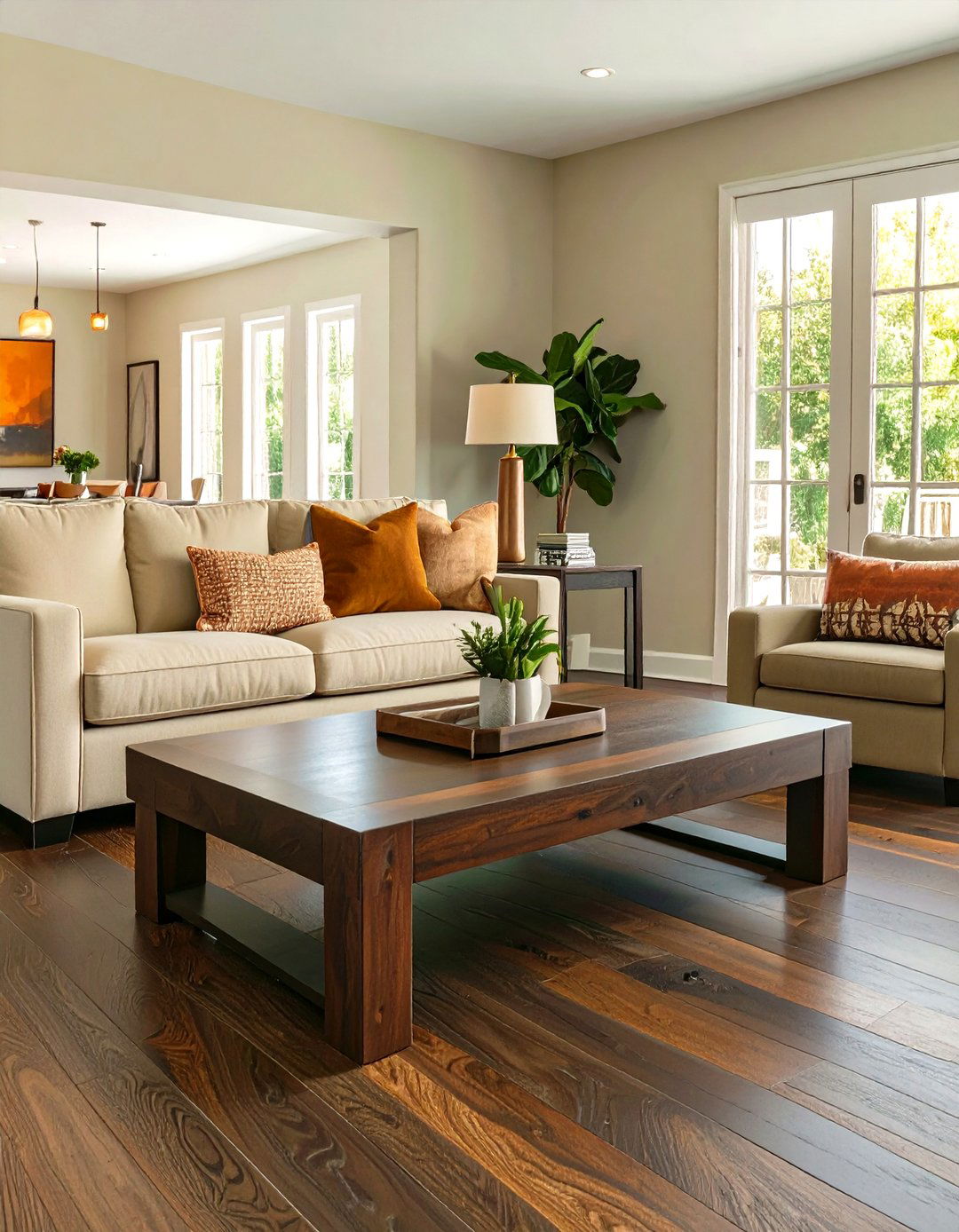
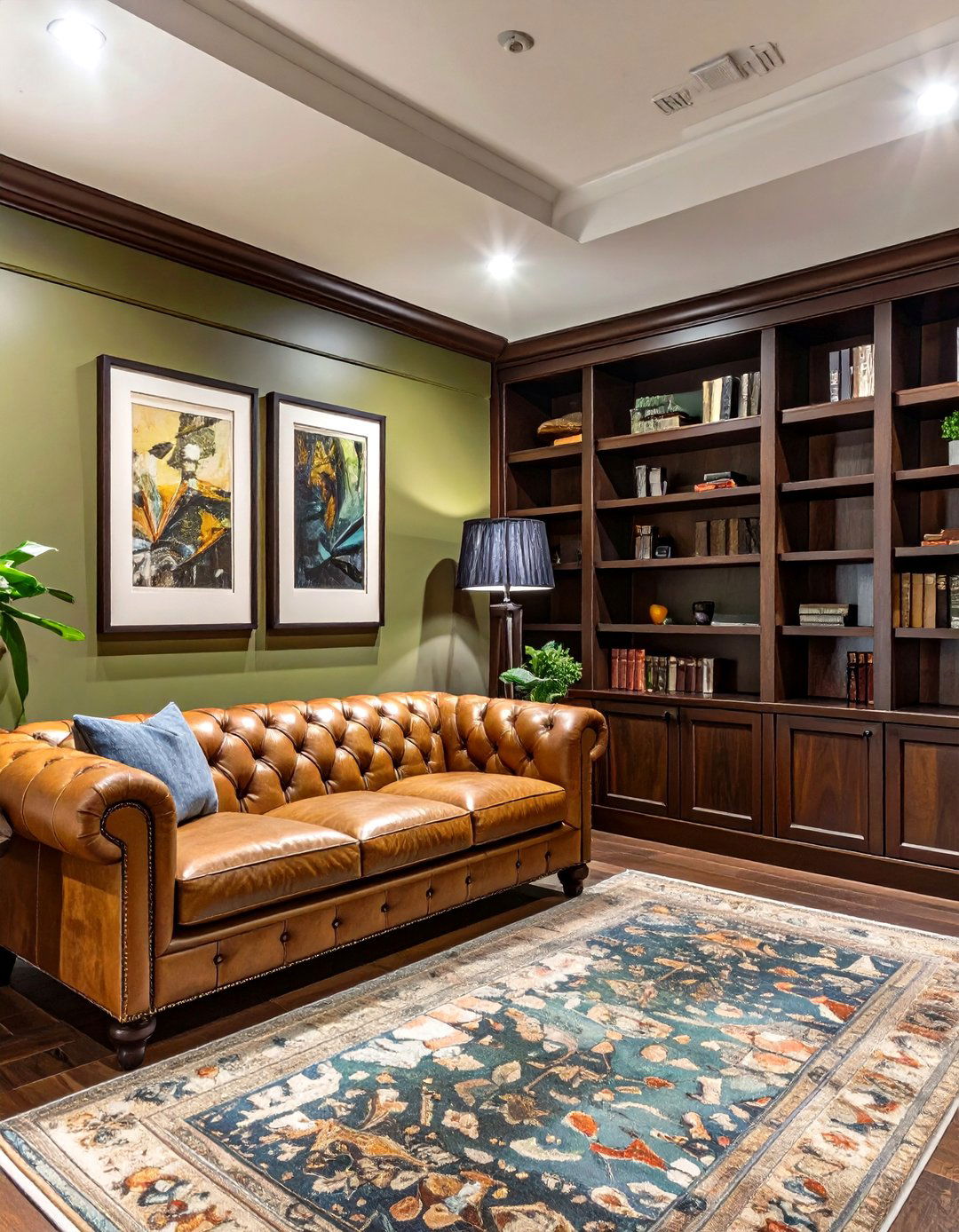
Incorporating natural wood finishes is key to bringing warmth and an organic element into transitional interiors. Use wood for flooring, furniture pieces like coffee tables or sideboards, and even accent details. Opt for medium to dark wood tones to create a sense of traditional richness and depth. However, ensure the pieces themselves feature simple, clean lines to align with the modern side of the aesthetic. The natural grain and texture of the wood provide a beautiful contrast to smoother, more polished surfaces in the room, enhancing the overall layered and balanced feel of the design.
8. Reflective Surfaces and Mirrors

To enhance light and create a sense of spaciousness, transitional design often incorporates reflective surfaces. Large, strategically placed mirrors with simple, elegant frames can make a room feel bigger and brighter. A mirror with a beveled edge or a metallic frame in silver or gold adds a touch of sophistication. Additionally, consider furniture with reflective elements, such as a lacquered console table, a glass-topped coffee table, or polished metal accents on case goods. These surfaces bounce light around the room, contributing to a luminous and airy atmosphere that feels both modern and chic.
9. Symmetrical Furniture Arrangements
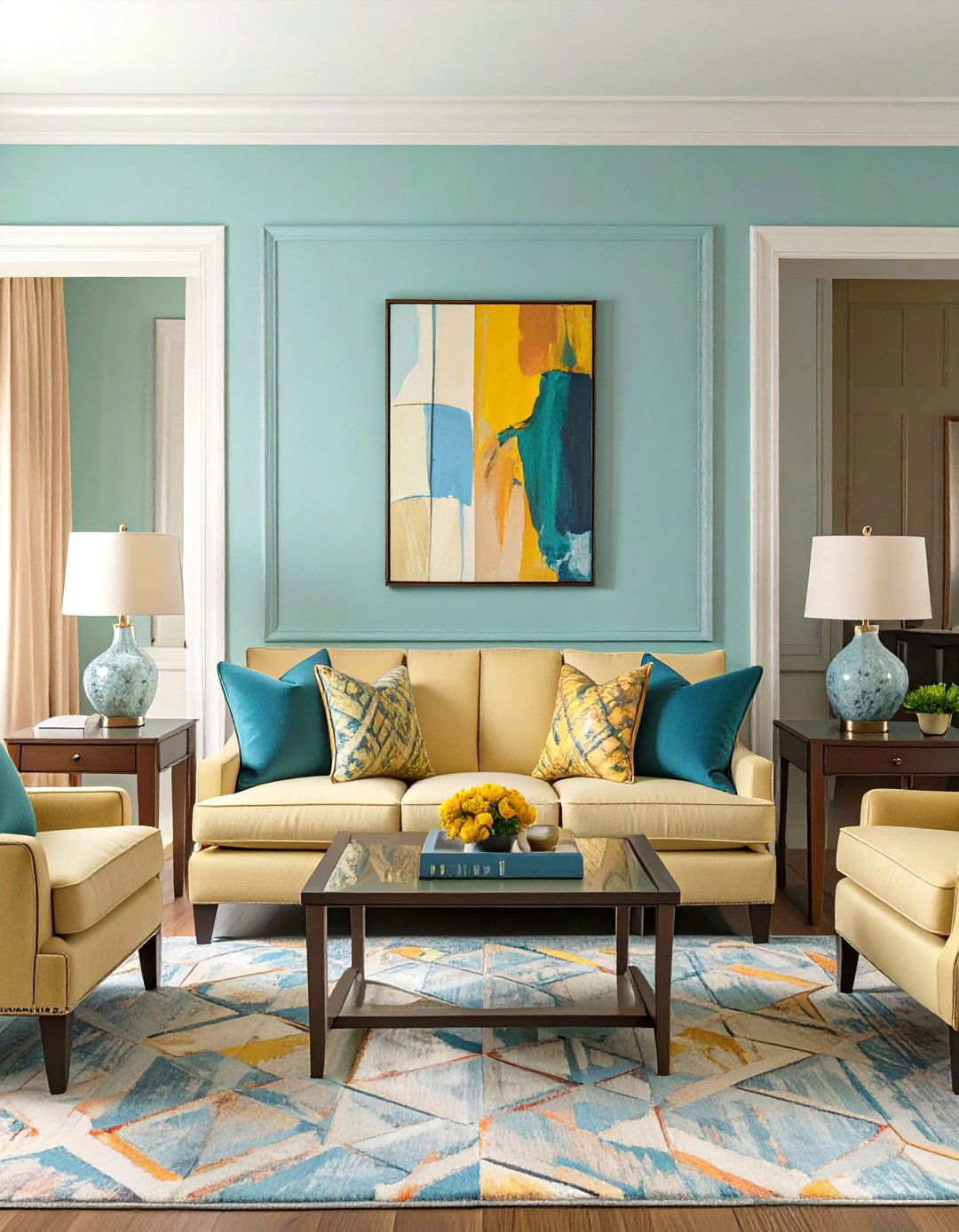
Symmetry plays a crucial role in creating the balanced and orderly feel of transitional interior design. Arrange furniture to create a sense of harmony and predictability. A common approach is to place a sofa directly opposite a pair of matching armchairs, with a coffee table centered in between. Similarly, flank a fireplace or a large window with identical bookcases or side tables topped with matching lamps. This structured layout provides a classic, formal foundation that is calming and pleasing to the eye, reinforcing the design's blend of traditional order and contemporary calm.


10. Combining Metals Gracefully
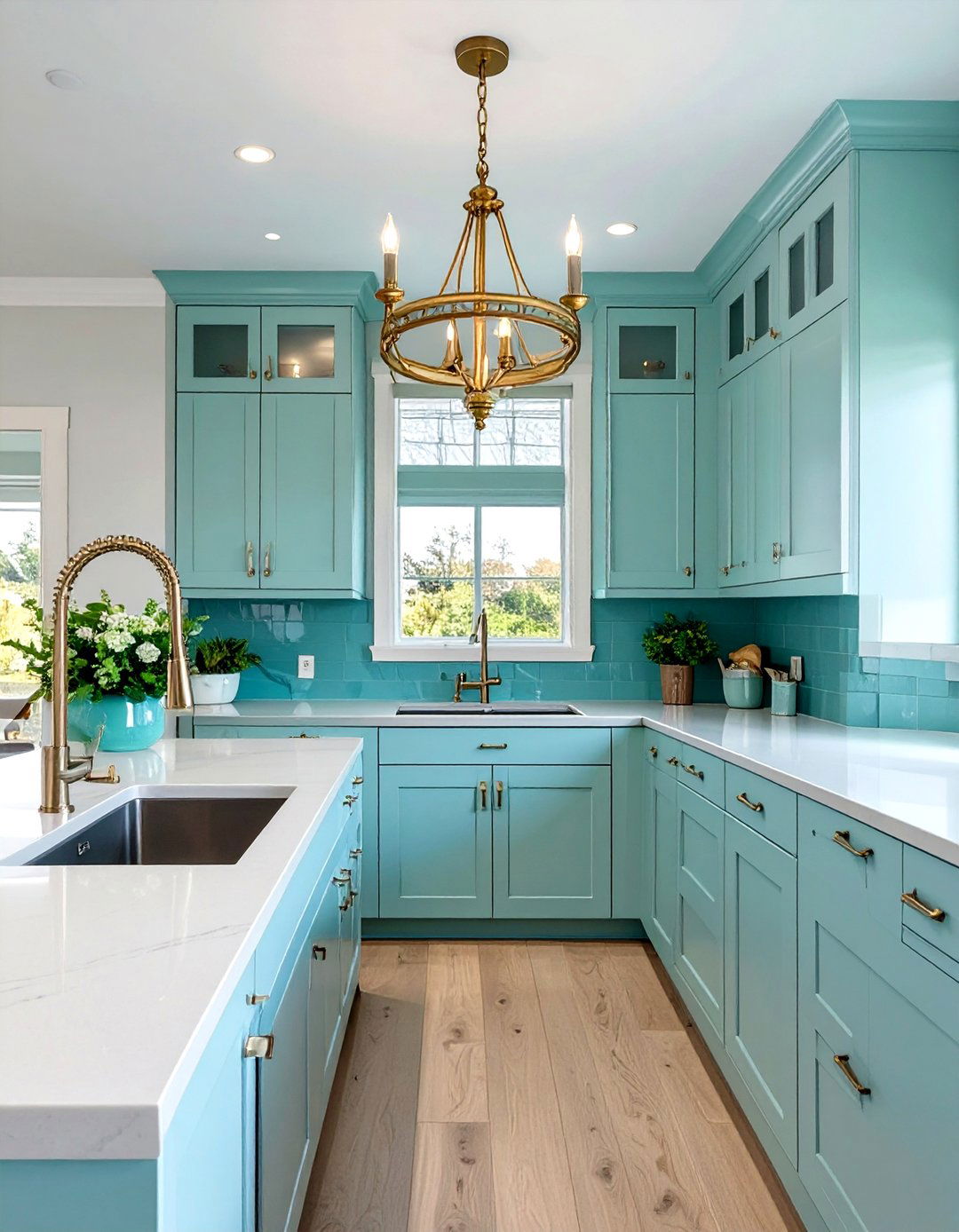
Mixing metals is a sophisticated strategy within transitional design, adding depth and a curated feel. Instead of sticking to a single metallic finish, combine warm metals like brass or bronze with cooler ones like polished nickel or chrome. For instance, you could have a chandelier with a bronze finish, cabinet hardware in polished nickel, and picture frames in a soft gold. The key is to choose one dominant metal and use others as accents. This thoughtful combination prevents the space from looking too uniform and adds a layer of visual complexity that feels both modern and timeless.
11. Area Rugs to Define Zones
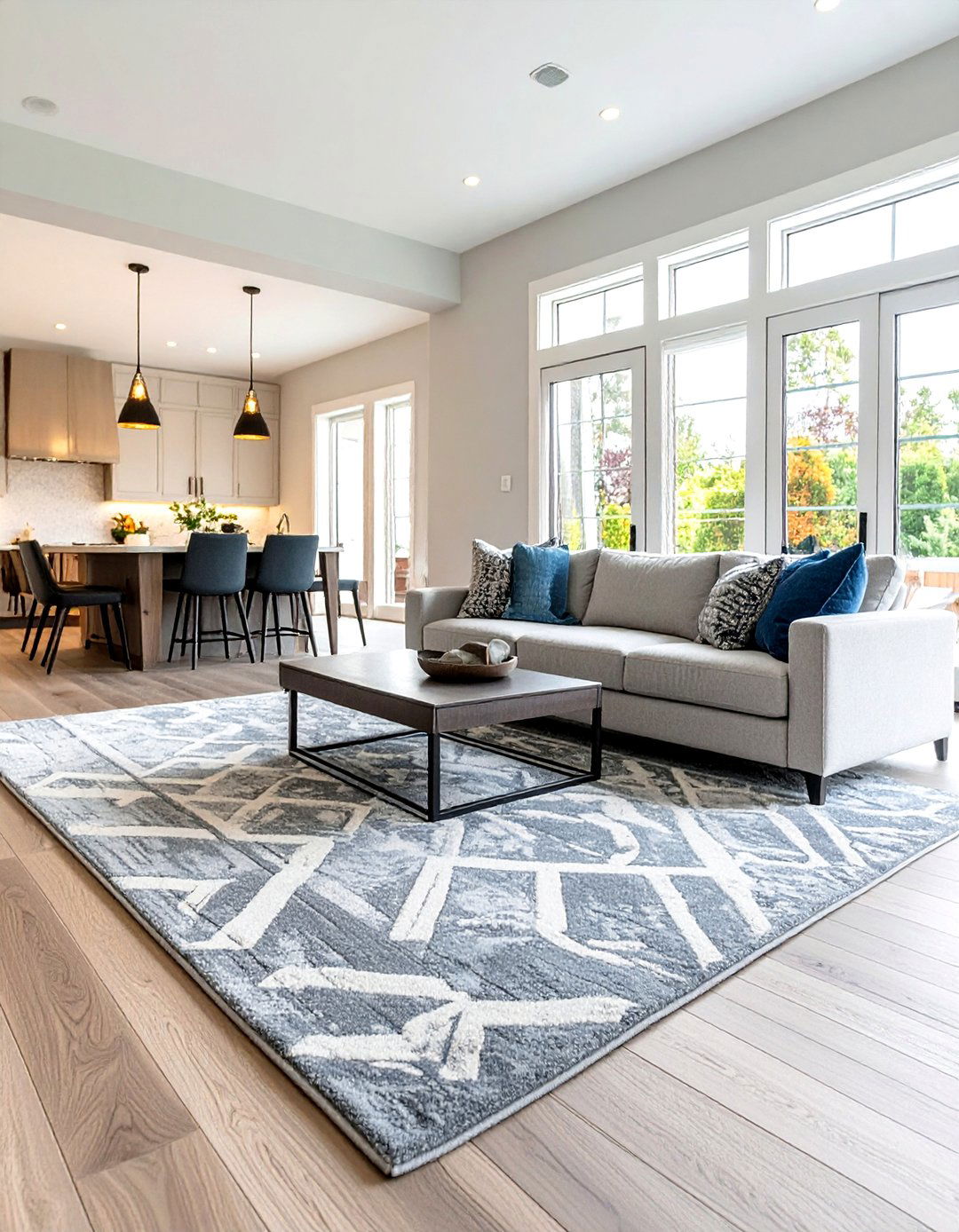
In open-concept transitional spaces, area rugs are essential for defining specific functional zones. Use a large, plush rug to anchor the seating area in the living room or a durable, textured rug under the dining table. Choose rugs with subtle patterns, such as a geometric design, a soft abstract motif, or a tone-on-tone texture. The rug should complement the neutral color palette while adding warmth and texture underfoot. This helps to create distinct, intimate areas within a larger room, making the space feel more organized, cozy, and intentionally designed.
12. Uncluttered and Curated Decor
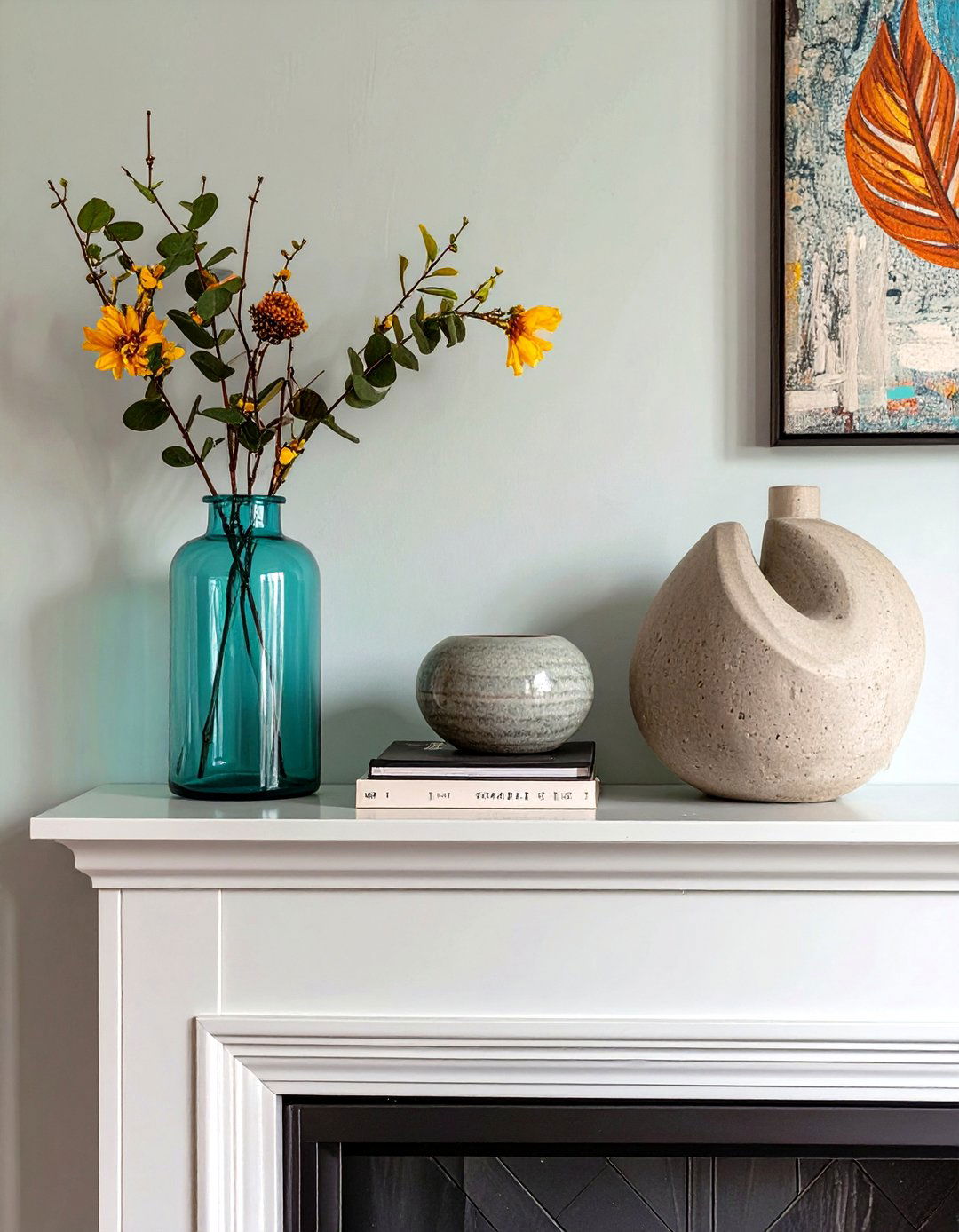
Transitional interior design champions a "less is more" approach to decor. Surfaces like mantels, console tables, and shelves should be styled with a few carefully chosen items rather than cluttered with numerous small trinkets. Select accessories that have personal meaning or strong visual appeal, such as a sculptural vase, a stack of art books, or a simple decorative box. Each piece should have room to breathe, allowing its form and beauty to be appreciated. This intentional and uncluttered approach to accessorizing reinforces the style's emphasis on simplicity, sophistication, and serene order.
13. Plush and Comfortable Upholstery
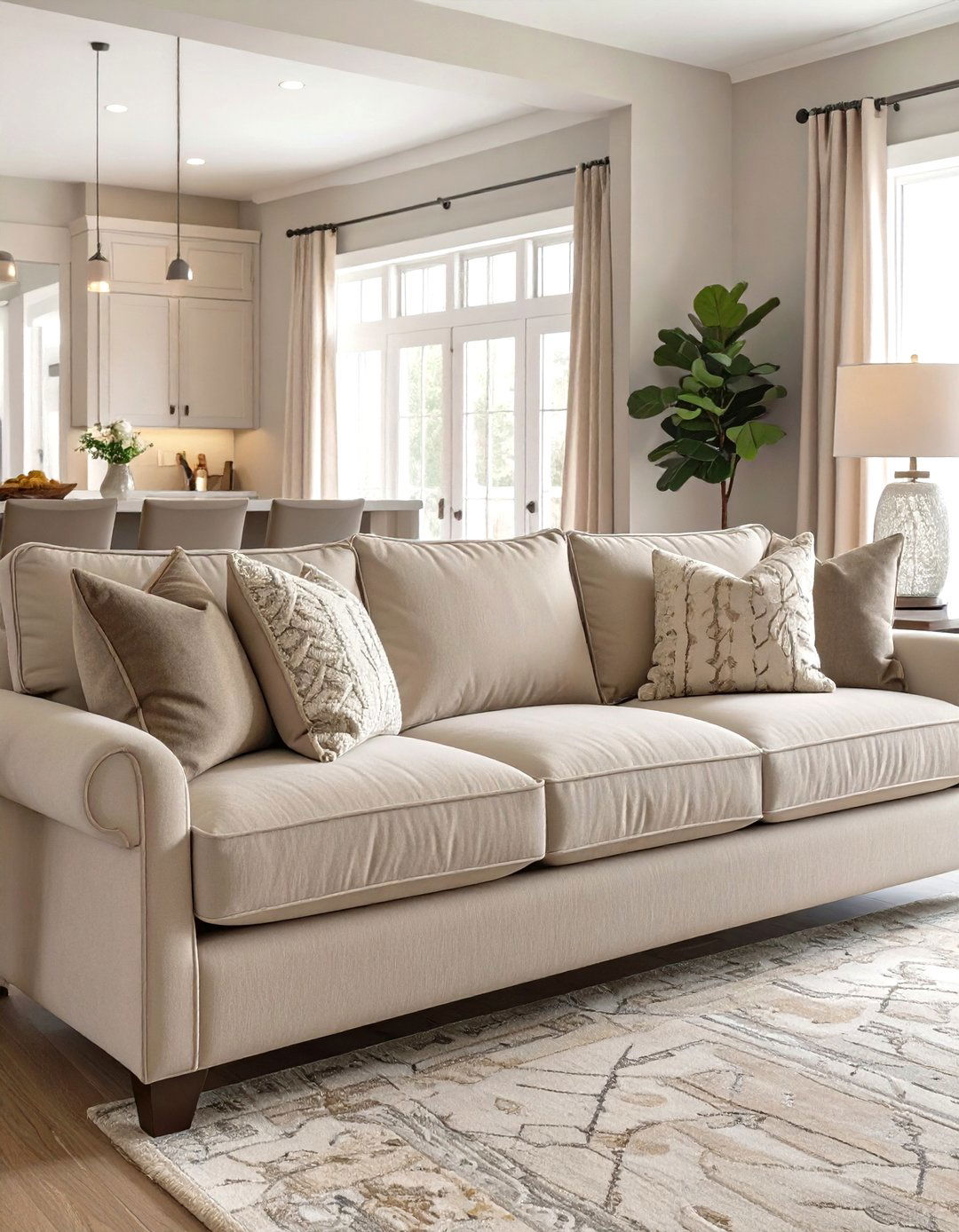
Comfort is paramount in transitional design, and this is reflected in the choice of upholstery. Select fabrics that are soft, durable, and inviting to the touch. Materials like chenille, soft cotton blends, microfiber, and even performance velvets are excellent choices for sofas and armchairs. Stick to solid neutral colors or very subtle, small-scale patterns to maintain a serene and cohesive look. The goal is to create seating that you want to sink into, balancing the clean lines of the furniture with a plush, cozy feel that encourages relaxation and comfort.
14. Transitional Kitchen Cabinetry
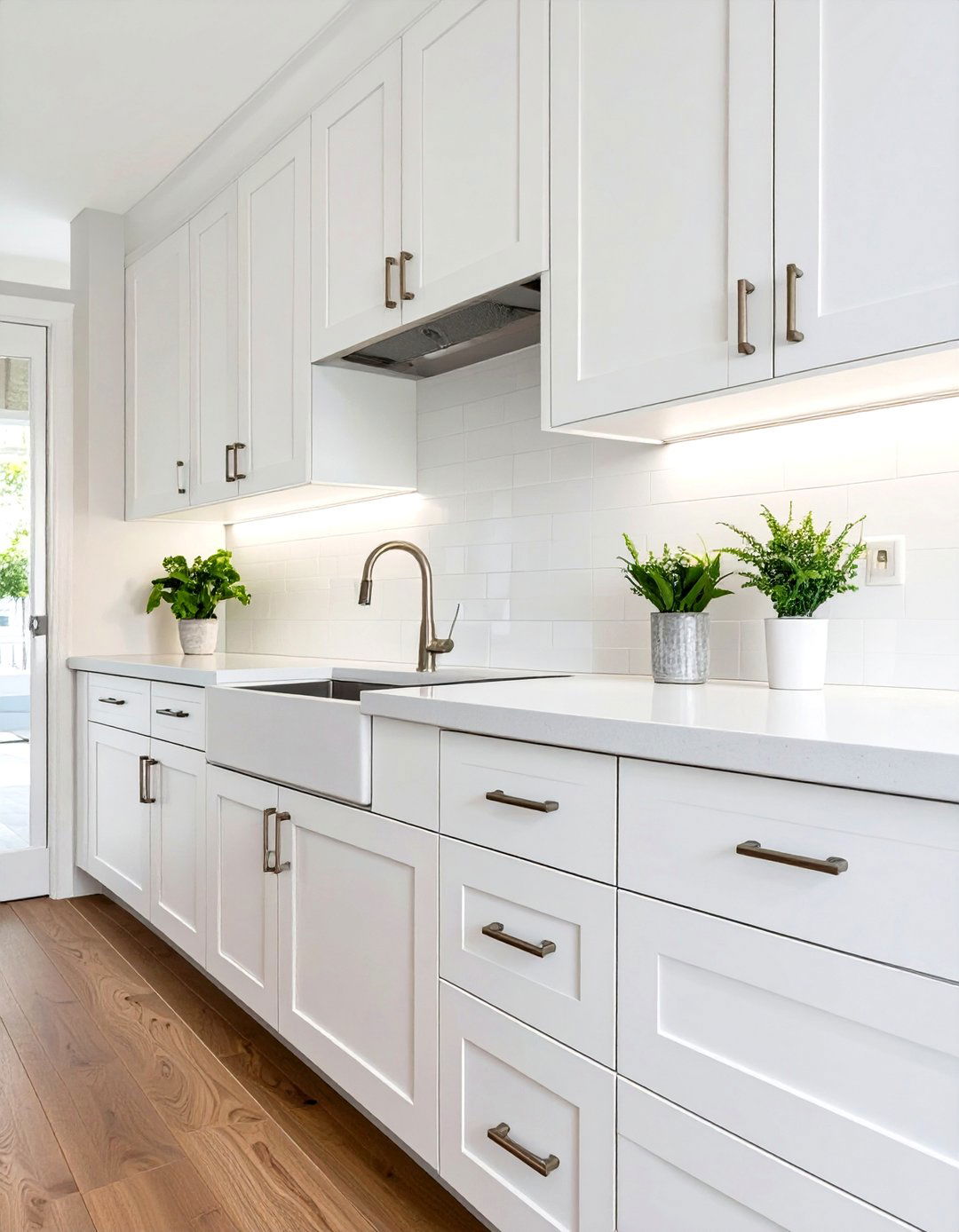
In a transitional kitchen, cabinetry strikes a balance between traditional detail and modern simplicity. Shaker-style cabinet doors are a popular choice, as their simple, clean-lined frame construction is a perfect embodiment of the transitional aesthetic. Avoid overly ornate details like intricate carvings or raised panels. Opt for classic hardware, such as simple bar pulls or elegant knobs in finishes like brushed nickel or antique brass. The overall effect is a kitchen that feels timeless, functional, and uncluttered, blending seamlessly with the rest of the home’s transitional style.


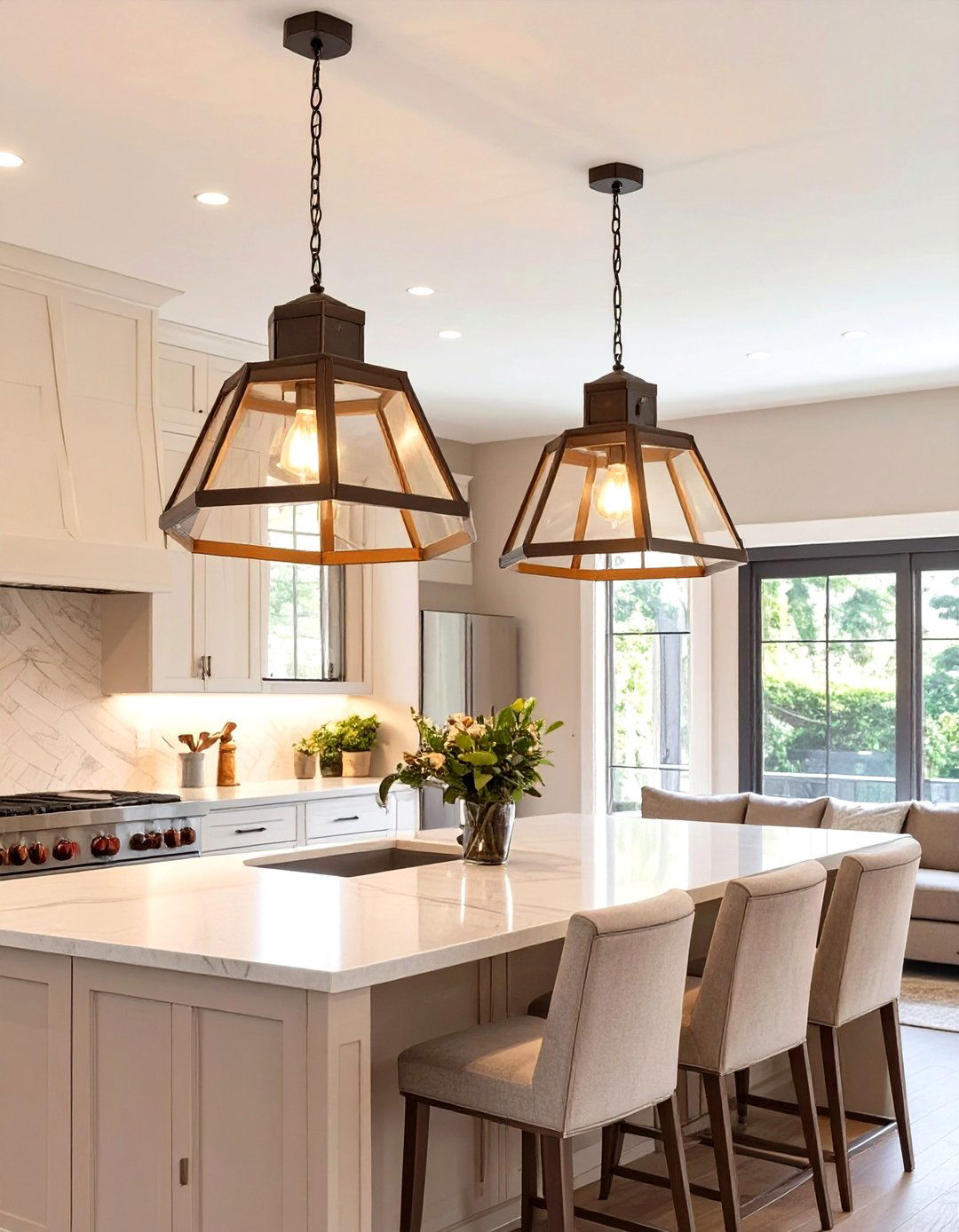
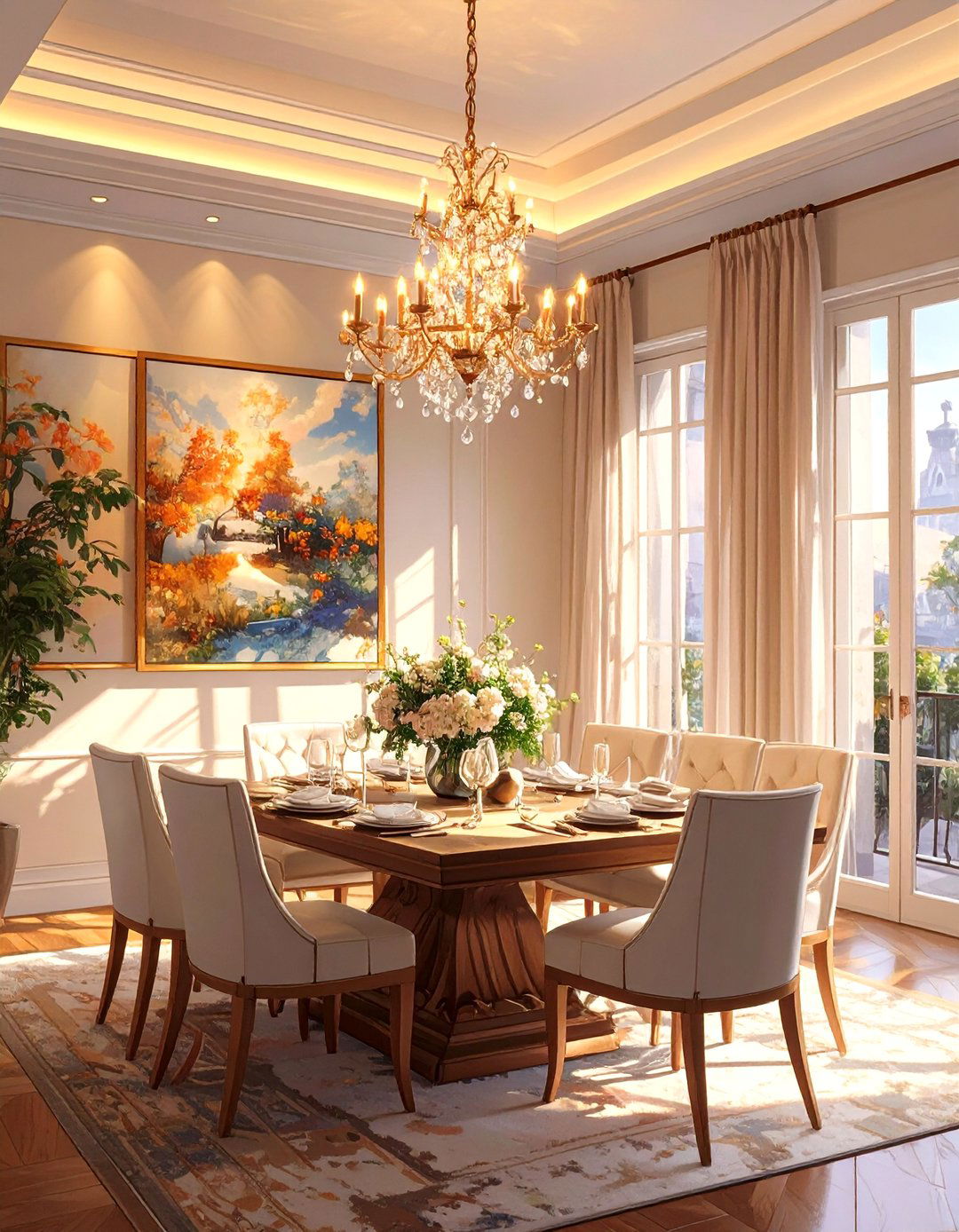

15. The Role of the Console Table
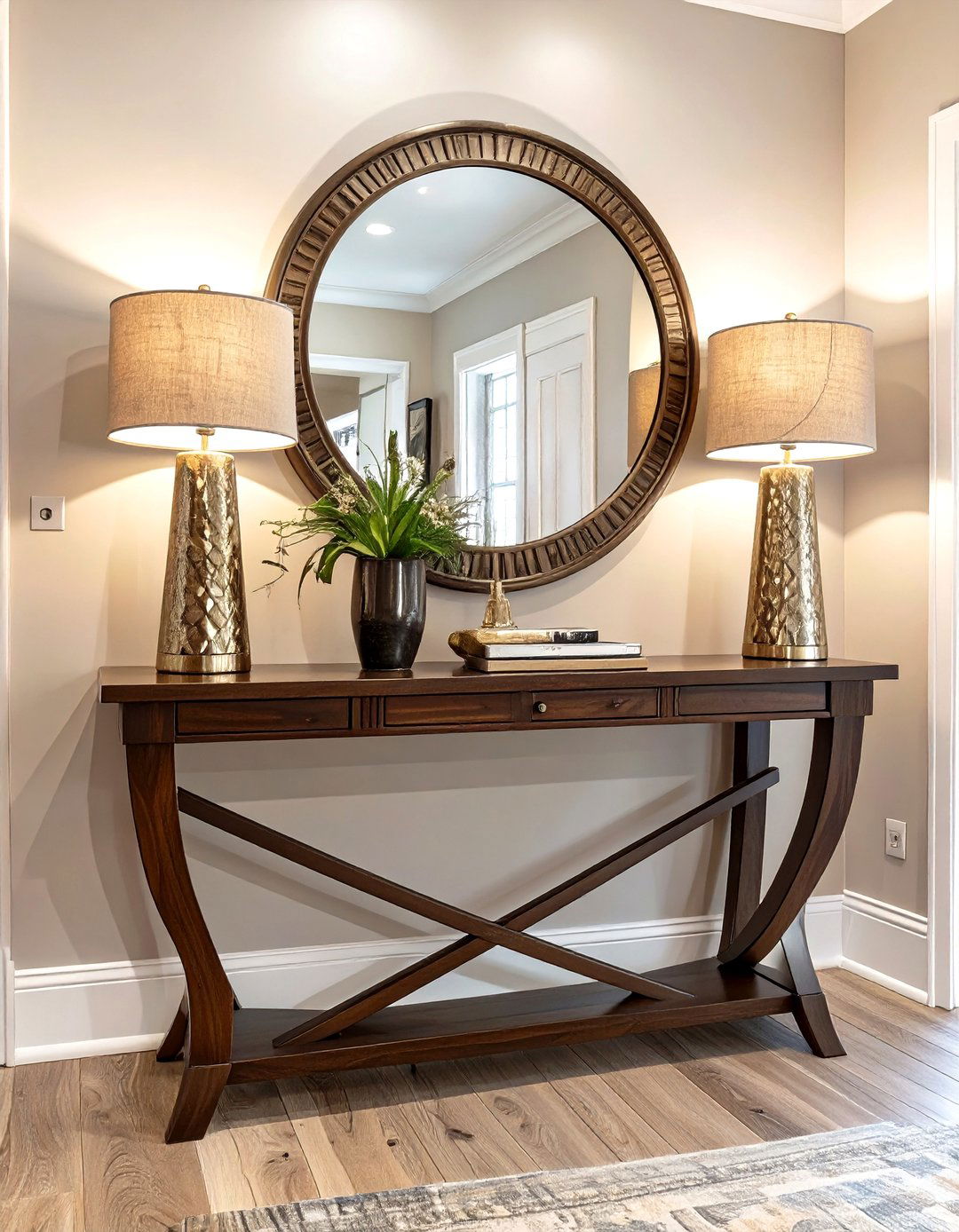
A console table is a versatile and essential piece in a transitional space, often placed in an entryway, hallway, or behind a sofa. Choose a console with clean lines and simple yet elegant details. It can be crafted from wood, metal, or a combination of materials. Use its surface to create a stylish vignette with a pair of lamps for symmetry, a decorative bowl for keys, and a mirror or piece of art hung above it. This functional piece not only provides storage and display space but also helps to anchor the area and establish the home's sophisticated design from the moment you walk in.
16. Incorporating Geometric Patterns
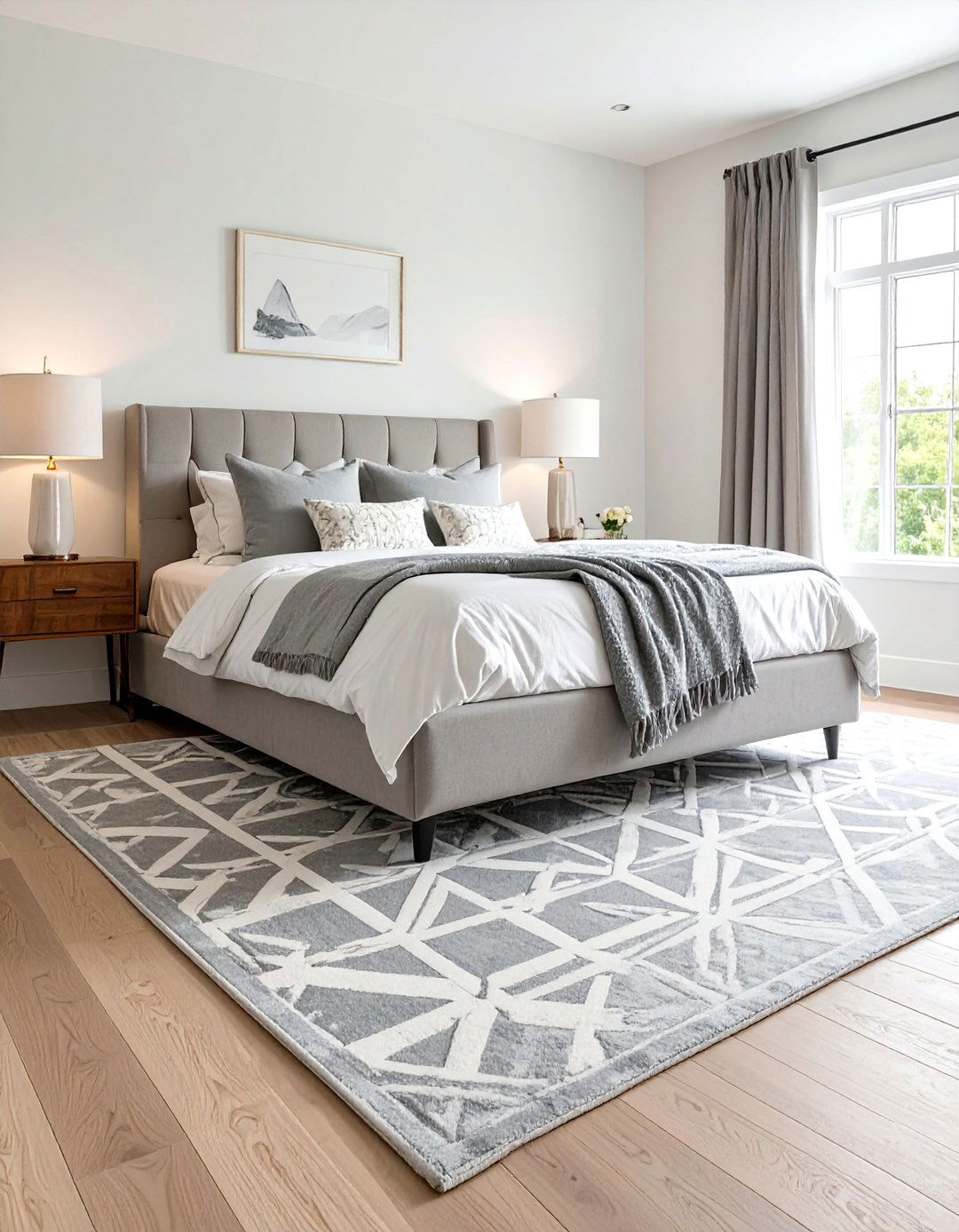
While transitional design avoids loud, busy prints, it welcomes the use of subtle geometric patterns. These patterns add a modern touch and visual interest without disrupting the calm atmosphere. Look for them in area rugs, throw pillows, or even a quiet wallpaper accent wall. Motifs like Greek keys, simple lattices, or soft herringbone designs work well. The key is to keep the scale and color contrast understated. This use of geometry adds a layer of sophisticated detail that aligns with the style's blend of classic structure and contemporary flair, keeping the overall look crisp and clean.
17. The Power of Substantial Trim and Molding
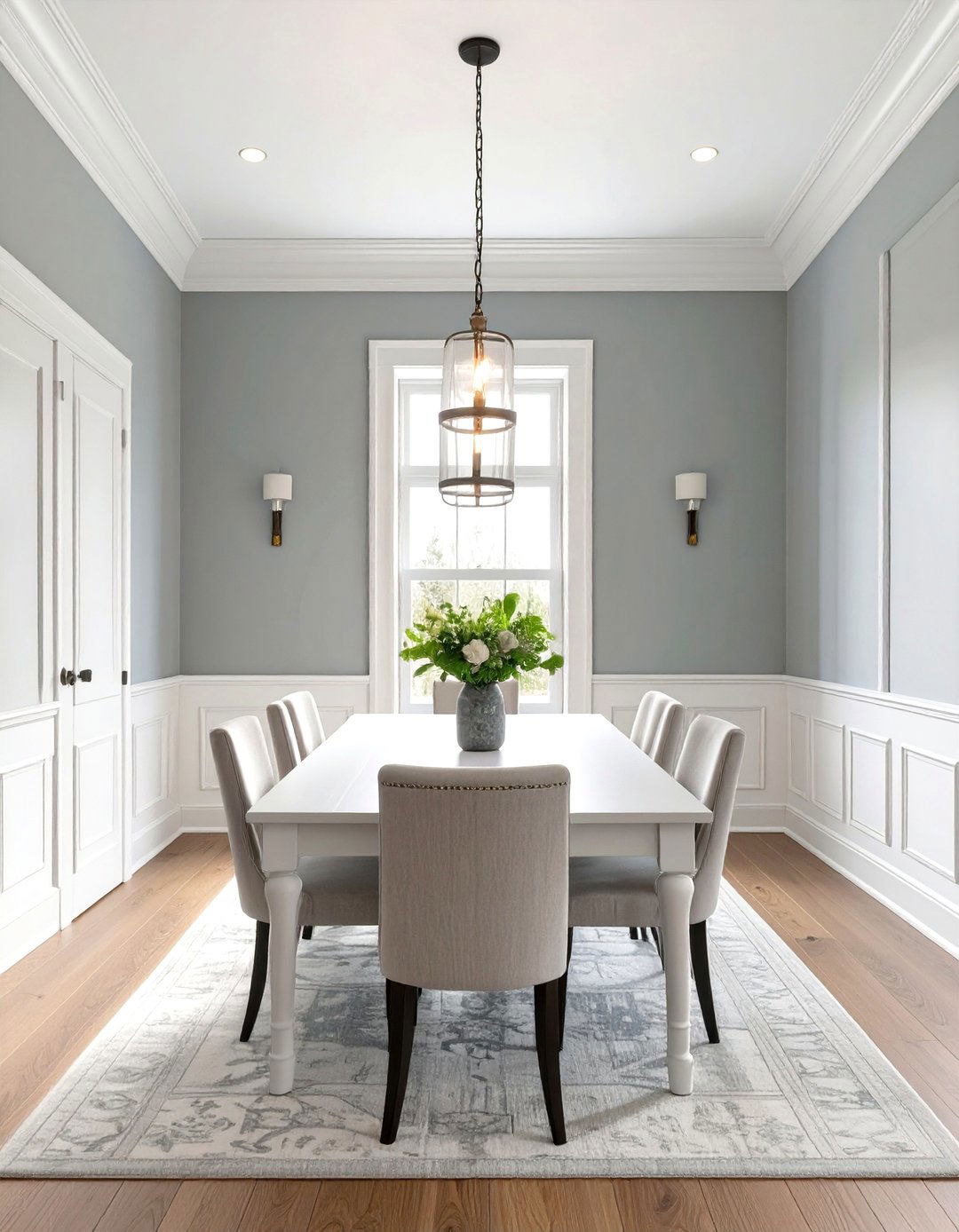
Architectural details like crown molding, baseboards, and window casings play a significant role in transitional design. These elements, borrowed from traditional styles, add a sense of substance, history, and elegance to a room. Opt for substantial but clean-lined trim work—nothing overly ornate or fussy. Painting the molding in a crisp white or a color that contrasts slightly with the walls can help to define the room’s architecture and add a layer of sophistication. This detailing provides a classic framework that beautifully complements the more modern furniture and decor within the space.
18. Creating a Serene Bedroom Oasis
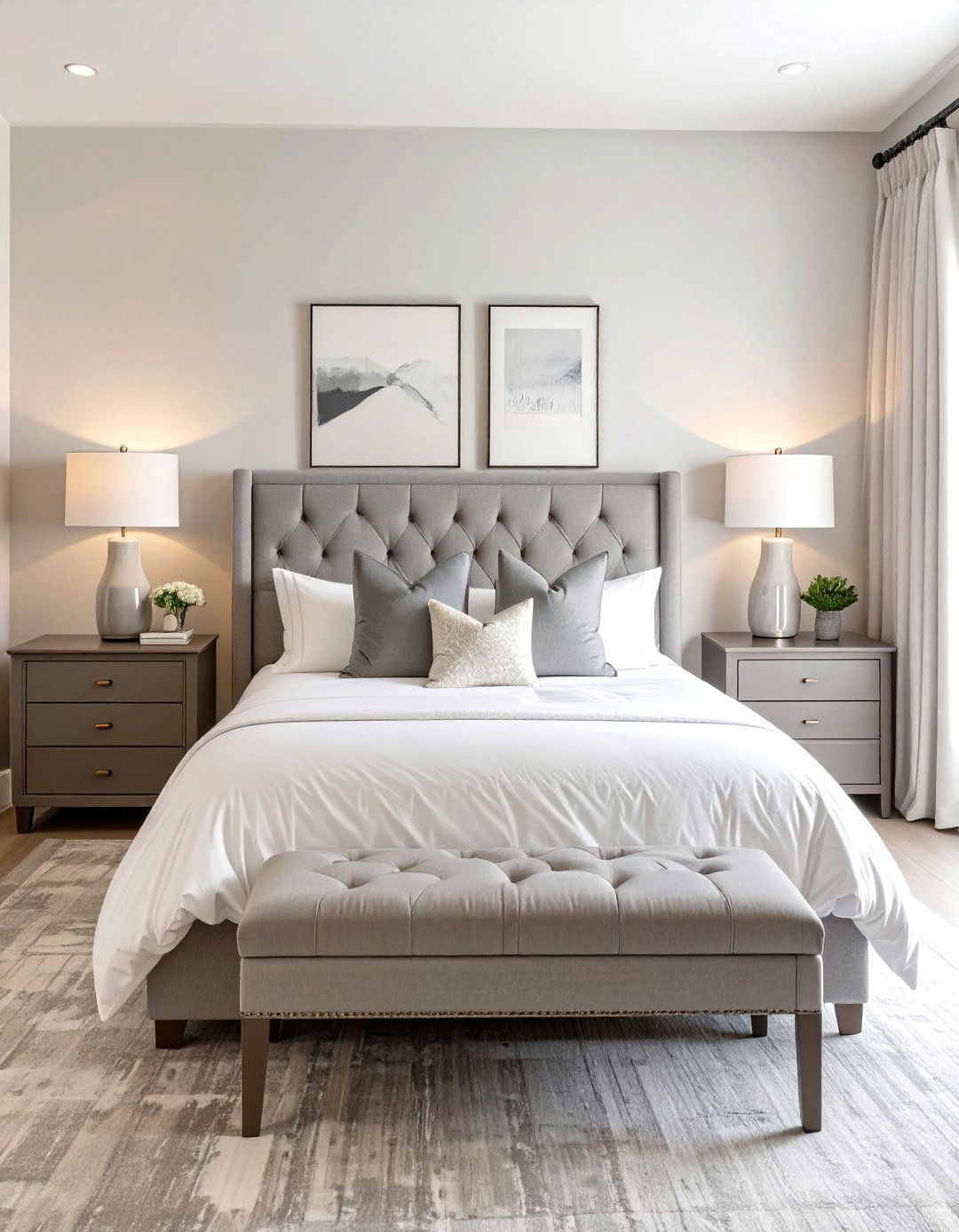
A transitional bedroom should be a sanctuary of calm and comfort. Start with a neutral color palette and layered textures to create a soothing atmosphere. Choose an upholstered headboard with a simple silhouette, perhaps with subtle tufting, to serve as a soft focal point. Flank the bed with matching nightstands and elegant lamps for symmetry. Use high-quality, comfortable bedding in solid colors or with a minimal pattern. Keep accessories to a minimum to maintain an uncluttered feel, ensuring the room is a peaceful retreat that promotes rest and relaxation.
19. Functional and Stylish Storage
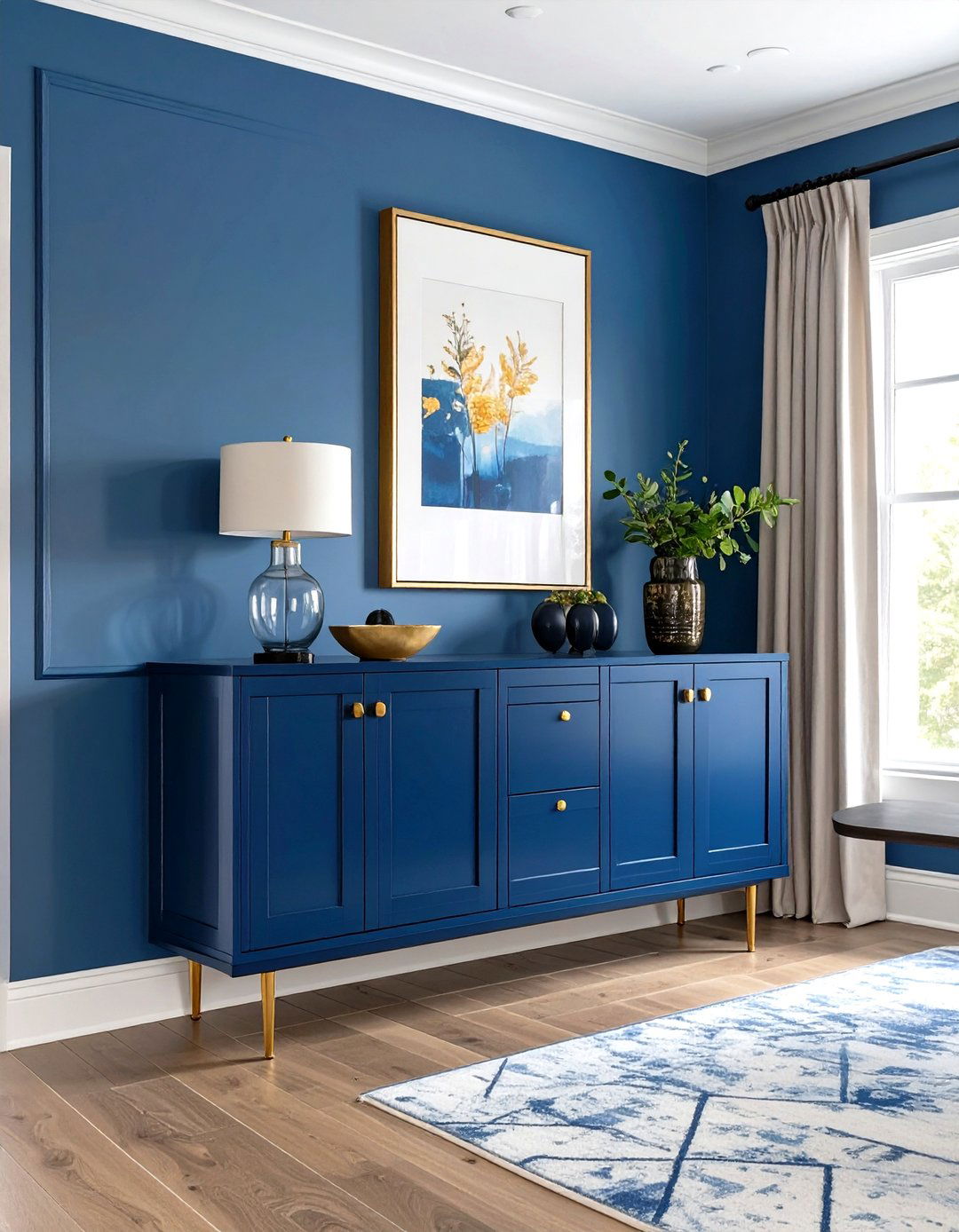
Effective storage is crucial for maintaining the clean, uncluttered look of transitional interior design. Incorporate furniture pieces that offer both style and function, such as a handsome sideboard in the dining room, a chic credenza in the living area, or built-in bookcases. These pieces should feature simple lines and elegant hardware that align with the transitional aesthetic. By providing ample, concealed storage, you can easily keep everyday clutter out of sight, preserving the room's serene and orderly ambiance. This focus on functionality ensures the space is as livable as it is beautiful.


20. The Importance of Negative Space
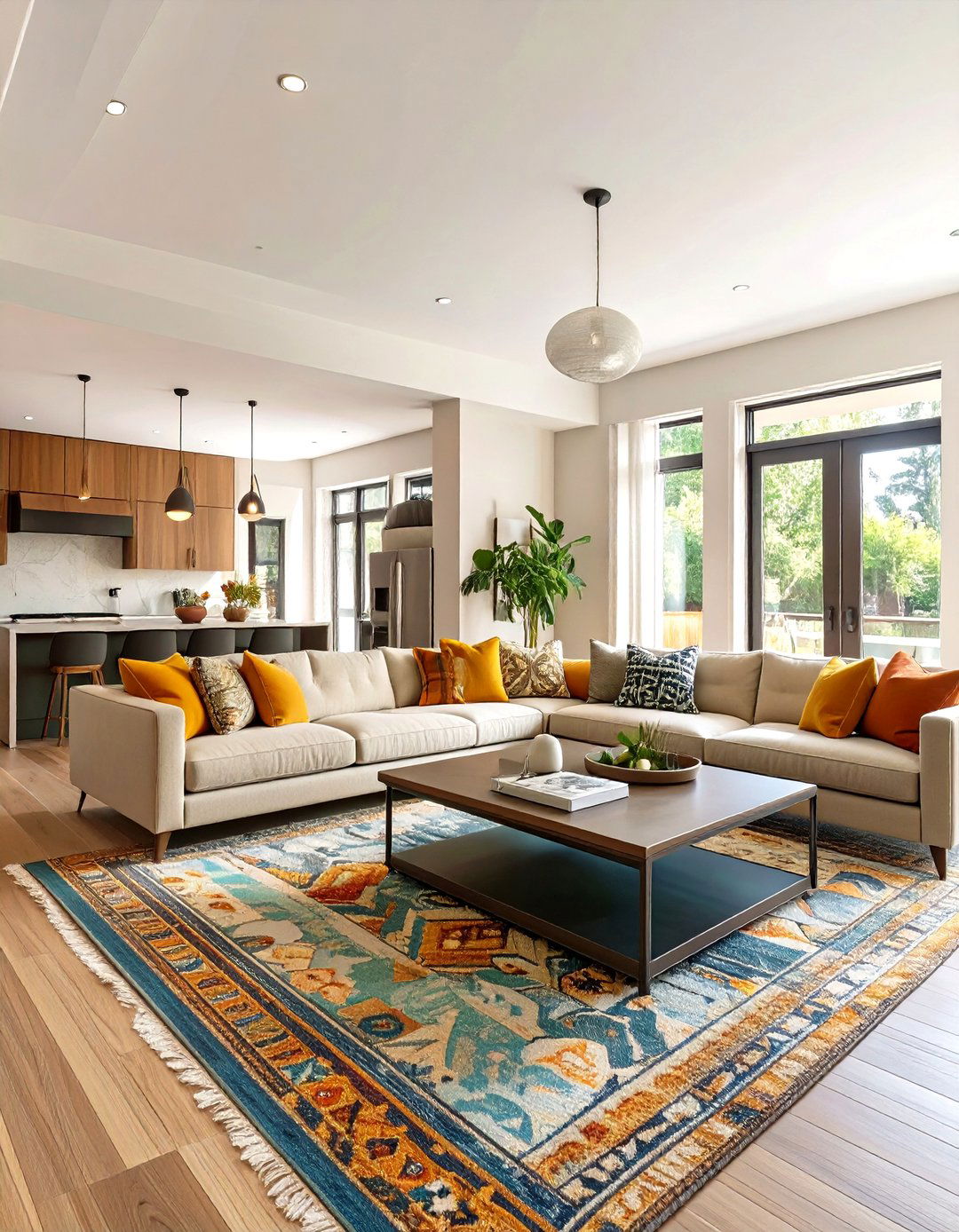
In transitional design, the empty space—or negative space—is just as important as the objects within it. Avoid the temptation to fill every corner and cover every surface. Allowing for open areas around furniture and between decorative elements gives each piece room to be appreciated and contributes to a feeling of calm and spaciousness. This intentional use of negative space is a modern design principle that helps to balance the more traditional elements of the style. It creates a breathable, uncluttered environment that feels sophisticated, restful, and thoughtfully composed.
21. Subtle Metallic Accents
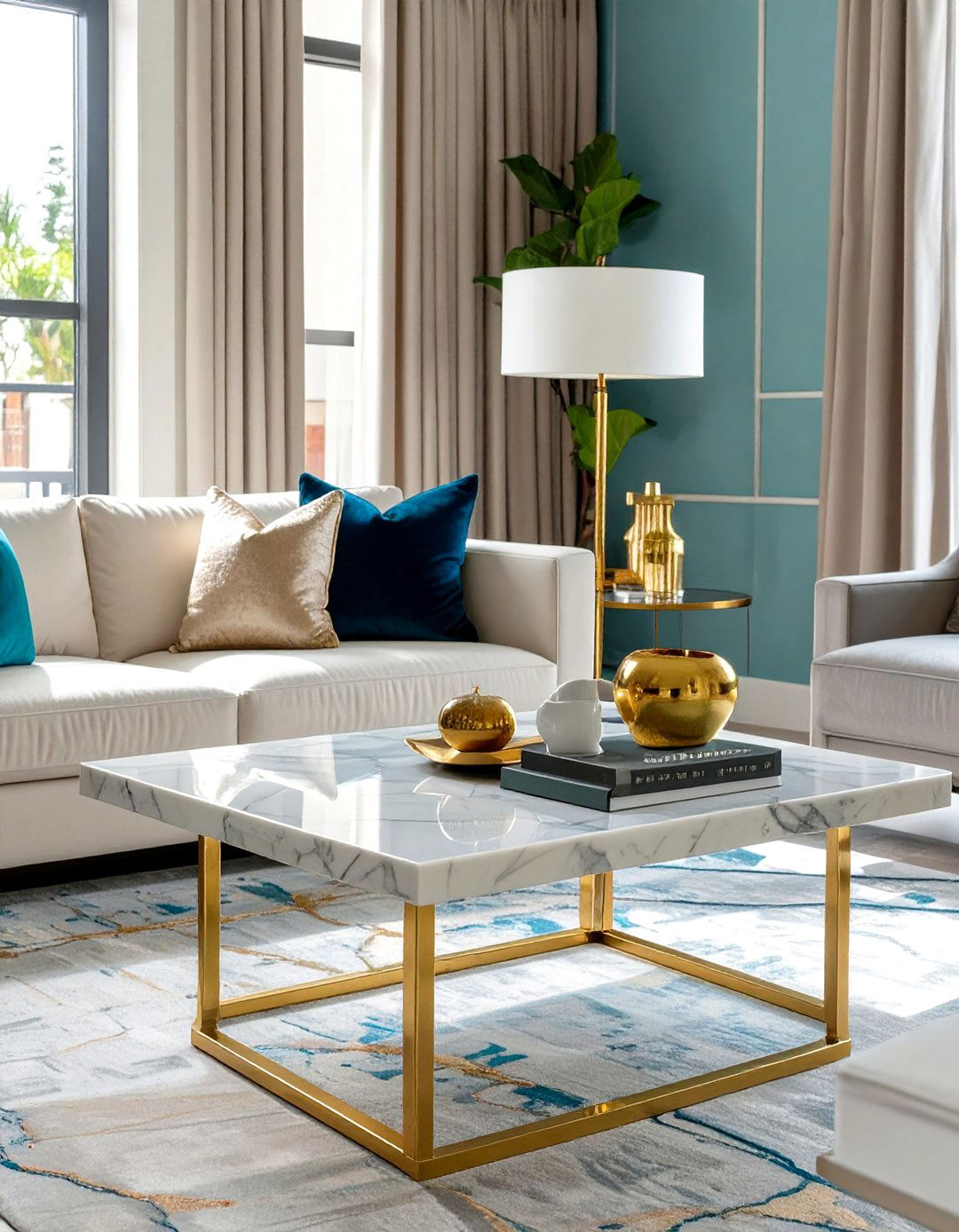
Transitional interiors benefit from the quiet elegance of subtle metallic accents. Instead of large, flashy statement pieces, incorporate metals in smaller doses to add a touch of polish and refinement. Think of the legs on a coffee table, the frame of a mirror, the hardware on a cabinet, or the base of a lamp. Finishes like brushed nickel, satin brass, or oil-rubbed bronze add warmth and sophistication without overwhelming the space. These small touches catch the light and provide a subtle contrast in material, enhancing the overall layered and curated feel of the room.
22. Focus on Quality Over Quantity
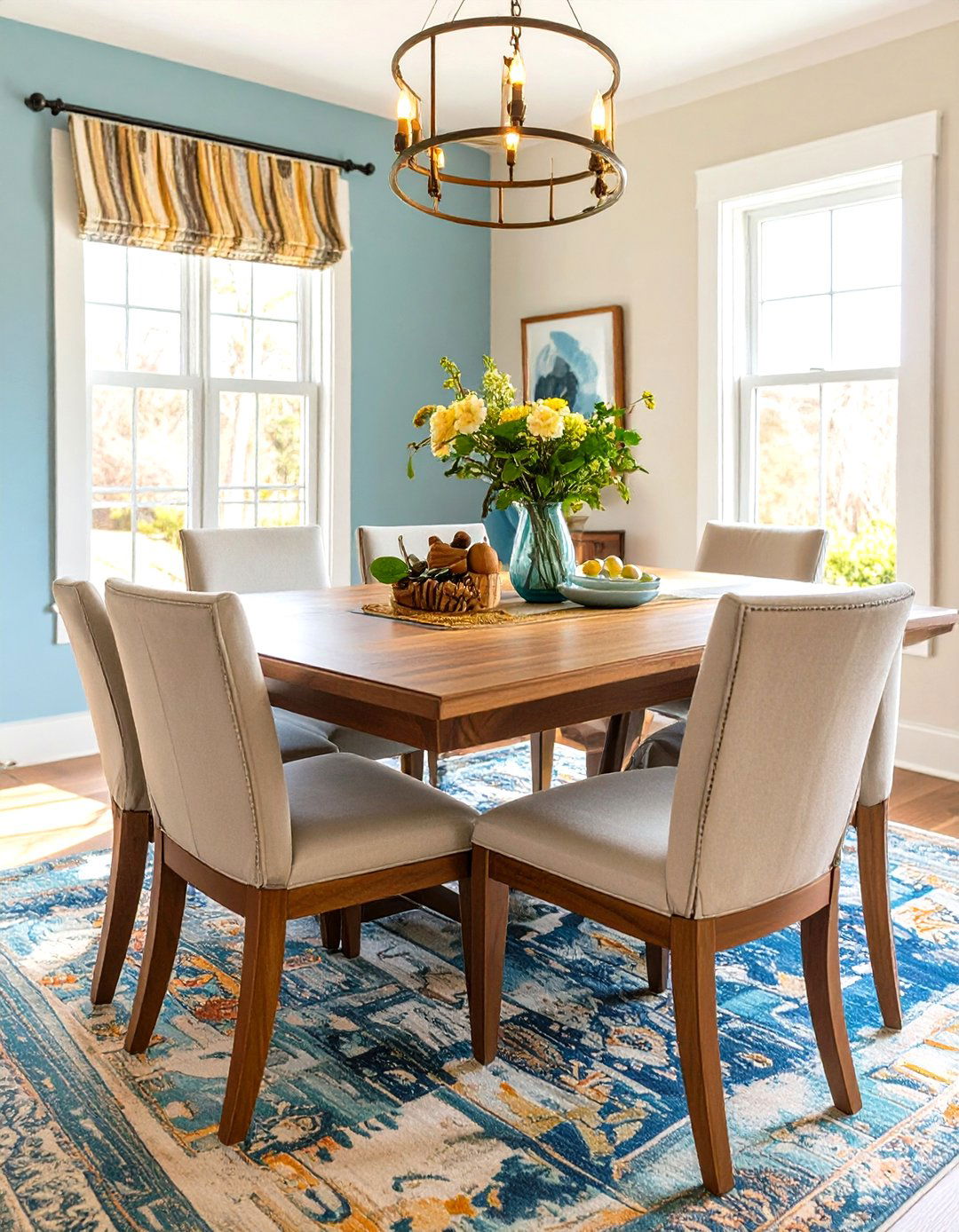
A core tenet of transitional interior design is investing in high-quality pieces that will stand the test of time. Instead of filling a room with trendy, disposable items, focus on acquiring well-made furniture and decor. A solid wood dining table, a beautifully crafted sofa, or a hand-knotted wool rug will serve as timeless anchors for your design. This emphasis on quality over quantity ensures that the space feels substantial, elegant, and enduring. It's about creating a home with pieces that are not only beautiful but also durable and meaningful.
23. Transitional Bathroom Design
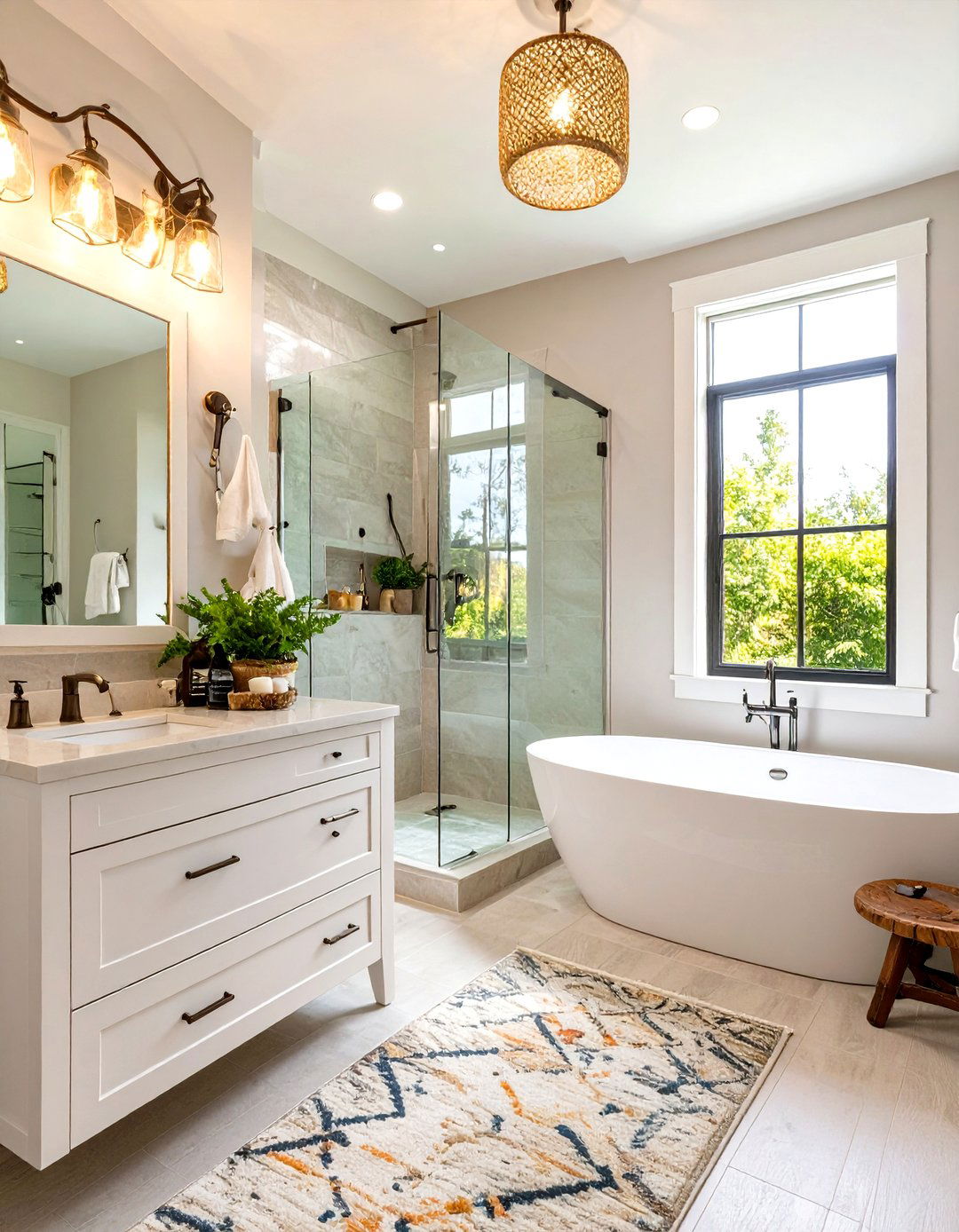
Create a spa-like retreat with a transitional bathroom design. Use classic materials like marble or porcelain tile in modern, large-format applications on the floor and in the shower. Pair a traditional-style vanity, perhaps with Shaker-style doors, with a sleek, contemporary countertop and modern faucets in a polished chrome or brushed nickel finish. A frameless glass shower enclosure maintains a clean, open feel, while a freestanding tub can serve as a stunning focal point that blends classic and modern sensibilities. The result is a bathroom that feels clean, serene, and luxuriously timeless.
24. A Well-Styled Bookshelf
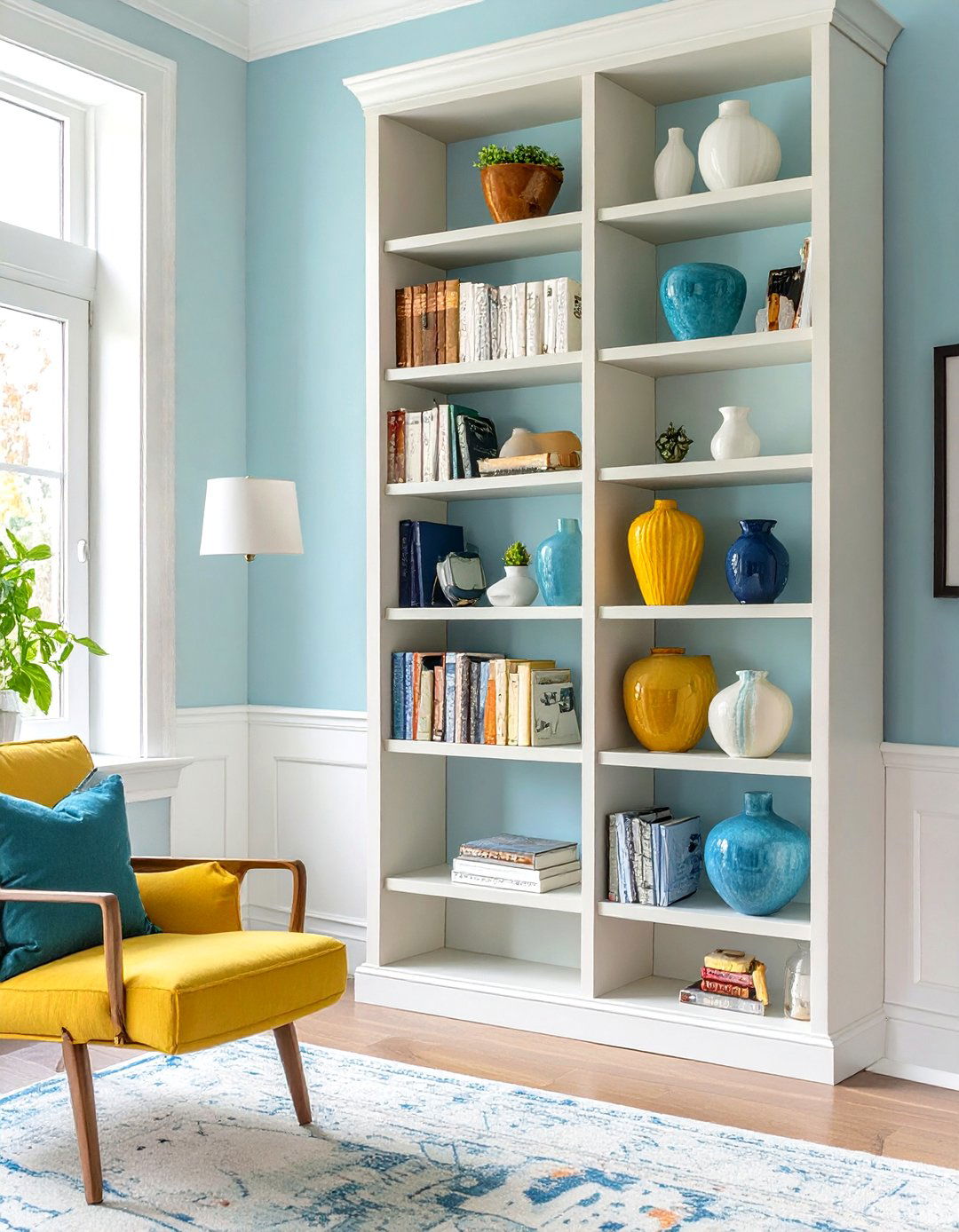
A bookshelf in a transitional space should be more than just storage; it's a curated display. Style your shelves with a mix of books, decorative objects, and personal items. Arrange books both vertically and horizontally to create visual interest. Intersperse them with items like a small sculpture, a framed photo, or a beautiful ceramic vase. Leave some empty space to avoid a cluttered look. This balanced and thoughtful arrangement turns a simple bookshelf into a personalized feature that adds character and sophistication to the room, perfectly reflecting the transitional blend of order and style.
25. The Understated Elegance of Tufting
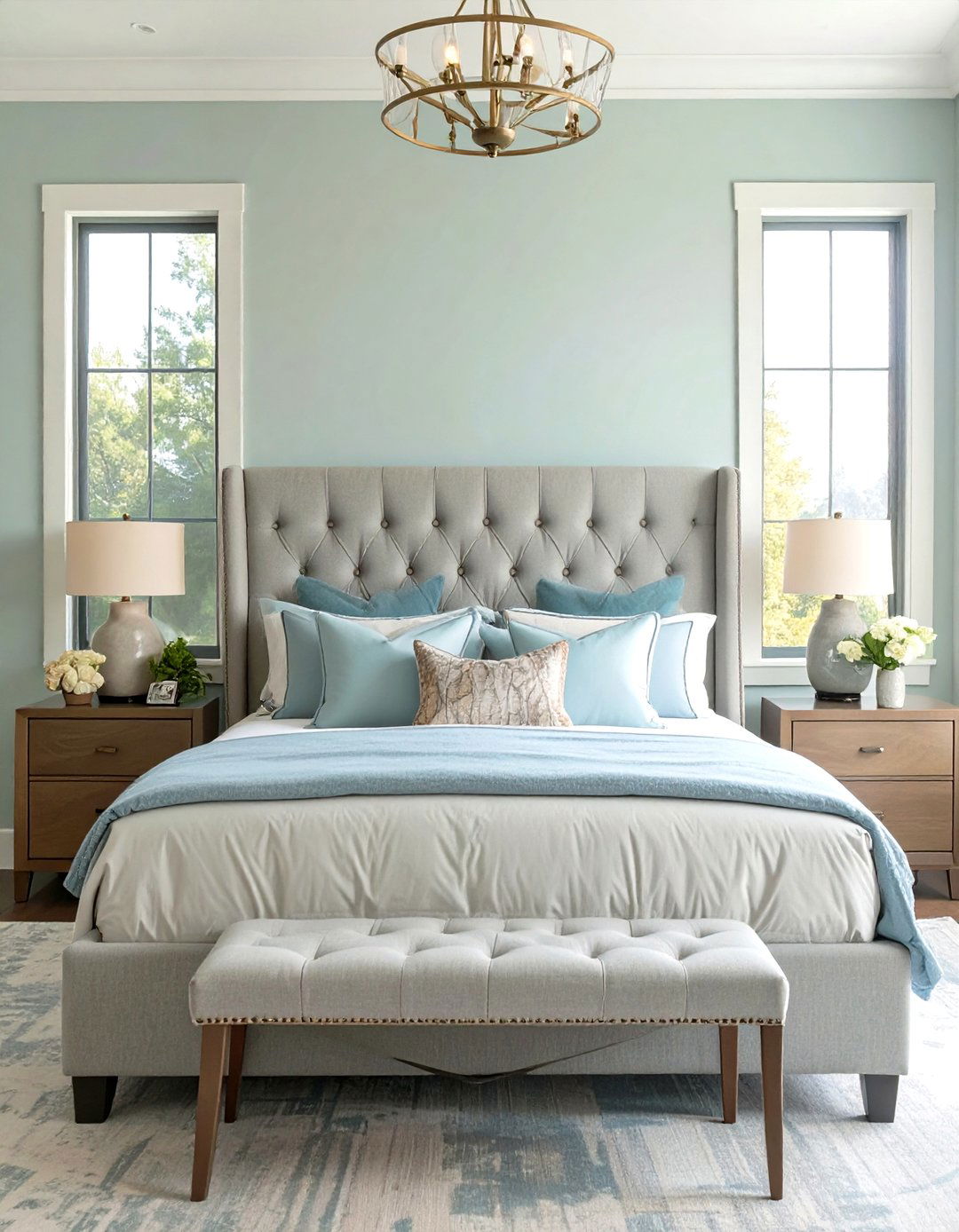
Tufting is a classic detail that can be beautifully incorporated into transitional design. A sofa or headboard with button or biscuit tufting adds a touch of traditional elegance and texture. However, to keep it within the transitional style, opt for a piece with an overall clean, modern silhouette. The tufting should be subtle and tailored rather than deep and dramatic. This detail provides visual interest and a sense of plush comfort without veering into overly ornate territory, perfectly capturing the balance between classic craftsmanship and contemporary simplicity that defines the aesthetic.
26. The Impact of a Single Accent Chair
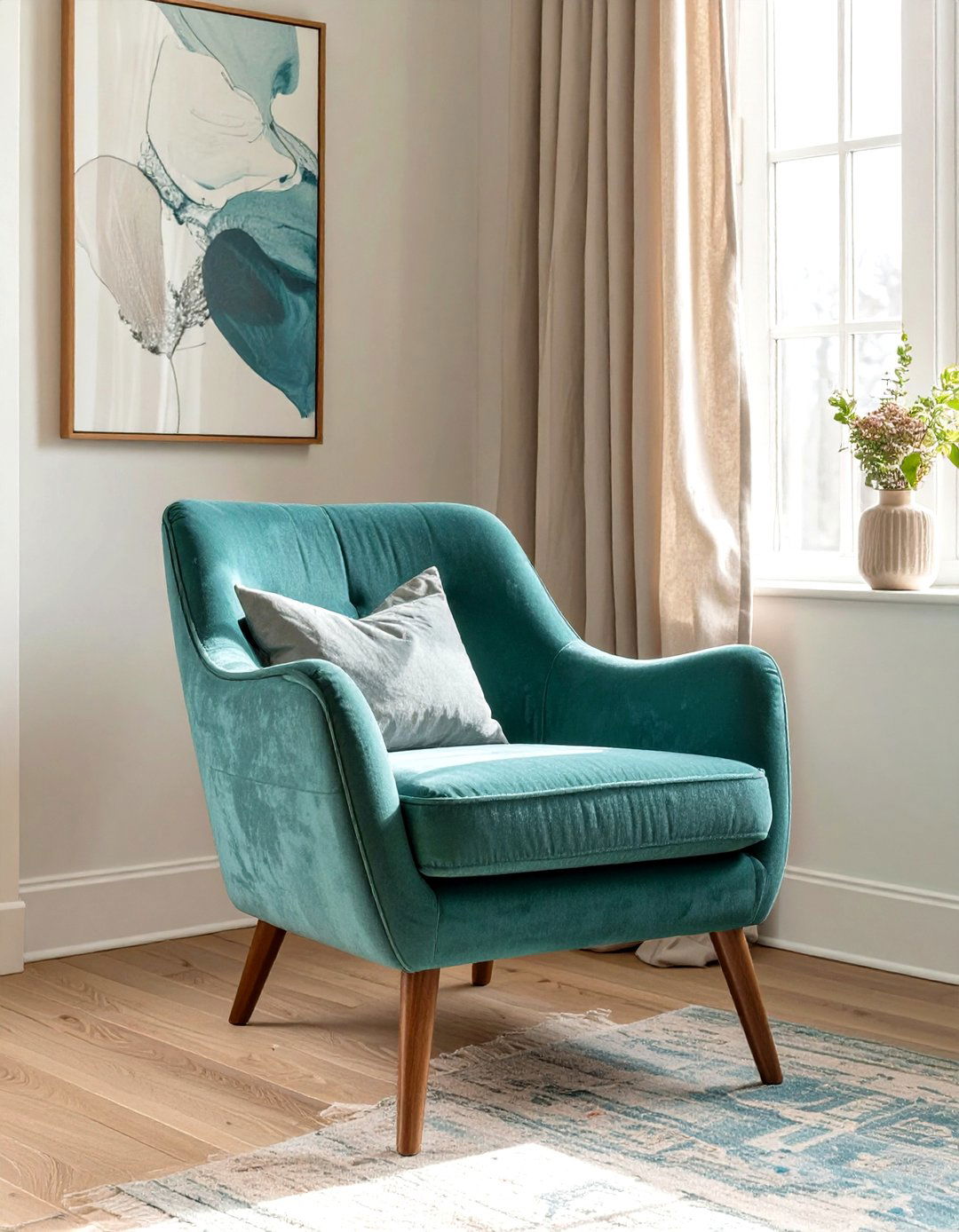
An accent chair is a perfect opportunity to introduce a subtle touch of color or a unique shape into a transitional room. Choose a chair that complements the primary seating but has its own distinct personality. It might feature a slightly more modern silhouette or be upholstered in a fabric with a gentle pattern or a richer hue than the rest of the room's furnishings. Placed in a corner with a small side table and a reading lamp, it can create a cozy, inviting nook. This single piece adds a layer of interest and thoughtful design without disrupting the overall harmony.
27. Modern Art in a Classic Frame
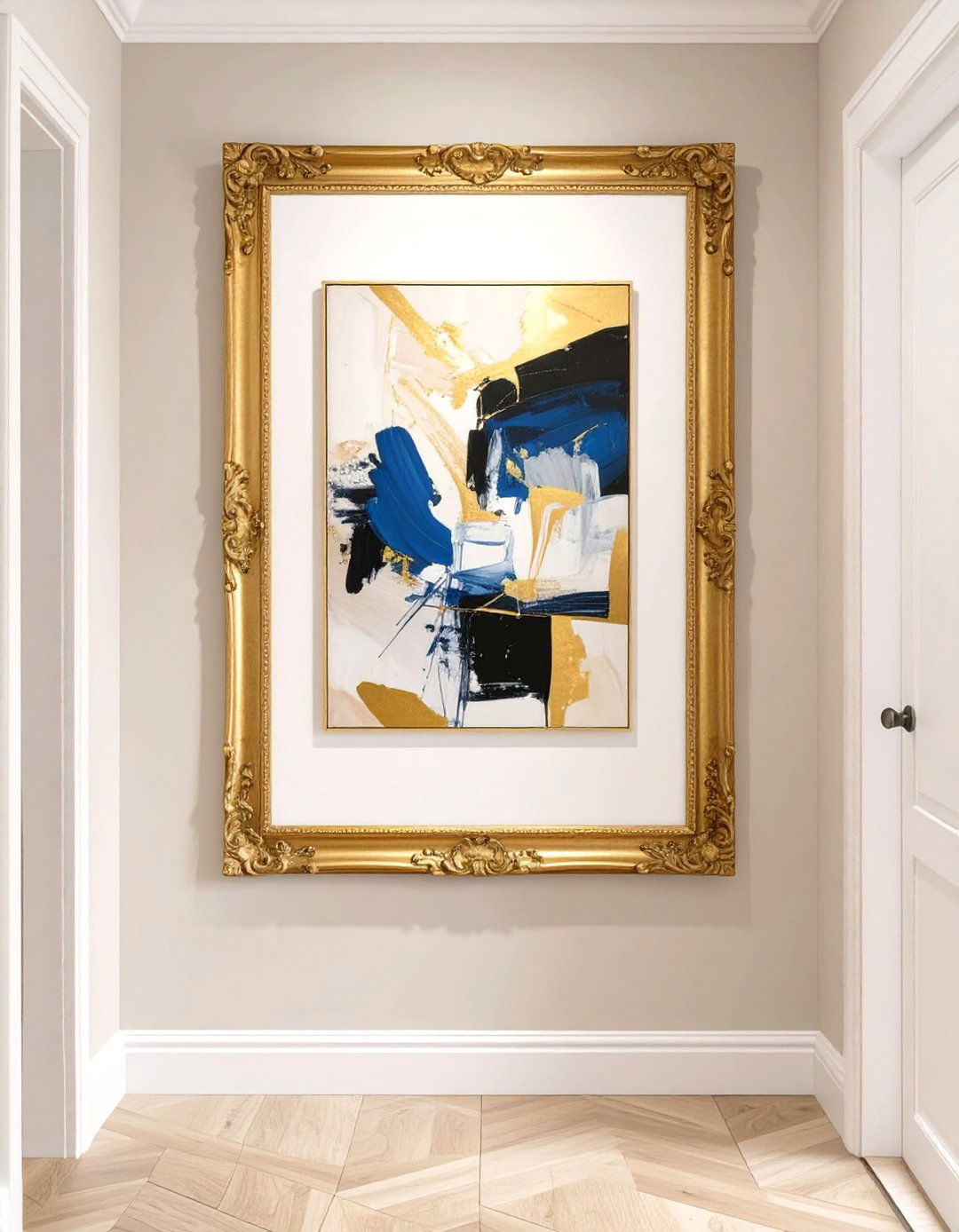
A wonderful way to epitomize the transitional blend is by pairing modern art with a classic frame. Take a bold, abstract painting or a contemporary print and place it in a more traditional frame—perhaps one with some simple, elegant molding or a classic gold or silver leaf finish. The juxtaposition of the new and the old creates a compelling visual statement. This combination highlights the best of both worlds, making the artwork a dynamic focal point that perfectly encapsulates the transitional philosophy of bridging different design eras gracefully and with intention.
28. Simplicity in Bedding and Linens
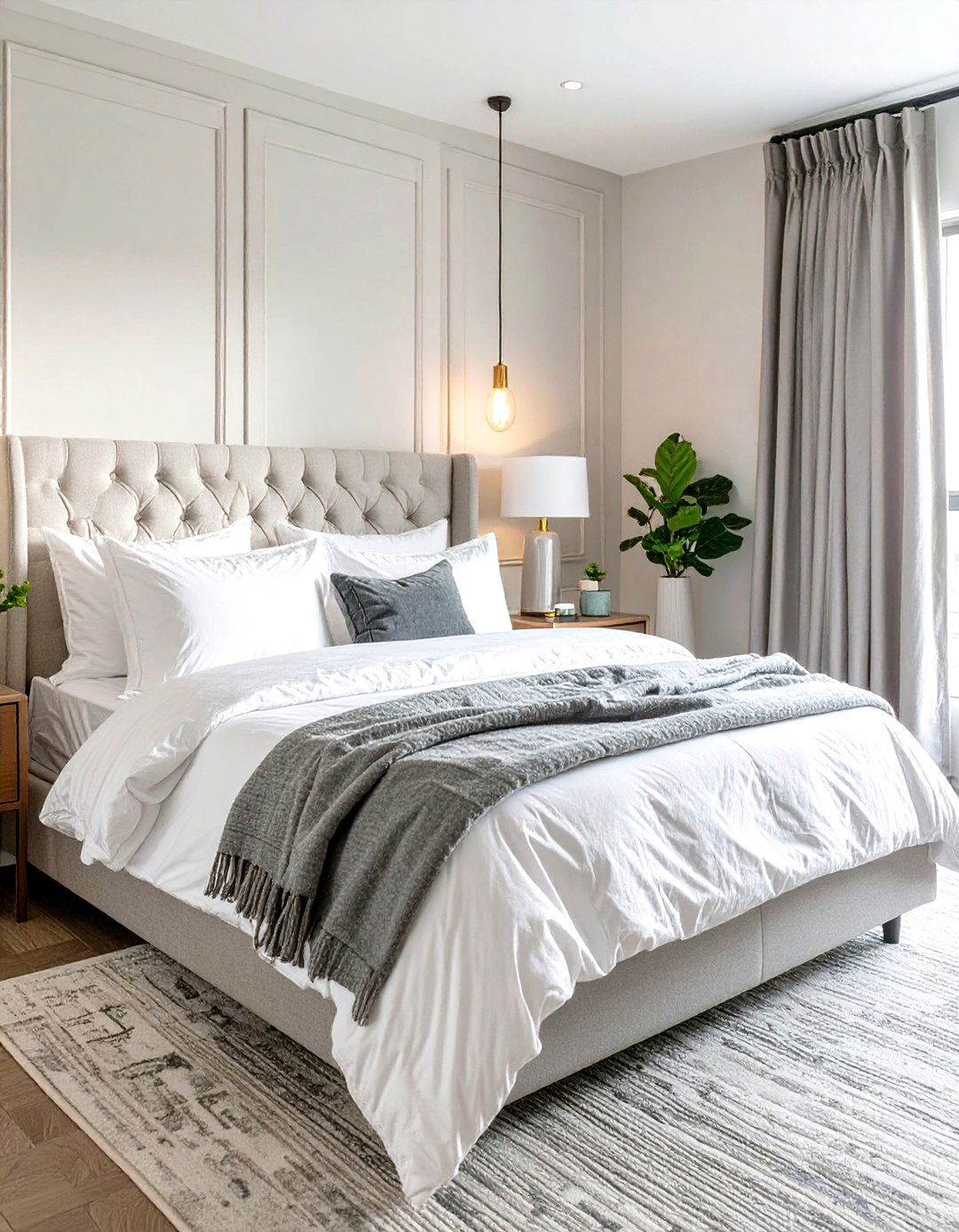
In a transitional bedroom, bedding should be luxurious yet simple. Opt for high-quality linens in solid, neutral colors like white, ivory, or soft gray. Create a layered look with a duvet, a folded quilt or coverlet at the foot of the bed, and a mix of sleeping and decorative pillows. Avoid overly fussy patterns or an excessive number of throw pillows. The goal is to create a bed that looks plush, inviting, and serene. This focus on simple, high-quality textiles enhances the room's tranquil atmosphere and reinforces the transitional emphasis on comfort and understated elegance.
29. Incorporating Organic Shapes
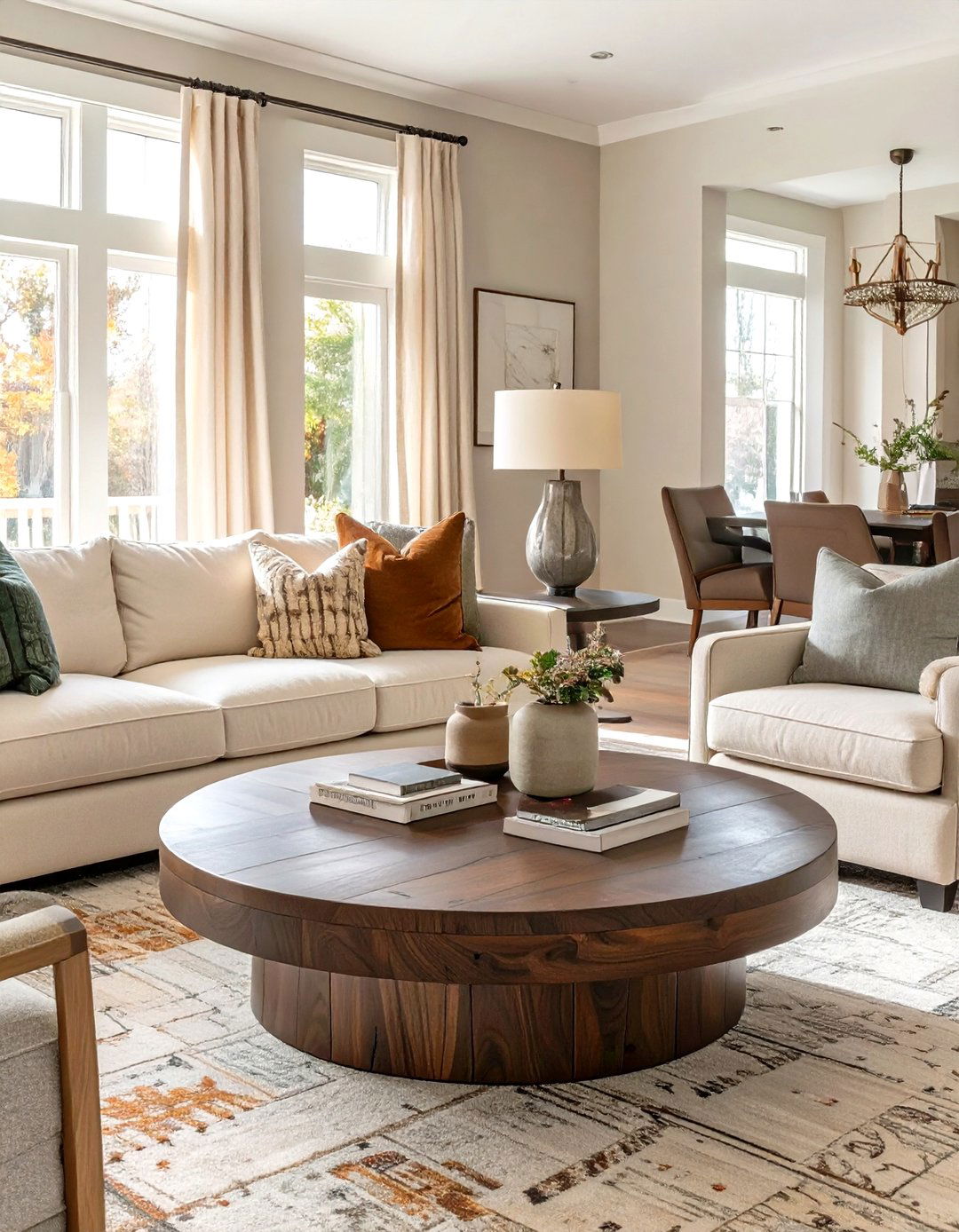
While transitional design leans on clean lines, incorporating pieces with soft, organic shapes can prevent the space from feeling too rigid. Consider a coffee table with a rounded or oval shape, a circular mirror, or a floor lamp with a gracefully arched form. These curved elements soften the straight lines of sofas and architectural features, creating a more dynamic and balanced composition. The gentle curves add a touch of modern sculptural interest and promote a natural, easy flow within the room, enhancing the comfortable and welcoming nature of the transitional style.
30. A Cohesive Flow Between Rooms
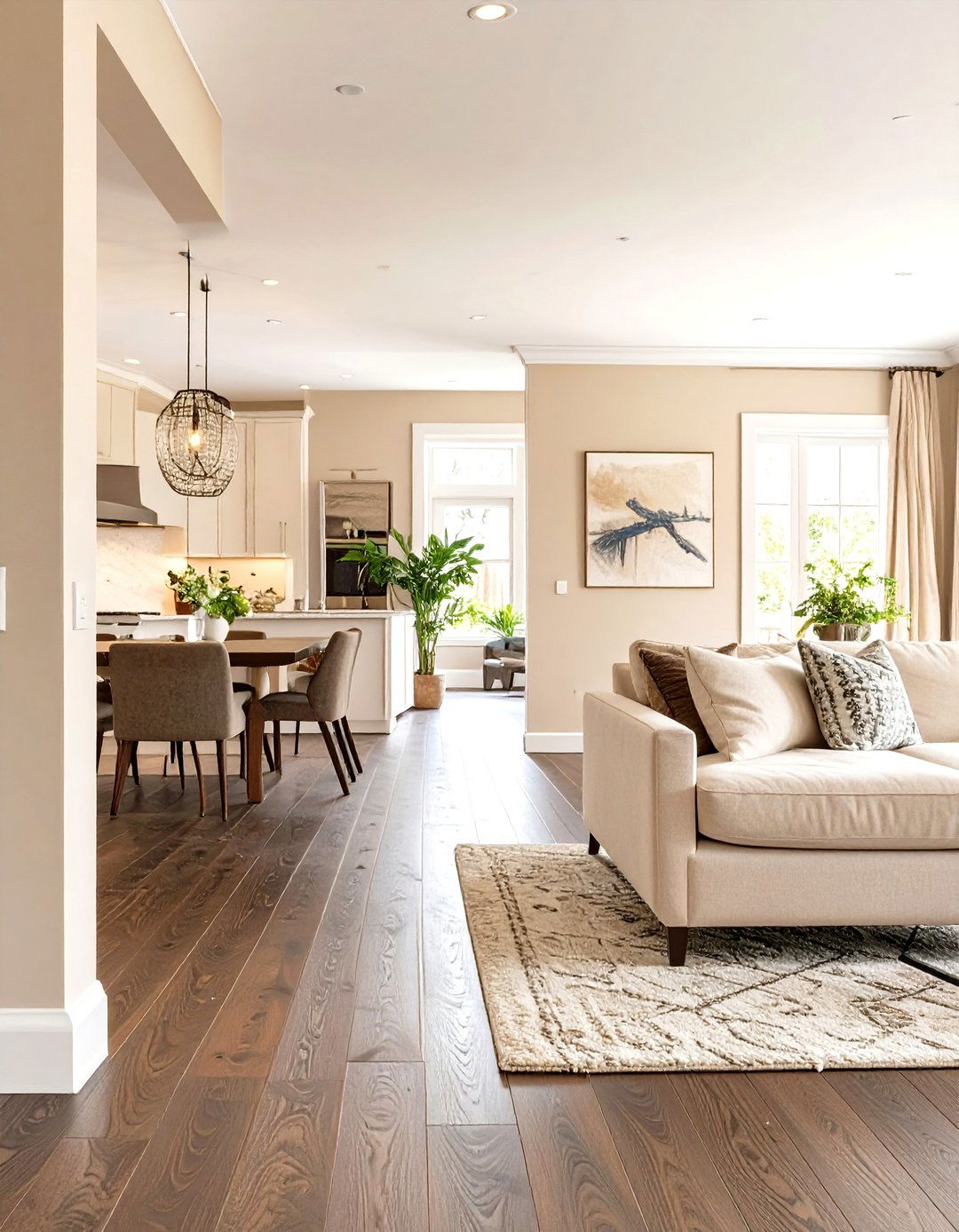
A key success factor in transitional interior design is creating a cohesive and harmonious flow from one room to the next. Maintain a consistent neutral color palette throughout the home, using varying shades and tones to give each space its own identity while ensuring they connect visually. Repeat certain elements, such as a specific metal finish, wood tone, or fabric texture, in different rooms to create a sense of unity. This thoughtful consistency ensures that the entire home feels balanced, intentional, and seamlessly integrated, embodying the organized and serene principles of the transitional aesthetic.
Conclusion:
Transitional interior design successfully marries the grace of traditional aesthetics with the clean confidence of modern style. It creates inviting, comfortable, and sophisticated spaces through a foundation of neutral colors, a rich layering of textures, and a thoughtful balance between curved and straight lines. By focusing on quality, curated decor, and symmetrical arrangements, this approach achieves a timeless appeal that feels both fresh and enduring. It's a versatile and elegant solution for anyone seeking a home that is orderly, serene, and beautifully balanced between the past and the present.

Related posts:

Leave a Reply