
Symmetrical balance is a foundational principle in interior design, creating spaces that feel calm, orderly, and harmonious. It's achieved by arranging elements as a mirror image on either side of a central axis, whether it's a piece of furniture, a fireplace, or an architectural feature. This approach lends a sense of stability and formality to any room, making it feel intentionally designed and visually pleasing. While often associated with traditional styles, symmetrical balance can be adapted to modern and eclectic aesthetics, providing a timeless framework for creating beautiful and cohesive interiors that are easy on the eye.
1. Symmetrical Living Room with Twin Sofas
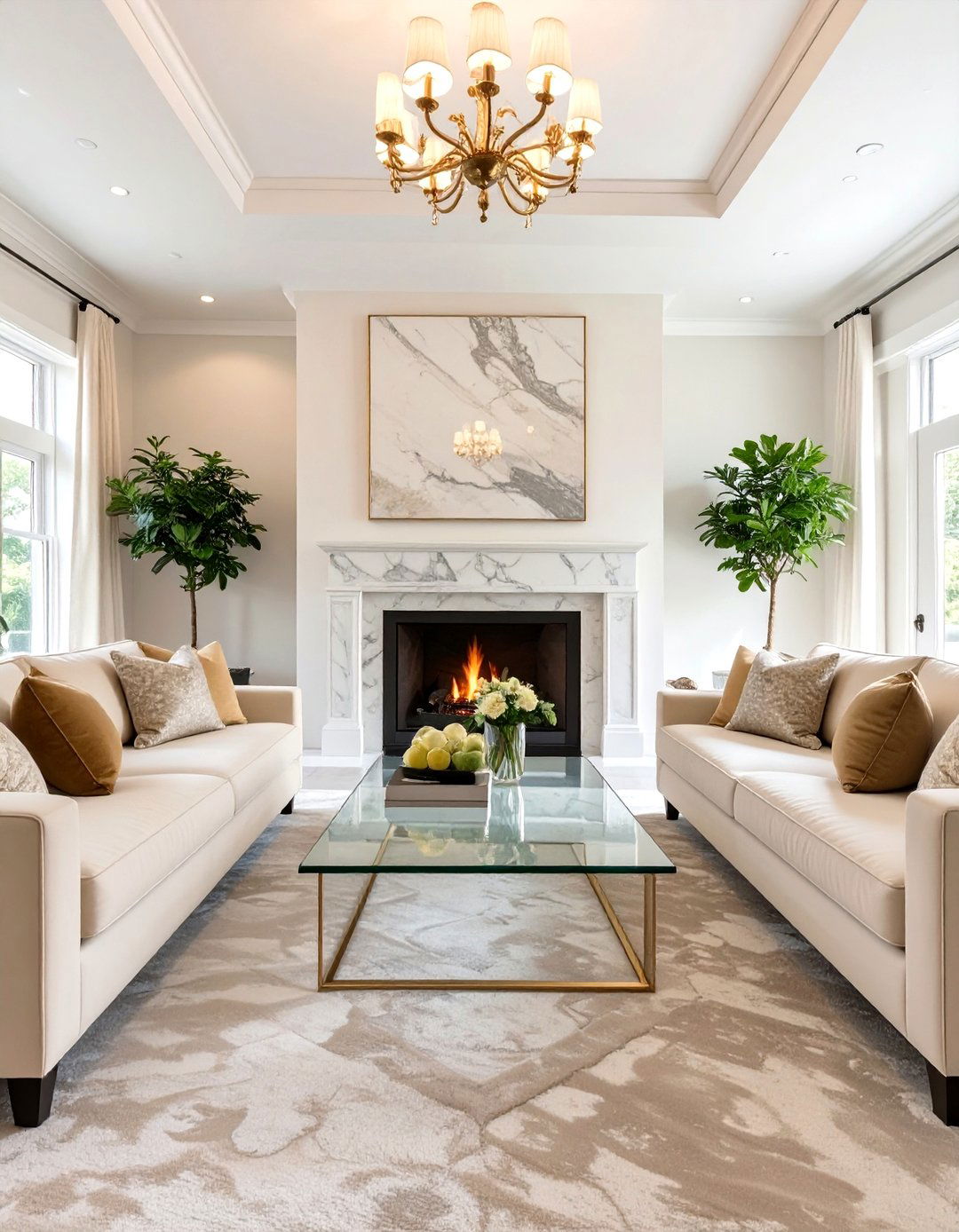
To create a classic and conversational living area, consider placing two identical sofas directly facing each other. This layout establishes a powerful line of symmetry, often centered on a focal point like a fireplace, a large piece of art, or a window with a view. A coffee table placed in the middle anchors the space, reinforcing the balanced arrangement. This setup is not only visually striking but also highly functional, encouraging interaction and creating a formal yet inviting atmosphere. Using matching throw pillows and blankets on each sofa further enhances the mirrored effect, completing this elegant and orderly design.
2. Bedroom Symmetry with Matching Bedside Tables
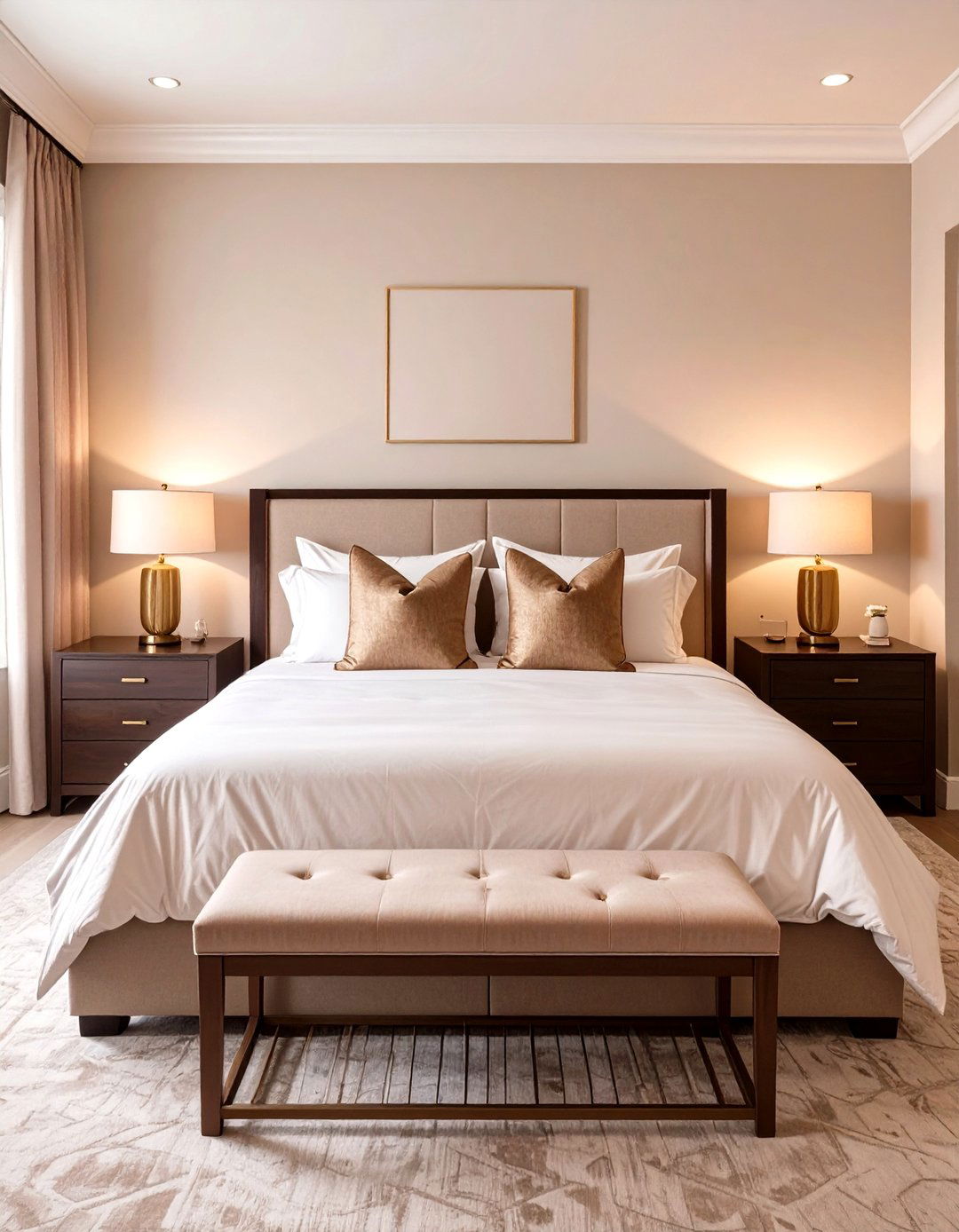
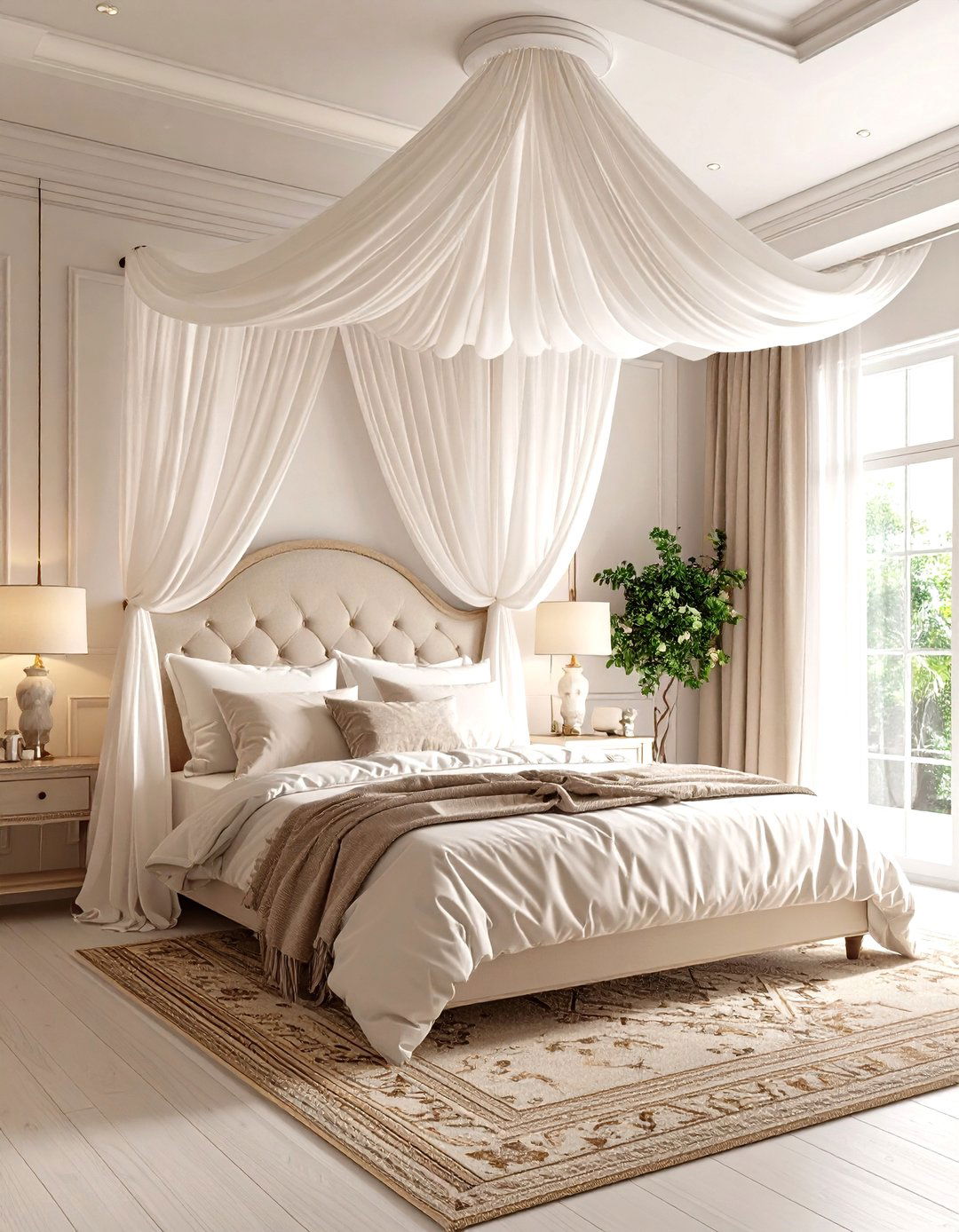
For a serene and restful bedroom, flank the bed with a pair of matching bedside tables. This simple act instantly creates a sense of equilibrium and order, making the bed the undisputed focal point of the room. Top each table with identical lamps to cast an even, welcoming glow and reinforce the symmetry. To further commit to the look, add similar decorative objects to each nightstand, like a small plant or a stack of books. This classic arrangement is timeless, promoting a feeling of calm and stability that is perfect for a space dedicated to relaxation and sleep.
3. A Formal Dining Room with Symmetrical Chairs
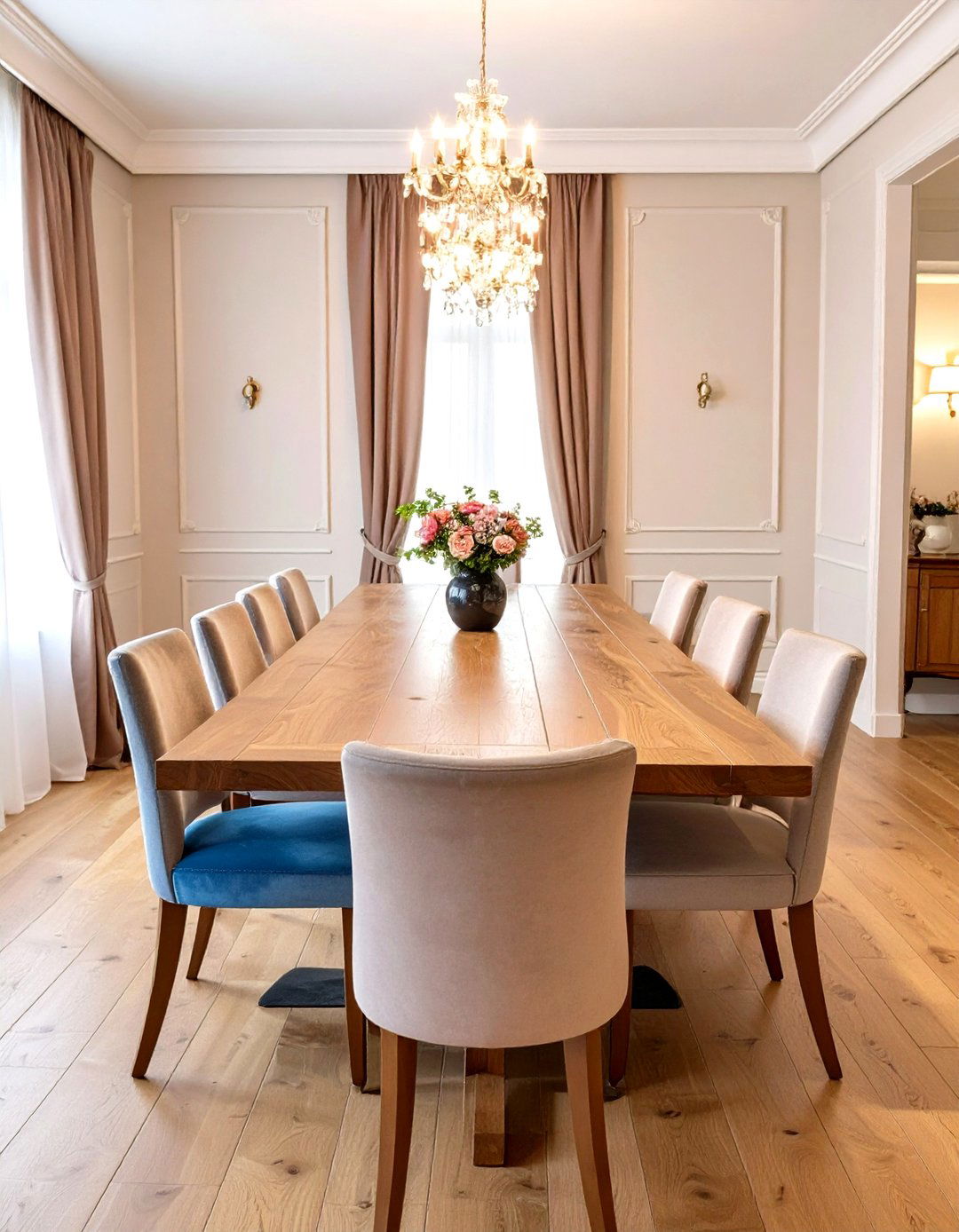
Achieving symmetrical balance in a dining room is straightforward by arranging an equal number of identical chairs on each long side of the table. This creates a clean, organized look that feels both formal and welcoming for guests. The central axis is the dining table itself, with each side perfectly mirroring the other. For added emphasis, you can place identical host chairs at either end of the table. This structured layout not only looks aesthetically pleasing but also facilitates balanced conversation across the table, making it ideal for dinner parties and family gatherings where order and elegance are desired.
4. Dual Armchairs Flanking a Fireplace
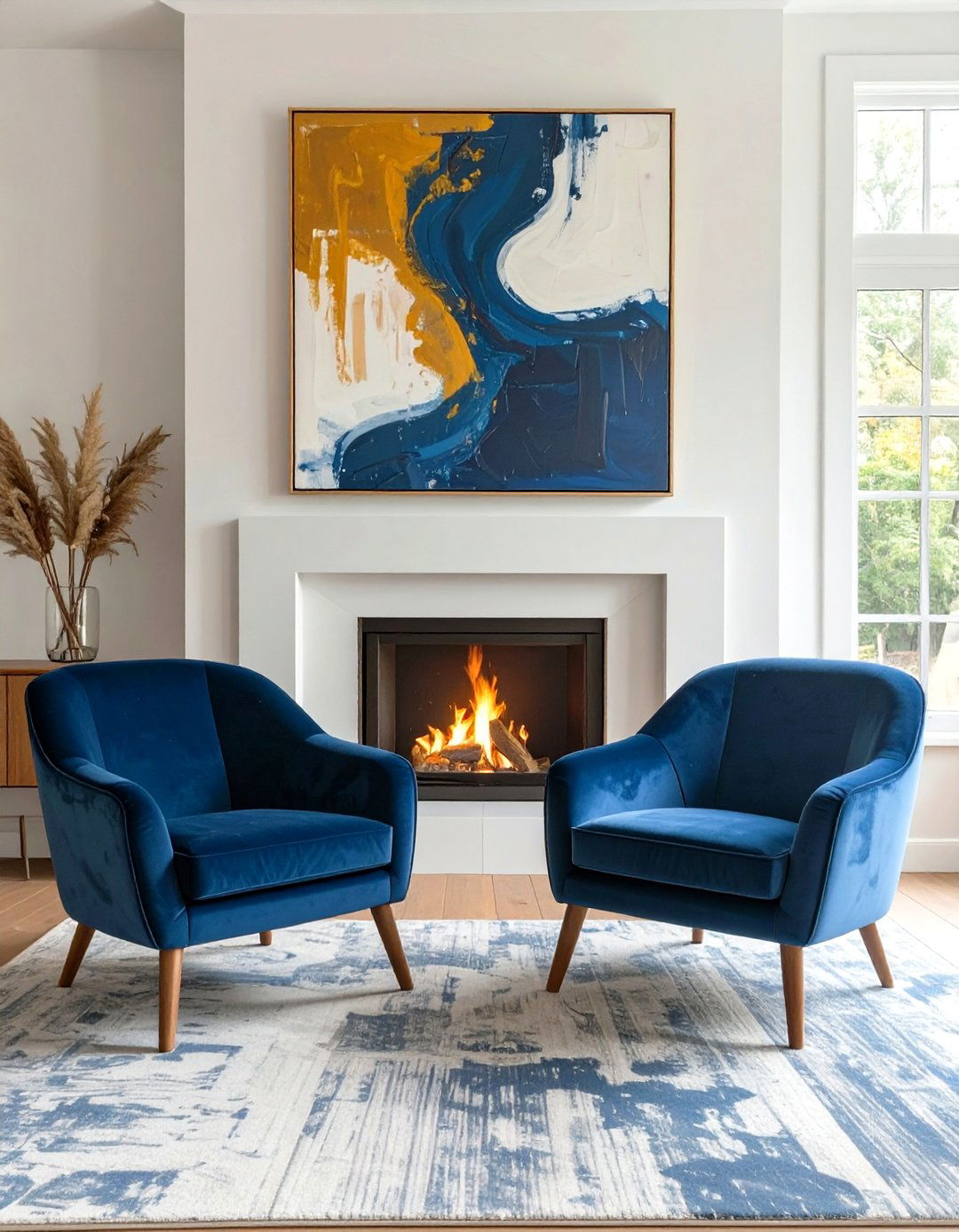
A fireplace naturally serves as a powerful focal point, and flanking it with two identical armchairs is a perfect way to leverage its prominence. This arrangement creates an inviting and balanced conversation nook, ideal for cozy evenings. Place a small accent table between the chairs or one beside each to hold a drink or a book. The key is to ensure the chairs are of the same style, size, and color to maintain the mirrored effect. This classic design choice adds a touch of sophistication and comfort, transforming the hearth into the true heart of the home.
5. A Perfectly Symmetrical Gallery Wall
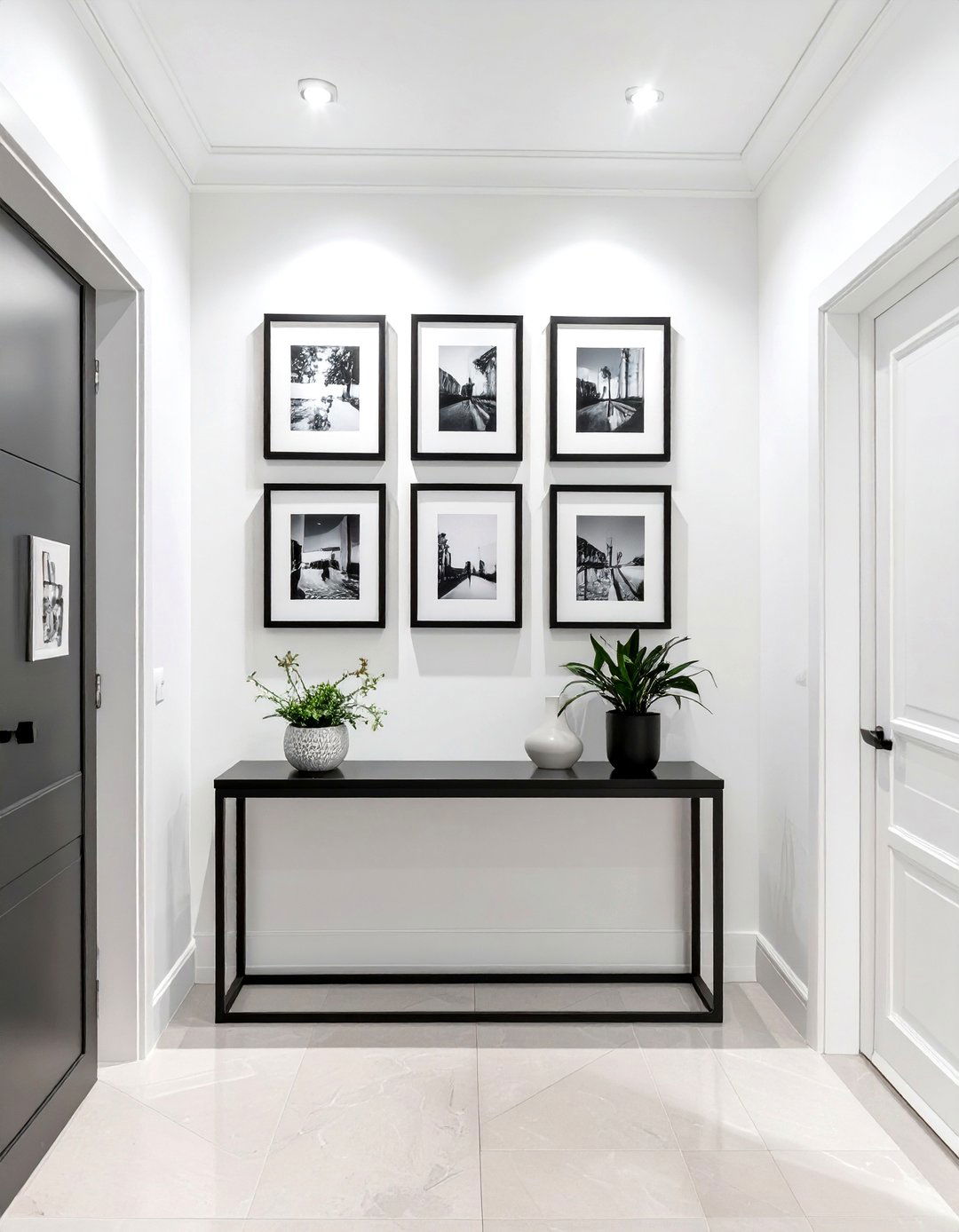
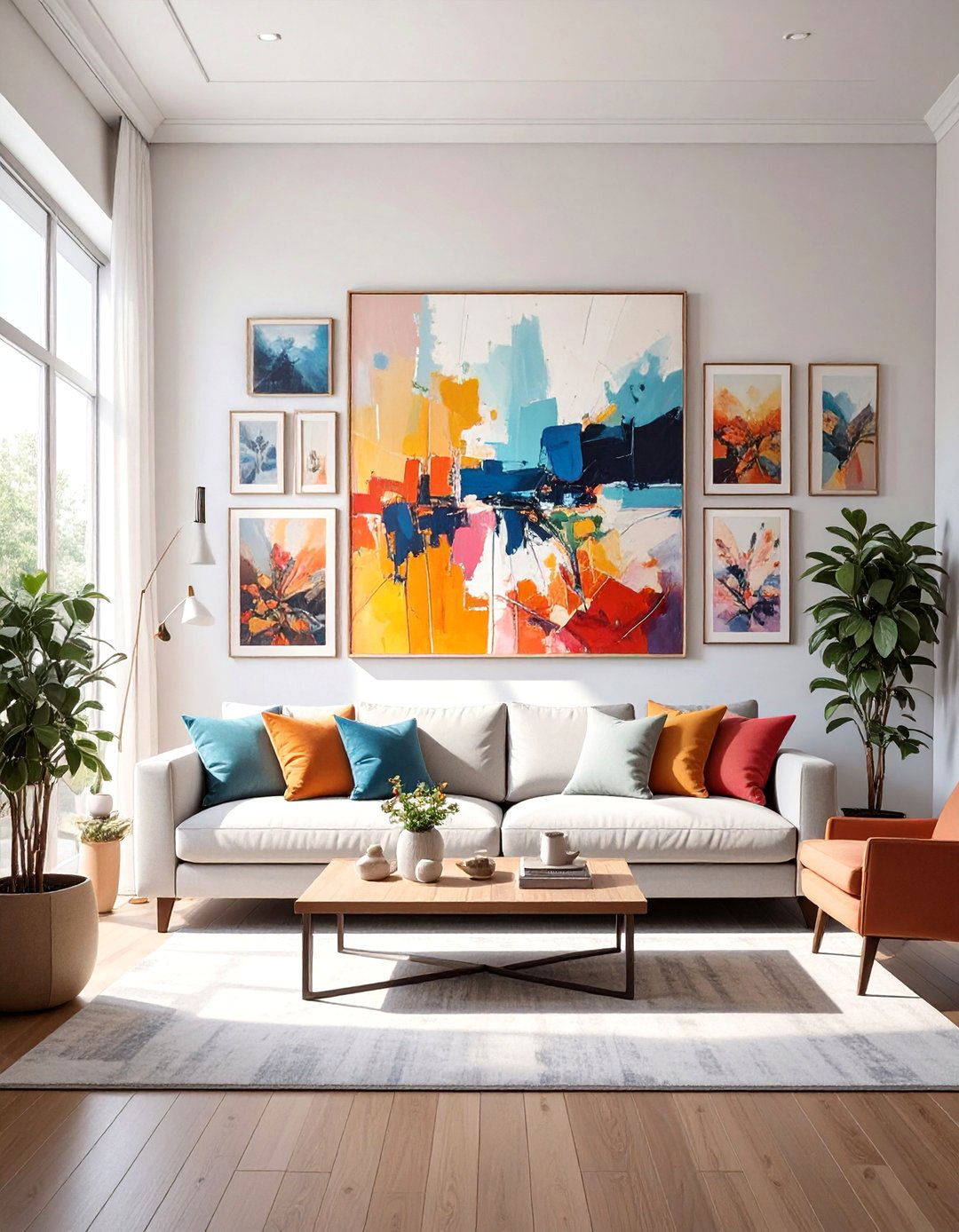
What might seem complex is actually a straightforward way to achieve balance. A symmetrical gallery wall involves arranging a collection of art in a mirrored layout. Start by establishing a central vertical line, then hang frames of the same size and orientation on either side, as if reflecting each other. This creates a highly structured and formal display that feels intentional and curated. To execute this, use a central large piece as an anchor or simply divide the wall space in half. This technique brings a sense of order to a collection of artworks, turning a blank wall into a sophisticated feature.
6. Matching Lamps on a Console Table
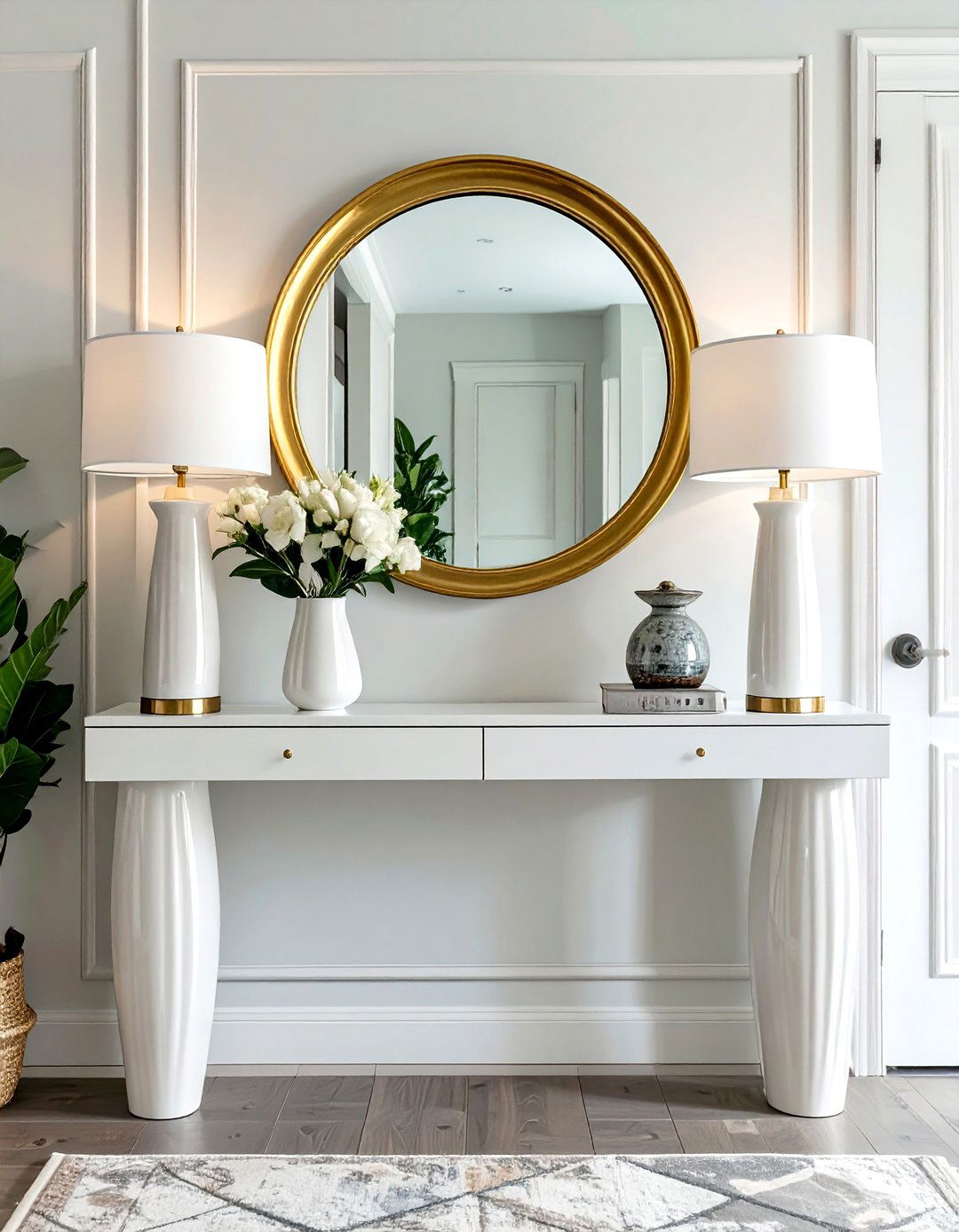
An entryway or hallway console table provides a fantastic opportunity for symmetrical design. Placing a pair of identical lamps at either end of the table instantly creates a sense of balance and visual appeal. This simple setup frames the space above the table, which is perfect for a central mirror or piece of art. The lamps not only provide ambient lighting but also act as bookends, giving the arrangement a polished and complete look. This technique is easy to implement and makes a strong first impression, signaling a thoughtfully designed home from the moment someone walks in.
7. Paired Bookcases for a Symmetrical Study
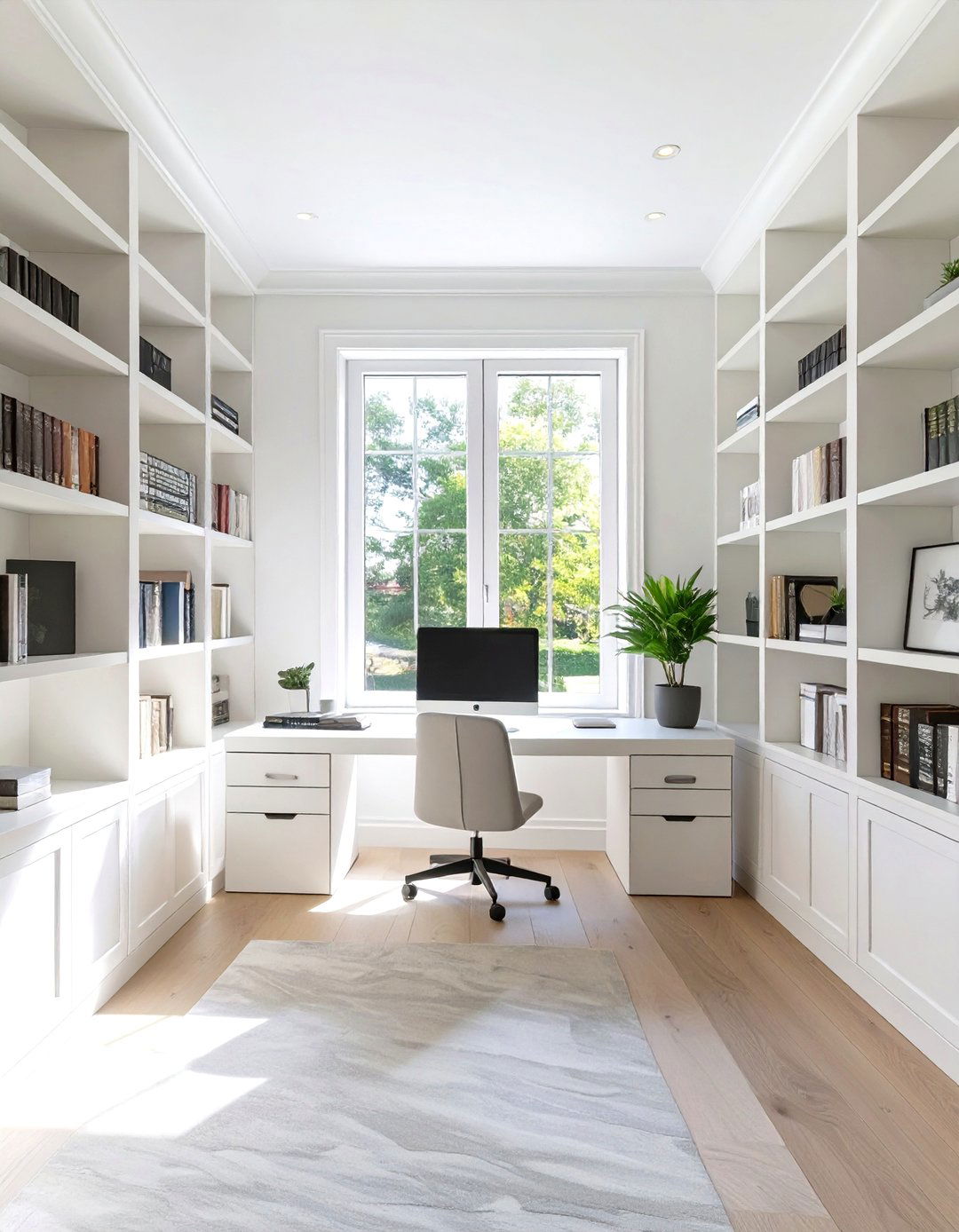
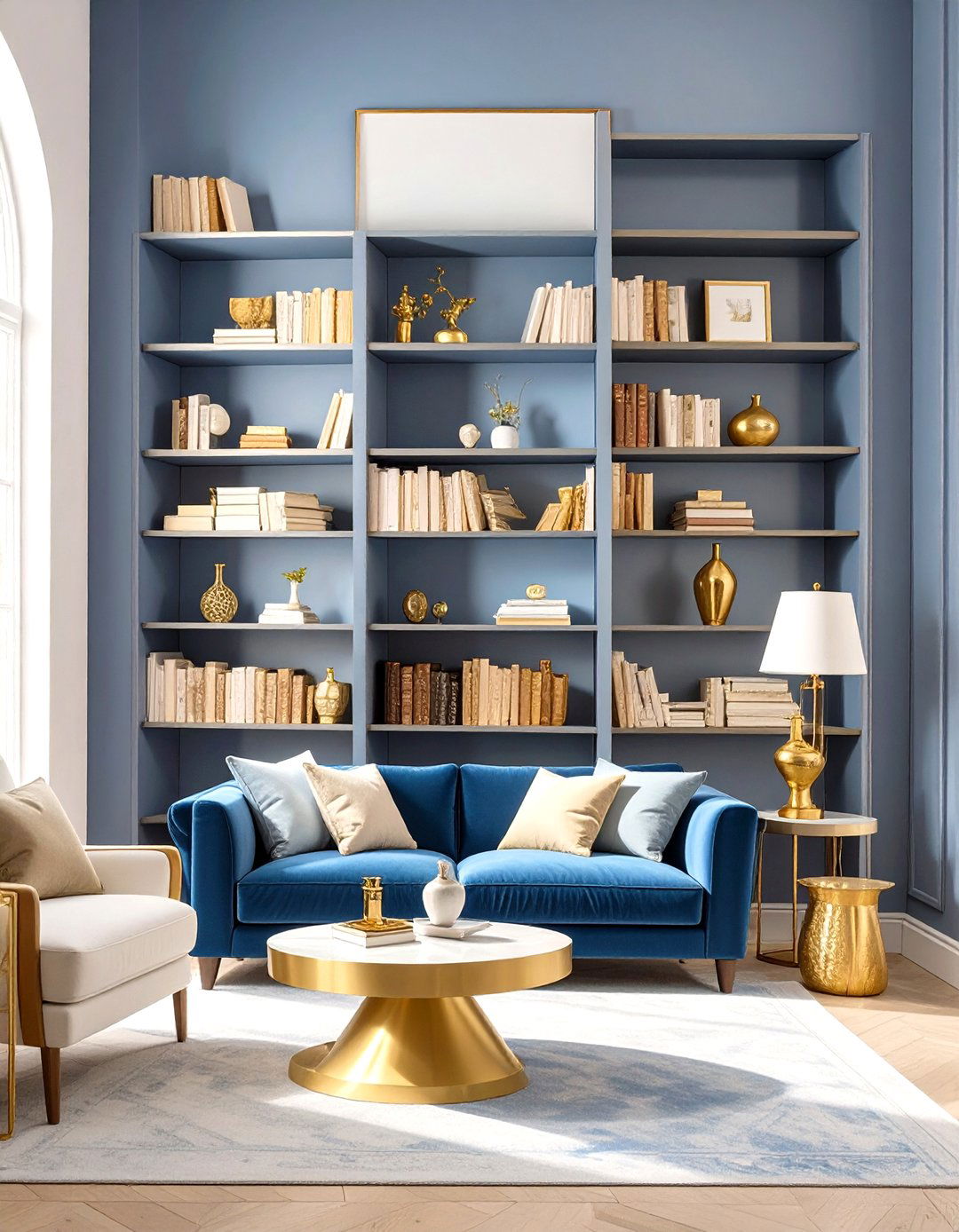
In a home office, study, or living room, flanking a doorway, window, or desk with a pair of identical bookcases creates a powerful statement of order and intellect. The visual weight of the two units provides a grounding effect, making the room feel established and grand. To enhance the symmetry, style the shelves in a mirrored fashion. For instance, if you place a large vase on the top left shelf of one bookcase, place a similar one on the top right shelf of the other. This meticulous approach results in a refined, library-like atmosphere that is both beautiful and functional.
8. Symmetrical Kitchen Island Seating
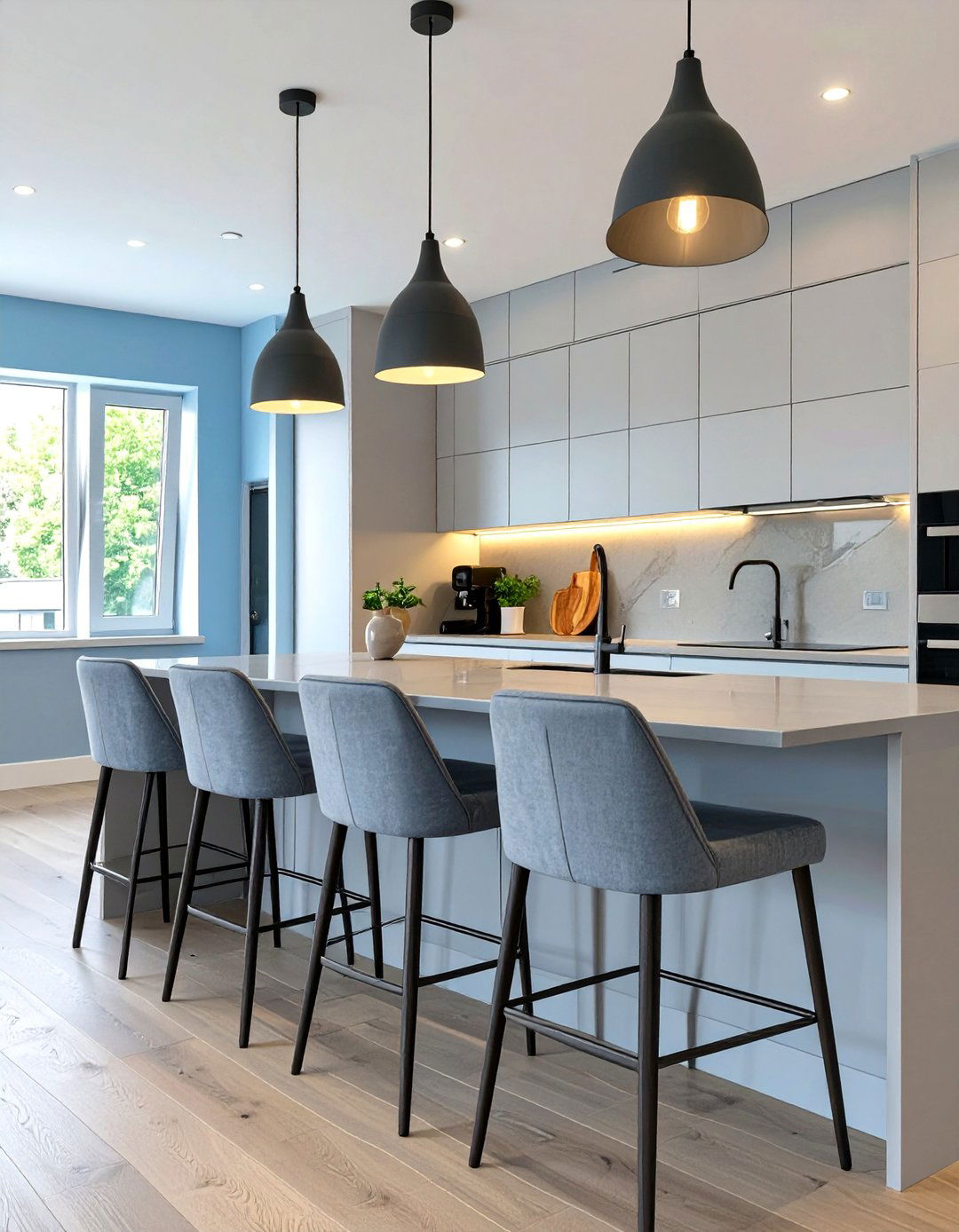
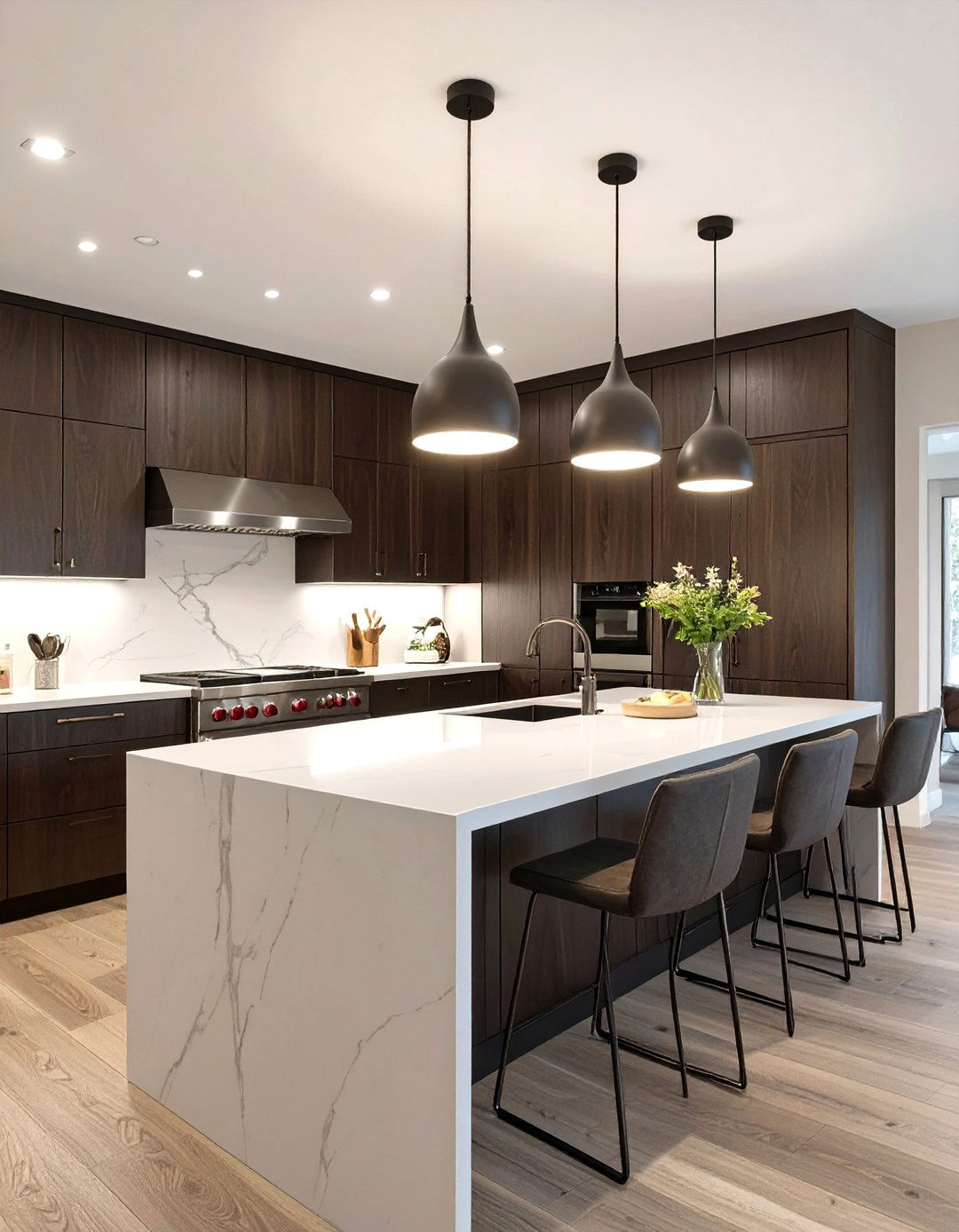
To bring symmetrical balance into the heart of the home, arrange an even number of identical stools along one side of a kitchen island. This simple placement creates a clean, orderly, and inviting seating area. Typically, four or two stools work best, depending on the island's length, allowing for a clear central point. The repetition of the stools provides a pleasing visual rhythm and enhances the kitchen's functionality as a social hub. This approach contributes to a tidy and uncluttered look, reinforcing the kitchen’s role as an organized and efficient workspace that is also welcoming.
9. Twin Vanities in a Primary Bathroom
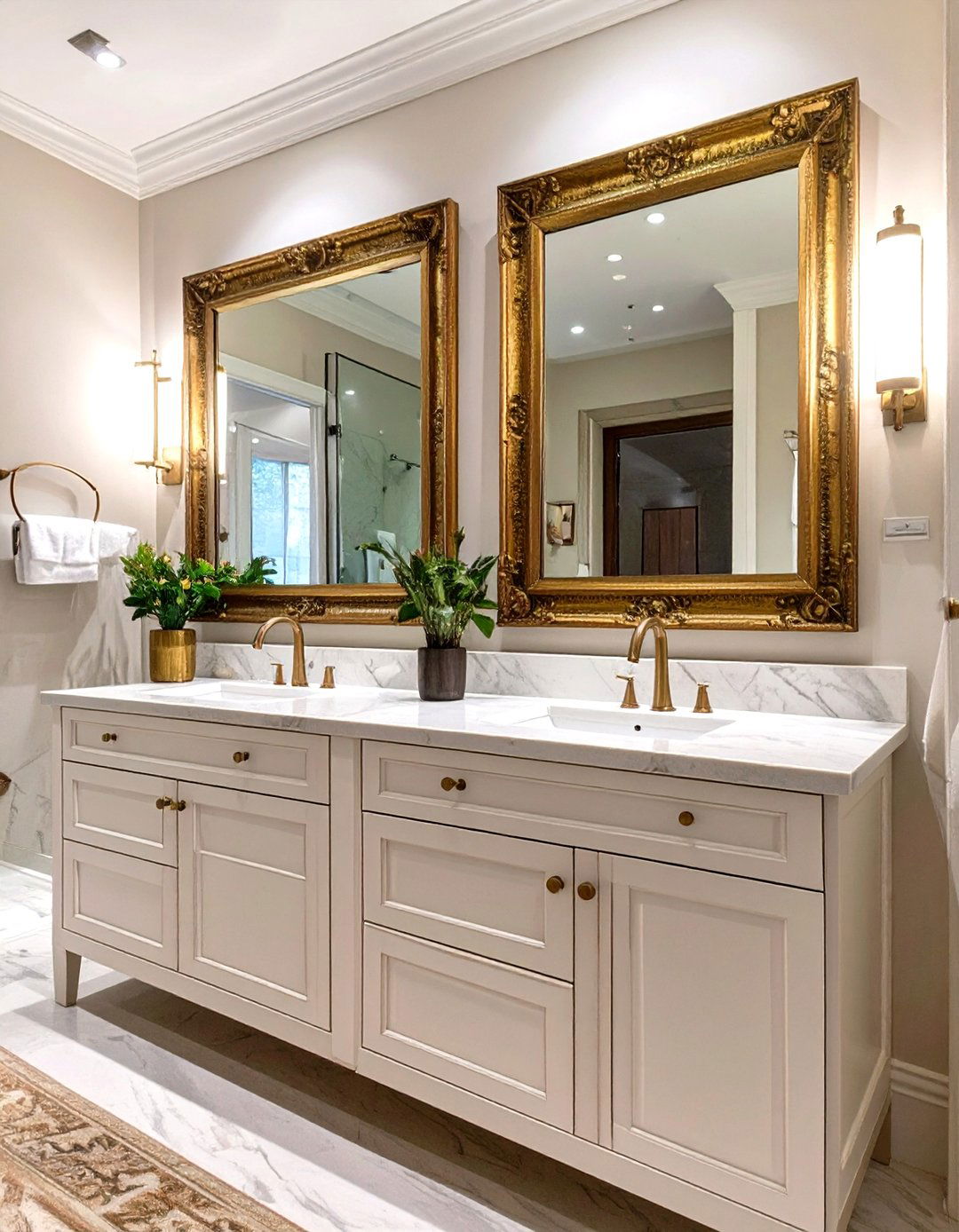
For a touch of luxury and spa-like order, a bathroom featuring twin vanities is the epitome of symmetrical design. Placing two identical sinks, countertops, and cabinet units side-by-side creates a perfectly mirrored layout. This is often enhanced by hanging matching mirrors and sconces above each vanity. The separation provides personal space for two people, adding a highly practical benefit to the aesthetic harmony. This design not only looks elegant and upscale but also streamlines morning routines by providing designated zones, making the bathroom both a beautiful and functional retreat for couples.
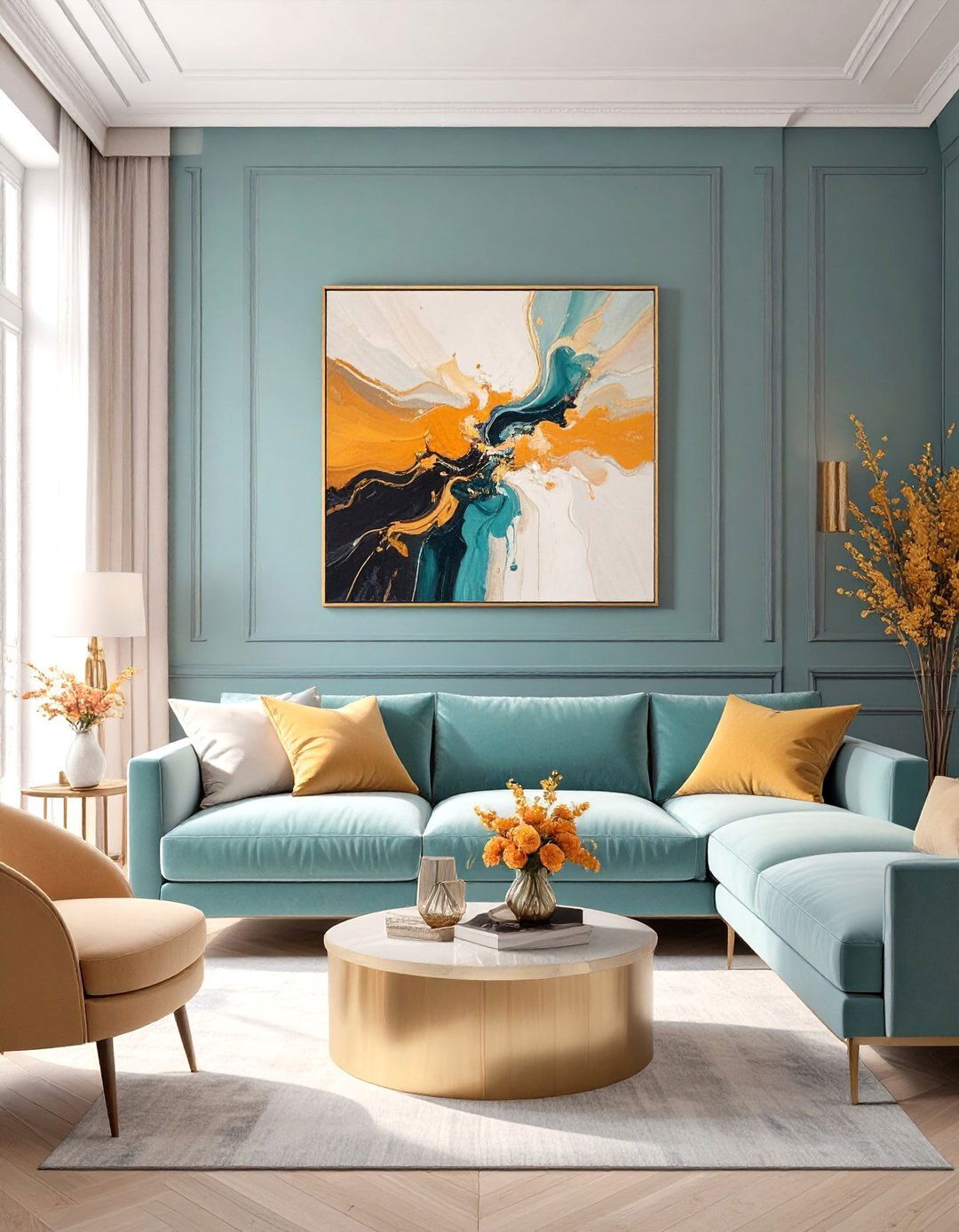

10. Symmetrical Window Treatments
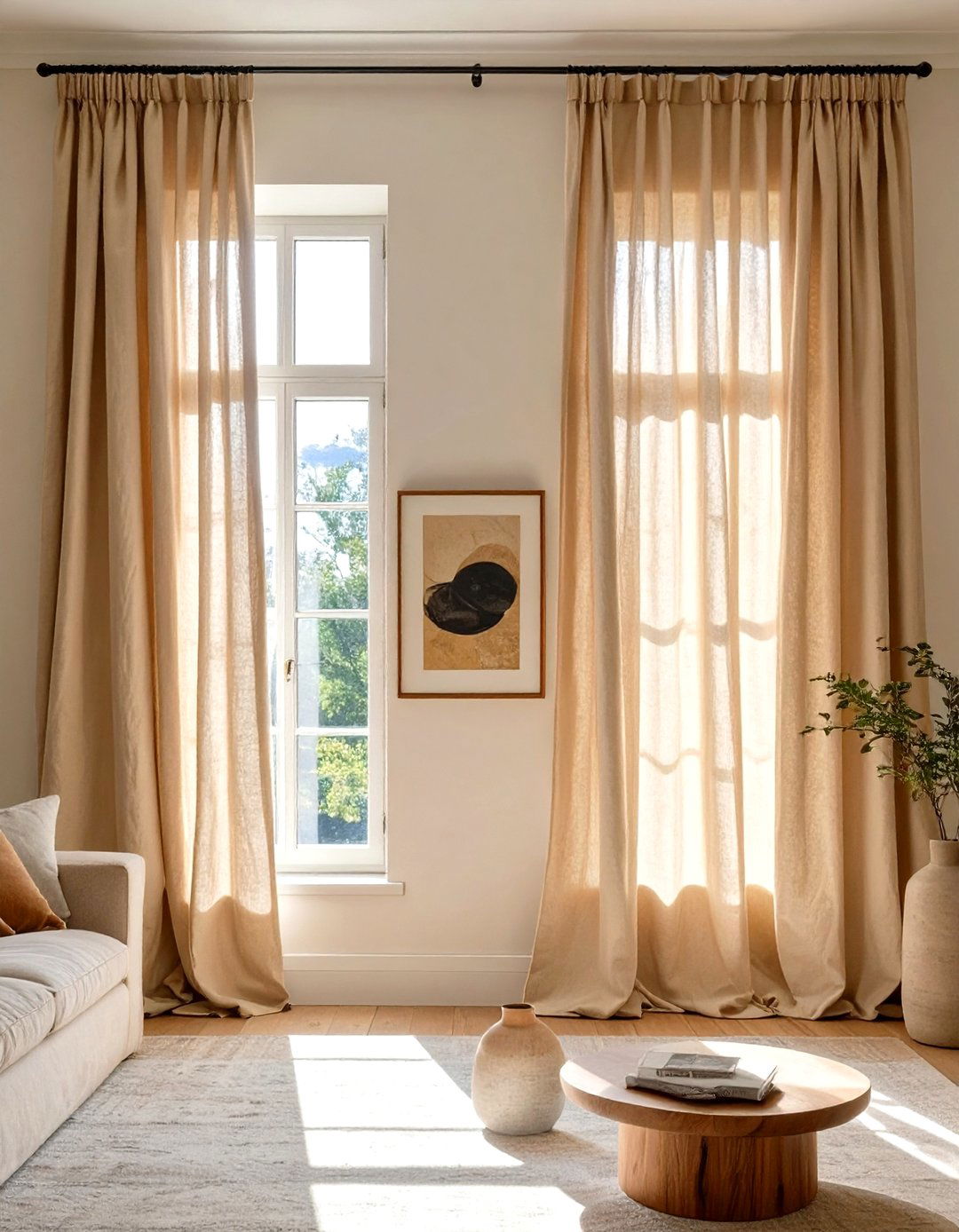
Using identical window treatments is a subtle yet effective way to introduce symmetrical balance. When a room has multiple windows, especially if they flank a central feature like a bed or fireplace, dressing them in the same curtains or blinds reinforces the room's architectural harmony. For a single large window, hanging curtain panels on either side creates a classic, balanced frame. Ensure the curtains are of the same fabric, color, and length, and are hung at the same height to maintain a crisp, cohesive appearance that ties the entire room together with understated elegance.
11. Matching Floor Lamps for Arrangement

Flanking a sofa, a console table, or a large piece of art with a pair of identical floor lamps is a simple yet impactful way to create symmetry. This technique not only provides balanced, ambient lighting but also adds vertical interest to the room. The lamps act as visual anchors, framing the furniture or artwork between them and drawing the eye toward the central point. This is an excellent solution for living rooms or bedrooms where you want to add a layer of sophistication without cluttering surfaces. The clean lines and repeated forms contribute to a calm and well-ordered atmosphere.
12. Symmetrical Entryway Design
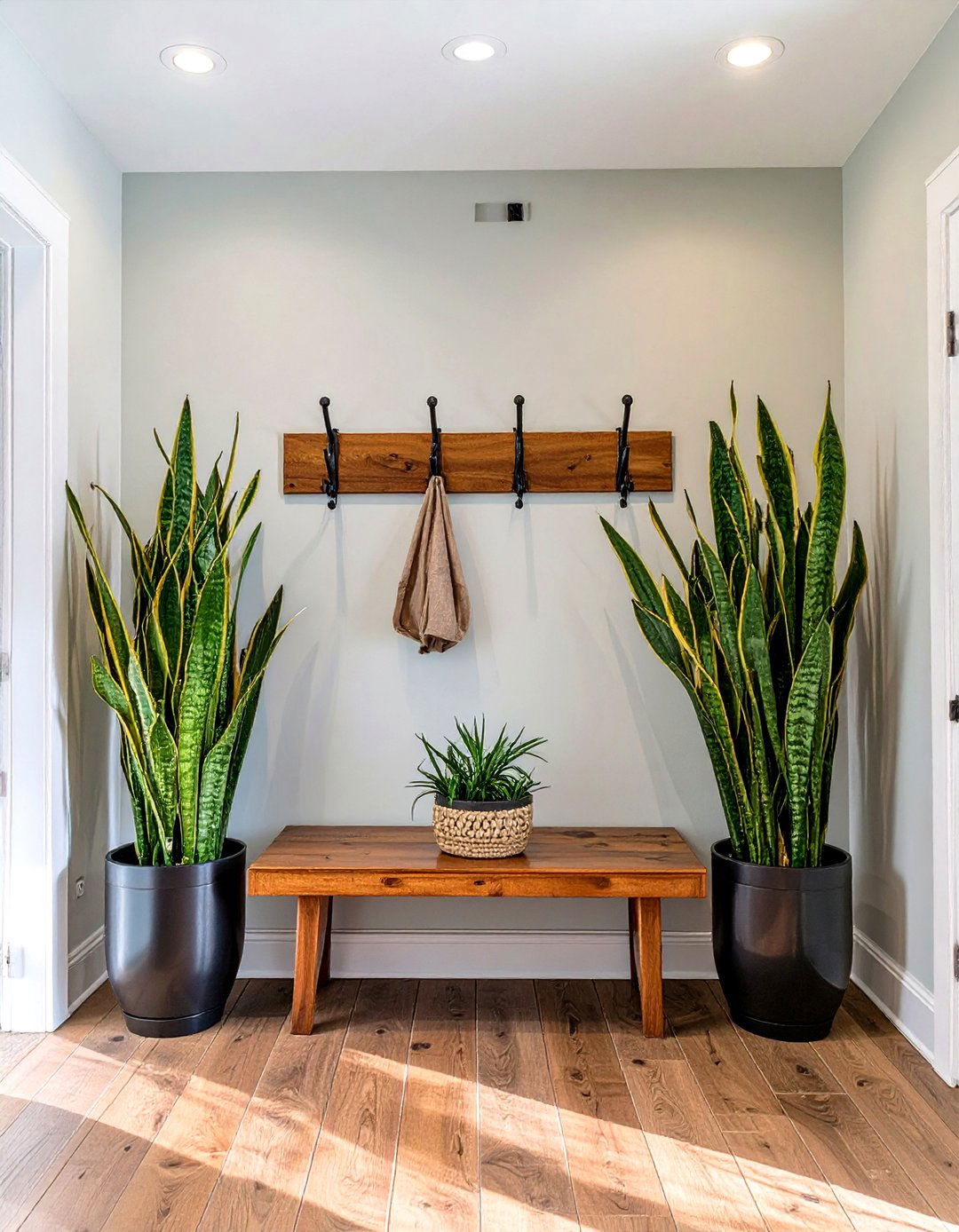
Create a powerful first impression with a symmetrical entryway. Center a console table or a bench against the main wall and place identical items on either side. This could be a pair of matching table lamps, topiaries, or decorative vases. Above the central piece of furniture, hang a mirror or a striking piece of art to serve as the focal point. An area rug centered in the space can further ground the arrangement. This balanced approach immediately communicates a sense of order and thoughtful design, welcoming guests into a home that feels both elegant and composed.
13. Using Paired Mirrors for Symmetry
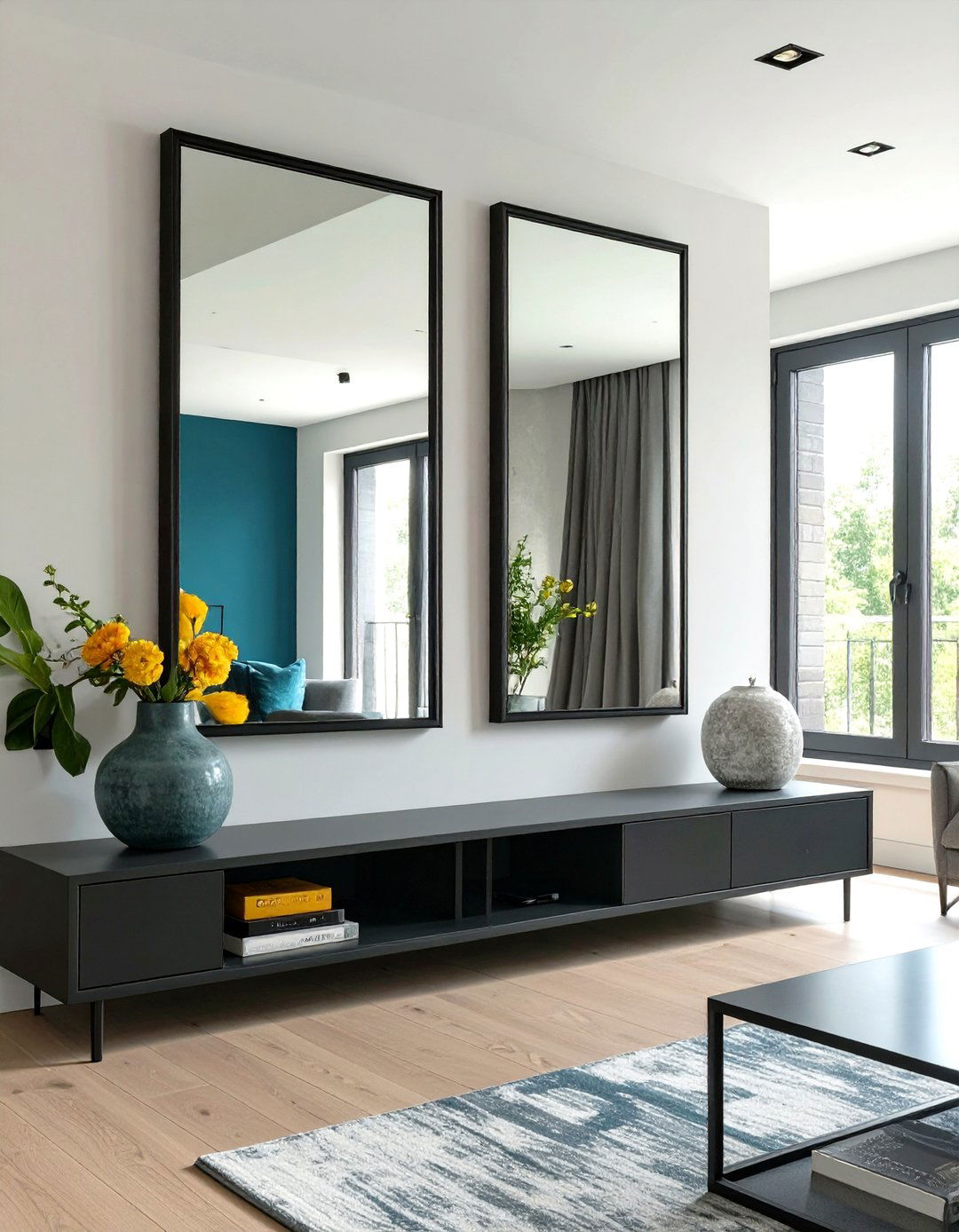
Mirrors are excellent tools for creating symmetry, as they reflect light and create an illusion of more space. Hang two identical mirrors side-by-side above a sofa, a long dresser, or a dining room sideboard to establish a strong sense of balance. Alternatively, place them on opposite walls to reflect each other and the room's decor, creating a more dynamic and layered symmetry. This technique works especially well in smaller or darker rooms, as the paired mirrors amplify light and add visual depth while contributing to a structured and harmonious design scheme.
14. Symmetrical Shelving Units
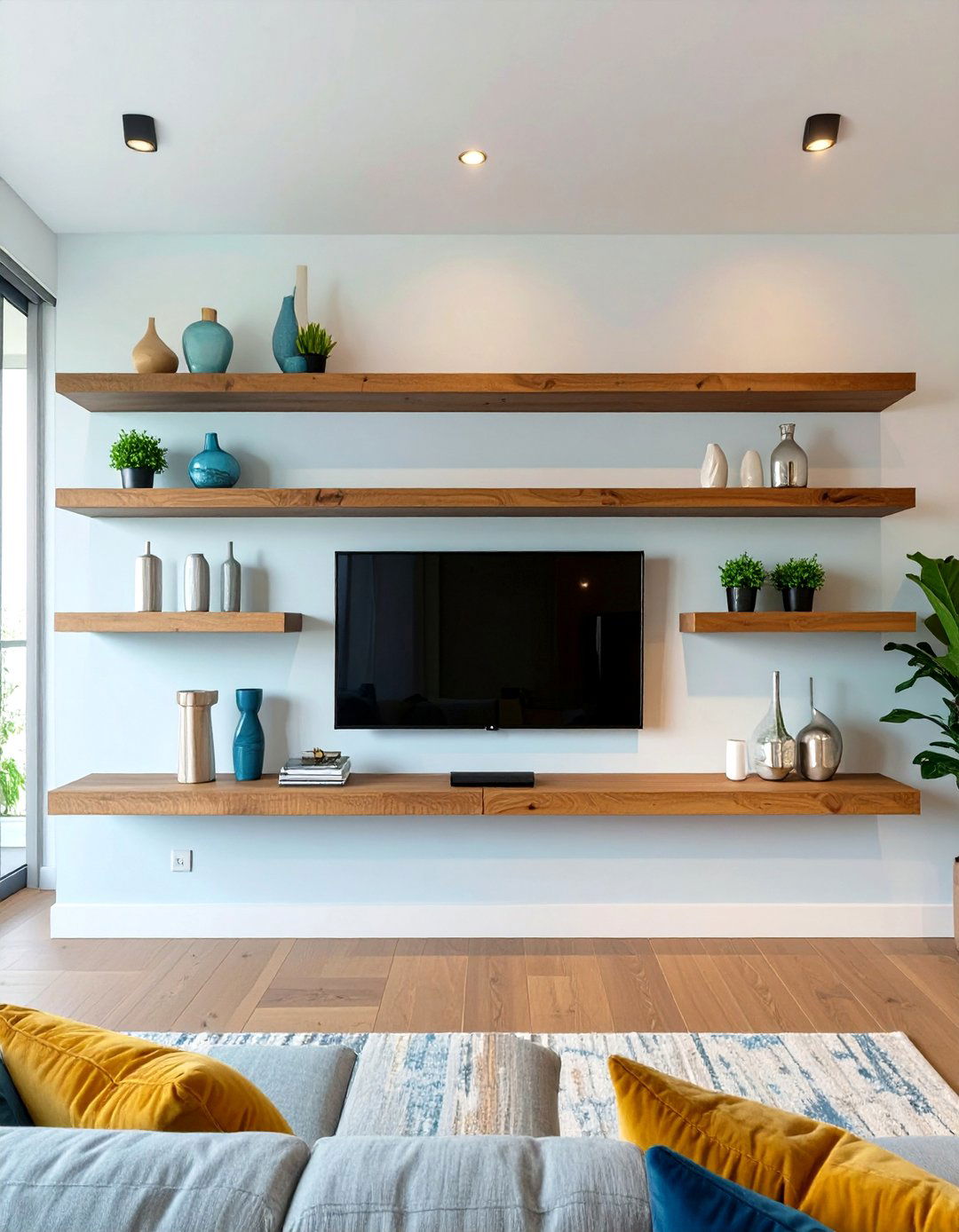
For a clean and organized look, use symmetrical shelving. This can be achieved by installing identical floating shelves on either side of a central point, like a television or a piece of art. To enhance the effect, arrange the objects on the shelves in a mirrored fashion. Place similar items—in terms of size, shape, and color—in corresponding positions on each side. This meticulous styling turns everyday storage into a deliberate and artistic display, bringing a sense of calm and order to the room while showcasing your favorite decor pieces in a balanced and visually pleasing way.
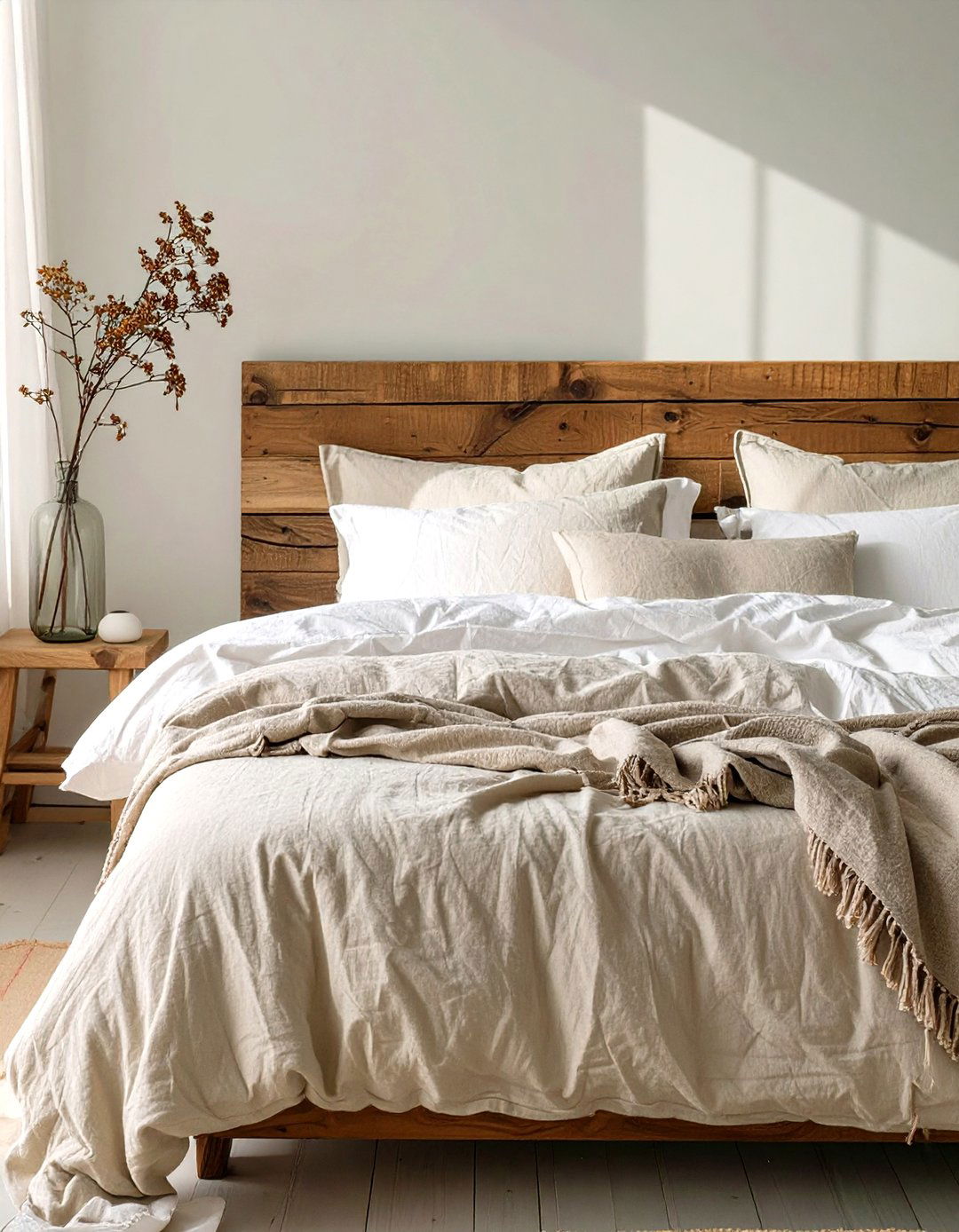
15. Symmetrical Home Office Desk Setup
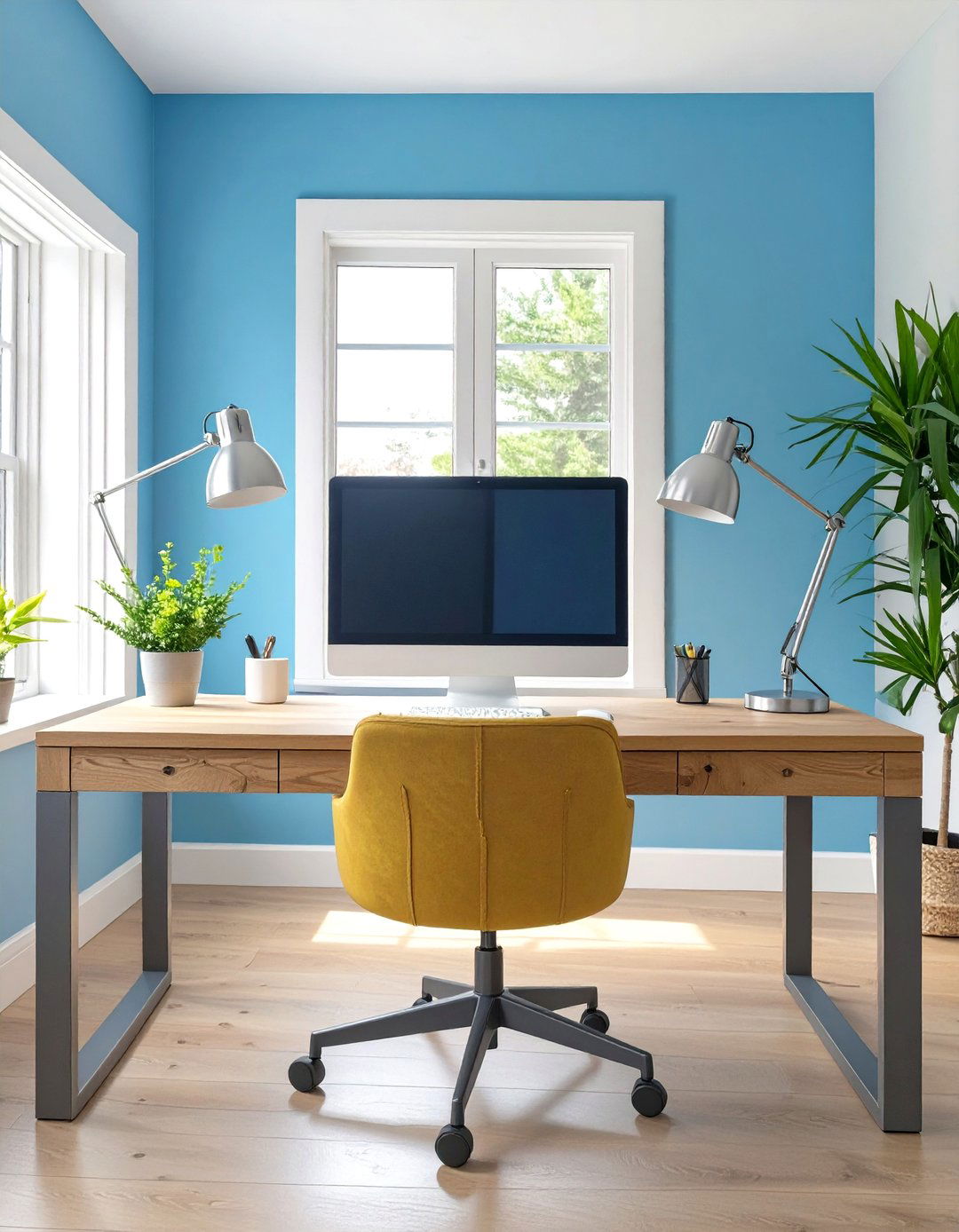
A symmetrical desk setup can promote a sense of focus and order in a home office. Position the desk in the center of a wall, and place identical elements on either side. This could include matching table lamps, file organizers, or small plants. Placing the computer monitor directly in the center serves as the main focal point. This arrangement minimizes visual clutter and helps create a balanced, productive workspace. By mirroring the layout on both sides of your work area, you can foster a feeling of control and tranquility, making it easier to concentrate on tasks.
16. Dual Ottomans for Functional Balance
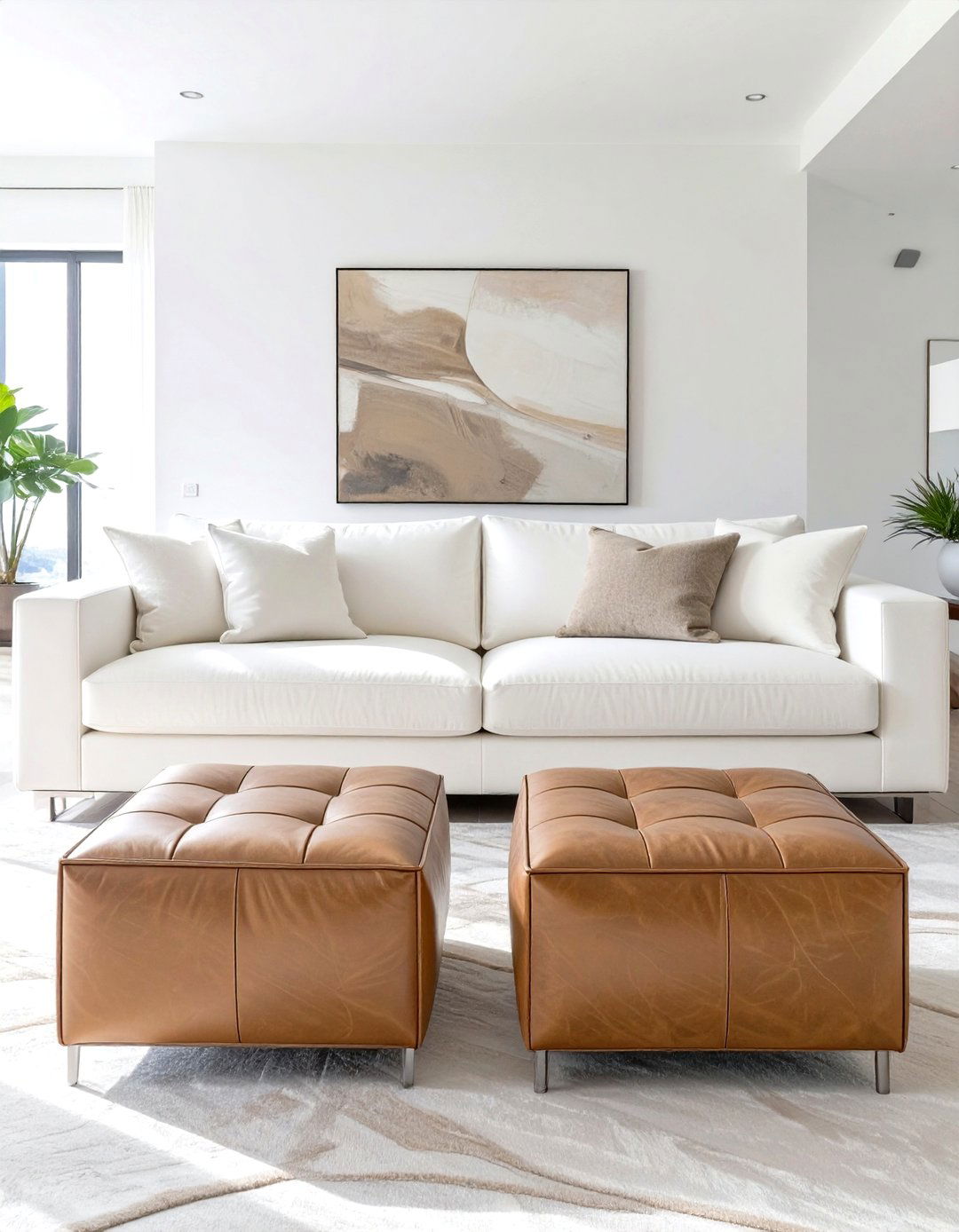
Placing two identical ottomans in front of a sofa is a versatile and stylish way to achieve symmetry. Often positioned side-by-side under a coffee table or at the foot of a bed, they provide a sense of grounded balance. These pieces are highly functional, serving as extra seating, footrests, or even temporary tables when topped with a tray. The repetition of their form adds a pleasing visual rhythm to the space. Using ottomans in a bold color or interesting texture can add a pop of personality while still adhering to the principles of a structured, symmetrical layout.
17. Symmetrical Accent Chairs in a Nook
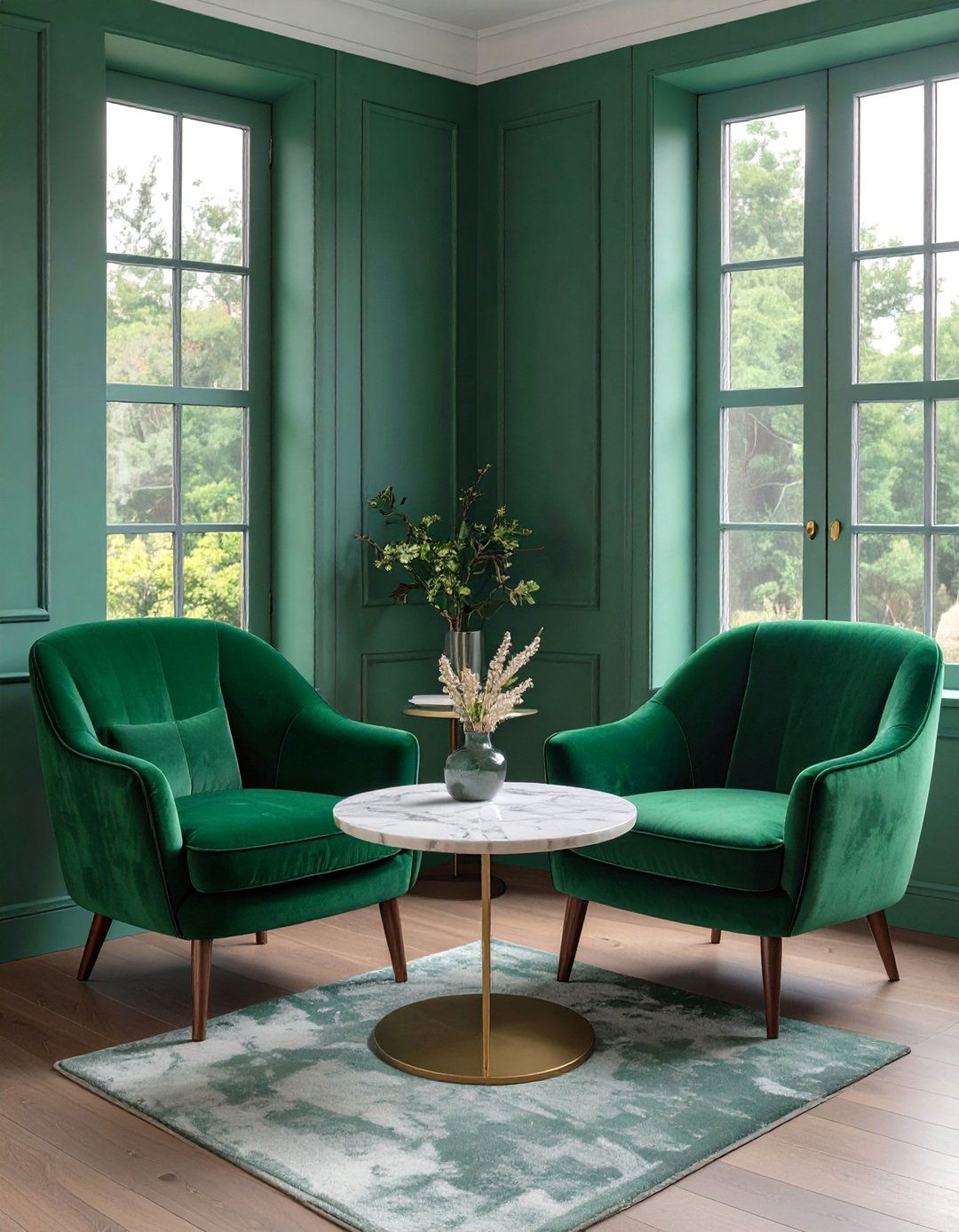
Transform an empty corner or a reading nook into a chic and balanced space with a pair of symmetrical accent chairs. Place a small round table between two identical chairs to create a perfect spot for conversation, coffee, or a game of chess. This self-contained vignette feels intentional and complete. The mirrored chairs provide a sense of stability and elegance, making the small space feel more significant and thoughtfully designed. It’s an ideal solution for utilizing awkward corners or creating a distinct zone within a larger open-plan room, adding both function and style.
18. Symmetrical Cushion Arrangement on a Sofa
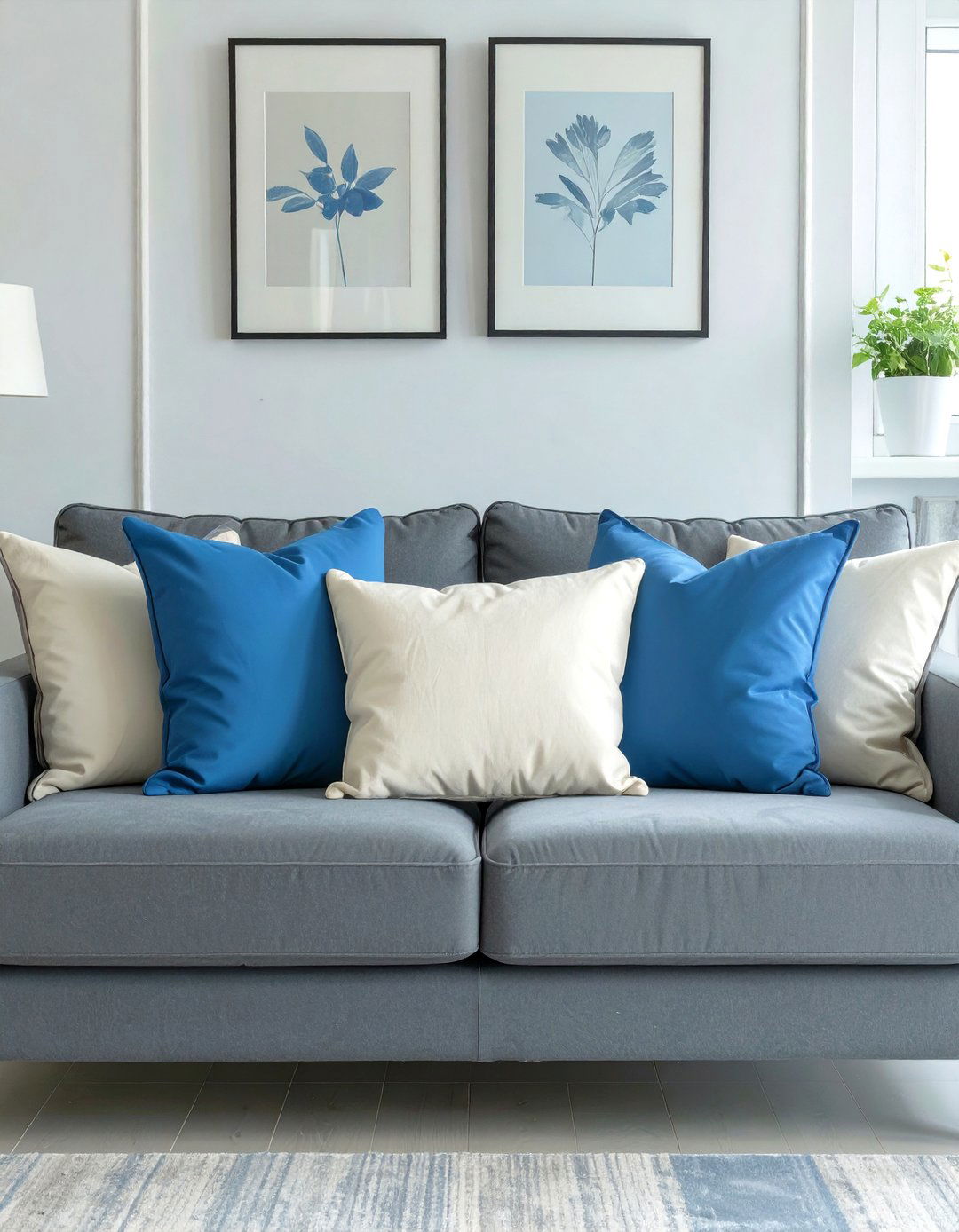
One of the easiest ways to introduce symmetry is through the arrangement of cushions on a sofa. Start by placing a central cushion, perhaps one with a unique shape or texture, in the middle. Then, build outwards with pairs of matching cushions on either side. For example, you could have two large square cushions, followed by two smaller rectangular ones, creating a perfectly mirrored effect. This simple technique instantly makes a sofa look more polished, tidy, and inviting, bringing a sense of deliberate order to your main seating area with minimal effort.
19. Paired Plant Pots for Natural Symmetry
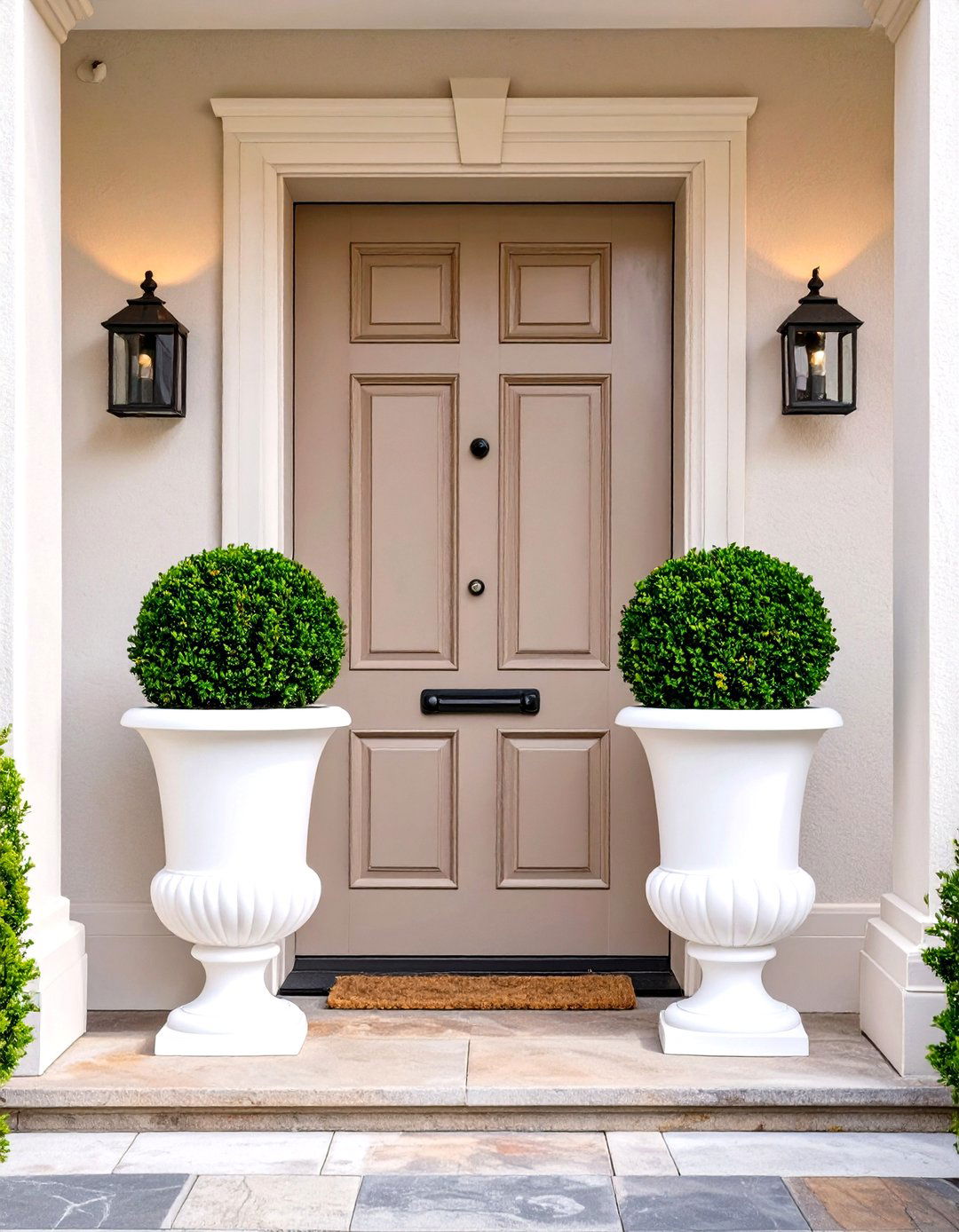
Bring the outdoors in while maintaining a sense of order by using paired plant pots. Place two identical planters on either side of a doorway, a console table, or a window to create a touch of natural symmetry. Choose plants of similar size and shape to fill them, such as snake plants or fiddle leaf figs, to enhance the mirrored effect. This adds a refreshing and vibrant element to the room without disrupting the balanced aesthetic. The living greenery softens the formality of a symmetrical layout while contributing to a healthy and serene indoor environment.

20. Symmetrical Hallway with Runner Rugs
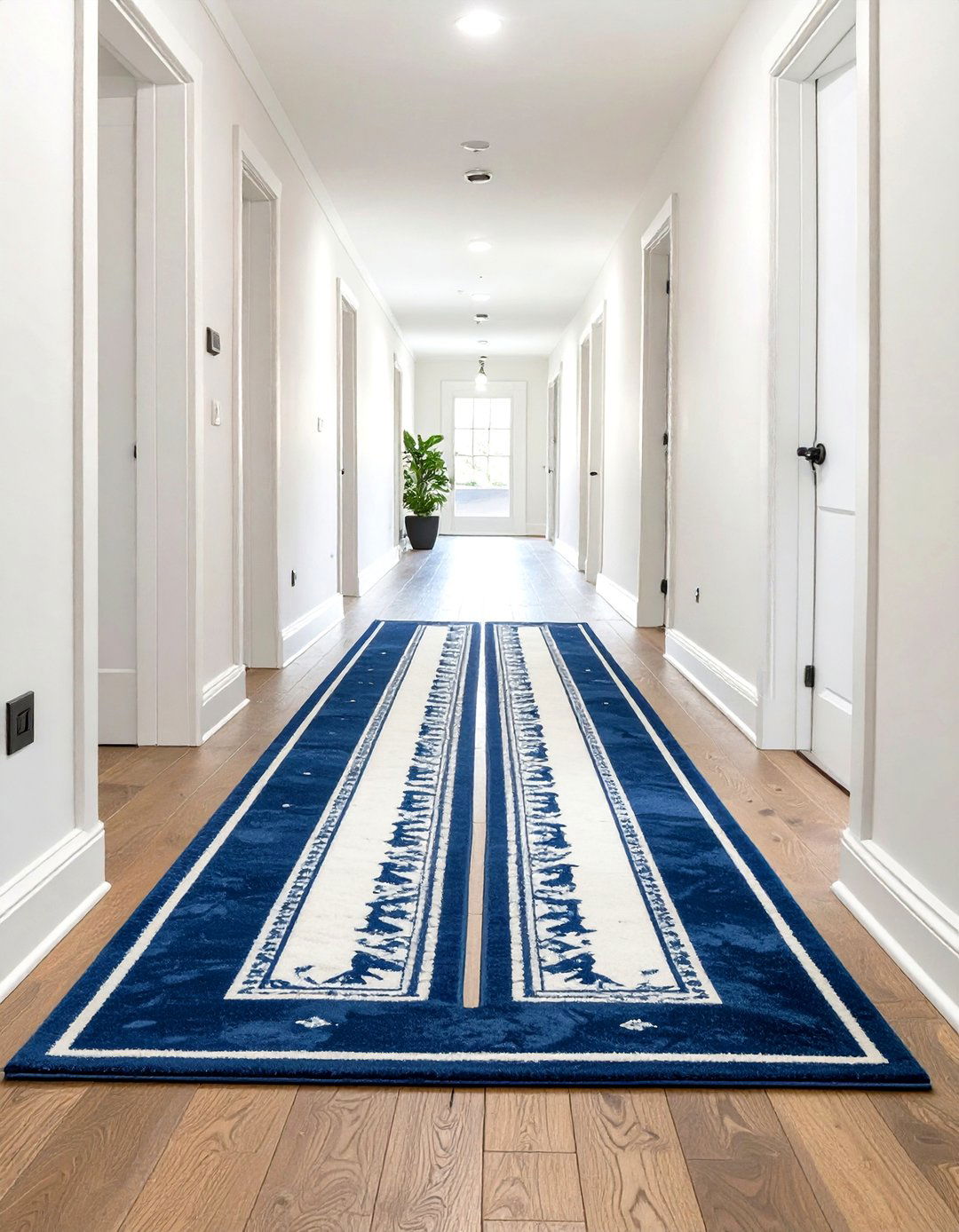
In a long hallway, create a sense of rhythm and balance by using two identical runner rugs instead of one long one. Place them with a small gap in between to break up the length of the corridor and establish a pleasing symmetrical pattern. To further enhance this, hang identical light fixtures above the center of each rug or place matching pieces of art on the walls. This approach prevents the hallway from feeling like a monotonous tunnel, instead transforming it into a gracefully designed transitional space with a clear sense of order and visual flow.
21. Matching Nightstands and Coordinated Lamps
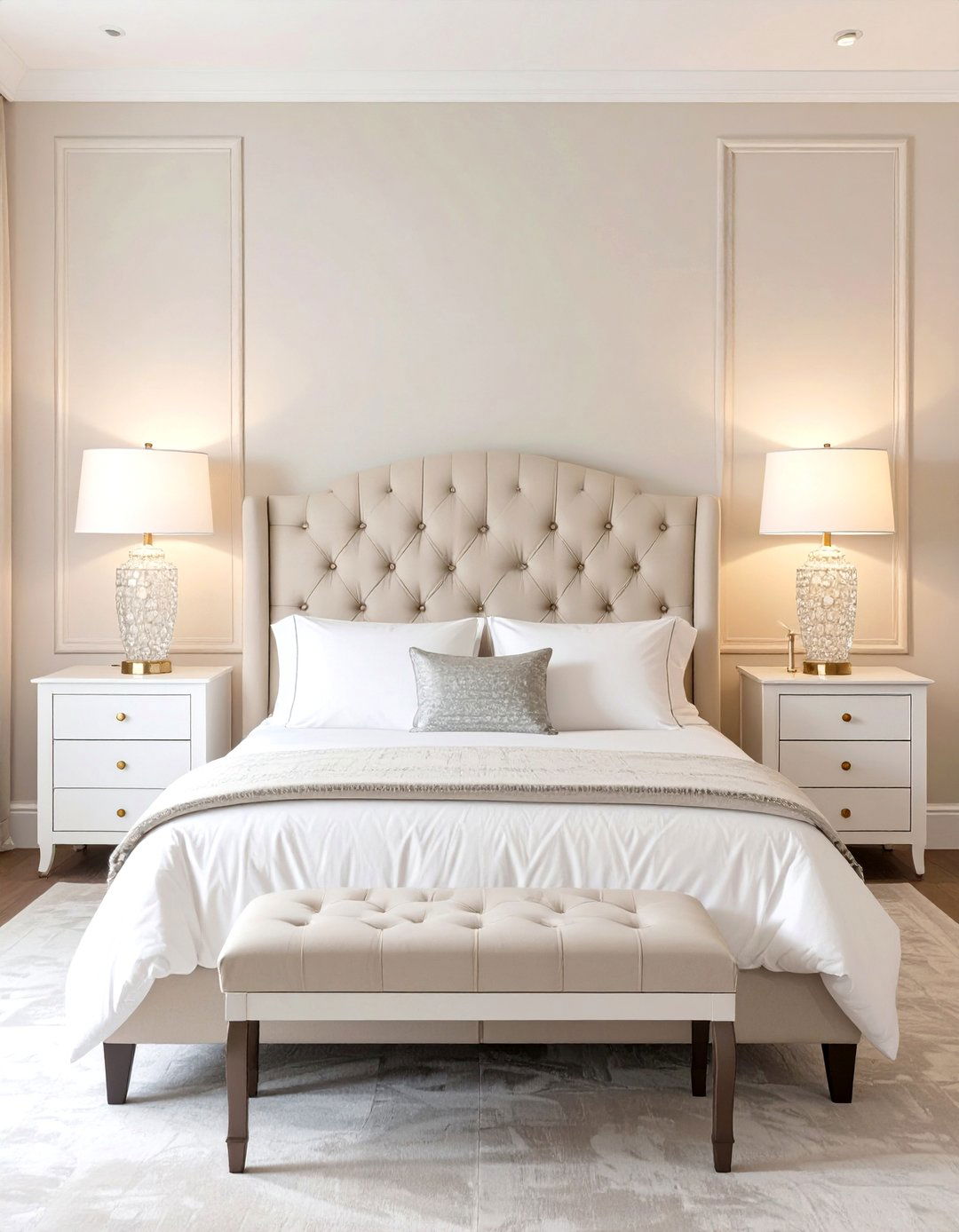
A cornerstone of symmetrical bedroom design involves using matching nightstands and lamps. This classic combination establishes the bed as the room's centerpiece, flanked by two perfectly balanced elements. The key is to ensure the nightstands are identical in size, style, and color, and the lamps are a matching pair. This creates a visually restful scene that promotes tranquility and order, essential qualities for a sleeping space. The mirrored setup is not only aesthetically pleasing but also practical, providing each person with their own personal surface and source of light for nighttime reading.
22. Symmetrical Wall Sconces for Ambient Light
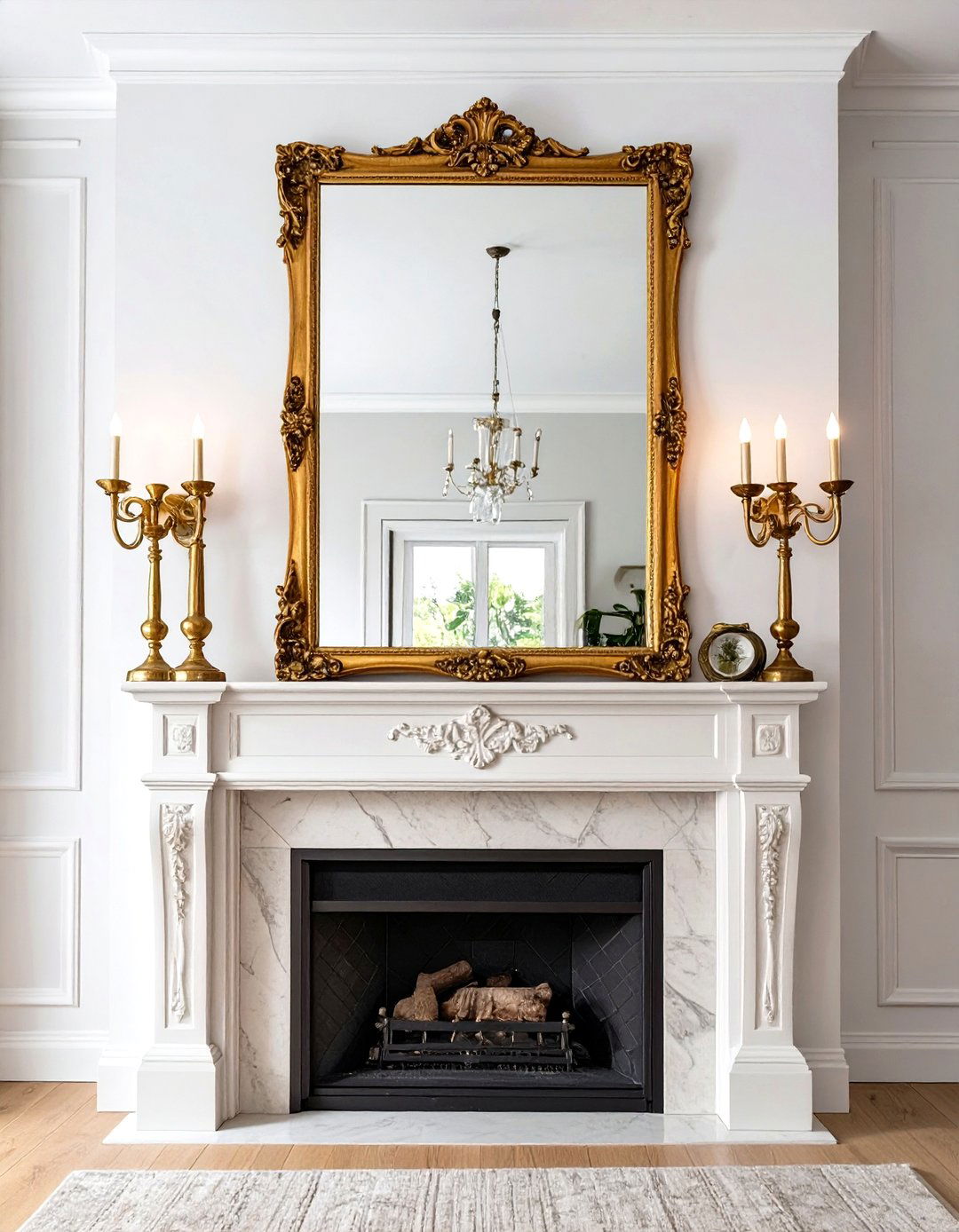
Wall sconces are a sophisticated way to achieve symmetry while adding beautiful ambient lighting. Install a pair of identical sconces on either side of a focal point, such as a bed's headboard, a fireplace, a large mirror, or a piece of art. This framing effect draws the eye to the central element and creates a warm, inviting glow. The hardwired nature of sconces gives them a permanent, built-in feel that enhances the room's architectural quality. This choice adds a layer of elegance and purpose, making the space feel both grander and more intimately designed.
23. Paired Floor-to-Ceiling Curtains
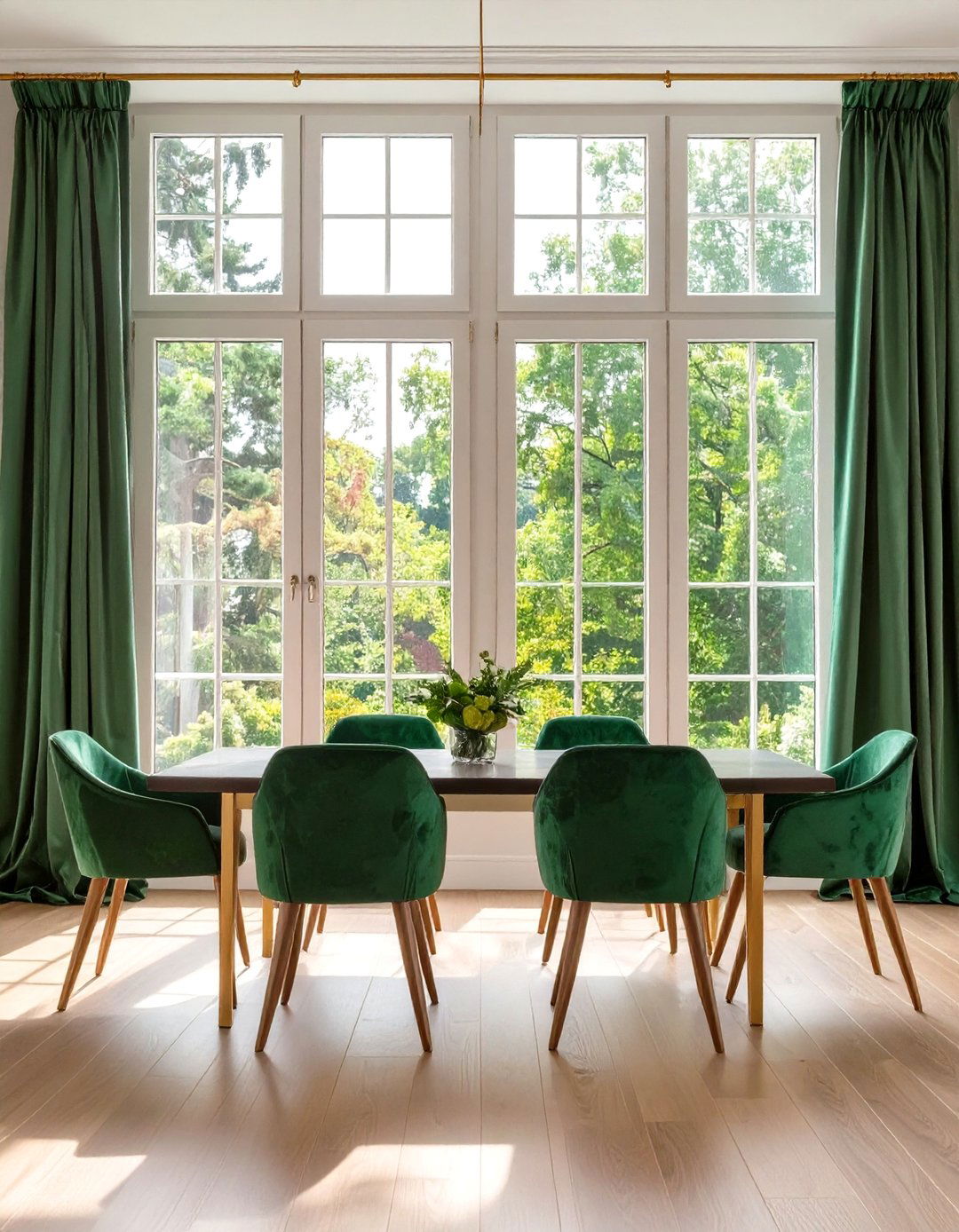
Frame a beautiful view and add dramatic height to a room with paired, floor-to-ceiling curtains. Hanging identical curtain panels on either side of a window or a set of French doors creates a powerful vertical symmetry. Mount the curtain rod high above the window frame, close to the ceiling, to draw the eye upward and make the room feel taller. Ensure the drapes are long enough to just kiss the floor for a polished, tailored look. This technique not only balances the window but also adds softness, texture, and a sense of grandeur to the entire space.
24. Symmetrical Art Placement Above a Bed
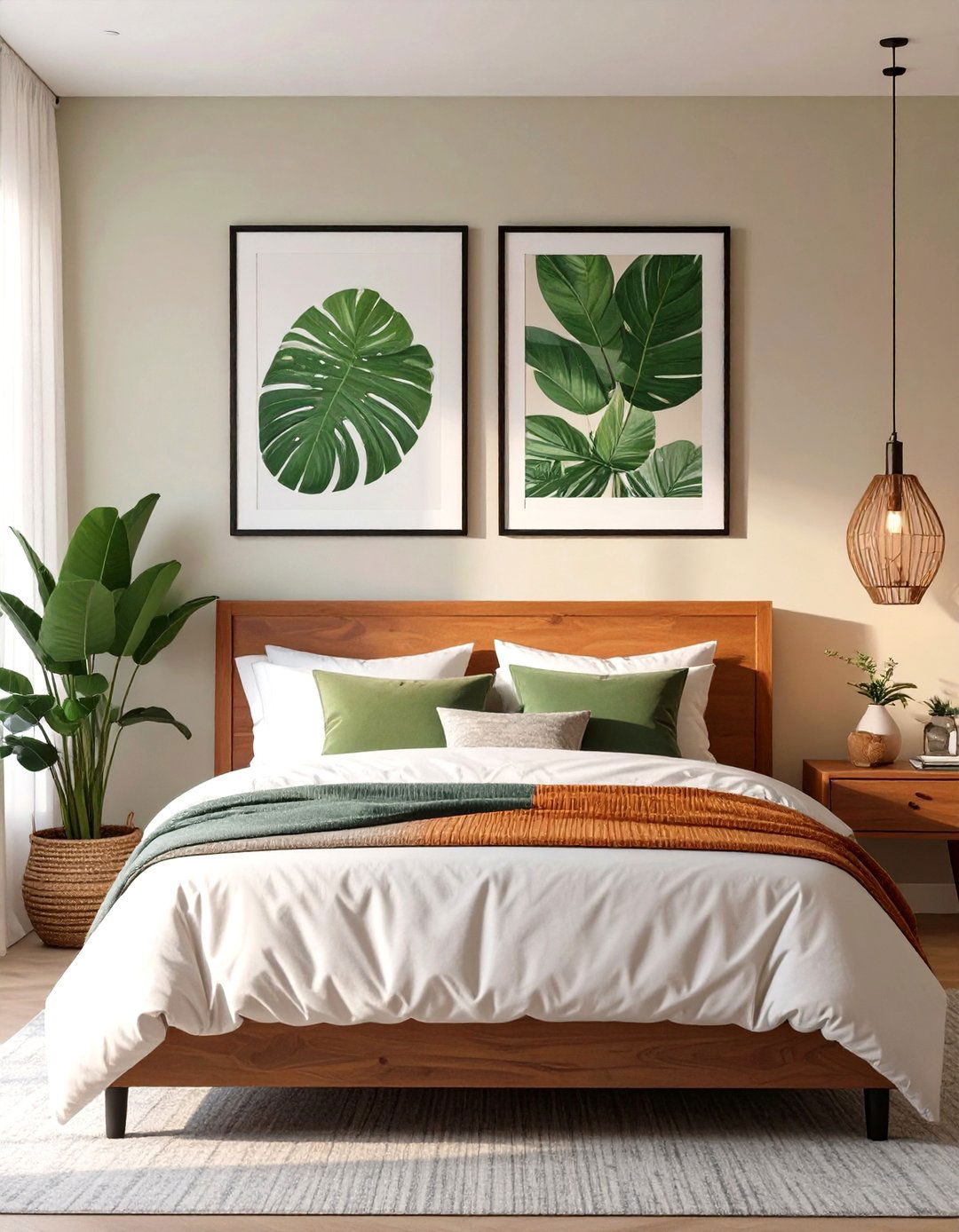
The wall above the bed is a prime location for creating a symmetrical focal point. Instead of one large piece of art, consider hanging two smaller, matching pieces side-by-side. Ensure they are evenly spaced from the center of the headboard and from each other. This creates a balanced and harmonious display that complements the symmetry of the nightstands below. Alternatively, a grid of four or six identical frames can achieve a similar effect on a larger scale. This intentional arrangement brings a curated, gallery-like feel to the bedroom, enhancing its serene and orderly atmosphere.
25. Dual Benches in a Foyer or Mudroom
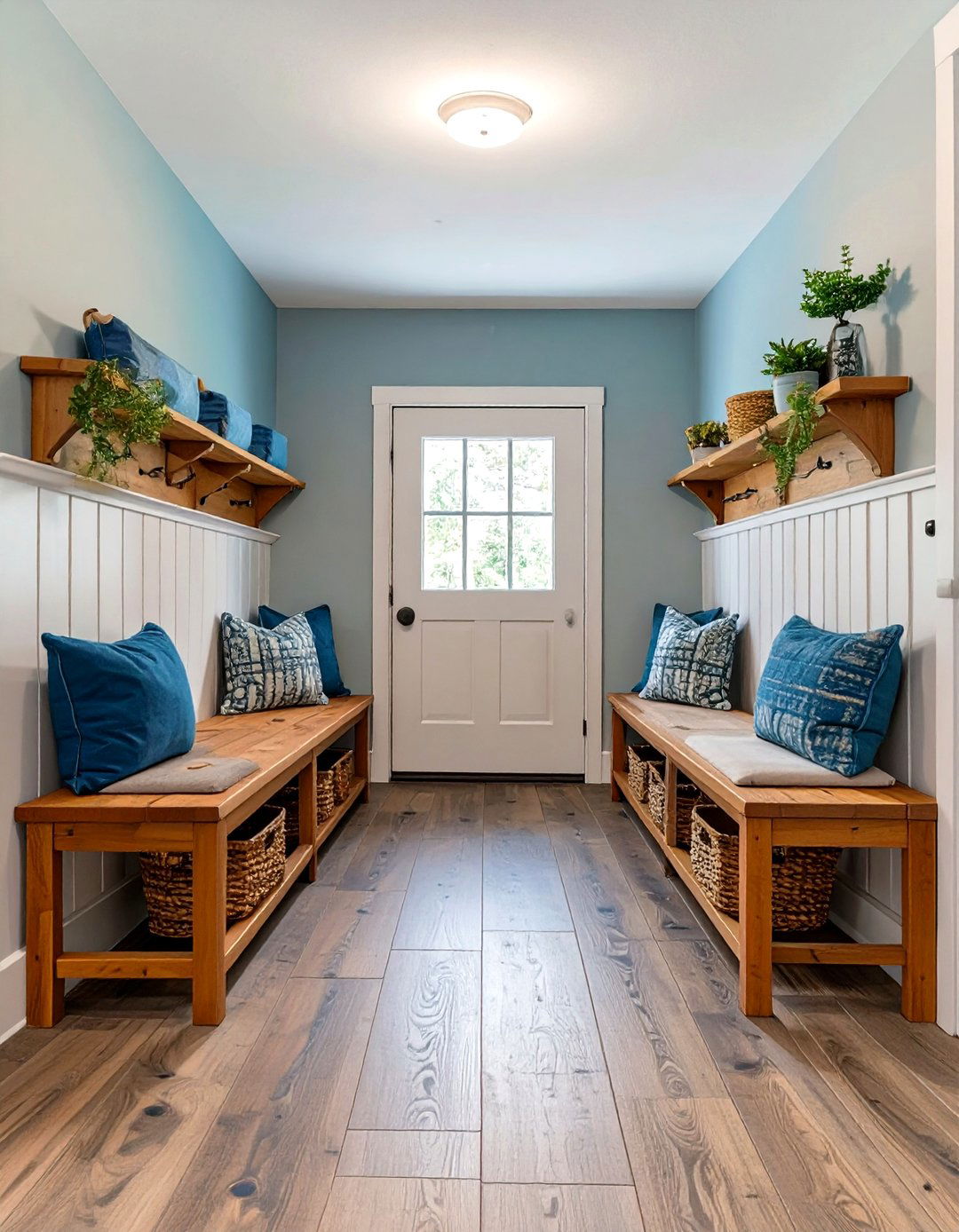
For a practical yet stylish symmetrical solution in a large foyer, mudroom, or at the foot of a bed, use two identical benches. Placed side-by-side with a small gap, or on opposite walls, they provide balanced seating and a strong sense of order. This is particularly effective in transitional spaces where you want to create a structured and uncluttered look. You can place matching baskets underneath each bench for storage, further enhancing the mirrored design. This approach is both functional for putting on shoes and aesthetically pleasing, offering a clean and organized welcome.
26. Symmetrical Area Rug Placement
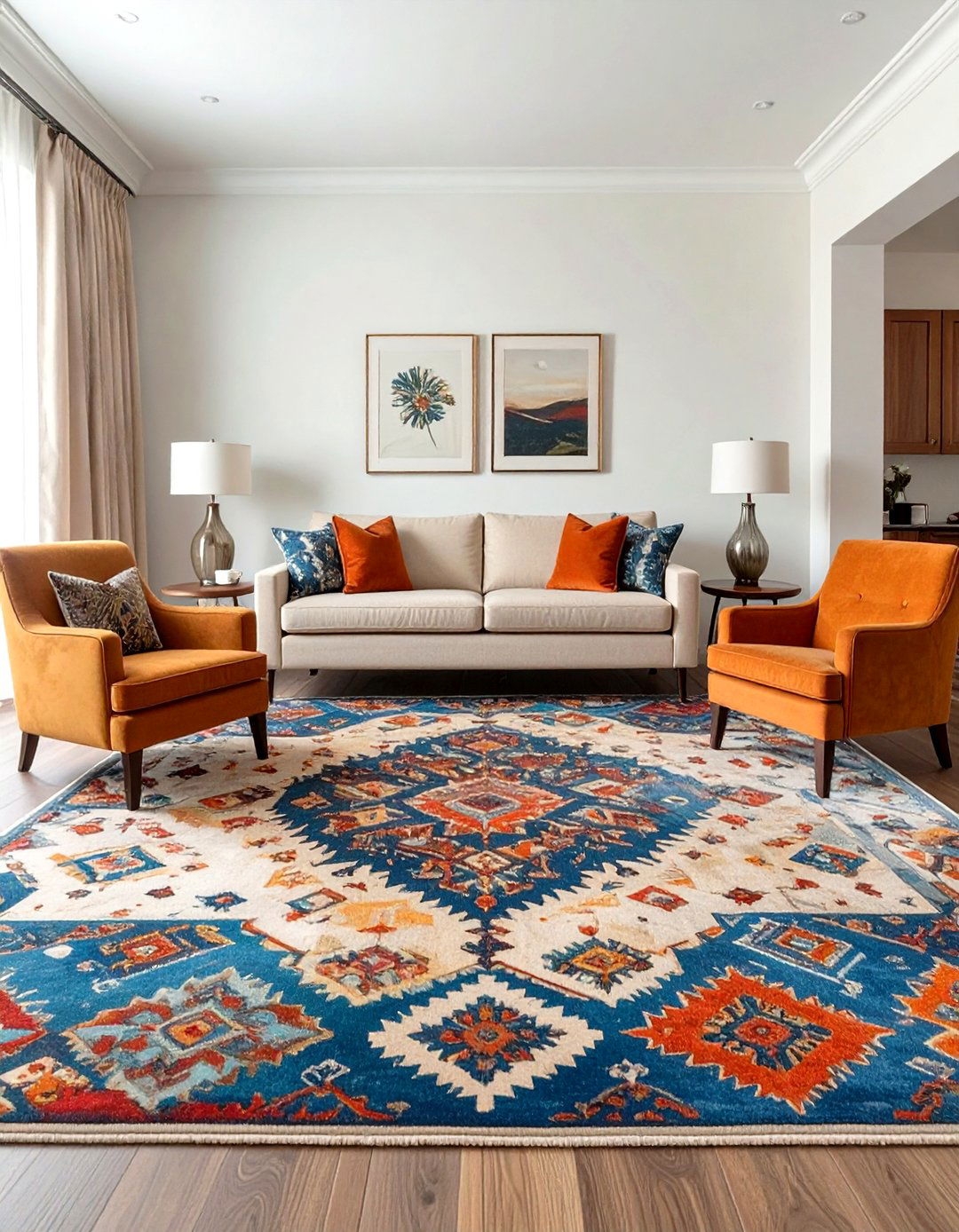
An area rug can serve as the foundation for a room's symmetrical layout. Center the rug in the middle of the room or under the main furniture grouping, such as a seating area or dining table. Then, arrange the furniture symmetrically in relation to the rug's edges and pattern. For instance, the front legs of two opposing sofas should sit on the rug at an equal distance from its edge. This use of the rug as a grounding element ensures that the entire composition feels balanced, cohesive, and intentionally placed within the architectural boundaries of the room.
27. Paired Chaise Lounges for a Luxurious Feel
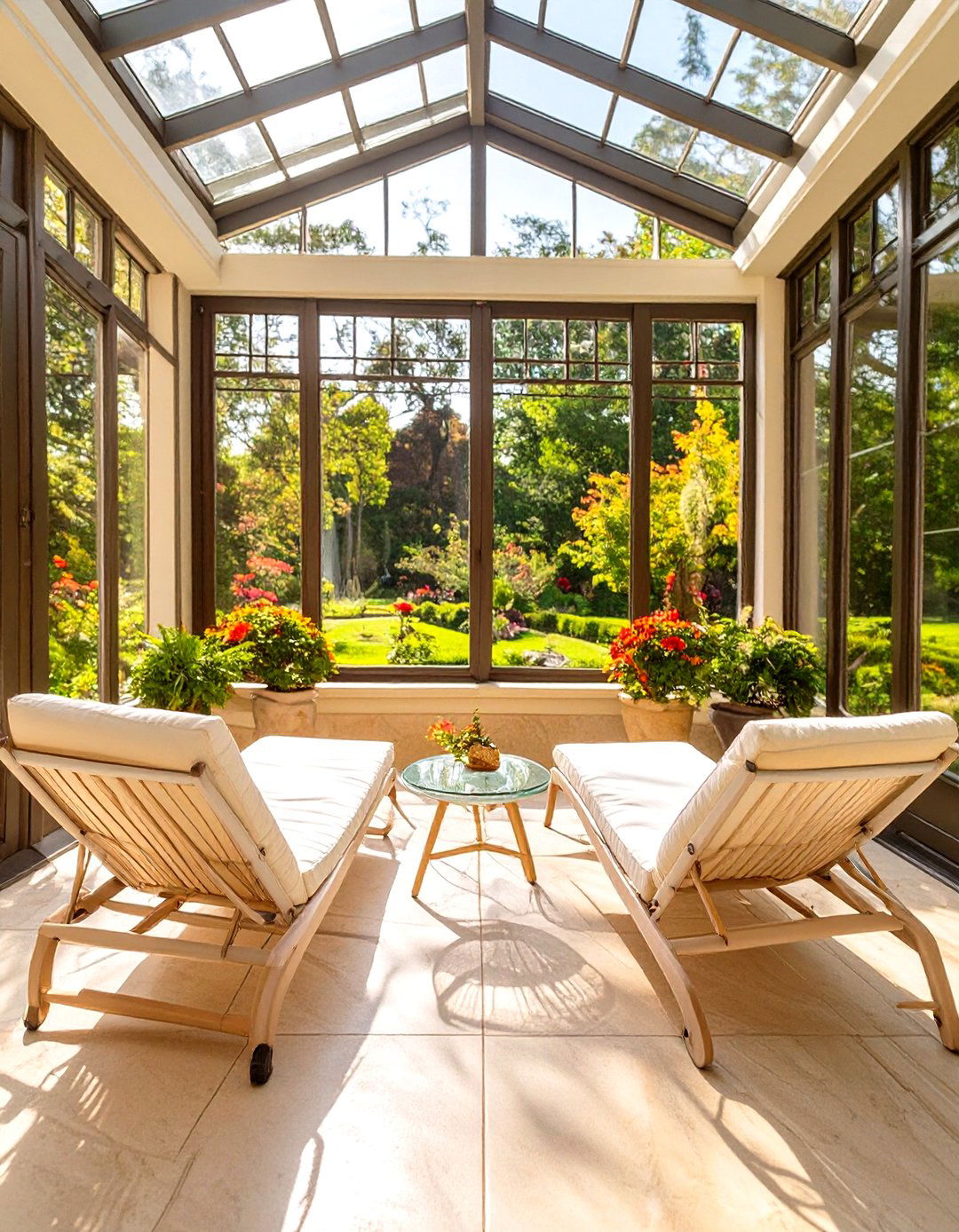
To create a truly luxurious and relaxing symmetrical setting, place two identical chaise lounges facing each other or side-by-side. This arrangement is perfect for a large primary bedroom, a spacious living room, or a sunroom. With a small table in between, it becomes an elegant space for lounging, reading, or quiet conversation. The graceful curves and elongated forms of the chaises add a touch of glamour and sophistication. This mirrored pairing establishes a serene and indulgent retreat within your home, exuding comfort and high-end design through its perfect balance and inviting forms.
28. Symmetrical Patio Furniture Layout
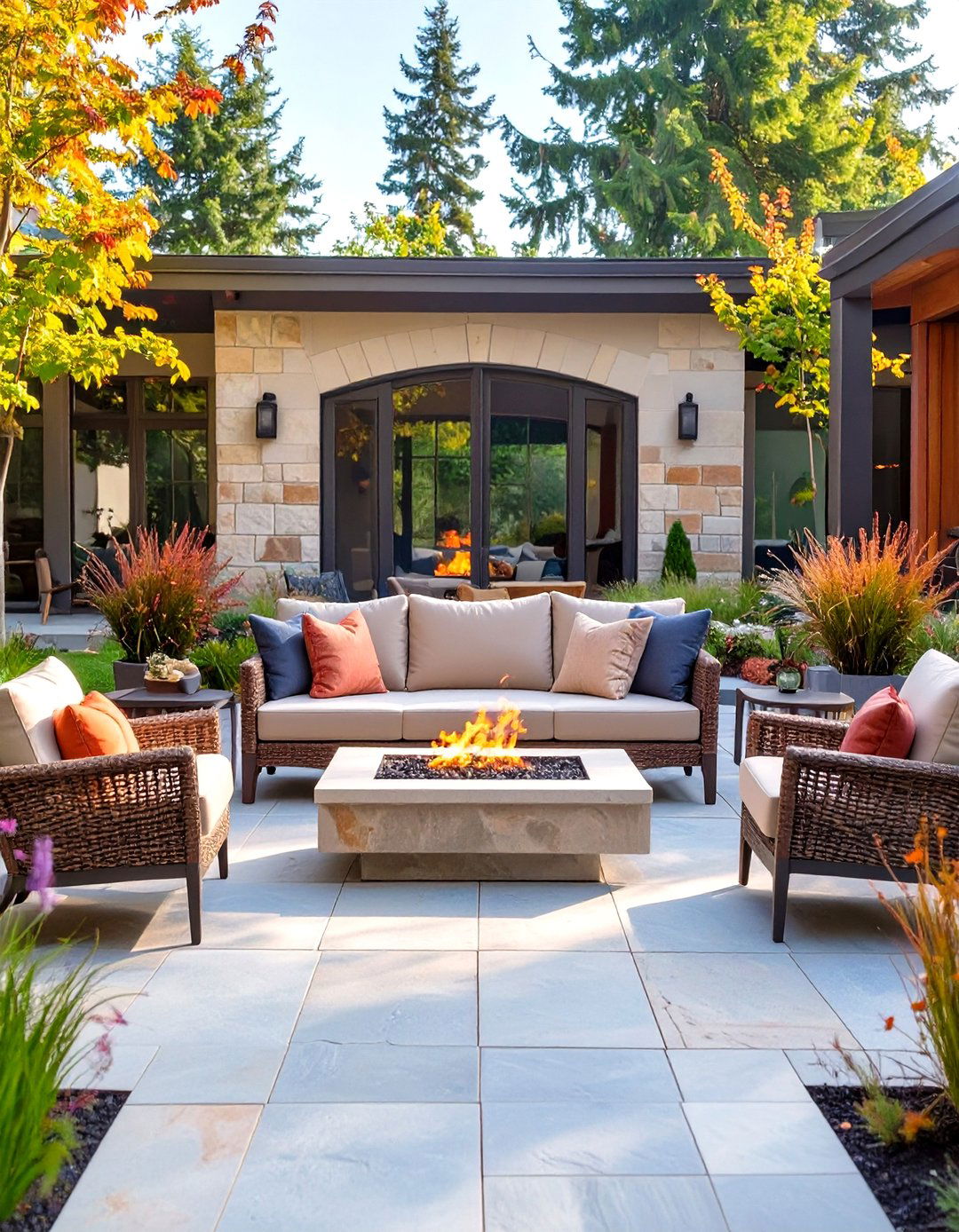
Extend the principles of symmetrical balance to your outdoor living spaces. On a patio or deck, arrange furniture in a mirrored layout to create a sophisticated and resort-like atmosphere. Place a sofa or loveseat as the central piece, and flank it with two identical armchairs. A coffee table in the center will anchor the conversation area. You can also use paired loungers, side tables, and even large planters to reinforce the symmetry. This intentional arrangement transforms an outdoor area into a true extension of your home, making it feel just as orderly and inviting as the interior.
29. Mirrored Furniture Pieces for Ultimate Symmetry
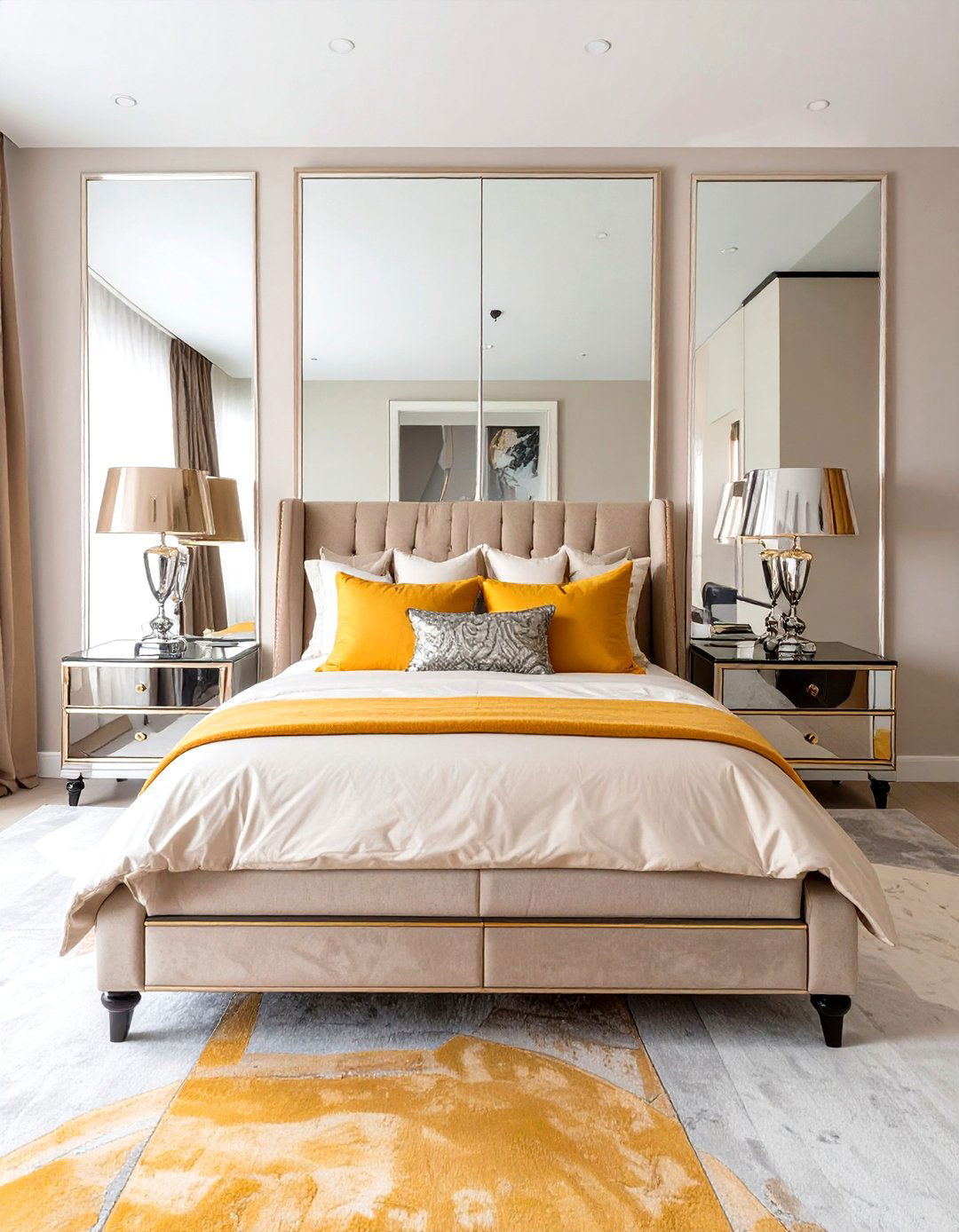
For a bold and glamorous take on symmetry, incorporate mirrored furniture pieces. Placing two identical mirrored chests or nightstands on either side of a bed or sofa makes a dramatic statement. The reflective surfaces not only enhance the feeling of balance but also bounce light around the room, making it feel brighter and more spacious. This approach adds a touch of Hollywood Regency elegance to any space. While the look is daring, it’s rooted in the classic principle of mirrored forms, creating a composition that is both visually exciting and perfectly harmonious.
30. Symmetrical Layout for a Shared Kids' Room
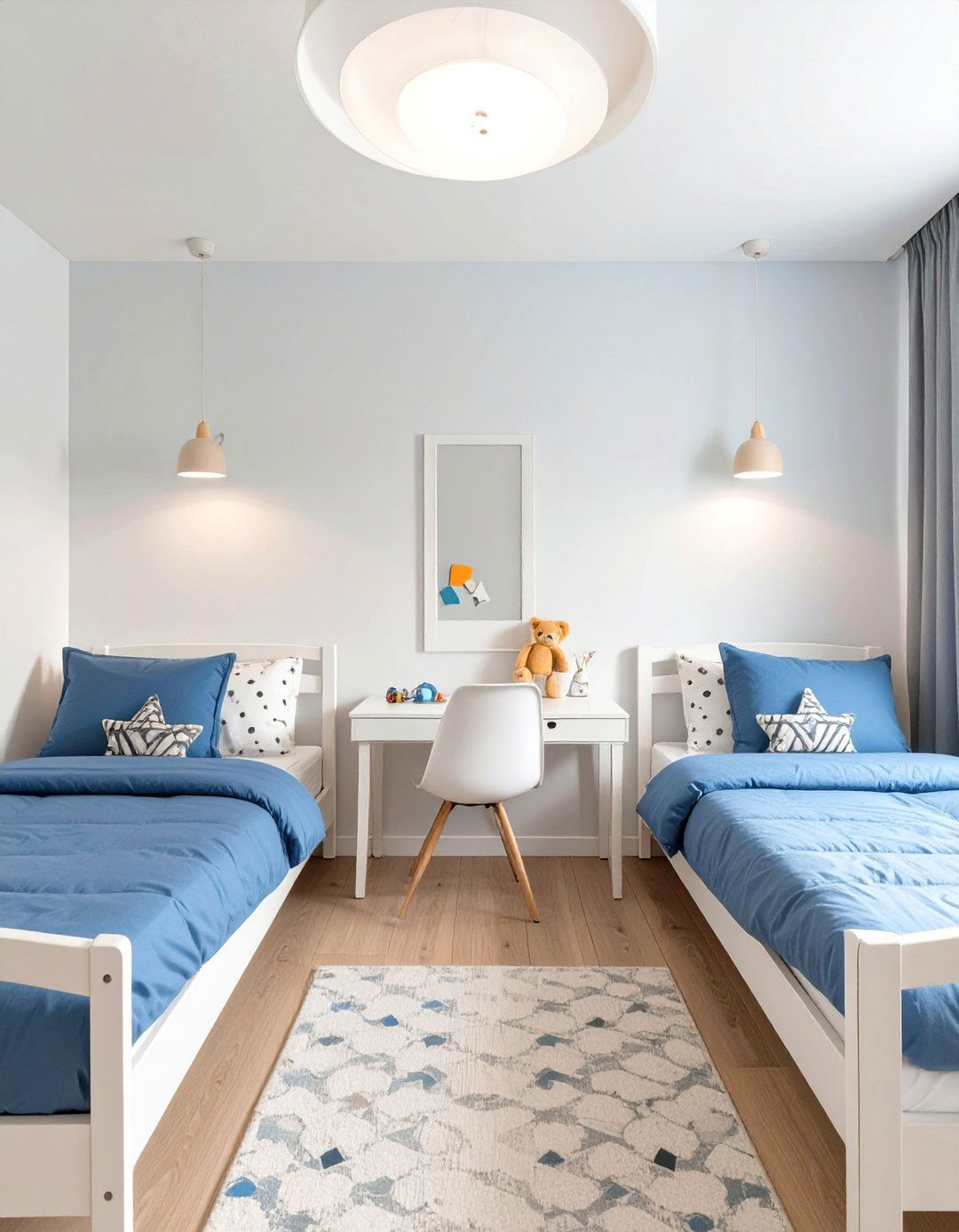
In a shared children's bedroom, a symmetrical layout can help create a sense of fairness and personal space. Place two identical twin beds on opposite walls or side-by-side with a shared nightstand in between. Provide each child with a matching desk, lamp, and storage unit to create a mirrored setup. This not only looks neat and organized—a welcome feature in any kid's room—but also helps to minimize squabbles by giving each child their own designated and equal zone. The inherent order of the design can also create a calming environment conducive to both play and rest.
Conclusion:
Ultimately, symmetrical balance is a powerful tool for creating interiors that feel stable, elegant, and intentionally designed. From arranging twin sofas in a living room to flanking a bed with matching nightstands, this principle relies on mirroring elements around a central axis. It brings a sense of calm and order that is universally appealing and works across various design styles. While it can create formal spaces, its core strength lies in its ability to produce a visually cohesive and harmonious environment that feels both timeless and deeply satisfying to inhabit.

Related posts:


Leave a Reply