
Transition rhythm in interior design is the art of creating a visual journey through a space, guiding the eye smoothly from one area to another. This principle uses repetition, progression, and contrast to establish a sense of harmony and flow. By thoughtfully placing elements like colors, patterns, and objects, you can create a cohesive design that feels both dynamic and intentional. This technique connects different zones within a home, making the entire environment feel unified and thoughtfully curated. A well-executed transition rhythm prevents visual jarring, ensuring each room seamlessly connects to the next, enhancing the overall aesthetic and experience.

1. Gradual Color Shifting on Walls

A subtle yet powerful way to create transition rhythm is through a gradual color shift on accent walls. By using shades from the same color family, you can create a gentle progression that guides the eye along a hallway or through an open-plan living area. Consider painting successive walls in slightly lighter or darker tones of your chosen hue. This ombre effect creates a seamless visual flow, connecting different zones without abrupt changes. The technique works beautifully to define spaces while maintaining a cohesive and harmonious atmosphere, making the journey through your home feel both intentional and serene.
2. Repeating Architectural Moldings
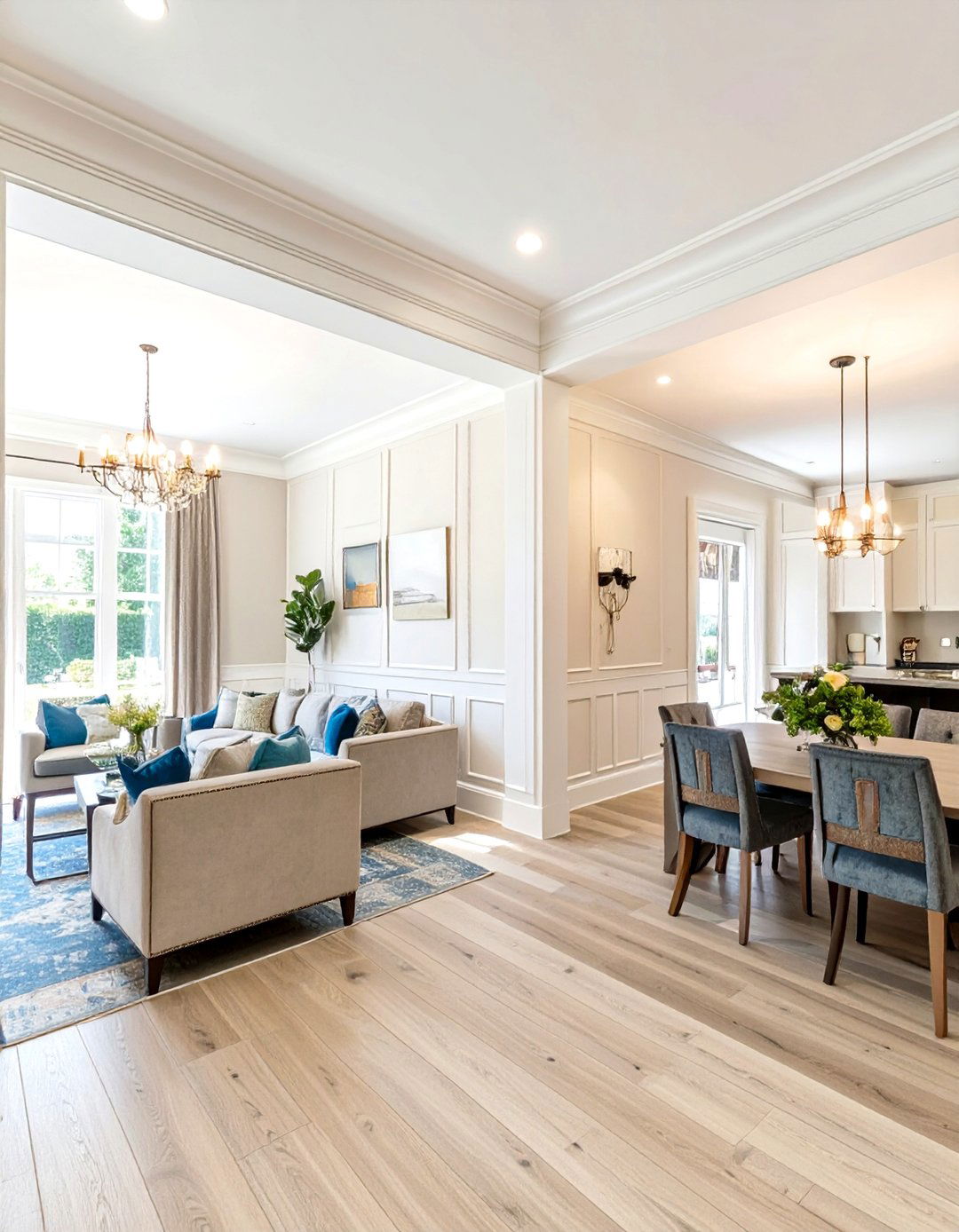
Repeating architectural moldings like crown molding, baseboards, or picture frame wainscoting throughout a home establishes a strong, continuous rhythm. This consistency provides a foundational visual link between separate rooms, even if their color schemes or functions differ. The uniform profile and color of the moldings act as a constant, guiding the eye and creating a sense of unity and completeness. By carrying this single architectural detail through from the entryway to the bedrooms, you create a subtle but undeniable thread that ties the entire interior design together, lending it a classic and polished feel that is effortlessly cohesive.
3. Progressing Pattern Sizes in Textiles
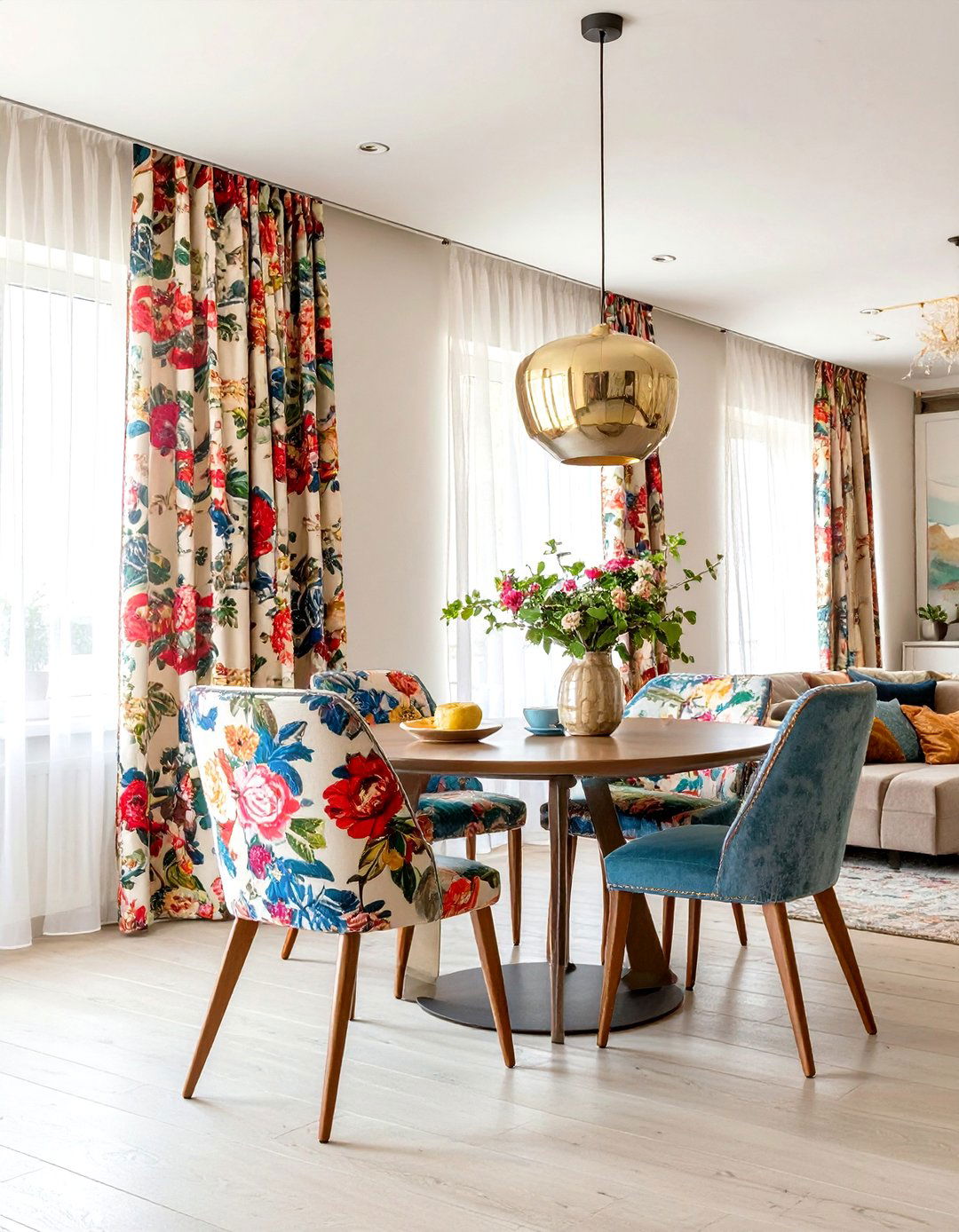
To create a dynamic transition rhythm, use textiles with the same pattern but in varying scales. For example, in an open-concept space, you might use a large-scale floral print on living room curtains, a medium-scale version on dining chair upholstery, and a small-scale iteration on kitchen tea towels. This progression guides the eye smoothly from one functional area to the next, creating a playful yet organized visual path. The repetition of the core pattern ensures harmony, while the changing scale adds depth and interest, preventing monotony and making the overall design feel thoughtfully layered and interconnected.
4. Unifying Flooring Material

Using a single, continuous flooring material is one of the most effective methods for achieving seamless transition rhythm. Extending the same hardwood, tile, or laminate from the entryway through the living spaces and into the kitchen creates an uninterrupted visual plane. This foundation makes the entire floor plan feel larger and more cohesive. It eliminates visual breaks that can make spaces feel choppy and disconnected. The consistent texture and color underfoot act as a constant rhythm, allowing furniture and decor in different areas to stand out while still feeling part of a unified whole design scheme.
5. A Trail of Coordinated Throw Pillows

Creating a rhythm with throw pillows can subtly connect different seating areas. By using a consistent color palette or a specific pattern across pillows on a living room sofa, nearby armchairs, and even a dining room bench, you establish a clear visual link. This repetition creates a trail of color and texture that your eye naturally follows, tying disparate zones together. You can vary the pillow shapes or textures for added interest, but keeping the core color story the same is key. This simple strategy introduces a soft, comfortable rhythm that enhances flow and makes the entire space feel harmoniously decorated.
6. Symmetrical Furniture Placement

Symmetry is a classic design principle that inherently creates a sense of rhythm and order. Arranging furniture in a balanced, mirrored layout, such as placing identical sofas opposite each other or matching end tables and lamps on either side of a bed, establishes a predictable and calming visual cadence. This arrangement guides the eye to a central focal point, creating a stable and harmonious transition. The repetition of form and mass on either side of a central axis feels intentional and orderly, providing a formal yet restful rhythm that makes any room feel grounded and elegantly composed.
7. A Series of Identical Pendant Lights

Hanging a series of identical pendant lights along a pathway, such as over a long kitchen island or down a hallway, creates a powerful and clear transition rhythm. The repetition of the light fixtures' shape, size, and height establishes a distinct visual beat that directs movement and draws the eye forward. This technique not only provides functional illumination but also acts as a strong design element that connects spaces. The steady, evenly spaced lights create a sense of procession and order, guiding you from one end of the space to the other with a clean, modern, and purposeful aesthetic.
8. Progressively Layered Area Rugs

Layering area rugs with a slight progression in size or a subtle shift in color can define zones while creating a soft transition. In an open-plan room, place a large, neutral rug to anchor the main seating area, then overlap it slightly with a smaller, more vibrant rug to define a reading nook. This technique creates a gentle visual step-down, guiding the eye from the larger space to the more intimate one. The overlapping textures and colors create a soft rhythm that connects the areas without hard boundaries, adding warmth, depth, and a sophisticated, layered feel to the interior design.
9. Consistent Metallic Finishes

Maintaining consistent metallic finishes on hardware, lighting, and fixtures throughout a home provides a subtle yet effective transition rhythm. Whether you choose brushed brass, matte black, or polished chrome, repeating this element on cabinet pulls, door handles, faucets, and light fixtures creates a cohesive thread. This repetition ensures that even as you move from the kitchen to the bathroom or into a bedroom, there is a recurring detail that ties the spaces together. It’s a simple strategy that adds a layer of polish and intention, making the entire design feel curated and seamlessly connected.
10. A Gallery Wall Down a Hallway

A gallery wall arranged along a hallway creates a compelling narrative and transition rhythm. By using frames of a consistent color or style, you can establish a visual beat that encourages movement down the corridor. The arrangement of the artwork itself—whether aligned at the top, bottom, or center—creates a line for the eye to follow. This procession of images draws you through the transitional space, turning a simple hallway into an engaging experience. The repetition of the frames provides structure, while the varied art within adds personal interest, making the journey from one room to another a dynamic one.
11. Alternating Textures on Surfaces
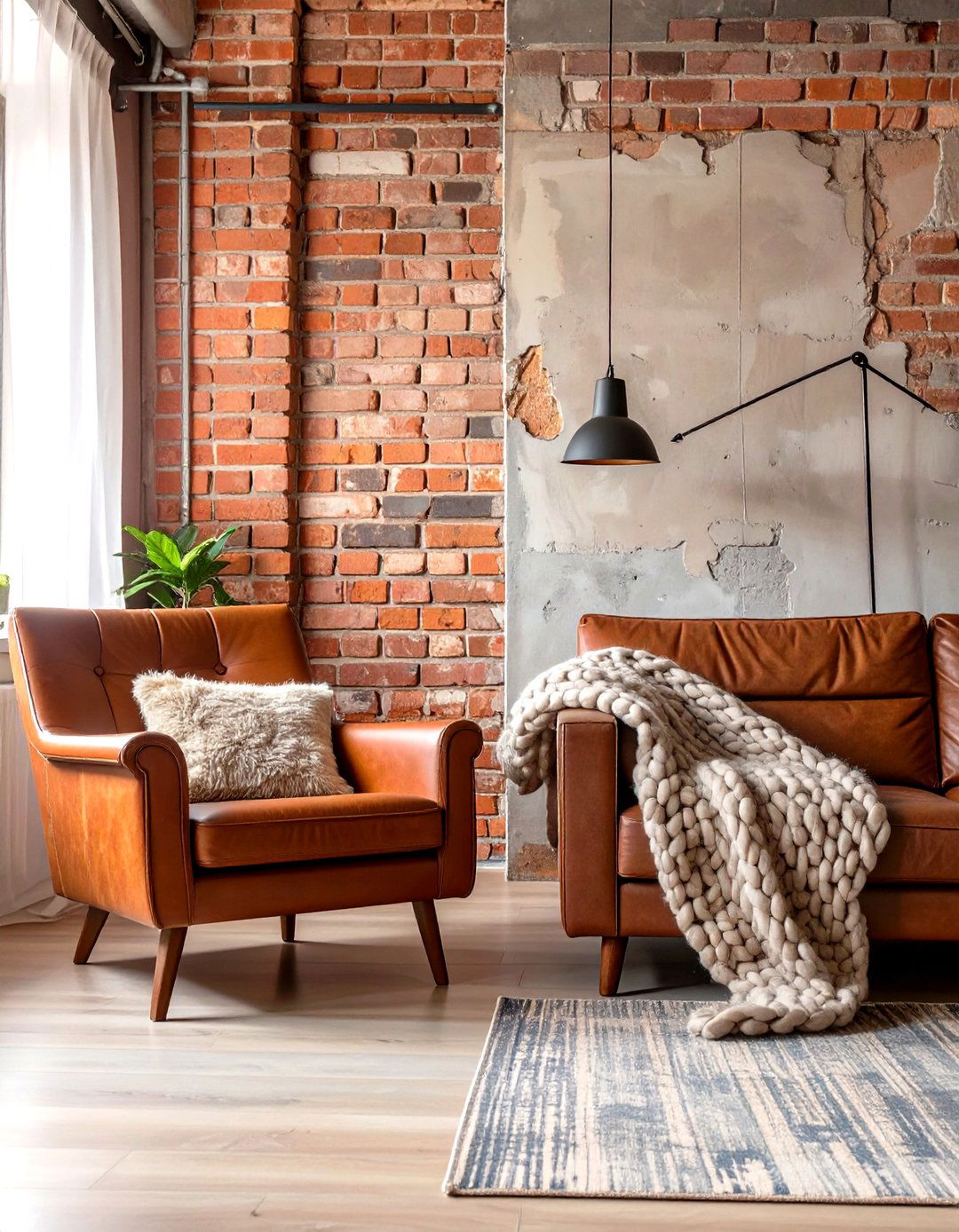
Creating rhythm through alternating textures adds tactile and visual interest. Consider a living room where a smooth leather sofa is paired with a chunky knit throw, adjacent to a wall with rough, exposed brick. This deliberate contrast and repetition of smooth and coarse surfaces create a dynamic cadence. The eye moves from one texture to the next, experiencing a varied yet planned sequence. This technique prevents a room from feeling flat by introducing a multisensory rhythm. By continuing this play on textures in adjoining rooms, you can create a subtle but engaging flow throughout the home.
12. Using Plants of a Similar Species

Placing plants of the same species but in varying sizes throughout a space creates a natural, biophilic rhythm. For instance, position a large fiddle leaf fig in a living room corner, a medium-sized one near a dining area window, and a small one on a bookshelf. This repetition of the plant's distinctive leaf shape and color establishes a living, breathing connection between different zones. The eye recognizes the familiar form, creating a gentle and organic visual path through the home. This strategy brings the calming, cohesive element of nature indoors, promoting a serene and seamlessly connected environment.
13. A Progression of Bookshelf Decor

Arranging decor on a large bookshelf with a sense of progression can create a captivating micro-rhythm. Organize books by color to create a rainbow effect that flows from one end to the other, or arrange objects from small to large across several shelves. This intentional ordering guides the eye in a specific direction, turning a simple storage unit into a dynamic feature. By creating a visual crescendo—perhaps leading to a significant decorative piece—you establish a clear focal point and a sense of movement. This technique makes the shelving feel curated and adds a sophisticated, rhythmic layer to the room’s design.
14. Repeating a Specific Geometric Shape
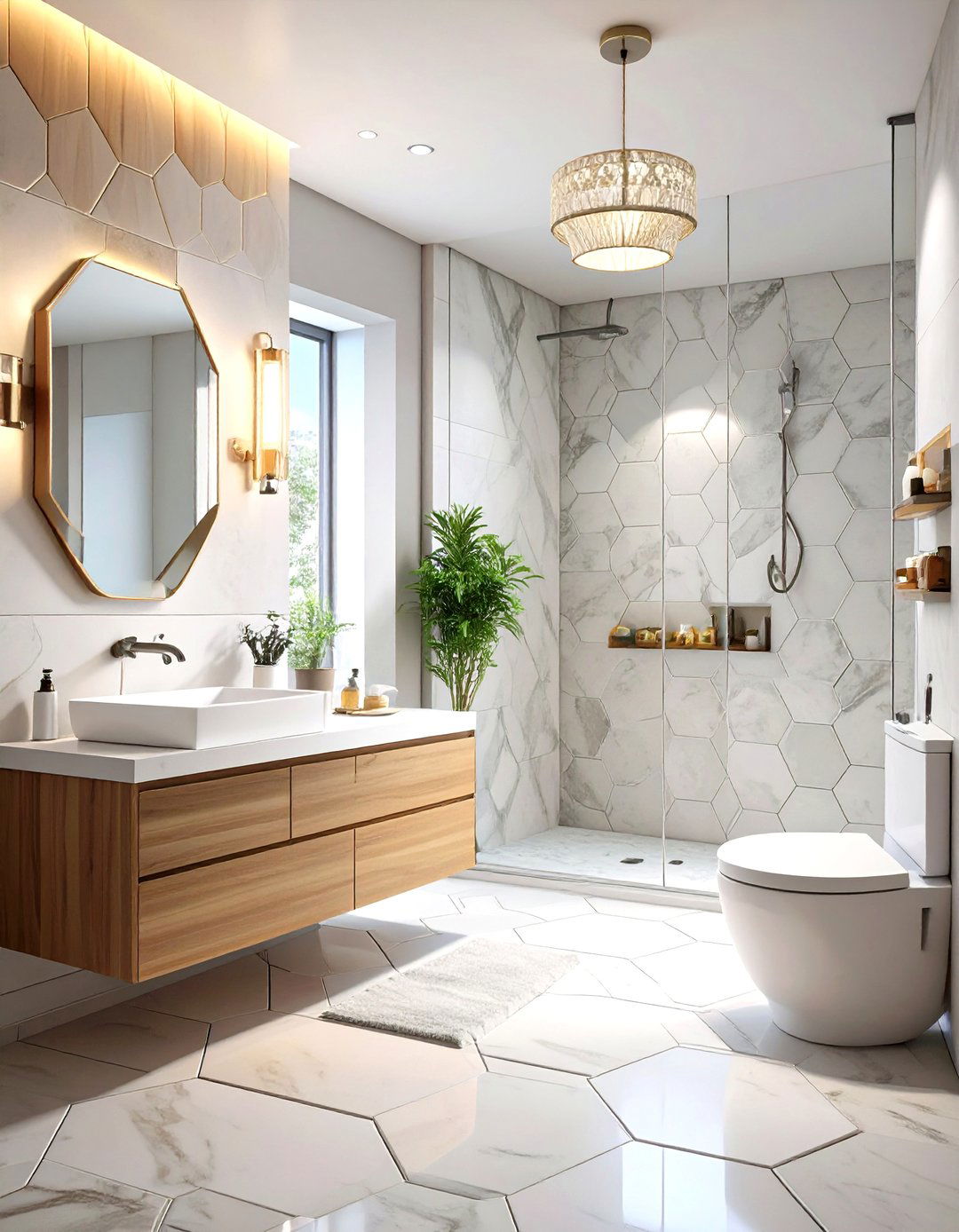
Incorporating a single geometric shape as a recurring motif is a powerful way to build transition rhythm. This could be hexagons in bathroom tiles, circles in light fixtures, and squares in cushion patterns. Repeating this chosen shape across different materials and applications creates a strong visual identity that connects separate areas. The eye subconsciously registers the familiar form, which acts as a unifying thread weaving through the home's design. This technique is both modern and playful, establishing a clear, graphic rhythm that provides structure and a sense of deliberate, cohesive style throughout the entire interior.

15. Contrasting Light and Dark Spaces
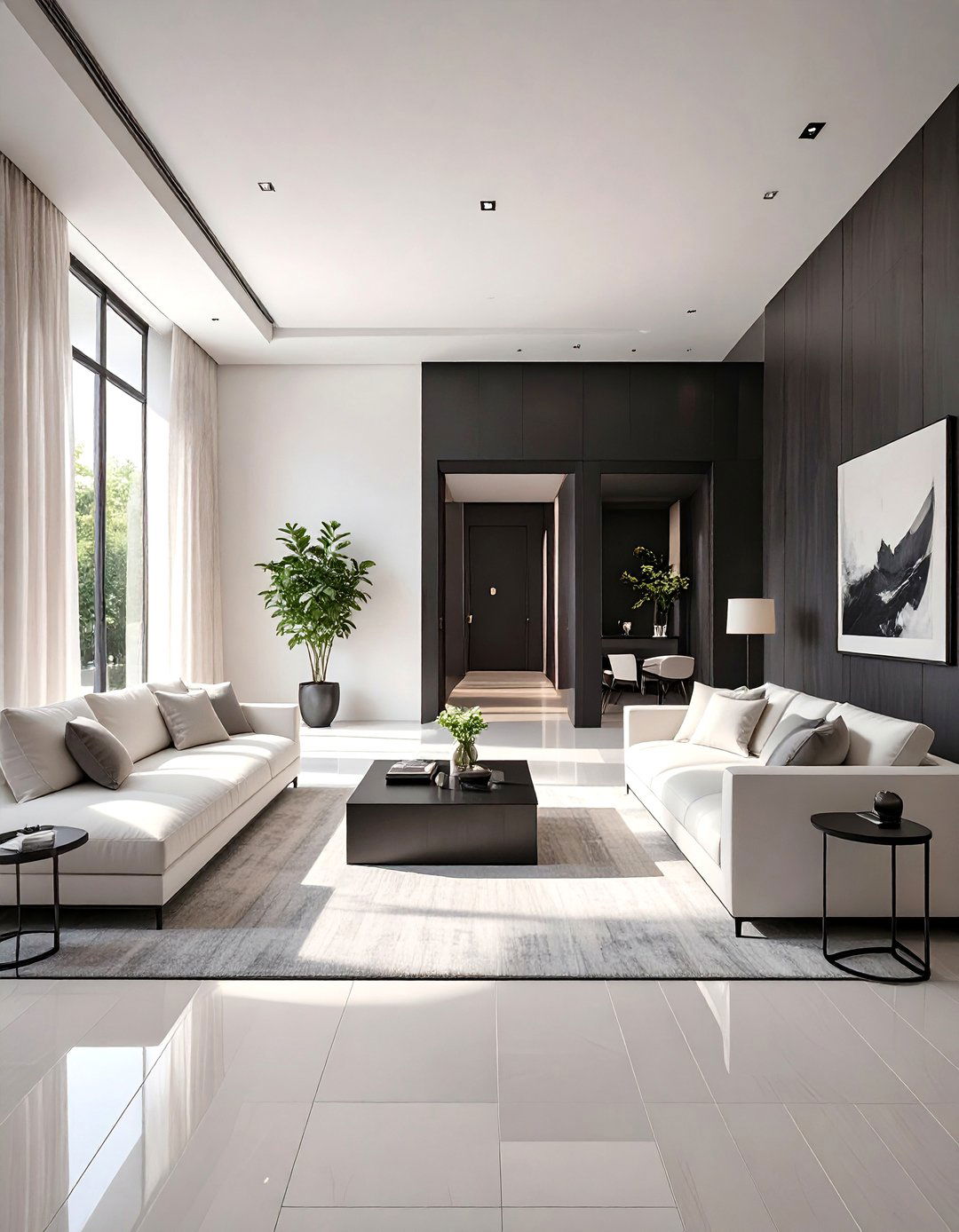
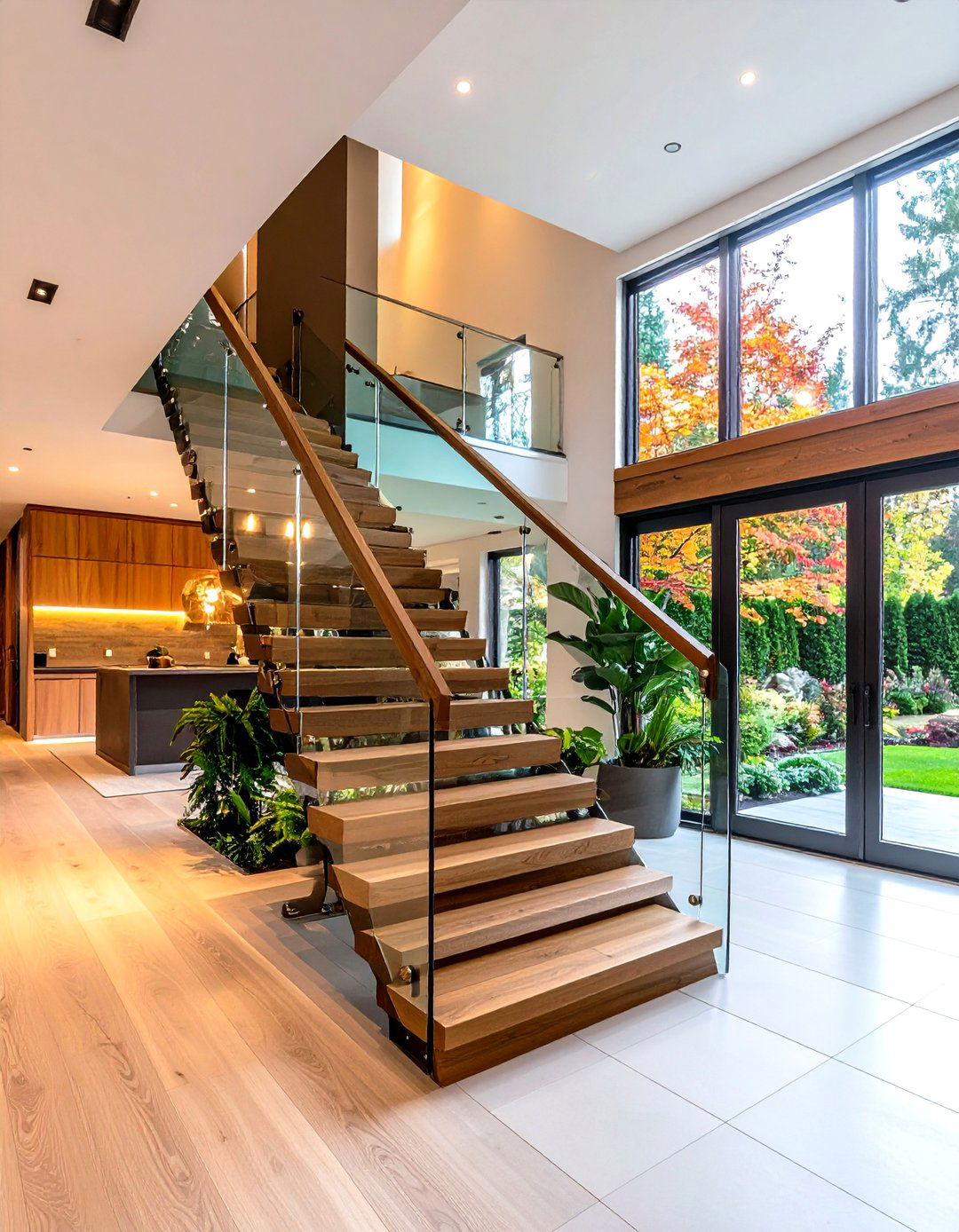
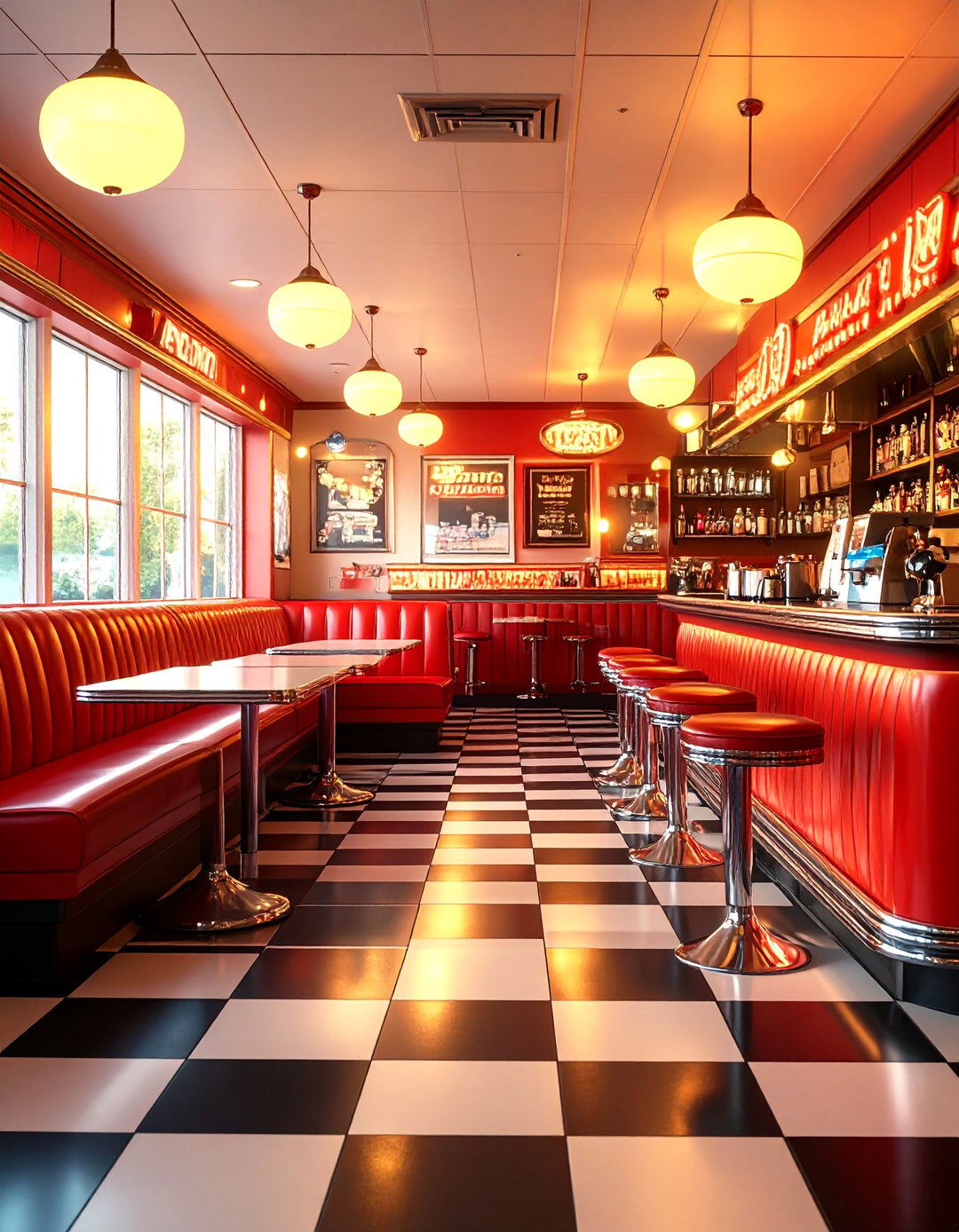
A dramatic way to create rhythm is by transitioning between light-filled rooms and darker, more intimate spaces. Imagine moving from a bright, white-walled living room into a moody, dark-painted study or hallway. This contrast in light and color creates a distinct beat in the home's overall design, almost like a pause in music. The shift forces a change in mood and perception, making the journey through the house more dynamic and experiential. This deliberate use of light and shadow guides movement and defines zones in a powerful way, adding depth and architectural interest to the interior flow.
16. Flowing Drapery and Window Treatments
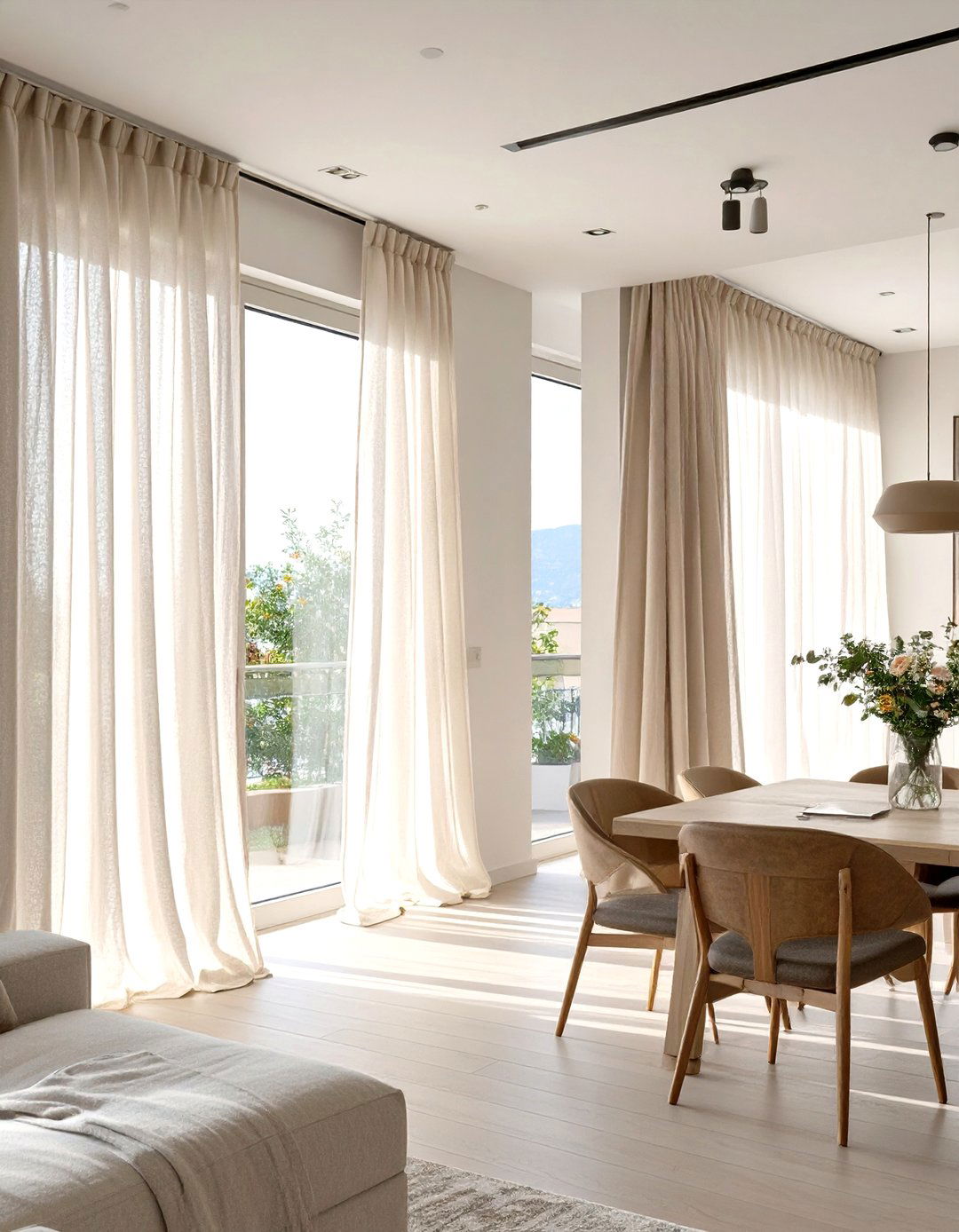
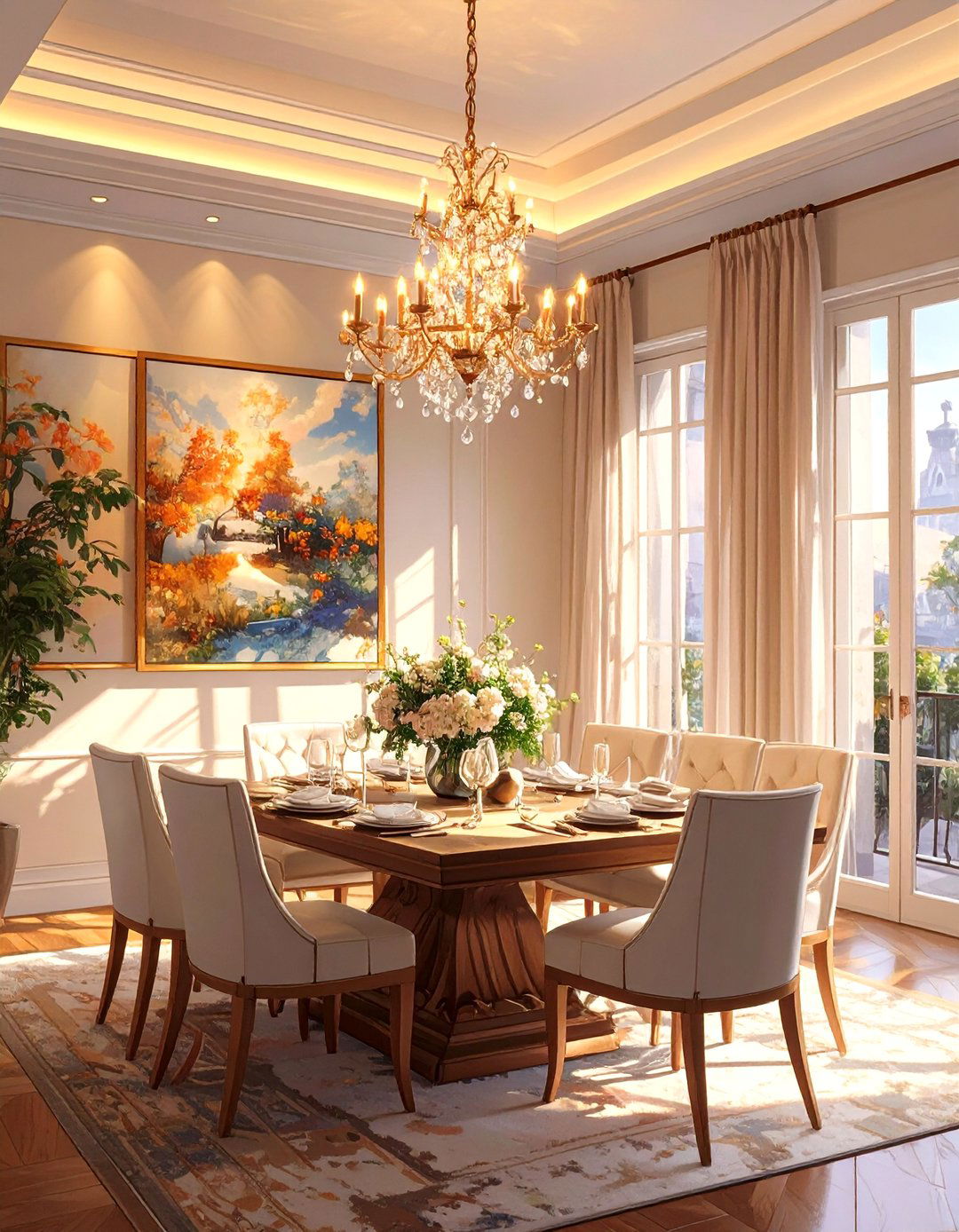
Using the same style of drapery or window treatments in adjacent rooms is a simple yet elegant way to create transition rhythm. Consistent curtains, blinds, or shades provide a visual link when viewed from one room to another or from an exterior perspective. This repetition of fabric, color, and style creates a horizontal line that guides the eye smoothly around the space, unifying the windows as a single architectural element. It helps to soften the boundaries between rooms, particularly in open-concept layouts, and contributes to a serene, cohesive atmosphere that feels both polished and intentionally designed.
17. The Rhythm of Exposed Ceiling Beams
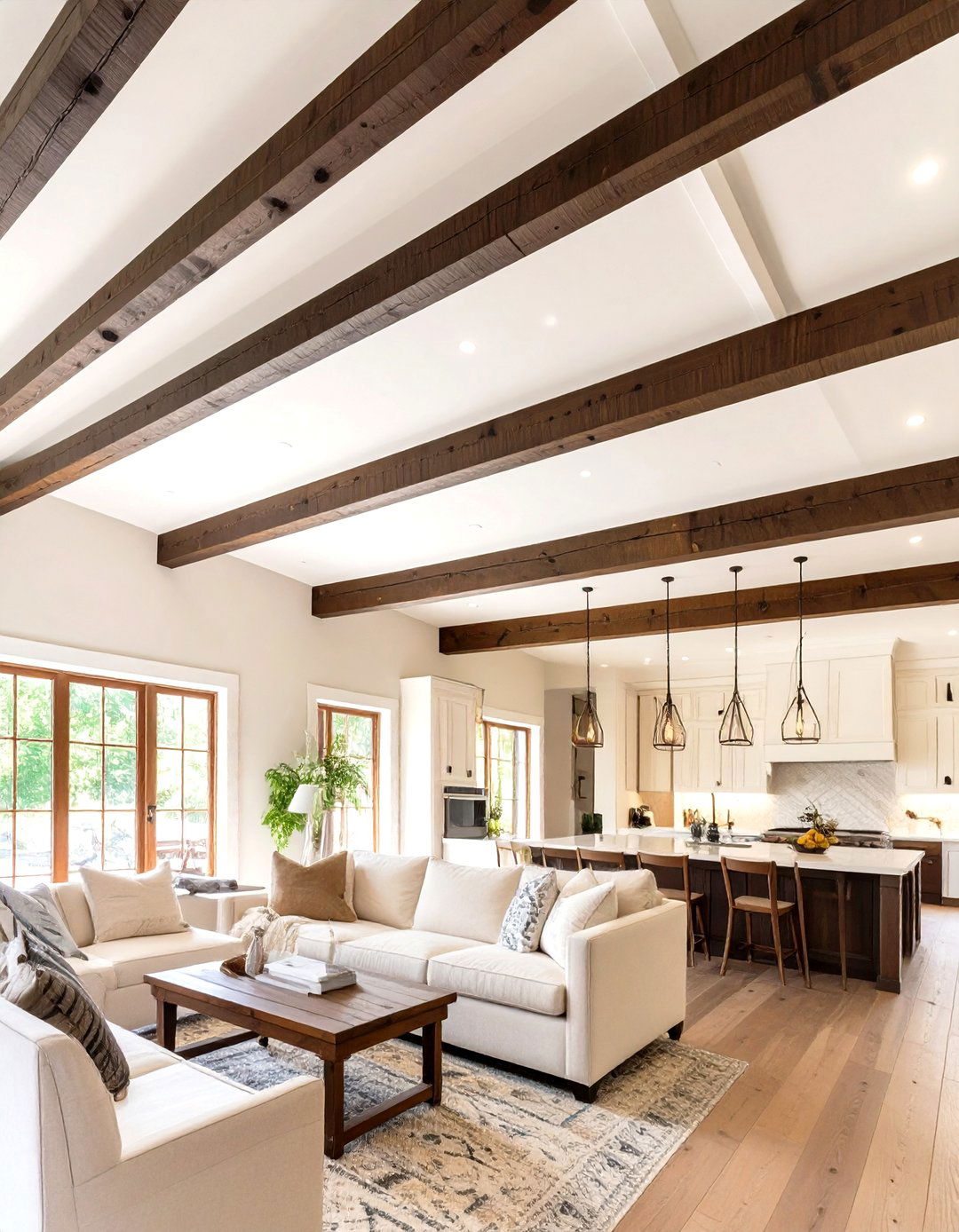
Exposed ceiling beams create a strong and rustic transition rhythm, especially in open-concept homes or rooms with high ceilings. The parallel lines of the beams naturally draw the eye along their length, guiding you through the space. This repetitive structural element creates a powerful visual cadence overhead, defining the volume of the room while connecting different functional areas below. Whether left in a natural wood finish or painted to match the ceiling, the beams add texture, directionality, and a sense of architectural integrity that establishes an effortless and commanding rhythm throughout the interior.
18. A Sequence of Wall Art Canvases

Hanging a triptych or a sequence of related art canvases creates a focused and intentional rhythm on a large wall. The artworks, when spaced evenly, form a visual beat that guides the eye from one piece to the next. This could be a single image split across three panels or a series of works with a common theme or color palette. The defined start and end of the series create a self-contained narrative and a clear rhythm. This technique is perfect for creating a strong focal point above a sofa or along a dining room wall, adding a sophisticated and dynamic element.
19. Graduated Heights in Furniture and Decor

Arranging furniture and decor in graduated heights creates a subtle, flowing rhythm. Consider a living room where a low-profile sofa is flanked by a slightly taller end table, which leads the eye up to a tall floor lamp in the corner. This gentle stepping of heights creates a visual ramp that guides the eye smoothly around the room, preventing it from feeling static. Applying this principle to bookshelf styling or a collection of vases on a console table also works well. The progression adds a sense of organic movement and visual interest, making the space feel more dynamic and thoughtfully composed.
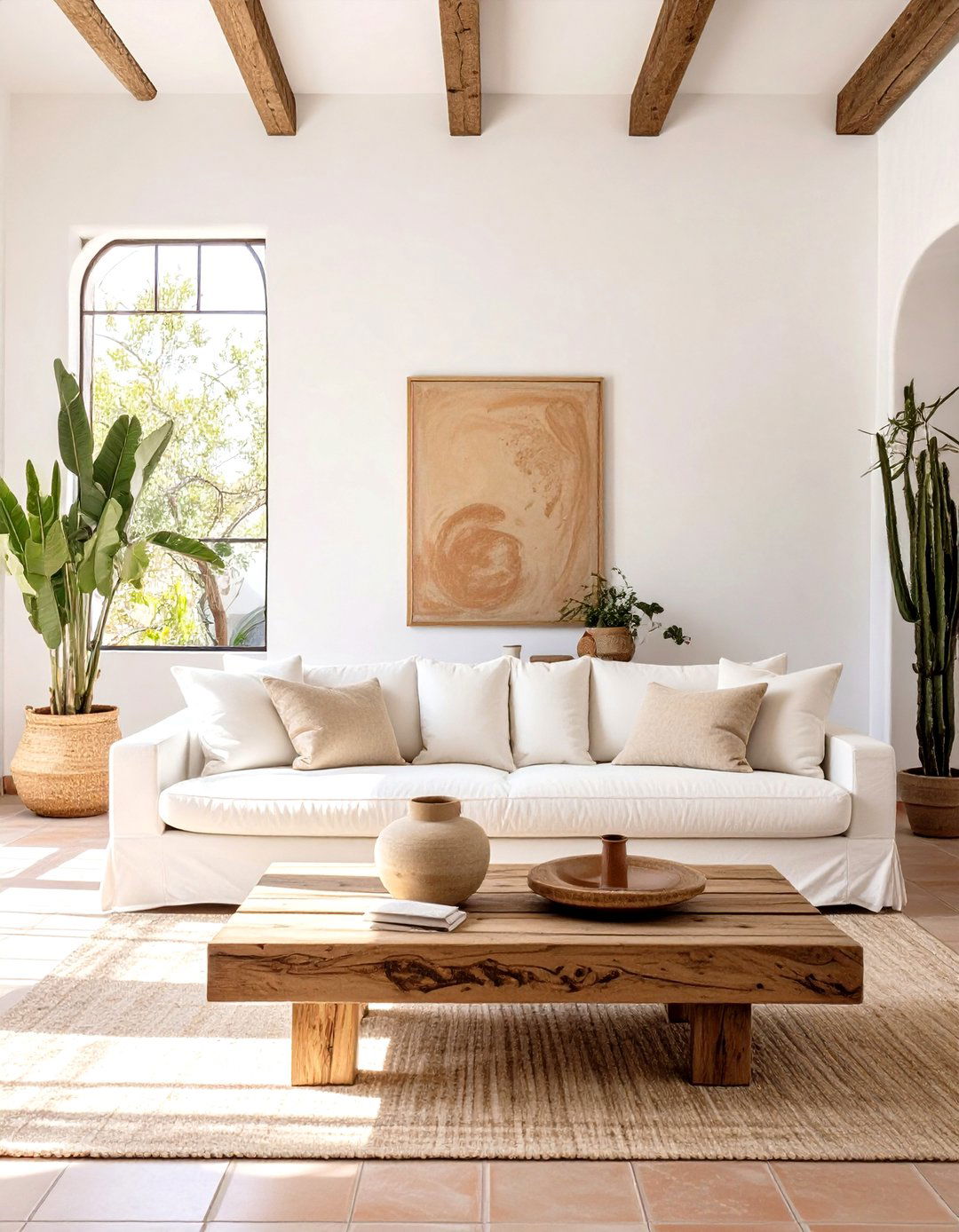

20. Pathways Defined by Furniture Arrangement
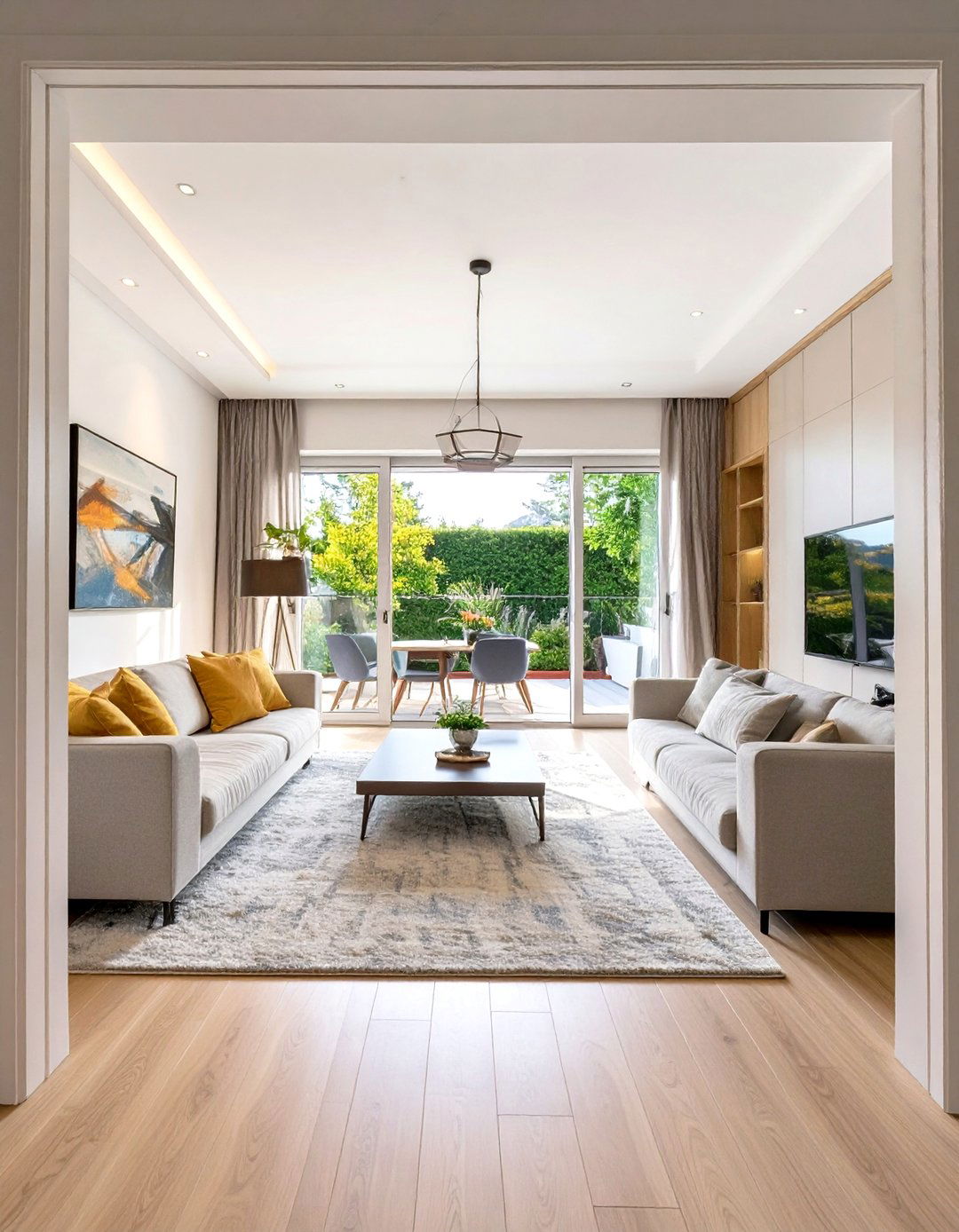
Creating clear pathways with furniture is fundamental to establishing a physical and visual transition rhythm. The negative space between furniture groupings acts as a guide, directing foot traffic and the eye through a room. In a large space, arranging sofas and chairs to form a clear walkway from an entrance to a patio door, for example, creates an intuitive flow. This purposeful arrangement avoids a cluttered feeling and establishes a predictable cadence of movement. The rhythm is defined not by objects, but by the intentional spaces between them, ensuring the layout feels functional, open, and easy to navigate.
21. Rhythm Through Mirrored Surfaces
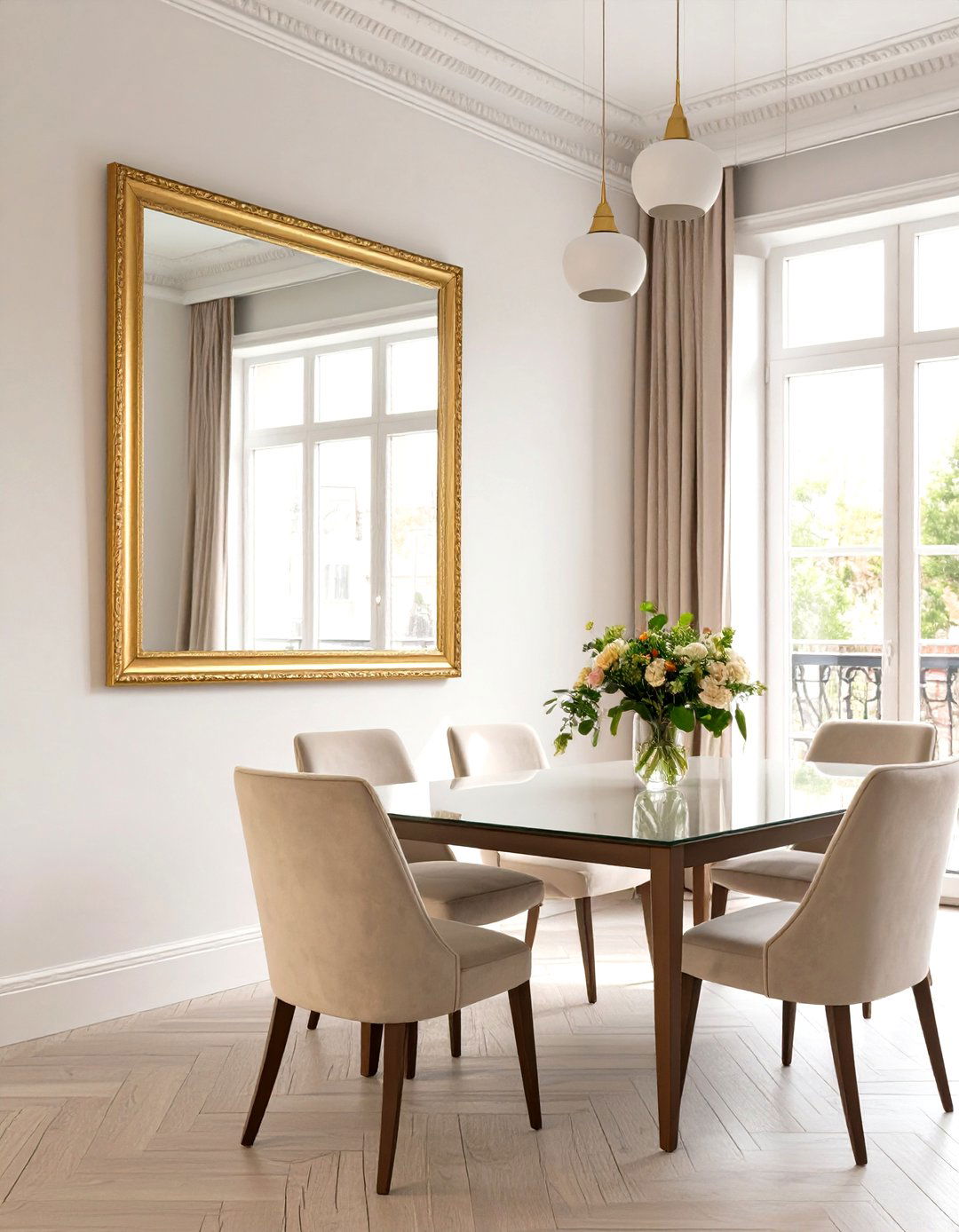
Placing mirrors strategically can create a complex and engaging rhythm of reflection and light. A large mirror on one wall reflecting a series of windows on the opposite wall repeats the pattern of light, creating a visual echo that expands the space. Using multiple smaller mirrors in a sequence down a hallway can also establish a rhythmic beat, bouncing light and images as you move past. This technique adds depth and dynamism, as the reflected view changes with your position. The interplay of real and reflected elements creates a lively transition that makes a space feel brighter and more interactive.
22. Alternating Solid Colors and Patterns
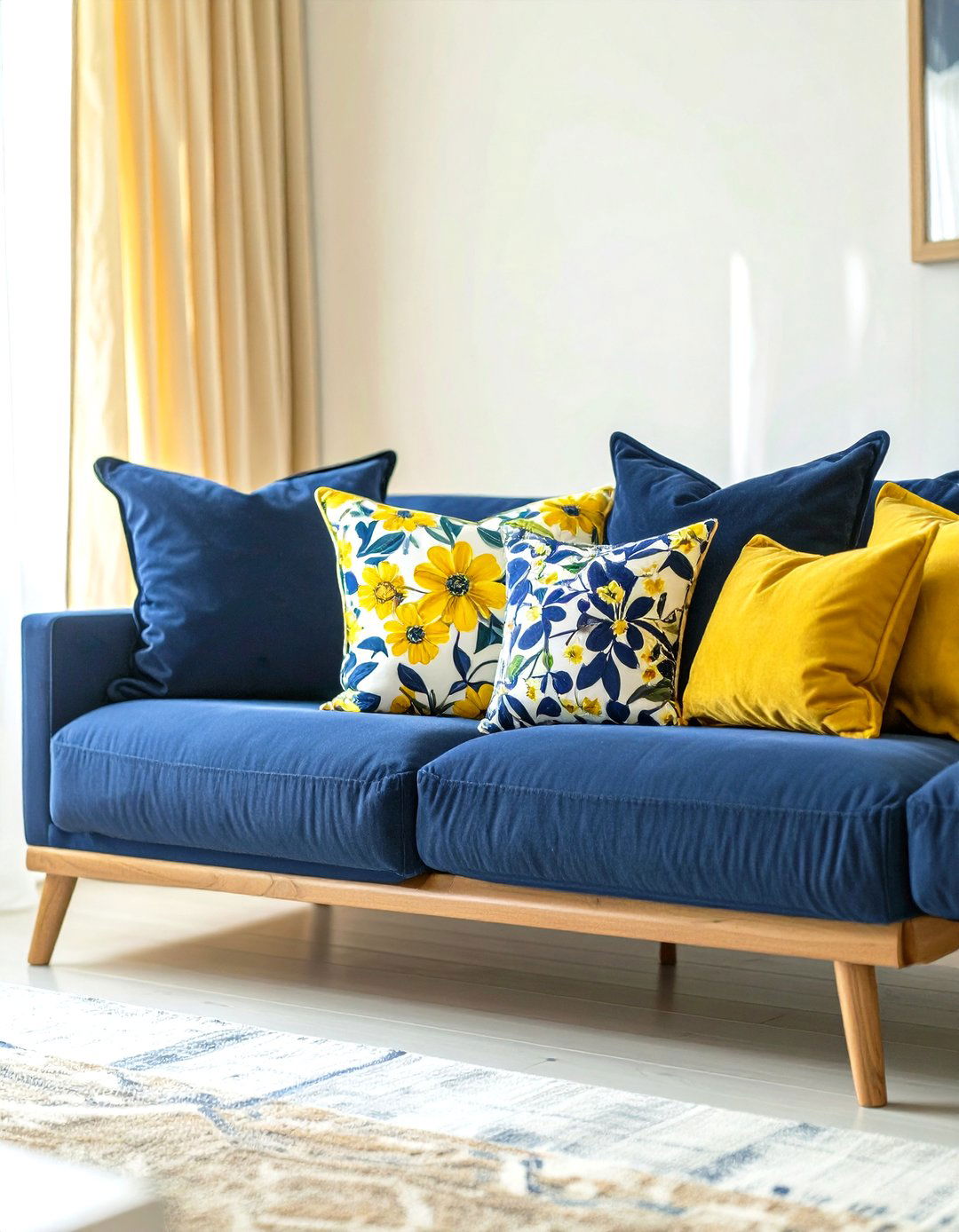
A classic way to create rhythm is by alternating solid-colored elements with patterned ones. For example, in a dining room, you might have solid-colored dining chairs flanking two patterned host chairs at the ends of the table. This A-B-A-B pattern establishes a simple, predictable rhythm that is visually pleasing. You can apply the same principle to throw pillows on a sofa—alternating solid velvets with floral prints—or by placing a patterned rug in a room with solid-colored furniture. This balance of simplicity and complexity creates a harmonious and dynamic design that feels both grounded and interesting.
23. The Repetition of Arched Doorways

Using arched doorways or interior openings throughout a home creates a graceful and architectural transition rhythm. The recurring curved shape provides a soft and elegant visual cue that connects different spaces. As you move from one room to another through these arches, you experience a sense of procession and flow. The repetition of this distinct architectural feature establishes a strong, cohesive design language, lending the home a timeless and sophisticated character. Unlike standard rectangular doorways, the gentle curve of an arch encourages a smoother visual journey, enhancing the overall sense of harmony and elegant movement.
24. A Single Accent Color Thread

Weaving a single, bold accent color throughout different rooms is a highly effective method for creating a connecting rhythm. A splash of sapphire blue, for instance, could appear in a living room vase, the upholstery of dining chairs, the kitchen backsplash, and bathroom towels. This "thread" of color catches the eye and creates a deliberate trail, confirming that each space is part of a unified design concept. The repetition provides consistency and excitement, guiding you through the home with a vibrant and cohesive narrative that makes the entire interior feel connected and purposefully styled.
25. Consistent Door and Cabinet Styles

Using the same style of doors and cabinet fronts throughout a home is a subtle but foundational way to establish transition rhythm. Whether you choose a classic Shaker style, a modern flat panel, or a traditional raised panel, repeating this design on all interior doors, kitchen cabinets, and bathroom vanities creates a powerful sense of unity. This consistency in form provides a baseline rhythm that ties functionally different areas together. It ensures that no matter where you are in the house, a familiar architectural detail reinforces the cohesive design vision, creating a seamless and polished interior environment.
26. Transitioning Through Ceiling Height Changes
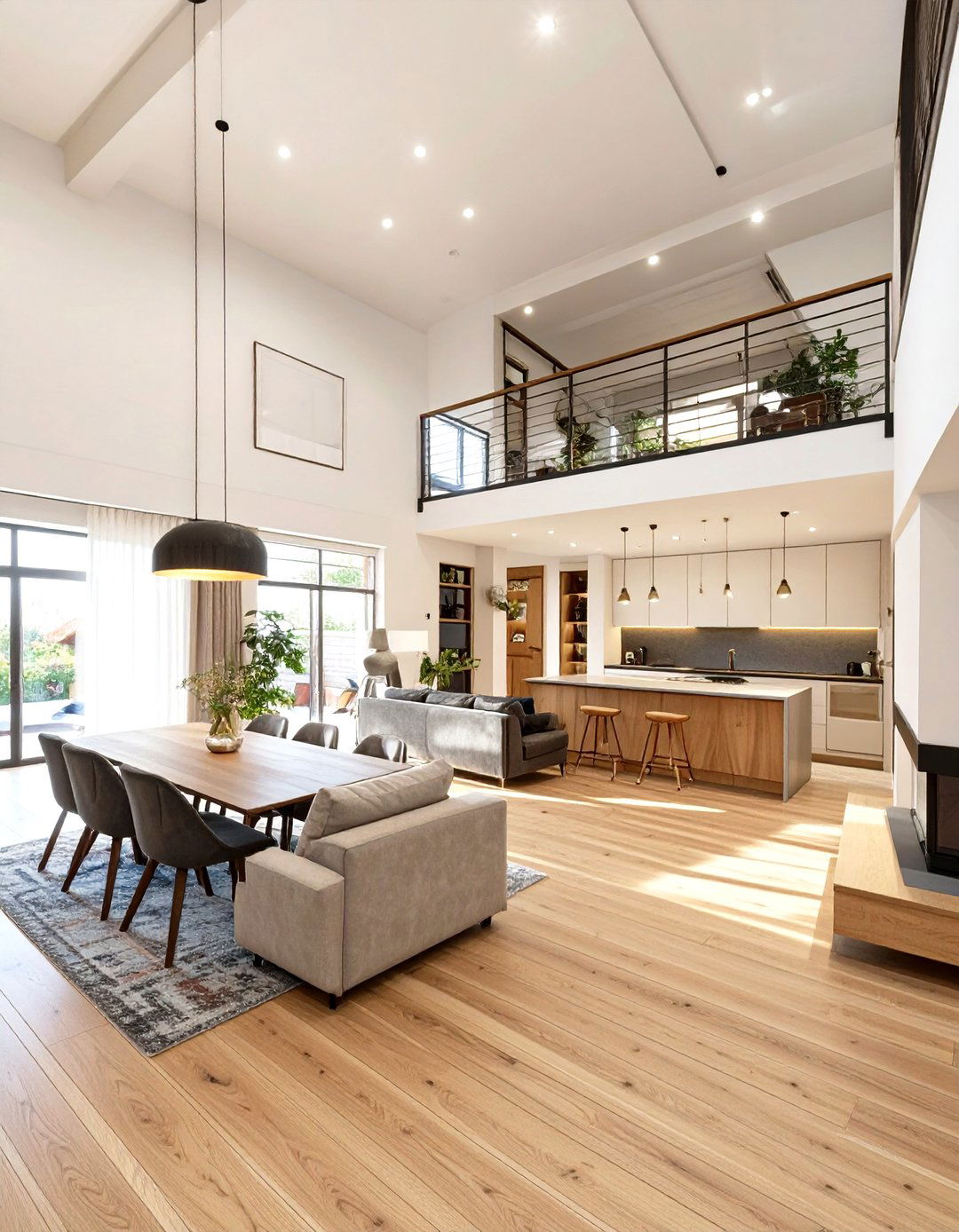
Deliberately designing transitions between different ceiling heights can create a dramatic rhythm and define functional zones. For example, moving from a standard-height hallway into a living room with a soaring vaulted ceiling creates a sense of expansion and arrival. Conversely, lowering the ceiling over a cozy dining area or kitchen can create a more intimate atmosphere within a larger open plan. This play on vertical space, known as compression and release, guides movement and alters the mood from one area to the next, establishing a powerful architectural rhythm that enhances the experience of the space.
27. Rhythmic Spacing of Wall Sconces

Installing wall sconces with even, rhythmic spacing along a wall or hallway creates a beautiful interplay of light and shadow. The repeating fixtures act as visual beats, guiding the eye and illuminating the path forward. This technique is especially effective in long corridors or on large, featureless walls, as it adds architectural interest and a sense of order. The pools of light cast by the sconces create a pattern on the wall and floor, adding another layer to the rhythm. This creates a transition that is both functional and aesthetically pleasing, lending a sophisticated and hotel-like feel to the space.
28. Using a Continuous Line Motif

Incorporating a continuous line motif is a modern way to create a graphic transition rhythm. This could be a painted line that travels along walls, up the stairs, and across a ceiling, or a design element in a custom rug that flows from one area to another. This uninterrupted line acts as a literal guide for the eye, creating a clear and dynamic path through the space. It’s a bold and artistic statement that physically connects different zones and architectural planes. The technique adds a sense of movement and directionality, making the interior feel cohesive and intentionally designed with a strong, graphic vision.
29. The Beat of Staircase Balusters

The balusters or spindles of a staircase create a natural and prominent transition rhythm between floors. The steady, repetitive spacing of these vertical elements forms a visual cadence that guides the eye upward or downward. Whether the balusters are simple wood dowels, ornate wrought iron, or modern metal bars, their repetition is a key feature of the home's vertical transition. Highlighting them with a contrasting paint color can further emphasize this rhythm, turning a functional staircase into a striking design feature that powerfully dictates the visual flow between the home's different levels.
30. Phased Introduction of a Material
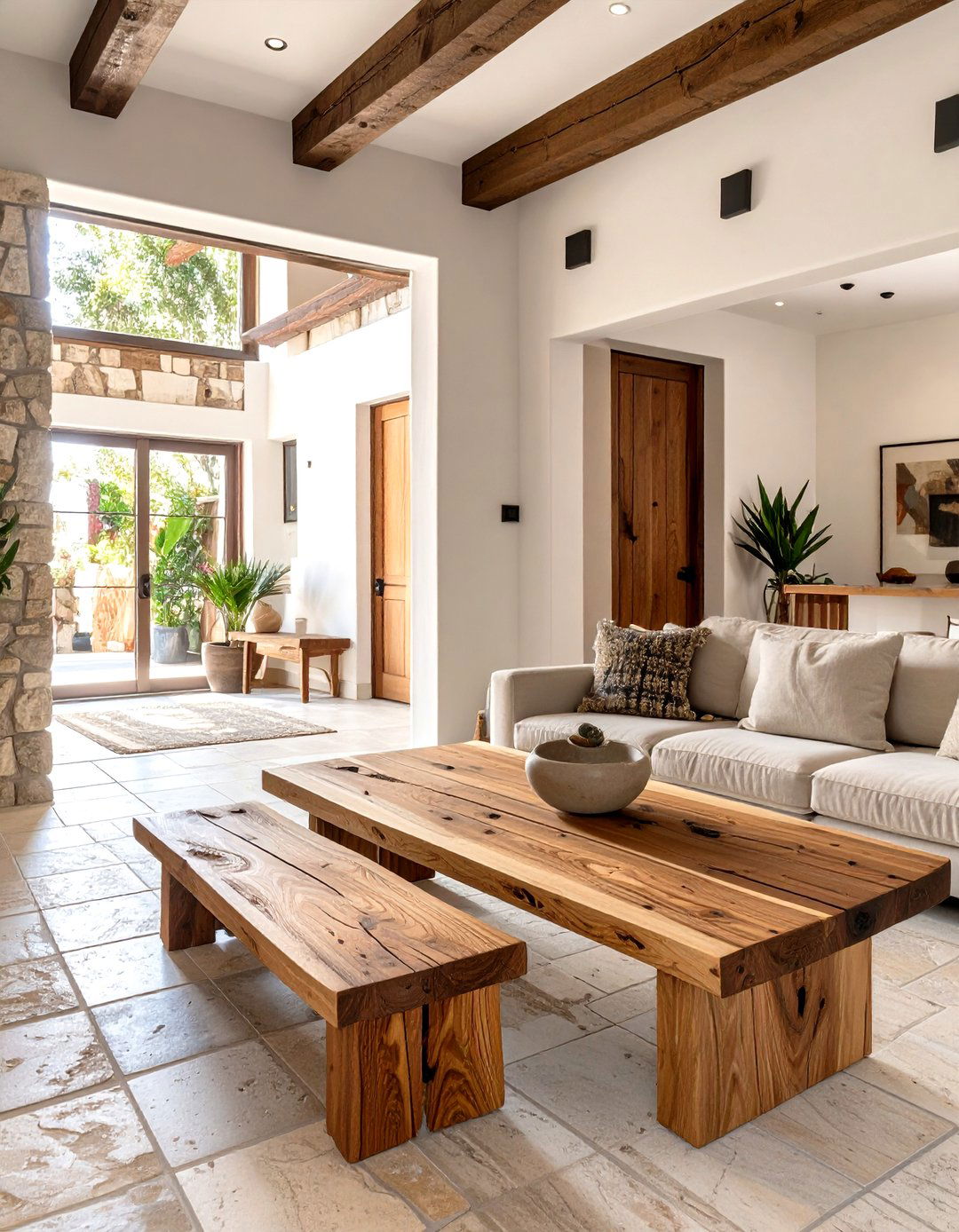
Creating rhythm by gradually introducing a material can build a beautiful transition. For instance, in an entryway with stone floors, you could introduce small wood accents in a console table. In the adjacent living room, the wood becomes more prominent in the form of a coffee table and media unit. Finally, in the dining room, wood might be the dominant material for the table and chairs. This phased introduction of the material creates a subtle progression that guides the eye and connects the spaces. It builds a cohesive story, with the material's presence growing as you move deeper into the home.
Conclusion:
Ultimately, transition rhythm in interior design is about creating a connected and harmonious living environment. By employing techniques like repetition, progression, and strategic contrast, you can guide the eye and create a seamless flow between rooms. Whether through consistent colors, repeating patterns, architectural features, or thoughtful furniture placement, the goal is to establish a visual story that unifies the entire home. A well-executed rhythm makes a space feel larger, more intentional, and infinitely more pleasing, transforming a collection of individual rooms into a single, cohesive, and beautifully orchestrated home.

Related posts:




Leave a Reply