
Transitional interior design offers a harmonious blend of traditional elegance and modern simplicity, creating spaces that feel both timeless and fresh. This popular style bridges the gap between two distinct aesthetics, resulting in a cohesive and comfortable home environment. It emphasizes classic silhouettes and clean lines, paired with a calm, neutral color palette that allows textures and subtle patterns to shine. The beauty of transitional design lies in its balance, where every element, from furniture to lighting, is carefully chosen to contribute to a look that is sophisticated yet inviting, classic yet current, avoiding the extremes of any single style.
1. Neutral Color Palette with Pops of Blue
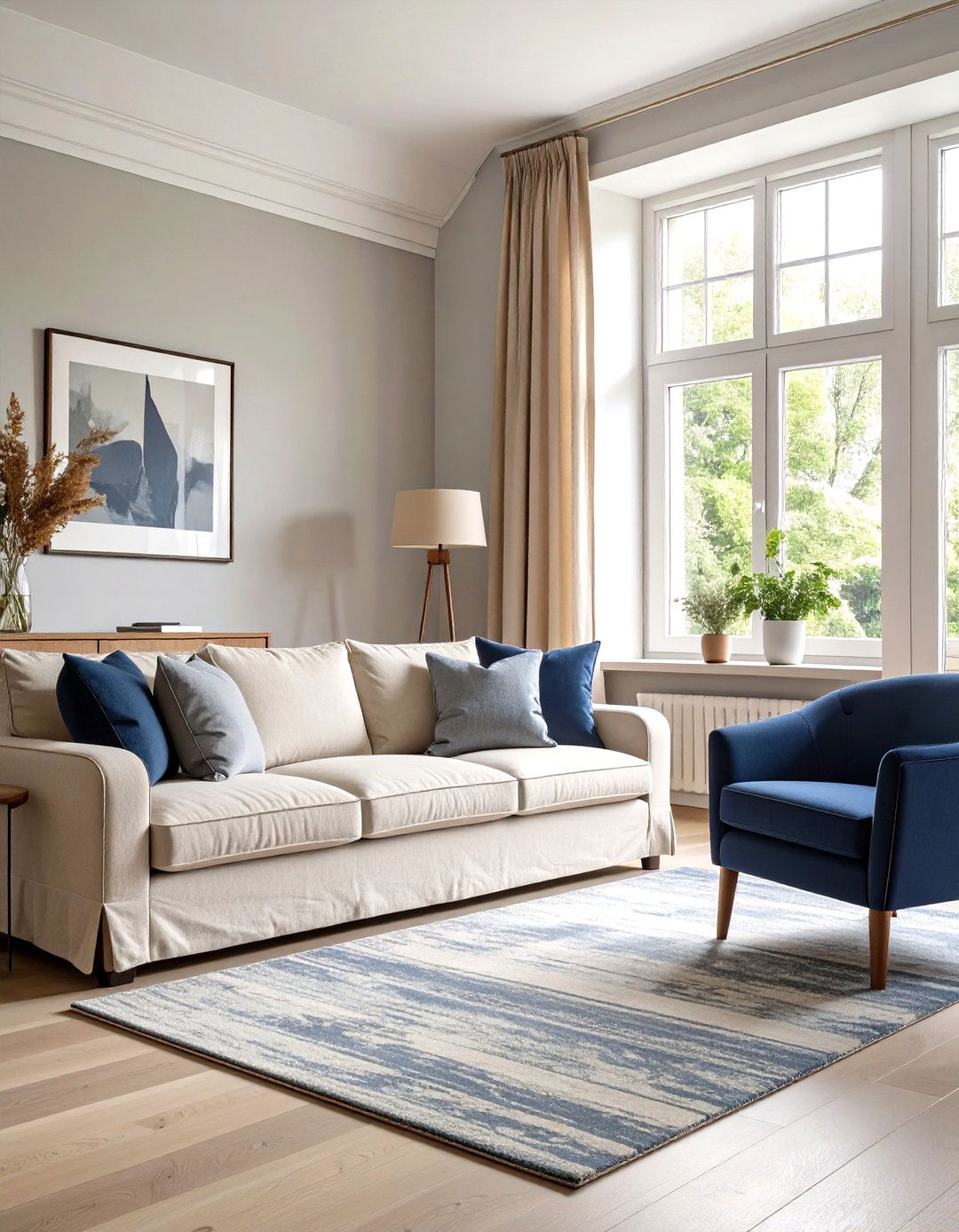
A foundational transitional interior design idea is building upon a neutral color palette. Think shades of gray, beige, taupe, and off-white for walls, large furniture pieces, and flooring. This creates a serene and sophisticated backdrop that feels both classic and contemporary. To introduce personality without overwhelming the space, incorporate subtle pops of color, such as dusty blue or navy. These can appear in throw pillows, artwork, area rugs, or a single accent chair. This approach maintains the calm, balanced aesthetic of transitional style while adding visual interest and a touch of modern character to the overall room design.
2. Curved Furniture with Clean Lines
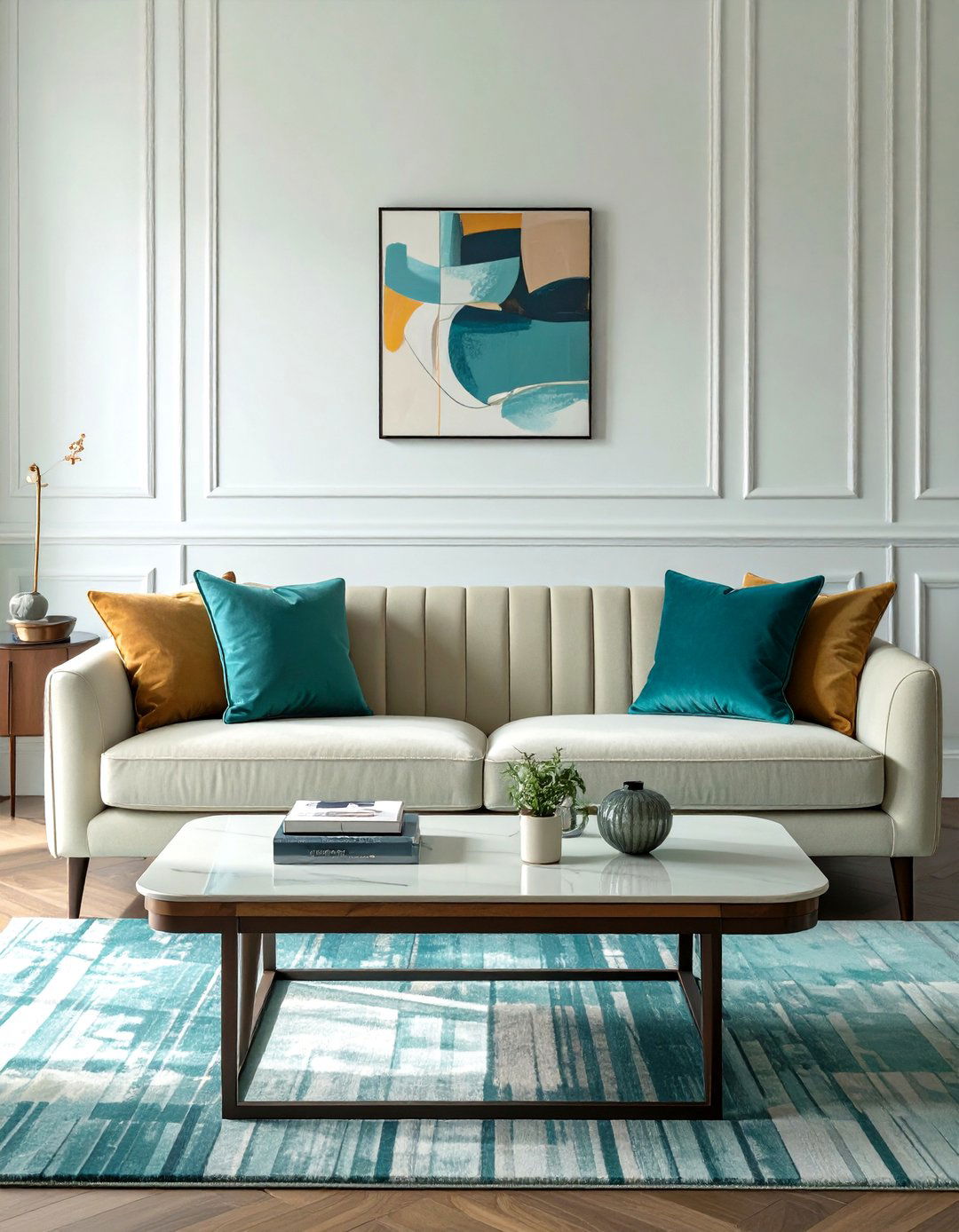
Transitional design expertly merges the soft, graceful curves of traditional furniture with the sharp, clean lines of modern pieces. Consider a sofa with classic rounded arms paired with a sleek, minimalist coffee table with straight legs. This juxtaposition creates a dynamic yet balanced look. The key is to select pieces that complement rather than compete with each other. For instance, a dining table with a simple, straight-edged top can be surrounded by chairs featuring gently curved backs. This blend of masculine and feminine forms results in a comfortable, sophisticated space that feels layered and thoughtfully curated, avoiding a sterile or dated appearance.
3. Large-Scale, Simple Artwork
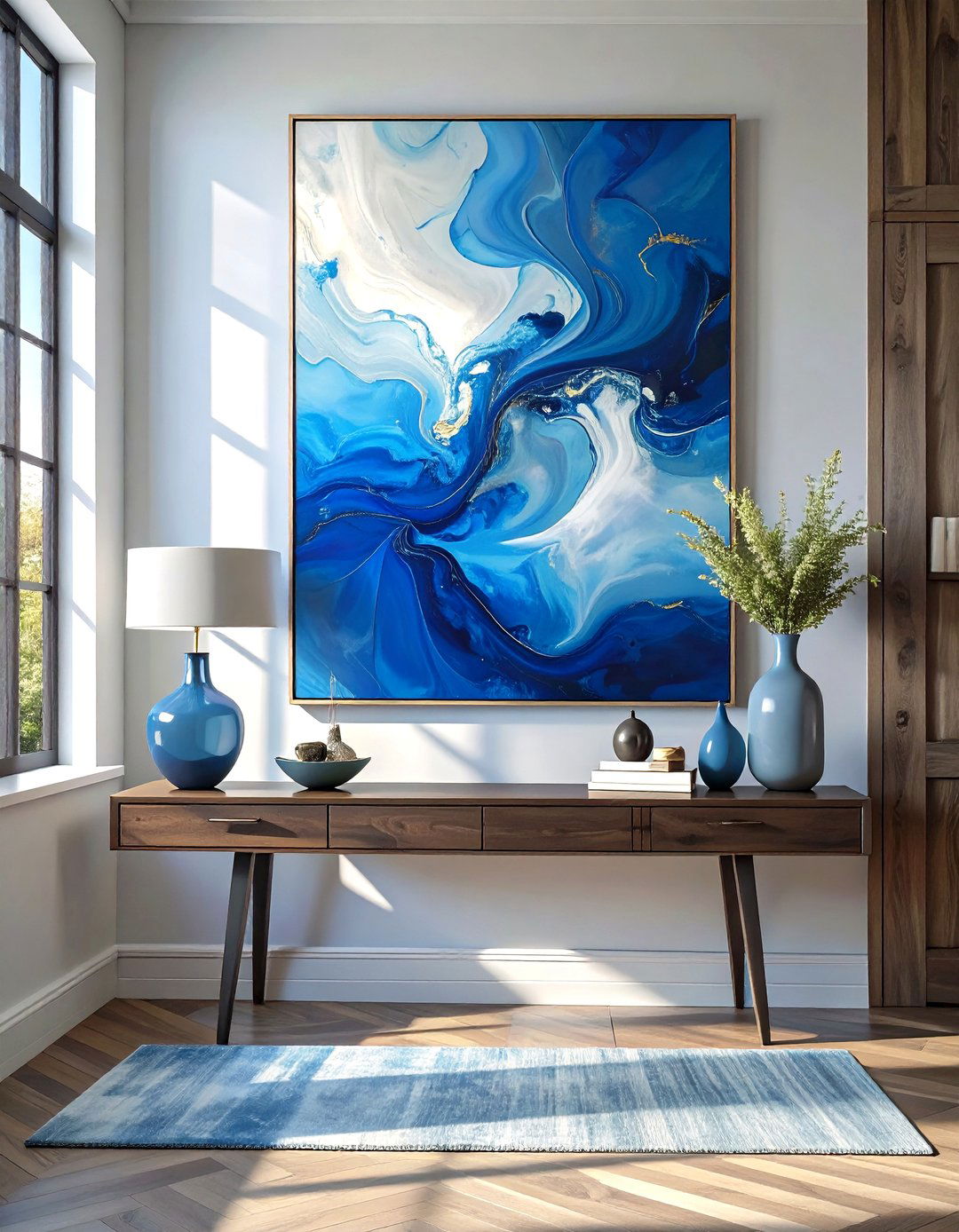
To make a statement in a transitional space, opt for large-scale artwork with simple, uncluttered subjects. Instead of a busy gallery wall, a single oversized piece of abstract art or a serene landscape photograph creates a powerful focal point. The frame should also reflect the transitional ethos—a simple, clean-lined black, white, or metallic frame works best. This approach aligns with the style's emphasis on clean aesthetics while introducing a dose of personality and color. The artwork should complement the room's neutral palette, perhaps picking up on an accent color used in textiles, to create a cohesive and polished look.
4. Layered Textures for Depth
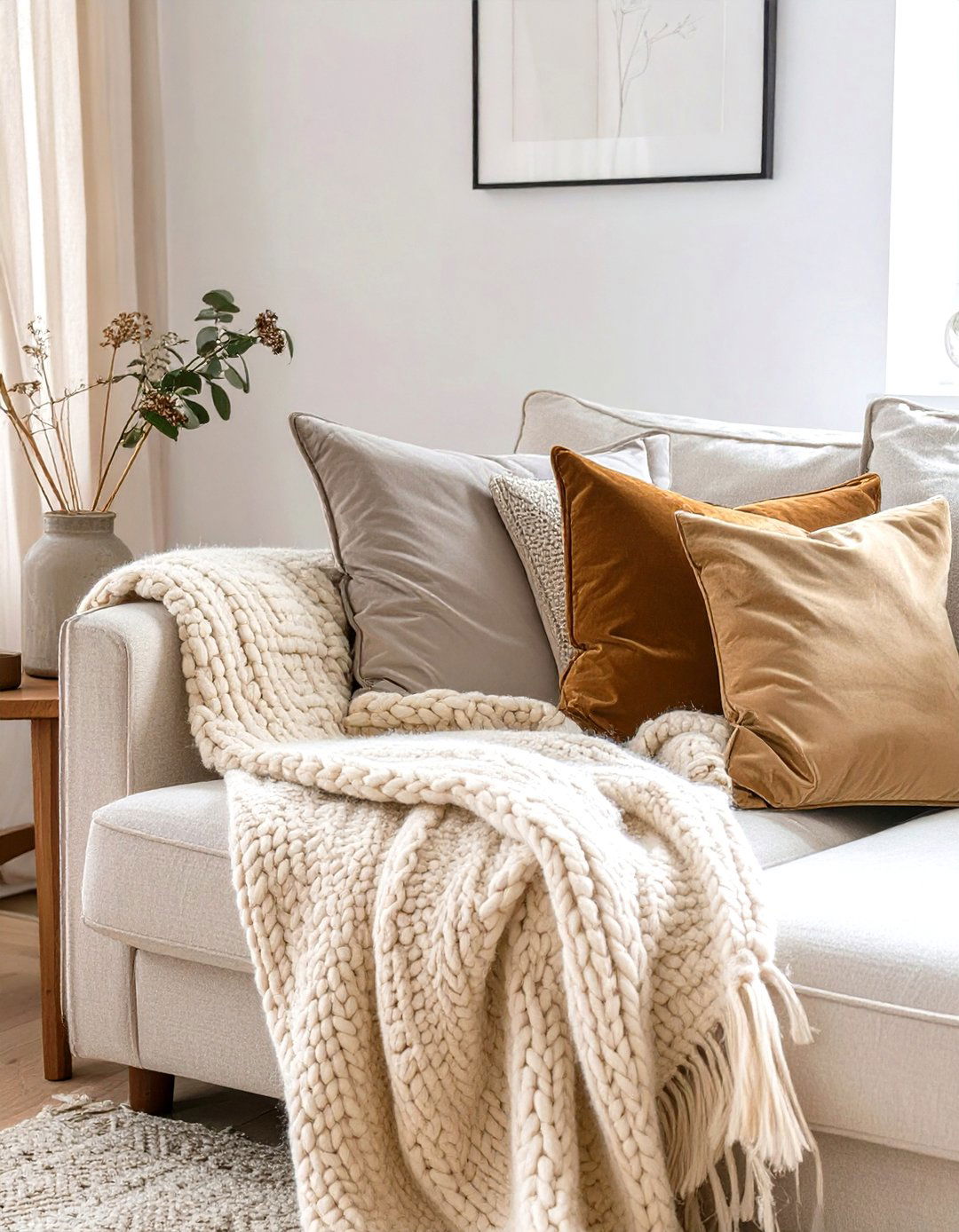
Adding a variety of textures is crucial for preventing a neutral transitional space from feeling flat or cold. Introduce layers of different materials to create warmth and visual depth. Combine a plush wool rug on a hardwood floor, velvet cushions on a linen sofa, and a chunky knit throw draped over a leather armchair. Other textures to consider include silk, chenille, and suede. This tactile variety engages the senses and adds a level of sophistication and comfort. The interplay between smooth and rough, soft and firm surfaces gives the room a rich, inviting quality that is central to the transitional aesthetic.
5. Minimalist Window Treatments
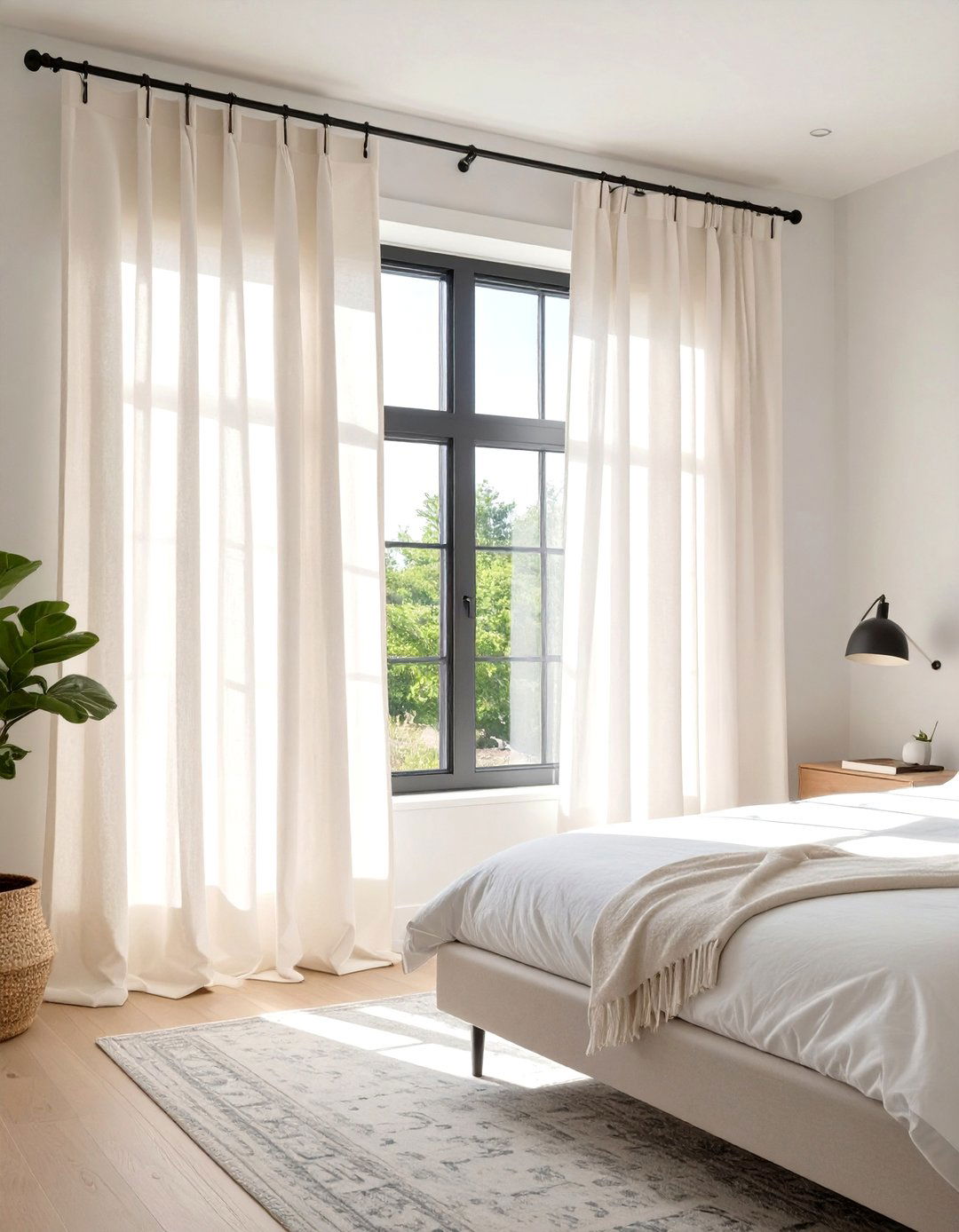
In transitional interior design, window treatments should be simple and functional, allowing natural light to be a key feature. Avoid heavy, ornate draperies with swags or tassels. Instead, choose tailored options like simple curtain panels in a solid neutral fabric, such as linen or cotton. These can be hung from a clean, unadorned metal or wood rod. Other excellent choices include classic Roman shades, woven wood blinds, or streamlined roller shades. The goal is to frame the window and provide privacy without adding unnecessary fuss or visual clutter, maintaining the clean, airy, and sophisticated feel of the room.
6. Statement Lighting Fixtures
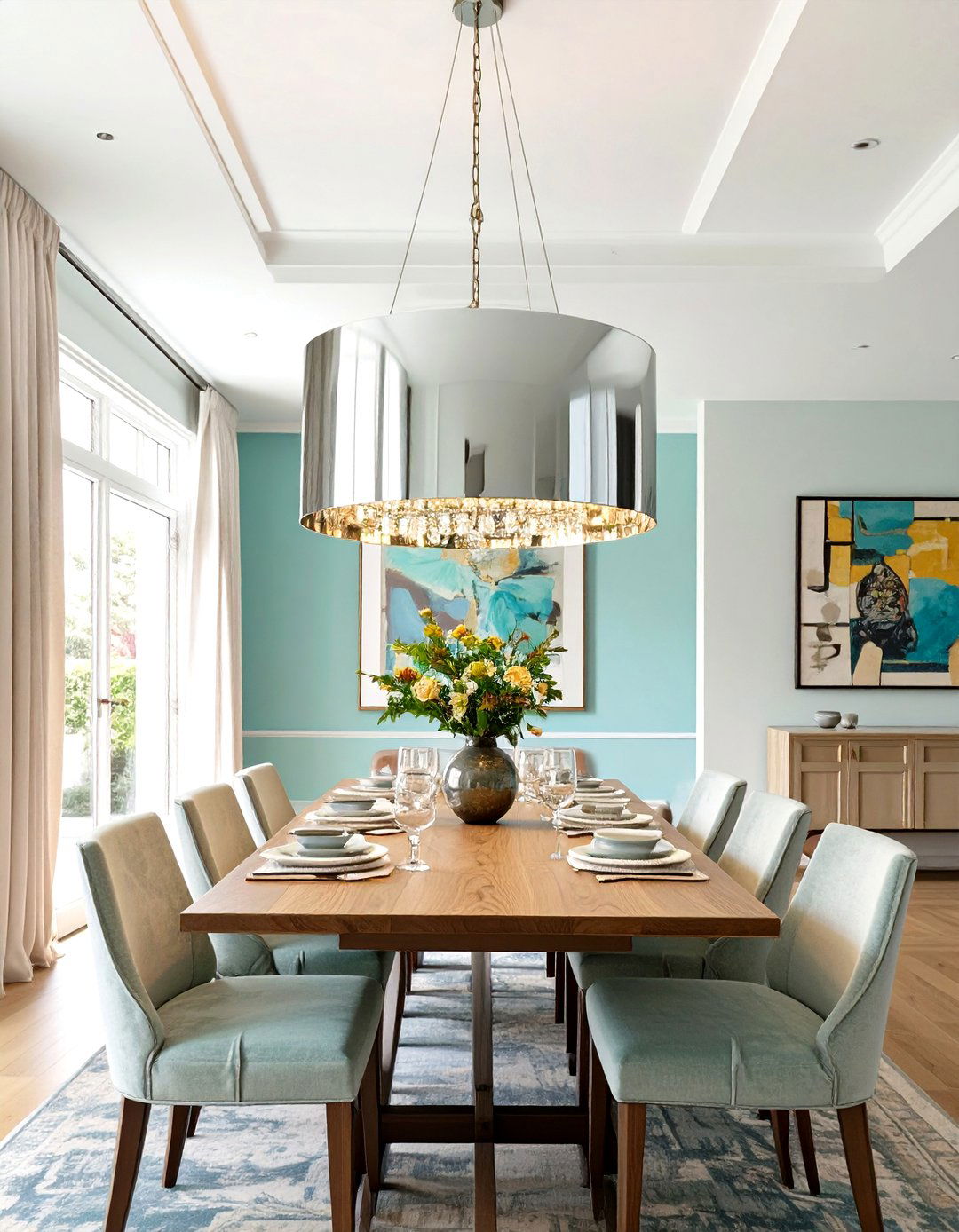
Lighting in transitional design acts as functional jewelry for a room. Select statement fixtures that blend traditional shapes with contemporary materials. A classic chandelier form rendered in polished nickel or matte black, for example, perfectly captures this hybrid style. Look for pendants or chandeliers with simple, elegant lines rather than intricate details. Drum shades are a popular choice as they offer a clean, modern silhouette. These fixtures serve as a central focal point, drawing the eye upward and adding a touch of drama and elegance without conflicting with the room’s otherwise calm and balanced aesthetic.
7. Natural Wood Finishes
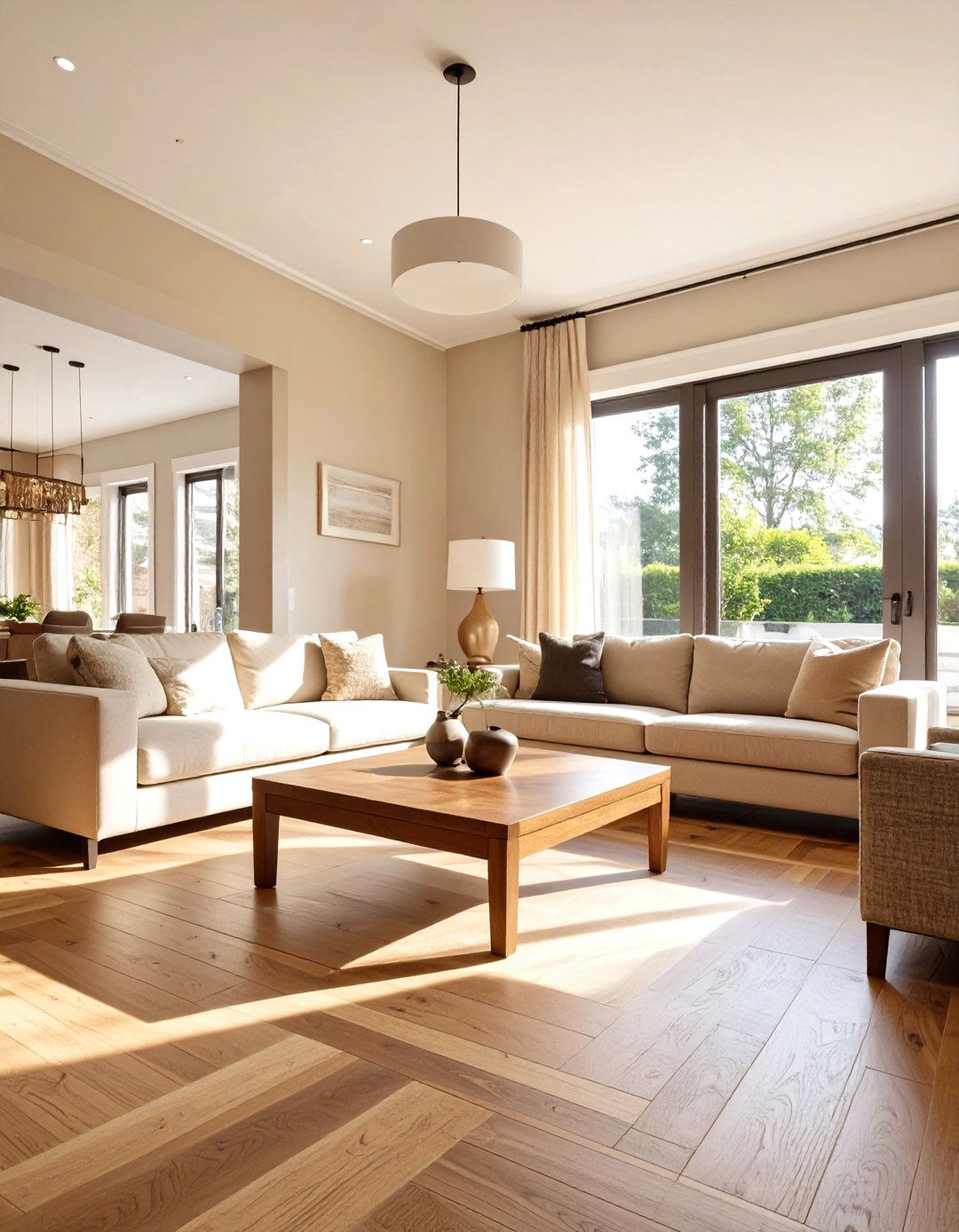
Incorporating natural wood finishes is essential for adding warmth and organic texture to a transitional interior. Opt for wood tones that are not overly rustic or excessively polished, finding a happy medium. Medium-toned woods like oak, walnut, or maple work beautifully for flooring, furniture, or architectural details like ceiling beams. The key is to let the natural grain and character of the wood show through. Mixing different wood finishes within the same color family can also add depth, as long as the undertones are compatible. This connection to nature helps to ground the space and complements the style’s neutral color scheme perfectly.
8. Symmetrical Furniture Arrangement
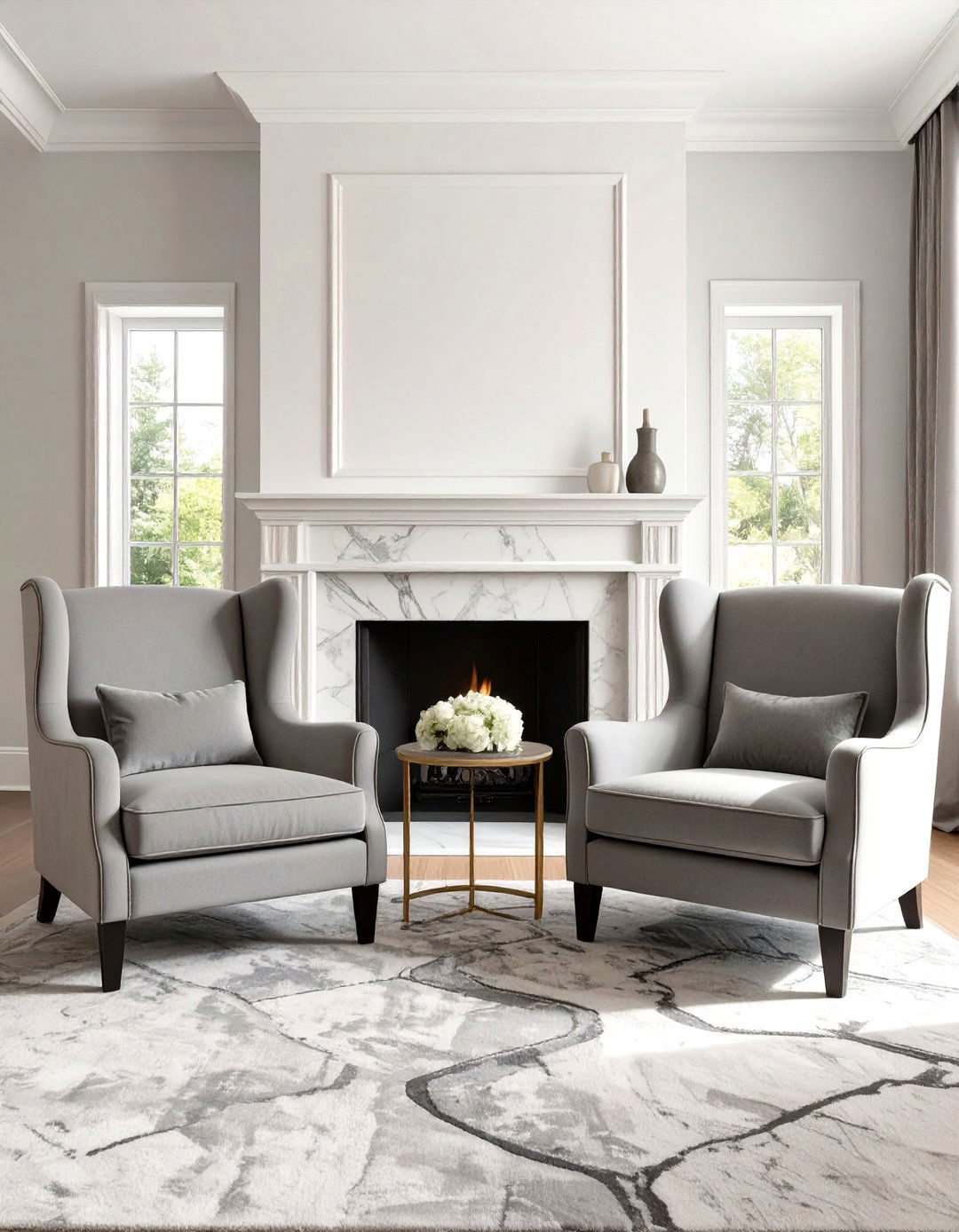
Symmetry is a classic design principle that brings a sense of order and calm, making it a perfect fit for transitional interiors. Arrange furniture to create a balanced and harmonious layout. This could mean placing matching sofas opposite each other, flanking a fireplace with identical armchairs, or positioning matching nightstands and lamps on either side of a bed. This structured approach provides a traditional foundation that feels formal and elegant. However, the use of contemporary furniture pieces and a lack of excessive ornamentation keep the overall look from feeling too stuffy, achieving that signature transitional balance.
9. Reflective Surfaces and Mirrors
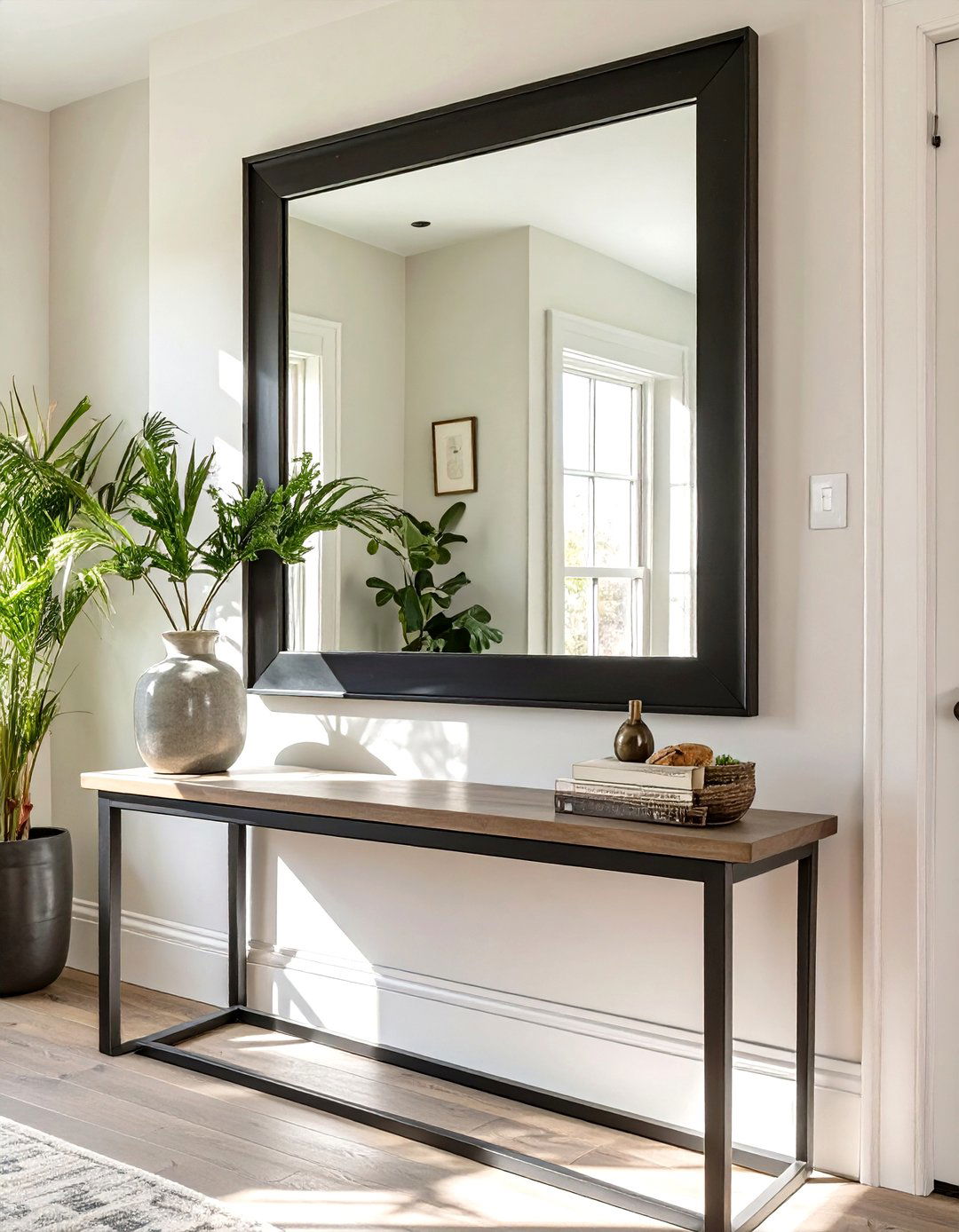
To enhance the bright and airy feel of a transitional space, incorporate reflective surfaces. Large, simply framed mirrors are a fantastic tool for this, as they bounce light around the room and create the illusion of more space. Place a large mirror above a console table in an entryway or over a fireplace mantel. Other reflective elements can include polished chrome or nickel hardware, glass-topped tables, and metallic lighting fixtures. These shiny surfaces provide a touch of modern glamour that contrasts beautifully with the softer, matte textures of textiles and wood, adding another layer of visual interest.

10. Area Rugs to Define Zones
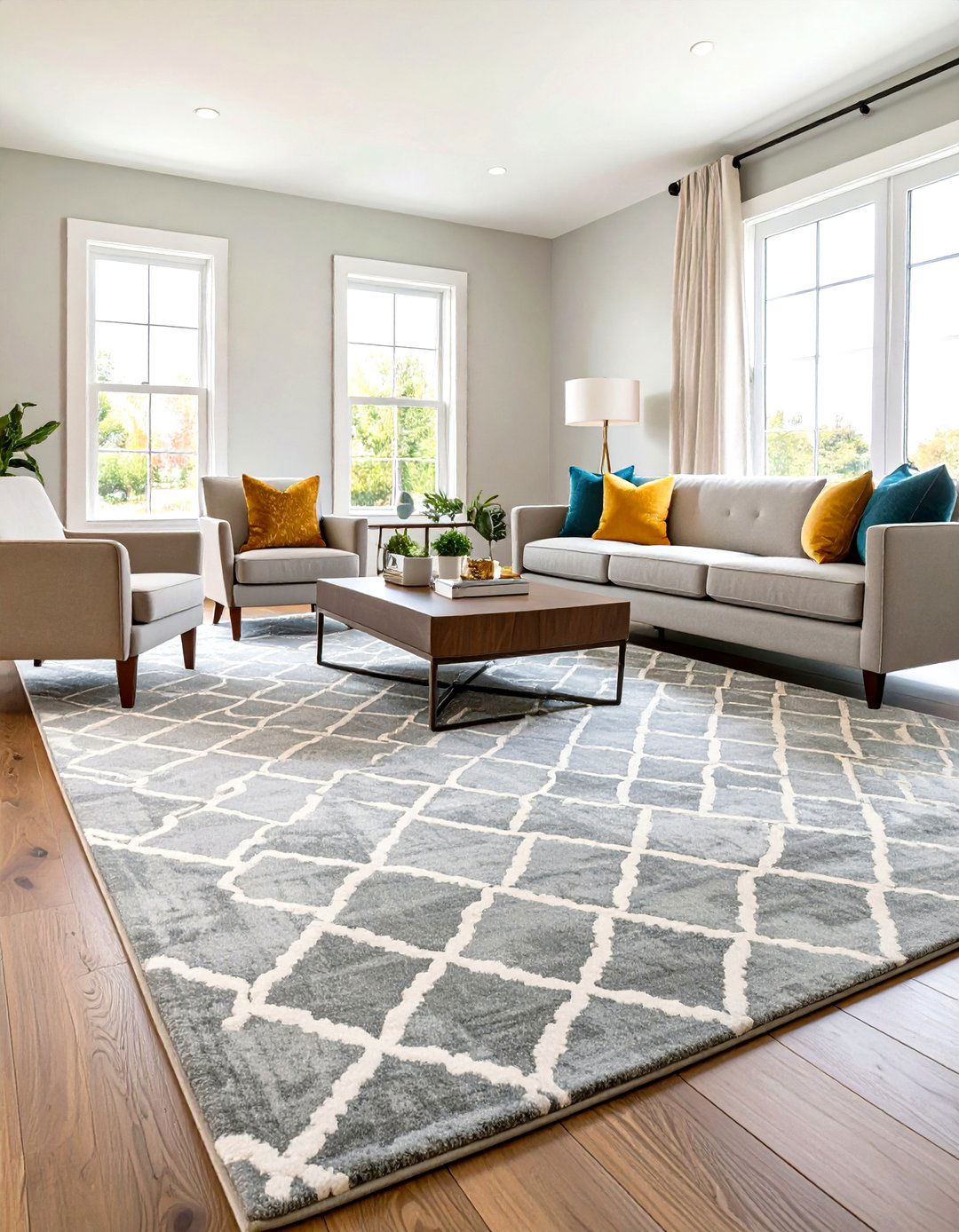
In open-plan living areas, area rugs are a crucial element in transitional design for defining specific functional zones. A large rug can anchor a seating arrangement in the living area, while another can delineate the dining space. Choose rugs that feature subtle patterns, such as a simple geometric design, a soft abstract motif, or a tone-on-tone texture. This adds visual interest and softness underfoot without overwhelming the serene aesthetic. The rug's colors should complement the room's neutral palette, perhaps incorporating the chosen accent color to tie the entire space together into a cohesive, well-defined whole.
11. Built-In Shelving and Cabinetry
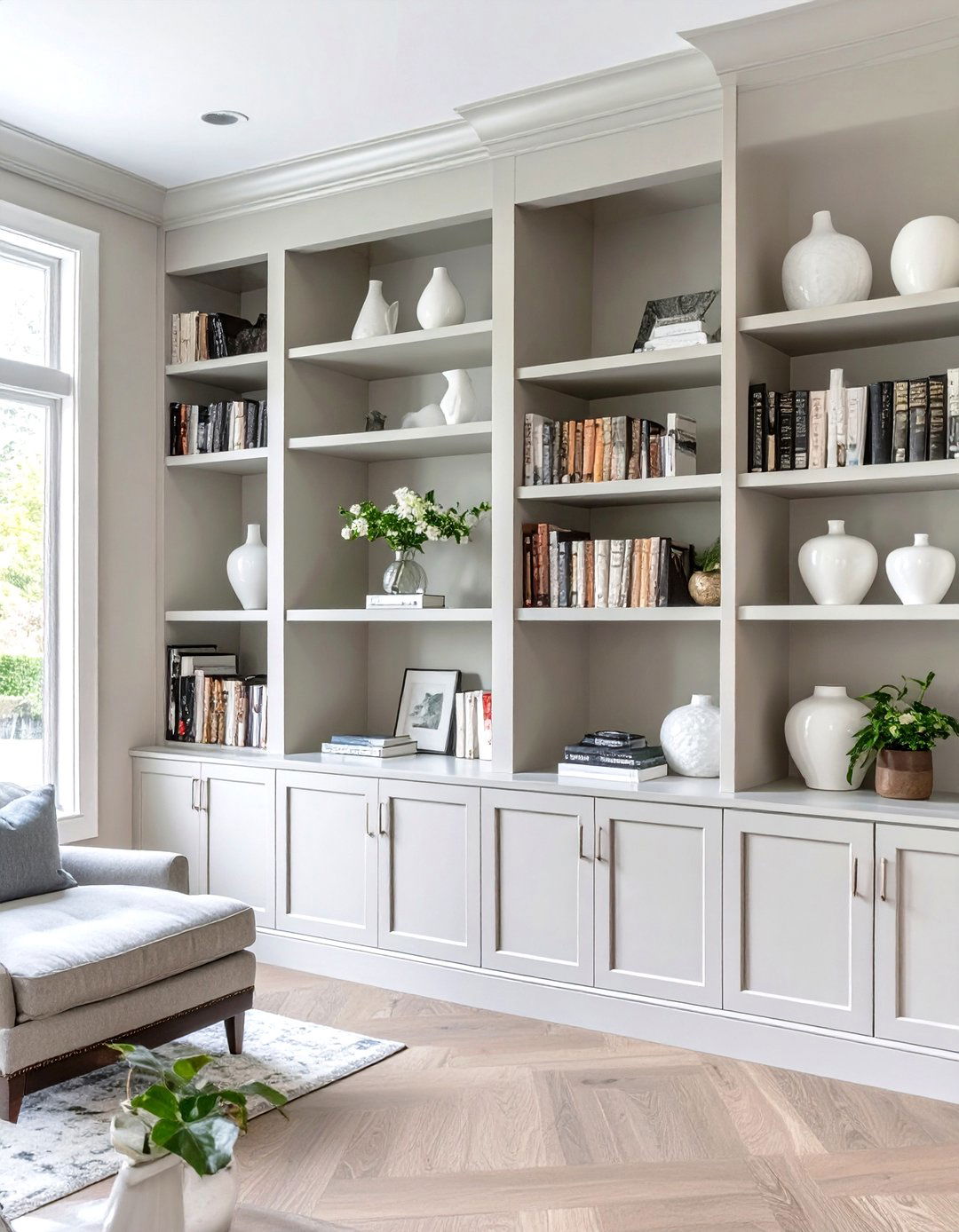
For a seamless and sophisticated storage solution, custom built-in shelving and cabinetry are hallmarks of transitional design. These elements provide a clean, integrated look that minimizes clutter and enhances the room's architecture. Opt for simple Shaker-style cabinet doors or flat-panel designs painted in the same neutral color as the walls for a cohesive feel. Open shelving can be used to display a curated collection of books and decorative objects, adding personality without creating visual noise. This approach combines traditional craftsmanship with a modern, streamlined aesthetic, perfectly embodying the transitional spirit of balanced design.
12. Unfussy Bedding in the Bedroom
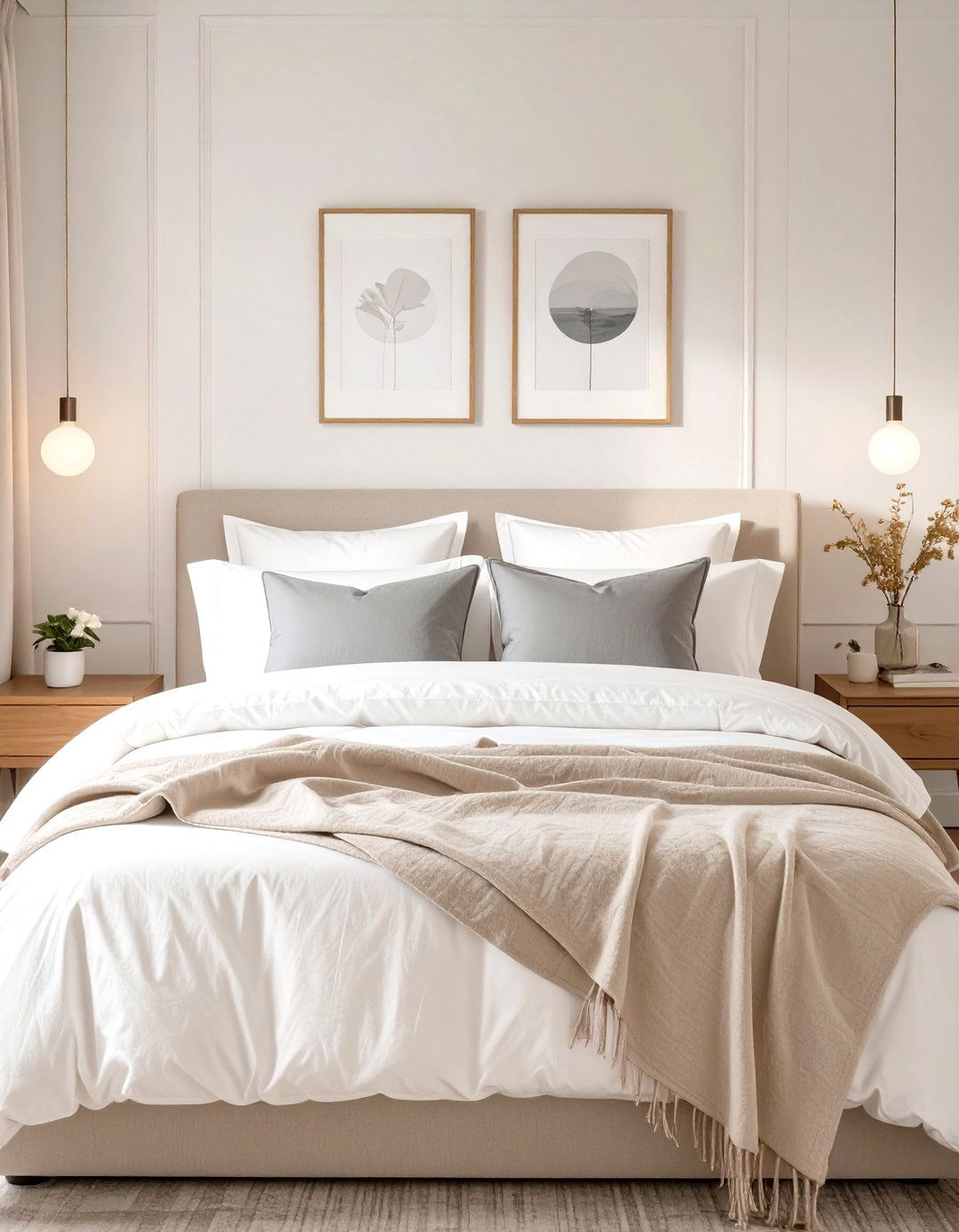
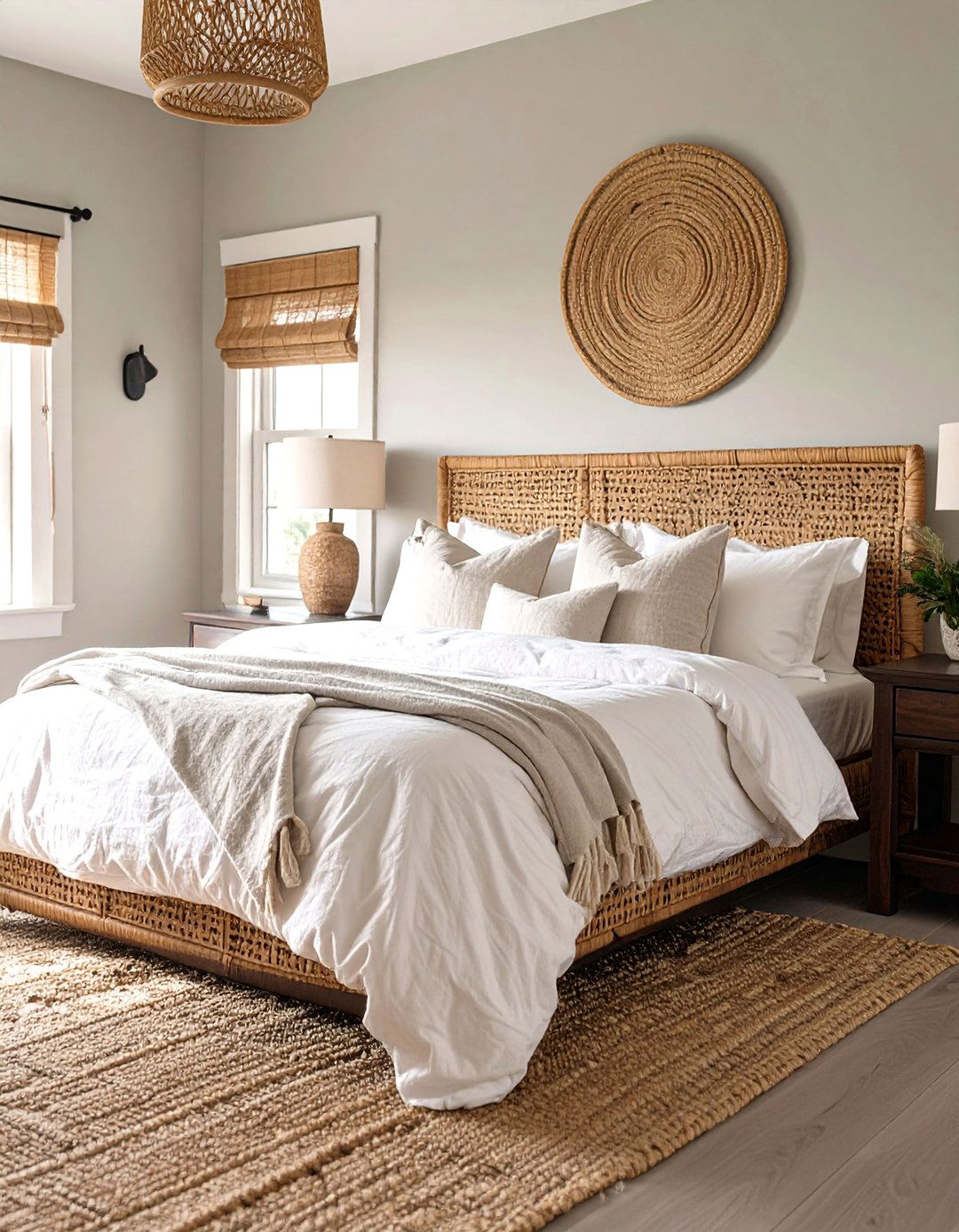
A transitional bedroom should be a serene retreat, and the bedding plays a huge role in achieving this. Opt for high-quality, unfussy bedding in solid neutral colors or with a very subtle pattern. Think crisp white, soft gray, or beige linens and cottons. Layering is key: start with a simple duvet or comforter, add a folded quilt or coverlet at the foot of the bed for texture, and finish with a mix of sleeping and decorative pillows. Avoid an overabundance of throw pillows; a curated selection of two or three in complementary textures and shades is sufficient to create a polished, hotel-like feel.
13. A Mix of Metal Finishes
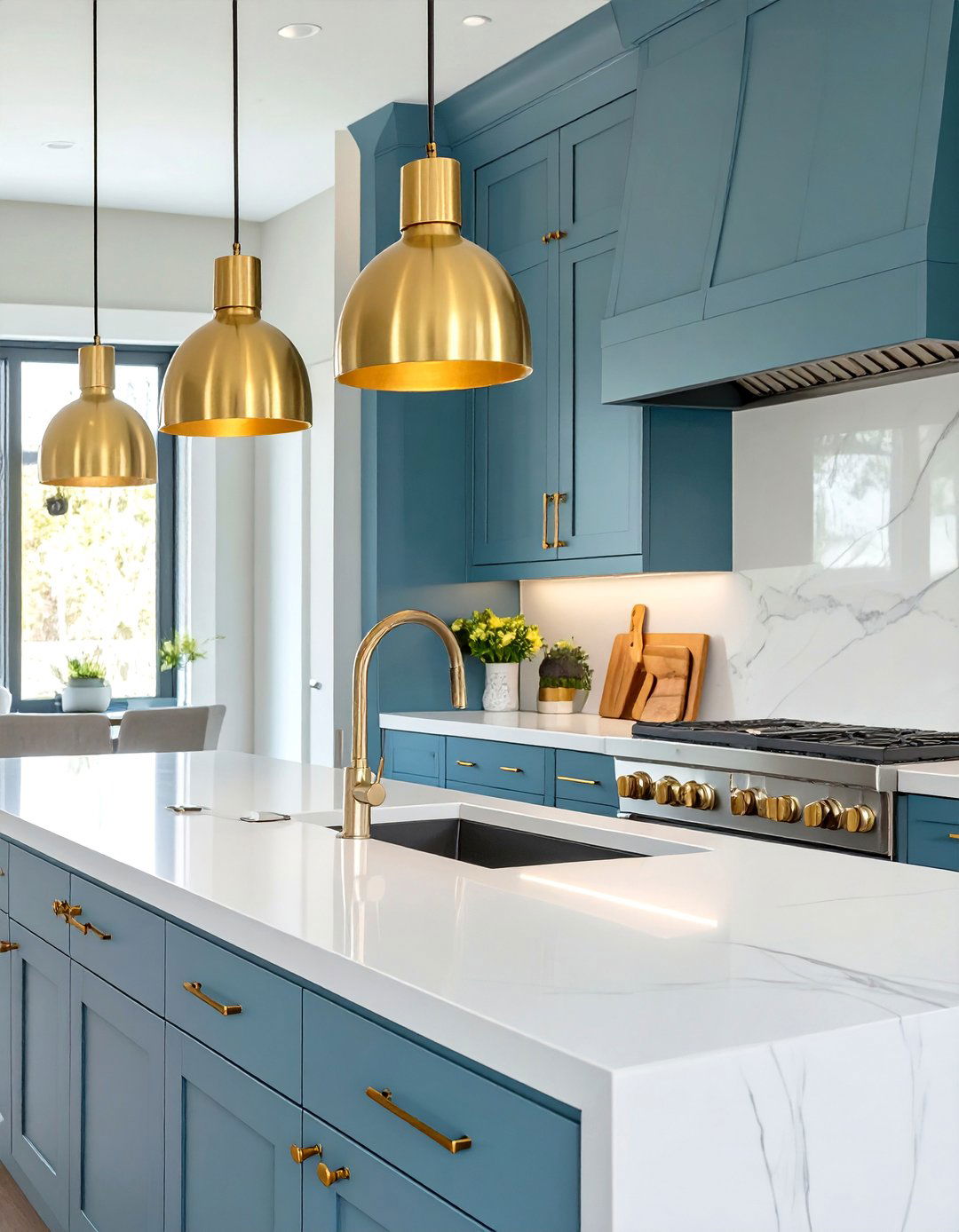
Don't be afraid to mix metal finishes to add a curated, modern touch to a transitional space. While traditional design often sticks to one metal, transitional style embraces a thoughtful combination. For example, you might pair matte black cabinet hardware with polished nickel light fixtures and brushed gold faucet. The key to success is to choose one dominant metal and use one or two others as accents. This creates a layered, dynamic look that feels collected over time rather than matched. This subtle detail prevents the room from feeling one-dimensional and adds a contemporary edge to classic elements.
14. Transitional Kitchen Cabinetry
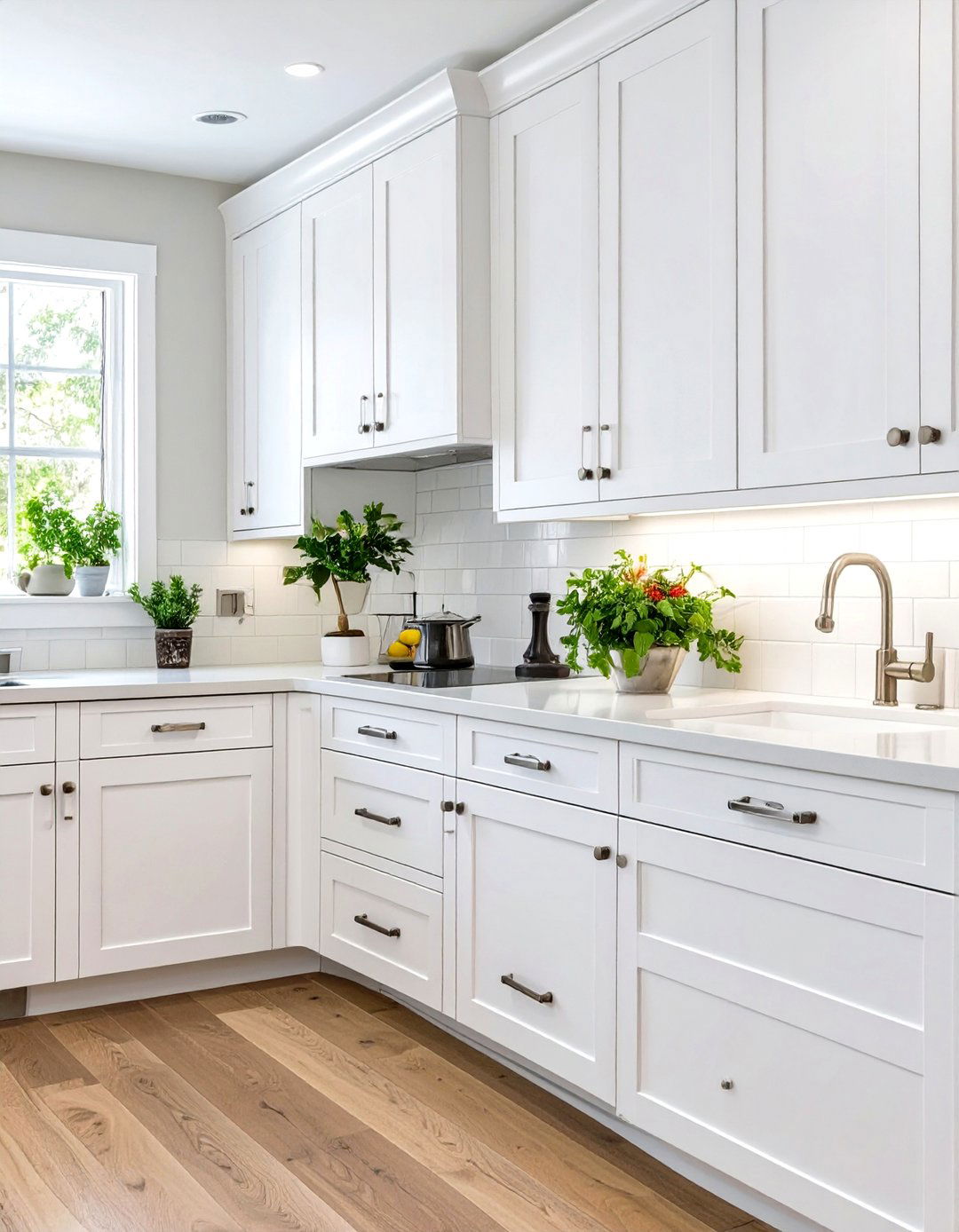
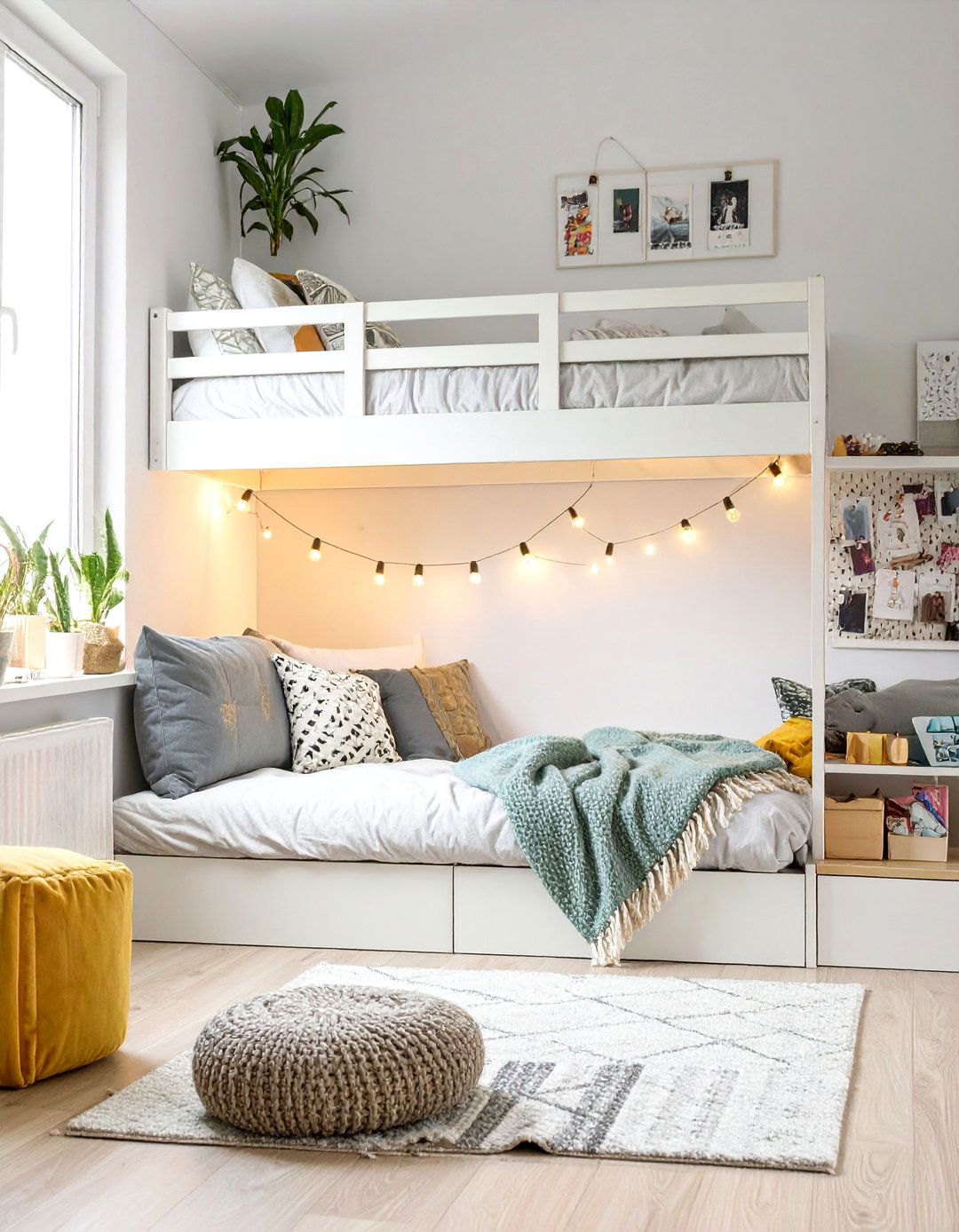
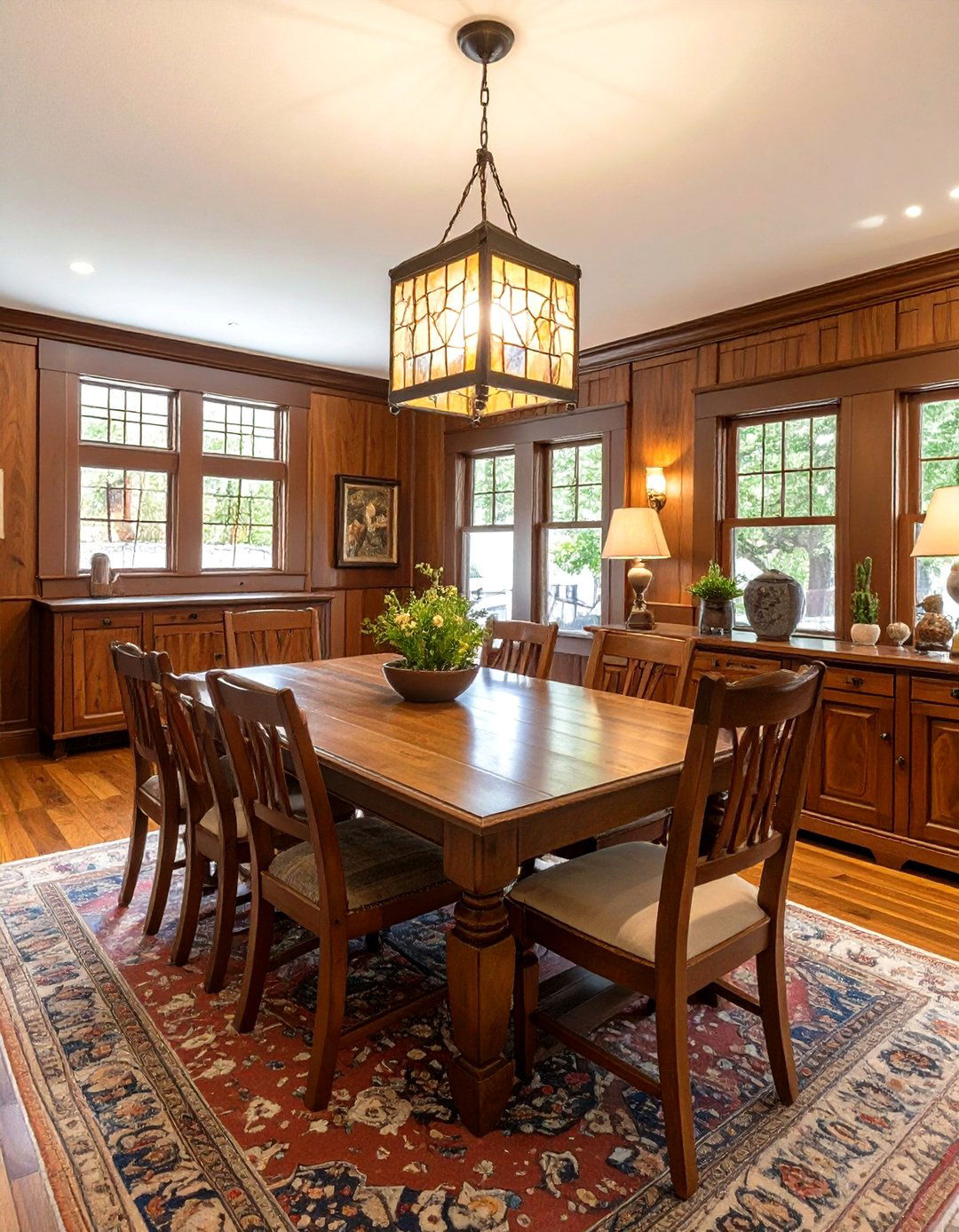
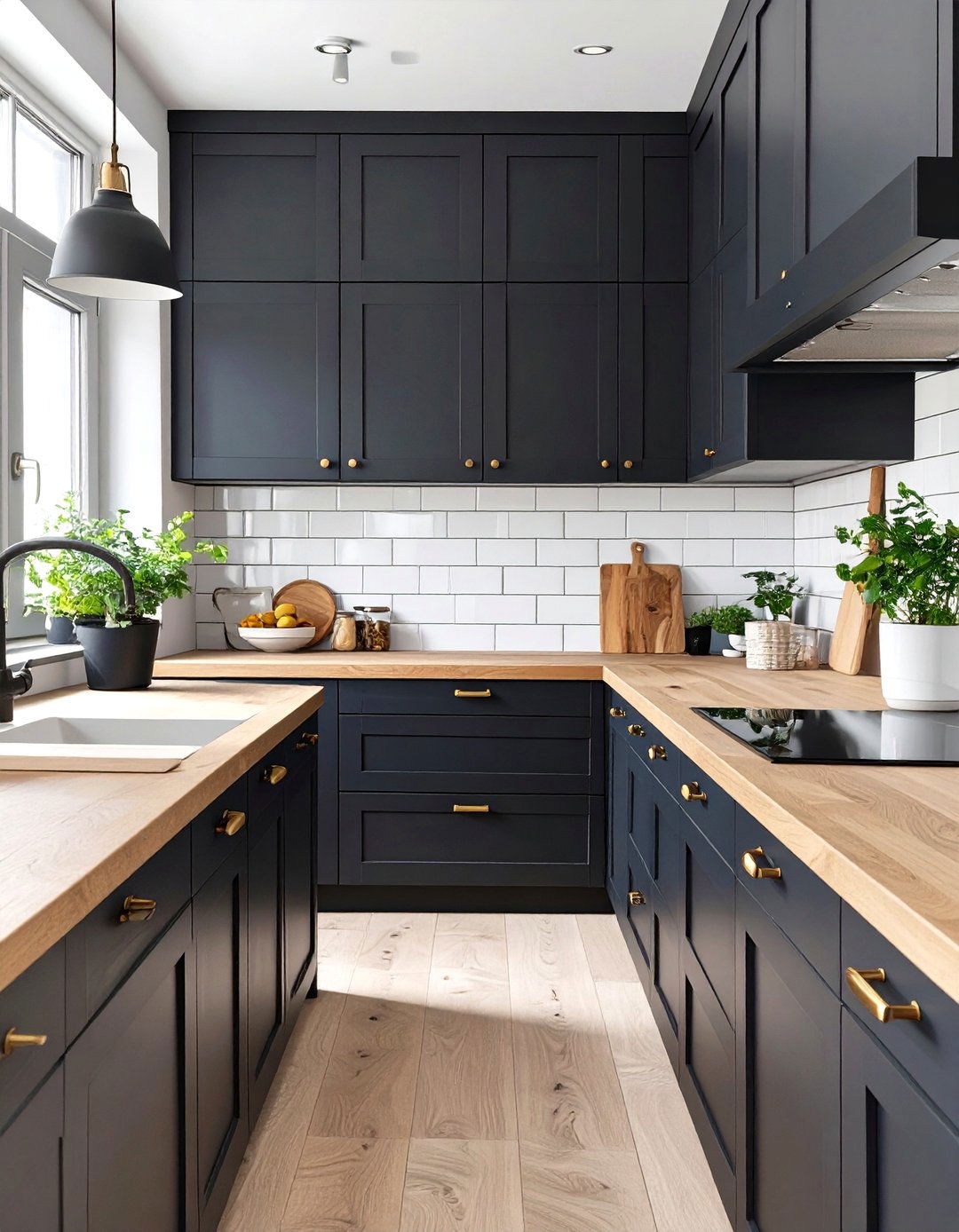
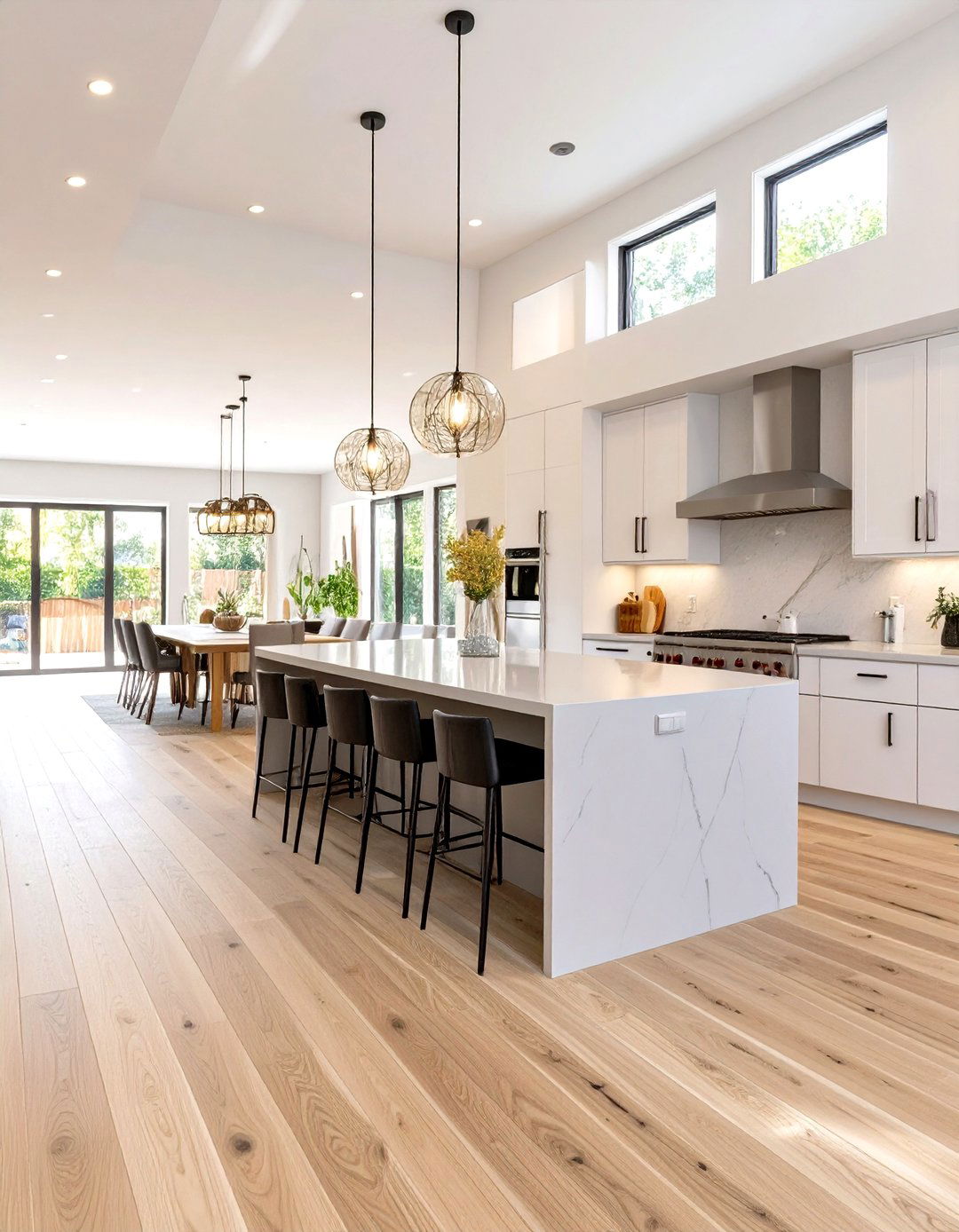
In a transitional kitchen, cabinetry often features a simple framed door style, like the classic Shaker profile. This design has clean lines that feel modern but enough detail to add traditional character. Choose a neutral color for the cabinets, such as white, gray, or greige, to create a bright and timeless foundation. Pair this with simple, elegant hardware in finishes like brushed nickel, matte black, or antique brass. This combination results in a kitchen that is warm, inviting, and highly functional, avoiding the starkness of ultra-modern designs and the ornateness of purely traditional kitchens.
15. Quartz or Marble Countertops
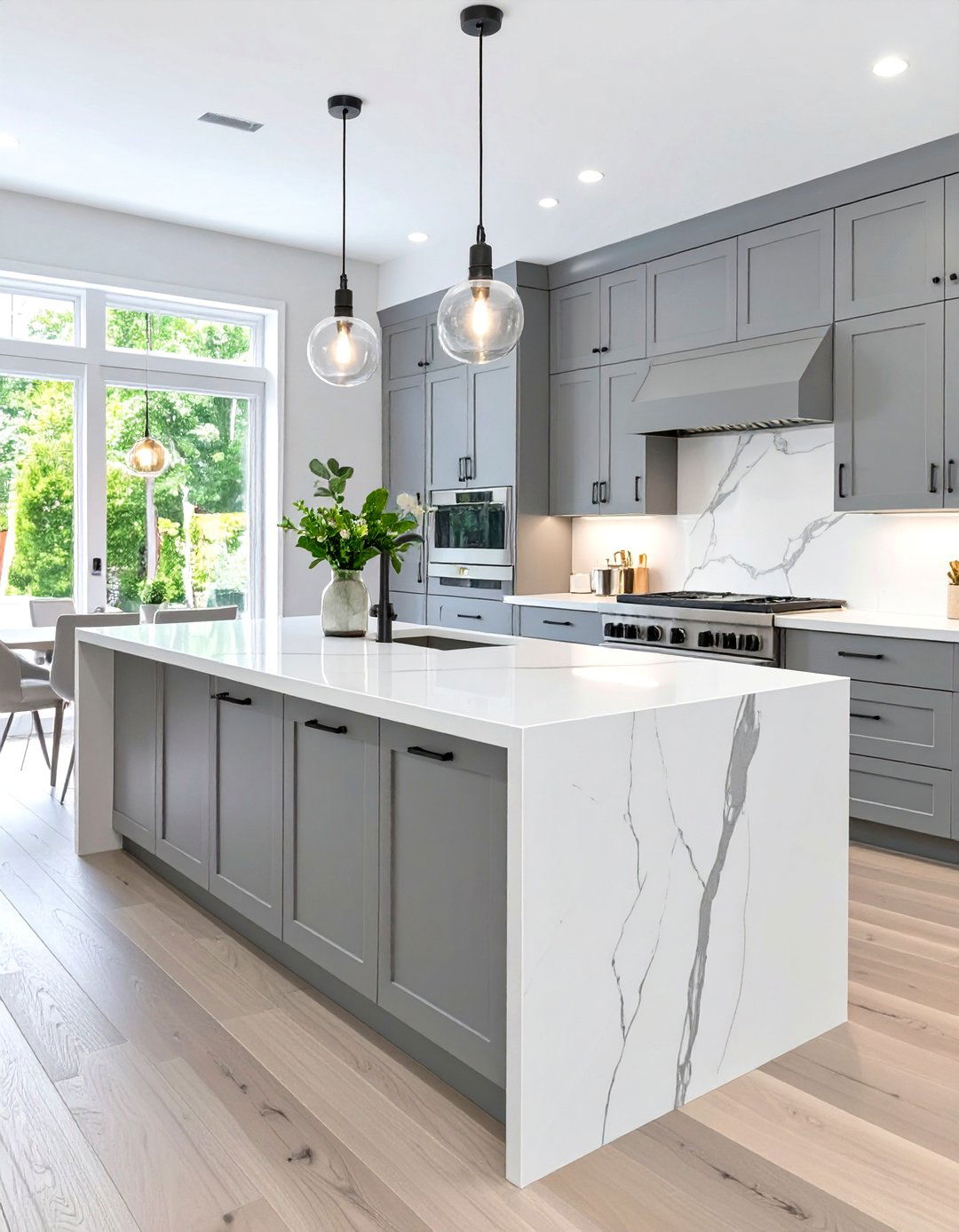
For kitchen and bathroom countertops, materials like quartz and marble are perfect for a transitional aesthetic. Marble offers timeless, classic beauty with its natural veining, bringing an element of luxury and organic pattern to the space. However, it requires maintenance. Quartz, a durable and low-maintenance engineered stone, is an excellent alternative. It can mimic the look of natural stone like marble or offer a more subtle, uniform appearance. Both options provide a clean, sophisticated surface that complements the simple lines of transitional cabinetry and the style's overall neutral color scheme beautifully.
16. Comfortable, Upholstered Dining Chairs
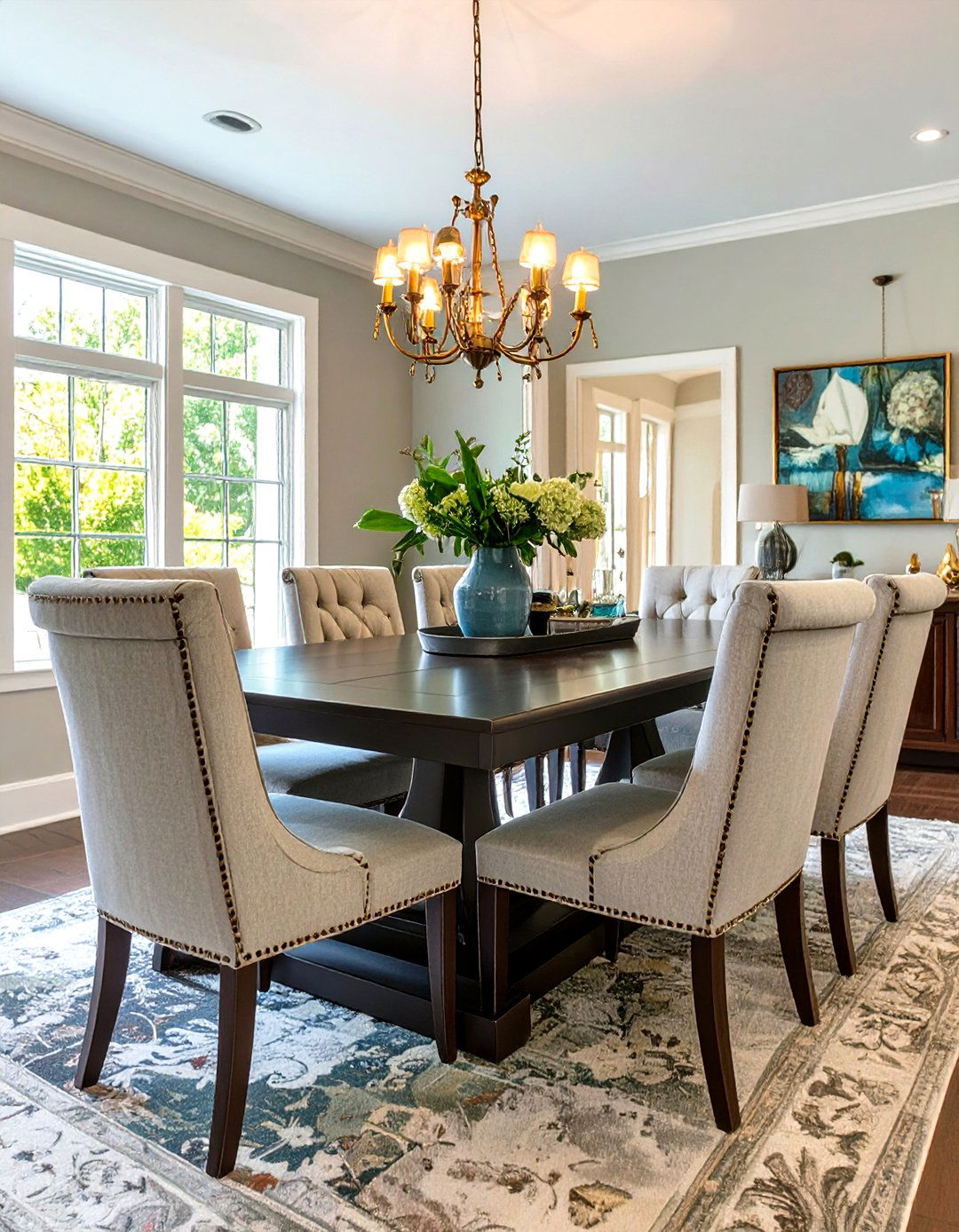
Comfort is key in transitional design, and this extends to the dining room. Surround your dining table with fully upholstered chairs to encourage lingering conversations and create an inviting atmosphere. Choose chairs with simple silhouettes—perhaps a classic Parsons chair or one with a gently curved back. The upholstery should be in a durable, neutral fabric like linen, a performance velvet, or a textured blend. This softens the hard surfaces of the dining table and floor, adding a layer of comfort and elegance. The result is a dining space that feels both formal enough for entertaining and relaxed enough for everyday family meals.
17. A Curated Display of Accessories
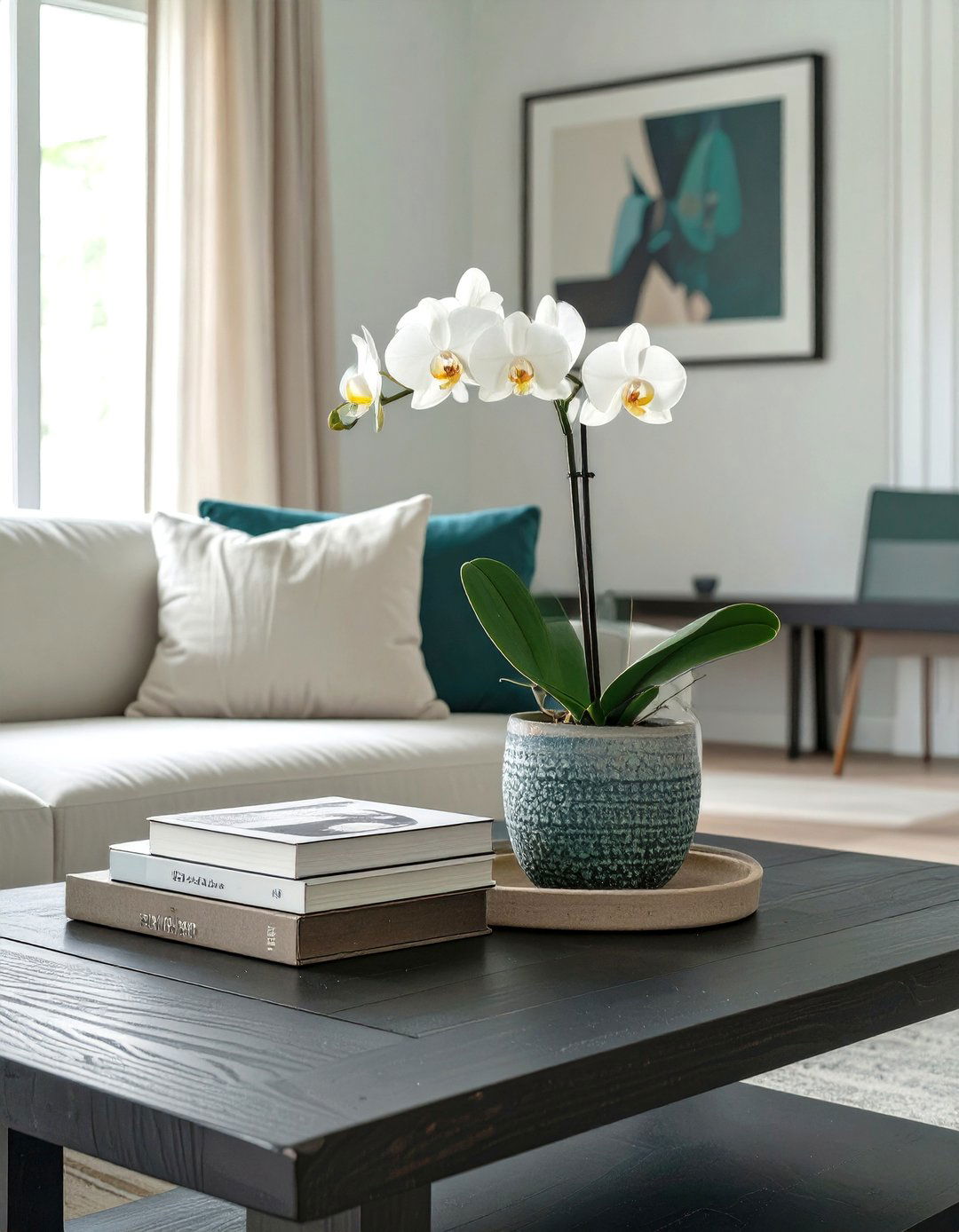
Accessorizing in a transitional space is an exercise in restraint. The goal is to avoid clutter and display only a few carefully chosen items that add personality and style. Think of a small stack of books on a coffee table, a beautiful ceramic vase with fresh greenery, or a simple decorative tray on an ottoman. Group items in odd numbers (threes or fives) for a more dynamic and visually pleasing arrangement. Accessories should have clean lines and interesting textures, complementing the overall design rather than competing with it. This curated approach ensures the room feels personal and lived-in but remains serene and uncluttered.
18. Integrating Tech Seamlessly
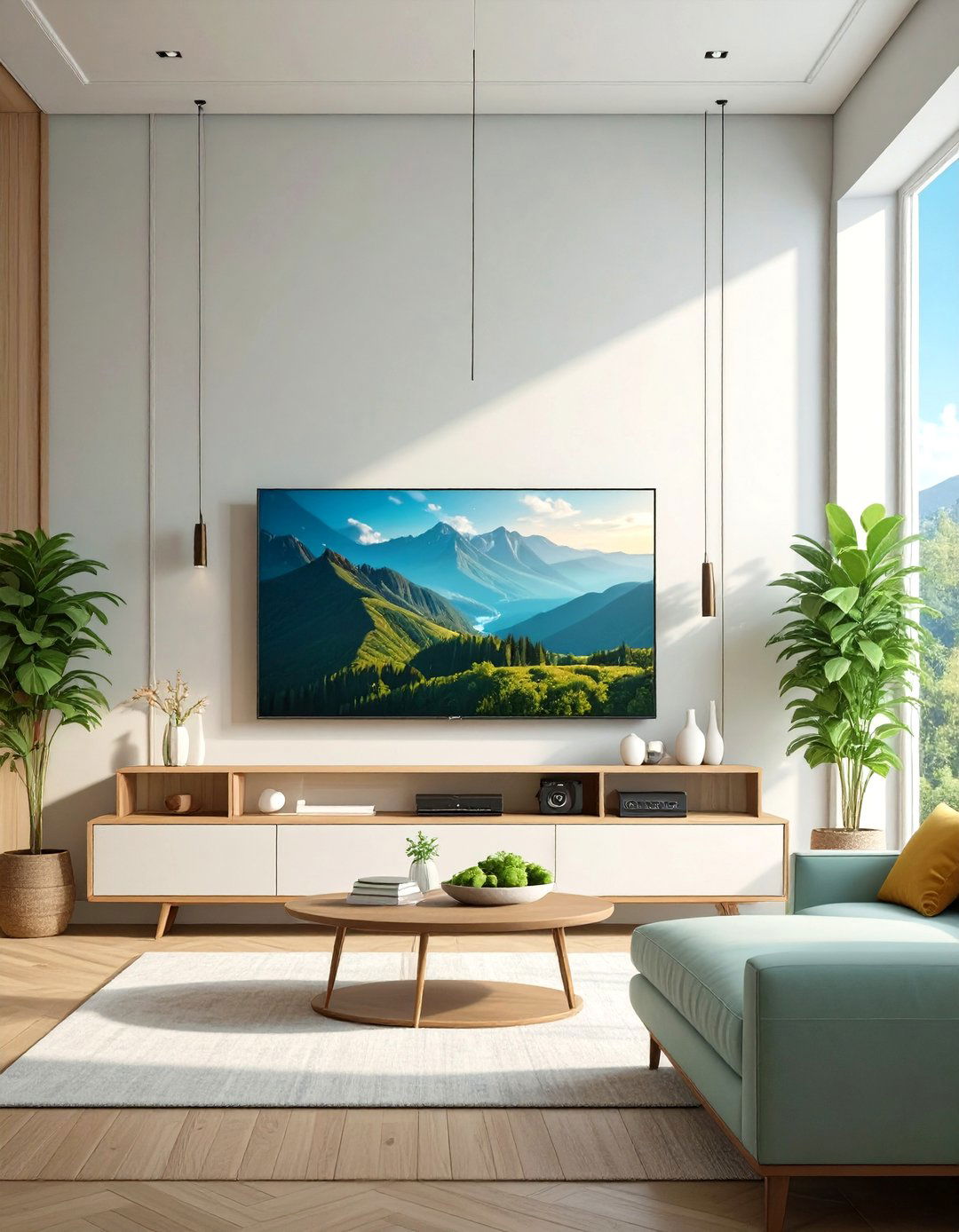
A key aspect of transitional design's modern side is the seamless integration of technology. This means hiding wires and incorporating smart home features in an unobtrusive way. For instance, a television can be mounted on the wall with all cords concealed behind it, or it can be hidden within custom cabinetry. Smart lighting, thermostats, and sound systems can be integrated into the home's infrastructure, controllable via a simple interface or voice commands. This ensures that the convenience of modern technology is fully available without disrupting the calm, classic, and clutter-free aesthetic of the transitional interior.
19. Simple and Elegant Fireplace Design
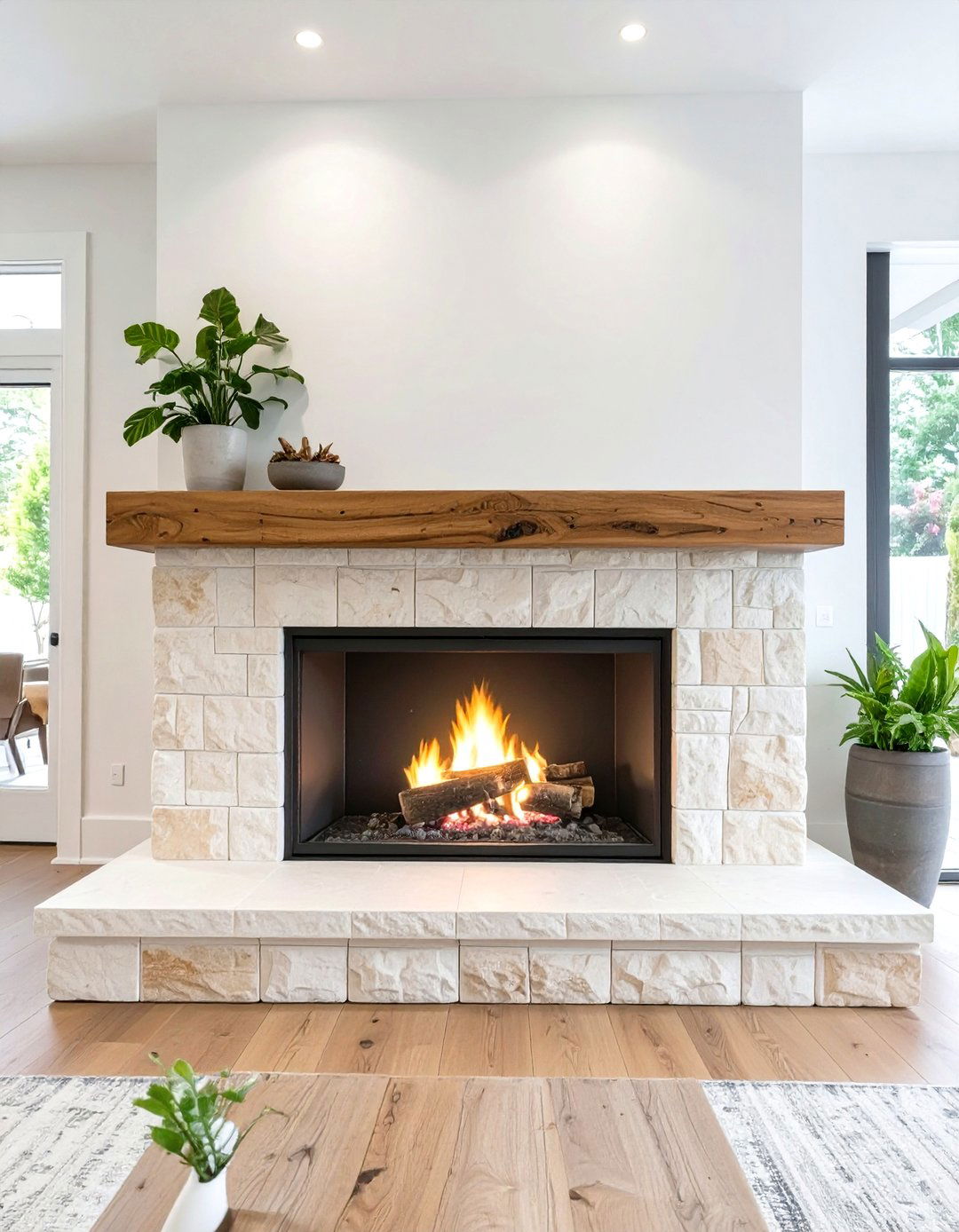
The fireplace in a transitional home serves as a natural focal point and should be designed with simplicity and elegance. Move away from ornate, traditional mantels and opt for a clean, streamlined surround made from materials like limestone, marble, or simple painted wood. A precast concrete surround can also offer a modern yet substantial look. The mantelpiece itself should be simple and linear. The area above the mantel is the perfect spot for a large piece of art or a simple mirror rather than a cluttered collection of small items, reinforcing the balanced and sophisticated aesthetic.

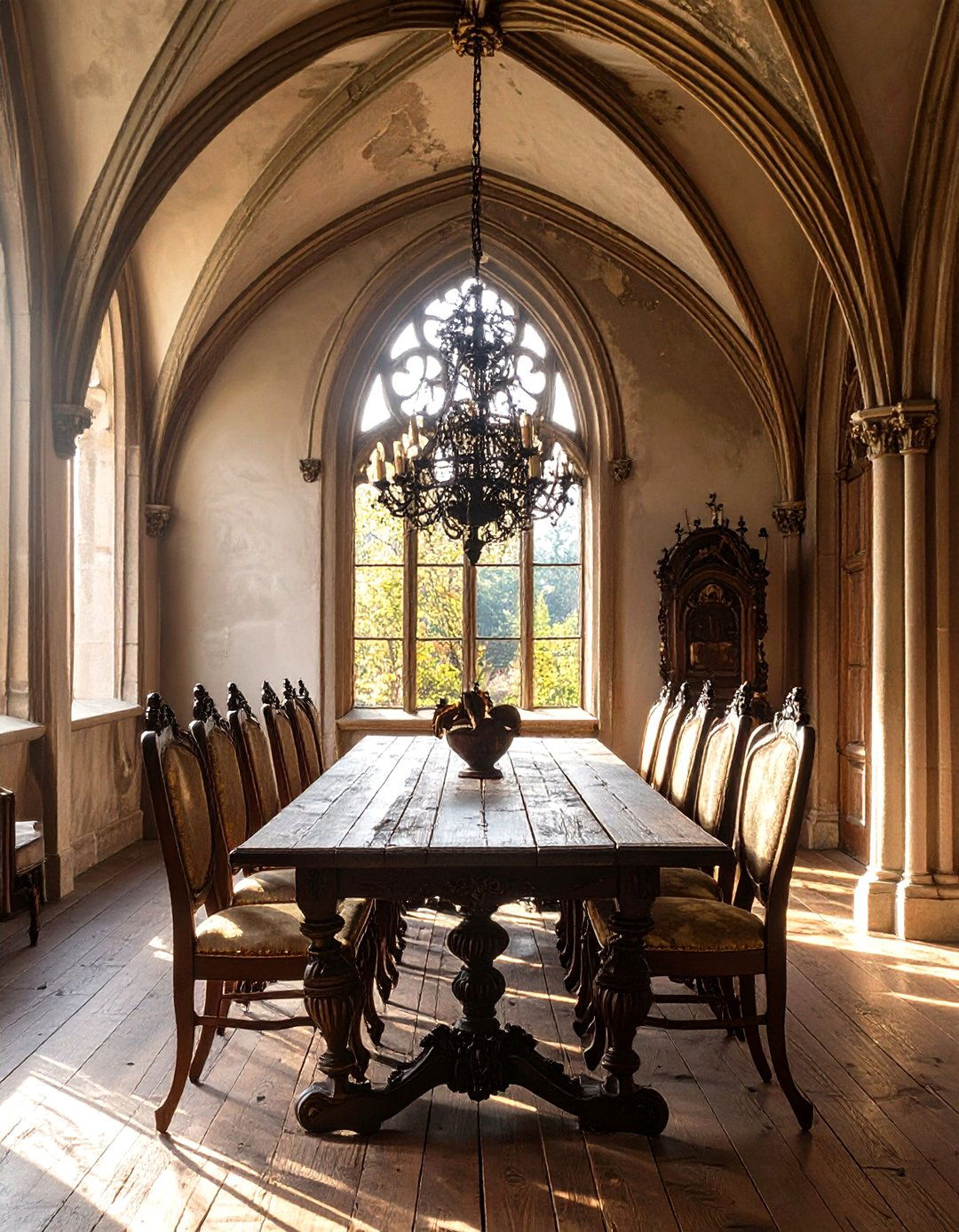
20. Hardwood Flooring Throughout
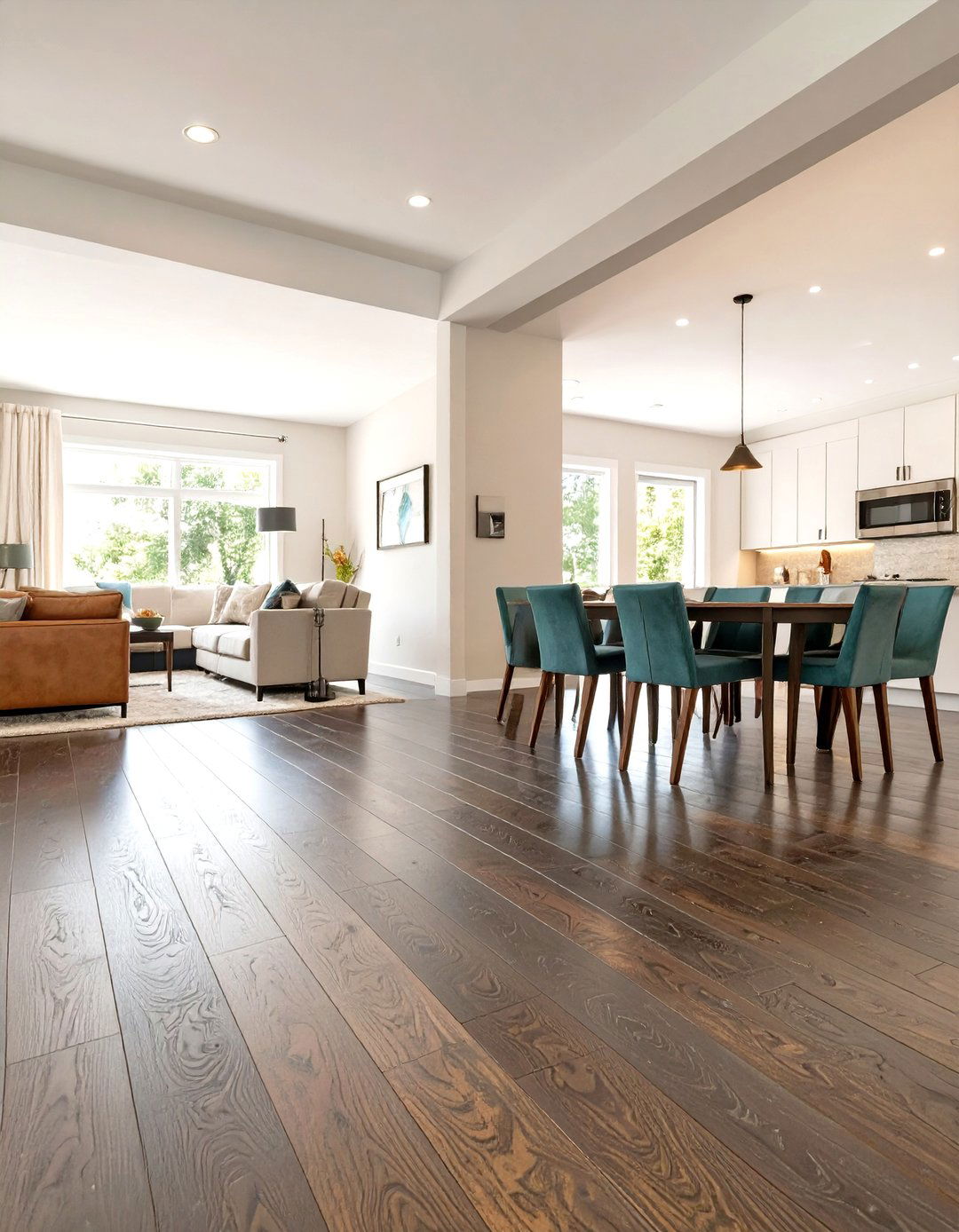
For a cohesive and timeless foundation, use hardwood flooring throughout the main living areas of a transitional home. This classic choice adds warmth and natural beauty that complements both traditional and contemporary elements. Opt for medium to dark wood stains, such as walnut or espresso, to create a rich, elegant base. Avoid overly rustic finishes with lots of knots or distressing. The clean, consistent look of hardwood allows area rugs to define spaces and furniture to stand out. It provides a durable and versatile canvas that beautifully grounds the entire transitional design scheme, flowing seamlessly from room to room.
21. Subtly Patterned Textiles
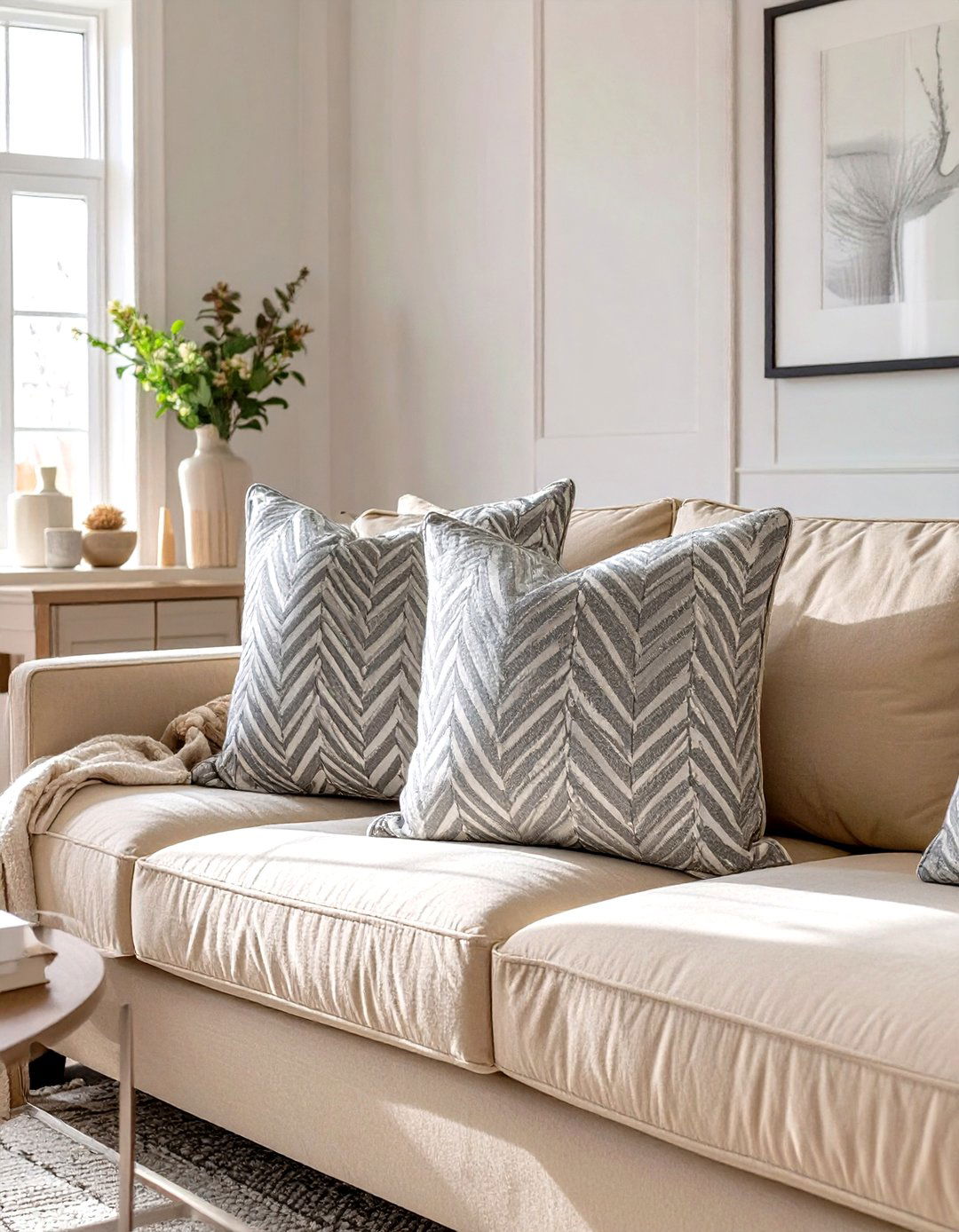
While transitional design leans heavily on solid neutrals, incorporating subtly patterned textiles can add a layer of sophistication without being distracting. Look for fabrics with classic, low-contrast patterns like herringbone, quiet plaids, simple stripes, or small-scale geometrics. These can be used for accent pillows, an upholstered ottoman, or even drapery. The key is that the pattern should be gentle and not demand too much attention. This adds visual texture and a hint of traditional charm, preventing the space from feeling too minimalist while maintaining the overall serene and balanced atmosphere of the room.
22. Freestanding Bathtubs in Bathrooms
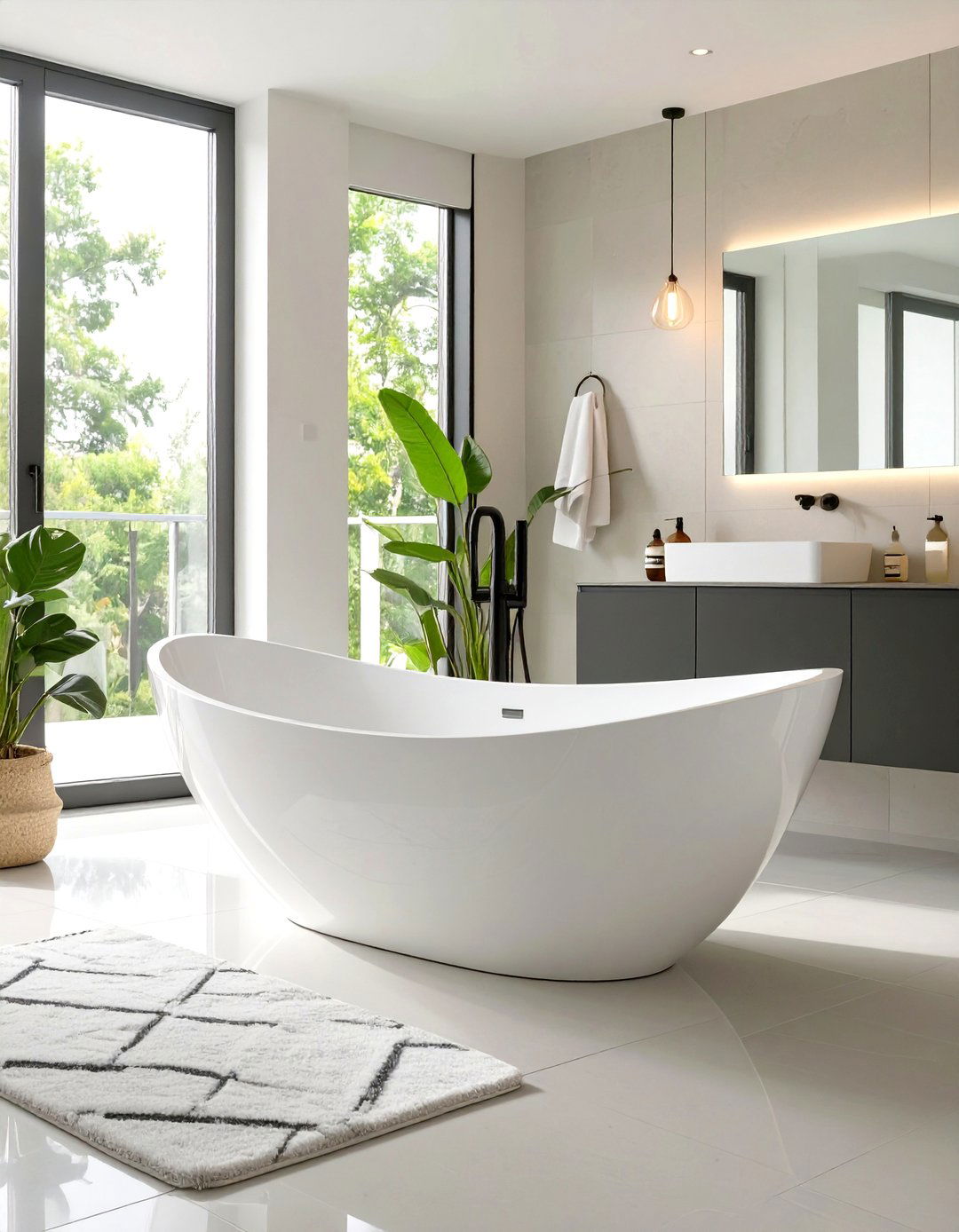
In a transitional bathroom, a freestanding bathtub is a perfect statement piece that merges classic luxury with modern simplicity. Choose a tub with clean, graceful lines—something that is neither overtly vintage like a clawfoot tub nor sharply angular like an ultra-modern design. A simple, sculptural shape in classic white creates a stunning focal point and a spa-like feel. Paired with a sleek floor-mounted tub filler in a contemporary finish like matte black or brushed nickel, the freestanding tub perfectly encapsulates the transitional ethos: elegant, comfortable, and beautifully balanced between past and present design styles.
23. Large, Comfortable Sectional Sofas
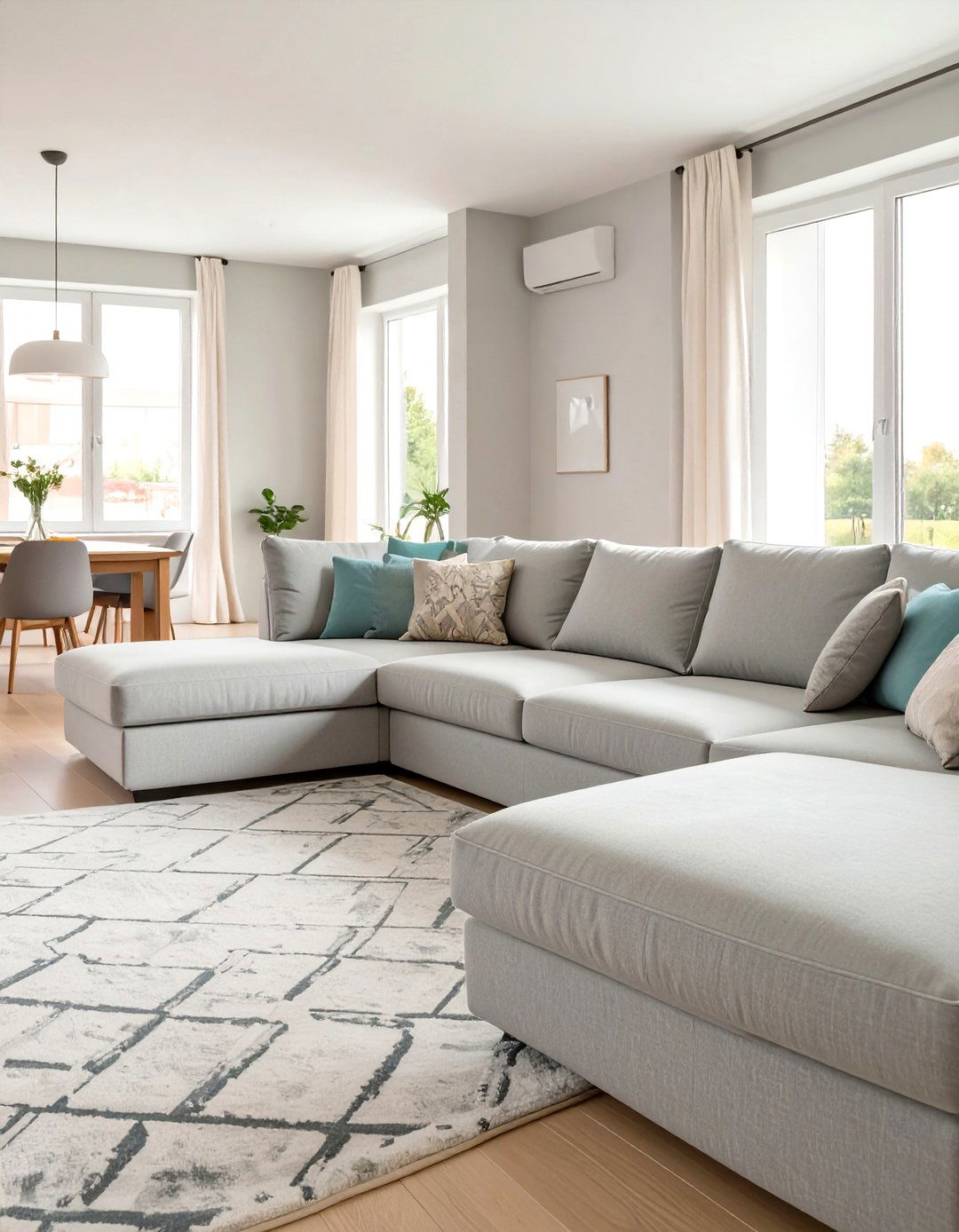
To emphasize comfort and functionality, a large, comfortable sectional sofa is an excellent choice for a transitional living room. Select a sectional with clean lines, a simple silhouette, and plush, inviting cushions. Upholster it in a durable, neutral fabric like a textured linen blend or a soft chenille. This single, substantial piece of furniture can anchor the entire room, providing ample seating for family and guests without the need for multiple smaller pieces. It embodies the modern desire for relaxed, practical living spaces while its classic form and neutral color keep it firmly within the sophisticated transitional framework.
24. A Mix of Round and Rectangular Shapes

Achieve visual balance in a transitional room by consciously mixing round and rectangular shapes. If your main pieces, like the sofa and area rug, are rectangular, introduce curves with a round coffee table, circular side tables, or a round mirror. Conversely, if you have a curved sectional sofa, ground it with a rectangular coffee table and a console with straight lines. This interplay between soft and hard edges is a core principle of transitional design. It creates a dynamic yet harmonious environment, preventing the space from feeling too rigid or, conversely, too soft and undefined.
25. Console Tables for Entryways and Hallways
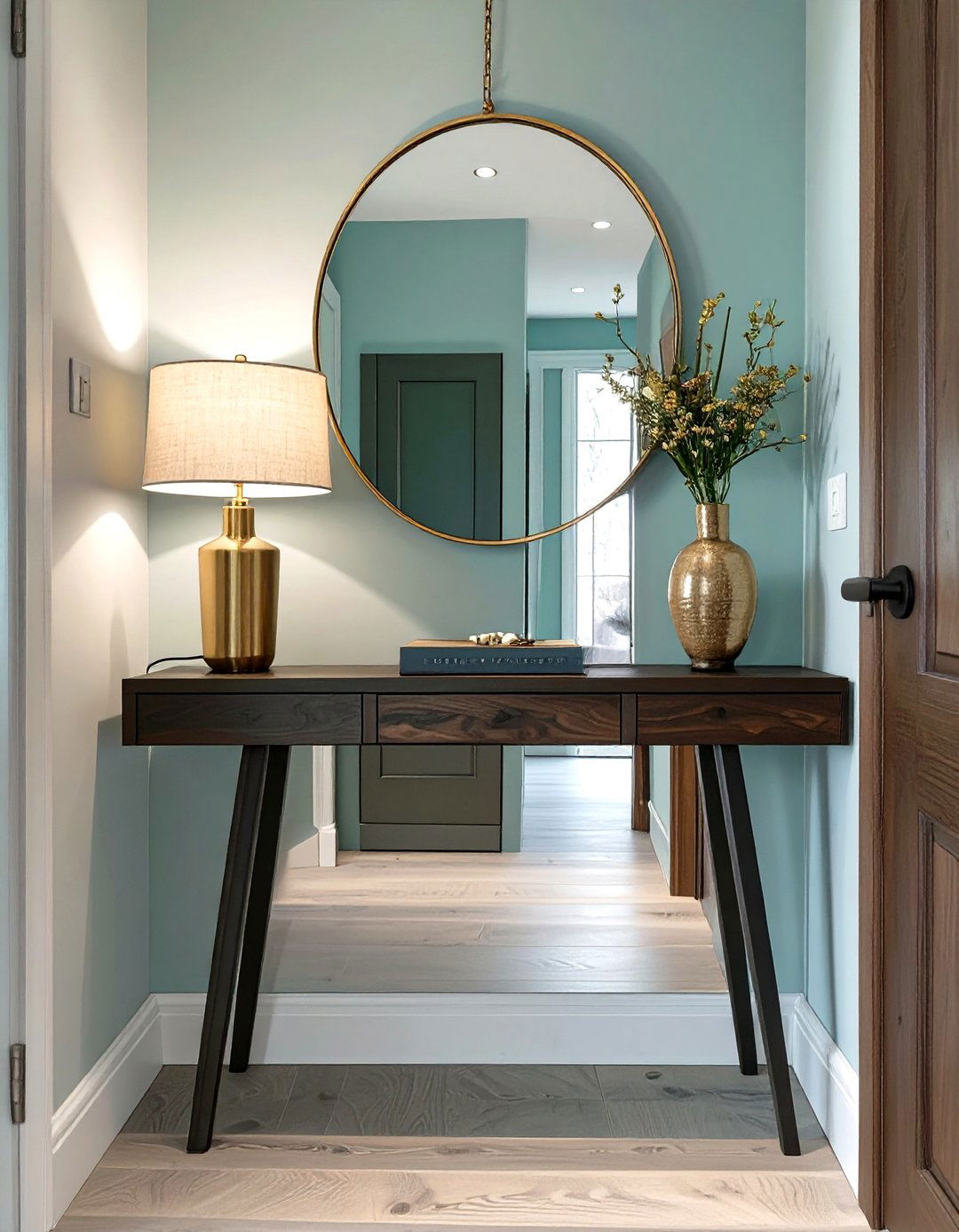
A console table is a versatile and essential piece in a transitional entryway or hallway. Choose one with clean lines and a simple form, perhaps with straight legs and minimal hardware. Materials can range from a dark wood finish for a touch of tradition to a metal and glass construction for a more contemporary feel. A console table provides a practical surface for keys and mail, and it also offers a prime opportunity for styling. Top it with a simple lamp, a vase of flowers, and a piece of art or a mirror above it to create a welcoming and stylish first impression.
26. Elegant, Understated Hardware
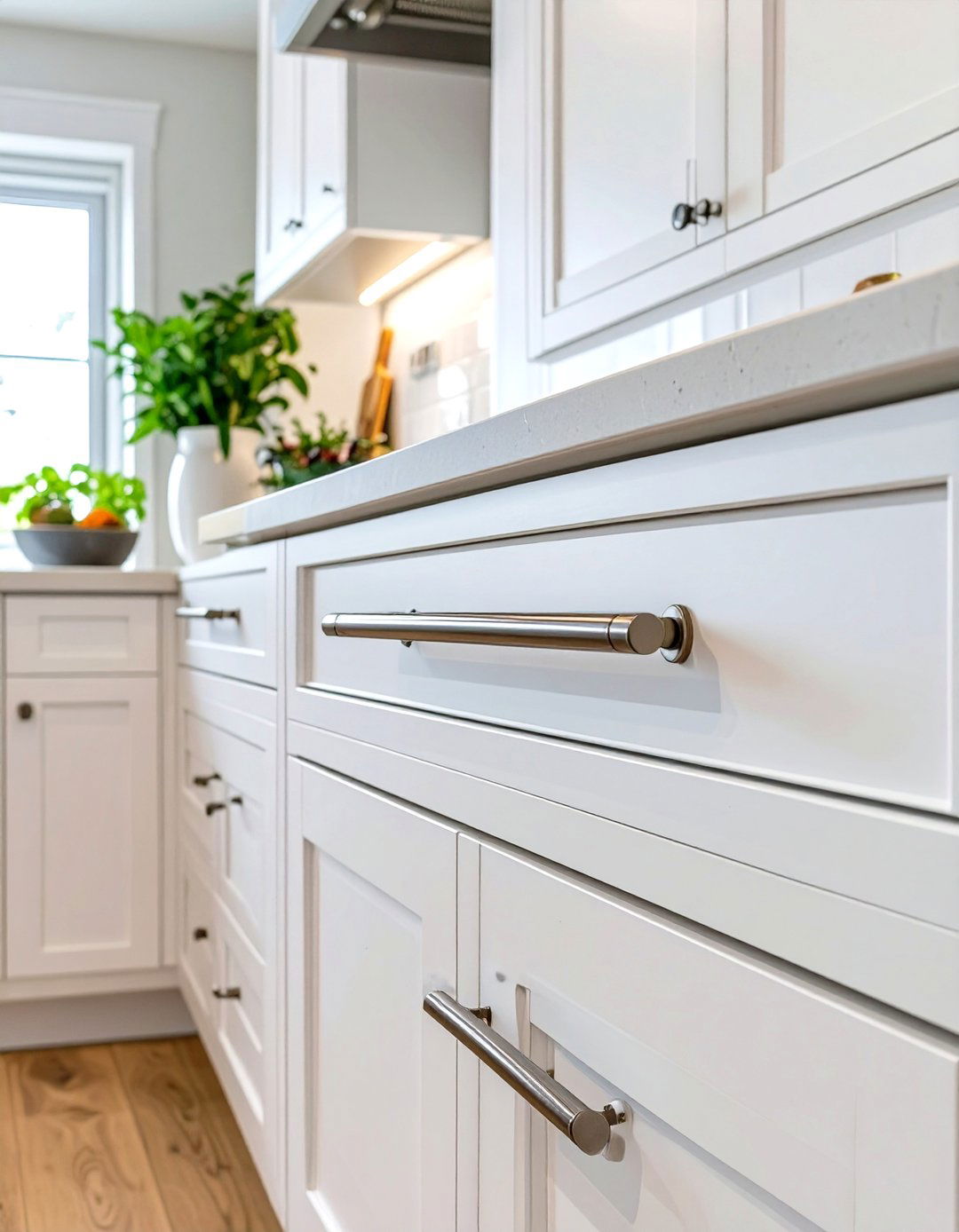
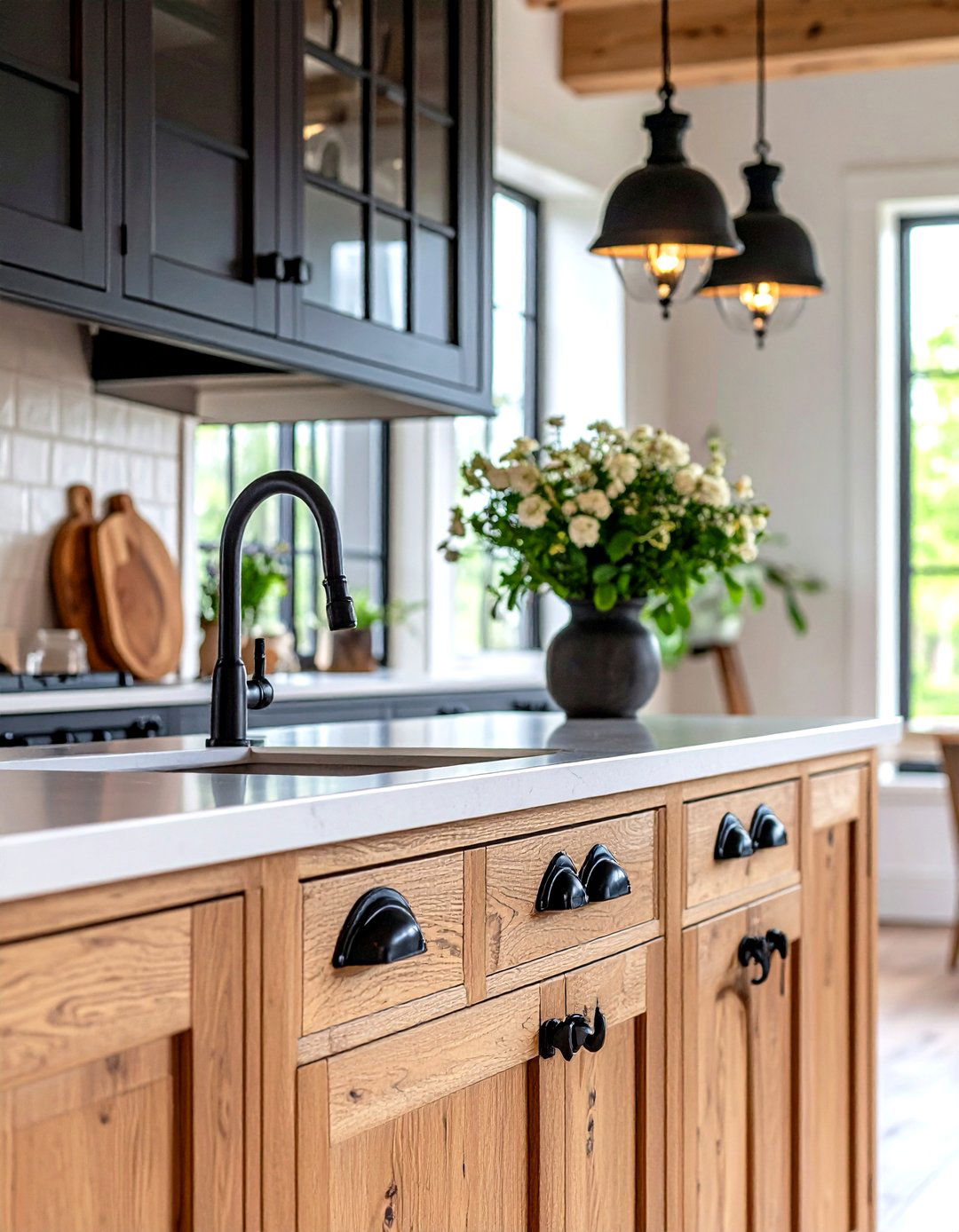
The hardware on cabinetry and furniture in a transitional space should be elegant yet understated. It’s a small detail that has a significant impact on the overall feel. Choose pulls and knobs with simple, clean shapes. Bar pulls, simple mushroom knobs, or classic cup pulls in finishes like brushed nickel, polished chrome, or matte black are excellent choices. Avoid anything too ornate, intricate, or rustic. This simple, high-quality hardware adds a touch of modern polish and sophistication, reinforcing the clean lines of the furniture and cabinetry without drawing undue attention to itself.
27. Greenery and Natural Elements
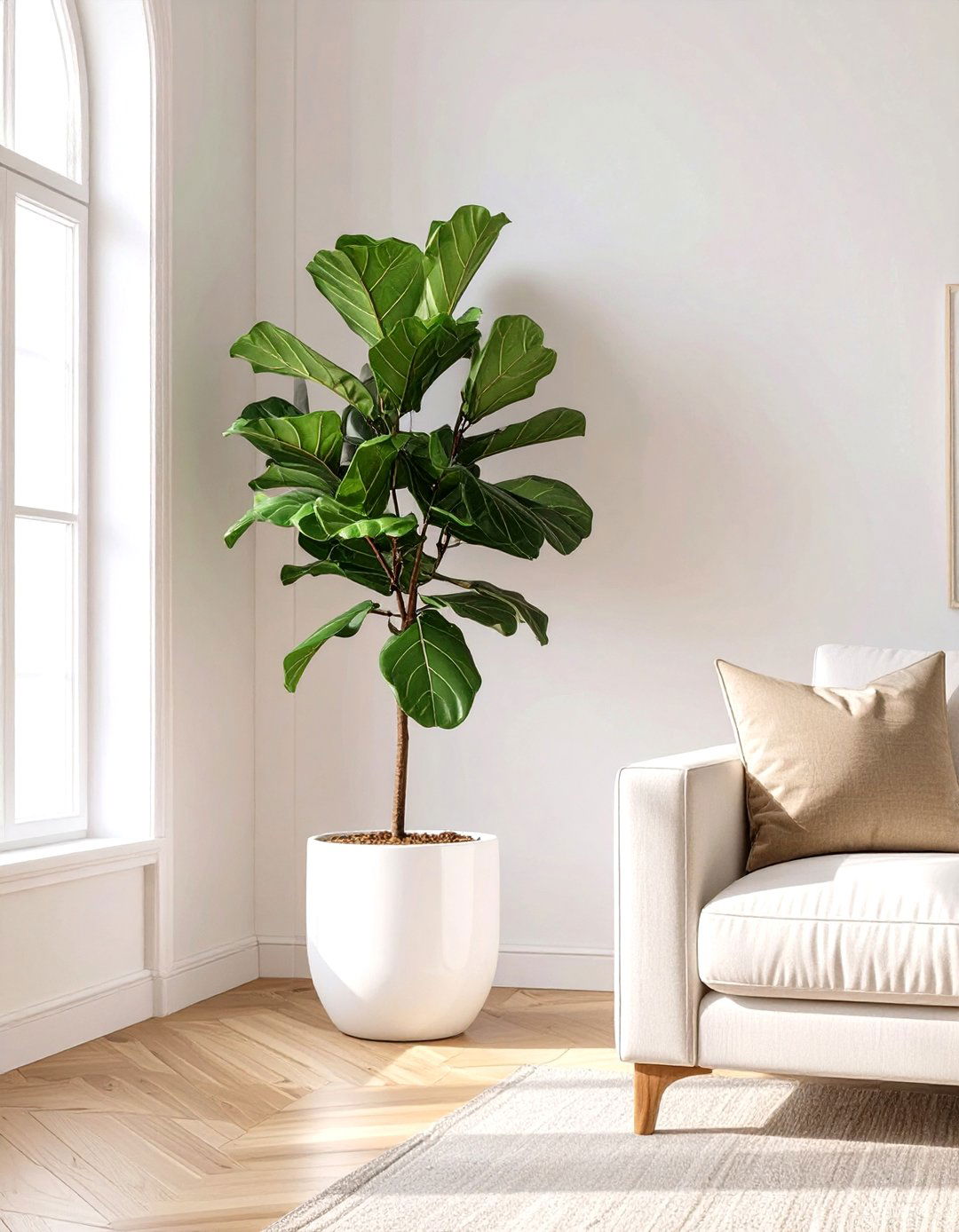
Bringing plants and other natural elements indoors is a simple way to breathe life and freshness into a transitional interior. Place a tall fiddle-leaf fig tree in a corner to add vertical interest or use smaller potted plants like snake plants or orchids on shelves and tables. Choose simple, elegant planters in neutral colors or natural materials like ceramic or concrete. In addition to live plants, branches in a simple vase or a bowl of natural decorative objects can add organic texture. These touches of nature soften the clean lines of the design and enhance the calm, serene atmosphere.
28. Cohesive and Flowing Color Scheme
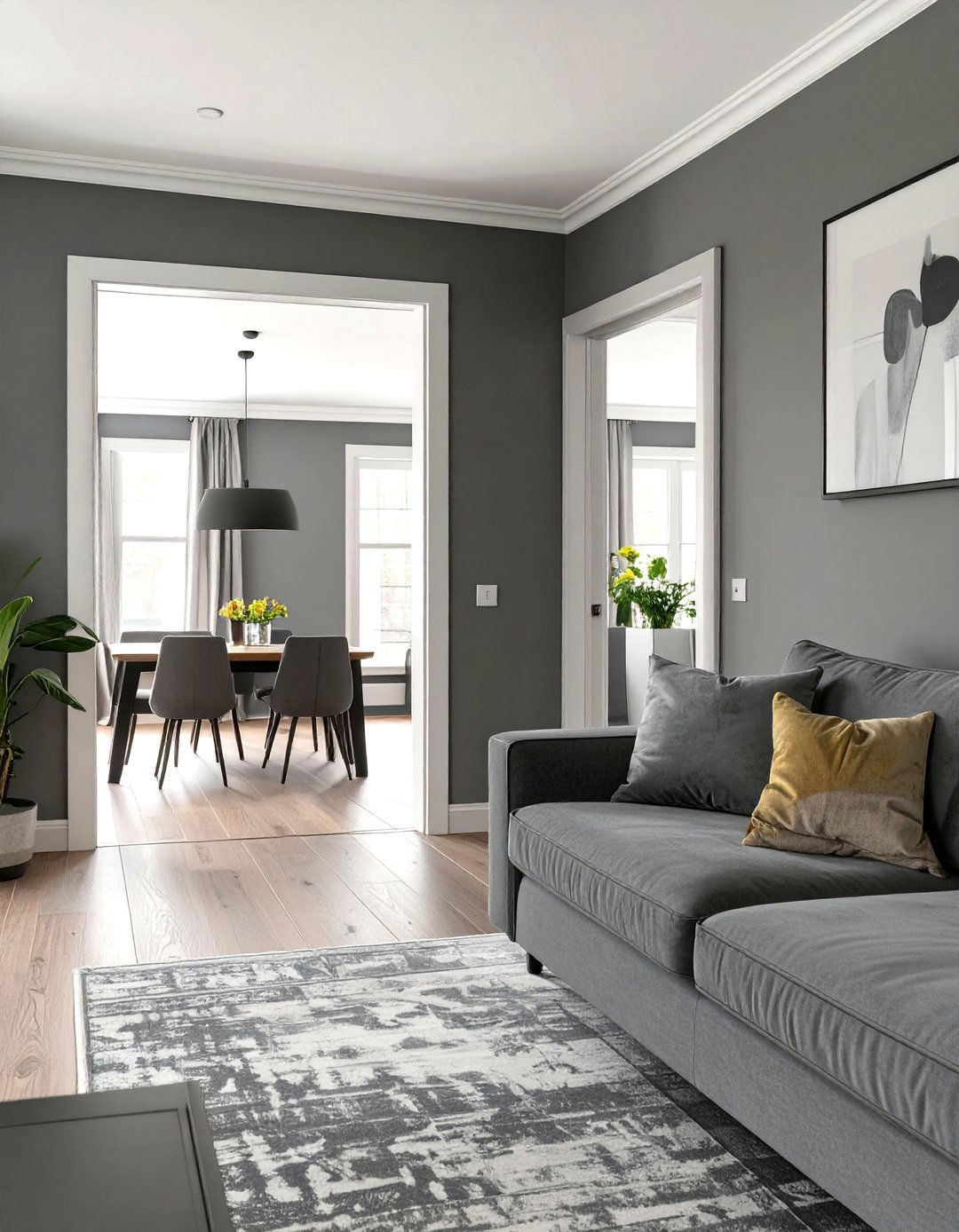
A successful transitional home features a cohesive color scheme that flows seamlessly from one room to the next. The foundational neutral palette—shades of gray, beige, white—should be used consistently throughout the home to create a sense of unity and spaciousness. Accent colors can vary slightly from room to room but should belong to the same family to maintain harmony. For example, a living room might have dusty blue accents, while the adjoining dining room could feature a deeper navy. This strategy ensures each space has its own identity while contributing to a unified and thoughtfully designed home.
29. Focus on High-Quality Materials
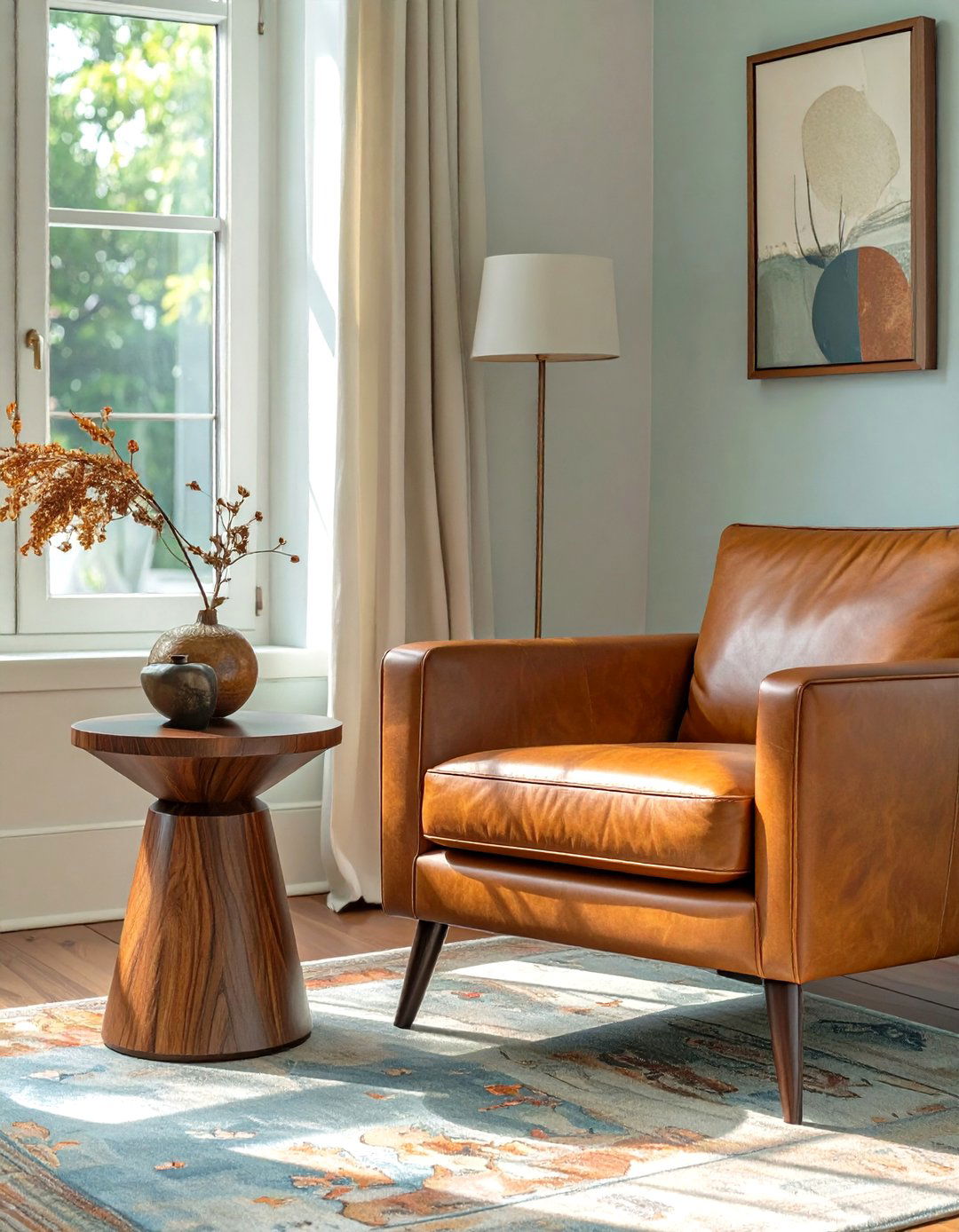
Transitional design prioritizes quality and longevity over fleeting trends. This means investing in well-made furniture and high-quality materials that will stand the test of time. Think solid wood furniture, natural stone countertops, and durable, rich textiles like wool, linen, and leather. These materials not only look and feel luxurious but also add to the timeless appeal of the design. By focusing on quality over quantity, you create a space that feels substantial, comfortable, and enduring. This emphasis on craftsmanship and fine materials is a nod to traditional values, presented in a clean, modern context.
30. Minimalist Yet Functional Home Office
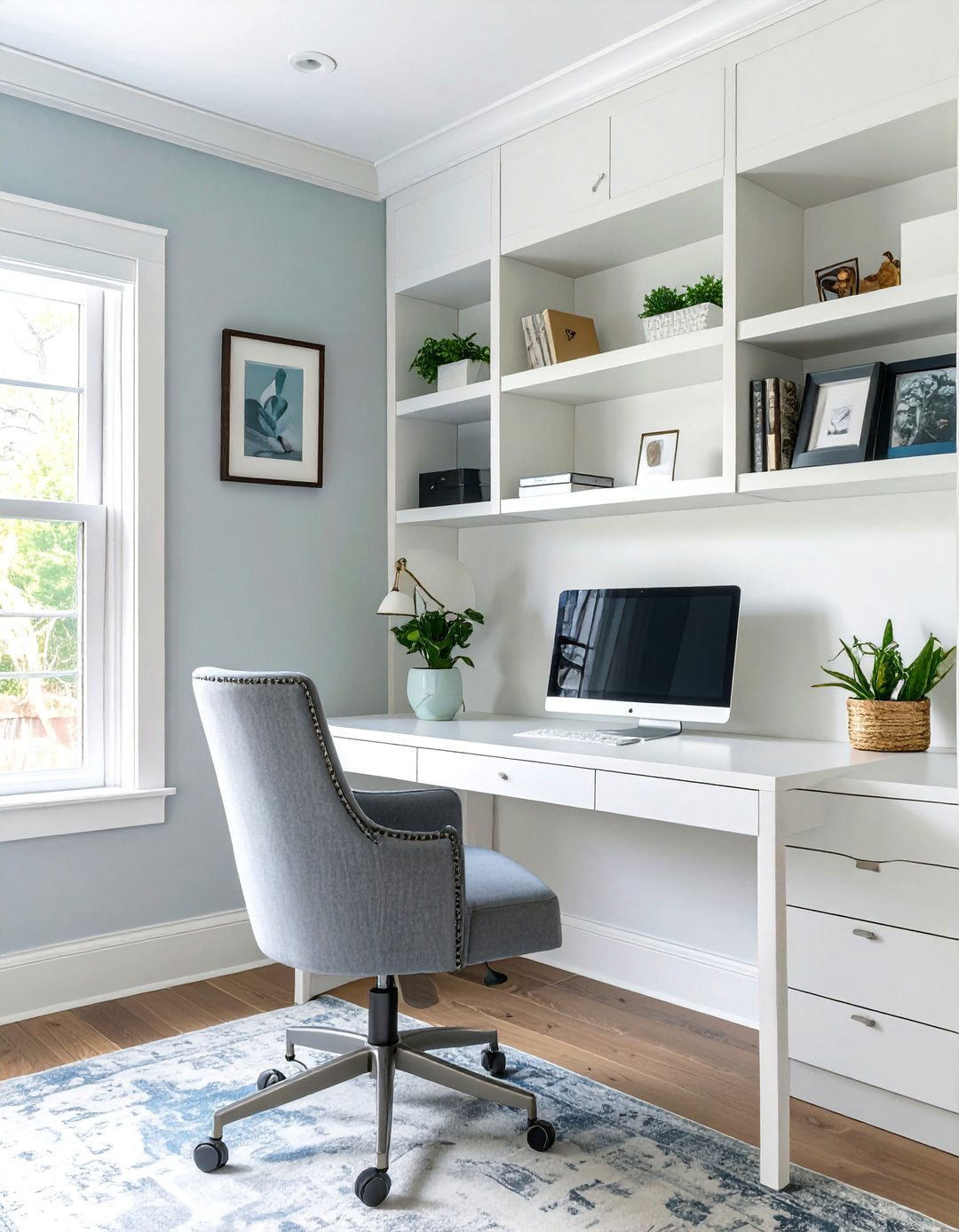
For a home office, transitional design creates a space that is both productive and stylishly calm. Choose a desk with clean lines and a simple form, perhaps in a warm wood or a sleek painted finish. Pair it with an ergonomic yet elegant office chair upholstered in a neutral fabric or leather. Storage is key to maintaining a clutter-free environment, so incorporate built-in cabinetry or simple, streamlined shelving. Keep accessories to a minimum: a stylish task lamp, a simple pen holder, and perhaps one piece of art. The result is a workspace that feels integrated into the home's overall aesthetic.
Conclusion:
In essence, transitional interior design is the art of balance. It masterfully blends the comfort and warmth of traditional style with the clean, sophisticated lines of contemporary aesthetics. By focusing on a neutral color palette, layered textures, and a mix of curved and straight-lined furniture, this style creates spaces that are both timeless and relevant. The key is a curated approach, where every element is chosen for its ability to contribute to a harmonious, uncluttered, and inviting environment. The result is a home that feels both elegantly composed and effortlessly comfortable.

Related posts:



Leave a Reply