
Rustic interior design brings the rugged beauty of the outdoors inside, creating spaces that feel warm, inviting, and grounded. This style celebrates natural materials in their most organic state, from weathered wood to rough-hewn stone. It's about crafting an atmosphere that is unpretentious, comfortable, and deeply connected to nature. By embracing imperfections and focusing on texture, rustic design transforms a house into a sanctuary. It’s a timeless look that values authenticity over polished perfection, making it a perfect choice for creating a cozy and genuine home environment where you can truly relax and unwind.
1. Exposed Wooden Ceiling Beams
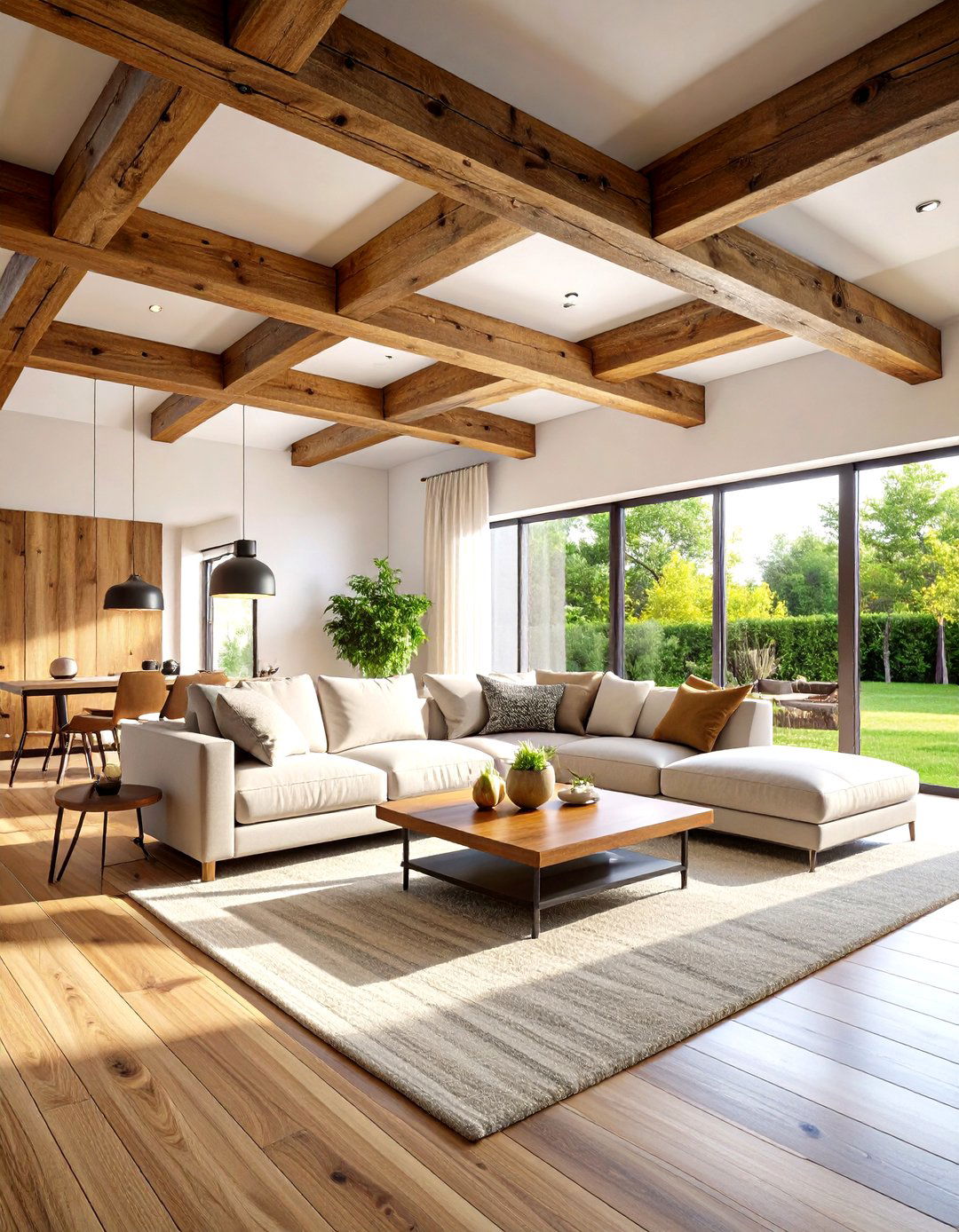
Exposed wooden ceiling beams instantly add architectural character and a sense of history to any room. These structural elements, whether original to the home or added for aesthetic appeal, draw the eye upward and create a feeling of spaciousness and warmth. They showcase the raw beauty of wood, with its natural grain, knots, and imperfections. For a truly authentic look, consider using reclaimed timber from old barns or warehouses. The rough texture and deep, aged tones of the beams contrast beautifully with smooth, plastered ceilings, establishing a foundational rustic element that defines the entire space and feels both grand and grounded.
2. Reclaimed Wood Accent Wall
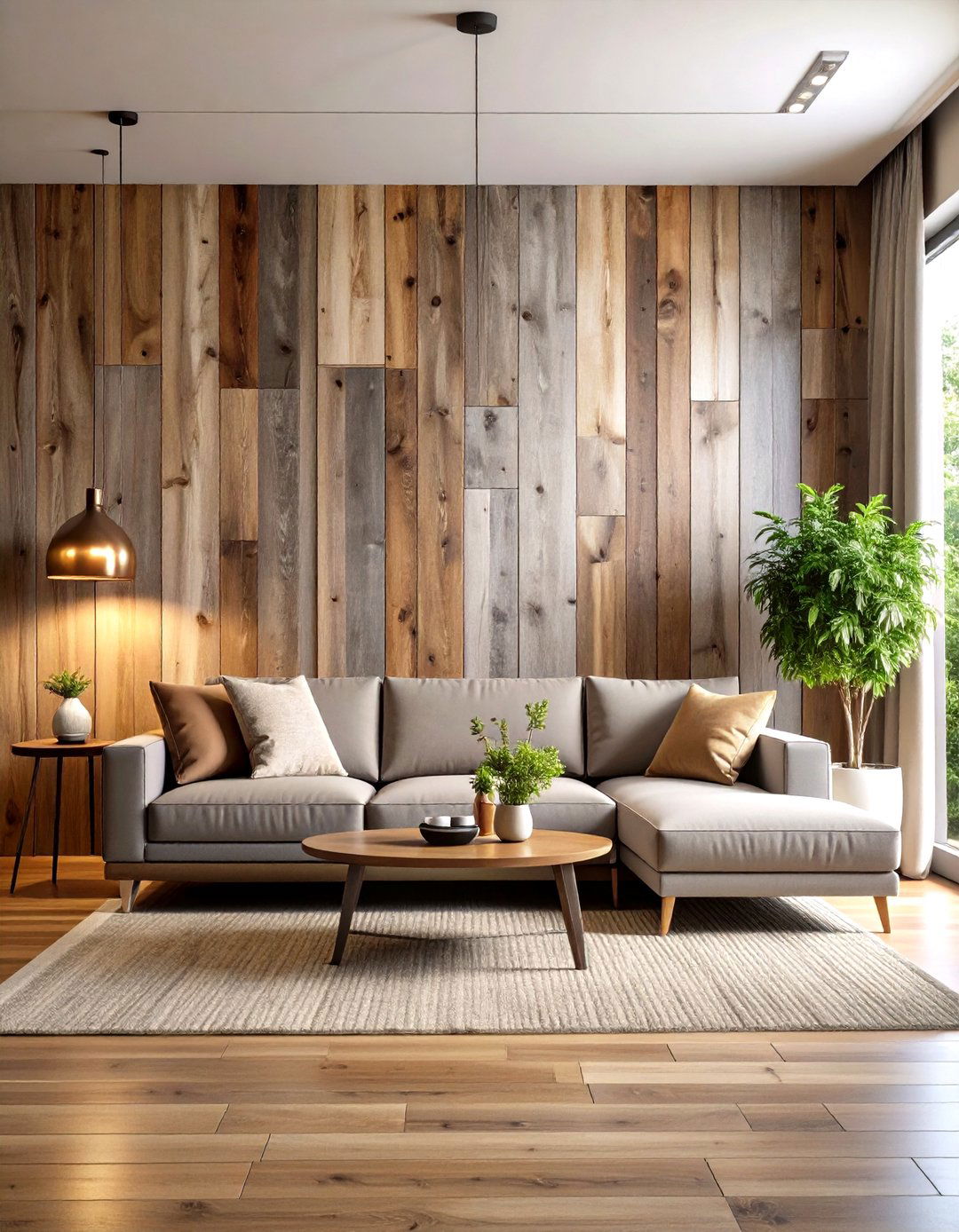
A reclaimed wood accent wall serves as a stunning focal point, infusing a space with texture, warmth, and a unique story. Using salvaged planks from old buildings, barns, or pallets brings an unmatched level of character that new materials simply cannot replicate. Each board tells a tale through its weathered patina, nail holes, and saw marks. Arranging the planks in a horizontal or herringbone pattern can add visual interest. This feature wall not only introduces a powerful natural element but also acts as a piece of art, grounding the room and providing a rich, tactile backdrop for furniture and decor.
3. Natural Stone Fireplace
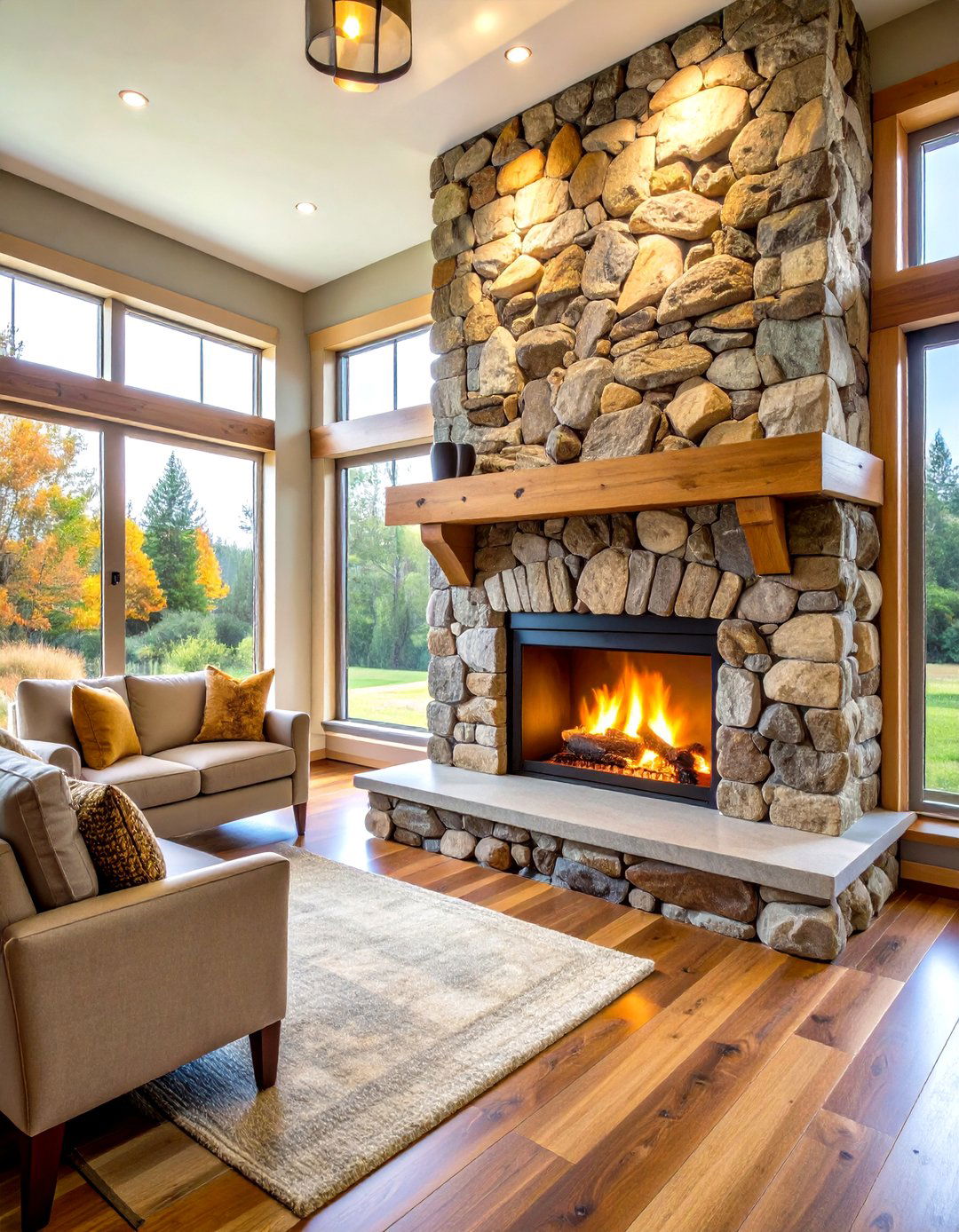
The natural stone fireplace is the quintessential heart of a rustic home, offering both physical warmth and visual weight. Using large, irregular stones like river rock, fieldstone, or slate creates an organic, formidable centerpiece that feels as though it has been part of the landscape for centuries. The rough texture and earthy colors of the stone provide a powerful contrast to softer furnishings. A simple, thick wooden mantel beam laid across the top enhances the natural aesthetic. This enduring feature anchors the living space, providing a cozy gathering spot that embodies the strength and serenity of nature.
4. Interior Sliding Barn Doors
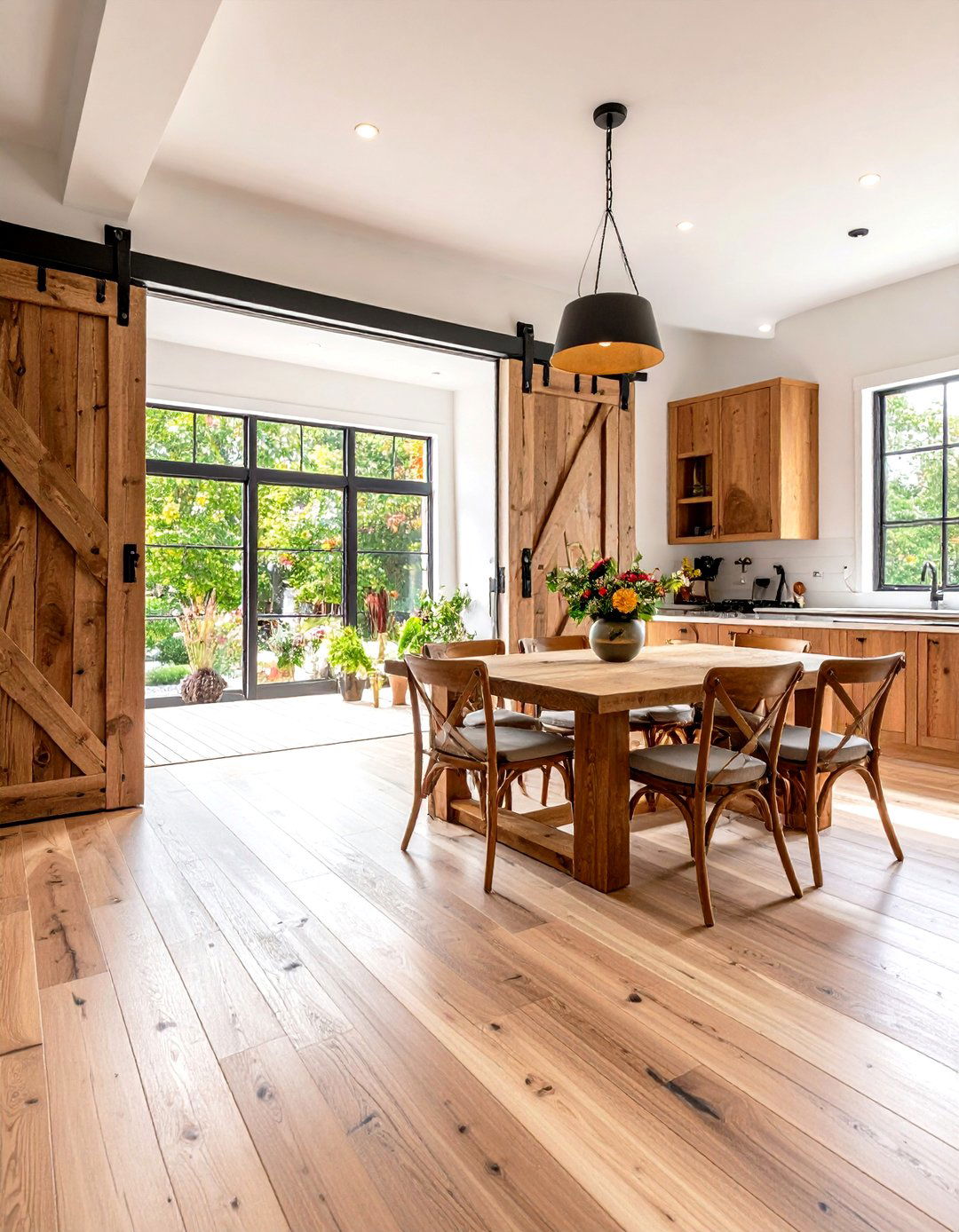
Interior sliding barn doors are a functional and stylish way to introduce a rustic farmhouse element into your home. Mounted on a dark metal track, these doors save space compared to traditional swinging doors while adding significant visual impact. They can be crafted from rustic, reclaimed wood or painted to match your decor. Use them to separate a living area from a home office, close off a pantry, or as a unique master bathroom entrance. Their simple, utilitarian design brings a touch of country charm and practicality, blending seamlessly with other rustic features to create a cohesive and thoughtful interior.
5. Distressed Wood Furniture
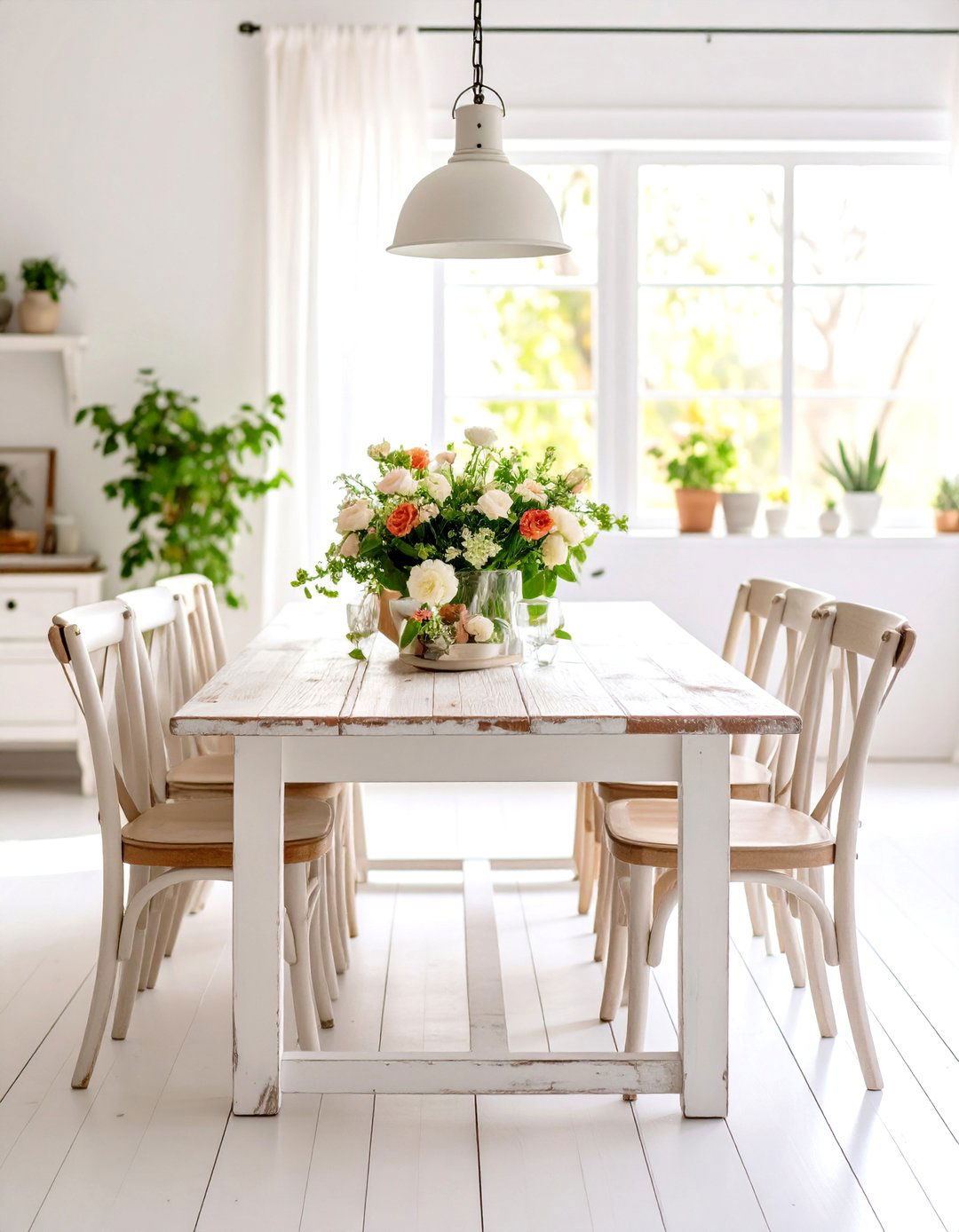
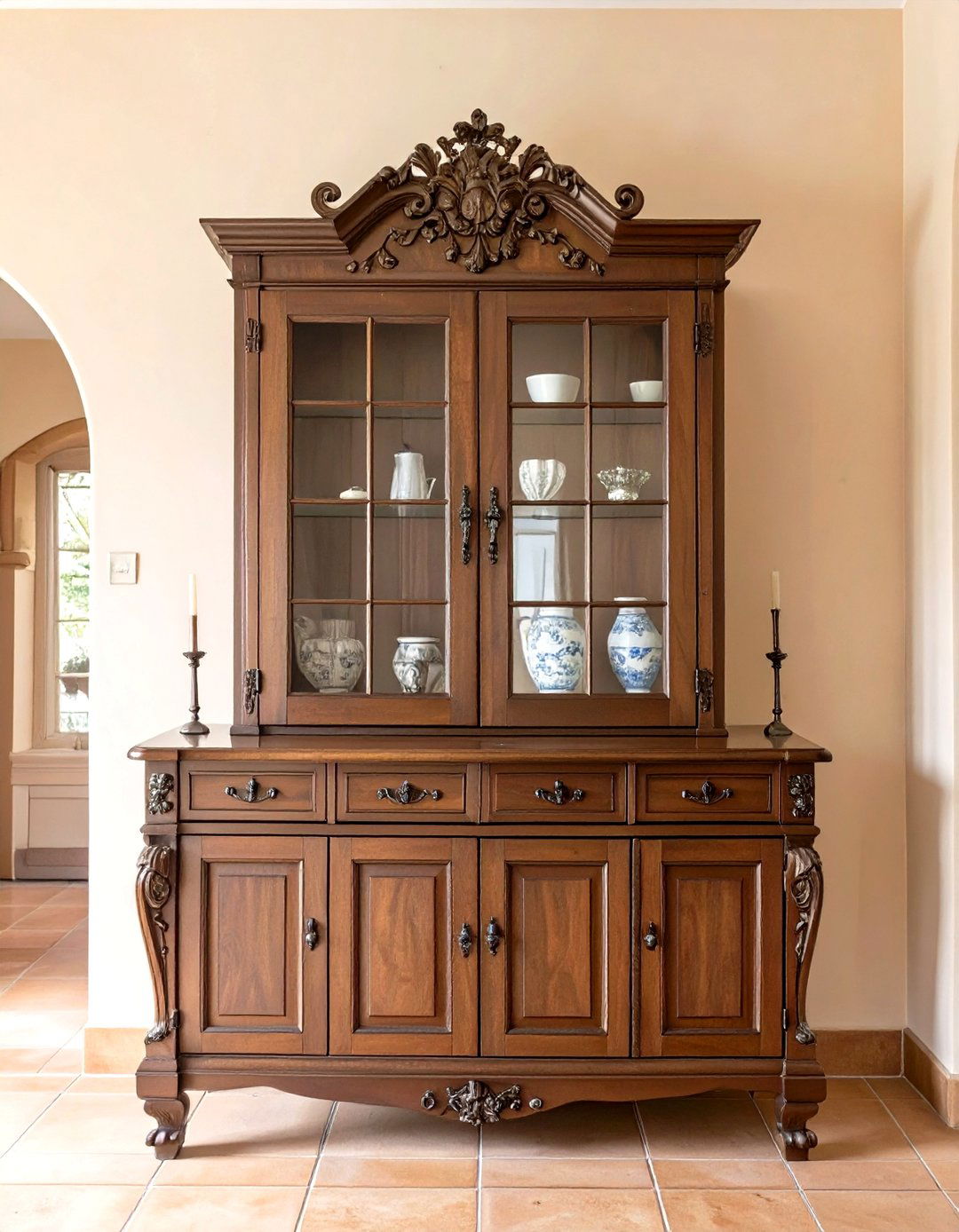
Distressed wood furniture is fundamental to achieving an authentic rustic feel, celebrating pieces that show a history of use and love. This style embraces imperfections like faded paint, nicks, scratches, and a weathered patina. Look for items like a worn farmhouse dining table, a chipped paint dresser, or a sturdy coffee table with visible grain. This furniture adds a layer of warmth and nostalgia, making a space feel lived-in and comfortable rather than stark and new. Each piece contributes to a narrative of heritage and endurance, reinforcing the rustic ideal of finding beauty in the perfectly imperfect.
6. Wrought-Iron Hardware and Fixtures
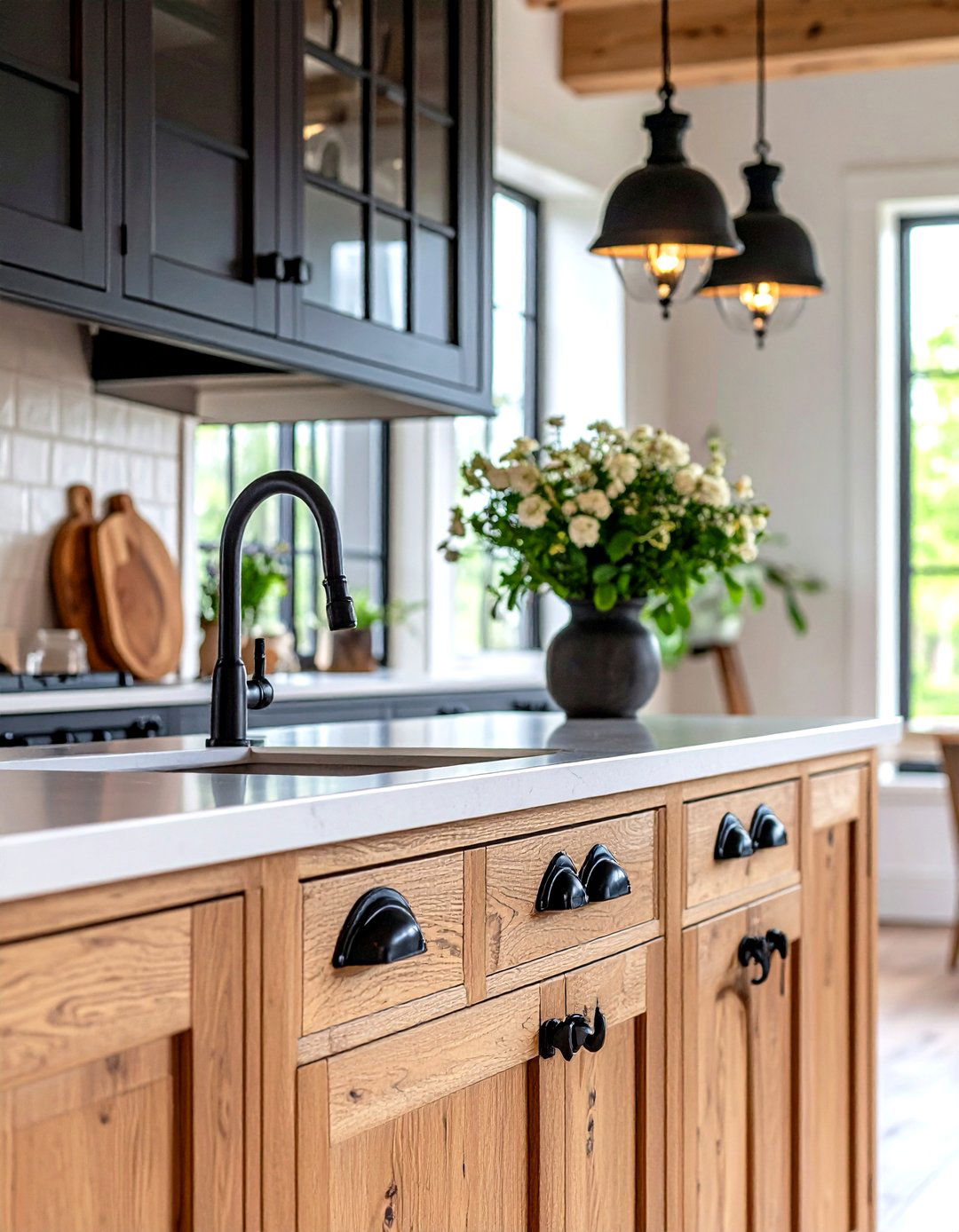
Incorporating wrought-iron hardware and fixtures is a subtle yet powerful way to enhance a rustic design scheme. Think of cabinet pulls, door handles, curtain rods, and lighting forged from this dark, sturdy metal. The handcrafted, slightly irregular finish of wrought iron provides a striking contrast against natural wood and stone. A chandelier with scrolling ironwork or simple metal sconces can add a touch of medieval or old-world charm. These details lend an air of authenticity and solid craftsmanship, grounding the space with their strength and timeless appeal while tying together the various rustic elements in the room.
7. An Earthy and Neutral Color Palette
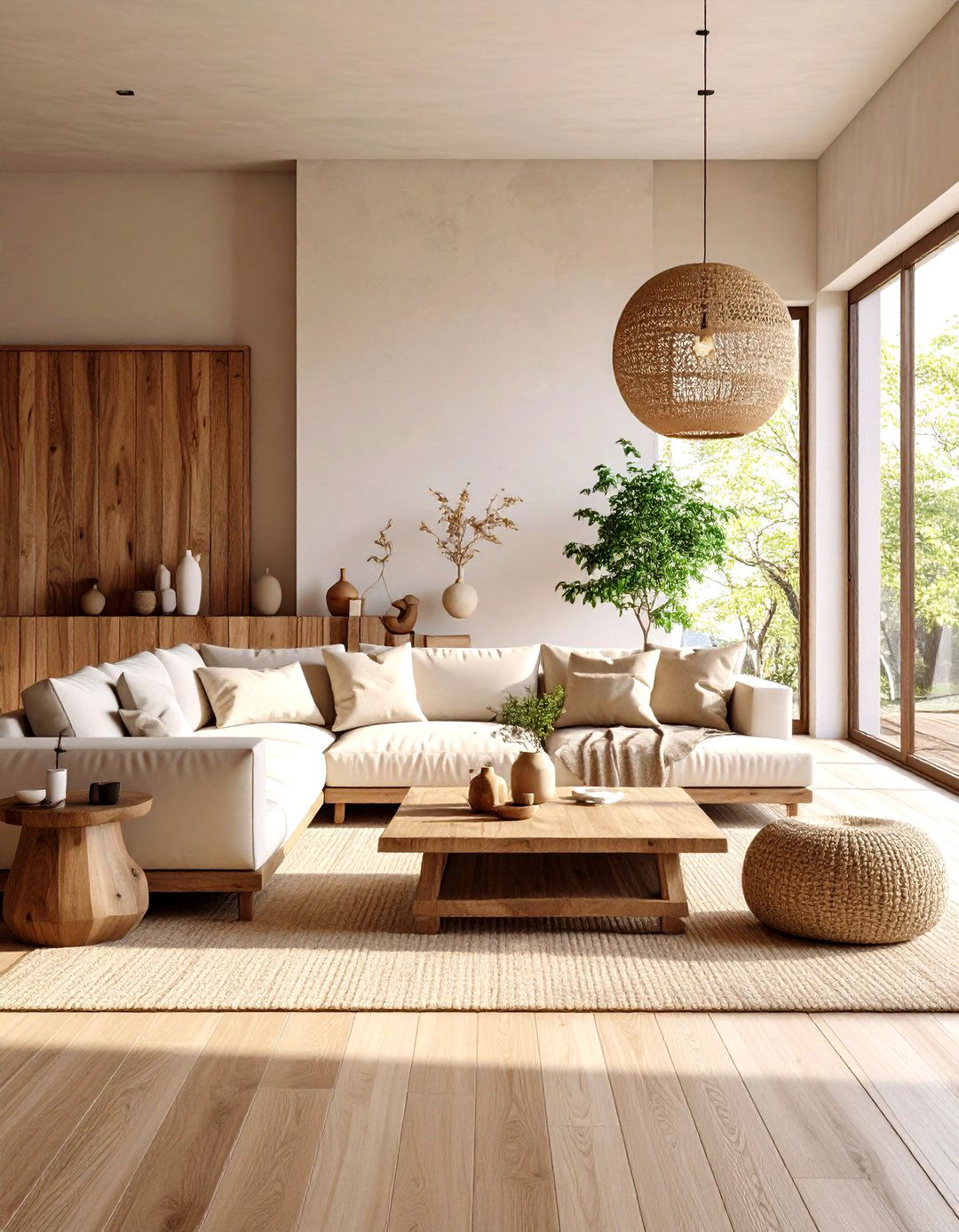
An earthy and neutral color palette is the foundation of rustic interior design, drawing inspiration directly from nature. This scheme uses warm, muted tones like beige, cream, brown, tan, and gray, creating a calm and inviting atmosphere. These colors mimic natural materials such as stone, soil, and wood, allowing the textures in the room to take center stage. You can introduce subtle pops of color inspired by the landscape, such as forest green, deep terracotta, or stormy blue, through textiles or accent pieces. This naturalistic palette ensures the space feels harmonious, serene, and deeply connected to the outdoors.
8. Cozy Plaid and Wool Textiles
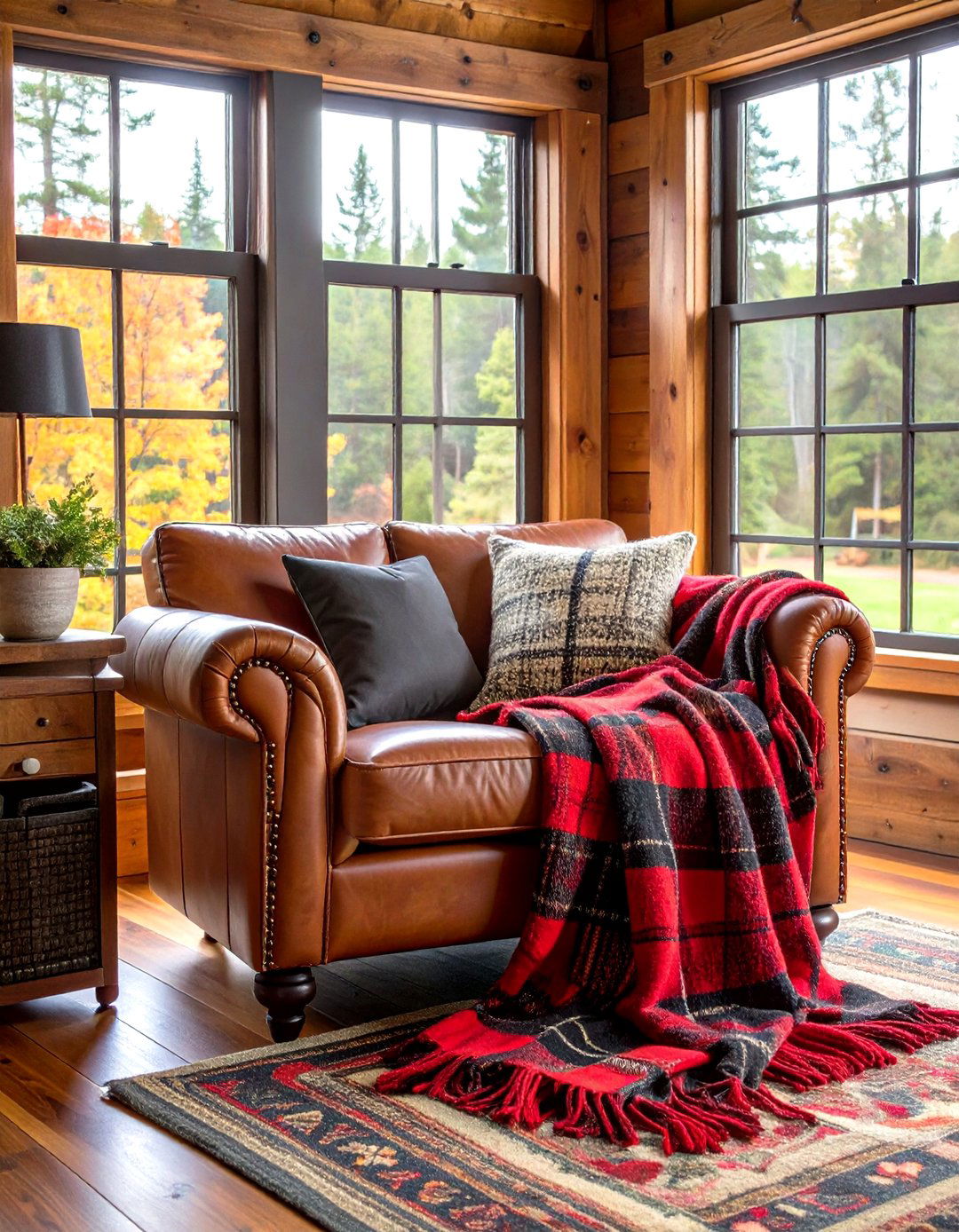
To soften the hard surfaces of wood and stone, introduce cozy plaid and wool textiles. These fabrics bring warmth, texture, and a touch of classic cabin style to any rustic interior. Drape a thick wool blanket over the arm of a leather sofa, add plaid throw pillows to an armchair, or lay a woven wool rug on the floor. The timeless patterns and rich textures invite you to curl up and get comfortable. Choosing textiles in earthy tones complements the natural materials in the room, enhancing the overall feeling of a snug, welcoming retreat from the outside world.
9. Antler Chandeliers and Decor
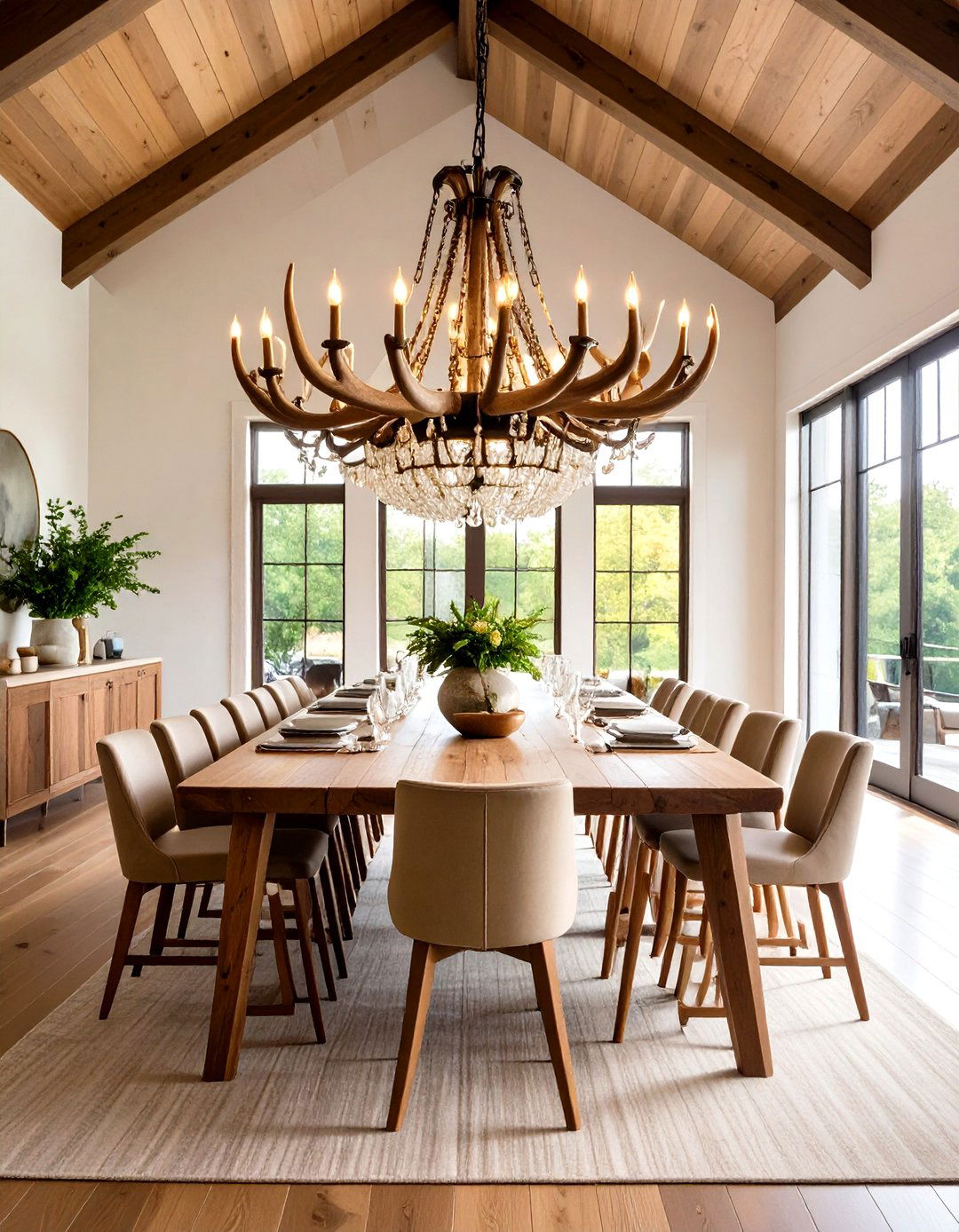
For a bold statement that directly references the wild, consider incorporating antler chandeliers and decor. A chandelier crafted from naturally shed antlers can serve as a dramatic and artistic focal point in a living room or dining area. This element brings an organic, sculptural quality that is undeniably rustic. On a smaller scale, antlers can be mounted on a wall, placed on a mantel, or used as a decorative bowl on a coffee table. This touch of the wilderness connects the interior to the great outdoors, celebrating nature’s untamed beauty in a sophisticated and respectful manner.
10. A Classic Farmhouse Sink
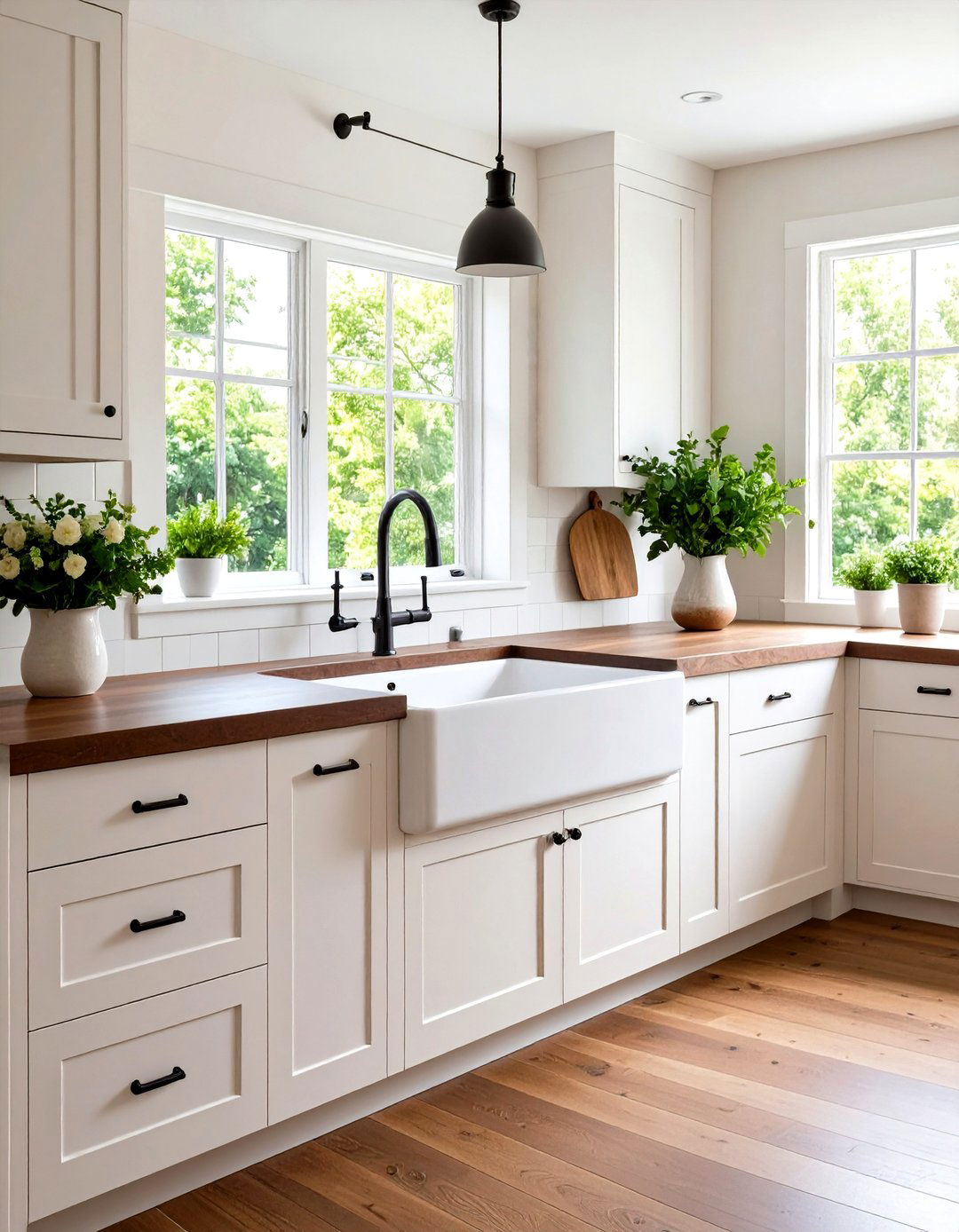
A classic farmhouse sink, also known as an apron-front sink, is a hallmark of rustic kitchen design. Its deep, wide basin is highly practical, while its exposed front adds a touch of vintage charm and substance. Typically made from durable fireclay or cast iron, these sinks are built to last and handle heavy use. The bright white of a traditional farmhouse sink creates a clean, appealing contrast with natural wood countertops or dark cabinetry. This single feature can define the character of a kitchen, blending functionality with a timeless aesthetic that feels both hardworking and homey.
11. Open Wooden Shelving
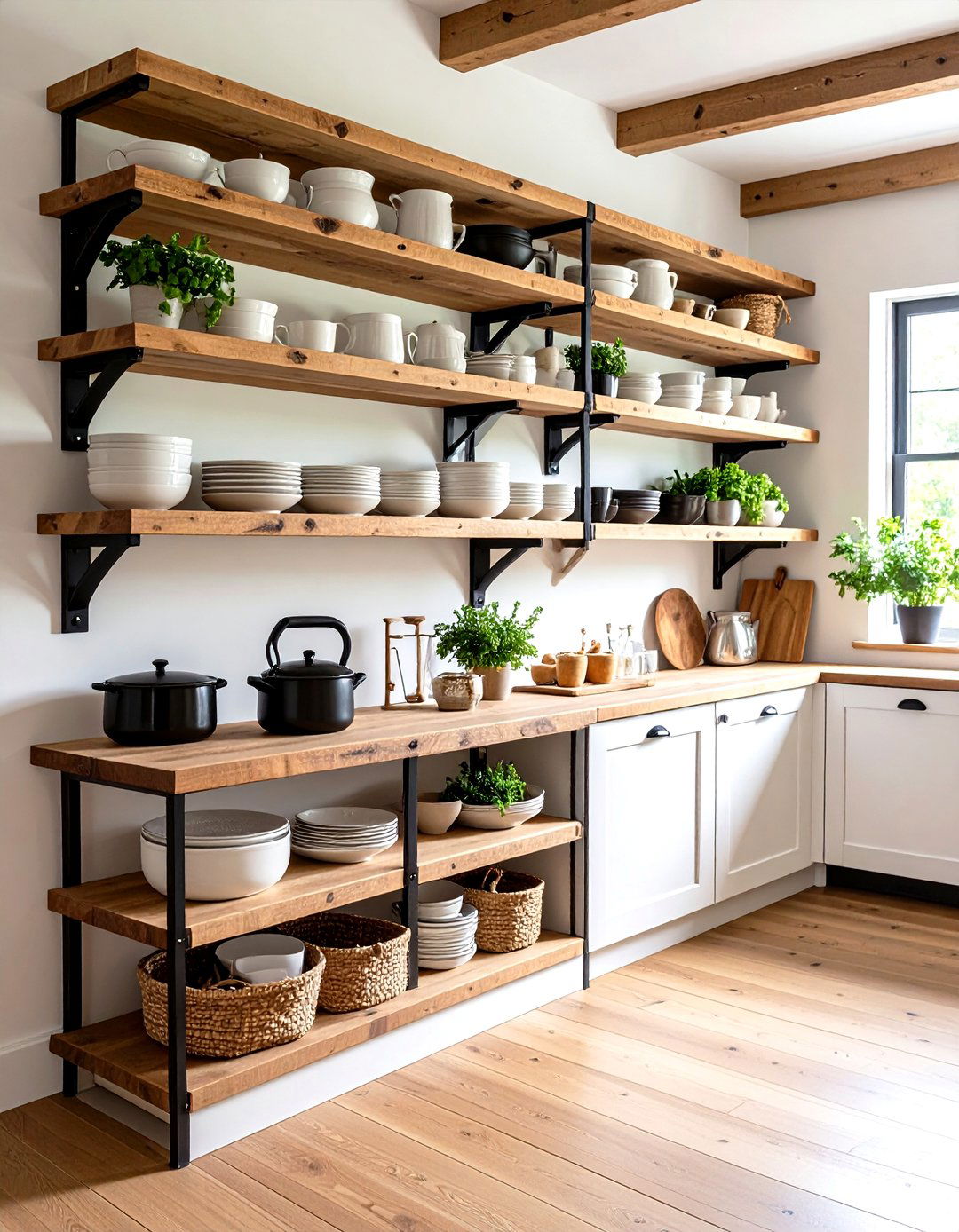
Open wooden shelving is a perfect addition to a rustic kitchen or living area, offering both practical storage and a chance for curated display. Using thick, rough-hewn wooden planks supported by simple iron brackets enhances the natural, unfussy aesthetic. These shelves break up the monotony of solid cabinetry and create an airy, accessible feel. You can display everyday items like ceramic dinnerware, mason jars filled with pantry staples, or a collection of vintage pottery. This approach encourages a beautifully organized yet lived-in look, showcasing personal items that add character and warmth to the space.
12. A Live-Edge Wood Table
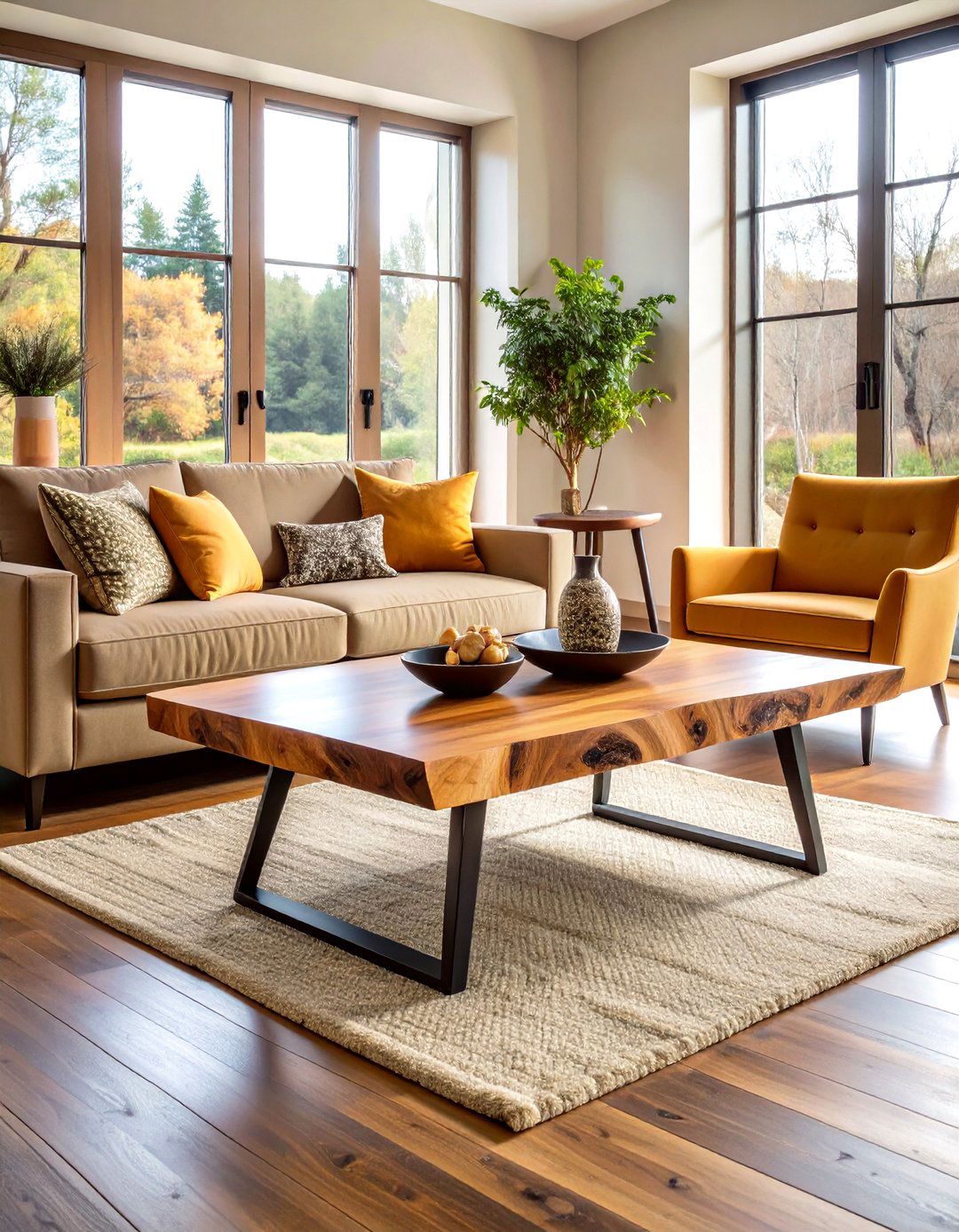
A live-edge wood table, whether for dining or as a coffee table, is a spectacular centerpiece in a rustic home. This style of furniture preserves the natural, uncut edge of the wood slab, showcasing the original lines and contours of the tree it came from. Each piece is entirely unique, with its own distinct grain, knots, and shape. The organic form of a live-edge table brings a powerful and untamed piece of nature directly into your living space. Paired with simple metal legs or a solid wood base, it creates a stunning focal point that is both a functional surface and a work of art.
13. Leather and Hide Upholstery
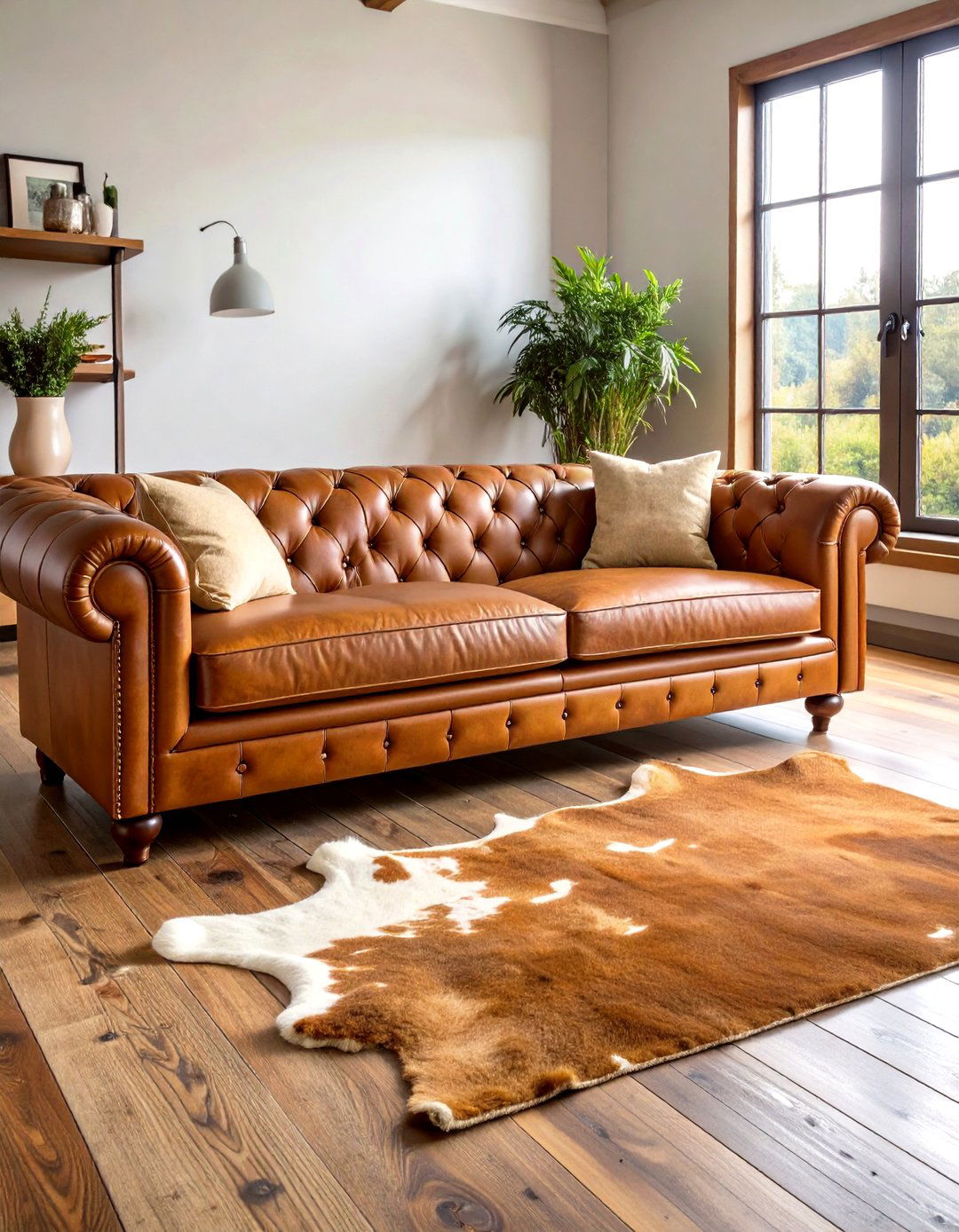
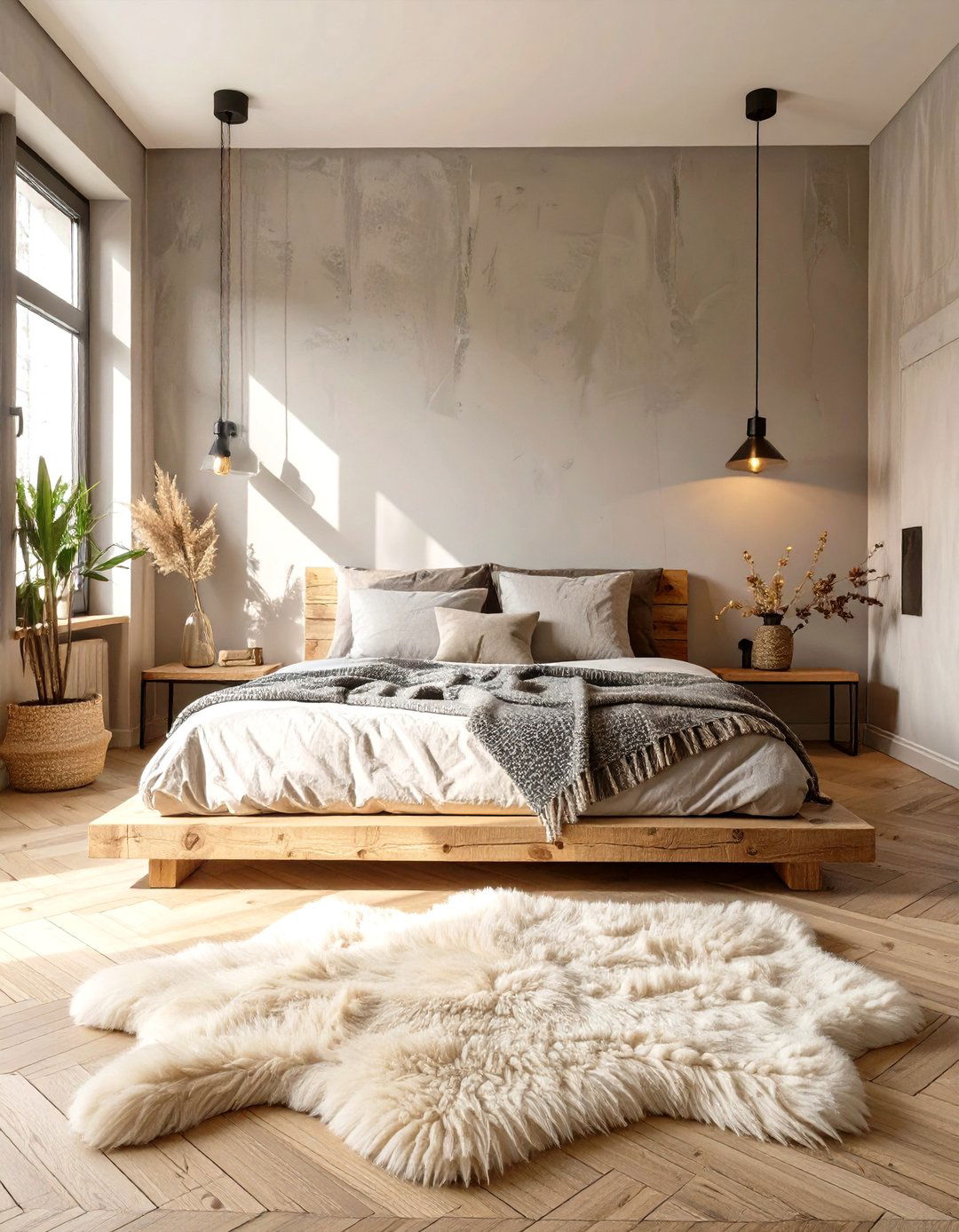
Leather and hide upholstery adds a layer of rugged sophistication and tactile comfort to a rustic interior. A deep, comfortable leather sofa or armchair becomes more beautiful with age, developing a rich patina over time. For an even more direct nod to the outdoors, consider a cowhide or sheepskin rug on the floor or draped over a chair. These materials provide a luxurious texture that contrasts well with rough wood and stone surfaces. They are also incredibly durable, making them a practical choice for a cozy, lived-in space that values both style and substance.
14. Vintage and Antique Accessories
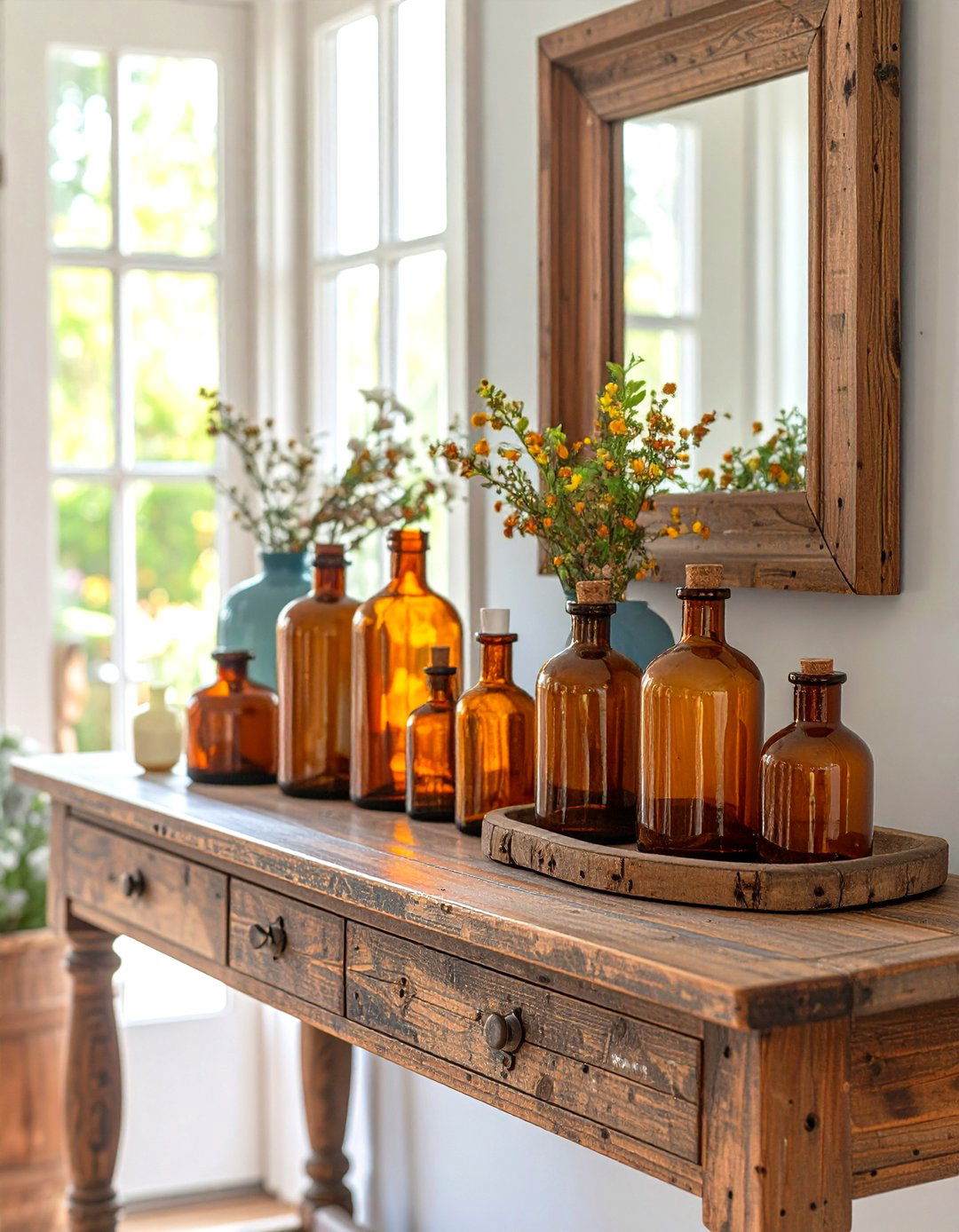
Integrating vintage and antique accessories is key to giving a rustic space a sense of soul and history. Scour flea markets and antique shops for items that tell a story, such as old tin signs, weathered wooden crates, vintage maps, or antique tools. An old ladder can be repurposed as a blanket holder, while a collection of amber glass bottles can catch the light on a windowsill. These found objects add layers of personality and prevent the design from feeling like a modern reproduction. They connect the space to the past, infusing it with a unique charm and authenticity.
15. Natural Jute and Sisal Rugs
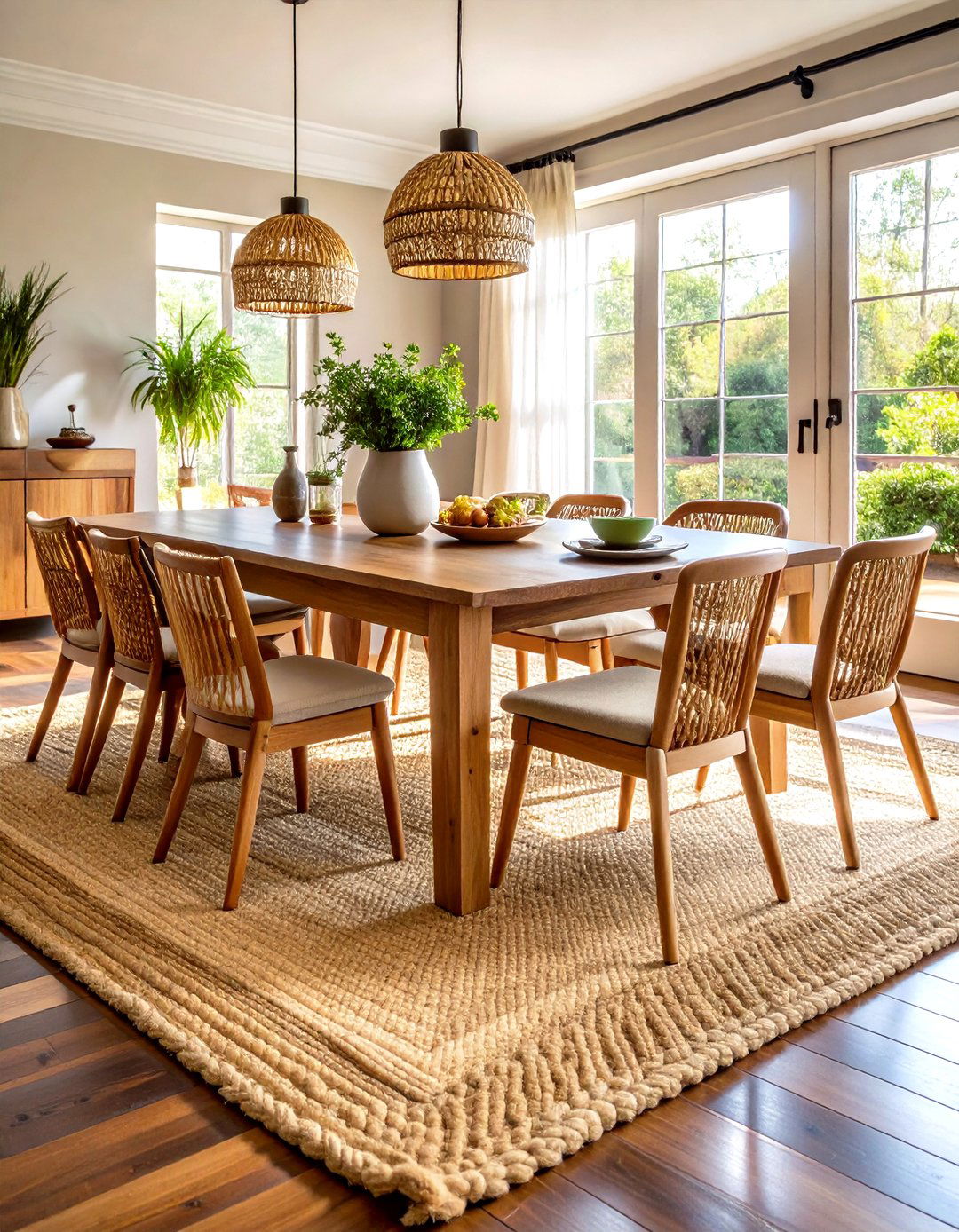
Natural jute and sisal rugs are an excellent choice for grounding a rustic room. Made from durable plant fibers, these rugs have a coarse, organic texture that complements wood floors and stone features perfectly. Their neutral, earthy tones—ranging from sandy beige to warm brown—fit seamlessly into a rustic color palette. Beyond their aesthetic appeal, jute and sisal rugs are hard-wearing and add a layer of natural warmth underfoot. Placing one in a living room or entryway helps define the space while reinforcing the connection to natural, unprocessed materials that is so central to rustic style.
16. Galvanized Metal Accents
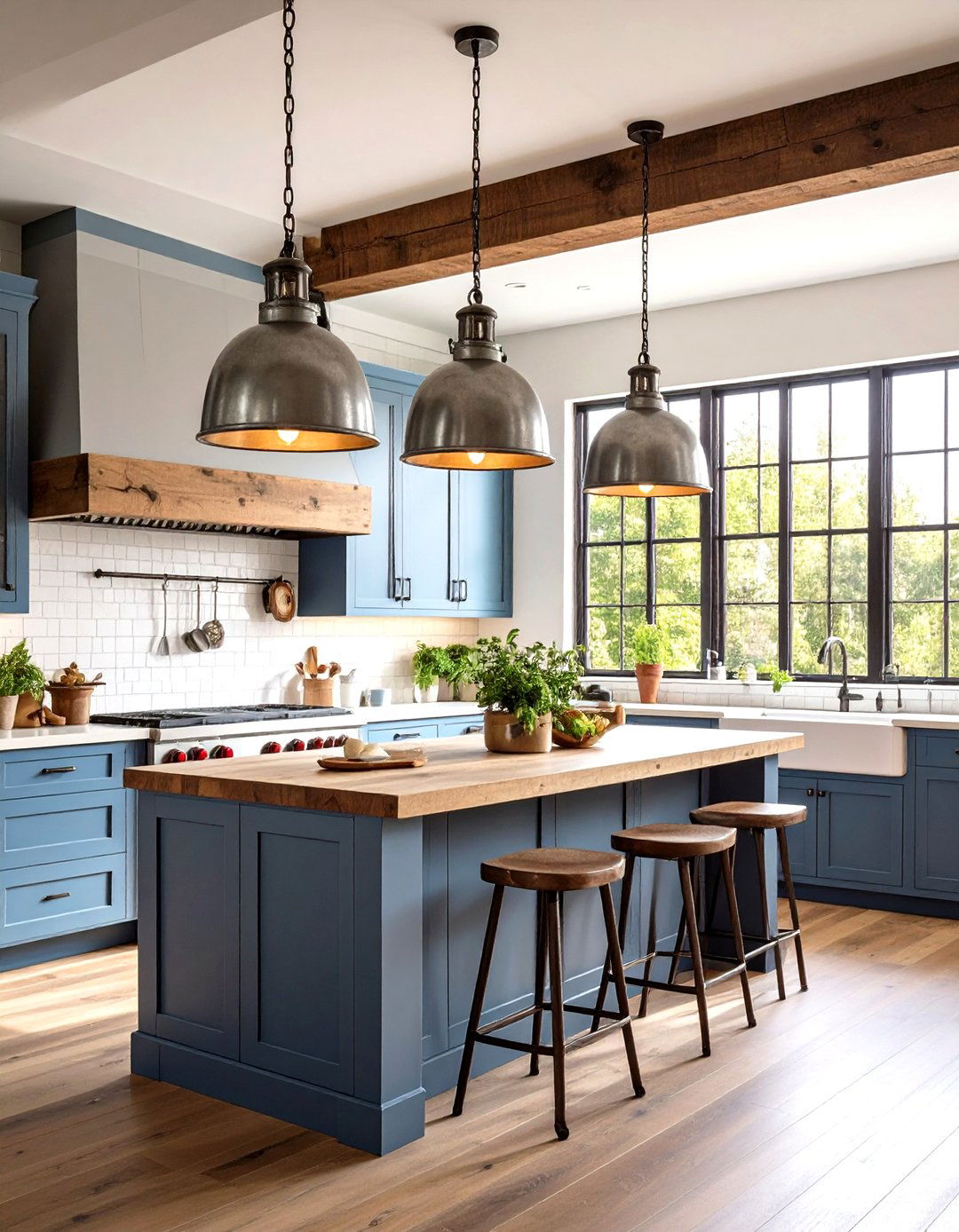
Galvanized metal accents introduce a touch of industrial farmhouse flair to rustic decor. This durable, zinc-coated steel has a mottled gray finish that pairs beautifully with weathered wood and other natural textures. Incorporate it through items like metal buckets used as planters, pendant lights over a kitchen island, or decorative storage bins. The utilitarian, hardworking feel of galvanized metal provides a cool-toned contrast to the warmth of wood, adding another layer of visual interest. These accents are simple, practical, and contribute to the unpretentious, functional aesthetic that defines rustic design.
17. Mason Jar Light Fixtures
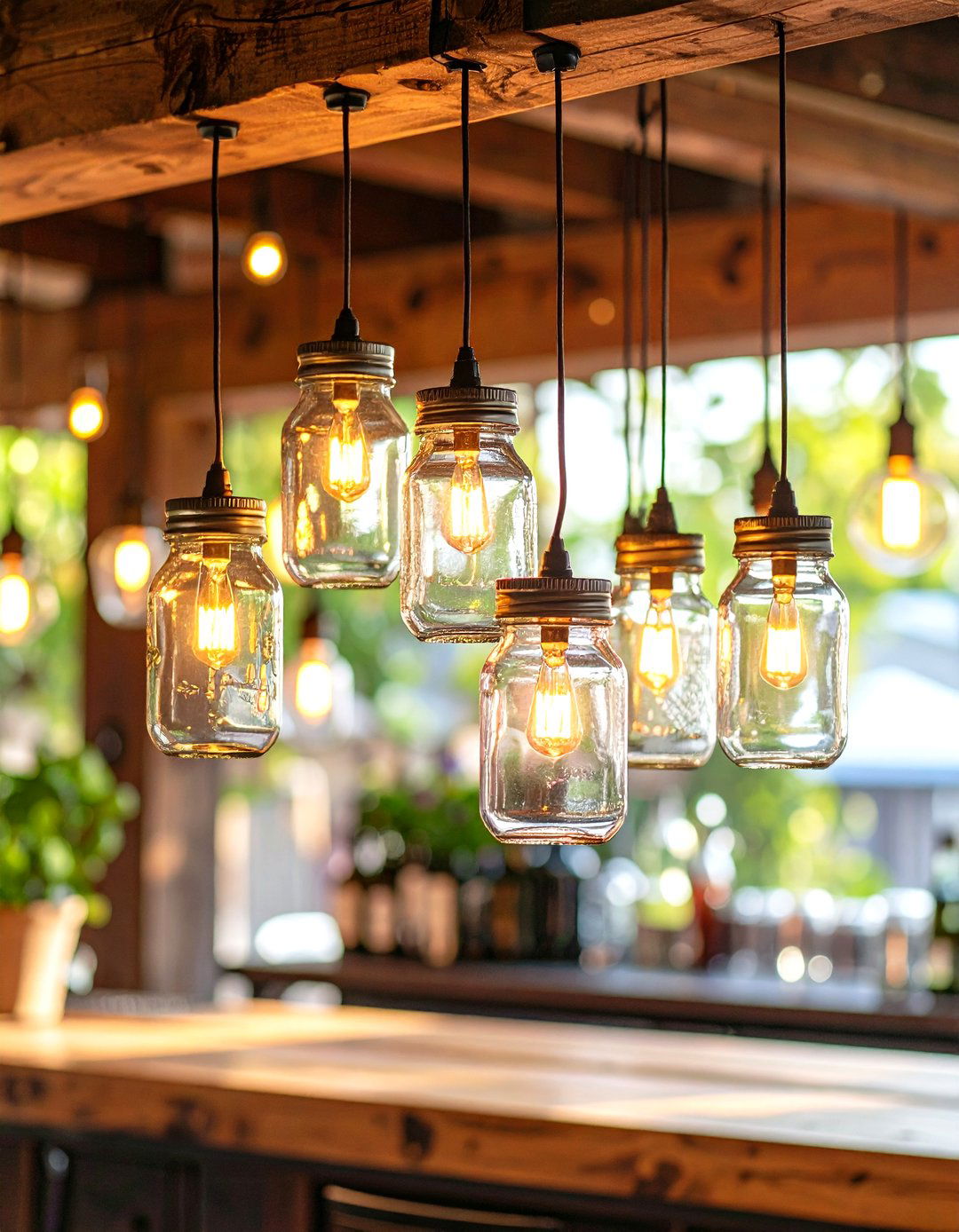
Mason jar light fixtures offer a dose of charming, do-it-yourself creativity to rustic interiors. These simple glass jars, once a staple of canning and preserving, can be repurposed into unique lighting. Hang a cluster of them at varying heights to create a rustic chandelier over a dining table, or use single jars for simple wall sconces. The clear glass allows for the warm glow of an Edison bulb to shine through, enhancing the cozy and nostalgic atmosphere. This lighting solution is a perfect example of rustic ingenuity, transforming an everyday object into a feature of simple, handcrafted beauty.
18. Unfinished or Raw Wood Elements
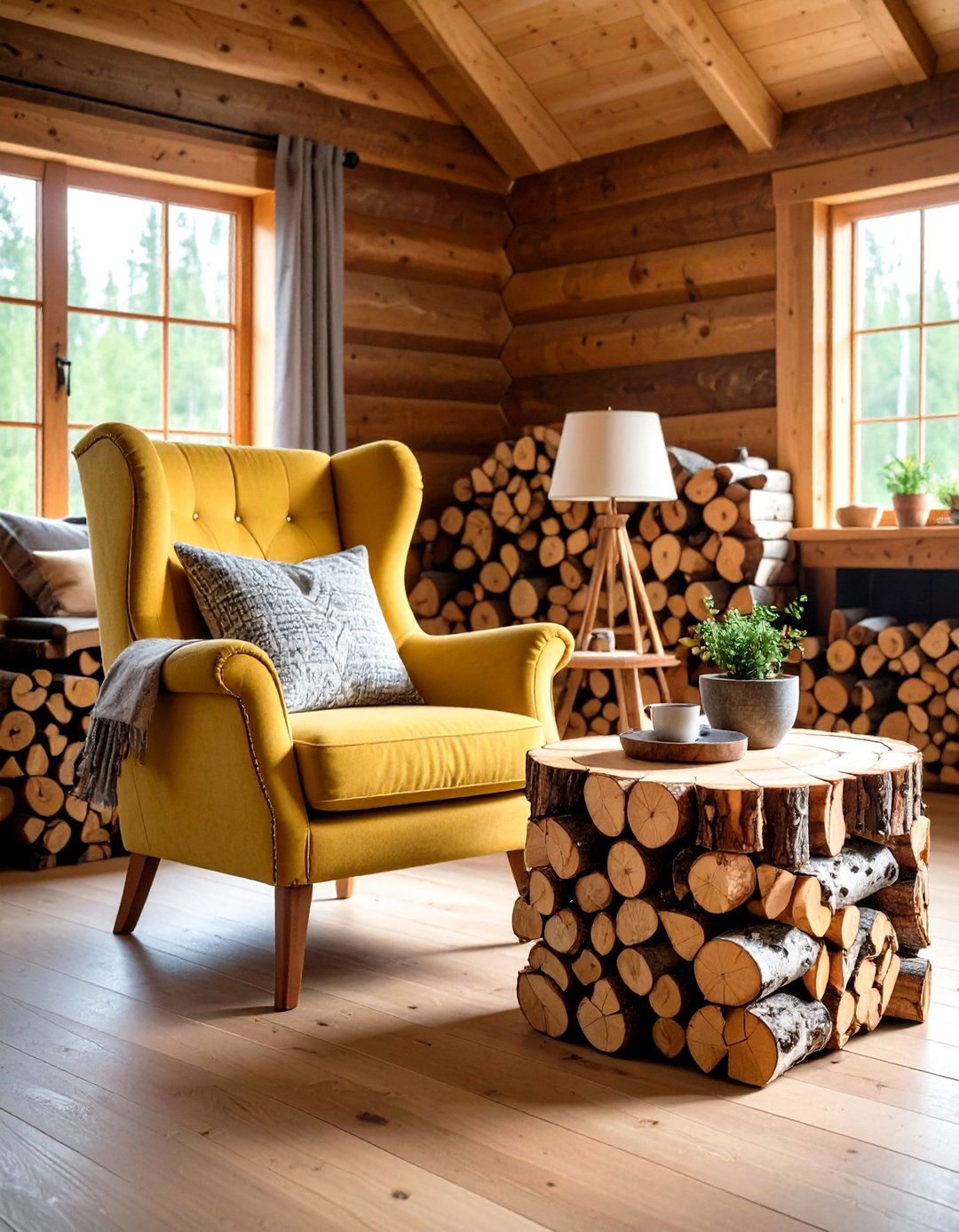
Embracing unfinished or raw wood elements is a core principle of rustic design, celebrating wood in its most natural state. This can be as simple as using a stack of logs as a side table, incorporating a raw wood branch as a curtain rod, or featuring furniture made from untreated timber. The lack of stain or sealant allows the wood's true color, grain, and texture to be the main attraction. This approach highlights the inherent beauty of the material, creating a direct and powerful connection to the outdoors and reinforcing the authentic, unpretentious spirit of a rustic home.
19. Natural Fiber Window Treatments
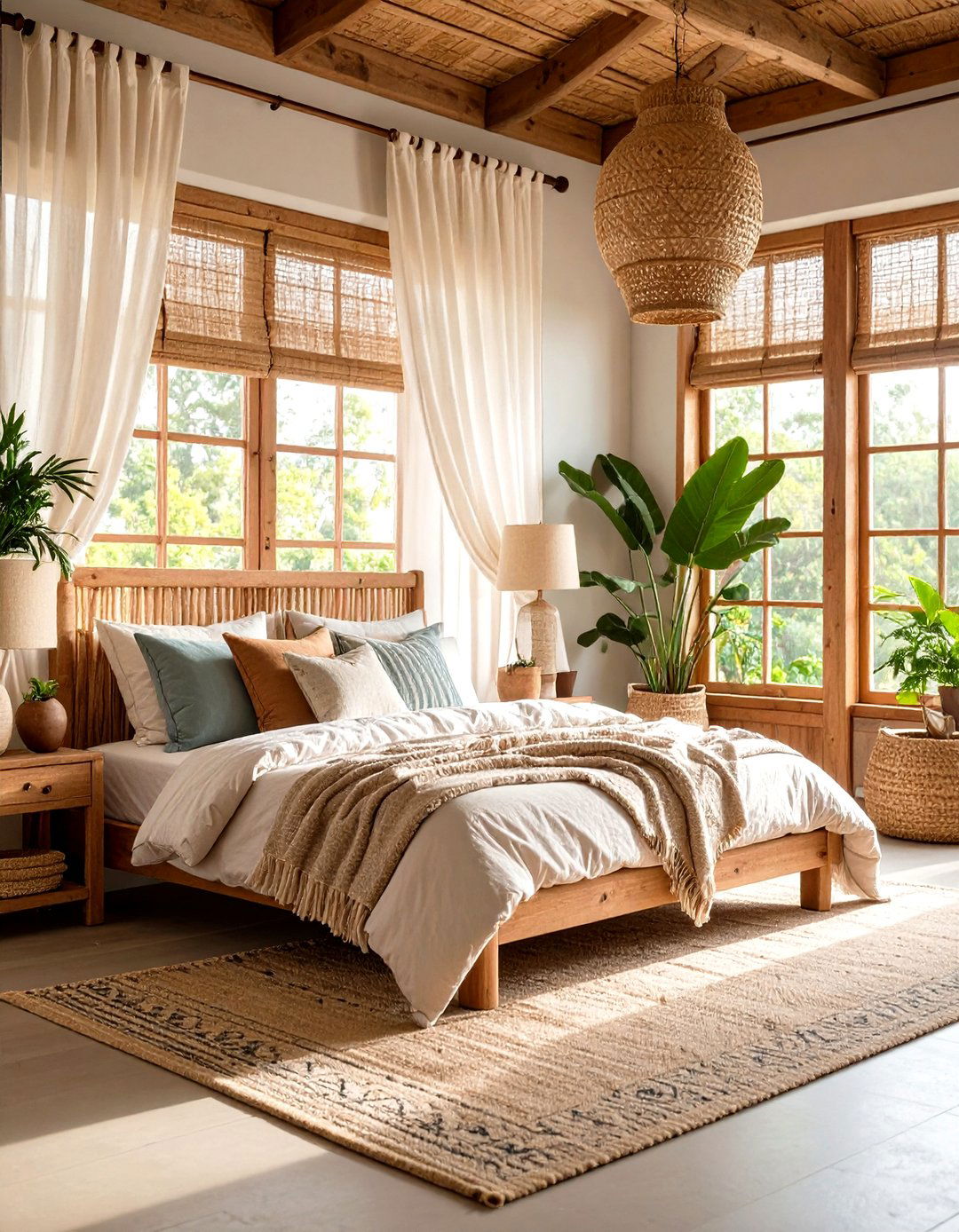
For window treatments that align with a rustic aesthetic, opt for natural fibers that filter light softly and add organic texture. Blinds made from bamboo, woven wood, or matchsticks are excellent choices, providing privacy while still allowing a warm, dappled glow to enter the room. If you prefer curtains, choose simple panels made from materials like linen, cotton canvas, or burlap. These fabrics have a natural, slightly imperfect texture that complements the other raw materials in the space. Avoid heavy, formal drapery and stick to simple treatments that feel light, airy, and connected to the outdoors.
20. Forged Metal Railings and Banisters
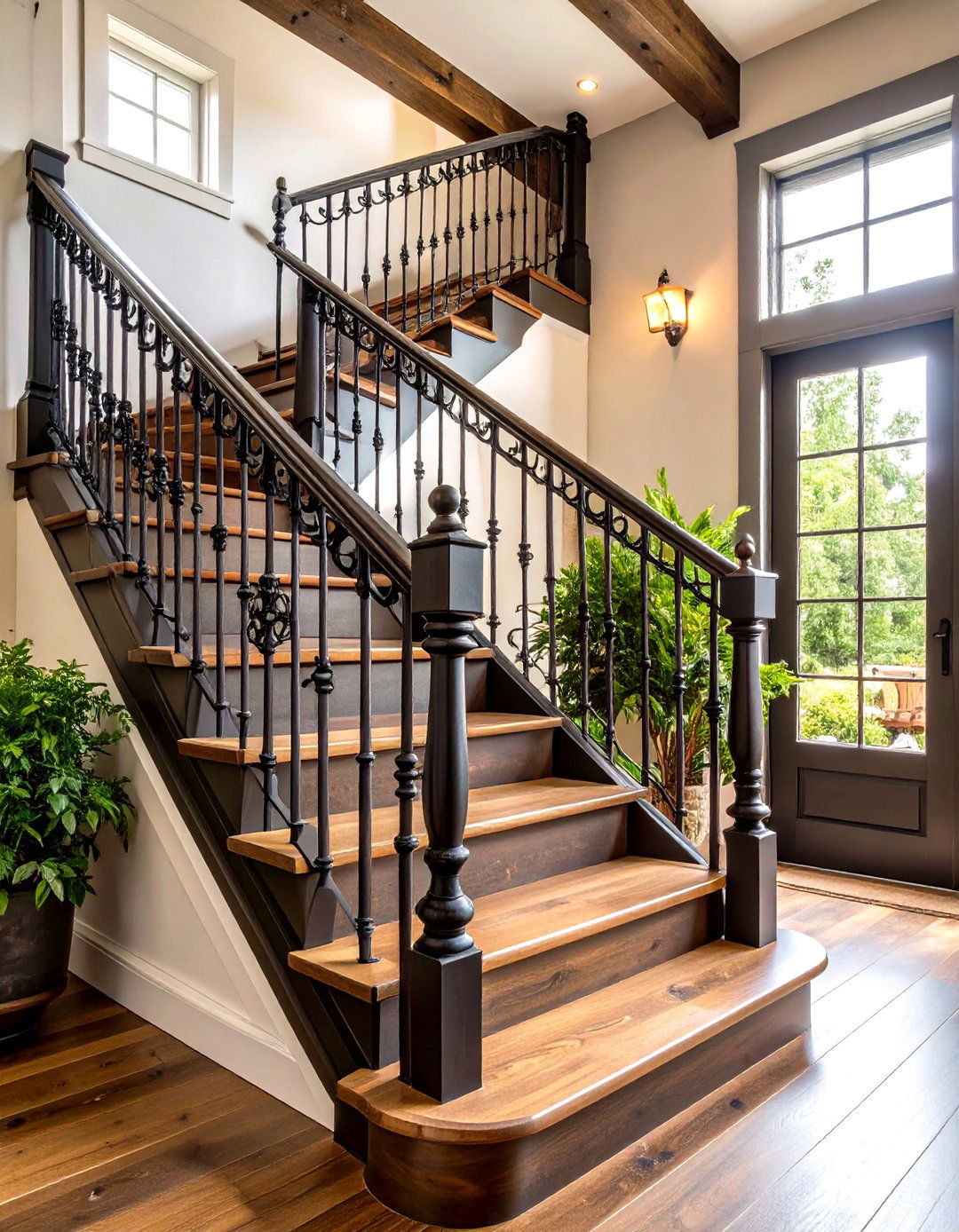
For staircases or loft areas, forged metal railings and banisters provide a strong, graphic element that perfectly suits rustic design. Simple, clean lines in black iron or steel create a striking contrast against wood stairs and floors. The hand-forged look adds a touch of artisanal craftsmanship, celebrating the skill of the blacksmith. Unlike ornate, traditional ironwork, rustic railings are typically straightforward and functional in their design, emphasizing strength and simplicity. This feature adds architectural interest and a touch of industrial edge, enhancing the sturdy, enduring quality of the home's interior.
21. Wide Plank Wooden Flooring
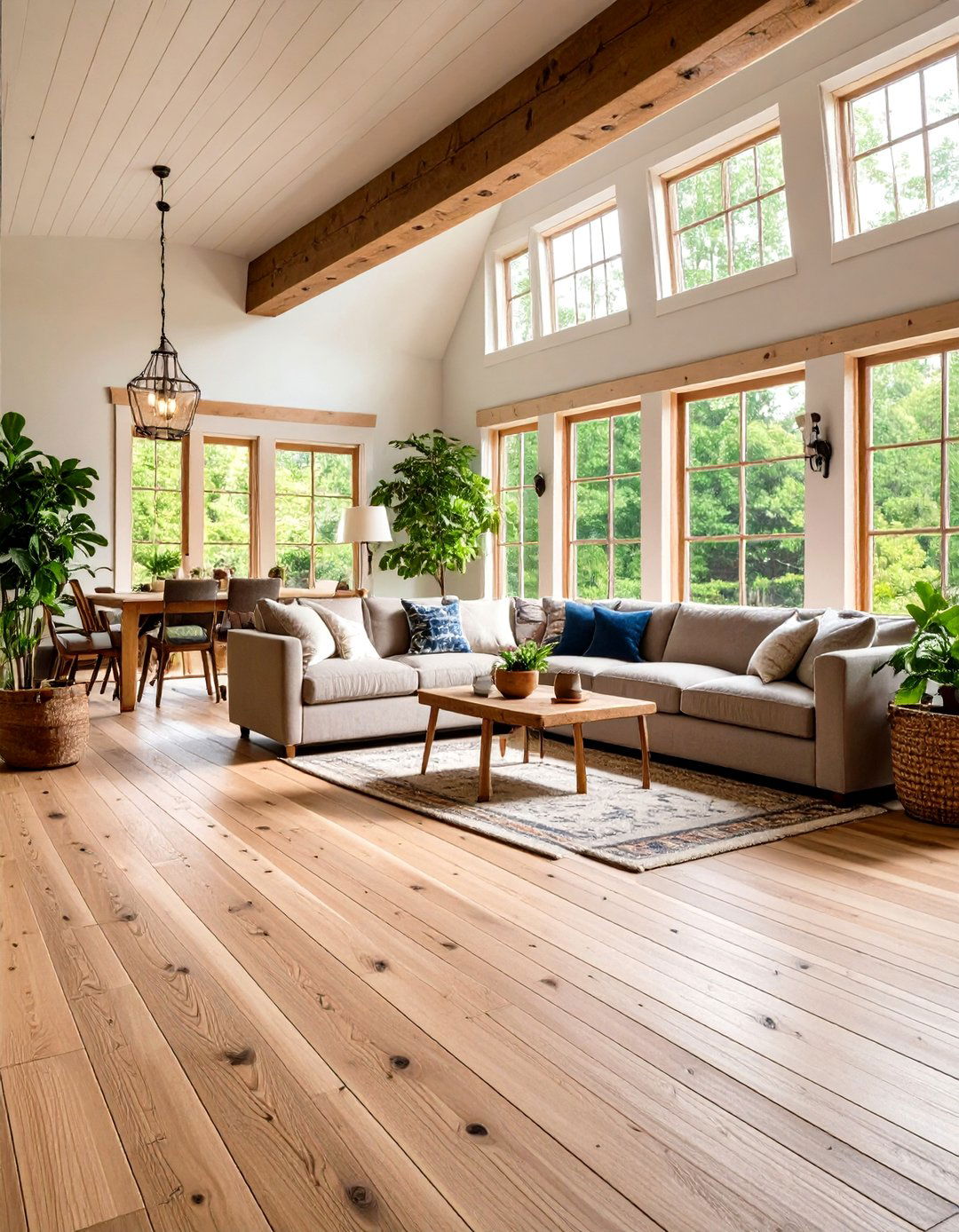
Wide plank wooden flooring establishes an authentic and expansive foundation for any rustic room. Using boards that are significantly wider than standard flooring creates a sense of history and spaciousness, reminiscent of old farmhouses and mountain cabins. Woods like pine, oak, or hickory with visible knots, grain, and imperfections are ideal choices. A matte or oiled finish is preferable to a high-gloss one, as it enhances the natural texture and character of the wood. This type of flooring feels solid and substantial underfoot, anchoring the entire design with its timeless and rugged appeal.
22. Textured Wall Finishes
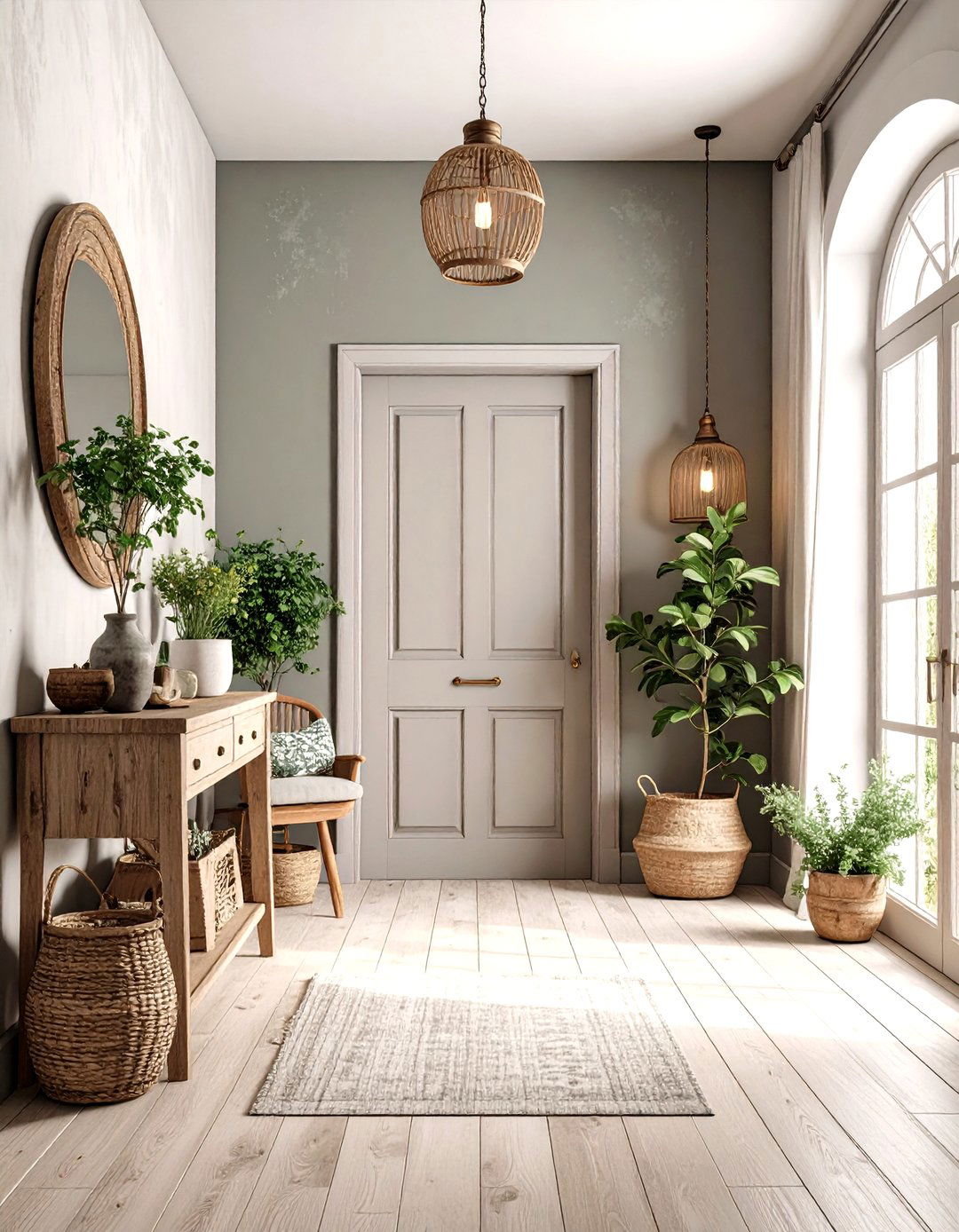
Beyond a simple coat of paint, textured wall finishes like plaster or limewash can add immense depth and character to a rustic interior. Limewash, a traditional paint made from limestone, creates a soft, chalky finish with subtle variations in tone, giving walls a luminous, aged appearance. Venetian plaster offers a more polished but still earthy texture with a marble-like sheen. These finishes move away from flat, perfect surfaces, instead creating a tactile backdrop that catches the light in interesting ways. They add a layer of old-world charm and artisanal quality that enhances the overall rustic atmosphere.
23. Built-In Wooden Breakfast Nooks
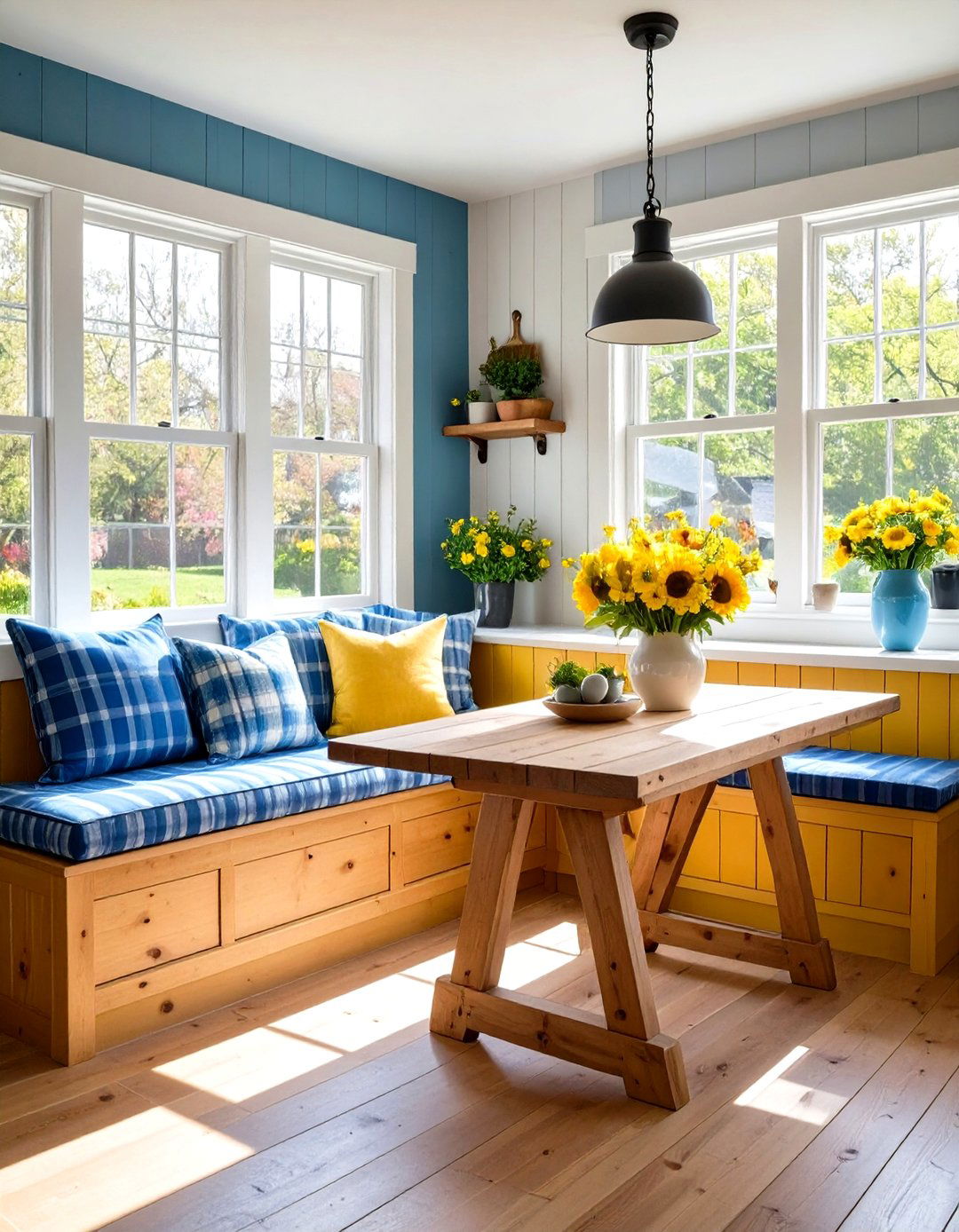
A built-in wooden breakfast nook creates a cozy, intimate corner in a rustic kitchen or dining area. Constructed from warm, natural wood like pine or oak, these nooks typically feature a built-in bench and a simple, sturdy table. The enclosed, intimate setting encourages casual meals and conversation, making it a favorite family gathering spot. You can add comfortable cushions in a plaid or striped fabric for extra comfort. This architectural feature maximizes space while adding a significant dose of charm, evoking the feeling of a cozy cabin or a welcoming country farmhouse kitchen.
24. Decor with Organic Shapes and Forms
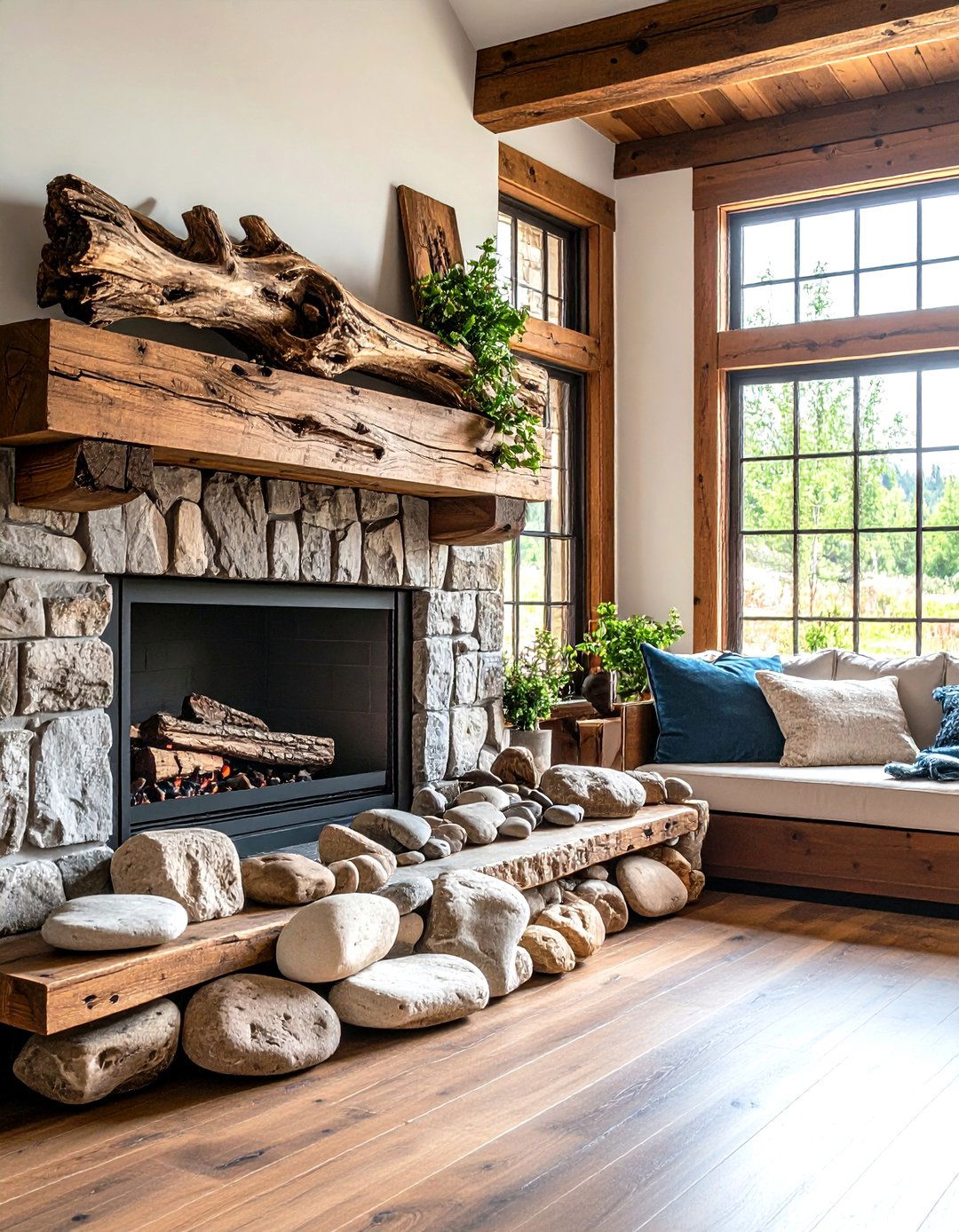
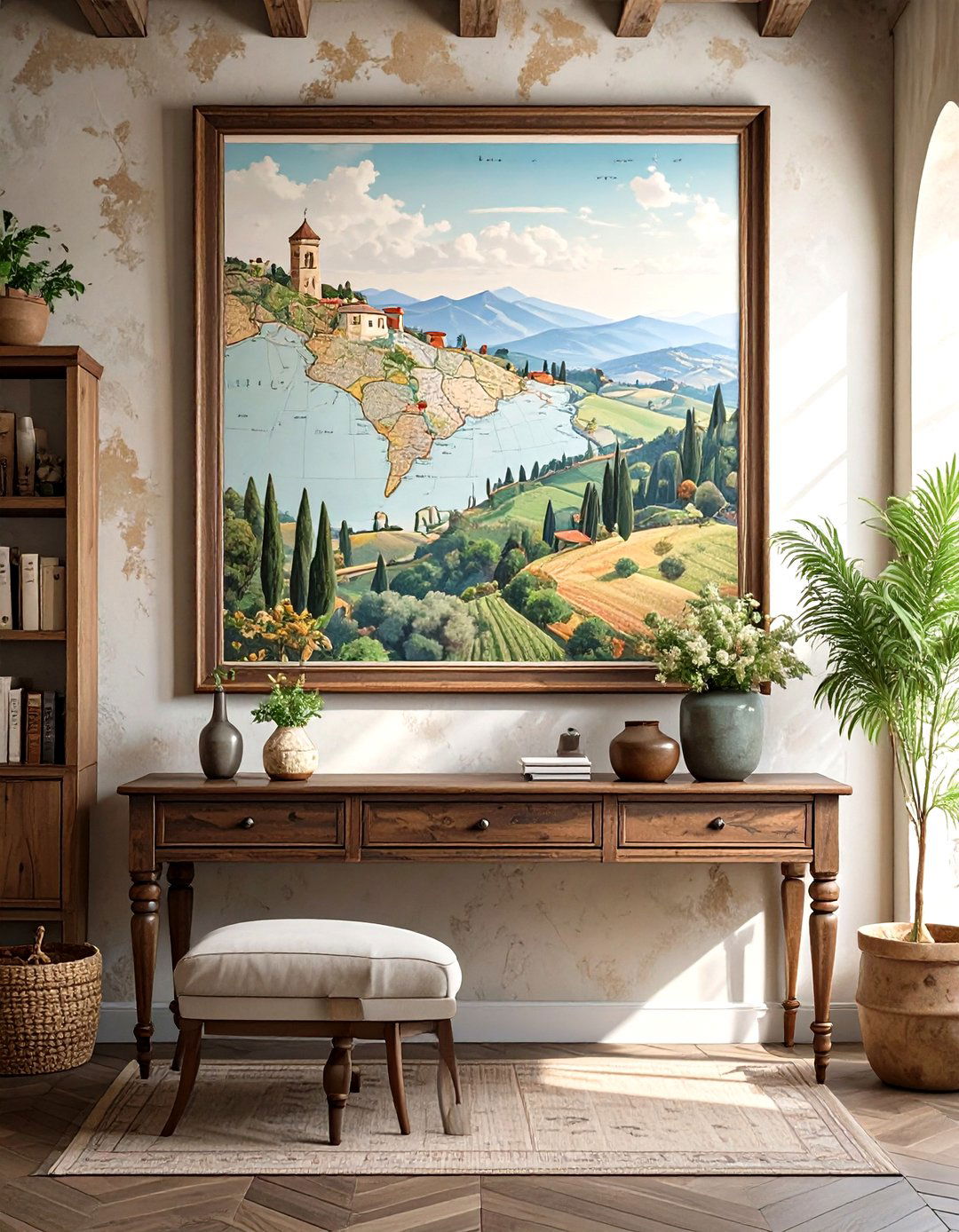
To soften the strong lines of beams and furniture, incorporate decor that features organic shapes and forms. Look for items that mimic the imperfect, flowing lines found in nature. This could include a gnarled driftwood branch displayed on a console table, round river stones clustered in a bowl, or ceramic vases with an uneven, handmade feel. Even artwork depicting natural landscapes or botanical prints can contribute. These softer, less rigid shapes provide a visual counterpoint to the structural elements in the room, creating a more balanced and harmonious environment that feels both grounded and dynamic.
25. A Harmonious Mix of Wood Tones
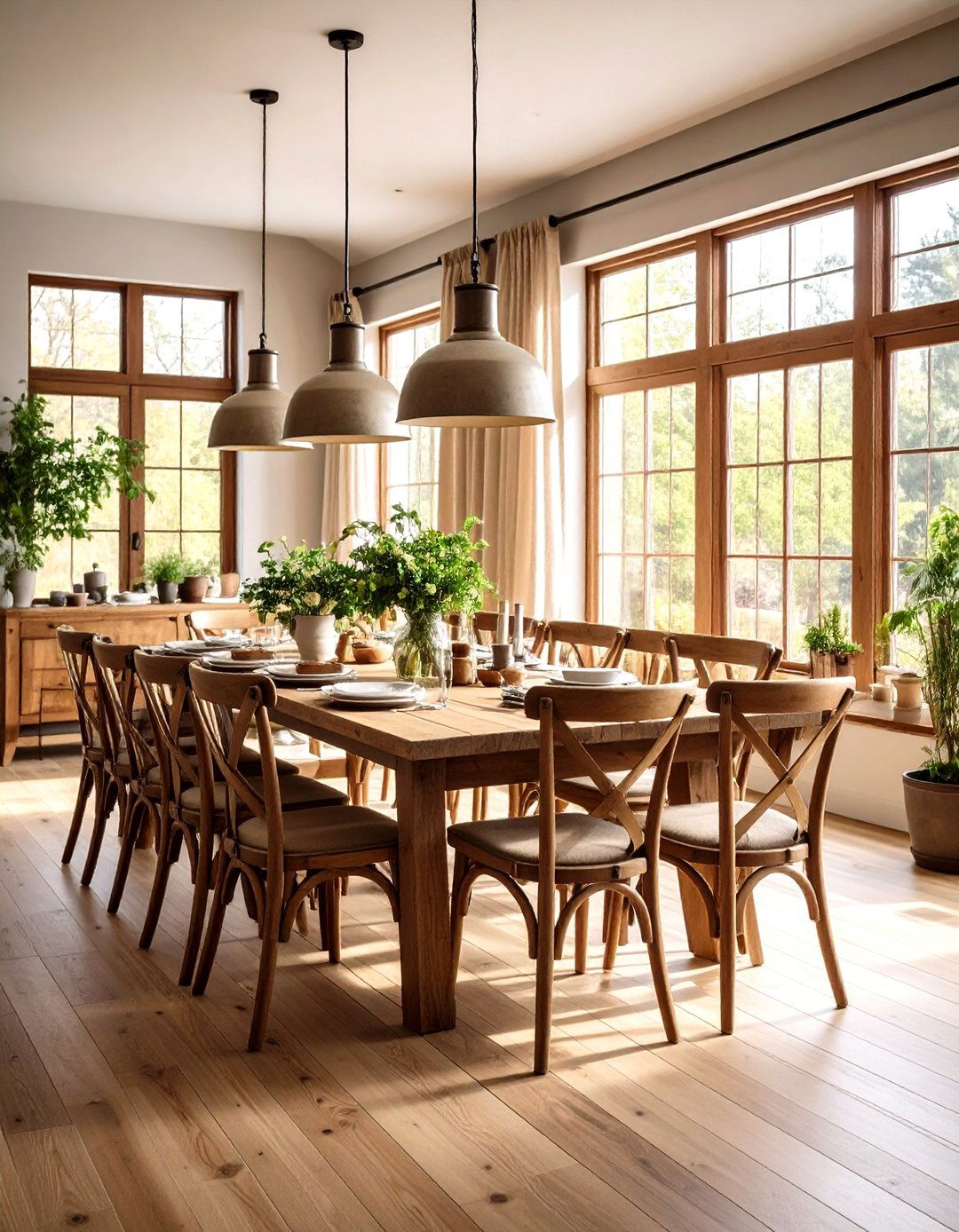
Don't be afraid to mix different wood tones in a rustic interior. A well-designed rustic space often features a harmonious blend of light, medium, and dark woods. For instance, you might pair light pine floors with a dark walnut dining table and medium-toned oak cabinetry. The key to making it work is to pay attention to the undertones. Sticking with woods that share a similar warm or cool undertone will create a cohesive look. This layered approach adds depth and visual interest, preventing the space from feeling flat or one-dimensional and reflecting how natural environments feature a variety of trees.
26. Stacked Firewood as Interior Decor
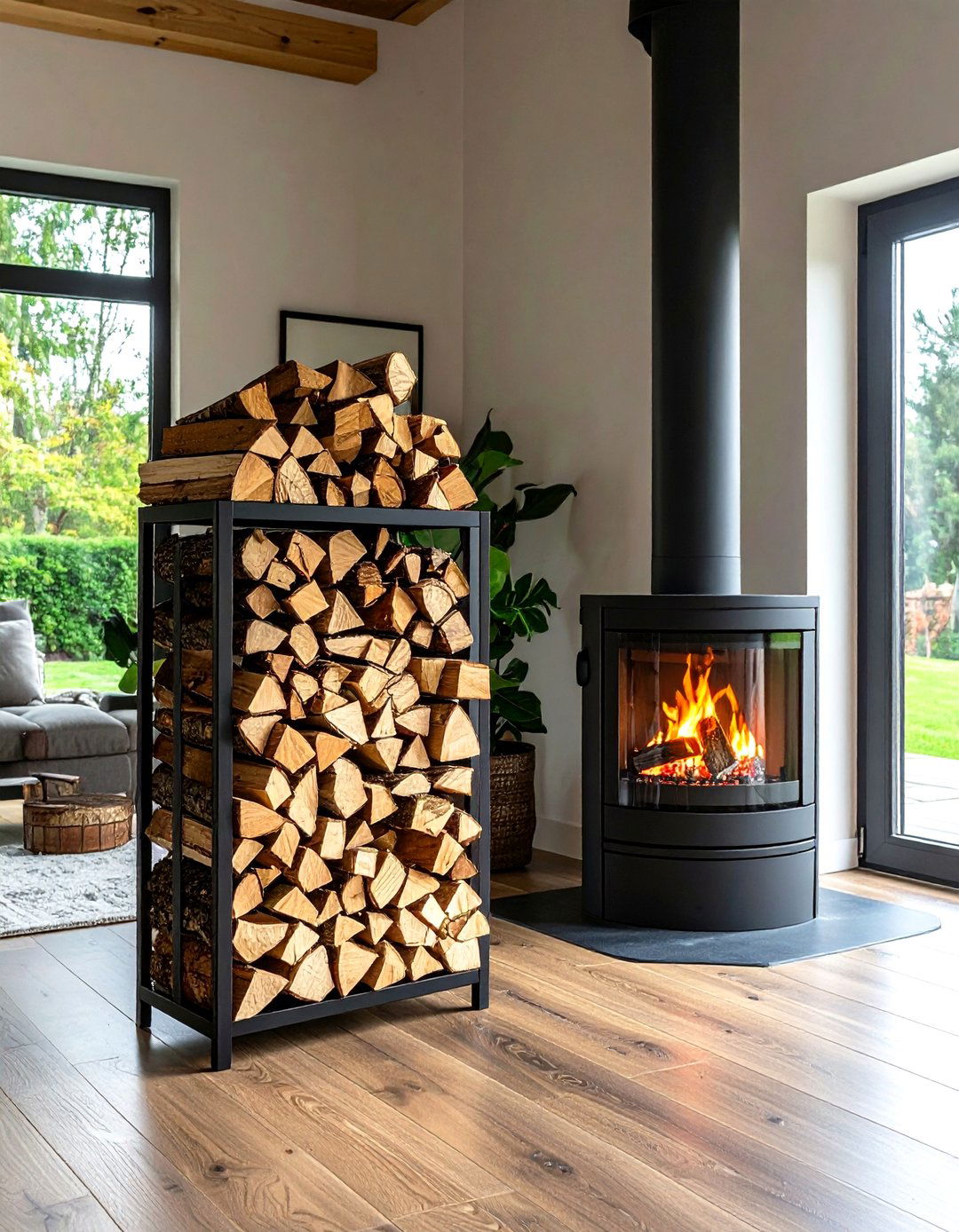
Using stacked firewood as an interior design element is a simple yet highly effective way to enhance a rustic vibe. Neatly stacking logs in an alcove next to the fireplace not only serves a practical purpose but also adds wonderful texture, pattern, and a direct connection to nature. The sight and subtle scent of wood contribute to a cozy, cabin-like atmosphere. You can use a simple black metal log holder for a more contained look or dedicate an entire recessed wall niche to firewood for a dramatic statement. This functional decor element is effortlessly rustic and powerfully evocative.
27. Wicker and Rattan Storage Baskets
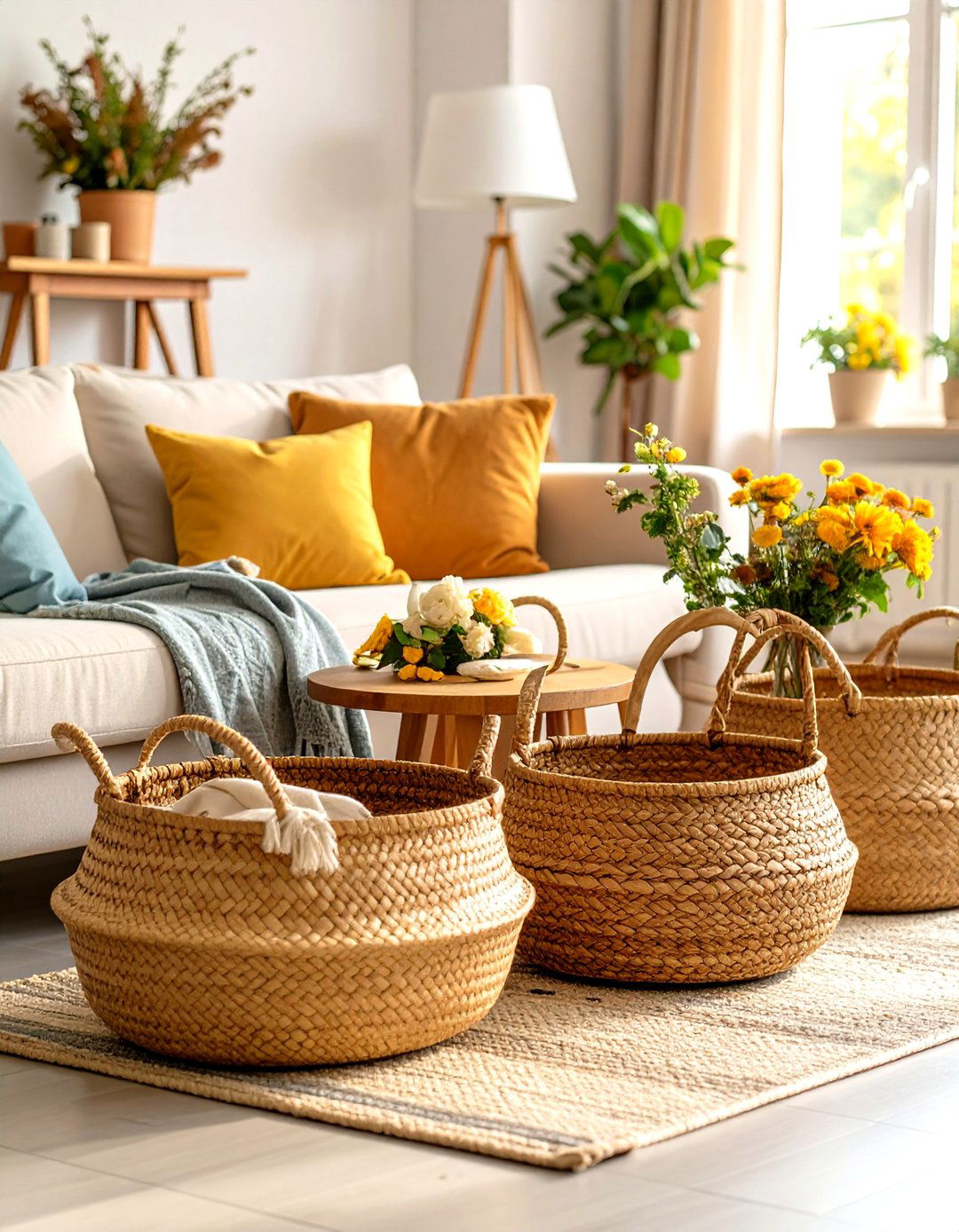
Wicker and rattan storage baskets are essential for keeping a rustic home tidy while adding natural texture. These woven baskets are perfect for stashing away blankets, magazines, toys, or shoes, helping to maintain an uncluttered look without sacrificing style. Their light, airy appearance and organic texture provide a lovely contrast to heavier wood and stone elements. Place a large wicker basket by the fireplace for firewood, or use smaller rattan bins on open shelves for organization. These practical and beautiful items enhance the relaxed, lived-in feel of a rustic space.
28. A Hand-Hewn Wooden Mantel
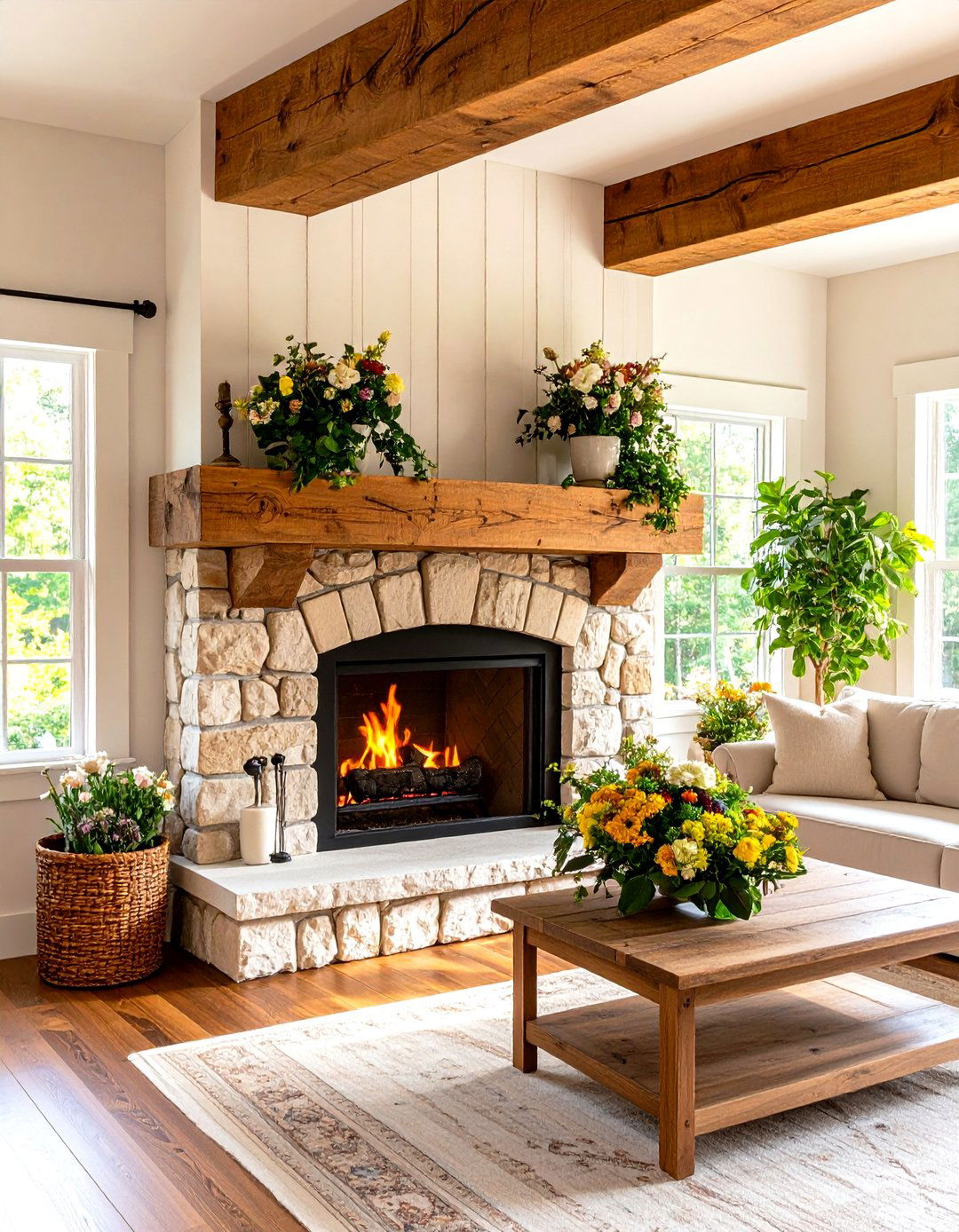
A hand-hewn wooden mantel is the crowning glory of a rustic stone fireplace. This single, solid beam of wood, with its rough, axe-cut texture, speaks of traditional craftsmanship and natural strength. Unlike a perfectly milled and polished mantel, a hand-hewn piece retains the character of the tree it came from, including its knots, splits, and uneven surfaces. It serves as the perfect perch for simple, nature-inspired decor like pinecones, a few candles, or a simple vase of wildflowers. This element provides a powerful focal point that embodies the rugged, authentic spirit of rustic design.
29. Modern Rustic Kitchen with a Wood Island
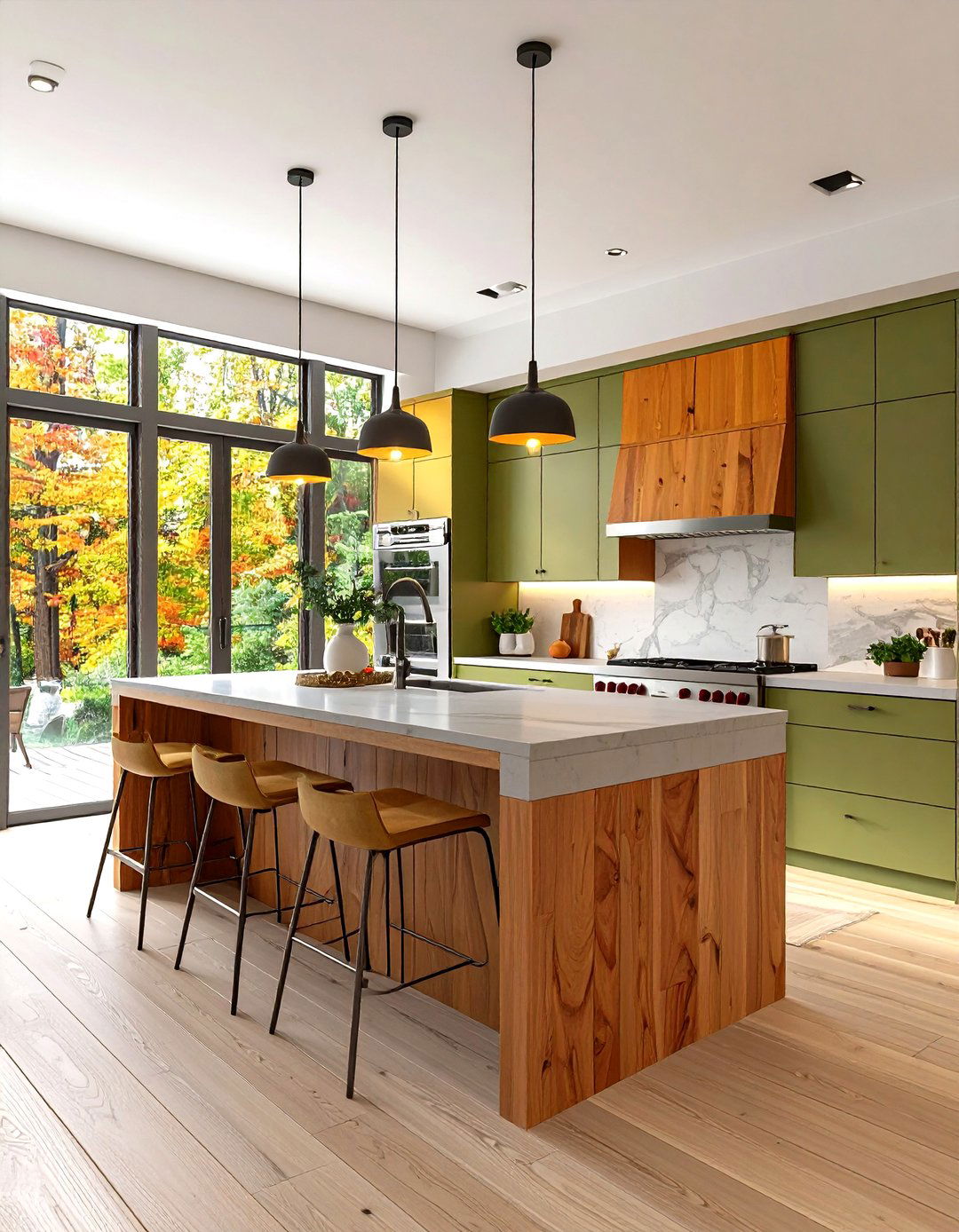
A modern rustic kitchen beautifully balances old-world charm with contemporary functionality, and a wood island is often the star. Imagine a large kitchen island topped with a thick, butcher-block slab or a live-edge piece of timber, set against sleek, simple cabinetry and modern stainless steel appliances. This combination creates a stunning contrast, where the warmth and raw texture of the wood ground the clean lines of the modern elements. The island becomes the hardworking heart of the kitchen, providing ample prep space while infusing the room with the essential character and warmth of rustic style.
30. Rustic Bathroom with a Stone Vessel Sink
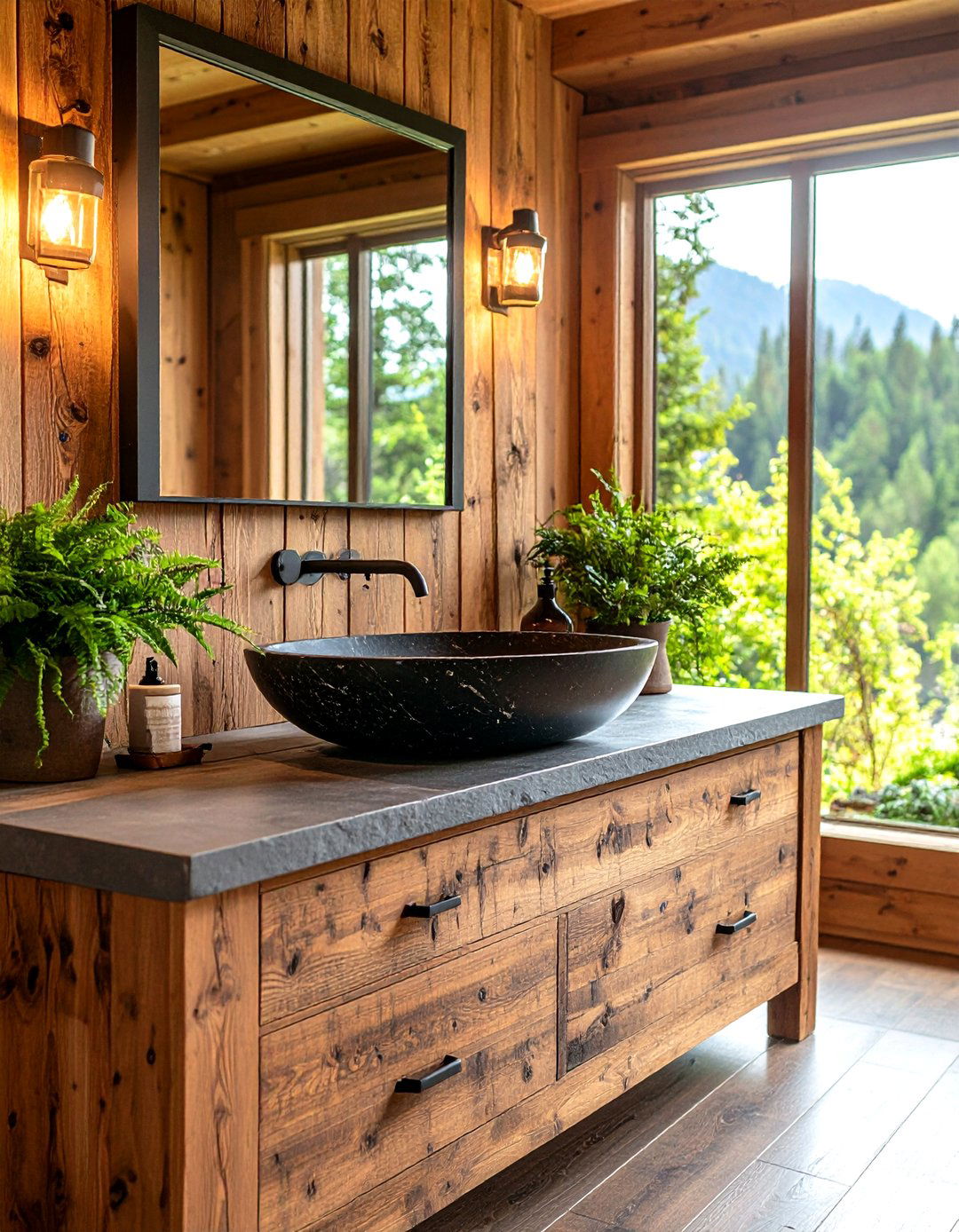
Transform a bathroom into a rustic sanctuary with a stone vessel sink. Carved from materials like river rock, granite, or marble, these sinks sit atop a wooden vanity like a functional sculpture. Each sink is unique, with its own natural color variations, veins, and textures. Pairing a rough-hewn stone sink with a simple, modern faucet in oil-rubbed bronze or matte black creates a beautiful juxtaposition of raw nature and refined design. This single, impactful feature can elevate the entire bathroom, turning a purely functional space into a serene, spa-like retreat that feels deeply connected to the earth.
Conclusion:
Ultimately, rustic interior design is about creating a genuine connection with nature within your own home. By prioritizing natural materials like wood and stone, embracing imperfections, and focusing on texture, you can craft a space that feels both authentic and comforting. From large architectural features like exposed beams and stone fireplaces to smaller details like wrought-iron hardware and cozy textiles, each element contributes to a warm, inviting, and timeless atmosphere. This style proves that true elegance lies in simplicity, durability, and the raw beauty of the natural world, creating a sanctuary for modern life.

Related posts:



Leave a Reply