
Japanese interior design offers a serene escape from the chaos of modern life, creating homes that are both beautiful and deeply timeless aesthetic is rooted in a love for nature, simplicity, and craftsmanship, emphasizing clean lines, natural materials, and a clutter-free environment. It’s about more than just how a space looks; it’s about how it philosophy behind it encourages a mindful connection to one's surroundings, where every object has a purpose and a embracing principles like Ma (the beauty of empty space) and Wabi-sabi (finding perfection in imperfection) , you can transform your home into a tranquil sanctuary that nurtures the soul and promotes a sense of balance.
1. The Wabi-Sabi Living Room
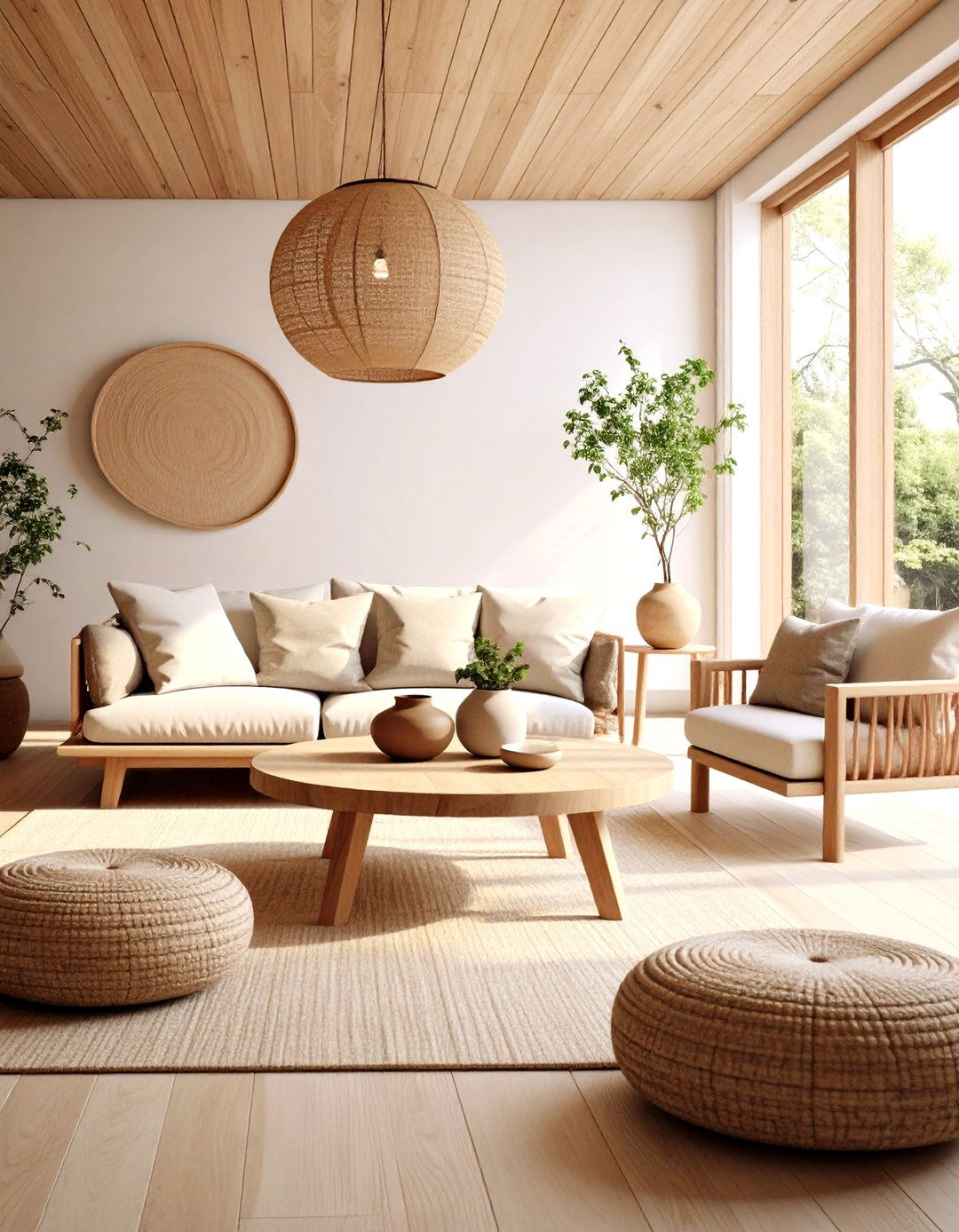
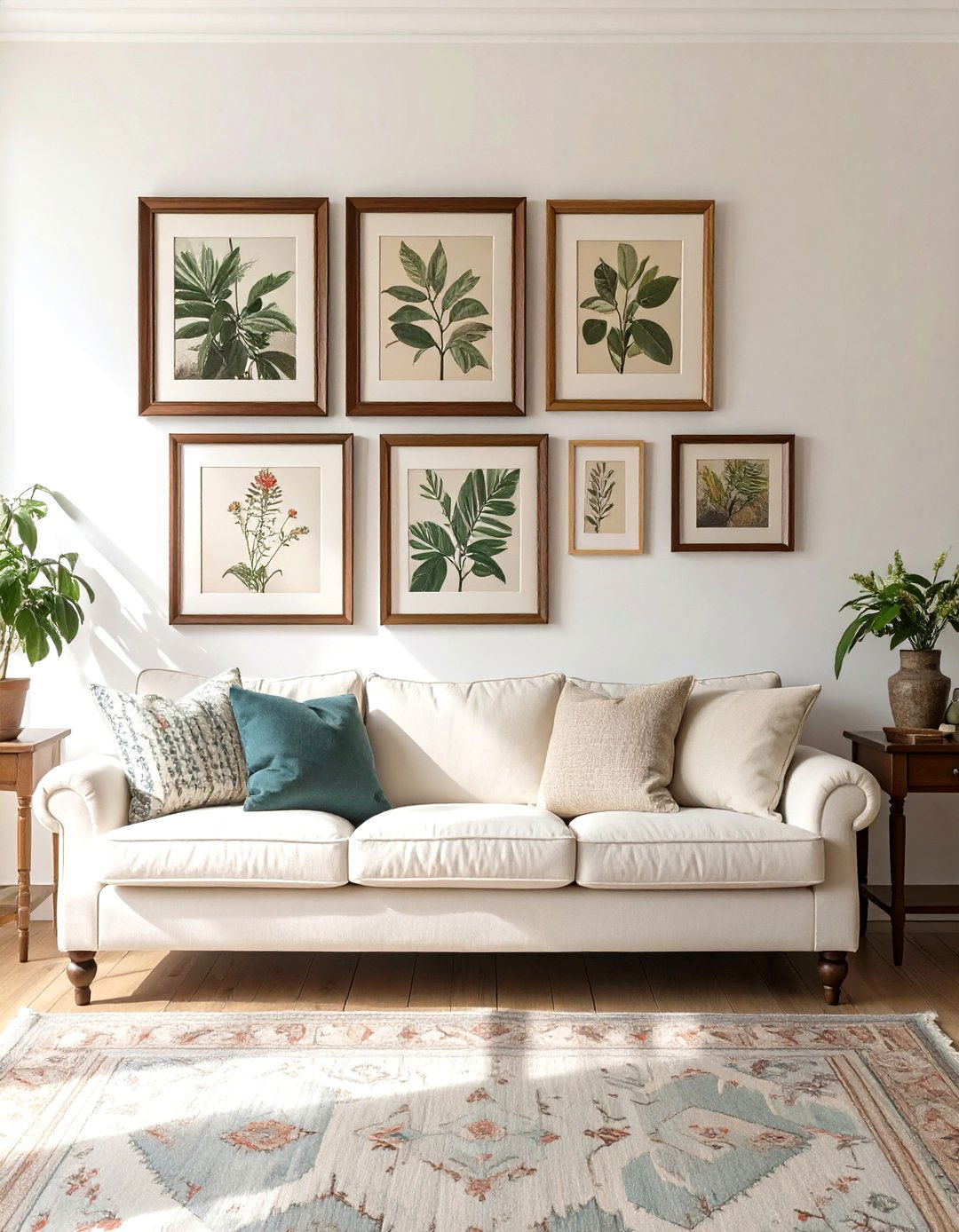
Embrace the beauty of imperfection with a Wabi-Sabi living design philosophy finds elegance in natural flaws and the signs of furniture made from reclaimed wood, with its unique grains and knots telling a color palette should be earthy and muted, with tones of beige, grey, and soft is minimal, focusing on a few handcrafted items like a misshapen ceramic vase or a handwoven layout feels organic and unforced, inviting relaxation and quiet approach creates a deeply personal and soulful space that feels lived-in and loved.
2. The Minimalist Muji-Inspired Bedroom
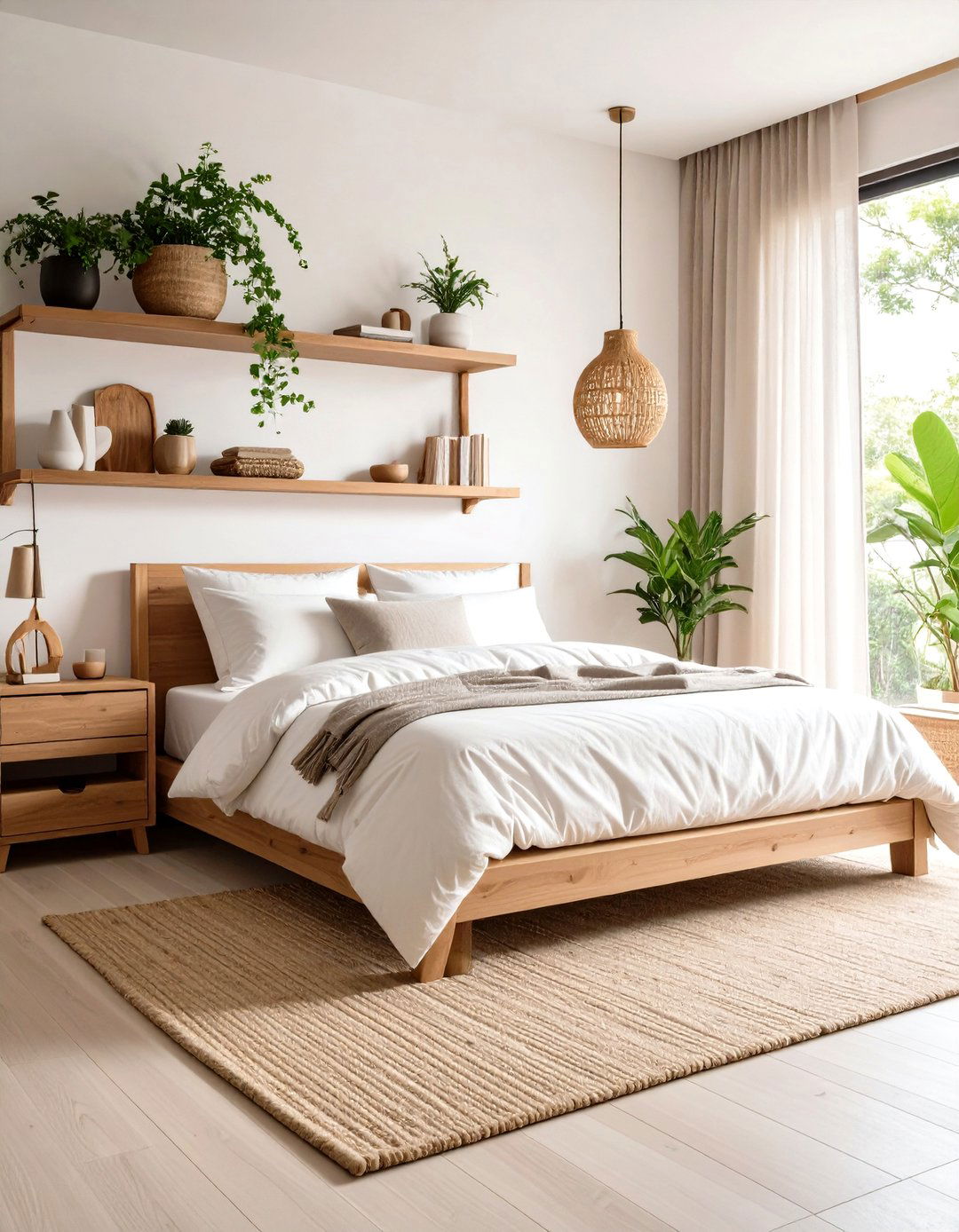
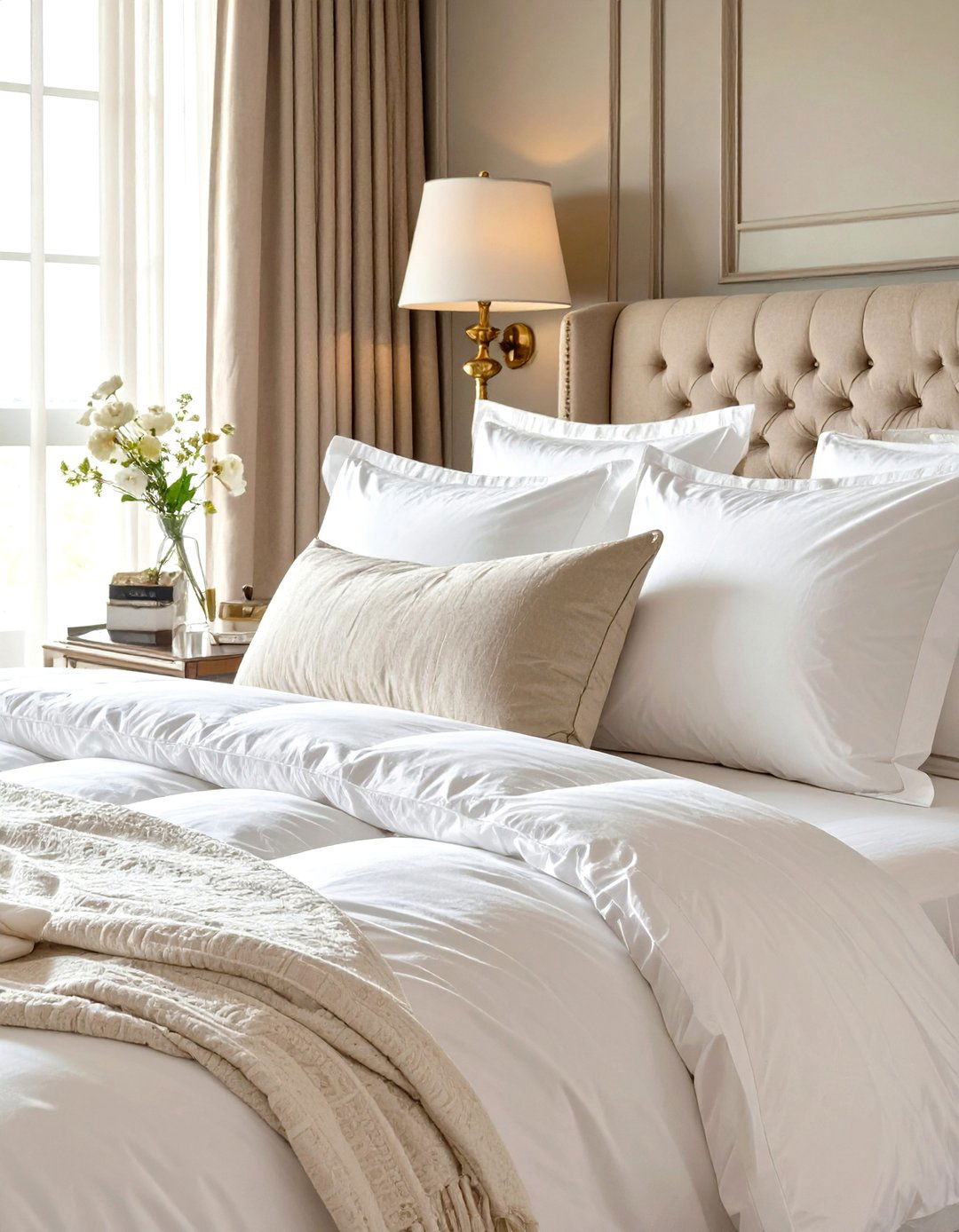
A Muji-inspired bedroom is the epitome of functional minimalism and understated focus is on high-quality, unbranded essentials that promote a calm and organized layout is clean and efficient, with clever storage solutions like under-bed drawers and modular shelving to keep clutter out of are natural and light, such as oak, linen, and cotton, in a neutral palette of white, beige, and light is simple and practical, with a low-profile bed frame and multi-purpose design creates a restful haven, free from distraction and full of peaceful simplicity.
3. The Zen Meditation Corner
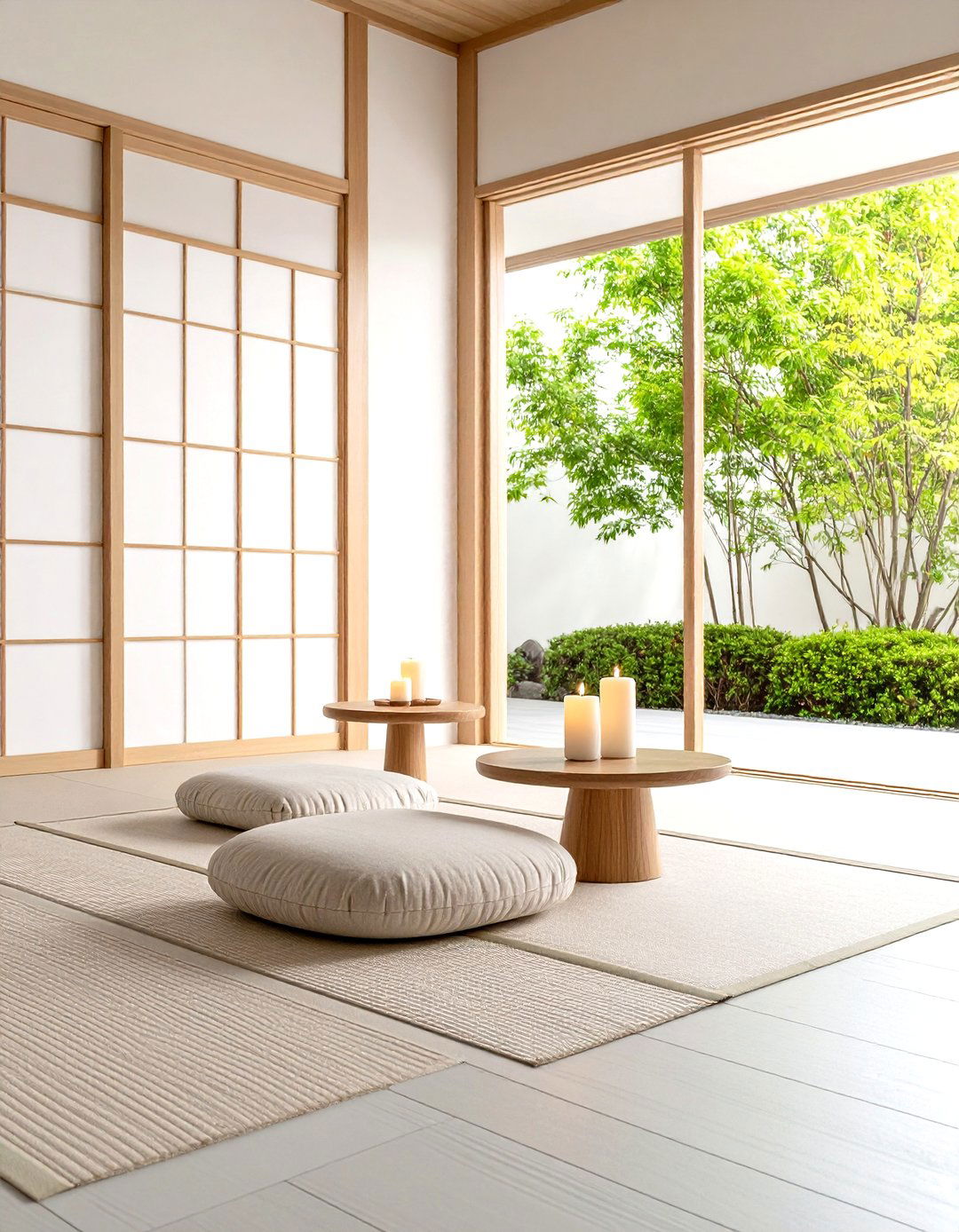
Carve out a dedicated Zen meditation corner to foster mindfulness and peace within your small, sacred space requires only a few key a comfortable zabuton cushion on a tatami mat for light is ideal, but soft, diffused artificial light from a paper lantern can also work. A small, low table might hold a single candle, a stick of incense, or a small singing surrounding area should be completely clear of clutter, allowing the mind to corner becomes a personal retreat for daily reflection and mental clarity.
4. The Engawa-Style Indoor-Outdoor Flow
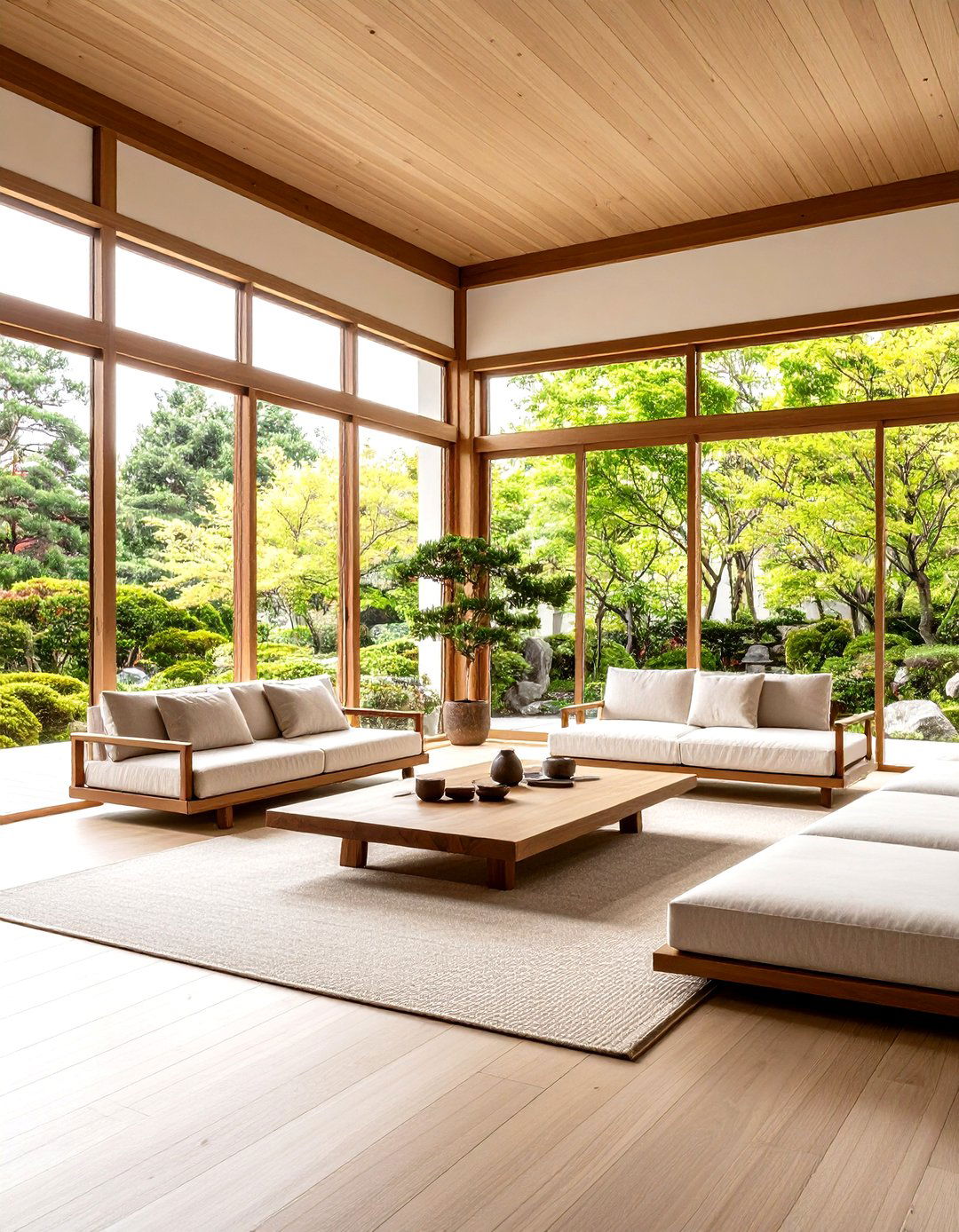
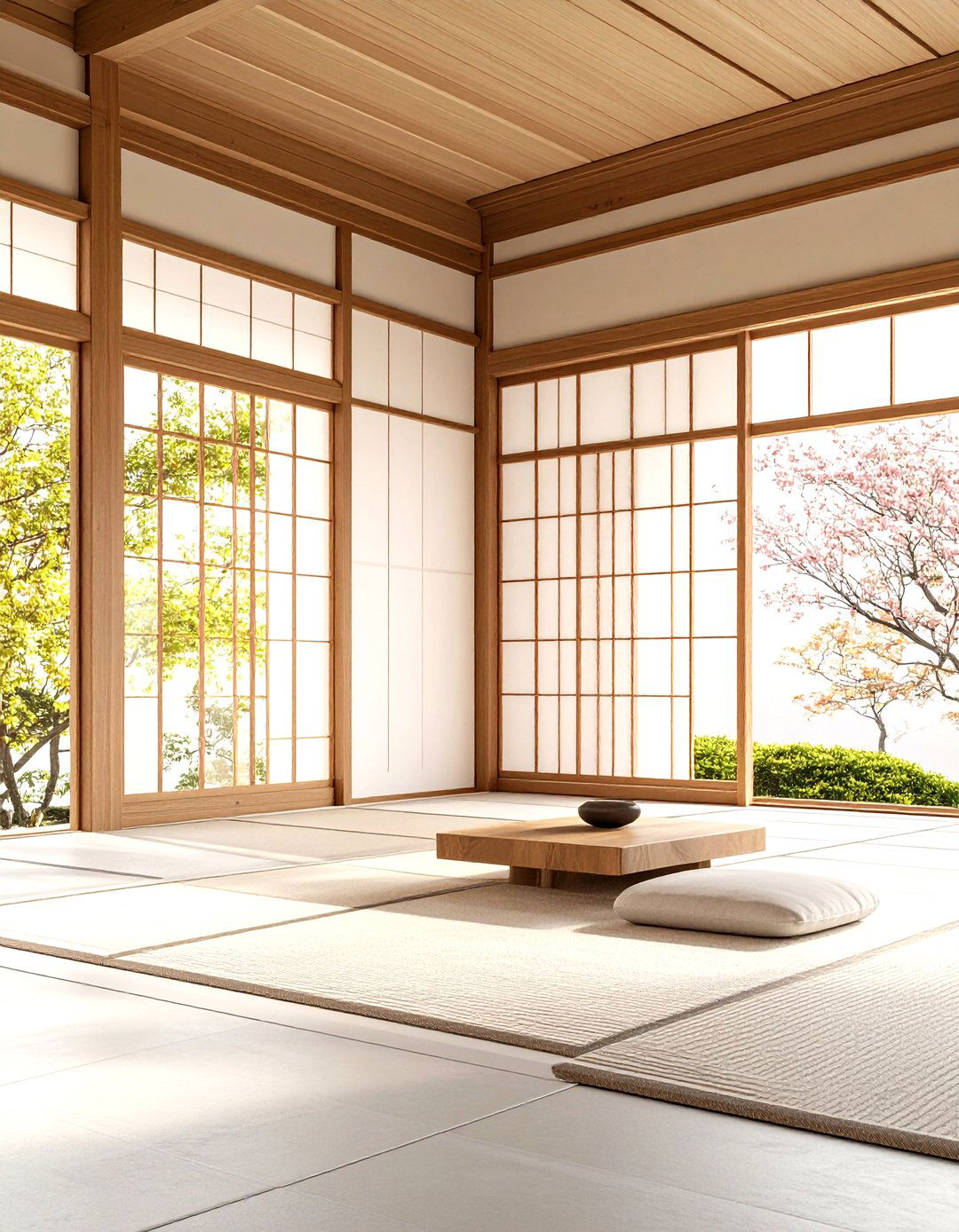
Create a seamless transition between your interior and the outdoors with an Engawa-inspired concept uses a veranda-like space, often with large sliding glass doors (shoji) , to connect the living area directly with a garden or flooring, typically wood, extends from the inside out, blurring the layout not only floods the home with natural light but also encourages an appreciation for nature in every is kept low to the ground to avoid obstructing the view, enhancing the feeling of openness and connection to the world outside.
5. The Modern Japandi Kitchen
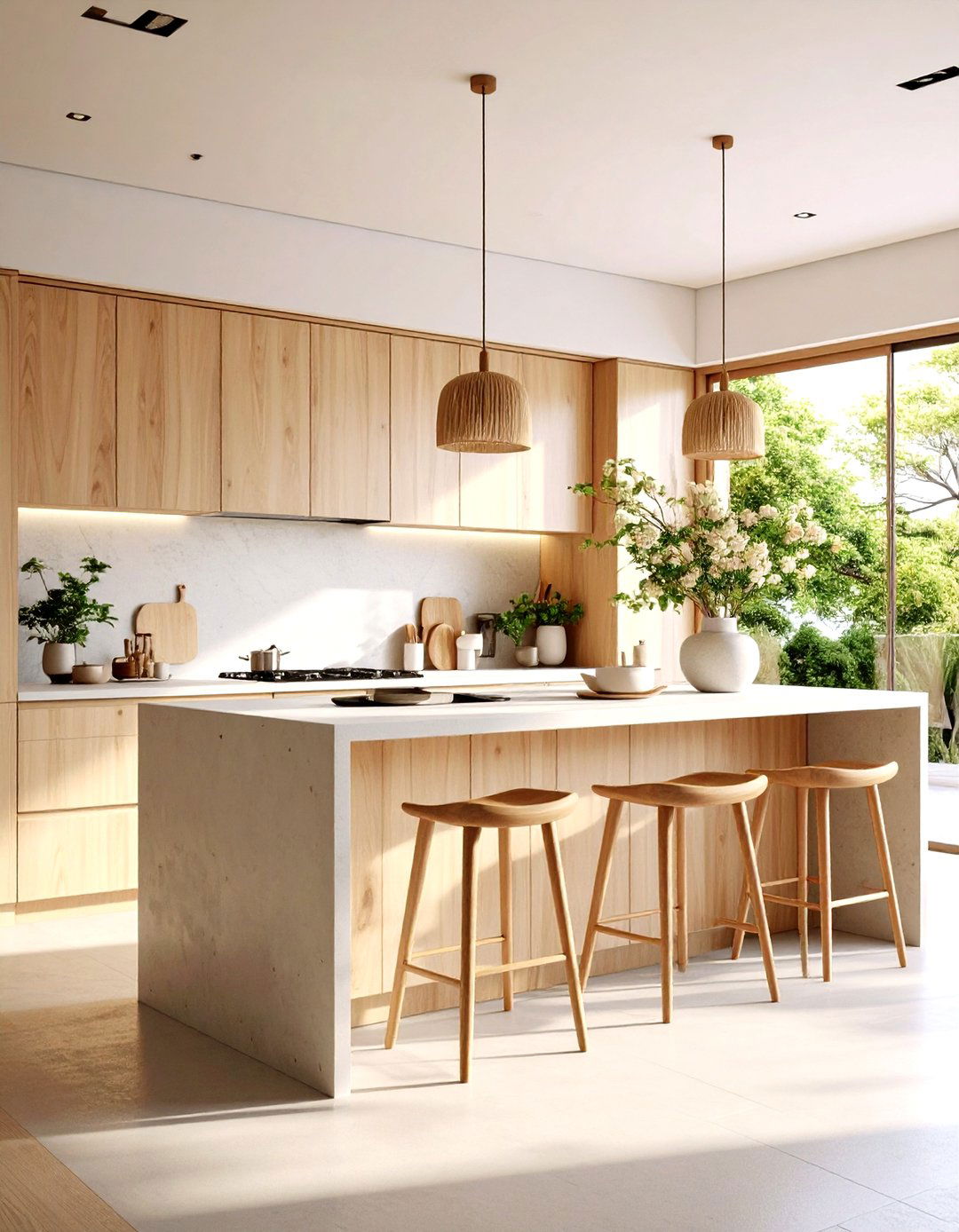
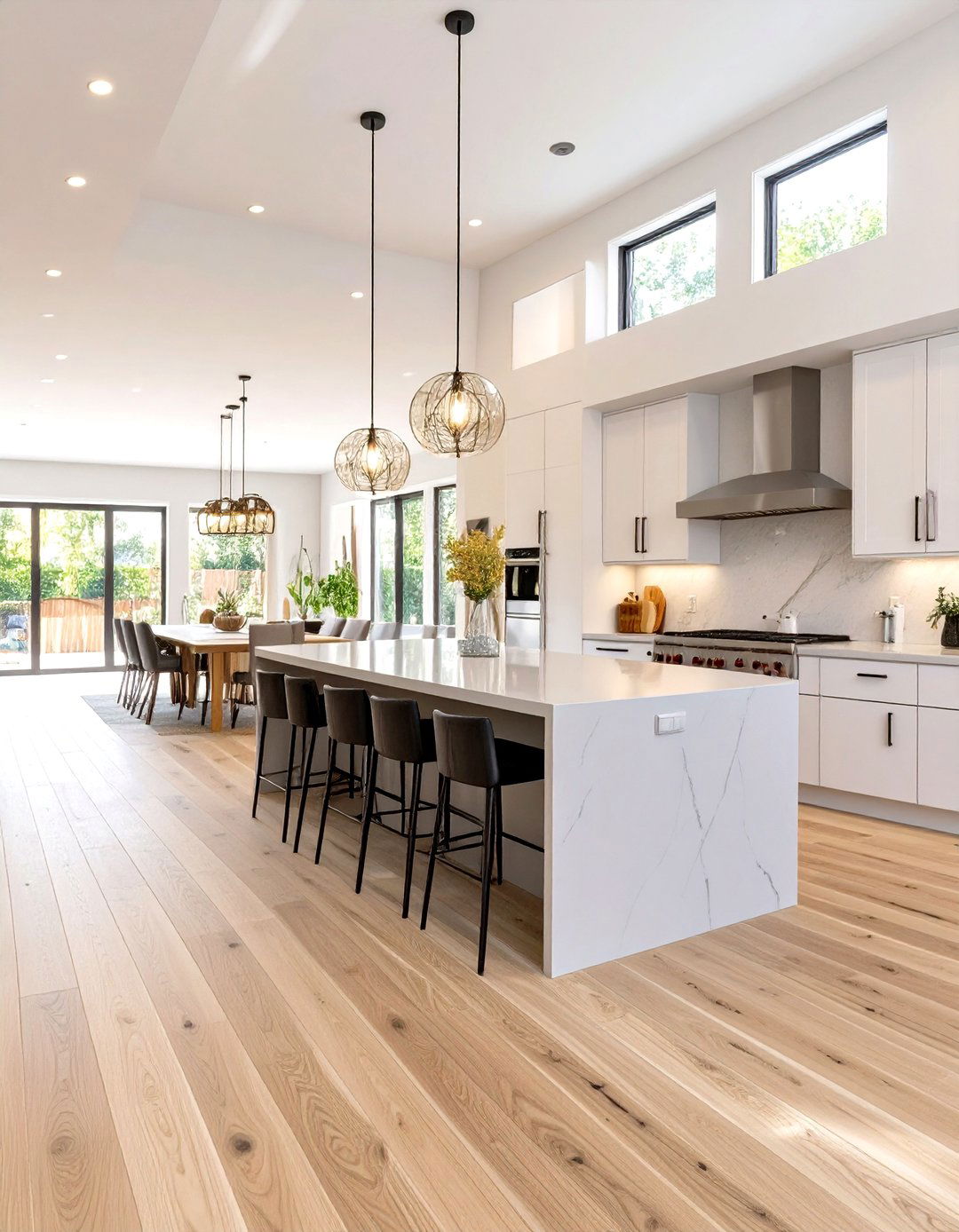
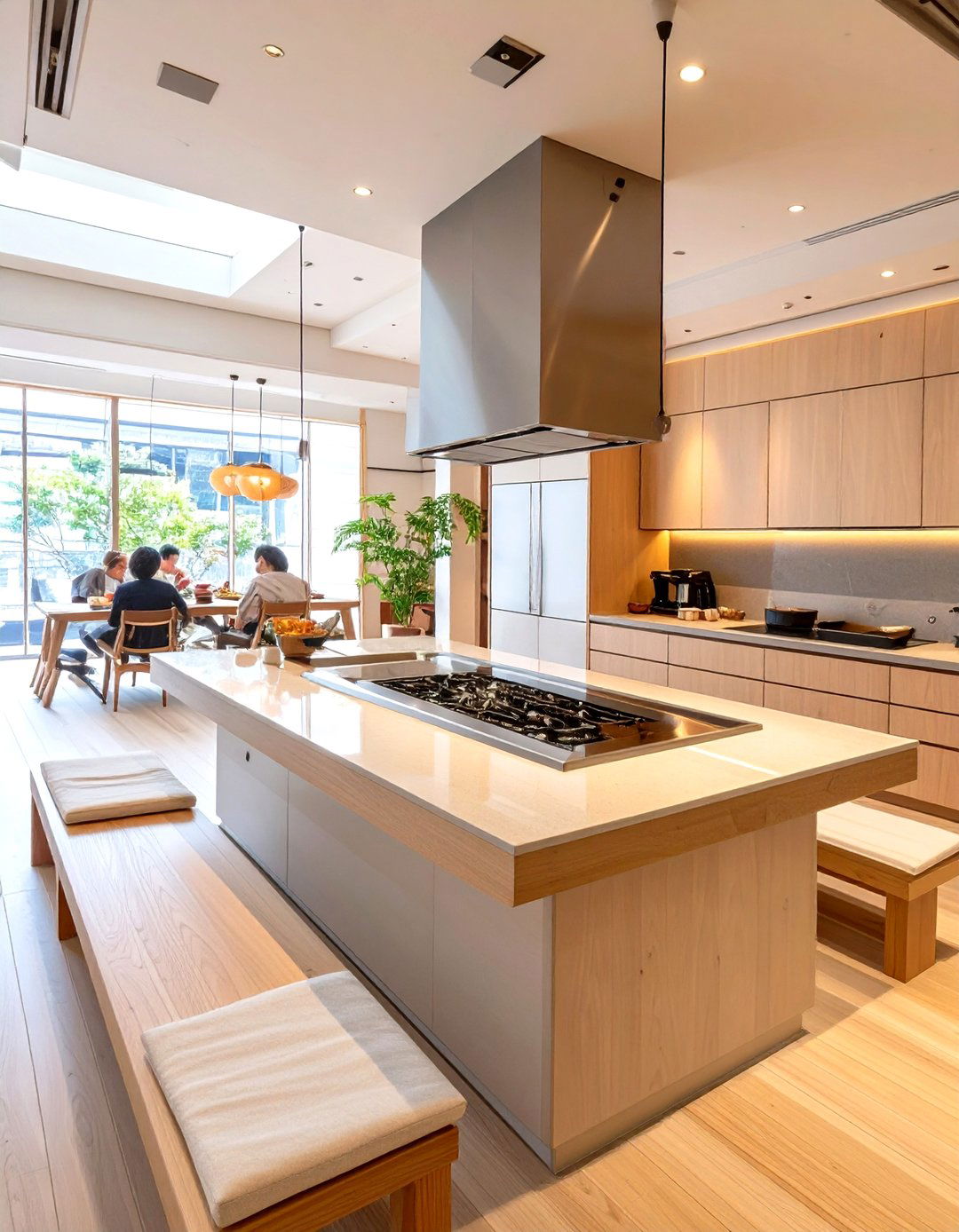
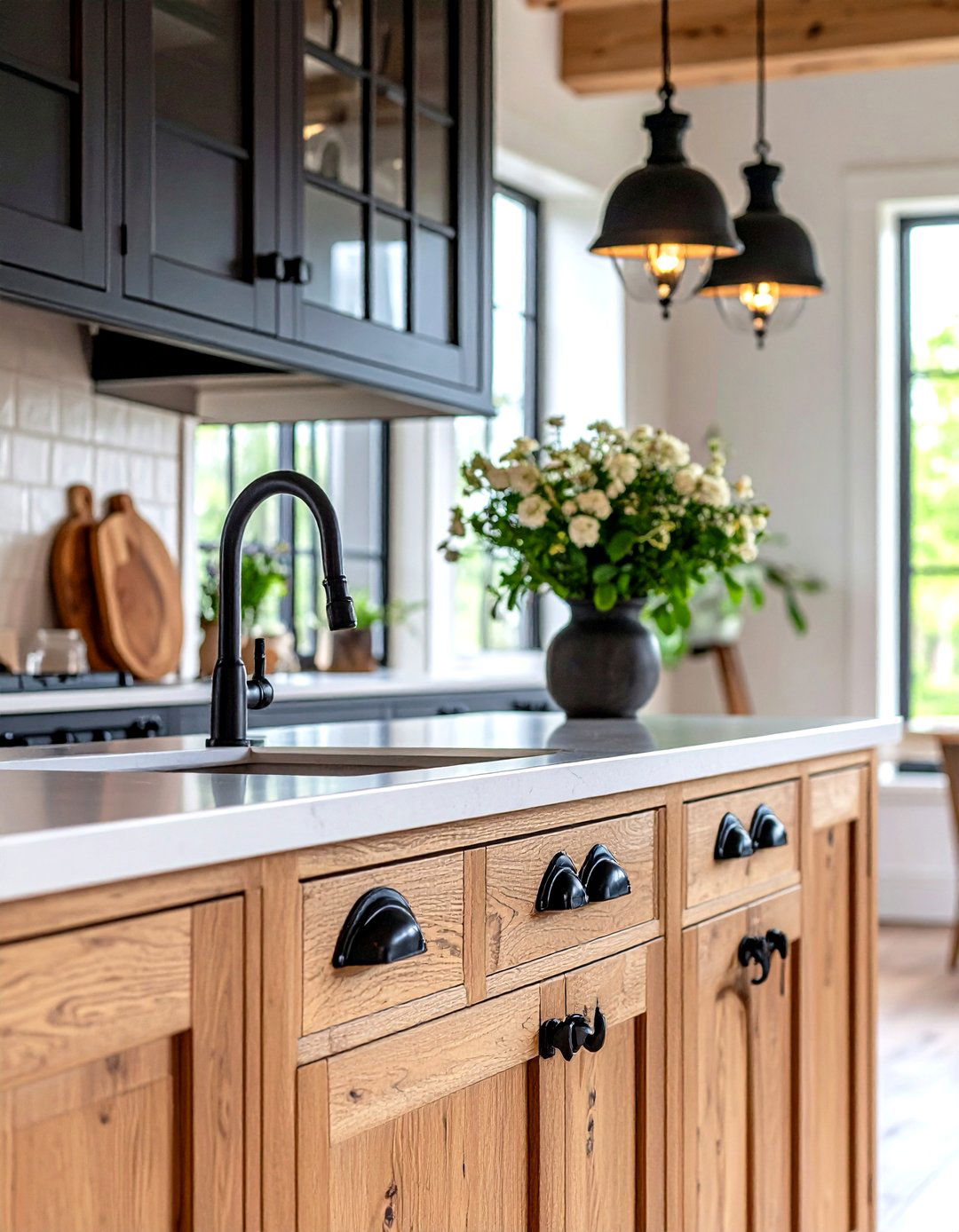
A Japandi kitchen perfectly marries Japanese minimalism with Scandinavian design features clean lines, natural materials, and a focus on light wood cabinets, sleek countertops in stone or concrete, and minimal layout is open and highly practical, with everything organized and easily accessible but hidden away to maintain a clutter-free look. A neutral color palette of white, grey, and wood tones creates a bright and airy is sparse, perhaps a single piece of pottery or a simple ikebana flower arrangement, embodying a warm yet minimalist aesthetic.
6. The Shoji Screen Room Divider
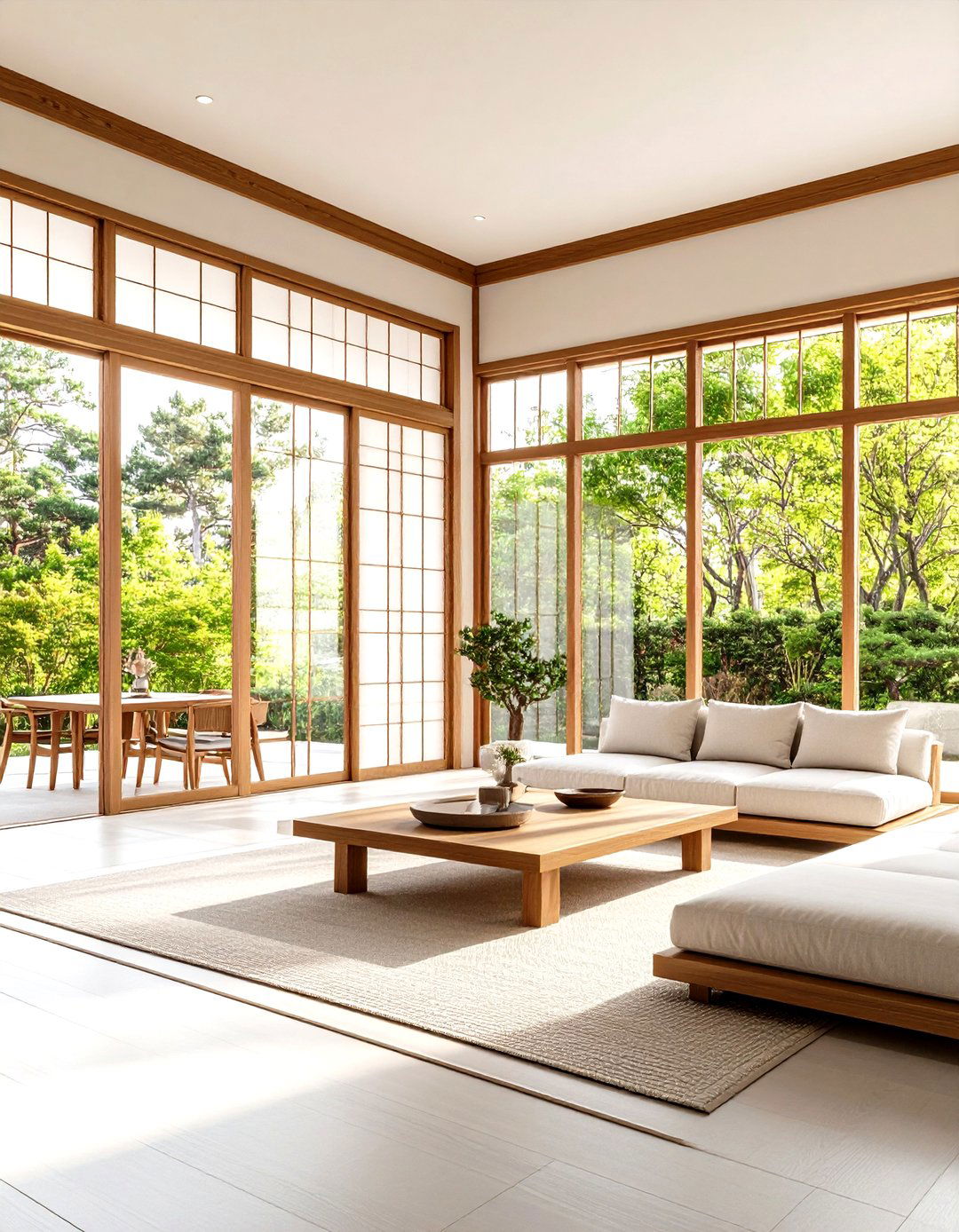
Incorporate Shoji screens to create flexible, light-filled living traditional Japanese partitions, made from translucent washi paper set in a wooden lattice frame, are perfect for dividing a larger room without sacrificing can separate a living area from a dining space or create a private home office soft, diffused light that passes through the paper creates a serene and calming ability to slide open or be removed entirely offers unparalleled versatility, allowing you to adapt your layout to different needs while adding an element of timeless elegance.
7. The Genkan-Inspired Entryway
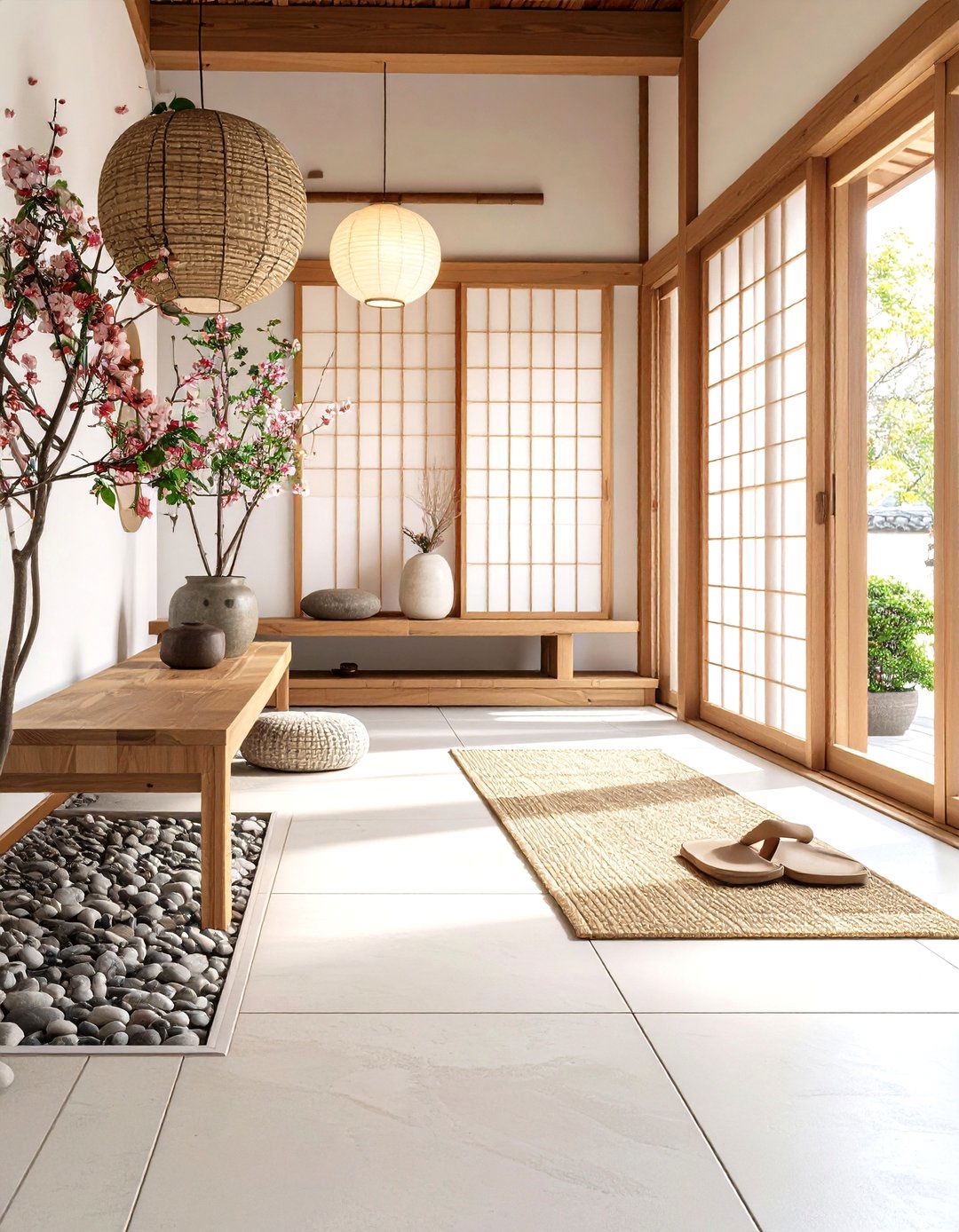
Design a Genkan-inspired entryway to establish a clear, respectful transition from the outside world into your area is traditionally set at a lower level than the main floor, creating a designated space for removing shoes. A wooden step or stone tile clearly marks the a simple wooden bench for seating and a minimalist shoe cabinet or open shelving to keep footwear organized and practical design not-only keeps the rest of the home cleaner but also introduces a mindful ritual upon entering and leaving.
8. The Tatami Mat Room
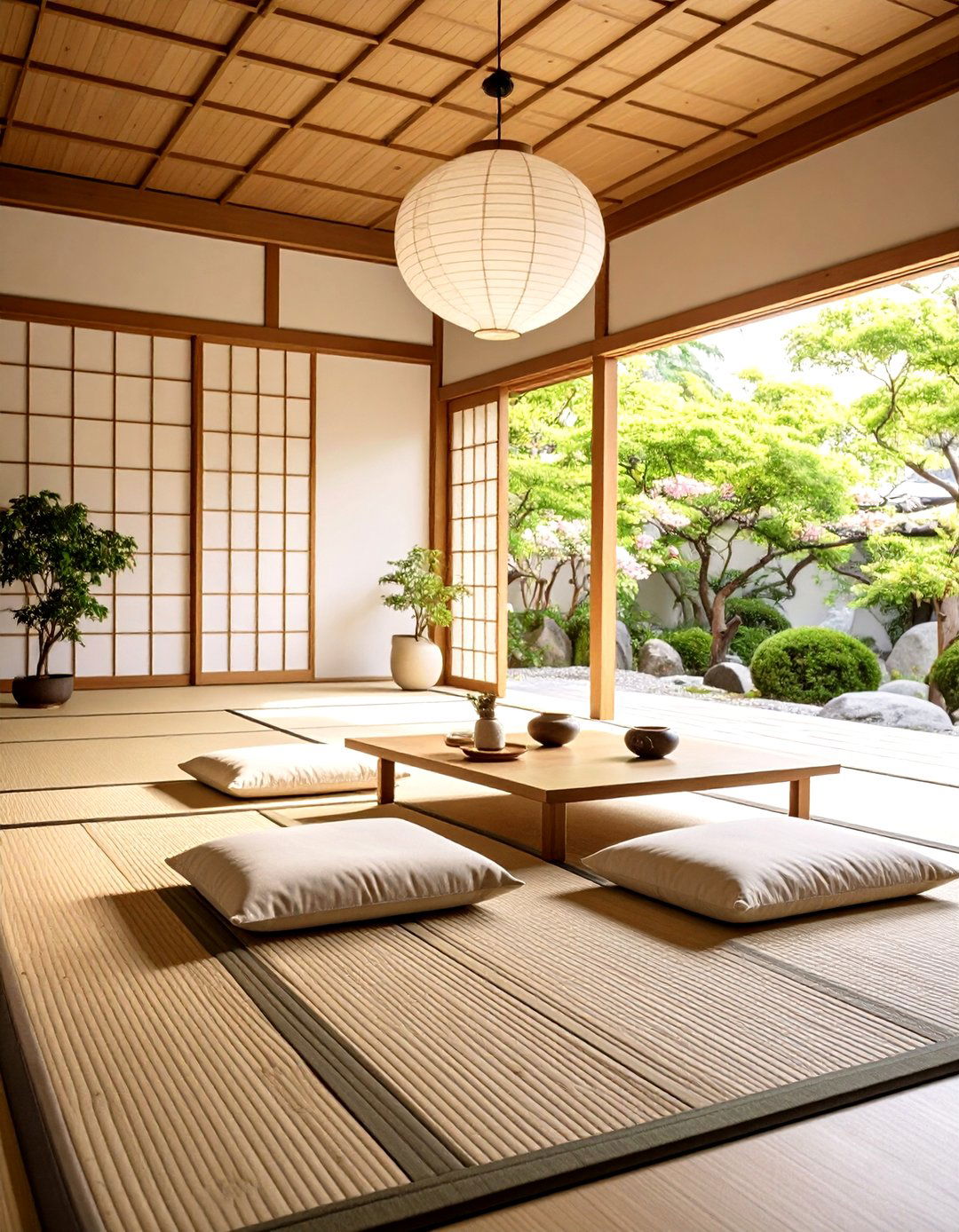
Dedicate a room to the traditional comfort of tatami mats for a truly authentic Japanese woven straw mats provide a firm yet gentle flooring that is pleasant room 's layout should remain open and versatile, suitable for use as a tea room, meditation space, or a minimalist guest bedroom with futon is kept to a minimum and is typically low to the ground to complement the natural scent of the tatami straw adds a unique sensory element, enhancing the room' s tranquil and organic atmosphere.
9. The Tokonoma Nook
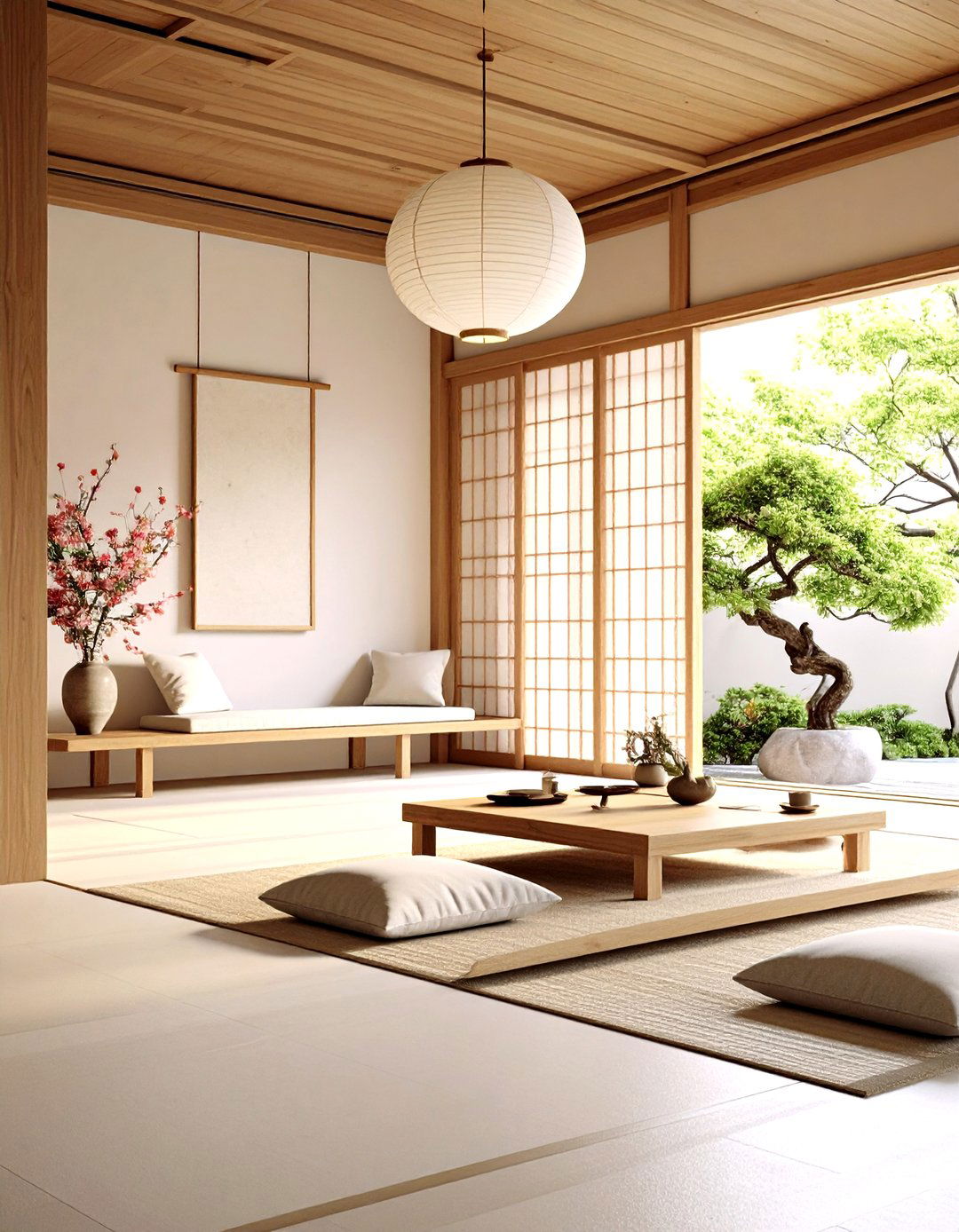
A Tokonoma is a small, recessed alcove dedicated to displaying artistic and cherished is not a storage space but a focal point for aesthetic appreciation. Traditionally, it features a hanging scroll (kakemono) and an ikebana flower design is intentionally simple, with a plain back wall and a polished wooden base to ensure the displayed objects are the center of a Tokonoma nook in a living room or hallway adds a touch of refined elegance and a space for quiet contemplation of beauty.
10. The Hinoki Wood Bathroom
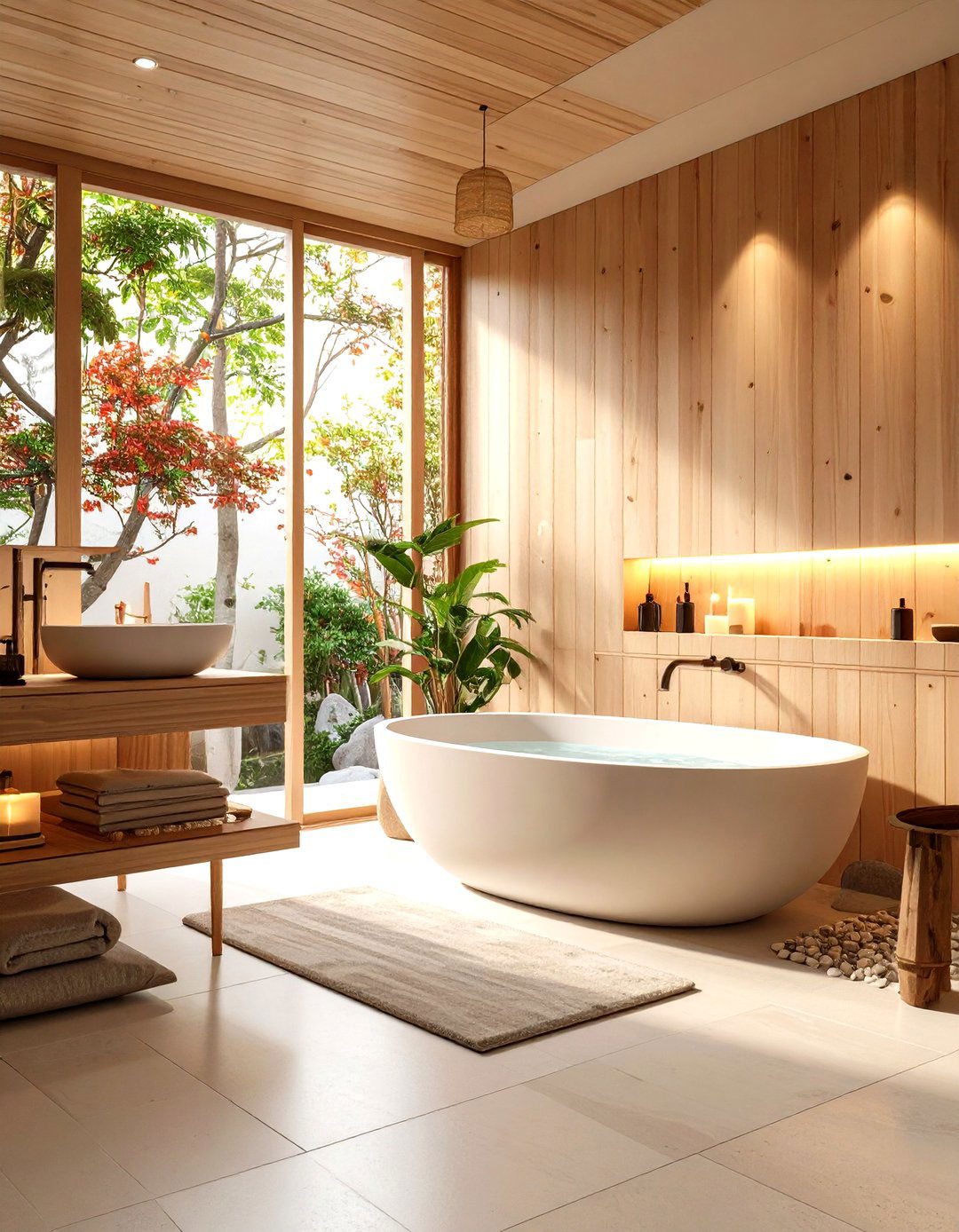
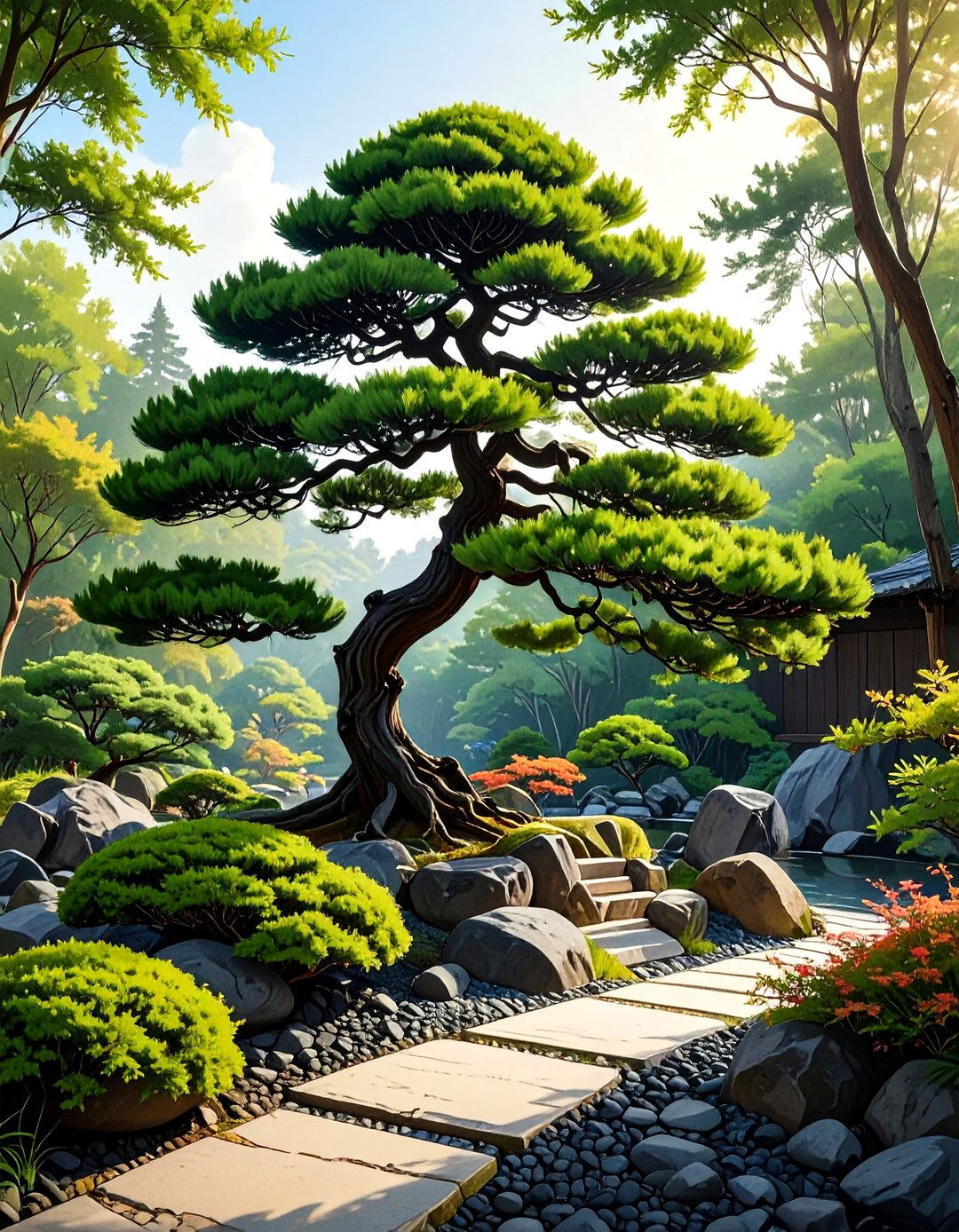
Transform your bathroom into a spa-like retreat with the use of Hinoki pale, fragrant cypress is prized in Japan for its beauty, durability, and relaxing aroma, which is released when it for the walls, flooring, or a traditional ofuro soaking design should be simple and clean, focusing on the natural beauty of the it with stone elements and soft, ambient lighting to create a serene space becomes more than a bathroom; it's a place for ritual, relaxation, and rejuvenation.
11. The Ikebana-Focused Dining Area
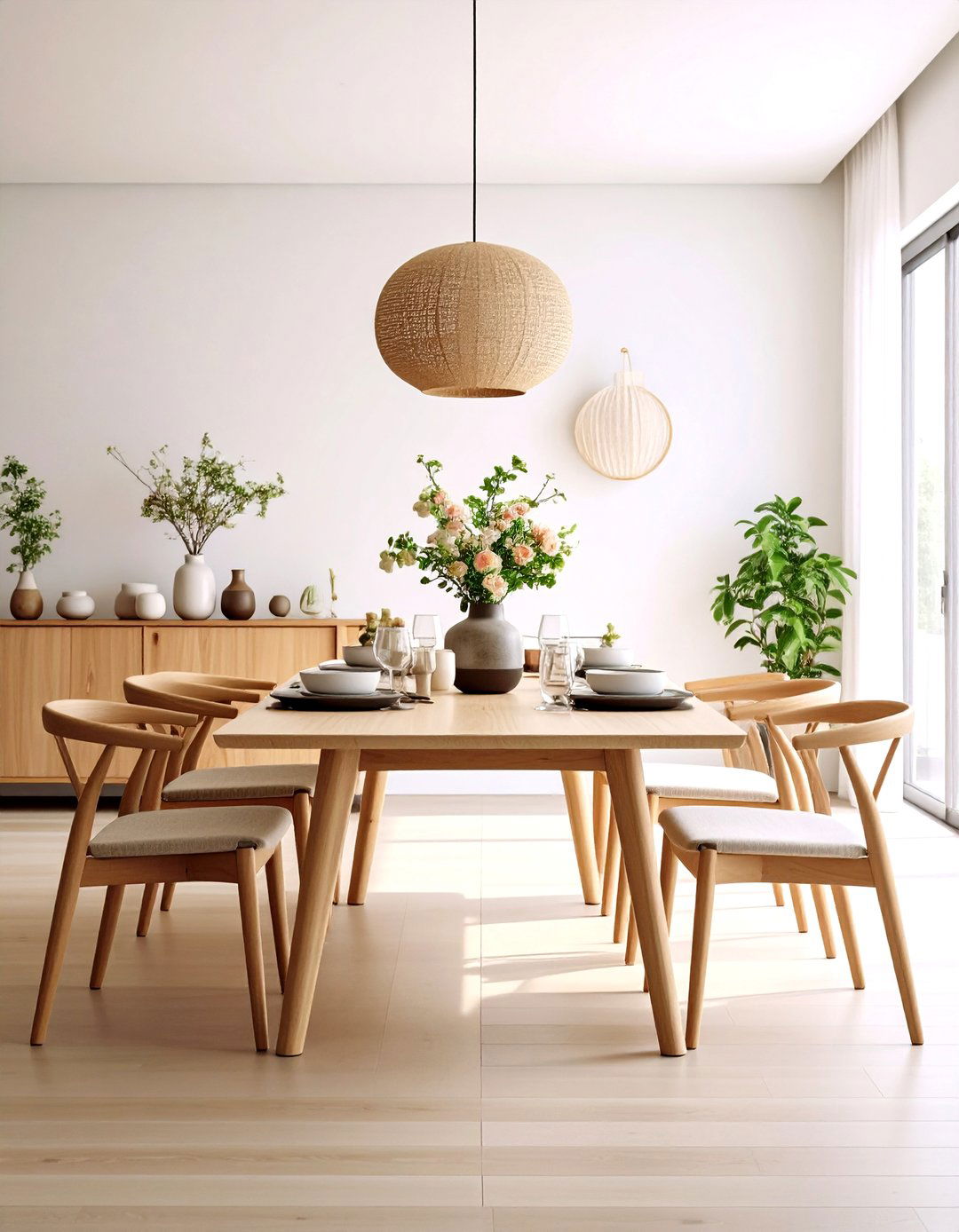
What if your dining experience was centered around the art of nature? An Ikebana-focused dining area makes a single, carefully crafted floral arrangement the dining table itself should be simple and made of natural wood, surrounded by minimalist setting is intentionally sparse, drawing all eyes to the Ikebana display, which changes with the is soft and directed, highlighting the design encourages mindfulness during meals, connecting diners with the transient beauty of nature and the present moment in a deeply meaningful way.
12. The Kotatsu Living Room
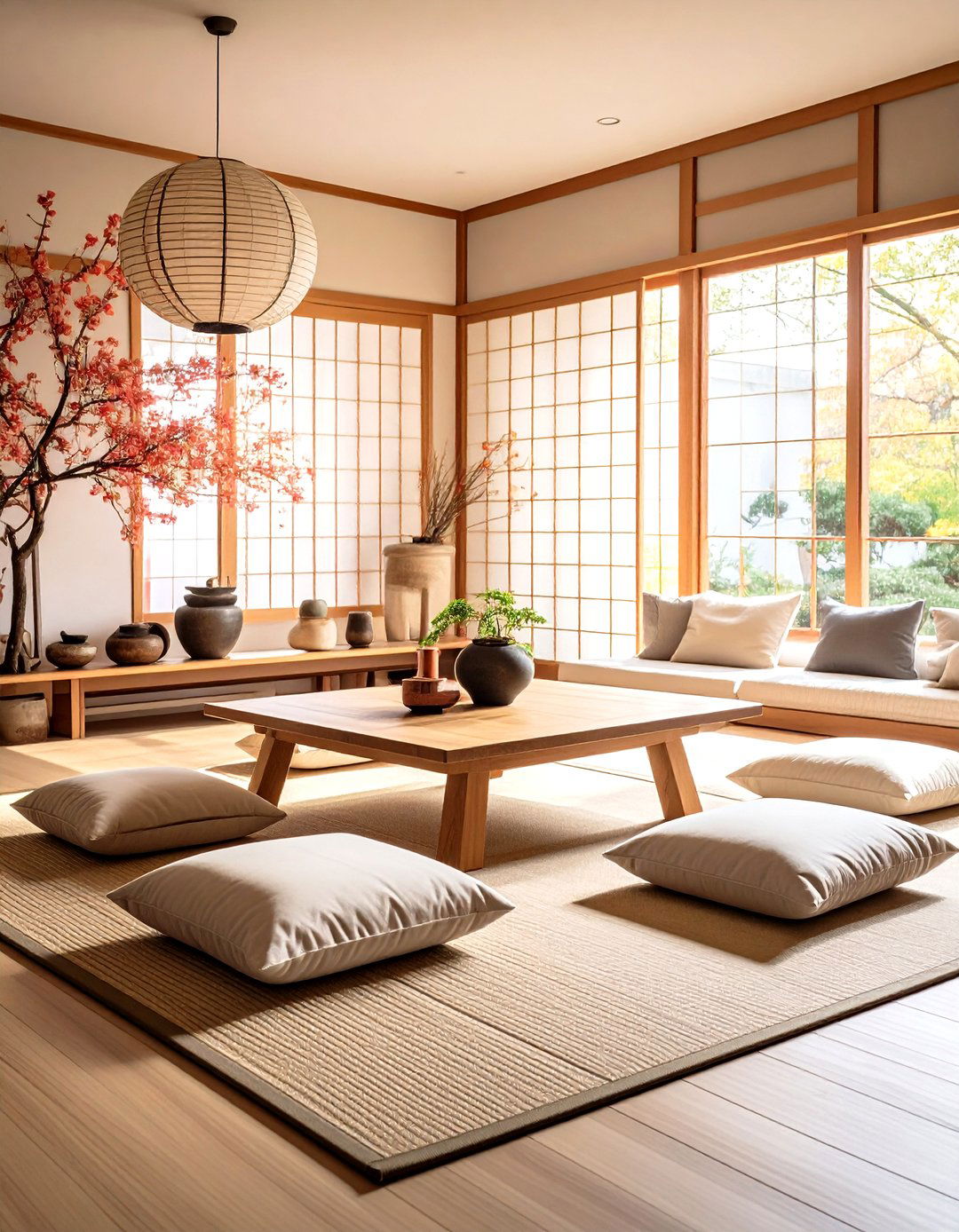
For a cozy and communal living space, design your room around a is a low wooden table with a heavy blanket or futon draped over it and a heater becomes the heart of the room in colder months, inviting family and friends to gather for warmth and surrounding seating consists of zabuton floor cushions or legless zaisu rest of the room's decor remains minimal to avoid clutter, ensuring the kotatsu is the central, inviting feature, fostering a sense of togetherness and comfort.
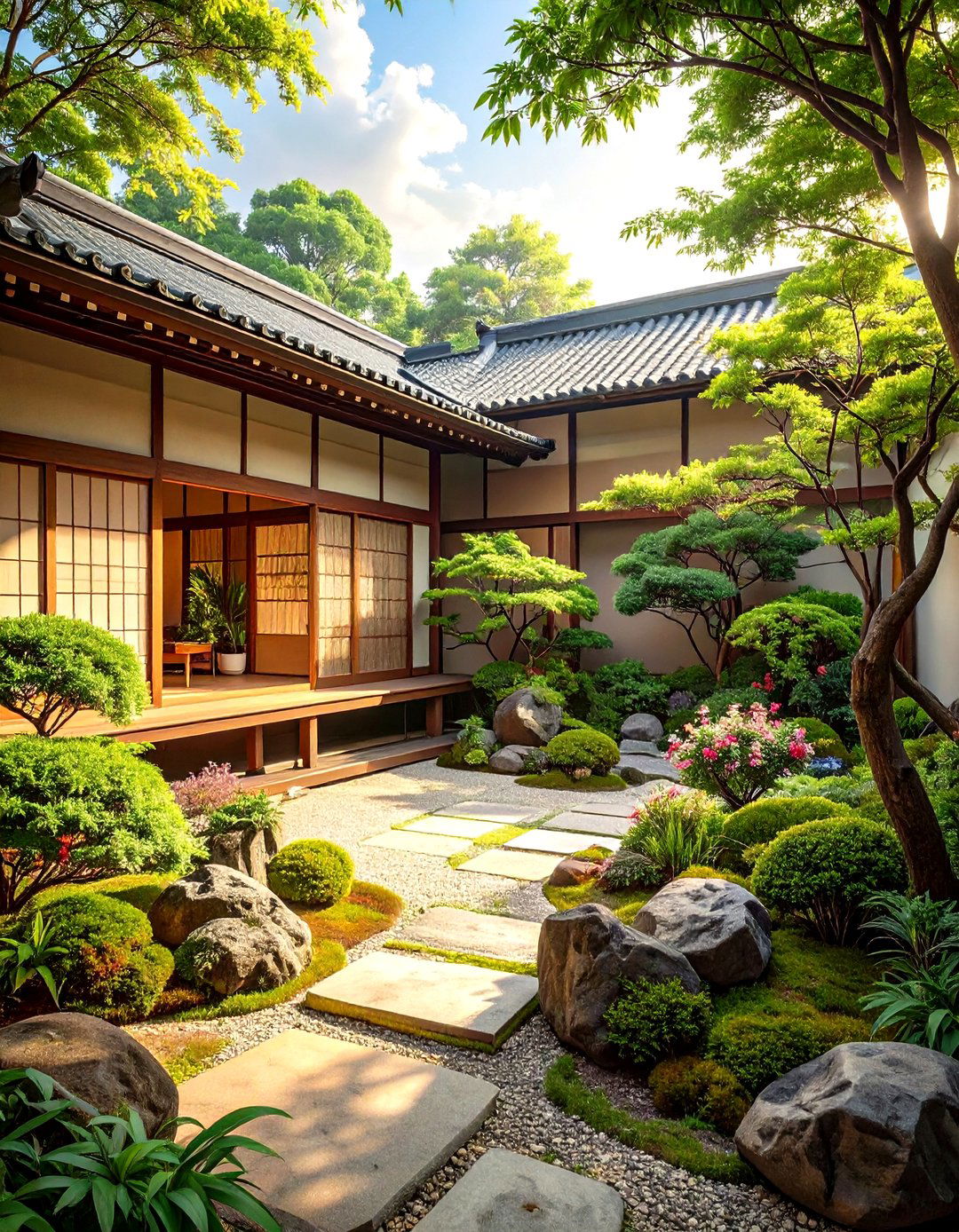
13. The Roji Garden Pathway View
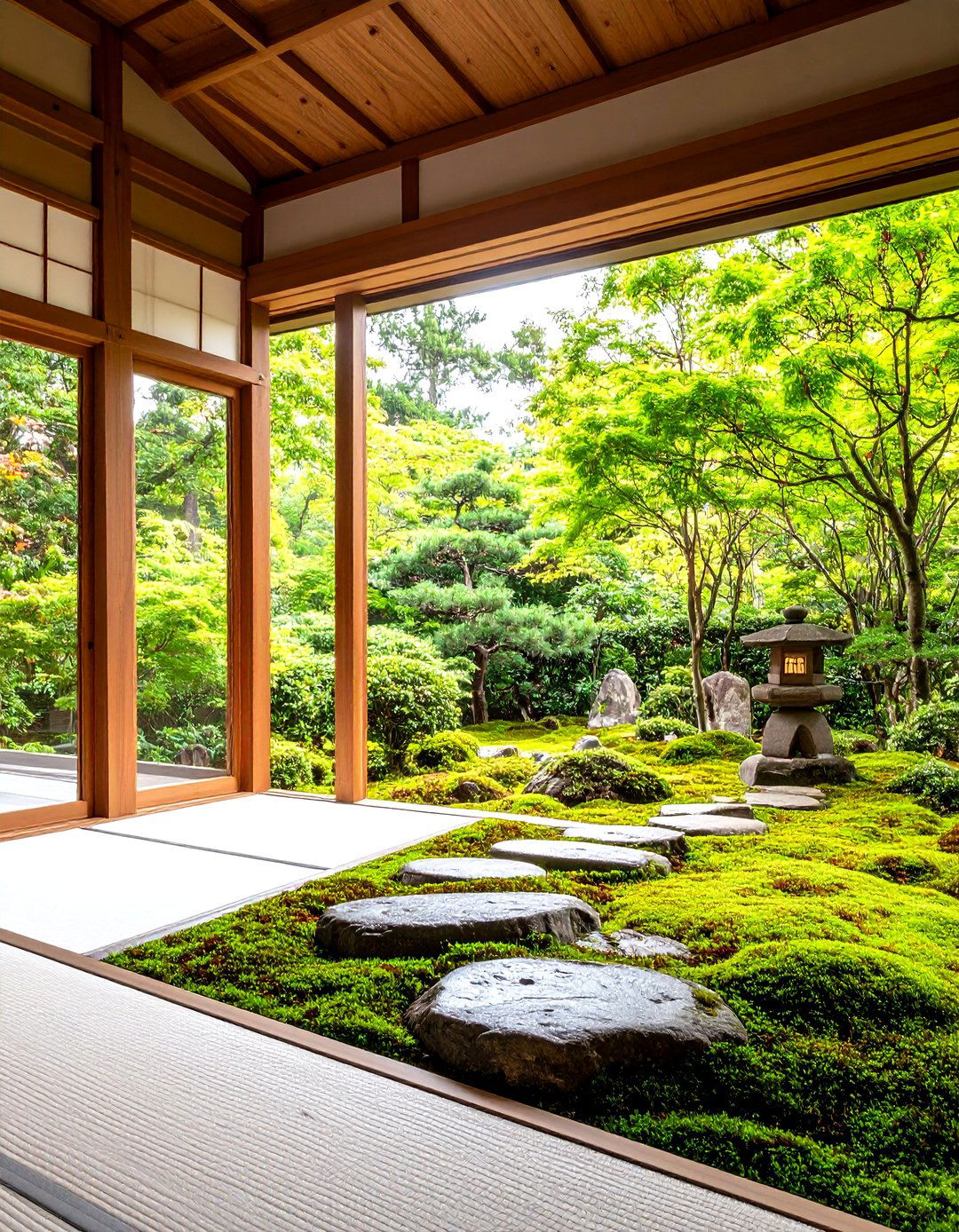
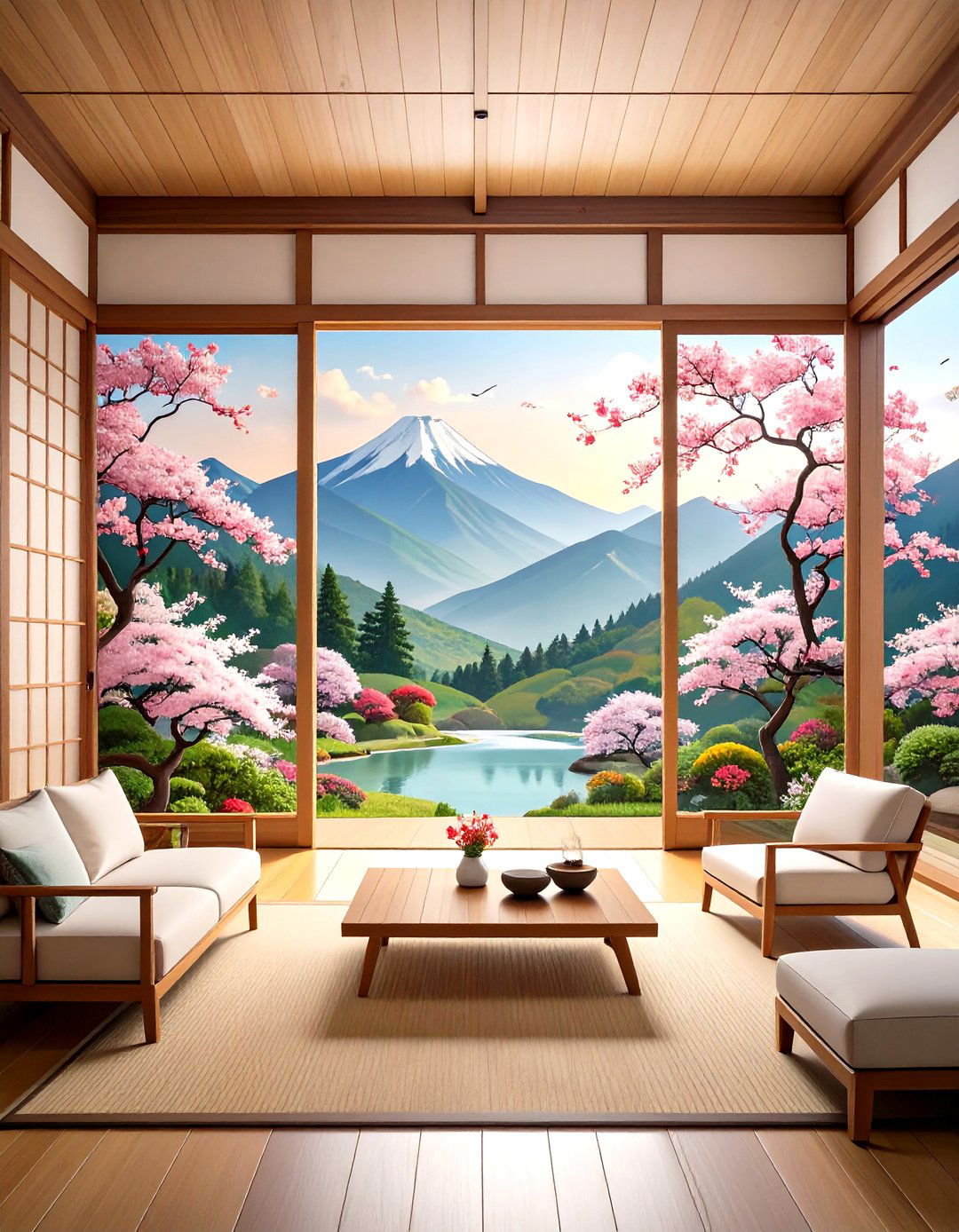
Design your interior to frame the view of a Roji, or traditional tea garden pathway. Large, strategically placed windows or sliding doors act as a living picture frame, showcasing the rustic, natural beauty path, often made of stepping stones surrounded by moss and lanterns, represents a journey away from the mundane. Inside, the decor is kept minimal and neutral, ensuring nothing distracts from the serene garden approach brings the calming, meditative qualities of the garden directly into the home, creating a constant connection to nature's tranquility.
14. The Fusuma-Painted Wall Art
Integrate Fusuma, or sliding doors with painted scenes, as functional works of plain Shoji screens, Fusuma are opaque and often feature beautiful, large-scale paintings of landscapes, animals, or them to conceal storage or to divide rooms, adding a dramatic and artistic artwork becomes a dynamic part of the interior design, transforming a simple partition into a stunning focal element combines practicality with high art, infusing the space with culture, history, and a unique visual narrative that elevates the entire room's aesthetic.

15. The Kanso Simplicity Study
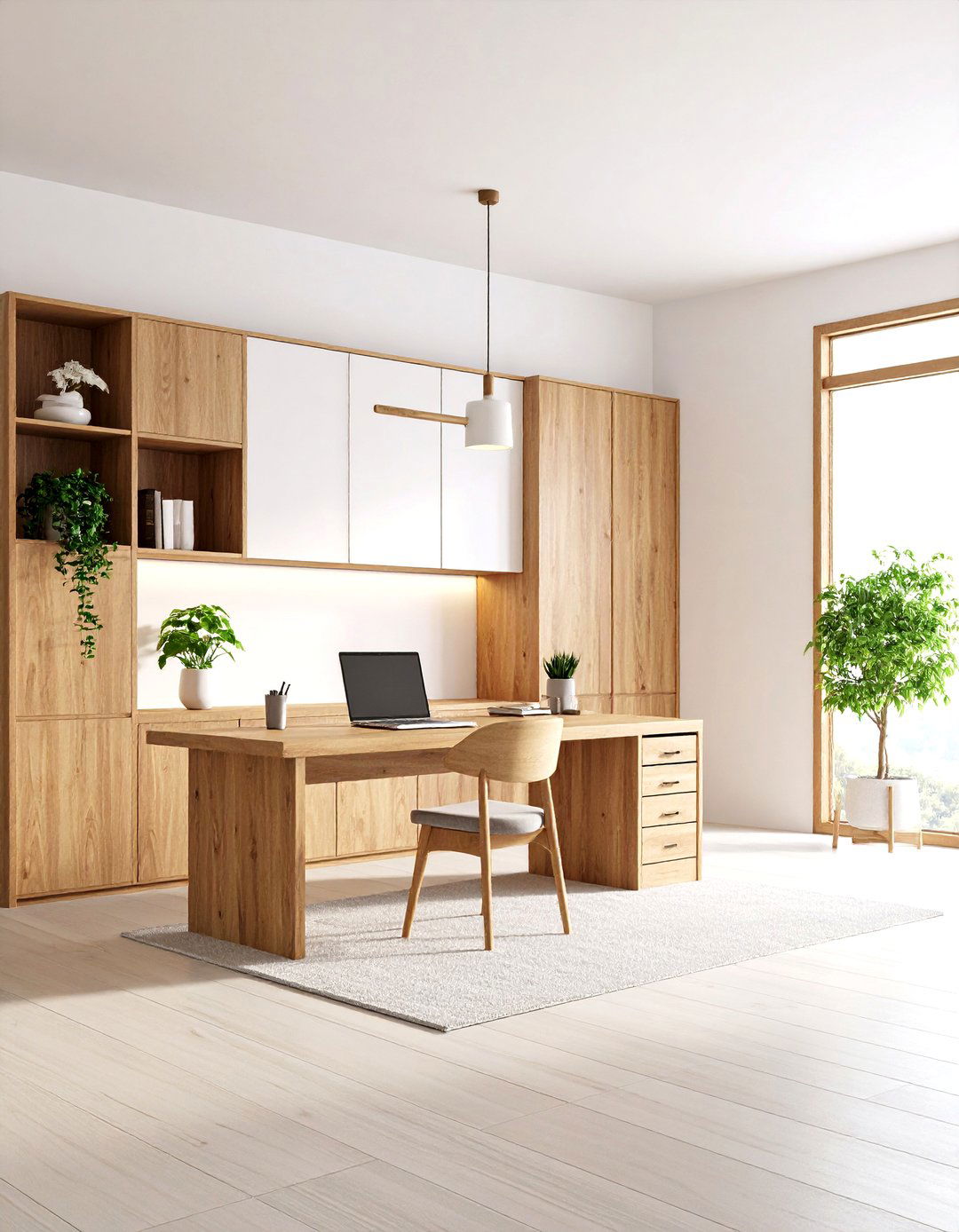
Create a study that embodies the principle of Kanso, or design eliminates all that is non-essential, resulting in a calm, focused, and clutter-free desk is a simple wooden surface, free of is concealed, perhaps within handleless cabinets or built-in color palette is monochromatic and soothing, using shades of grey, white, or only decor might be a single plant or a piece of calligraphy to inspire environment is designed to free the mind from distraction, allowing for deep concentration and productivity.
16. The Shibui-Aesthetic Bedroom
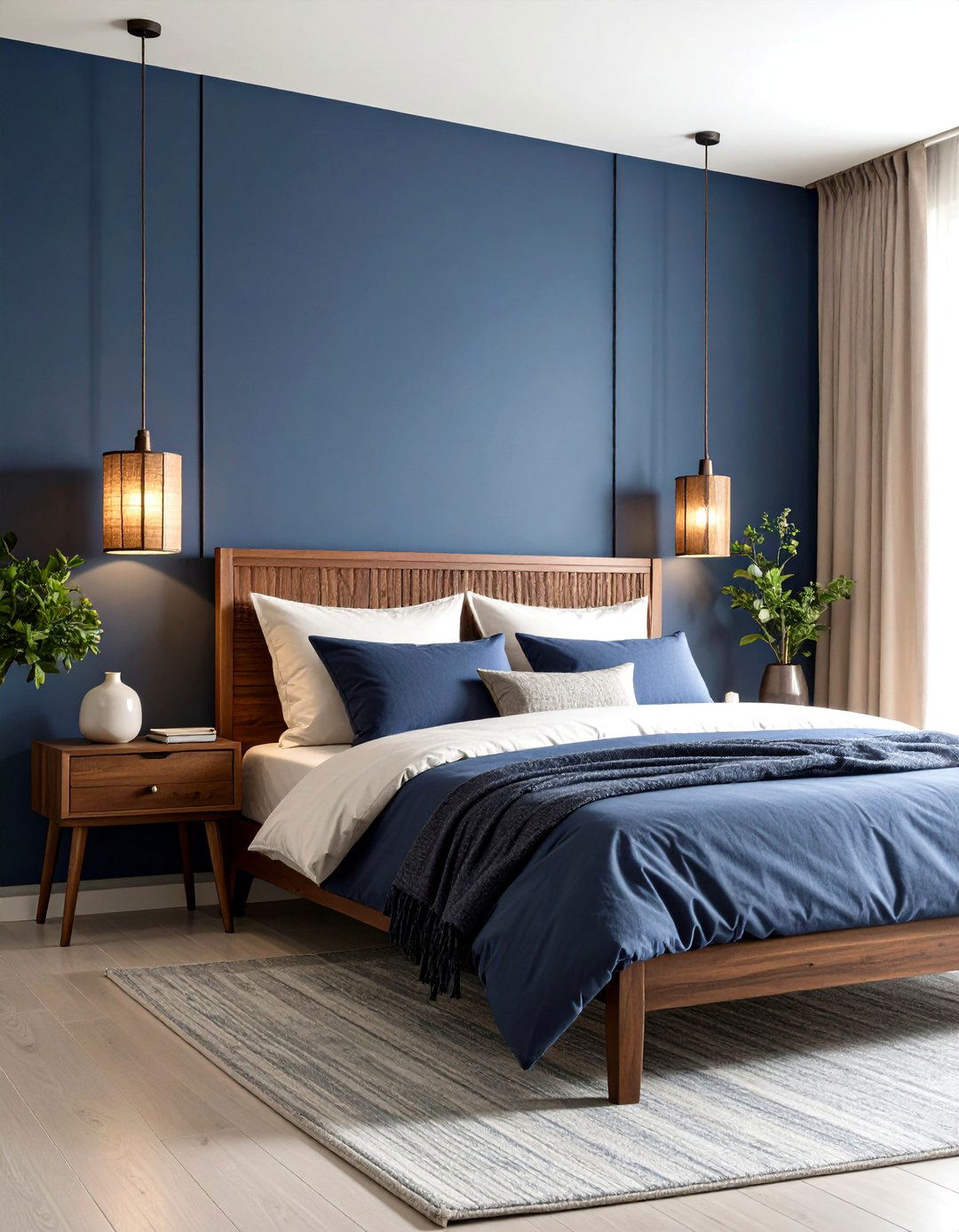
A bedroom designed with the Shibui aesthetic is all about subtle, unobtrusive avoids anything flashy or loud, favoring quiet elegance and understated color palette is complex but muted, featuring deep, earthy tones like indigo, moss green, and charcoal play a key role, with materials like raw silk, textured linen, and unglazed ceramics adding depth and is well-crafted but simple in overall effect is one of serene sophistication that reveals its beauty slowly over time, creating a deeply calming and timeless personal space.
17. The Chashitsu Tea Room
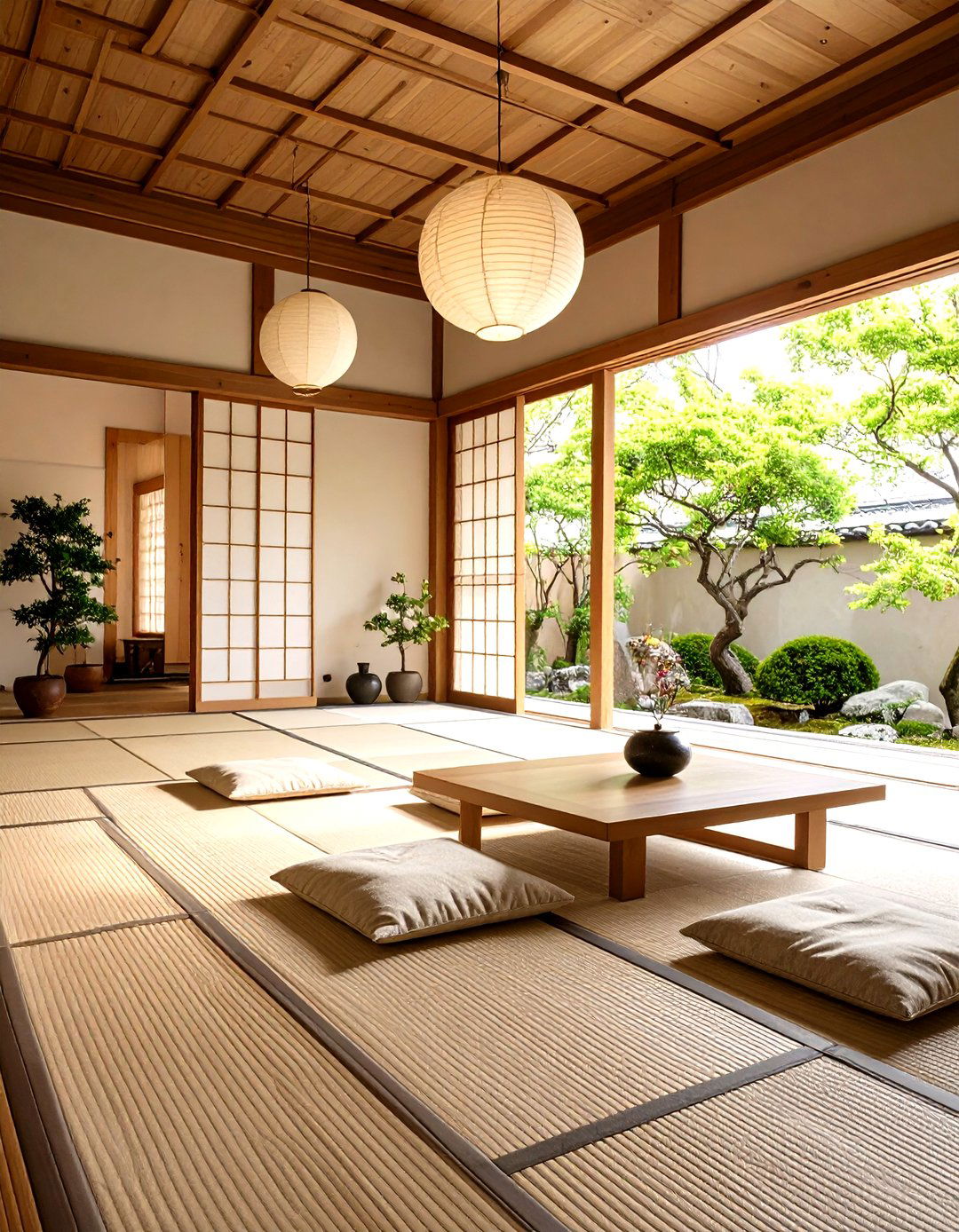
Design a dedicated Chashitsu, or tea room, to practice the Japanese tea space is the epitome of rustic simplicity and refined layout is compact and intimate, with a low ceiling and entry through a small nijiriguchi door, which encourages flooring is tatami, and the walls are often made of a natural earth plaster. A sunken hearth (ro) is used for heating the kettle in element is carefully chosen for its purpose and beauty, from the bamboo whisk to the ceramic tea bowl, creating a profound spiritual haven.
18. The Izakaya-Style Kitchen Counter
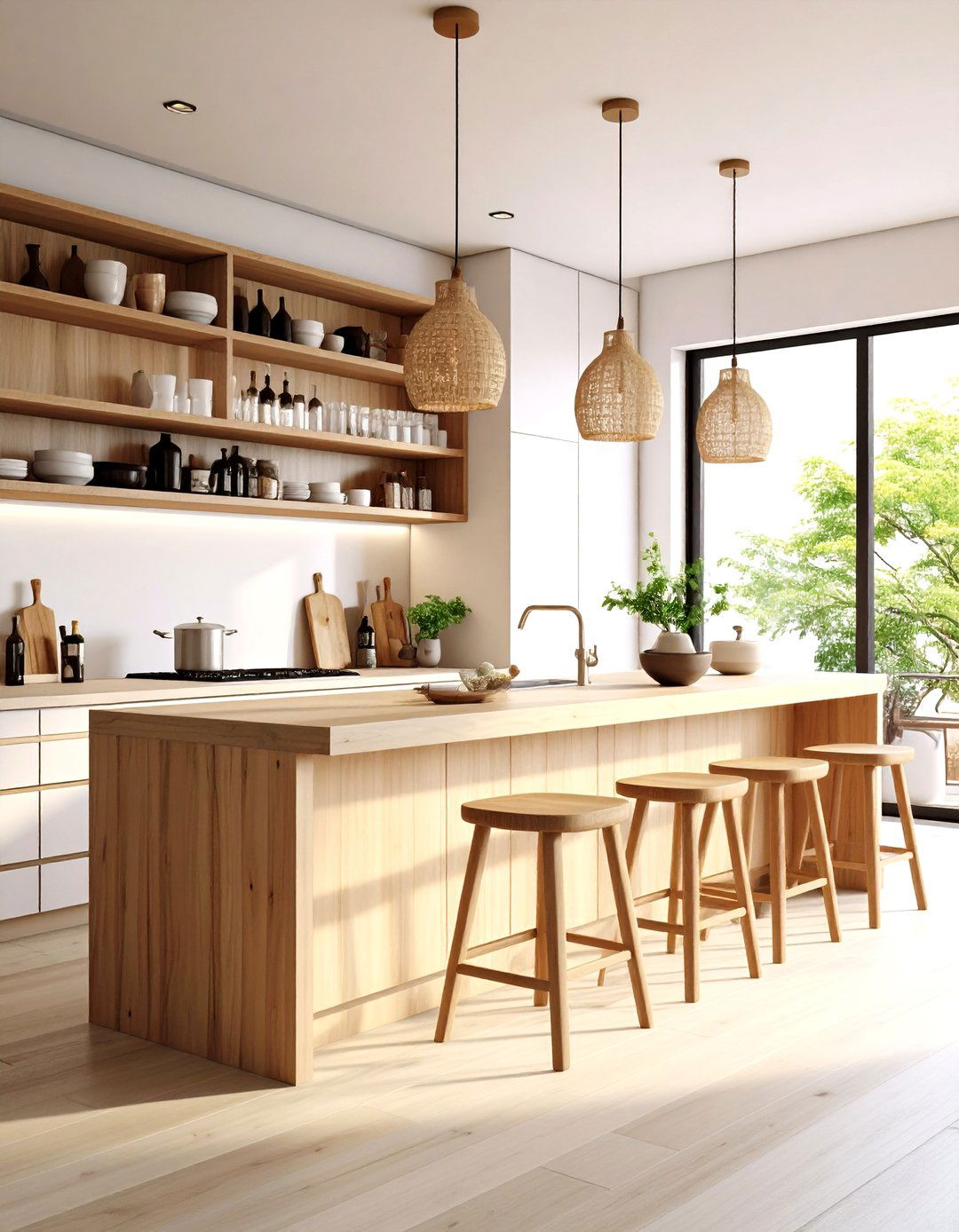
Bring the convivial atmosphere of a Japanese Izakaya into your home with a dedicated kitchen counter for dining and design features a long, wooden counter with comfortable stools, creating an informal and engaging eating the counter, hang simple pendant lights and open shelving to display sake bottles, rustic ceramics, and essential backdrop could be a textured wall of dark wood or setup encourages interaction with the cook and makes the kitchen the social hub of the home, perfect for casual meals and entertaining friends.
19. The Byobu Screen Accent
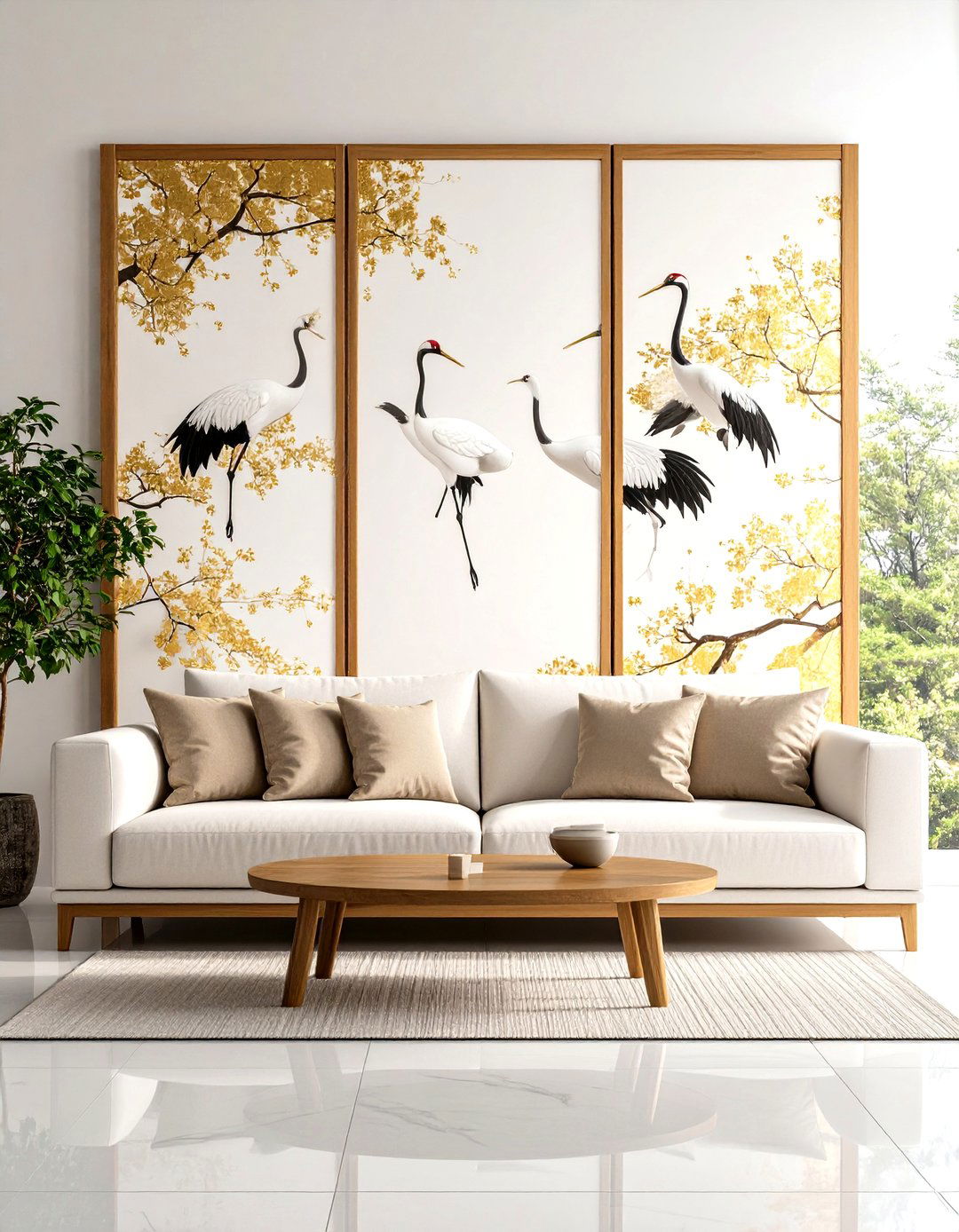
Use a Byobu, a decorative folding screen, as a stunning and versatile accent screens are often adorned with intricate paintings on gold leaf, depicting grand natural scenes or historical one behind a sofa in the living room to serve as a dramatic backdrop or use it in a bedroom to create a sense of privacy and artistry. A Byobu can also be used to hide a less attractive corner of a mobile nature means you can easily change the room's dynamic, adding a touch of opulent artistry and flexible function.
20. The Kintsugi-Inspired Decor Theme
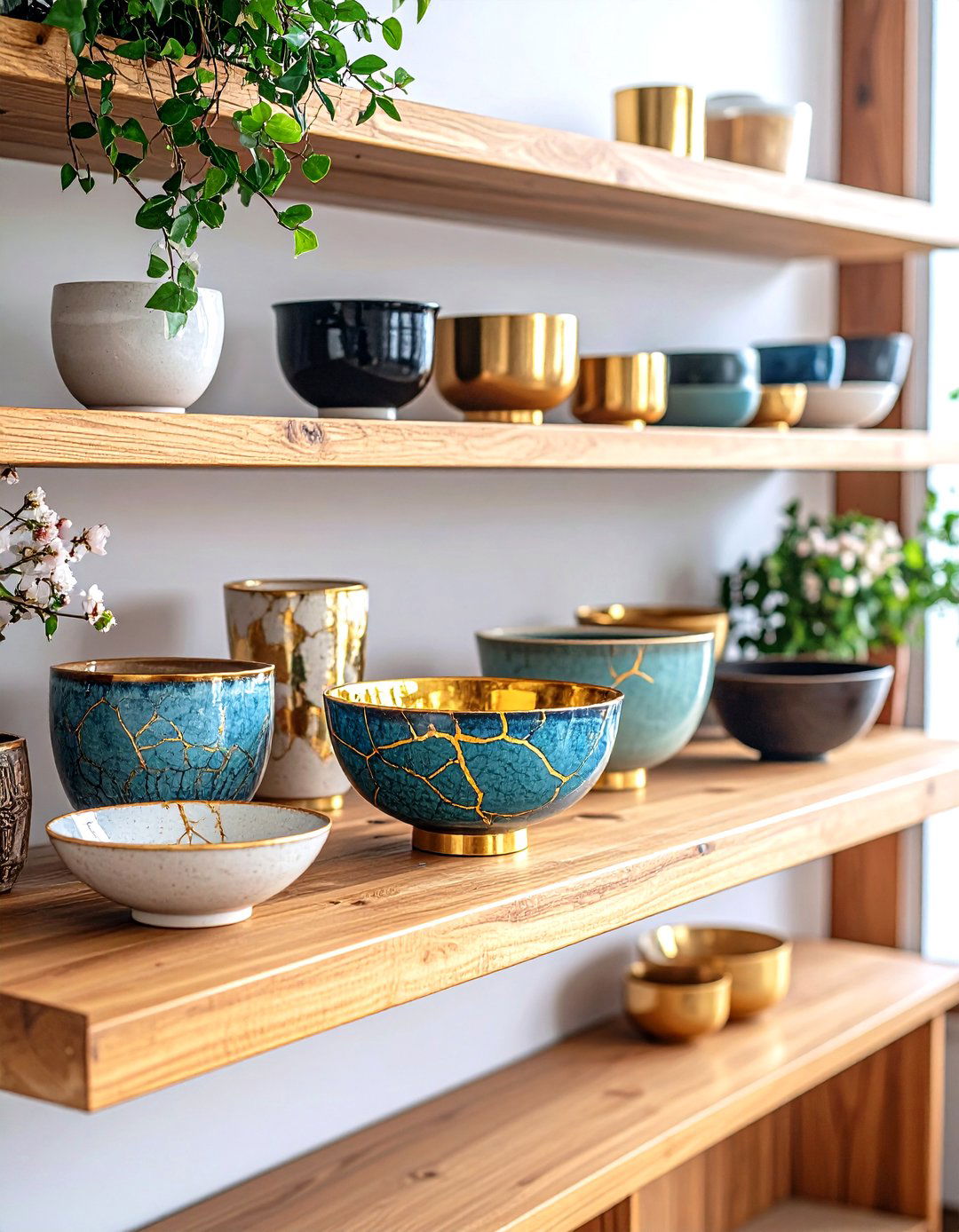
How can you turn breakage into a beautiful statement? A Kintsugi-inspired decor theme celebrates the art of repairing broken pottery with gold lacquer, highlighting the cracks as part of the object's philosophy can extend beyond of a reclaimed wood table with its cracks filled with a subtle metallic resin, or textiles woven with golden core idea is to embrace imperfection and repair rather than approach adds a layer of profound meaning to your decor, telling a story of resilience and beauty in imperfection.
21. The Ryokan-Inspired Guest Suite
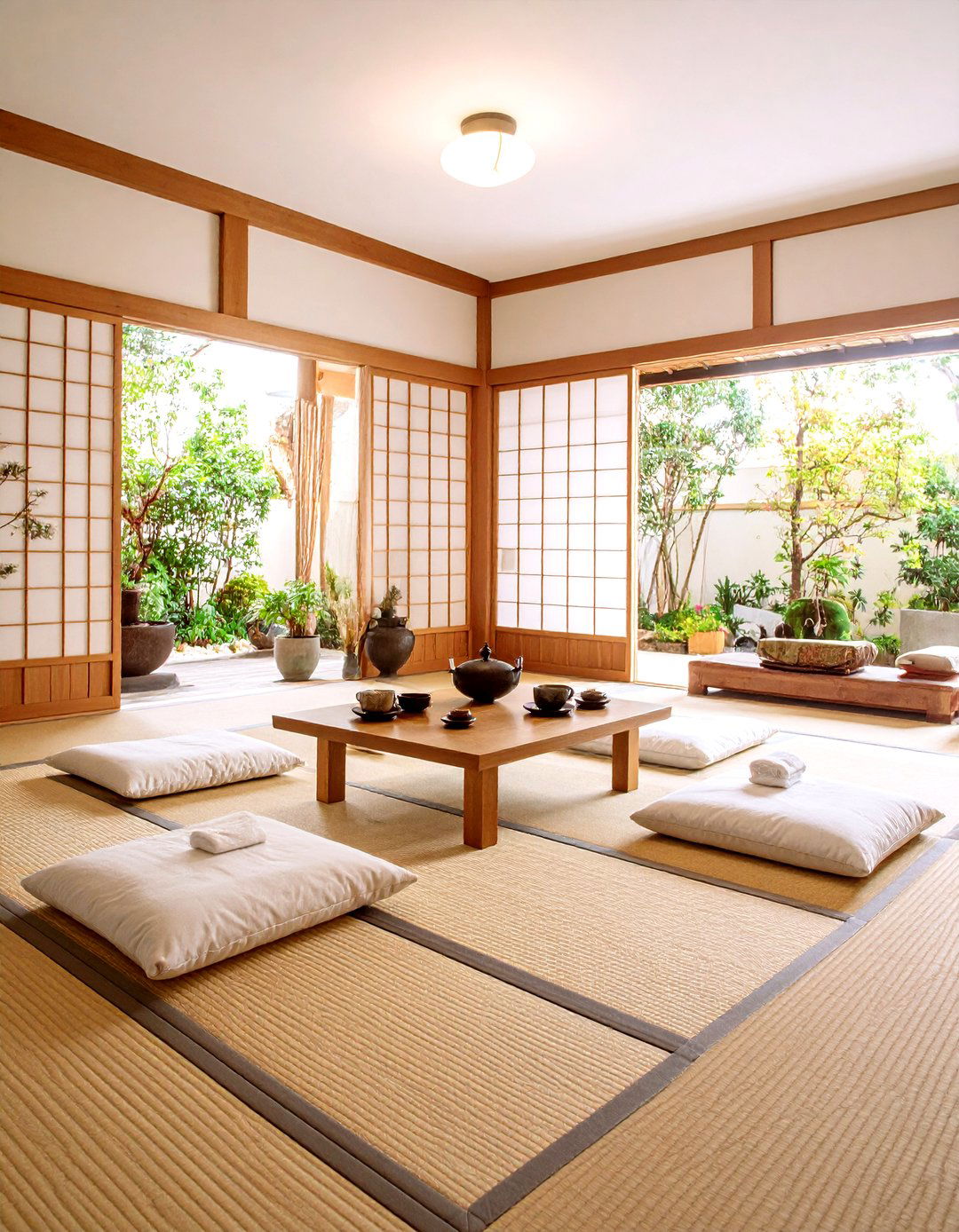
Create a guest suite that offers the tranquil hospitality of a traditional Japanese inn, or space should feature tatami mat flooring and comfortable futons for sleeping, which can be stored away during the day to create an open living guests with yukata (cotton robes) and slippers. A low table with zabuton cushions is perfect for enjoying decor is minimal, focusing on a single scroll or flower immersive experience offers visitors a genuine taste of Japanese culture and a deeply restful, memorable stay.
22. The Sudare Blind Window Treatments
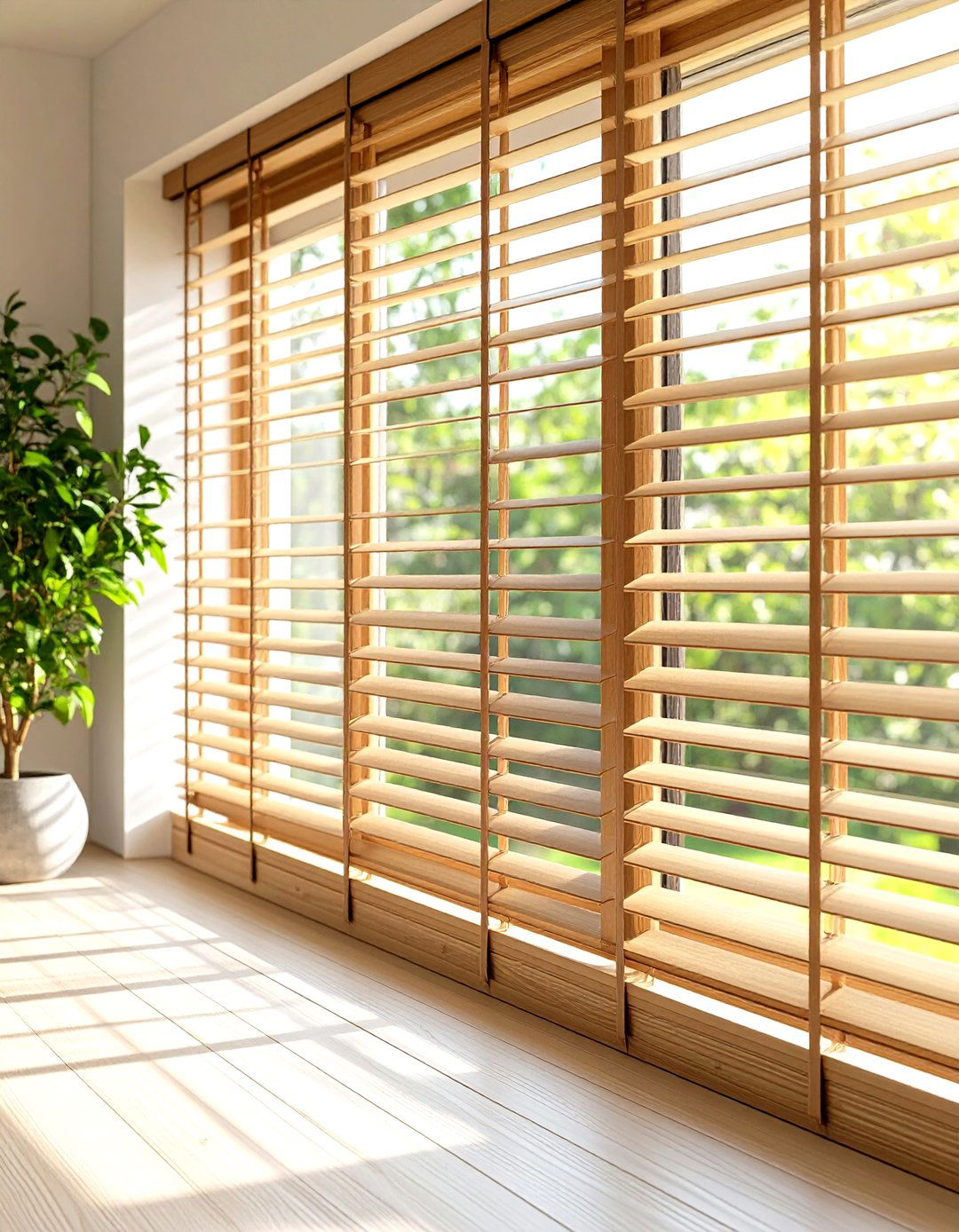
For a natural and elegant window treatment, use Sudare traditional screens are made from horizontal slats of bamboo, wood, or reeds woven together with simple provide privacy and shade from the summer sun while still allowing a gentle breeze and dappled light to filter natural texture and appearance connect the interior with the outdoors, complementing a design scheme rich in wood and other organic blinds offer a light, airy alternative to heavy curtains, enhancing the room's sense of openness and tranquility.
23. The Open-Concept Living with Ma
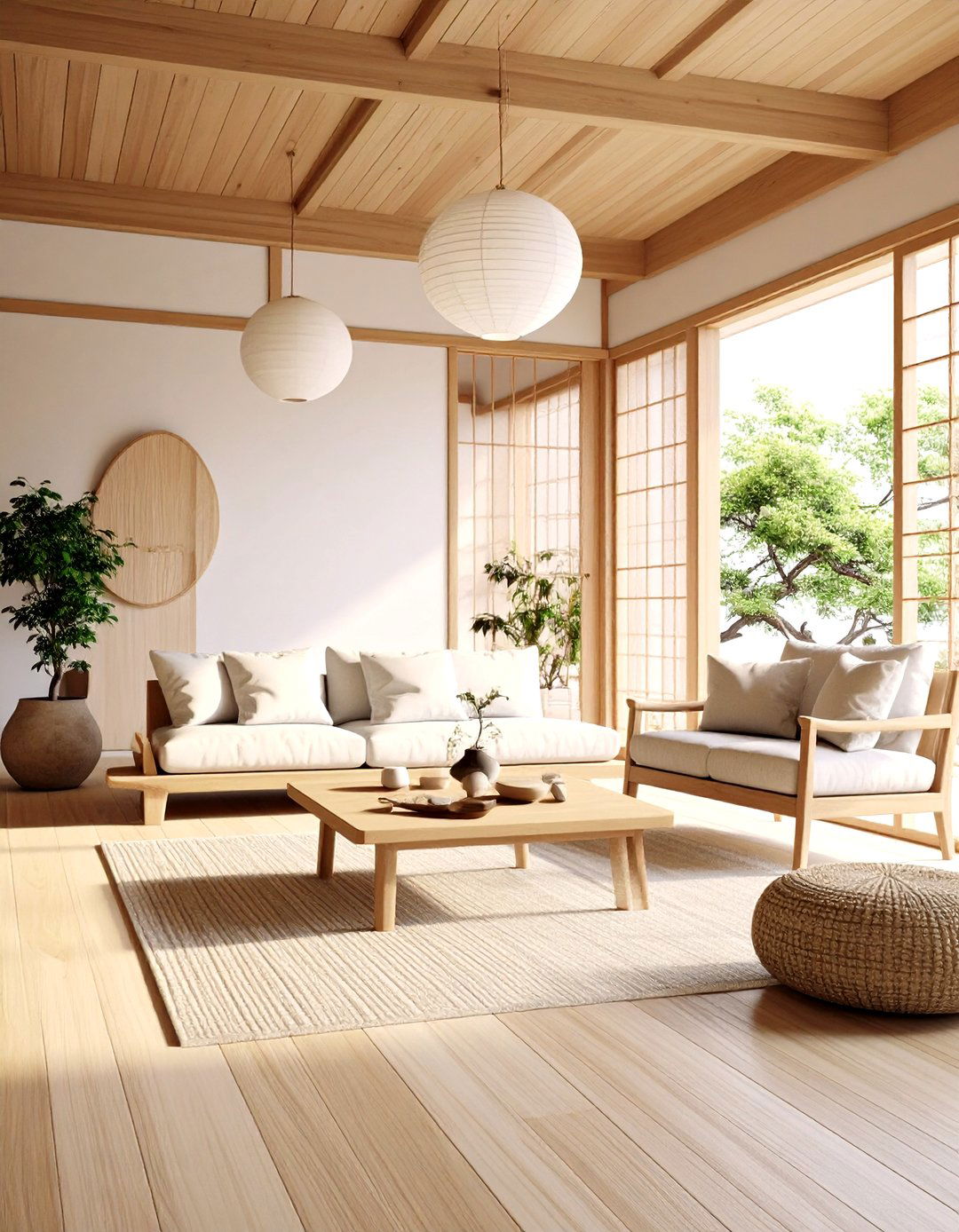
Design your open-concept living space around the principle of Ma, the beauty of empty or negative isn't about emptiness but about intentional spacing and uncluttered place a few essential, high-quality furniture pieces, allowing ample room to breathe around each creates a sense of calm and highlights the form of each layout encourages easy flow and movement, and the lack of clutter allows the mind to valuing the space between things, you create a sophisticated, peaceful, and visually balanced environment.
24. The Shizen-Inspired Natural Interior
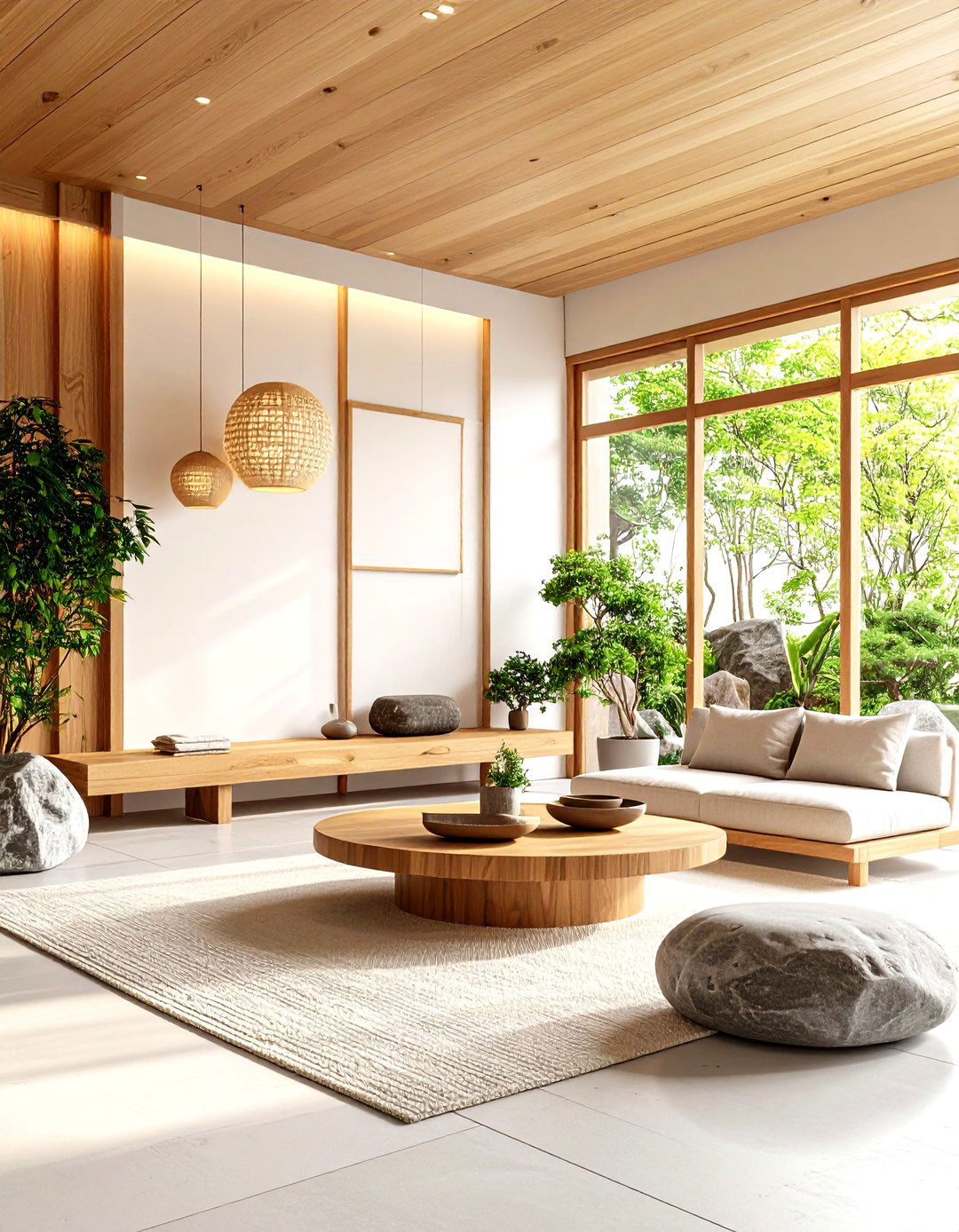
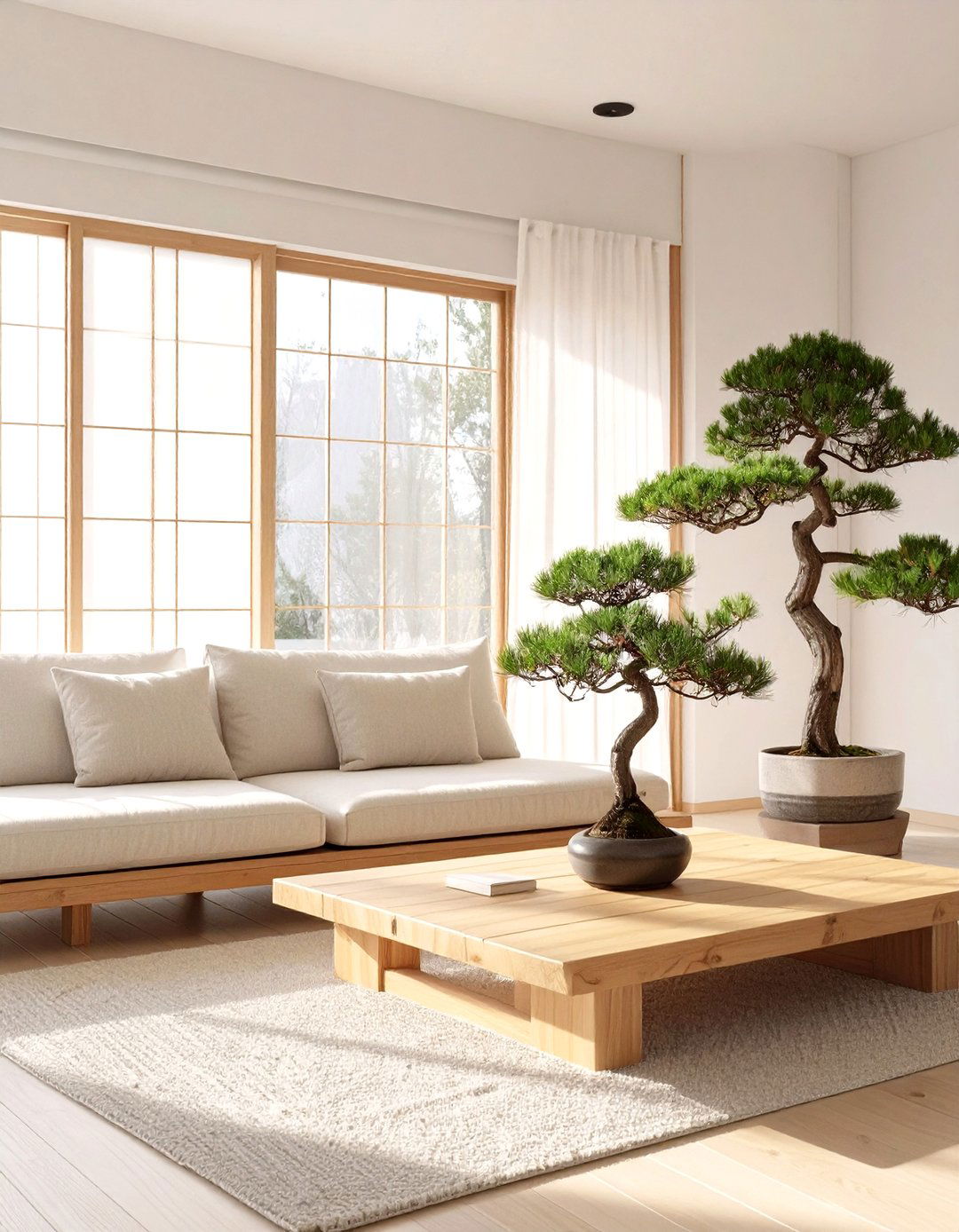
A Shizen-inspired interior is one that removes all artificiality, celebrating nature in its purest core principle is bringing the raw, unaltered beauty of the outdoors materials like unfinished wood, rough-hewn stone, and live plants extensively. A large, unpolished rock could serve as a sculptural element, or a gnarled tree branch could become a decorative color palette is taken directly from nature: greens, browns, and stone goal is to create a space that feels as if it grew organically, fostering a deep and constant connection to the natural world.
25. The Seijaku Tranquil Home Office
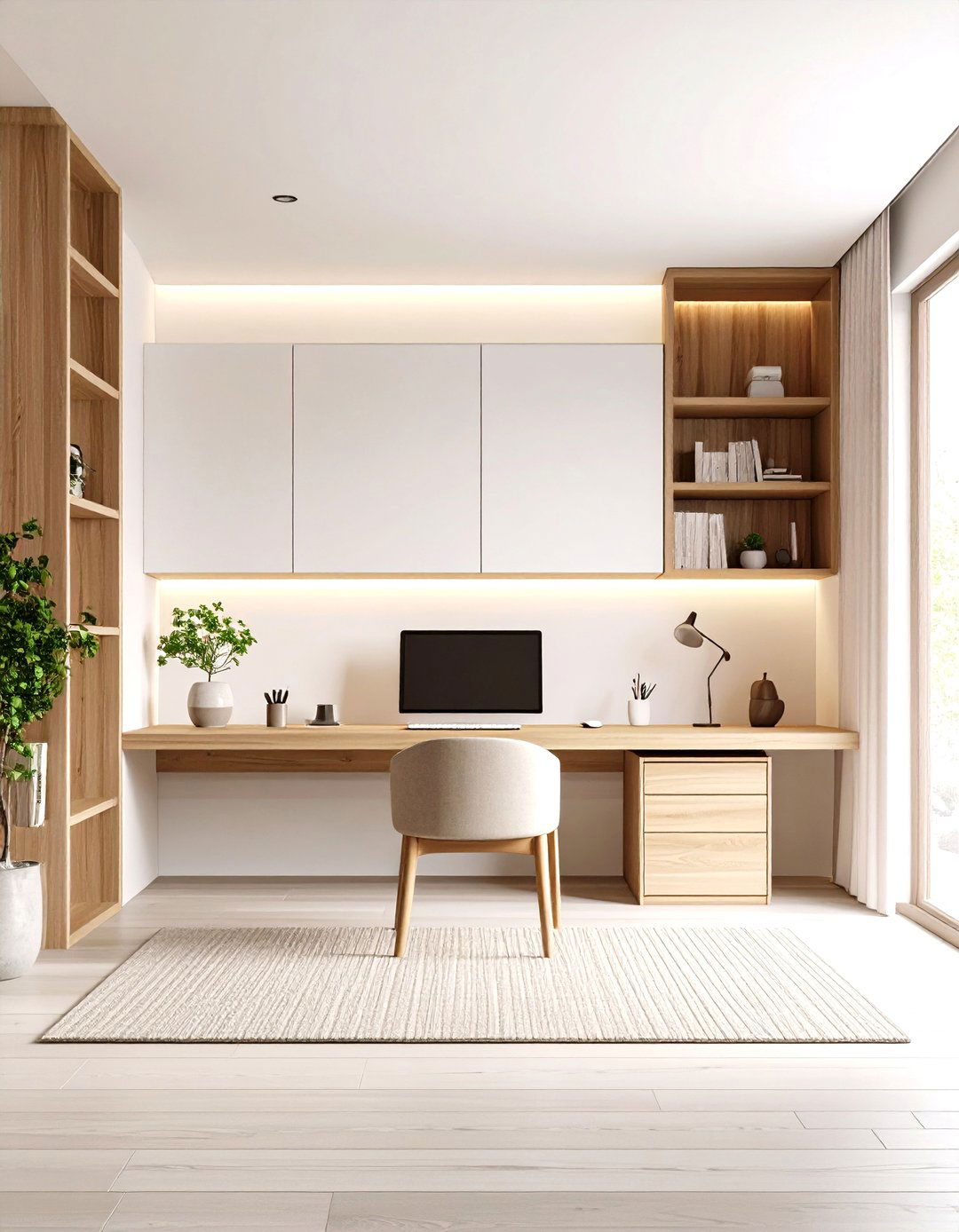
Design a home office that embodies Seijaku, or the concept of tranquility and energized is a space designed for deep, quiet layout is meticulously organized, with all work materials hidden in minimalist, built-in desk faces a wall or a serene view, minimizing color scheme is muted and monochromatic, like soft greys or warm is crucial — abundant natural light supplemented by soft, indirect artificial light. A single, healthy plant or a small water feature can add a touch of life without disturbing the profound quietude.
26. The Doma Earthen Floor Space
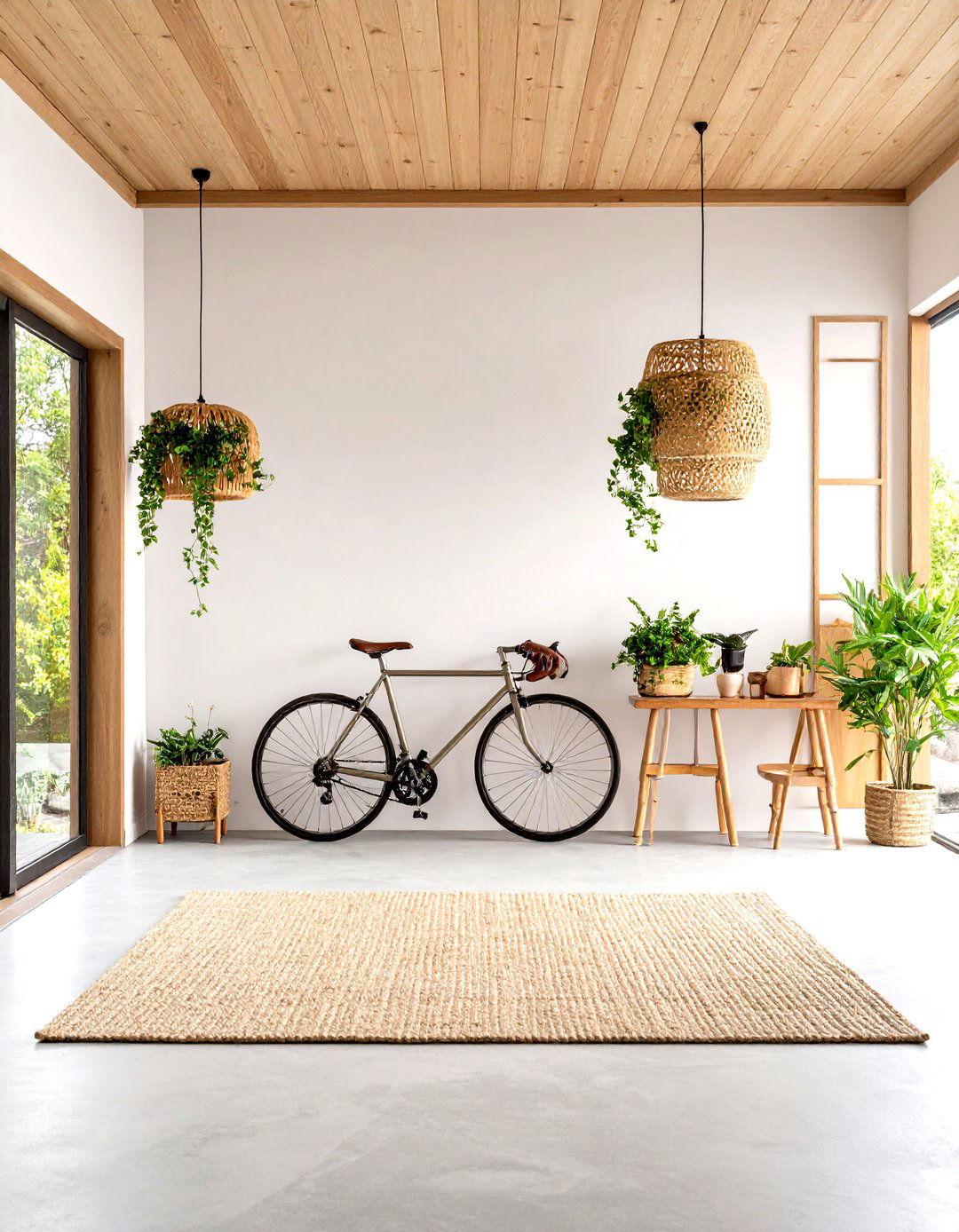
Reintroduce the traditional Doma, a space with an earthen or packed-earth floor, into a modern versatile area, situated at the entrance, serves as a transitional zone for messy tasks. It's perfect as a mudroom, a place for potting plants, or even storing a floor is durable and easy to clean, often made of compacted earth, stone, or connects the inside and outside functionally, creating a practical buffer zone that keeps the rest of the polished interior clean while adding a rustic, earthy, and highly functional element.
27. The Andon Lamp Lighting Scheme
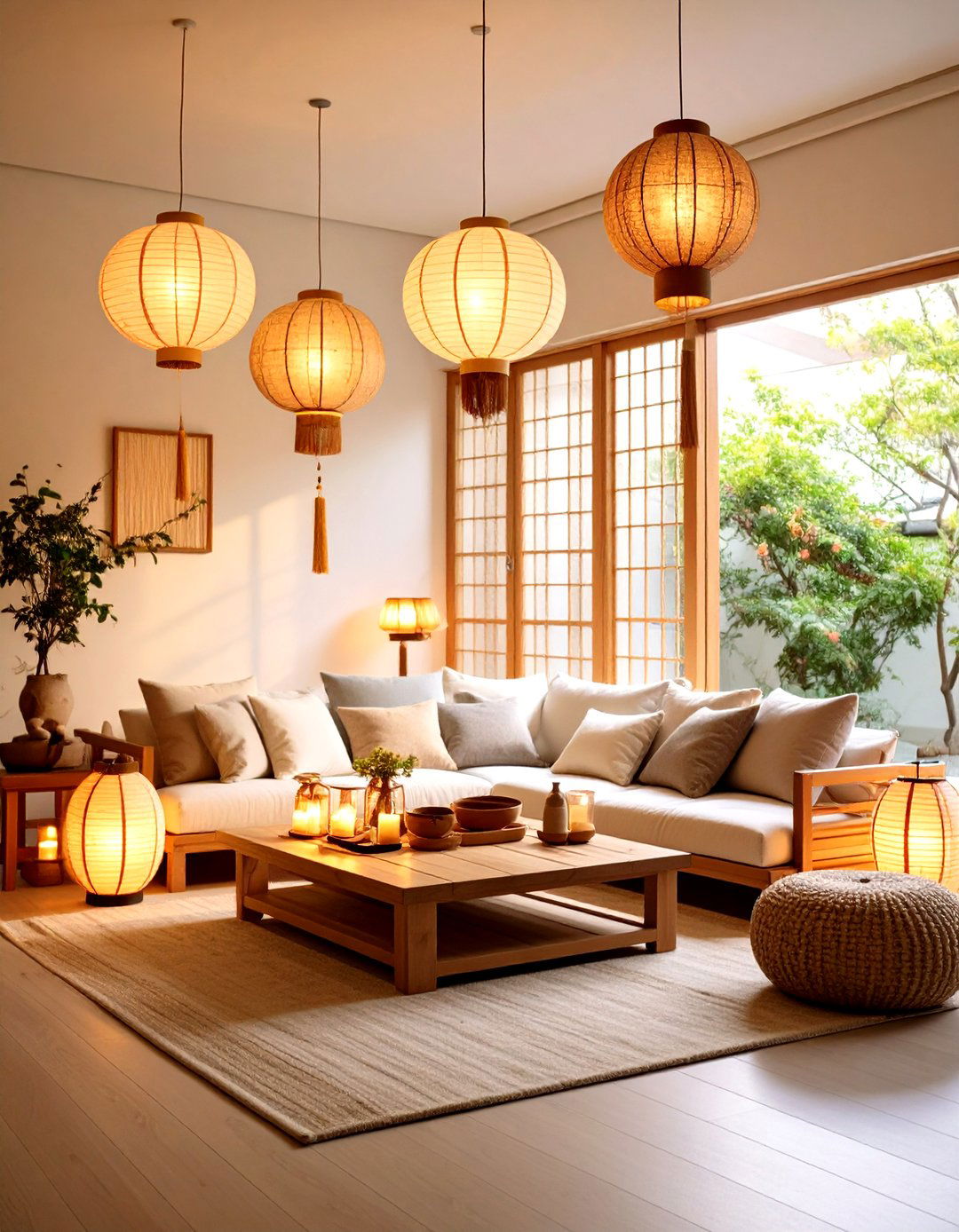
What if your lighting could do more than just illuminate? An Andon lamp lighting scheme uses traditional paper-encased lanterns to create a soft, warm, and atmospheric lamps, whether floor-standing, table-top, or hanging, diffuse light beautifully through their washi paper shades, eliminating harsh them strategically to create pools of gentle light in corners, by seating areas, or along approach to lighting is not just about visibility; it's about crafting a mood of serenity and intimacy, transforming the home into a peaceful sanctuary after dark.
28. The Kamidana Altar Shelf
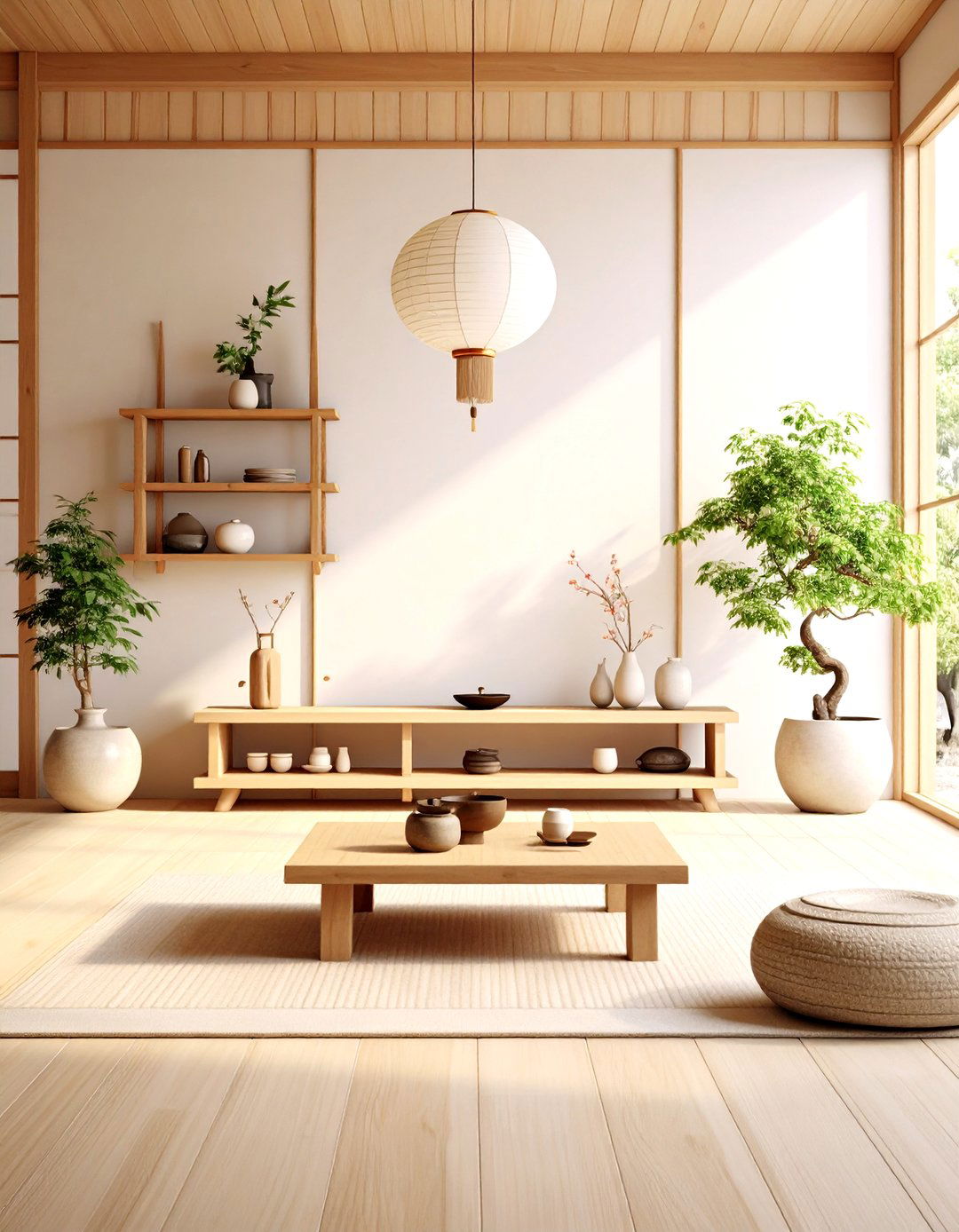
Incorporate a Kamidana, a miniature household altar, to create a space for quiet reflection and small Shinto shrine is typically placed high on a wall in a clean, bright, and respected area of the home, like a living room or is a simple shelf made of unfinished wood, holding small a Kamidana is a way of honoring tradition and creating a spiritual focal point within the serves as a daily reminder to pause and connect with a sense of peace and reverence in the midst of everyday life.
29. The Bamboo-Themed Bedroom
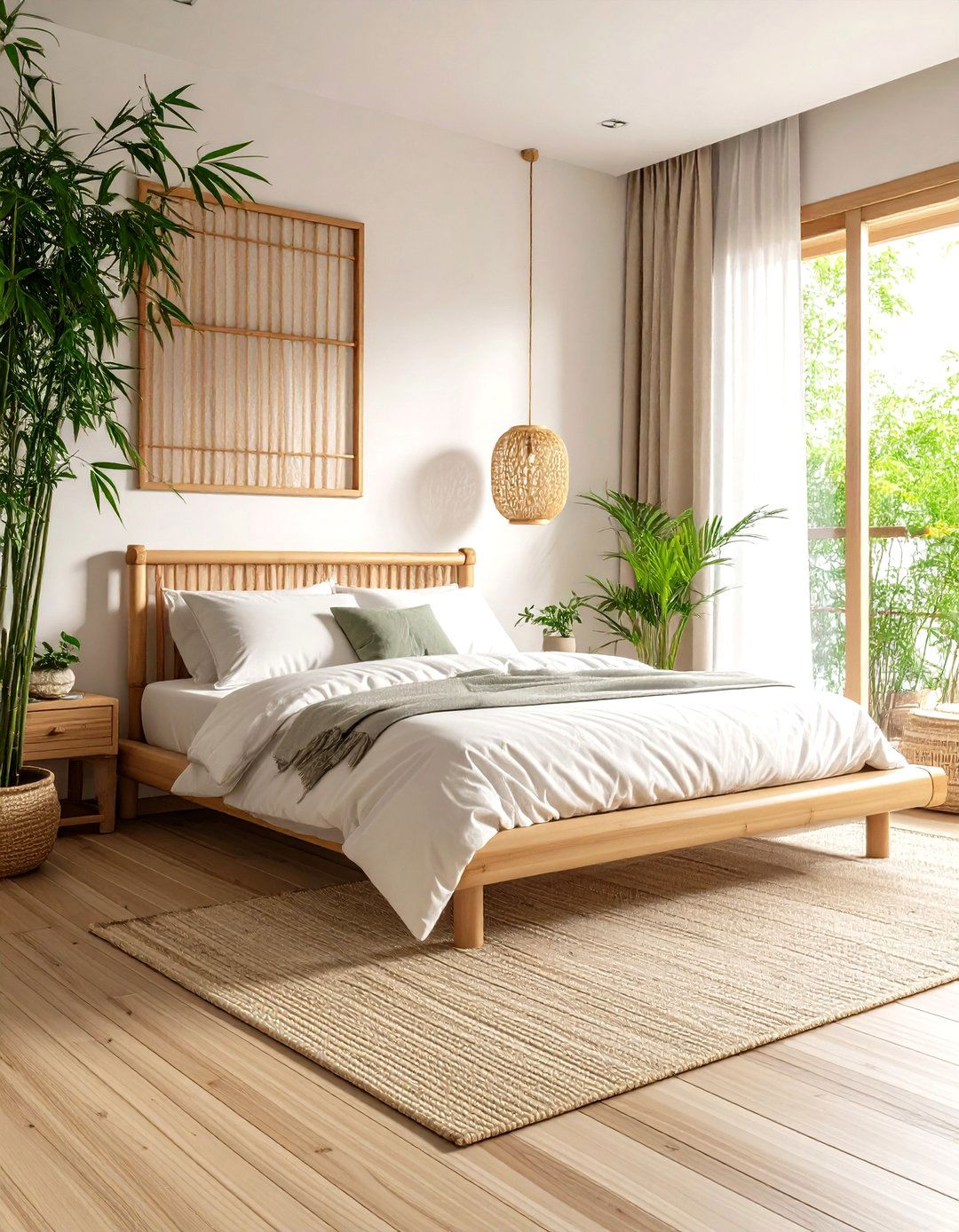
A bamboo-themed bedroom creates an environment that is both sustainable and incredibly bamboo not just for decor but as a core material. A solid bamboo bed frame, bamboo flooring, and woven bamboo window blinds establish a cohesive and natural color palette can be kept light and airy with shades of green, cream, and bamboo plants in simple ceramic pots add a vertical element and purify the design feels light, clean, and deeply connected to nature, promoting a restful and healthy atmosphere for sleep.
30. The Yugen-Inspired Subtle Design
How do you design a space that suggests a deeper meaning? A Yugen-inspired interior focuses on subtle and profound grace, hinting at a reality that is not explicitly is achieved through suggestion and of a dark, shadowy corner that invites curiosity, a screen that partially obscures a view, or a material whose texture is only revealed upon close design avoids the obvious, instead creating an atmosphere that is rich with suggestion and quiet mystery. It’s a sophisticated approach that stimulates the imagination and provides a lasting sense of wonder.
Conclusion:
Embracing Japanese interior design is about adopting a philosophy of simplicity, mindfulness, and connection to the natural the rustic imperfection of Wabi-Sabi to the functional minimalism of Japandi, these 30 ideas show the incredible diversity within this core principles remain constant: uncluttered spaces, natural materials, and a focus on creating a tranquil integrating concepts like Ma (negative space) and bringing nature indoors through elements like bamboo and framed garden views, you can transform your home into a serene approach creates a space that not only looks beautiful but also nurtures a peaceful state of mind.

Related posts:


Leave a Reply