
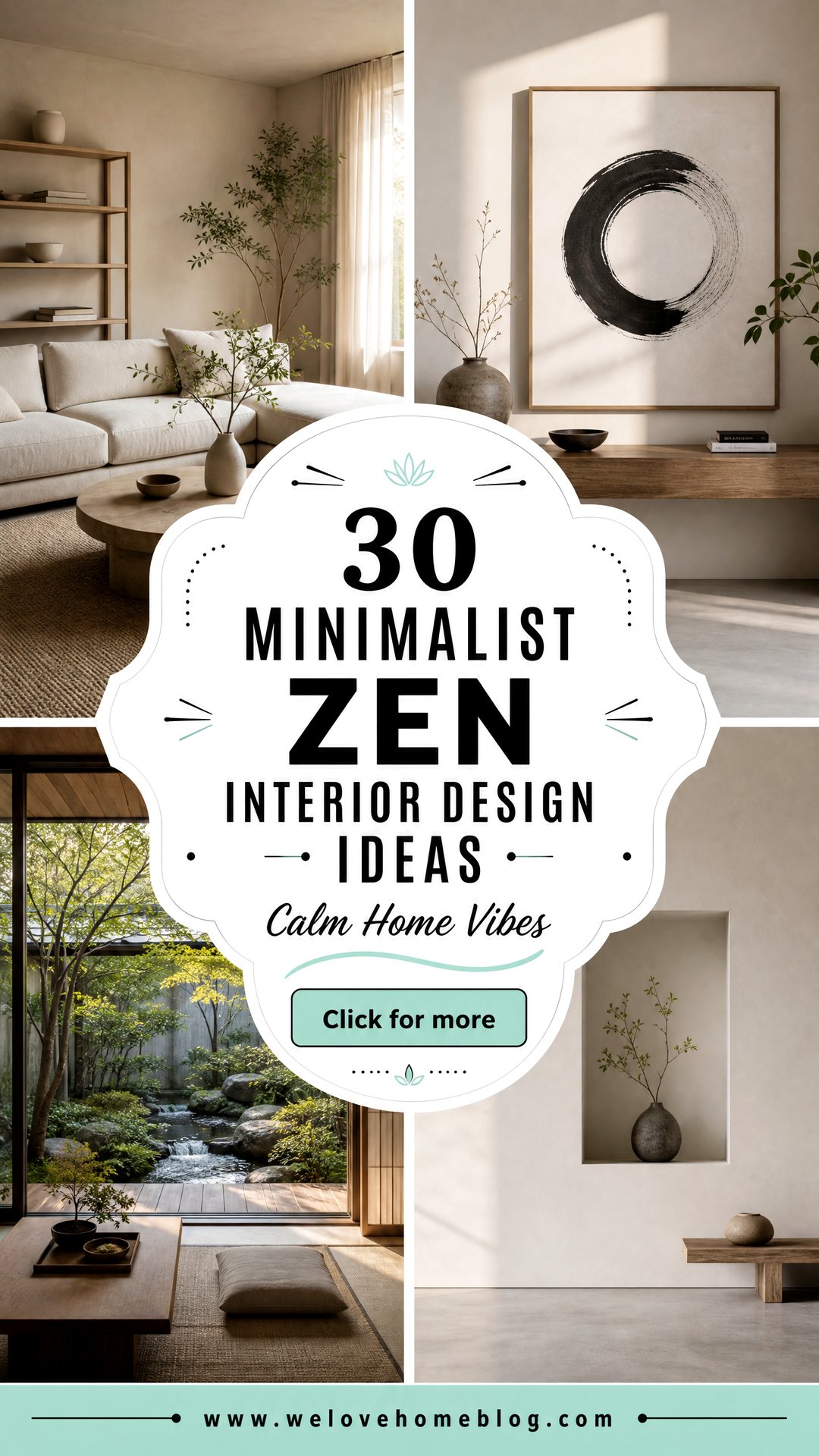
Zen interior design creates a serene sanctuary within your home, emphasizing harmony, balance, and simplicity. It’s a philosophy that goes beyond mere aesthetics, focusing on creating a mindful space that calms the mind and soothes the soul. By embracing minimalism, natural elements, and a clutter-free environment, this style transforms living areas into peaceful retreats from the chaos of the outside world. The core principles revolve around soft, natural light, earthy color palettes, and thoughtfully chosen furnishings. This approach invites tranquility and mindfulness into daily life, making your home a true haven for relaxation and introspection.
1. Neutral Earth-Tone Color Palette
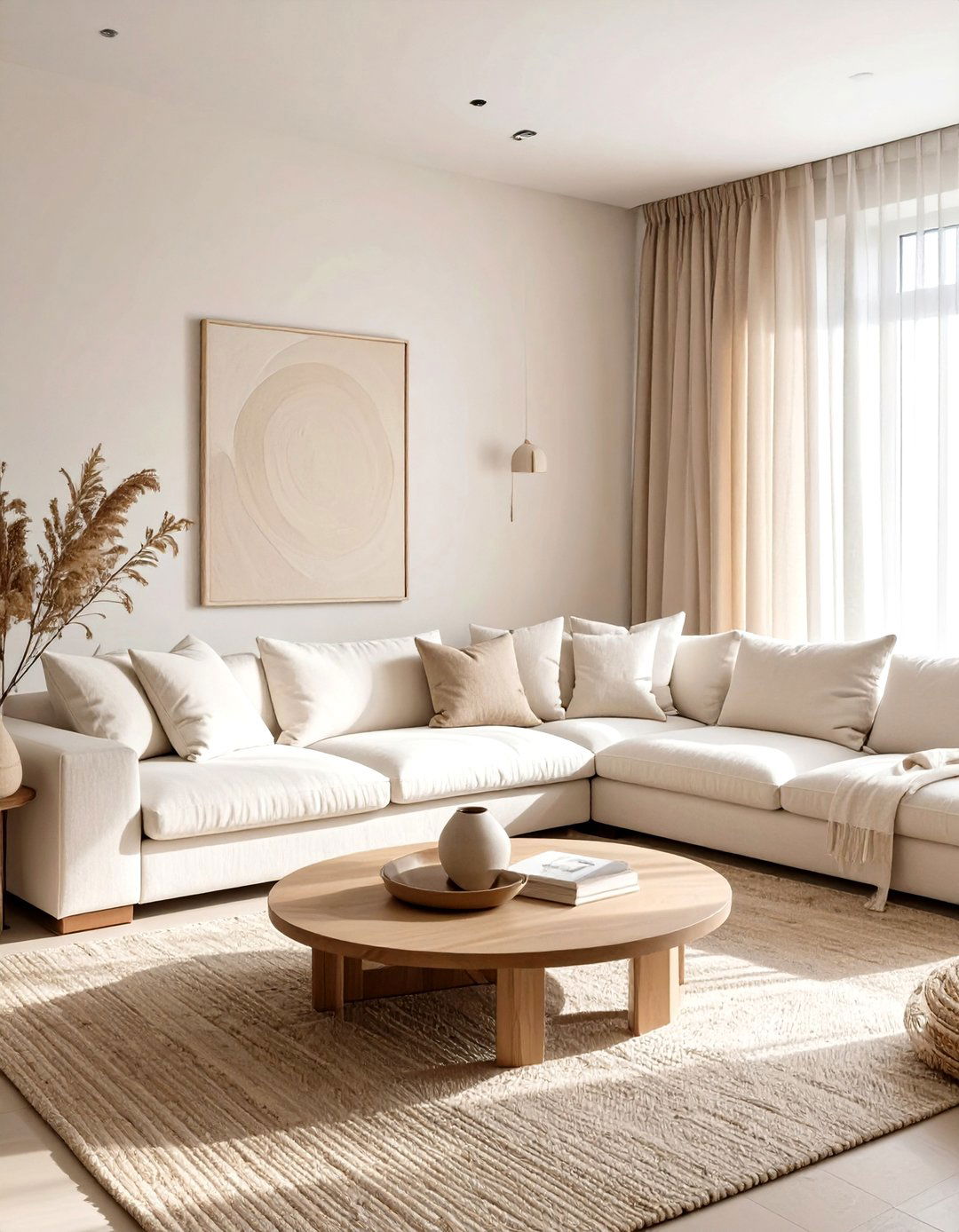
A foundational element of Zen design is the use of a neutral, earth-inspired color palette. Think in shades of soft white, beige, grey, and light wood tones. These colors create a calming, unobtrusive backdrop that promotes a sense of peace and spaciousness. By avoiding loud, jarring colors, the focus remains on the room's form, texture, and natural light. This muted canvas allows for subtle details, like the grain of wood or the texture of a linen textile, to stand out. The goal is to build a cohesive and tranquil environment where the mind can feel at ease.
2. Minimalist Low-Profile Furniture
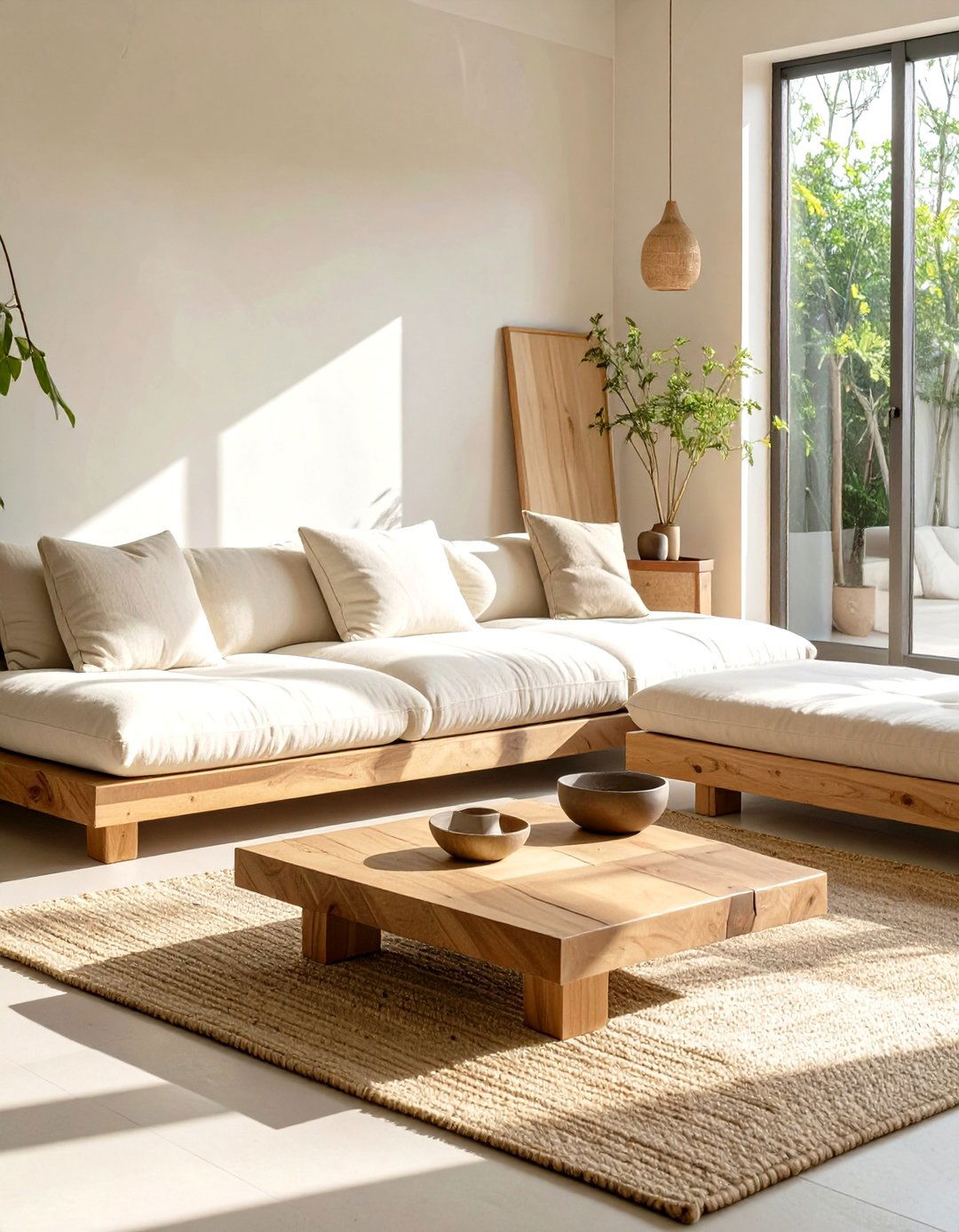
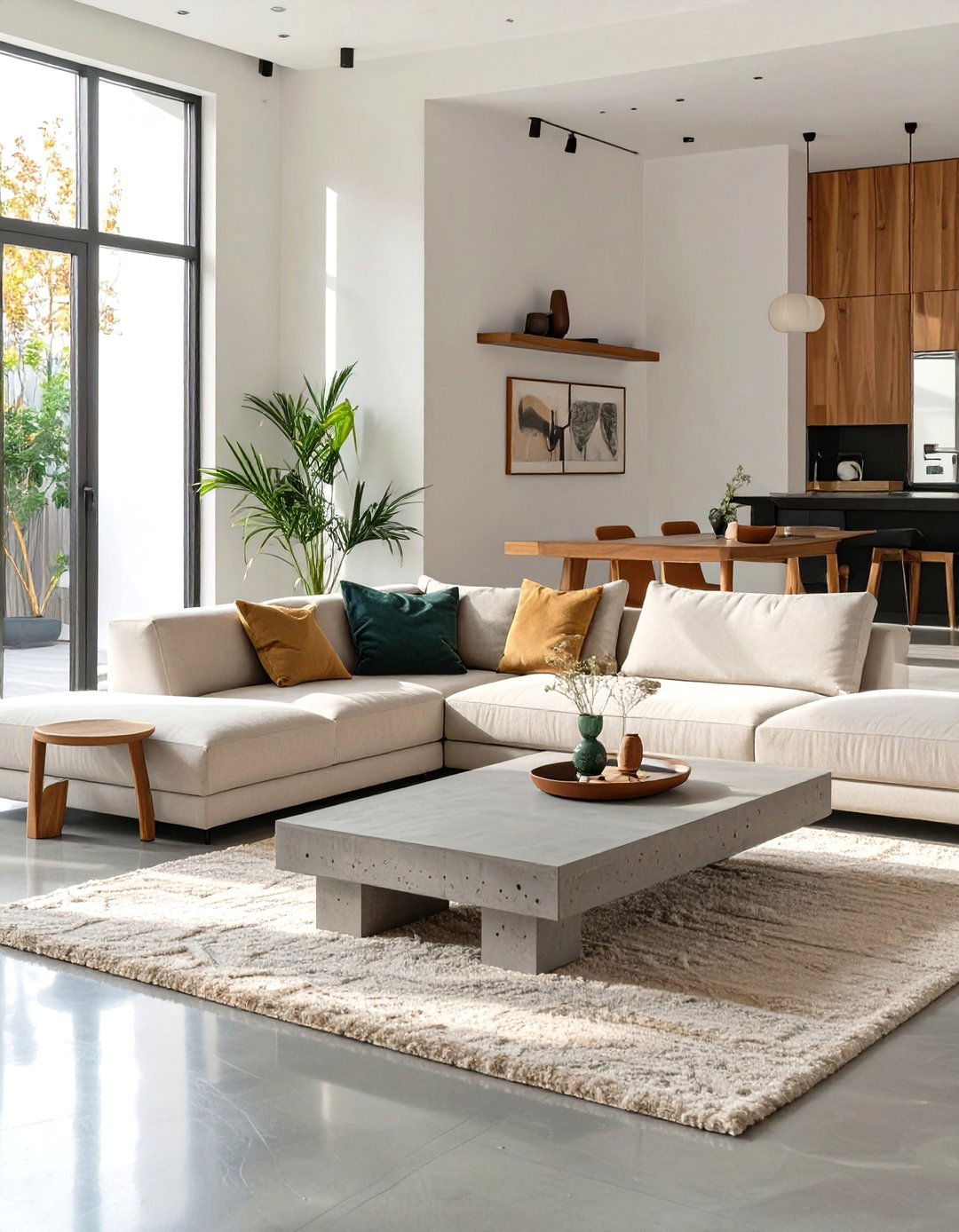
To foster a grounded and open atmosphere, select low-profile furniture. Pieces like low-slung sofas, floor cushions, and platform beds keep the sightlines clear and enhance the feeling of spaciousness. This style of furnishing encourages a closer connection to the earth, a key principle in Zen philosophy. Furniture should be simple in form, crafted from natural materials like wood, and free from ornate decoration. The emphasis is on function and clean lines, ensuring each piece contributes to the overall sense of calm without overwhelming the space. This minimalist approach reinforces a clutter-free and balanced environment.
3. The Integration of Natural Light
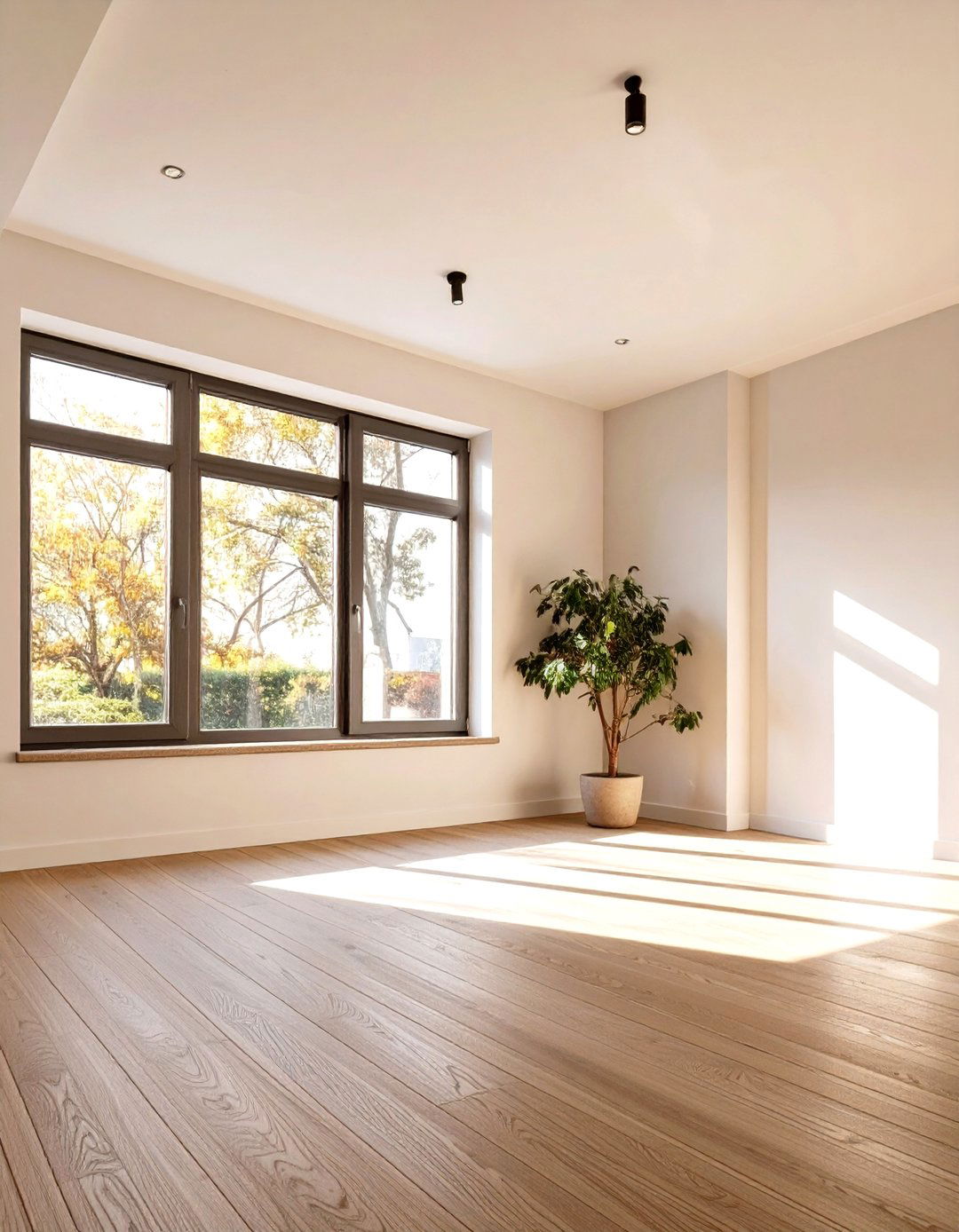
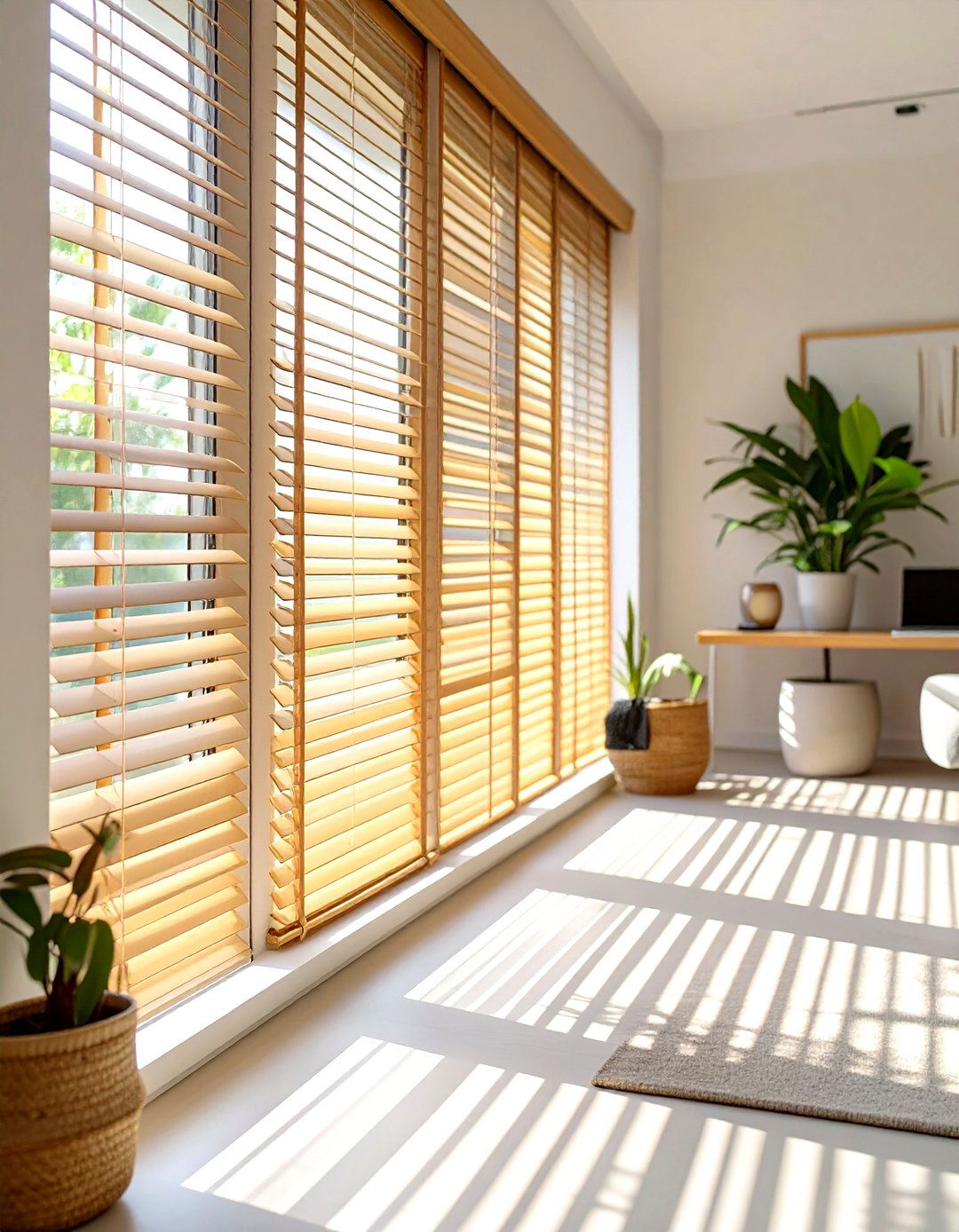
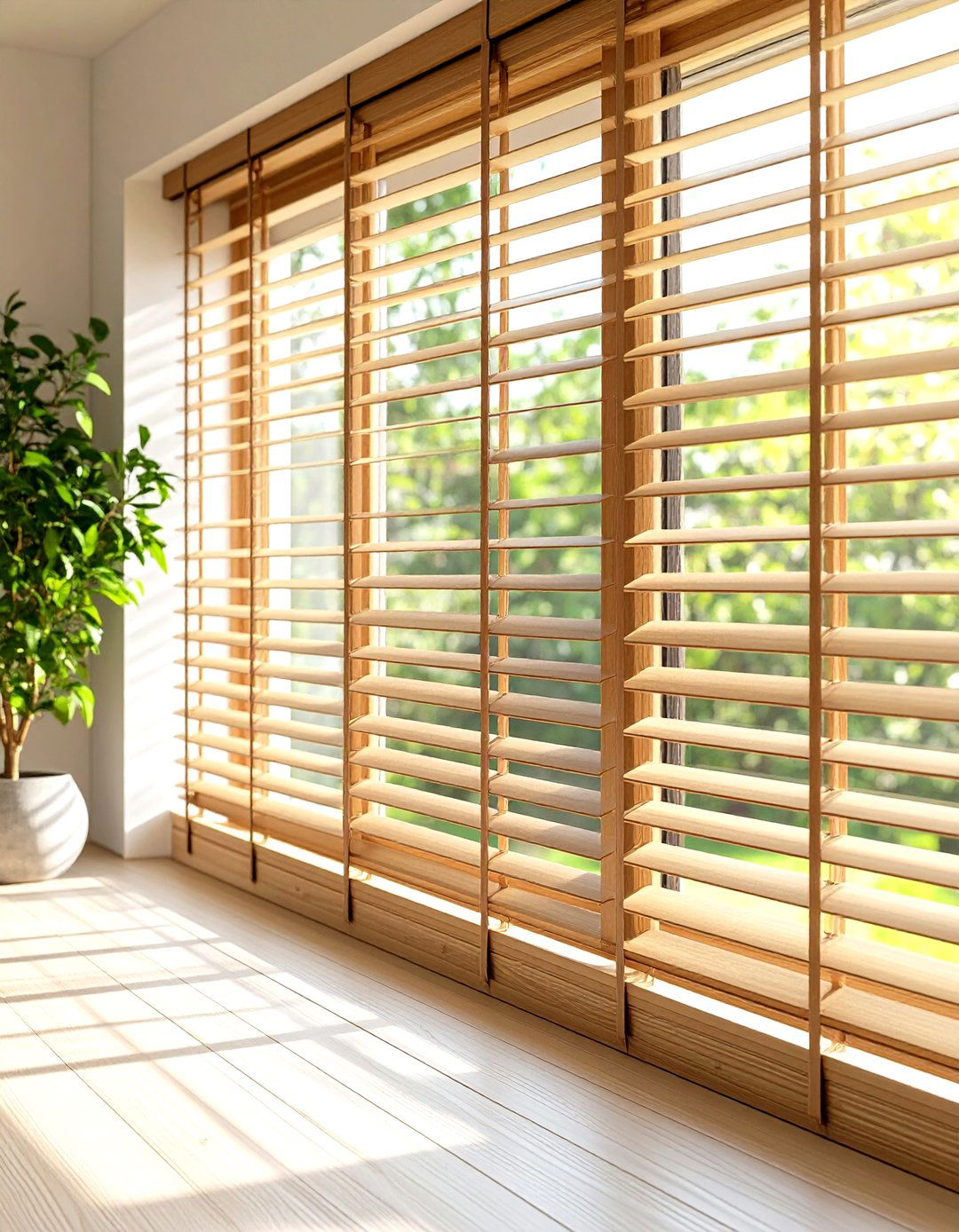
Maximizing natural light is crucial for achieving a genuine Zen interior. Large, unadorned windows allow sunlight to flood the space, creating a bright and airy feel that connects the indoors with the outdoors. Avoid heavy, opulent draperies in favor of simple, sheer curtains, bamboo blinds, or even bare windows if privacy permits. The changing quality of light throughout the day becomes a dynamic decorative element, enhancing the room's textures and colors. This connection to natural rhythms promotes a sense of well-being and helps to create a serene, life-affirming environment that feels both open and pure.
4. Incorporating Natural Wood Elements
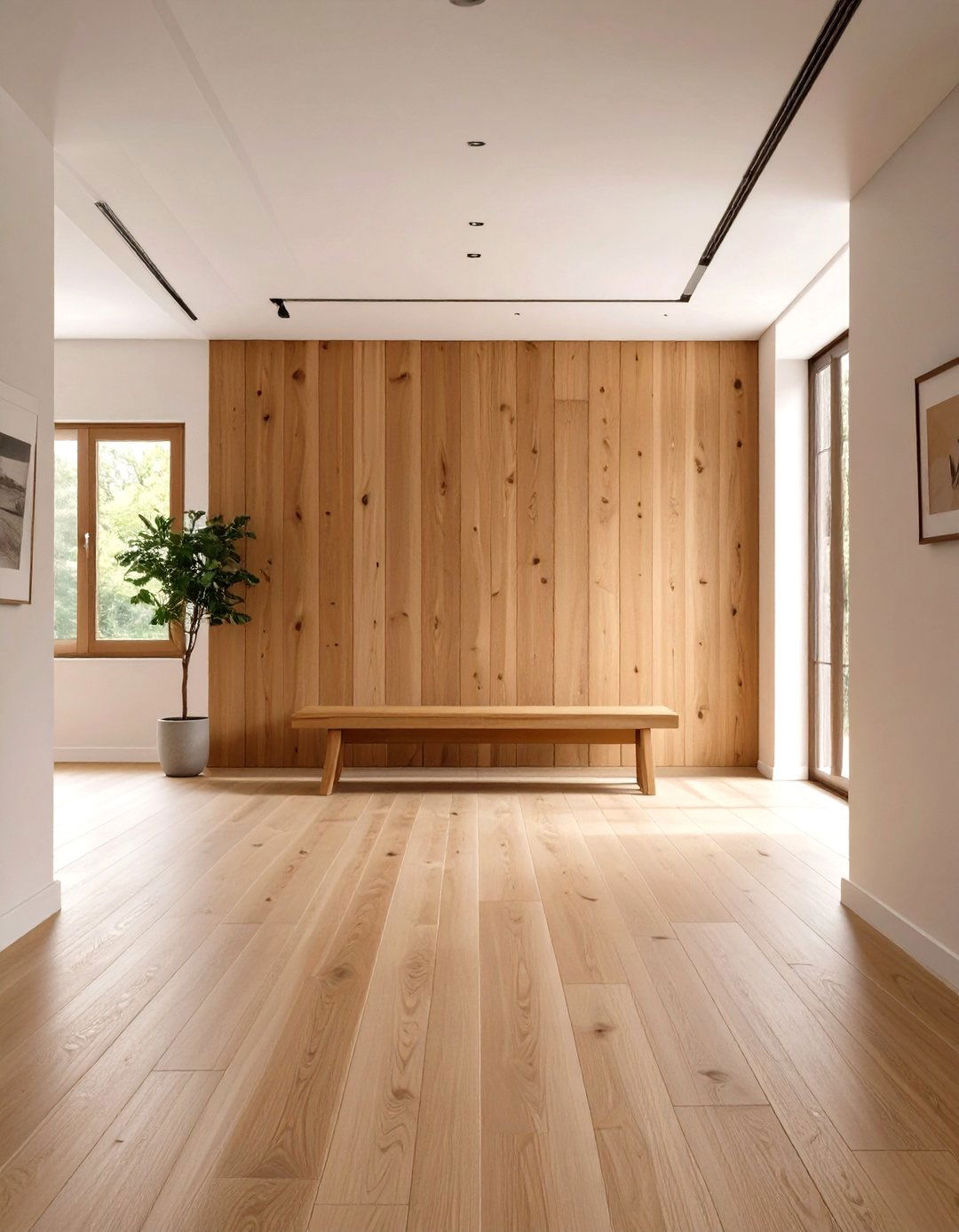
Wood is a cornerstone material in Zen interior design, bringing warmth, texture, and a direct connection to nature into the home. Use it for flooring, wall panels, furniture, and simple decorative objects. Woods with a light, natural finish, such as oak, maple, or bamboo, are ideal for maintaining a bright and airy atmosphere. The natural grain and imperfections in the wood add character and a sense of organic beauty. By integrating these elements, you create a space that feels grounded and harmonious, reflecting the tranquility of a forest or a peaceful garden right within your own walls.
5. Using Shoji Screen Dividers
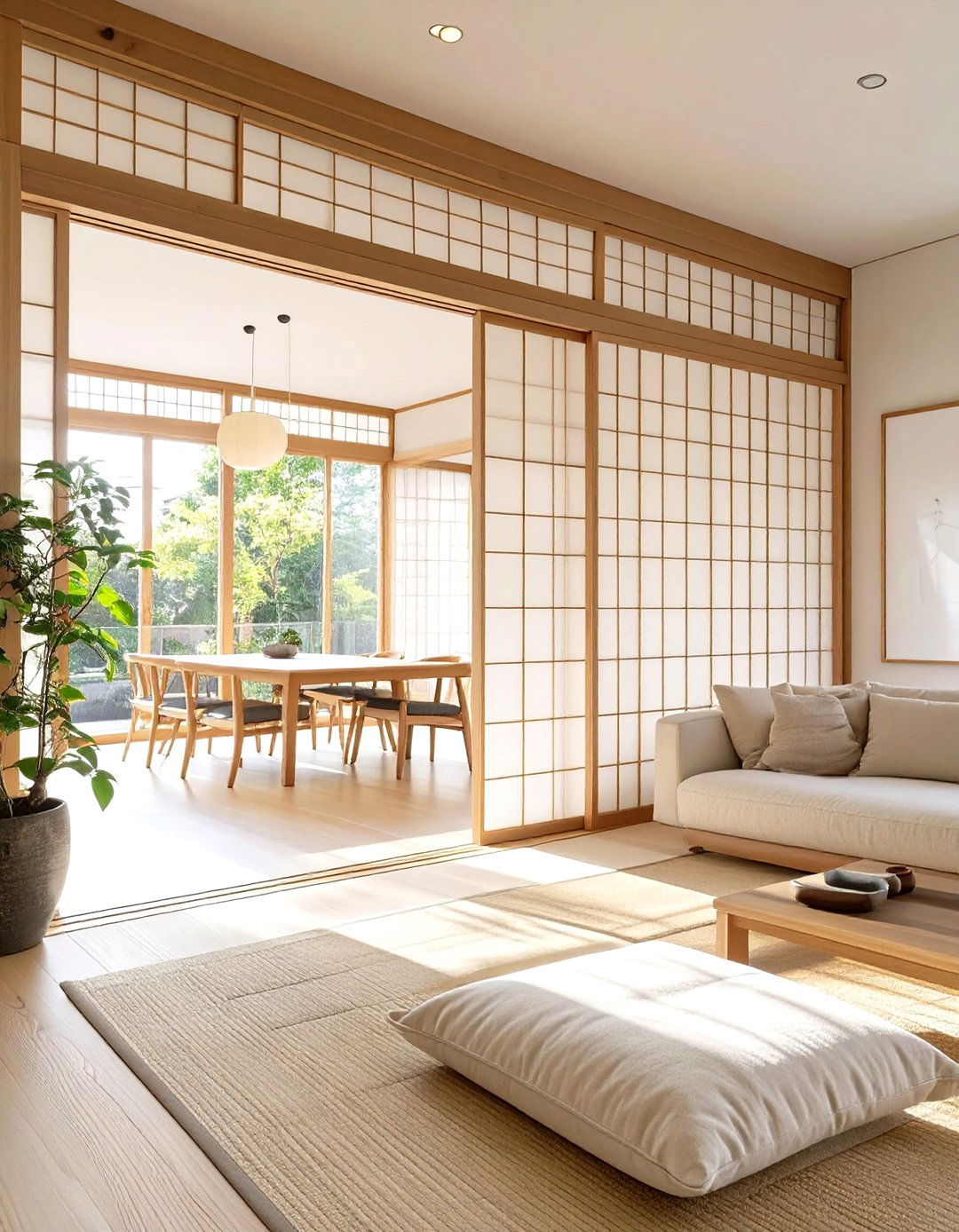
Shoji screens are a classic element of Japanese and Zen-inspired design, serving as elegant and functional room dividers. Made from translucent washi paper set in a wooden lattice frame, they diffuse light beautifully, creating a soft, ethereal glow. These lightweight screens can be used to partition larger rooms into smaller, more intimate zones without completely blocking light or creating a sense of confinement. They add a layer of architectural interest and flexibility, allowing you to adapt the space as needed while maintaining a feeling of openness, serenity, and traditional craftsmanship that is central to the Zen aesthetic.
6. Decluttered and Uncluttered Spaces
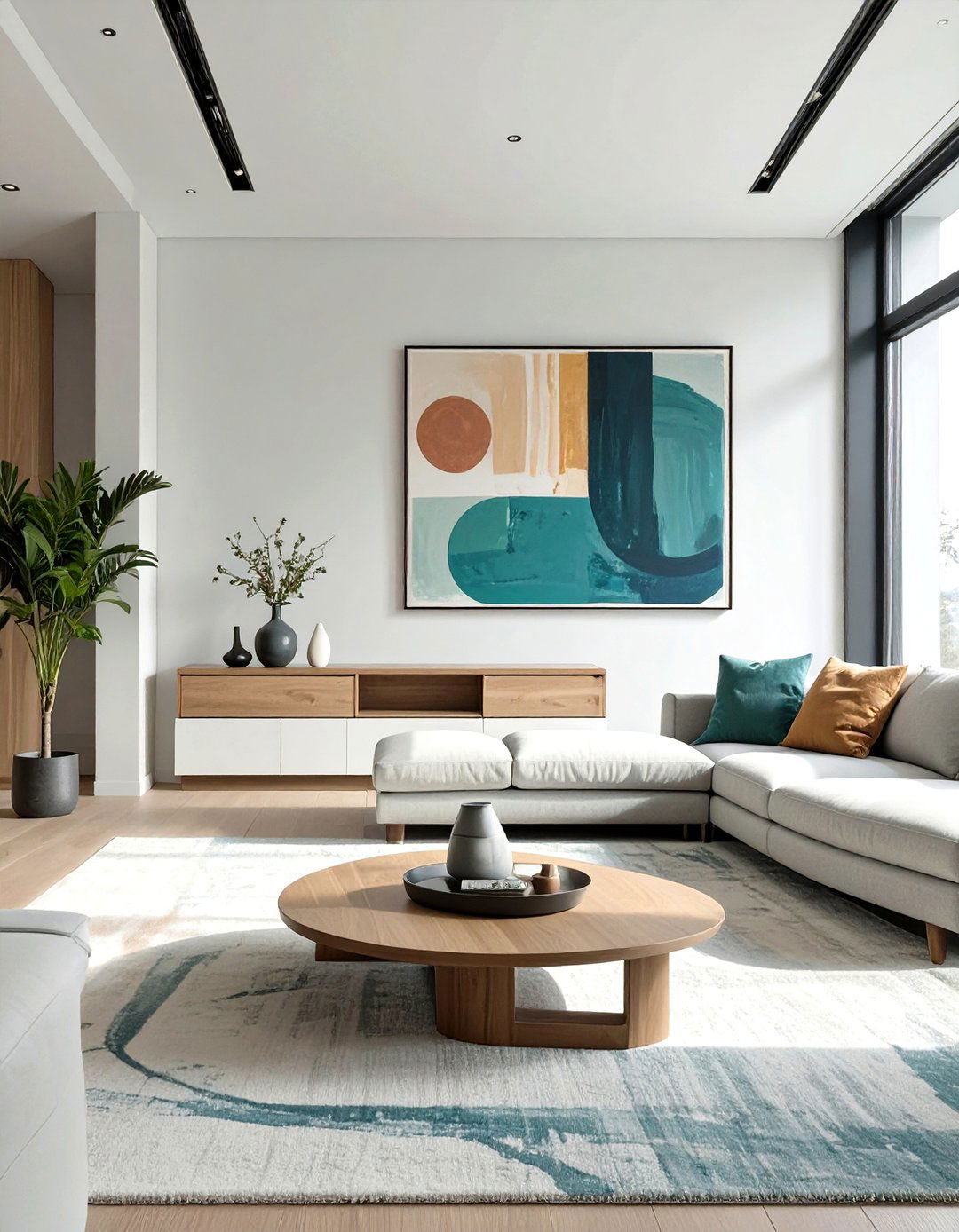
A core tenet of Zen philosophy is the principle of "less is more." To achieve this, a decluttered space is non-negotiable. Every object in the room should have a purpose and a place. Implement smart, hidden storage solutions like built-in cabinets or minimalist chests to keep surfaces clear and maintain a sense of order. Regularly pare down your belongings, keeping only what is essential or brings you joy. An uncluttered environment reduces visual noise and mental distraction, fostering a profound sense of calm and clarity that allows the mind to rest and recharge effortlessly.
7. The Role of Houseplants
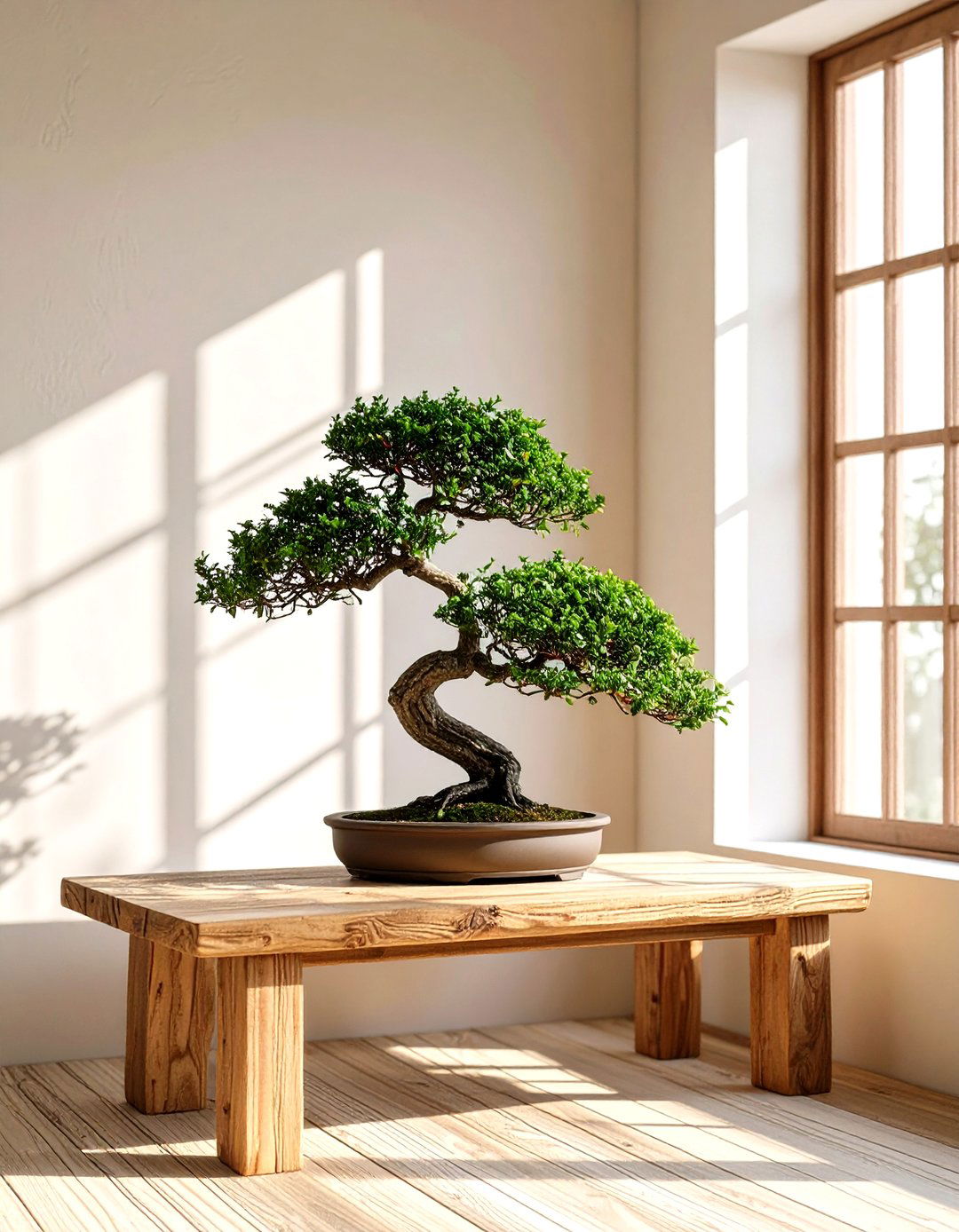
Bringing plants indoors is a simple yet powerful way to infuse a space with life and natural energy. In Zen design, choose plants with simple, elegant forms, such as bonsai trees, bamboo stalks, or orchids. The greenery provides a gentle pop of color against a neutral backdrop and purifies the air. The act of caring for a plant can also be a mindful practice. Place them thoughtfully in simple ceramic or stone pots to enhance their natural beauty without creating clutter. These living elements bridge the gap between the indoor environment and the natural world, promoting tranquility.
8. Soft and Layered Lighting
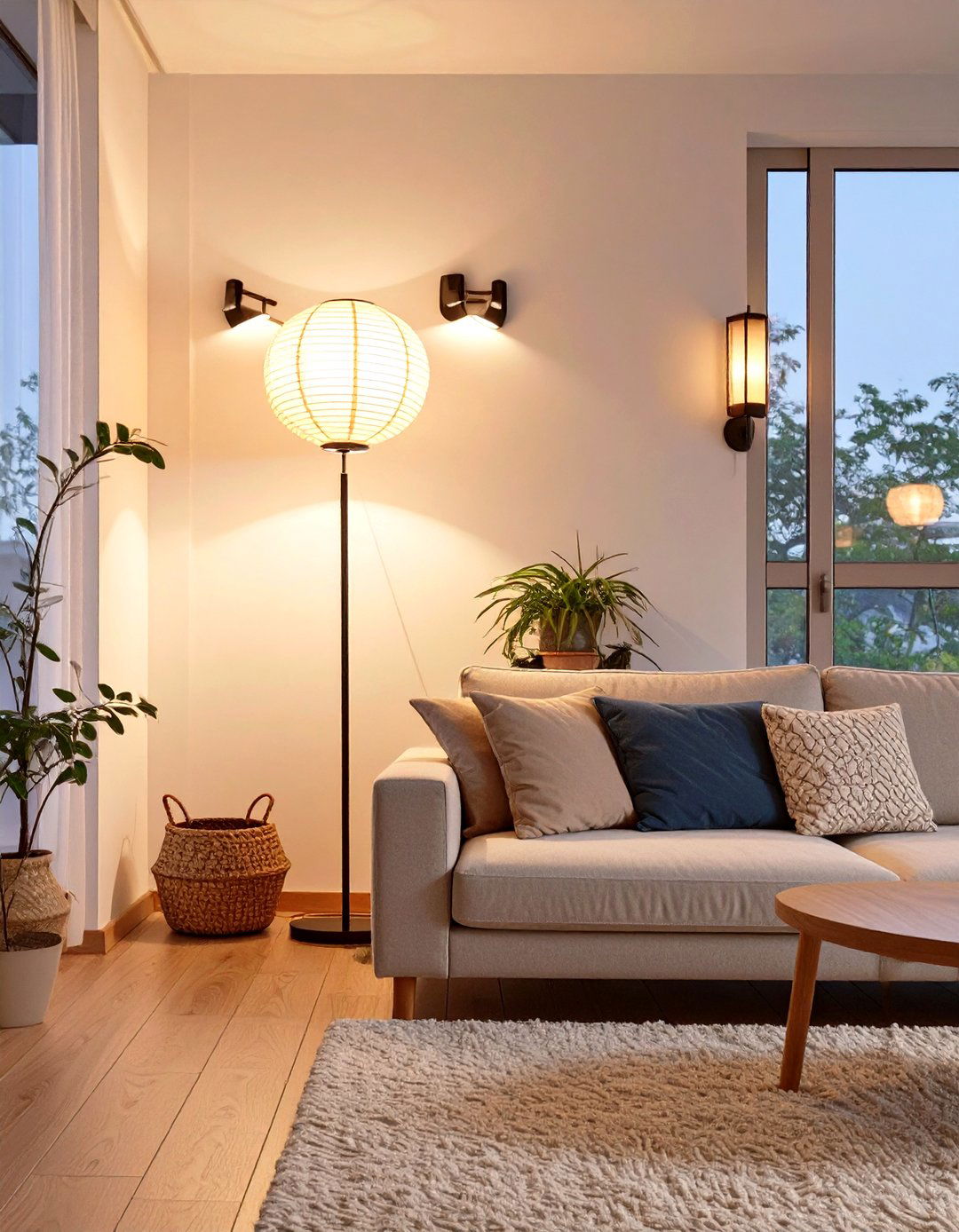
Beyond natural light, artificial lighting in a Zen interior should be soft, warm, and layered. Avoid harsh, overhead fixtures. Instead, opt for multiple sources of gentle illumination, such as floor lamps with paper shades, dimmable sconces, or concealed LED strips. The goal is to create a calming ambiance that can be adjusted to suit the mood or time of day. Using materials like rice paper or linen for lampshades helps diffuse light, casting a soft and inviting glow. This thoughtful approach to lighting enhances the room's serene atmosphere and encourages relaxation and introspection.
9. Natural Fiber Textiles
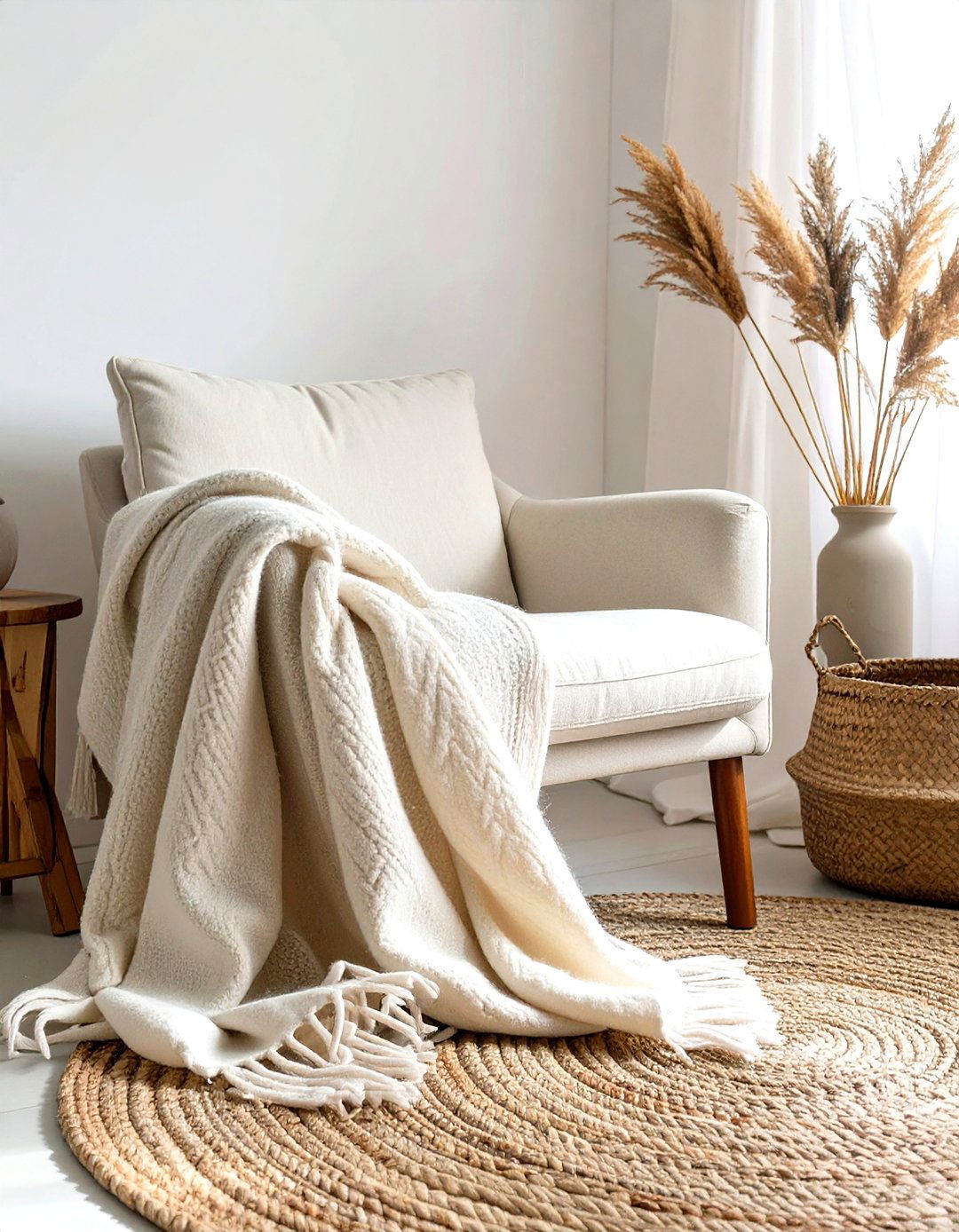
Texture plays a subtle but vital role in adding warmth and depth to a minimalist Zen interior. Incorporate textiles made from natural fibers like linen, cotton, wool, and jute. Use them for curtains, upholstery, throw blankets, and area rugs. These materials have an inherent organic quality that is pleasing to the touch and the eye. Choose solid, neutral colors that align with the overall palette to maintain a cohesive and calming look. The gentle textures provide sensory interest without creating visual clutter, contributing to a comfortable and inviting space that feels both simple and sophisticated.
10. A Mindful Entryway (Genkan)
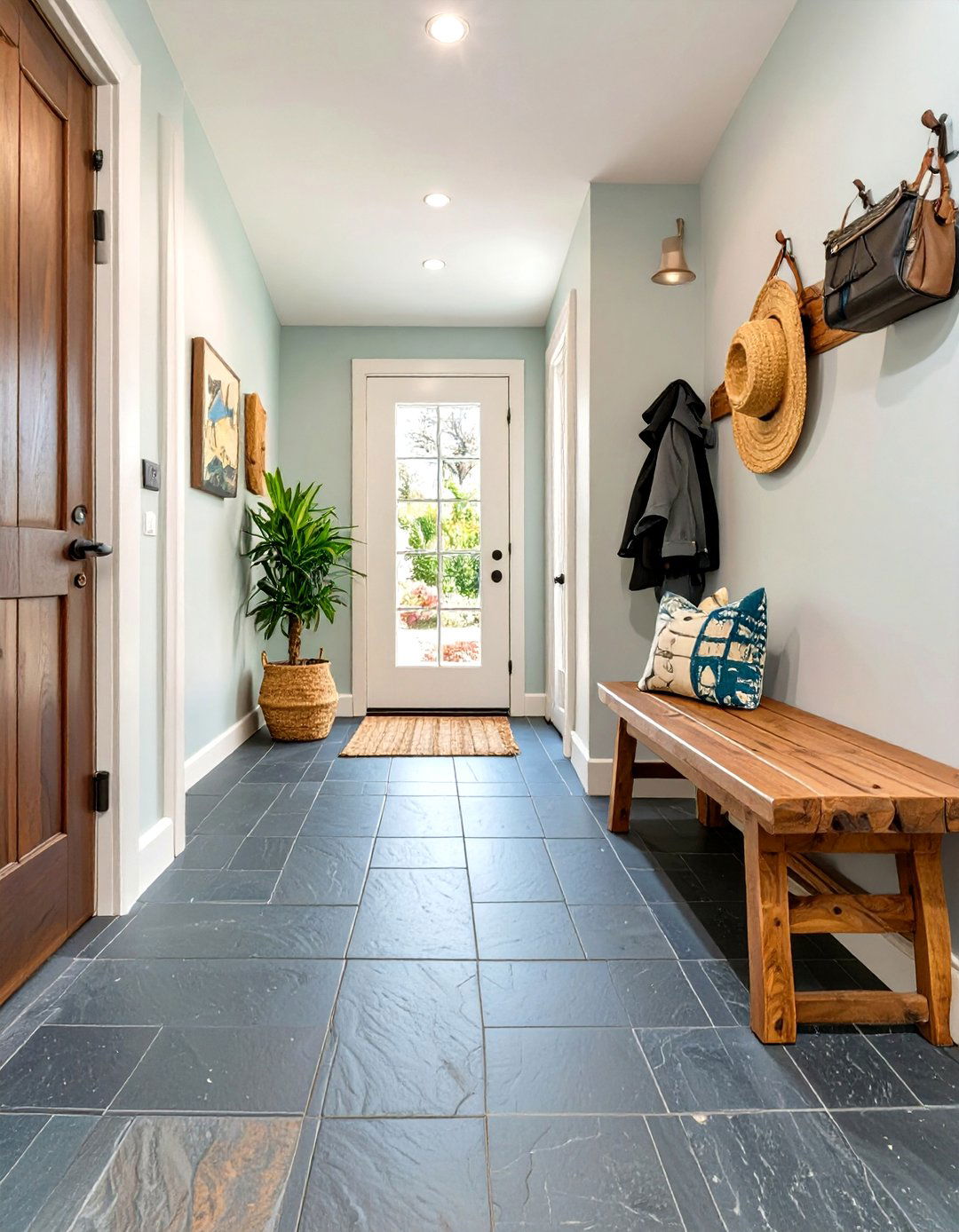
Create a transitional space at your entrance, inspired by the Japanese *genkan*, to set a serene tone for the entire home. This area should be simple, clean, and highly functional. Include a low bench for sitting to remove shoes, a simple rack or cabinet to store them out of sight, and perhaps a single, calming piece of art or a plant. The floor can be a durable material like stone or tile to delineate it from the rest of the home. This mindful entryway encourages the practice of leaving the outside world behind, fostering a clear separation between external stress and internal peace.
11. The Wabi-Sabi Philosophy
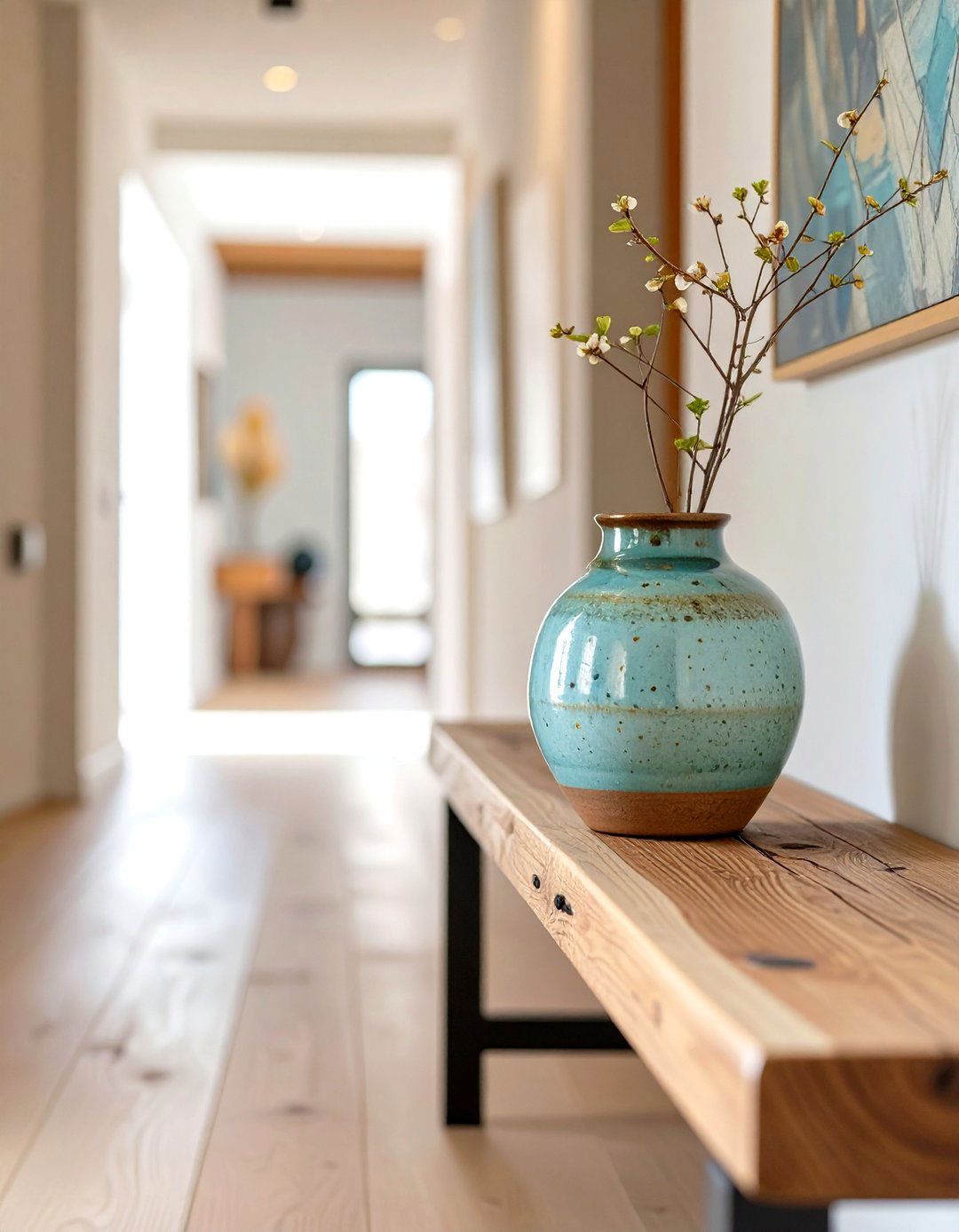
Embrace the Japanese aesthetic of wabi-sabi by finding beauty in imperfection. This philosophy celebrates the natural cycle of growth and decay, encouraging the acceptance of transience and flaws. In your decor, this can translate to using handcrafted pottery with slight irregularities, furniture made from reclaimed wood with visible signs of its past life, or a naturally aging stone surface. Rather than striving for a sterile, flawless look, wabi-sabi introduces character, history, and soul into the space. It reminds us that beauty can be found in the authentic, humble, and imperfect aspects of life.
12. Tatami Mat Flooring
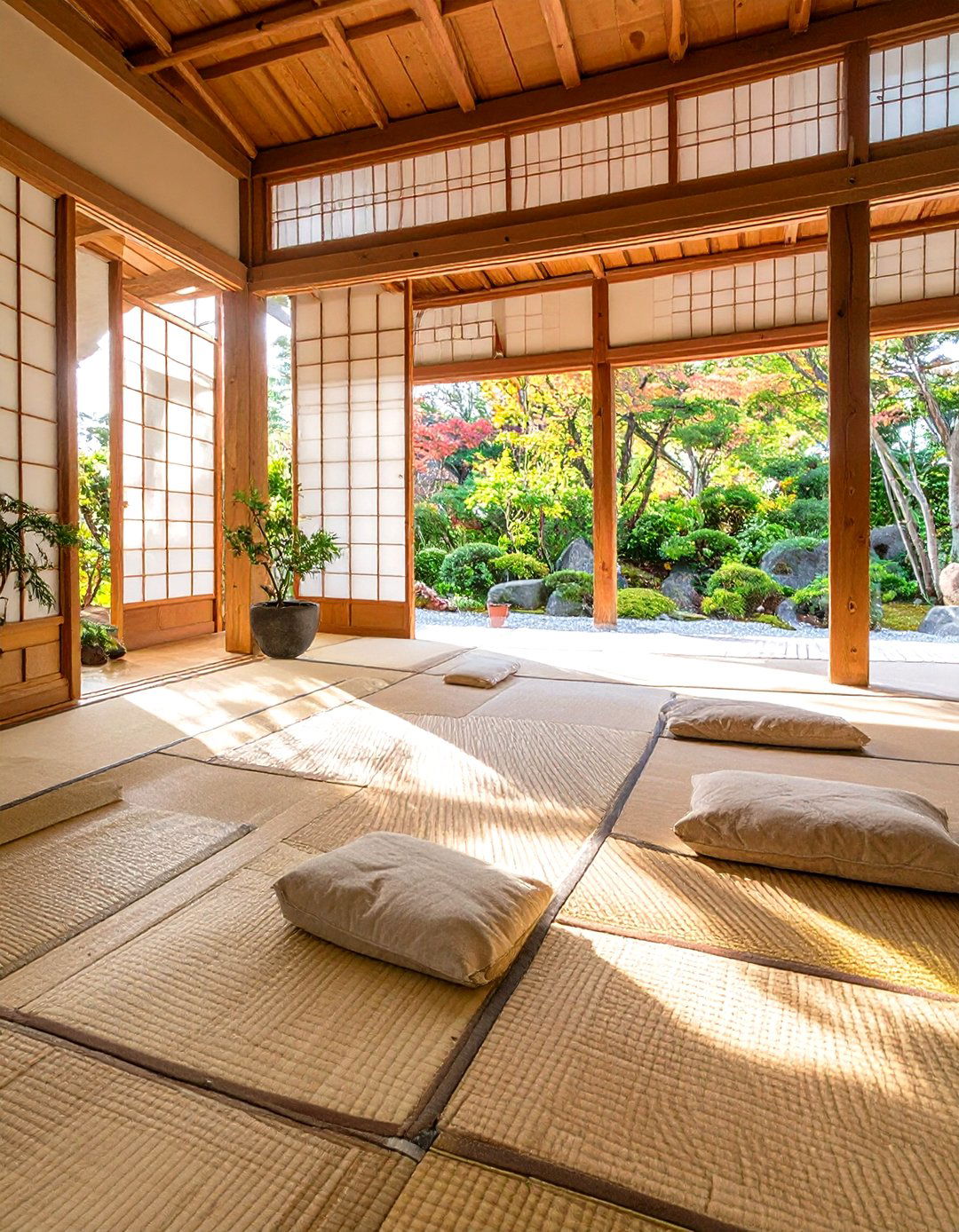
For an authentic touch, consider incorporating tatami mats. Traditionally made from rice straw, these mats provide a firm yet comfortable surface that is ideal for flooring in a bedroom or a meditation space. Their natural scent and unique texture engage the senses and promote a grounded feeling. The standardized size of tatami mats also creates a sense of order and geometric harmony within the room. While full tatami flooring may not be practical for everyone, using one or two as an area rug can evoke the same sense of traditional Japanese tranquility and simplicity.
13. Minimalist Wall Art
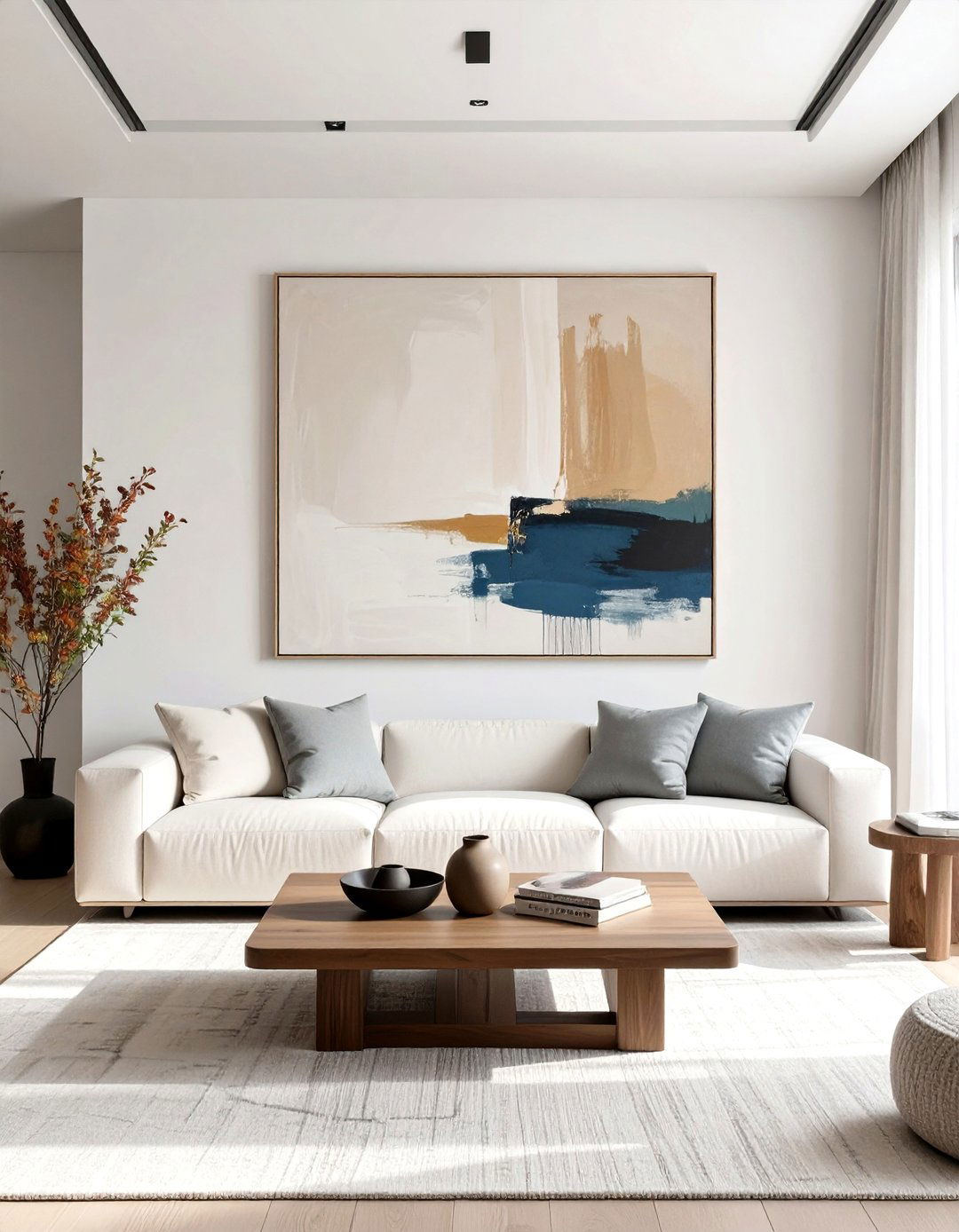
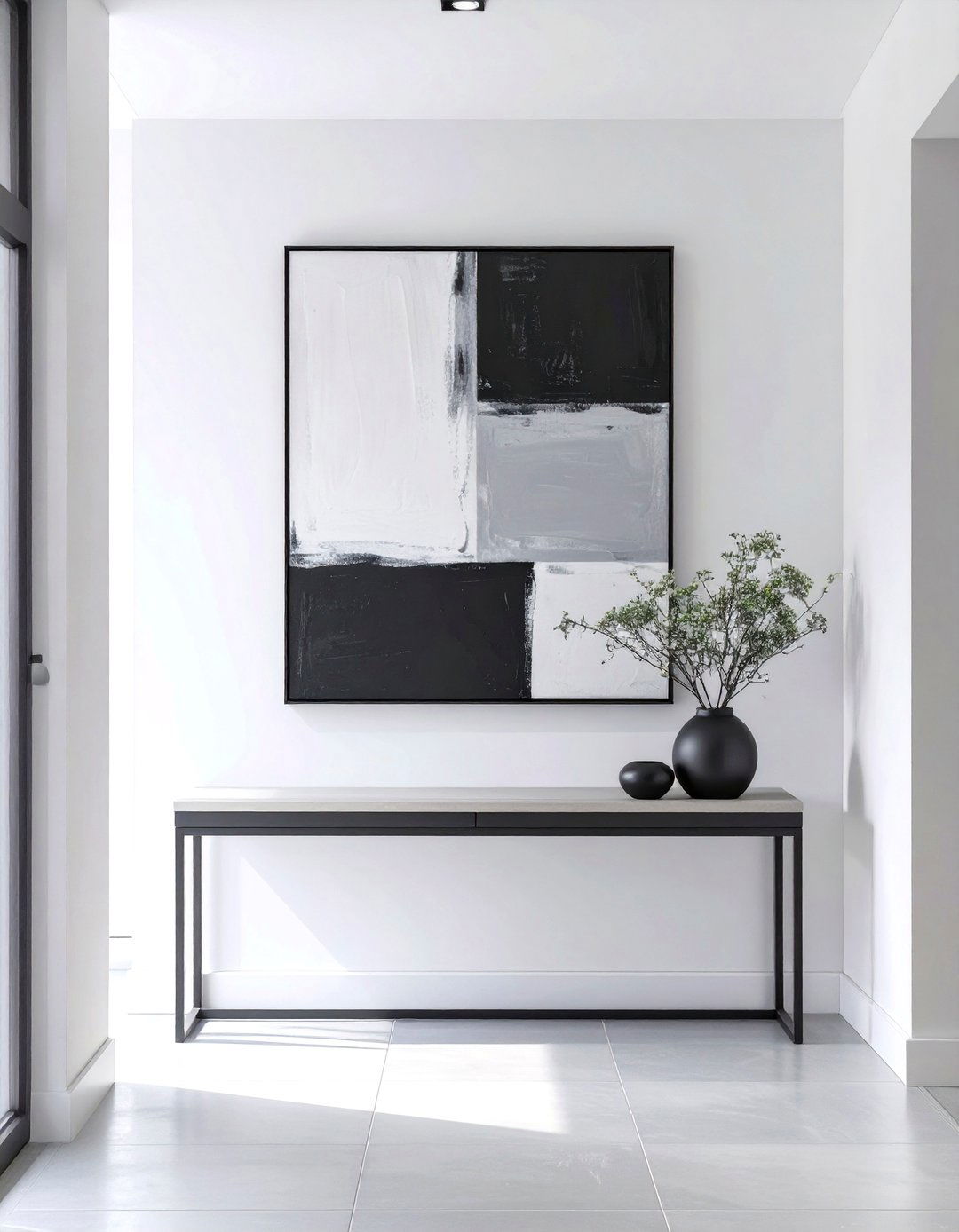
In a Zen interior, walls should remain largely unadorned to maintain a sense of calm and space. When you do choose to display art, select pieces that are minimalist and contemplative. A single, large-scale abstract painting with soft brushstrokes, a simple ink wash (sumi-e) scroll, or a black-and-white nature photograph can serve as a powerful focal point without overwhelming the room. The key is to choose art that inspires tranquility and introspection. Frame it simply in natural wood or a thin black frame to ensure it complements the serene aesthetic of the space.
14. Integrated Storage Solutions
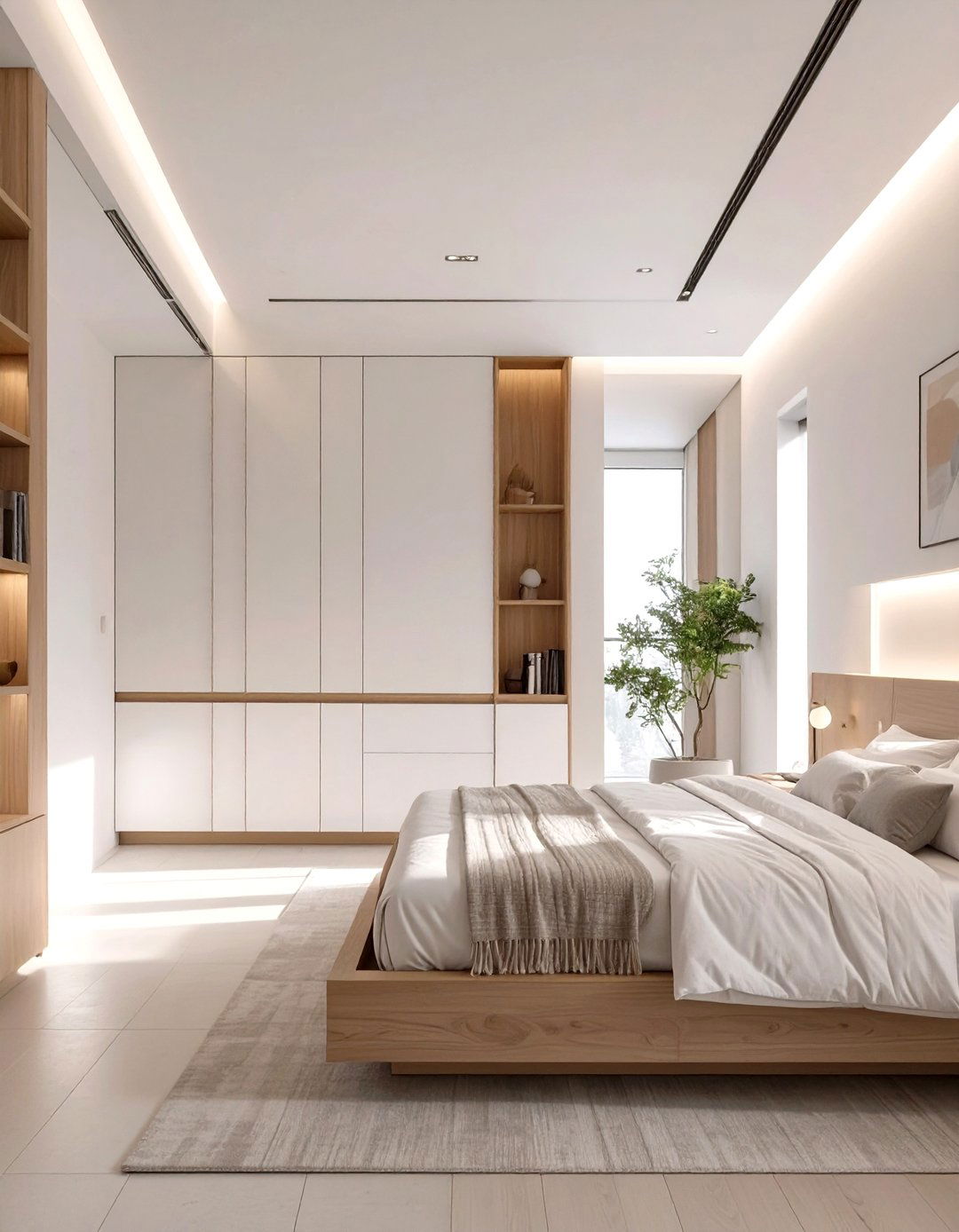
Maintaining a clutter-free environment is paramount, making integrated storage essential. Opt for seamless, built-in solutions that blend into the walls, such as handle-less cabinets or closets with flat-panel doors. This approach keeps belongings organized and out of sight, preserving the clean lines and open feel of the room. Furniture that serves a dual purpose, like a platform bed with built-in drawers or an ottoman with hidden storage, is also a smart choice. By making storage a discreet part of the architecture, you support the minimalist aesthetic and ensure the space remains a visually peaceful sanctuary.
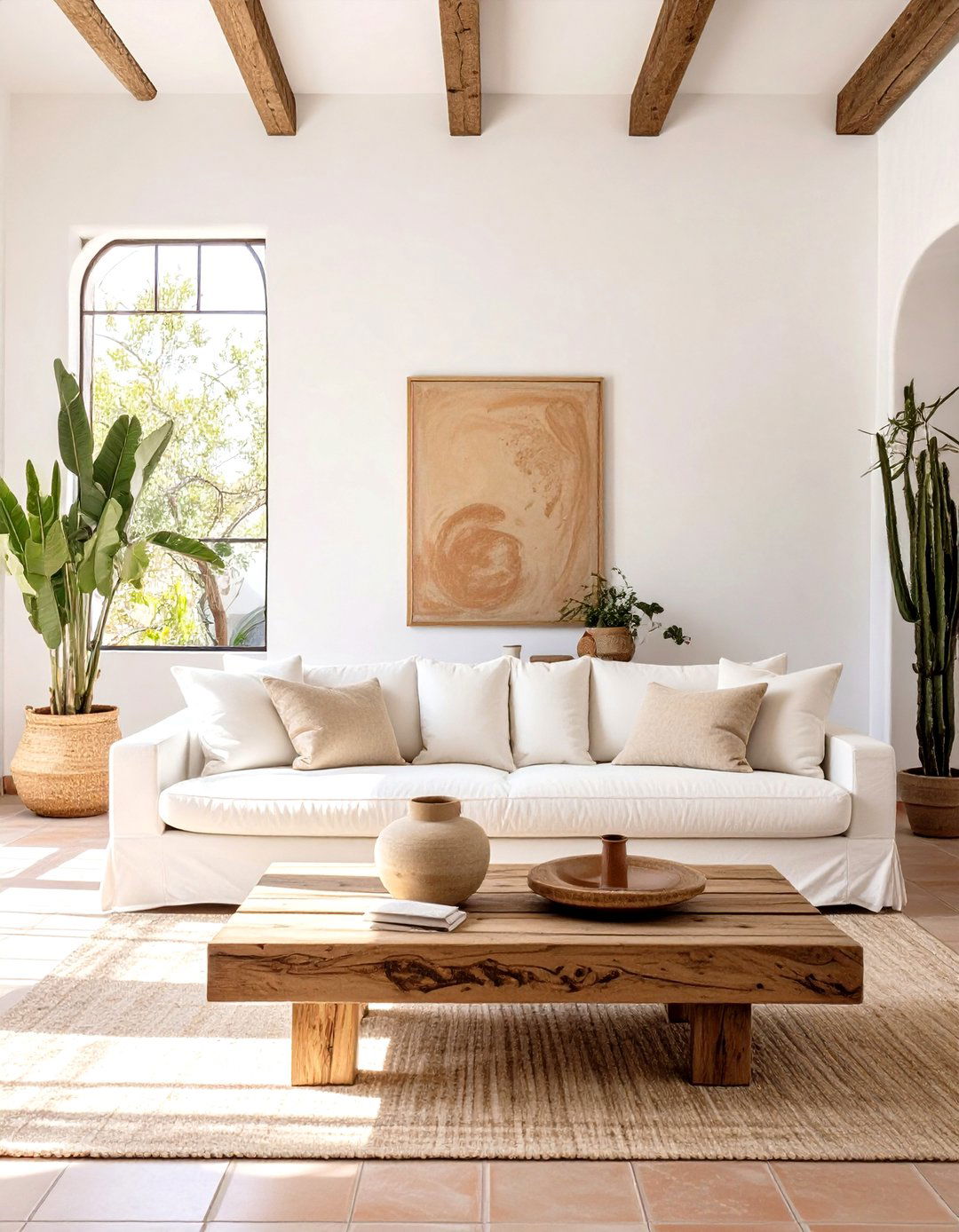
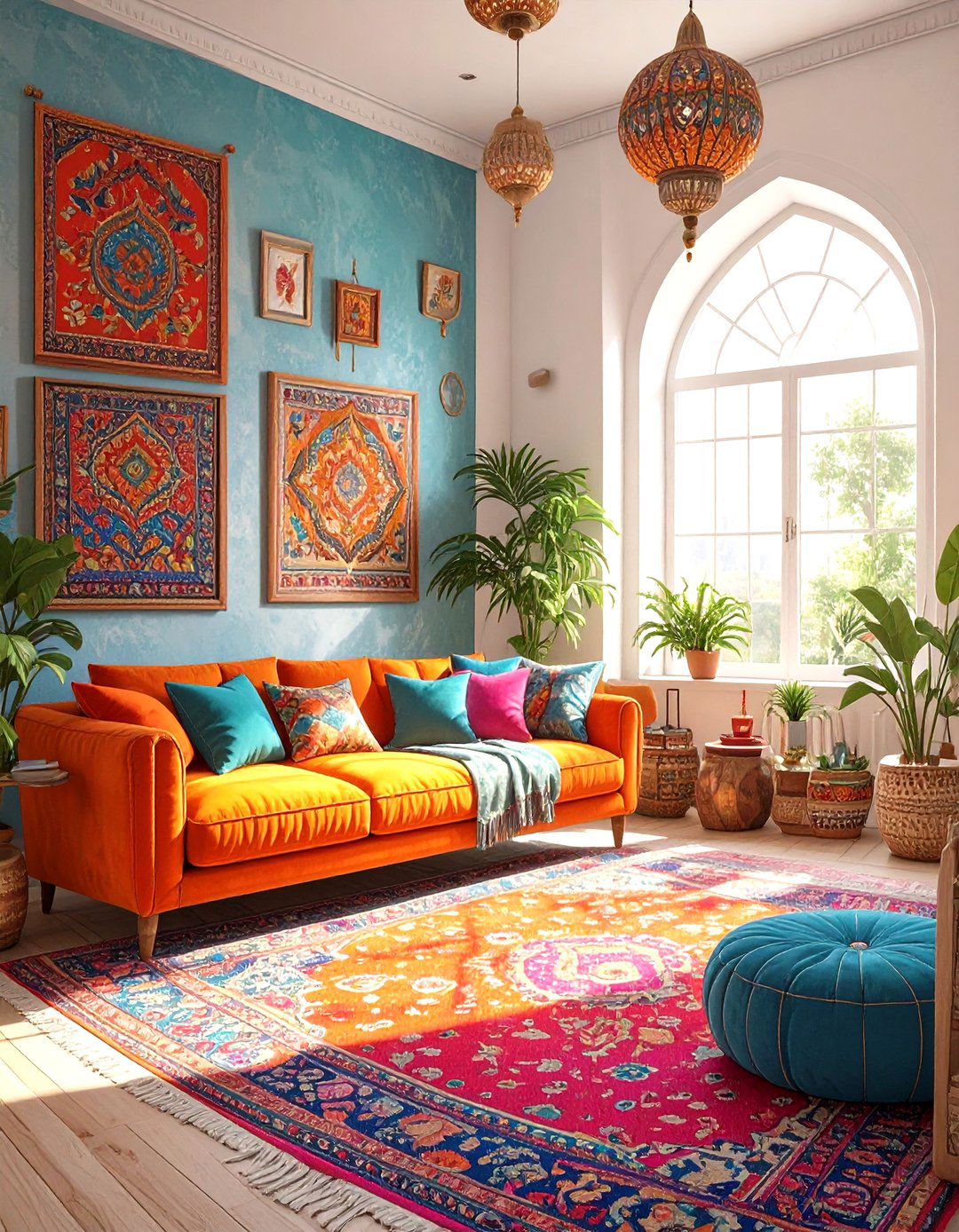
15. The Use of Bamboo Elements
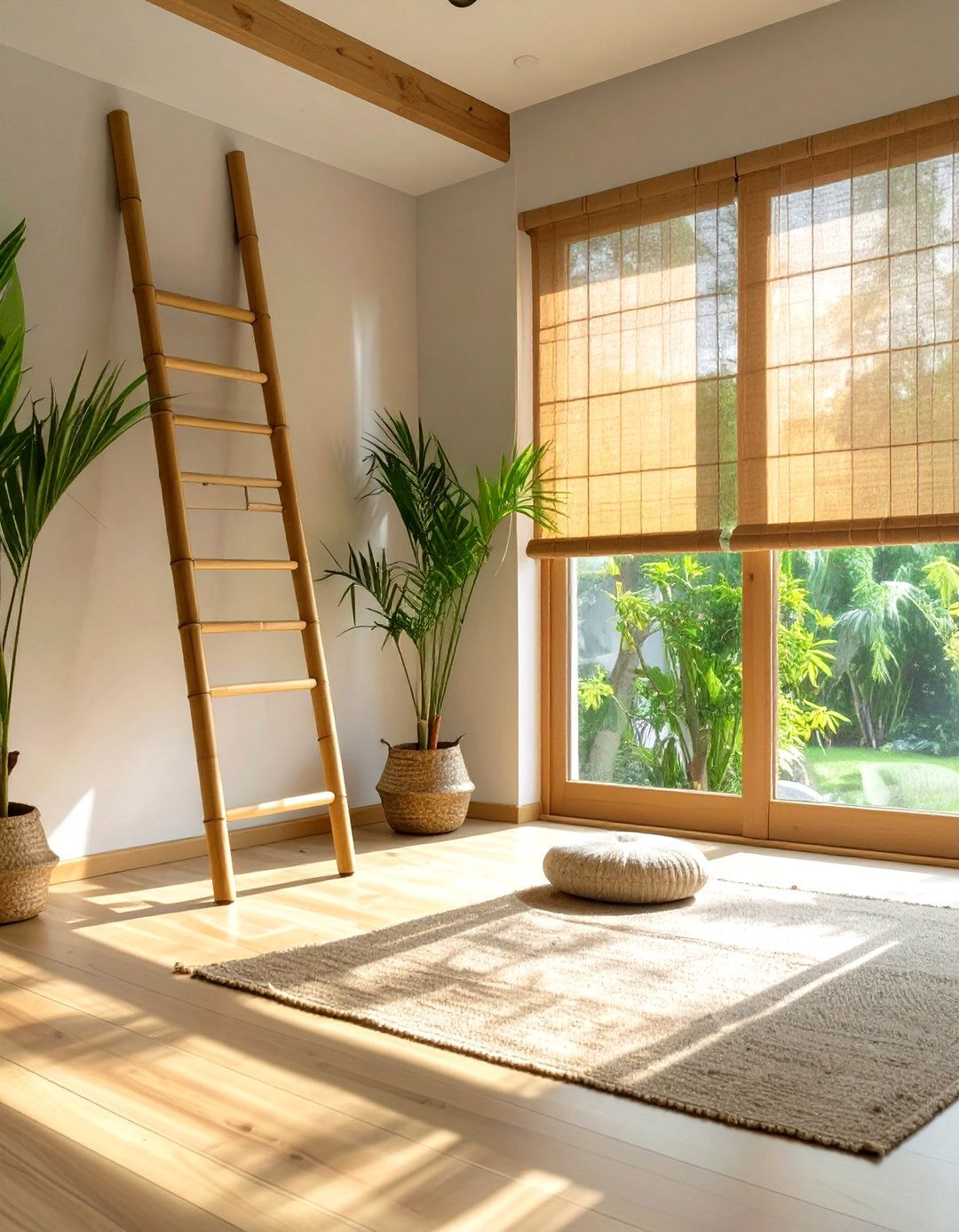
Bamboo is a quintessential material in Zen-inspired design, valued for its sustainability, strength, and simple beauty. Incorporate it in various forms to add an organic and authentic touch. Bamboo flooring provides a light and durable surface, while bamboo blinds offer a natural way to filter light. Smaller decorative accents like a bamboo ladder for hanging towels, serving trays, or a simple vase with bamboo stalks can also be effective. This versatile material seamlessly connects the space to nature, reinforcing the core principles of simplicity, harmony, and eco-conscious living within your home’s design.
16. Creating a Meditation Corner
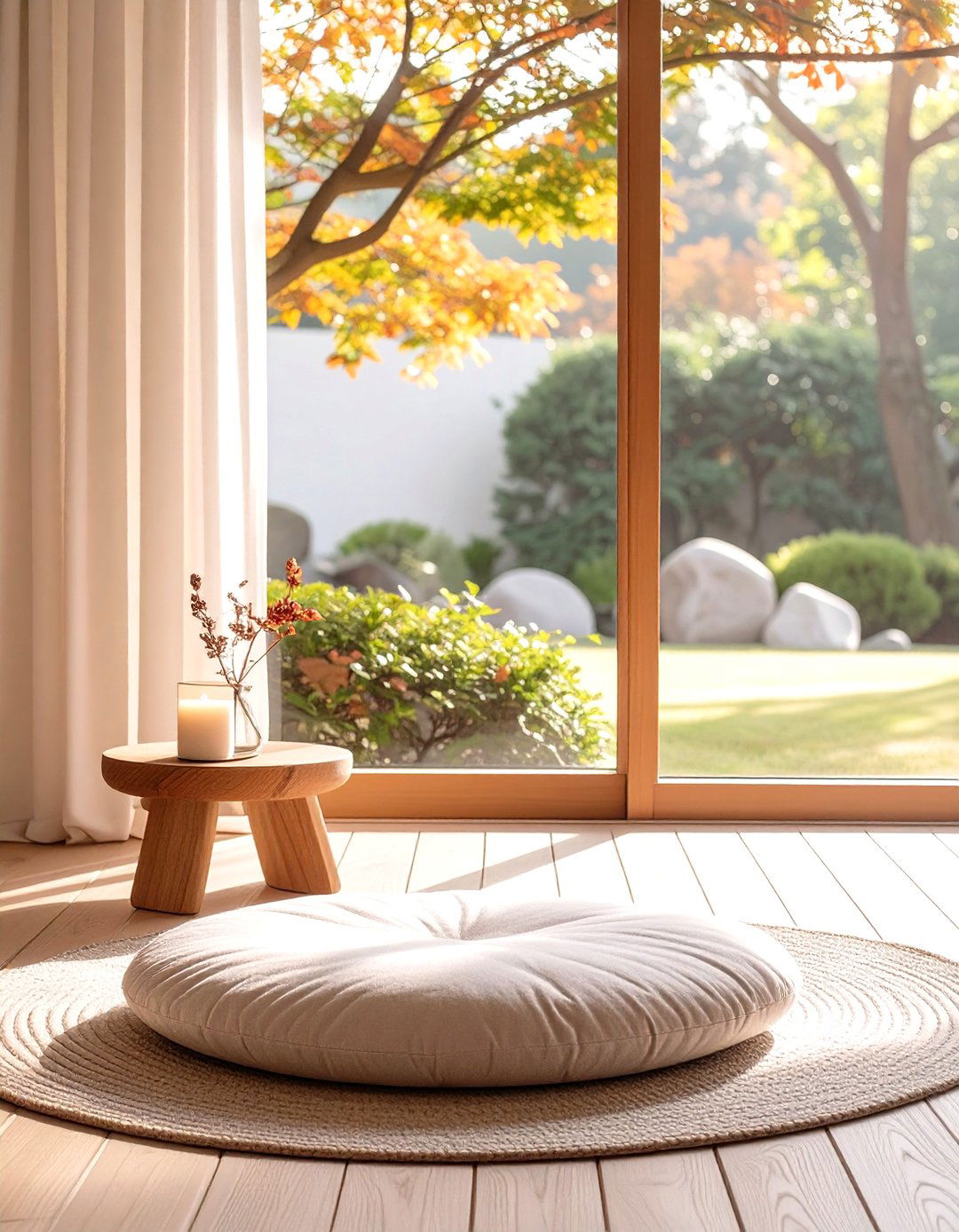
Designate a small, specific area in your home purely for meditation or quiet reflection. This corner doesn't need to be large, just peaceful and free from distractions. A comfortable floor cushion (zafu), a small low table for a candle or incense, and perhaps a single calming plant are all you need. Place it near a window for natural light if possible. By creating a dedicated space for mindfulness practices, you reinforce the home's role as a sanctuary for mental and spiritual well-being, making it easier to cultivate a daily habit of stillness and introspection.
17. Incorporating a Water Feature
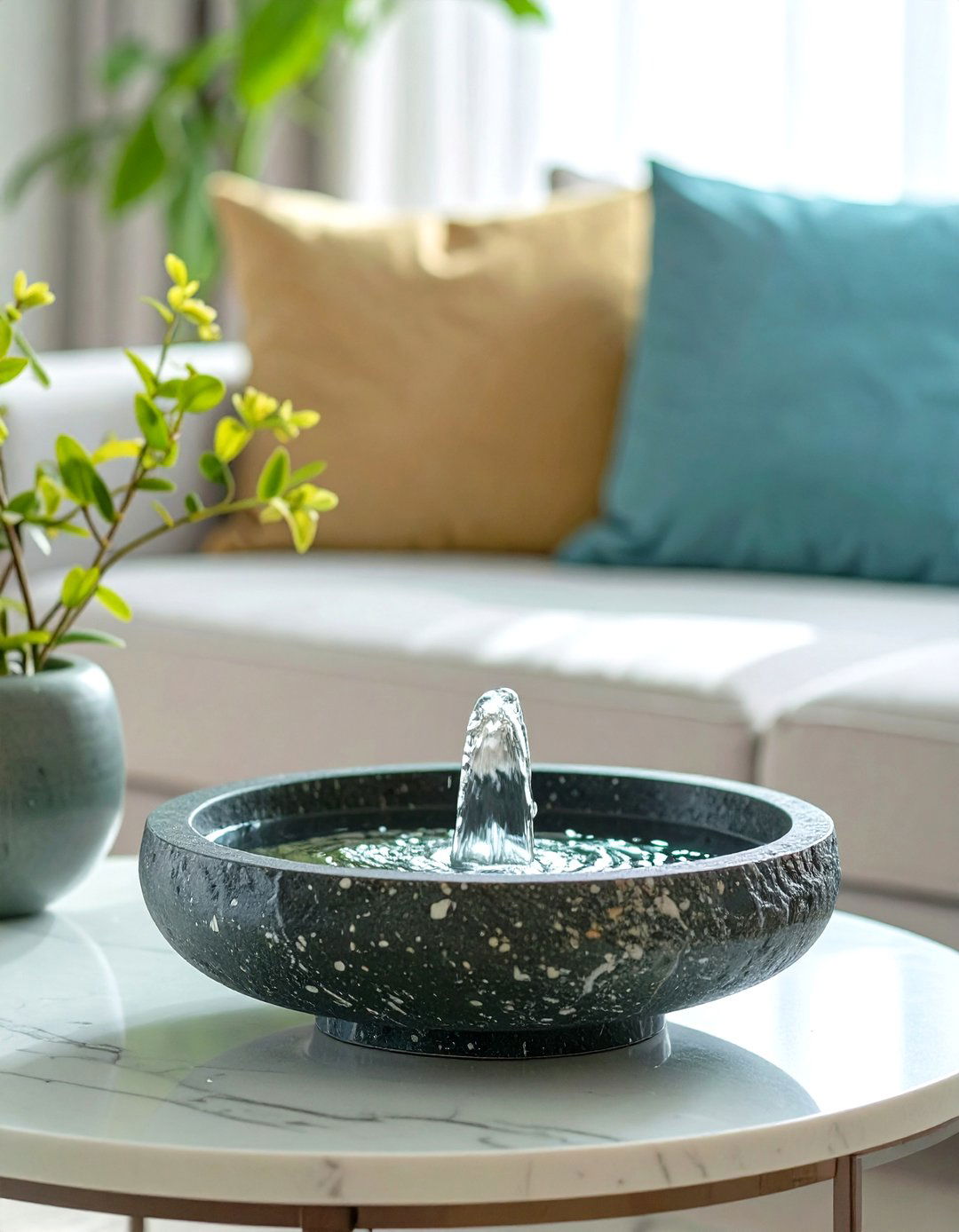
The sound of gently flowing water is incredibly soothing and can instantly enhance the tranquil atmosphere of a Zen space. Introduce a small, indoor water feature, such as a tabletop fountain made of stone or ceramic. Place it in a living area or entryway to create a calming auditory backdrop that masks other household noises. The sight and sound of moving water evoke a sense of nature and purity, promoting relaxation and mindfulness. Ensure the design of the fountain is simple and unobtrusive, allowing it to blend seamlessly with the rest of your minimalist decor.
18. Symmetrical and Asymmetrical Balance
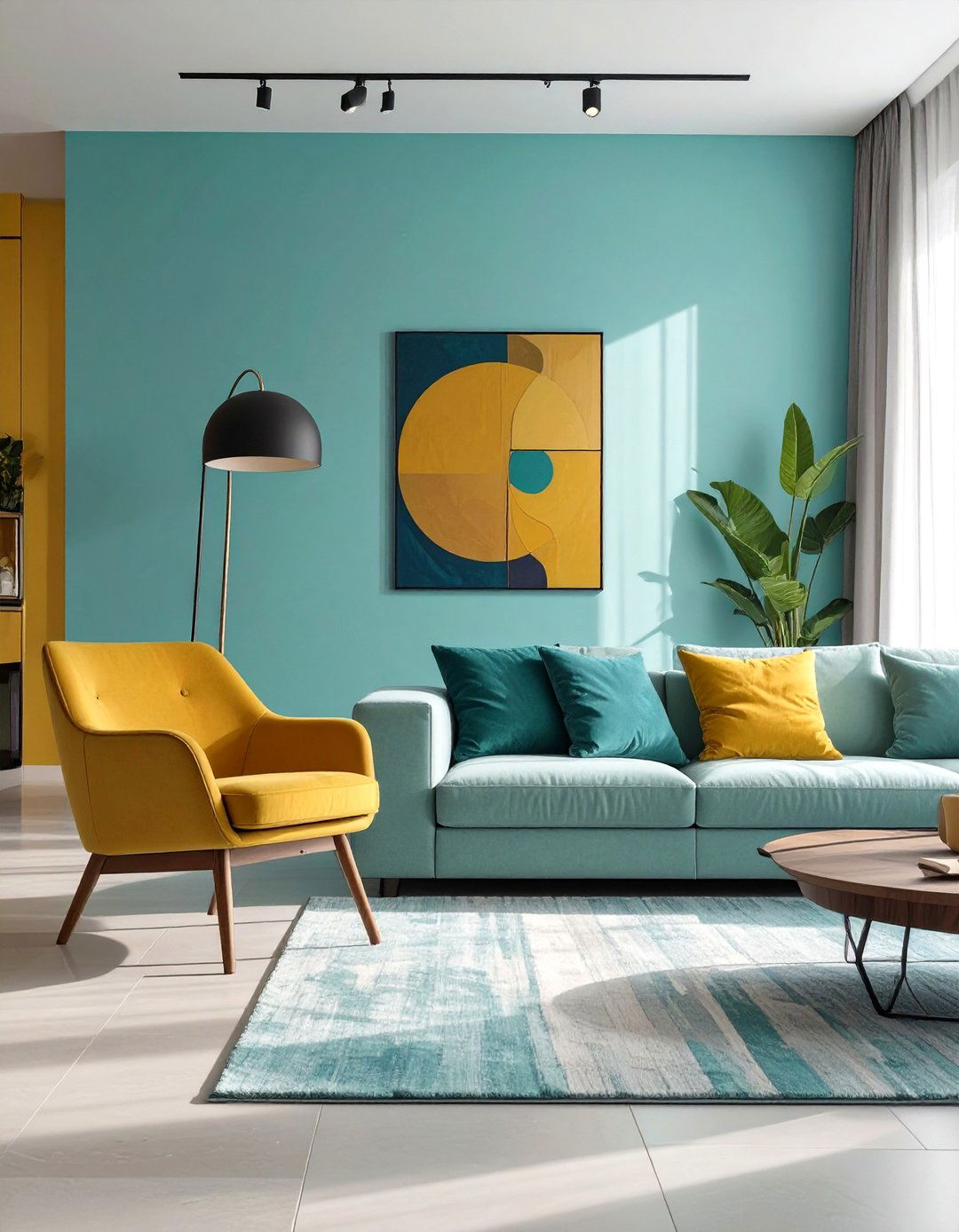
Zen design masterfully plays with balance to create visual harmony. Symmetrical balance, where elements are mirrored on either side of a central axis, can create a sense of order and stability. For example, placing identical lamps on nightstands flanking a bed. However, asymmetrical balance, guided by the wabi-sabi principle, is often more dynamic and natural. This involves balancing different objects that have equal visual weight, such as a large sofa balanced by two smaller chairs. The careful arrangement of objects, whether symmetrical or not, ensures the space feels intentional, calm, and visually pleasing.
19. Aromatherapy and Natural Scents
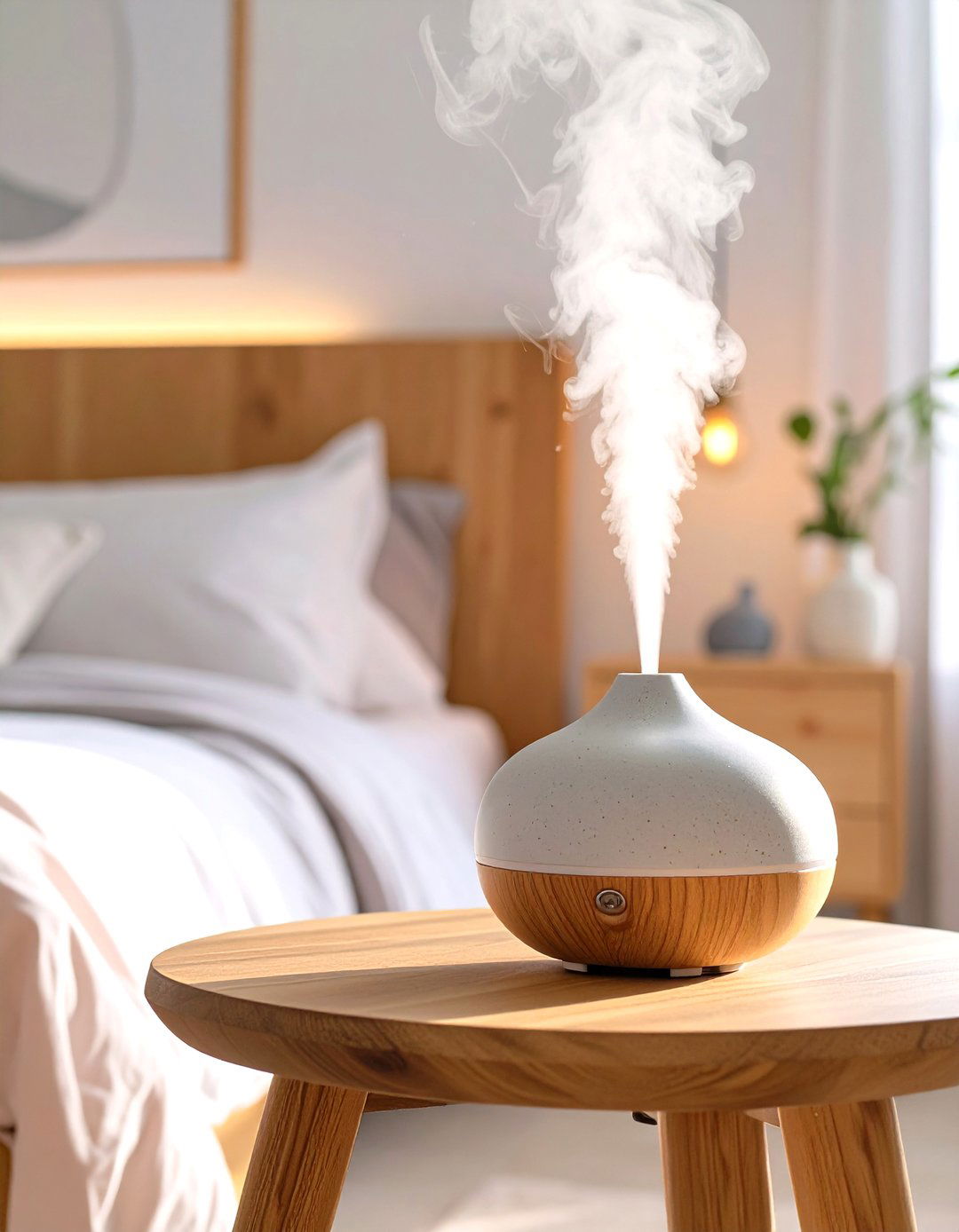
Engage the sense of smell to deepen the calming experience of your Zen home. Use natural scents through aromatherapy diffusers, incense, or scented candles. Choose subtle, earthy, and calming fragrances like sandalwood, chamomile, lavender, or cedarwood. Avoid overpowering or artificial smells. The goal is to create a gentle, almost imperceptible aromatic layer that promotes relaxation and cleanses the air. This practice adds another dimension to the sensory experience of the space, helping to reduce stress and create an environment that is truly holistic in its approach to tranquility and well-being.

20. Seamless Indoor-Outdoor Connection
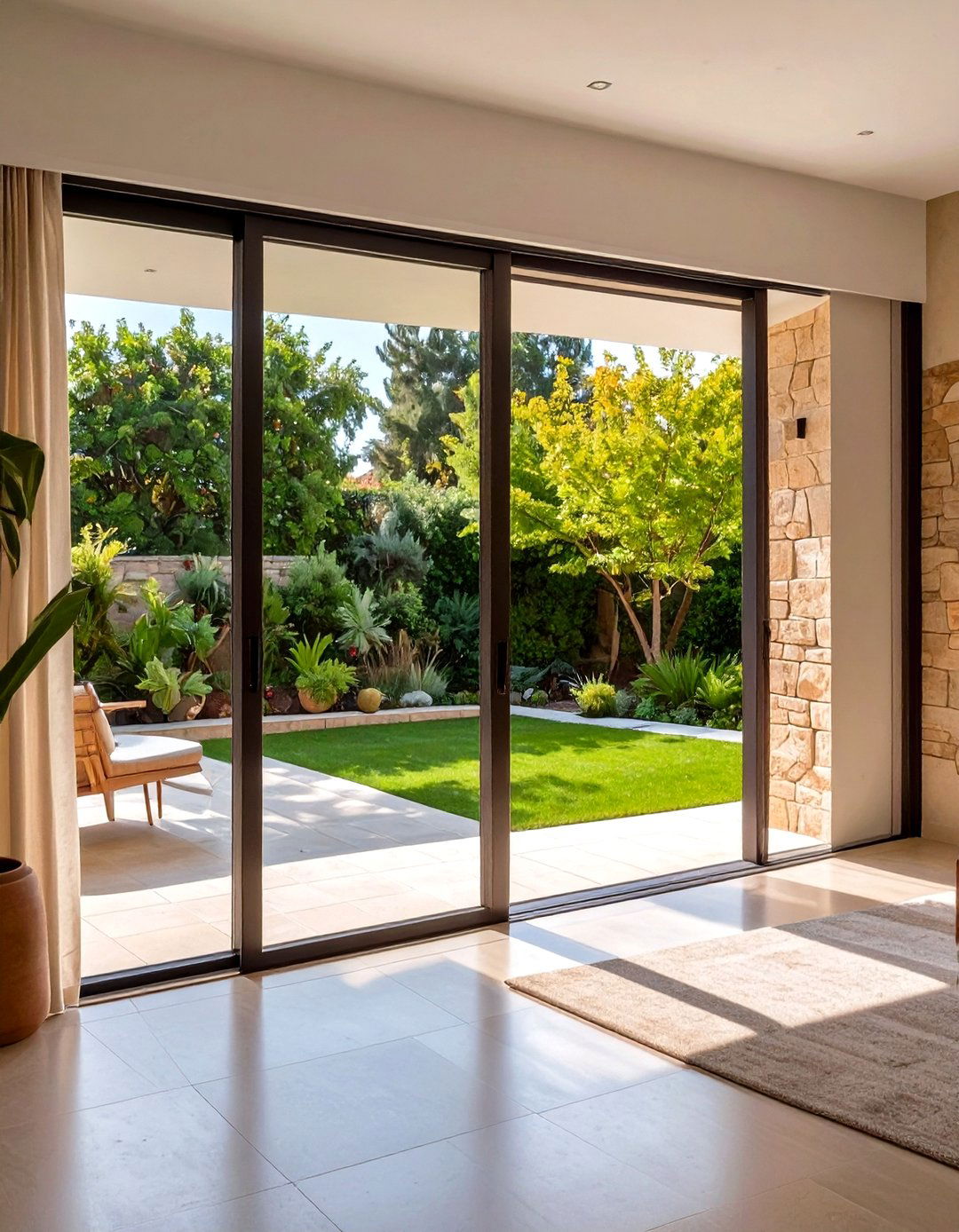
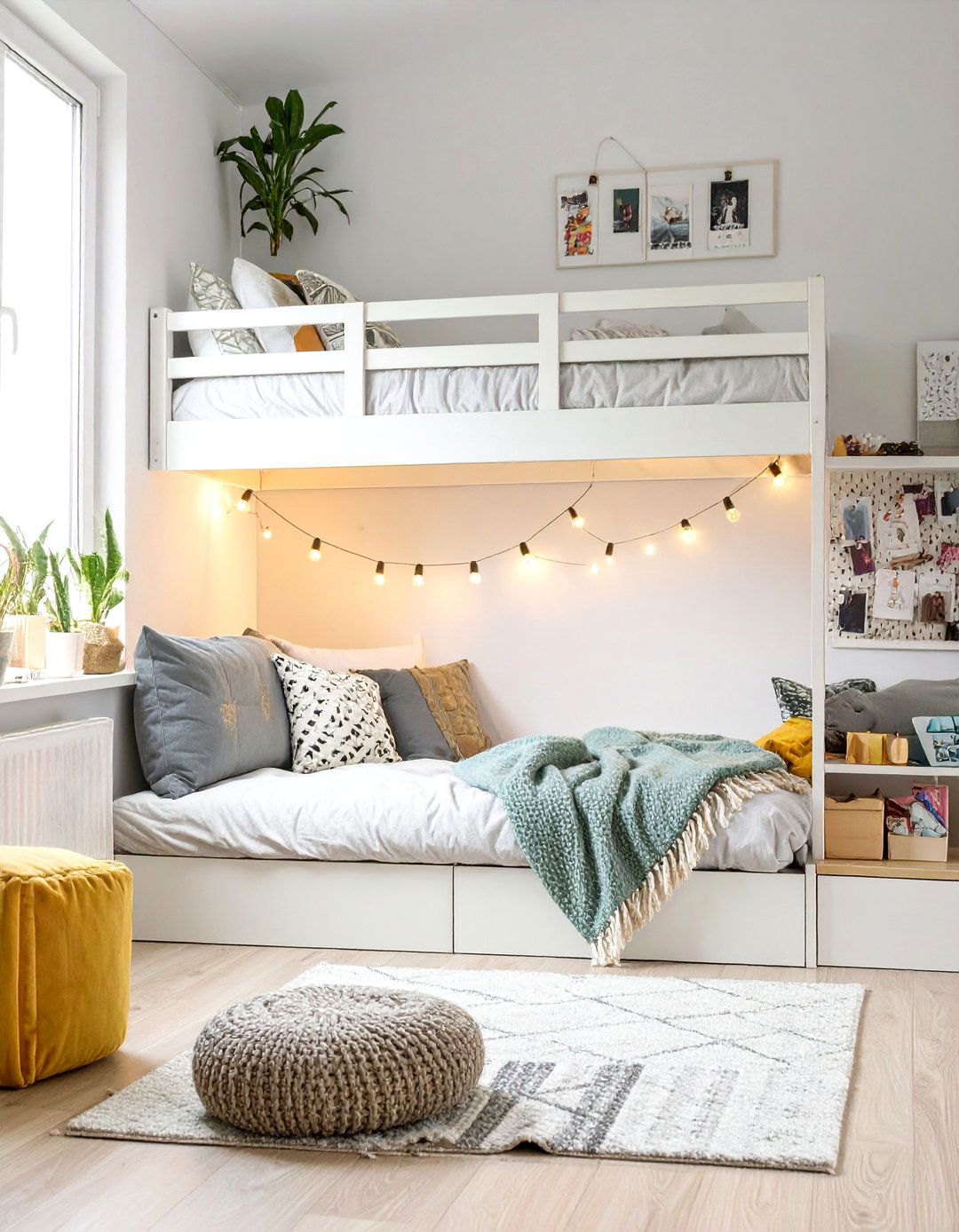
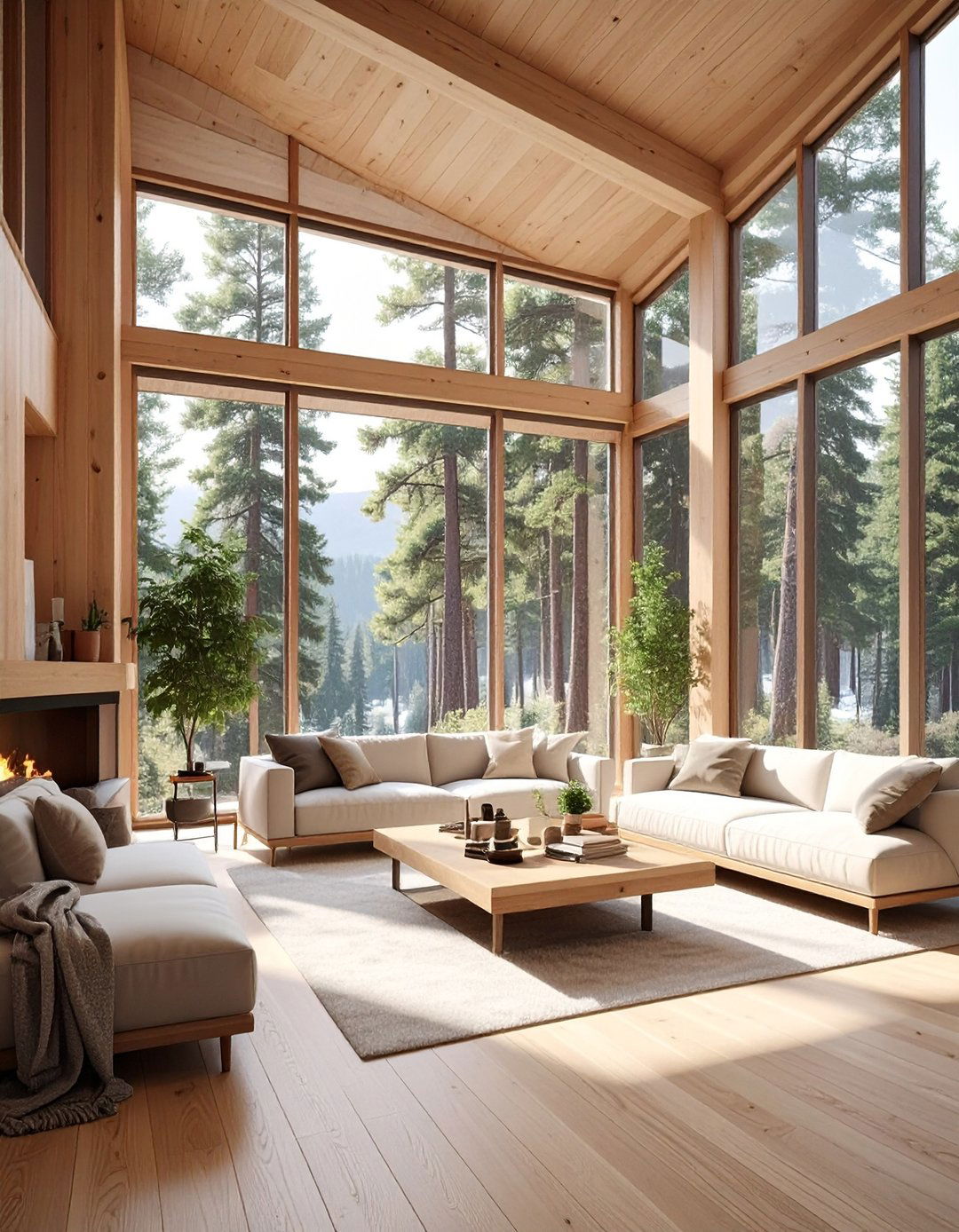
Blur the lines between your indoor living space and the outdoors to foster a deep connection with nature. Use large sliding glass doors or floor-to-ceiling windows that open onto a garden, patio, or balcony. Use similar flooring materials both inside and out to create a seamless transition. Arrange furniture to face the view, making the natural landscape the primary focal point of the room. This integration of nature into the home is a core principle of Zen living, promoting a sense of peace, openness, and harmony with the world outside your walls.
21. The Importance of Negative Space
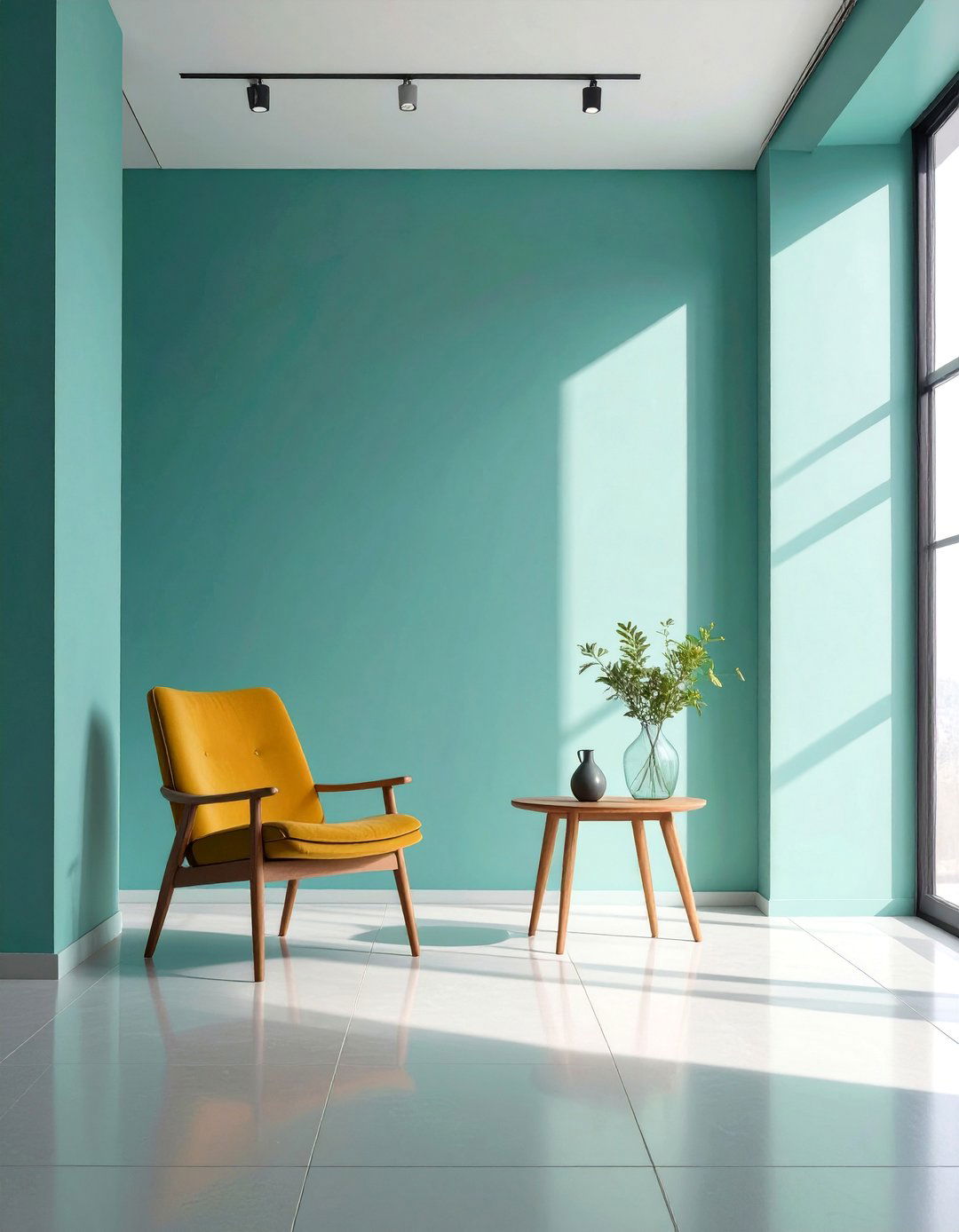
In Zen design, the empty space, or "Ma," is just as important as the objects within it. Negative space gives elements room to breathe and allows the eye to rest, preventing a feeling of being overwhelmed. Avoid filling every corner and covering every surface. Let the emptiness itself become a feature of the design. This intentional use of space creates a sense of openness, simplicity, and calm. It highlights the beauty of the few carefully chosen items you do display and contributes to a powerful feeling of tranquility and uncluttered clarity throughout the home.
22. Focus on Simple, Geometric Shapes
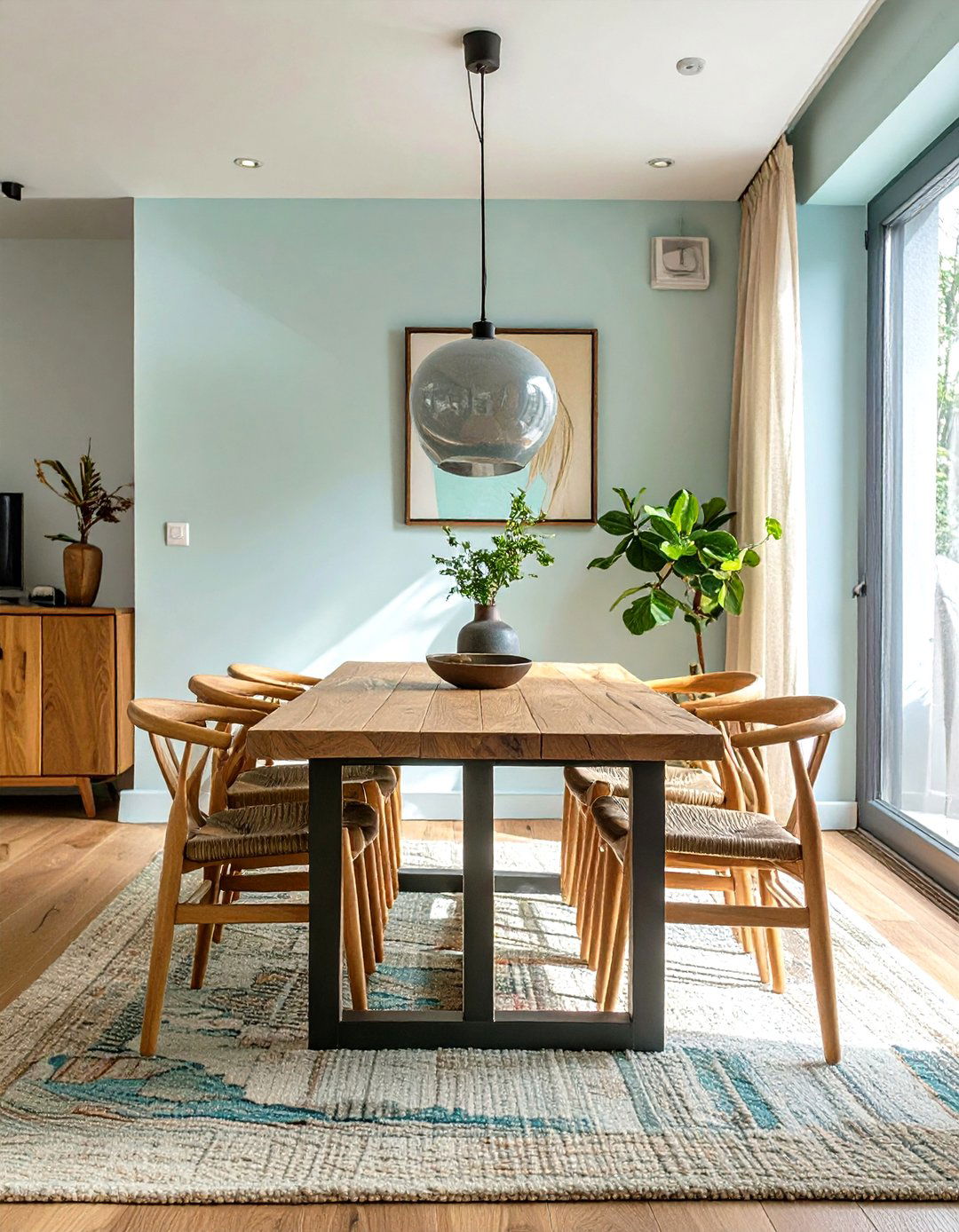
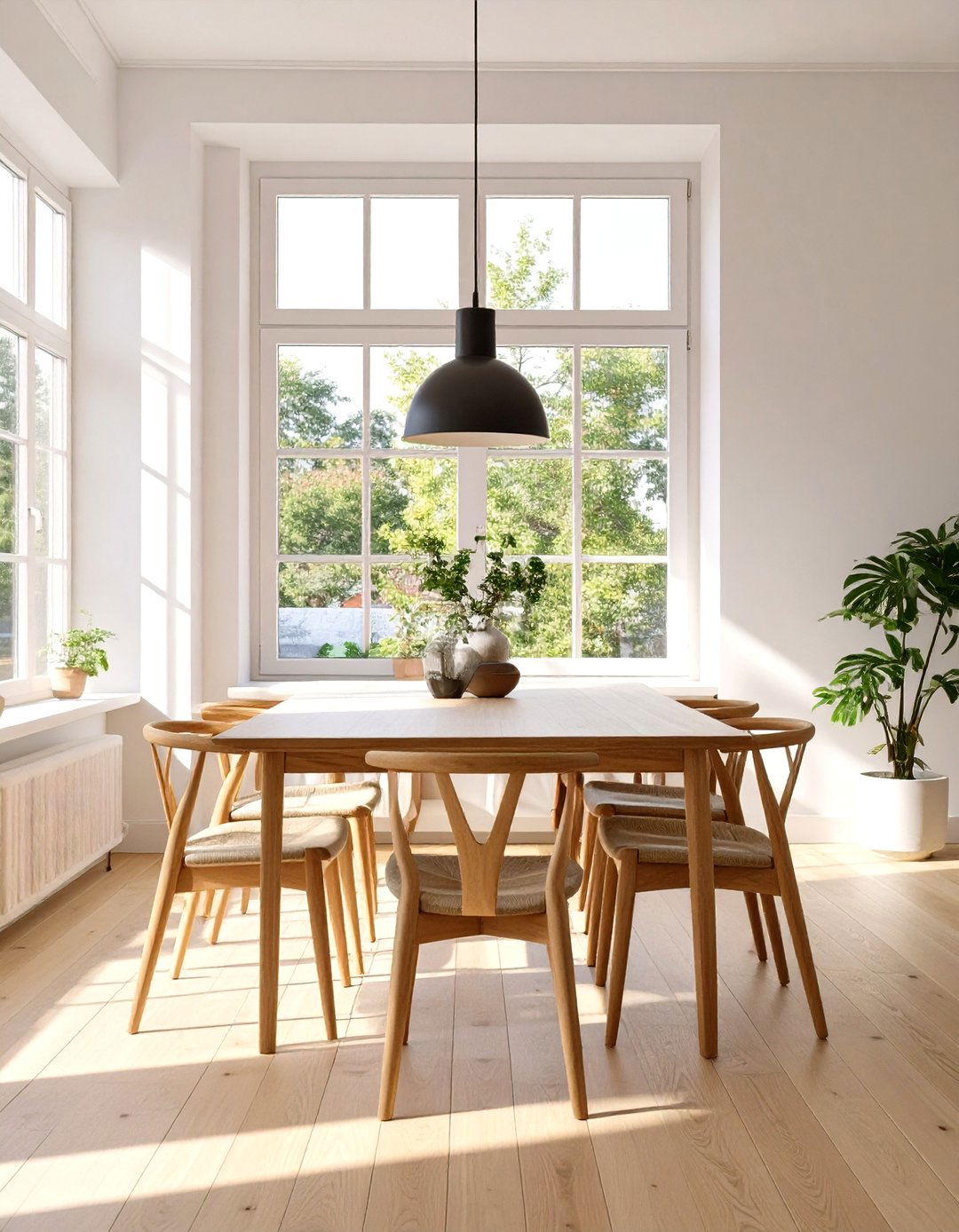
Zen interiors favor clean lines and simple geometric shapes. Look for furniture and decor with uncomplicated forms—squares, rectangles, and circles. A rectangular dining table, a square coffee table, or circular floor cushions all contribute to a sense of order and simplicity. These basic shapes create a visually calm and harmonious environment, free from the fussiness of ornate curves or intricate patterns. By sticking to fundamental geometries, you reinforce the minimalist aesthetic and create a space that feels grounded, intentional, and elegantly simple, allowing for quiet contemplation and mental clarity to flourish.
23. Stone and Pebble Accents
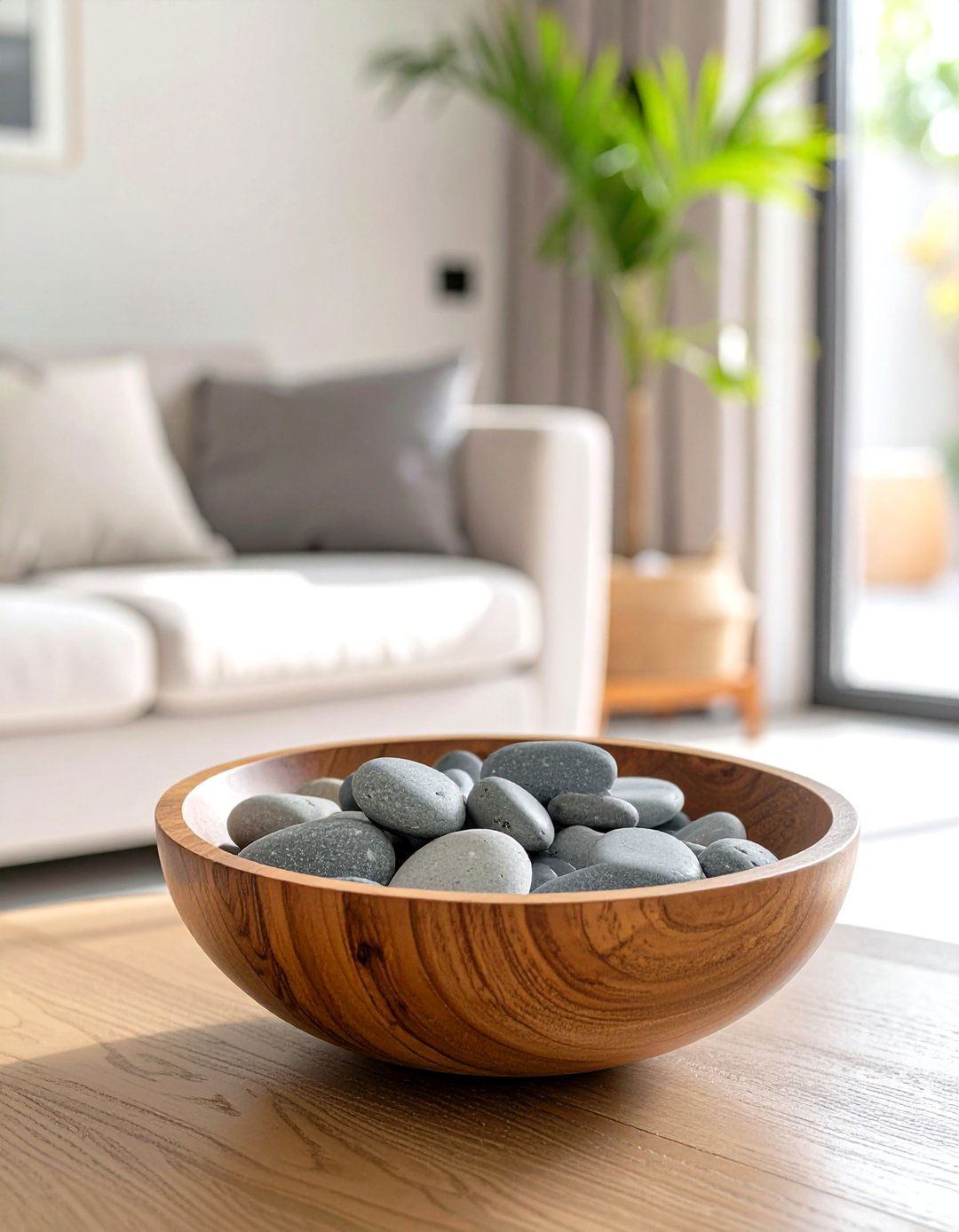
Incorporate stone and pebbles to bring a grounding, earthy element into your Zen interior. Use smooth river stones as decorative objects in a shallow bowl, place a slate tray on a coffee table, or even create a small pebble-filled border for a large houseplant. The cool, solid texture of stone provides a beautiful contrast to the warmth of wood and the softness of textiles. These natural elements evoke the serenity of a Japanese rock garden (karesansui) and reinforce the connection to the earth, adding a layer of organic texture and timeless stability to your peaceful sanctuary.
24. A Calming Bedroom Sanctuary
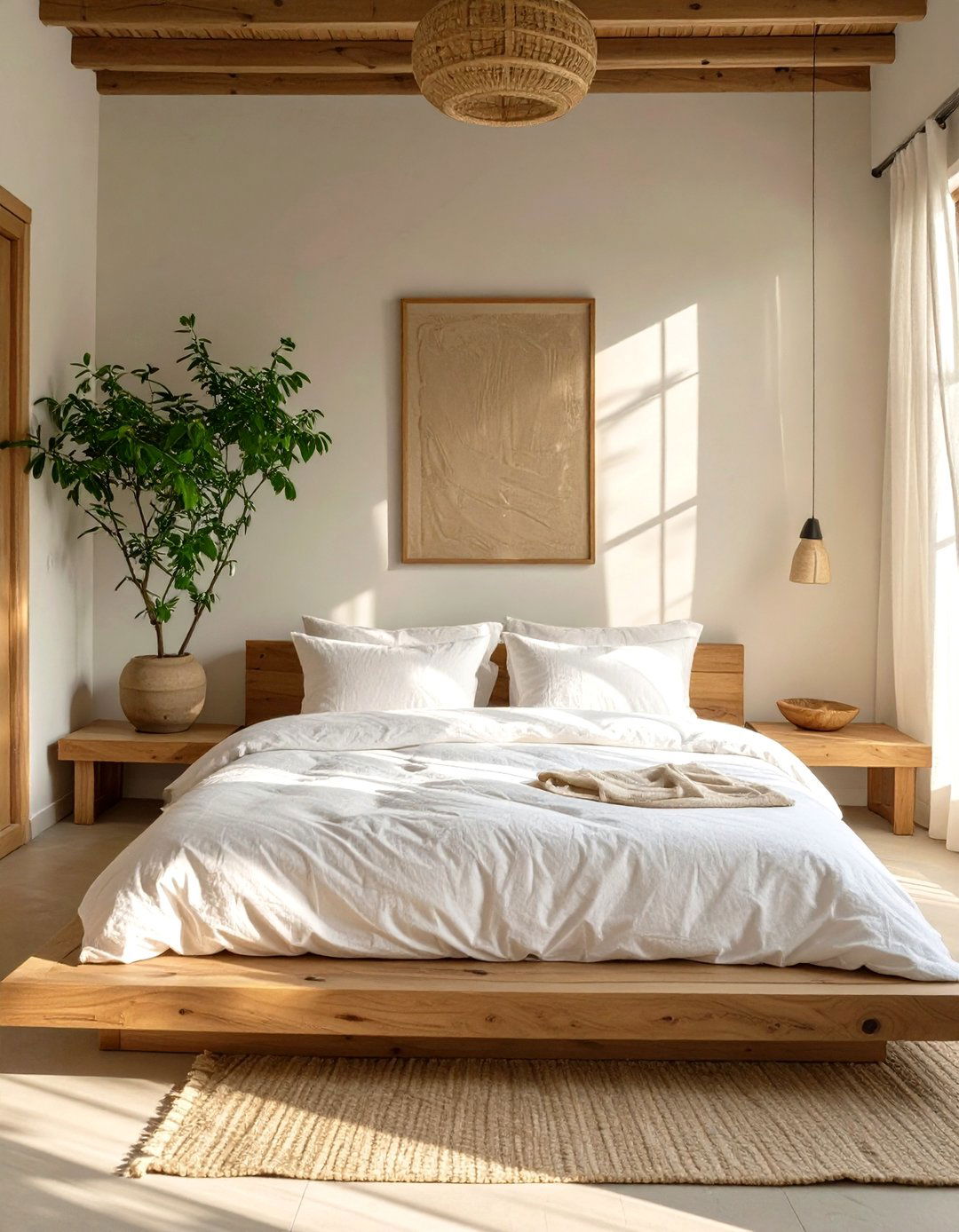
Transform your bedroom into the ultimate Zen sanctuary for rest and rejuvenation. Keep the design extremely simple, with a low-profile platform bed as the centerpiece. Use natural bedding in soft, neutral tones like white, beige, or light grey. Ensure there is ample hidden storage to keep the room completely clutter-free. Limit technology and other distractions. Lighting should be soft and dimmable. The goal is to create an environment that signals to your mind and body that it is a space purely for sleep and relaxation, promoting deeper rest and a more peaceful state of being.
25. Mindful Kitchen Design
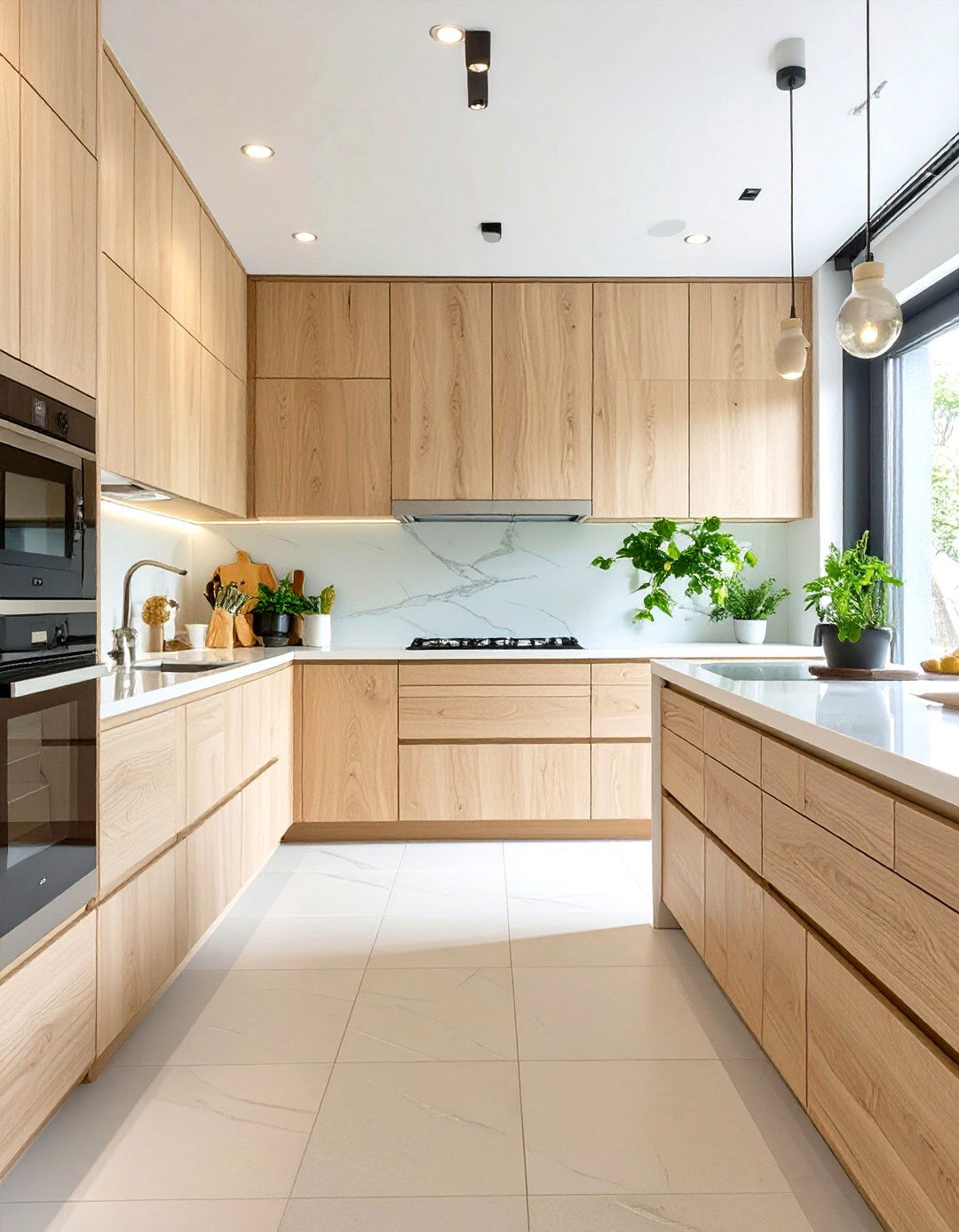
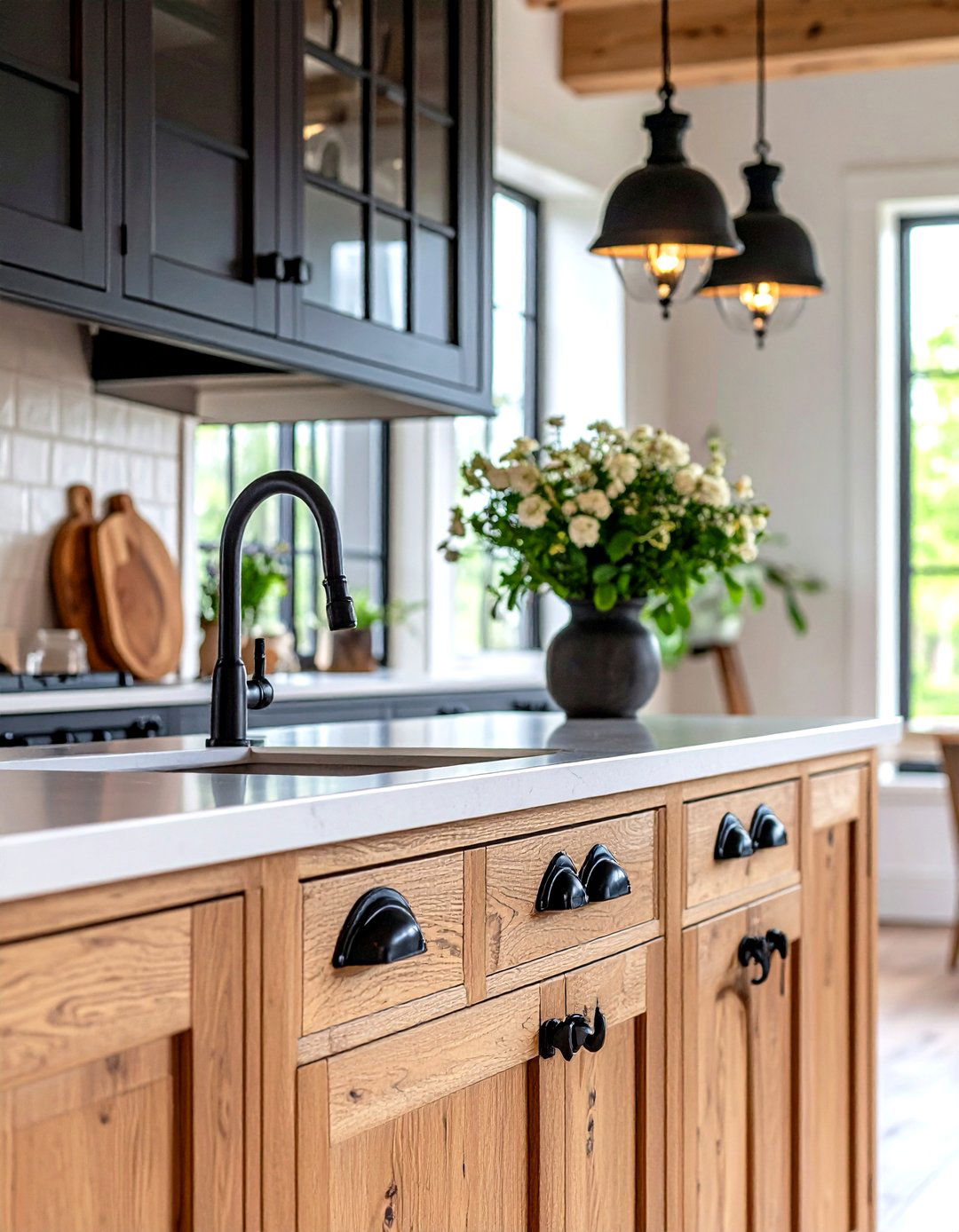
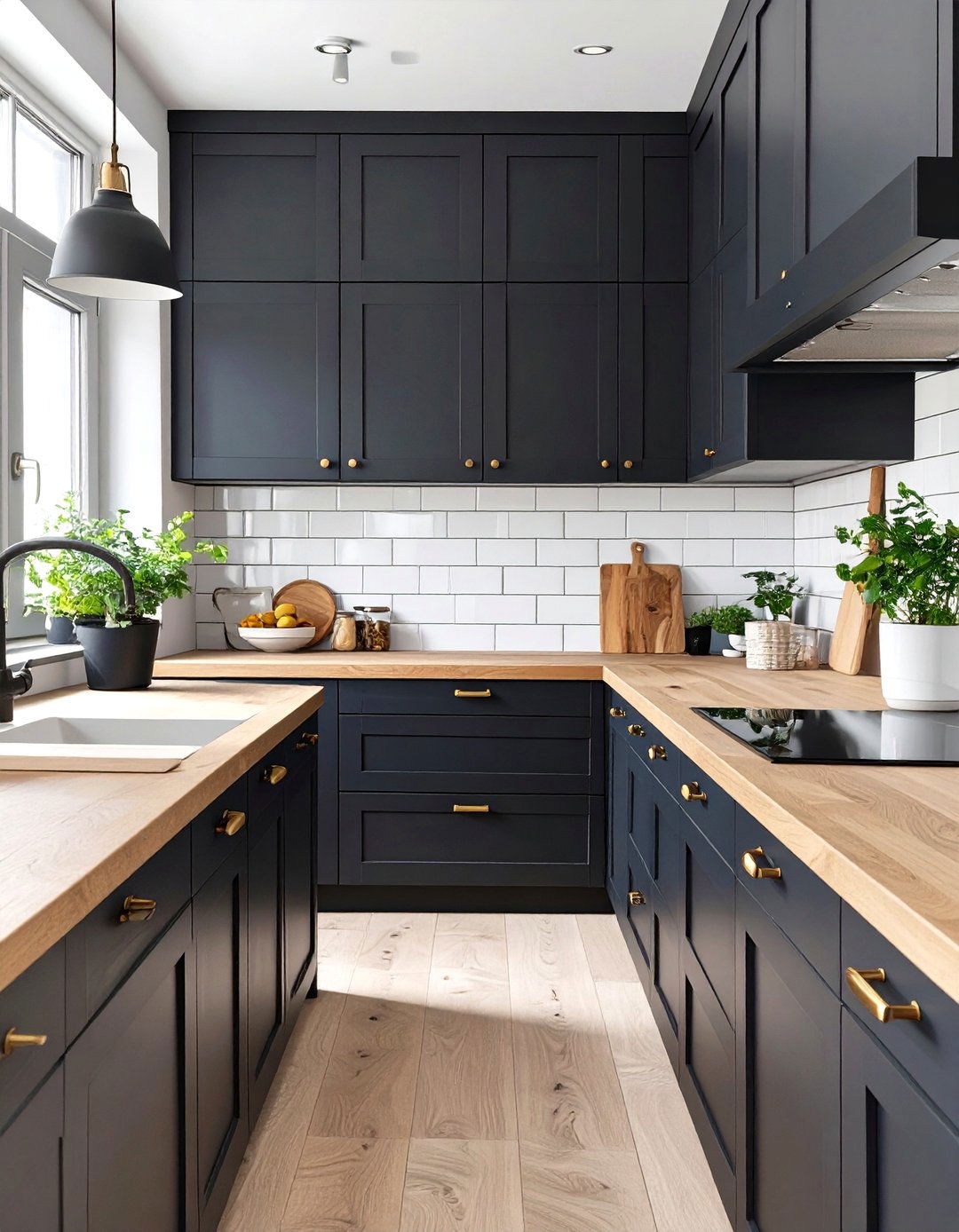
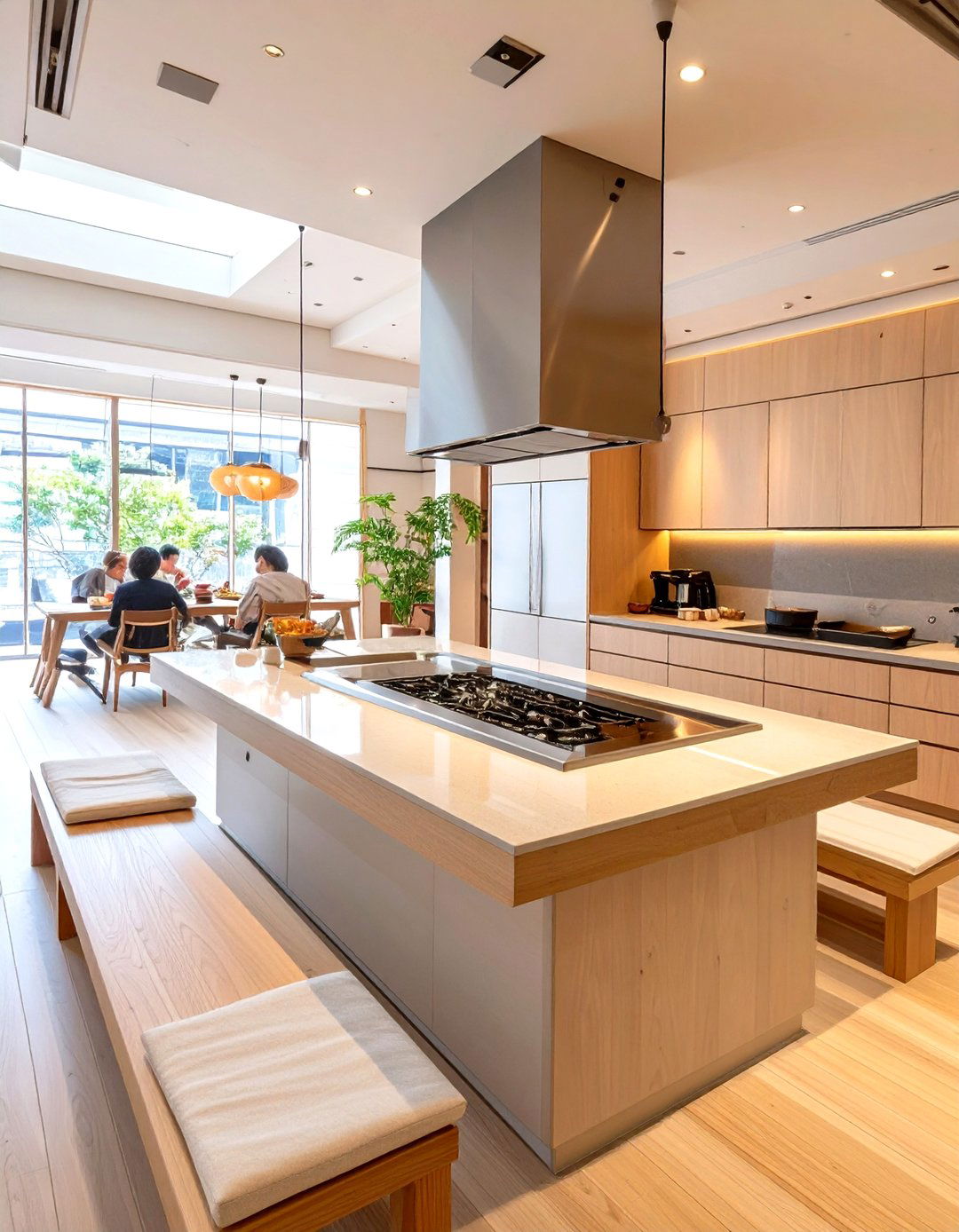
Apply Zen principles to the kitchen to create a space that is both functional and calming. Opt for flat-panel cabinets with concealed hardware for a seamless, uncluttered look. Keep countertops clear by storing appliances out of sight. Use natural materials like a wooden butcher block countertop or a stone backsplash. Organize drawers and cupboards meticulously so that everything has its place. A well-organized, minimalist kitchen makes the process of preparing food more mindful and enjoyable, transforming a utilitarian space into a serene and efficient part of the home where cooking becomes a peaceful ritual.
26. A Spa-Like Zen Bathroom
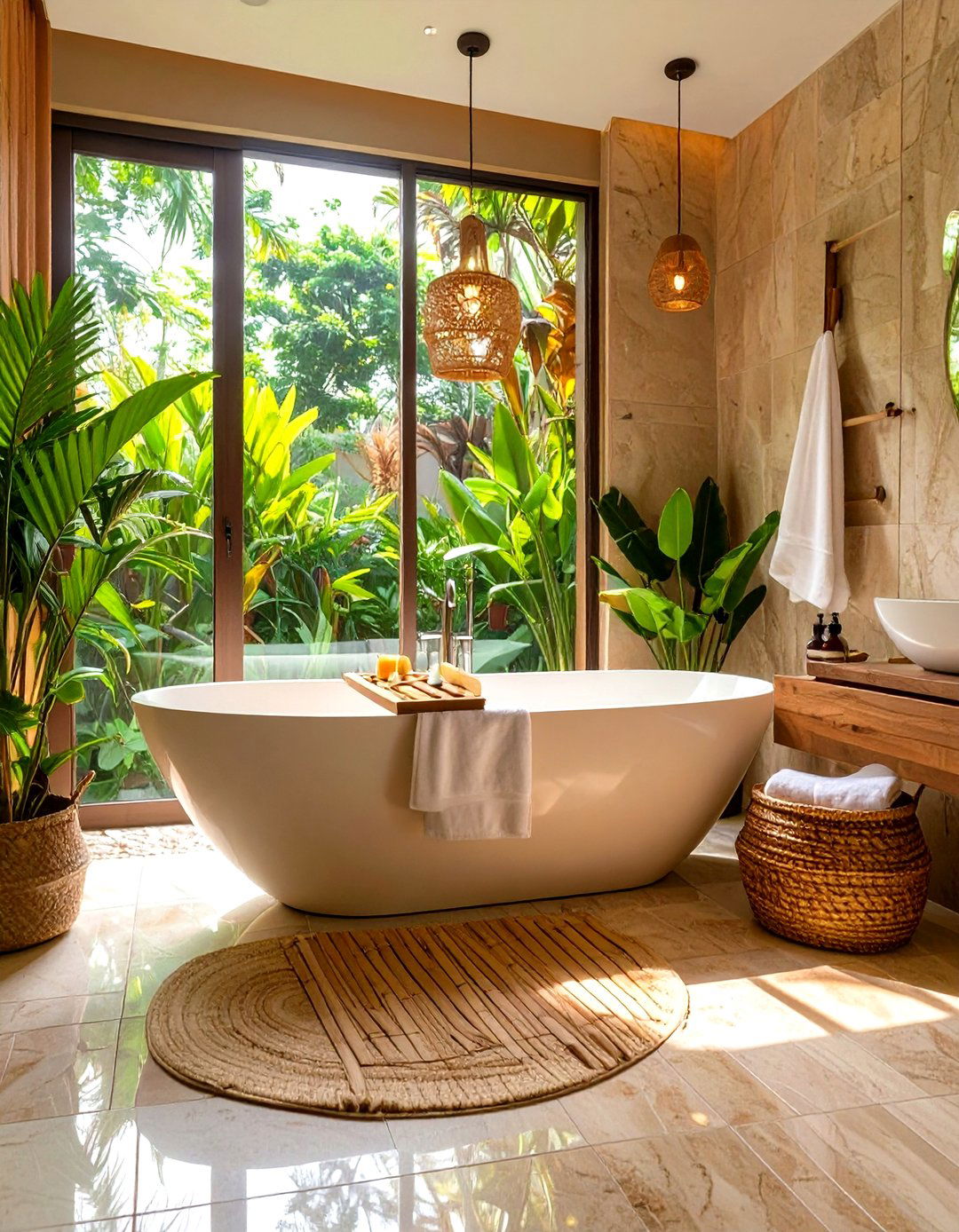
Create a spa-like retreat in your bathroom by incorporating Zen design principles. Use natural materials like bamboo for accessories, teak for a shower mat, and stone for countertops or flooring. A simple, deep soaking tub (ofuro-inspired) can be a stunning focal point. Maintain a clutter-free space with smart storage for toiletries. Roll towels neatly and place them in a basket or on a simple wooden shelf. Add a single orchid or some eucalyptus for a touch of nature and a calming scent. This minimalist approach turns your bathroom into a private sanctuary for daily renewal.
27. The Absence of Clutter
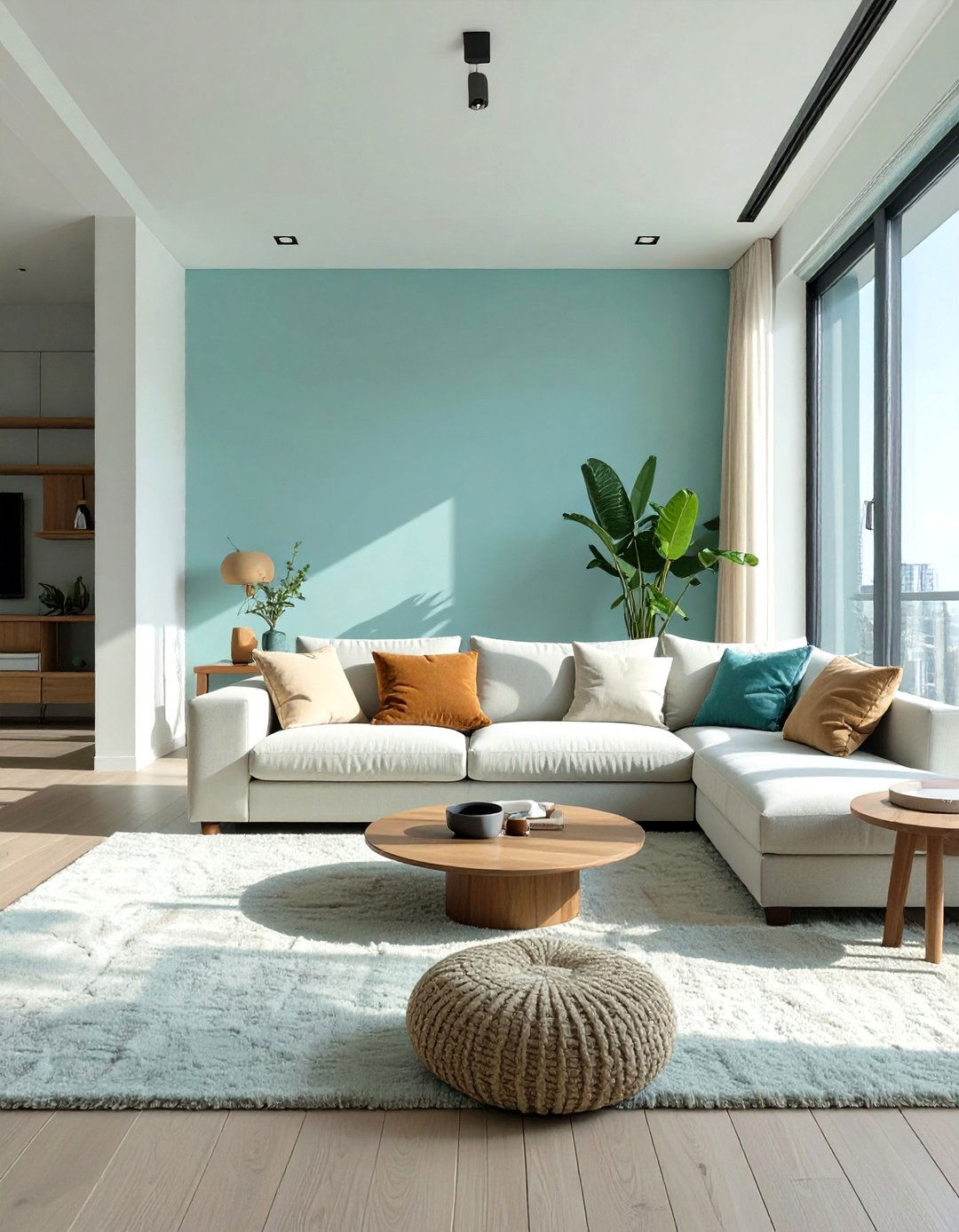
Zen design is fundamentally about subtraction. This means actively and consistently removing anything that is not essential, beautiful, or deeply meaningful. Surfaces should be clear, from coffee tables to kitchen counters. This is not just a one-time tidying up but a continuous practice of mindful consumption and organization. By living with less, you reduce visual noise and create physical and mental space. An environment free of clutter is inherently calming, allowing energy to flow freely and providing a peaceful backdrop for daily life. This commitment to simplicity is the true heart of a Zen-inspired home.
28. Simplicity in Window Treatments
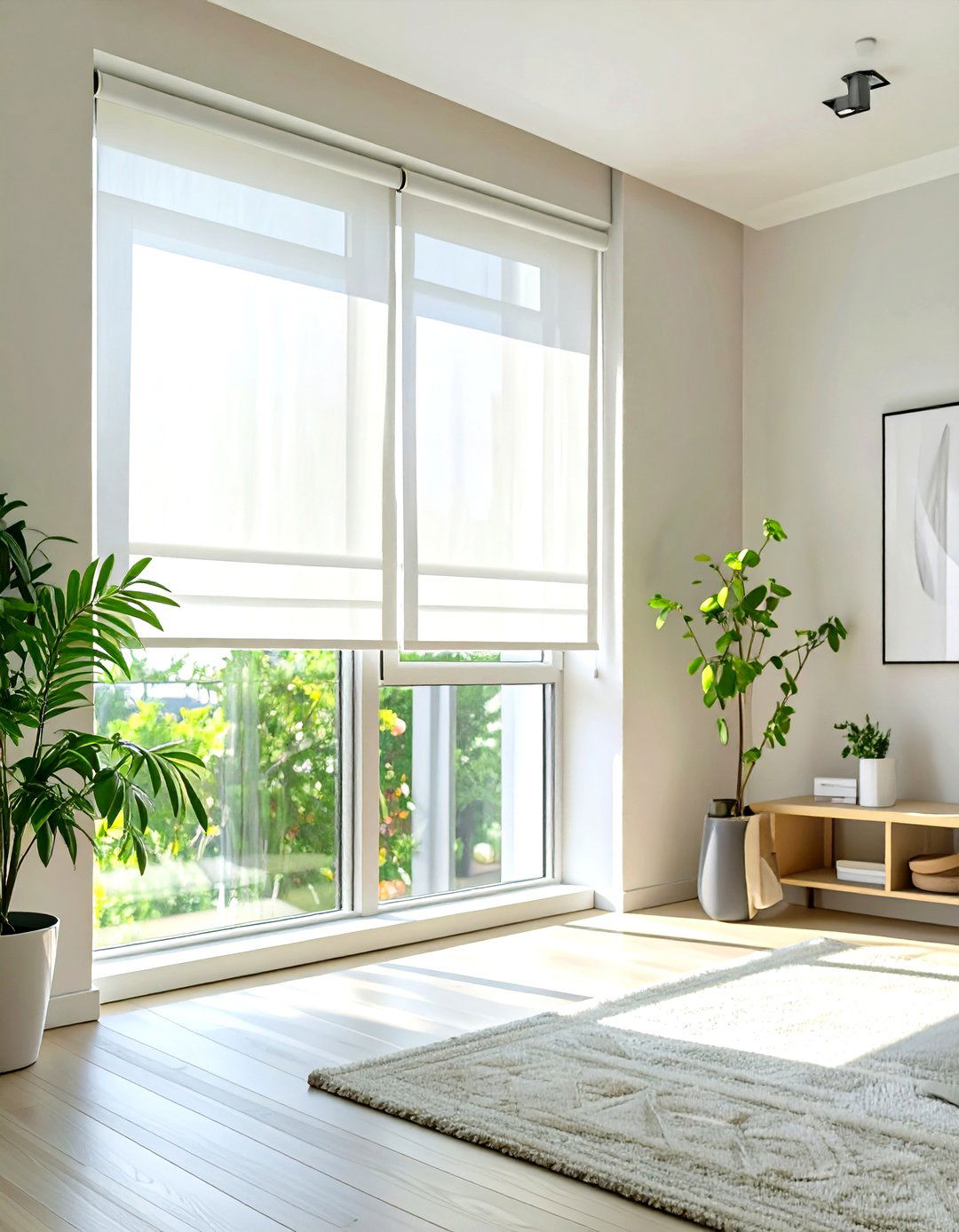
Window treatments in a Zen home should be minimal and functional, designed to control light without obstructing the view or adding visual clutter. Simple, translucent roller blinds are an excellent choice, as are unlined linen or cotton curtains in a neutral color that hang from a simple rod. Bamboo shades are another popular option that adds natural texture while gently filtering sunlight. The key is to avoid heavy fabrics, elaborate patterns, and fussy details like valances or tie-backs. This keeps the focus on the natural light and the view outside, maintaining the room's airy and open feel.
29. The Use of Floor Cushions (Zabuton)
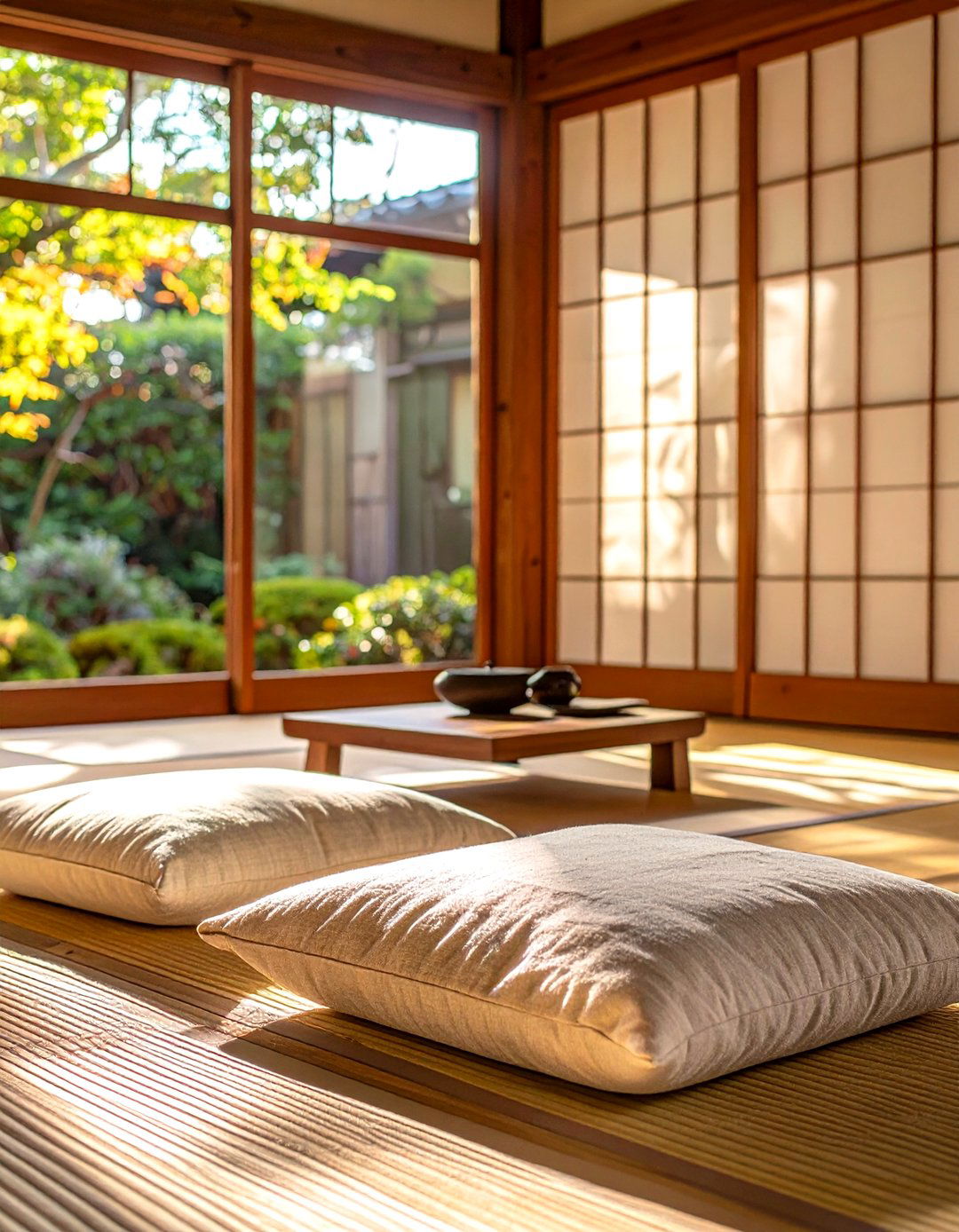
In addition to low-profile furniture, incorporate floor cushions, known as zabuton in Japan, to promote a grounded and informal seating arrangement. These cushions encourage a closer connection to the floor and can be easily stored away when not in use, preserving the open space. They are perfect for a meditation corner, a low dining table, or as extra seating in a living room. Choose cushions with simple covers made from natural fabrics like cotton or linen in neutral tones. This versatile seating option enhances the minimalist, earth-centered ethos of a truly Zen-inspired interior.
30. Art of Placement (Kanso)
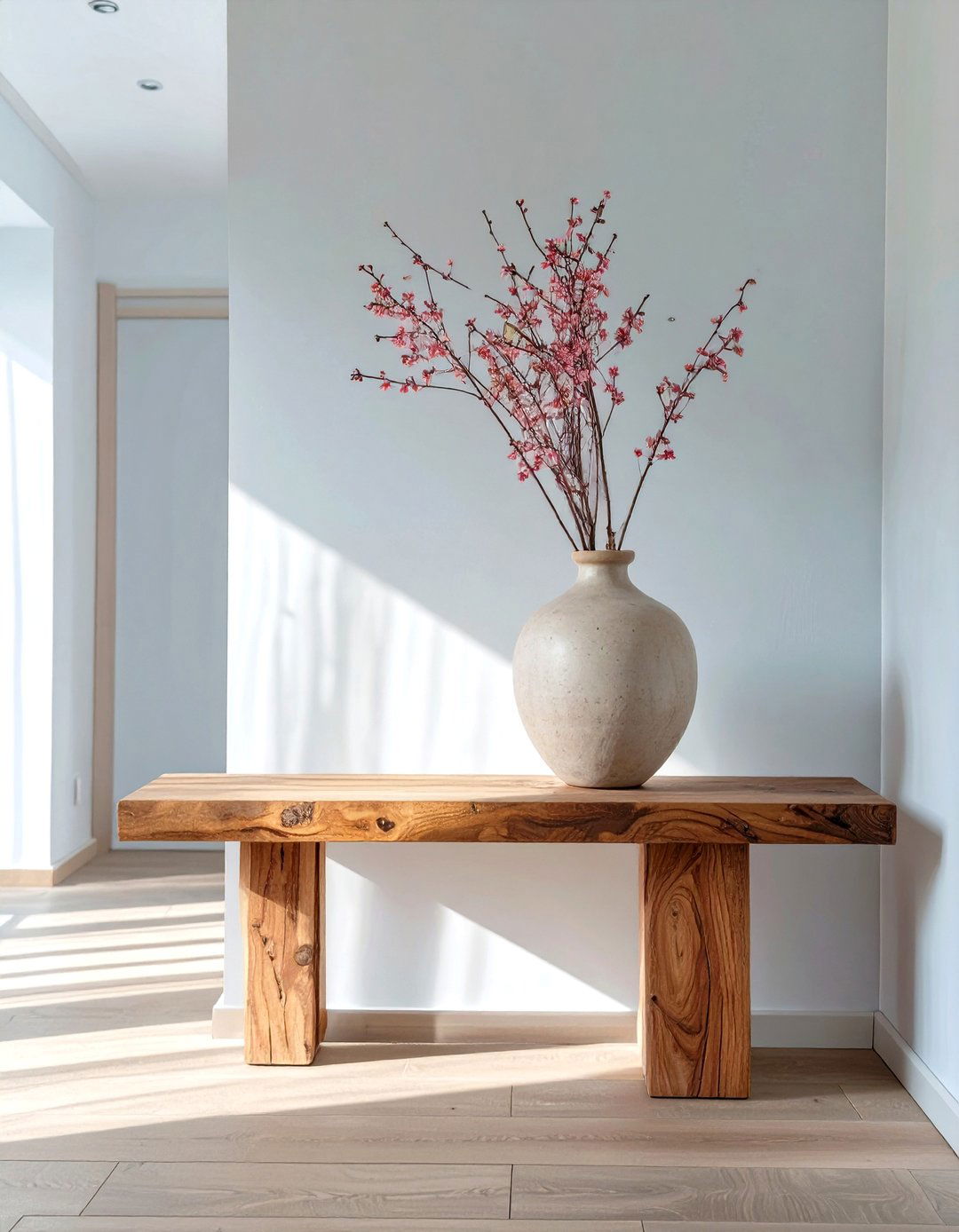
The Japanese principle of *Kanso* emphasizes simplicity and the thoughtful placement of objects. In Zen design, this means every single item in a room is placed with intention. Consider the relationship between objects, the space around them, and the overall balance of the room. A single vase on a console table or a carefully positioned floor lamp becomes more impactful when it is given space to be appreciated. This deliberate arrangement eliminates the non-essential and highlights the beauty of each chosen piece. It is the art of curating your space to reflect clarity, order, and tranquility.
Conclusion:
Ultimately, Zen interior design is about creating a home that serves as a personal sanctuary. By focusing on minimalism, natural elements, a neutral color palette, and a clutter-free ethos, you can craft a space that promotes tranquility and mindfulness. The principles of simplicity, balance, and a connection to nature work together to reduce stress and calm the mind. Each element, from low-profile furniture to the careful placement of a single plant, contributes to an atmosphere of profound peace. This design philosophy transforms your living environment into a supportive backdrop for a more intentional and serene life.

Related posts:
Leave a Reply