
Achieving harmony in interior design is about creating a space that feels unified, balanced, and visually pleasing. It’s the art of making all the separate elements in a room — furniture, colors, textures, and lighting — work together as a cohesive sense of unity doesn 't happen by chance; it' s a deliberate process of selection and arrangement. A harmonious space invites you in, offering a sense of calm and order that soothes the mind and pleases the moves beyond just decorating to craft an environment where every piece has a purpose and minimalist sanctuaries to richly layered traditional rooms, the principles of harmony are universal, guiding designers to create interiors that are not only beautiful but also deeply satisfying to live in.
1. The Scandinavian Serenity Concept
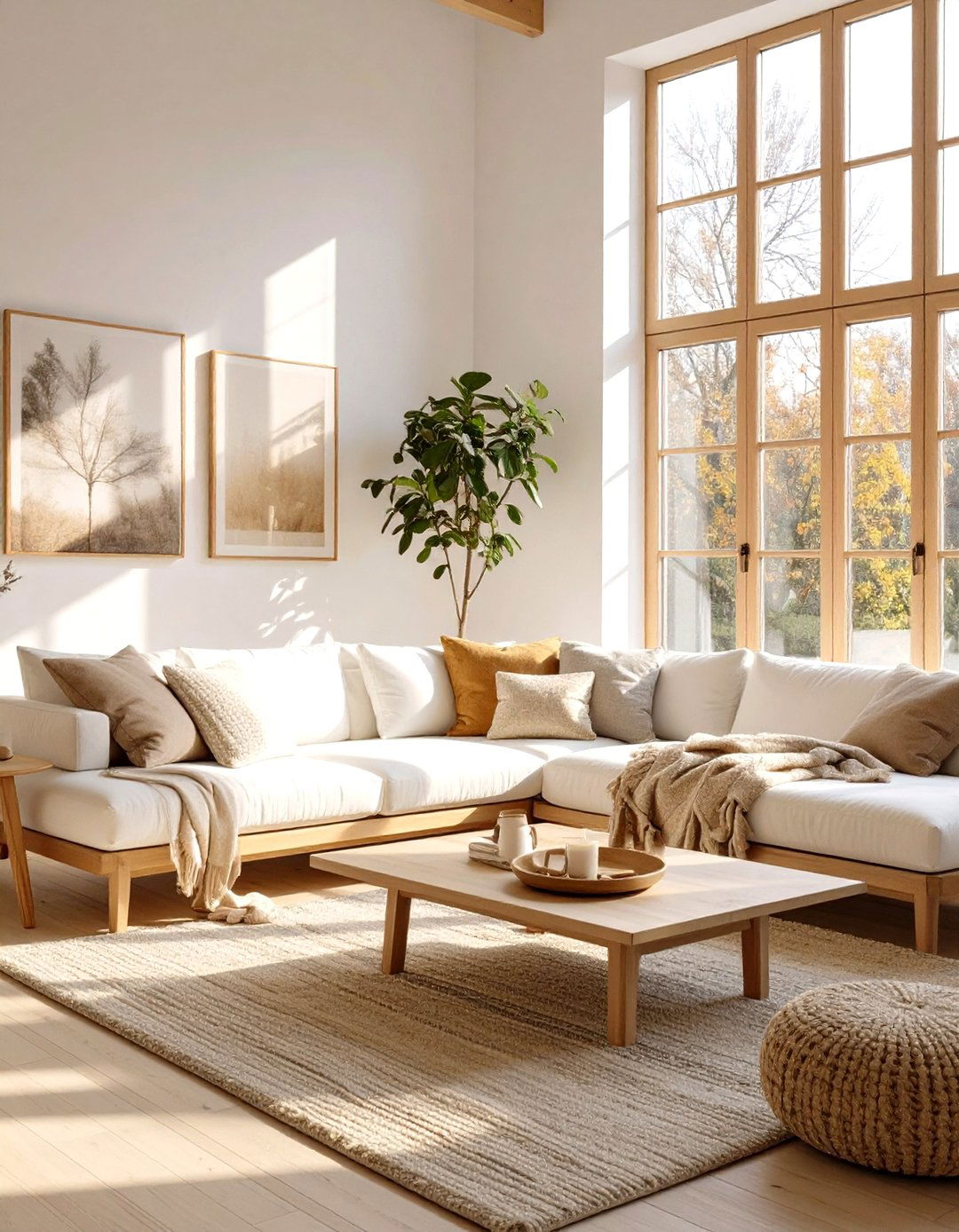
Embracing Scandinavian serenity means creating a space defined by light, simplicity, and design theme centers on a neutral color palette of whites, grays, and soft beiges, accented with natural wood tones from light oak or ash are open and uncluttered, maximizing natural light through large, bare like wool and linen add warmth and furniture is characterized by clean lines and minimalist forms, emphasizing function without sacrificing object has its place, contributing to an overall feeling of calm and orderliness, resulting in a truly tranquil and harmonious living environment.
2. A Wabi-Sabi Inspired Living Room
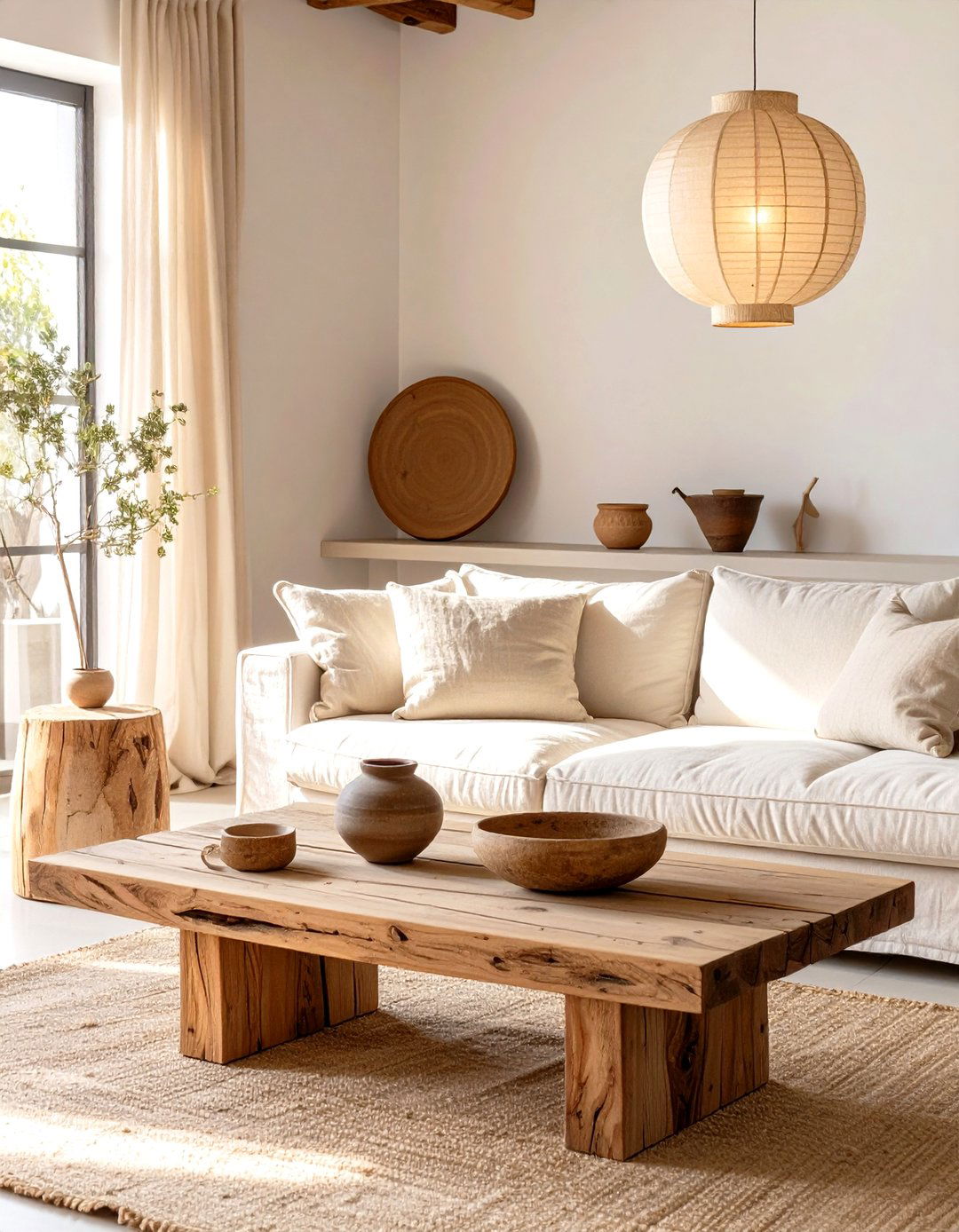
This design philosophy finds beauty in imperfection and simplicity. A Wabi-Sabi living room features a muted, earthy color palette with materials like raw wood, weathered stone, and handmade is often low-profile and unassuming, showcasing natural textures and layout feels organic and unforced, with an emphasis on negative is minimal, focusing on a few cherished items that tell a story, like a cracked pottery vase or a hand-woven is soft and diffused, creating a tranquil, contemplative atmosphere that celebrates the beauty of the everyday and the perfectly imperfect.
3. The Biophilic Urban Jungle Theme
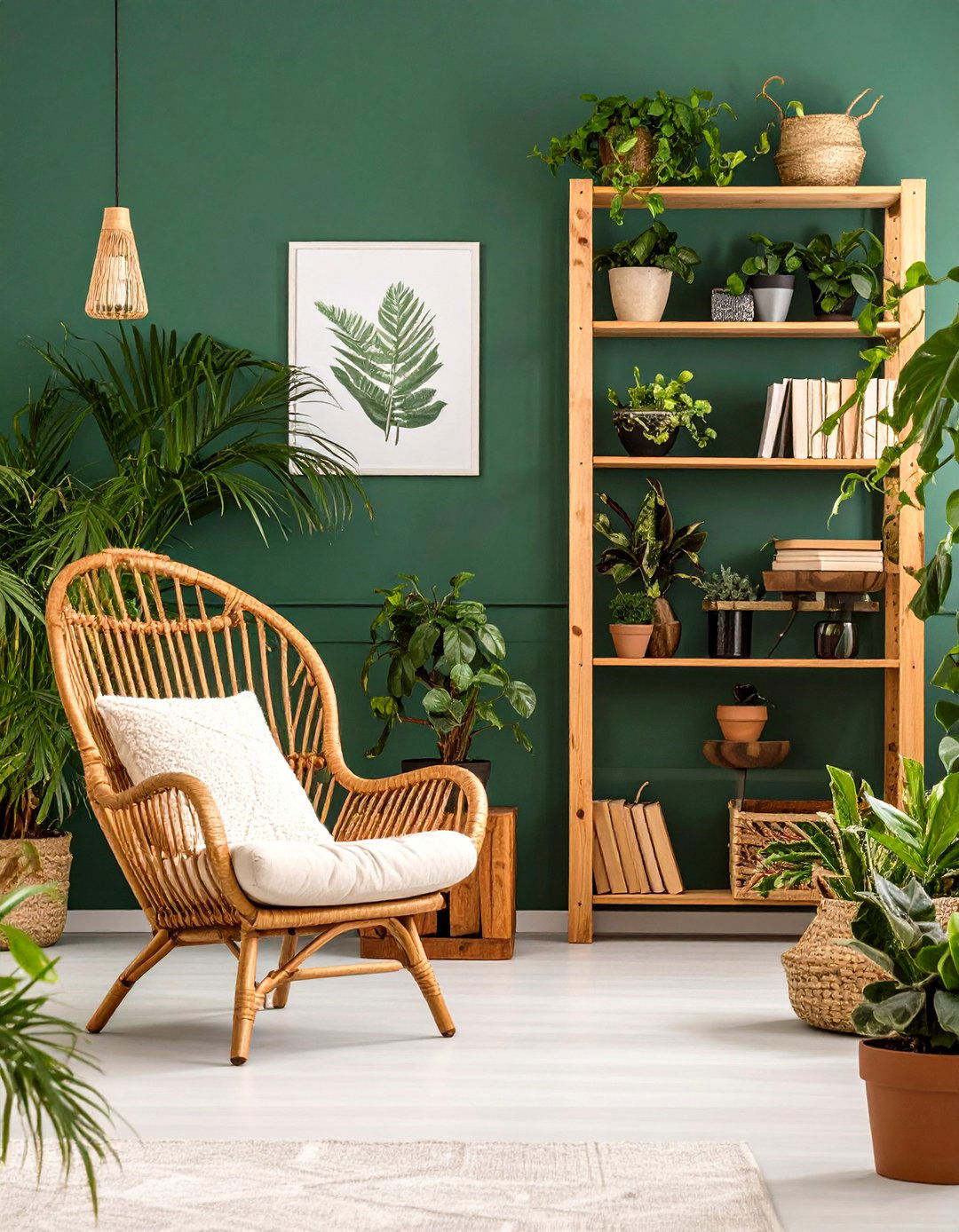
Bring the outdoors in with a biophilic design that merges nature with urban theme is dominated by an abundance of indoor plants, from large fiddle-leaf figs to trailing pothos, creating a lush, jungle-like color scheme is grounded in deep greens, earthy browns, and neutral tones, complemented by natural materials like bamboo, rattan, and reclaimed is comfortable and organic in windows and strategic mirrors maximize light, essential for plant life and a sense of approach creates a vibrant, air-purifying sanctuary that reconnects you with nature.
4. A Monochromatic Harmony Design
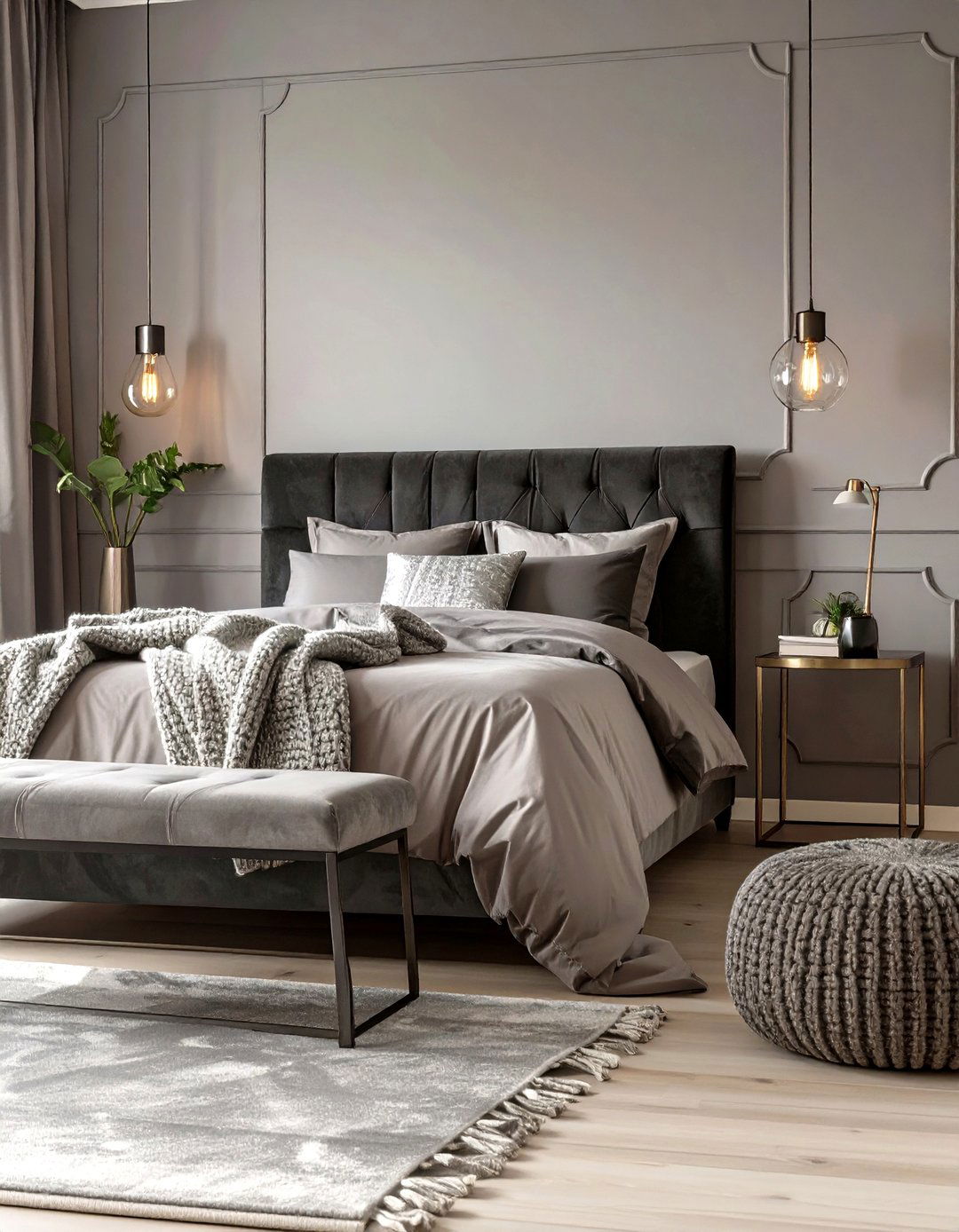
Creating harmony with a monochromatic scheme involves using various tints, tones, and shades of a single a room bathed in shades of gray, from a deep charcoal accent wall to soft dove-gray sofas and light silver key to avoiding monotony is a rich variety of textures: a plush velvet armchair, a chunky knit throw, a sleek metal coffee table, and a rough-hewn wooden layout should be clean and balanced, allowing the subtle color variations and textures to take center stage, proving that a one-color approach can be incredibly sophisticated and dynamic.
5. The Japandi Fusion Style
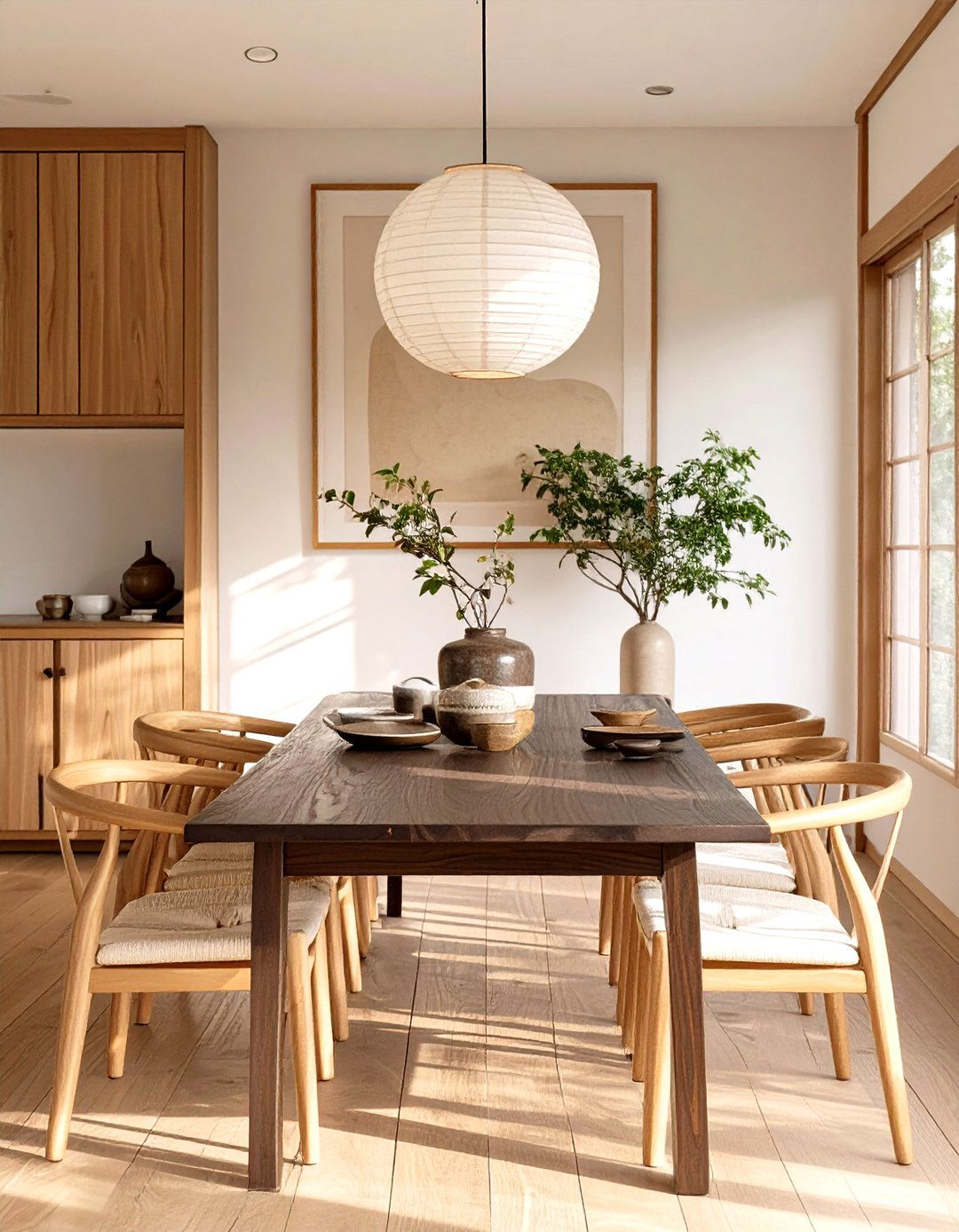
Japandi merges the rustic minimalism of Japanese design with the cozy functionality of Scandinavian harmonious blend results in spaces that are clean, calm, and color palette combines muted Scandinavian hues with the rich, earthy tones of Japanese features clean lines and high-quality craftsmanship, often using contrasting woods like light oak and dark are uncluttered, emphasizing functionality and is minimal and intentional, incorporating natural elements like bamboo, paper lanterns, and simple pottery, creating a serene and beautifully balanced environment for modern living.
6. A Coastal Farmhouse Retreat
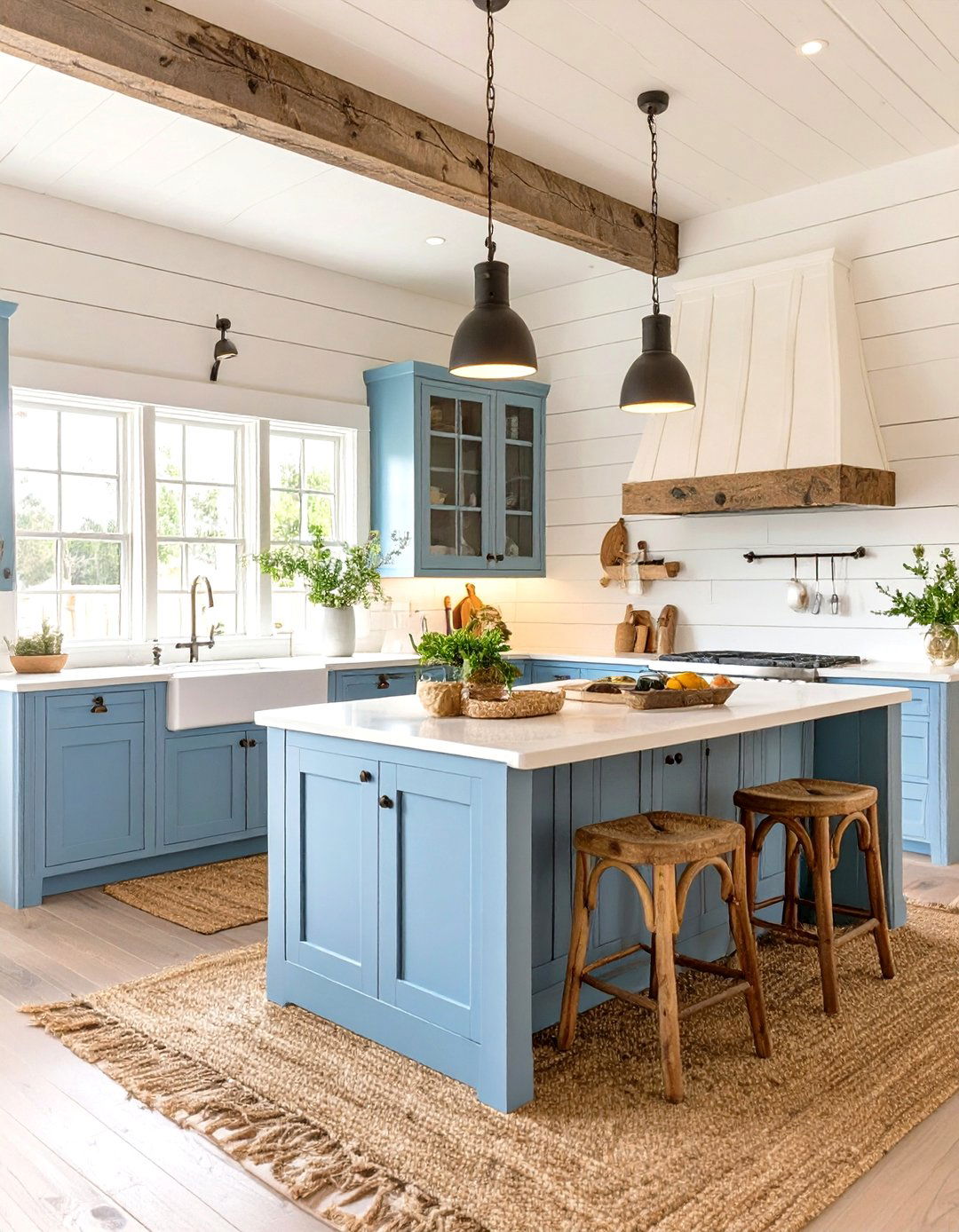
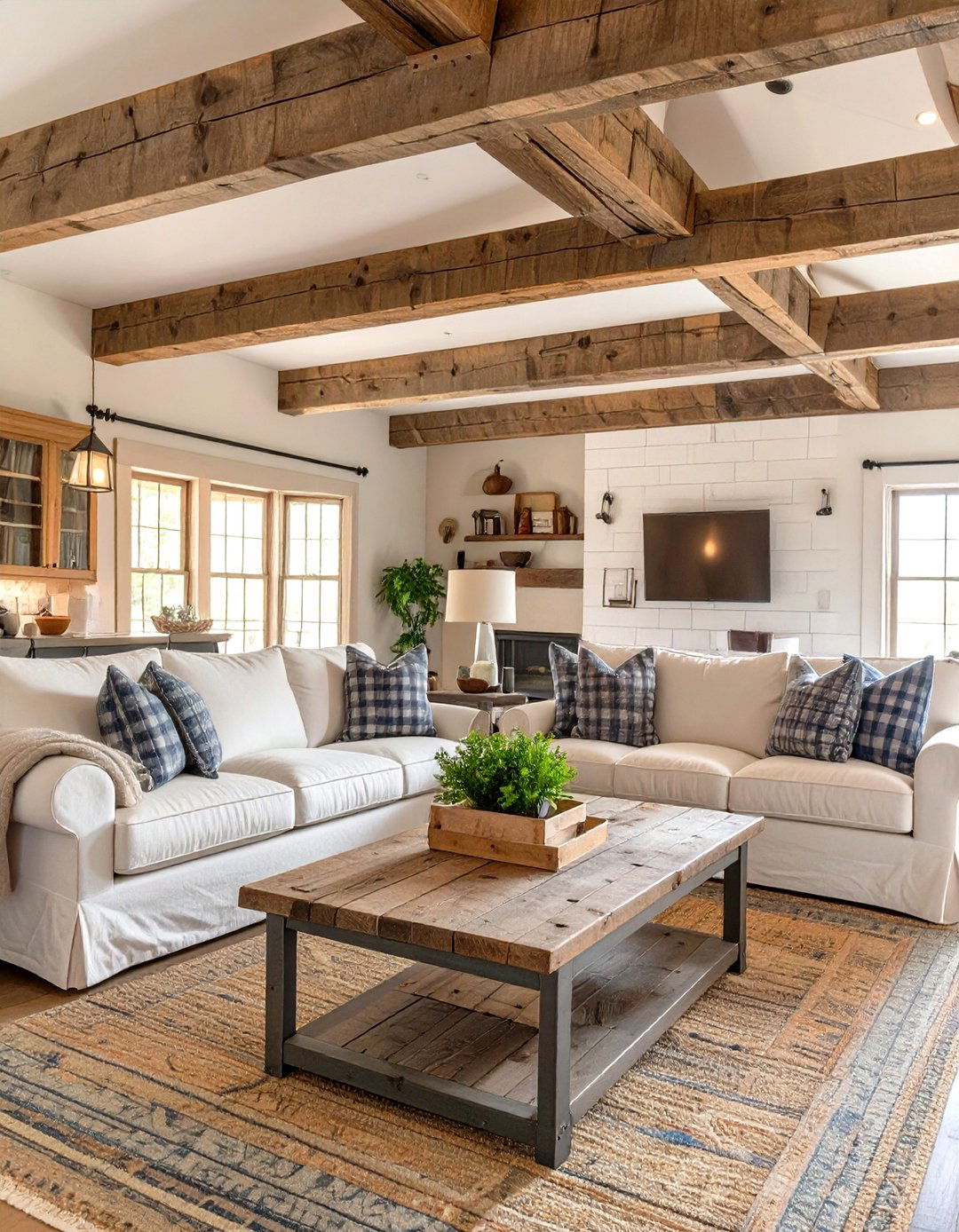
Imagine a space that blends the rustic charm of a farmhouse with the relaxed, airy feel of a coastal theme uses a base of whites and creams, accented with soft blues and sandy are key: think weathered wood, shiplap walls, comfortable linen upholstery, and jute layout is open and inviting, perfect for combines sturdy, rustic pieces with lighter, more casual coastal includes nautical touches like rope details and sea glass, mixed with farmhouse staples like galvanized metal and vintage signs for a cozy, harmonious retreat.
7. The Art Deco Revival Room
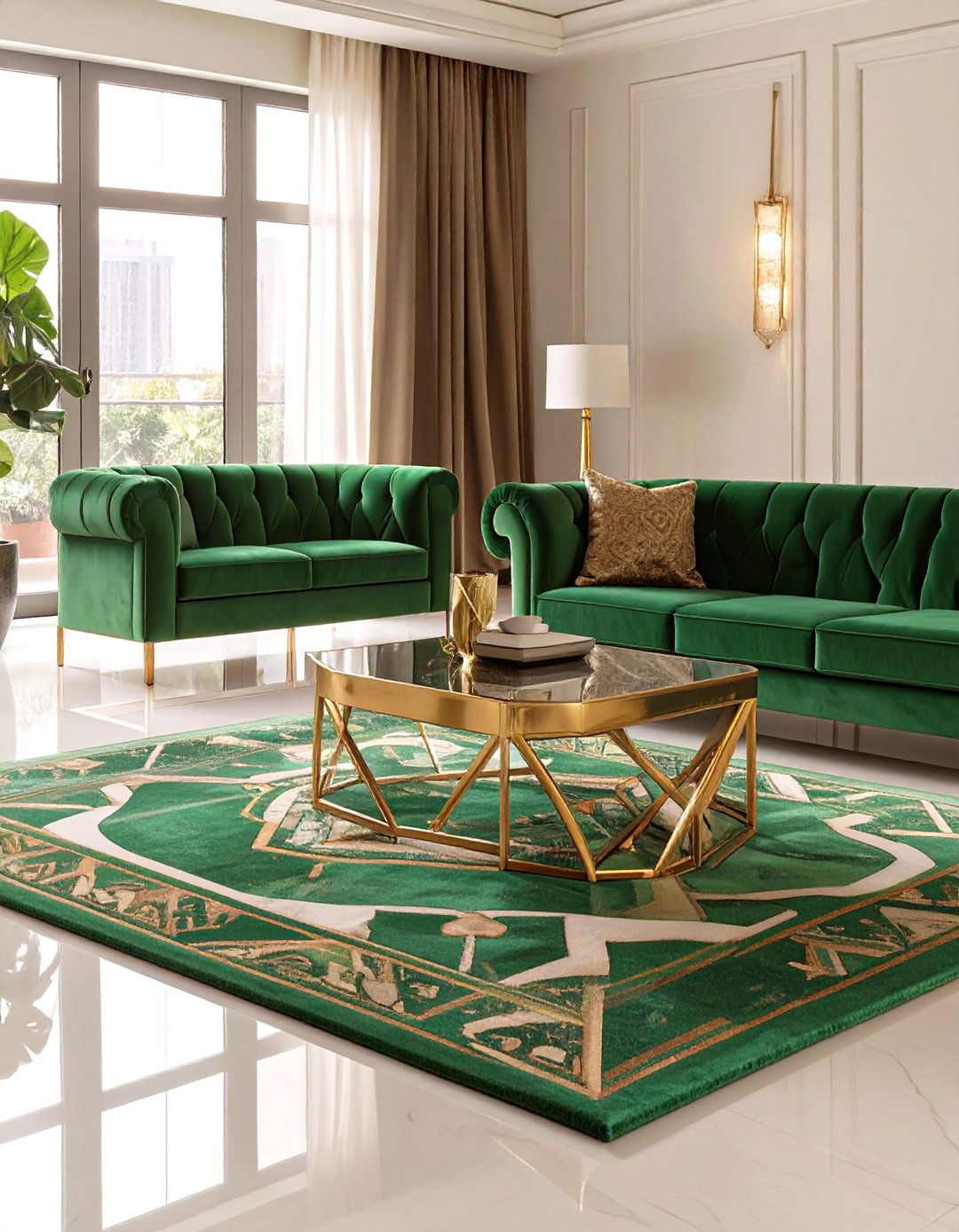
Step back in time with an Art Deco revival that exudes glamour and theme is defined by bold geometric patterns, rich colors like emerald green, sapphire blue, and deep burgundy, and luxurious velvet, polished brass, and high-gloss features strong, streamlined shapes and symmetrical layout is often formal and balanced, creating a sense of is a statement, with sculptural chandeliers and sconces casting a dramatic surfaces and metallic accents complete this opulent look, creating a space that is both sophisticated and harmoniously bold.
8. A Mid-Century Modern Cohesive Space
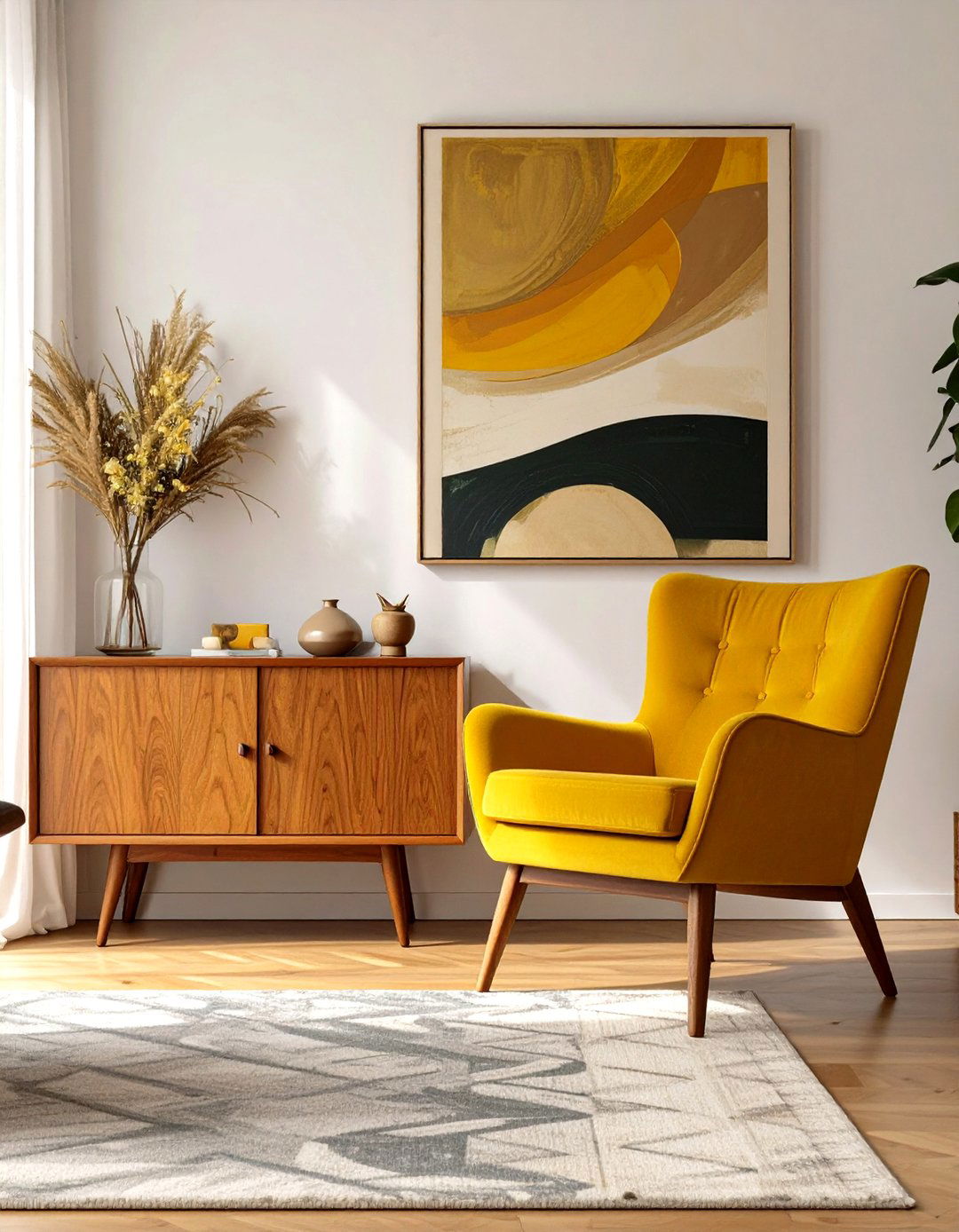
Mid-Century Modern design creates harmony through its iconic blend of organic shapes and clean style favors a color palette of earthy greens, mustard yellows, and warm oranges, grounded by natural wood tones, particularly furniture is the star, featuring tapered legs, gentle curves, and a focus on are open, connecting indoor and outdoor spaces whenever is minimal, often highlighting a single piece of statement art or a sculptural theme creates a timeless, uncluttered, and highly functional environment that feels both nostalgic and effortlessly cool.
9. The Industrial Loft Aesthetic

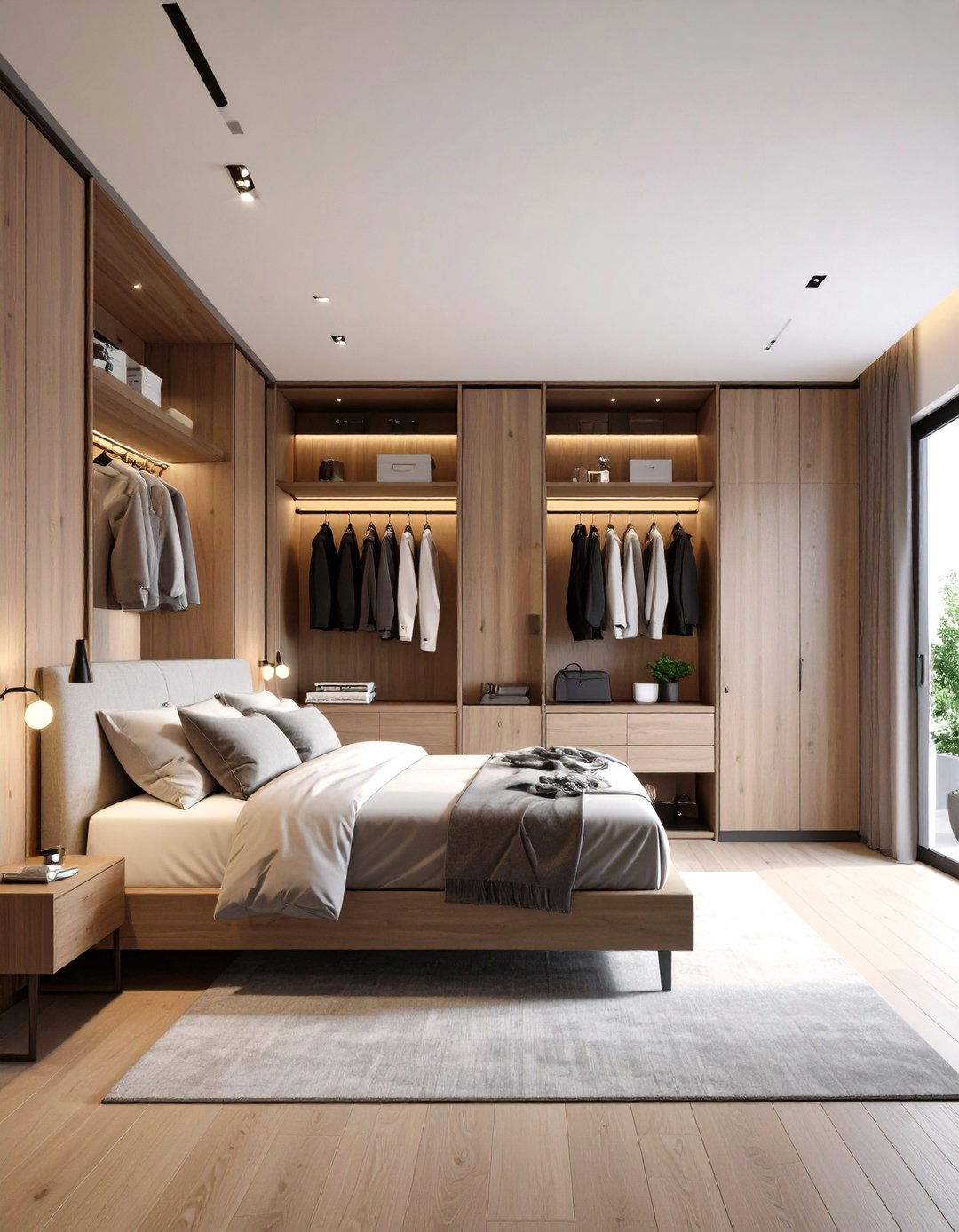
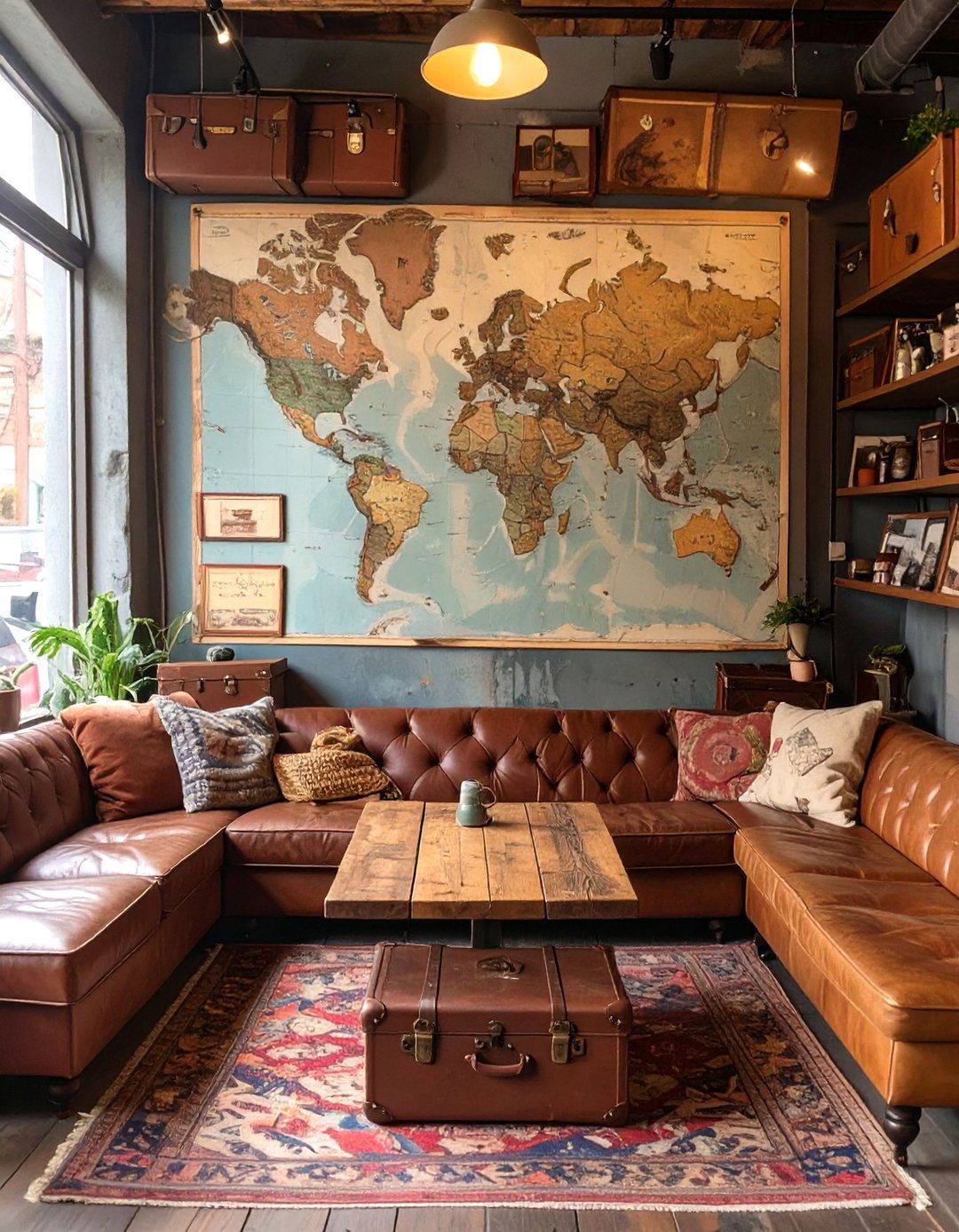
Achieve harmony in an industrial loft by celebrating its raw, structural theme exposes brick walls, concrete floors, and visible ductwork, turning them into design color palette is neutral and moody, dominated by grays, blacks, and browns, with warmth added through leather and is often large-scale and functional, with metal frames and reclaimed wood layout is typically open-plan, with distinct zones created by furniture arrangement and large area combines functional track lights with statement pendants to create a layered, atmospheric, and cohesive urban space.
10. A Bohemian Eclectic Sanctuary
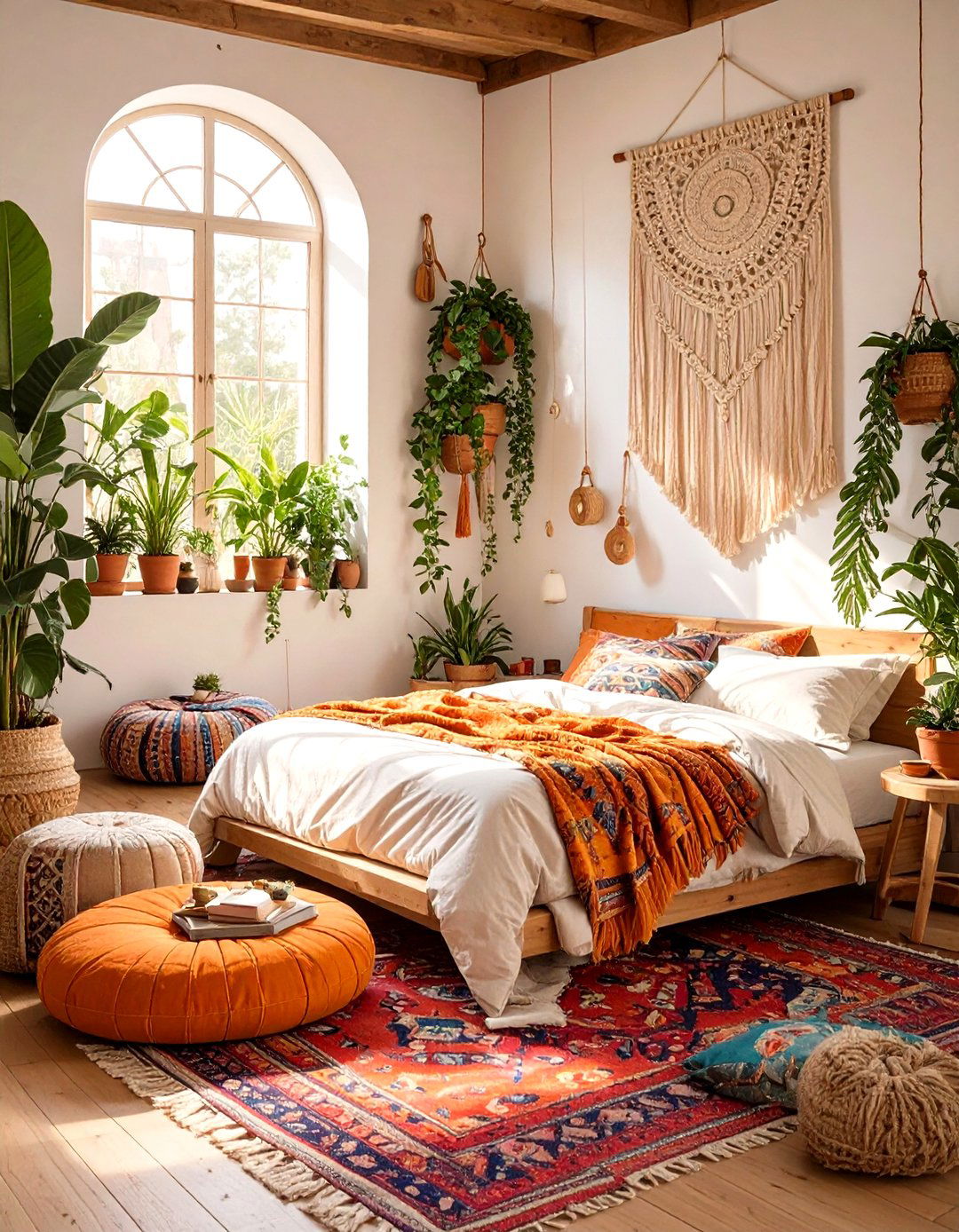
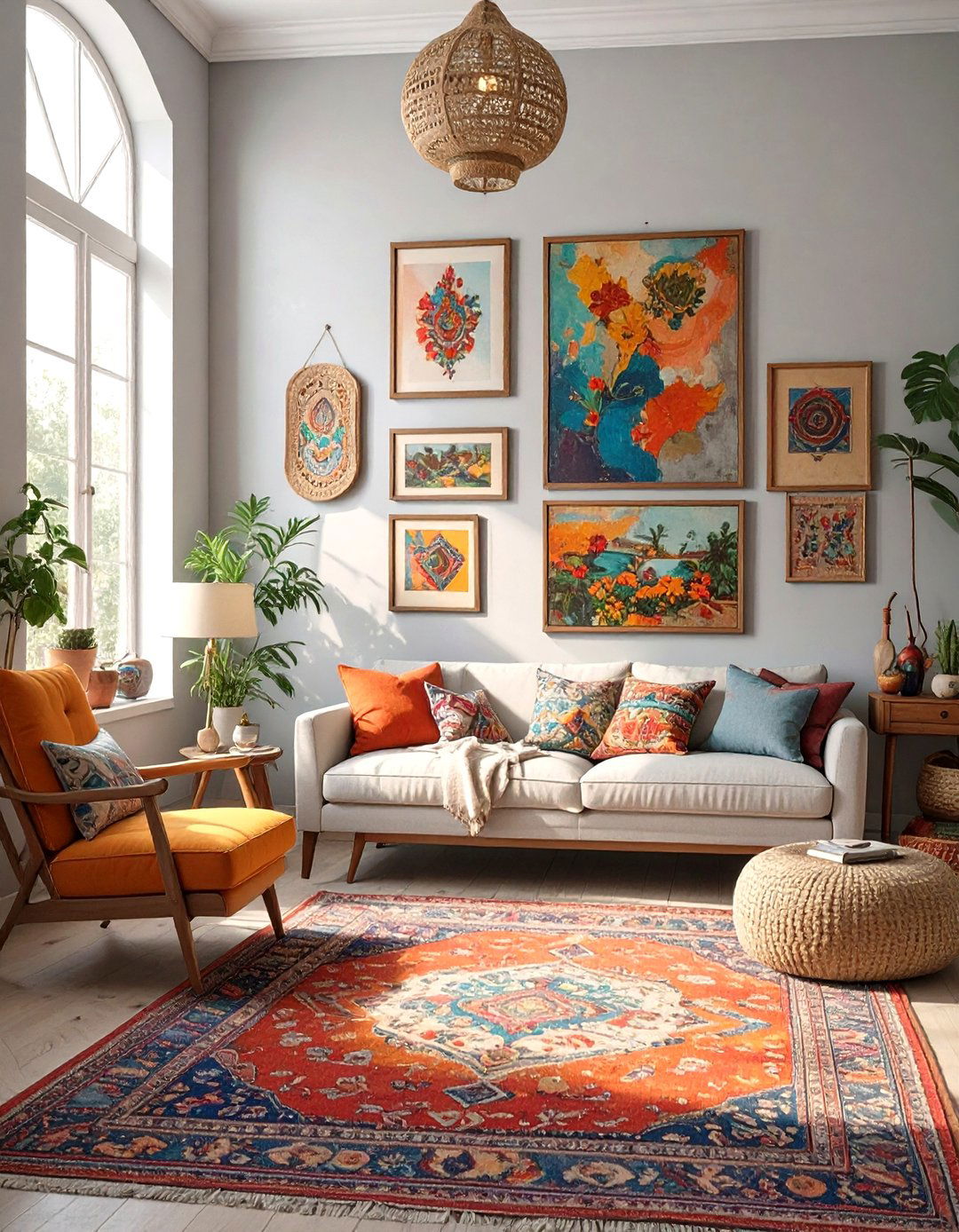
A Bohemian sanctuary achieves harmony not through matching, but through a curated collection of diverse could be more freeing than a space that tells your unique story? This style embraces a rich mix of patterns, textures, and colors from around the layered oriental rugs, macrame wall hangings, and an abundance of floor is a mix of vintage finds and comfortable, low-slung layout is relaxed and informal, encouraging lounging and are essential, adding life and a natural element to this vibrant, personal, and free-spirited retreat.
11. The Minimalist Zen Environment
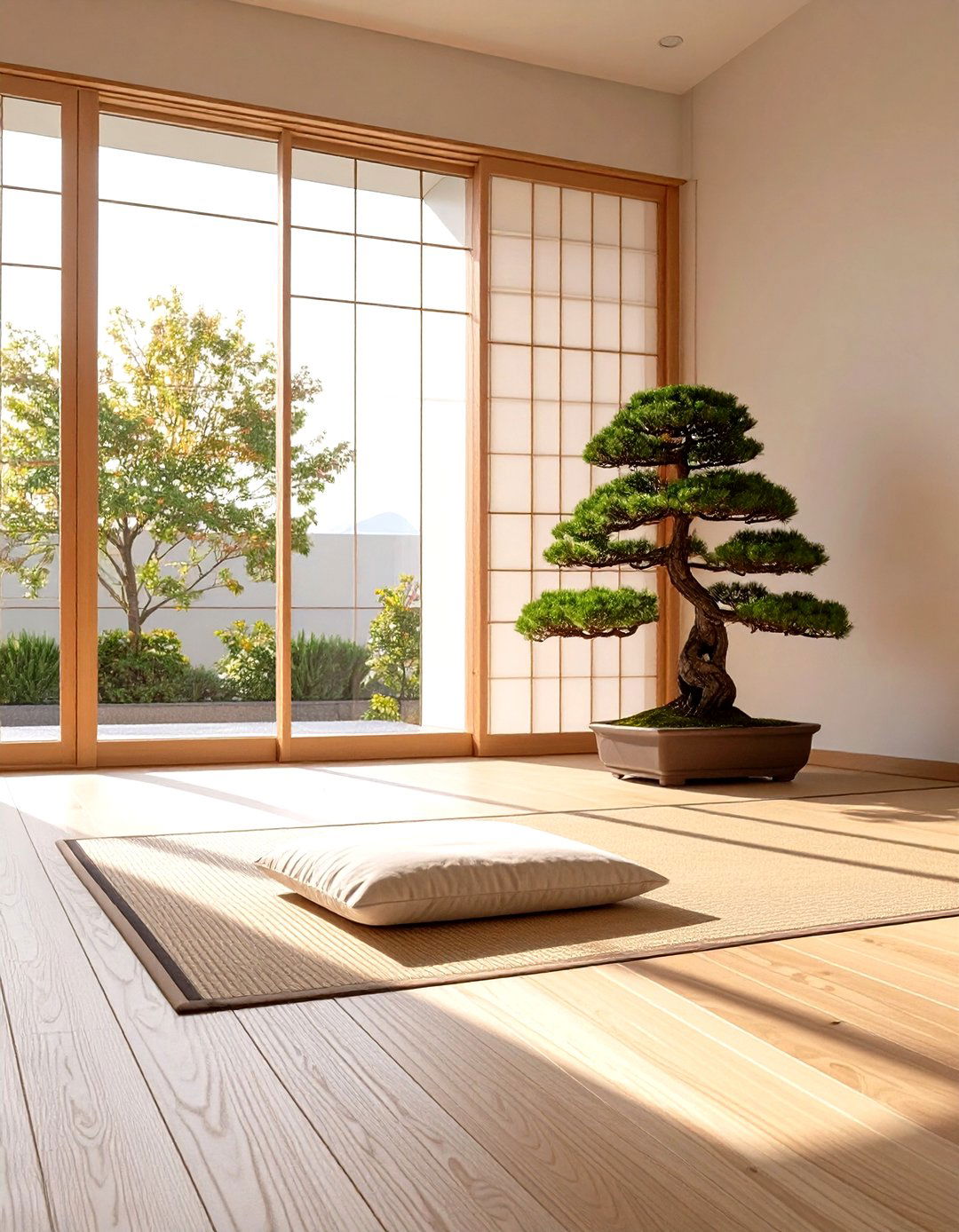
Create a sanctuary of calm with a Minimalist Zen approach is about stripping away the non-essential to achieve pure color palette is strictly neutral, focusing on white, beige, and soft are natural and tactile, such as light wood, bamboo, and layout emphasizes negative space, creating an uncluttered, airy is low-profile with clean, simple lines, promoting a sense of is cleverly hidden to maintain the minimalist only decor might be a single, perfectly placed plant or a simple piece of art.
12. A Traditional English Countryside Look
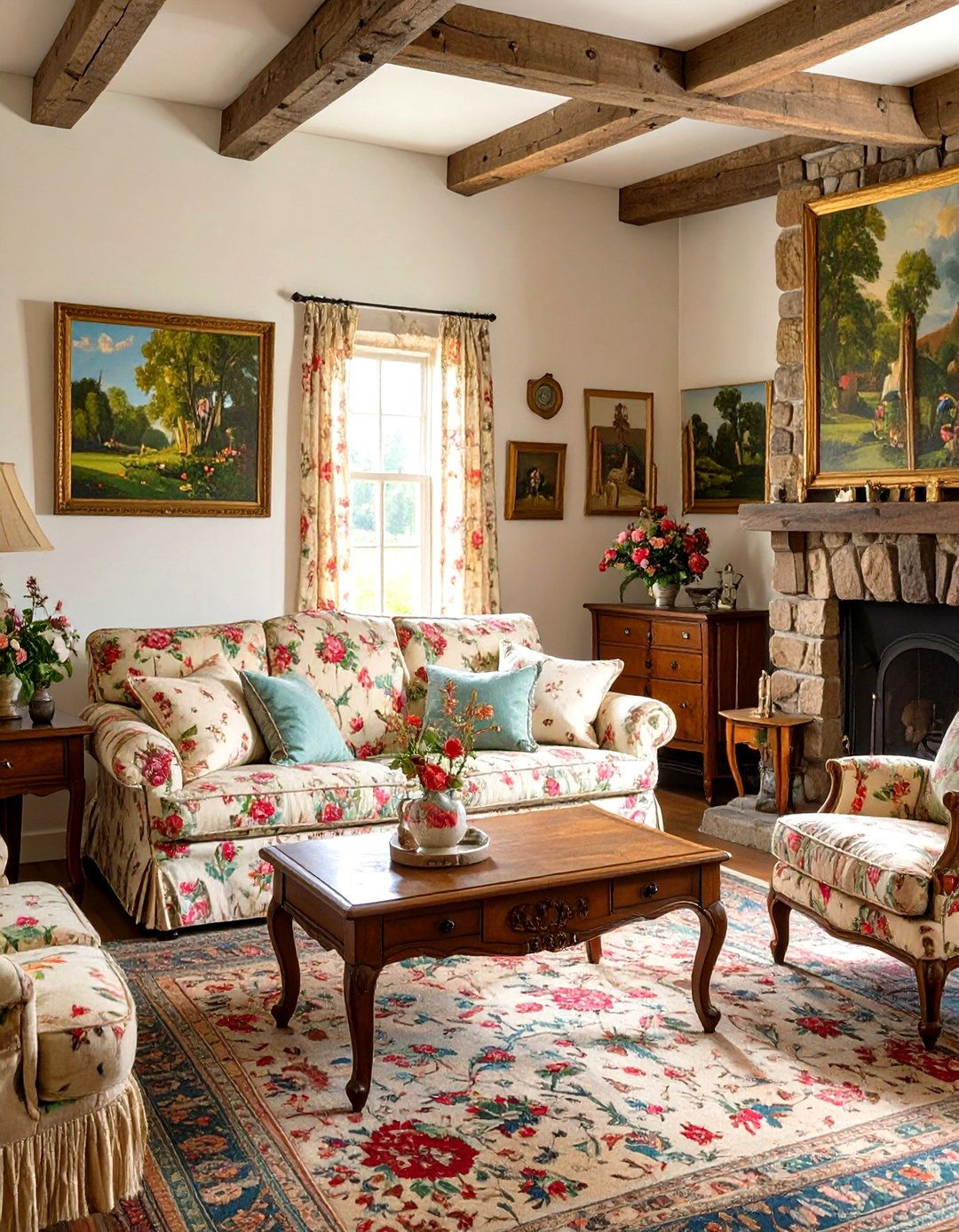
Capture the cozy, timeless harmony of the English design theme features a warm, inviting color palette of soft florals, muted greens, and creamy is comfortable and classic, with plush, upholstered sofas and antique wooden are key, with floral chintz, plaids, and stripes often mixed and matched on layout feels lived-in and comfortable, centered around a includes personal collections, landscape paintings, and fresh flowers, creating a layered, charming, and deeply personal space that feels like a warm, welcoming hug.
13. The Hollywood Regency Glamour Style
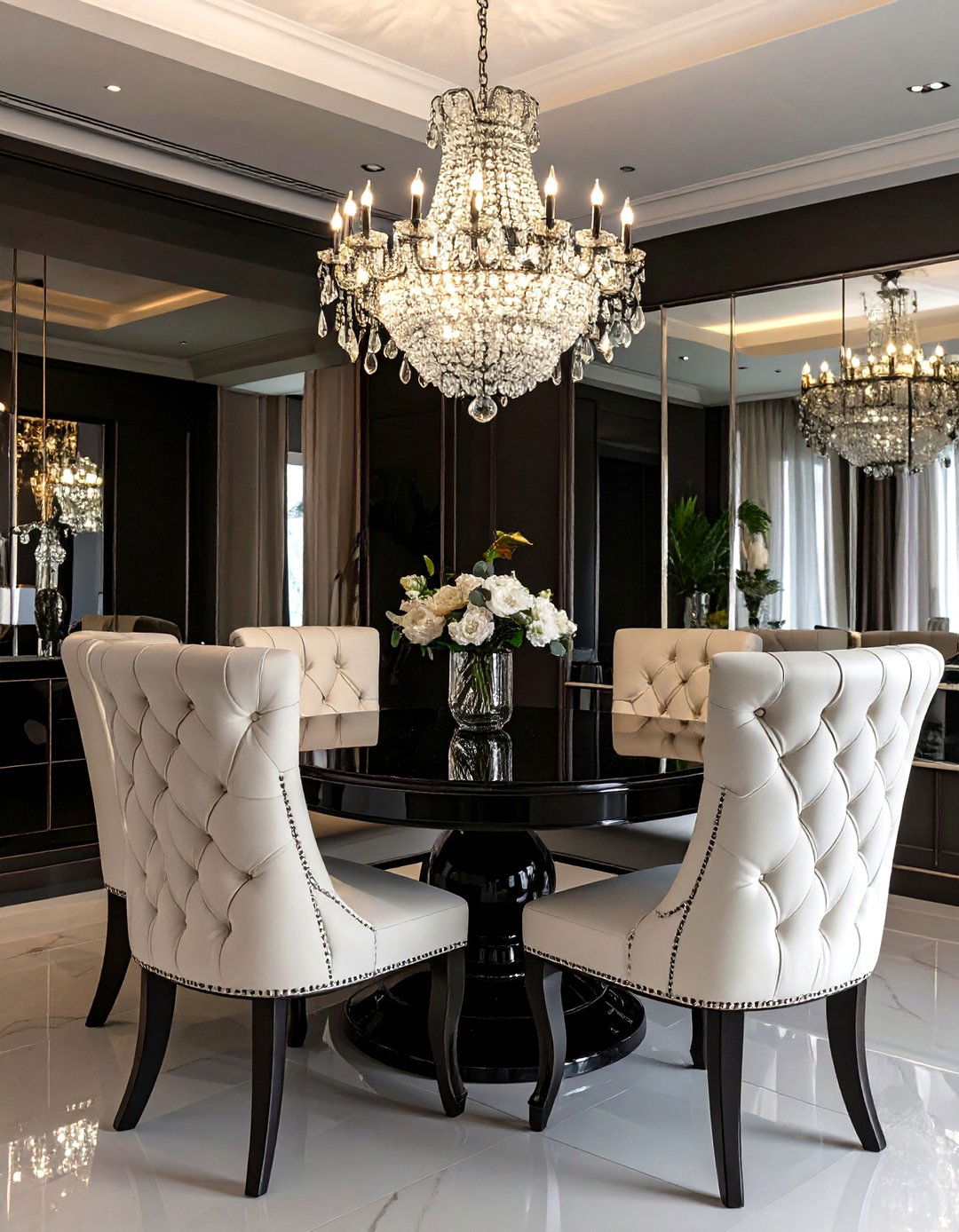
For a dose of drama and sophistication, the Hollywood Regency style creates harmony through bold contrasts and luxurious can you bring this cinematic flair into your home? The color palette is often black and white, accented with vibrant jewel tones like fuchsia or is grand and sculptural, featuring lacquered surfaces, tufted upholstery, and metallic furniture and high-gloss finishes amplify the layout is symmetrical and is opulent, with statement lighting, faux fur throws, and bold art, creating a space that is unapologetically luxurious and perfectly balanced.
14. A Rustic Mountain Cabin Feel
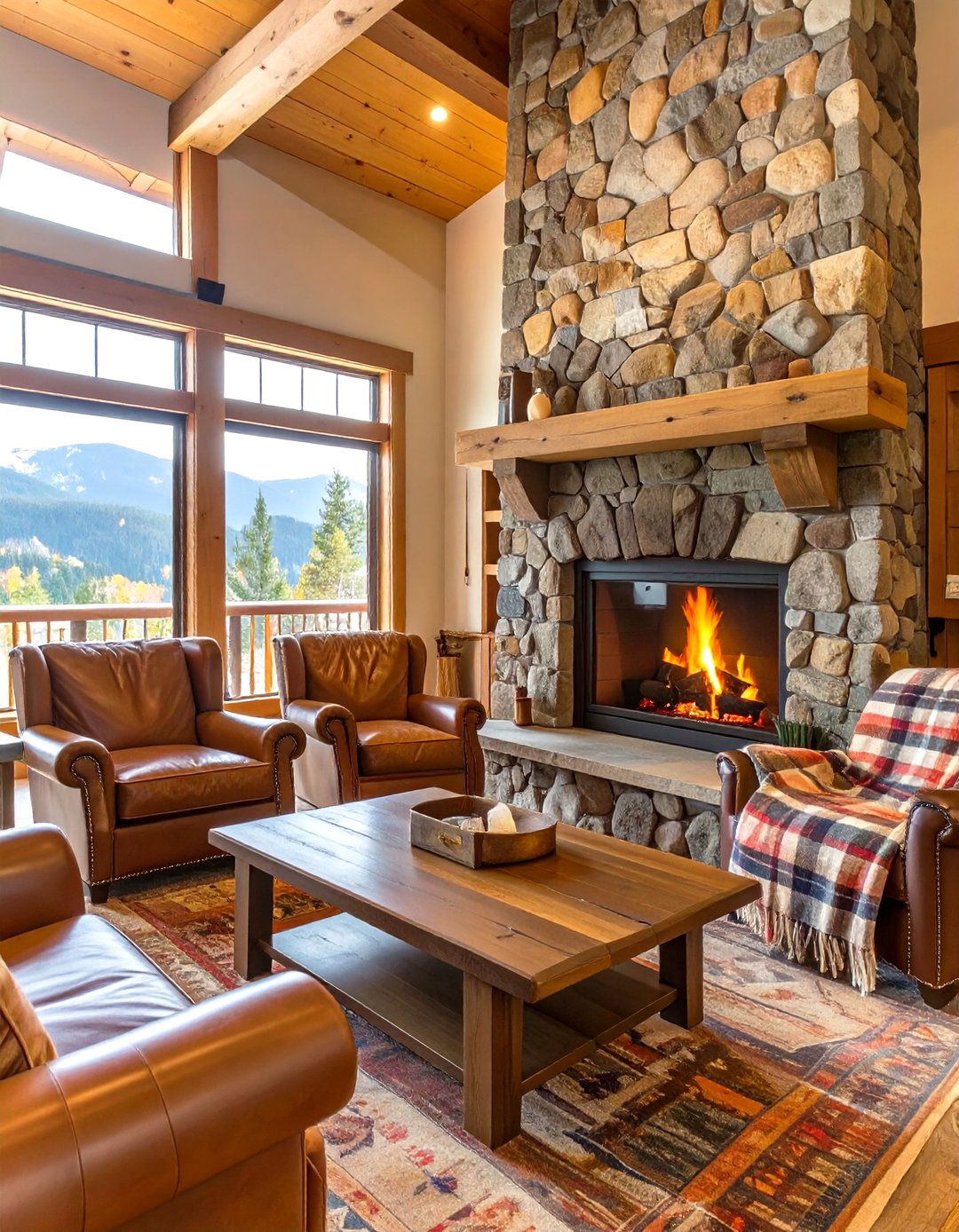
Evoke the harmony of a mountain retreat with a rustic cabin theme is built on natural, rugged materials like rough-hewn logs, stone, and reclaimed color palette is warm and earthy, reflecting the surrounding landscape with deep browns, forest greens, and rich is sturdy and oversized, often made of solid wood and upholstered in leather or warm plaid fabrics. A large stone fireplace typically serves as the focal point, anchoring the layout is cozy and centered on comfort, creating an inviting haven from the outside world.

15. The Mediterranean Coastal Vibe
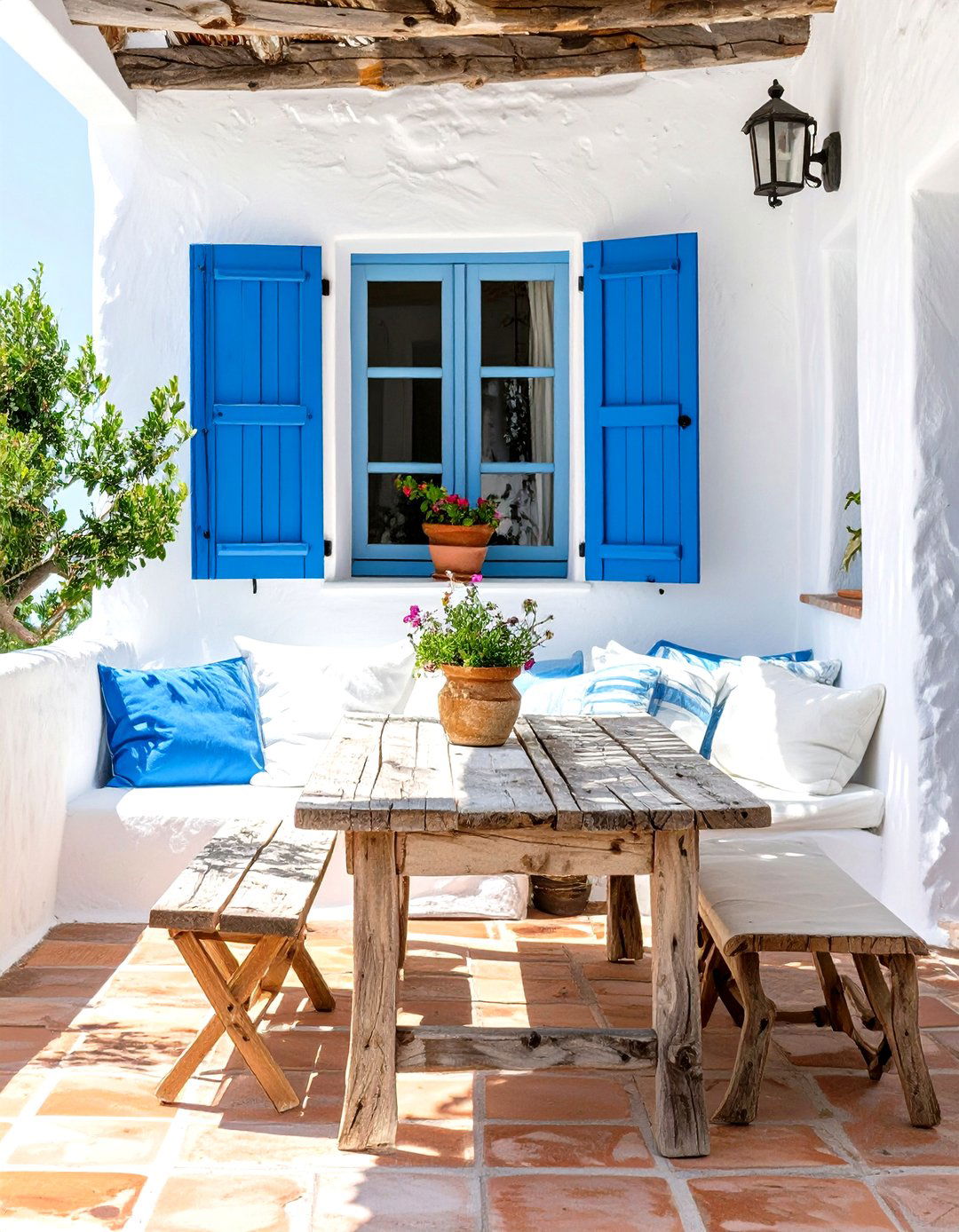
Transport yourself to the sunny shores of the Mediterranean with this breezy, harmonious features a crisp color palette of whites and brilliant blues, inspired by the sea and are natural and textured, including stucco walls, terracotta tiles, and light, airy is simple and rustic, often in weathered wood or wrought layout emphasizes an indoor-outdoor connection, with large windows and is minimal, focusing on handmade pottery, colorful textiles, and touches of greenery, creating a relaxed, sun-drenched, and effortlessly beautiful living space.
16. A Transitional Style Balance
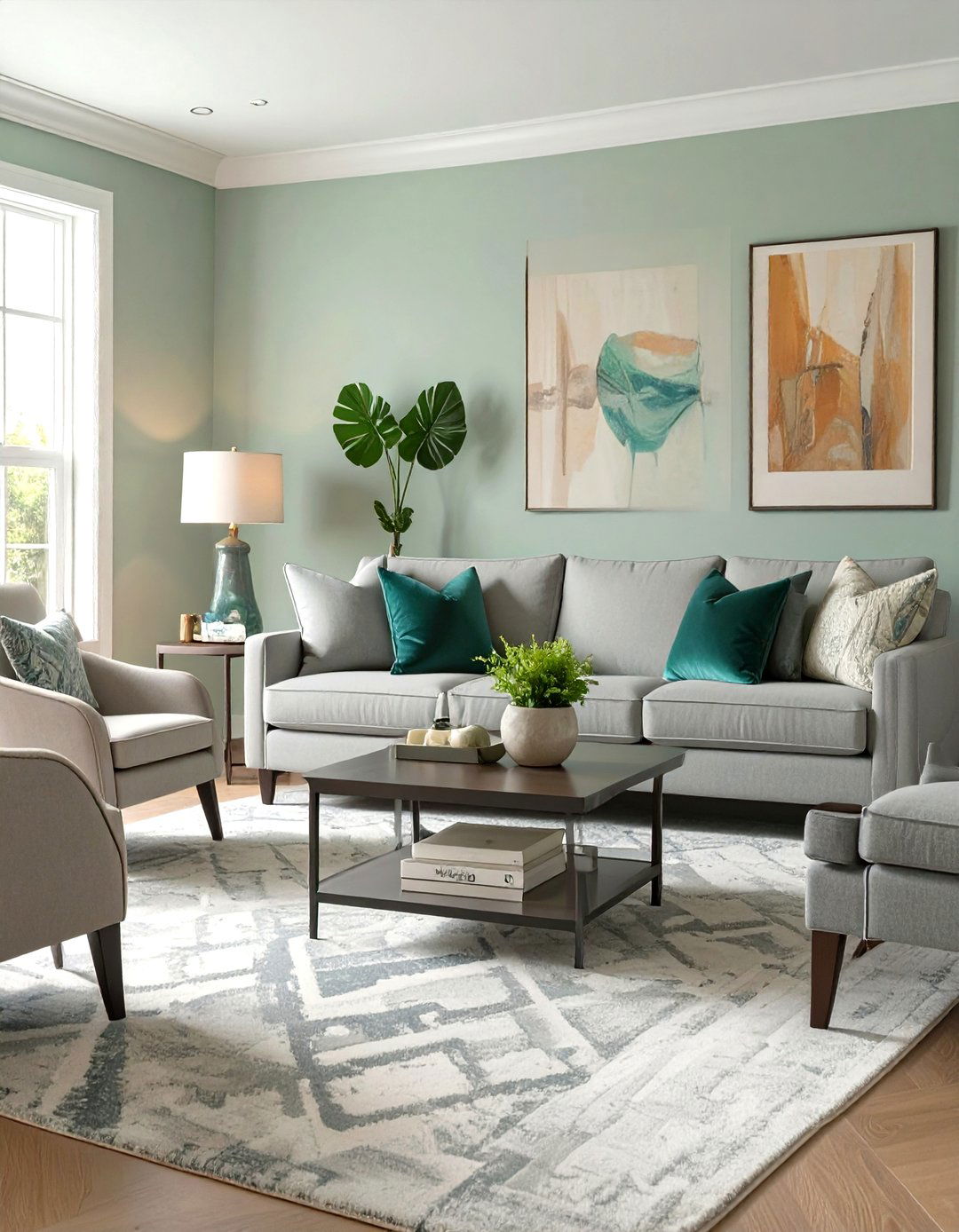
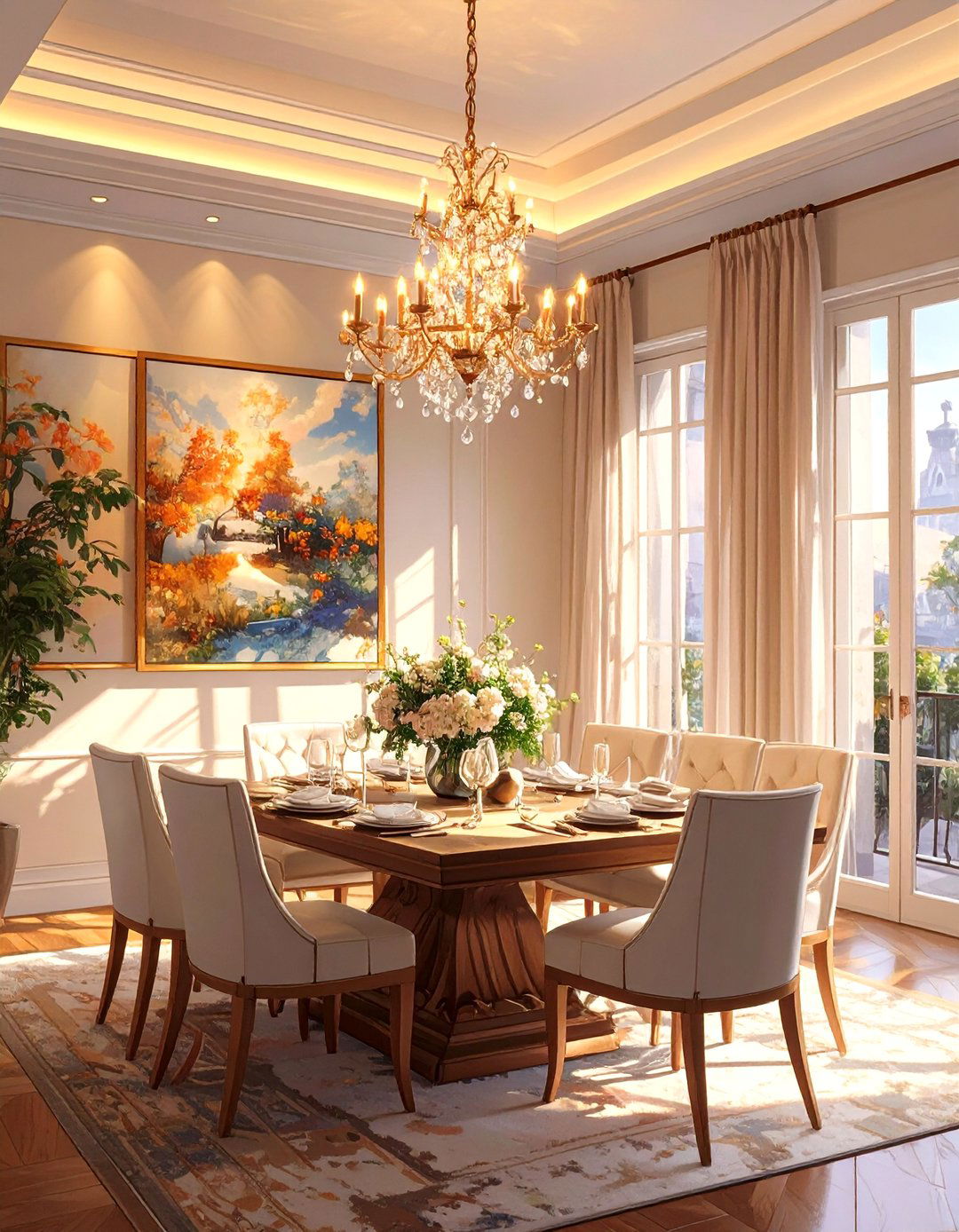
Transitional design creates harmony by blending the classic elegance of traditional style with the clean lines of contemporary design. Isn't it wonderful to have the best of both worlds? The color palette is typically neutral and sophisticated, using shades of gray, beige, and cream to create a calm combines straight lines with gentle curves for a look that is both comfortable and like plush rugs and smooth leather add layout is clean and uncluttered but not stark, resulting in a space that feels timeless, balanced, and serene.
17. The French Country Charm
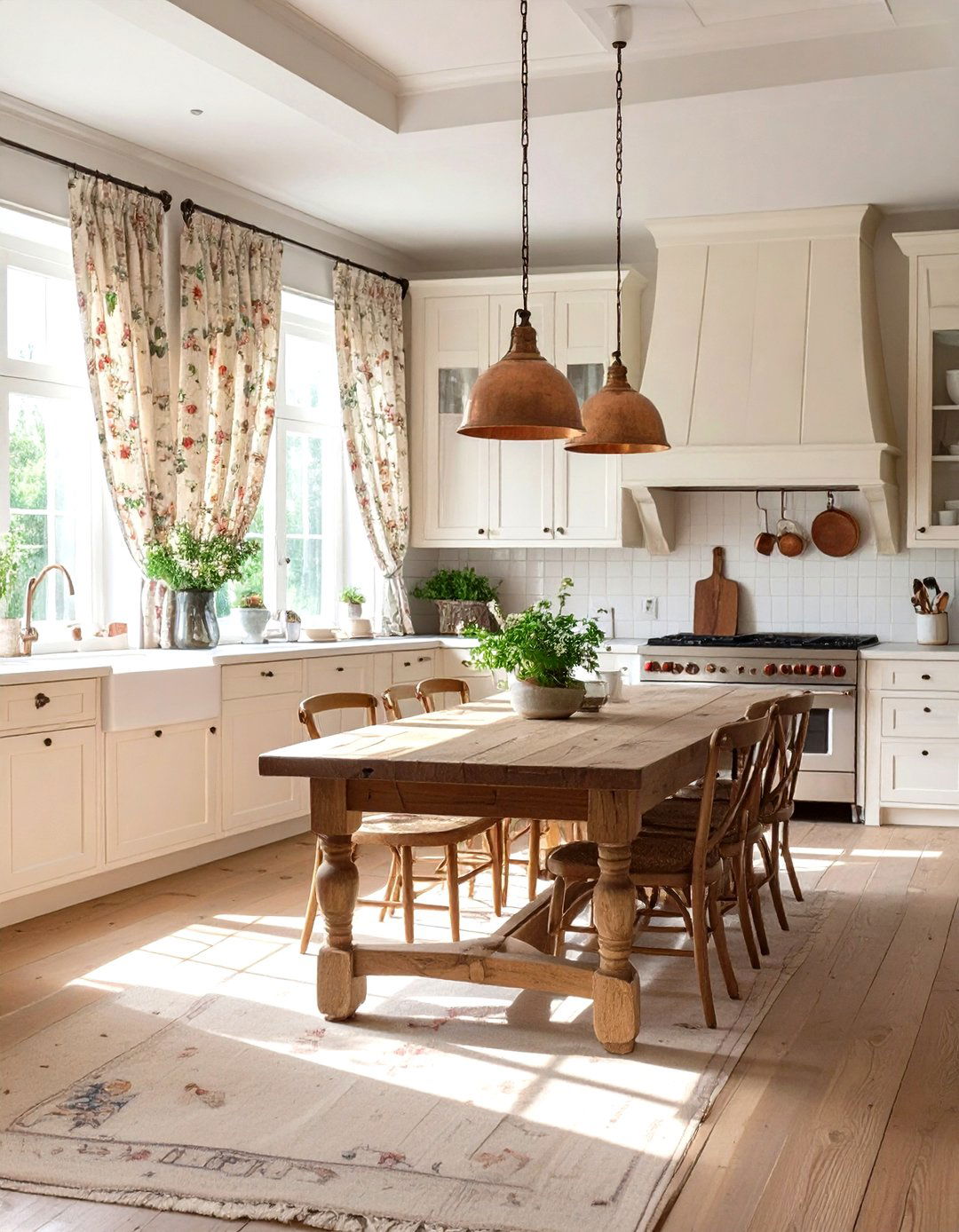
Achieve a soft, romantic harmony with French Country style blends rustic elegance with refined color palette includes warm whites, soft yellows, and muted blues and reds, inspired by the provincial is a mix of weathered wood pieces with graceful, curved feature classic patterns like toile, gingham, and delicate florals. A large, rustic dining table often serves as the heart of the includes copper pots, fresh lavender, and antique ceramics, creating a space that is both welcoming, effortlessly chic, and full of character.
18. An Asian-Inspired Minimalist Space
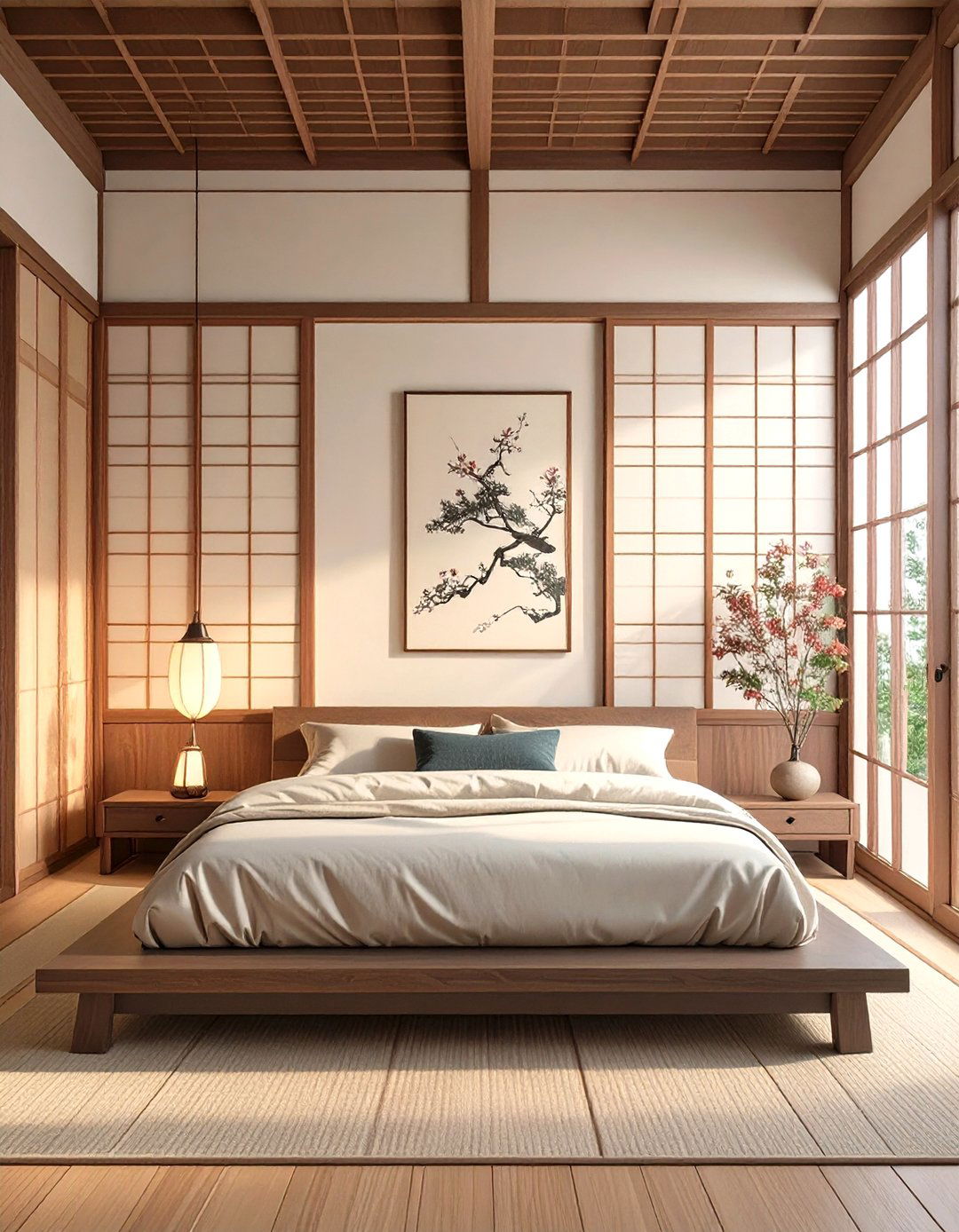
This design creates harmony through balance, order, and a deep connection to theme is rooted in simplicity, featuring a neutral color palette and natural materials like bamboo, rice paper, and dark is low-profile and horizontal, promoting a sense of tranquility and connection to the layout is open and uncluttered, often incorporating elements like shoji screens to create flexible is minimal and intentional, such as a single orchid, a bonsai tree, or a piece of calligraphy, fostering a serene and contemplative atmosphere.
19. The Colorful Maximalist Harmony
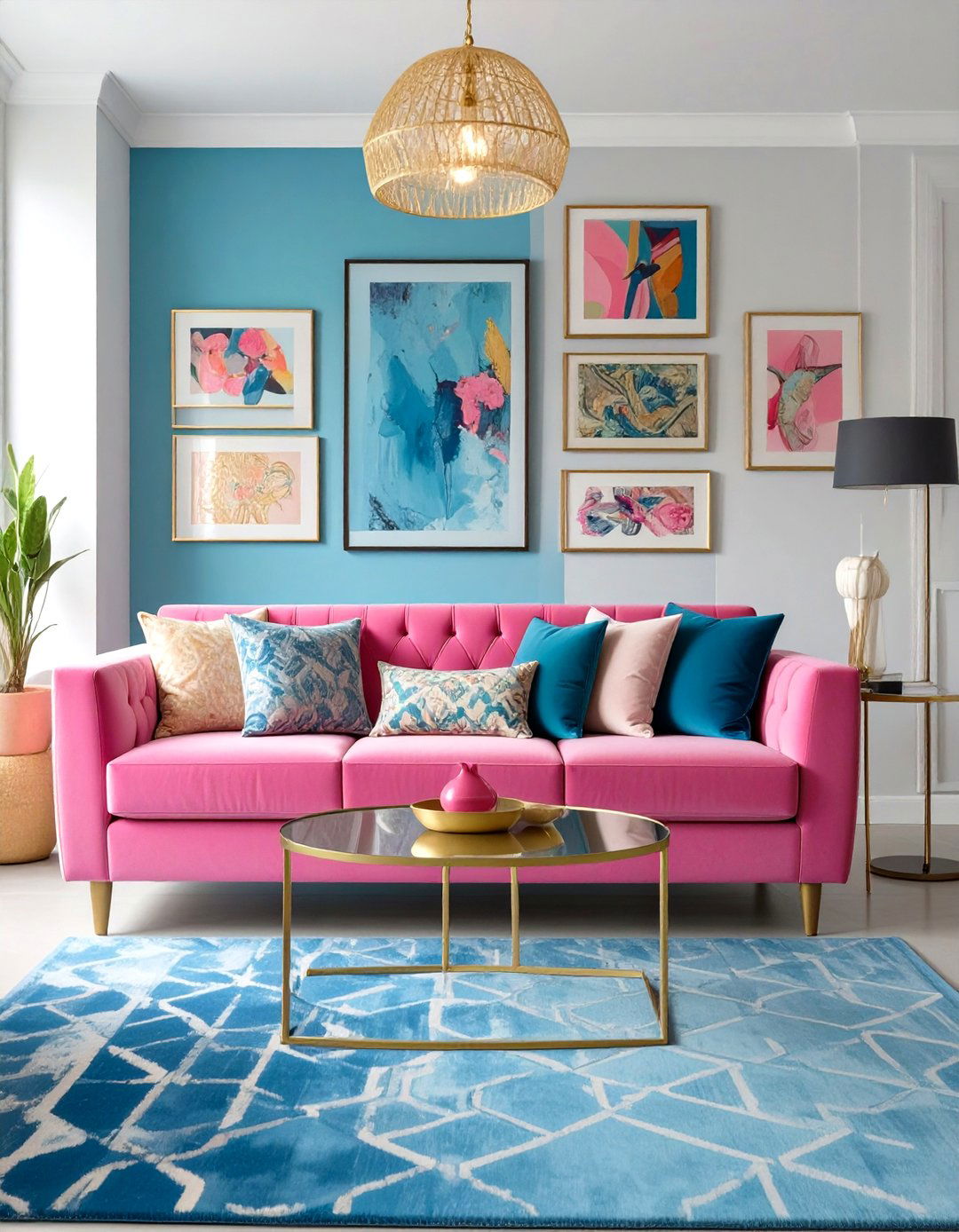
Maximalism achieves harmony not through subtlety, but through the bold and joyful curation of "more. " Can a room filled with color and pattern truly feel harmonious? Absolutely, when done with style layers vibrant colors, bold patterns, and diverse textures with key is a unifying element, whether it 's a recurring color, a consistent style of art, or a specific is an eclectic mix of eras and layout is full but not cluttered, with every object having its place. It' s a celebration of personal expression, creating a space that is energetic, personal, and cohesively vibrant.



20. A Southwestern Desert Aesthetic
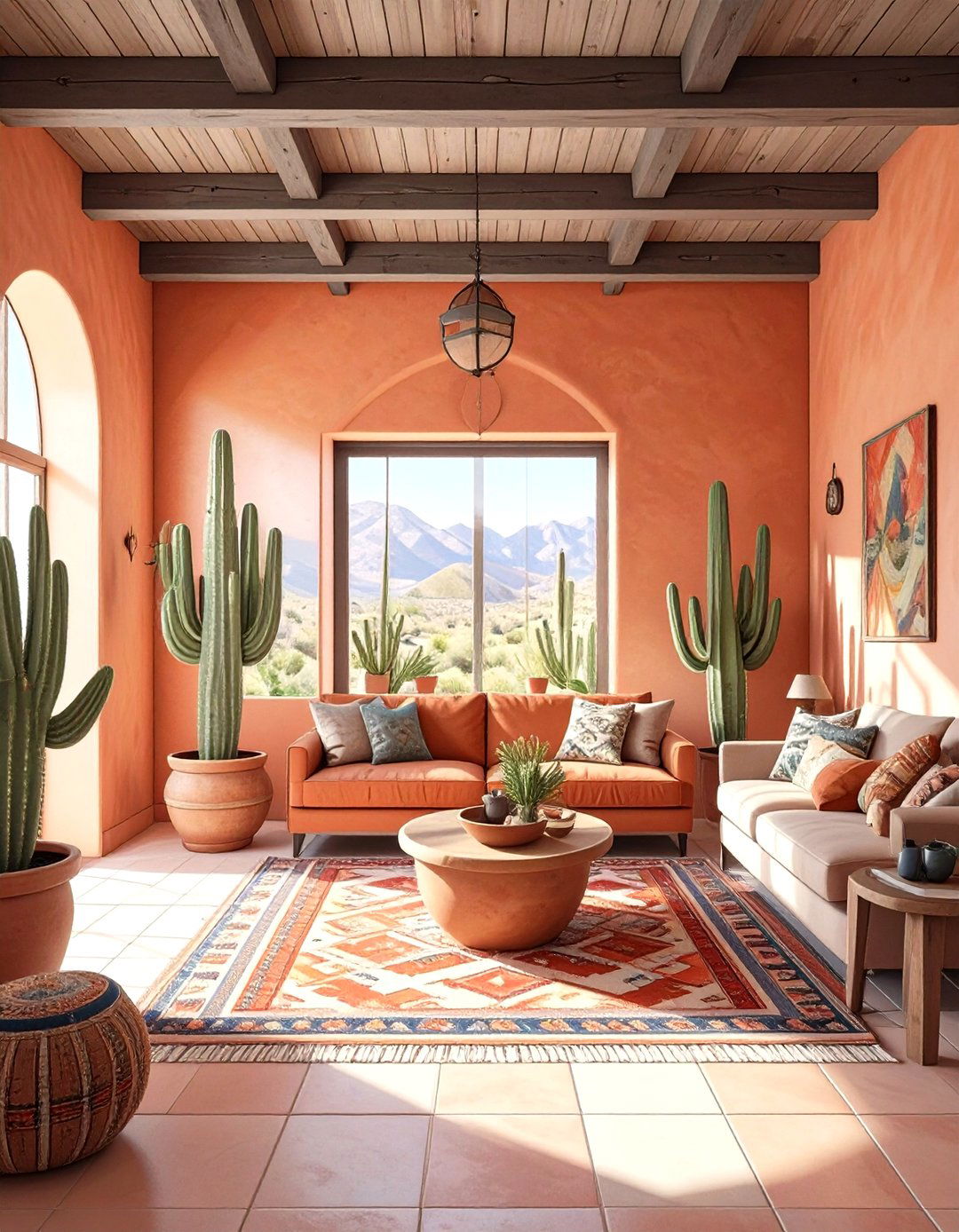
Capture the warm, earthy harmony of the American design is defined by a color palette drawn from the desert landscape: terracotta, sand, and sunset hues of orange and rust, accented with are natural and rustic, including stucco, clay tiles, and heavy, dark is solid and are a key feature, with Navajo-inspired geometric patterns on rugs, blankets, and includes cacti, handcrafted pottery, and wrought iron details, creating a space that is warm, inviting, and deeply connected to its natural surroundings.
21. The Steampunk Victorian Fusion
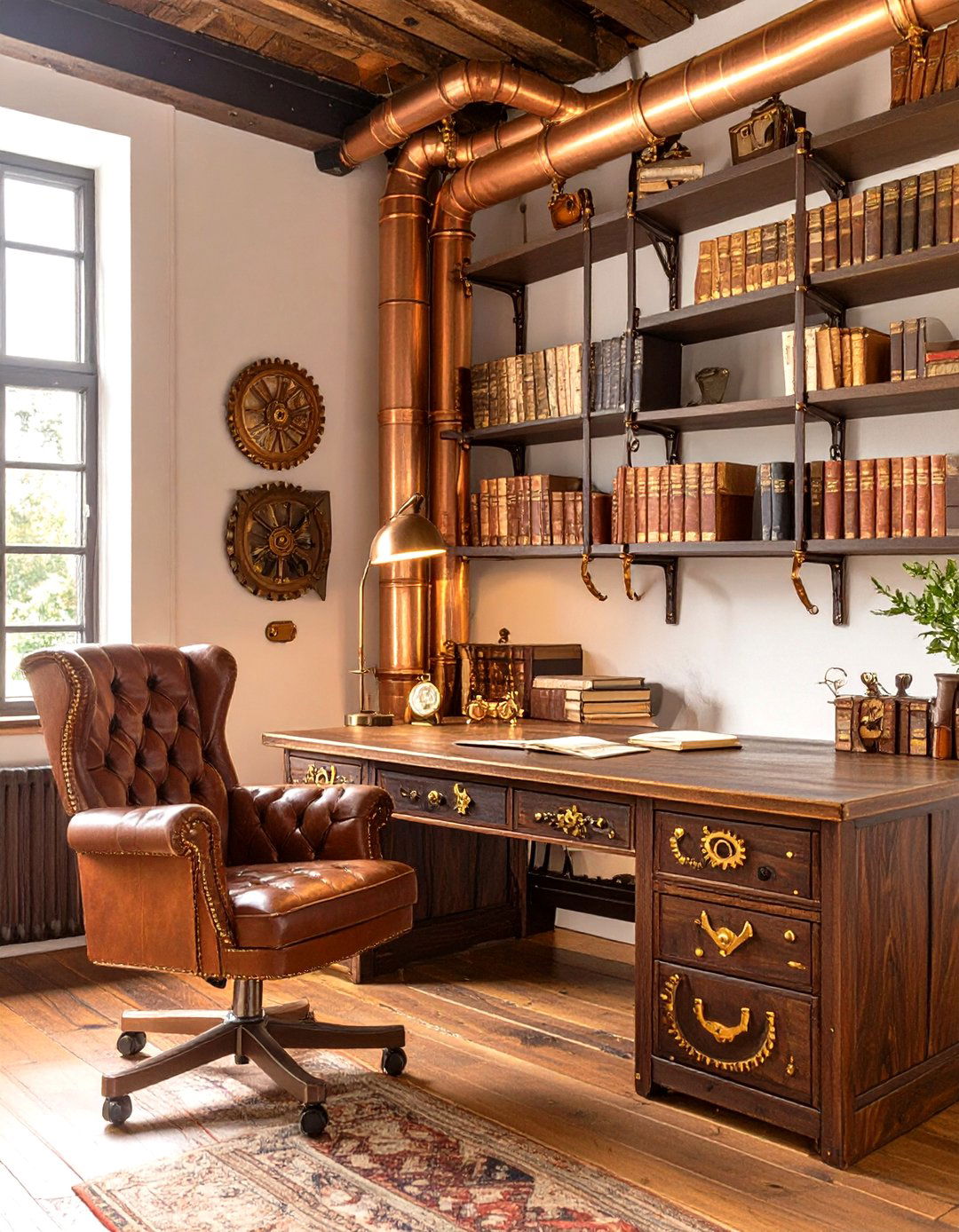
Create a unique harmony by fusing the intricate elegance of Victorian design with the mechanical edge of theme combines dark, rich wood and ornate Victorian furniture with industrial elements like exposed copper pipes, gears, and color palette is moody, featuring deep browns, maroons, and brassy is key, with Edison bulbs and custom-made fixtures adding to the mechanical upholstery, vintage maps, and scientific instruments serve as decor, creating a space that is imaginative, detailed, and tells a fascinating, cohesive story of two distinct eras.
22. A Contemporary Organic Flow
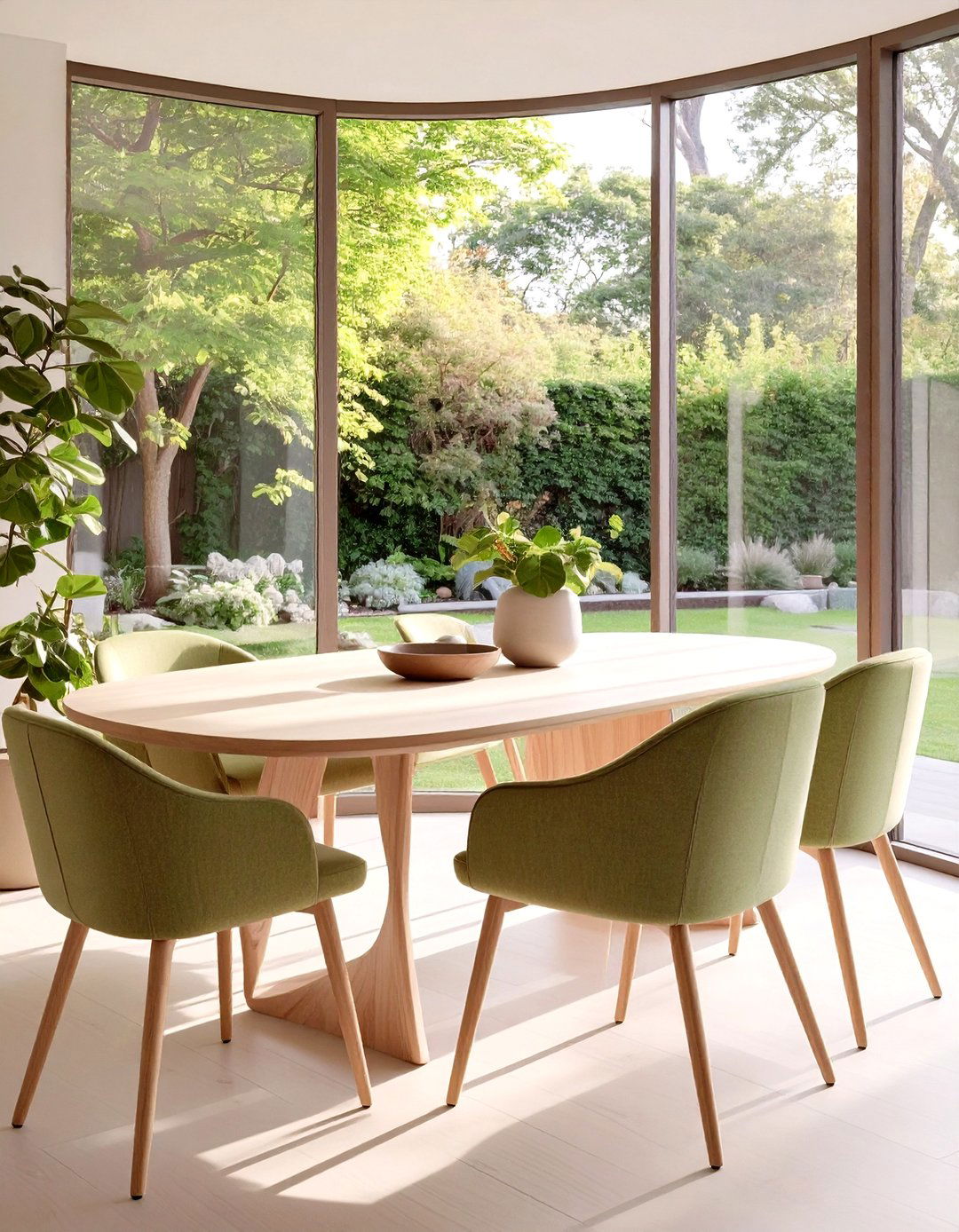
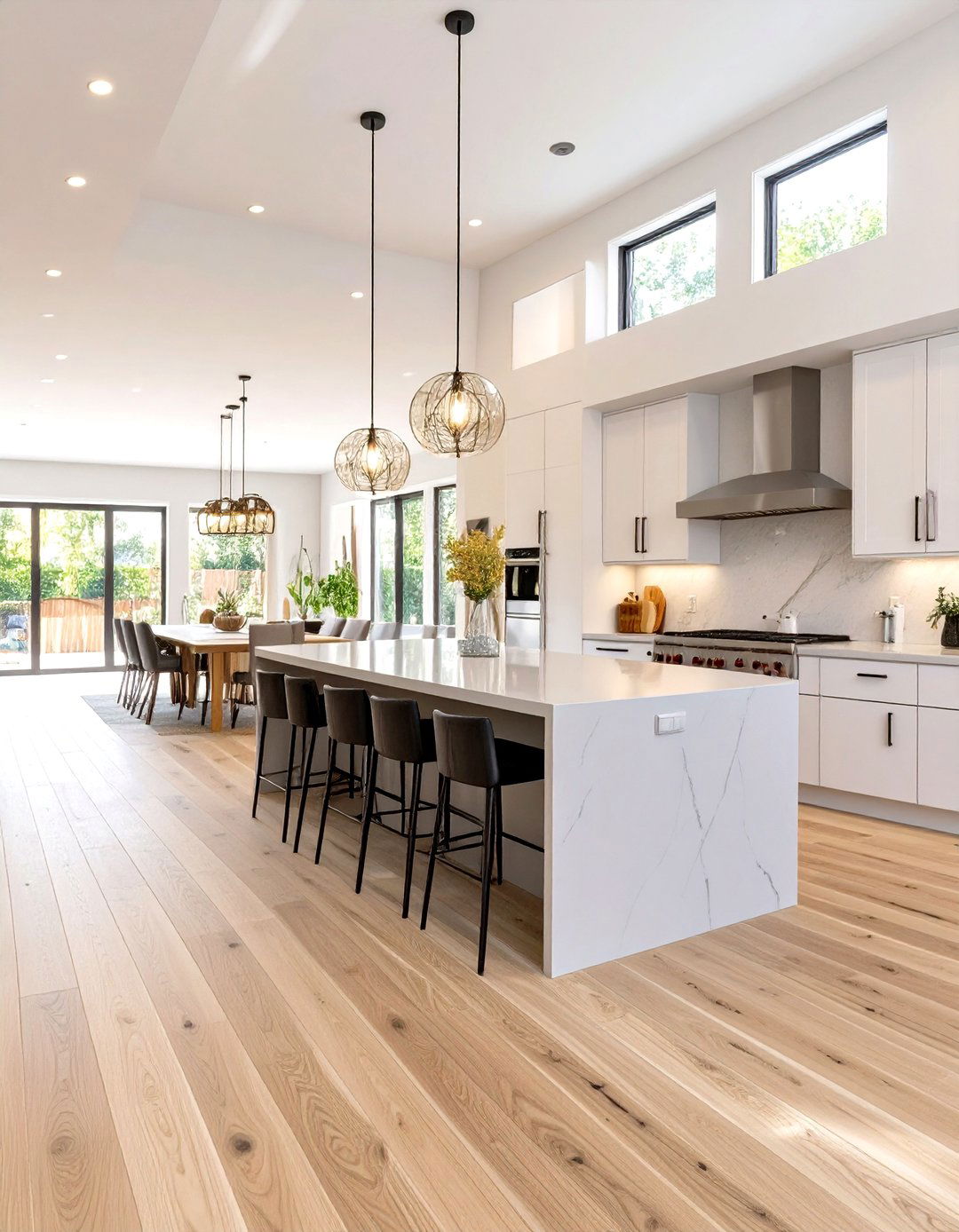
This design finds harmony in the seamless blend of modern forms and natural aesthetic is clean and sophisticated, with a neutral color palette enhanced by pops of color inspired by nature, like moss green or stone features soft, curved lines that mimic organic shapes, upholstered in natural like polished concrete, light wood, and smooth stone are used layout is open and flowing, with an emphasis on natural light and result is a calming, uncluttered space that feels both modern and deeply connected to the natural world.
23. The Shabby Chic Romantic Room
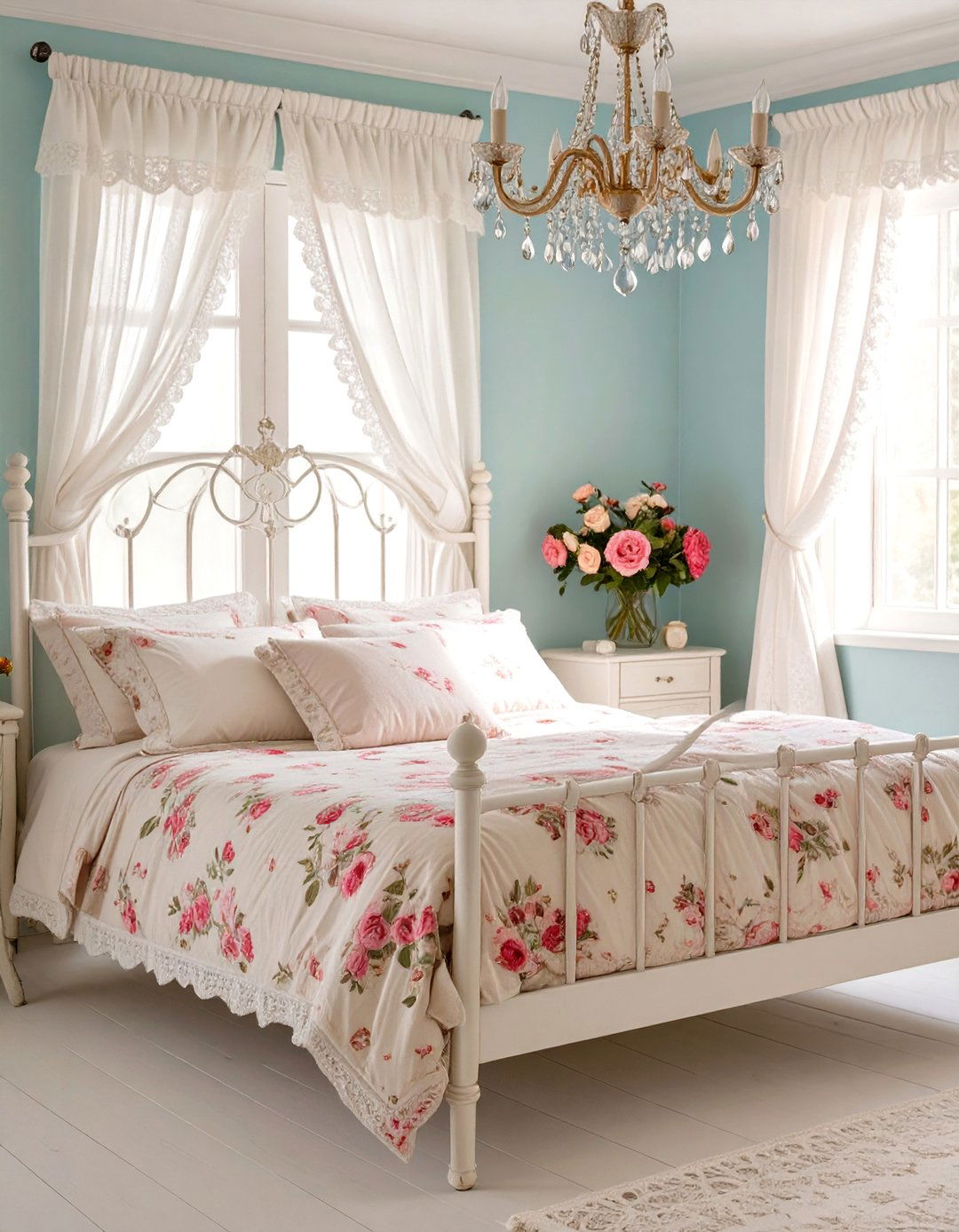
Shabby Chic creates a gentle, romantic harmony through a palette of soft pastels, whites, and beauty of this style lies in its comfortable, lived-in is often vintage or distressed, with a painted, weathered finish that tells a not embrace the charm of imperfection? Textiles are soft and inviting, featuring floral prints, ruffles, and delicate layout is cozy and includes crystal chandeliers, vintage mirrors, and fresh flowers in simple jars, crafting a space that is feminine, comfortable, and full of nostalgic, harmonious charm.
24. A Global Nomad Themed Interior
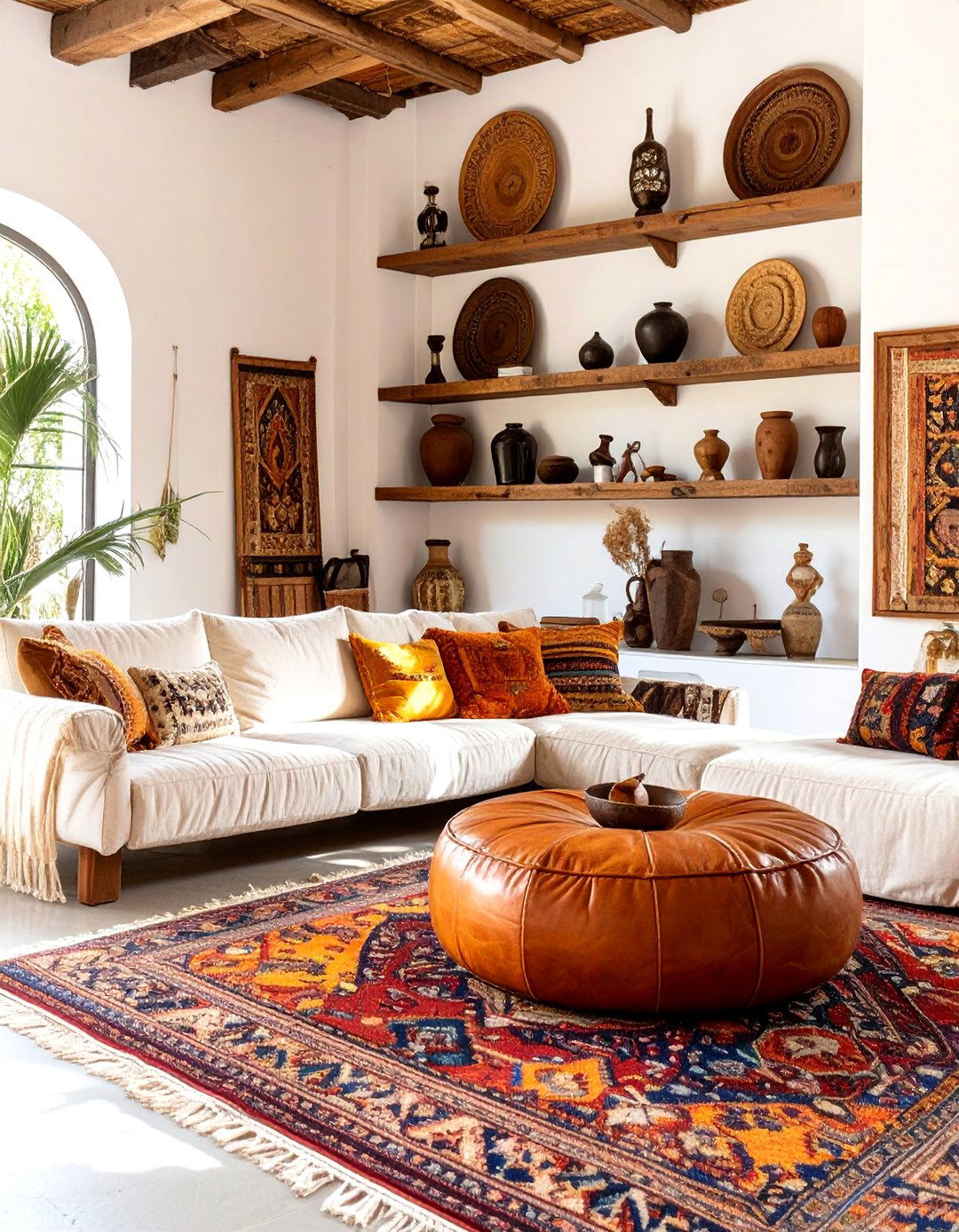
Craft a harmonious space that reflects a life of travel and Global Nomad theme brings together textiles, artifacts, and furniture from various key to harmony is a consistent color palette or material to tie the diverse elements together, such as earthy tones or natural Moroccan leather poufs, Turkish rugs, and Indonesian carved wood layout is eclectic and relaxed, encouraging storytelling and style is deeply personal, creating a layered, interesting, and cohesive home that is a testament to a well-traveled life.
25. The Dark Academia Study
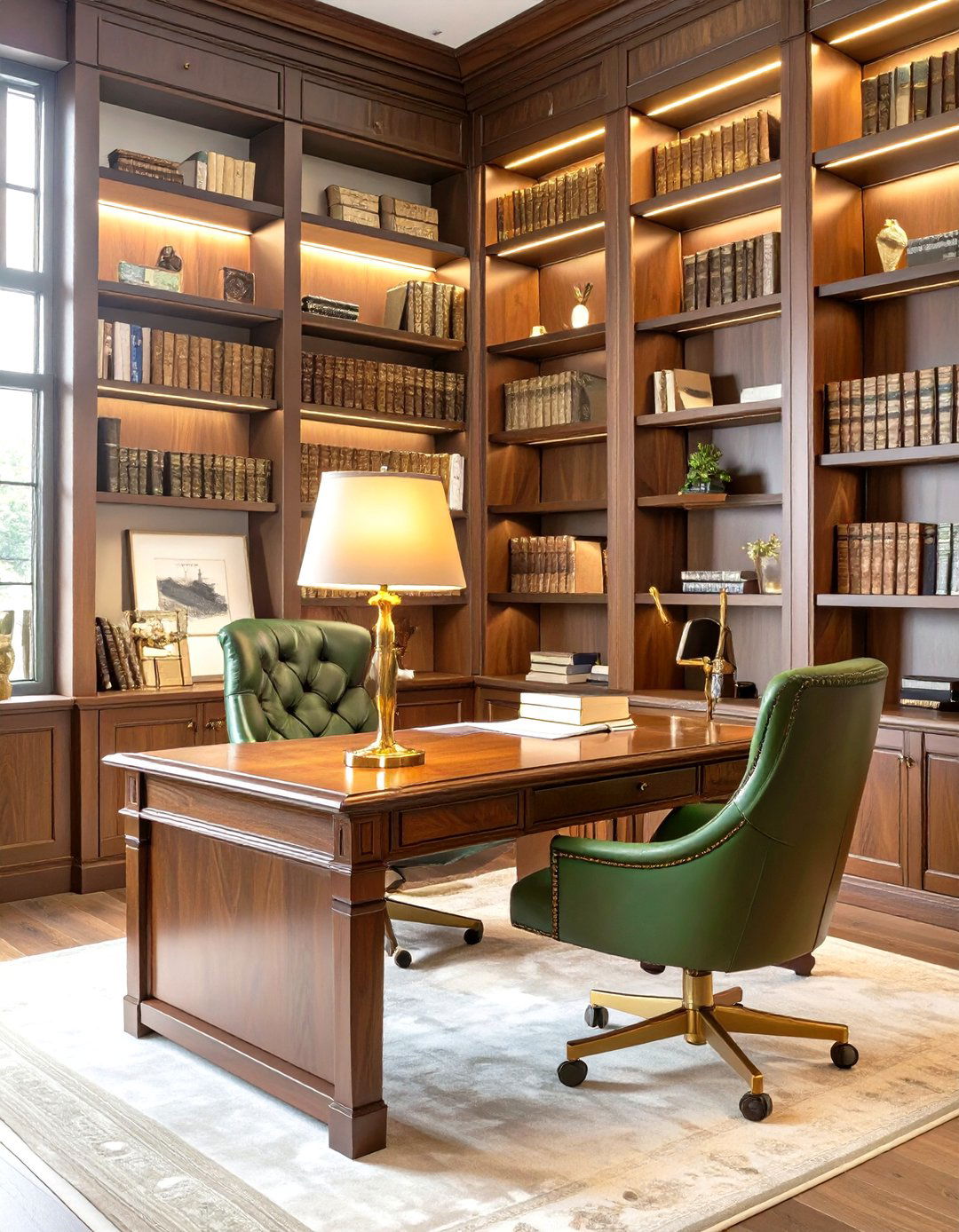
Evoke the studious, atmospheric harmony of a classic library with the Dark Academia theme is defined by a moody color palette of deep browns, forest greens, and charcoal space is filled with dark wood bookcases, leather-bound books, and classic furniture like a wingback chair or a solid writing like tweed, wool, and worn leather add texture and is subdued and focused, using brass desk lamps and shaded includes classical busts, vintage maps, and scientific illustrations, creating a cohesive, intellectual, and cozy retreat.
26. A Retro Pop Art Explosion
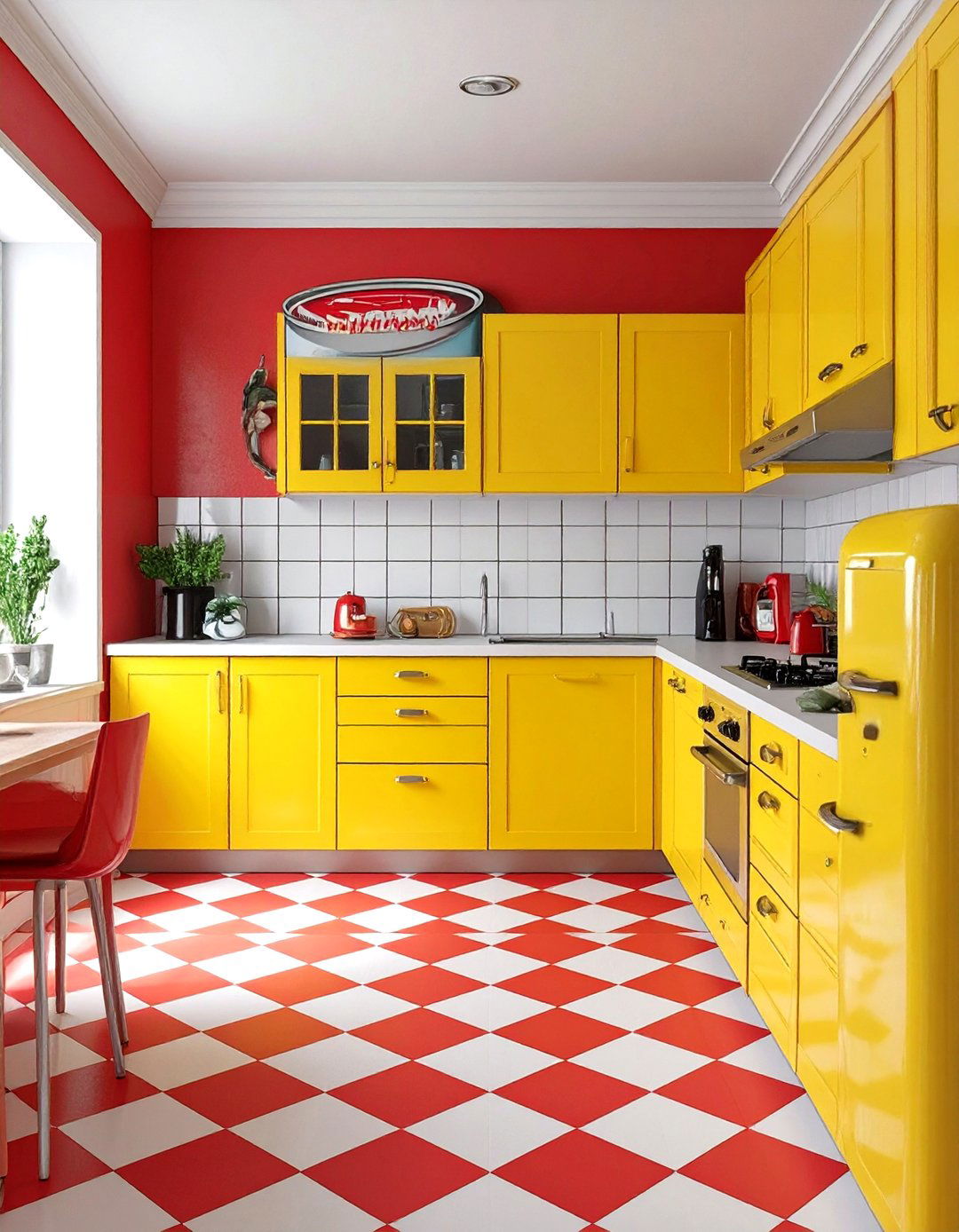
Inject energy and fun into a space with a harmonious Pop Art theme inspired by the design is all about bold, saturated colors like cherry red, bright yellow, and electric blue, often used in is sculptural and playful, featuring molded plastics and graphic layout is open and become a gallery for iconic Pop Art prints and graphic are modern and man-made, like vinyl and style creates a vibrant, cohesive look that is full of personality and optimistic energy, turning the everyday into art.
27. The Neutral Tonal Layering Technique
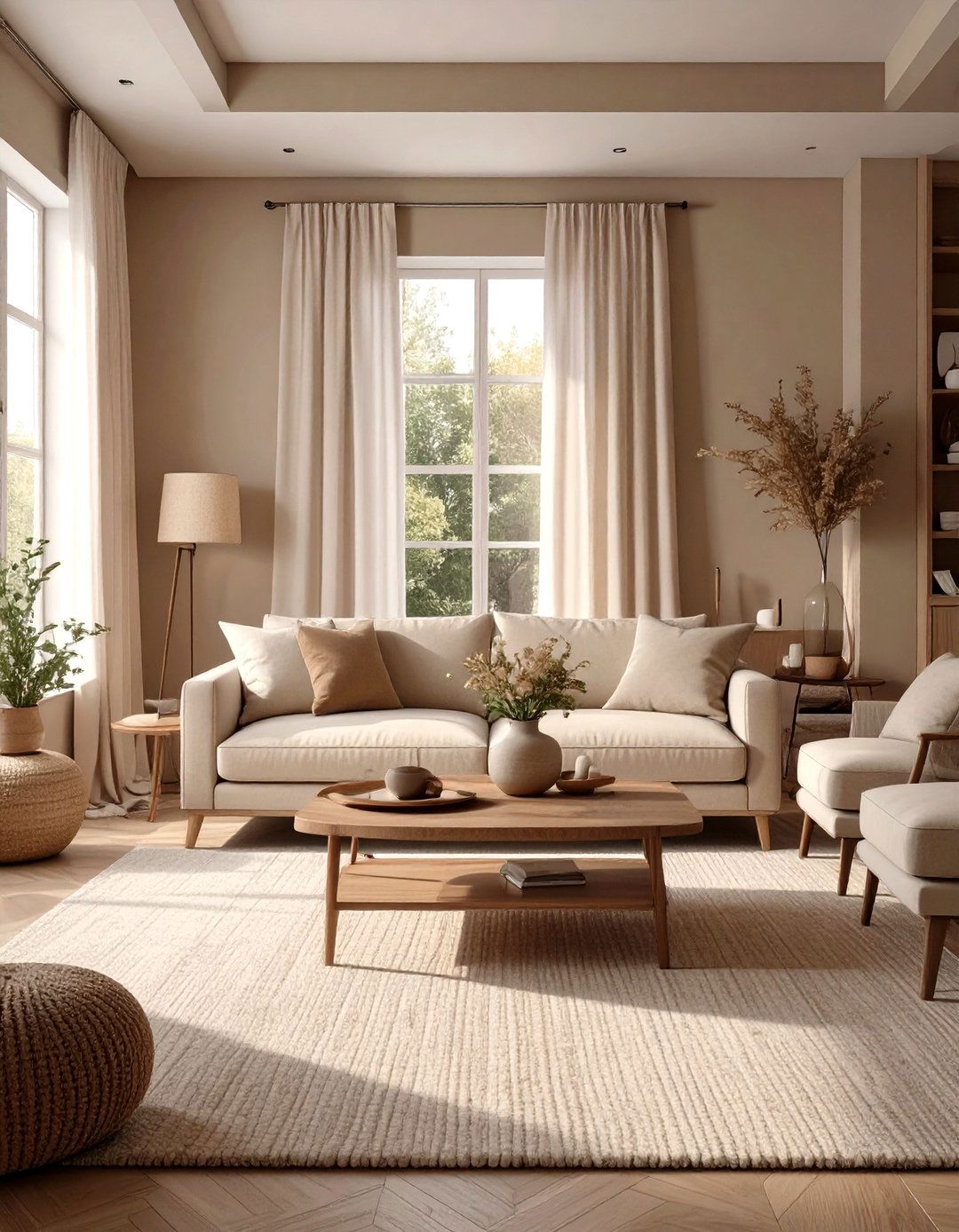
Achieve profound harmony through the sophisticated technique of tonal design focuses on a single neutral color family, such as beige, taupe, or greige, and builds depth by layering various shades and a room with beige walls, a slightly darker taupe sofa, a nubby cream rug, and linen curtains in a soft subtle variations in tone create a rich, complex look without overwhelming the materials like light wood and stone complement the palette, resulting in a serene, elegant, and incredibly cohesive space that feels both calm and visually interesting.
28. A Classic Black and White Contrast
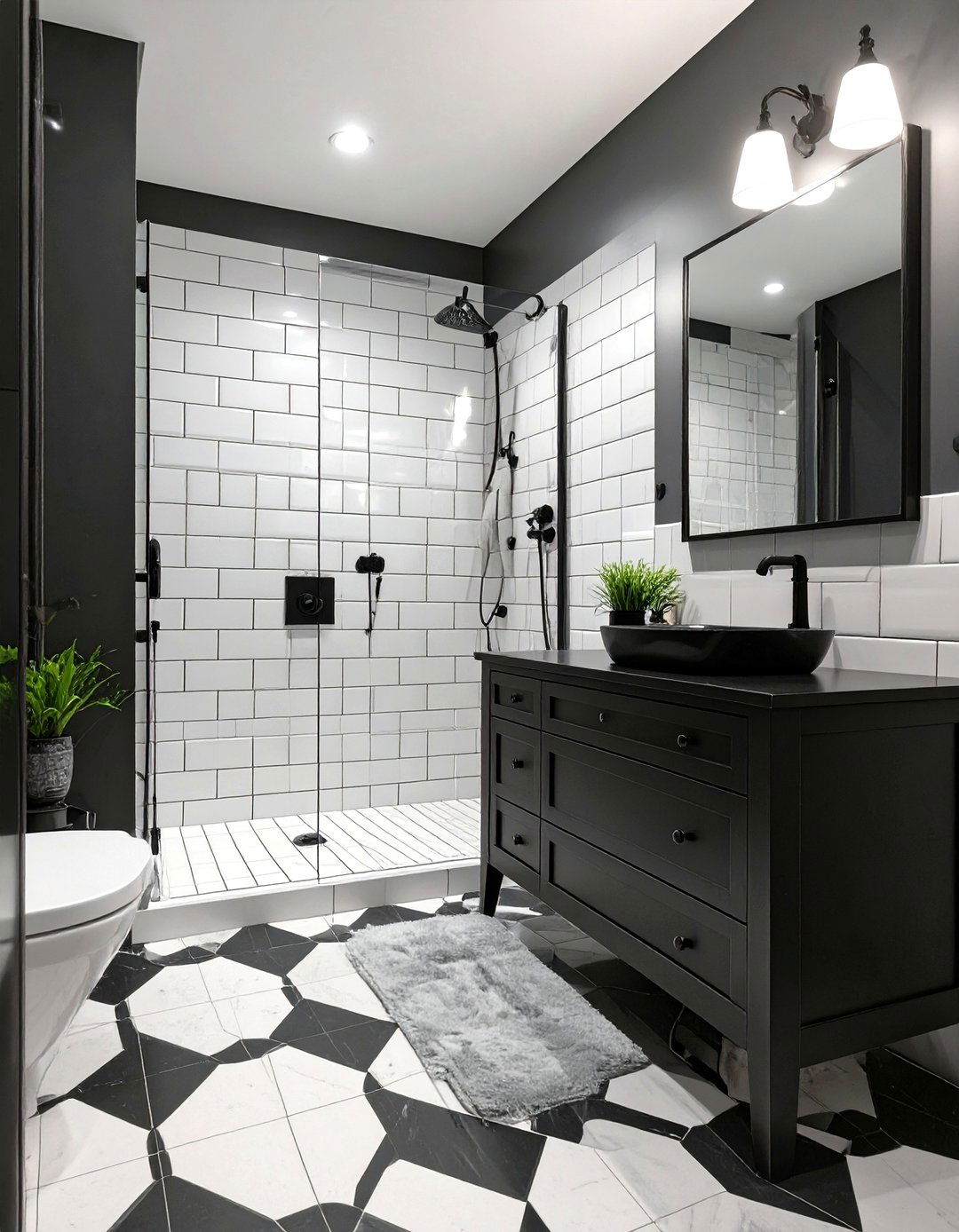
The timeless contrast of black and white is a powerful tool for creating design scheme relies on a balanced distribution of these two opposing colors to create a dynamic yet unified white walls, a black sofa, a geometric black and white rug, and pops of black in picture frames and key is to vary the scale of the patterns and the finish of the materials — matte walls, glossy furniture, and textured high-contrast approach creates a look that is sophisticated, bold, and always in perfect, dramatic balance.
29. The Eco-Conscious Sustainable Home
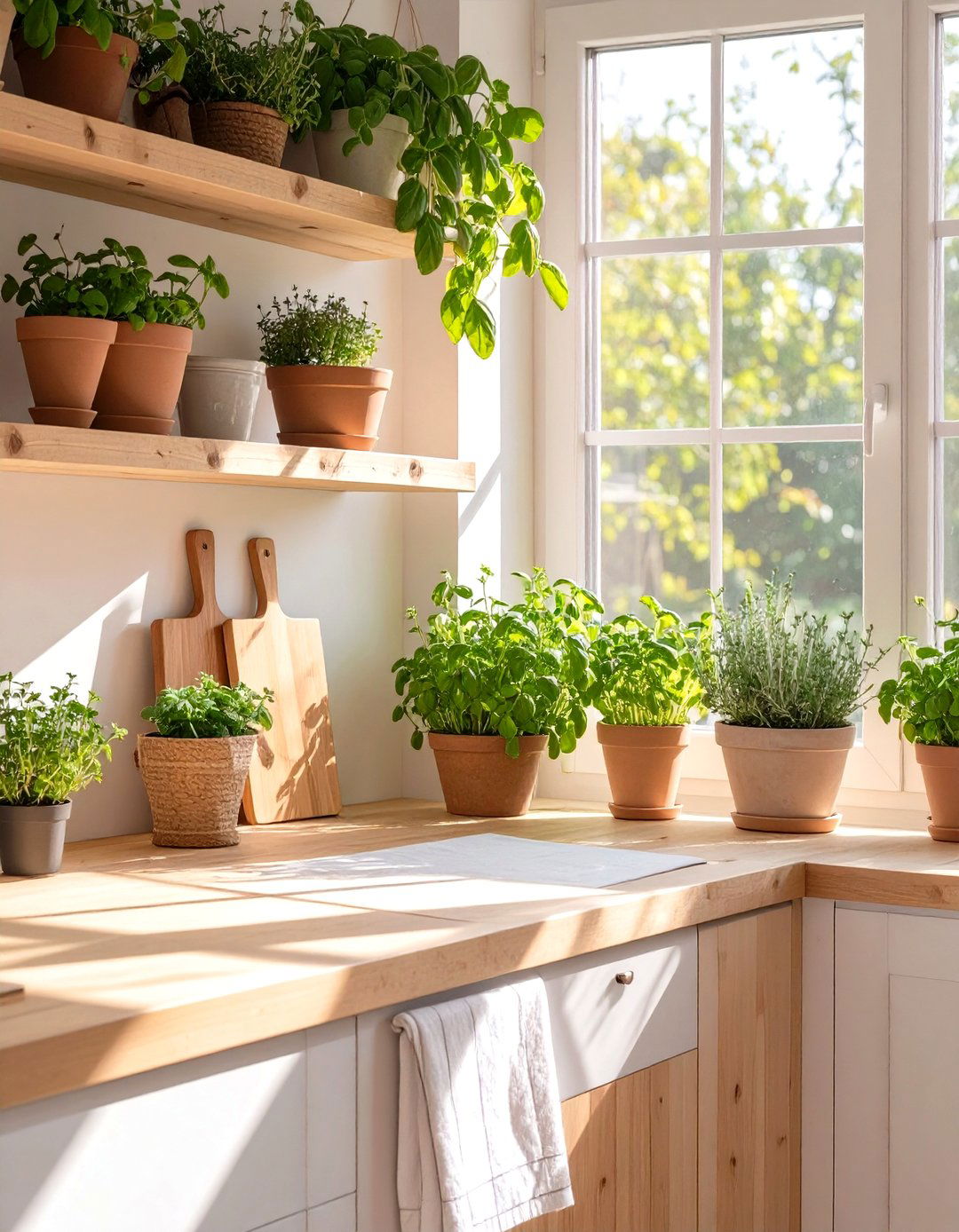
Create harmony with nature and your values in an eco-conscious design prioritizes sustainable, reclaimed, and non-toxic bamboo flooring, reclaimed wood furniture, and organic cotton or hemp color palette is inspired by nature, featuring earthy greens, browns, and blues, often using low-VOC layout maximizes natural light and ventilation to reduce energy includes living plants, handmade items from local artisans, and upcycled approach results in a healthy, beautiful, and harmonious space that is gentle on both its inhabitants and the planet.
30. The Modern Coastal Simplicity
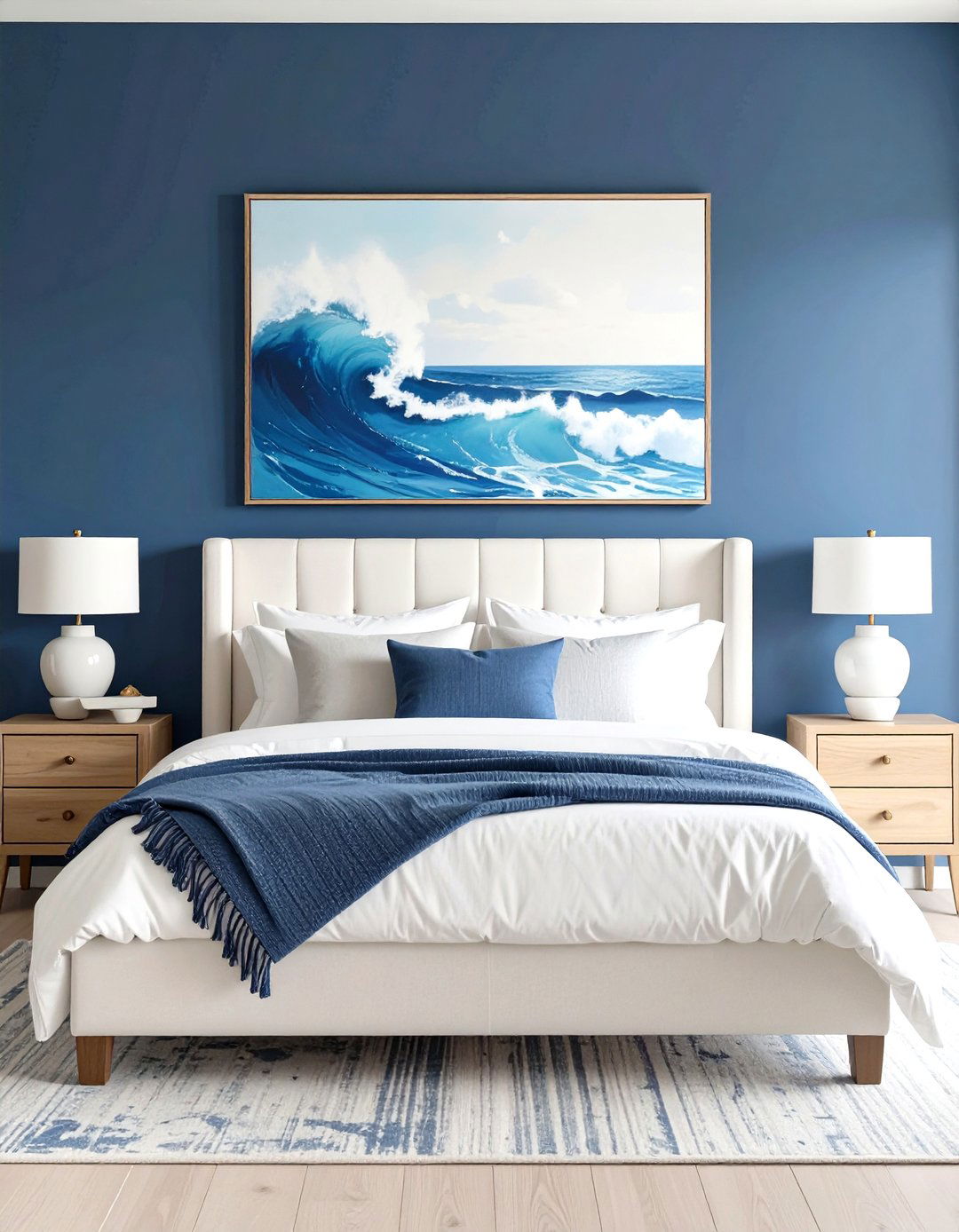
Modern Coastal design achieves harmony by simplifying the traditional coastal look into a clean, contemporary uses a refined color palette of crisp whites, soft grays, and deep navy focus is on clean lines and uncluttered is simple and comfortable, with light wood or white textures like jute, linen, and rattan are used sparingly to add warmth without creating layout is open and airy, emphasizing light and is minimal, featuring abstract ocean-inspired art or simple glass vases, creating a serene, sophisticated, and harmonious seaside escape.
Conclusion:
Ultimately, creating harmony in interior design is about crafting a narrative where every element plays a supporting role. It’s the thoughtful layering of color, texture, and light, and the intentional arrangement of furniture that transforms a house into a through the minimalist calm of Japandi, the rustic warmth of a mountain cabin, or the bold curation of maximalism, the goal remains the same: to design a space that feels cohesive, balanced, and deeply ideas demonstrate that harmony is not a single style, but a principle that can be applied to any aesthetic to create an environment that is both beautiful and restorative.

Related posts:



Leave a Reply