
Lines are the silent storytellers of a room, guiding our eyes, shaping our perceptions, and defining the very essence of a than just a visual element, the strategic use of line in interior design can evoke powerful emotions, create illusions of height or width, and establish a sense of harmony or dynamic the strong, grounding presence of horizontal lines in a minimalist living room to the graceful, flowing curves of an Art Nouveau-inspired bedroom, every line has a how to harness the power of vertical, horizontal, diagonal, and curved lines allows you to craft interiors that are not only beautiful but also deeply resonant and functionally exploration delves into thirty distinct design concepts where line is the hero, transforming ordinary rooms into thoughtfully curated environments.

1. Vertical Lines for Grandeur in Entryways
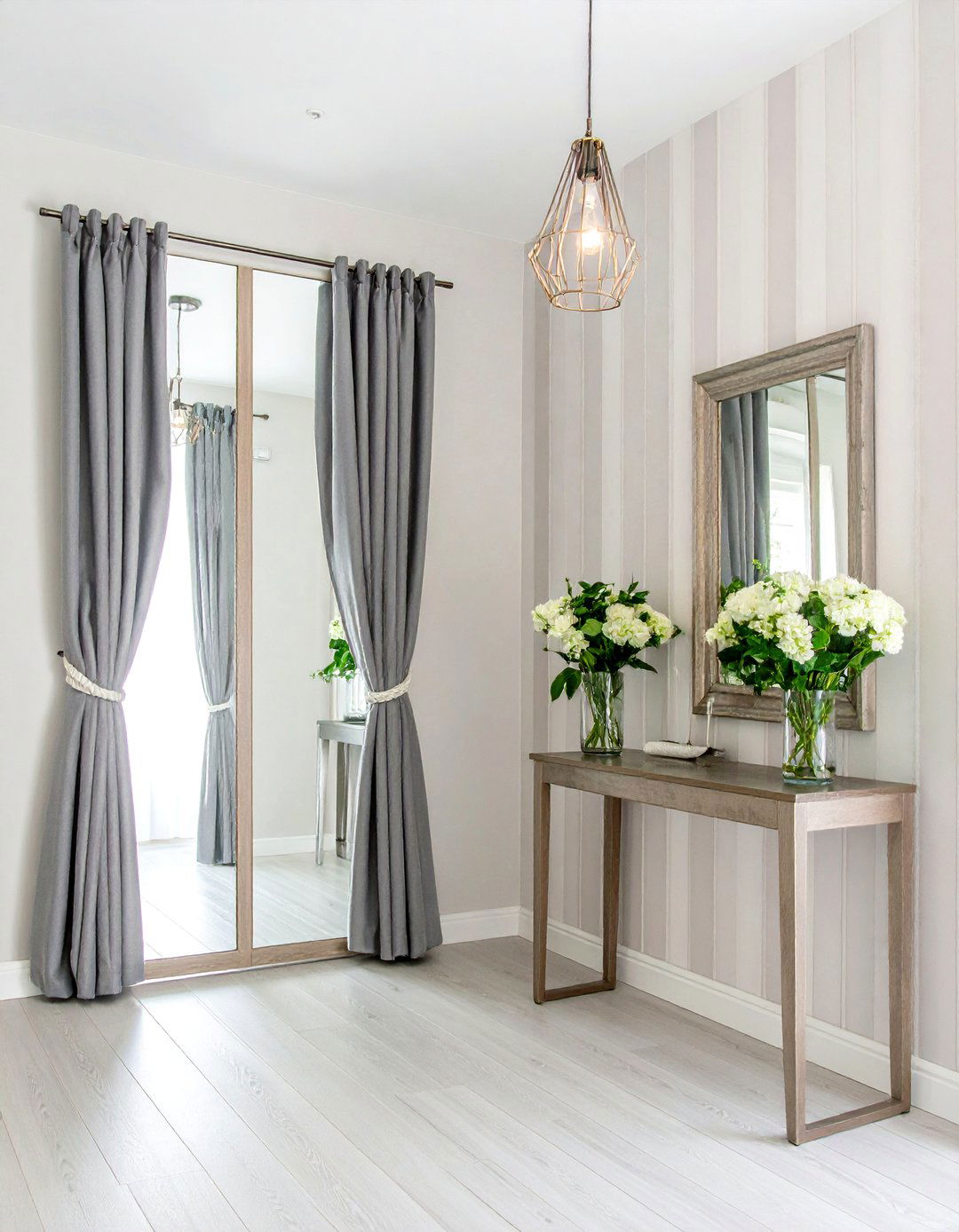
Imagine stepping into a foyer where soaring vertical lines immediately draw your gaze upward, creating an awe-inspiring sense of height and is achieved with tall, narrow mirrors, floor-to-ceiling drapery in a solid, bold color, and slender console lighting scheme reinforces this effect with long, elegant pendant lights that hang like delicate with a subtle, vertically striped pattern adds another layer of approach makes even a modestly sized entryway feel grand and welcoming, setting a tone of refined elegance for the rest of the key is repetition and consistency in the vertical elements.
2. Horizontal Lines for a Serene Bedroom Retreat

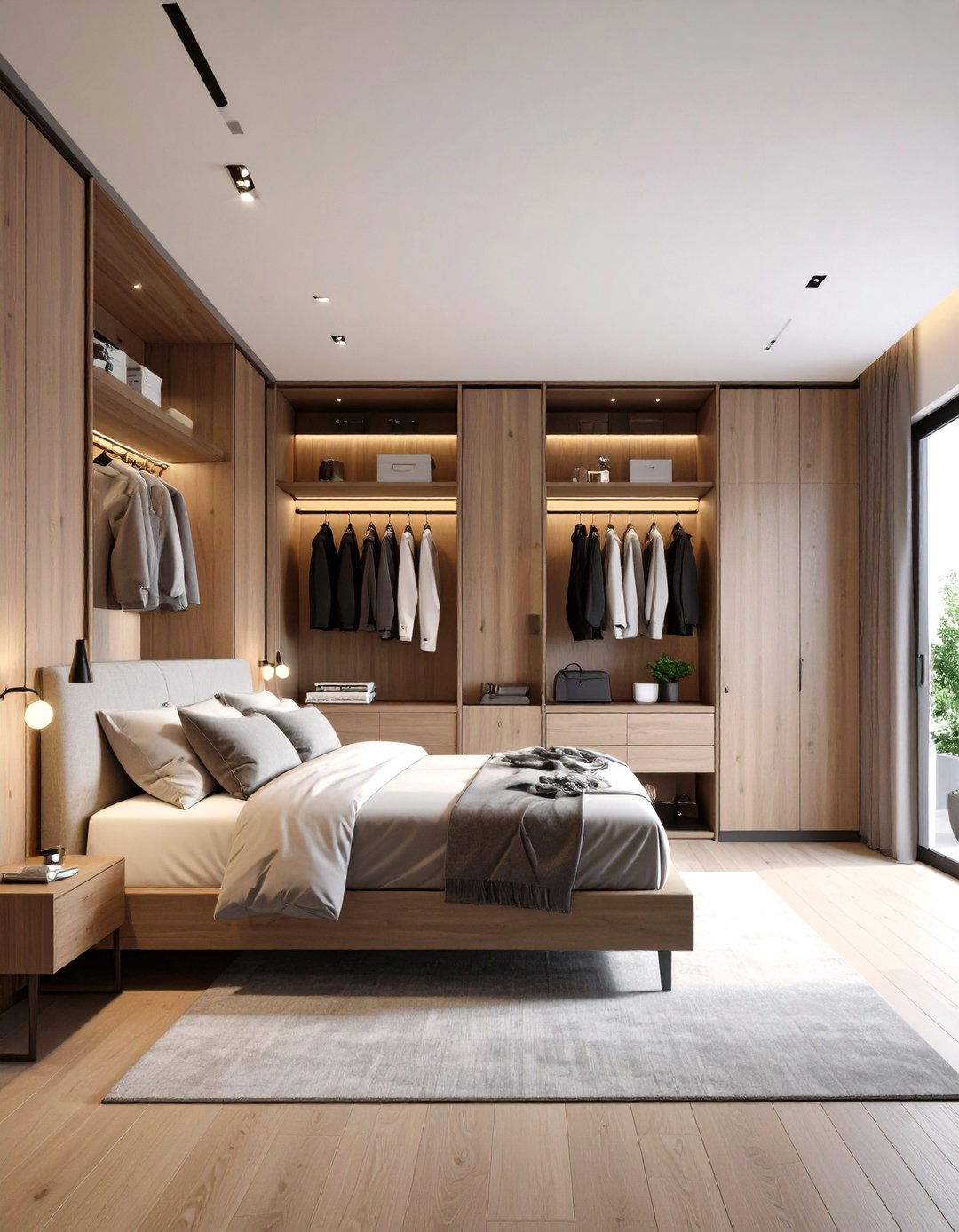
To cultivate a tranquil and restful bedroom, embrace the calming influence of horizontal lines. A low-profile platform bed with a wide, expansive headboard establishes a strong, grounding focal is complemented by long, floating shelves and wide, low-slung dressers that stretch across the walls, enhancing the sense of windows are dressed with simple, wide blinds that emphasize the horizontal design choice visually widens the room and promotes a feeling of stability and peace, making it the perfect sanctuary for unwinding after a long cohesiveness of these lines creates an uncluttered, serene atmosphere.
3. Dynamic Diagonal Lines in a Modern Home Office

For a home office that inspires creativity and energy, integrating diagonal lines is a powerful of a feature wall with a bold, geometric wallpaper pattern or custom-built shelving that ascends at an angle. A sleek desk with angular legs or a chair with a V-shaped back introduces dynamic the layout can contribute, with the desk positioned diagonally to break free from the room's rigid use of diagonals injects a sense of movement and forward-thinking innovation, fostering a productive environment that feels anything but static. It’s a design that says "action" and "progress. "
4. Graceful Curved Lines in a Living Room
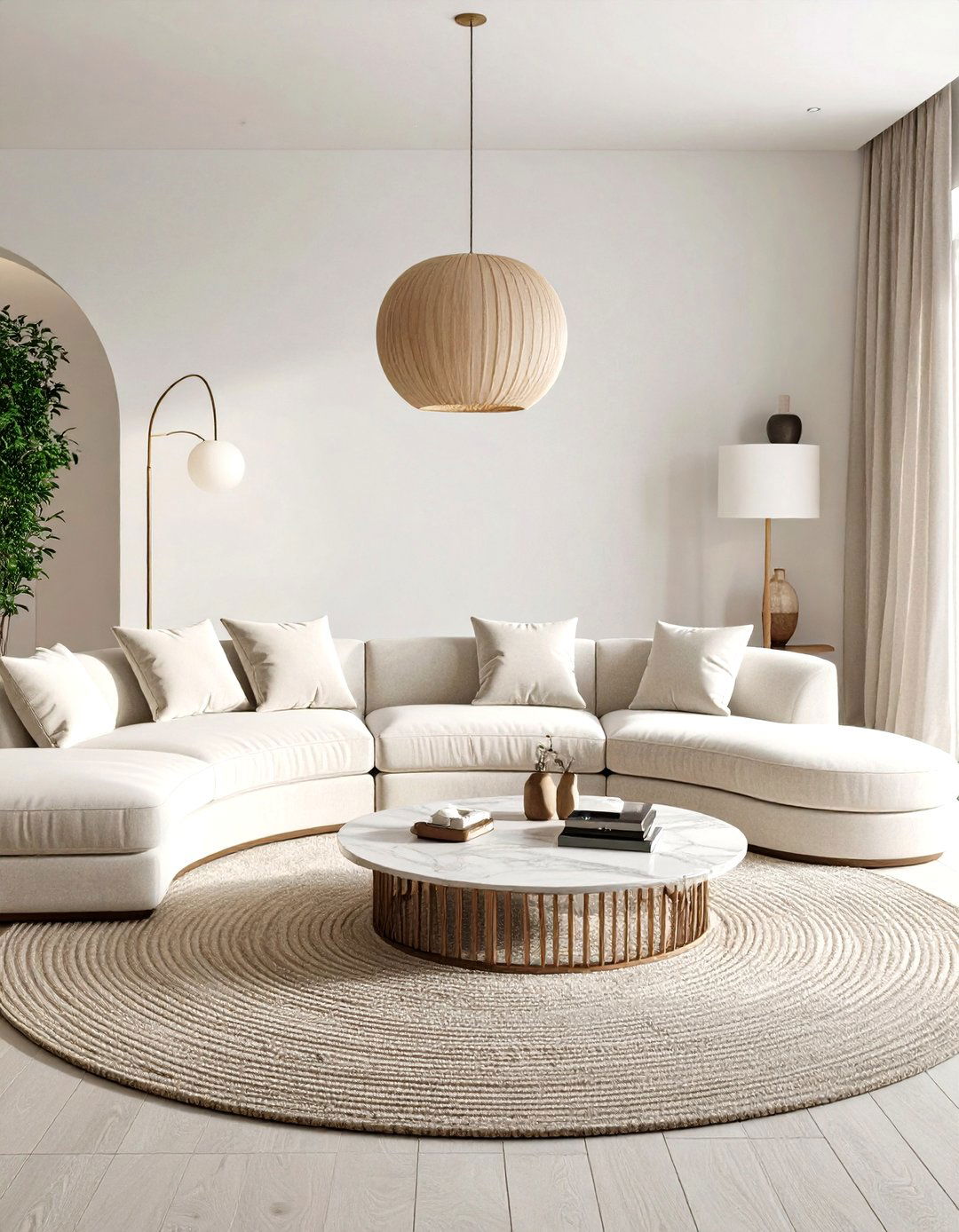
What if your living room could feel like a gentle embrace? By incorporating curved lines, you can create a soft, inviting, and organic atmosphere. A crescent-shaped sofa becomes the centerpiece, encouraging conversation and it with a round coffee table, an arched floor lamp, and circular area rugs to echo the architectural details, like a curved archway or a rounded ceiling cove, can enhance this flowing lines eliminate harsh angles, promoting a sense of comfort and fluidity that makes the space feel welcoming and nurturing for family and guests alike.
5. Strong Vertical Lines in a Narrow Kitchen
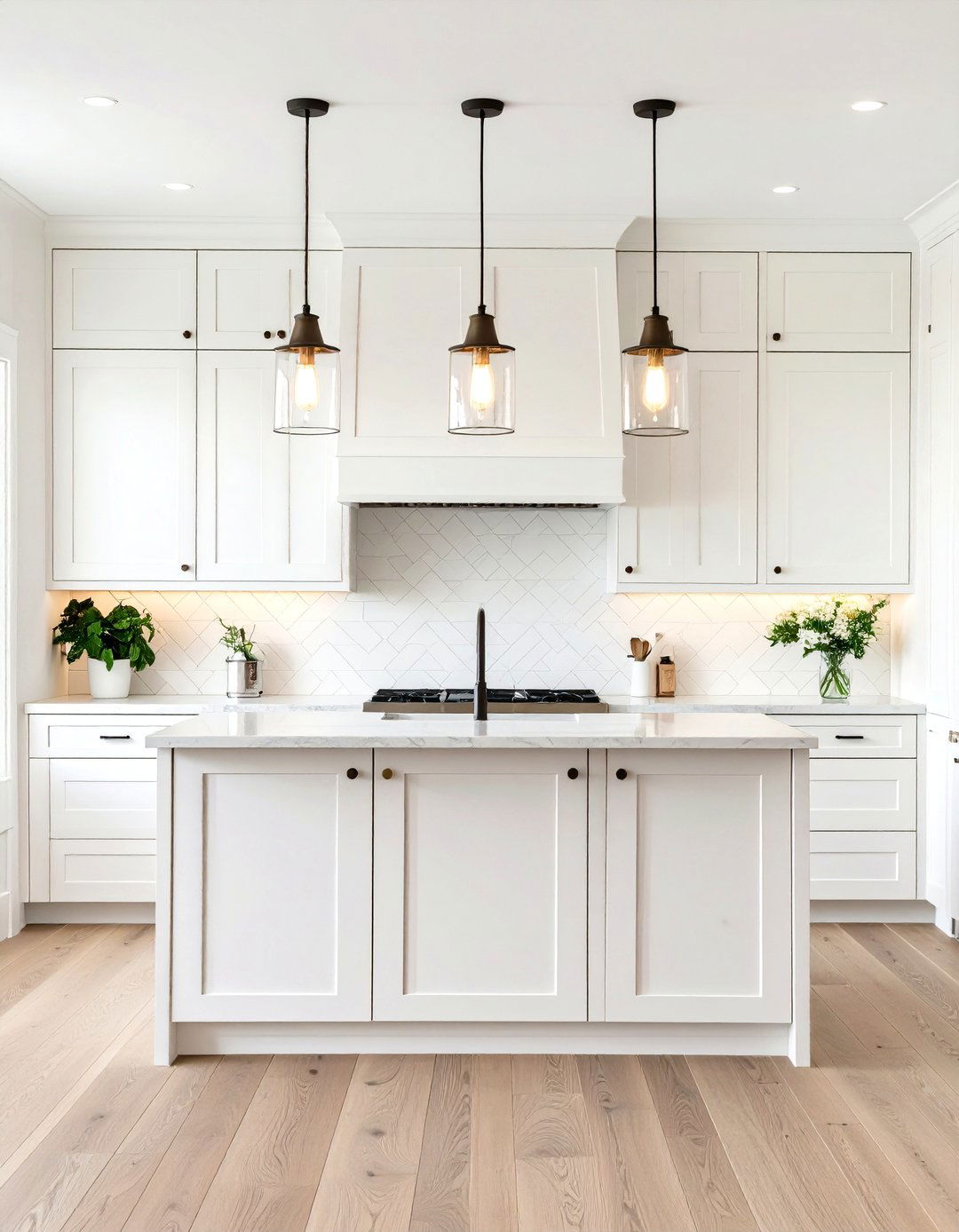
In a galley kitchen or a narrow cooking space, vertical lines can work wonders to counteract the corridor tall, ceiling-height cabinetry to draw the eye upward and maximize storage. A backsplash with vertically laid subway tiles creates an illusion of height, making the ceiling feel further pendant lights that hang in a linear formation over the island or counter, reinforcing the vertical strategic design makes the kitchen feel more spacious and less confined, transforming a potentially cramped area into an open, airy, and highly functional culinary workspace.
6. Expansive Horizontal Lines in an Open-Concept Living Area
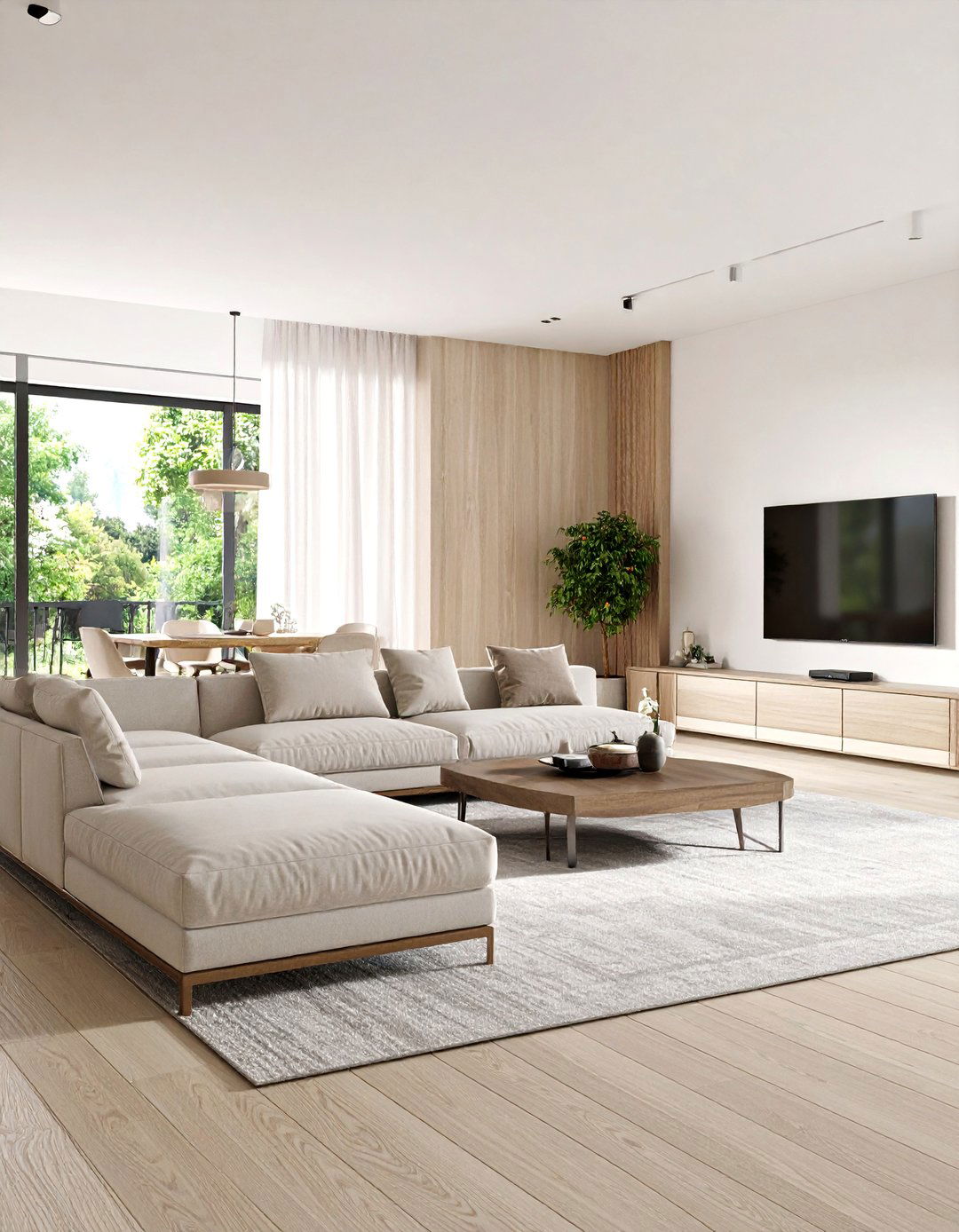
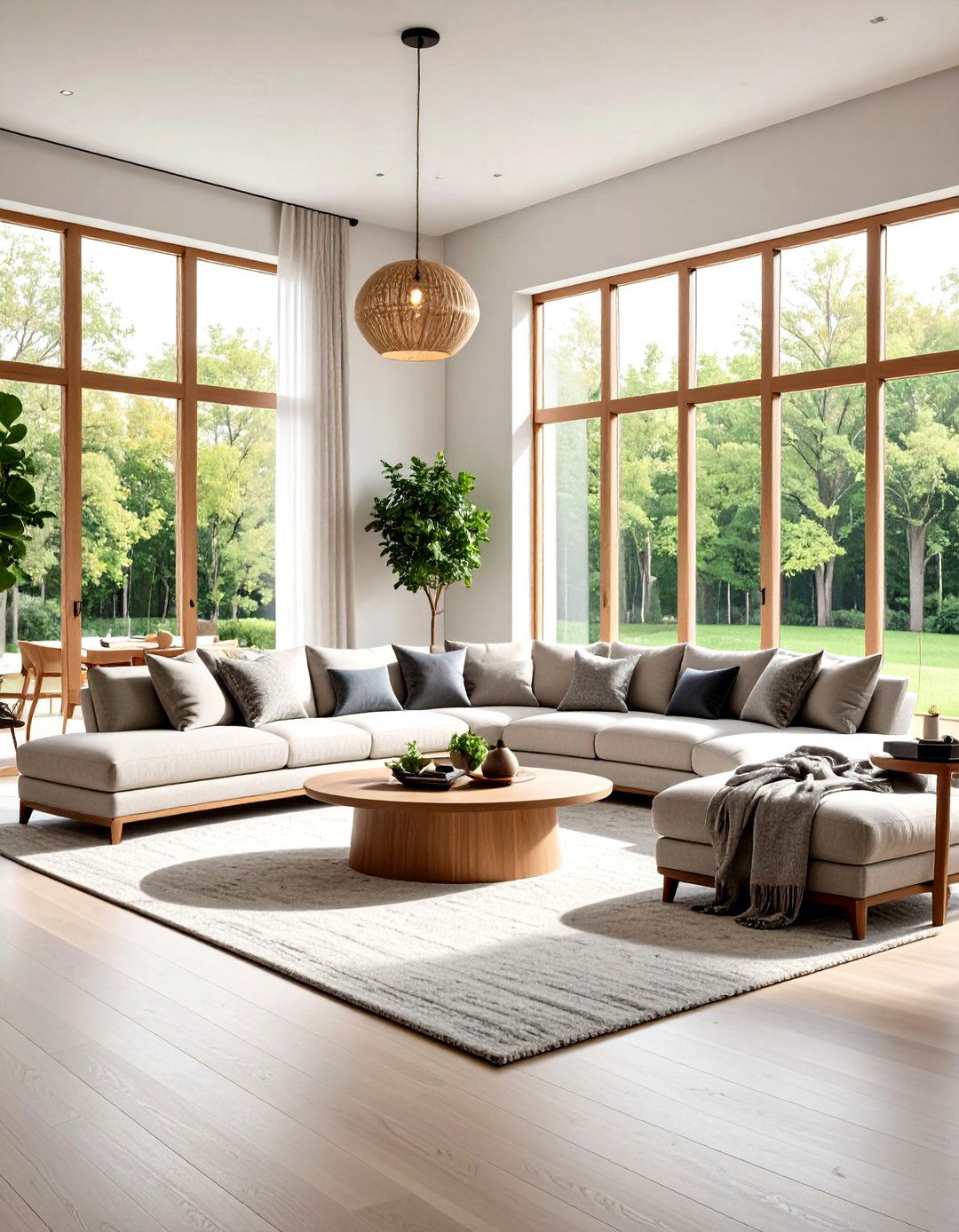
To unify a large, open-concept space, the deliberate use of horizontal lines is key. A long, low-profile sectional sofa can define the living area while maintaining an open low-slung media consoles and coffee tables that span the length of the seating area create a cohesive visual horizontal emphasis helps to ground the vast space, preventing it from feeling cavernous or keeping the main furniture pieces below eye level, you preserve sightlines and create a calming, panoramic flow that connects the living, dining, and kitchen zones seamlessly.
7. Zigzag Lines for a Playful Kid's Room
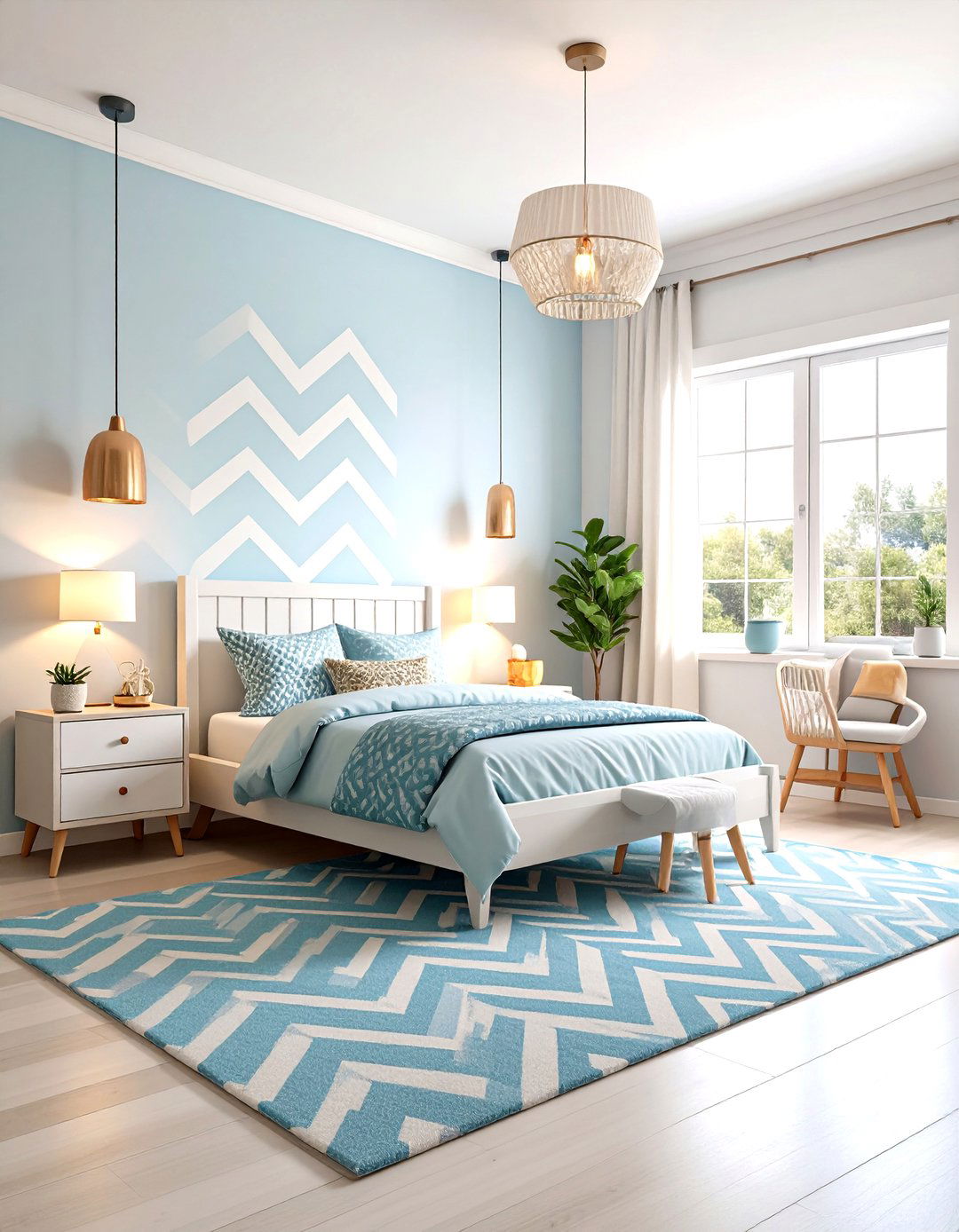
Inject a dose of fun and energy into a child's bedroom with the lively pattern of zigzag or chevron can be applied to a feature wall using paint or decals, creating an exciting focal point. A chevron-patterned rug adds texture and visual interest underfoot, while bedding and curtains with zigzag motifs tie the theme dynamic pattern is inherently playful and stimulating, perfect for a space dedicated to imagination and sharp, repetitive angles create a sense of rhythm and movement that is both cheerful and stylishly modern.
8. Organic Curved Lines in a Spa-Inspired Bathroom

Transform your bathroom into a serene spa retreat by focusing on soft, curved lines. A freestanding bathtub with a gentle, sculptural shape serves as the ultimate centerpiece for this with a round vessel sink, an oval mirror, and faucets with graceful, arched organic shapes mimic forms found in nature, fostering a sense of calm and absence of sharp corners creates a soothing, fluid environment, perfect for design approach turns a purely functional room into a personal sanctuary for rejuvenation and peace.
9. Intersecting Lines in an Industrial Loft
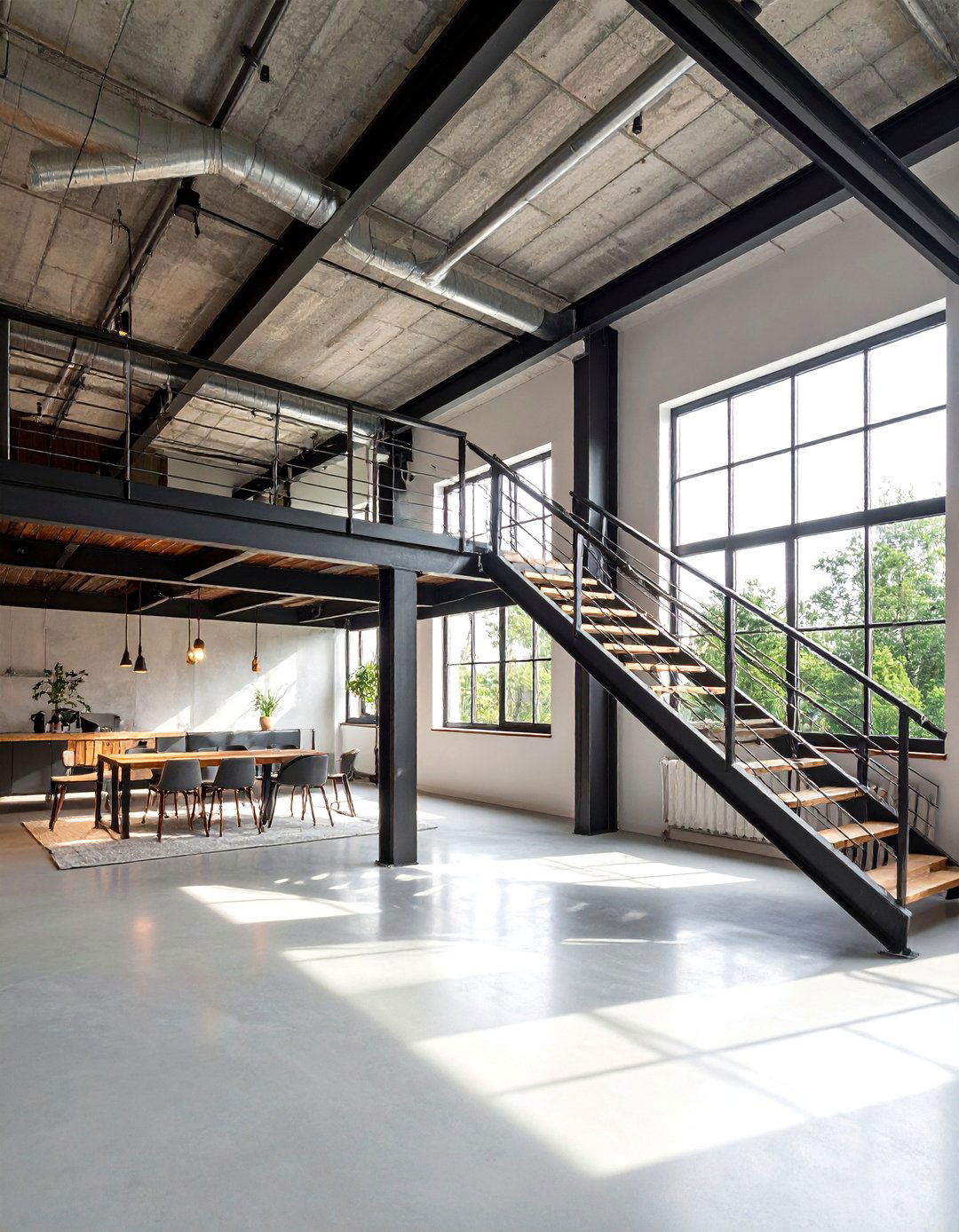
The raw, utilitarian aesthetic of an industrial loft is defined by the powerful interplay of intersecting ceiling beams, metal pipes, and window frames create a strong structural grid of horizontal and vertical is often contrasted with the diagonal lines of stair railings or architectural beauty lies in showcasing these raw, functional lines rather than concealing is often simple and linear, with metal frames that echo the architectural creates a cohesive, powerful design that celebrates structure, honesty of materials, and the inherent geometry of the space.
10. Radiating Lines for a Dramatic Dining Room

How can you make your dining room the undeniable heart of your home? Create a powerful focal point using radiating with a large, round dining it, hang a spectacular sunburst mirror or a striking sputnik-style chandelier whose arms radiate creates a central point from which all energy in the room seems to chairs arranged around the table complete the circular, radiating design commands attention and fosters a sense of unity, making every meal feel like a special occasion and drawing everyone together.
11. Minimalist Thin Lines for a Contemporary Space
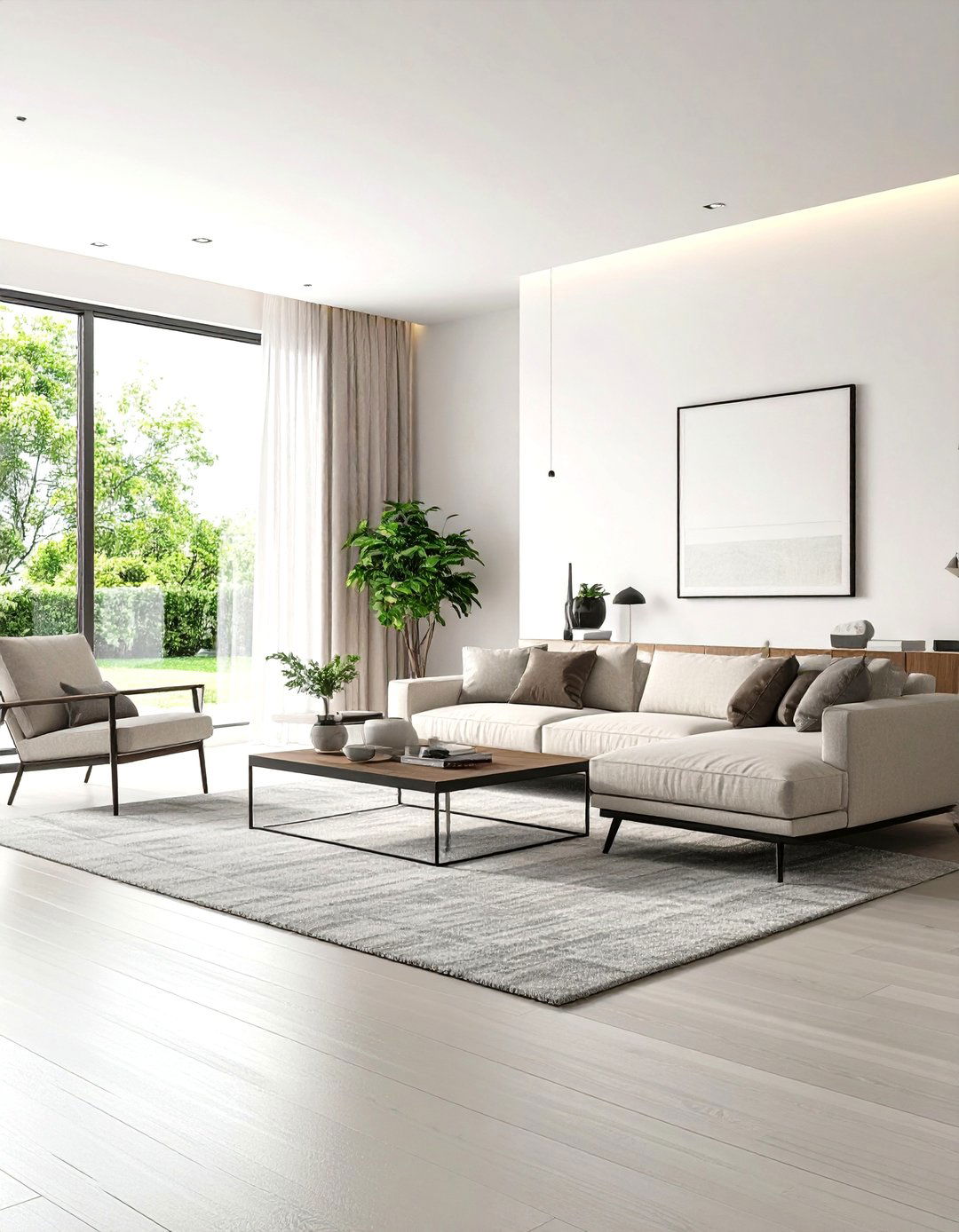
In a minimalist interior, every line design philosophy here is "less is more, " focusing on clean, thin lines to define the space without adding of furniture with slender metal legs, frameless glass partitions, and sleek, handle-free cabinetry that creates uninterrupted lighting might be recessed or consist of simple, linear LED approach emphasizes form and structure, creating a sophisticated and uncluttered beauty is found in the precision and subtlety of each line, resulting in a space that feels calm, intentional, and elegantly simple.
12. Flowing Lines in Art Nouveau-Inspired Decor

Capture the elegance and naturalism of the Art Nouveau movement by embracing its signature flowing, sinuous style is characterized by asymmetrical curves inspired by plant stalks, flower petals, and winding furniture with whiplash curves in the legs or backrests, mirrors with ornate, flowing frames, and lighting fixtures that resemble drooping flowers. A staircase with an intricately curved iron balustrade can become a stunning focal design creates a sense of romanticism and artistic flair, turning the home into a work of art where every line feels alive and organic.
13. Bold Geometric Lines for a Retro Vibe
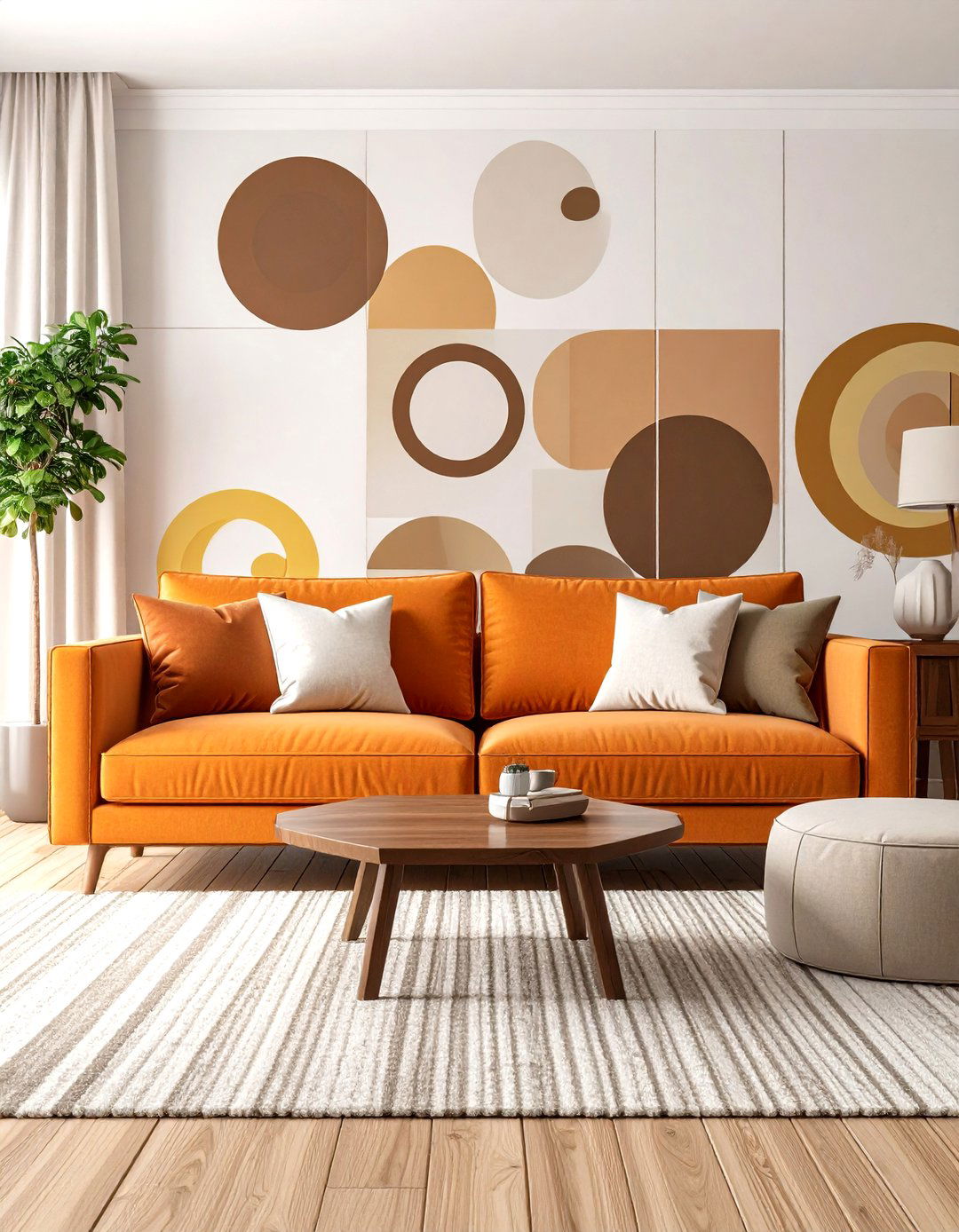
Step back in time with a retro-inspired interior that celebrates bold, geometric lines and of furniture with sharp angles and distinct silhouettes, like a boxy sofa or an octagonal side can feature graphic wallpaper with repeating geometric shapes — circles, squares, and hexagons — in vibrant, contrasting colors. A shag rug with a bold linear pattern adds texture and completes the style uses lines to create a playful, confident, and slightly nostalgic atmosphere that is full of personality and visual punch. It's a fun and fearless approach to interior design.
14. Implied Lines for Guiding the Eye
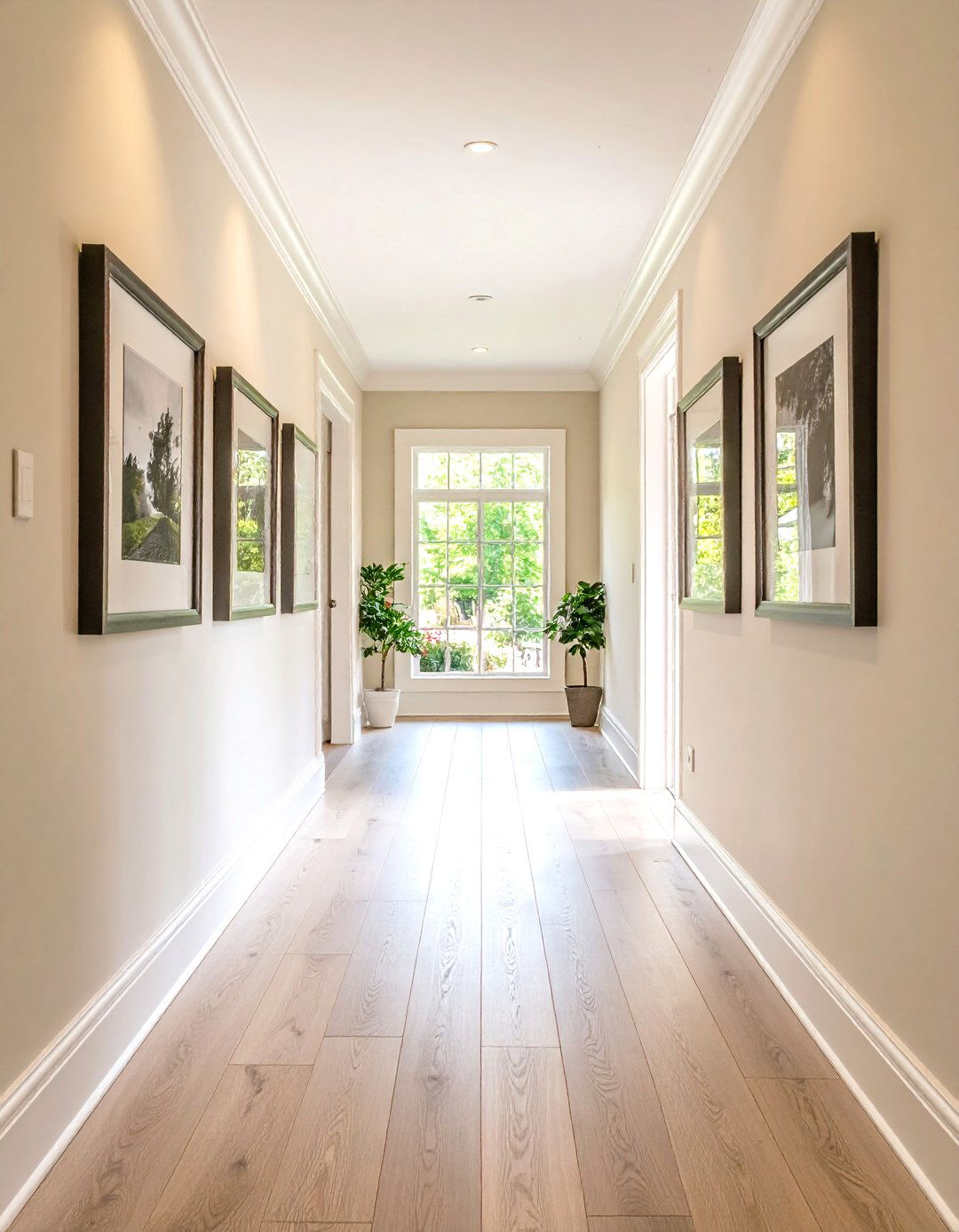
Sometimes the most powerful lines are the ones that aren 't explicitly lines are created by the arrangement of objects, guiding the viewer' s gaze through a instance, a series of artworks hung in a line can lead the eye down a hallway. A strategic grouping of furniture can create a visual pathway toward a window with a beautiful the direction of floorboards can subtly guide sophisticated technique creates a sense of flow and order without overt visual cues, making the design feel intuitive and harmonious.
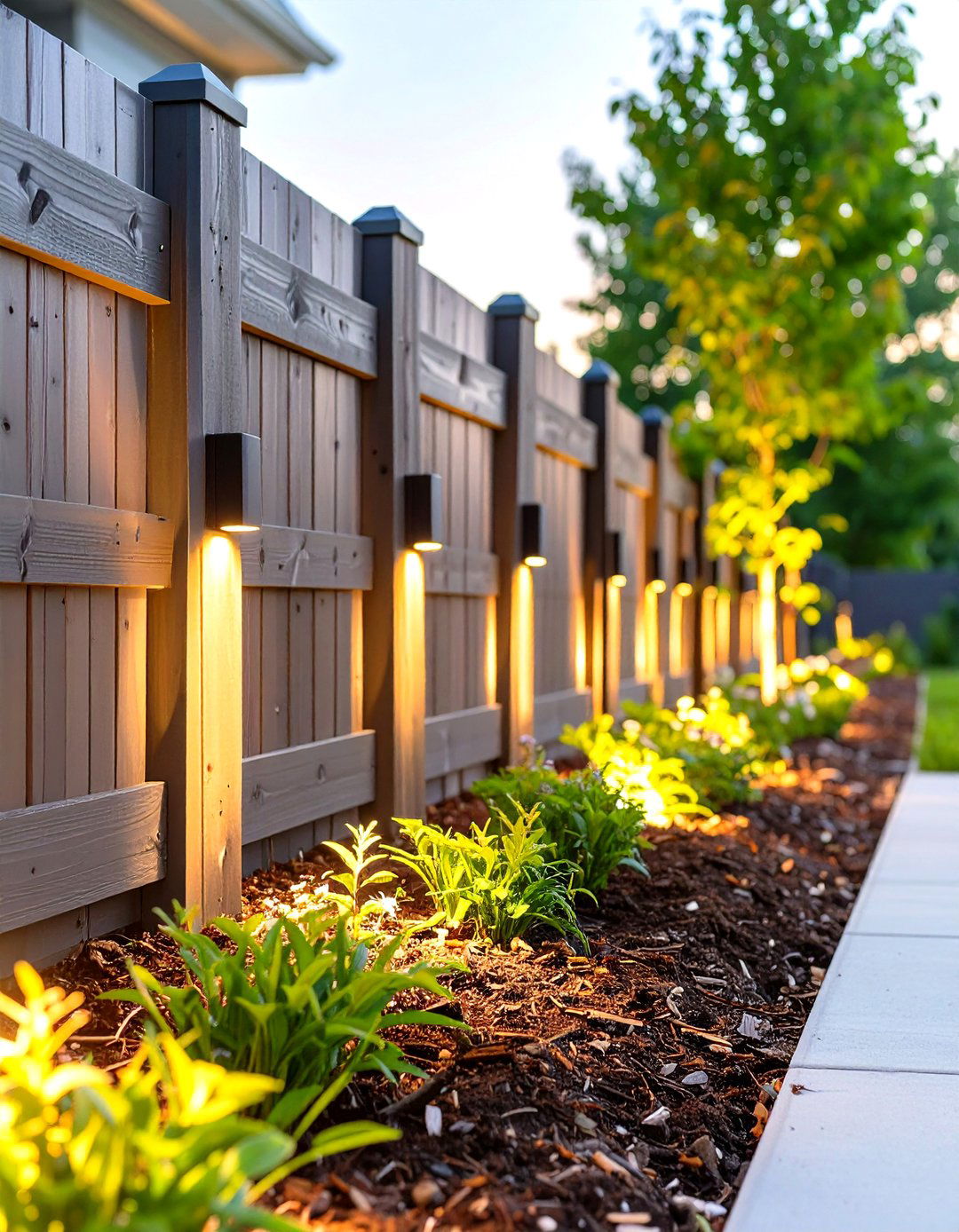
15. Vertical Shiplap for a Modern Farmhouse Feel

For a fresh take on the modern farmhouse aesthetic, use vertical shiplap on the horizontal shiplap creates a rustic, expansive feel, arranging the planks vertically introduces a sense of height and modern works especially well on a feature wall in a living room or behind the bed in a clean, repeating vertical lines add subtle texture and architectural interest while making the room feel taller and more refined. It’s a simple yet highly effective way to elevate the classic farmhouse style with a contemporary twist.
16. Asymmetrical Lines for an Edgy, Artistic Interior
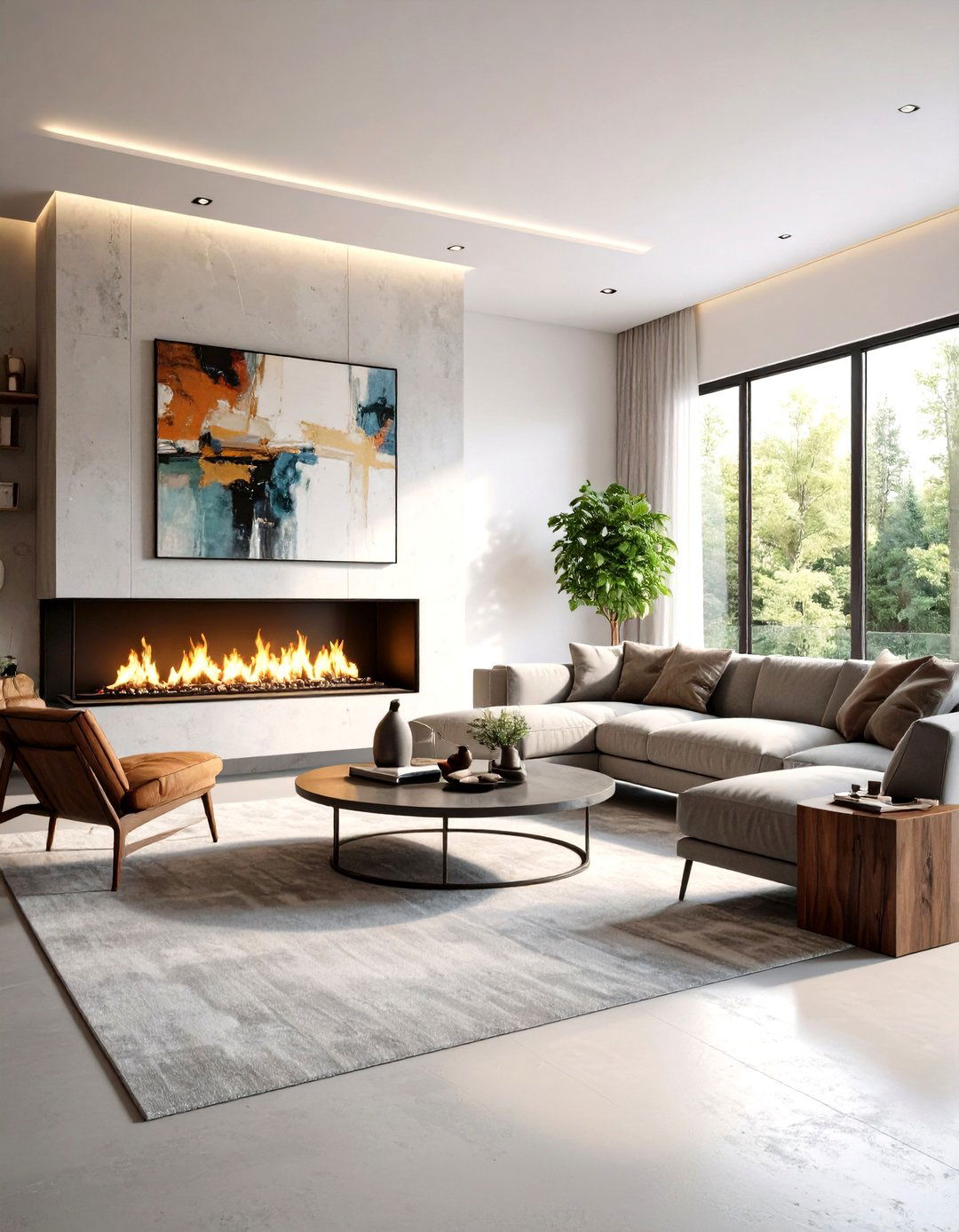
Break away from convention by designing a space with deliberate involves creating balance with objects of different sizes, shapes, and visual off-center fireplace, a gallery wall with frames of various sizes arranged in a non-linear fashion, or a sofa paired with two different side tables can create a dynamic and visually interesting approach feels more artistic and less rigid than symmetrical requires a careful eye to achieve balance, but the result is a unique and personalized space that feels both sophisticated and refreshingly unpredictable.
17. Horizontal Lines in Low-Ceiling Basements
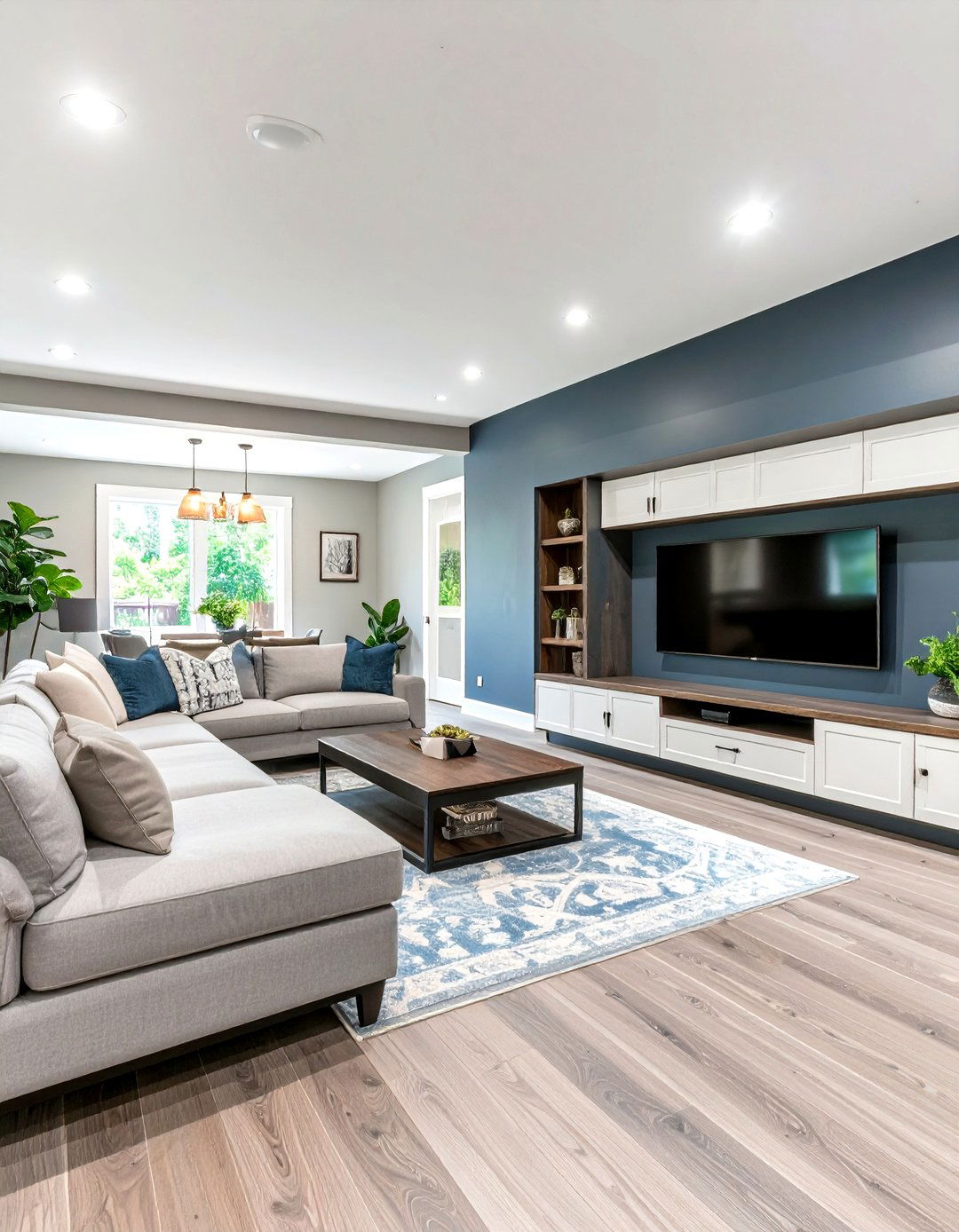
Do you have a basement with a low ceiling that feels cramped? The strategic use of horizontal lines can create a powerful illusion of width and the top portion of the walls a lighter color than the bottom, creating a strong horizontal divide that visually pushes the walls low-slung, horizontal furniture like a long media unit and a wide floating shelves that run the length of a techniques draw the eye from side to side, counteracting the vertical compression and making the basement feel more open and inviting.
18. Curved Archways for a Soft Architectural Transition
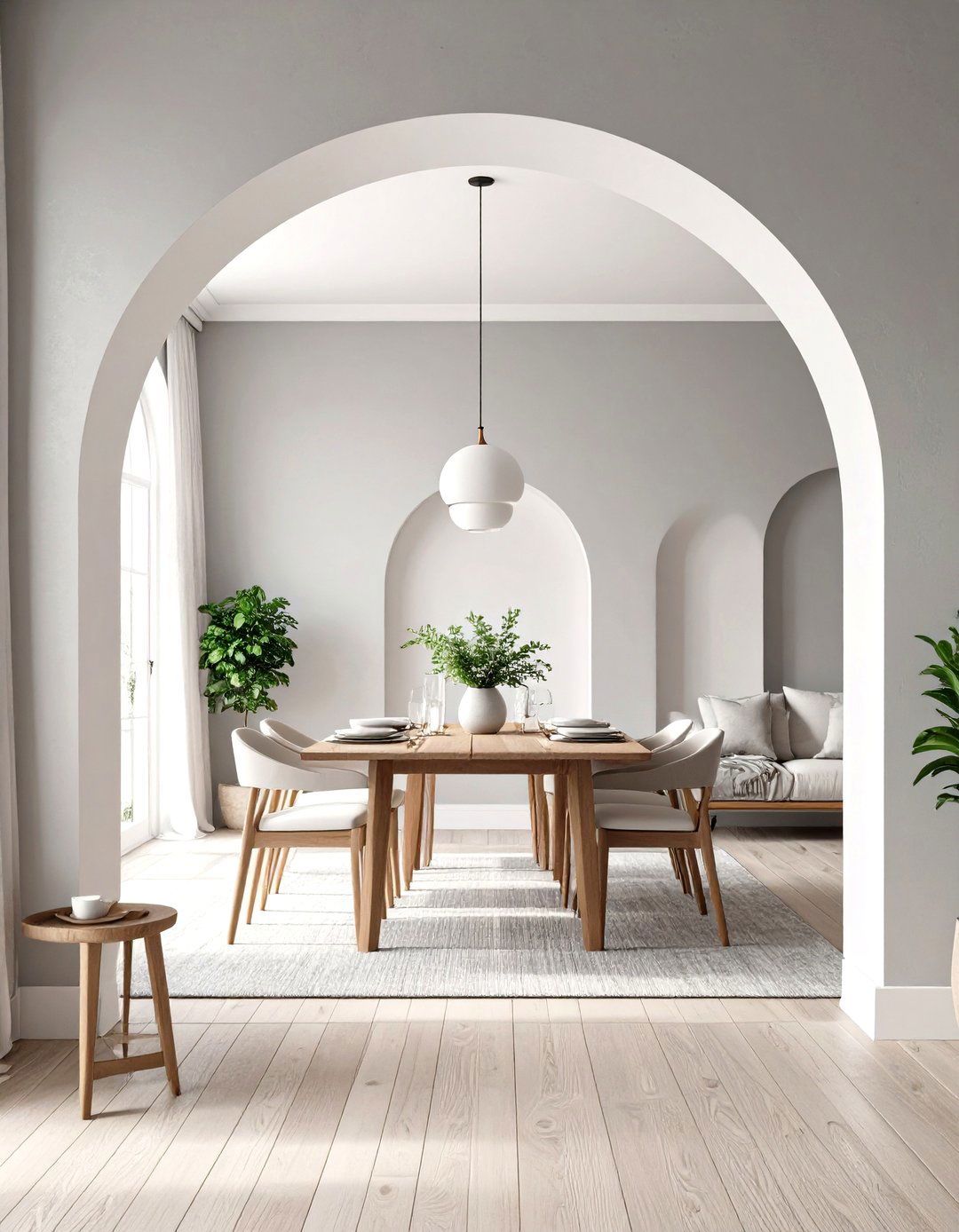
Soften the transitions between rooms by incorporating elegant curved archways instead of standard rectangular introduce a sense of grace and architectural history, evoking styles from Mediterranean villas to Romanesque break up the monotony of straight lines and sharp corners, creating a gentler, more organic flow throughout the home. A single, beautifully crafted archway between a living room and dining room can become a memorable focal point, adding a touch of custom-built character and timeless sophistication that elevates the entire interior design scheme. It’s a statement of classic elegance.
19. Diagonal Floor Patterns for Visual Interest
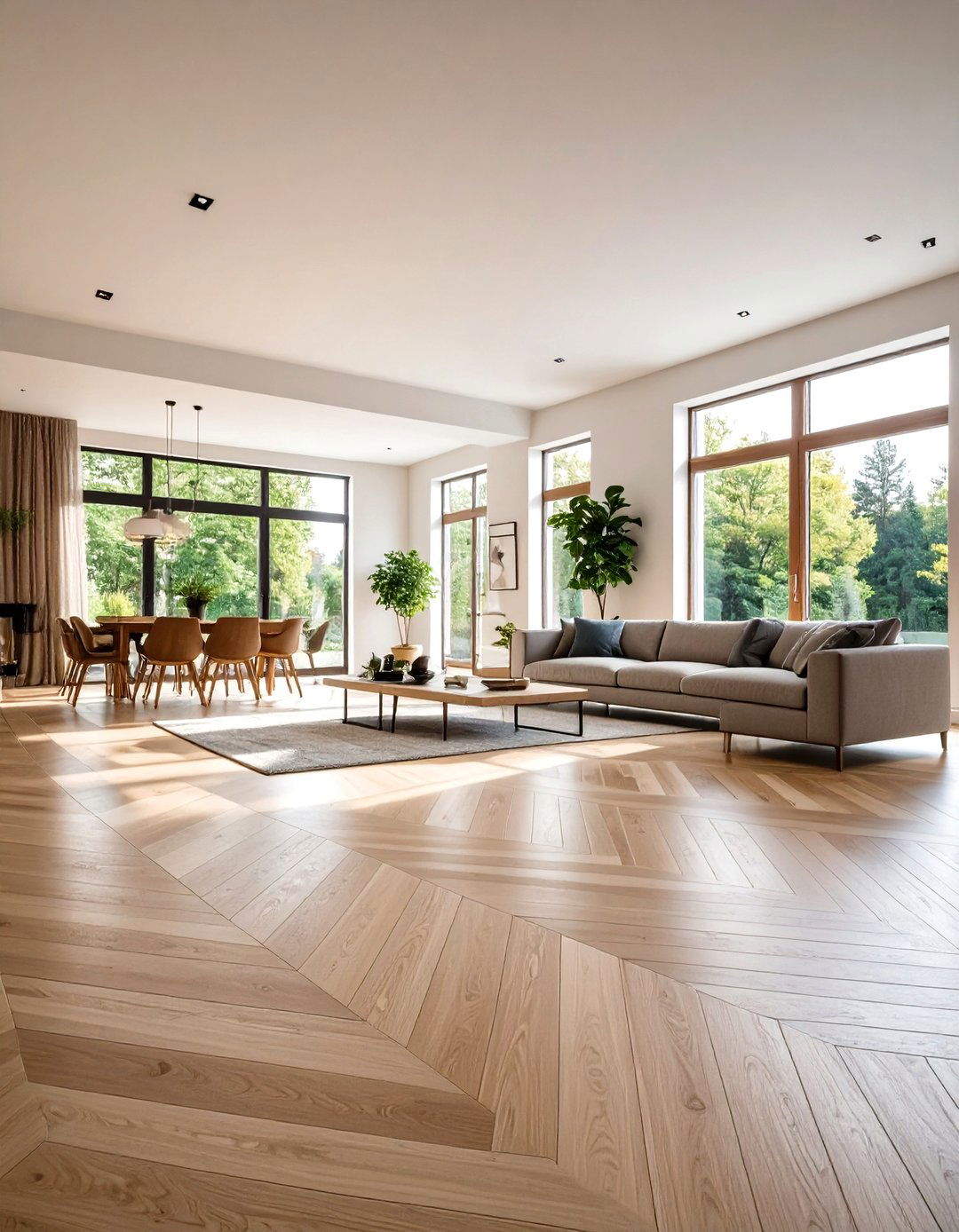
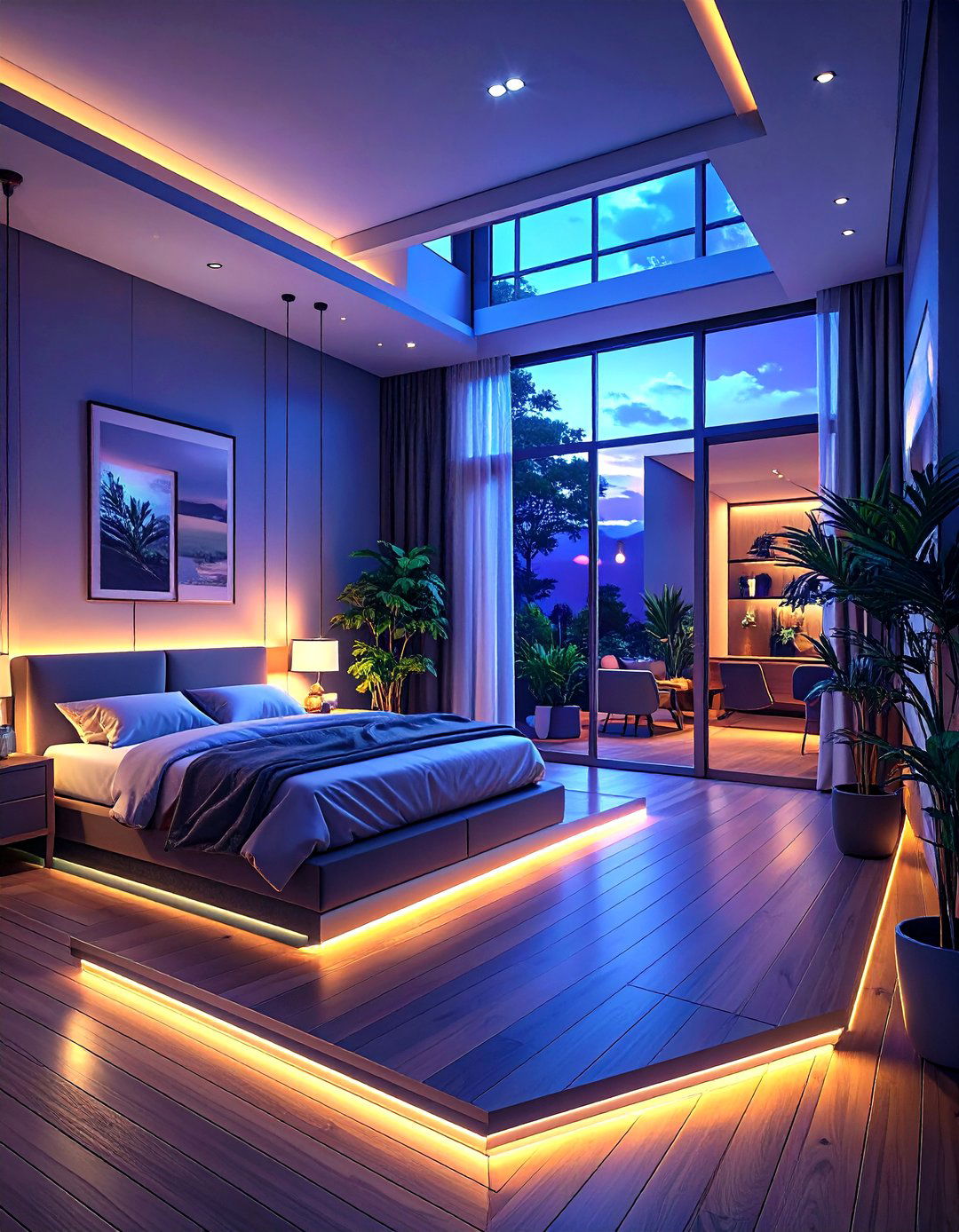
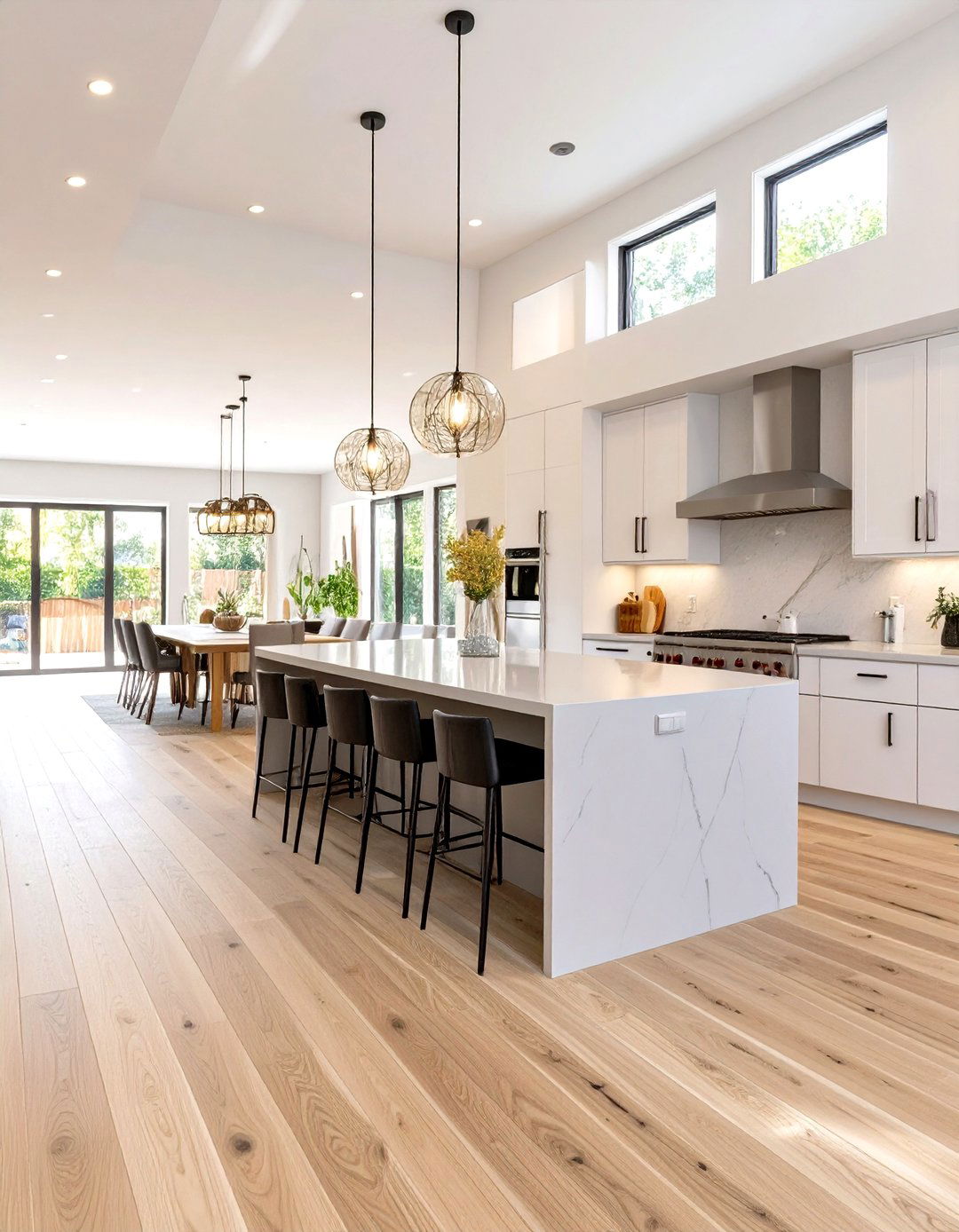
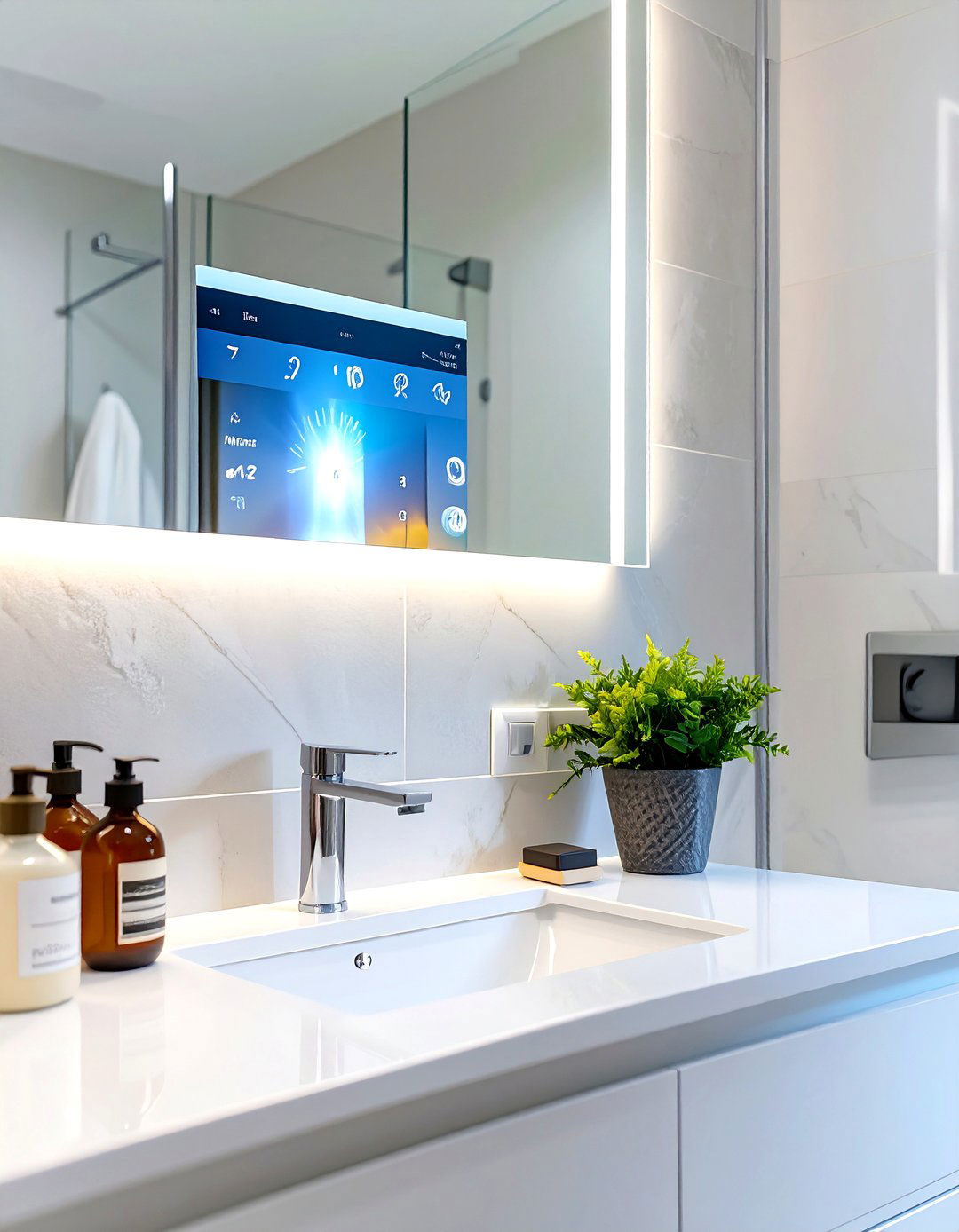
Move beyond traditional straight-lay flooring by installing wood planks, tile, or laminate in a diagonal or herringbone simple change has a profound impact on the room's diagonal lines create a sense of movement and can make a small or narrow room appear wider and more dynamic. A herringbone pattern, with its interlocking zigzag lines, adds a layer of classic sophistication and technique is an excellent way to add custom detail and visual excitement to a space, starting from the ground up.
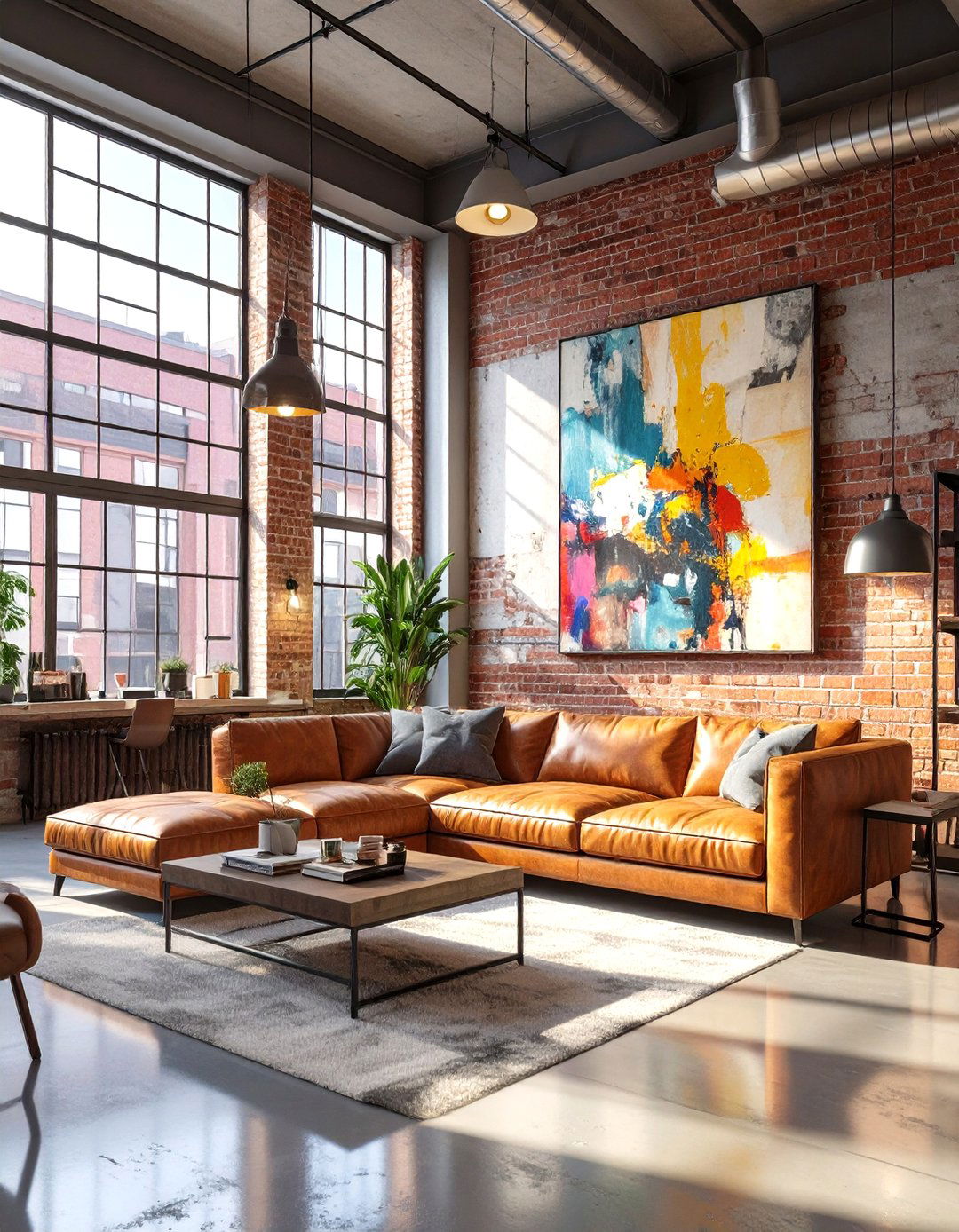

20. Vertical Lines in Bookshelves for Height

Maximize the feeling of height in a study or living room with tall, floor-to-ceiling strong vertical lines of the shelves naturally draw the eye upward, making the ceiling appear higher than it an even greater effect, choose shelves with thin vertical supports and consider painting the back of the bookshelf a contrasting color to accentuate the not only provides ample storage but also serves as a powerful architectural element, adding a sense of grandeur and intelligence to the room's overall design.
21. Horizontal Wall Paneling for a Coastal Vibe
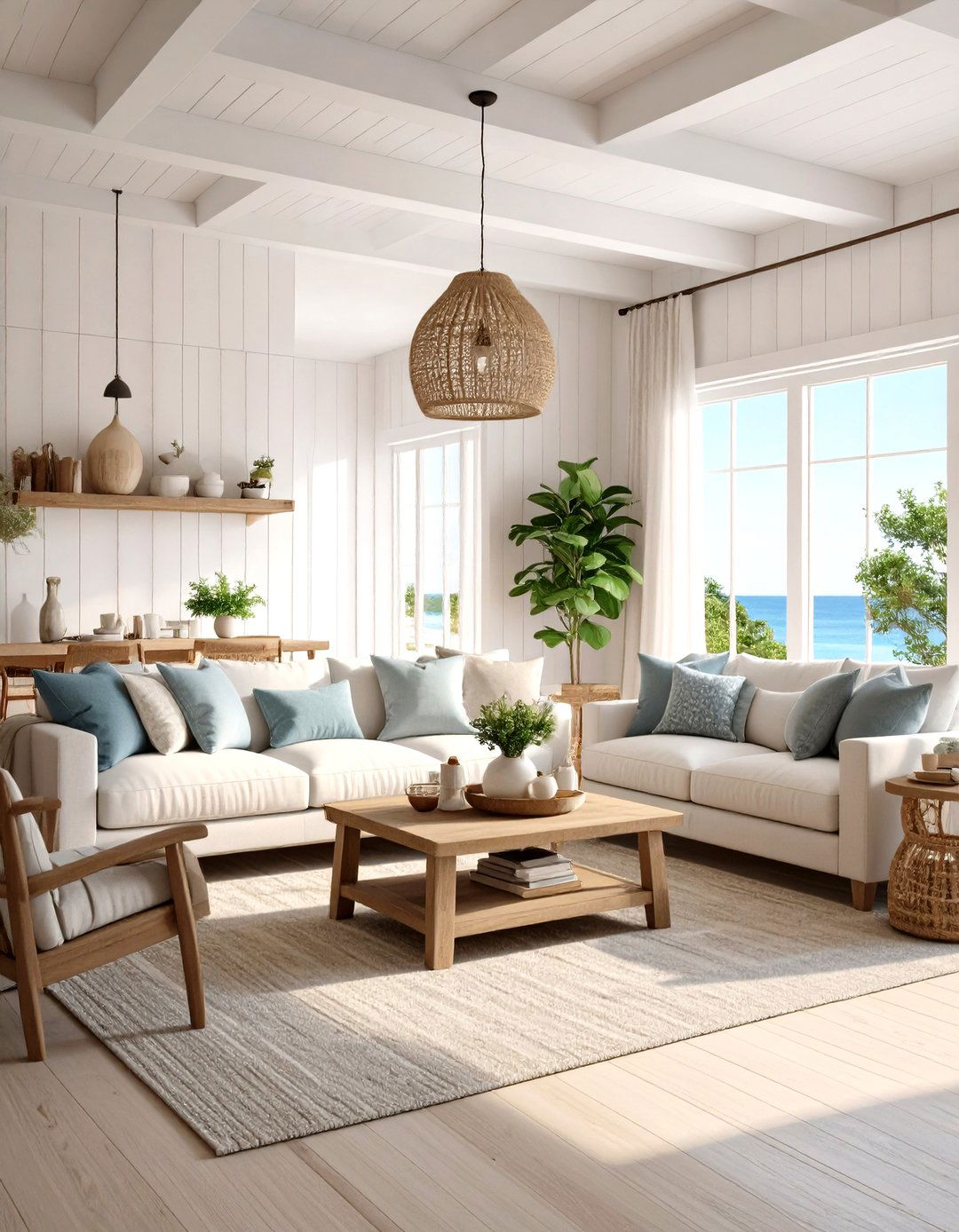
Capture the breezy, relaxed feel of a coastal home with horizontal wall paneling, such as beadboard or horizontally, these planks evoke the lines of a seaside cottage or a boat's hull, immediately setting a nautical in a crisp white or a soft, watery blue, they enhance the sense of light and repeating horizontal lines create a calming, expansive effect that makes the room feel wider and more open, perfectly embodying the easygoing spirit of life by the sea.
22. Curved Furniture in a Mid-Century Modern Setting
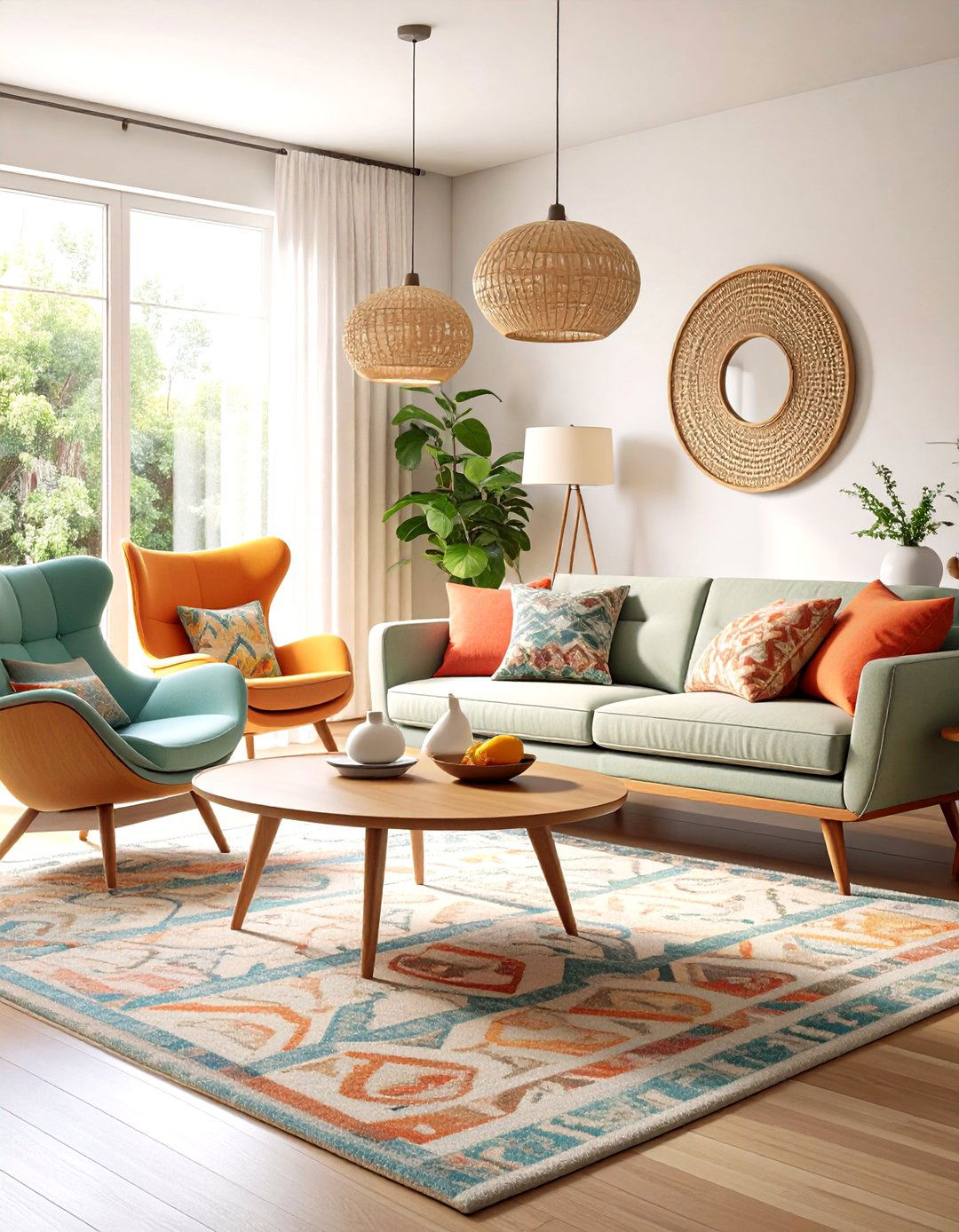
While Mid-Century Modern design is known for its clean, straight lines, it also masterfully incorporates soft of the iconic womb chair or a kidney-shaped coffee pieces introduce an organic, sculptural quality that contrasts beautifully with the otherwise rectilinear furniture. A curved sofa or armchair can soften a room's angularity, adding comfort and a touch of playful interplay between straight and curved lines is a hallmark of the style, creating a balanced and visually dynamic interior that is both sophisticated and inviting.
23. Strong Diagonal Lines in Staircase Design
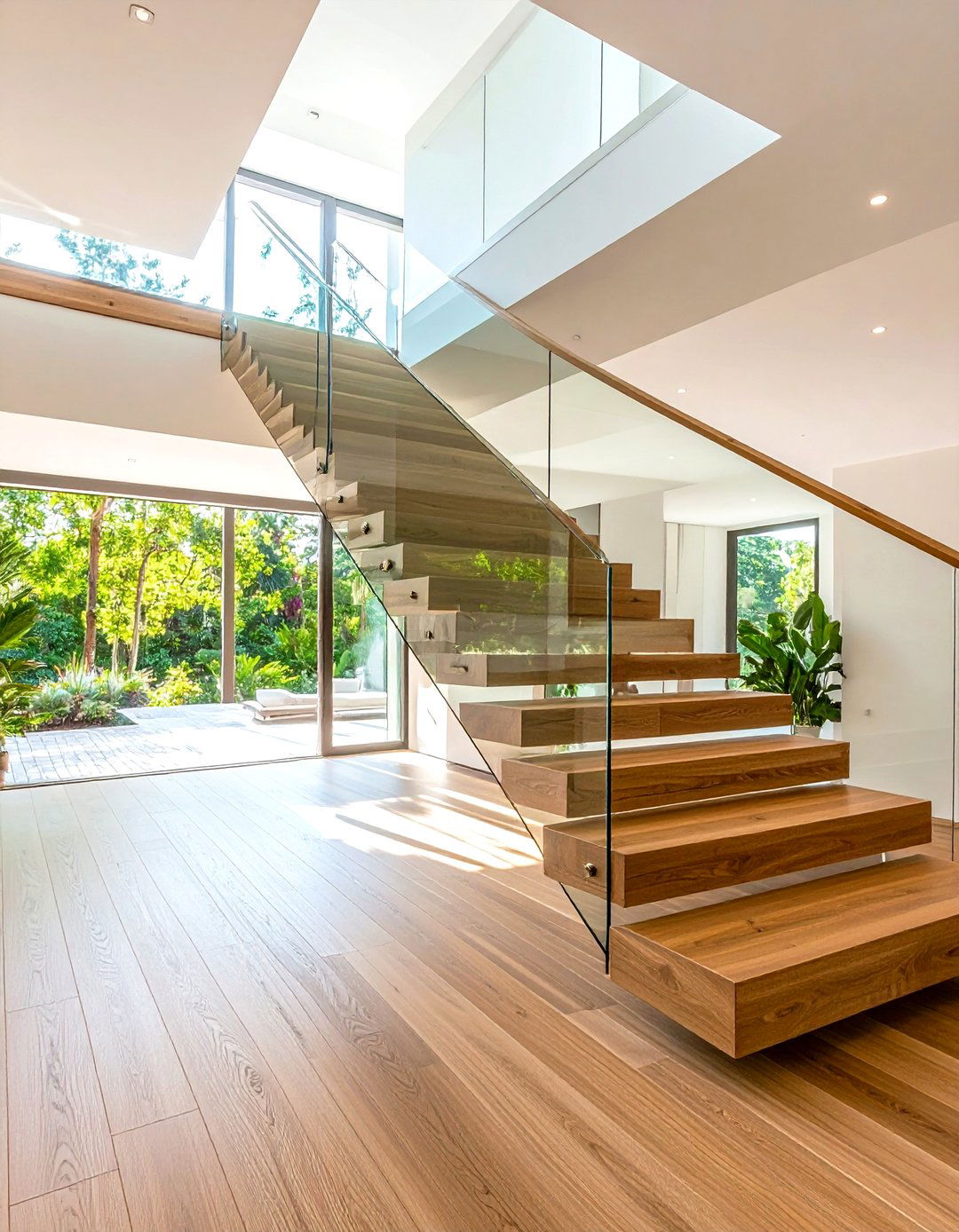
Make your staircase a dramatic sculptural element by emphasizing strong diagonal lines. A floating staircase with treads that appear to slice through the air creates a powerful, modern statement. Alternatively, a railing with diagonal balusters or a solid glass panel set at an angle provides a sleek and dynamic inherent diagonal line of the stringer itself can be highlighted with contrasting materials or transforms a purely functional element into a major architectural feature that injects energy and movement between the floors of your home.
24. Vertical Striped Wallpaper for a Classic Look
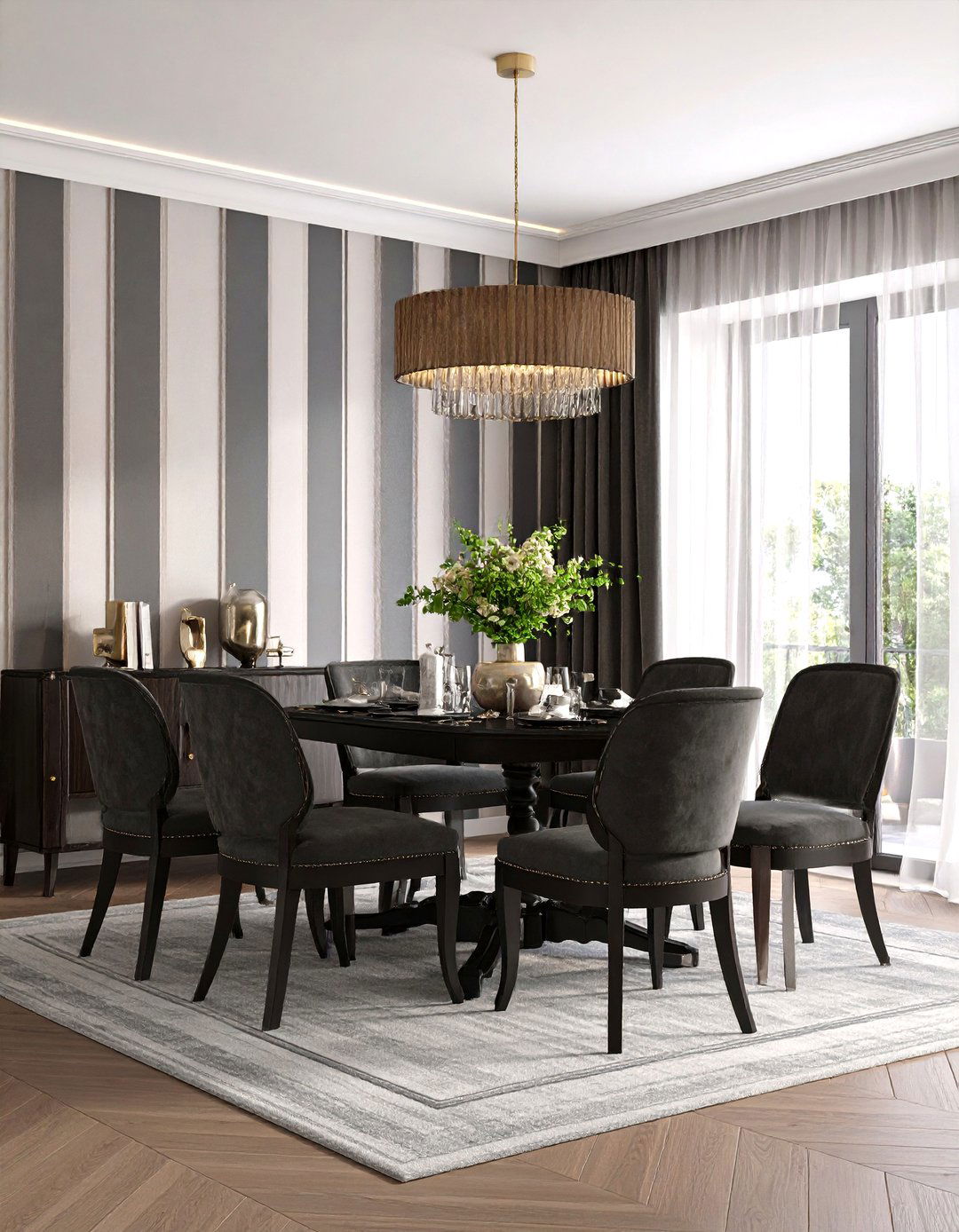
For a timeless and elegant design, consider using vertically striped classic pattern has been used for centuries to add a sense of height and formal structure to a a dining room or a formal living area, a pinstripe or a wider regency stripe can create an atmosphere of refined repeating vertical lines are orderly and pleasing to the eye, bringing a sense of traditional on the color and scale of the stripe, the effect can range from subtle and classic to bold and dramatic.
25. Horizontal Open Shelving in the Kitchen

Create a light, airy, and accessible kitchen with horizontal open some or all upper cabinets with long, floating shelves opens up the space visually and breaks up the monotony of solid cabinet strong horizontal lines of the shelves draw the eye around the room, making it feel design choice allows you to display beautiful dishware, glassware, and cookbooks, adding personality and a decorative promotes an organized, clean aesthetic while making the kitchen feel more like a lived-in, welcoming part of the home.
26. Curved Conversation Pits for Socializing

Revive the retro-cool concept of a conversation pit with a modern, curved design. A sunken seating area with built-in, wrap-around sofas creates an intimate and cozy environment that encourages face-to-face curved lines foster a natural, circular flow, making everyone feel architectural feature breaks away from traditional furniture arrangements, creating a unique and highly social focal point in a large living room or family room. It’s a design that prioritizes connection and comfort, making it the perfect spot for gathering with friends and family.
27. Grid Lines in Japanese-Inspired Shoji Screens
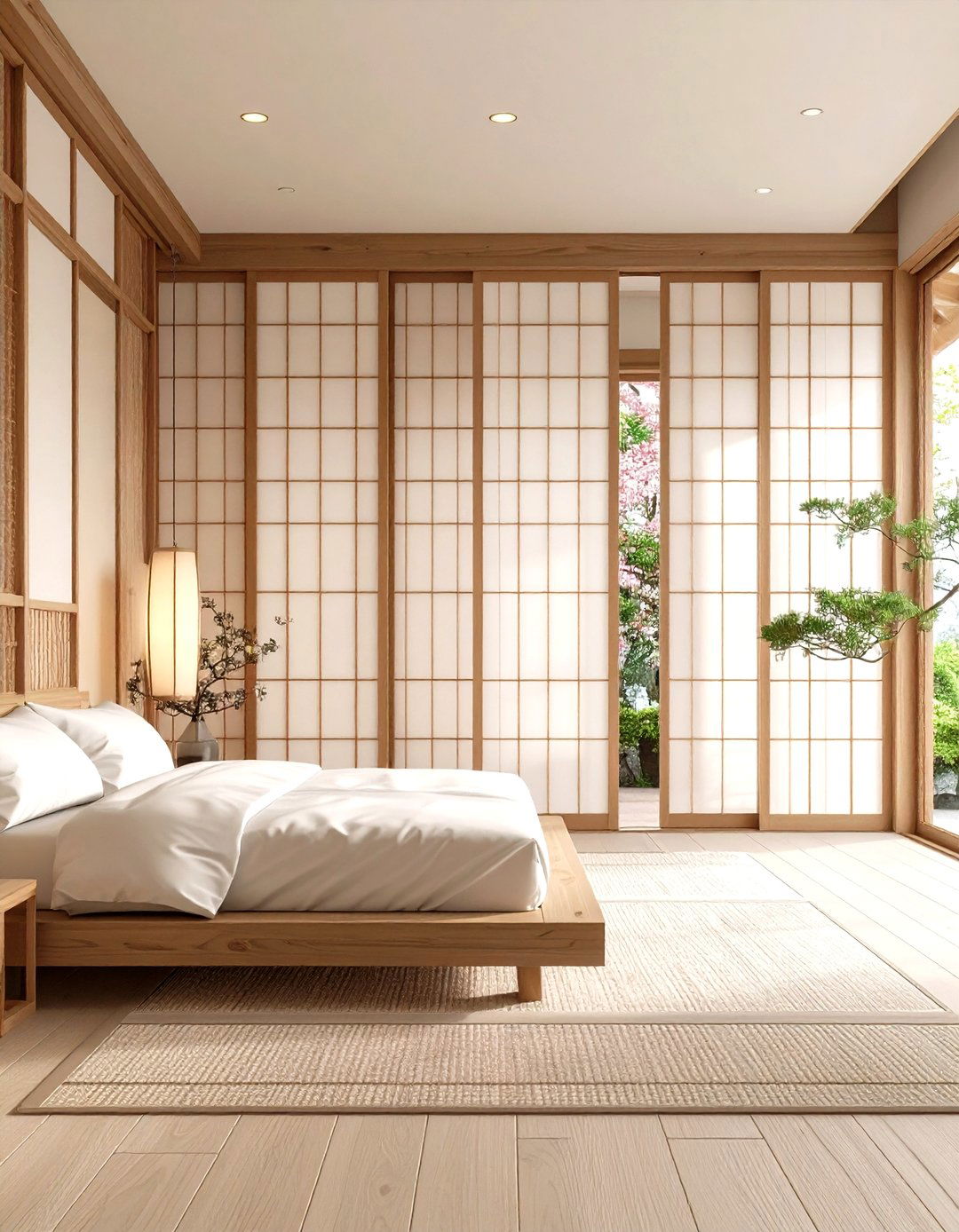
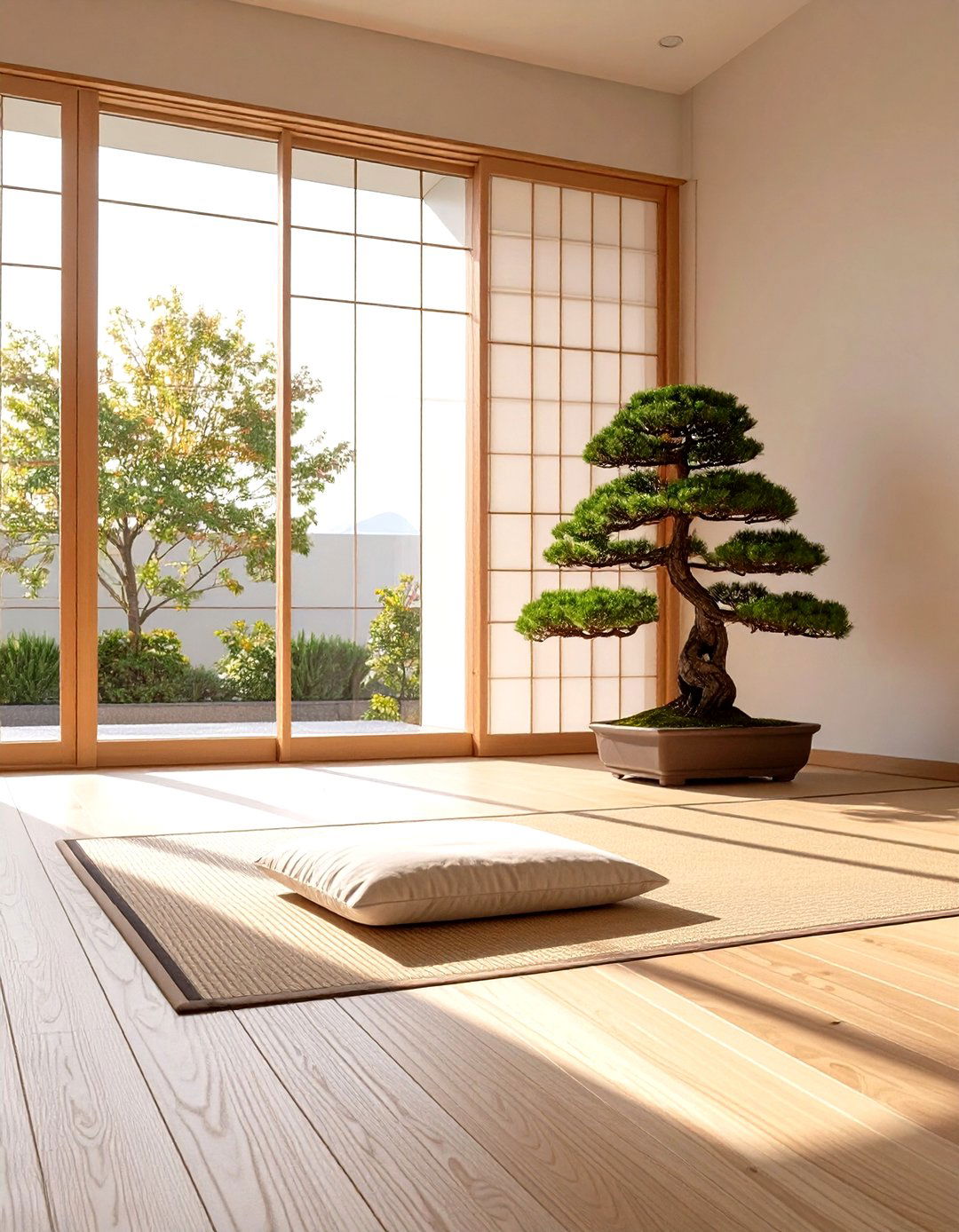
Embrace the serene, minimalist principles of Japanese design by incorporating shoji delicate wooden lattice creates a grid of clean horizontal and vertical lines, which is both calming and visually screens can be used as room dividers, window coverings, or even closet translucent paper diffuses light beautifully, creating a soft, ethereal orderly, geometric pattern of the grid promotes a sense of peace, harmony, and balance, bringing a touch of Zen-like tranquility to any interior space.
28. Sweeping Curved Lines in a Grand Staircase
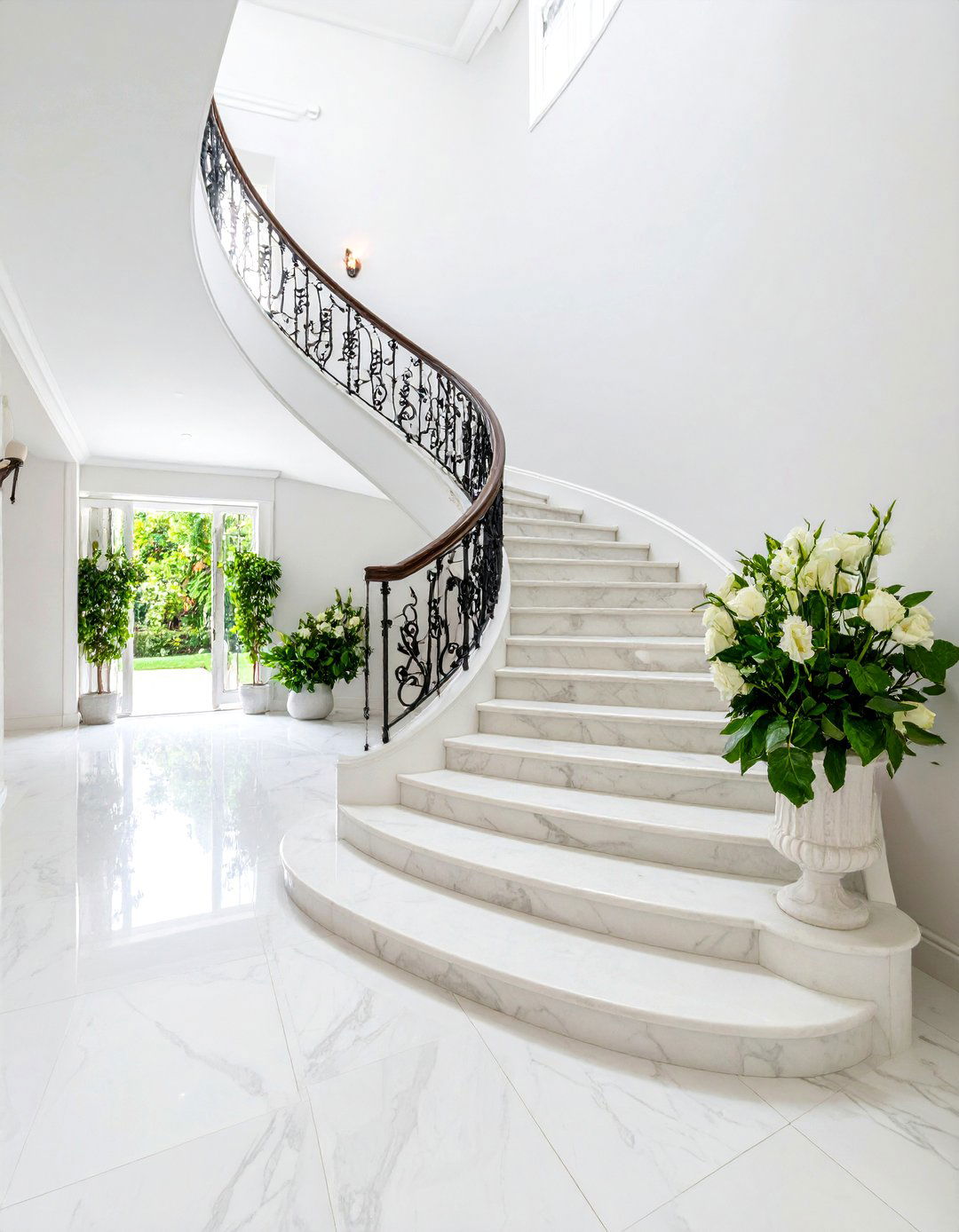
In a large home or entryway, a grand, sweeping staircase with curved lines can be the ultimate architectural a straight-run stair, a curved or spiral staircase is a sculptural work of continuous, flowing line of the handrail guides the eye and movement in a graceful, elegant design adds a sense of drama, luxury, and fluid softens the hard angles of a space and creates a memorable, show-stopping feature that exudes sophistication and timeless beauty, turning a simple transition into a breathtaking experience.
29. Jagged, Irregular Lines for a Deconstructed Look
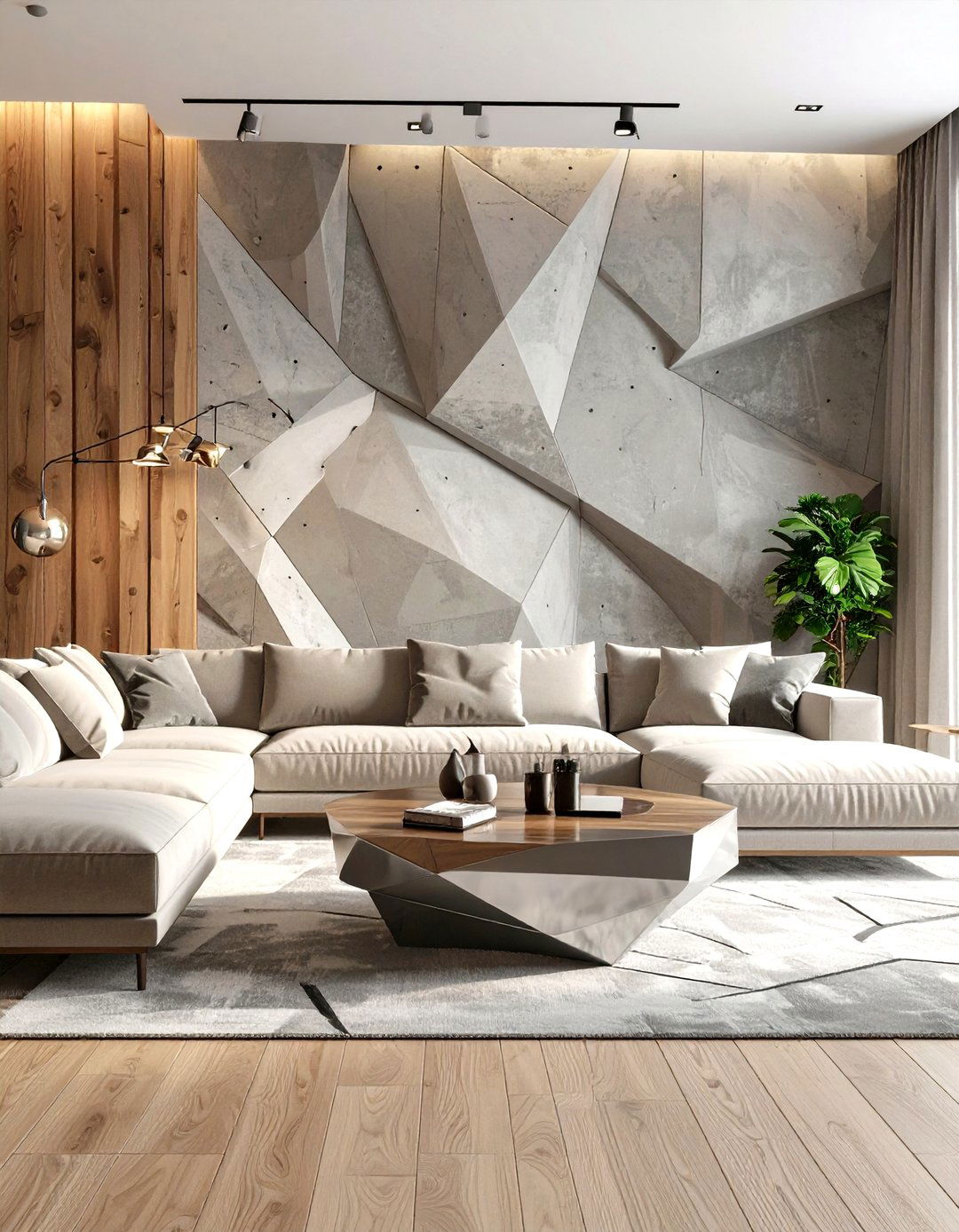
For a bold and avant-garde interior, embrace the principles of deconstruction with jagged, irregular style challenges traditional notions of harmony and of a feature wall with seemingly random, intersecting planes, a coffee table with an asymmetrical, fractured design, or a rug with an irregular, non-repeating approach creates a sense of controlled chaos and artistic expression. It’s a design for the brave, resulting in a space that is thought-provoking, dynamic, and completely unique, pushing the boundaries of conventional interior design.
30. Horizontal Color Blocking on Walls
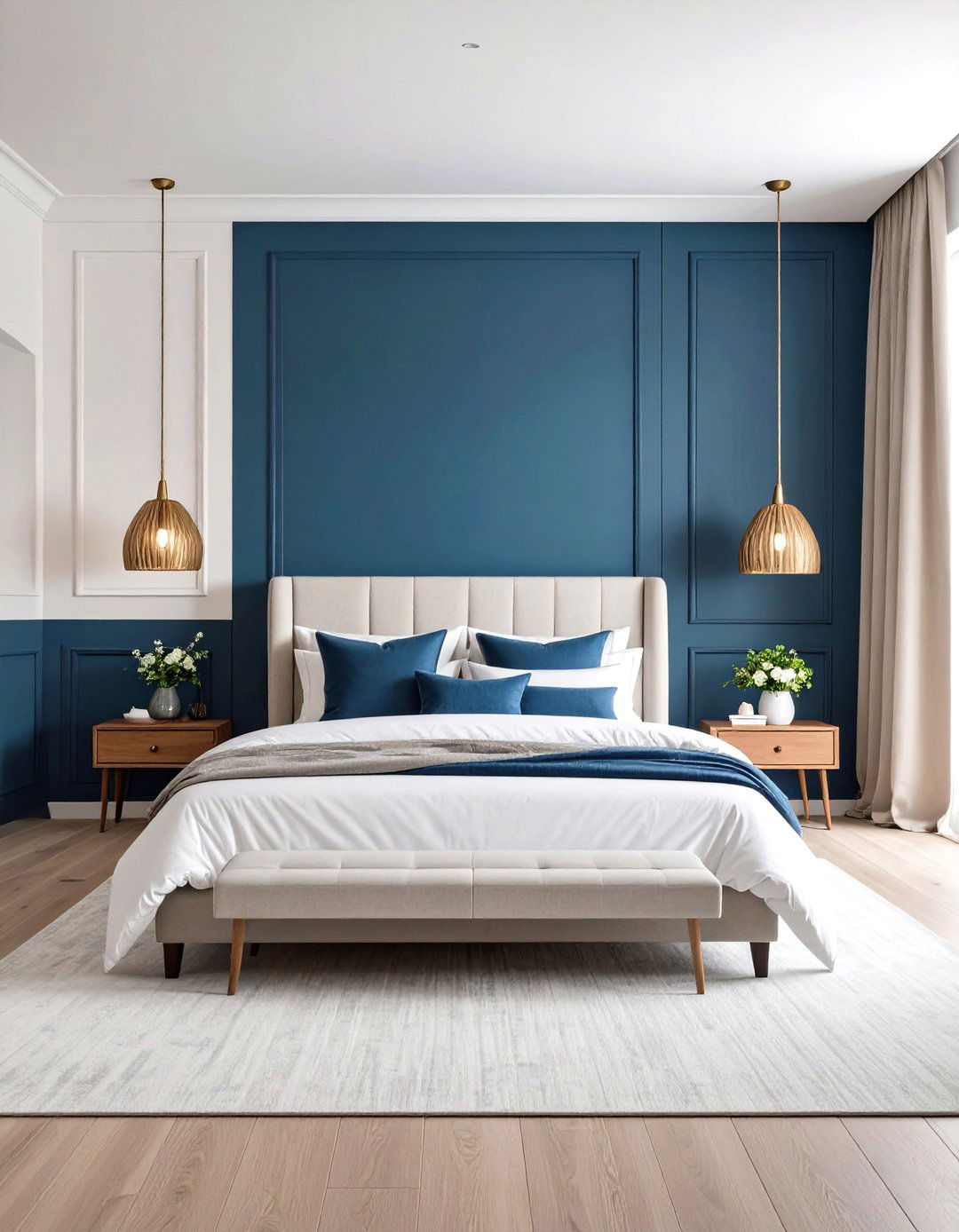
Create a dramatic and modern effect using horizontal color the lower half of a wall a deep, bold color and the upper half a lighter, contrasting shade creates a strong horizontal line that can make a room feel wider and more technique, often called a "dipped" wall, is a contemporary way to add interest without busy crisp line between the colors provides a clean, graphic element that is both sophisticated and visually impactful, offering a fresh alternative to a traditional feature wall.
Conclusion:
Ultimately, the intentional use of lines is a fundamental pillar of successful interior the grounding stability of horizontal planes to the aspirational reach of vertical elements, and from the energetic push of diagonals to the gentle embrace of curves, each line directs emotion and understanding and applying these principles, you can transform any space from a simple container into a cohesive, thoughtfully designed you aim for serene tranquility, dynamic energy, or classic elegance, the right lines will guide the way, proving that the simplest element can often have the most profound impact on how we experience our homes.

Related posts:



Leave a Reply