
Achieving balance in interior design is the secret to creating spaces that feel calm, cohesive, and deeply satisfying. It 's about more than just symmetry; it' s the art of distributing visual weight to create a sense of equilibrium and your style is minimalist, eclectic, or traditional, understanding how to balance elements like color, texture, form, and scale is equilibrium can be symmetrical, with mirrored elements creating a formal and orderly feel, or asymmetrical, using varied objects with similar visual weight for a more dynamic and modern balance, where elements radiate from a central point, offers another powerful way to anchor a these concepts opens up a world of possibilities for crafting interiors that are not just beautiful but also feel inherently right.
1. Symmetrical Living Room Harmony
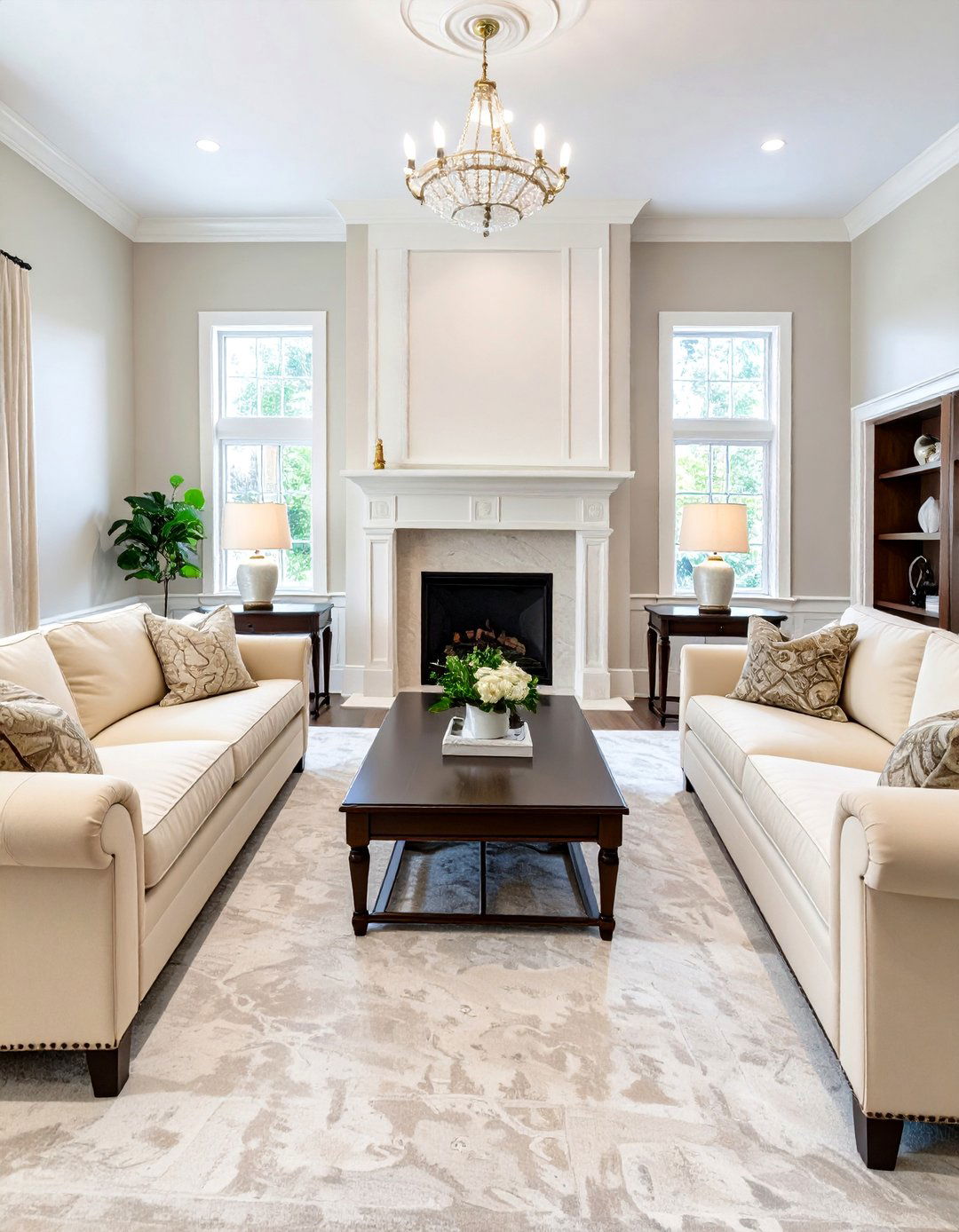
A symmetrical living room creates an immediate sense of calm and achieve this, place a central fireplace or a large piece of art as the focal this centerpiece with identical sofas or armchairs, matching end tables, and identical lamps. A large, rectangular coffee table should sit squarely in the middle, anchoring the a neutral color palette with subtle pops of a single accent color, applied equally on both sides, to maintain the serene, mirrored approach is perfect for creating a formal, elegant space that feels both timeless and intentionally designed.
2. Asymmetrical Bedroom Serenity
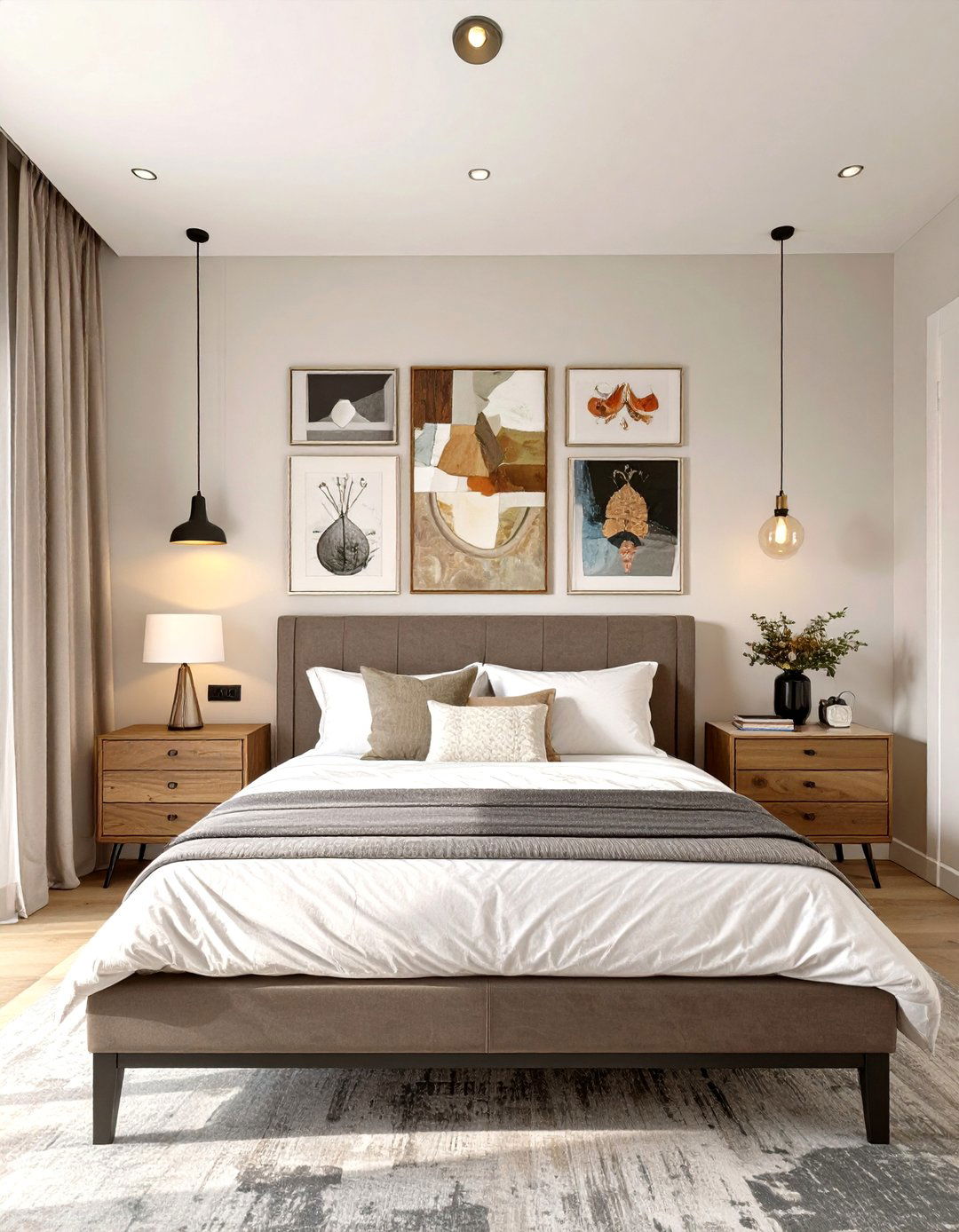
For a more dynamic and modern feel, embrace asymmetrical balance in the of matching nightstands, try a small chest of drawers on one side of the bed and a sleek, minimalist table on the the visual weight by placing a taller lamp on the smaller table and a shorter, bulkier one on the chest. A gallery wall of mismatched frames arranged artfully above the headboard can counteract the weight of a large window on the opposite style allows for more personal expression while still achieving a harmonious, visually interesting environment.
3. Radial Balance Dining Room
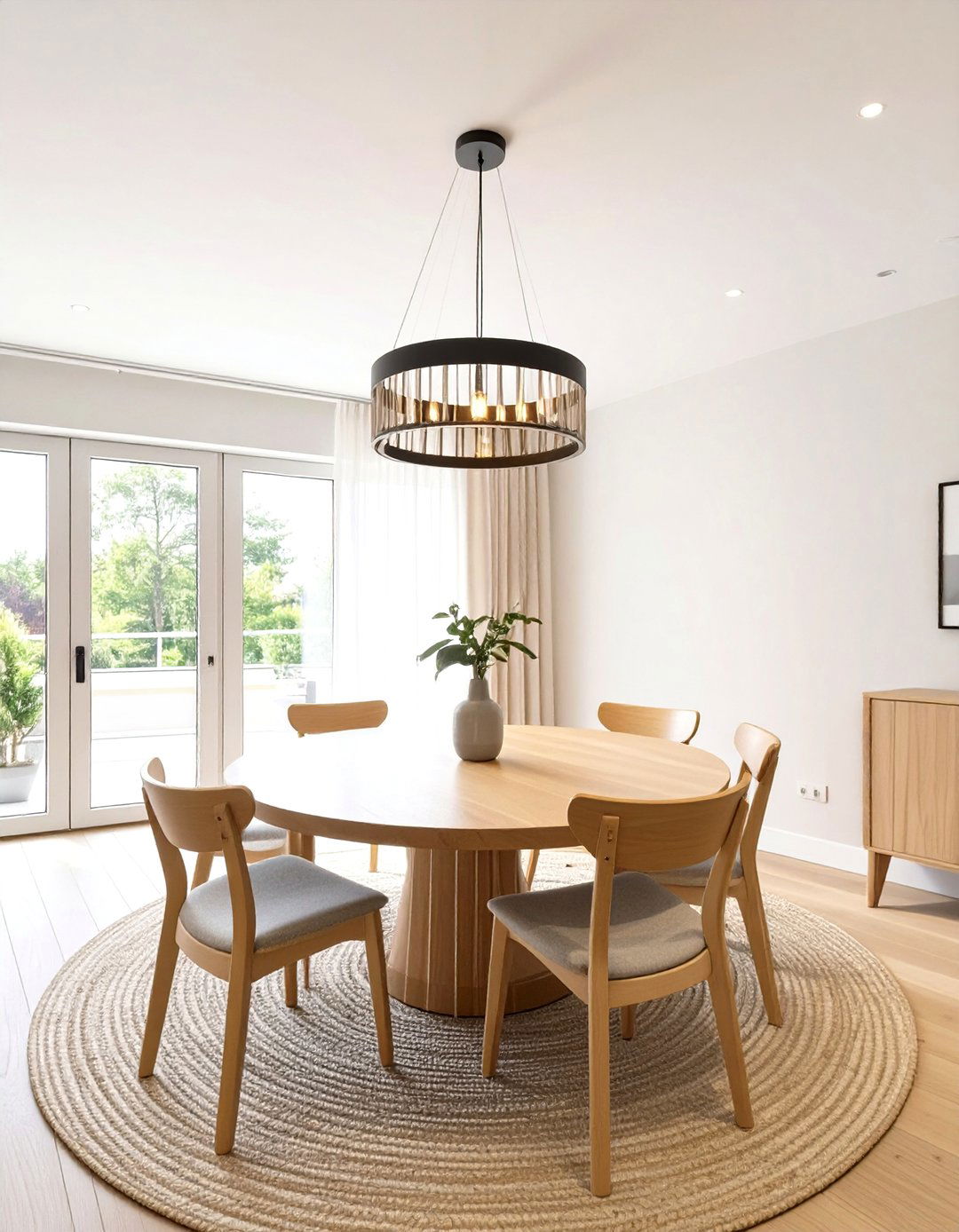
A dining room is the perfect setting for radial balance, creating a welcoming and inclusive with a round dining table as the central chairs equally around it, and hang a striking circular pendant light or chandelier directly central light fixture becomes the anchor from which all other elements radiate. A round area rug beneath the table can further emphasize this circular decor should follow suit, with elements like a circular mirror or a collection of round plates on a nearby wall to echo the central theme.
4. Balancing with Color and Texture
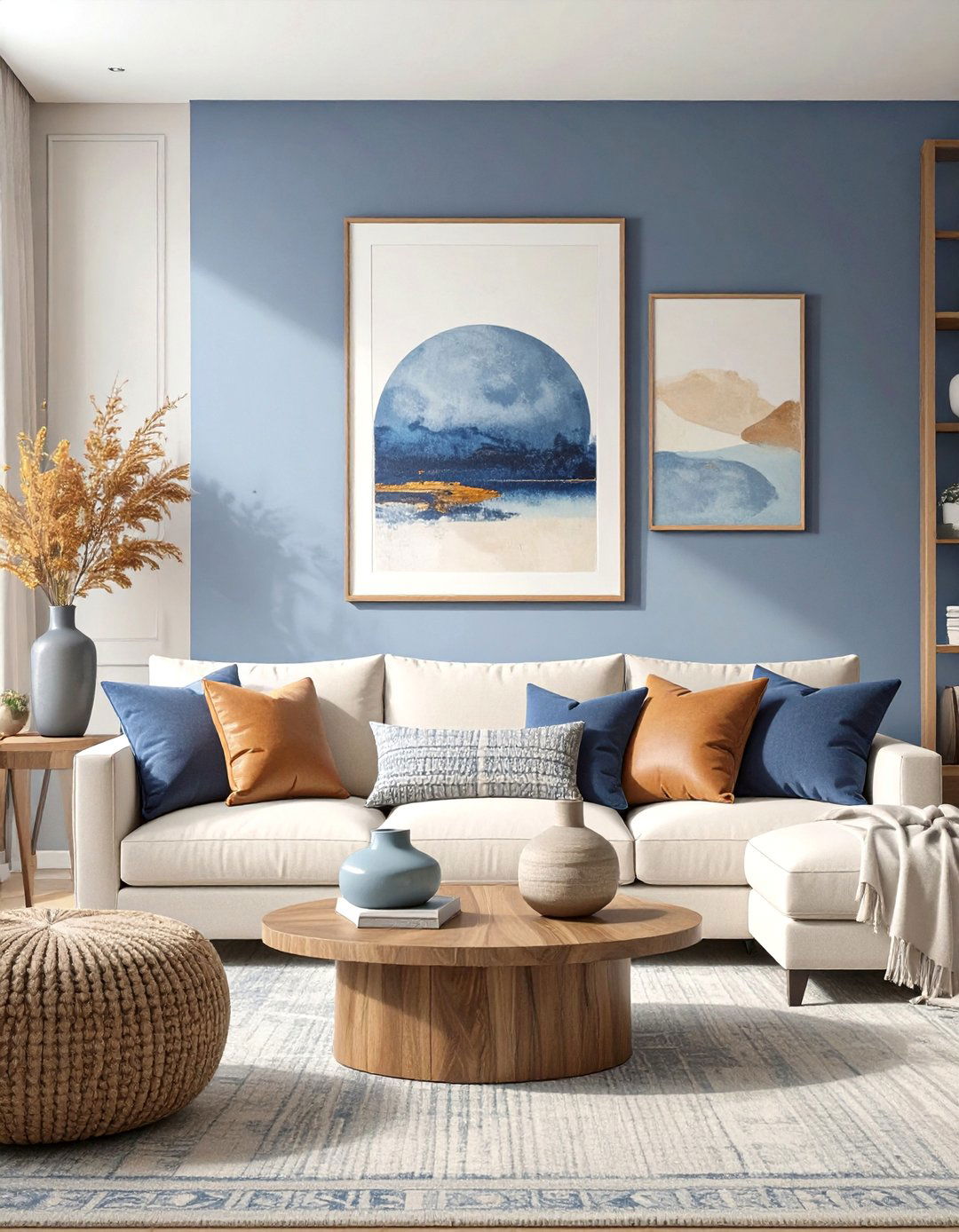
You can create a beautifully balanced room using just color and a living space with neutral-toned furniture of similar scale but varied a bold color, like deep navy, on an accent balance this, use the same navy in smaller doses across the room — in throw pillows on a light gray sofa, a vase on a wooden console, and within a piece of artwork on the opposite textures like a chunky knit throw, a smooth leather chair, and a rough-hewn wooden table to distribute tactile interest evenly throughout the space.
5. Feng Shui Principles for a Balanced Entryway
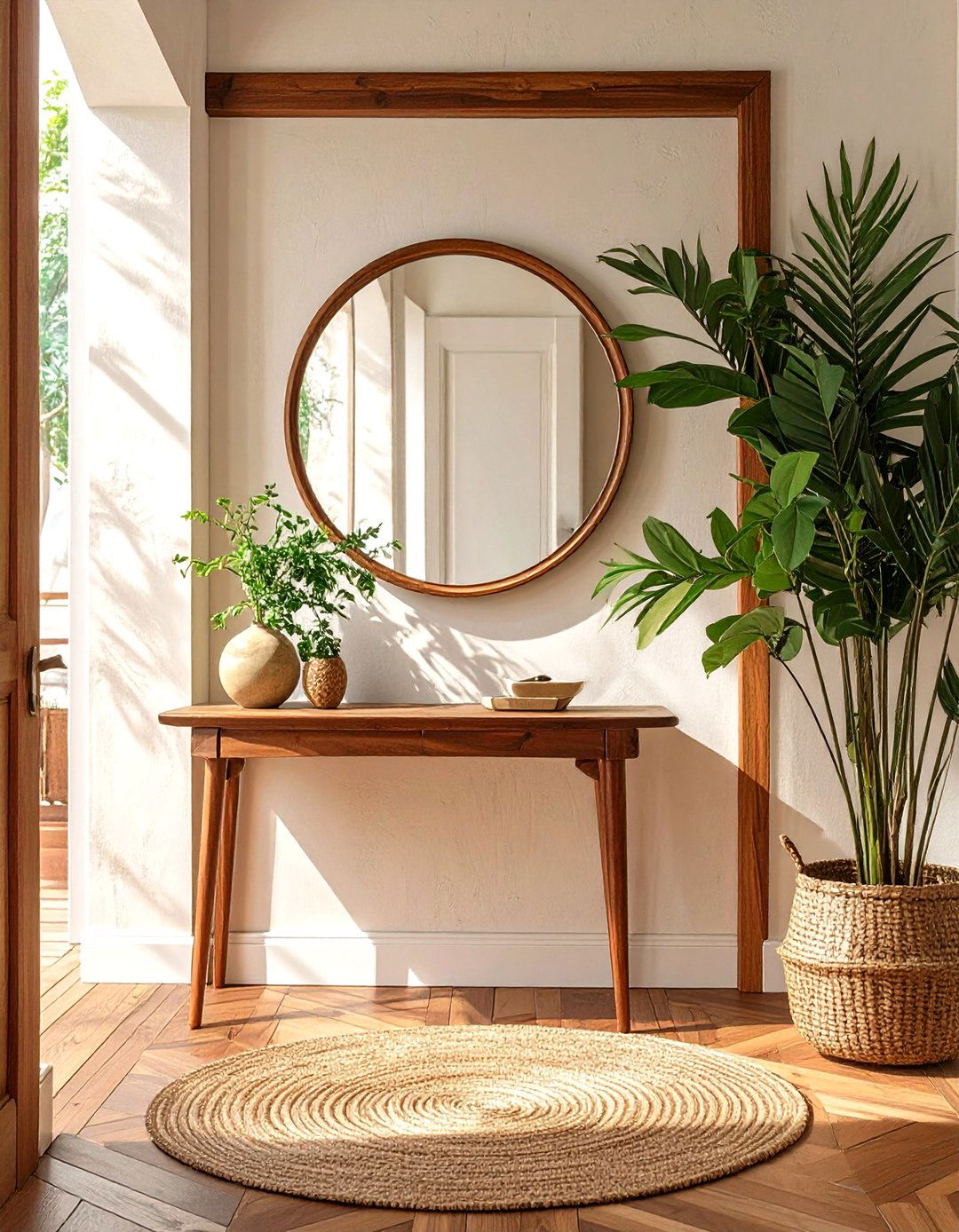
An entryway designed with Feng Shui principles promotes positive energy flow and front door should open easily and fully, without the area bright and a round table in the center if space allows, or a console table against a wall with a mirror above it to reflect light and expand the space. A healthy, vibrant plant to the left of the door (when looking in) can introduce life key is to create an uncluttered, welcoming first impression that sets a harmonious tone for the entire home.
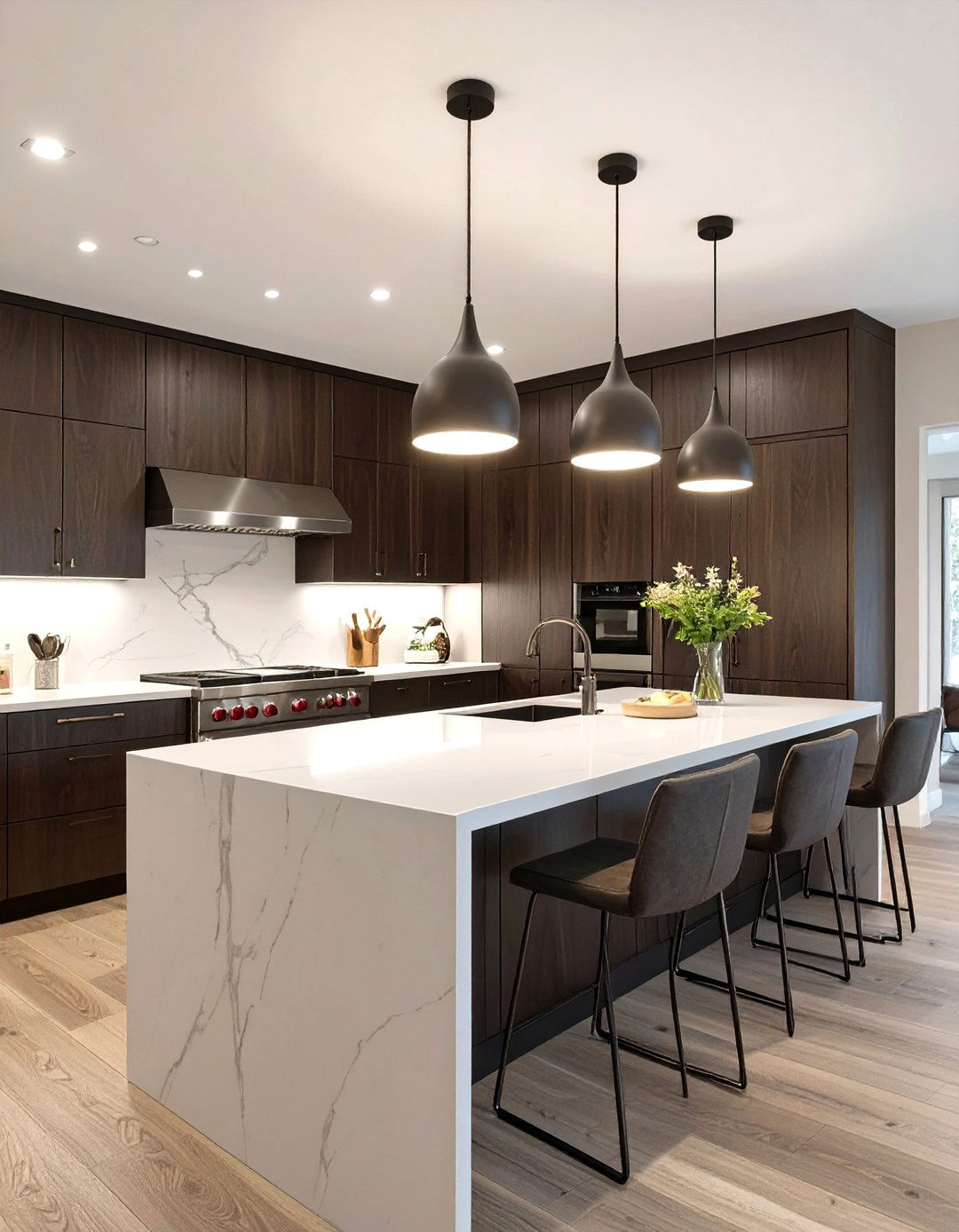
6. Achieving Balance in a Minimalist Kitchen
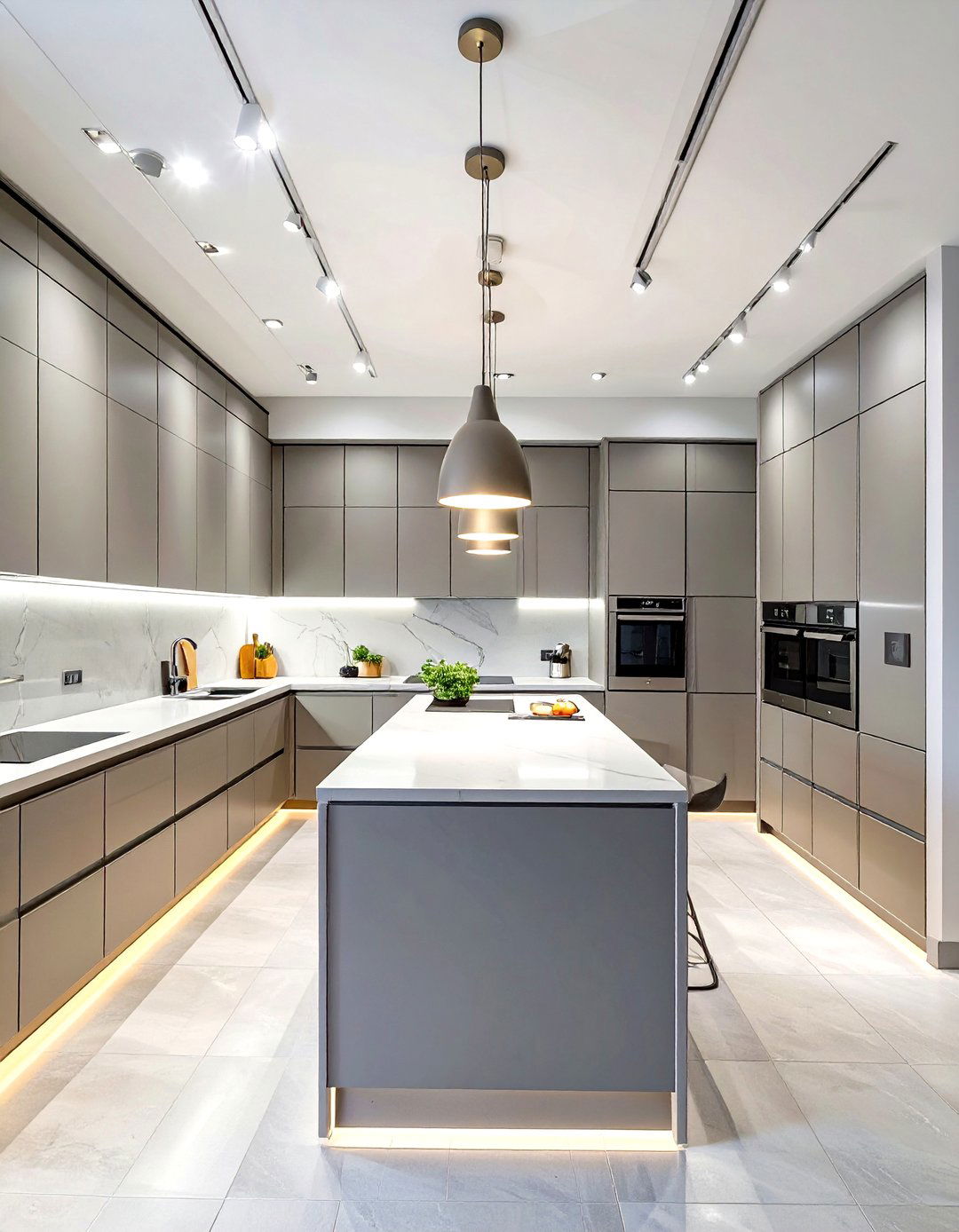
In a minimalist kitchen, balance is achieved through clean lines and strategic a design with a central island that acts as the primary focal the range and hood with identical sets of handle-free, flat-panel a monochromatic color scheme, like all-white or shades of gray, to create a seamless visual weight is balanced not by decor, but by the functional elements themselves. A single, sculptural faucet or a row of simple pendant lights over the island can provide a subtle, asymmetrical point of interest without disrupting the calm.
7. The Eclectic and Balanced Study
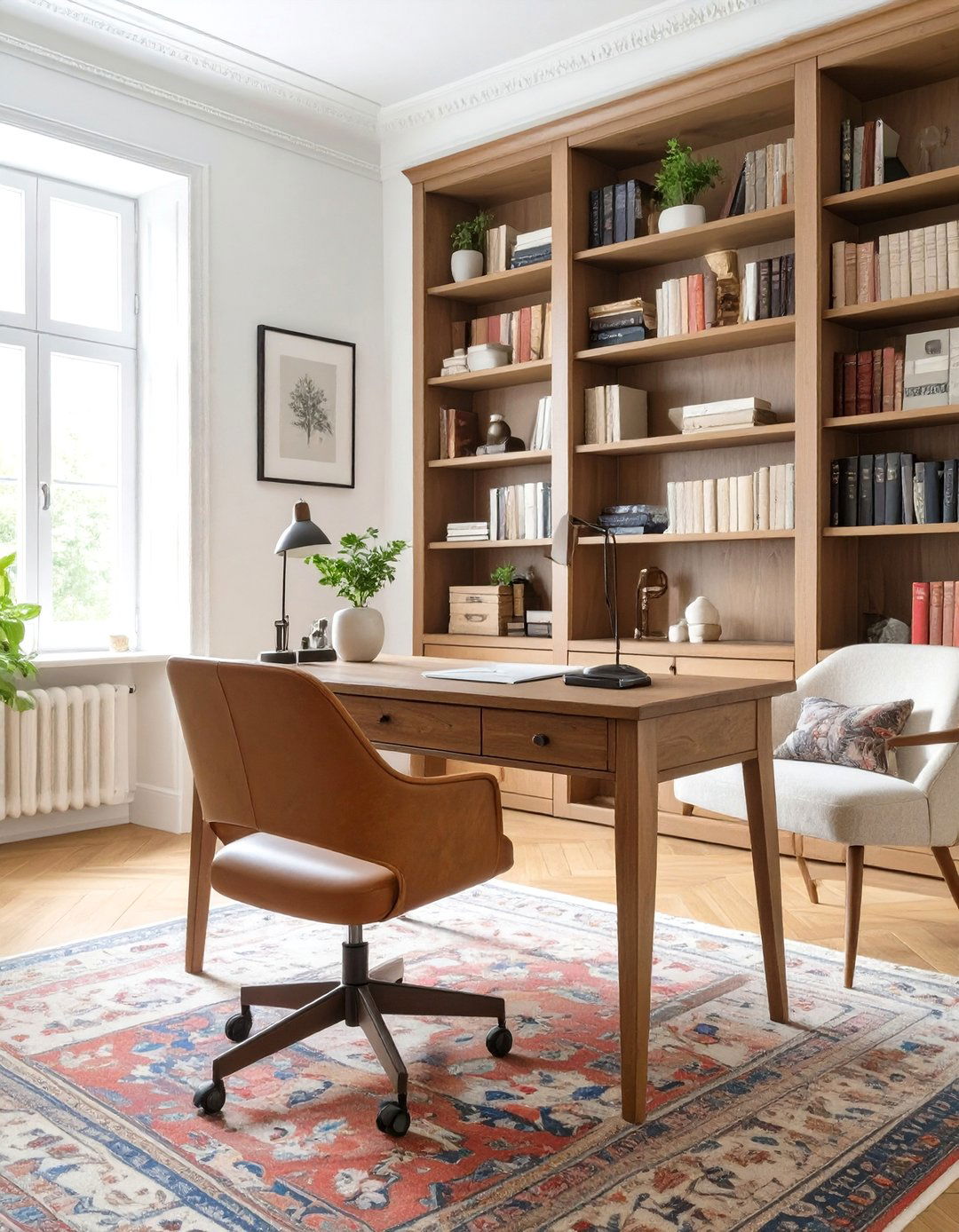
How do you balance a room filled with diverse objects and styles? An eclectic study achieves harmony through careful the room with a large, solid its visual weight with a tall, crowded bookshelf on the opposite a modern desk chair with a vintage armchair in a key is to create a common thread, such as a consistent color palette that appears in various items, or a repeated material like brass in lamp bases, picture frames, and creates a cohesive dialogue between disparate pieces, resulting in a balanced yet personal space.
8. Symmetrical Twin Bedroom Design
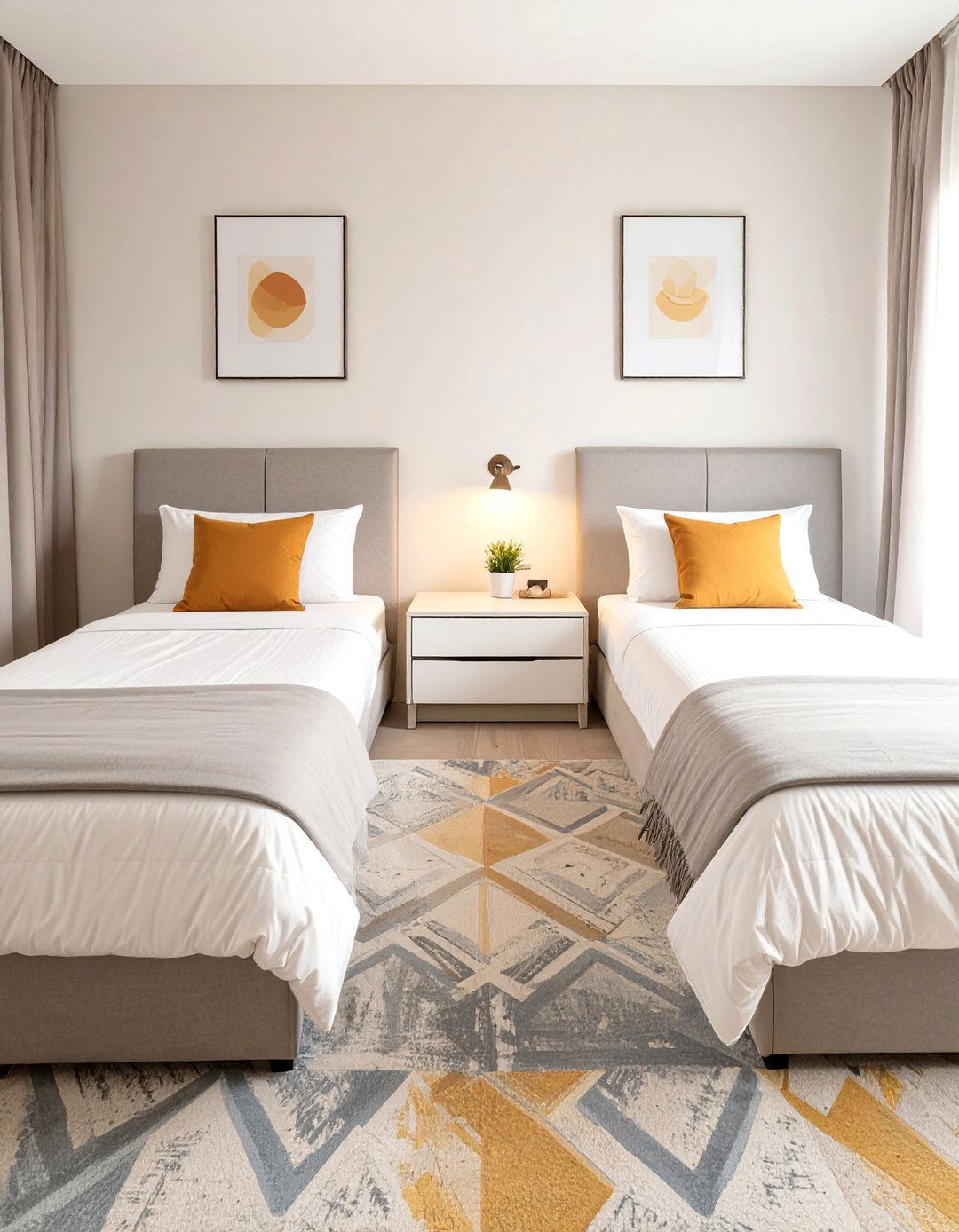
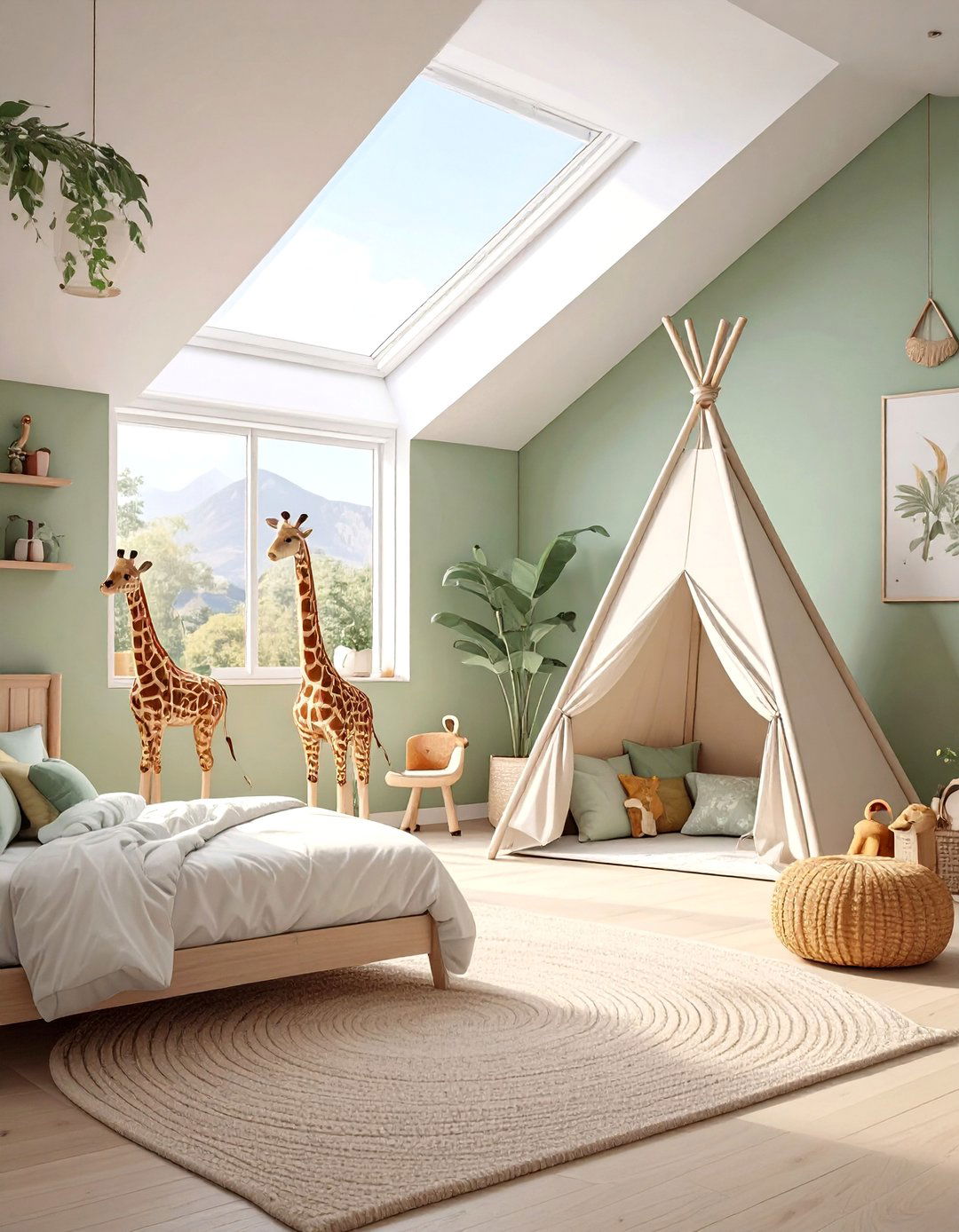
A shared children's bedroom is a classic opportunity for symmetrical two identical twin beds against a shared wall, separated by a single nightstand with a lamp. A large area rug centered between the beds anchors the bed should have matching bedding and the opposite wall, create a mirrored setup with two desks or two not only creates a sense of fairness and personal space for each child but also results in a visually pleasing, orderly room that feels organized and calm, even amidst the chaos of play.
9. Asymmetrical Open-Concept Living
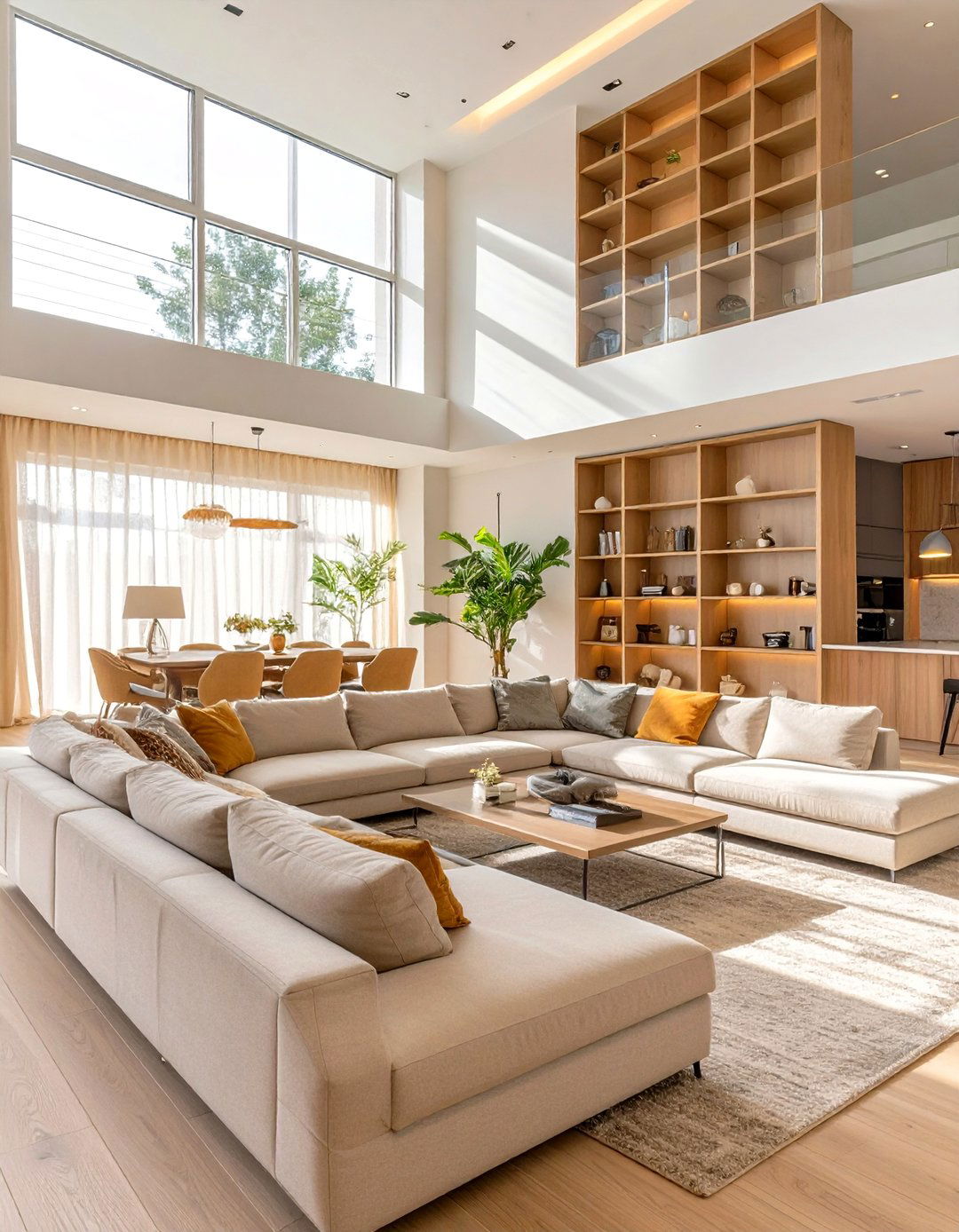
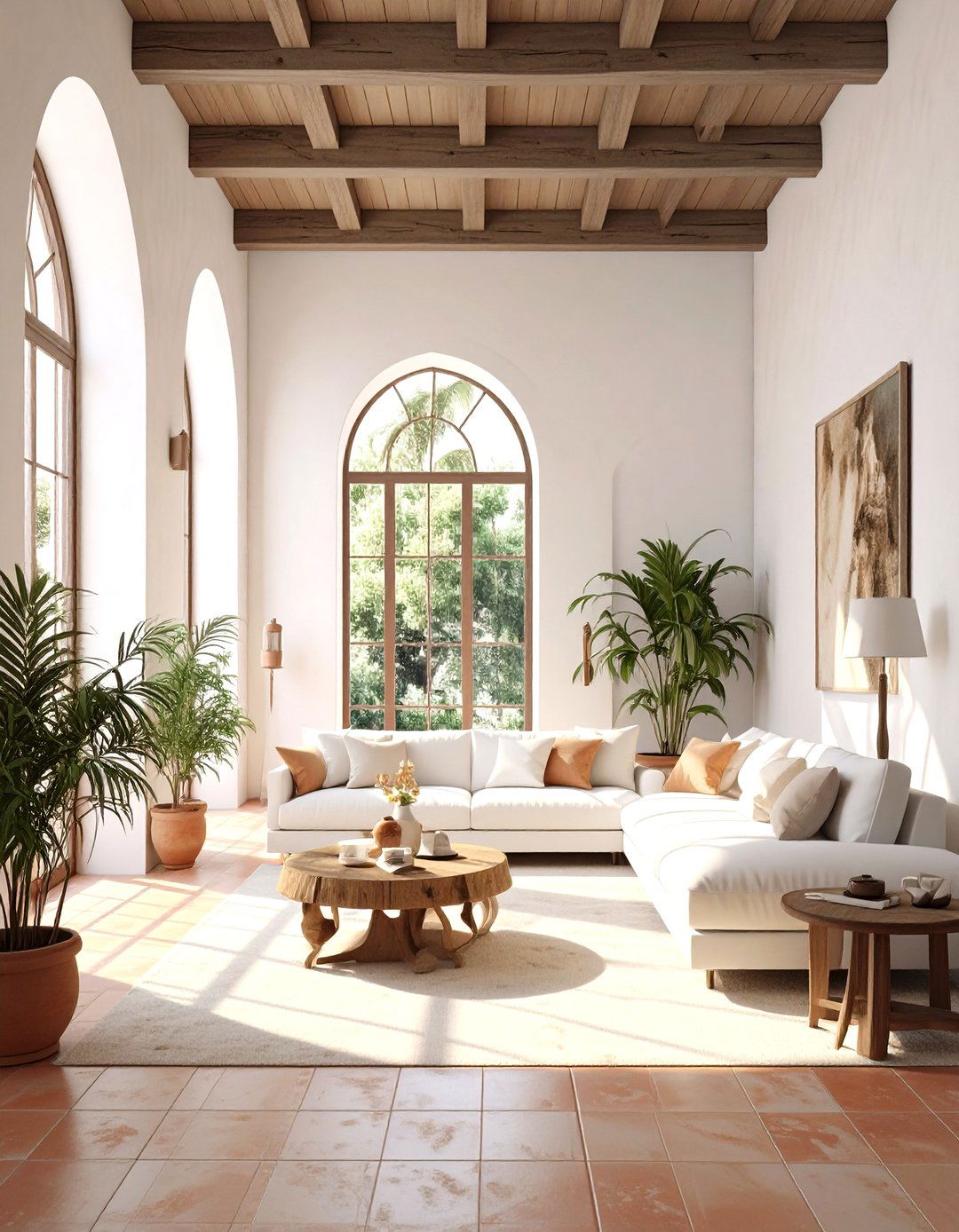
In an open-concept space, asymmetrical balance helps define different functional zones while maintaining a cohesive a large L-shaped sectional sofa to anchor the living the opposite side of the space, create a dining area with a rectangular table and a visually lighter set of the bulk of the sofa with a tall shelving unit or a significant piece of art in the dining zone. A large area rug in the living area and a different, complementary rug in the dining area can help delineate the spaces while a consistent color scheme ties everything together.

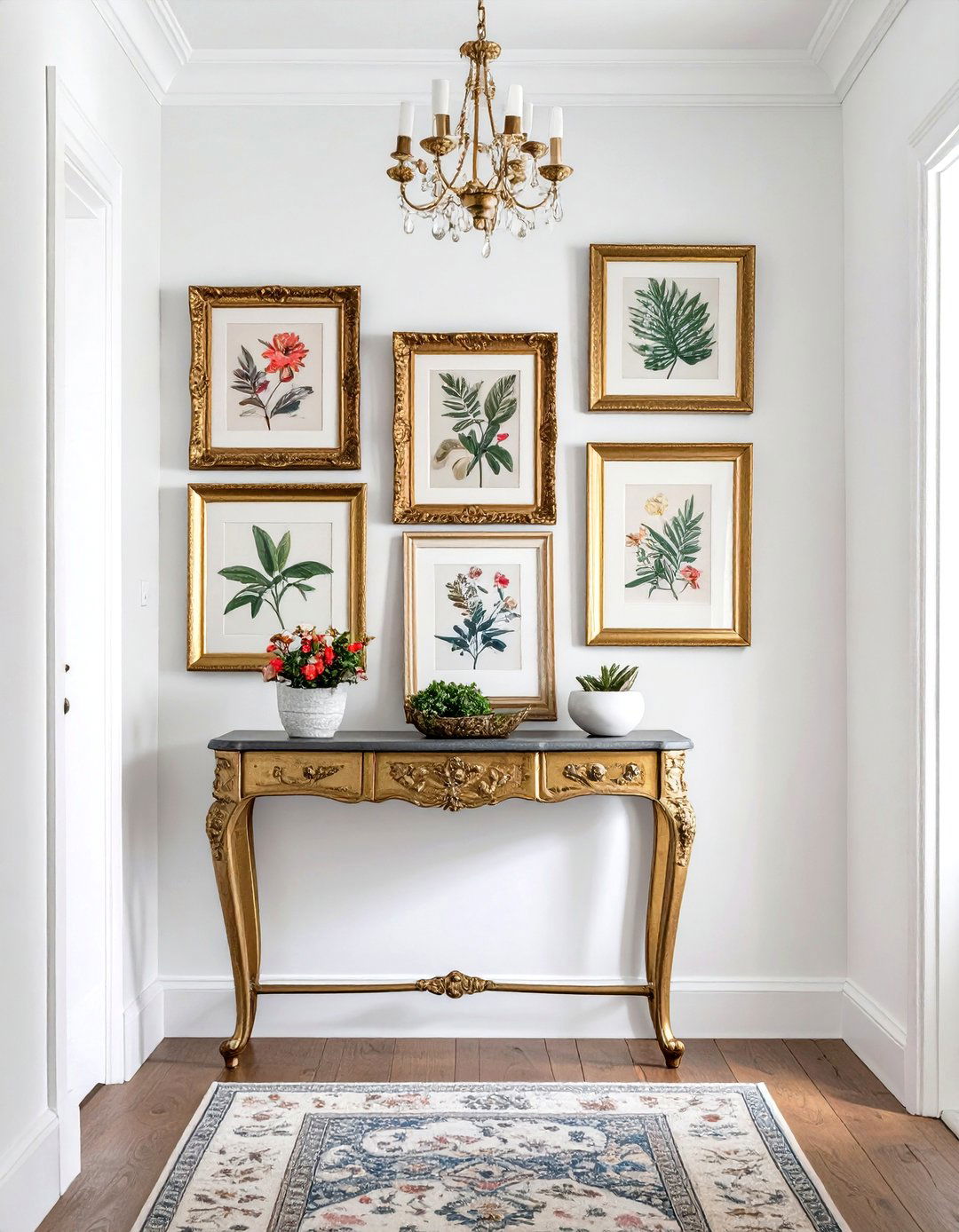
10. Balance Through Architectural Features
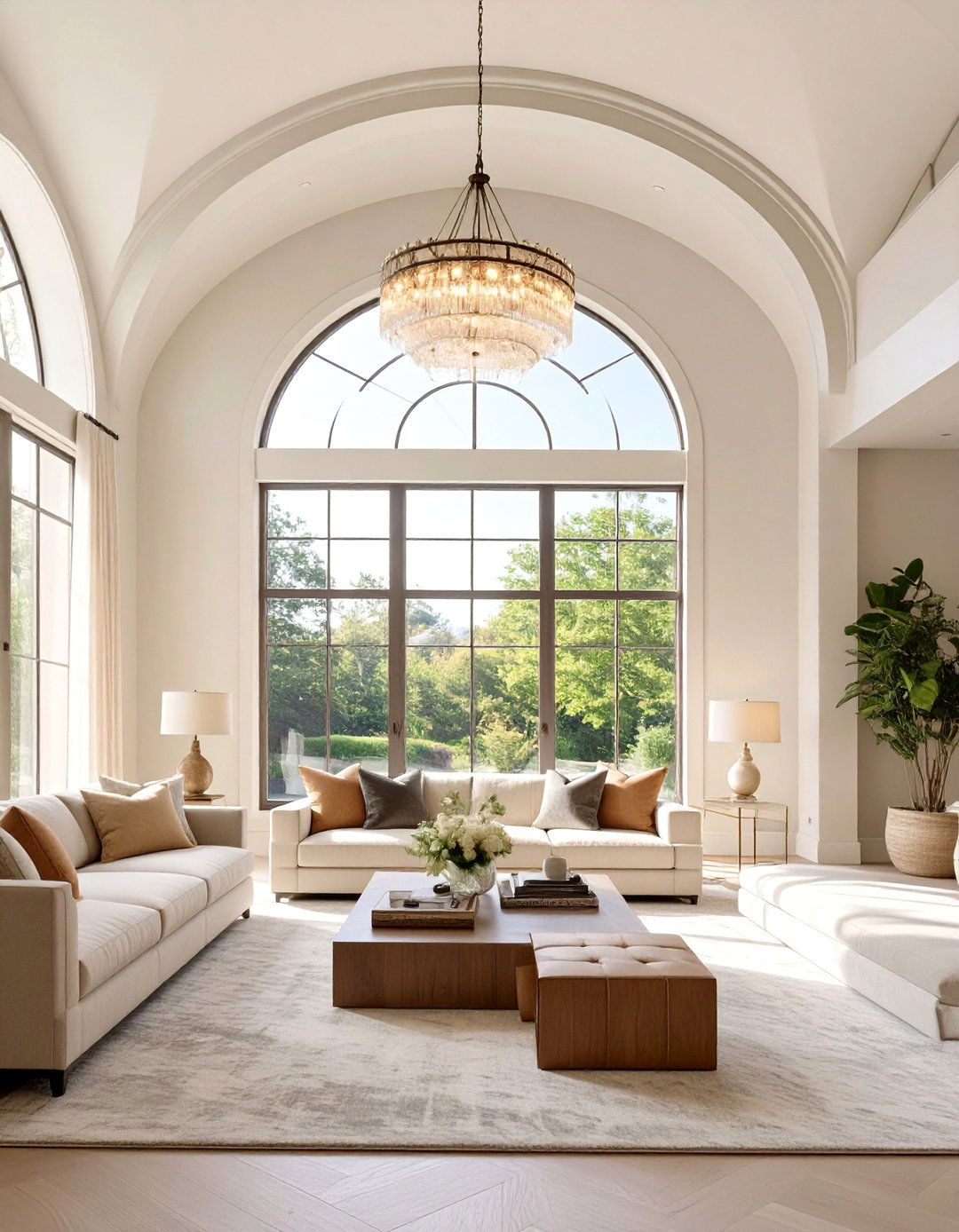
Leverage a home 's architectural features to create inherent you have a room with a large picture window, treat it as the natural focal your furniture to face it, creating a conversation area that takes advantage of the view and window' s strong rectangular form can be balanced by softer, curved a room with a vaulted ceiling, a tall, dramatic light fixture can draw the eye upward and balance the volume of the space, while lower, heavier furniture grounds the room below.
11. The Power of Three in Decor
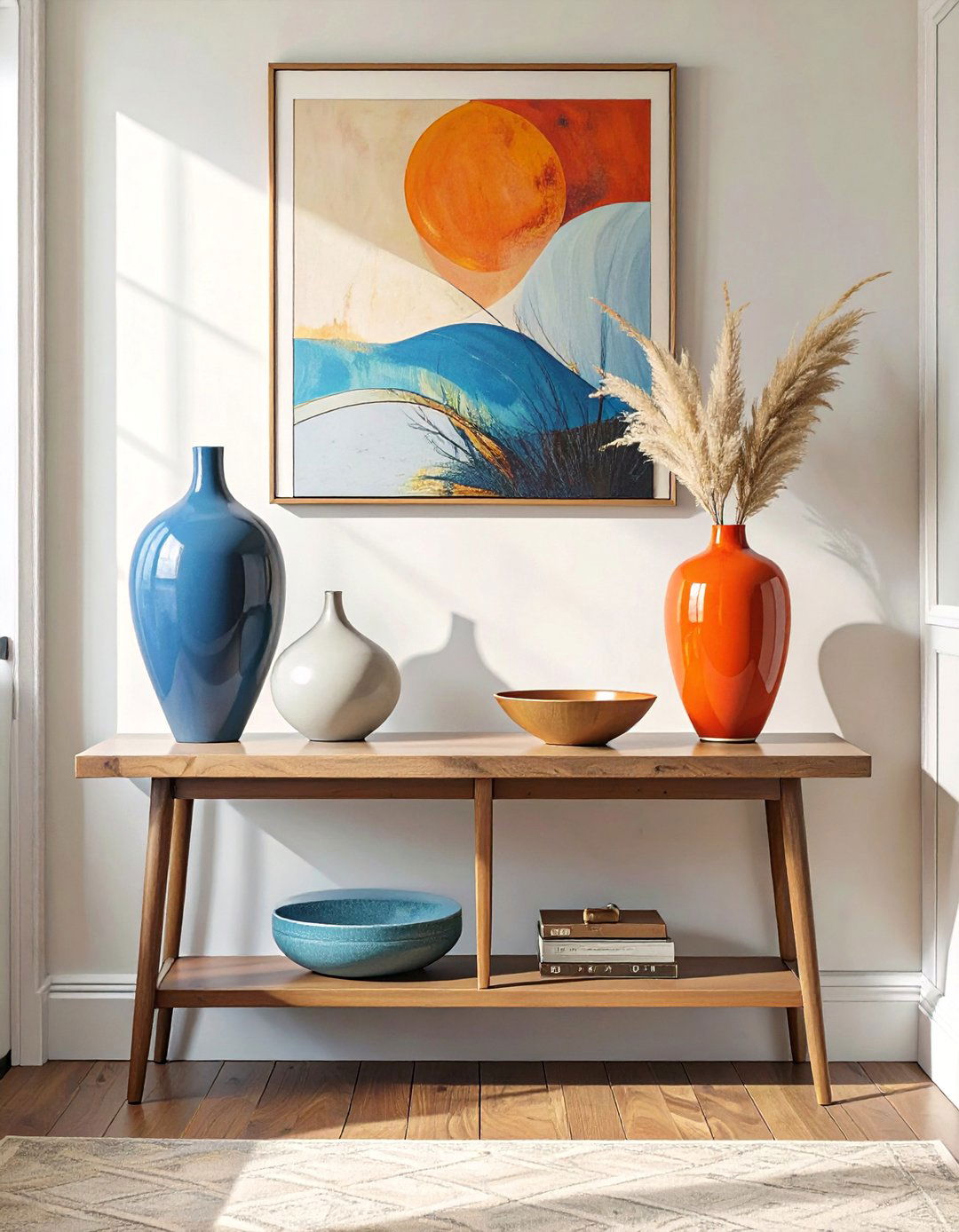
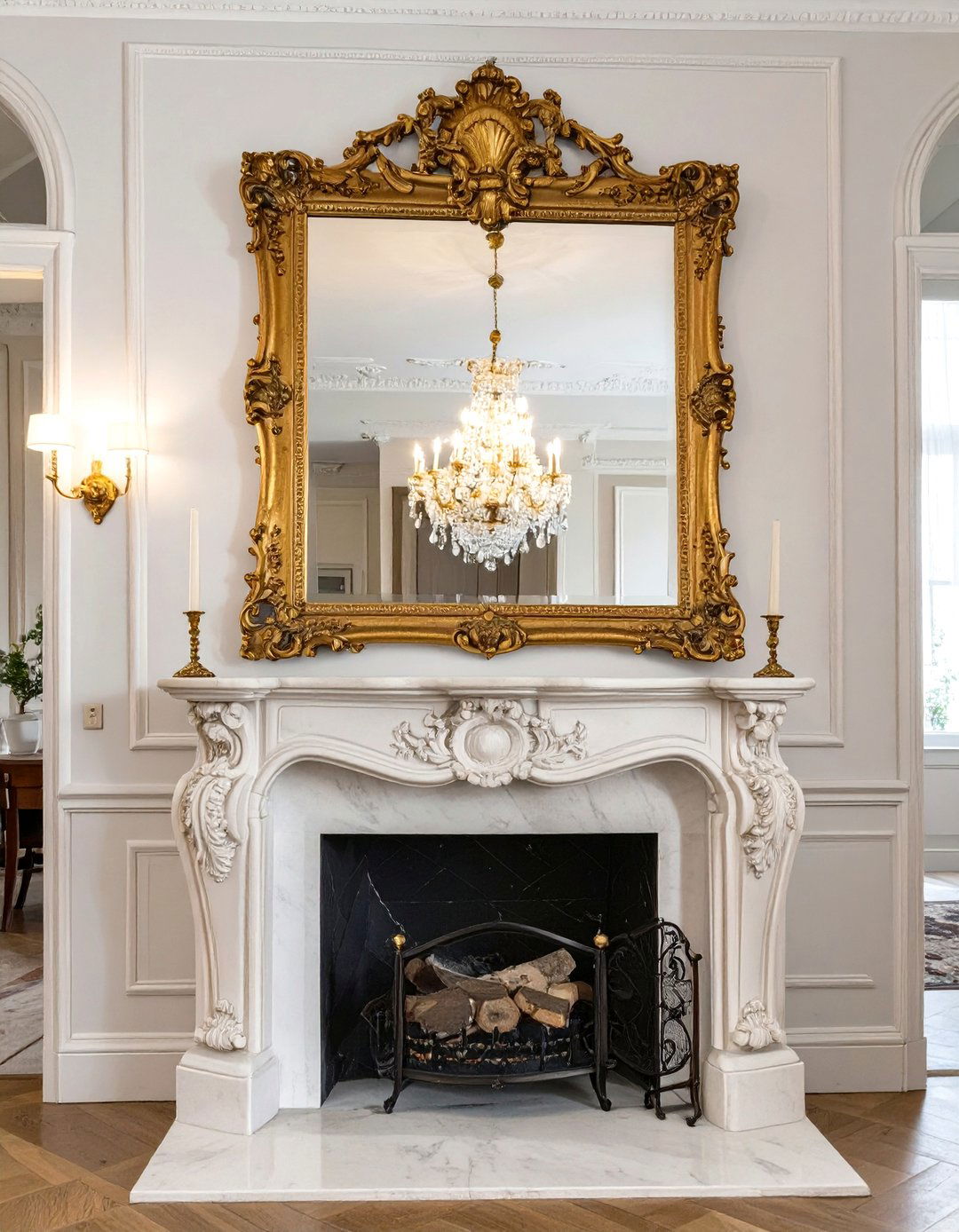
The "rule of three" is a simple yet powerful tool for achieving asymmetrical objects in odd numbers, particularly threes, is naturally more engaging and dynamic to the human eye than even-numbered a console table, arrange a tall vase, a medium-sized sculpture, and a small, low trio of varying heights and shapes creates a pleasing this principle to pillows on a sofa, candles on a mantel, or pendants hanging in a cluster. It’s an easy way to create visual interest that feels effortlessly balanced.
12. Balancing Light and Dark Elements
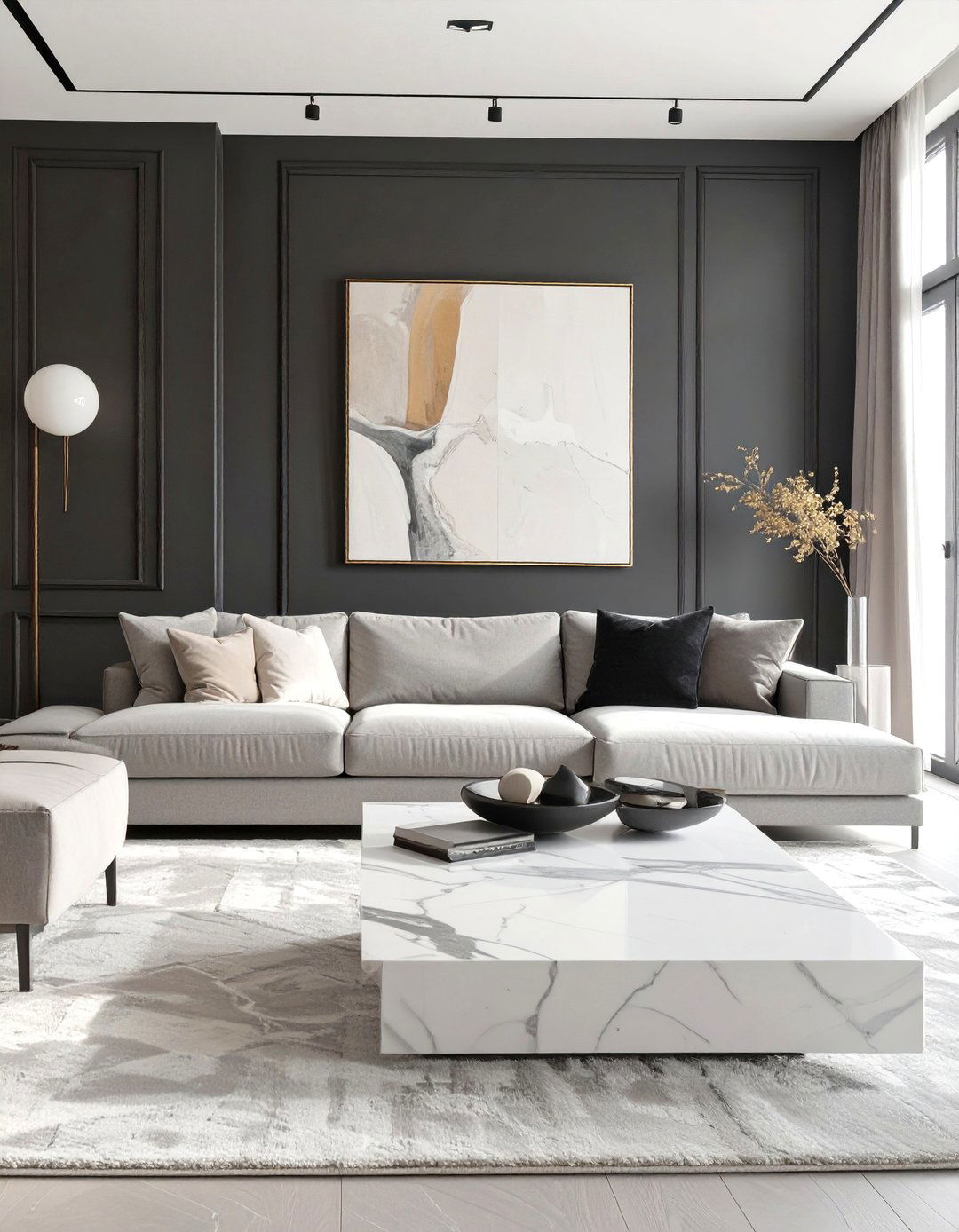
A room with a dramatic contrast of light and dark elements can feel incredibly sophisticated and a room with dark charcoal or black prevent it from feeling heavy or small, introduce significant light elements. A large, plush sofa in a cream or light gray fabric, a white marble coffee table, and a light-colored area rug will balance the deep wall metallic accents like brass or chrome in lighting and decor to reflect light and add a touch of sparkle, further counteracting the darkness and creating a dynamic equilibrium.
13. Symmetrical Bathroom Vanity Setup
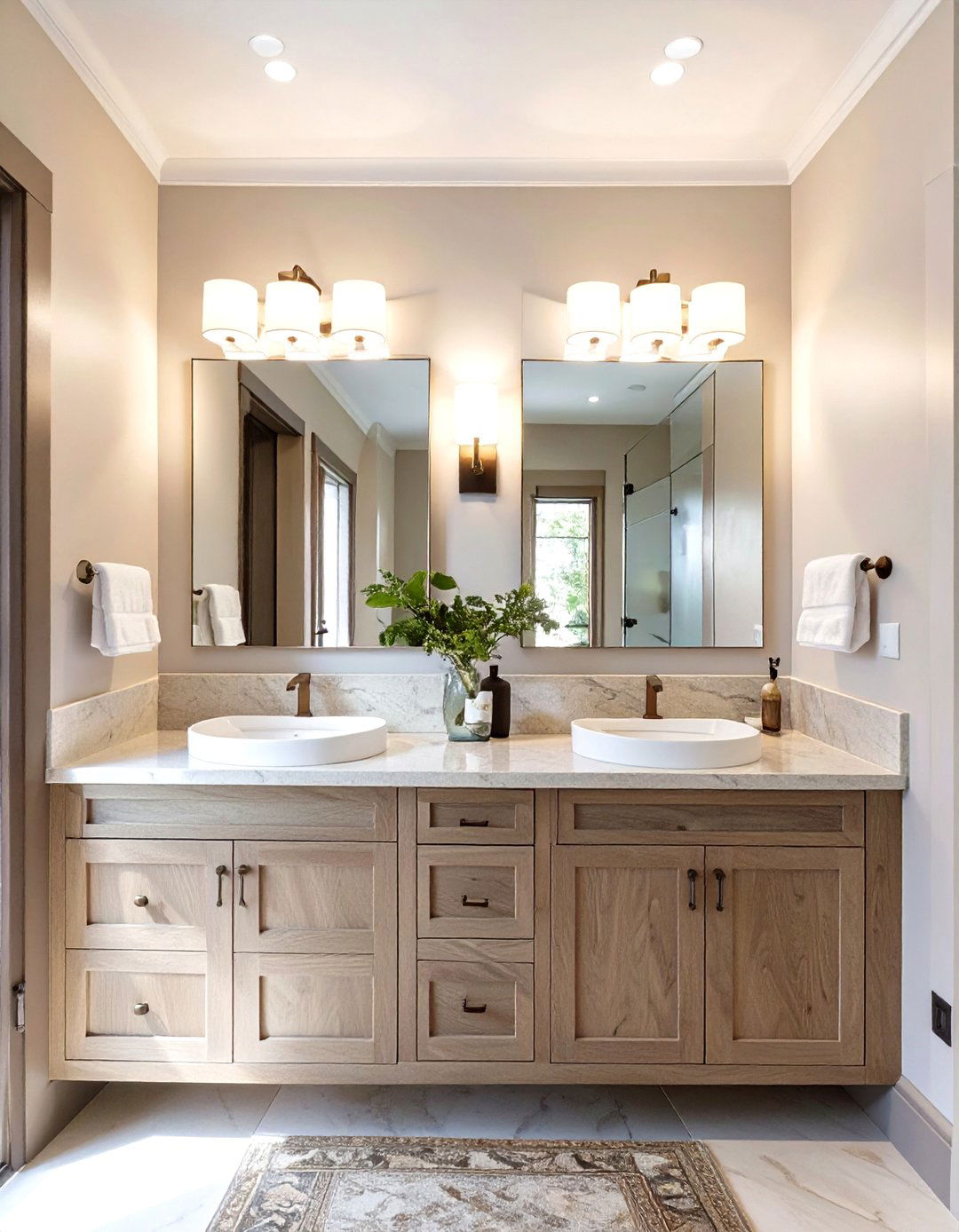
For a master bathroom that exudes spa-like luxury and order, a symmetrical vanity is essential. A long countertop with two identical undermount sinks is the each sink, hang a matching mirror and flanking sconce hardware on the drawers and cabinets should be identical and evenly matching soap dispensers and folded towels by each mirrored layout not only provides functional personal space for two people but also creates a powerful sense of calm and high-end design, making the daily routine feel more serene and organized.
14. Asymmetrical Gallery Wall Arrangement
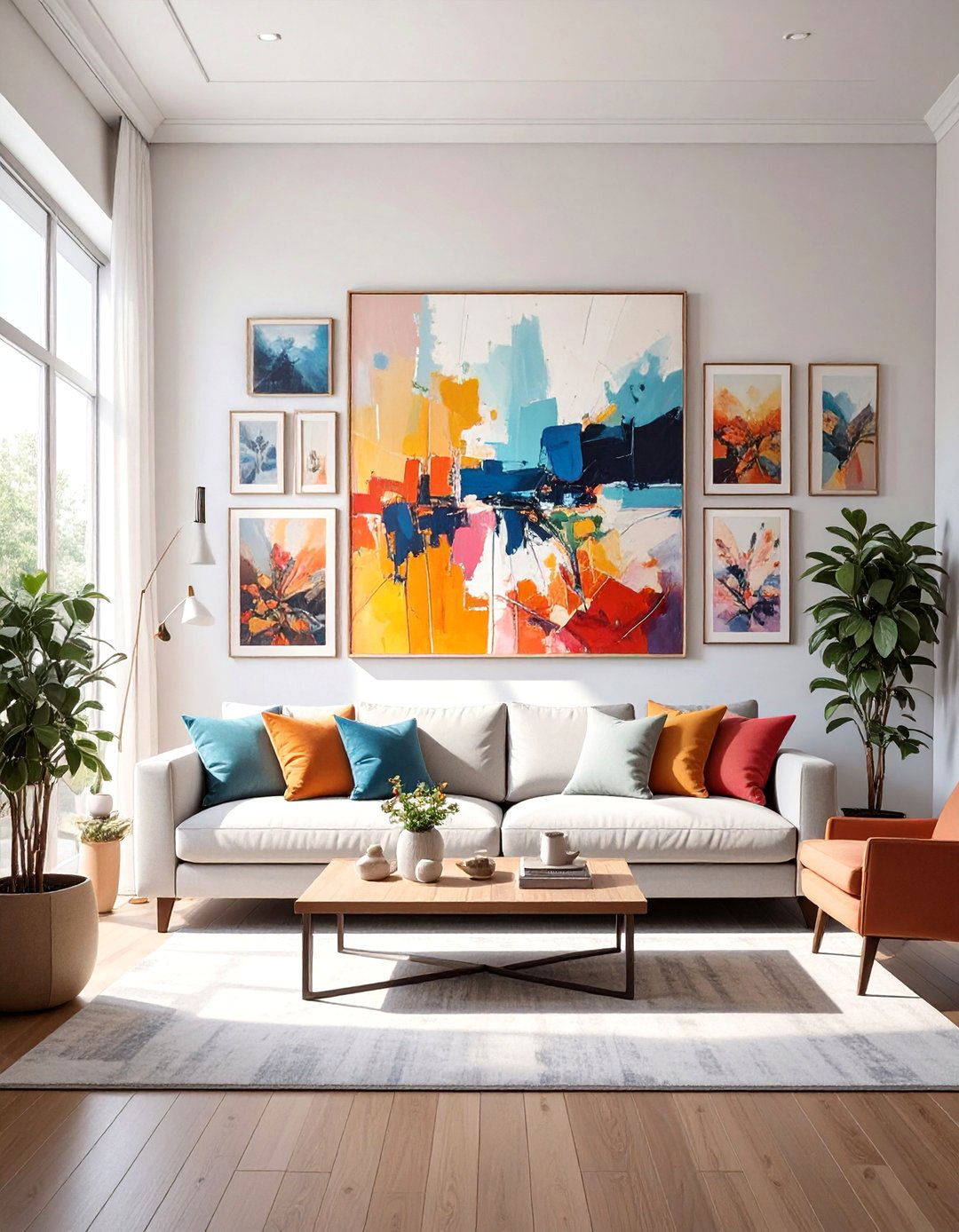
A gallery wall is a perfect expression of asymmetrical create one that feels curated and not chaotic, start with the largest piece of art and place it slightly off-center. Then, build around it with smaller frames of various sizes, shapes, and photographs, prints, and even small three-dimensional maintain cohesion, use frames in a consistent color (like all black or all gold) or stick to a specific color palette within the artwork creates a unified whole that balances the wall space dynamically.


15. Radial Balance in a Grand Foyer
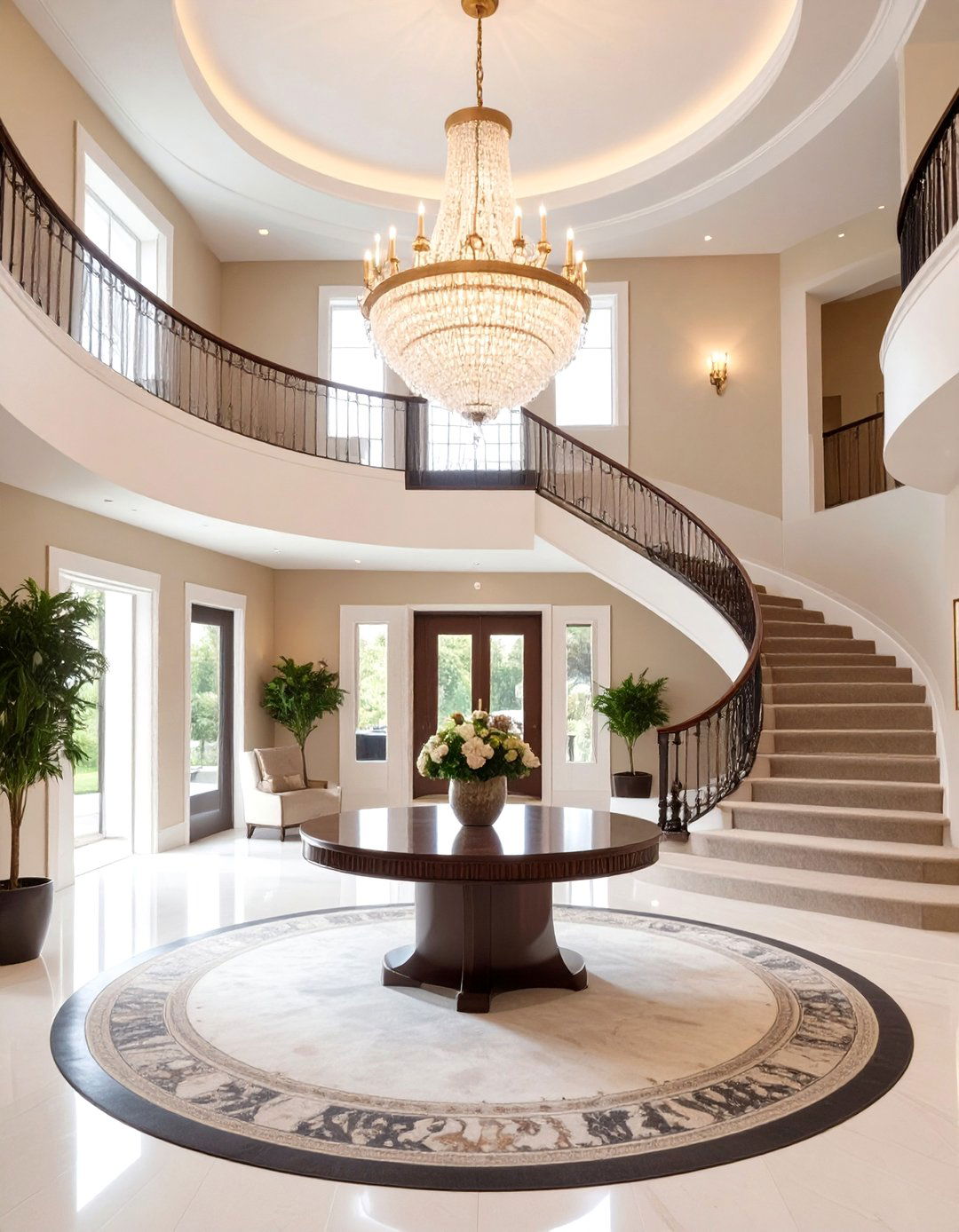
What better way to make a grand first impression than with radial balance in a foyer? Center a large, round table directly under a dramatic, multi-tiered table can hold a stunning floral arrangement, which becomes the room's pattern of a marble or tile floor can radiate outward from this central point. A curved staircase sweeping up one side can be balanced by a grouping of chairs and a small table on the other, all oriented toward the central design directs movement and focus, creating an unforgettable entrance.
16. Balancing Scale and Proportion
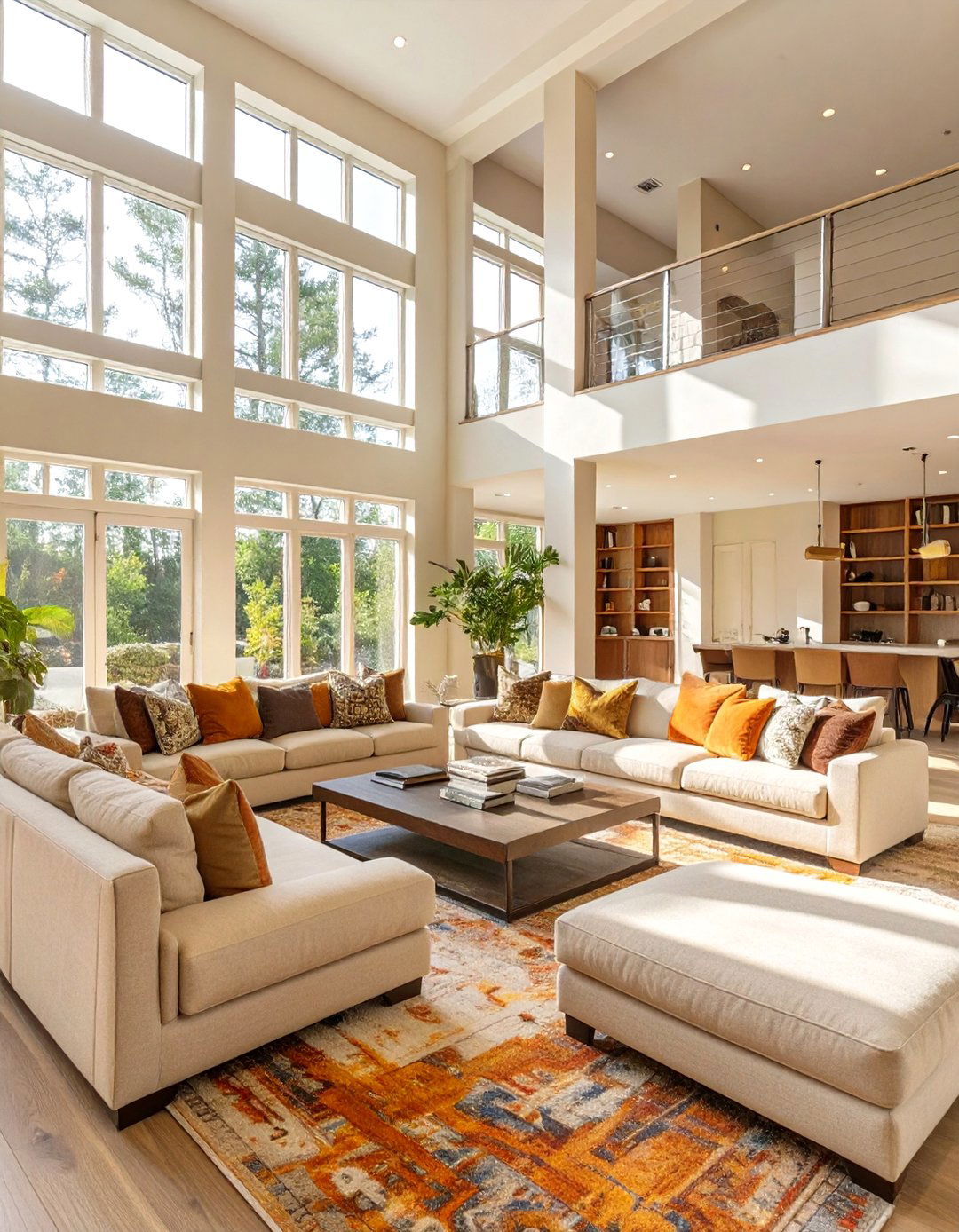
Properly balancing scale and proportion is crucial for a room to feel comfortable. A large, cavernous room with high ceilings needs appropriately scaled furniture to avoid feeling a substantial sectional sofa, an oversized coffee table, and tall floor lamps. Conversely, a small room will feel cramped with bulky for apartment-sized pieces with clean lines and exposed legs to create a sense of goal is to ensure that all elements are in a harmonious relationship with each other and with the size of the room itself.
17. Symmetrical Outdoor Patio Design
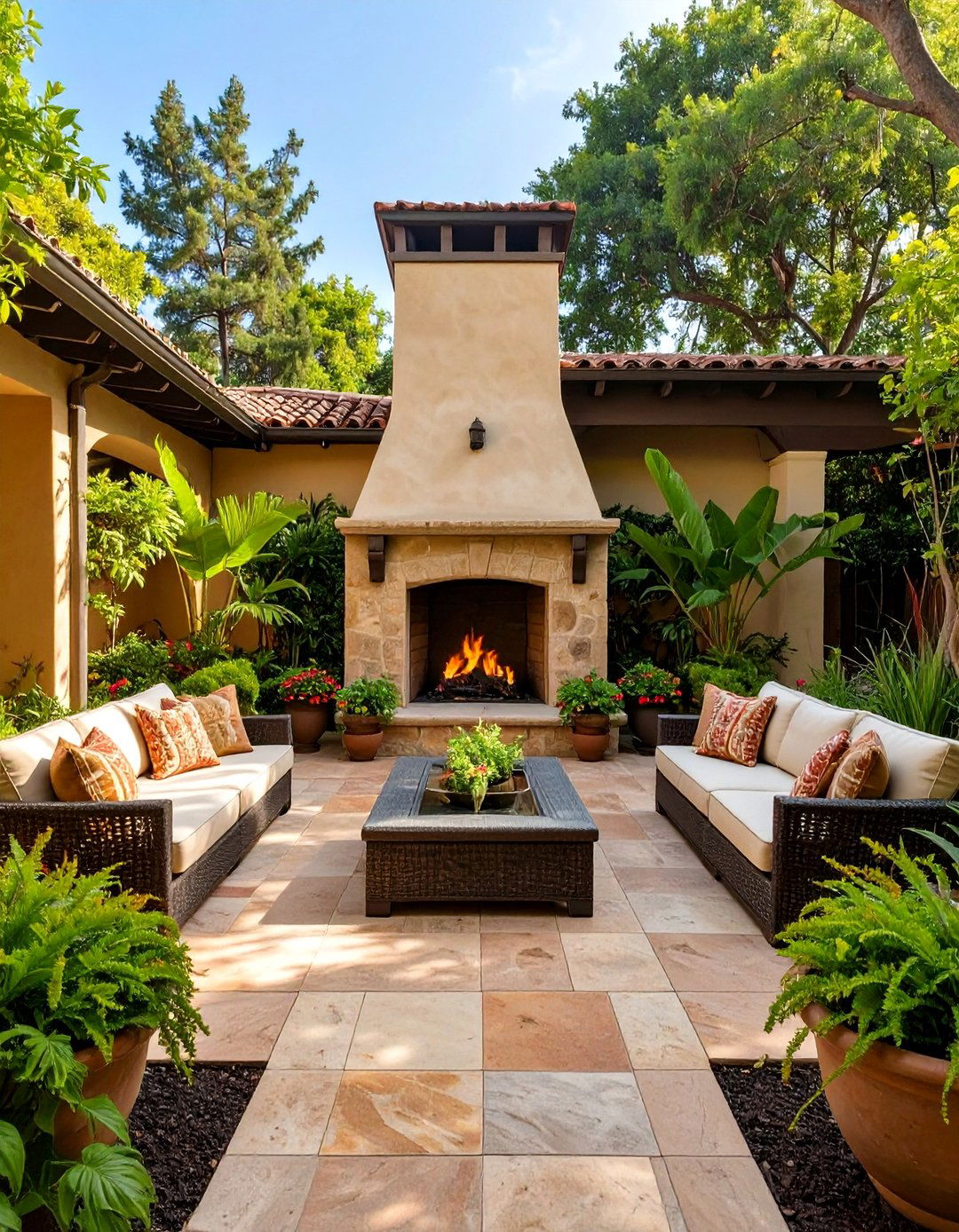
Extend the principles of balance to your outdoor living space. A symmetrical patio design creates a resort-like feel of relaxation and the space around an outdoor fireplace or a water either side, place identical outdoor sofas or a set of matching lounge chairs and side symmetrical planters with the same plants to frame the seating outdoor rug placed in the center will anchor the structured layout is perfect for entertaining and creates a seamless transition from your indoor living area to the outdoors.
18. Asymmetrical Kitchen Island Functionality
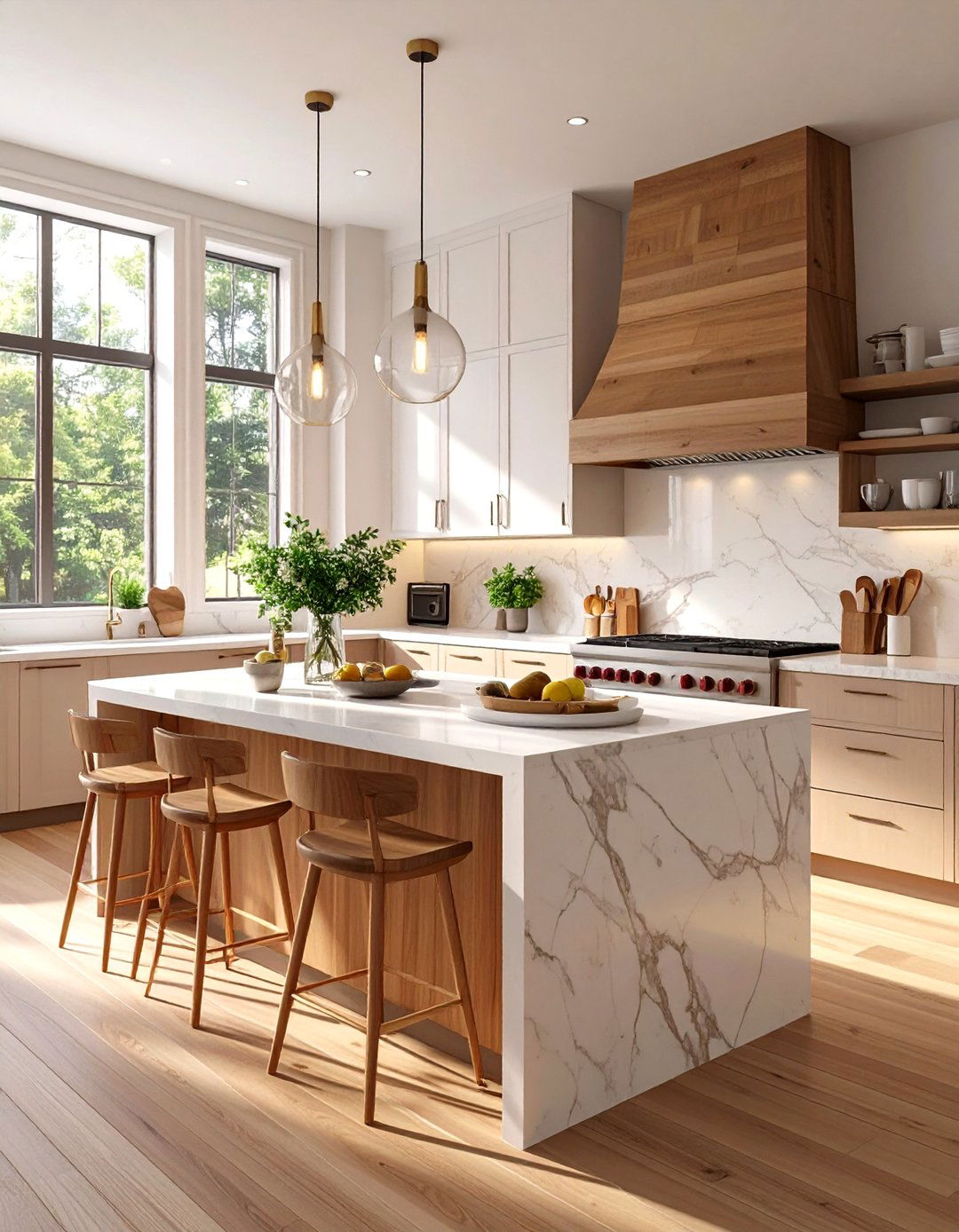
An asymmetrical kitchen island can be both a functional powerhouse and a stunning focal an island with two different countertop heights or example, one end at standard counter height in quartz for meal prep, and the other end at a lower, table height in a warm wood for casual defines different zones on a single the visual weight by hanging a cluster of pendant lights over the taller section and leaving the lower section open, creating an interesting, multi-functional centerpiece that breaks up the monotony of a standard kitchen layout.
19. Balancing Textures in a Neutral Palette
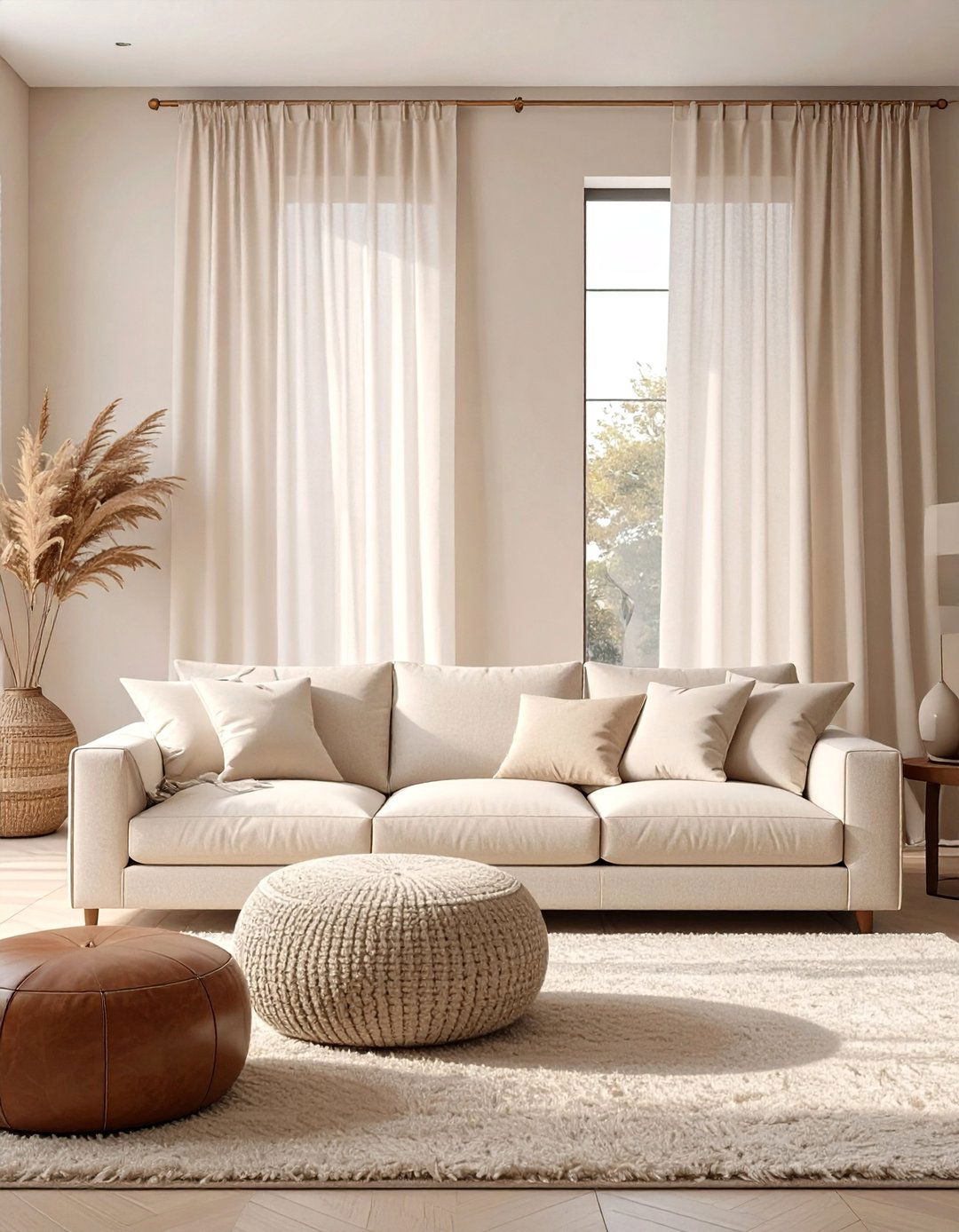
A room decorated entirely in neutral tones can be incredibly soothing, but it risks feeling key to making it successful is to balance a rich variety of a beige and white living room, combine a nubby boucle sofa, a smooth leather ottoman, a rough-hewn wooden side table, a soft shag rug, and sheer linen the colors are similar, the interplay of different surfaces creates depth and tactile balance engages the senses and gives the space a sophisticated, layered feel that is anything but boring.


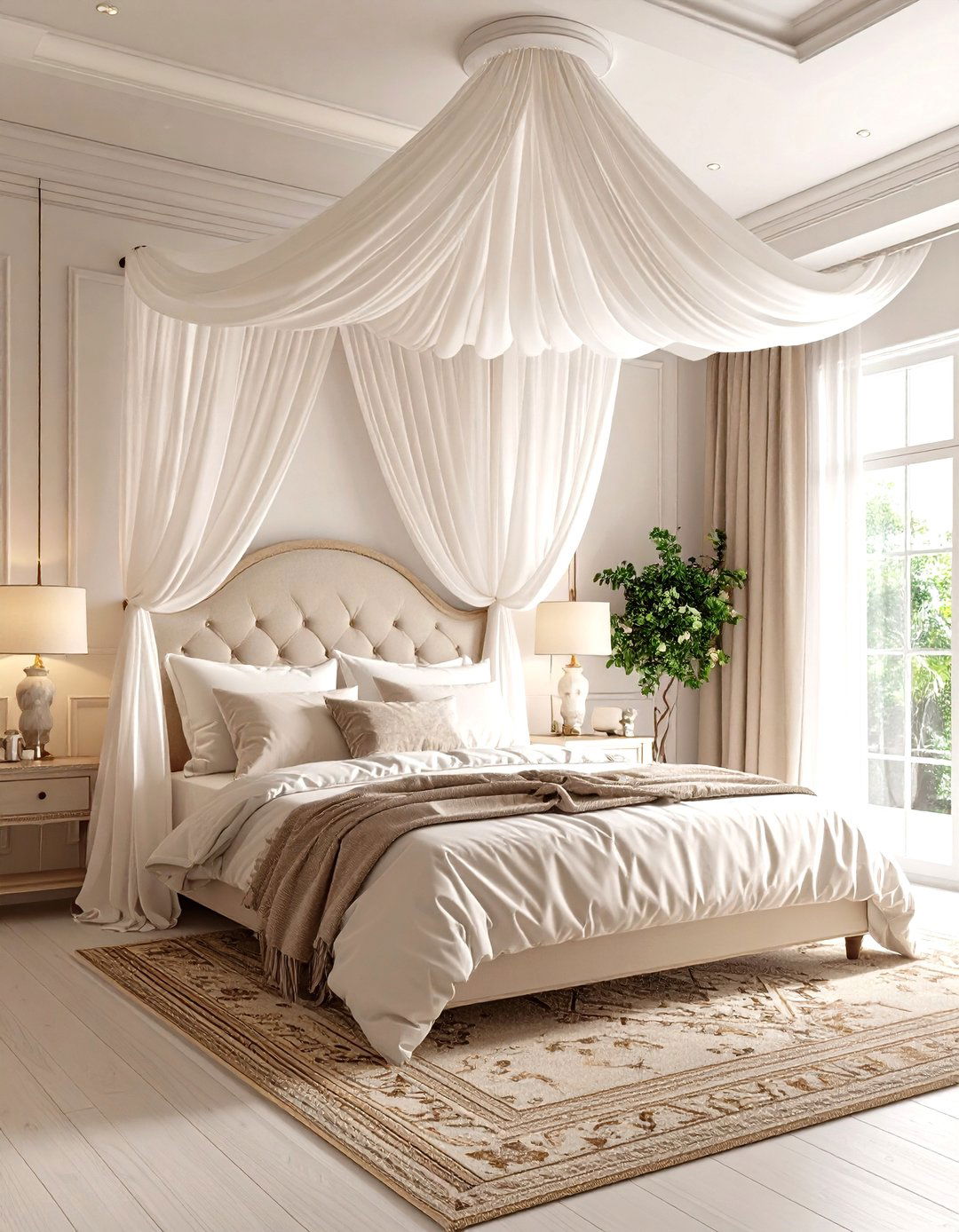
20. The Centered Bed as a Focal Point
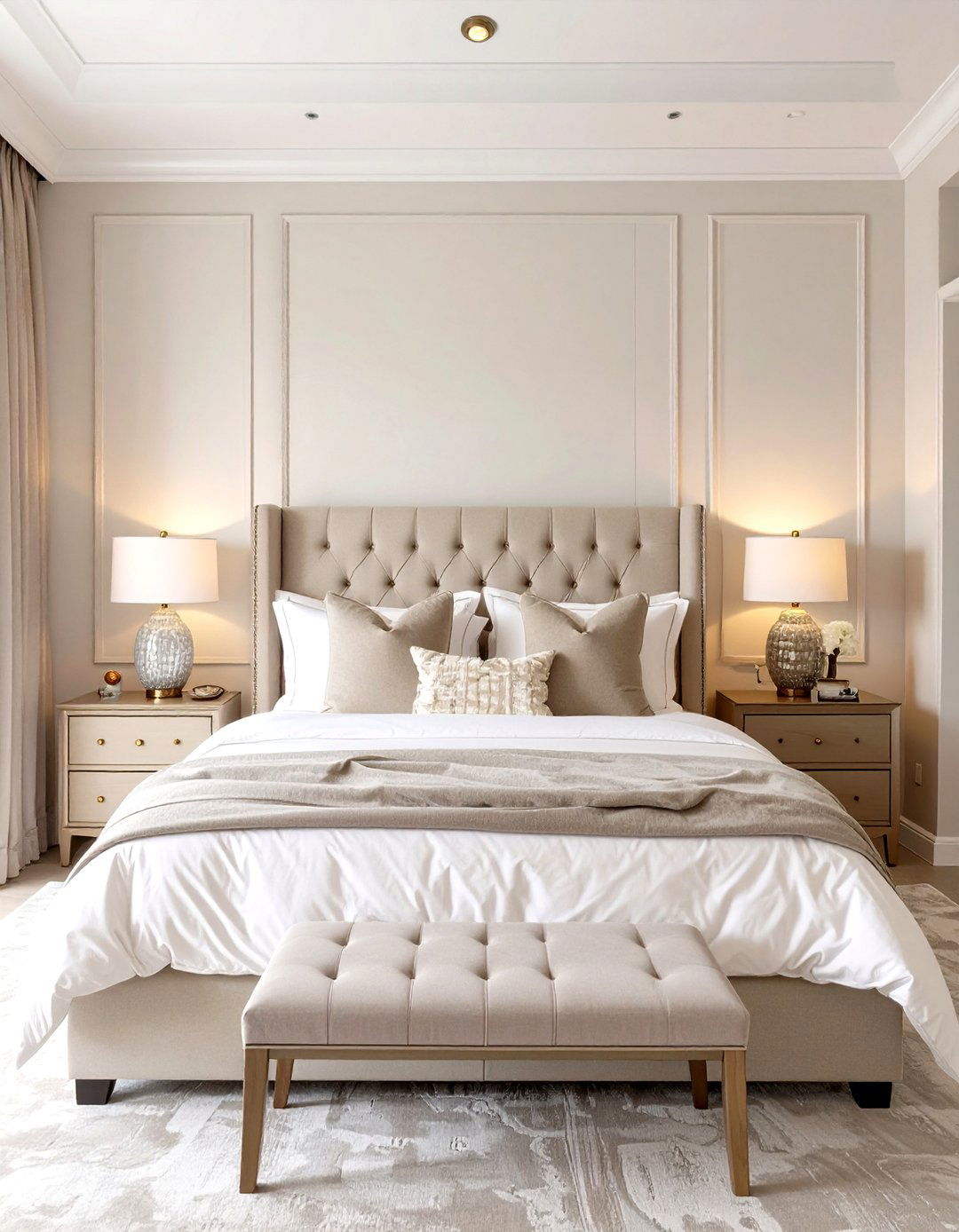
In a bedroom, the simplest way to create a sense of balance is to make the bed the undisputed focal the bed against the main wall, preferably the one you see first upon a substantial headboard to give it pillows symmetrically, with larger Euro shams at the back and standard and decorative pillows layered in the bed with matching nightstands and classic, symmetrical arrangement creates a restful and visually stable anchor for the entire room, promoting a feeling of tranquility and order.
21. Asymmetrical Fireplace Decor
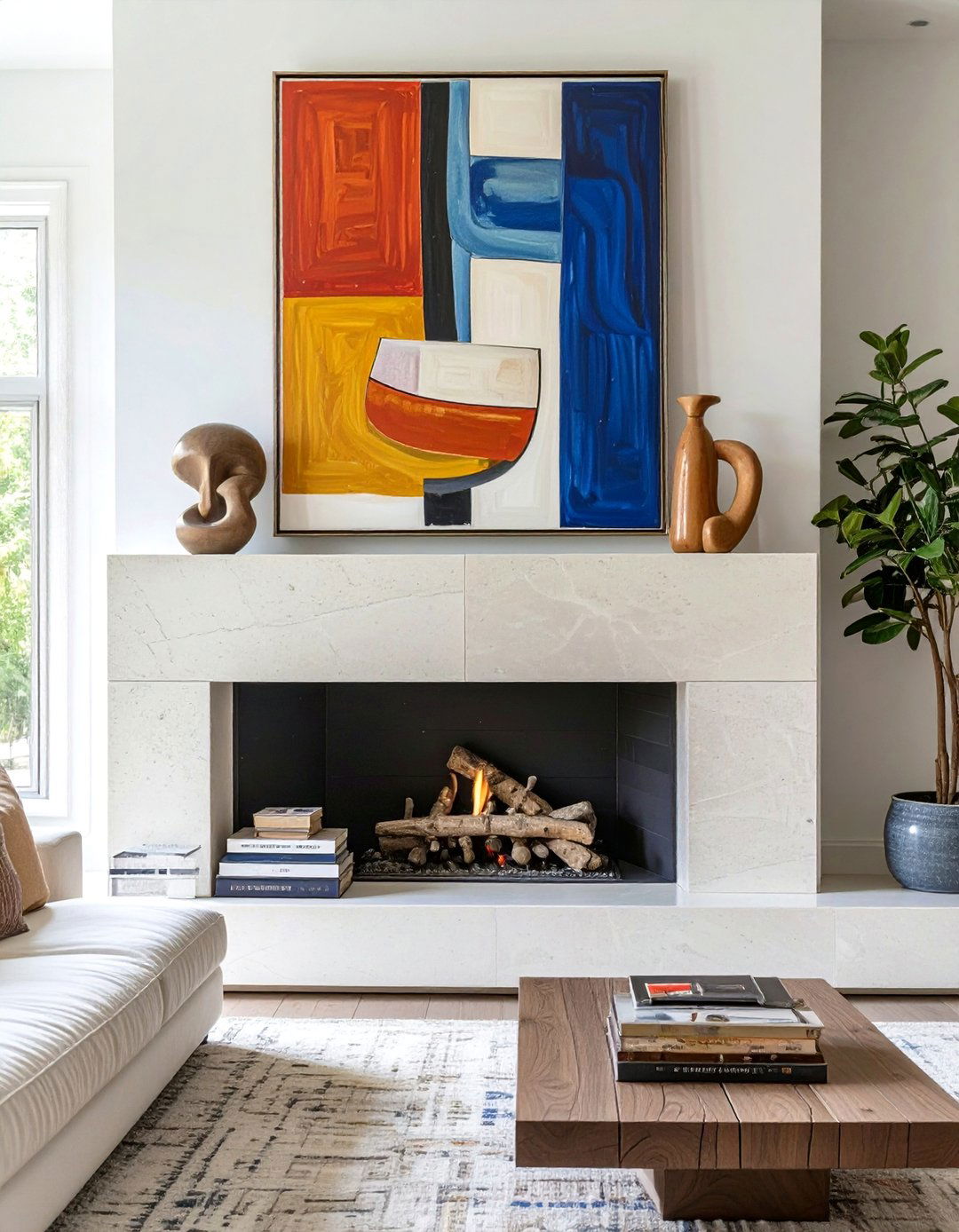
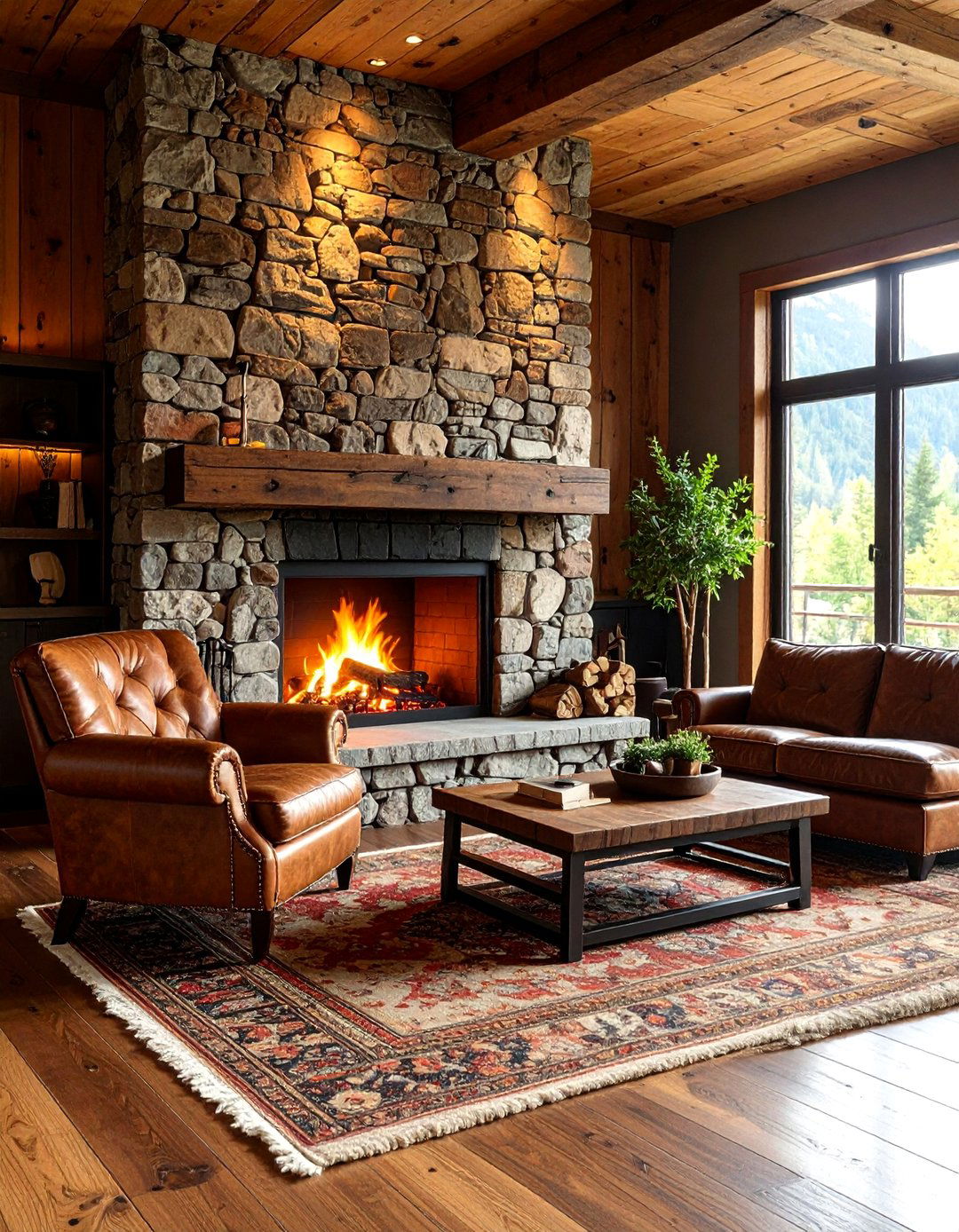
Move beyond the traditional symmetrical mantel a modern take, style your fireplace a large, leaning piece of art on one side of the its height and visual weight with a lower, horizontal stack of books and a small, sculptural object on the other the hearth below, you could place a large basket of logs on one side, leaving the other side approach creates a more relaxed, contemporary vibe that feels curated and personal, breaking free from formal, predictable arrangements.
22. Radial Balance with a Statement Rug
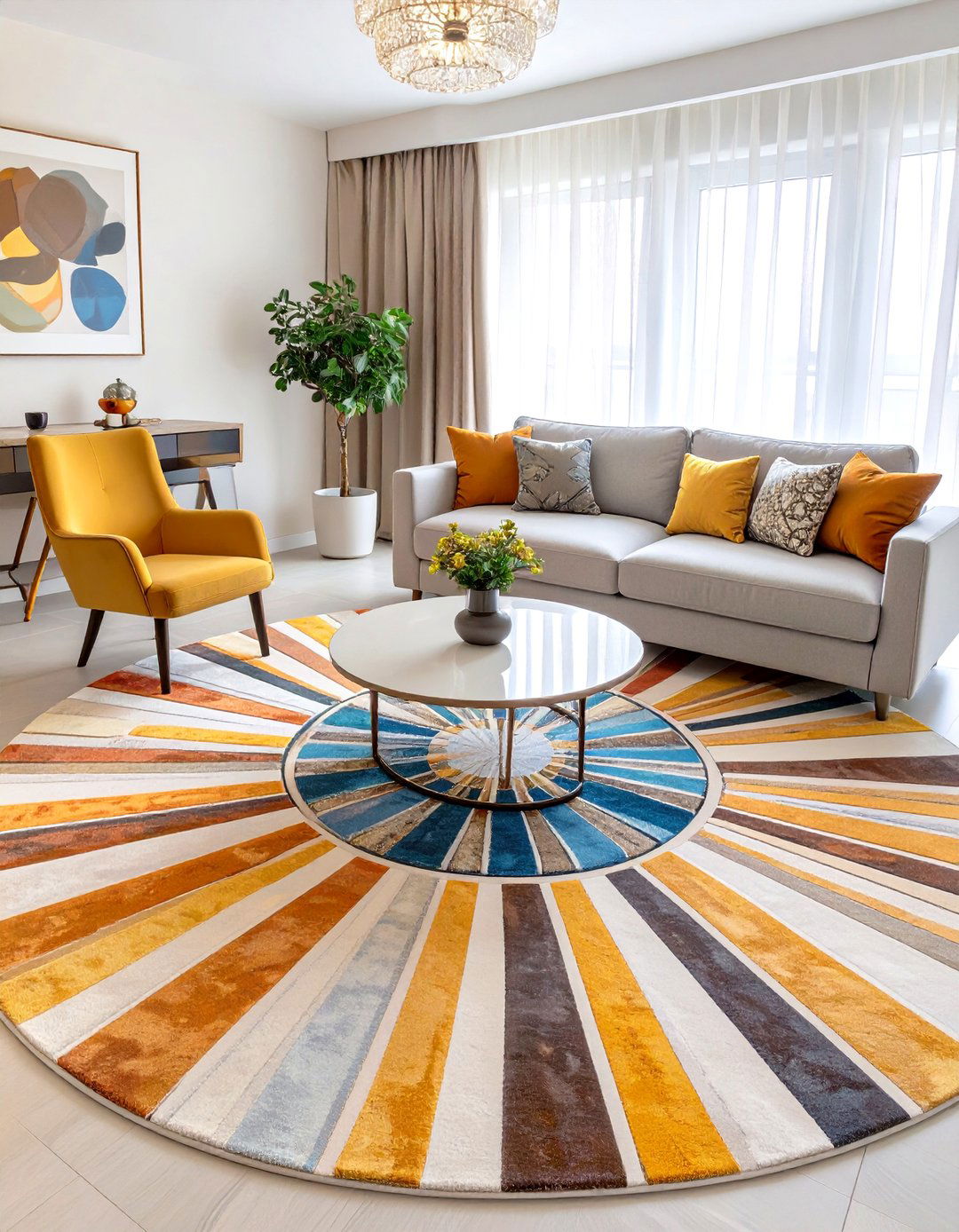
A bold, graphic rug with a radial pattern can be the foundation for a balanced a rug with a design that explodes from the center, like a sunburst or a large your main seating arrangement — a sofa and a pair of chairs — around the perimeter of the rug, orienting them toward the center. A round coffee table placed at the very heart of the pattern will enhance the technique uses the floor as the primary design element, with all furniture arranged in response to it, creating a powerful sense of unity.
23. Balancing Old and New Elements
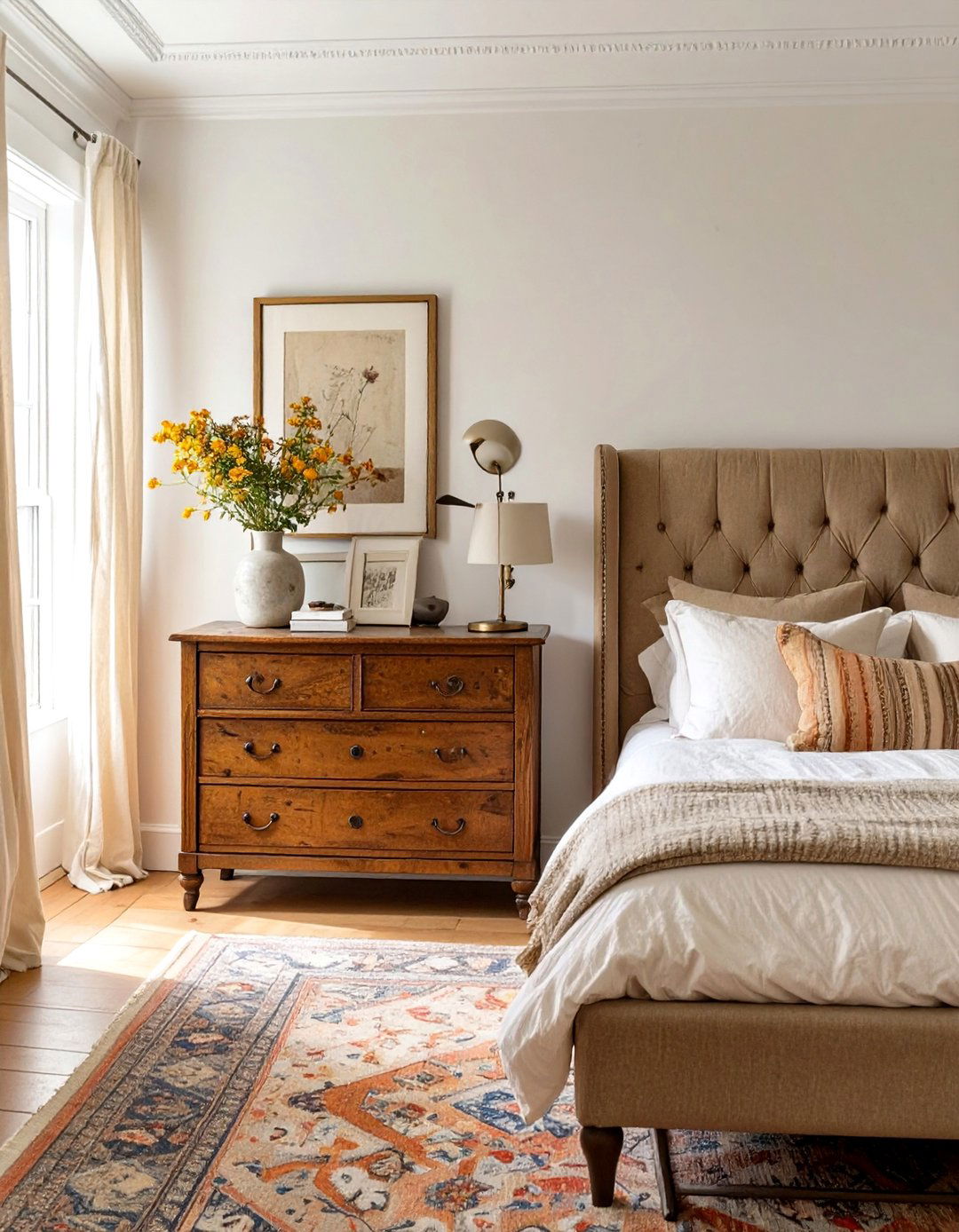
Creating balance between vintage and contemporary pieces results in a space with soul and you wonder how to make your grandmother's antique dresser work in a modern bedroom? Balance its ornate details and dark wood by pairing it with a simple, upholstered bed frame and minimalist metal a living room, a sleek, modern sofa can be balanced by a pair of classic wingback chairs reupholstered in a contemporary contrast highlights the unique qualities of each piece while creating a harmonious and timelessly stylish interior.
24. Symmetrical Window Treatments
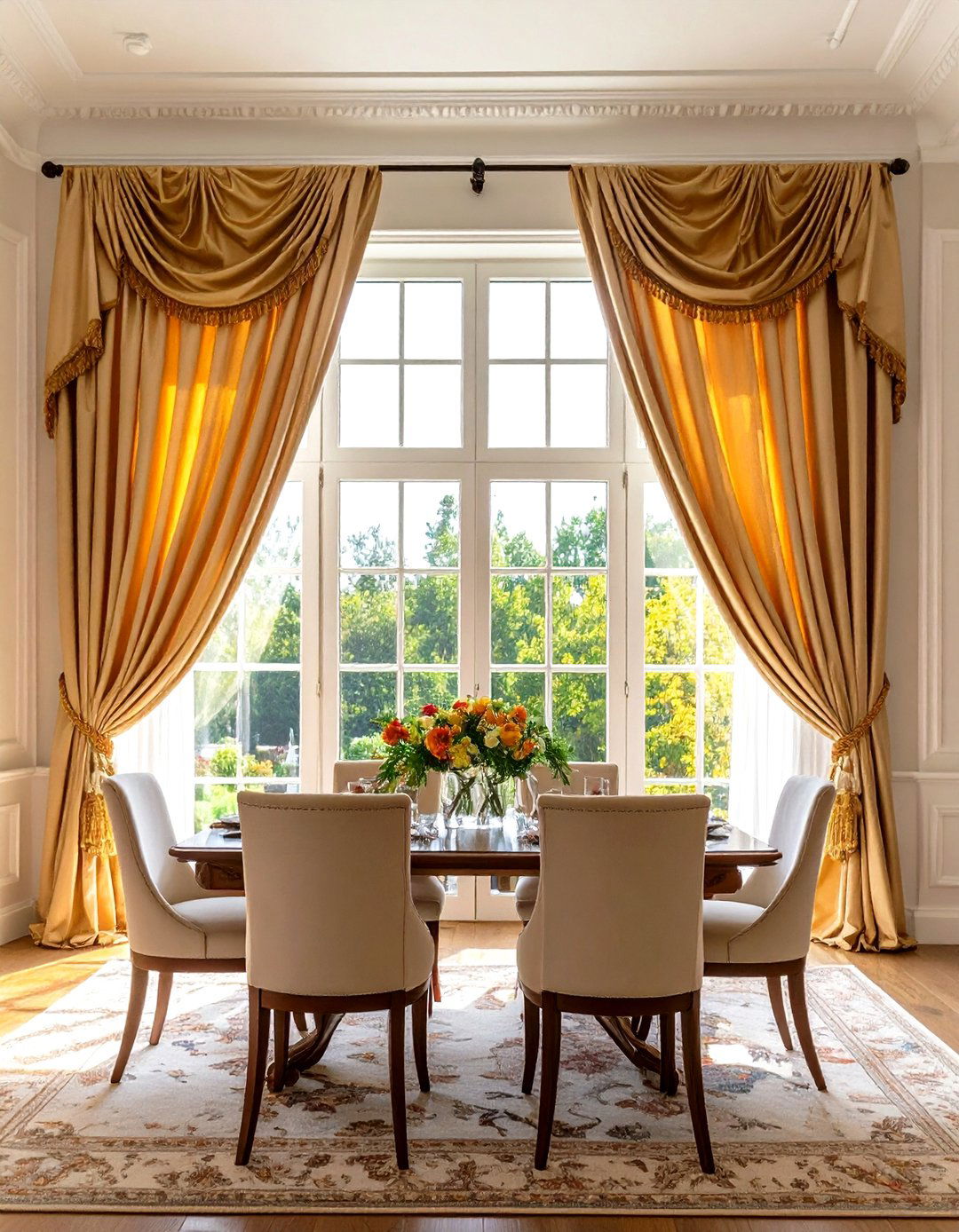
Symmetrical window treatments can frame a view and bring a sense of formal elegance to a a large window or a pair of windows on the same wall, use identical drapery panels on either the curtain rods high and wide to make the windows appear larger and more fabric, color, and style of the curtains should be the same, creating a perfect mirror simple technique adds structure and polish to a room, drawing the eye to the window and creating a pleasing sense of order and completion.
25. Asymmetrical Lighting Solutions
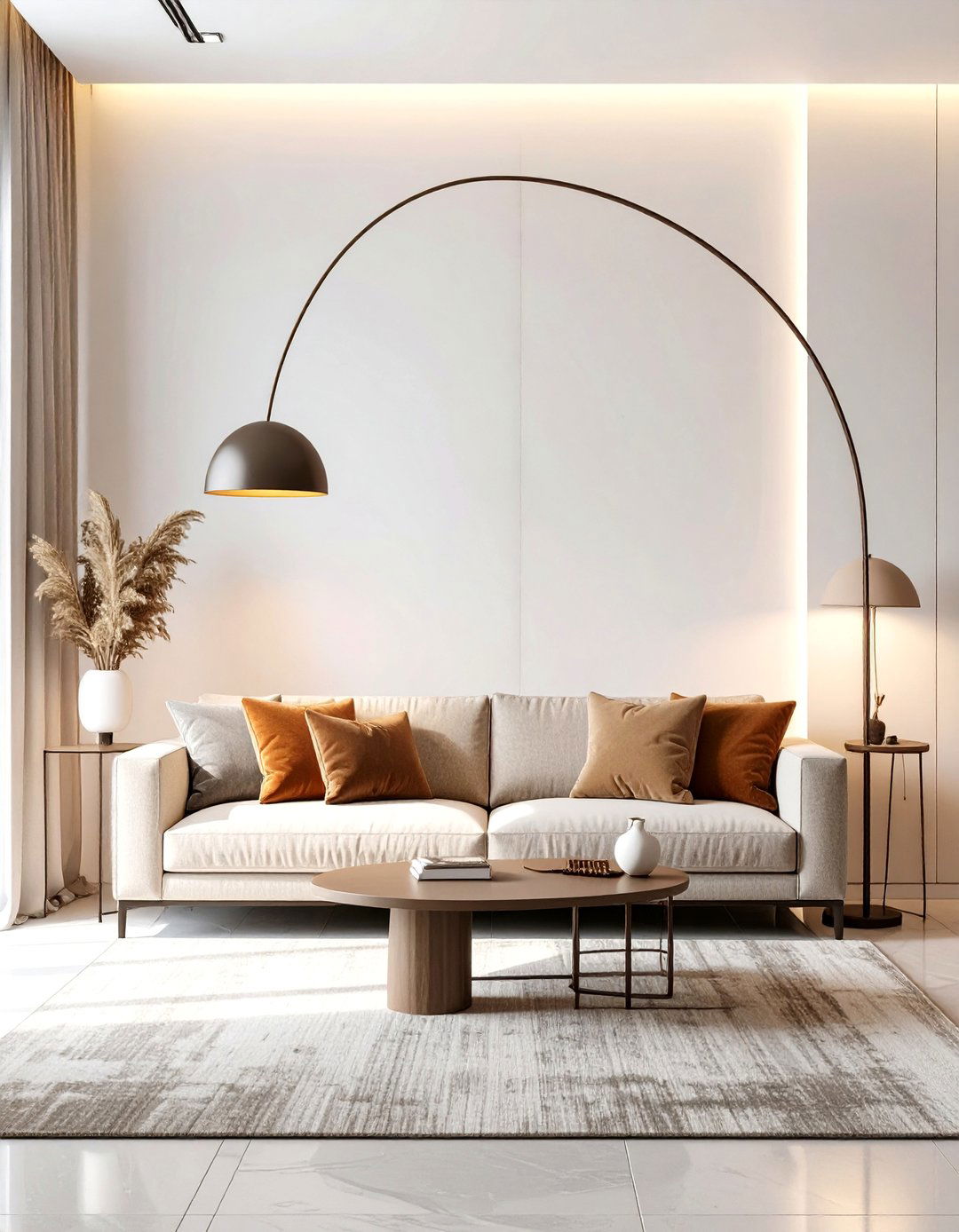
Use lighting to create asymmetrical a living room, instead of two matching table lamps, try a tall arc floor lamp that sweeps over the sofa on one side, and balance it with a low, sculptural table lamp on an end table on the other a dining room, hang a linear suspension light off-center over a long rectangular table for a dramatic, contemporary approach to lighting not only provides illumination where it 's needed but also acts as a sculptural element, adding a dynamic layer to the room' s design.
26. The Balance of Empty Space
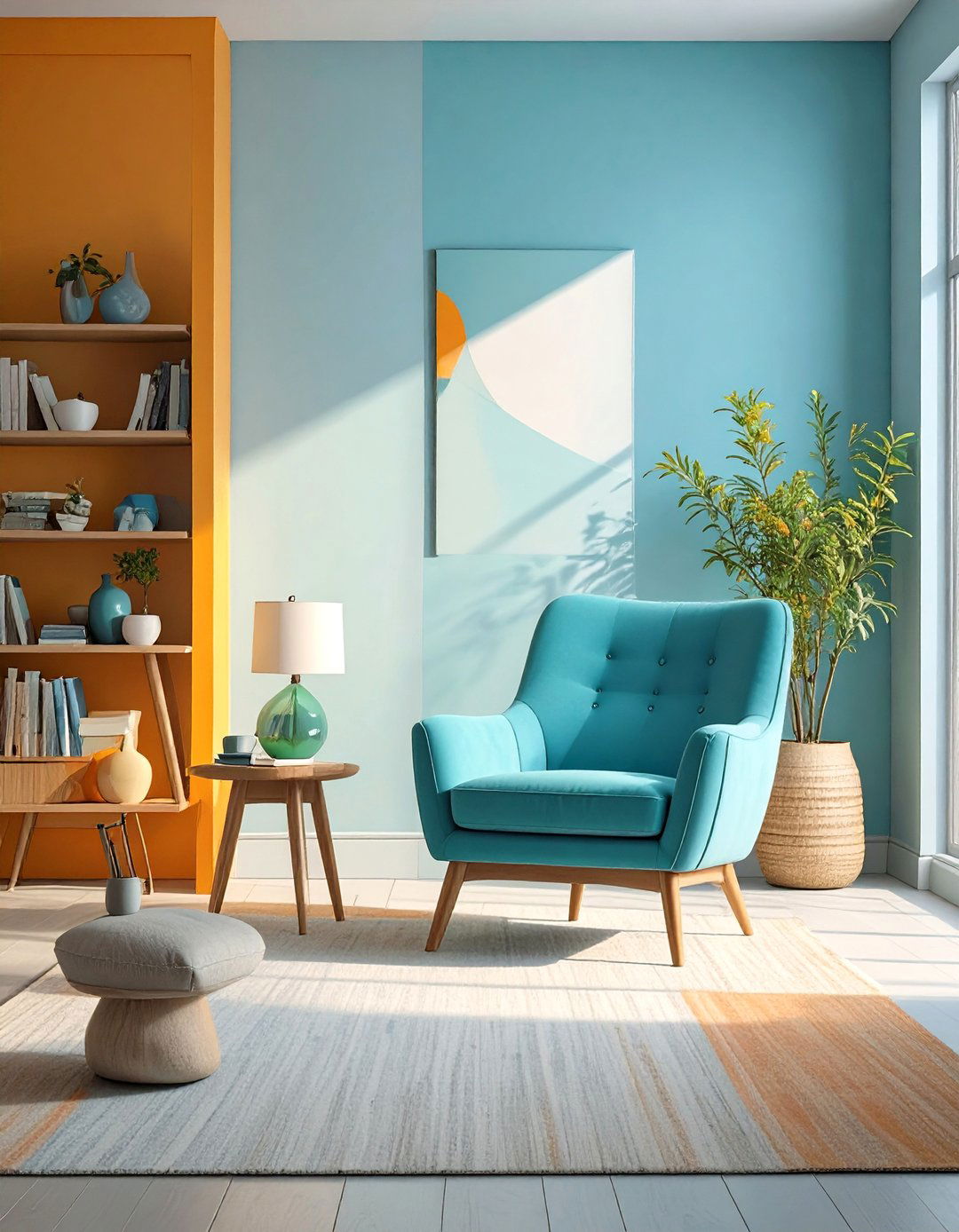
Sometimes, the most important element for creating balance is what isn 't there. Negative, or empty, space is crucial for allowing furniture and decor to a minimalist design, this is paramount. Don' t feel the need to fill every wall and every corner. A single, beautiful chair in a corner can have more impact than a cluttered strategically leaving areas open, you balance the visual weight of the furnished creates a sense of calm and sophistication, allowing the key pieces in the room to truly shine.
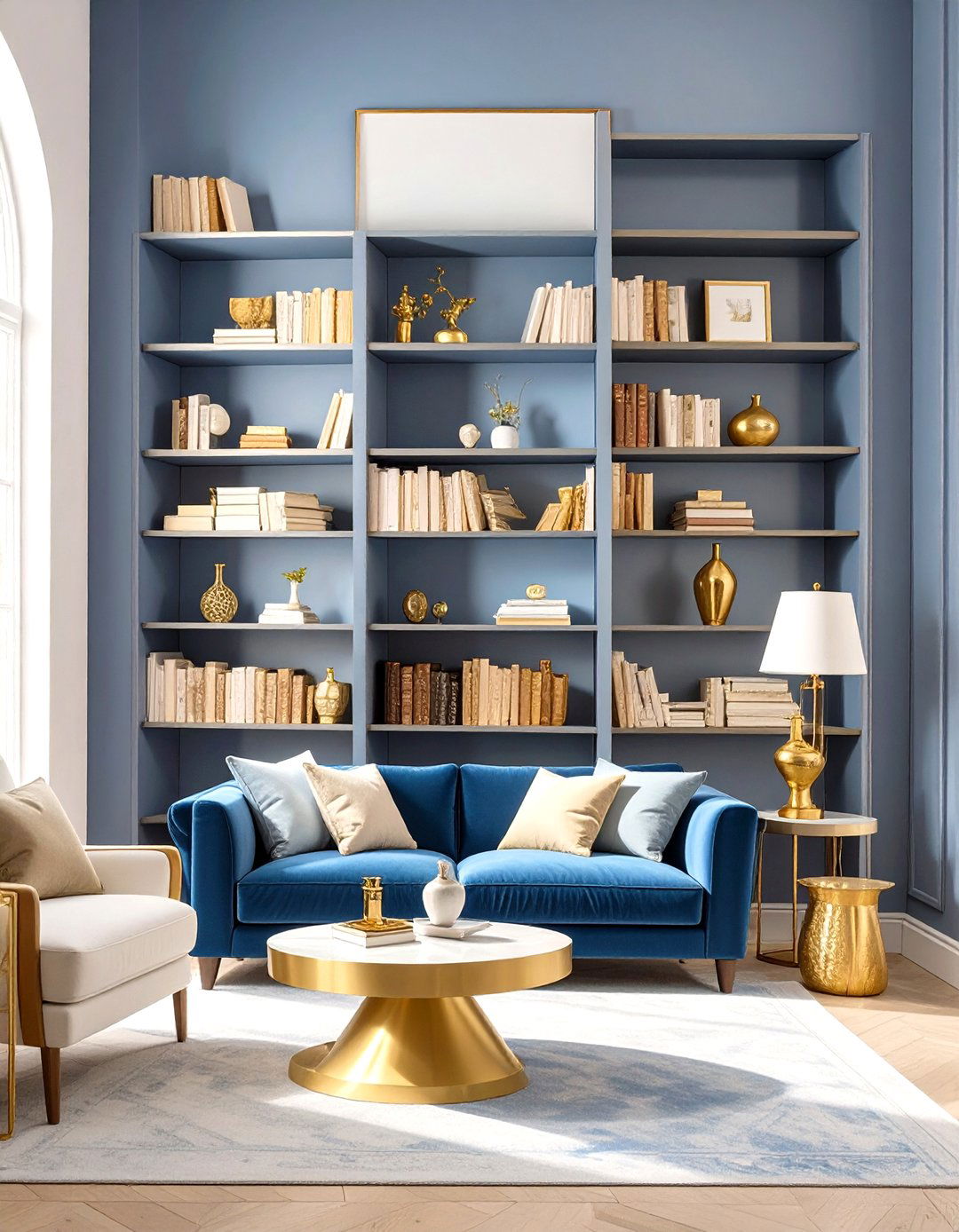
27. Symmetrical Bookshelf Styling
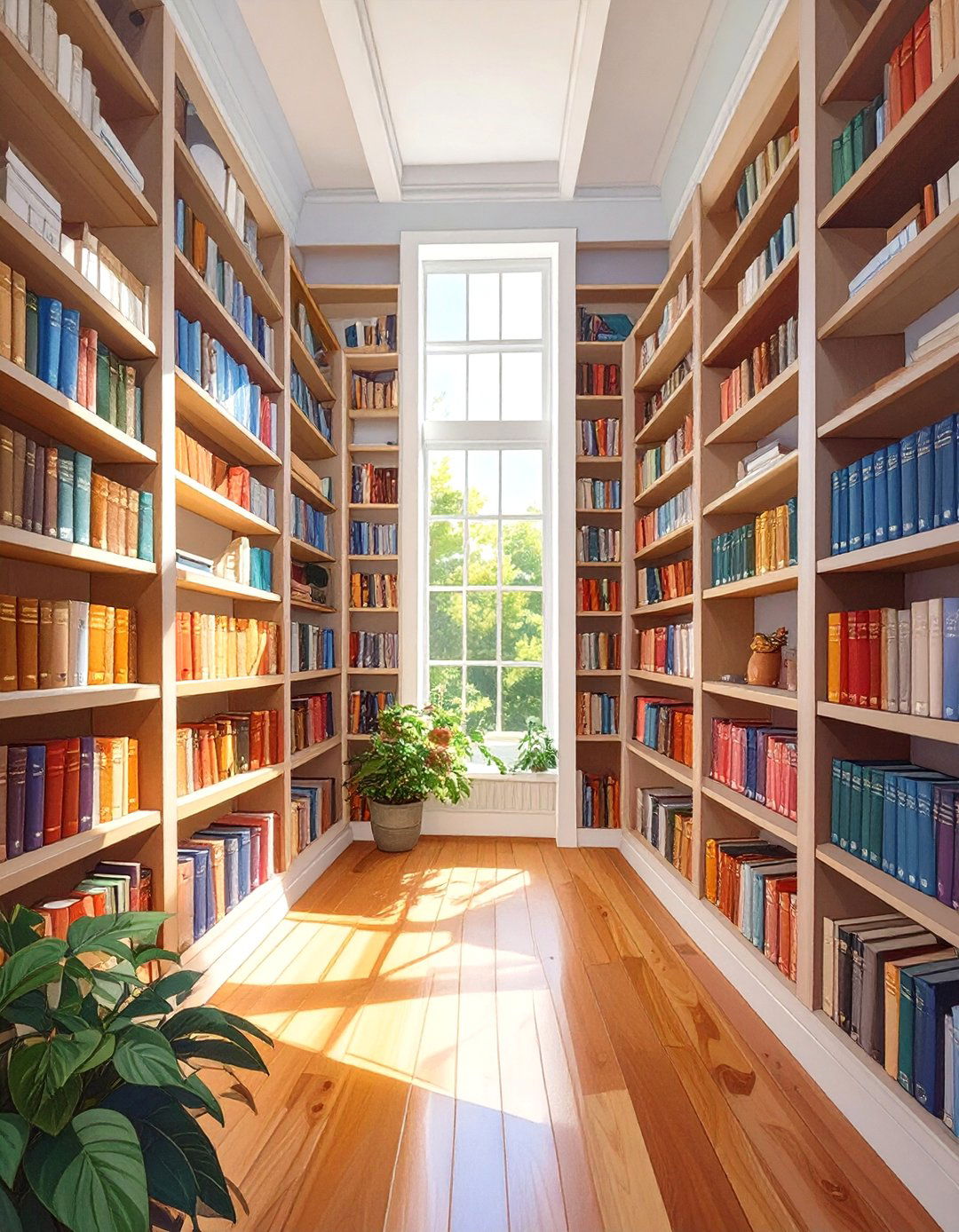
Are your bookshelves feeling chaotic? Symmetrical styling can bring a sense of order and design by dividing the shelves visually down the mirrored arrangements on each you place a large, upright vase on the left side of a shelf, place a similarly sized object on the stacking books horizontally and vertically, but mirror the orientation on the opposite "bookend" approach turns cluttered shelves into a balanced, artistic display that feels curated and visually pleasing from across the room.
28. Radial Balance in a Reading Nook
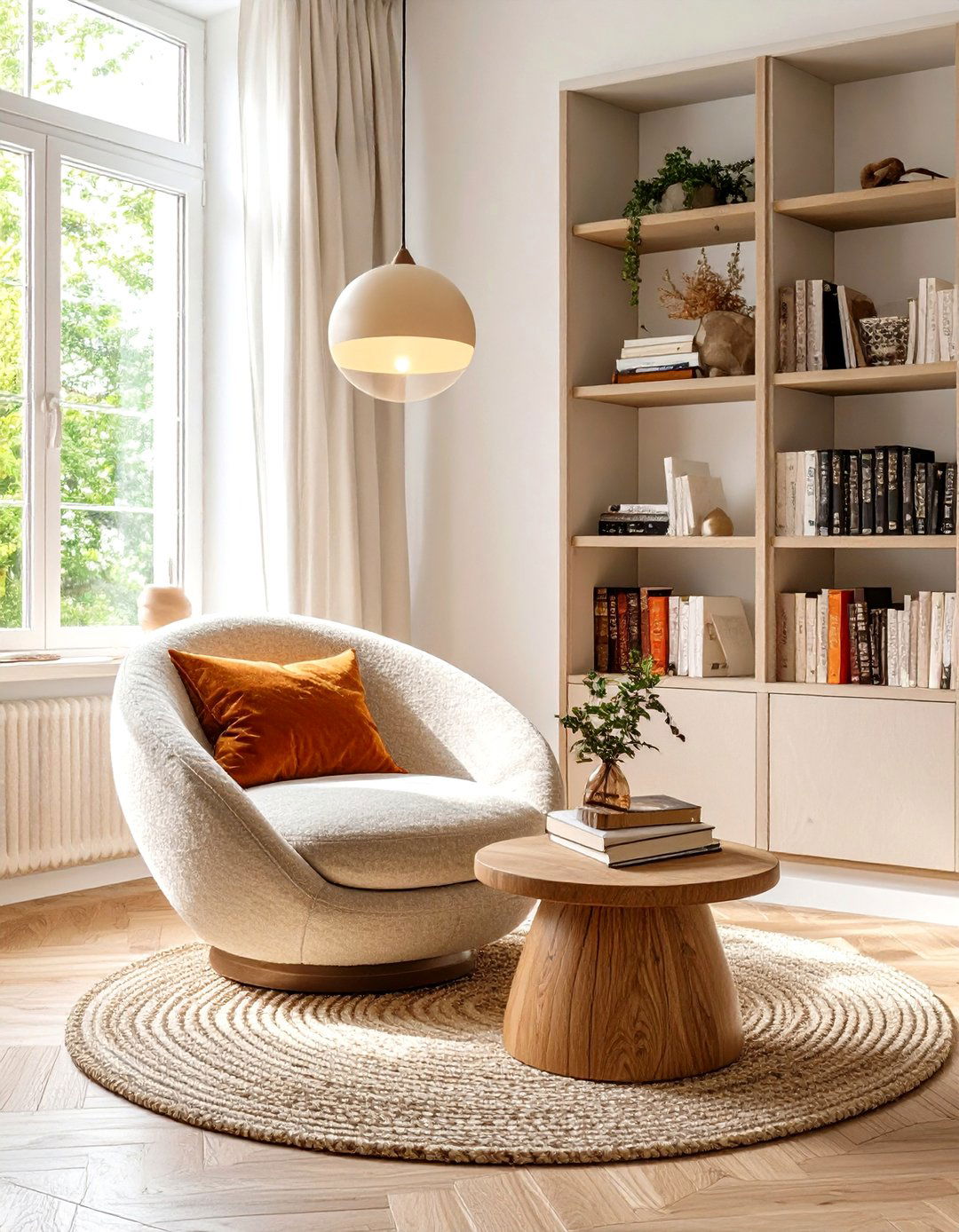
Create an intimate and focused reading nook using radial with a comfortable, oversized round a small, round side table next to it. A circular ottoman in front allows you to put your feet a single pendant light directly overhead, casting a pool of light that defines the space. A small, round rug under the chair can further enhance the self-contained, circular arrangement creates a cozy, enveloping feeling, making it the perfect retreat for getting lost in a good book.
29. Balancing Form: Curves and Straight Lines
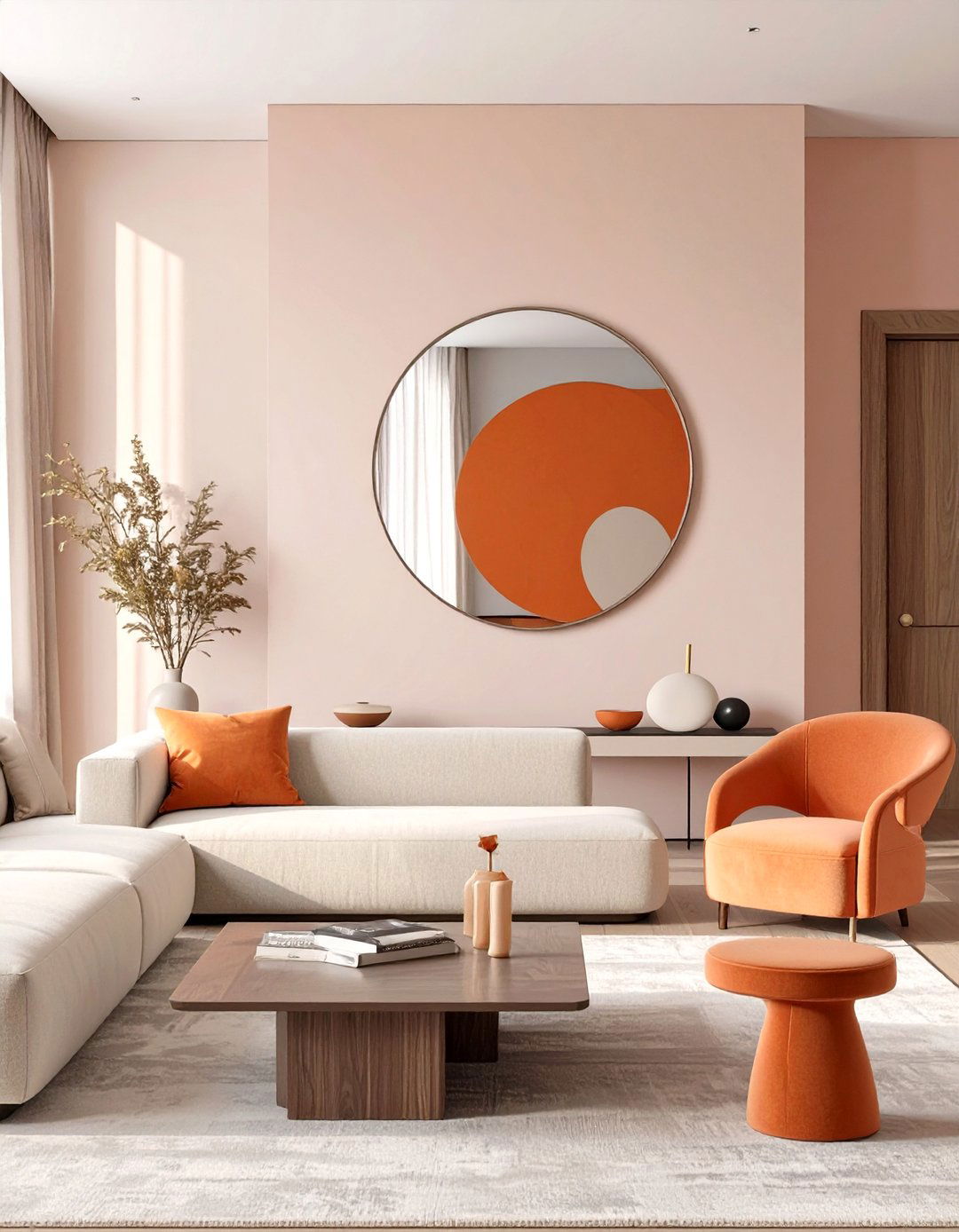
A well-balanced room features a mix of your room is dominated by the straight lines and right angles of a sectional sofa, rectangular windows, and a square coffee table, it can feel curved forms to soften the look and create a round mirror, a pair of chairs with curved backs, or a circular area rug. Conversely, a room with too many curves can feel it with a strong, linear console table or a piece of art with a distinct grid pattern.
30. Asymmetrical Bedside Arrangement
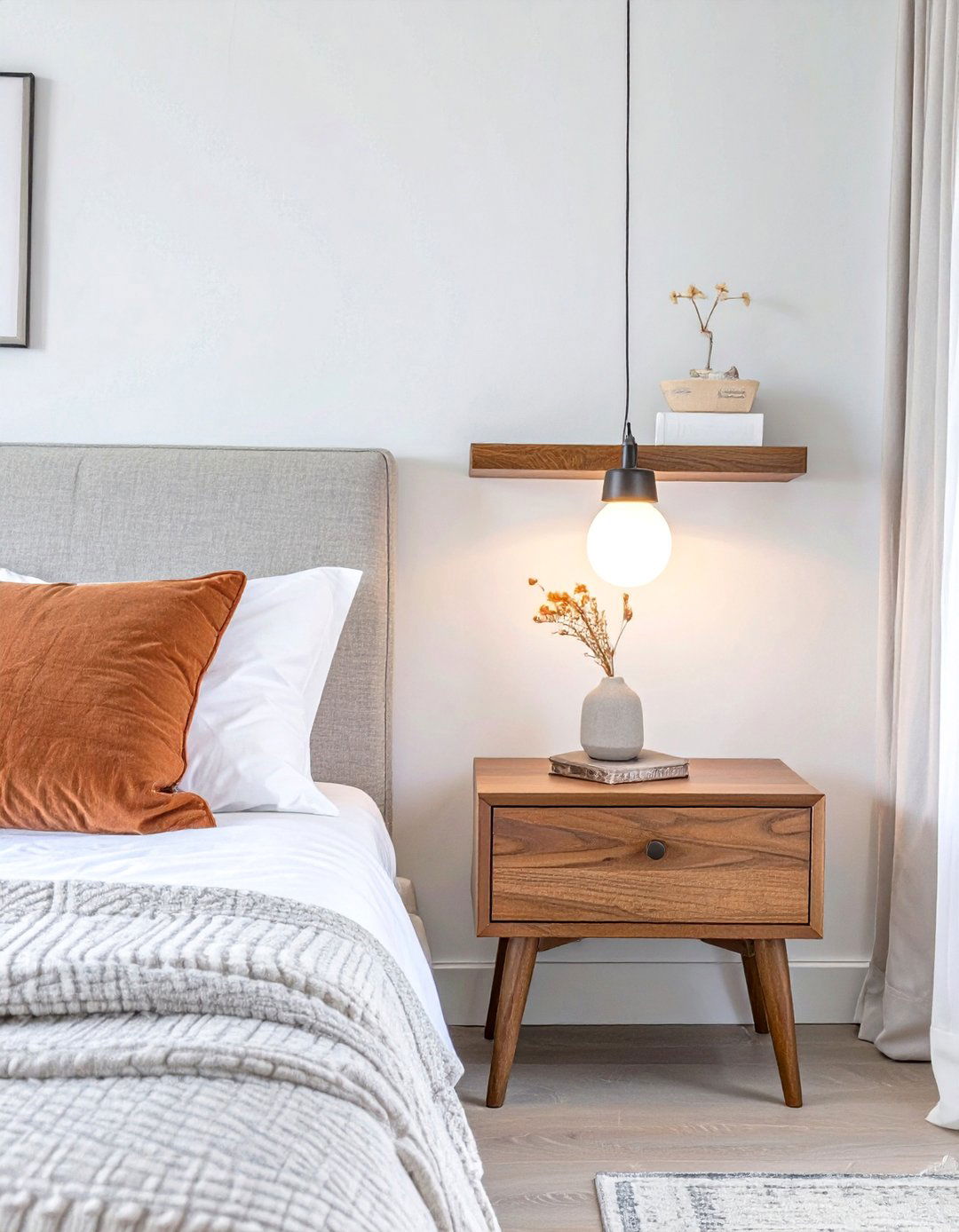
For a bedroom that feels relaxed and personally styled, break away from perfectly matched bedside one side of the bed, use a traditional nightstand with drawers for the other side, try a floating shelf for a minimalist look, or a small, round pedestal the visual weight by using lighting of different forms — perhaps a wall-mounted sconce above the floating shelf and a table lamp on the approach allows for flexibility and adds a layer of curated interest to the most personal room in the house.
Conclusion:
Ultimately, balance in interior design is about creating a visual conversation where every element has its place and through the formal order of symmetry, the dynamic energy of asymmetry, or the unifying pull of radial design, the goal is to achieve a state of thoughtfully considering the visual weight of furniture, color, texture, and form, you can craft spaces that are not only aesthetically pleasing but also evoke a profound sense of harmony and deliberate arrangement transforms a mere collection of objects into a cohesive, inviting home that feels both complete and effortlessly composed.

Related posts:

Leave a Reply