
Breaking into the world of interior design can feel like an exciting yet daunting journey, filled with creative possibilities and professional challenges. It 's a field that blends art with science, aesthetics with functionality, and personal vision with client many aspiring designers, the path isn' t always a straight line from education to often involves a dynamic mix of formal training, self-taught skills, hands-on experience, and strategic comprehensive guide explores 30 distinct and practical pathways to launch your you're considering a formal degree, building a portfolio from scratch, or seeking alternative entry points, these ideas offer a roadmap to transform your passion for design into a fulfilling profession.
1. Earn a Formal Interior Design Degree

Pursuing a bachelor's degree in interior design from an accredited institution provides a foundational understanding of design principles, history, and technical formal education covers crucial topics like space planning, color theory, building codes, and computer-aided design (CAD) software. A degree not only equips you with comprehensive knowledge but also lends credibility to your professional is often a prerequisite for professional licensing and certification, opening doors to a wider range of career opportunities in commercial and residential design structured learning environment helps you build a strong theoretical and practical base for your future.
2. Complete a Certificate or Diploma Program

For those seeking a faster or more focused entry into the field, a certificate or diploma program is an excellent alternative to a full programs are typically shorter and concentrate on the essential, practical skills needed to work as a designer. You'll dive straight into topics like drafting, materials sourcing, and project management without the extensive general education requirements of a four-year option is perfect for career changers or individuals who want to test the waters before committing to a longer academic path, providing a direct route to gaining employable skills.
3. Develop Your Own Design Portfolio
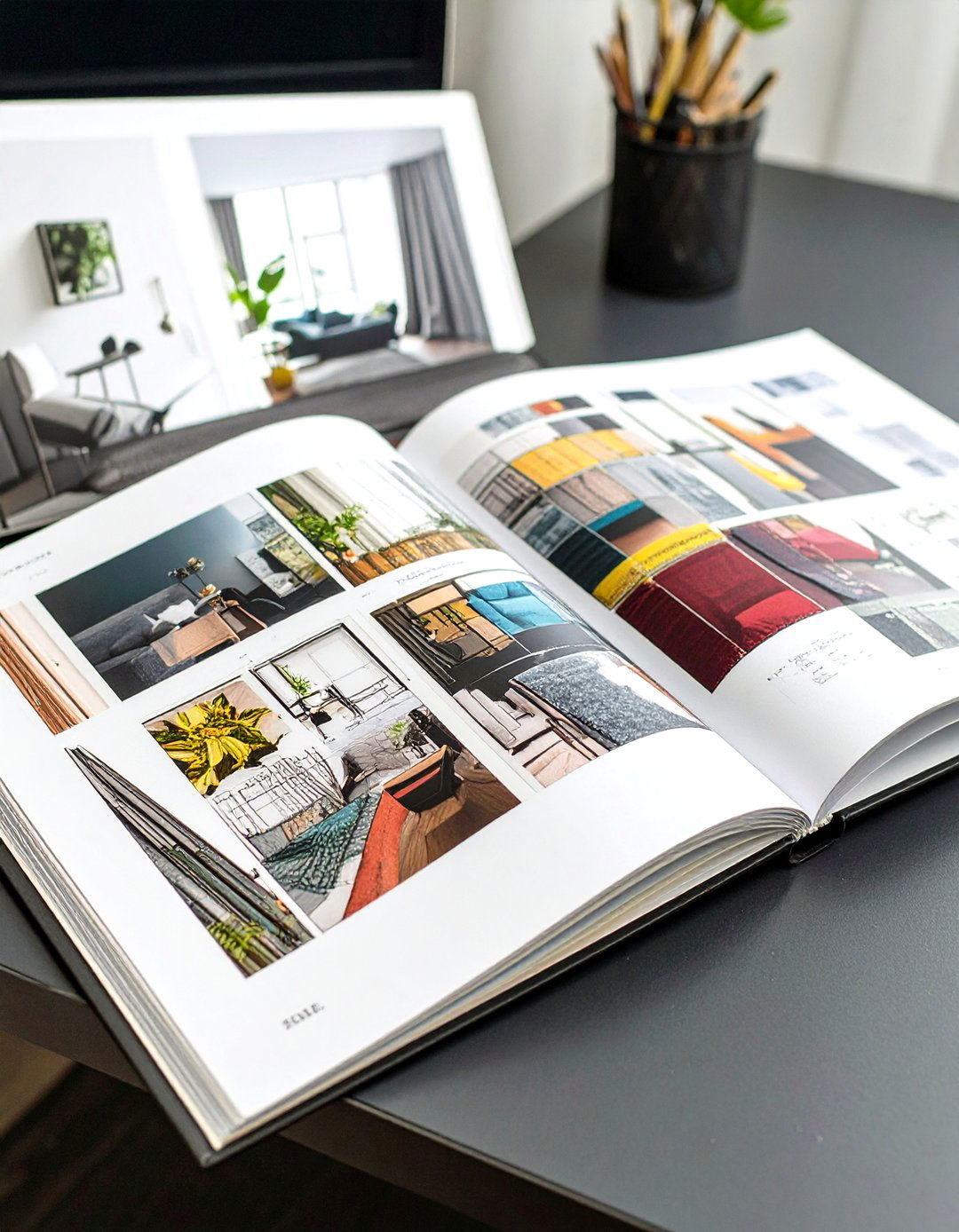
A stunning portfolio is your most powerful by documenting any design work you 've done, even if it' s for your own home, friends, or detailed project boards that showcase your process from concept to completion, including mood boards, floor plans, material samples, and before-and-after photos. A strong portfolio visually communicates your style, skills, and ability to solve design challenges. It's a living document that should evolve as you gain more experience, demonstrating your growth and unique creative vision to potential clients and story will your portfolio tell about you?
4. Master Interior Design Software

In today's digital age, proficiency in design software is on mastering industry-standard programs like AutoCAD for technical drawings, SketchUp for 3D modeling, and Revit for building information modeling (BIM). Additionally, learning Adobe Creative Suite, particularly Photoshop and InDesign, is crucial for creating compelling presentations and mood online platforms offer tutorials and courses to help you become technical expertise not only enhances your portfolio but also makes you a more valuable and efficient asset to any design team, streamlining the entire creative process.
5. Build a Professional Design Website

Creating a professional website is essential for showcasing your portfolio and establishing your site should be visually appealing, easy to navigate, and optimized for mobile a gallery of your best projects, a clear description of your services, a compelling "about me" page, and easy-to-find contact information. A well-designed website acts as your digital business card and a central hub for your professional allows potential clients to discover your work, understand your design philosophy, and connect with you, making it a critical tool for marketing yourself effectively.
6. Offer E-Design Services

E-design, or virtual interior design, is a rapidly growing niche that allows you to work with clients accessible service typically involves creating digital mood boards, space plans, and shopping lists that clients can implement with e-design is a fantastic way to build your portfolio, gain experience working with real clients, and generate income without the overhead of a traditional design breaks down geographical barriers, allowing you to connect with a broader audience and refine your skills in digital presentation and client communication from anywhere.
7. Start an Interior Design Blog or Social Media Channel
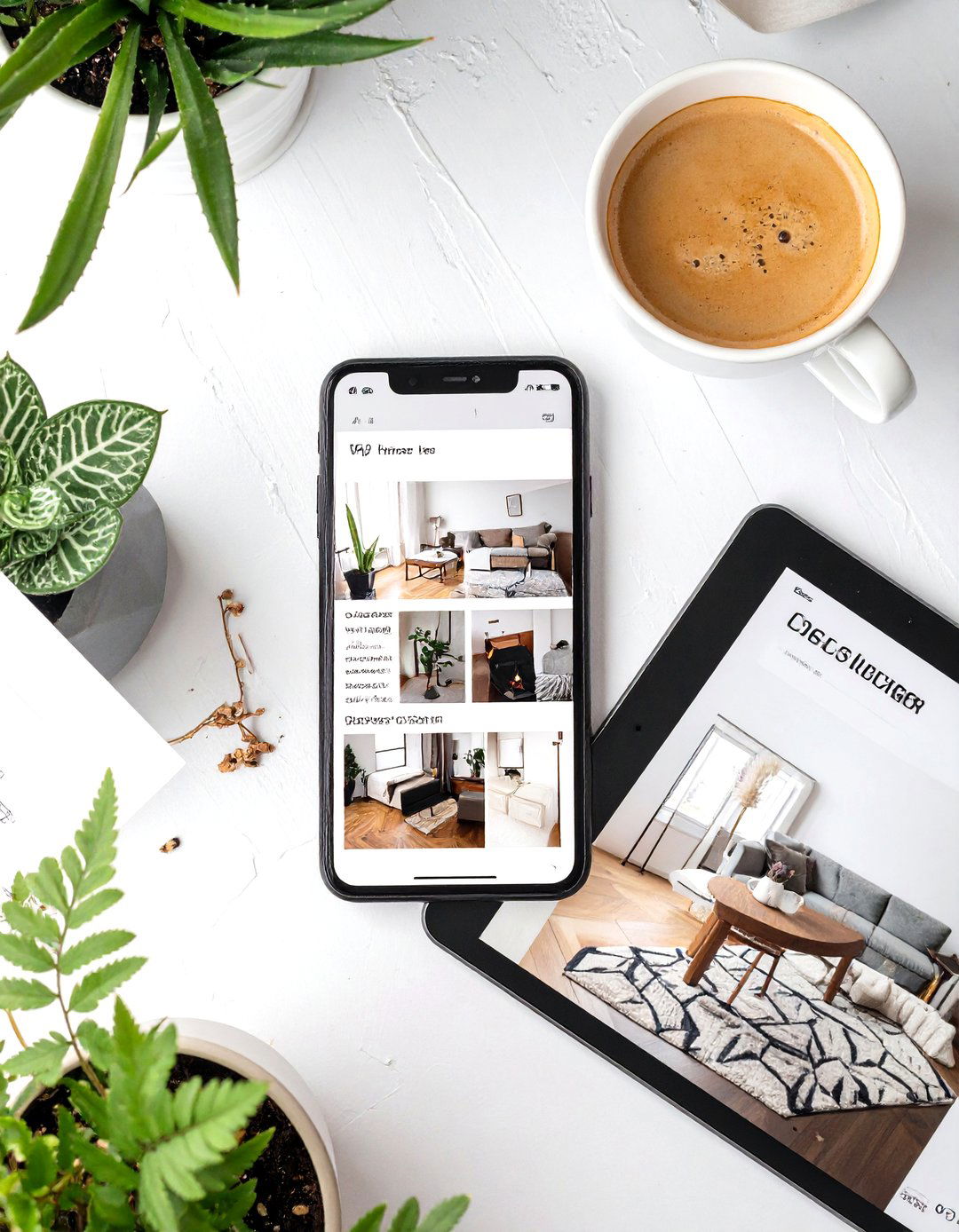
Sharing your passion and knowledge through a blog or social media is a powerful way to build a personal brand and attract a content that offers value, such as design tips, project reveals, trend analyses, or behind-the-scenes looks at your like Instagram and Pinterest are highly visual and perfect for showcasing your posting high-quality content helps establish you as an authority in the field, drawing in potential clients and collaborators who resonate with your unique style and you ready to share your vision with the world?
8. Work in a Furniture or Home Decor Store

Gaining experience in a retail environment focused on home furnishings is an invaluable stepping in a furniture or decor store provides firsthand knowledge of materials, construction, scale, and brand variety. You 'll interact with customers, help them solve design dilemmas, and develop a keen understanding of consumer tastes and role allows you to practice your sales and communication skills while immersing yourself in the products that bring interiors to life. It' s a practical way to learn the business from the ground up and build a network of contacts.
9. Seek an Internship at a Design Firm

An internship offers unparalleled, hands-on experience within a professional design firm. You'll have the opportunity to work alongside seasoned designers, contributing to real projects and learning the day-to-day operations of the often assist with drafting, sourcing materials, creating presentations, and managing the sample immersive experience is the best way to bridge the gap between academic knowledge and real-world provides critical industry exposure, helps you build a professional network, and can often lead to a full-time job offer upon completion.


10. Find a Mentor in the Industry

Connecting with an experienced interior designer who can serve as a mentor is incredibly beneficial. A mentor can offer guidance, answer your questions, provide constructive feedback on your work, and help you navigate the complexities of the can share insights from their own career journey, introduce you to valuable contacts, and offer encouragement when you face this relationship can accelerate your growth and provide a trusted source of support as you build your for mentors through industry associations, networking events, or by reaching out to designers you admire.
11. Network at Industry Events and Trade Shows
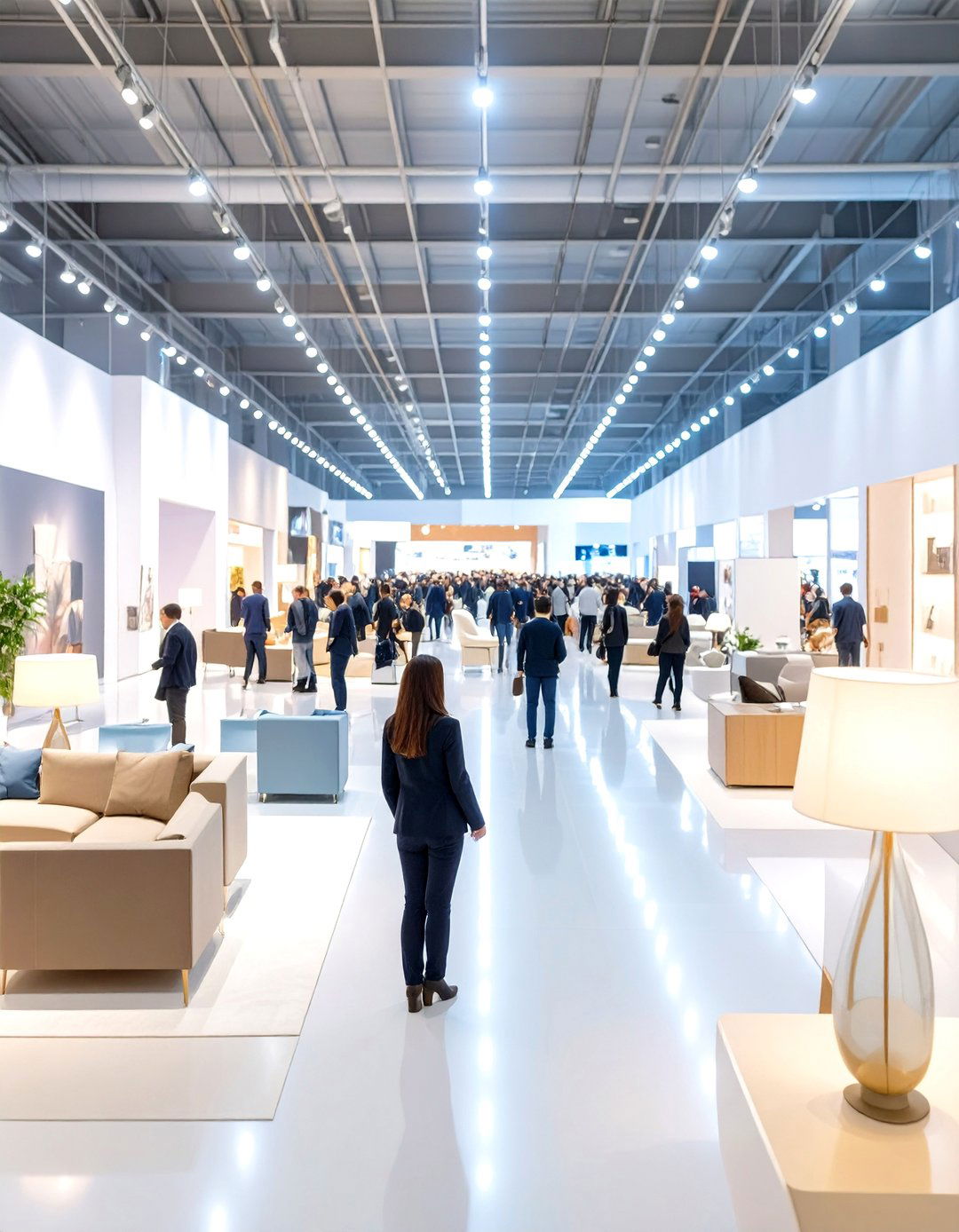
Attending industry events, trade shows, and design conferences is essential for networking and staying current with gatherings are fantastic opportunities to meet other designers, architects, suppliers, and potential in conversations, exchange business cards, and follow up with new contacts like High Point Market or local design center showcases allow you to see new products firsthand and learn from industry a strong professional network is crucial for finding job opportunities, collaborations, and mentorship, making you a visible part of the design community.
12. Take Workshops on Specific Skills

To enhance your expertise, consider taking specialized workshops on topics like lighting design, textile selection, sustainable design, or kitchen and bath short-term, intensive courses allow you to dive deep into a particular niche, adding valuable skills to your are a great way to stay updated on new technologies and techniques without the commitment of a full-time demonstrate your dedication to continuous learning and can help you specialize in an area of design that you are passionate about, making you a more versatile and knowledgeable professional.
13. Volunteer Your Design Skills for a Cause
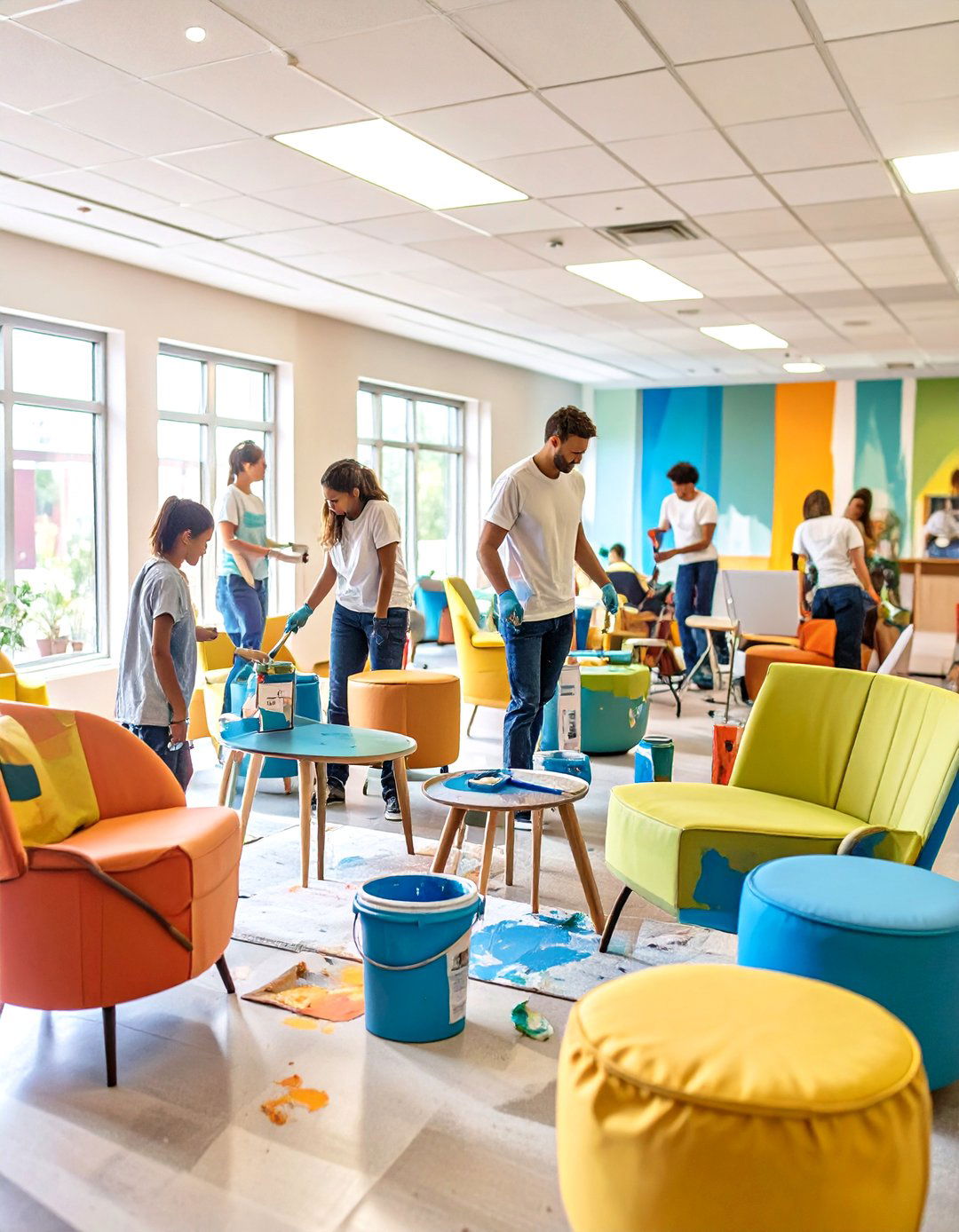
Offering your design services pro bono to a non-profit organization, community center, or charity is a wonderful way to build your portfolio while making a positive projects provide real-world experience in managing budgets, working with clients, and overseeing a project from start to can document the entire process to showcase your skills and problem-solving not only allows you to do meaningful work but also helps you gain valuable experience and content for your portfolio that demonstrates your ability to handle a complete design project.
14. Start with Small, Single-Room Projects

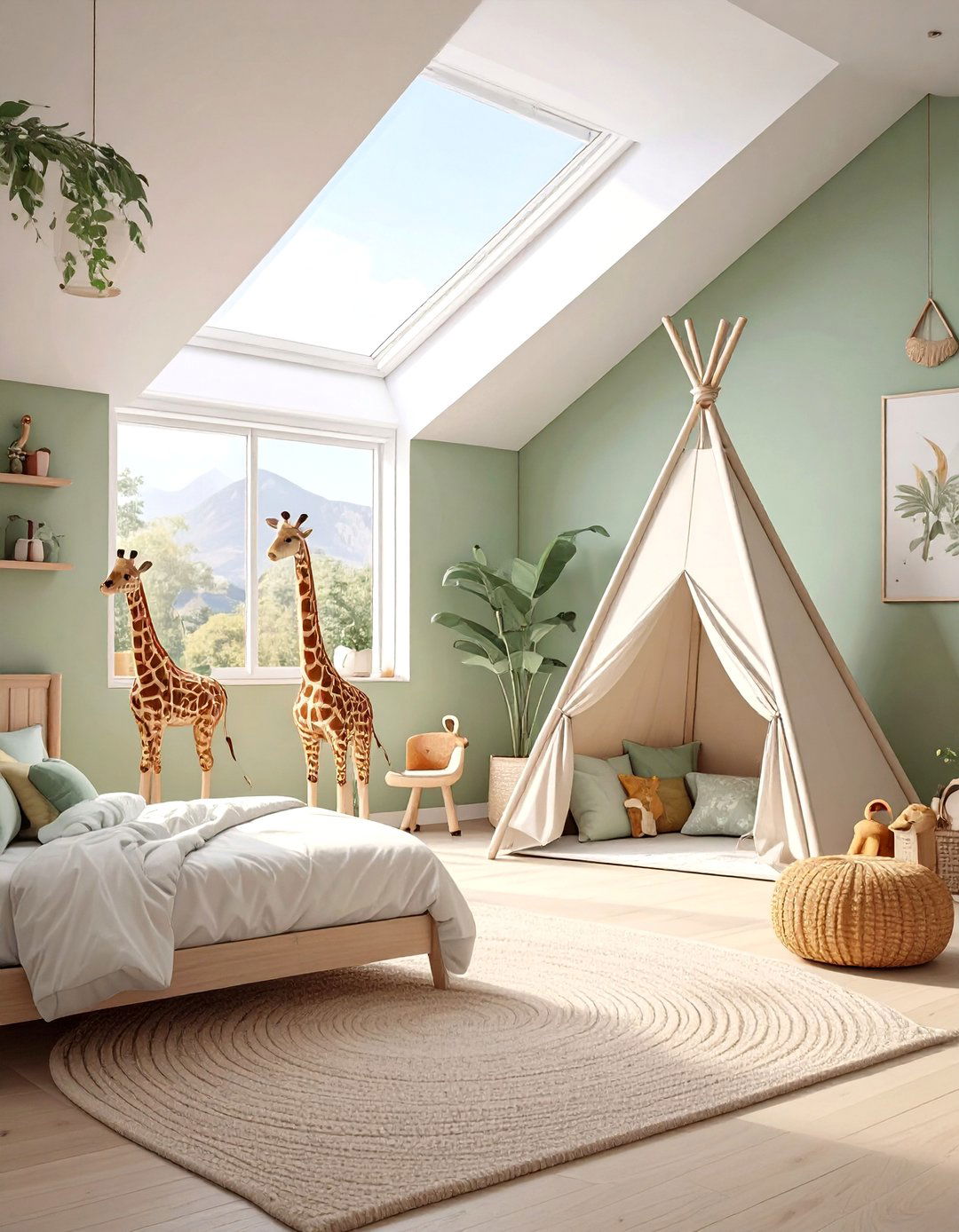
When you 're just starting out, taking on small, manageable projects is a smart on single-room makeovers, such as a bedroom refresh, living room restyling, or home office smaller-scale jobs are less overwhelming and allow you to build confidence as you refine your successfully completed room becomes a new entry in your portfolio and a potential source for client referrals. It' s a practical approach to gradually build your business, gain experience, and establish a reputation for delivering beautiful, functional spaces one room at a time.


15. Learn the Business Side of Design

Being a great designer is only half the battle; you also need to be a savvy yourself on the fundamentals of running a business, including marketing, accounting, client contracts, and project how to price your services, create proposals, and manage budgets community colleges and online platforms offer courses on small business management. A strong grasp of these business principles is essential for long-term success and profitability, ensuring your creative passion can also be a sustainable and thriving career.
16. Develop a Niche or Specialization
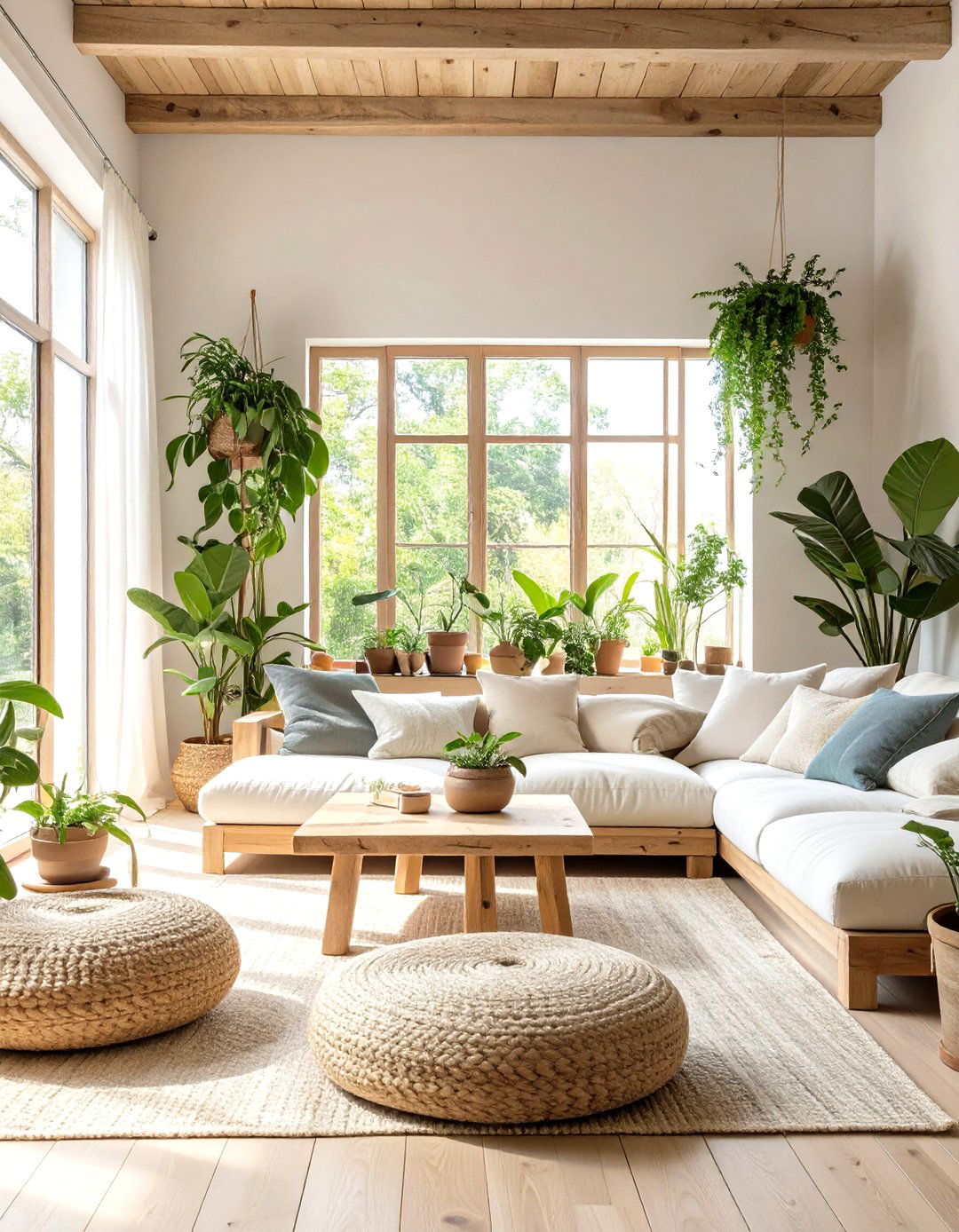
Finding a niche can help you stand out in a crowded you have a passion for sustainable and eco-friendly design? Are you drawn to creating functional spaces for families with children, or perhaps designing luxurious, high-end residences? Maybe your expertise lies in small-space living or commercial office specializing, you can become the go-to expert in a particular focused approach allows you to tailor your marketing efforts, attract your ideal clients, and build a reputation for having unique expertise and a distinct point of view.
17. Study the Greats of Interior Design

Immersing yourself in the work of iconic interior designers, both past and present, is a crucial part of your the principles and philosophies of legends like Dorothy Draper, Billy Baldwin, and Kelly how they use color, form, and texture to create timeless and innovative design history and the evolution of styles will enrich your own creative vocabulary and provide a deep well of knowledge helps you develop a more sophisticated and informed design perspective, enabling you to create spaces with greater depth and meaning.
18. Read Design Books and Publications

Stay inspired and informed by regularly reading interior design books, magazines, and reputable online resources are filled with high-quality images of professionally designed spaces, articles on design theory, and information on the latest trends and expose you to a wide range of styles and ideas, helping you refine your own aesthetic and stay current with the a habit of consuming design media keeps your creative mind engaged and ensures you are always learning and evolving as a new idea will your next read spark?
19. Take an Art or Drawing Class

Honing your artistic skills through classes in drawing, painting, or sculpture can significantly enhance your abilities as an interior classes improve your understanding of composition, proportion, color, and form, which are fundamental principles of ability to quickly sketch an idea to communicate a vision to a client is an invaluable your artistic eye helps you see spaces differently and think more creatively about how to arrange elements within connects you to the pure, artistic roots of the design process.
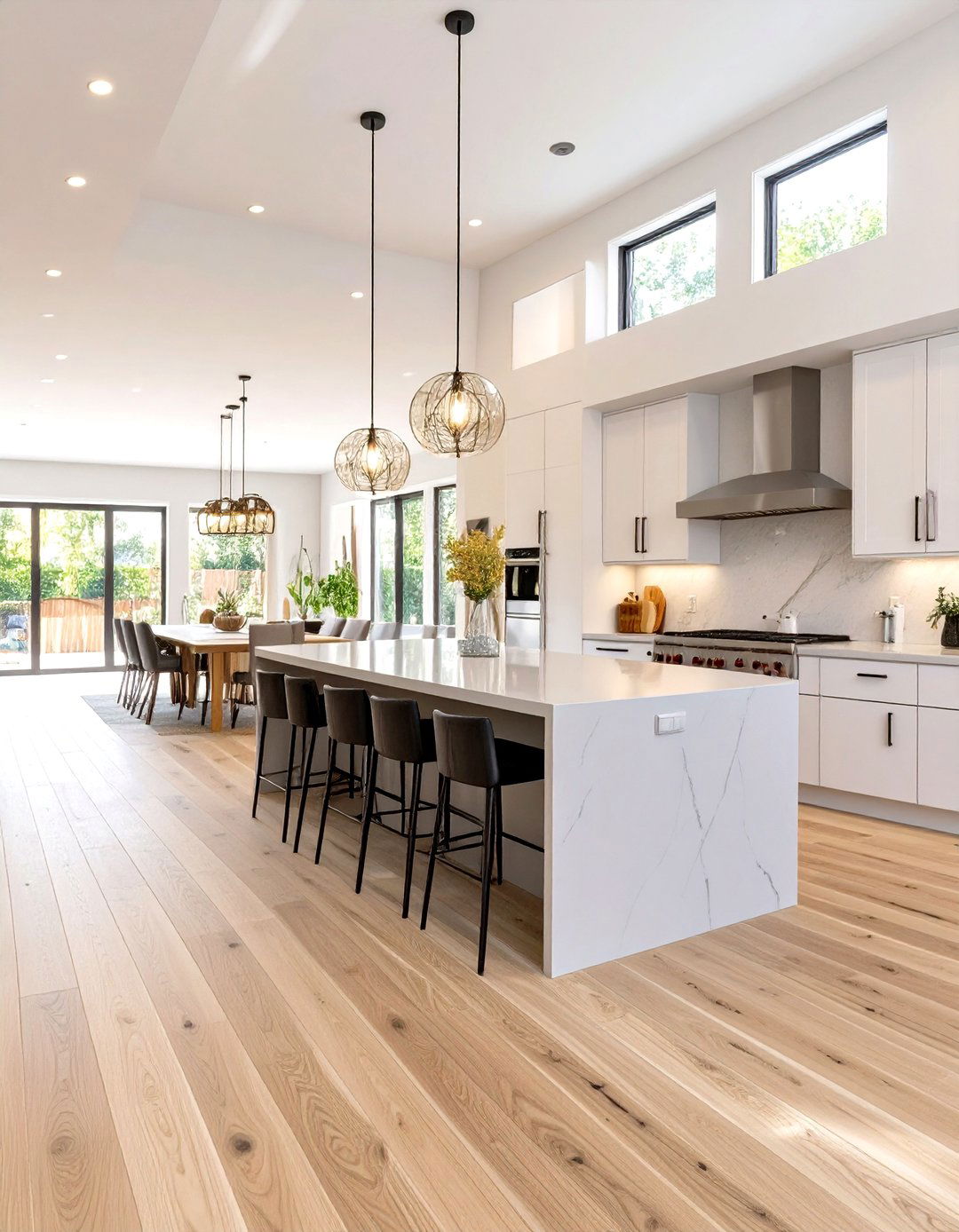
20. Assist a Real Estate Stager
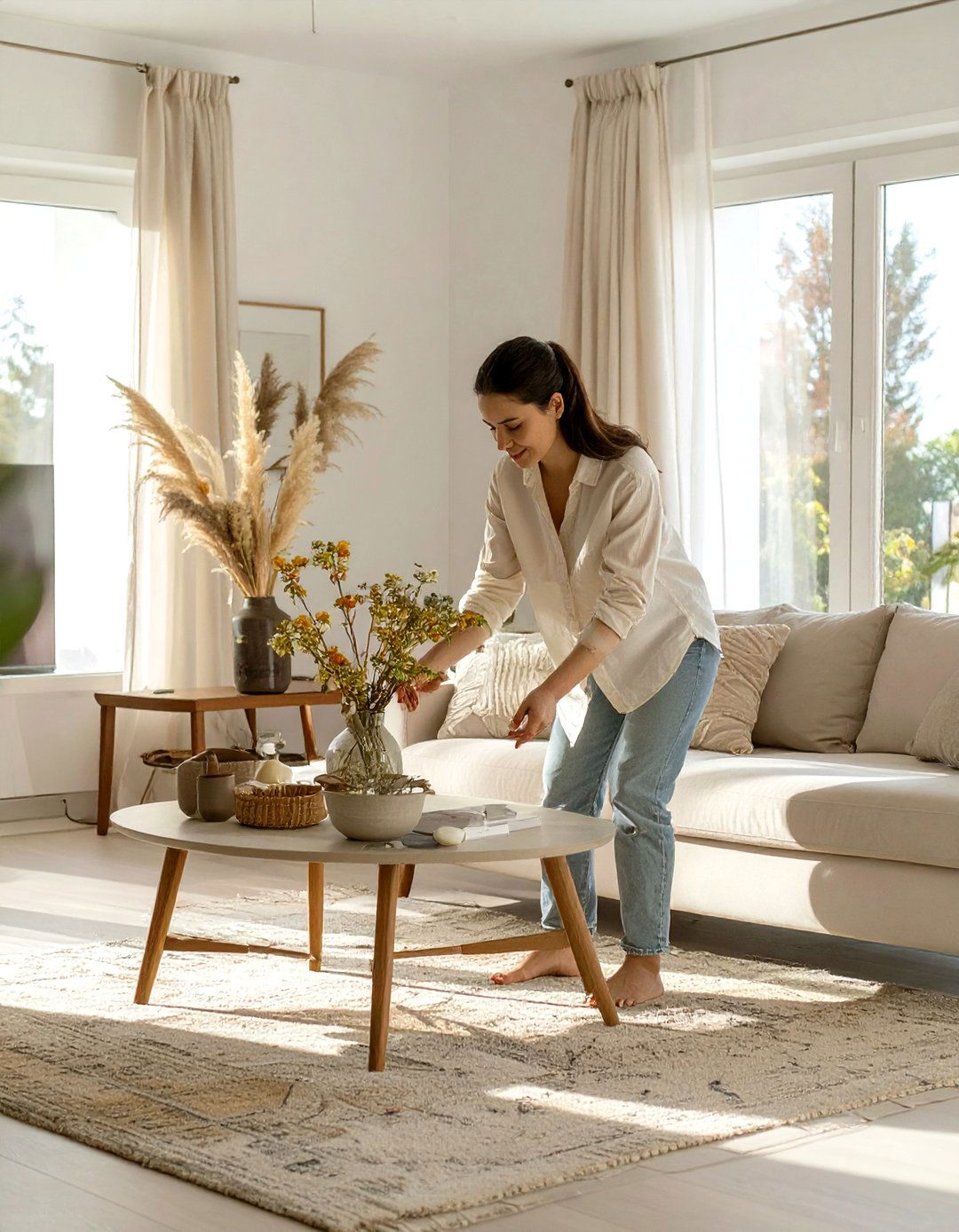
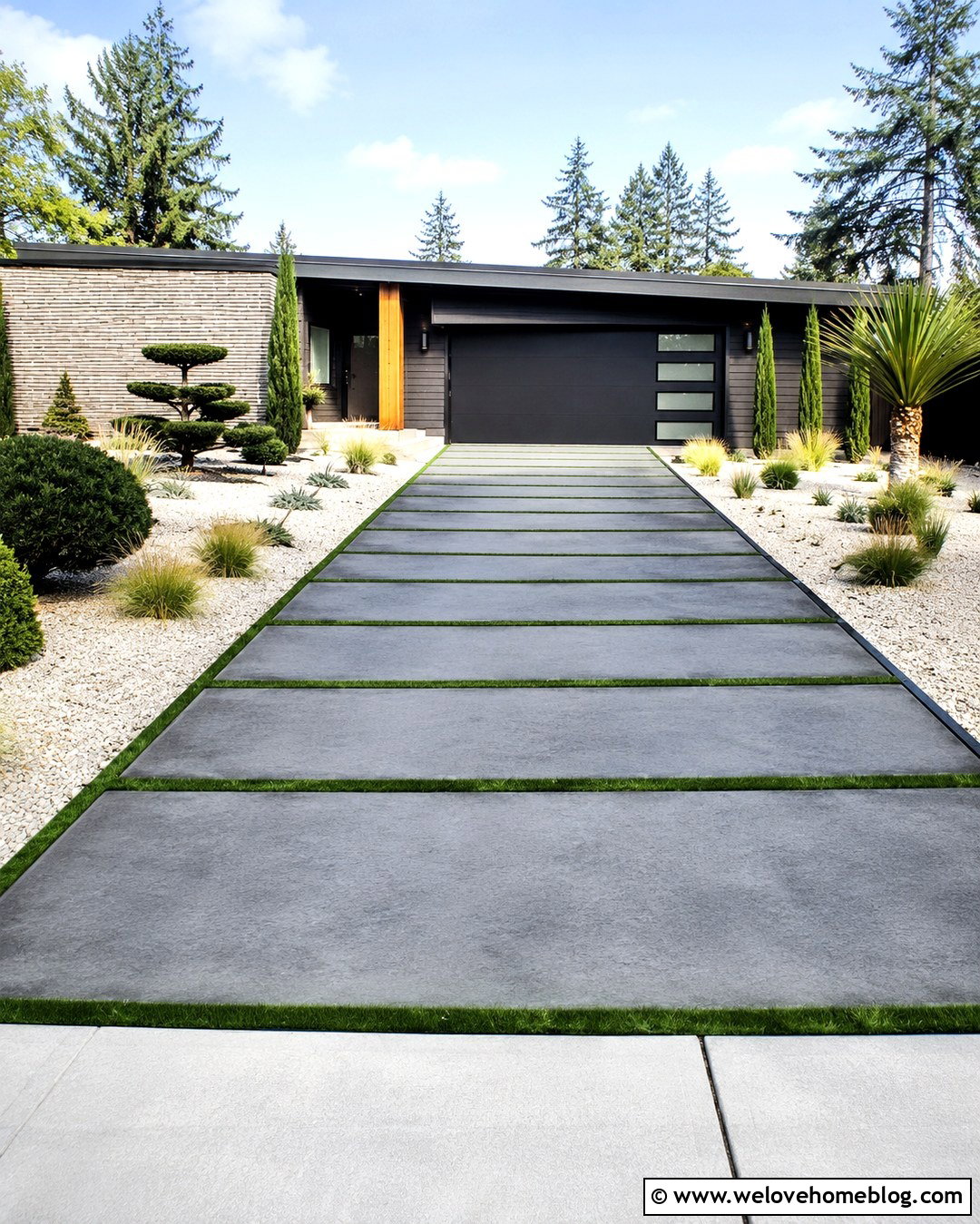
Working as an assistant to a real estate stager provides fast-paced, hands-on experience in transforming spaces for is all about creating broad appeal and highlighting a property 's best features to attract potential buyers. You' ll learn how to work quickly, use furniture and decor to define spaces, and understand how design impacts perceived role is excellent for learning about furniture scale, layout, and creating emotionally resonant environments under tight deadlines. It’s a practical training ground for making impactful design decisions that have a direct and measurable outcome.
21. Learn About Building Codes and Regulations

A deep understanding of building codes, accessibility standards, and local regulations is what separates a decorator from a professional interior rules govern everything from electrical outlet placement to doorway widths and are critical for ensuring the health, safety, and welfare of in courses or workshops that cover these technical these regulations is not only a legal necessity for many projects but also demonstrates a level of professionalism and responsibility that clients and contractors will value highly, ensuring your designs are both beautiful and safe.
22. Join a Professional Design Organization

Becoming a member of a professional organization like the American Society of Interior Designers (ASID) or the International Interior Design Association (IIDA) offers numerous associations provide access to continuing education, networking events, industry resources, and a community of adds credibility to your professional profile and shows a commitment to your keeps you connected to the broader design community and informed about industry standards, ethical practices, and advocacy efforts, supporting your professional growth at every stage of your career.
23. Collaborate with Other Creatives

Partnering with other creative professionals can lead to exciting opportunities and expanded with architects, photographers, artists, or custom furniture makers on collaborations can result in more holistic and unique design solutions for example, working with an architect from the beginning of a new build ensures a seamless integration of interior and exterior these relationships fosters a supportive creative community and can lead to valuable referrals, as you recommend each other's services to your respective clients.
24. Develop Your Hand-Sketching Skills
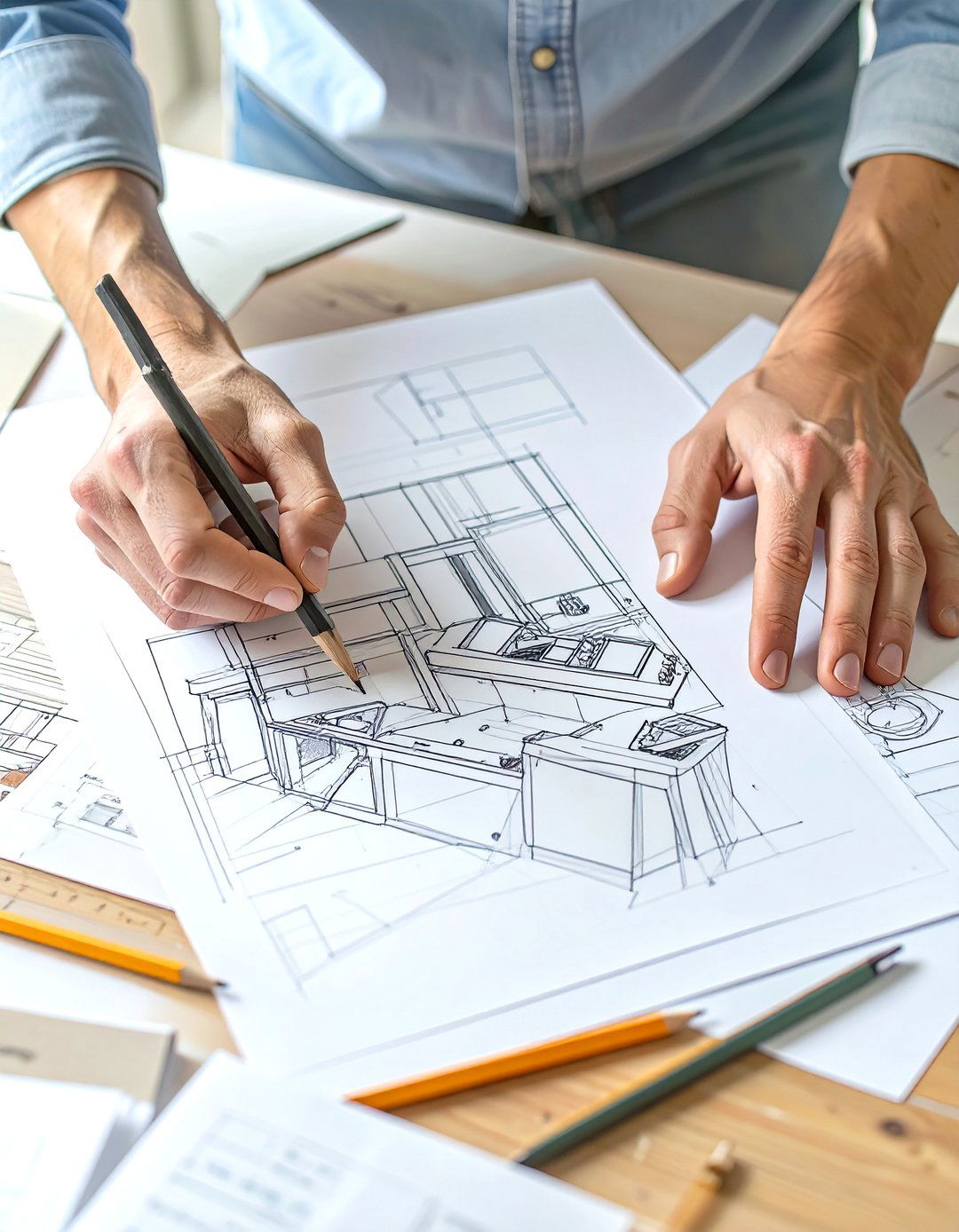
While digital rendering is essential, the ability to create quick, expressive hand sketches remains a powerful communication tool. A hand-drawn sketch can convey a design concept 's mood and feel in a personal and immediate way that a computer rendering sometimes sketching floor plans, elevations, and perspective drawings to quickly visualize and share your ideas with clients during initial skill demonstrates artistic talent and helps to make the design process feel more collaborative and you ever tried to capture a room' s essence with just a pen and paper?
25. Build Relationships with Vendors and Suppliers

Forging strong relationships with vendors, suppliers, and tradespeople is critical for a successful interior design to know representatives at fabric showrooms, tile stores, and lighting with reliable contractors, painters, and relationships are your lifeline for sourcing materials, getting accurate quotes, and ensuring quality workmanship. A good network of trusted partners will make your projects run more smoothly and help you deliver exceptional results for your connections are a vital part of your professional toolkit, essential for bringing your designs to life.
26. Offer a Free Initial Consultation
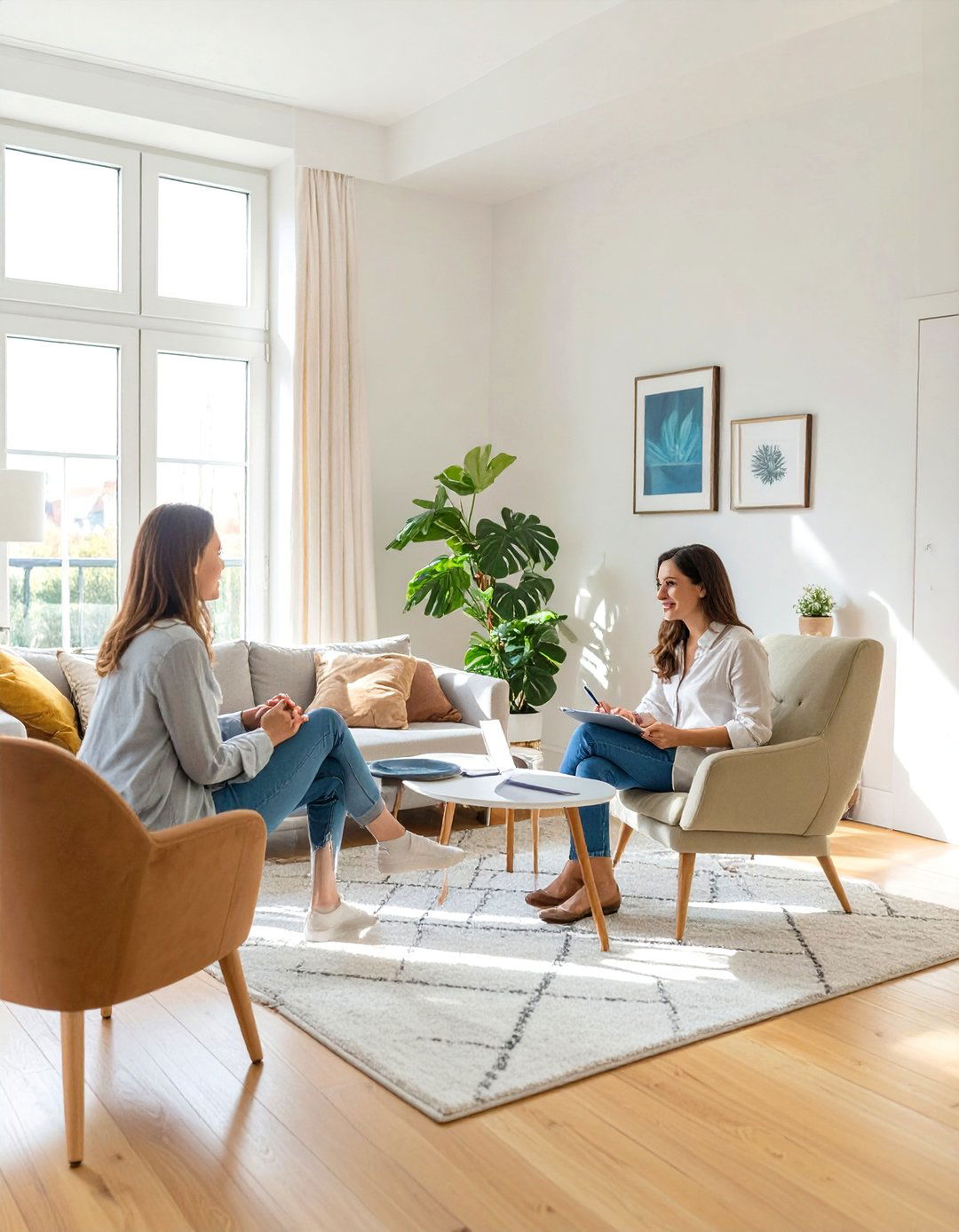
Providing a complimentary initial consultation is a proven marketing strategy to attract new meeting allows you to understand the potential client 's needs, see the space, and share some initial thoughts and ideas. It' s your opportunity to demonstrate your expertise, build rapport, and show them how you can solve their design you aren't giving away a full design plan, you are showcasing your value and low-risk entry point can make potential clients feel more comfortable and confident in their decision to hire you for the full project.
27. Document Everything with High-Quality Photos
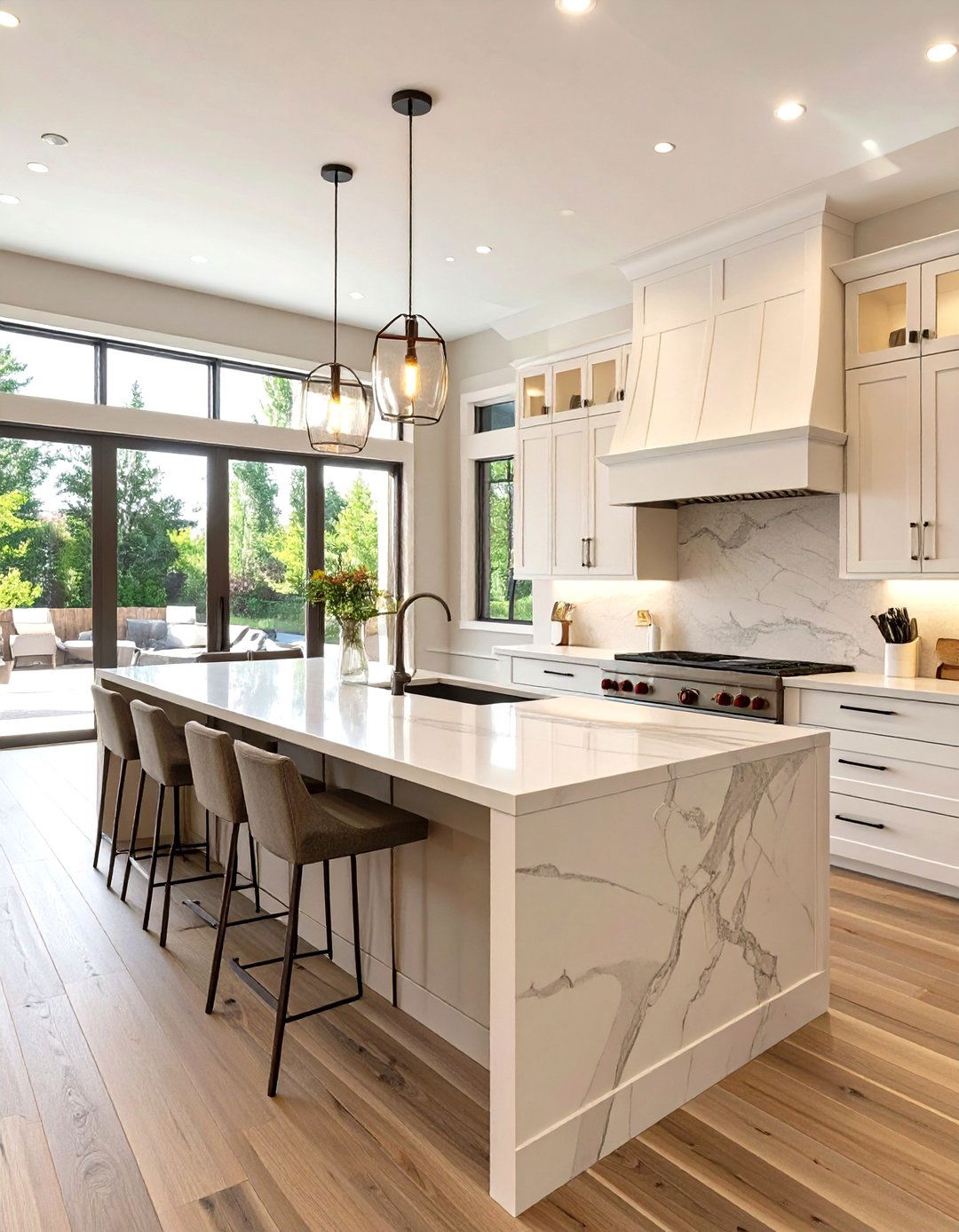
Investing in professional photography for your completed projects is absolutely essential. High-quality photos are the cornerstone of your portfolio, website, and social media presence. A great photograph can capture the beauty and functionality of your design in a way that words allows potential clients to see the quality of your work and envision what you could do for their own space. Poor-quality photos can undermine even the most beautiful professional photography a non-negotiable part of your project budget to ensure your work is always presented in the best possible light.
28. Take a Course in Project Management

Interior design projects involve coordinating numerous moving parts, from managing timelines and budgets to scheduling contractors and overseeing project management skills are crucial to ensure everything runs smoothly, on time, and within a dedicated course in project management can equip you with the tools and methodologies to handle complex projects with knowledge helps you prevent costly mistakes, manage client expectations, and deliver a seamless experience from concept to completion, enhancing your reputation for professionalism and reliability.
29. Start Small by Decorating for Friends and Family

Before launching your business, gain practical experience by offering to design or decorate spaces for friends and initial projects are a low-pressure way to practice your skills, build a portfolio, and work through your design process from start to can experiment with different styles and learn how to work with a "client's" needs and them for honest testimonials and permission to photograph the finished is an excellent way to build confidence and gather the materials you need to attract your first paying clients.
30. Create a Strong Personal Brand Identity
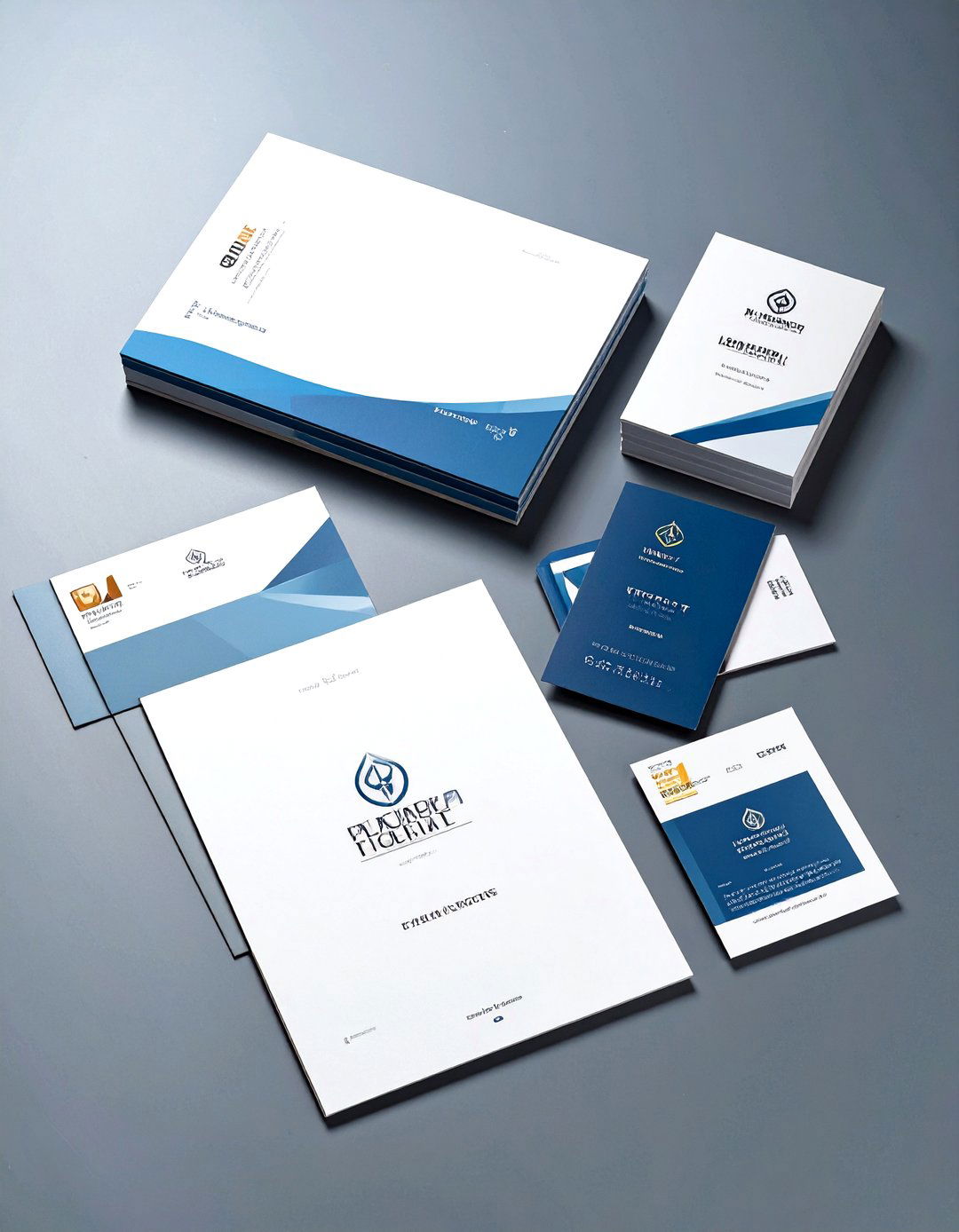
Your brand is more than just a logo; it 's the entire experience and perception of you and your do you want to be known for? Define your unique design philosophy, your target audience, and your brand' s identity should be reflected consistently across all your materials, from your website and business cards to your social media presence and client communications. A strong, authentic brand helps you connect with your ideal clients, differentiates you from the competition, and builds a memorable and trusted reputation in the industry.
Conclusion:
Embarking on a career in interior design is a journey of continuous learning and creative we've seen, there is no single, prescribed path to key is to find the combination of education, practical experience, and strategic self-promotion that aligns with your personal goals and you choose a formal degree, an internship, or start by building your brand online, the most important element is a deep-seated passion for creating beautiful and functional consistently honing your skills, building a strong network, and developing a unique design voice, you can successfully navigate the industry and build a rewarding and sustainable career.

Related posts:

Leave a Reply