
Scale in interior design is the principle of using an object's size in relation to the room and other objects within it. It’s a crucial element that dictates how a space feels—whether it's cozy and intimate or grand and expansive. Mastering scale isn't just about filling a room; it’s about creating harmony, balance, and a clear focal point. By thoughtfully considering the size and proportion of furniture, decor, and architectural features, you can manipulate perception, enhance functionality, and craft an environment that is both visually compelling and emotionally resonant. Understanding this concept is the key to transforming any room from ordinary to extraordinary.

1. Oversized Art as a Focal Point

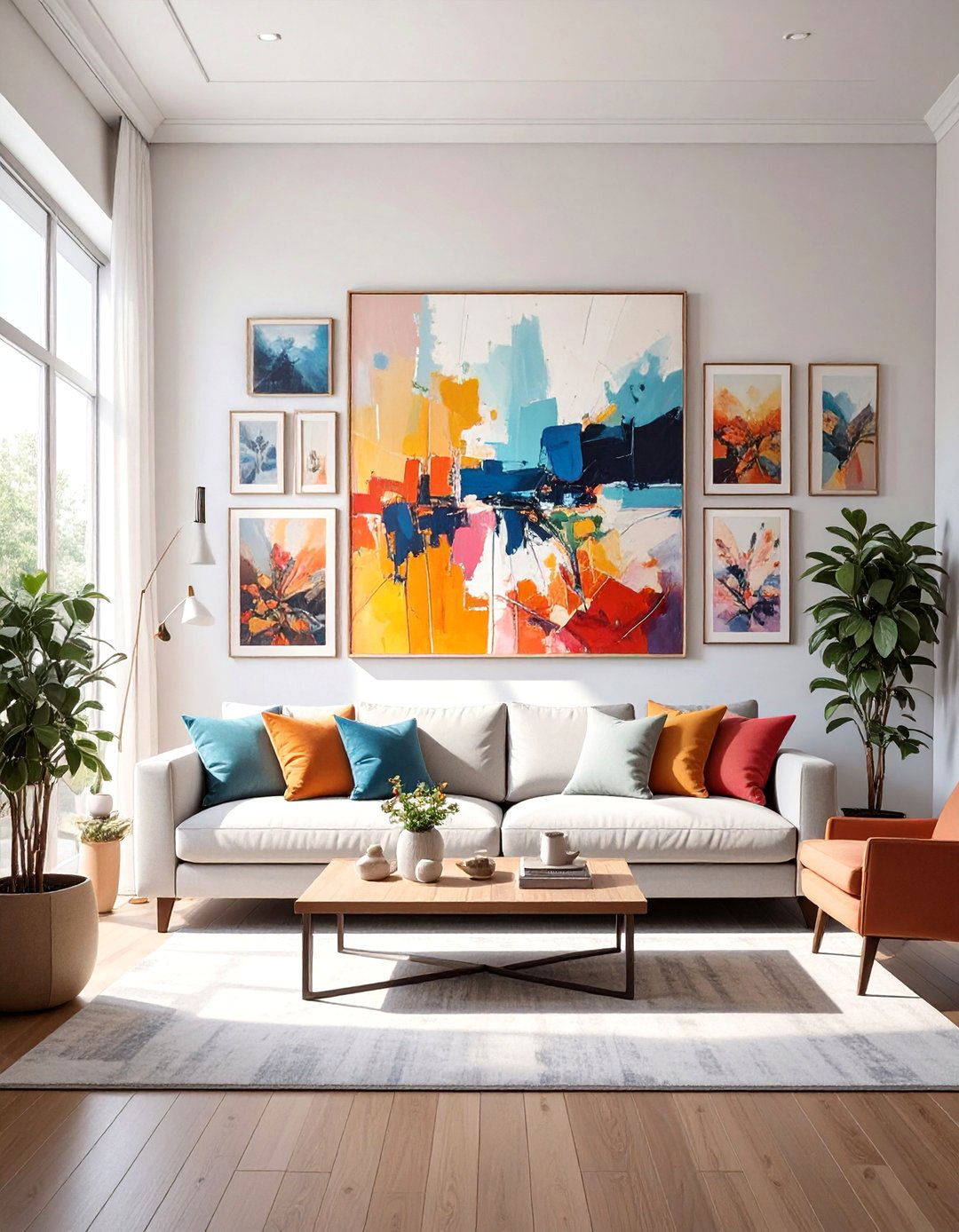
Using a single, large-scale piece of art is a powerful way to establish a focal point and anchor a room's design. Instead of scattering several small pictures across a wall, which can create a cluttered feel, one substantial canvas or print commands attention. This technique works especially well above a sofa, bed, or fireplace mantel. The key is to ensure the artwork is proportionate to the wall and the furniture it hangs above—it should be about two-thirds the width of the furniture piece. This bold move not only adds drama and personality but also makes a space feel more curated and intentionally designed.
2. Large-Scale Rugs to Unify a Room
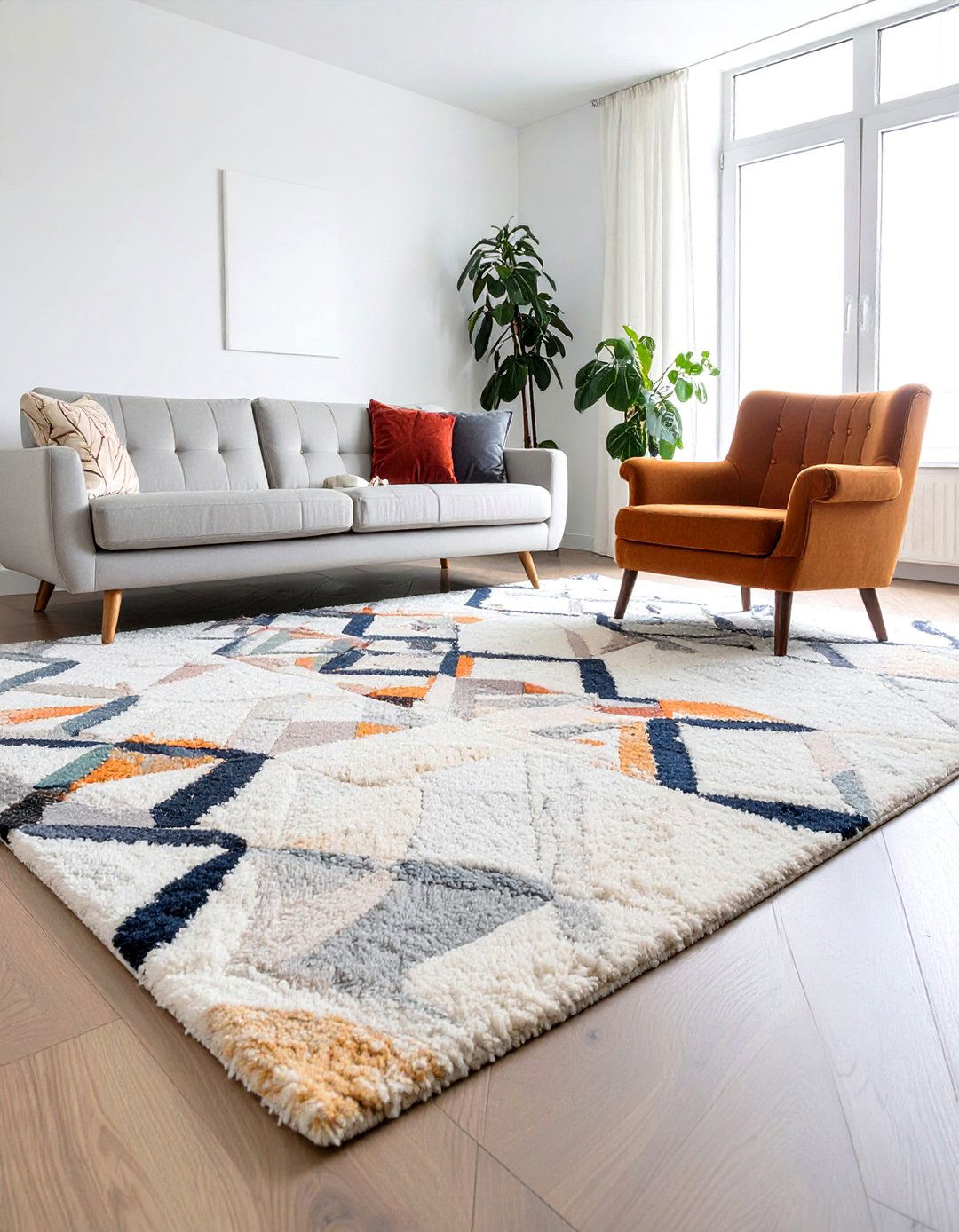
A common design mistake is choosing a rug that is too small for the space. A large-scale rug that allows all major furniture pieces to rest on it serves to unify the entire seating area, making the room feel larger and more cohesive. For a living room, the rug should be big enough so that at least the front legs of the sofa and chairs are on it. In a dining room, the rug should extend well beyond the chairs, even when they are pulled out. This generous use of scale underfoot defines the zone and creates a more grounded, luxurious foundation for the room.
3. Grouping Small Decor for Greater Scale

While individual small objects can get lost in a room, grouping them together creates a collective visual mass with a greater impact. Consider arranging a collection of small vases, picture frames, or ceramic pieces on a console table or bookshelf. By clustering these items, you treat them as a single, larger decorative element. This strategy allows you to display cherished trinkets without making the space feel messy. The trick is to group items with a common theme, color, or material to ensure the collection looks deliberate and cohesive, giving them a sense of scale they lack on their own.
4. Using Large Furniture in Small Rooms

It might seem counterintuitive, but using a few pieces of large-scale furniture in a small room can actually make it feel more spacious. Instead of filling the room with numerous small items that create visual clutter, one larger sofa or a substantial armchair provides a clear, restful focal point. This approach simplifies the room and tricks the eye into perceiving more space. The key is to balance the large piece with adequate negative space around it and choose furniture with clean lines and legs that lift it off the floor, enhancing the sense of openness while still providing comfortable, functional seating.
5. The Scale of Pendant Lighting Over an Island

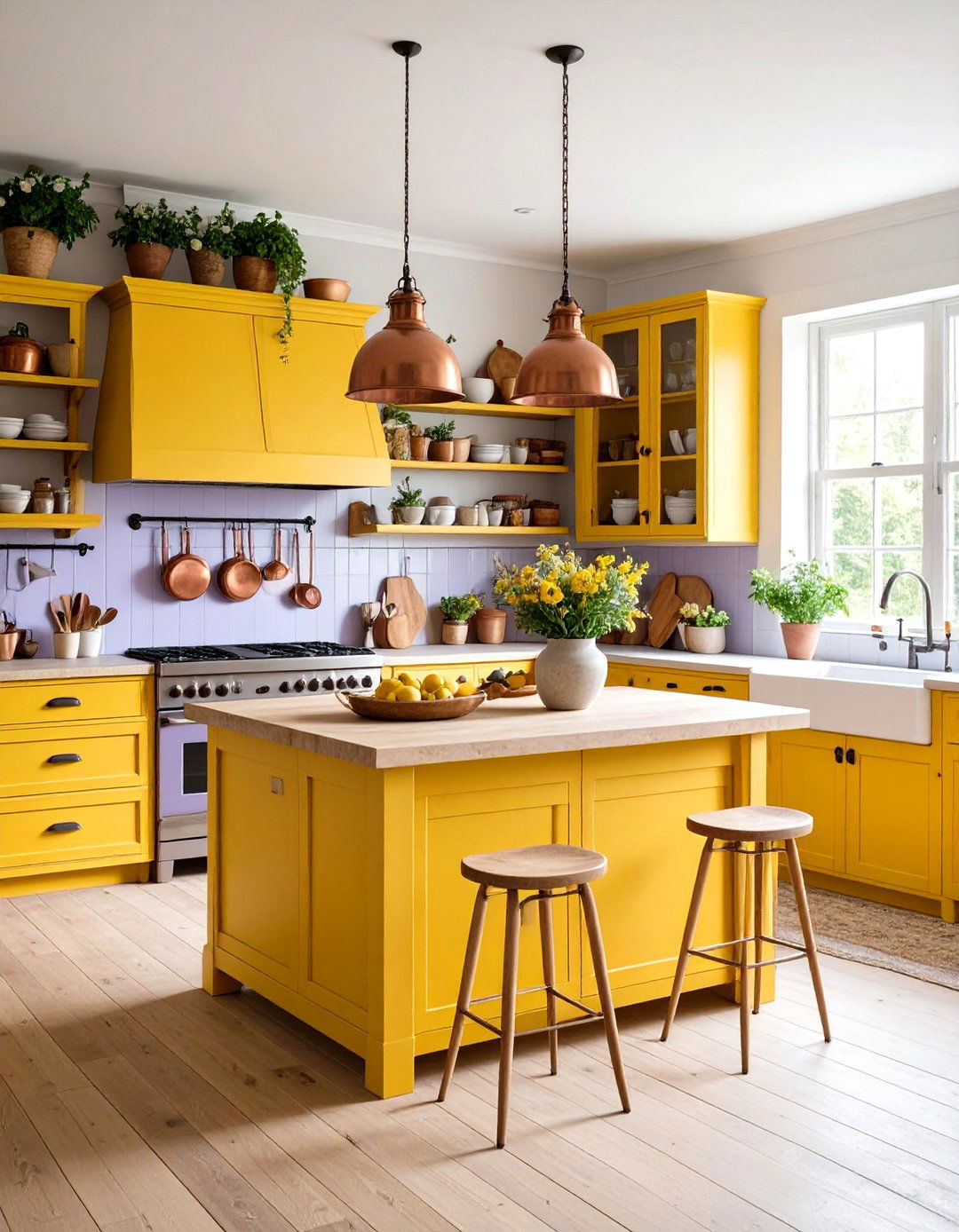
The scale of pendant lighting over a kitchen island is crucial for both function and aesthetic balance. Pendants that are too small will look insignificant and fail to provide adequate task lighting, while oversized pendants can overwhelm the space. A good rule of thumb is to choose fixtures that are proportionate to the island's surface area. For a large island, consider two or three substantial pendants spaced evenly. For smaller islands, a single, larger statement pendant or two smaller ones might be more appropriate. This ensures the lighting feels integrated into the kitchen's overall design scheme rather than like an afterthought.
6. Architectural Scale of Doorways and Windows
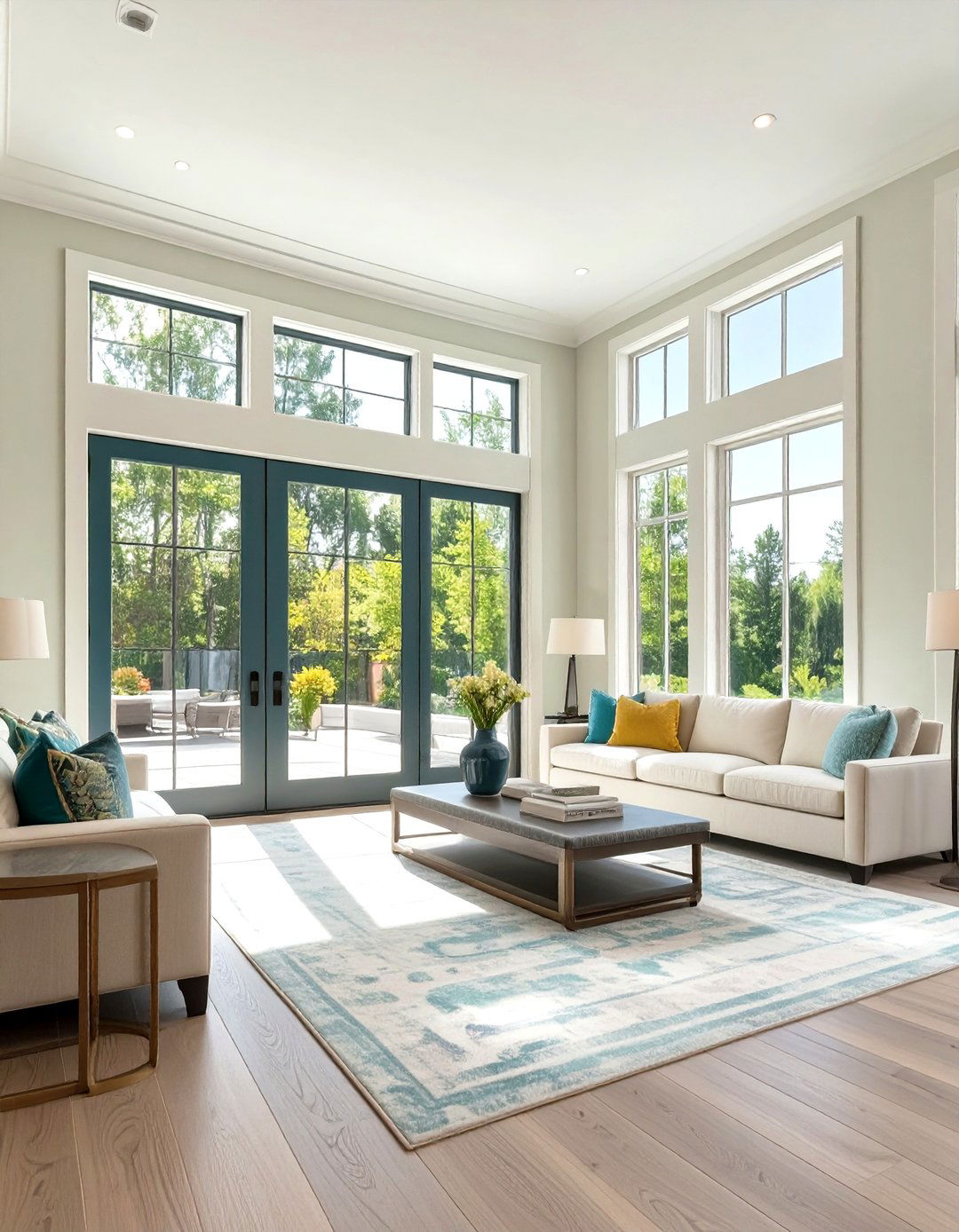
The scale of architectural elements like doorways and windows profoundly impacts the perceived size and grandeur of a room. Taller doorways and larger windows draw the eye upward, creating a sense of height and openness. If you're renovating, consider increasing the height of standard doorways to create a more custom, lofty feel. For windows, maximizing their size not only enhances scale but also floods the space with natural light, making it feel more airy and expansive. These features become part of the room's inherent structure, setting a foundation of grand scale before any furniture is even added.
7. Floor-to-Ceiling Curtains to Alter Scale Perception

Hanging curtains high and wide is a classic designer trick to manipulate the perception of scale. By mounting the curtain rod several inches above the window frame and extending it beyond the sides, you create an illusion of taller and wider windows. Letting the drapes fall all the way to the floor enhances this effect, drawing the eye vertically and adding a sense of height to the room. This technique works in any space, from a small bedroom to a large living room, instantly making the architecture feel more impressive and the room more elegant and thoughtfully designed.
8. Large-Scale Patterns on Accent Walls
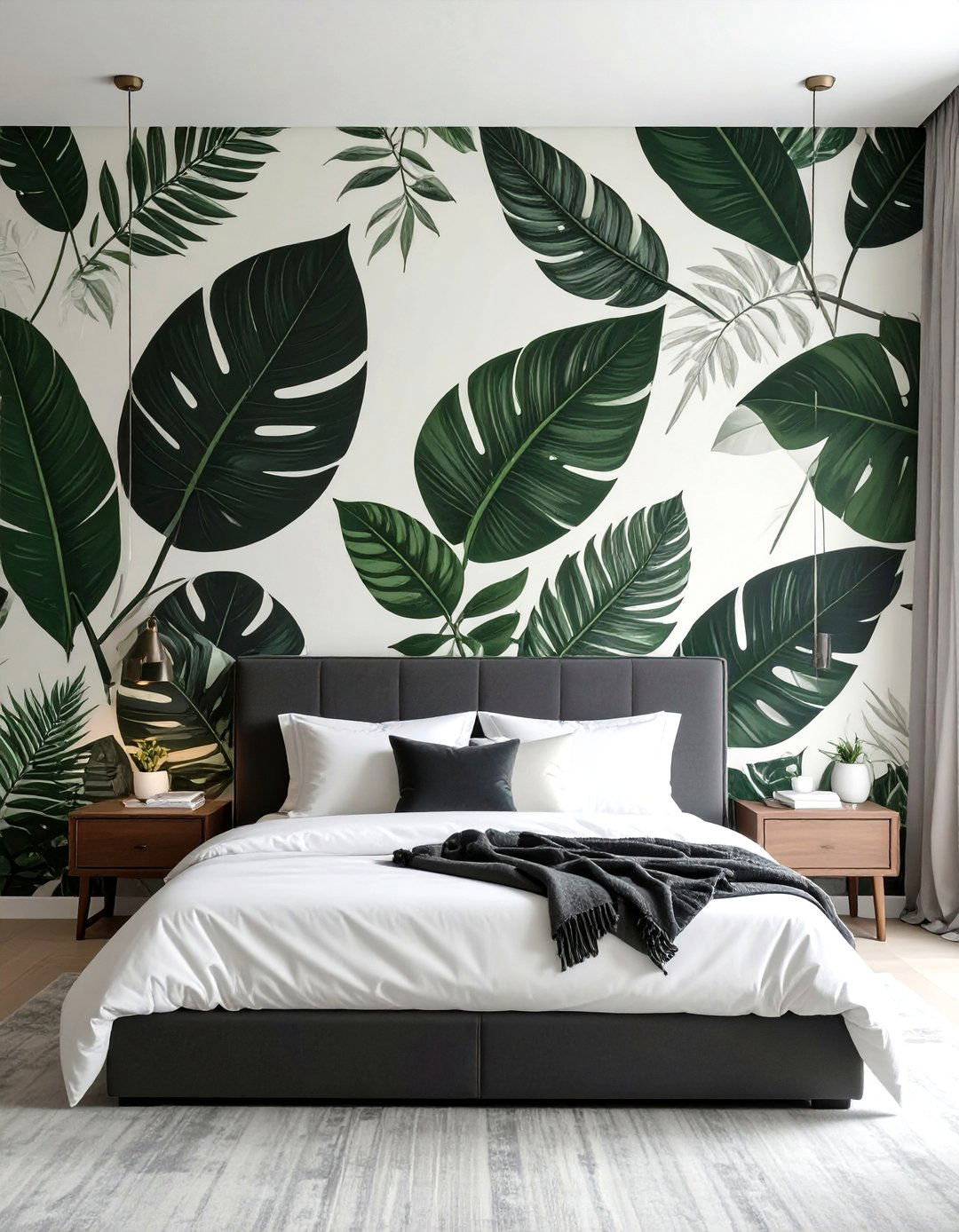
For a bold statement, use a large-scale pattern on an accent wall. Unlike small, busy patterns that can feel chaotic and shrink a space, a large, repeating motif adds drama and depth without overwhelming the eye. This could be a graphic wallpaper, a painted mural, or a geometric stencil. This approach works best on a single, uninterrupted wall, such as the one behind a bed or a sofa, creating a definitive focal point. The grand scale of the pattern gives the room a confident, modern edge and can make the space feel larger by drawing attention to the wall's full expanse.
9. The Role of Human Scale in Seating Areas

Human scale refers to designing objects and spaces in proportion to the human body, ensuring comfort and usability. In a seating area, this means the coffee table should be at a height that is easily reachable from the sofa, and side tables should be level with the chair or sofa arms. The distance between seating pieces should be close enough to foster conversation without feeling cramped. By prioritizing human scale, you create an environment that is not just visually pleasing but also functional and inviting. This focus on ergonomics ensures the space feels right on a subconscious, physical level.

10. Scaling Mirrors to Expand Visual Space

Mirrors are a fantastic tool for manipulating the sense of scale in a room. A large, oversized mirror can dramatically alter a space's perceived dimensions. When placed strategically, it reflects light and the view, creating an illusion of depth and making the room feel larger and brighter. Leaning a tall, full-length mirror against a wall is a modern approach that adds a casual yet elegant touch while maximizing the vertical scale. The bigger the mirror, the more impactful the effect, effectively doubling the visual square footage of the area it reflects.
11. Proportionate Furniture Scale for Living Rooms
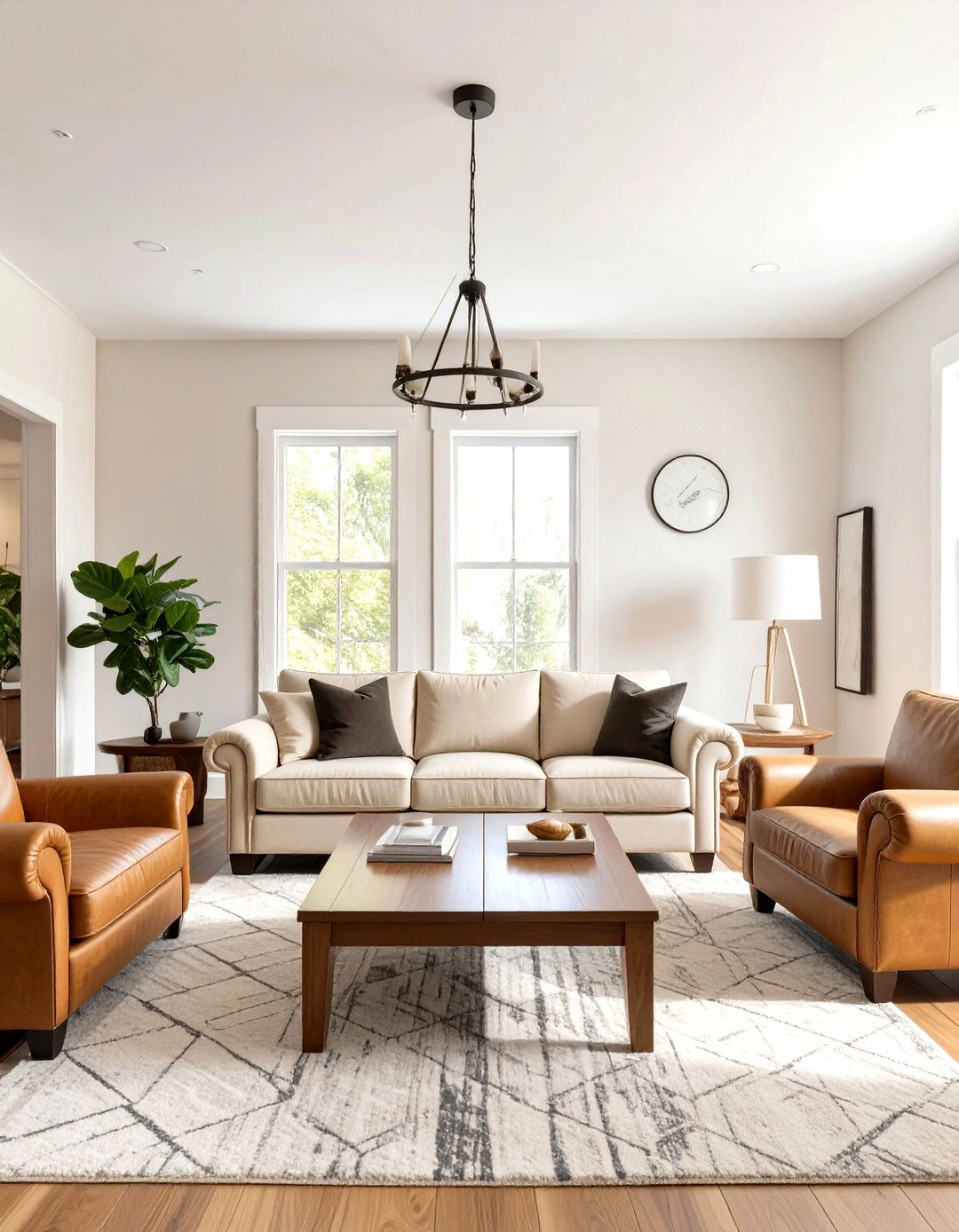
Achieving the right furniture scale in a living room is about creating a harmonious relationship between all the pieces. Your sofa, armchairs, coffee table, and side tables should all feel like they belong together. A massive, overstuffed sofa paired with tiny, delicate end tables will look unbalanced. Conversely, a large, open-concept living room will dwarf small-scale furniture. When shopping, consider the overall volume of each piece, not just its footprint. Aim for a consistent visual weight across all items to create a layout that feels cohesive, comfortable, and properly scaled to the room's dimensions.
12. Using Negative Space to Emphasize Scale

Negative space—the empty area around and between objects—is just as important as the objects themselves when it comes to scale. Properly utilized, it provides breathing room and helps to highlight the scale of your furniture and decor. Overcrowding a room with too many items, regardless of their size, will make the space feel small and chaotic. By intentionally leaving some areas empty, you allow your statement pieces to stand out. This deliberate use of negative space is a hallmark of sophisticated design, creating a sense of calm and emphasizing the chosen scale of your furnishings.
13. Small-Scale Furniture in Large, Open-Plan Spaces

While large furniture is often recommended for large rooms, using smaller-scale pieces can be an effective strategy for creating distinct zones within an open-plan space. You can arrange a grouping of smaller chairs and a petite table to form an intimate conversation nook or a reading corner. This approach breaks up the vastness of the room, making it feel more functional and less cavernous. The key is to define these zones with other elements, such as area rugs or specific lighting, to ensure they feel intentional rather than like furniture lost in a sea of empty space.
14. The Impact of Large-Scale Plants Indoors

Bringing the outdoors in with large-scale plants is a dynamic way to introduce scale and life into a room. A tall fiddle-leaf fig, a sprawling bird of paradise, or a majestic monstera can act as a living sculpture, drawing the eye upward and filling an empty corner with organic texture and vibrant color. Unlike furniture, a large plant adds volume without feeling heavy, maintaining a sense of airiness. Choosing a plant with a significant vertical or horizontal presence can balance high ceilings or wide, empty walls, making it a natural and refreshing solution for scale-related design challenges.

15. Scaling Bookshelves for Wall Dominance
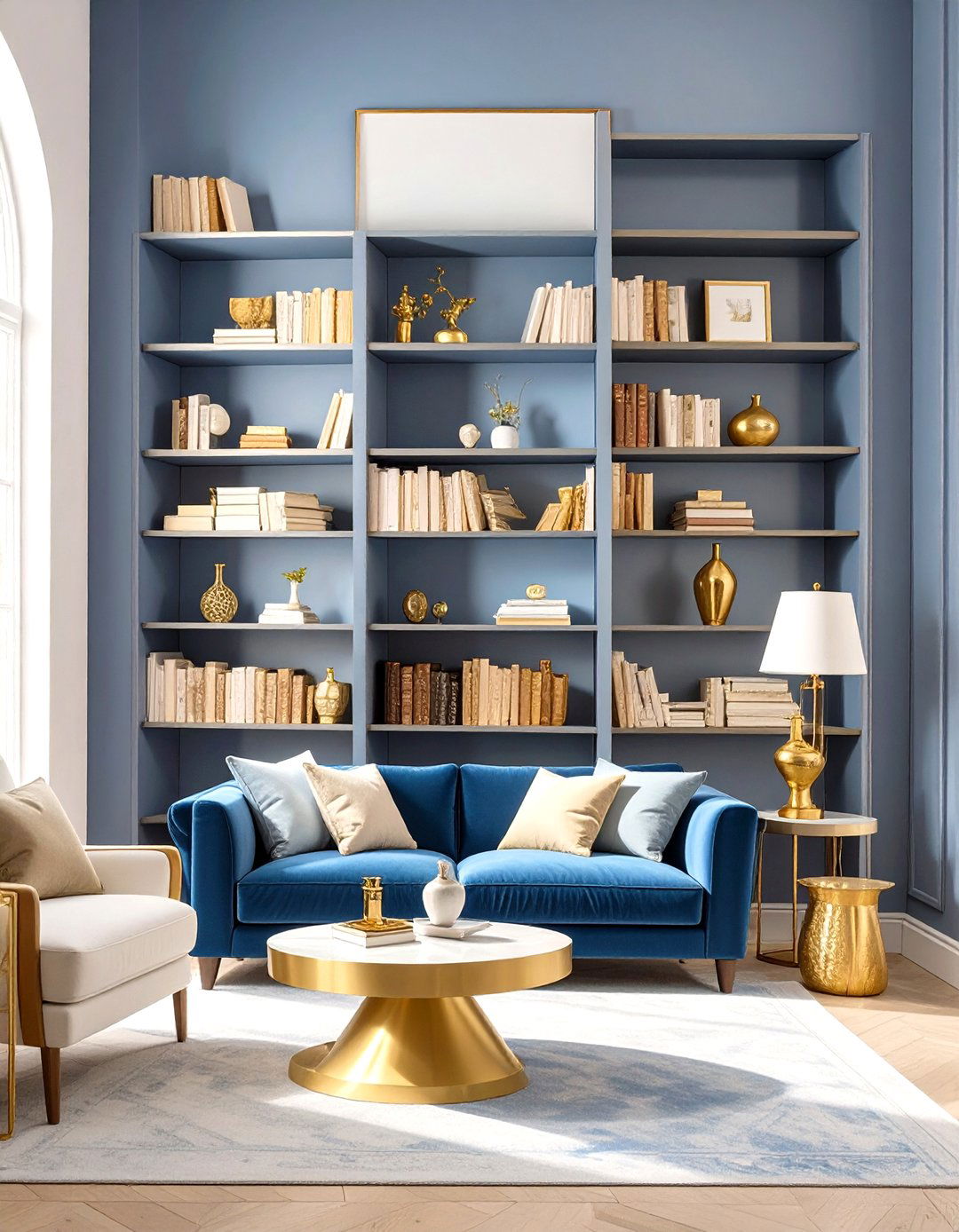
A floor-to-ceiling bookshelf or a wall-to-wall unit makes a powerful statement of scale. By covering an entire wall, the shelving becomes an architectural feature rather than just a piece of furniture. This grand scale provides ample storage and display space while creating a strong visual anchor in the room. It draws the eye upward and across, emphasizing the full dimensions of the wall. To avoid a monolithic look, style the shelves with a mix of books, decorative objects, and empty space, allowing the composition to breathe while still projecting a commanding presence.
16. Single, Large Coffee Table vs. Multiple Small Ones

Choosing between a single, large coffee table and a cluster of smaller ones is a decision of scale. A large, singular coffee table provides a strong, central anchor in a seating area, offering a generous surface and a solid presence. It works well in more traditional or formal layouts. Alternatively, grouping two, three, or even four smaller tables together offers flexibility and a more modern, eclectic feel. This "bunching" approach allows you to adjust the configuration as needed and introduces a more complex interplay of shapes and heights, creating a dynamic sense of scale.
17. The Scale of Headboards in Bedroom Design

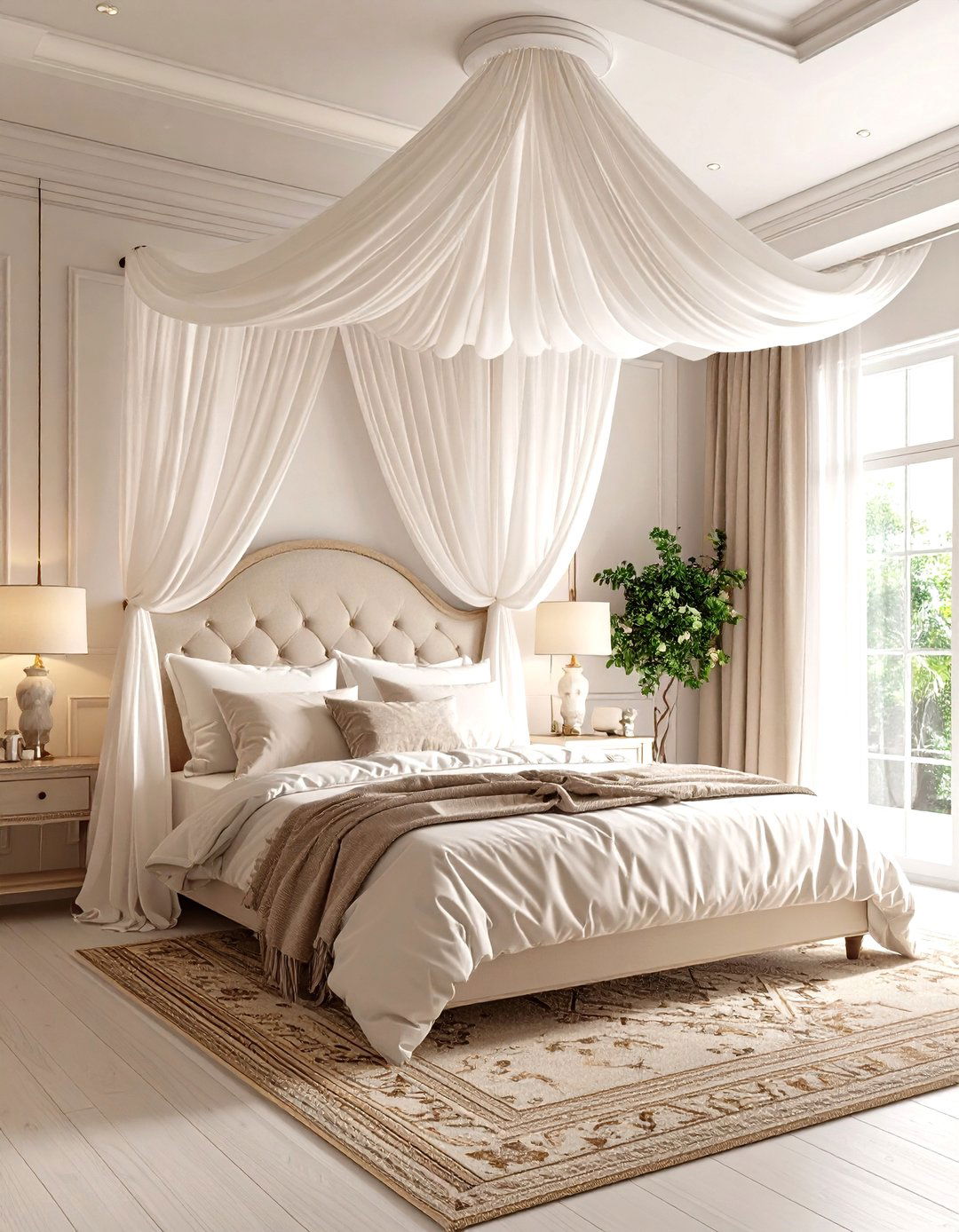
The scale of a headboard can define the entire aesthetic of a bedroom. An oversized or tall headboard creates a dramatic focal point, drawing the eye upward and making the ceiling feel higher. It adds a sense of luxury and importance to the bed, reinforcing its role as the room's main feature. In rooms with high ceilings, a tall headboard helps to fill the vertical space and balance the room's proportions. Conversely, a low-profile headboard can create a more minimalist, serene look. The key is to choose a scale that is proportionate to the bed size and the overall room dimensions.
18. Utilizing Vertical Scale with Tall, Narrow Pieces

To make a room feel taller, incorporate tall and narrow furniture or decor. Pieces like an étagère, a grandfather clock, or a slender floor lamp draw the eye vertically, creating an illusion of height. This technique is especially effective in rooms with lower ceilings. Even tall, thin artwork or a vertical stack of framed pictures can achieve this effect. By emphasizing the vertical axis, you counteract the horizontal lines of sofas and tables, adding a new dimension to the room's composition and tricking the brain into perceiving more generous ceiling height.
19. Layering Textures at Different Scales

Scale doesn't just apply to size; it also applies to texture and pattern. Layering textures of different scales adds depth and interest to a design. For instance, you could pair a large, chunky knit throw on a sofa with finely woven linen pillows and a smooth leather armchair. This contrast between large-scale texture (the chunky knit) and small-scale texture (the fine linen) creates a rich, tactile experience. The variation prevents the design from feeling flat and one-dimensional, inviting touch and making the space feel more cozy and sophisticated.


20. The Scale of Dining Tables for Room Size
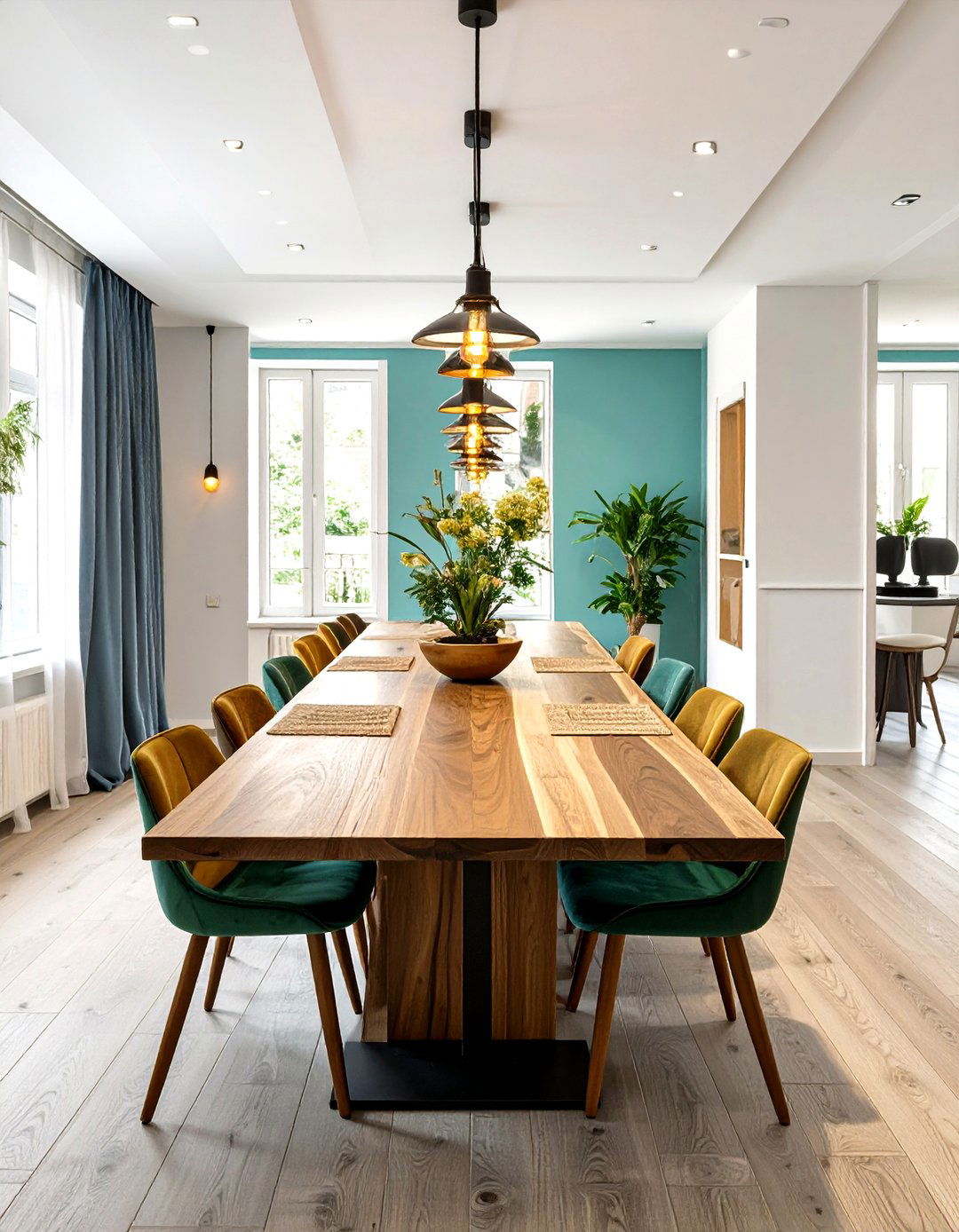
Selecting the right scale for a dining table is essential for both functionality and flow. A table that is too large will make the room feel cramped, leaving little space for chairs to be pulled out or for people to walk around. A table that is too small will be dwarfed by the room, making the space feel empty and unbalanced. As a general guide, you should allow for at least 36 inches of clearance between the edge of the table and the nearest wall or piece of furniture to ensure comfortable movement.
21. Balancing the Scale of Sofas and Chairs

When arranging a living room, it's crucial to balance the scale of the sofa with the accompanying chairs. A bulky, oversized sofa paired with a small, delicate armchair will create a visual imbalance. Instead, aim for pieces with a similar visual weight. This doesn't mean they have to be from the same set, but their overall mass and presence should feel comparable. For example, you could balance a large sofa with two medium-sized club chairs or a love seat. This creates a more harmonious and conversational grouping that feels intentionally scaled and arranged.
22. Using a Grandfather Clock for Vertical Scale

A grandfather clock is a classic piece that serves as an excellent tool for introducing vertical scale into a space. Its tall, slender profile naturally draws the eye upward, making ceilings appear higher and adding a sense of elegance and history to a room. Placed in an entryway, living room, or at the end of a hallway, it fills vertical space without consuming a large footprint. This timeless element acts as both a functional timepiece and a sculptural feature, anchoring the corner it occupies and balancing the lower-slung furniture in the rest of the room.
23. The Scale of Lampshades in Relation to Bases

Achieving the correct scale between a lamp base and its shade is a detail that makes a significant difference. A lampshade that is too large can look top-heavy and awkward, while one that is too small will appear comically disproportionate. A helpful guideline is that the width of the lampshade should be roughly twice the width of the lamp base's widest point, and the height of the shade should be about one-third of the lamp's total height. Getting this relationship right ensures the lamp looks balanced and contributes positively to the room's overall sense of proportion.
24. A Single Oversized Vase as a Statement

Instead of cluttering a surface with multiple small knick-knacks, consider the impact of a single, oversized vase. Placed on a console table, a dining table, or even on the floor, a large statement vase acts as a sculptural element. It can be filled with dramatic, long-stemmed branches or flowers to add height and organic form, or left empty to appreciate its shape and scale. This minimalist approach creates a powerful focal point, demonstrating confidence in design and an understanding that sometimes one large, impactful piece is more effective than many smaller ones.
25. Floating Shelves Scaled to Wall Proportions

Floating shelves offer a clean, modern way to add storage and display space, but their scale must be considered in relation to the wall they occupy. Shelves that are too short for a long wall can look lost and insignificant. For a more integrated and impactful look, opt for longer shelves that span a significant portion of the wall's width. This creates a strong horizontal line that can make the room feel wider. Ensure the depth and thickness of the shelves are also in proportion, providing a sturdy, substantial appearance rather than a flimsy one.
26. How Area Rug Scale Affects Bedroom Layouts
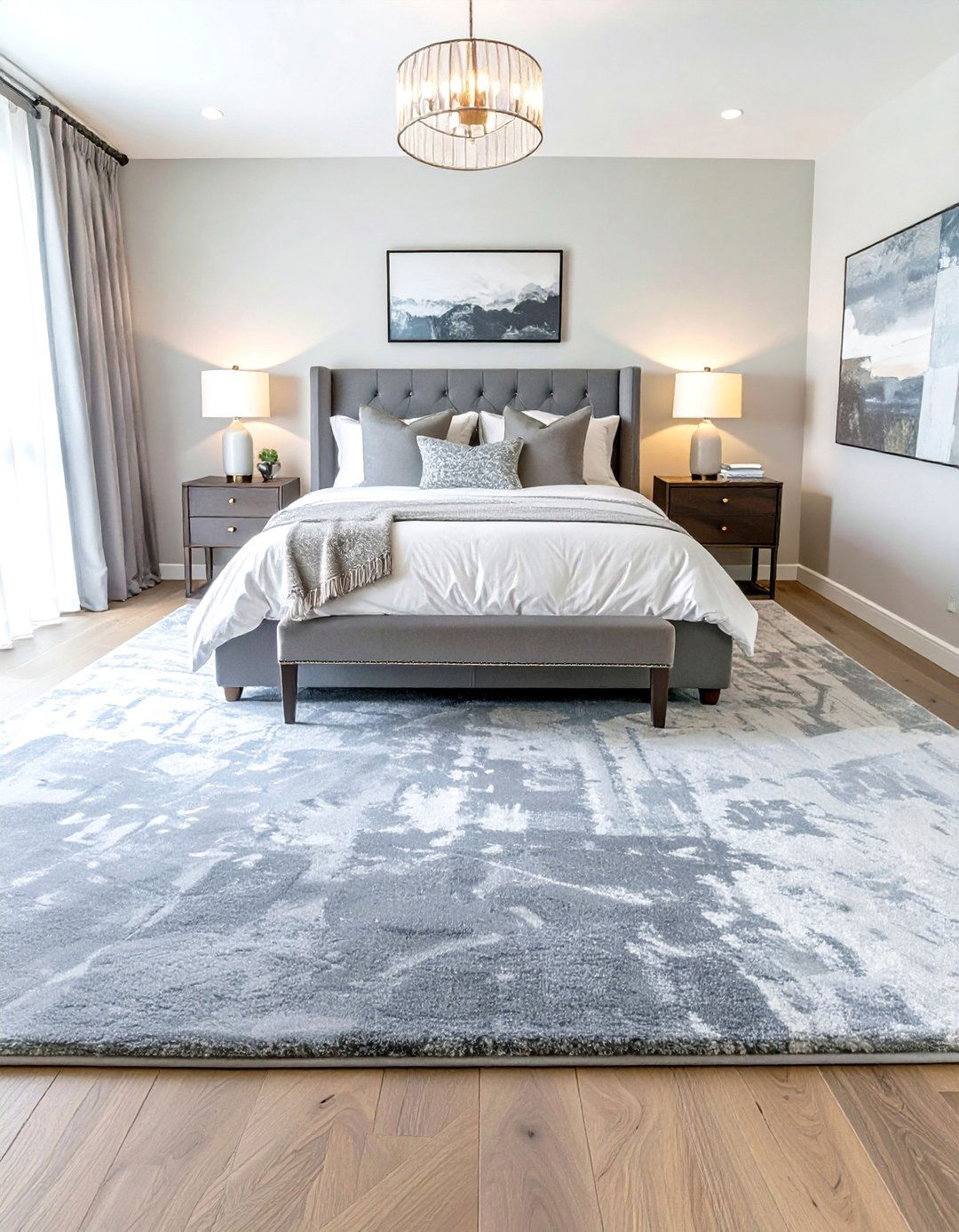
In the bedroom, the scale of an area rug is key to defining the space and creating a soft, luxurious feel underfoot. An ideal placement is to have the rug extend at least 18-24 inches on either side of the bed and beyond the foot of the bed. This frames the bed, which is the room's focal point, and ensures you step onto a soft surface in the morning. A rug that is too small and only sits under the front two-thirds of the bed can make the room feel disjointed. A generously scaled rug anchors the bed and nightstands, unifying the entire sleeping zone.
27. The Scale of Kitchen Backsplash Tiles

The scale of your kitchen backsplash tiles can dramatically influence the room's style. Large-format tiles, such as big slabs of marble or oversized subway tiles, create a clean, seamless look with fewer grout lines. This can make a small kitchen feel larger and more modern. In contrast, small-scale tiles, like mosaics or penny tiles, introduce intricate patterns and textures, adding a sense of detail and craftsmanship. The choice depends on the desired effect: large scale for a bold, contemporary statement, and small scale for a more classic, detailed appearance.
28. Using Contrasting Scales for Visual Interest
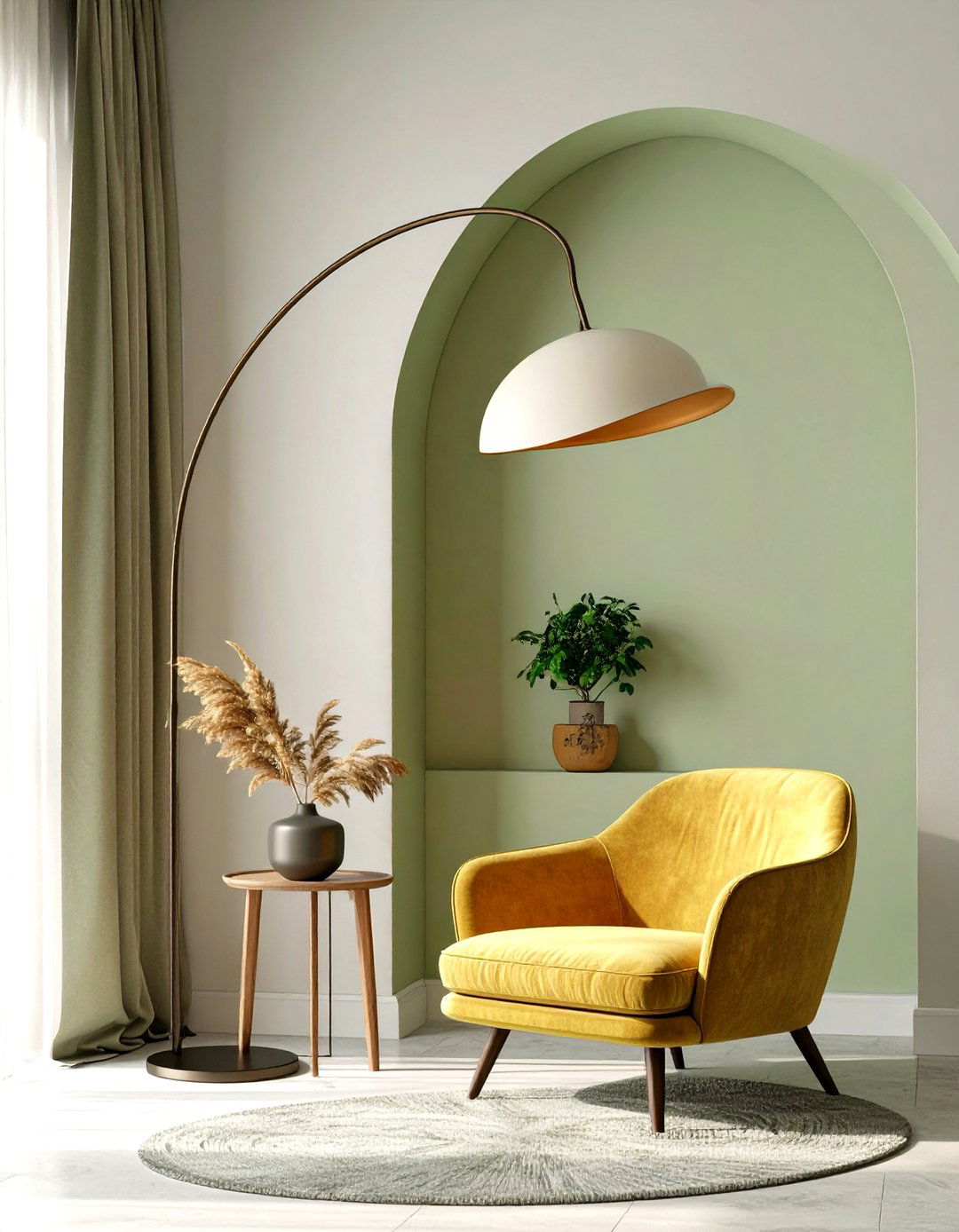
While balance is important, deliberately using contrasting scales can create a dynamic and visually interesting space. This technique, when used thoughtfully, can be highly effective. For example, placing a very small, delicate object on a large, chunky mantelpiece can highlight the object's intricacy and the mantel's substance. Or, you could place an oversized floor lamp next to a low-slung, sleek armchair. This play on "big vs. small" creates a sense of tension and surprise, preventing the room from feeling too predictable and adding a layer of design sophistication.
29. The Scale of Outdoor Furniture on a Patio

The principles of scale apply just as much to outdoor spaces as they do to indoor ones. When furnishing a patio or deck, consider the scale of the furniture in relation to the available area. A small bistro set will look lost on a large, expansive deck, while an oversized sectional will overwhelm a tiny balcony. Choose pieces that are proportionate to your outdoor zone. A large patio can handle a substantial dining table or a full outdoor living room set, creating a comfortable and functional extension of your home that feels appropriately scaled for open-air entertaining.
30. Intimate Scale in a Cozy Reading Nook

Creating a space that feels cozy and intimate is an exercise in managing scale. A reading nook is the perfect example. Here, the goal is to shrink the scale to create a sense of enclosure and comfort. This is achieved by using a comfortable, but not massive, armchair, a small side table just big enough for a book and a drink, and focused lighting from a floor or wall lamp. The smaller scale of these elements, confined to a specific corner, creates a "room within a room" that feels like a personal retreat, intentionally designed for quiet contemplation.
Conclusion:
Ultimately, mastering scale in interior design is about creating rooms that feel right. It involves thoughtfully selecting pieces whose size and proportion relate harmoniously to the space and to each other. From using large rugs to unify zones, to hanging curtains high to create an illusion of height, scale influences a room's mood and functionality. By paying attention to the visual weight of furniture, art, and even negative space, you can craft environments that are balanced, inviting, and visually compelling, transforming a simple collection of objects into a cohesive and impactful design.

Related posts:


Leave a Reply