
Harmony in interior design is the art of creating a space where every element feels like it belongs. It’s the sense of calm and completeness that arises when colors, textures, furniture, and decor work together in a unified composition. This principle goes beyond simple matching; it involves a thoughtful selection and arrangement of objects to produce a cohesive and visually pleasing atmosphere. A harmonious room is balanced and orderly, inviting you in and making you feel at ease. It ensures that the overall aesthetic is greater than the sum of its individual parts, resulting in a space that feels both intentional and effortlessly serene.

1. Establishing Harmony with a Cohesive Color Palette
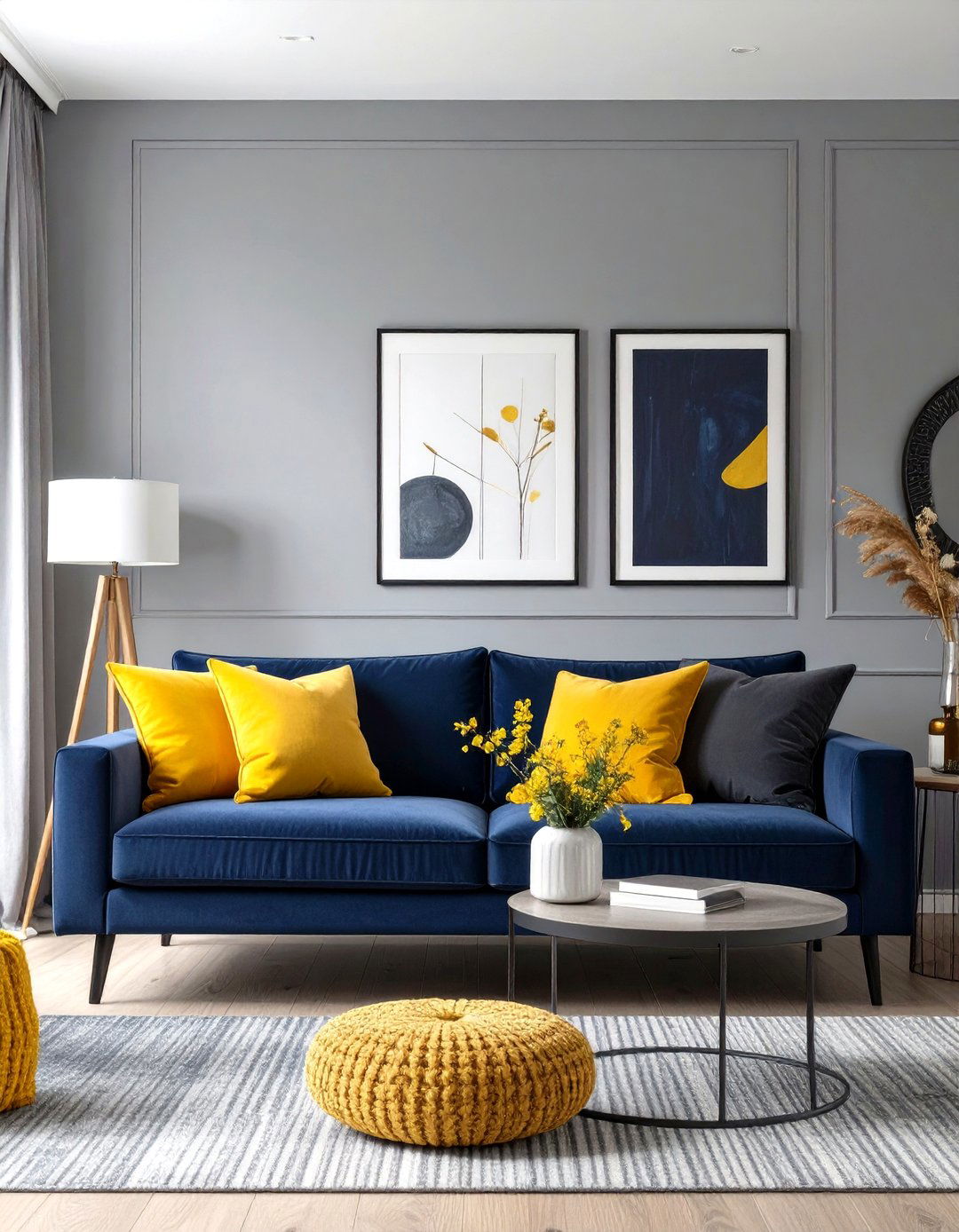
A cohesive color palette is fundamental to achieving harmony. This involves selecting a primary color and two to three accent hues that complement each other. By repeating these colors throughout the space in varying proportions—on walls, furniture, textiles, and accessories—you create a visual thread that ties the entire room together. For instance, a living room with soft gray walls can be harmonized with navy blue seating, mustard yellow cushions, and touches of gray in the area rug. This repetition ensures no single element feels out of place, fostering a sense of deliberate unity and visual calm in the interior design.
2. Unifying a Room Through Consistent Furniture Style
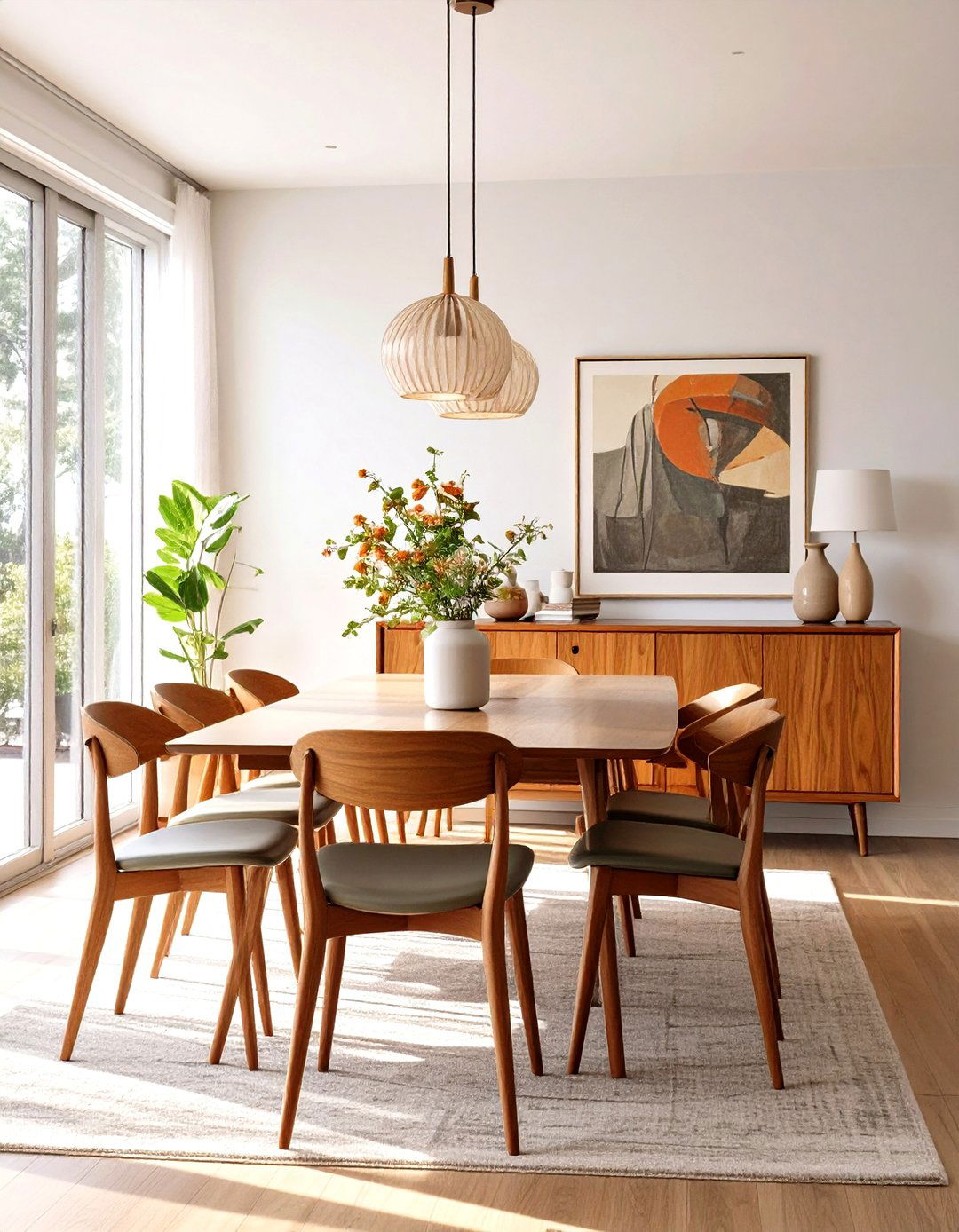
Maintaining a consistent furniture style is a powerful way to create a harmonious interior. Whether you prefer mid-century modern, industrial, or rustic farmhouse, sticking to one dominant style for your main pieces—like the sofa, coffee table, and shelving—builds a strong sense of unity. This doesn't mean every single item must be from the same collection. Instead, focus on shared characteristics such as material, form, or era. For example, combining pieces with clean lines, tapered legs, and natural wood finishes will establish a cohesive mid-century modern feel, ensuring the room looks curated and intentionally designed rather than randomly assembled.
3. Creating Harmony with Balanced Scale and Proportion
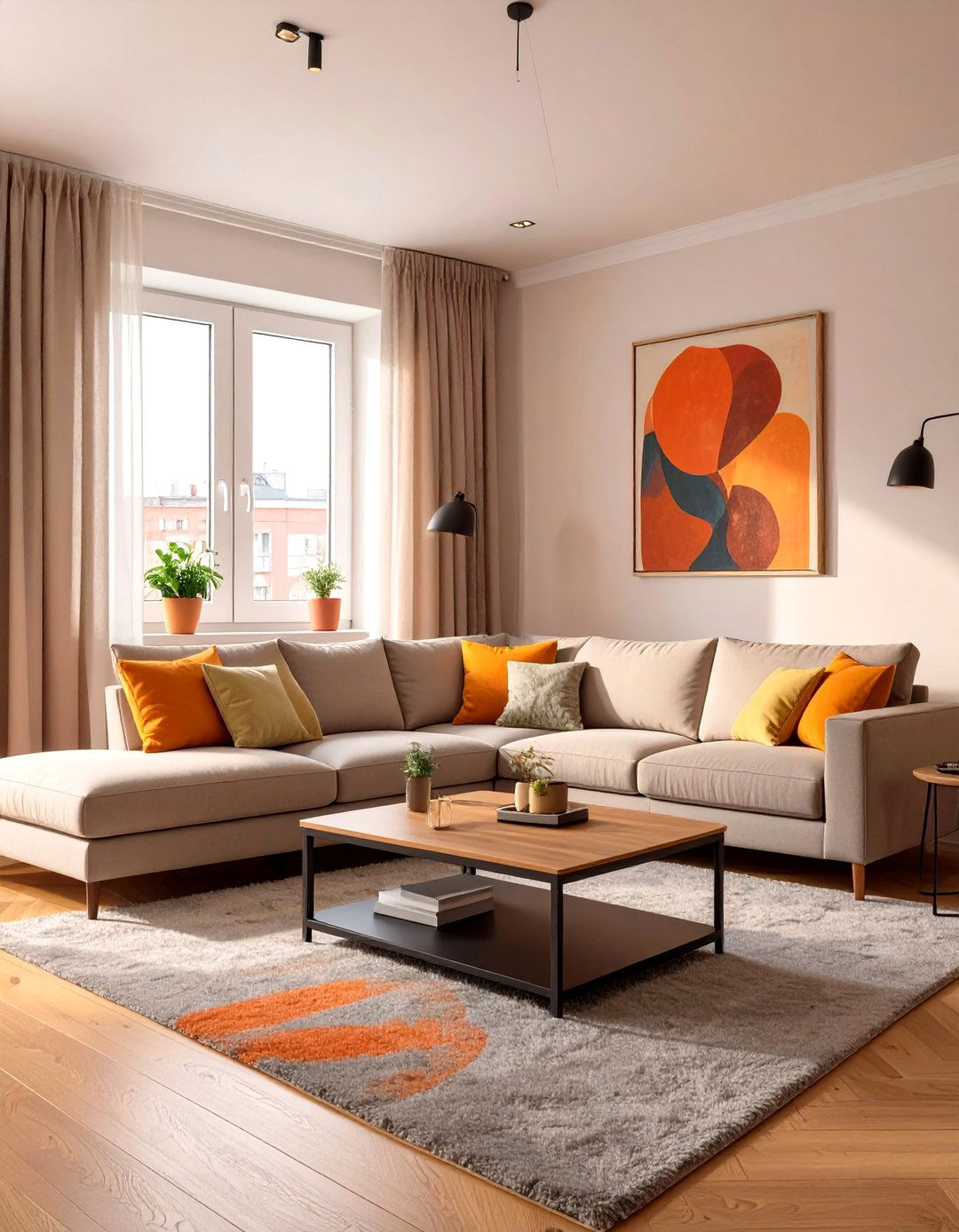
Proper scale and proportion are crucial for a harmonious room where everything feels right-sized. This principle involves the relationship between the size of objects and the size of the space, as well as the size of objects relative to one another. A large, overstuffed sofa will overwhelm a small room, while tiny furniture can feel lost in a spacious one. To achieve balance, select pieces that fit the room's dimensions comfortably. For instance, a large sectional should be paired with a substantial coffee table, and a delicate side table should accompany a slim armchair, ensuring a visually pleasing and functional arrangement.
4. Harmonizing Through Repetition of Shapes and Forms
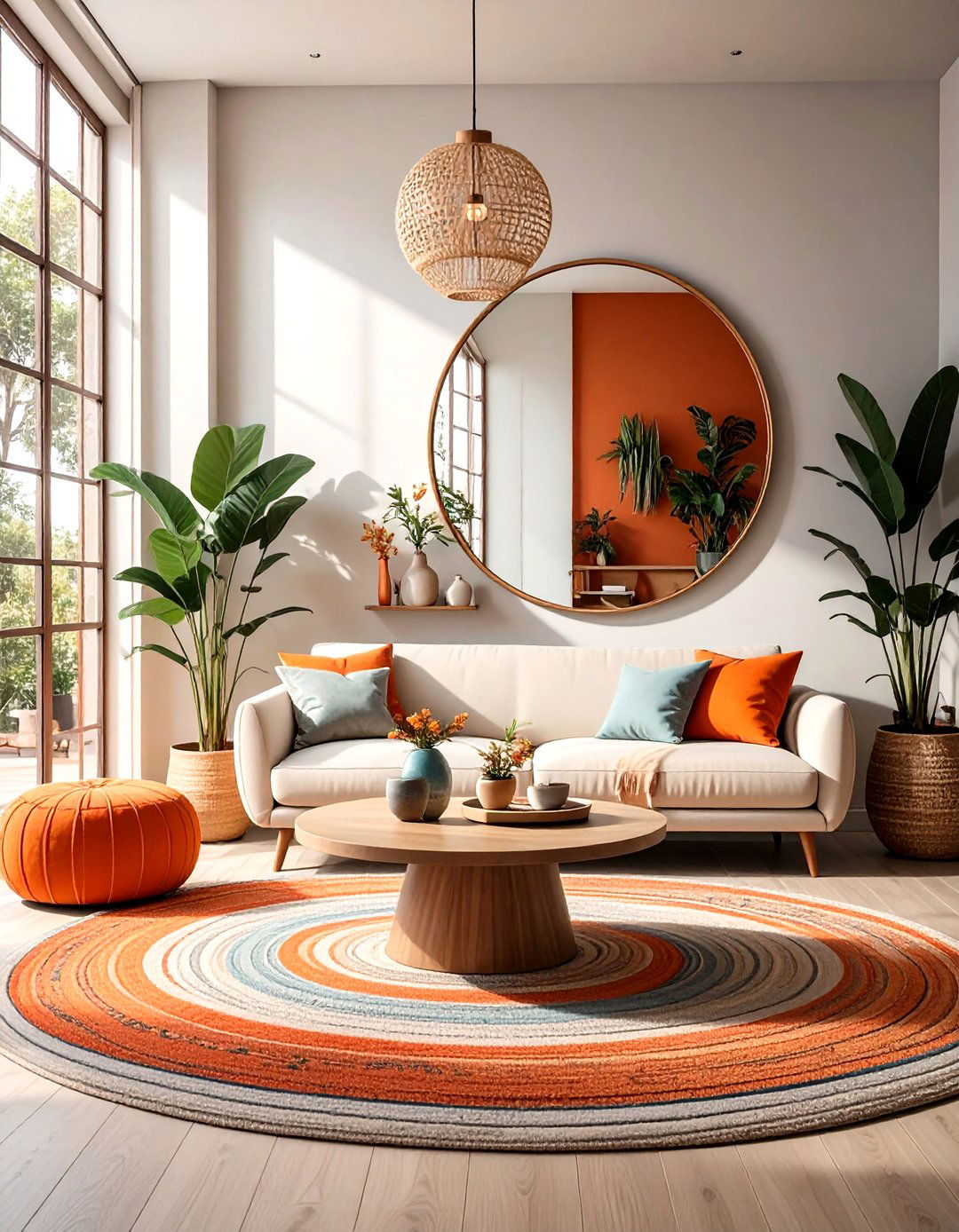
Repeating specific shapes and forms throughout a space is a subtle yet effective technique for building harmony. Look for opportunities to echo a particular silhouette in various elements. For example, the gentle curve of an arched doorway can be mirrored in a round coffee table, a circular mirror, and patterned textiles with curved motifs. This repetition creates a visual rhythm that guides the eye smoothly around the room, reinforcing a sense of connection between different objects. By consciously using circles, squares, or organic forms, you can establish an underlying geometric unity that makes the design feel cohesive and thoughtfully planned.
5. Using Consistent Metal Finishes for a Unified Look

To create a clean and harmonious aesthetic, maintain consistency with your metal finishes. Choosing one primary finish—such as brushed brass, matte black, or polished chrome—and using it for hardware, lighting fixtures, and decorative accents helps unify the space. While you can introduce a secondary metal in small doses for contrast, sticking to a dominant choice prevents the design from feeling chaotic or disjointed. For example, in a kitchen, using matte black for cabinet pulls, the faucet, and pendant lights creates a sophisticated and cohesive thread that connects different functional areas, enhancing the overall sense of harmony.
6. Achieving Harmony Through Symmetrical Layouts
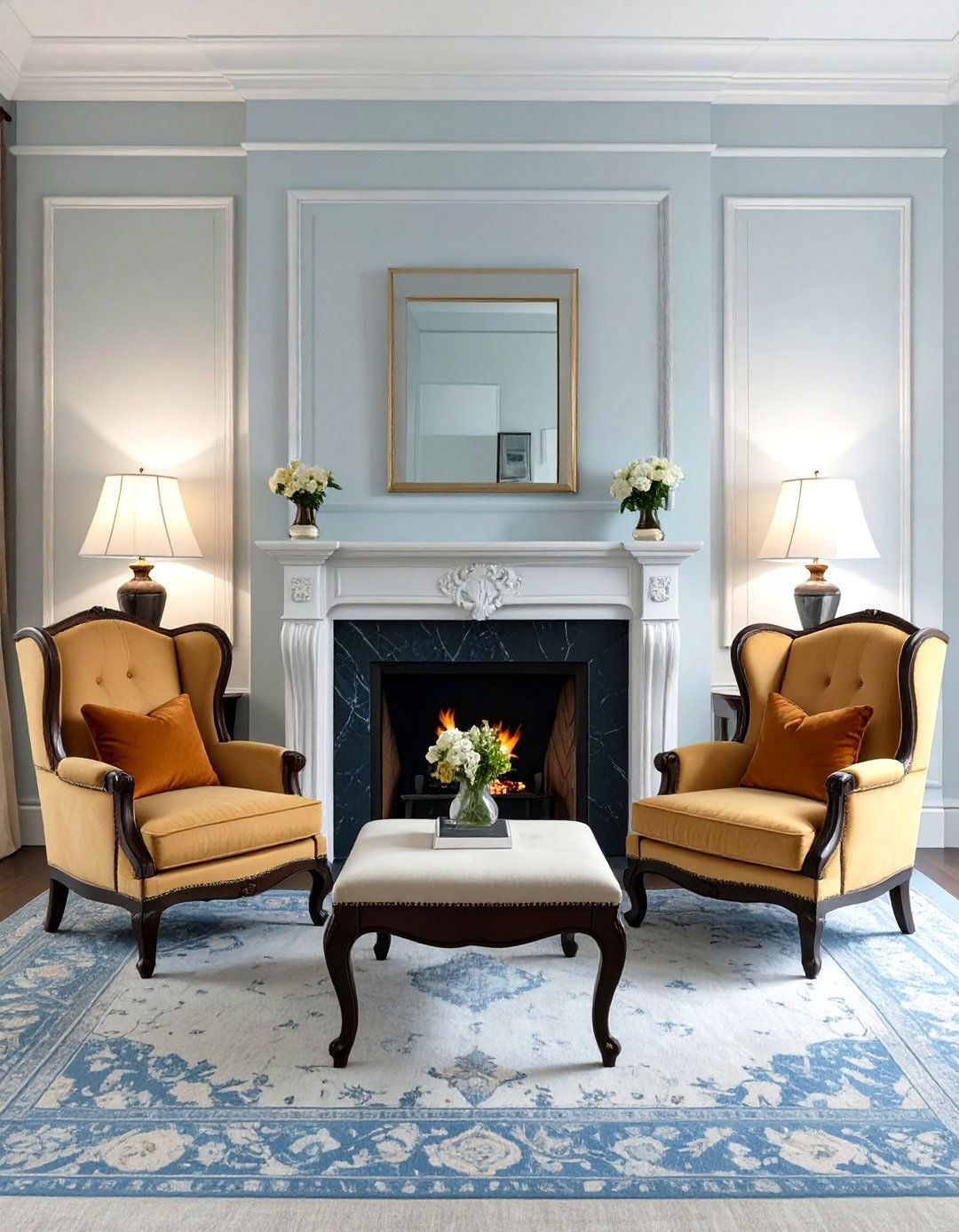
Symmetry provides an inherent sense of order and balance, making it a classic tool for achieving harmony in interior design. A symmetrical arrangement typically involves centering a key element, like a fireplace or a large window, and then placing identical or similar items on either side. For instance, you could flank a sofa with matching end tables and lamps, or hang identical pieces of art on either side of a bed. This mirrored approach creates a formal, restful, and visually stable environment where the eye can easily process the layout, contributing to a powerful feeling of intentionality and calm.
7. Creating a Harmonious Flow with Asymmetrical Balance
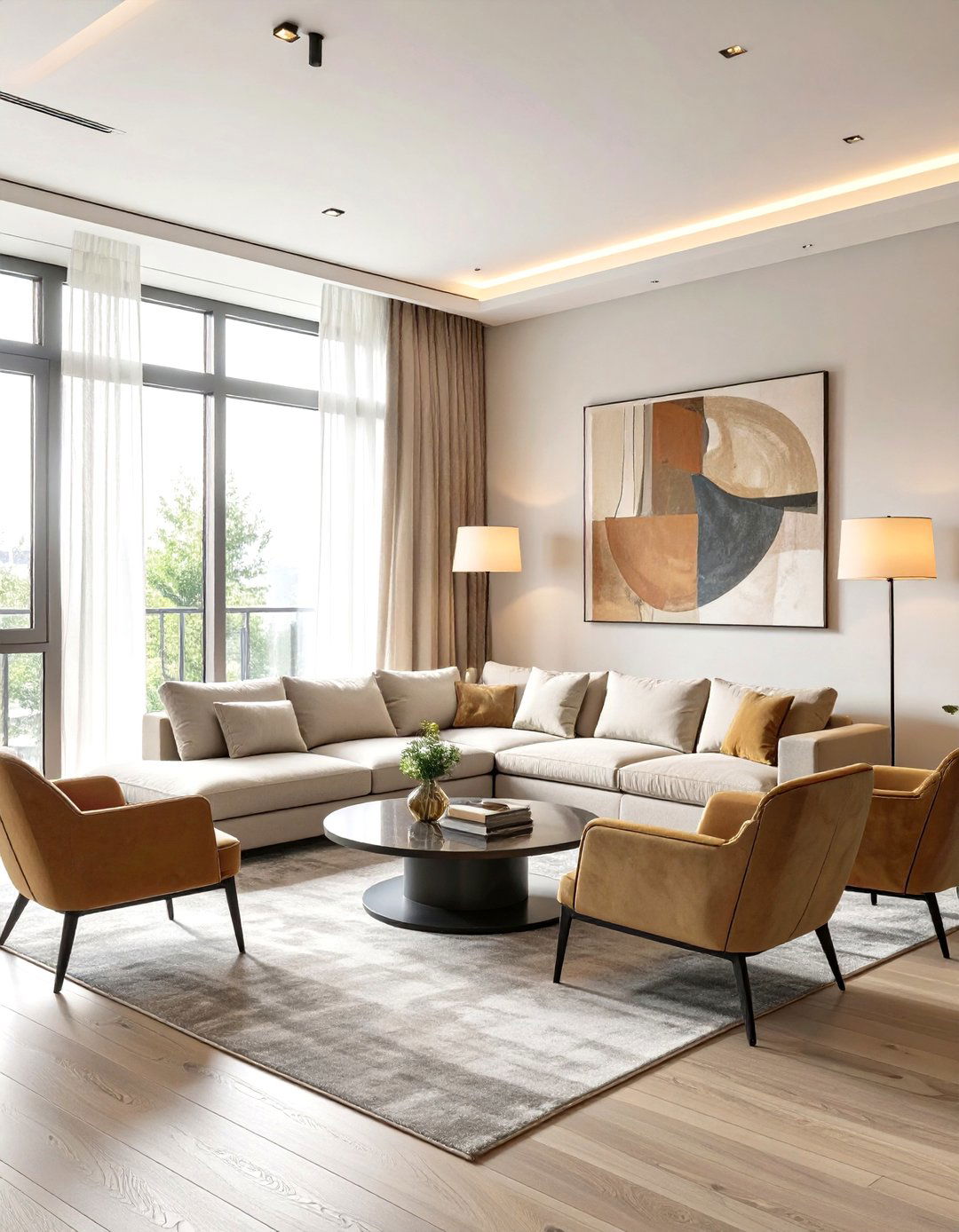
While symmetry offers formal balance, asymmetrical arrangements can create a more dynamic yet equally harmonious space. This technique involves balancing objects of different sizes, shapes, and visual weights around a central point. For example, a large sofa on one side of a room can be balanced by two smaller armchairs and a floor lamp on the opposite side. The key is to distribute the visual weight evenly so that neither side feels heavier than the other. This approach results in a more casual, modern, and visually interesting composition that still feels cohesive and thoughtfully balanced, proving harmony isn’t just about identical pairs.
8. Harmonizing Textures for Tactile Cohesion

Texture plays a vital role in creating a rich and harmonious interior. By repeating certain textures, you can build a tactile connection that unifies the room. Consider using a mix of soft, rough, smooth, and shiny surfaces, but ensure there's a common thread. For example, you could weave plush textures throughout a bedroom with a velvet headboard, chenille throw pillows, and a high-pile rug. Similarly, repeating natural elements like linen curtains, a jute rug, and wooden furniture adds organic cohesion. This layering of consistent tactile sensations makes the space feel more inviting, comfortable, and visually integrated.
9. Unifying a Space with Consistent Wood Tones

Using consistent wood tones is a simple yet effective way to bring harmony into a room. Whether you choose light oak, rich walnut, or warm cherry, repeating that wood finish across furniture, flooring, and decorative elements creates a strong sense of unity. This doesn't mean every wooden piece must be an exact match, but they should share a similar undertone (warm, cool, or neutral). For example, pairing a walnut dining table with chairs that have walnut legs and a sideboard in a similar finish will make the space feel cohesive and grounded, providing a natural and timeless foundation for the rest of your decor.
10. Achieving Harmony Through Consistent Pattern Scale

When mixing patterns, maintaining a consistent scale is key to achieving harmony rather than chaos. A simple rule is to combine one large-scale pattern, one medium-scale pattern, and one small-scale pattern within the same color family. For instance, you could pair a large floral wallpaper with a medium-striped rug and small geometric-print cushions. This variation in scale allows each pattern to stand out without competing, creating a layered and sophisticated look. By controlling the size of your motifs, you ensure the overall design feels dynamic yet balanced, contributing to a well-integrated and harmonious interior.
11. Creating a Visual Path with Flow and Circulation
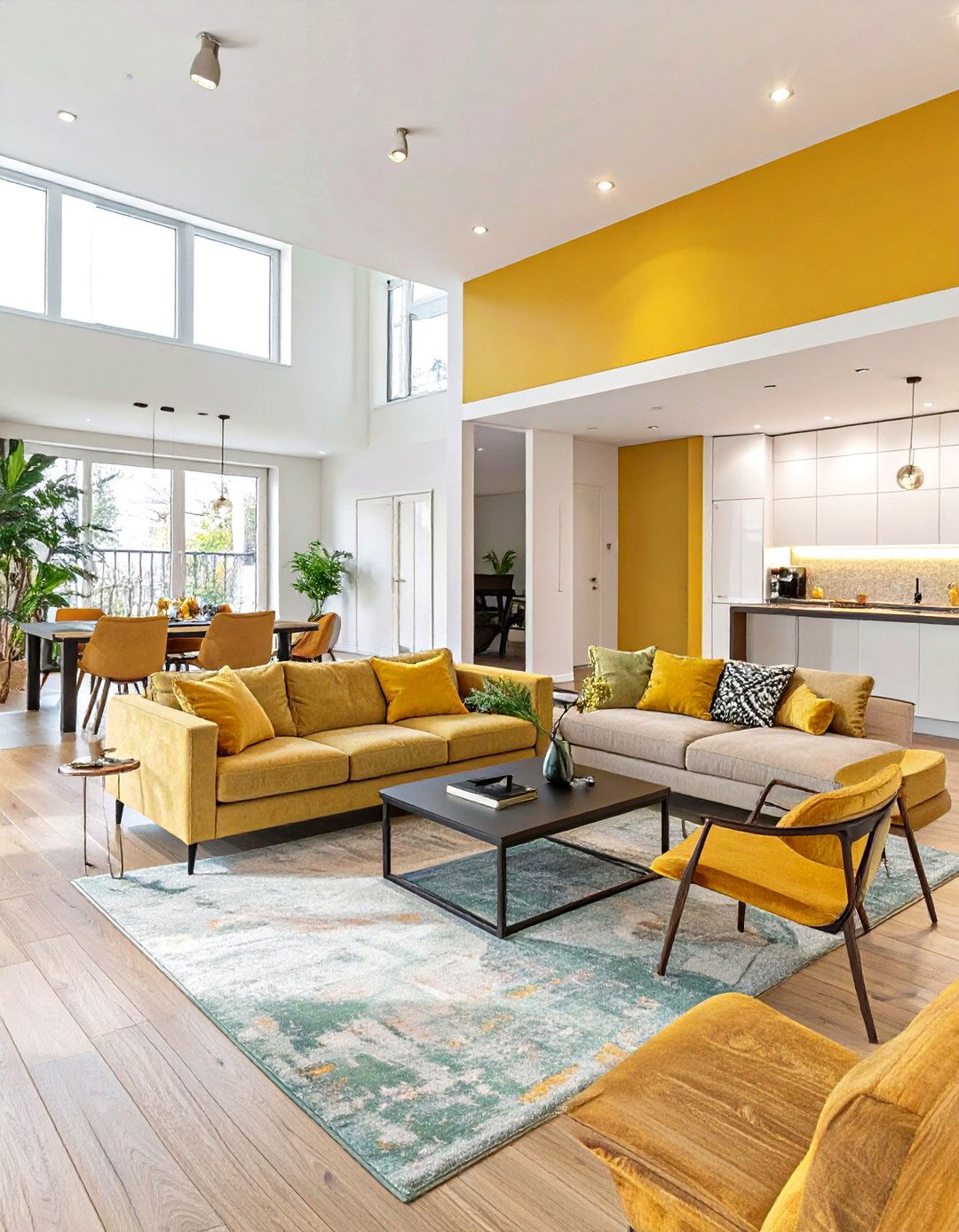
Harmony in interior design also relates to how you move through a space. A well-designed room has a clear and unobstructed flow, allowing for easy circulation. This means arranging furniture to create natural pathways and avoiding clutter that blocks movement. For example, ensure there is enough space to walk comfortably around the sofa and coffee table in the living room. This practical aspect of design contributes to a sense of order and ease, making the room feel more functional and psychologically comfortable. A space with good flow feels intuitive and harmonious, as its layout supports natural human movement.
12. Harmonizing a Room with a Central Focal Point

Establishing a strong focal point is a cornerstone of harmonious design, as it gives the eye a place to rest and anchors the entire room. This could be a striking architectural feature like a fireplace, a large piece of art, a statement light fixture, or a window with a beautiful view. Once you've identified your focal point, arrange the furniture and decor around it to draw attention and create a sense of purpose. This deliberate arrangement prevents the room from feeling aimless or cluttered, providing a clear hierarchy that organizes the space and makes it feel cohesive and intentionally designed.
13. Unifying Elements Through Common Line and Direction

Line and direction are subtle yet powerful tools for creating harmony. The lines created by furniture, architecture, and patterns can guide the eye and unify a space. By emphasizing a particular direction—horizontal, vertical, or diagonal—you can create a cohesive visual language. For example, a room with low, horizontal furniture, striped wallpaper with horizontal lines, and wide windows will feel calm and expansive. Conversely, vertical lines in tall bookshelves, long curtains, and striped patterns can create a sense of height and formality. Consistently using these directional cues helps tie disparate elements together into a harmonious whole.
14. Blending Different Design Styles Harmoniously

It is possible to achieve harmony while mixing different design styles, but it requires a unifying element. To successfully blend styles like modern and traditional, find a common thread to tie them together. This could be a shared color palette, a consistent material, or a repeated shape. For instance, you could place a modern sofa in a room with traditional crown molding if both are unified by a neutral color scheme. Or, you could pair rustic wooden beams with industrial metal furniture if both share a raw, textural quality. This thoughtful integration allows for personal expression while maintaining a cohesive and harmonious feel.


15. Integrating Indoor Plants for Natural Harmony

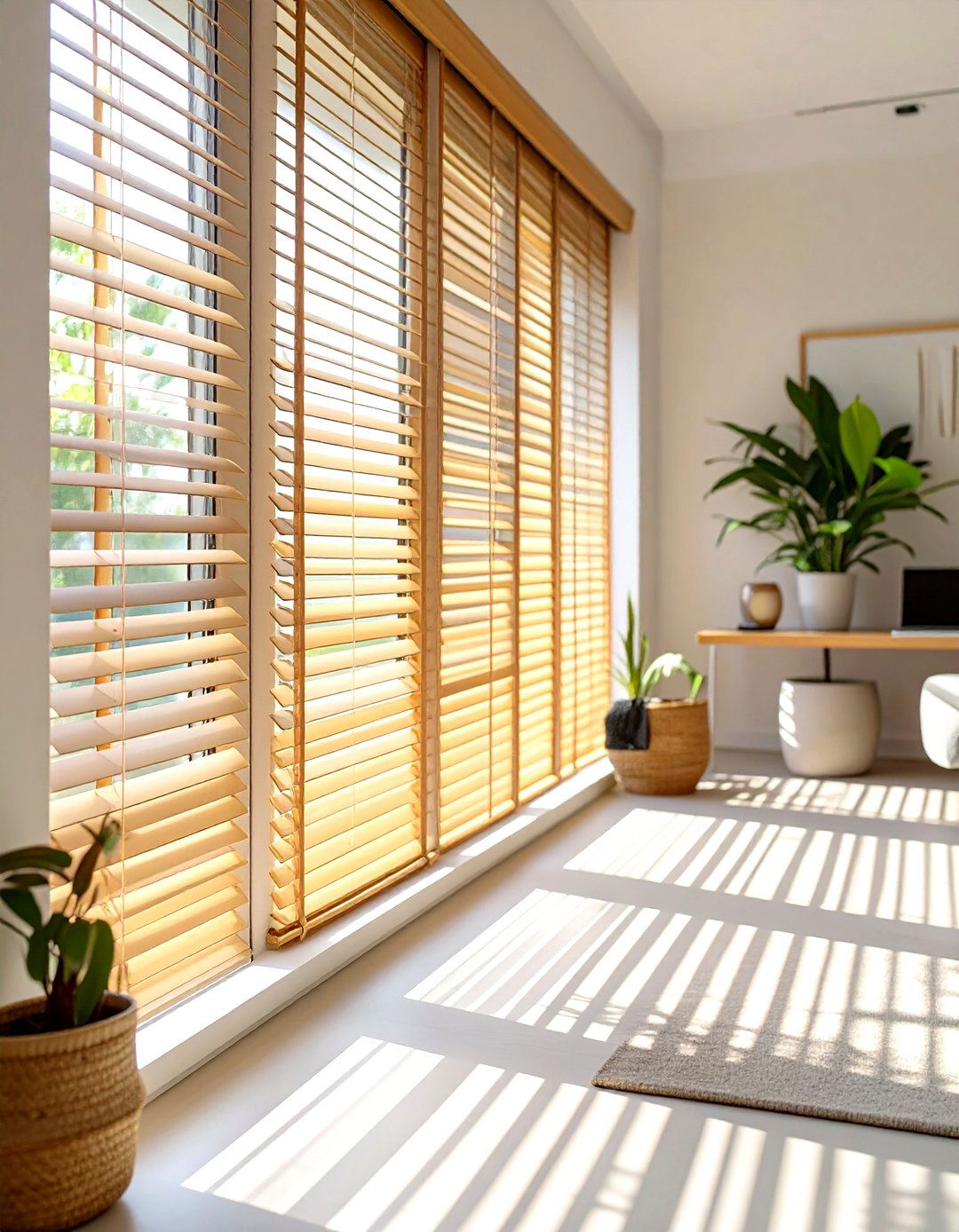
Bringing plants indoors is an excellent way to introduce natural harmony and life into a space. Greenery adds organic texture, color, and form that can soften hard architectural lines and bridge the gap between different decor elements. Grouping several plants of varying sizes and leaf shapes can create a lush focal point, while placing individual plants in different corners can help unify the entire room. The presence of living elements creates a sense of calm and connection to the outdoors, fostering a serene and balanced environment. Plants are a versatile tool for adding a layer of natural cohesion to any design style.
16. Using Art to Create Color and Thematic Harmony

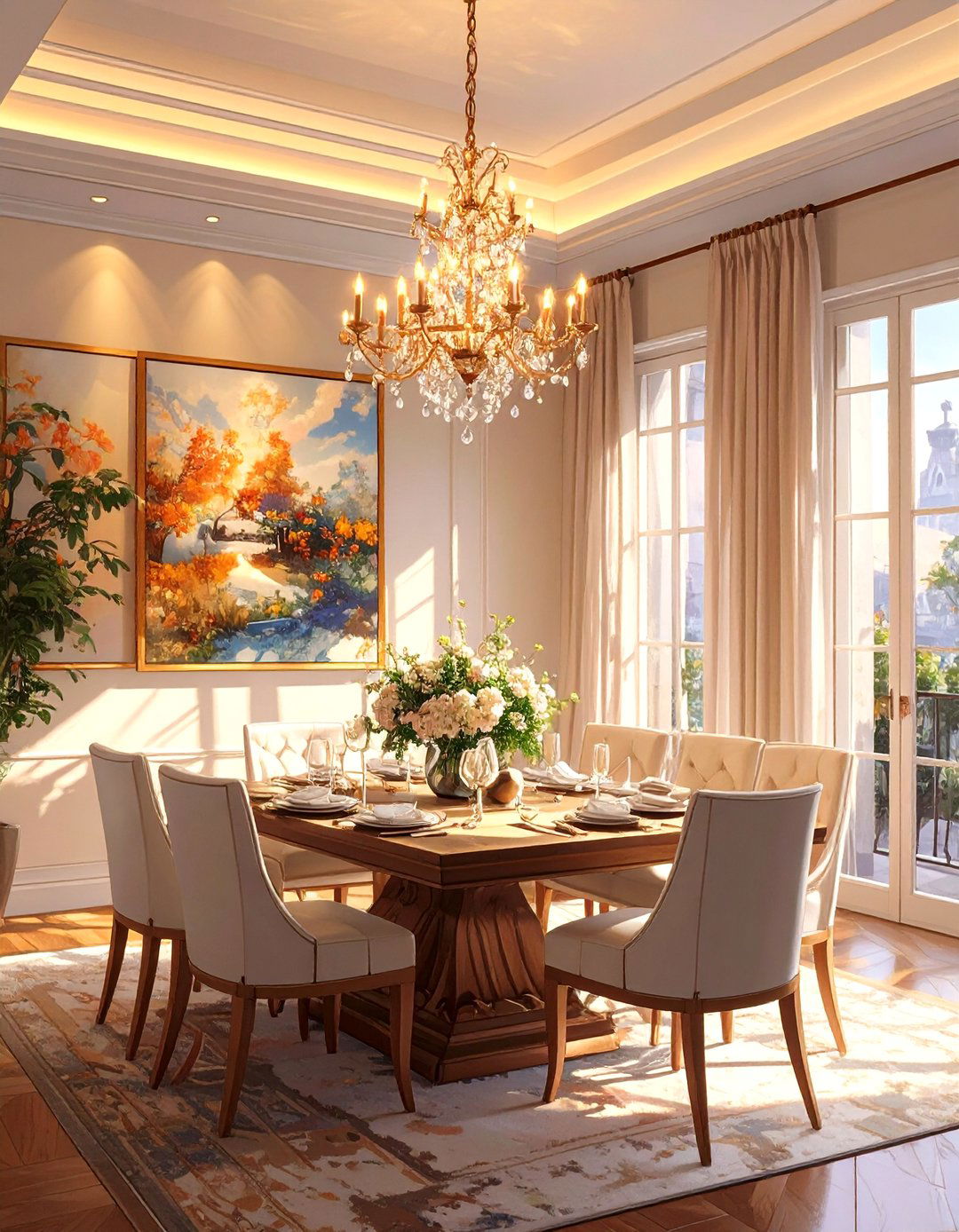
Art is not just decoration; it's a powerful tool for establishing harmony. A large painting or a gallery wall can introduce a color palette that you can then replicate throughout the room in textiles, accessories, and even furniture. Pulling colors directly from the artwork ensures a cohesive and intentional look. Furthermore, art can introduce a thematic element that unifies the space. For example, a series of coastal landscapes can set a serene, beach-inspired tone that is echoed in other decor choices. By using art as your design anchor, you can create a deeply personal and harmoniously integrated interior.
17. Creating Harmony with Window Treatments

Window treatments like curtains, blinds, and shades are crucial for creating a harmonious look. They should complement the style and color scheme of the room, not compete with it. For a cohesive feel, choose fabrics and materials that relate to other textiles in the space, such as your sofa or bedding. Mounting curtains high and wide can also create a sense of height and grandeur, contributing to the room's overall balance. Whether you opt for simple, sheer panels that diffuse light or bold, patterned drapes that serve as a focal point, consistent window treatments help frame the room and tie the design together.
18. Harmonizing with Area Rugs to Define Zones

Area rugs are essential for grounding furniture arrangements and defining specific zones within a larger space, which is key to creating harmony. In an open-concept living and dining area, using a separate rug for each zone helps to visually separate them while still allowing them to feel connected. The rug should be large enough so that at least the front legs of all major furniture pieces are on it. This creates a cohesive grouping that feels intentional and anchored. Choosing a rug with colors or patterns that complement the rest of the room's decor will further enhance the sense of unity and balance.
19. Balancing Light and Shadow for Atmospheric Harmony

A harmonious interior depends on a well-balanced lighting scheme that combines different types of light. Layering ambient, task, and accent lighting creates depth and mood, preventing the space from feeling flat or stark. Ambient light provides overall illumination, task lighting is focused on specific activities like reading, and accent lighting highlights architectural features or art. By controlling the interplay of light and shadow, you can shape the atmosphere of the room, making it feel warm, inviting, and visually balanced. A thoughtful lighting plan is crucial for showcasing your design and creating a comfortable, harmonious environment at any time of day.
20. Achieving a Minimalist Harmony with Negative Space

In minimalist design, harmony is often achieved through the intentional use of negative space—the empty areas around objects. Rather than filling every corner, minimalism embraces uncluttered surfaces and open areas, allowing each element to breathe and be appreciated. This "less is more" approach creates a sense of calm and order, as the lack of visual clutter allows the mind to relax. The balance between objects and empty space is critical; each piece of furniture or decor is carefully chosen and placed to contribute to a serene and balanced composition. This intentional restraint is what gives minimalist interiors their powerful sense of harmony.
21. Coordinating Textiles and Fabrics for Cohesion

Creating harmony among various textiles and fabrics is essential for a polished interior. This involves coordinating the materials, patterns, and colors of your cushions, throws, upholstery, and rugs. To achieve a cohesive look, select a primary fabric and then choose others that share a similar color story or texture. For instance, you could pair a smooth leather sofa with rough linen pillows and a soft wool throw, all in neutral tones. This mix of textures adds depth and interest, while the consistent color palette ensures the different materials work together harmoniously, creating a comfortable and visually pleasing space.
22. Using a Singular Accent Color for Pop and Unity

Introducing a single, bold accent color is a dynamic way to create harmony and visual interest. Choose a vibrant hue that contrasts with your neutral base and repeat it in small, deliberate doses throughout the room. This could be in the form of throw pillows, a piece of art, a vase, or even a single piece of furniture like an accent chair. This repetition creates a visual trail that guides the eye around the space, tying everything together. The strategic use of one strong color adds personality and energy while maintaining a sense of order and cohesion, proving that harmony can be both calm and lively.
23. Harmonizing Open-Concept Spaces with Consistent Flooring

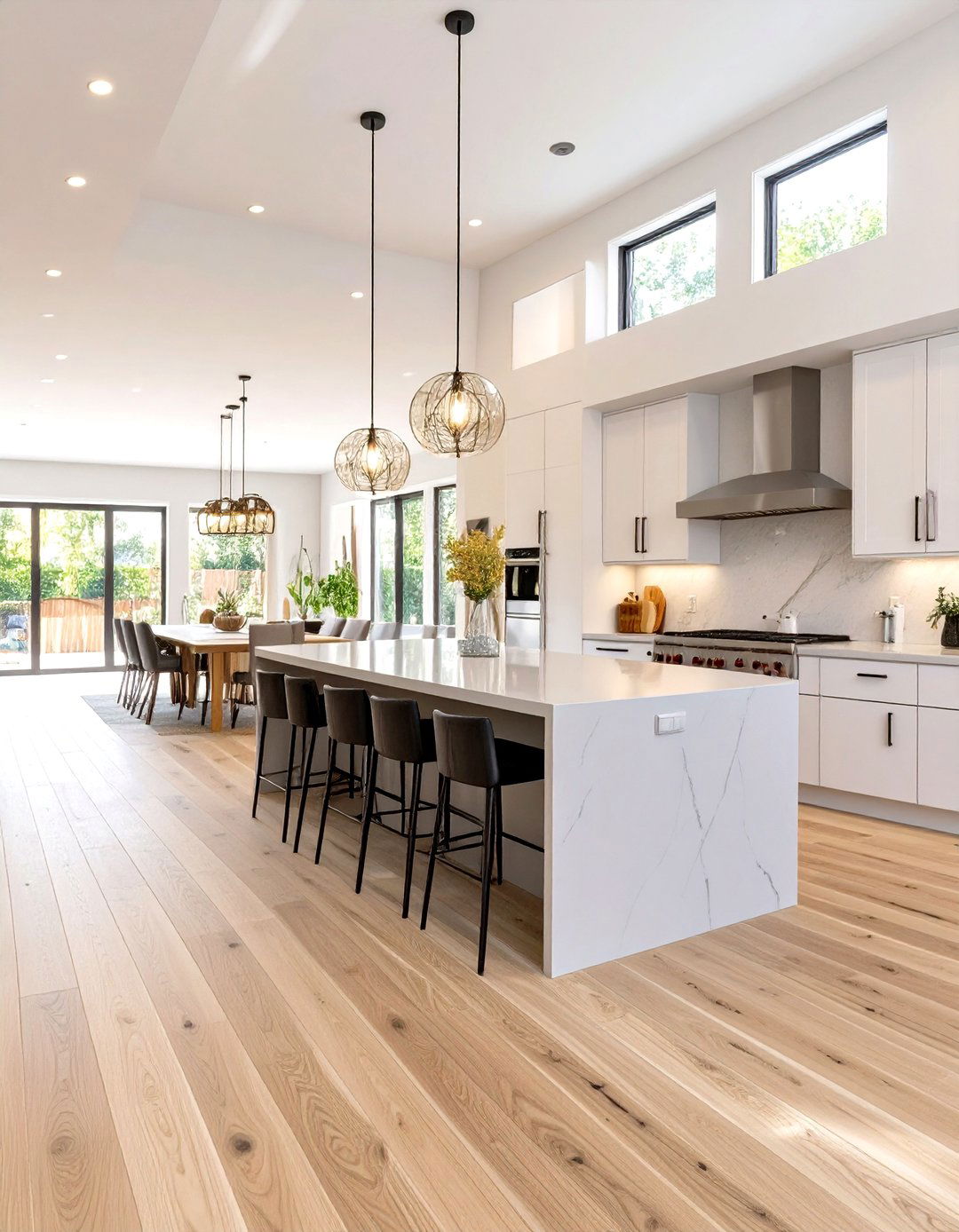
In open-concept homes, using consistent flooring throughout is one of the most effective ways to create a harmonious and expansive feel. When the same flooring material—be it hardwood, laminate, or tile—flows seamlessly from the kitchen to the living and dining areas, it eliminates visual breaks and makes the entire space feel larger and more unified. This continuous foundation creates a cohesive canvas upon which you can define different zones using area rugs and furniture groupings. It’s a simple but powerful design choice that establishes an immediate sense of connection and flow between different functional areas.
24. Creating Harmony Between Architecture and Furnishings
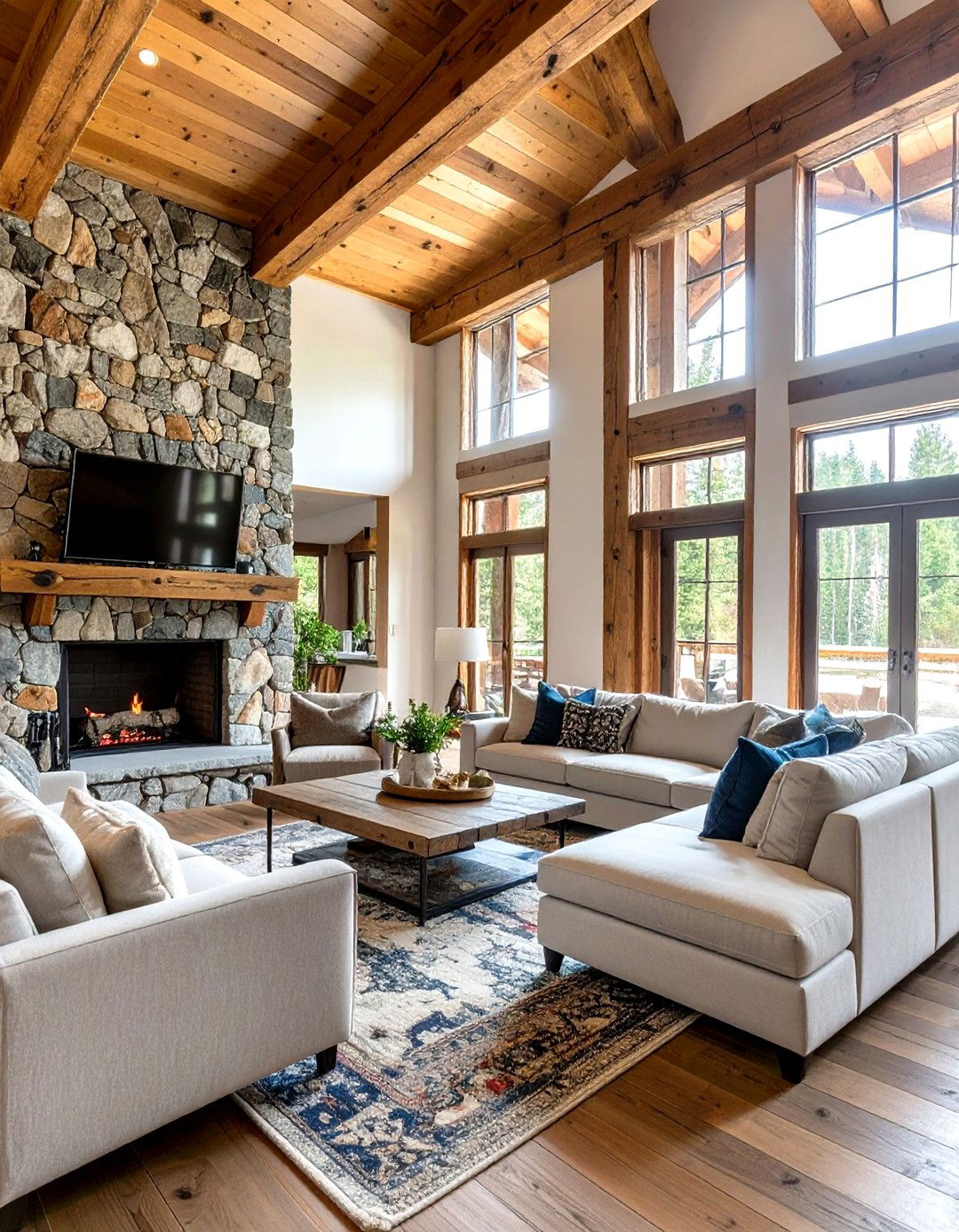
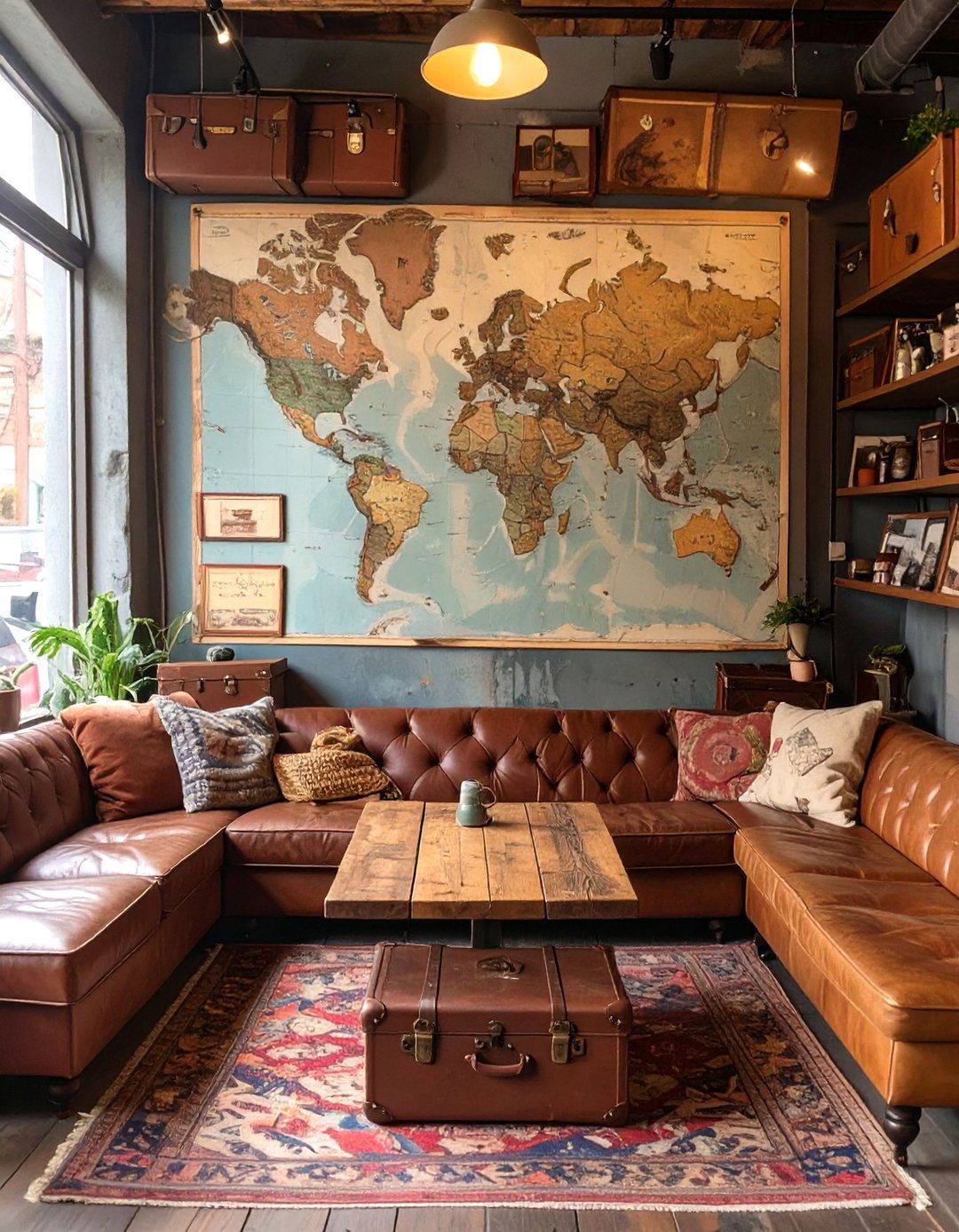
For a truly harmonious interior, the furnishings should respect and enhance the home's architecture. If you live in a home with strong architectural features like exposed brick walls, wooden beams, or ornate moldings, select furniture and decor that complement these elements rather than compete with them. For example, industrial-style furniture works well with exposed brick, while classic, elegant pieces suit a home with traditional moldings. By aligning your interior decor with the architectural character of the space, you create a seamless and authentic design where every element feels like it naturally belongs.
25. Grouping Objects in Odd Numbers for Visual Balance

A classic design trick for creating visually pleasing and harmonious arrangements is to group decorative objects in odd numbers, typically threes or fives. Whether you're arranging candles on a coffee table, cushions on a sofa, or frames on a wall, an odd number creates a more dynamic and less rigid composition than an even number. The asymmetry of an odd-numbered grouping forces the eye to move around, creating visual interest and a sense of balanced imperfection. This simple principle helps to create small, harmonious vignettes that contribute to the overall balance and appeal of the room.
26. Achieving Harmony in a Child's Room with Thematic Cohesion

Creating a harmonious child's room goes beyond just color; it involves thematic cohesion. Choose a theme—such as woodland, space, or jungle—and use it as a guide for selecting decor, bedding, and accessories. This provides a clear and unified direction that makes the room feel fun and intentional. For a woodland theme, you could use tree decals, animal-shaped pillows, and an earthy color palette. This consistent narrative ties all the elements together, preventing the space from feeling cluttered or chaotic. A strong theme provides a framework for a creative yet orderly environment that feels both playful and harmonious.
27. Using Mirrors to Enhance Space and Light Harmoniously

Mirrors are a fantastic tool for enhancing harmony in a room by manipulating light and space. Placing a large mirror opposite a window can amplify natural light, making the room feel brighter and more open. It also reflects the view, bringing a sense of the outdoors in and creating visual balance. Mirrors can also be used to reflect a beautiful focal point, like a chandelier or a piece of art, doubling its impact. By strategically placing mirrors, you can correct awkward layouts, create an illusion of depth, and distribute light more evenly, all of which contribute to a more balanced and harmonious interior.
28. Ensuring Functional Harmony in the Kitchen Layout
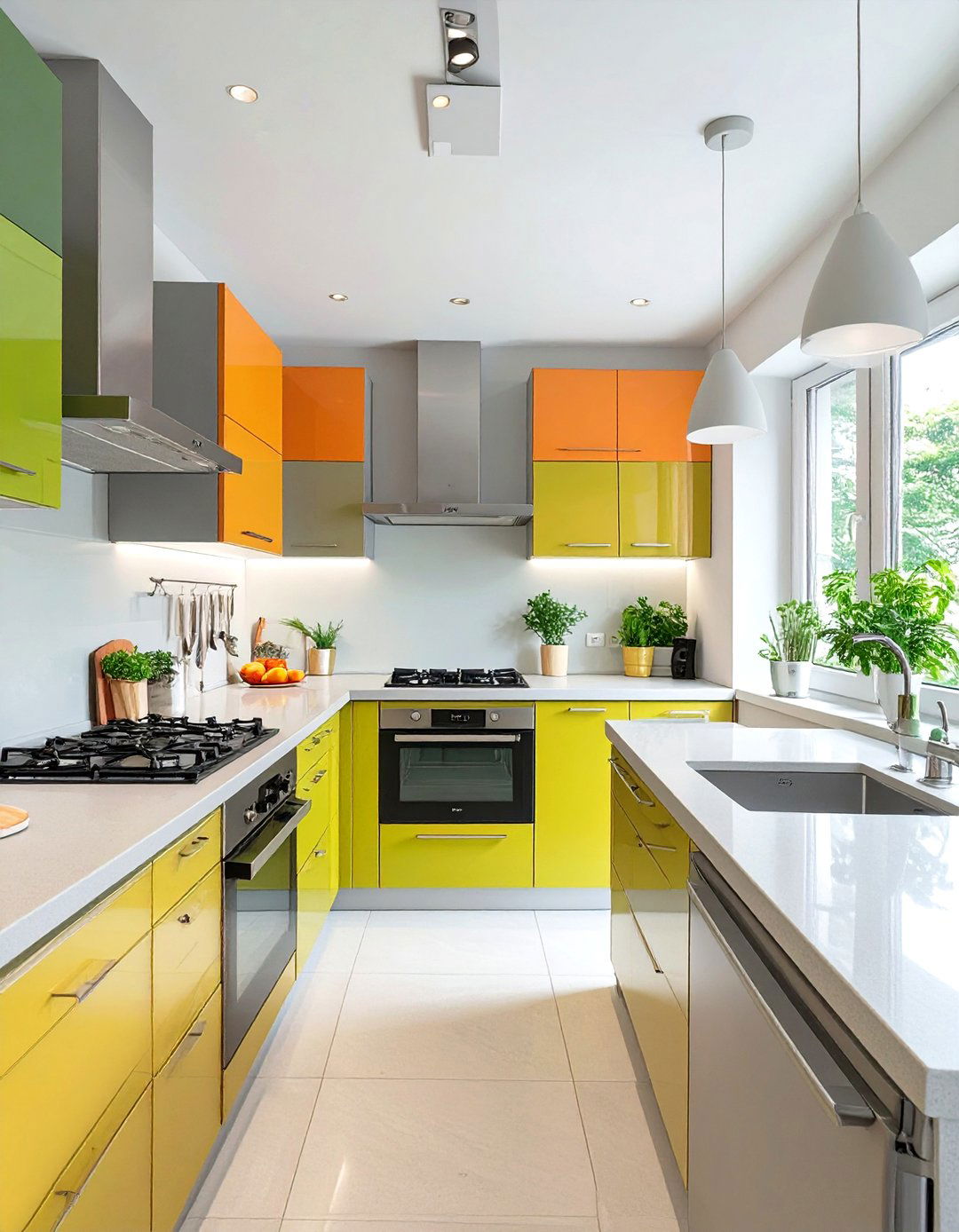
In a kitchen, harmony is as much about function as it is about aesthetics. The "kitchen work triangle" is a classic design principle that ensures functional harmony by placing the refrigerator, sink, and stove in a triangular layout. This arrangement minimizes steps and makes moving between the three main work areas efficient and intuitive. A kitchen that is easy to work in feels inherently balanced and orderly. When the layout is logical and supports the workflow, the space feels less stressful and more harmonious, proving that good design is fundamentally about making life easier and more pleasant.
29. Harmonizing a Bedroom for Rest and Serenity
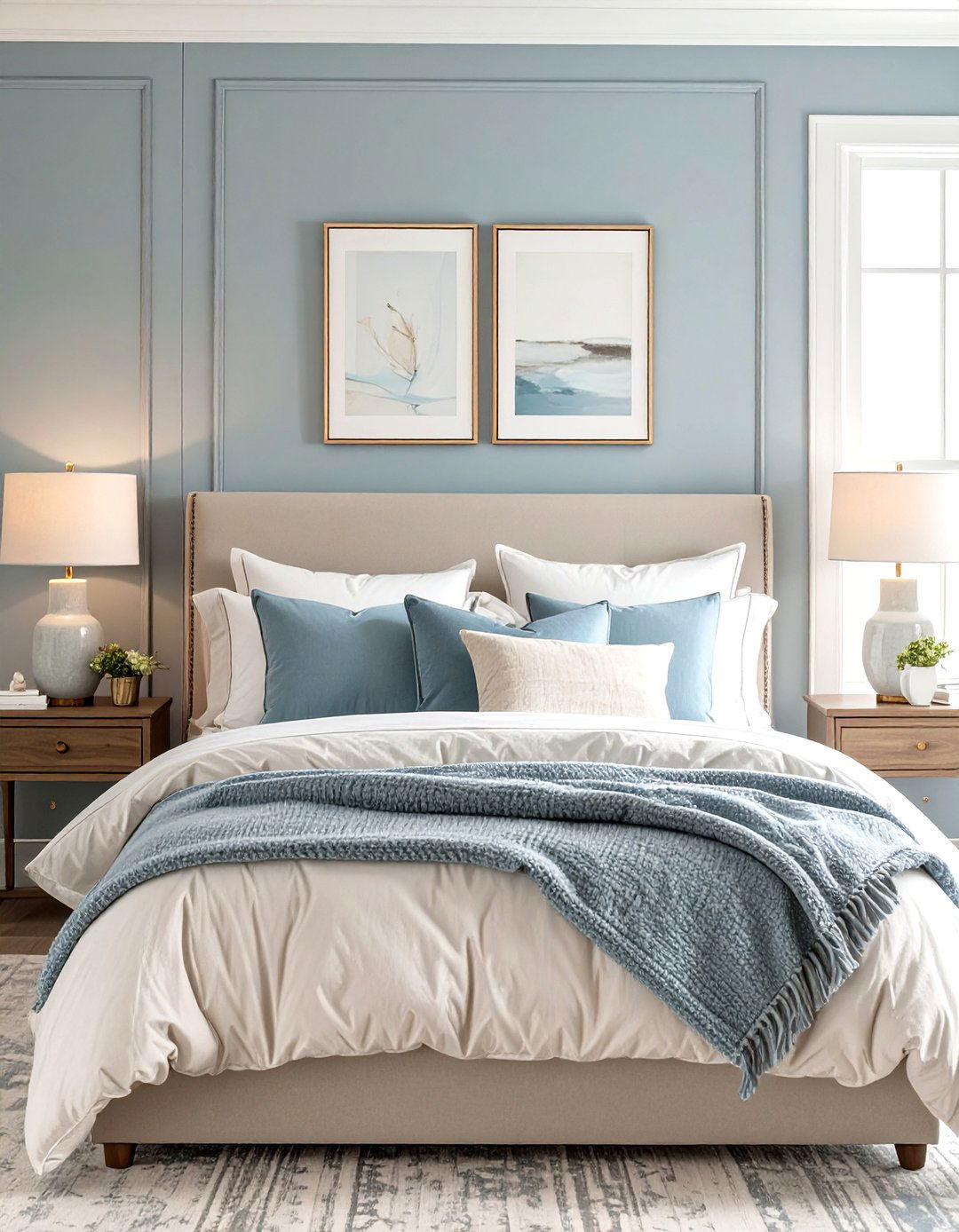
The primary goal of a bedroom is to be a restful sanctuary, and harmony is key to achieving this. Create a serene atmosphere by using a calming, muted color palette, such as soft blues, grays, or greens. Layer soft textures through bedding, rugs, and curtains to enhance comfort. Ensure the layout is balanced, perhaps with matching nightstands and lamps flanking the bed. Keep clutter to a minimum to maintain a sense of order. By focusing on elements that promote relaxation and visual quiet, you can design a bedroom that feels like a cohesive and tranquil retreat, perfectly harmonized for rest.
30. Integrating Smart Home Technology Seamlessly for Modern Harmony

In a modern home, achieving harmony means seamlessly integrating smart technology without disrupting the aesthetic. Choose devices that are discreet or can be concealed, such as in-ceiling speakers, smart lighting that replaces standard bulbs, and voice assistants that blend into the decor. The goal is to enjoy the convenience of technology without the visual clutter of wires and bulky gadgets. When technology is integrated thoughtfully, it enhances the functionality and comfort of the space without compromising its visual cohesion. This creates a truly modern form of harmony where technology and design coexist beautifully.
Conclusion:
Ultimately, harmony in interior design is the successful creation of a unified and pleasing whole. It’s achieved when all elements—color, texture, scale, and style—are thoughtfully combined to create a sense of belonging and visual ease. Whether through symmetrical balance, a cohesive color story, or the repetition of forms, a harmonious space feels complete, intentional, and inviting. It’s a design principle that transforms a collection of individual items into a cohesive sanctuary, ensuring the room is not just beautiful but also feels deeply and intuitively right, promoting a sense of calm and well-being.

Related posts:


Leave a Reply