
Wabi-sabi interior design is a Japanese philosophy centered on embracing imperfection, appreciating natural materials, and finding beauty in the authentic and unassuming. This approach moves away from the polished and mass-produced, instead favoring items with history, character, and a story to tell. It's about creating a serene, mindful sanctuary that feels deeply personal and connected to the natural world. By focusing on simplicity, organic forms, and a muted, earthy palette, wabi-sabi design fosters a calm and tranquil atmosphere, reminding us that there is profound beauty in the incomplete and the transient nature of life itself.

1. Asymmetrical Furniture Arrangement

An asymmetrical furniture arrangement is fundamental to wabi-sabi, rejecting rigid, perfect symmetry for a more organic and visually interesting layout. This approach creates a sense of natural flow and relaxed balance within a room. Consider placing a sofa slightly off-center on a wall, complemented by a single armchair and a small, uniquely shaped side table on the other side. This intentional imbalance feels more authentic and less staged, allowing the eye to wander freely and appreciate each piece individually. It mirrors the beautiful, unplanned compositions found in nature, fostering a calm and dynamic living space that feels both considered and effortlessly comfortable.
2. Unfinished and Weathered Wood Elements

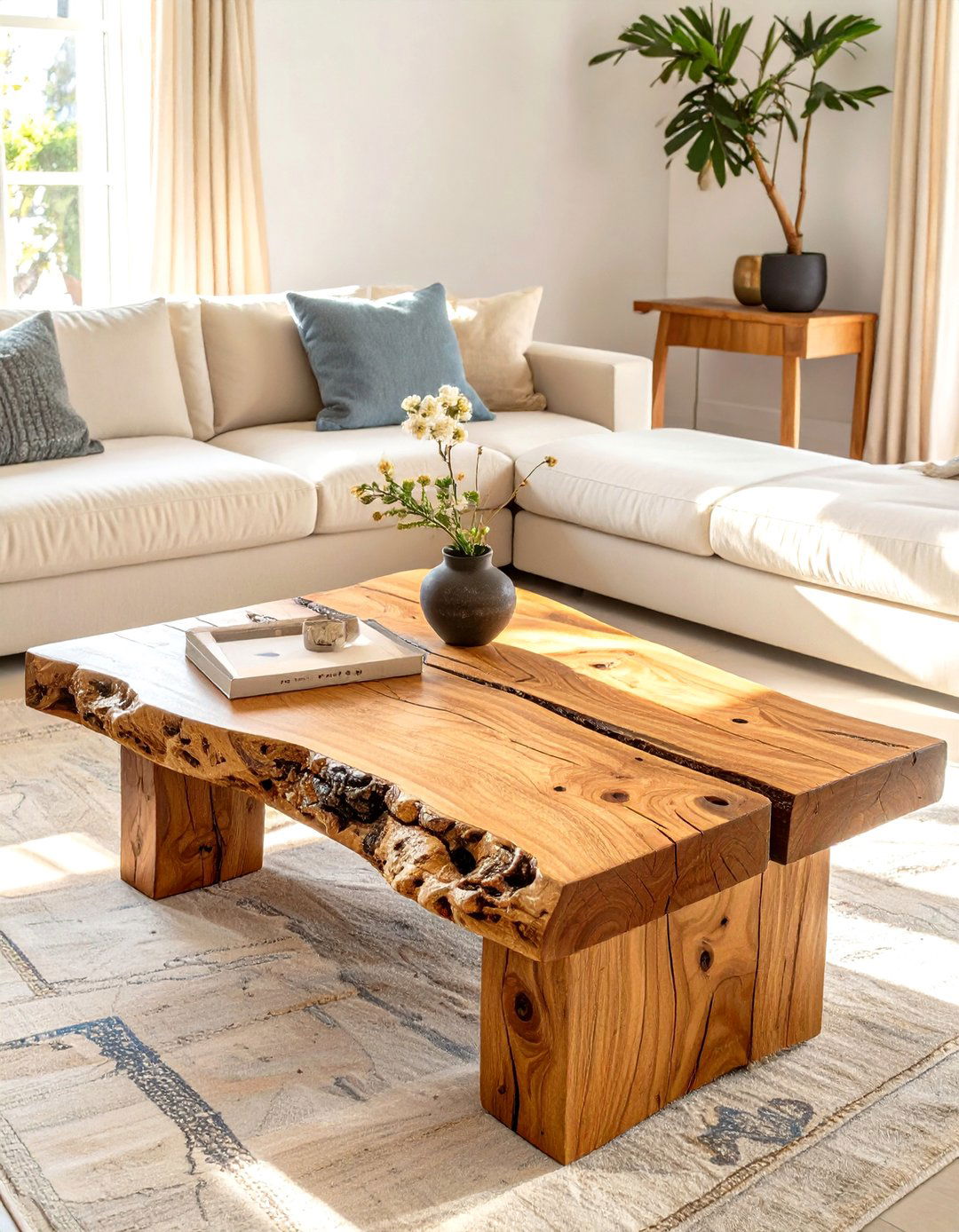
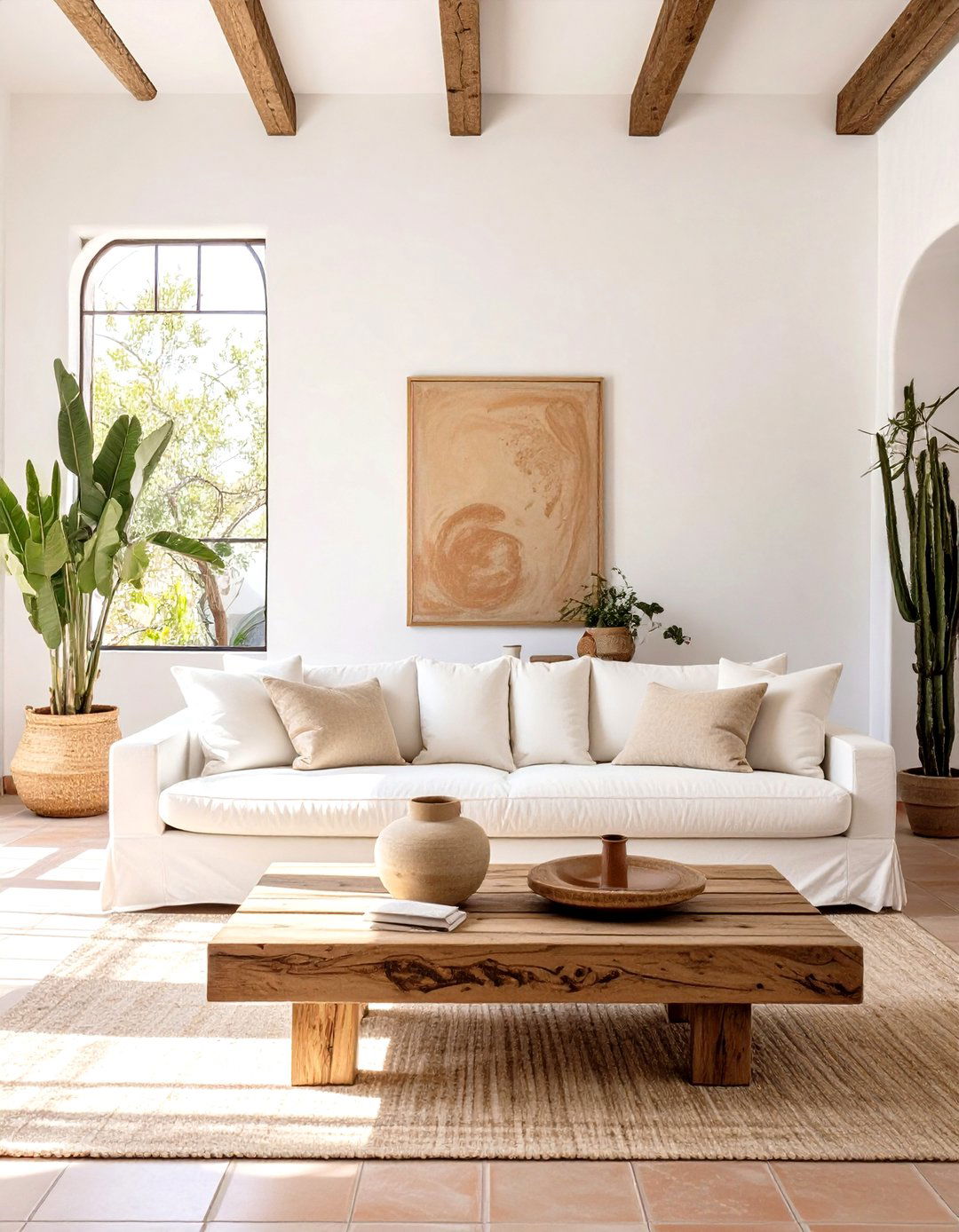
Incorporating unfinished and weathered wood brings an immediate sense of history and nature into the home. Look for pieces like a reclaimed timber coffee table with visible knots, cracks, and a worn grain, or use a weathered wooden beam as a mantelpiece. This celebration of natural aging processes is central to wabi-sabi. The imperfections tell a story, adding character that new, polished wood simply cannot replicate. These elements connect the indoor space to the outdoors, grounding the design in authenticity and reminding us of the beauty found in the passage of time and the life cycle of natural materials.
3. Hand-Thrown and Irregular Pottery

Hand-thrown pottery, with its subtle irregularities and unique forms, is a perfect wabi-sabi accessory. Displaying a collection of mismatched, handmade ceramic vases, bowls, or cups introduces a human touch and celebrates skilled craftsmanship. Unlike mass-produced items, each piece has its own distinct character—a slight wobble, an uneven glaze, or the faint impression of the maker's fingers. These imperfections are not flaws but markers of authenticity. Use them to hold a single dried branch, serve simple meals, or simply as standalone objects of beauty on a shelf, adding a layer of tactile, earthy texture to your decor.
4. Muted and Earthy Color Palette
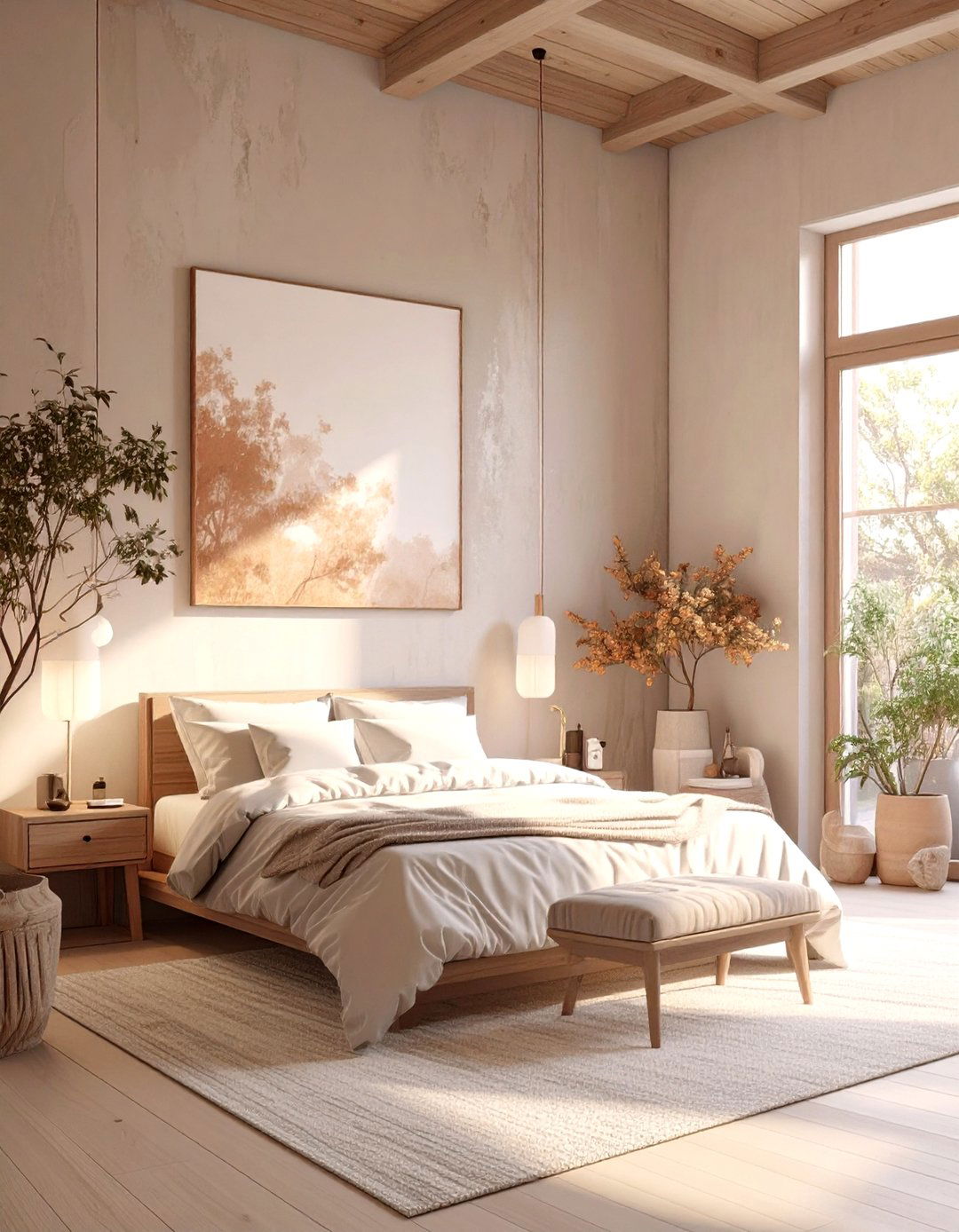
A muted and earthy color palette is the foundation of a wabi-sabi interior, drawing inspiration directly from the natural world. Think of the soft grays of stones, the warm beiges of sand, the deep browns of soil, and the subtle greens of moss. These colors create a calming and grounding atmosphere that promotes tranquility and mindfulness. By avoiding bright, jarring hues, the focus shifts to the textures, forms, and subtle variations within the space. This restrained palette allows the inherent beauty of natural materials like wood, linen, and clay to stand out, fostering a serene environment that feels cohesive and peaceful.
5. Naturally Dyed Linen and Cotton Textiles

Using naturally dyed linen and cotton textiles adds a layer of soft, organic texture that is essential to the wabi-sabi aesthetic. Choose fabrics in earthy tones like ochre, indigo, or soft gray, which often have subtle variations in color from the natural dyeing process. The inherent wrinkles and soft drape of linen curtains, throws, and bedding embrace imperfection and comfort. These materials feel wonderful to the touch and age gracefully, becoming softer and more beautiful with each use. They contribute to a relaxed, unpretentious atmosphere, valuing lived-in comfort over pristine, formal presentation and connecting the home to natural processes.
6. Minimalist and Low-Profile Furniture

Minimalist and low-profile furniture helps create an uncluttered and serene wabi-sabi environment. Opt for simple, functional pieces with clean lines that sit close to the ground, such as a low platform bed or a simple wooden bench. This style of furniture fosters a greater connection to the earth and enhances the feeling of spaciousness, even in smaller rooms. By choosing only essential items, you reduce visual noise and allow each piece to be appreciated for its form and material. The focus is on quality over quantity, creating a tranquil sanctuary free from unnecessary distractions, where simplicity itself becomes a statement of mindful living.
7. The Beauty of Kintsugi Repairs
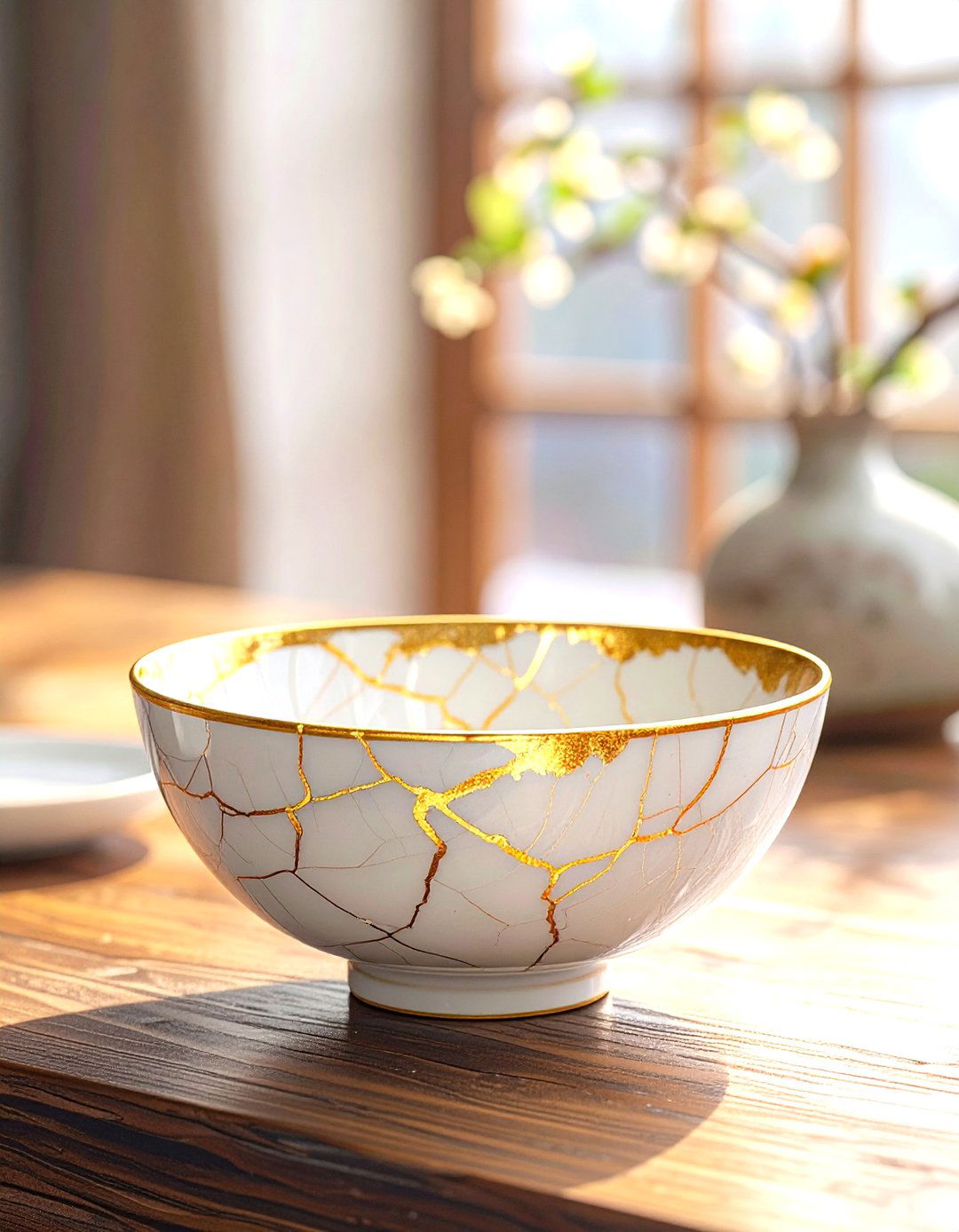
Kintsugi, the Japanese art of repairing broken pottery with gold-dusted lacquer, is the ultimate expression of the wabi-sabi philosophy. Instead of hiding the damage, this technique highlights the cracks, celebrating the object's history and resilience. Displaying a kintsugi bowl or vase serves as a powerful reminder that there is beauty in imperfection and healing. It transforms a flaw into a feature, telling a story of survival and renewal. This practice encourages an acceptance of impermanence and damage, not as an end, but as part of an object's unique journey, adding profound meaning and visual interest to your decor.
8. Unadorned and Bare Windows

Leaving windows unadorned or minimally dressed is a key wabi-sabi principle that maximizes natural light and fosters a connection with the outdoors. Bare windows allow the changing light throughout the day to become a dynamic element of the decor, painting the walls with shadows and highlights. This approach embraces simplicity and removes unnecessary clutter. If privacy is a concern, opt for simple, sheer linen or cotton panels that diffuse light softly without obstructing the view. This creates an open, airy feeling, blurring the boundary between the interior and the natural world and reinforcing a sense of peace and tranquility.
9. Foraged and Dried Botanical Displays

Foraged and dried botanical displays, such as twisted branches, seed pods, or dried grasses, bring the subtle beauty of nature indoors in its most authentic state. Unlike fresh flowers, which represent fleeting perfection, dried botanicals capture a moment of graceful decay and enduring form. Arrange a few sculptural branches in a simple ceramic vase or lay a collection of interesting seed heads on a wooden tray. These arrangements are beautifully imperfect and long-lasting, changing subtly in texture and tone over time. They celebrate the entire life cycle of plants and add a quiet, sculptural element that perfectly aligns with the wabi-sabi appreciation for nature.

10. Textured Lime Wash or Plaster Walls

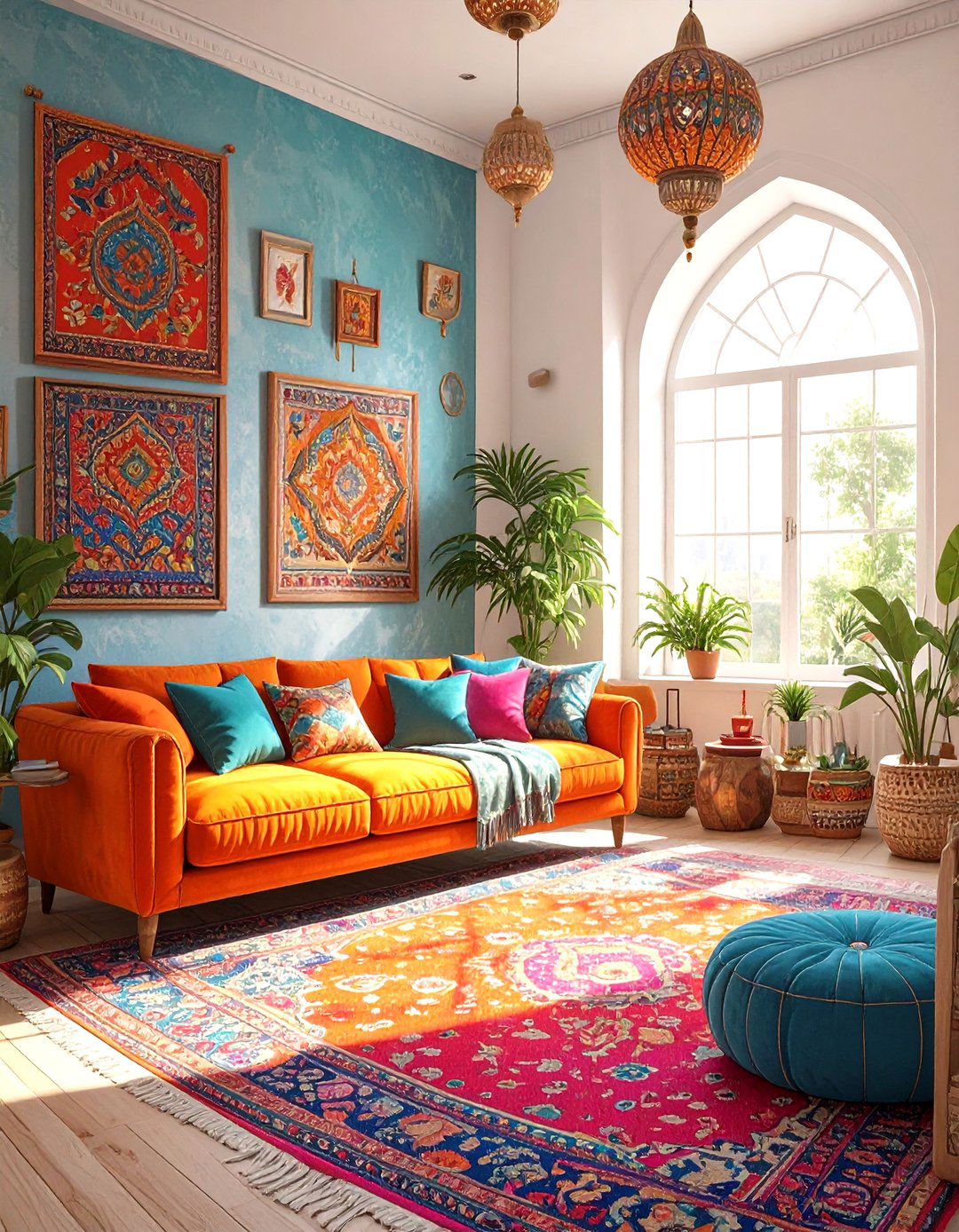
Applying a textured lime wash or plaster finish to walls introduces a sense of depth, movement, and imperfection that flat paint cannot achieve. The subtle variations in color and texture create a soft, velvety surface that interacts beautifully with natural light, casting gentle shadows and highlights. This ancient finishing technique adds a tactile quality to the room, making the space feel organic and handcrafted. The imperfect application, with its visible brushstrokes or trowel marks, is a hallmark of wabi-sabi, celebrating human touch over machine-made uniformity. It provides a serene, earthy backdrop that enhances the overall sense of tranquility and timelessness.
11. Antique or Found Objects as Decor

Incorporating antique or found objects as decor infuses a space with a sense of history and soul. A weathered wooden stool, a tarnished silver tray, or an old, hand-carved box each carries a story of its past life. These items stand in direct contrast to new, mass-produced decor, offering character and a unique patina that only time can create. Placing a single, meaningful found object on a shelf or table invites curiosity and contemplation. It aligns with the wabi-sabi value of appreciating things that are modest, humble, and bear the marks of age, adding a layer of personal narrative and authenticity to your home.
12. Use of Negative Space

The deliberate use of negative space is a powerful tool in wabi-sabi interior design, emphasizing simplicity and tranquility. By leaving areas of a room intentionally empty, you create a sense of calm and allow the remaining objects to breathe. This isn't about stark minimalism but about thoughtful curation. An uncluttered corner, a bare stretch of wall, or the space around a single piece of furniture gives the eye a place to rest and enhances the impact of the items you choose to display. This practice encourages mindfulness, reduces sensory overload, and fosters a peaceful environment where simplicity is cherished.
13. Handmade Paper Lampshades

Handmade paper lampshades, known as 'washi' in Japan, cast a soft, diffused glow that creates a serene and intimate ambiance. The natural fibers and subtle textures in the paper are visible when illuminated, adding a delicate, organic element to the room. Unlike harsh, direct lighting, the gentle light filtered through a washi paper shade is calming and warm, perfect for a wabi-sabi interior. These lampshades are often irregular in shape and celebrate the craft of their maker. They embody the principles of simplicity, naturalness, and imperfect beauty, enhancing the tranquil and mindful atmosphere of the space.
14. A Single Statement Stone

Placing a single, beautiful stone in a room can be a profound wabi-sabi gesture. Choose a stone with an interesting texture, shape, or color—perhaps a smooth river rock, a rugged piece of granite, or a fossil-laden stone. Placed on a bookshelf, coffee table, or even on the floor, it acts as a grounding element, a small piece of the vast natural world brought indoors. This simple object requires no maintenance and possesses a timeless, quiet presence. It serves as a focal point for contemplation and a reminder of nature's enduring, imperfect beauty, embodying the wabi-sabi ideals of simplicity and earthiness.
15. The Use of Rusted Metal Accents
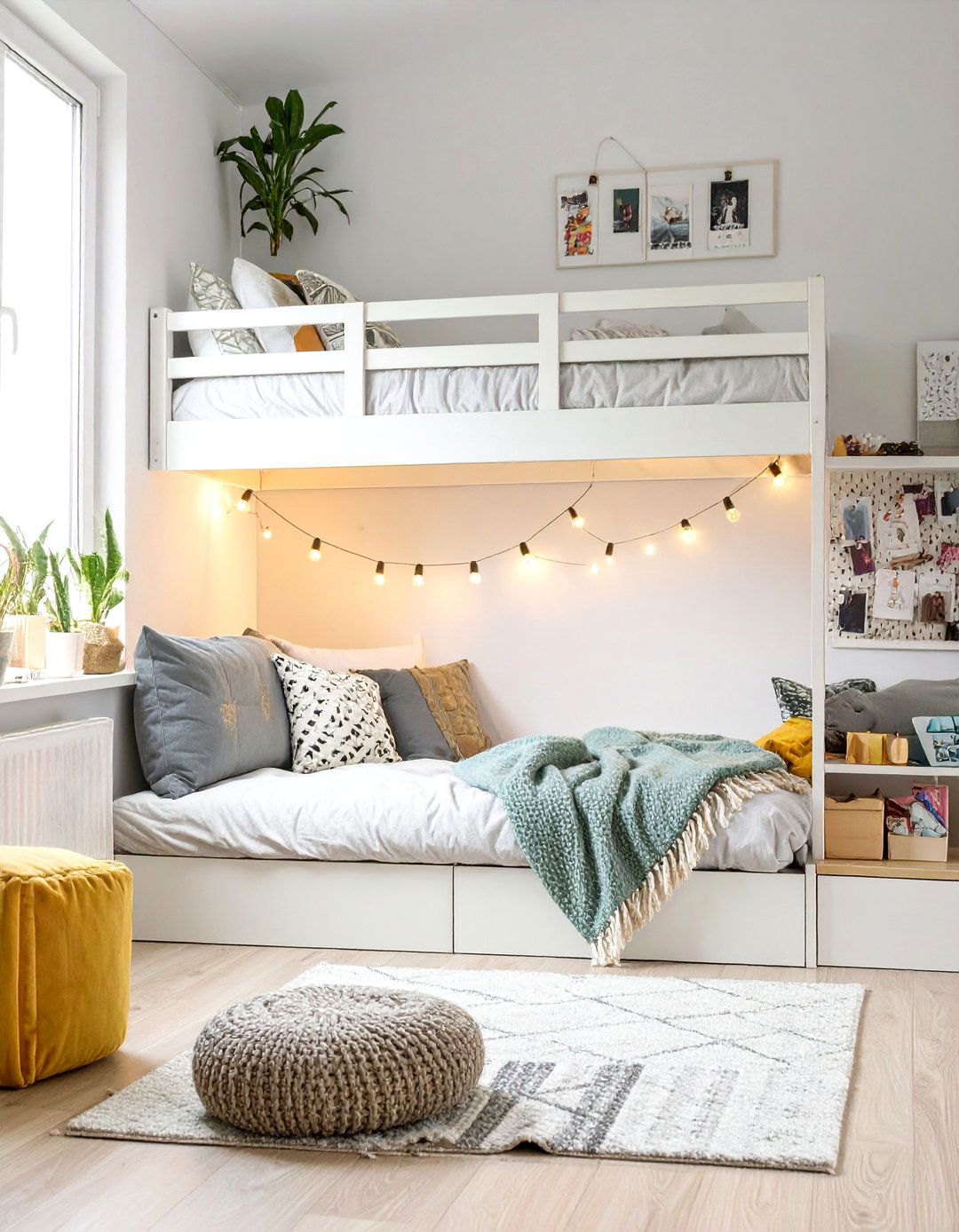
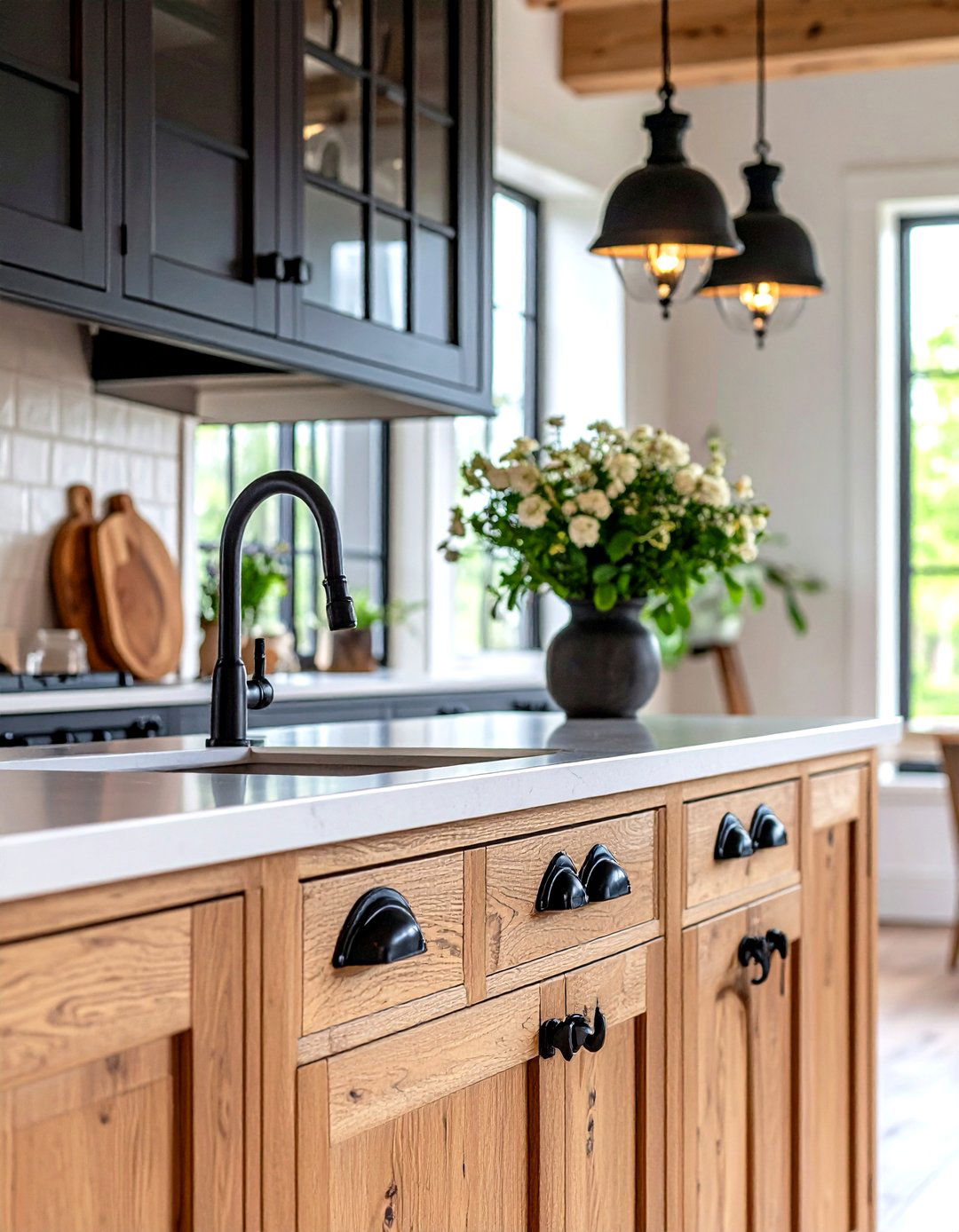
Incorporating rusted metal accents adds a layer of industrial texture and celebrates the beauty of decay. A rusted metal tray, a weathered steel planter, or a light fixture with a corroded patina introduces a unique, earthy color palette of deep oranges, browns, and reds. This process of oxidation is a natural transformation that wabi-sabi honors, finding aesthetic value in what others might see as decay. These elements provide a striking contrast to softer materials like linen and wood, creating a balanced interior that is rich in texture and history. It's a bold acknowledgment that aging and change are beautiful processes.
16. Simple Platform Beds

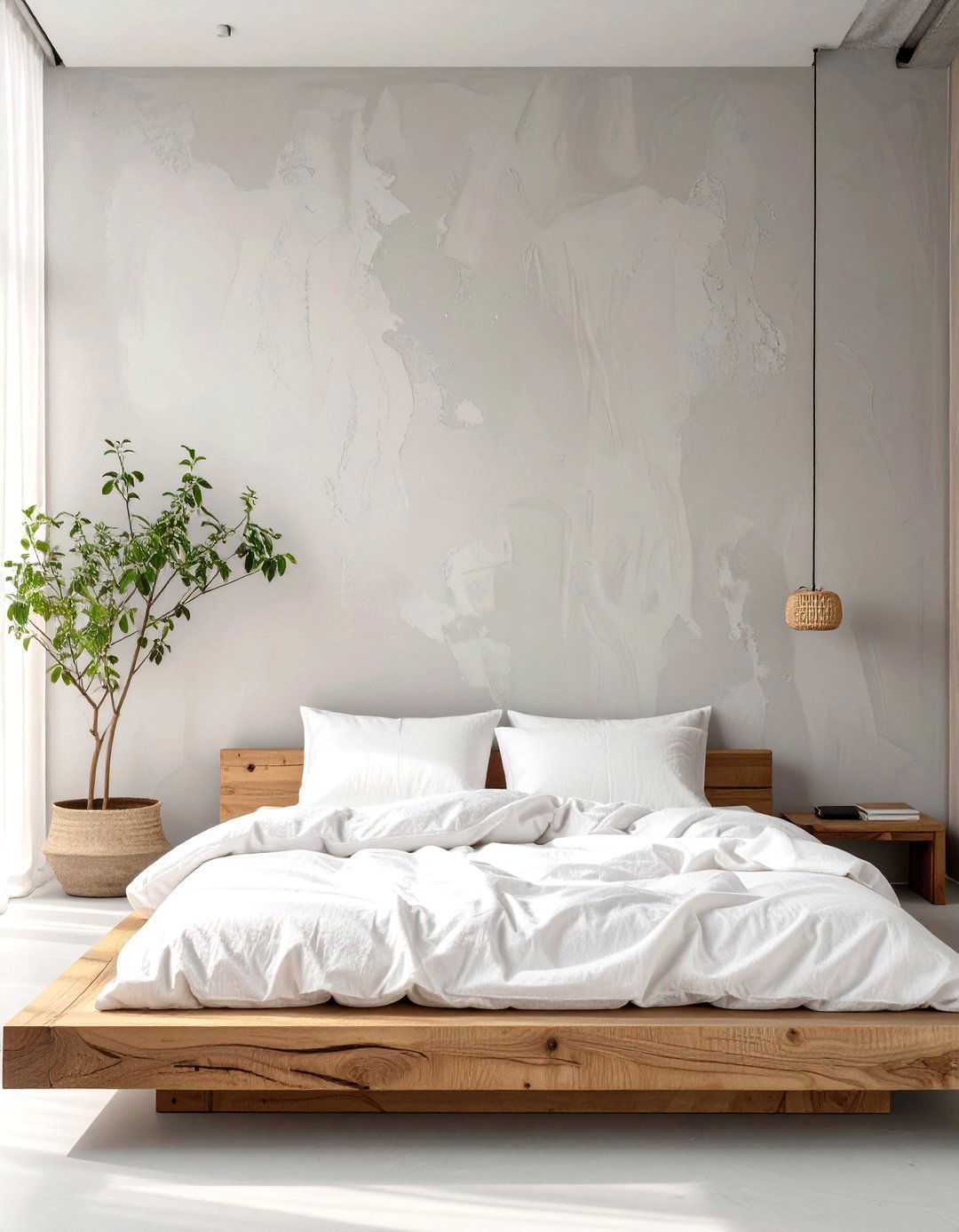
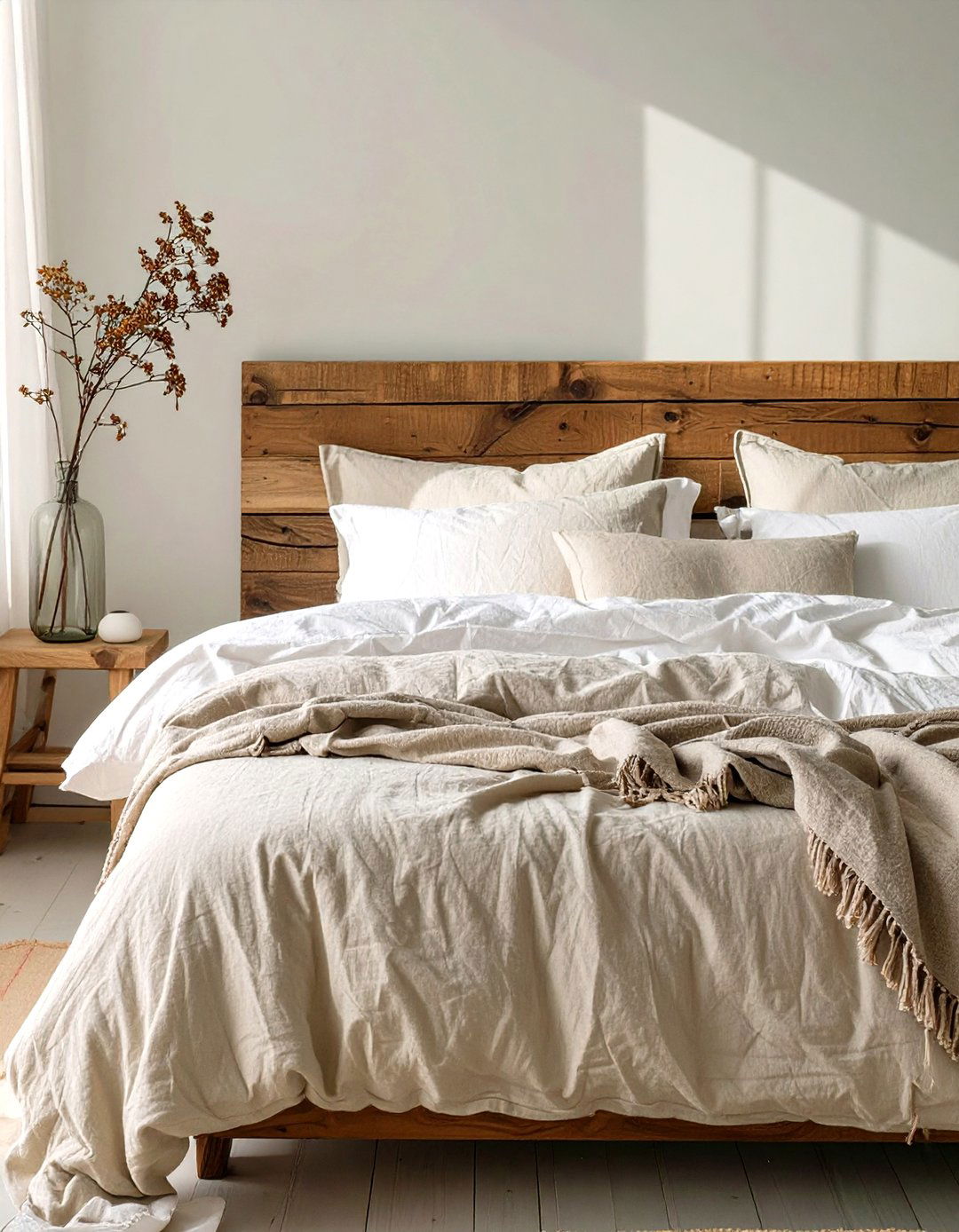
A simple platform bed, crafted from natural wood, is a cornerstone of wabi-sabi bedroom design. Its low profile fosters a sense of being grounded and connected to the earth, promoting restful sleep. The minimalist design eliminates unnecessary ornamentation, focusing instead on the quality and beauty of the material itself. A platform bed creates a clean, uncluttered look, allowing the texture of the bedding and the surrounding space to take center stage. This humble and functional piece embodies the wabi-sabi appreciation for simplicity, craftsmanship, and the creation of a serene, restorative sanctuary for rest and reflection.
17. Worn and Faded Rugs

A worn and faded rug can serve as the perfect anchor for a wabi-sabi room, its imperfections telling a story of use and time. Look for vintage or antique rugs where the patterns have softened and the colors have mellowed. The thinning pile and frayed edges are not flaws but evidence of a life lived, adding character and a sense of history that a new rug cannot replicate. A faded rug contributes subtle texture and color without overwhelming the space, blending seamlessly with an earthy palette. It adds a layer of comfort and unassuming beauty, embracing the wabi-sabi principle of finding grace in aged objects.
18. Organic Shapes in Furniture

Choosing furniture with soft, organic shapes over sharp, geometric lines contributes to a more natural and calming wabi-sabi environment. Think of a coffee table with a gently curved, live-edge top, or an armchair with rounded, flowing contours. These forms mimic the shapes found in nature—like pebbles smoothed by water or the gentle curve of a hillside. They break the rigidity of a typical room layout, creating a softer, more inviting atmosphere. Furniture with organic shapes feels less formal and more approachable, encouraging relaxation and fostering a seamless flow throughout the space that is both harmonious and visually soothing.
19. Open Shelving with Curated Objects

Open shelving, sparsely decorated with carefully chosen objects, is a hallmark of wabi-sabi design. Instead of filling shelves to capacity, this approach uses negative space to highlight the beauty of each individual item. Display a small stack of books, a single hand-thrown ceramic bowl, and a small, framed piece of handmade paper. This curated display encourages mindfulness and appreciation for simple, meaningful possessions. The focus is on quality, not quantity, turning everyday objects into art. This practice reduces clutter and creates a sense of calm and order, allowing you to be surrounded only by things that bring you peace and joy.

20. A Focus on Tactile Textures

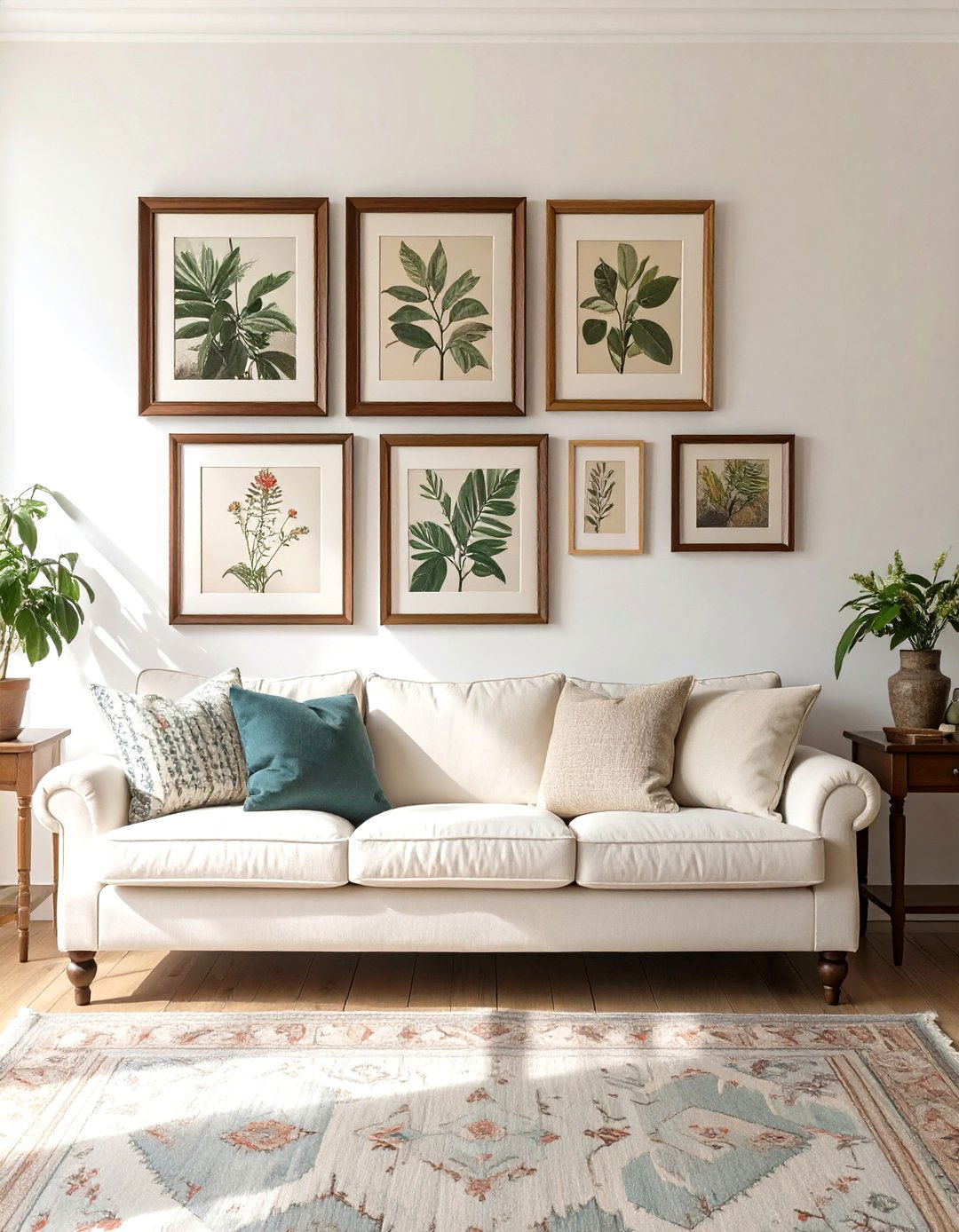
A wabi-sabi interior is a feast for the sense of touch, emphasizing a rich variety of tactile textures. Combine rough, weathered wood with soft, wrinkled linen; contrast the coolness of a stone surface with the warmth of a wool throw. Run your hand over a textured plaster wall or feel the uneven glaze of a handmade ceramic mug. This focus on tactility creates a deep, sensory experience that is grounding and comforting. It moves beyond a purely visual aesthetic to create a space that feels lived-in, authentic, and engaging, inviting you to connect with your surroundings on a more intimate level.
21. Mismatched Dining Chairs
Using mismatched dining chairs around a table is a wonderful way to embrace the wabi-sabi spirit of imperfection and individuality. Collect wooden chairs of different styles, ages, and finishes. The variation creates a relaxed, informal dining experience that is full of character and charm. This approach celebrates the unique history and form of each chair, rather than striving for a uniform, mass-produced look. The resulting composition is visually interesting and tells a story, making the dining area feel more like a personal gathering space. It’s a simple way to create a look that is eclectic, authentic, and effortlessly stylish.
22. Bamboo and Natural Fiber Blinds

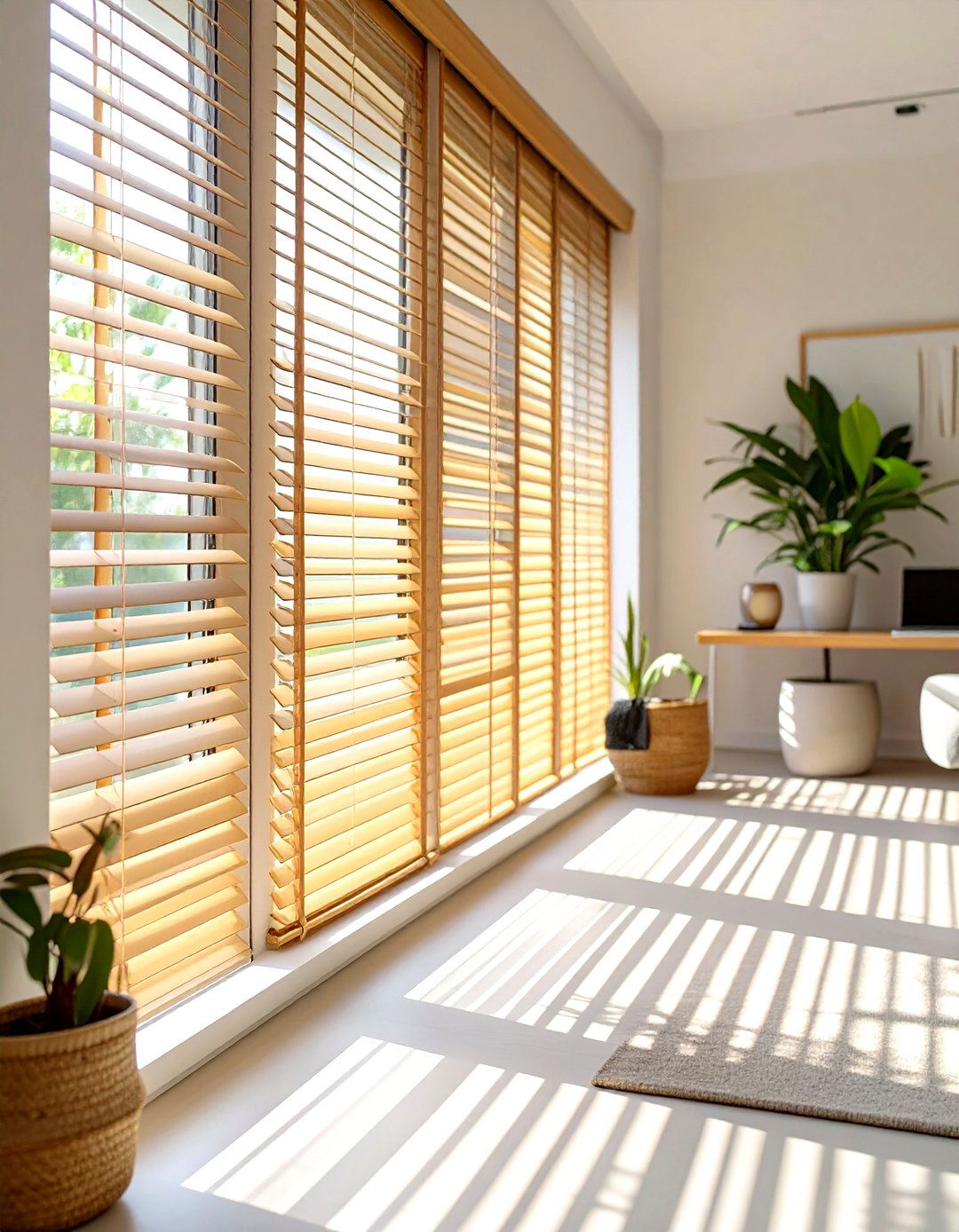
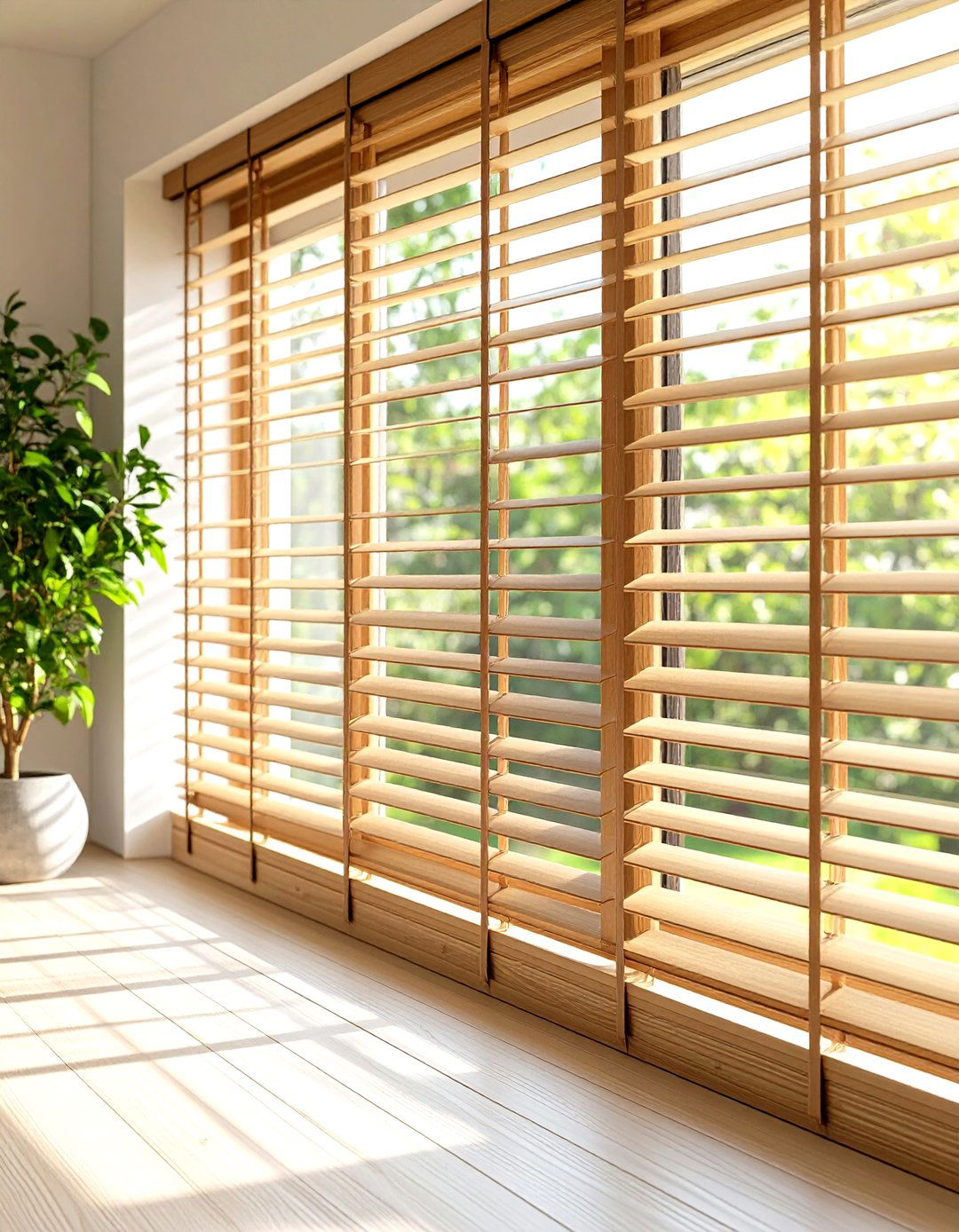
Bamboo and natural fiber blinds are a perfect window treatment for a wabi-sabi home. Made from materials like jute, reeds, or woven grasses, these blinds filter sunlight beautifully, casting a warm, dappled light that adds texture and movement to a room. Their natural, earthy tones and organic textures complement a wabi-sabi palette and connect the interior to the outdoors. Unlike heavy drapes, they provide privacy while still allowing a gentle awareness of the world outside. They are simple, functional, and celebrate the unrefined beauty of natural materials, enhancing the overall sense of tranquility and peace.
23. The Presence of a Single, Worn Armchair

Placing a single, well-loved armchair in a quiet corner creates a perfect nook for reflection, a core tenet of wabi-sabi. Choose a chair that shows signs of its history—perhaps with faded upholstery, softened leather, or a worn wooden frame. Its comfort and familiarity invite you to sit, read, or simply be still. This solitary piece is not just furniture; it's an invitation to pause and embrace solitude. The chair’s visible aging tells a story of moments past, adding a layer of authenticity and soulful character that a brand-new piece could never offer, making it a cherished sanctuary.
24. A Deep Japanese Soaking Tub (Ofuro)

A deep Japanese soaking tub, or 'ofuro,' embodies the wabi-sabi principle of mindful, ritualistic daily life. Traditionally crafted from wood like hinoki, its simple, clean form focuses on the experience of bathing rather than on ornate design. The act of soaking in deep, hot water is a meditative practice, promoting relaxation and tranquility. The natural wood releases a subtle, calming aroma, enhancing the sensory experience. Integrating an ofuro into a bathroom transforms it from a purely functional space into a serene sanctuary for personal wellness, connecting the user with the simple, profound pleasures of nature and ritual.
25. Exposed Ceiling Beams

Leaving ceiling beams exposed, whether they are rustic, rough-hewn timber or sleek, aged wood, adds architectural character and a sense of history. This design choice reveals the structural bones of the home, celebrating its construction and materials rather than concealing them. The natural texture and color of the wood draw the eye upward, adding warmth and a grounding, earthy element to the space. Exposed beams are a perfect example of wabi-sabi's appreciation for authenticity and structural honesty. They create a feeling of being in a sturdy, protective shelter, adding a timeless and comforting quality to any room.
26. A Simple, Low Tea Table

A simple, low tea table serves as a focal point for gathering and quiet contemplation in a wabi-sabi living space. Traditionally used for tea ceremonies, its low height encourages sitting on the floor on cushions, fostering a more grounded and intimate connection among people and with the space itself. Choose a table made from a single slab of reclaimed wood or another humble, natural material. Its unadorned form and function represent the wabi-sabi focus on essentials. This single piece can anchor a room, creating a designated area for mindful moments, quiet conversation, or simply enjoying a warm cup of tea.
27. Charcoal Art or Calligraphy (Shodo)

Hanging a single piece of Japanese calligraphy ('shodo') or a simple charcoal drawing adds a touch of minimalist elegance and profound meaning. The beauty of these art forms lies in their simplicity, control, and the expressive power of a single brushstroke on handmade paper. The stark contrast of black ink on a white or beige background is visually striking yet calming. The artwork often represents a concept or a character that encourages mindfulness and reflection. This deliberate, singular piece of art embodies the wabi-sabi principle of finding immense beauty and depth in the most simple and uncluttered expressions.
28. Irregularly Shaped Natural Fiber Rugs

An irregularly shaped natural fiber rug, such as one made of jute, sisal, or a cowhide, breaks the monotony of rectangular forms and adds an organic, flowing element to a room. Unlike standard-shaped rugs, these pieces mimic the imperfect outlines found in nature, like the edge of a shoreline or the shape of a fallen leaf. Their raw, earthy texture provides a tactile foundation for the space, grounding the furniture and connecting the room to the natural world. This choice celebrates asymmetry and uniqueness, contributing to a relaxed and authentic atmosphere that feels less rigid and more welcoming.
29. A Collection of Smooth River Stones

Displaying a small collection of smooth river stones is a simple yet powerful way to incorporate a wabi-sabi element into your decor. Gathered over time, each stone is unique in its shape, color, and texture, smoothed by the persistent flow of water. Arrange them in a shallow bowl, on a windowsill, or directly on a wooden surface. This humble display serves as a tactile, meditative feature and a tangible connection to the natural world. It’s a quiet reminder of patience, endurance, and the beauty created by natural forces, embodying the wabi-sabi appreciation for modest, unassuming, and time-worn objects.
30. Use of Beeswax Candles

Using beeswax candles instead of paraffin or scented varieties enhances a wabi-sabi atmosphere with their natural, subtle qualities. When lit, they cast a warm, honey-hued glow that is softer and more calming than artificial lighting. Beeswax candles also release a faint, sweet, natural scent of honey, which adds a gentle, non-overpowering fragrance to the room. Often hand-poured, they can have slight imperfections in their shape, adding to their charm. The simple, ritualistic act of lighting a candle encourages a moment of pause and mindfulness, perfectly aligning with the serene and naturalistic spirit of wabi-sabi design.
Conclusion:
Ultimately, wabi-sabi interior design is a deeply personal and mindful practice. It encourages creating a home that is a sanctuary from the outside world's demand for perfection. By embracing natural materials, celebrating the marks of age and use, and valuing simplicity, you can cultivate a tranquil, authentic, and beautiful living space. This philosophy is not about following a strict set of rules but about fostering a deeper connection with your surroundings and finding profound contentment in the imperfect, the incomplete, and the humble, making your home a true reflection of peaceful living.

Related posts:
Leave a Reply