
Creating a harmonious home is about more than just picking nice furniture; it’s about weaving together color, texture, light, and space to craft an environment that feels balanced, unified, and deeply restorative. A harmonious interior is a sanctuary, a place where every element works in concert to support a sense of calm and well-being. It’s a design philosophy that prioritizes flow and cohesion, ensuring that moving from one room to another feels like a seamless approach isn't about rigid rules but about thoughtful choices that reflect your personal style while adhering to the principles of good goal is to create a space that not only looks beautiful but also feels right, a true reflection of tranquility and order.
1. The Serene Scandinavian Retreat
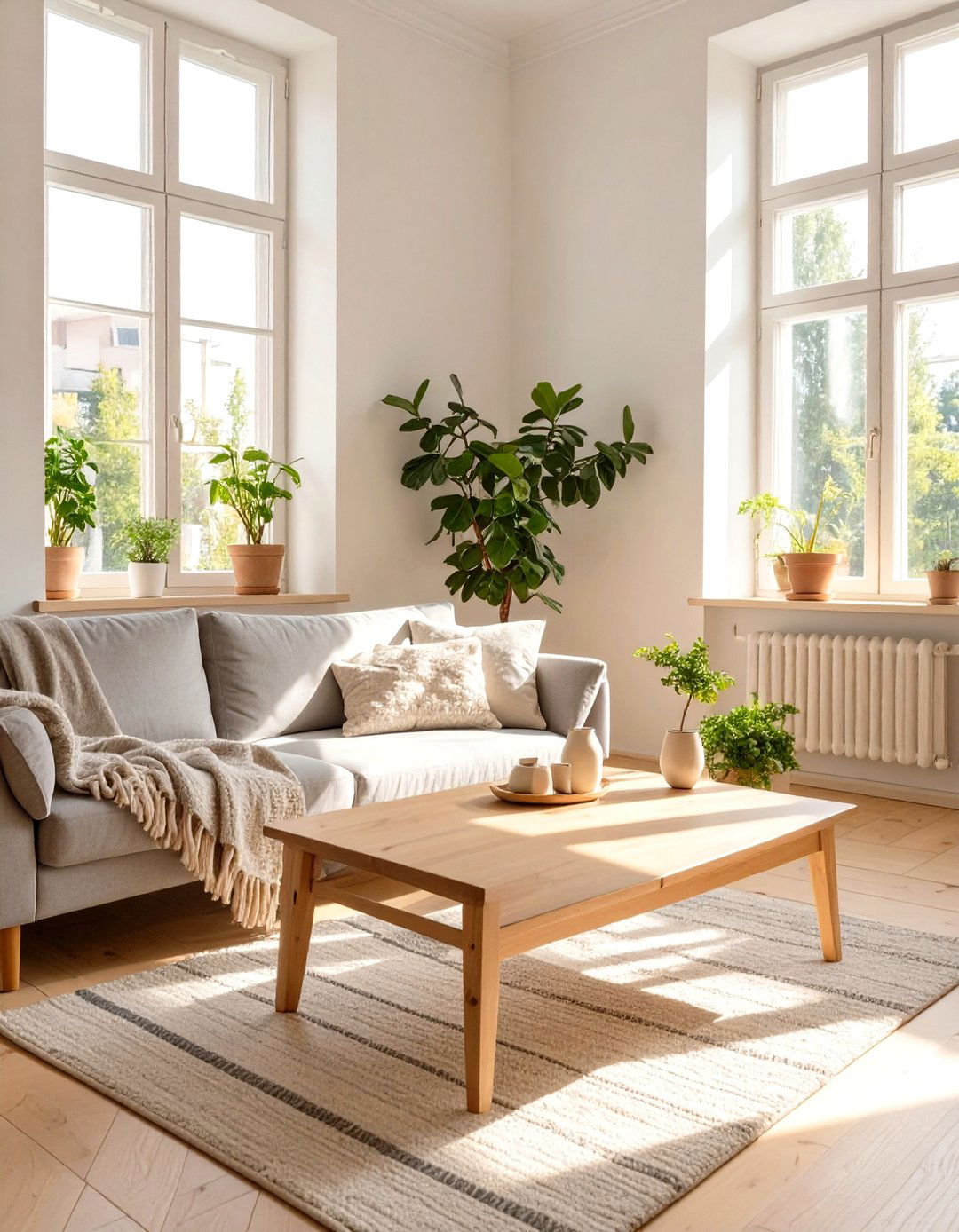
Embrace the simplicity and functionality of Scandinavian design to create a peaceful style uses a foundation of white walls and light wood floors, such as ash or pine, to maximize natural is minimal, featuring clean lines and natural materials like wool, linen, and layout is open and uncluttered, promoting a sense of spaciousness. A neutral color palette of soft grays, blues, and muted greens adds subtle is sparse but intentional, focusing on handcrafted ceramics, simple greenery, and cozy textiles to create a space that feels both modern and timelessly calm.
2. Japandi Zen Sanctuary
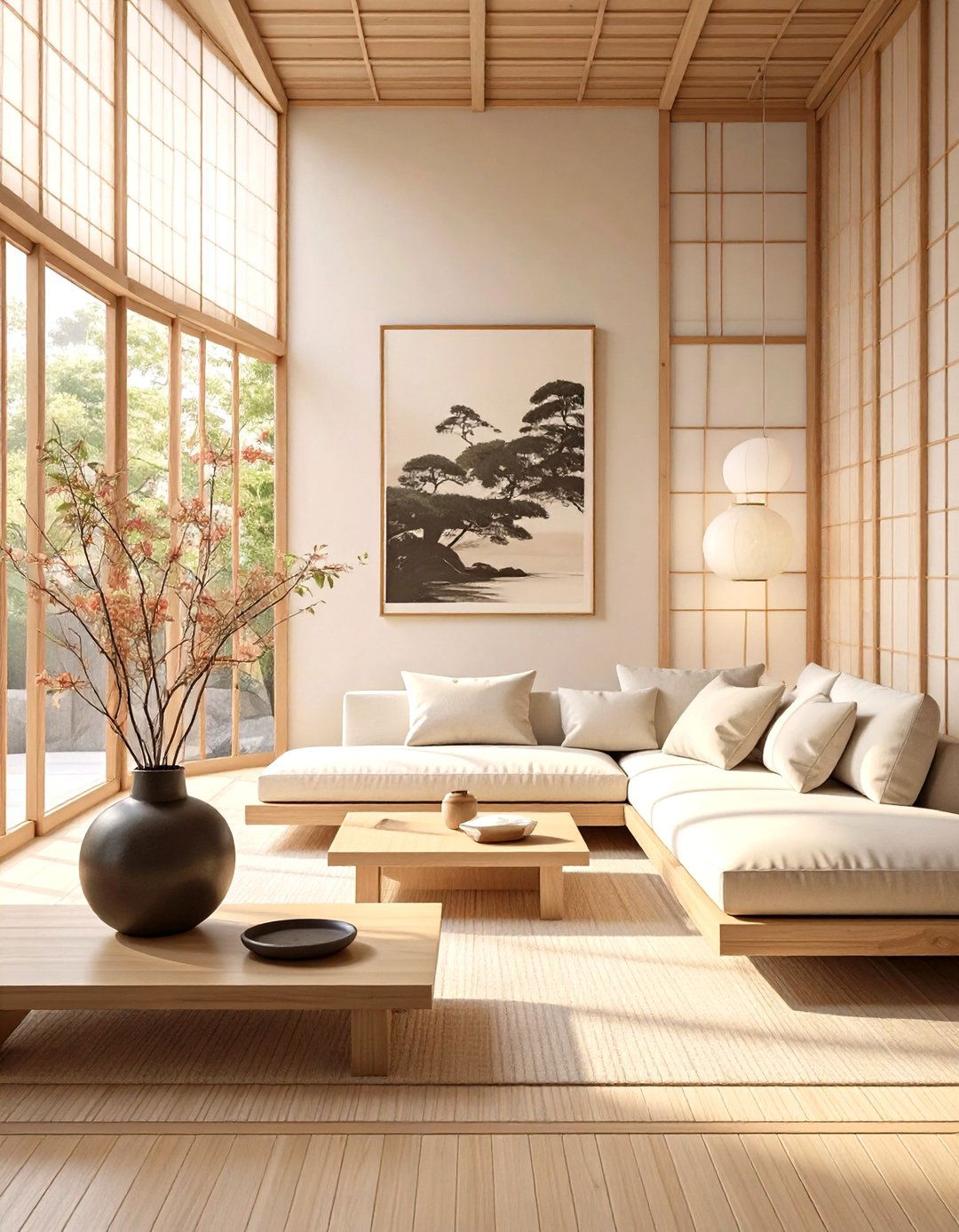
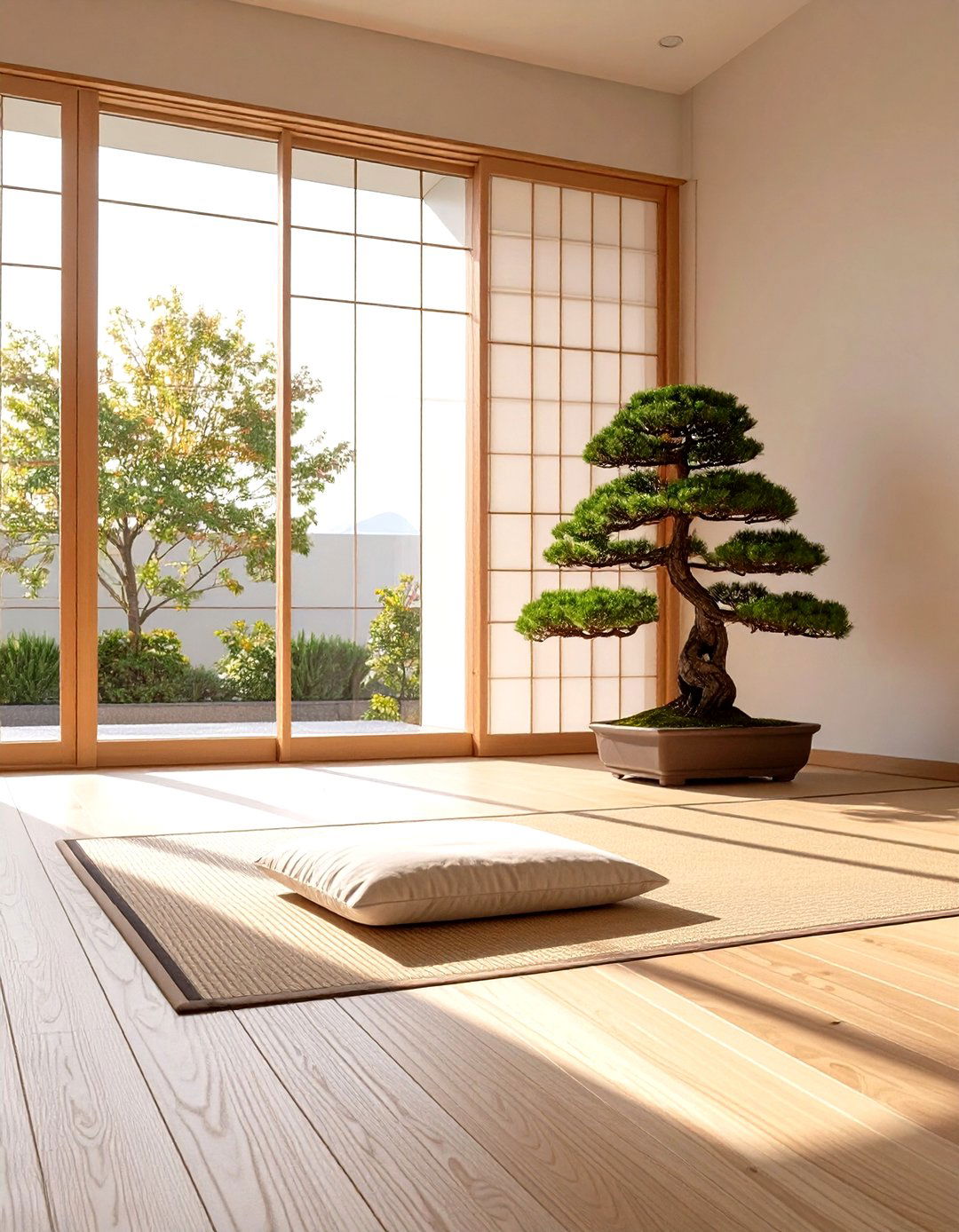
This concept masterfully blends Japanese minimalism with Scandinavian Japandi sanctuary focuses on creating a clutter-free environment with a deep connection to a muted color palette with earthy tones, charcoal, and soft are natural and sustainable, featuring light woods, bamboo, rattan, and is low-profile with clean, simple lines, emphasizing craftsmanship and are open, with sliding screens or partitions to create flexible is minimal, highlighting a few carefully chosen pieces like a single ikebana flower arrangement or a handcrafted ceramic vase, fostering deep tranquility.
3. Coastal Calm Living Space
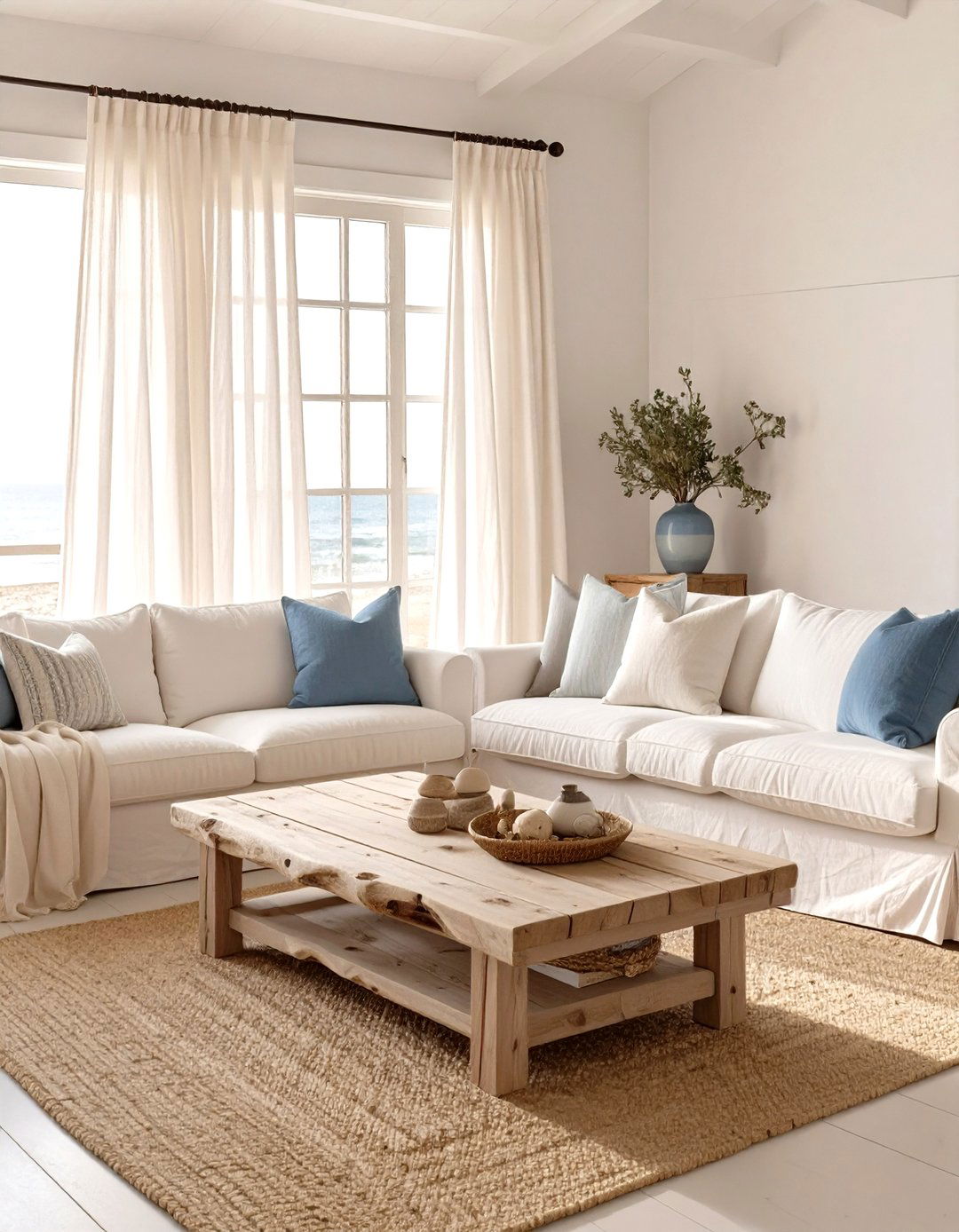
Capture the relaxing essence of the seaside with a Coastal Calm theme uses a light and airy color palette of sandy neutrals, soft blues, and crisp whites to evoke the feeling of a beach windows, sheer curtains, and an open-plan layout allow natural light to flood the is comfortable and casual, made from weathered woods, wicker, and slipcovered includes natural elements like driftwood, seashells, and jute overall effect is a breezy, uncluttered environment that feels like a permanent vacation, promoting relaxation and effortless living.
4. The Earthy Bohemian Escape
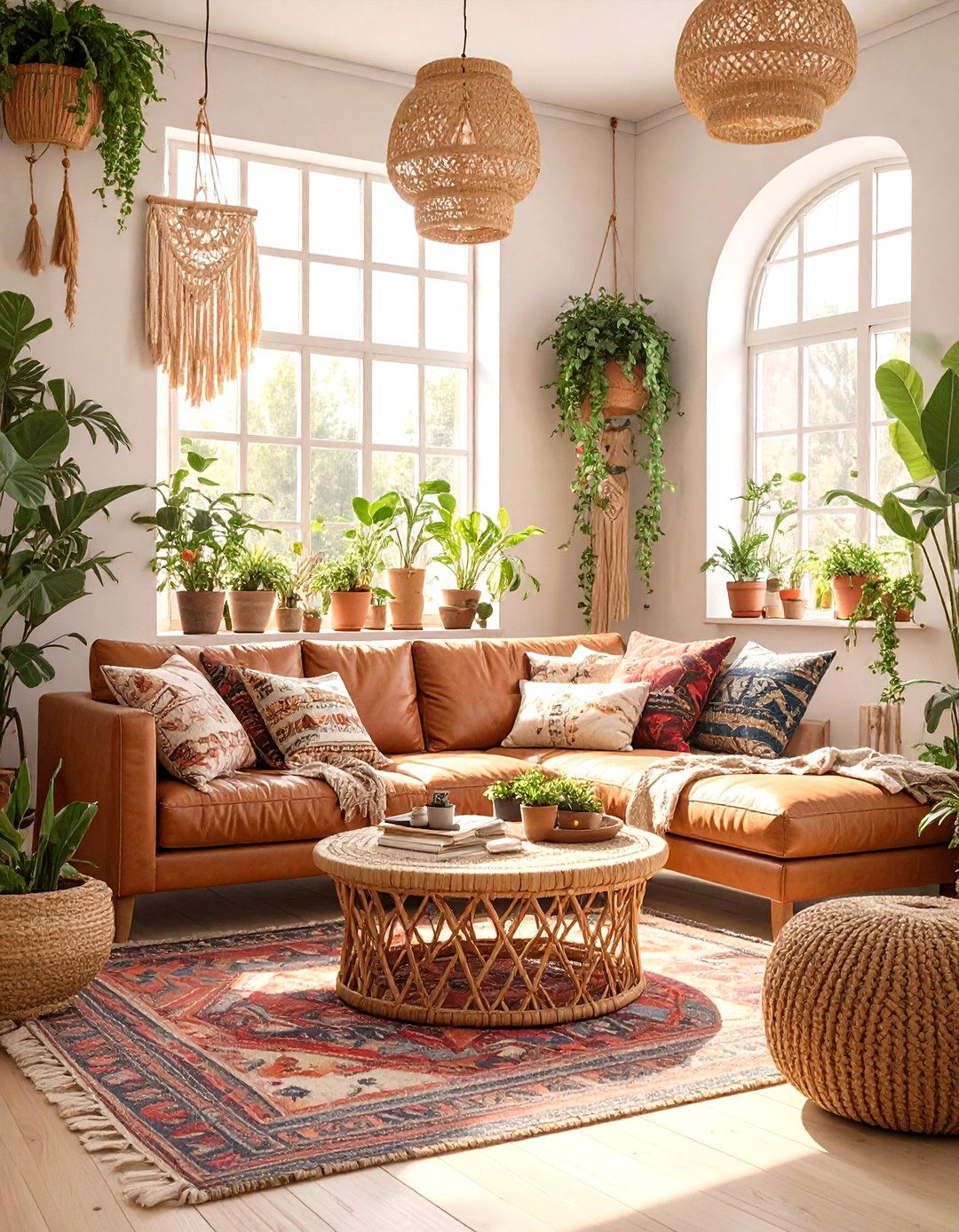
What if your home felt like a warm, artistic embrace? An Earthy Bohemian Escape achieves this through a rich tapestry of textures, patterns, and natural foundation is a warm, neutral color palette — think terracotta, ochre, and forest is key, with an abundance of plush rugs, macrame wall hangings, and mismatched is eclectic and low-slung, often featuring rattan, reclaimed wood, and worn layout is relaxed and informal, encouraging lounging and social plants and trailing vines are essential, blurring the line between indoors and out.
5. Minimalist Monochrome Harmony
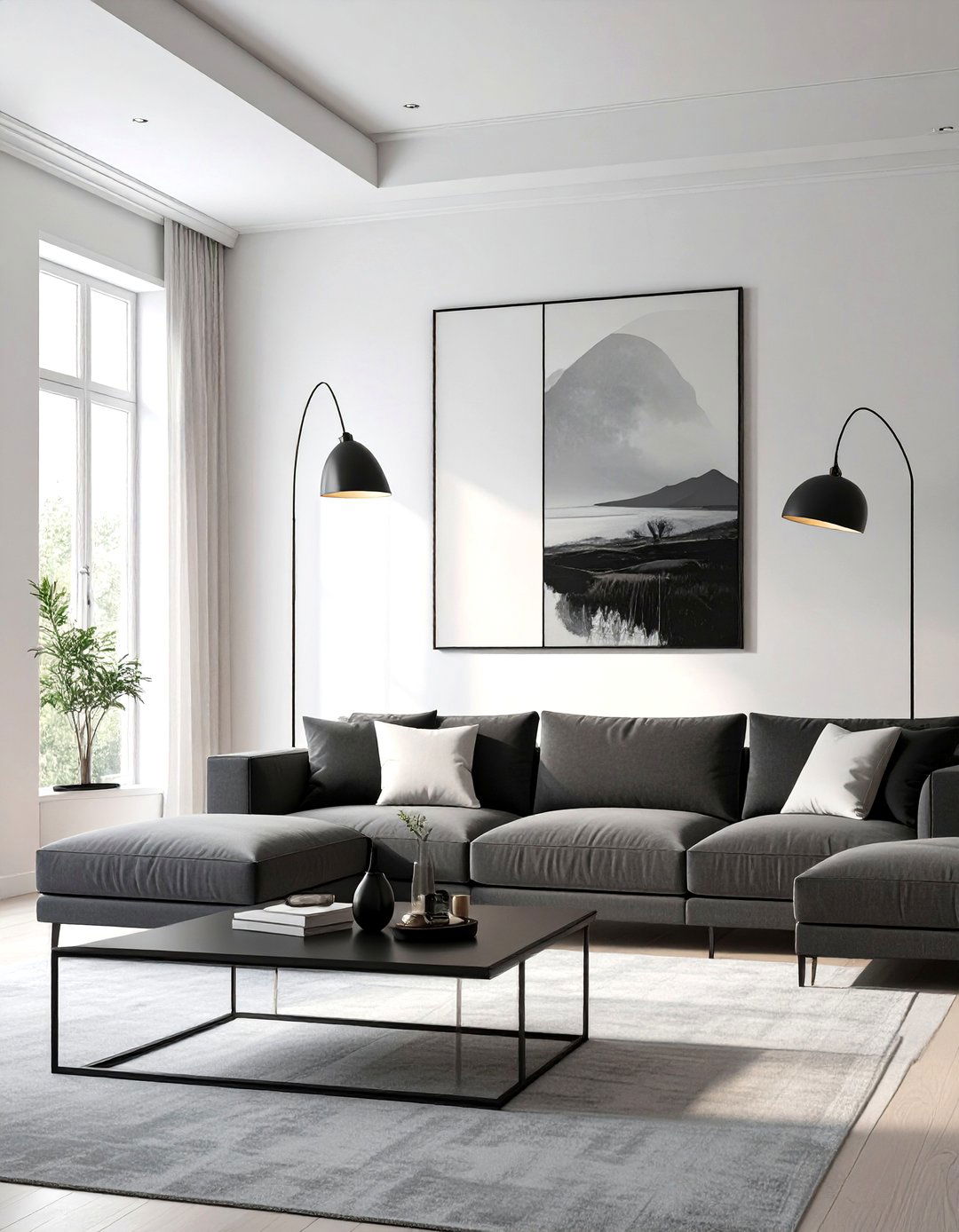
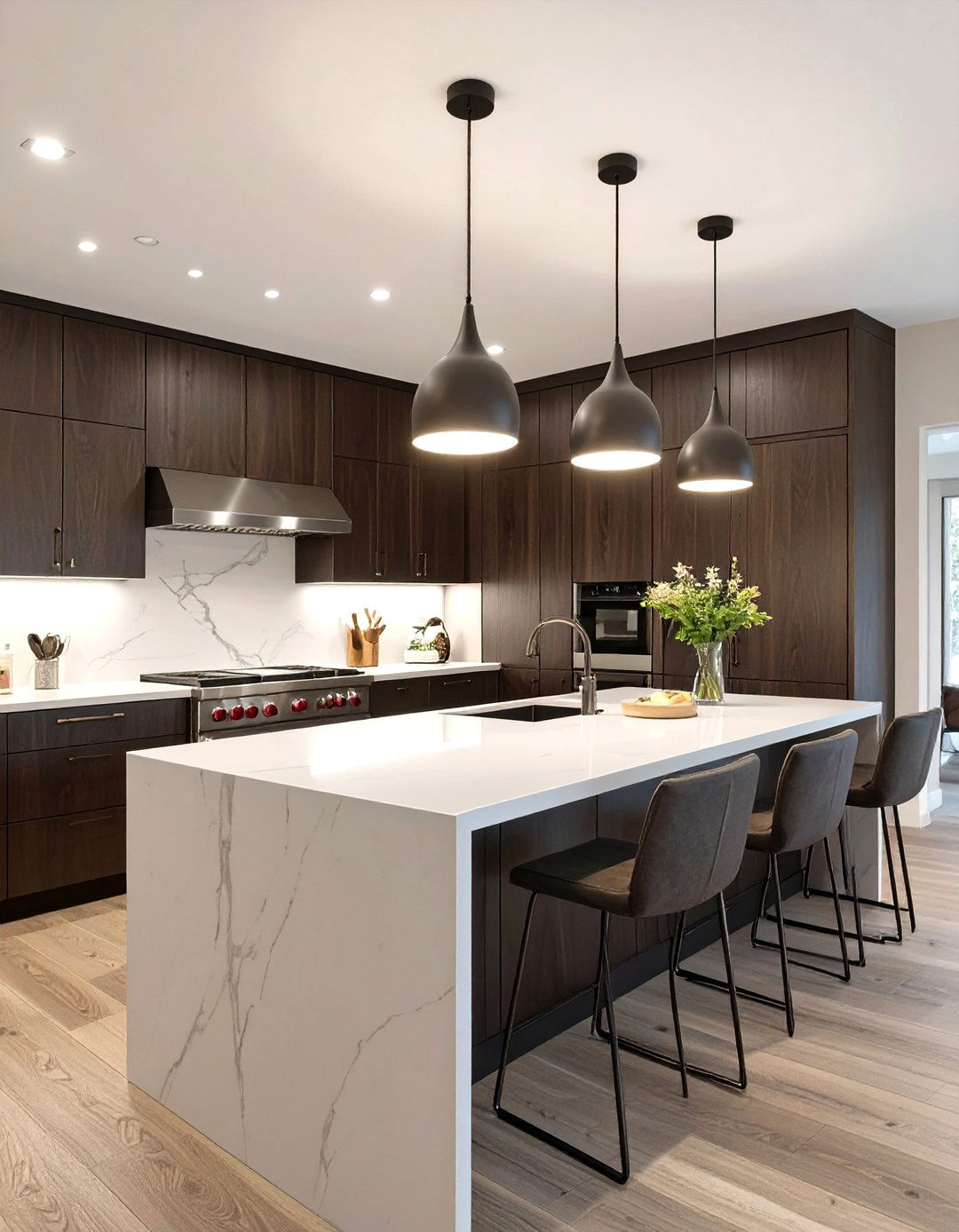
For a truly sophisticated and unified space, a minimalist monochrome theme offers powerful design relies on a strict palette of black, white, and varying shades of key is to create interest through texture and form rather than a plush charcoal sofa against a crisp white wall, a sleek black metal coffee table, and soft gray plays a crucial role, with sculptural fixtures acting as focal layout is impeccably clean and organized, with every object having a purpose and a place, resulting in a visually calm and ordered environment.
6. Rustic Farmhouse Cohesion
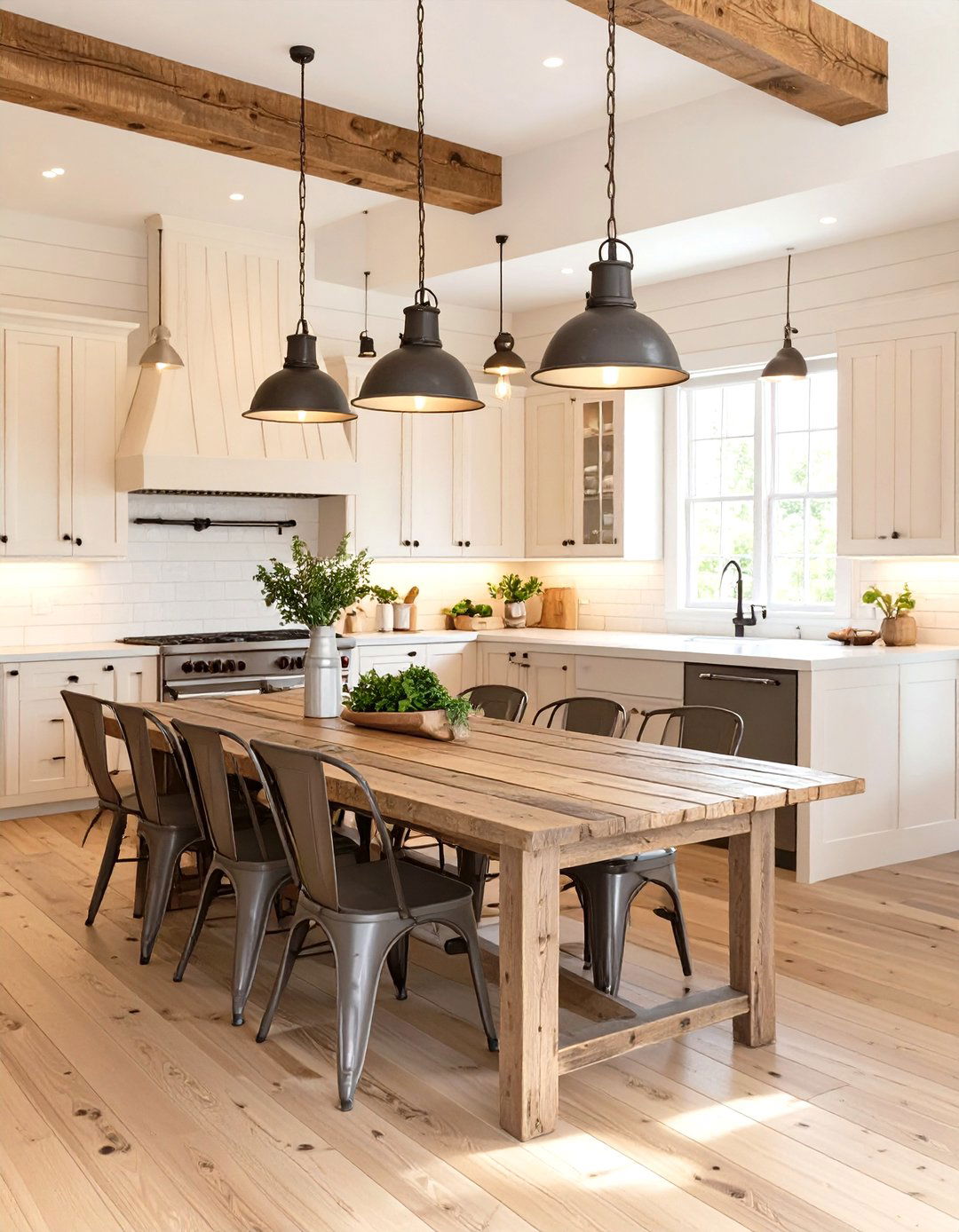
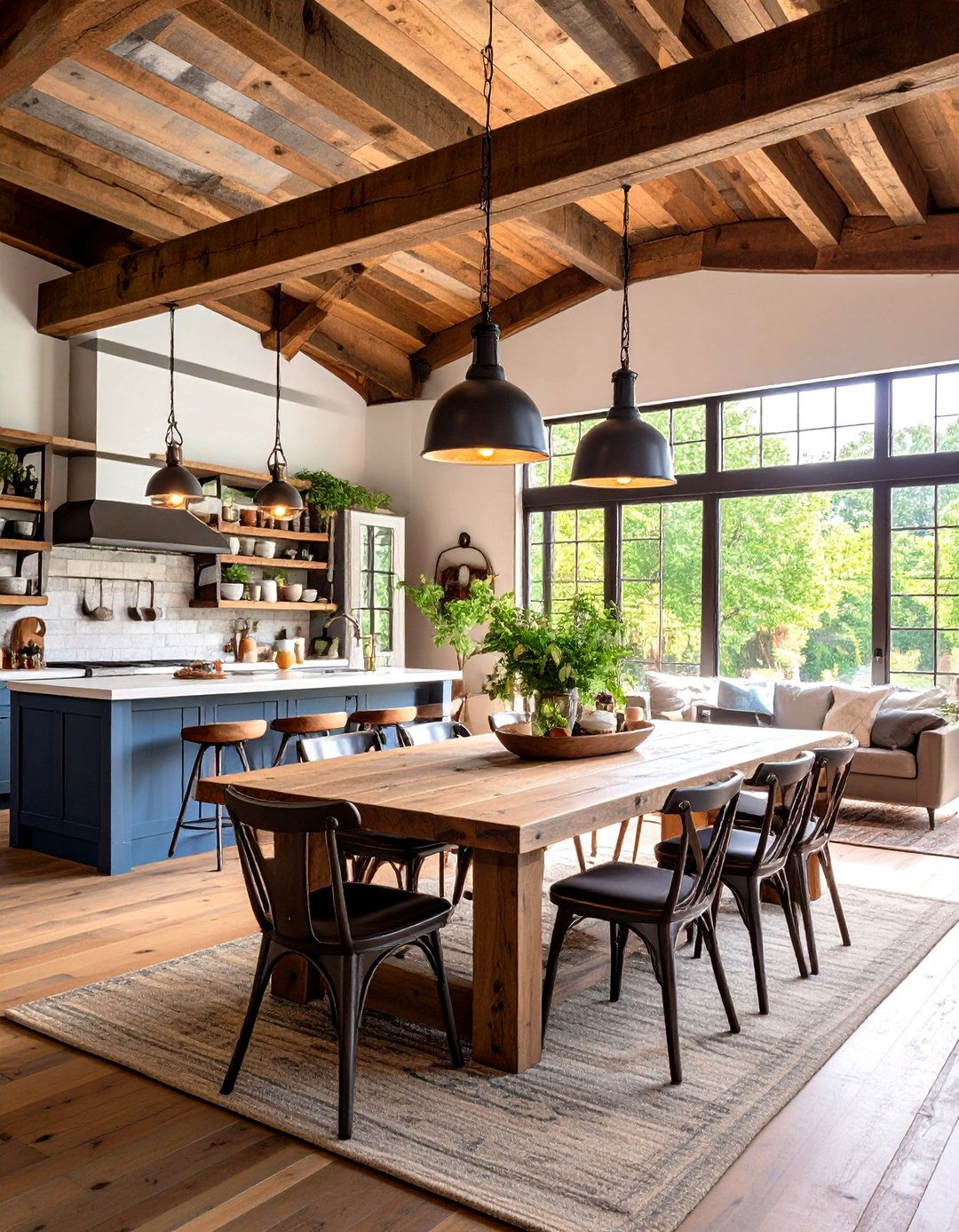
Create a warm and inviting atmosphere with a Rustic Farmhouse design that feels both authentic and style celebrates natural imperfections and utilitarian core elements include exposed wooden beams, reclaimed barn wood floors, and shiplap color palette is warm and neutral, with shades of cream, beige, and muted earth is sturdy and practical, often featuring distressed open-concept kitchen and living area with a large, communal dining table fosters a sense of includes vintage finds, galvanized metal, and simple cotton textiles for a cozy, lived-in feel.
7. Mid-Century Modern Balance
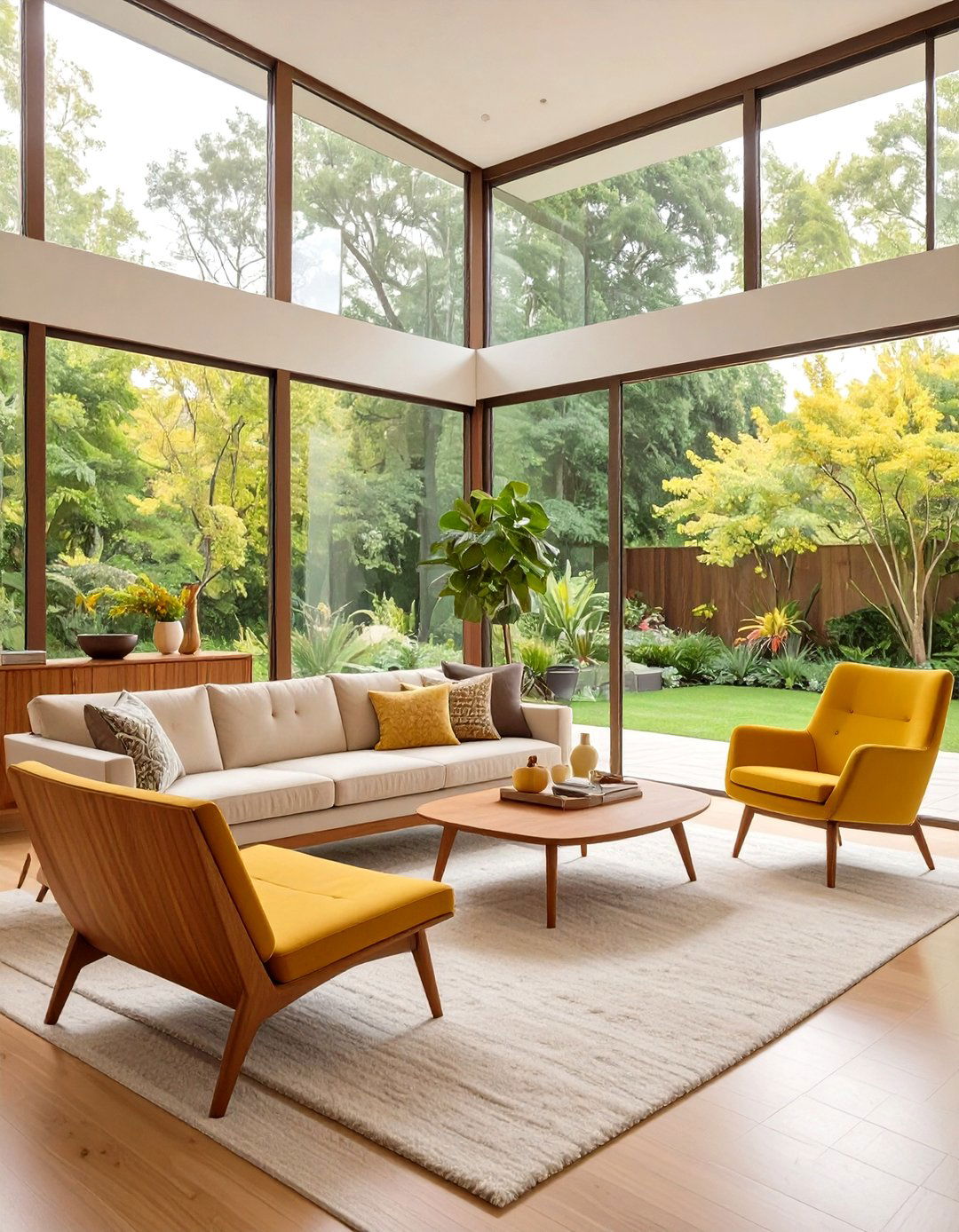
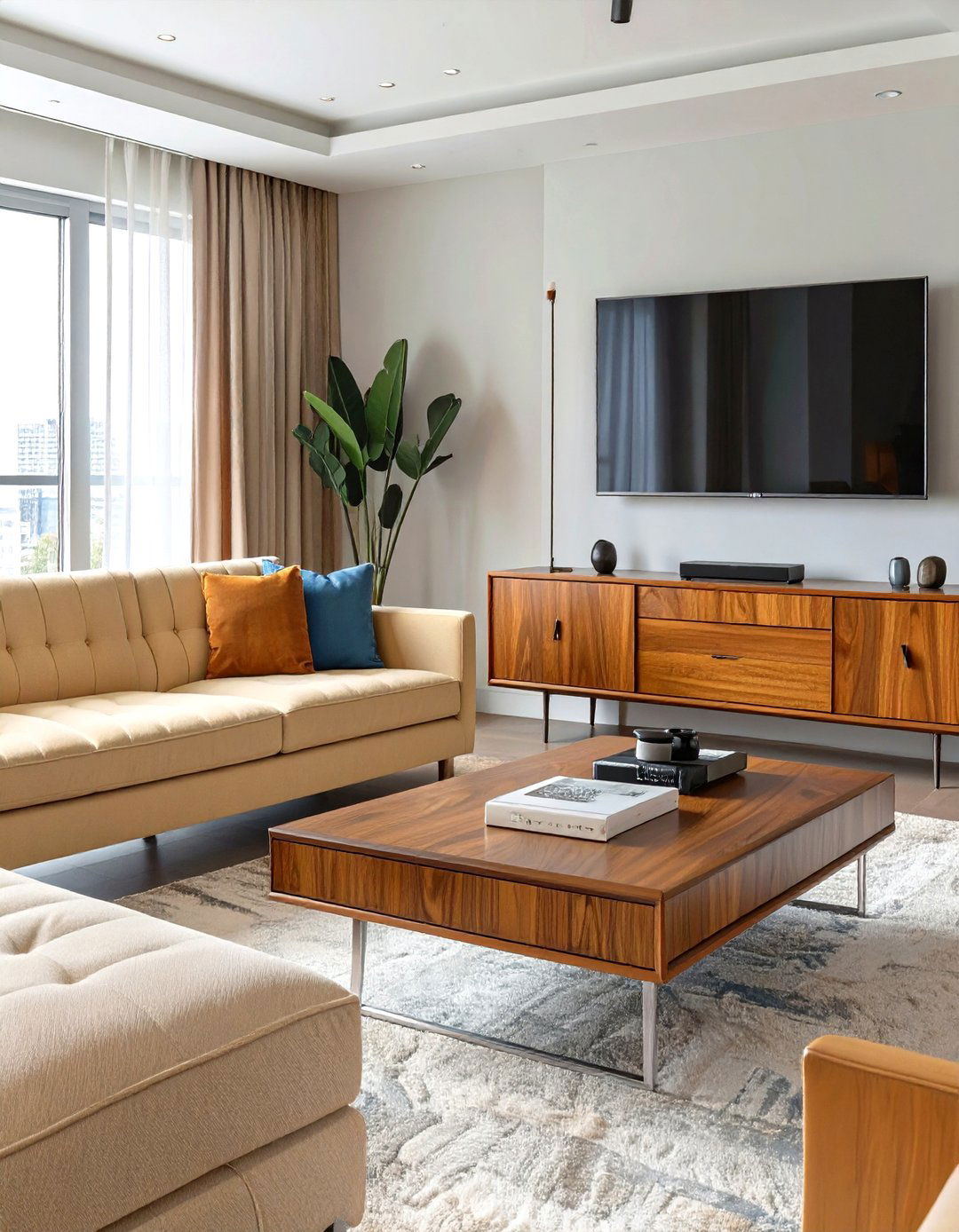
Achieve harmony through the iconic clean lines and organic forms of Mid-Century Modern style is characterized by its uncluttered and functional layout often features an open floor plan that connects indoor and outdoor living spaces through large glass combines natural woods like teak and walnut with manufactured materials, showcasing tapered legs and gentle color palette mixes neutral tones with bold, optimistic accents like mustard yellow, teal, or burnt is minimal, with a focus on graphic art and sculptural lighting to create a balanced, timeless look.
8. The Wabi-Sabi Inspired Interior
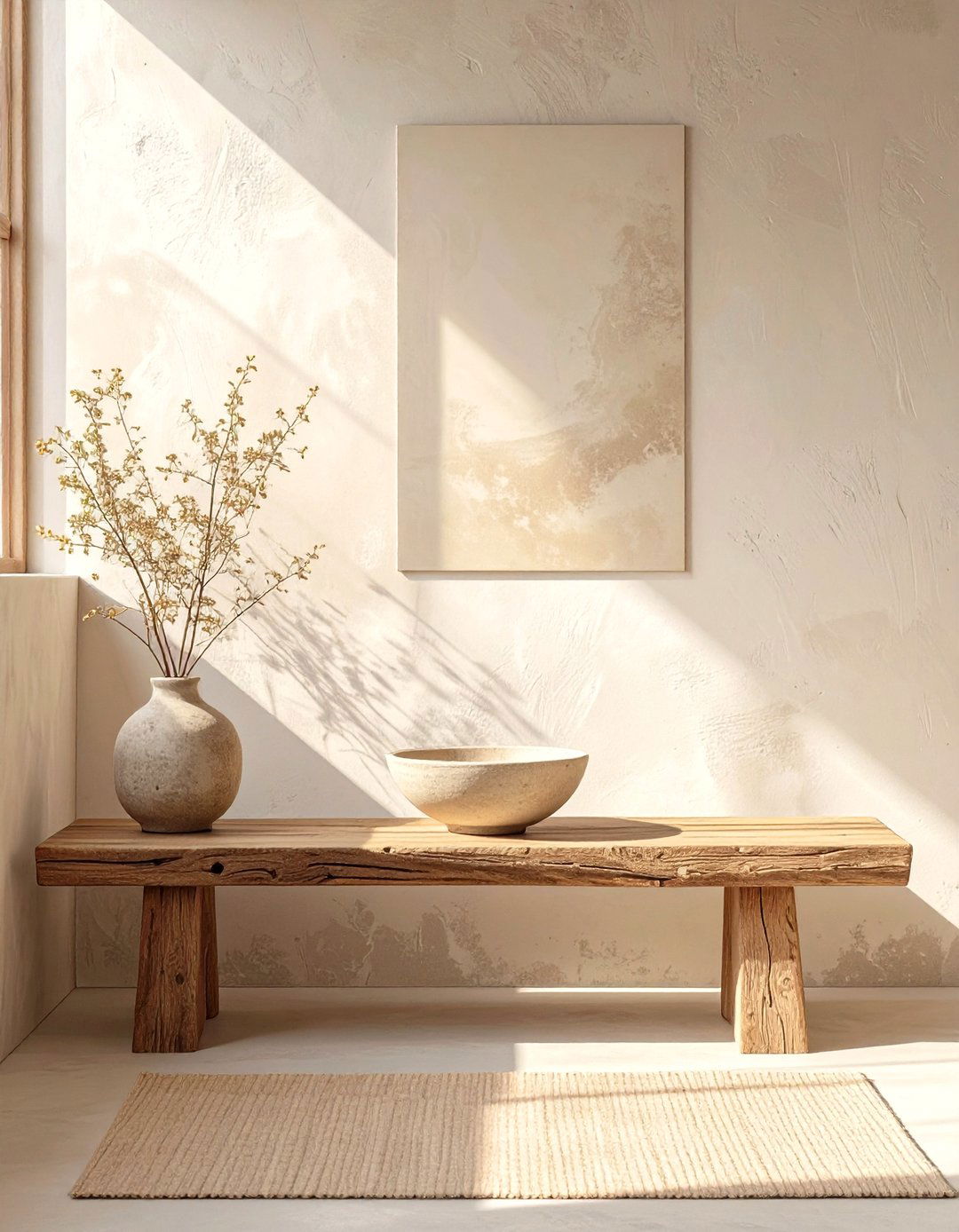
Could you find beauty in imperfection? The Wabi-Sabi approach to design does just that, creating harmony by celebrating the authentic and the philosophy finds peace in natural materials, asymmetry, and palette is drawn from nature: stone grays, earthy browns, and muted are often textured and unrefined, like rough-hewn wood, handmade pottery, and wrinkled is simple, functional, and often shows signs of wear, telling a layout is uncluttered, allowing each object space to breathe, fostering an atmosphere of profound, understated tranquility.
9. Biophilic Wellness Haven
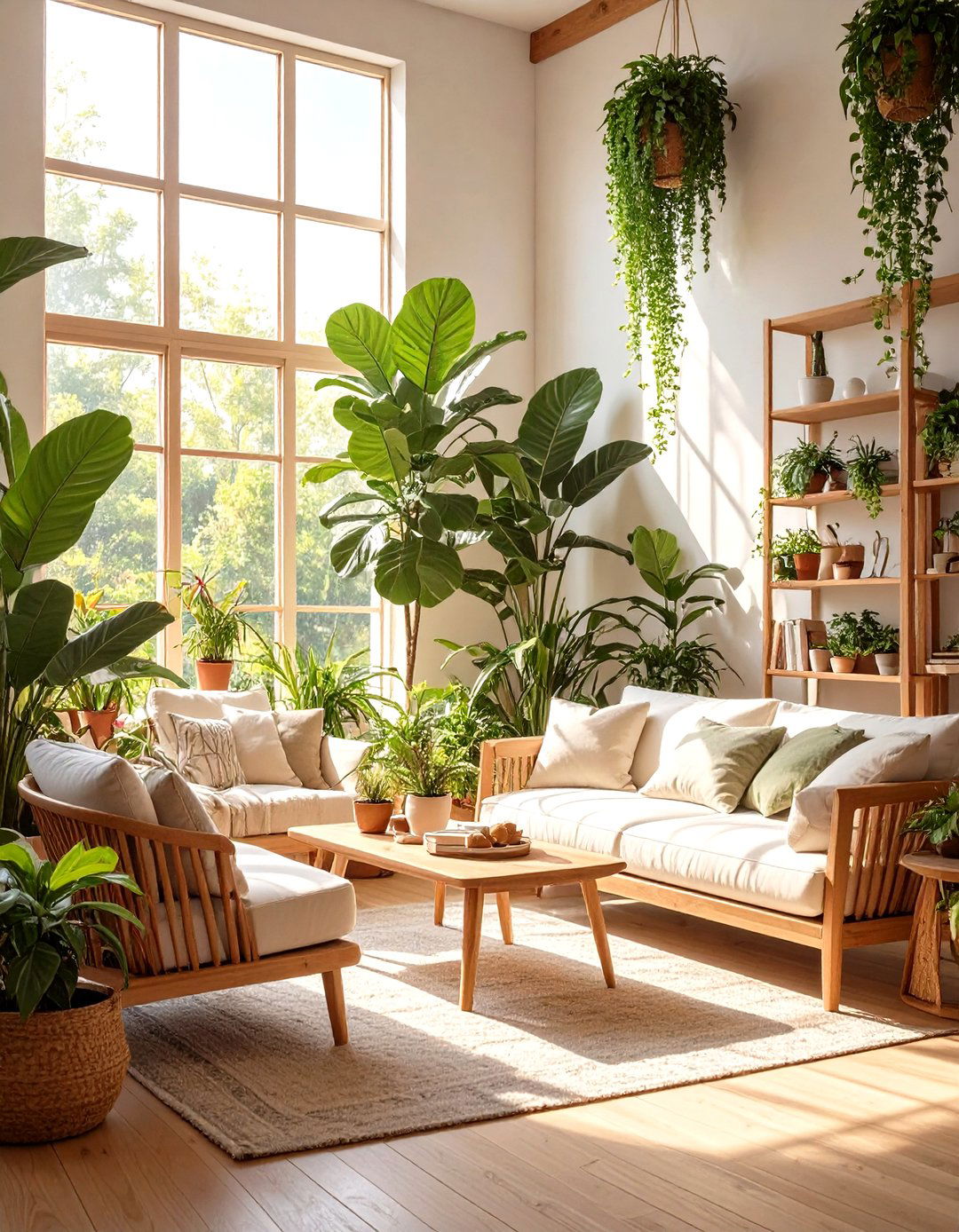
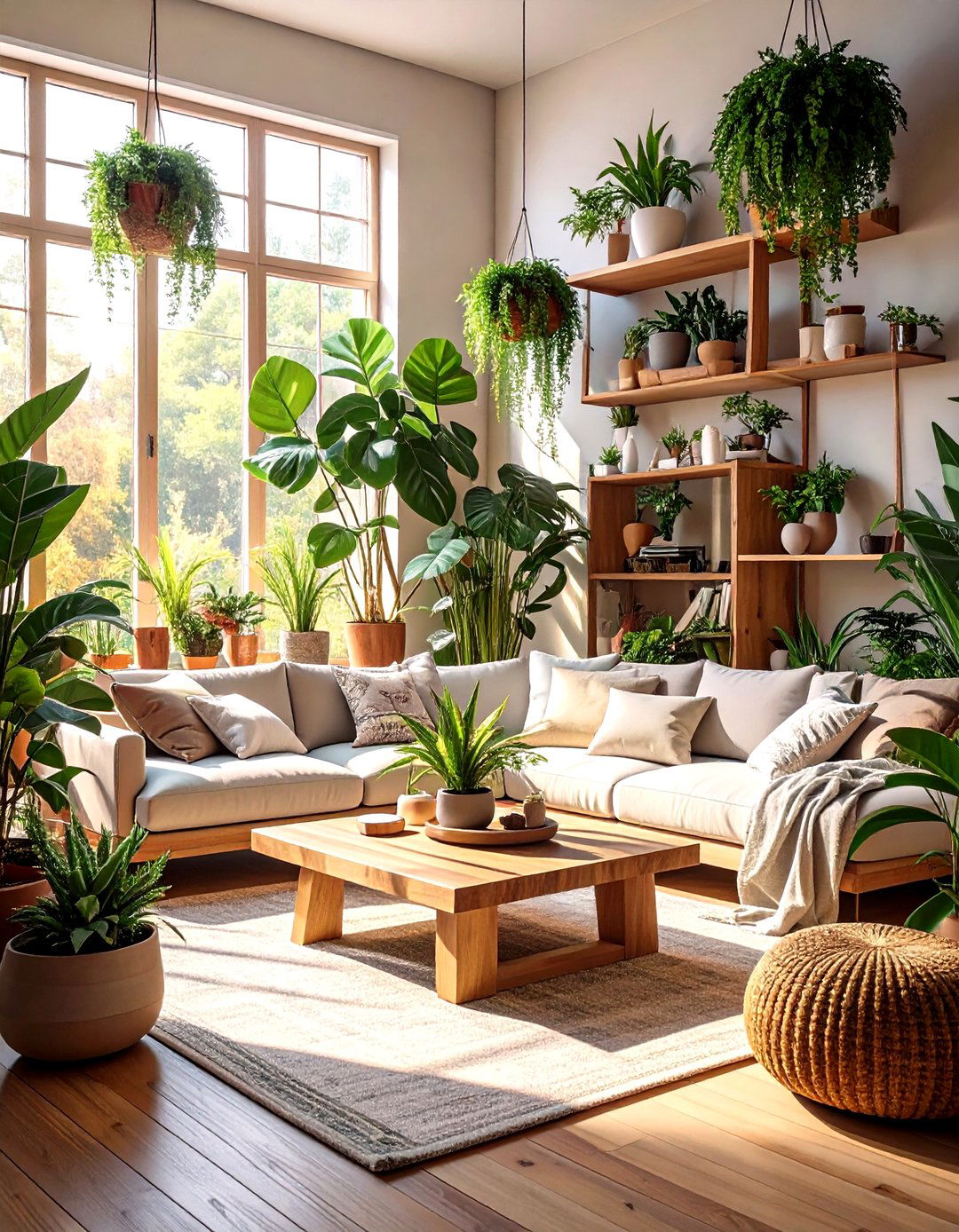
A Biophilic Wellness Haven seamlessly integrates nature into the interior to enhance well-being and create a harmonious connection with the design prioritizes natural light, ventilation, and views of space is filled with a diverse array of indoor plants, from large floor-standing ferns to hanging are natural and sustainable, including wood, stone, cork, and color palette is inspired by the earth, with greens, blues, and browns layout is designed to create a flow that mimics natural landscapes, promoting a restorative and calming atmosphere.
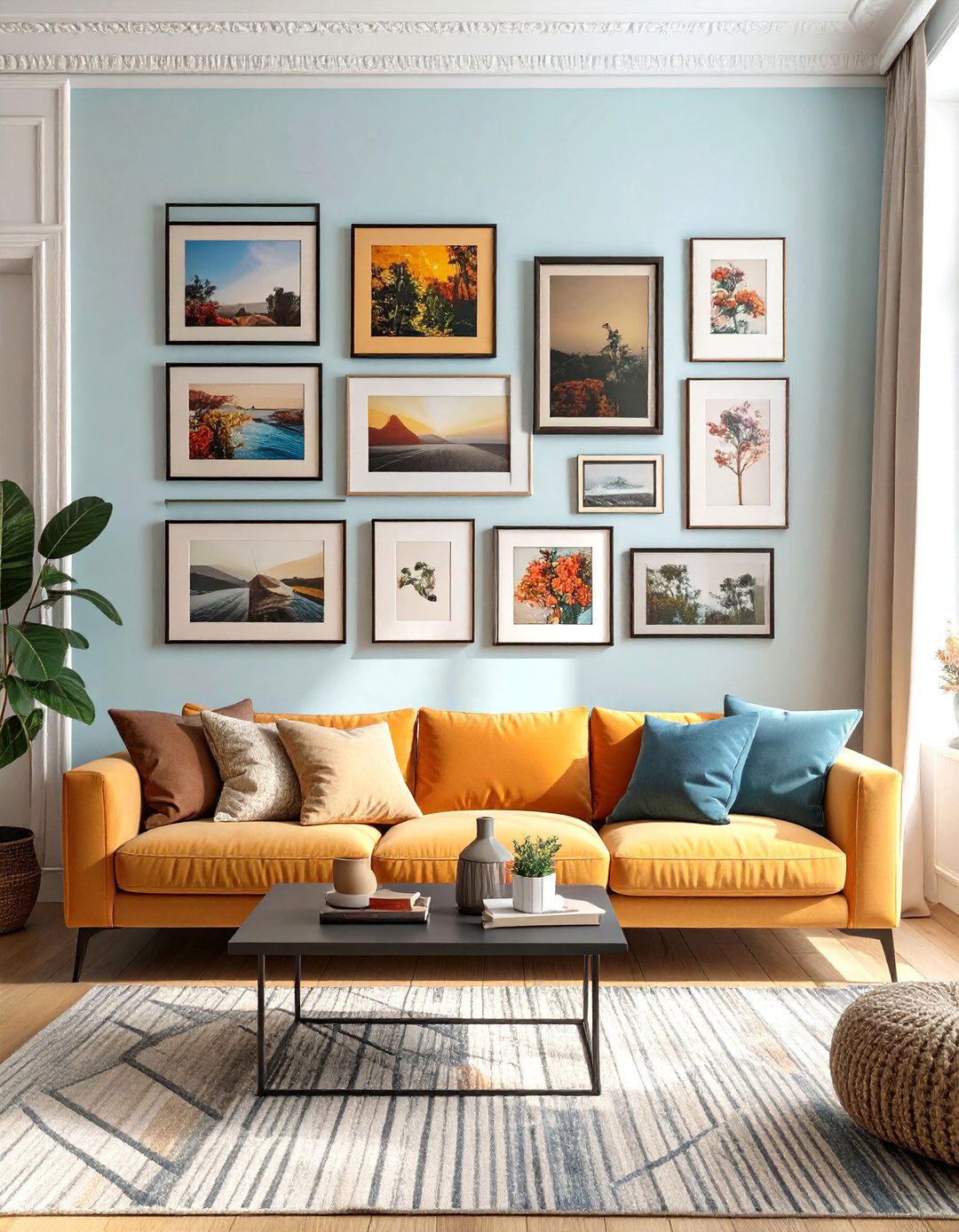
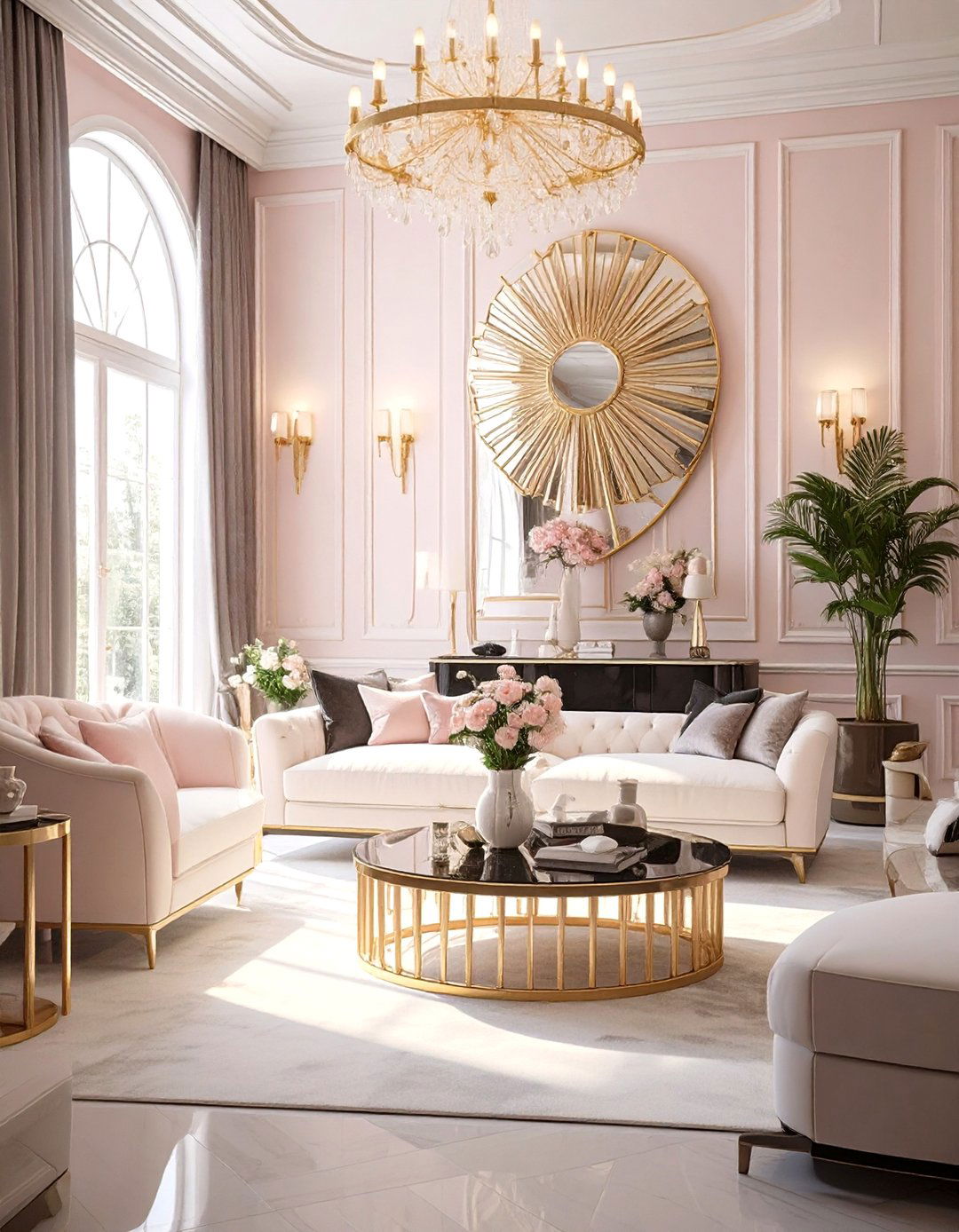
10. The Art Deco Symmetrical Space
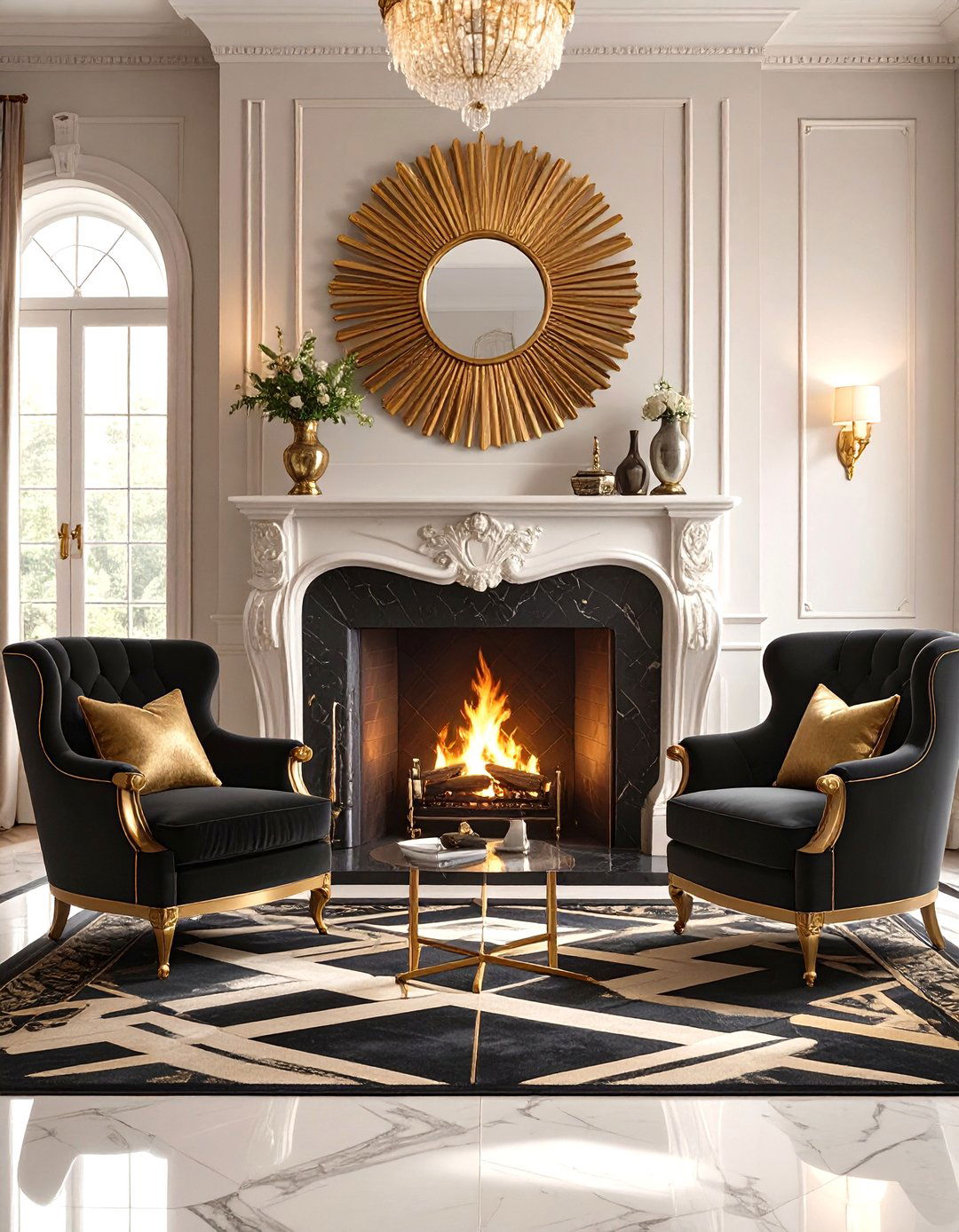
Find harmony in the bold geometry and lavish ornamentation of Art Deco style is built on the principle of symmetry, creating a sense of order and visual are often formal, with furniture arranged in mirrored pairs around a central focal point, like a fireplace or a statement color palette is rich and high-contrast, featuring deep jewel tones, black, and metallic gold or are luxurious: think velvet, polished wood, and are key, with sunburst motifs, chevrons, and geometric shapes appearing on textiles, wallpaper, and inlaid details.
11. Industrial Loft Open-Plan Living
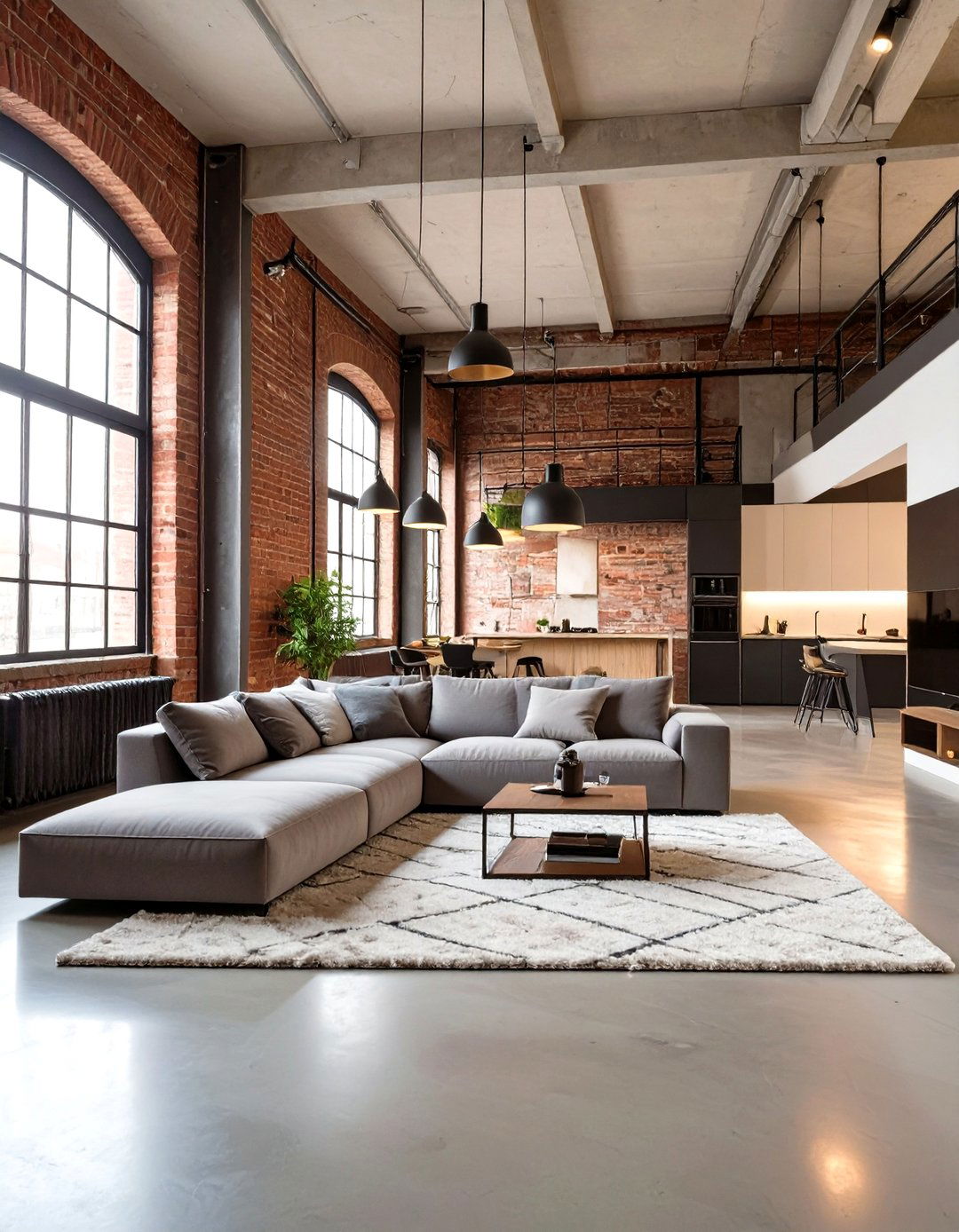
How can a raw, industrial space feel harmonious? The key is to balance hard and soft elements within an open-plan Industrial Loft design celebrates exposed brick walls, concrete floors, and visible create harmony, introduce warmth and texture through a large, comfortable sectional sofa, plush area rugs, and soft combines weathered wood and dark vast, open space is zoned into functional areas — living, dining, kitchen — using furniture placement and large ceilings are perfect for oversized pendant lights that define each zone and add a sculptural element.
12. Classic Traditional Elegance
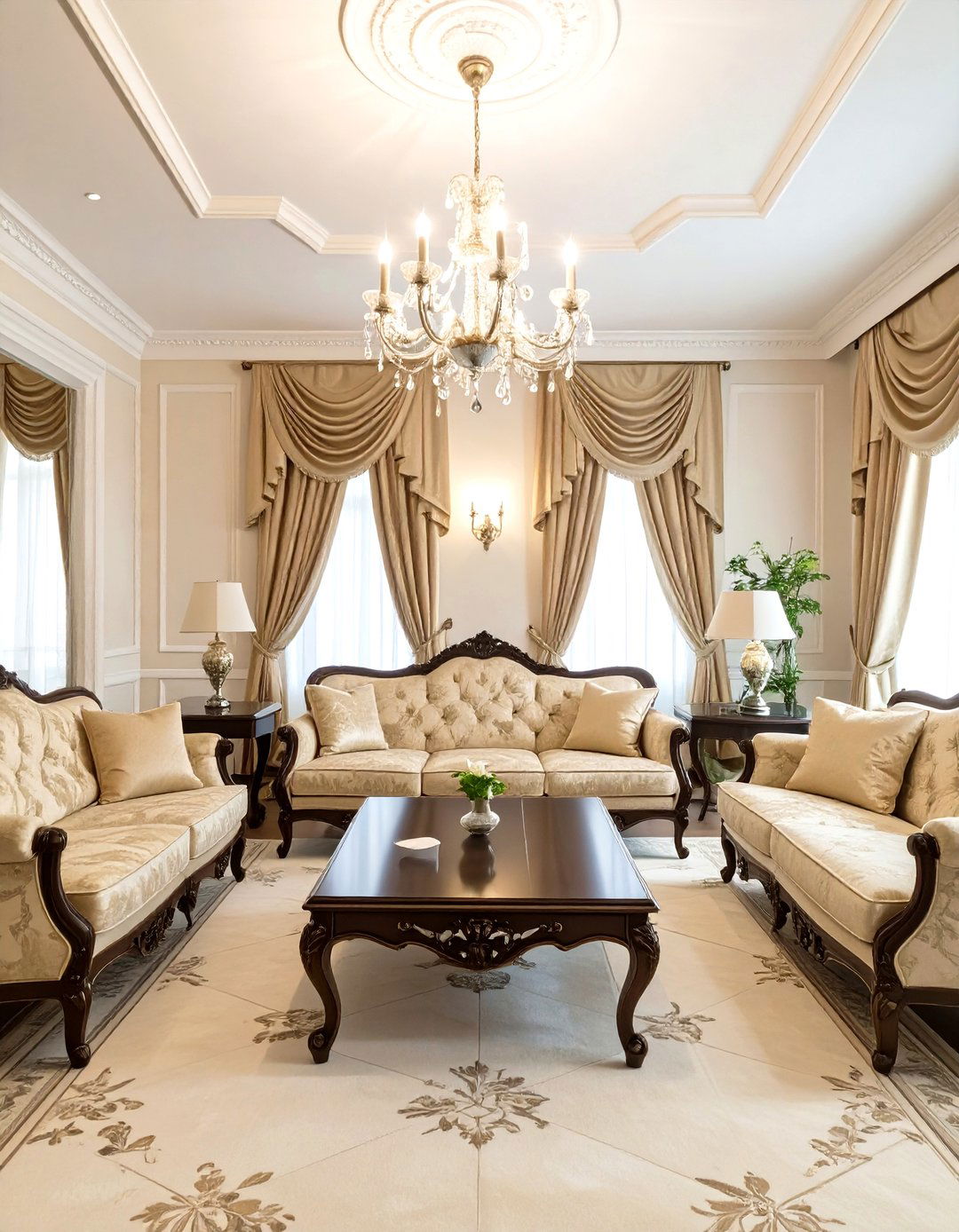
Classic Traditional design achieves harmony through order, symmetry, and a curated collection of timeless layout is often formal and balanced, with furniture arranged to facilitate conversation. A sophisticated color palette of deep reds, blues, and greens is complemented by soft are rich and refined, including dark polished woods, silk, velvet, and like intricate moldings, ornate chandeliers, and antique furniture create a sense of history and key is consistency in style and quality, ensuring every piece contributes to a cohesive and elegant whole.
13. The Transitional Style Bridge
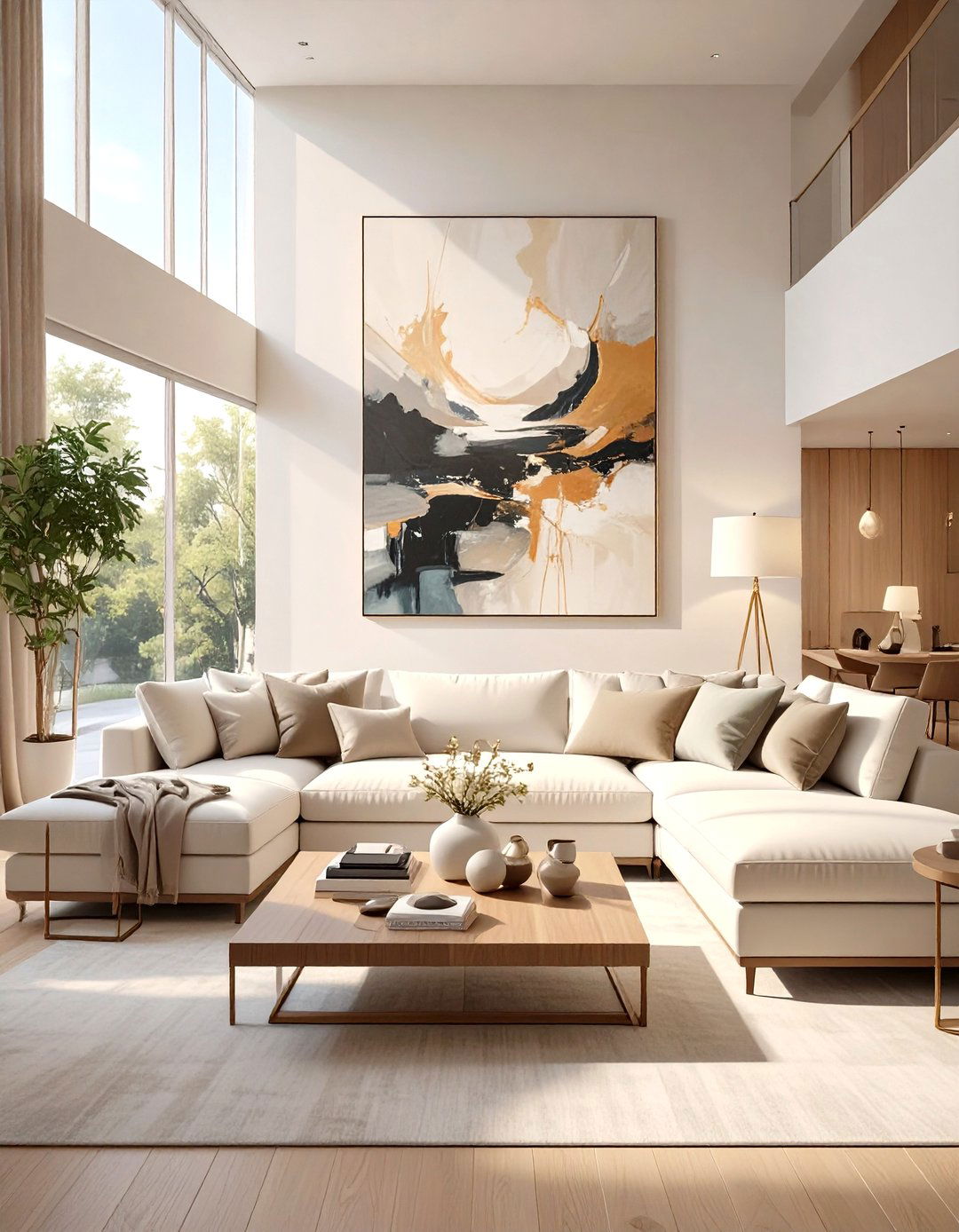
Transitional design creates harmony by blending the comfort of traditional style with the clean profiles of contemporary design. It’s the perfect bridge for those who find one style too formal and the other too color palette is typically neutral and soothing, relying on shades of taupe, tan, and vanilla to create a calm features classic lines but with less ornamentation, often upholstered in textured layout is comfortable and functional, avoiding clutter. A few carefully chosen accessories, like a modern piece of art or a sculptural lamp, add personality without disrupting the balance.
14. French Country Charm
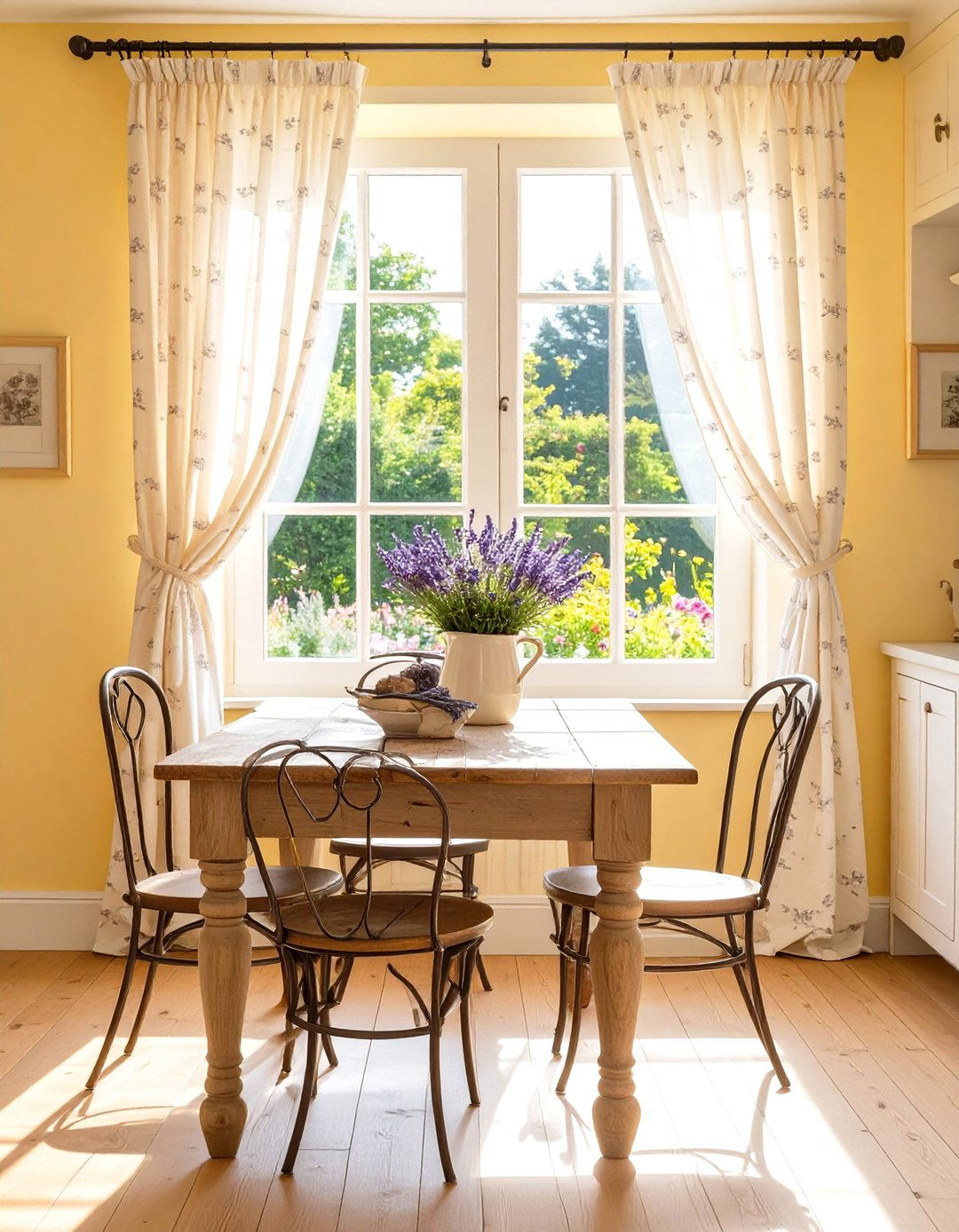
Doesn't the thought of a rustic French cottage evoke instant calm? French Country design achieves harmony through a warm, welcoming, and slightly distressed color palette is inspired by the provincial landscape: soft yellows, pale blues, and creamy whites, accented with pops of lavender and are natural and rustic, including stone floors, rough-hewn wooden beams, and wrought is a mix of elegant curved pieces and sturdy, practical items, often with a painted or weathered and floral fabrics add a layer of softness and traditional charm.
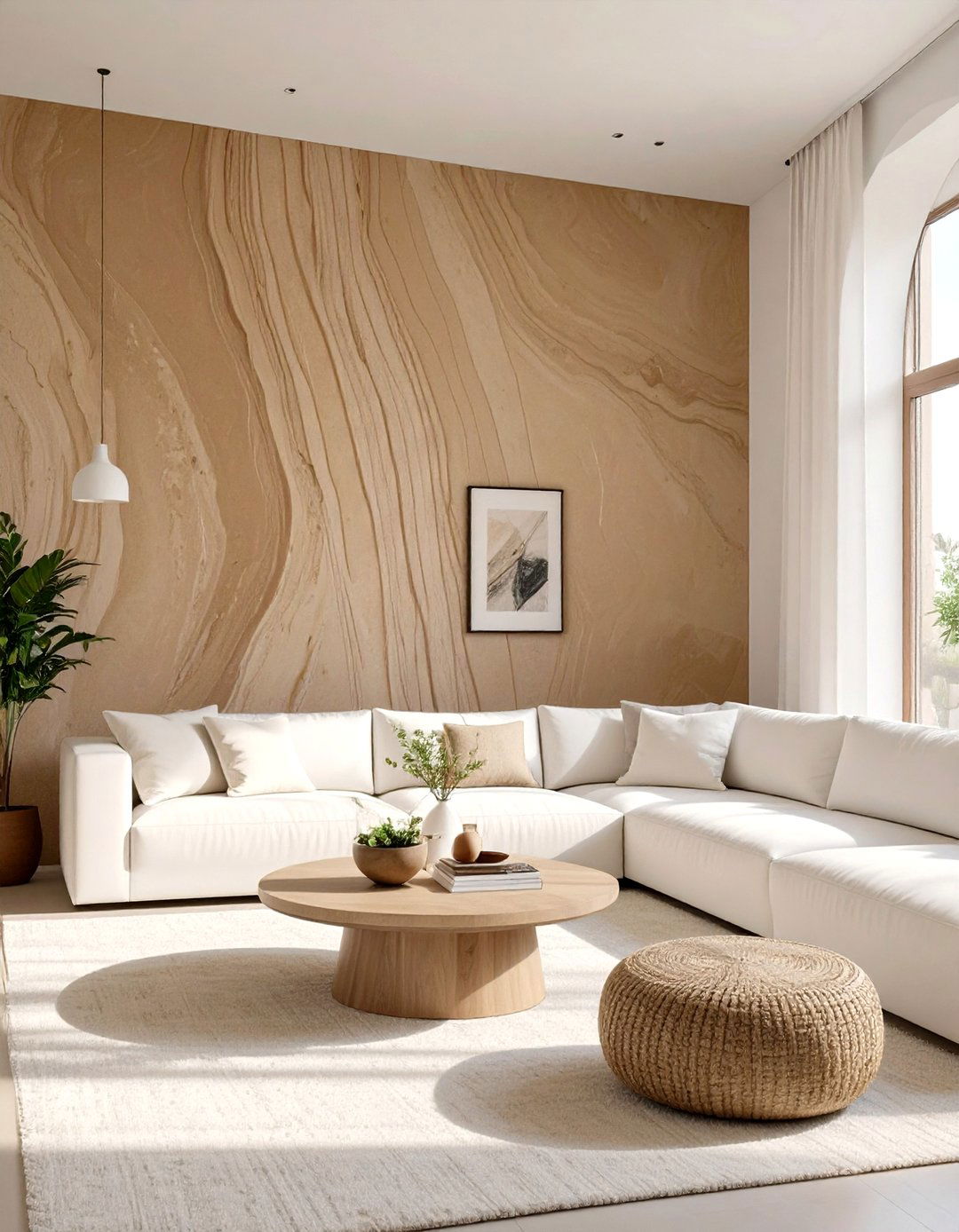


15. The Eclectic Collector's Retreat
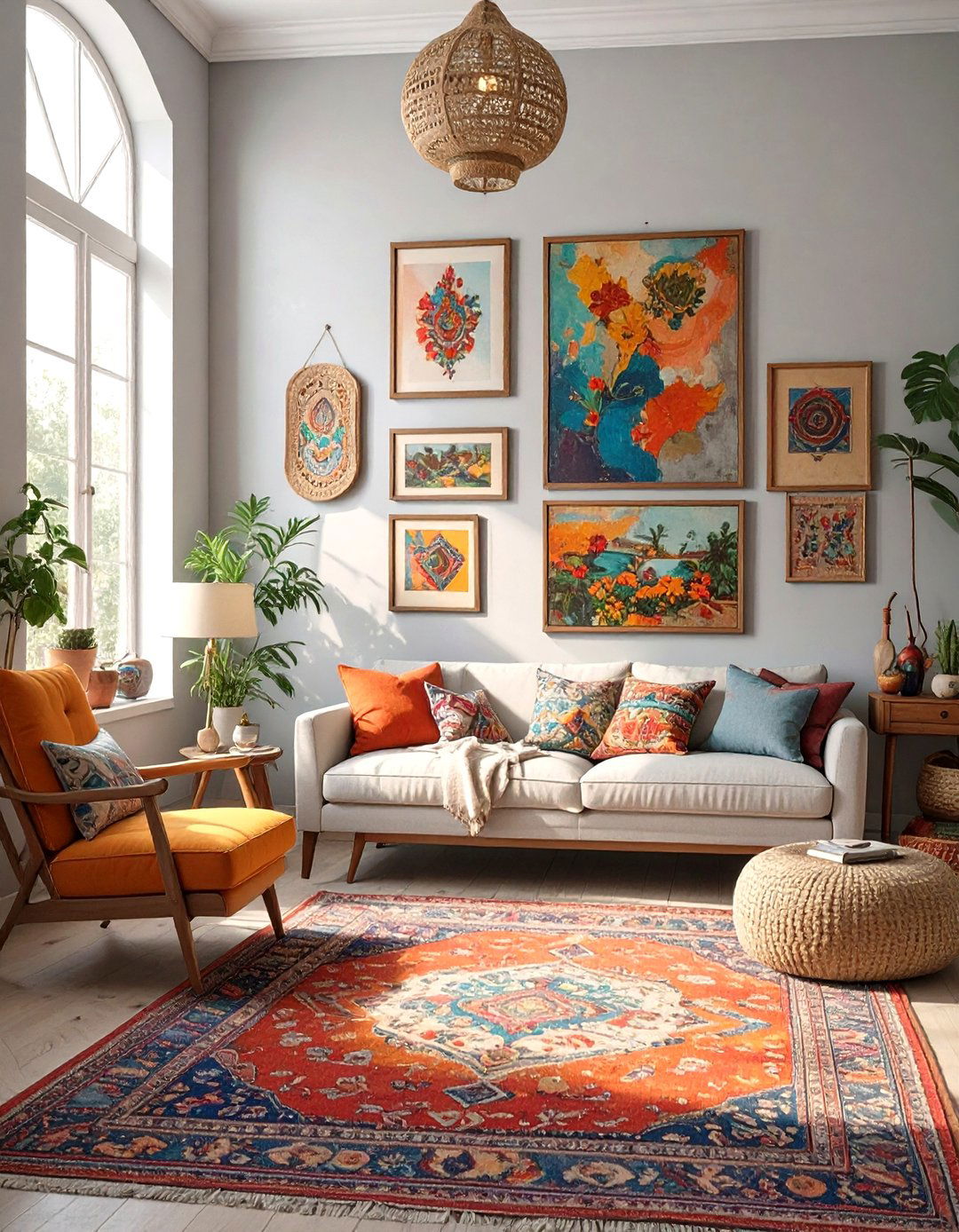
Creating harmony in an eclectic space is about finding a common thread that ties disparate elements could be a consistent color palette, a repeated shape, or a similar Eclectic Collector's Retreat showcases personal treasures, art, and vintage layout might seem informal, but it is carefully curated to avoid feeling cluttered. A neutral wall color can provide a calm canvas for a vibrant collection of from different eras can be unified with matching upholstery or a shared result is a deeply personal and visually interesting space that feels cohesive.
16. The Hollywood Regency Glamour Room
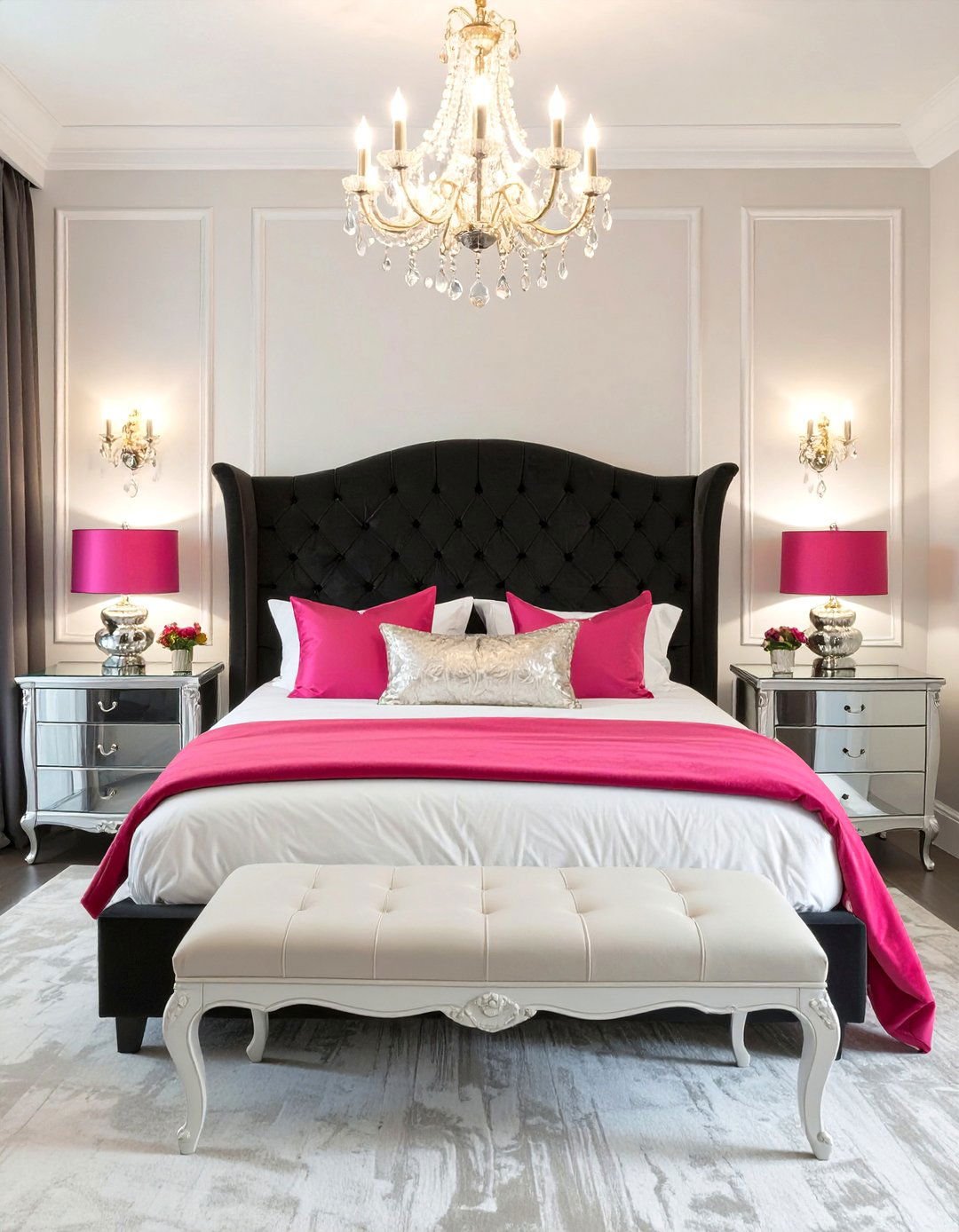
Harmony in Hollywood Regency design comes from its bold use of symmetry, high-contrast color schemes, and luxurious style is all about drama and a living room with twin velvet sofas, a mirrored coffee table, and high-gloss lacquered color palette is typically black and white with a vibrant accent color like hot pink or emerald are formal and balanced, creating a sense of accents, crystal chandeliers, and faux fur throws complete the look, resulting in a space that is both opulent and impeccably ordered.
17. The Moroccan Riad Escape
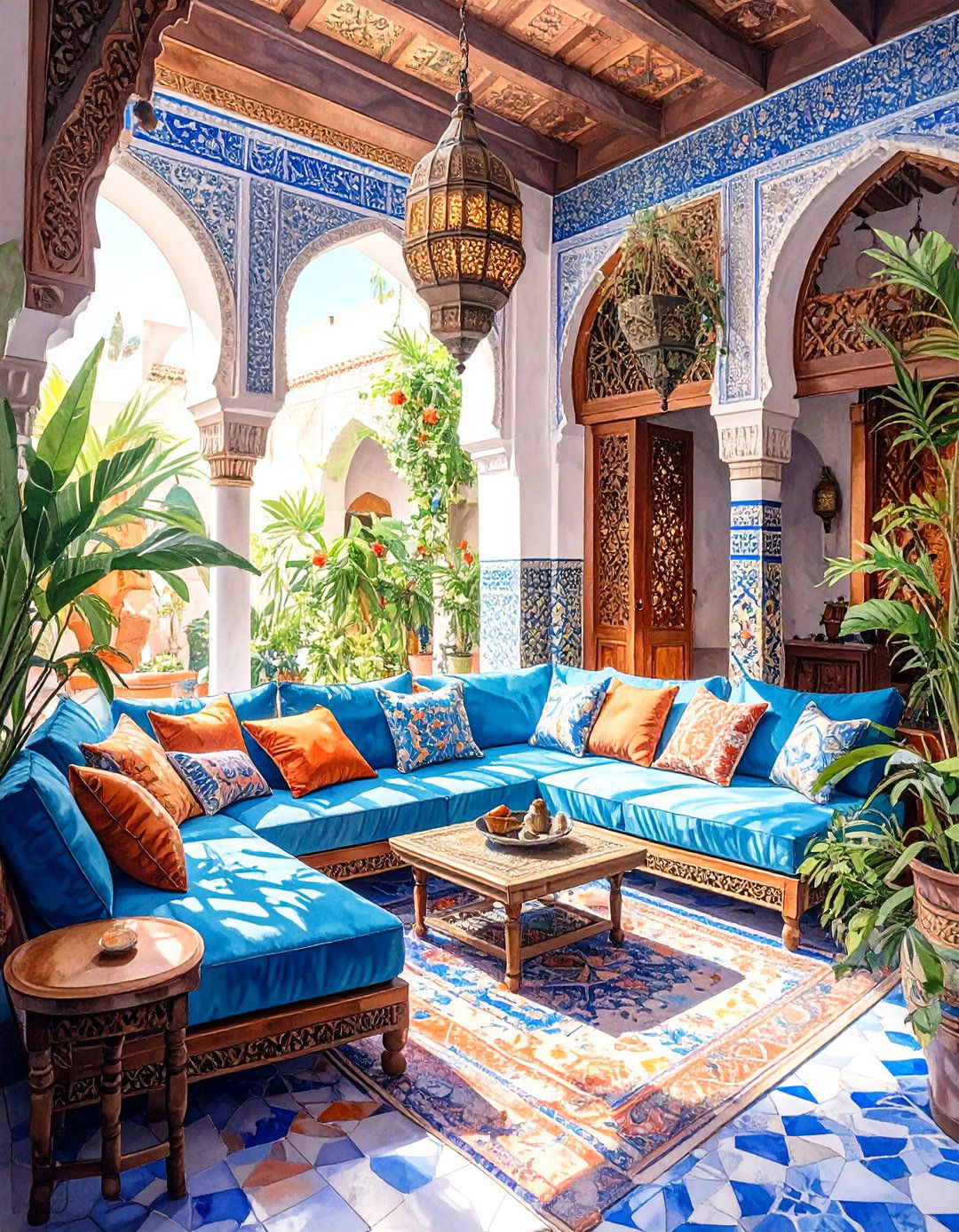
Transport yourself to a tranquil Moroccan courtyard with a Riad-inspired is achieved through intricate patterns, rich textures, and a focus on an inward-facing color palette is warm and vibrant, featuring terracotta, cobalt blue, and saffron elements include detailed tilework (zellige) , carved wood screens (mashrabiya) , and arched is low to the ground, with plush floor cushions and upholstered ottomans encouraging relaxation. A central water feature or an abundance of lanterns enhances the serene, exotic atmosphere, creating a cohesive and immersive environment.
18. The Arts and Crafts Philosophy
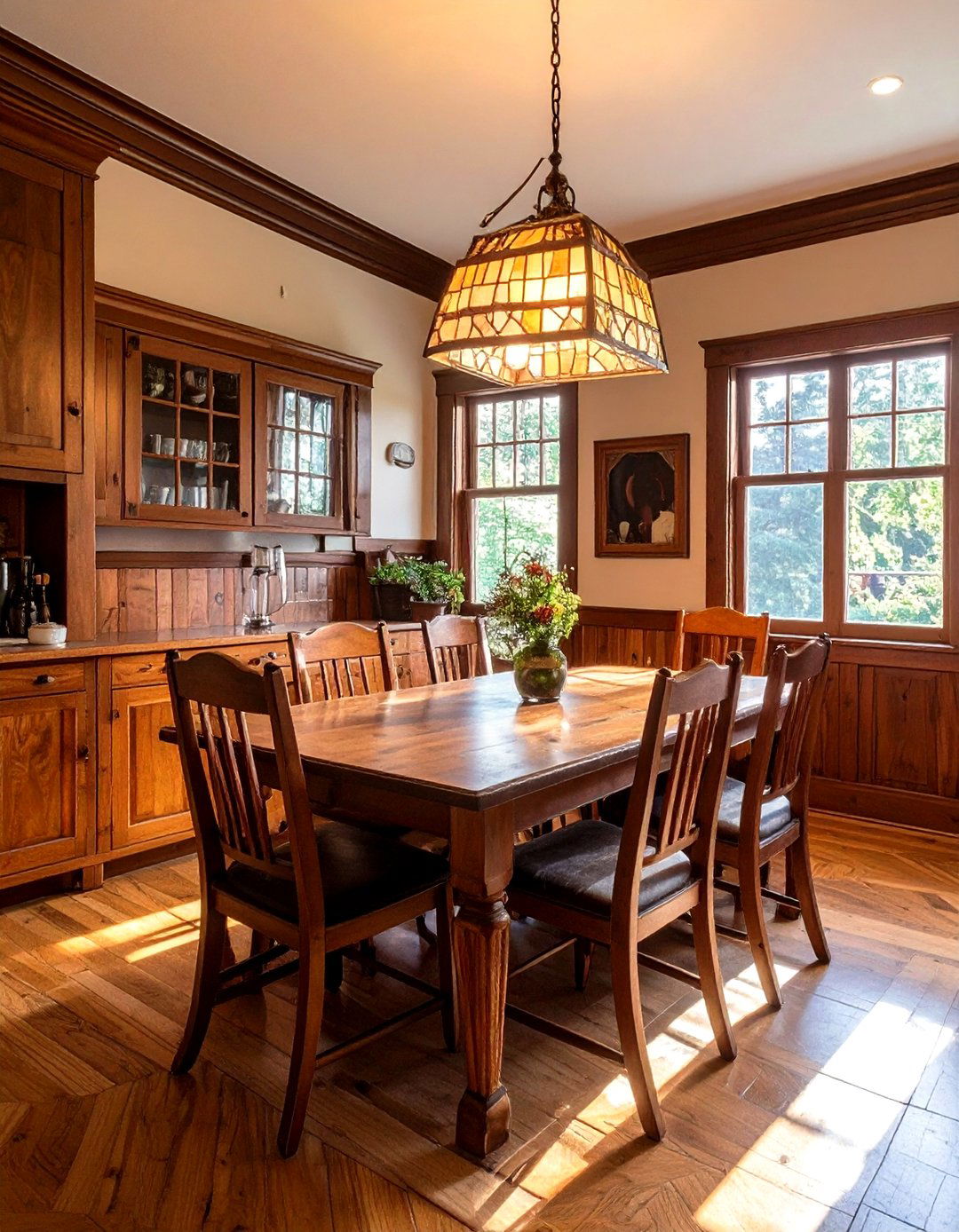
The Arts and Crafts movement championed harmony through craftsmanship, natural materials, and simplicity of design philosophy emphasizes the beauty of handmade objects and the integrity of interior features built-in furniture like bookcases and window seats, creating a seamless and functional color palette is earthy and muted, drawn from wood trim, handcrafted tiles, and simple, sturdy furniture are hallmarks of the is often provided by fixtures with stained glass, casting a warm and inviting is designed to be both beautiful and useful.
19. The Ethereal Pastel Dreamscape
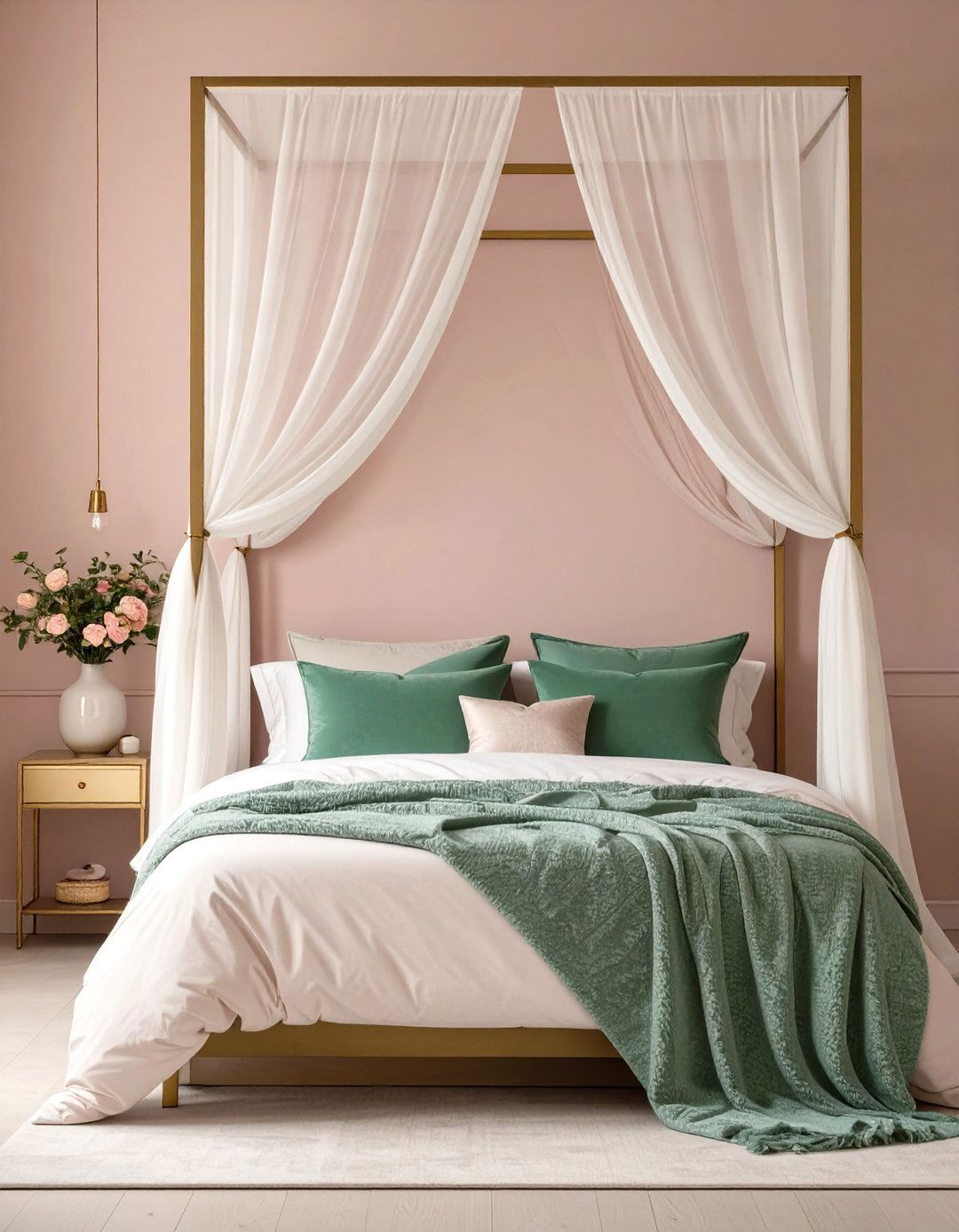
Create a soft, harmonious sanctuary with an Ethereal Pastel design uses a gentle color palette of dusty rose, serenity blue, mint green, and soft lavender to evoke a sense of calm and key is to layer these soft hues without overwhelming the wood furniture, white accents, and metallic touches like brass or copper keep the look fresh and are soft and inviting — think velvet cushions, chunky knit throws, and sheer curtains that diffuse light layout should feel airy and open, creating a dreamlike and peaceful retreat.
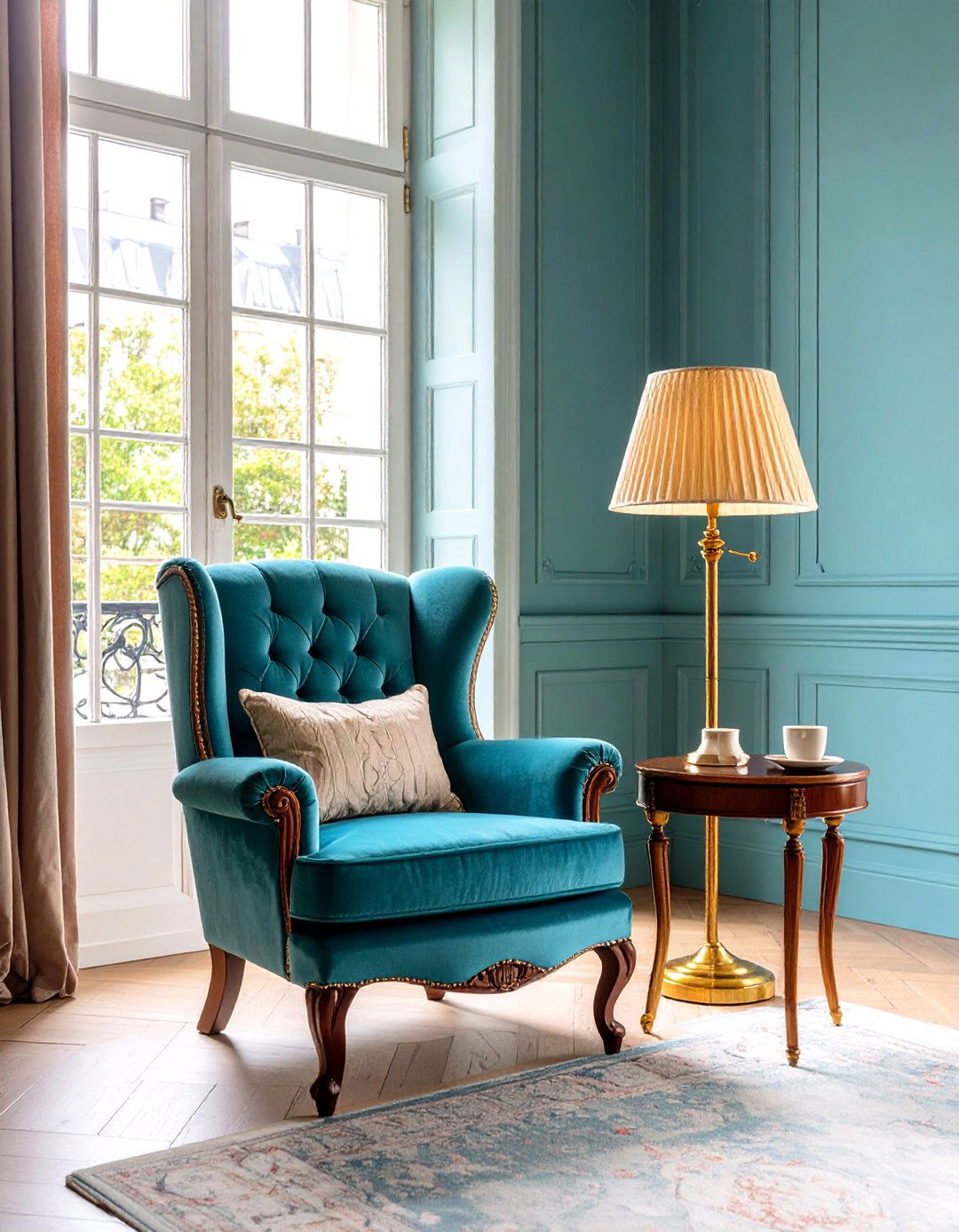
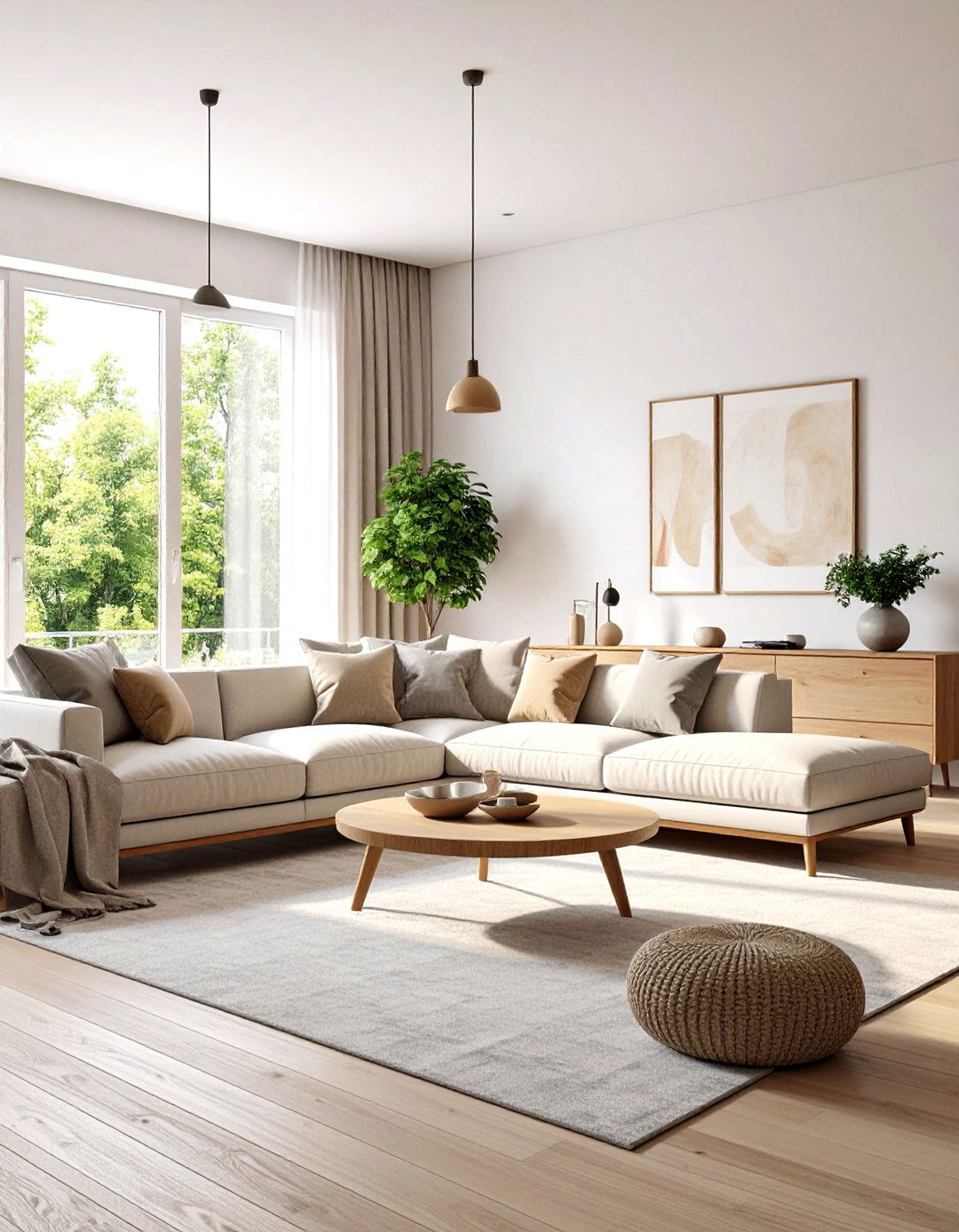
20. The Urban Jungle Oasis
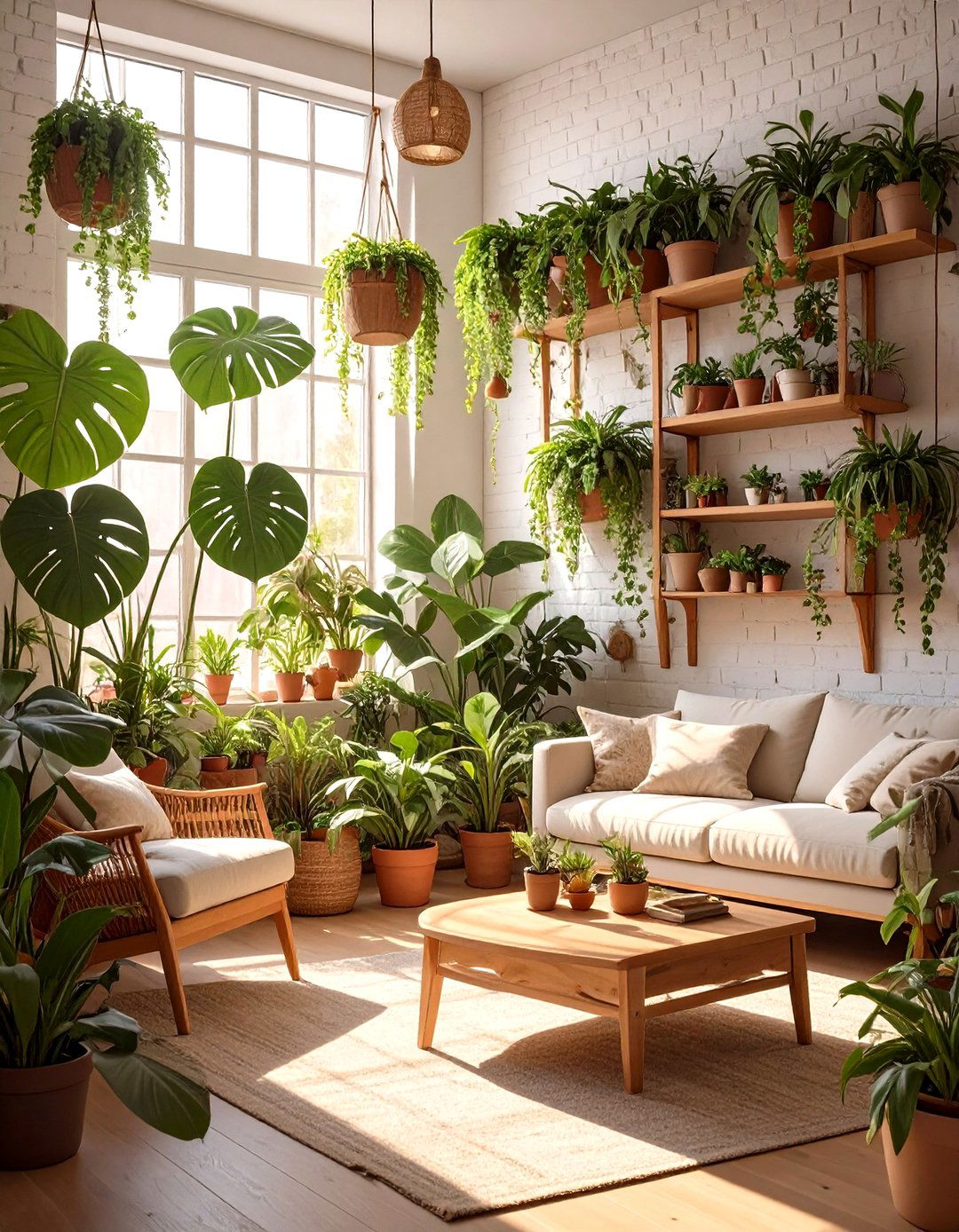
An Urban Jungle Oasis creates harmony by bringing the wild, untamed beauty of nature into a modern city design is defined by an abundance of houseplants of all shapes and sizes, creating a living, breathing color palette is dominated by shades of green, set against a neutral backdrop of white or gray walls and natural wood is often made from natural materials like rattan, bamboo, and layout is designed to accommodate the plants, with shelves, hanging planters, and dedicated corners for larger specimens, creating a cohesive, vibrant ecosystem.
21. The Neutral Tonal Layering
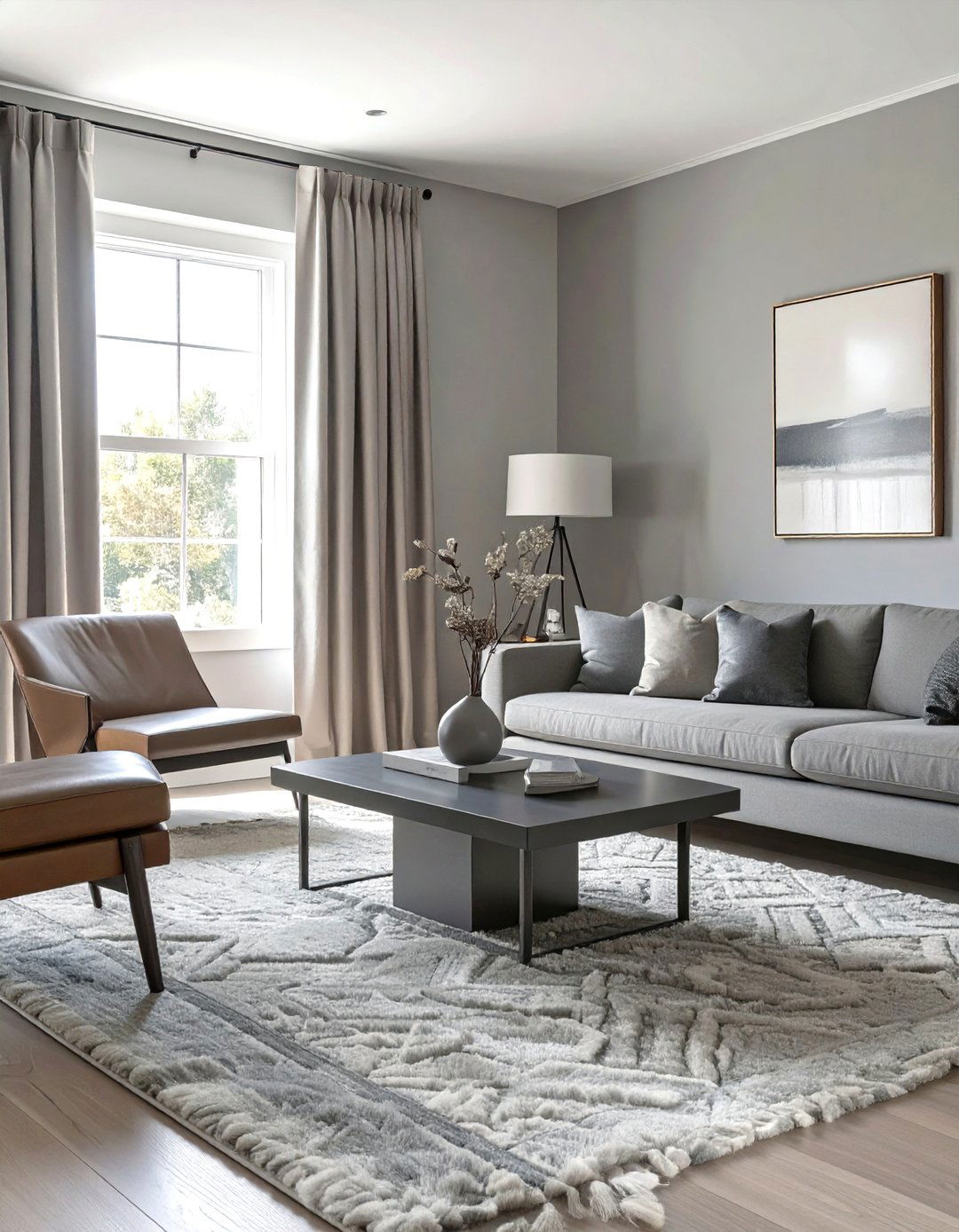
For ultimate tranquility, a neutral tonal design relies on layering various shades of a single color family, such as beige, cream, or is achieved not through contrast but through subtle variations in tone and a living room with a beige linen sofa, a cream-colored wool rug, light taupe walls, and off-white sheer interest comes from mixing materials: a smooth leather accent chair, a rough-hewn wooden coffee table, and soft cashmere creates a sophisticated, serene, and visually cohesive space that feels incredibly calming.
22. The Southwestern Adobe Style
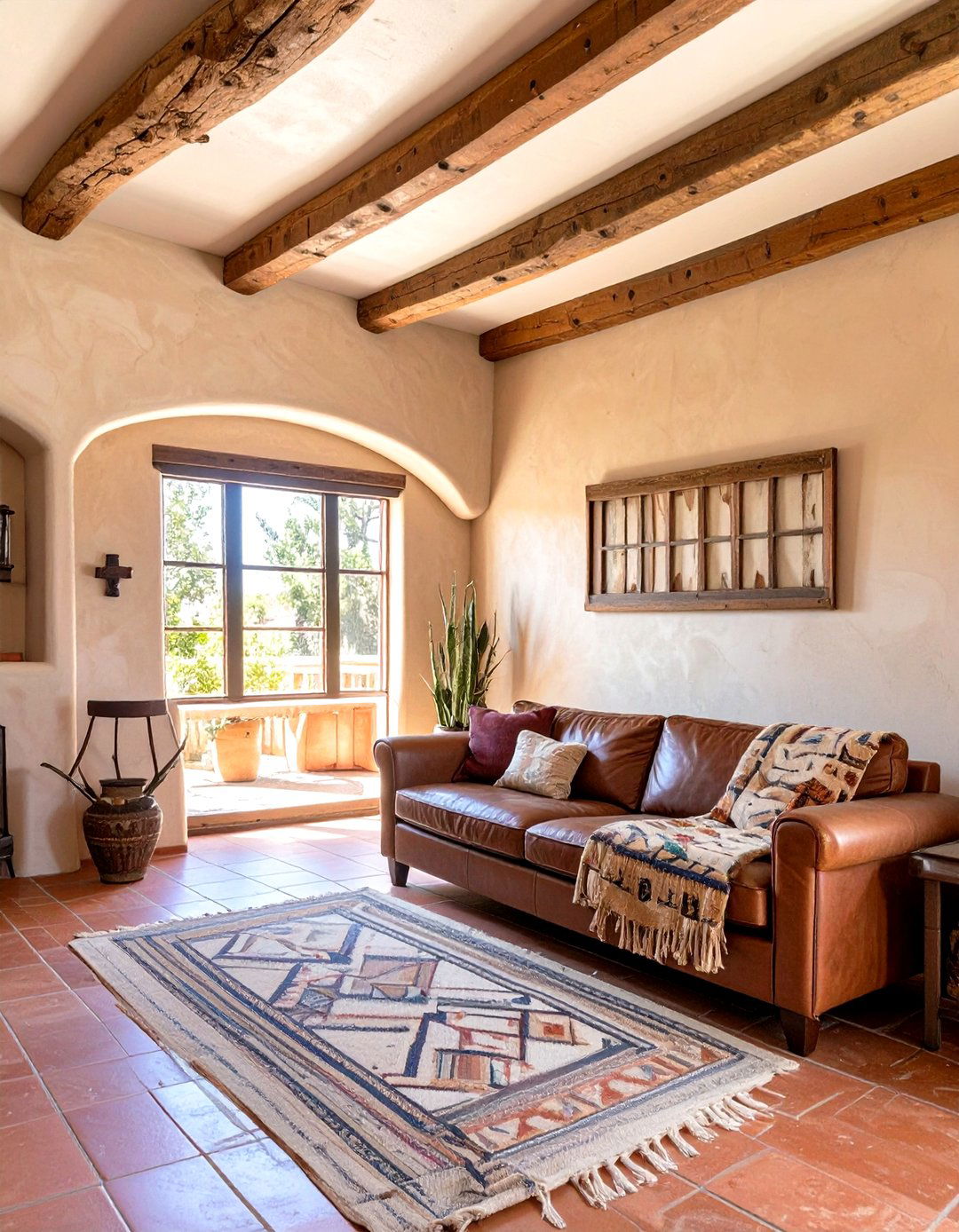
Find harmony in the warm, earthy aesthetic of Southwestern Adobe design is rooted in natural materials and a deep connection to the desert architecture features curved walls, rounded doorways, and exposed wood ceiling beams (vigas). The color palette is warm and sun-baked, with terracotta, sand, and turquoise is simple and rustic, often made of wood and Navajo rugs, pottery, and cacti are key decorative overall effect is a cozy, grounded, and cohesive space that feels both rustic and deeply spiritual.
23. The Dark Academia Study
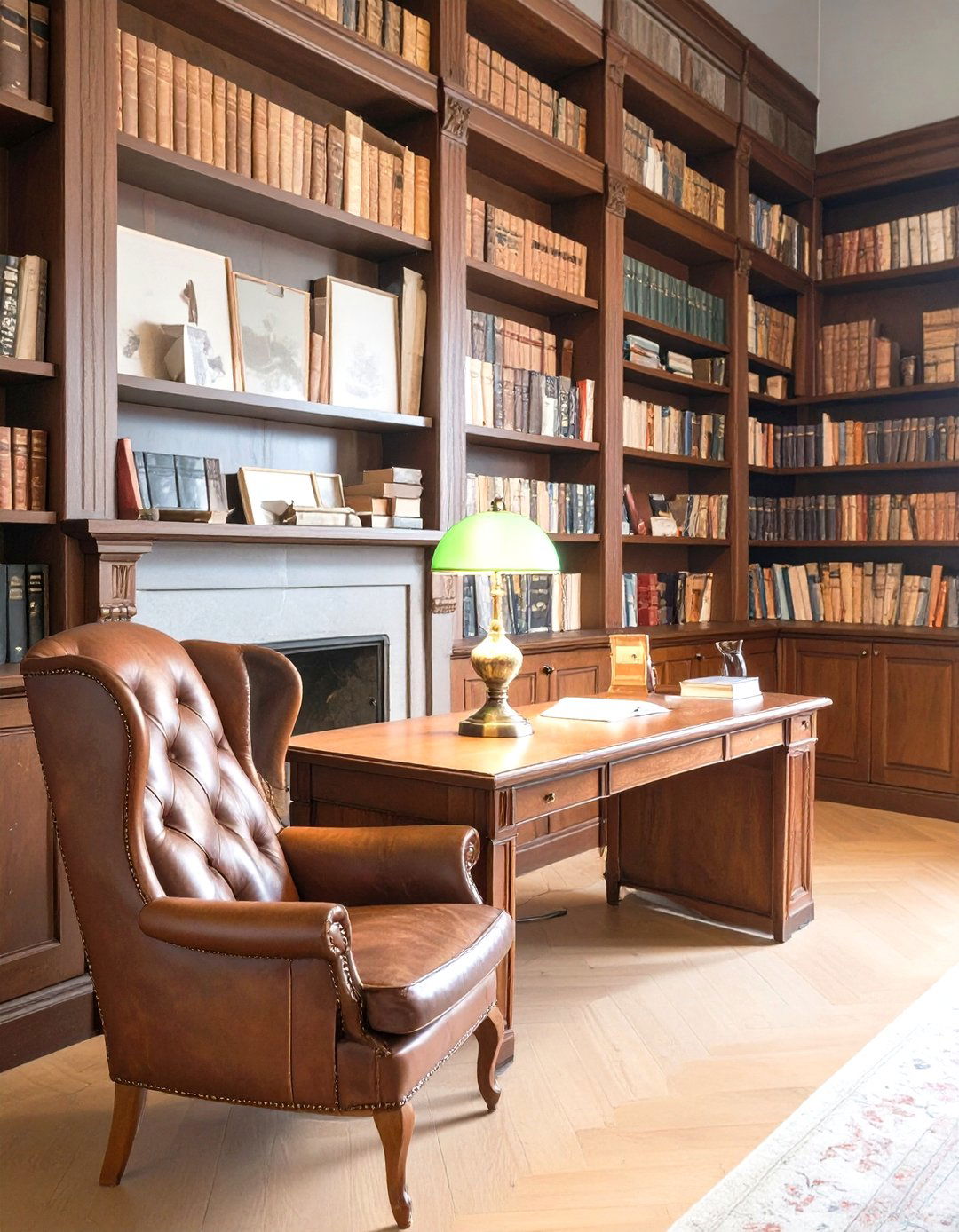
Create a harmonious and moody atmosphere with a Dark Academia theme, perfect for a library or design embraces a deep, rich color palette of charcoal, mahogany, and forest space is filled with dark wood bookcases, leather-bound books, and vintage-inspired furniture like a wingback are key, with velvet curtains, wool rugs, and brass accents adding warmth and layout is cozy and intimate, designed for quiet contemplation and result is a cohesive, intellectual, and atmospheric space that feels both scholarly and comforting.
24. The Zen Garden Interior Flow
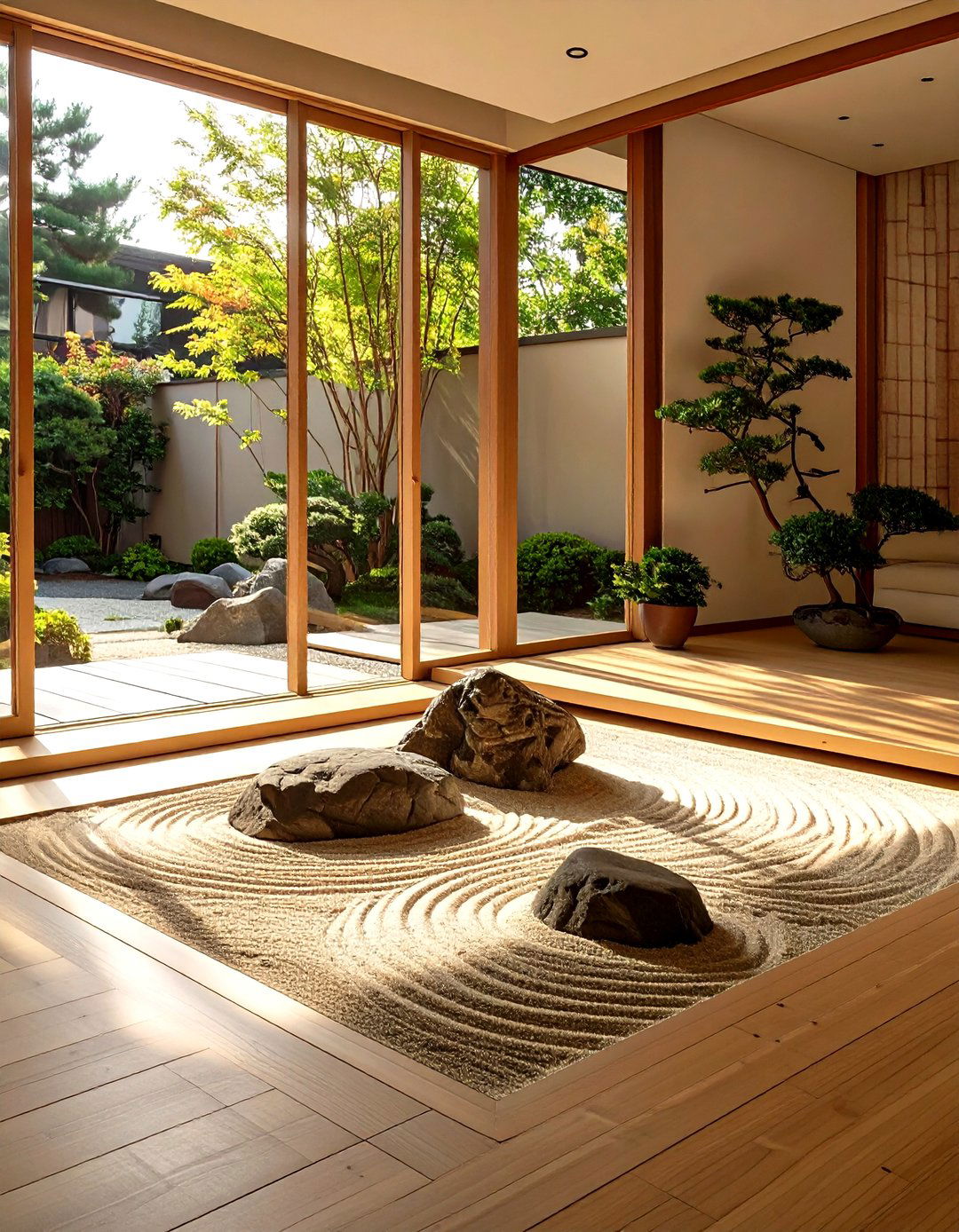
Translate the principles of a Zen garden into your interior for ultimate design focuses on creating flow, balance, and a meditative layout is minimal and open, with clear a neutral color palette of stone gray, sand, and soft are natural: bamboo flooring, slate tiles, and paper shoji is low-profile and simple. A key element is creating a "karesansui" (dry landscape) feature, perhaps a small rock garden in a corner or a sand-filled tray on a goal is a clutter-free, serene environment that encourages mindfulness.
25. The Global Nomad Sanctuary
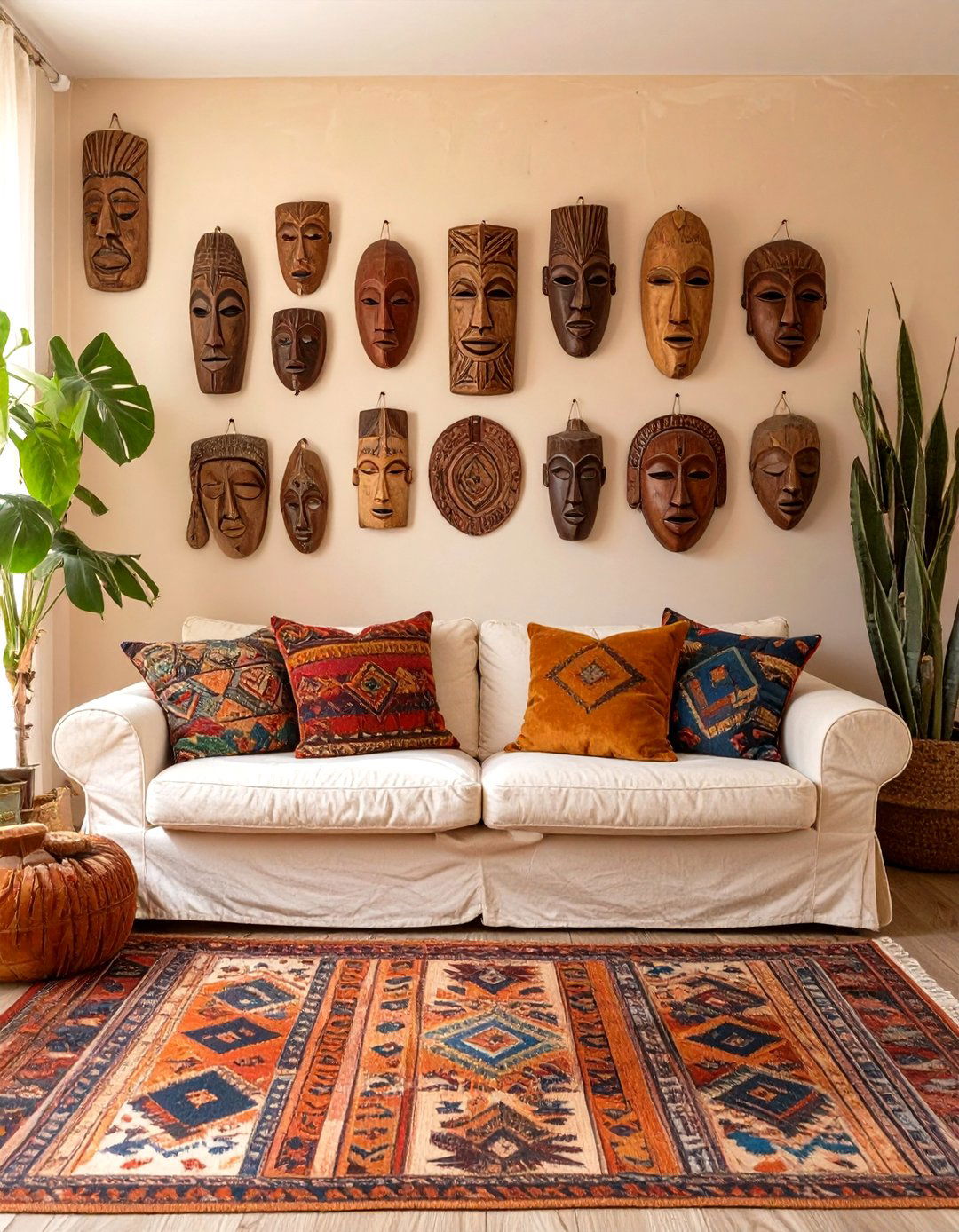
Does your heart yearn for travel and adventure? A Global Nomad Sanctuary achieves harmony by artfully blending textiles, art, and objects from around the key to cohesion is a unifying neutral base palette for walls and large furniture allows vibrant kilim rugs from Turkey, mud cloth pillows from Mali, and carved wooden figures from Indonesia to shine without creating layout is relaxed and informal, filled with comfortable seating and layers of texture. It's a curated collection that tells a story of your journeys, creating a space that is both personal and harmoniously eclectic.
26. The Contemporary Curve Appeal
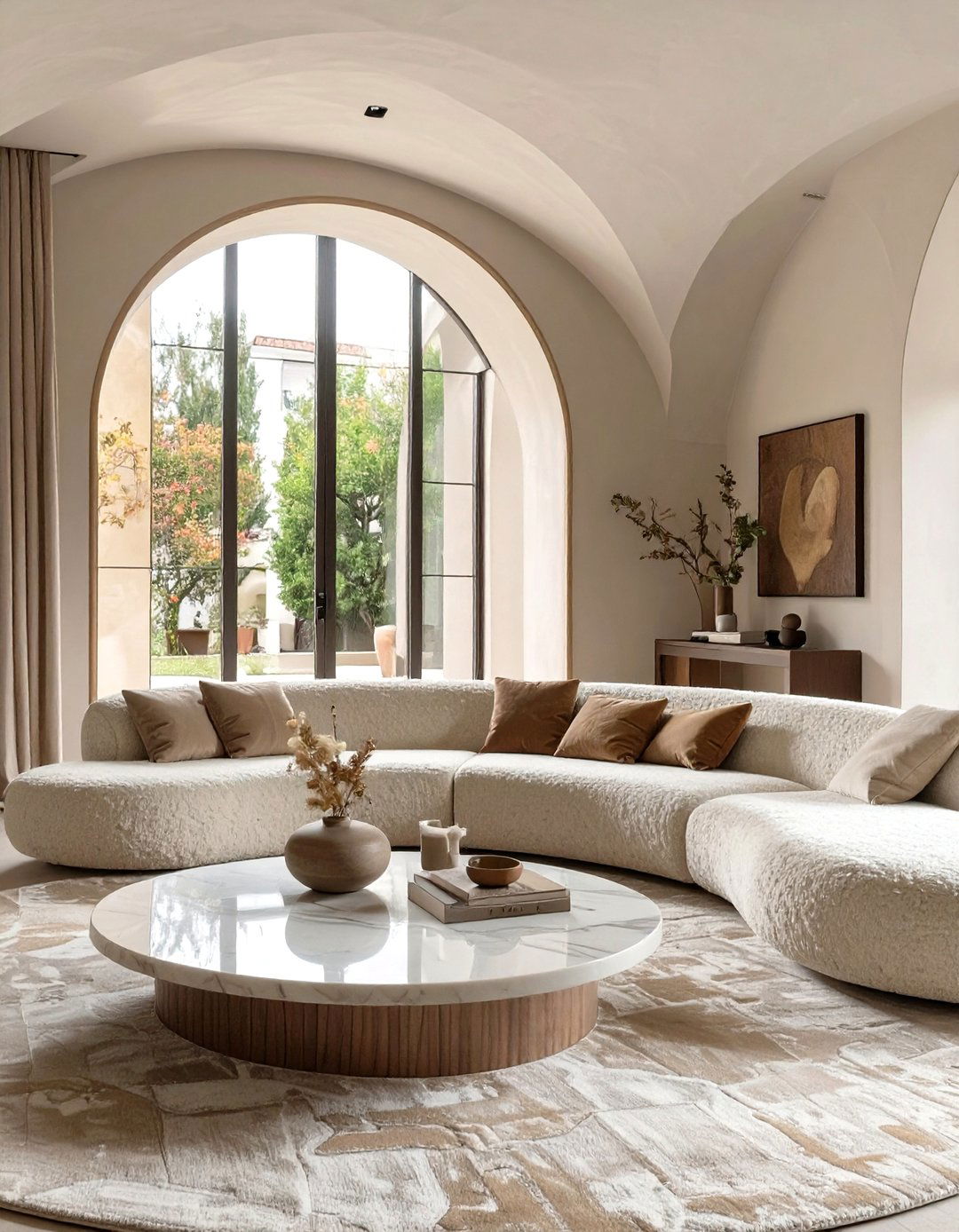
Introduce harmony through soft, flowing lines with a Contemporary Curve style moves away from hard angles and embraces rounded furniture, arched doorways, and circular motifs. A curved sofa can soften a living room, while a round dining table encourages color palette is often soft and sophisticated, with neutrals and muted tones allowing the shapes to take center like boucle, velvet, and smooth plaster enhance the gentle layout is designed to create a graceful flow, guiding the eye and movement through the space in a calming, organic way.
27. The Sustainable Eco-Conscious Home
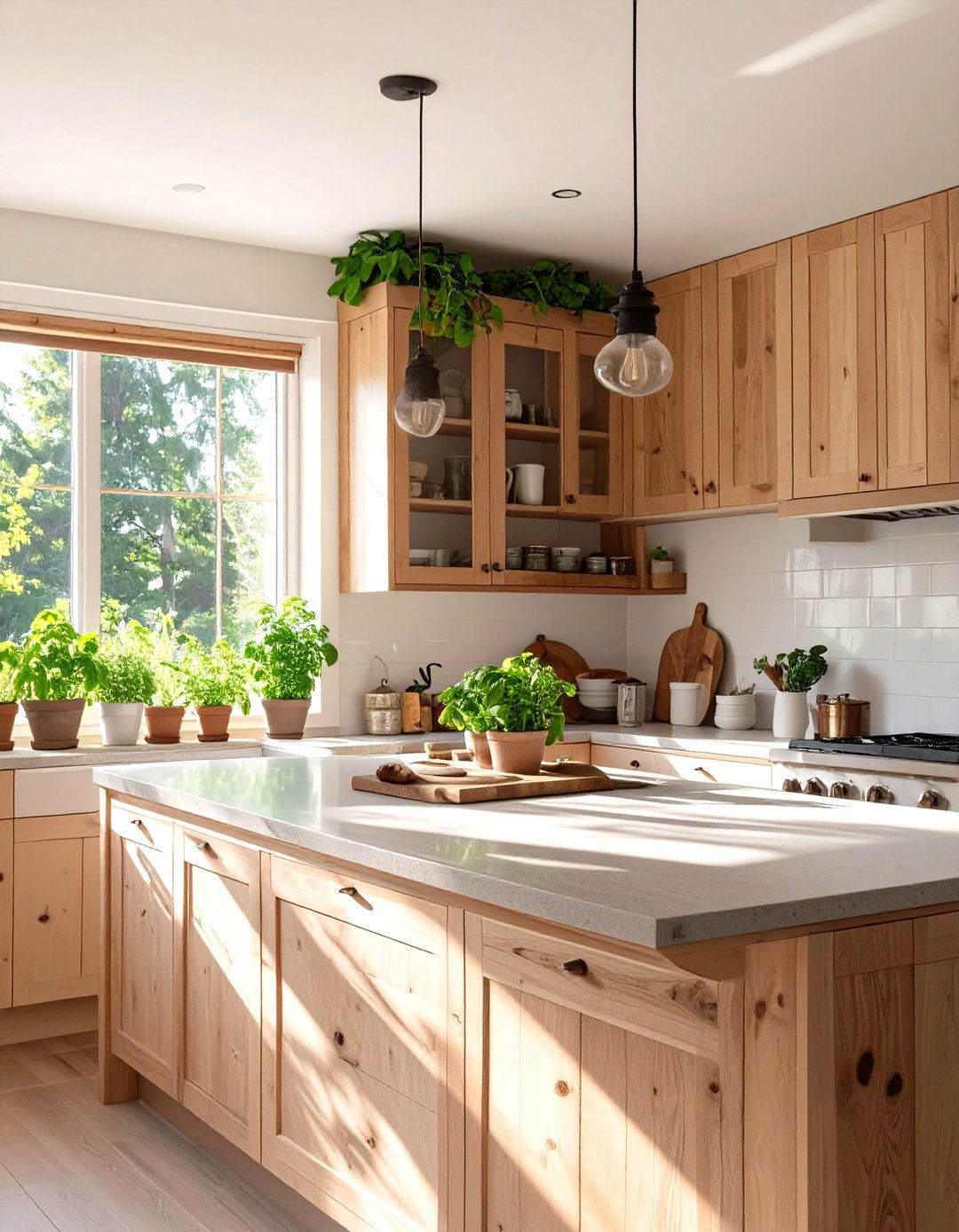
Achieve harmony with nature and your values in a Sustainable Eco-Conscious design prioritizes reclaimed, recycled, and non-toxic reclaimed wood flooring, recycled glass countertops, and furniture made from bamboo or color palette is naturally derived, using low-VOC paints in earthy layout maximizes natural light and ventilation to reduce energy includes organic cotton textiles, handmade items from local artisans, and plenty of indoor plants to purify the approach creates a healthy, beautiful, and cohesive space that is kind to the planet.
28. The High-Contrast Graphic Interior
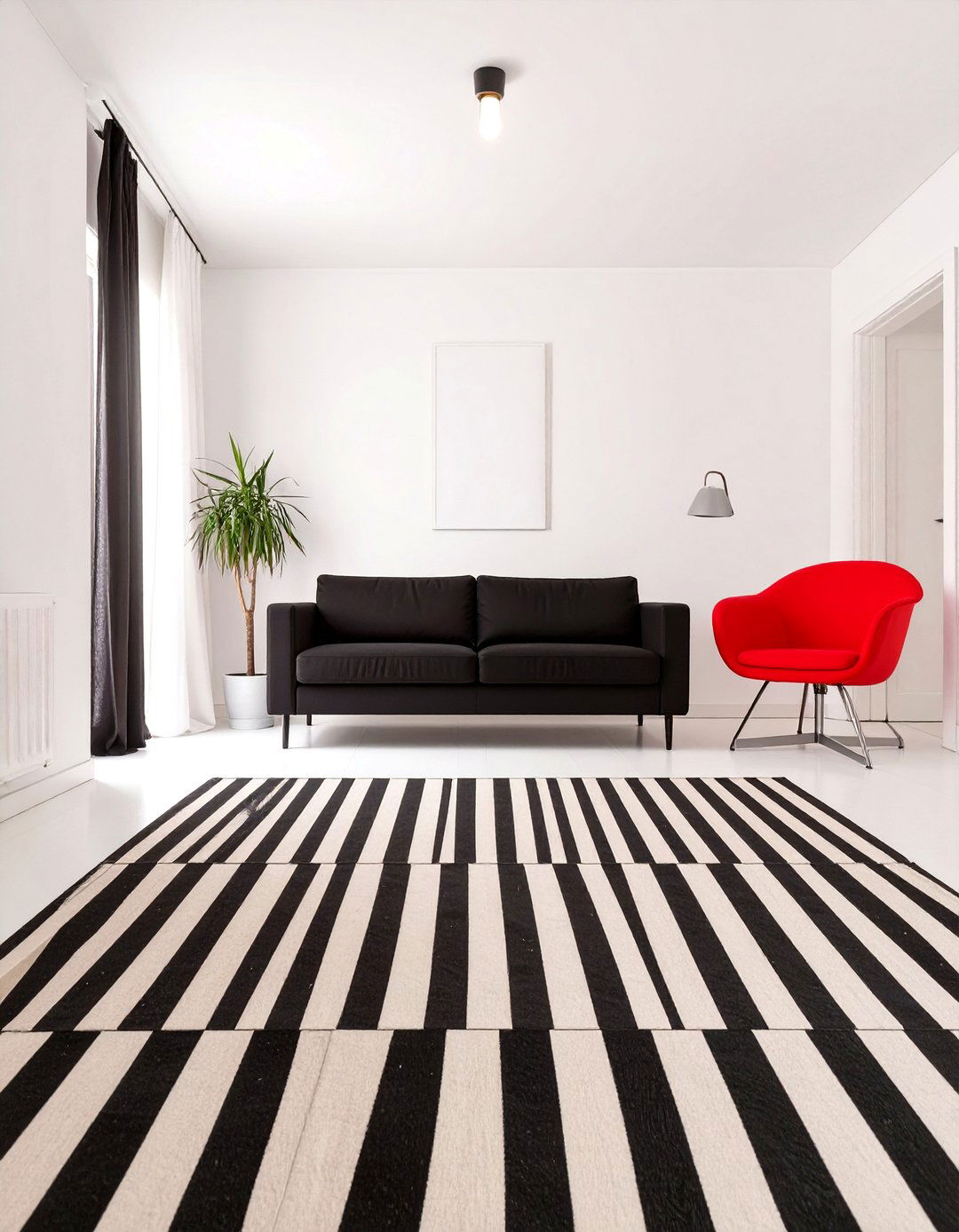
Create a bold and dynamic sense of harmony with a High-Contrast Graphic design relies on the powerful interplay of black and white, often accented with a single, vibrant primary color like red or key is balance; use bold stripes, checkerboard patterns, or large-scale graphic art as focal points against a clean, simple is modern with clean lines and geometric layout is precise and uncluttered, allowing each graphic element to make a strong creates a visually stimulating yet ordered environment that feels intentional and cohesive.
29. The Vintage Cottagecore Dream
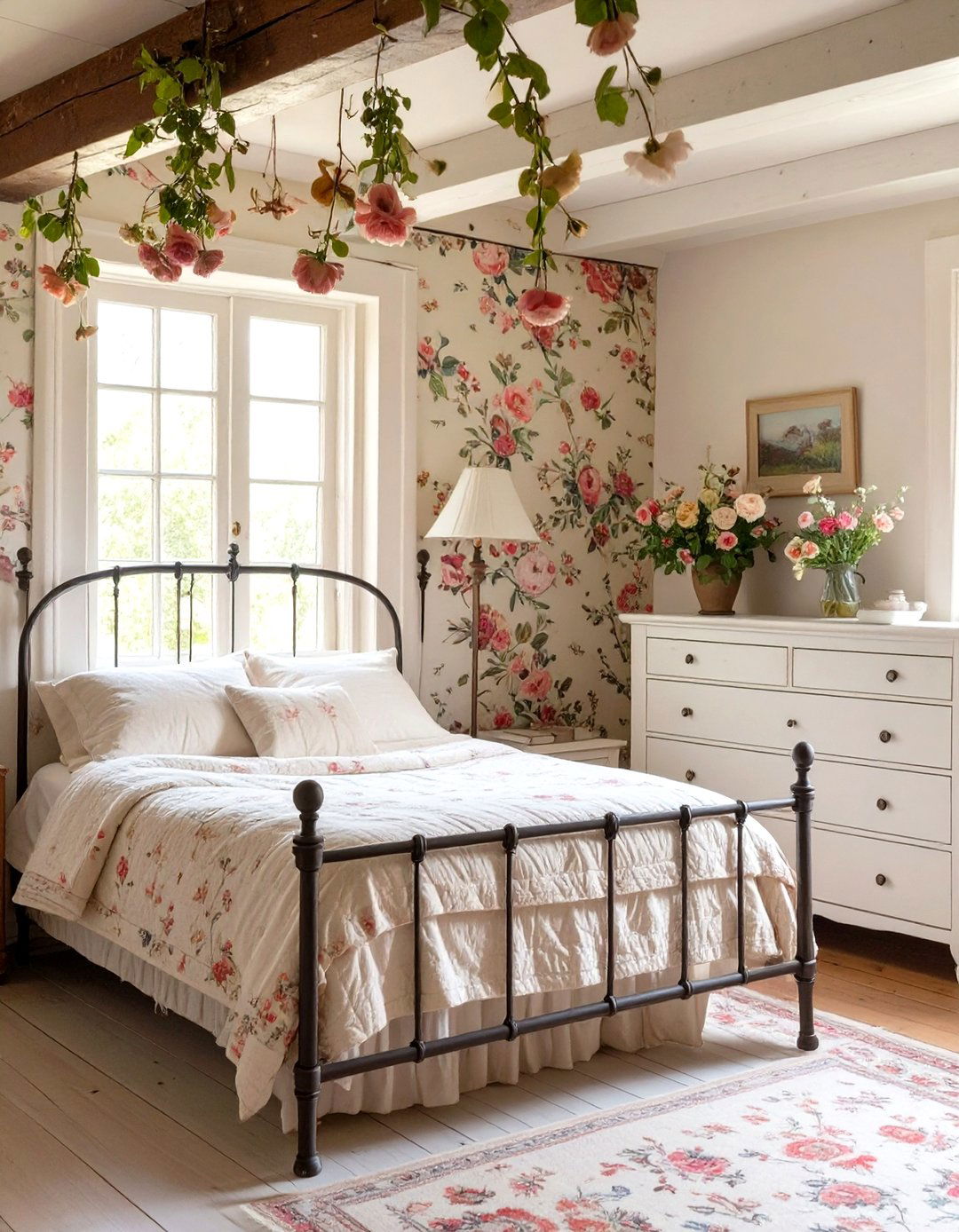
Step into a romantic, nostalgic world with a Vintage Cottagecore here is created through a curated collection of antique finds, floral patterns, and handmade color palette is soft and pretty, with pastel pinks, baby blues, and creamy is mismatched but complementary, featuring painted wood and distressed space is filled with cozy textiles like quilts, lace, and embroidered includes vintage botanical prints, dried flowers, and open shelving displaying charming teacups and pottery. It’s a busy but cohesive look that feels deeply personal and comforting.
30. The Spa-Inspired Bathroom Retreat
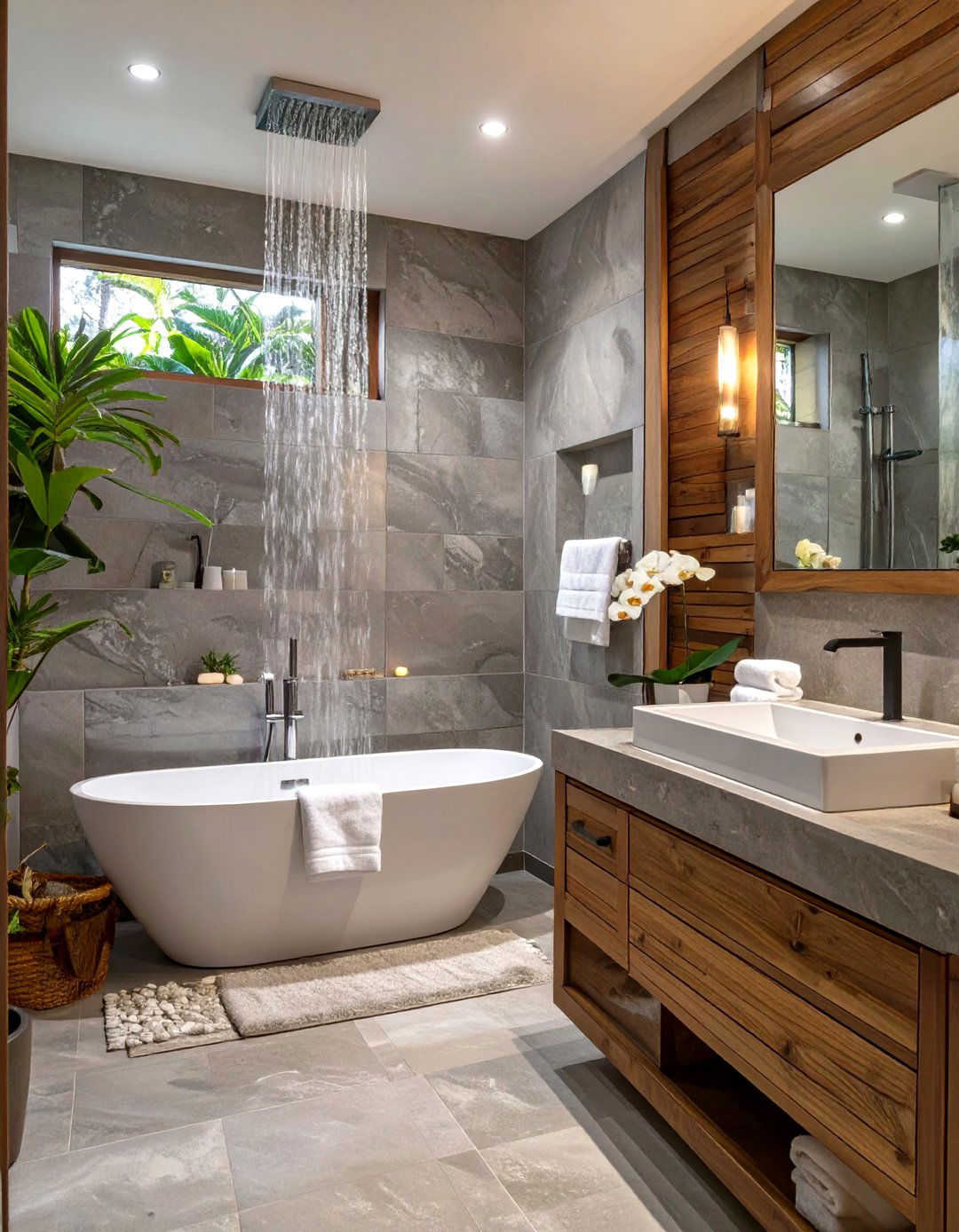
Transform your bathroom into a harmonious Spa-Inspired design focuses on creating a serene and luxurious atmosphere for relaxation and a calming, neutral color palette of whites, grays, and soft are natural and tactile, such as stone tiles, teak wood accents, and river layout should be uncluttered, with smart storage solutions to hide toiletries. A freestanding bathtub, a rainfall showerhead, and dimmable lighting are essential plush towels, scented candles, and a few green plants to complete the tranquil, cohesive, and restorative experience.
Conclusion:
Ultimately, achieving harmony in interior design is about creating a space that feels like a natural extension of yourself. It’s a thoughtful process of balancing color, texture, light, and form to craft an environment that is both visually pleasing and emotionally the minimalist calm of Japandi to the warm embrace of a Rustic Farmhouse, each of these 30 ideas demonstrates that harmony is not a single style but a guiding focusing on cohesion and flow, you can transform any house into a sanctuary — a balanced, unified, and deeply personal home that nurtures your well-being every single day.

Related posts:



Leave a Reply