
Victorian interior design embodies a rich and layered aesthetic born from an era of prosperity, innovation, and global exploration. Characterized by its "more is more" philosophy, this style rejects minimalism in favor of ornate details, deep colors, and an abundance of decorative objects. From elaborate furniture to intricate patterns on every surface, Victorian homes were designed to showcase wealth, status, and sentimentality. The look is a complex tapestry of Gothic Revival, Rococo, and influences from around the world, creating spaces that are both grand and deeply personal. This approach results in rooms that are full of character, history, and dramatic flair.
1. Rich Jewel-Toned Color Palettes
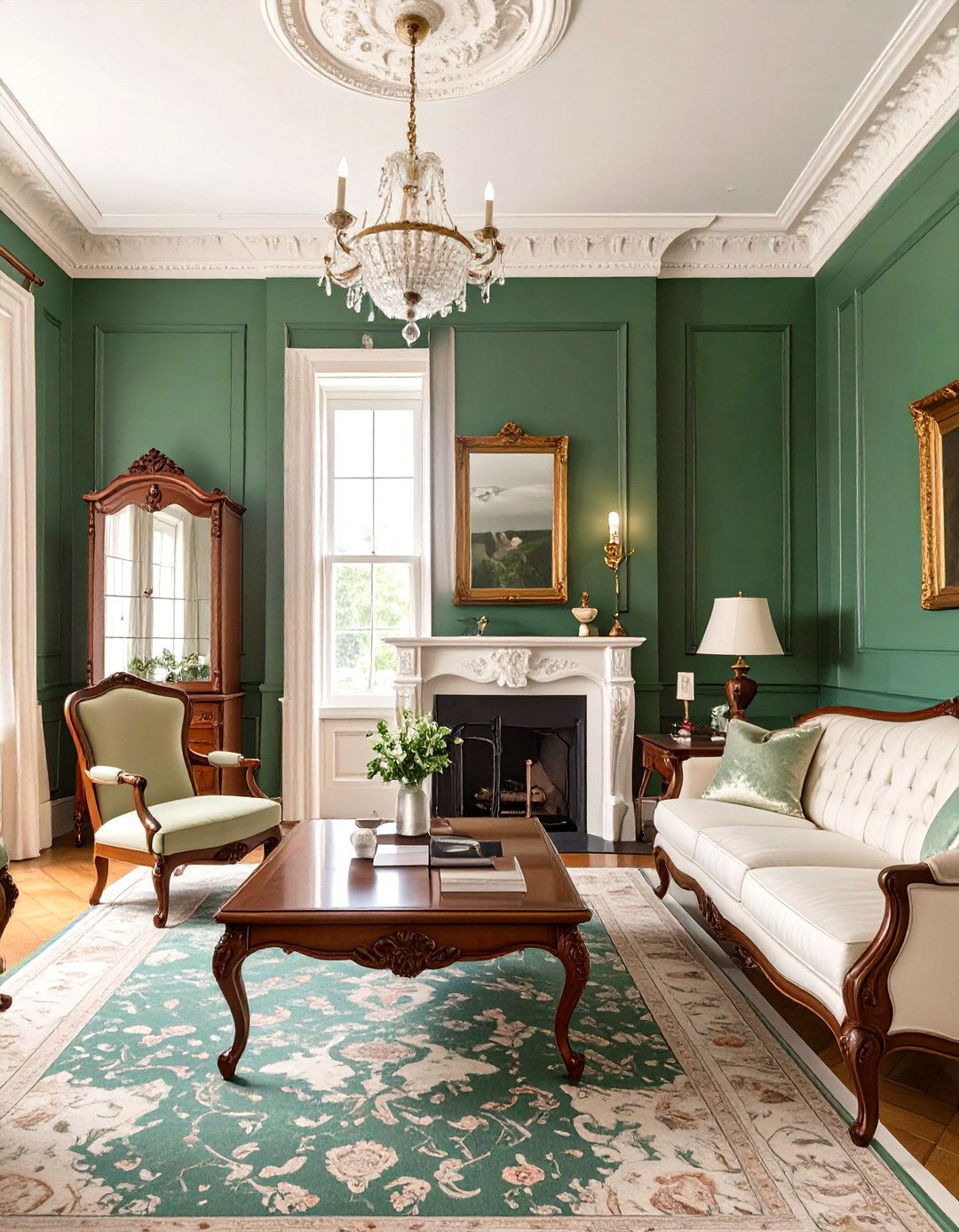
A hallmark of Victorian design is the use of deep, saturated colors that create a cozy and opulent atmosphere. Think of walls painted in rich shades like emerald green, sapphire blue, ruby red, or deep burgundy. These jewel tones were often used in formal spaces like the parlor or dining room to convey a sense of wealth and sophistication. To prevent the room from feeling too dark, these bold colors were balanced with dark, polished wood furniture, gilded frames, and intricate cream-colored plasterwork on the ceilings and cornices. This dramatic color scheme provides a perfect backdrop for the era's ornate furnishings and decorative collections.
2. Ornate Floral and Damask Wallpapers
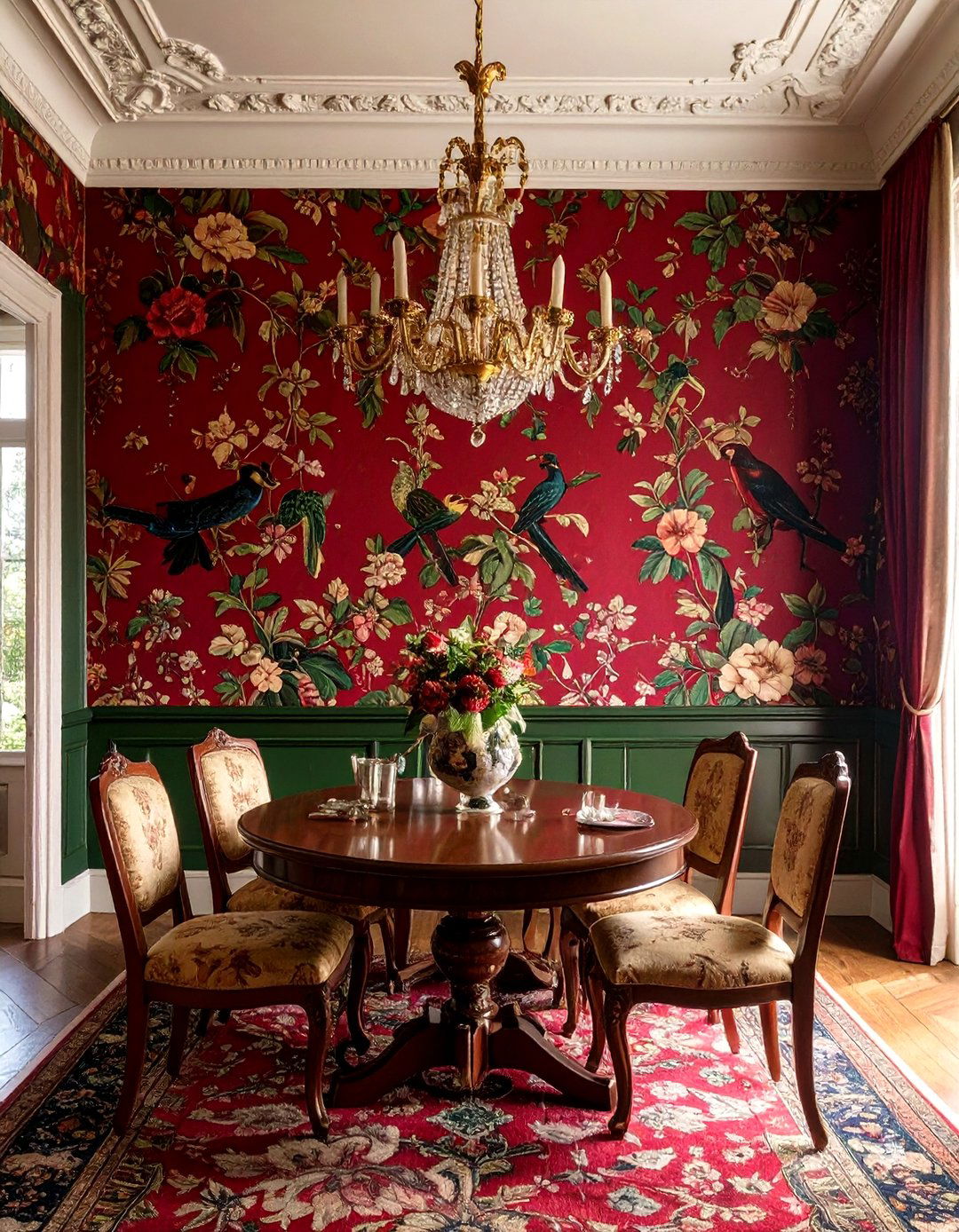
Victorian walls were rarely left bare, with intricate wallpapers being a key decorative element. Complex patterns featuring florals, birds, damasks, and elaborate scrolls were incredibly popular. These designs were often printed in rich, deep colors to complement the jewel-toned paint schemes in other parts of the home. William Morris, a leading figure in the Arts and Crafts Movement, designed some of the most iconic and enduring wallpaper patterns of the period. Applying a bold, patterned wallpaper, even on a single accent wall, instantly introduces a sense of historical depth and visual complexity that is central to the Victorian aesthetic.
3. Layered and Heavy Drapery
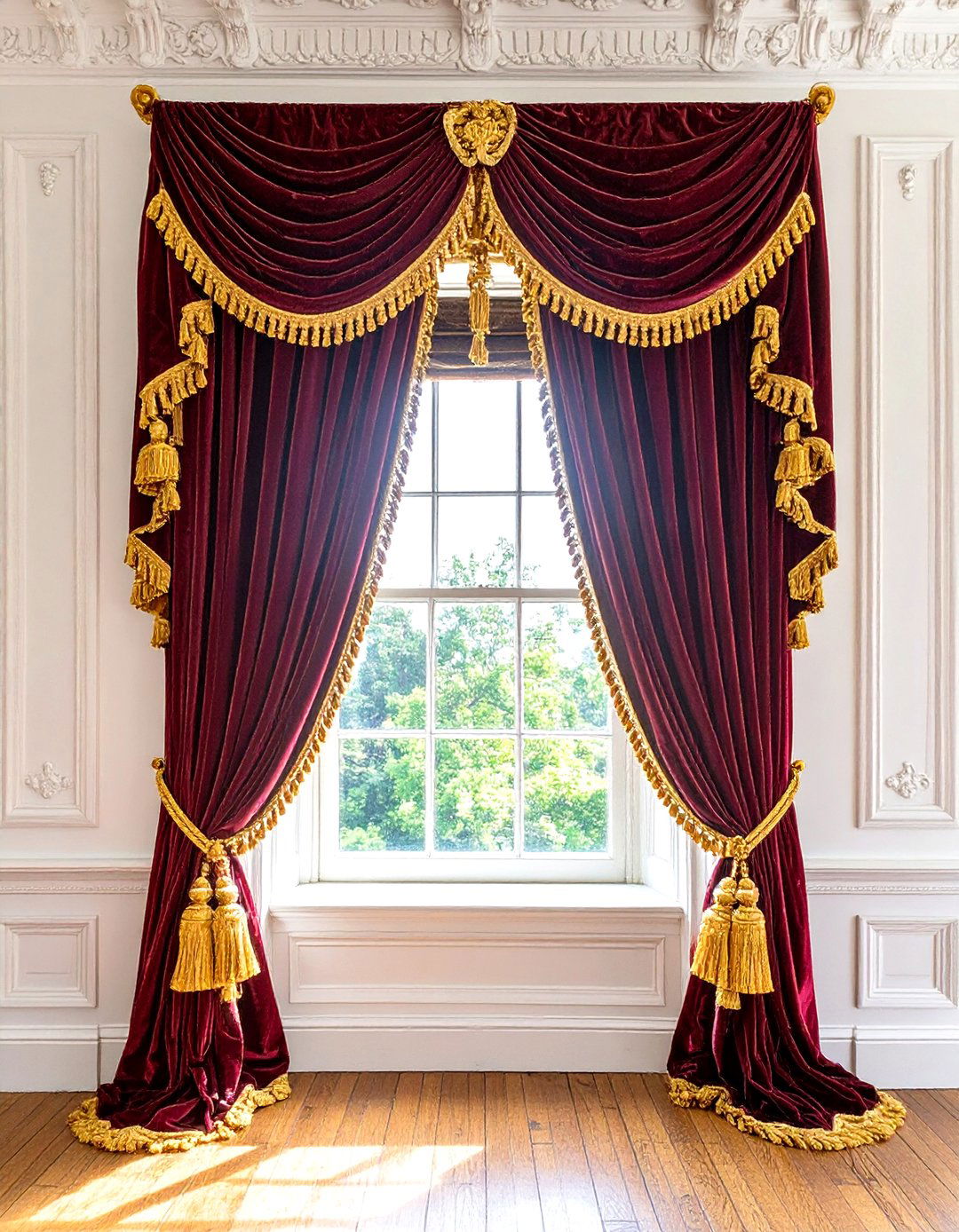
Windows in a Victorian home were elaborately dressed with multiple layers of heavy fabric. This treatment typically included lace or sheer panels for privacy, thick side drapes made from velvet, silk, or damask, and a decorative valance or pelmet at the top. The drapery was often adorned with heavy tassels, intricate tie-backs, and opulent fringe, adding to the room's overall richness. These window treatments were not just decorative; they also served a practical purpose, helping to insulate rooms and block out the soot and grime of the industrial city. The effect is one of luxurious enclosure and dramatic flair.
4. Carved Dark Wood Furniture
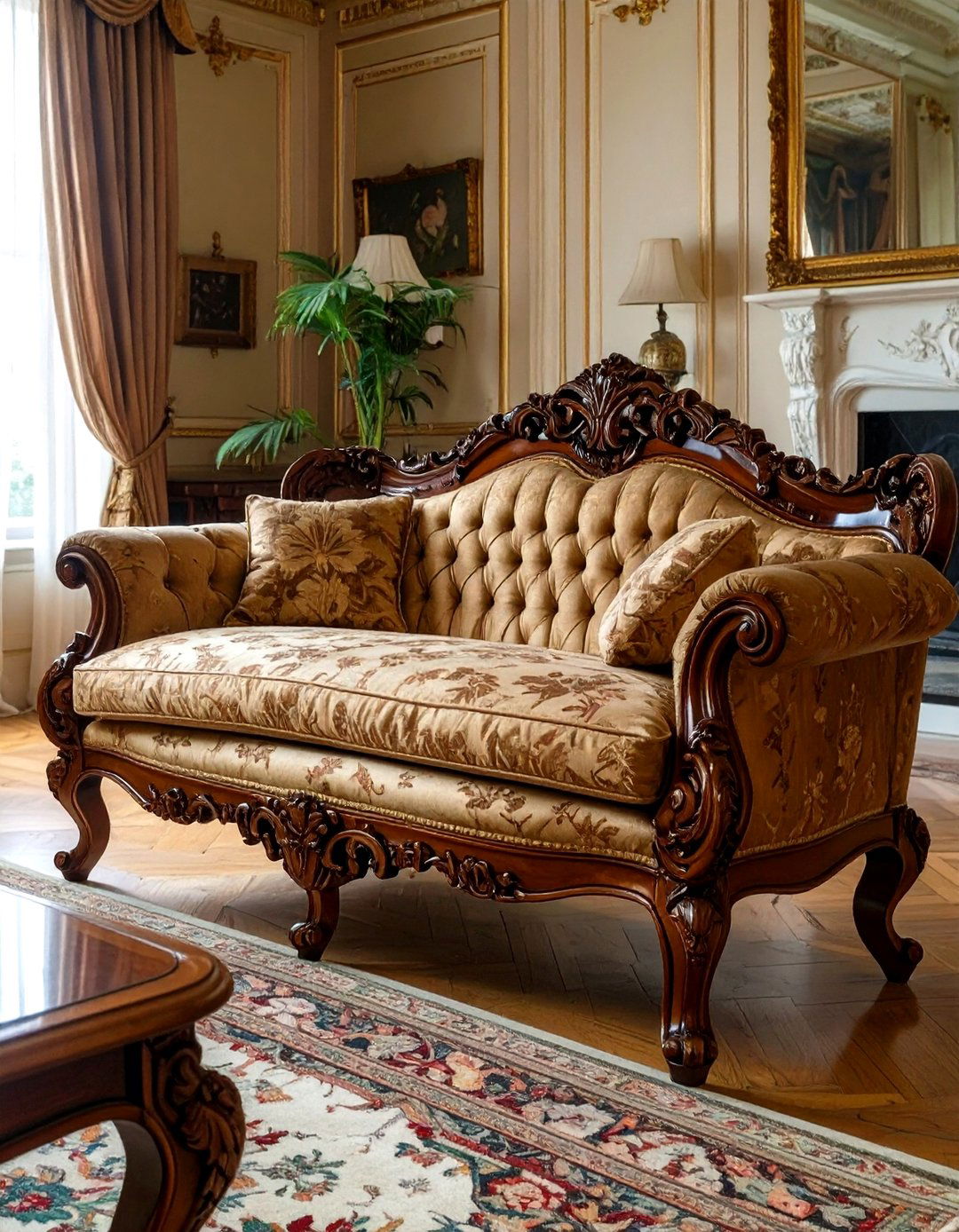
Furniture from the Victorian era is known for its substantial size and intricate, handcrafted details. Pieces were typically made from dark, heavy woods like mahogany, walnut, and rosewood, which were often polished to a high sheen. Carving was a prominent feature, with motifs ranging from delicate flowers and leaves to more dramatic scrolls and gargoyles, reflecting the Gothic Revival influence. Sofas, chairs, tables, and cabinets all featured ornate legs, detailed backs, and elaborate silhouettes. This solid, imposing furniture anchored the room and served as a clear symbol of the homeowner's prosperity and fine taste.
5. Upholstery with Velvet and Damask
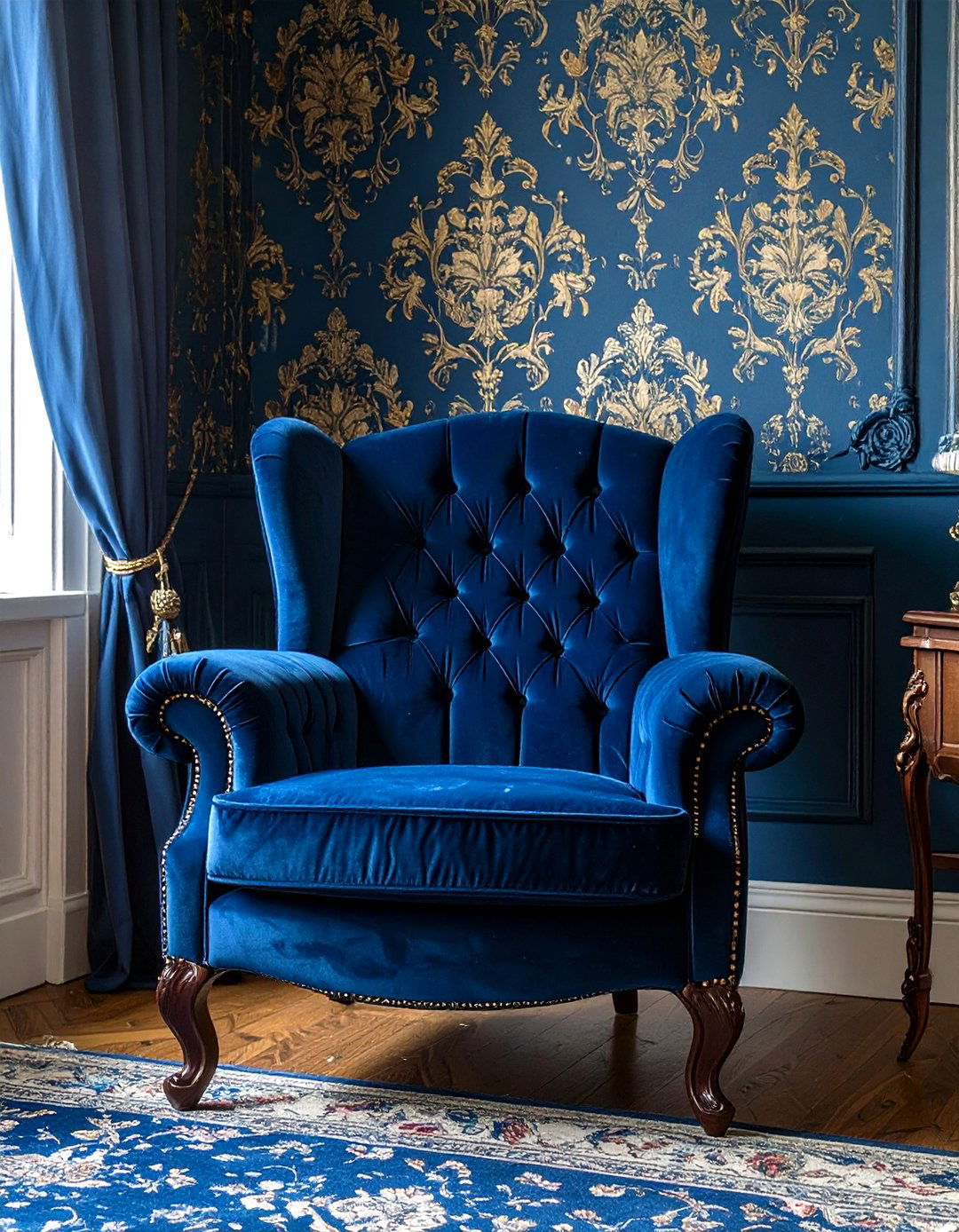
To complement the dark wood frames, Victorian furniture was upholstered in luxurious and tactile fabrics. Velvet was a particular favorite for its rich texture and deep color saturation, appearing on everything from sofas to dining chairs. Damask, with its intricate woven patterns, was another popular choice, adding another layer of subtle detail to the room. These fabrics were often in colors that matched or harmonized with the wall treatments, such as deep reds, greens, and golds. The combination of plush upholstery and ornate wood carving created furniture that was both comfortable and visually stunning, epitomizing the era's love of opulence.
6. Button-Tufted Sofas and Chairs
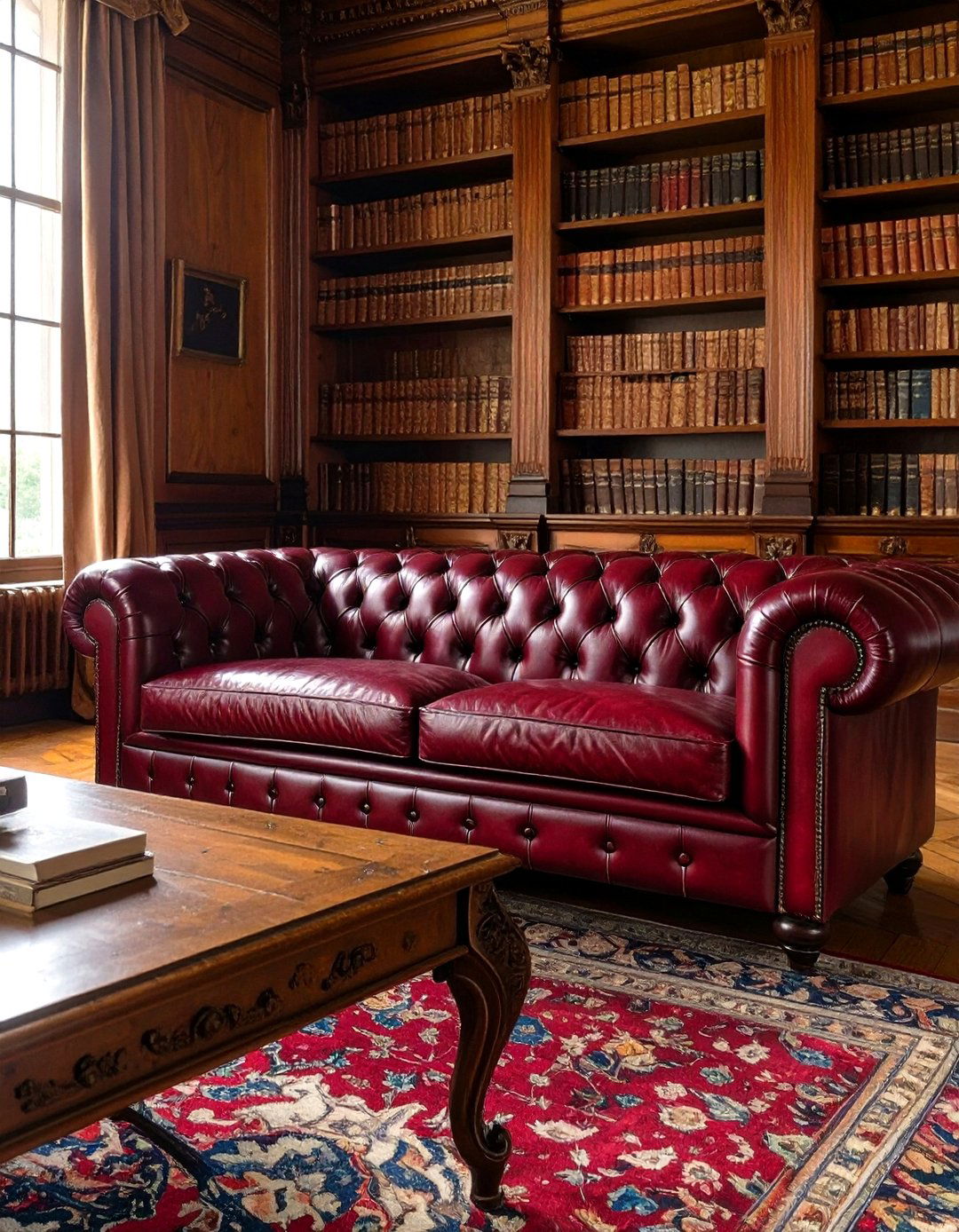
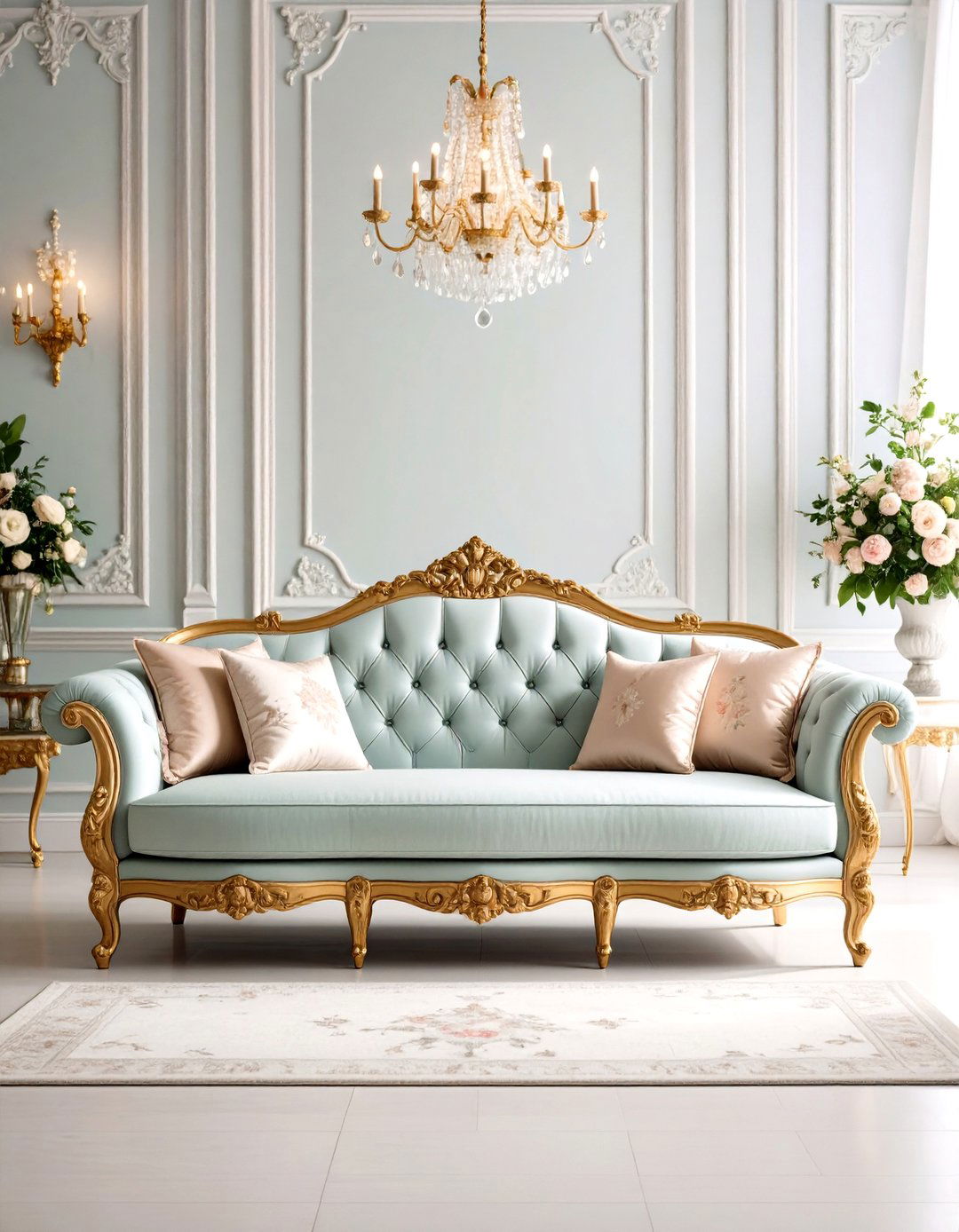
Button-tufting is a quintessential feature of Victorian upholstered furniture, creating a textured, diamond-patterned surface that adds depth and elegance. This technique was applied to settees, armchairs, and chaise longues, often in combination with rolled arms and curved backs. The deep tufting not only provided a decorative element but also helped to secure the horsehair stuffing used at the time. A classic Chesterfield sofa, with its deep button-tufting and leather or velvet upholstery, is a perfect example of this enduring style. Incorporating a tufted piece instantly adds a touch of classic Victorian comfort and sophistication to any living space.
7. Gothic Revival Architectural Details
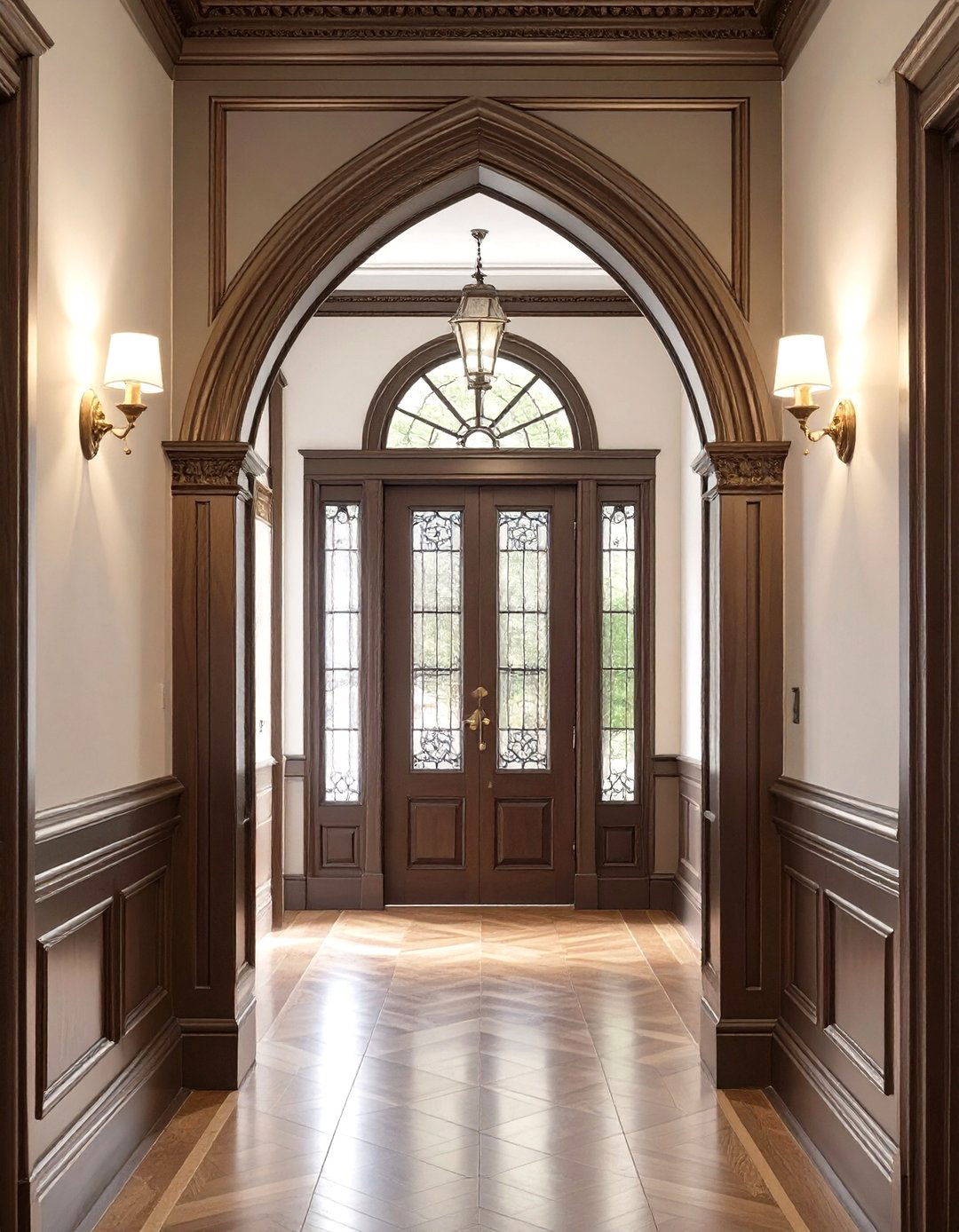
The Victorian era saw a major resurgence of interest in Gothic architecture, which translated into interior design through specific structural elements. Look for pointed arches in doorways and windows, intricate tracery reminiscent of cathedral windows, and ribbed vaults in ceilings. These details were often incorporated into furniture design as well, with chairs and cabinets featuring pointed arch motifs. This influence added a sense of historical grandeur and drama to domestic interiors. Even small touches, like a mirror with a pointed arch frame or a bookcase with carved Gothic details, can evoke this important aspect of the Victorian style.
8. Decorative Stained Glass Accents
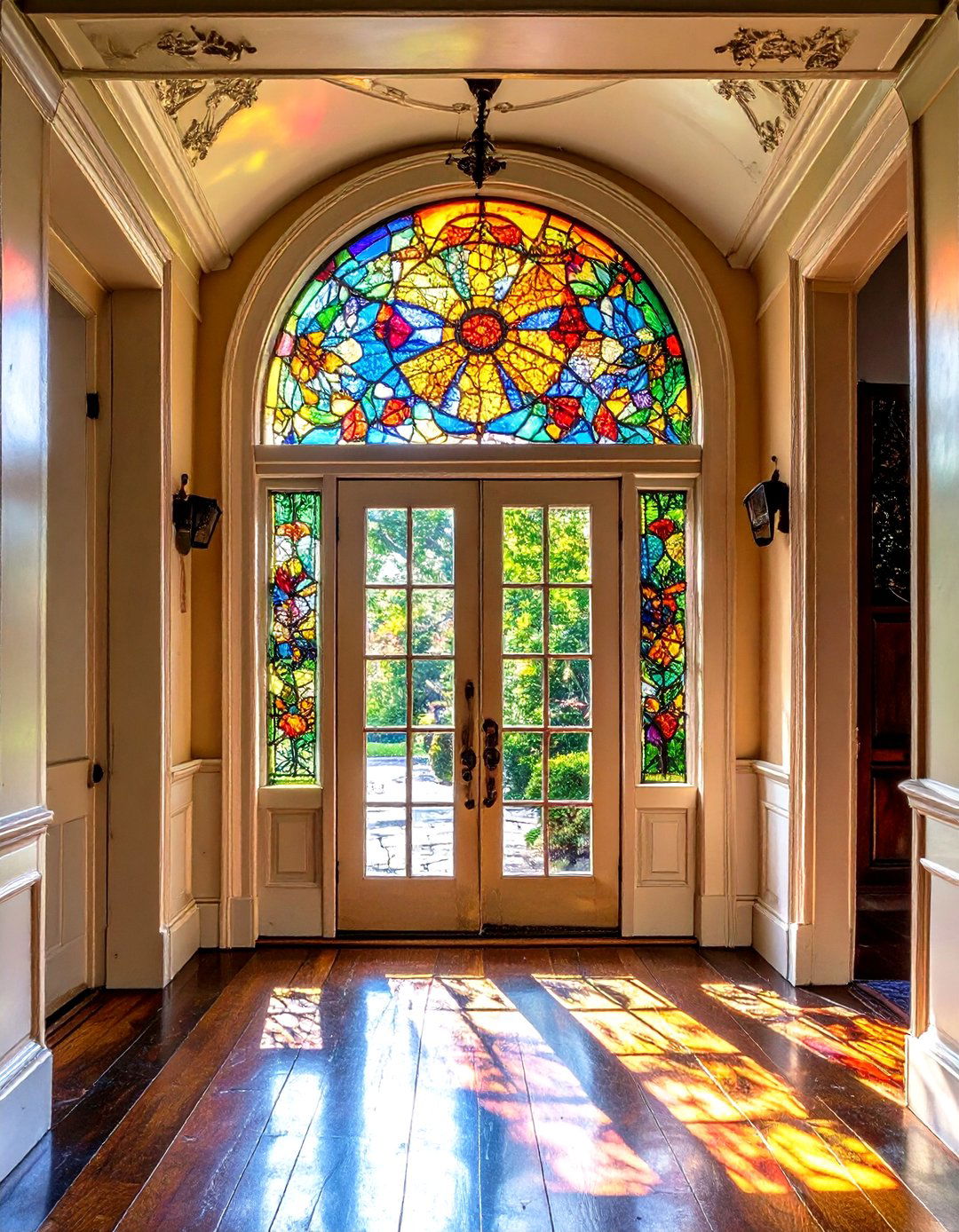
Stained glass was not just for churches; it became a popular decorative feature in affluent Victorian homes. It was commonly found in front door panels, staircase windows, and as transom windows above interior doors. These panels often featured colorful, intricate designs with floral, geometric, or even figurative motifs. The colored glass would cast beautiful, jewel-like patterns of light into hallways and rooms, adding a layer of artistry and color to the space. Incorporating a piece of stained glass, whether as a window panel or a decorative hanging, is a wonderful way to capture this unique and artistic element of Victorian design.
9. Elaborate Fireplace Mantels
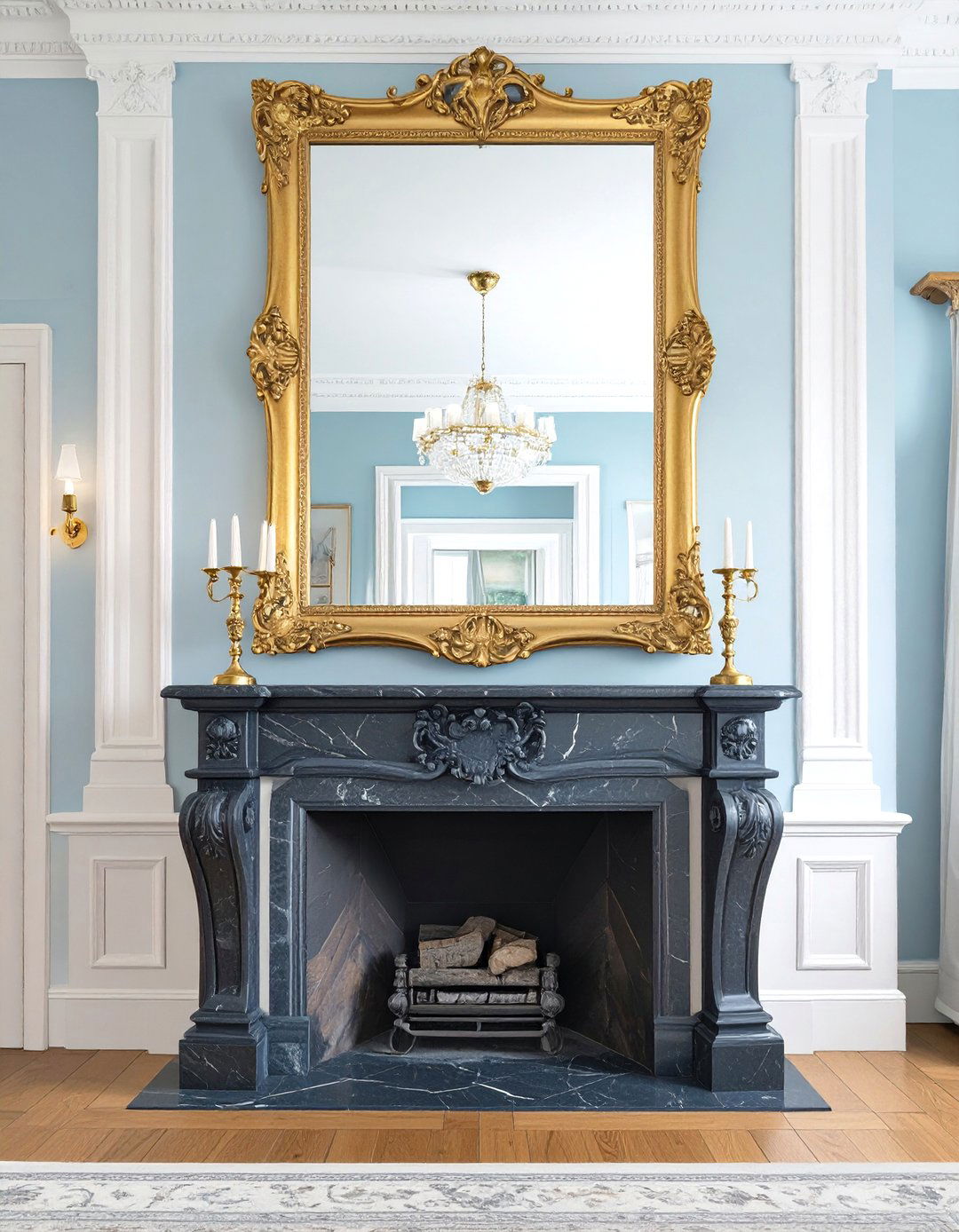
The fireplace was the heart of the Victorian home, and its surround was treated as a major focal point. Mantels were large and imposing, often crafted from carved marble, slate, or dark wood like oak or mahogany. They were typically adorned with intricate carvings, columns, and a large overmantel mirror to reflect light and create a sense of grandeur. The mantelpiece itself was a prime display area for clocks, vases, and other cherished ornaments. A prominent, ornate fireplace is essential for an authentic Victorian look, serving as the anchor for the room's entire design scheme.
10. Gilded Mirrors and Picture Frames
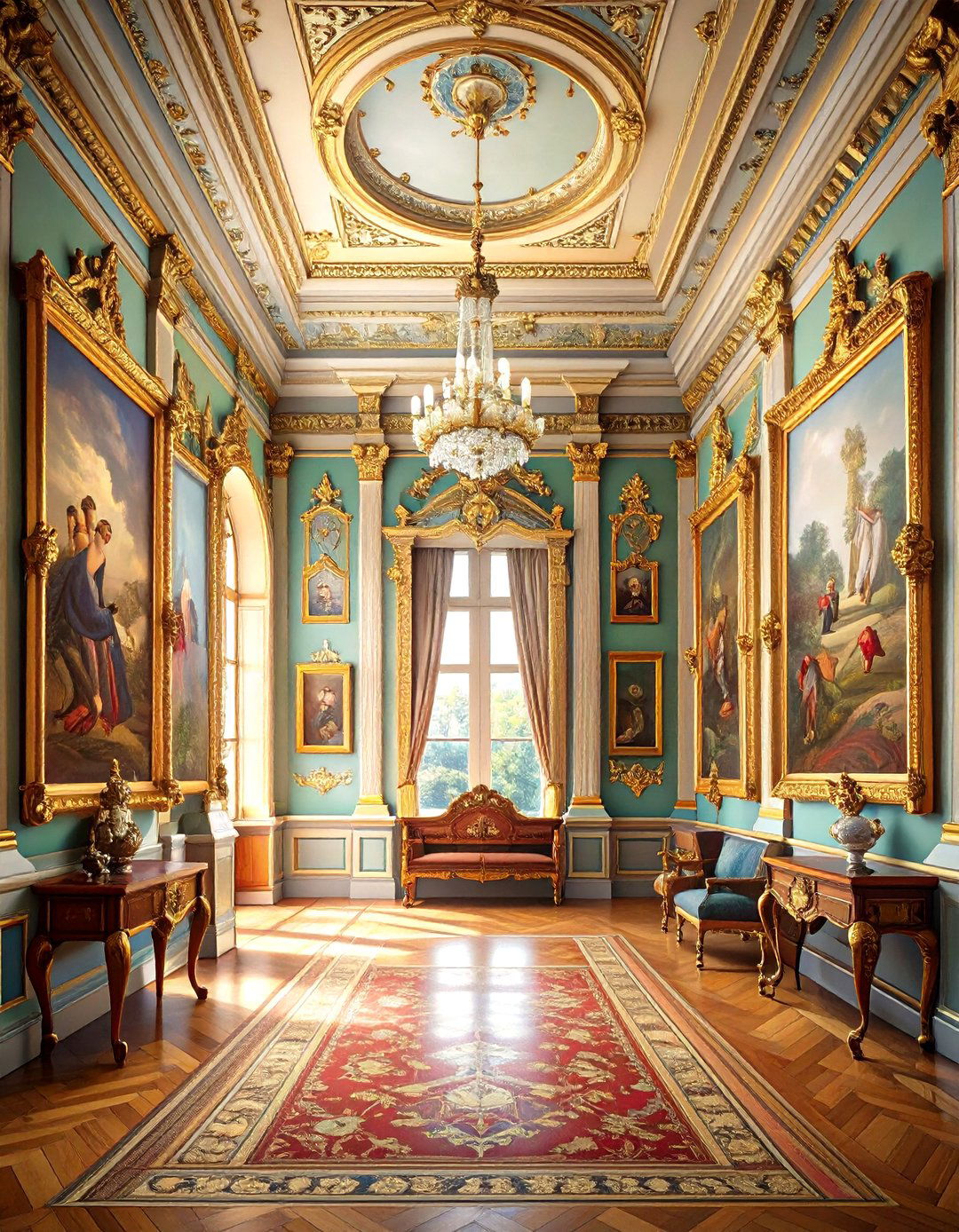
Gold was used generously in Victorian interiors to add a touch of glamour and reflect light in otherwise dark rooms. Ornate, gilded frames were used for mirrors, paintings, and portraits. These frames were often large and heavily decorated with intricate carvings of flowers, leaves, and scrolls. A large, gilded mirror placed above a fireplace mantel or console table was a classic feature, making the room feel larger and more opulent. Grouping several smaller gilt-framed pictures together to create a gallery wall is another way to embrace this luxurious trend and add a personal touch.
11. Grand Crystal Chandeliers
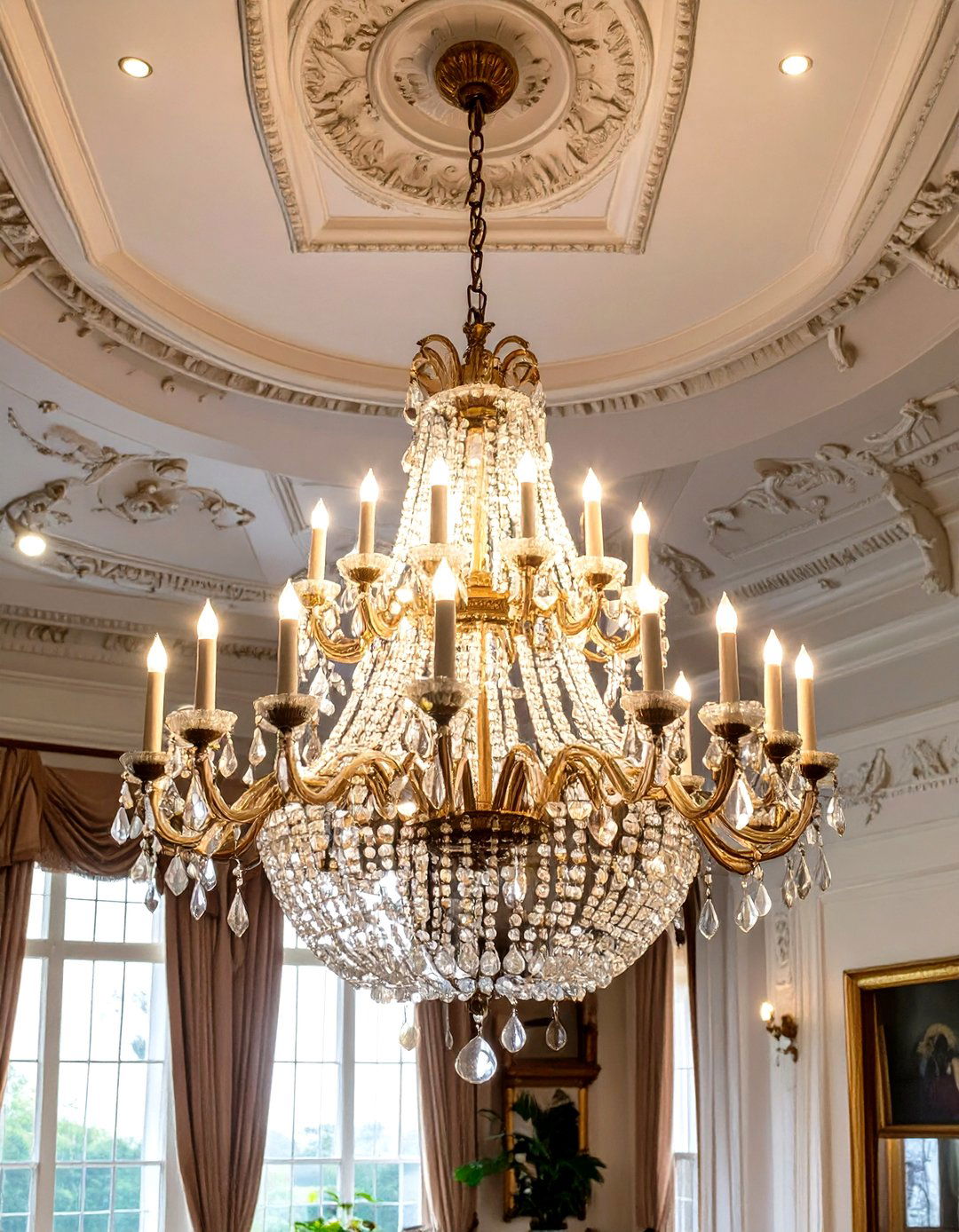
Lighting in the Victorian era was a statement of wealth, and grand chandeliers were the ultimate expression of this. As gas lighting became more common, fixtures became more elaborate. Crystal chandeliers were highly sought after, with their multiple tiers and cascading glass prisms that would sparkle and refract light beautifully throughout the room. These fixtures were often hung from an ornate ceiling medallion to create an even more dramatic effect in dining rooms, ballrooms, and grand entryways. Even in a modern setting, a crystal chandelier can add an immediate sense of vintage glamour and serve as a stunning focal point.
12. Tiffany-Style Stained Glass Lamps
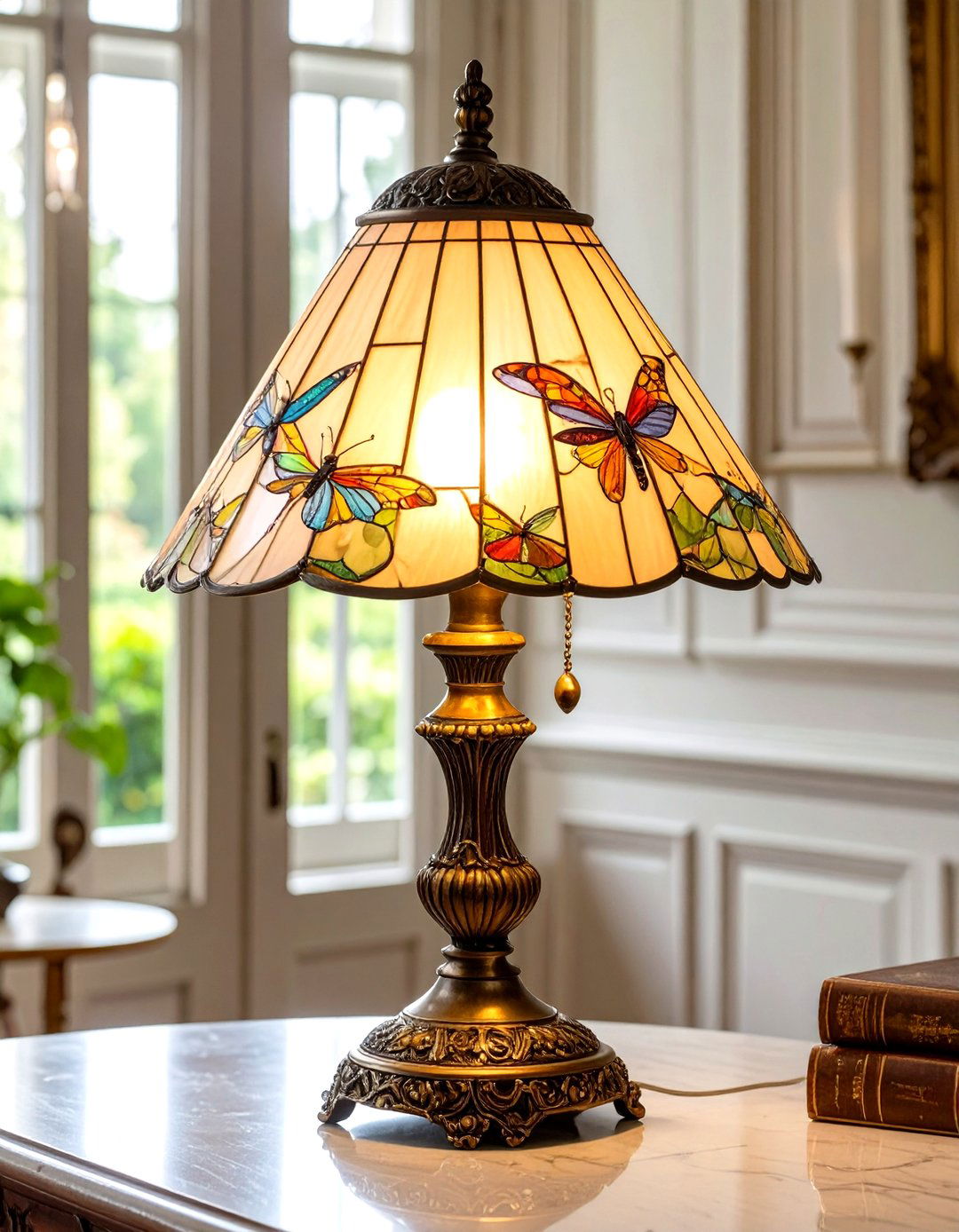
Towards the end of the Victorian era, the Art Nouveau movement introduced new forms of decorative arts, including the iconic Tiffany lamp. Designed by Louis Comfort Tiffany, these lamps featured shades made from pieces of stained glass soldered together to form intricate designs, often depicting dragonflies, flowers, or peacock feathers. Resting on a heavy, ornate bronze base, these lamps provided warm, colored light and doubled as works of art. Placing a Tiffany-style table lamp or floor lamp in a room adds a touch of late-Victorian elegance and artistic flair, casting a beautiful ambient glow.
13. Layered Oriental and Persian Rugs
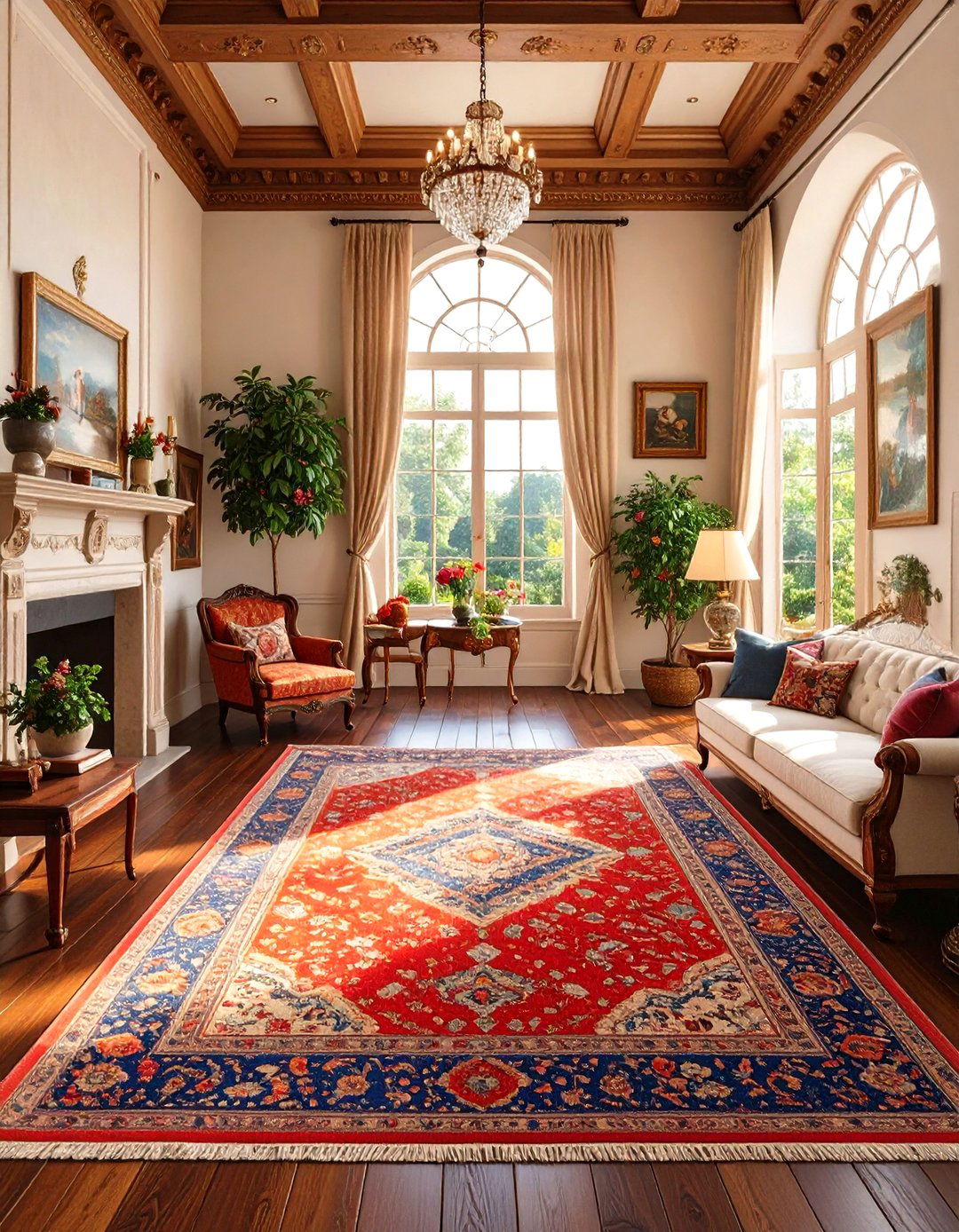
Floors in Victorian homes were often made of polished dark wood, which provided the perfect canvas for layering rich, patterned rugs. Oriental and Persian rugs were highly prized for their intricate designs, quality craftsmanship, and vibrant colors. It was common practice to layer multiple rugs of different sizes, sometimes even placing them at angles to create a complex and textured ground plane. This not only added warmth and comfort underfoot but also contributed to the overall maximalist aesthetic. The deep reds, blues, and golds of these rugs beautifully complemented the dark furniture and jewel-toned walls.
14. Curio Cabinets for Displaying Collections
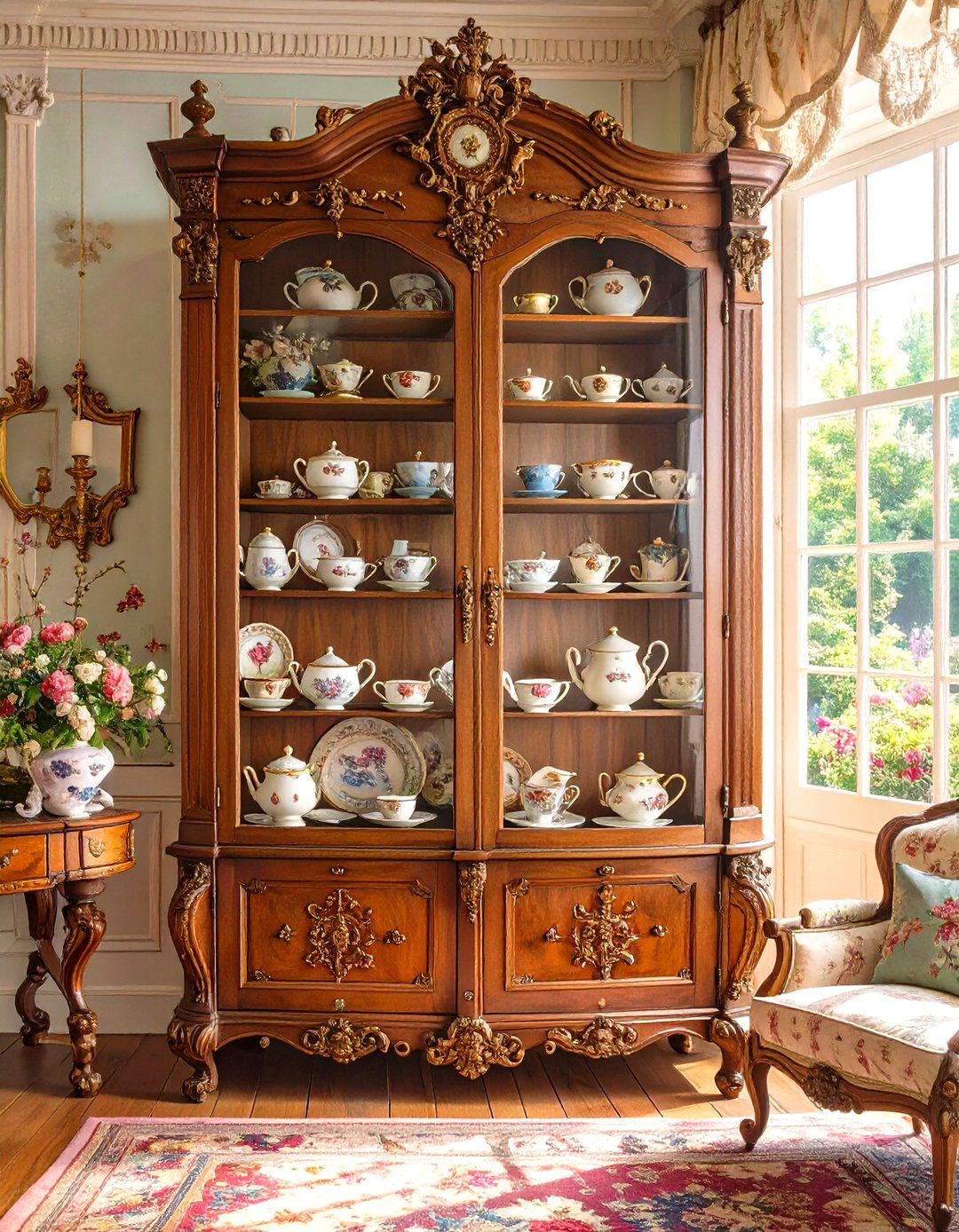
Victorians were avid collectors, and they loved to display their treasures. Curio cabinets, often made of dark wood with glass doors and mirrored backs, were essential pieces of furniture for showcasing collections of porcelain, seashells, taxidermy, or souvenirs from travels abroad. These cabinets, sometimes called vitrines, allowed prized possessions to be viewed while keeping them safe from dust and damage. Placing a curio cabinet in a living room or study and filling it with personal collections is a perfect way to emulate the Victorian passion for curiosity and sentimentality, adding a deeply personal layer to the decor.
15. Abundant Indoor Plants and Ferneries
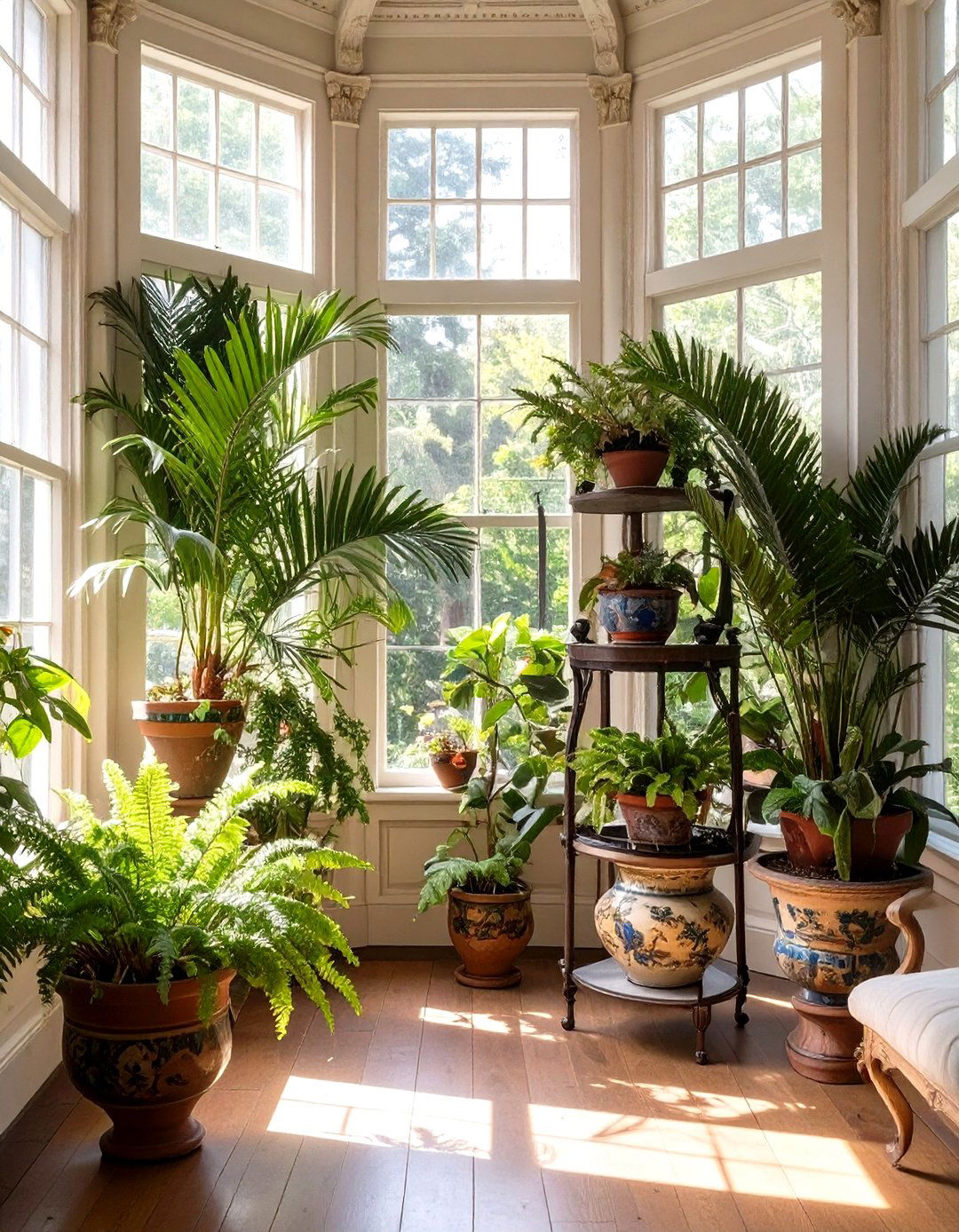
A fascination with botany, known as "Pteridomania" or "fern-fever," swept through Victorian society, making houseplants an essential part of the decor. Parlors and conservatories were filled with lush greenery, with ferns, palms, and aspidistras being particularly popular choices. Plants were often displayed in ornate ceramic pots or gathered together in elaborate multi-tiered plant stands called jardinières. Some homes even had dedicated indoor ferneries or glass Wardian cases to cultivate delicate specimens. Bringing an abundance of houseplants into a room introduces a natural, vibrant element that was central to the Victorian home environment.
16. Ornate Plaster Ceiling Medallions
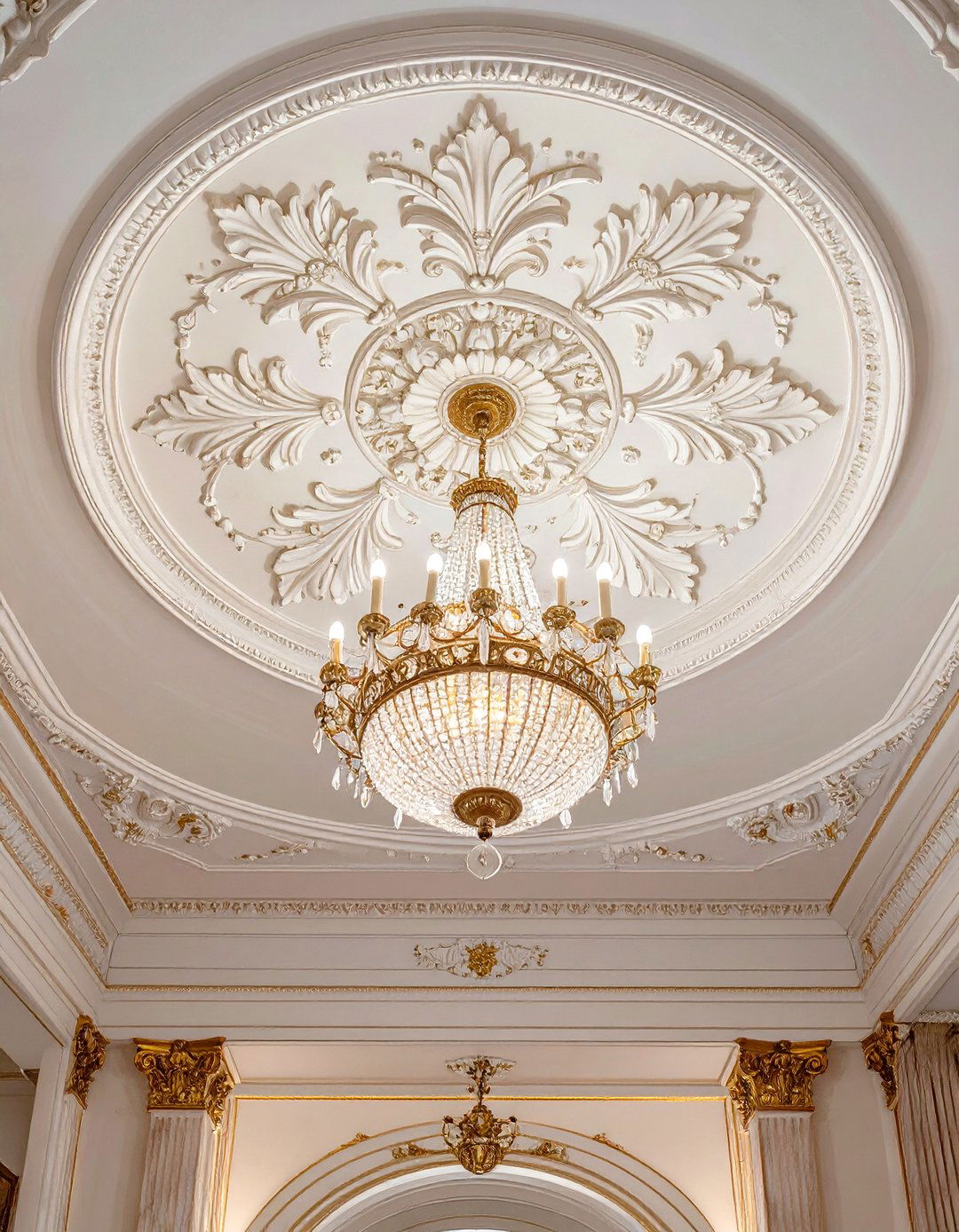
Victorian architecture celebrated detail on every surface, and ceilings were no exception. High ceilings were often adorned with ornate plasterwork, with a grand ceiling medallion serving as the centerpiece from which a chandelier would hang. These medallions featured intricate, molded designs of leaves, flowers, and geometric patterns, drawing the eye upward and adding a layer of architectural elegance. Restoring an original medallion or adding a lightweight modern reproduction is a powerful way to establish a Victorian feel in a room, providing a historically accurate and visually stunning focal point that enhances the entire space.
17. Decorative Wainscoting and Wall Panels
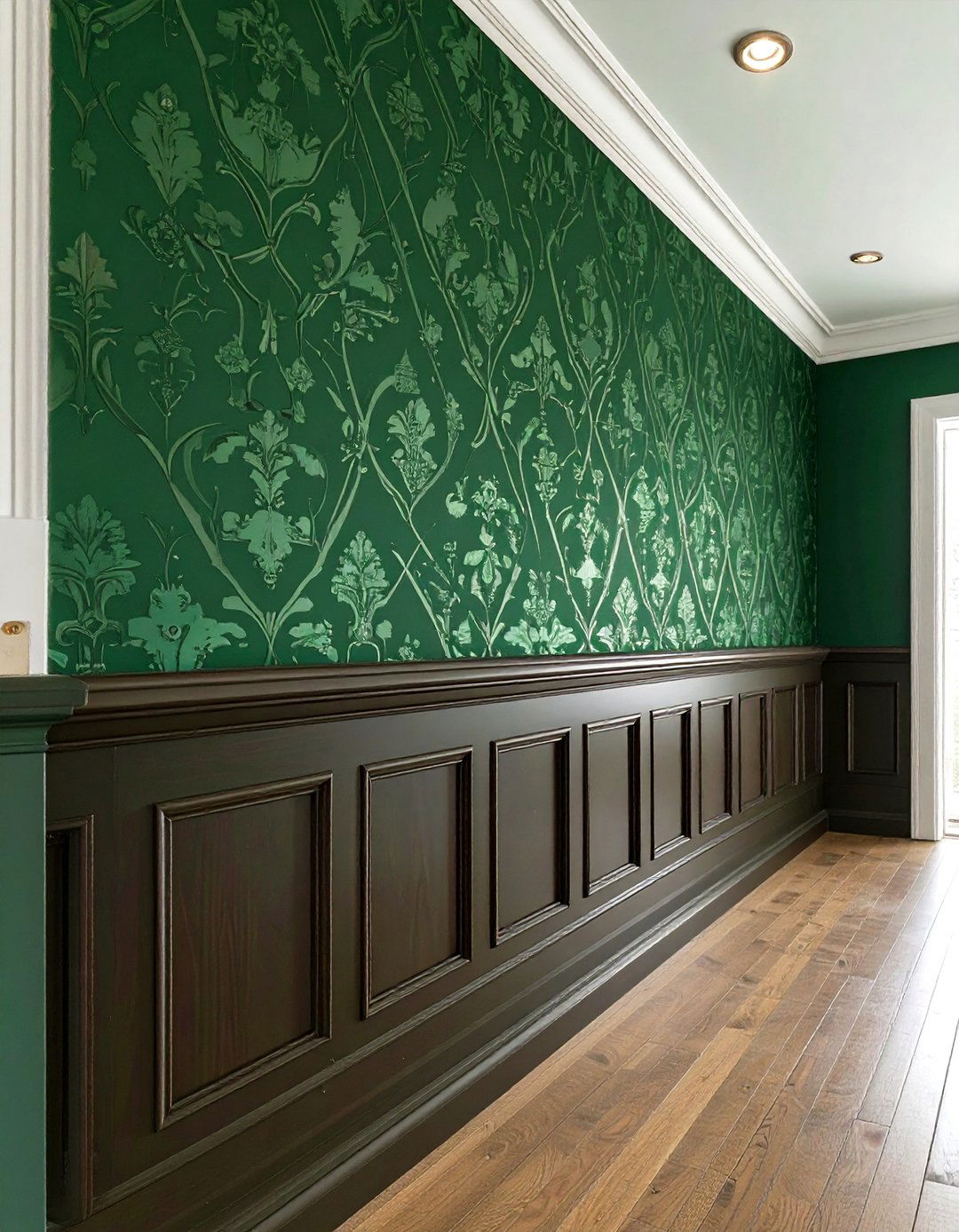
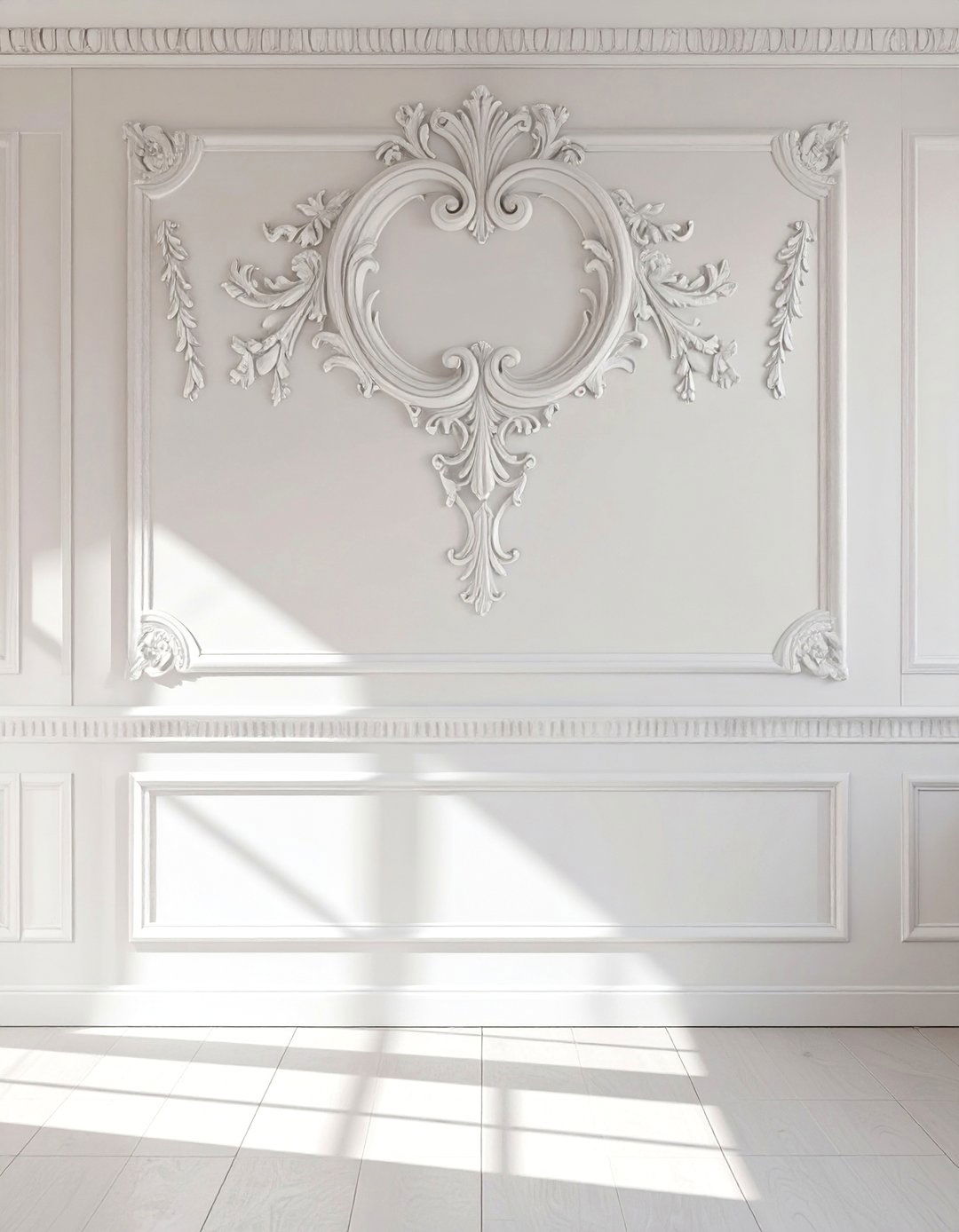
To add texture and architectural interest below the chair rail, Victorians often used decorative wainscoting. This could range from simple beadboard to more elaborate raised wood panels, typically made from dark woods like oak or mahogany to match the furniture. Above the wainscoting, the wall would be finished with paint or wallpaper. Another popular treatment was Lincrusta or Anaglypta, which are heavily embossed wall coverings that mimic the look of plasterwork or tooled leather. These wall treatments add a sense of substance and traditional craftsmanship, breaking up large wall surfaces with rich, tactile detail.
18. Imposing Four-Poster Beds
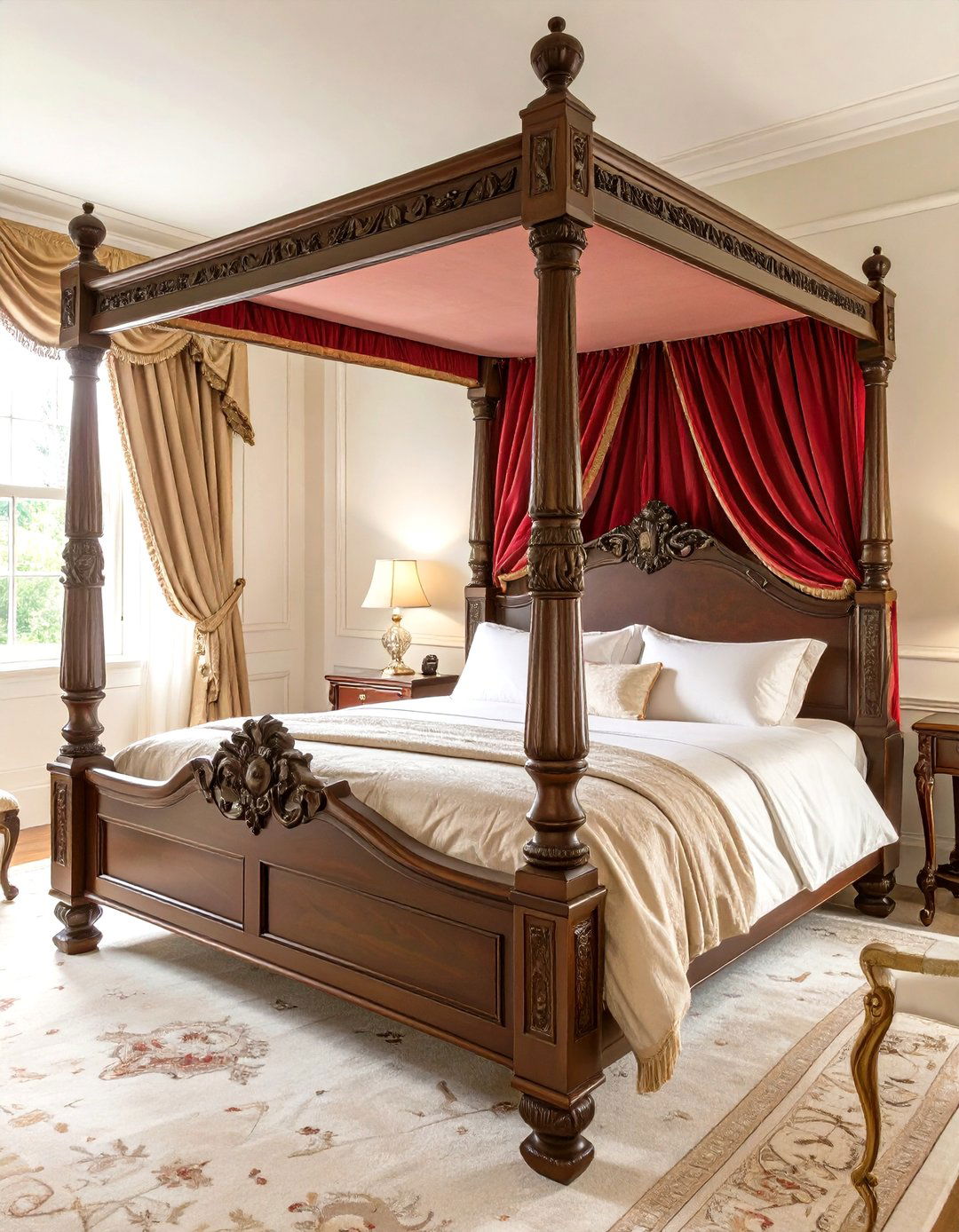
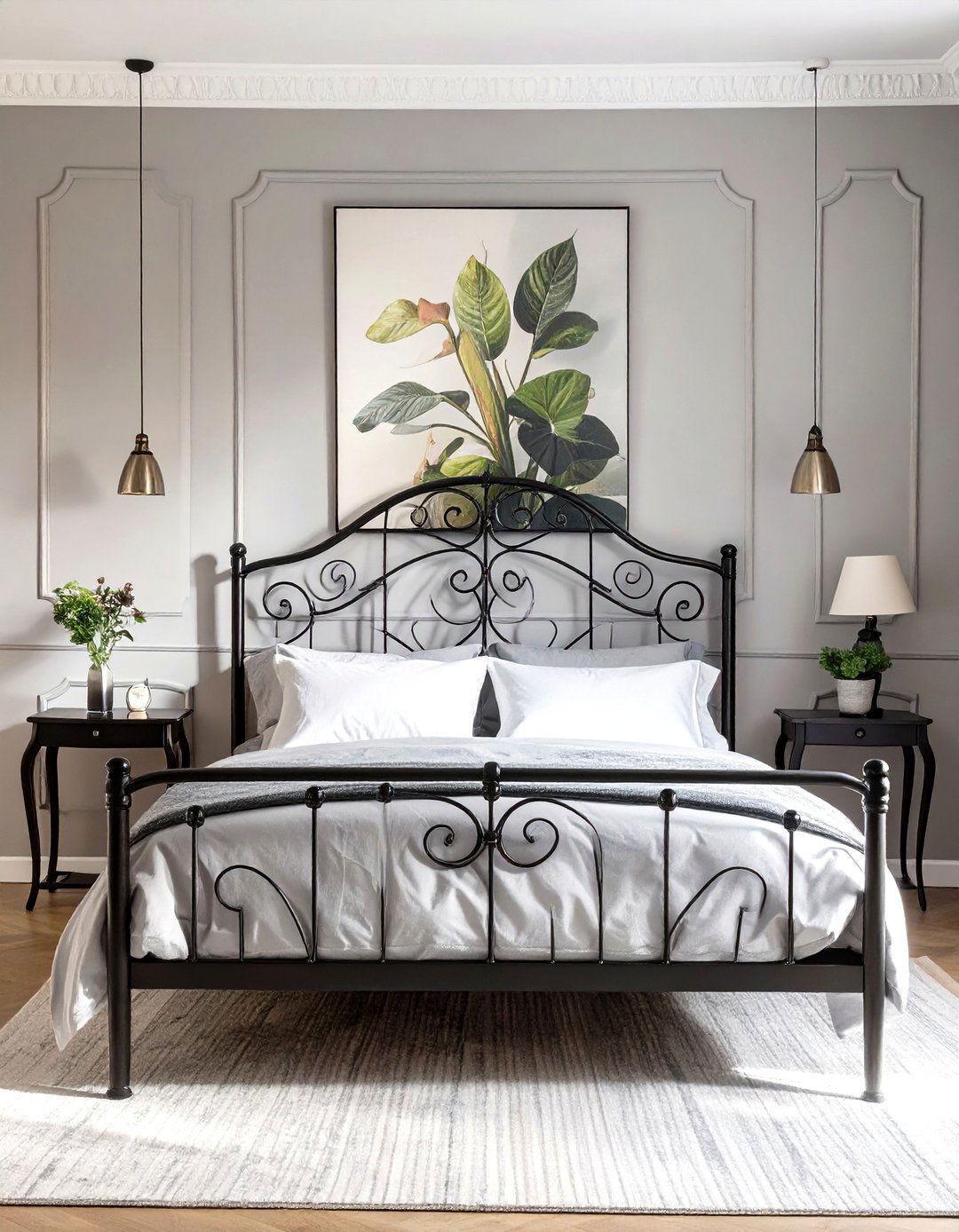
The bedroom was a private sanctuary, and the bed was its most important feature. Large, imposing beds were the standard, with four-poster and half-tester beds being particularly popular. These beds featured tall, often heavily carved posts and were frequently draped with heavy curtains or a fabric canopy. The headboards and footboards were also elaborate, made from dark, polished wood with intricate carvings. This created a cozy, enclosed sleeping space that felt like a room within a room. An ornate, substantial bed frame is key to achieving an authentic Victorian bedroom aesthetic, conveying a sense of drama and comfort.
19. Patterned Geometric Floor Tiles
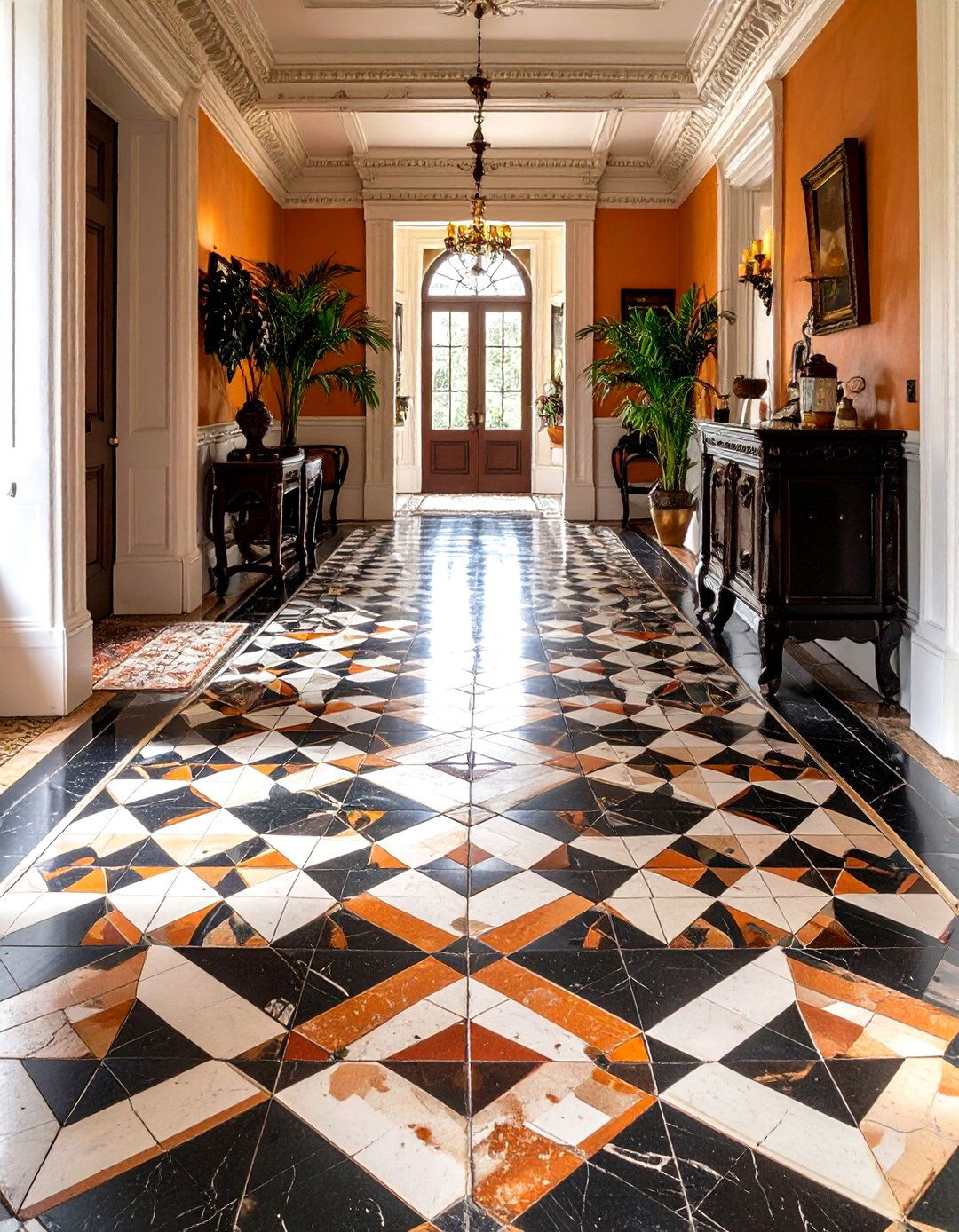
While wood floors and rugs were common, patterned tiles were a durable and decorative flooring choice for high-traffic areas like entryways, hallways, and conservatories. These were typically encaustic cement tiles featuring complex geometric patterns in earthy colors like black, white, terracotta, and blue. The intricate designs often created stunning, mosaic-like effects that were both beautiful and practical. Using these tiles in a modern entryway or bathroom is a fantastic way to pay homage to Victorian style, introducing a bold pattern and a sense of historical authenticity right from the ground up.

20. Sentimental Gallery Walls of Portraits
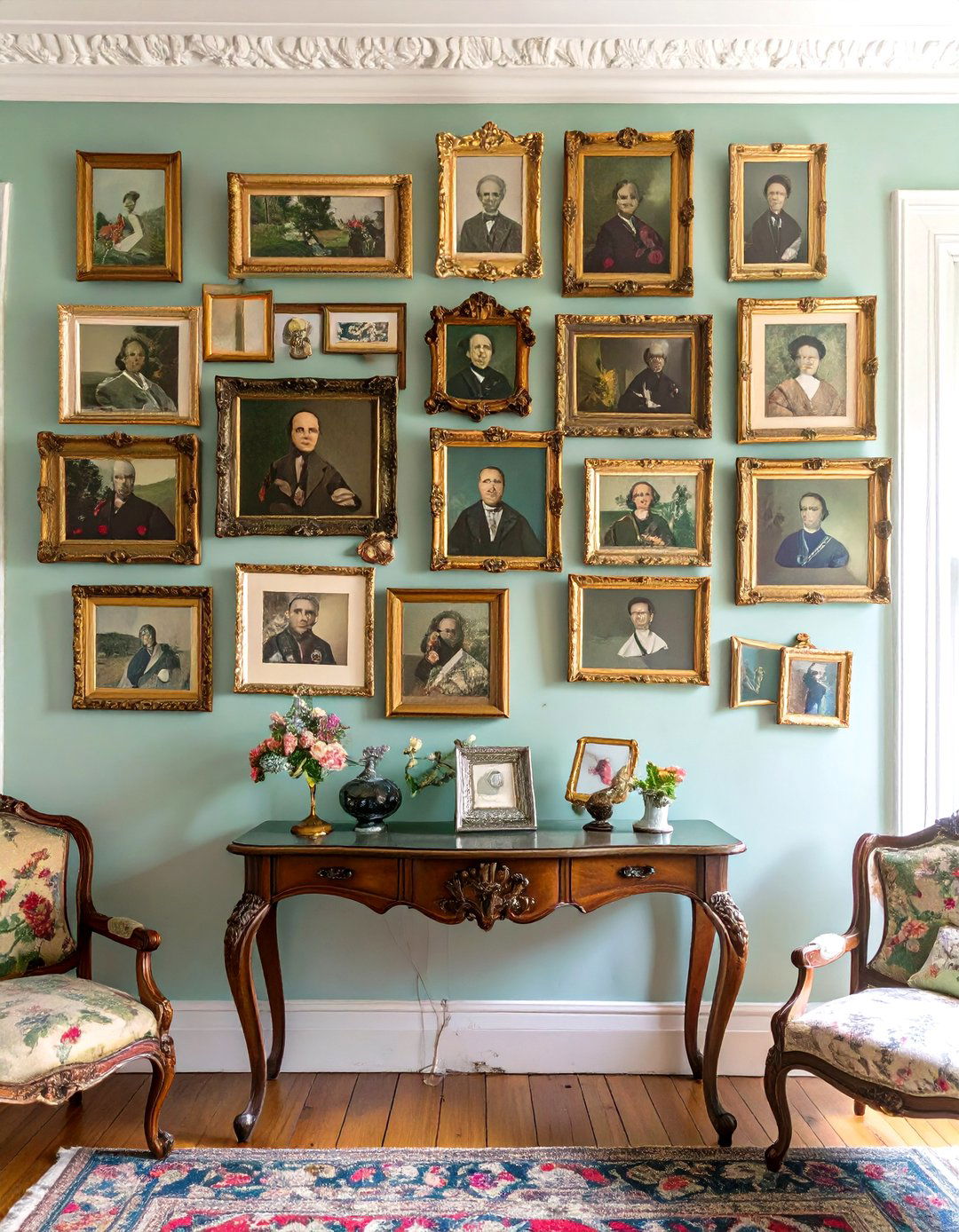
Family and sentimentality were highly valued in the Victorian era, and this was reflected in the way art was displayed. Gallery walls were common, featuring dense arrangements of family portraits, paintings, and prints. The pictures were hung in mismatched but ornate frames, often gilded or made of dark wood, covering a large portion of the wall from the chair rail to the ceiling. This created a rich, personal tapestry that told the family's story. Creating your own gallery wall with a mix of photos, art, and vintage frames captures this sentimental spirit and adds a deeply personal touch to any room.
21. Ornate and Decorative Fire Screens
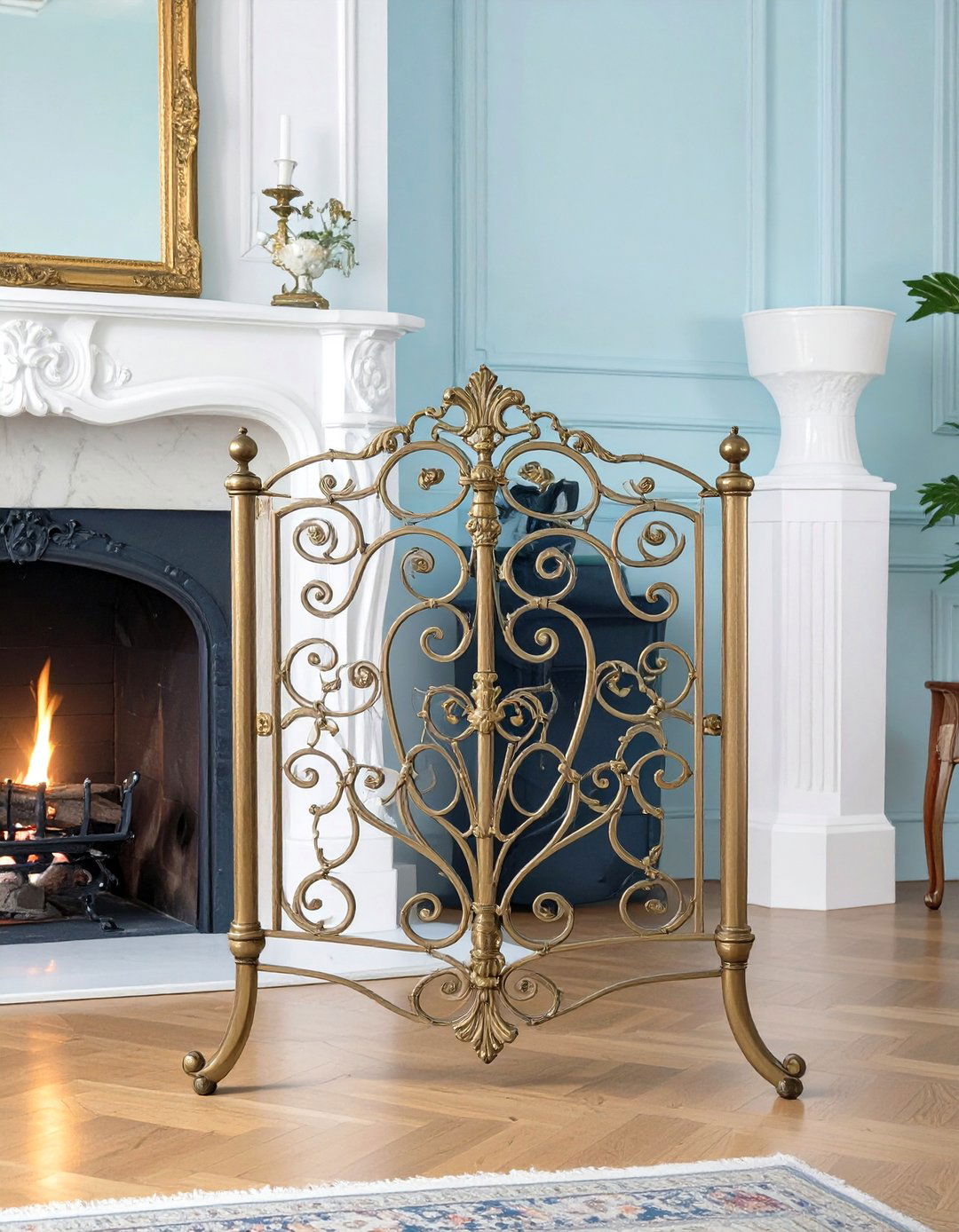
With fireplaces being a central feature, fire screens were both a practical and a highly decorative accessory. Their main purpose was to protect the room's occupants from flying sparks and intense heat. However, they were also works of art in their own right. Screens could be made of pierced brass, wrought iron, or a wooden frame holding a panel of embroidered fabric or painted scenery. These screens added another layer of intricate detail to the hearth, contributing to the room’s richly decorated feel. An antique or reproduction fire screen is a small but impactful detail for an authentic look.
22. Marquetry and Inlaid Wood Details
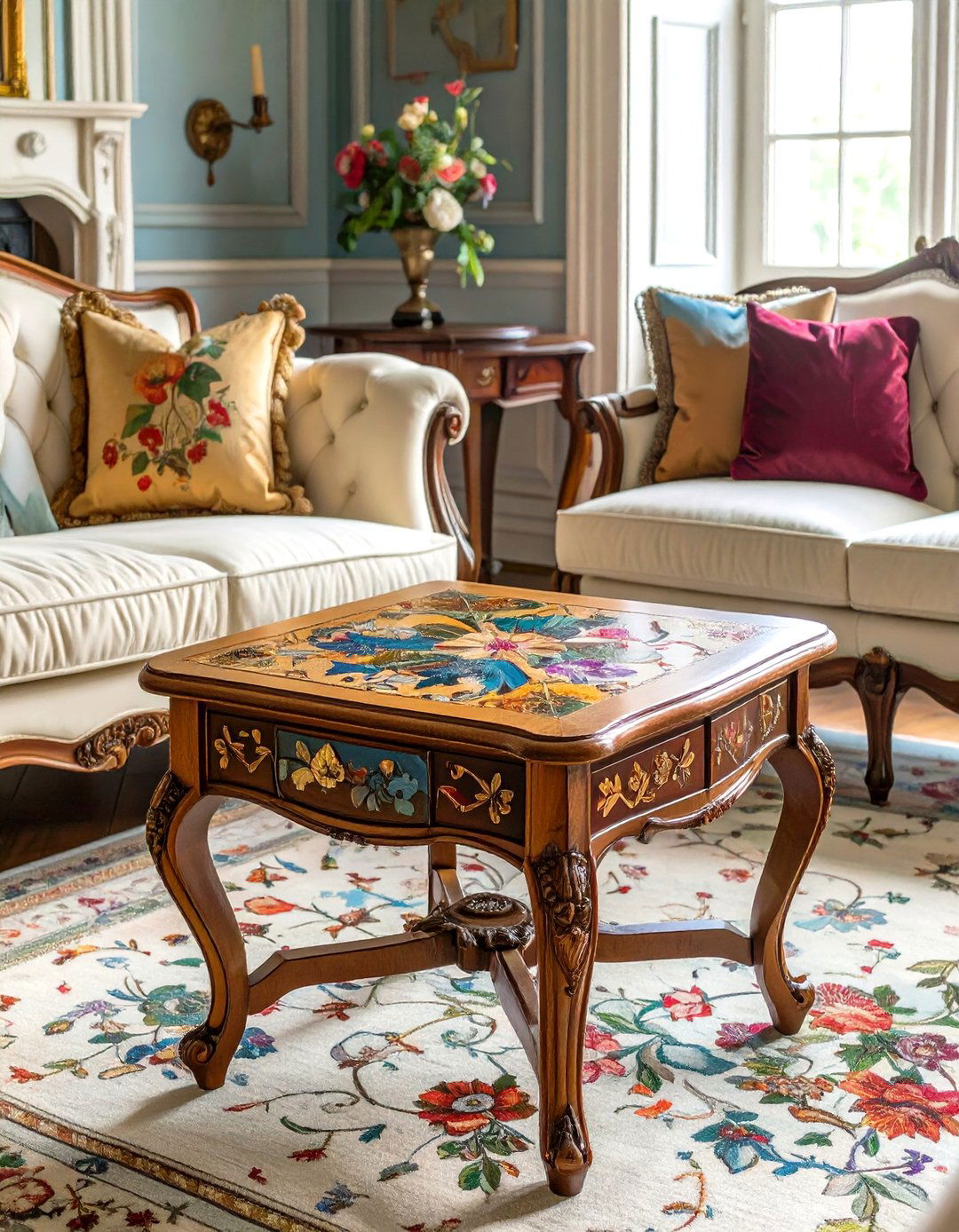
Beyond carving, another technique for decorating furniture was marquetry, the art of creating pictures or patterns using veneers of different colored woods. This intricate craft was used to adorn tabletops, cabinet doors, and decorative boxes. The detailed patterns often featured floral motifs, scrolls, or even entire scenes, showcasing incredible skill and adding a subtle, artistic flourish to furniture. Pieces featuring marquetry or simpler wood inlay bring a level of refined craftsmanship and elegance to a Victorian-inspired interior, highlighting the era's appreciation for detailed, handmade quality and the beauty of natural materials.
23. Aesthetic Movement Furniture Influence
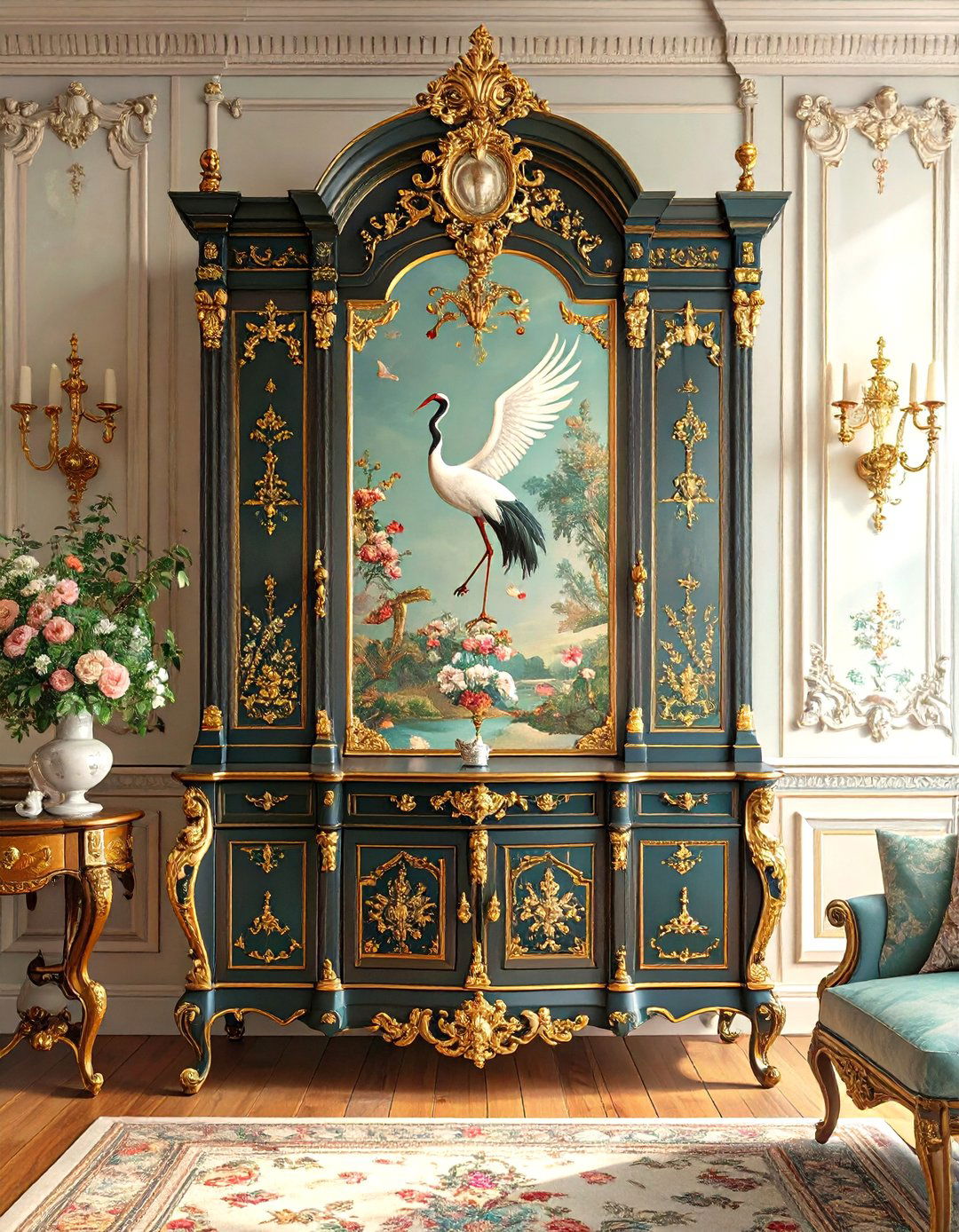
Emerging in the late Victorian period, the Aesthetic Movement offered a lighter, more artistic alternative to the heavy, ornate styles that dominated earlier decades. With the motto "Art for Art's Sake," its furniture featured more stylized, delicate forms inspired by Japanese and classical designs. Ebonized wood (wood painted black to mimic Japanese lacquer) was common, often decorated with gilding, simple inlay, or painted panels of flowers or birds. Incorporating a piece of Aesthetic Movement furniture, such as an ebonized cabinet or a spindle-legged table, can add a touch of artistic, late-Victorian refinement to a space.
24. Delicate Lace Curtains and Linens
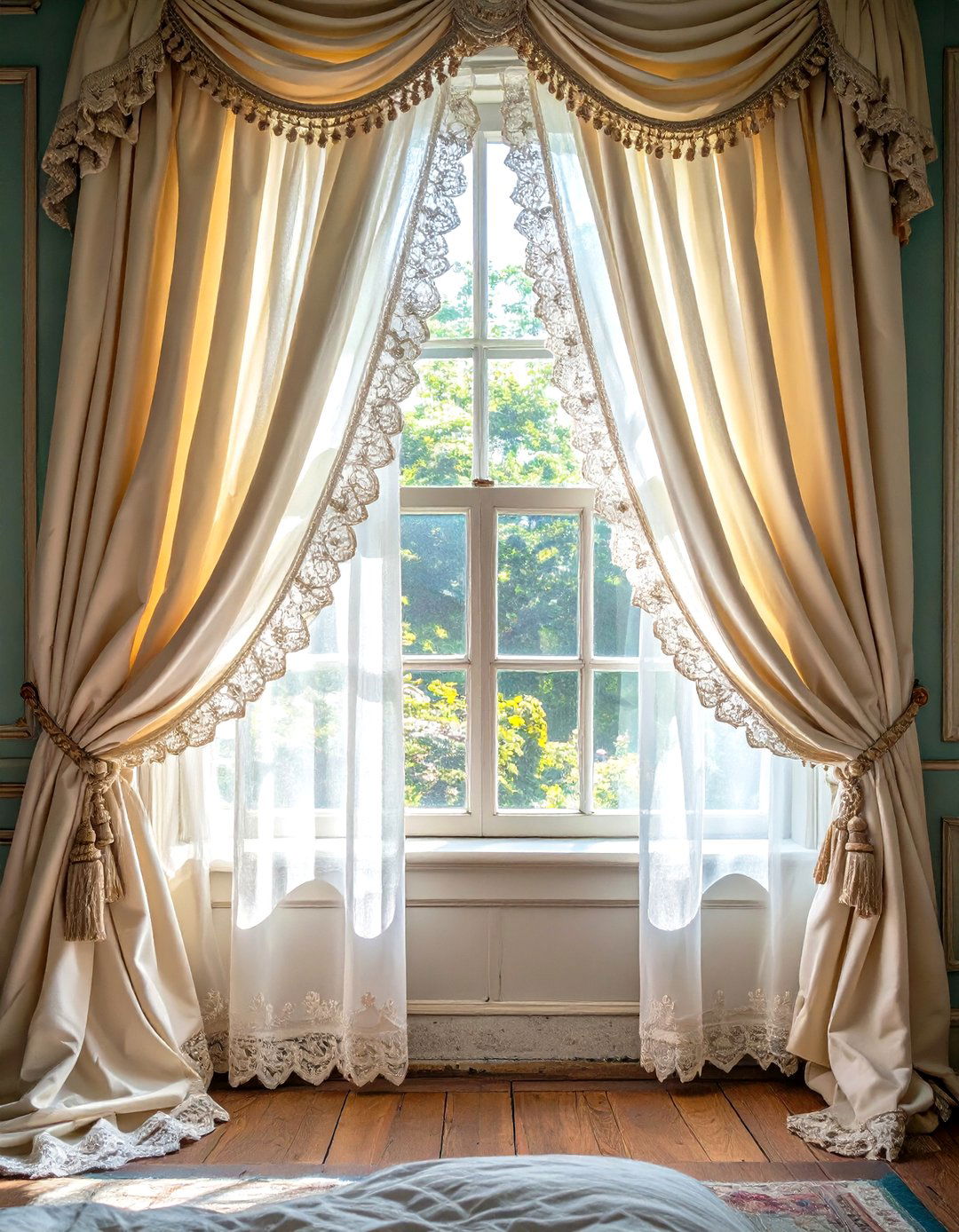
Amidst the heavy velvets and dark woods, delicate lace provided a touch of lightness and intricate detail. Lace panels were often used as the inner layer of window dressings, offering privacy while still allowing light to filter through. Lace was also prominent on tablecloths, runners, doilies, and as trim on bed linens and antimacassars (small cloths placed on the backs of chairs to protect the fabric). This contrast between heavy and light materials is a key part of the Victorian aesthetic. Using lace accents softens the overall look and adds a layer of feminine, handcrafted charm.
25. Taxidermy and Natural History Displays
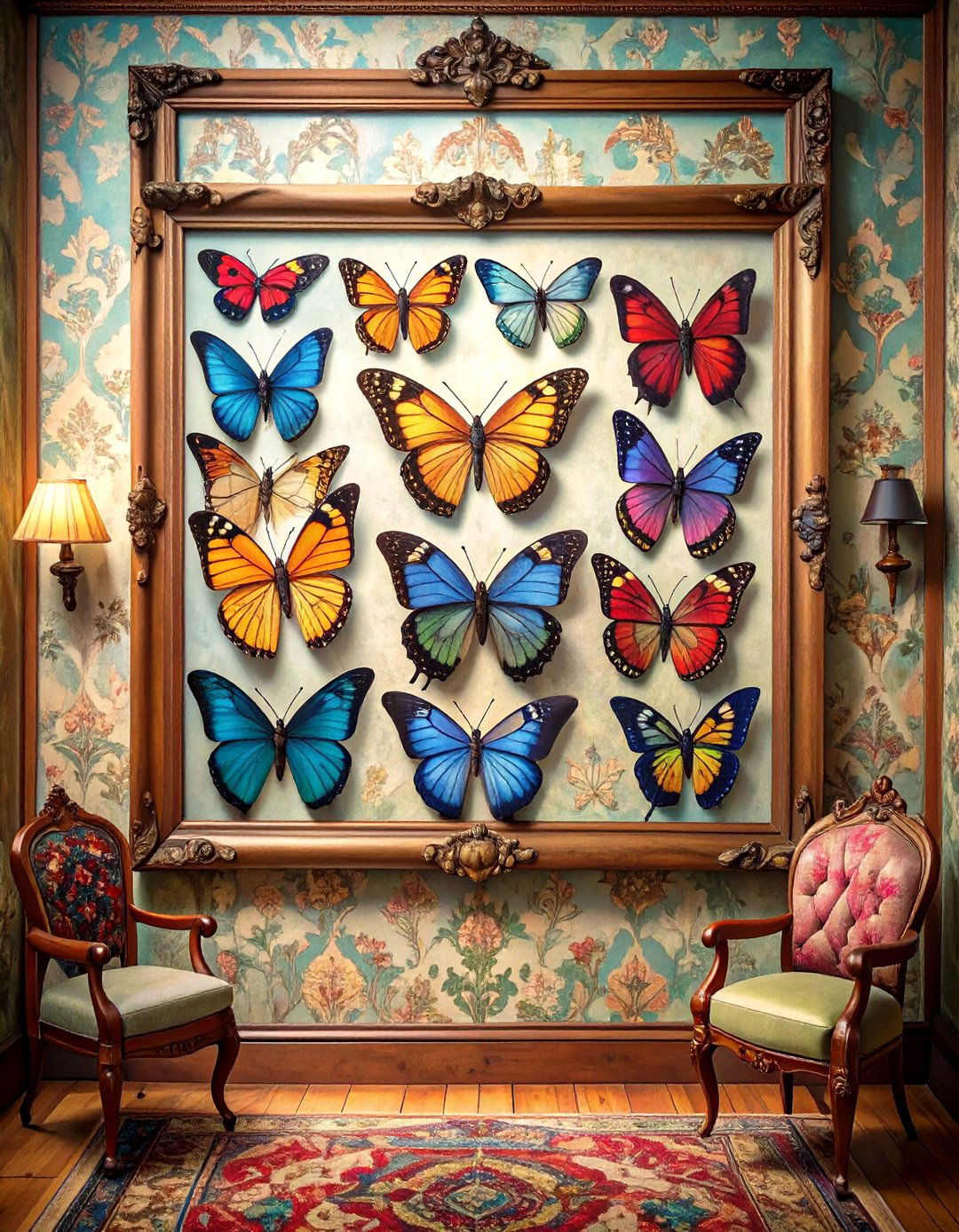
The Victorian era was a time of great scientific exploration, and a fascination with the natural world was evident in home decor. Taxidermy animals, birds under glass domes (cloches), collections of butterflies, insects, and seashells were all popular decorative items. These natural history collections were often displayed in the library, study, or parlor, reflecting the homeowner's intellect and worldliness. While full taxidermy might not be to everyone's taste today, incorporating elements like botanical prints, insect specimens in shadow boxes, or decorative seashells can evoke this spirit of scientific curiosity in a more modern way.
26. A Functional and Elegant Butler's Pantry
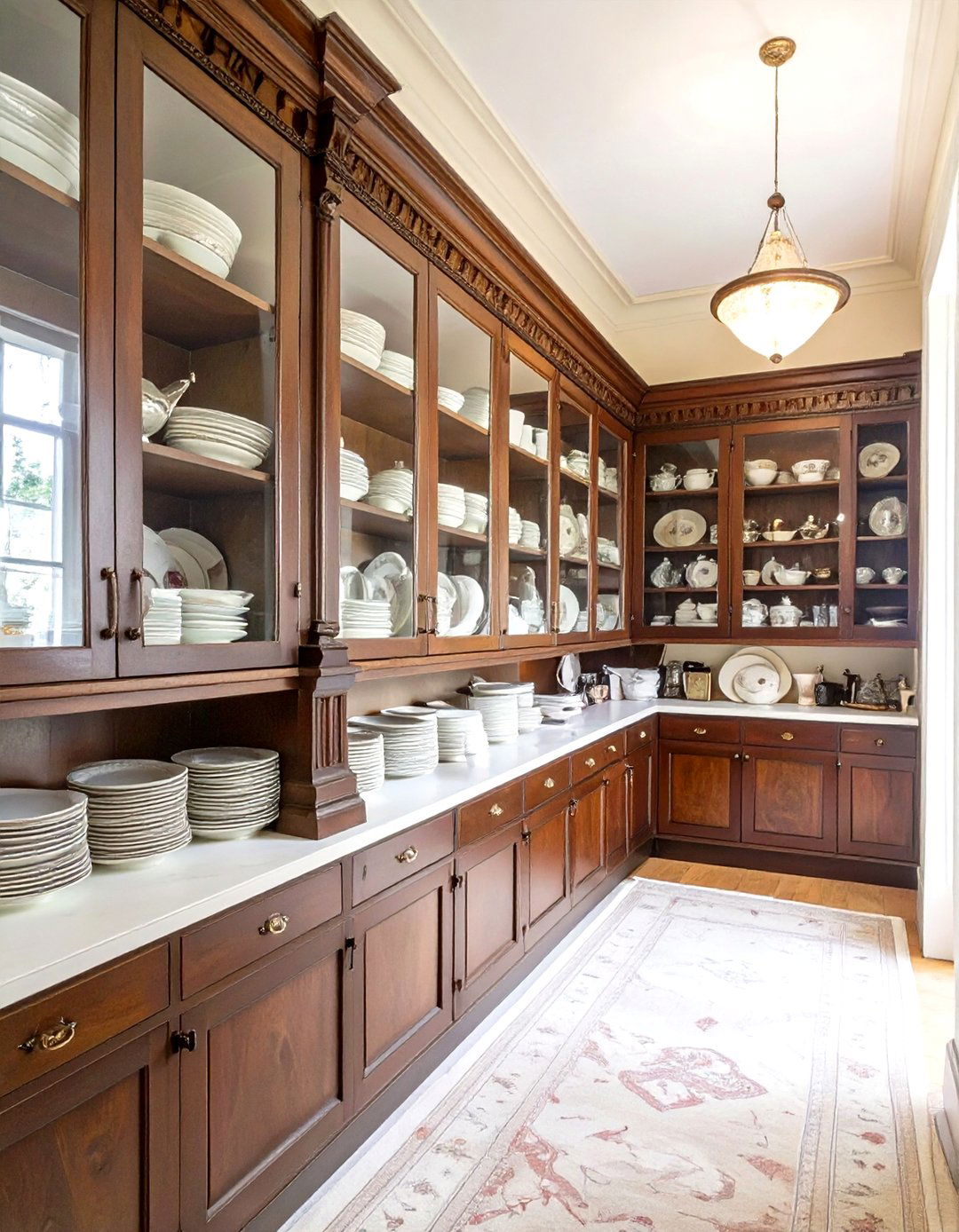
For wealthier Victorian households, the butler's pantry was a crucial transitional space between the kitchen and the formal dining room. This small room was outfitted with floor-to-ceiling cabinetry with glass or solid doors for storing the family's best china, silver, and crystal. It often included a countertop made of wood or zinc for plating food before serving. Today, incorporating the design principles of a butler's pantry into a kitchen or dining area, with tall glass-fronted cabinets and dedicated storage for fine tableware, adds a touch of classic, functional elegance and historical charm to the home.
27. Decorative Porcelain and Ceramic Displays
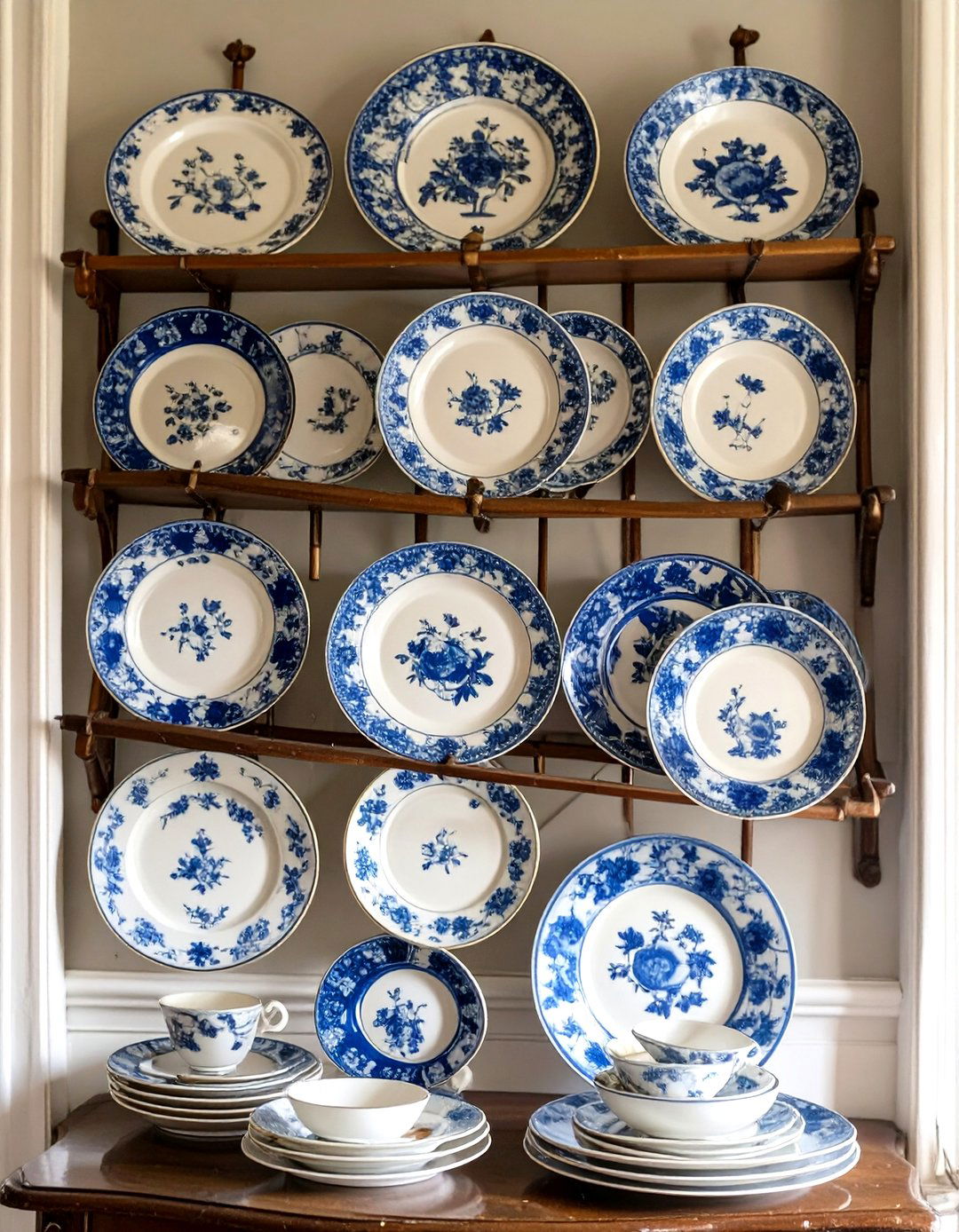
Victorian homes were filled with decorative objects, and porcelain was among the most prized. Collections of fine china, figurines, and decorative plates were displayed prominently. Transferware, a type of mass-produced pottery with printed patterns, was especially popular, often in blue and white or other colors, depicting pastoral scenes or historical events. These items were arranged on mantelpieces, in display cabinets, and on wall-mounted shelves or racks. A curated display of vintage or reproduction porcelain adds color, pattern, and a sense of collected history that is essential to the Victorian interior design style.
28. Intentional Pattern-on-Pattern Layering
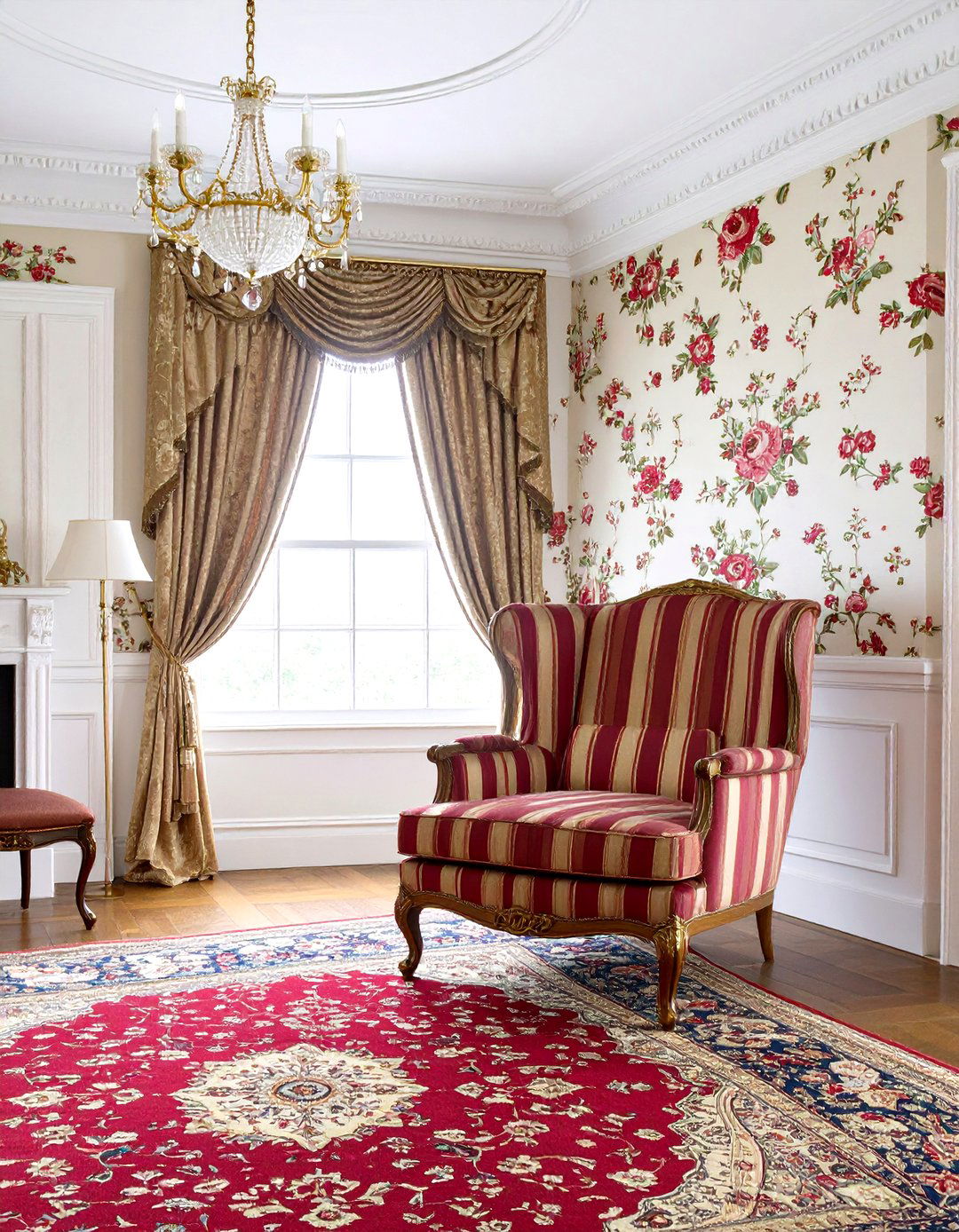
A core principle of Victorian maximalism is the confident layering of multiple patterns within a single space. This was not a chaotic clash but a carefully considered composition. A room might feature floral wallpaper, a geometric rug, striped upholstery, and damask curtains. The key to making this work was often a unifying color palette or a difference in the scale of the patterns. This bold approach creates a visually rich and dynamic environment that is full of energy and personality. Experimenting with layering different patterns on textiles, walls, and floors is a fantastic way to capture the exuberant spirit of the era.
29. A Library with Floor-to-Ceiling Bookshelves
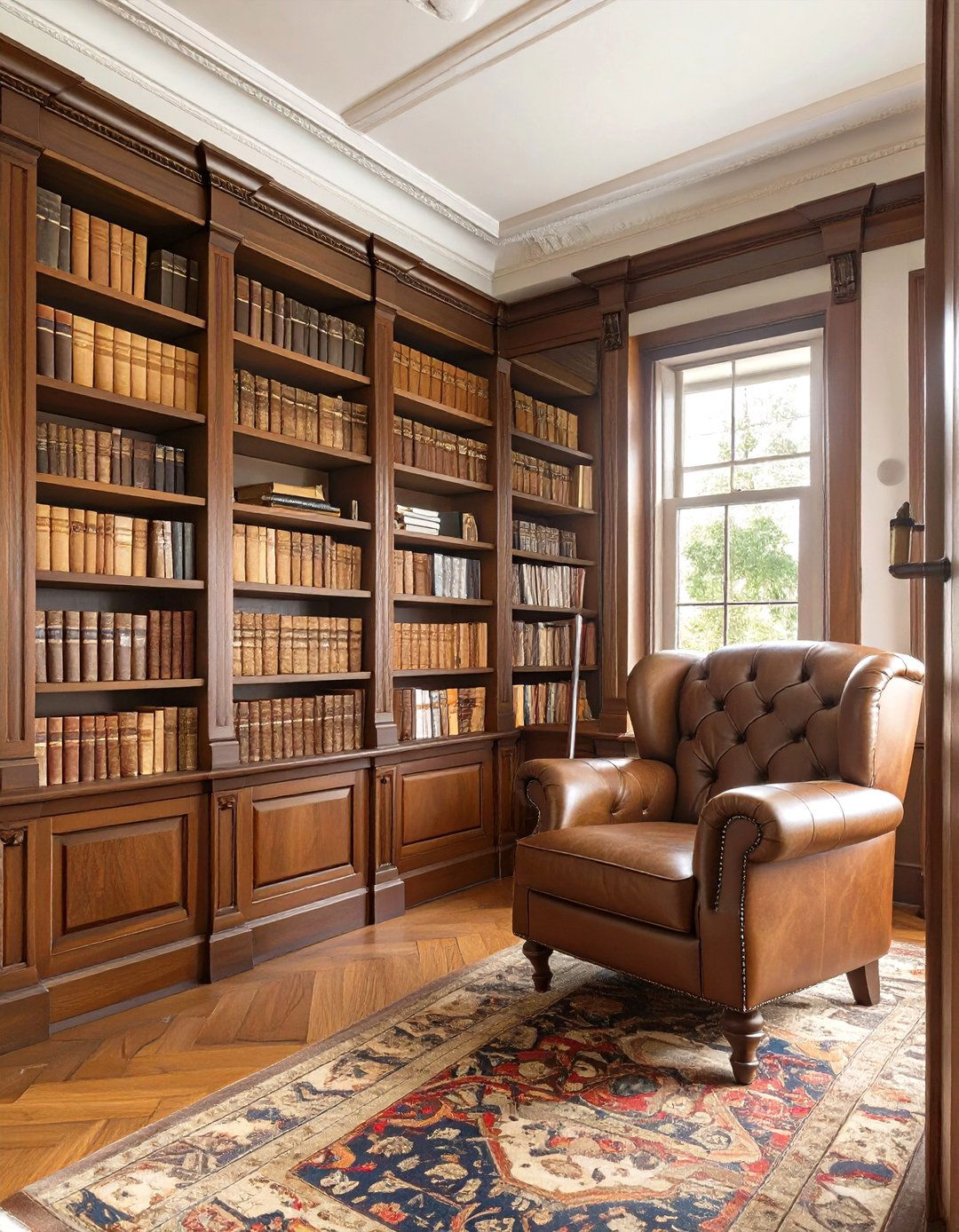
A home library or a dedicated reading corner was a symbol of education and status in the Victorian home. These rooms were characterized by dark wood, floor-to-ceiling bookshelves filled with leather-bound volumes. A comfortable leather armchair, a small reading table, and a good lamp were essential components. The atmosphere was one of quiet contemplation and scholarly pursuit. Creating a similar space, even if it's just one wall of dark-painted bookshelves, and adding a comfortable chair and warm lighting, can replicate that cozy, intellectual ambiance that was so cherished during the period.
30. Use of Tassels, Fringe, and Trimmings
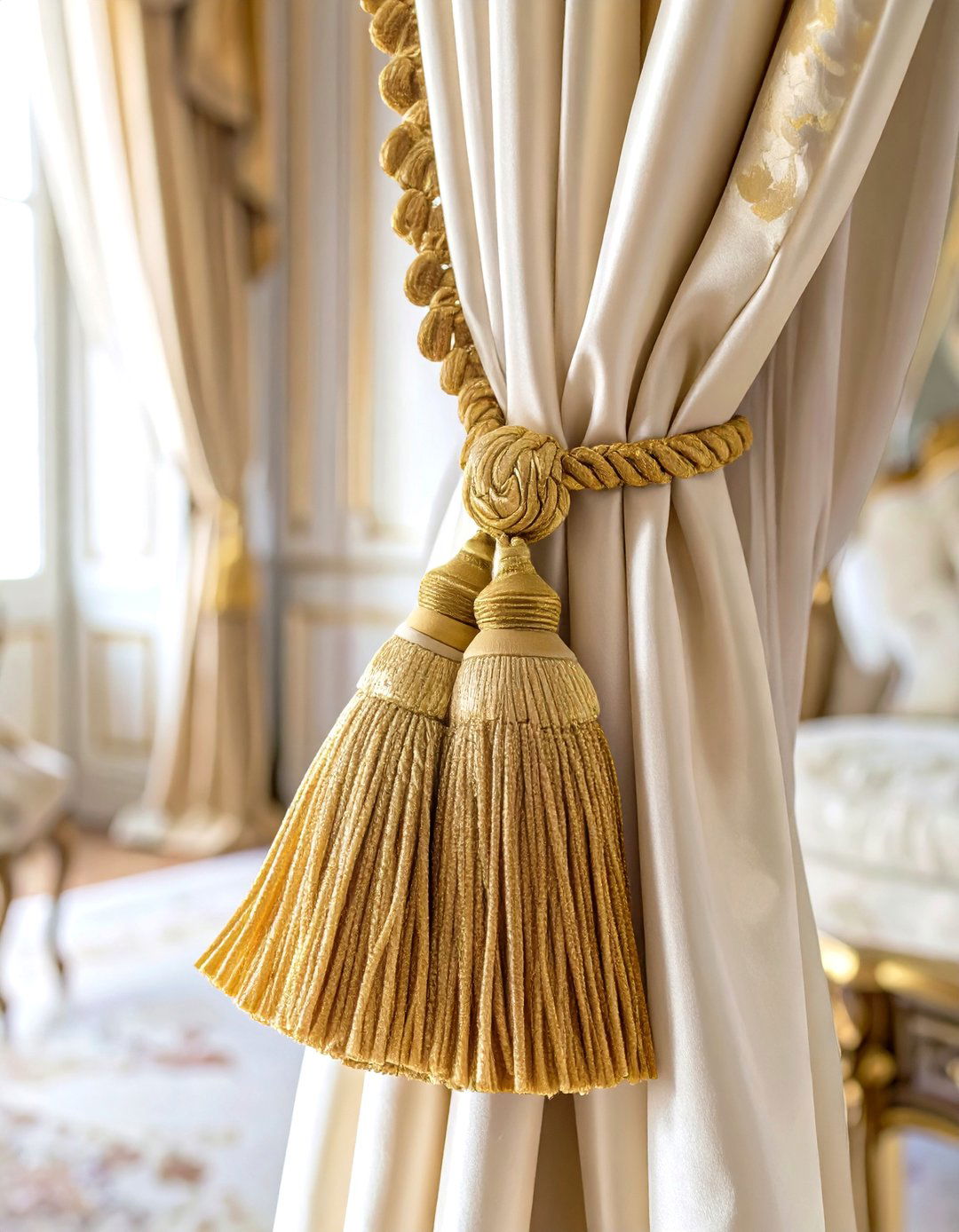
No Victorian interior was complete without an abundance of trimmings, known as passementerie. Tassels, fringe, braids, and cords were used to embellish nearly every textile in the room. Heavy tassels held back drapery, bullion fringe trimmed the edges of sofas and tablecloths, and decorative cords outlined the seams of cushions. These details were not afterthoughts; they were integral to the design, adding a final layer of texture, color, and opulence. Adding fringe to a throw pillow or tassels to curtain tie-backs is a simple yet highly effective way to infuse a space with Victorian character.
Conclusion:
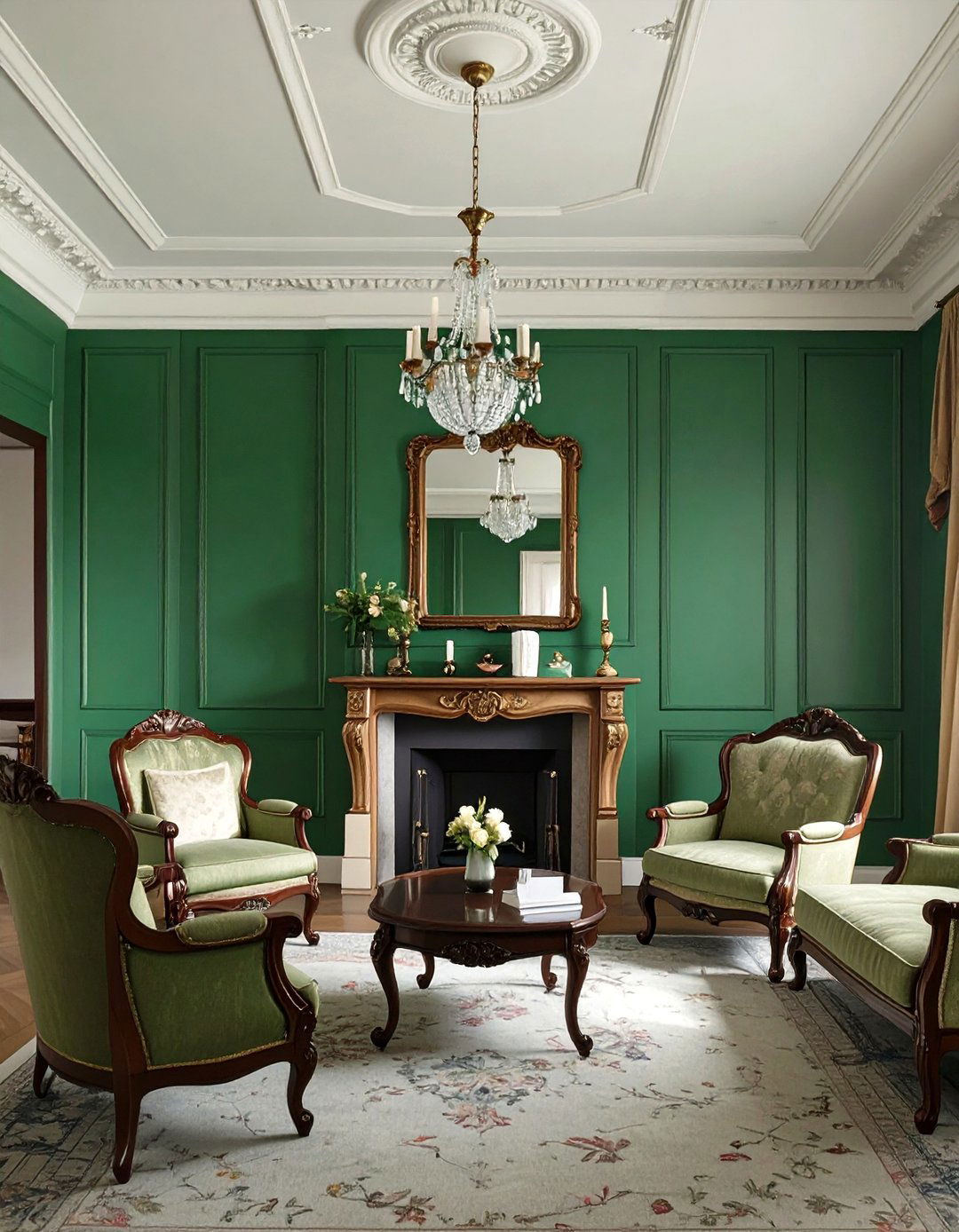
Victorian interior design is a celebration of abundance, detail, and personal expression. By embracing rich colors, ornate furniture, layered patterns, and decorative collections, you can create a space that feels both grand and intimately cozy. The key is to layer these elements thoughtfully, from architectural details like elaborate mantels to the smallest decorative tassel. Whether you replicate the style fully or incorporate select pieces, the Victorian aesthetic offers a timeless way to fill your home with history, drama, and undeniable character, proving that sometimes, more truly is more.

Related posts:




Leave a Reply